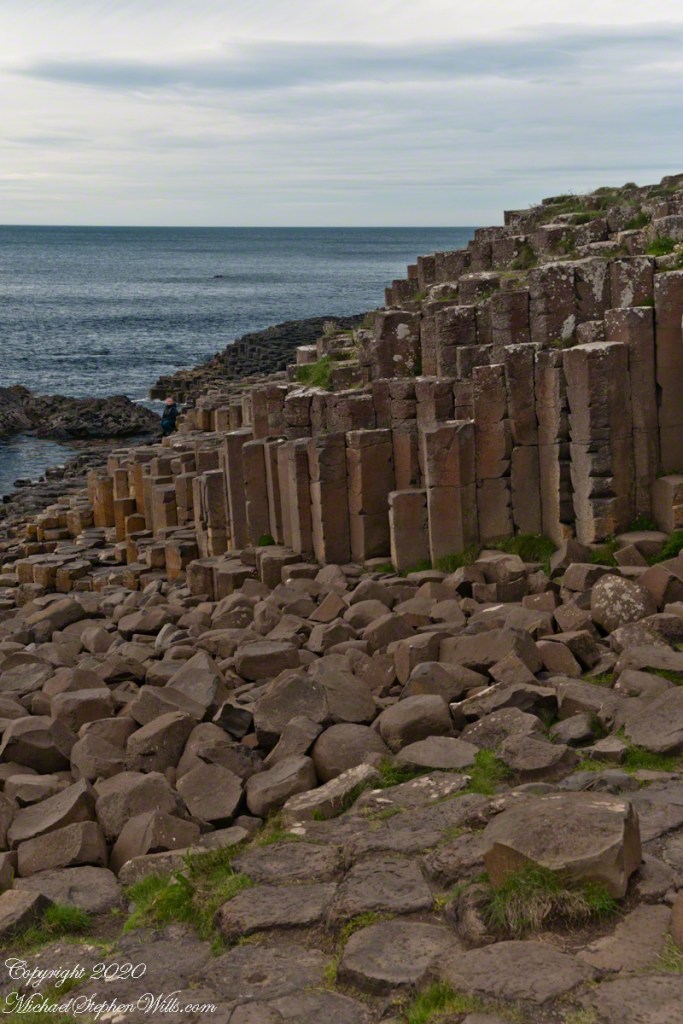
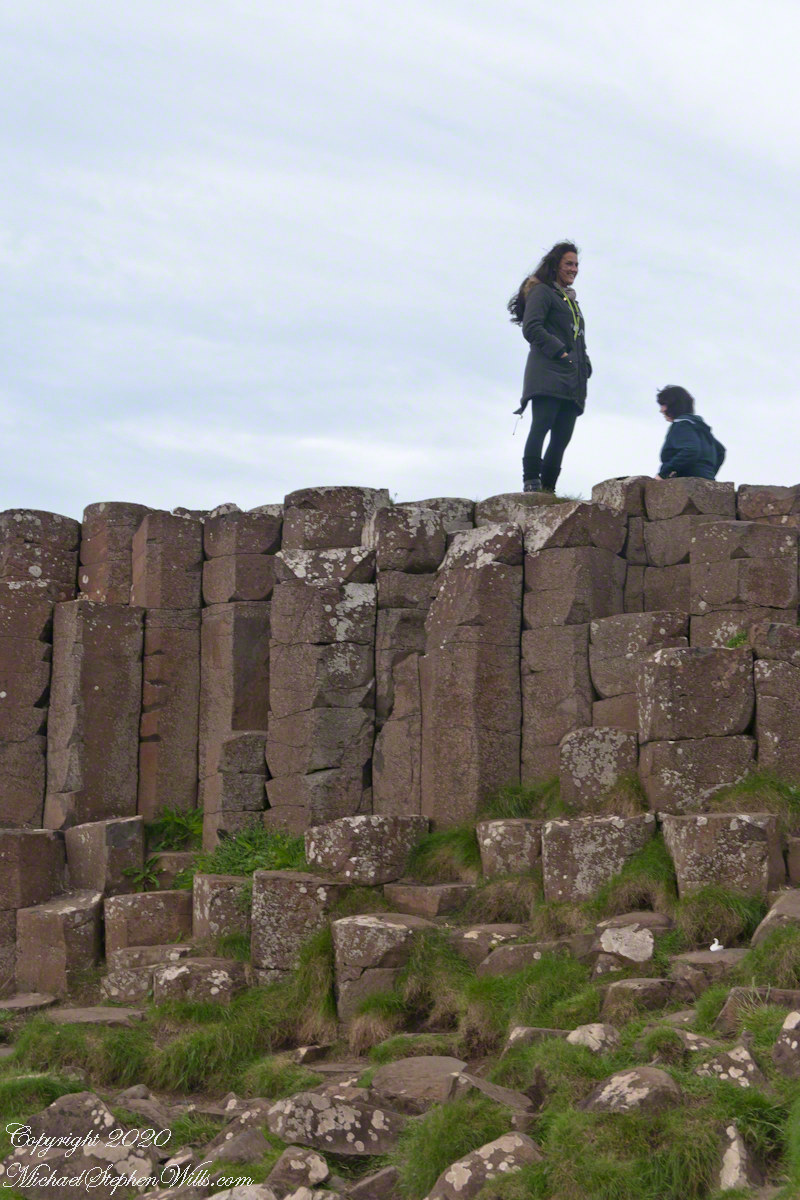
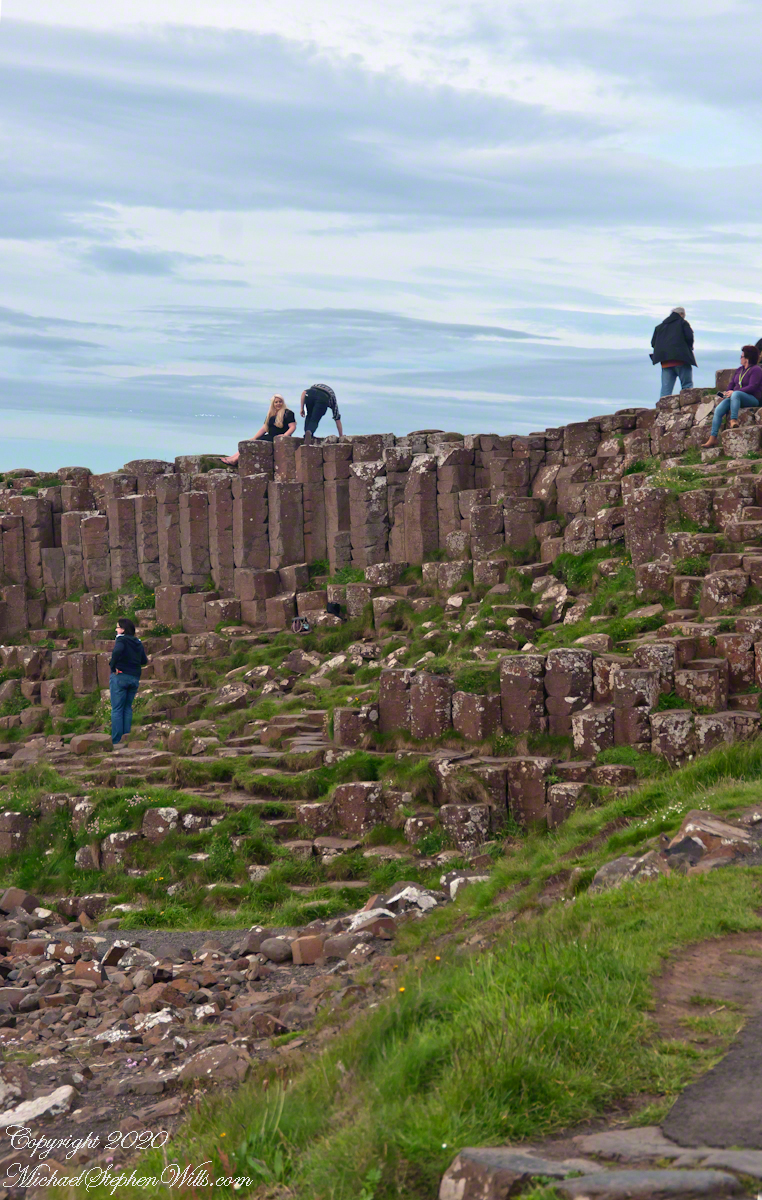
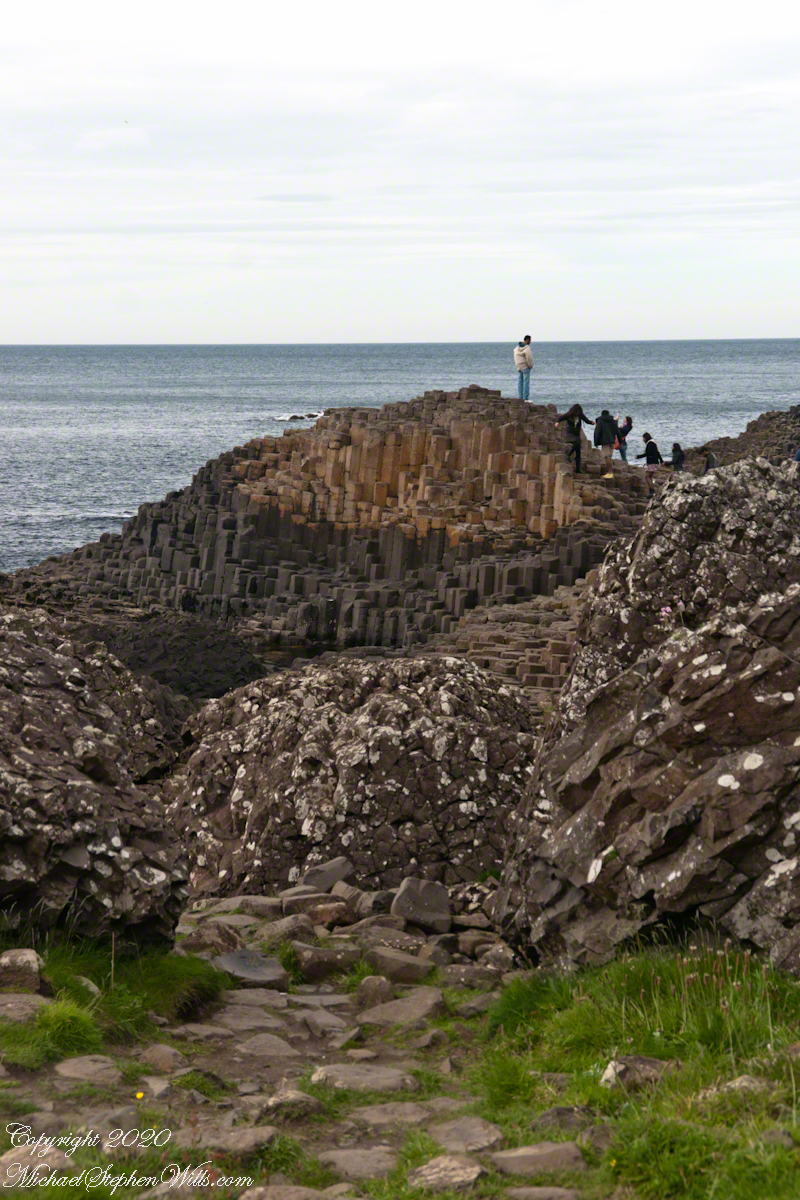
“List of places with columnar jointed volcanics” is a Wikipedia page, over a hundred sites across the globe and high resolution images of Mars, these columns of Giant’s Causeway are no less marvelous for being the most famous of a phenomenon well documented.
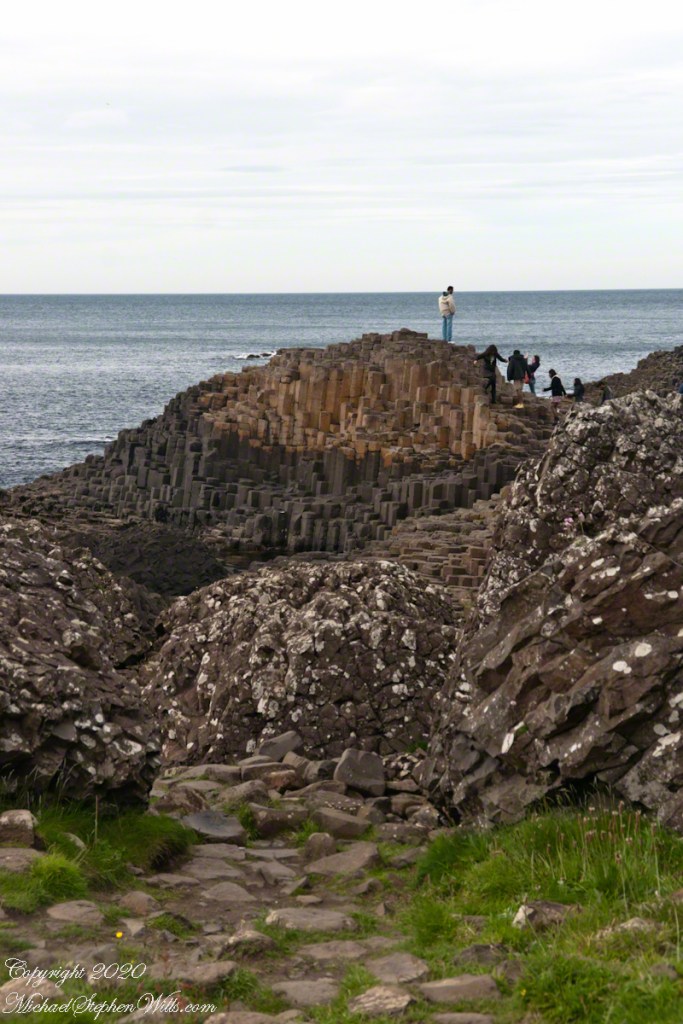
A pile of articulated blocks, ready for assembly, next to orderly placed columns forming a pavement into the sea. Across the way, on the Isle of Mull, Scotland, a matching pavement. “Jointed” means one surface of each block is convex, the other concave, two blocks fit together.
Click photograph for a larger view. To do this from WordPress Reader, you need to first click the title of this post to open a new page.
As of June 9, 881 is the count of subscribers to this blog, an interesting number. The individual numerals sum to a prime number, 17. I appreciate each and every “1” added together, you readers. Thank You.
Today, June 20, 5:44 pm Eastern Daylight Time, is the Summer Solstice for our Northern Hemisphere, the longest day of the year.
Here is a selection of images from past posts.
Click any photograph for a slide show. To do this from WordPress Reader, you need to first click the title of this post to open a new page.
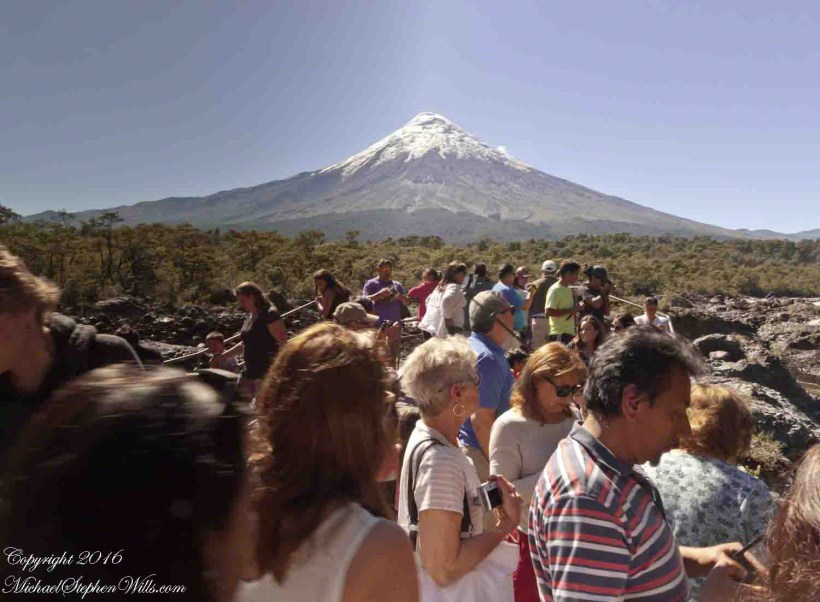
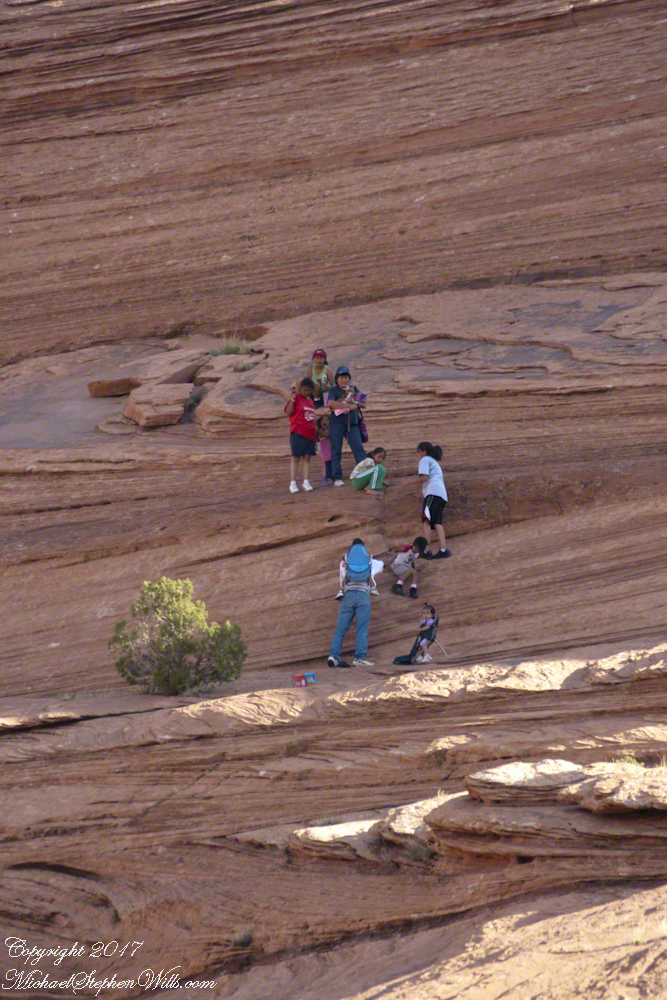
The trail at Petrohue Falls is packed with tourists on a sunny summer afternoon.
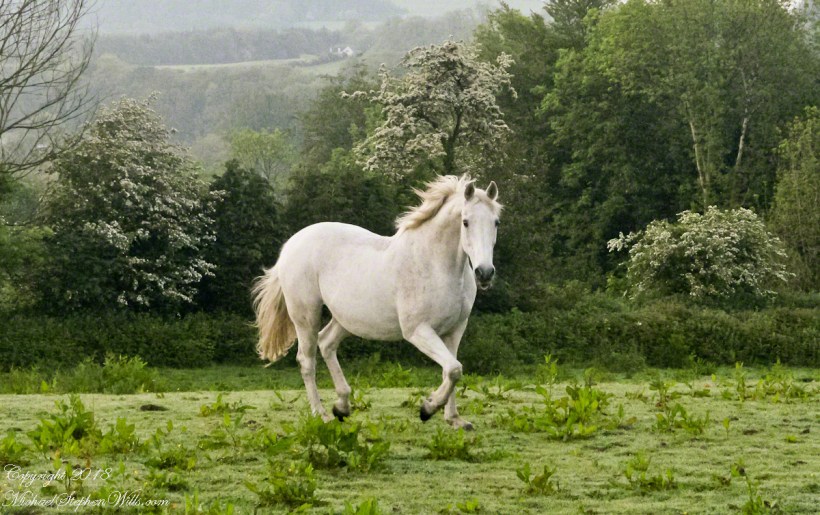
Pam and Mike Wills stayed with Marantha House B&B, during our Spring 2014 Ireland Tour. It was our base in County Cork. Our day of arrival, that evening, I visited Charlemagne and fed him an apple, saved from dinner. We learned from our hosts, Olwen and Douglas Venn, he is a retired show horse they rescued. The following morning I visited Charlemagne again with an apple and my camera. As I walked up, starting from the far end of his field, Charlemagne rewarded me with a series of astounding poses, trotting toward me in fine form. The morning mists, hawthorn in bloom, distant hills came together for this memory.
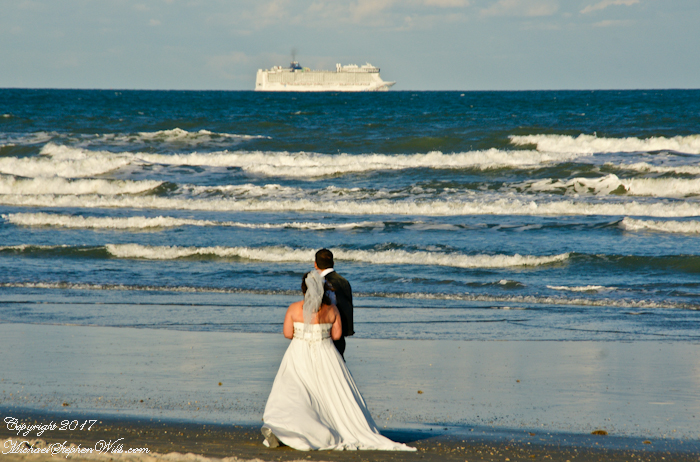
Newlyweds on Cocoa Beach waiting for the photographer in a perfect early evening light. A cruise ship departing from Port Canaveral in the distance.
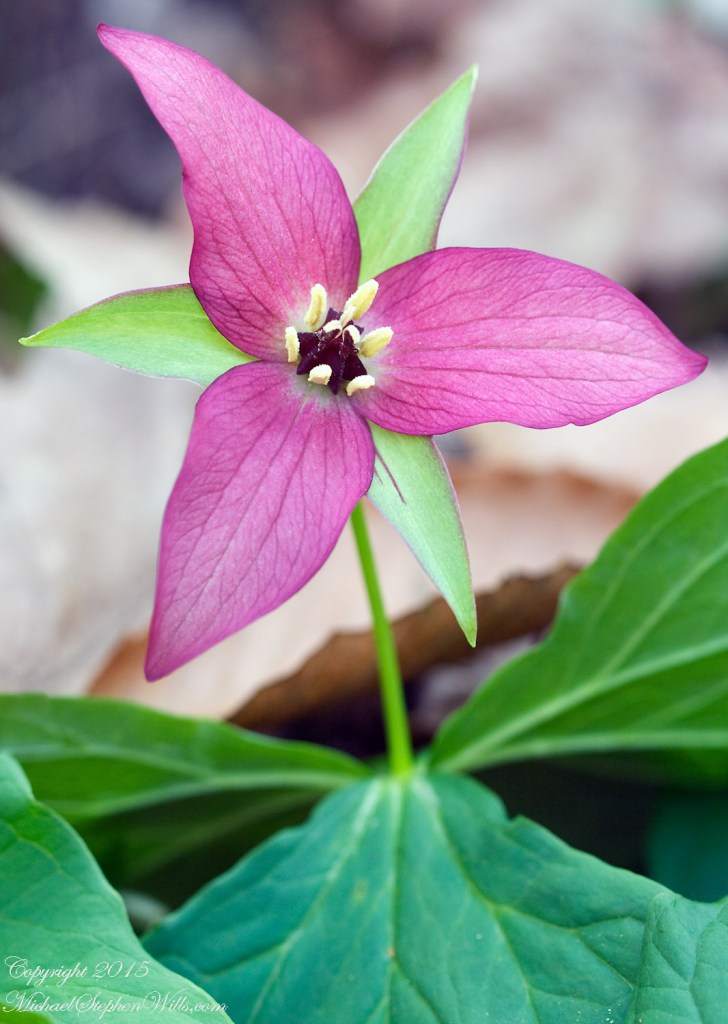
Trillium bloom April through May in central New York State. I found these blooming on the rim of Fillmore Glen near Owasco Lake and the town of Moravia.
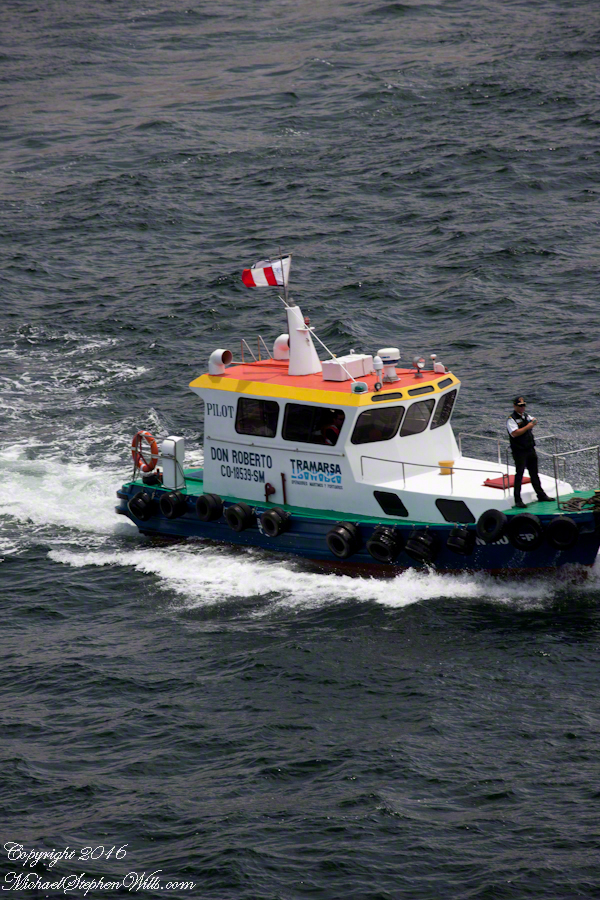
Don Roberto is on the bow
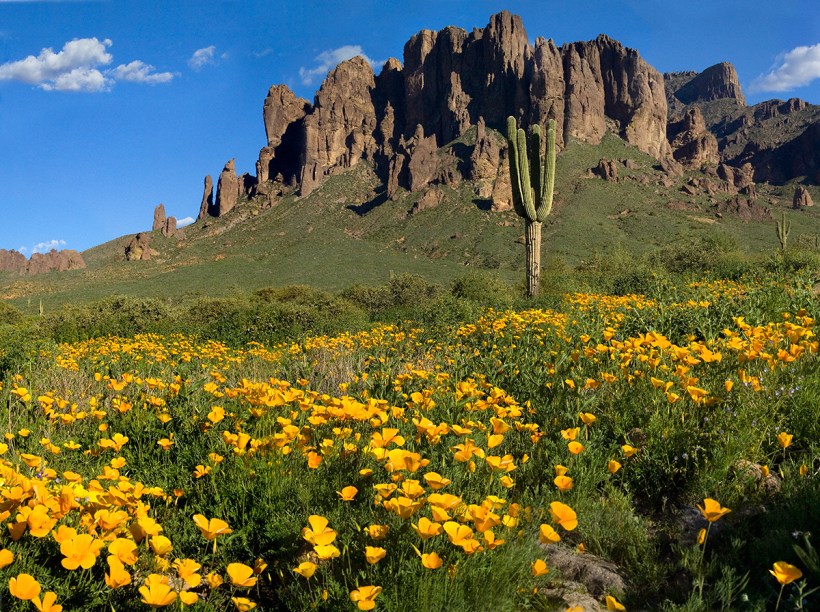
Mexican Poppies bloomed in profusion throughout the Superstitions after the plentiful winter rains of 2008.
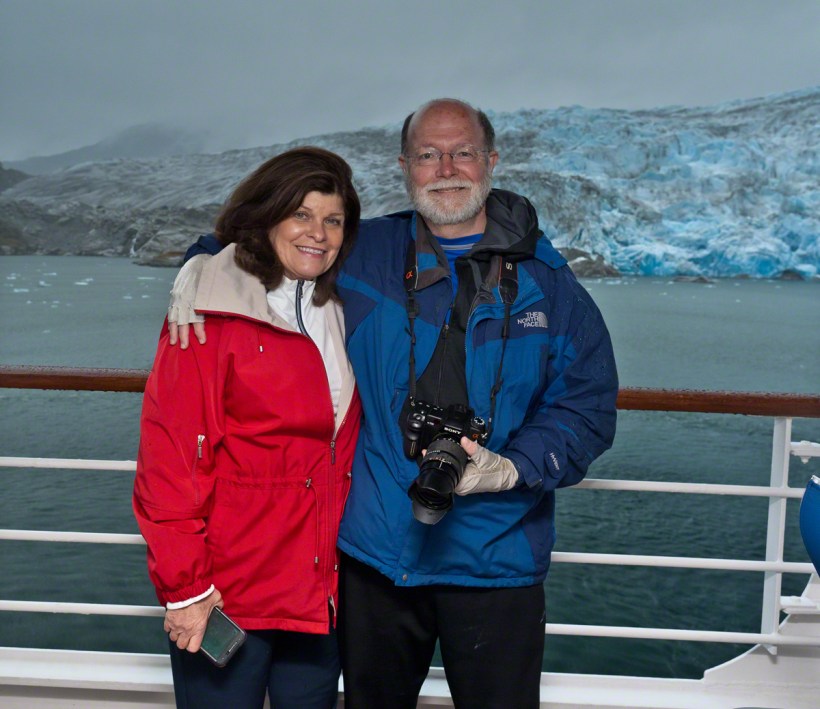
Pamela and Michael Wills with Iceberg Glacier, Bernardo O’Higgins National Park, Fjord Tempanos, Chile aboard the Oceania Regatta
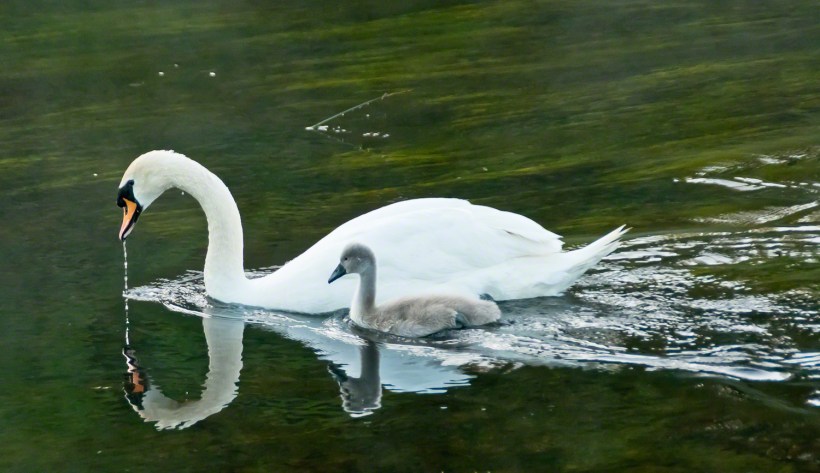
A swan and cygnet feeding from the pristine waters of the River Cong, County Mayo, Ireland. Outside the door of Ashford Castle.
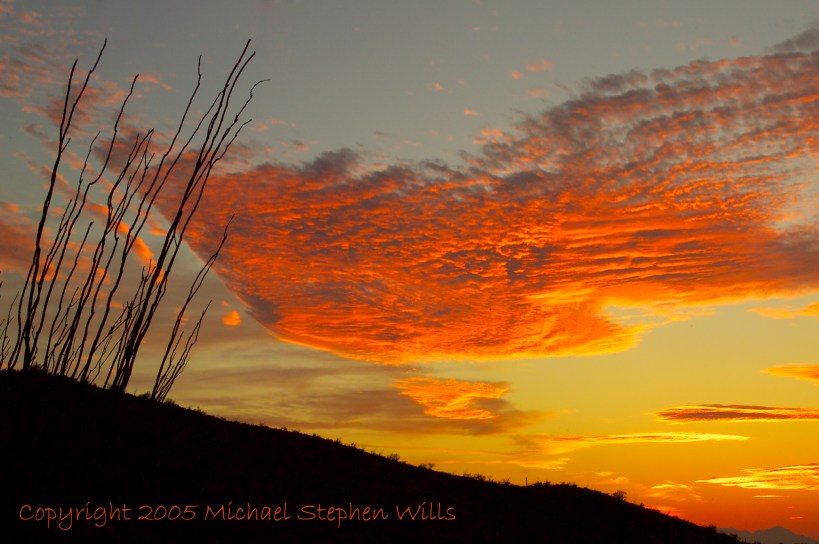
Ocotillo Sunset
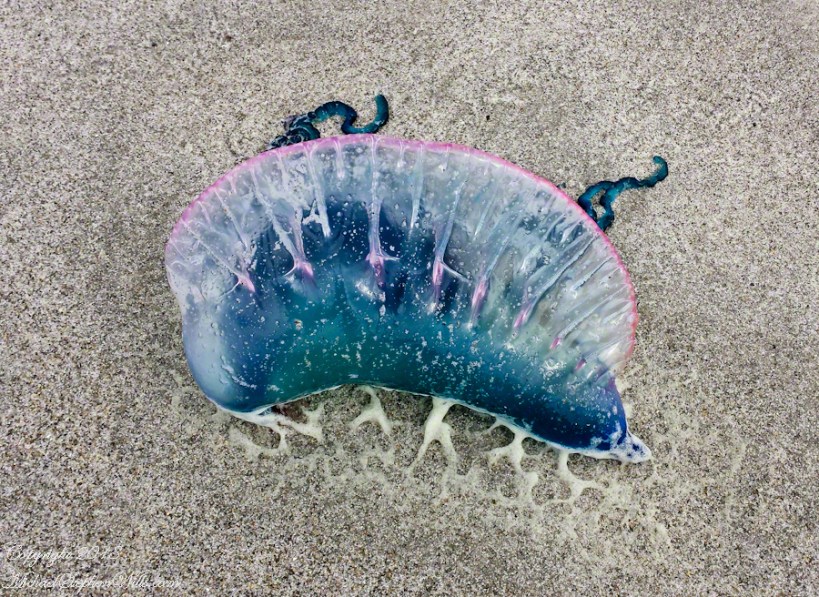
The crest of the Portugest Man of War is very visible in the water, the sac can be inflated/deflated to catch the wind or even sink the organism to escape surface feeders.
Another solution to the crooked horizon is to level, crop, and build out the lost portions, as I did here. Very time consuming….better to keep the horizon level in the camera, difficult for me to remember.
Taken from the entrance.
Hydrangea Ensenada ClubAleman Chile February 15, 2016
Click photograph for a larger view. To do this from WordPress Reader, you need to first click the title of this post to open a new page.
SONY DSCThe stars are the columnsSONY DSCAt the most popular tourist attraction in Northern Ireland, a photograph without people was the challenge of the day.
Copyright 2020 All Rights Reserved Michael Stephen Wills
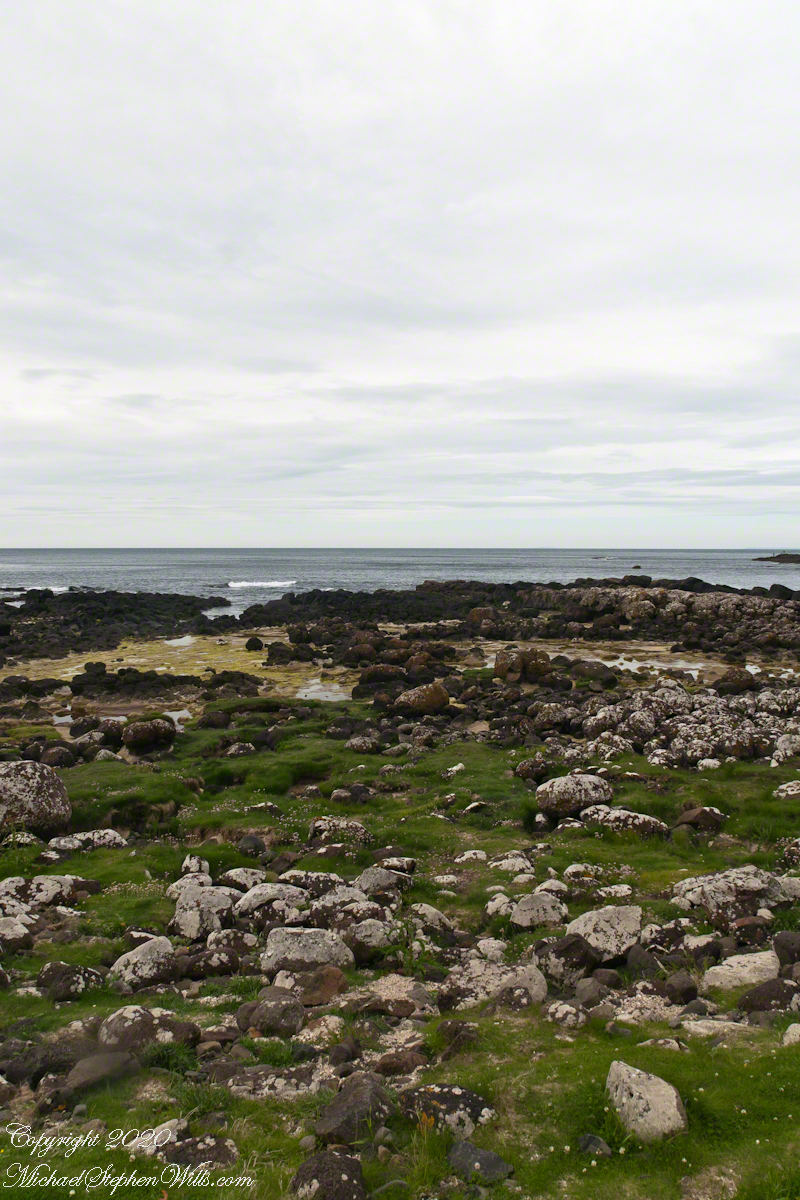
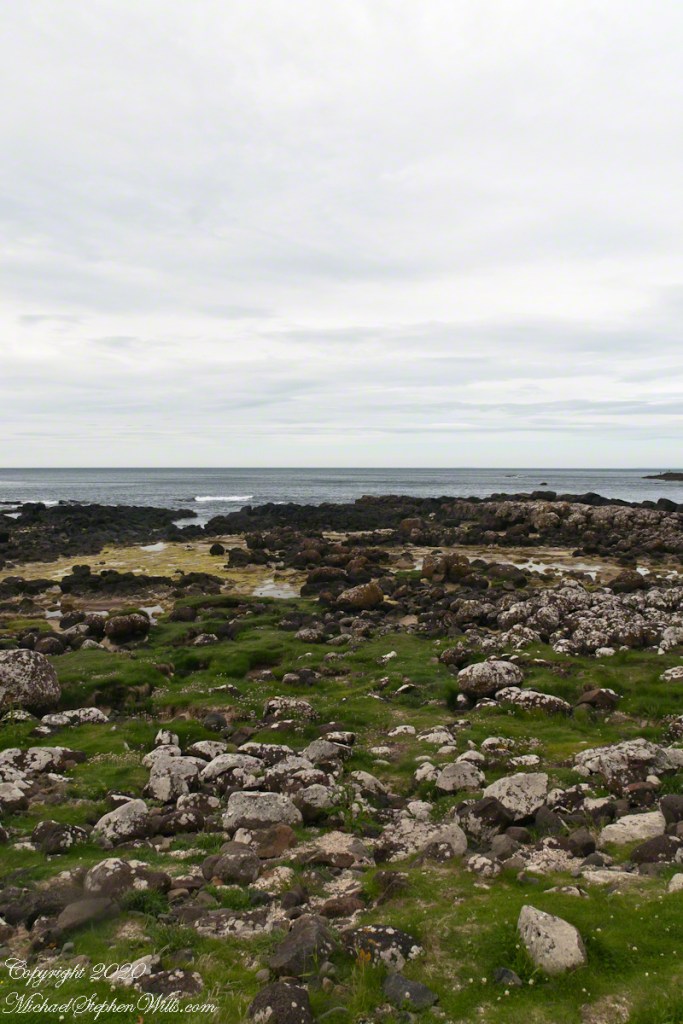
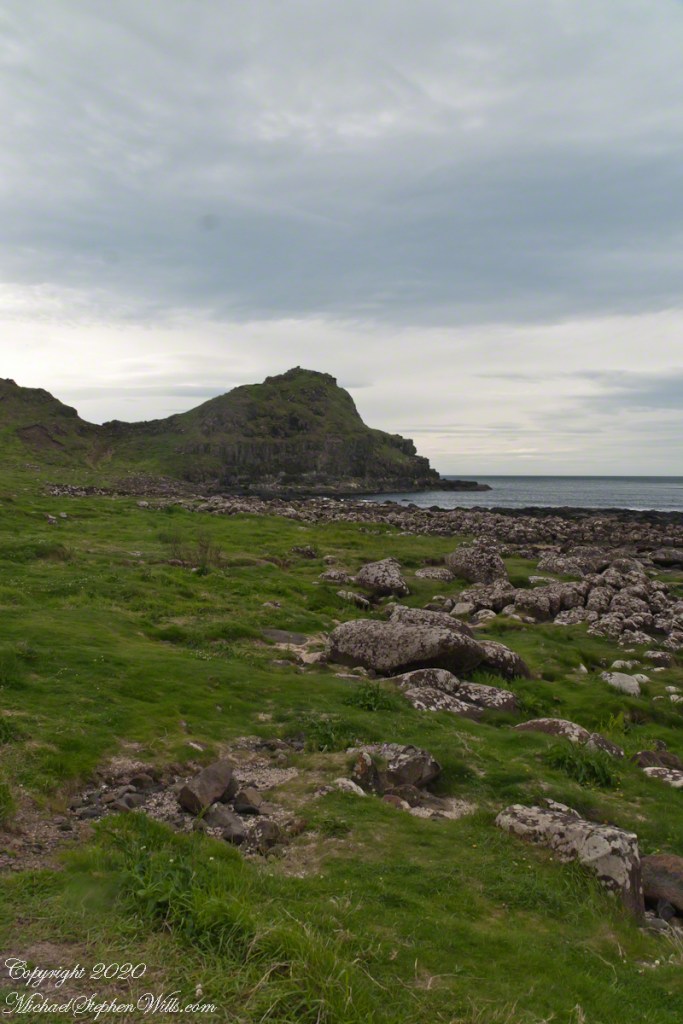
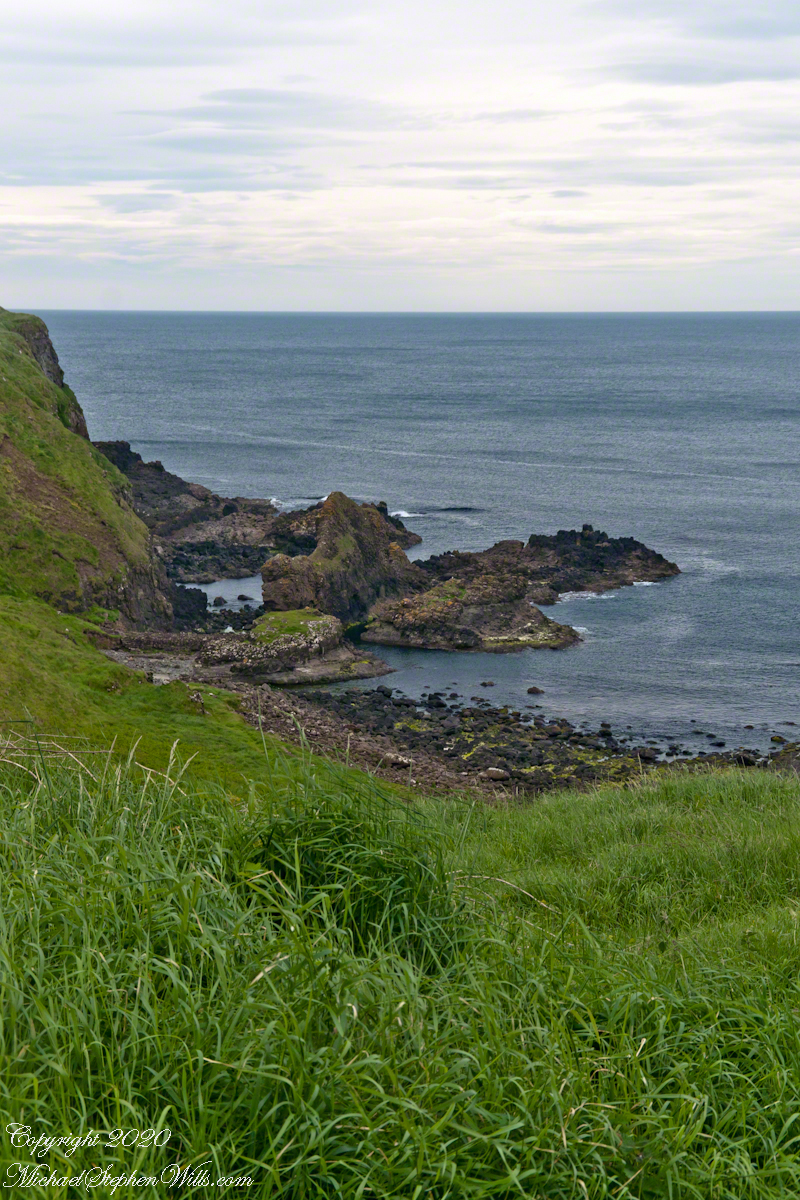
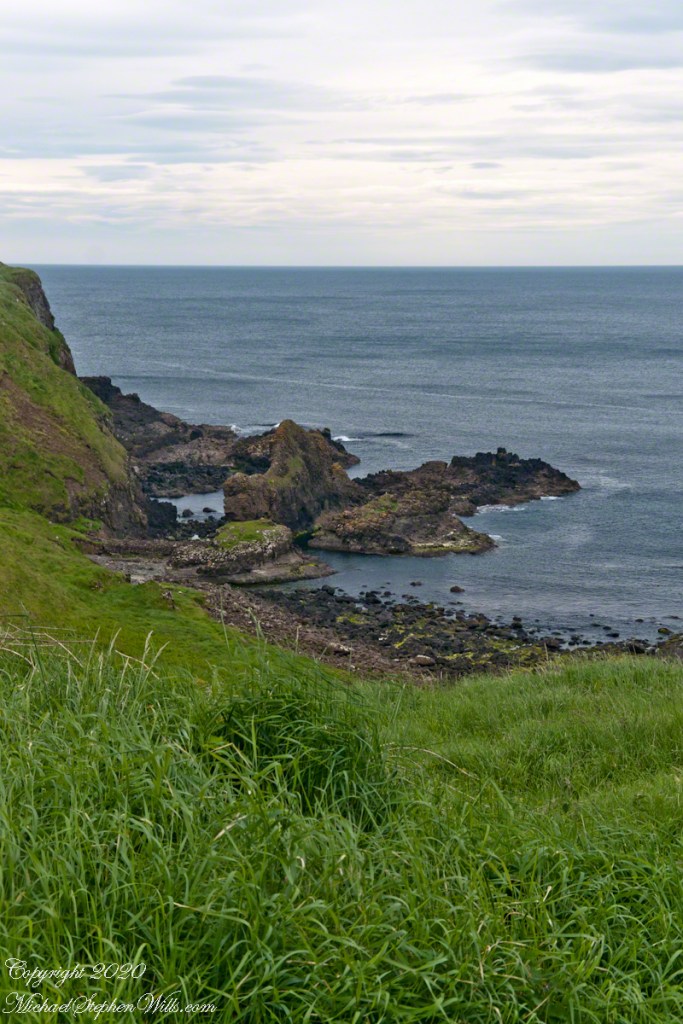
More stunning views from the Causeway Walk on the way to the main attraction. We did not explore enough to discover the sand reported to exist along the water margin.
Click photograph for a larger view. To do this from WordPress Reader, you need to first click the title of this post to open a new page.
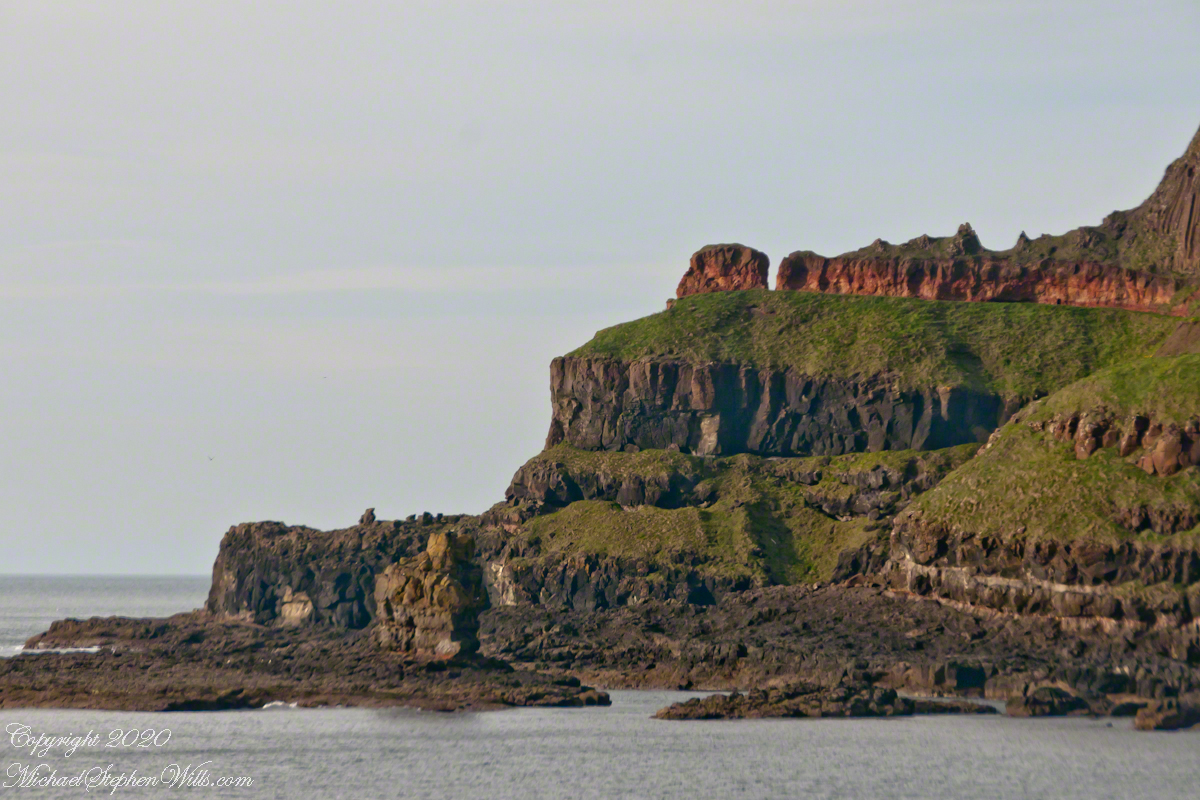
Layers of red rock, lit here by sunset on Giant’s Causeway, along the cliff trail, seen here from below, are called laterite from the Latin for brick (later). Here it is formed from iron rich basalt laid down well before the upper layers of the magma plateau. It takes eons to weather and oxidize the iron of basalt, transforming it to the brick red of laterite, yet the rocks above it are still dark. The process happens in warmer climates with alternating cycles of rain and drought, for Ireland this was when the land was much farther south than today. Giant’s Causeway, County Antrim, Northern Ireland.
Here it is formed from iron rich basalt laid down well before the upper layers of the magma plateau. It takes eons to weather and oxidize the iron of basalt, transforming it to the brick red of laterite, yet the rocks above it are still dark. The process happens in warmer climates with alternating cycles of rain and drought, for Ireland this was when the land was much farther south than today.
Click photograph for a larger view. To do this from WordPress Reader, you need to first click the title of this post to open a new page.
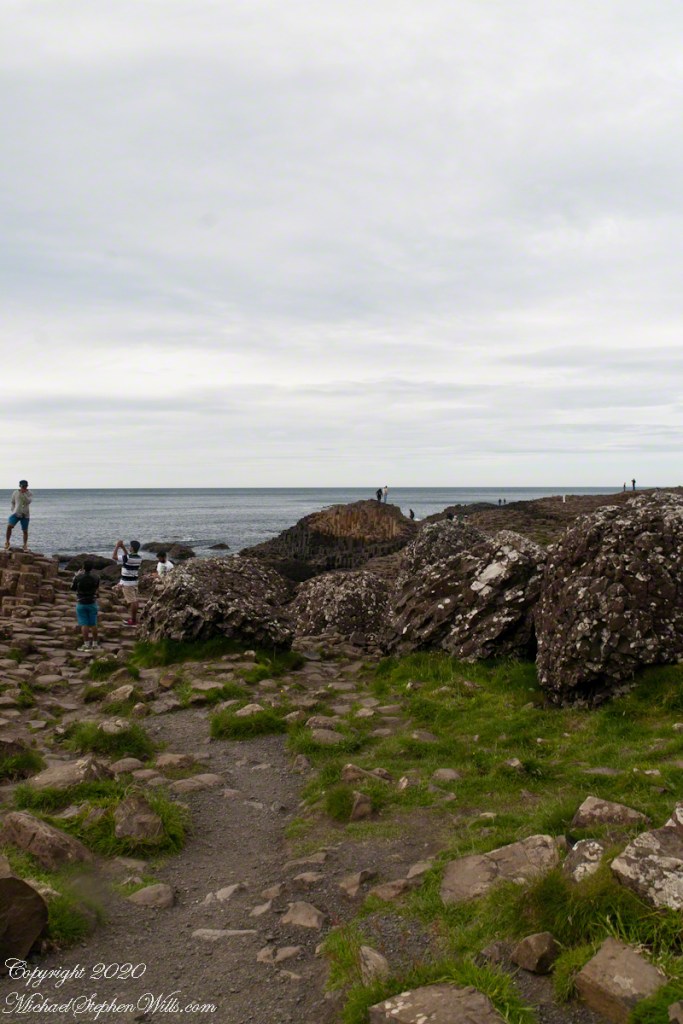
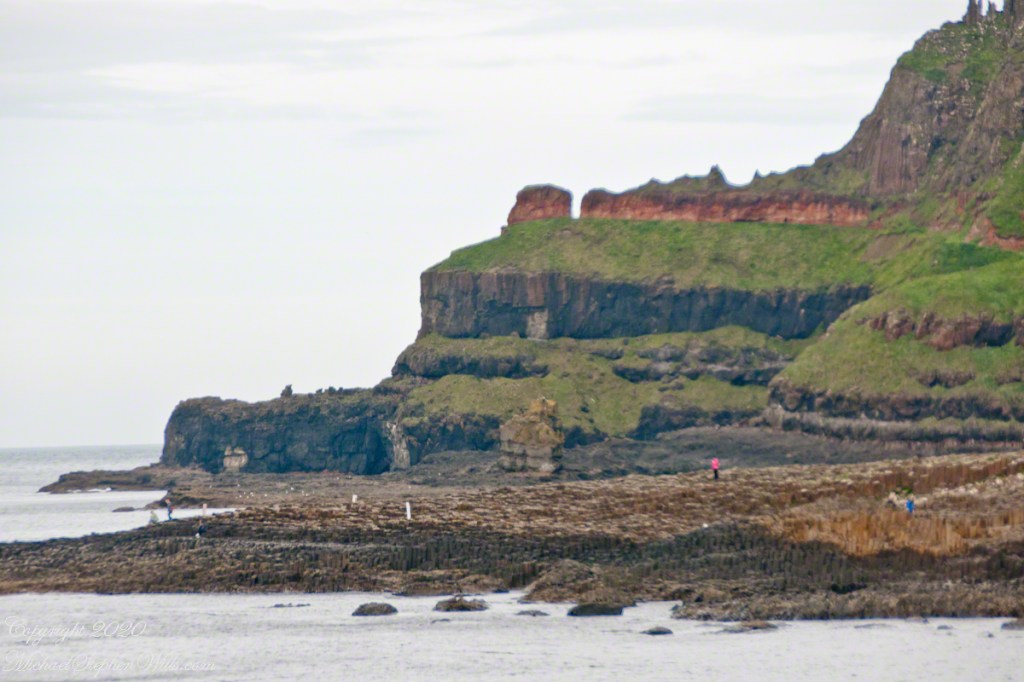
Lava dikes rise from the water below. Here is a wider view with the “causeway” elements with human figures in foreground.
Copyright 2020 All Rights Reserved Michael Stephen Wills
In preparation for our Ireland tour I woke before work to research each location, filling a leather bound notebook with facts and observations. Faced with the Giant’s Causeway I was woefully unprepared to comprehend the sights.
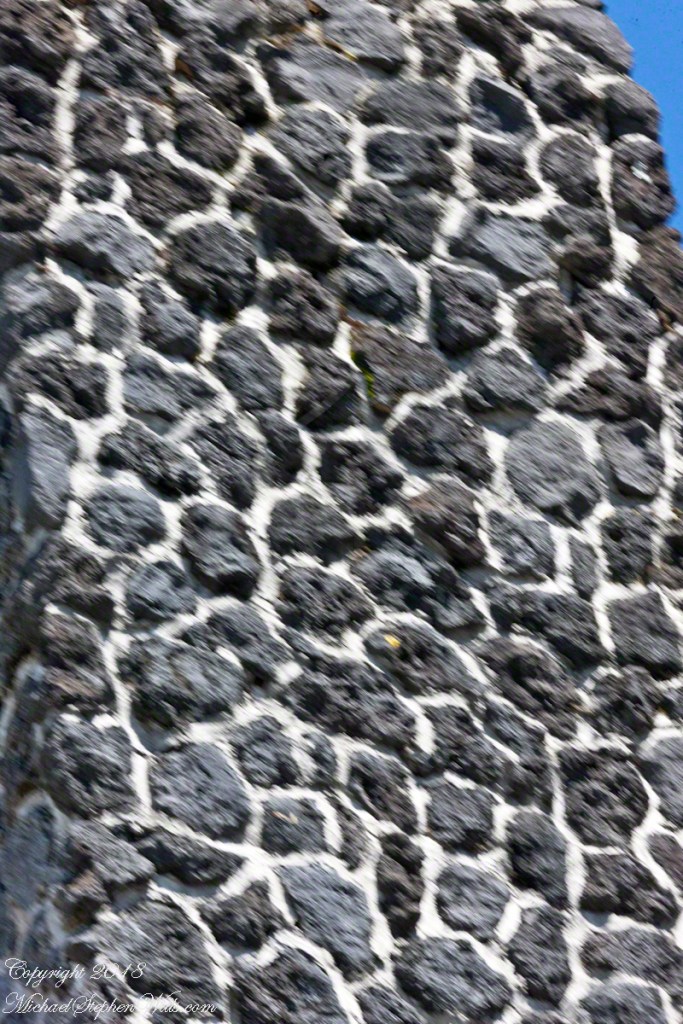
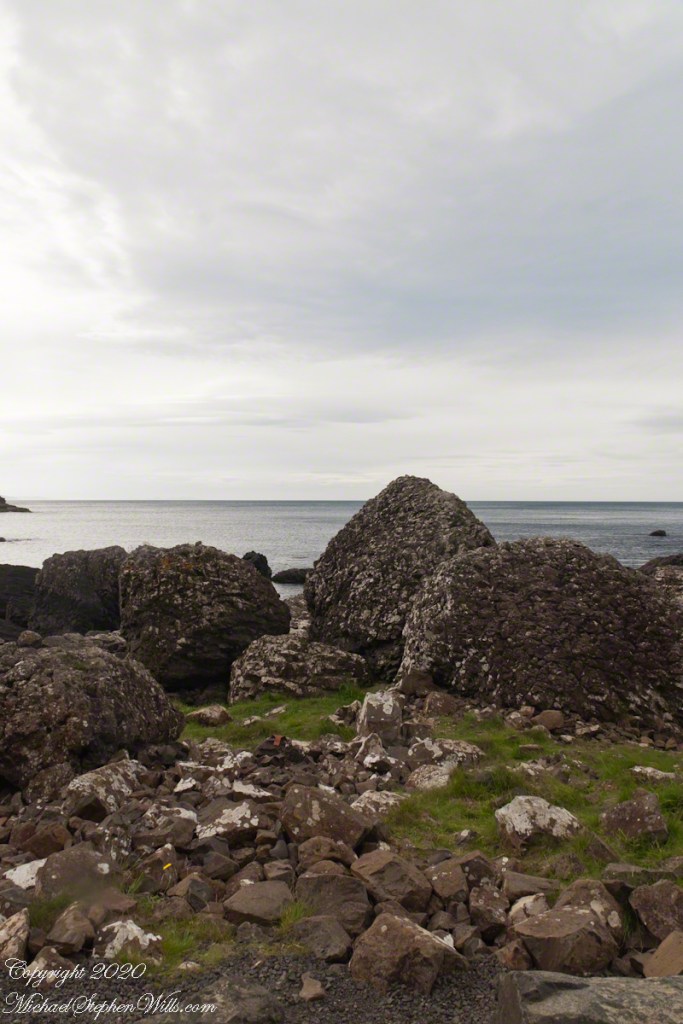
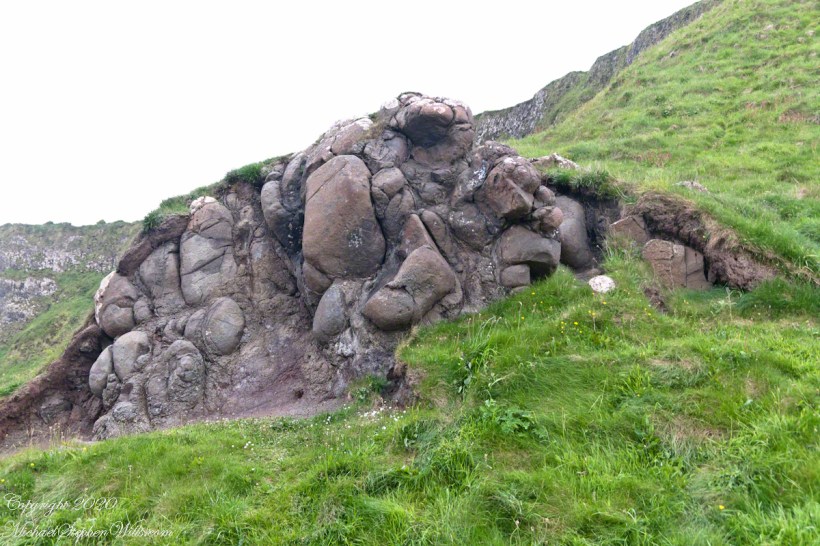
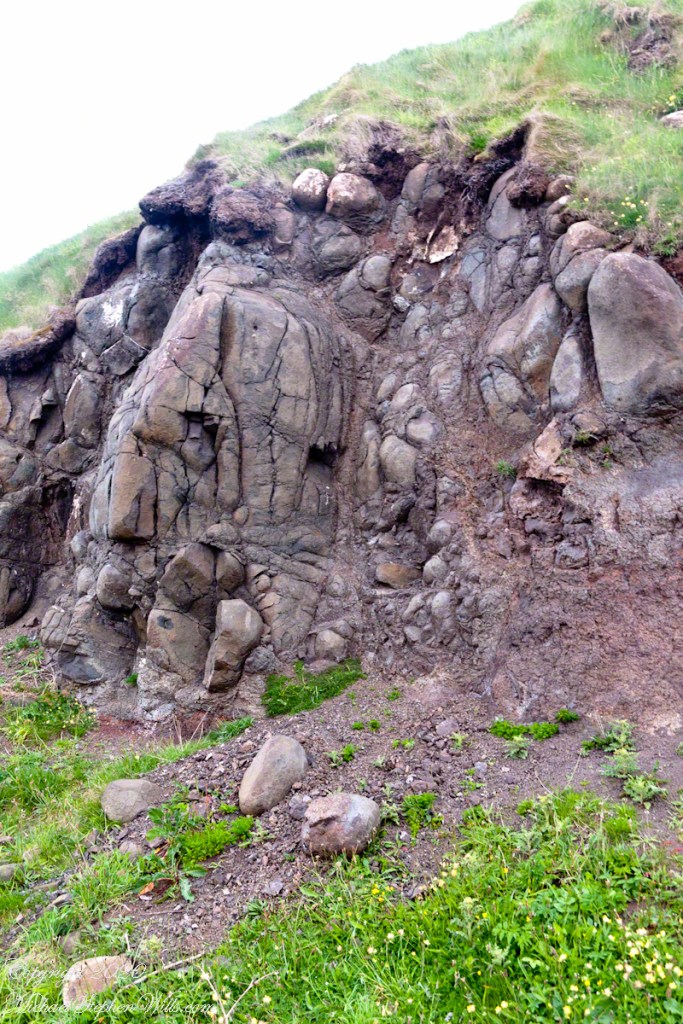
Walking down the Causeway path, the cliffs rise on the right, at the foot are these strange deposits. The Causeway is part of an enormous lava plateau formed during eruptions 50-60 million years ago. This lava was at bottom, eventually exposed to weather. As eons passed, the basalt reacted chemically with rainwater, the outer rock flaking off like layers of an onion to reveal these strange rounded forms.
Click photograph for a larger view. To do this from WordPress Reader, you need to first click the title of this post to open a new page.
Being here is like finding the abandoned workshop of a giant. The place lives up to the name.
Copyright 2020 All Rights Reserved Michael Stephen Wills
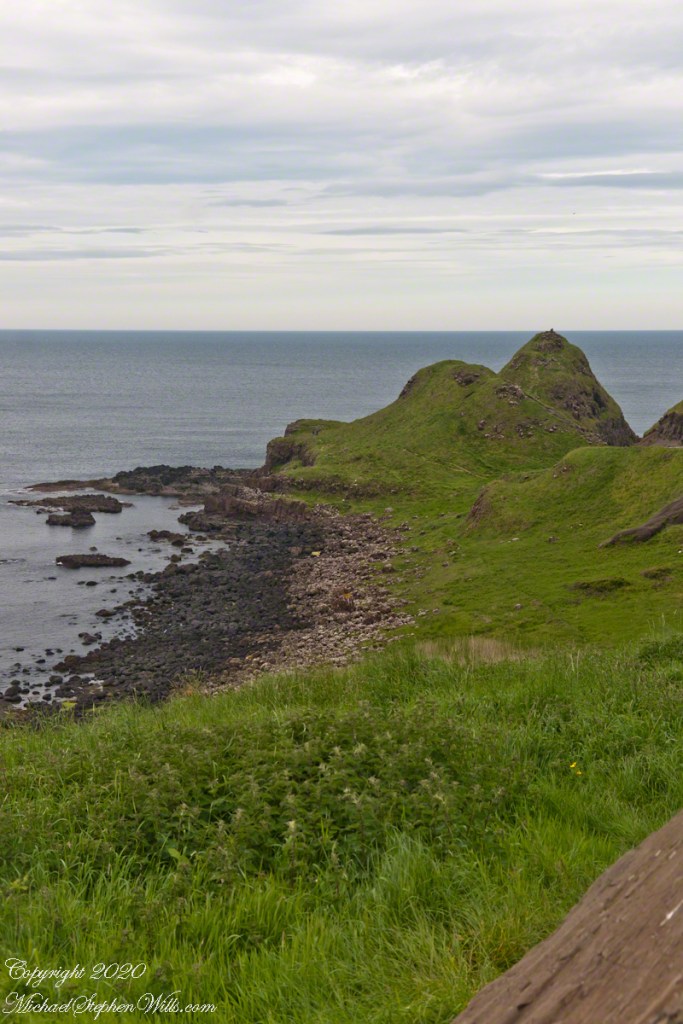
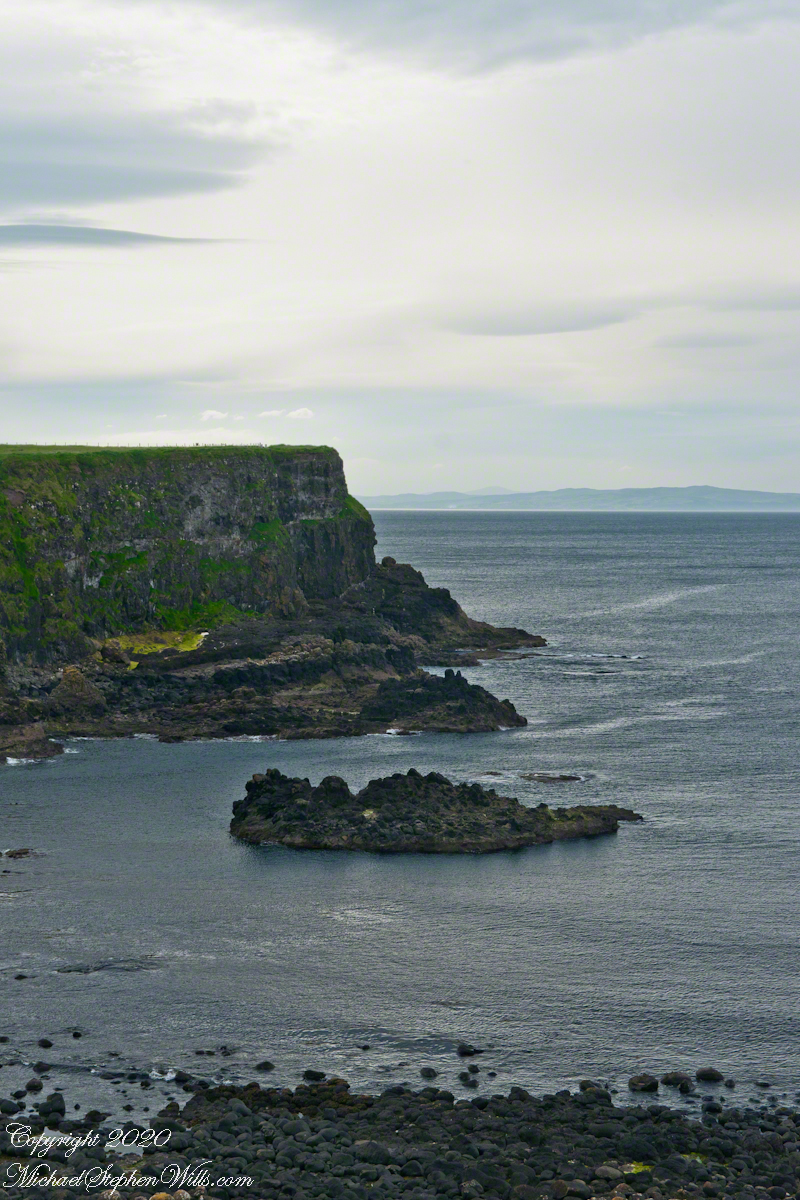
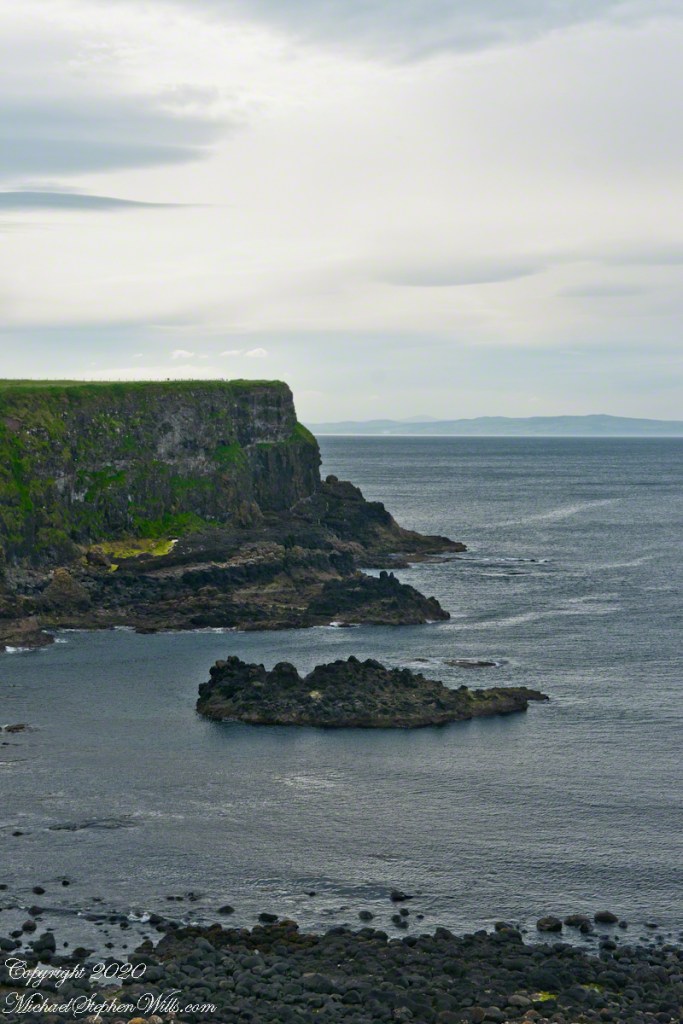
Here is another view from the Giant’s Causeway walk, wonders presented at every step. This lava dike, now surrounded by water, formed when flowing lava entered a crack though a layer of basalt from an earlier eruption. The lava cooled, over eons the surrounding material eroded, leaving a wall of rock. This formation has an irregular surface that resembles a two humped camel from some angles.
Click photograph for a larger view. To do this from WordPress Reader, you need to first click the title of this post to open a new page.
Copyright 2020 All Rights Reserved Michael Stephen Wills