Travelog to Neverland

Welcome to The Hole – don’t bother looking for the light at the end of the tunnel. It’s probably just another train coming to run you down.

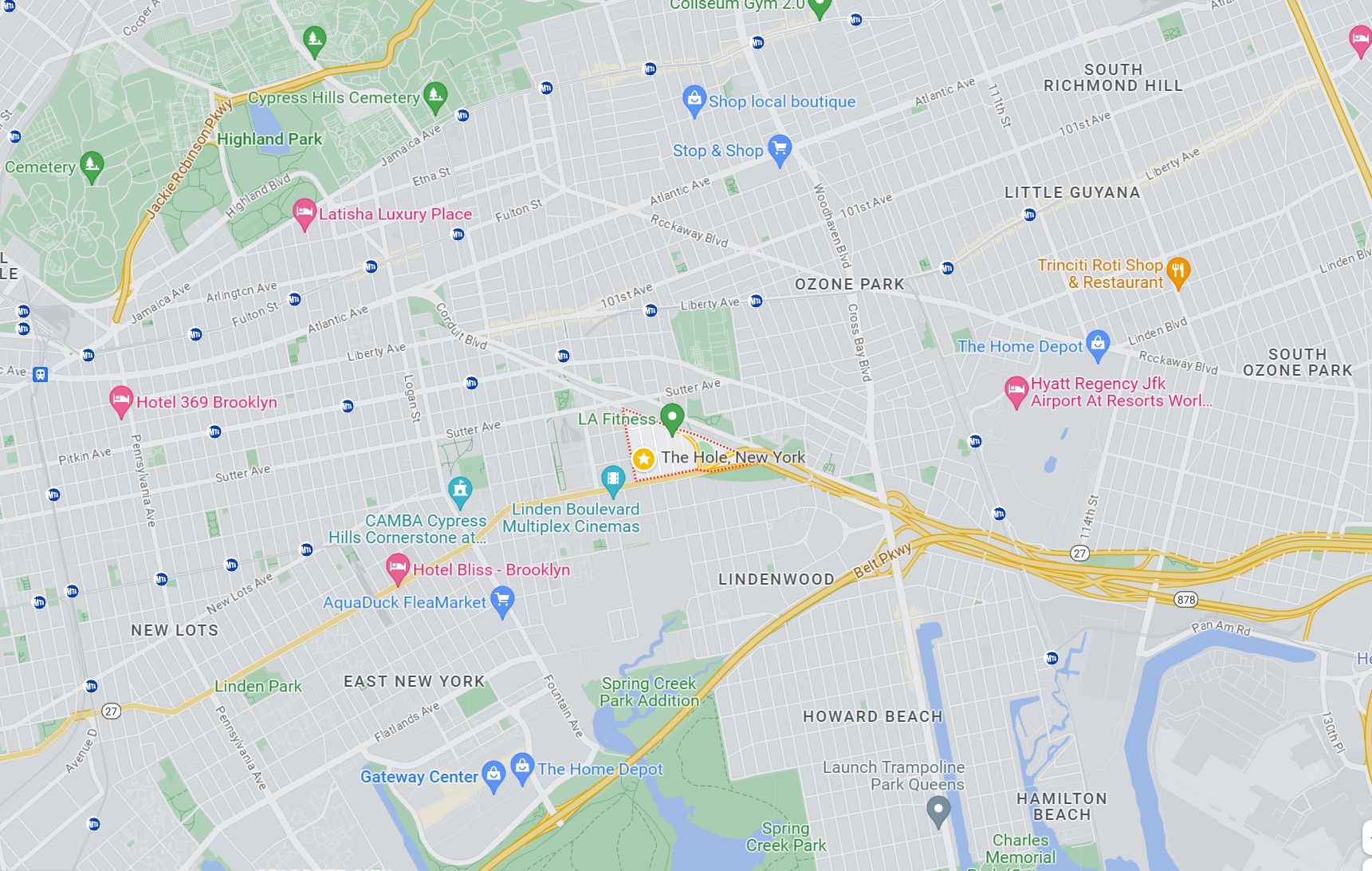
The first light of dawn hadn’t yet dared to creep through the dense overhang of the Queens sky as I rolled my Chevy into the kind of neighborhood where hope seemed to have packed up and skipped town – The Hole, New York’s forgotten stepchild. A scrap of no-man’s land straddling the invisible line between Queens and Brooklyn, it was the kind of place that cabbies avoided after the sun punched out for the day.
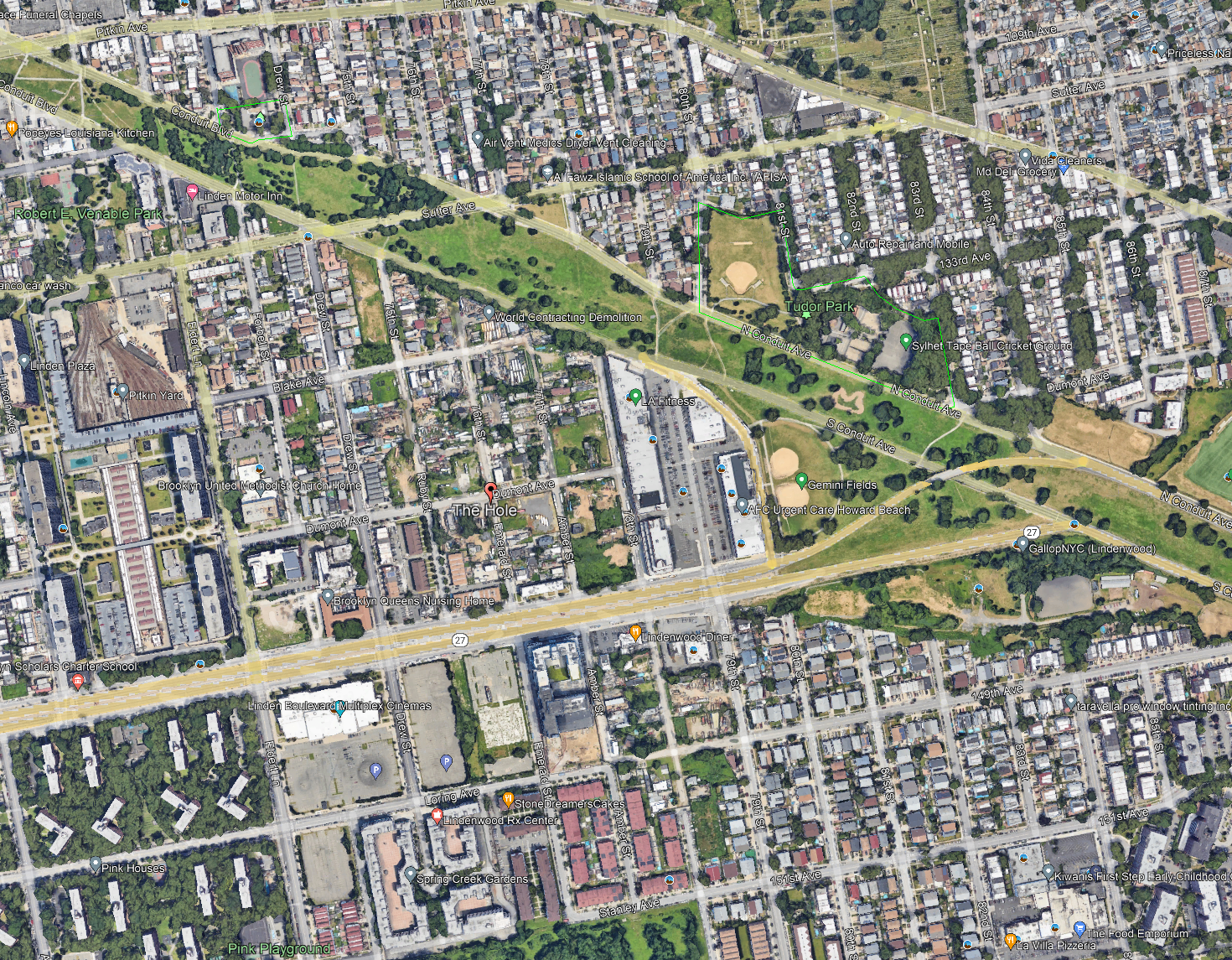
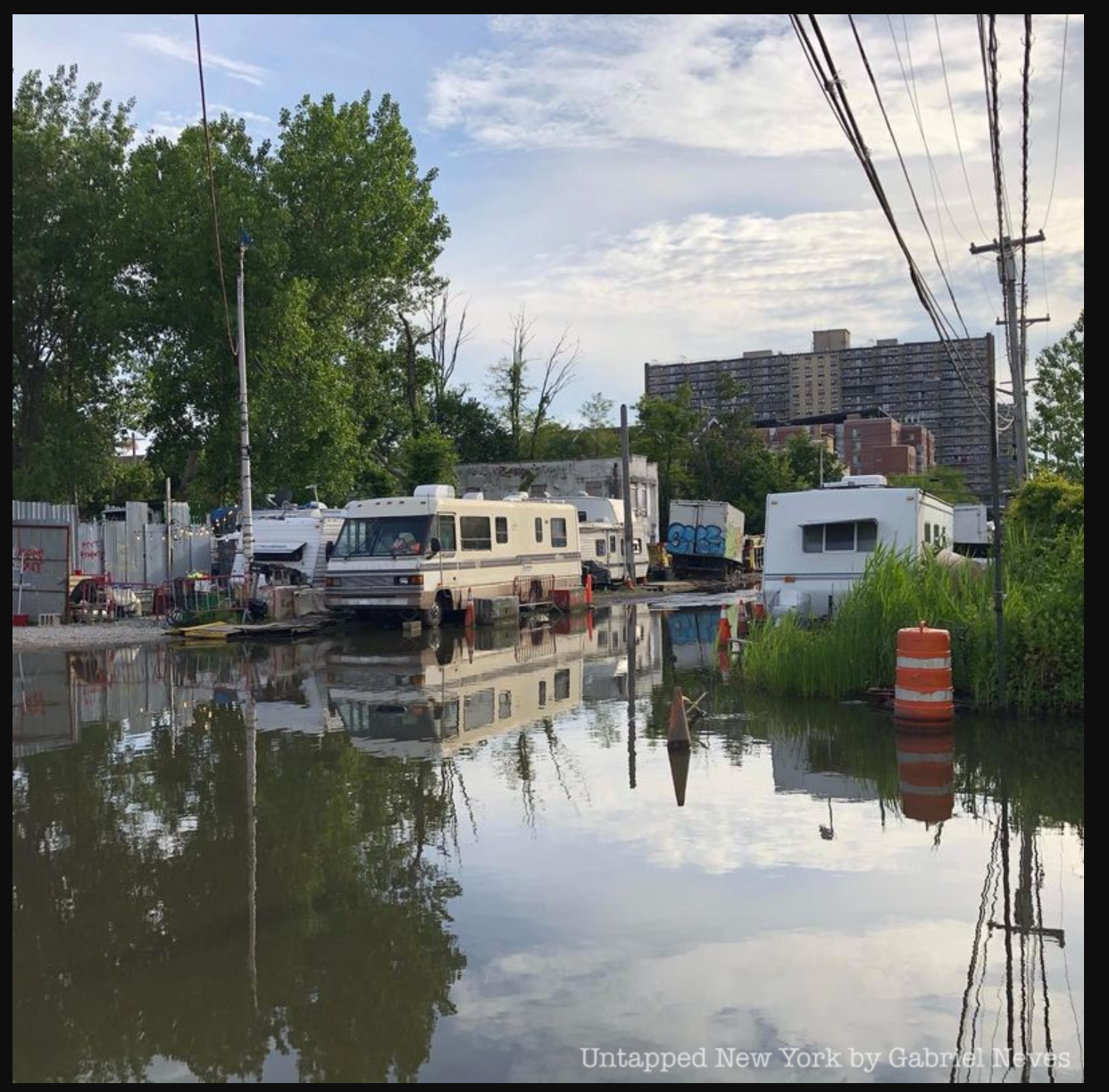
The Hole had a reputation that’d curl a mobster’s hair. It was a dank underbelly of the city, sitting thirty feet below the rest like a dirty secret. It was the city’s afterthought, a neighborhood swallowed by the infrastructure and indifference, where houses teetered on the brink of collapse, the law was just a rumor. Where even water has nowhere else to go.

My ’63 Bel Air came to a rest outside an all-night diner that looked like it served more trouble than coffee. The sign out front flickered a sickly hue of orange, a weary beacon to the lost souls seeking refuge from their own bad decisions. Inside, the air was a cocktail of grease, tobacco, and the tang of desperation. I slid into a booth that had seen better nights, my back to the wall, always facing the door. You learned to watch your own back in The Hole.

The waitress, a broad with more miles on her than my Chevy, slid over to me. “What’s it gonna be, mister?” she asked, her voice husky from too many cigarettes and not enough dreams.

“Coffee, black,” I replied, scanning the room for the face I was supposed to meet. He was a two-bit informant with a rap sheet longer than the Brooklyn Bridge. But he had a line on what was going down in The Hole, and I needed the inside scoop.

The Hole didn’t do gentle wakes; it was a sledgehammer of reality from the get-go. This was a corner of Queens that spat out the bones of the American Dream like it was chewing tobacco. The buildings, adorned with the scars of graffiti, stood like a row of rotten teeth, and the streets had potholes big enough to bury a body in. And bury they did; the marshy grounds were rumored to be a final resting place for those who crossed the wrong people, where wise guys played hide and seek with a .38.
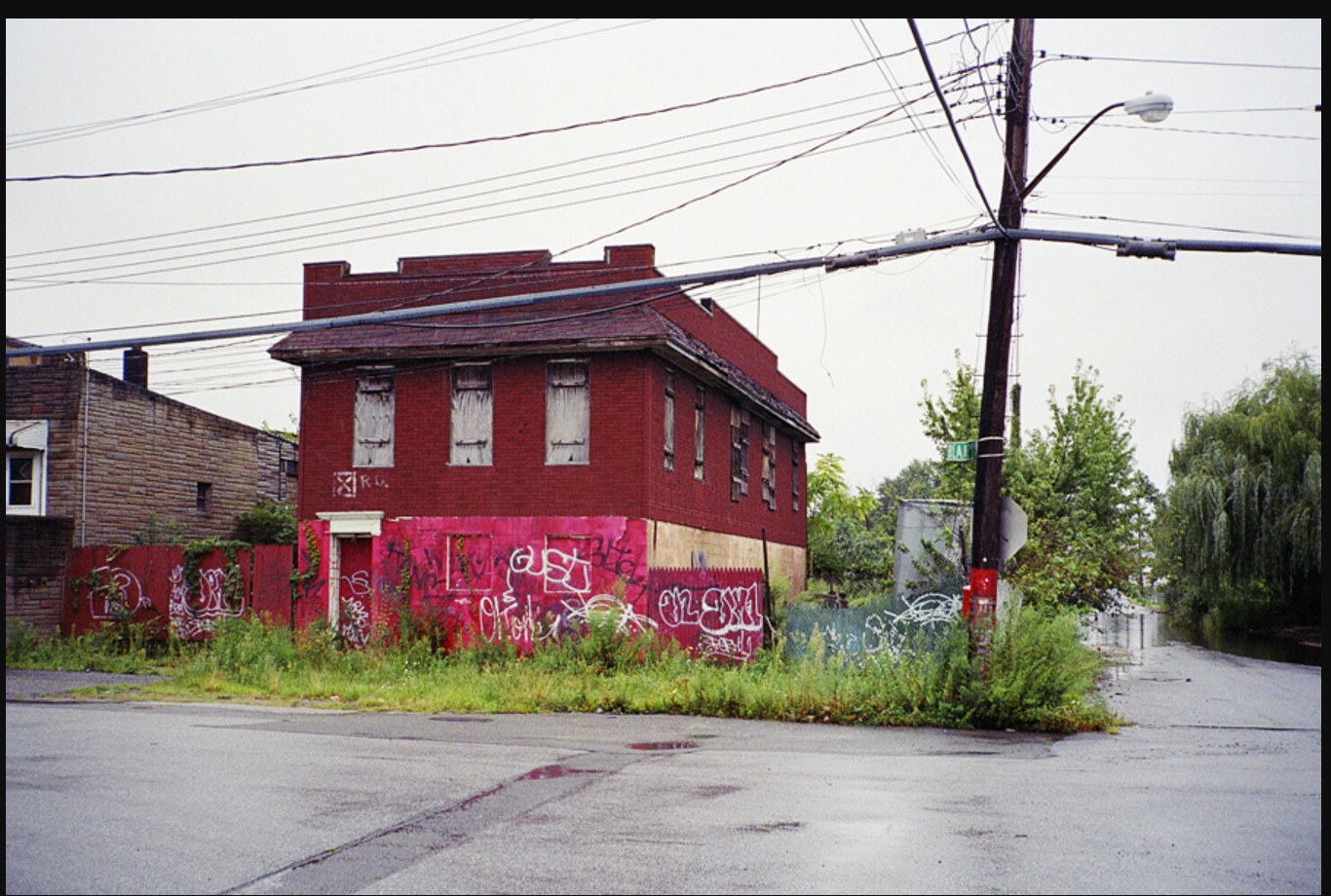
I sipped my coffee, hot and bitter as the wind that whistled through the bullet holes of the stop sign outside. The streets were quiet, but that kind of quiet that screams trouble, like the breathless calm before a storm. The Hole didn’t do sunshine and rainbows. It did rain that fell like tears of the angels too drunk to care anymore, soaking through your coat and into your bones.

The door creaked open, and in walked my informant, Joey “The Snitch” Wakovski. He scanned the room with eyes that darted like roaches when the lights flick on. Spotting me, he shuffled over, each step a testament to a life misspent.

“You got something for me, Joey?” I asked without pleasantries. Time was a luxury in The Hole. It had a habit of running out, often along with your luck.

“Yeah, yeah,” he muttered, eyes fixed on the swirling black depths of my coffee. “There’s talk, see. The Kamorovs are moving in on the Guerreros’ turf. Gonna be a bloodbath.”

The Kamorovs and Guerreros were The Hole’s version of royalty, if royalty’s crowns were made of brass knuckles and their scepters were Tommy guns. A war between them would turn the streets into a butcher’s shop.
“Any idea when?” I pressed.

“Soon,” he hissed, glancing over his shoulder. “They’re loading up. Guns coming in from upstate. It’s gonna be big.”

The waitress sauntered over, eyeing Joey with suspicion before she asked, “You havin’ anything?”

He shook his head. “Nah, just the news.”

She shrugged and walked away, her interest in our conversation as dead as my third-grade goldfish. I dropped a few bills on the table. “Thanks, Joey. Keep your head down, huh?”

He snorted. “In The Hole, better to keep it up. That way, you see the reaper coming.”

I left him there, nursing the paranoia that kept him breathing, and stepped back into the streets. The sun had finally broken through, casting a light that seemed almost indecent against the grime. But it did little to warm the chill that had settled in my gut.

The Hole was about to explode, and blood was going to flow through these streets like a biblical flood. The Gavellis and the Morans would dance their deadly dance, and The Hole would swallow up the losers, no questions asked.

As I headed back to my car, the city was waking up, the sounds of life starting to bubble up from the cracks in the pavement. But The Hole remained asleep, dreaming its dark, twisted dreams. It was a place out of time, a relic, a ghostly echo of New York’s dirtiest secrets. And I was knee-deep in its muck, trying to stay afloat.
The first chapter of my day was coming to a close, and I knew the rest of the story was going to be written in blood and bullets.
Copyright 2023 Michael Stephen Wills All Rights Reserved http://www.MichaelStephenWills.com

Long Island Sakura (Cherry Blossoms)

Clouds of Blossoms

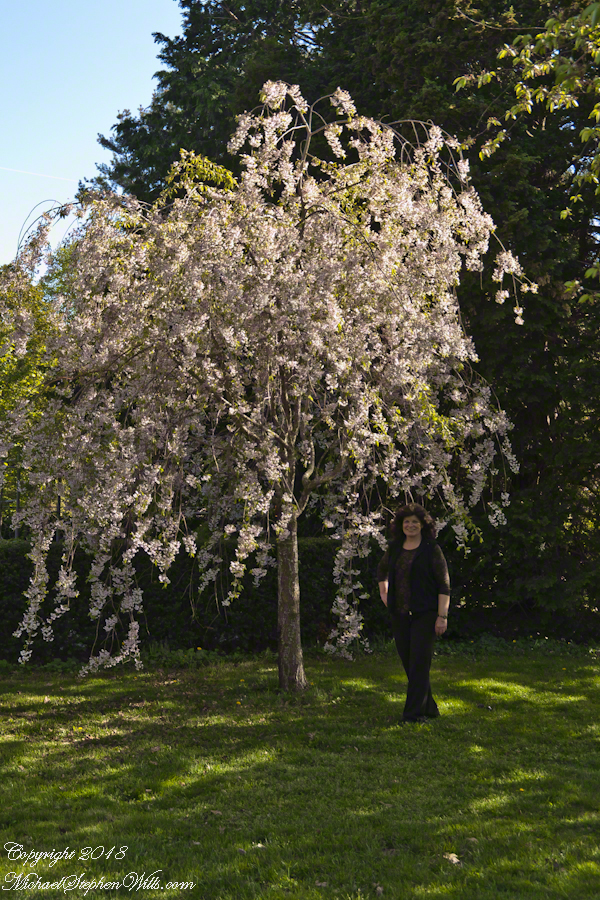
A Japanese flowering cherry tree in bloom on an early May day. Called a Shirofugen (Secientific name: Prunue serrulata, of the Rosaceae family this is the species planted around National Tidal Basin, Washington D.C. and around which the National Cherry Blossom Festival is celebrated commemorating the 1912 gift of Prunus serrulata Japanese cherry trees from Tokyo to the city of Washington.

The tree over Pam is called a Shirofugen (Scientific name: Prunus serrulata, of the Rosaceae family) and is one species planted around National Tidal Basin, Washington D.C. Shirofugen blossoms are described “Flowers double, deep pink at first, fading to pale pink.”


Click any photograph for my Getty portfolio.Pam with a Shirofugen Flowering Cherry in bloom – CLICK ME for my Getty Portfolio.

In Japan, since the 8th century, “Hanami” is the centuries-old practice of picnicking under a blooming sakura or ume tree. Here in the United States, the National Cherry Blossom Festival is celebrated commemorating the 1912 gift of Prunus serrulata Japanese cherry trees from Tokyo to the city of Washington.

Traditionally cherry blossoms remind the Japanese of clouds, the blooms come out en mass, the tree changes shape with the breeze.  Viewing sakura brings to mind thoughts of the transience of existence, the fragility and transience of the exquisite blooms leads one to appreciate the moment.  The following photograph of Pam was taken a month before my Mother’s sudden decline and passing in 2013.  We’d travel to Long Island several times a year to visit her, then take in familiar sights.

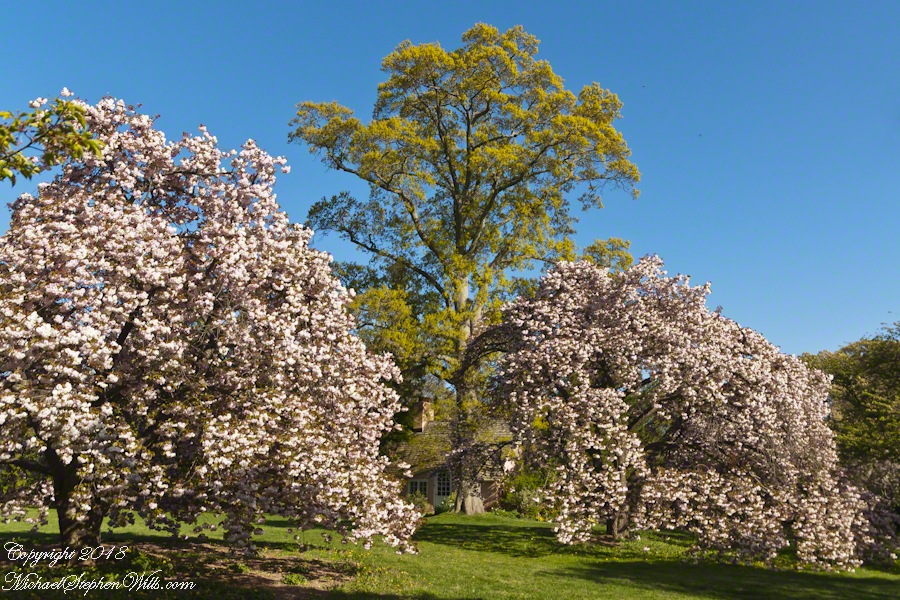
Growing up, our family visited the Planting Fields, a state park, several times in the spring and summer. As an adult with a growing family in Glen Cove, right around the corner, the Planting Fields were a welcome outing and visited several time times a year. The following photograph, taken that same May 2013 day, was a favorite park scene.

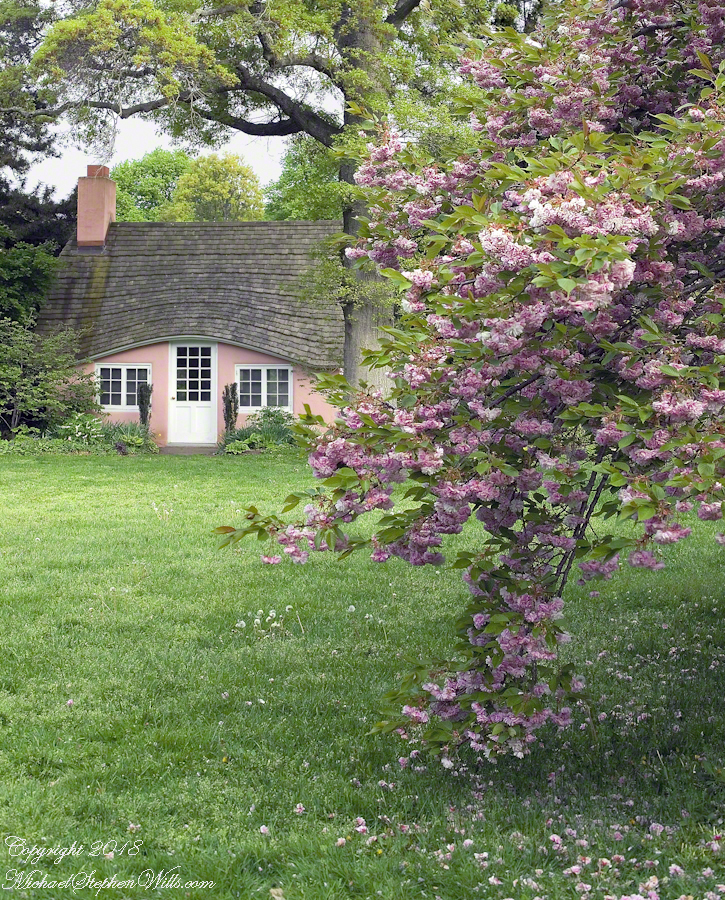
The two flowering cherry trees in the foreground are a type of Japanese sakura called Yoshino, one the most popular flowering cherries in temperate climates worldwide. All Yoshinos are clones from a single grafting and propagated throughout the world. The scientific name outlines the cross breeding of this variety, Prunus X Yeaoensis. Behind the cherries is an Oak tree, new leaves a bright green, and a pink child’s playhouse cottage.

A changing scene of the park is the now frequent visits by wedding parties and photographers, groups of Asian people, the bride and groom posing under the clouds of blossoms. By frequent I mean a steady stream, one after the other, when the blossoms are full.

Click any photograph for my Getty portfolio.Playhouse with Flowering Cherry and Oak trees – CLICK ME for my Getty Portfolio.

In 2007 I spent hours framing and capturing the following photograph on a Saturday, the day before Mother’s Day, during a visit to my Mother, who was widowed December, 1995. I used an inexpensive tripod, a Kodak DCS Pro slr/c camera body with the Canon 50mm f 1.4 USM lens, a UV filter and lots of time. There were no interruptions that day, at 5:30 pm I had the area to myself.

This child’s garden playhouse, framed by an ancient oak, pink Japanese cherry blossoms and gracious lawn was awarded a Photographic Society of American, Pictorial Print Division, Print of the Month award, published in the society magazine for that month.

Click any photograph for my Getty portfolio.Playhouse – CLICK ME for my Getty Portfolio.

Please browse my reasonably priced stock photography.  License a photograph, download and use it for your website or blog.  Click this link to browse all my Getty IStock Photography offerings.

Or click this link to purchase a print of “Playhouse” with optional custom framing from my Fine Art Gallery.

Copyright 2023 Michael Stephen Wills All Rights Reserved

Valentines Day Greetings

1959 through today

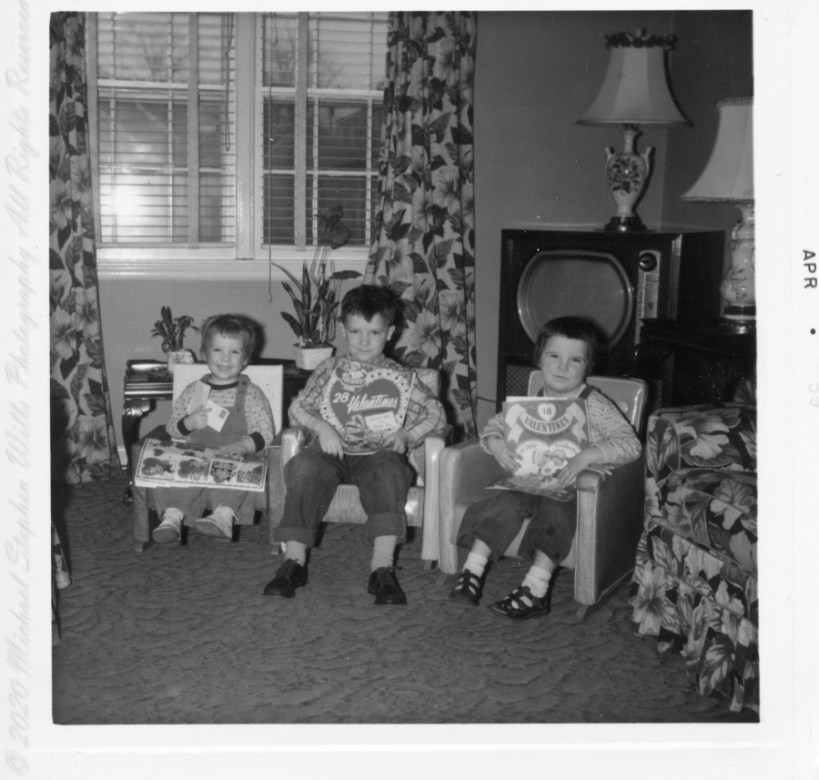
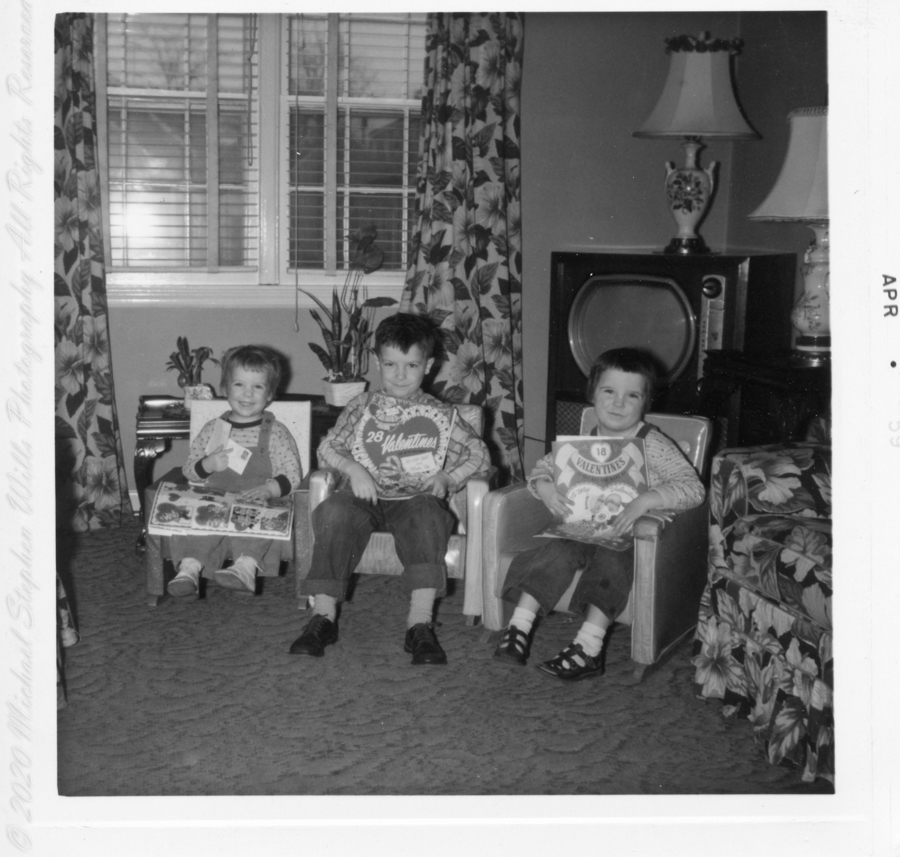
Theresa (2), Michael (5), Christine (4) in the livingroom of 107 Deepdale Parkway, Albertson, New York on Valentines Day 1959

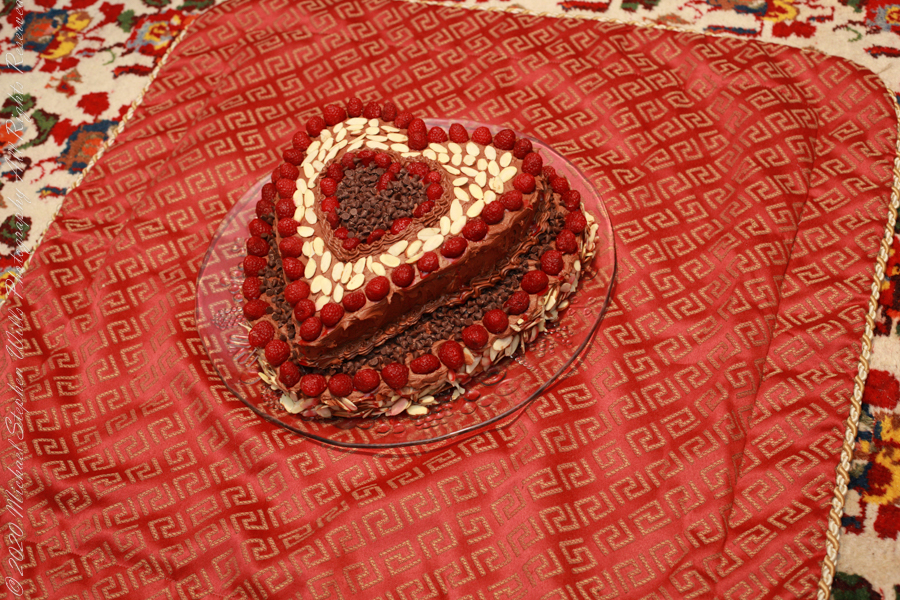
Chocolate Valentines Day cake by Pamela Wills

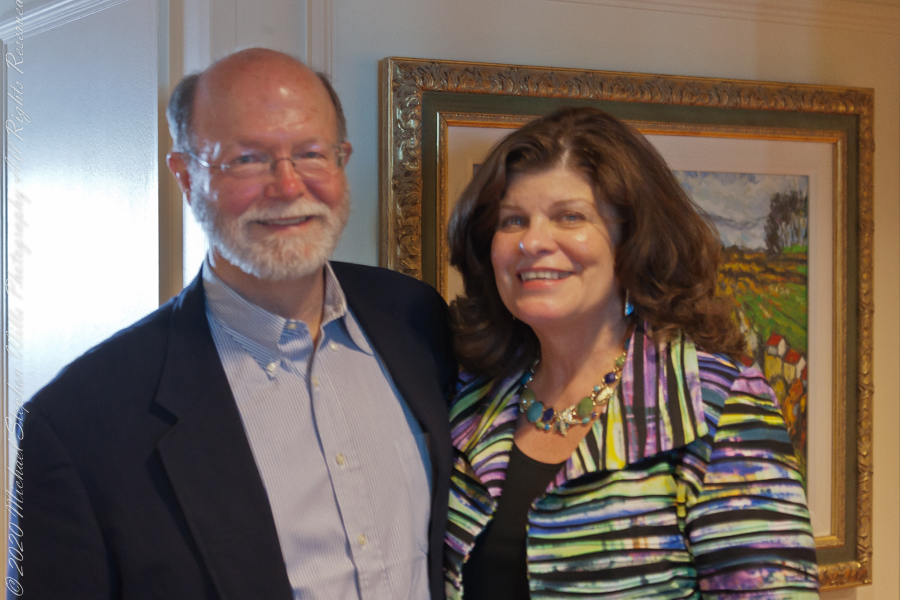
Pam and I aboard the Oceania Regatta sailing the Pacific Ocean off Chile. The following day we reached Puerto Montt.
Copyright 2025 Michael Stephen Wills All Rights Reserved

Dreams, Stories and Things from the Vanderbilt Museum

a spring day on the former gold coast of Long Island

The Dreams

For 32 years dreams about work visited occasionally, then when retirement approached and overtook me these became an almost nightly visitation.

Click this link for my OnLine Photography Galleries

Last week, a few months into retirement, the haunting stopped, replaced by adventures by and on the ocean.  

Click this link for my OnLine Photography Galleries

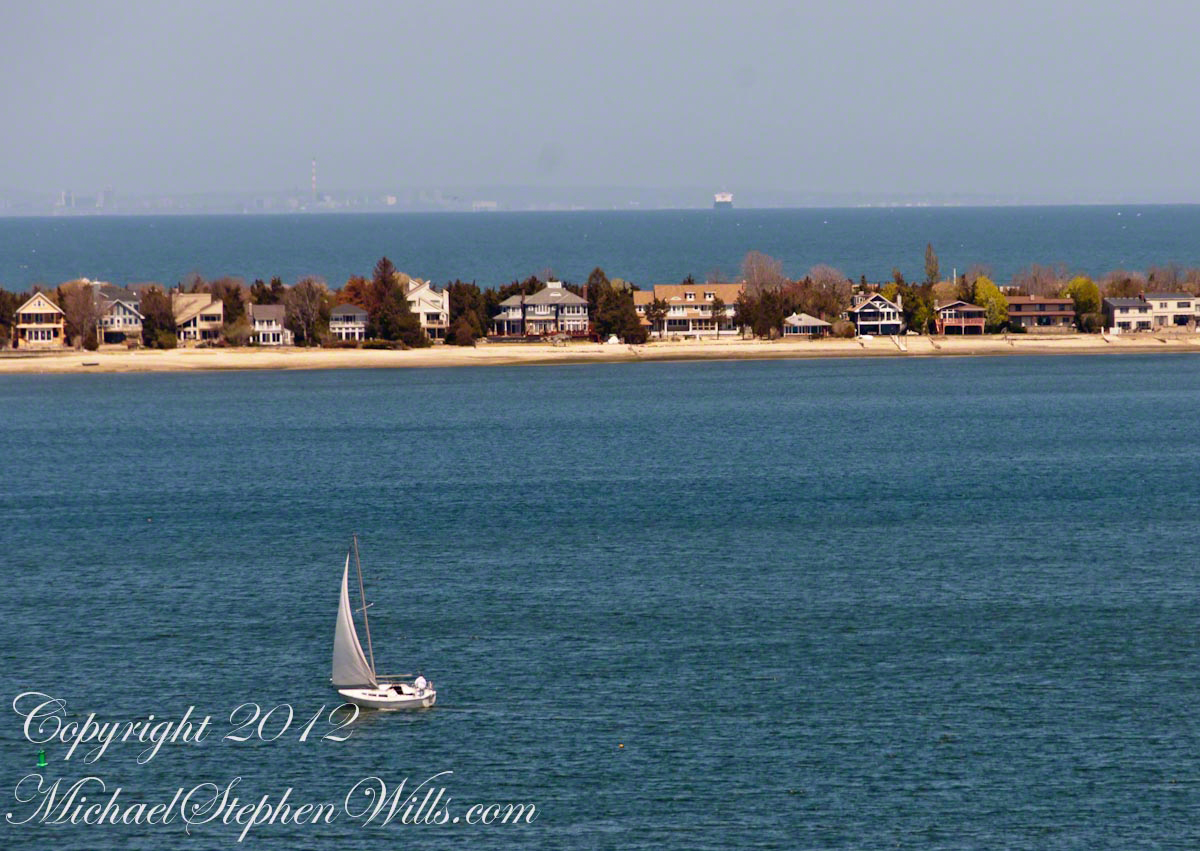
It brings to mind, a few years ago Pam and I took lessons at Cornell’s Merrill Family Sailing Center followed by several seasons of memberships.  We’d take out sailboats the size on the one enjoyed by the fellow above in Northport Harbor.

Click this link for my OnLine Photography Galleries

We’d spend entire days on the water, looking up at the people driving the hill up and down route 13.  “How lucky we are here and not there”, I’d say.

The Stories

Willy Vanderbilt named his Centerport estate “Eagle’s Nest” after his first yacht, “Eagle” that was anchored in Northport harbor along the estate shoreline.  In 1932 the German Krupp Germaniawerft company build a new yacht named Alva, after his mother.


Willy had a “thing” about the infant Baccus.  My first Vanderbilt Museum posting “A Taste of Gatsby: details from the Vanderbilt Museum”included the following depictions of the infant Baccus.  the name preferred by the Romans.

To the Greeks he was Dionysus.  Also known as the “twice born” from the myth of his being carried in his father Zeus’ thigh after Hera, the jealous wife, plotted the death of his mother, the mortal Semele.  

Click this link for my OnLine Photography Galleries

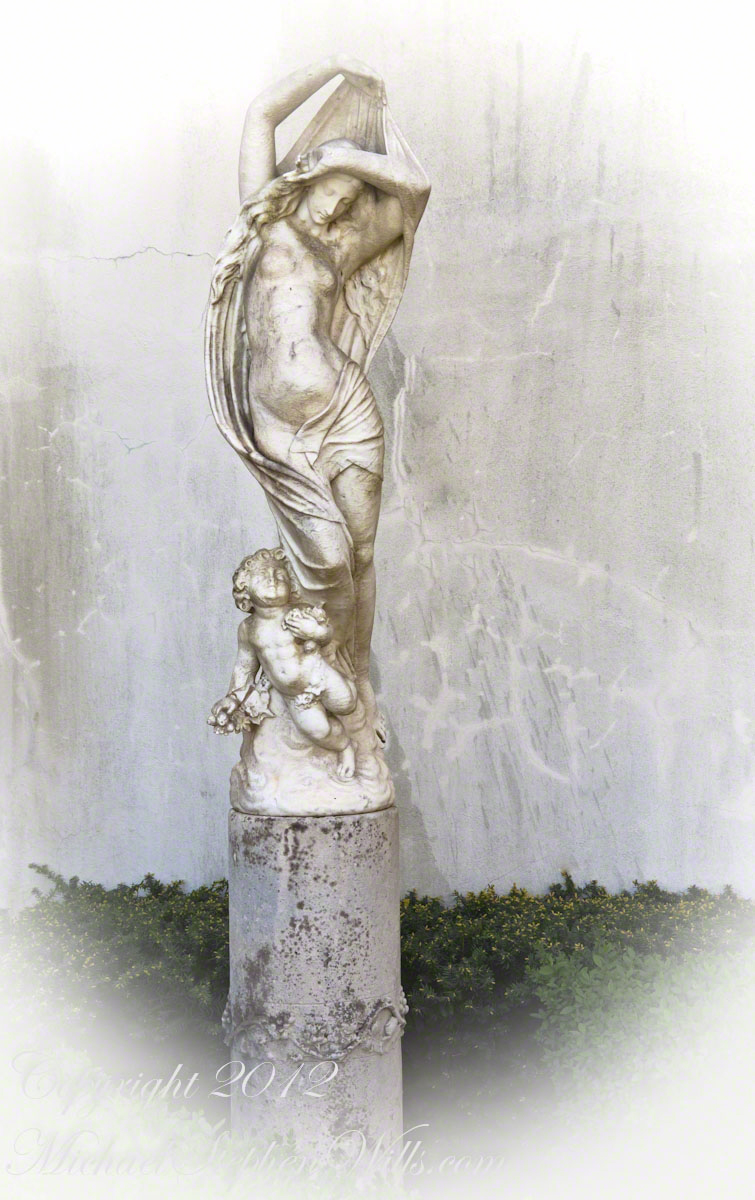
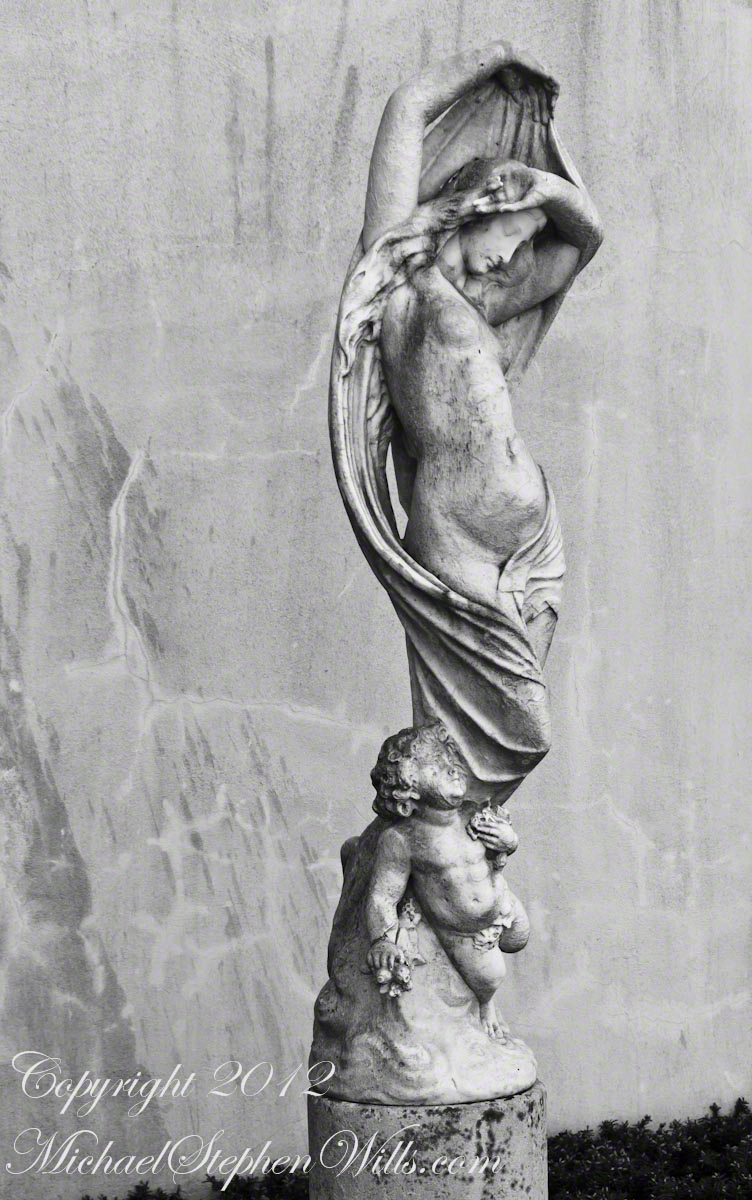
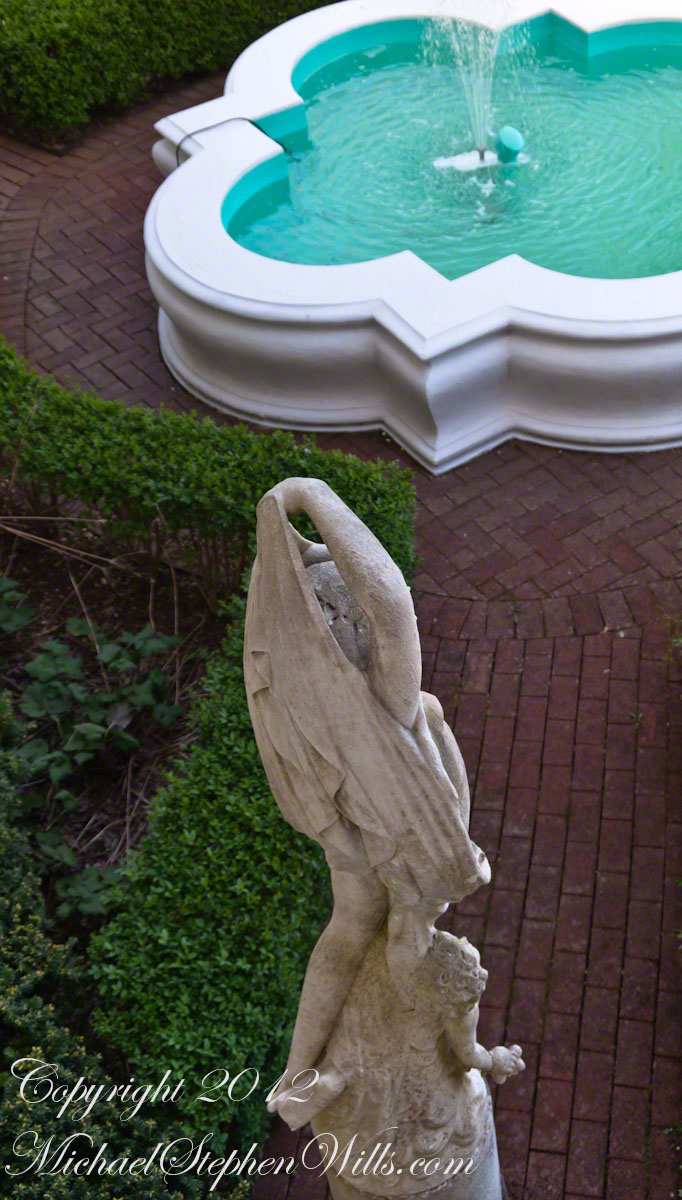
The infancy of Dionysus was perilous, with Hera plotting revenge Zeus found safe haven for the child at a place of earth called Mount Nysa, with beings named Rain Nymphs.  The fascination of Vanderbilt with the story continued with the acquisition and display of a statue of the infant Dionysus with a protective nymph.

The Things

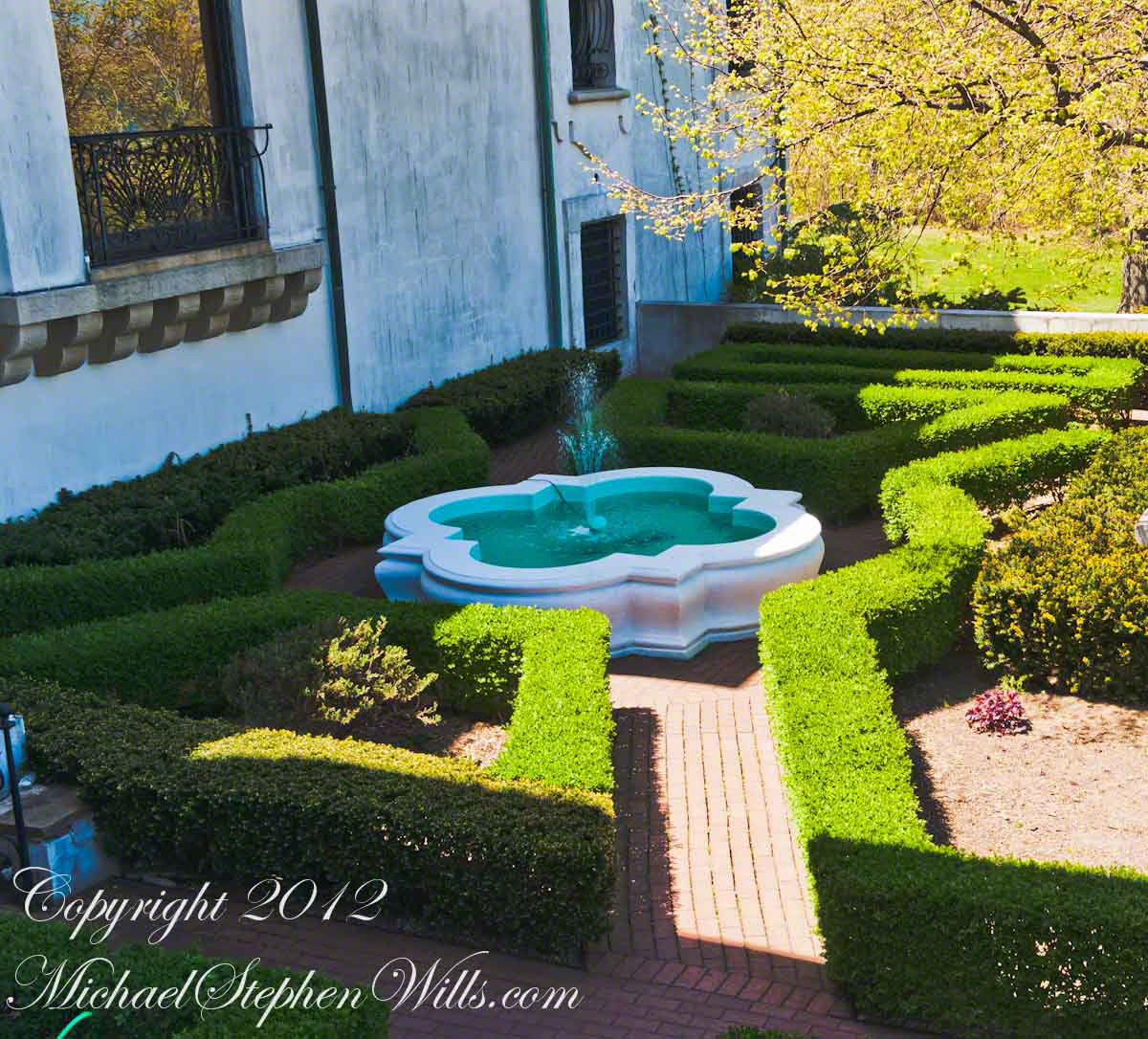
The statue and plinth are at the stairs into the garden.

Click this link for my OnLine Photography Galleries

Copyright 2021 All Rights Reserved Michael Stephen Wills

References
Wikipedia “Dionysus” and “Willy Vanderbilt”

More Details from the Vanderbilt Museum

a spring day on the former gold coast of Long Island

The Planetarium

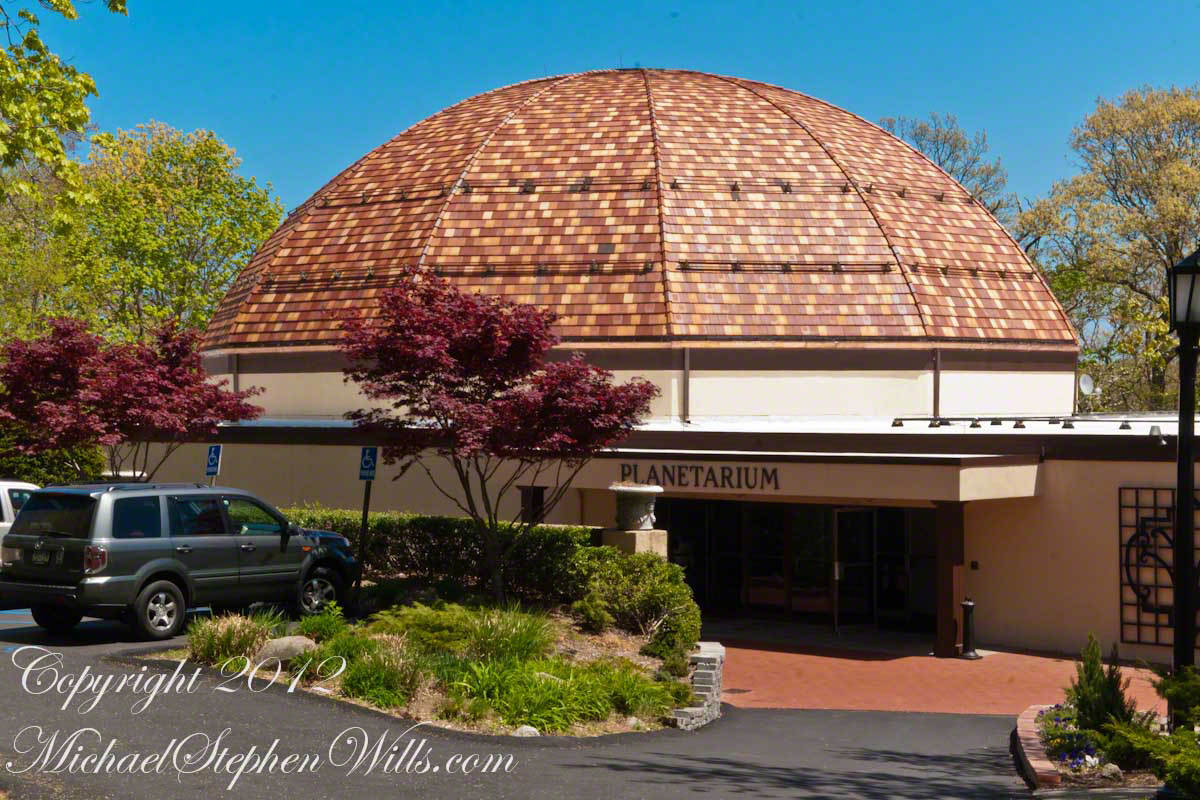
Thirty five years after completing his Eagles Nest estate and twenty seven after his death, this planetarium became an addition to the museums left by William K. Vanderbilt II (“Willie K”).
Located next to the Rose Garden, where my last blog “A Taste of Gatsby – details from the Vanderbilt Museum” left off, this planetarium is on the site for the estate tennis courts. The Planetarium reopened March 2013 with a complete equipment upgrade.

Click this link for my OnLine Photography Galleries
Planetarium Dome
The star of the planetarium is a Konica Minolta GeminiStar III projector; a machine that will put this museum on the map for having one of the finer planetarium projectors in the United States.

There are several museums on the grounds, joined by graciously appointed walkways.
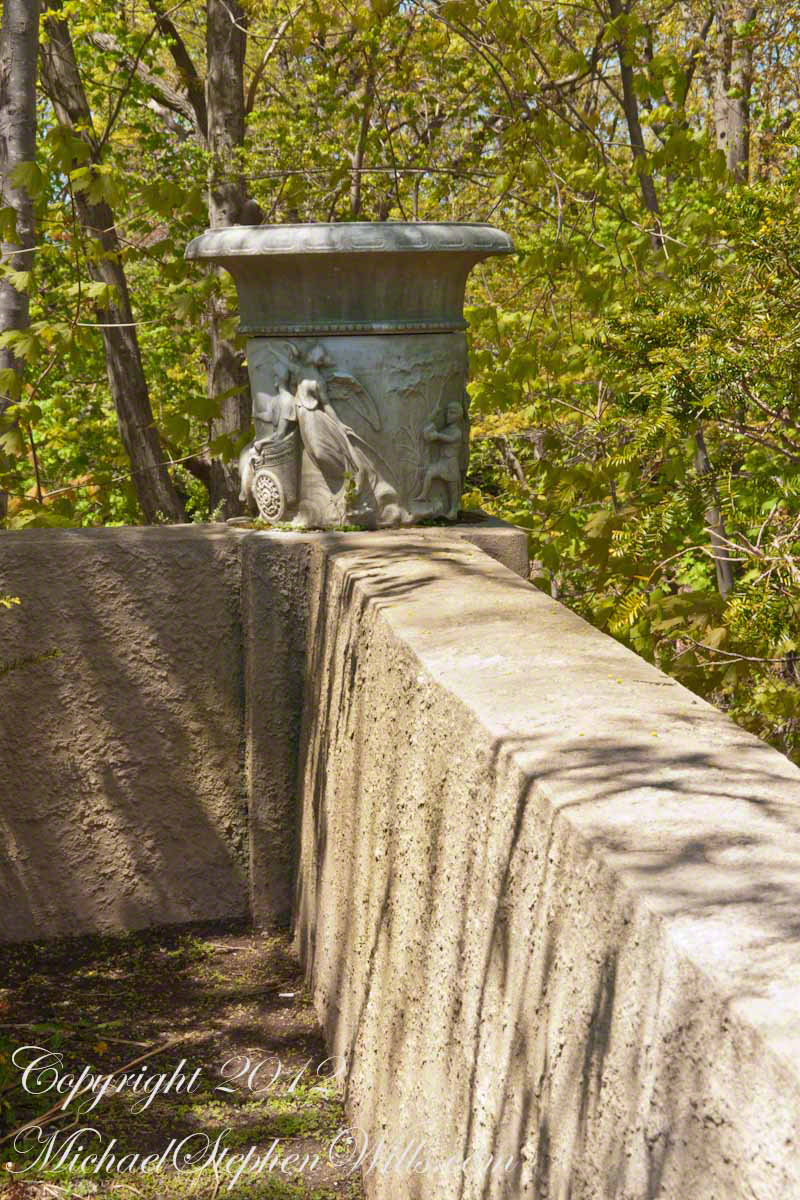
This is a corner urn along the walk to the mansion.

Wall Planter
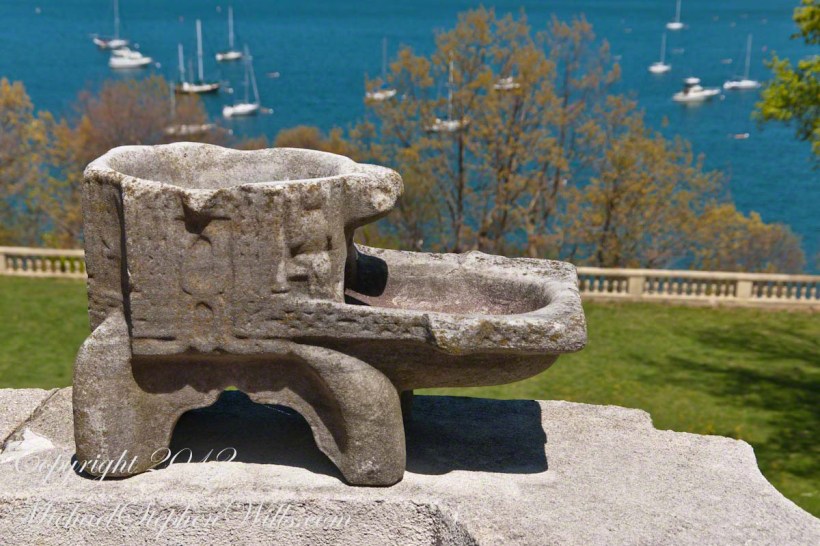
This planter graces a wall corner along the path from the Planetarium to the Corinthian Colonnade

Courtyard Entrance

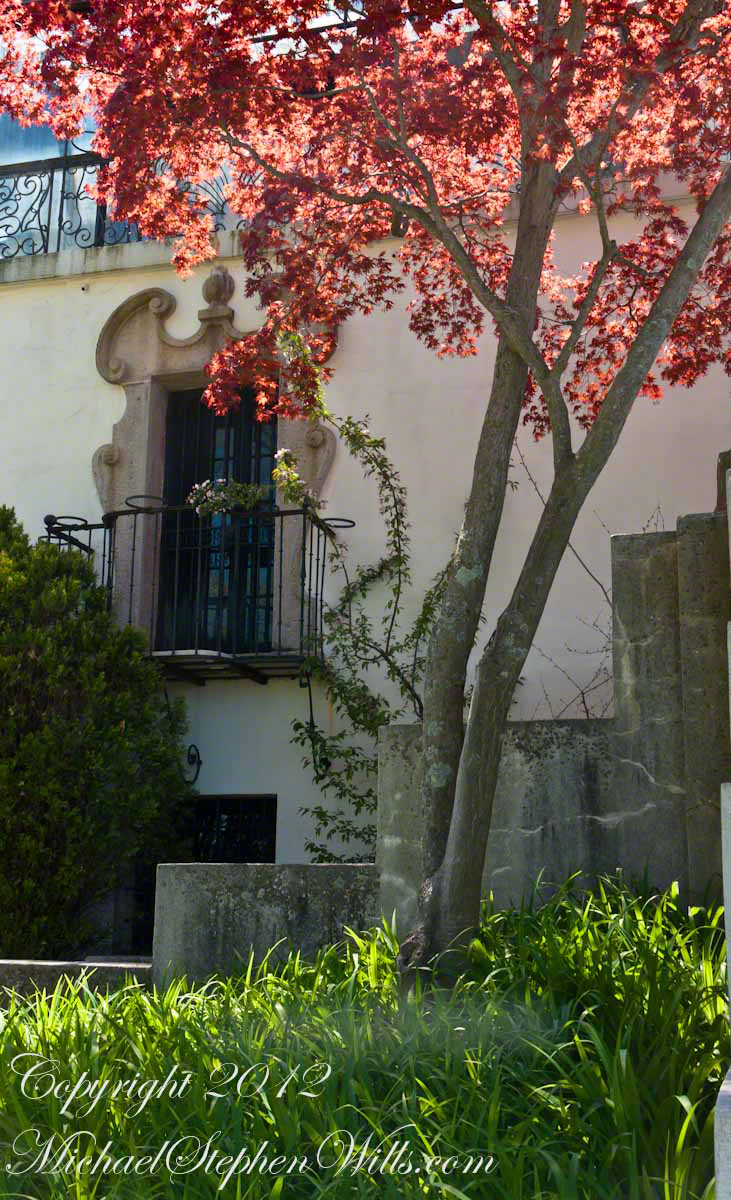
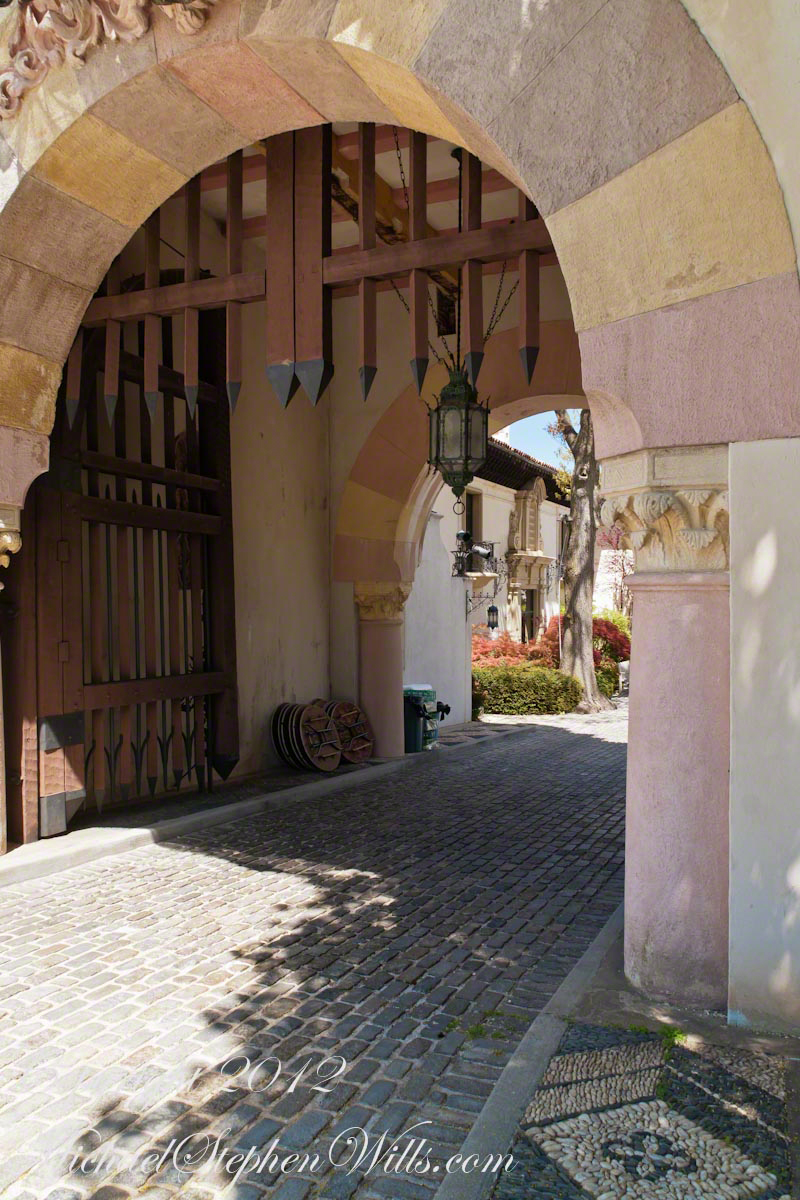
The Spanish Revival style mansion gathers around a central, cobblestone courtyard entered through this elaborate sandstone gate flanked by two carved sandstone urns, each at least six feet tall with pedestal.

Archway Courtyard Entrance
A gated arch serves as the mansion courtyard entrance.

The gated entrance is the base of a bell tower. Willie brought from Russia a church bell that is older than the Liberty bell. He used to have great fun ringing the bell on Sunday mornings to disturb the sleep of his partying son and friends. That stopped when the neighbors arrived as an angry, spontaneous group to complain.

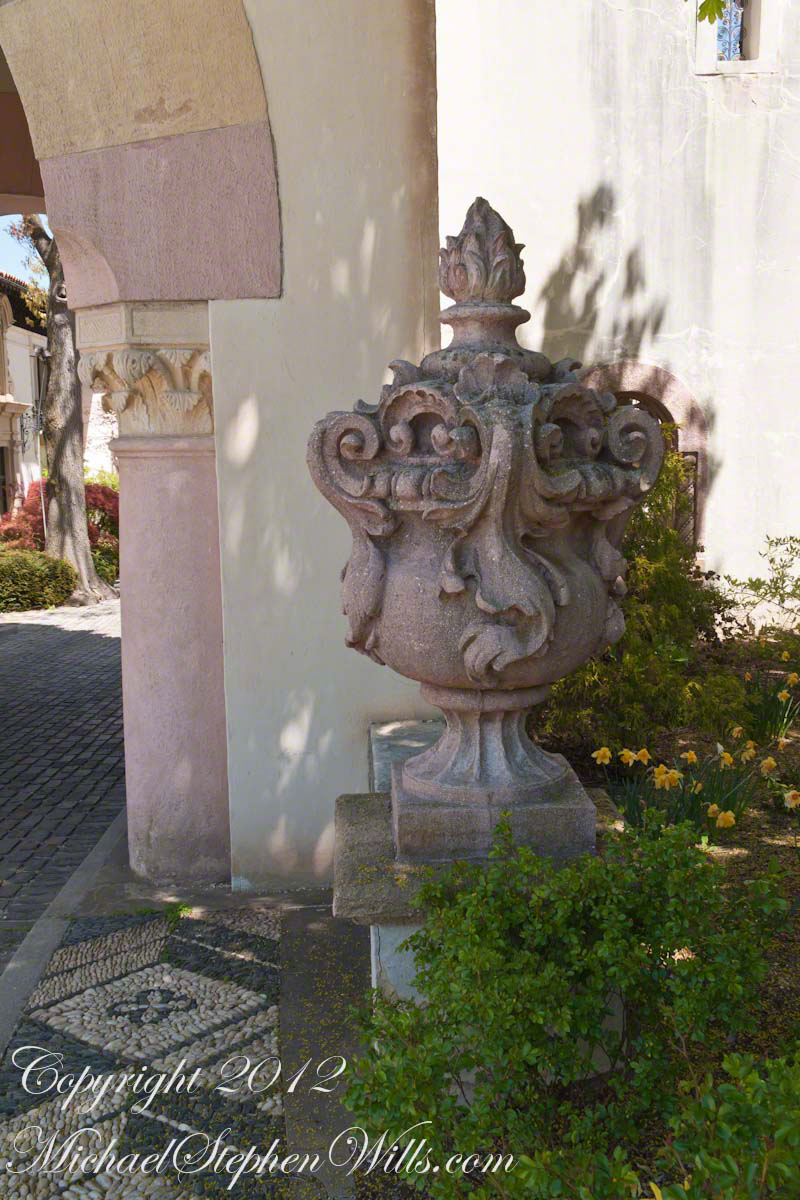
Urn at Mansion Courtyard Arch
The mansion courtyard is entered through a gated archway. This cast urn graces the right side.

The cobblestone road leads up to the mansion, over a bridge and into the courtyard.
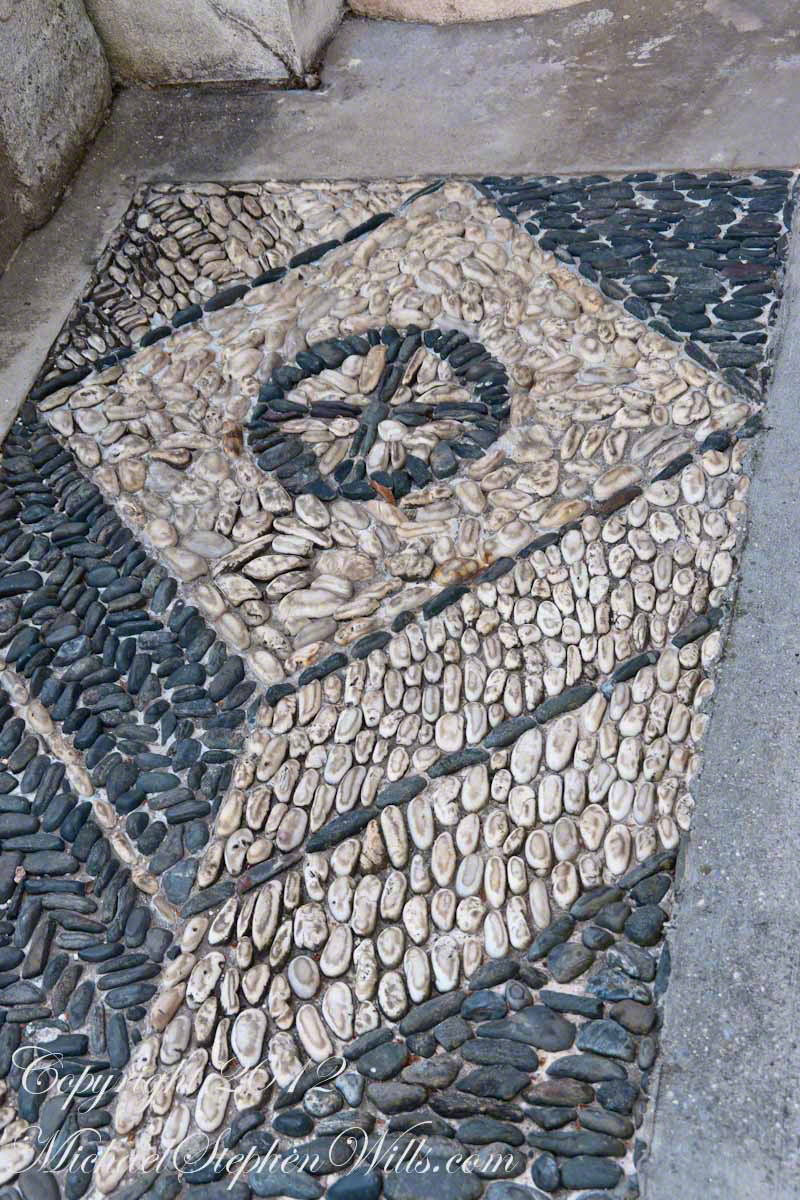
Here is a detail of the walk way, formed from glacially rounded pebbles very common on beaches of Long Island’s North Shore.

Pebble Designs in Walkway
A walkway decorated with black and white pebbles leads into the mansion courtyard. This is a portion just inside the arch.

A Ghost in the Garden

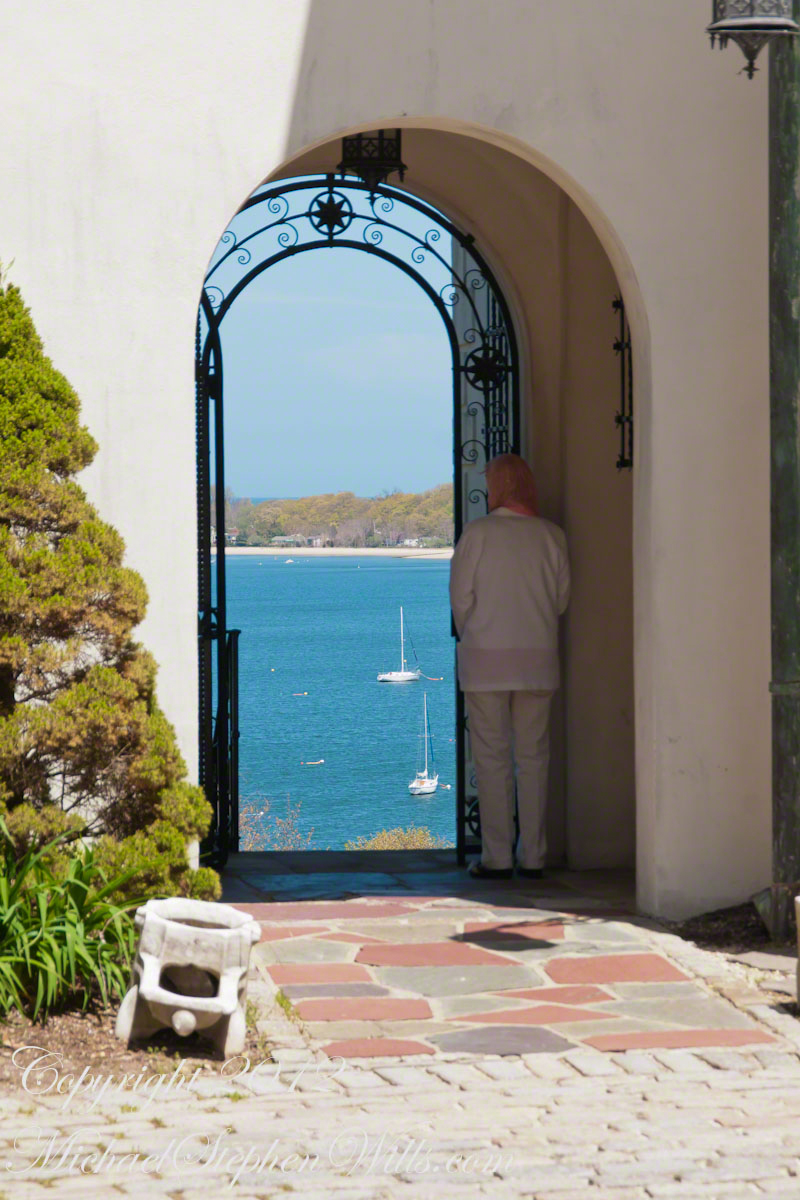
Across the courtyard from the bell tower is this arched entrance to the gardens along the east mansion walls. As we approached the figure to the right seemed to be a ghost, she was so still, enthralled by the view of Northport Harbor.

Archway from Courtyard
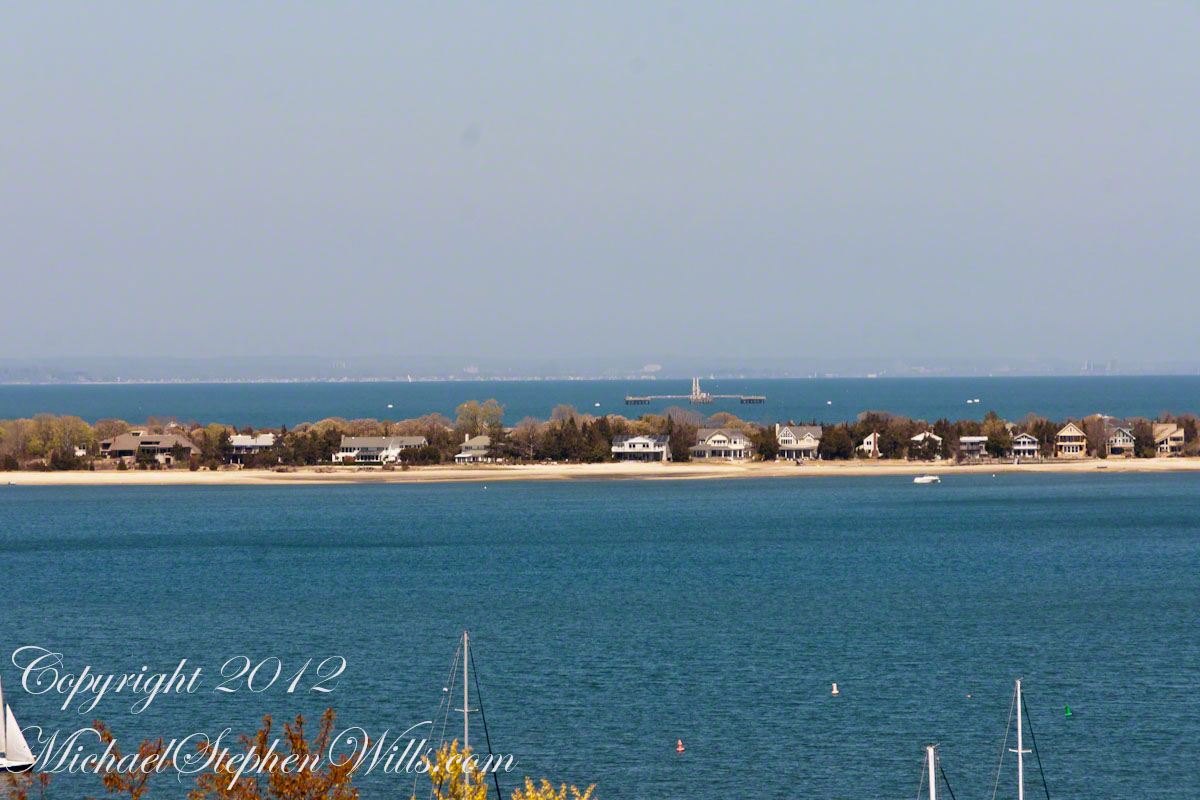
Archway with view toward Northport Bay and Asharoken

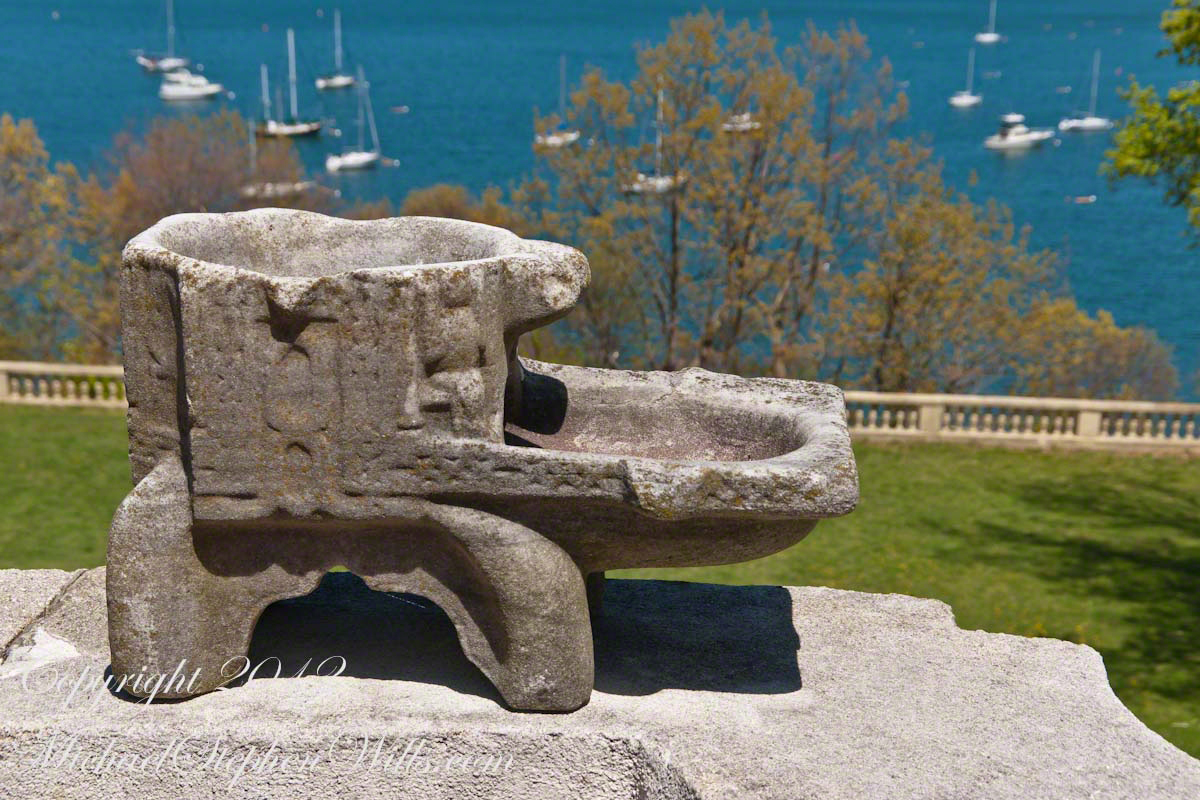
There were many cast stone planters in an Aztec motif such as that to the left of the archway and, in a detail shot, below.

Wall Urn and Northport Harbor
A cast wall urn from the Mansion Garden of the Vanderbilt Museum.

We continued through the archway into the gardens. With plenty of time before the Mansion tour (highly recommended) we wandered at length and had an interesting conversation with the figure of the archway, a retired lady from Smithtown (and not a ghost).

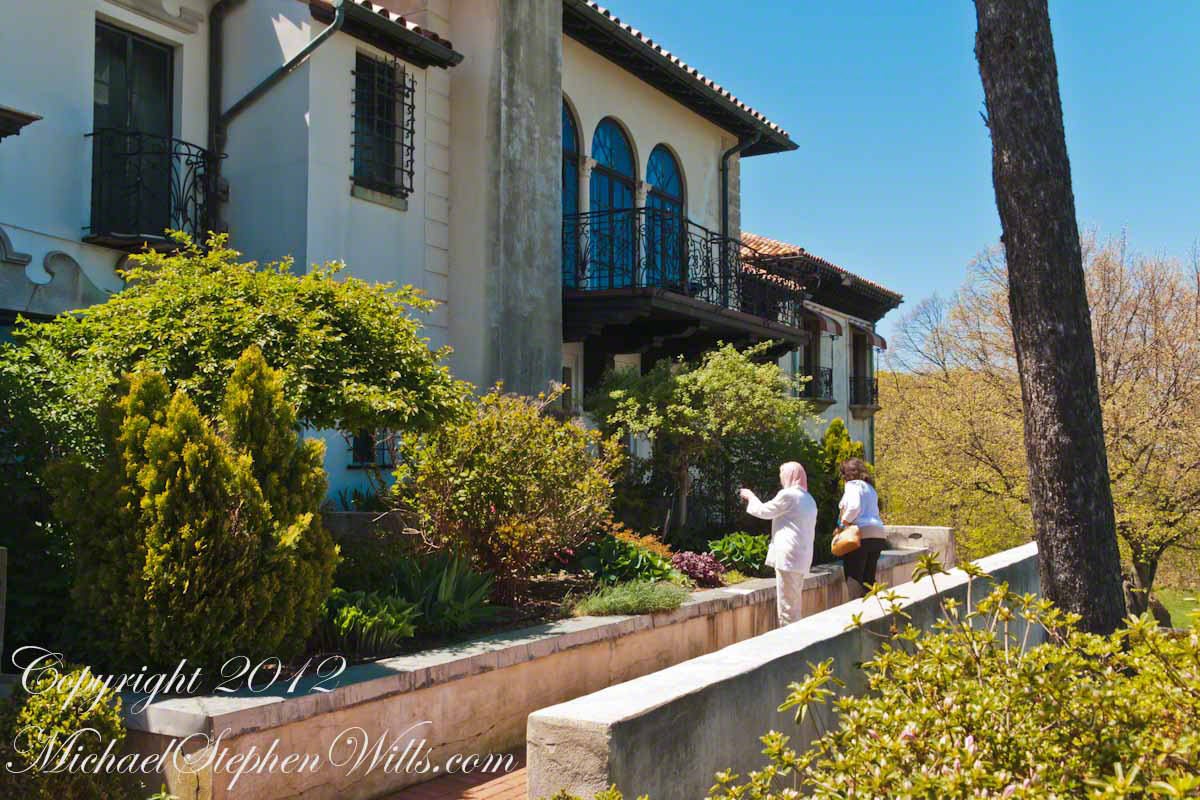
Pam in Mansion Garden
Pam struck up a conversation with another visitor who was very knowledgeable about the museum history and grounds.

Copyright 2022 Michael Stephen Wills All Rights Reserved

A Taste of Gatsby: details from the Vanderbilt Museum

a spring day on the former gold coast of Long Island

Fountain FigureA Taste of Gatsby

The first weekend of May 2013 my wife, Pam, and I attended a New York City Ballet performance on Saturday. Sunday we visited the Vanderbilt Museum of Centerport, Long Island.

This is the former “Eagles Nest” estate of William (“Willie”) Kissam Vanderbilt II.

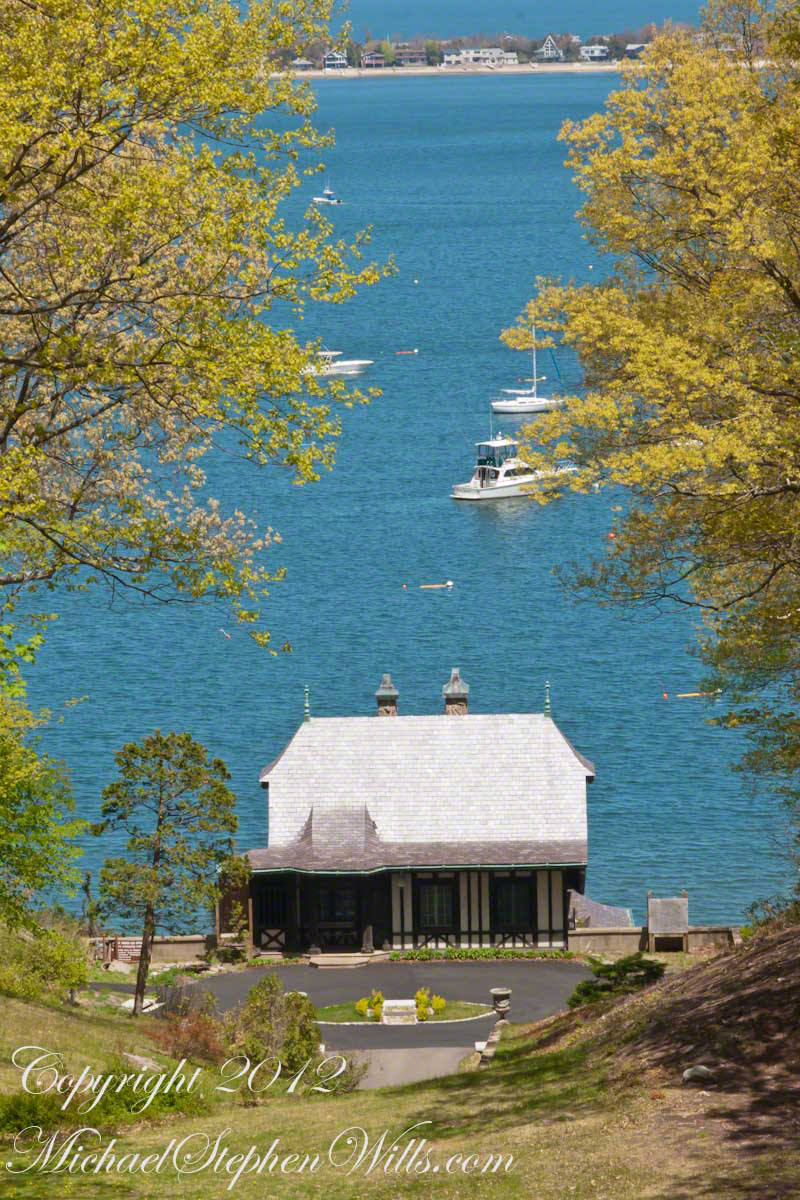
Museum visitors are first drawn to a grand Corinthian colonnade and view of this boathouse on Northport Harbor.

Click this link for my OnLine Photography Galleries
Boat House

Vanderbilt and Gatsby

Willie K chose Centerport in 1910 for an anchorage on the well protected Northport Harbor, deep enough to his yacht the size of a destroyer class ship named for his mother, Alva.
The estate grounds are high above the harbor, the mansion and gardens designed to enhance the view.

There are superficial parallels between Willie K’s life and “The Great Gatsby.” The first suburban commuter, Willie K was an auto enthusiast. A theme of F. Scott Fitzgerald’s novel “The Great Gatsby” is travel back and forth from New York City to the great estates on Long Island’s North Shore. In Gatsby, while the vehicles are grand, the travel is pointless or worse. In comparison, Willie K as a pioneering automobile racer, achieved a land speed record and founded a major race, “The Vanderbilt Cup.” Gatsby, above and beyond his fictional status, is a tenuous, transient figure. Vanderbilt established this estate, grounds and museums we still enjoy today.

Rose Garden

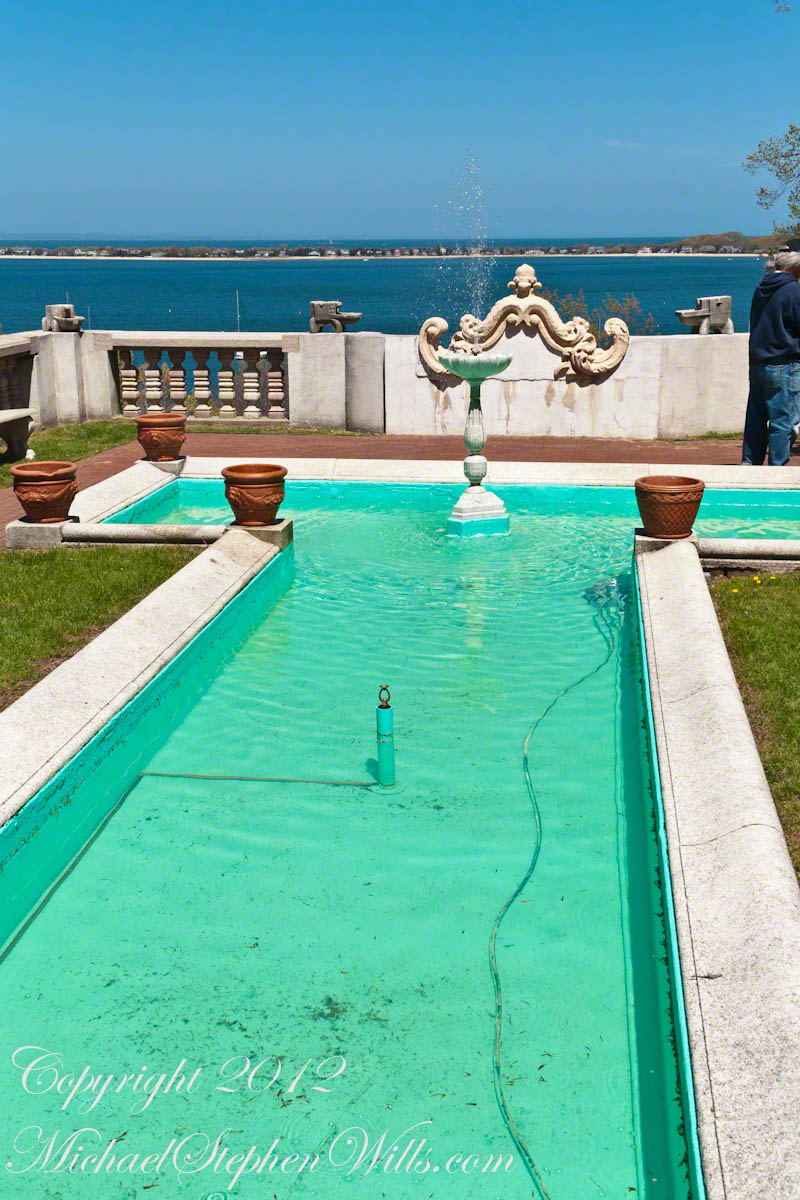
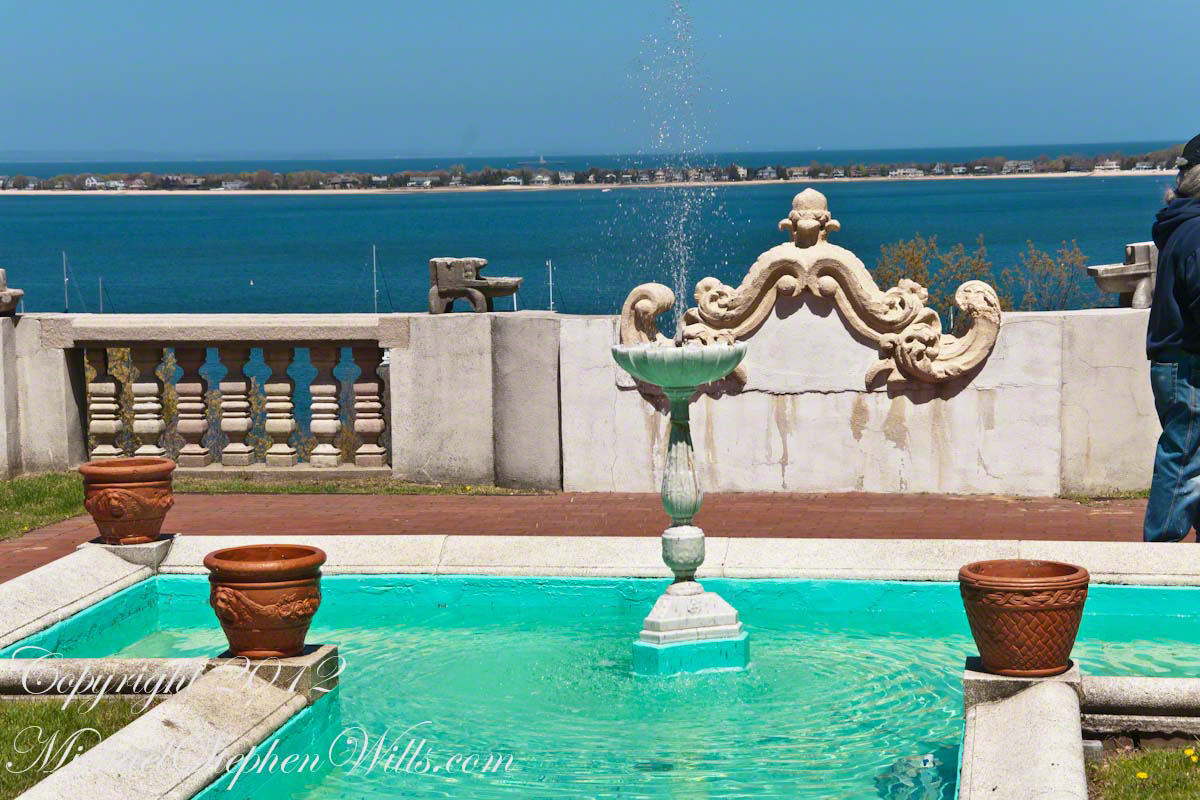
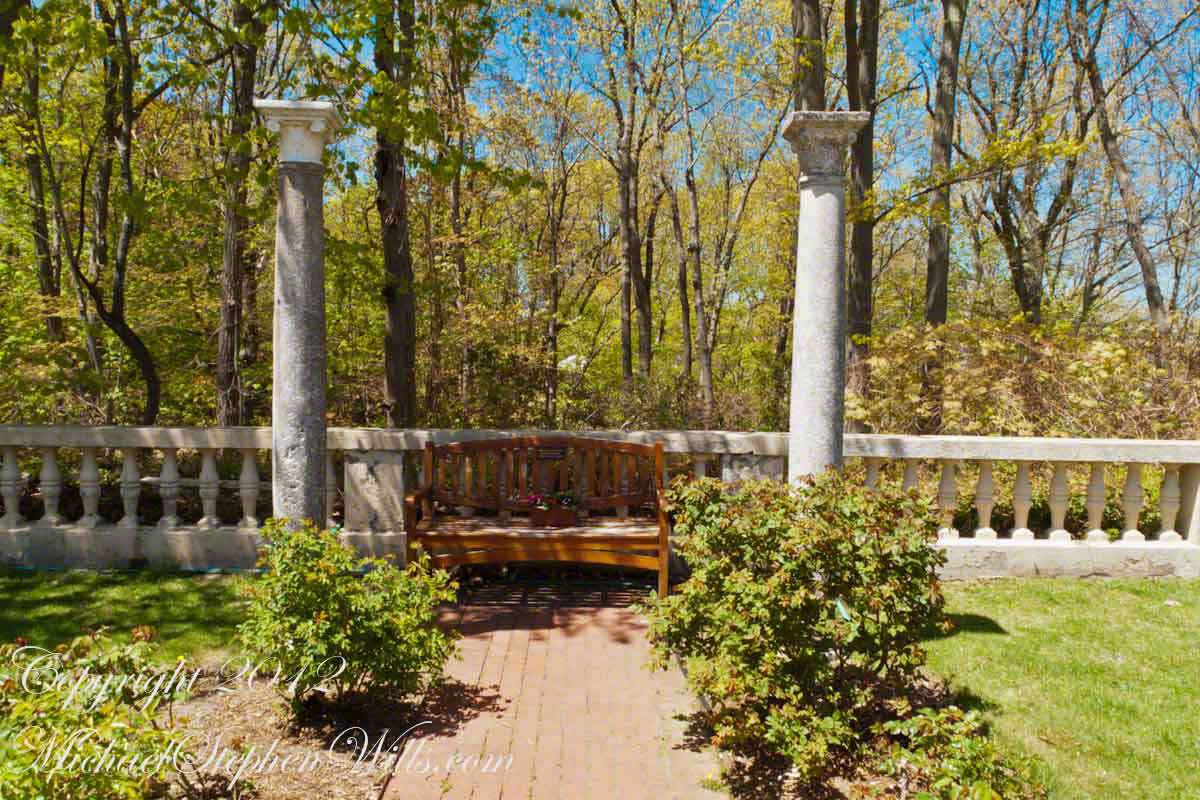
A short walk from the colonnade is a rose garden surrounding a pool and fountain. These Corinthian columns sized to a human scale flank a dedication bench on the northern side overlooking the boathouse through a hillside forest.

Click this link for my OnLine Photography Galleries
Rose Garden Bench

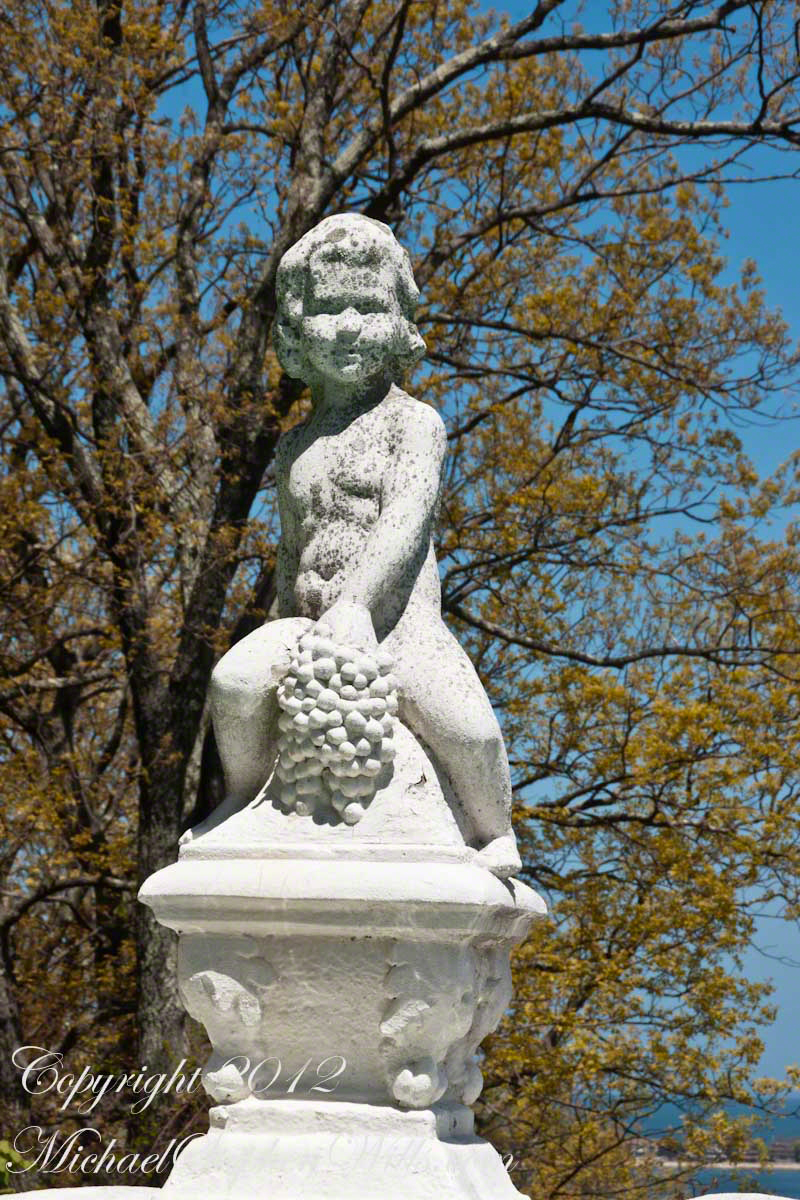
Spirit of the Mediterranean

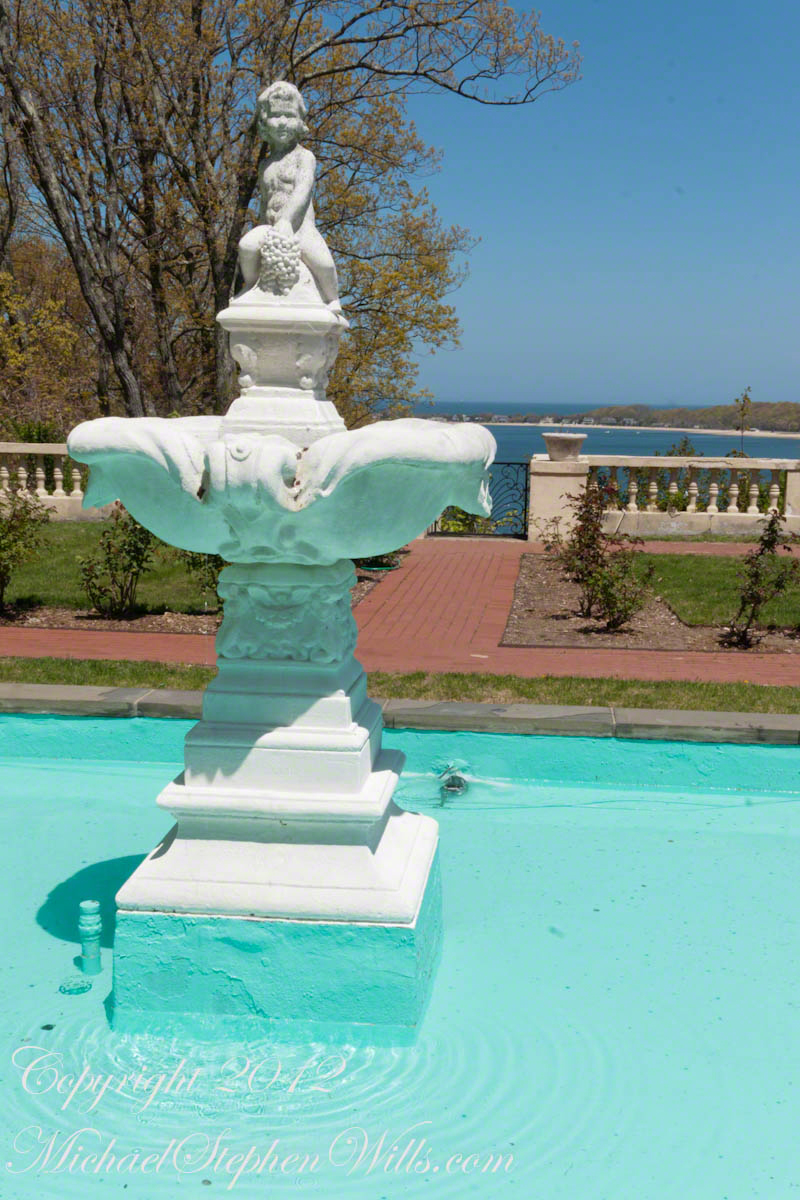
This figure of a flourishing infant is atop the rose garden fountain. Pam and I first noticed this character of the Eagles Nest estate here, with his abundant grape cluster, and came to know him as an expression of Willie’s outlook.

To the northeast / east is a dramatic view of Northport harbor and the Long Island Sound.

Click this link for my OnLine Photography Galleries
Rose Garden Fountain

The mansion and surrounding grounds were imagined by Willie and implemented by the architects Warren, Wetmore and Pearce, over a twenty five year building campaign, from his feeling for the Mediterranean.

Click this link for my OnLine Photography Galleries
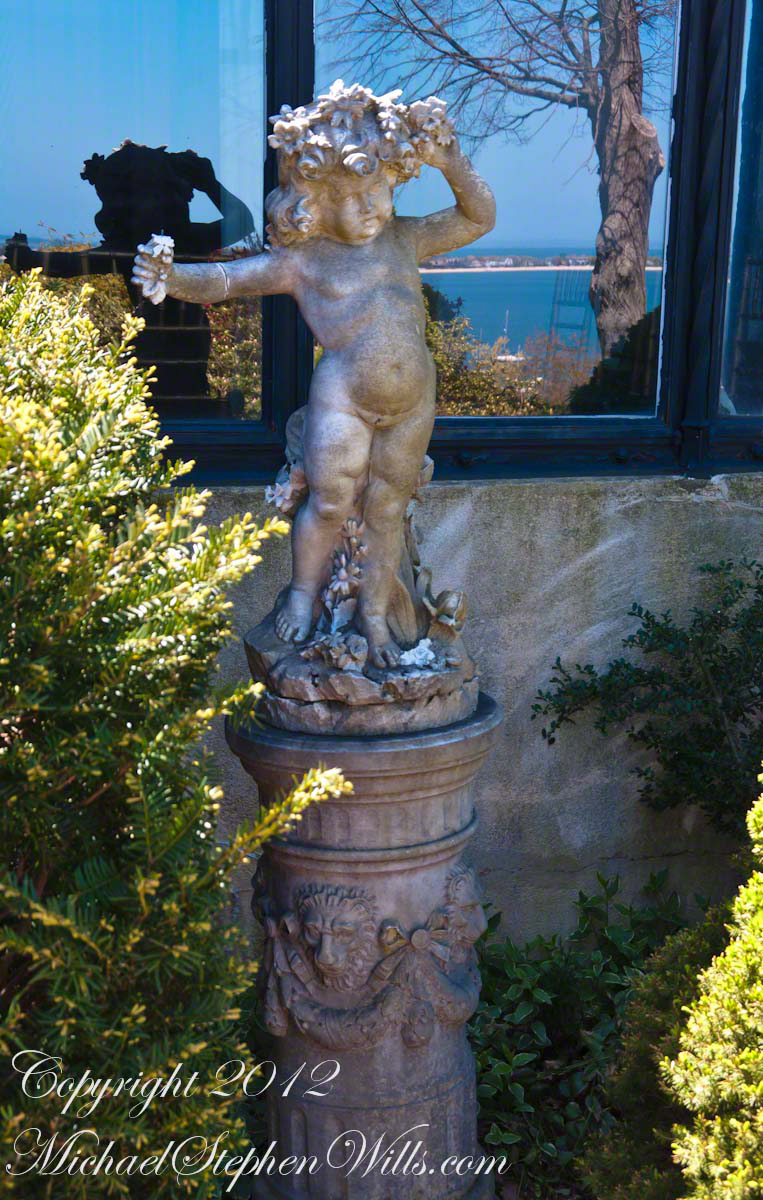
Museum Garden Statue

We were gifted with weather that evoked the full expression of the Mediterranean spirit.

Copyright 2022 All Rights Reserved Michael Stephen Wills

Long Island Sakura (Cherry Blossoms)

Clouds of Blossoms

We have a selection of teas at home for brewing afternoons as a pick-me-up. Some brought back from travels, most from a local supermarket. This Japanese green tea brings to mind my childhood and our trips to Long Island to visit my Mom until she passed away June 2013.

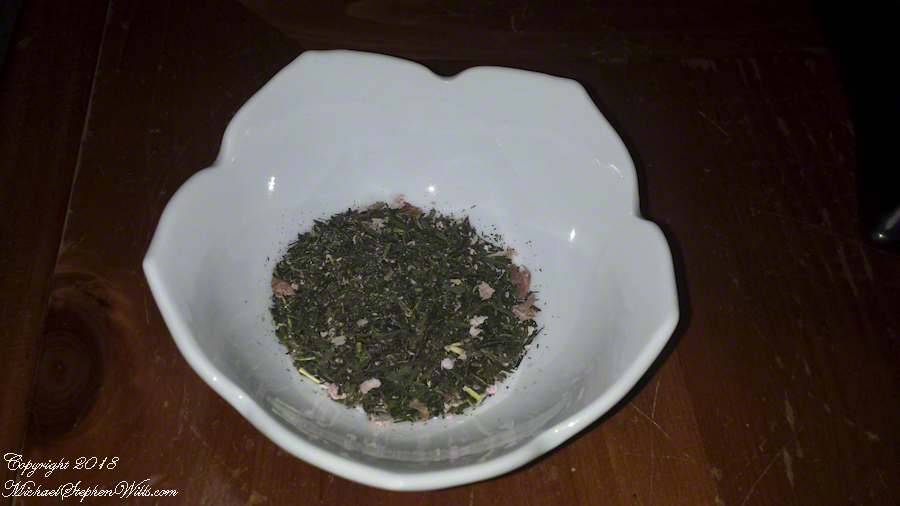
As you can see from this photograph of the tea in a white lotus bowl, there are pieces of pink and white stuff mixed in. These are called by the Japanese “sakura”, cherry blossoms.

Click any photograph for my Getty portfolio.Japanese Sakura Sencha Green Tea – CLICK ME for my Getty Portfolio.

In Japan, since the 8th century, “Hanami” is the centuries-old practice of picnicking under a blooming sakura or ume tree. Here in the United States, the National Cherry Blossom Festival is celebrated commemorating the 1912 gift of Prunus serrulata Japanese cherry trees from Tokyo to the city of Washington.

Traditionally cherry blossoms remind the Japanese of clouds, the blooms come out en mass, the tree changes shape with the breeze.  Viewing sakura brings to mind thoughts of the transience of existence, the fragility and transience of the exquisite blooms leads one to appreciate the moment.  The following photograph of Pam was taken a month before my Mother’s sudden decline and passing in 2013.  We’d travel to Long Island several times a year to visit her, then take in familiar sights.

The tree over Pam is called a Shirofugen (Scientific name: Prunus serrulata, of the Rosaceae family) and is one species planted around National Tidal Basin, Washington D.C. Shirofugen blossoms are described “Flowers double, deep pink at first, fading to pale pink.”


Click any photograph for my Getty portfolio.Pam with a Shirofugen Flowering Cherry in bloom – CLICK ME for my Getty Portfolio.

Growing up, our family visited the Planting Fields, a state park, several times in the spring and summer. As an adult with a growing family in Glen Cove, right around the corner, the Planting Fields were a welcome outing and visited several time times a year. The following photograph, taken that same May 2013 day, was a favorite park scene.

The two flowering cherry trees in the foreground are a type of Japanese sakura called Yoshino, one the most popular flowering cherries in temperate climates worldwide. All Yoshinos are clones from a single grafting and propagated throughout the world. The scientific name outlines the cross breeding of this variety, Prunus X Yeaoensis. Behind the cherries is an Oak tree, new leaves a bright green, and a pink child’s playhouse cottage.

A changing scene of the park is the now frequent visits by wedding parties and photographers, groups of Asian people, the bride and groom posing under the clouds of blossoms. By frequent I mean a steady stream, one after the other, when the blossoms are full.

Click any photograph for my Getty portfolio.Playhouse with Flowering Cherry and Oak trees – CLICK ME for my Getty Portfolio.

In 2007 I spent hours framing and capturing the following photograph on a Saturday, the day before Mother’s Day, during a visit to my Mother, who was widowed December, 1995. I used an inexpensive tripod, a Kodak DCS Pro slr/c camera body with the Canon 50mm f 1.4 USM lens, a UV filter and lots of time. There were no interruptions that day, at 5:30 pm I had the area to myself.

This child’s garden playhouse, framed by an ancient oak, pink Japanese cherry blossoms and gracious lawn was awarded a Photographic Society of American, Pictorial Print Division, Print of the Month award, published in the society magazine for that month.

My online gallery (see link below) “Memories, Dreams, Reflections”, has this print available for sale on high quality photographic stock with optional framing.

This week, I submitted the photograph for my Getty portfolio.  As of today, I have not received their decision.

Click any photograph for my Getty portfolio.Playhouse – CLICK ME for my Getty Portfolio.

Please browse my reasonably priced stock photography.  License a photograph, download and use it for your website or blog.  Click this link to browse all my Getty IStock Photography offerings.

Or click this link to purchase a print of “Playhouse” with optional custom framing from my Fine Art Gallery.