How the builders of Brú na Bóinne clothed themselves
Click Me for the first post of this series.
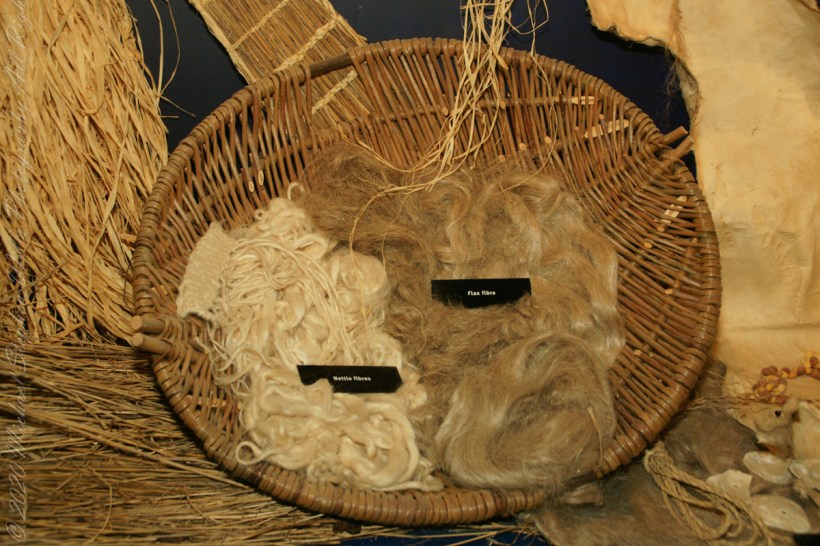
How the builders of Brú na Bóinne clothed themselves
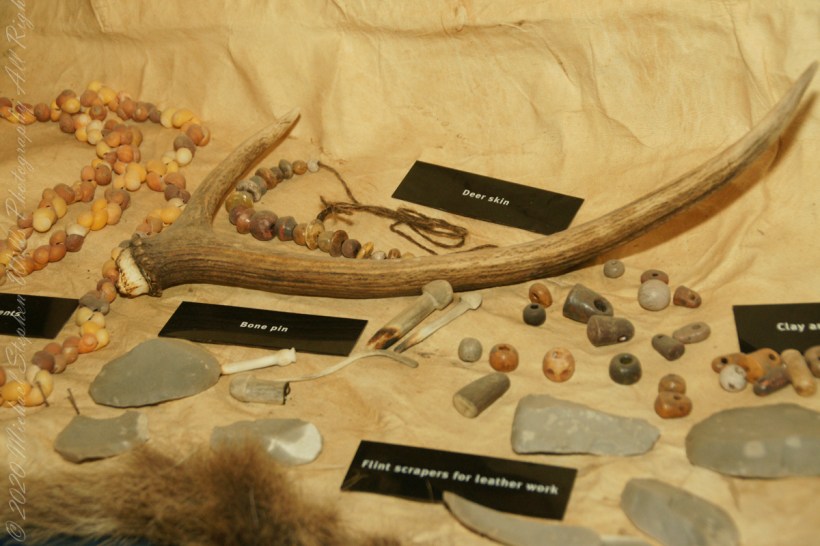
Early Irish farmers introduced crops and domesticated animals, aided by milder climate.
The people who built the passage tombs at Brú na Bóinne and elsewhere in Ireland were farmers, a way of life which by this time had become well established in Ireland. All the mainstays of early farming life — cereals such as wheat and barley, and domesticated animals such as cattle, pigs, sheep and goats — were introduced to Ireland by early farmers. T
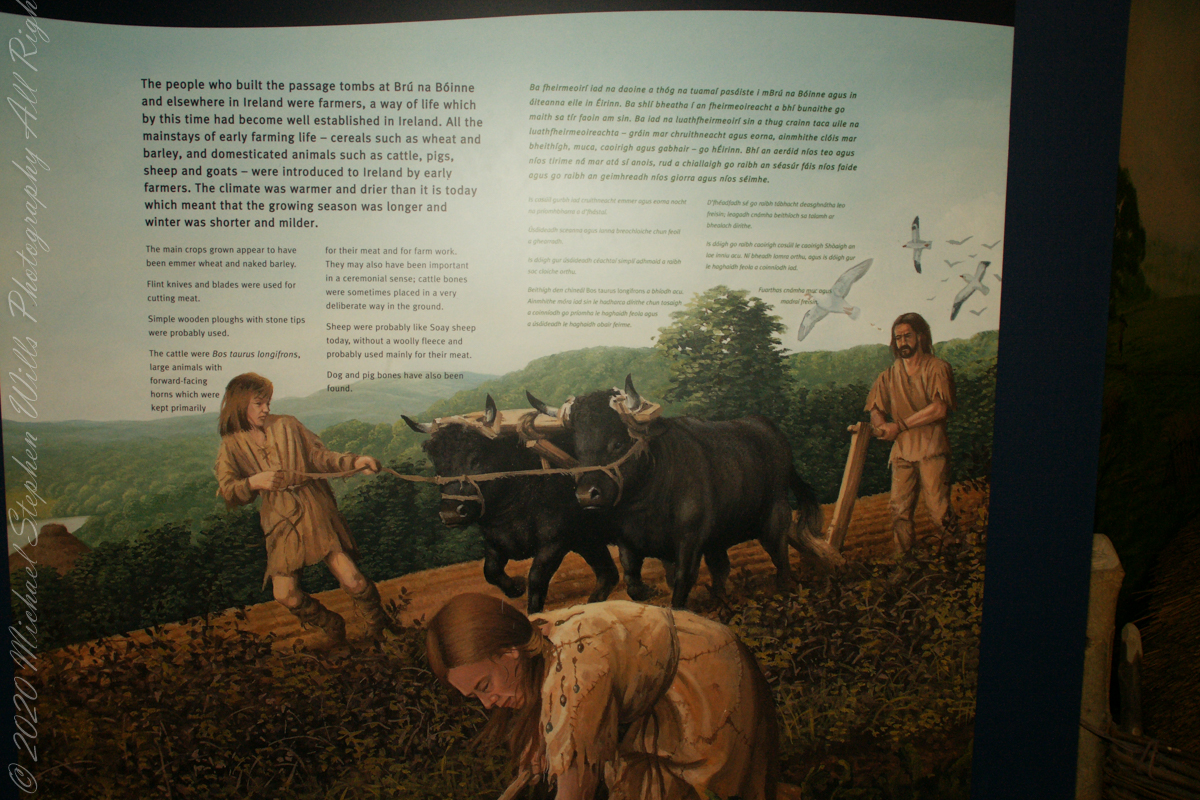
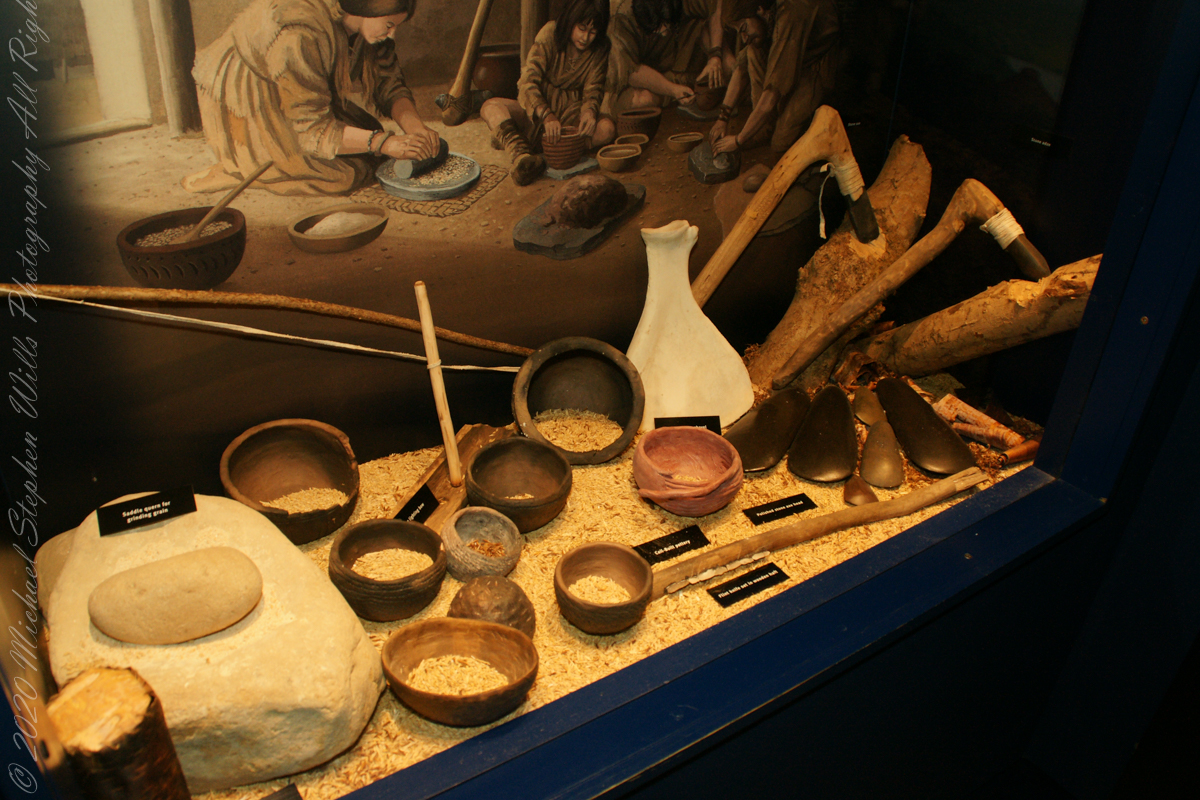
he climate was warmer and drier than it is today which meant that the growing season was longer and winter was shorter and milder. The main crops grown appear to have been emmer wheat and naked barley. Flint knives and blades were used for cutting meat. Simple wooden ploughs with stone tips were probably used.

The cattle were Bos taurus longifrans, large animals with forward facing horns which were kept primarily for farm work and meat. Cattle may also have been important in a ceremonial sense; cattle bones were sometimes placed in a very deliberate way in the ground. Sheep were probably like Soay sheep today, without a woolly fleece and probably used mainly for their meat. Dog and pig bones have also been found.
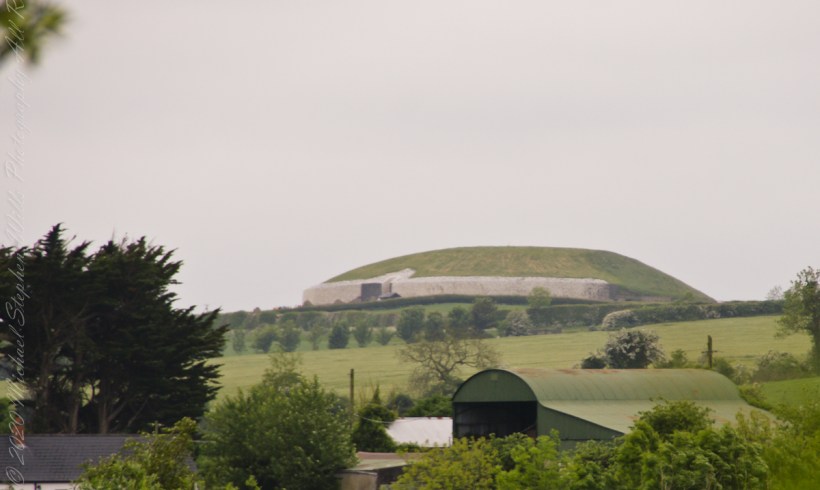
For my 365th consecutive post: approaching an ancient passage tomb older than the Egyptian pyramids.
Thirty minutes headed up the M1 from Dublin Airport Pam and I arrived at Brú na Bóinne Visitor Center, gateway to Newgrange. Archaeologists classified Newgrange as a passage tomb, however Newgrange is now recognized to be much more than a passage tomb. Ancient Temple is a more fitting classification, a place of astrological, spiritual, religious and ceremonial importance, much as present day cathedrals are places of prestige and worship where dignitaries may be laid to rest.
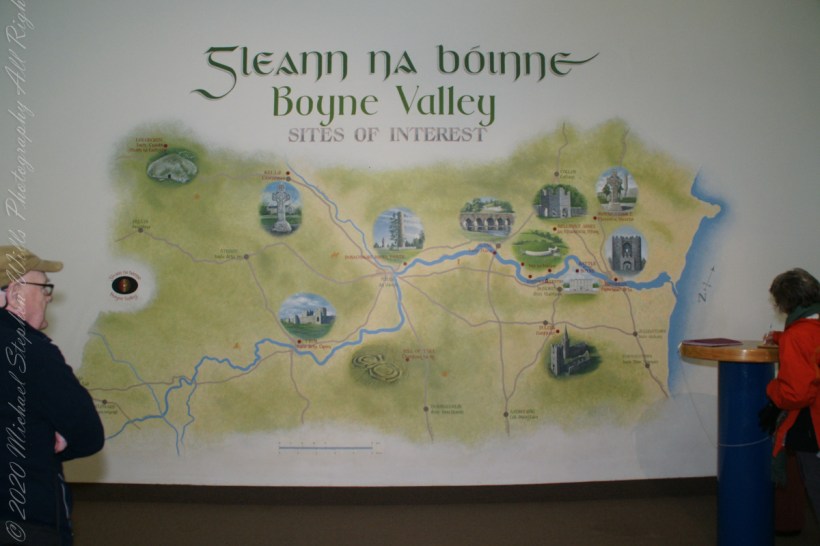
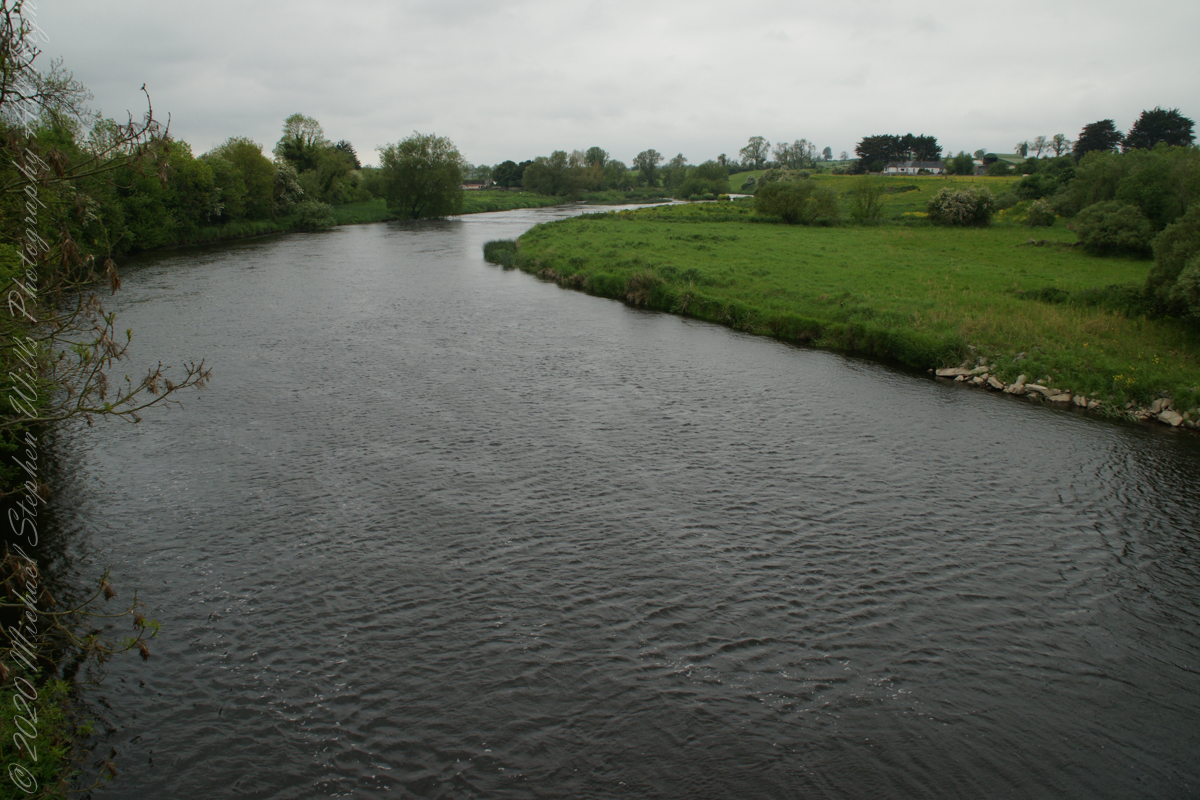
Bounded on the south by a bend in the River Boyne, the prehistoric site of Brú na Bóinne is dominated by the three great burial mounds of Knowth, Newgrange and Dowth. Surrounded by about forty satellite passage graves, they constitute a funerary landscape recognized as having great ritual significance, subsequently attracting later monuments of the Iron Age, early Christian and medieval periods.
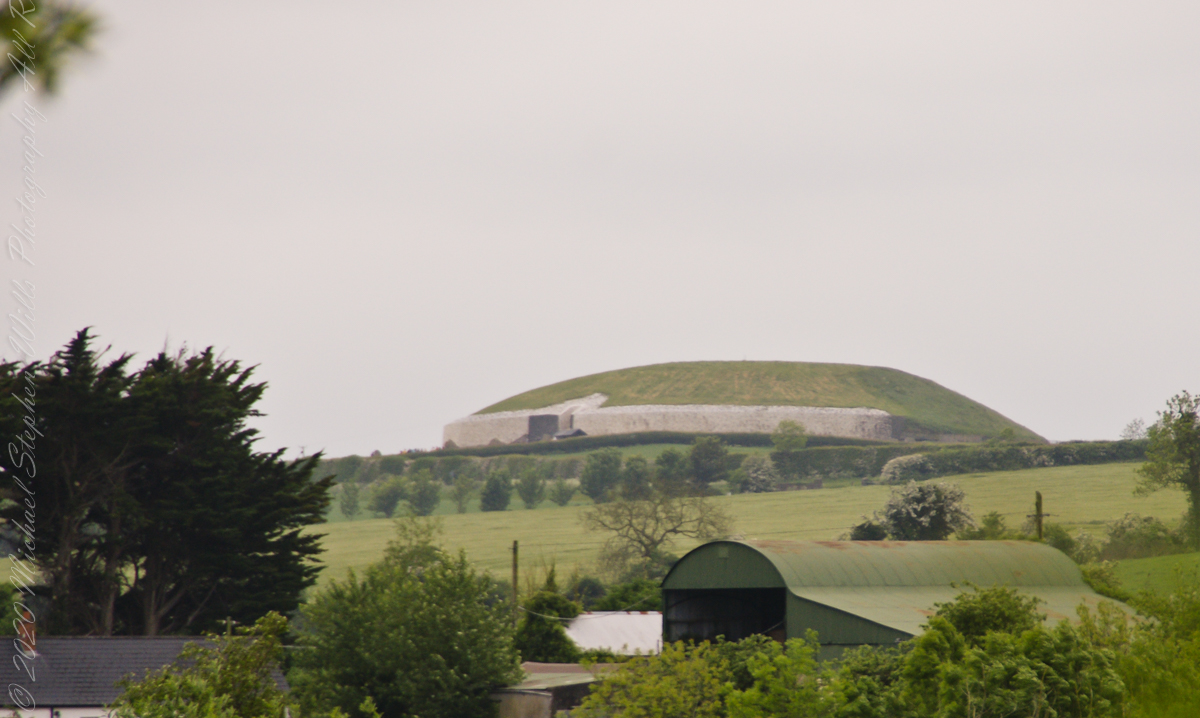
Newgrange was built by Stone Age farmers, the mound is 85m (279ft) in diameter and 13m (43ft) high, an area of about 1 acre. Newgrange was constructed about 5,200 years ago (3,200 B.C.) which makes it older than Stonehenge and the Great Pyramids of Giza.
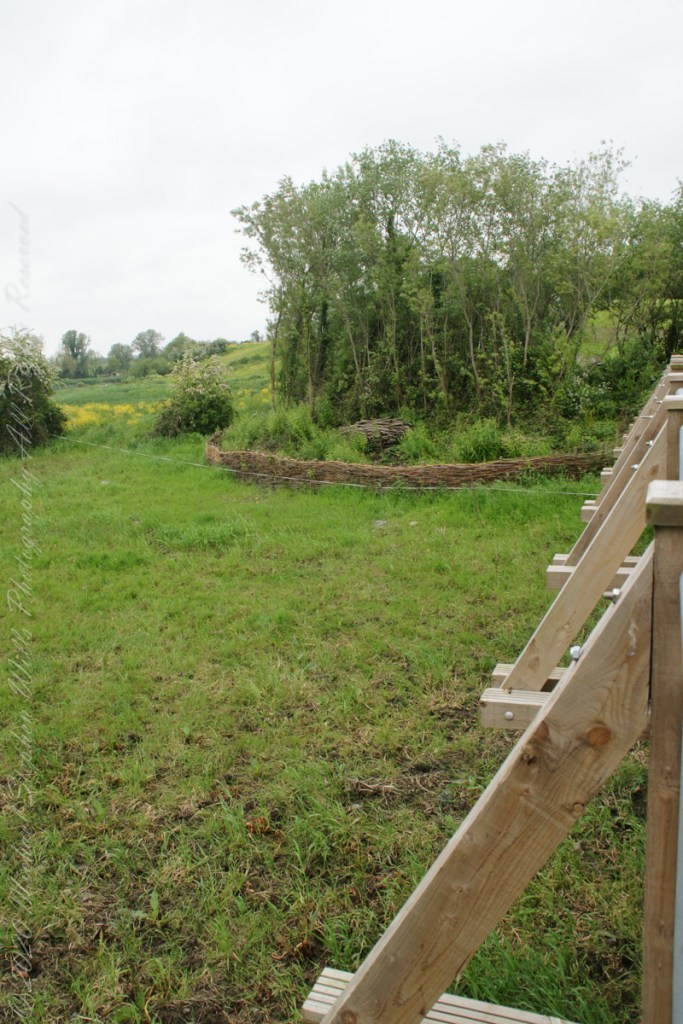
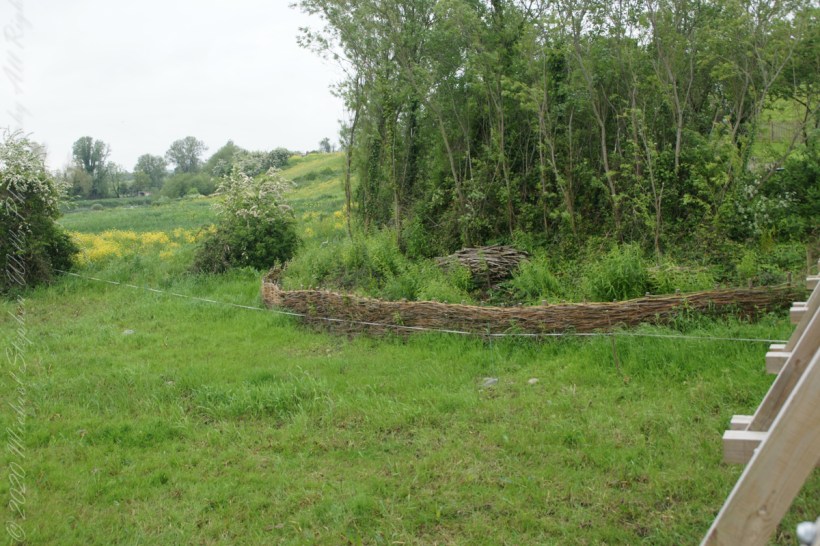
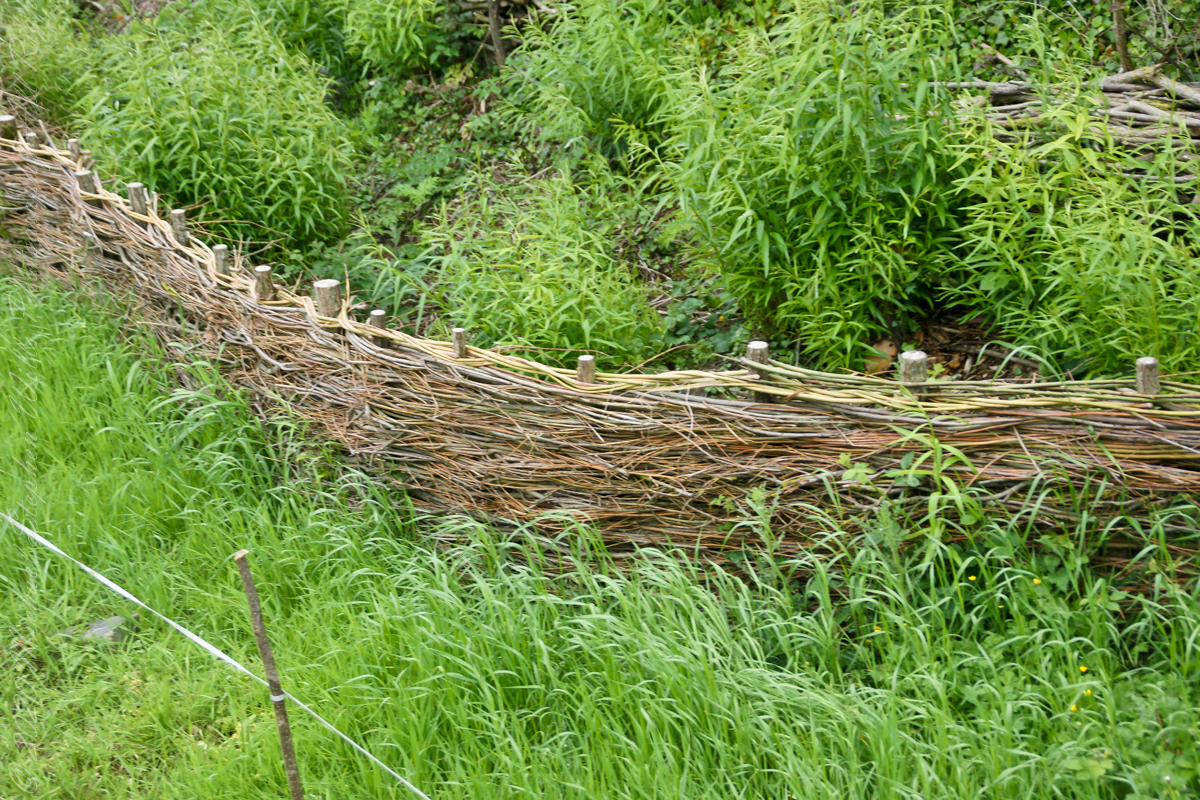
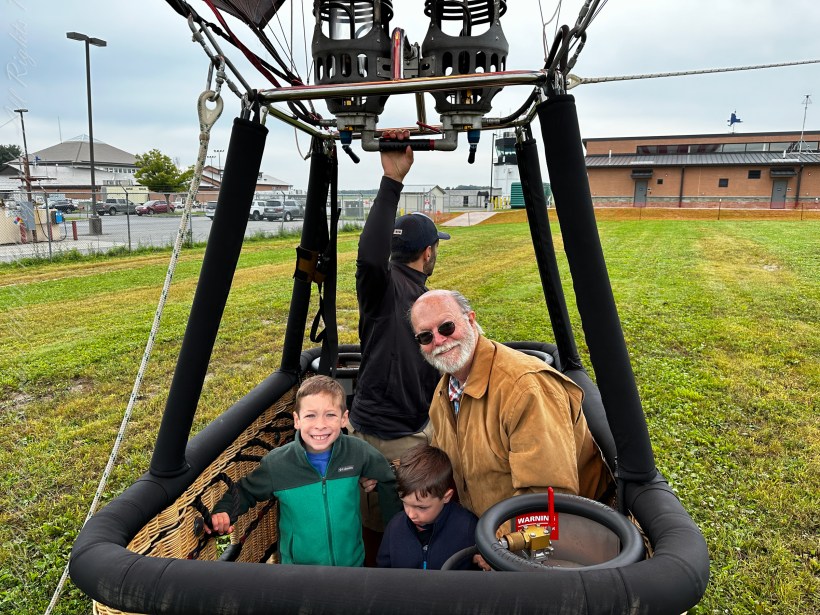
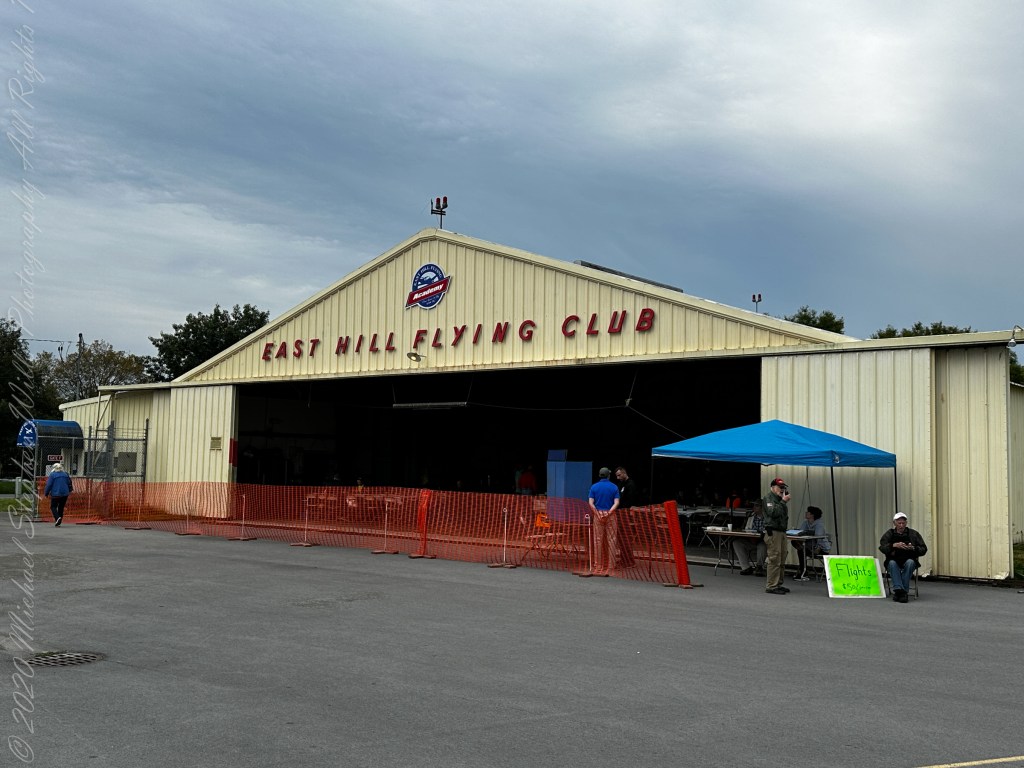
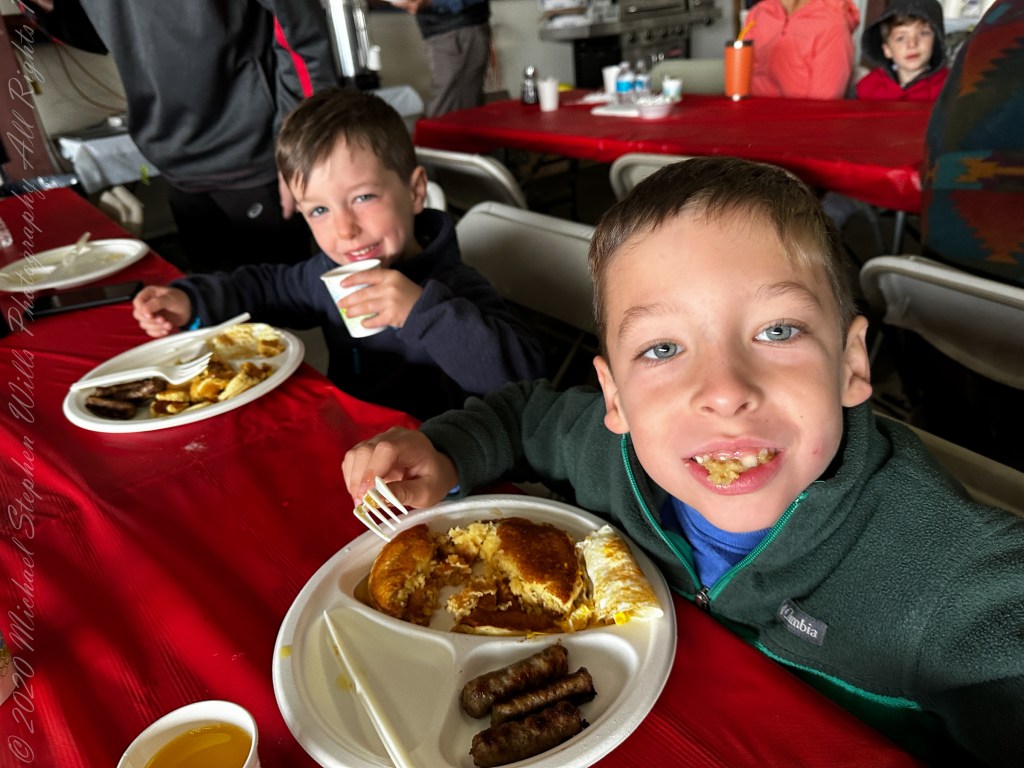
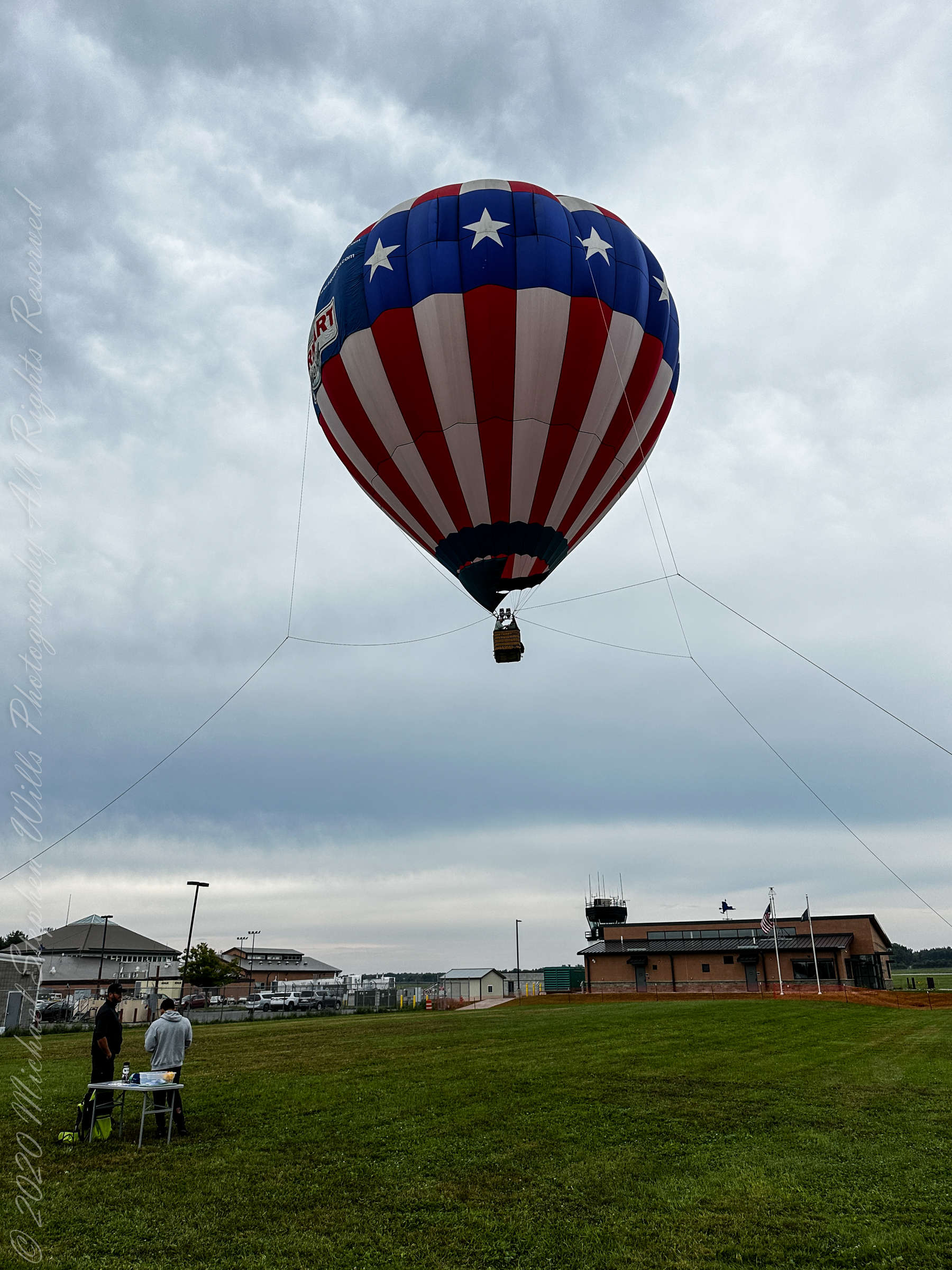
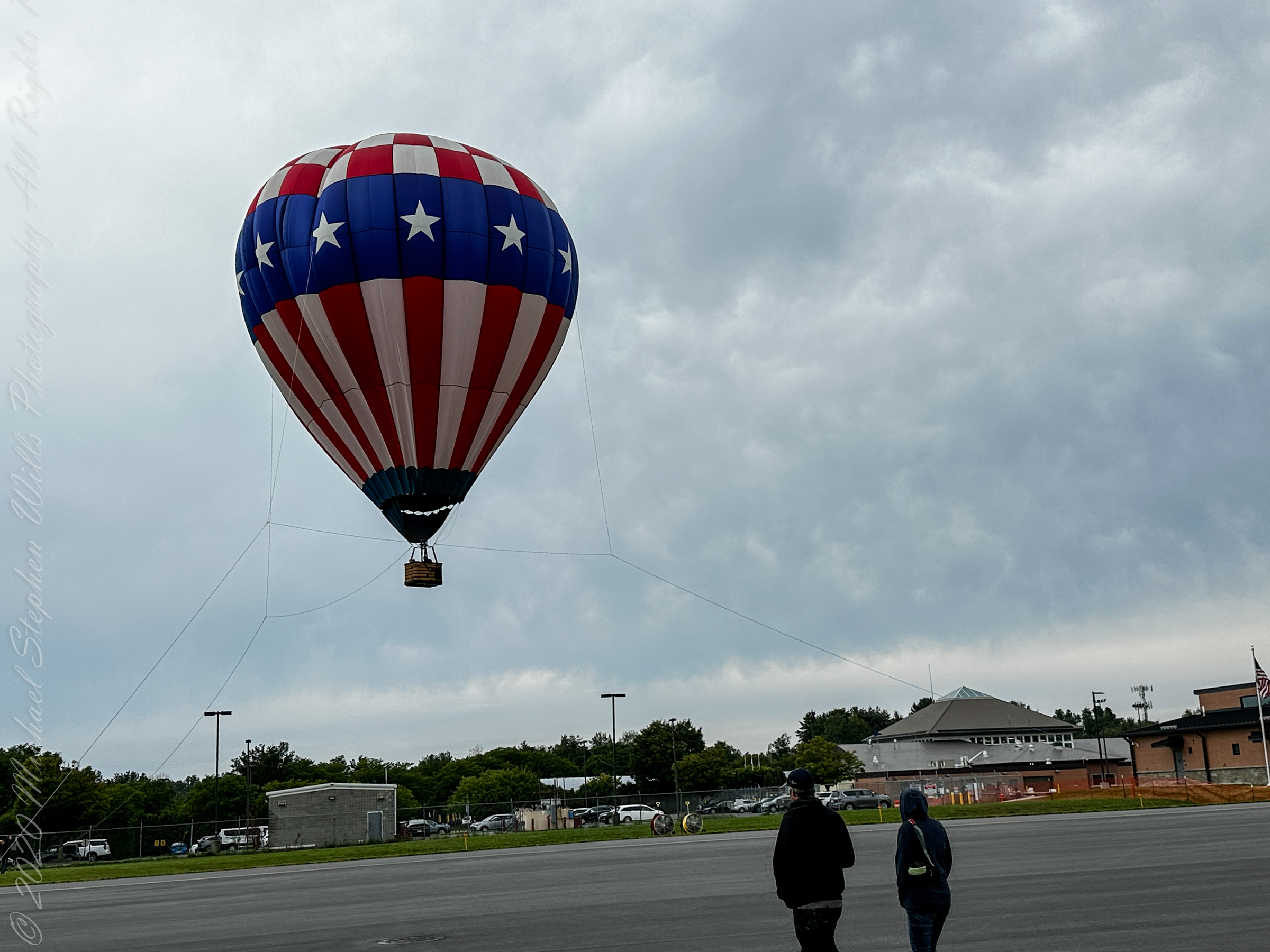
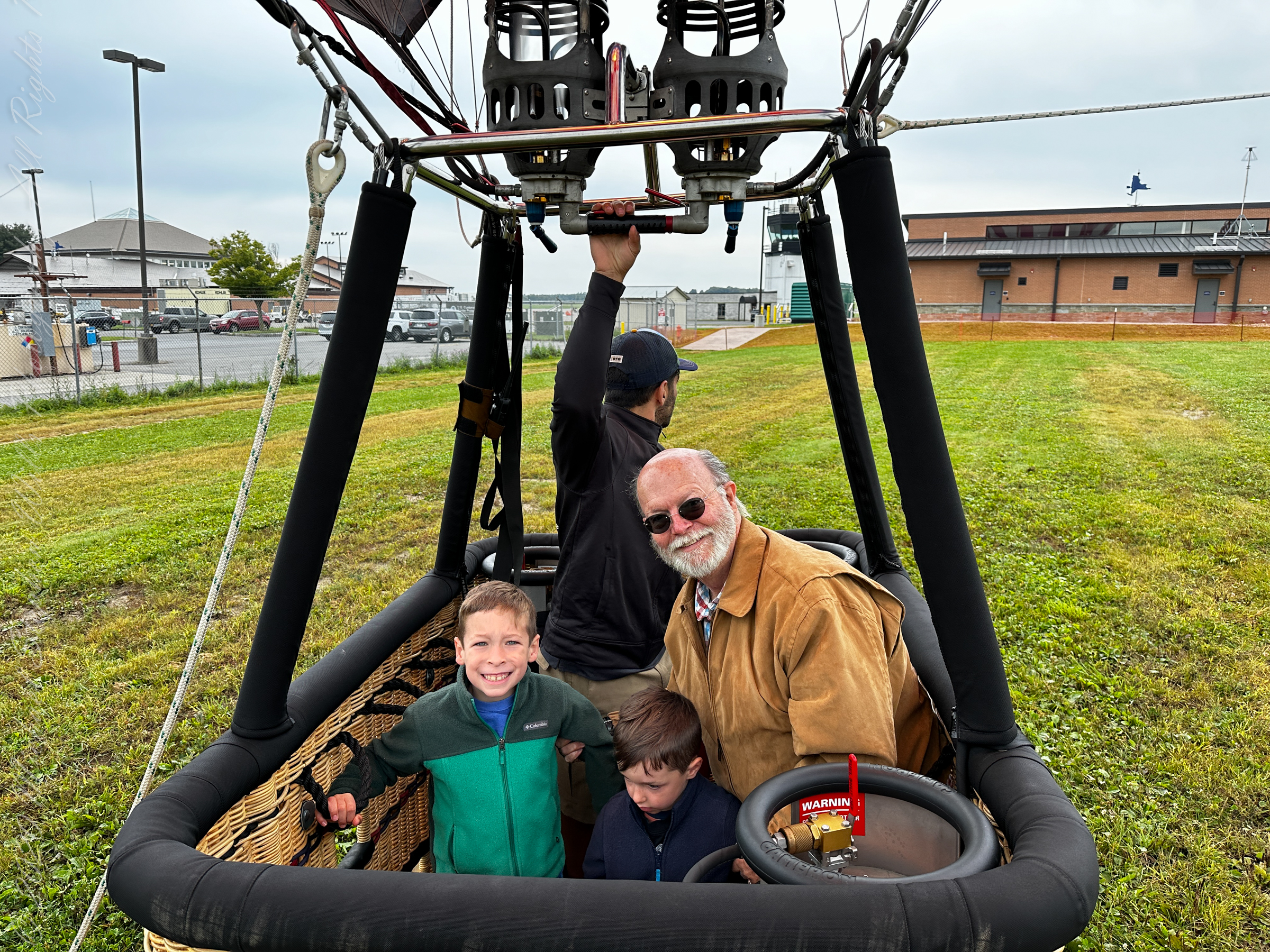
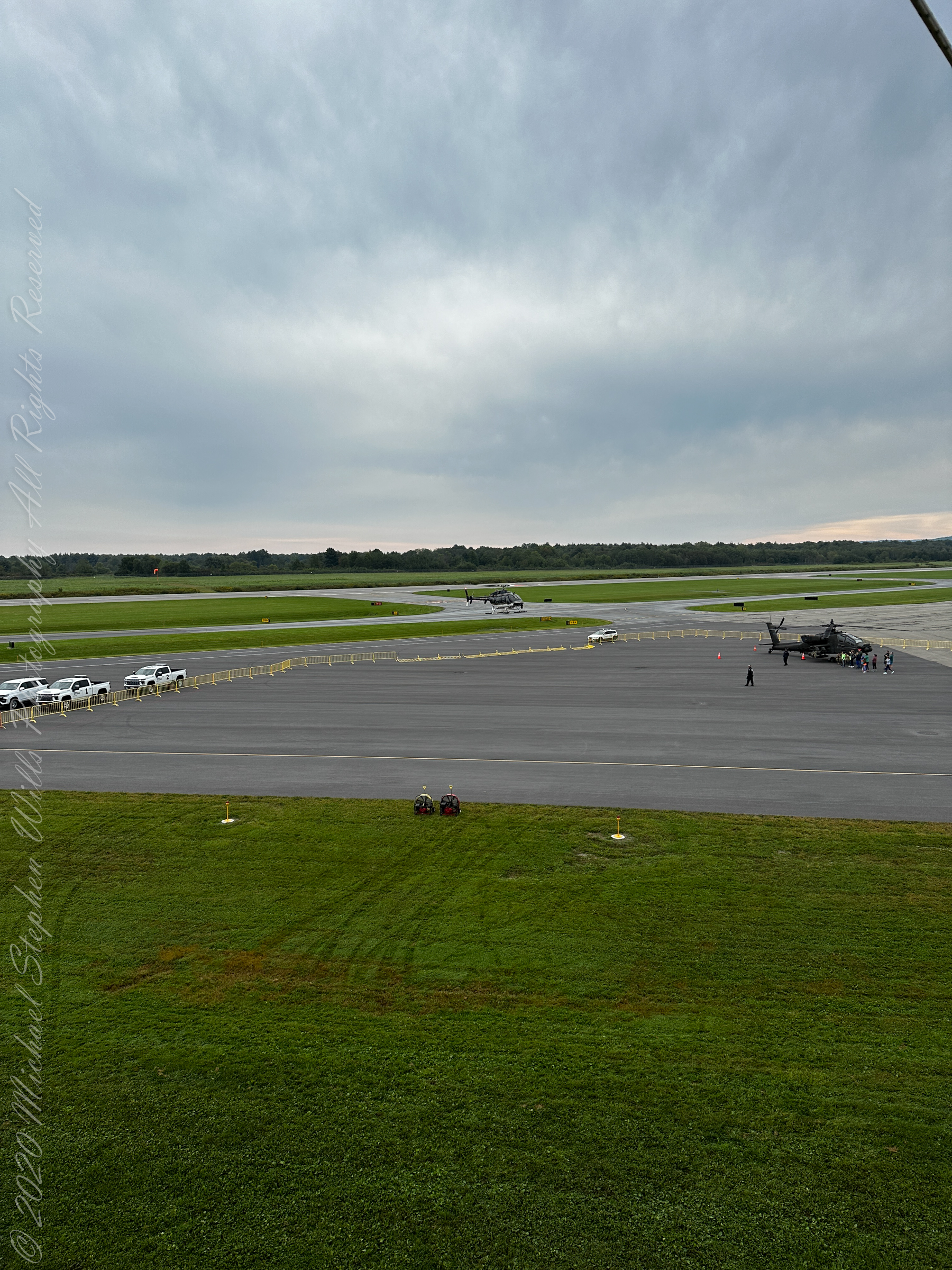
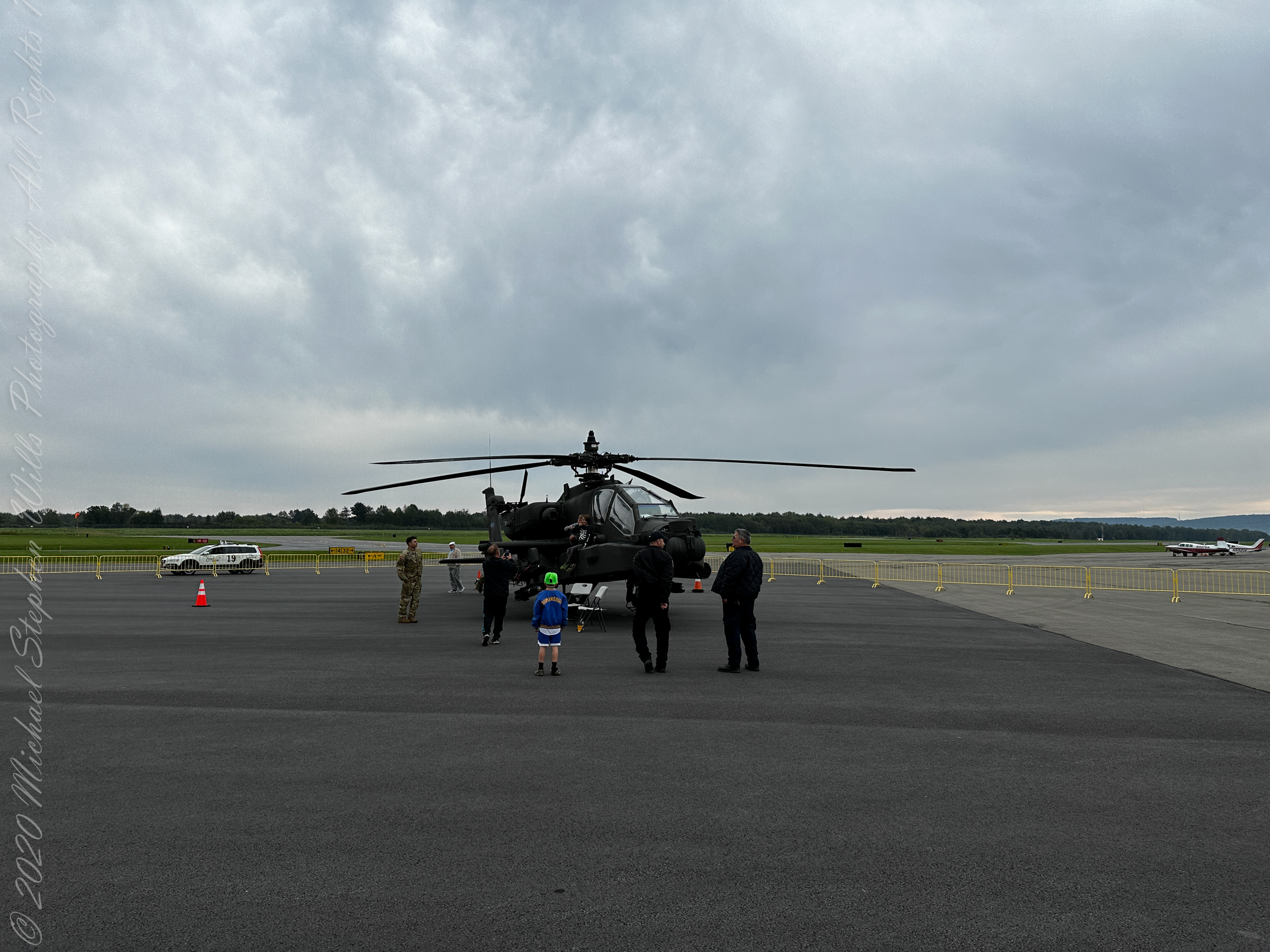
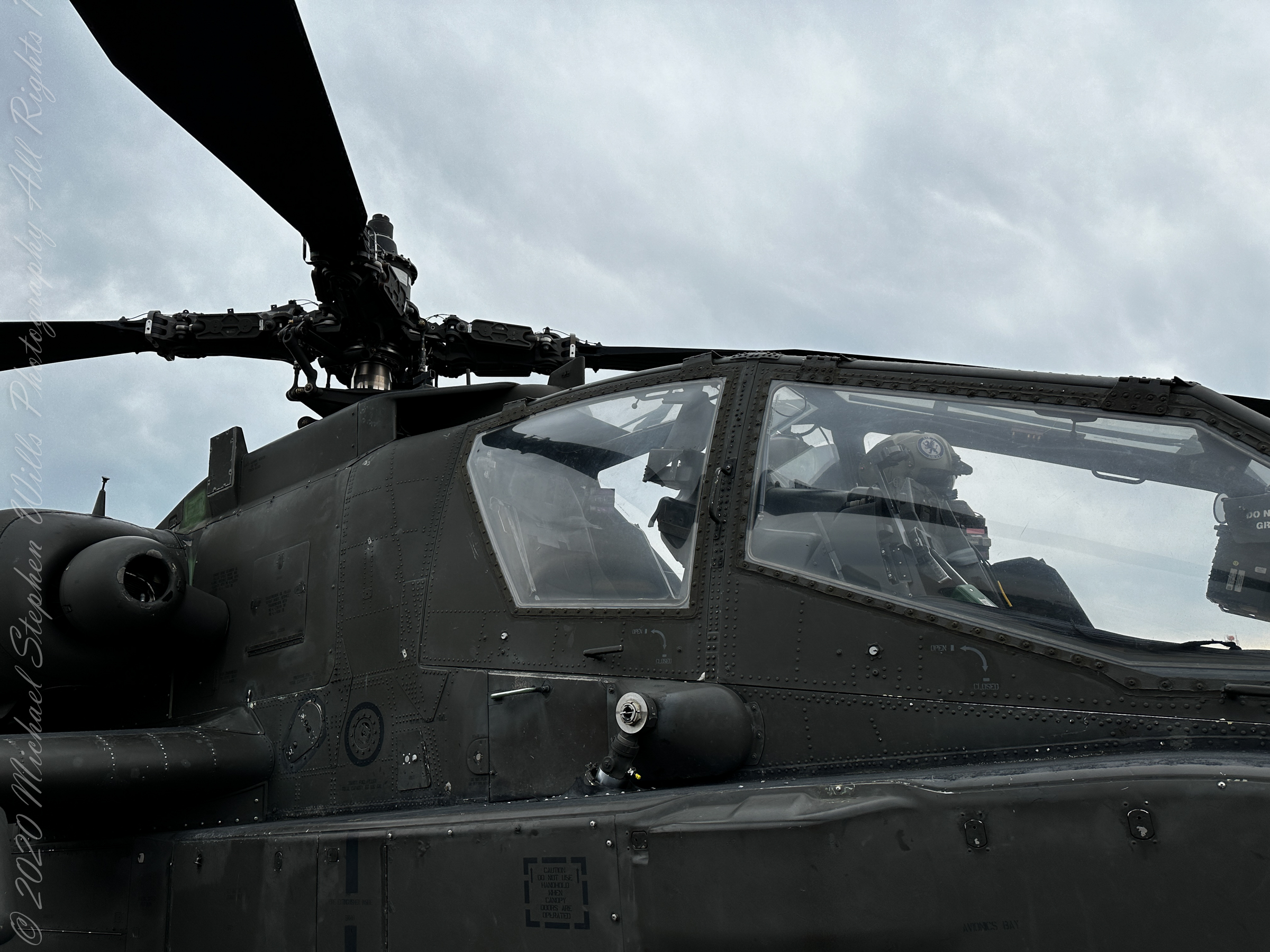
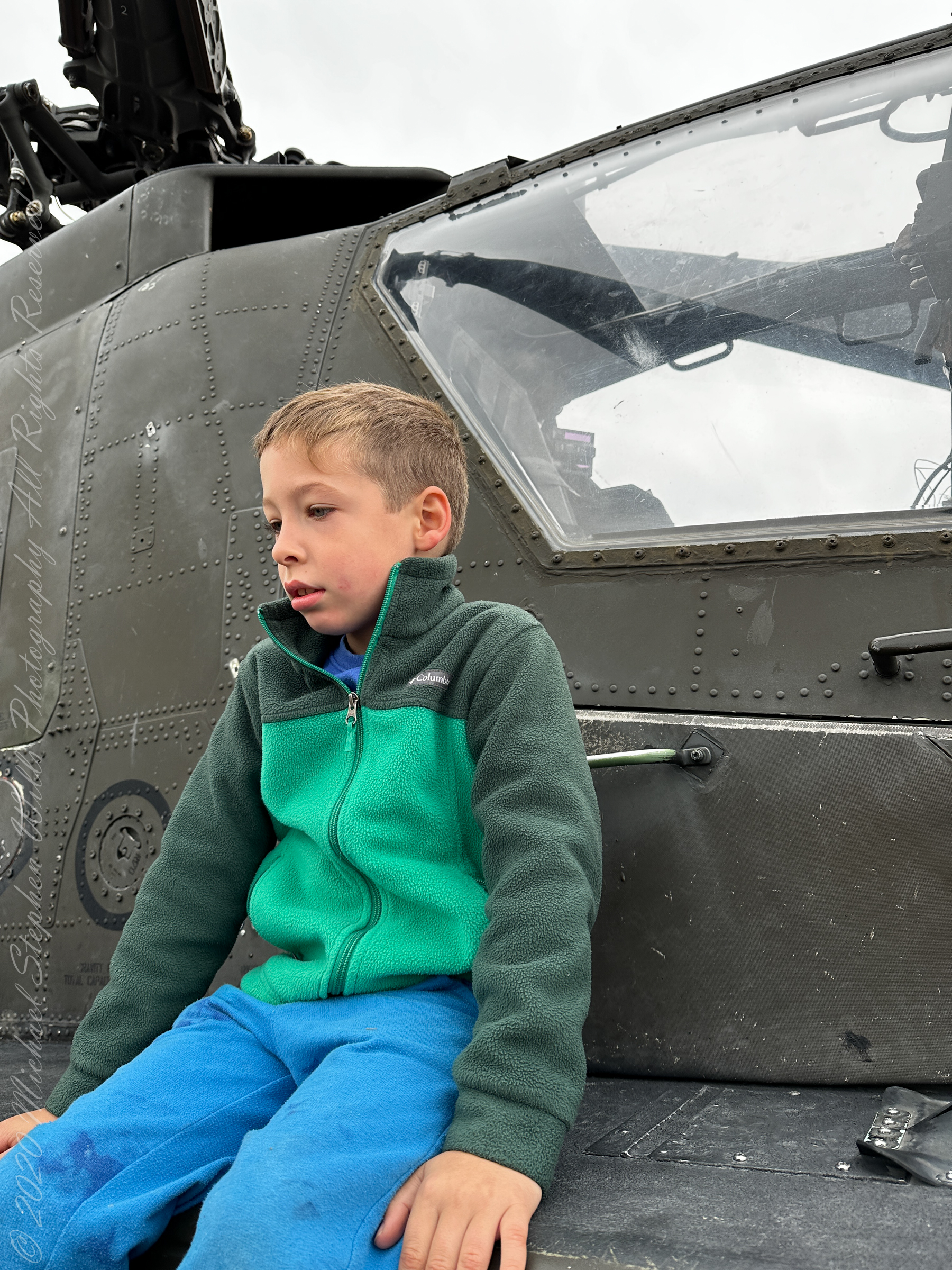
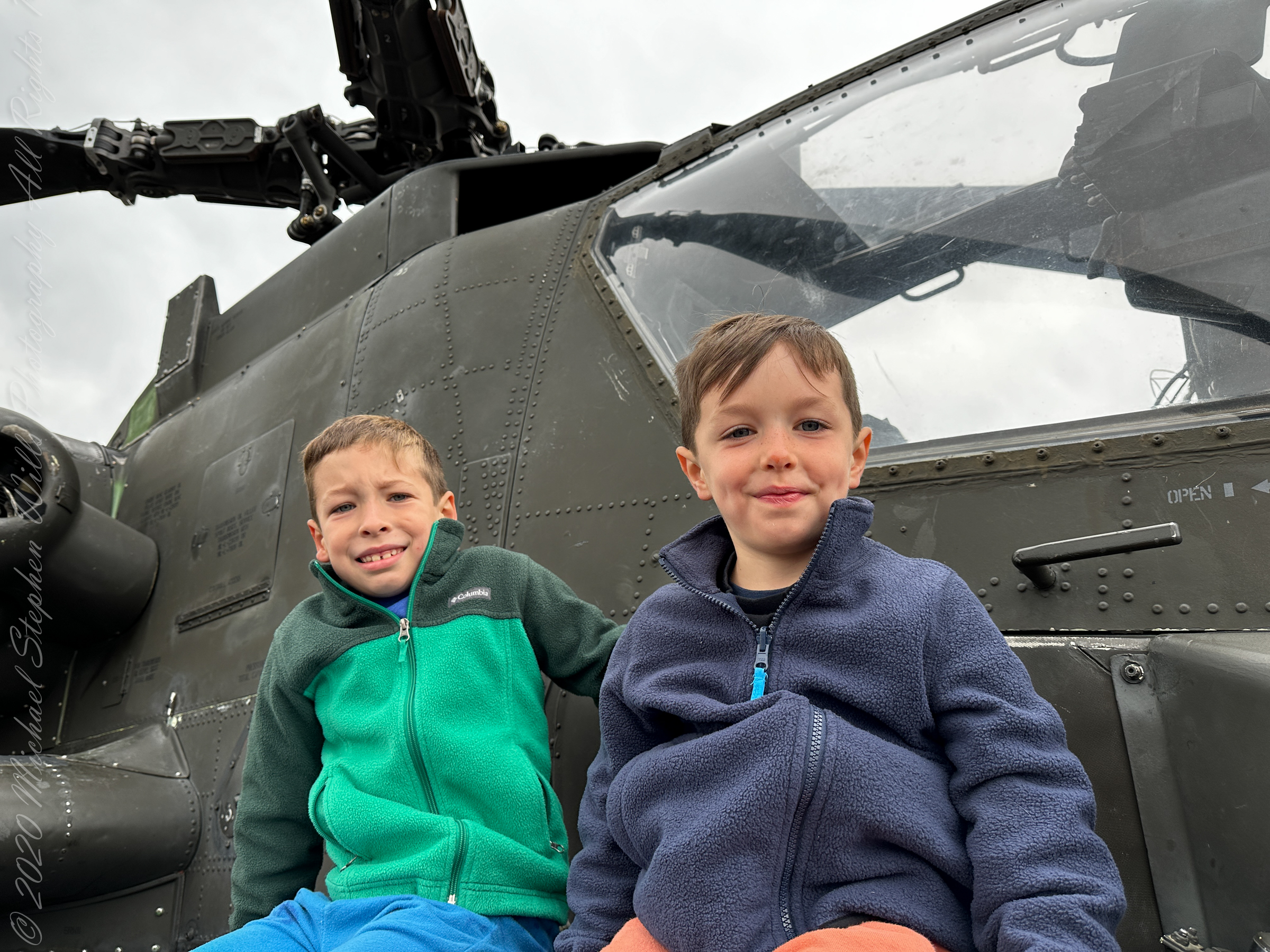
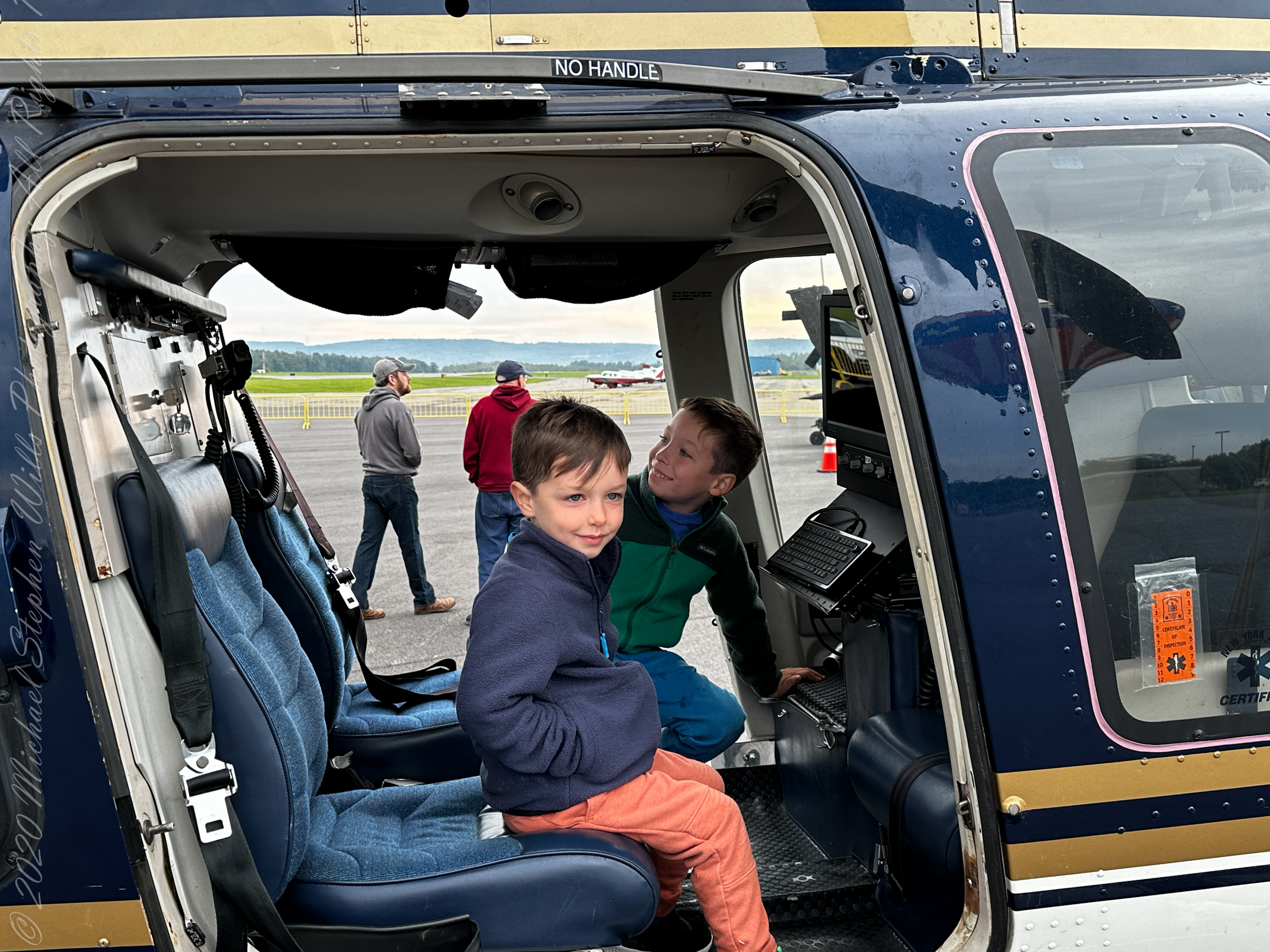
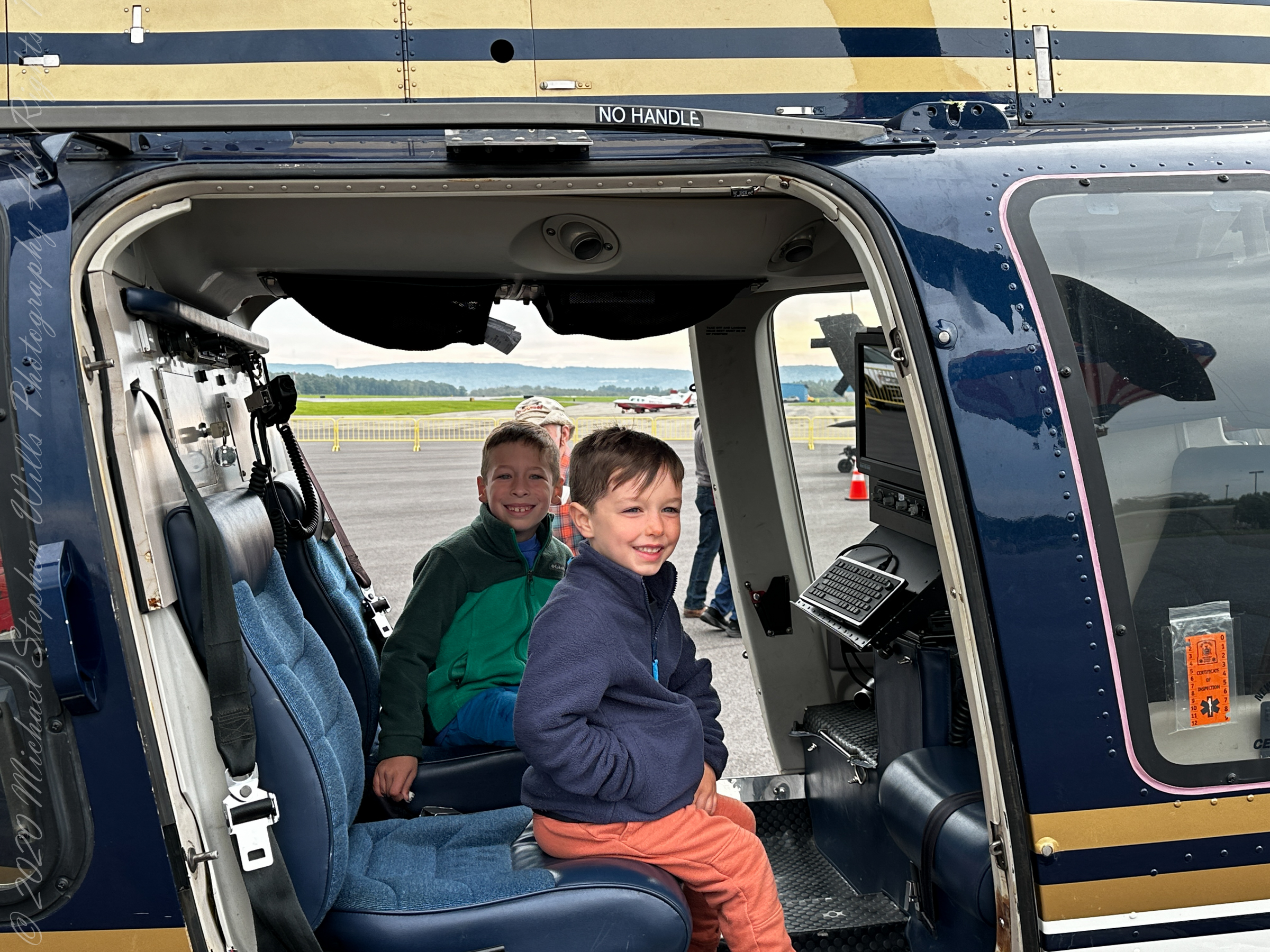
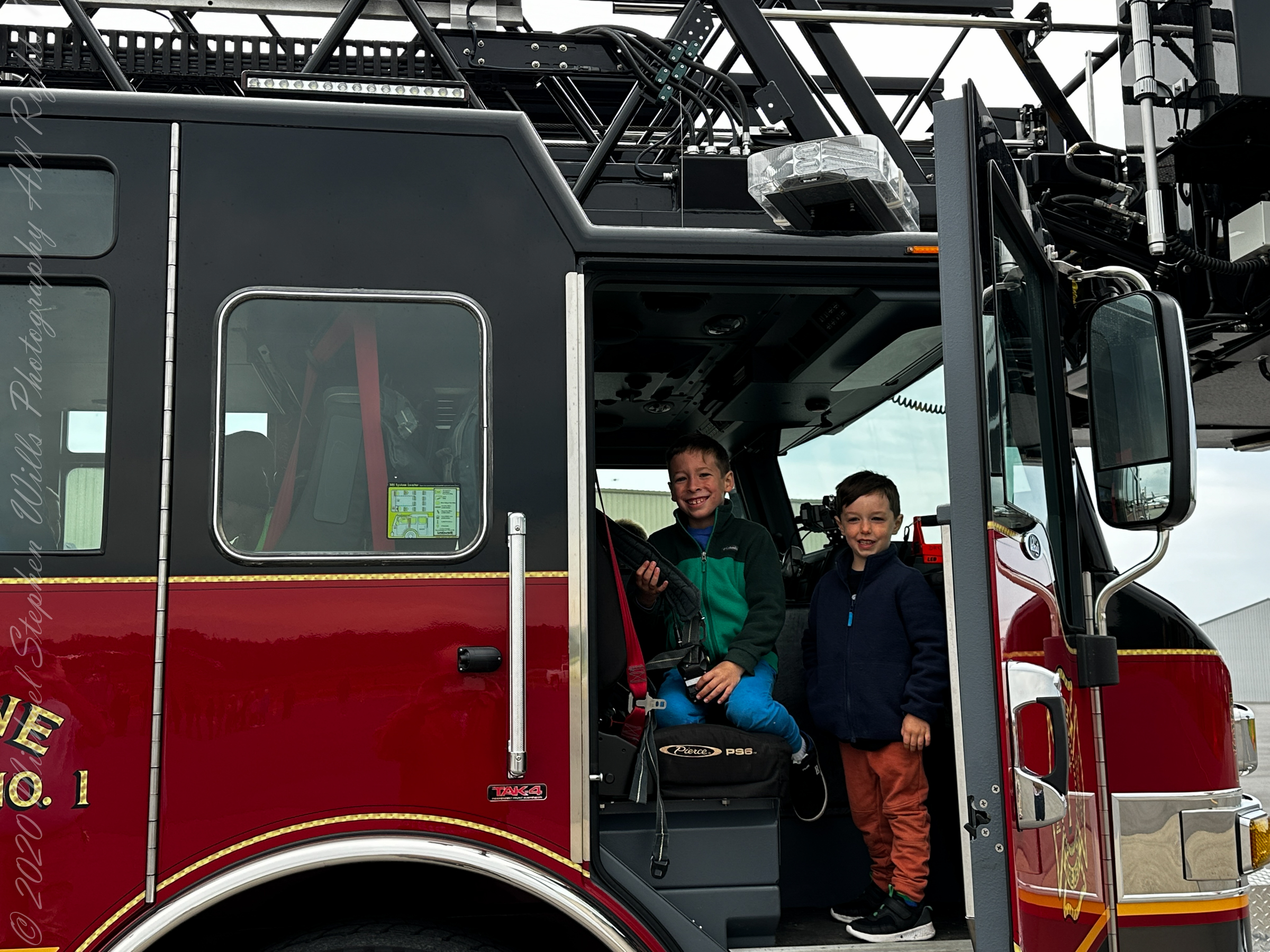
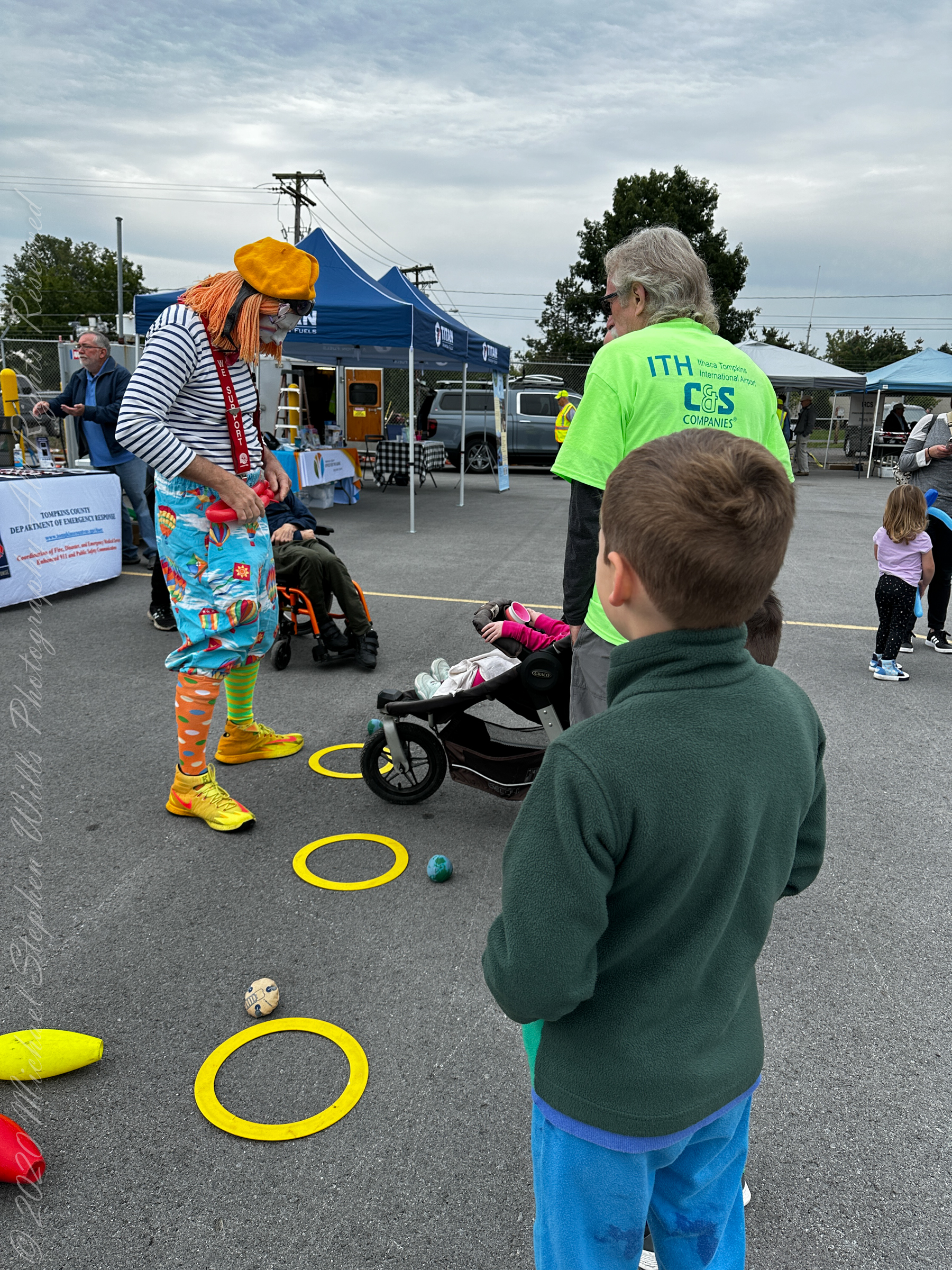
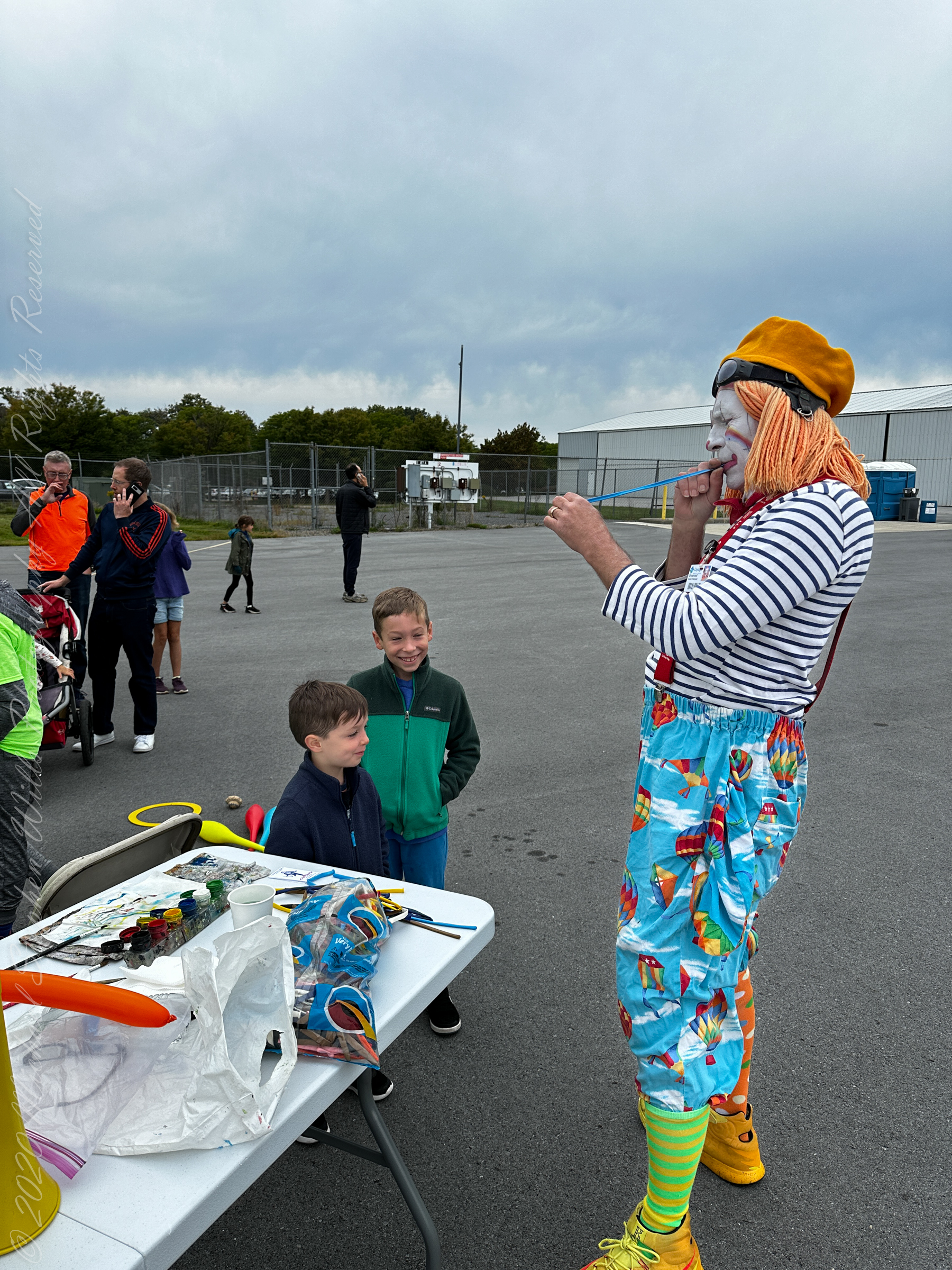
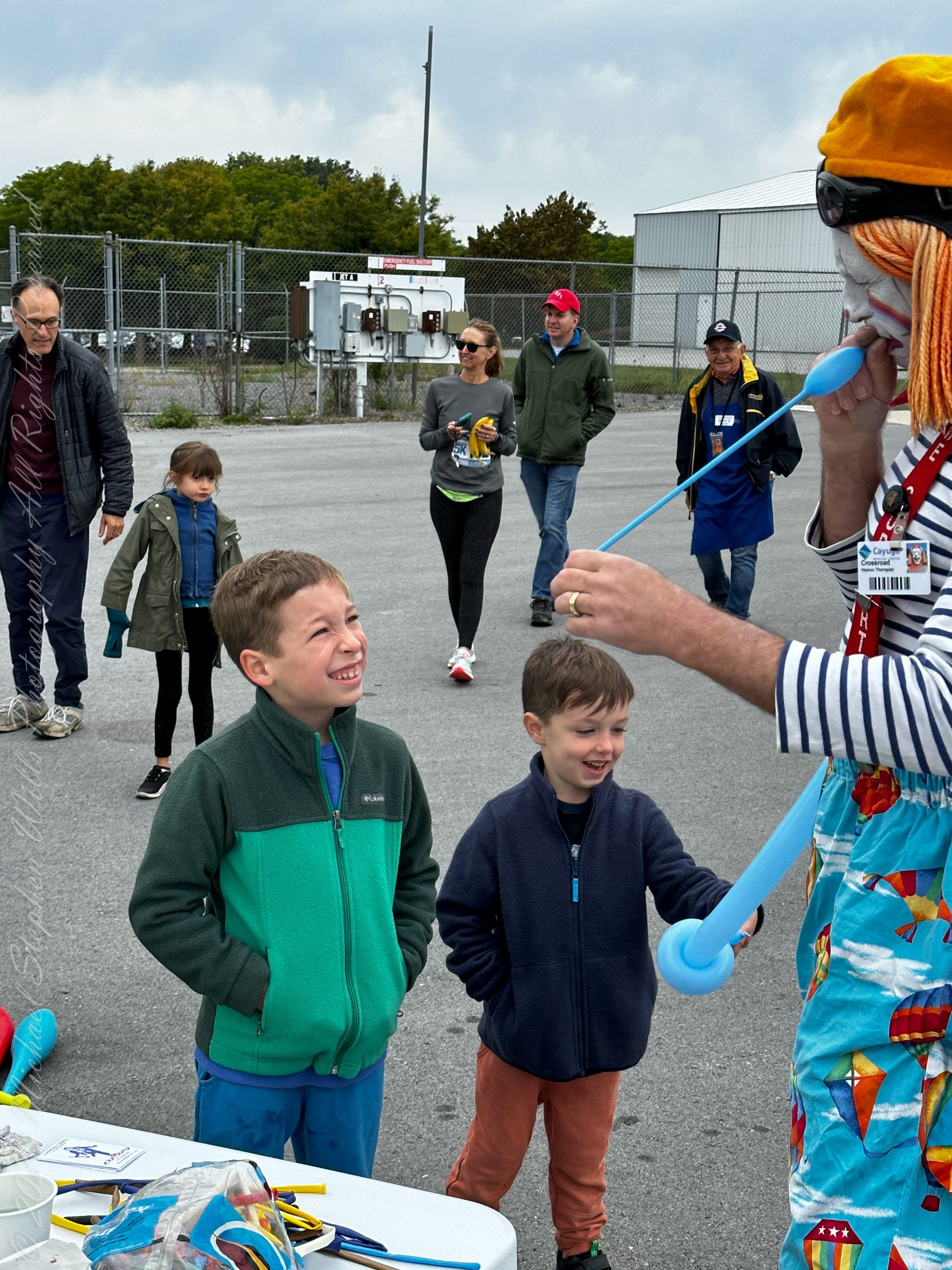
Airport Day was hosted by the East Hill Flying Club, the pancake breakfast was in the hangar.

2023, baseball, Cass Park, double, fall, hits, Ithaca, Little League, New York State, RBI, Tompkins County
Our grandson’s work on baseball skills is paying off. Here he slugs one to right field where it bounces on the fence for a solid double. He had two doubles that game, driving in a couple of runs, scoring off one himself. Good work!!
“Carl Stotz, a resident of Williamsport, Pennsylvania, founded Little League Baseball in 1939. He began experimenting with his idea in the summer of 1938 when he gathered his nephews, Jimmy and Major Gehron, and their neighborhood friends. They tried different field dimensions over the course of the summer and played several informal games. The following summer, they felt that they were ready to establish what later became Little League Baseball. The first league in Williamsport had just three teams, each sponsored by a different business. The first teams, Jumbo Pretzel, Lycoming Dairy, and Lundy Lumber, were managed by Stotz and brothers George and Bert Bebble. The men, joined by their wives and another couple, formed the first-ever Little League board of directors.”
“The first league game took place on June 6, 1939 when Lundy Lumber defeated Lycoming Dairy, 23–8. Lycoming Dairy became the champions of the first half of the season and then defeated Lundy Lumber, the second-half champions, in a best-of-three championship series. The following year, a second league was formed in Williamsport, and from there Little League Baseball grew to become an international organization of nearly 200,000 teams in every U.S. state and in more than 80 countries.”
“From 1951 through 1973, Little League was restricted to boys only. In 1974, Little League rules were revised to allow participation by girls in the baseball program following the result of a lawsuit filed by the National Organization for Women on behalf of Maria Pepe. According to the Little League Baseball and Softball participation statistics following the 2008 season, there were nearly 2.6 million boys and girls in Little League Baseball worldwide. Of these, approximately 400,000 are registered in softball leagues (including both boys and girls). Starting in 2022, For tournament purposes, Little League Baseball is divided into 20 geographic regions: ten national and ten international. Each summer, Little League operates seven World Series tournaments at various locations throughout the U.S. (Little League softball and Junior, Senior, and Big League baseball and softball).”


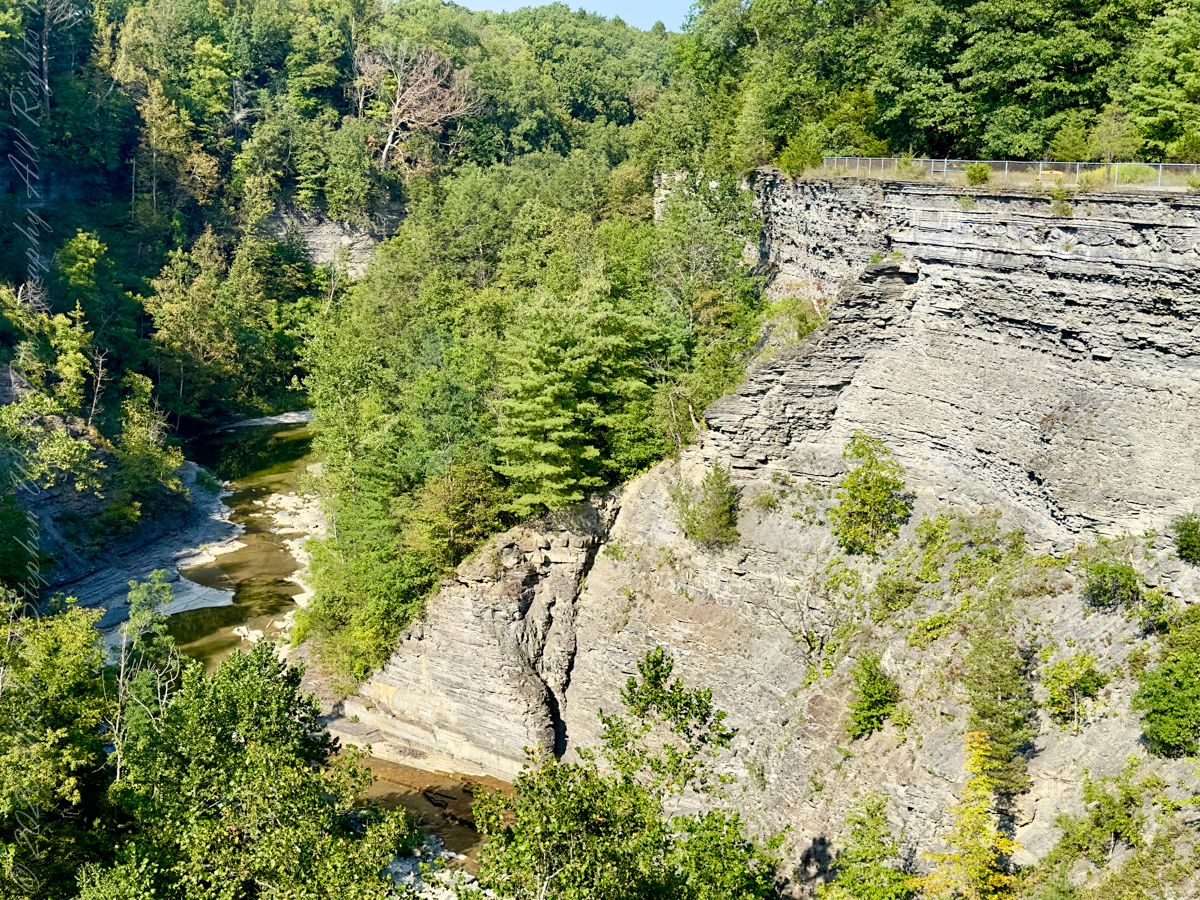
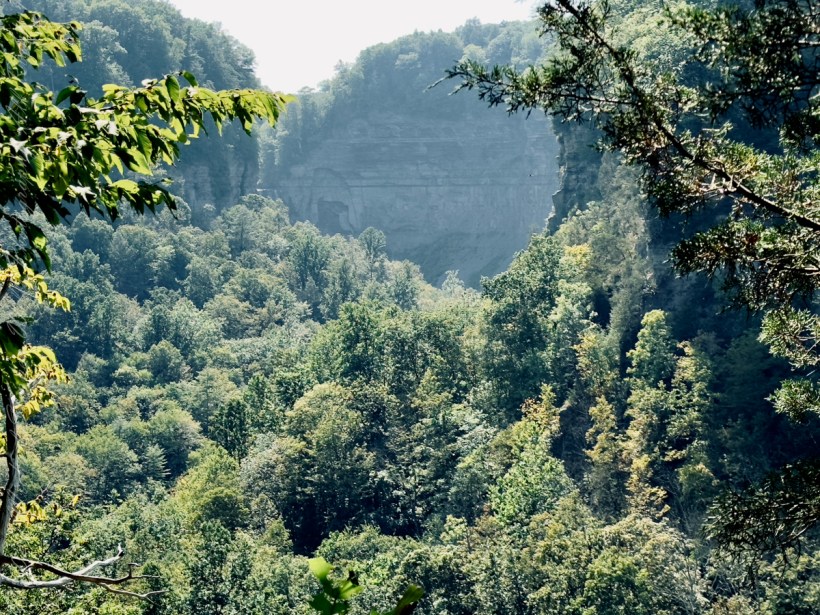
Upper Taughannock Gorge from the South Rim.
 Michael Stephen Wills Photography