Pam and I visited Treman for our last visit of 2017. It was a bright, warm October afternoon. Here is a slide show of our experience, the details shared in recent postings. Enjoy!!
Click photograph for a larger view. To do this from WordPress Reader, you need to first click the title of this post to open a new page.
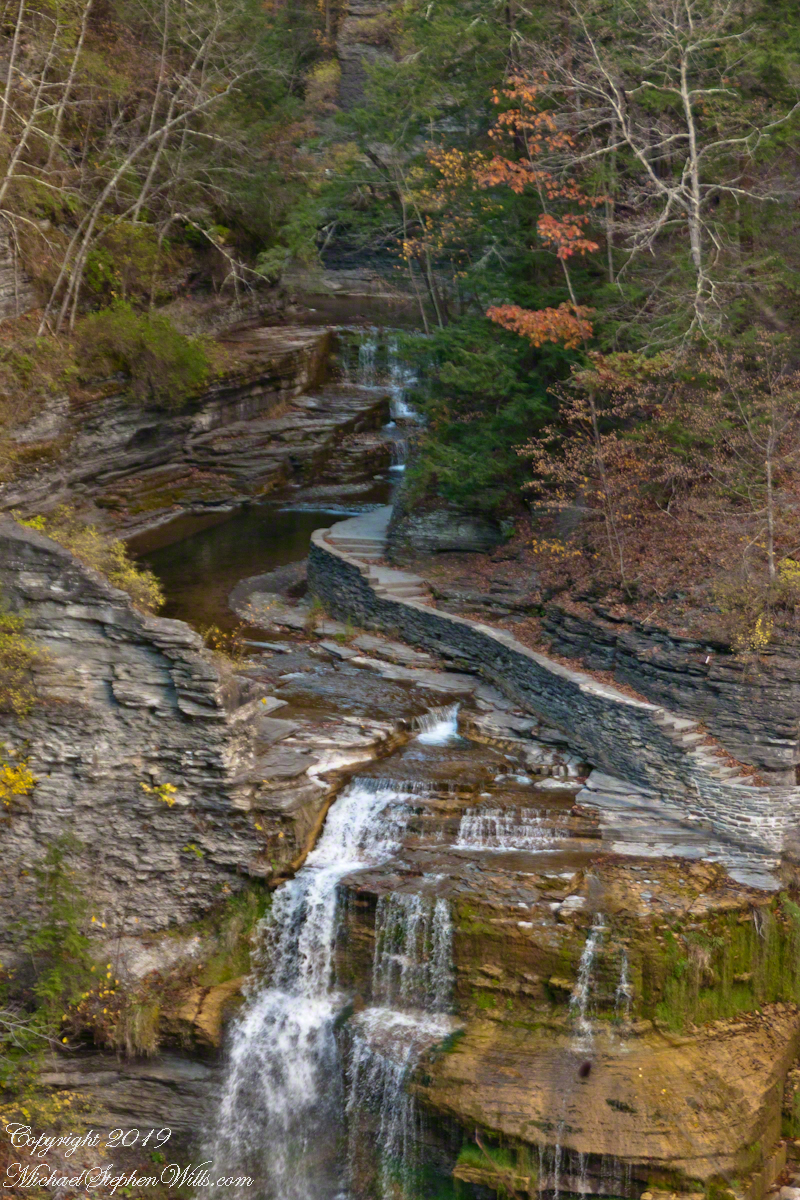
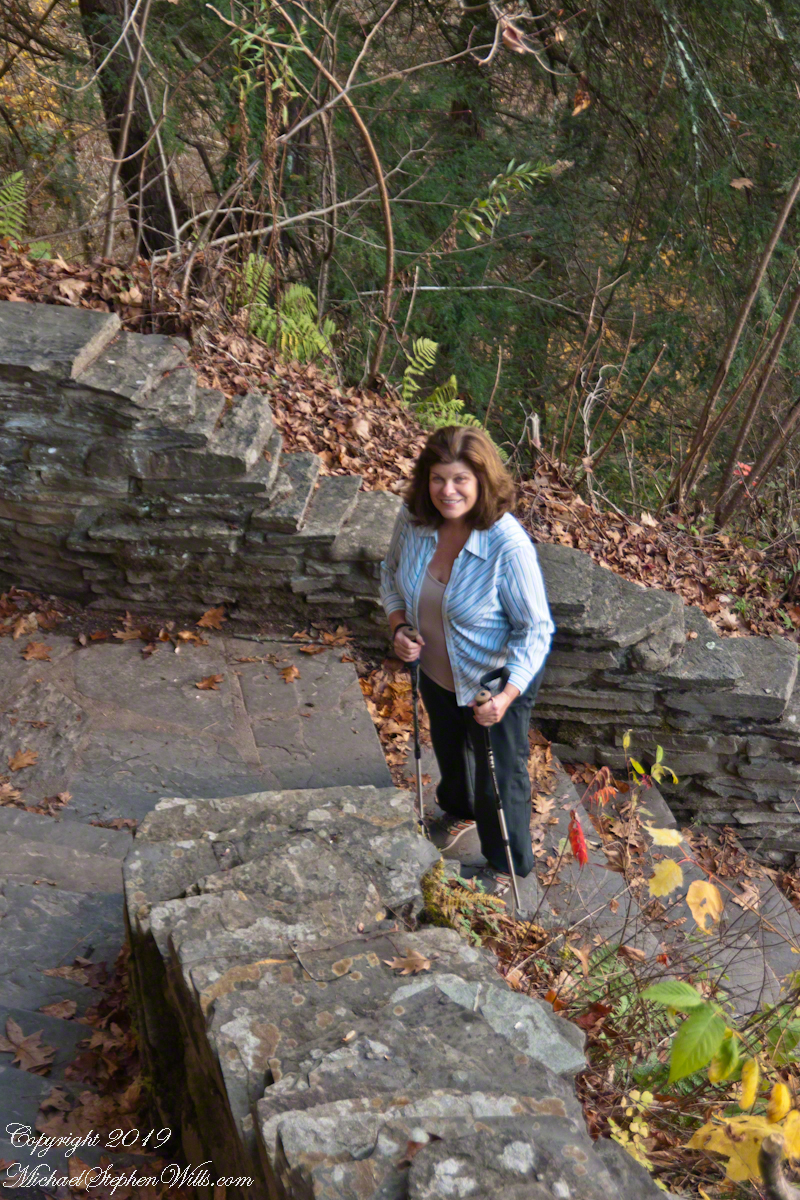
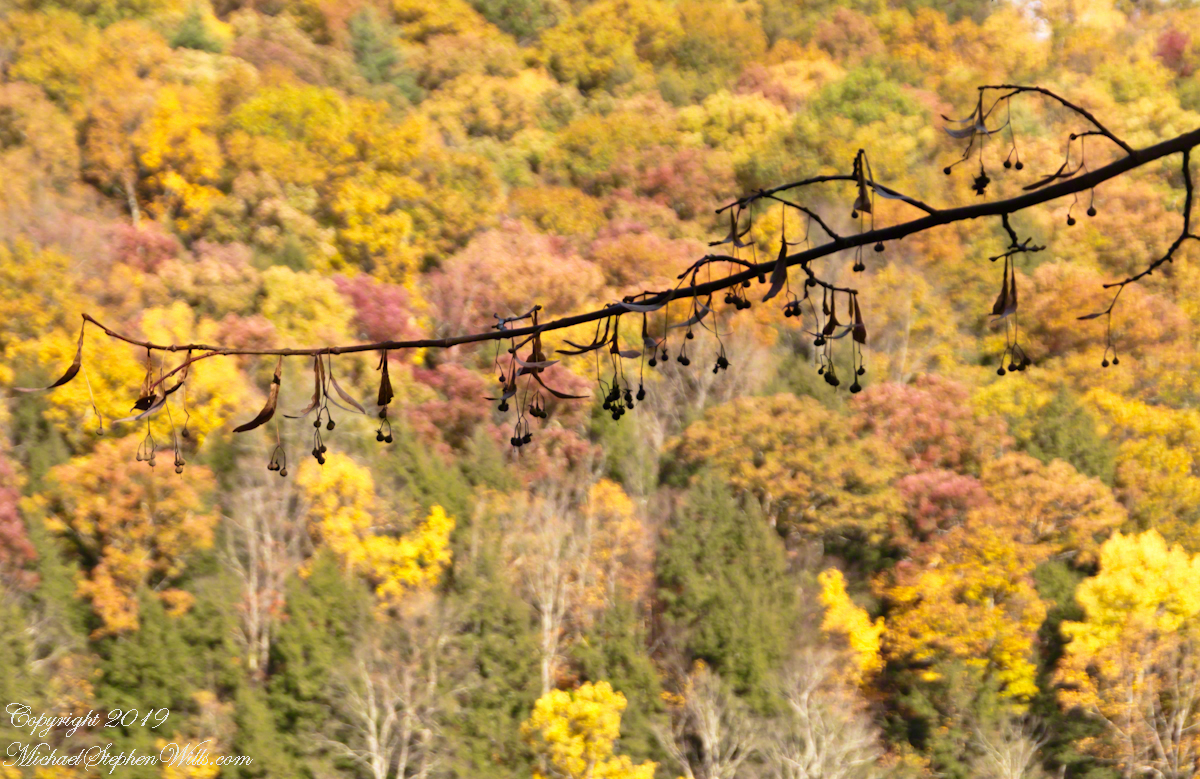
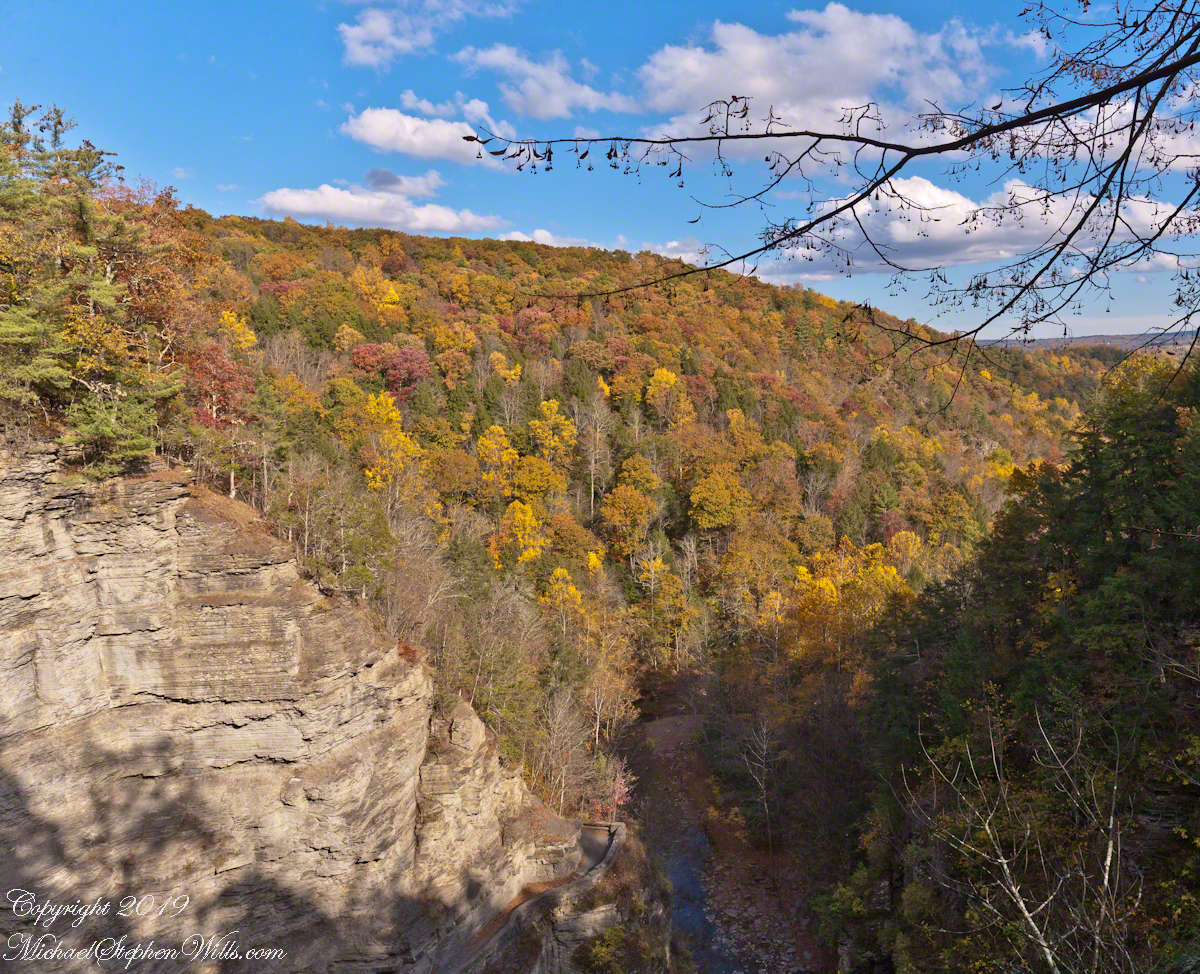
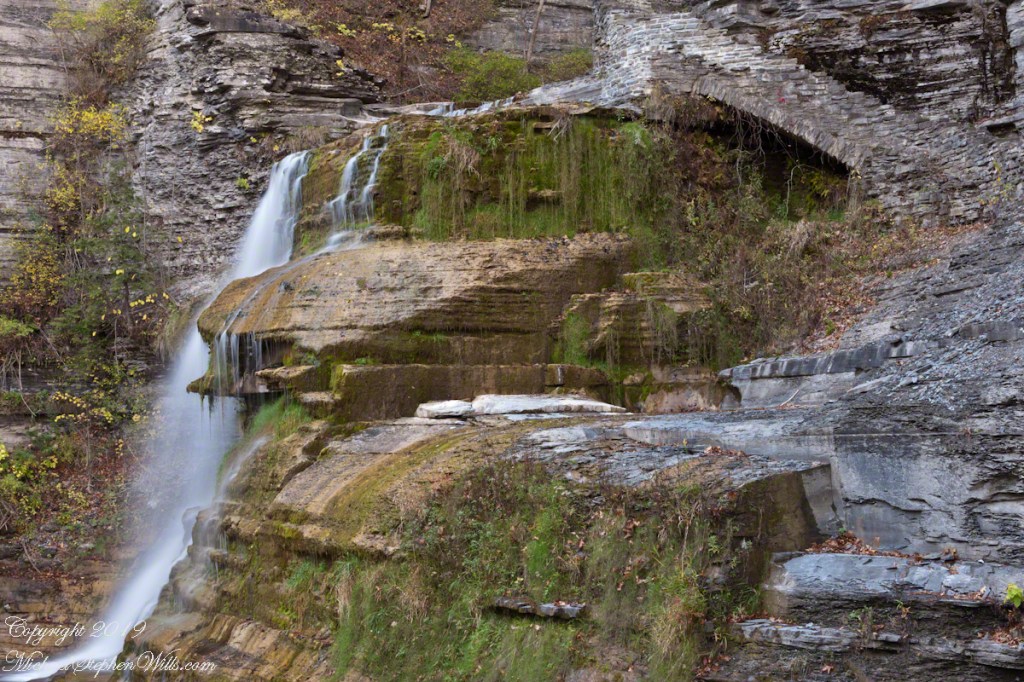
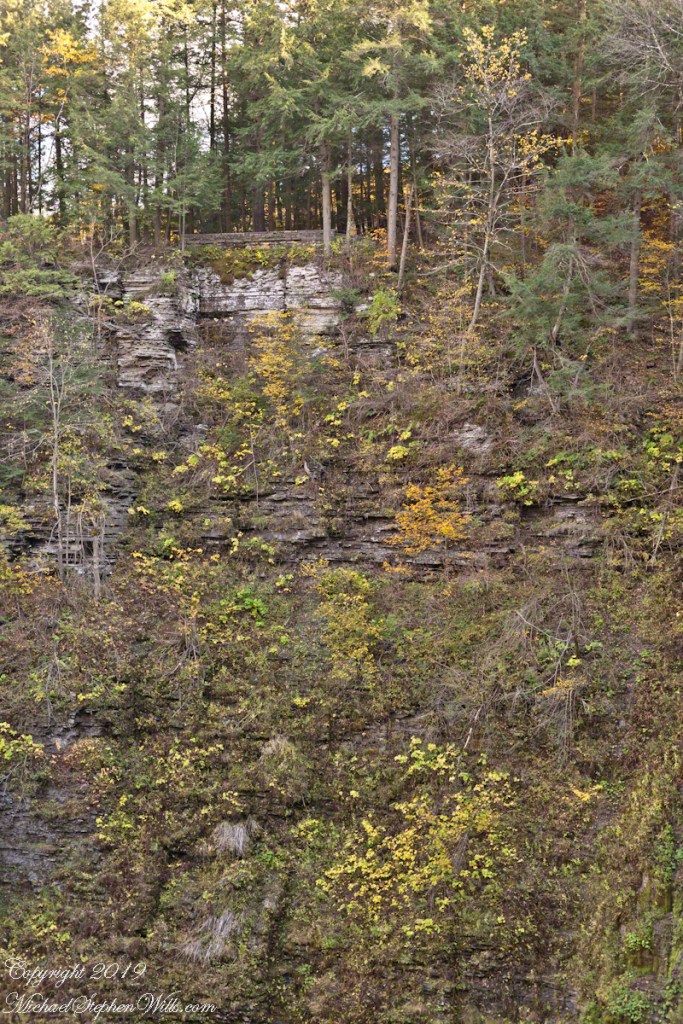
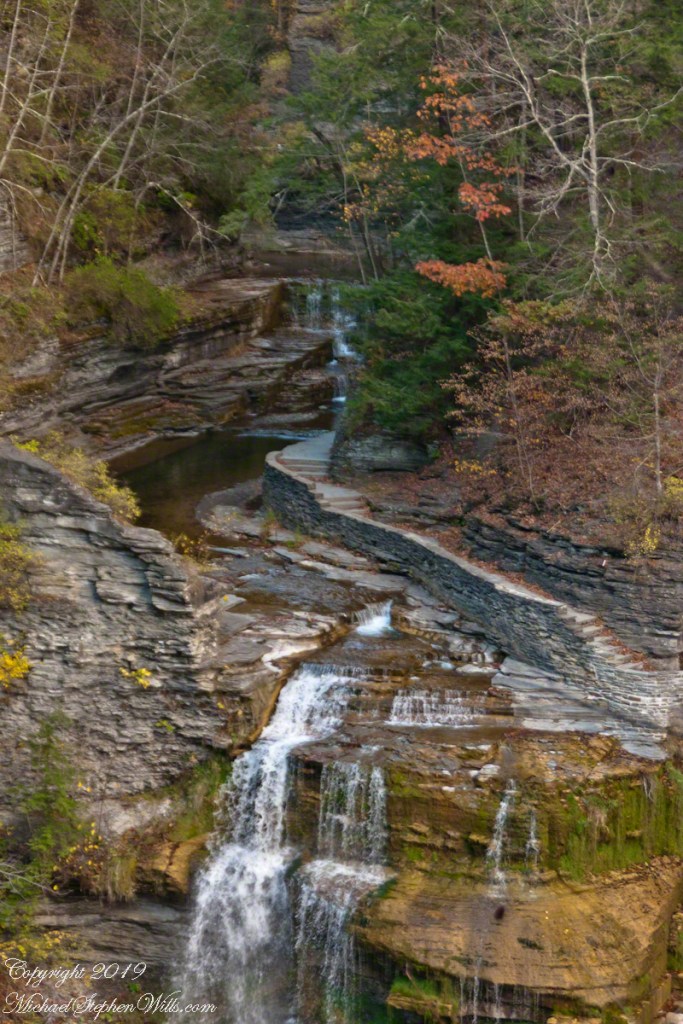
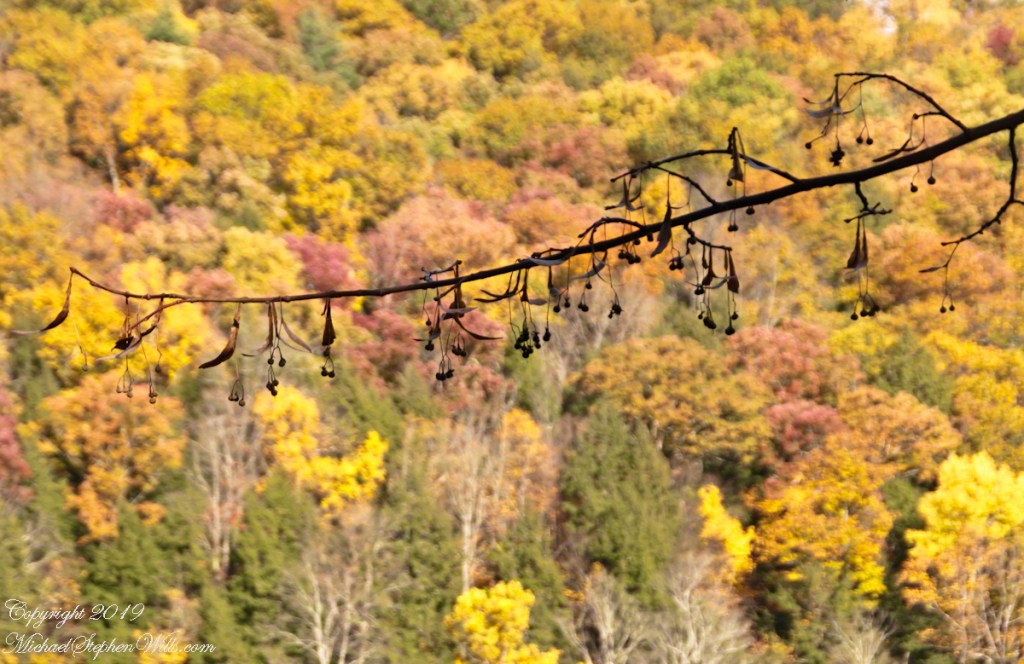
Brink of Lucifer FallsLucifer Falls Overlook from the Gorge TrailLucifer Falls from Rim Trail OverlookLucifer Falls from Rim Trail OverlookPam on the Cliff StaircaseUnidentified TreeLuficer Falls Overlook, northeastCliff Stair Wall, autumn with hemlockCliff Stair Wall, autumn with fern generationsCliff Stair Wall, autumn Geranium and mossesThis geranium species (scientific name Geranium robertianum) are also called “Herb-Robert” for a reputed ability to ward off disease and, in the Scottish Highlands, “red-shanks” for the deep red color of the stalks, seen in this photograph. Robert H. Treman New York State Park. Source, “How to Know the Wildflowers” by Mrs. William Star Dana, 1989, Houghton Mifflin, Boston.Pam examines the mossCliff Stair Wall, autumn MossAutumn foot BridgeWoman on Footbridge, ContemplationOver the bridge
In November the gorge is closed for the winter due to dangerous conditions under the steep, crumbling walls. Robert H. Treman New York State Park.
Copyright 2019 All Rights Reserved Michael Stephen Wills
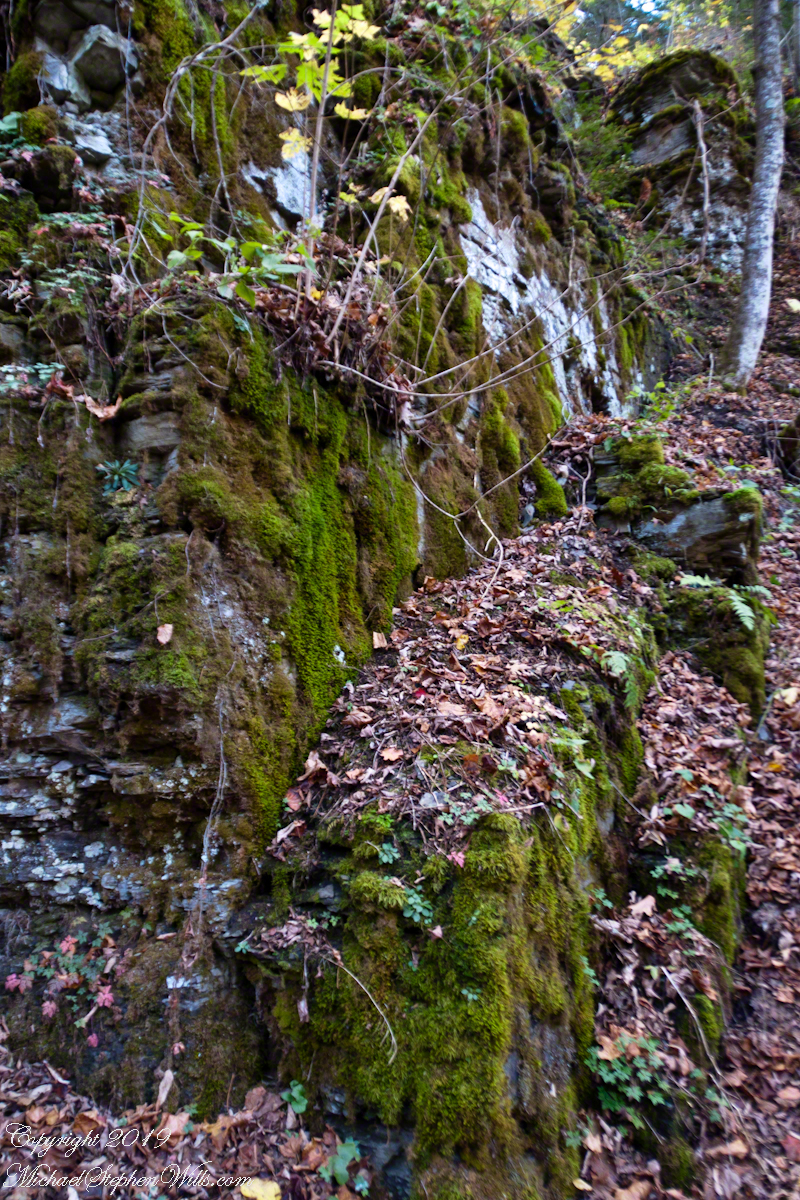
Pam examining thick moss growth on the sedimentary rock of Treman gorge. These layers of shale, sandstone, siltstone formed at the bottom of a broad, shallow sea over 380 million years ago.
Click photograph for a larger view. To do this from WordPress Reader, you need to first click the title of this post to open a new page.
Pam examines the moss
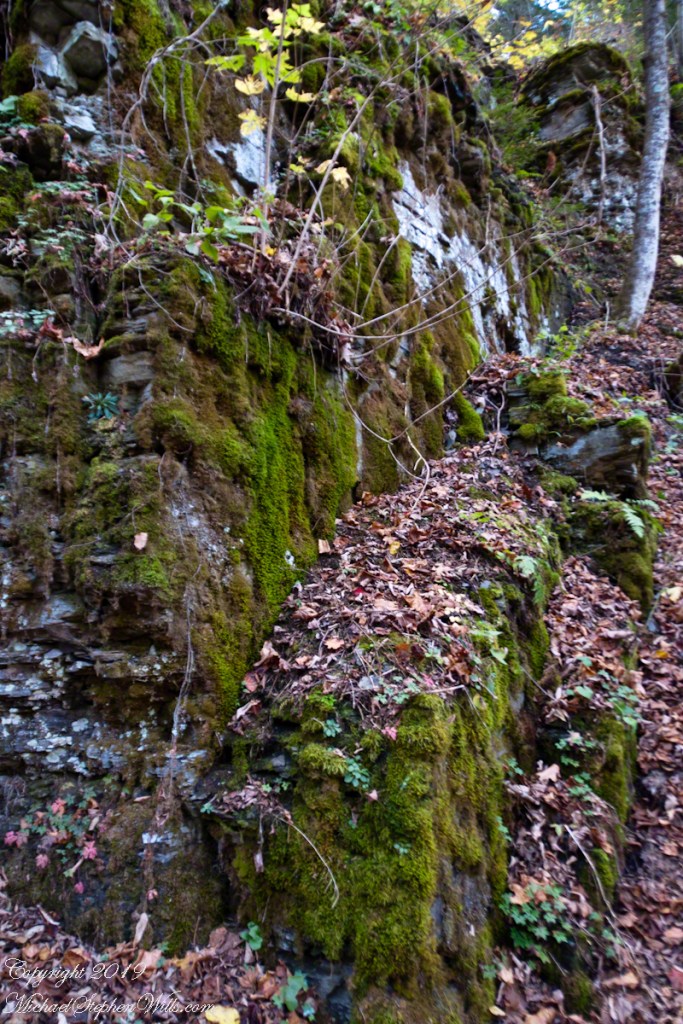
Towards the bottom of the 223 Cliff Stair steps moss takes over the Devonian shale of the cliff wall surface. Here, the cliff shelters the wall from sunlight 365 days a year.
Cliff Stair Wall, autumn Moss
Robert H. Treman New York State Park.
Click for a slideshow of this sequence Lucifer Falls and Cliff Stair Views
Brink of Lucifer FallsLucifer Falls Overlook from the Gorge TrailLucifer Falls from Rim Trail OverlookPam on the Cliff StaircaseUnidentified TreeThis geranium species (scientific name Geranium robertianum) are also called “Herb-Robert” for a reputed ability to ward off disease and, in the Scottish Highlands, “red-shanks” for the deep red color of the stalks, seen in this photograph. Robert H. Treman New York State Park. Source, “How to Know the Wildflowers” by Mrs. William Star Dana, 1989, Houghton Mifflin, Boston.Autumn foot BridgeWoman on Footbridge, ContemplationOver the bridge
Copyright 2023 All Rights Reserved Michael Stephen Wills
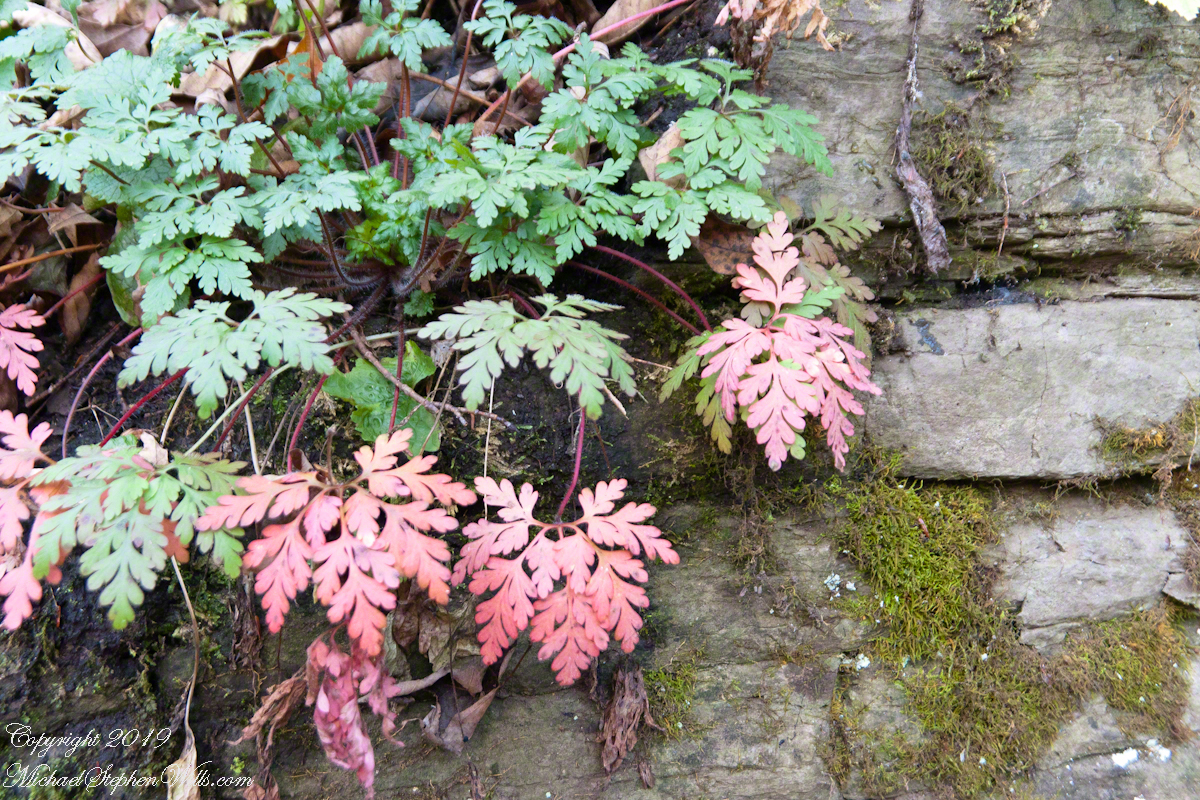
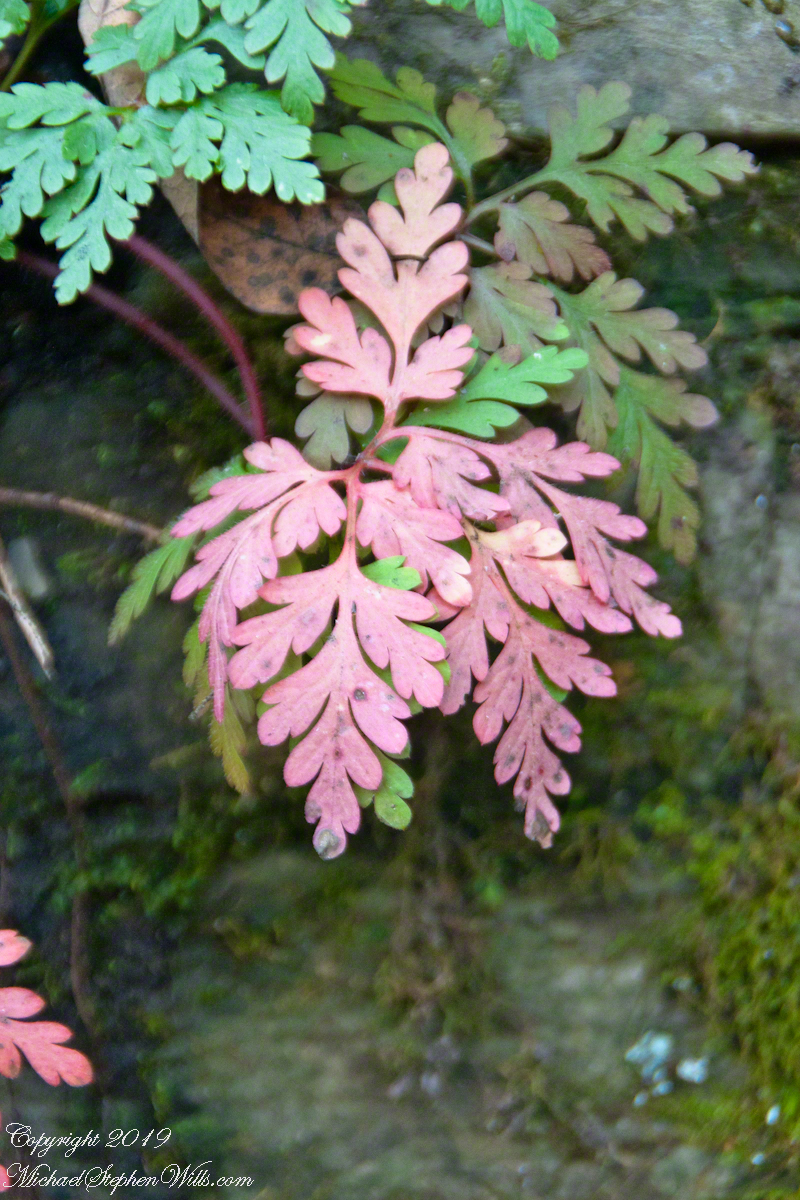
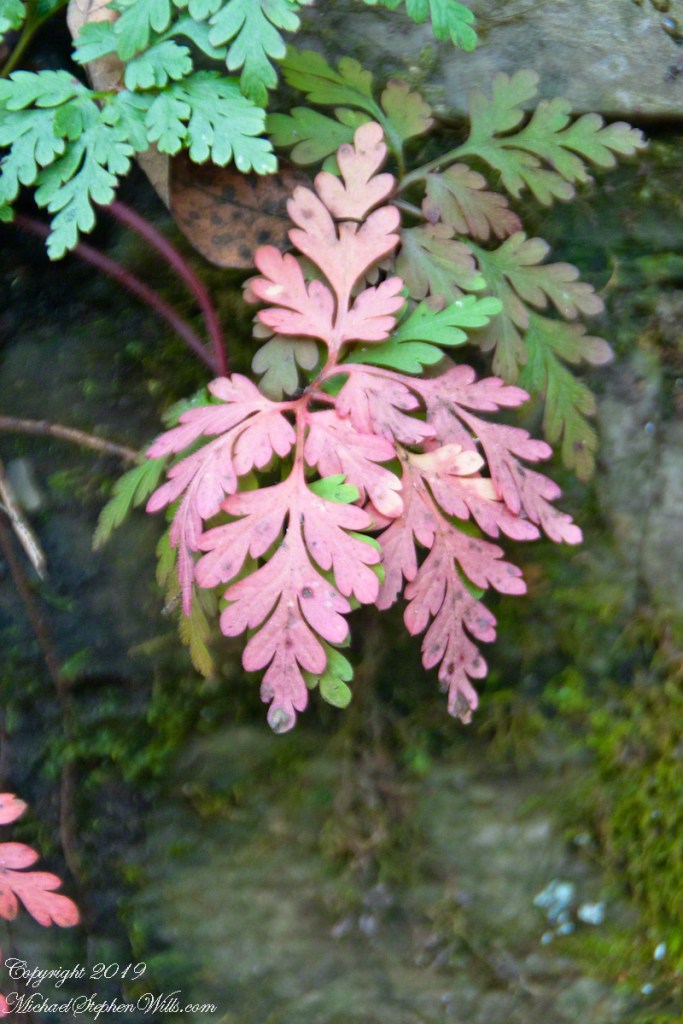
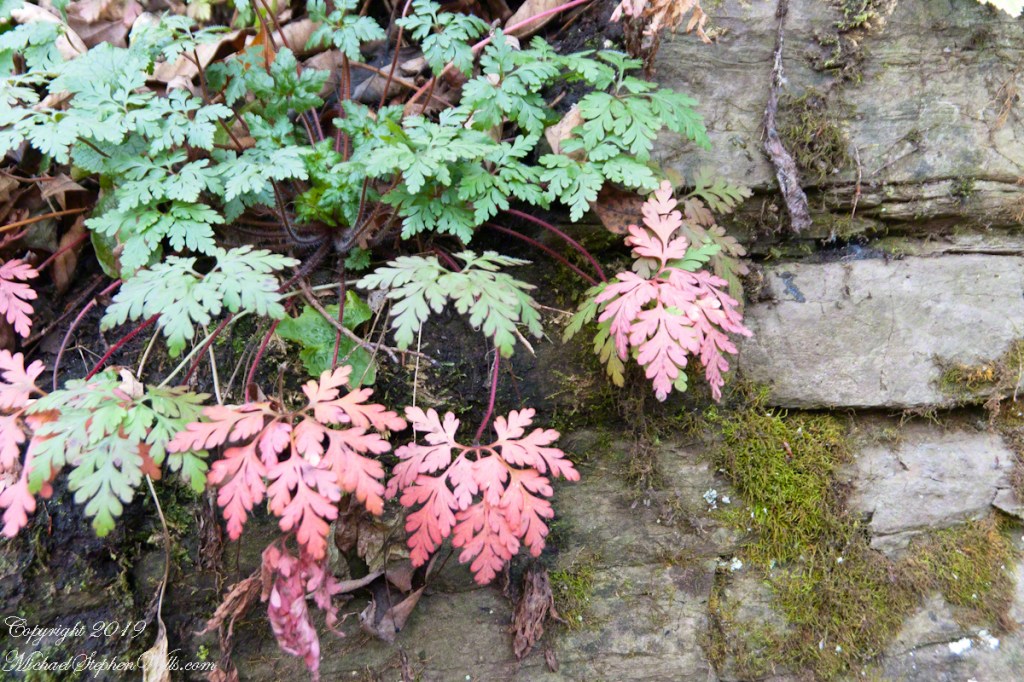
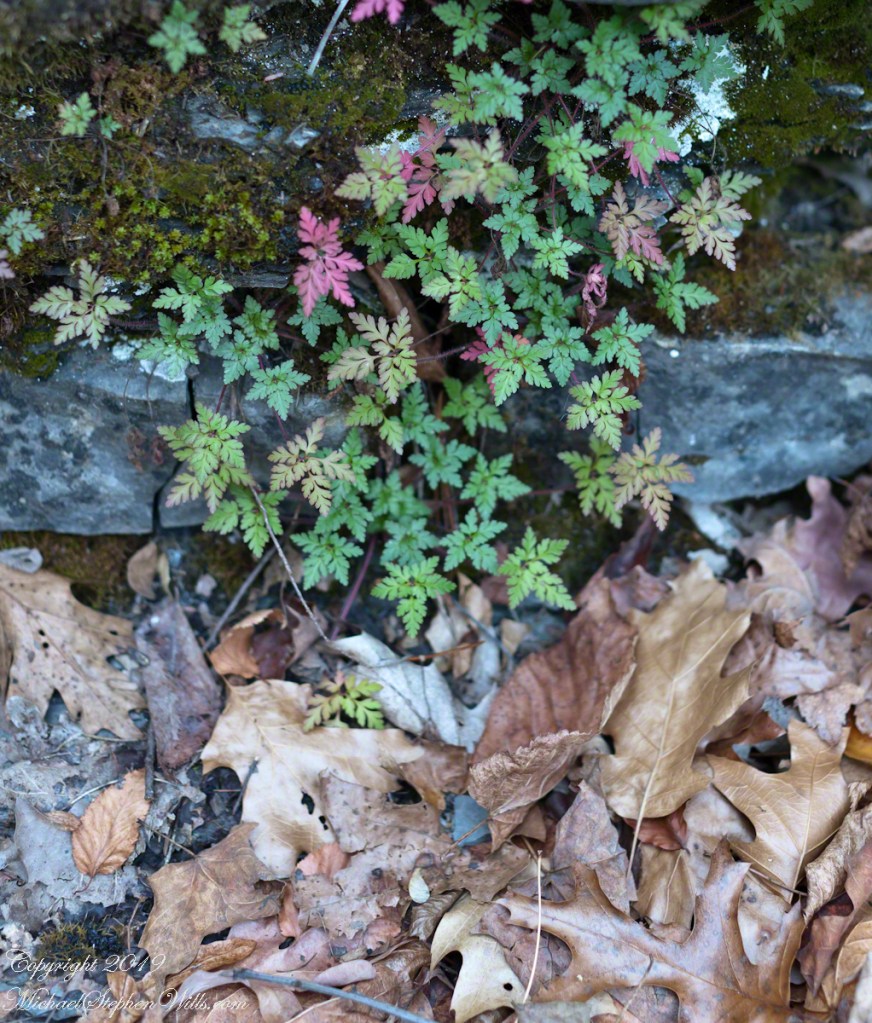
This geranium species (scientific name Geranium robertianum) are also called “Herb-Robert” for a reputed ability to ward off disease.
Click photograph for a larger view. To do this from WordPress Reader, you need to first click the title of this post to open a new page.
Cliff Stair Wall, autumn Geranium and mosses
Scottish Highlands residents call these wild geraniums “red-shanks” for the deep red color of the stalks, seen in both photographs.
This geranium species (scientific name Geranium robertianum) are also called “Herb-Robert” for a reputed ability to ward off disease and, in the Scottish Highlands, “red-shanks” for the deep red color of the stalks, seen in this photograph. Robert H. Treman New York State Park. Source, “How to Know the Wildflowers” by Mrs. William Star Dana, 1989, Houghton Mifflin, Boston.
Robert H. Treman New York State Park.
Source, “How to Know the Wildflowers” by Mrs. William Star Dana, 1989, Houghton Mifflin, Boston.
Click for a slideshow of this sequence Cliff Stair Views
Lucifer Falls from Rim Trail OverlookLucifer Falls from Rim Trail OverlookUnidentified TreePam on the Cliff StaircaseCliff Stair Wall, autumn with fern generationsCliff Stair Wall, autumn Geranium and mossesThis geranium species (scientific name Geranium robertianum) are also called “Herb-Robert” for a reputed ability to ward off disease and, in the Scottish Highlands, “red-shanks” for the deep red color of the stalks, seen in this photograph. Robert H. Treman New York State Park. Source, “How to Know the Wildflowers” by Mrs. William Star Dana, 1989, Houghton Mifflin, Boston.Wild geranium leaves tinged with autumn color above a gathering of spent oak and elm leaves. Robert H. Treman New York State Park of the Finger Lakes Region.
Copyright 2023 All Rights Reserved Michael Stephen Wills
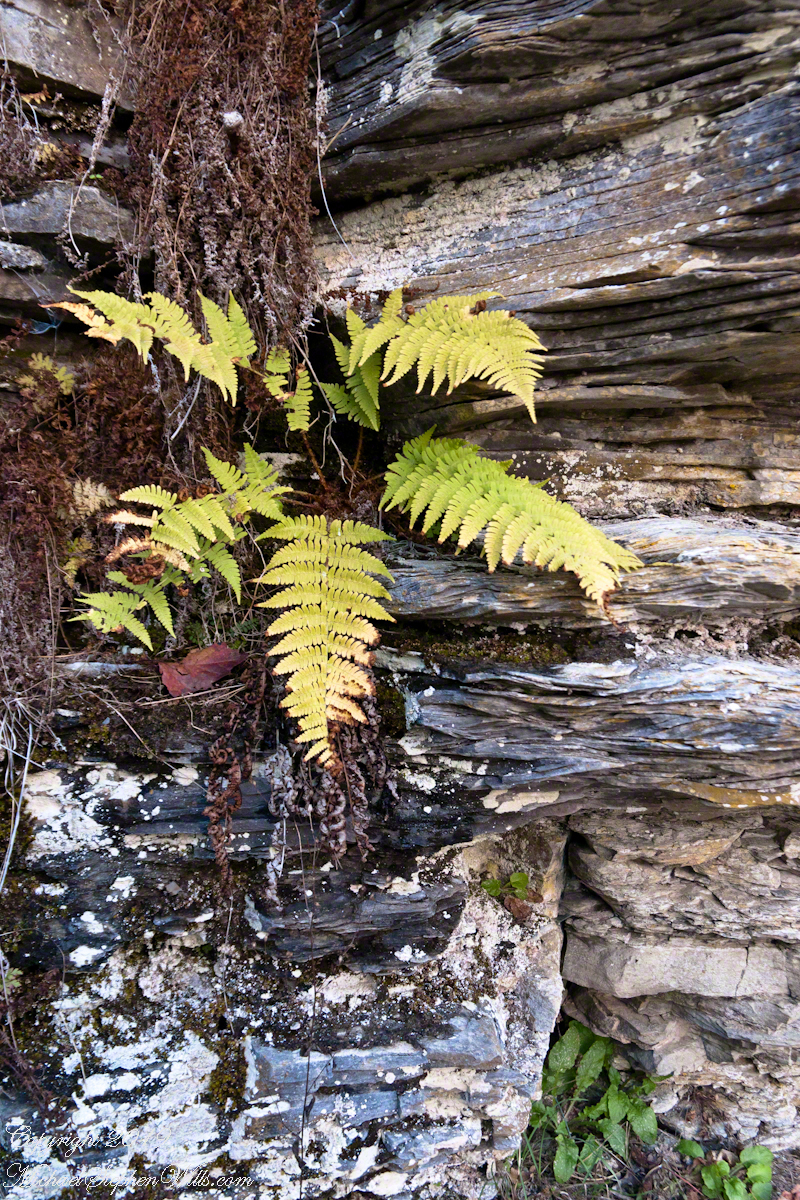
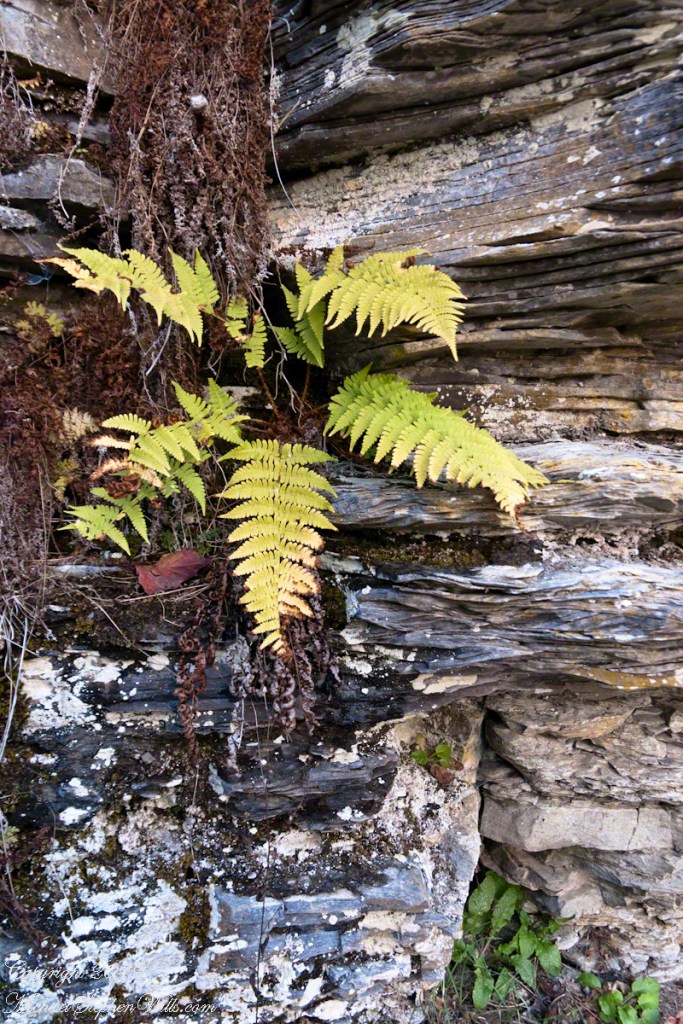
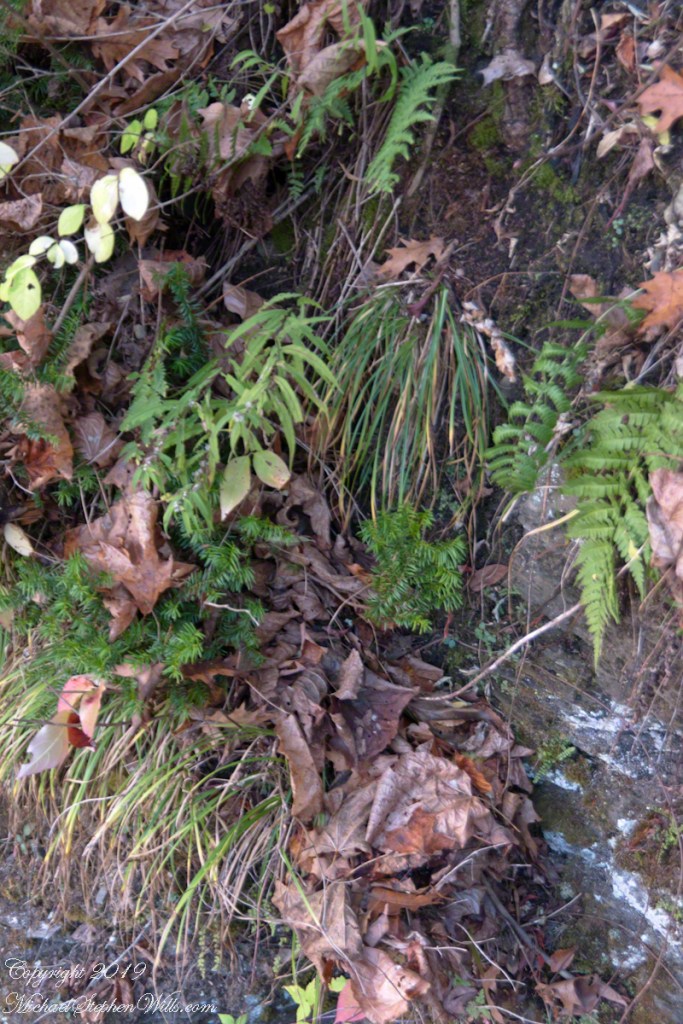
Each autumn, species of fern turns yellow towards a winter death. Here we see growing from Devonian shale, both the yellowed and desiccated fern fronds. Robert H. Treman New York State Park.
Click photograph for a larger view. To do this from WordPress Reader, you need to first click the title of this post to open a new page.
Cliff Stair Wall, autumn with fern generations
Click for a slideshow of this sequence Cliff Stair views
Lucifer Falls from Rim Trail OverlookPam on the Cliff StaircaseCliff Stair Wall, autumn with hemlock
Copyright 2023 All Rights Reserved Michael Stephen Wills
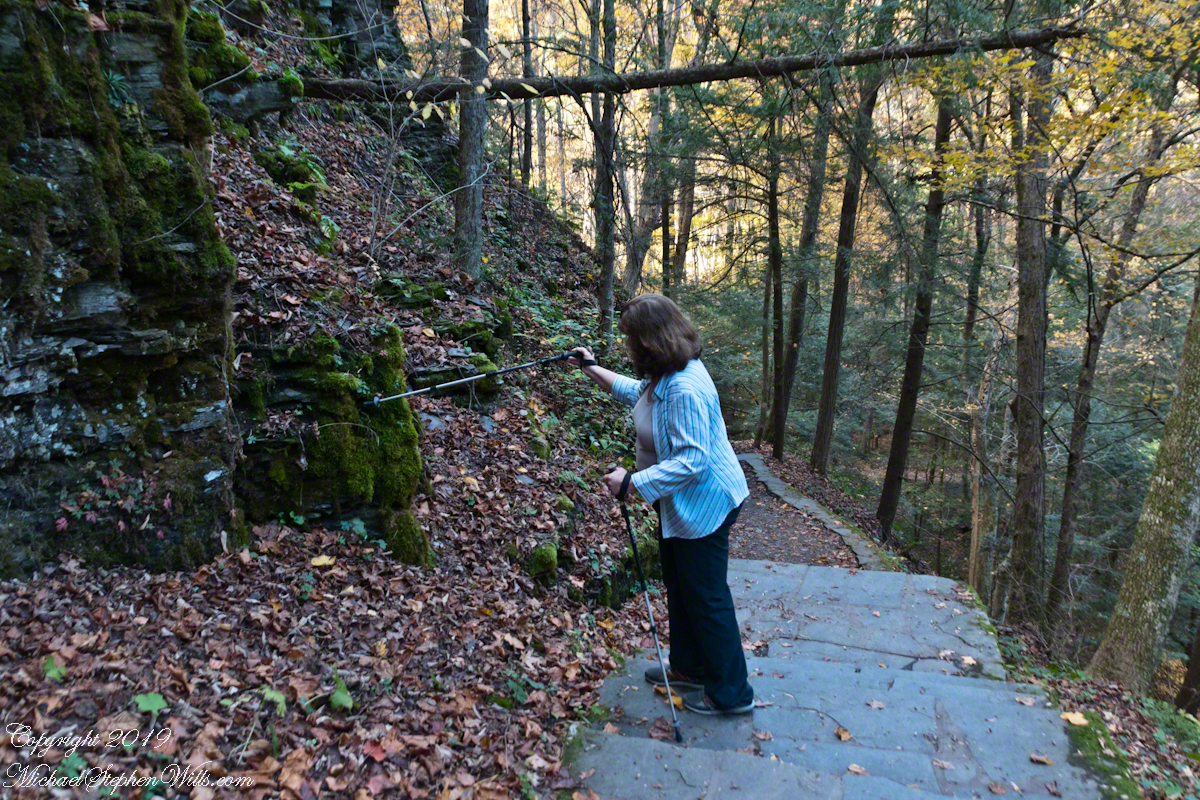
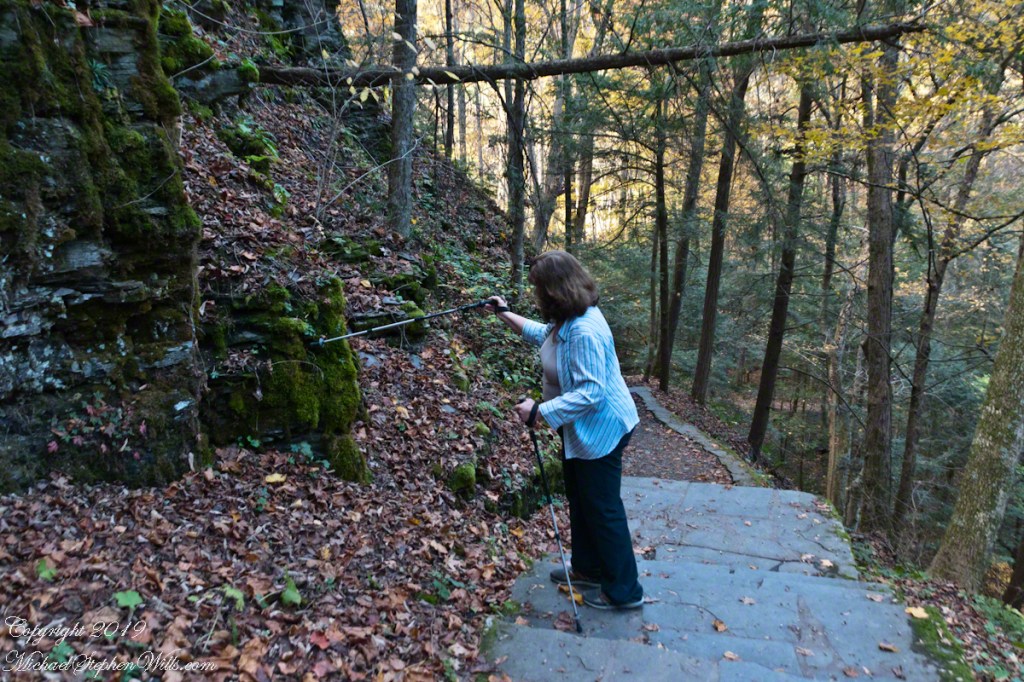
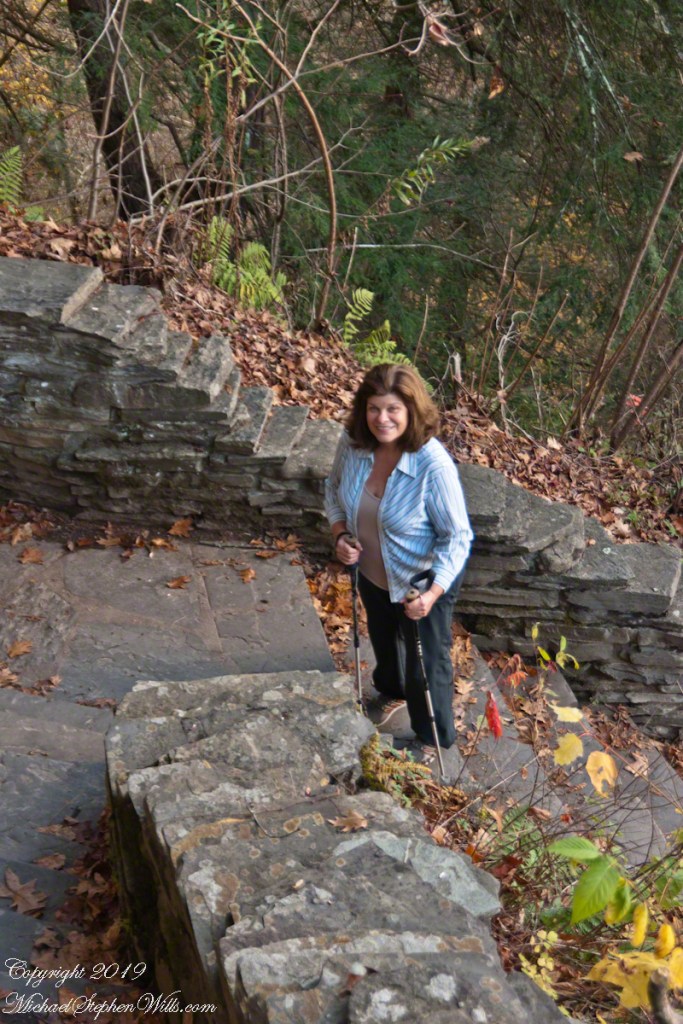
On a day in late October 2017 Pam and Mike did a photography walk. Here is Pam pausing to pose during a descent into the gorge on the cliff staircase after visiting the overlook high above Lucifer Falls, Robert H. Treman New York State Park in the Finger Lakes Region.
Click photograph for a larger view. To do this from WordPress Reader, you need to first click the title of this post to open a new page.
Pam on the Cliff Staircase
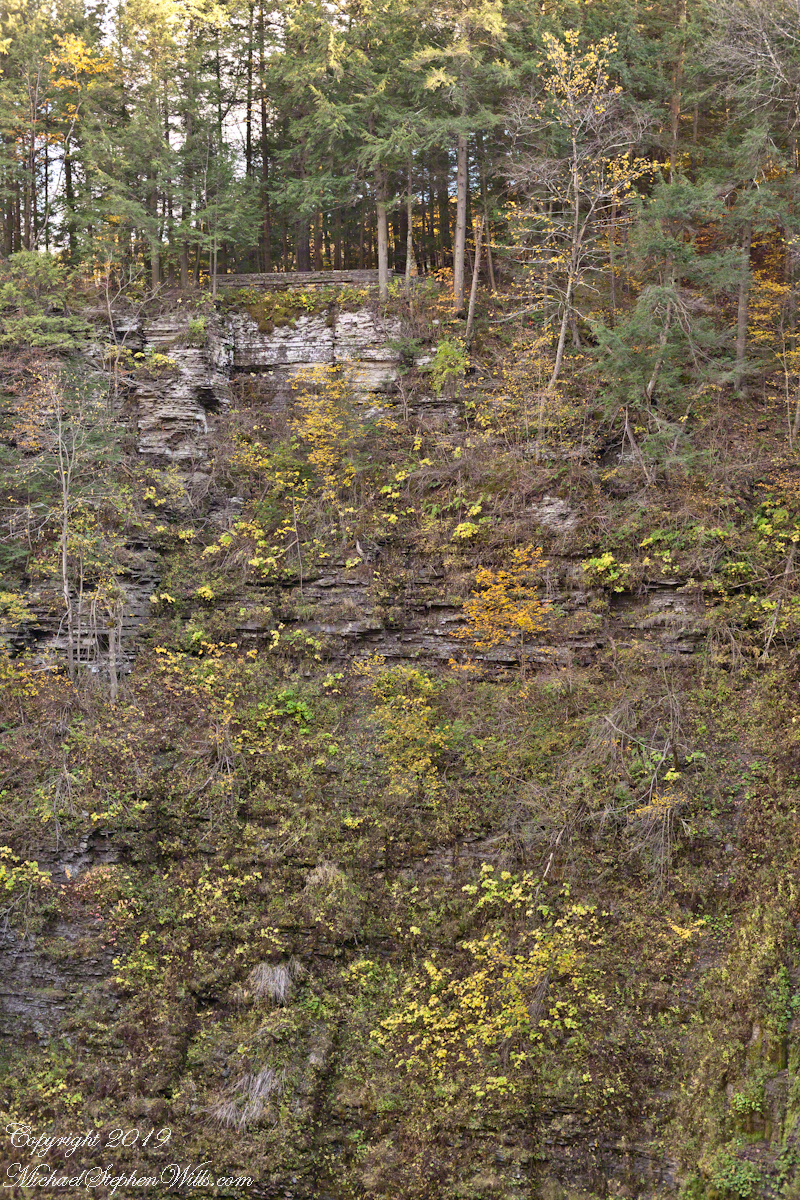
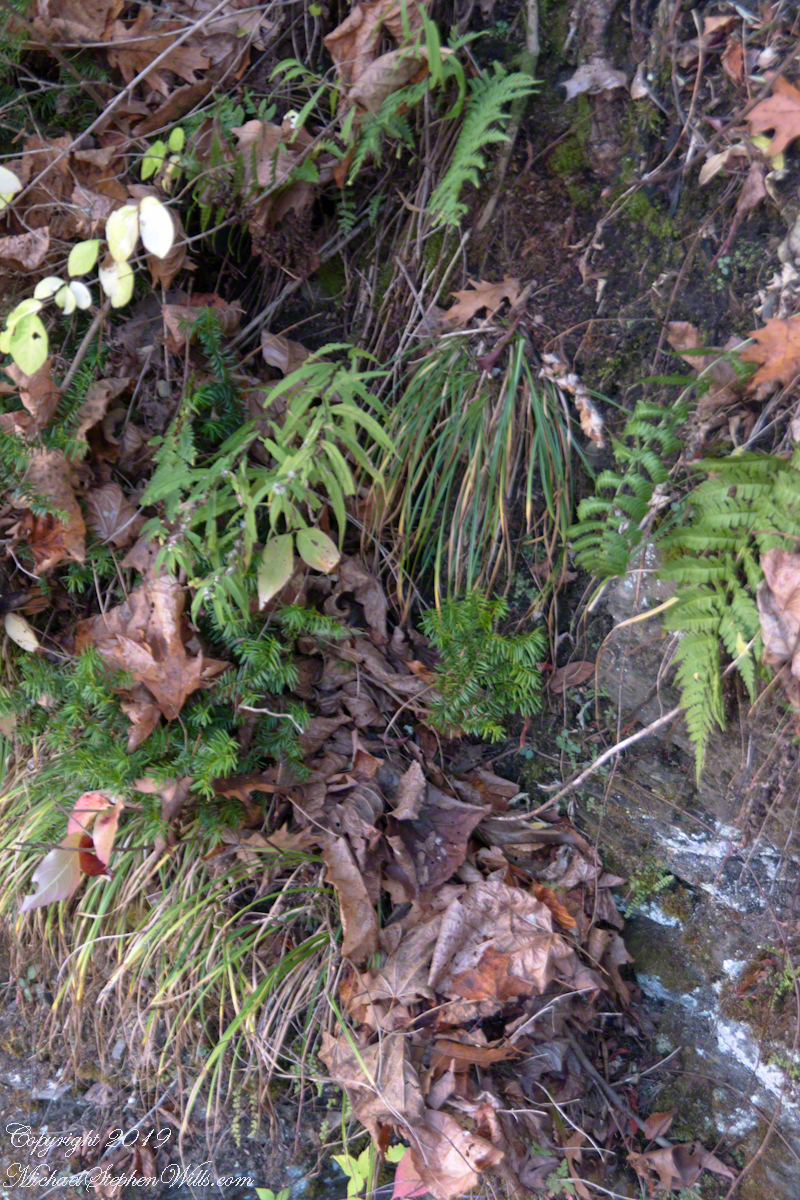
Grasses, hemlock saplings, goldenrod, spent leaves and ferns on the wall of the 223 Cliff Stair steps.
Cliff Stair Wall, autumn with hemlock
Click for a slideshow of this sequence of Lucifer Falls view from the overlook.
Pam on the Cliff StaircaseCliff Stair Wall, autumn with hemlock
Copyright 2023 All Rights Reserved Michael Stephen Wills
“Falcon Heavy is a partially reusable super heavy-lift launch vehicle[a] that can carry cargo into Earth orbit, and beyond. It is designed, manufactured and launched by American aerospace company SpaceX.“
“The rocket consists of a center core on which two Falcon 9 boosters are attached, and a second stage on top of the center core. Falcon Heavy has the second highest payload capacity of any currently operational launch vehicle behind NASA’s Space Launch System, and the fourth-highest capacity of any rocket to reach orbit, trailing behind the SLS, Energia and the Saturn V.“
“SpaceX conducted Falcon Heavy’s maiden launch on 6 February 2018, at 20:45 UTC. As a dummy payload, the rocket carried a Tesla Roadster belonging to SpaceX founder Elon Musk, with a mannequin dubbed “Starman” in the driver’s seat. The second Falcon Heavy launch occurred on 11 April 2019, and all three booster rockets successfully returned to Earth. The third Falcon Heavy launch successfully occurred on 25 June 2019. Since then, Falcon Heavy has been certified for the National Security Space Launch (NSSL) program.“
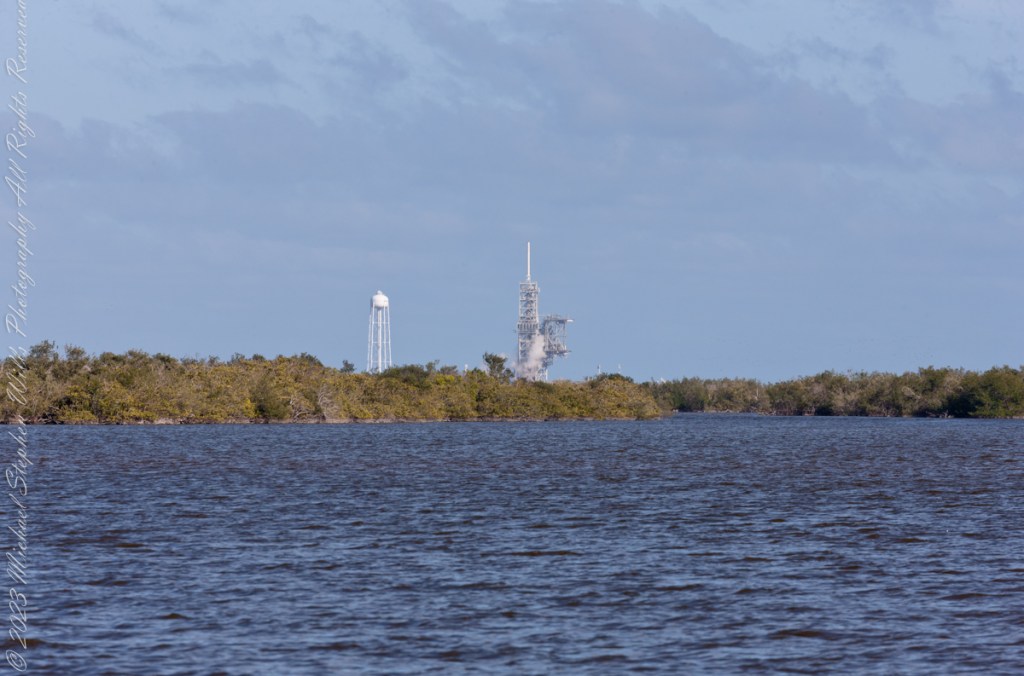
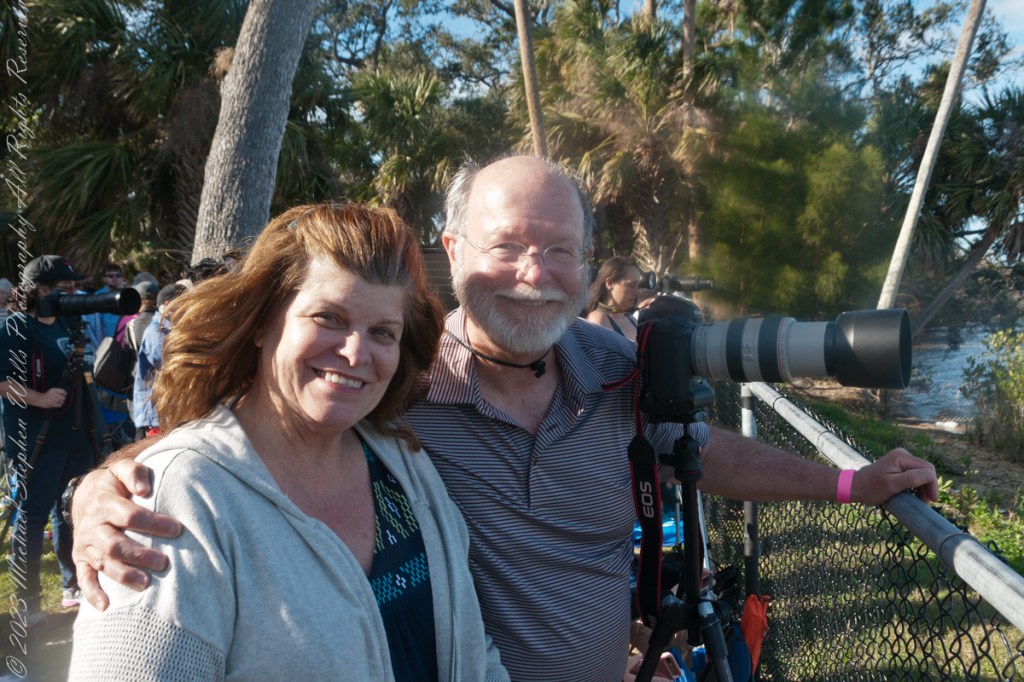
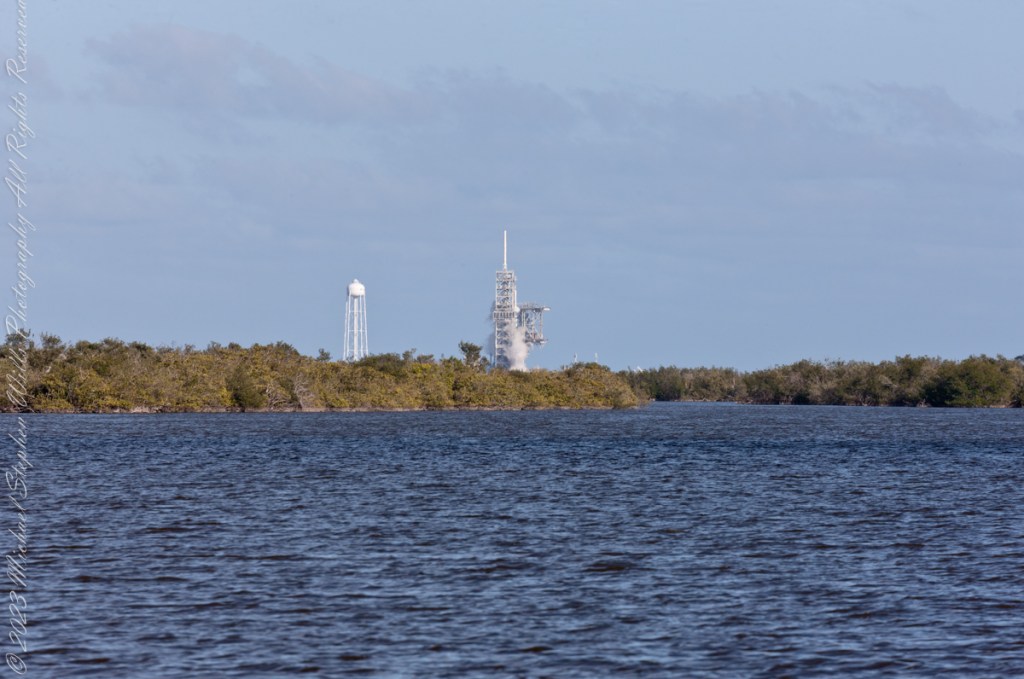
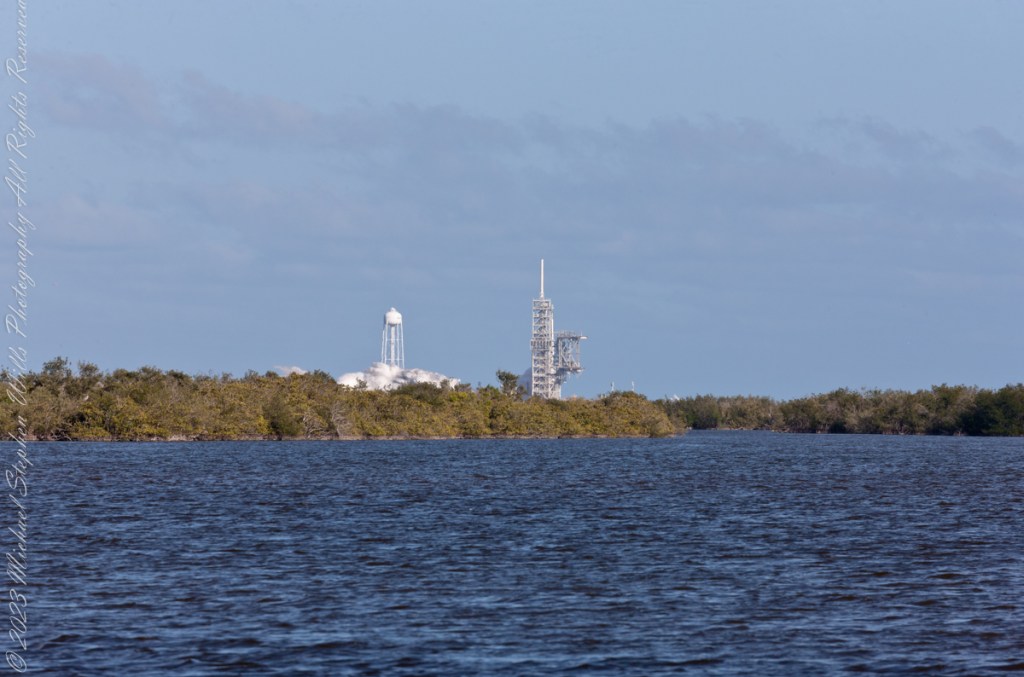
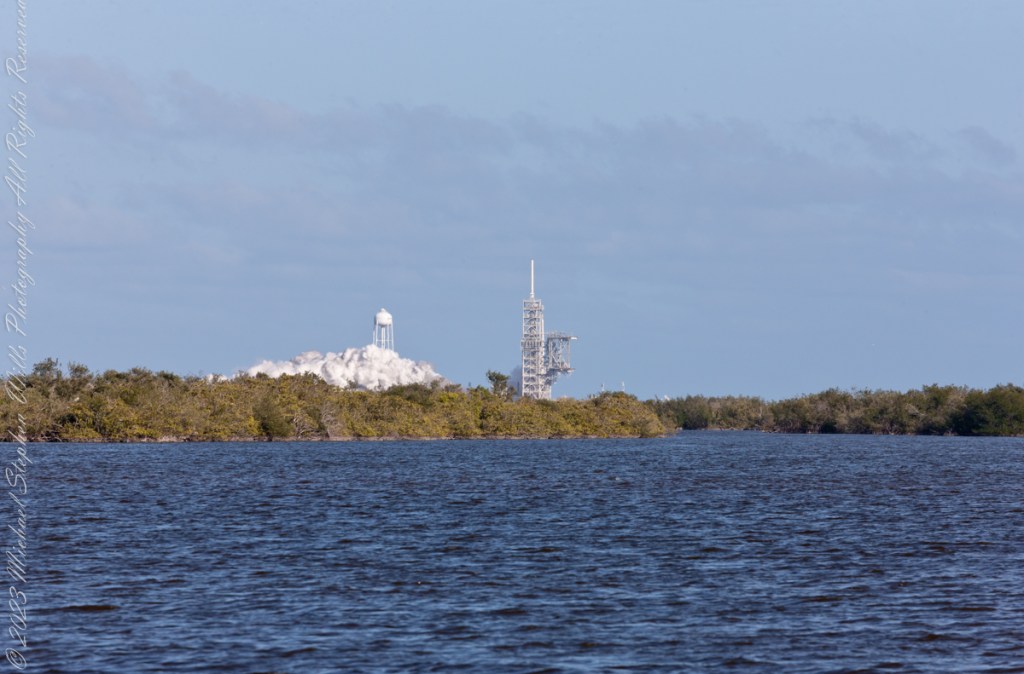
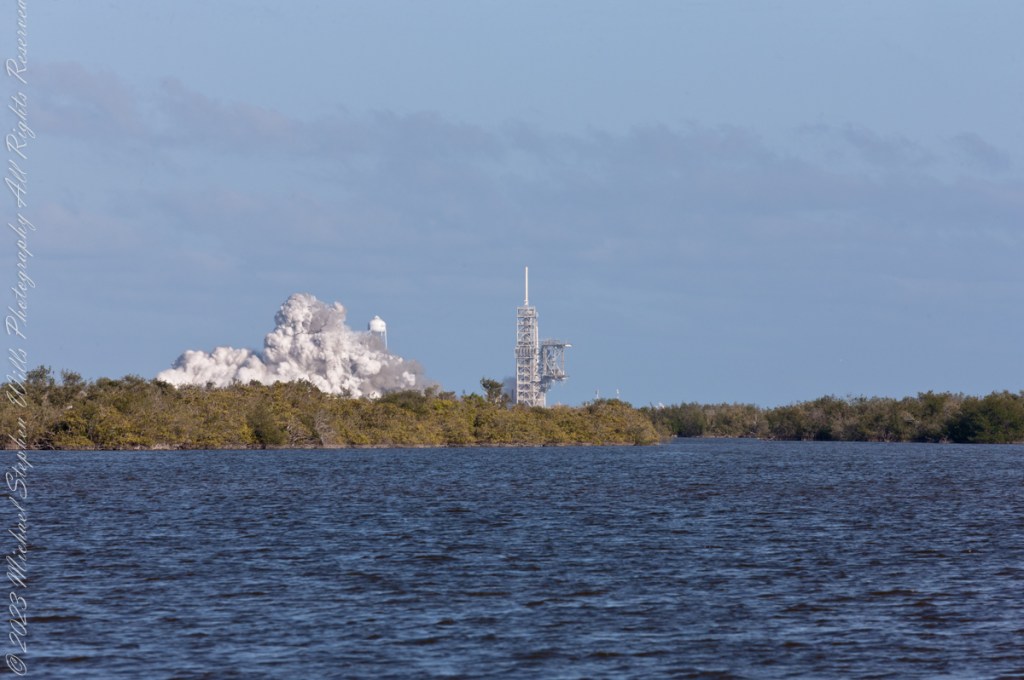
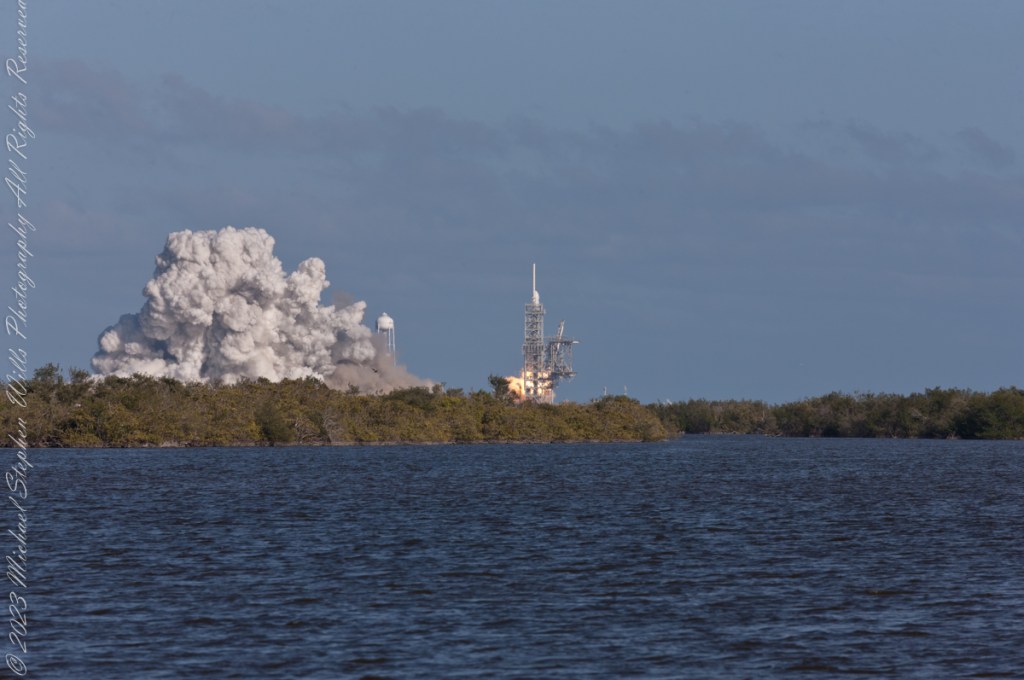
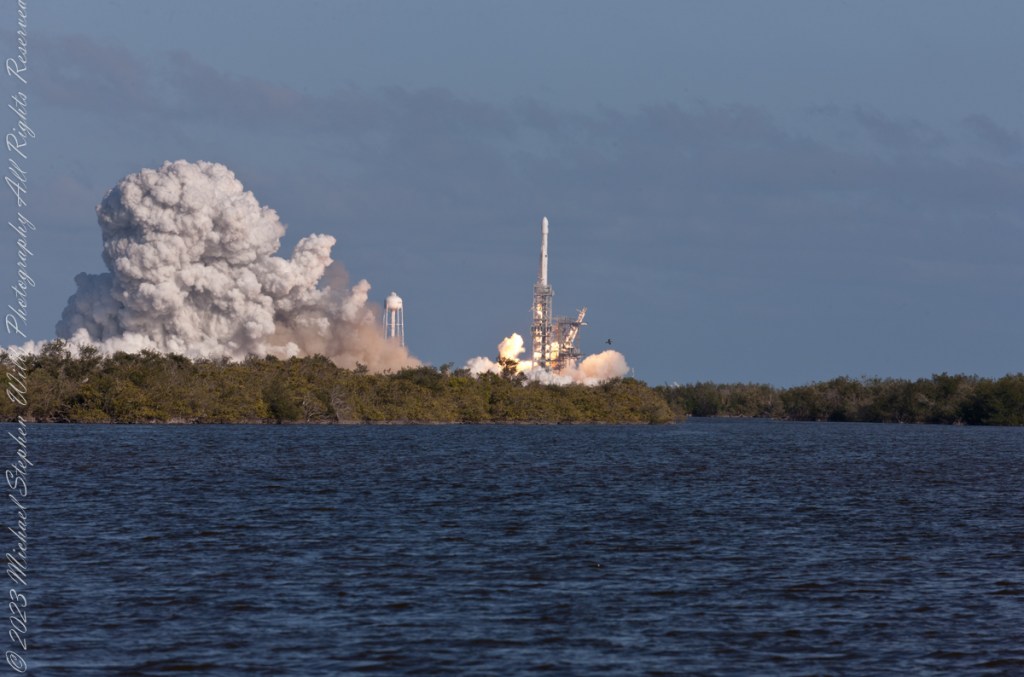
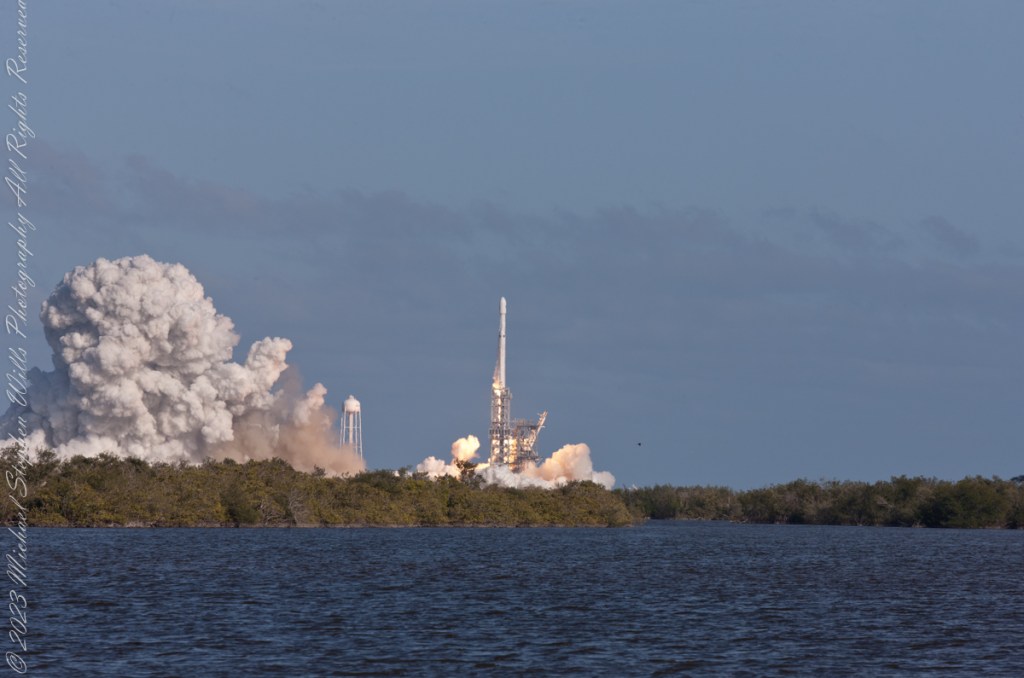
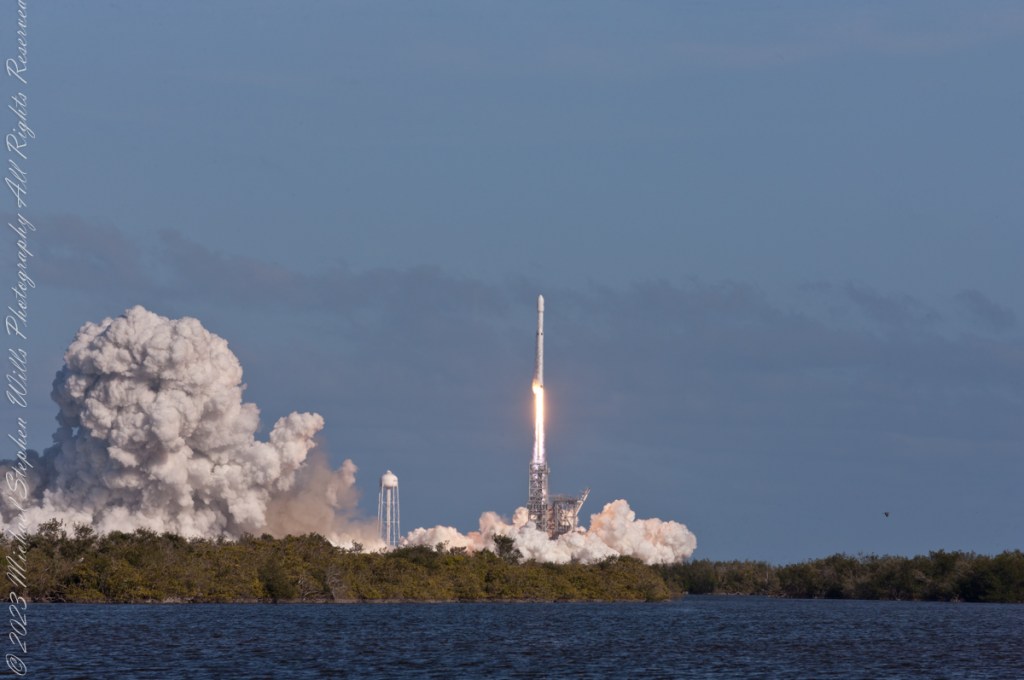
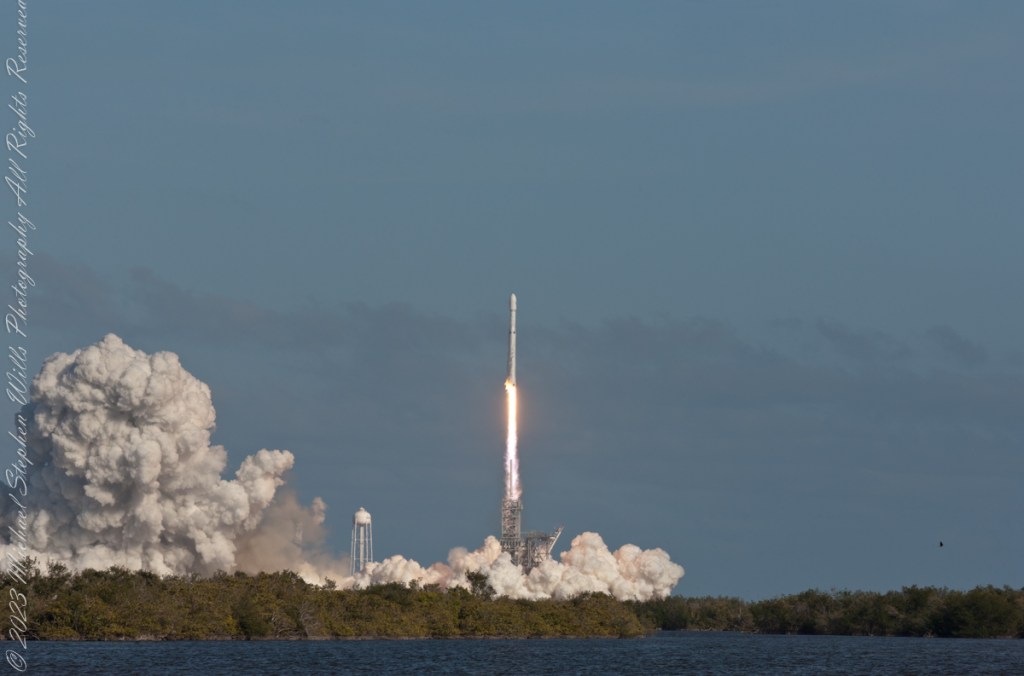
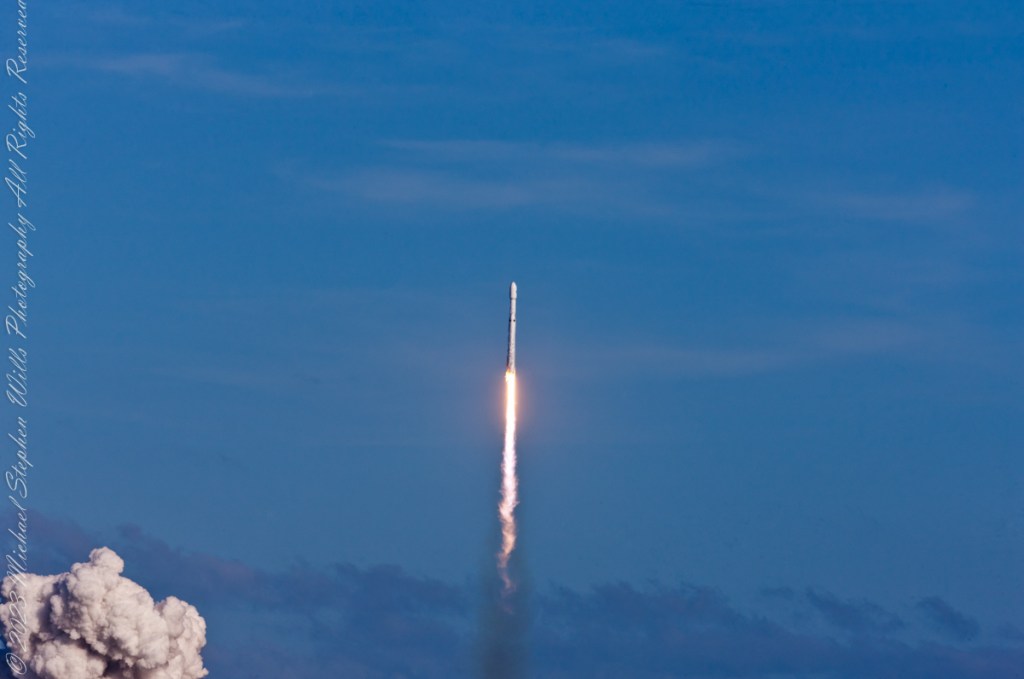
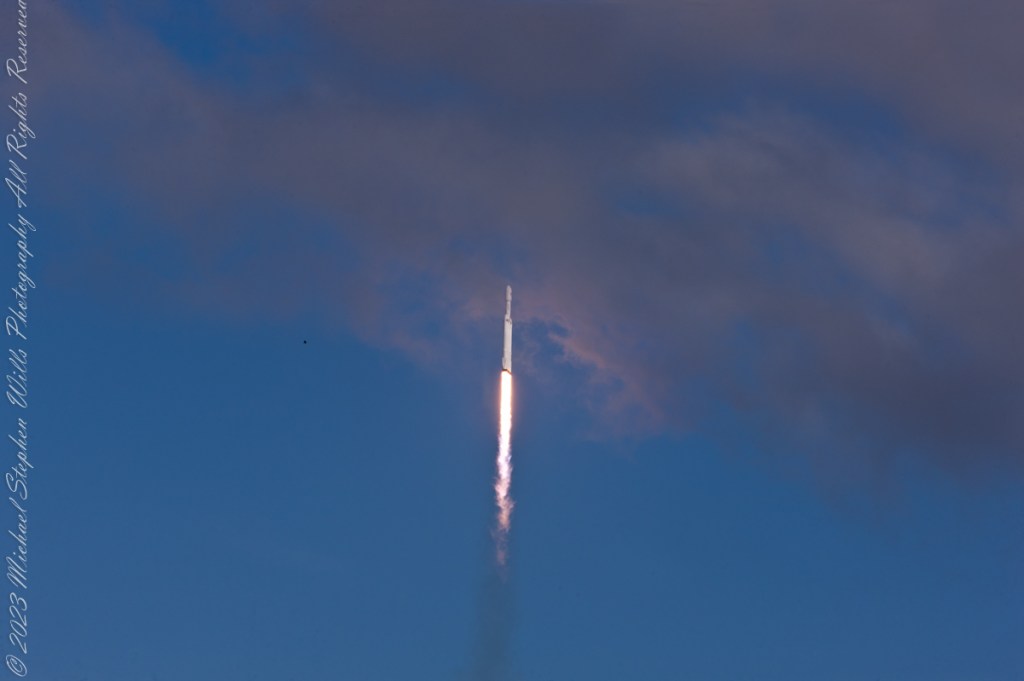
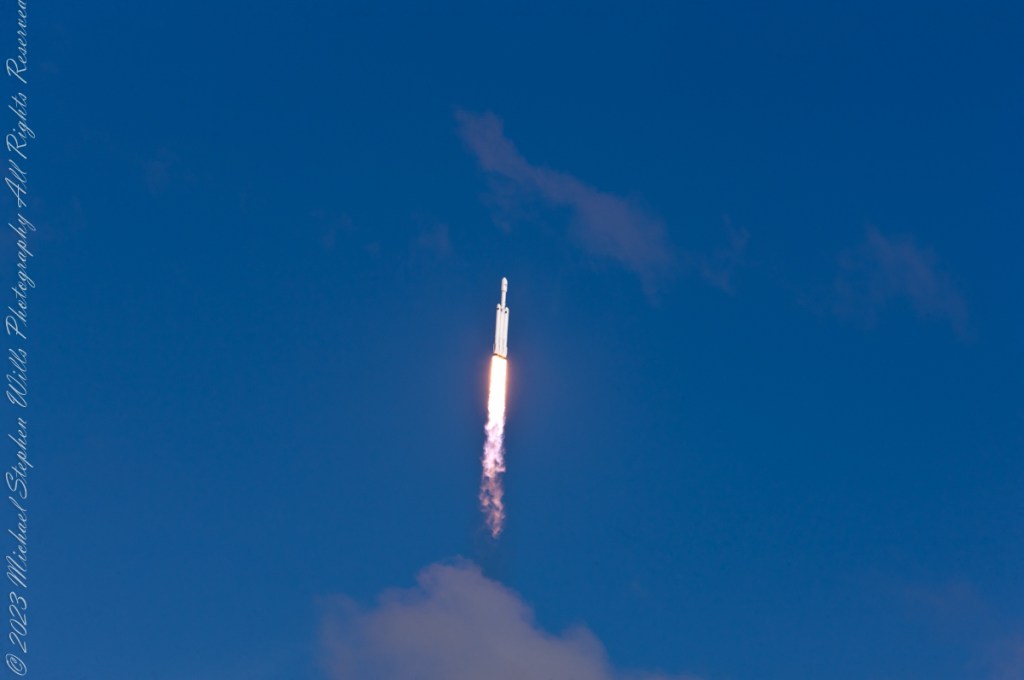
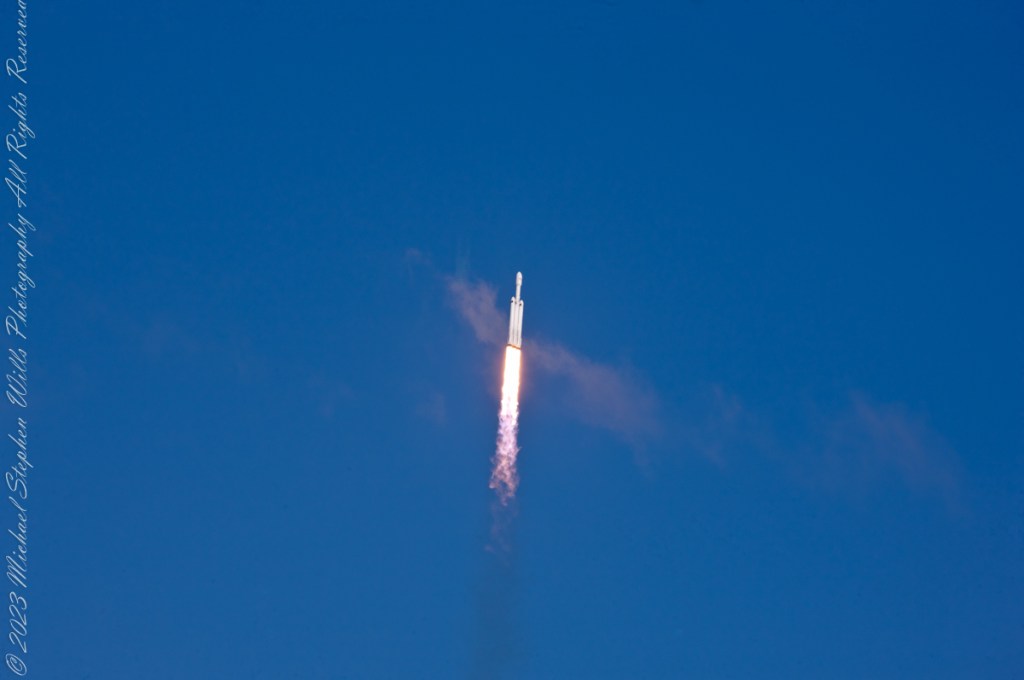
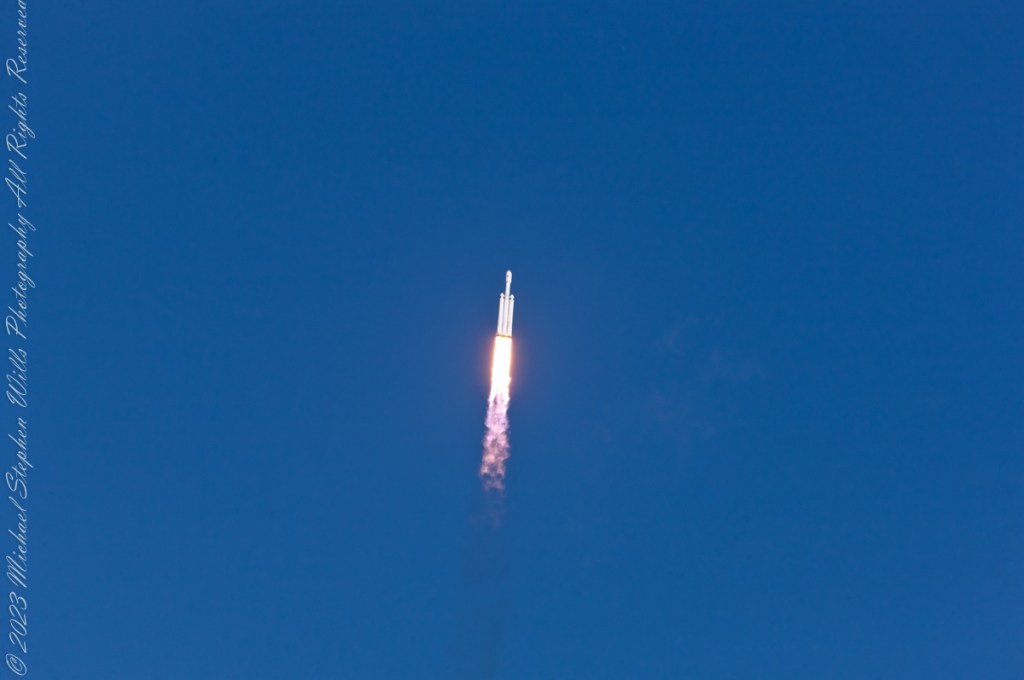
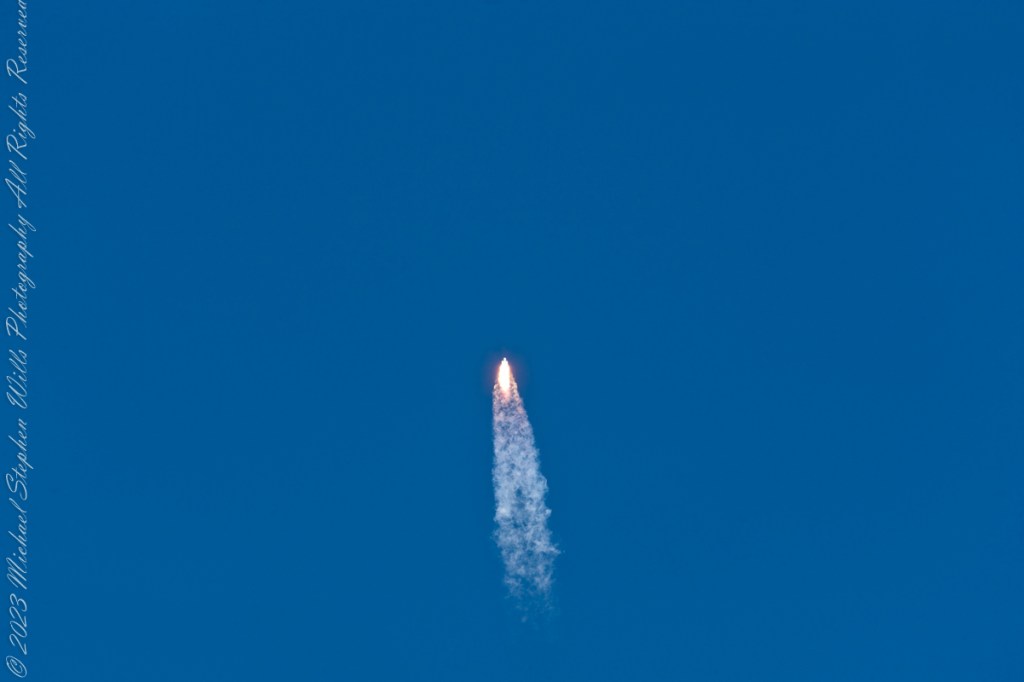
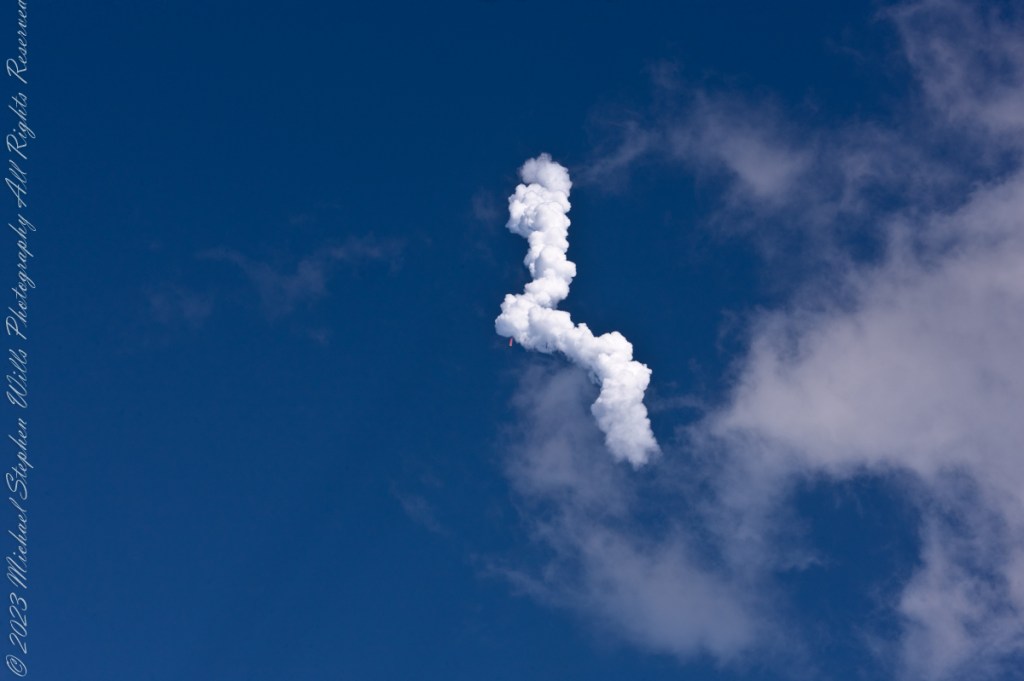
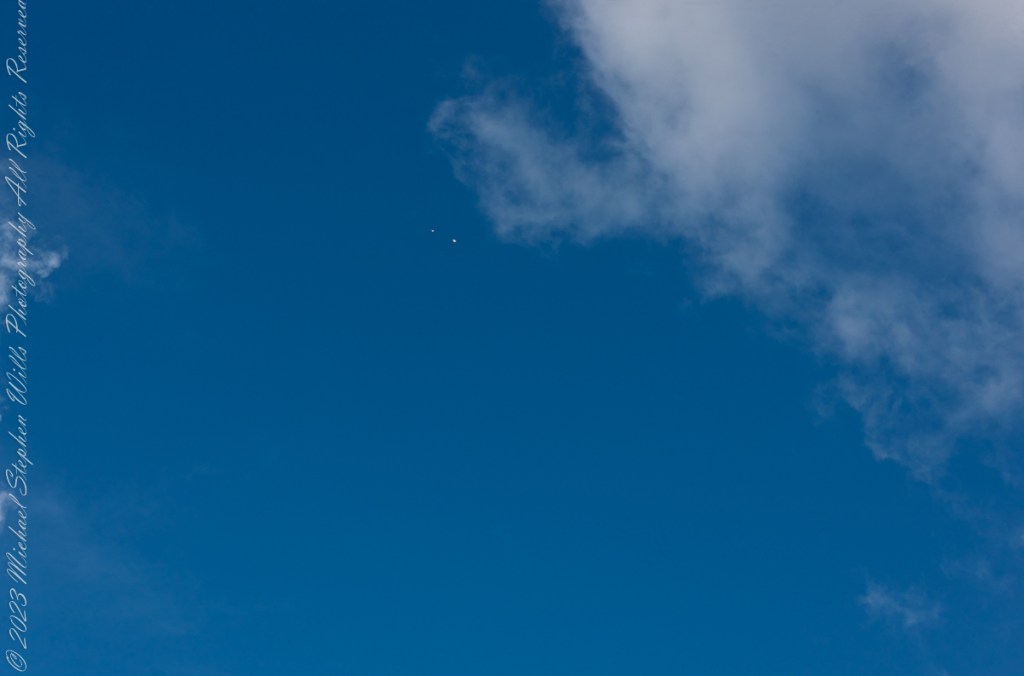
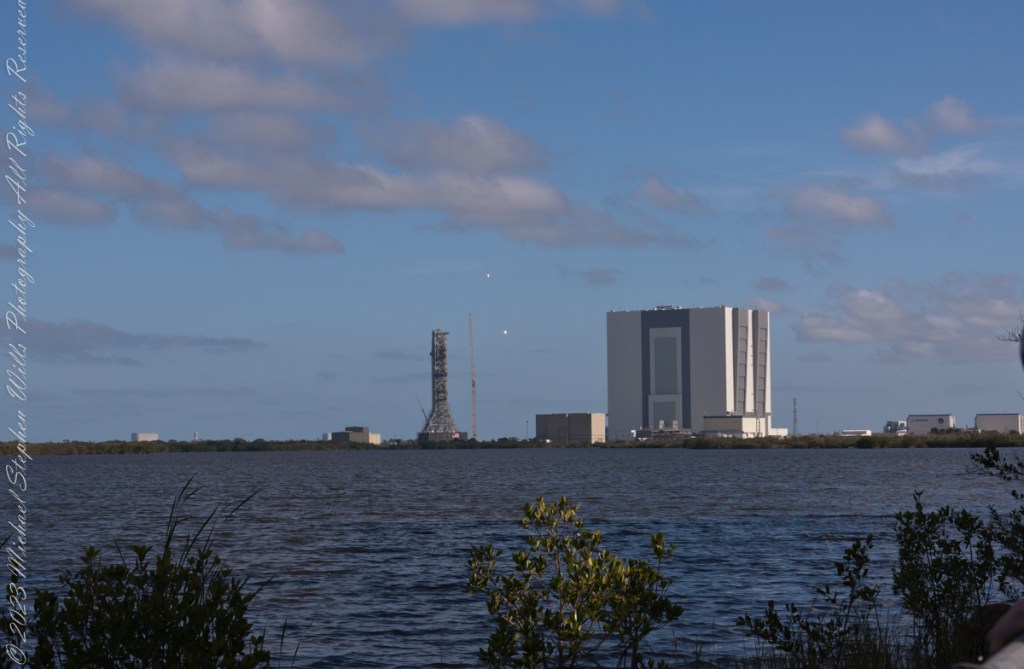
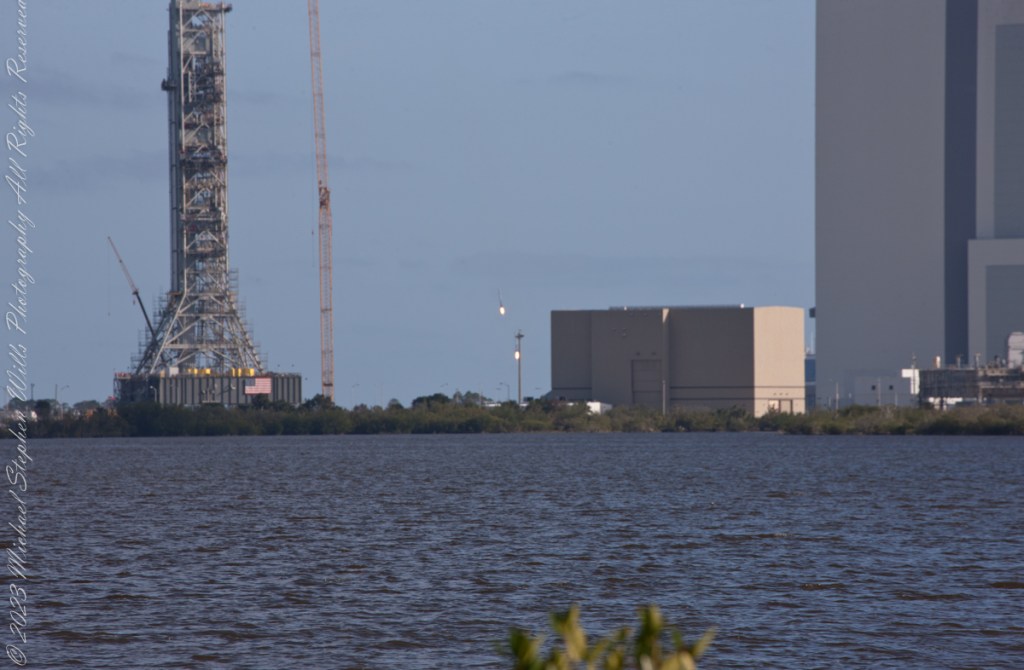
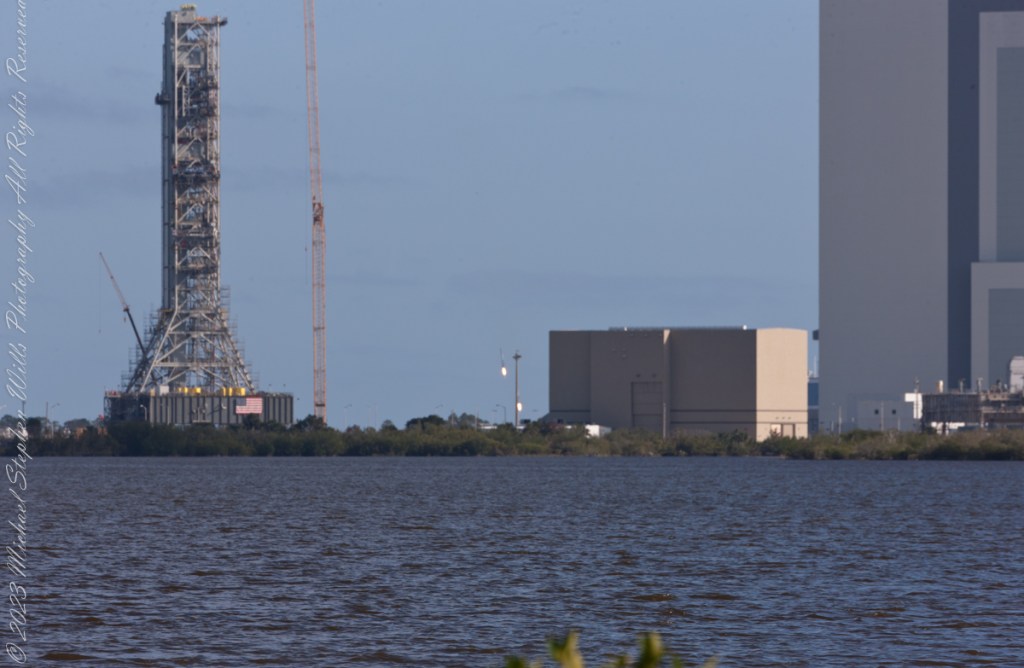
February 6, 2018 fuel venting during fueling of the Space X Falcon Heavy 19 minutes 25 seconds prior to launch. The rocket hidden by the launch tower. Taken from Kennedy Space Center Apollo-Saturn V Center looking across the Banana River to Launch Complex 39A, 3.9 miles away.Pam and Mike Wills in place at a prime spot for the SpaceX Falcon Heavy Launch. Kennedy Space Center, Apollo-Saturn V Center. February 6, 2018. 00:10:49 before launch.February 6, 2018 fuel venting, fueling complete 1 minute 20 seconds prior to launch. The rocket hidden by the launch tower. Taken from Kennedy Space Center Apollo-Saturn V Center looking across the Banana River to Launch Complex 39A, 3.9 miles away.February 6, 2018 Space X Falcon Heavy, 3 seconds prior to launch. The rocket hidden by the launch tower. The cloud is water released into the launch platform under pressure from the water tower. Taken from Kennedy Space Center Apollo-Saturn V Center looking across the Banana River to Launch Complex 39A, 3.9 miles away.February 6, 2018 Space X Falcon Heavy, launch 2 seconds prior to launch. The rocket hidden by the launch tower. The cloud is water released into the launch platform under pressure from the water tower. Taken from Kennedy Space Center Apollo-Saturn V Center loking across the Banana River to Launch Complex 39A, 3.9 miles away.February 6, 2018 Space X Falcon Heavy engine ignition. The moment of engine ignition, the rocket hidden by the launch tower. Taken from Kennedy Space Center Apollo-Saturn V Center loking across the Banana River to Launch Complex 39A, 3.9 miles away.February 6, 2018 Space X Falcon Heavy, launch plus 1 second. Ignition visible, tower connections falling away. Rocket nose visible to right of tower lightening rod. Taken from Kennedy Space Center Apollo-Saturn V Center loking across the Banana River to Launch Complex 39A, 3.9 miles away.February 6, 2018 Space X Falcon Heavy, launch plus 2 seconds. Rocket lift-off fully underway. Taken from Kennedy Space Center Apollo-Saturn V Center looking across the Banana River to Launch Complex 39A, 3.9 miles away.February 6, 2018 Space X Falcon Heavy, launch plus 4 seconds. Rocket not yet clear of launch tower. Taken from Kennedy Space Center Apollo-Saturn V Center looking across the Banana River to Launch Complex 39A, 3.9 miles away.February 6, 2018 Space X Falcon Heavy, launch plus 5 seconds. A heron flies to the right of launch tower. Taken from Kennedy Space Center Apollo-Saturn V Center looking across the Banana River to Launch Complex 39A, 3.9 miles away.February 6, 2018 Space X Falcon Heavy, launch plus 6 seconds. Rocket is just clear of launch tower. At 230 feet in 6 seconds it is travelling at 26.1 miles per hour. A heron flies to right of launch tower. Taken from Kennedy Space Center Apollo-Saturn V Center looking across the Banana River to Launch Complex 39A, 3.9 miles away.February 6, 2018 Space X Falcon Heavy, launch plus 7 seconds. Rocket is clear of the launch tower. Taken from Kennedy Space Center Apollo-Saturn V Center looking across the Banana River to Launch Complex 39A, 3.9 miles away.February 6, 2018 Space X Falcon Heavy, launch plus 7 seconds. Taken from Kennedy Space Center Apollo-Saturn V Center looking across the Banana River to Launch Complex 39A, 3.9 miles away.February 6, 2018 Space X Falcon Heavy, launch plus 8 seconds. Taken from Kennedy Space Center Apollo-Saturn V Center looking across the Banana River to Launch Complex 39A, 3.9 miles away.February 6, 2018 Space X Falcon Heavy, launch plus 9 seconds. Taken from Kennedy Space Center Apollo-Saturn V Center looking across the Banana River to Launch Complex 39A, 3.9 miles away.February 6, 2018 Space X Falcon Heavy, launch plus 12 seconds. Taken from Kennedy Space Center Apollo-Saturn V Center.February 6, 2018 Space X Falcon Heavy, launch plus 20 seconds. The rocket has rolled a few degrees, all boosters are visible. The Taken from Kennedy Space Center Apollo-Saturn V Center.February 6, 2018 Space X Falcon Heavy, launch plus 25 seconds. All boosters are visible. Taken from Kennedy Space Center Apollo-Saturn V Center.February 6, 2018 Space X Falcon Heavy, launch plus 26 seconds. All boosters are visible. Taken from Kennedy Space Center Apollo-Saturn V Center.February 6, 2018 Space X Falcon Heavy, launch plus 32 seconds. A boosters are visible. Taken from Kennedy Space Center Apollo-Saturn V Center.February 6, 2018 Space X Falcon Heavy, launch plus 1 minute 11 seconds. The boosters have throttled back. Taken from Kennedy Space Center Apollo-Saturn V Center.February 6, 2018 Space X Falcon Heavy, launch plus 1 minute 57 seconds. The cloud was formed from the throttled back boosters. The rocket is visible near center of frame. Taken from Kennedy Space Center Apollo-Saturn V Center.February 6, 2018 Space X Falcon Heavy, launch plus 6 minutes 37 seconds. Firing thrusterrs of the two returning boosters are visible a bit above the center of frame. Taken from Kennedy Space Center Apollo-Saturn V Center.February 6, 2018 Space X Falcon Heavy, launch plus 7 minutes 50 seconds. Both boosters visible firing thrusters between the SLS Launch Tower and NASA Vehicle Assembly Building. Taken from Kennedy Space Center Apollo-Saturn V Center loking across the Banana River.February 6, 2018 Space X Falcon Heavy, launch plus 8 minutes 2 seconds. Both boosters visible firing thrusters between the SLS Launch Tower and NASA Vehicle Assembly Building. Taken from Kennedy Space Center Apollo-Saturn V Center loking across the Banana River.February 6, 2018 Space X Falcon Heavy, launch plus 8 minutes 3 seconds. Both boosters visible firing thrusters between the SLS Launch Tower and NASA Vehicle Assembly Building. Taken from Kennedy Space Center Apollo-Saturn V Center loking across the Banana River.
“Falcon Heavy was designed to be able to carry humans into space beyond low Earth orbit, although as of February 2018, SpaceX does not intend to transport people on Falcon Heavy, nor pursue the human-rating certification process to transport NASA astronauts. Both Falcon Heavy and Falcon 9 are expected to eventually be superseded by the Starship launch system, currently being developed.“
“On 6 February 2018, after a delay of over two hours due to high winds, Falcon Heavy lifted off at 20:45 UTC. Its side boosters landed safely on Landing Zones 1 and 2 a few minutes later. However, only one of the three engines on the center booster that were intended to restart ignited during descent, causing the booster to be destroyed upon impacting the ocean at a speed of over 480 km/h (300 mph).“
“Initially, Elon Musk tweeted that the Roadster had overshot its planned heliocentric orbit, and would reach the asteroid belt. Later, observations by telescopes showed that the Roadster would only slightly exceed the orbit of Mars at aphelion.“
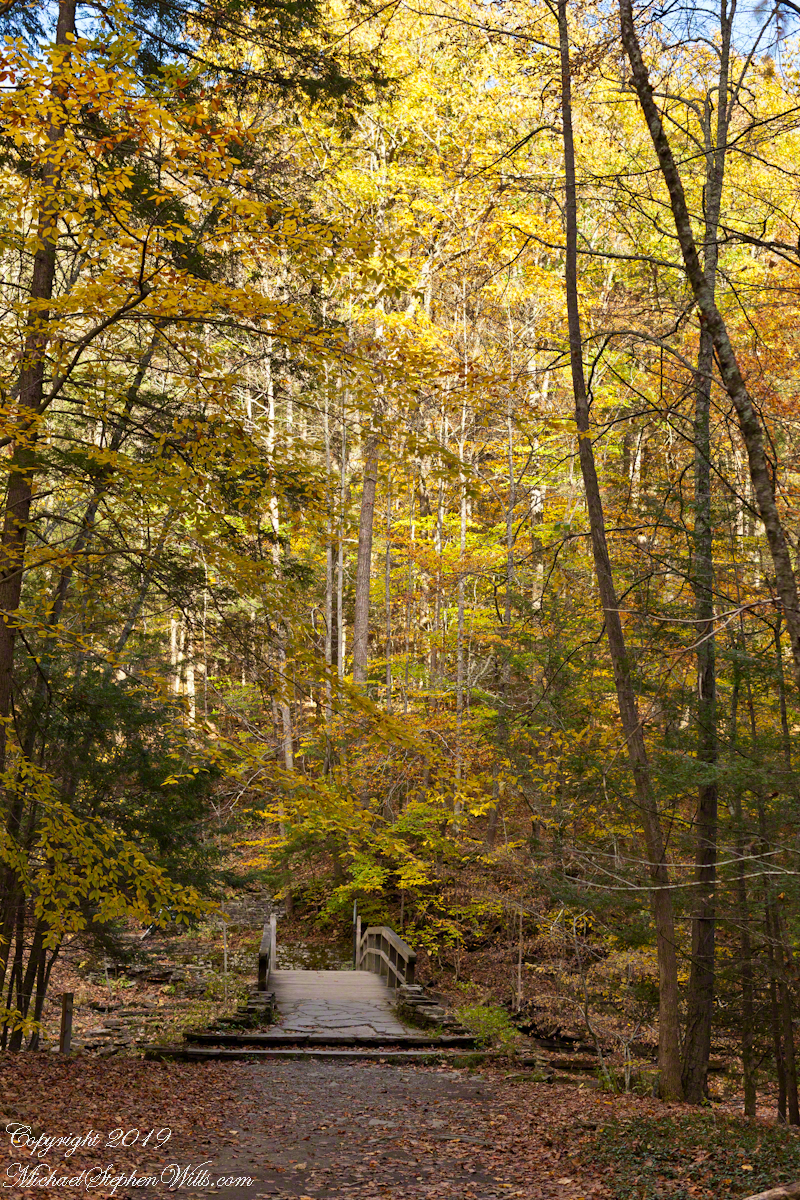
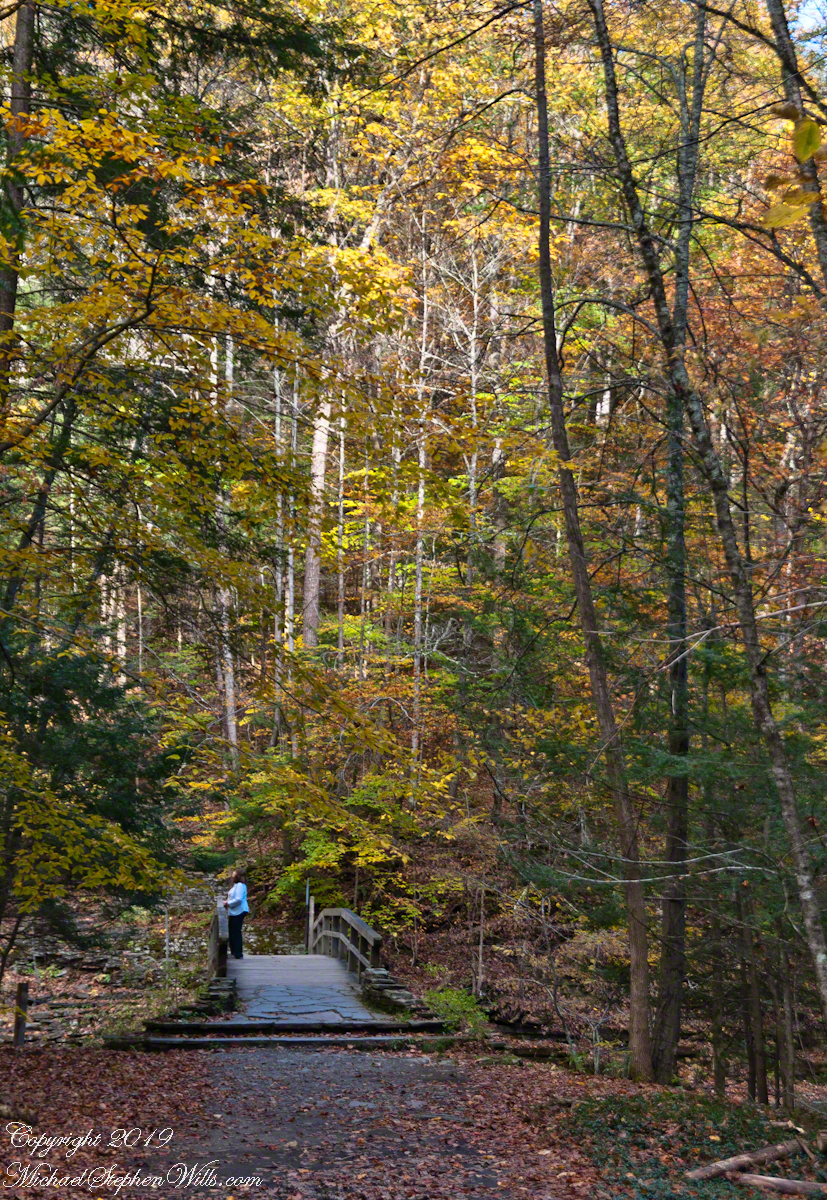
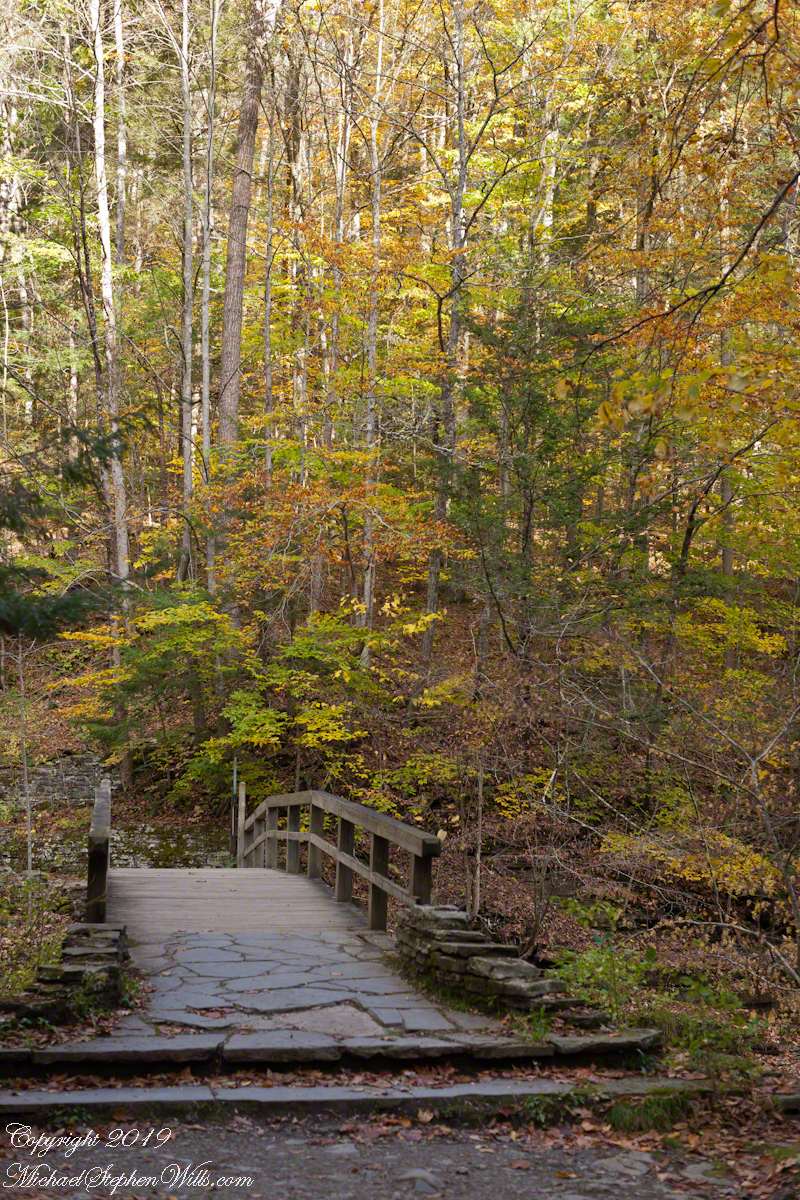
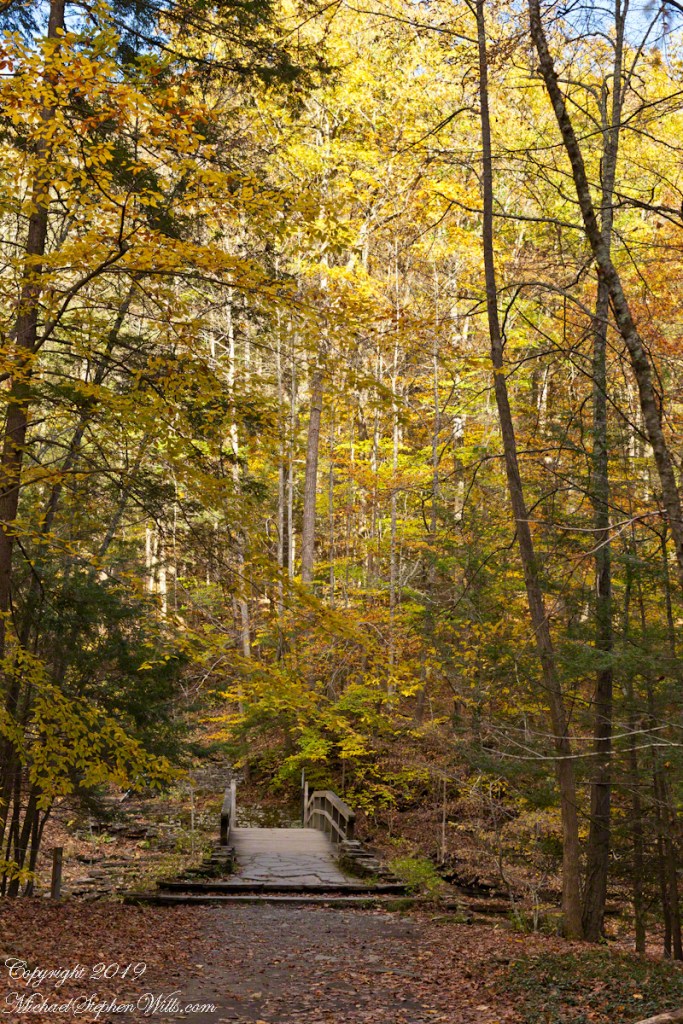
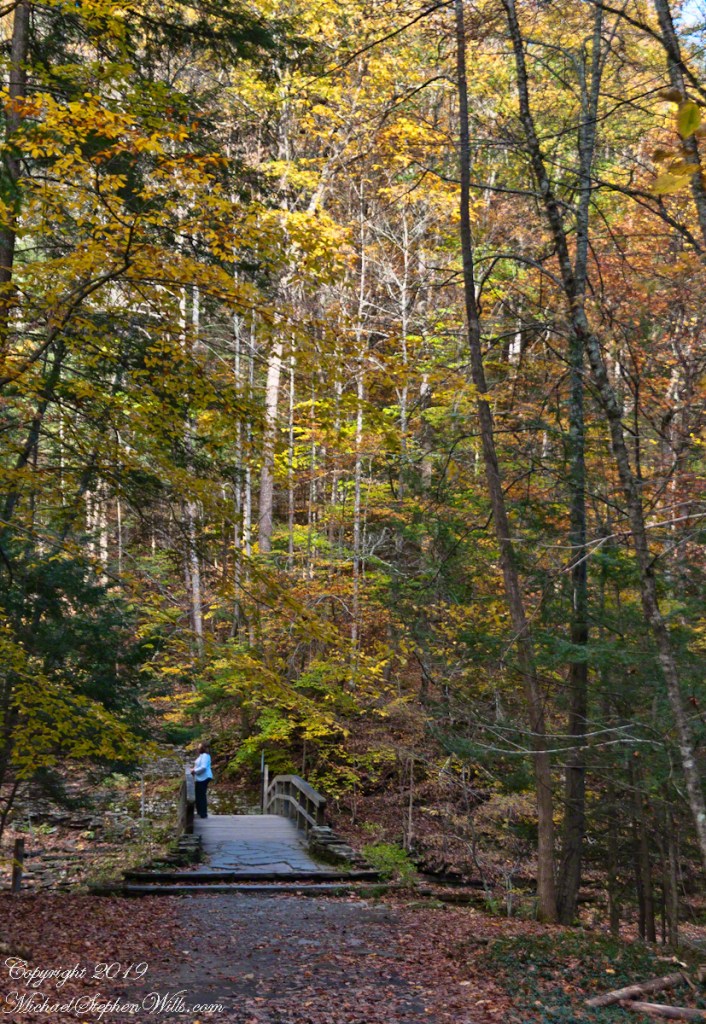
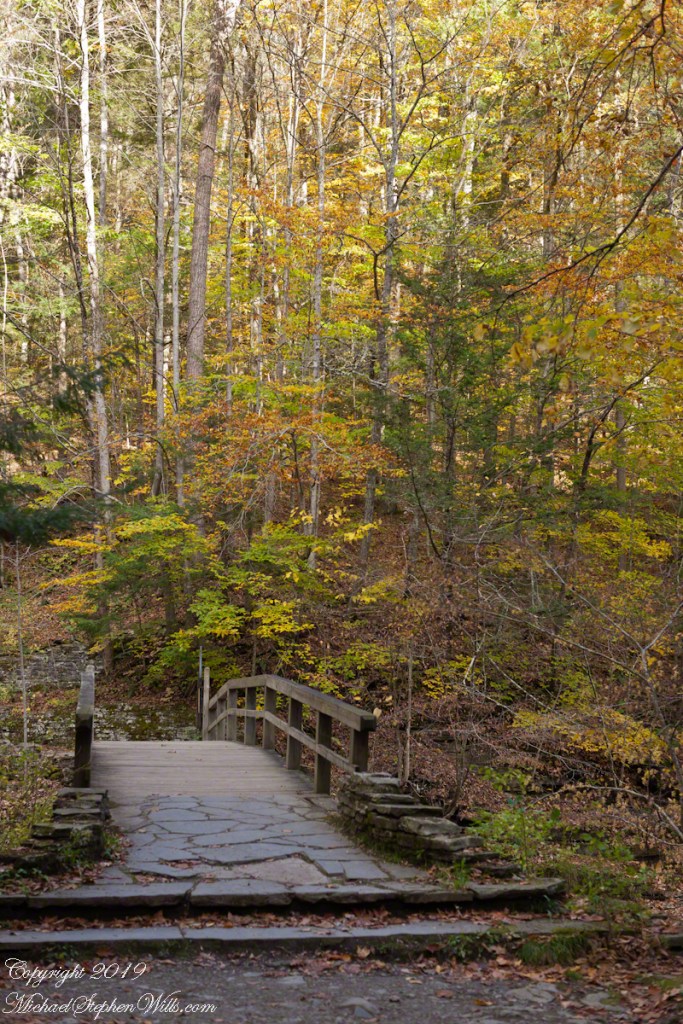
A place for quiet contemplation within the Treman Gorge, only accessible via a 15 minute hike. Robert H. Treman New York State Park on a late October afternoon.
Click photograph for a larger view. To do this from WordPress Reader, you need to first click the title of this post to open a new page.
Autumn foot Bridge
Click for a slideshow of this sequence of Lucifer Falls view from the overlook.
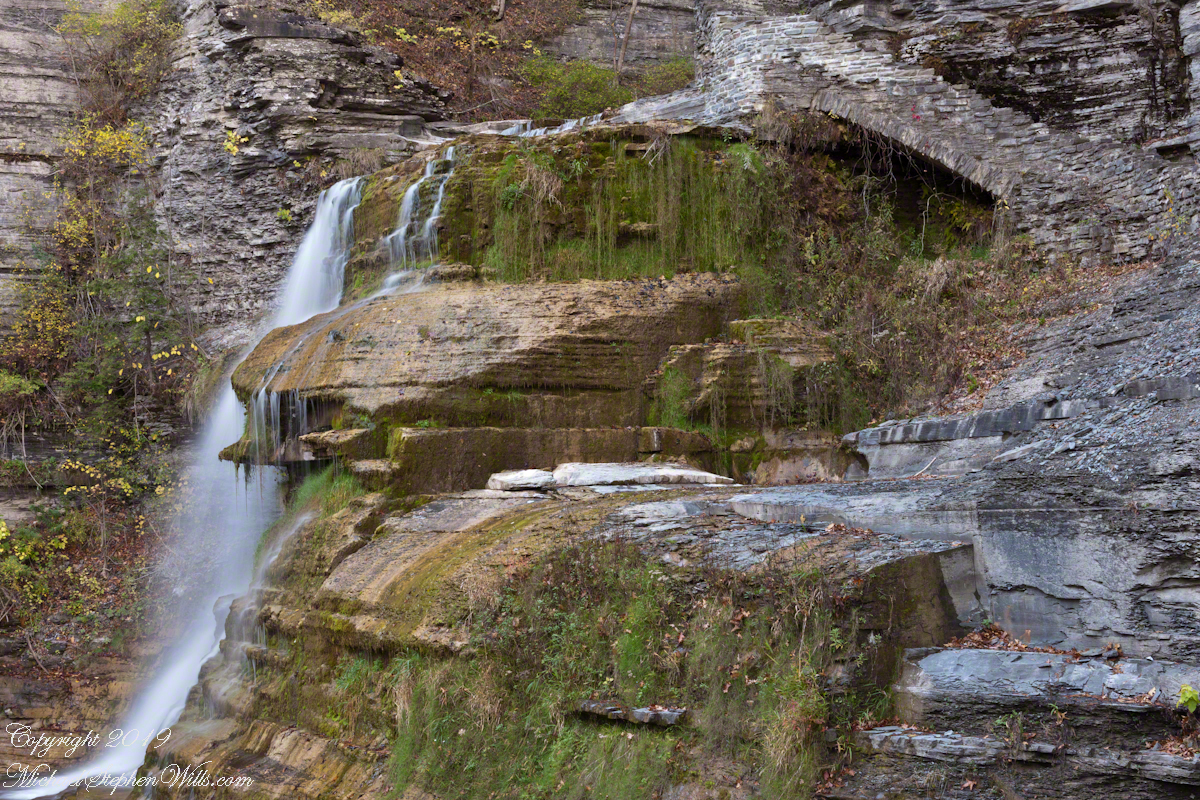
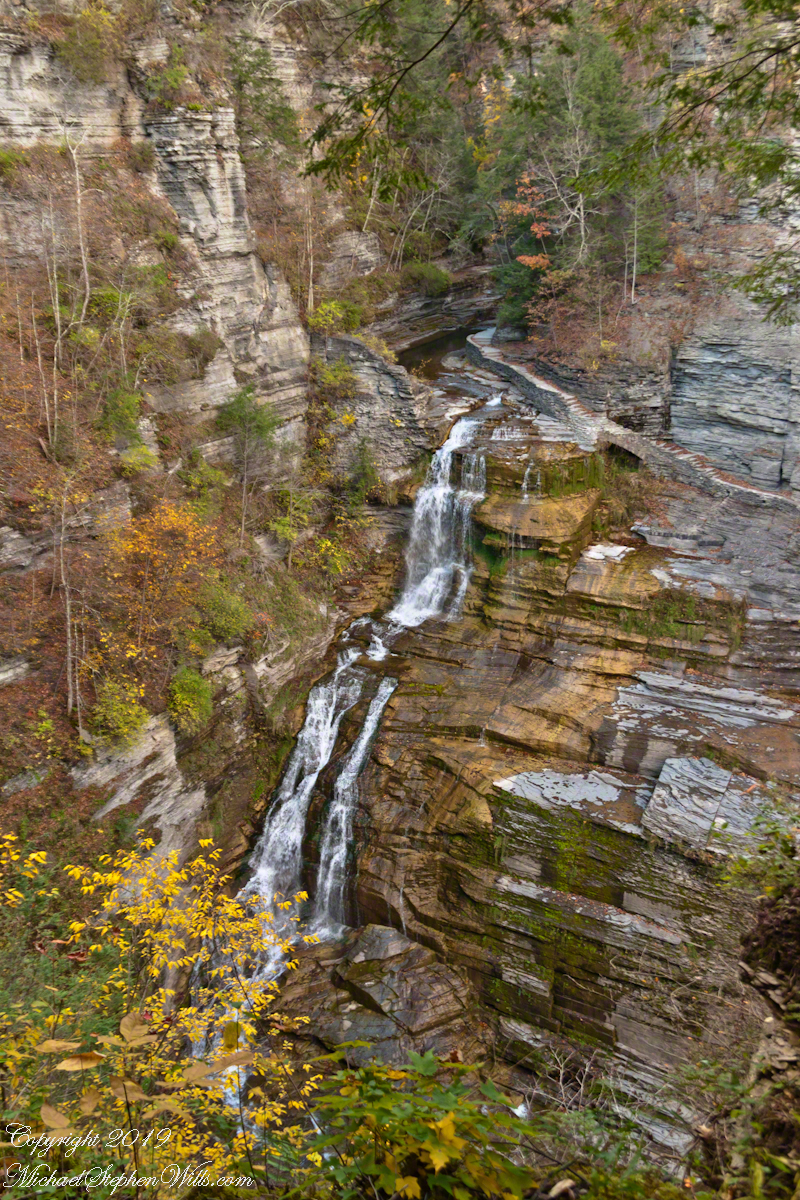
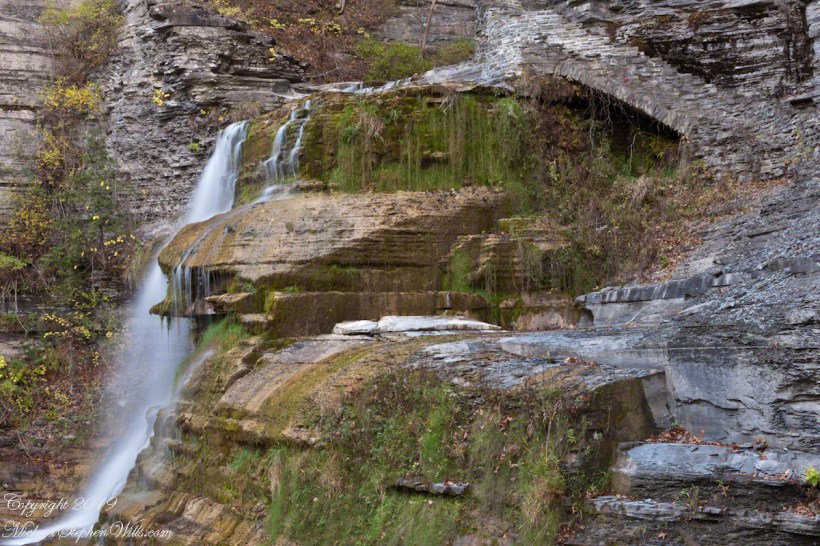
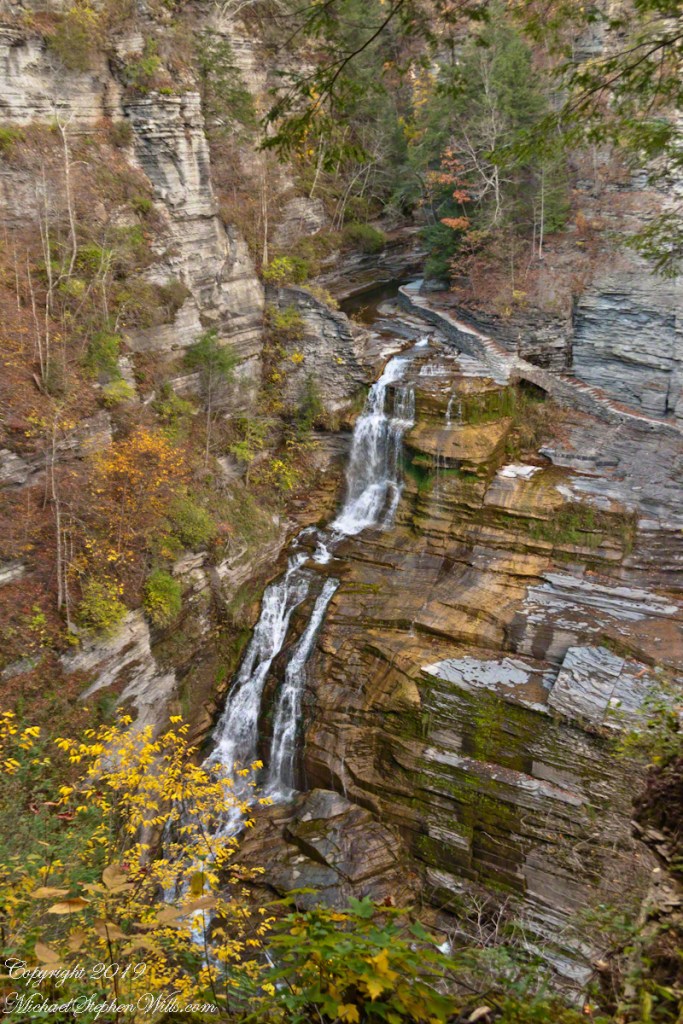
Lucifer Falls from Rim Trail OverlookLucifer Falls from Rim Trail Overlook
Copyright 2022 All Rights Reserved Michael Stephen Wills





 Michael Stephen Wills Photography