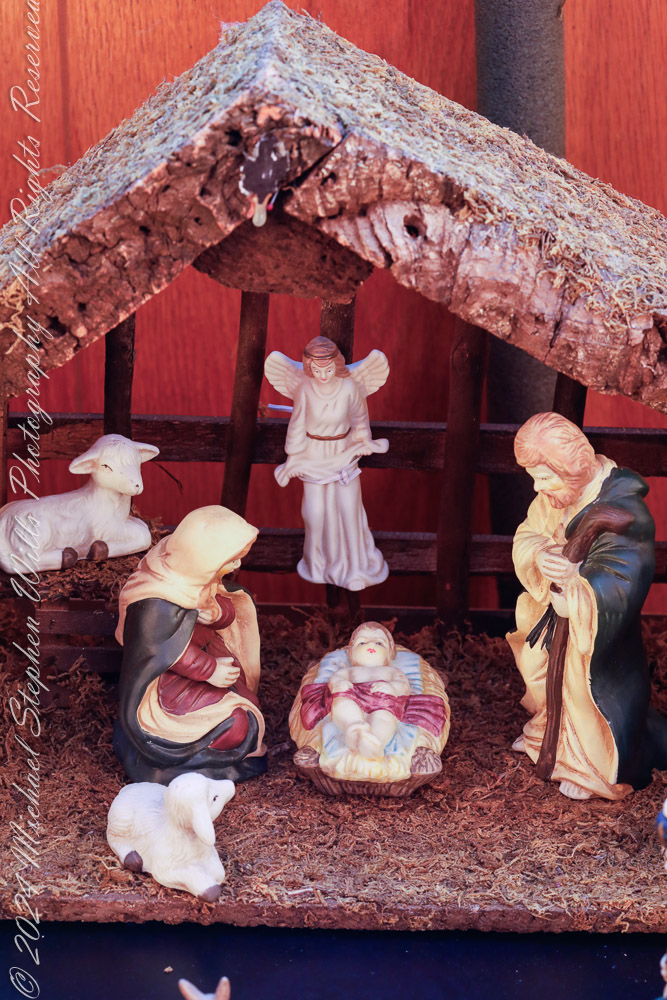
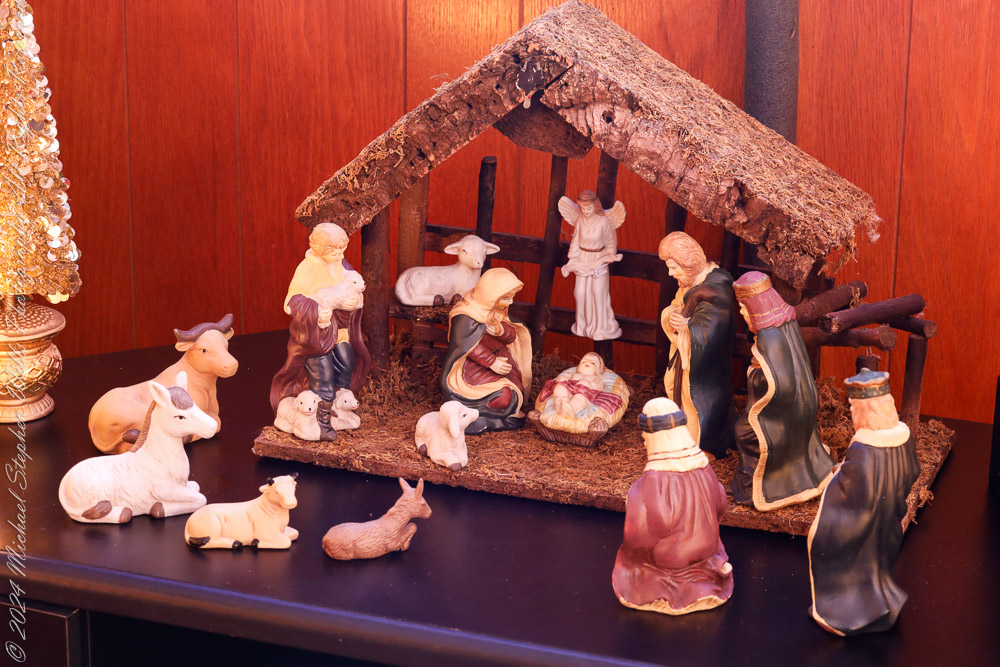
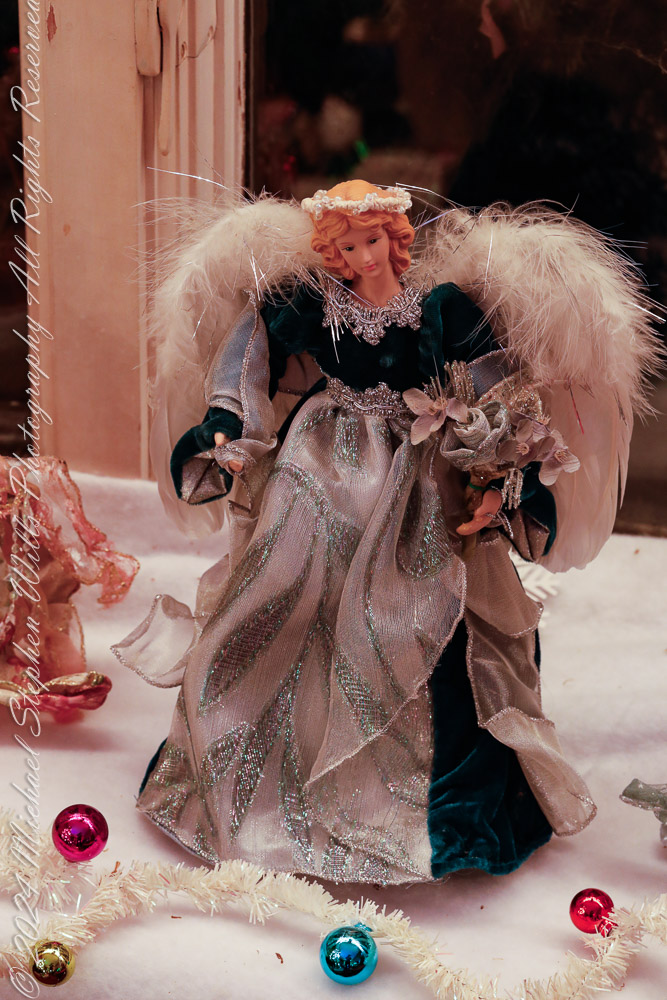
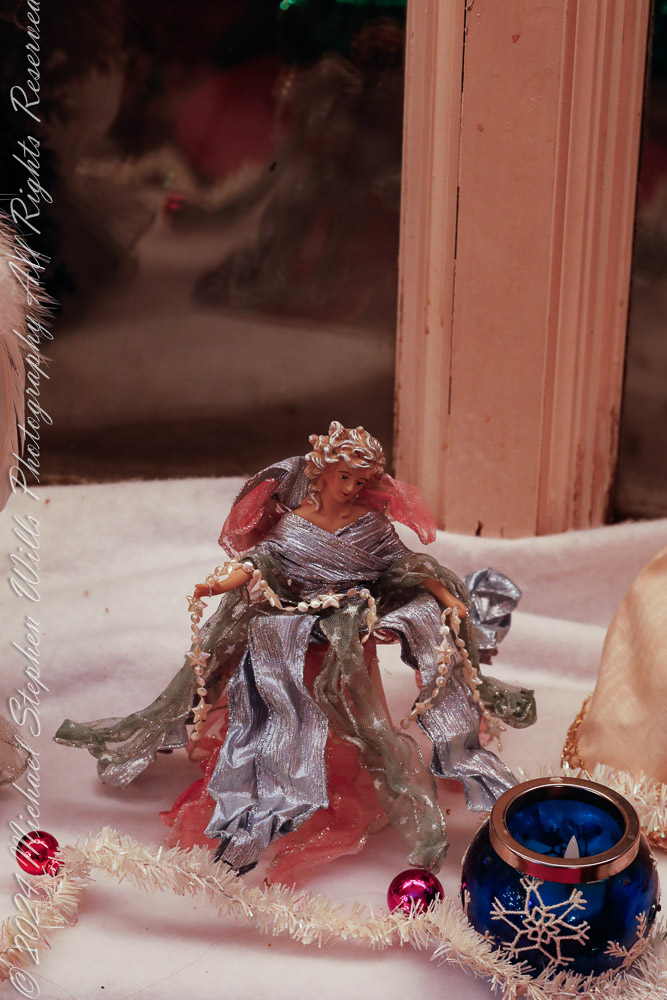
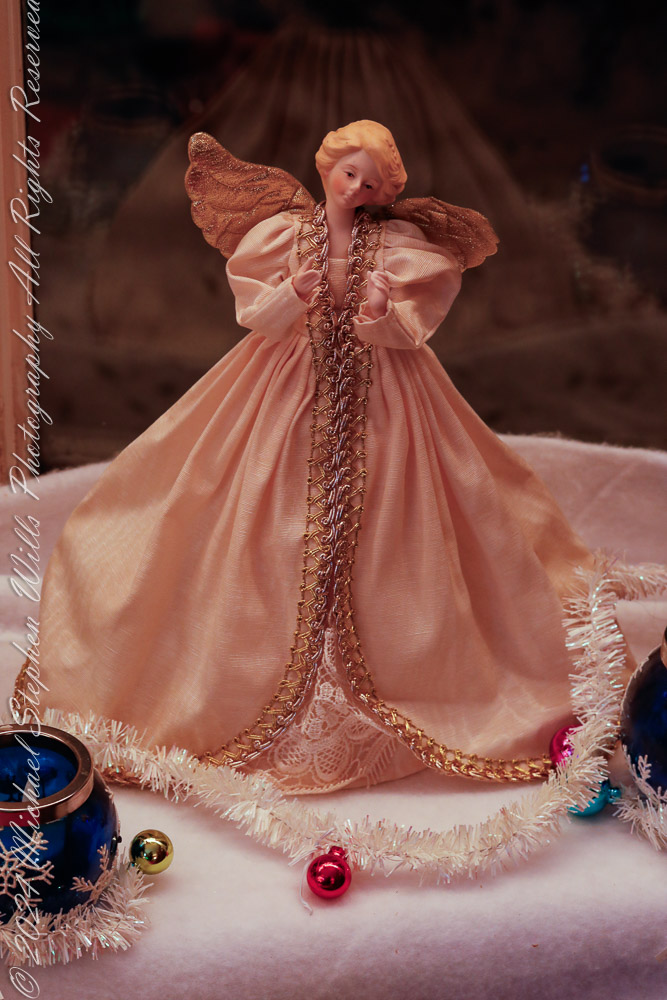
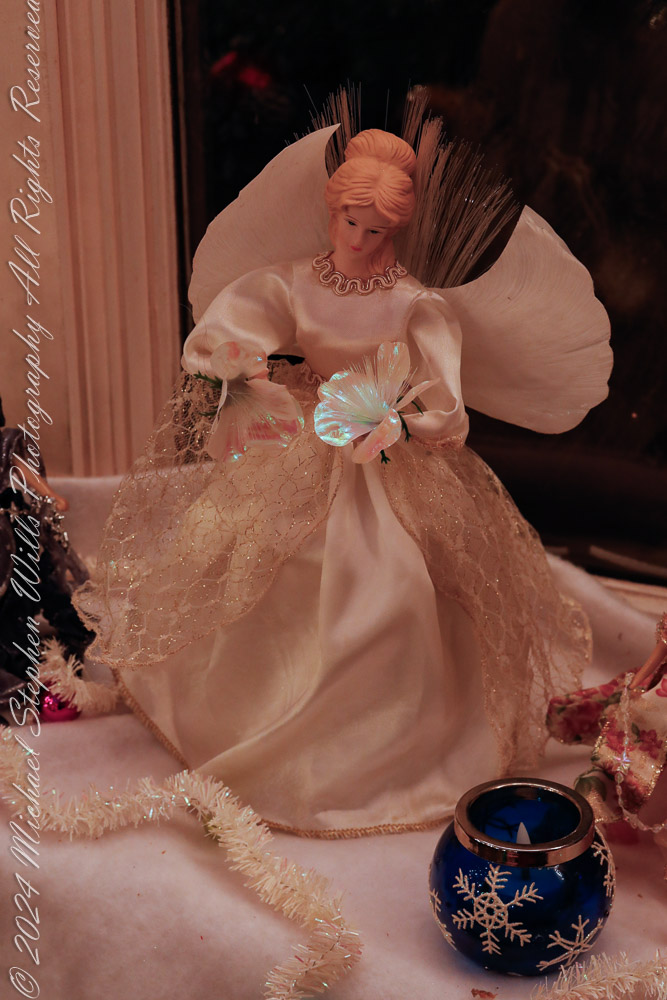
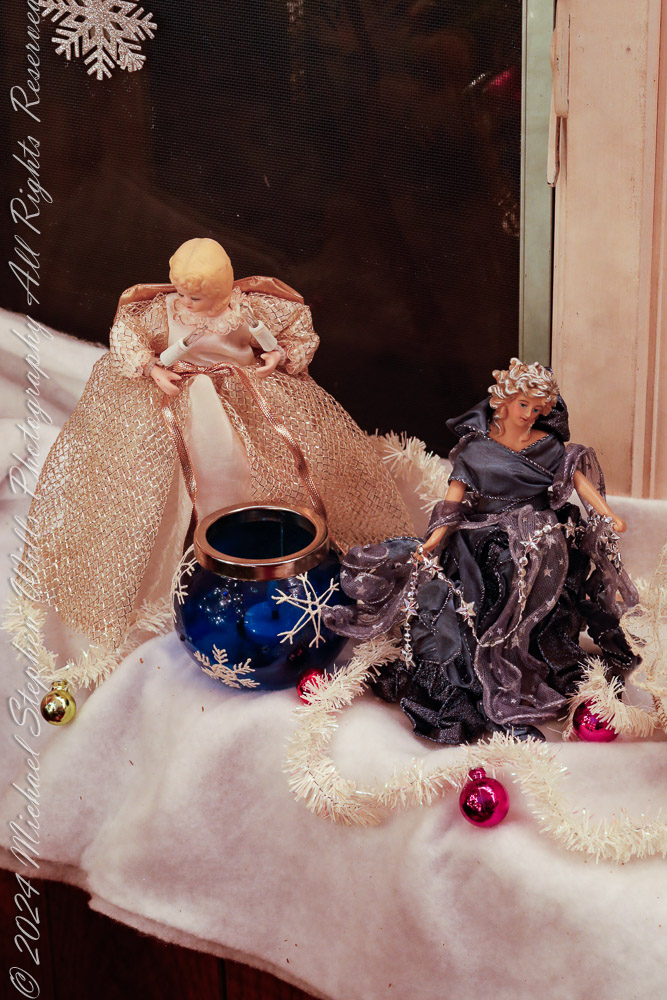
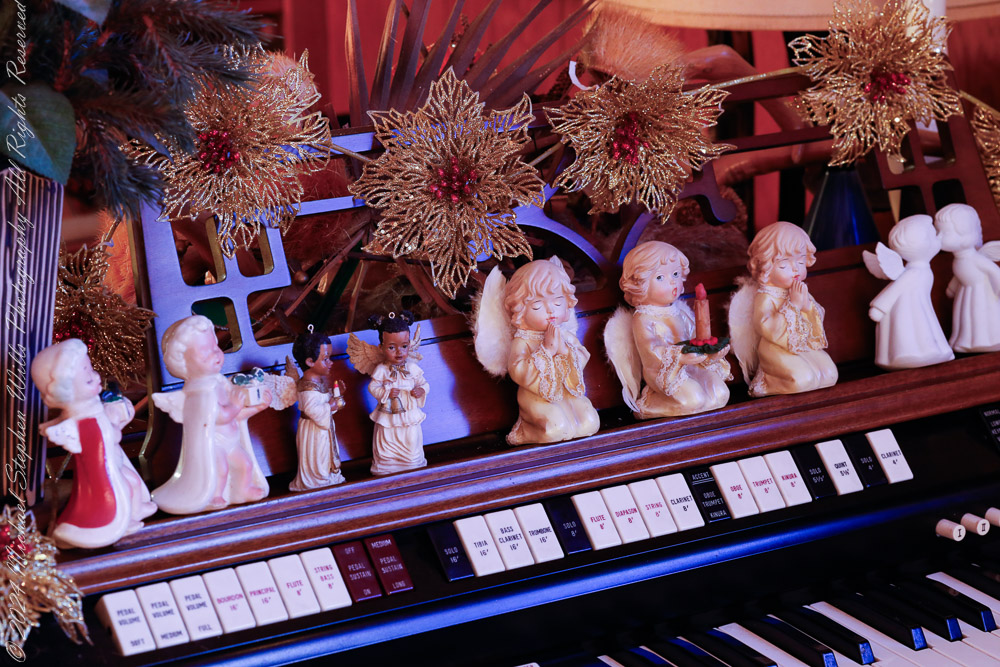
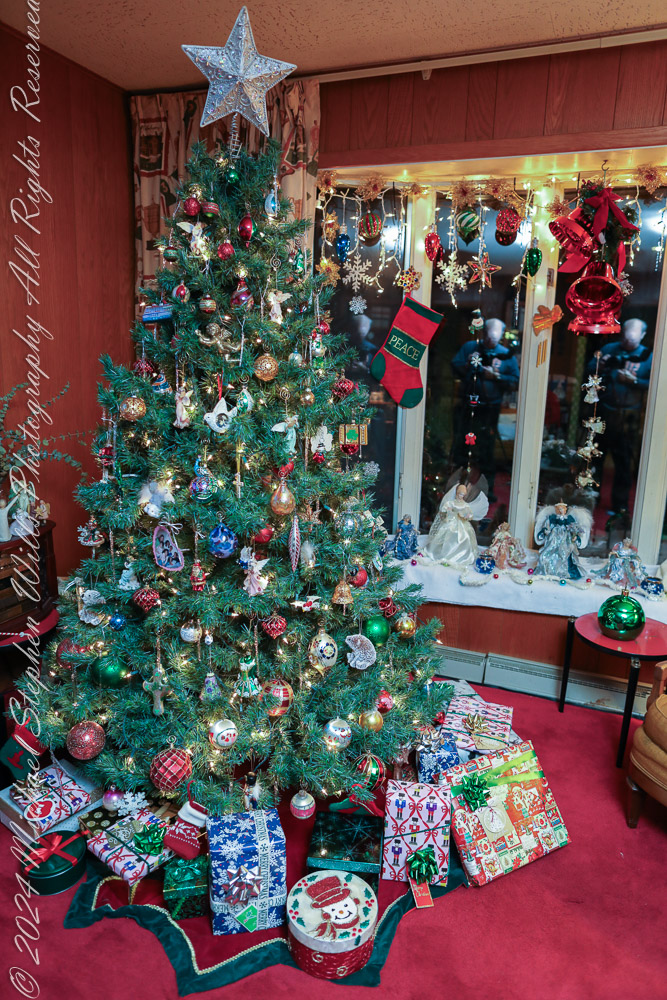
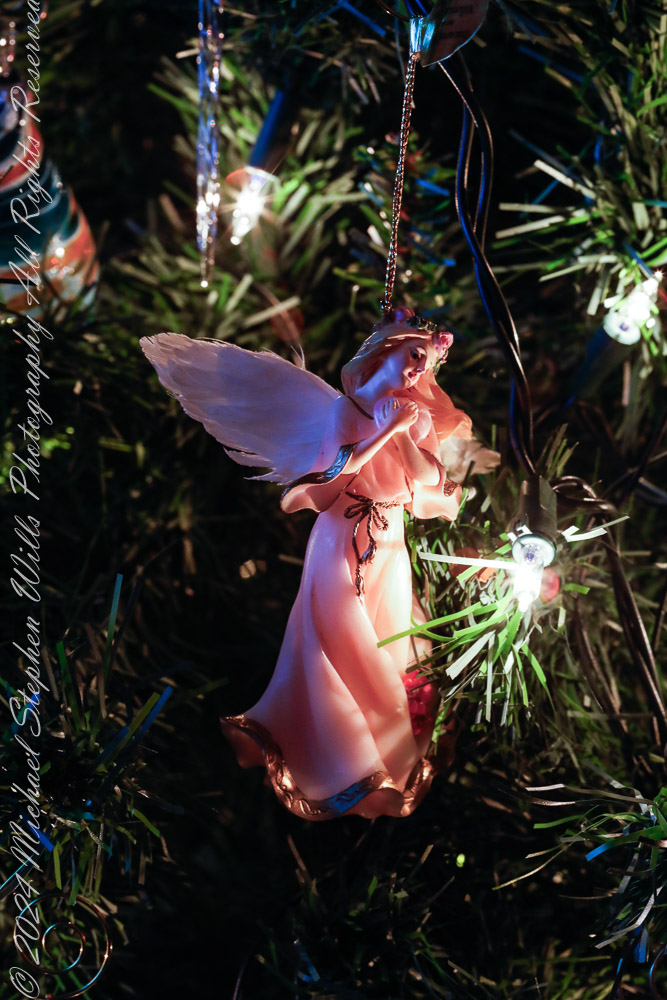
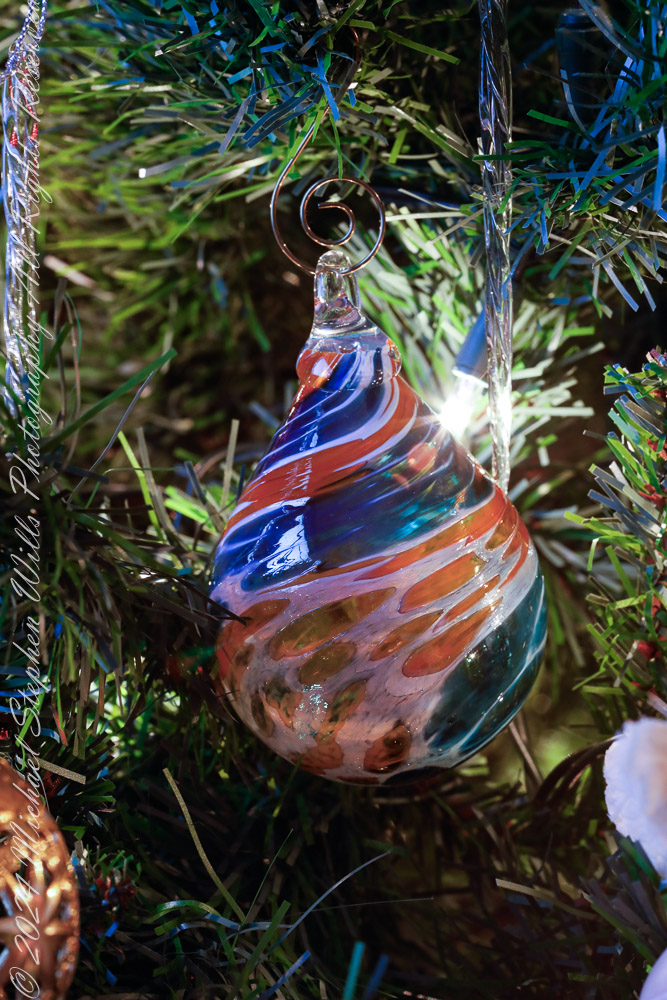
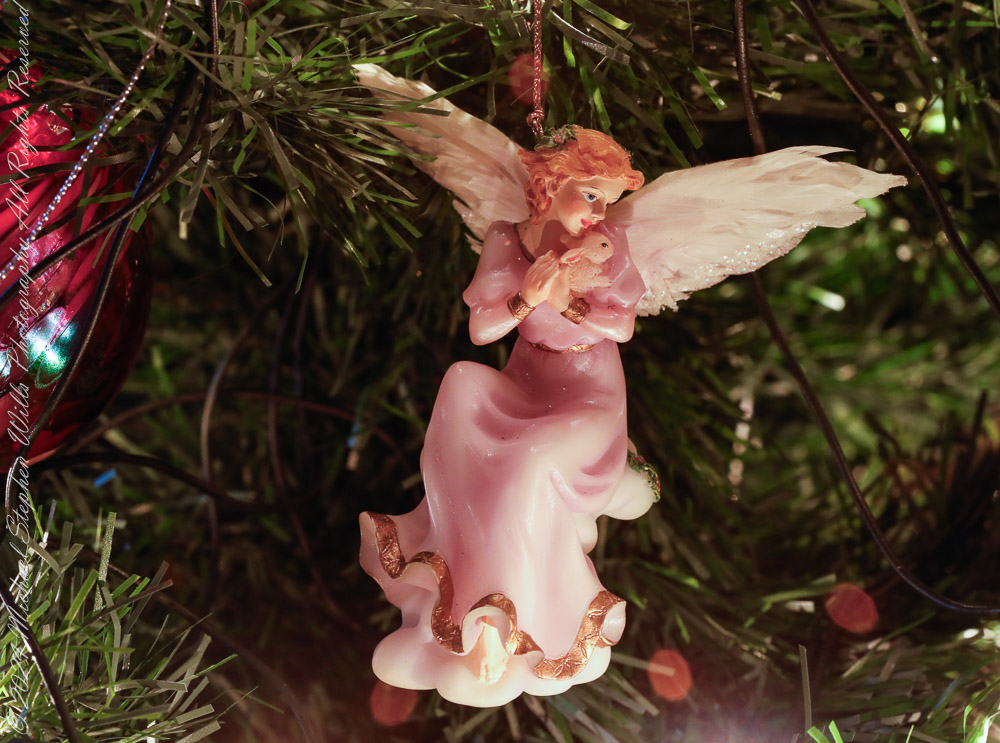
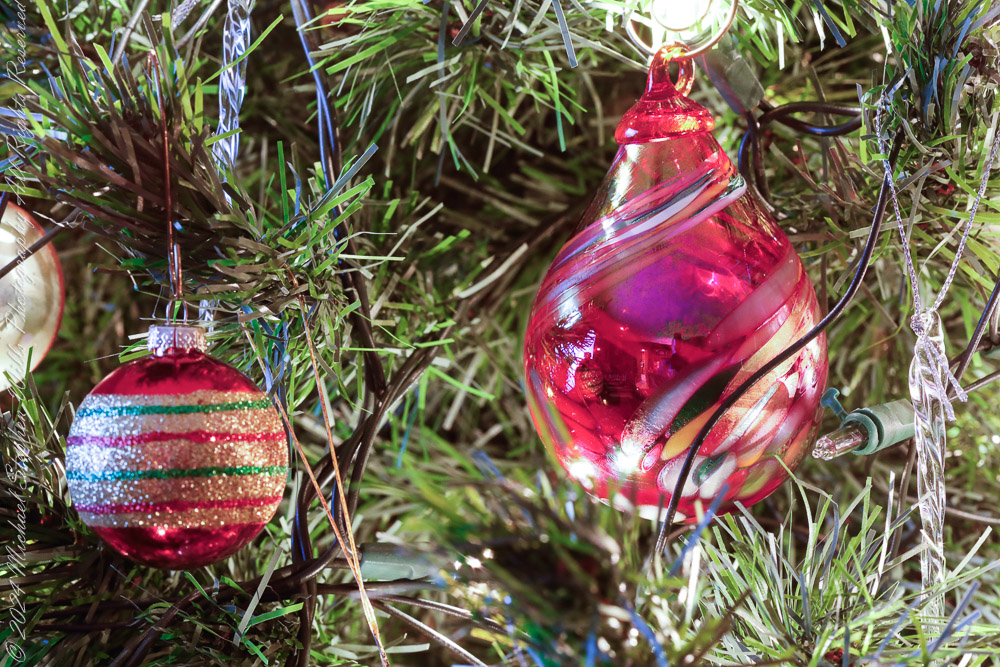
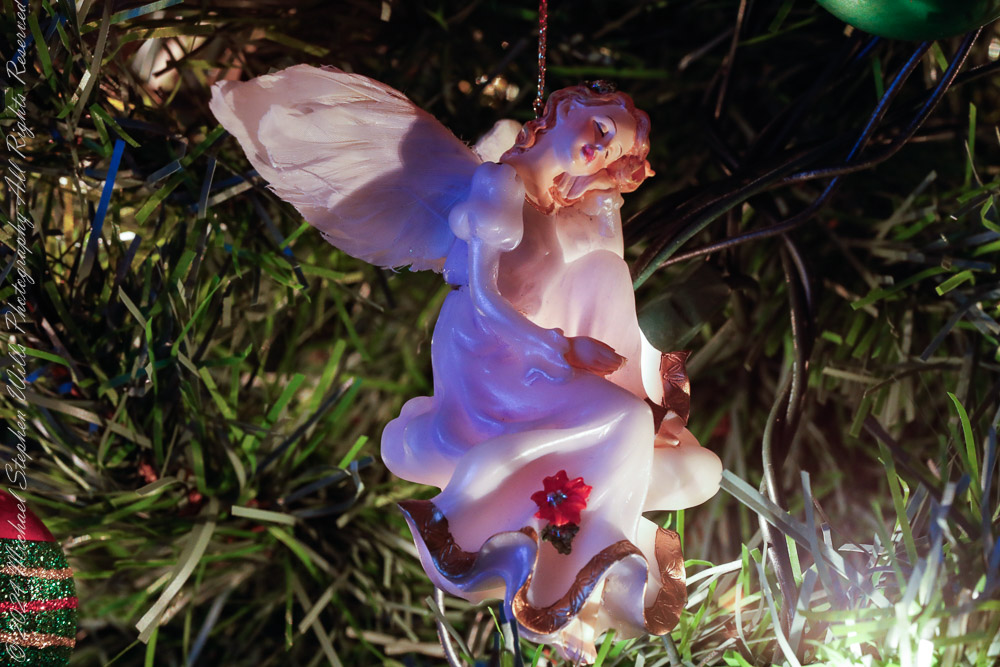
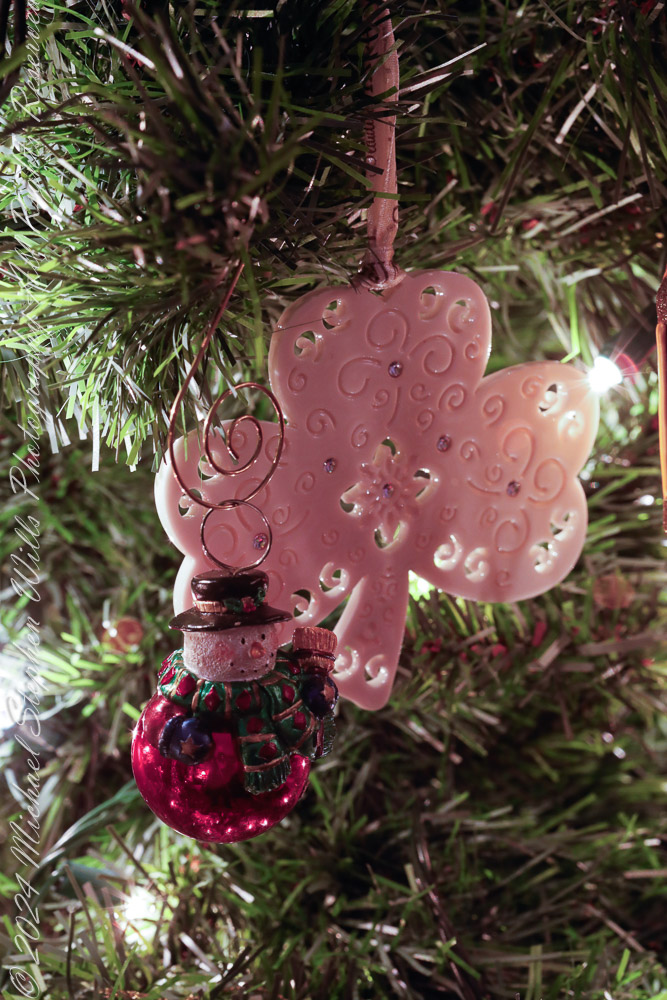
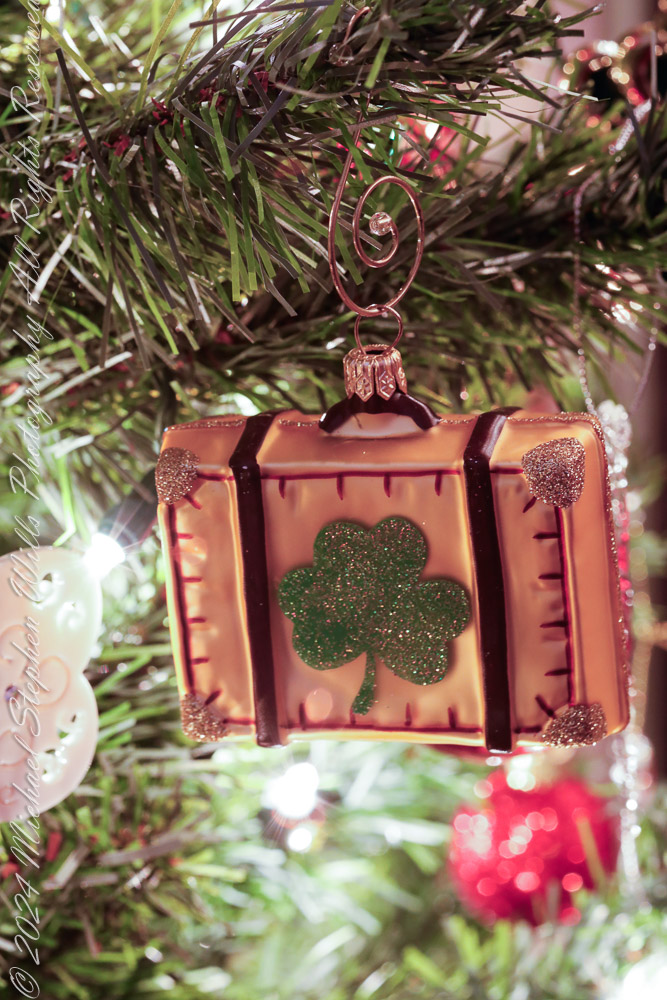
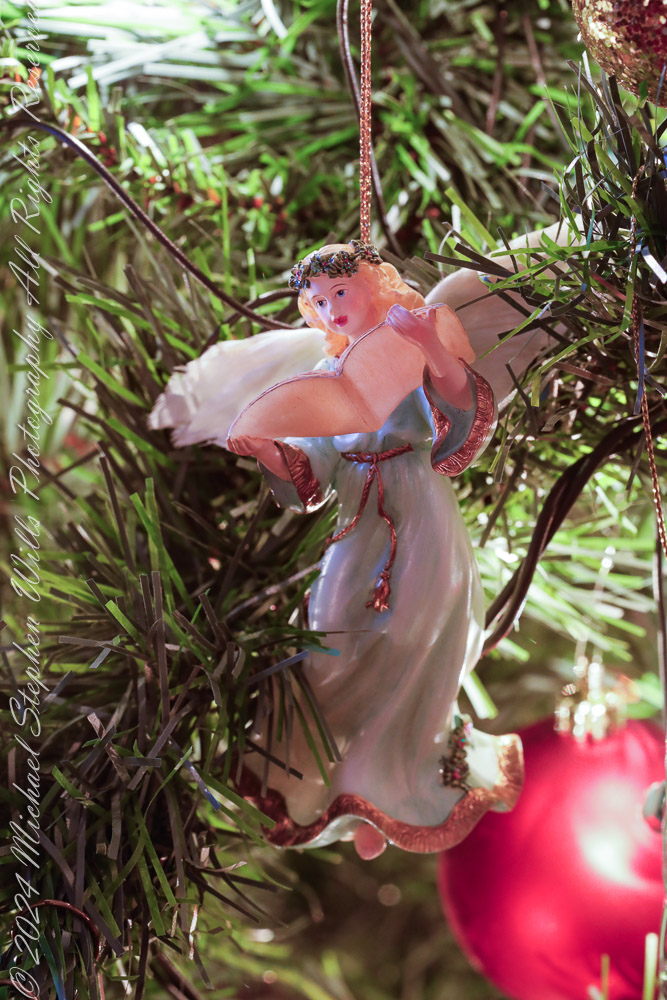
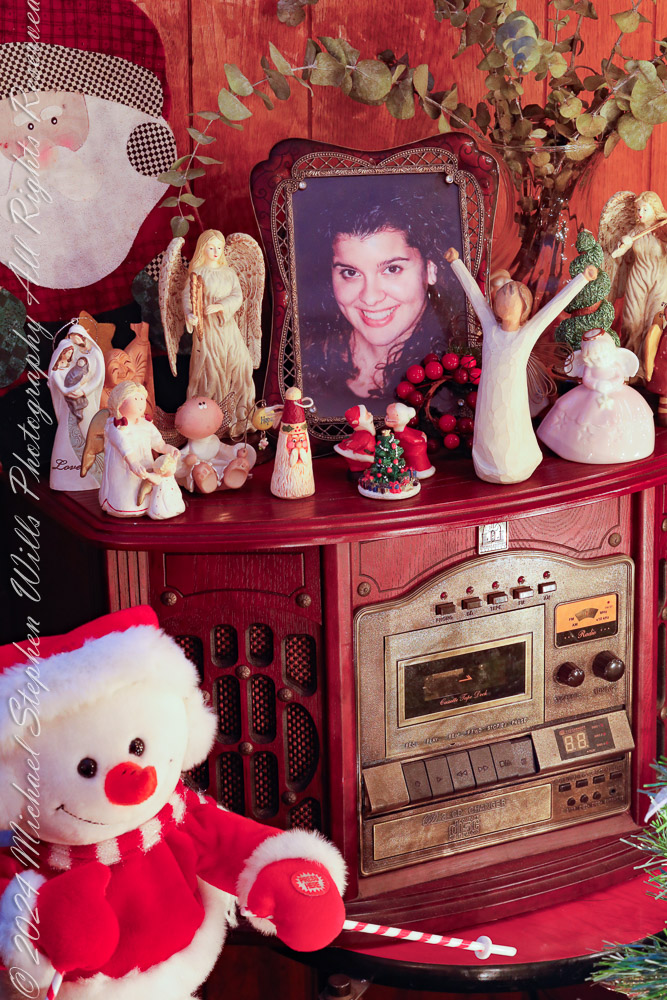
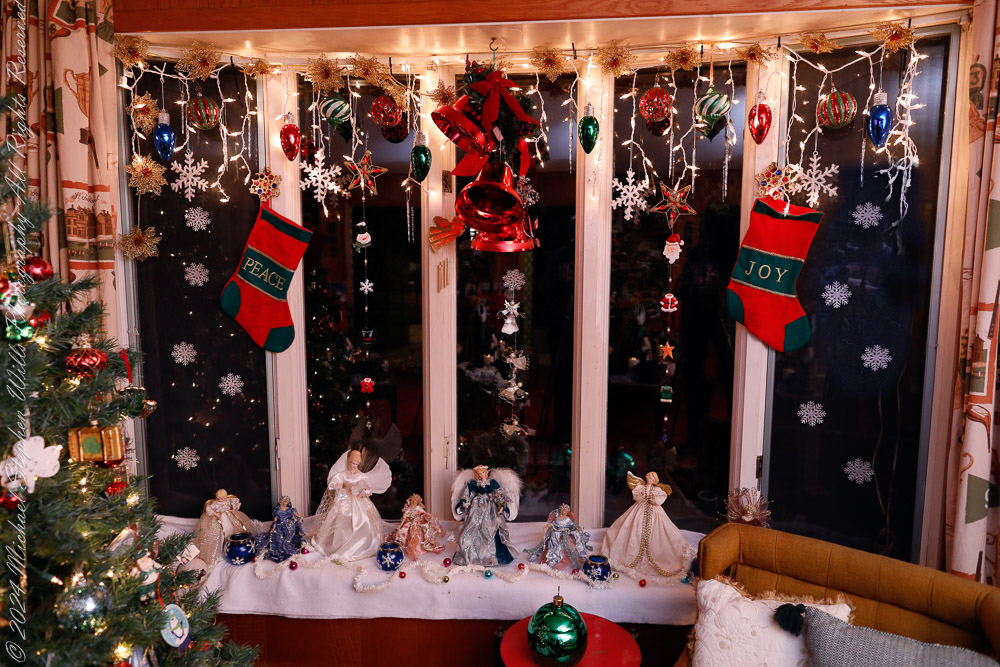
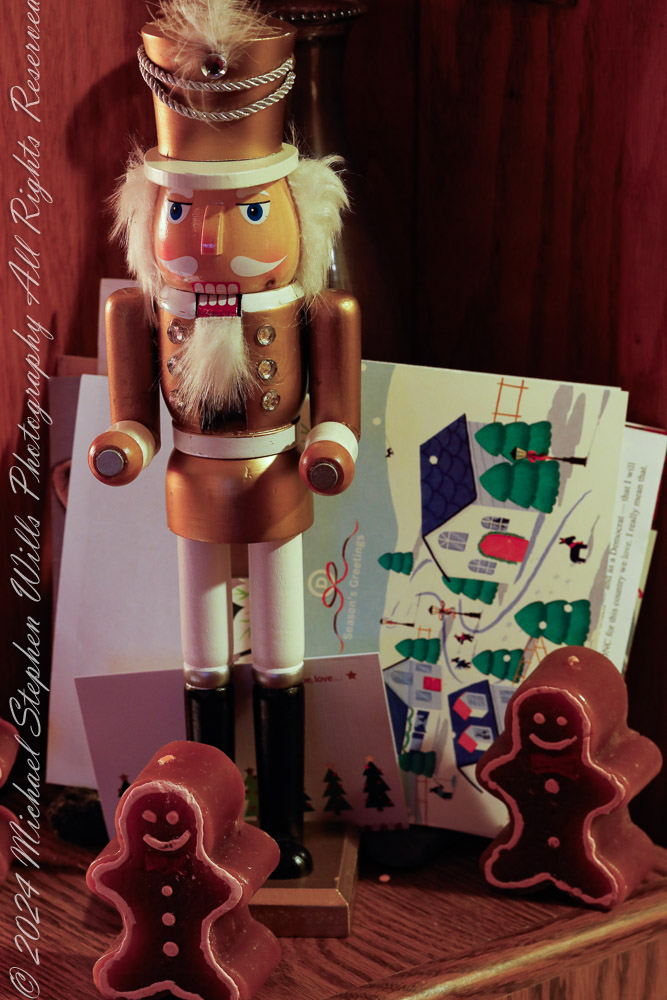
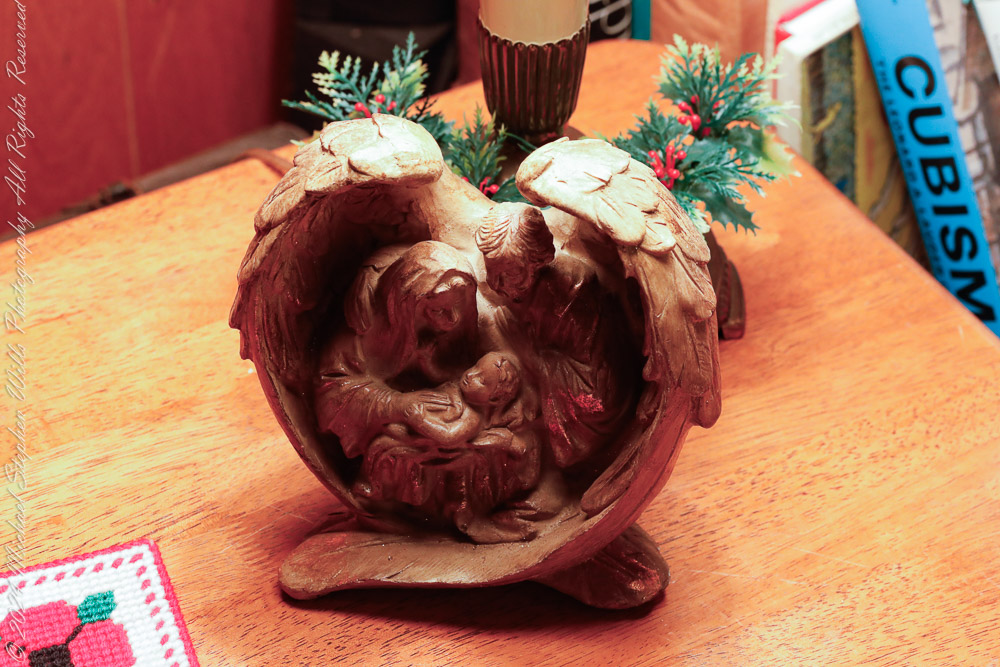
As the year draws to a close, our home is filled with the glow of lights, the shimmer of cherished ornaments, and the spirit of the season. Each decoration holds a memory, from angels watching over us to the Nativity scene that reminds us of the humble birth of Christ, our Savior.
This Christmas, we celebrate the greatest gift of all: God’s love made manifest through the birth of Jesus Christ. May the peace of His presence fill your hearts and homes, bringing comfort, joy, and hope that transcends all seasons.
As we gather with loved ones, let us remember the message of the angels: “Glory to God in the highest, and on earth peace, goodwill toward men.”
From our family to yours, may this holy season be a time of deep gratitude, boundless love, and renewed faith in the light that shines in the darkness.
Pam’s Christmas Decorations 2024
Enter your email to receive notification of future postings. I will not sell or share your email address.
Copyright 2024 All Rights Reserved Michael Stephen Wills
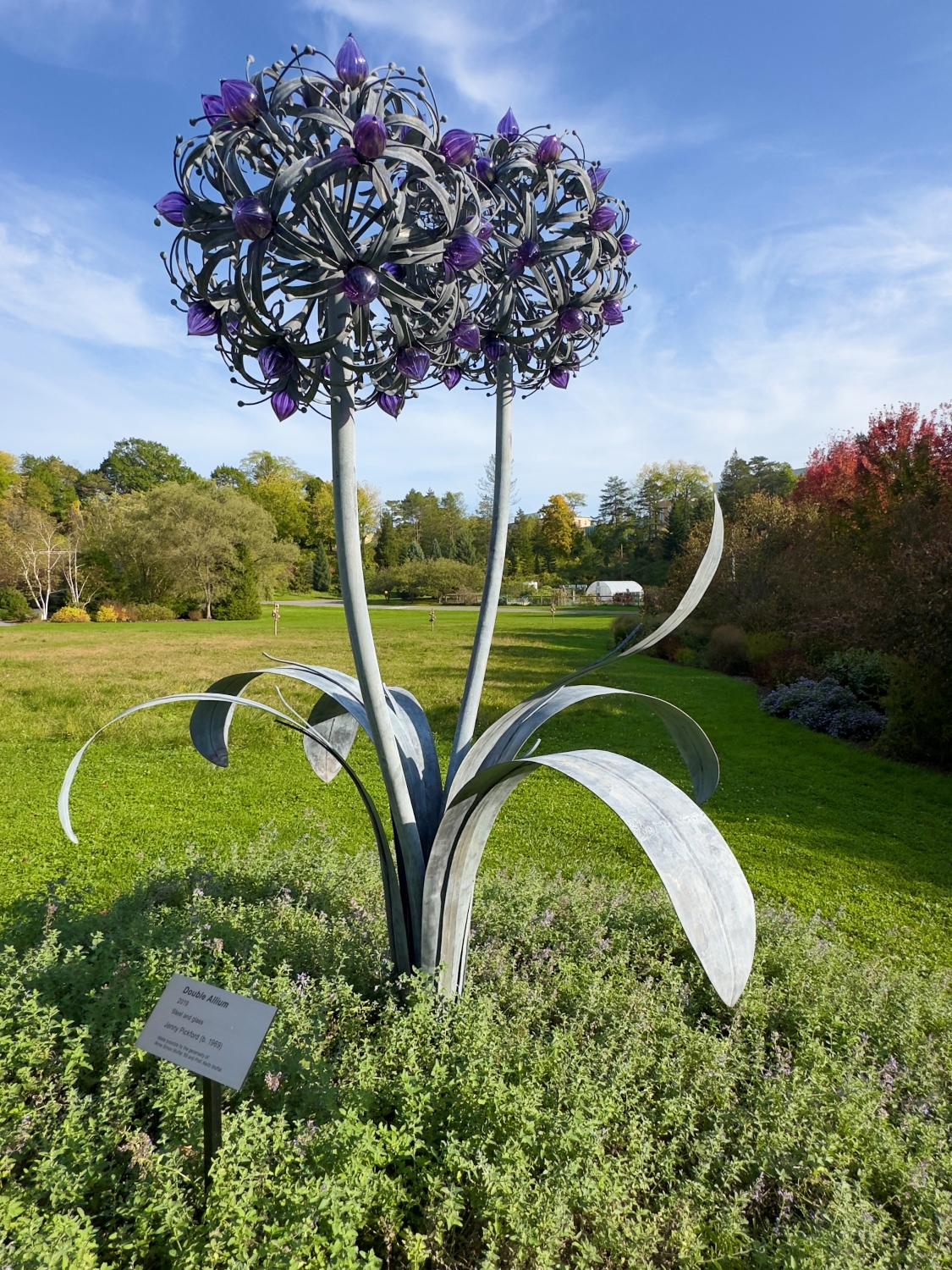
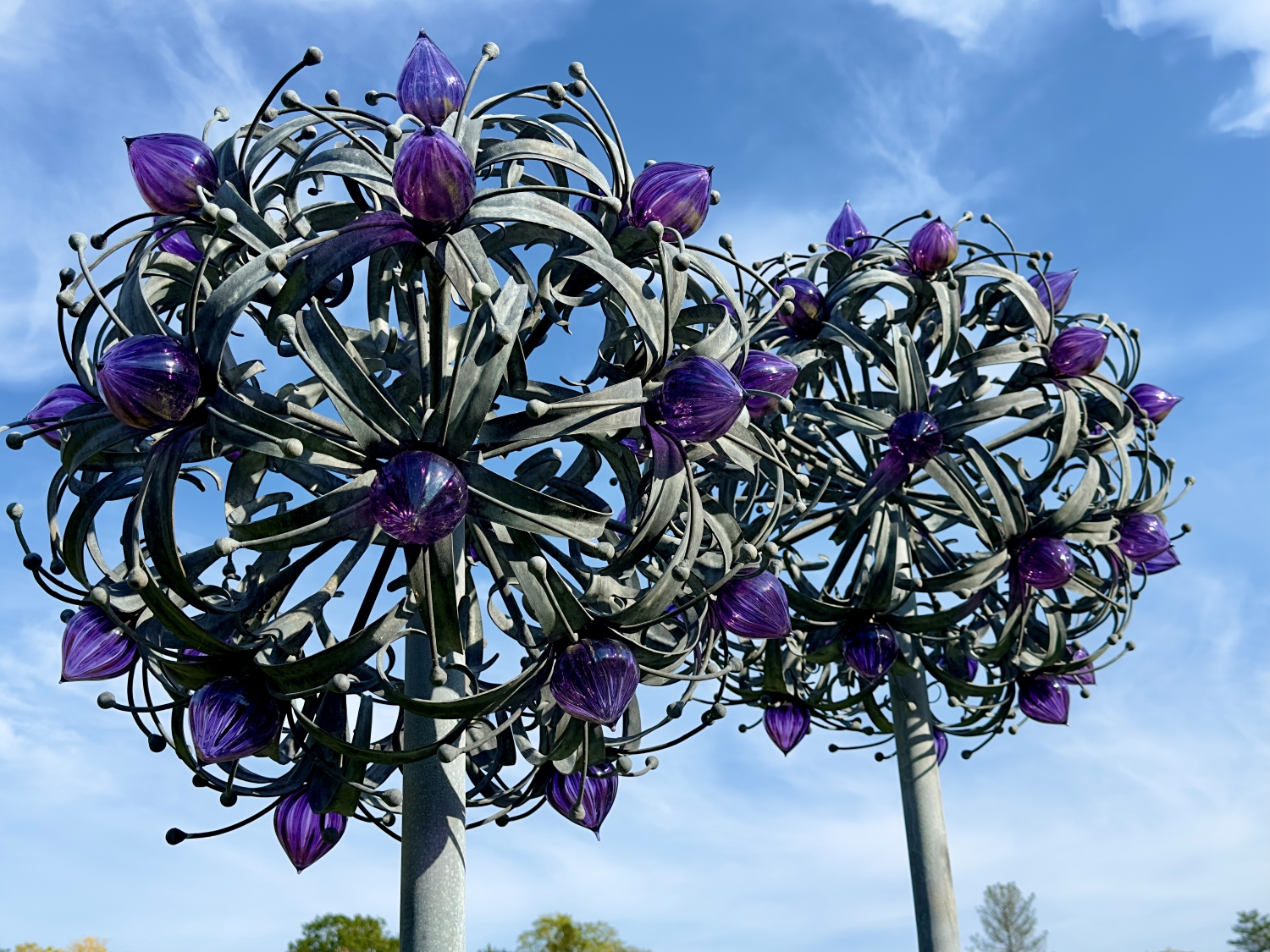
As I wander the paths of the Cornell Botanical Gardens near the Nevin Welcome Center, a towering sculpture arrests my attention, rising well over ten feet into the bright autumn sky. At first glance, it’s unmistakable—a pair of massive allium blooms crafted from steel and glass, an artistic tribute to the very flowers my wife, Pam, has come to love. This creation, titled Double Allium, is the work of British artist Jenny Pickford, completed in 2019. Made of robust steel and translucent purple glass, it stands proudly among the greenery, capturing both the delicacy and boldness of allium flowers.
A few summers ago Pam planted several allium in sunny locations, which exploded into violet firework-like blooms, each sphere teeming with tiny star-shaped flowers that clustered together into one massive, round bloom. When the alliums blossomed, they attracted a small frenzy of bees, and it became a shared delight for us to watch our garden transform into a pollinator’s paradise. Pam was captivated by the plants’ structure and beauty, as well as their ecological role in supporting bees—a small, vibrant ecosystem within our yard. Standing before Double Allium, I’m reminded of those summer days and the quiet joy we both found in observing our garden.
Bees and Allium in our summer garden, 2024
The scientific name for alliums, Allium giganteum (for the larger ornamental varieties), links them to a vast genus that includes onions, garlic, and leeks. These plants have been cultivated and revered by humans for thousands of years, not only for their culinary value but also for their symbolism in various cultures. In ancient Egypt, alliums were believed to represent eternity; their spherical form and concentric layers were thought to mirror the eternal nature of life. Even today, they bring a sense of timelessness to gardens worldwide, their tall stalks and spherical blooms defying gravity, standing tall against the changing seasons.
As I study Pickford’s sculpture, I’m struck by how faithfully it captures this essence of alliums—strength paired with grace, structure married to elegance. The steel stems curve gently yet rise powerfully from the ground, while the glass petals shimmer in the light, giving an almost ethereal quality to the blooms. Pickford, born in 1969, is known for her botanical-inspired sculptures that explore the intersection of nature and art. With Double Allium, she’s created a piece that feels alive, as if the blooms might sway in the wind or burst into real flowers at any moment.
For Pam and me, this sculpture pays homage to a beautiful plant; it’s a connection to our own experience with nature, a reminder of those summer mornings watching bees dance among our alliums. Standing beneath Double Allium, I feel a sense of continuity—a link between the art and our own small garden, between our life and the ancient cultures that cherished these plants, between the permanence of steel and the fleeting beauty of each summer bloom.
In this towering sculpture, Pickford has given us a mirror that reflects nature as well as our personal connection to it. “Double Allium” is a celebration of growth, strength, and beauty, qualities that Pam and I cherish in the alliums we tend and that we find echoed in this remarkable work of art.
Enter your email to receive notification of future postings. I will not sell or share your email address.
Copyright 2024 All Rights Reserved Michael Stephen Wills
The previous post was an overview the Fulacht Fiadh associated with the Drombeg Stone Ring of County Cork, Republic of Ireland.
In this post, we explore the elements of these fascinating remnants from the late Bronze Age, over 3,000 years ago.
Click pic for a larger view, in a new tab. When using WordPress Reader, you need to open the post first.
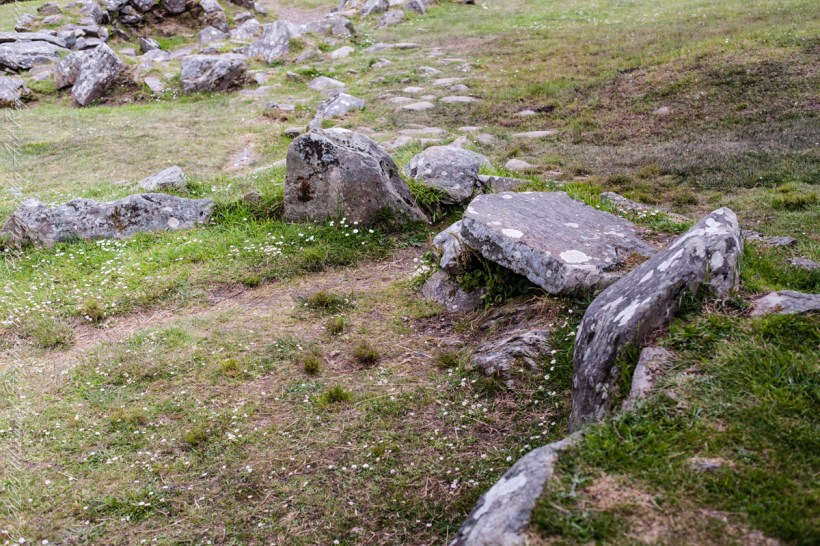
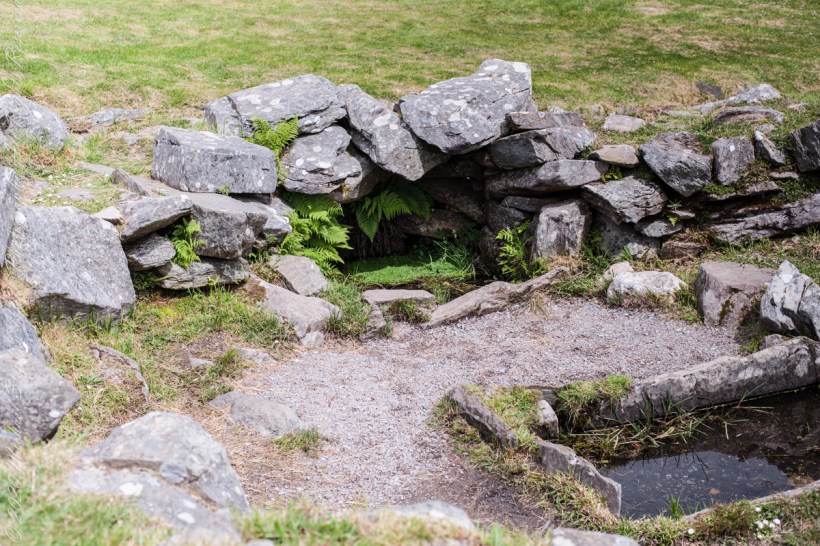
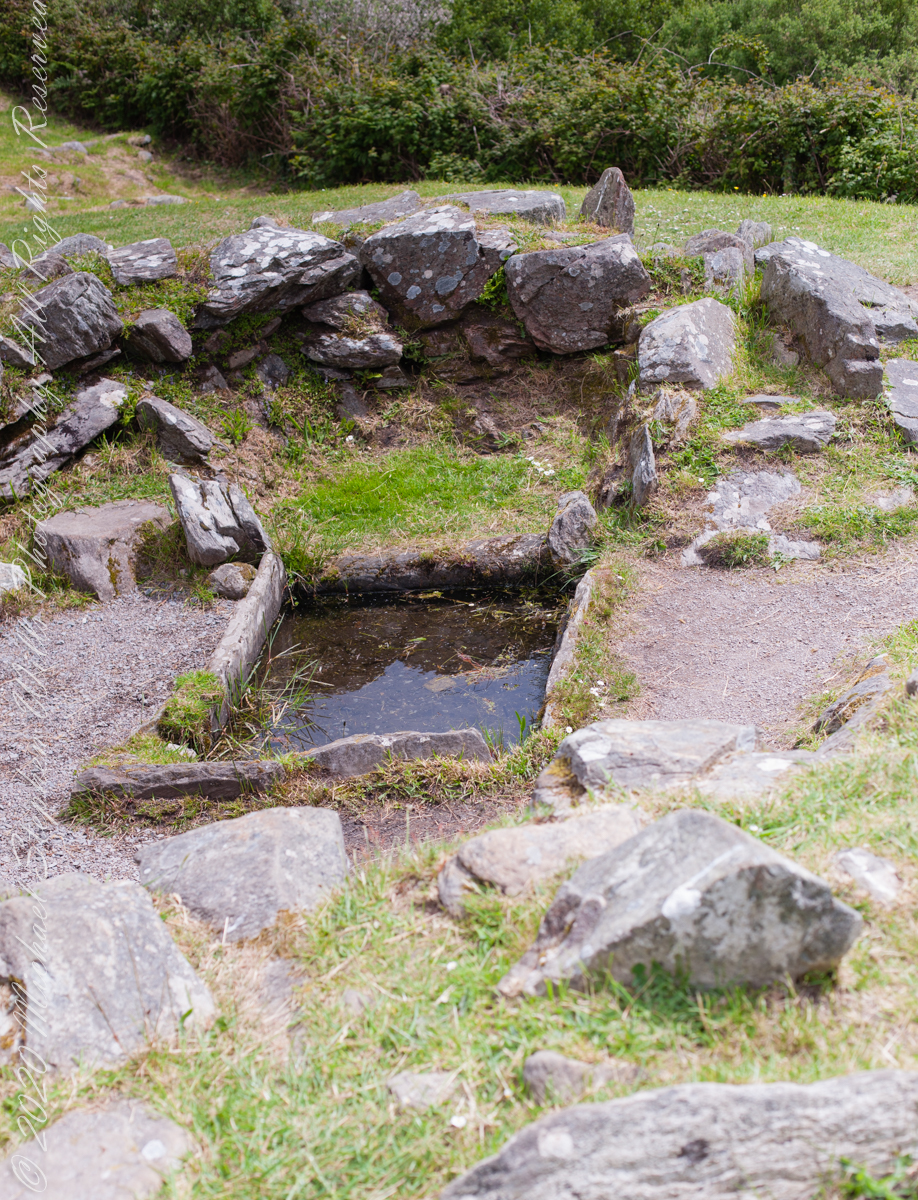
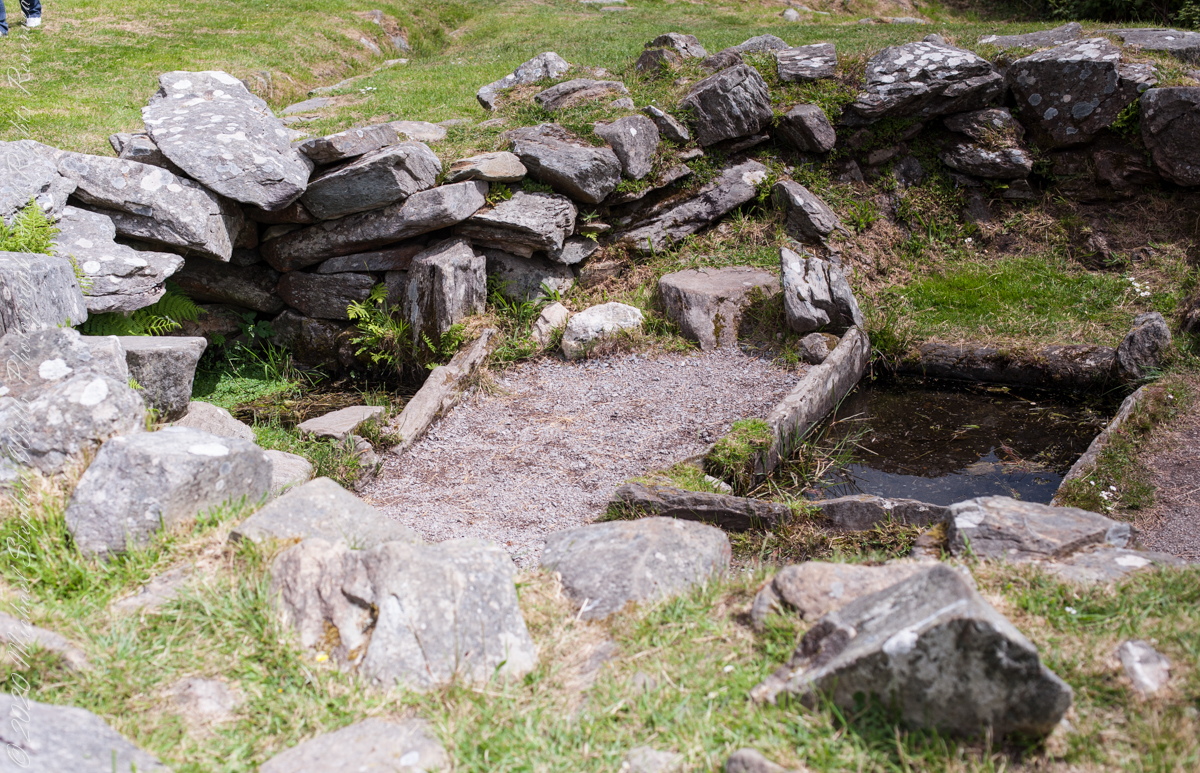
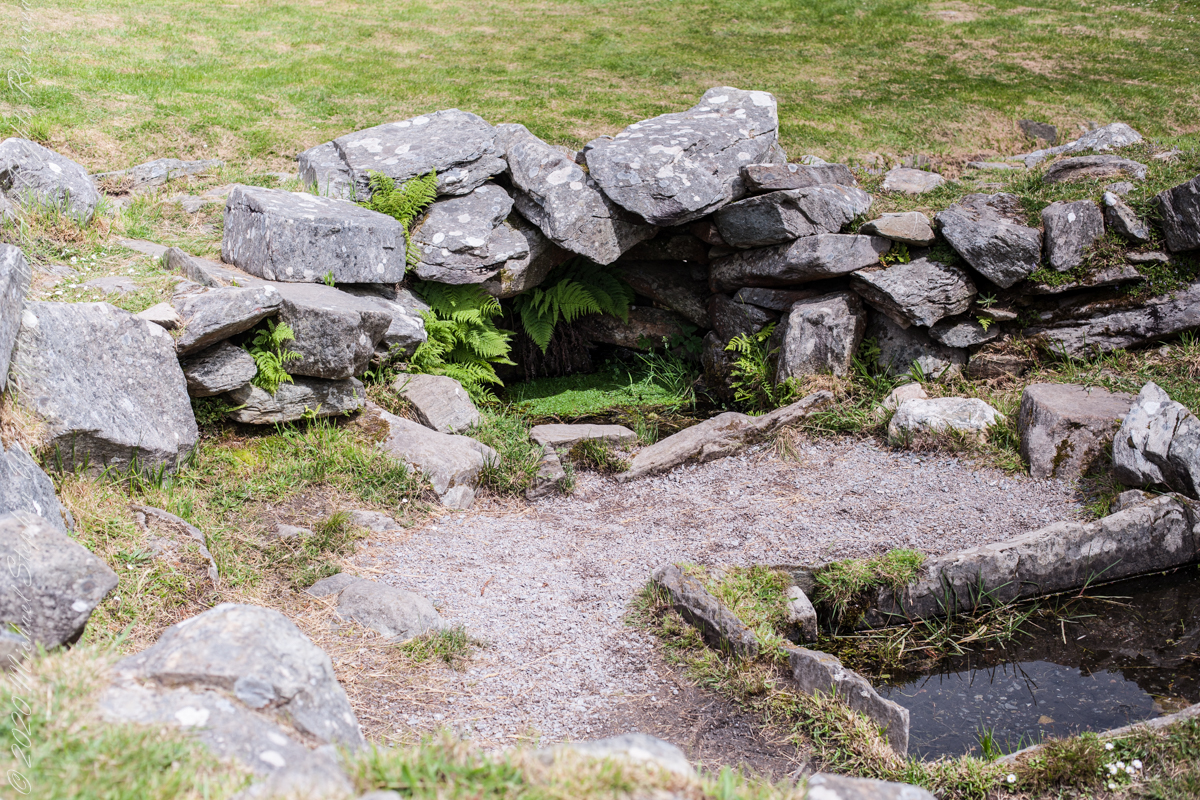
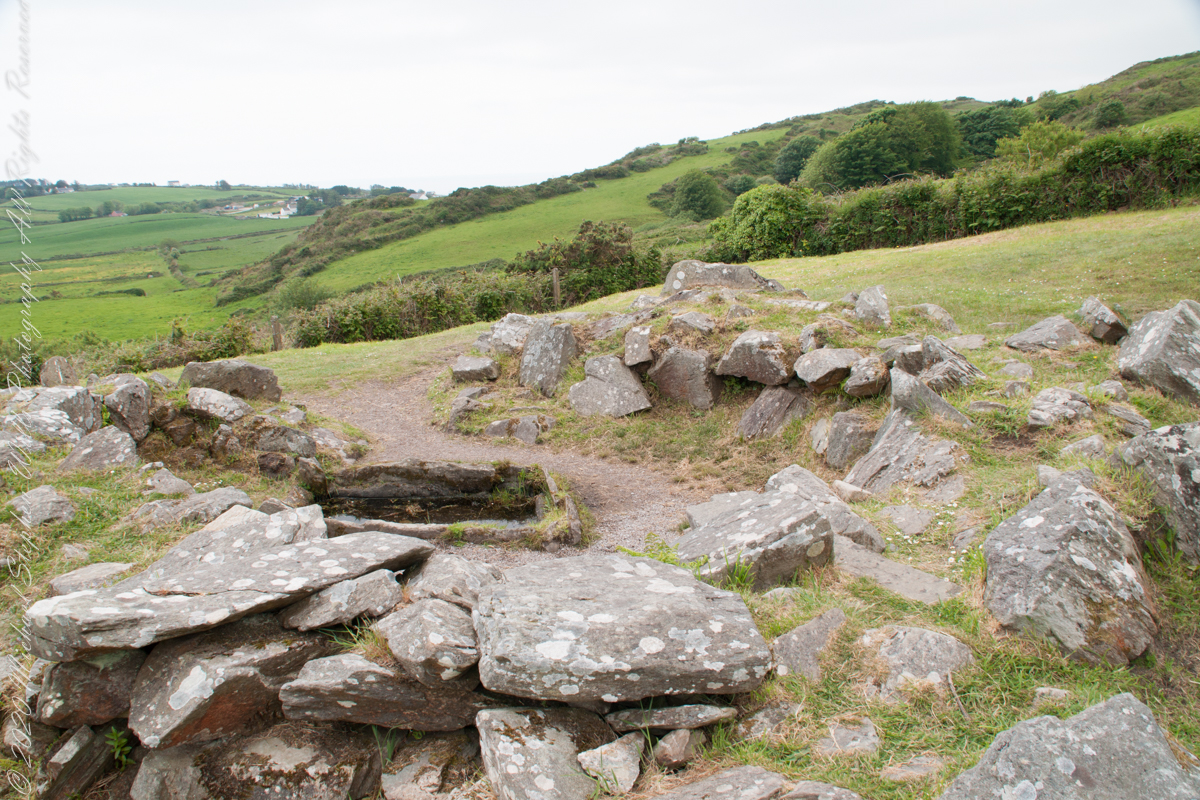
rock- lined pit
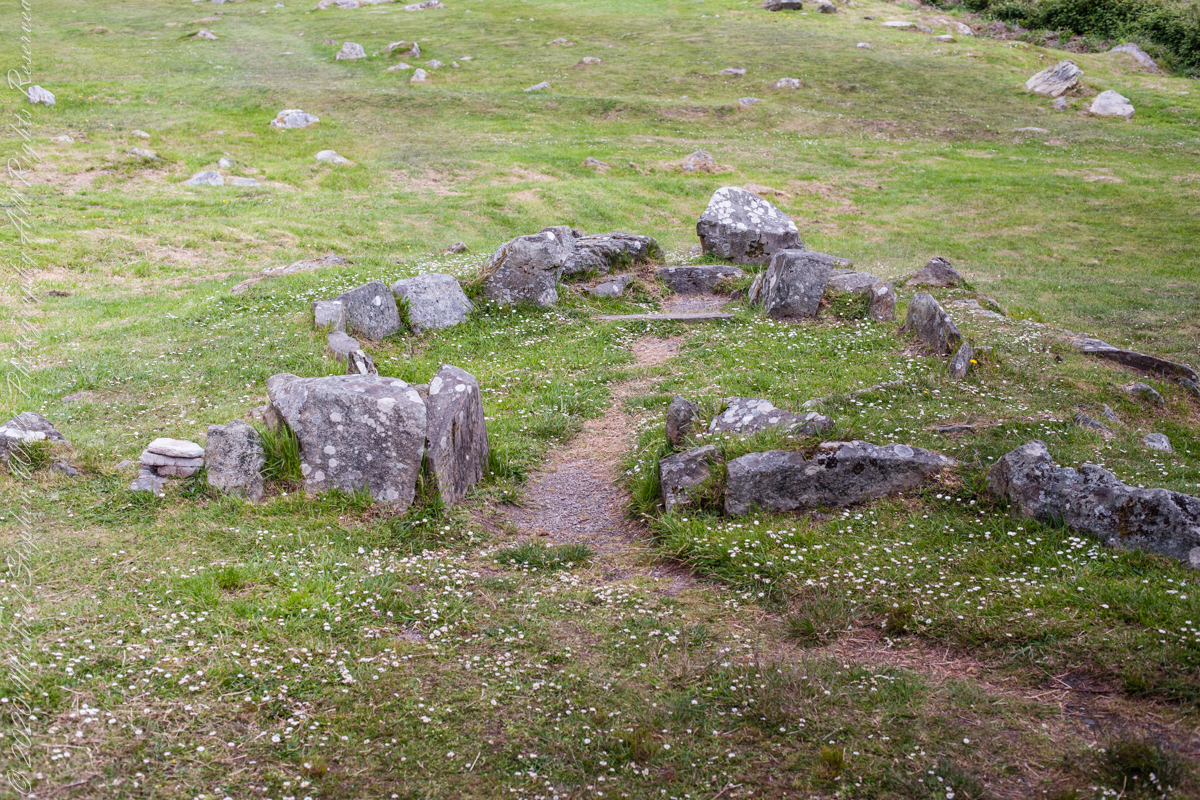
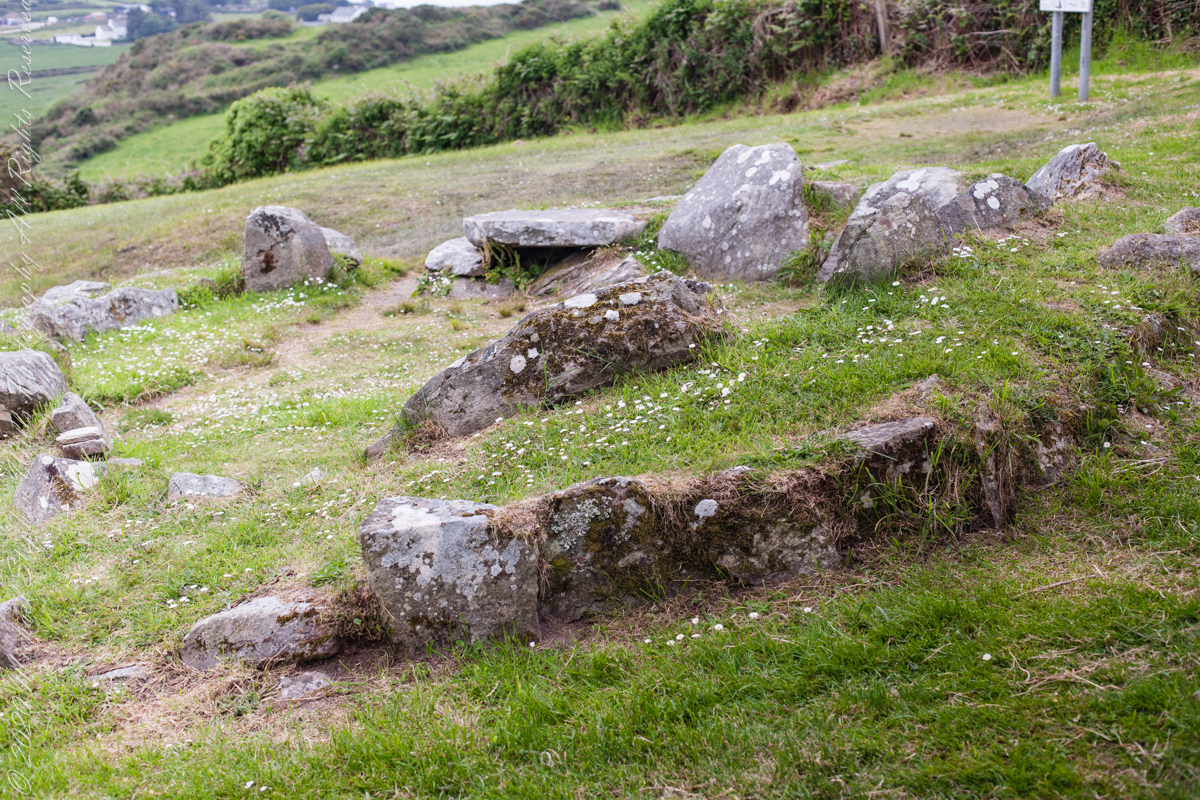
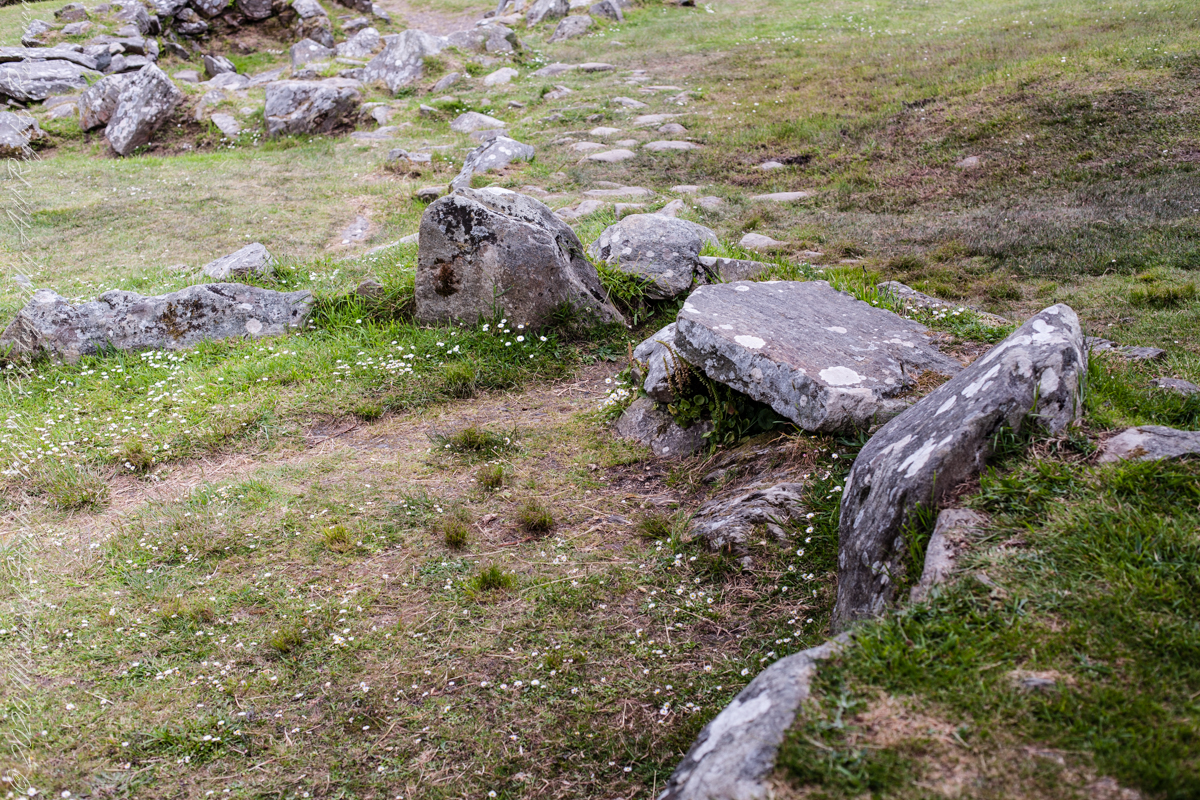
It is amazing the rock wall survived human need for the valuable wall stones. Portions were stolen, though for the most part we can see enough to understand.
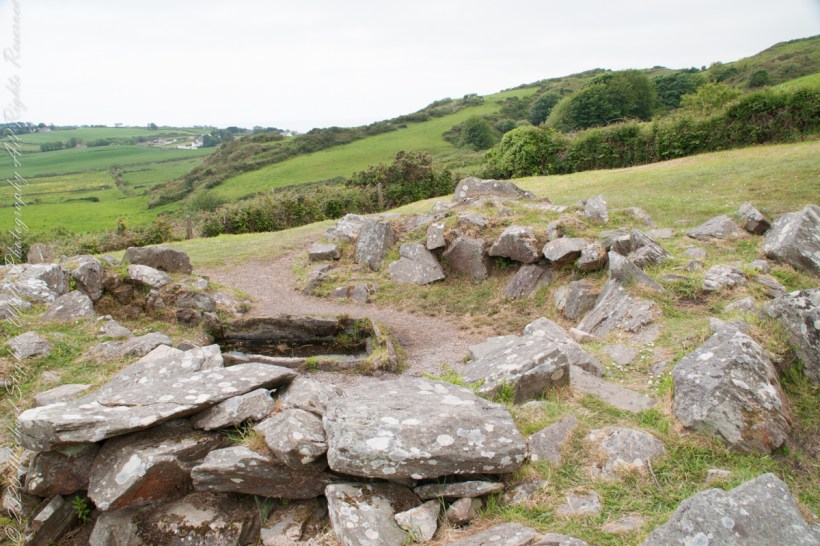
rock- lined pit and hearthView of entrance to the south from above the spring, visible is the rock lines cooking pit filled with ground water.
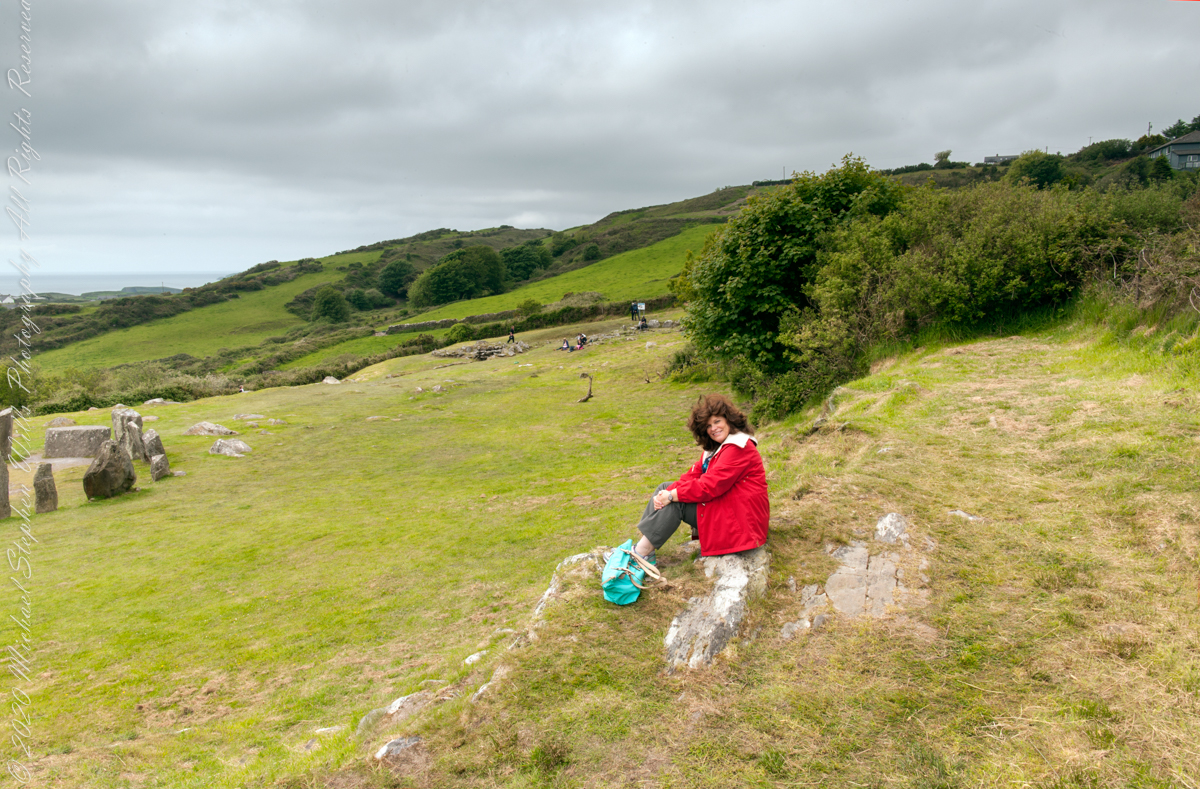
Notice the groupings of visitors in the middle distance of Pam’s photograph, gathered around remains of late Bronze age elements.
Click pic for a larger view, in a new tab. When using WordPress Reader, you need to open the post first.
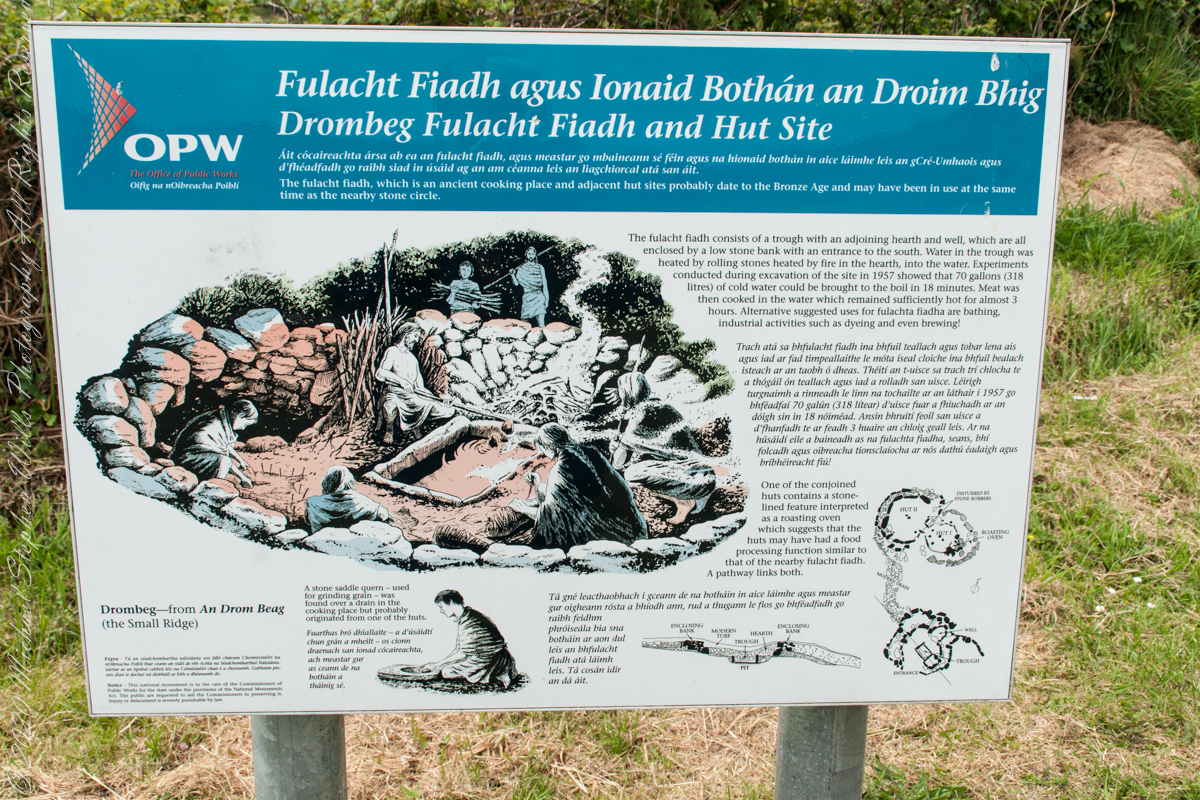
There is a sign to explain…
Trach atá sa bhfulacht fiadh le brutháil teallach agus tobair lena ais agus atá dúnta ag falla cloiche íseal le hiontráil soir. Líonadh an traid trí clocha te a théamh ar theallach agus a n-aistriú isteach sa traid lán le huisce fuar. Léiríodh le turgnamh a rinneadh le linn na tochailte ar an áit i 1957 gur féidir 70 galún (318 lítear) d’uisce fuar a thabhairt chun boil in 18 nóiméad. Ansin bhíodh feoil ann is a cócaireacht. Maireann an t-uisce seo te ar feadh 3 n-uaire an chloig. Cuirtear úsáidí eile sa bhfulacht fia ar aghaidh, mar shampla folcadáin, ceardaíocht amhail ruaimniú agus grúdaireacht.
In modern Ireland the word fulacht means barbeque and the archeological sites with characteristics in common, such as a water source, health and pit, are named “Fulacht fiadh,” derived from Old Irish sources. In all cases the link is to some kind of preparation activity involving heat and moisture. Found throughout Ireland, Great Britan and the Isle of Man where the sites are called burnt mounds. The Drombeg Fulacht fiadh exemplifies all characterists. There is a horseshoe shaped rock walled/banked, now a remnant, enclosure, entrance to the south. In the middle is a pit, at Drombeg lined with rock, a spring on one side, a hearth on the other. A stone saddle quern, used for grinding grain, was nearby Adjacent huts, rock walls with post holes, do not suggest a settlement, but rather a temporary use.
View of entrance to the south from above the spring, visible is the rock lines cooking pit filled with ground water.






 Michael Stephen Wills Photography