Late Autumn Ithaca 5

Golden Hour and “Happy New Year”

Walking the Lower Cascadilla Gorge Trail from the end of Court Street, downtown Ithaca, named for the Tompkins County Court is a favorite way for students to walk from the Cornell Campus.

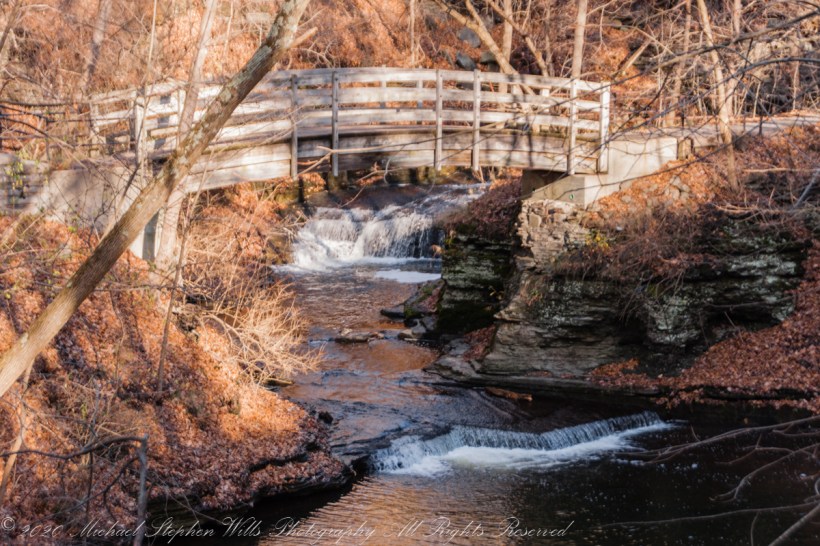
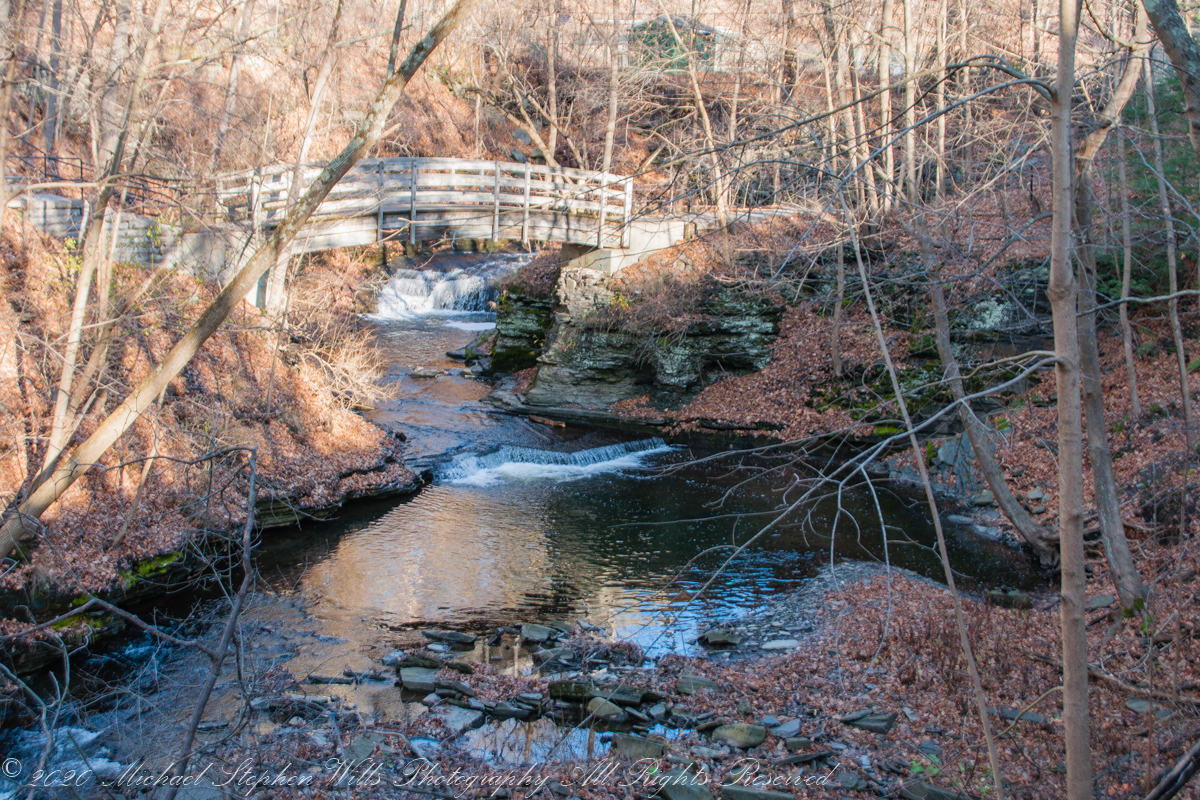
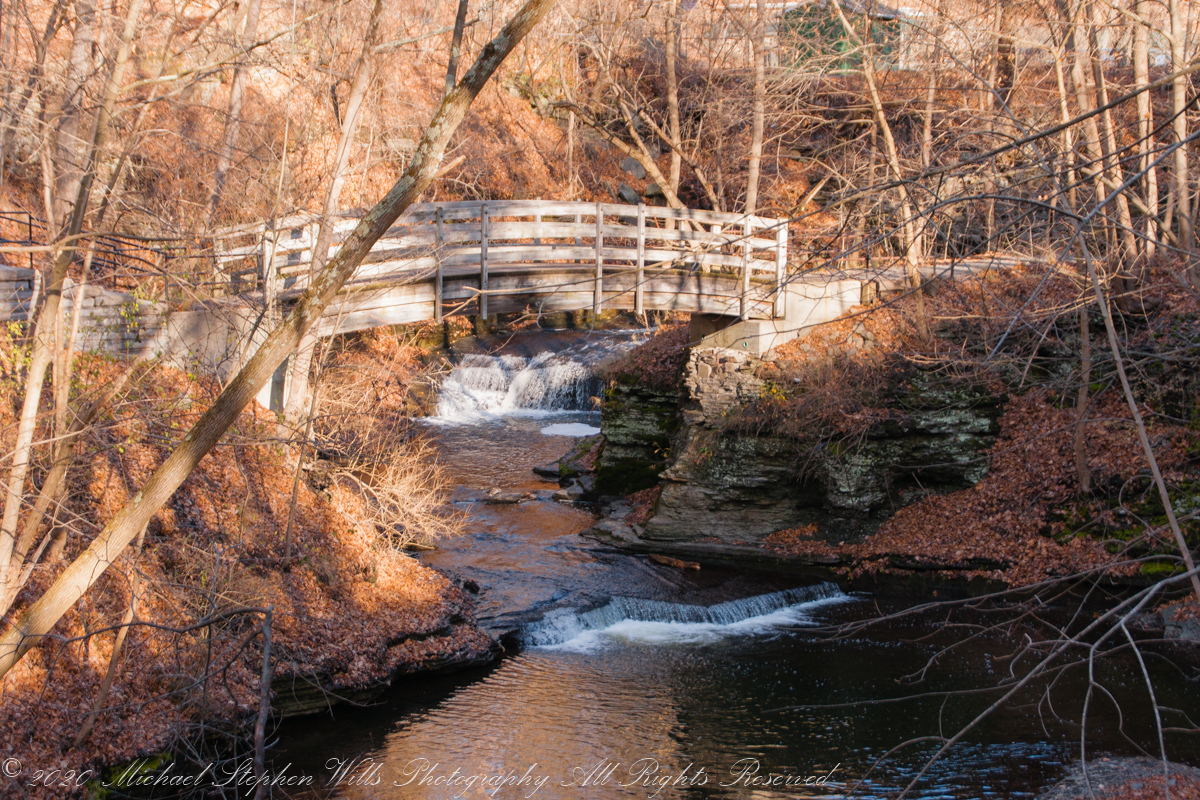
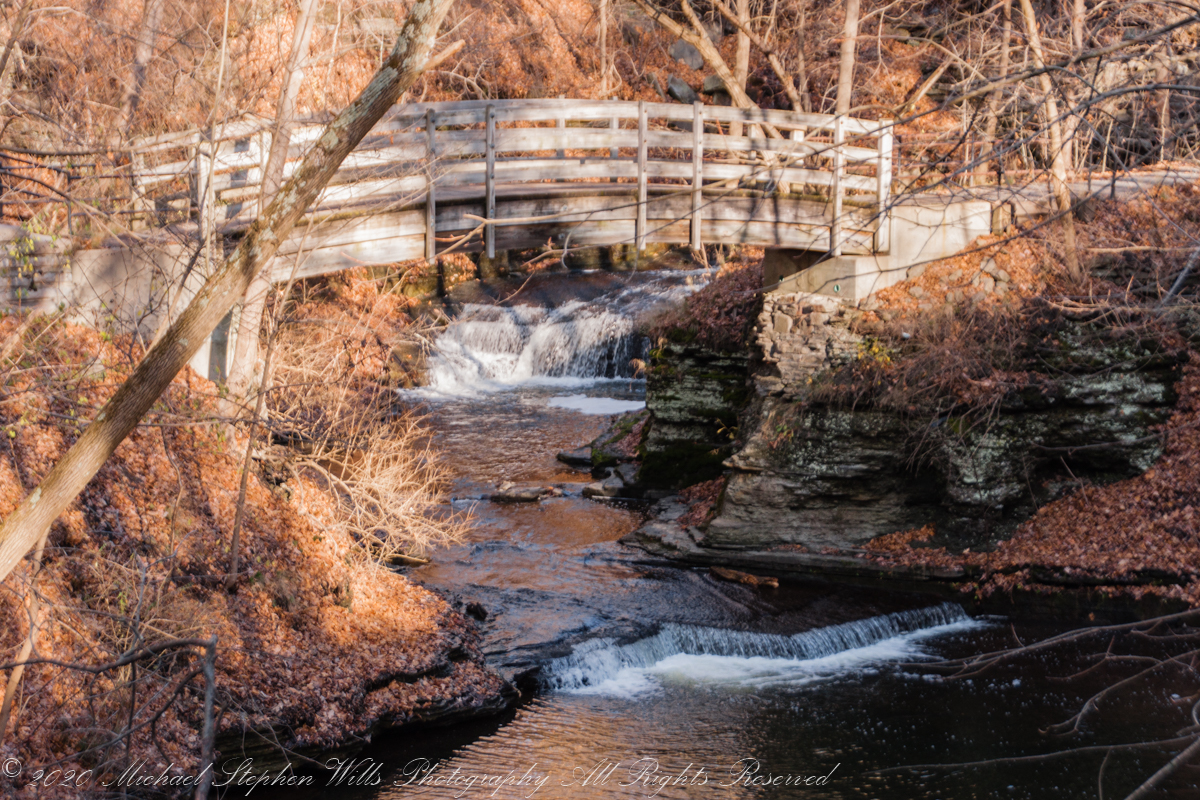
I avoided the route today, the trail is narrow, much less than the 6 foot minimum distance. The footpath from Eddy Gate to College Avenue passes where the trail climbs up from the gorge. I did opt to catch the Upper Cascadilla Gorge trail, much wider. The trail passes two footbridges accessing the Engineering Quadrangle and the main Cornell Campus. Photographed here is the approach to the second, smaller, footbridge.

Late fall/winter afternoons the “Golden Hour” is hours long for this view of the footbridge and waterfall.

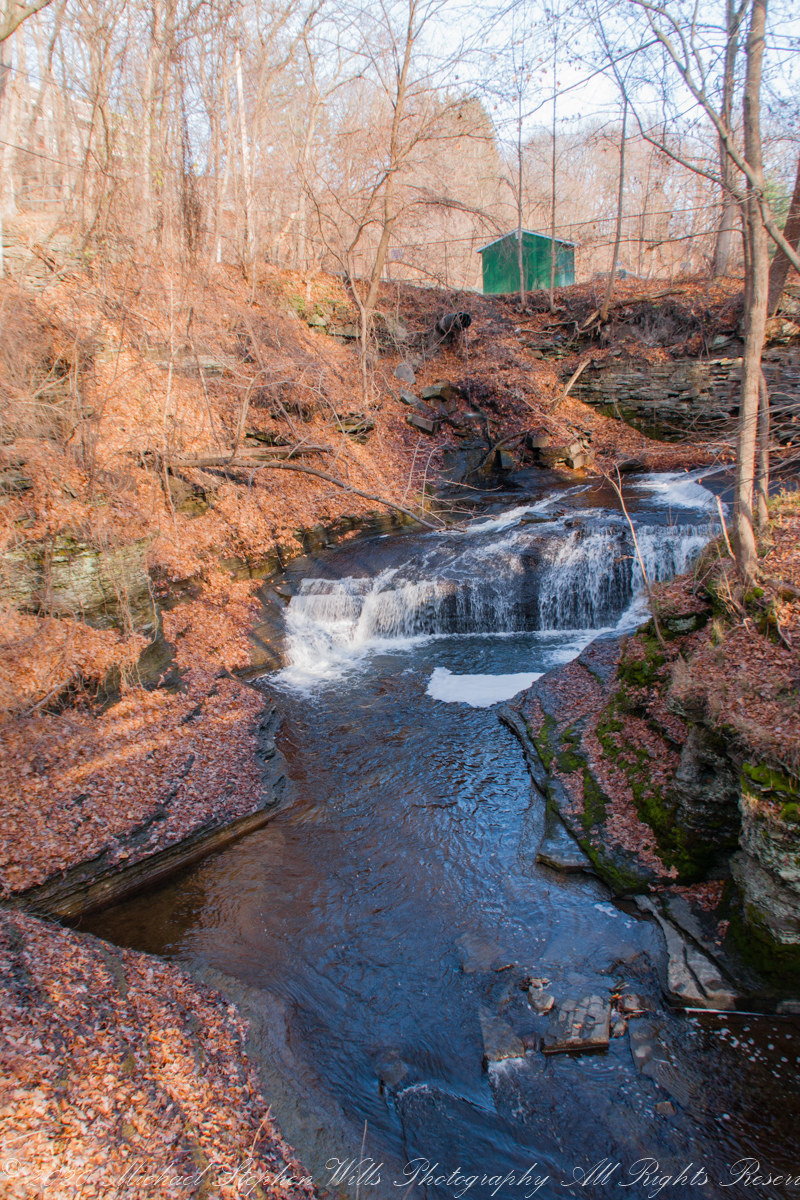
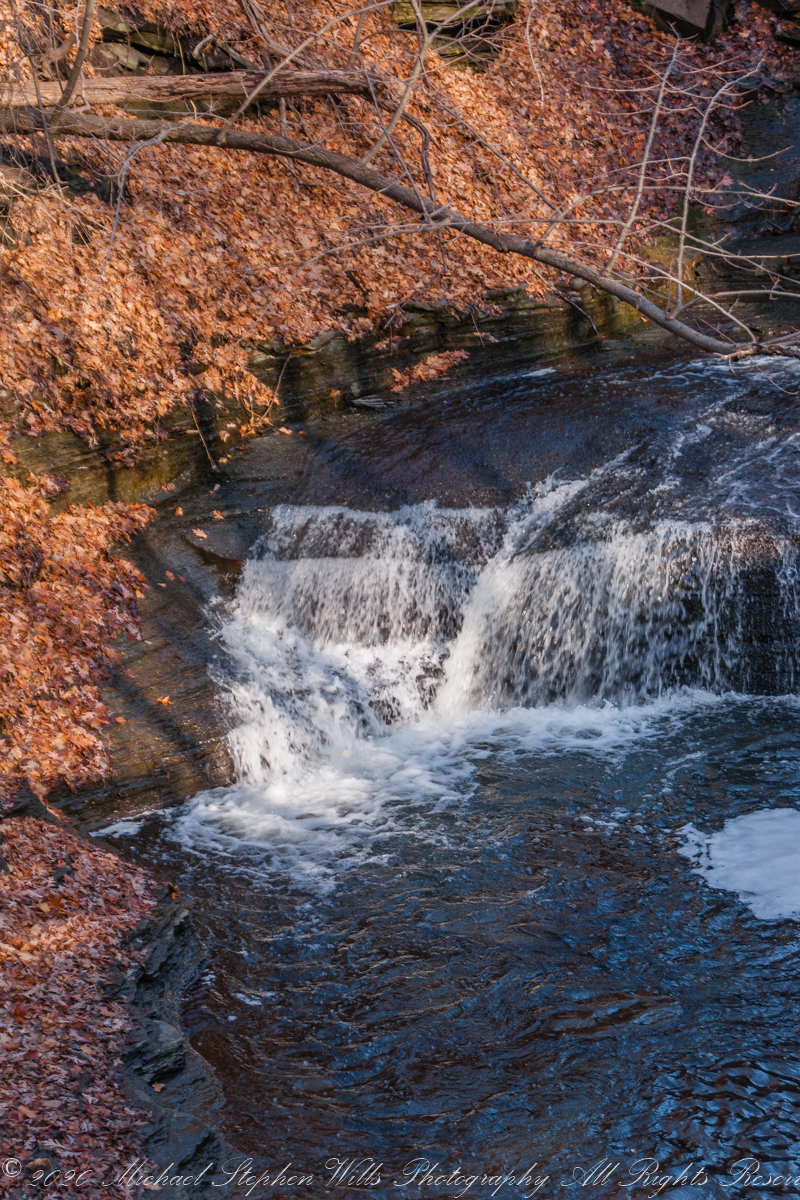
Waterfall views from the bridge. I left the tripod at home, so these exposures “freeze” water motion.

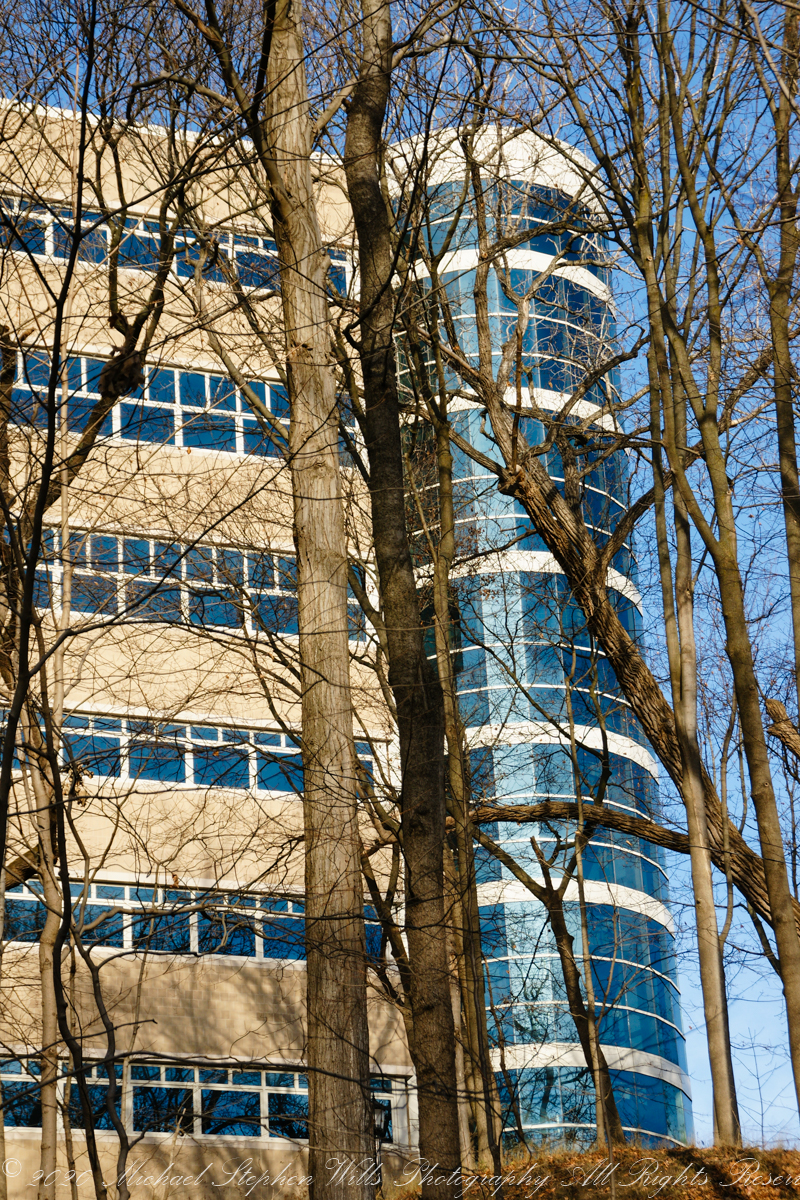
Look up from the other side for this view. Baptized 1985 as “The Theory Center,” 2007 saw the name changed to the more evocative, “Center for Advanced Computing.” It always filled with supercomputers. Socially, the culture of the place was retrograde from the beginning with “faculty only” lounges that kept out the lowly staff members. As if on cue, I came upon a group of the privileged, unmasked, strutting down the hill toward me, like vacuous moles.

Copyright 2021 Michael Stephen Wills All Rights Reserved

Late Autumn Ithaca 4

Past Eddy Gate

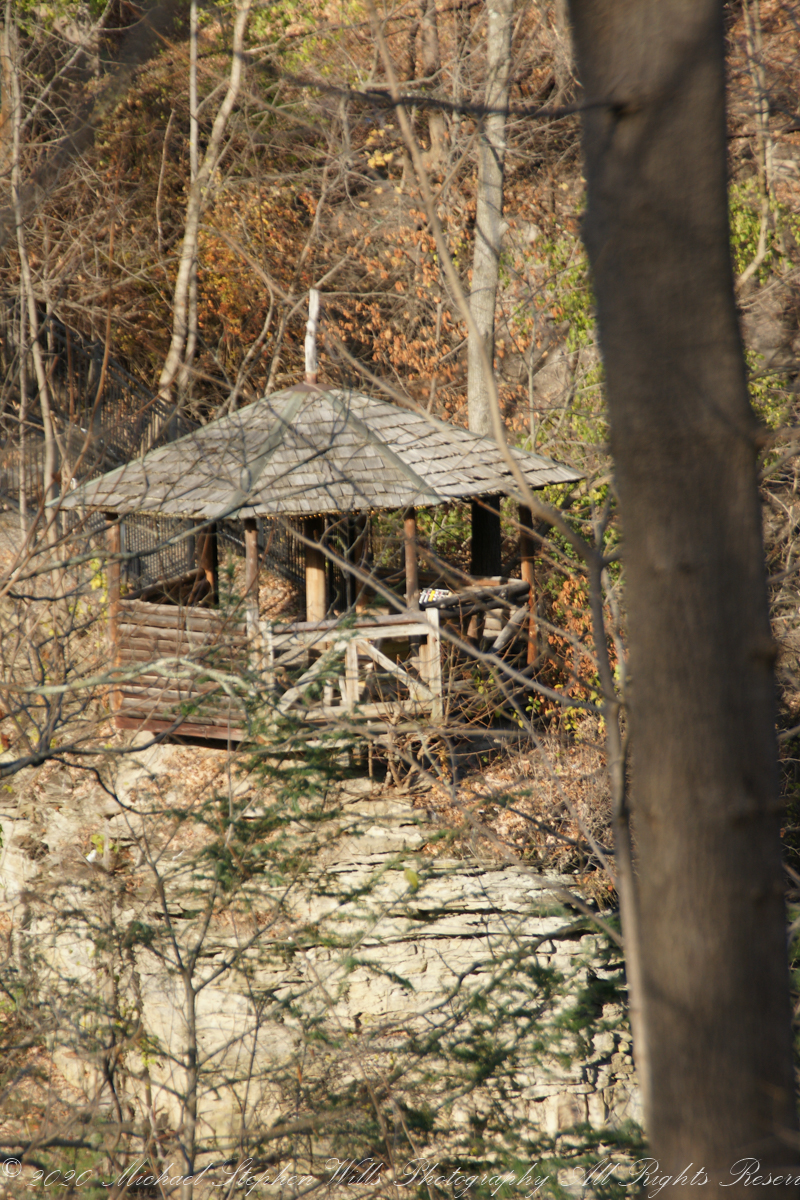
At this point most of the climb from downtown Ithaca is behind me and the Cornell Campus is underfoot. I pass the Eddy Gate, the former main entrance to Cornell University, where Eddy Street vaporizes to become a footpath along the rim of Cascadilla Gorge. This ramshackle hexagonal structure rest on the friable shale gorge rim. It does NOT look inviting and, over the years, I’ve not spotted a single person hanging out there.

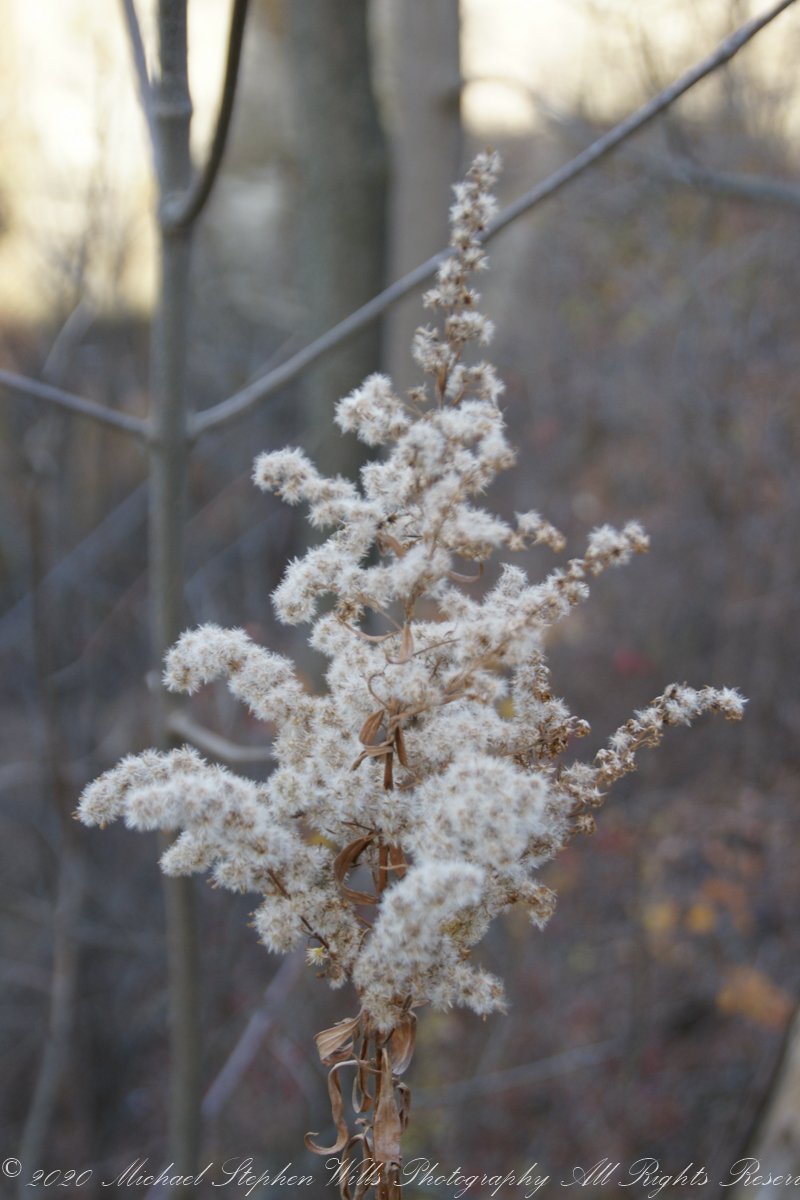
Fluffy gone-to-seed goldenrod on the gorge rim.

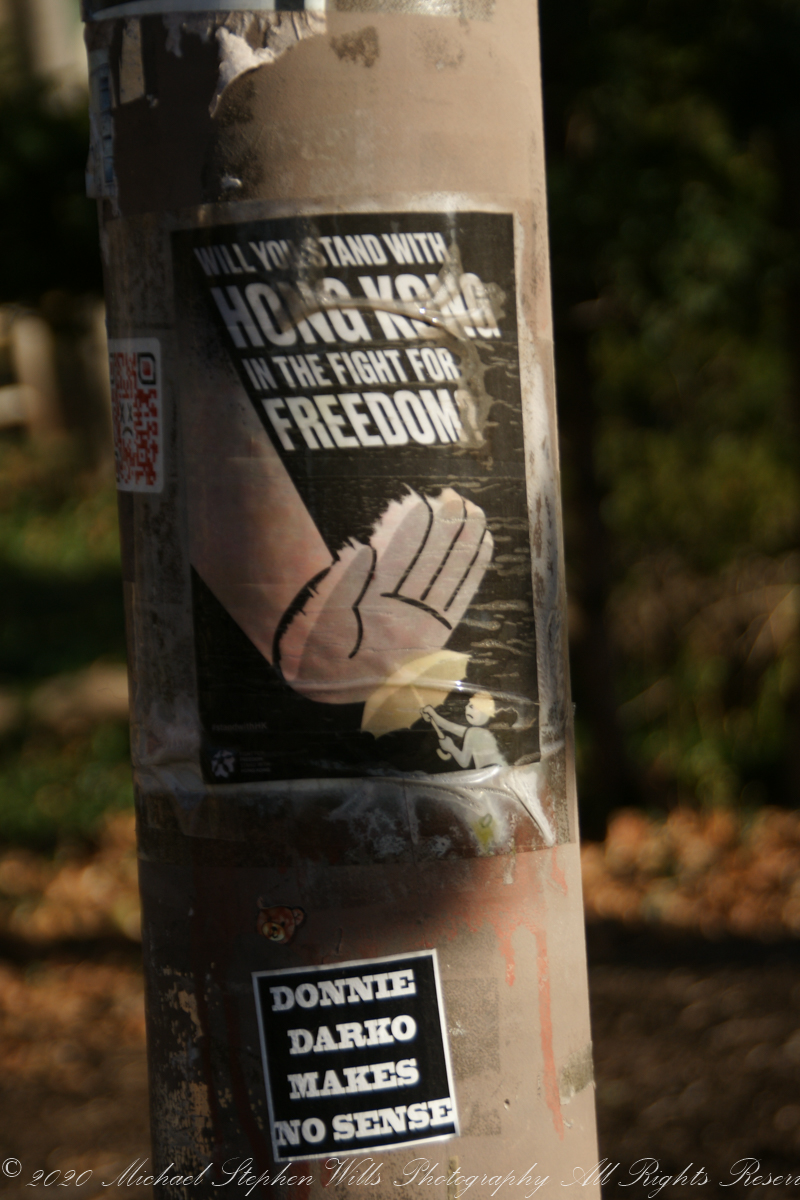
As I duck into the Upper Cascadilla Gorge Trail above College Avenue a poster visualizes an effective defense against crowd control munitions, the umbrella. Below the call to “Stand with Hong Kong” is another newsflash/movie review from outside the mainstream media, “Donnie Darko Makes No Sense.”

Copyright 2020 Michael Stephen Wills All Rights Reserved

Late Autumn Ithaca 3

Up East Hill

Today a large fox devoured a squirrel on our front lawn while I wrote this post. Further up Green Street is this mural, I do not find an attribution and assume it is from 2020.

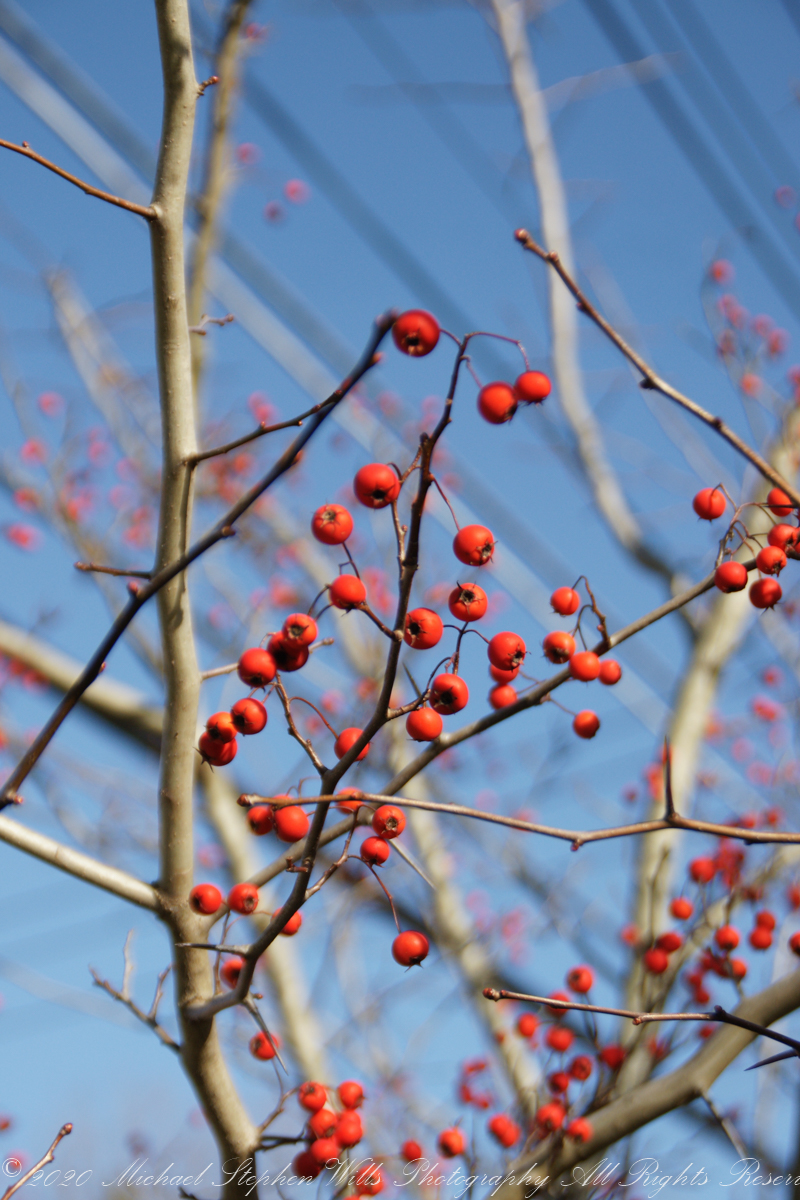
Continuing past all the new development in downtown Ithaca, I head up the steep sidewalk up east hill on Seneca Street, named for the Iroquois Confederacy tribe of the westernmost lands. Here is a flowering tree with attractive red haws growing on the corner of Seneca Street and Schuyler Place.

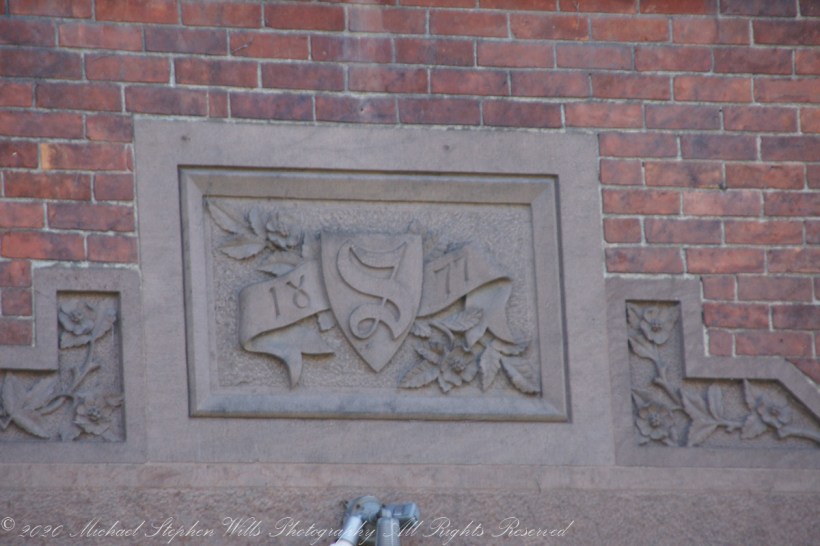
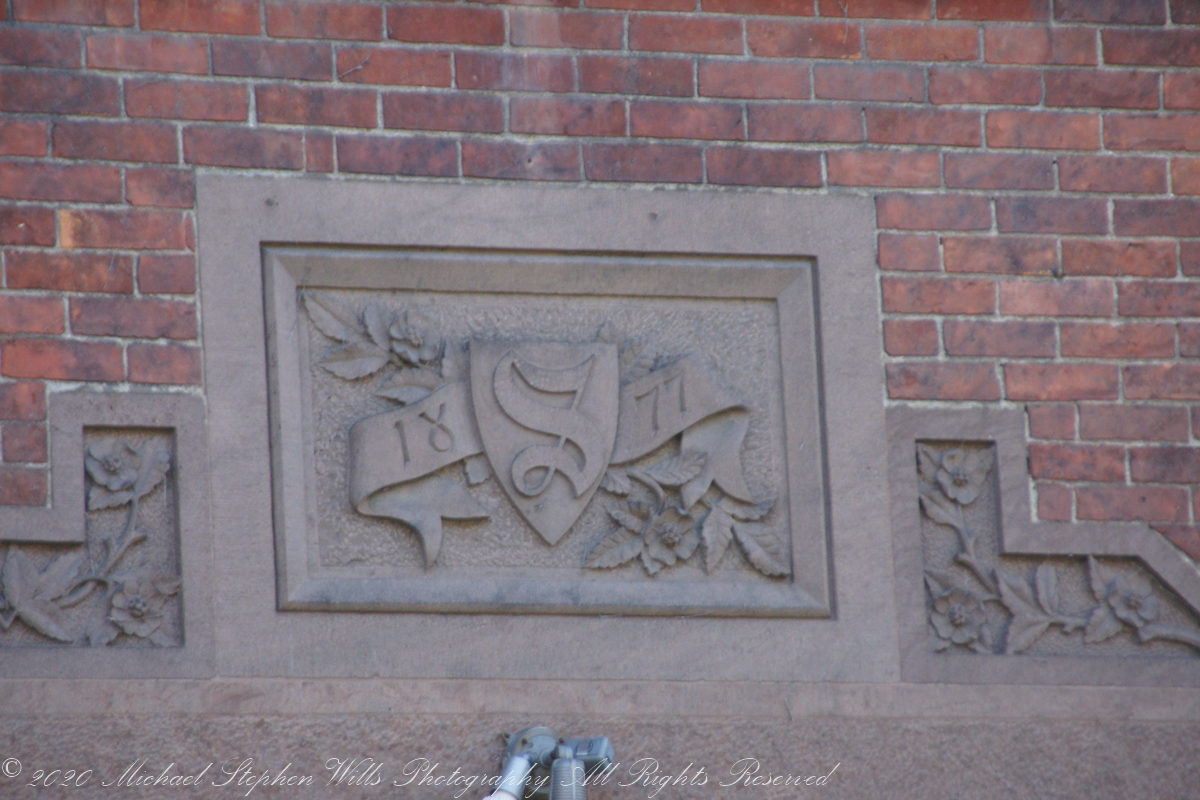
From the doorway of the former Henry W. Sage mansion at 603 E. Seneca St designed by William Henry Miller in1876. Today, it is broken into six apartments. This is the Sage of Cornell University Sage Chapel. Henry Sage was a supporter of admitting women to Cornell to the extent of donating $250,000 around the year 1870.

206 North Quarry Street, the northwest corner of Seneca and Quarry. It, too, once a single family home now broken into apartments.

Copyright 2020 Michael Stephen Wills All Rights Reserved

Late Autumn Ithaca 2

A family story and artistic expression

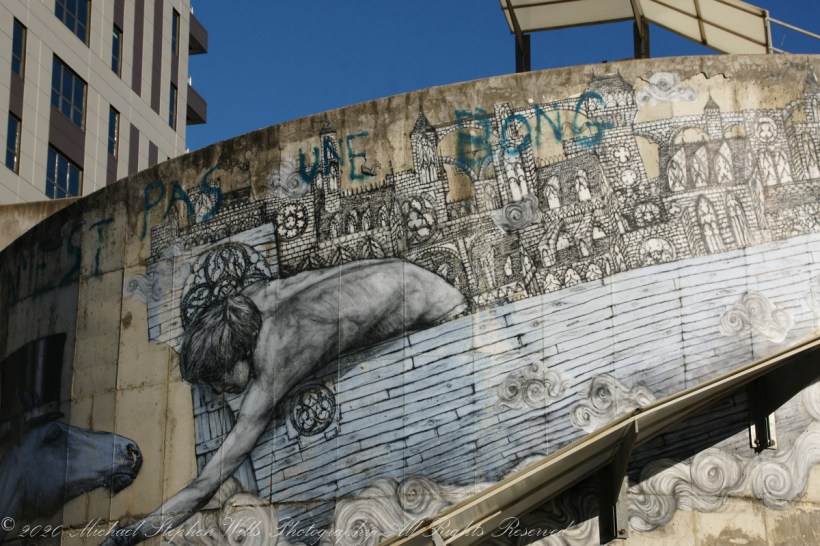
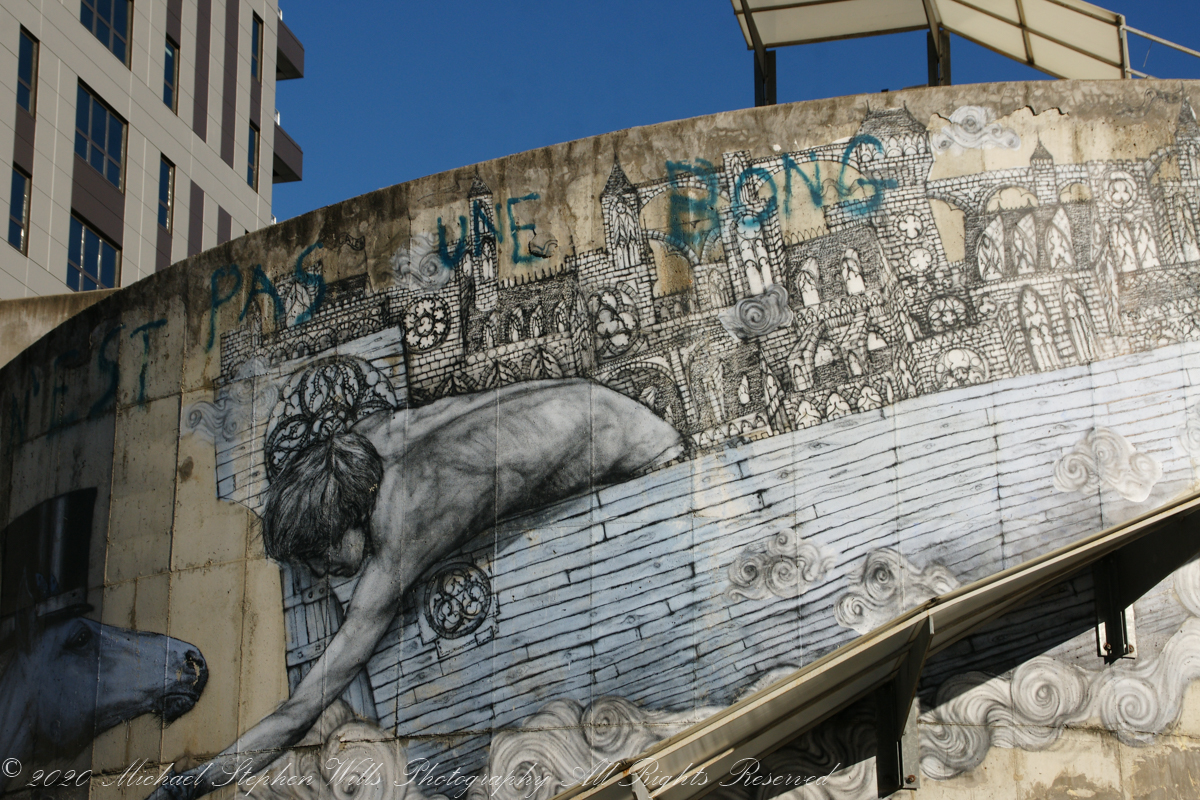
Across the street from Tompkins County Public Library, next to City Hall, is the Green Street Garage decorated with artistic graffiti by the French artist Amir Roti.

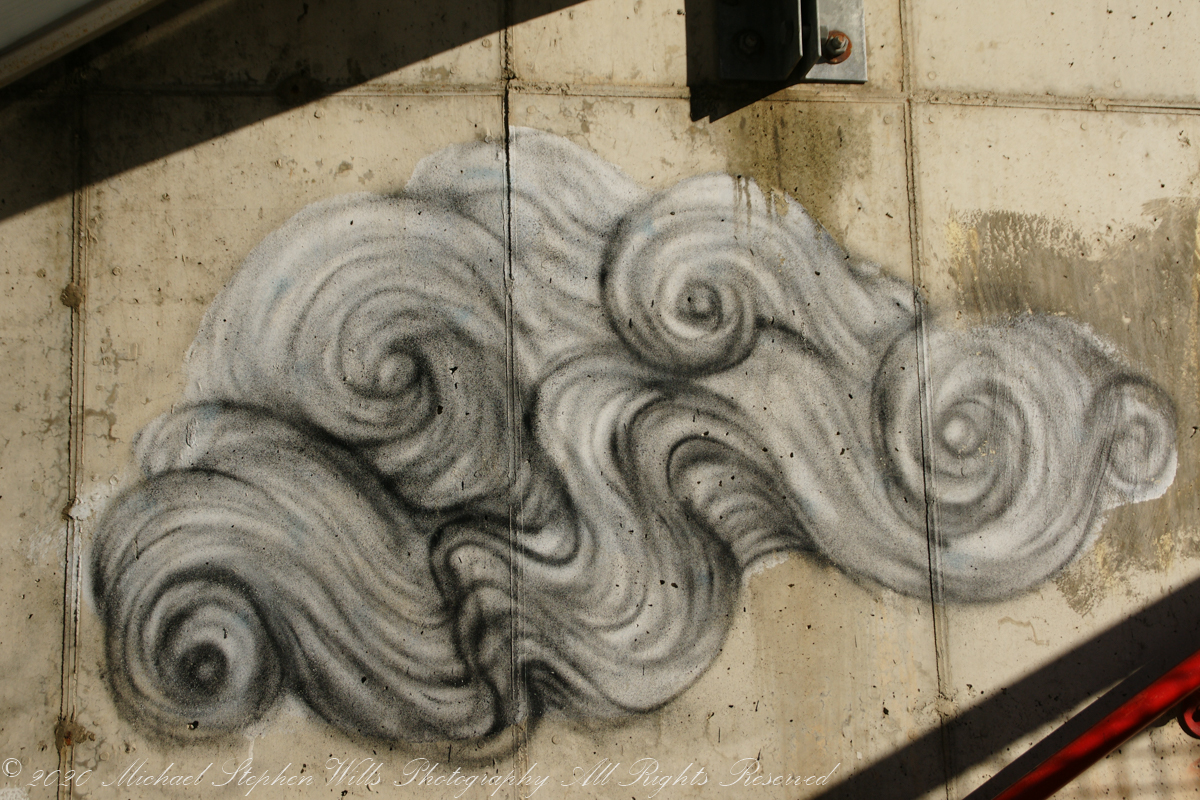
Completed during Fall 2012. This artist’s style is seen around town, black and white with touches of blue of inscrutable, dream inspired (?) scenes. The winters winds do whip through these streets.

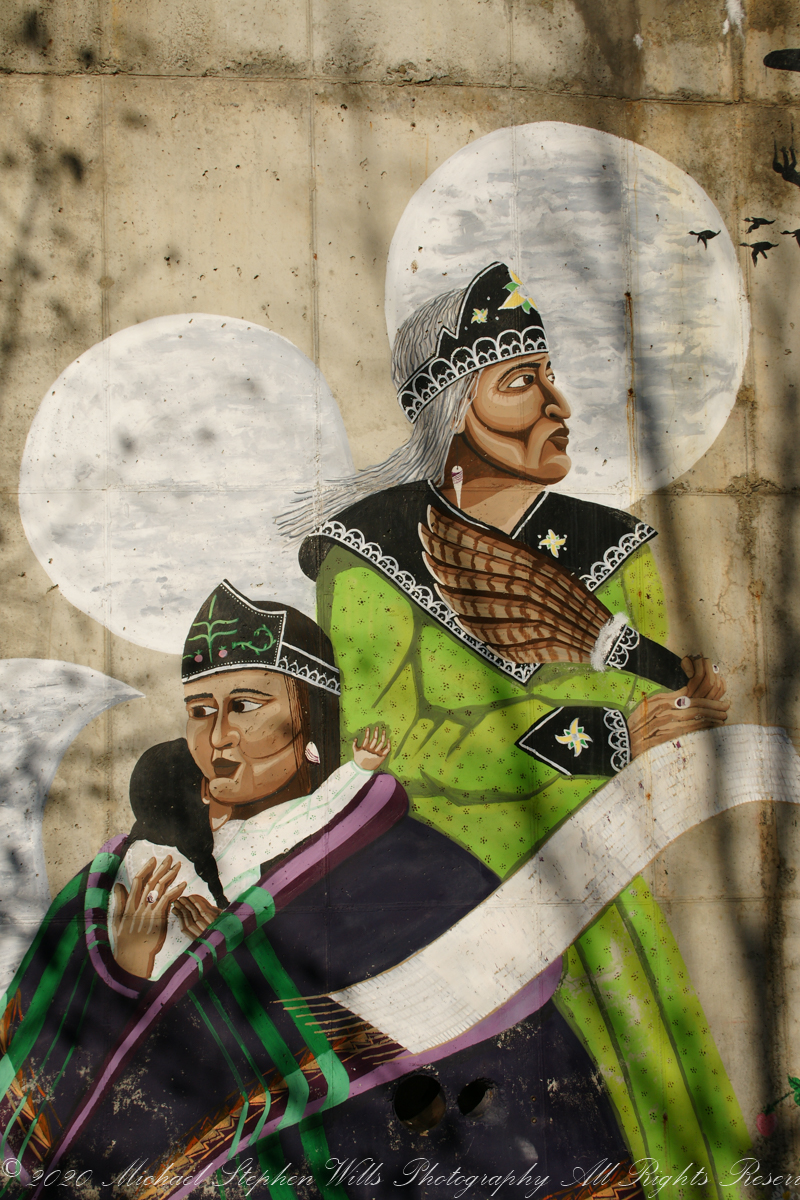
A few steps away, some propaganda. I recognize the characters as Native Americans from the feather object. Doing some research I found it was completed in 2014 by Brandon Lazore here is some text from the artist, “”Women’s Nomination” is dedicated to all Haudenosaunee women. A silhouette of “Sky Woman” falls from Sky World. In moments, she will be caught by flying geese & put on turtle’s back – “Turtle Island.” In her hands she holds roots of the 3 sisters – corn, beans, & squash. The woman in green represents Clan Mother, grandmother, elder. The woman in purple is her daughter & the baby is her daughter’s daughter. The wampum belt is the Women’s Nomination Belt which represents, among other things, the right that Haudenosaunee woman have to give their child a clan, to chose names of children, & to choose chiefs. Strawberries represent medicine like mother’s love is medicine to a child. The moon represents fertility & how it’s cycle plays a huge role in every woman’s life. The Sky Domes are inspired by traditional art decorating our clothing for centuries. It represents the sky world & the plants that were given to us – corn, beans, squash, & tobacco.” Haudenosaunee are also known as Iroquois.

To counterbalance the sentimentality of the mural here is historical context, a family anecdote from George Washington Schuyler of Ithaca, New York from the life of his paternal ancestor, Peter Schuyler, known to the Mohawks as “Quidor,” as told to the author, John Fisk, in 1881. “After a severe tramp in the wilderness, half starved with hunger and cold, Quidor came on evening upon an encampment of Mohawks, where he was cordially welcomed. In a few moment he was seated before a bright blaze, with a calabash of hot soup, the most delicious he had ever tasted. Presently, when he dipped his rude ladle once more into the kettle and brought up a couple of parboiled human fingers, it gave him a queer turn, but he repressed all show of feeling and quietly asked a feathered chieftain, ‘What is this soup made of?’ The chief as calmly replied, ‘Of a Frenchman we killed this morning; isn’t it good?'” Words even more significant because I would soon walk past the grave of George Washington Schuyler, laid to rest 132 years ago.

References:

The Dutch and Quaker Colonies, Volume II, by John Fisk, The Riverside Press, Cambridge, 1899, p214 “Peter Schuyler and his influence over the Mohawks”.

The 2019 Ithaca Mural Map

Copyright 2020 Michael Stephen Wills All Rights Reserved
Late Autumn Ithaca 1

Dredging the past

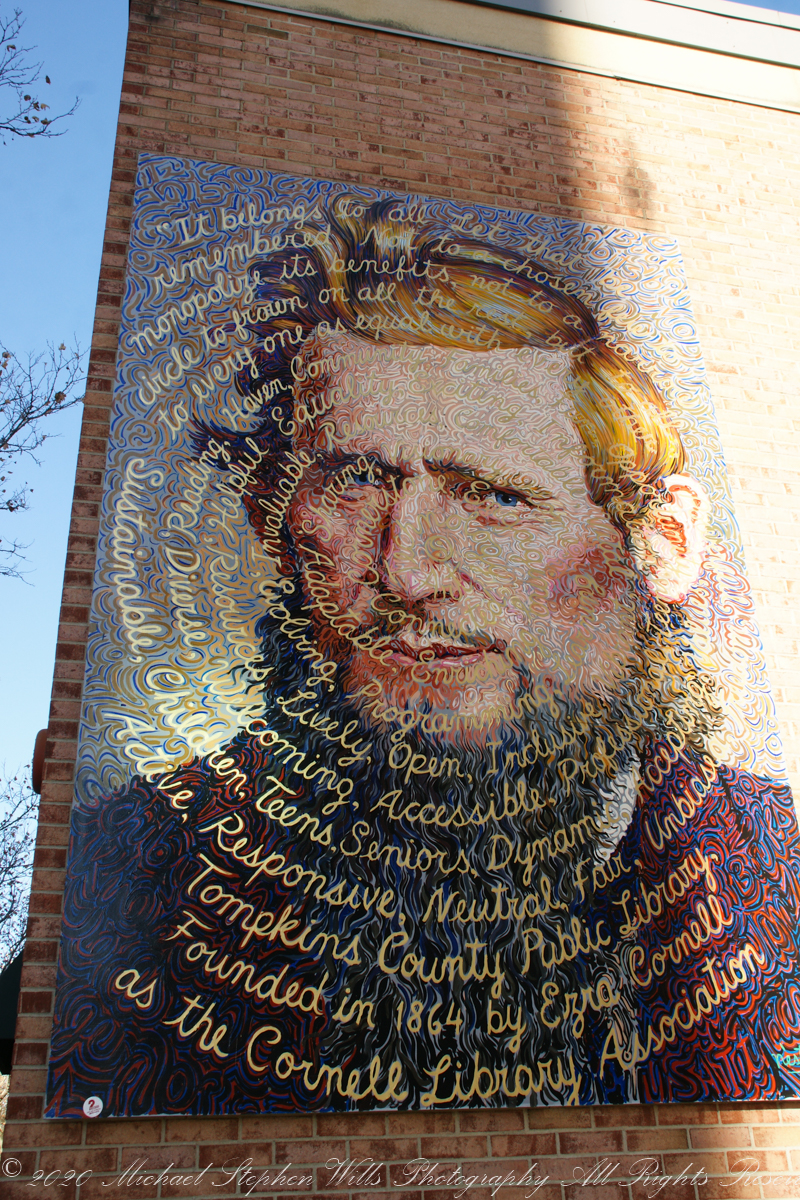
This Sunday past I parked the car downtown (free parking Sundays) and walked the walk, carrying the Sony Alpha 700 with the variable 18-200 lens. Today is a contemplation of beginnings. Here is a mural dedicated to the founding of the Cornell Library Association, titled “Ezra Cornell”, completed 2016 by Nestor Madalengoita.

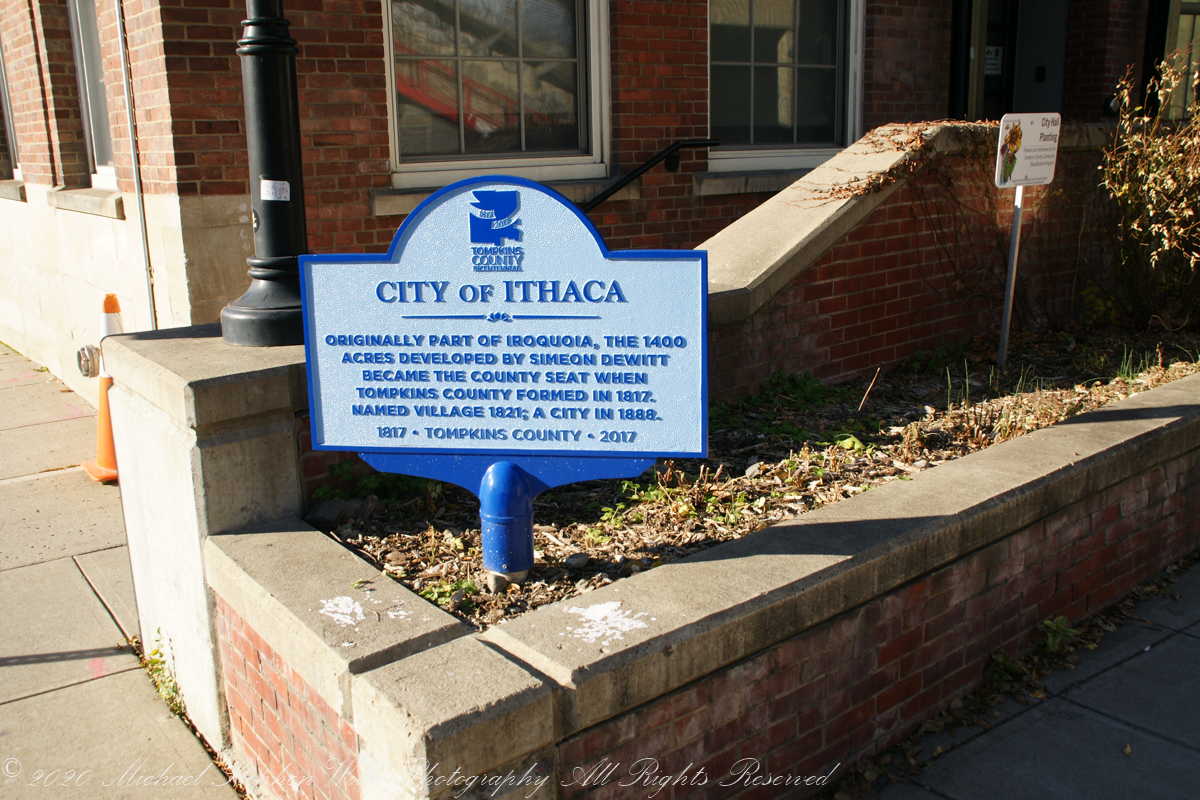
It was the 1779 Sullivan – Clinton Revolutionary War expedition against British Loyalists and allies, the Iroquois confederation, that opened up Central New York to settlement, making possible the 1,400 Dewitt acres that is now the City of Ithaca, named, strangely, after an Aegean island with Hector Street, our road to downtown, recalling the foremost defender of Troy.

Click Me for the complete post with photographs.

Copyright 2020 Michael Stephen Wills All Rights Reserved
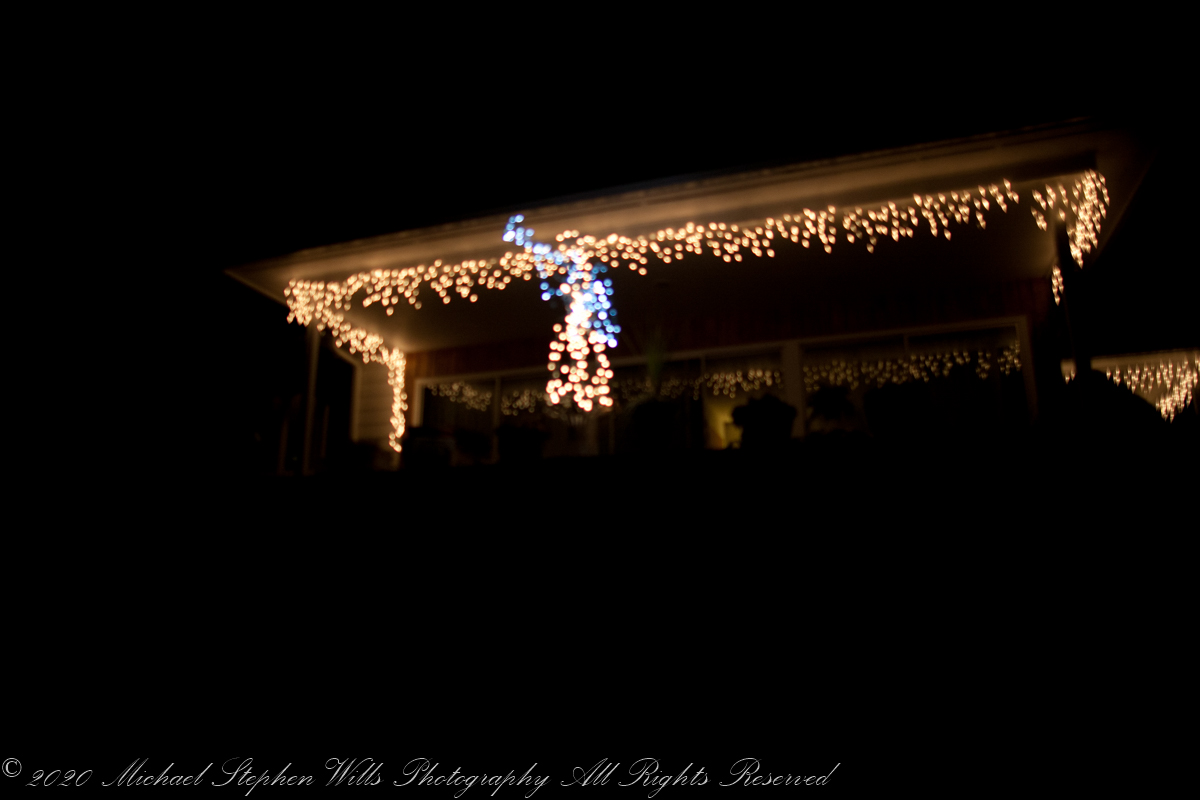
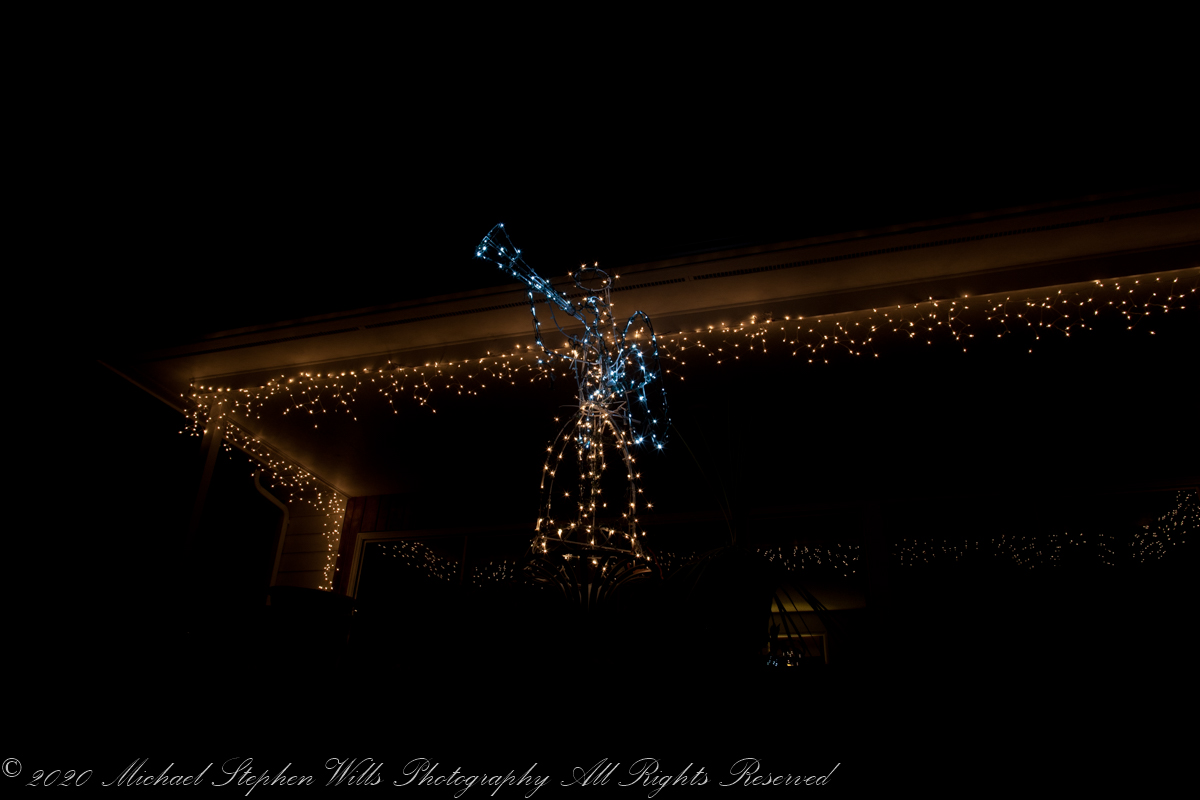
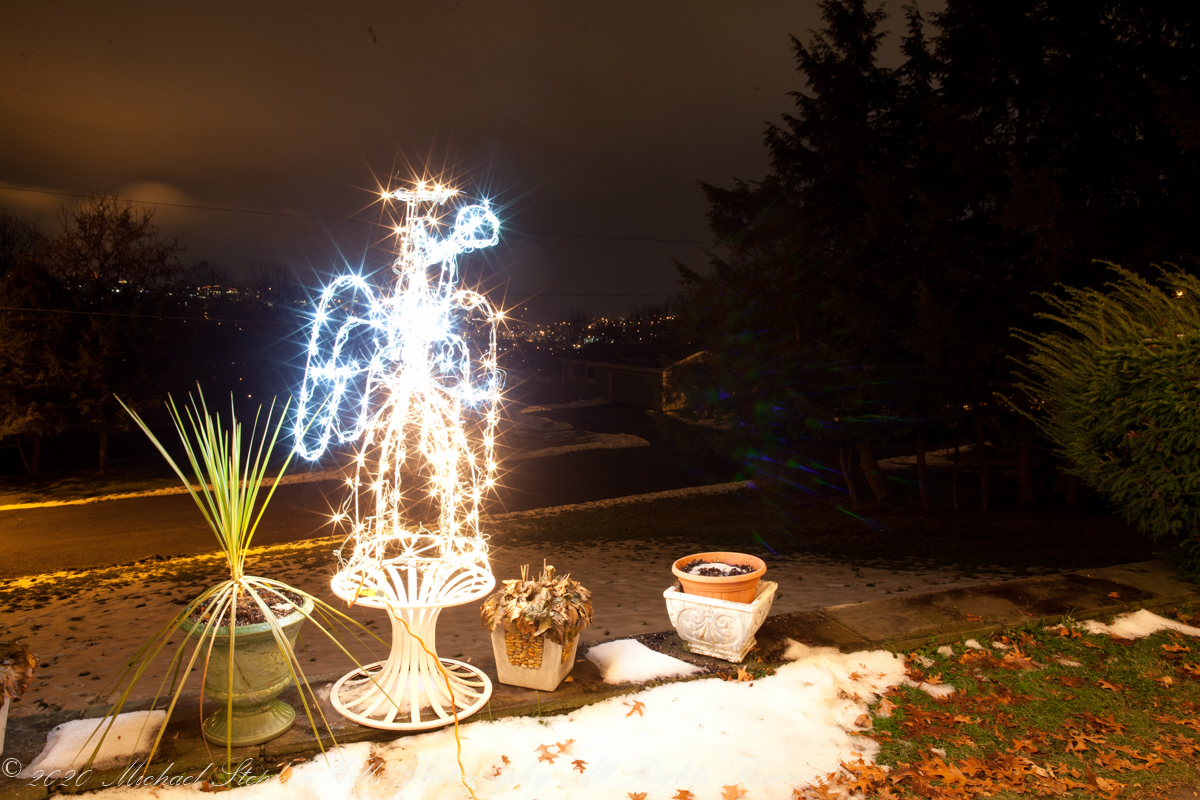
Herald

Luke 2:8 – 11

“And there were shepherds living out in the fields nearby, keeping watch over their flocks at night. An angel of the LORD appeared to them, and the glory of the LORD shone around them, and they were terrified. But the angel said to them, ‘Do not be afraid. I bring you good news that will cause great joy for all the people. 11Today in the town of David a Savior has been born to you; he is the Messiah, the Lord.’

Copyright 2020 Michael Stephen Wills All Rights Reserved
Pushing Back….

…Darkness

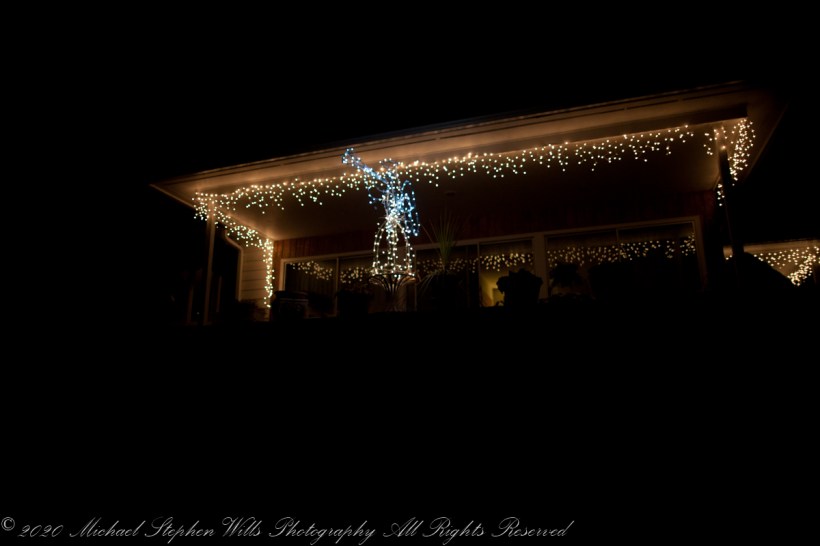
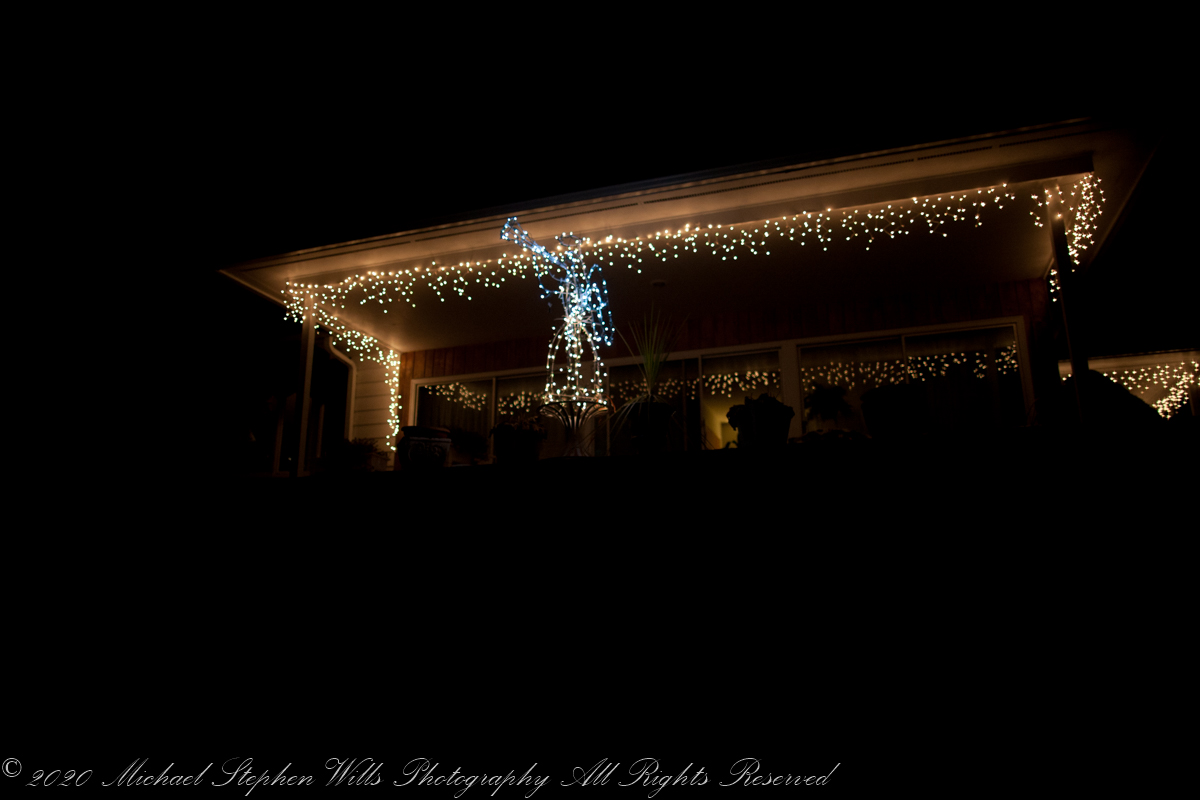
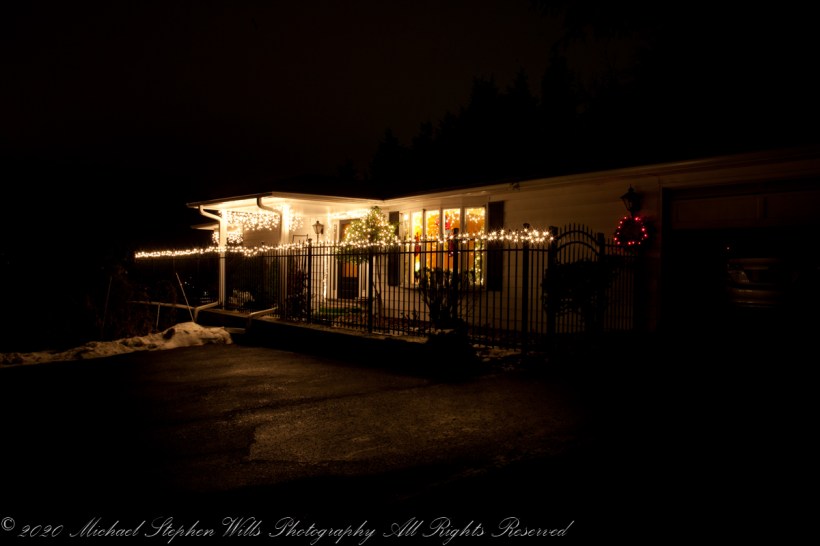
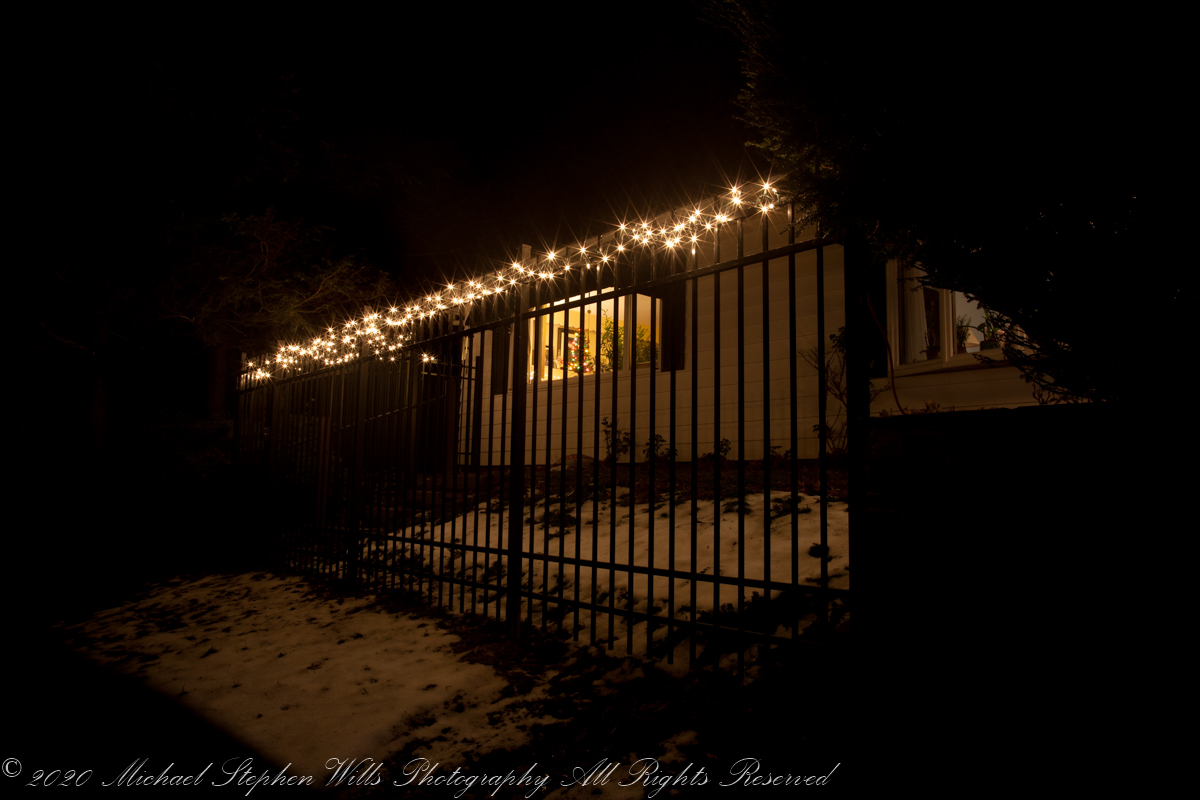
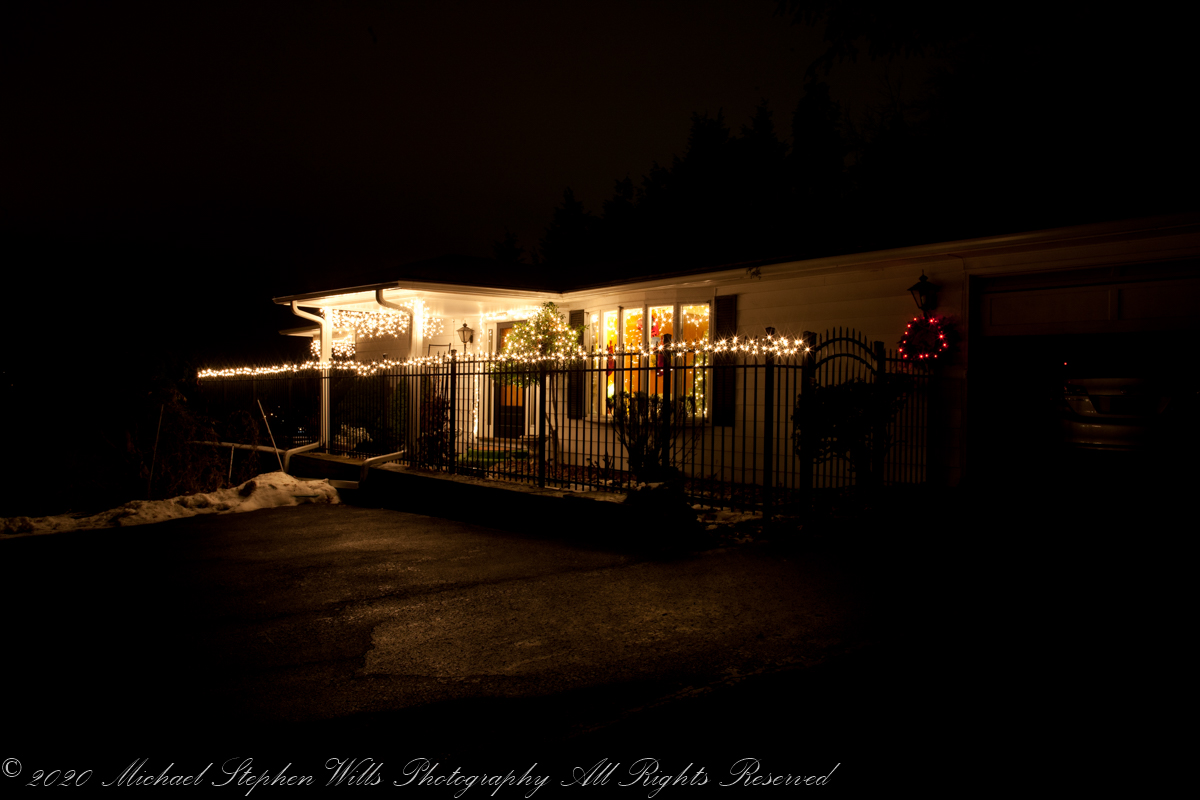
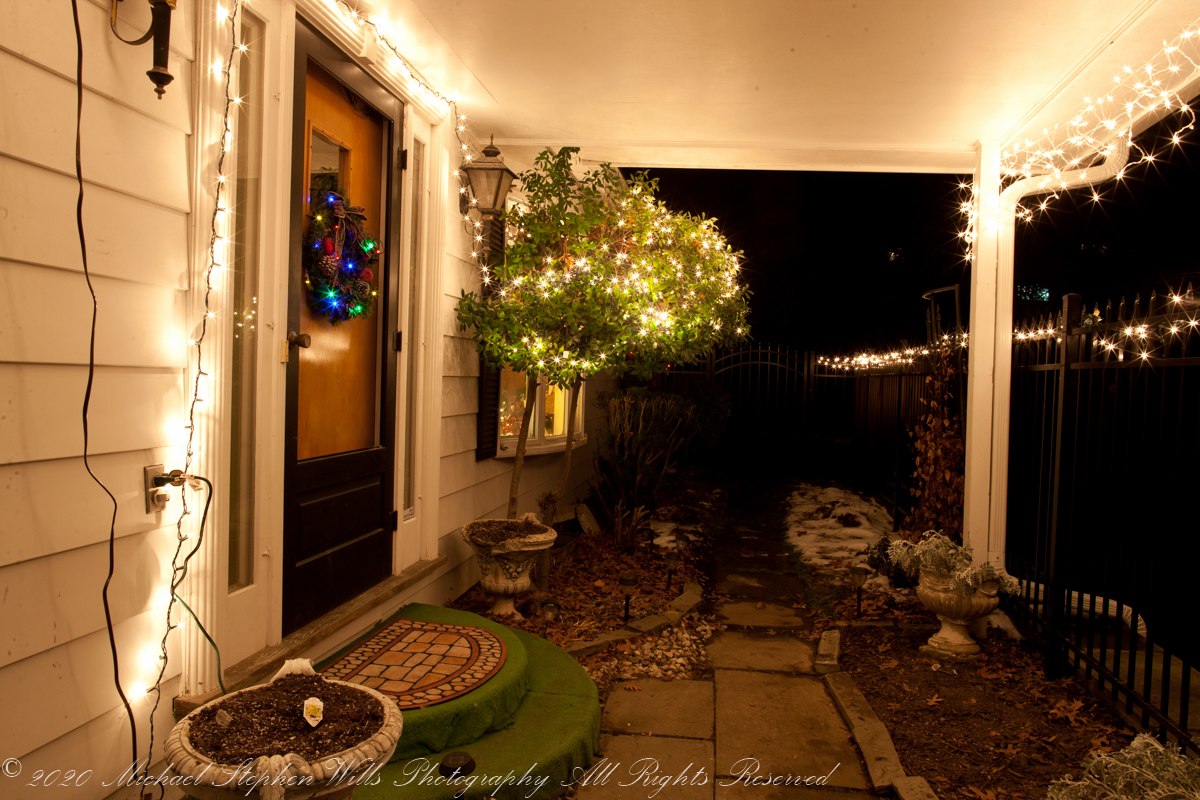
The wonder of electricity through a timer, lights greet the sunset offering cheer until, precisely 4 hours later, surrender to the night UNLESS there is a power outage and the lights return for a renewed countdown.

Copyright 2020 Michael Stephen Wills All Rights Reserved
With and Without People

always without water

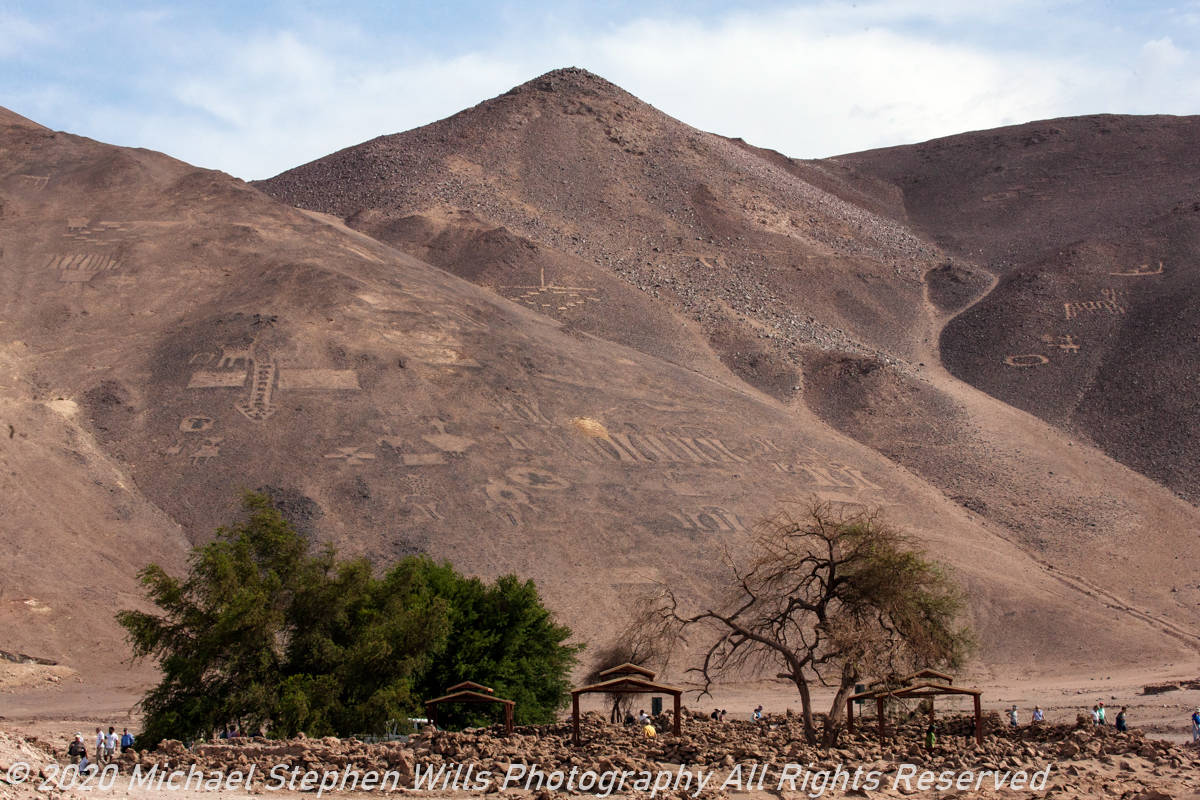
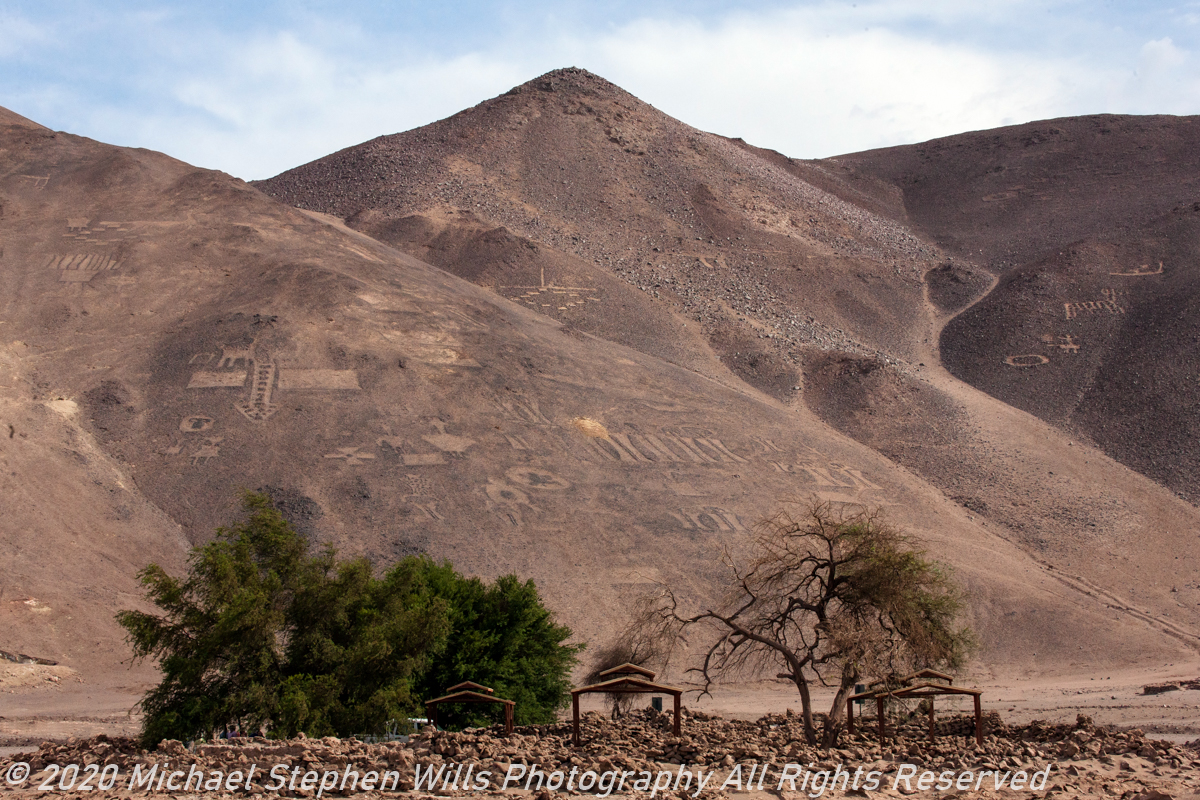
Pampa del Tamarugal National Reserve

Getty requires a signed photo release for each human in a photograph.

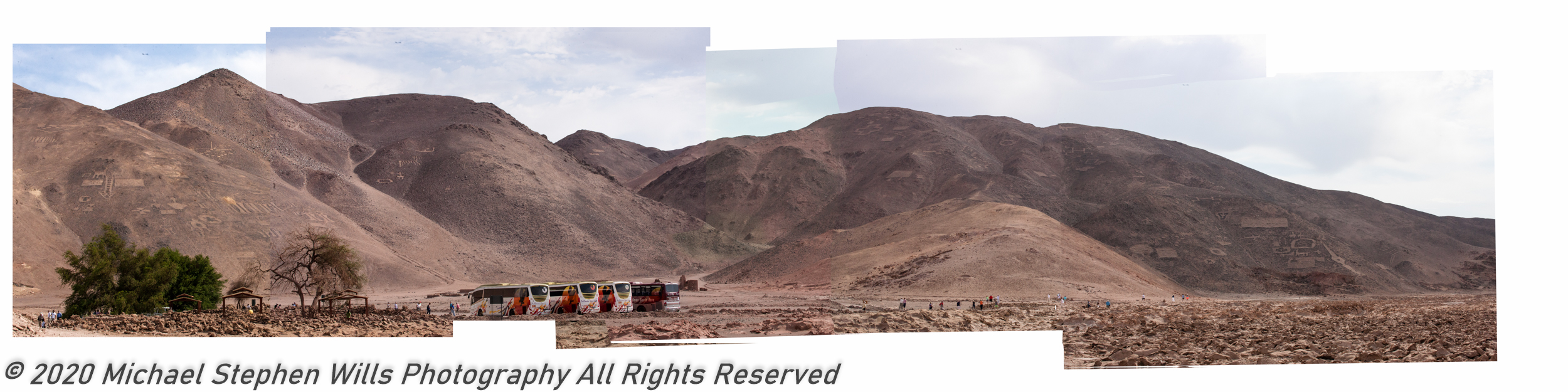
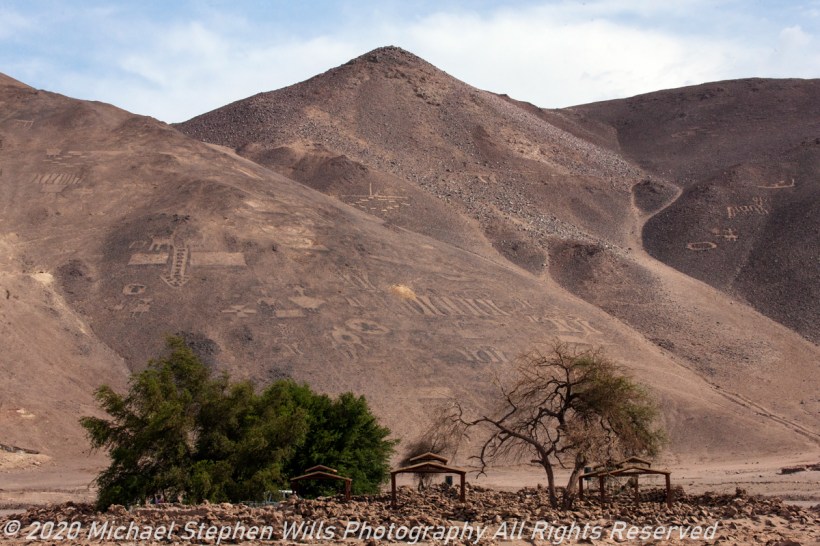
For this, the single best overview from our time with the Pintado Geoglyphs, I carefully painted out every human figure, our fellow tourists.

Here are the versions with and without human figures.

Click any photograph for a larger view and use Ctrl-x to zoom in closer.

Click me for the first post of this series.

Copyright 2020 Michael Stephen Wills All Rights Reserved
Geoglyph Panorama

Rain never falls here

Pampa del Tamarugal National Reserve

Eternal high clouds that never yield water, we visited these hills just off the Pan American highway, to view shapes formed by moving stones.

The shapes are multifarious, mysterious and majestic. Hundreds of them, rendered for reasons known only to the makers.

I stitched together five images to yield an overall impression.

Click any photograph for a larger view and use Ctrl-x to zoom in closer.

Click me for the first post of this series.

Copyright 2020 Michael Stephen Wills All Rights Reserved
Ghost of a Ghost Town

A place that exists because of water and a roa

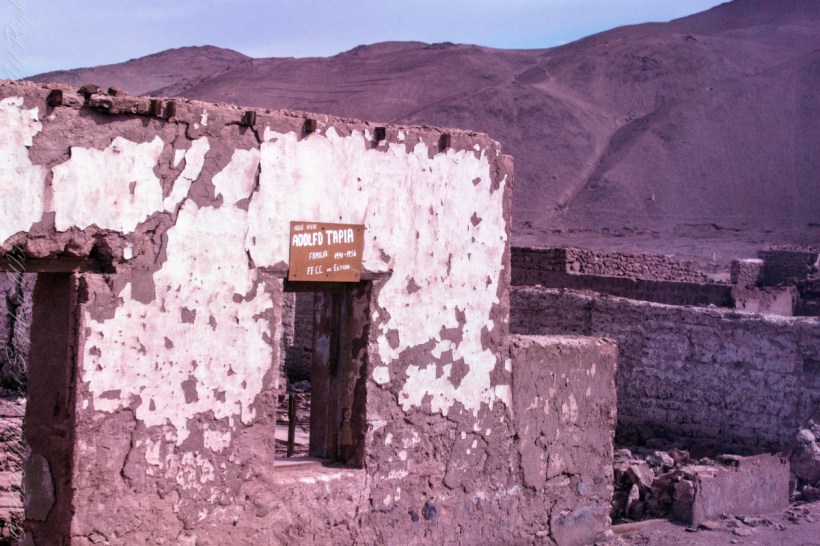
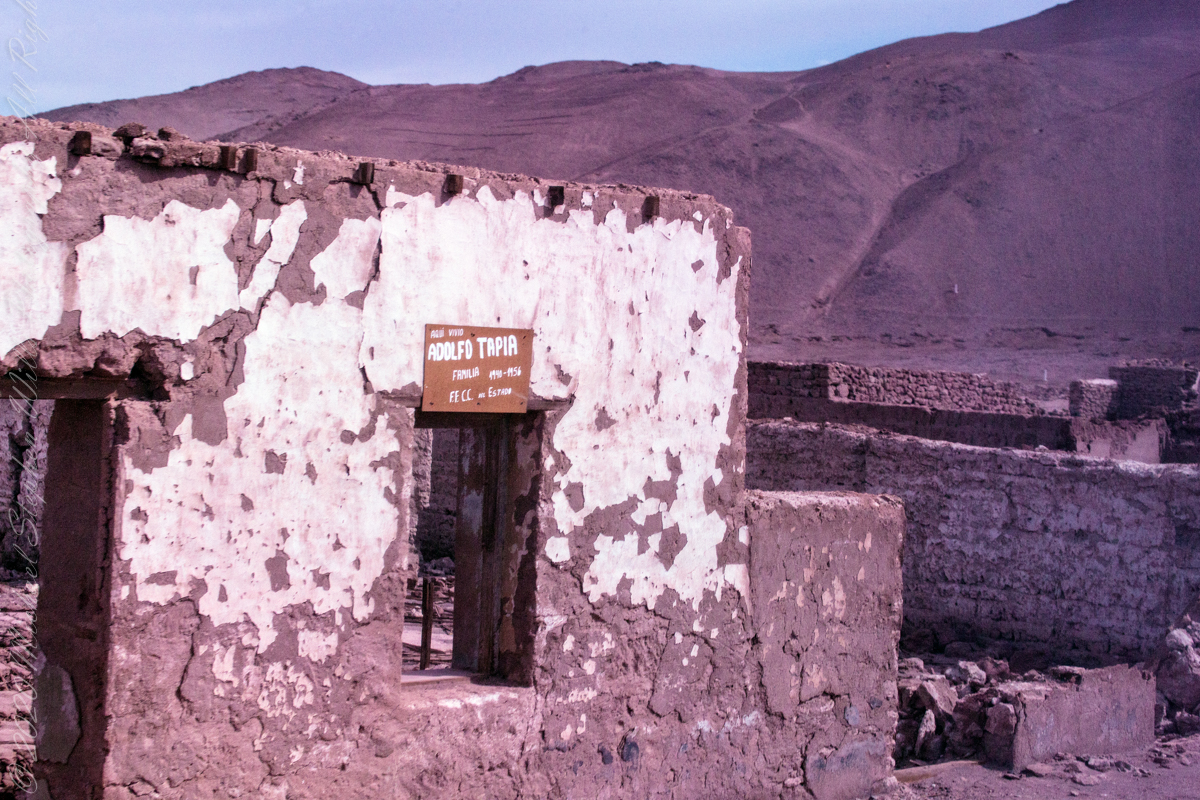
Adolfo Tapia Live Here (?)

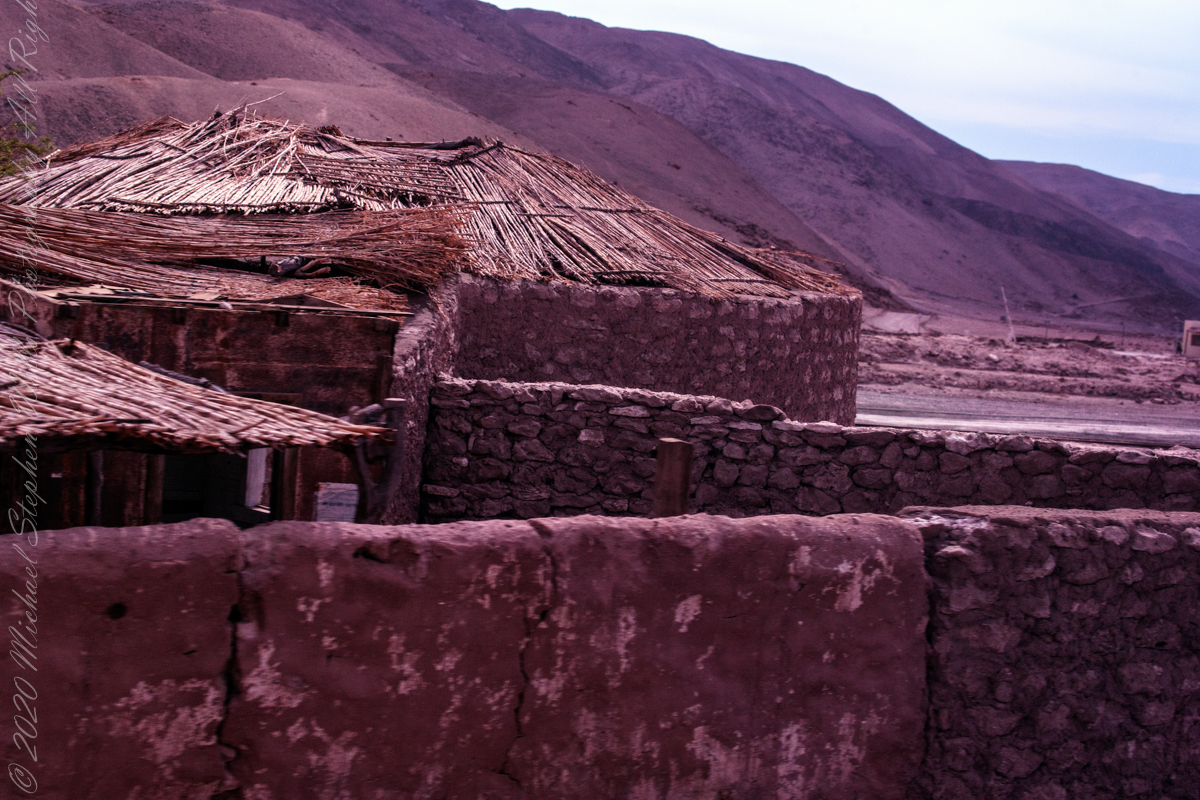
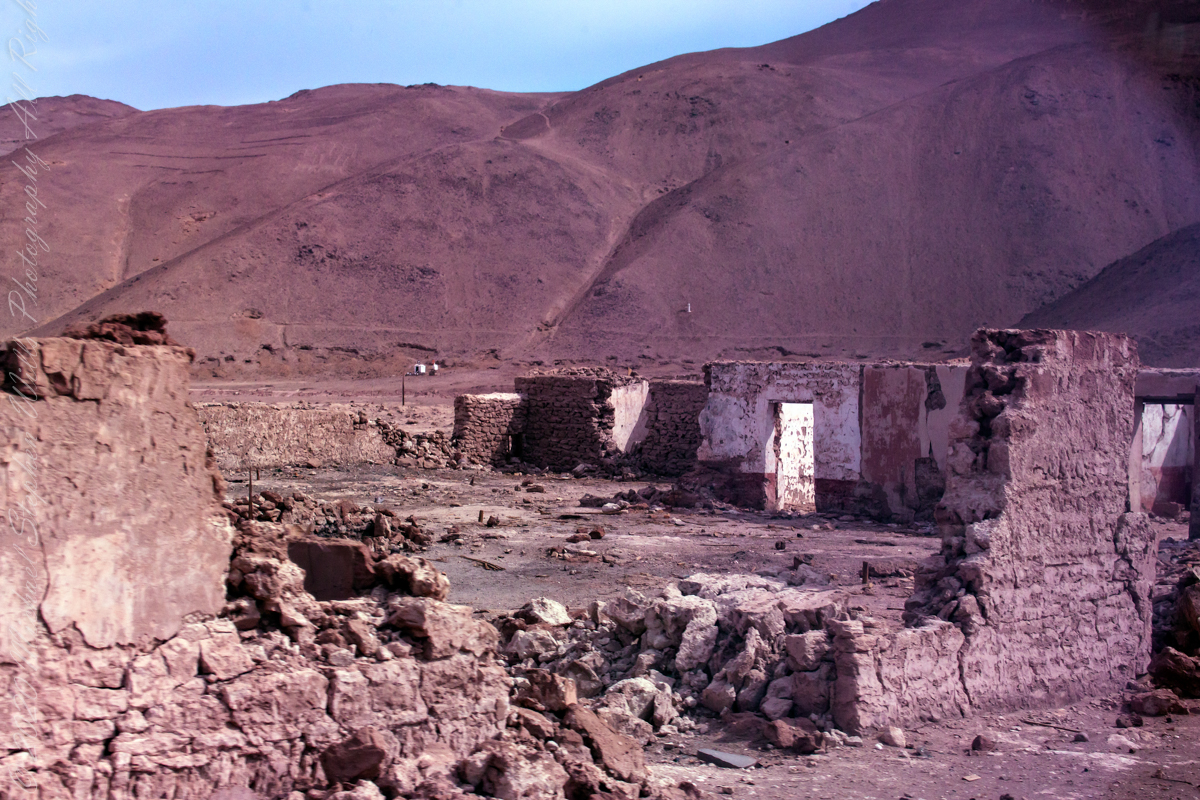
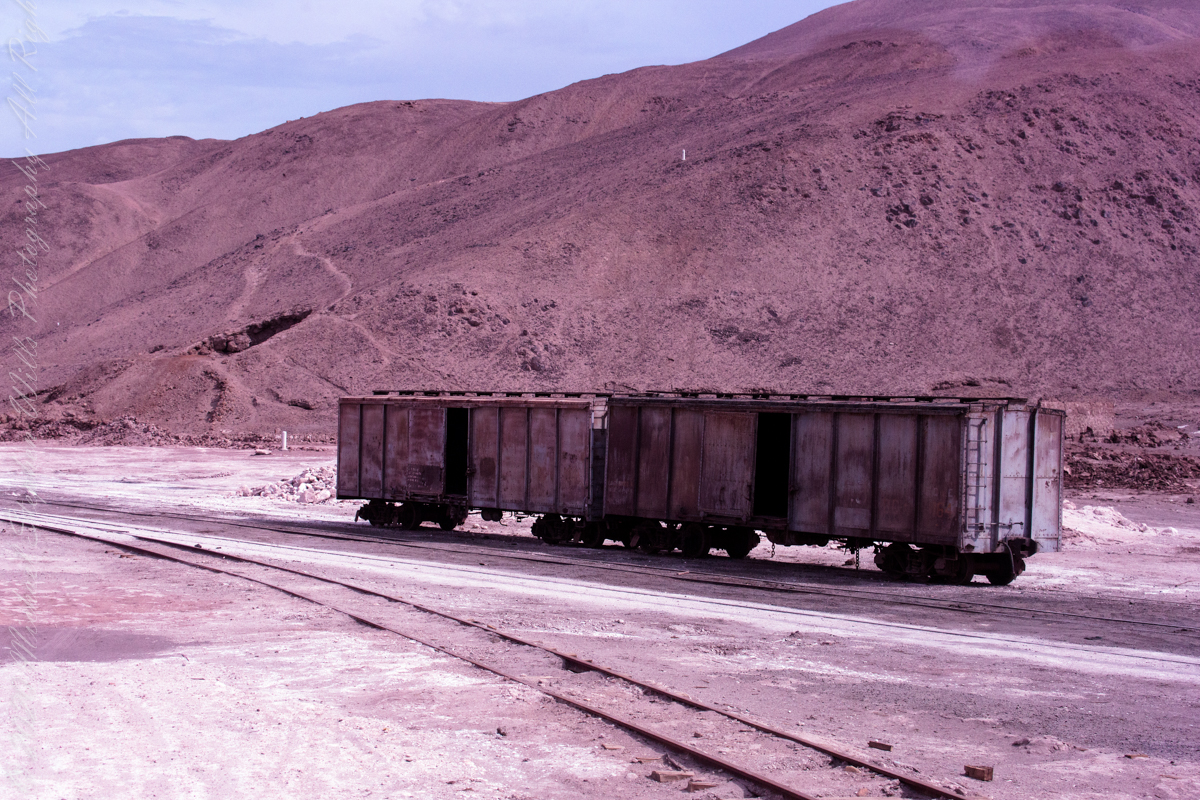
The Spanish word pintados translates to painted in English. There are many references to the word, in one it is a war loving tribe known for tattoos. Here, it is the name of a deserted town on an abandoned railroad running roughly parallel to the Pan American highway. As we passed through en route to Geoglifos de Pintados, I captured these shots of the ruined town.

The handprinted sign above the window, top photograph, says in translation, “Here lived the Adolfo Tapia Family, 1940-1956, F.F C.C. del Estado.” Searches on Adolfo Tapia turned up nothing, all we know is the sign attributes the designation to the state government.

The hill of the geoglyphs are the background, some of the figures are visible. There will be more in later posts.

The railroad served the many Saltpeter factories dotting the Tarapacá region. To my knowledge all were closed in the mid-20th century.
Click any photograph for a larger view and use Ctrl-x to zoom in closer.
Click me for the first post of this series.

Copyright 2020 Michael Stephen Wills All Rights Reserved