Explore Louisa Duemling Meadows: Nature and Conservation

The Louisa Duemling Meadows celebrate conservation and biodiversity, showcasing vibrant flora and honoring Louisa Duemling’s legacy as a steward of nature.

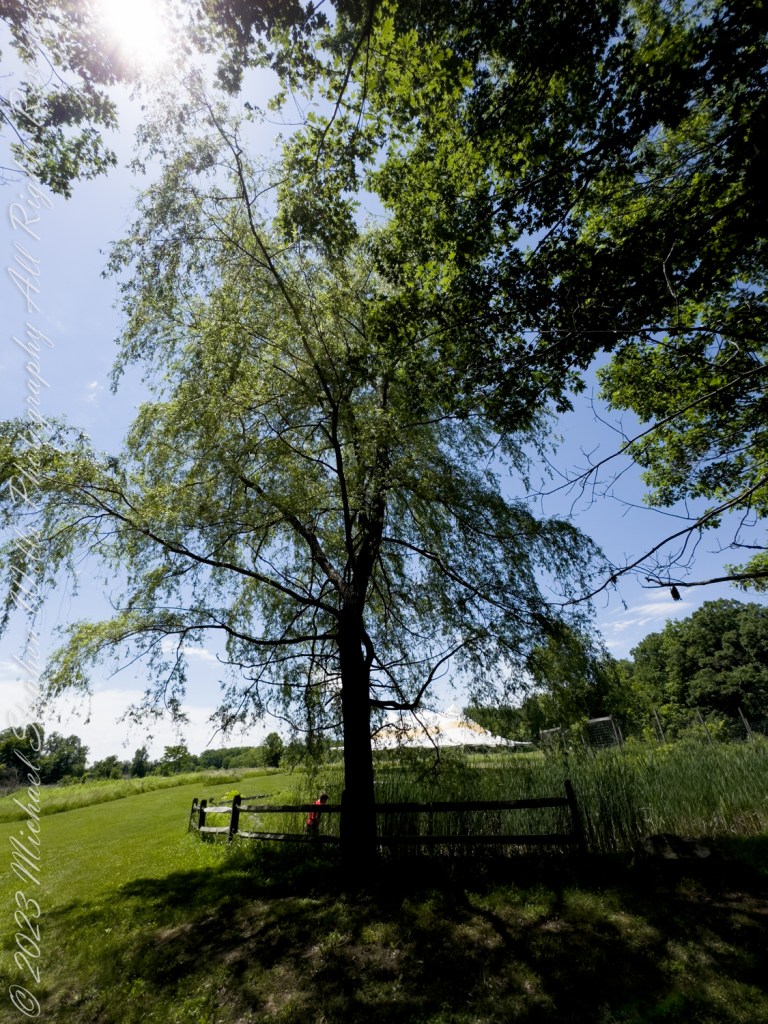
The Louisa Duemling Meadows, nestled within the expansive embrace of Sapsucker Woods, offers a vibrant tableau of life, brimming with opportunities for exploration and a sense of wonder. This new trail, winding through golden fields and punctuated by bursts of wildflowers, whispers tales of the land’s natural and cultural heritage.

Louisa Duemling: A Steward of Nature
Louisa Duemling, the meadows’ namesake, was a dedicated conservationist and philanthropist who supported the Cornell Lab of Ornithology’s mission to protect birds and their habitats. Her legacy lives on in these serene fields, where her commitment to preserving the environment is reflected in every thriving plant and songbird.
Black-eyed Susans: The Meadow’s Golden Treasure
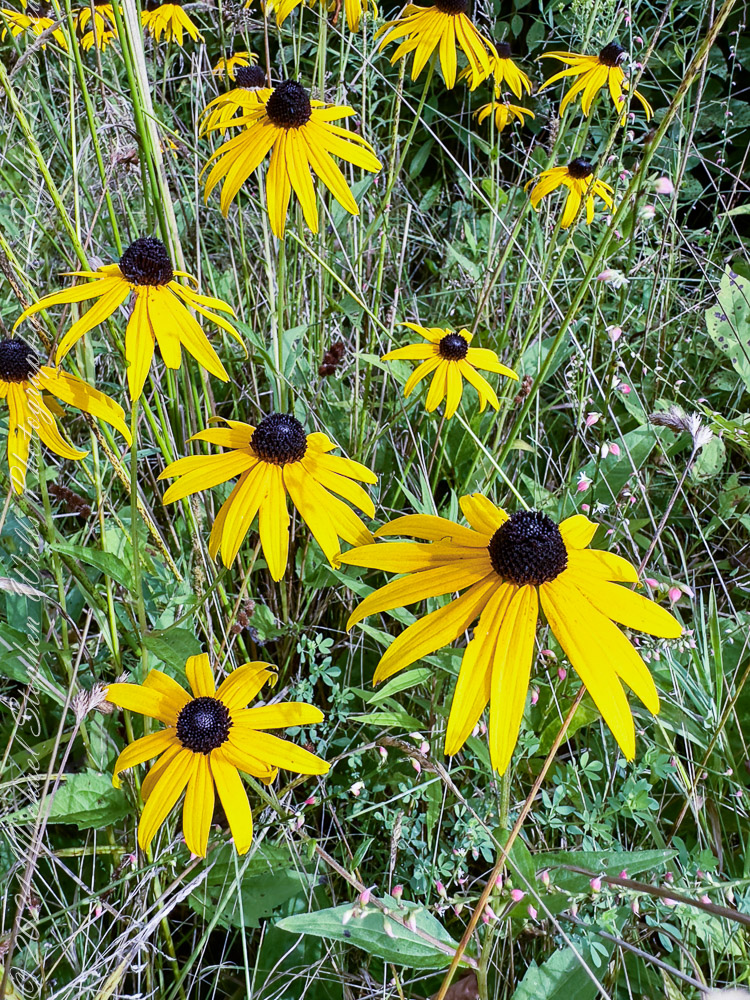
Dominating this summertime landscape with their radiant yellow petals and dark central disks, Black-eyed Susans (Rudbeckia hirta) are a hallmark of the meadows. These cheerful blooms are a delight to the eye, a cornerstone of meadow ecosystems. As members of the Asteraceae family, their composite flowers serve as a rich nectar source for pollinators like bees and butterflies, ensuring the vibrancy of these fields.
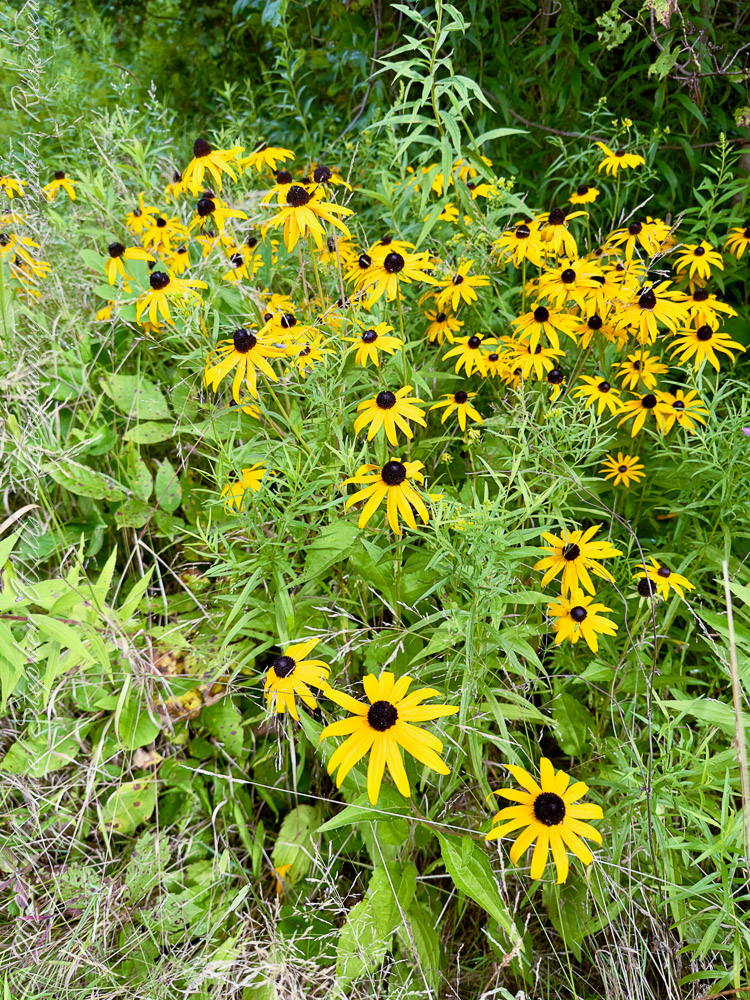
Historically, Black-eyed Susans have been used in traditional medicine by Native American tribes for their putative anti-inflammatory properties. Their ability to thrive in diverse conditions also makes them a symbol of resilience and adaptability.
A Symphony of Green and Gold
Walking through the trail, one is greeted by the harmonious interplay of goldenrods (Solidago spp.), milkweeds (Asclepias spp.), and asters (Symphyotrichum spp.). Goldenrods, with their feathery clusters of yellow blooms, are often mistaken as allergenic culprits, though it is the inconspicuous ragweed (Ambrosia artemisiifolia) that deserves this reputation. Milkweeds, with their milky sap and delicate pink or white flowers, are vital to monarch butterflies (Danaus plexippus), serving as the sole food source for their larvae.
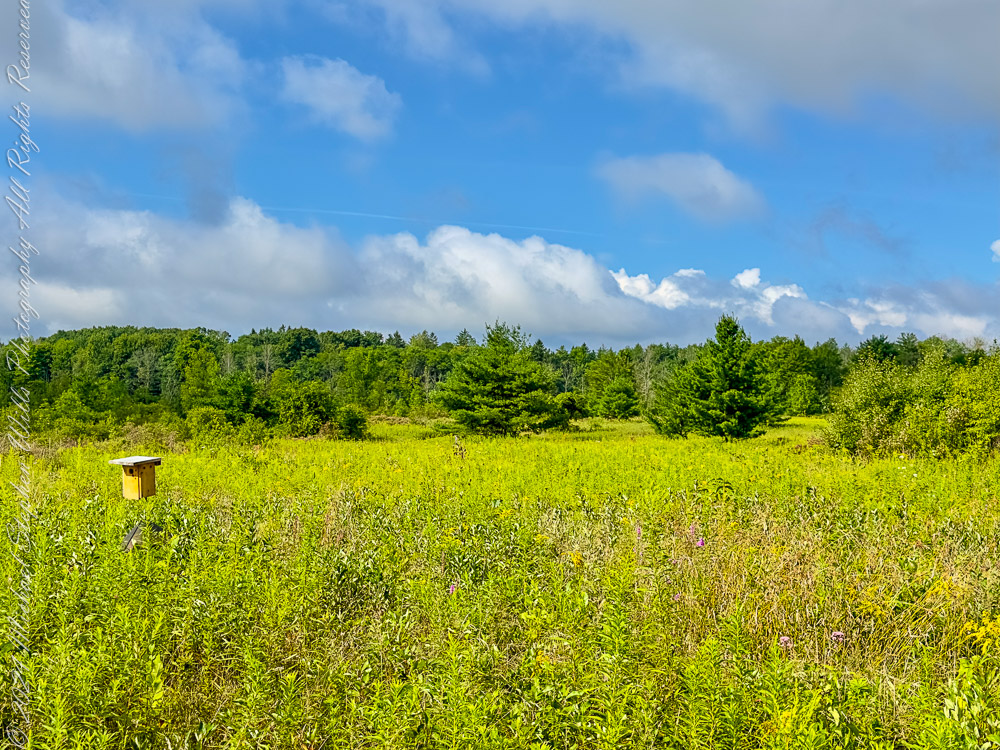
Among these botanical wonders, the birdhouse stands as a sentinel, a reminder of the intricate relationship between flora and fauna. These wooden structures provide safe havens for cavity-nesting birds like Eastern Bluebirds (Sialia sialis) and Tree Swallows (Tachycineta bicolor), fostering biodiversity within the meadow.

A Horizon Framed by Pines and Clouds
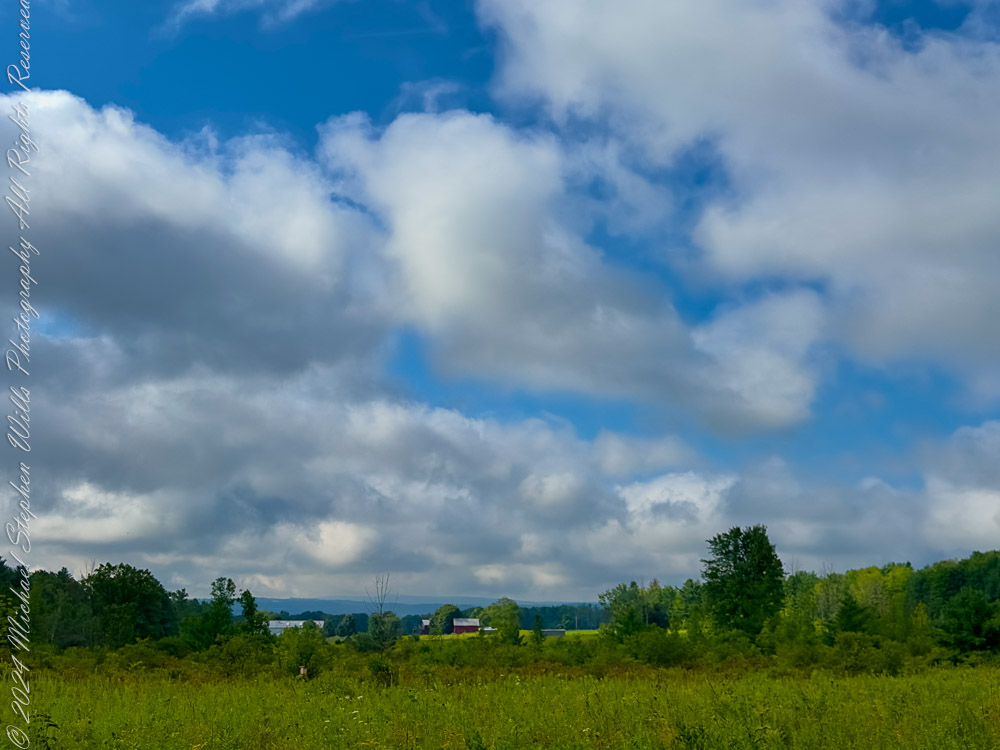
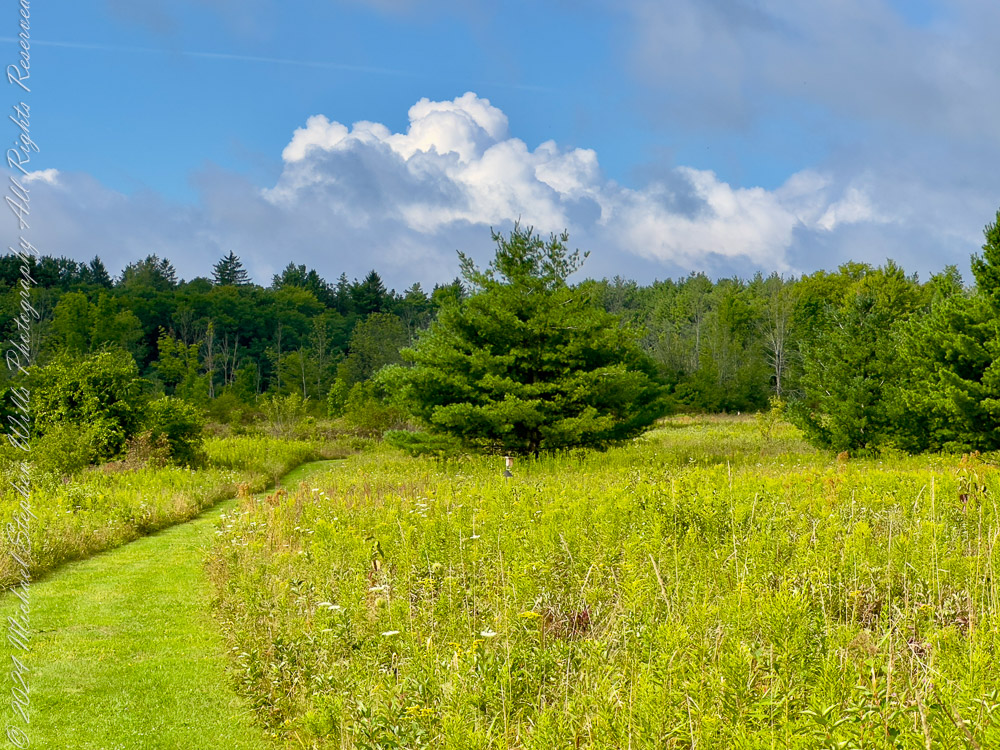
The open meadow trails, flanked by clusters of Eastern White Pines (Pinus strobus) and punctuated by the azure sky, invite reflection and renewal. This is a place where the human spirit can align with the rhythms of nature, where each step reveals new layers of beauty and discovery.
Embracing the Spirit of Discovery
To wander the Louisa Duemling Meadows is to immerse oneself in the timeless dance of life. The trail, carefully marked yet wild in essence, invites visitors to lose themselves in its beauty while finding solace in its quietude. This is not just a path through nature—it is a journey into the heart of conservation and a celebration of the life that thrives under Louisa Duemling’s enduring legacy.

As you leave the meadow, carry with you not just the memory of golden flowers and vibrant skies but the inspiration to cherish and protect the natural world. The Louisa Duemling Meadows are not only a gift to those who walk its trails but a reminder of the profound impact one can have in preserving our planet’s fragile beauty.

Enter your email to receive notification of future postings. I will not sell or share your email address.

Discovering Nature’s Secrets: A Grandfather’s Tale at Comstock Creek

Join me on a heartwarming adventure at Comstock Creek with my grandchildren, Sam and Rory, as we explore the wonders of nature, create lasting memories, and celebrate the legacy of the Comstock family.

The morning sun filtered through the lush canopy of trees as I guided my grandchildren, down the familiar path towards Comstock Creek of the Cayuga Nature Center. The children were familiar with the creek from time spent in summer camp. This little haven of nature is a favorite spot of theirs. Comstock Creek, named after the Comstock family, stands as a testament to their significant contributions to entomology and nature education. John Henry Comstock, a renowned entomologist, and his wife, Anna Botsford Comstock, a pioneering figure in nature study, left an indelible mark on the Ithaca area and beyond. Their legacy lives on, not just in the academic world, but in these very waters where my grandchildren now play.

As we reached the creek, the children wasted no time kicking off their shoes and wading into the cool, shallow water. My grandson, in his red shirt, and granddaugter, in her green one, both radiated joy and curiosity. The sunlight danced on the water’s surface, casting shimmering reflections that seemed to animate the entire scene.

The youngest was the first to discover a small pool where the water had carved out a deeper spot. “Look, Grandpa!” he exclaimed, his voice full of excitement. He crouched down, peering intently at the tiny fish darting around his feet. His sister joined him, her initial apprehension giving way to a wide-eyed fascination as she watched the underwater ballet.

Their time was spent turning over rocks to find little aquatic creatures and marveling at the delicate balance of nature. The children’s laughter echoed through the woods, blending with the sounds of rustling leaves and the gentle babble of the creek. Their sense of wonder reminded me of the Comstocks’ passion for nature, a passion they had so fervently shared with the world.

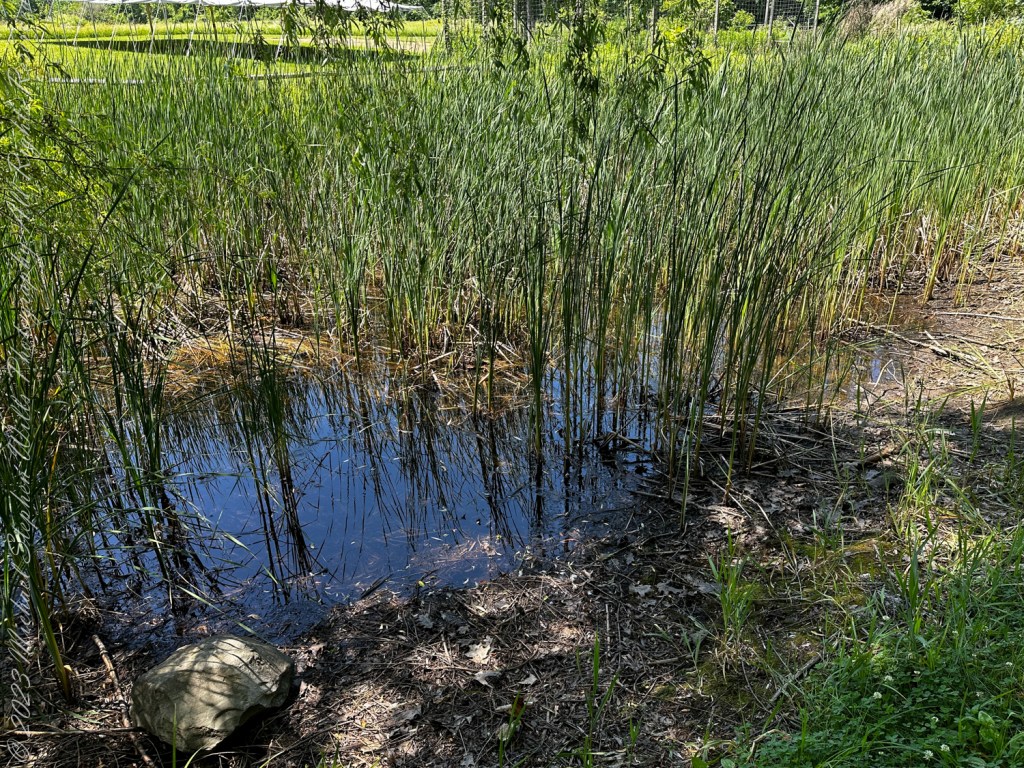
After a while, we decided to take a break and walked through the meadow past where tall reeds swayed gently in the breeze. He knew of a small, tranquil pond that reflected the sky like a mirror. He leaned the water’s edge,hoping to grab a frog. I stood back, capturing this peaceful moment with my camera, knowing that these images would become treasured memories.

As noon approached, we travelled back to Ithaca for an ice cream treat, promised them as a reward for their adventurous spirit. Their faces lit up with delight as they savored their treats, their expressions reflecting pure contentment.

The day wouldn’t have been complete without a splash in the pool. Back home, grandmother set up the inflatable volleyball net while the kids changed into their swimsuits. The pool became a hub of activity as they splashed around, their laughter blending with the sound of the water.

Reflecting on the day, I felt a deep sense of gratitude. The Comstock family’s dedication to nature education had inspired generations, including my own. Their legacy was evident not just in the academic institutions of Ithaca, but in the simple, joyous exploration of nature that I shared with my grandchildren. I hope this day at Comstock Creek will be remembered fondly, a chapter in our family’s ongoing story of discovery and connection with the natural world.

Copyright 2024 Michael Stephen Wills All Rights Reserved