Lessons in the Woods: A Grandfather’s Nature Walk

On a crisp September morning, a grandfather leads his grandsons on a nature walk, discovering the mysteries of the forest. Together, they encounter a curious caterpillar and uncover the wonders of the natural world.

Unseasonably warm September morning air gently stirred the leaves as I guided my grandsons, Sam and Rory, through our woods near Freeville. Our boots crunched softly on the damp earth, and the sounds of nature enveloped us like an old, familiar melody. Today we were on a mission of discovery, with Mother Nature as our guide.

“Grandpa, look at this!” Sam called, excitement radiating from his face. Rory, always close behind his older brother, crouched down, his bright eyes scanning the ground for any movement. I smiled. Sam’s sharp curiosity and Rory’s quiet attentiveness reminded me so much of myself at their age, exploring the woods.

We stopped at a patch of earth, where the boys had found a small hole in the ground, evidence of something recently disturbed. “Do you think it’s a mole, Grandpa?” Rory asked, his voice a mix of wonder and uncertainty.

“Maybe,” I said, leaning down beside them. “Or it could be something larger, like a chipmunk. These woods are full of surprises.”

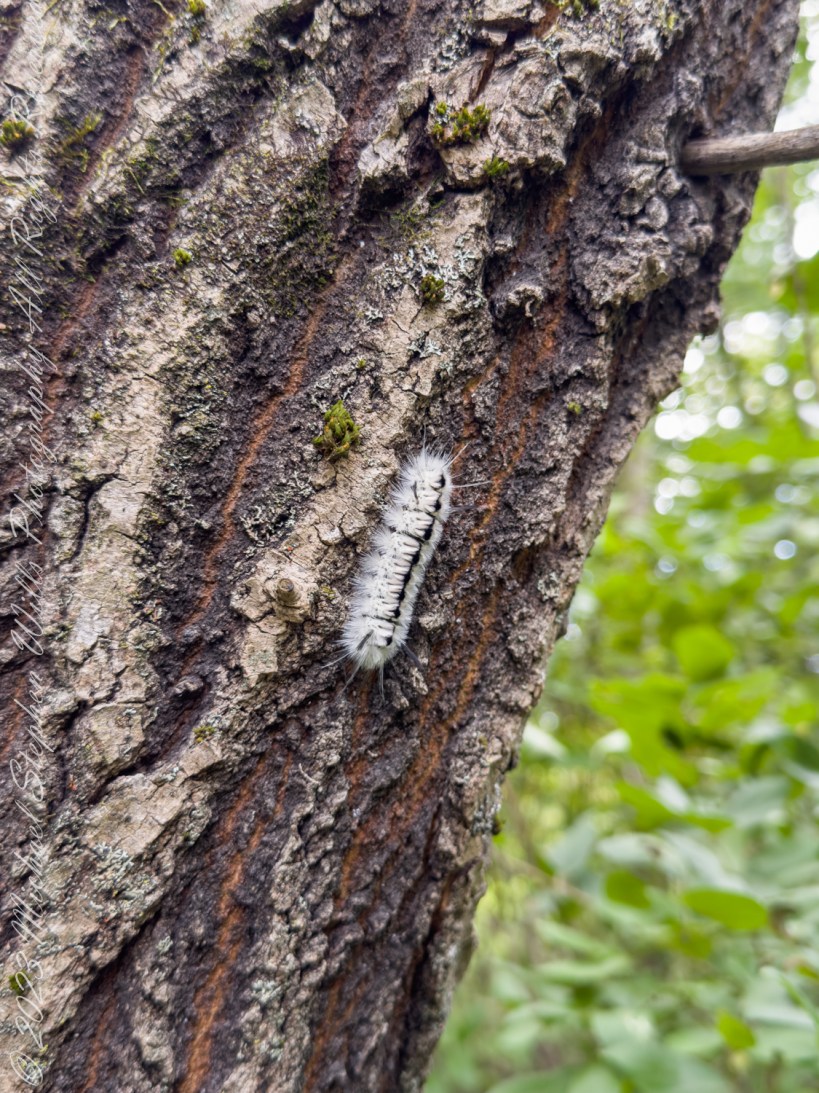
As they explored further, I glanced at the trees, their trunks coated in a rich tapestry of moss and lichen. Then, something caught my eye—a familiar white and black figure on the bark of a young tree, I’ll call it a hickory.
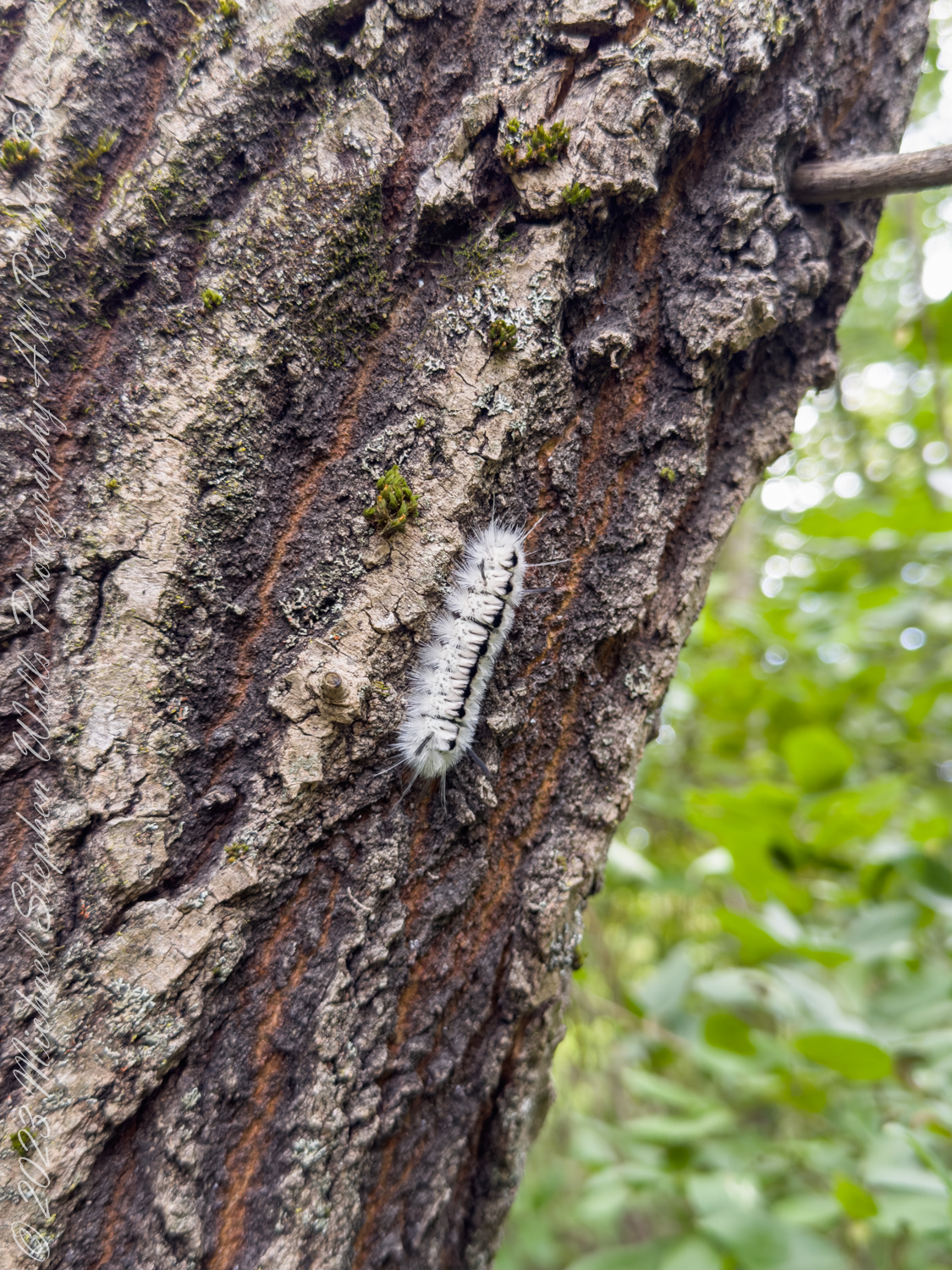
“Hey, boys, come over here for a second. I’ve got something to show you,” I called, my voice calm but laced with excitement. Sam and Rory, ever eager, bounded over. “Look at this caterpillar.”

Their faces lit up when they spotted it. “Whoa, it’s so fuzzy!” Sam exclaimed.

“Yeah, but don’t touch,” I warned gently, kneeling to get a better look. “This little guy is called a Hickory Tussock Moth Caterpillar. See those long white hairs? Some of them can irritate your skin. Always good to admire from a distance.”

Rory looked up at me, wide-eyed. “What does it turn into?”

I smiled. “That’s the magic of it. This caterpillar will eventually become a moth, a Hickory Tussock Moth, in fact. But right now, it’s preparing for a long journey. In just a few weeks, it’ll spin itself a cocoon and wait all winter before emerging as a moth in the spring.”

Sam squinted at the caterpillar, studying its every bristle. “So it’s it’s going to sleep for the winter?”

“Exactly,” I said, pleased with his understanding. “It’s one of nature’s ways of resting and preparing for something new.”

The boys stared at the caterpillar in silence for a moment, and I could tell their young minds were spinning with thoughts. Maybe they were thinking about their own journeys—how each season brought something new to learn, something new to experience.

As we moved on from the caterpillar, deeper into the woods, I couldn’t help but feel a quiet sense of gratitude. These moments, small as they may seem, were the kinds of memories that last a lifetime. I was passing down not just knowledge but a love for the natural world, a connection to the earth that I hoped would stay with them long after I was gone.

We finished our adventure with planting two oak saplings. The boys dug in the rich soil, each working carefully as we prepared a young sapling to take root. I watched as they placed the sapling into the earth, their hands gentle yet sure. Together, we packed the soil around its base.

“You know,” I said softly, “these oaks will grow just like you two. Stronger every year. And one day, you’ll bring your own children here to see it.”
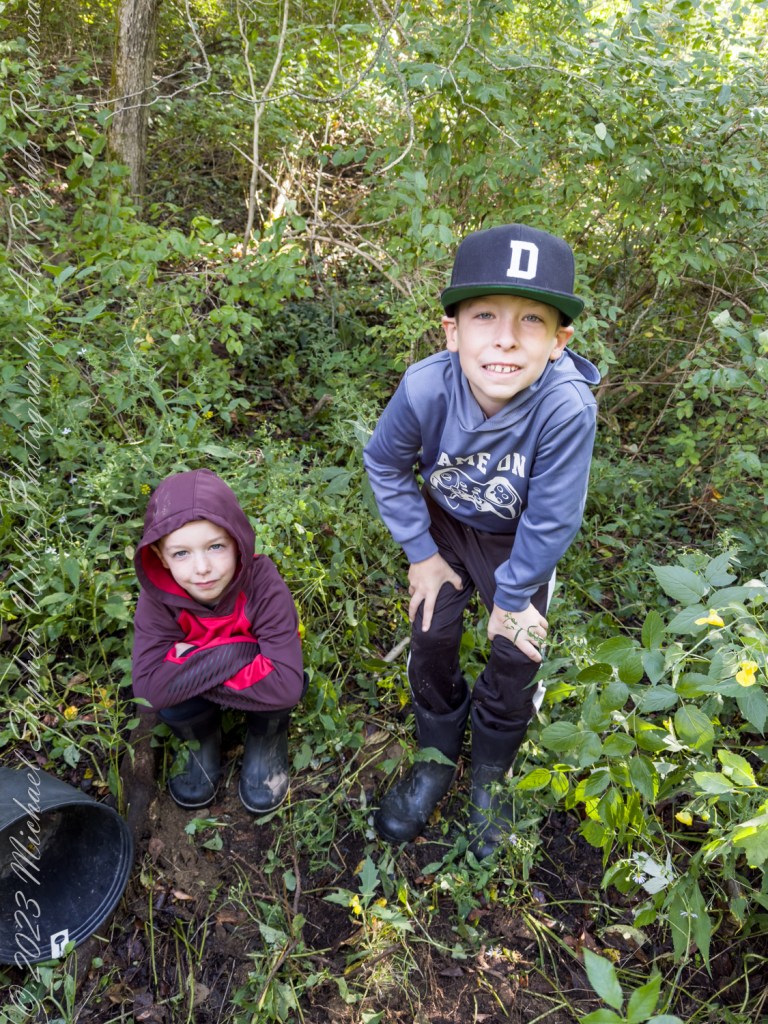
Sam and Rory exchanged a look, a flicker of understanding passing between them, and I knew the lesson had landed. Nature has a way of teaching us that growth, whether in a tree or in ourselves, takes time and patience.

As we packed up to leave, I glanced back at the hickory tree where the caterpillar still clung, a tiny, determined creature, preparing for the change to come. In that moment, I felt the same sense of wonder I’d seen in the boys’ eyes earlier. Even after all these years, nature never ceased to amaze me.

“Come on, boys,” I said, with one last glance at the woods. “Let’s see what other adventures await us.”
Copyright 2024 Michael Stephen Wills All Rights Reserved

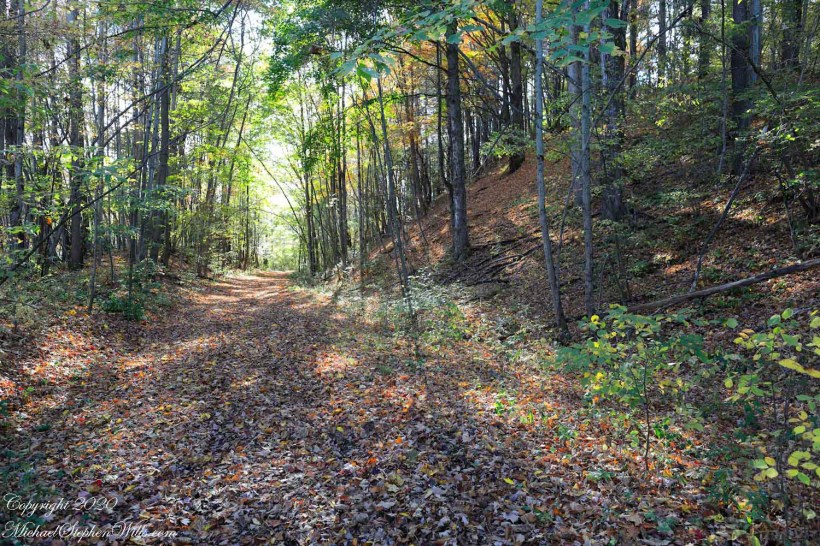
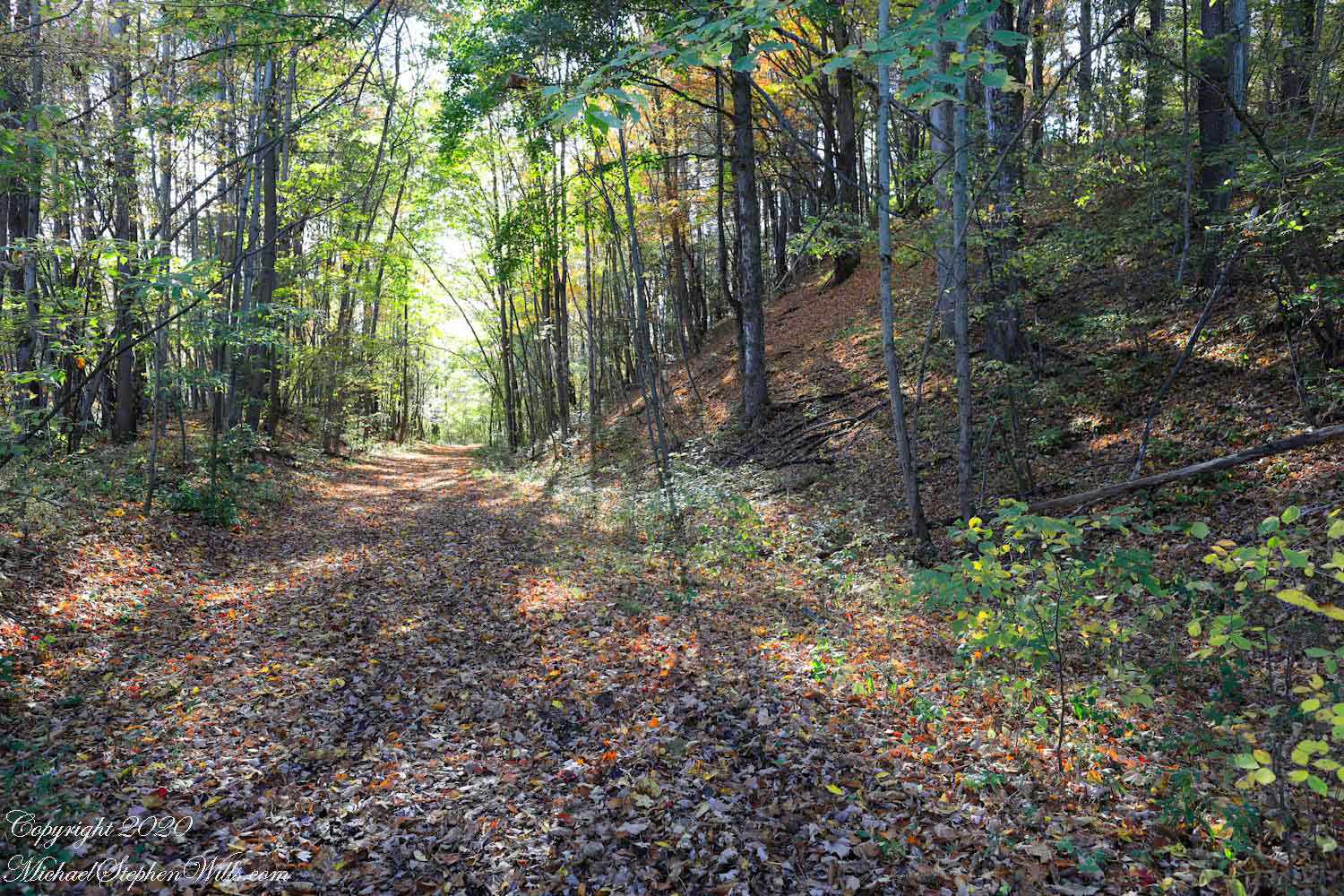
Dappled Sunlight

The Malloryville eskers near Freeville, New York, highlight the region’s glacial history and contribute significantly to biodiversity and local ecology.

Walking here, I enjoy telling the grandchildren of the immense, mile-high ice sheet that once covered this land 10,000 years ago, creating these hills and hollows.

Click Me for another Malloryville post, “Formed By Water.”

Eskers are geological features that tell a rich tale of the glacial history of an area. In the landscape near Freeville, New York, the eskers of Malloryville stand as prominent reminders of the last Ice Age and the profound effects glaciers have had on the North American terrain. These elongated ridges, composed primarily of sand and gravel, not only offer a visual spectacle but also provide crucial insights into the glacial processes that shaped the region.

Eskers are formed by the deposition of sediment from meltwater rivers flowing on the surface of or within glaciers. As these glaciers recede, the sediment accumulates in the paths previously carved by the meltwater streams, eventually forming ridges. The Malloryville eskers are particularly notable for their well-preserved structure, giving geologists and enthusiasts alike a clear vision of the patterns of glacial meltwater flow from thousands of years ago.

Located just a few miles from Freeville, the Malloryville eskers are an intriguing natural attraction. The topography of the area, largely shaped by the Laurentide Ice Sheet during the last glacial maximum, is characterized by various glacial features, but the eskers are undeniably some of the most distinct. Their serpentine-like appearance, weaving through the landscape, immediately captures one’s attention and beckons further exploration.

From an ecological perspective, the eskers of Malloryville contribute to the area’s biodiversity. The unique microenvironments created by these ridges offer habitats that differ from the surrounding landscape. This differentiation allows for a variety of plant species to thrive, some of which are specially adapted to the well-drained soils of the eskers. Additionally, these ridges act as corridors for wildlife, facilitating movement and offering vantage points for species like deer and birds of prey.

Historically, the eskers near Freeville have also had an impact on human activity. Native American communities, recognizing the strategic advantage of these high grounds, are known to have used them as pathways or even settlement sites. In more recent history, the gravel and sand composition of the eskers have made them targets for mining activities. While this has led to the alteration or destruction of some sections, it has also highlighted the importance of preserving these unique geological features for future generations.

Efforts to study and preserve the Malloryville eskers have grown in recent years. Local educational institutions, in collaboration with geological societies, have undertaken detailed studies to understand the formation and significance of these features better. Such initiatives not only contribute to the scientific understanding of glacial processes but also raise awareness about the importance of conserving unique geological formations. Given the potential impacts of climate change on glacial landscapes worldwide, the eskers serve as a poignant reminder of the dynamic nature of our planet and the traces left behind by the ebb and flow of ice ages.

In conclusion, the eskers of Malloryville near Freeville, New York, stand as testaments to the glacial history of the region. These winding ridges, with their intricate patterns and rich ecological contributions, weave a story of natural processes that have spanned millennia. They remind us of the ever-changing nature of our planet and underscore the importance of understanding and preserving its geological wonders. Whether one views them with the eyes of a scientist, historian, or nature enthusiast, the Malloryville eskers offer a captivating glimpse into the ancient forces that have shaped the world around us.

Copyright 2020 Michael Stephen Wills All Rights Reserved

Spring Ritual

Feeding Apple Trees

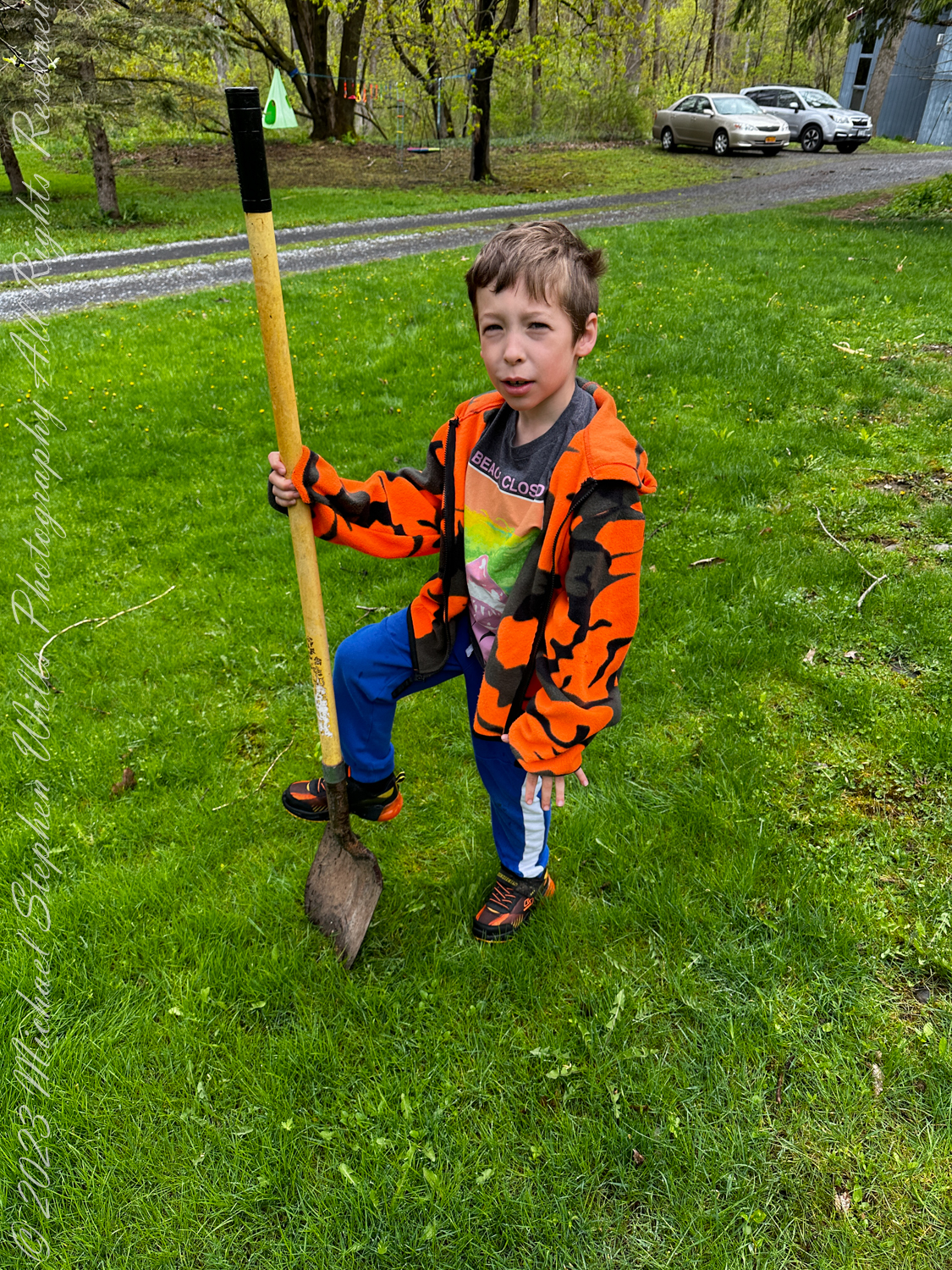
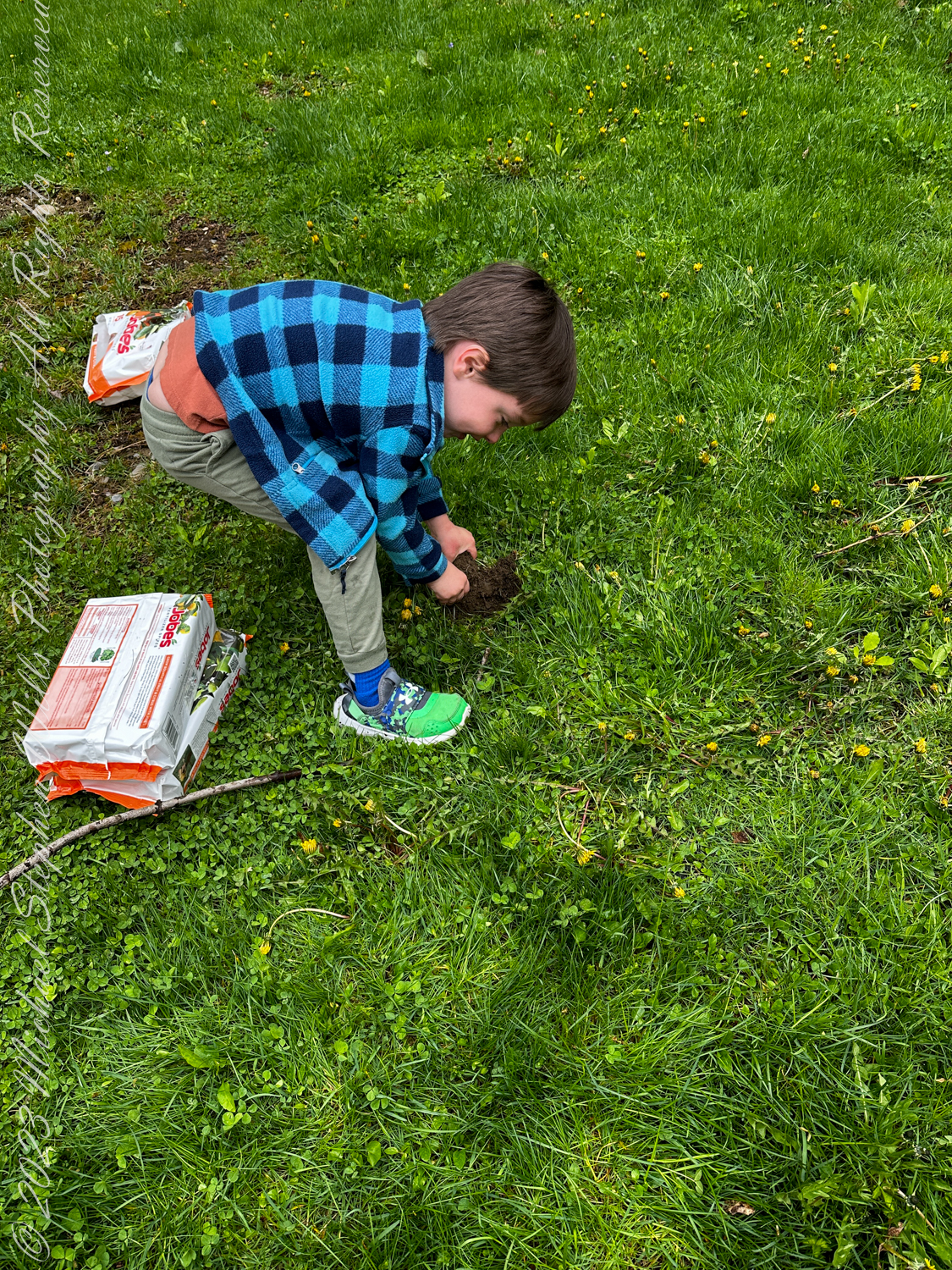
A spring rite of ours is caring for three apple trees. We provide each, a Cortland, a McIntosh, a Delicious, with 15 fertilizer spikes ; 45 in all.

I am way past using a hammer to pound in each. The preferred method is to drive a space into the ground beneath the drip line (the other reach of the branches), lift the handle and drop the spike into the ground, remove the spade and tamp down the ground.

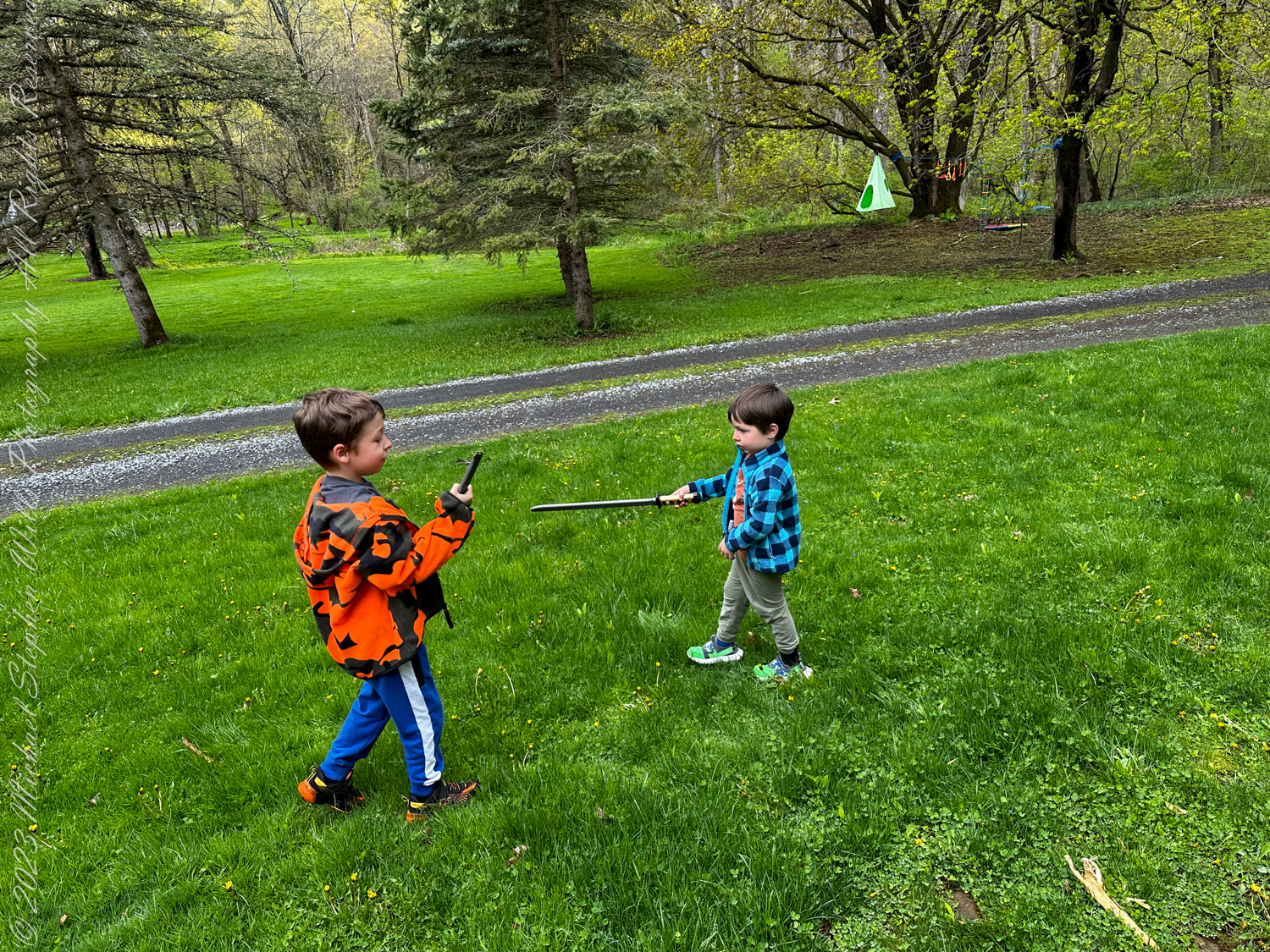
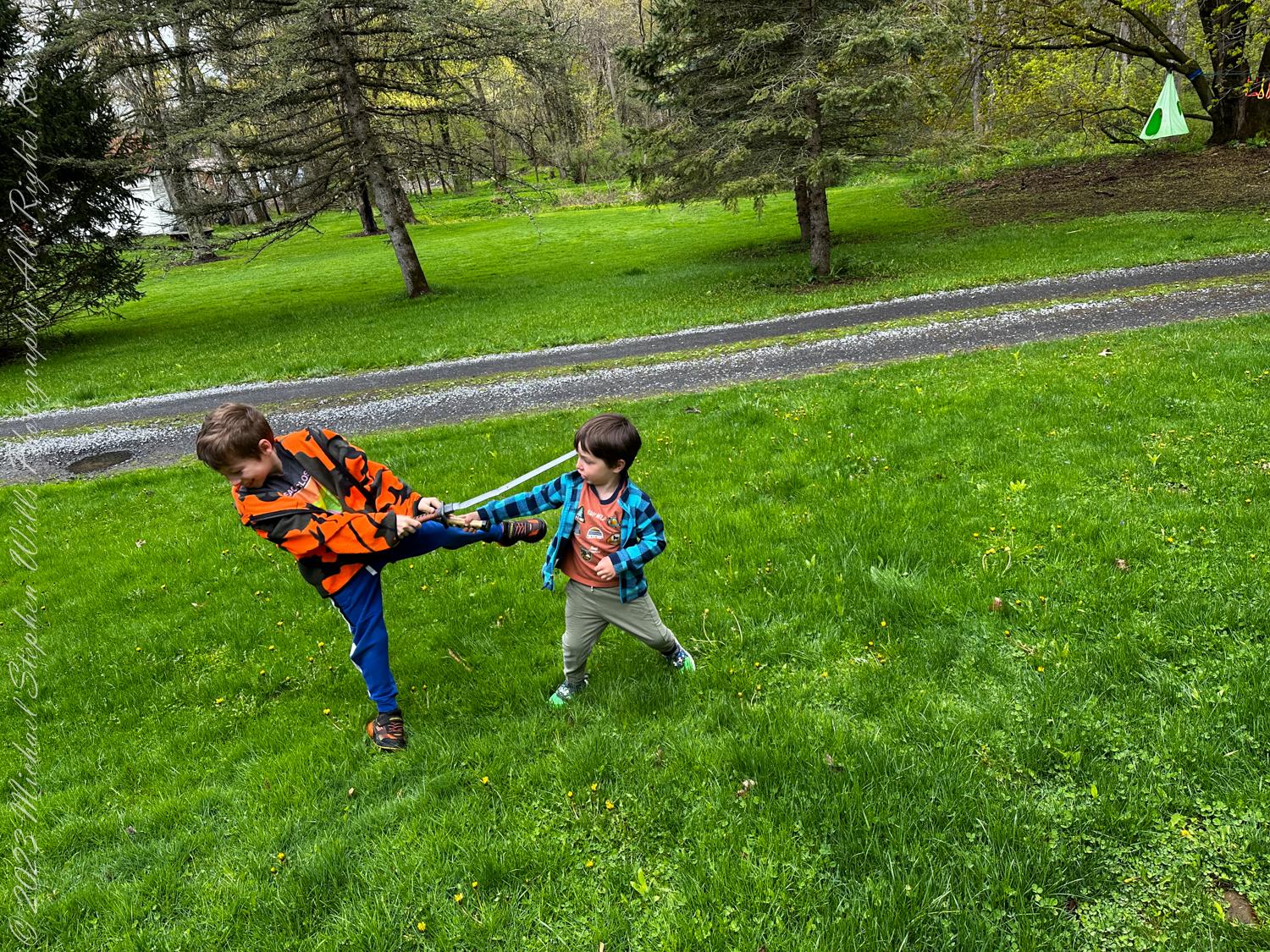
These helpers are now experts in the dropping and counting. Then, enough is enough, time for play.

And lunch….

Copyright 2024 Michael Stephen Wills All Rights Reserved

Ad Astra

To The Stars

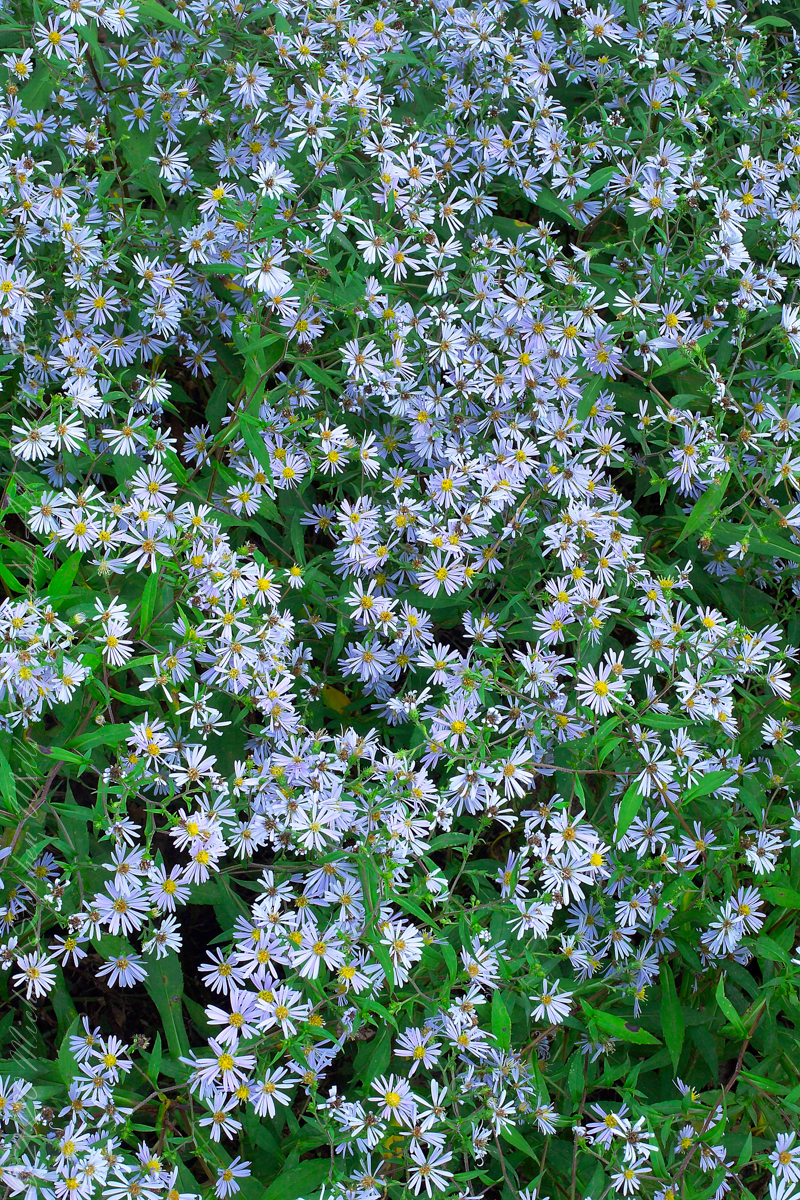
A mass of lavender asters produced for a painterly, restful esthetic. Over the years I have tended beds of these wildflowers. The sunlight of late August/early September here in the Finger Lakes is especially clear and this is when these asters bloom. This were caught on a clear September evening with the sun just behind a stand of large Ash trees.

Click Me to visit this image in my fine art gallery

Symphyotrichum novi-belgii (formerly Aster novi-belgii), commonly called New York aster. Symphyotrichum, a genus in the family Asteraceae, whose species were once considered to be part of the genus Aster. Plants in both these genera are popularly known as Michaelmas daisy because they bloom around September 29, St. Michael’s Day. The Latin specific epithet novi-belgii (literally “New Belgium”) refers not to modern Belgium, but the 17th century Dutch colony New Netherland which was established on land currently occupied by New York state (as Belgica Foederata was the Latin term for the United Netherlands at the time).

Reference: Wikipedia “Symphyotrichum novi-belgii.”

Copyright 2023 Michael StephenWills All Rights Reserved

Malloryville Apple Blossoms

A Memory from 2010

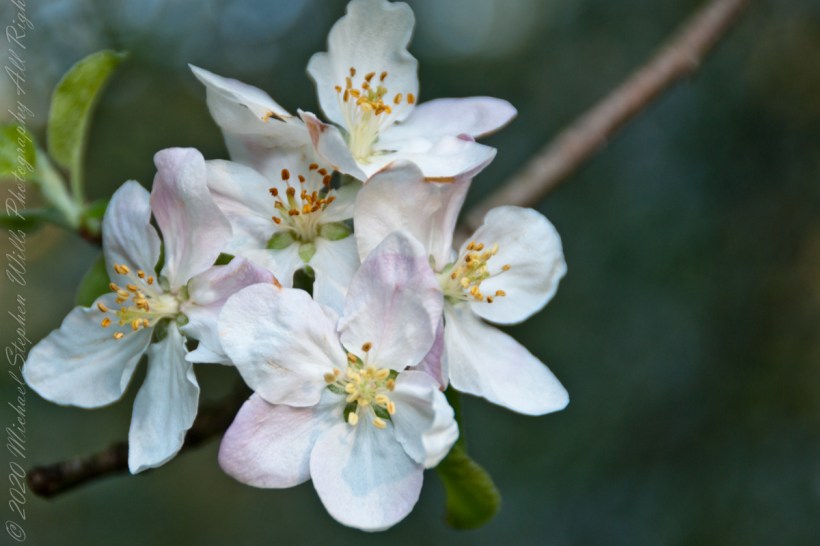
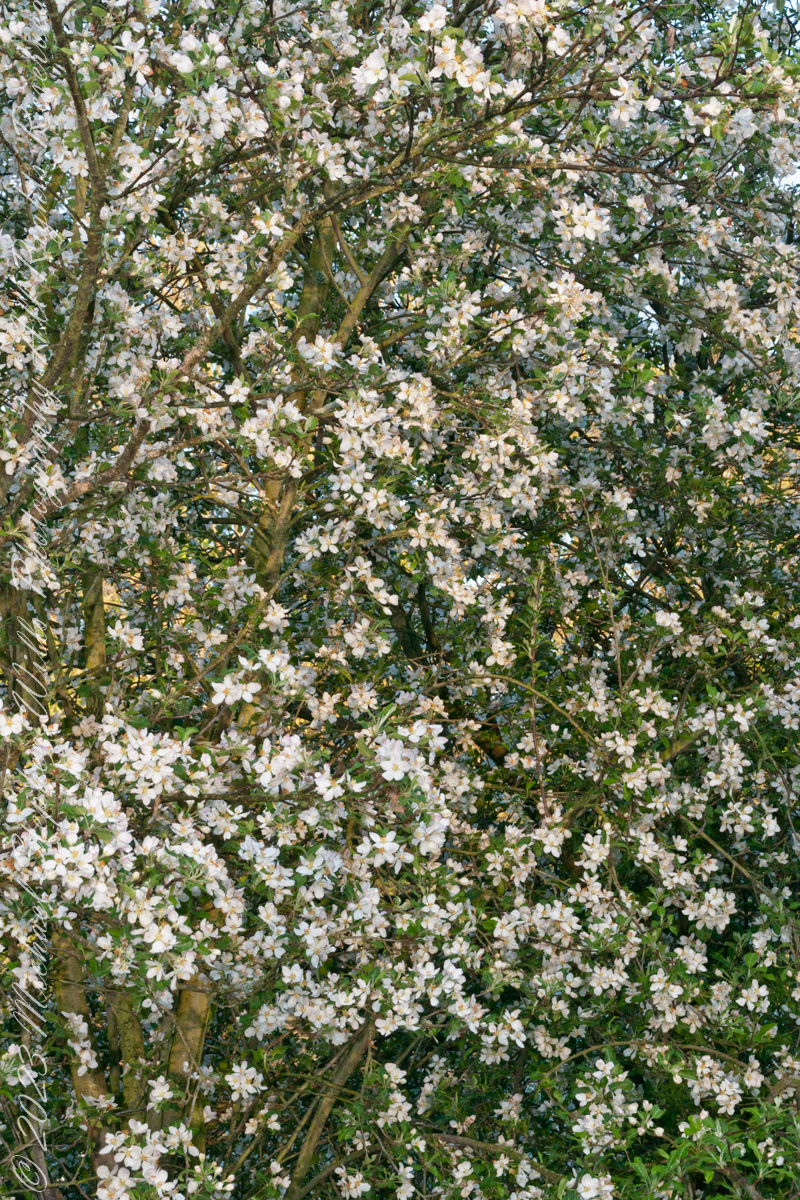
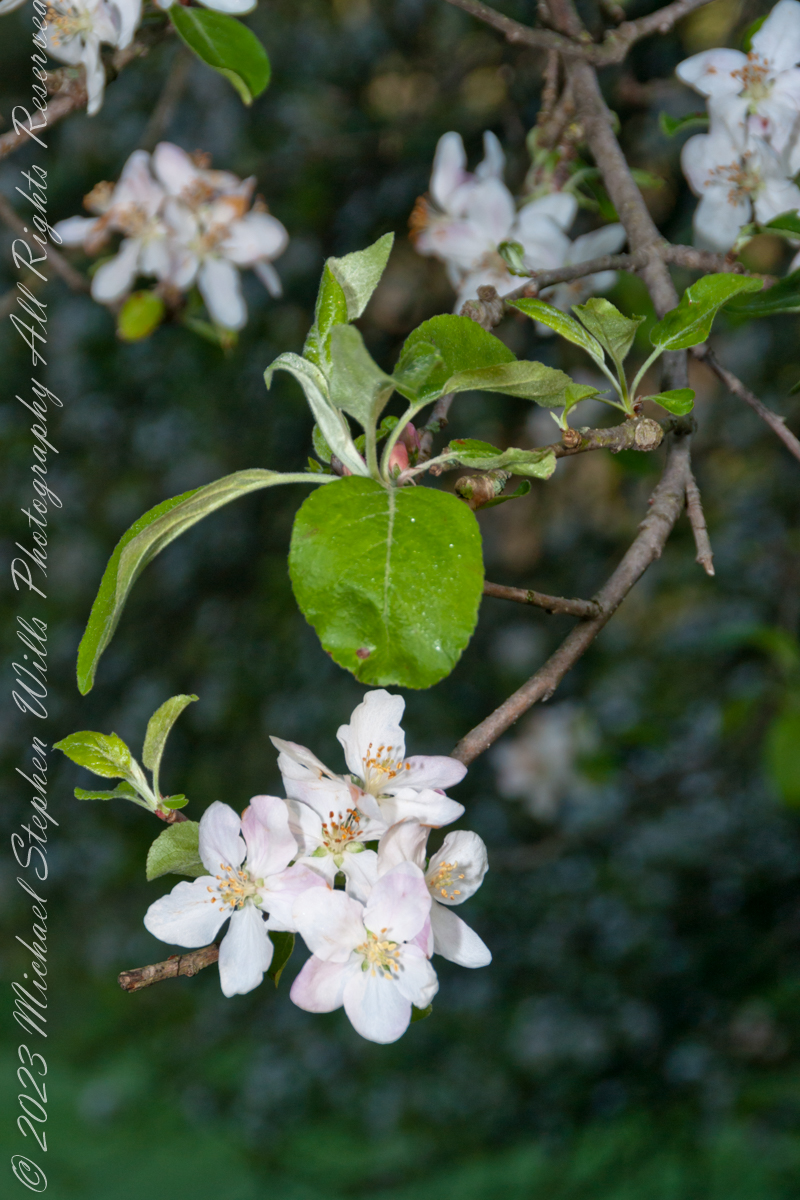
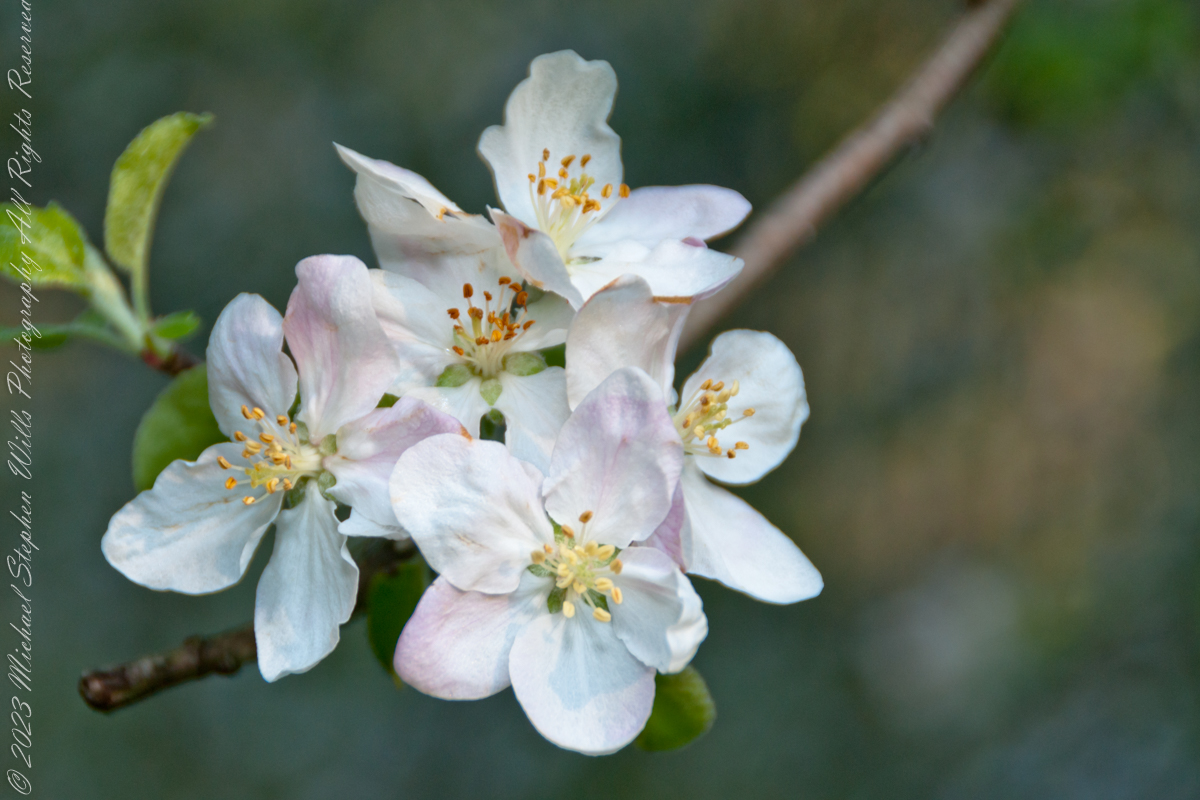
Our home at Malloryville, New York has an orchard of three apple trees, seen here on early one spring morning in the year 2010. The varieties are Delicious, Cortland and McIntosh. Freeville, Tompkins County, New York State

The original wild ancestor of Malus domestica was Malus sieversii, found growing wild in the mountains of Central Asia in southern Kazakhstan, Kyrgyzstan, Tajikistan, and northwestern China. Cultivation of the species, most likely beginning on the forested flanks of the Tian Shan mountains, progressed over a long period of time and permitted secondary introgression of genes from other species into the open-pollinated seeds.

Chinese soft apples, such as M. asiatica and M. prunifolia, have been cultivated as dessert apples for more than 2000 years in China. These are thought to be hybrids between M. baccata and M. sieversii in Kazakhstan.

Among the traits selected for by human growers are size, fruit acidity, color, firmness, and soluble sugar. Unusually for domesticated fruits, the wild M. sieversii origin is only slightly smaller than the modern domesticated apple.

At the Sammardenchia-Cueis site near Udine in Northeastern Italy, seeds from some form of apples have been found in material carbon dated to around 4000 BCE.[20] Genetic analysis has not yet been successfully used to determine whether such ancient apples were wild Malus sylvestris or Malus domesticus containing Malus sieversii ancestry. It is generally also hard to distinguish in the archeological record between foraged wild apples and apple plantations.

There is indirect evidence of apple cultivation in the third millennium BCE in the Middle East. There was substantial apple production in the European classical antiquity, and grafting was certainly known then. Grafting is an essential part of modern domesticated apple production, to be able to propagate the best cultivars; it is unclear when apple tree grafting was invented.

The proverb, “An apple a day keeps the doctor away”, addressing the supposed health benefits of the fruit, has been traced to 19th-century Wales, where the original phrase was “Eat an apple on going to bed, and you’ll keep the doctor from earning his bread”. In the 19th century and early 20th, the phrase evolved to “an apple a day, no doctor to pay” and “an apple a day sends the doctor away”; the phrasing now commonly used was first recorded in 1922.

Reference: Wikipedia “Apple”

Copyright 2023 Michael Stephen Wills All Rights Reserved