Nature’s Role in Recovery: October at Treman Park

Pam’s recovery from hip replacement unfolds in Upper Robert H. Treman State Park, intertwining personal resilience with nature’s healing beauty.

On a crisp October afternoon, October 3, 2024, Pam and I reveled in Upper Robert H. Treman State Park, a serene oasis nestled in Tompkins County. This visit was particularly special for us, a step in Pam’s recovery from her August hip replacement. I remember the sound of her hiking pole tapping the ground as we walked together, feeling grateful for her progress since surgery. The air was cool, and the leaves, turning gold and orange, whispered in the breeze, providing the perfect backdrop for our outing that day.

Our path followed the creek, the same creek that winds through the heart of the park, framed by layers of stone and lush vegetation. In one of the first photos I took that day, you can see the creek reflecting the soft autumn light, its bed dotted with rocks and fallen branches. The vibrant greens of the undergrowth juxtaposed with the golden leaves made the scene feel timeless, as though nature itself was participating in Pam’s recovery, offering healing in its quiet, enduring beauty.
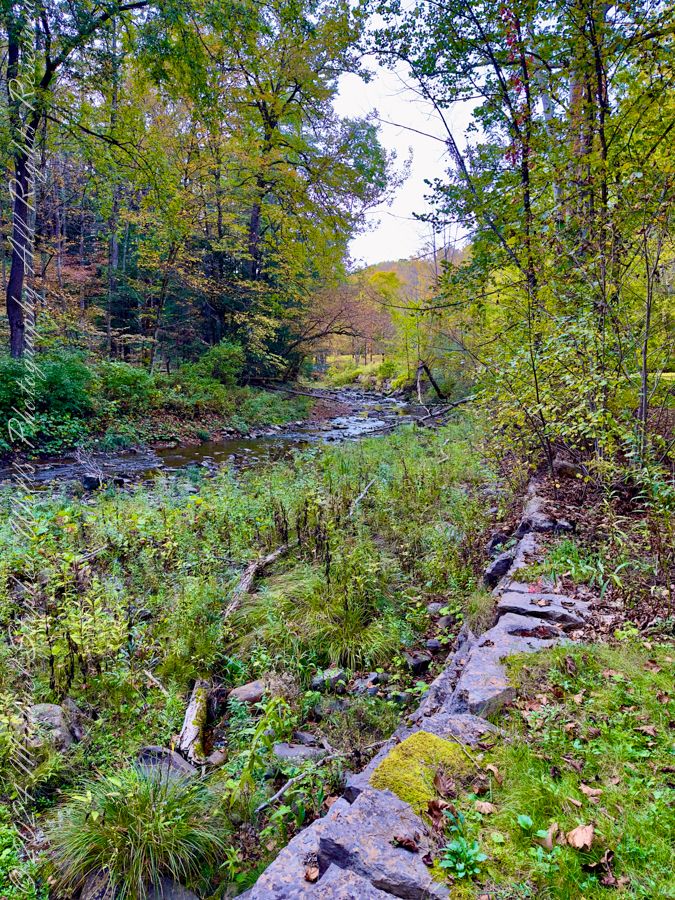
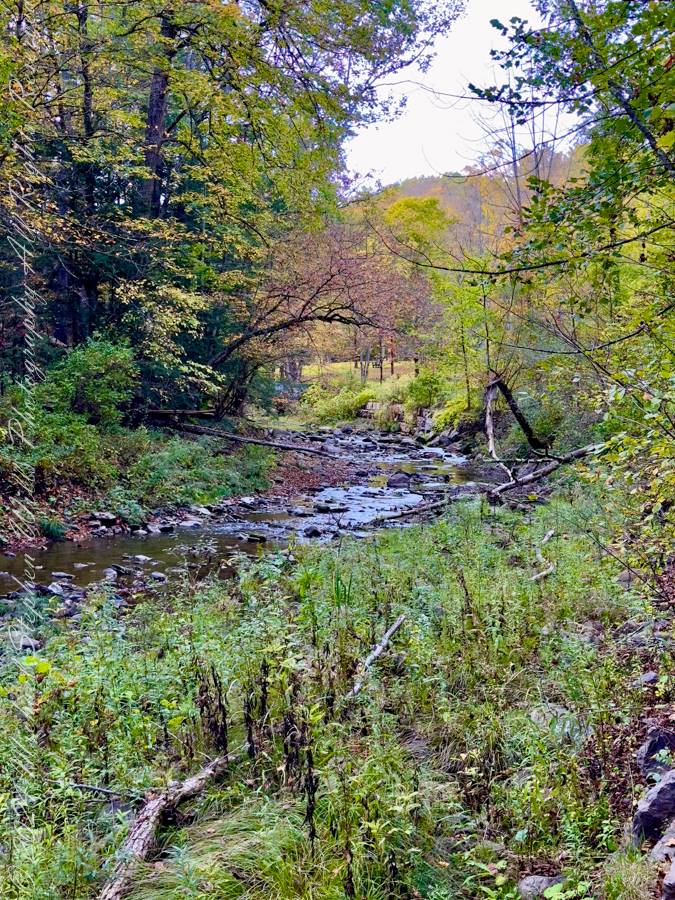
The view upstream just before the creek enters The Gallery. Robert H. Treman State Park, Enfield, Tompkins County, Finger Lakes Region, New York State.

We paused to take in the quiet hum of life around us. There was a sense of history in the park that seemed to blend with our personal story. As we wandered deeper, we reached the foundation of the old Budd House, its stone blocks now barely a shadow of the past but still carrying echoes of life lived long ago. The placard described Charles Budd, a village blacksmith and postmaster, and his wife, Deborah, who continued to serve the community after his passing. Standing there, I reflected on how these stones, much like Pam’s journey, represented resilience and the passage of time.
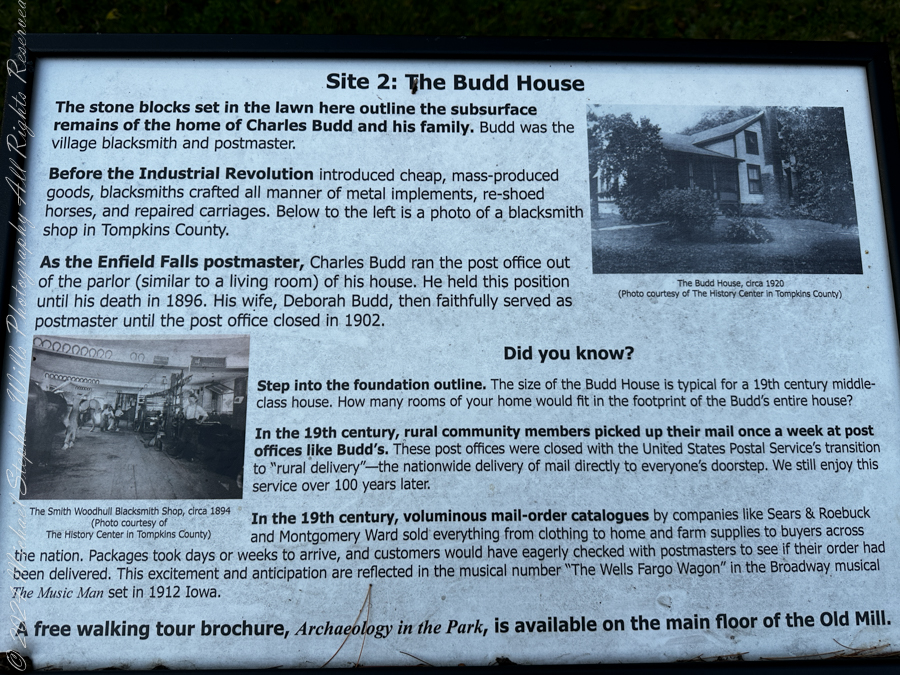
Site 2: The Budd House The stone blocks set in the lawn here outline the subsurface remains of the home of Charles Budd and his family. Budd was the village blacksmith and postmaster. Before the Industrial Revolution introduced cheap, mass-produced goods, blacksmiths crafted all manner of metal implements, re-shoed horses, and repaired carriages. Below to the left is a photo of a blacksmith shop in Tompkins County. As the Enfield Falls postmaster, Charles Budd ran the post office out of the parlor (similar to a living room) of his house. He held this position until his death in 1896. His wife, Deborah Budd, then faithfully served as postmaster until the post office closed in 1902. Did you know? Step into the foundation outline. The size of the Budd House is typical for a 19th century middle-class house. How many rooms of your home would fit in the footprint of the Budd’s entire house? In the 19th century, rural community members picked up their mail once a week at post offices like Budd’s. These post offices were closed with the United States Postal Service’s transition to “rural delivery”—the nationwide delivery of mail directly to everyone’s doorstep. We still enjoy this service over 100 years later. In the 19th century, voluminous mail-order catalogues by companies like Sears & Roebuck and Montgomery Ward sold everything from clothing to home and farm supplies to buyers across the nation. Packages took days or weeks to arrive, and customers would have eagerly checked with postmasters to see if their order had been delivered. This excitement and anticipation are reflected in the musical number “The Wells Fargo Wagon” in the Broadway musical The Music Man set in 1912 Iowa. A free walking tour brochure, Archaeology in the Park, is available on the main floor of the Old Mill. Upper Treman. Robert H. Treman State Park, Enfield, Tompkins County, Finger Lakes Region, New York State.

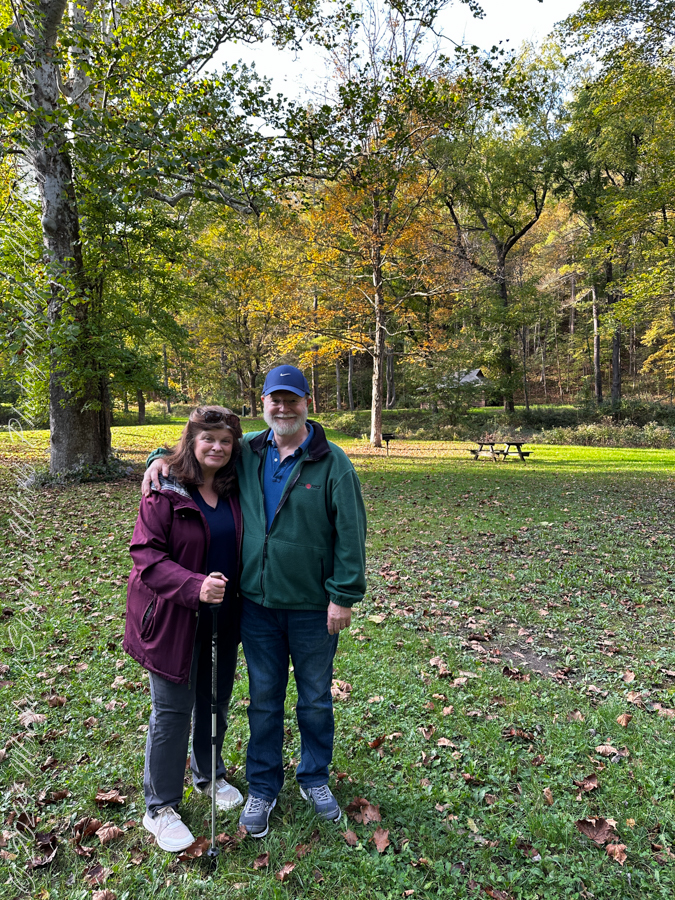
As we stood by the foundation, we met another couple. The woman shared her own story of recovery, a tale of resilience that resonated deeply with us. She had fallen and suffered a spinal injury, becoming paralyzed from the neck down, while traveling. Thanks to surgery and rehabilitation, she regained full mobility. There was a moment of understanding and connection between us. We offered to take a photo of them, and they returned the favor, capturing the two of us—Pam leaning lightly on her cane, smiling, surrounded by trees whose leaves were beginning to fall. That picture, one of my favorites from the day, symbolizes not just Pam’s strength but also the support and shared experiences that come with recovery.
We are taking a walk through upper Treman Park during Pam’s recovery from hip replacement. This was taken by a couple we met.

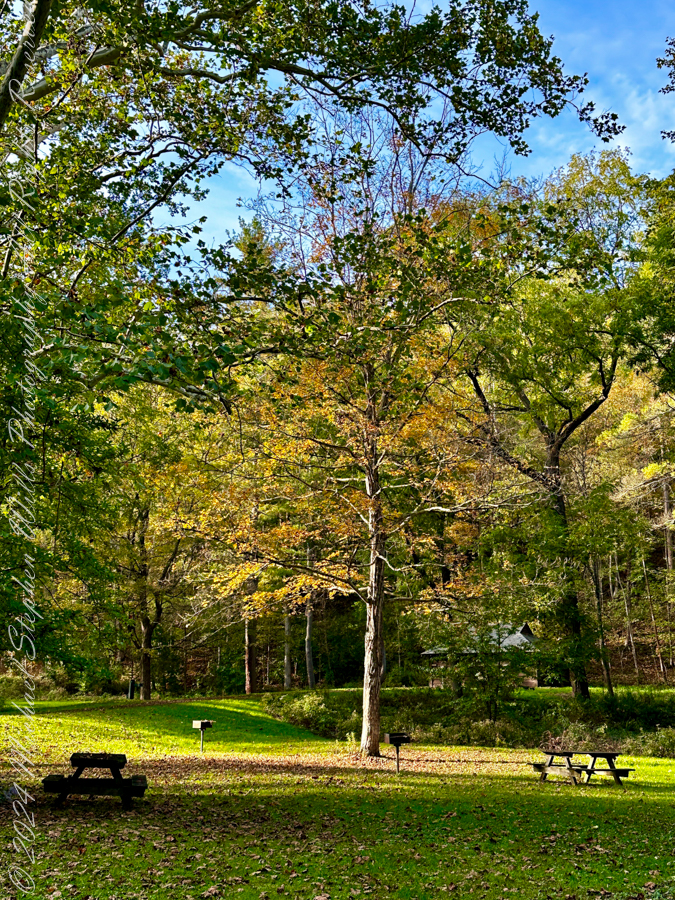
The park offered us a space for reflection and a sense of continuity. The trees, some towering over us with roots gripping the earth, had seen many seasons of change, and now they watched over us as we walked beneath them. In the clearing where picnic tables stood, we sat for a while, simply absorbing the moment. The afternoon light filtered through the branches, casting long shadows on the grass.
One of the final photos I took that day captures the creek from another angle. The water, calm and clear, reflects the yellow hues of the trees, while the rocks and roots along the bank seem frozen in time. It’s a peaceful image, one that reminds me of the quiet strength that Pam has shown throughout her recovery.
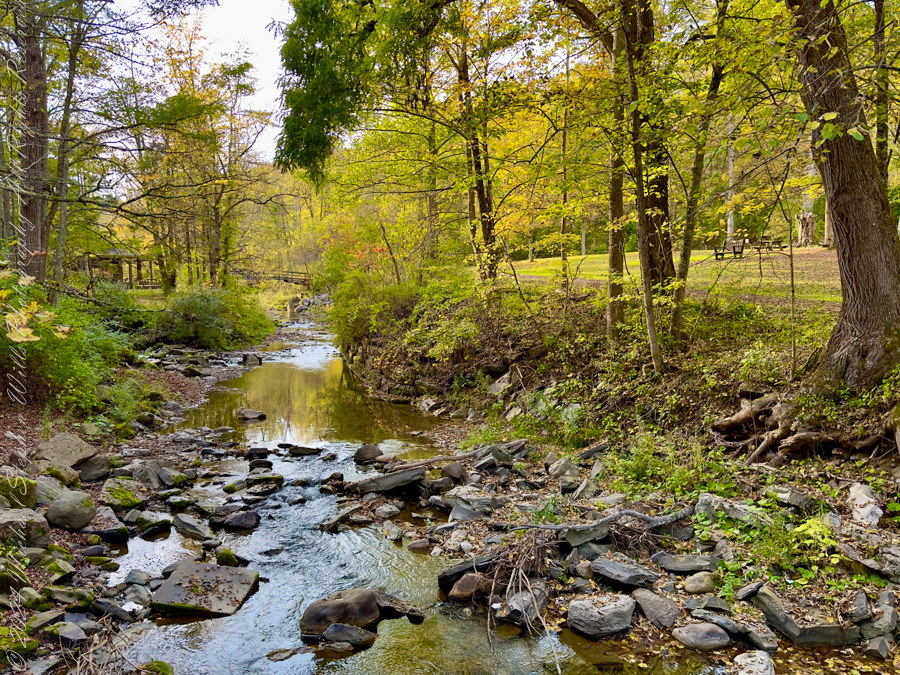
Here Fish Creek, a tributary of Enfield Creek joins the flow just below the pavilion of Upper Treman.

We left the park that day feeling both uplifted and grounded, the layers of history and personal resilience blending seamlessly into the natural landscape. Upper Robert H. Treman had become had become a part of Pam’s recovery story, a testament to the healing power of both nature and community.
Enter your email to receive notification of future postings. I will not sell or share your email address.

Capturing Fall’s Beauty: A Journey of Healing

During a reflective walk, the author parallels the beauty of autumn his wife’s healing journey post-surgery, celebrating transformation and resilience.

As I waited for Pam to finish her 30-minute physical therapy session at the Northeast Ithaca medical complex, I decided to capture moments of the fall season through my camera lens while walking. There’s something about this time of year—the crispness in the air, the vibrancy of the colors—that invites reflection, especially with the significance of Pam’s recovery following her hip replacement. These moments, both large and small, weave together to form the tapestry of life, and today, I felt a strong pull to observe, to pause, and to appreciate.

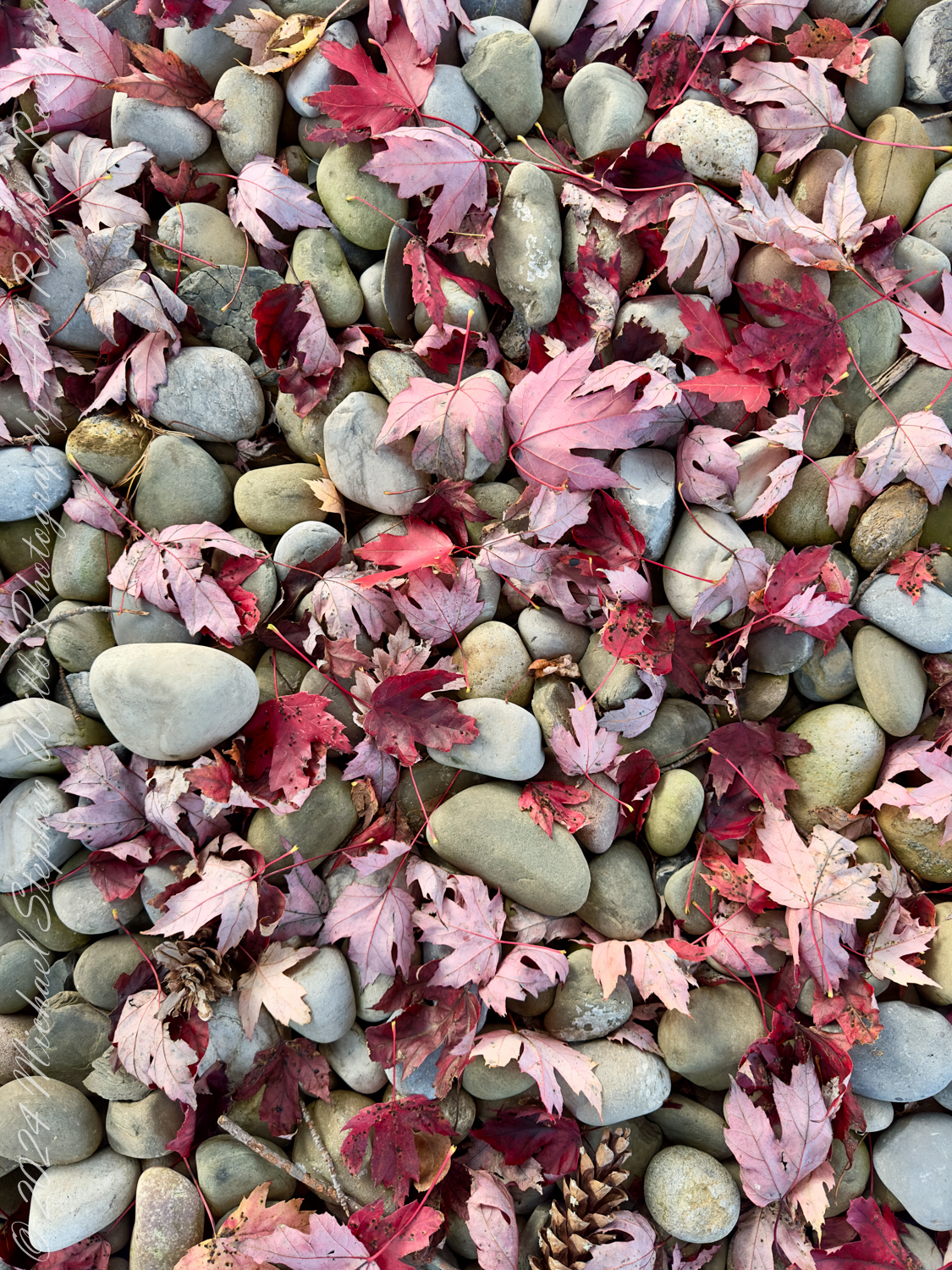
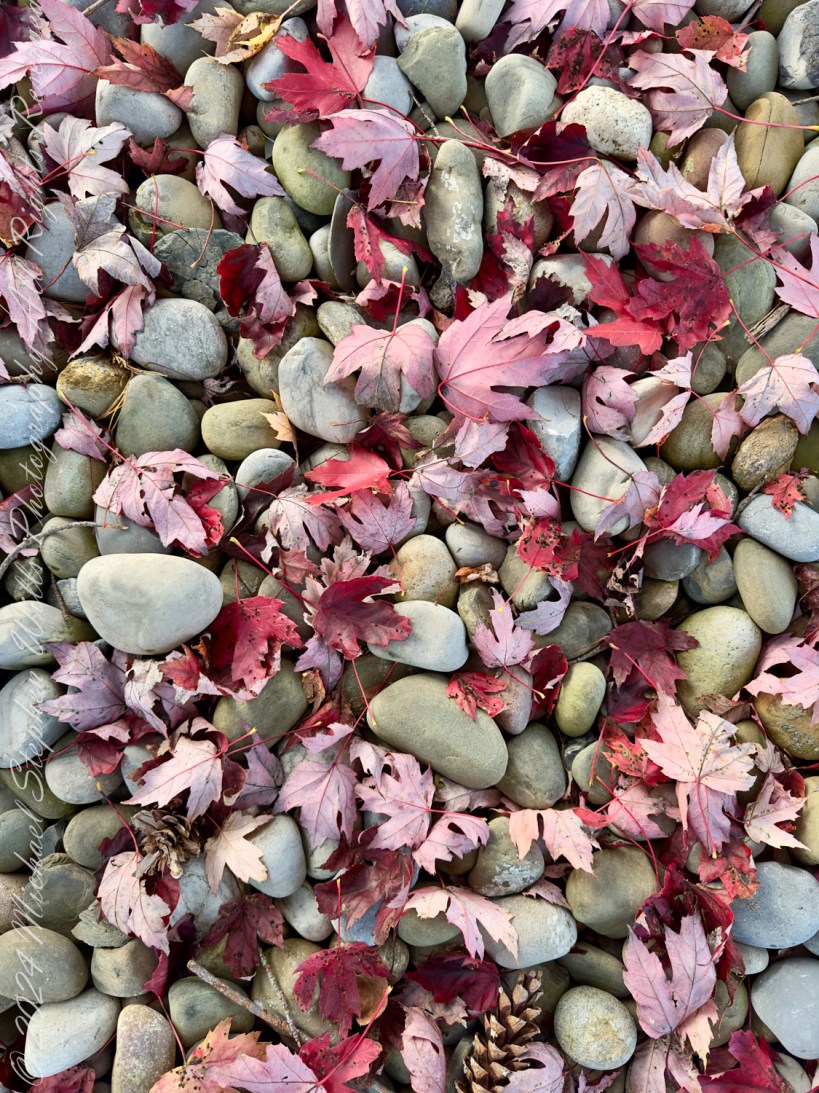
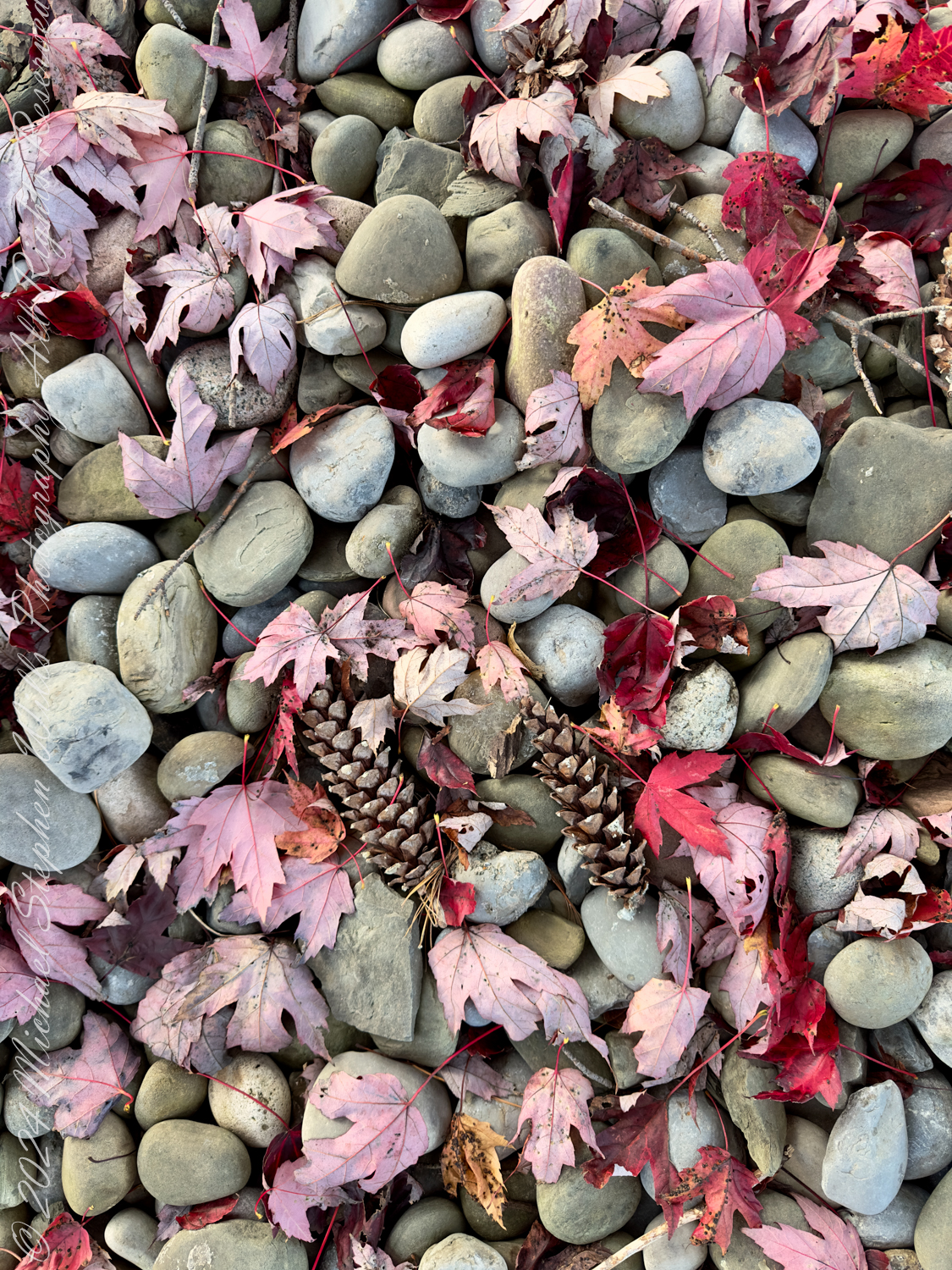
The first scene that caught my eye was a delicate scattering of maple leaves over smooth, weather-worn stones. The contrast between the rigid rocks and the soft, decaying leaves reminded me of life’s cyclical nature. The bright red and pale pink hues of the leaves, now beginning their slow decomposition, seemed to symbolize the passage of time—how even in their decay, they added beauty and texture to the scene. The leaves, having served their purpose on the tree, now danced with the wind, finding a new purpose in creating a natural mosaic. Much like how Pam’s healing journey is both the end of one struggle and the beginning of a new phase in our lives.

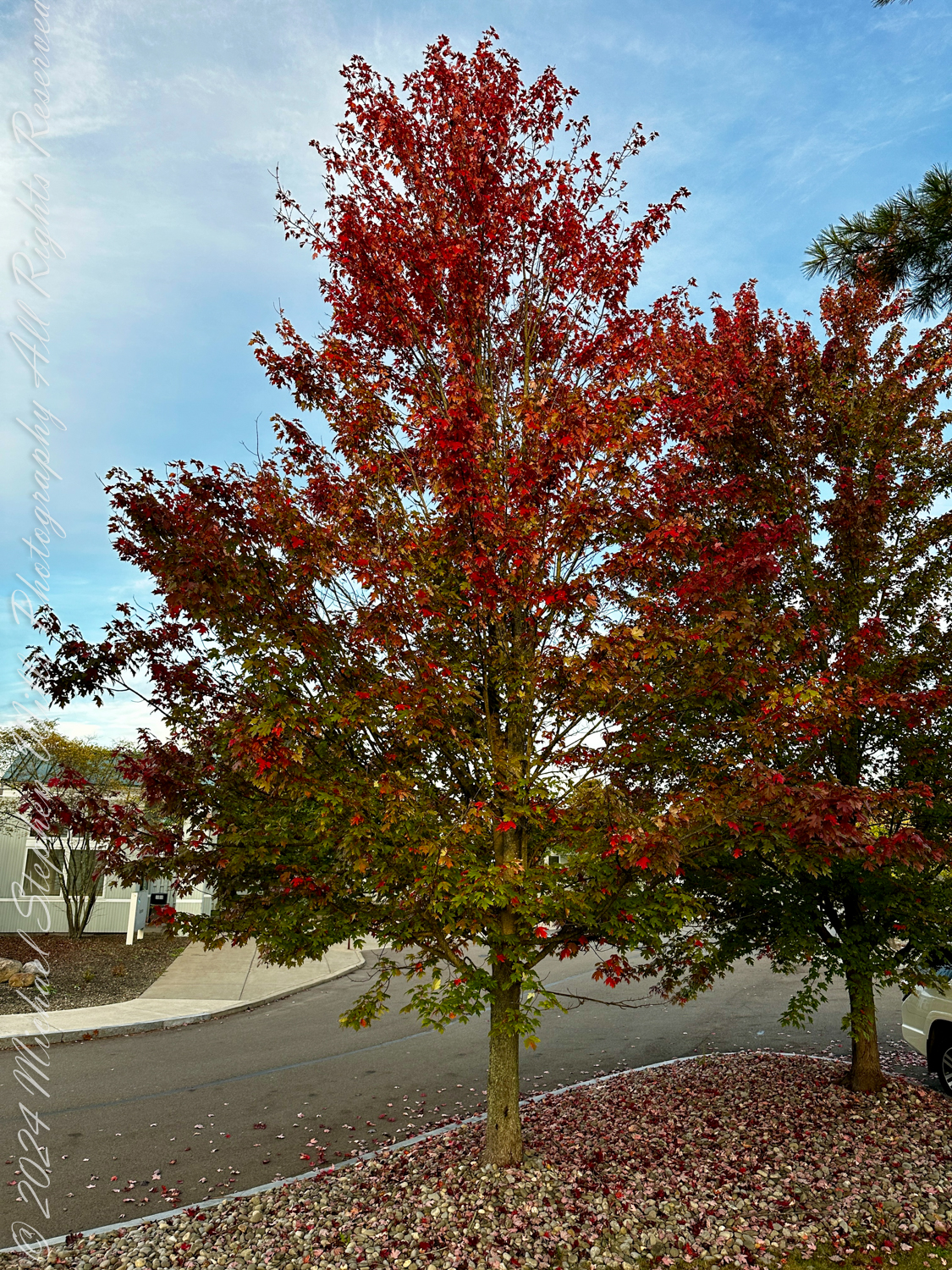
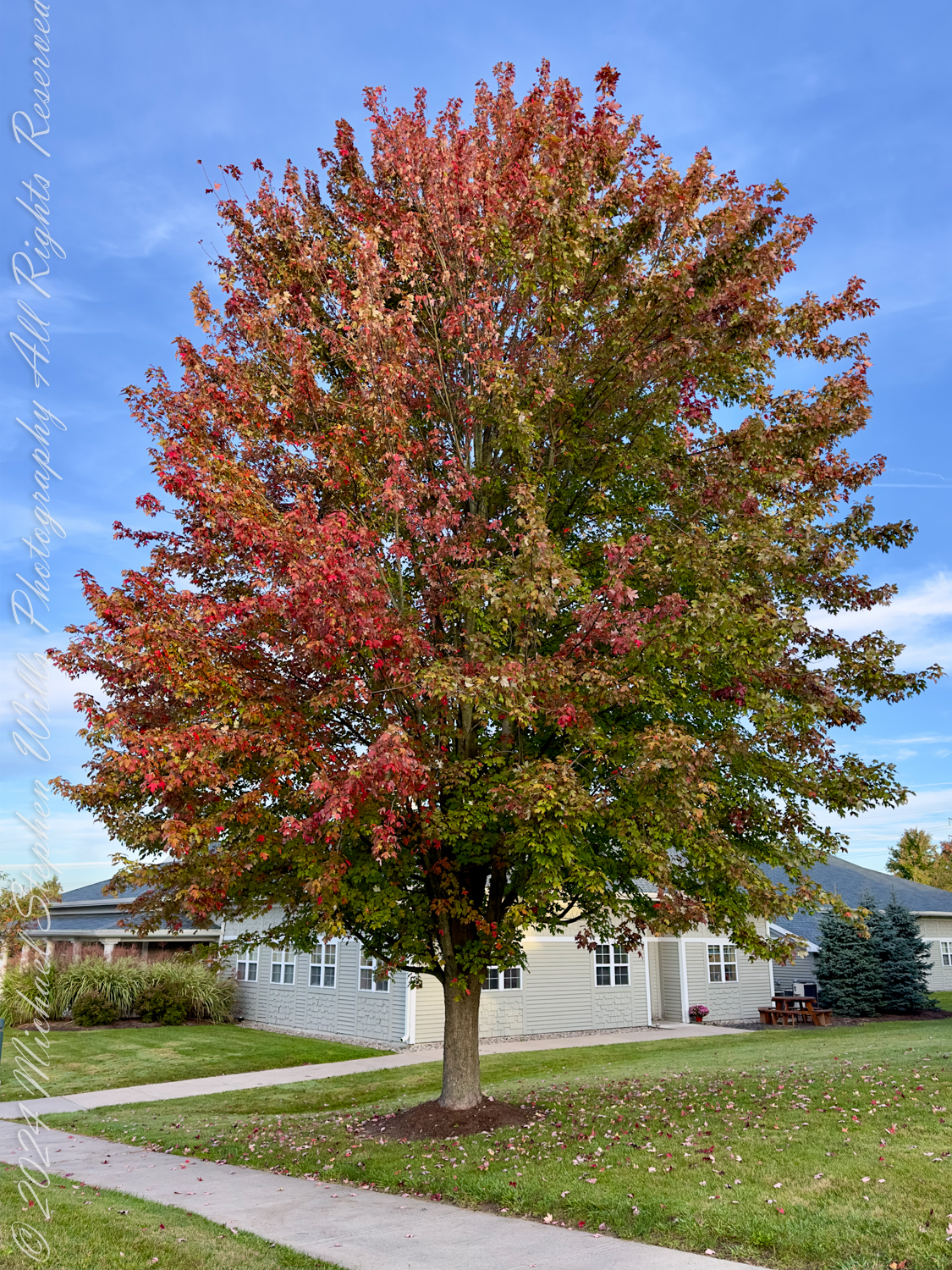
As I continued walking, I came upon a maple tree, standing tall with its branches adorned in fiery reds. The vibrancy of the foliage against the sky reminded me of strength in adversity. The tree had begun its seasonal transformation, shedding its leaves as it prepares for winter—a time of rest before the renewal of spring. I thought about how Pam, too, is in a season of transformation. Her body is adjusting, healing from the surgery, and preparing for new movement and freedom that will come in time. Watching the wind gently tug at the leaves, I couldn’t help but feel grateful for her resilience.

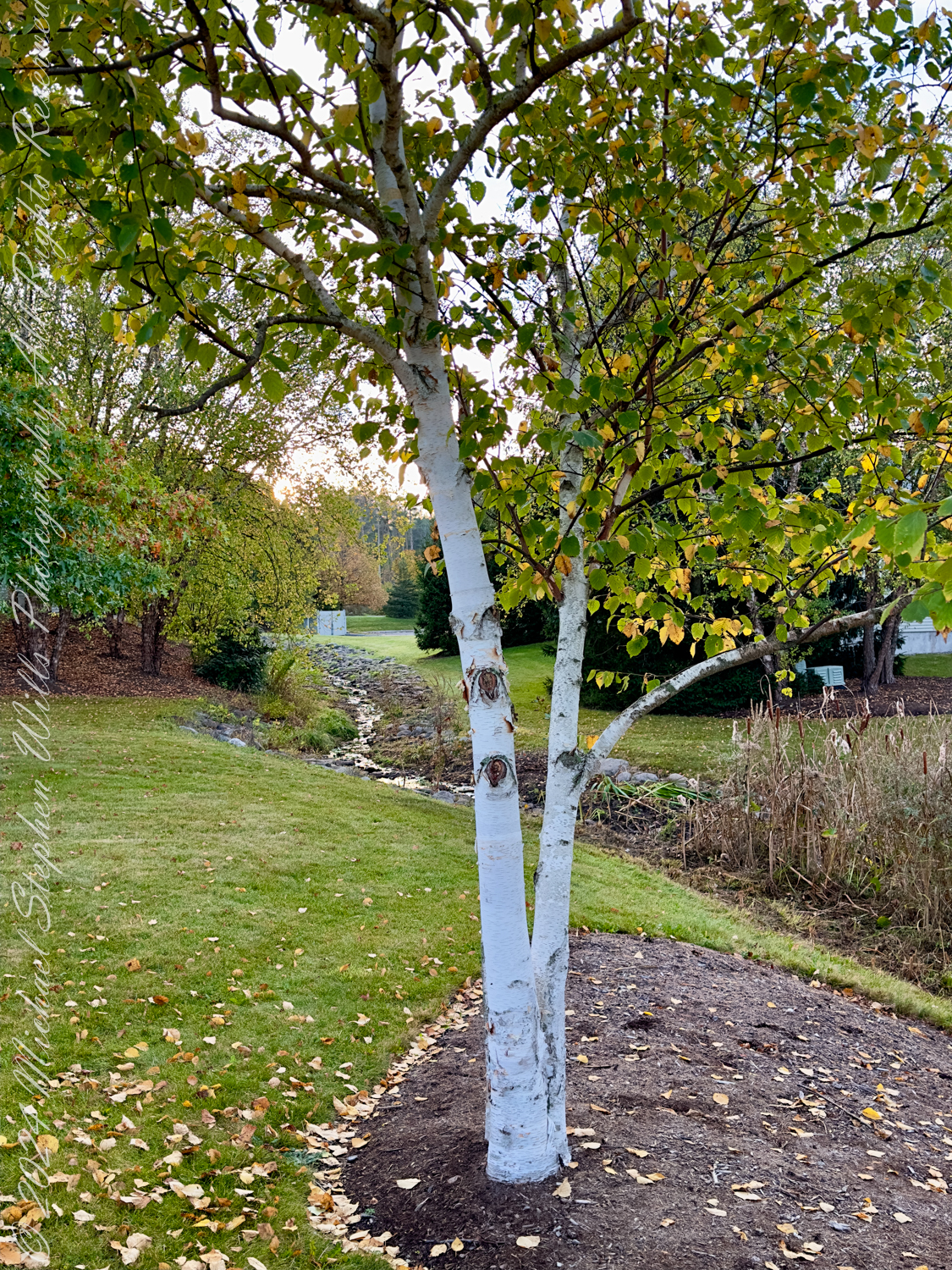
Nearby, a slender birch tree stood out, its bark a striking white against the greens and golds of early fall. The birch, with its smooth and peeling bark, fascinates me. It exudes a quiet elegance, standing firm and graceful; a symbol of quiet endurance, a steadfast presence amidst the ever-changing landscape. Much like the birch, Pam has weathered the storm of surgery with grace, moving through pain and discomfort with a quiet determination. The sound of a gentle stream nearby only added to the serenity of the scene, offering a soft, meditative backdrop to my thoughts.

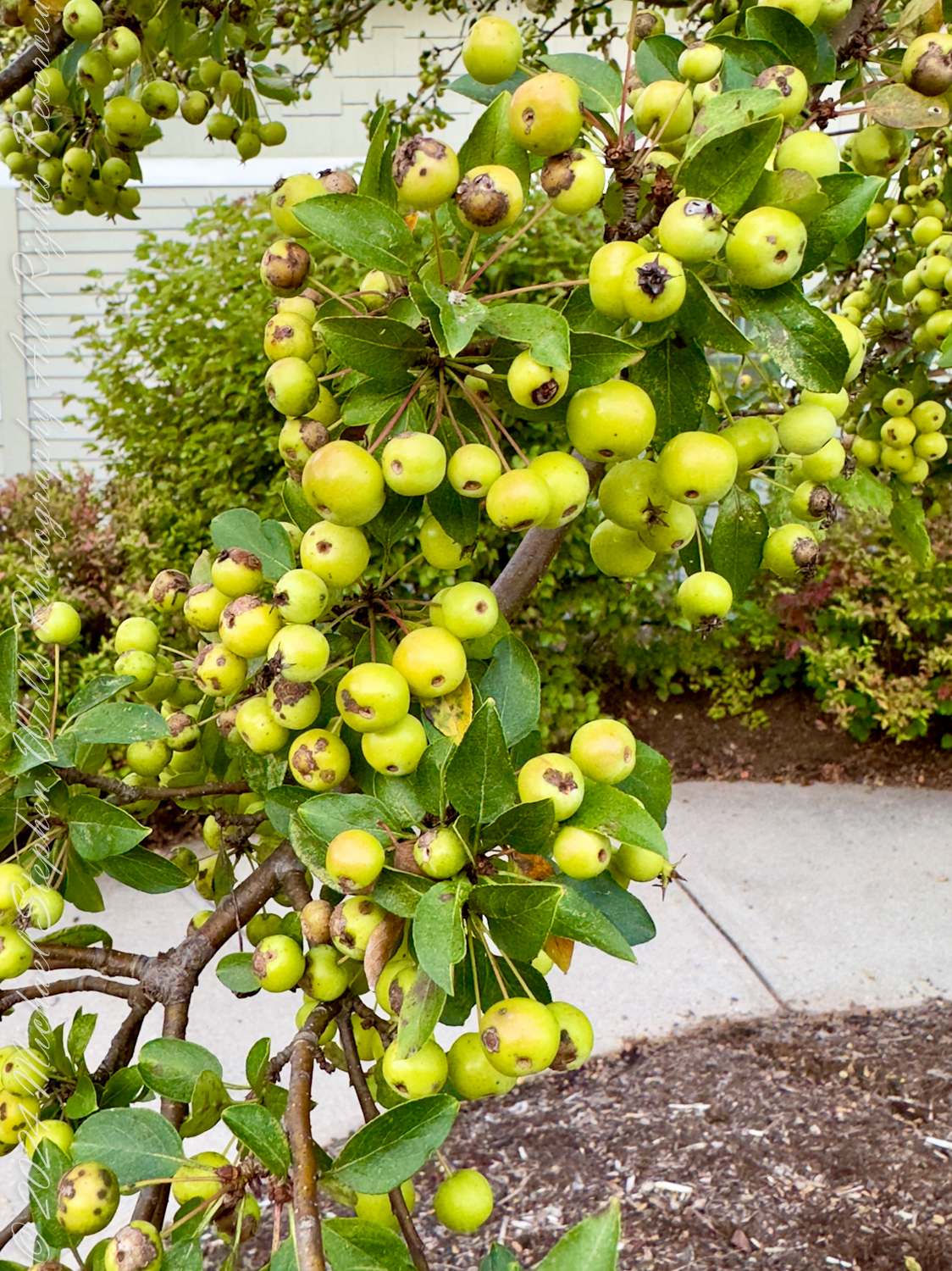
Further along, I encountered clusters of green crabapples hanging heavily from a tree. Their small, round forms were imperfect, dotted with blemishes and signs of wear, yet there was beauty in their abundance. These fruits, while not perfect, are a testament to the tree’s efforts throughout the year, a reminder that growth and effort often result in the imperfect. Pam’s recovery isn’t without its challenges, but each step, each small victory, is a testament to her effort and determination. The crabapples reminded me that perfection is not the goal—progress and perseverance are.

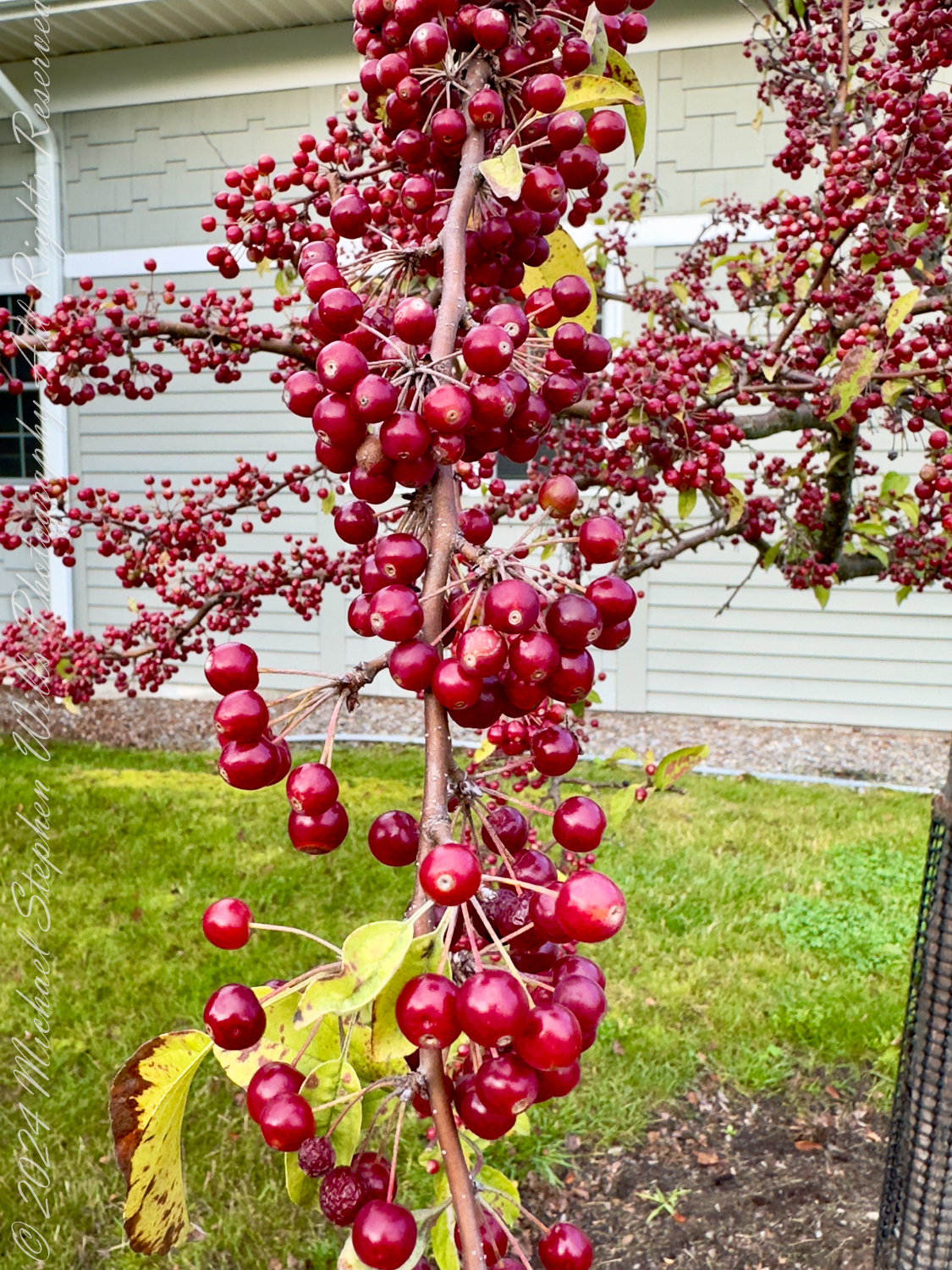
On another tree, I found its branches laden with bright red berries, their glossy surfaces shining in the light. These berries, hanging so densely, added a sense of richness to the landscape, a vibrant contrast to the yellowing leaves of nearby trees. In many cultures, red berries symbolize vitality and protection, and in this moment, I thought of Pam’s vitality, her strength to heal and return to her daily life. The image of the berries will always remind me of this chapter of her recovery—a time where her strength was most evident.

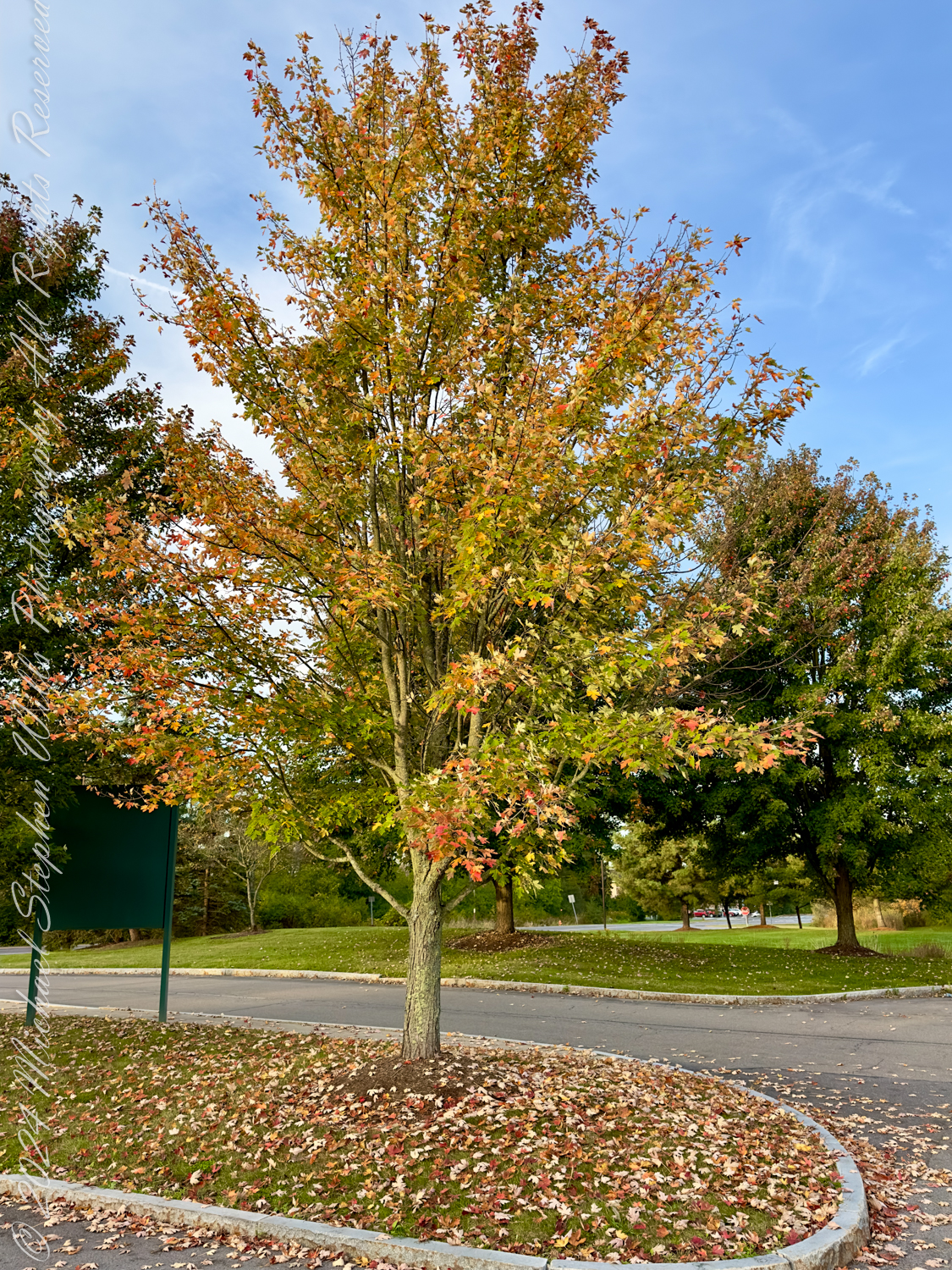
As my walk continued, I marveled at another maple tree, its colors starting to fade into yellows and oranges, the leaves slowly dropping to the ground. The fallen leaves created a soft blanket around the tree, a reminder that letting go is a natural part of life. We often hold on to things, ideas, or even pain, long after they have served their purpose. Watching these leaves fall, I thought about Pam letting go of the pain and limitations she’s carried for months. Her body, much like this tree, is learning to release, to move forward.

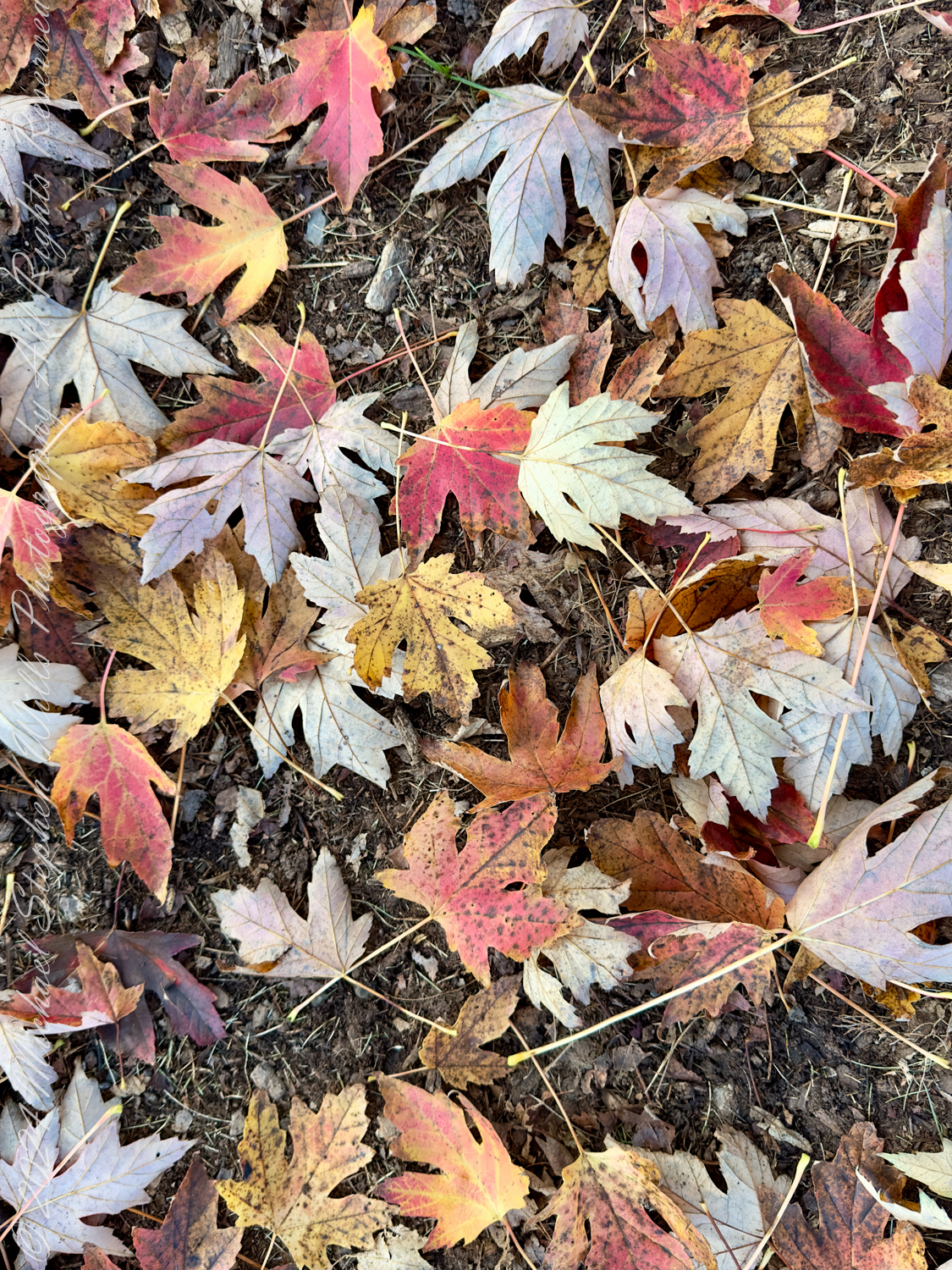
On the ground, I noticed a close-up of more fallen leaves, these ones touched with both vibrant and fading hues, each in a different stage of its journey. Together, they formed a beautiful, textured layer over the soil, offering nutrients to the earth below. Even in their end, they contribute to new life. It struck me that even in difficult times, there is always a sense of renewal and growth. Pam’s healing is part of a larger cycle—one of renewal and transformation.

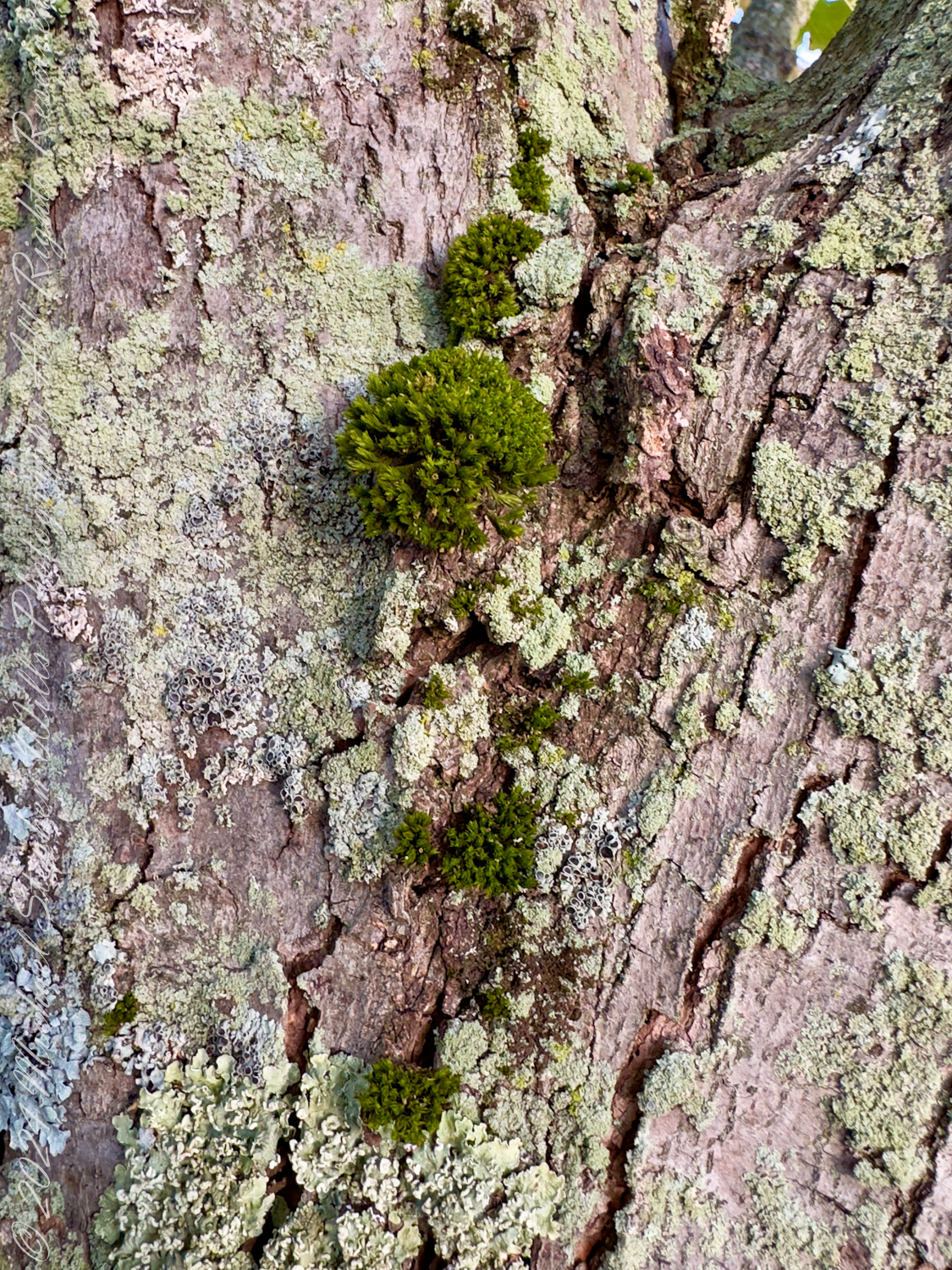
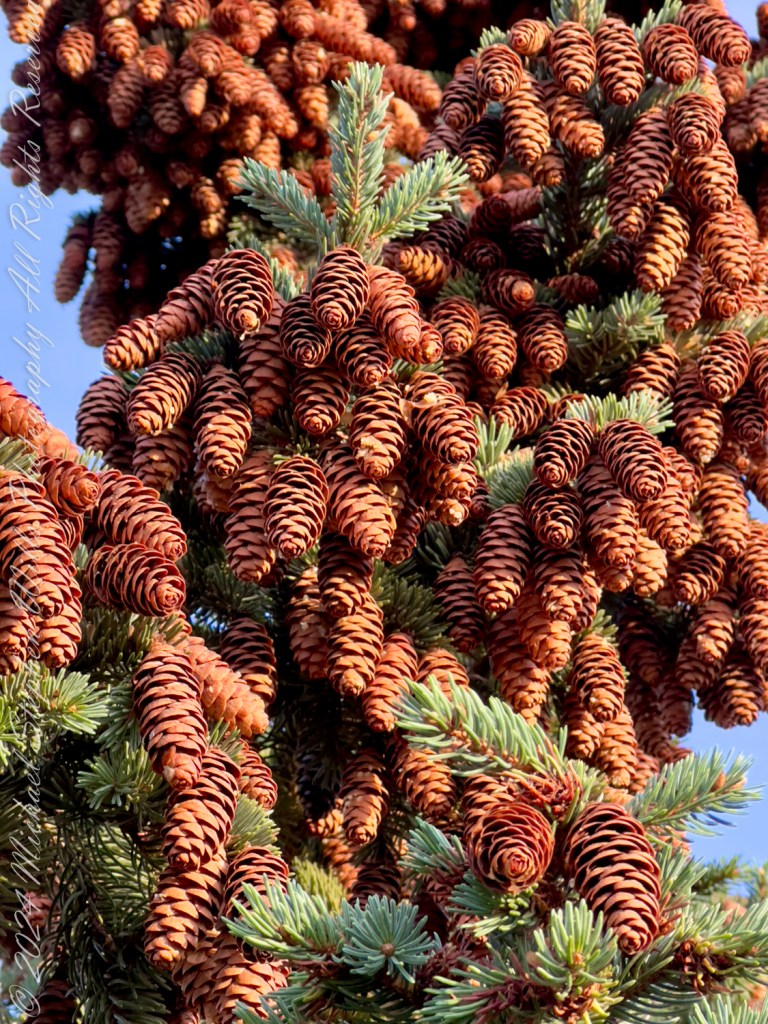
The final images of my walk were close-ups of a tree trunk covered in moss and lichen, and then the cones of a towering spruce tree. The moss, a soft green against the rough bark, seemed like nature’s way of nurturing the tree, offering protection and a touch of life in an otherwise harsh world. The cones, hanging in abundance from the spruce, signified a sense of continuity, of life moving forward even as the seasons change.

As I made my way, I realized this walk had been a meditation on Pam’s recovery, on the beauty of change, on the lessons nature offers in every season. Just as the trees prepare for winter and eventual rebirth, Pam too is in a season of healing, and I am grateful for every step she takes toward renewal.

Enter your email to receive notification of future postings. I will not sell or share your email address.