Valparaiso Connections III

Copper Cable and History

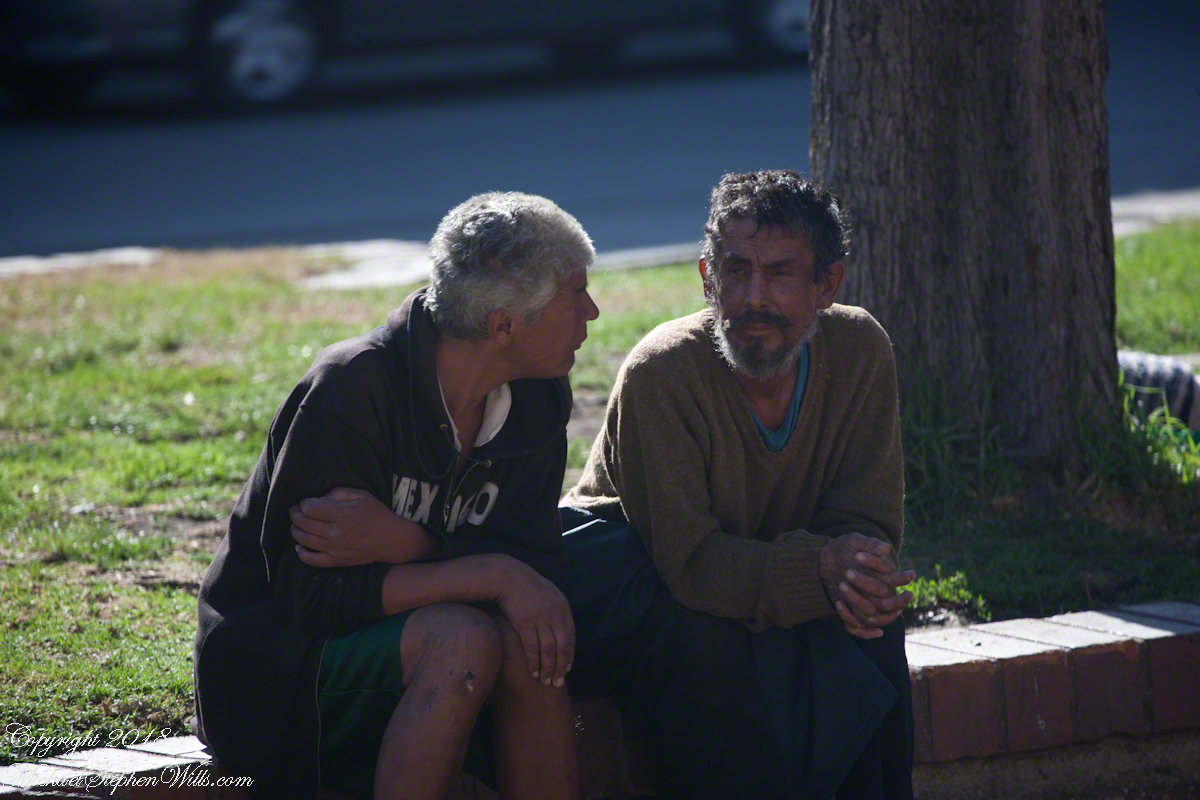
“Valparaiso Connections II” left us with these friendly Valparasians, if such a word can be used to describe residents of the city, chatting on Argentina Avenue.

It was Saturday, the happy occasion of the weekend street fair, kiosks sprouting like mushrooms, thinly attended this early morning.
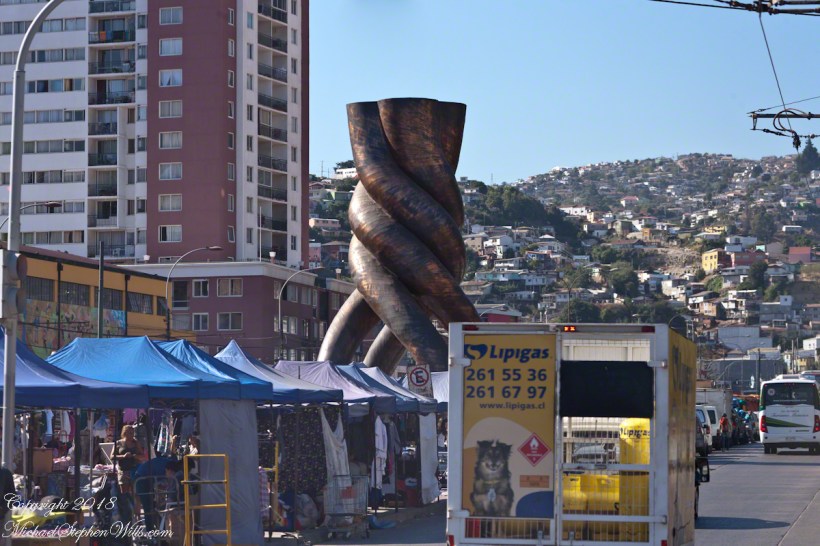
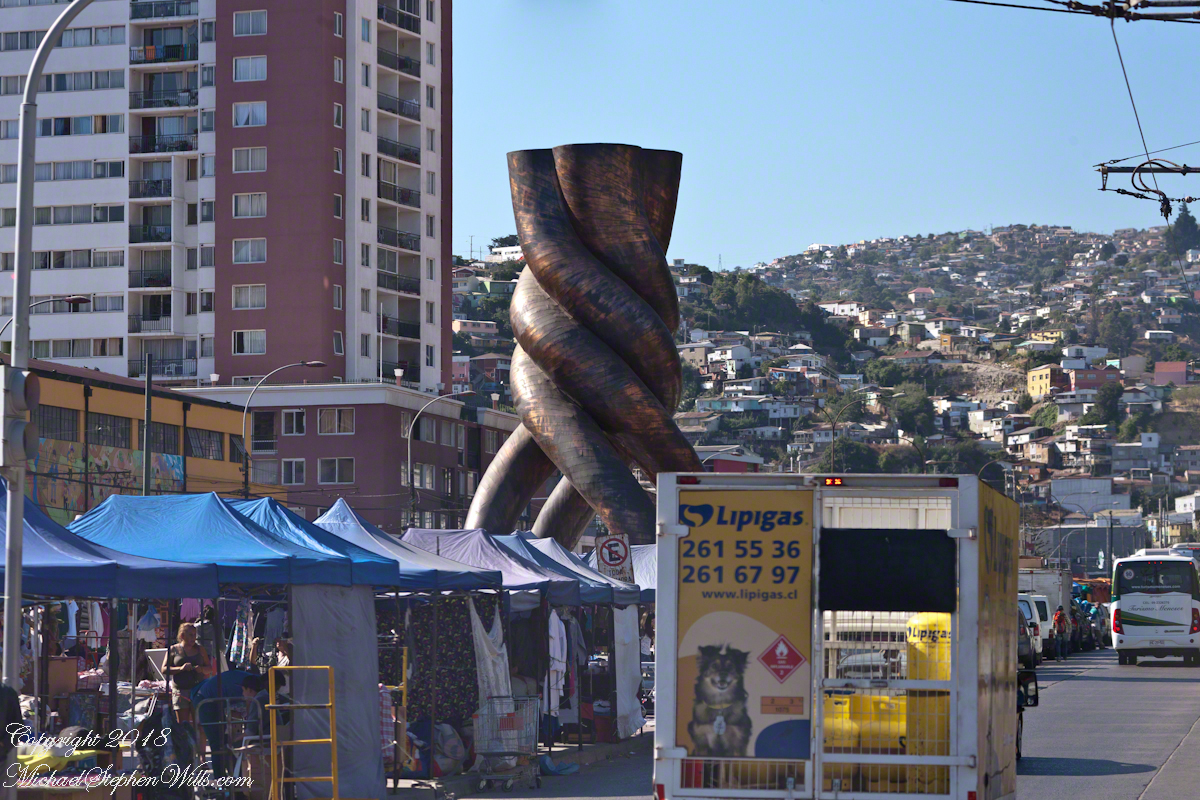
We did not pause to wander, instead turned up a street known as Pedro Montt, named for a Chilean president of the early 2oth century.  Was we turned, monumental street sculpture, rising from the kiosks, caught my eye.

A creation of the great national artist Mario Irarrzabal, it invokes solidarity through the image of four thick copper cables twisted together to form one, the union that can happen to achieve bigger things.  Opened in 1995, crafted of iron, wood and copper, after Pinochet passed power to a new democratic constitution and still held office as a Senator, protected from extradition, in the National Congress located just to the west of the monument.

The imagery works on multiple levels.  Known as “Copper Cable Monument” or “Copper Column,” the monument also stands for Chilenización del cobre (Chileanization of copper), a movement began during the presidency of General Carlos Ibáñez del Campo.  Concluded in the presidency of Salvador Allende, the takeover of foreign owned mines lead to the isolation of Chile and was a component of the support of the USA, via the CIA, for the Pinochet 1973 Chilean coup d’état.  Pinochet retained state control of the mines in the face of strong popular support for the huge contribution to state coffers.  To this day CODELCO (in English National Copper Corporation of Chile) operates as a corporate entity.

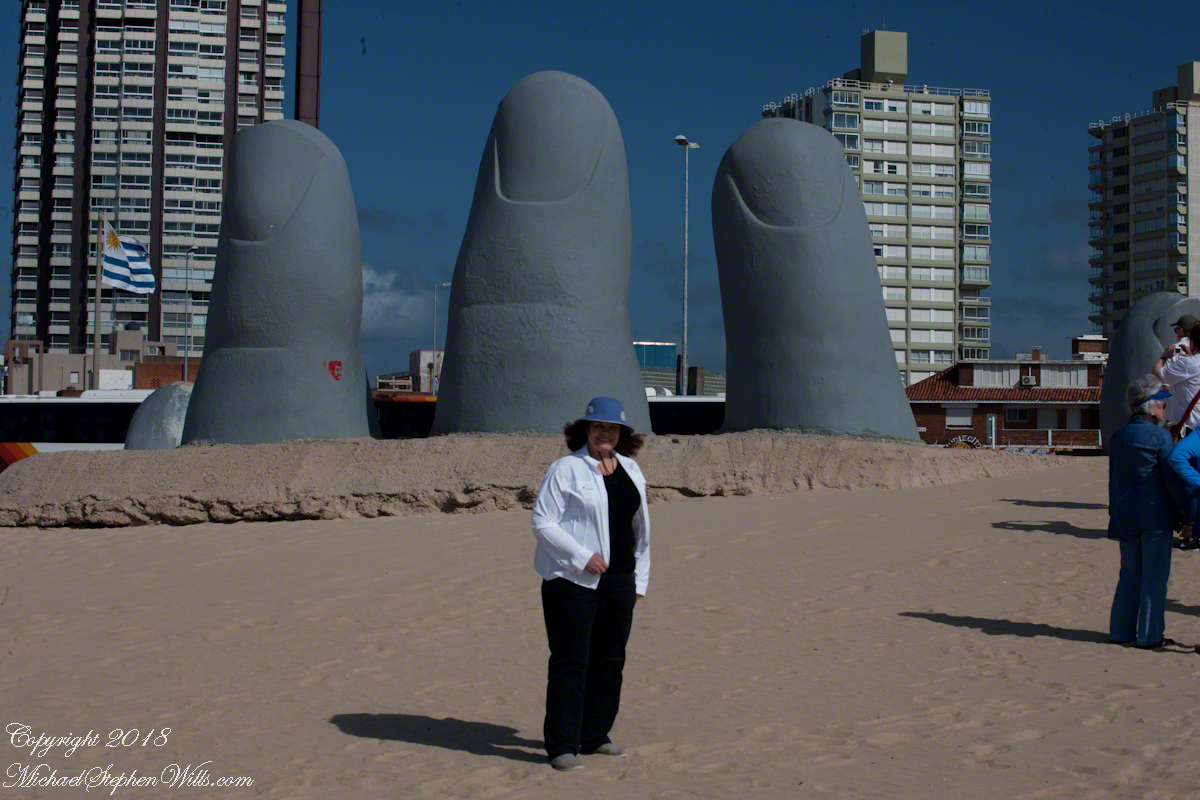
As with our guide, Ricardo (“Valparaiso Departure I”) and the companions at the start of today’s post, Irarrzabal was profoundly affected by the Pinochet dictatorship.  Under its influence as well as the sculpture of Easter Island, the artist began work on monumental sculptures.  Pam and I visited one on the other side of the South America “cone,” Punta del Este, Uruguay.
Built from Brava beach at the height of the dictatorship, 1982, of concrete, steel rebar, mesh covered with a corrosion resistant coating, the artist title it “Man Emerging to Life.”  He was a young man at the time, the work built his reputation and he repeated the theme internationally as well as, in 1992, 1,181 miles away the “Hand of the Desert.”  At that time while Chile was emerging from the Pinochet dictatorship the palm as well as fingers are visible.  The “cone” of South American, Chile and Argentina, are encompassed by the left hand of the east, a right hand of the west.
Valparaiso Connections II

the Chilean difference

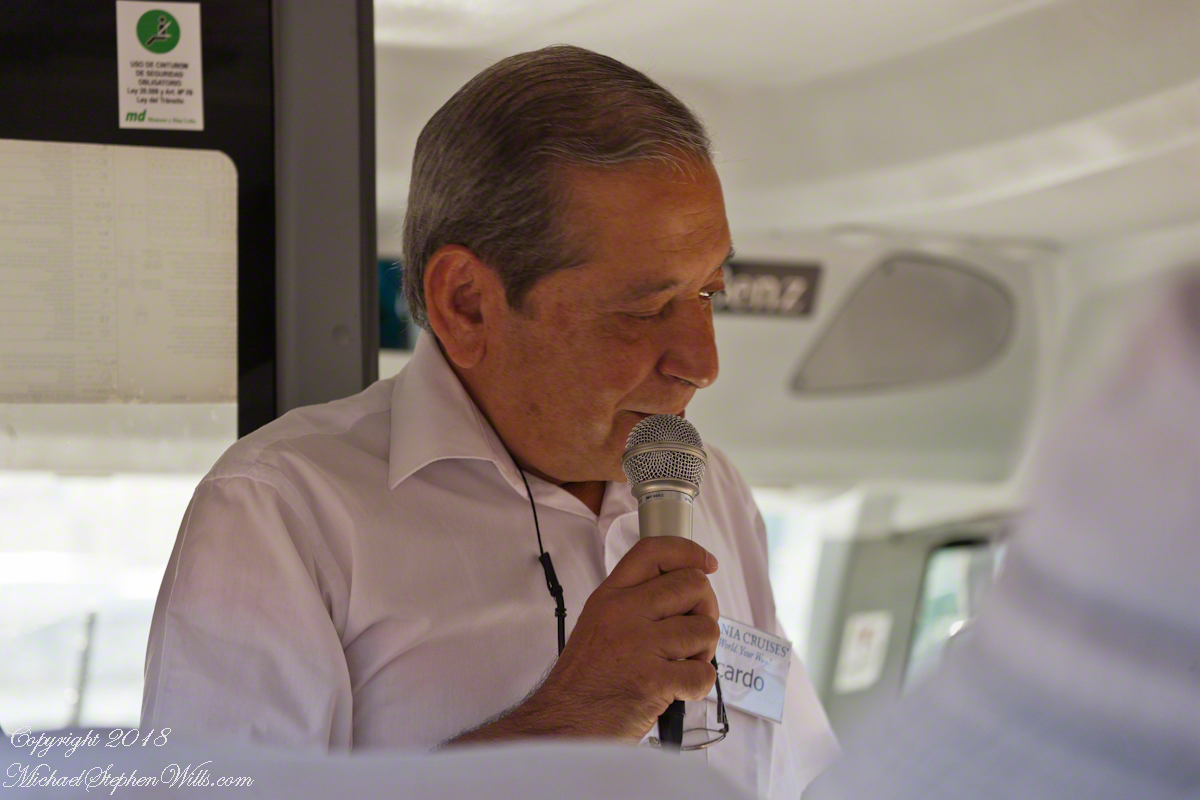
Ricaro’s name tag reads, “Oceania Cruises, your world, your way.”  I began my two previous blogs with Ricardo, “Valparaiso Separation” and “Valparaiso Connections I.” There’s a lot to be said for the Oceania tours.  Every one lead by a knowledgeable native of the host country, fluent in English, we became familiar, some more than others, with them personally, one non-representative example.  As were progressed down the coast from Iquique to Cape Horn we met a cross section of Chileans.  Unlike other countries, in Chile we met only unsmiling guards on the streets, no protest rallies.


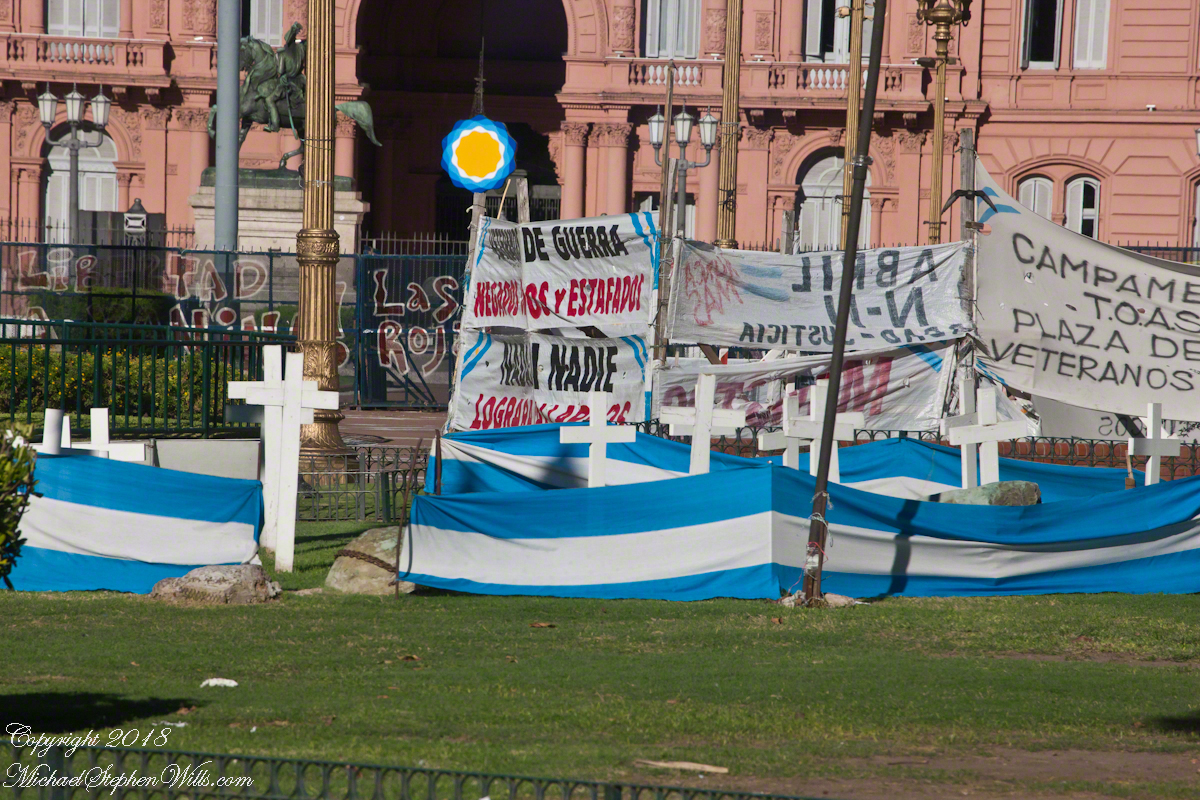
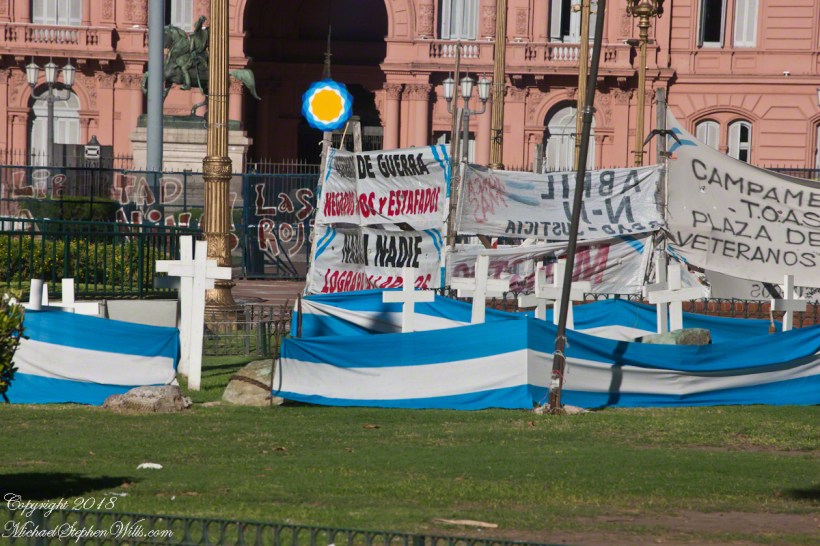
As the tour bus is about to turn down Varparaiso’s Argentina Avenue, here is a flash forward to an elaborate demonstration tableau in the Plaza de Mayo, the Casa Rosada as a backdrop, rose as in the color of bull’s blood used as pigment.  The protest was in support for veterans and causalities of the ill considered 1982 Falklands War.  We zoomed by the Parque De La Memoria, dedicated to the 30,000 people “disappeared” by the same military dictatorship of the Falklands War debacle.
http://bit.ly/MichaelsGalleries

Our entry to both Valparaiso and Buenos Aires was a cruise over the secret graves of thousands dropped, alive, into the ocean from military aircraft.

What is most chilling is the silence about this throughout our travels in Chile.  No memorials, no protests, silence, only stone faced military guards.

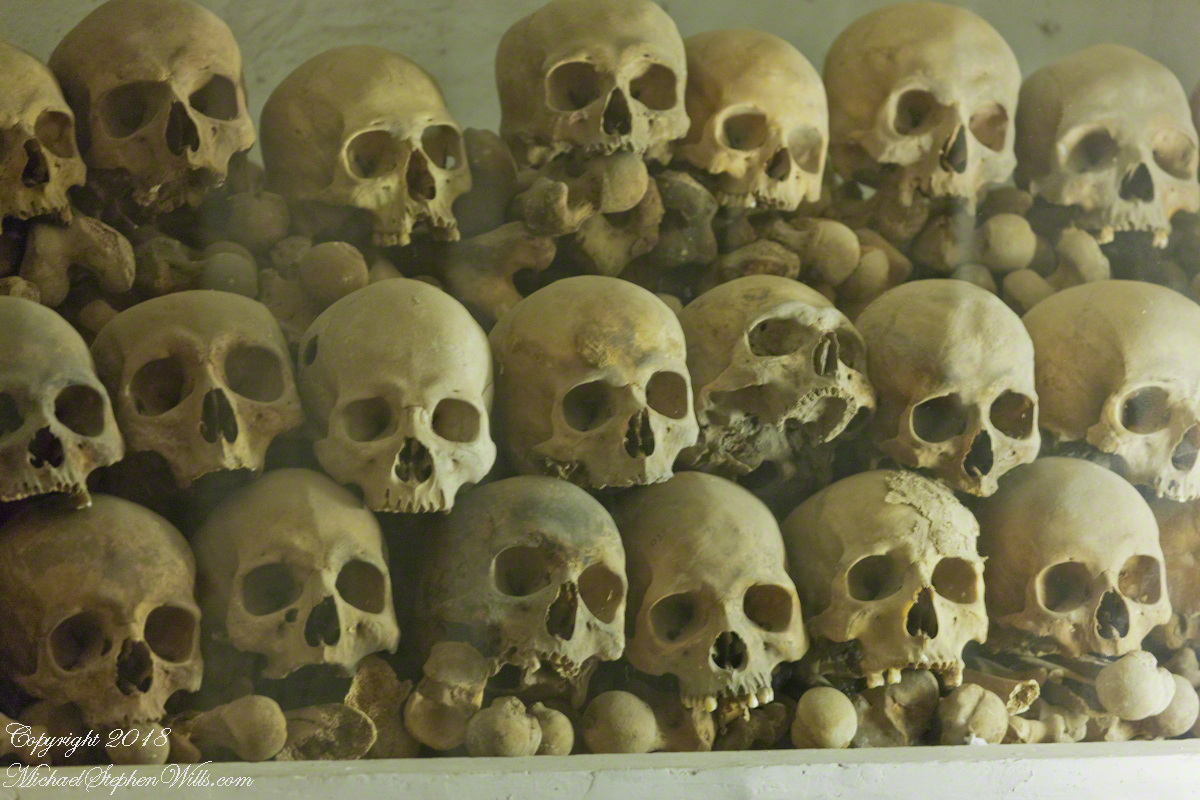
The following is from Basílica y Convento de San Francisco de Lima, beneath which are catacombs piled with disarticulated skeletons buried and cared for in the Catholic tradition .

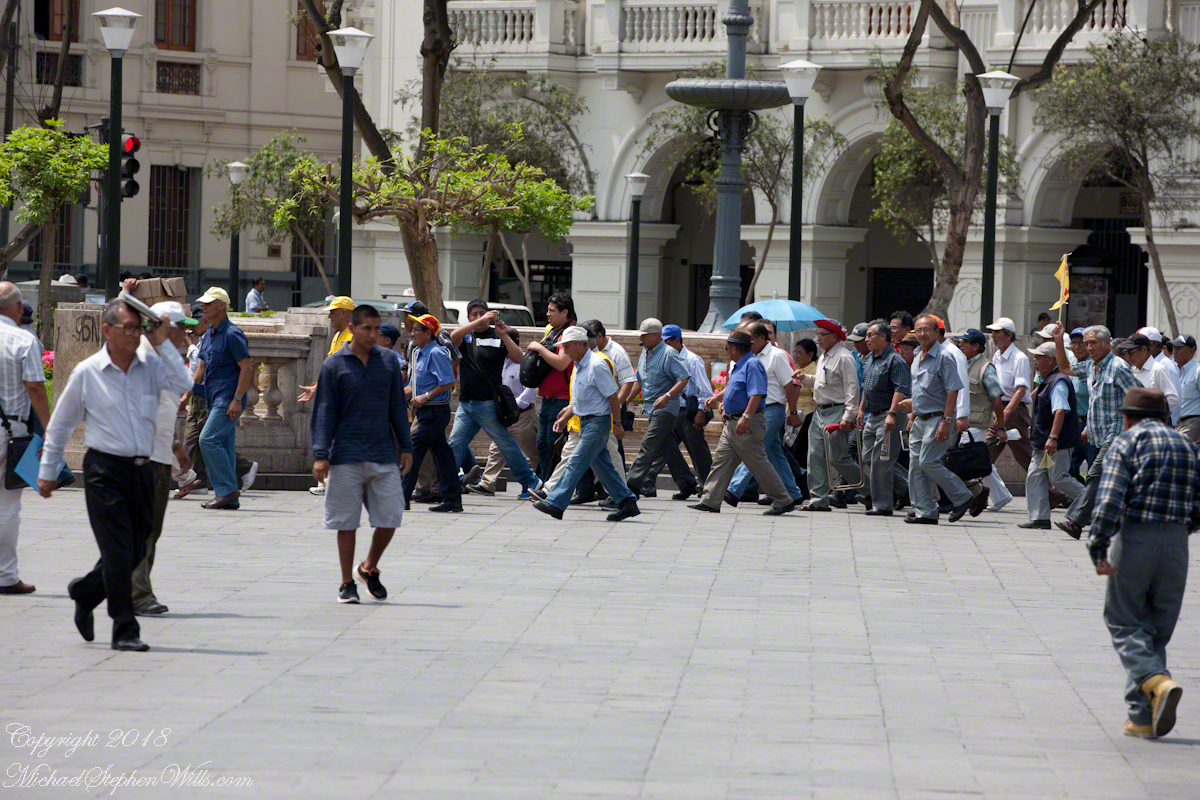
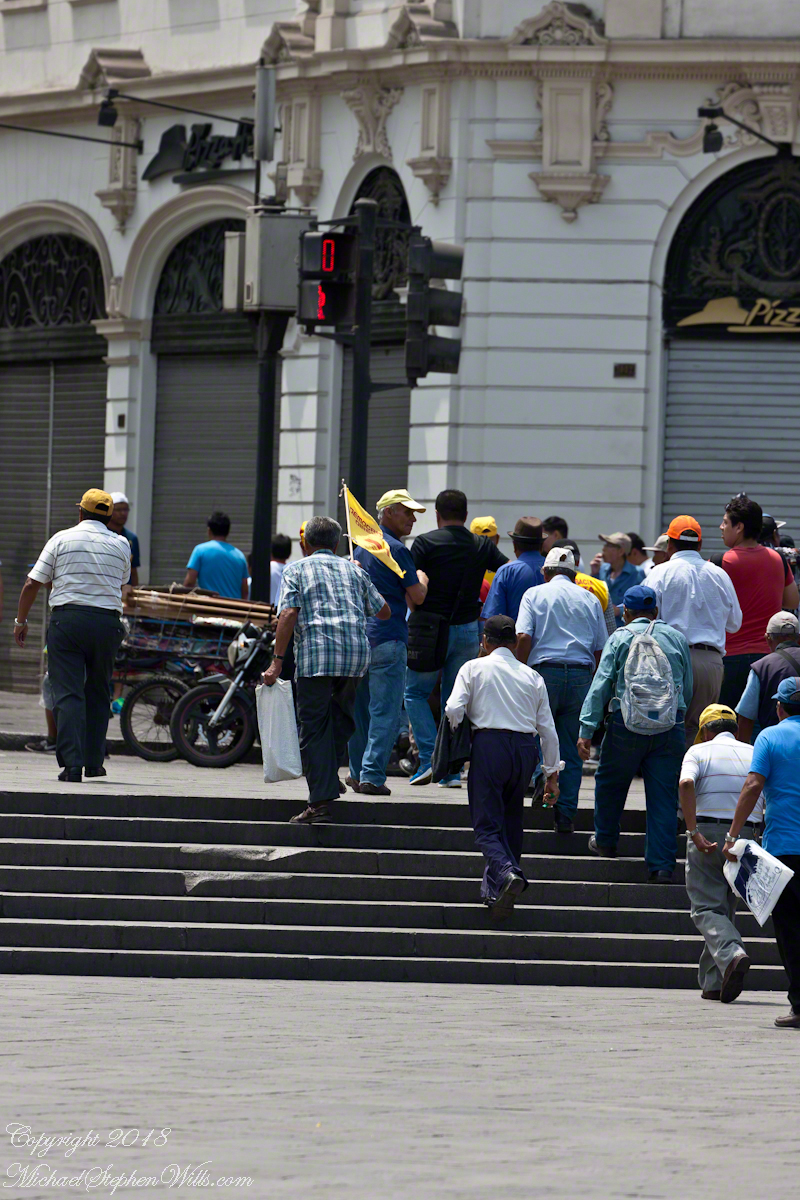
In Lima’s Plaza de Armas we witnessed this peaceful demonstration by pensioners protesting low payments.  To be honest, around this time, in Chile, there were huge demonstrations, hundreds of thousands in Santiago, about the same issue.

The Lima crowd was peaceful.

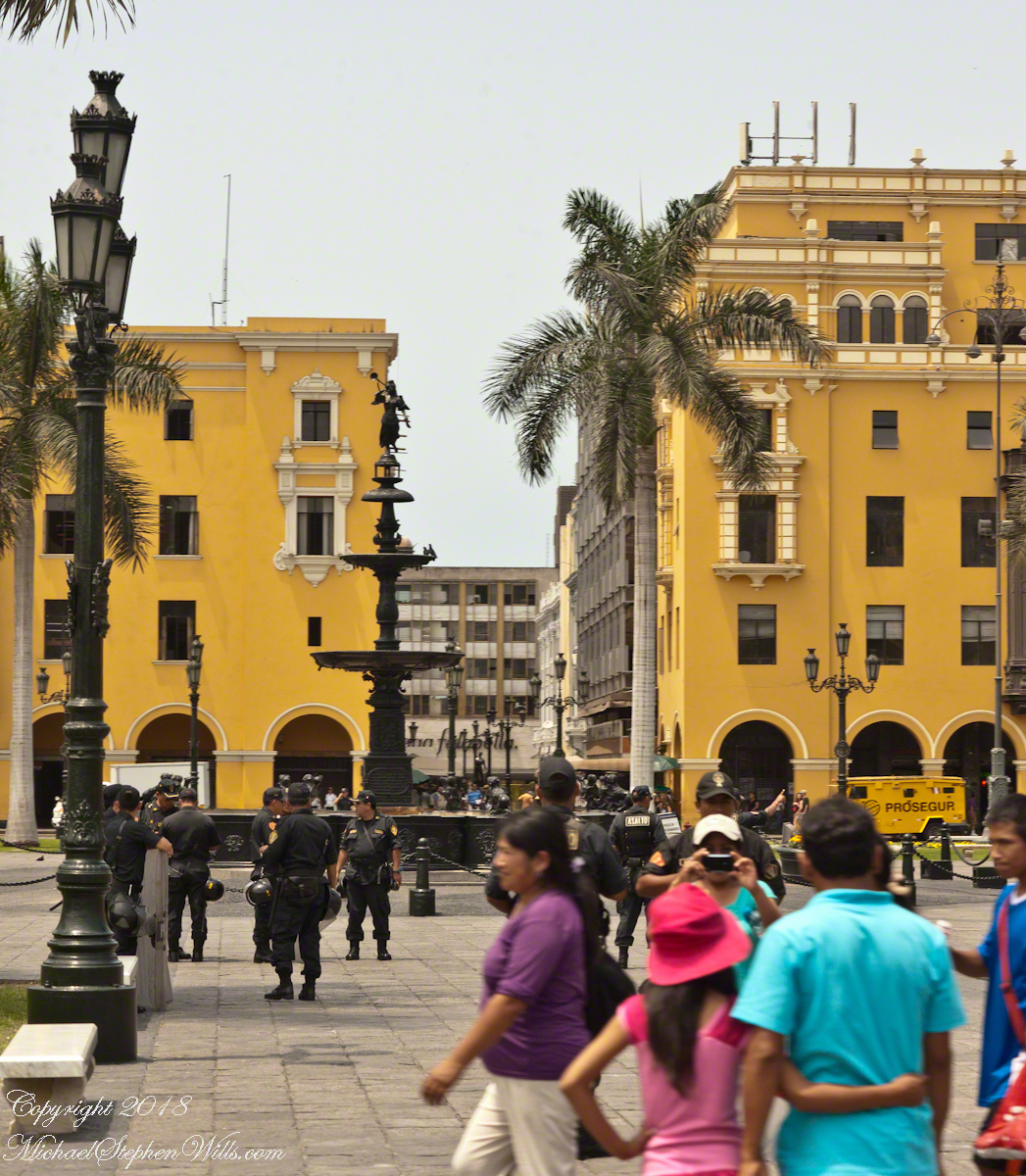
Watched by a heavy contingent of armed police supported by large “paddy wagons” to cart people away.  The vehicle marked “Prodegur” (i.e., prosecution) was one of them.  Given the history of government disappearances in the region, how brave the demonstrators must be.

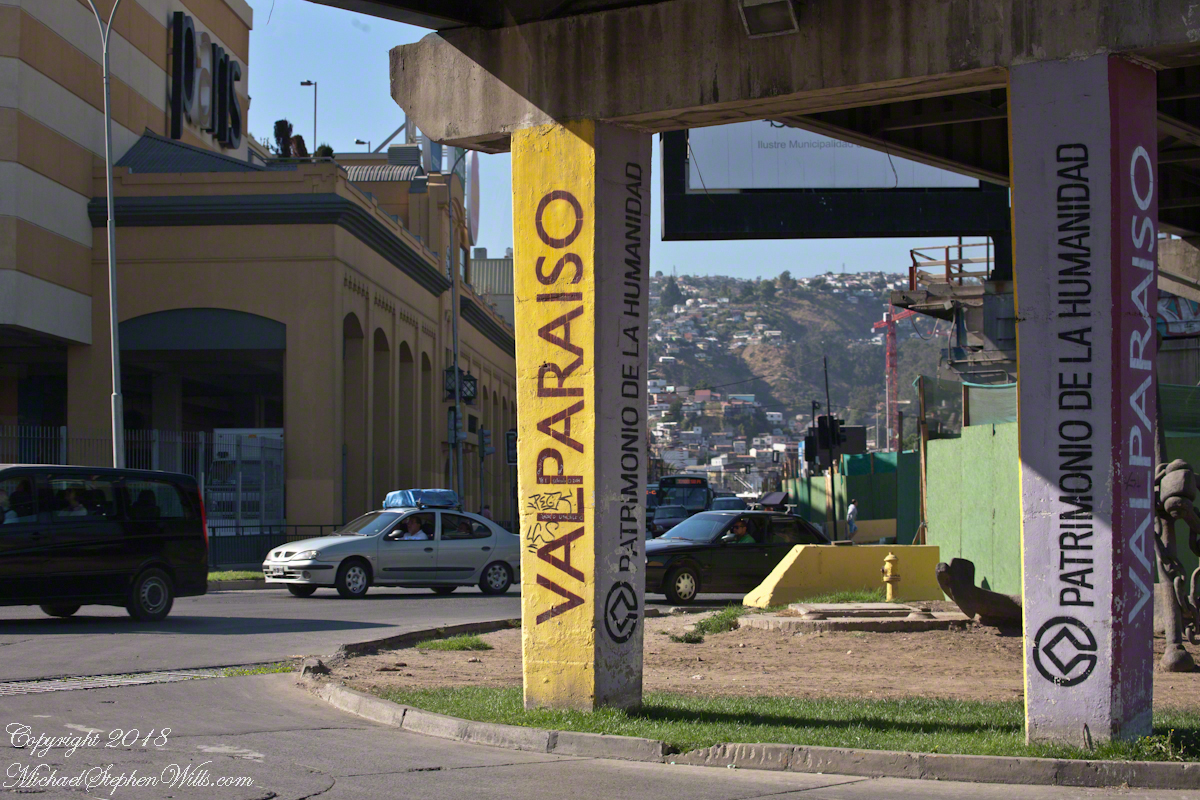
Our vehicle turns onto Argentina Avenue, passing under Spanish Avenue and these supports bruiting the “Patrimony of Humanity” status of Valparaiso.

Turning onto Argentina Avenue, the overpass support columns announce Valparaiso’s status as a World Heritage Site. It is the old city around the port which holds this designation.

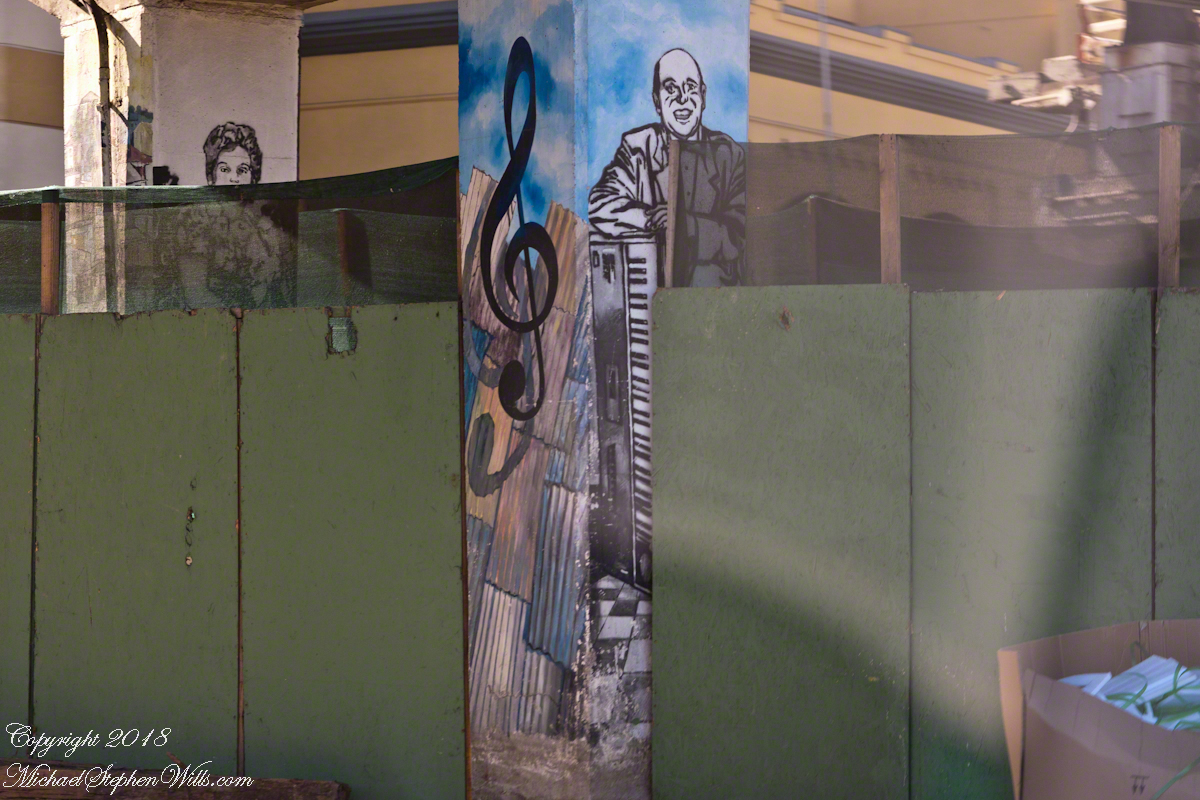
Other murals feature the zinc panels of the Old Town and cultural opportunities.  I noticed the pictured flooring is identical that of Hotel Brighton, see “Our Fifteen Minutes of Fame on Conception Hill.”

I wonder how a man of a certain ago scrapes his knees, these appear to be homeless people.

Two men carry on conversation on Avenue Argentina, Valparaiso during the weekend Avenue Argentina street fair.

They gives us big smiles and waves when they spotted me / us.  The people were open and friendly.

Valparaiso Connections I

The Albatross and Valparaiso

We’ll start in the parking lot of the Valparaiso Passenger Terminal, introduced in my last posting, “Valparaiso Old and New”.  The terminal was our first stop in Valparaiso, it services cruise ship passengers, it was in the parking lot we met Ricardo, a guide and city native.  In his late sixties, Ricardo lived through numbing changes:  the political turn left and election of Allende, followed by a military coup d’état (called golpe de estado in Spanish) and rise of a military officer, Pinochet, to dictator.  From the 70’s through 80’s Pinochet ruled, abolishing the congress in Santiago, enjoying ruthless suppression of opponents with the full support and assistance of the military.  In the late 80’s Pinochet allowed a return to democracy, a new constitution with a bi-cameral (two houses) congress in Valparaiso and elected president.  Ricardo was quiet about these times, as are most Chileans and we did not press him.

Click any photograph to open my Fine Art Gallery.

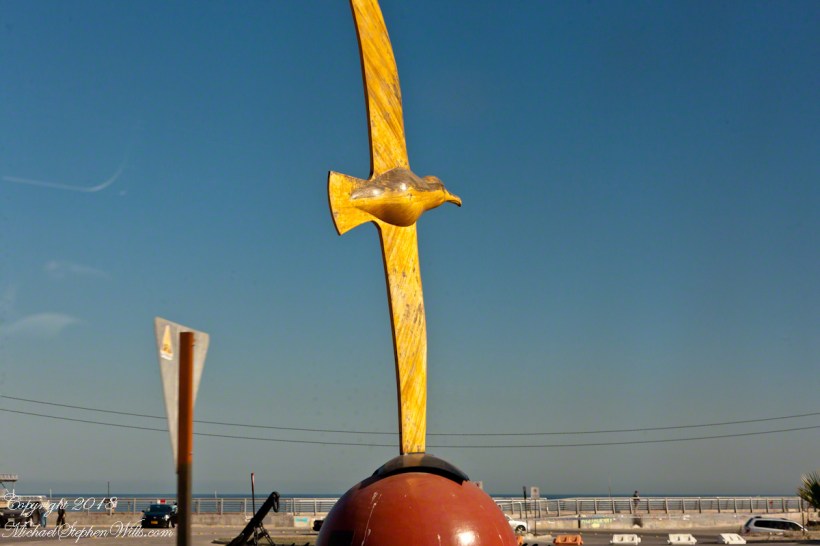
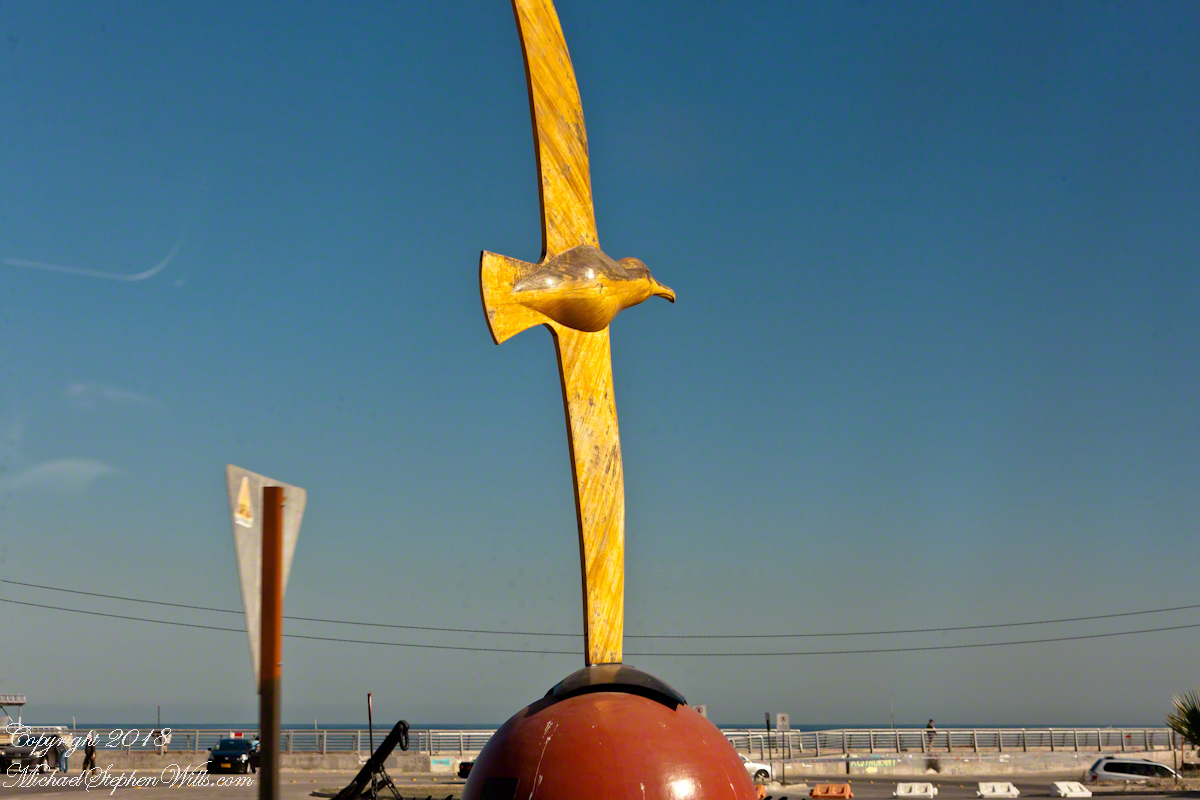
The bus passed a carved wooden statue of the albatross, near the terminal entrance.  A bird of the southern ocean, familiar to mariners for the habit of following ships, this aspect of soaring the a familiar posture.

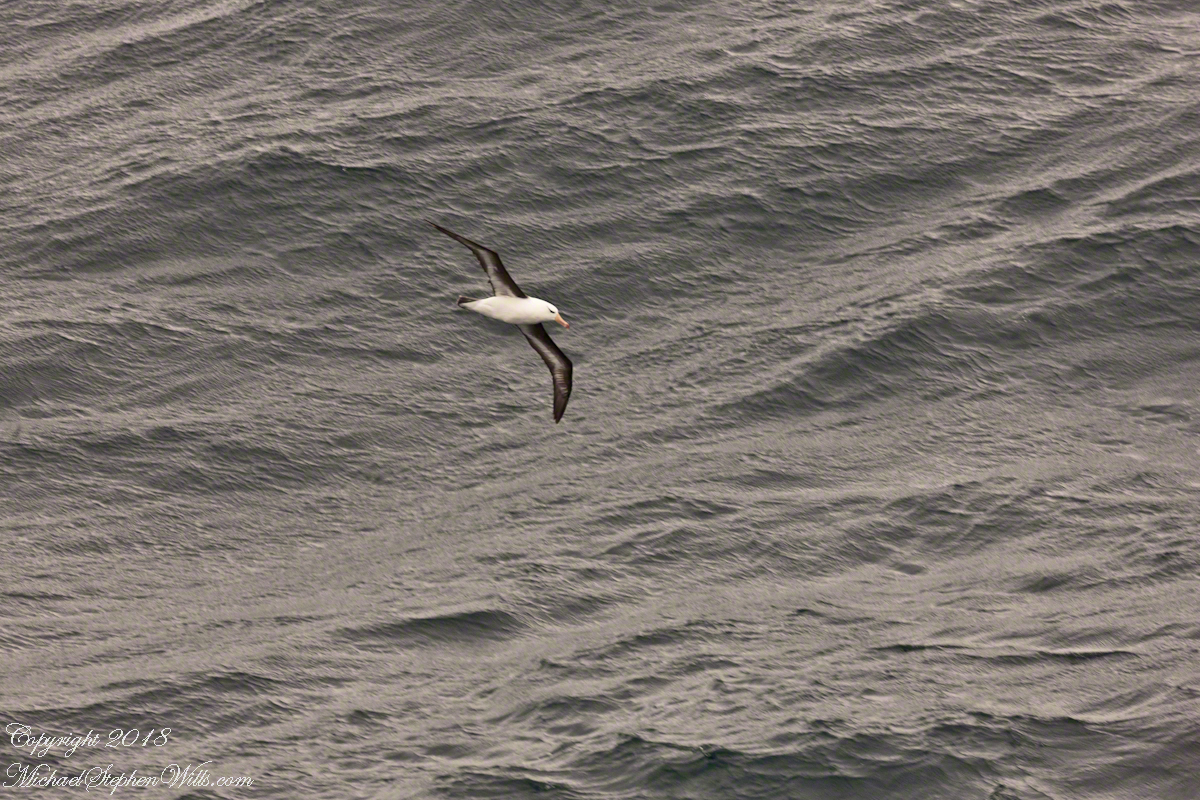
Here is a specimen in this posture following the Regatta on February 22 as we traversed the Southern Atlantic between the Falkands and Punta del Este.  That day, many albatross soared among the 20+ foot waves, the wingtips very close to the water surface.


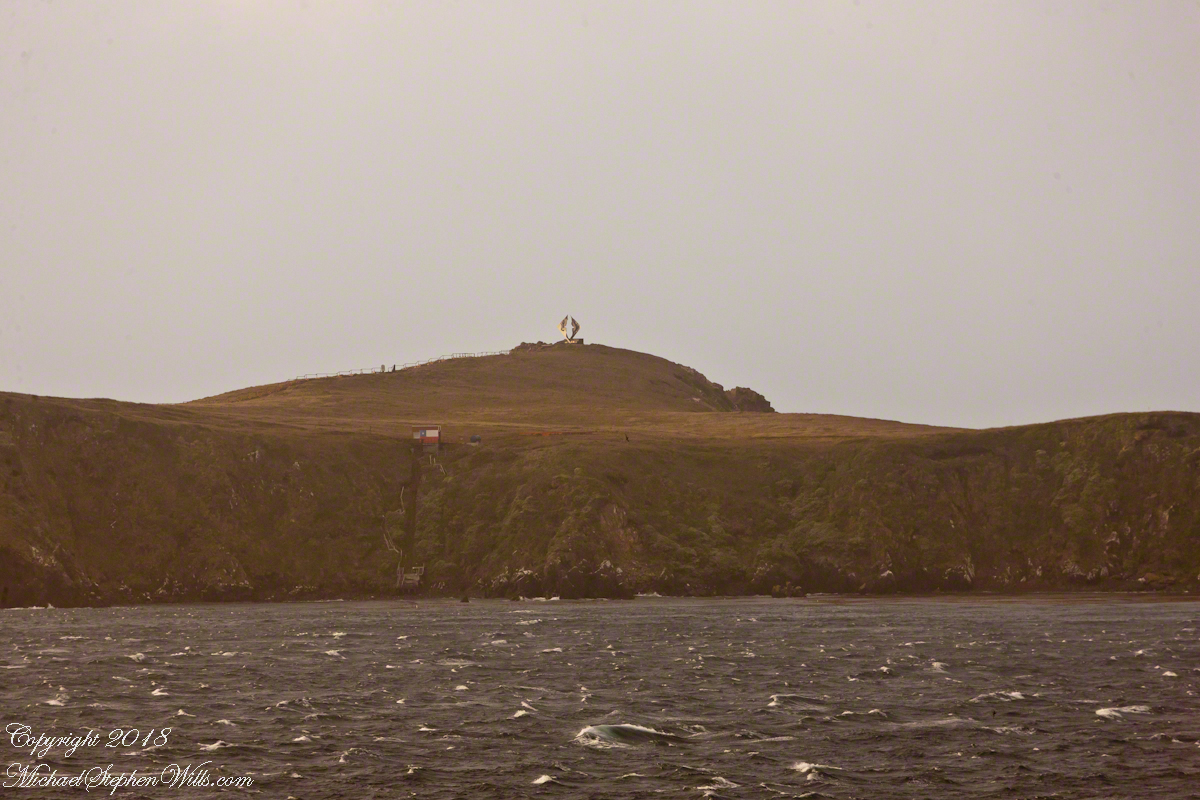
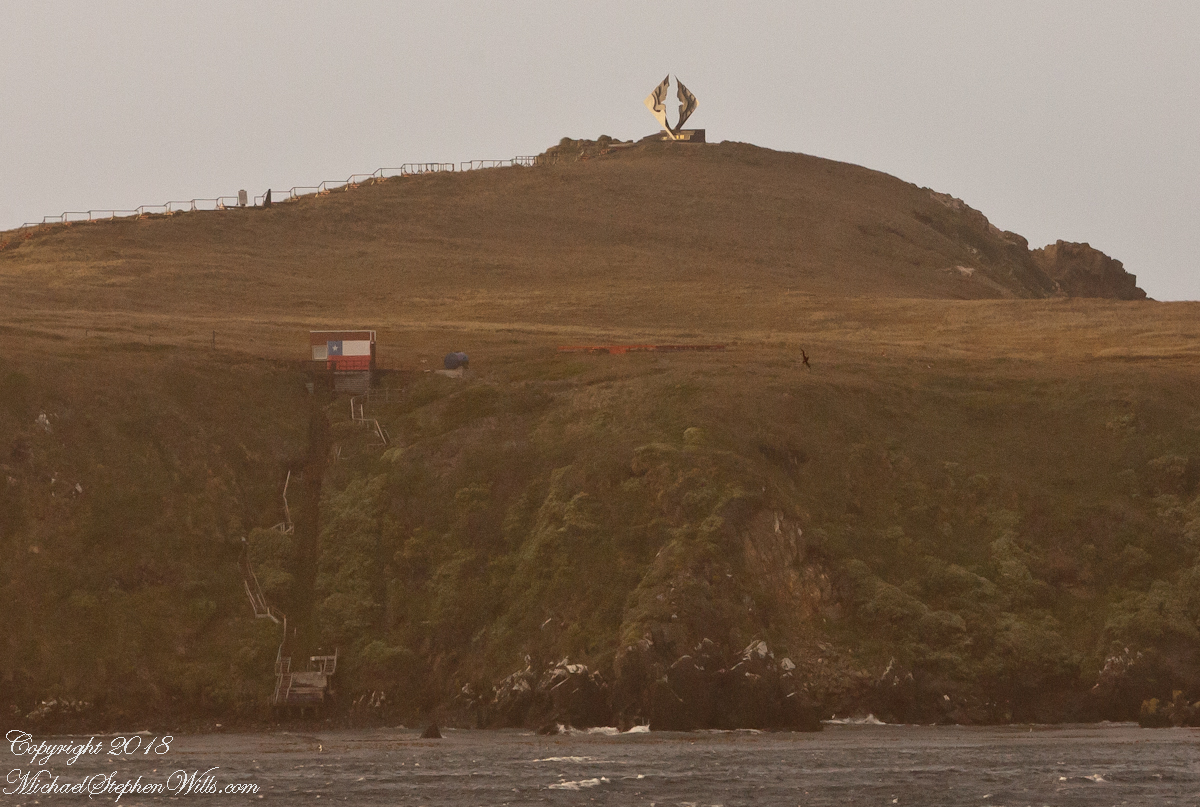
The day before, February 21, the Regatta approached the southern most point of the western hemisphere, Cape Horn, coming within a mile of the landing point and monument.  At the top you can see the steel sculpture of the outline of an albatross set in a stone plinth.

A cropped version of the above image, the albatross outline is easier to see.  Also visible, at the cliff base, the landing, stairs, a platform painted as a Chilean flag, the railings leading up to the Albatross Monument.

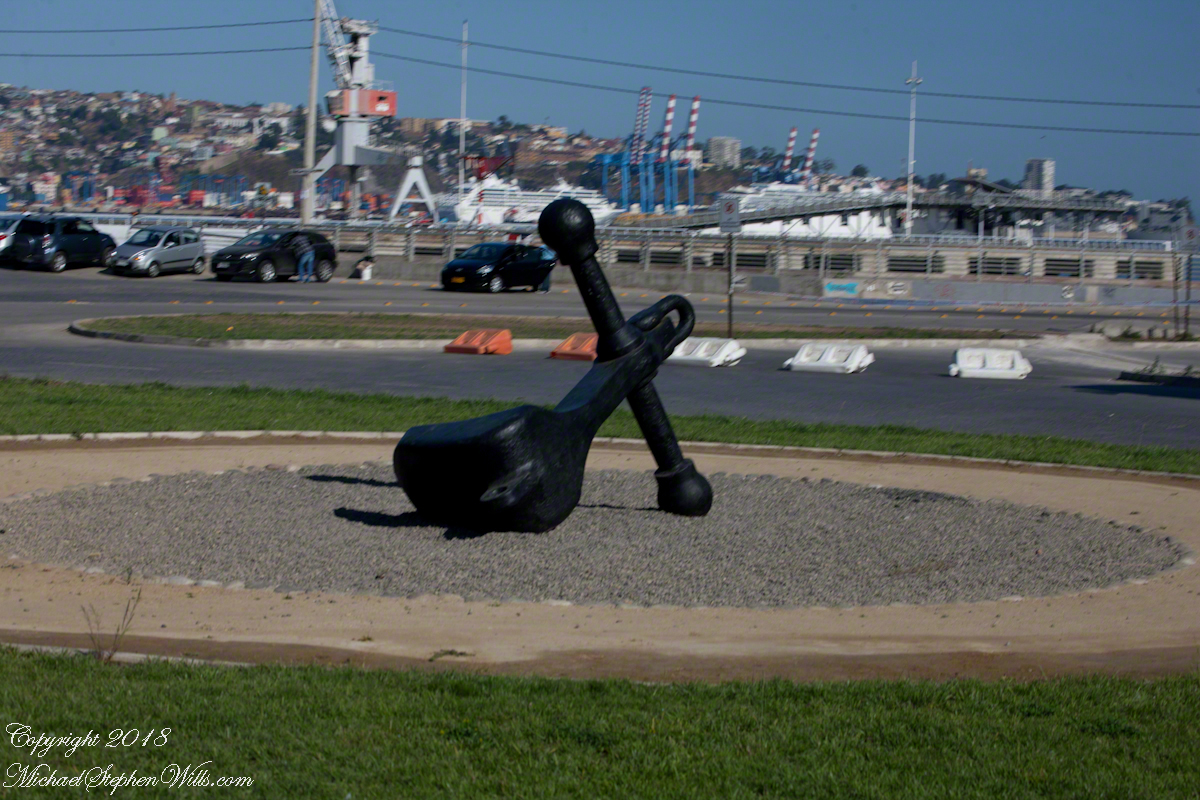
All of this to emphasize the unique position and reason for being of Valparaiso of the eastern South Pacific, made evident by the recurring motif of an albatross soaring among the waves.  This retired anchor, close to the albatross sculpture, on our way to Argentina Avenue and the weekend street fair (to be continued).

Skellig Peek

A Trinity of Skellig Images

Now’s time to share a trinity of images from a morning spent about the Skellig Islands May 2014.

Pam and I have many stories from that day, a favorite is from the parking lot of Portmagee where we met the fast boat to the island. I prepared for the day by making a reservation for our ride. We traveled from Killarney, where an early morning breakfast feast spread by The Killarney Royal Hotel fortified us for the adventure. Throughout our tour, experiencing Ireland was like taking blinders off, this first experience on The Ring of Kerry was no exception, driving on a tight timeline to reach Portmagee with minutes to spare, every turn of the road presented a new delight.

Grateful to have made it to Portmagee, we quickly pulled our kit together. As I closed the bonnet, Pam exclaimed “our umbrellas.” At this point of the story we laugh together. Umbrellas indeed. I had a dim clue of what lay in store for us and insisted the umbrellas be left behind, a counter-intuitive decision for a rainy Irish day the Wild Atlantic Way. Regardless of the time, we needed a bathroom break as there will be no facilities on the fast boat or the World Heritage Site where there is no space for human waste products.

Click any photograph for my Online gallery.
Skelligs from Valentia Island
I was here perched on a cliff of Valentia Island across from Portmagee looking southwest across Valentia Sound.

The humor is in our welcome aboard the fast boat, like a fishing boat with a small cabin and small deck dominated by the engine hatch. We crowded on, handed a full set of fisherman slickers. This is a heavy coat with hood and pants, all waterproof. Our close timing guaranteed the worse seat, away from the cabin in the open. It was a new experience for us and we felt a sense of dread as the craft left the protection of Valentia Sound into the open Atlantic Ocean.

We faced a west wind, driving 12+ foot waves, as the boat breached each wave the crest went over the cabin in a waterfall of salt water. Up and down, up and down. Thankfully neither of us lost breakfast as some did. I do not have photographs of the trip out or the approach to the island, my equipment was safely packed away.

In the above photograph you see the entire course of our approach to the island, a bit more than 10 (land) miles from Portmagee. We toured Valentia Island that afternoon.

Click any photograph for my Online gallery.
Skellig Steps
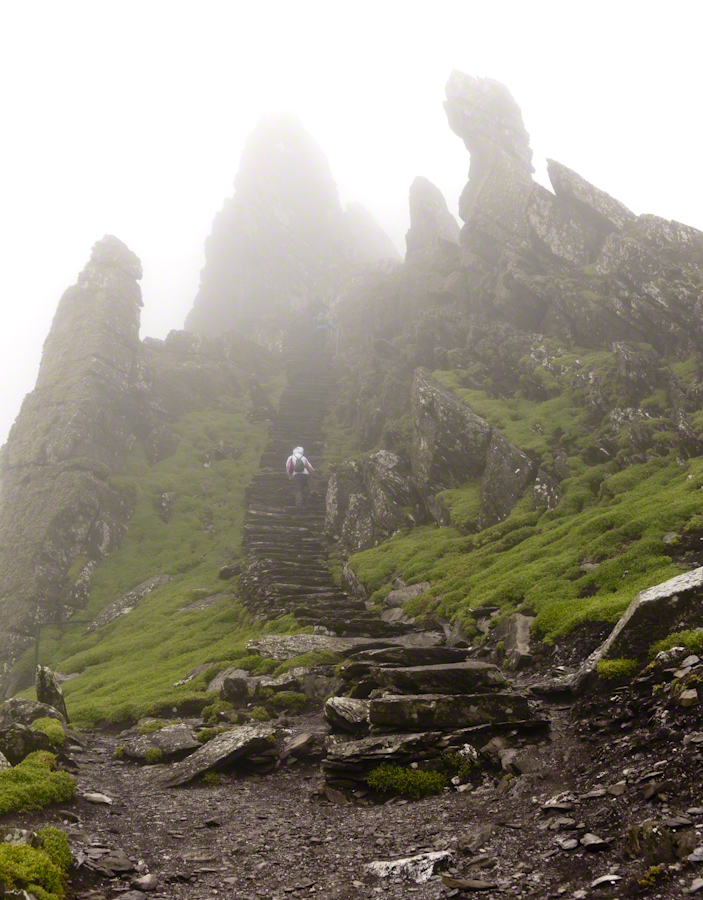
Climbing the side of Skellig Michael, approach to the peak and monastery.

There is a fair climb to the top to view the former monastery buildings. The steps are uneven and, when wet as it was that day, slippery.  I wore a waterproof North Face shell with hood for the low threatening clouds.  There was no rain as such, a constant fog on the top kept all exposed surfaces wet.

From the point on, until the top, was the most exposed and uncomfortable (frightening, chilling…you get the idea).  Spare yourself the experience if you are afraid of open spaces and heights.  Here was a stiff wind blowing from the right, on the left the cliff falls away to the ocean.  Ahead, the path narrows to about 10 inches with a cliff wall on one side, the precipice on the other.  Then come the monastery entrance and rock wall safety.

Click any photograph for my Online gallery.
Monk Cell
Monk Cell, Grave and Cross

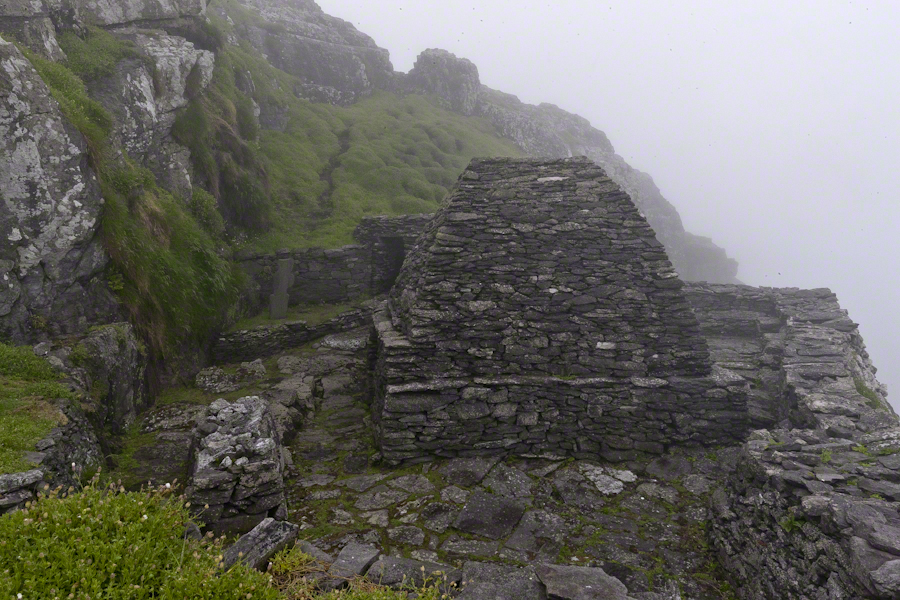
This single image gives a succinct impression of the monastery setting.  The bee hive shaped stone monk cell requires a stooped crawl to enter.  Inside, the space is small and, thankfully, dry.  The structure keeps out the rain and wind, a marvel of stone construction. This cell is off to the side, on a cliff balcony, over the wall an ocean precipice.

My closing advice is to plan your time wisely.  The ship boards in less than an hour, in that time you climb the 700 steps and explore.  There are people all over the place, in waves. To capture the structures without humans, you need to wait until the cohort become bored and leaves.  There will be a space before the next wave of tourists breaks. Leave enough time to descend the steps safely.  People have suffered fatal falls on the steps and cliffs, it is easy to do.  Make your personal safety a priority.

Click for another Ireland Posting, “On the River Cong.”

Copyright 2021 Michael Stephen Wills All Rights Reserves

Around the Kiva

a fascinating lecture

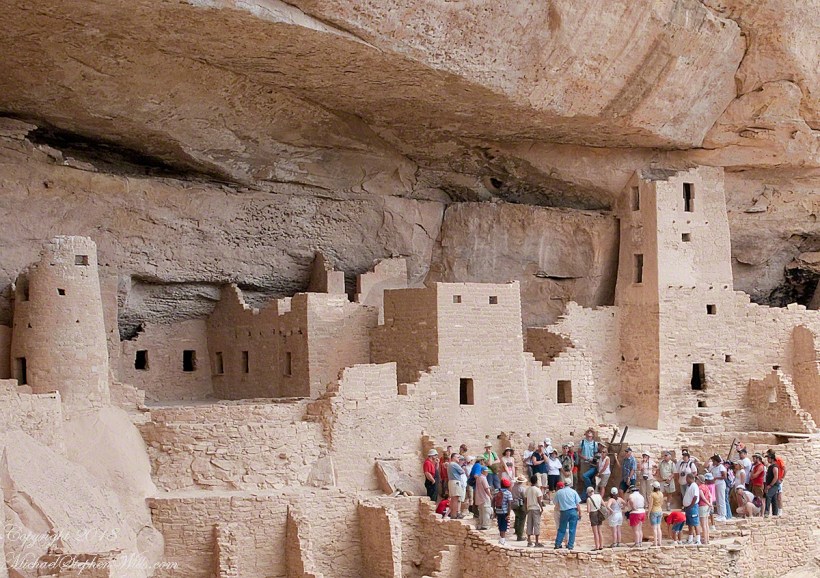
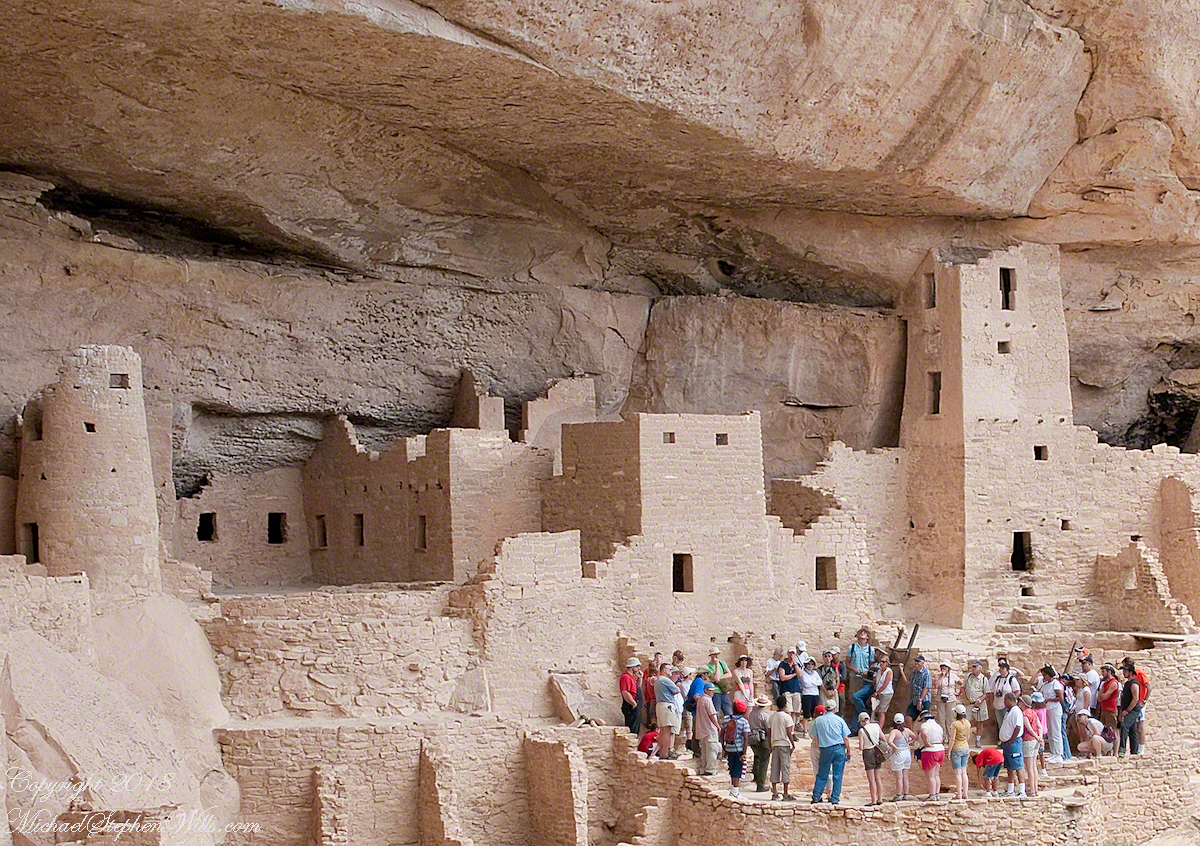
This diverse group of fifty three individuals are gathered around a kiva of the Mesa Verde Cliff palace on a July afternoon.

Click Link to view this work in my Online Gallery

Copyright 2021All Rights Reserved Michael Stephen Wills

Well Ordered

fighting for truth and honesty

a basis for fairness

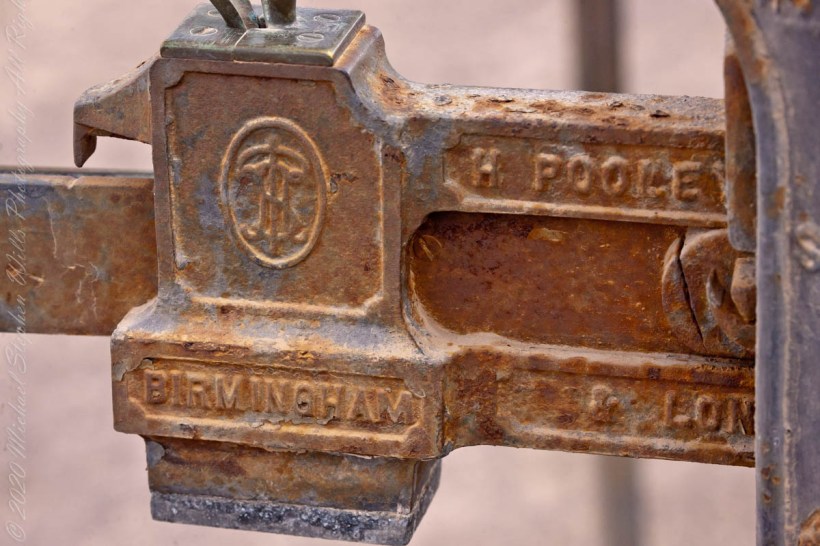
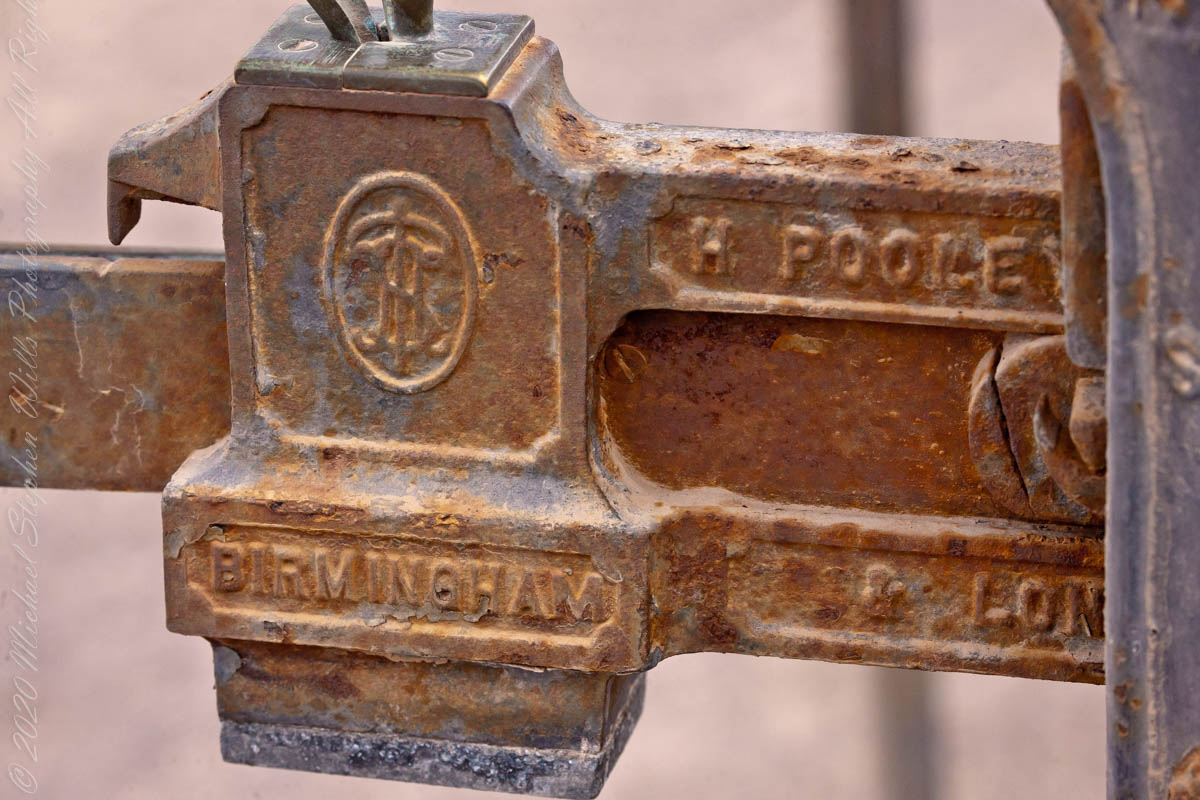
Pooleys were a firm of mechanical engineers, founded in Liverpool 1790. Shown as Pooley of Liverpool in Heath Mill Lane, Birmingham, the company originally made scale beams, such as shown here, a reminder of the origins of Humberstone.

A demand of the workers was access to a scale to verify company store weights. With this post I close this series of photographs from the Humberstone UNESCO World Heritage Site.

Click any photograph for a larger view and use Ctrl-x to zoom in closer.

Click me for the first post of this series.

References

Websites

Humberstone and Santa Laura Saltpeter Works World Heritage page

The Humberstone and Santa Laura Saltpeter Works site (Chile), removed from the List of World Heritage in Danger/

Copyright 2020 Michael Stephen Wills All Rights Reserved

Mother Country

touchstone or Imperialist Tool?

from well watered lands

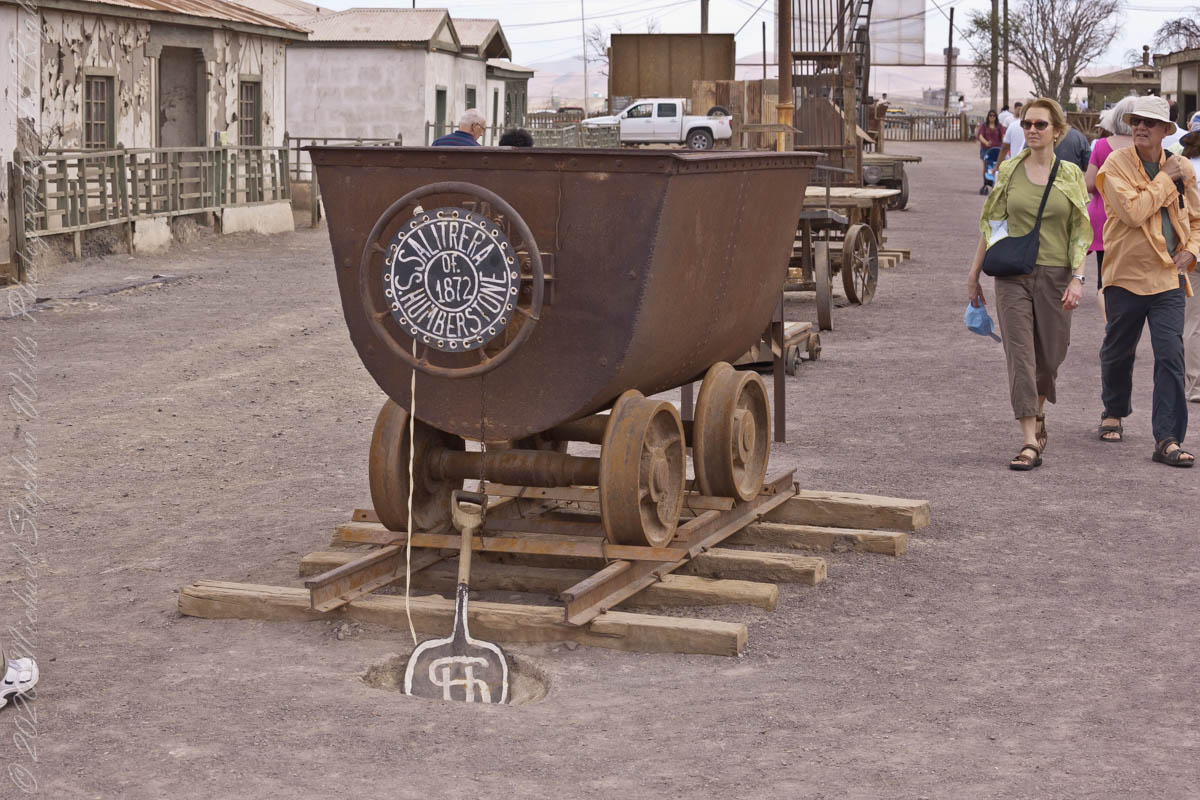
1872 James Thomas Humberstone founded the Peru Nitrate Company. No, is geography was not deficient, this land was won by Chile from Peru in the War of the Pacific. This rolling stock was delivered from England, where Humberstone was born, in Dover, and worked his early years on railroads, London. At the age of 25, hired by the Tarapaca Nitrate Company, he moved to South American.

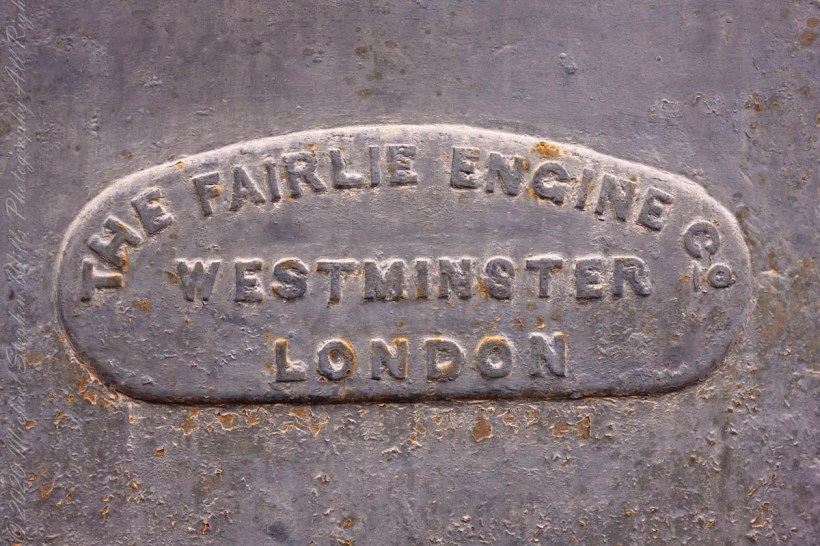
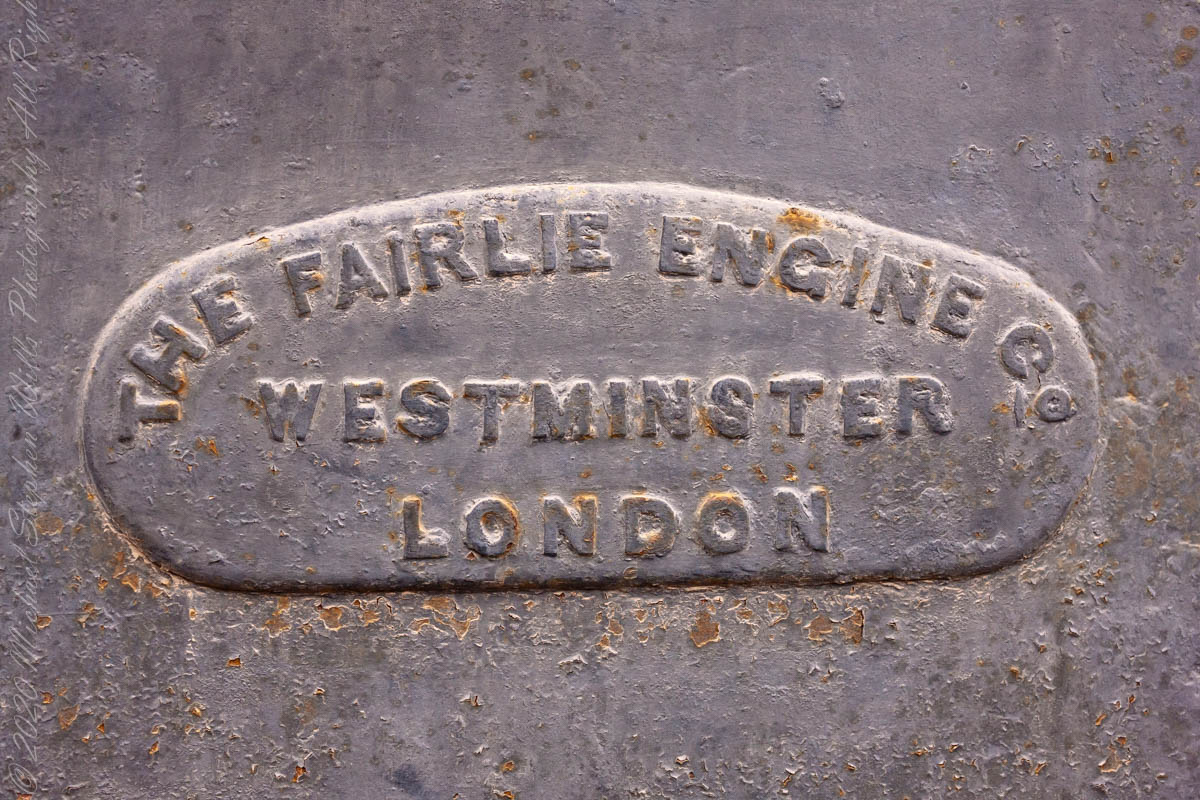
Robert Francis Fairlie developed the Fairlie Locomotive.

Click any photograph for a larger view and use Ctrl-x to zoom in closer.

Click me for the first post of this series.

References

Websites

Humberstone and Santa Laura Saltpeter Works World Heritage page

The Humberstone and Santa Laura Saltpeter Works site (Chile), removed from the List of World Heritage in Danger/

Copyright 2020 Michael Stephen Wills All Rights Reserved

Big Wet

Relitivity

Water Delivered

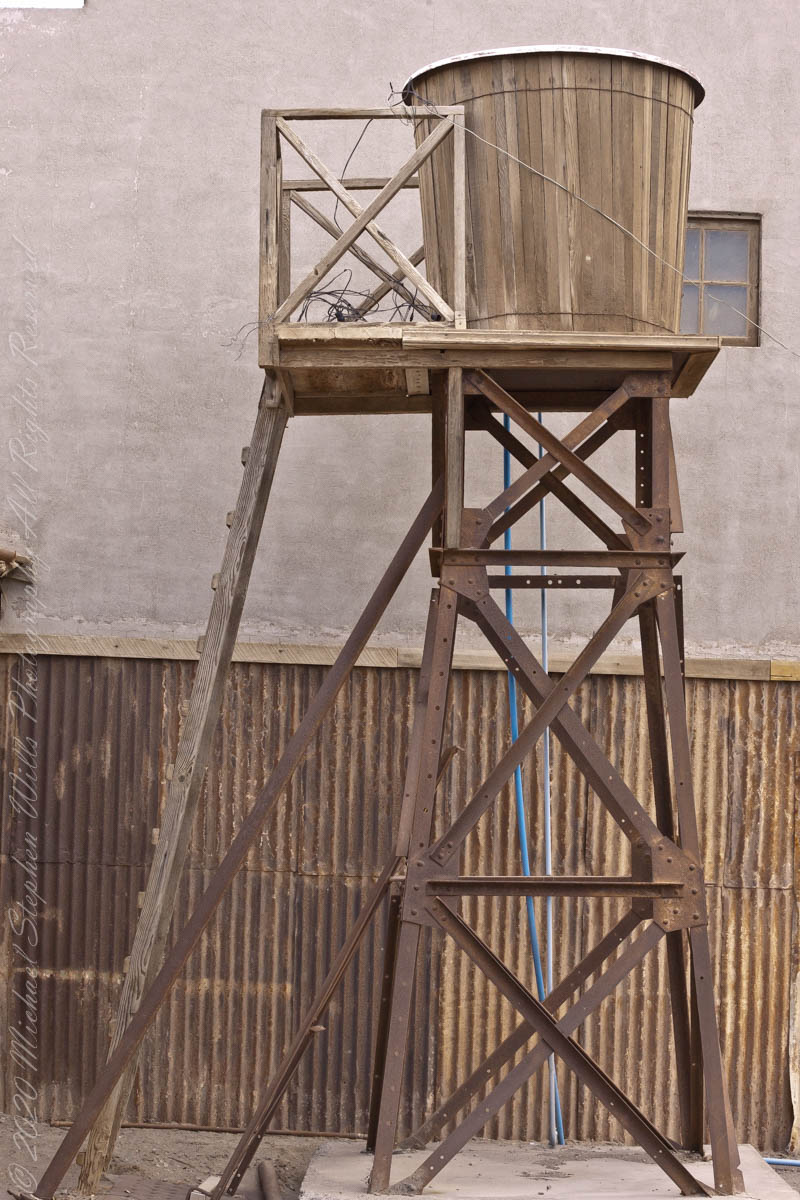
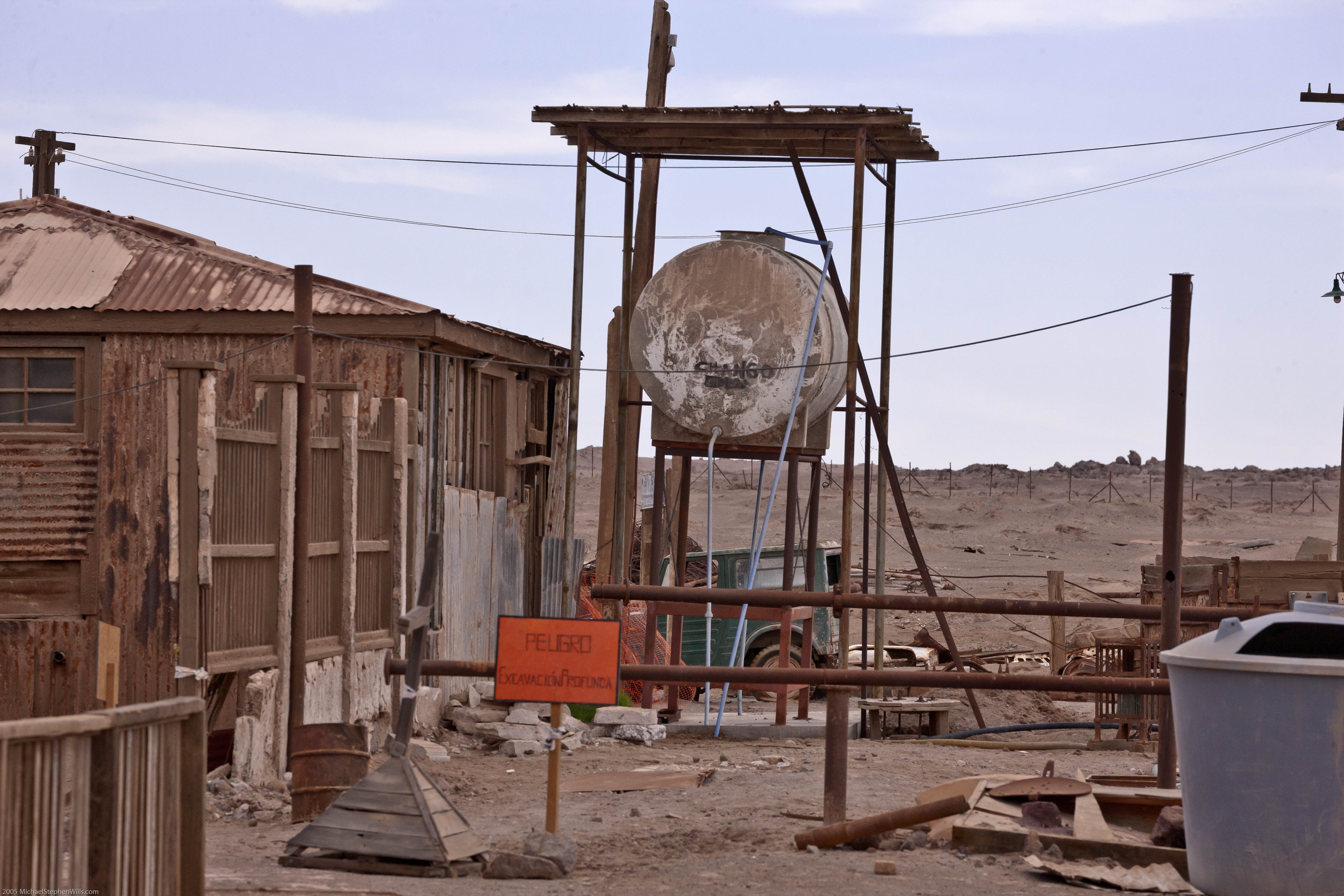
Modern, plastic, water pipes and moisture, in this arid place, suggest regular water deliveries.

Click any photograph for a larger view and use Ctrl-x to zoom in closer.

Click me for the first post of this series.

References

Websites

Humberstone and Santa Laura Saltpeter Works World Heritage page

The Humberstone and Santa Laura Saltpeter Works site (Chile), removed from the List of World Heritage in Danger/

Copyright 2020 Michael Stephen Wills All Rights Reserved

Children and Fellow Visitors

where’s Waldo?

A photographic essay

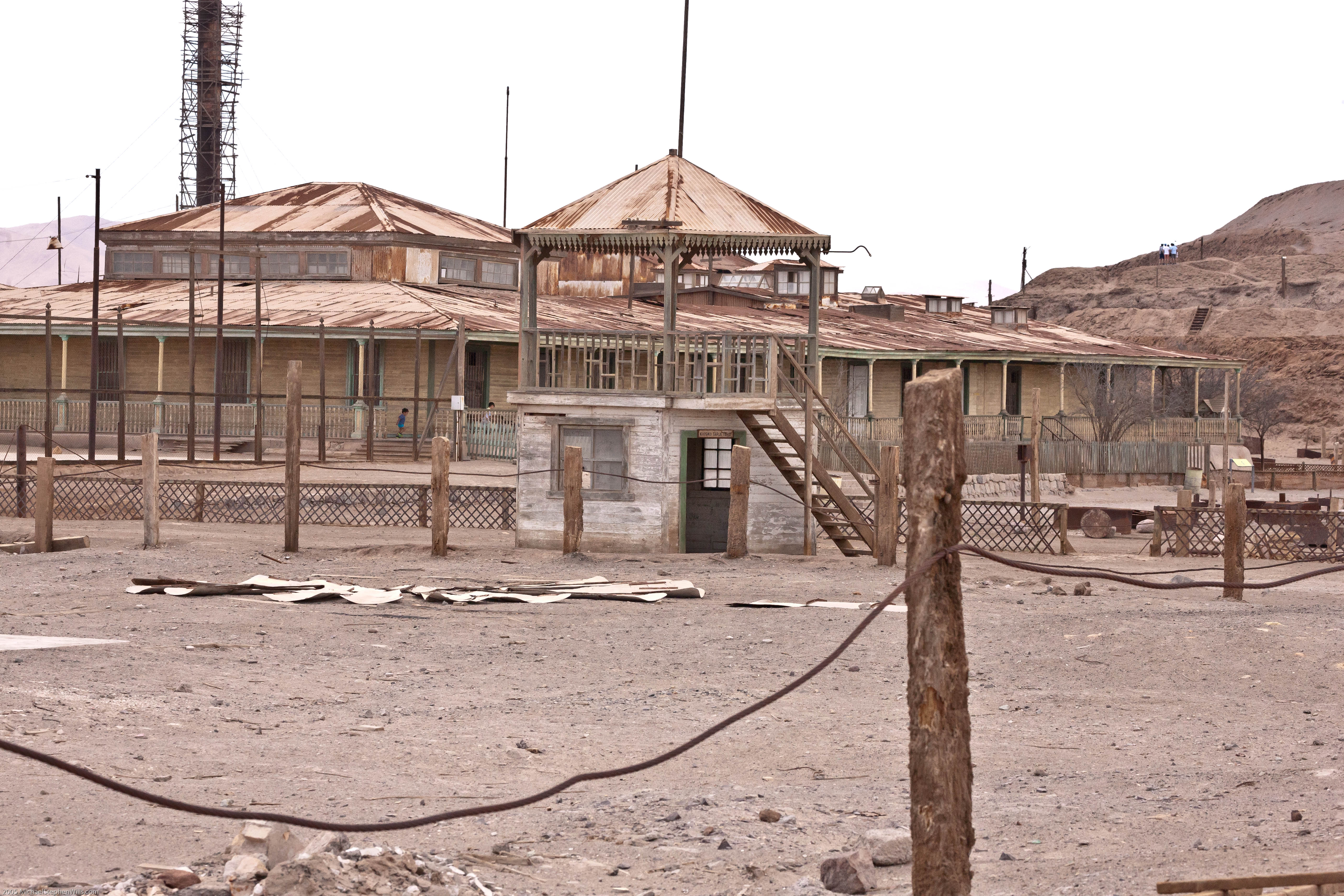
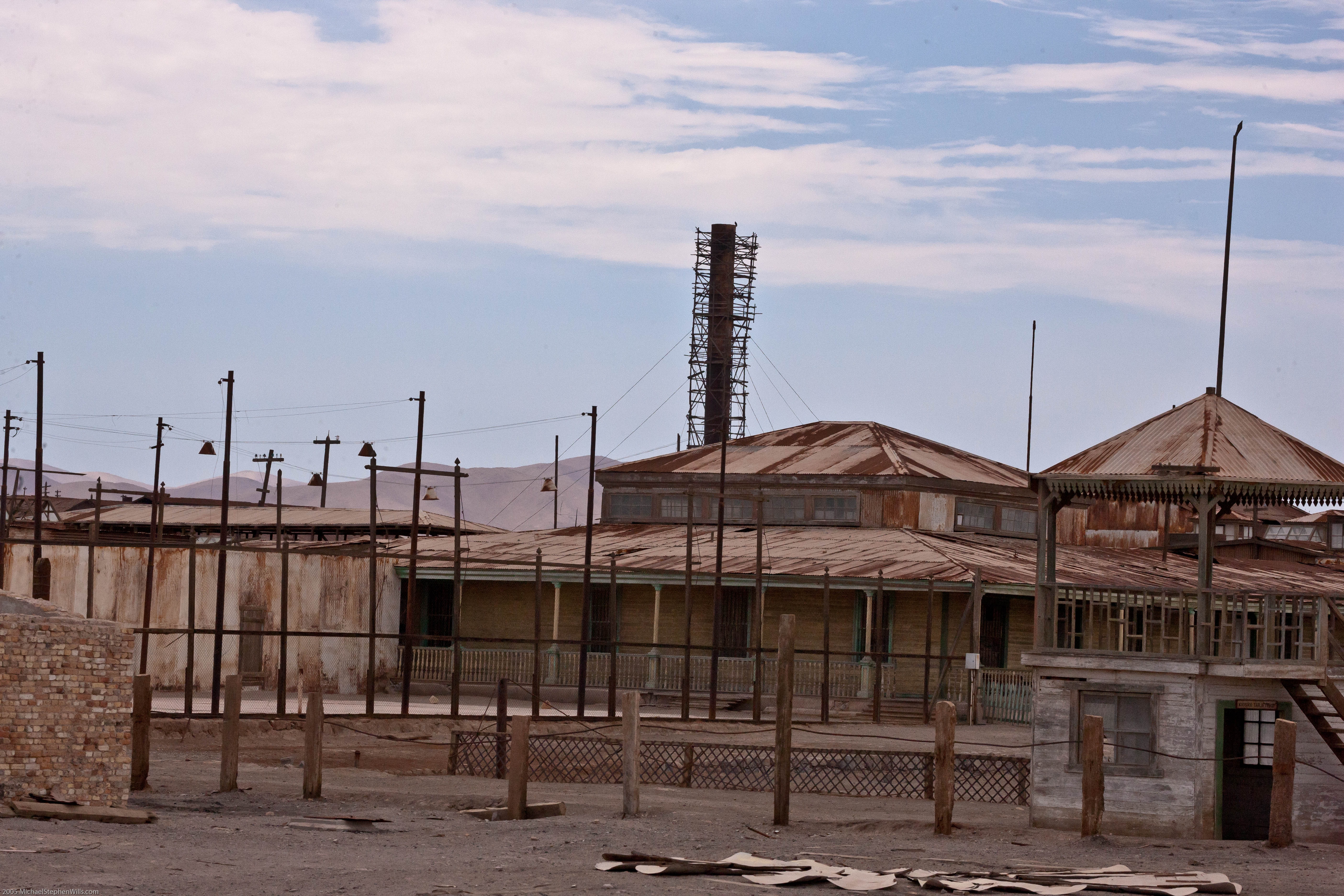
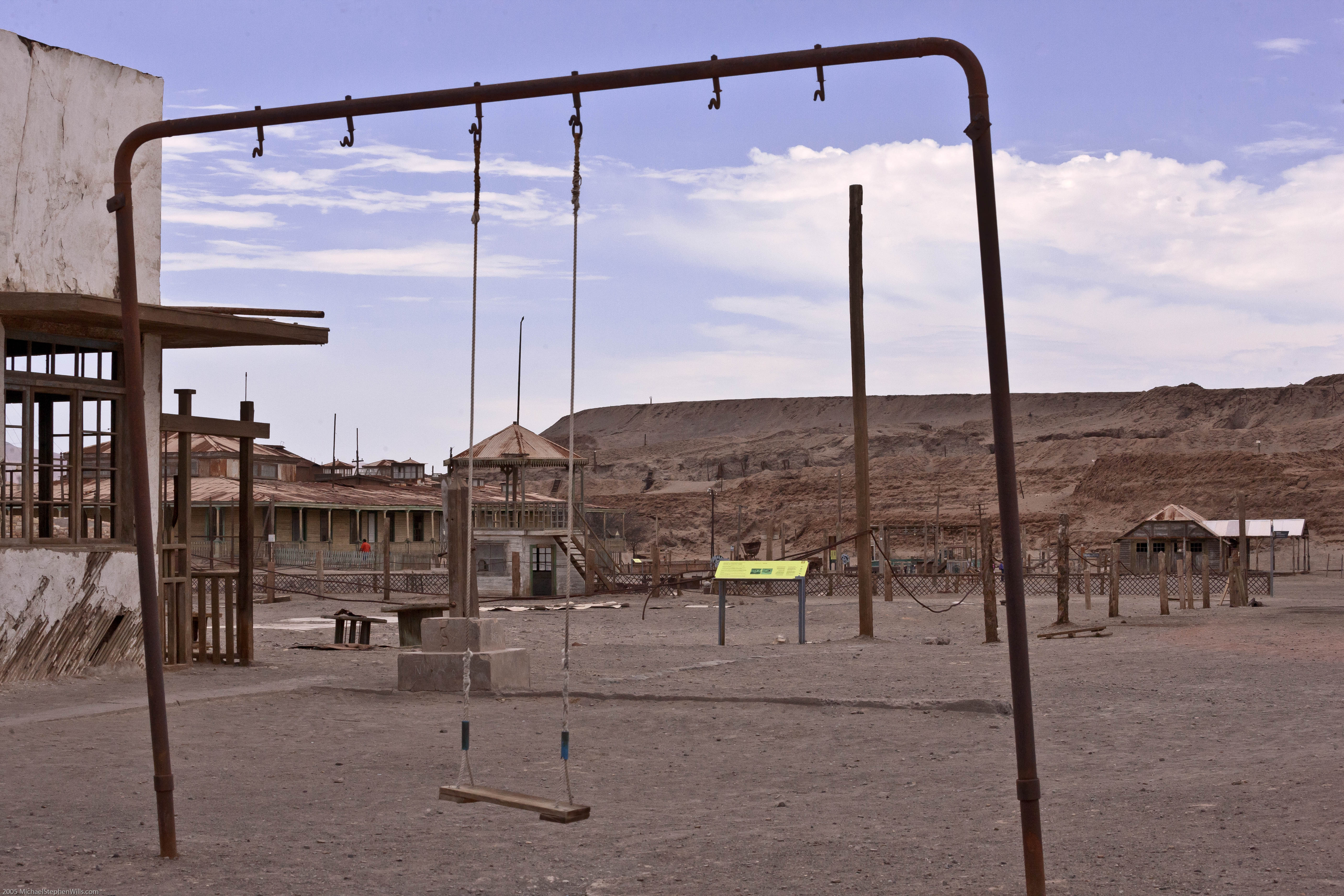
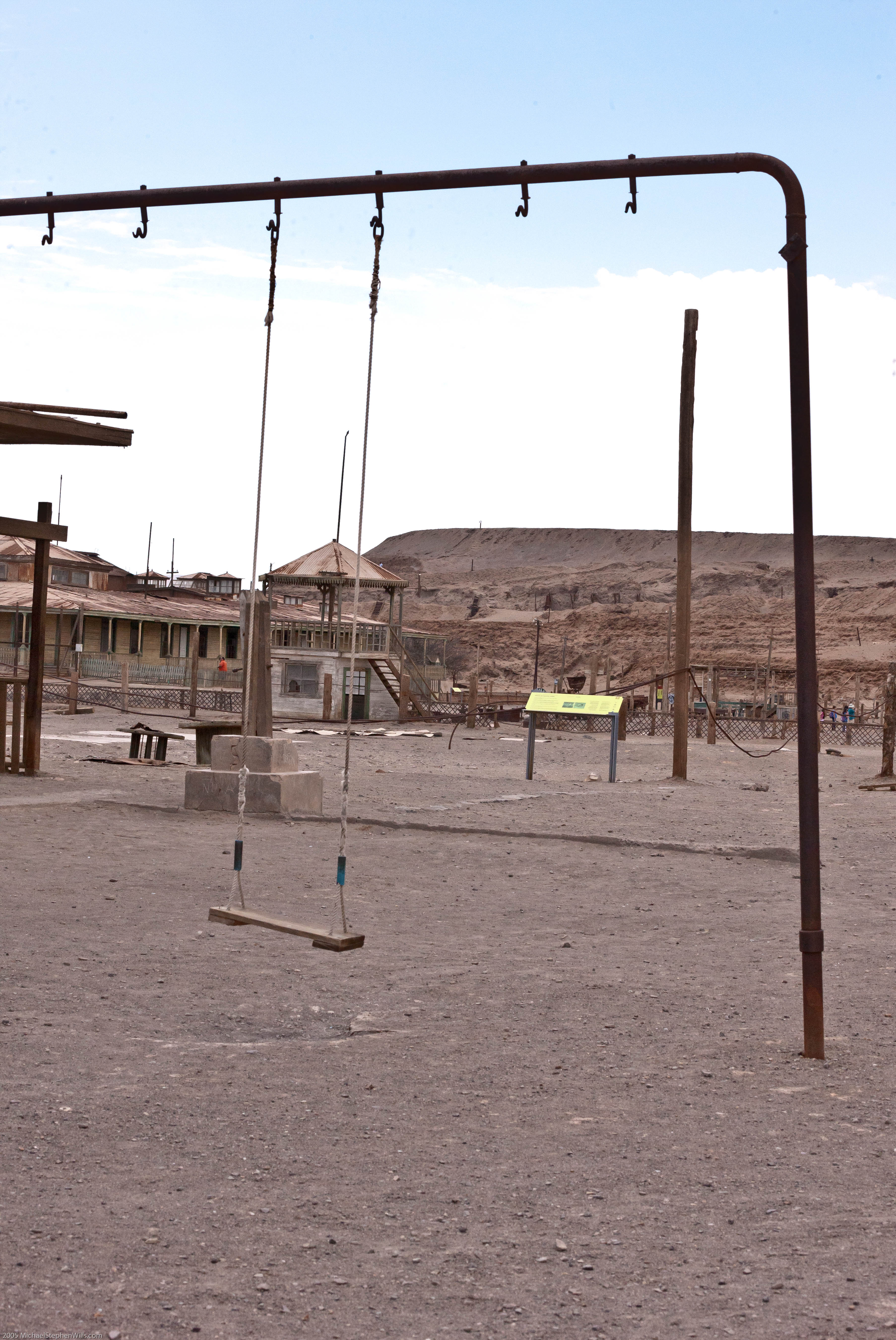
Can you spot the children and visitors in these scenes from the World Heritage Site Humberstone located in the Chilean Atacama desert?

Click any photograph for a larger view and use Ctrl-x to zoom in closer.

Click me for the first post of this series.

References

Websites

Humberstone and Santa Laura Saltpeter Works World Heritage page

The Humberstone and Santa Laura Saltpeter Works site (Chile), removed from the List of World Heritage in Danger/

Copyright 2020 Michael Stephen Wills All Rights Reserved

Atacama School Days

Dive In

A photographic essay

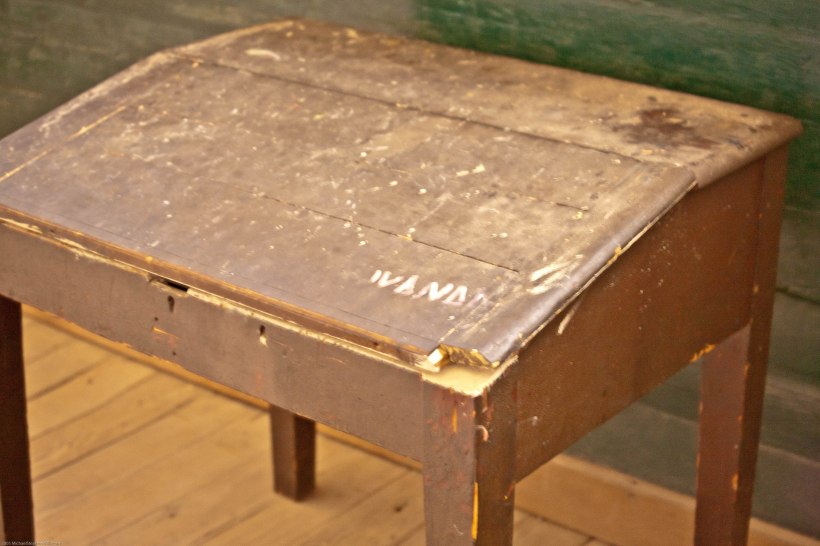
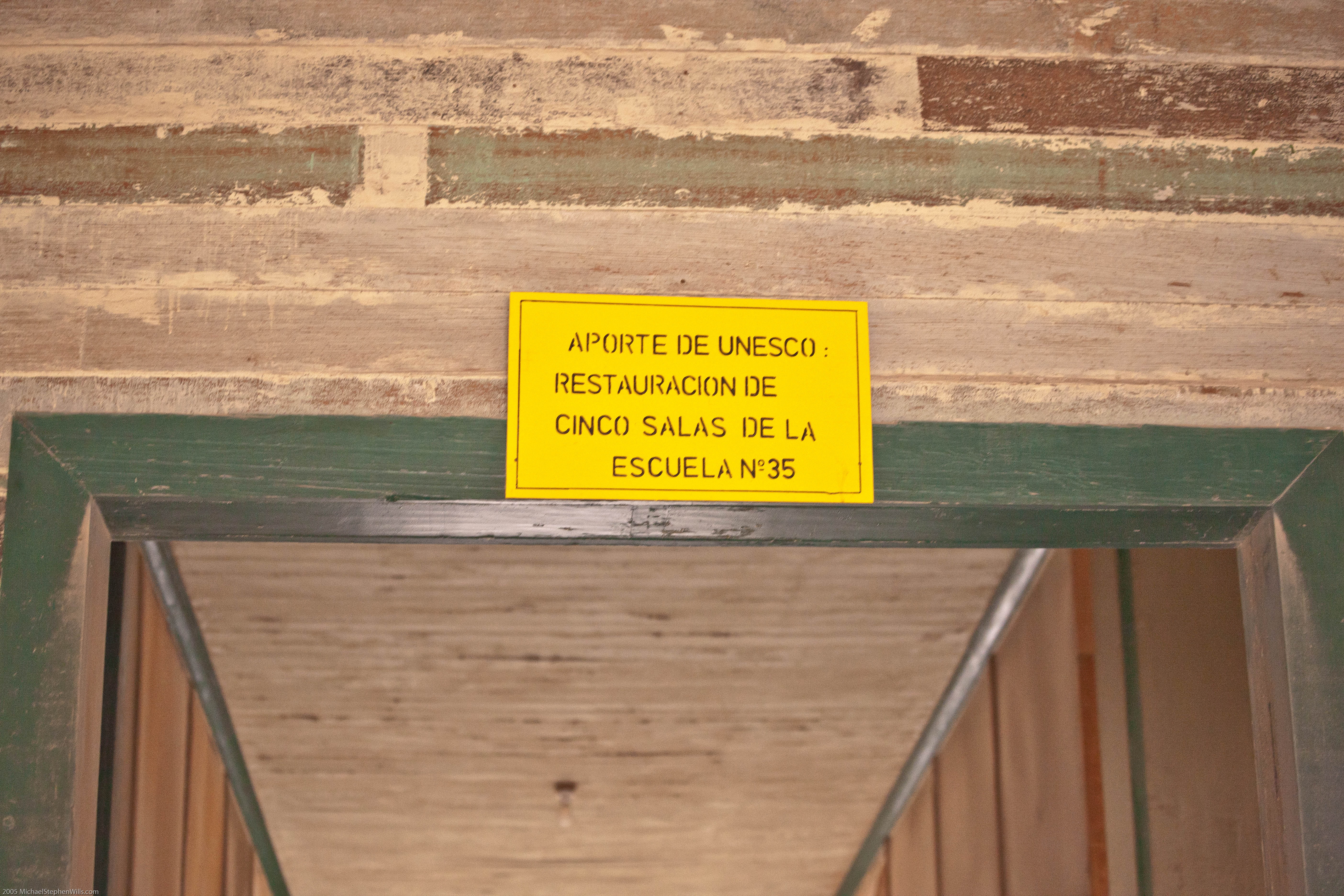
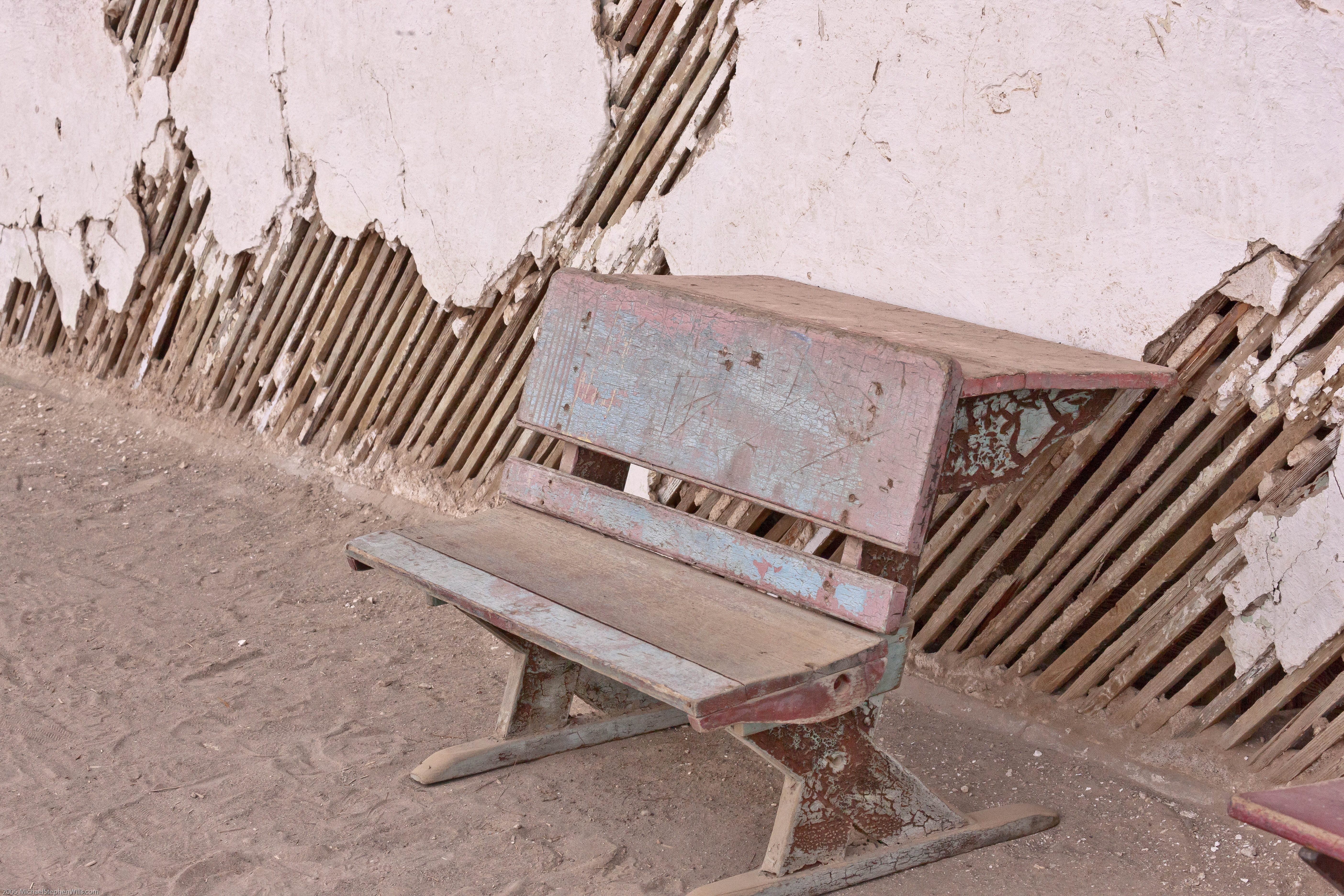
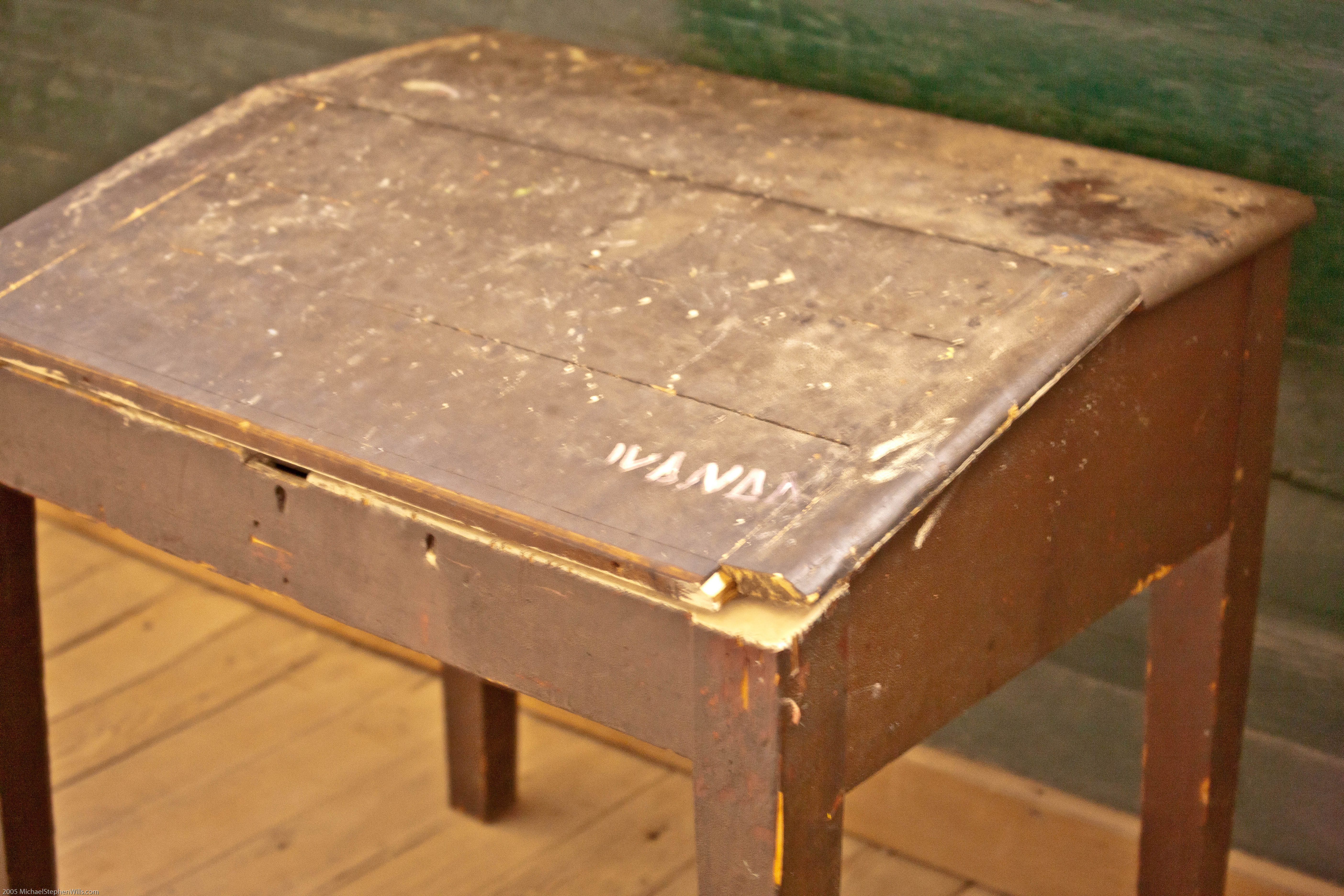
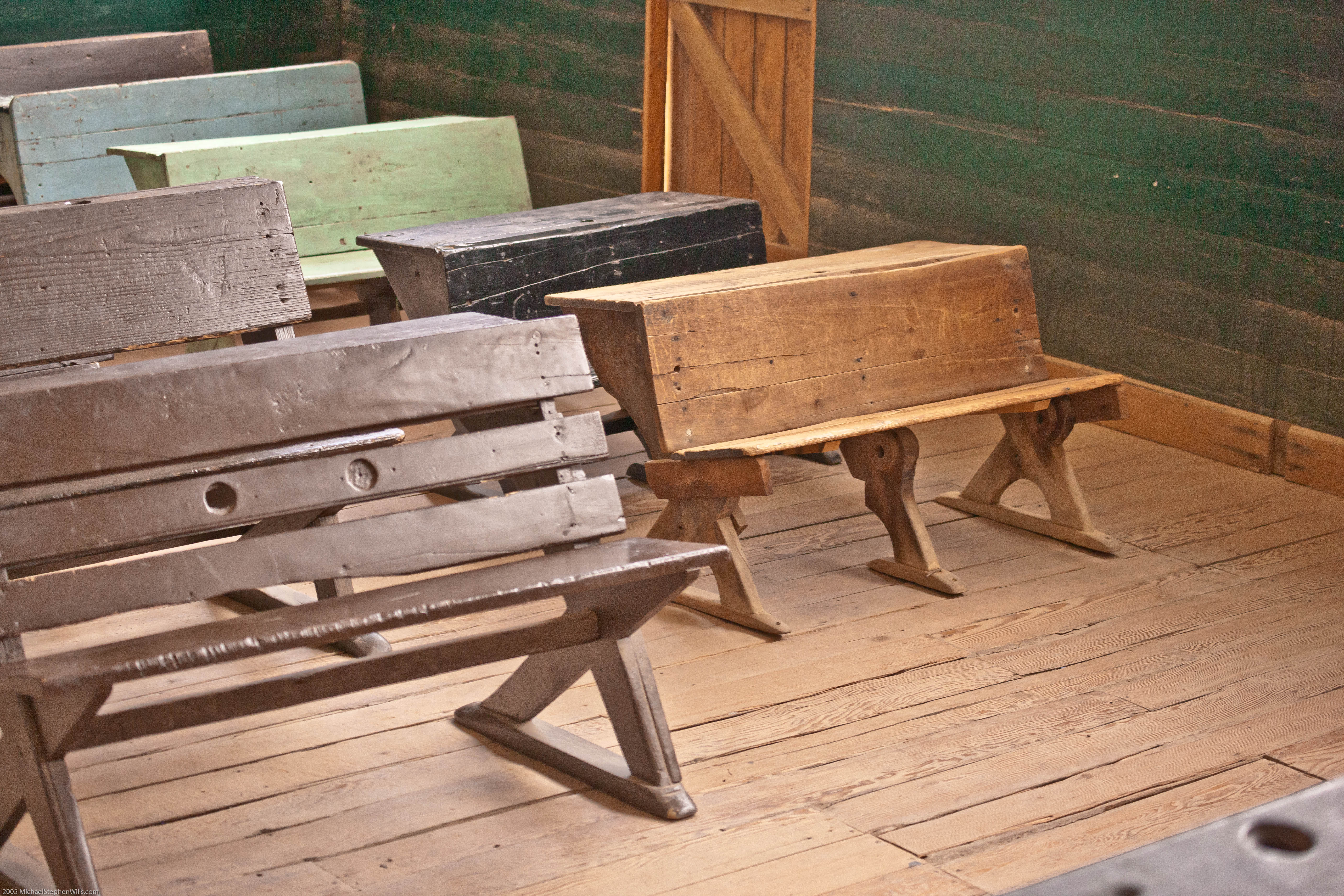
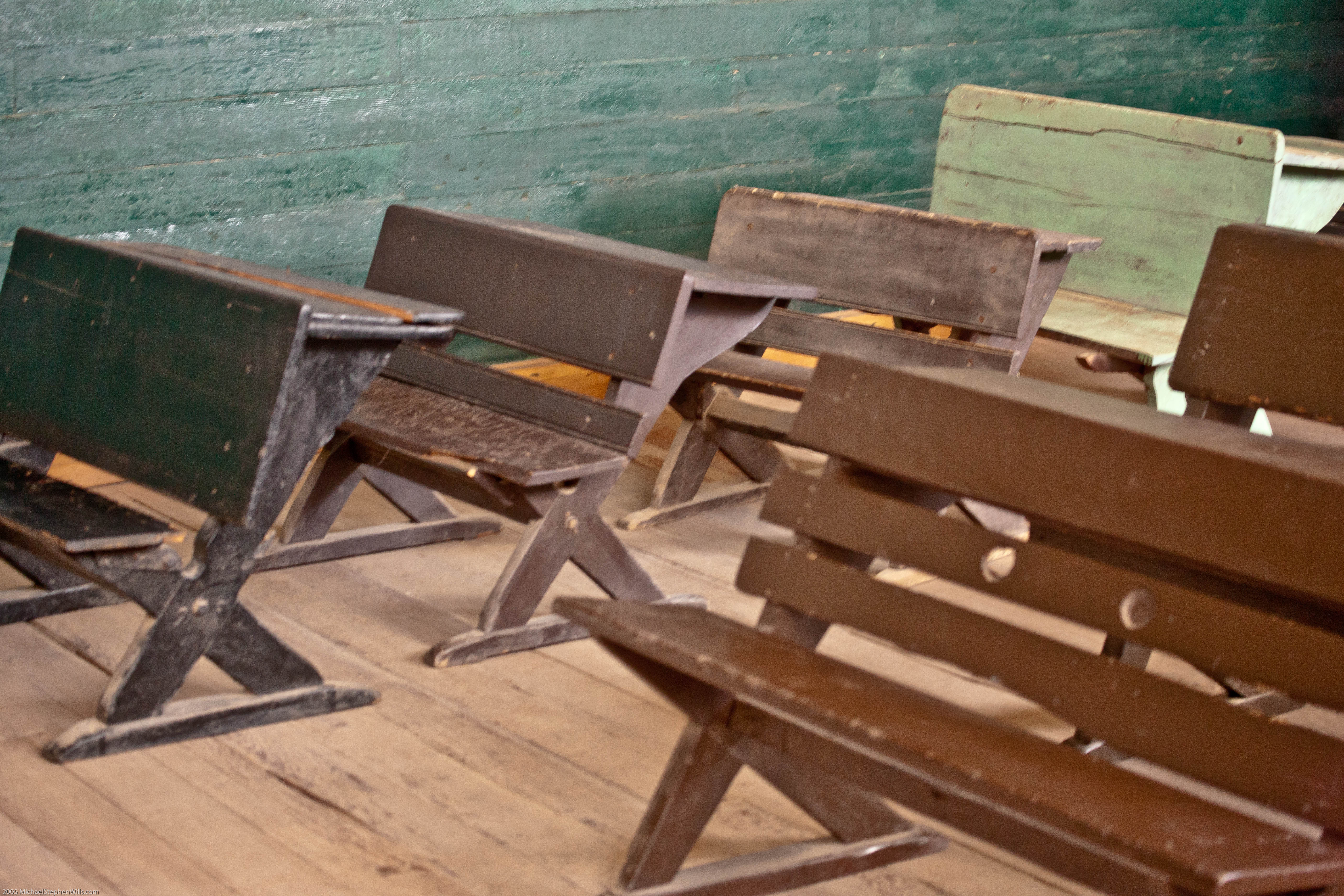
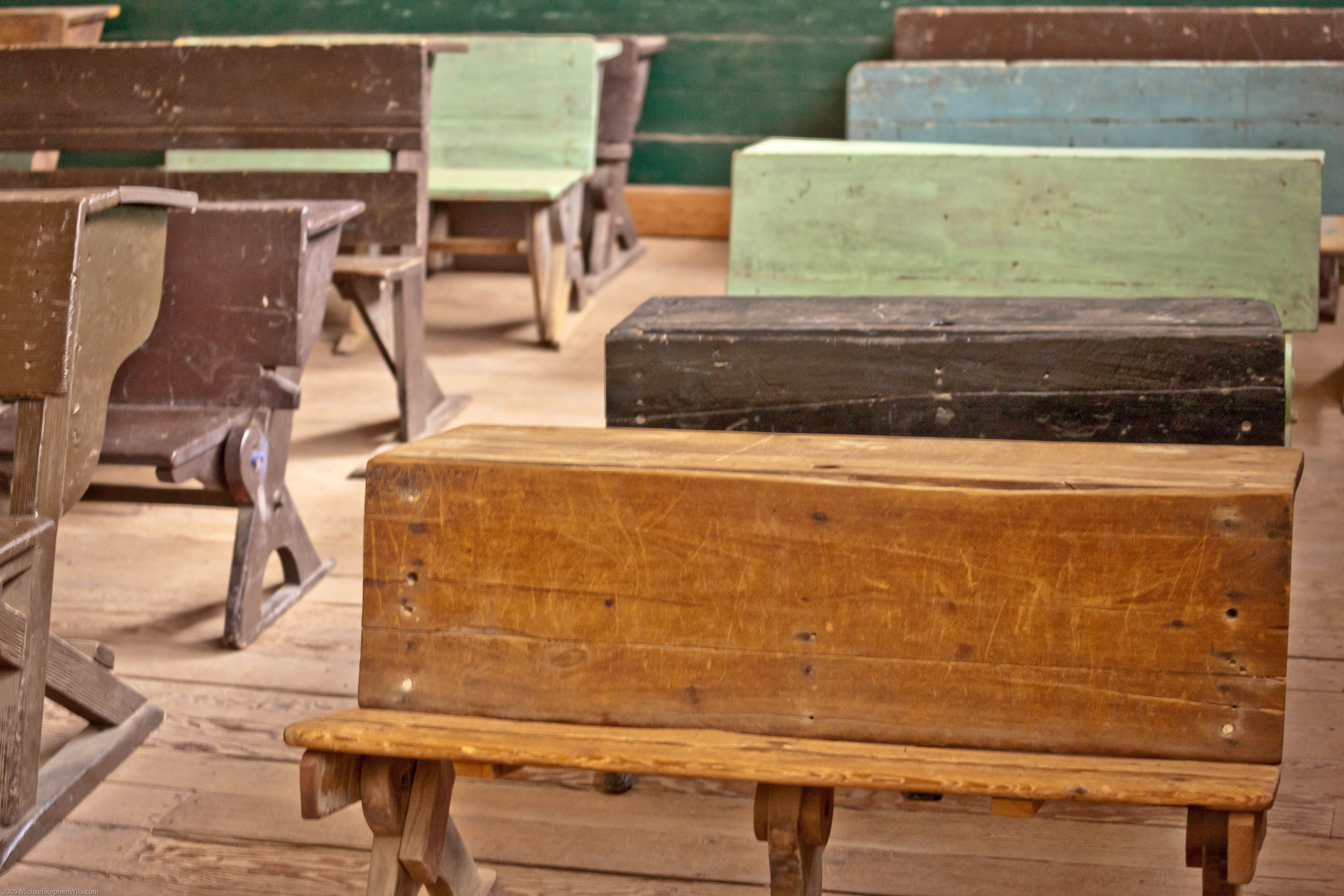
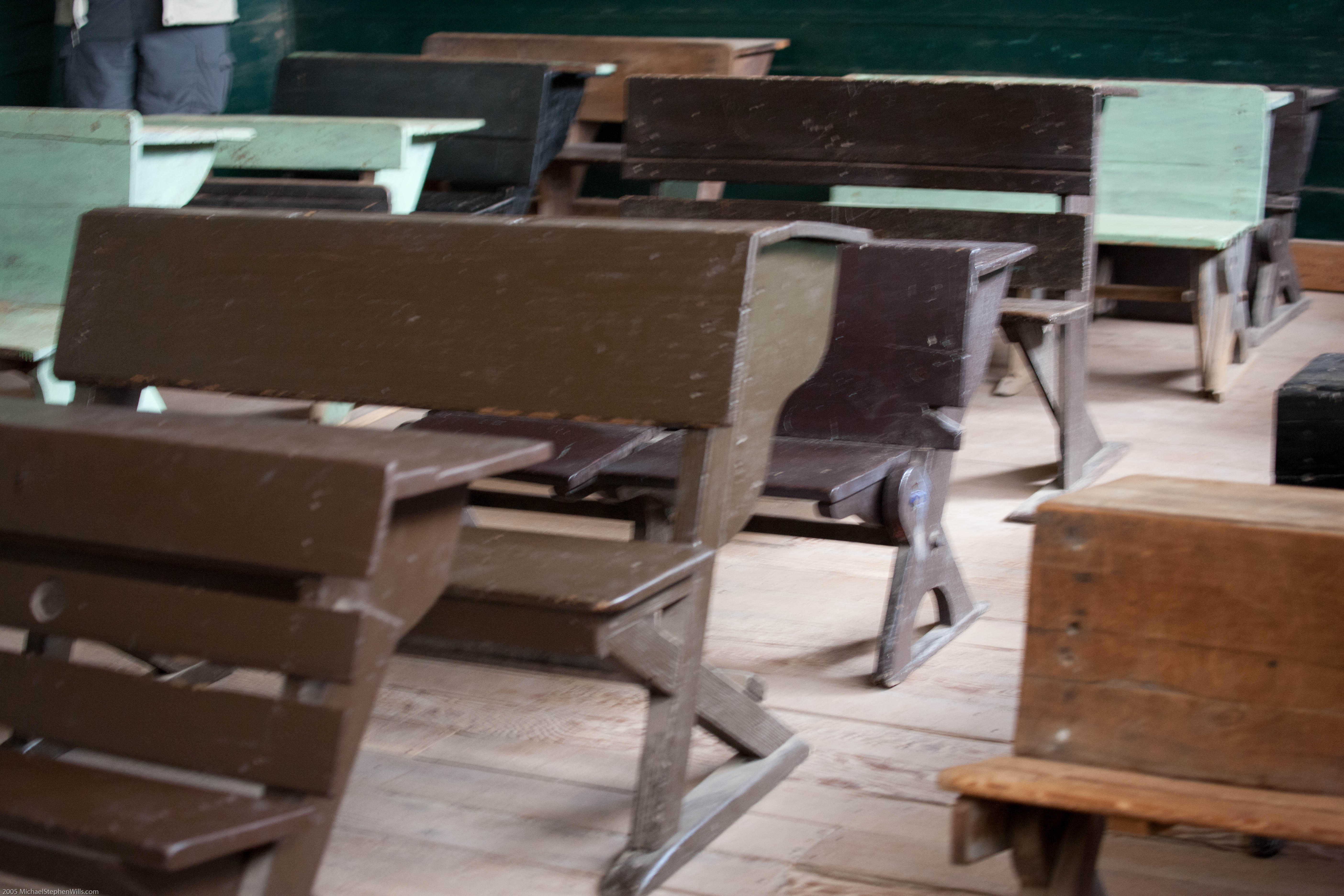
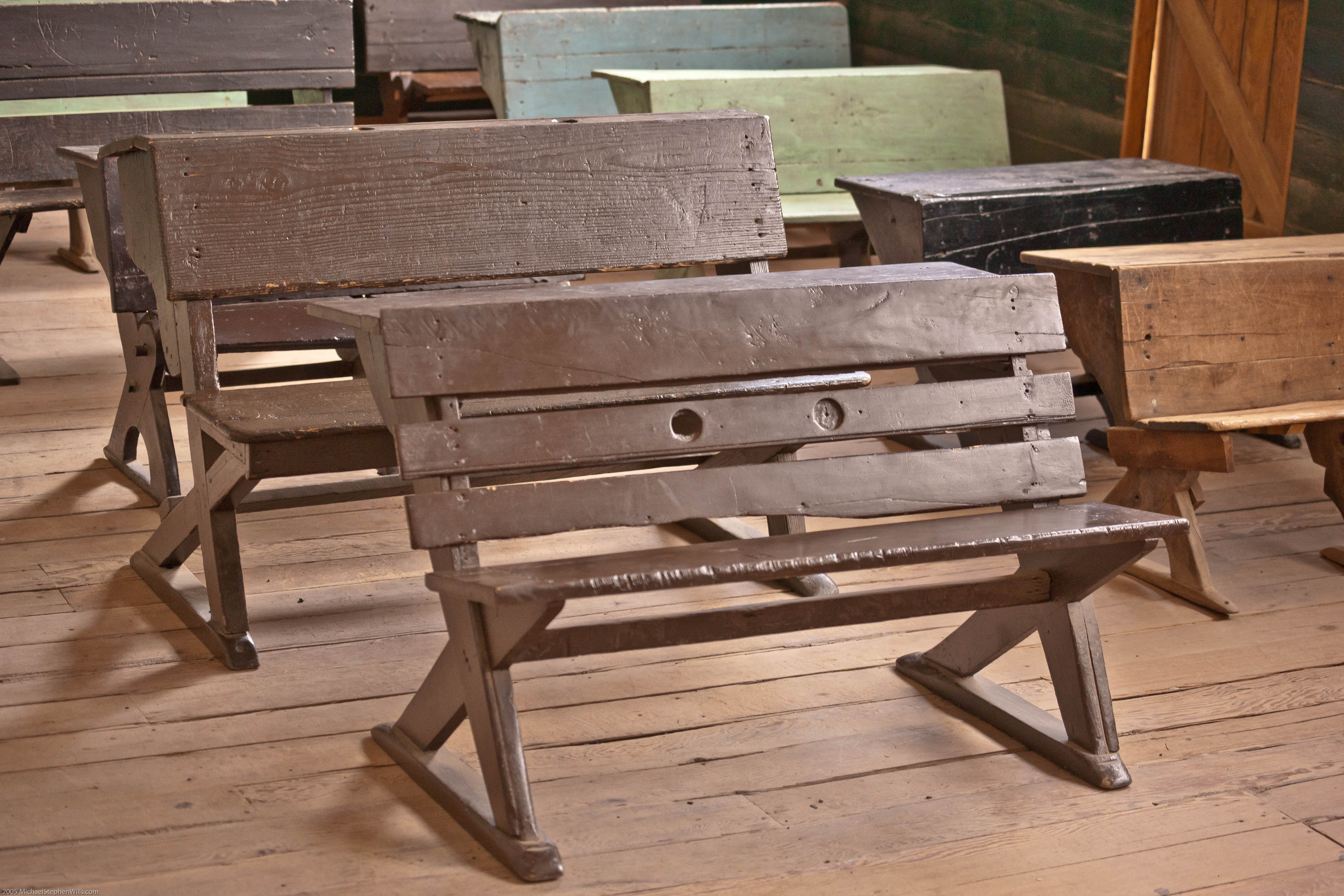
Children are our hope and the future. The yellow sign reads “UNESCO Contribution. the restoration of five classrooms of School number 35.”

From their web site: UNESCO encourages international peace and universal respect for human rights by promoting collaboration among nations. Its mission is to contribute to the building of peace, the eradication of poverty, sustainable development and intercultural dialogue.

Click any photograph for a larger view and use Ctrl-x to zoom in closer.

Click me for the first post of this series.

References

Websites

Humberstone and Santa Laura Saltpeter Works World Heritage page

The Humberstone and Santa Laura Saltpeter Works site (Chile), removed from the List of World Heritage in Danger/

Copyright 2020 Michael Stephen Wills All Rights Reserved