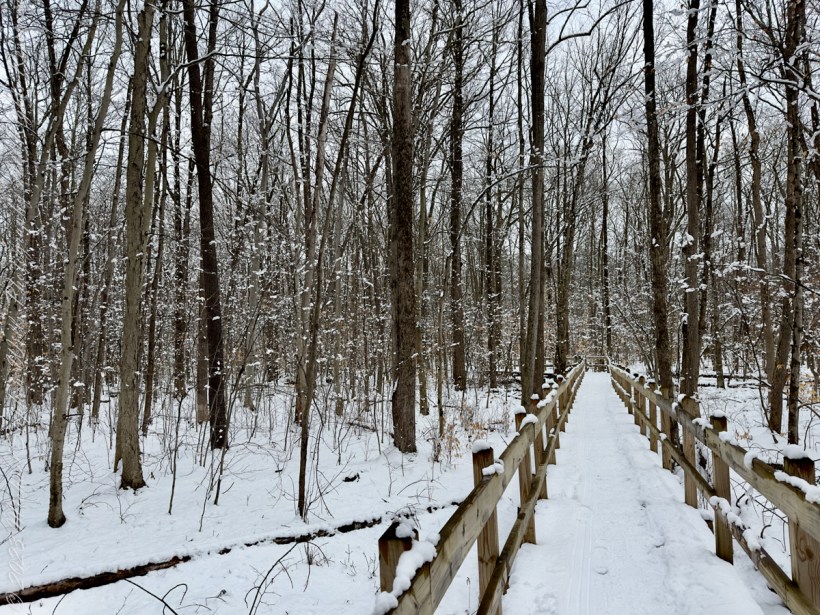
Holding On

Happy Saint Patrick’s Day

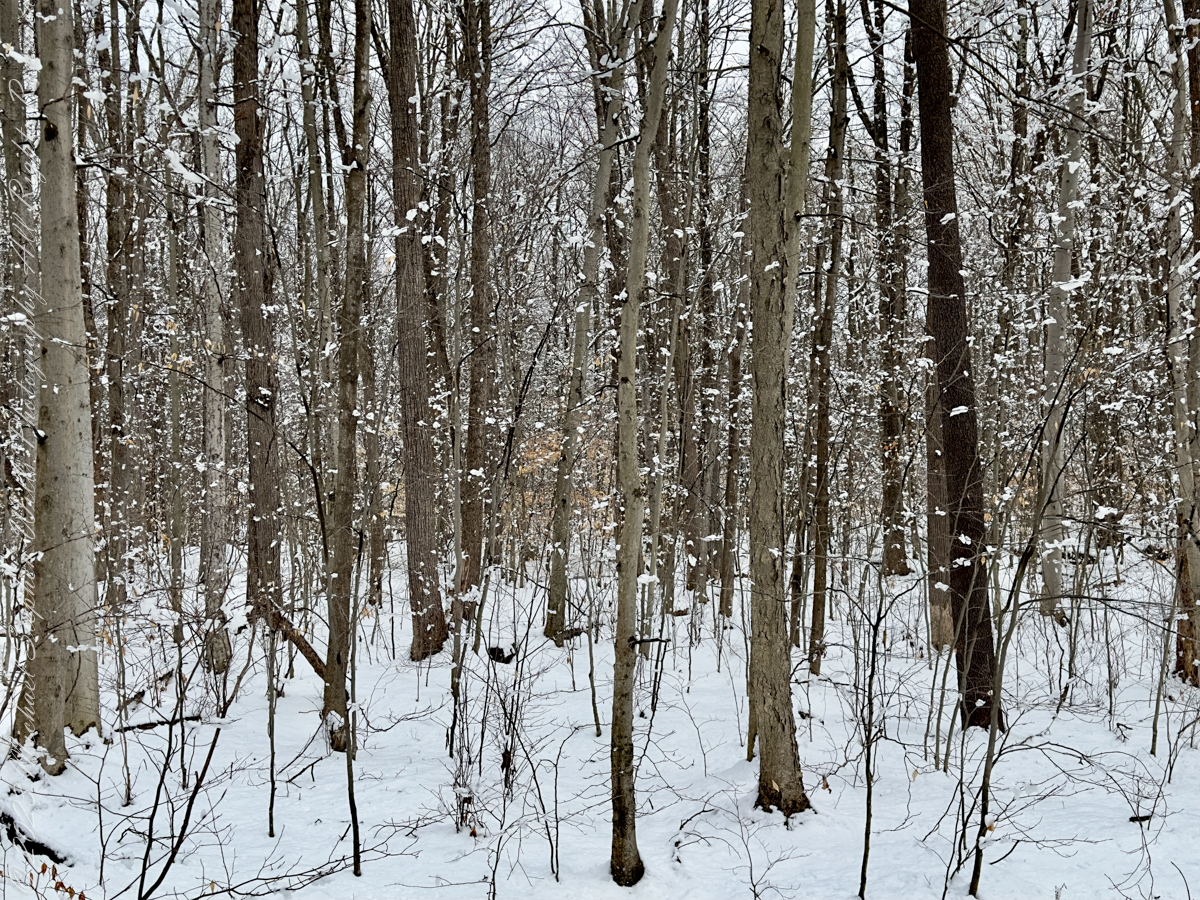
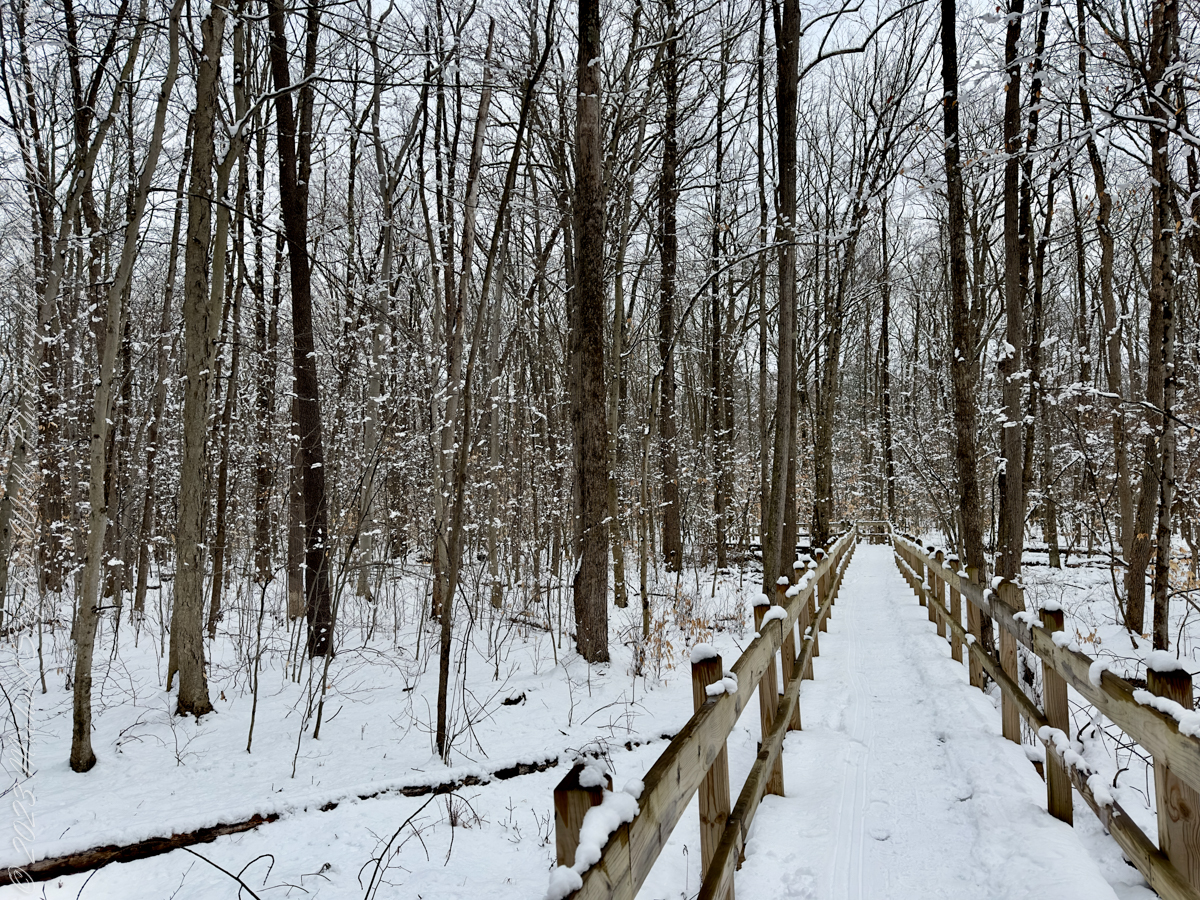
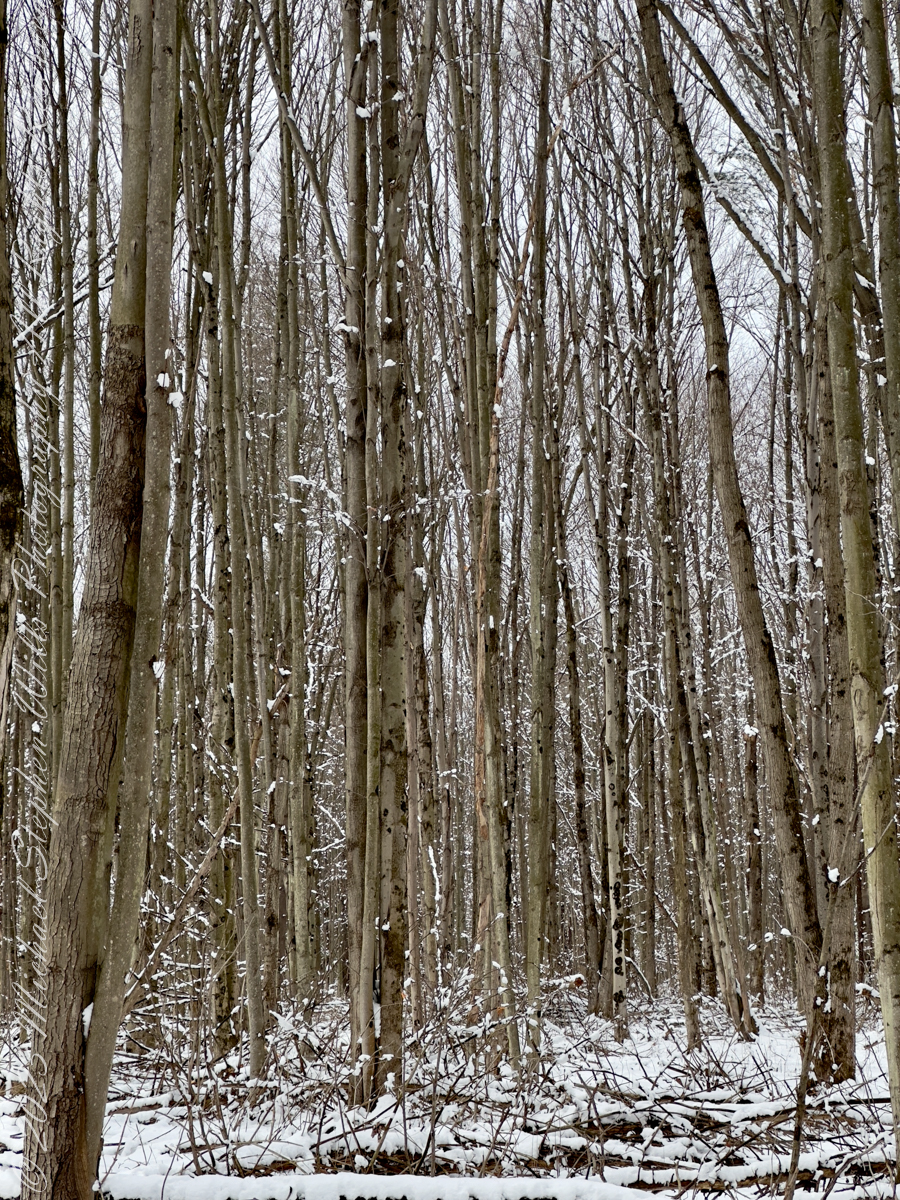
Elms throughout the understory of Sapsucker Woods provide late autumn golden color, here on the West Trail after snowfall, holding on until spring. Cornell University Lab of Ornithology Sapsucker Woods, Ithaca, Tompkins County, New York

Click Me for “Finger Lakes Memories” my online gallery.
Copyright 2023 Michael Stephen Wills All Rights Reserved

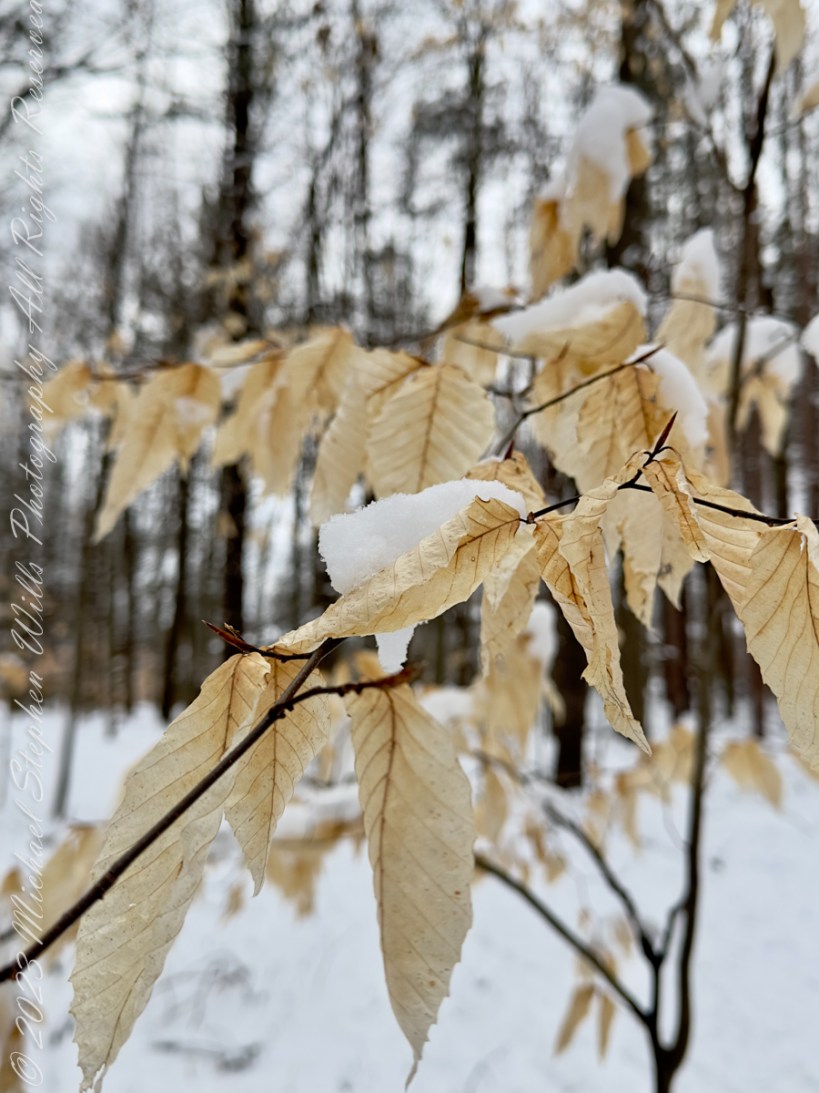
Habitat

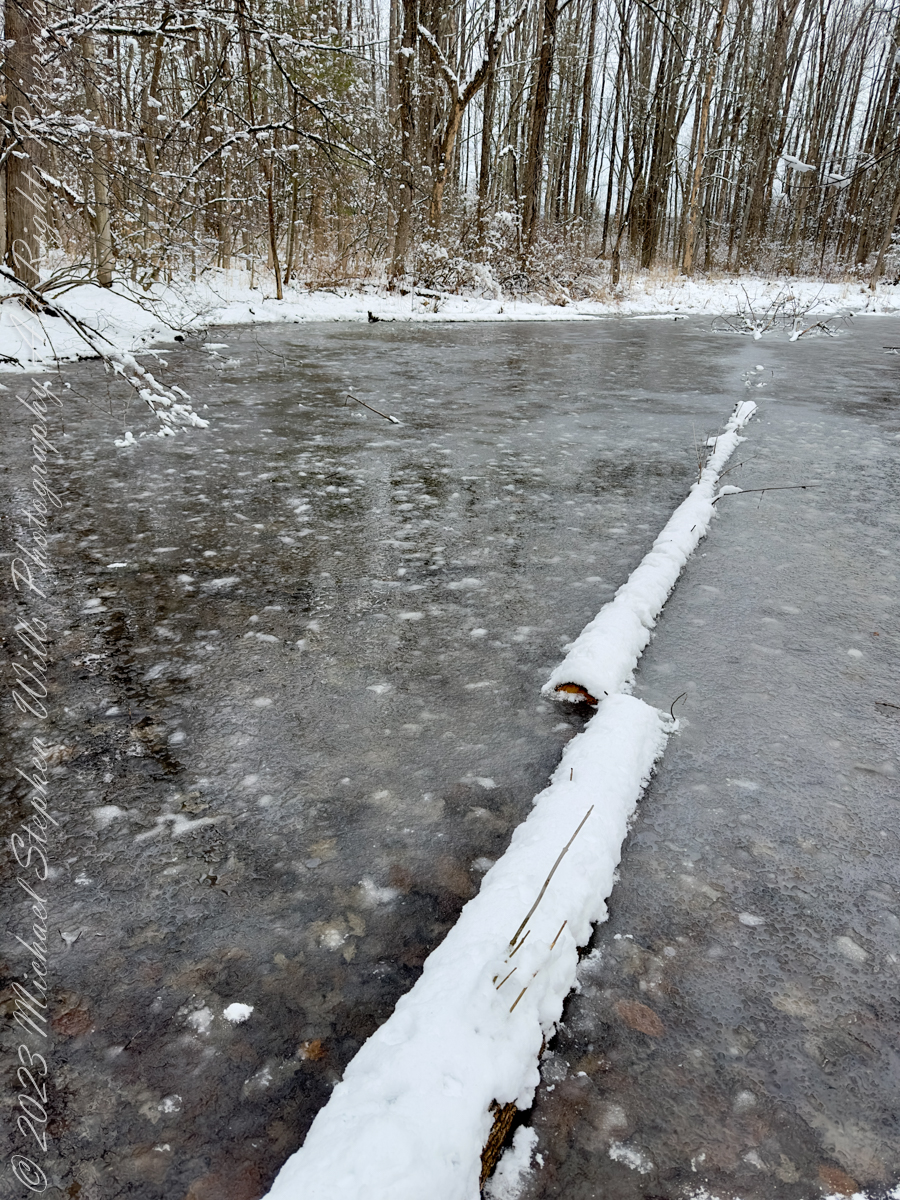
Home to frogs and turtles, this perennial pond is part of Sapsucker Woods of Cornell University Lab of Ornithology, Ithaca, Tompkins County, New York

Click Me for “Finger Lakes Memories” my online gallery.
Copyright 2023 Michael Stephen Wills All Rights Reserved

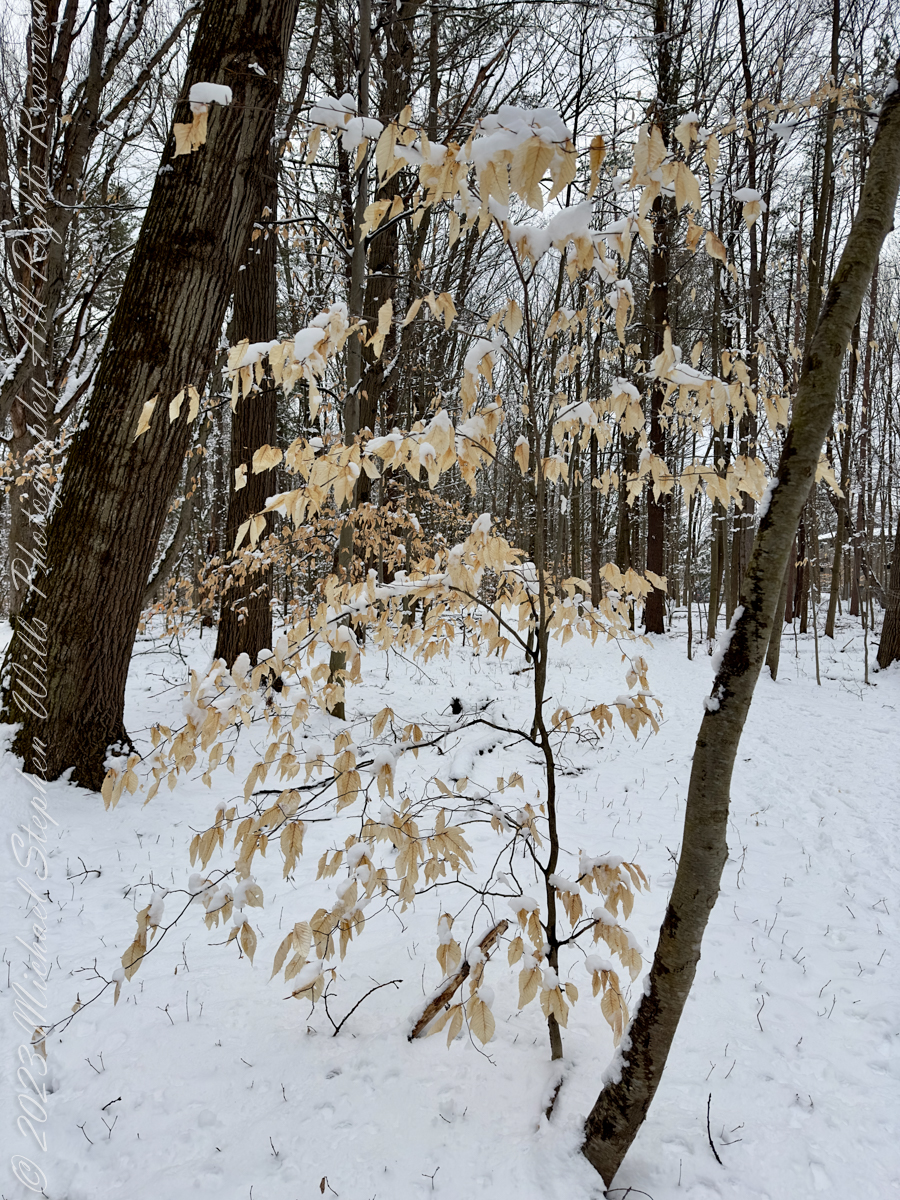
Thermogenic

Plant Identification

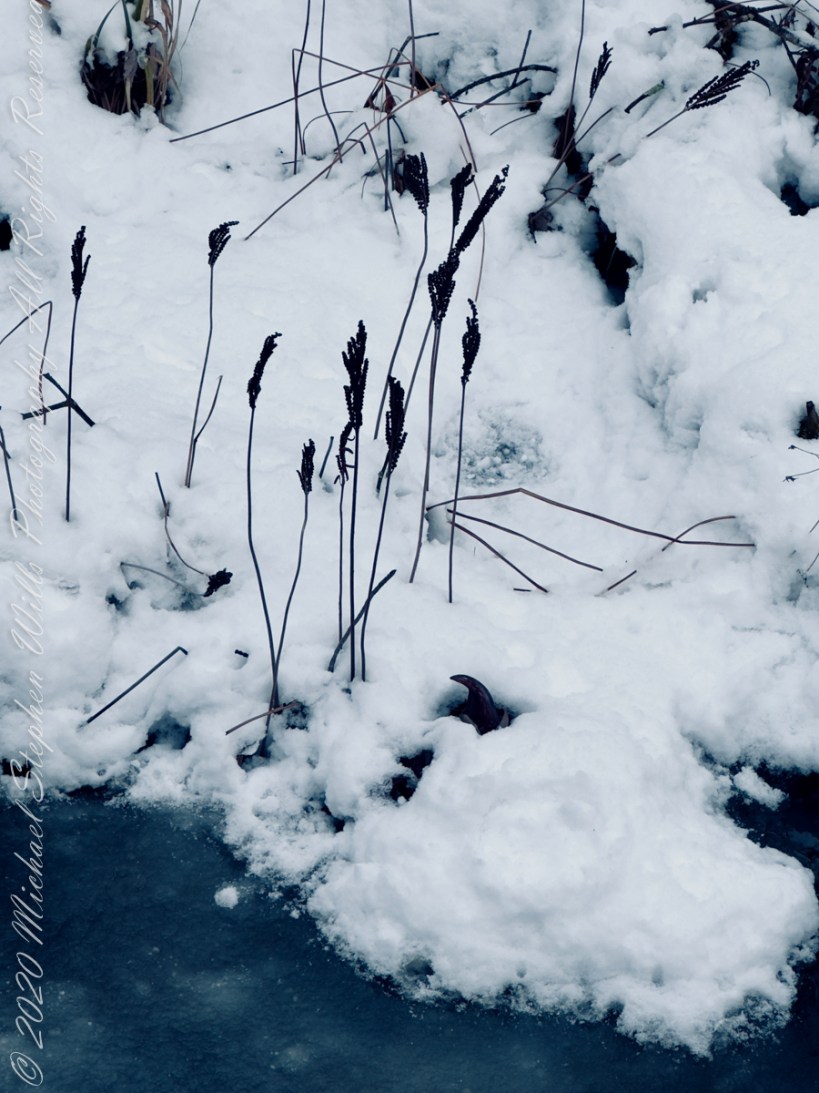
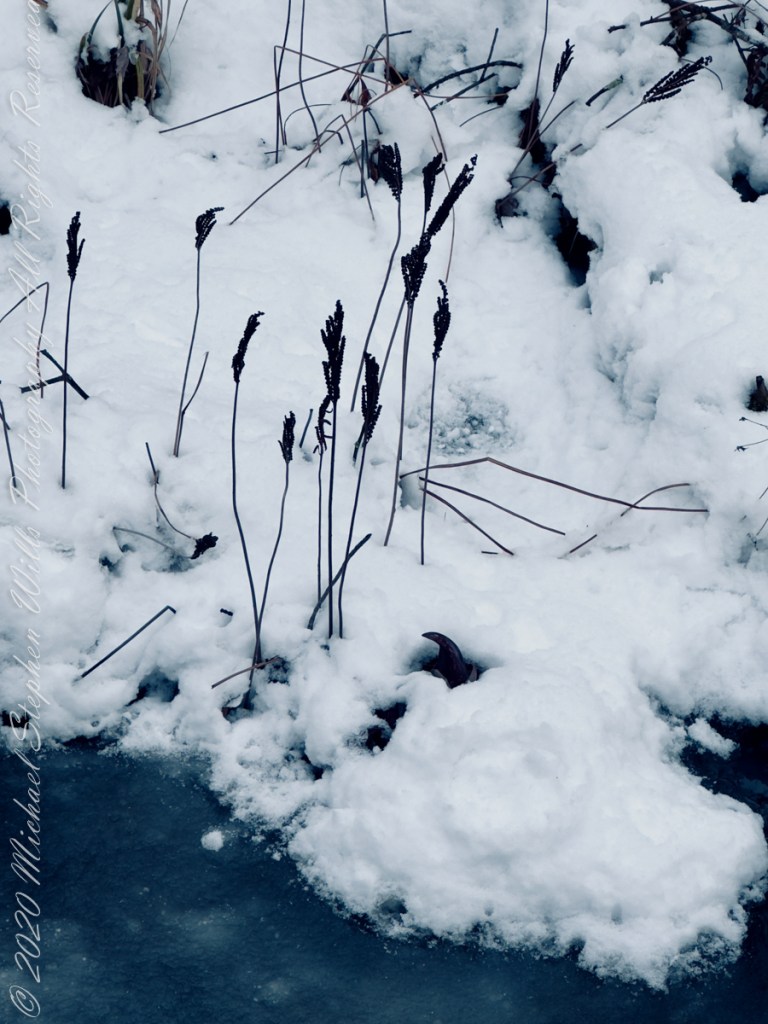
Can you spot the Skunk Cabbage (Symplocarpus foetidus)? Hint: the plant emits heat, melting surrounding snow.

I cannot remember, don’t recall (?), the identification of those long stalks. Dear readers: can you identify?

Eastern skunk cabbage belongs to a select group of thermogenic plants for its capacity to create temperatures of up to 15–35 °C (59–95 °F) above air temperature through cyanide–resistant cellular respiration (via alternative oxidase) in order to melt its way through frozen ground.

One mechanism behind maintaining heat around the plant is the thermogenic oscillation of the spadix: Independent of light, a precise thermal regulator is produced by an oscillatory temperature-sensing model in the spadix under dynamic external temperature variations. An equilibrium between heat production and loss, due to heat radiation, evaporation, conduction and convention is maintained in the spadix. Additionally, the airflow around the spathe effectively maintains heat generated by the spadix.

Click Me for “Finger Lakes Memories” my online gallery.
Reference on the thermogenic features: Wikipedia, “Skunk Cabbage.”

Copyright 2018 Michael Stephen Wills All Rights Reserved

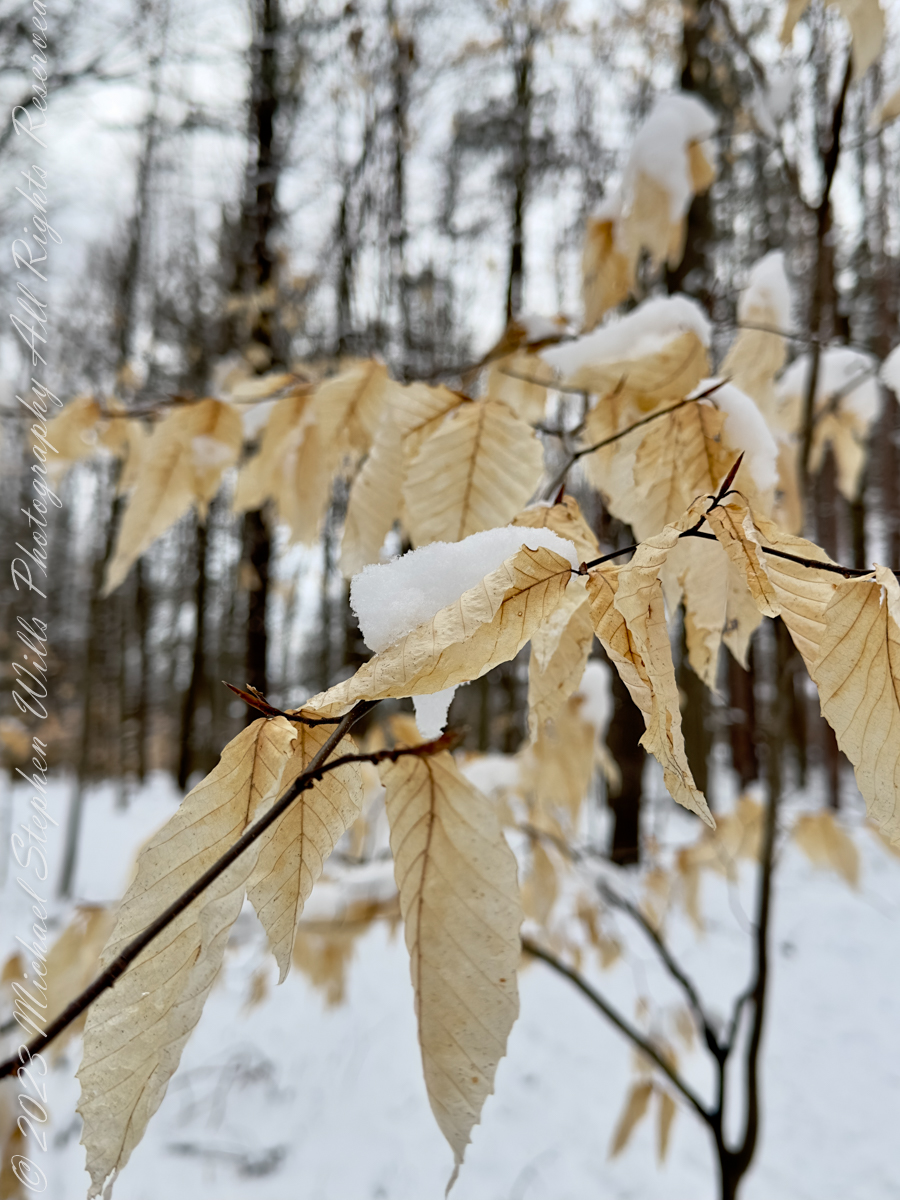
Winter Magic

a meditation

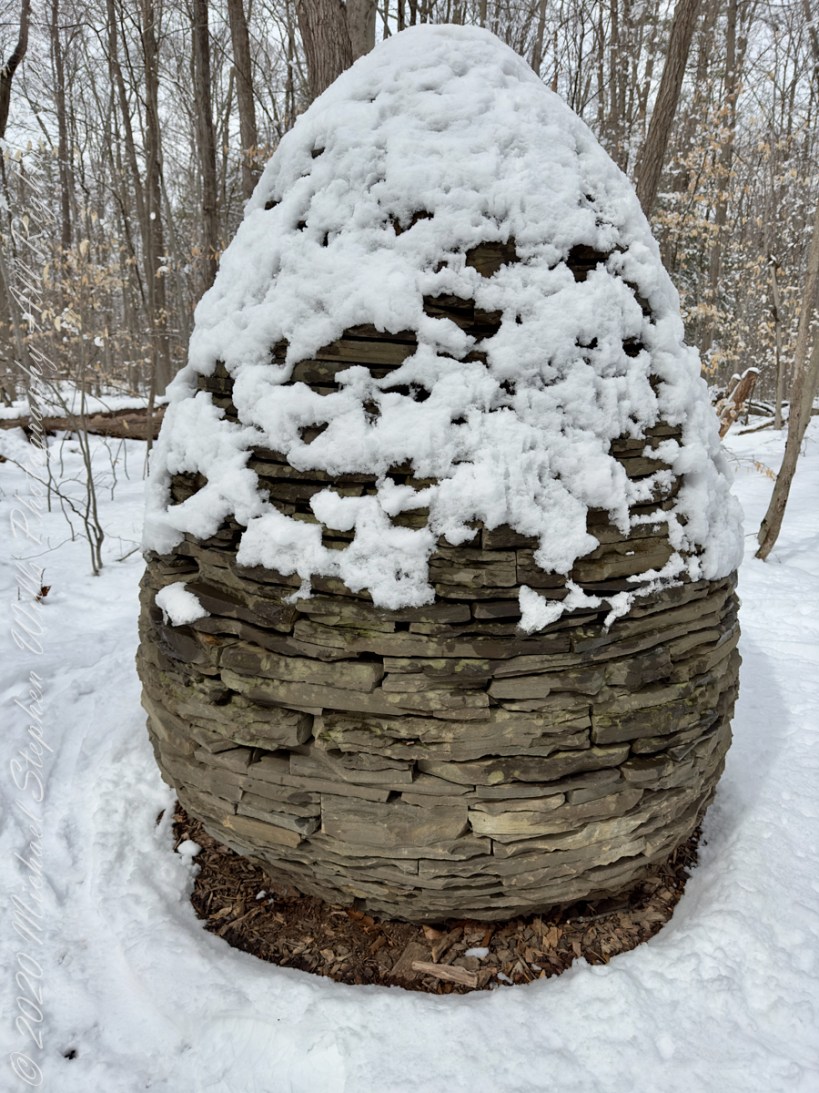
Found along the Hoyt-Pileated Trail, Sapsucker Woods, Sunday, March 12, 2023.

Text of plaque reads: Andy Goldsworthy; British, born 1956; “Sapsucker Cairn” (formerly New York Cone), 1995 – 2008; Llenroc and other local stone; Gift of Sirje Helder Gold and Michael O. Gold, rededicated in memory of their beloved son Maximilian Arnold Gold; Herbert F. Johnson Museum of Art.

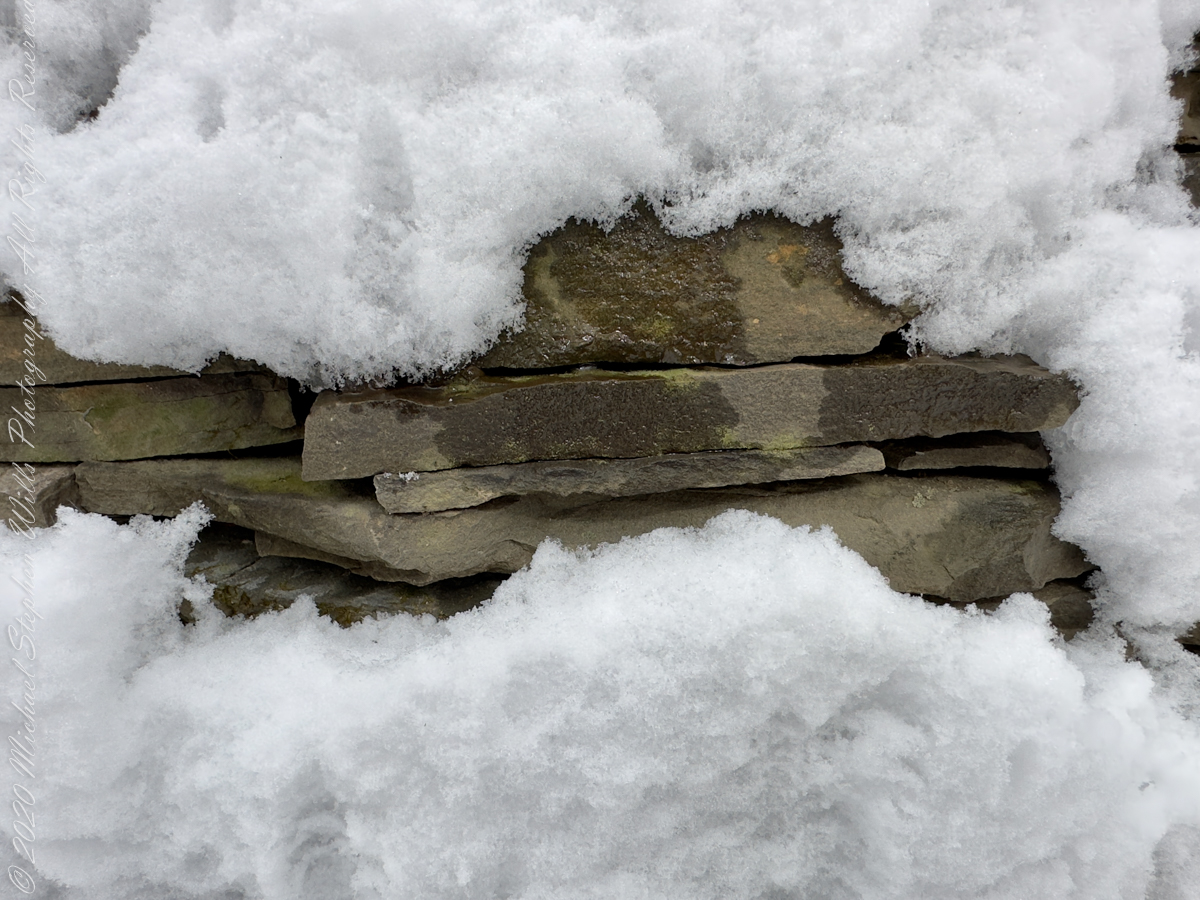
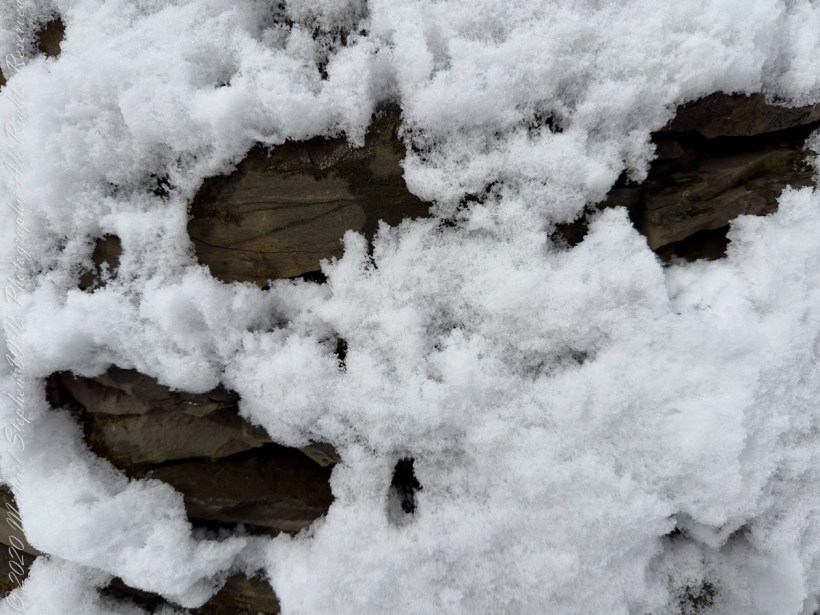
A sculpture transformed by a March snowfall. Notice how the stone, warmed by sunlight filtering through the leafless trees, melts surrounding snow.

Llenroc (Cornell spelled backwards) stone is a type of bluestone that is quarried in the Finger Lakes region of New York. It has a mix of blue-gray and rust color and is traditionally used on Cornell University’s campus. Llenroc is also the name of a Gothic revival villa built by Ezra Cornell, the founder of Cornell University.

Click Me for “Finger Lakes Memories” my online gallery.

Copyright 2018 Michael Stephen Wills All Rights Reserved

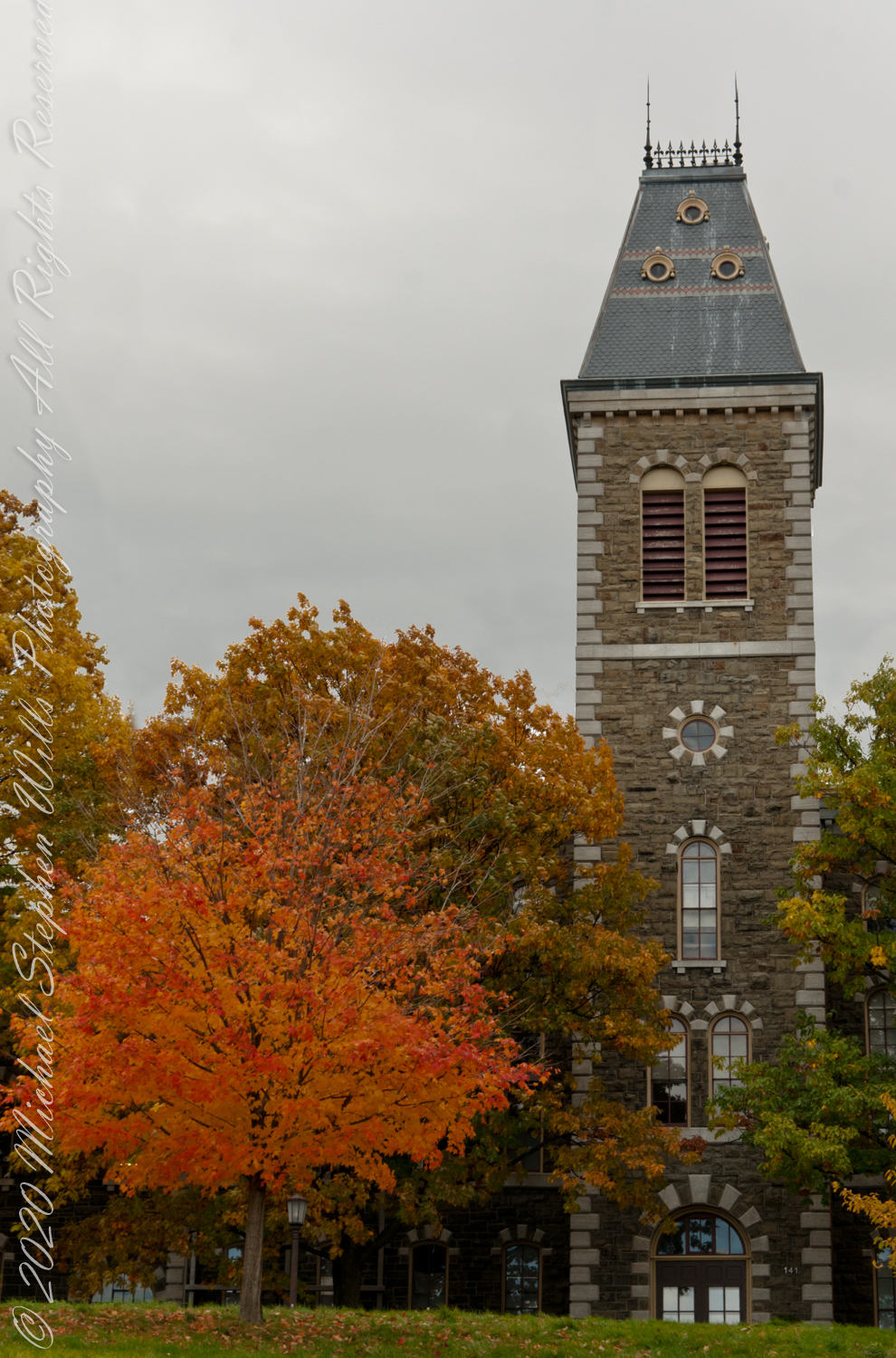
Tower of McGraw Hall from Libe Slope

The First Cornell Tower

Named for founding trustee John McGraw, who gave $120,000 for construction of the building, McGraw Hall, designed by architect Archimedes N. Russell, opened in 1872.

Built of an Ithaca stone known as Lenrock, the four-story building was the first on campus to include a tower and today is home to the American Studies Program, Department of History, Department of Anthropology, and Archaeology Intercollege Program.

Jennie McGraw, daughter of John McGraw, donated the chimes to be placed in the tower, where they stayed until McGraw Tower was built in 1891.

This year the College of Arts and Sciences inaugurated a comprehensive renovation of McGraw Hall.

Copyright 2023 Michael Stephen Wills All Rights Reserved

Revealed Form IV

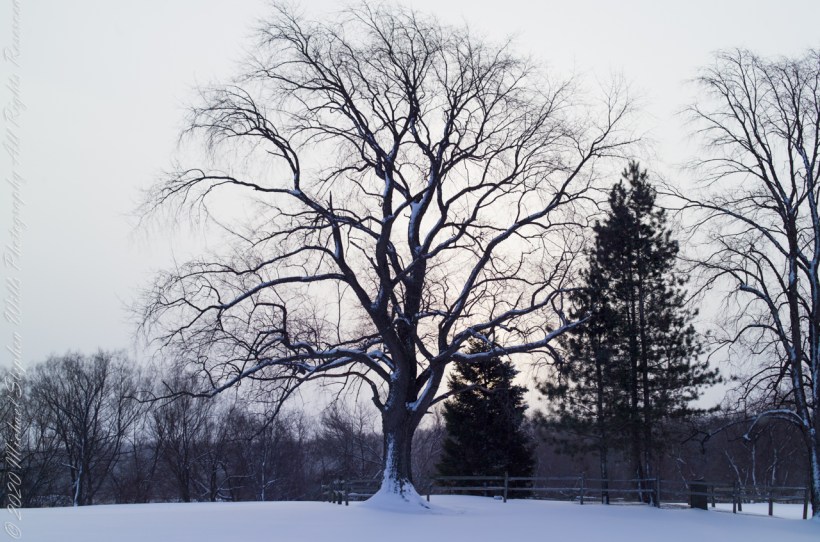
Hoary Elm in HDR

Late Winter, on the cusp of Spring, I arrived at the Cornell Experimental farm before sunrise.  

There I set up a Kodak DSC Pro SLR/c with a Canon EF 50 mm f/1.4 USM lens all mounted on a very stable Manfrotto Studio Aluminum Tripod Model 475 and Hydrostatic Ball Head. From this 15 exposures were obtained. Photoshop CS6 HDR combined the 15 into this perfected image. Cornell Thompson Experimental Farm, Town of Dryden, Tompkins County, New York

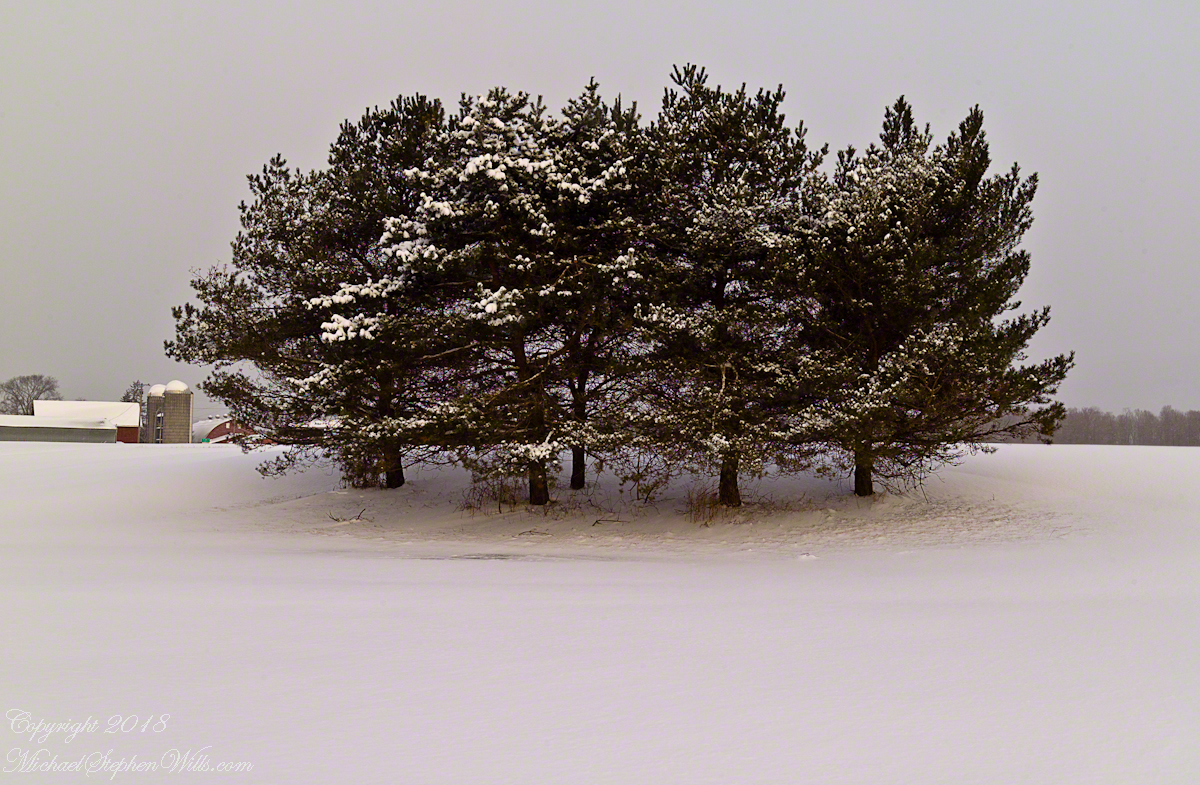
Revealed Form III

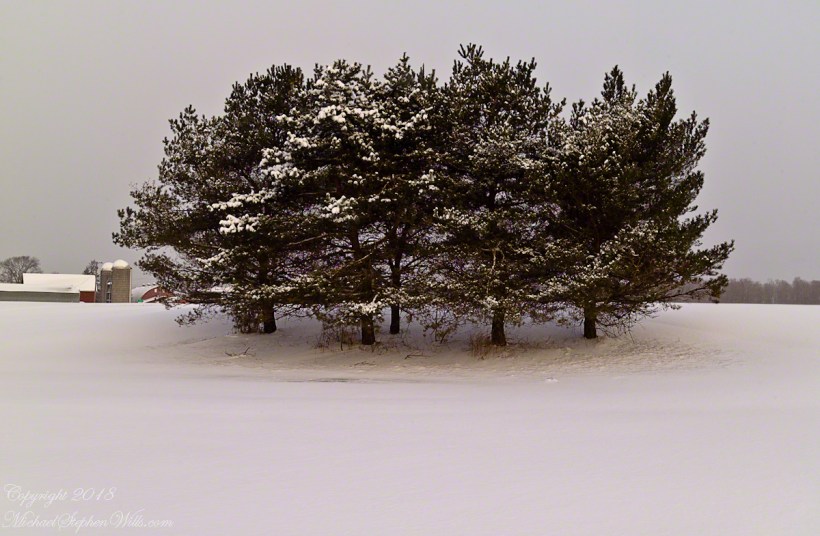
On a late winter morning on the cusp of Spring 2007 I ventured from my home on Fall Creek on a photo expedition.  

Form here is revealed through the fine snowfall dusting the evergreen boughs of this stand of pines, not enough to stop the wind for which is tract of the Cornell Thompson Research Farm is known.

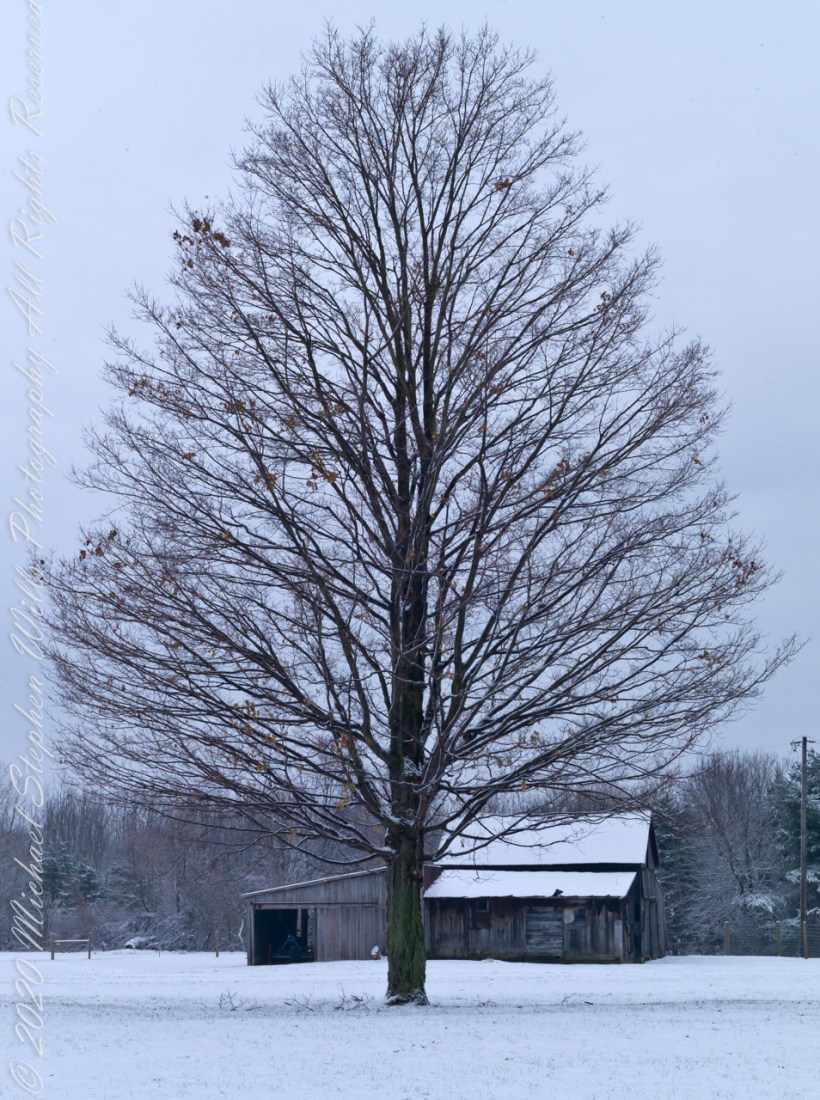
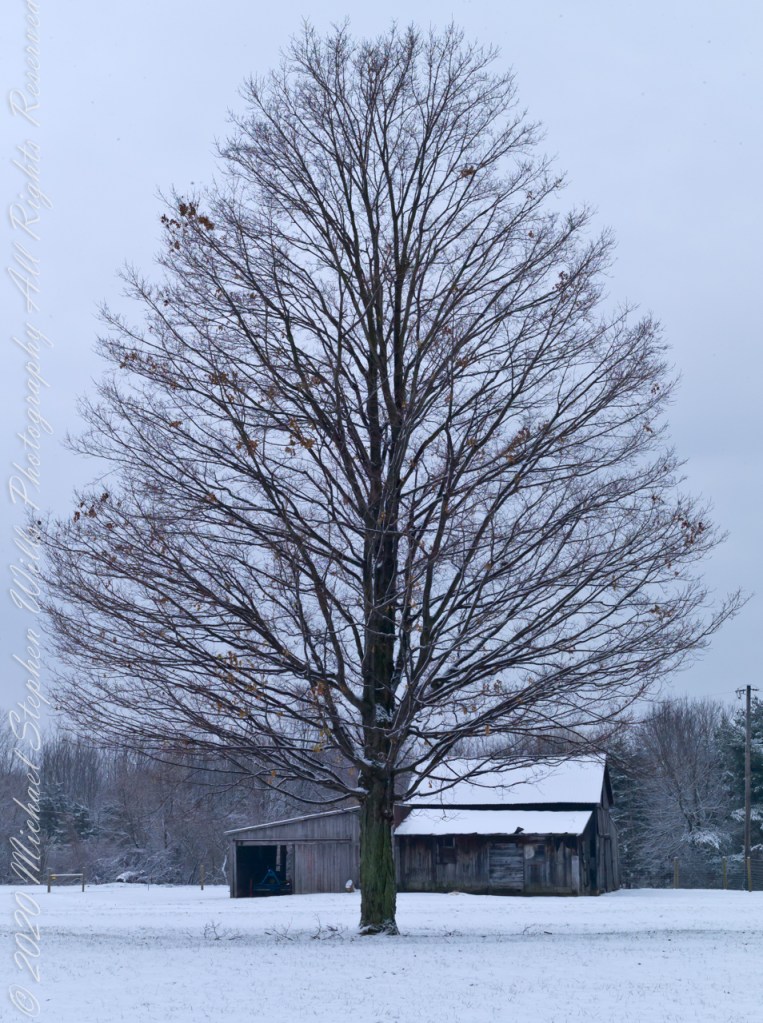
Revealed Form II

On the first day of 2006 I ventured from my home on Fall Creek on a photo expedition.  

A finely shaped maple tree growing alone on a Cornell Experimental Farm field at the intersection of Fall Creek Road and Cady Lane, between Fall and Mud Creeks. Town of Dryden, Tompkins County, New York

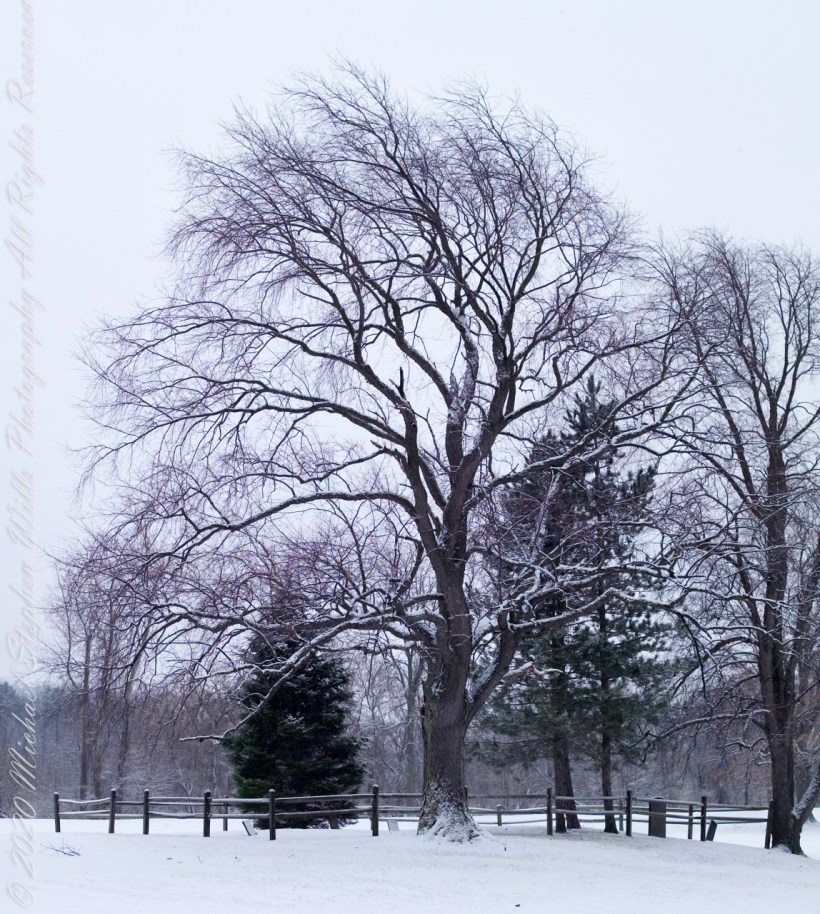
Revealed Form I

On the first day of 2006 I ventured from my home on Fall Creek on a photo expedition.  

Each November, the eerie form of these limbs are revealed. I call the tree an “elm” though I am not certain. There are other lone survivor elms nearby, the leaves are right for an elm. Some elm species/specimens have the same shape.

Autumn Wonder

Cornell Botanical Gardens

“Cornell Botanic Gardens is a living museum with a mature botanic garden and arboretum—part of what makes Cornell one of the most beautiful campuses anywhere. We steward over 3,600 acres of biologically diverse landscapes that represent the full range of ecological communities found in the Finger Lakes region.” — from their web site

Pam and I need venture no farther than across the valley, from West to East Hill, for an experience of autumn in all its glory. These IPhone 7 photographs and videos are from a recent visit.

We took in the artistry of the railing, the stone steps, gentle curves.

I marveled at the absence of Gypsy Moth egg masses on the Oak trunks, in spite of evident though modest leaf damage.

Houston Pond is visible in several of the “Buena Vista” images…..

Houston Pond reflections from the pavilion

Another version of reflections from Houston Pond taken from pavilion

“No Place Like Home” — Back on West Hill, our Japanese Maple was waiting for us.

Copyright 2022 Michael Stephen Wills All Rights Reserved