Frank and Rob: An Unexpected Meeting at Lamberton Conservatory

An unexpected encounter with Frank and Rob, two African tortoises in Rochester, becomes a meditation on discovery, deep time, adaptation, and the virtue of slowness.

There are discoveries we deliberately seek, and others that simply wait for us to notice them. On August 26, during a visit to the Lamberton Conservatory in Rochester’s Highland Park, Pam and I encountered two creatures that belonged firmly to the second category.

We had come to a conservatory, after all—a place where one expects palms reaching toward panes of glass, orchids suspended among roots and moss, and tropical foliage crowding the paths. I was looking at plants when something considerably more substantial appeared on the level, patterned brick path.

A tortoise.

Then another.
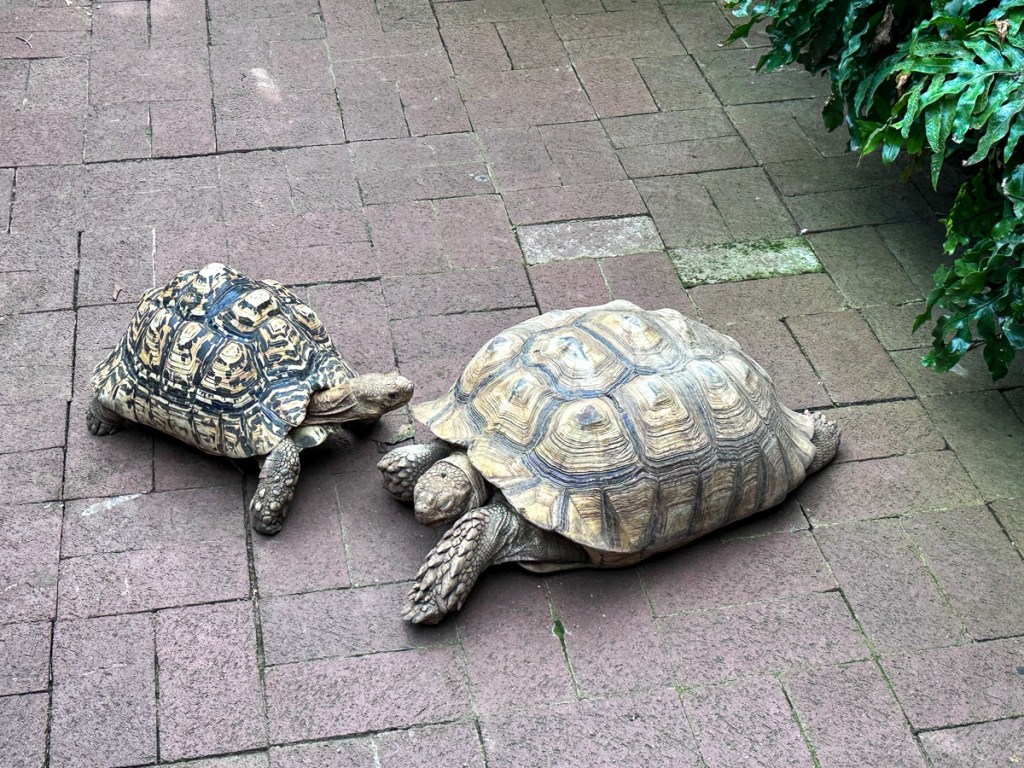
Two tortoises interacting on a paved pathway surrounded by greenery.

They moved freely among the vegetation, seemingly as much a part of the conservatory as the plants themselves. Nothing about their progress suggested urgency. Each foot was lifted, advanced and planted with deliberation. In a world increasingly measured in fractions of seconds, they seemed governed by another clock.

The smaller of the two immediately commanded my attention. His high, domed shell was covered with intricate patterns of yellow, tan and dark brown. Individual scutes carried irregular markings that radiated outward, giving the carapace something of the appearance of an ancient mosaic.
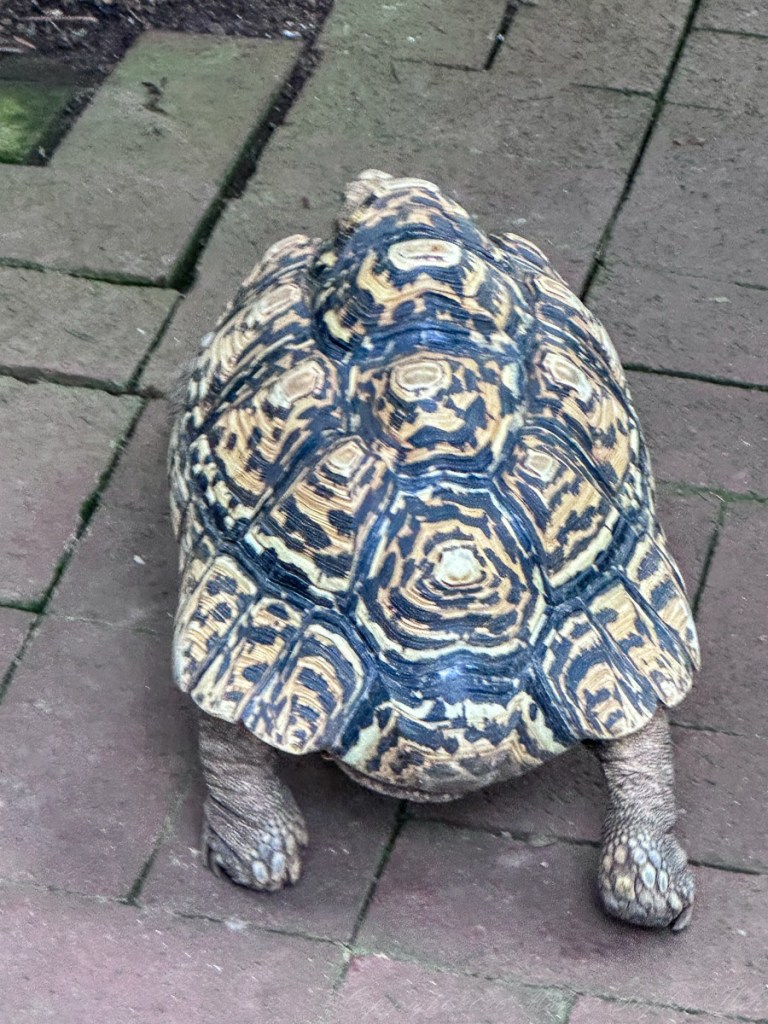
A tortoise walking on a brick path, showcasing its textured shell and limbs.

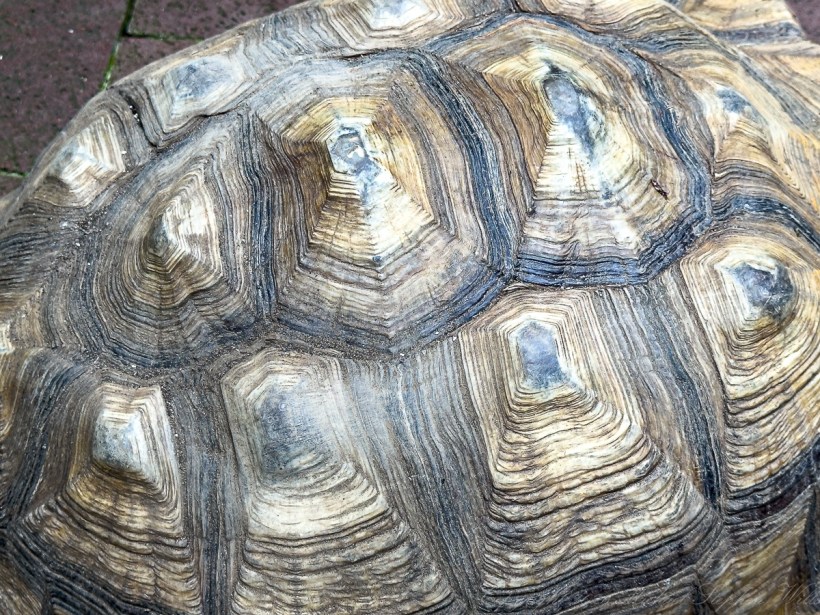
Beside him was an altogether different animal: larger, paler and immensely solid. Her shell was sandy brown, its individual scutes marked by concentric growth ridges. Massive forelegs, armored with heavy scales, supported a body that looked almost prehistoric. If the first tortoise suggested ornament, the second suggested architecture.

I photographed them, fascinated by the contrast.
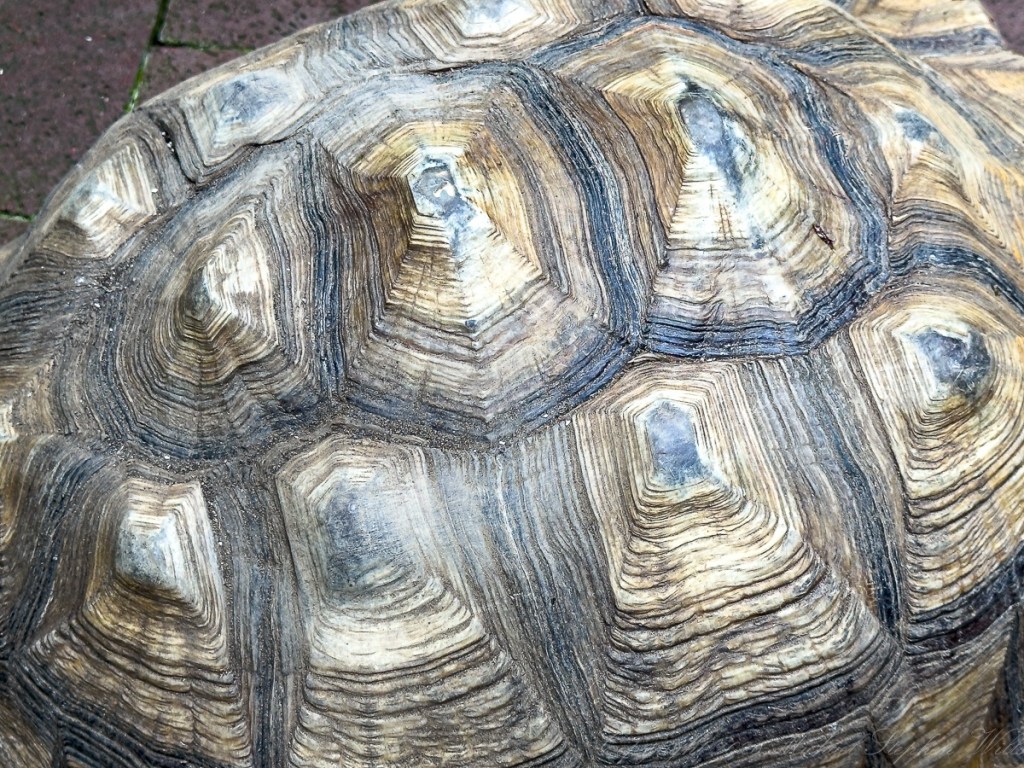
Close-up of a tortoise shell showcasing its intricate patterns and textures.

Only later did the two strangers acquire names and histories.

Nancy Mastin of Lamberton Conservatory identified the patterned tortoise as Frank, a male leopard tortoise (Stigmochelys pardalis), born in 2015. His much larger companion is Rob, a female African spurred, or sulcata, tortoise (Centrochelys sulcata), born in 2016. Both arrived at Lamberton sometime after 2020, donated by private owners who could no longer provide sufficient room for them.

That last detail transforms the encounter.

Frank’s species comes from eastern and southern Africa, where leopard tortoises inhabit savannas and dry grasslands. Their striking shells account for the name. The pattern varies enormously among individuals and changes with age, but Frank retains an especially handsome contrast of dark markings against a warm yellow-brown background.

Rob belongs to a species shaped by harsher country. The sulcata inhabits the semiarid belt along the southern margin of the Sahara, where survival depends partly upon escaping extreme heat. Powerful forelimbs equipped for digging allow these tortoises to excavate substantial burrows. They are giants among terrestrial reptiles—the largest tortoise native to mainland Africa—and their eventual size is precisely why animals purchased when small can become difficult for private owners to accommodate.

Rob is only about ten years old. Frank is about eleven. For animals capable of living for many decades, they are not venerable relics at all. They are comparatively young.

Perhaps that was the greatest surprise.

A tortoise carries age upon its back even when it is young. Its shell evokes fossils, vanished landscapes and evolutionary time. Watching Frank and Rob, I found it difficult not to imagine ancestors moving through African grasslands long before our own species began building conservatories—or cities—or anything else.

Their shells reinforce the illusion. The concentric ridges visible in my close photographs record periods of growth, although they cannot reliably be counted as annual rings. A tortoise shell is not an inert case carried by the animal. It is living anatomy: bone covered by keratinous scutes, growing with the tortoise and protecting a body intimately joined to it.

Yet what I remember most is not anatomy but pace.

Frank was still as Rob approached. Around them rose a manufactured tropics of glass, steel, soil and plants. We passed carefully, Iphones in hand. Somewhere outside, Rochester continued at the speed expected of a modern city.

The tortoises declined to participate in the hurry.

I felt a restoration while watching an animal for which slowness requires no apology. Every movement is sufficient unto itself. A foot advances. Weight shifts. A neck extends. A leaf is investigated. Nothing appears wasted, and nothing appears rushed.

Their presence also tells a quieter human story. Frank and Rob began life in private ownership. As they grew, their needs grew with them until their owners recognized that they could no longer provide adequate space. Donation brought them to Lamberton, where their lives intersected—and, one August afternoon, intersected briefly with mine.

We entered the Conservatory expecting tropical plants. I left with photographs of two African tortoises and, eventually, their names.

Frank and Rob.

That is one of the pleasures of remaining curious: a photograph leads to a species, a species to a name, a name to a history. What began as two unexpected shapes moving beneath tropical foliage became something more memorable—a glimpse of distant Africa, deep evolutionary time, and two remarkably unhurried lives being lived beneath the glass roof of a conservatory in Rochester, New York.
Click me to visit Michael Stephen Wills Online Finger Lakes Gallery.

Enter your email to receive notification of future postings. I will not sell or share your email address.

Wind Riders: A Seven-Year Saga of Beach and Ocean Kiteboarders

Embark on a journey with kiteboarders who harness the wind and surf, mastering both beach and ocean. Witness the evolution of this thrilling sport over seven years, from the sandy shore to the open waves.

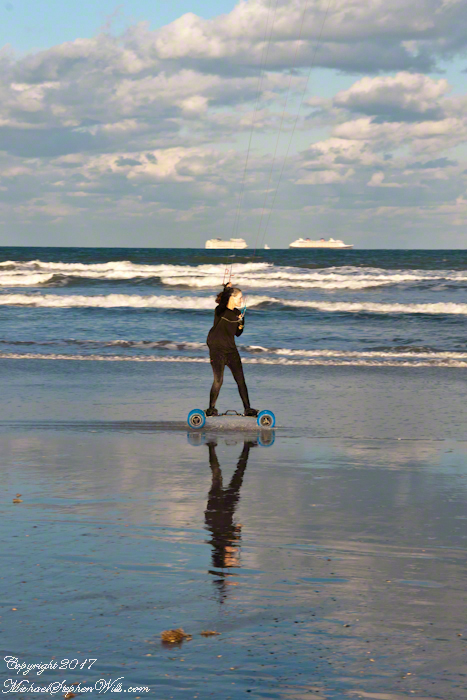
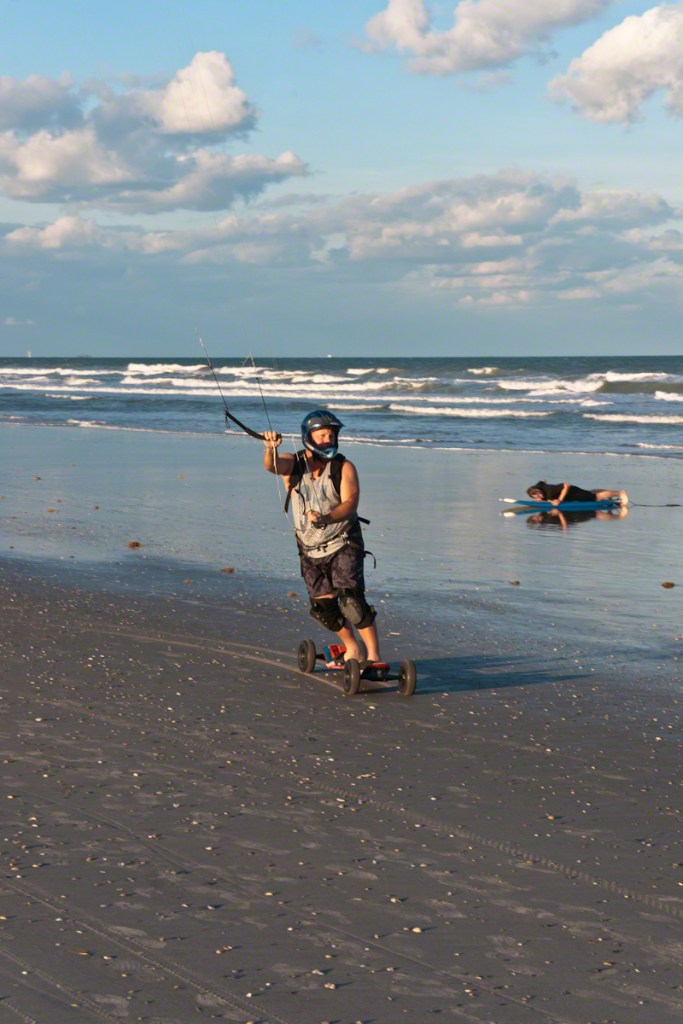
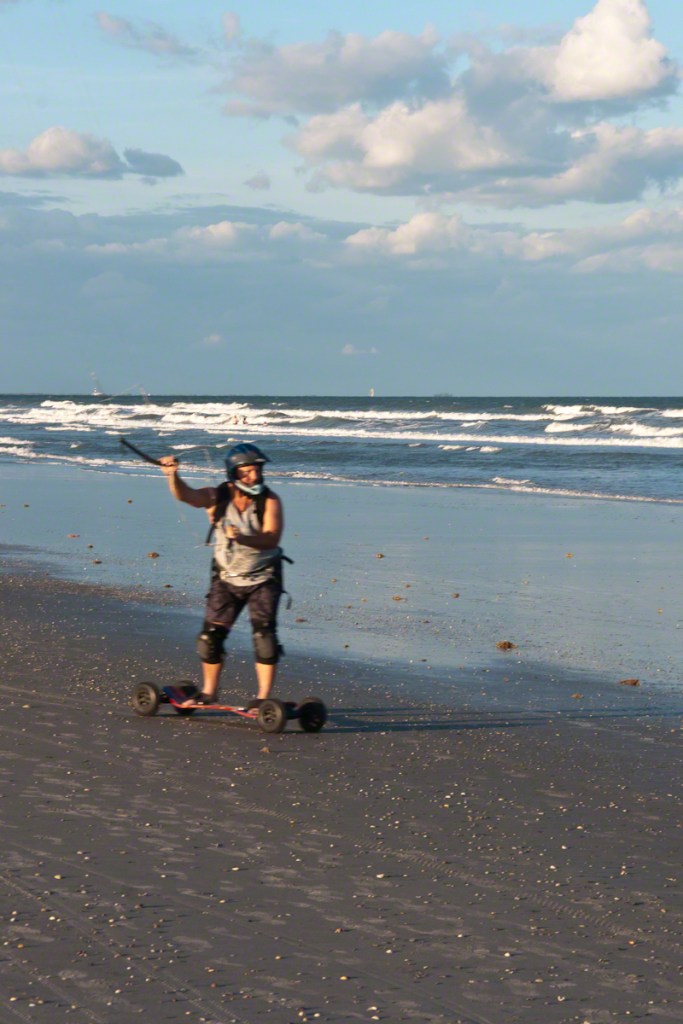
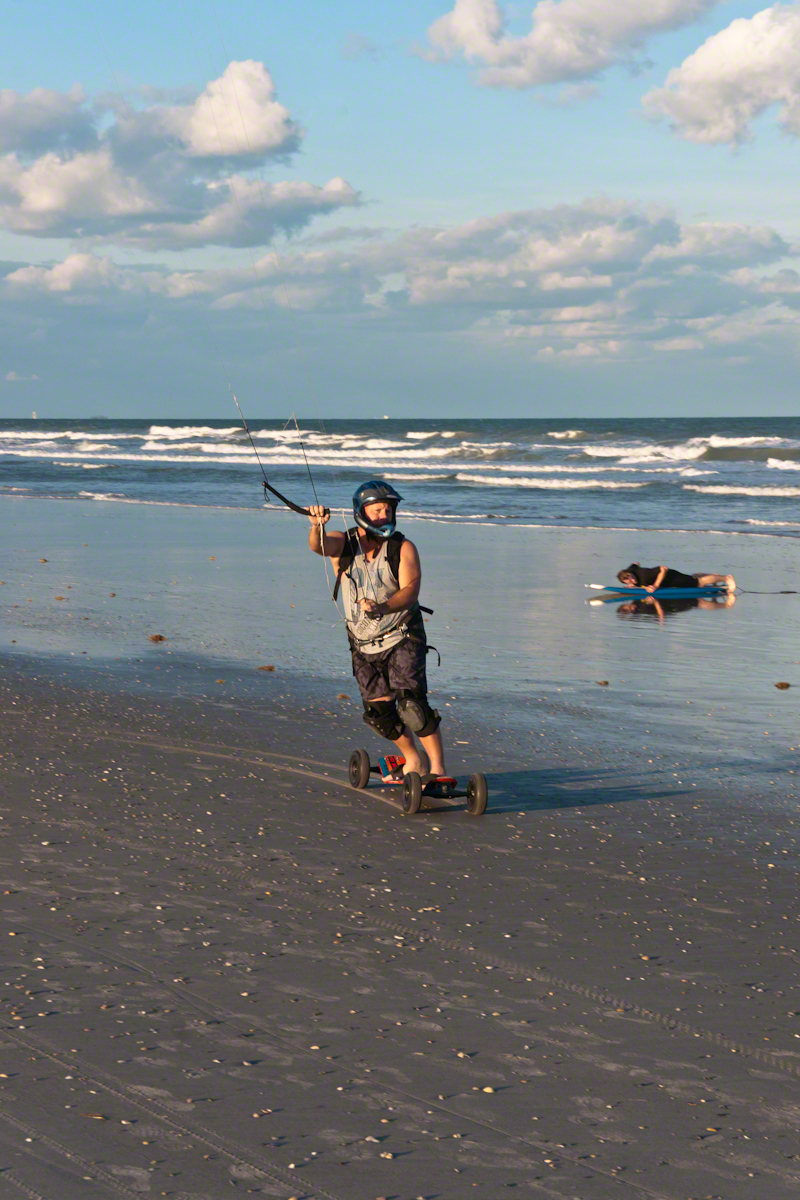
Cocoa Beach, with its rhythmic waves, is a destination that stirs a sense of adventure. Seven years ago, March 2017, as I strolled along its sandy shores, my attention was captured by a curious sight: several people gliding effortlessly across the beach, seemingly with the wind at their command. These weren’t your typical surfers or skateboarders—they were kiteboarders, harnessing the power of the wind with large kites that stretched high into the sky. I was transfixed by the sight of their wheels skimming along the wet sand, leaving tracks like an artist’s brushstroke on a canvas.

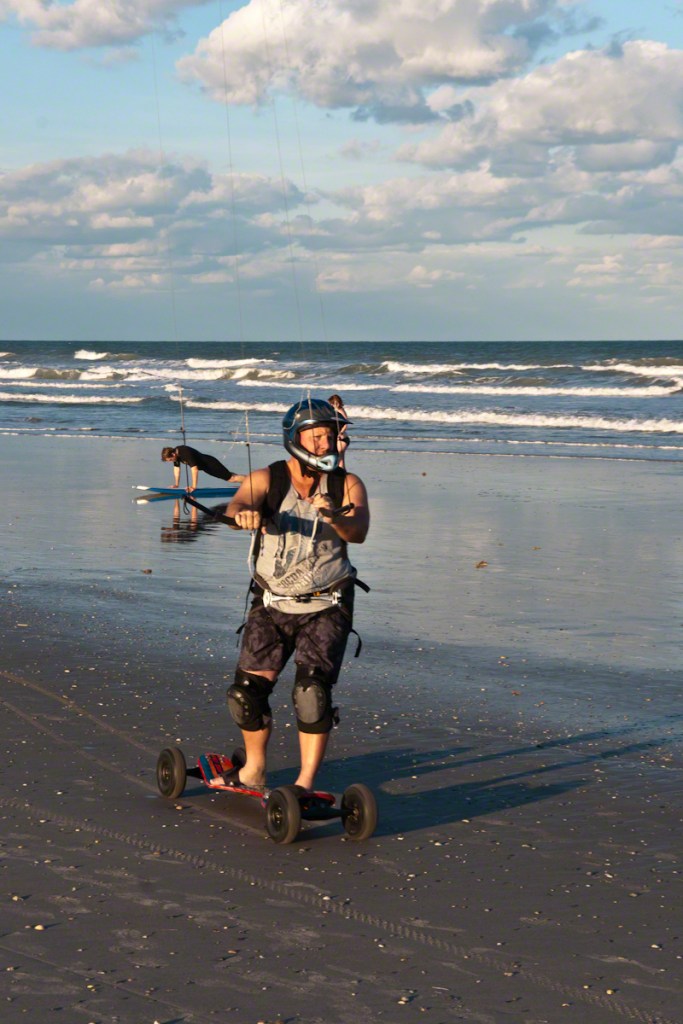
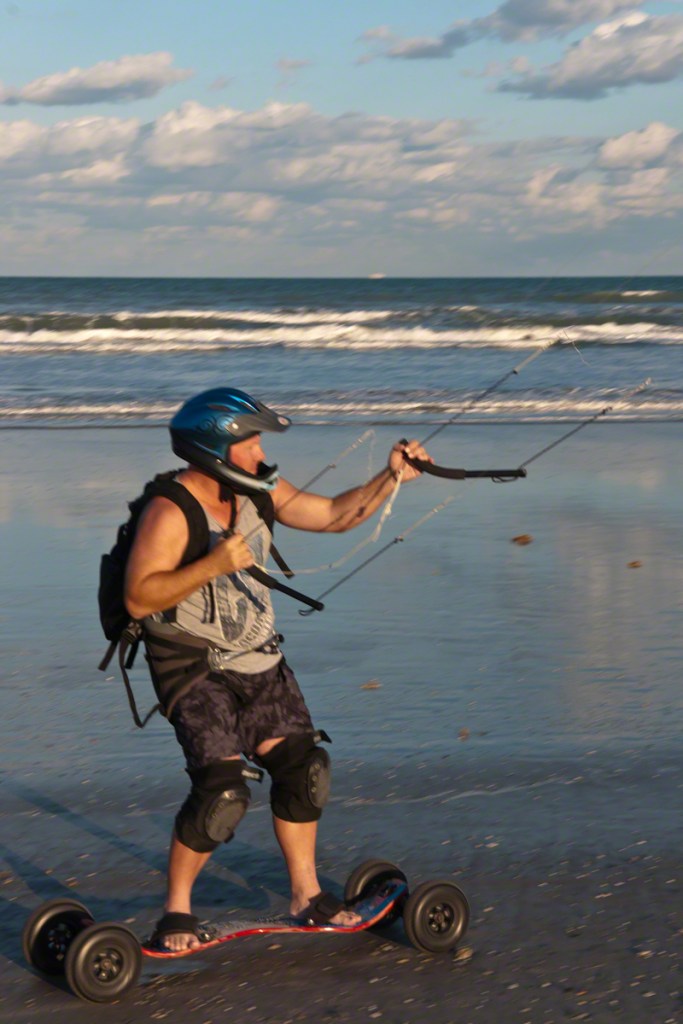
The beach was alive with energy. The wind, the driving force behind the kiteboarders, was gusty, rippling the surface of the ocean and creating perfect waves for surfers. But the kiteboarders were on a different mission. They had wheels attached to large boards, akin to skateboards but bulkier. They wore helmets and pads, visibly prepared for a sport that seemed to demand not just skill but a dose of courage.

One rider caught my eye, with his bright blue helmet and focused gaze. He adjusted the lines of his kite like a master puppeteer, maneuvering himself with precision as he glided along the shore. The kite seemed an extension of his own limbs, responding seamlessly to his every movement. It was exhilarating to watch, the kite’s taut lines tracing invisible patterns in the sky as he shifted his weight, steering the board with expertise. With each gust of wind, he picked up speed, racing along the shore with a grin that spoke of pure joy.

Not far from him, a second kiteboarder, a woman, was testing her skills. Her kite had a distinct red pattern, vibrant against the backdrop of the sky. She handled it with ease, her body swaying in rhythm with the kite’s movements. It was like a dance, where the wind was both partner and lead, guiding her across the beach in wide arcs. Occasionally, she would glance over at the other riders, sharing nods of camaraderie that suggested a tight-knit community.

The sight reminded me of the joy of childhood, of riding bicycles down a hill, the wind whipping through your hair, feeling like you could conquer anything. But this was a more refined thrill, one that demanded an intimate understanding of nature’s forces. The kiteboarders were more than just athletes; they were artists painting their own masterpieces against the sky.

In the distance, I noticed a third rider. He was still finding his rhythm, his movements a little less sure, but the determination on his face was unmistakable. He kept his focus on the kite, battling the wind to gain control. Even as he stumbled a few times, his spirit didn’t falter. Each time he fell, he would rise, dust off the sand, and try again. It was a scene of persistence that spoke to the spirit of the sport—a reminder that mastery is not achieved without effort.

The sun began to dip toward the horizon, casting long shadows on the sand. The wind grew cooler, and the kiteboarders began to pack up their equipment. I found myself lingering a little longer, reflecting on what I had just witnessed. Kiteboarding seemed to embody the spirit of Cocoa Beach itself—a blend of adventure, community, and a deep connection with nature.

Walking away, I couldn’t help but feel inspired by their spirit of adventure. The kiteboarders had painted a vivid picture of resilience, joy, and the thrill of chasing the wind. They were, in a way, explorers charting a path on the very edge of land and sea, powered by nothing but wind and will.

Seven years later, this past winter of 2024, there was a kicking wind powering a group of three kiteboarders tackling the waves offshore, embracing the ocean waves in a spectacular display of skill.

Their kites stretched high against a steely sky, creating vibrant contrasts with their colorful patterns. One kiteboarder had a kite adorned in shades of turquoise, like a burst of sunlight riding the wind. He maneuvered deftly on the waves, rising high on the crest of each swell before swooping down into the troughs. His movements were fluid, and he rode each wave with a mastery that suggested years of experience.

The second rider, with a vivid blue kite, showed off his own skill set, to ride the waves with finesse, carving arcs through the water, creating a wake of white foam. He seemed almost weightless, gliding effortlessly, catching air whenever he hit a particularly high crest.

The third kiteboarder was the most daring of the trio, his kite blending with the overcast skt. He launched himself off the waves, soaring high into the air before coming down with a splash. Each leap seemed to defy gravity, and he twisted and turned in mid-air like an acrobat, displaying a level of athleticism that left the onlookers on the beach in awe. The wind and waves provided the perfect playground for his tricks, and he used every bit of it to his advantage.

The three kiteboarders moved in sync, communicating through gestures and nods, sometimes even shouting encouragement to each other over the sound of the crashing waves. They pushed one another to reach greater heights, to attempt more daring moves, and to revel in the shared joy of their sport. It was as if they were performing a choreographed routine, set to the rhythm of the sea.

Onlookers gathered along the shore, drawn by the mesmerizing sight of these kiteboarders taking on the ocean waves. The kiteboarders, with their vivid kites and breathtaking maneuvers, were like seagulls riding the wind, an exhilarating reminder of the power of nature and the joy of embracing it.

As the day wore on, the kiteboarders continued to ride the waves, their energy seemingly endless. The sea and sky were their canvas, and they painted across it in broad, sweeping strokes. Watching them was a thrilling reminder of the freedom and adventure that the ocean brings.

Copyright 2024 Michael Stephen Wills All Rights Reserved