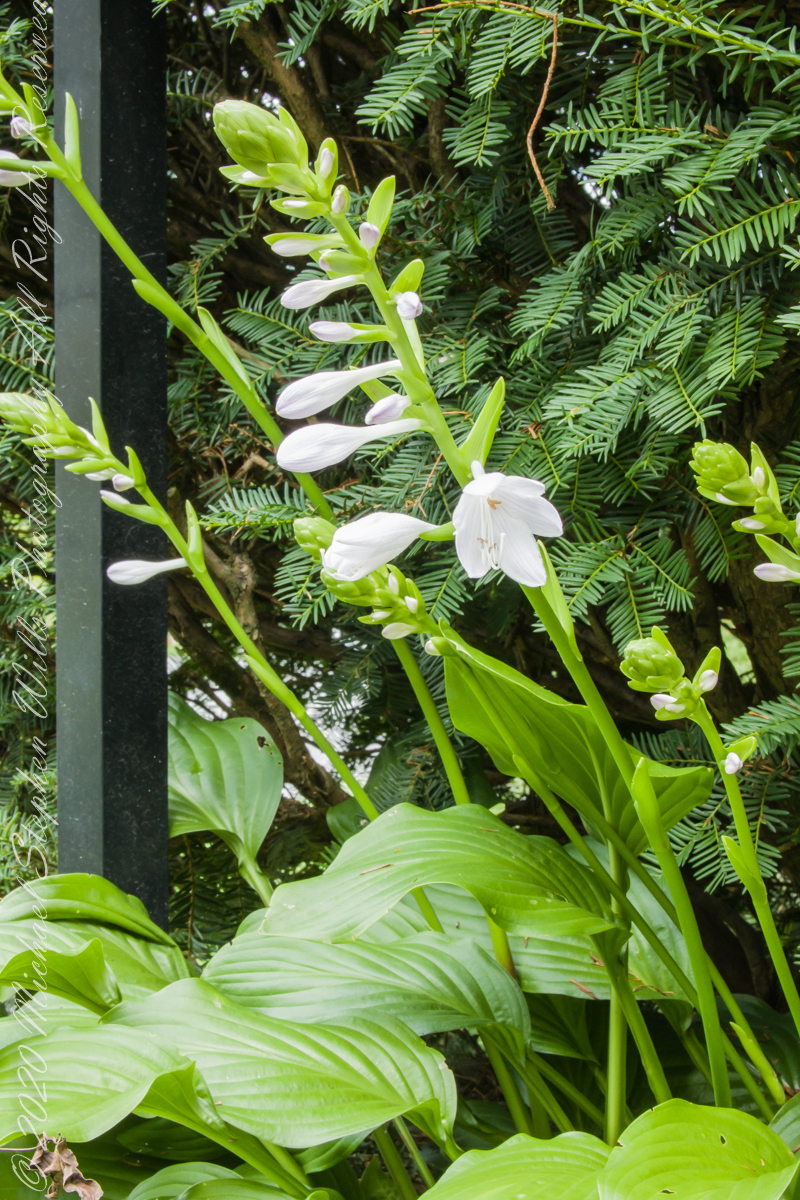
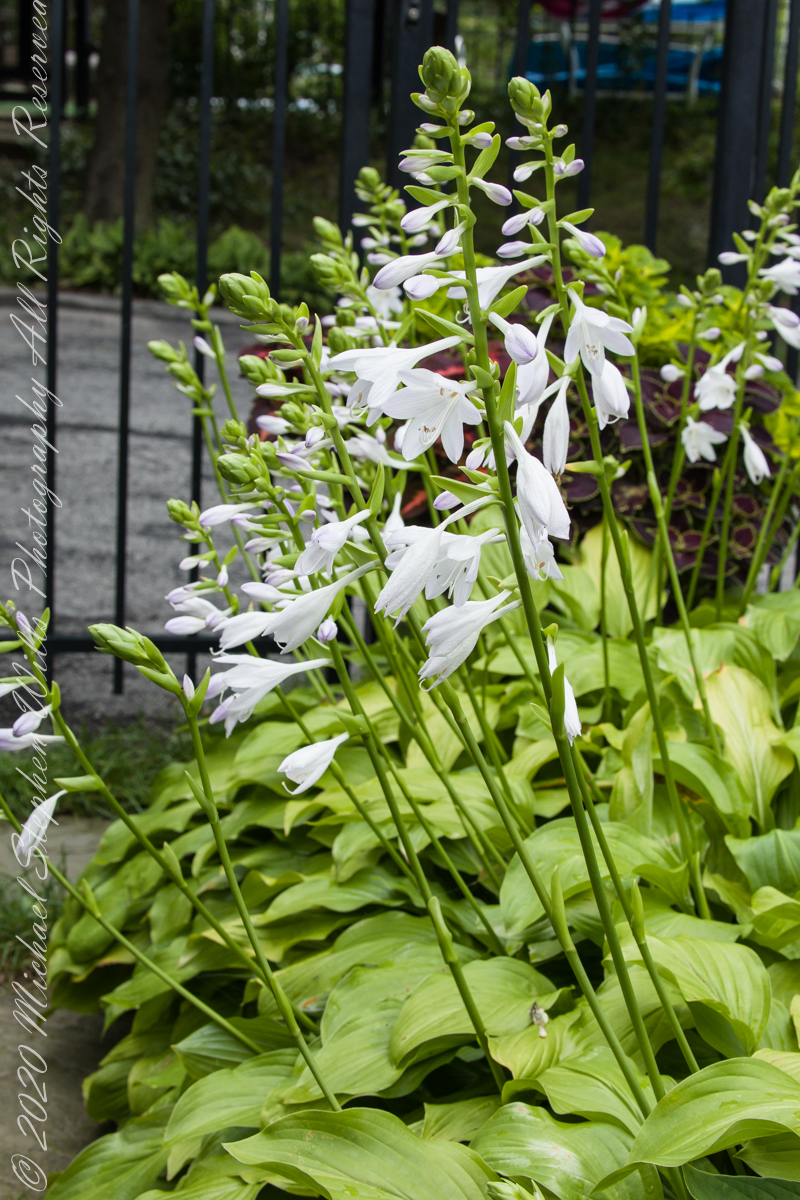
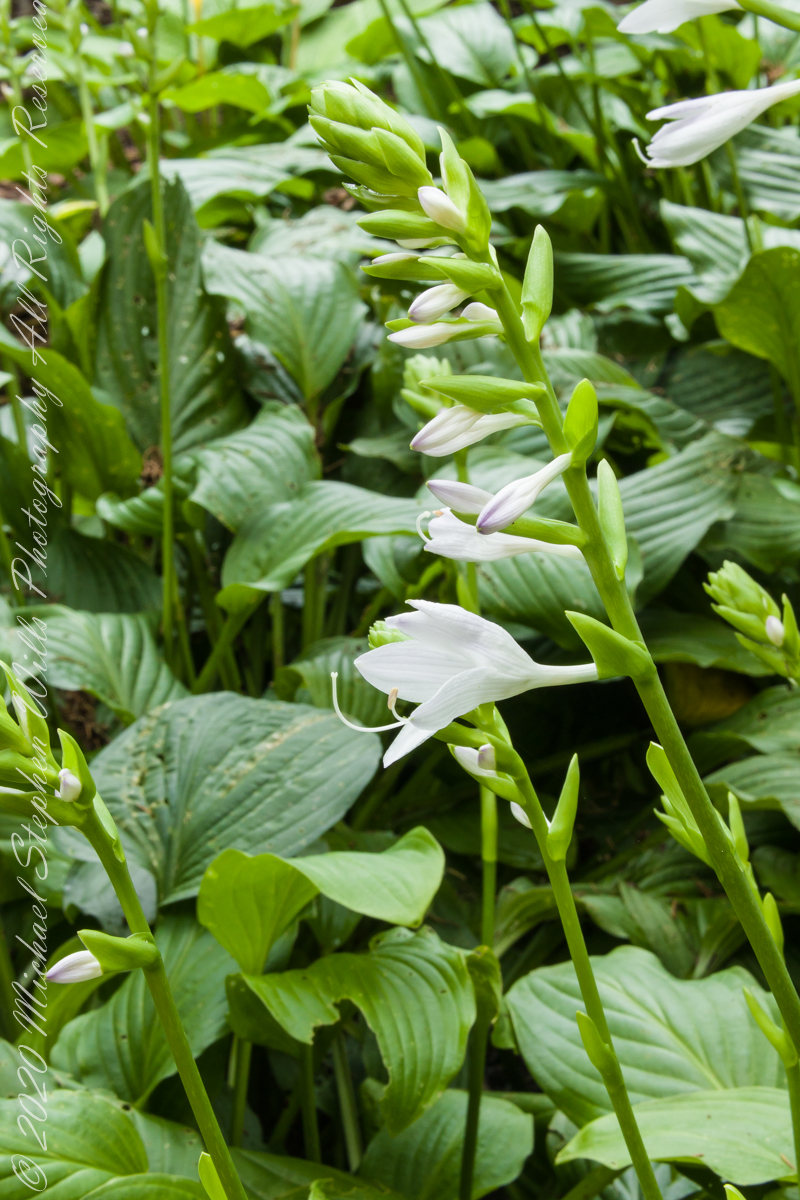
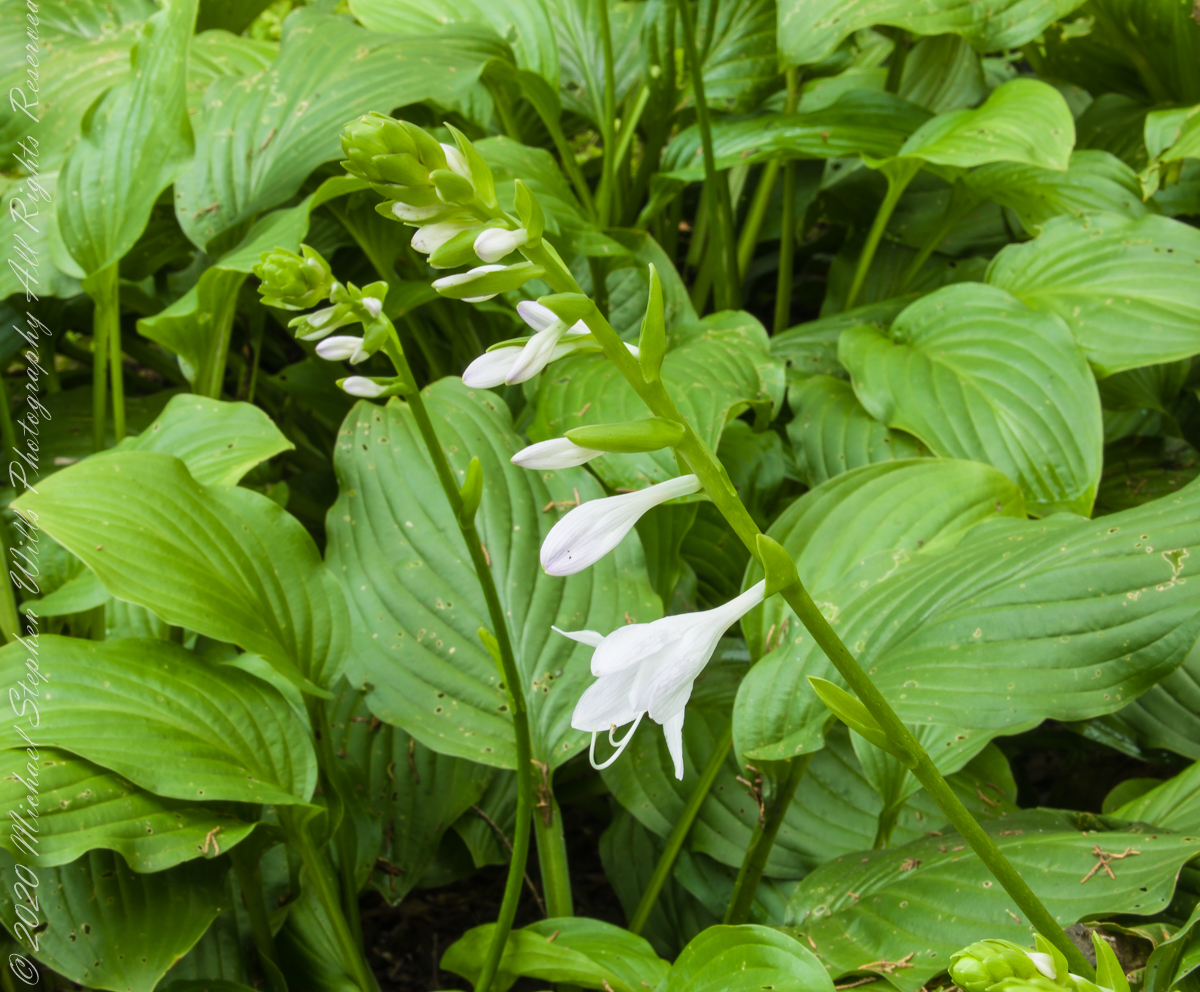
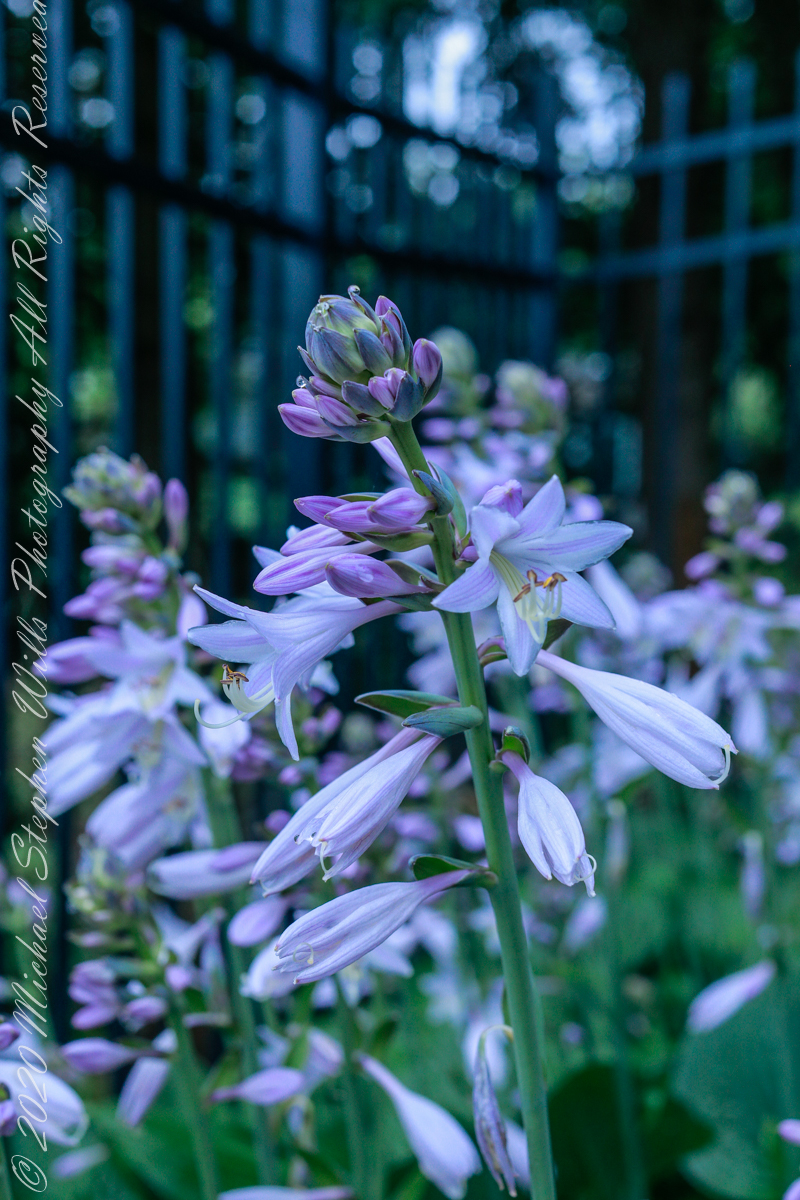
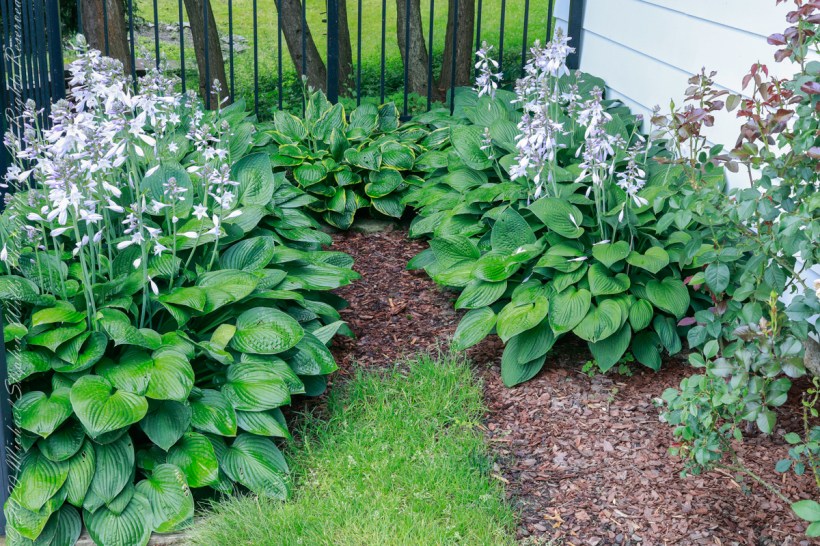
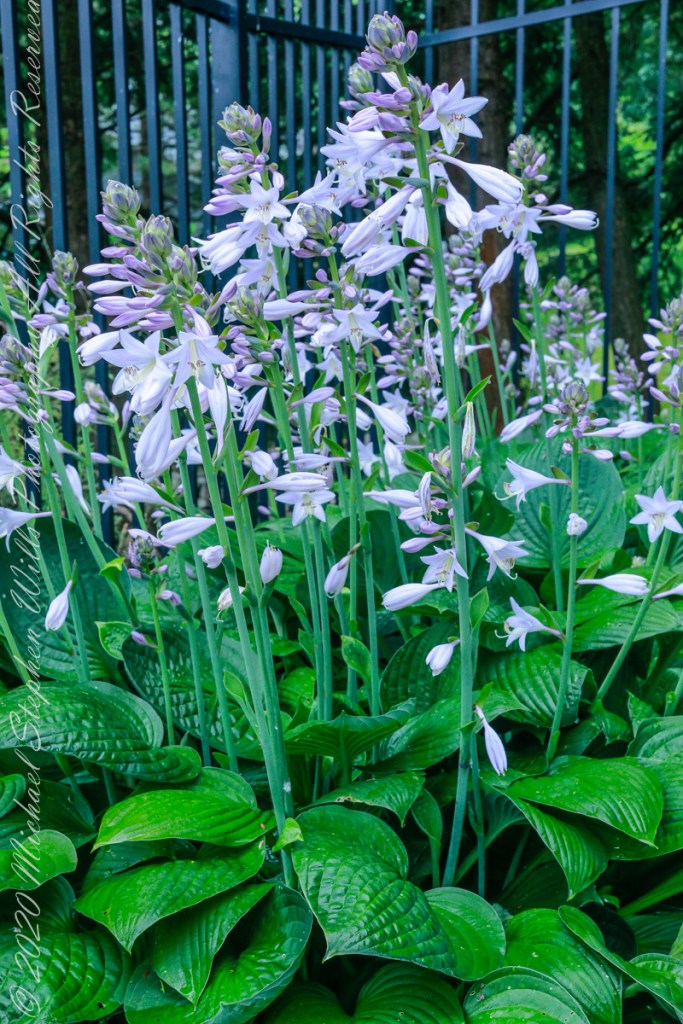
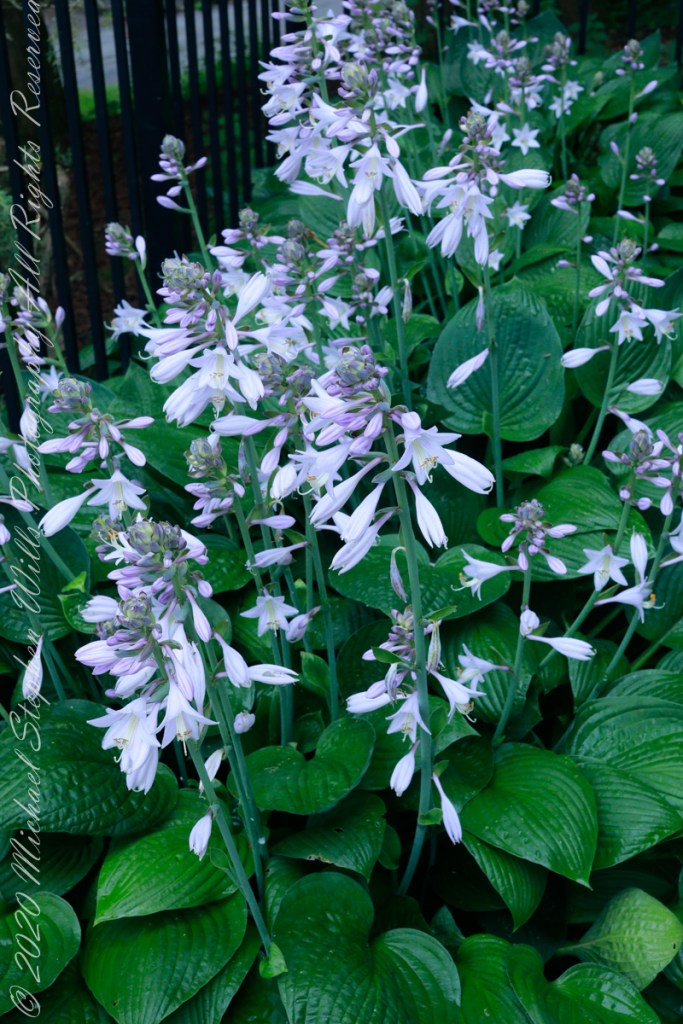
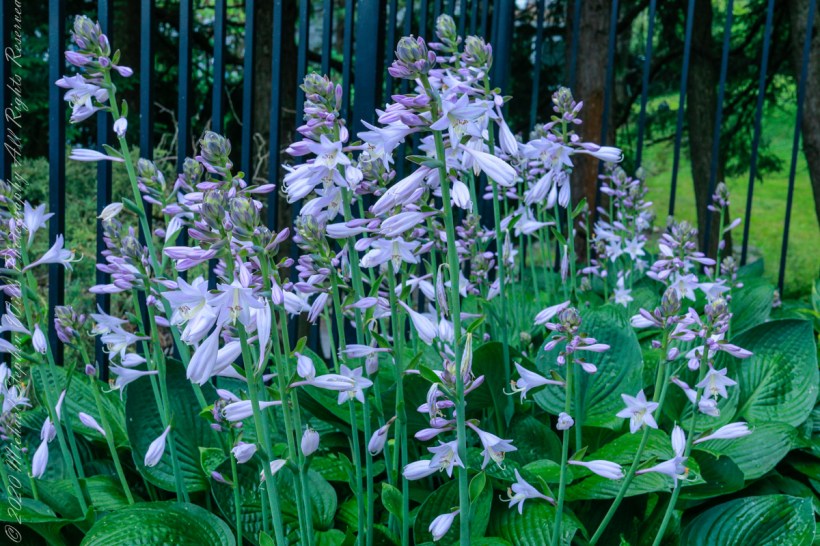
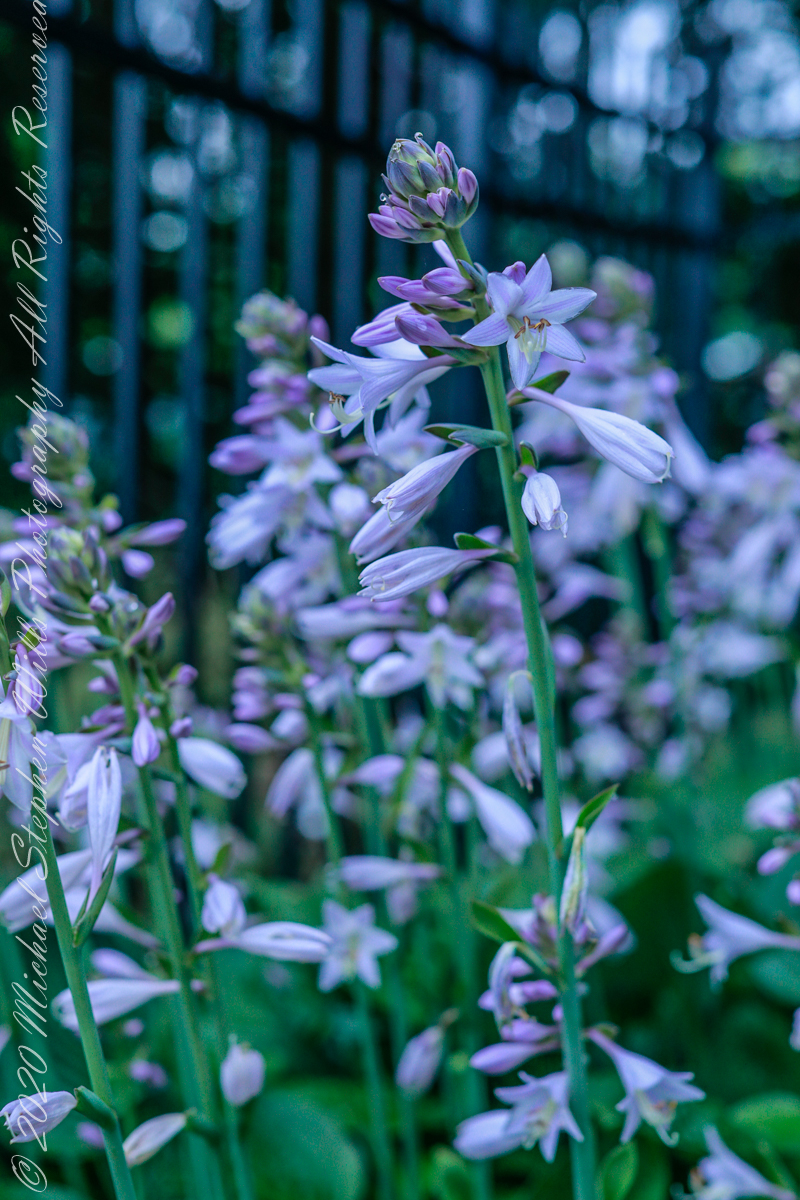
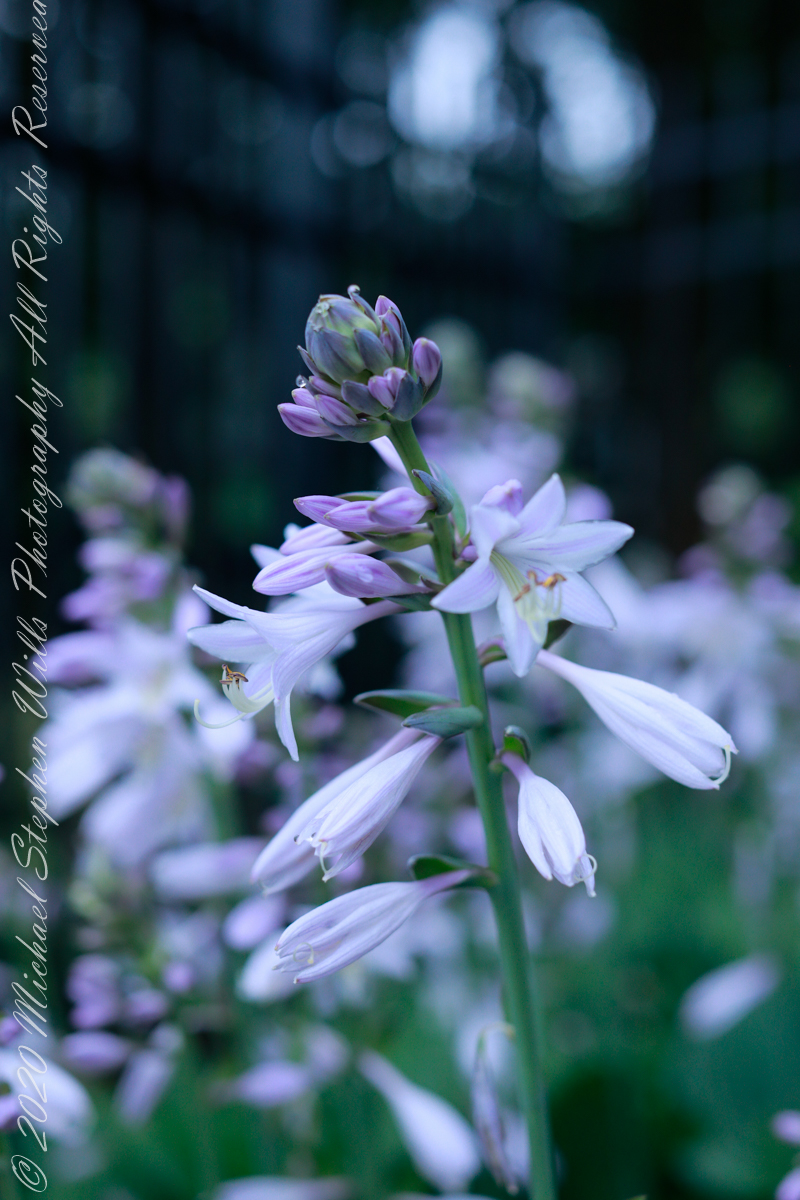
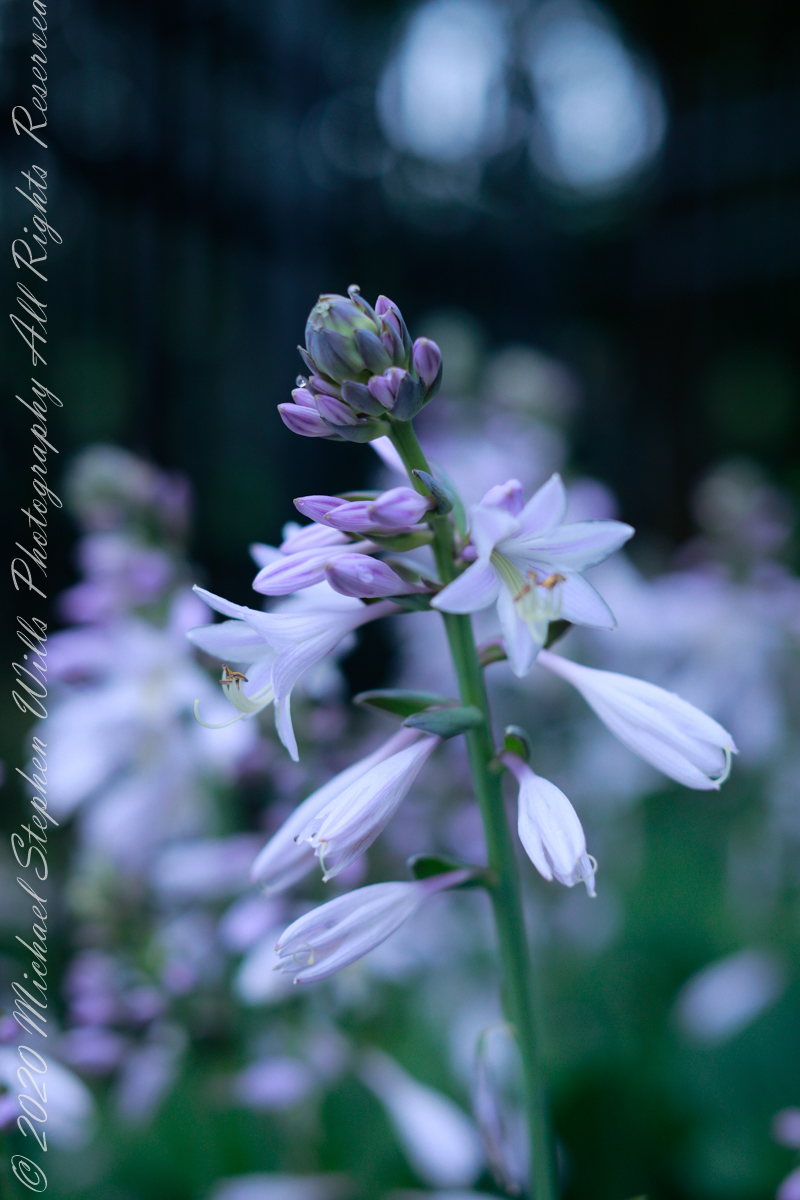
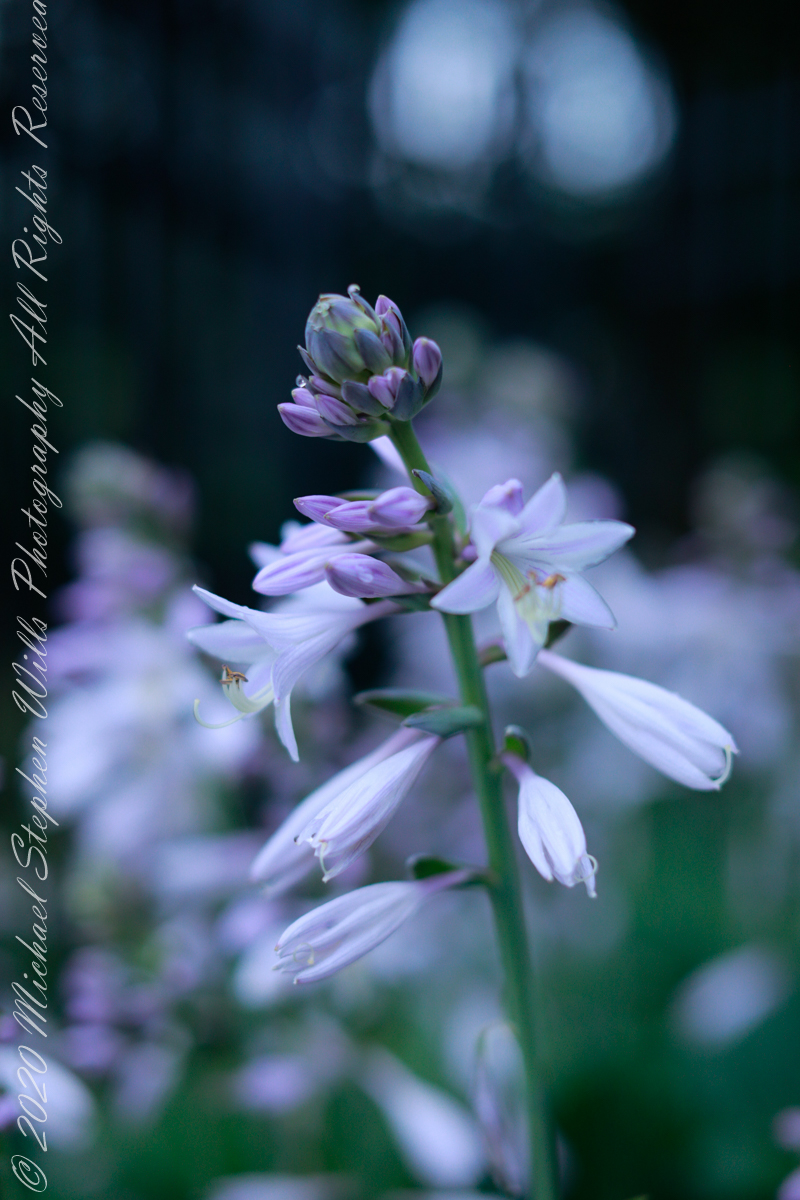
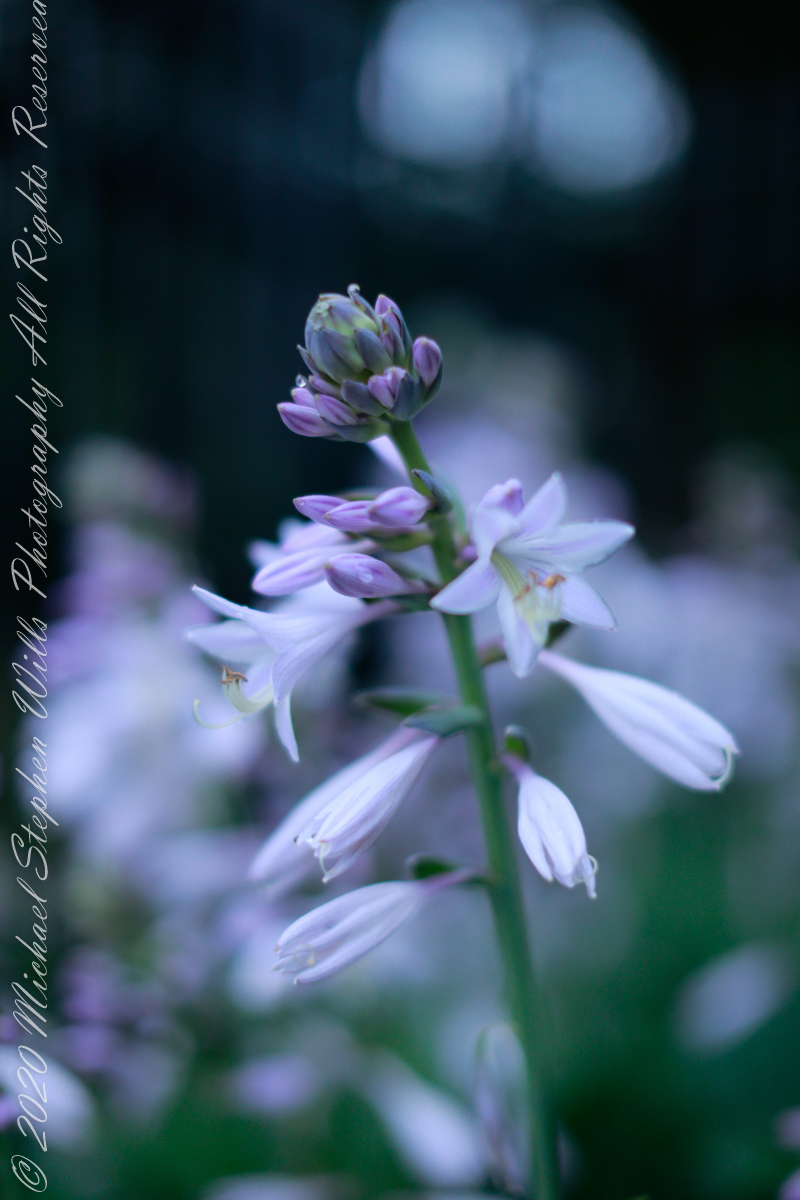
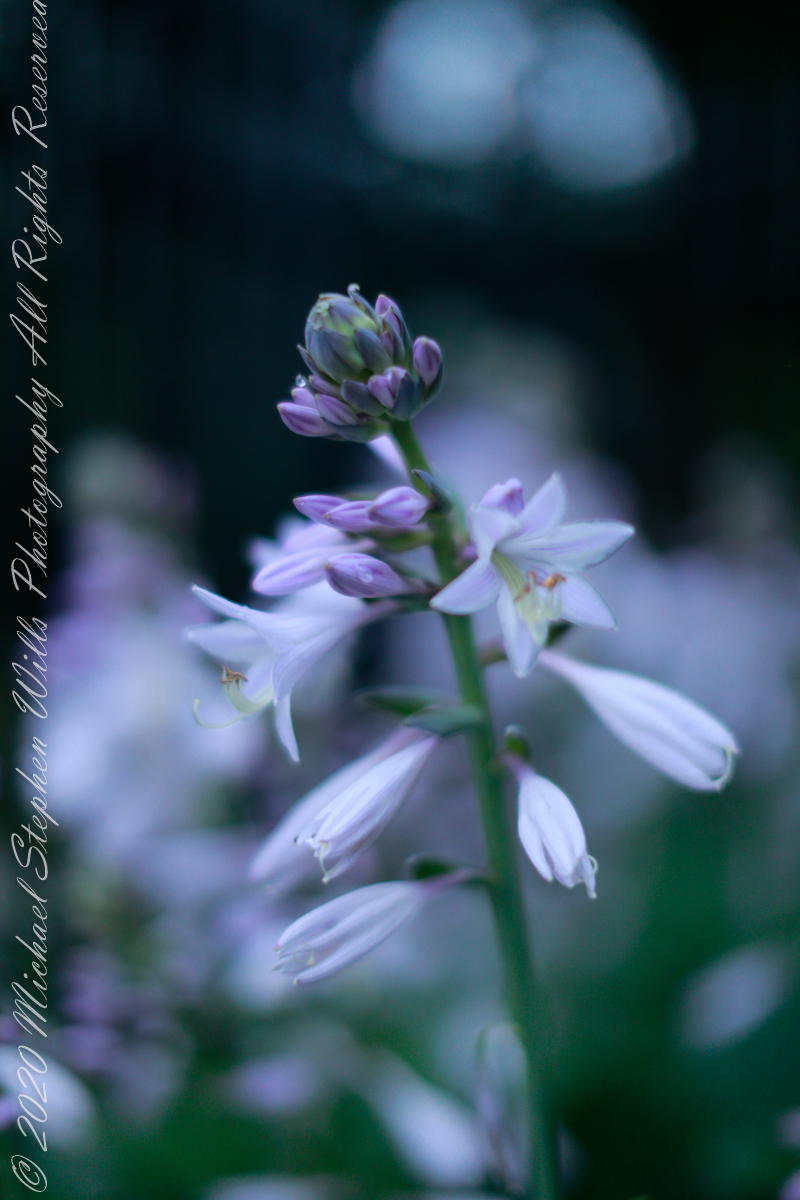
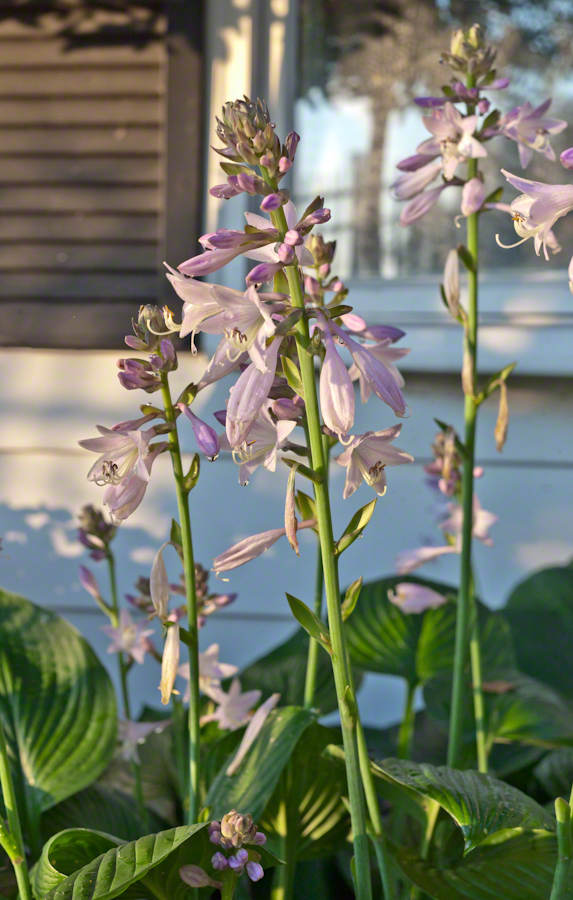
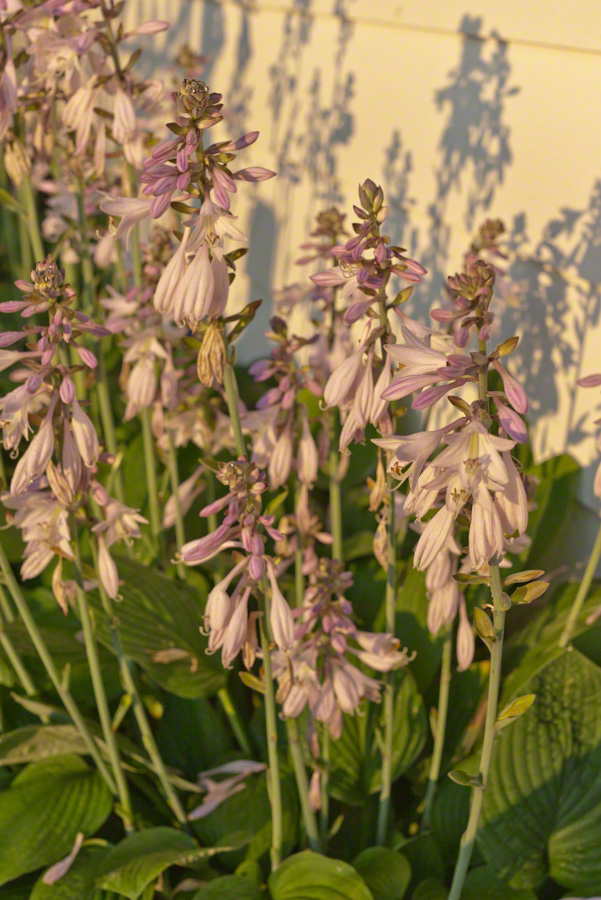
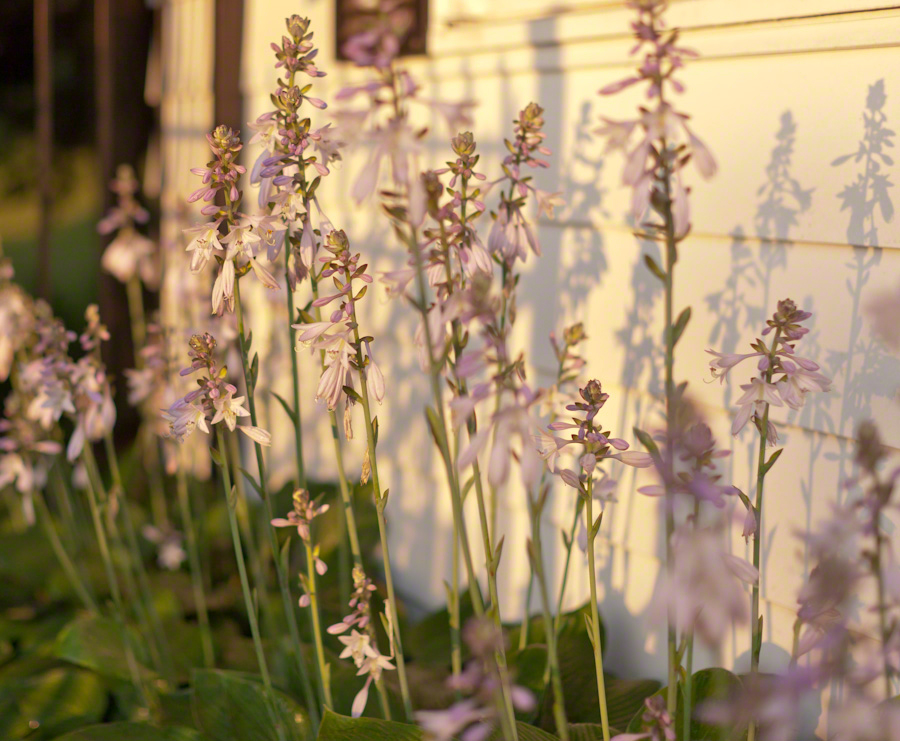
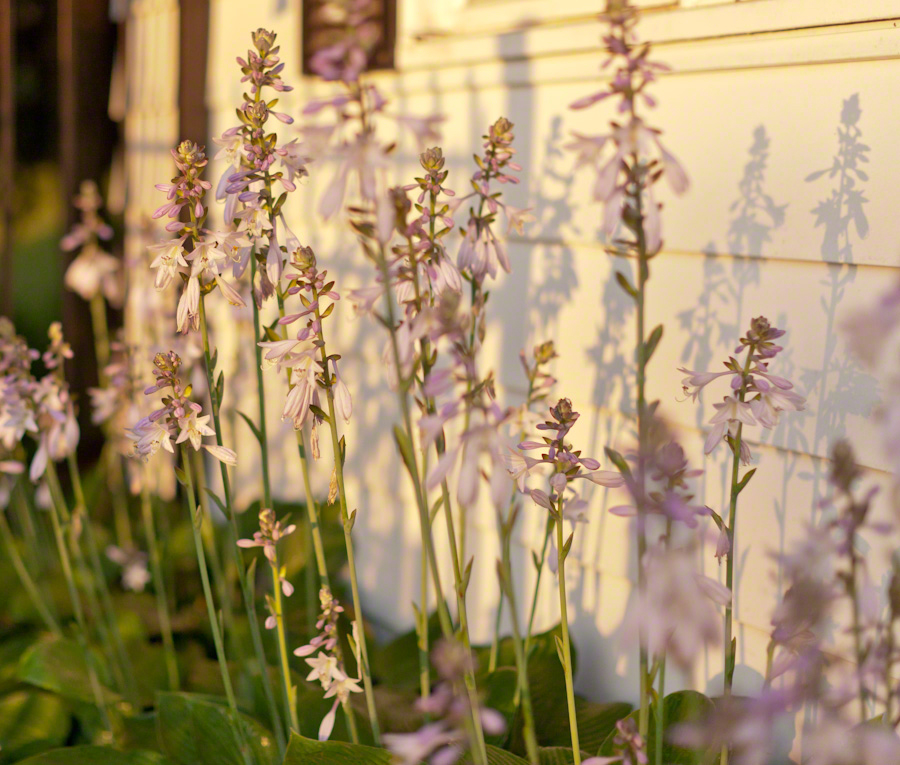
Pam requested photographs of hosta flower stalks with blooms and developing buds. I setup the Manfrotto tripod, the Canon dslr mounted with an Canon EF 70-300mm f/4.5-5.6L lens at ISO 1600 and these are the results.
Native to northeastern Asia, In 1812 the genera Hosta was named for the European botanist Nicholas Thomas Host. Also called plantain lily for the habit of the herbaceous stalks to grow radially from a center.
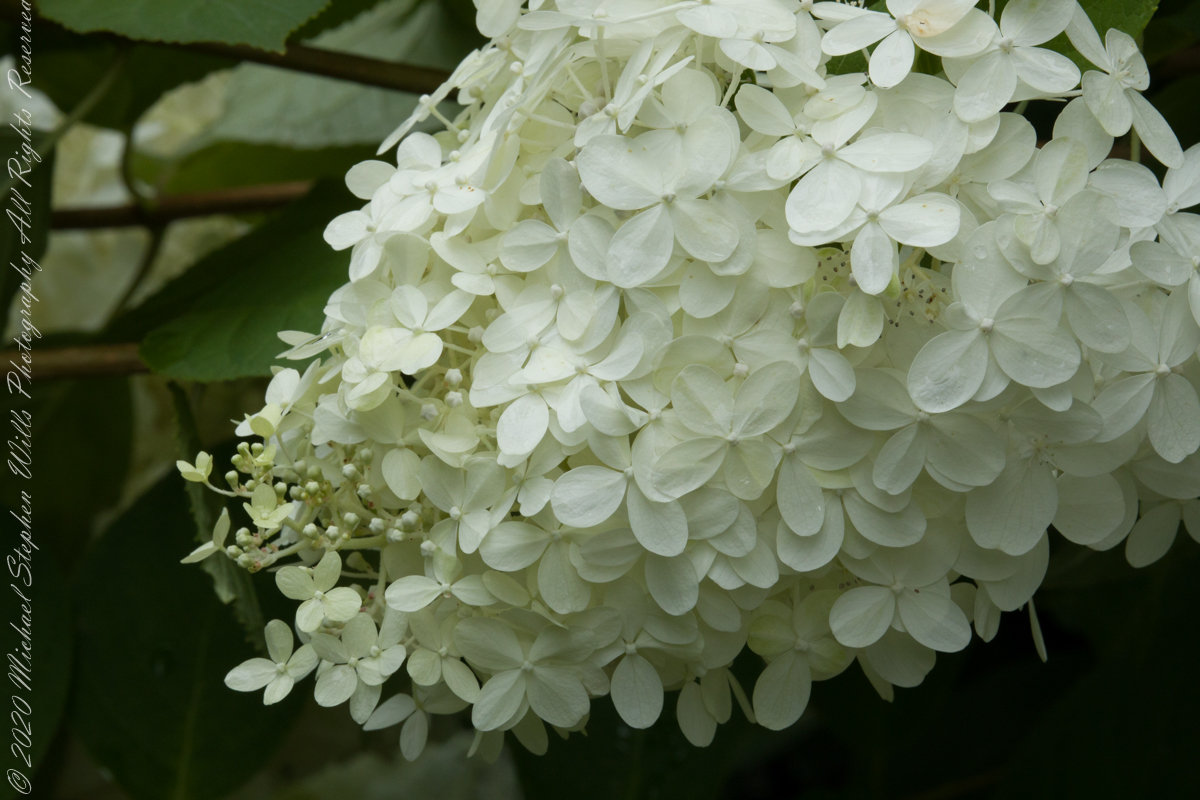
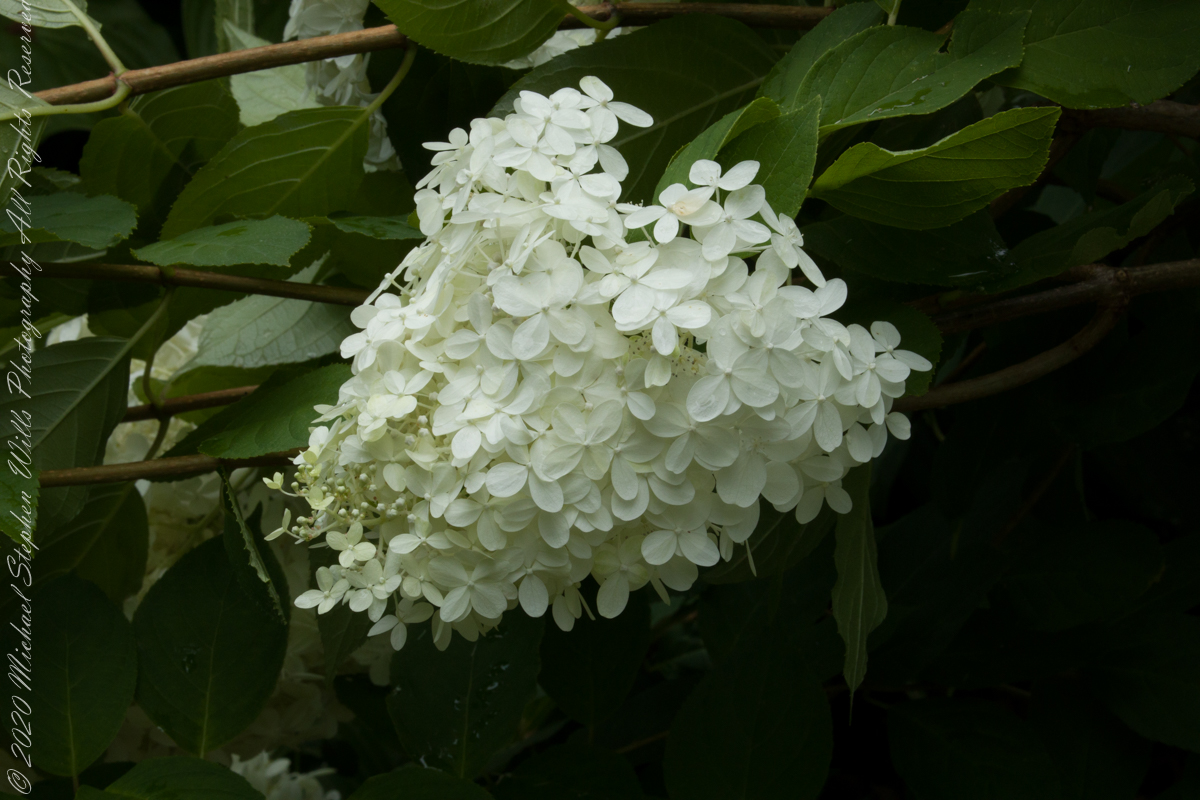
The name “Hydrangea is derived from Greek and means ‘water vessel’ (hydria), in reference to the shape of its seed capsules. The earlier name, Hortensia, is a Latinised version of the French given name Hortense, honoring French astronomer and mathematician Nicole-Reine Hortense Lepaute.” _wikipedia
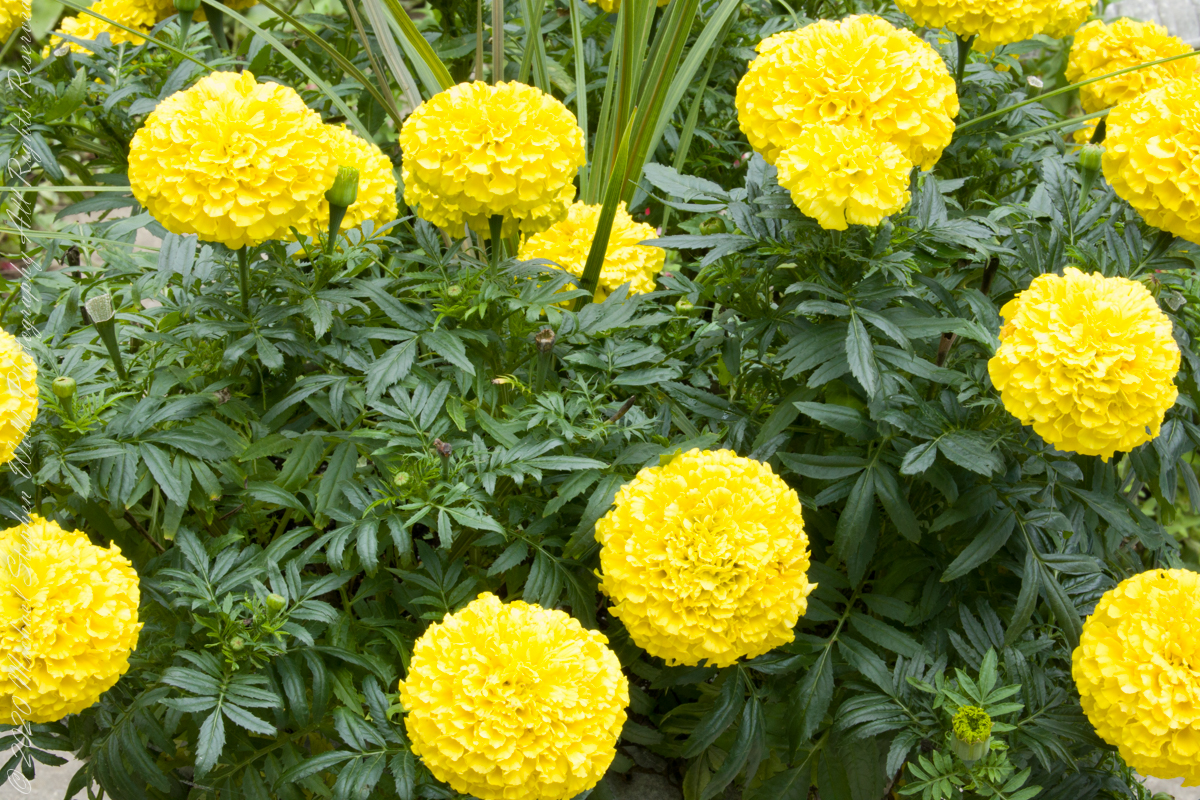
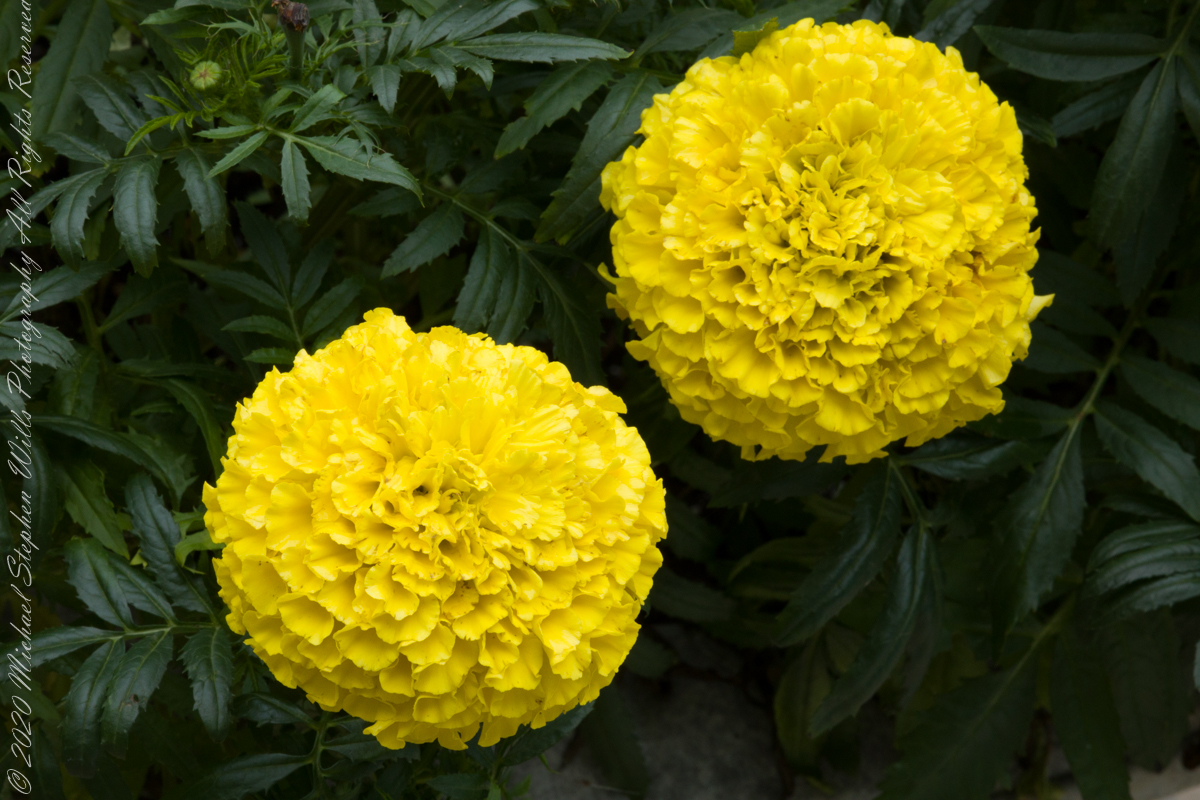
The common name “Marigold” refers to the Virgin Mary.
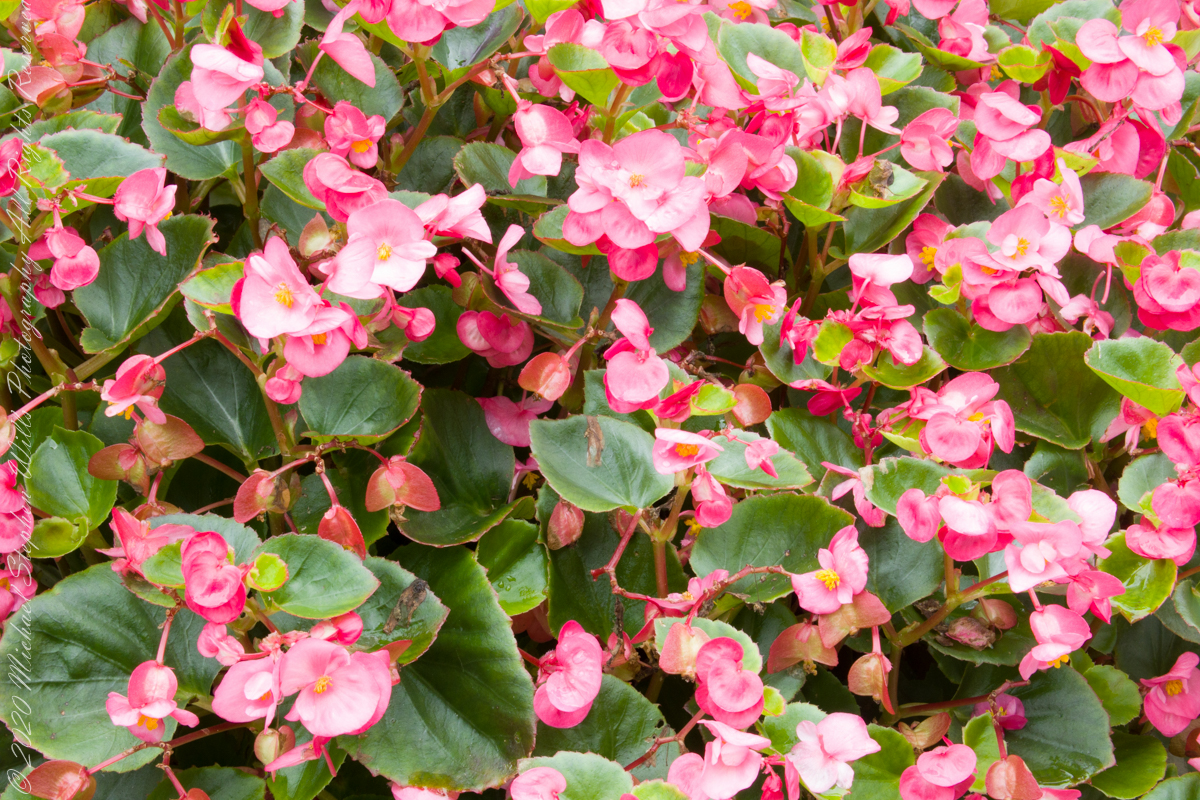
Begonias come in so many shapes and colors.
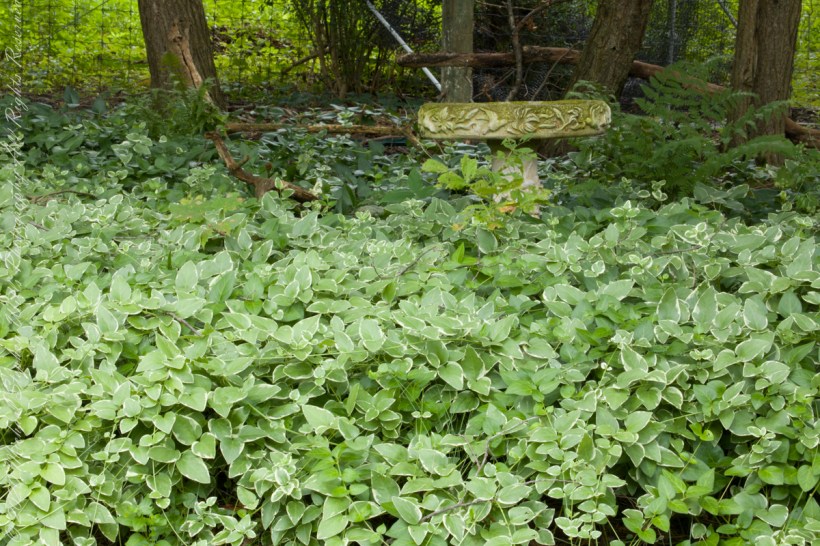
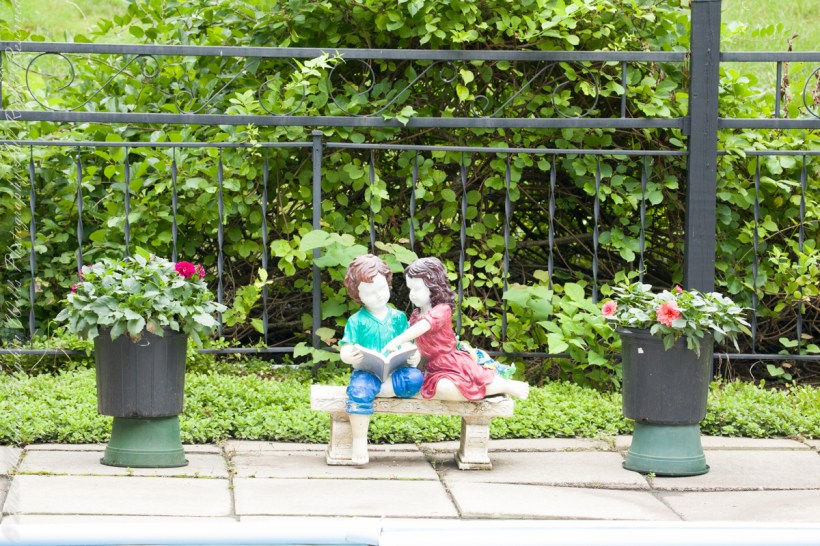
Garden Gnomes, Bird Bath and Sculpture
Copyright 2021 Michael Stephen Wills All Rights Reserved
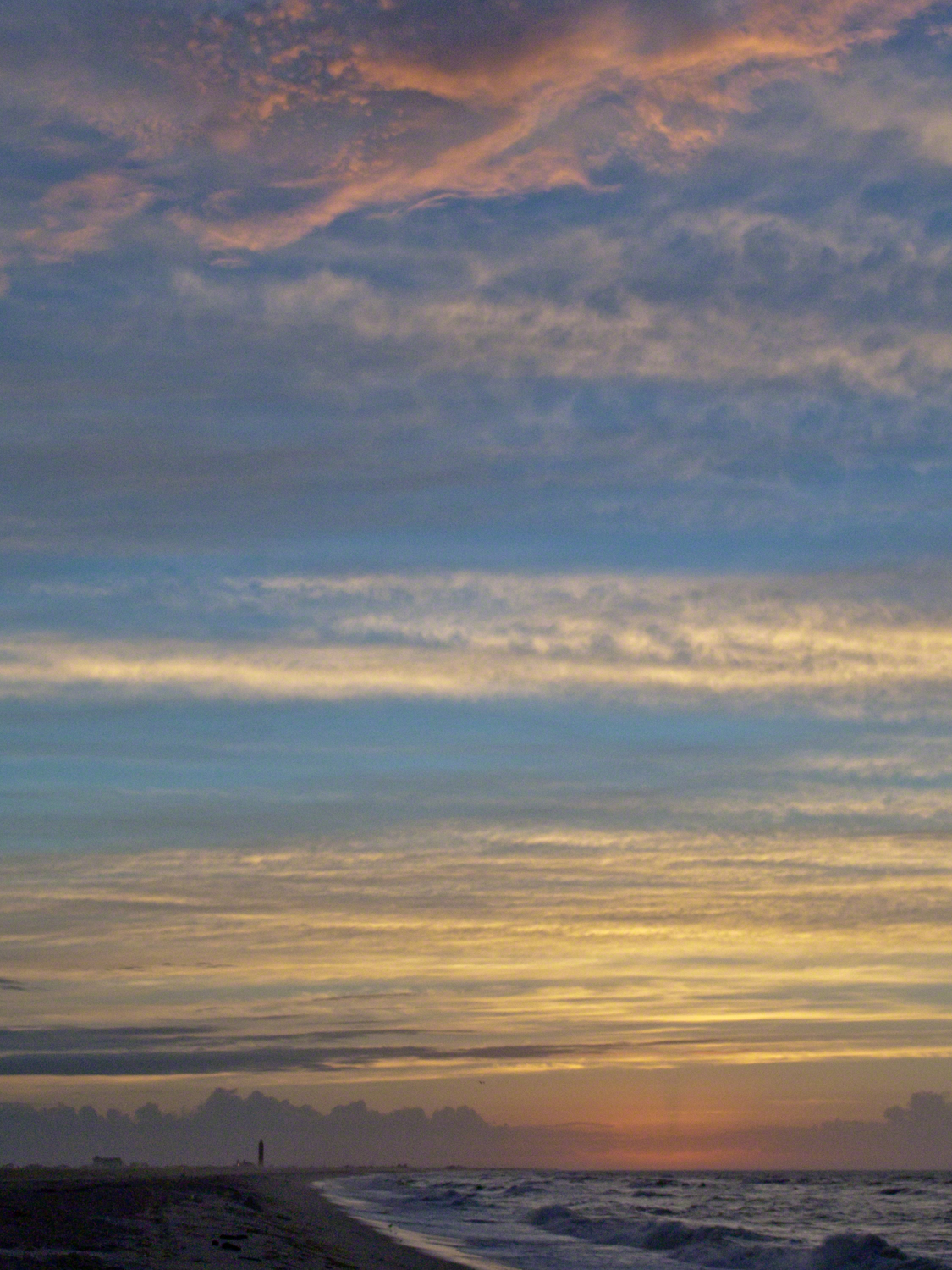
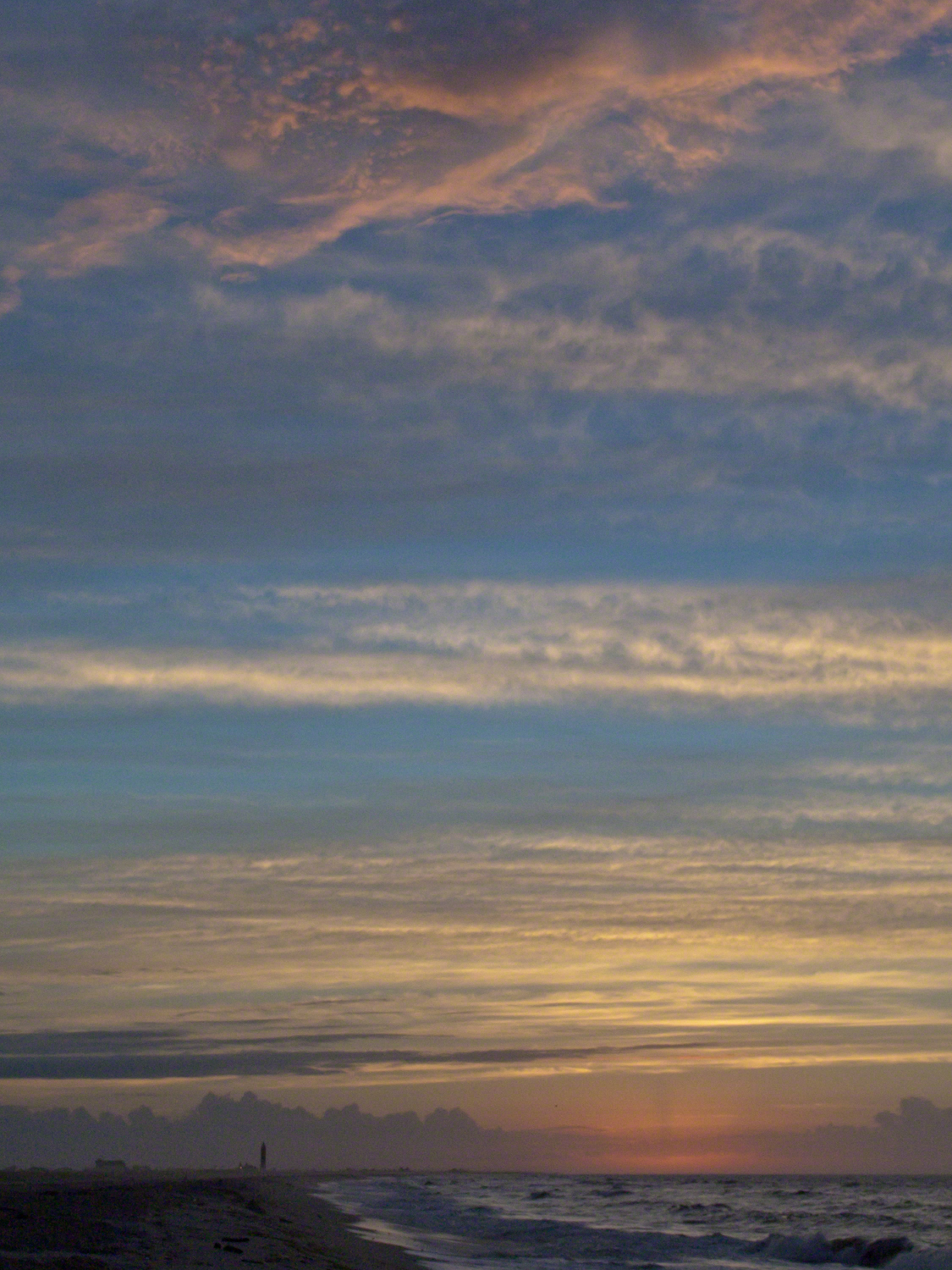
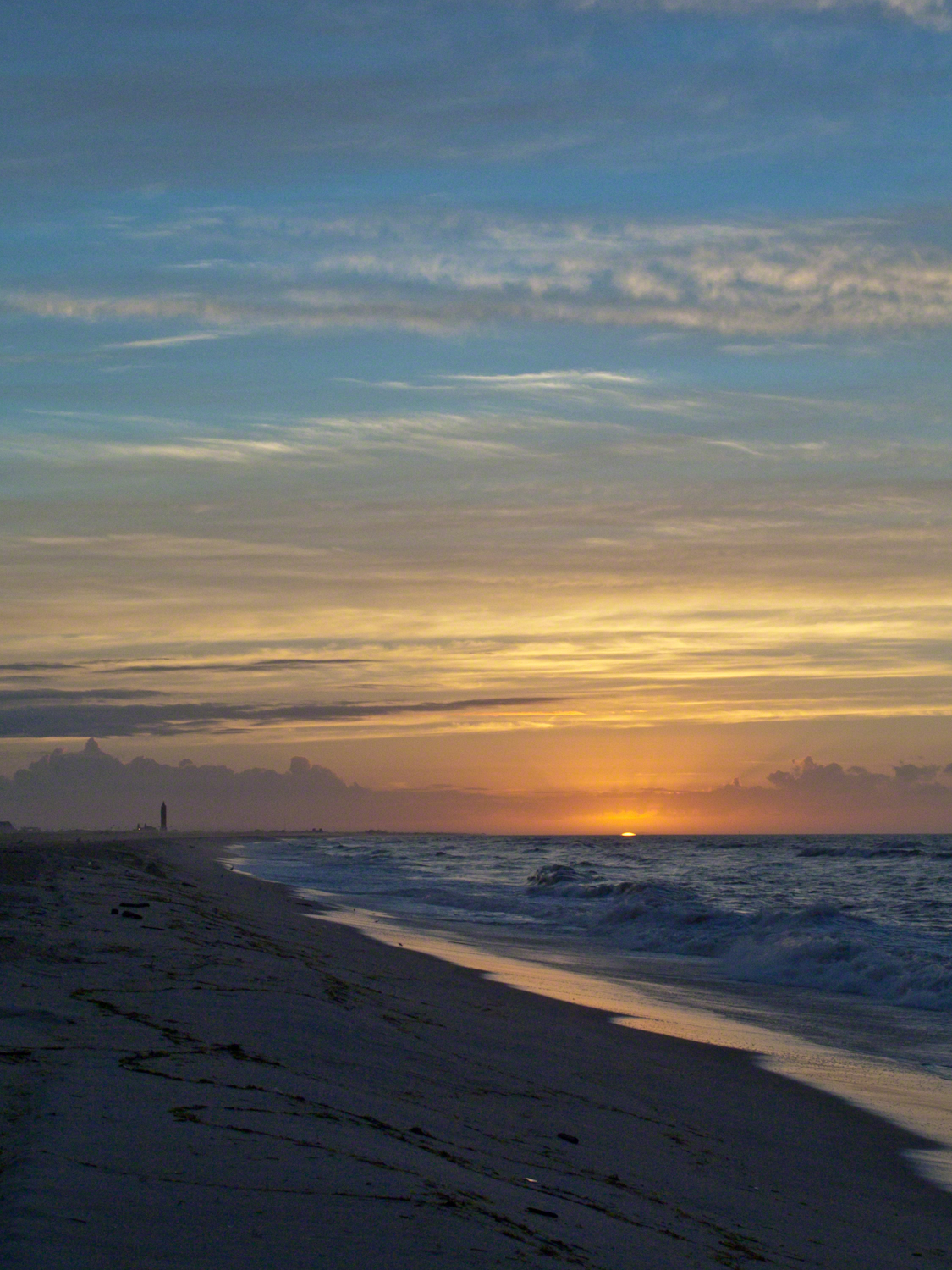
Hurricane Katrina approached the Gulf Coast and New Orleans as the sun rose on the West End of Jones Beach on Long Island, August 28, 2005. This amazing sunrise was an element of the unusual atmospheric effects that are evidence of the power of this storm.
The featured image (heading this blog) is my print, “Katrina Sunrise”. This work is enjoyed by hundreds of my clients. Use the link, below, to acquire your own. Custom framing is available.
The following images are the rough drafts taken in the early morning hours. The beach was literally deserted as I mounted the camera and framed the view for this series. Many image captions include the file time stamp, for example 6:07:13 is 6 am and 7 minutes 13 seconds.
6:07:13 First image of the set. Below the horizon the sun lights the upper atmosphere.6:07:34 As the sun approaches the horizon the lower clouds catch light. My Camera was a Sony DSC-F828 tripod mounted with a polarizing filter.6:07:56 I panned slightly to the east. ISO was set to 64 throughout.6:08:16 Gradual brightening. The lens is 7.1 – 51.0 mm f/2.0-2.8.6:08:38 All levels are brighter. It seems those low clouds will block the horizon. That was not the case. The variable focal length is 15.6 mm.6:09:05 It is happening!!!! Exposure was set to automatic on a f stop of 8.0. It was 1/3 second for this image.6:14:34 The view is panned west. That is the Robert Moses water tower of Jones Beach State Park looking like a rocket ready to blast off.6:15:15 Will those low clouds block the sun? Looks promising.6:16:11 Clouds on the upper margin catching the sun. Horizon brightening….. Exposure 1/20 second.6:14:39 This will be a disappointment if that sun does not show. Exposure 1/25 second.6:18:27 Almost there….1/15 second exposure….6:19:07 Quick framing adjustment to bring the lighting of shore margin into the composition. The final version was created from two images captured seconds after this.As the sun rose a rainbow formed in the western sky.
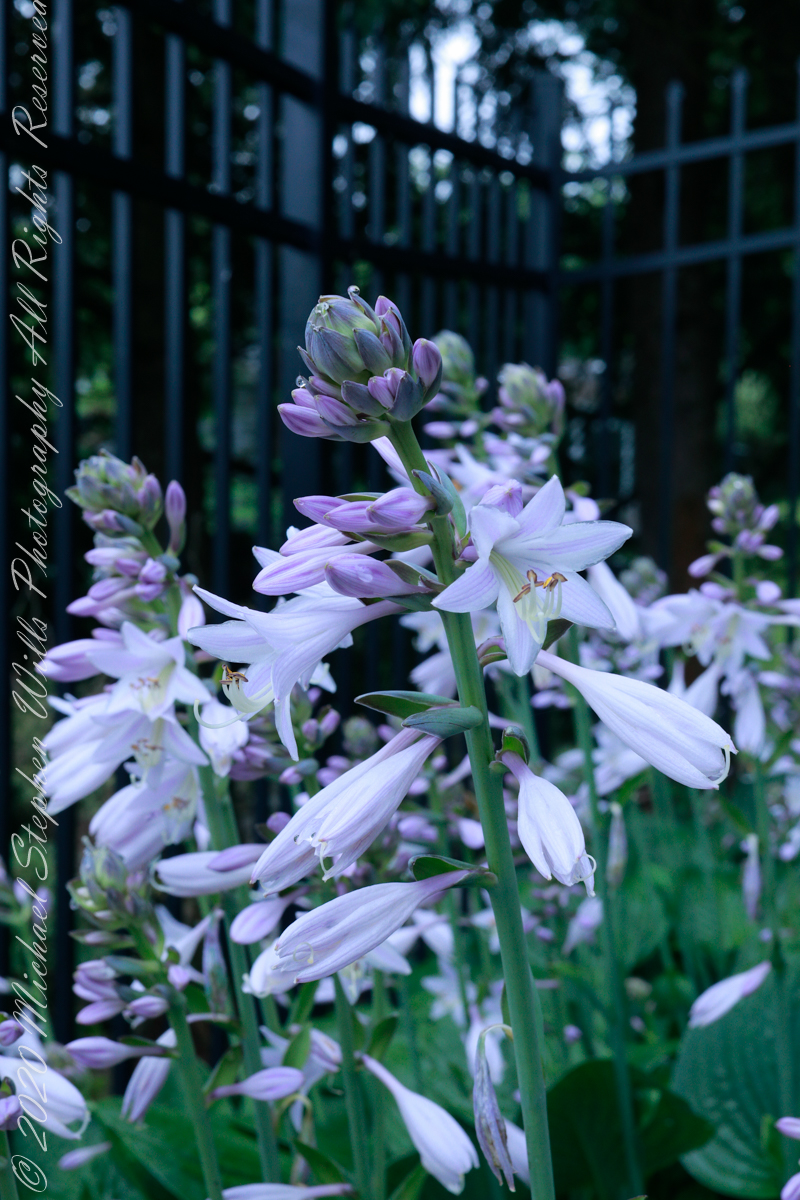
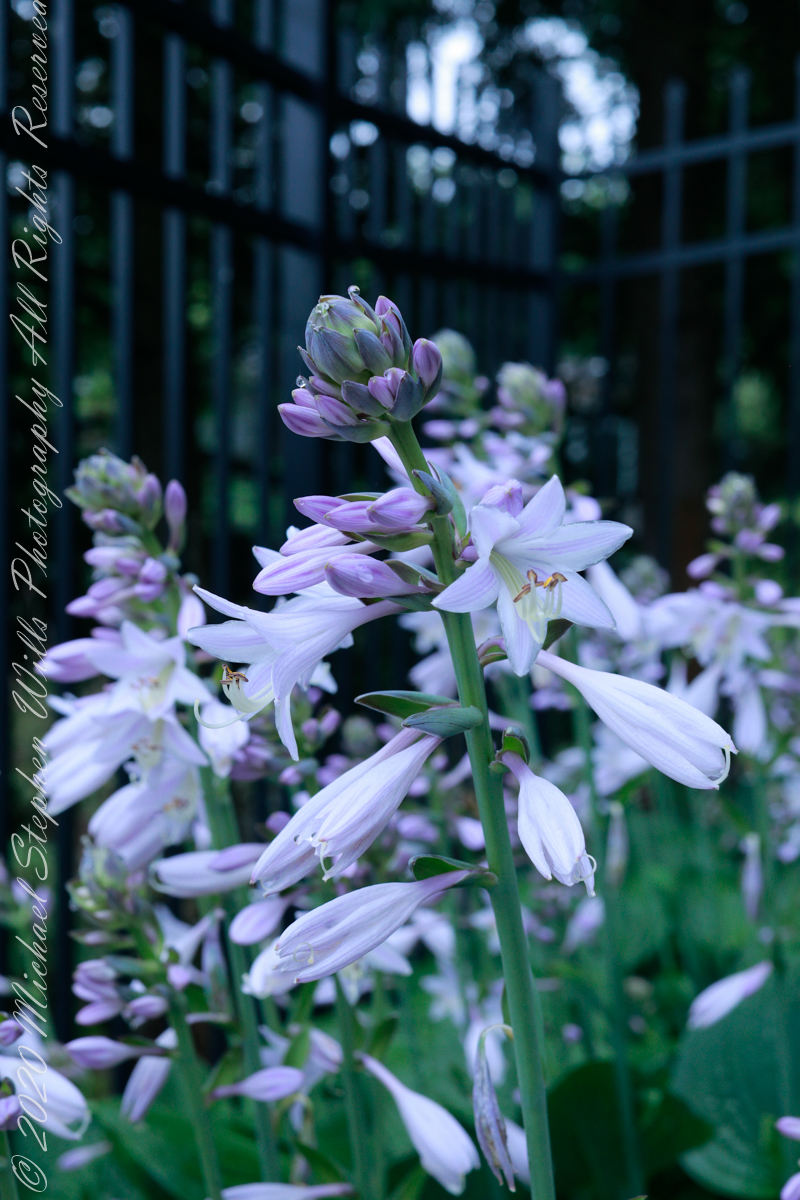
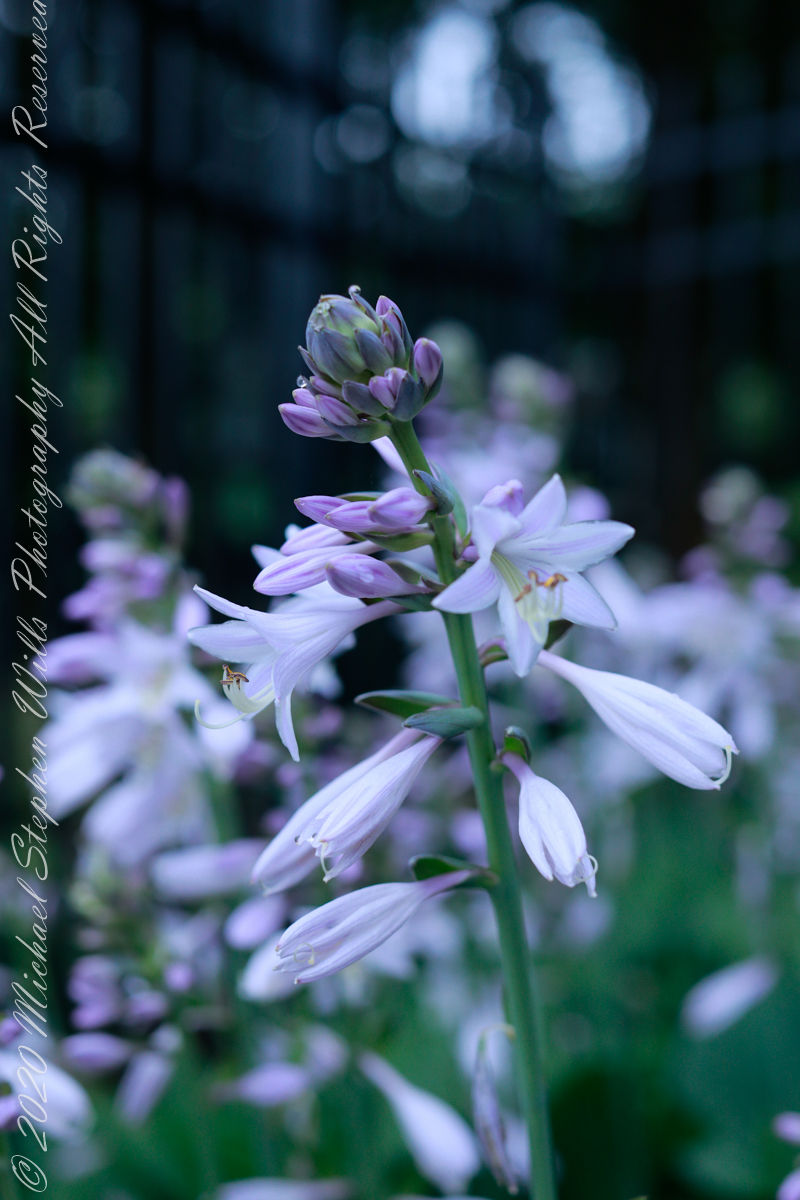
On July 17, 2021 Ithaca was socked in with heavy clouds obscuring sunrise, a perfect moment to capture Pam’s hostas flowering with the upper stalks still budding. I setup the Manfrotto tripod, the Canon dslr mounted with an EF 50 mm 1:1.2 L at ISO 800 and these are the results.
Native to northeastern Asia, In 1812 the genera Hosta was named for the European botanist Nicholas Thomas Host. Also called plantain lily for the habit of the herbaceous stalks to grow radially from a center.
0.5 sec at f / 16
1/4 sec at f / 16
1/5 sec at f / 16
1/6 sec at f / 16
Slide show overview of the hosta and blooms
1/100 sec at f / 4.0
I enjoy the balance of background bokeh, foreground sharpness
This series moves from the lens diaphragm starting at the smallest opening, greatest depth of field and longest exposure, to the widest, most shallow depth of field and shortest exposure. The air was very still this morning, allowing me to experiment.
1/5 sec at f / 16
1/10 sec at f / 11
1/20 sec at f / 8.0
1/100 sec at f / 4.0
1/100 sec at f / 3.5
1/250 sec at f / 2.5
1/400 sec at f / 2.0
1/1000 sec at f / 1.6
1/1000 sec at f / 1.2
Here is my favorite version from the above experiment. Do you have a favorite? Named it in comment and please explain your choice.
1/20 sec at f / 8.0
Copyright 2021 Michael Stephen Wills All Rights Reserved
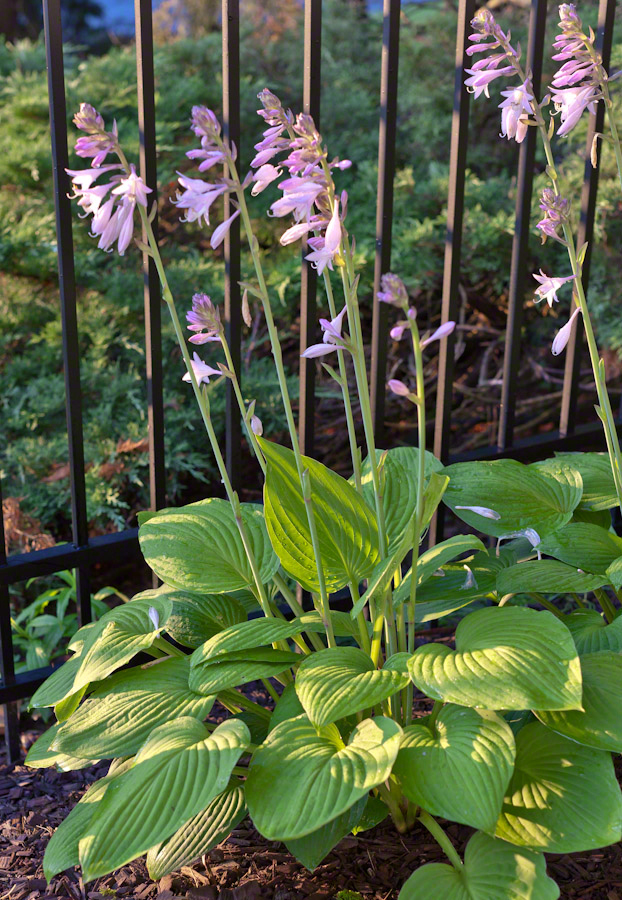
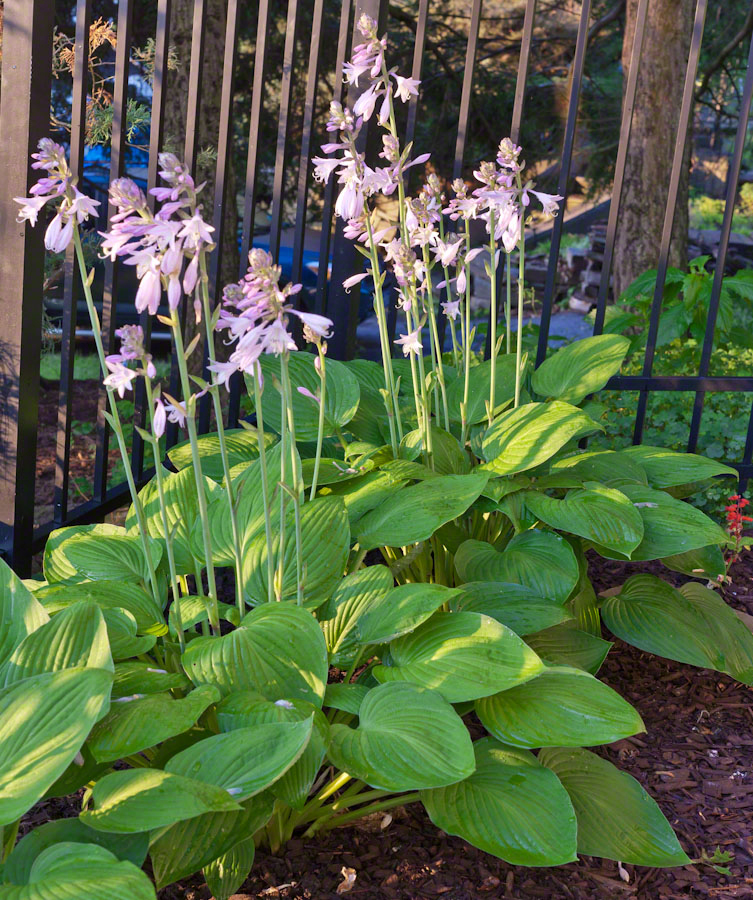
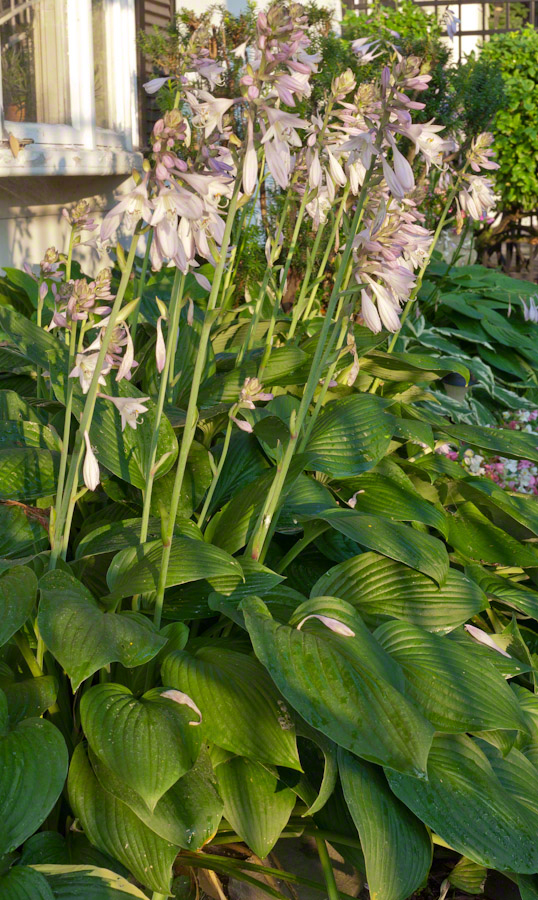
My wife, Pam, requested photographs of her hosta taken in the first sun of a summer day. Just after the sun broke the clouds this Summer 2017 morning I had the Manfrotto tripod set up, the Canon mounted with my new EF 50 mm 1:1.2 L, and this is the result.
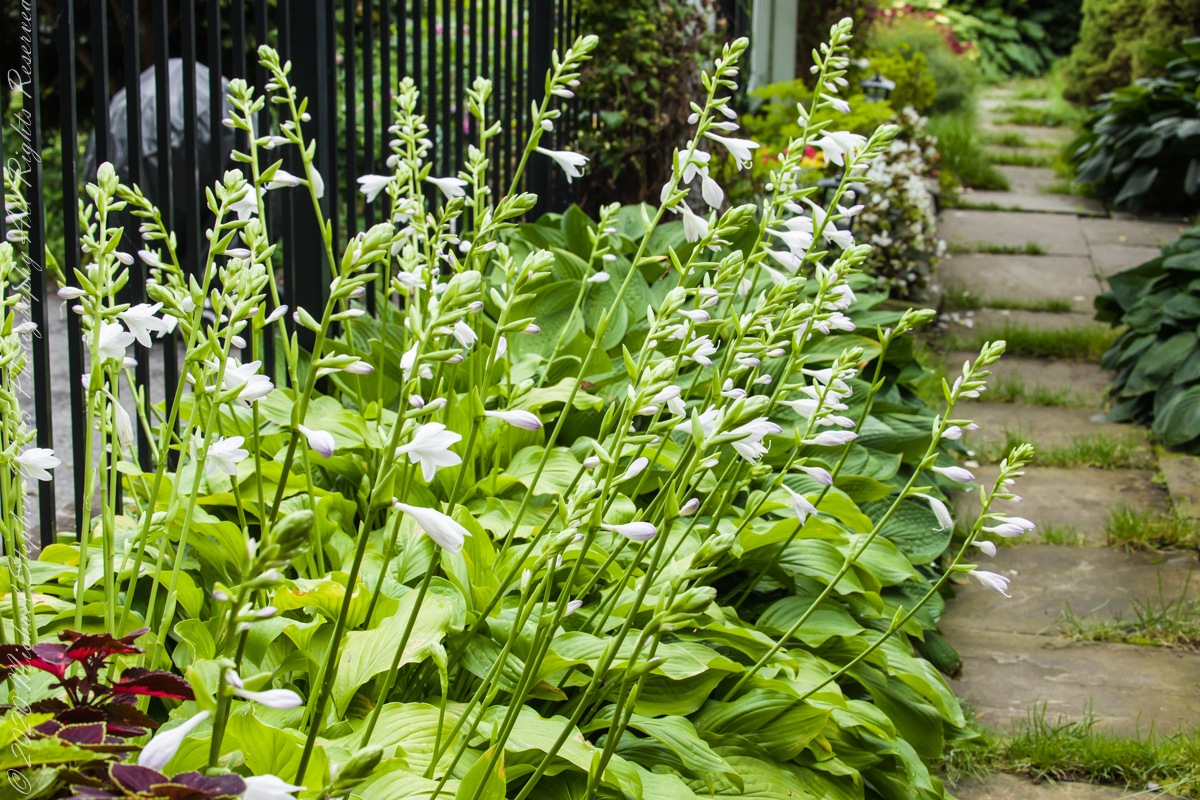
Overview of the hosta and blooms. These are also called Plaintain Lilies. Over the years, Pam has propagated three plants by splitting them and replanting. In 2016r we invested in a fence around the front yard to prevent the deer from browsing them to the ground. In pandemic year 2020, Summer, another fence was installed for the backyard. Pam plans more hosta propagation in celebration.
Study of hosta flowers.
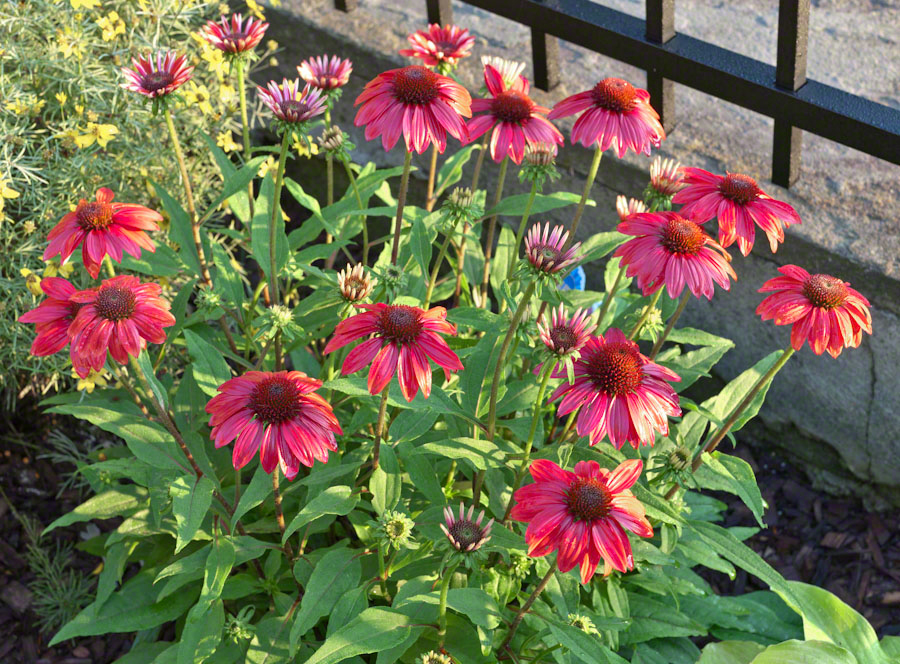
Purple cone flowers, aka Echinacea.
Copyright 2021 Michael Stephen Wills All Rights Reserved
Today, enjoy two videos of shorebirds taking flight at once. Starlings can flock and swarm in clouds of birds, called murmuration. My videos of a shorebird colony taking fright, at something unknown as the beach was empty, are from my IPhone 7.
This is a still image, high resolution, similar to the view of the second video. A repeat from yesterday.
Click photograph for larger image. To do this from WordPress Reader, you need to first click the title of this post to open a new page.
With a tripod it is simpler to achieve a level horizon….
Canon EOS-1Ds Mark III
December 3, 2014 President Obama warned of the coming pandemic and passed along plans and a team to the incoming Trump administration. By December 2019, the pandemic unleashed in China, Trump gutted this capability and, while Pam and I were planning out January 10th Walt Disney World trip, hid the truth from United States Citizens.
We were keeping an eye on China, by January 10th the Chinese communist government was lying, “there is no human-to-human” transmission they told the WHO (World Health Organization). Knowing the truth, our plans for that day would be different.
One week before January 10, the dawning of the day photographed here, “the CDC Director Robert Redfield was notified by a counterpart in China that a “mysterious respiratory illness was spreading in Wuhan [China]”. Redfield notified HHS Secretary Alex Azar shortly thereafter, who shared his report with the National Security Council (NSC). According to The Washington Post, warnings about the virus were included in the President’s Daily Brief in early January, an indicator of the emphasis placed on the virus by the intelligence community.” December( and maybe October/November), 2019 through January, 2020: COVID-19 was spreading across the USA as visitors from Wuhan disembarked from planes.
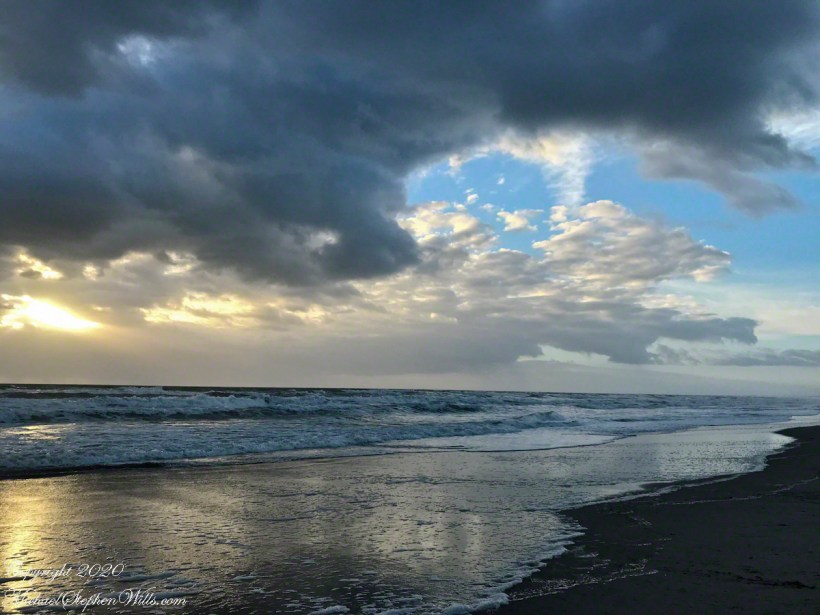
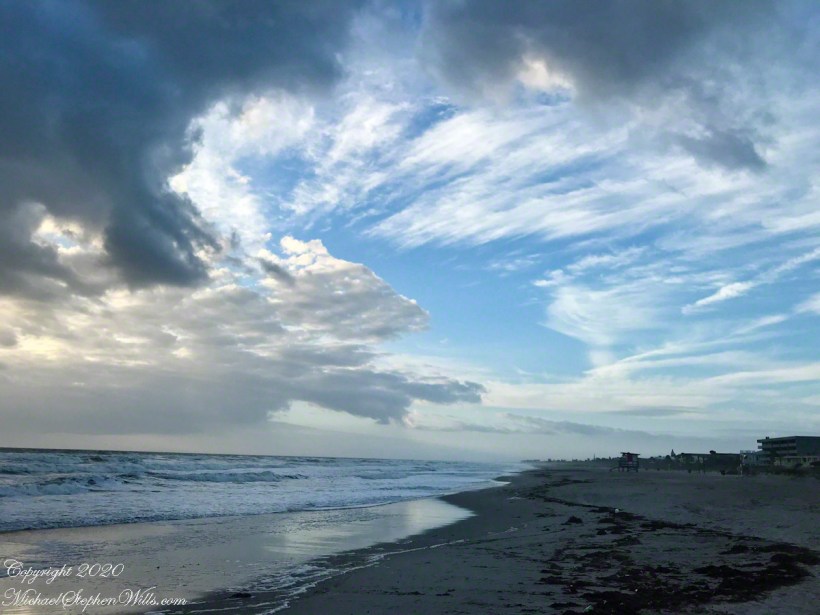
The following images compare IPhone 7 to a dslr mounted on a tripod.
Click photograph for larger image. To do this from WordPress Reader, you need to first click the title of this post to open a new page.
IPhone 7
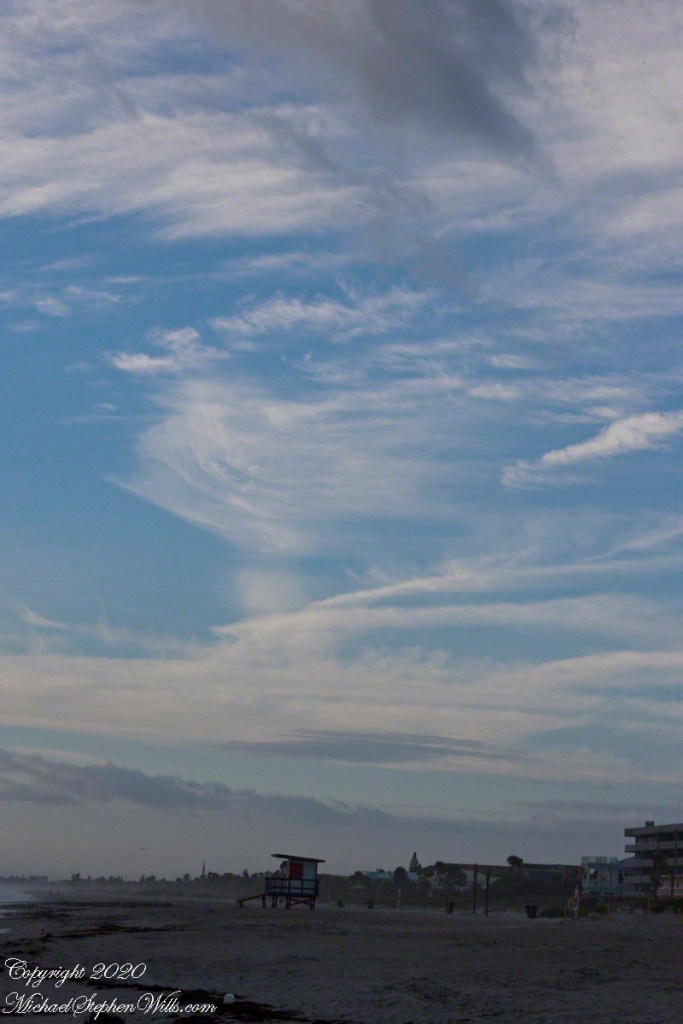
With a tripod it is simpler to achieve a level horizon….
Canon EOS-1Ds Mark III
I heard the word “shroomed” (as a verb) used in Episode 1, Season 6, of Bosch. As in “the Federal Government treats us like mushooms”: grown in excrement and kept in the dark.
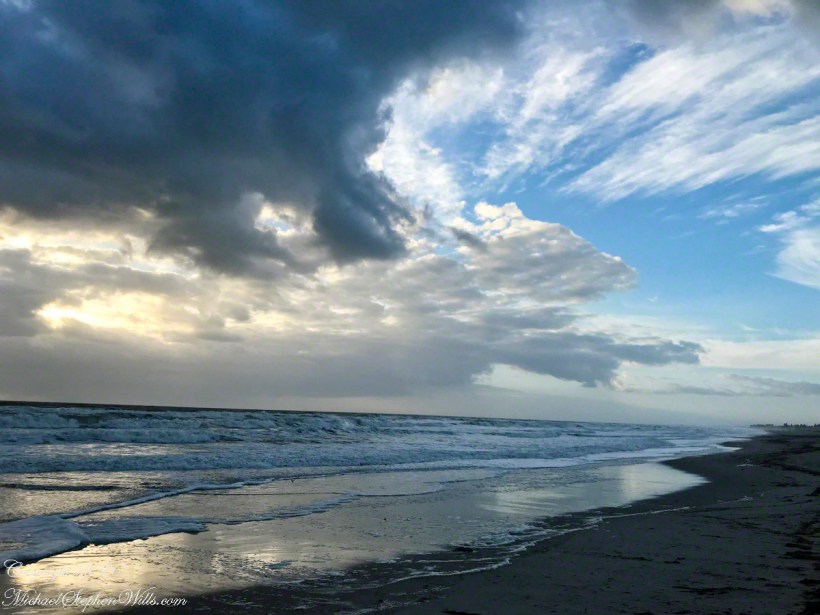
One day after my “Sunrise Texture” series as the sun rose on Cocoa Beach I was waiting with the same photographic kit. It was perfect weather for a visit to Walt Disney World, planned for that day: unsettled.
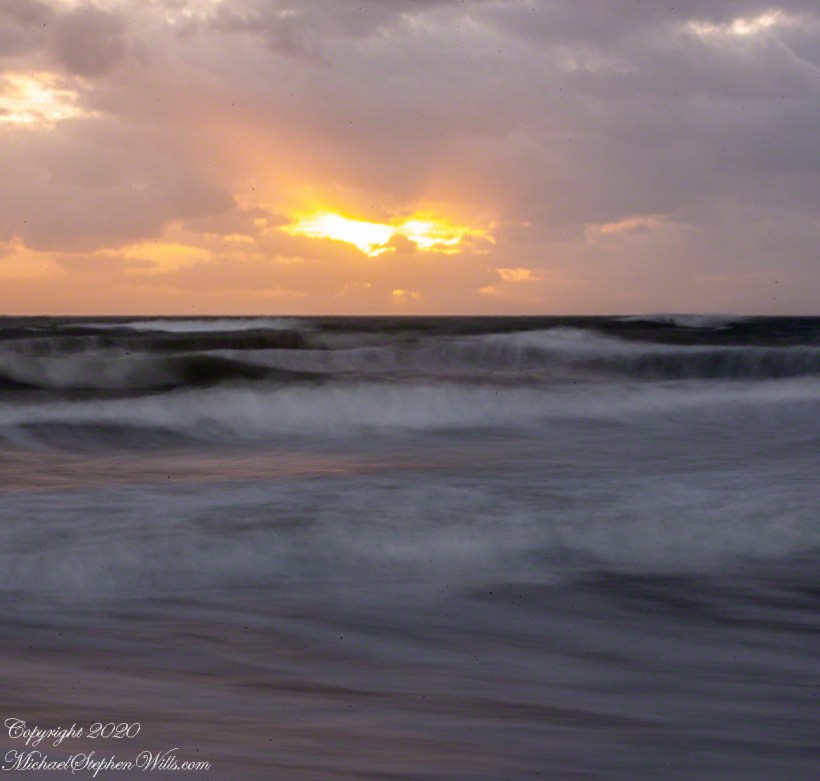
This image couple demonstrates the effect of long / short exposure without using filters. I changed the ISO and F-stop to achieve these effects.
Click photograph for larger image. To do this from WordPress Reader, you need to first click the title of this post to open a new page.
ISO 50 F/32
With a tripod it is simpler to achieve a level horizon….
ISO 500 f/6.3
I turned around to observe the colonies of shore birds…..
Betelgeuse, AKA “Alpha Orionis”, was the first star disk, other than our Sun, measured. One hundred years ago the apparent size of Betelgeuse was then as now 0.003% of the sun. I bring this up because this “red” star at the end of its life cycle, is in the news, being now 40% of its brightness last year.
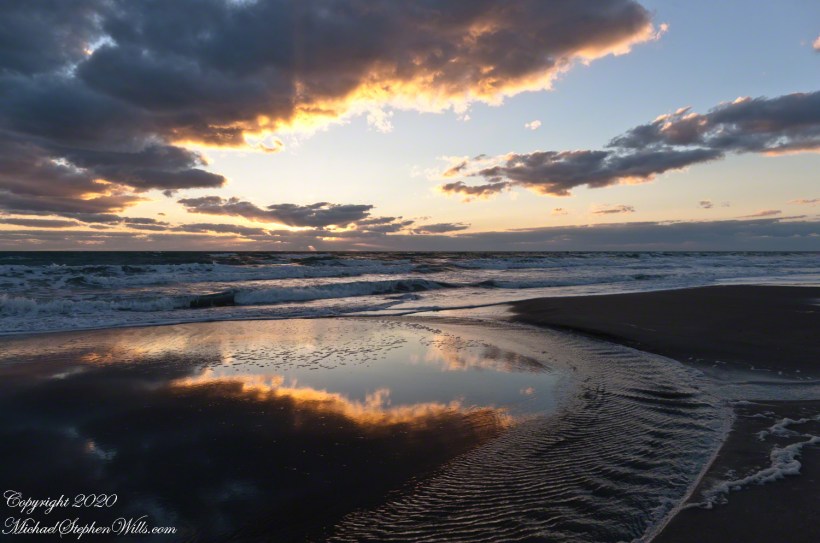
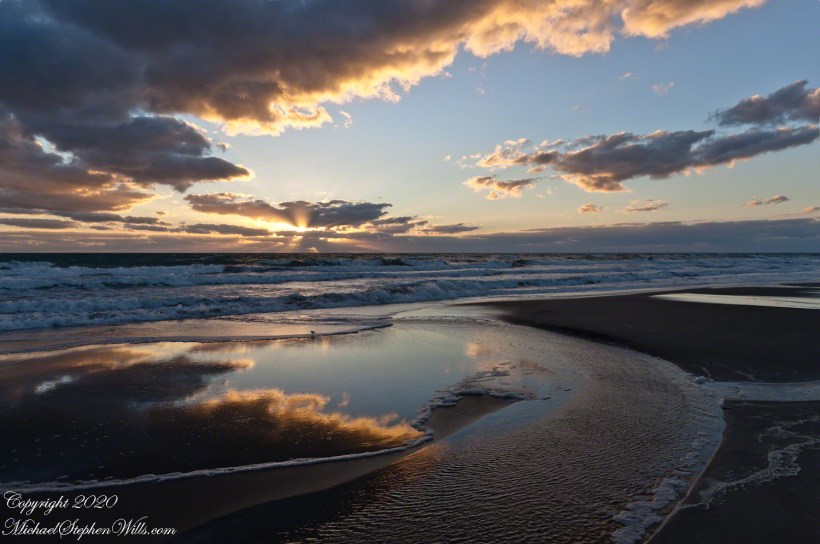
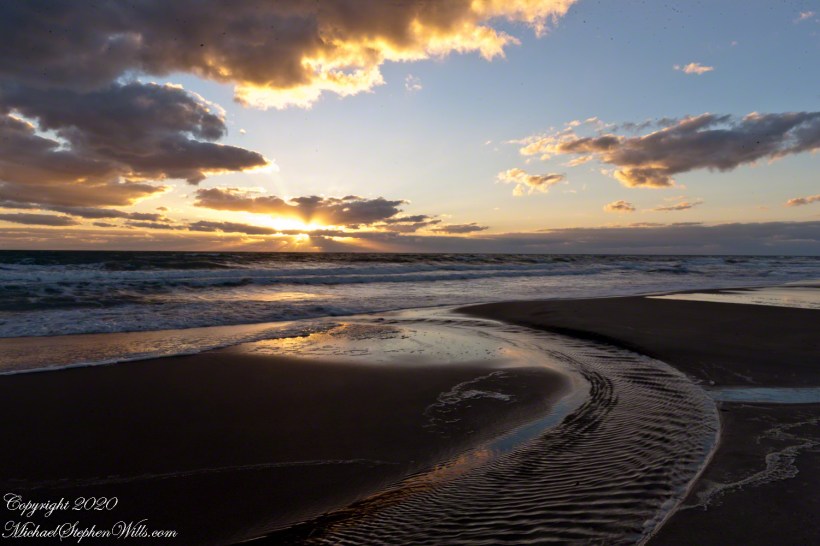
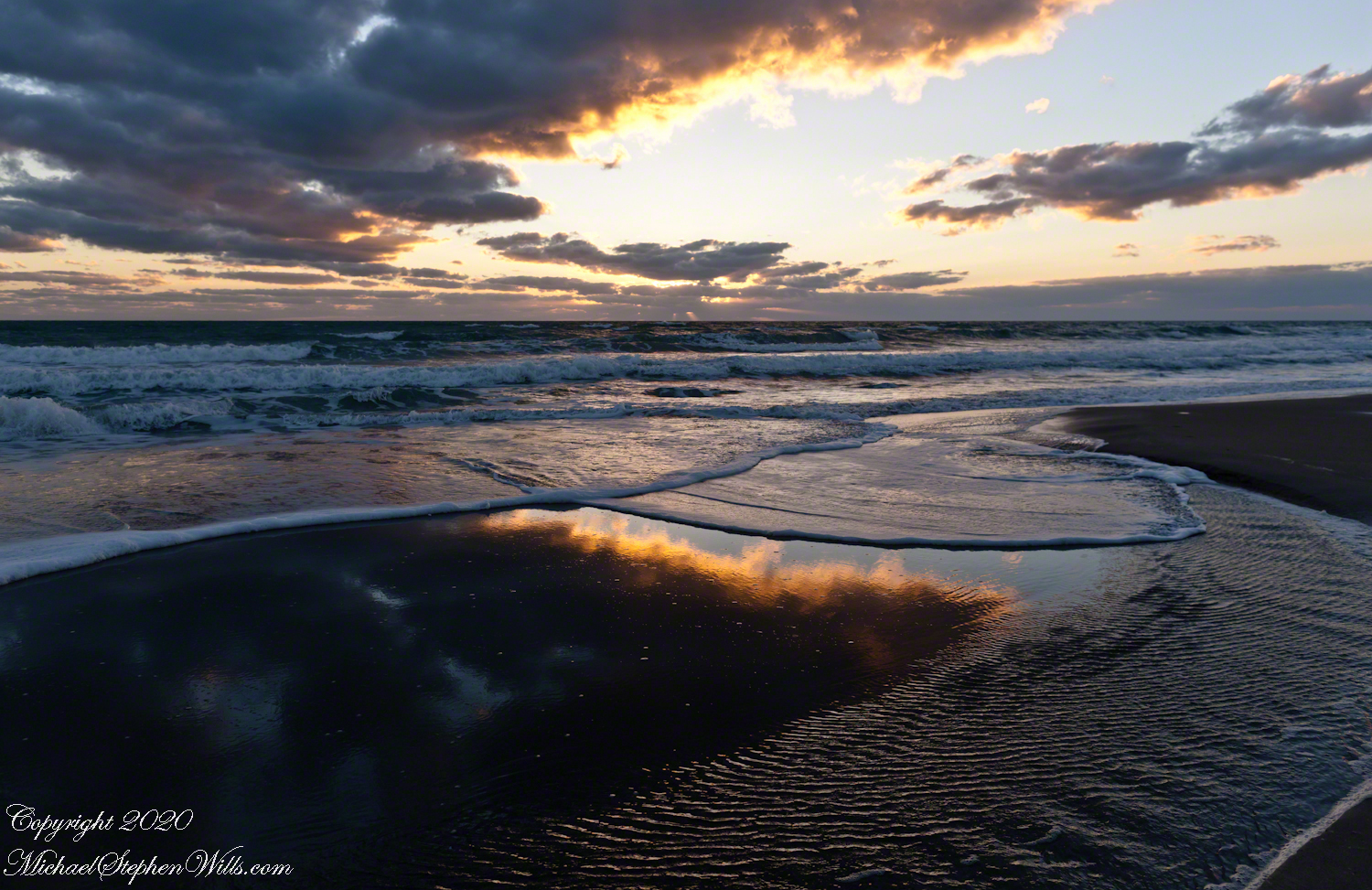
Betelgeuse is so far away this dimming is 700 year old news, the time it takes for light span the distance. News of our sun is more recent, sunlight informs us of the Sun’s surface from 8.33 minutes ago. Sunlight bursts from clouds to the camera in an instant of a second. In comparison my reactions to capture it are glacial. Sixteen seconds passed since the images of Series 6, time for three exposures at a slowed pace now the sun breaks free from the clouds.
Twelve minutes, fifty four seconds elapsed from the first images of this series. Seventy nine exposures taken with 16 selected moments, these last without the sand mirror.
Click photograph for larger image. To do this from WordPress Reader, you need to first click the title of this post to open a new page.
Exposure: 1/400 sec at f / 4.5, Focal Length: 24 mm, ISO 100
A Willet feeds in the new day. This is a species sandpipers, a cousin of the Sanderling of yesterday’s post.
Exposure: 1/400 sec at f / 5/0, Focal Length: 24 mm, ISO 100
All sixteen Sunrise Texture moments are presented below.. Suggestion, for this series in a larger format, open a separate browser tab for each post. At series end you will then have eight (including the very first post a few weeks ago) landscapes to compare.
Exposure: 1/6 sec at f / 22, Focal Length: 24 mm, ISO 125
Exposure: 1/250 sec at f / 4.0, Focal Length: 24 mm, ISO 125
Exposure: 1/250 sec at f / 4.0, Focal Length: 24 mm, ISO 125
Exposure: 1/10 sec at f / 22, Focal Length: 24 mm, ISO 125
Exposure: 1/250 sec at f / 4.0, Focal Length: 24 mm, ISO 125
Exposure: 1/320 sec at f / 4.5, Focal Length: 24 mm, ISO 125
Exposure: 1/400 sec at f / 5.0, Focal Length: 24 mm, ISO 250
Exposure: 1/15 sec at f / 22, Focal Length: 24 mm, ISO 250
Exposure: 1/400 sec at f / 5.0, Focal Length: 24 mm, ISO 250
Exposure: 1/400 sec at f / 5.0, Focal Length: 24 mm, ISO 250
Exposure: 1/400 sec at f / 5.0, Focal Length: 24 mm, ISO 250
Exposure: 1/500 sec at f / 5.6, Focal Length: 24 mm, ISO250
A sanderling is a species of sandpiper. Exposure: 1/320 sec at f / 4.5, Focal Length: 24 mm, ISO 100
Exposure: 1/8 sec at f / 22, Focal Length: 24 mm, ISO 50
Exposure: 1/400 sec at f / 4.5, Focal Length: 24 mm, ISO 100
Two minutes pass from Series 5, and not because I have stopped snapping. My routine is to insert a (automated) sequential number into each filename. Using this it is possible to calculate the number of exposures in a series. Since Series 5, 16 were snapped before the first I could use in Series 6. Ten exposures between the first and last of Series 6, during which a minute, twenty eight seconds elapsed..
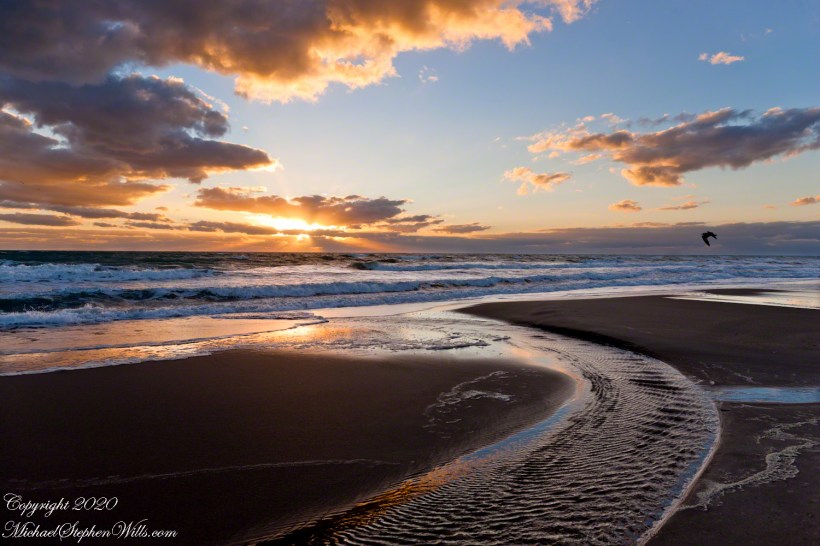
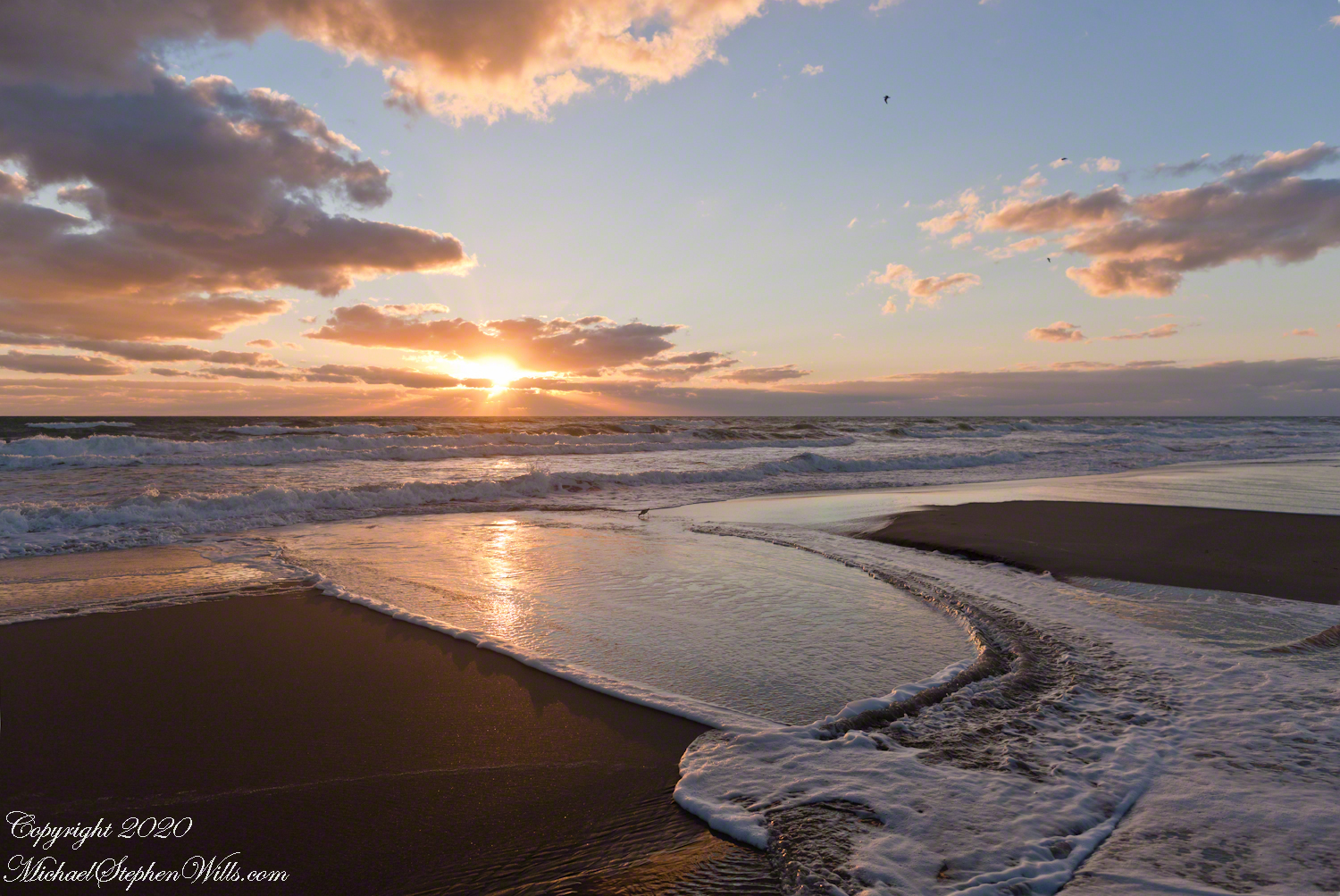
The sun disk is above the horizon, bursting from clouds.
Ten minutes, eighteen seconds elapsed from the first images of this series. Seventy one exposures taken with 14 selected moments of shining sand mirror, a strong curving return flow.
The small bird feeding, of the first image, is a Sanderling, one of the smallest species of Sandpipers.
Click photograph for larger image. To do this from WordPress Reader, you need to first click the title of this post to open a new page.
Exposure: 1/320 sec at f / 4.5, Focal Length: 24 mm, ISO 100
In this second image, the mirror is erased as sand absorbs surf. I needed to show the developing sun burst.
Exposure: 1/8 sec at f / 22, Focal Length: 24 mm, ISO 50
A slide show of these images. This set compares short exposure with open aperture (f 4.5) to a much longer exposure driven by a narrow aperture (f 22) and the lowest film sensitivity of the camera (ISO 50). Suggestion, for this series in a larger format, open a separate browser tab for each post. At series end you will then have eight (including the very first post a few weeks ago) landscapes to compare.
Exposure: 1/320 sec at f / 4.5, Focal Length: 24 mm, ISO 100
Exposure: 1/8 sec at f / 22, Focal Length: 24 mm, ISO 50
Click photograph for larger image. To do this from WordPress Reader, you need to first click the title of this post to open a new page.
Exposure: 1/400 sec at f / 5.0, Focal Length: 24 mm, ISO 250
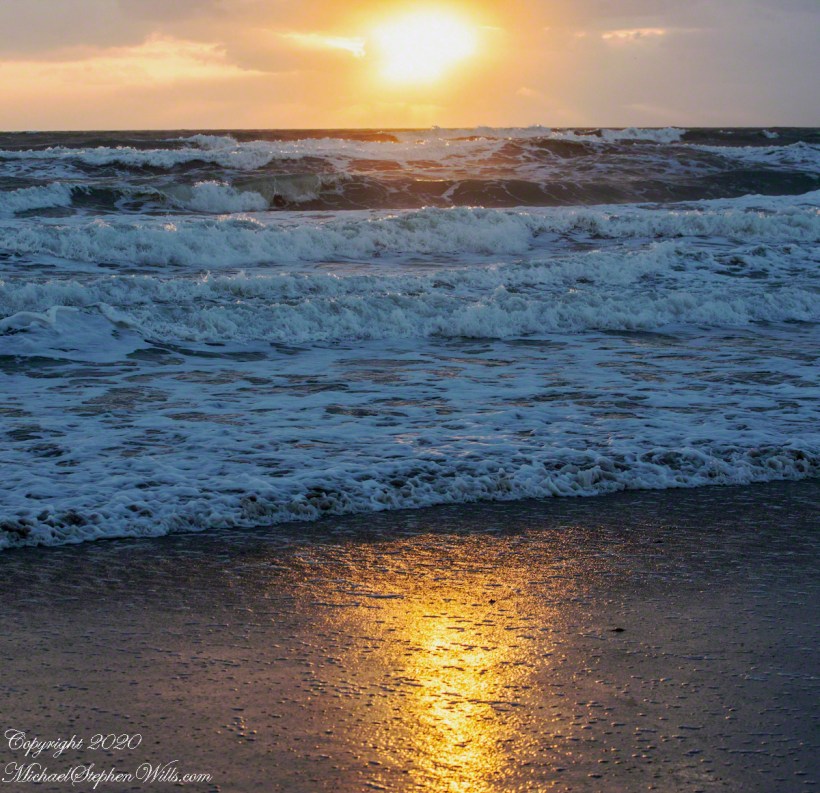
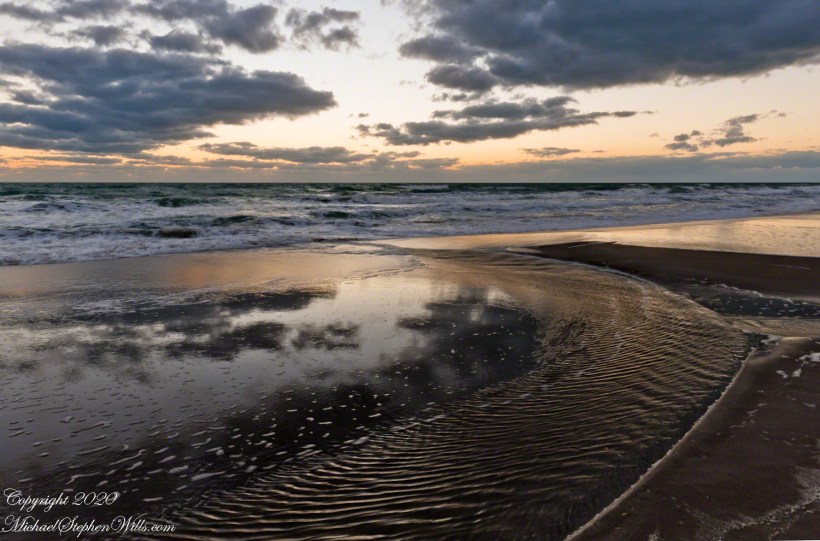
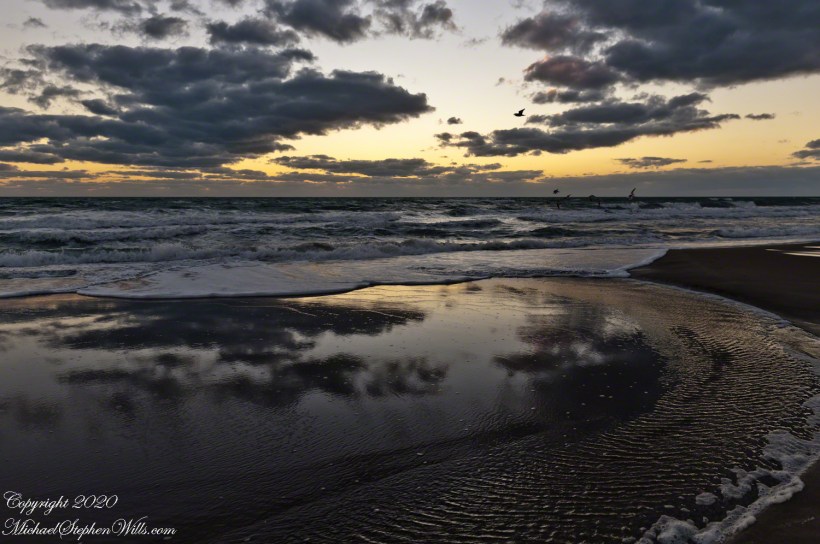
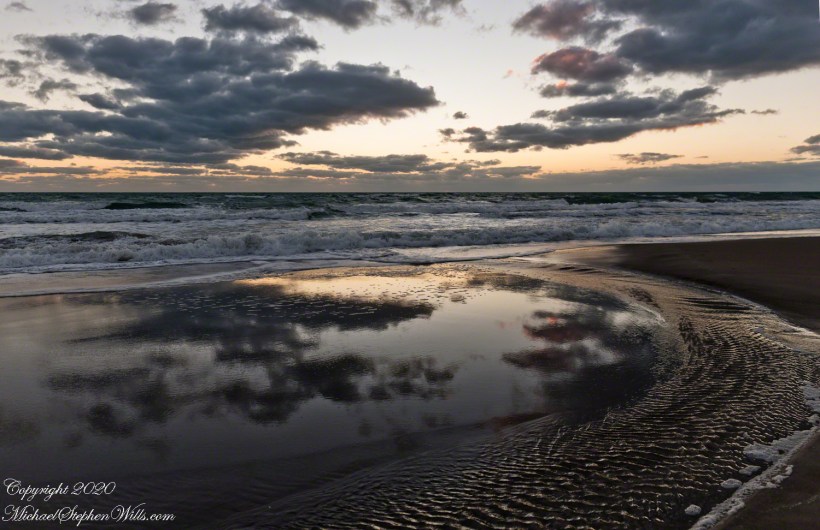
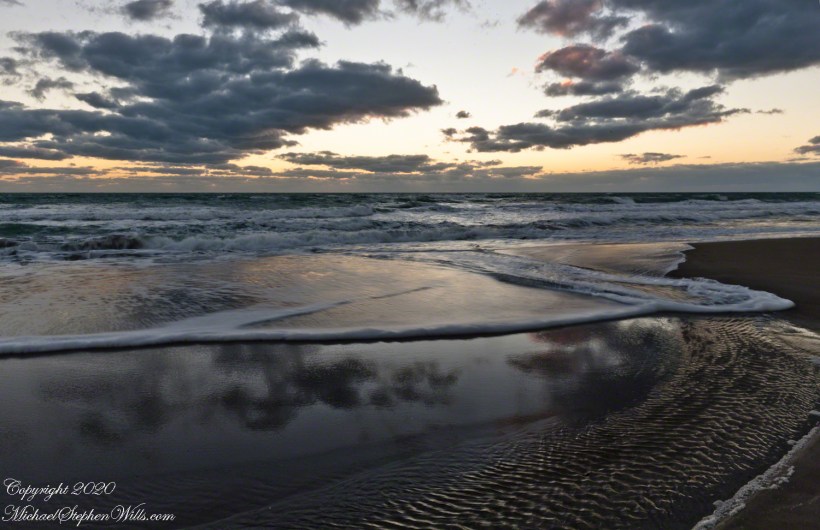
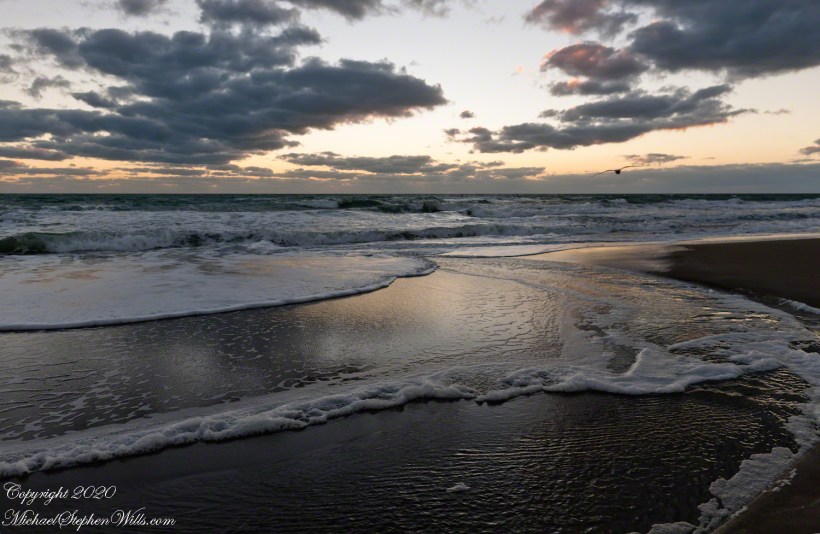
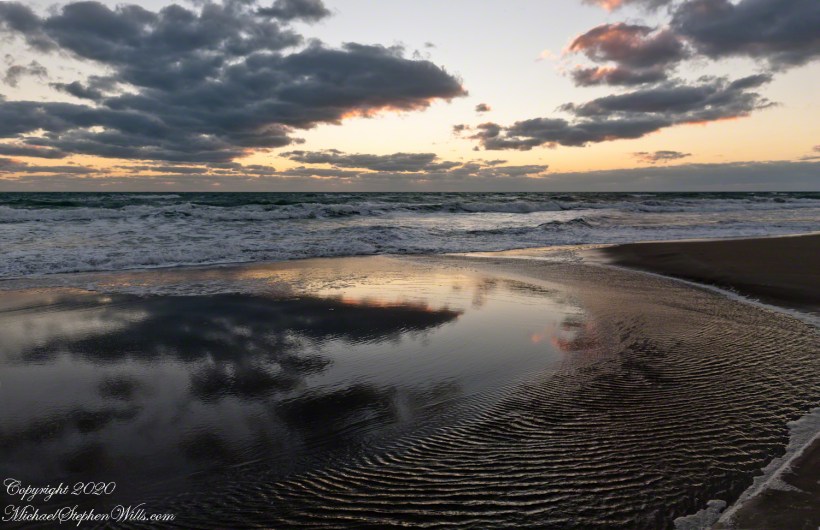
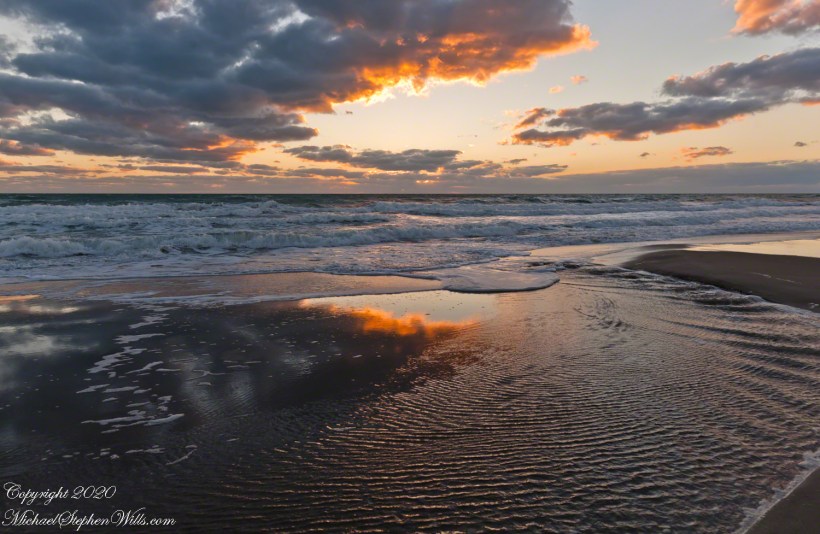
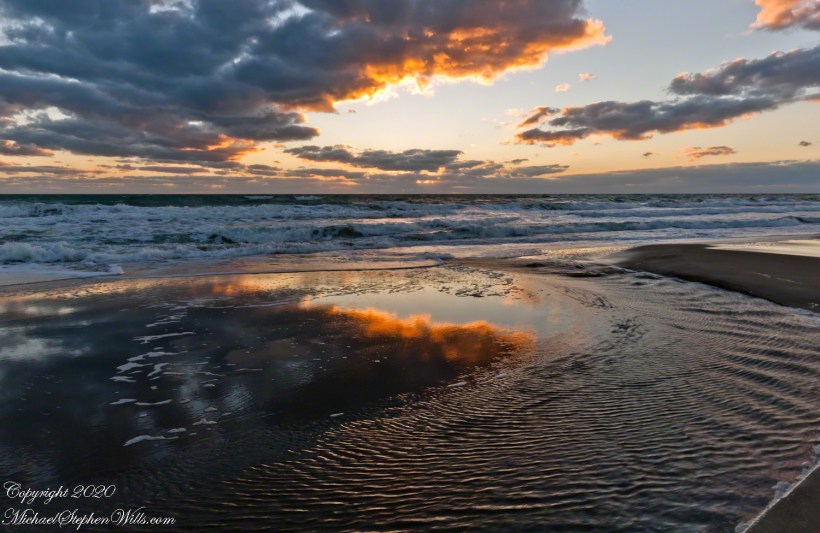
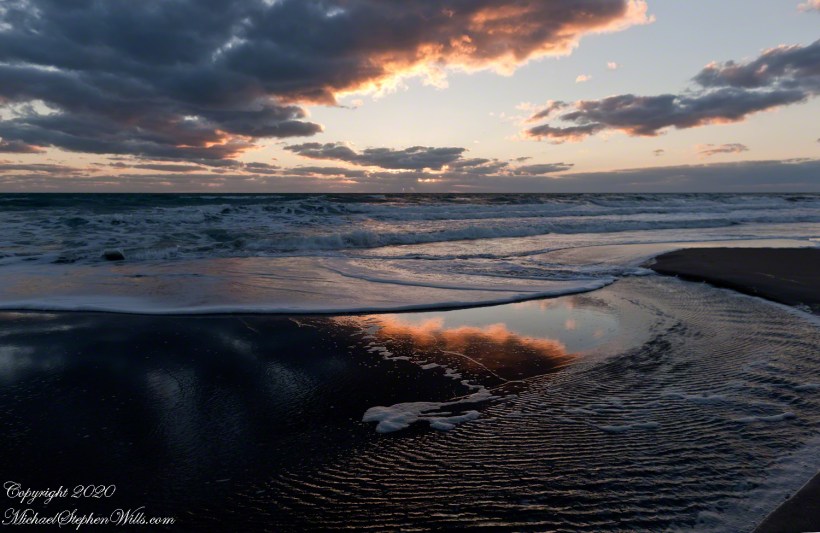
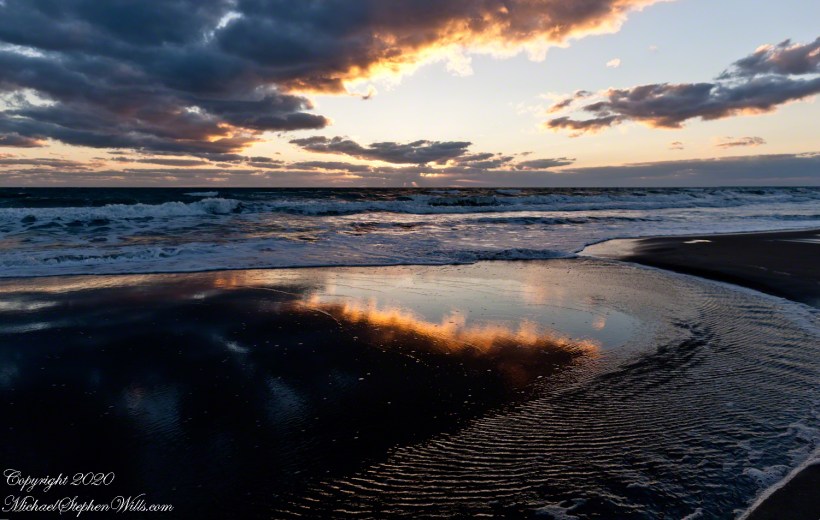
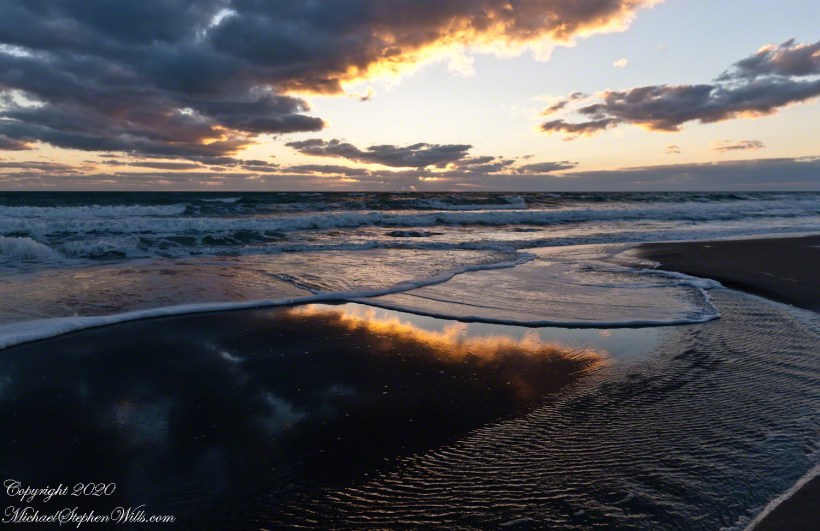
I selected moments of shining sand mirror, a strong curving return flow with a continuing mark of a southeast wind of seventeen miles per hour, with bursts above twenty. Wind, waves, even the rounded particles of sand all created from the energy of the celestial body I am waiting to appear.
Exposure: 1/500 sec at f / 5.6, Focal Length: 24 mm, ISO250
A slide show of these images. Suggestion, for this series in a larger format, open a separate browser tab for each post. At series end you will then have eight (including the very first post a few weeks ago) landscapes to compare.
Exposure: 1/400 sec at f / 5.0, Focal Length: 24 mm, ISO 250
Exposure: 1/500 sec at f / 5.6, Focal Length: 24 mm, ISO250





 Michael Stephen Wills Photography