Snake Bird

AKA “devil bird” or “snake bird”

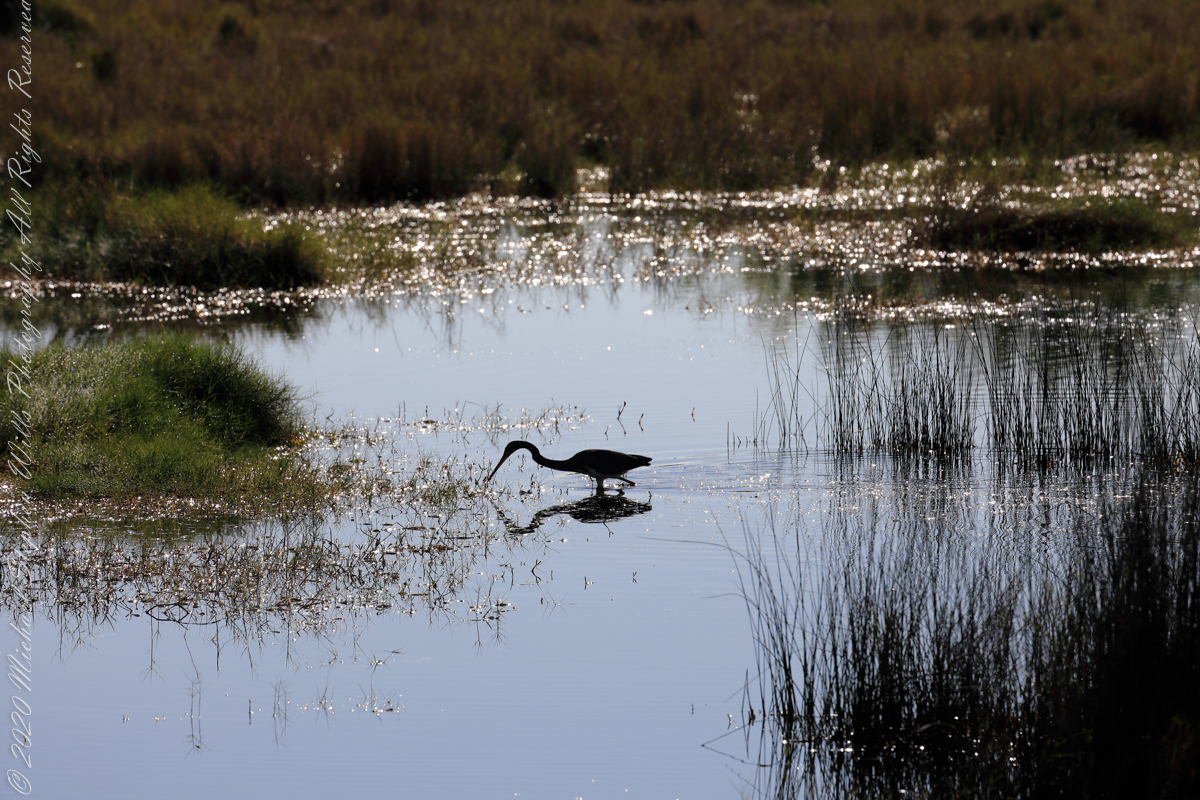
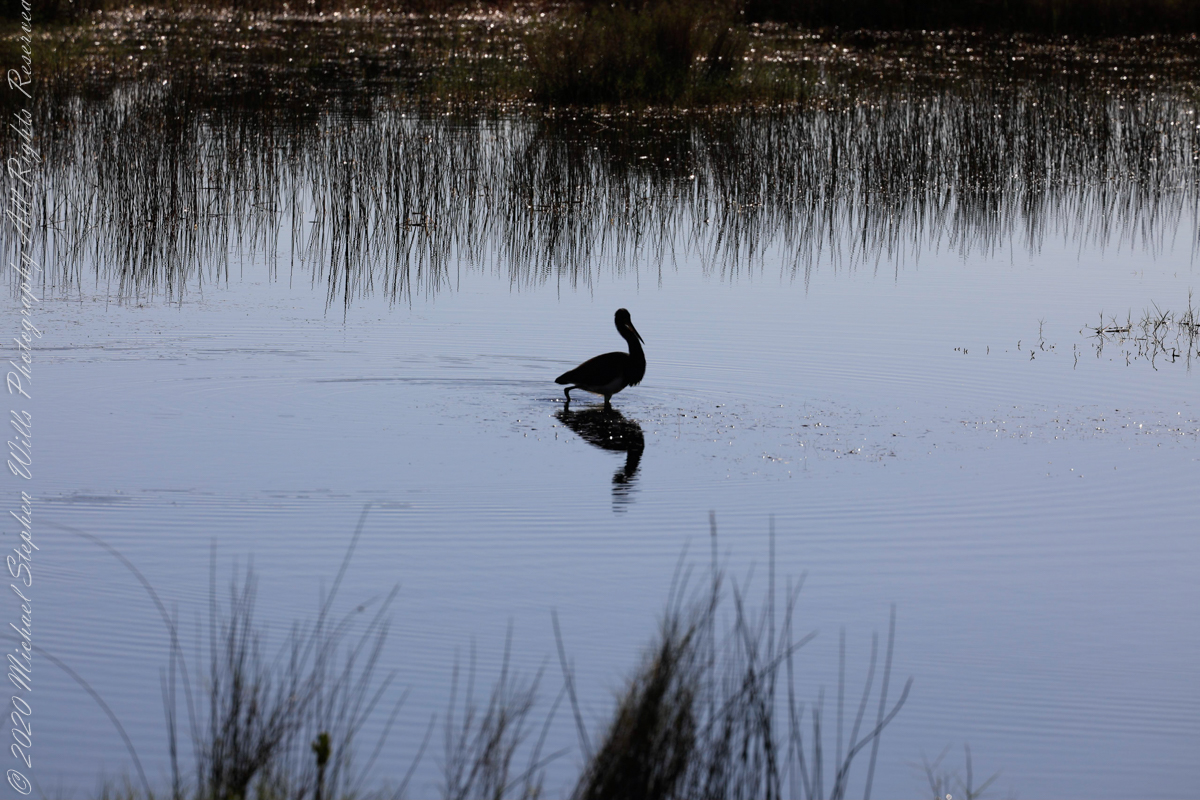
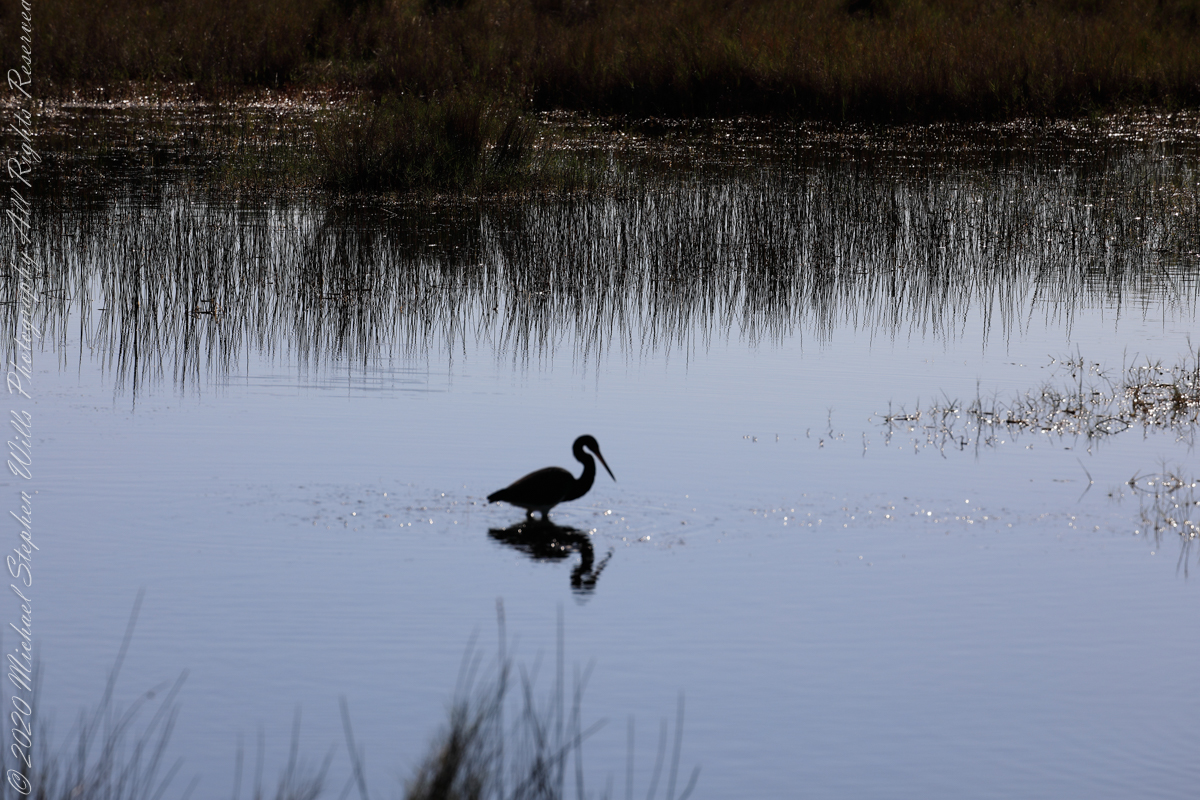
This series of wading shorebirds are from a mash alongside Blackpoint Wildlife Drive.

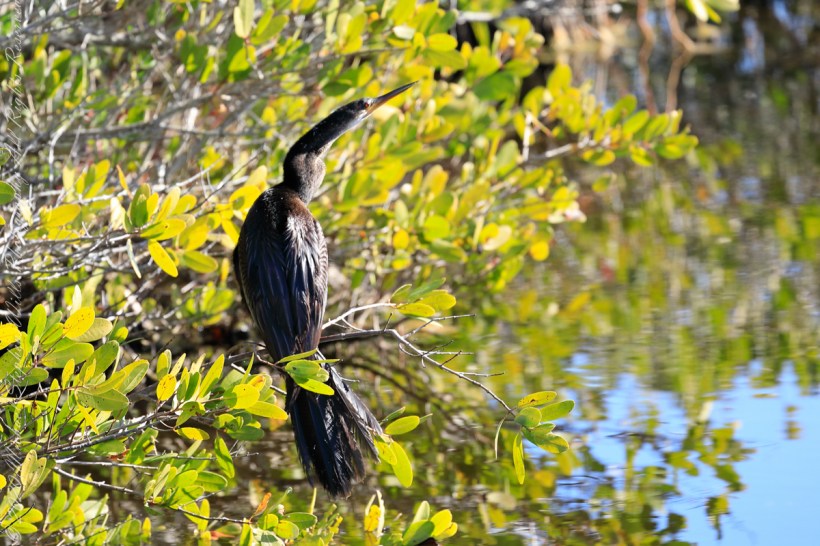
This Anhinga basked on a marsh bush just off Blackpoint Wildlife Drive on a January morning. Soaking in sunlight is most important for this waterbird as Anhinga features are not waterproof, after a session of diving, the bird is soaked through to the skin and need to warm up and dry off.

“The Anhinga sometimes called snakebird, darter, American darter, or water turkey, is a water bird of the warmer parts of the Americas. The word anhinga comes from the Brazilian Tupi language and means “devil bird” or “snake bird”. The origin of the name is apparent when swimming: only the neck appears above water, so the bird looks like a snake ready to strike. They do not have external nares (nostrils) and breathe solely through their epiglottis. Anhinga species are found all over the world in warm shallow waters.”
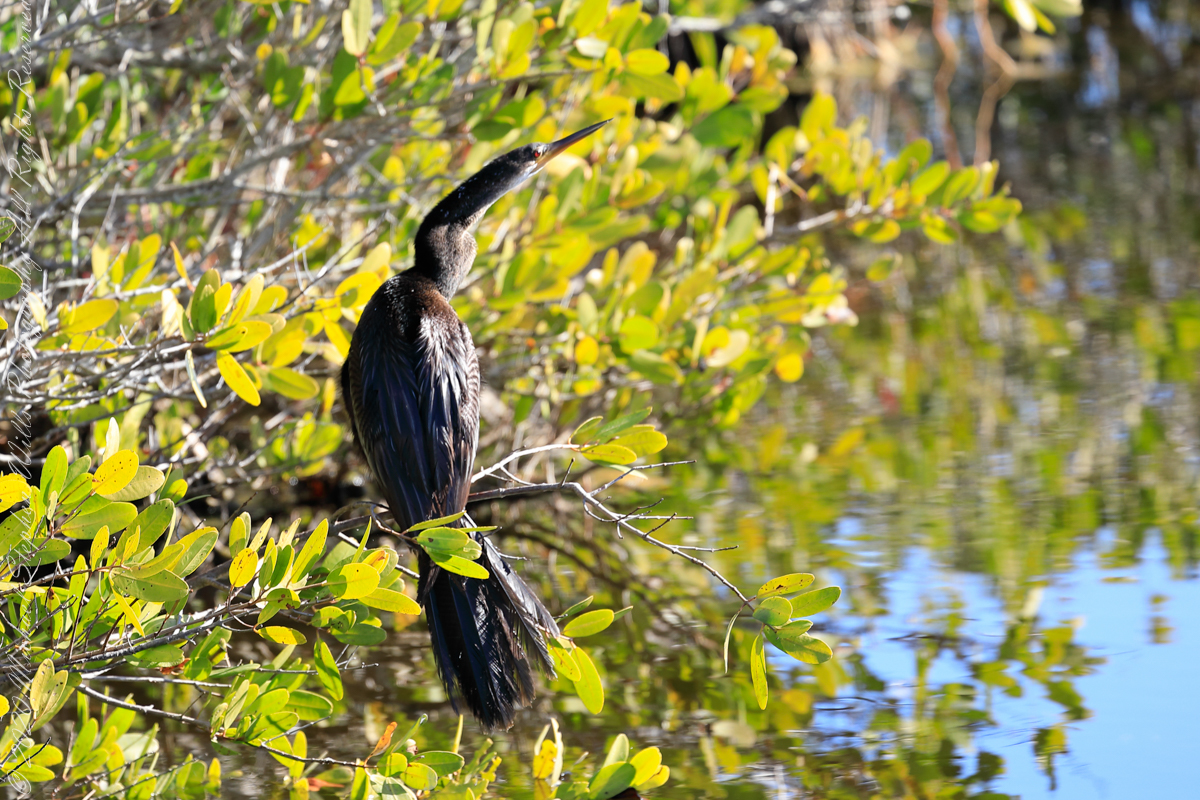
The American anhinga has been subdivided into two subspecies, Anhinga anhinga anhinga and Anhinga anhinga lleucogaster, based on their location. Anhinga anhinga anhinga can be found mainly east of the Andes in South America and also the islands of Trinidad and Tobago. Anhinga anhinga lleucogaster can be found in the southern United States, Mexico, Cuba, and Grenada.
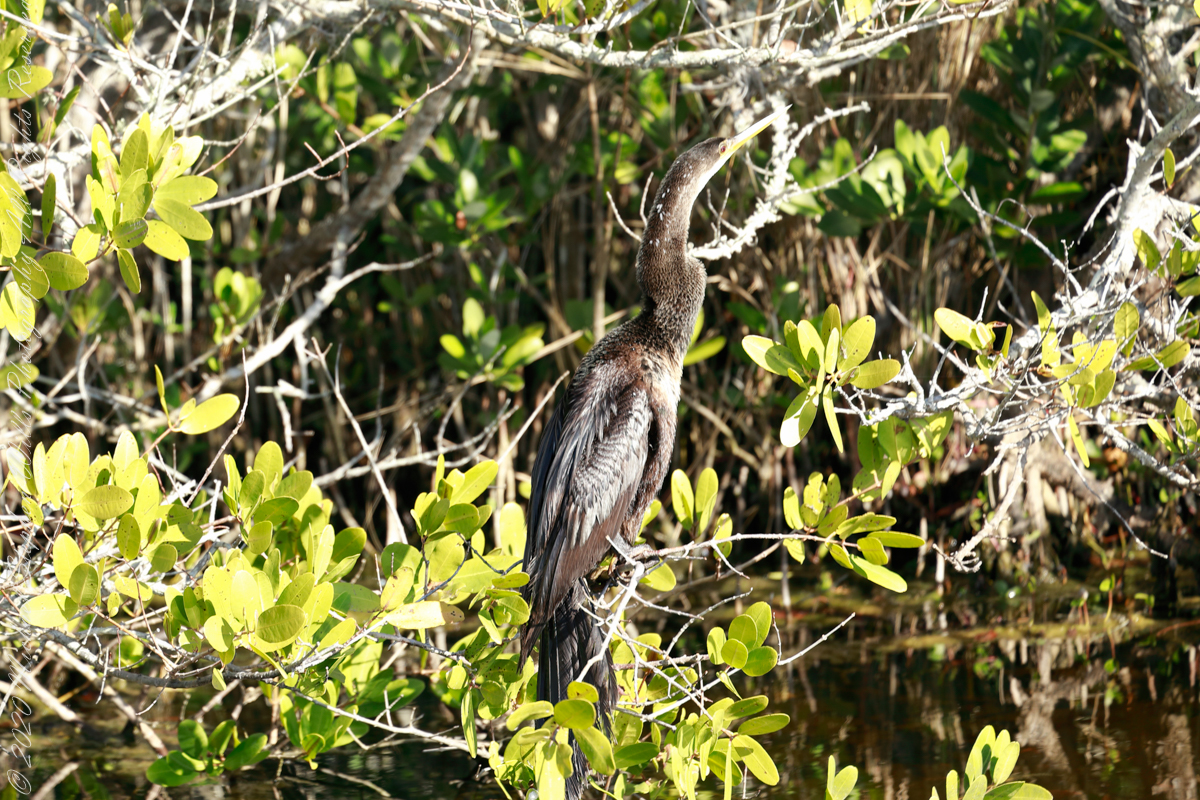
“A kettle of Anhingas often migrate with other birds and have been described as resembling black paper gliders.”

The text in quotes is from the Anhinga wikipedia article.

Merritt Island National Wildlife Refuge, Titusville, Brevard County, Florida
Copyright 2022 Michael Stephen Wills All Rights Reserved

Common Gallinule Feeding (video)

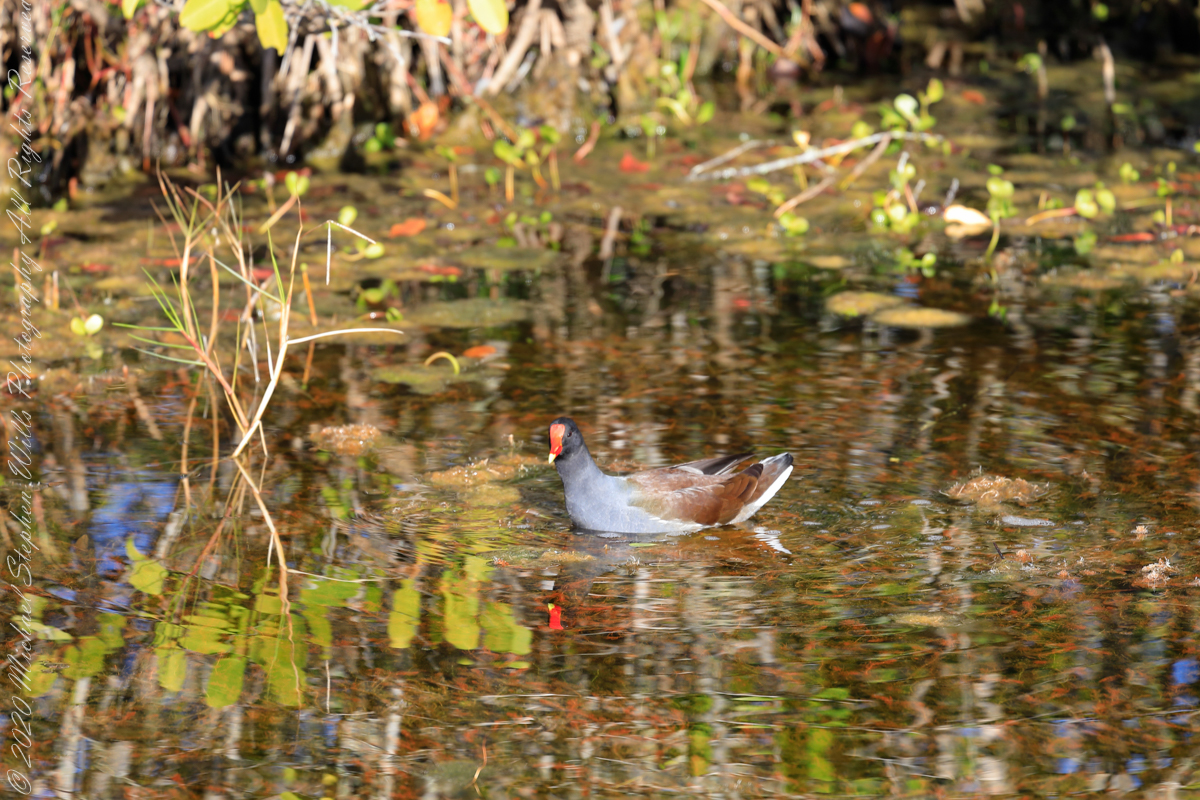
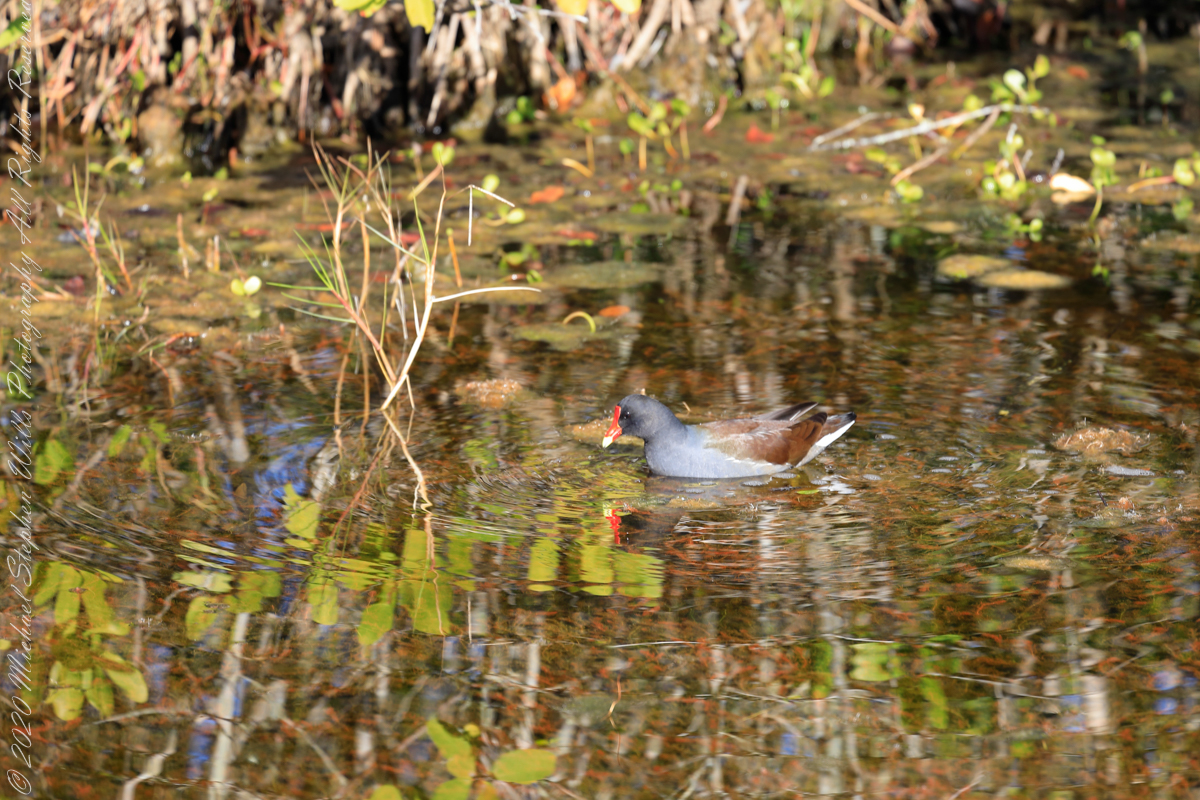
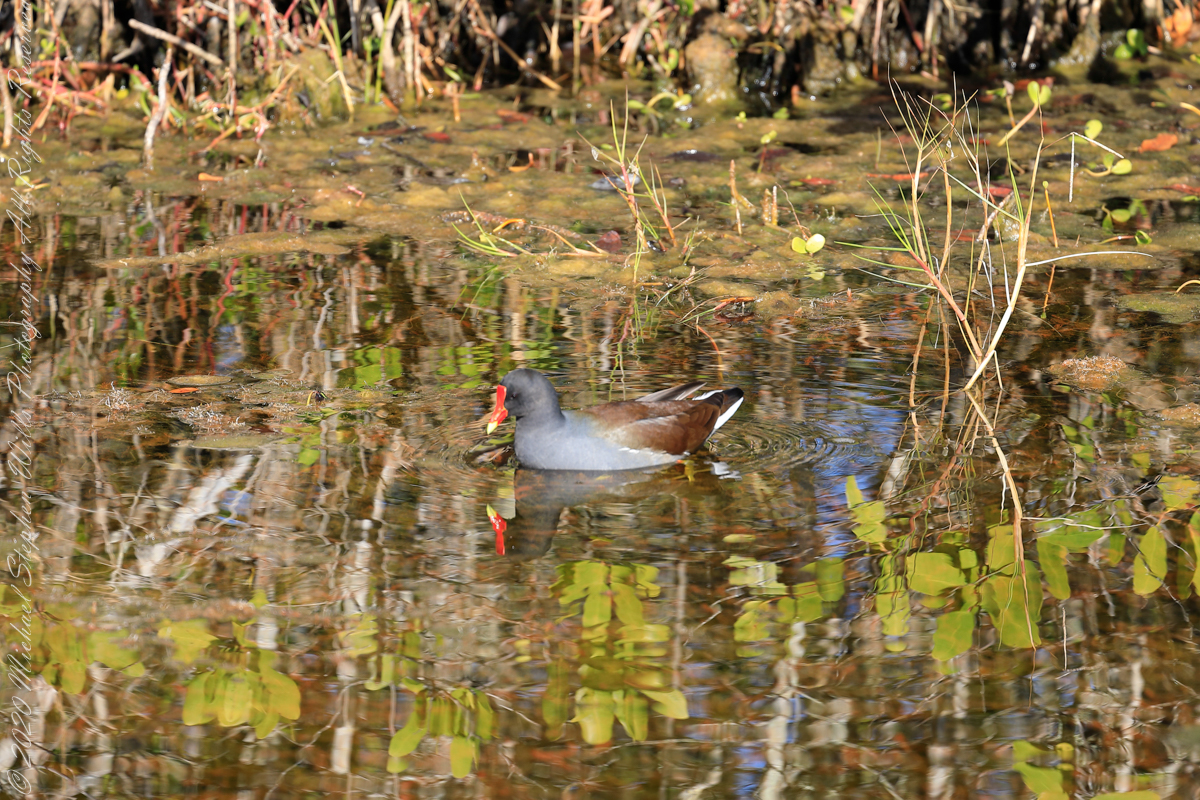
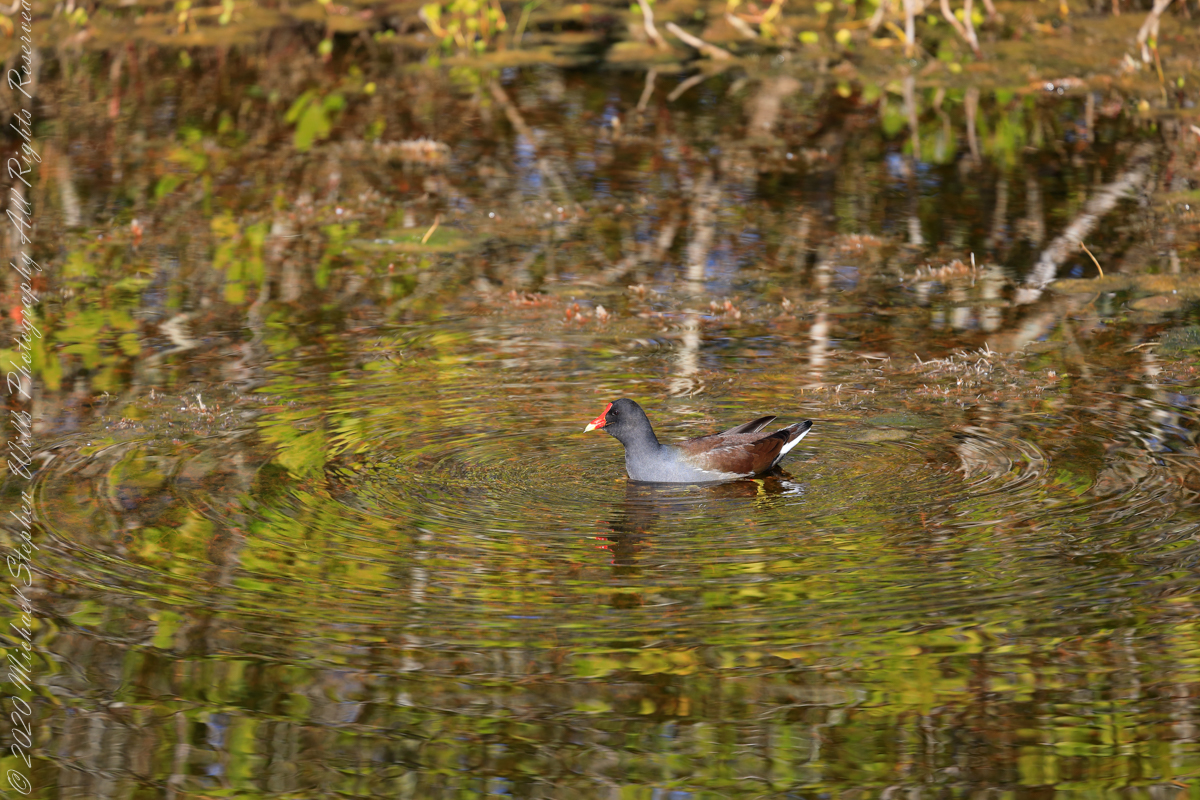
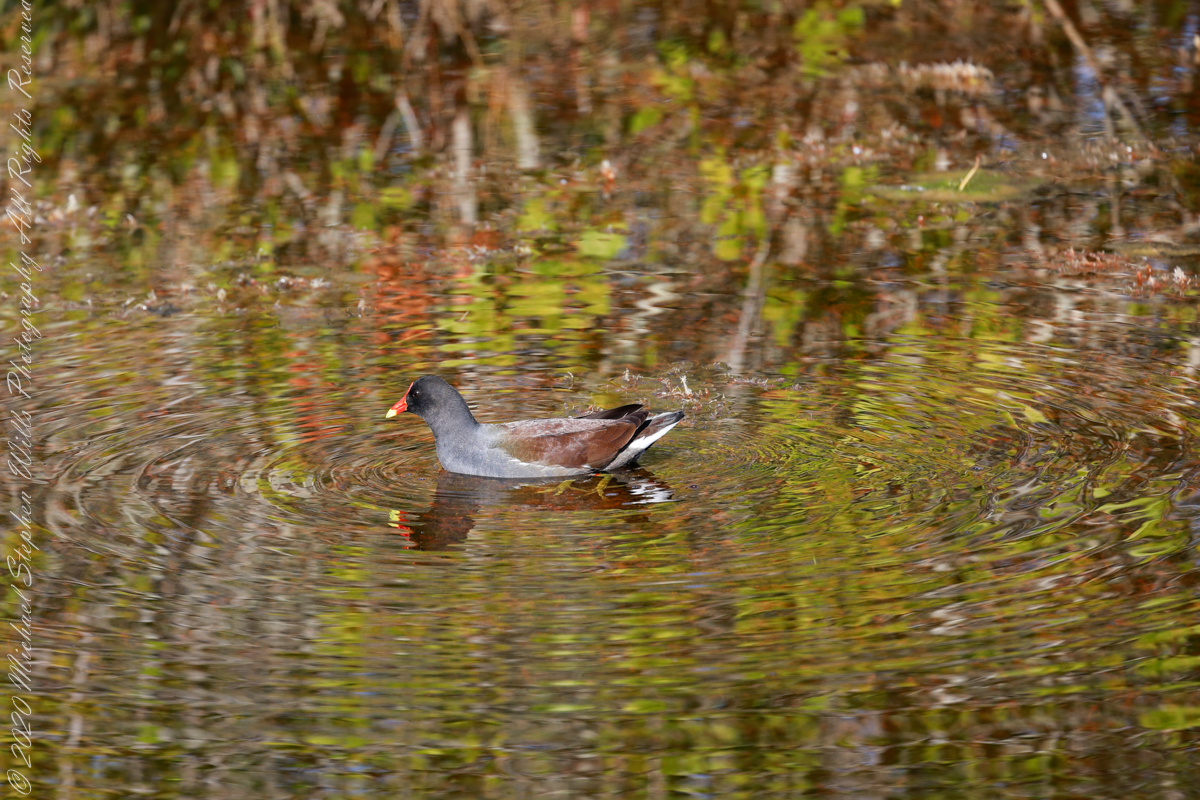
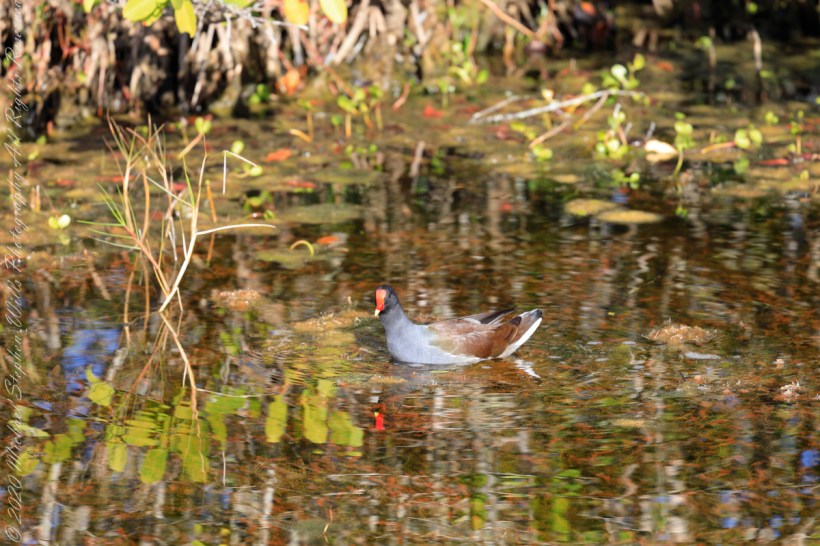
This video of a Common gallinule feeding was taken from Blackpoint Wildlife Drive.

The family Rallidae (aka rails) includes crakes, coots, and this member of the gallinules. Found worldwide, this species, Gallinula galeata, was recognized in 2011 as separate from the closely related “Old World” Moorhens.

Here it is in a favored habitat, feeding on underwater vegetation of the Florida marsh in sight of rockets launching from Kennedy Space Center. The exceptional lighting, bright reflective water, are created by the low winter sun and southern exposure of the location just north of the road.

The taxonomic Order is derived from the Latin word Gallinula meaning a small hen or chicken that, since the 13th century at least, as revealed in the names “Moorhen,” “Waterhen,” and “Swamp Chicken.”

The spread of Gallinula is attributed to breeding habits. “Laying starts in spring, between mid-March and mid-May in Northern hemisphere temperate regions. About 8 eggs are usually laid per female early in the season; a brood later in the year usually has only 5–8 or fewer eggs. Nests may be re-used by different females. Incubation lasts about three weeks. Both parents incubate and feed the young. These fledge after 40–50 days, become independent usually a few weeks thereafter, and may raise their first brood the next spring. When threatened, the young may cling to the parents’ body, after which the adult birds fly away to safety, carrying their offspring with them.”

The text in quotes is from the Wikipedia article for “Common Moorhen.”

Copyright 2022 Michael Stephen Wills All Rights Reserved

Herons Stalking (video)

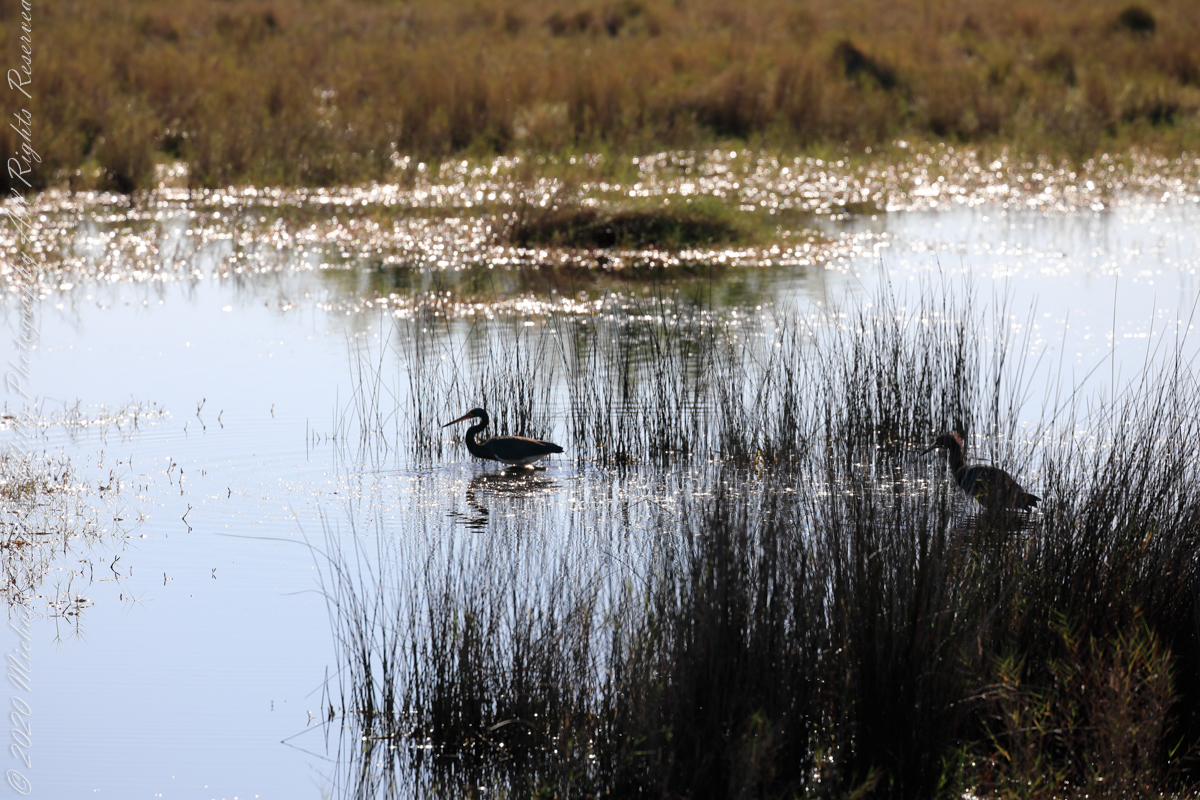
Shorebirds of different species can and do forage together

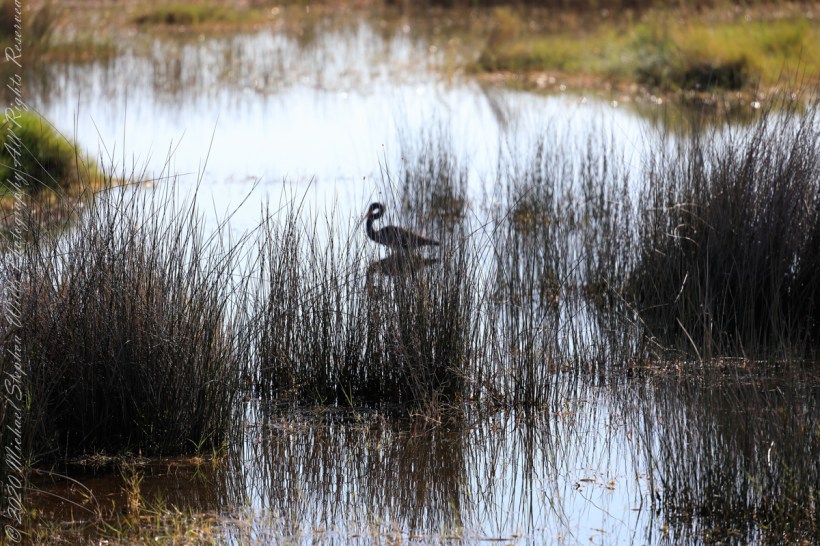
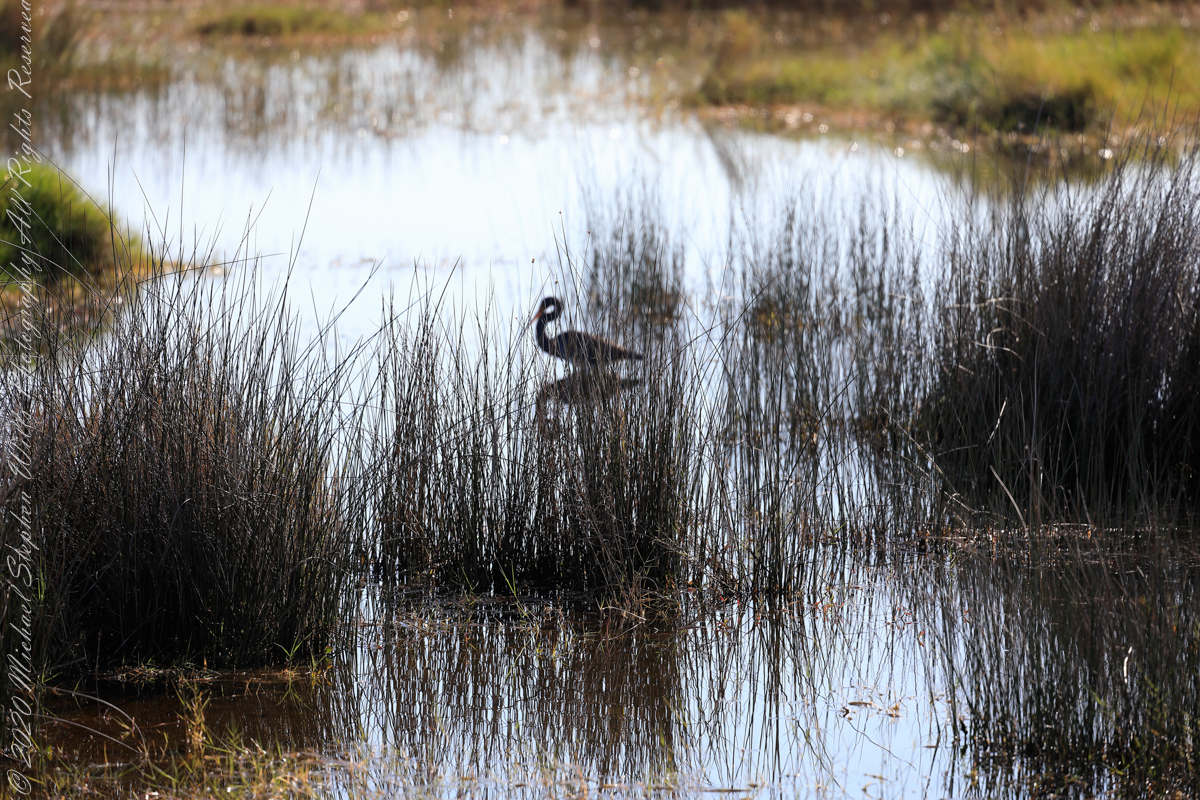
This series of wading shorebirds are from a mash alongside Blackpoint Wildlife Drive.

“The exposed mudflats on tidal wetlands attract a variety of shorebirds. Shorebirds are seasonal residents that make long migratory journeys between their breeding grounds in the Artic and their wintering area in South America. Merritt Island National Wildlife Refuge provides an important resting and feeding area for this group of birds. Some stay for the winter, others use the refuge as a fuel stop before continuing on their journey.”

“In tidal areas, shorebird feeding schedules are influenced by the cycle of tides. Changes in tidal cycles expose foraging areas in mudflats for a period during the day. At other points during the cycle, the water in these same areas becomes too deep or the ground too dry for shorebirds to feed effectively.”

The text in quotes is from a roadside information placard, Merritt Island National Wildlife Refuge, Titusville, Brevard County, Florida
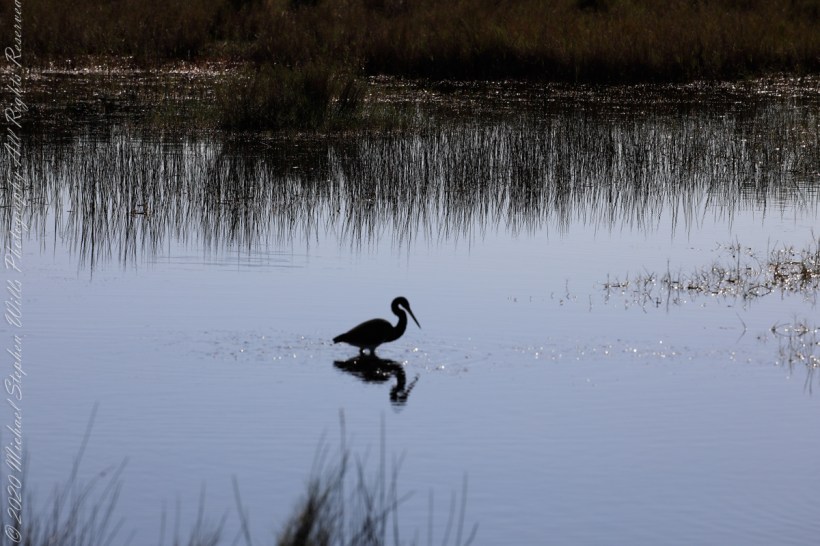
Copyright 2022 Michael Stephen Wills All Rights Reserved

Swamp Chicken

Worldwide Distribution — now playing at your neighborhood marsh

This Common gallinule was feeding from the mash alongside Blackpoint Wildlife Drive.

The family Rallidae (aka rails) includes crakes, coots, and this member of the gallinules. Found worldwide, this species, Gallinula galeata, was recognized in 2011 as separate from the closely related “Old World” Moorhens.

Here it is in a favored habitat, feeding on underwater vegetation of the Florida marsh in sight of rockets launching from Kennedy Space Center. The exceptional lighting, bright reflective water, are created by the low winter sun and southern exposure of the location just north of the road.

The taxonomic Order is derived from the Latin word Gallinula meaning a small hen or chicken that, since the 13th century at least, as revealed in the names “Moorhen,” “Waterhen,” and “Swamp Chicken.”

The spread of Gallinula is attributed to breeding habits. “Laying starts in spring, between mid-March and mid-May in Northern hemisphere temperate regions. About 8 eggs are usually laid per female early in the season; a brood later in the year usually has only 5–8 or fewer eggs. Nests may be re-used by different females. Incubation lasts about three weeks. Both parents incubate and feed the young. These fledge after 40–50 days, become independent usually a few weeks thereafter, and may raise their first brood the next spring. When threatened, the young may cling to the parents’ body, after which the adult birds fly away to safety, carrying their offspring with them.”

The text in quotes is from the Wikipedia article for “Common Moorhen.”

Copyright 2022 Michael Stephen Wills All Rights Reserved

Wading

Shorebirds of different species can and do forage together

This series of wading shorebirds are from a mash alongside Blackpoint Wildlife Drive.

“The exposed mudflats on tidal wetlands attract a variety of shorebirds. Shorebirds are seasonal residents that make long migratory journeys between their breeding grounds in the Artic and their wintering area in South America. Merritt Island National Wildlife Refuge provides an important resting and feeding area for this group of birds. Some stay for the winter, others use the refuge as a fuel stop before continuing on their journey.”

“In tidal areas, shorebird feeding schedules are influenced by the cycle of tides. Changes in tidal cycles expose foraging areas in mudflats for a period during the day. At other points during the cycle, the water in these same areas becomes too deep or the ground too dry for shorebirds to feed effectively.”

Though only one bird appears in each photo, “shorebirds of different species can and do forage together. Because bill length and shape vary from species to species, birds can pursue different prey in the same area at the same time without completing with each other. Because of varying bill lengths, different birds species find their food at different depths in the substrate. Mixed species of shorebirds are a common sight.”

The text in quotes is from a roadside information placard, Merritt Island National Wildlife Refuge, Titusville, Brevard County, Florida
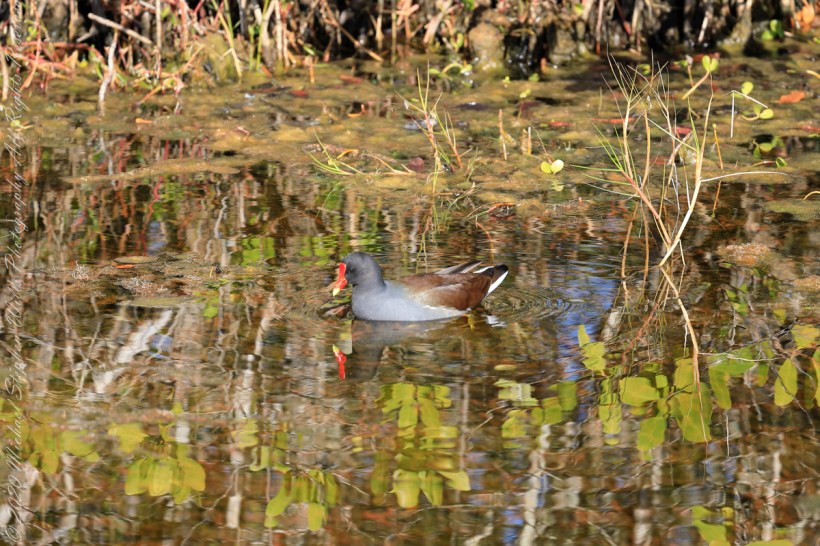
Copyright 2022 Michael Stephen Wills All Rights Reserved

Autumn Ithaca
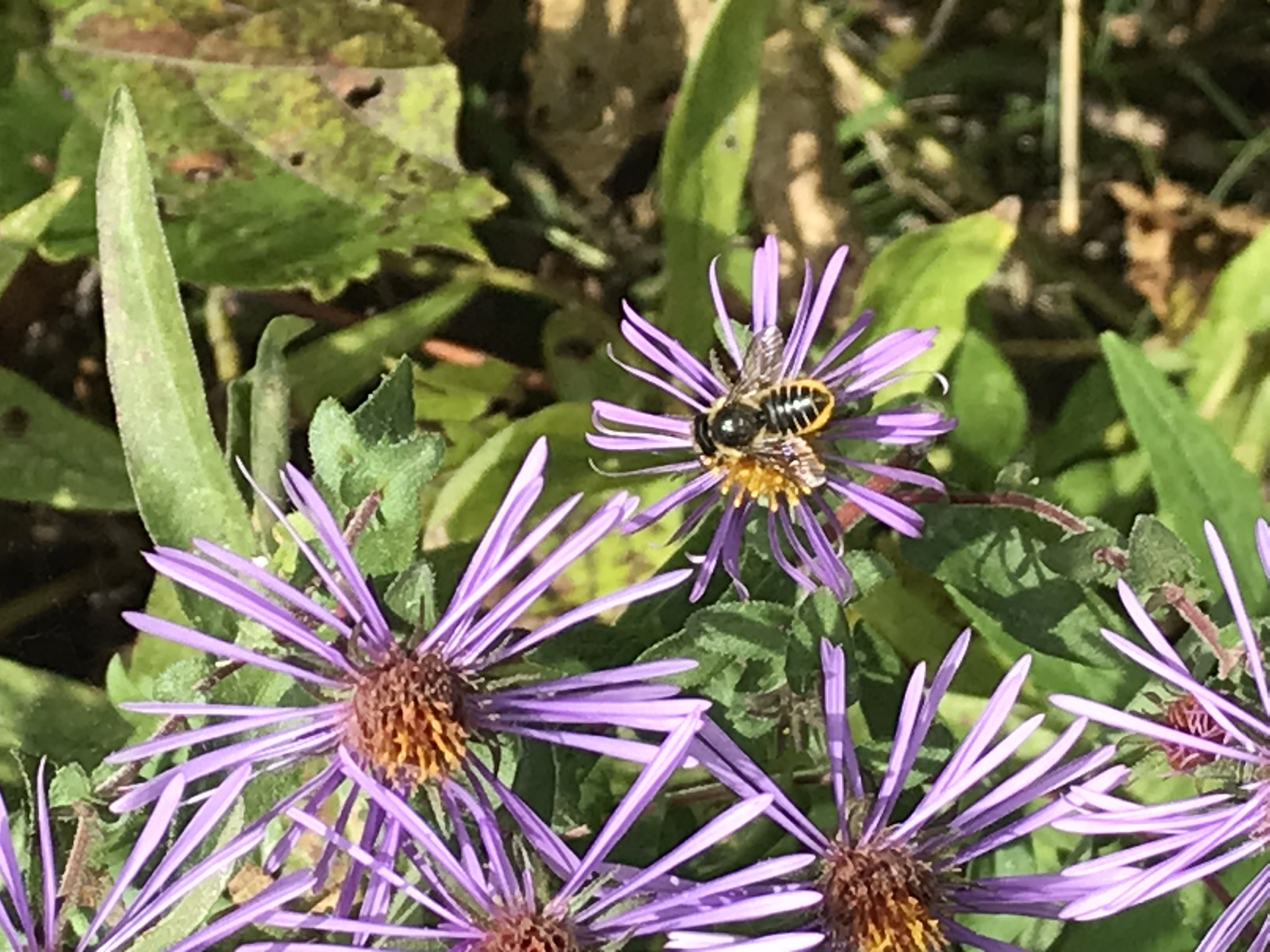
Cass Park

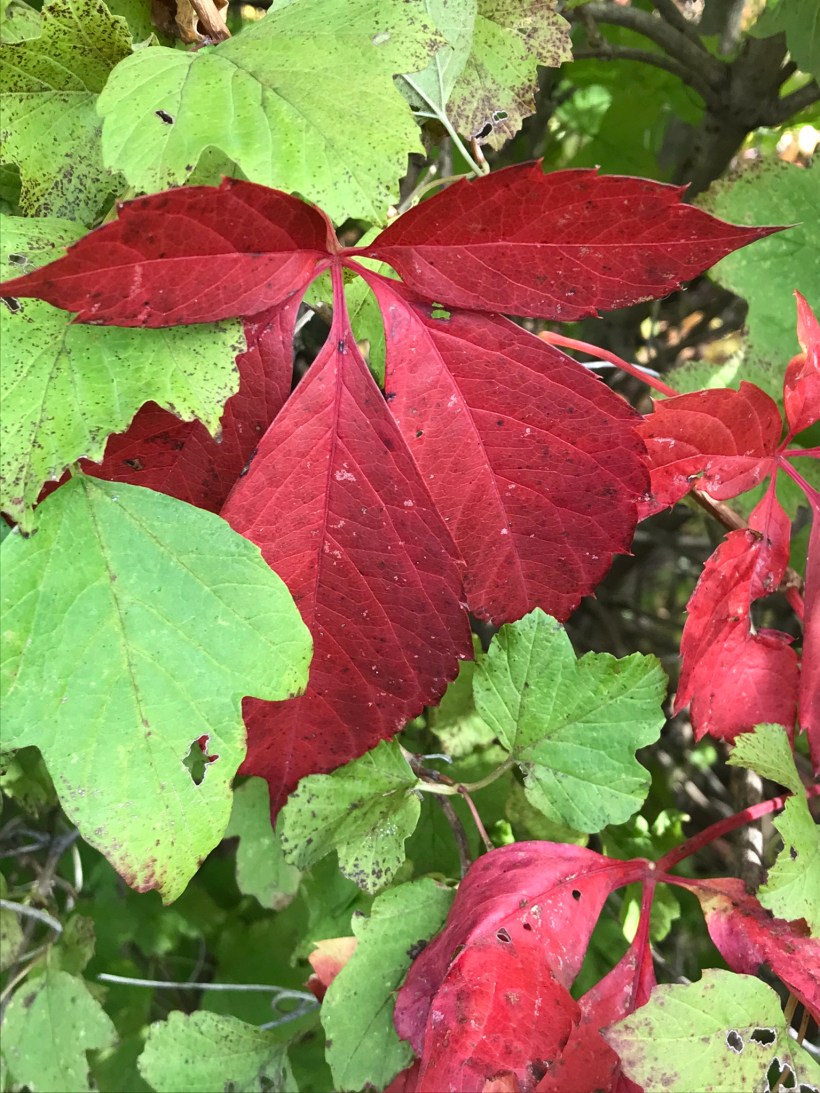
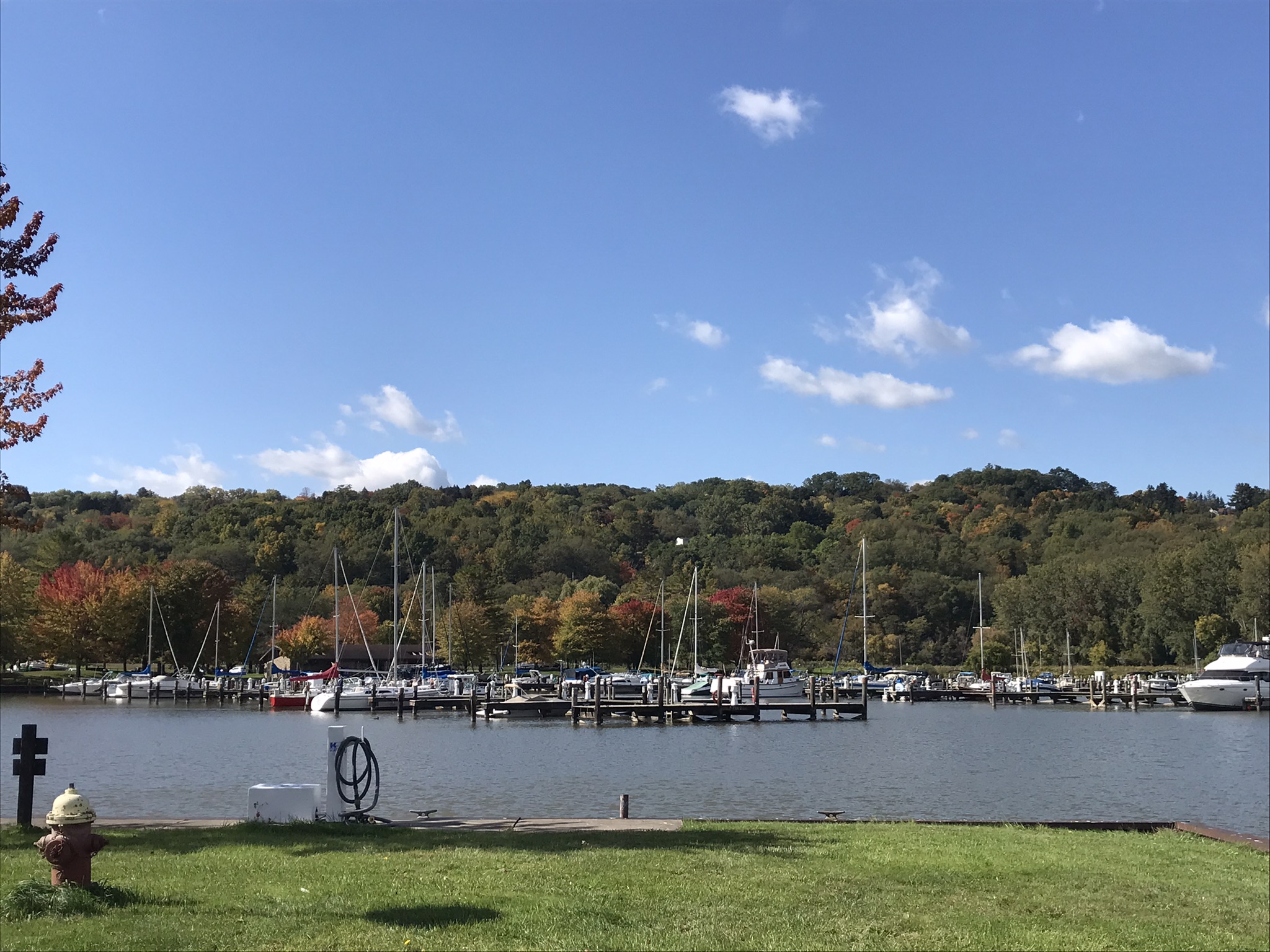
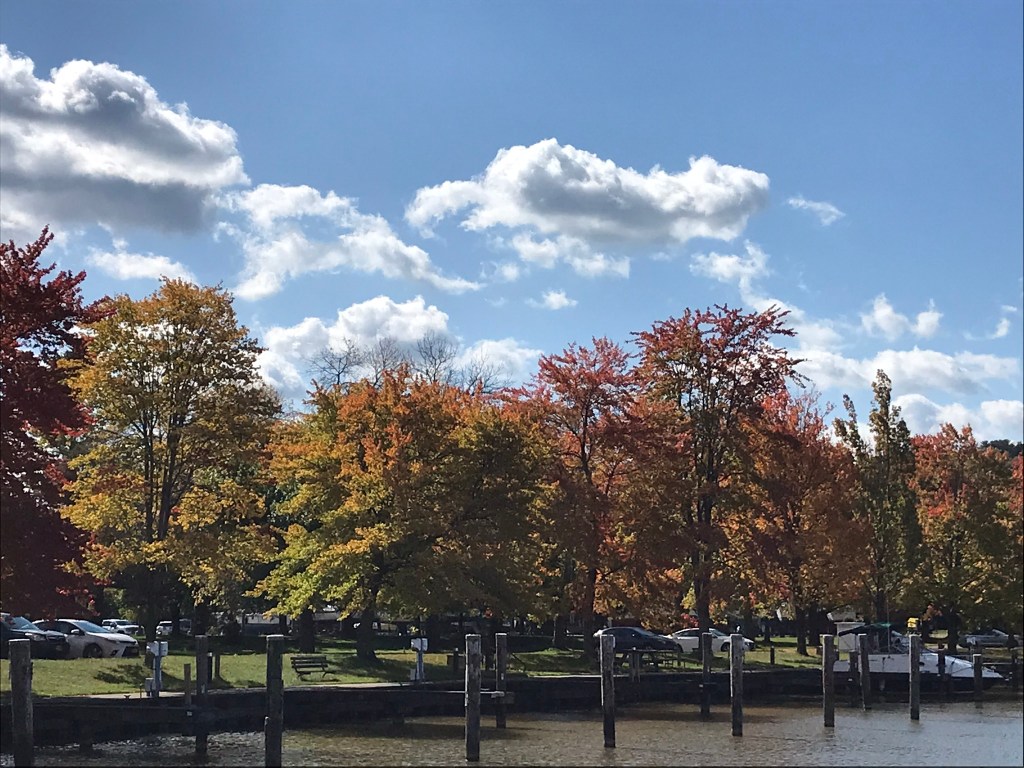
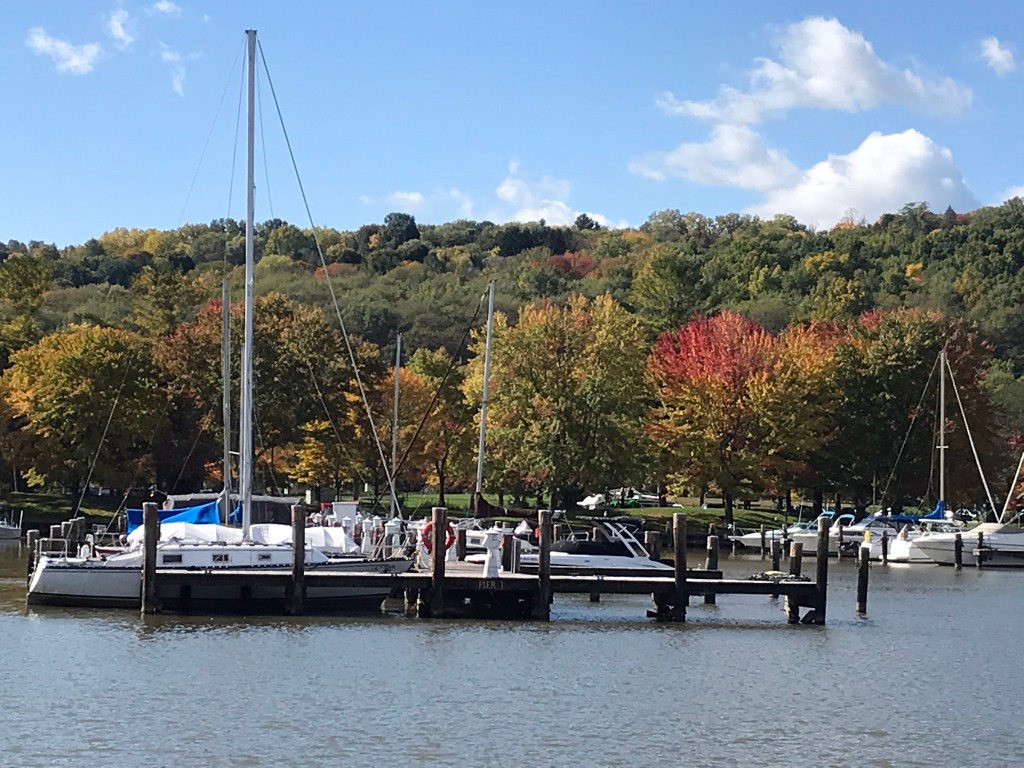
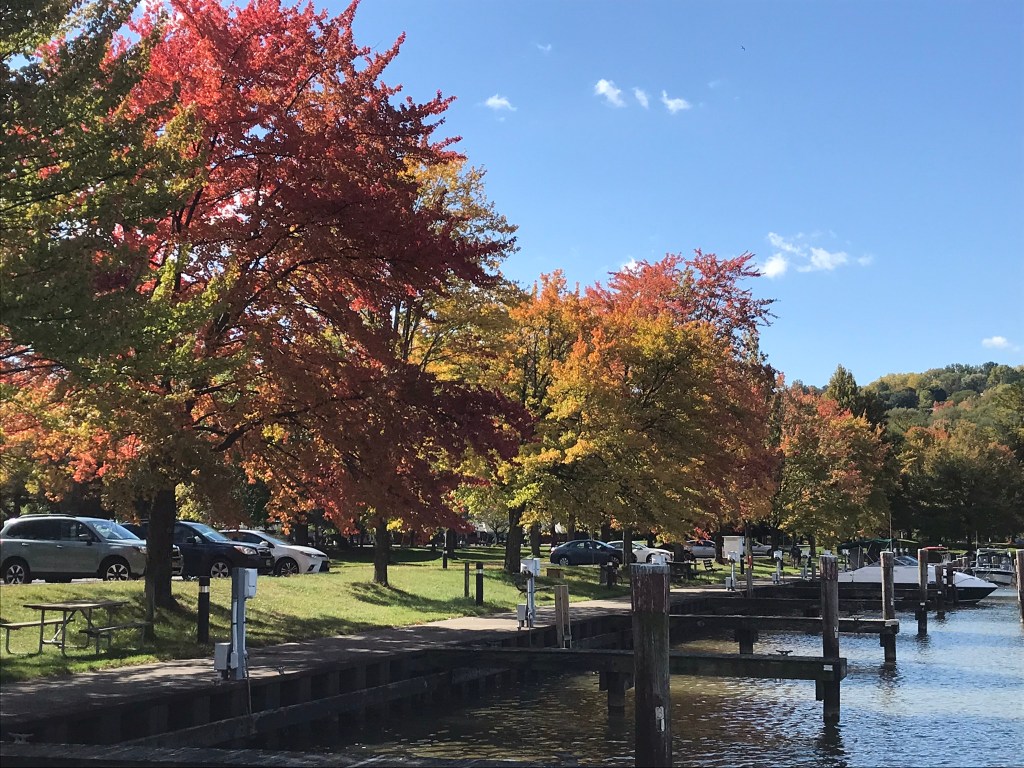
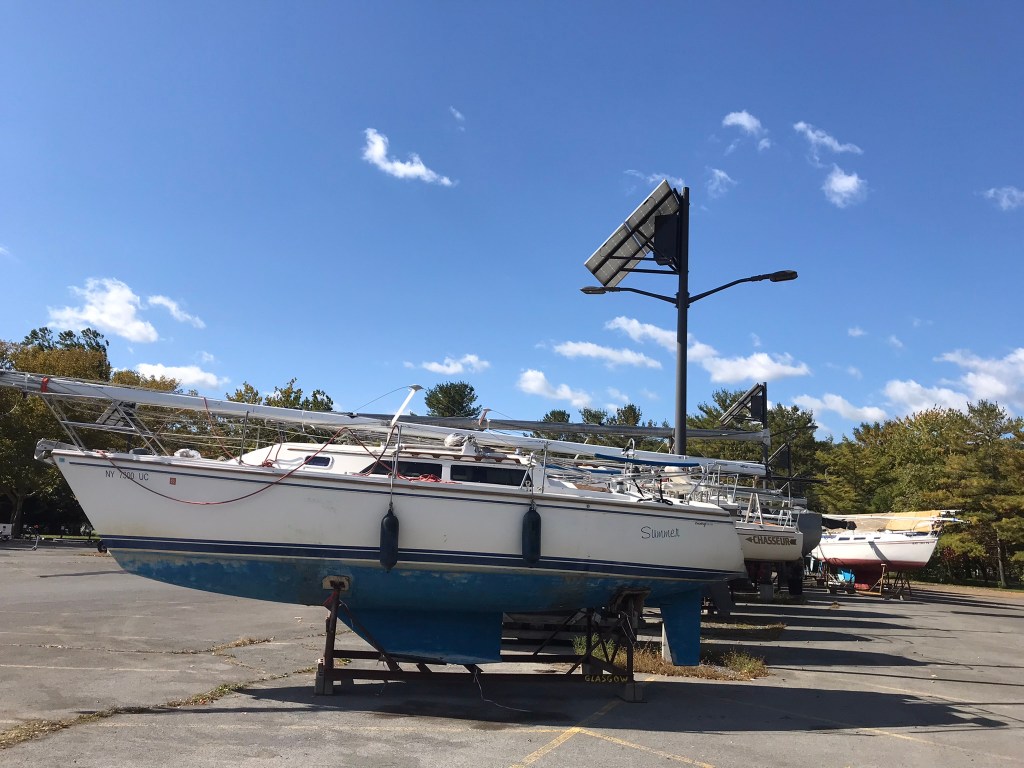
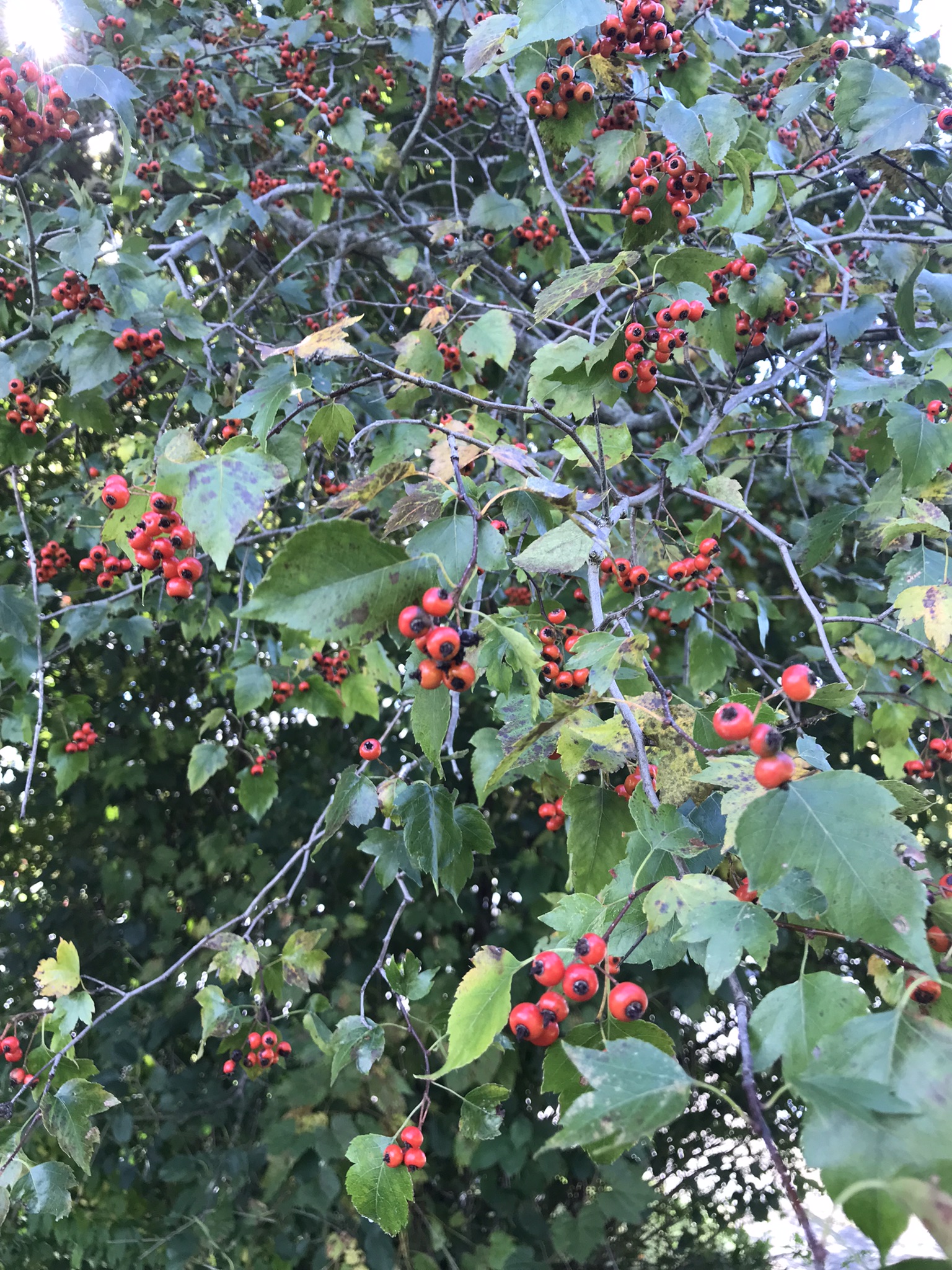
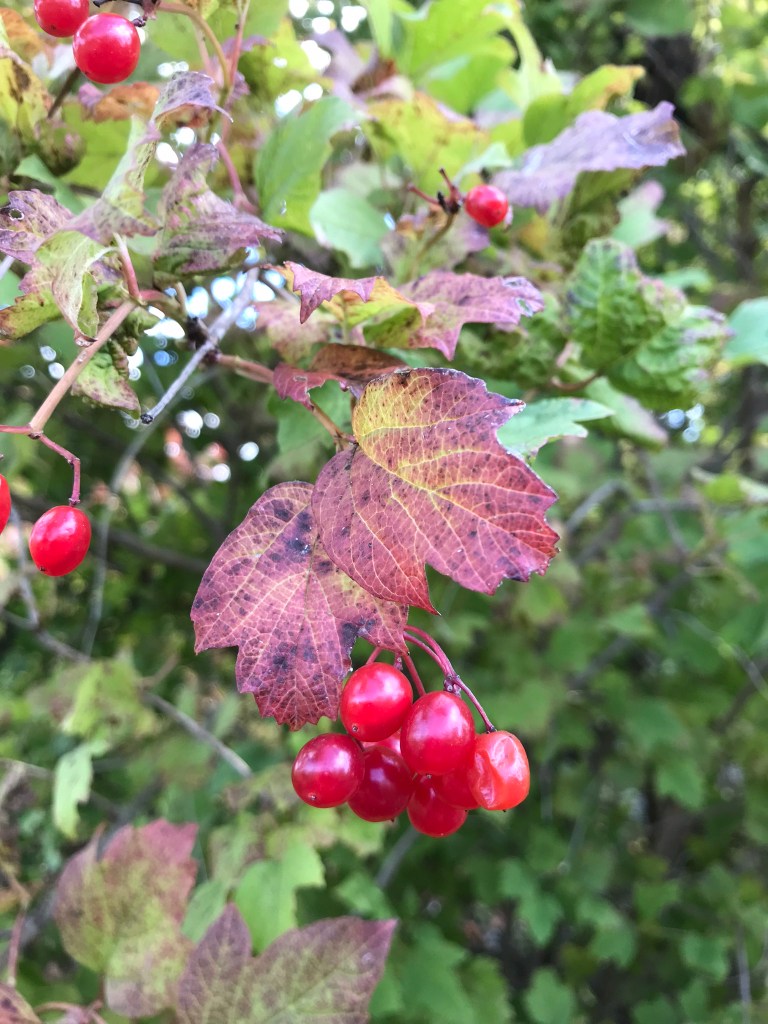
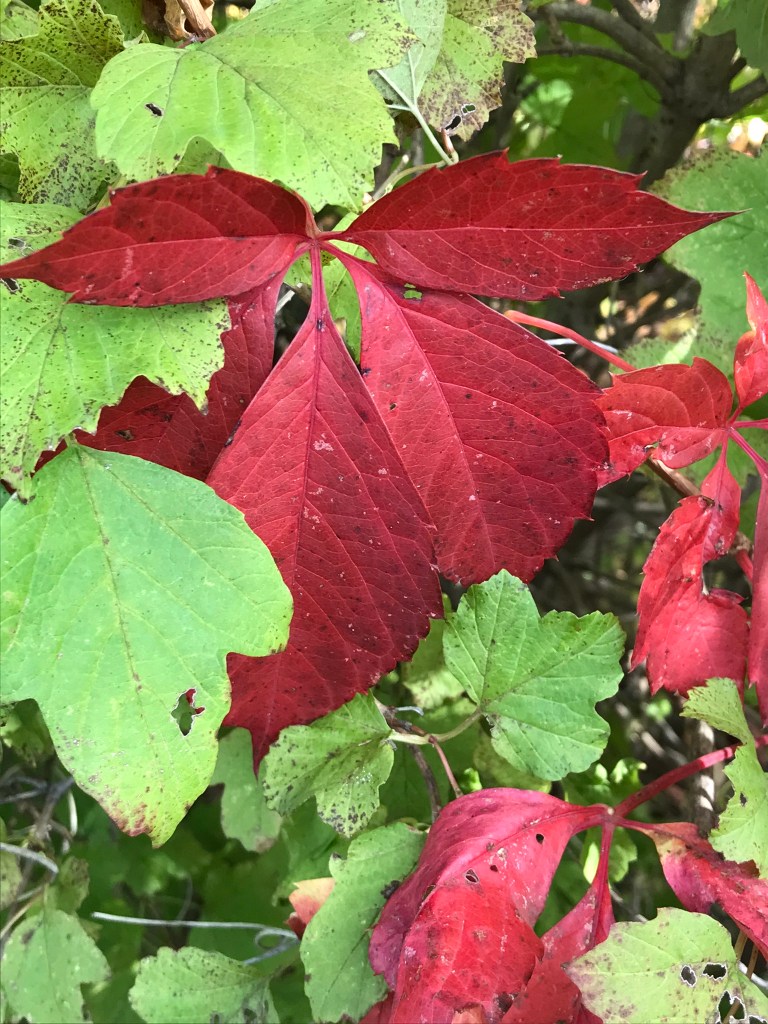
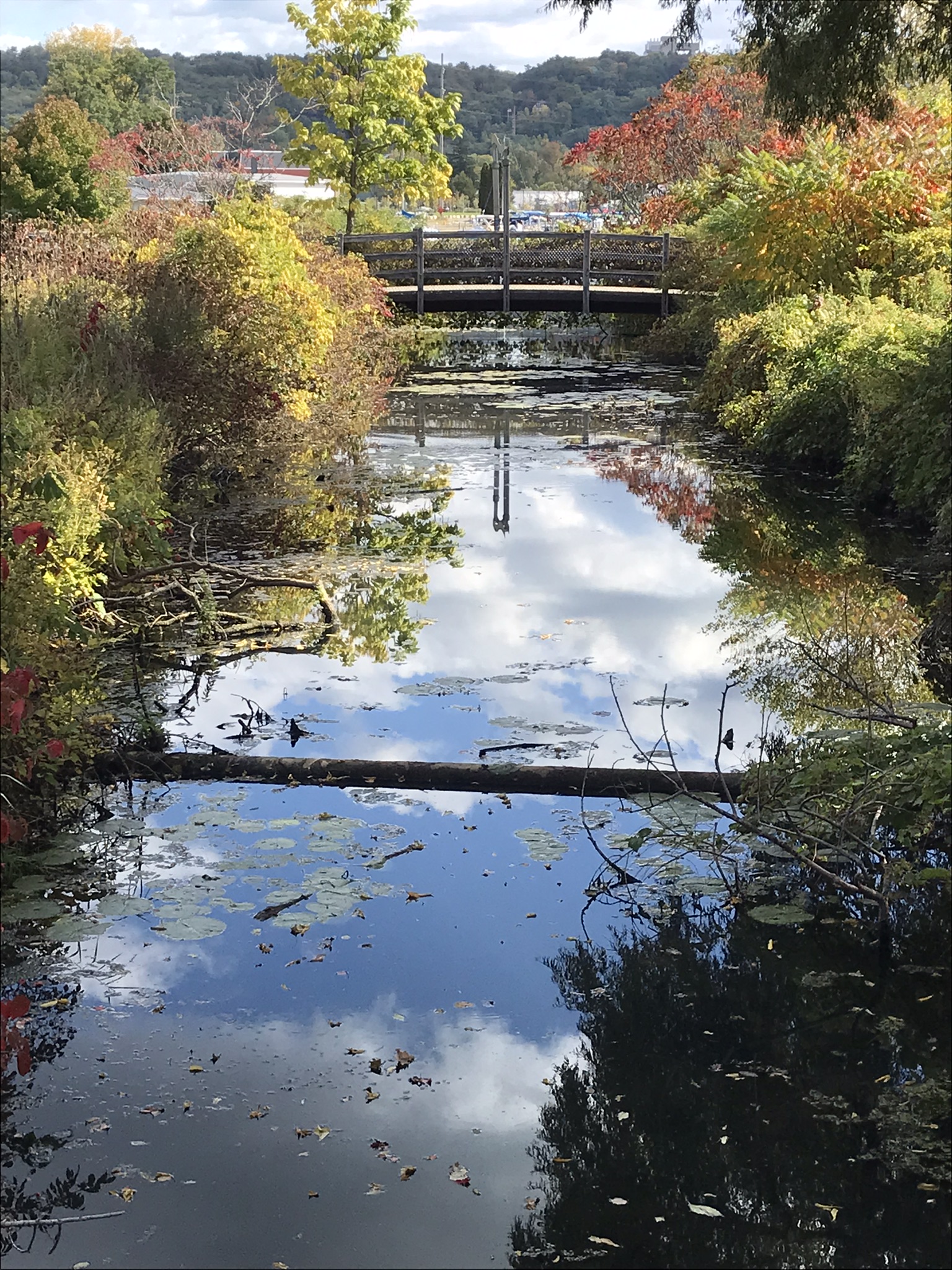
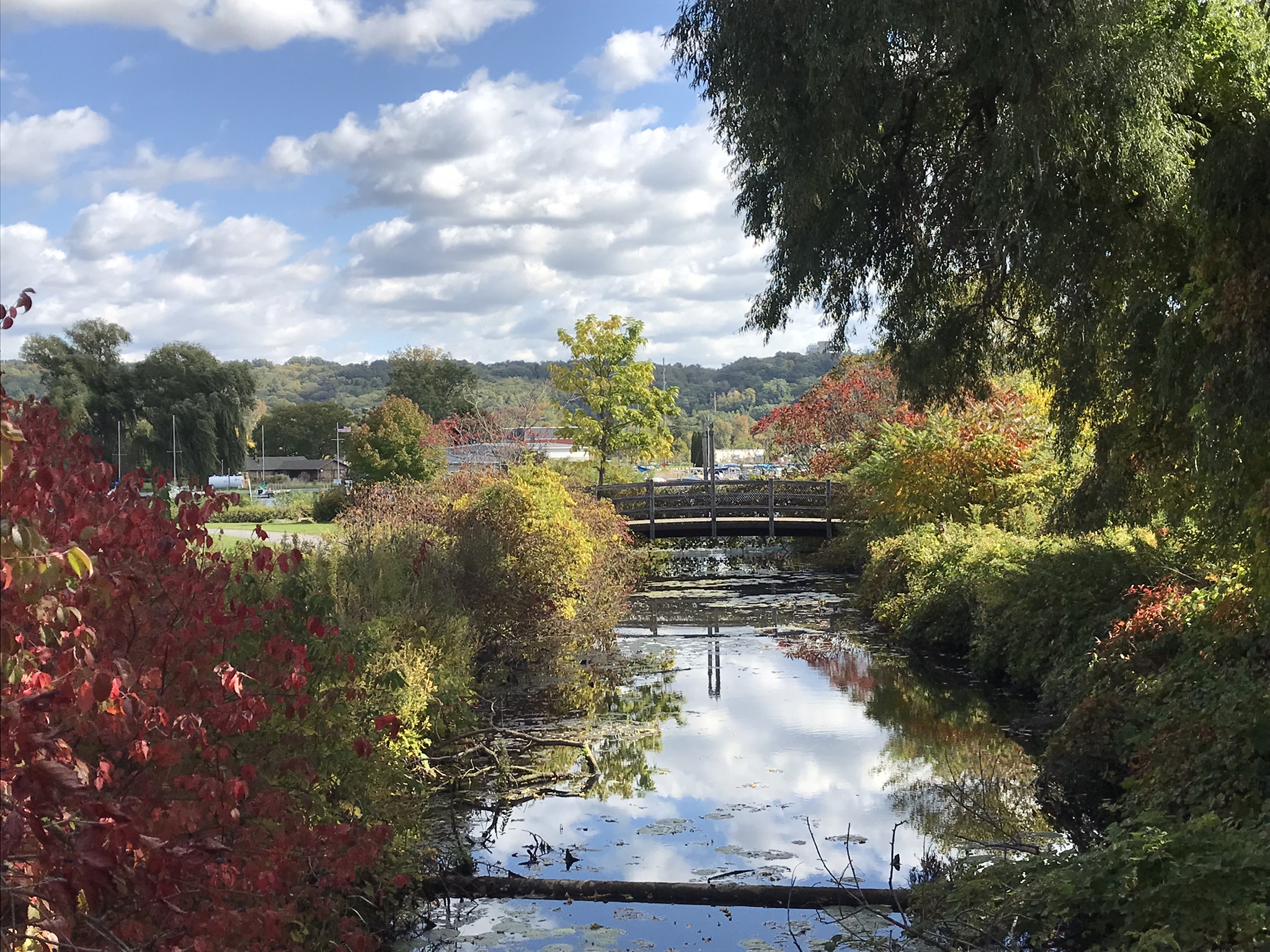
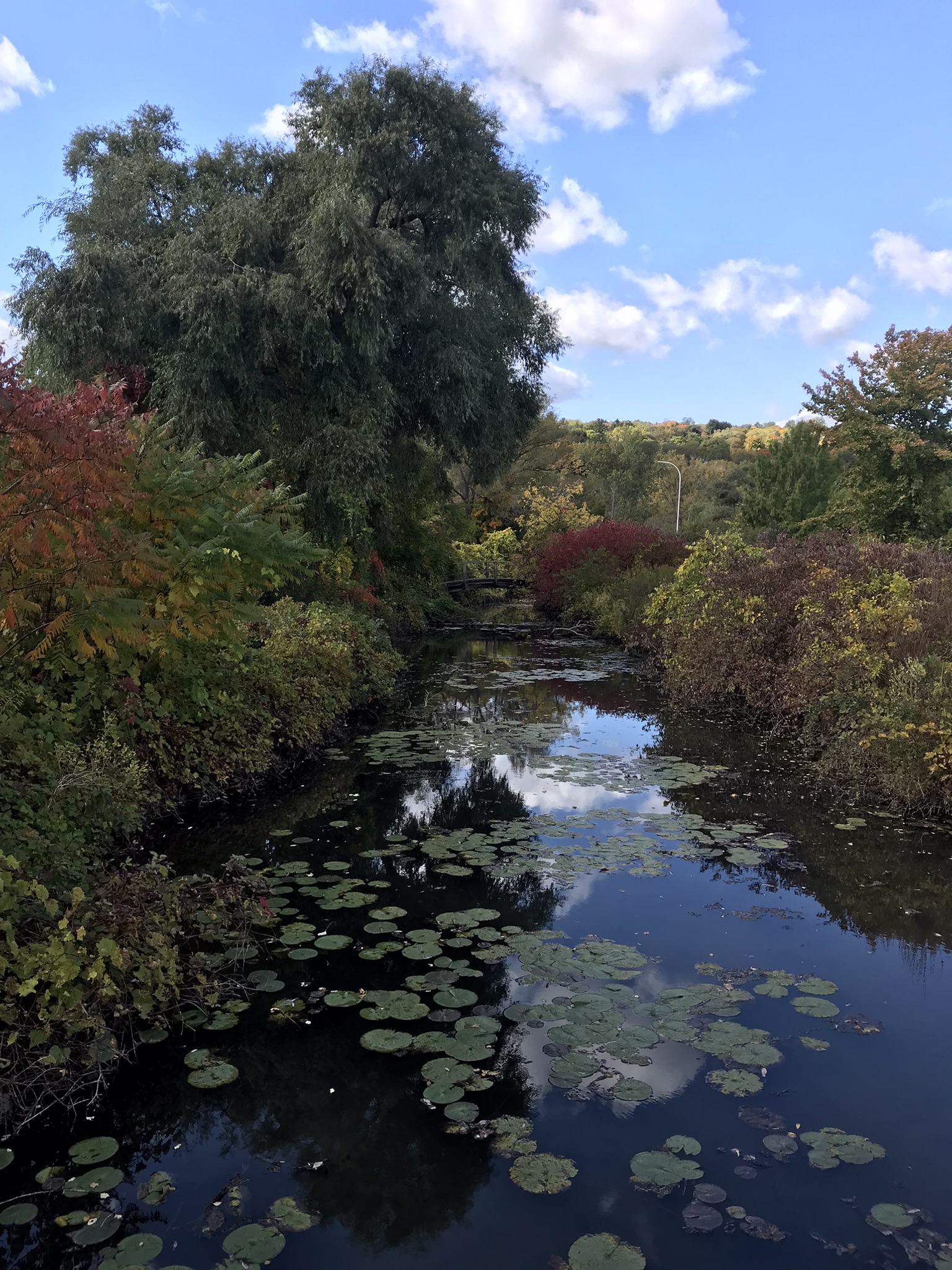
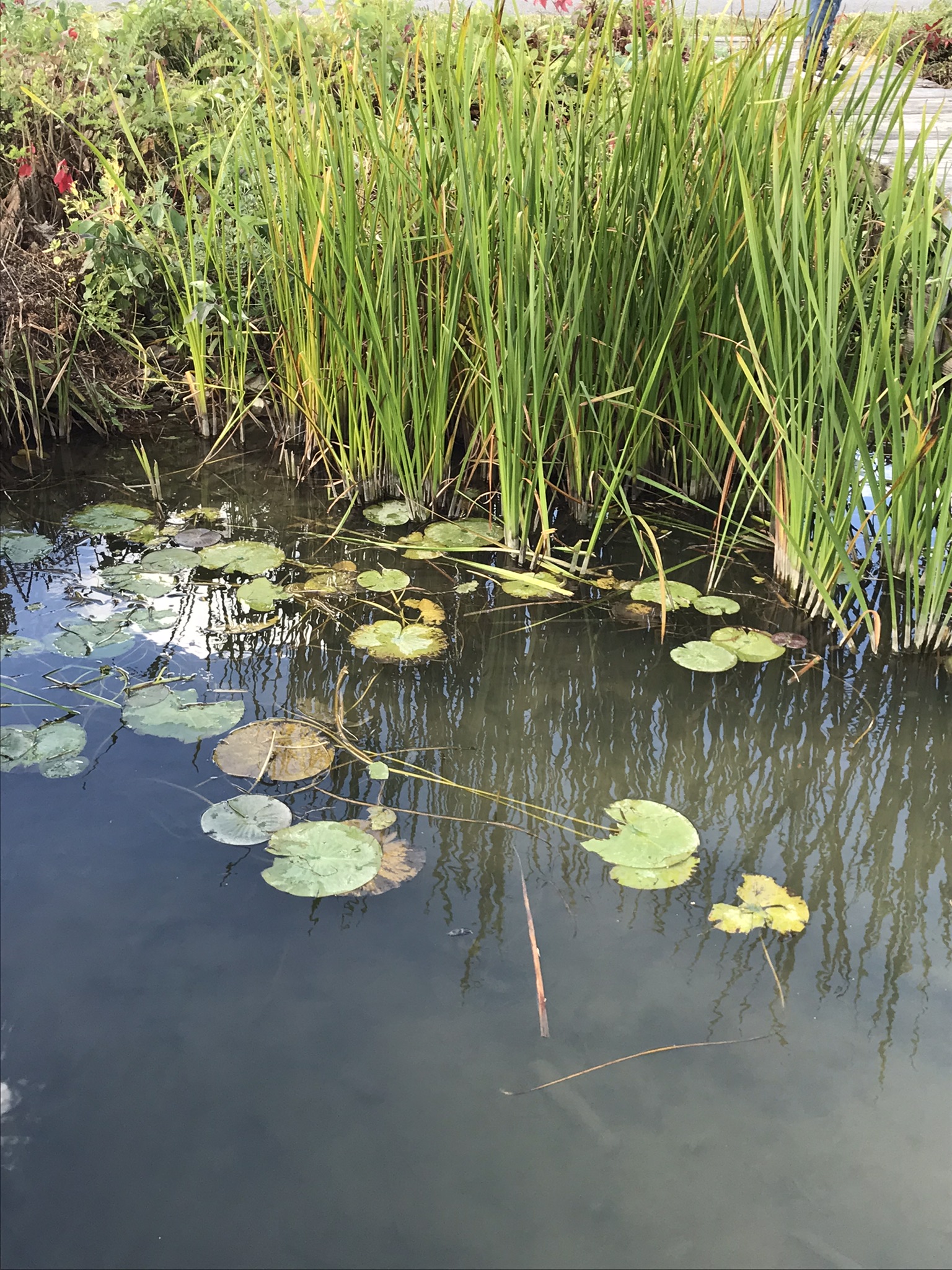
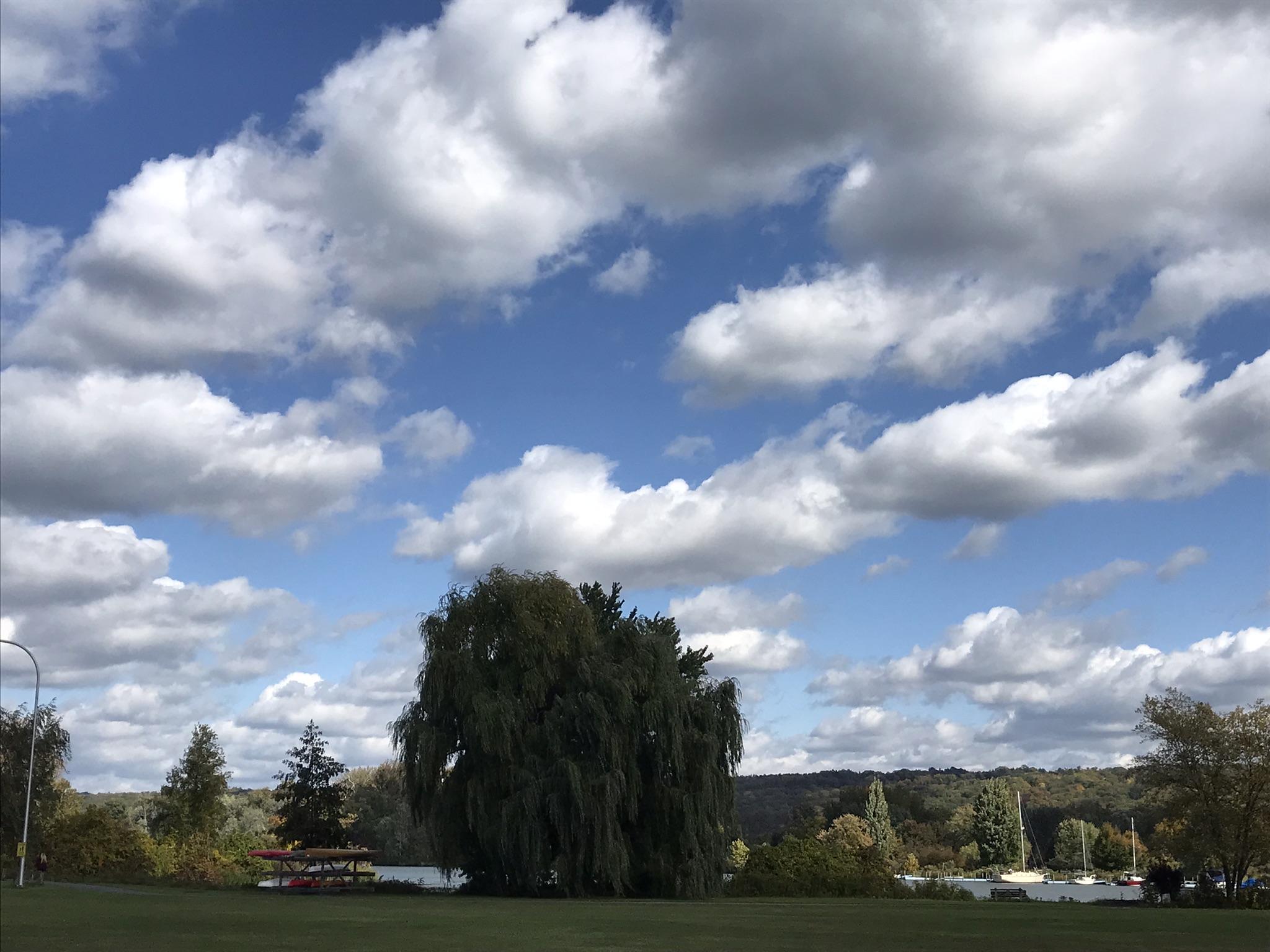
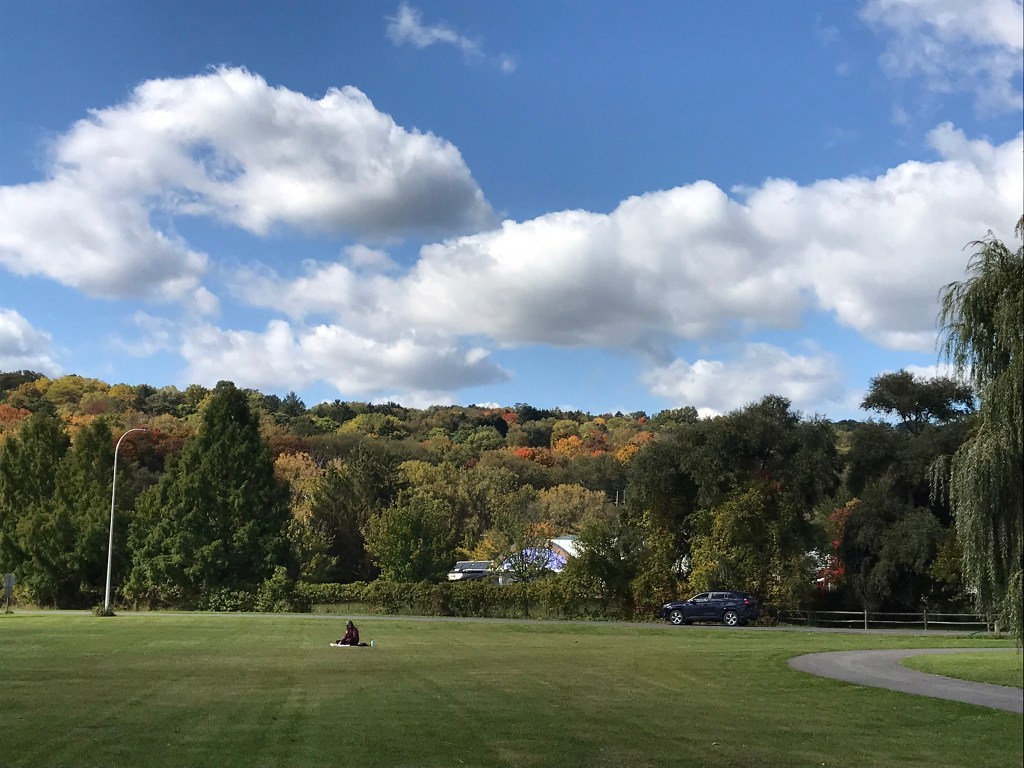
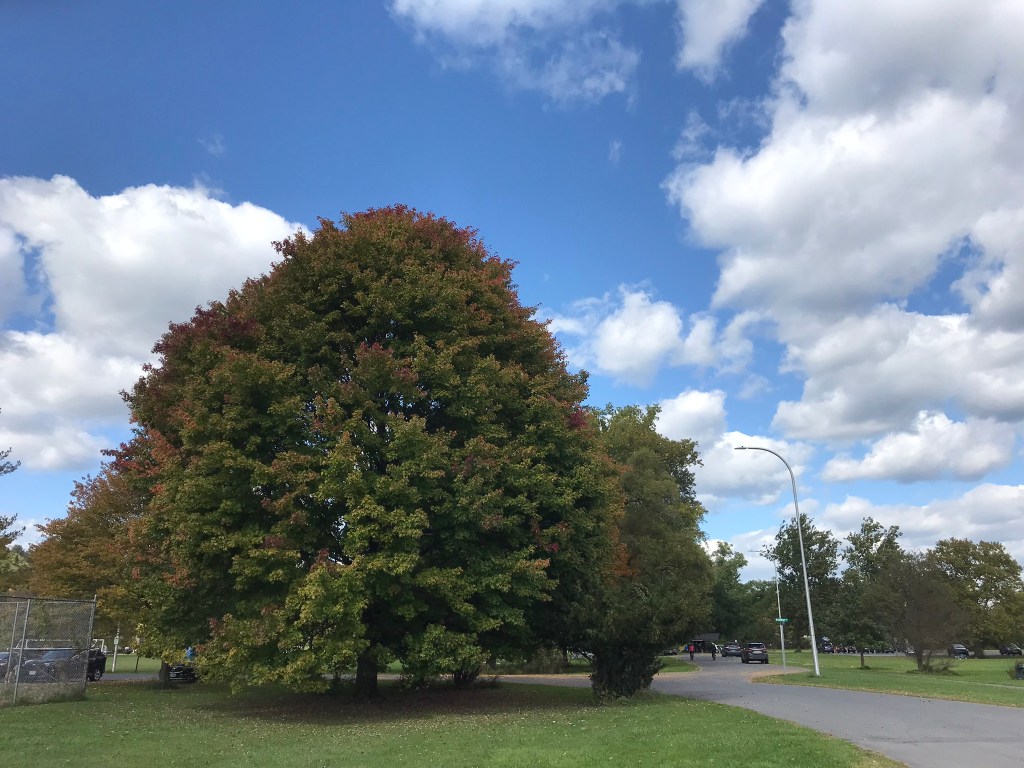
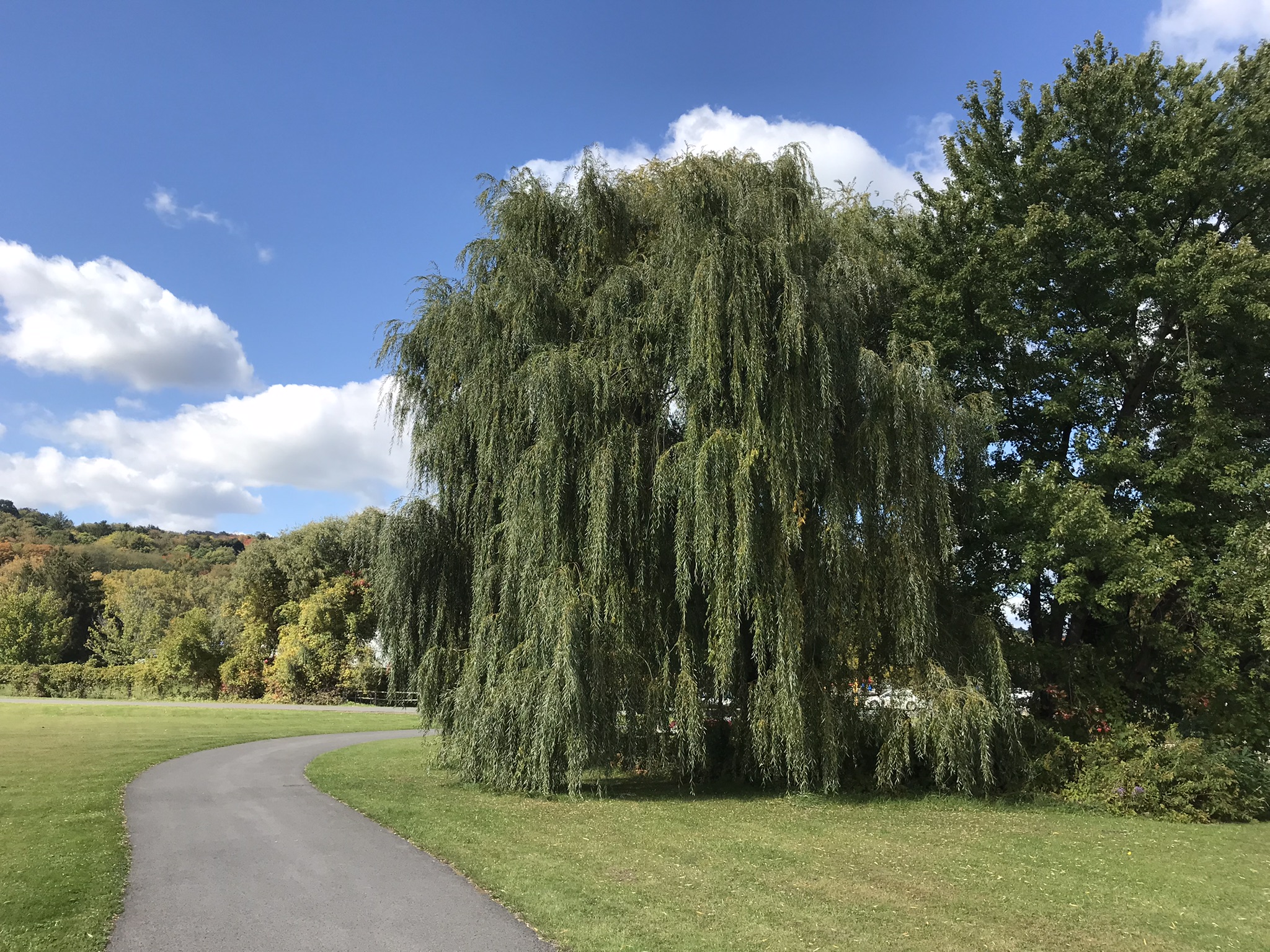
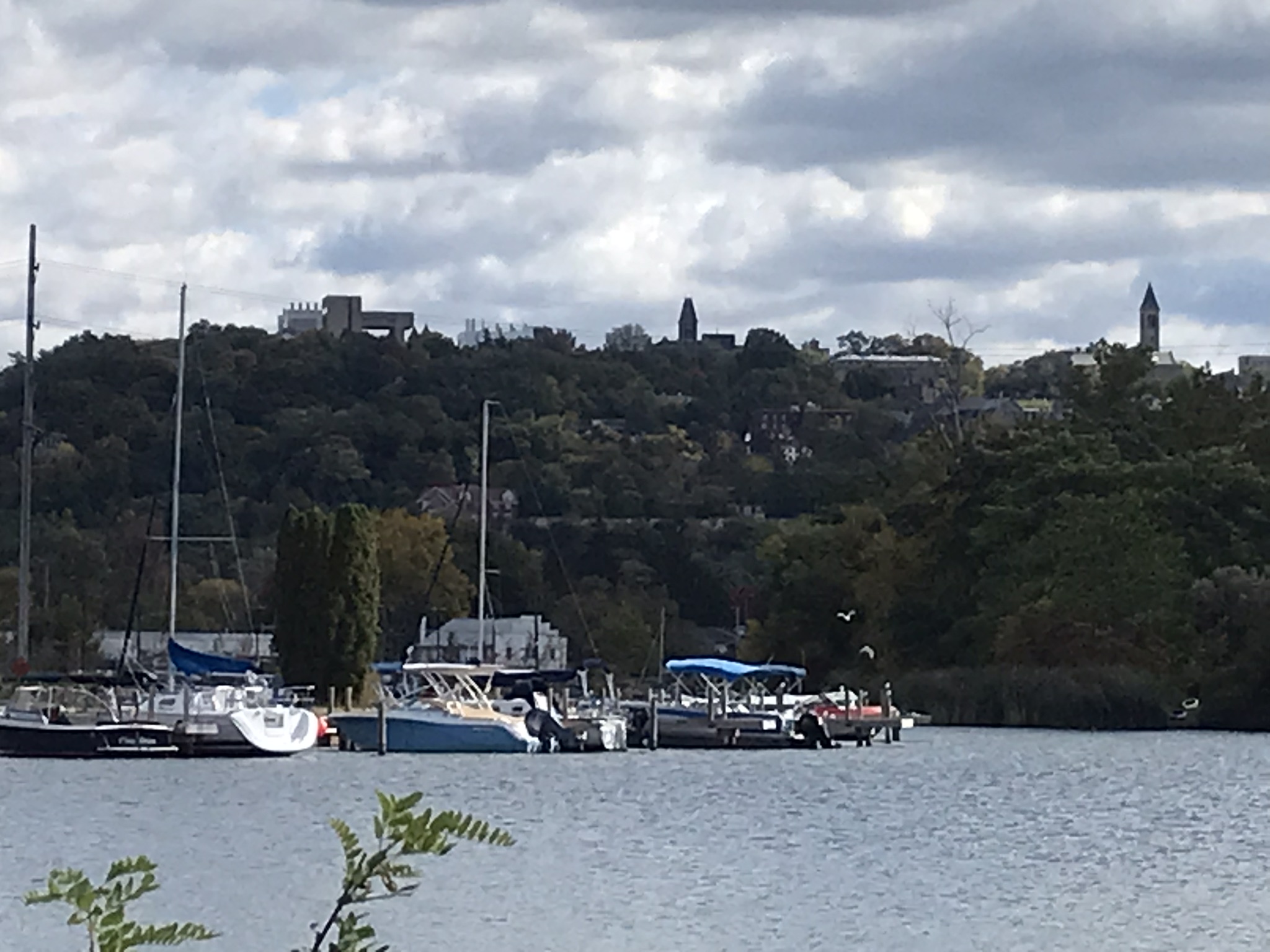
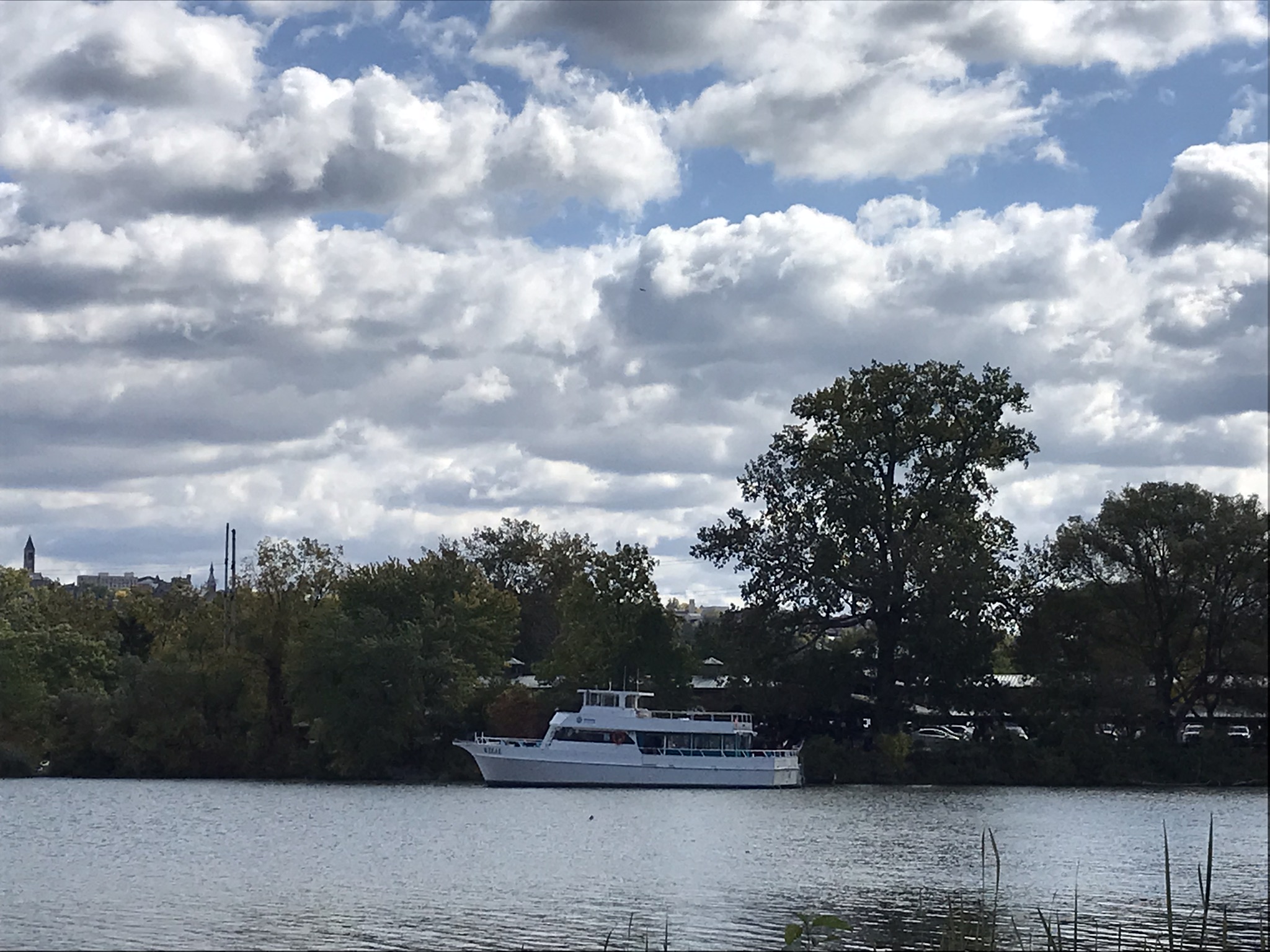
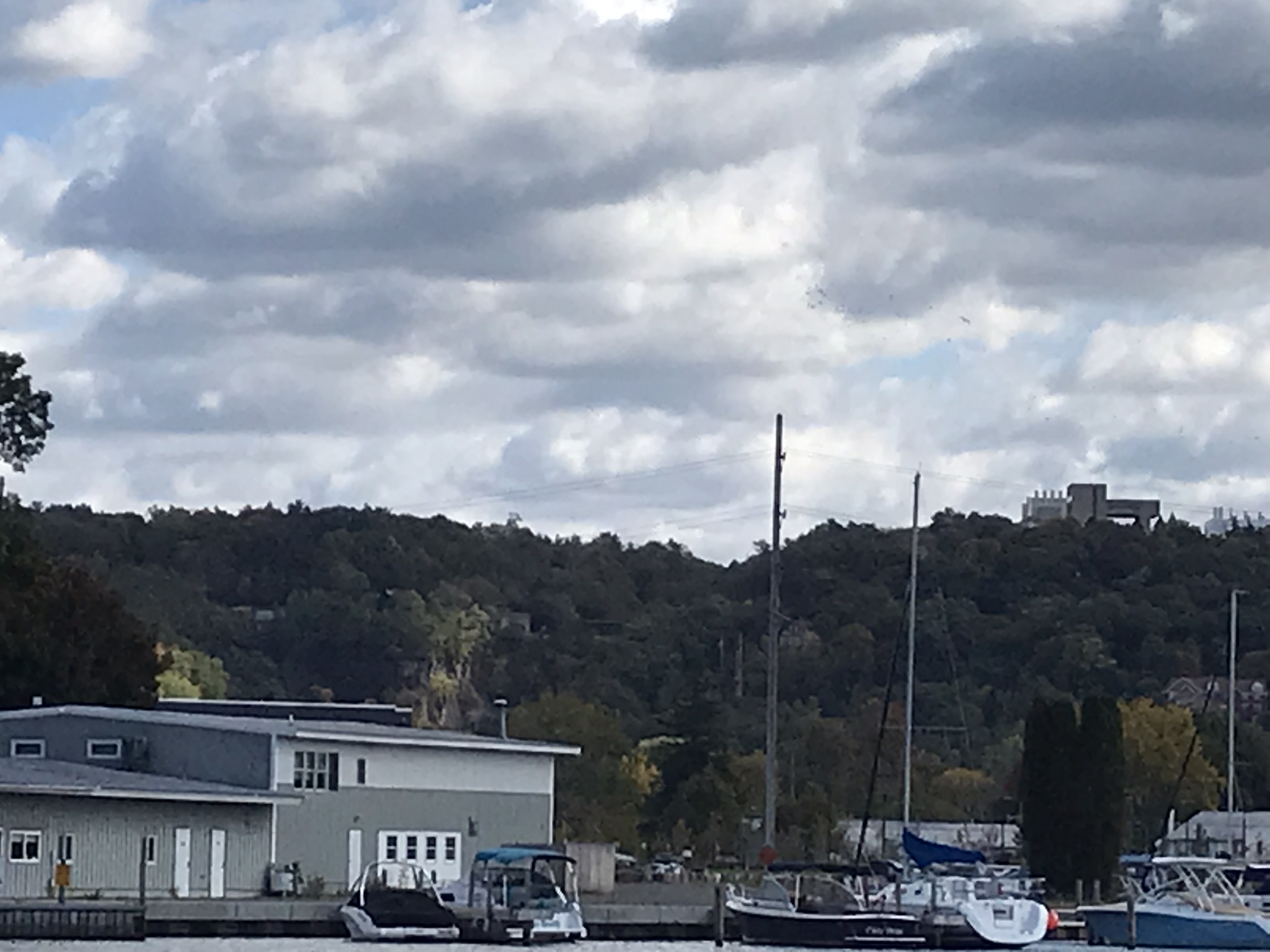
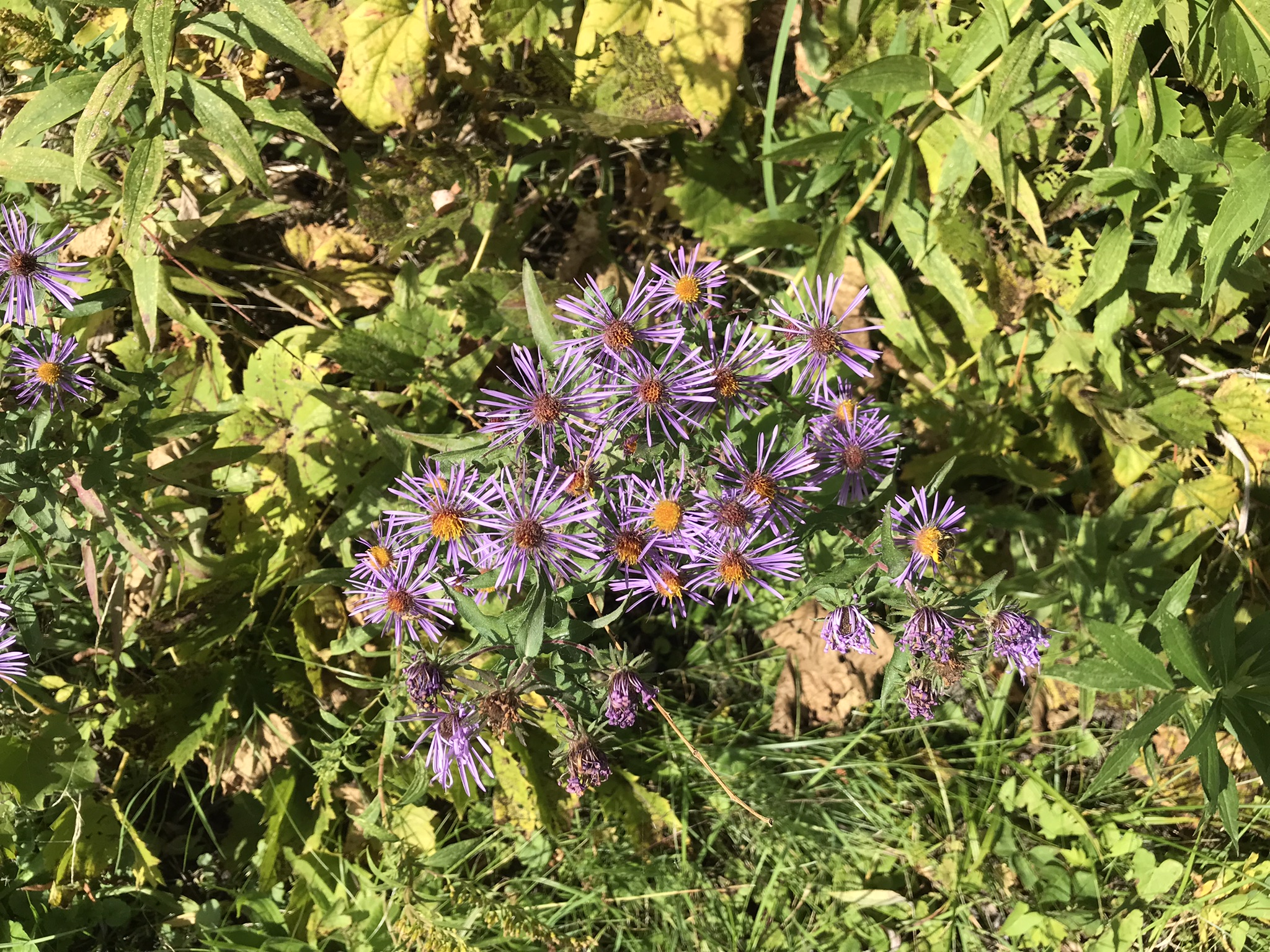
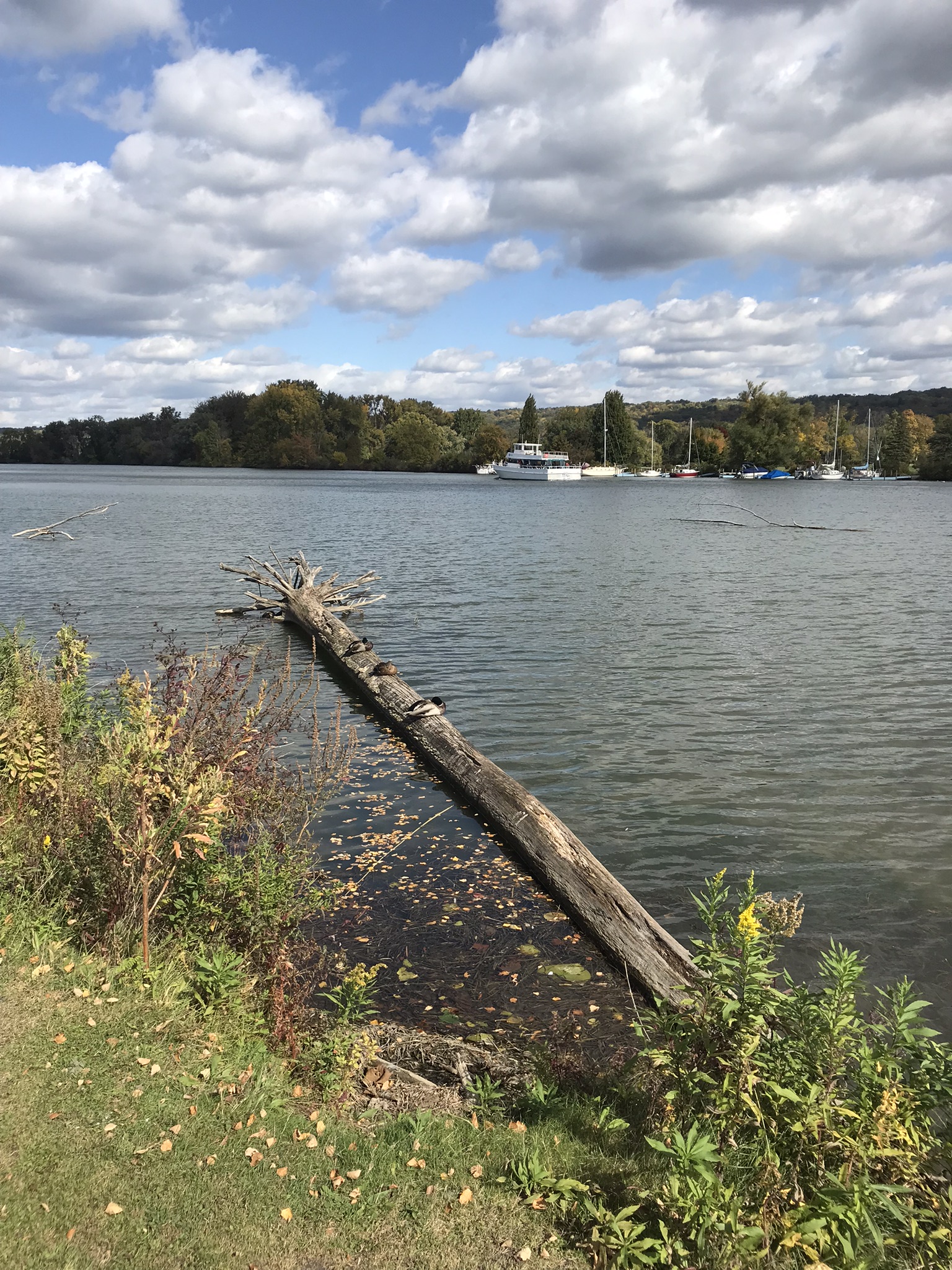
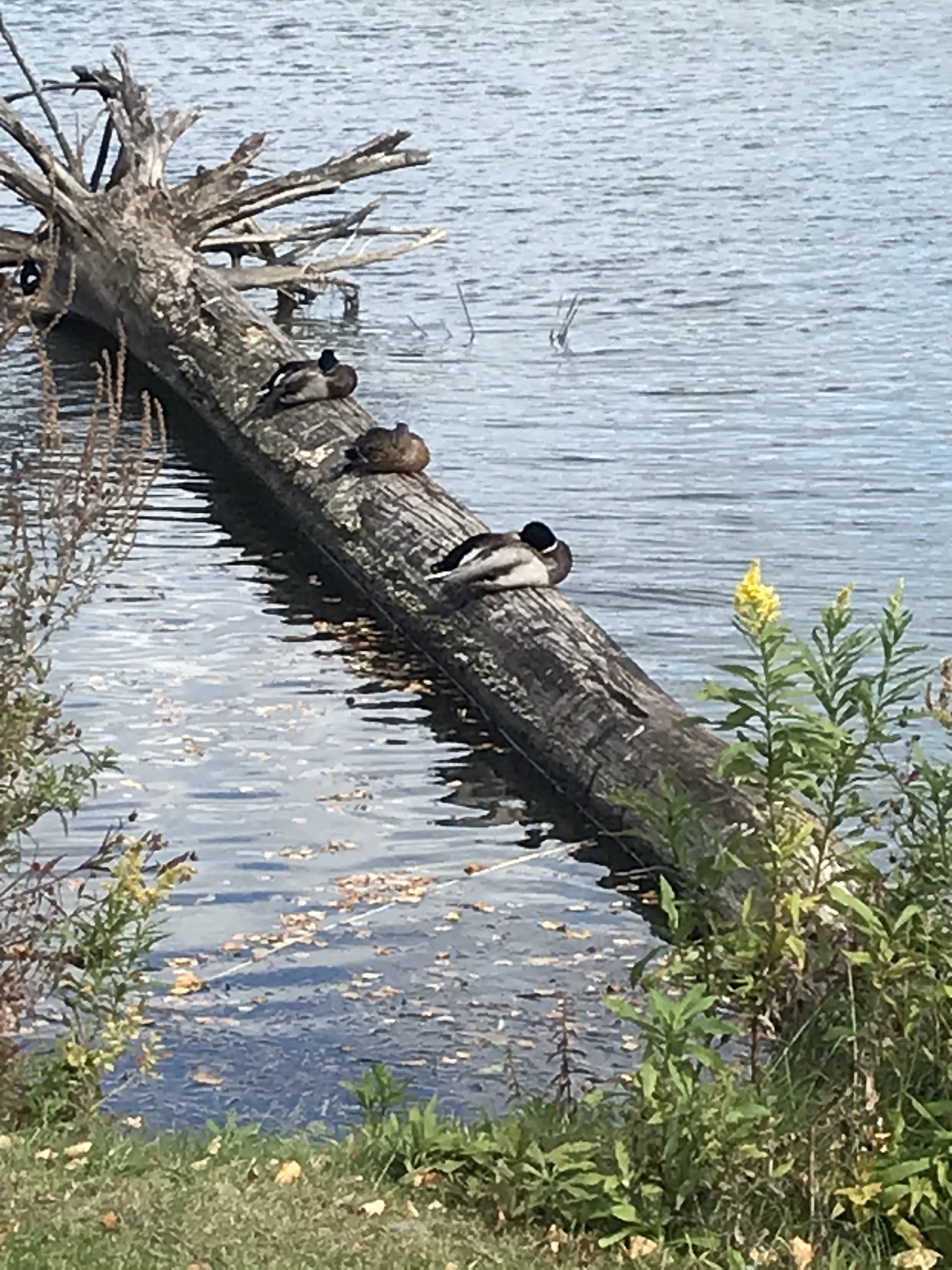
Pam and I arrived early to Cass Park for our grandson’s October afternoon soccer match, in time for a 2 mile walk on the generous footpaths. This is my impression of that time, from the IPhone 7’s camera.

A Packed Excursion Boat Under A Stunning Sky

This completes our Sunday afternoon walk around Cass Park, Ithaca, New York.

Copyright 2022 Michael Stephen Wills All Rights Reserved

Bald Eagle Nest

Painful Memories

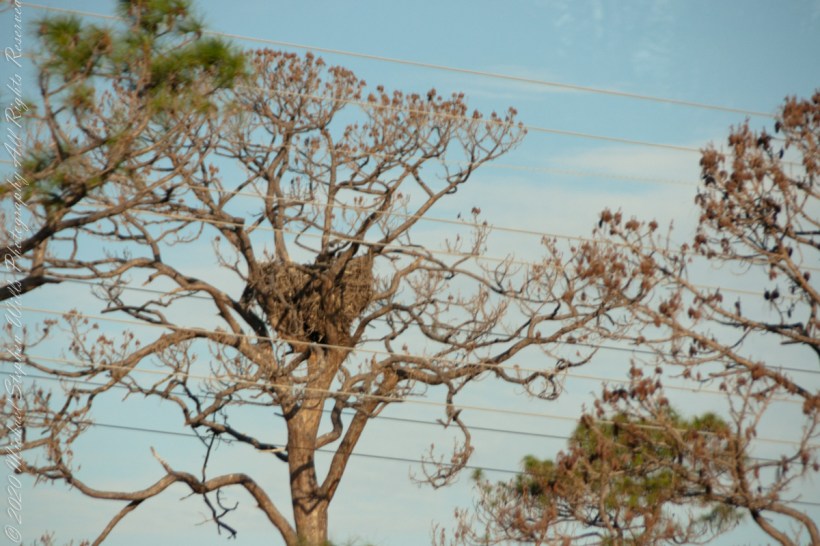
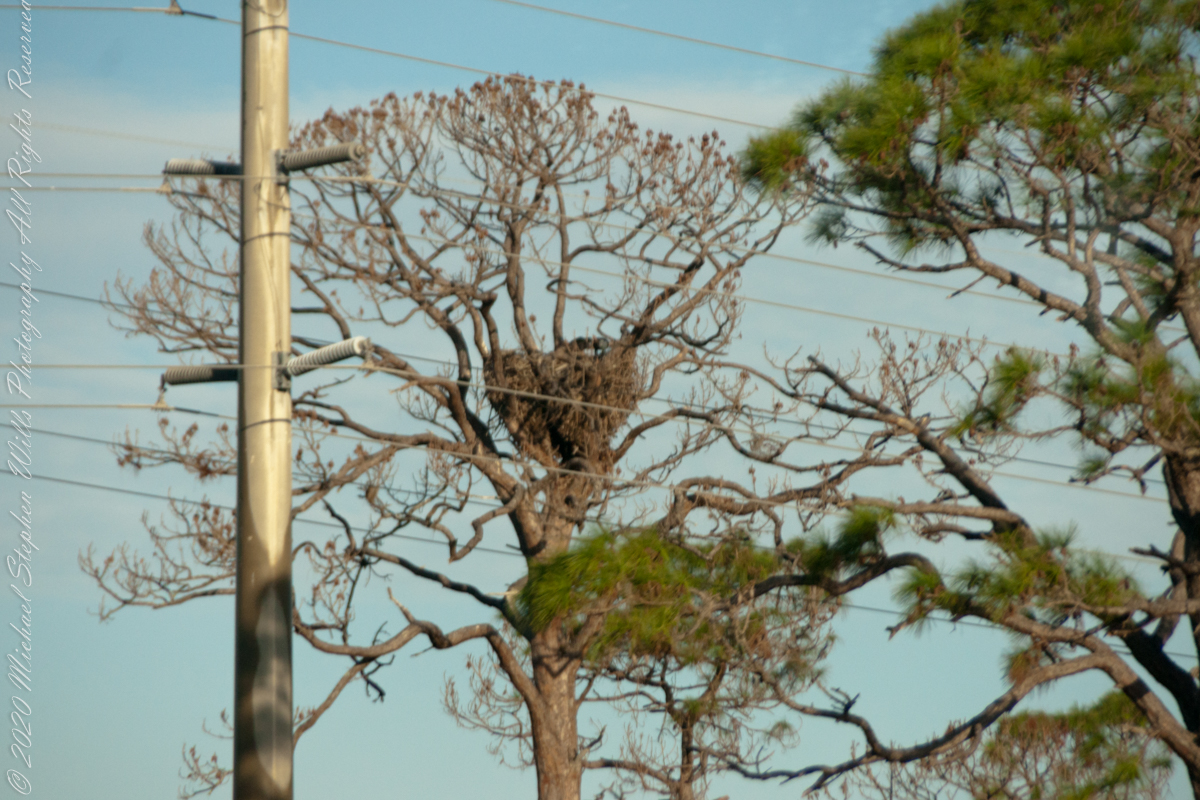
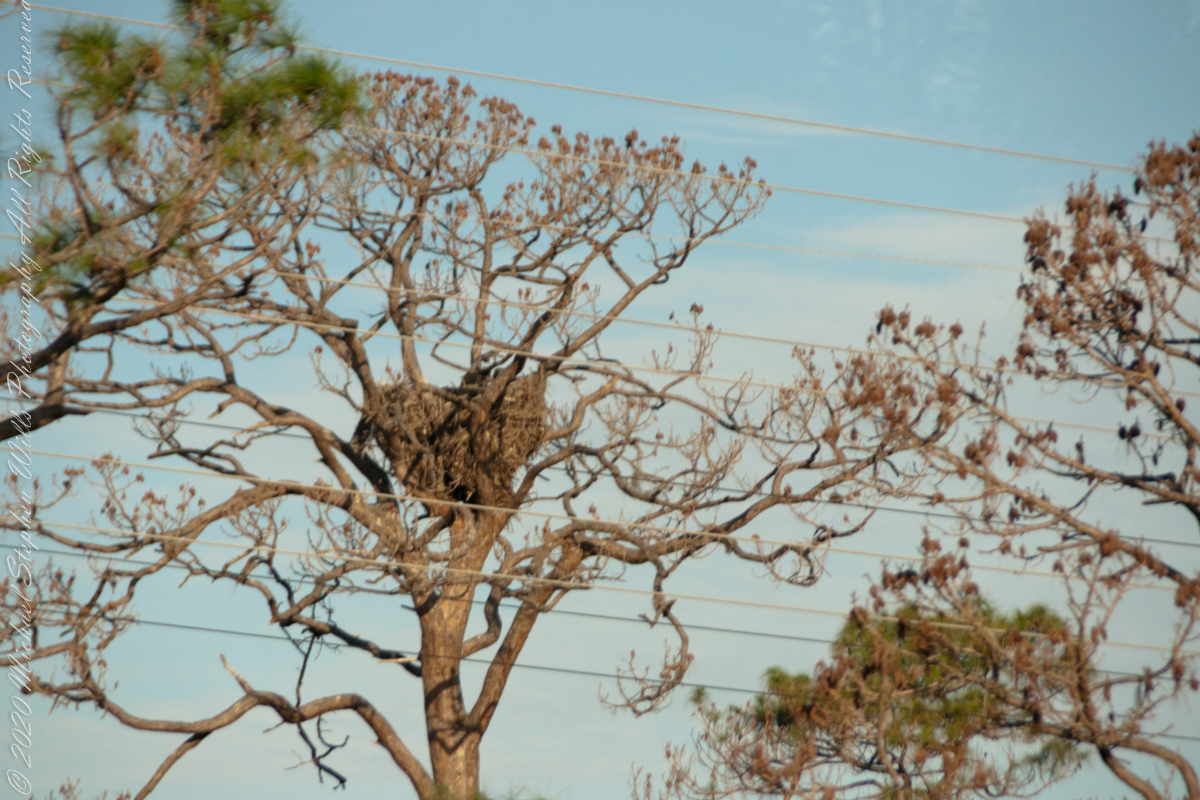
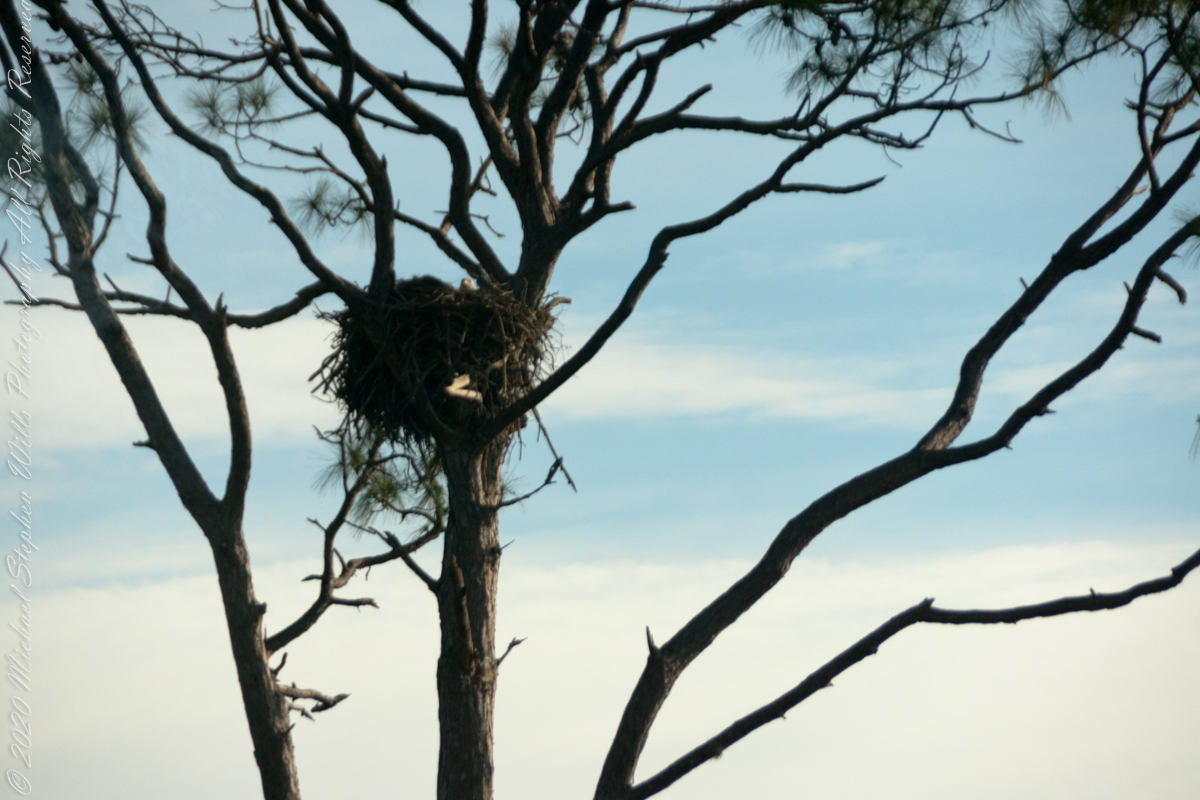
Our Shuttle Landing Facility side trip brought us twice by one of the five Bald Eagle nests around Kennedy Space Center. The entire Center land is part of the National Wildlife Refuge of Merrit Island. Rockets and wildlife coexist very well, in fact the Shuttle Landing Facility is also known as the Gator Tanning Facility. The reptiles crawl up from the canals surrounding the landing strip on all four sides to bask on the smooth concrete.

First Turn

The nest tree is on the median of a divided highway. Driving into the Landing Facility the nest tree was to the east, brightly lit by the morning sun.

Click Any Image for a larger viewe

Second Turn

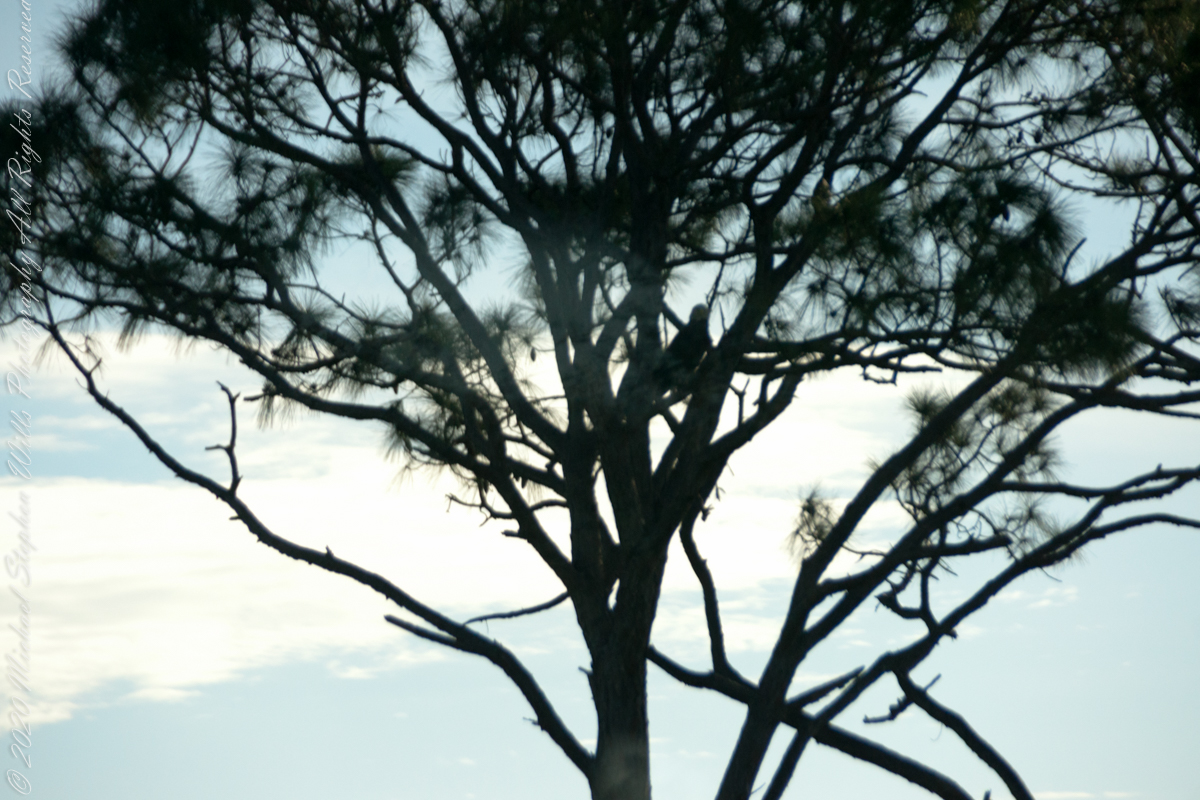
On the return trip the nest was backlit. Look closely: the head of an eaglet (?) is just visible above the nest rim.

The parent eagle is silhouetted in the tree branches.

Sources of information for this post: I used information from the Wikipedia site for the key words “STS-107.”

Copyright 2022 Michael Stephen Wills All Rights Reserved.

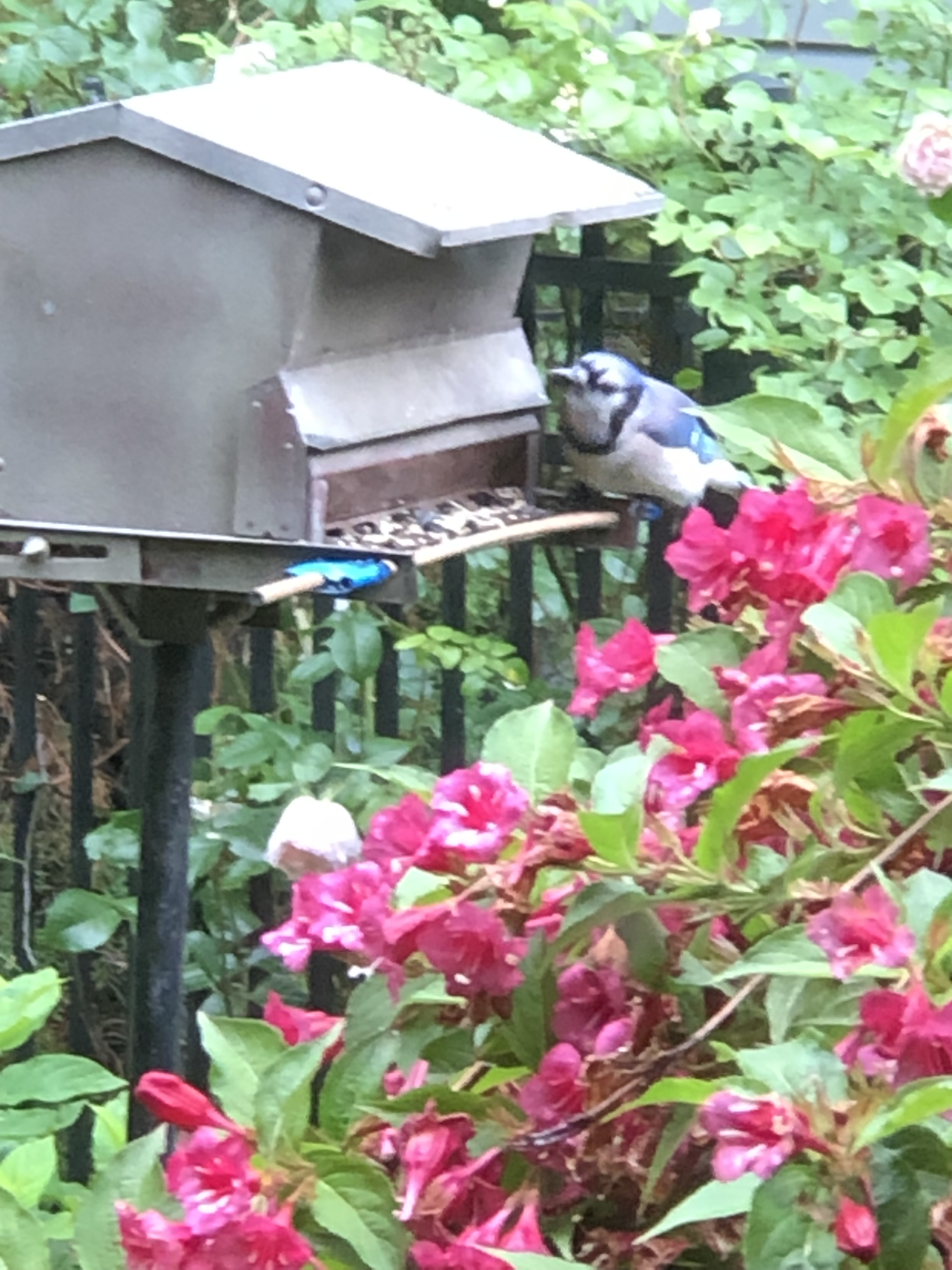
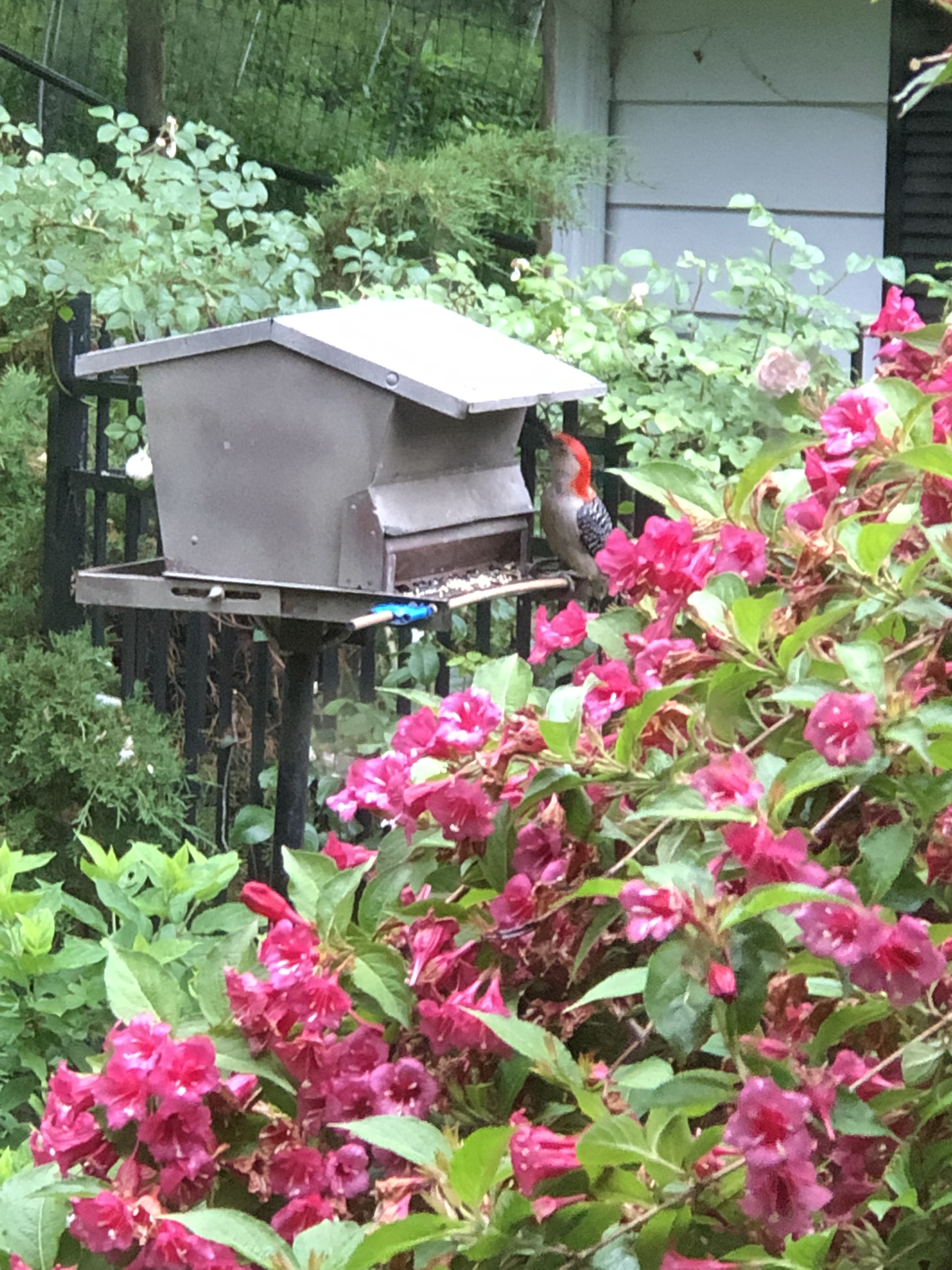
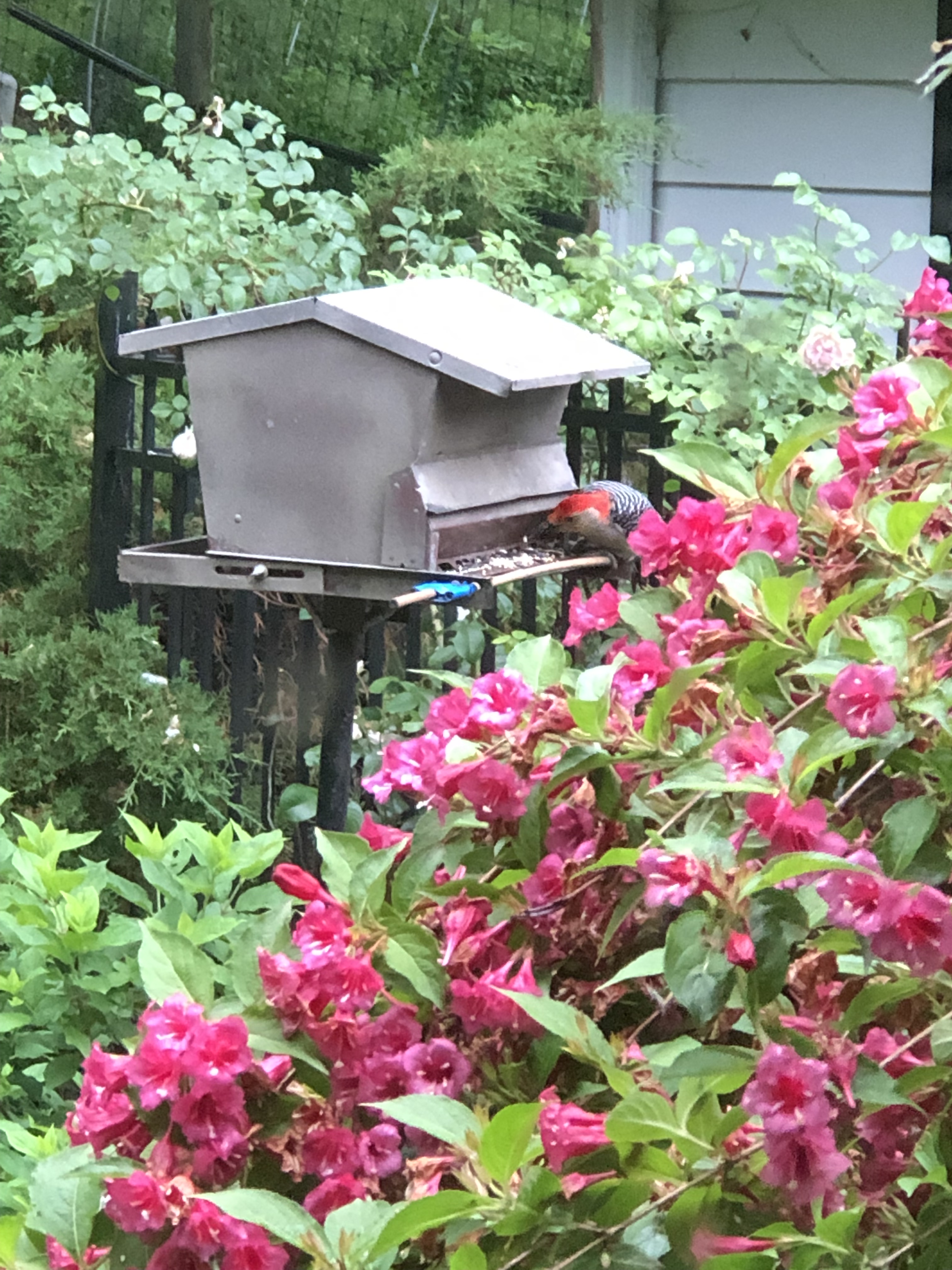
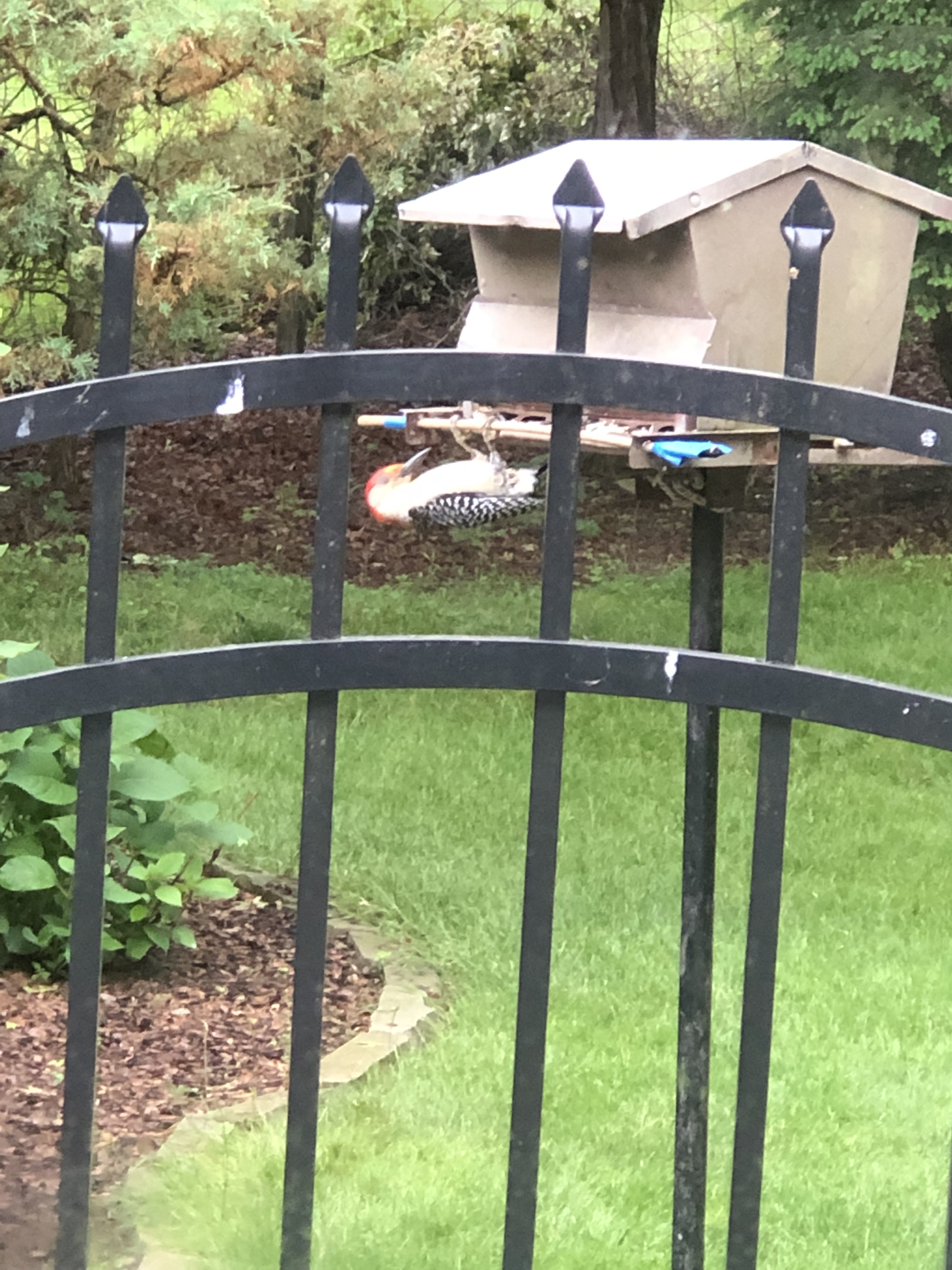
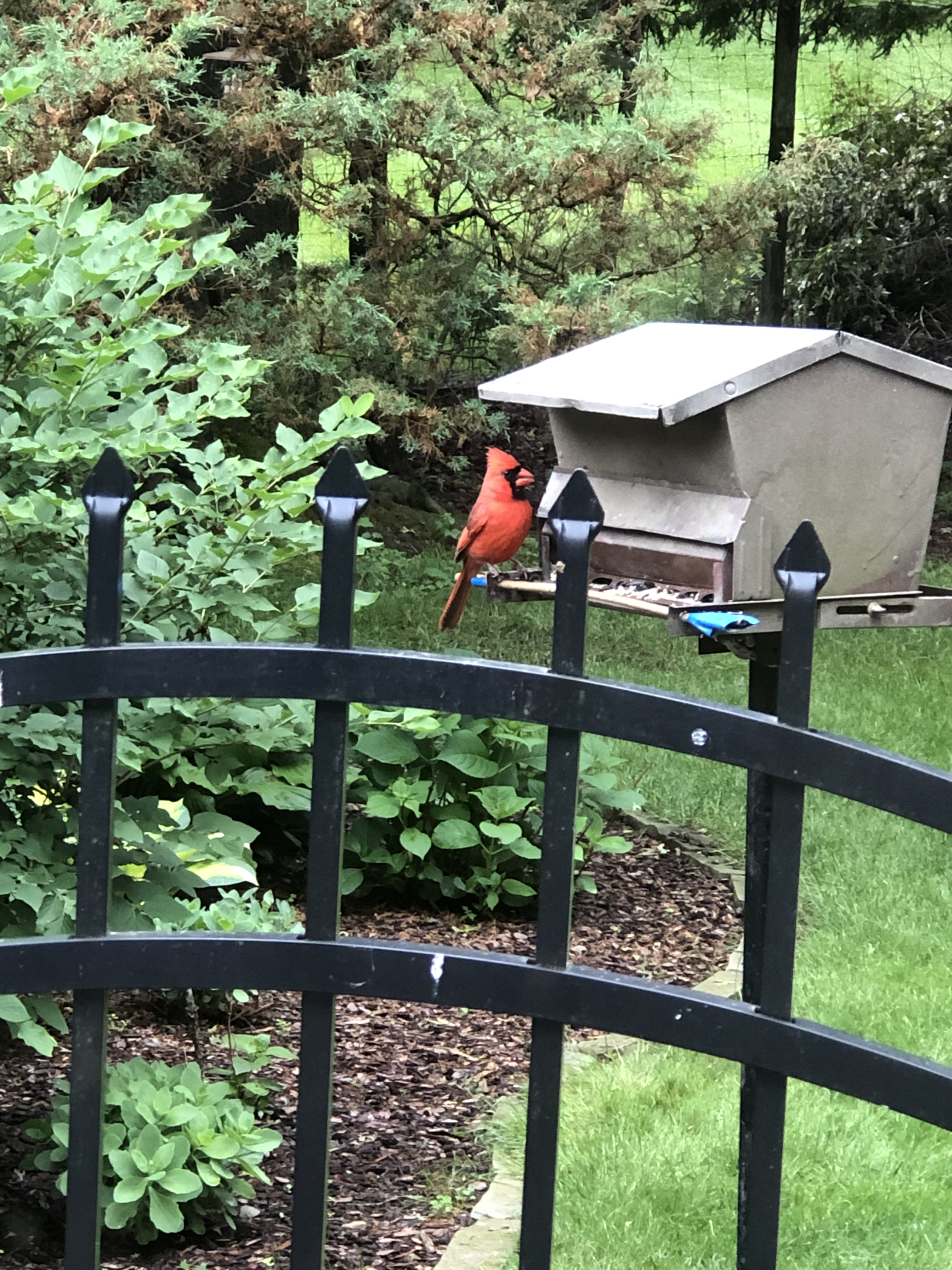
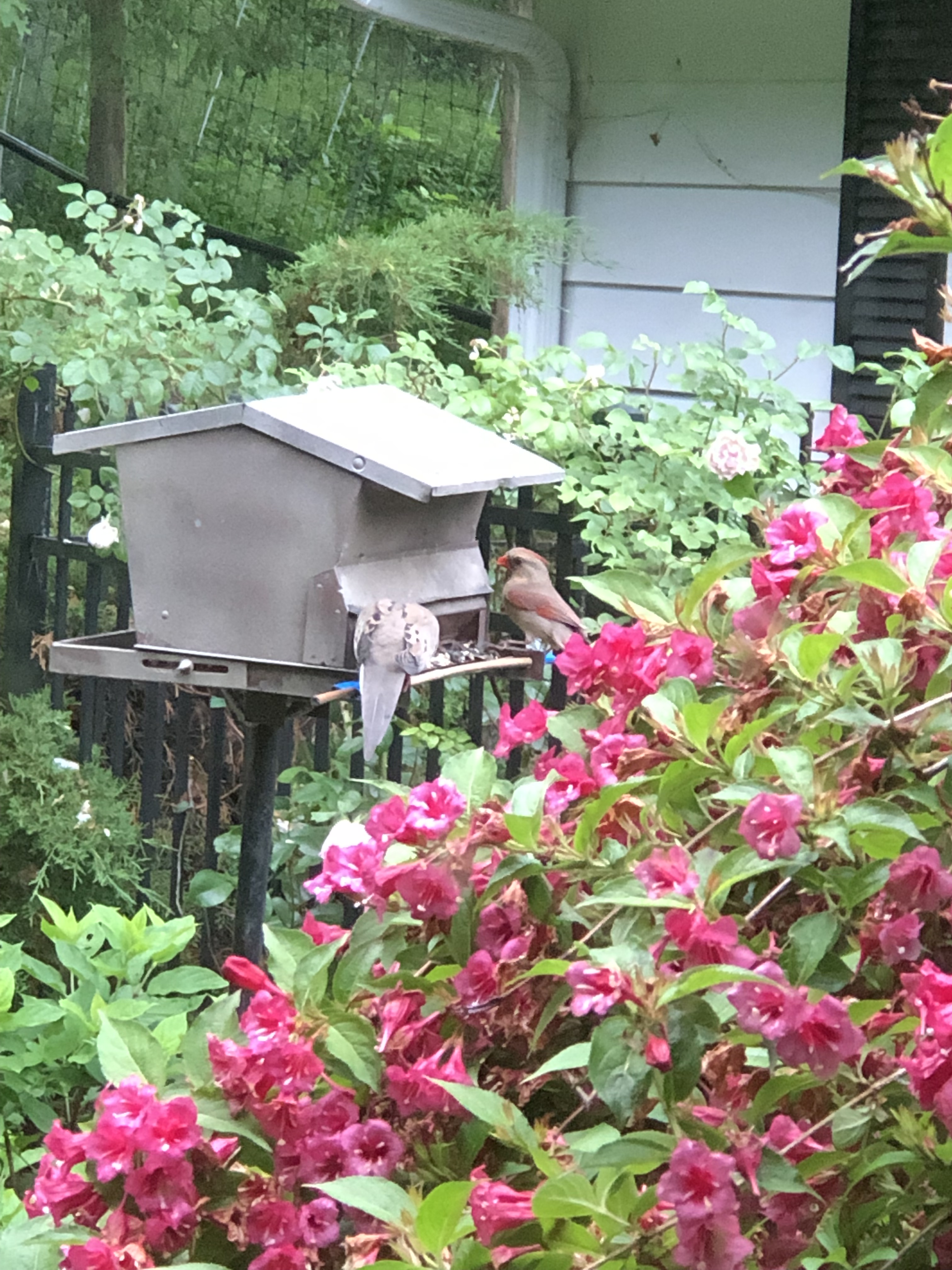
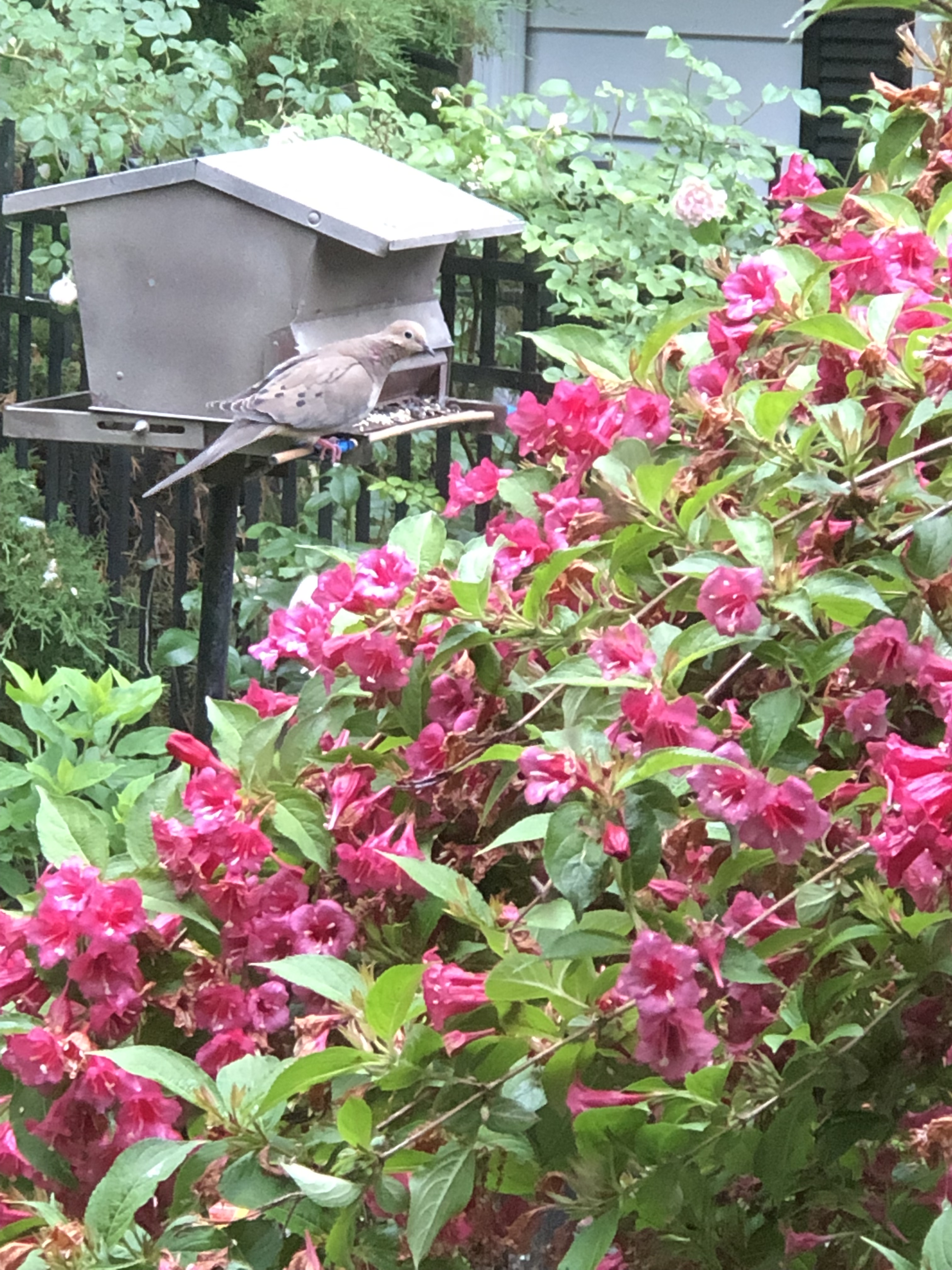
Birds Around the Weigela

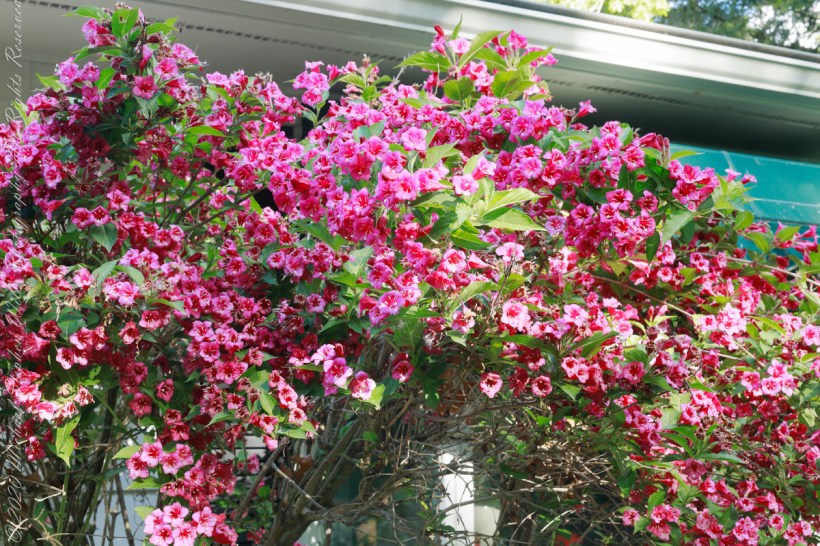
an exceptional bloom for our backyard wonder

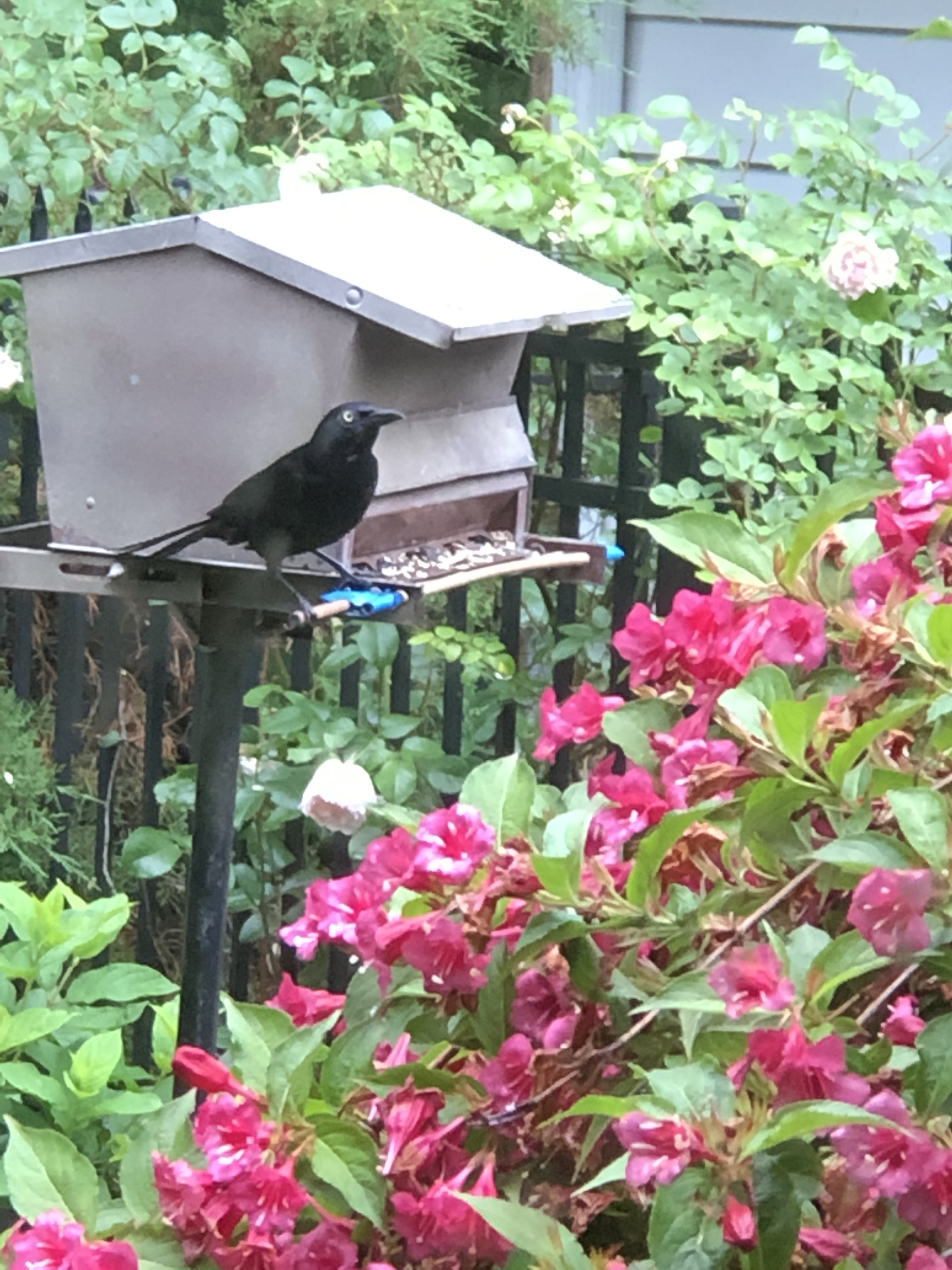
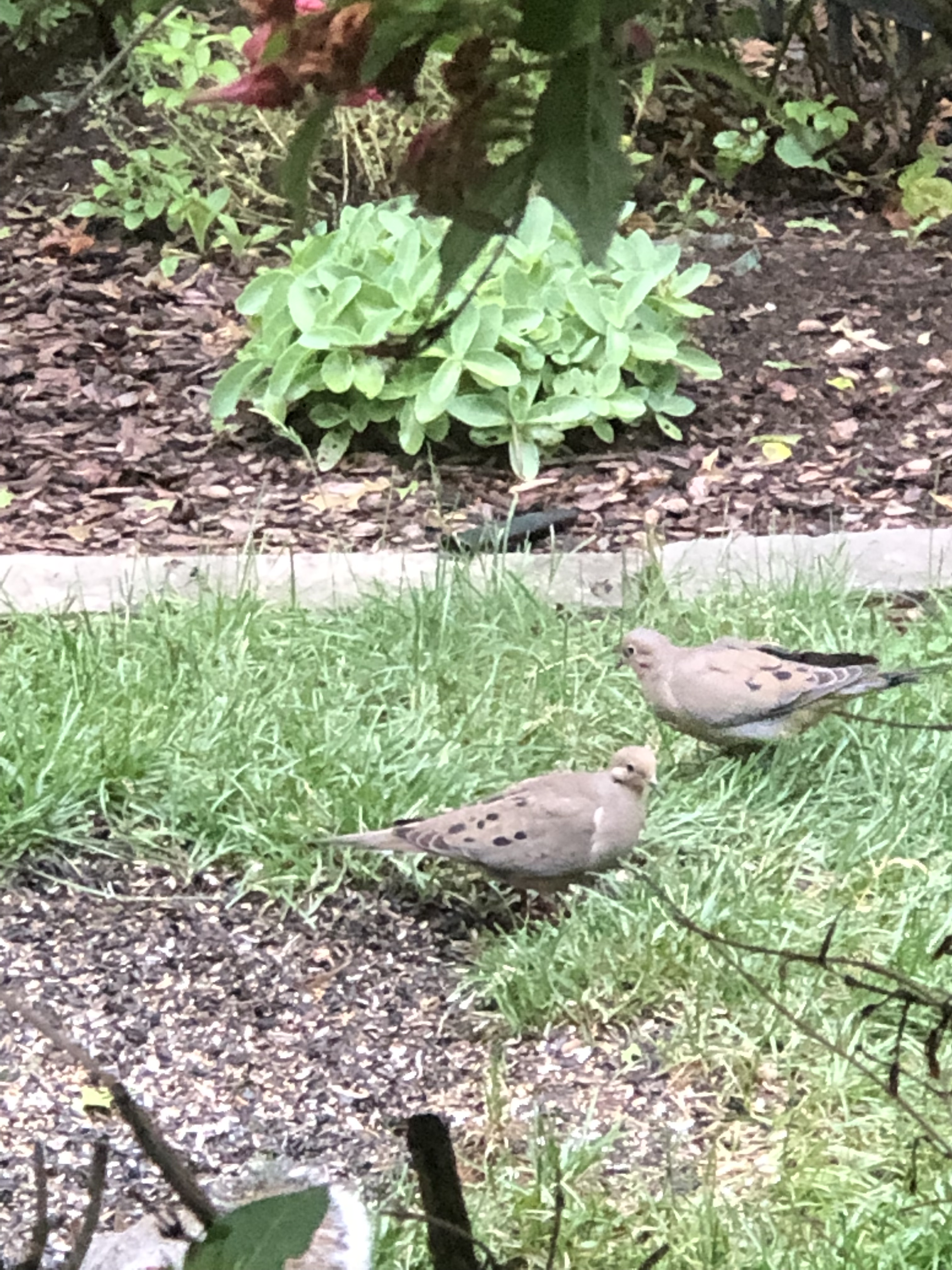
Sad to say, today, Sunday June 12th, the flowering bush is spent, the blooms withered and falling. Pam took time to document some visitors while the Weigela was in its glory. This is a sample of the species we enjoy while washing the dishes.

These photographs were taken by Pam through our windows with her Iphone 8 plus.

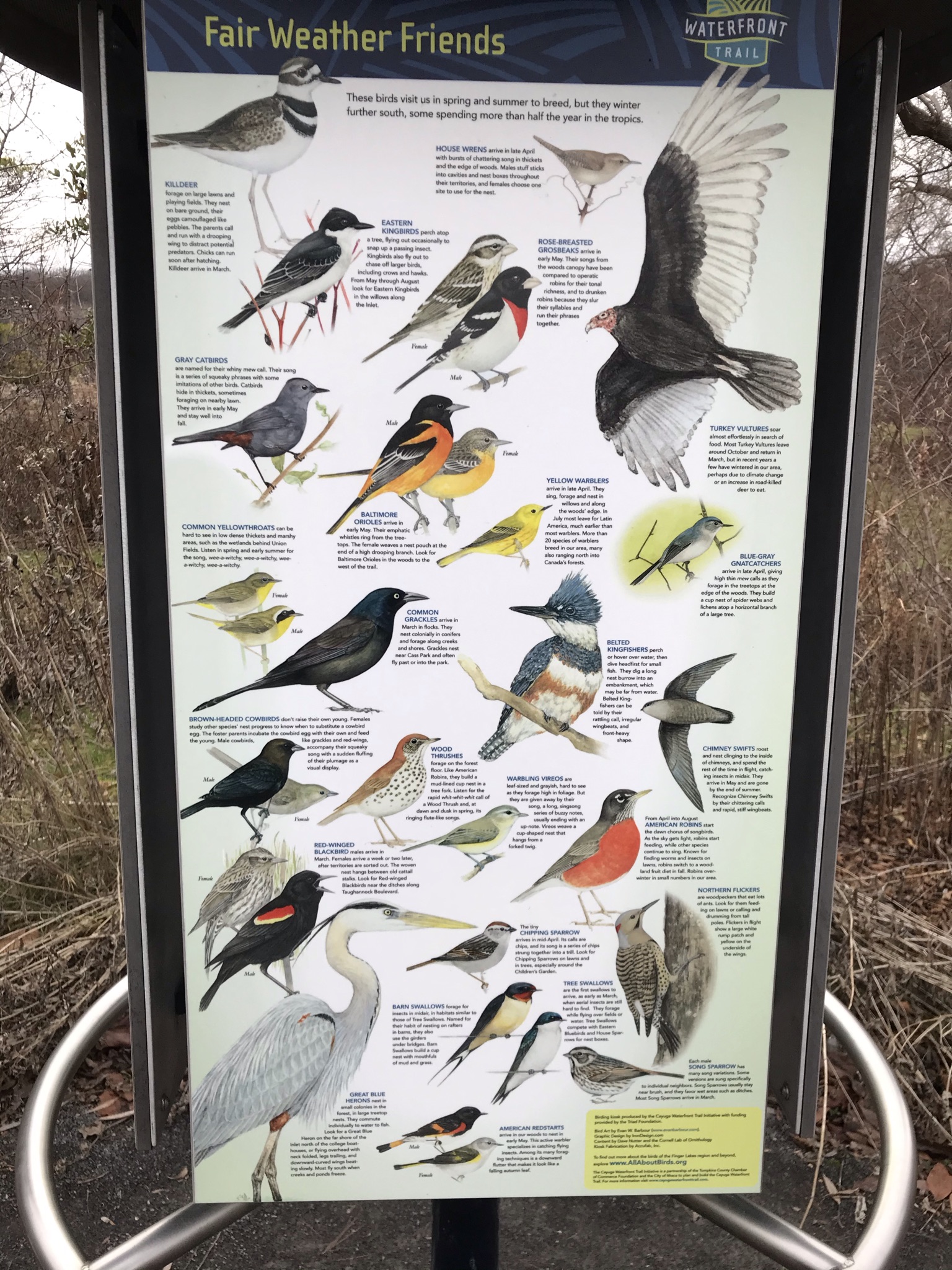
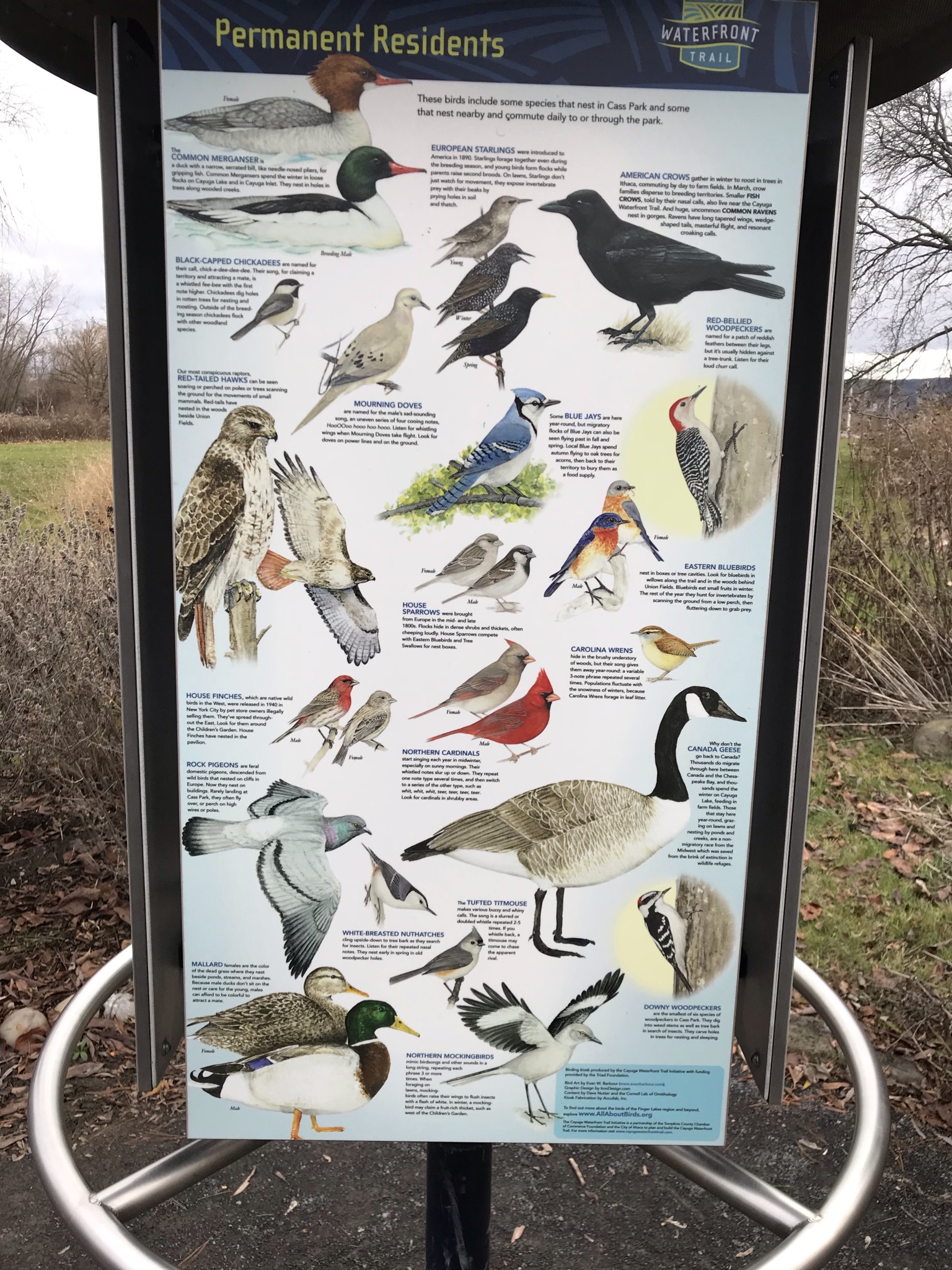
Here is a series of informative signs from Cass Park, just down the hill on the Cayuga Lake Inlet. Pictured are resident birds, most of them visited our backyard feeder.

Click me to find background information on our Weigela bush.

Copyright 2022 All Rights Reserved Michael Stephen Wills

Iridescent Plumage

shiver me timbers

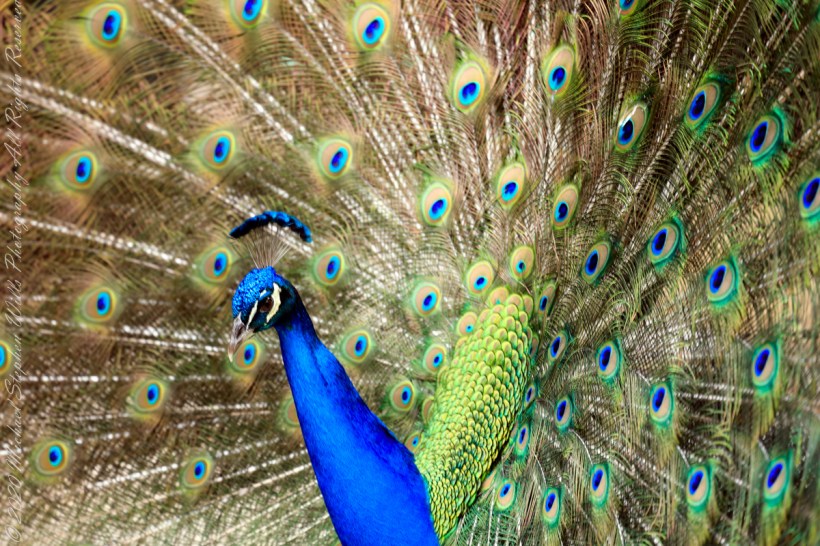
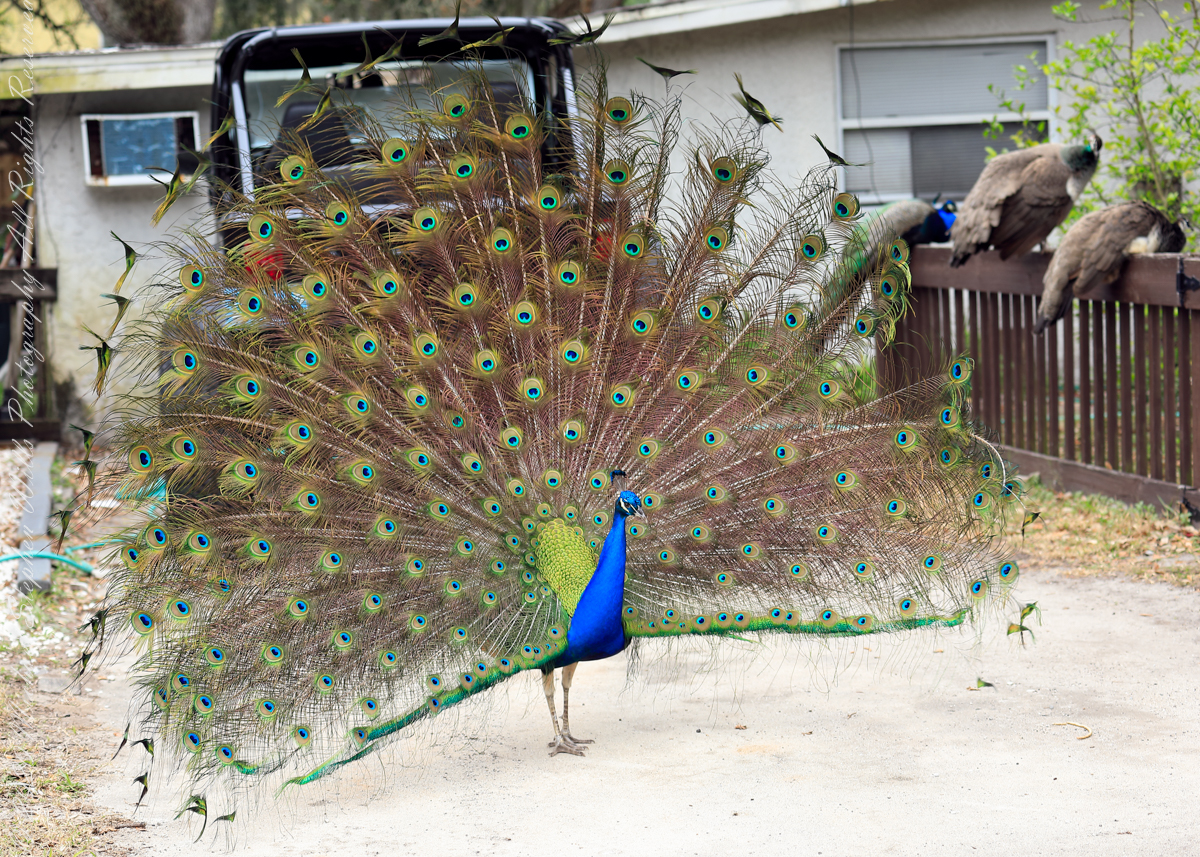
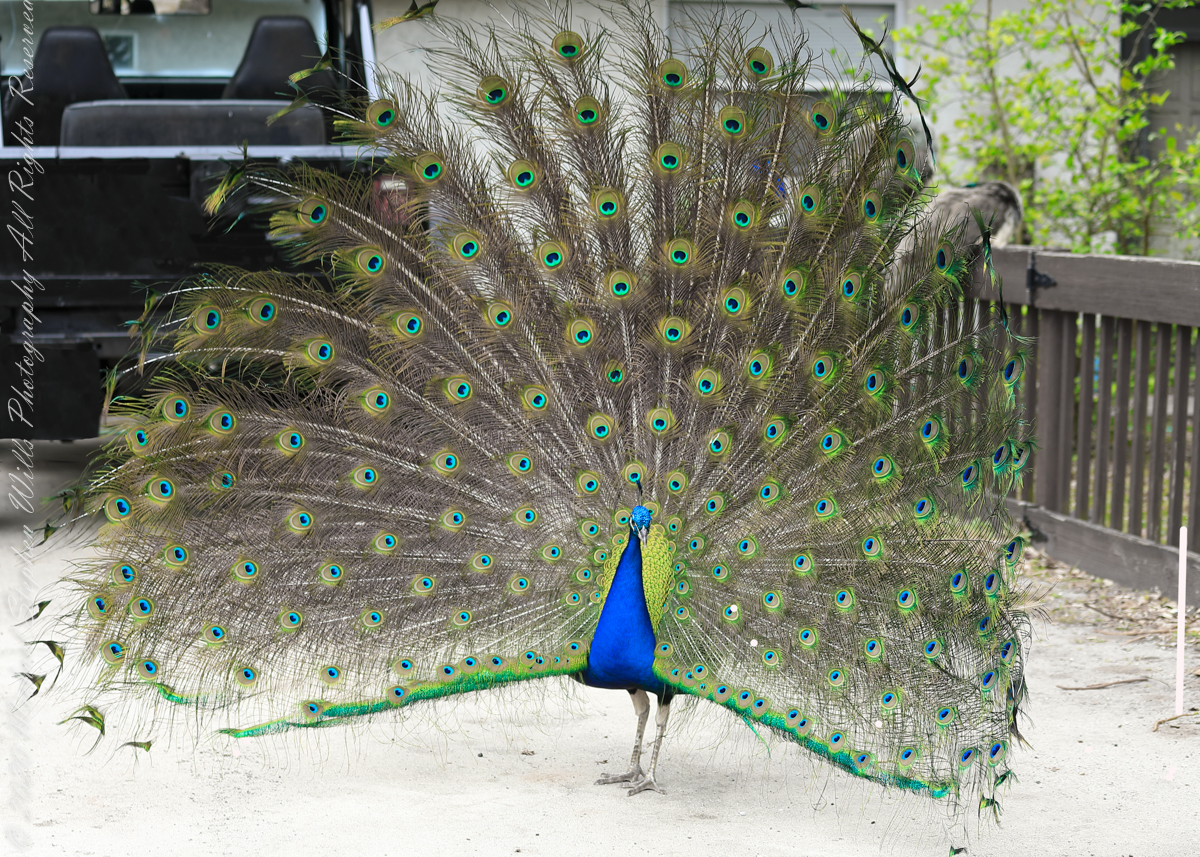
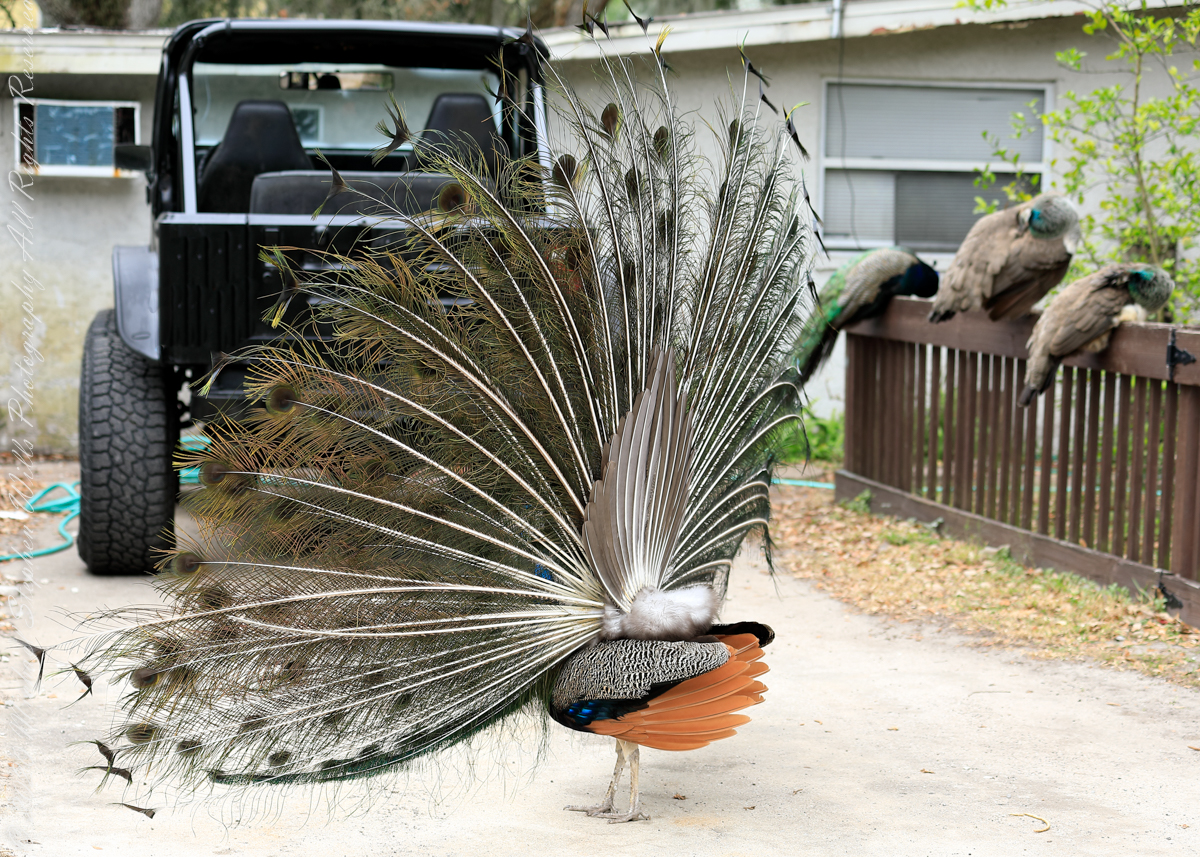
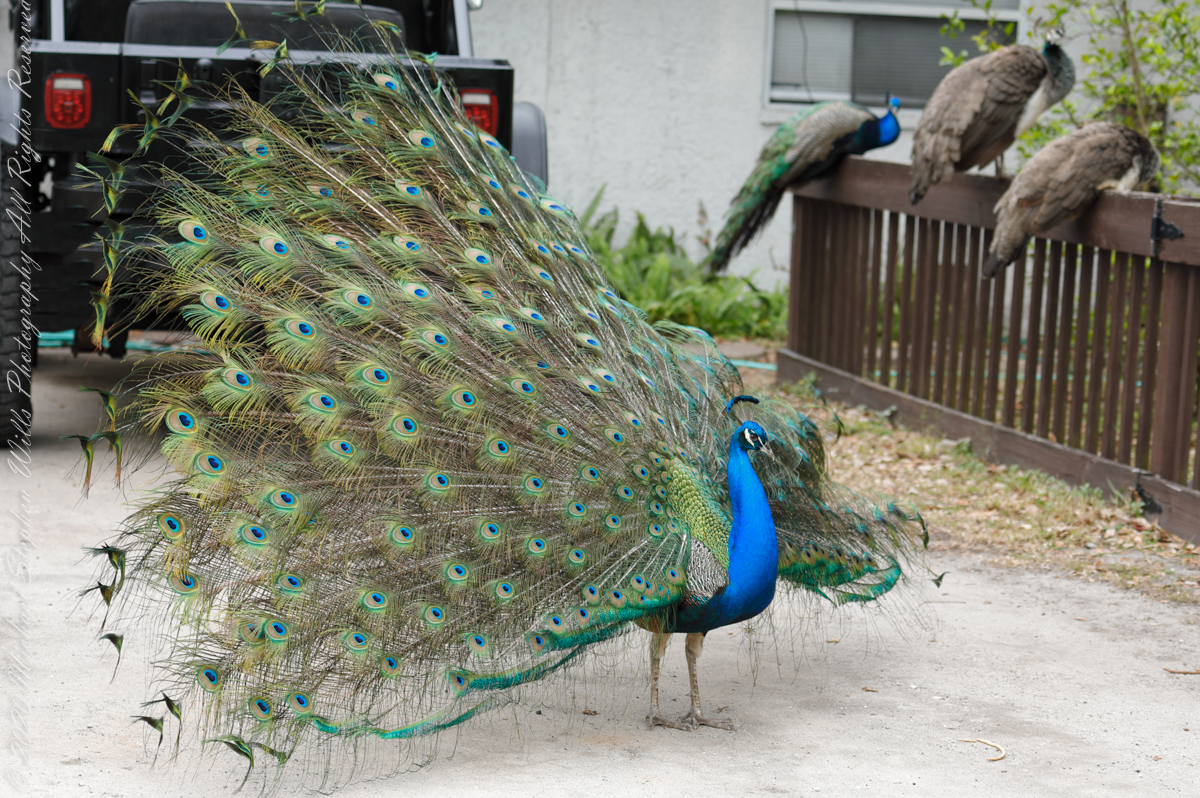
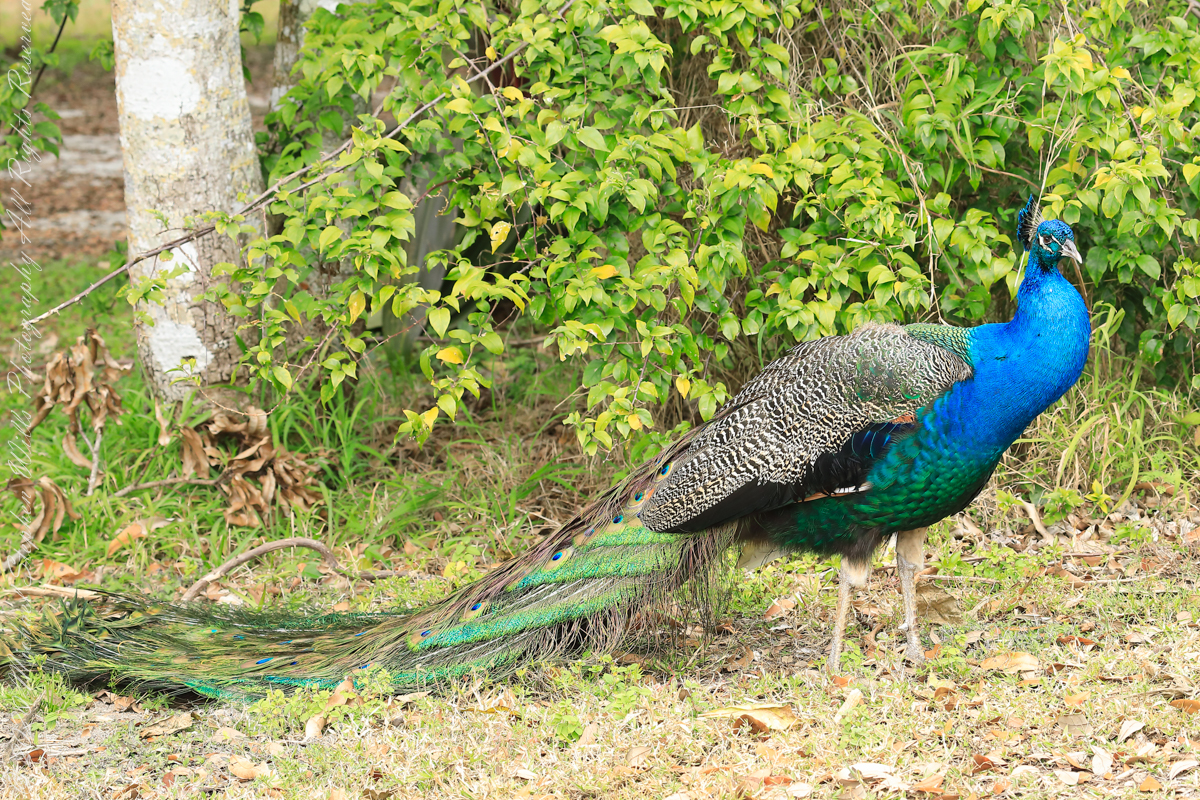
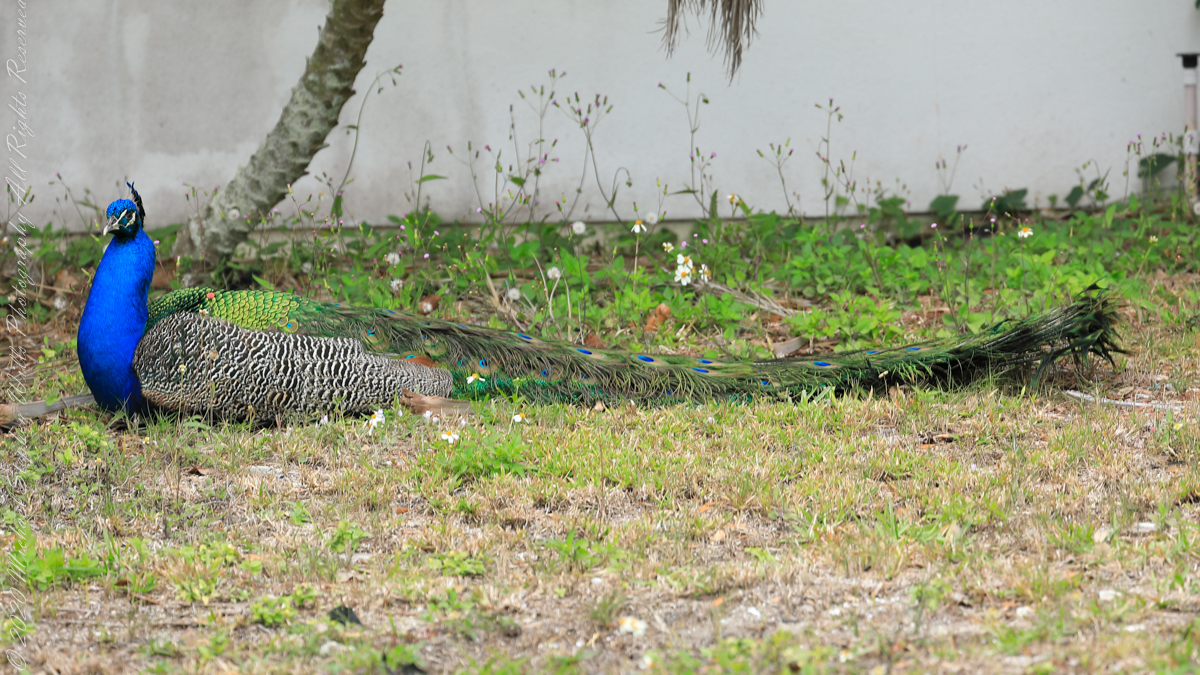
The third of my postings about the peafowl of Cape Canaveral…..we had our most intimate interactions on a Oak Lane, a small unpaved road off a Circle K (roadside convenience store). At one point a peacock approached Pam on the open windowed passenger side and almost pecked her.

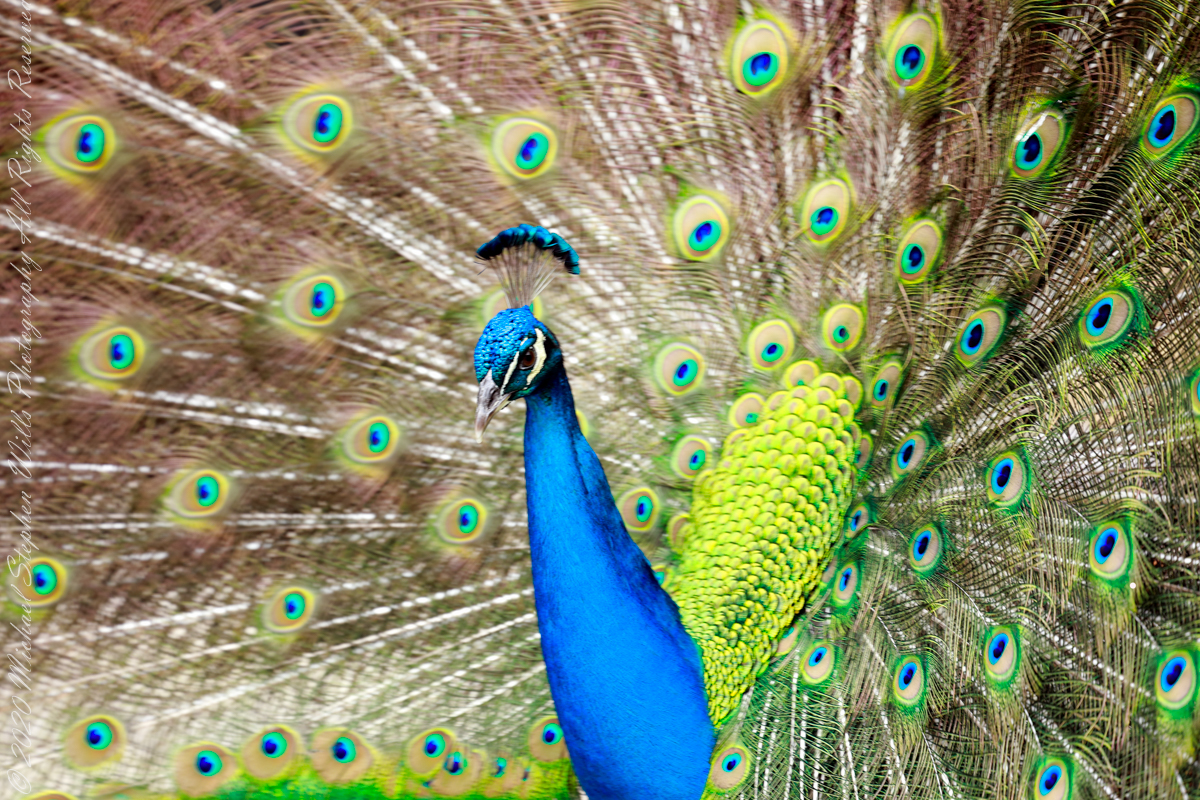
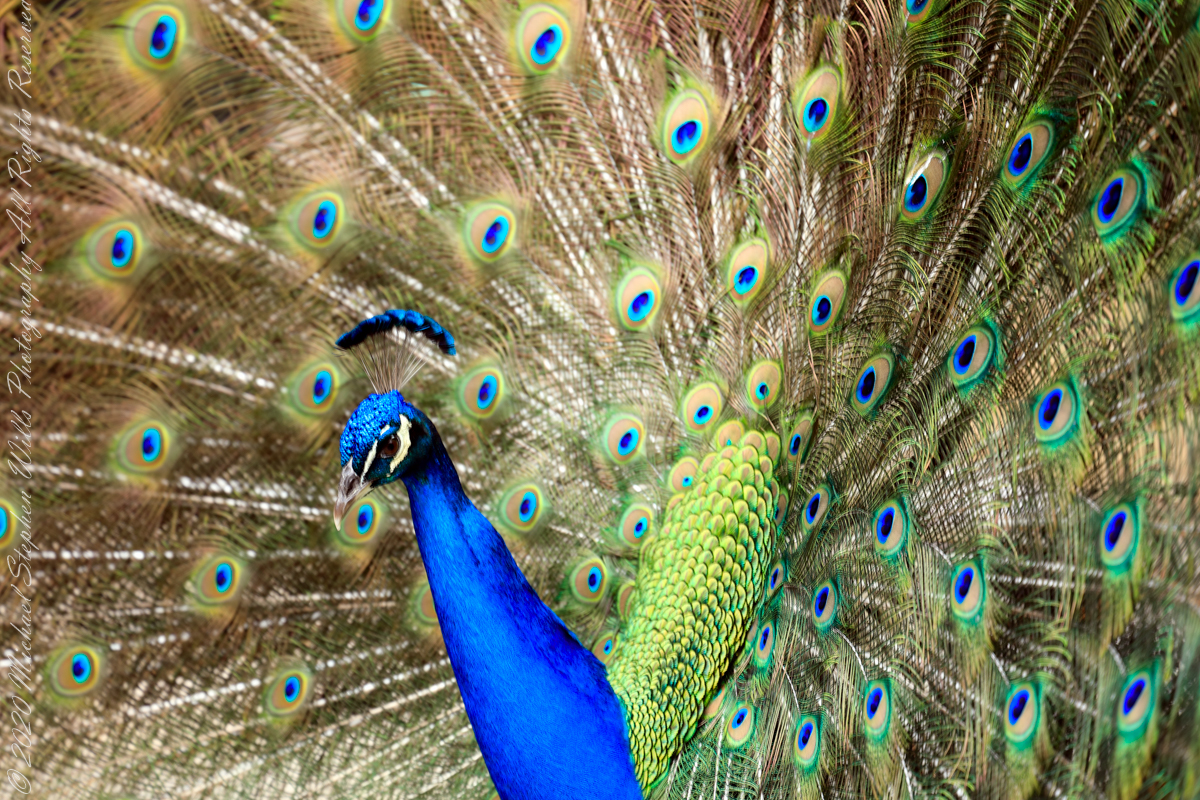
The iridescent coloration is an illusion created by the structure of fine feather elements, called barbules. The impression on peahens varies with viewing angle, between 90 (head on) and 45 degrees to either side. The peacock will shiver his train when faced with a favored peahen. 

Click me for the first post of this series, “Male and Female Peafowl.”

Copyright 2022 Michael Stephen Wills All Rights Reserved

Train of the Male Peafowl

And some history about the “Peacock Neighborhood” of Cape Canaveral

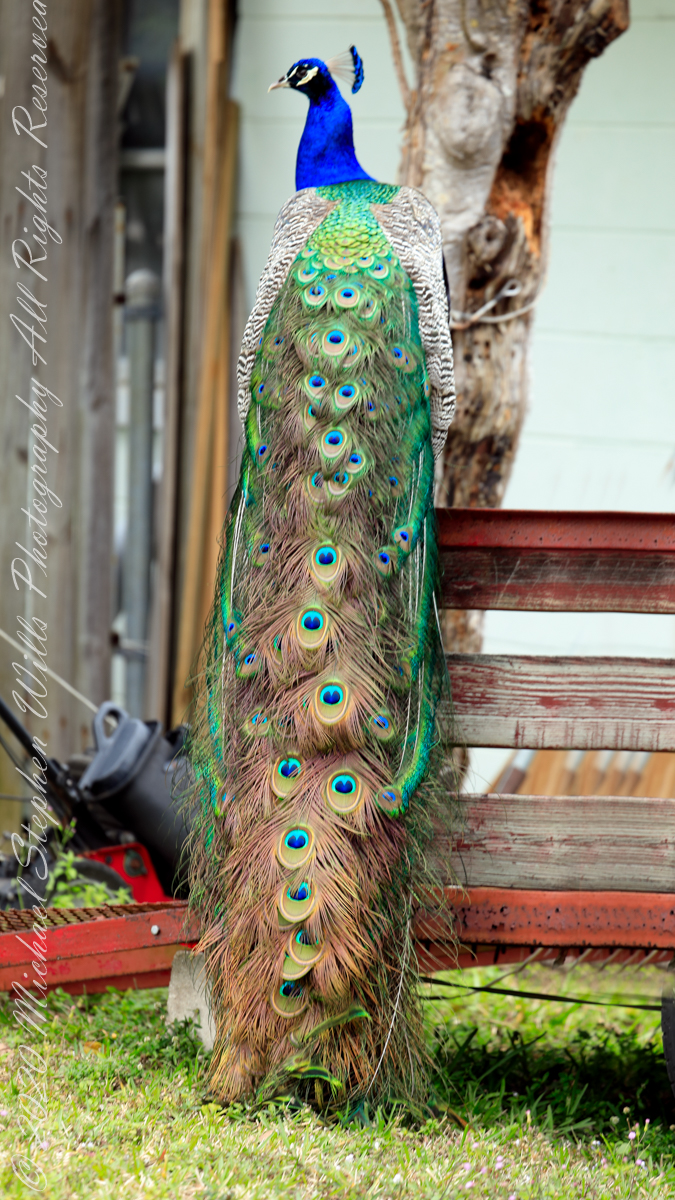
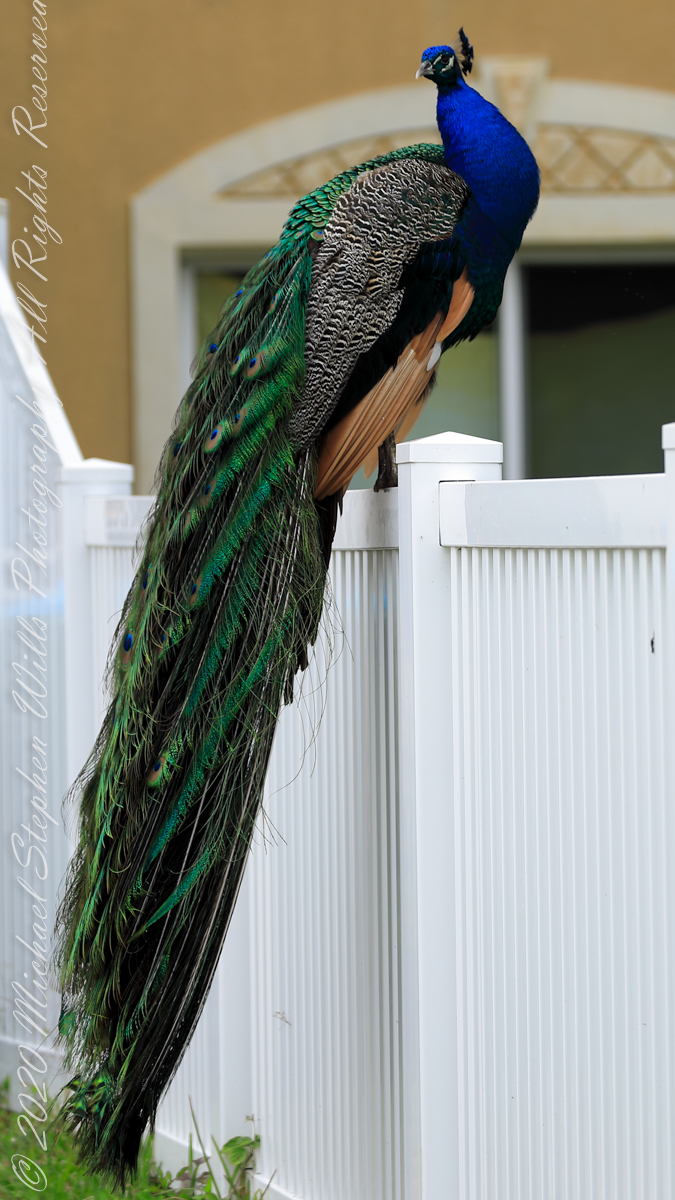
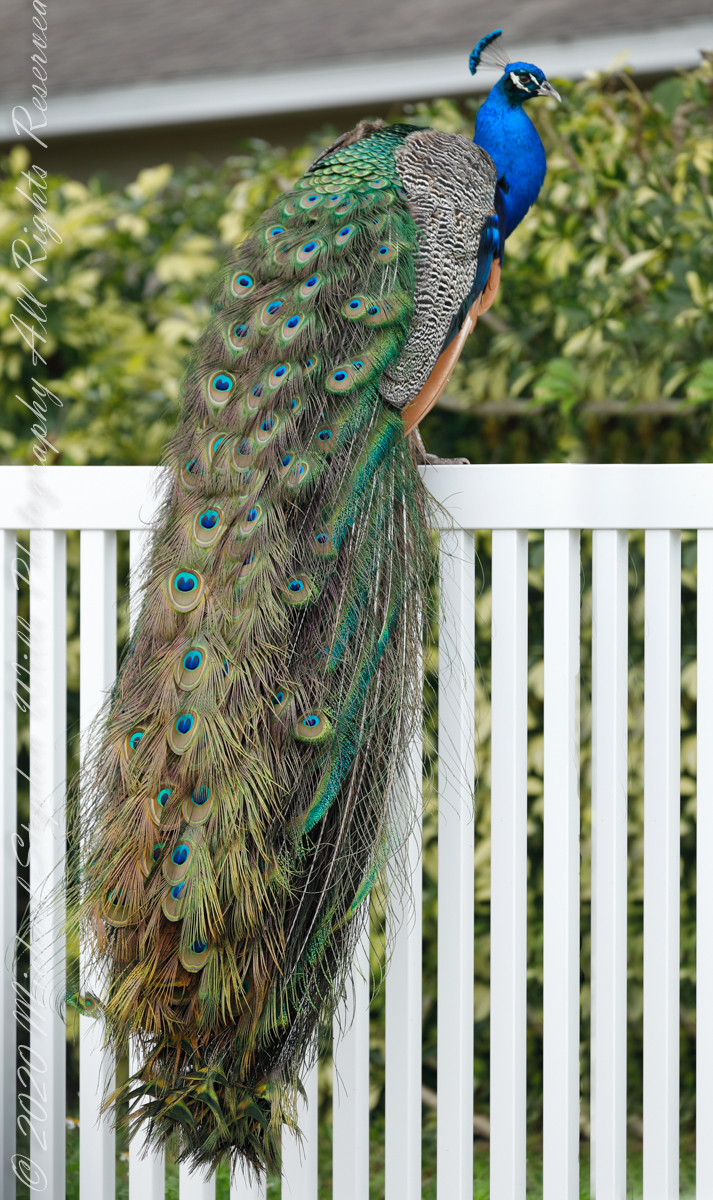
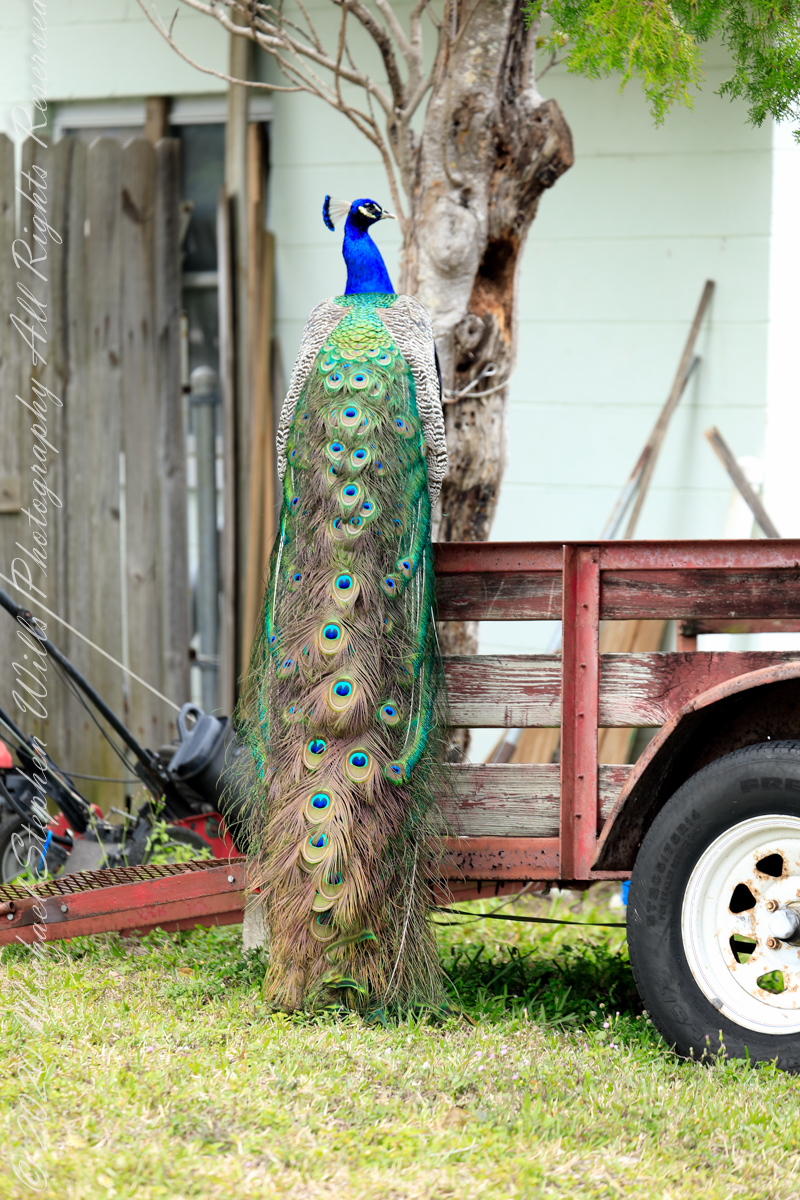
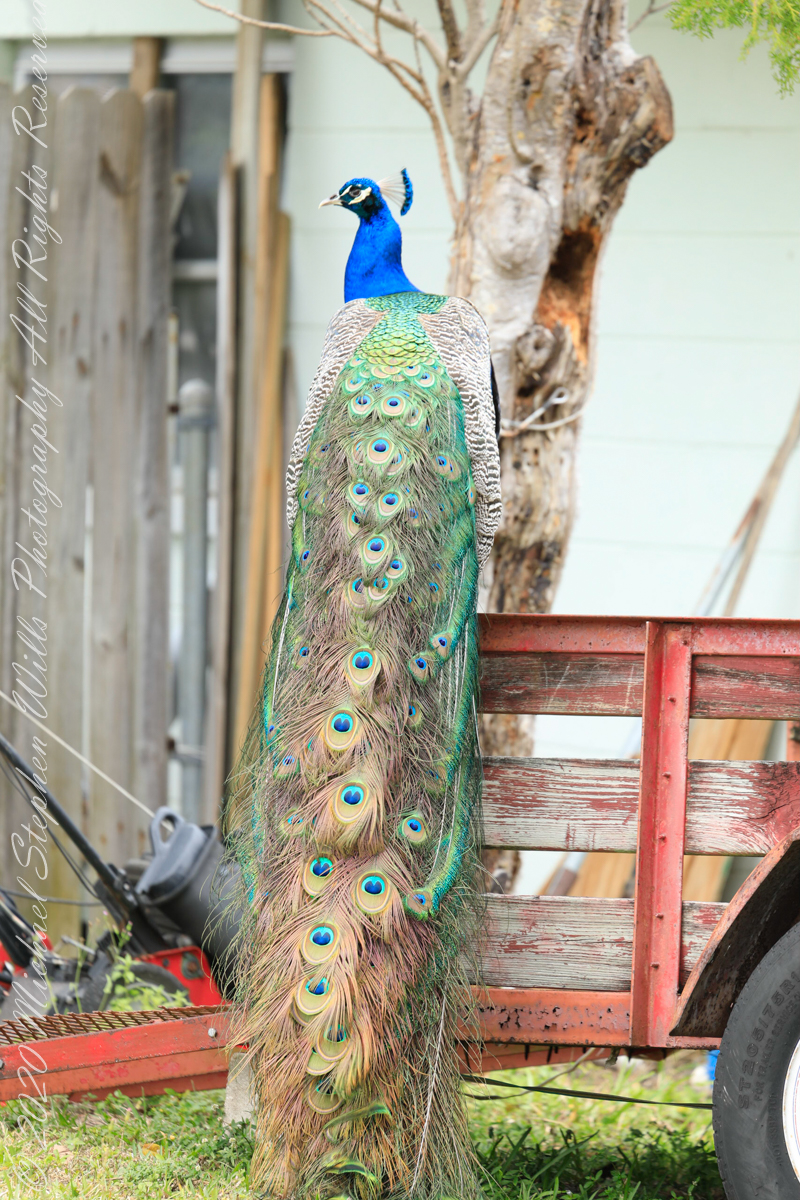
February is Peafowl mating season and for Cape Canaveral the displays were especially fine. These were captured on a photography expedition via automobile, being especially fortunate in observing peacocks (male peafowl) on high perches oriented perfectly to display the magnificent train (trail).

Here is some information on Reddit from “Mr_mayhem77 “According to locals, the Eberwein family lived between Port Canaveral and what is now the Villages of Seaport. In fact a street is actually named after them (Eberwein Drive) at the northern edge of Cape Canaveral. They had the peafowl among many farm animals. The family moved in 1986 and abandoned the peafowls. Over the years the peafowl have slowly populated our community with the greatest concentration being north of Central Ave.”

Copyright 2022 Michael Stephen Wills All Rights Reserved