Marantha House Five

Charlemagne

Continued….yesterday included a view along a fairway of Saint Ann’s Hill on which Marantha House B&B is sited. Not far away was a pasture where Charlemagne, a rescued former show horse lives. Our first evening, the one just before this morning, I brought an apple out to Charlemagne. The next morning I returned with another apple to share. Charlemagne rewarded me with a brilliant approach I captured below with my Sony Alpha DSLR with variable lens.

Copyright 2021 Michael Stephen Wills All Rights Reserved

Coolcreen View Three prime

Coolcreen Townland

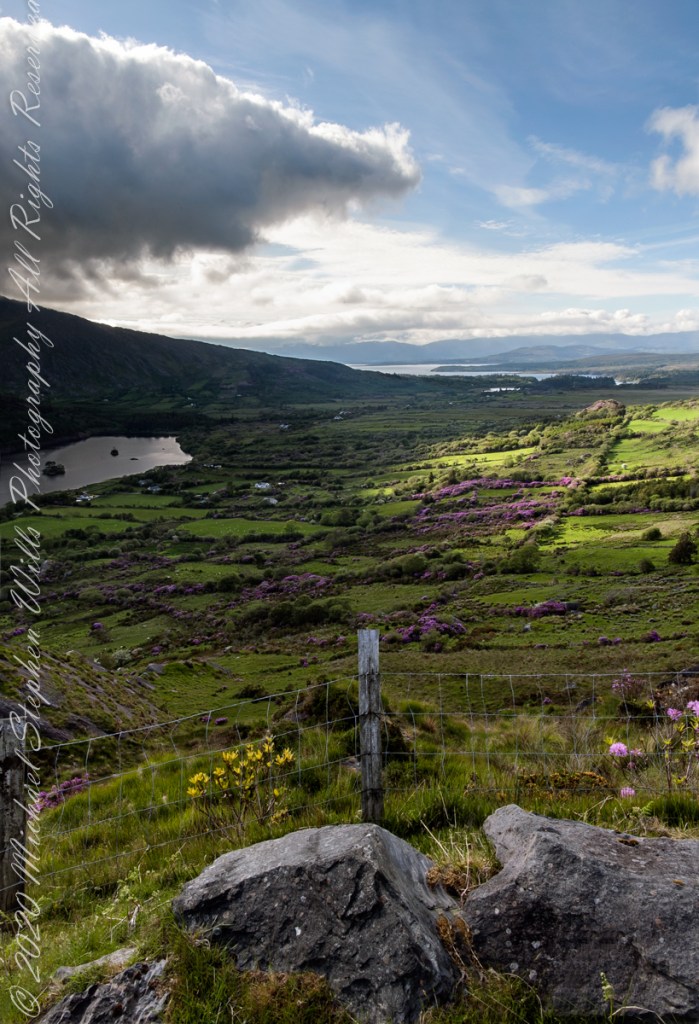
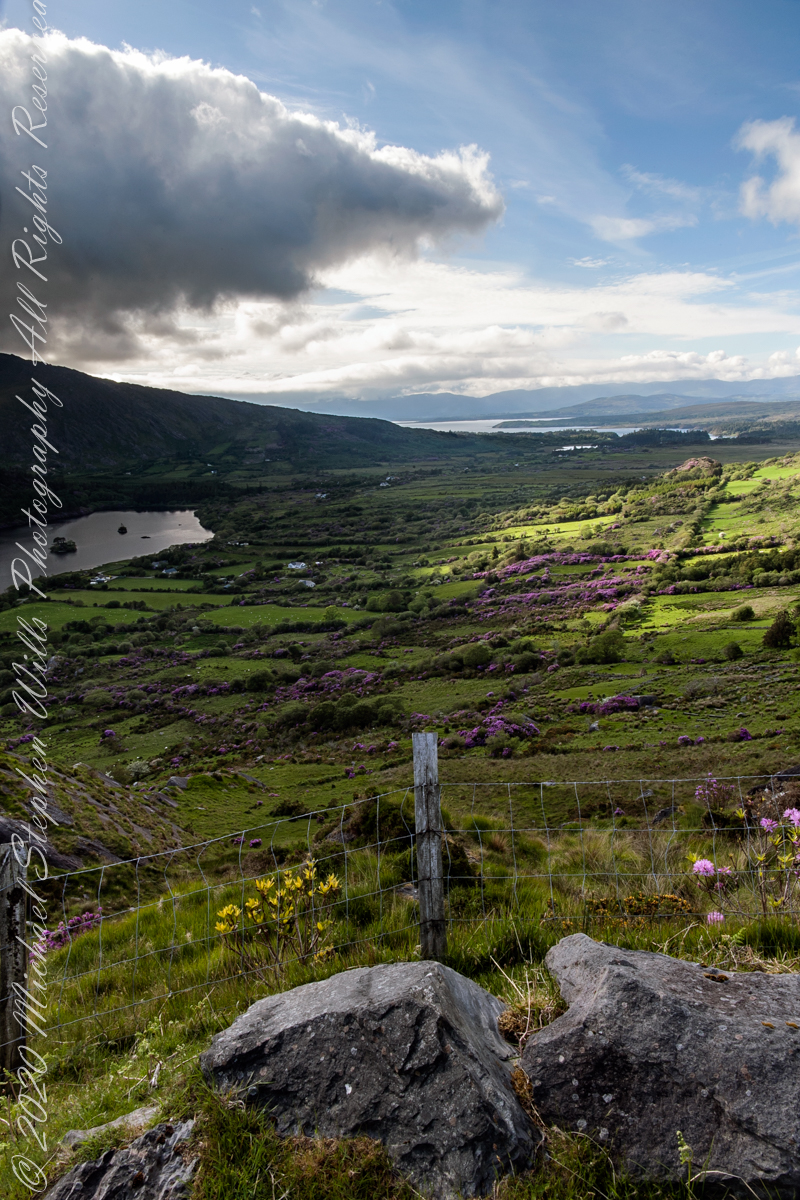
Number three of six from the Kerry County side on the descent Healy Pass, R574. I enhanced view three to level the horizon. A side by side comparison is provided, below.

It is possible to just make out several lake houses. Click me for more information about who live here during the early twentieth century.

Click me to learn more about the name of the lake.

Beara Peninsula, Coolcreen townland, County Kerry, Republic of Ireland.

You can easily view a higher resolution versions by clicking on the photograph to open a browser tab.

Click photograph for a larger version.

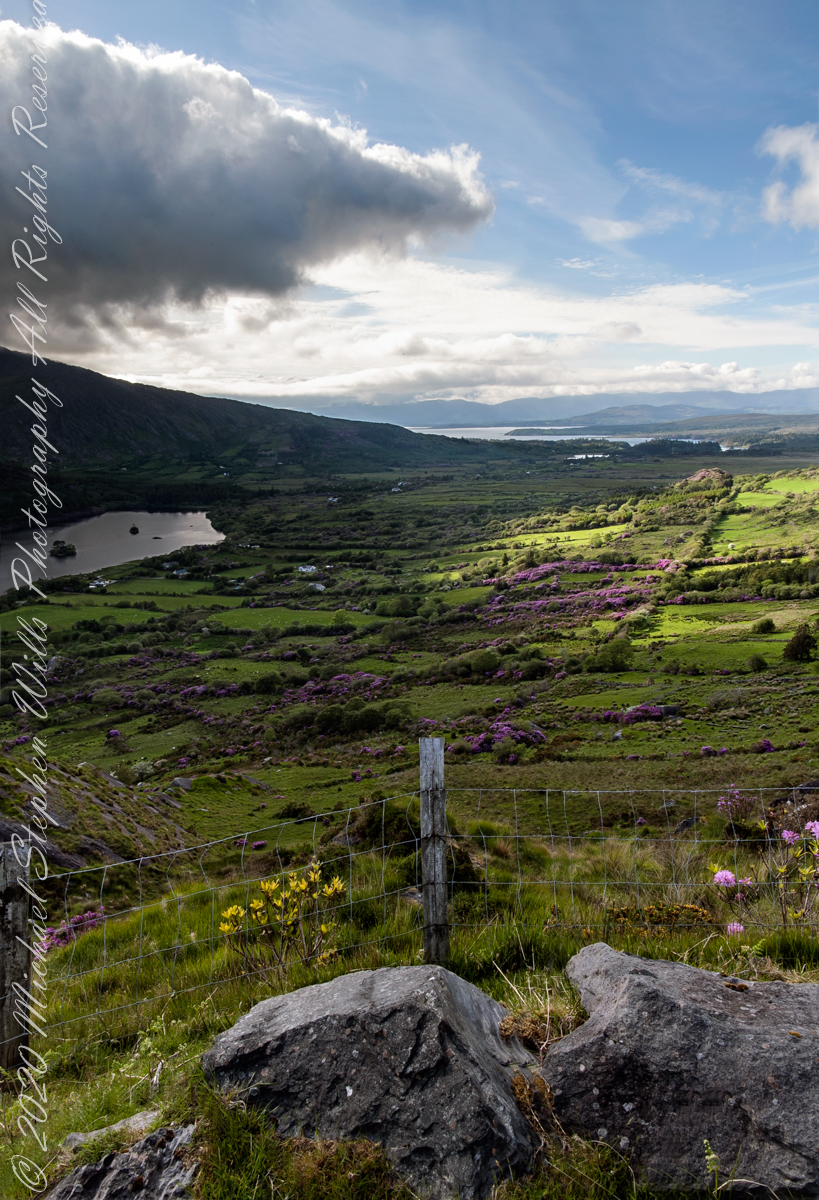
Visible from this point on R574, Healy Pass, is Glenmore Lake, the Rivers Drunminboy, Glanstrasna flowing into a sheltered inlet of the Atlantic Ocean. In 1911, the Irish National Census lists nineteen (19) persons of five (5) families listed with the names O’Sullivan, Sullivan and Shea. From this view this is a puzzle until the map is examined. The land transitions from this rock to a steep, then leveling slope down to Glanmere Lake and a stream running from the heights with plenty of reasonably level, fertile acreage. There is a glimpse of a lake. Like many of the Irish place names, Glenmore Lake has a connection to the Irish Language name, Loch an Ghleanna Mhóir. Roughly translated the name means Large Lake of the Glen. The names in use today, in English, are derived from the sounds of the Irish. It happens the Irish Ghleanna sounds link Glen (or in another version, Glan, roughly the same). Beara Peninsula, Coolcreen townland, County Kerry, Republic of Ireland.

Copyright 2021 Michael Stephen Wills All Rights Reserved

Coolcreen View Five

horizontal

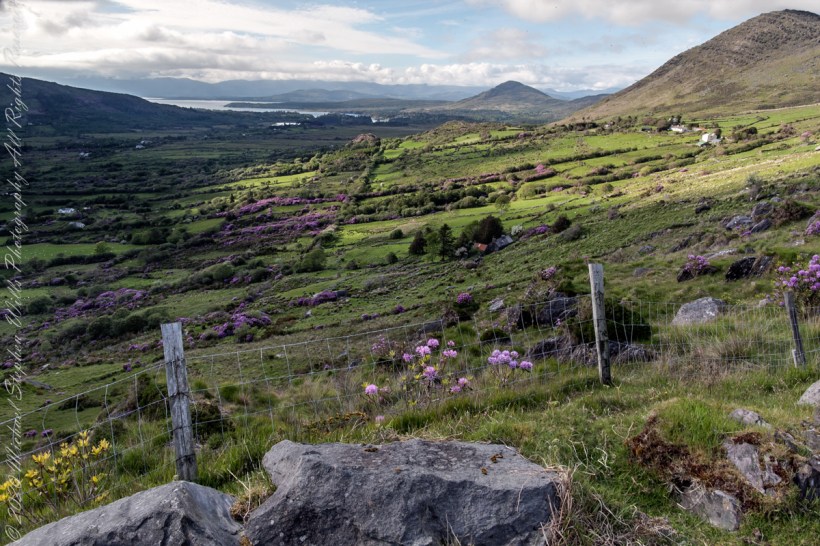
Number five of six from the Kerry County side on the descent Healy Pass, R574. Less sky and more land in this horizontal aspect.

Lavender hedgerows drawn the eye to that conical distant hill. In the lower left the new rhododendron leaves are flower-like.

Beara Peninsula, Coolcreen townland, County Kerry, Republic of Ireland.

You can easily view a higher resolution versions by clicking on the photograph to open a browser tab.

Click photograph for a larger version.

Copyright 2021 Michael Stephen Wills All Rights Reserved

Coolcreen View Four

Happy Saint Patrick’s Day

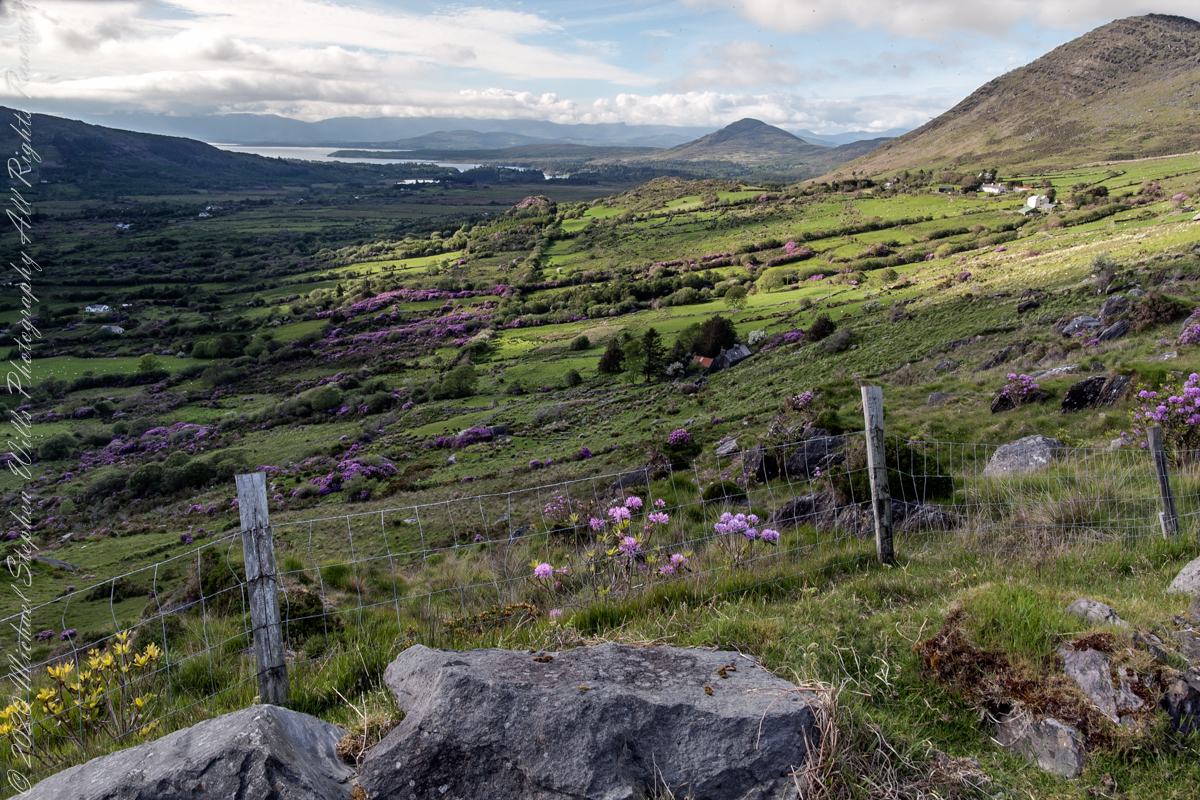
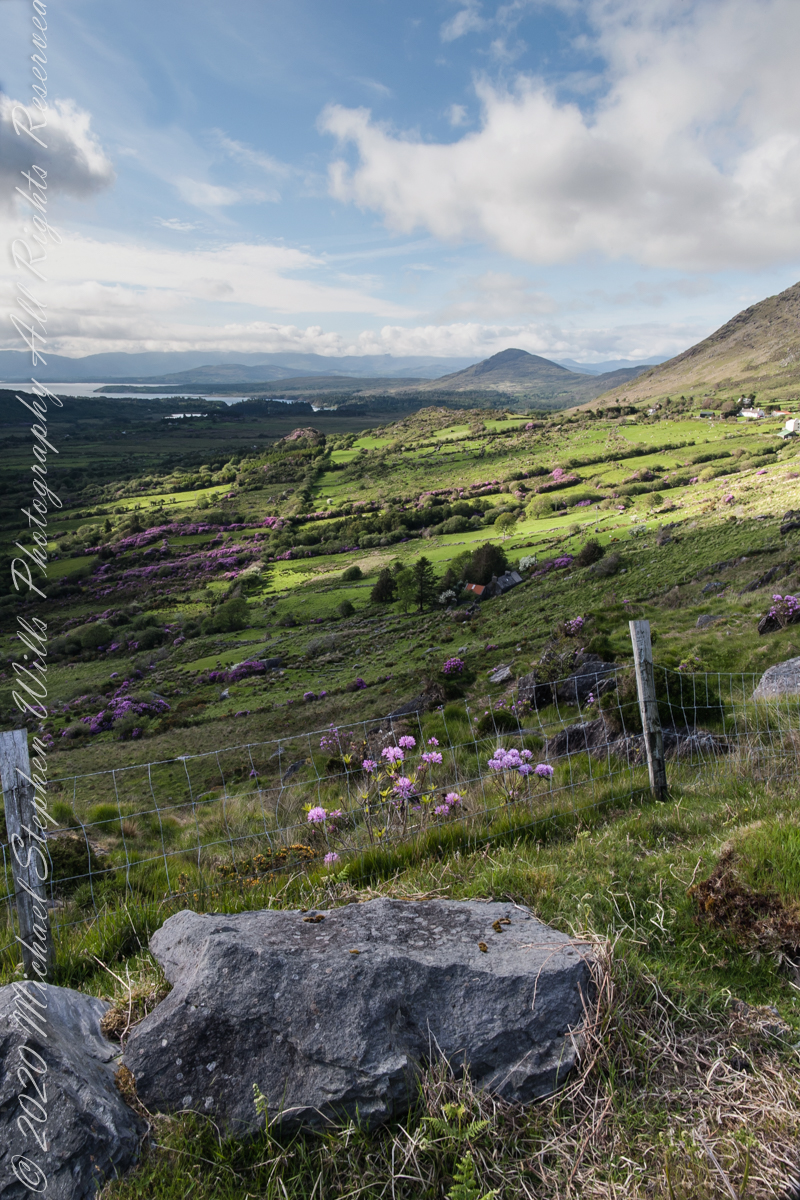
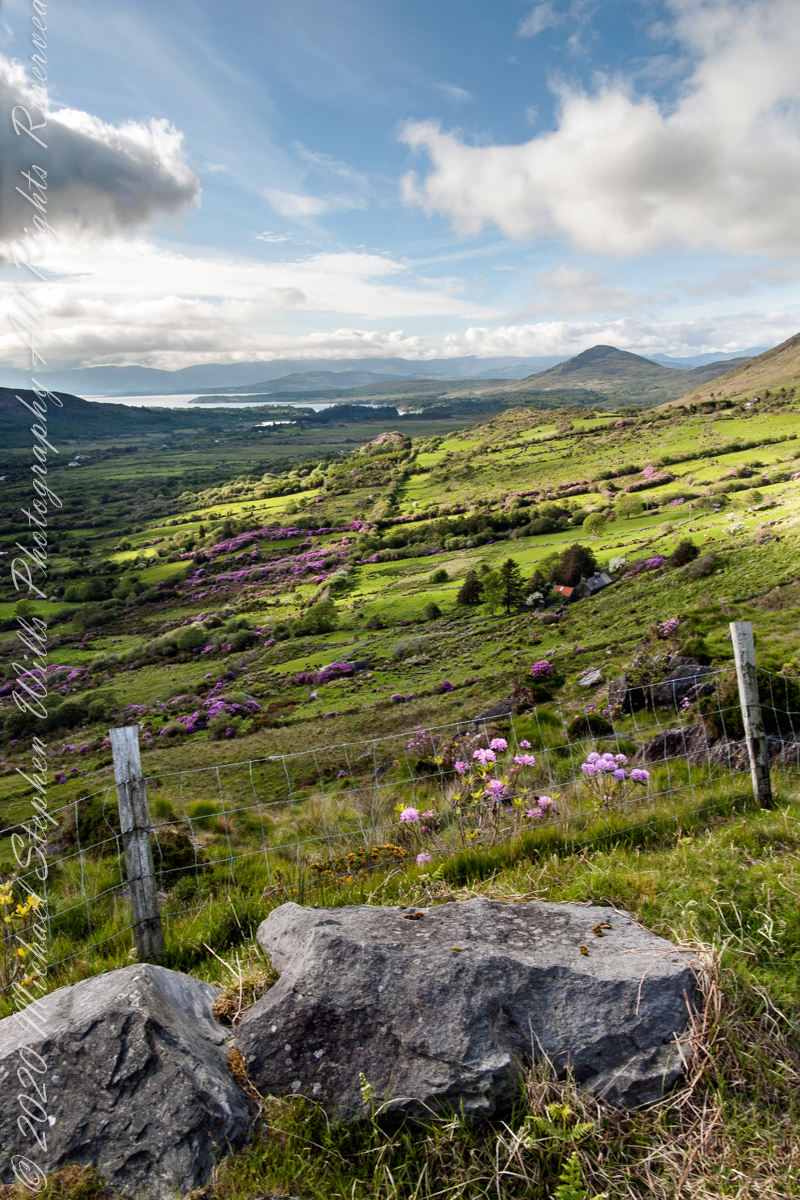
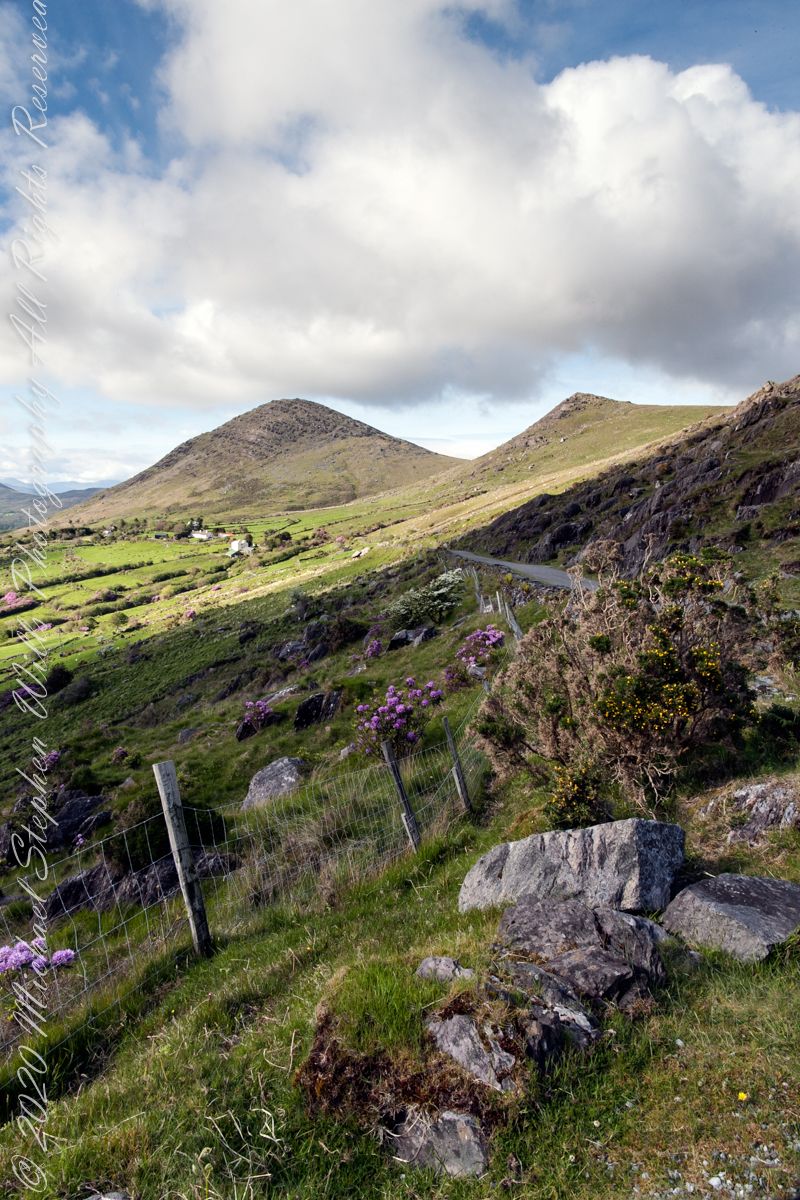
Number four of six from the Kerry County side on the descent Healy Pass, R574. Here I turn the camera on the Manfrotto studio tripod with hydrostatic ball head to the original view, a little less lit with a better leveling of the horizon.

A first glance, the rhododendrons in bloom are beautiful along the hedgerows and the foreground. Click me for our first encounter with this flowering plant. Later, during out stay at Ashford Castle, County Mayo, during kayaking on Lough Corrib, I remembered this scene and described it to my guide. He filled me in the rhododendron is a notorious invasive species. Click me for an interesting article with all the details.

Here is story of visitors LOST in a rhododendron forest.

Beara Peninsula, Coolcreen townland, County Kerry, Republic of Ireland.

You can easily view a higher resolution versions by clicking on the photograph to open a browser tab.

Click photograph for a larger version.

Copyright 2021 Michael Stephen Wills All Rights Reserved

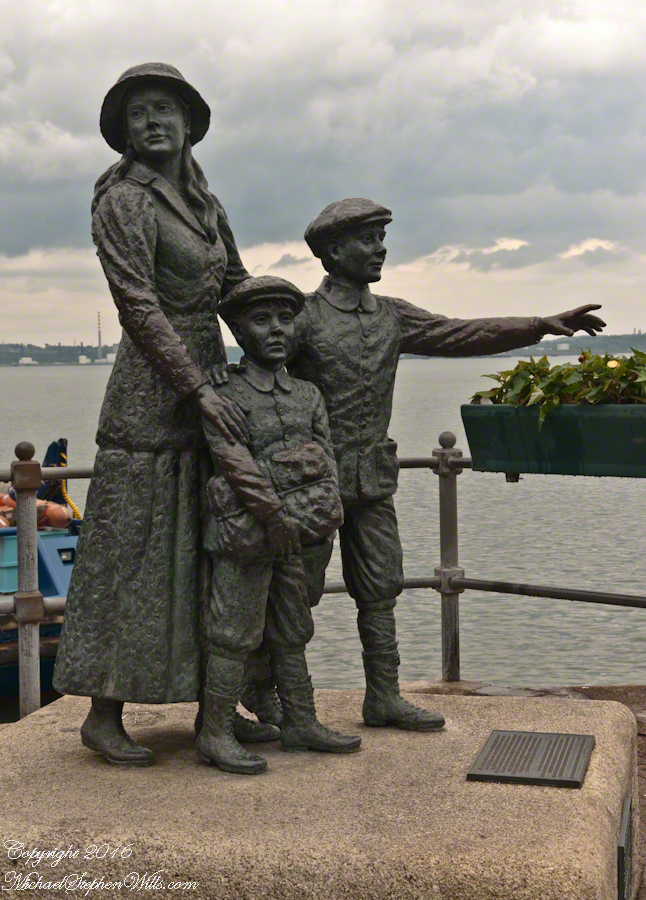
Annie Moore and her brothers

A statue of Annie Moore and her brothers quayside, Cóbh, County Cork, The Republic of Ireland

Click the photograph for my online gallery.
Annie, Anthony and Phillip Moore Statue, Cóbh– CLICK ME!!!!

On May 29, 2014, Pam and I had the emotionally moving experience of visiting the Cóbh Heritage Centre. This statue stands outside the centre, on the quay from which thousands of Irish emigrated from what was then Queenstown. My father’s mother, Elizabeth Wills née Duffy, departed from here on April 28, 1898.

These are the words on the plaque:

‘Annie Moore and her brothers, Anthony and Phillip, embarked from this town on December 20, 1891, on the S.S. Nevada. Annie was the first person to be admitted to the United States of America through the new immigration center at Ellis Island, New York, on January 1, 1892. This sculpture was unveiled by the President of Ireland, Mary Robinson, on February 9, 1993. It was erected by Cóbh Heritage Trust Ltd. and is dedicated to all who emigrated from Ireland.
This sculpture won the Zeneca Ireland Ltd. Commemorative Sculpture Award. A statue of Annie Moore was also erected at Ellis Island, New York. The commemoration of Annie Moore at New York and at Cóbh was initiated by the Irish American Cultural Institute. This sculpture is the work of Jeanne Rynhart of Bantry.'”

Click to visit the previous post in this series, “The Old Aghameen School.”

Copyright 2021 Michael Stephen Wills All Rights Reserved

Coolcreen View Three

Coolcreen Townland

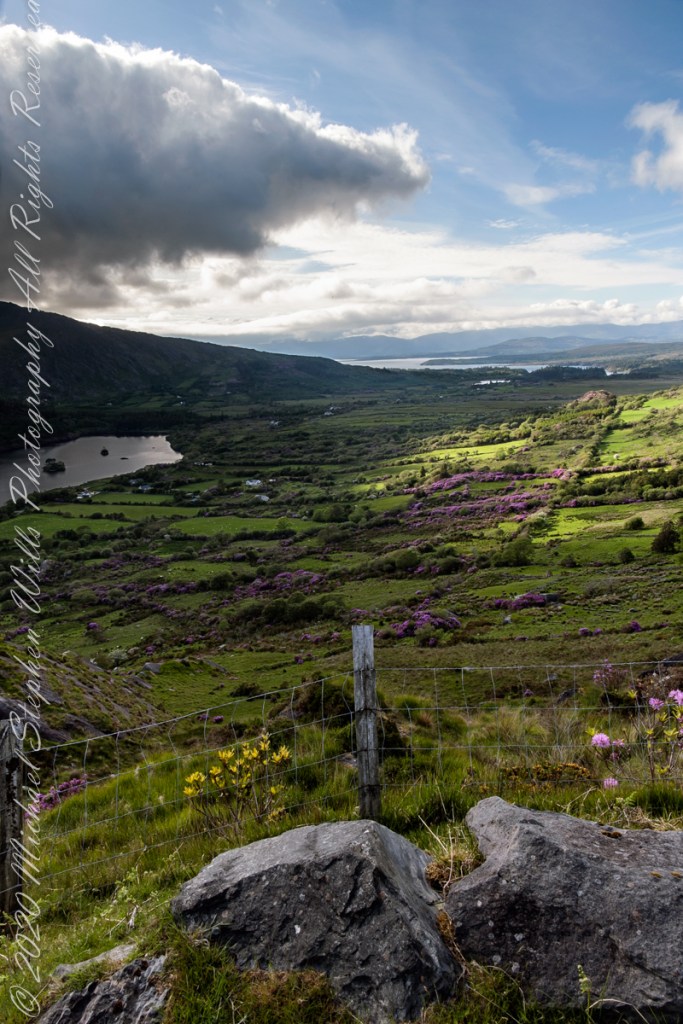
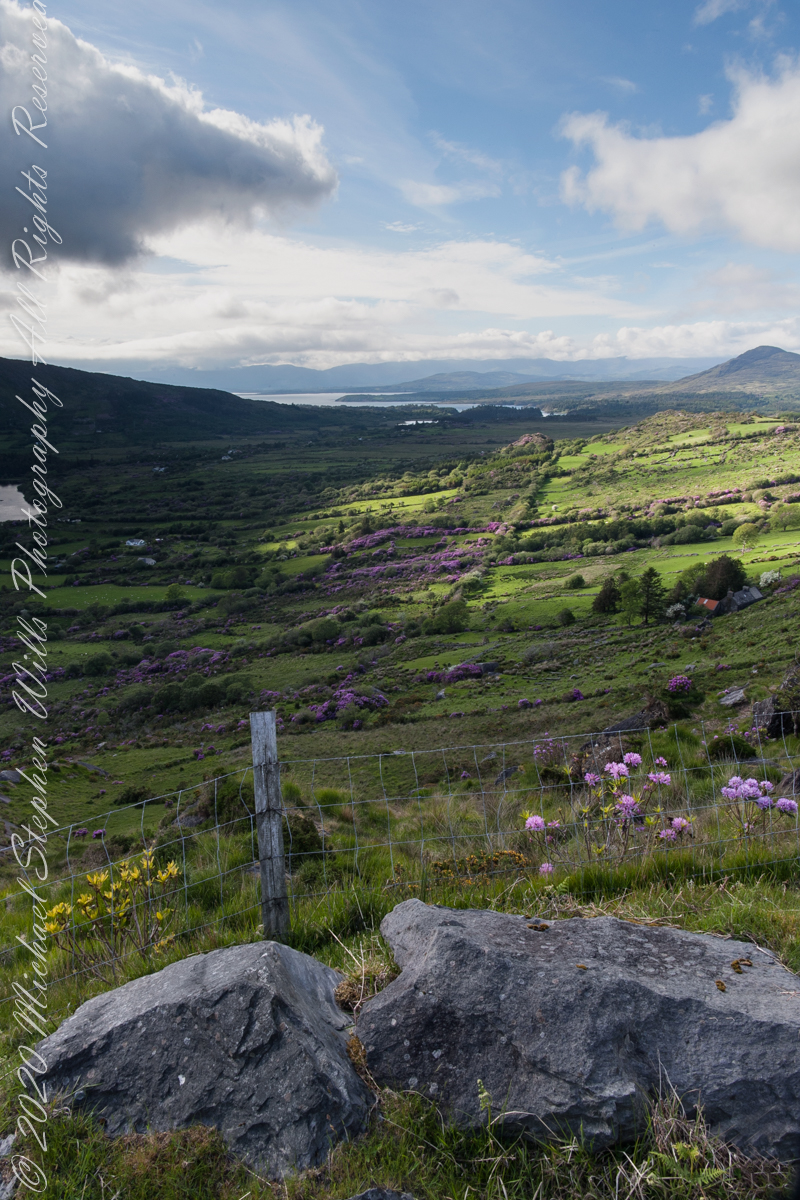
Number three of six from the Kerry County side on the descent Healy Pass, R574. I turned the camera a few more degrees into the gathering darkness, under the cloud, for an almost complete view of Glanmore Lake.

It is possible to just make out several lake houses. Click me for more information about who live here during the early twentieth century.

Click me to learn more about the name of the lake.

Beara Peninsula, Coolcreen townland, County Kerry, Republic of Ireland.

You can easily view a higher resolution versions by clicking on the photograph to open a browser tab.

Click photograph for a larger version.

Copyright 2021 Michael Stephen Wills All Rights Reserved

Coolcreen View Two

Coolcreen Townland

Number two of six from the Kerry County side on the descent Healy Pass, R574. The dynamic range is a photographic challenge: the scene darkens as a cloud covers the westering sun, I turn the camera toward Glanmore Lake. The large, distant water is a bay on the North Atlantic named for the city at the foot, Kenmare.

Beara Peninsula, Coolcreen townland, County Kerry, Republic of Ireland.

You can easily view a higher resolution versions by clicking on the photograph to open a browser tab.

Click photograph for a larger version.

Copyright 2021 Michael Stephen Wills All Rights Reserved

Coolcreen View One

Coolcreen Townland

Number one of six from the Kerry County side on the Healy Pass, R574, descent. You can see the turnout we are using on the road below in this photograph Kerry View Seven. We have not travelled far, still in Coolcreen townland.

Here is a story collected by Shelia Sheahan from Mrs. M. Sheahan of Beal Middle, County Kerry.The Schools’ Collection, Volume 0621, Page 413” by Dúchas © National Folklore Collection, UCD is licensed under CC BY-NC 4.0.

There is a fort in Beale and it is supposed to be the principal resort of the fairies. One day as two men were drawing hay from Slios near Caill na calman, one went through the fields as it was shorter than to go by the road, and his brother drove the horse by the road to Slios. As he was passing this fort, a little boy came out of it and ran after the car and sat into it. When they were gone a short distance he offered the man some sweets but he refuse to take any. None of them spoke anymore until they arrived in Slios. Again the little boy offer the sheets to the second man who went through the fields. But his brother went behind the little boy’s back and grinned at the other man not to take the sweets, because he was about to take them. At this the little boy went into the fort and they saw him no more. Background: a fort, or rath, is a grassy, round mound. By emerging from the rath, the boy is identified as one of the Others (“fairies”). Accepting and consuming a foodstuff or beverage from the Others puts a human under their control. The second man did not know where the boy came from and was warned away by his companion, otherwise the story would be much longer.

Beara Peninsula, Coolcreen townland, County Kerry, Republic of Ireland.

You can easily view a higher resolution versions by clicking on the photograph to open a browser tab.

Click photograph for a larger version.

Copyright 2021 Michael Stephen Wills All Rights Reserved

The Cloigtheach of Glendalough

A fine round stone tower of mica slate and granite

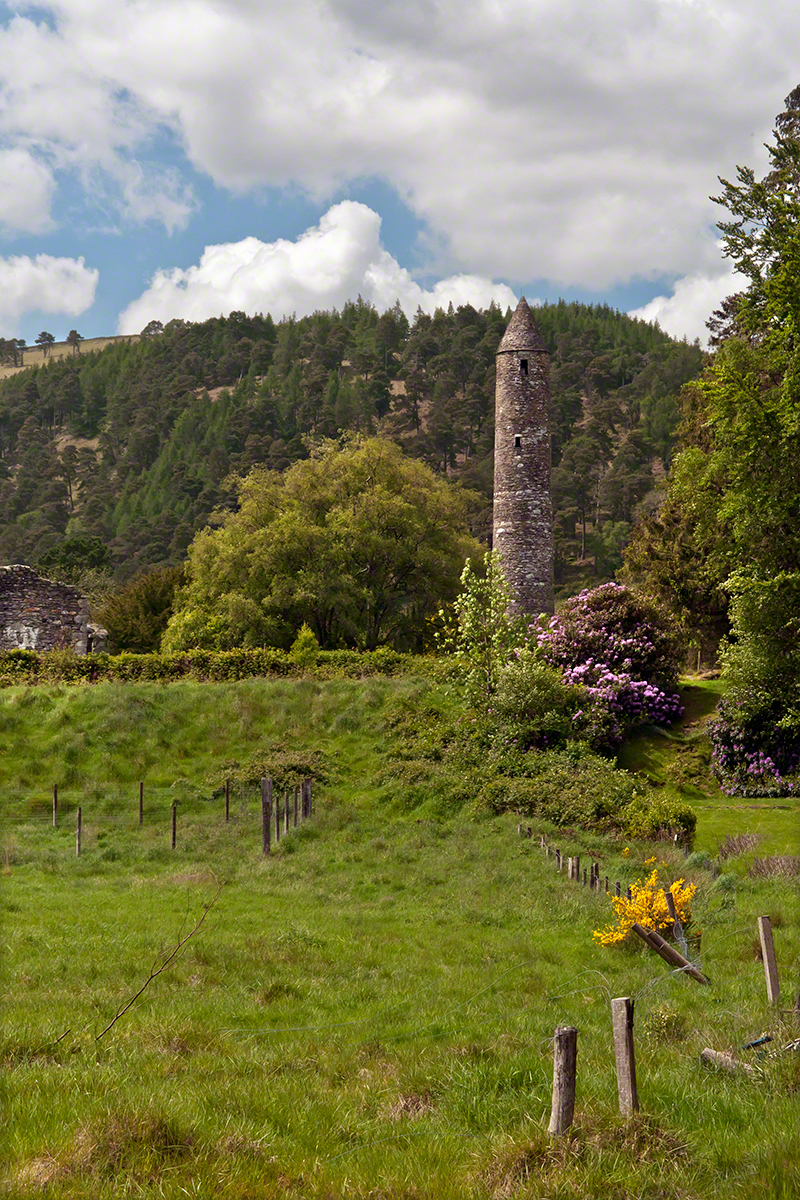
Cloigtheach is the Irish language name for a round stone tower.  The word’s literal meaning is “Bell House.”  This fine example of mica slate and granite is found in the Glendalough valley of County Wicklow, Ireland.

The sun was past noon when we arrived at this glacial valley of the Wicklow mountains.  In the few hours available I shot the tower from numerous angles and chose this because the tower is placed in the larger natural environment, viewed as a singular object apart from the monastic city the tower is placed among.

The Cloigtheach of Glendalough– CLICK ME!!!!

Saint Kevin founded a monastic settlement within Glendalough valley almost 1,500 years ago, in the late 6th century A.D. As a religious center the monastery flourished for 600+ years, becoming a monastic city. Destroyed by English forces in 1398, it was disestablished at that time. Still, Glendalough served as a pilgrimage destination through the intervening centuries. The surviving buildings date from the 10th through 12th centuries.

Rebuilding and restoration efforts began 1876, including the roof of this tower using original stones. At 30.48 meters (100 feet) tall the Cloigtheach of Glendalough is the landmark by which the site is known.

Enter your email to receive notification of future postings. I will not sell or share your email address.

Irish Countryside: the Old Aghameen School

A schoolhouse ruin on the Cooley Peninsula near the Tain trail

Click any photograph to visit my online gallery

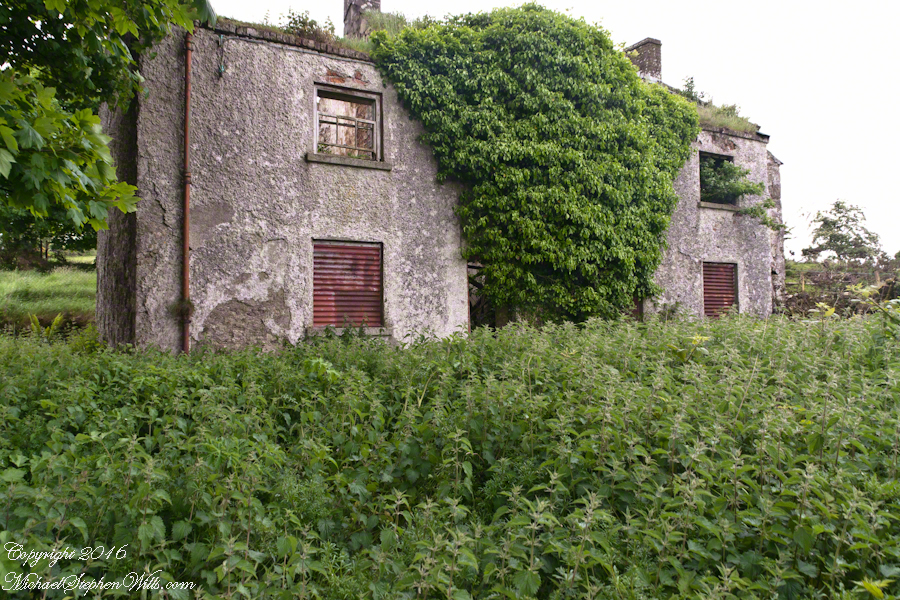
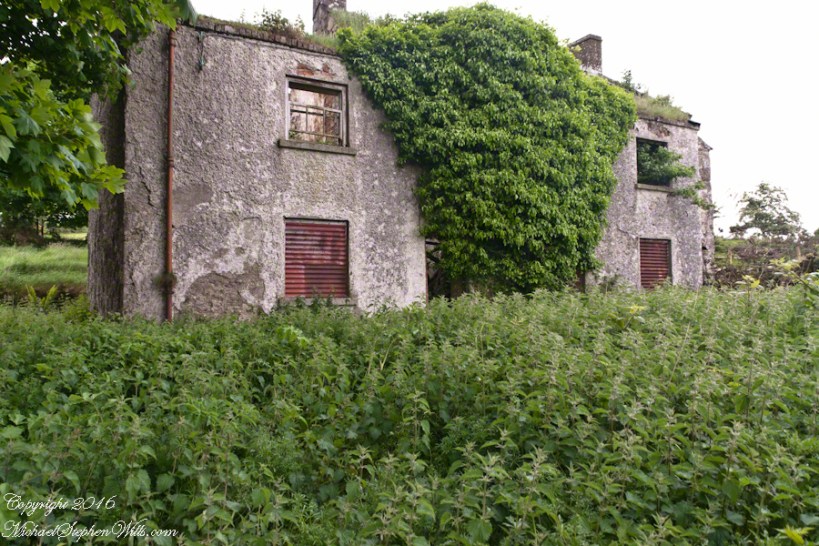
On Monday, June 9, 2014 John Mills, the first cousin of my mother, Catherine Wills nee McArdle, showed us the ruin of the schoolhouse used in the 1930 / 1940’s and which he attended as would Catherine if her parents hadn’t emigrated to Canada in the 1920’s.  Free public schooling was mandated in Ireland from 1831 and by the 1850s most Irish parishes had a schoolhouse, such as this in Ballymascanlon civil parish, as part of the National Schools.  When this piece was first published, Malachy Mills (a cousin), left a comment and clue…the name is Aghameen School.  The following information spooled out from that.

There is an Irish language site, Duchas.ie, with listings for Aghameen, a Louth township, the very one of the school and, very rightly, it is the name of the school.  There is even information from a teacher, Bean Ui Riada, who taught there 1937 – 1938, and posted information about local place names and legends.  Here is the link to his postings.  I learned from him that Aghameen is An tÁth Mín in Irish and means “field of the mountain meadow.”  You can see from the photographs the site is on the side of a mountain, pine forests all around.

Throughout her life my Mother had correspondence with her cousins who learned how to write in this very school.

The school existed at least since 1842. In private communication arising from this blog posting I learned a friend’s great, great grandfather, Denis Joseph Doherty, came from Donegal in that year to teach in the school and married a fellow teacher, Margaret Kane who was the girl’s school teacher. They raised a family while living at the school until moving to Jenkinstown. Margaret was from Jenkinstown, not far away and also on the Cooley Peninsula. They are Malachy Mills’ great, great, great grandparents through his mother.

Aghameen School is located on the Cooley Peninsula, County Louth, shown in the following Google Earth Image
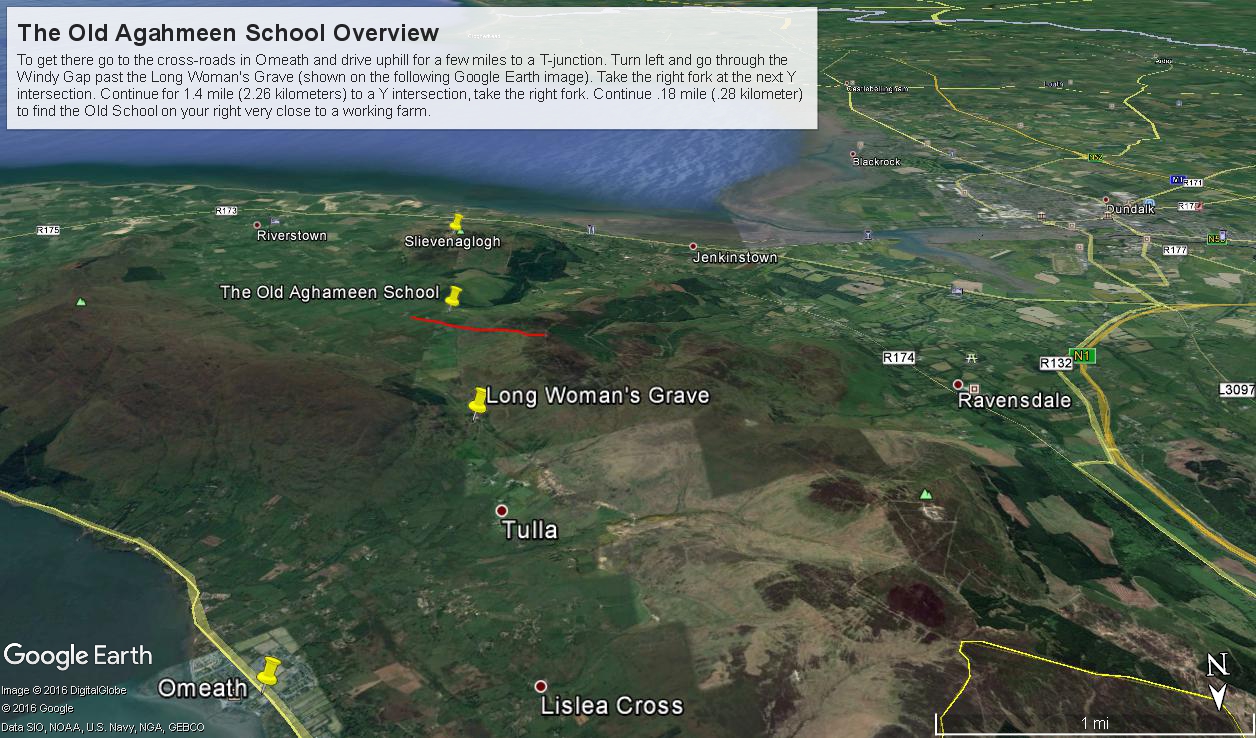
Schoolhouse Ruin Overview from Omeath– CLICK ME!!!!

This is the exact location:
Latitude 54° 2’17.83″N
Longitude 6°16’3.08″W

To get there go to the cross-roads in Omeath and drive uphill for a few miles to a T-junction. Turn left and go through the Windy Gap past the Long Woman’s Grave (shown on the following Google Earth image). Take the right fork at the next Y intersection. Continue for 1.4 mile (2.26 kilometers) to a Y intersection, take the right fork. Continue .18 mile (.28 kilometer) to find the ruin is on your right.
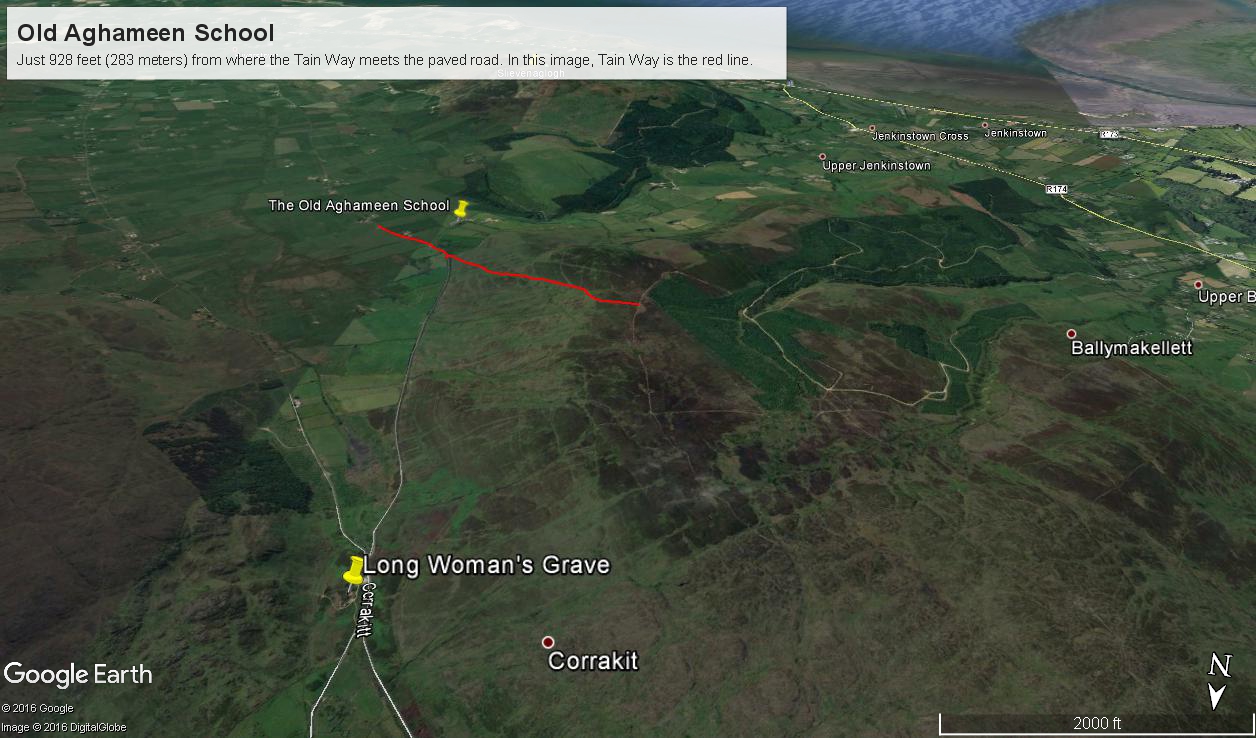
Aghameen Schoolhouse Location– CLICK ME!!!!

I marked the a portion of the Tain Way with a red line where it passes near the Old Schoolhouse.
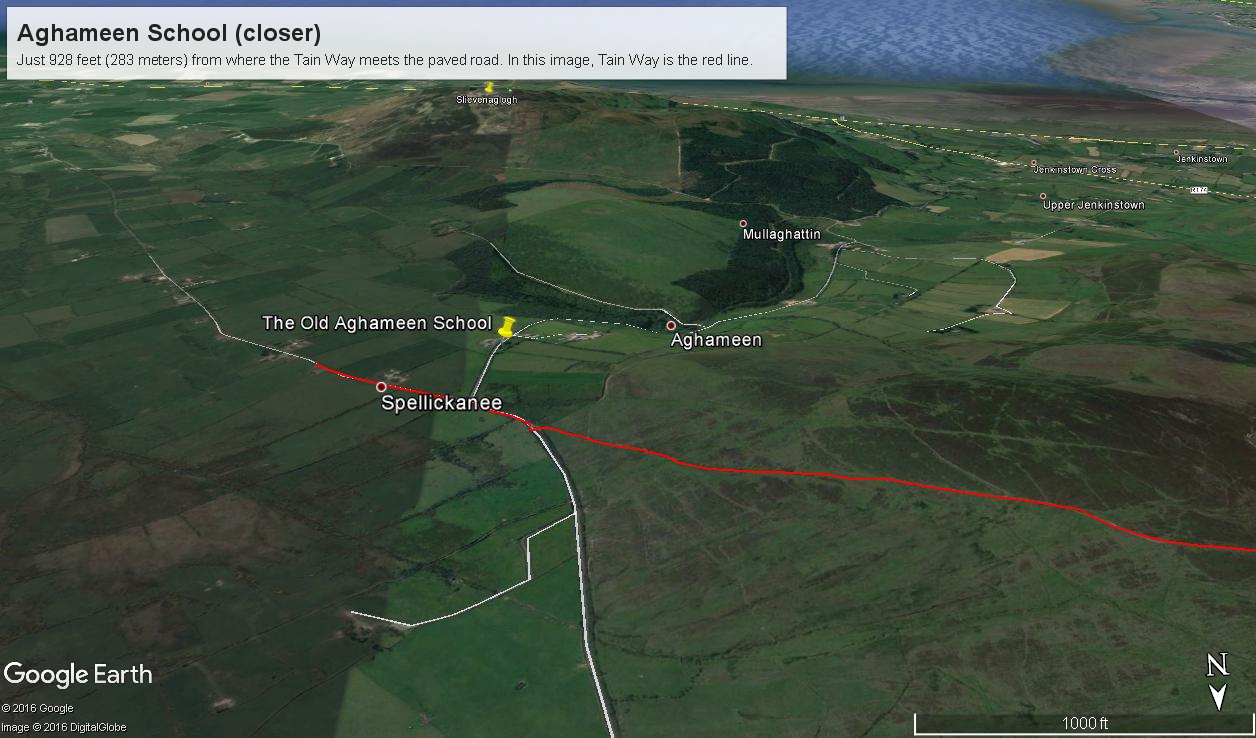
Aghameen Schoolhouse Location closer– CLICK ME!!!!

This is the road as viewed from the ruin looking south…..
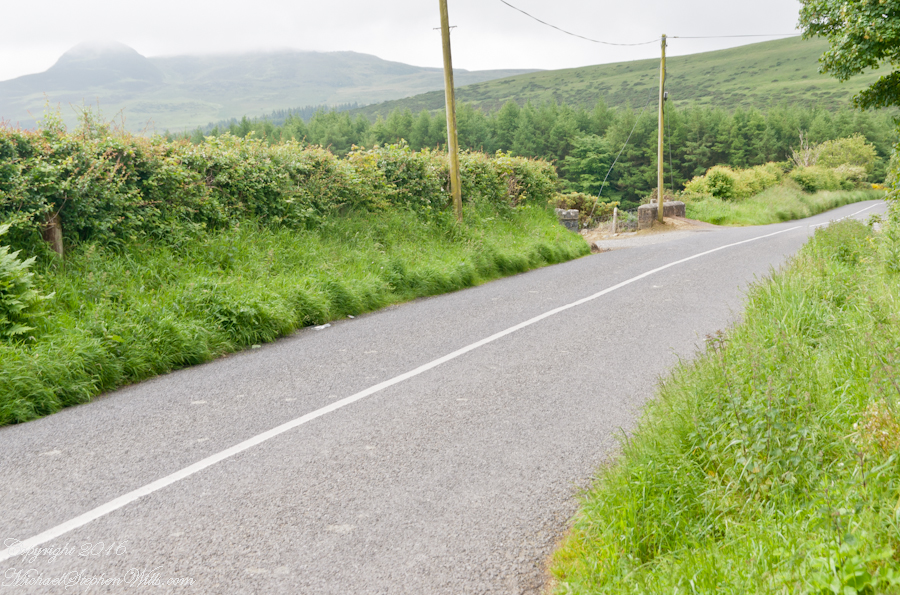
Schoolhouse Ruin stone fence– CLICK ME!!!!

….and the distant view of the uniquely shaped peak Slievenaglogh to the southeast. Slievenaglogh in Irish is Sliabh na gCloch and means mountain of rocks. There is an identically named peak in the Mourne Mountains, to the north across Carlingford Loch. Slievenaglogh of Cooley Peninsula is an interesting element of south view from this valley.
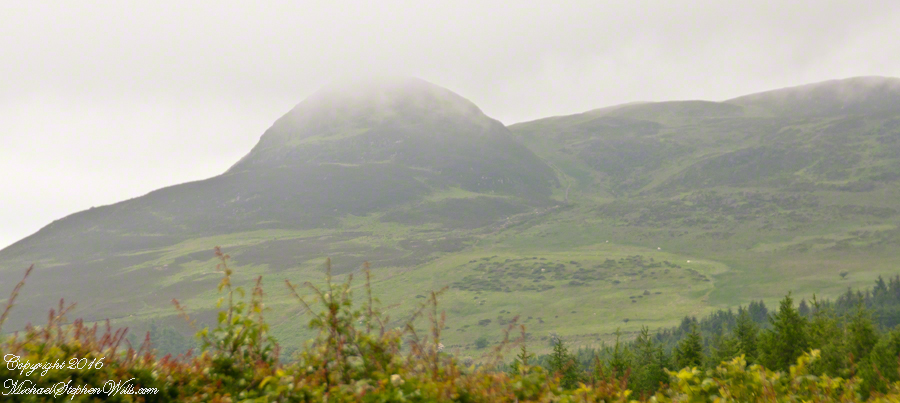
Schoolhouse Ruin stone fence– CLICK ME!!!!

The ruin itself. Schoolhouse Ruin stone fence– CLICK ME!!!!

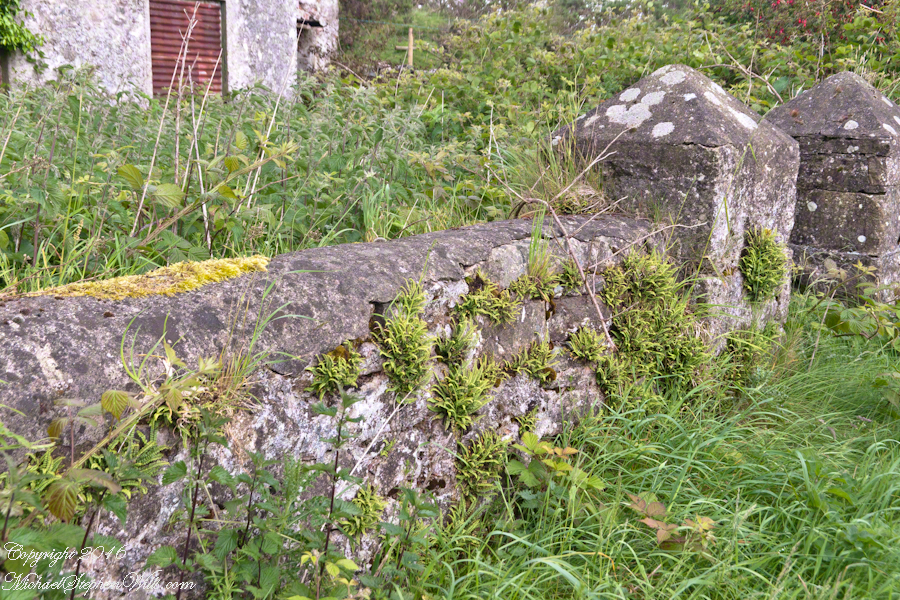
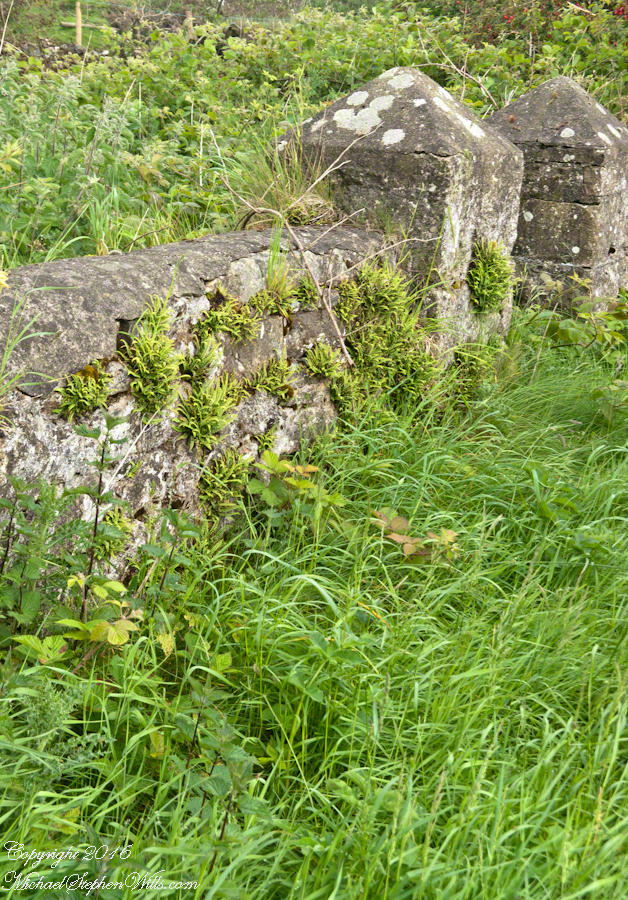
…behind a stone fence and gate posts.
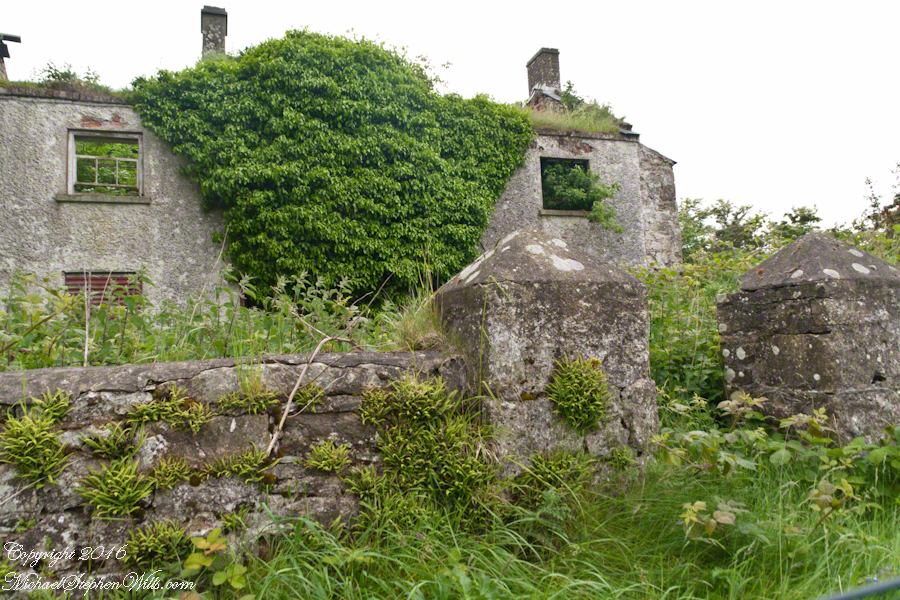
Schoolhouse Ruin stone fence– CLICK ME!!!!

Overgrown with ferns, moss, grass…..

Schoolhouse Ruin stone fence– CLICK ME!!!!

…the ever present lichen.

Schoolhouse Ruin stone fence– CLICK ME!!!!

John’s son, Sean Mills, was with us.  That day, Sean lead us on Tain Way over the Golyin Pass over Slieve Foy with Carlingford as the destination.  Indeed, the Tain Way passes a few feet from this spot, being a loop of the Cooley peninsula. The Way is a two day walk, our starting point was a few miles from the schoolhouse.

Click for the previous posting in this series, “Happy Saint Patrick’s Day 2017”.

Click for the next posting in this series, “Annie Moore and her brothers”.Click for the next posting in this series, “Annie Moore and her brothers”.
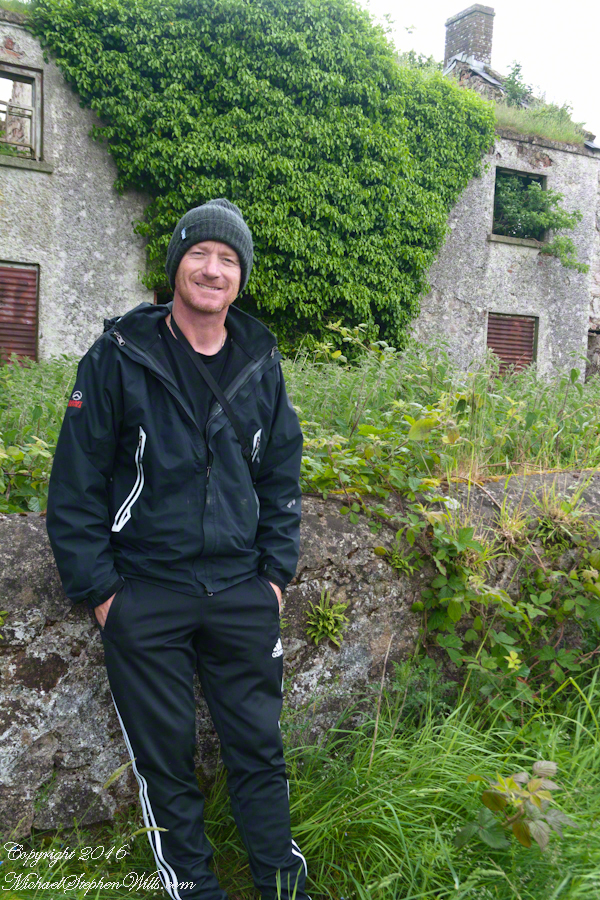
Schoolhouse Ruin stone fence– CLICK ME!!!!