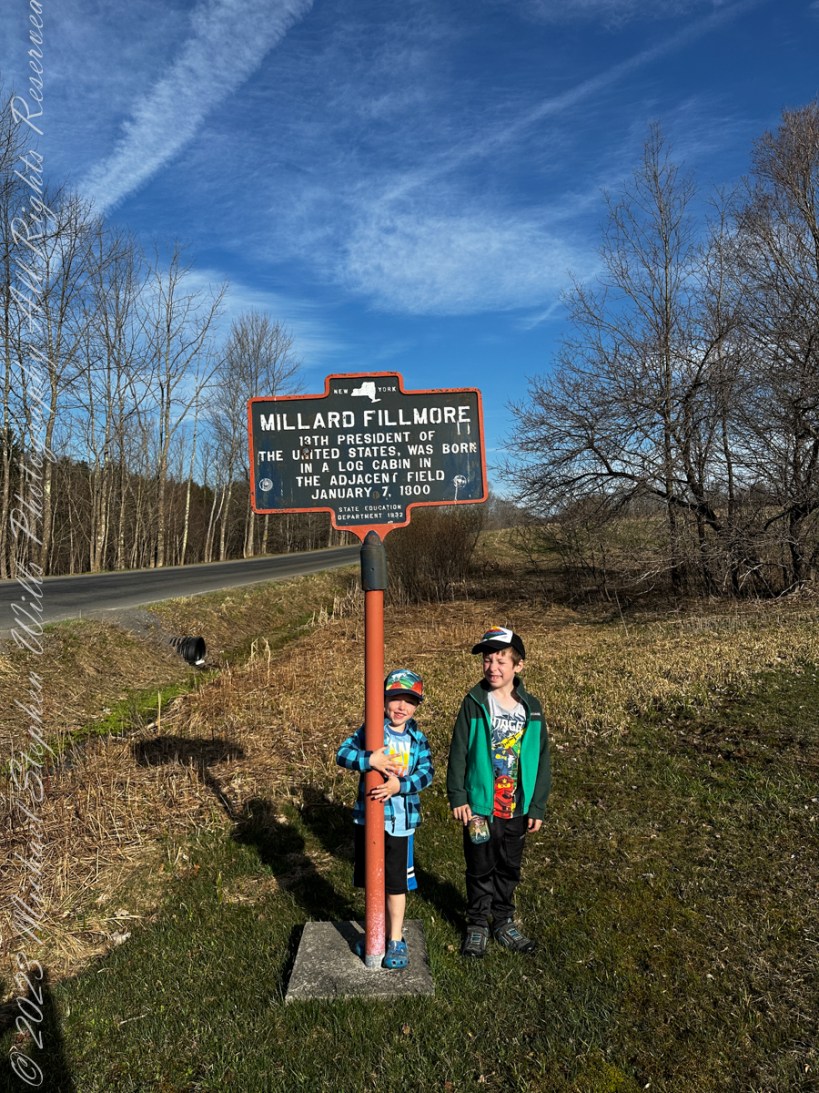
Born in a Log Cabin

Millard Fillmore, 13th President, United States of AmericA

Last Friday the grandsons and I had an outing to the hills above Moravia in Cayuga County, there we visited the birthplace of Millard Fillmore. The site is a rather steep, rocky hillside near where the future President was born in a log cabin. He was not the last future President thus born, James Garfield in 1831 was born fatherless in Ohio in a log cabin. The future 20th President and the last to be so born. Nine years after Millard Fillmore, Abraham Lincoln was born, February 12, 1809 in the same residential circumstance and was the first future President born west of the Appalachian Mountains at Sinking Springs Farm, Kentucky. At least seven (7) future USA Presidents were born in log cabins, the others are: Andrew Jackson, James K. Polk, James Buchanan, Andrew Johnson, Chester A. Arthur.
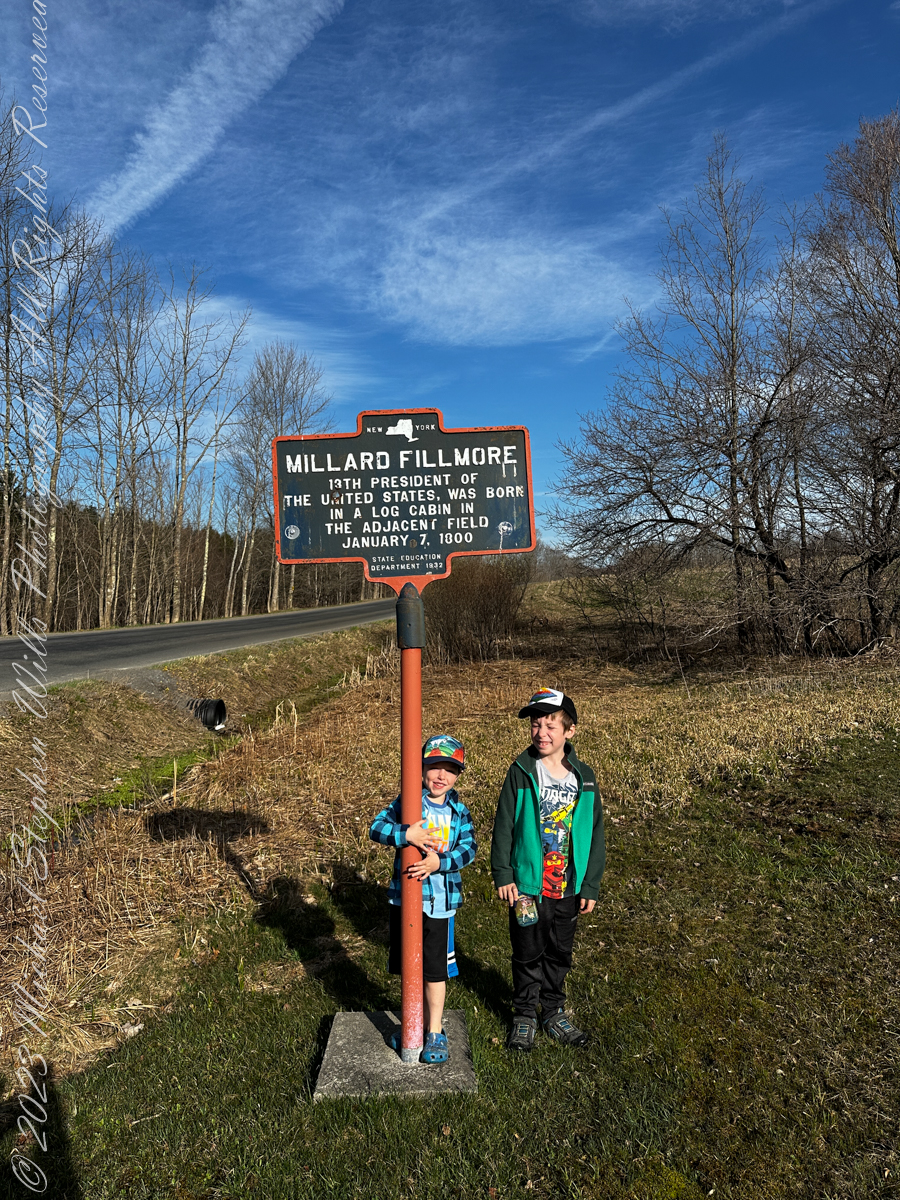
There is quite a bit to do at this open air museum: educational signs, split rail fencing from that time, a pavilion build from concrete, steel I-beams and a metal roof with picnic tables where we played games.

On the way to Fillmore Glen New York State Park to visit an actual log cabin from that time, we stopped at the Lickville Cemetery on Lick Street. Opened a few years after Fillmore’s birth, 1807, 180 headstones are still standing. We practiced sounding out words from the large carved letters on the stones.

After visiting the log cabin our day was interrupted by symptoms of a stomach flu that has been terrorizing all our families. Fortunately, I escaped. Our plan is to continue to explore Fillmore Glen at a later time.

More about Millard Fillmore from Wikipedia

Millard Fillmore was born on January 7, 1800, in a log cabin, on a farm in what is now Moravia, Cayuga County, in the Finger Lakes region of New York. His parents were Phoebe Millard and Nathaniel Fillmore, and he was the second of eight children and the oldest son.

Nathaniel Fillmore was the son of Nathaniel Fillmore Sr. (1739–1814), a native of Franklin, Connecticut, who became one of the earliest settlers of Bennington, Vermont, when it was founded in the territory that was then called the New Hampshire Grants.

Nathaniel Fillmore and Phoebe Millard moved from Vermont in 1799 and sought better opportunities than were available on Nathaniel’s stony farm, but the title to their Cayuga County land proved defective, and the Fillmore family moved to nearby Sempronius, where they leased land as tenant farmers, and Nathaniel occasionally taught school. The historian Tyler Anbinder described Fillmore’s childhood as “one of hard work, frequent privation, and virtually no formal schooling.”

Over time Nathaniel became more successful in Sempronius, but during Millard’s formative years, the family endured severe poverty. Nathaniel became sufficiently regarded that he was chosen to serve in local offices, including justice of the peace. Hoping that his oldest son would learn a trade, he convinced Millard, who was 14, not to enlist for the War of 1812 and apprenticed him to clothmaker Benjamin Hungerford in Sparta. Fillmore was relegated to menial labor, and unhappy at not learning any skills, he left Hungerford’s employ.

His father then placed him in the same trade at a mill in New Hope. Seeking to better himself, Millard bought a share in a circulating library and read all the books that he could. In 1819 he took advantage of idle time at the mill to enroll at a new academy in the town, where he met a classmate, Abigail Powers, and fell in love with her.

Later in 1819 Nathaniel moved the family to Montville, a hamlet of Moravia. Appreciating his son’s talents, Nathaniel followed his wife’s advice and persuaded Judge Walter Wood, the Fillmores’ landlord and the wealthiest person in the area, to allow Millard to be his law clerk for a trial period. Wood agreed to employ young Fillmore and to supervise him as he read law. Fillmore earned money teaching school for three months and bought out his mill apprenticeship. He left Wood after eighteen months; the judge had paid him almost nothing, and both quarreled after Fillmore had, unaided, earned a small sum by advising a farmer in a minor lawsuit. Refusing to pledge not to do so again, Fillmore gave up his clerkship. Nathaniel again moved the family, and Millard accompanied it west to East Aurora, in Erie County, near Buffalo, where Nathaniel purchased a farm that became prosperous.
Copyright 2023 Michael Stephen Wills All Rights Reserved.

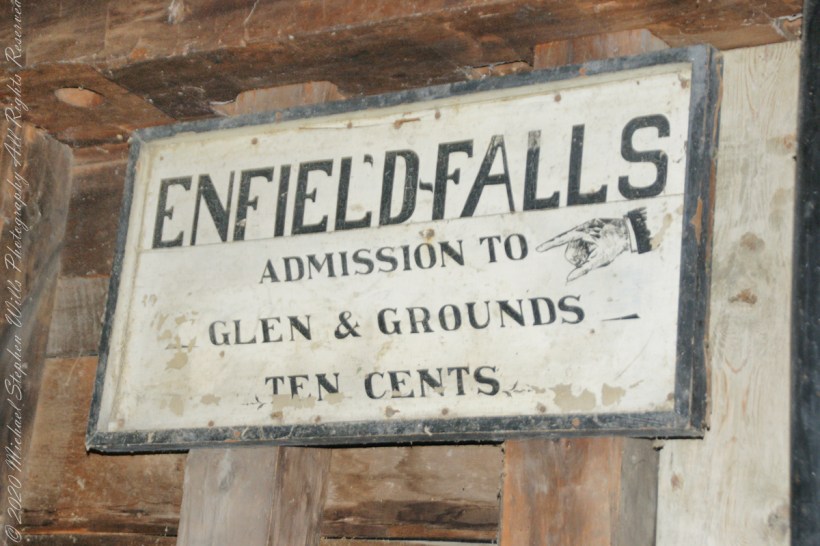
19th Century Enfield Falls

A Bit of History

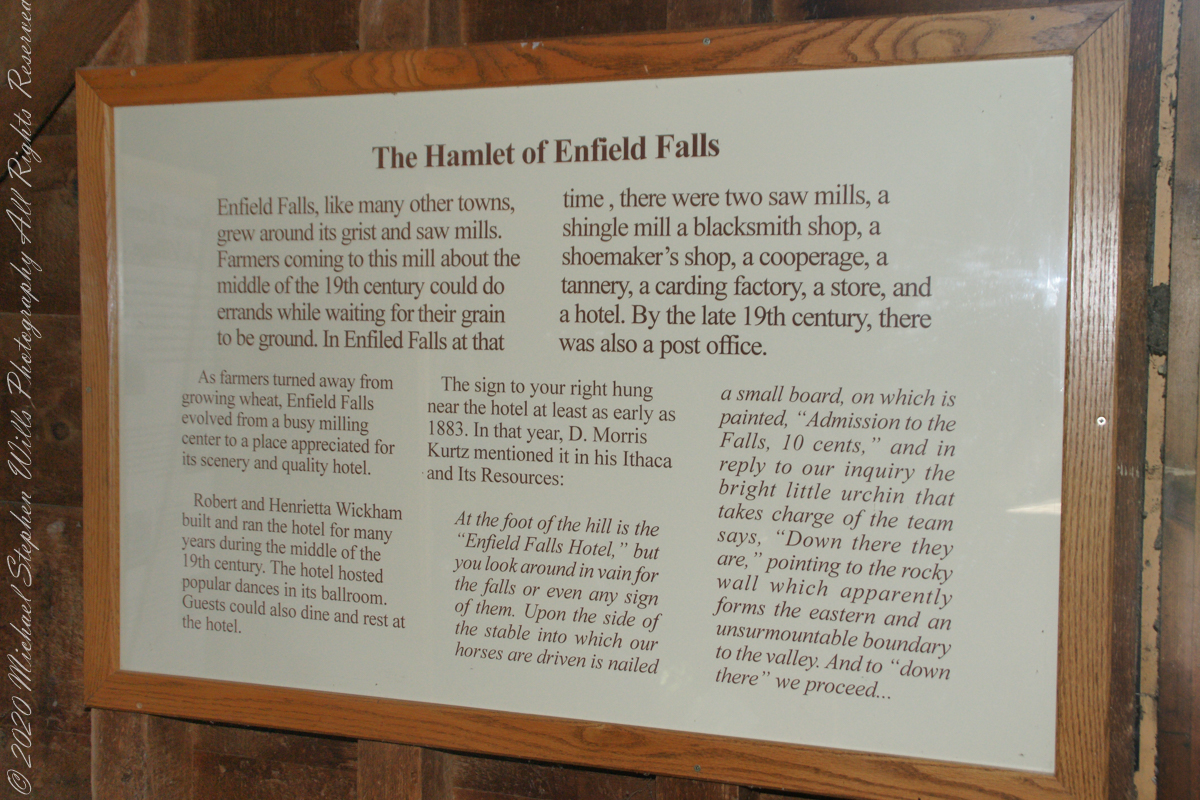
Enfield Falls, like many other towns, grew around its grist and sawmills. Farmers coming to this mill about the middle of the 19th century could do errands while waiting for their grain to be ground. In Enfield Falls at that time, there were two sawmills, a shingle mill, cooperage, tannery, carding factory, store and hotel. By the late 19th century there was also a post office.”

As farmers turned asway from growing wheat, Enfield Falls evolved from a busy milling center to a place appreciated for scenery and a quality hotel. Robert and Henrietta Wickham build and ran the hotel for many years during the middle of the 19th century. The hotel hosted popular dances in its ballroom. Guests could also dine and rest at the hotel.”

This placard from the Mill Museum at Treman Park is the source of much of today’s information. I used italics and quotes to attribute this source.

The sign in the heading of this post “hung near the hotel at least as early as 1883. In that year, D. Morris Kurtz mentioned it in his “Ithaca and Its Resources”: “At the foot of the hill is the Enfield Falls Hotel, but you look around in vain for the falls or even any sign of them. Upon the side of the stable into which our horses are driven is nailed a small board, on which is painted ‘Admission to the Falls, 10 cents.’ In reply to our inquiry the bright little urchin that takes charge of the team says, ‘Down there they are,’ pointing to the rocky wall which apparently forms the eastern and an unsurmountable boundary to the valley. And to ‘down there’ we proceed……

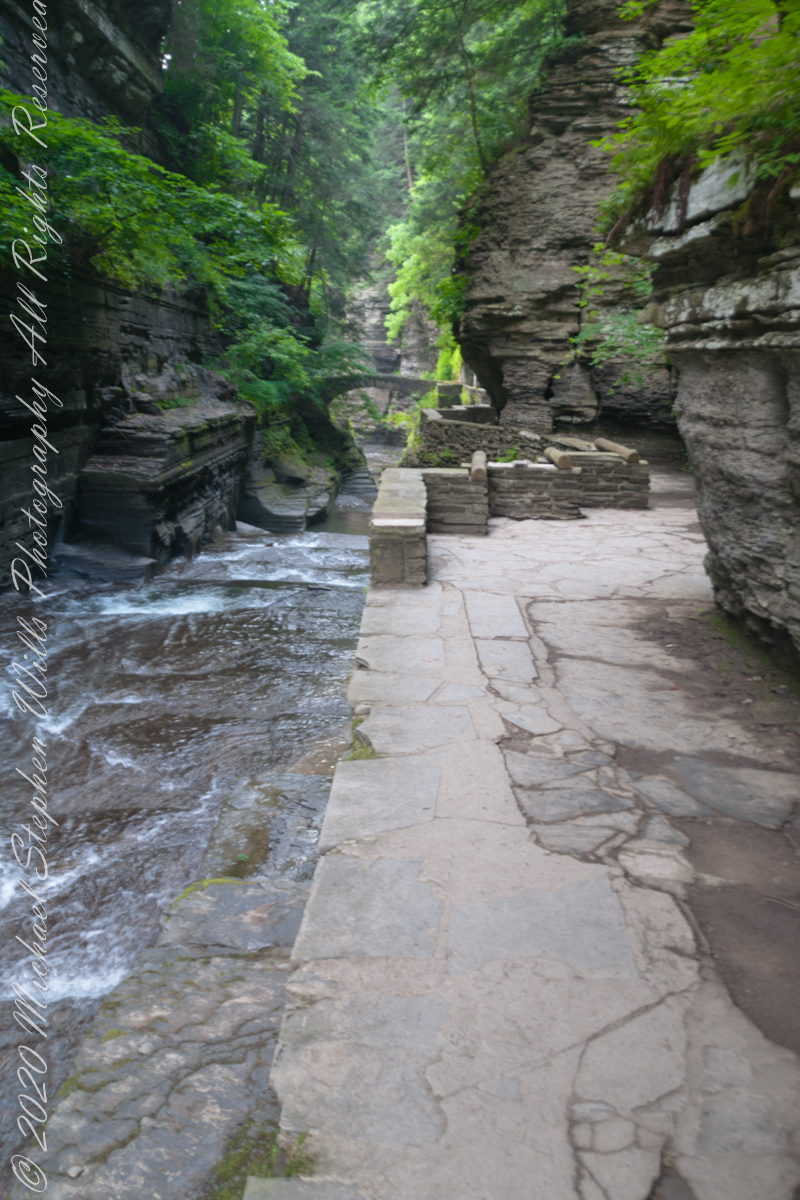
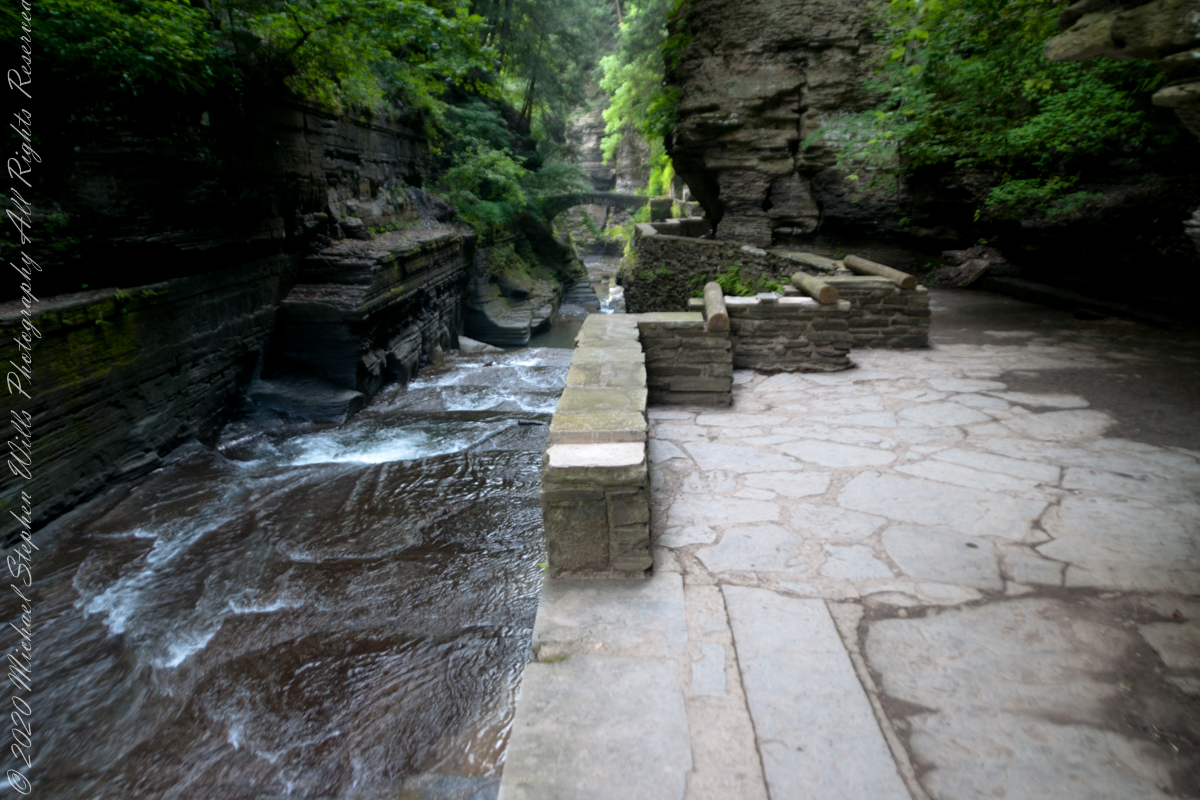
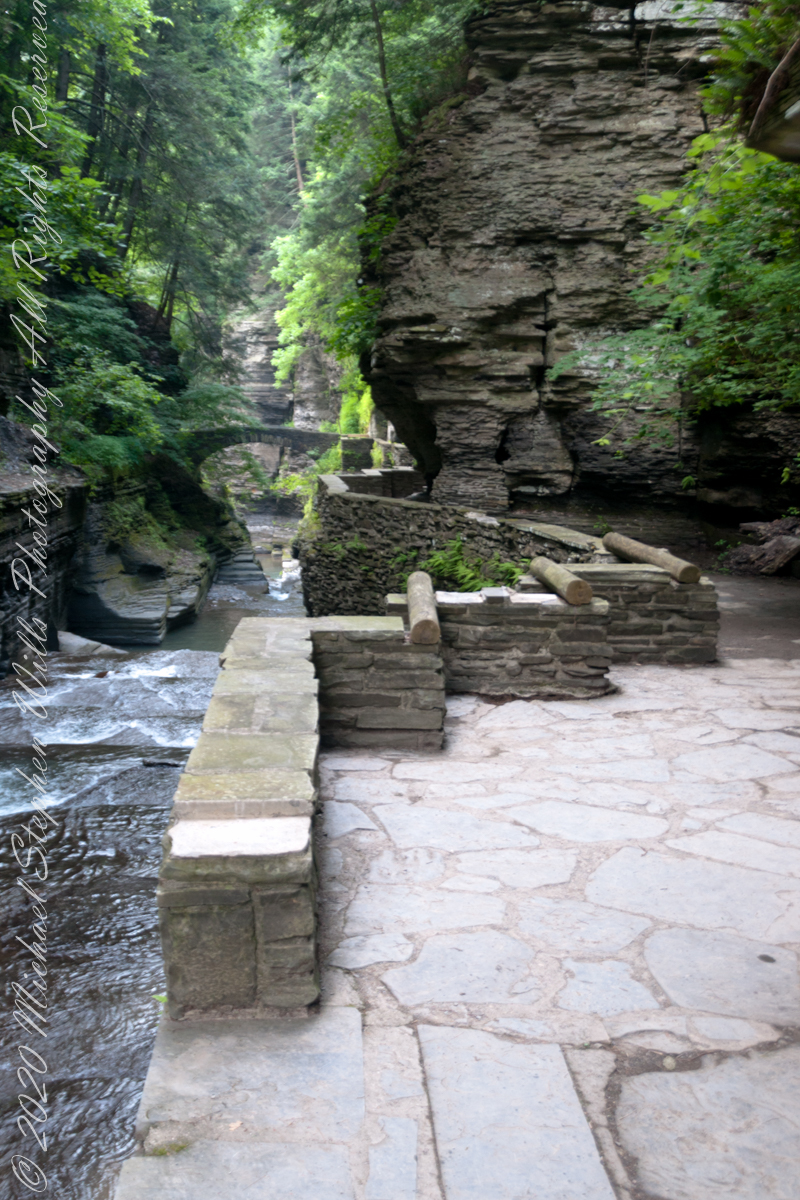
Treman Gorge Trail from the Old Mill enters a narrow gallery looking here southeast along Enfield Creek, passing over a stone footbridge. This was the control point in the 19th century for collecting the ten cent admission fee. Here are some photographs of the entrance as it exists today. The retaining wall, footpath and stone bridge were constructed in the 1930’s by the Civilian Conservation Corps. The site was far rougher for those earlier visitors.

Photograph captured on a midsummer morning. Robert H. Treman State Park, Ithaca, Tompkins County, New York

Copyright 2023 All Rights Reserved Michael Stephen Wills

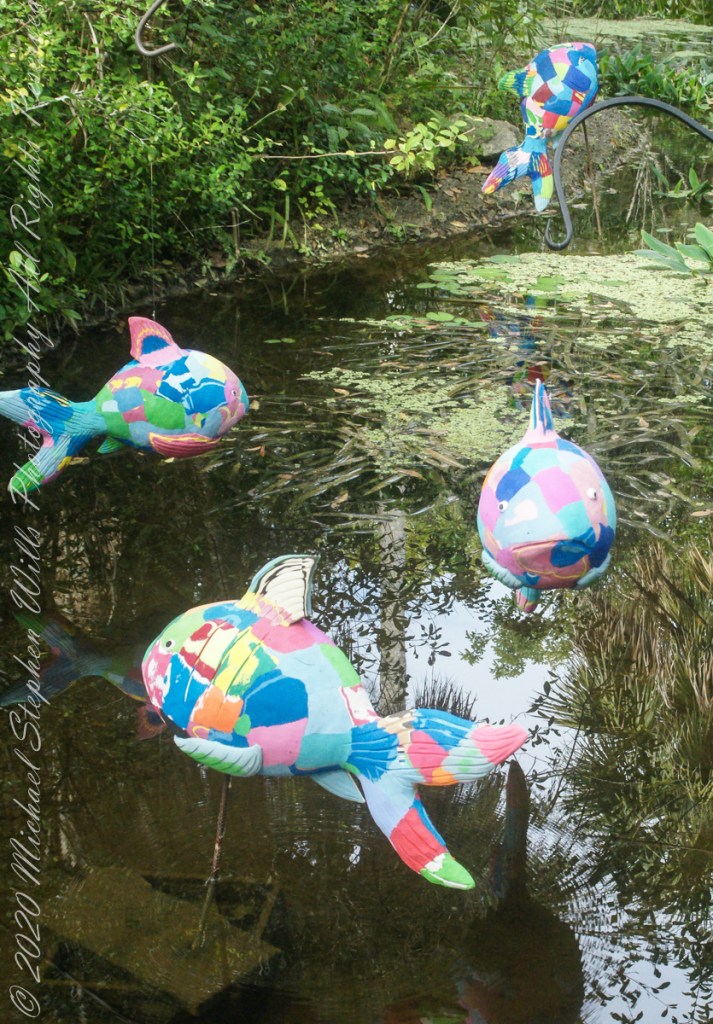
Flip Flop Reef Fish

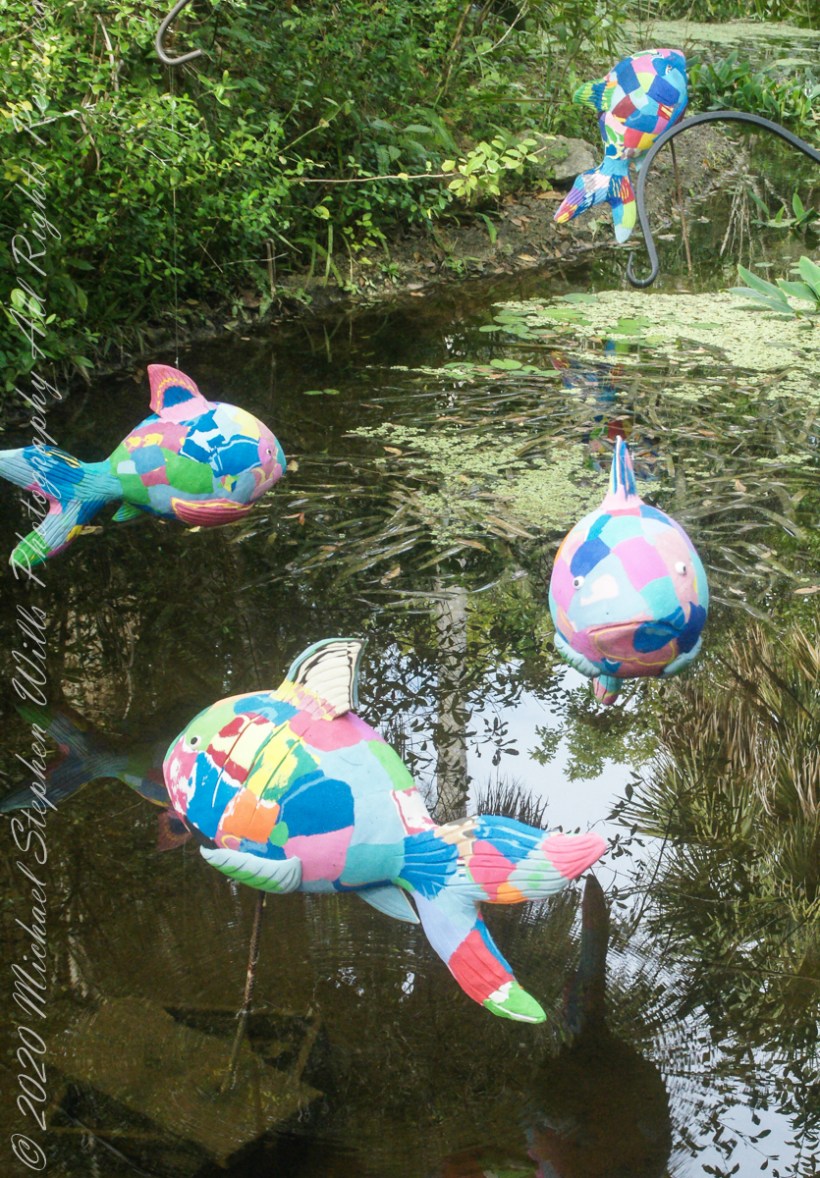
Various reef fish set up “cleaning stations” where turtles and other fish come to have parasites nibbled off.

50 recycled flip flops were used by Ocean Sole Africa Project artists to create each Reef Fish sculpture from a 2019/2020 exhibit hosted by McKee Botanical Gardens, Vero Beach, Indian River County, Florida.

Coral reef fish live among or in close relation to coral reefs. Coral reefs form complex ecosystems with tremendous biodiversity. Among the myriad inhabitants, the fish stand out as colorful and interesting to watch. Hundreds of species can exist in a small area of a healthy reef, many of them hidden or well camouflaged.

Reef fish have developed many ingenious specializations adapted to survival on the reefs. Safe habitats, many different species of fish inhabit coral reefs where they are protected from predators and find food. In turn, reef fish eat algae, preventing overgrowth and smothering of the coral animals. Common fish in Caribbean reefs have interesting names: parrot, angel, puffer, surgeon and clown.

Coral reefs occupy less than 1% of the surface area of the world oceans but provide a home for 25% of all marine fish species. Reef habitats are a sharp contrast to the open water habitats that make up the other 99% of the world oceans. Loss and degradation of coral reef habitat, increasing pollution, and overfishing including the use of destructive fishing practices, are threatening the survival of the coral reefs and the associated reef fish.

Copyright 2022 Michael Stephen Wills All Rights Reserved

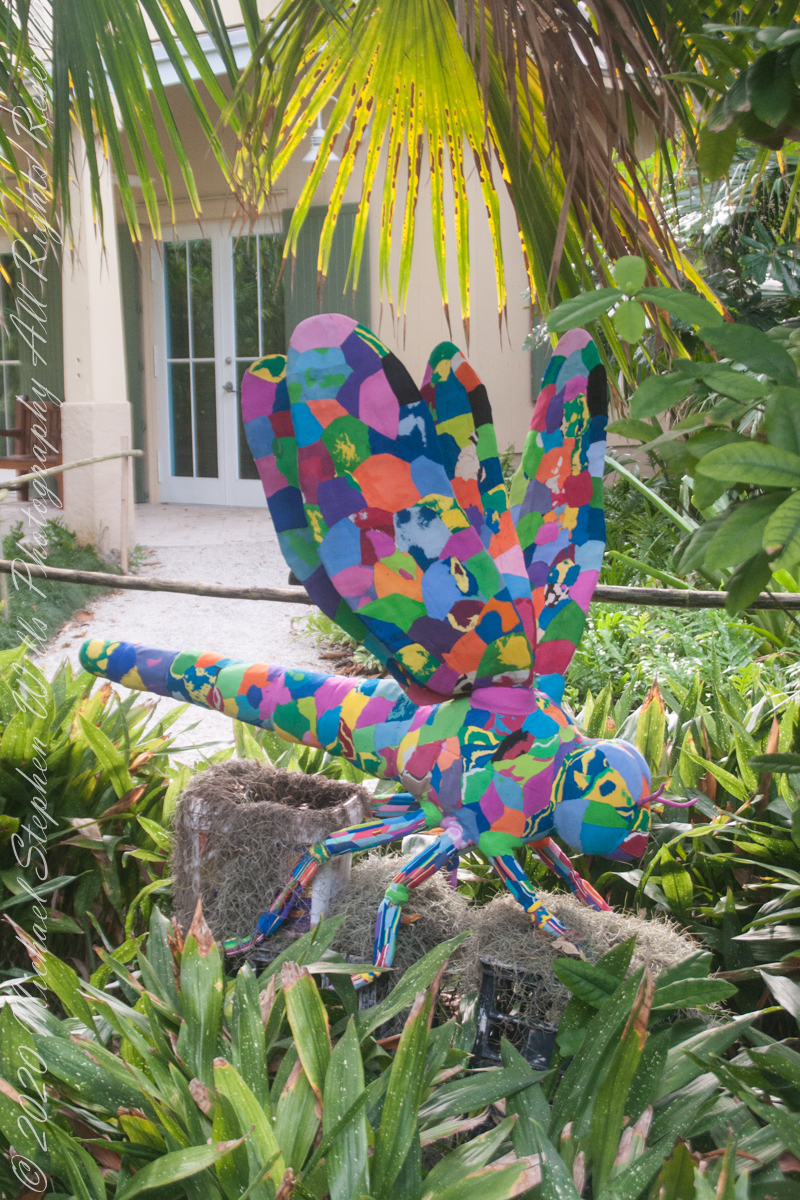
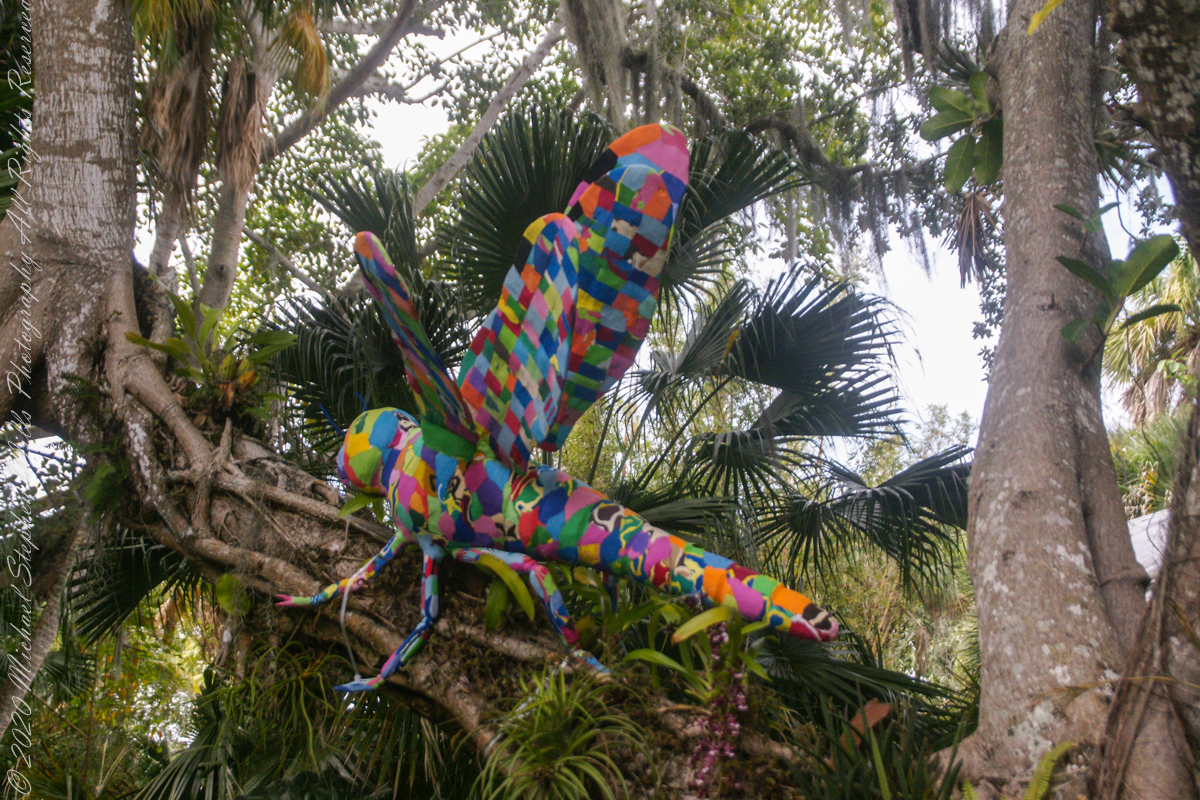
Flip Flop Dragonflies

Deep Time

380 recycled flip flops were used by Ocean Sole Africa Project artists to create these seahorse sculptures from a 2020 exhibit hosted by McKee Botanical Gardens, Vero Beach, Indian River County, Florida.

Adult dragonfly lifespan of a few days to 5 weeks contrasts with the wide distribution, variety with over 3,000 species and deep longevity of the infraorder, Anisoptera, especially compared to our genus, Homo: Hundreds of millions of years, compared to 2 million.

An insect, dragonflies live on every continent except Antarctica, from sea level up to the mountains.

I have experienced hundreds of dragonflies swooping and hovering around Peaked Mountain of the Adirondacks.

Copyright 2022 Michael Stephen Wills All Rights Reserved

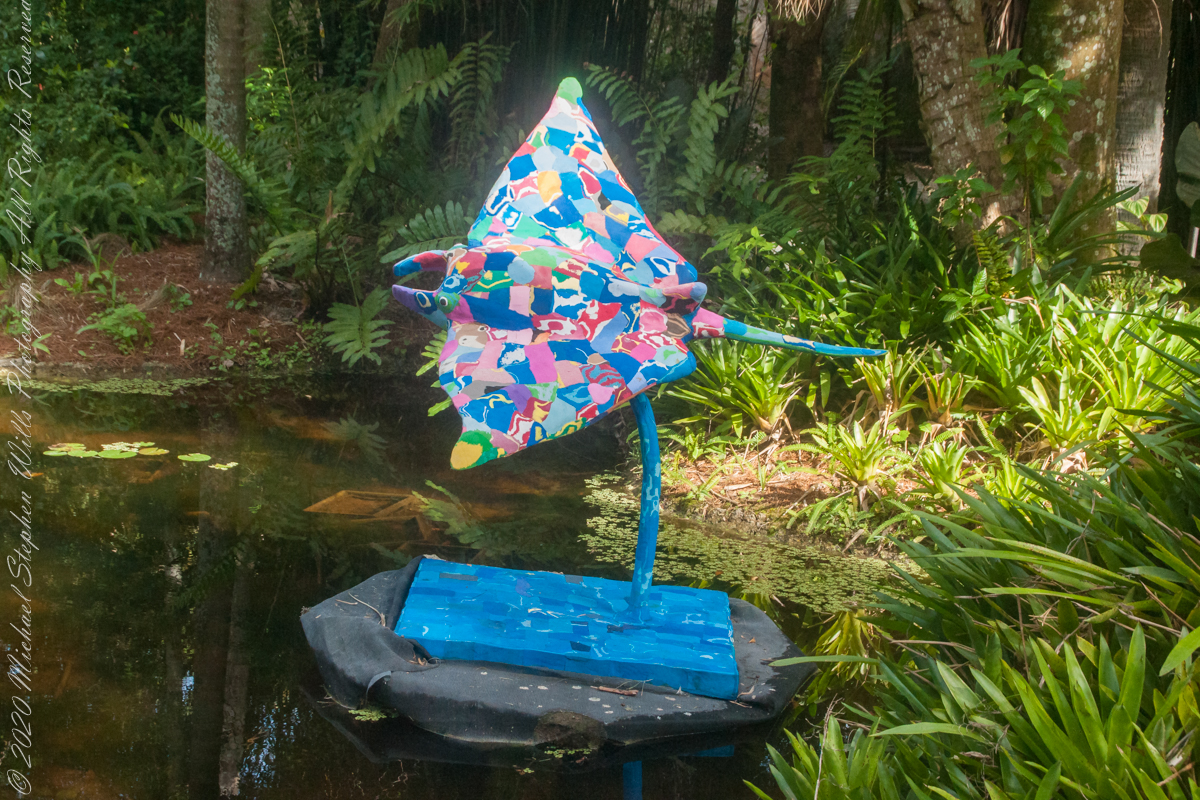
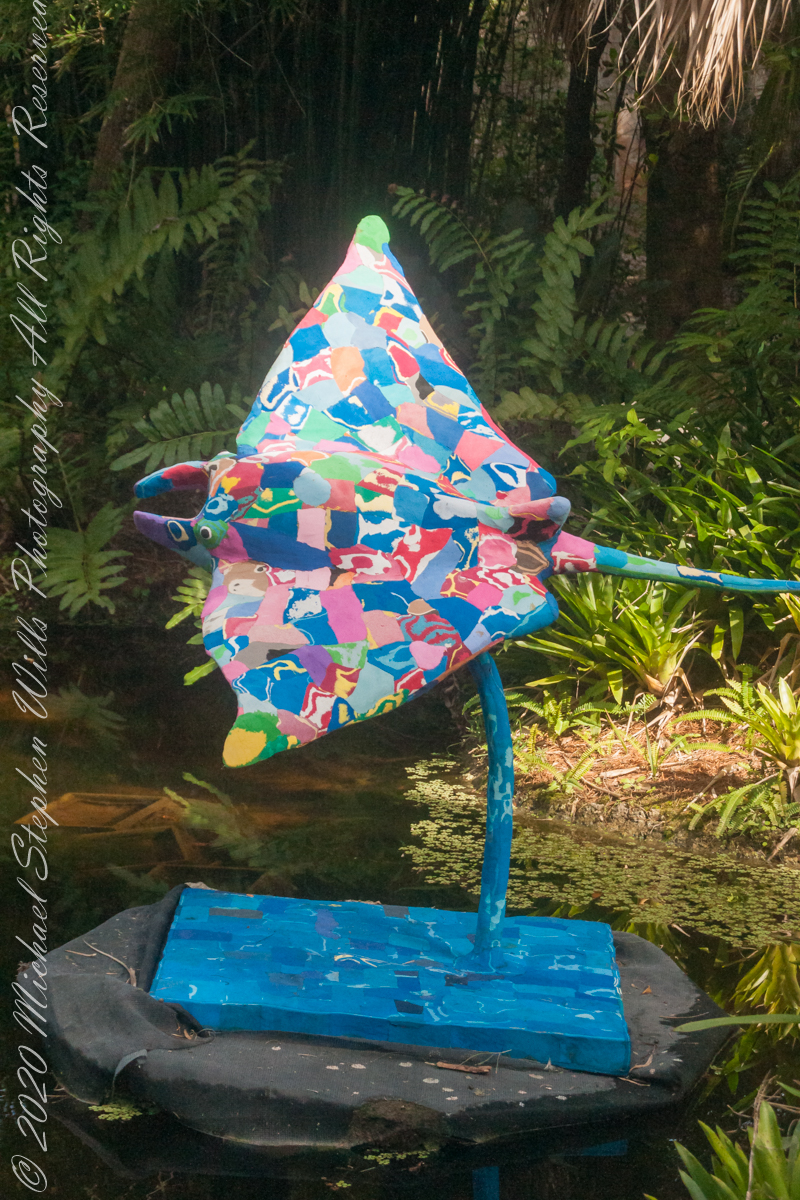
Flip Flop Manta Rays

“Devil Fish”

110 recycled flip flops were used by Ocean Sole Africa Project artists to create these seahorse sculptures from a 2020 exhibit hosted by McKee Botanical Gardens, Vero Beach, Indian River County, Florida.

Manta Rays are large, flat-bodied fish having a width ranging from 18-23 feet (5-7 meters) wide. Mantas gracefully swoop during feeding, scooping up large quantities of plankton, 60 pounds (27 kilograms) per day, with the flat fins on either side of their head.

Here is the flowing movement of the manta

Mantas are known as “devilfish” because of their horn-shaped cephalic fins, which are imagined to give them an “evil” appearance. The movement of pectoral fins drive them through water, like birds flying through air.

All mantas are listed as vulnerable by the International Union for Conservation of Nature. Anthropogenic threats include pollution, entanglement in fishing nets, and direct harvesting of their gill rakers for use in Chinese medicine. Their slow reproductive rate exacerbates these threats. They are protected in international waters by the Convention on Migratory Species of Wild Animals, but are more vulnerable closer to shore. Areas where mantas congregate are popular with tourists. Only a few public aquariums are large enough to house Mantas.

Copyright 2022 Michael Stephen Wills All Rights Reserved

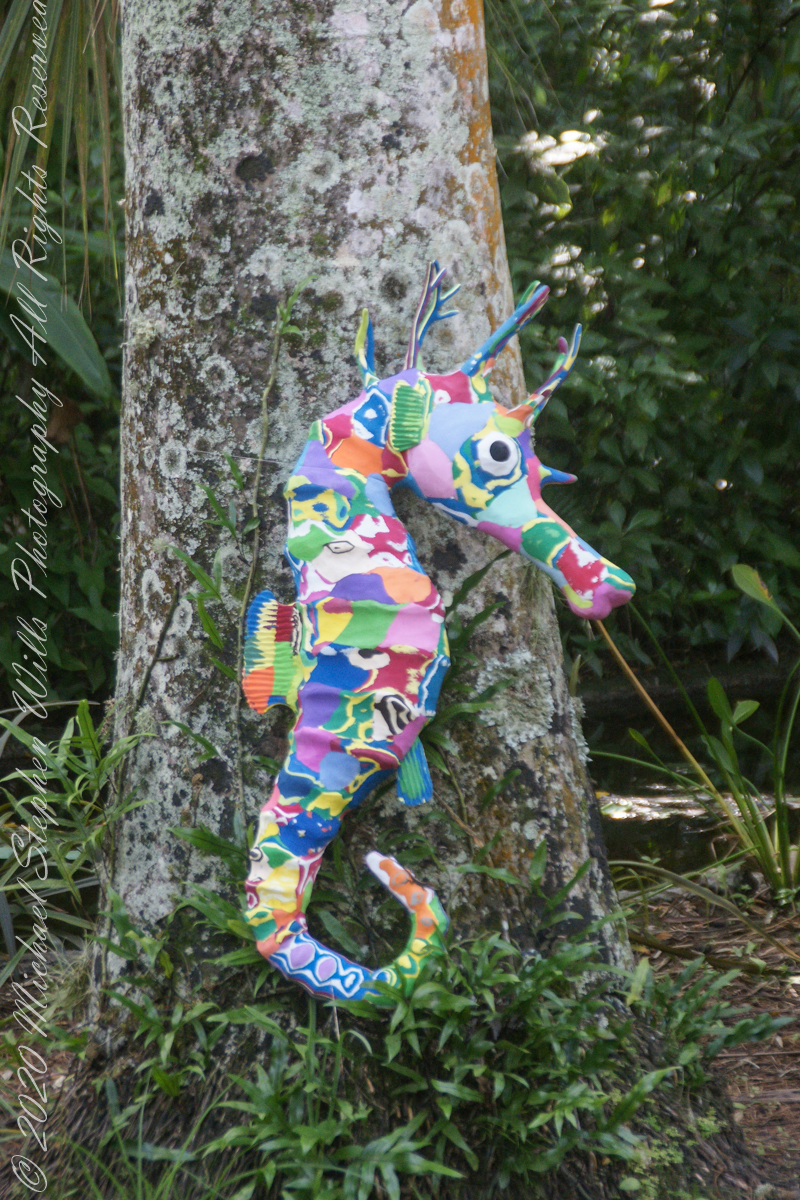
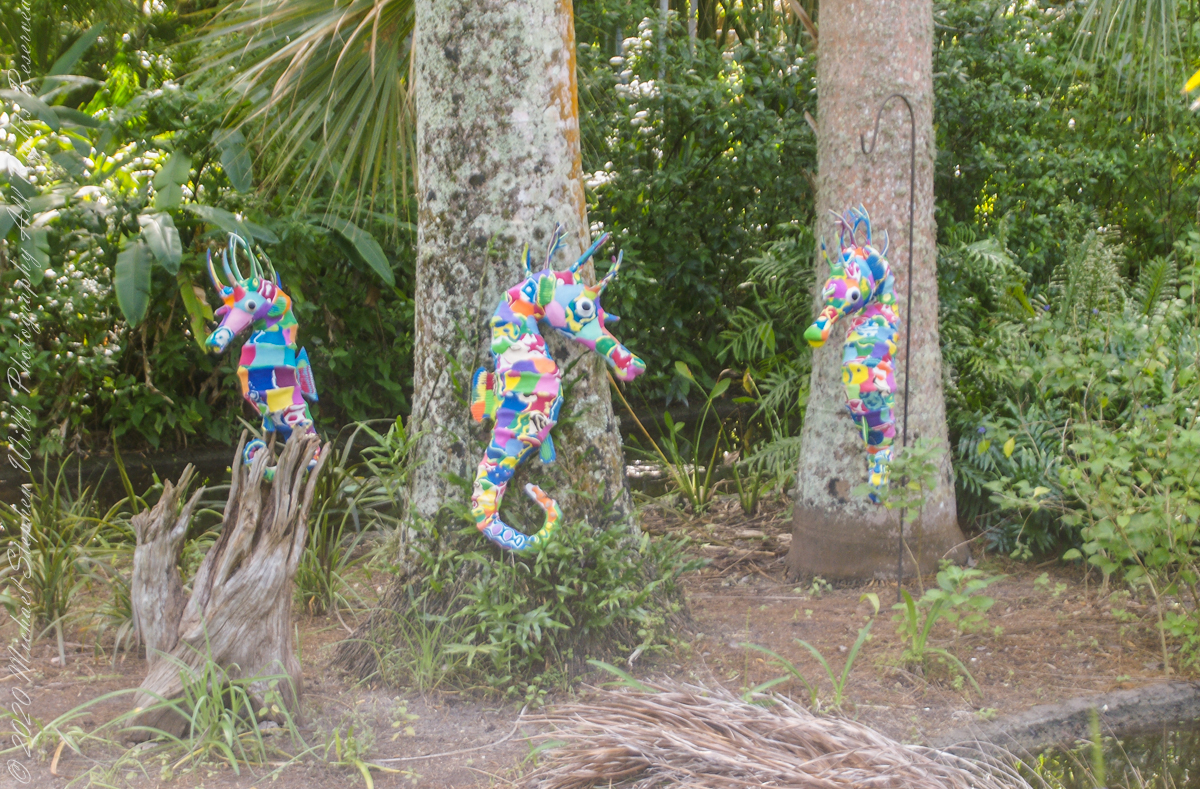
Flip Flop Seahorses

Evolutionary Success Story

Up to 150 recycled flip flops were used by Ocean Sole Africa Project artists to create these seahorse sculptures from a 2020 exhibit hosted by McKee Botanical Gardens, Vero Beach, Indian River County, Florida.

.

Seahorses are tiny fish with heads that look like…horses! Their curved flexible tail is used to grasp objects, mostly anchoring the seahorse to plants.

Their genus, Hippocampus, includes 46 species indicating evolutionary success for their body shape and adaptations. Just hatched seahorses cling together in groups, hook by their tails. Excellent at camouflage, a seahorse hides from predators while waiting to ambush dinner.

Copyright 2022 Michael Stephen Wills All Rights Reserved

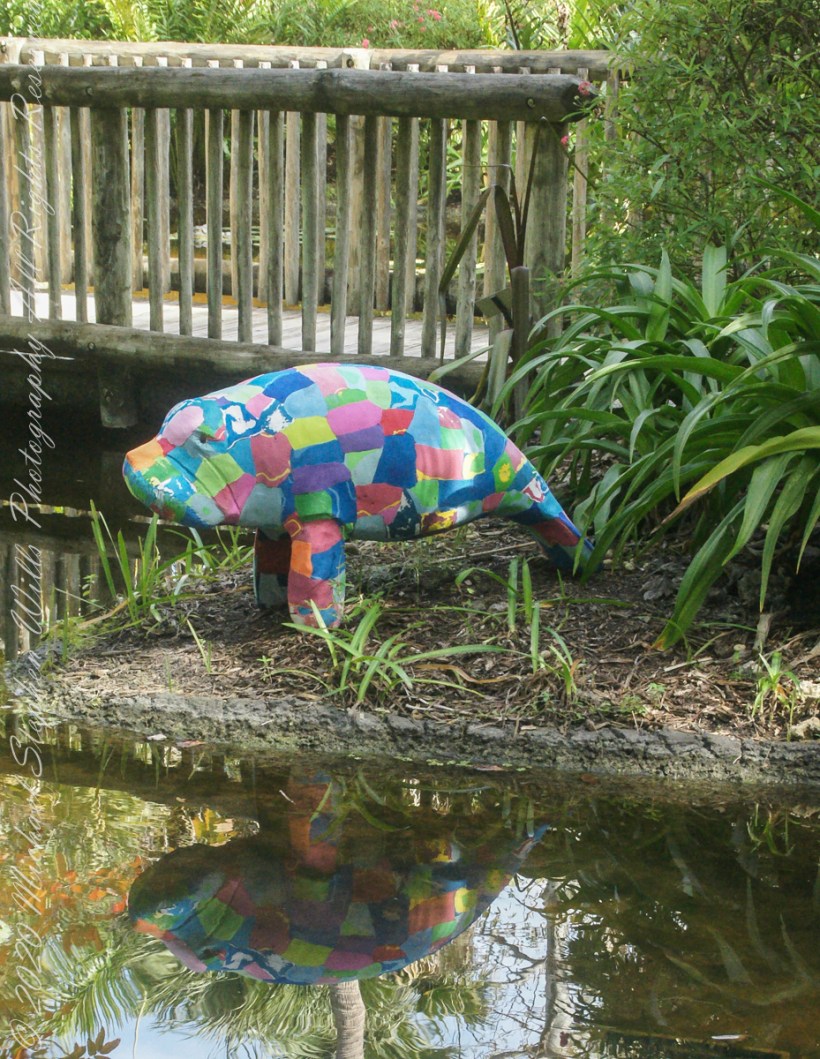
Flip Flop Manatee

Happy “Profitable Friday” 2022

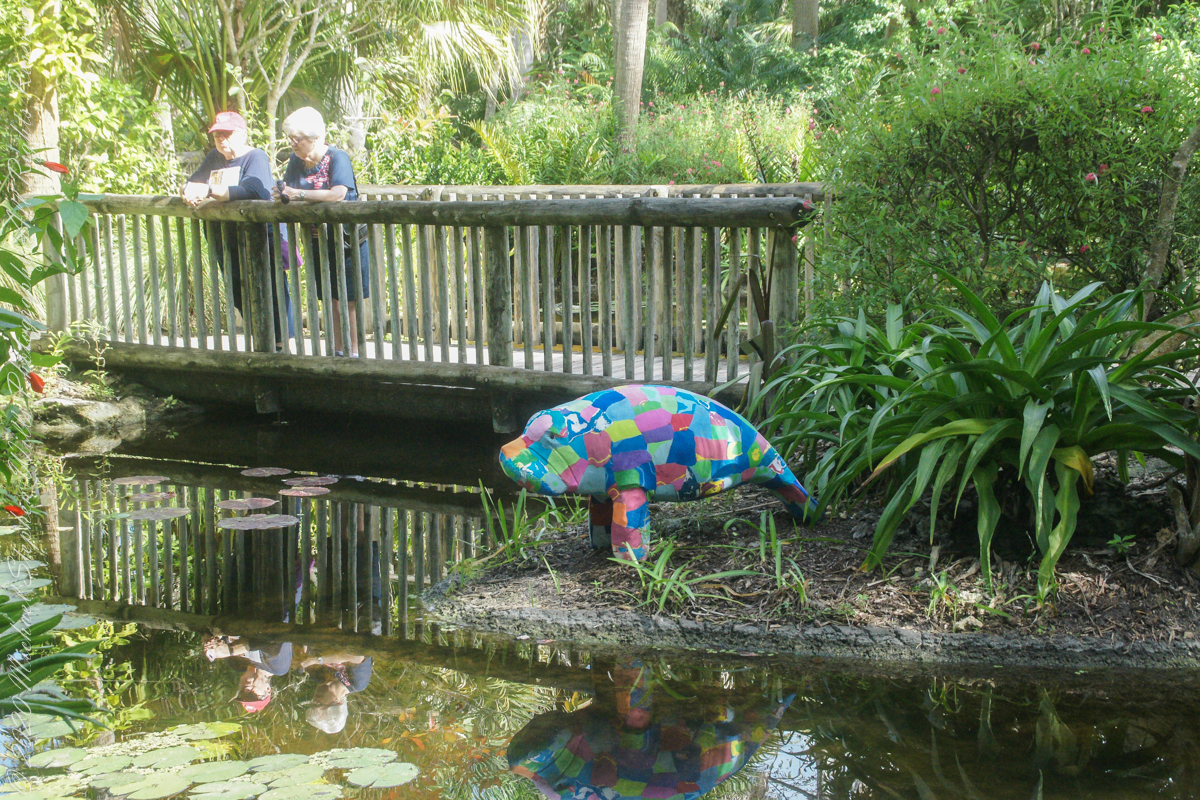
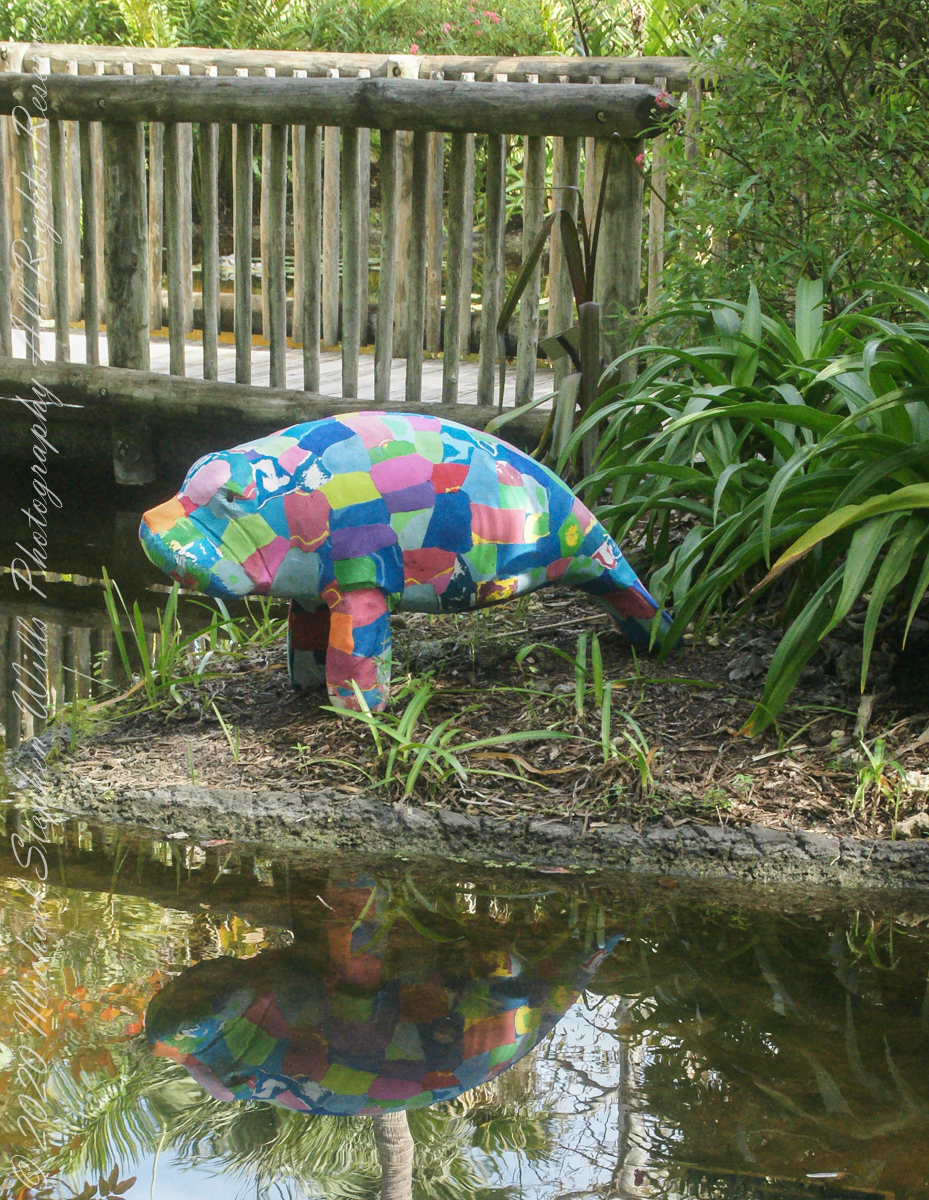
Up to 400 recycled flip flops were used by Ocean Sole Africa Project artists to create this Manatee sculpture from a 2020 exhibit hosted by McKee Botanical Gardens, Vero Beach, Indian River County, Florida.

Manatee with fans

Manatees are protected under the Endangered Species Act and under the Marine Mammal Protection Act. Today, the range-wide population is estimated to be at least 13,000 manatees, with more than 6,500 in the southeastern United States and Puerto Rico.

Florida has cherished the Sea Cow with the population increasing 25% from 1991, going from 1,267 to more than 6,300.

Copyright 2022 Michael Stephen Wills All Rights Reserved

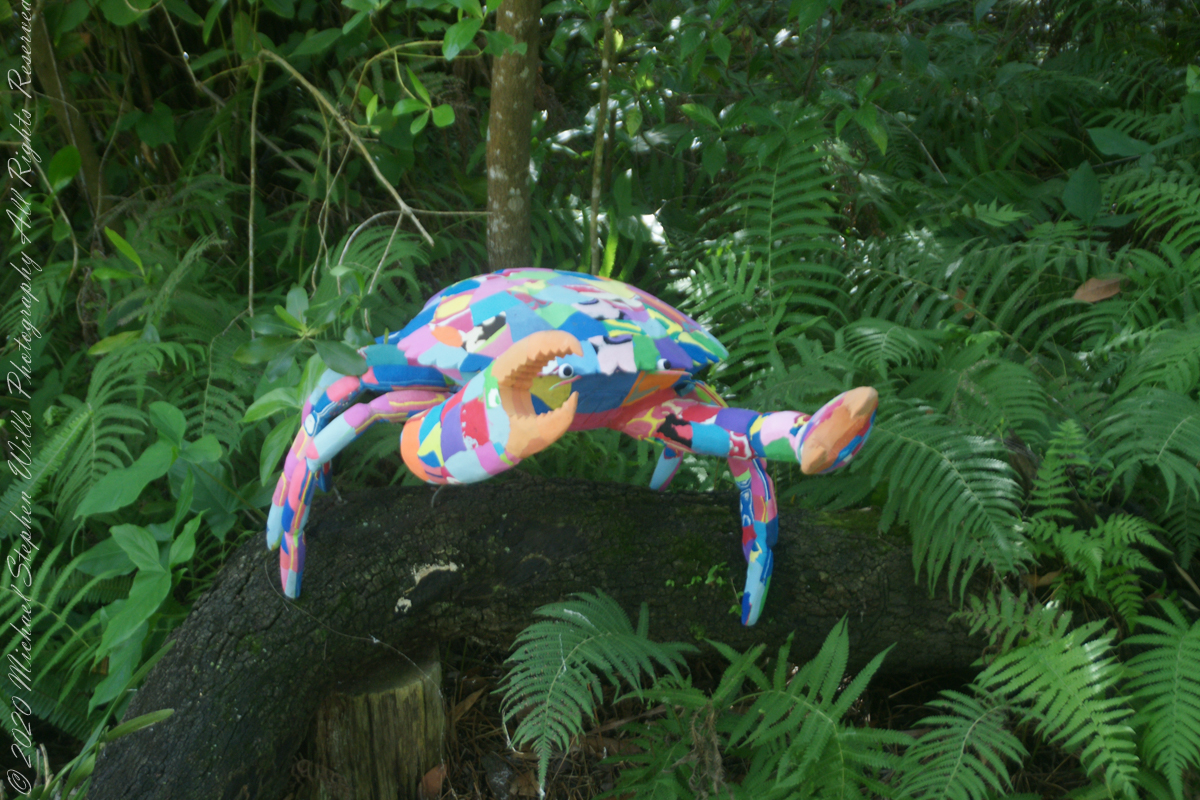
Flip Flop Crab

Eyes on stalks and an exoskeleton composed of chitin

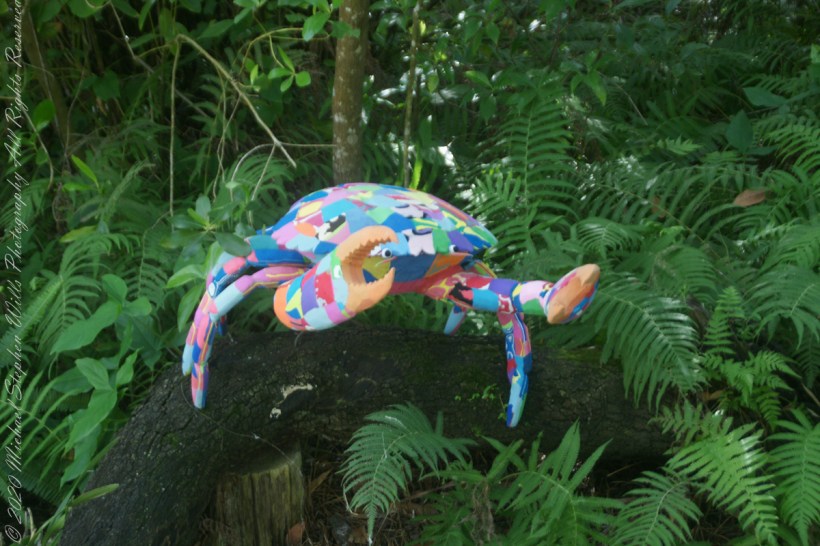
Up to 400 recycled flip flops were used by Ocean Sole Africa Project artists to create each sea turtle sculpture from a 2019 exhibit hosted by McKee Botanical Gardens, Vero Beach, Indian River County, Florida.

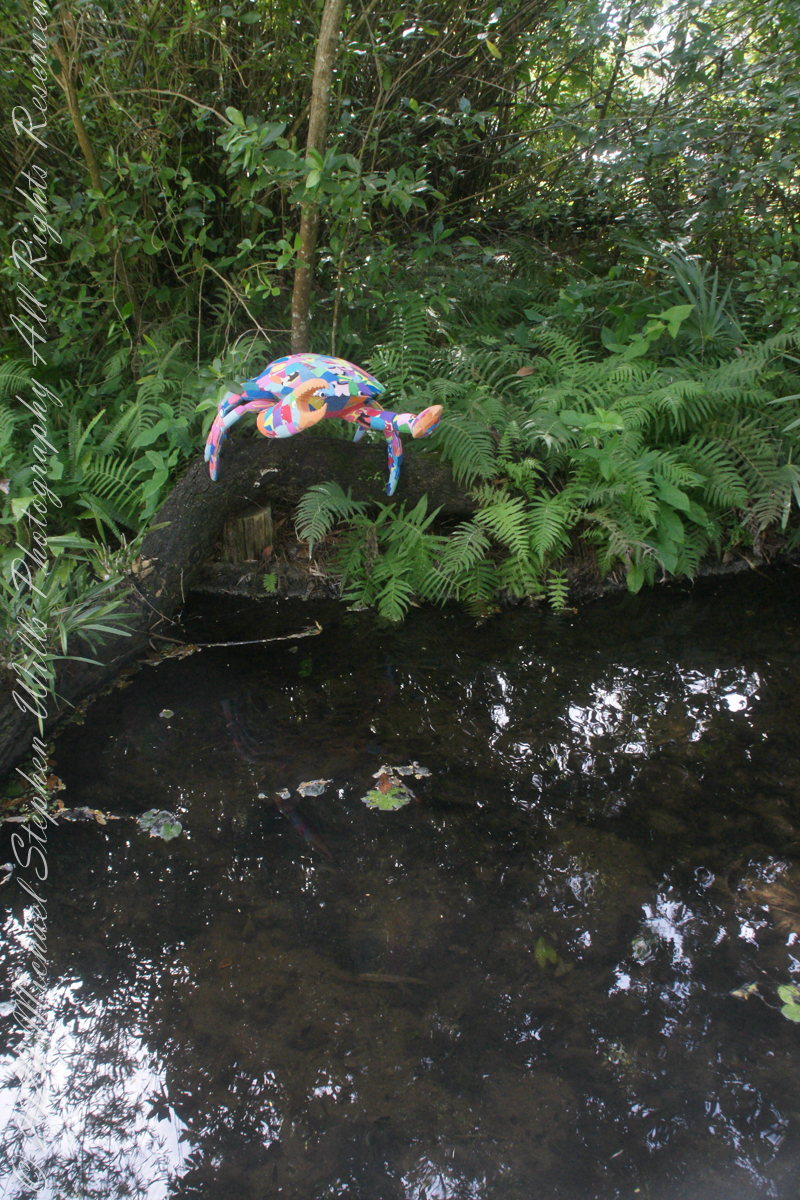
Blue land crabs inhabit McKee Gardens, only resembling these specimens, made from as many as 400 discarded flip flops, in having ten legs for which the Order Decapoda is named. The front two legs are specialized chelae (claws) for grabbing and eating whatever is in front of them (omnivorous). Two other characteristics are eyes on stalks and an exoskeleton composed of chitin. From an exhibit of creations by the Ocean Sole Africa project, McKee Botanical Gardens, Vero Beach, Indian River County, Florida.

Blue land crabs inhabit McKee Gardens, only resembling these specimens, made from as many as 400 discarded flip flops, in having ten legs for which the Order Decapoda is named.

The front two legs are specialized chelae (claws) for grabbing and eating whatever is in front of them (omnivorous). Two other characteristics are eyes on stalks and an exoskeleton composed of chitin.

Copyright 2022 Michael Stephen Wills All Rights Reserved

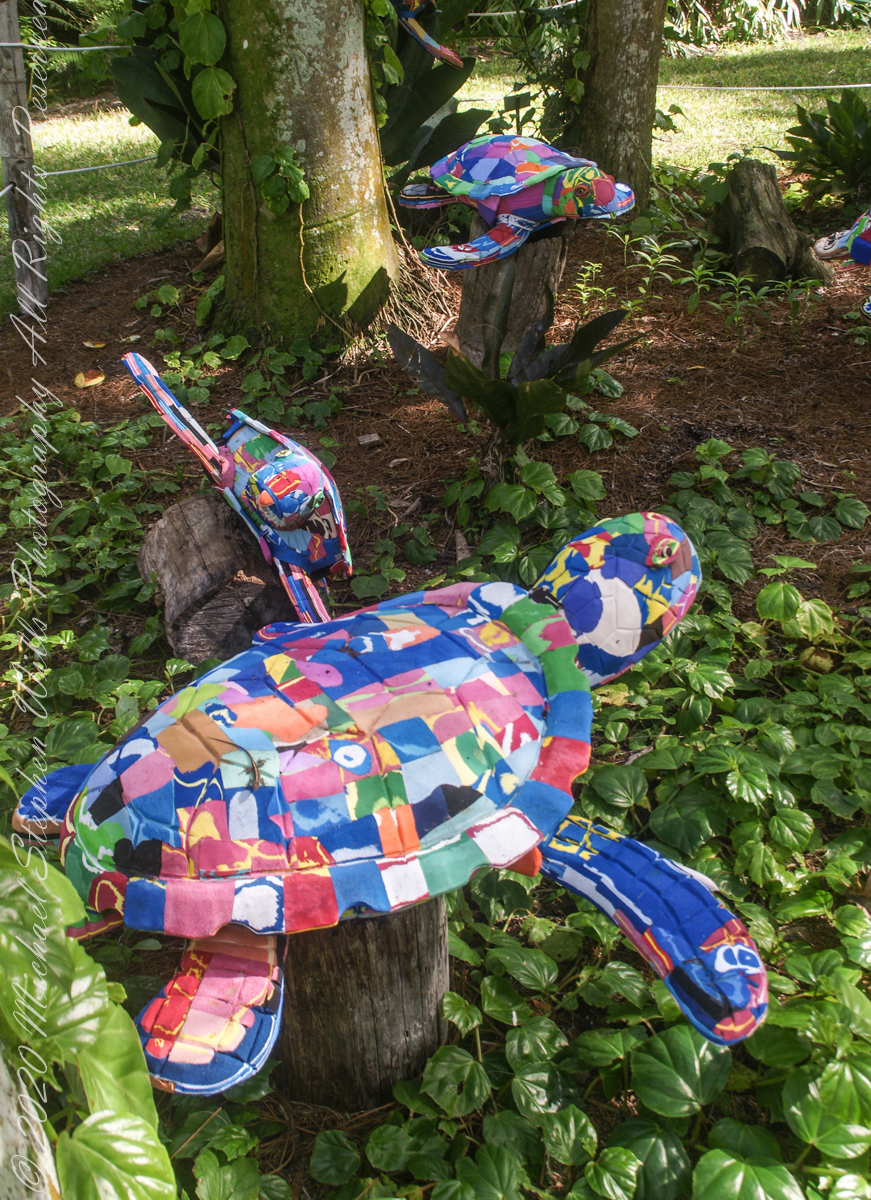
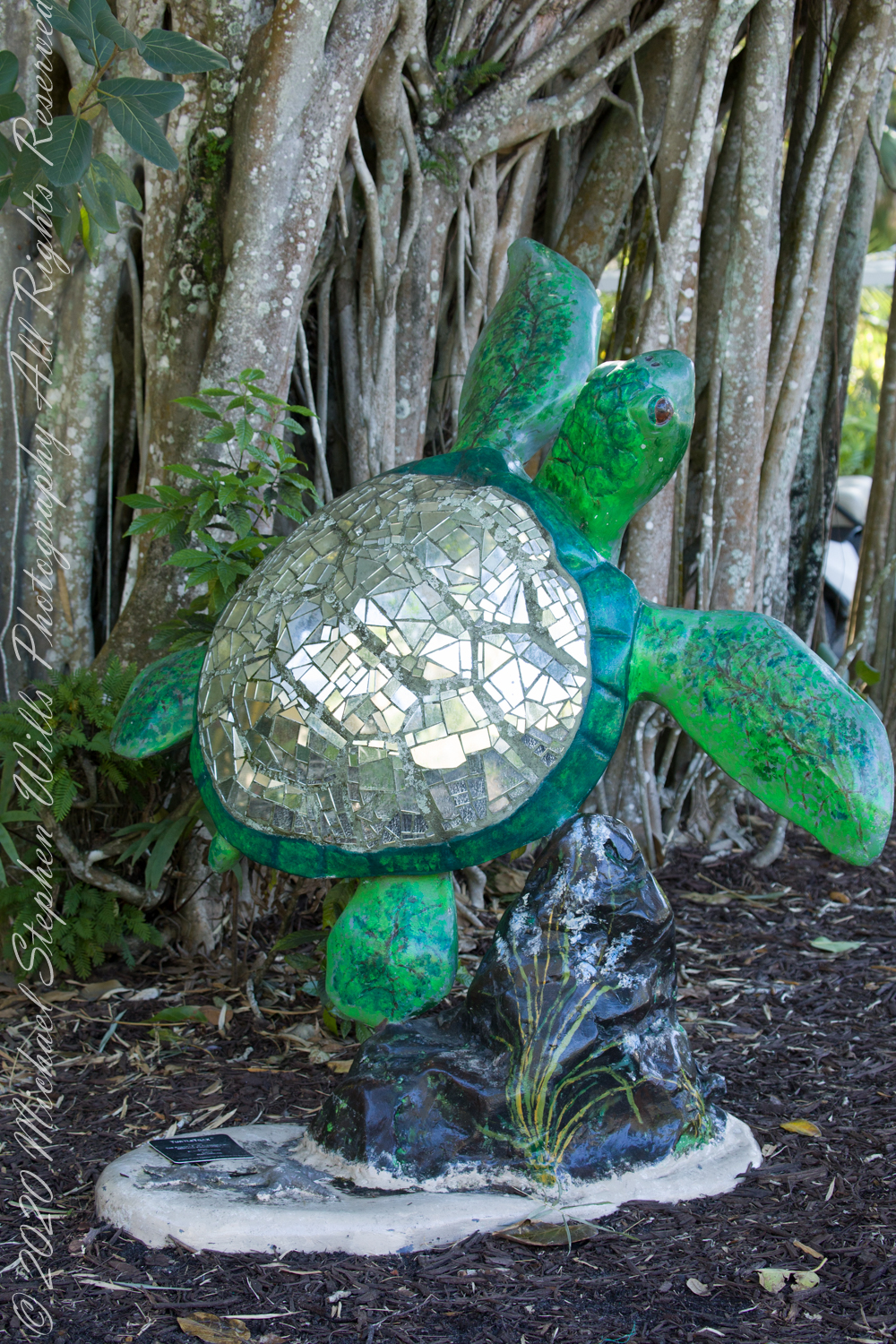
Flip Flop Sea Turtle

Light pollution from beach development is a threat to baby sea turtles; the glow from city sources can cause them to head into traffic instead of the ocean.

450 recycled flip flops were used by Ocean Sole Africa Project artists to create each sea turtle sculpture from a 2019 exhibit hosted by McKee Botanical Gardens, Vero Beach, Indian River County, Florida.

Sea turtles (superfamily Chelonioidea), sometimes called marine turtles, are reptiles of the order Testudines and of the suborder Cryptodira. Sea turtles can be found in all oceans except for the polar regions. Sea turtles are generally found in the waters over continental shelves.

During the first three to five years of life, sea turtles spend most of their time in the pelagic zone floating in seaweed mats. Once the sea turtle has reached adulthood it moves closer to the shore. Females will come ashore to lay their eggs on sandy beaches during the nesting season. Sea turtles migrate to reach their spawning beaches, which are limited in numbers. Living in the ocean therefore means they usually migrate over large distances.

All sea turtles have large body sizes, which is helpful for moving large distances. Large body sizes also offer good protection against the large predators (notably sharks) found in the ocean. Light pollution from beach development is a threat to baby sea turtles; the glow from city sources can cause them to head into traffic instead of the ocean. There has been some movement to protect these areas. On the east coast of Florida, parts of the beach known to harbor sea turtle nests are protected by fences.

This Sea Turtle sculpture graces the entrance of McKee Gardens as a permanent exhibit.

Conservationists have monitored hatchings, relocating lost baby sea turtles to the beach. Hatchlings find their way to the ocean by crawling towards the brightest horizon and can become disoriented along the coastline. Lighting restrictions can prevent lights from shining on the beach and confusing hatchlings. Sea turtle-safe lighting uses red or amber LED light, invisible to sea turtles, in place of white light.

Copyright 2022 Michael Stephen Wills All Rights Reserved

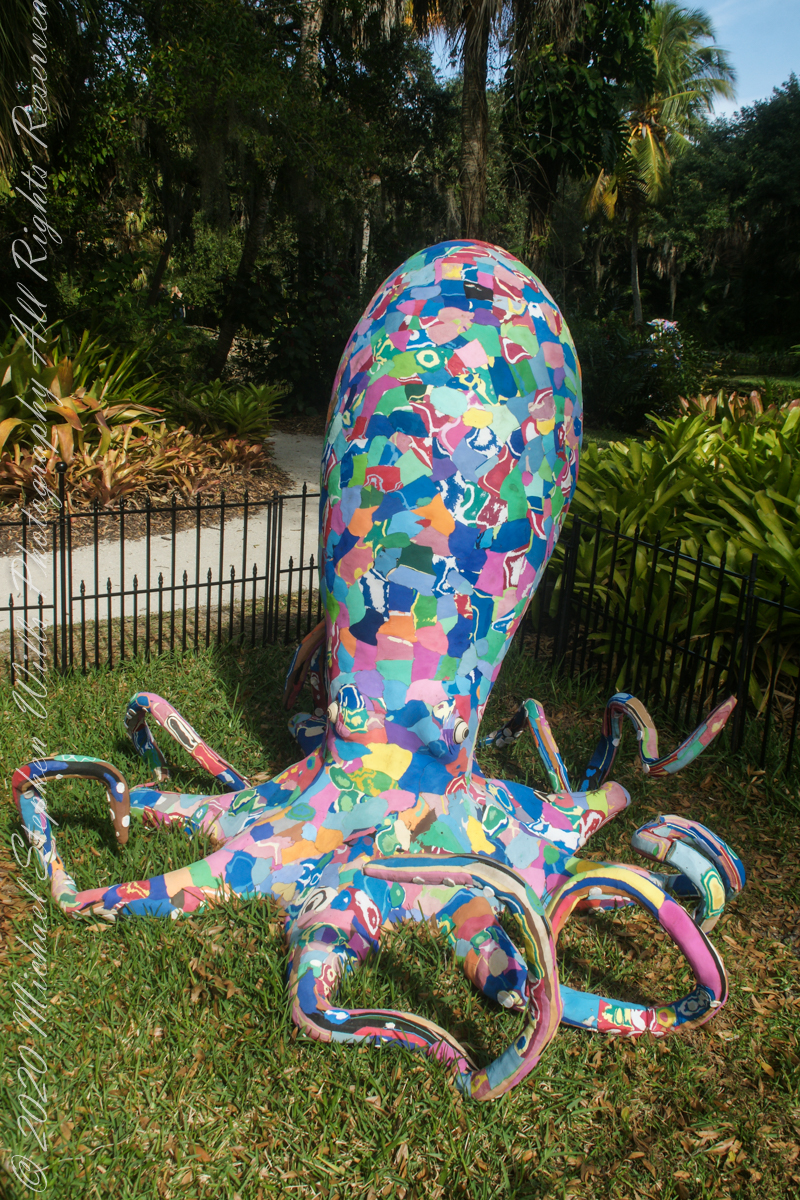
Flip Flop Octopus

890 recycled flip flops were used in this sculpture

This common octopus (Octopus vulgaris) specimen was created by artists of Ocean Sole Africa. 890 recycled flip flops were used in this sculpture. from a 2019 exhibit hosted by McKee Botanical Gardens, Vero Beach, Indian River County, Florida.

Octopuses are adaptable and intelligent 8-limbed creatures known live in and around ocean reefs, deep ocean and intertidal zones. Invertebrate, without a skeleton an octopus can hide in tight spaces. Maneuvering and hunting, each tentacle is lined with suckers that grab rocks and prey. Existing solely on meat, these carnivores prey on crabs and shellfish, finding them with sharp binocular eyesight and devouring with a sharp parrot-like beak. Their defenses include camouflage, changing skin color to made surroundings, ejection of thick black ink to distract a predator and escape. A last line of defense is sacrificing an arm that can grow back over time. These blue-blooded aristocrats have three hearts!

Copyright 2022 Michael Stephen Wills All Rights Reserved