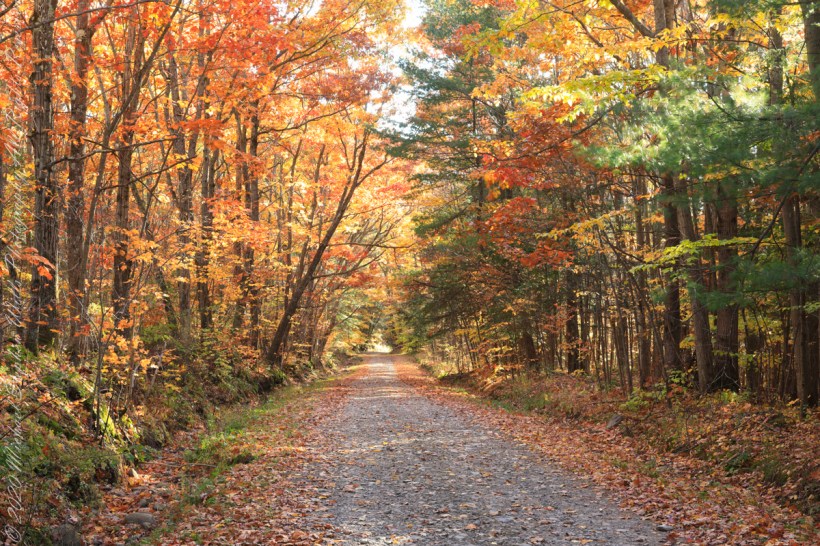
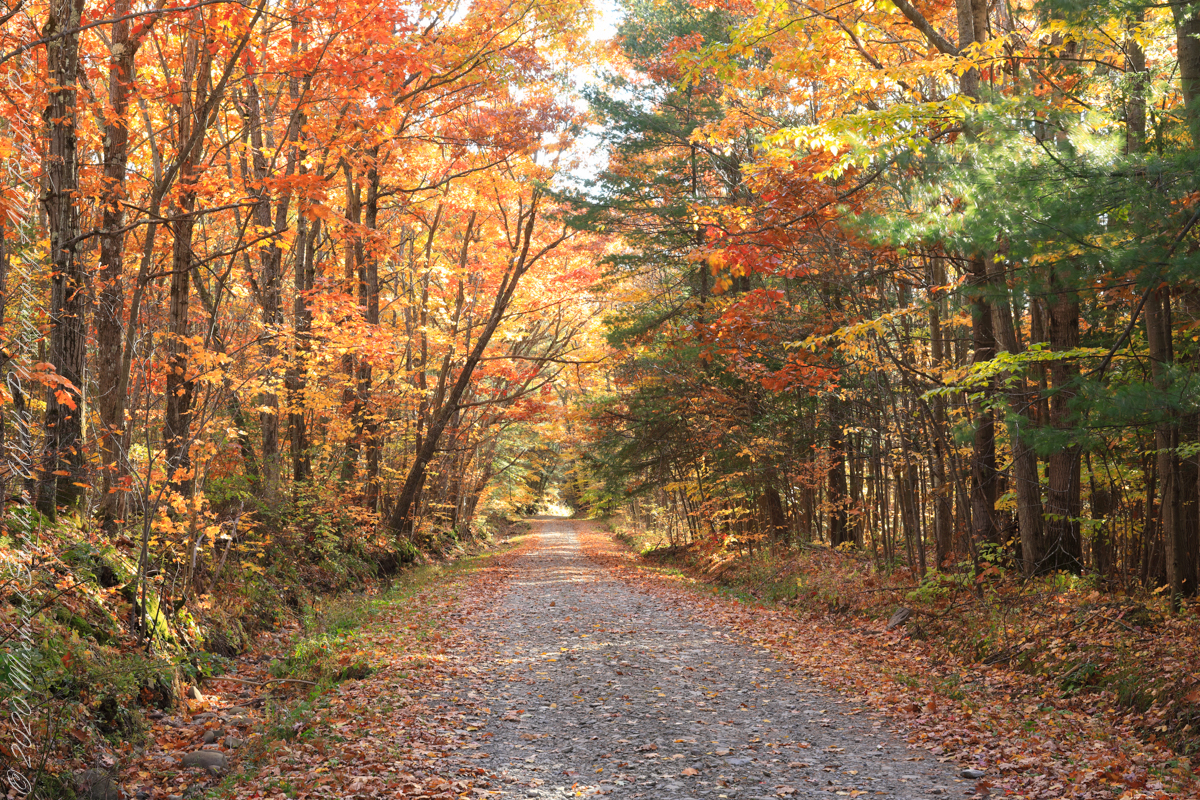
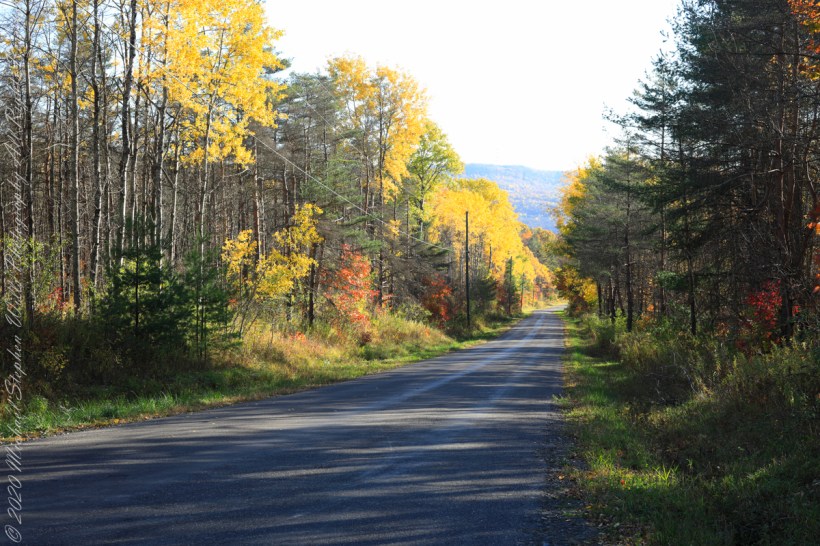
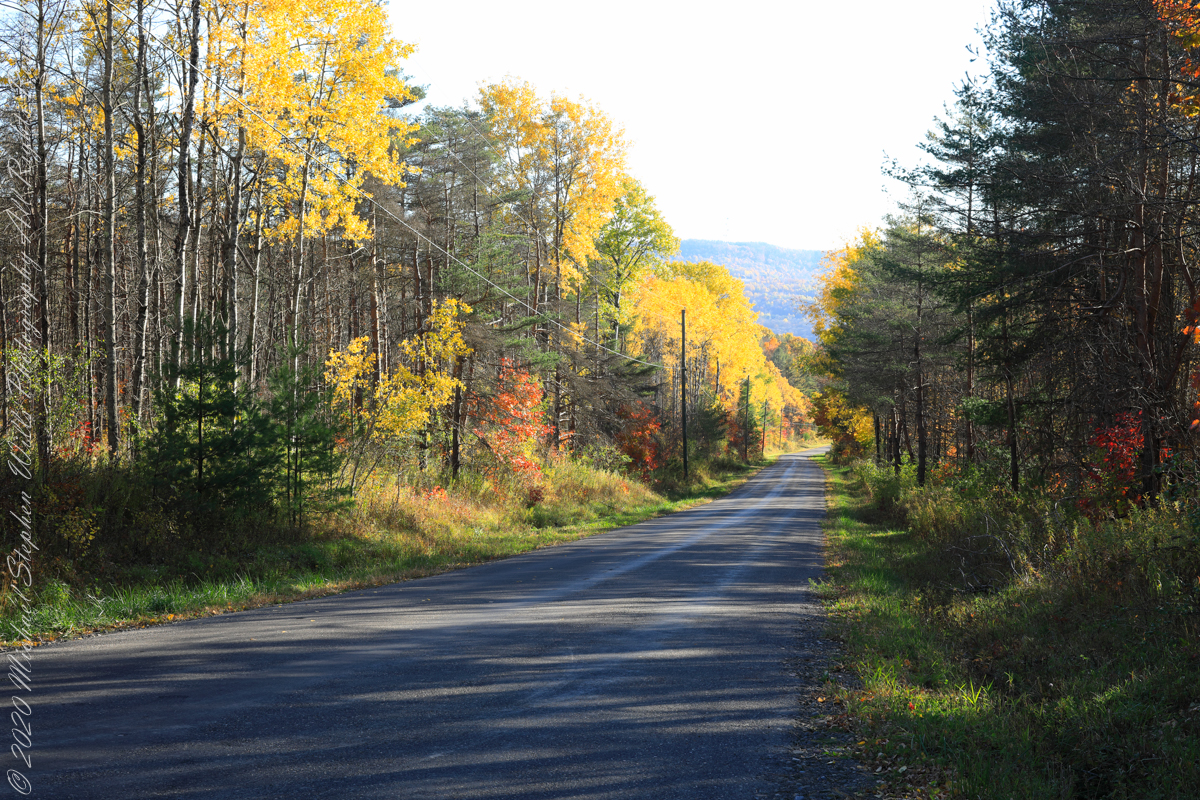
For my last autumn posting this last day of November 2022 this colorful hall of trees is on the long descent of Lacey Road from Cortland to Tioga Counties where it passes close the meeting point of three counties near the Robinson Hollow State Forest, the third being Tompkins County.
We are travelling south on a northernmost, glaciated section of the Allegheny Plateau. In the 19th Century a lawyer named Calvin J. Robinson was a prominent citizen of nearby Richford.
Copyright 2022 Michael Stephen Wills All Rights Reserved
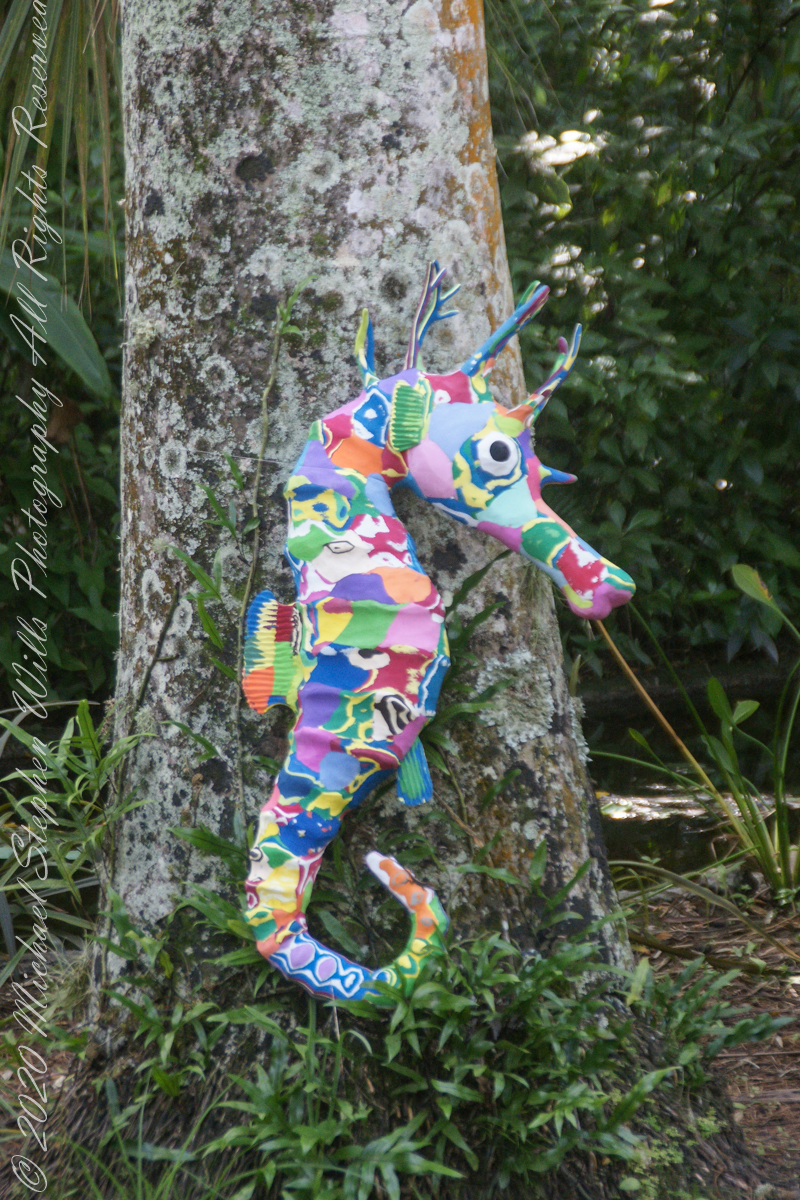
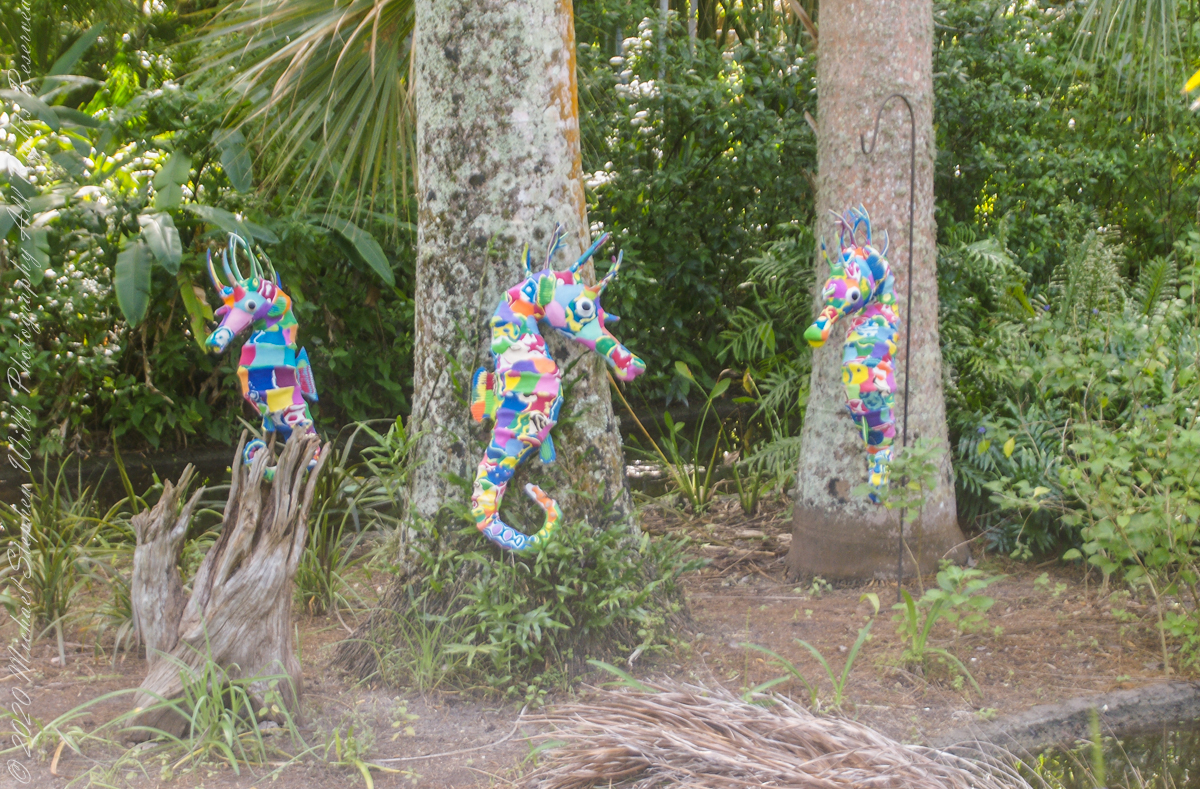
Up to 150 recycled flip flops were used by Ocean Sole Africa Project artists to create these seahorse sculptures from a 2020 exhibit hosted by McKee Botanical Gardens, Vero Beach, Indian River County, Florida.
.
Seahorses are tiny fish with heads that look like…horses! Their curved flexible tail is used to grasp objects, mostly anchoring the seahorse to plants.
Their genus, Hippocampus, includes 46 species indicating evolutionary success for their body shape and adaptations. Just hatched seahorses cling together in groups, hook by their tails. Excellent at camouflage, a seahorse hides from predators while waiting to ambush dinner.
Copyright 2022 Michael Stephen WillsAll Rights Reserved
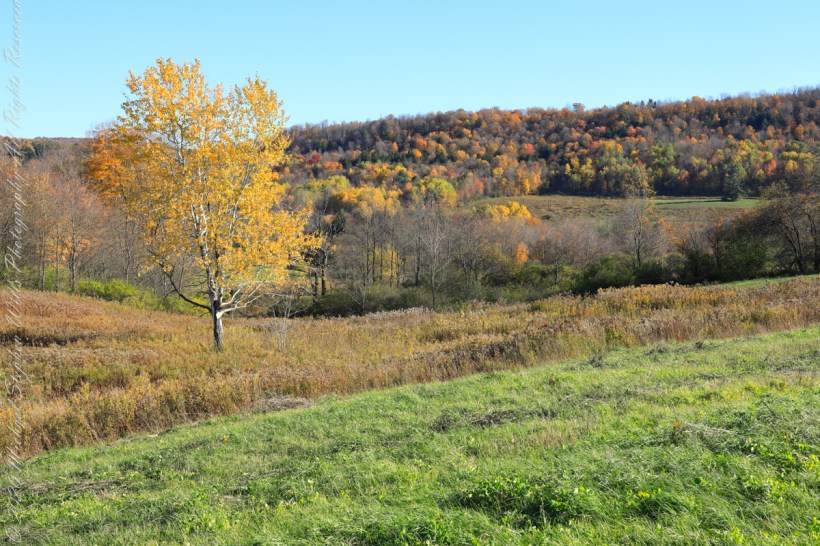
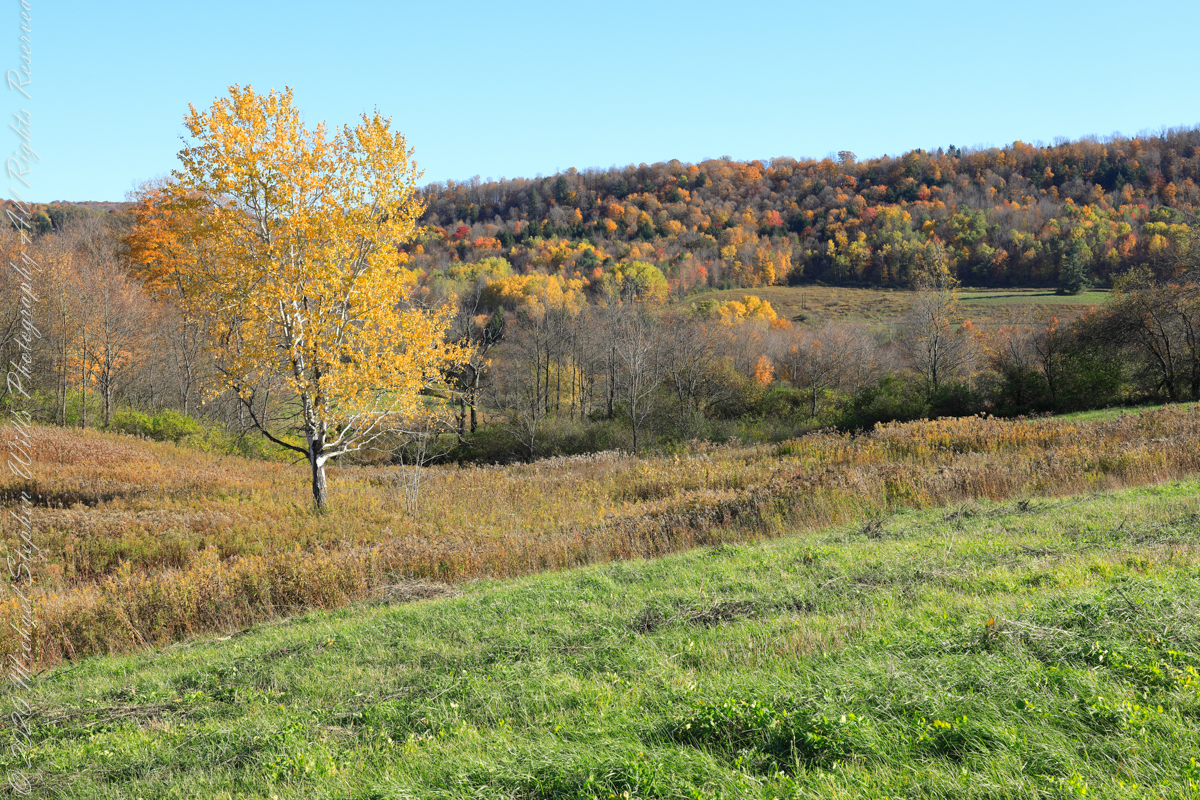
South/Southwest view from the long hill into Harford, stopping to admire the effect of sunlight, dappled shade and bright yellow, orange, red against the distant ridge sheltering Robinson Hollow. Near Harford, Cortland County, New York.
Copyright 2022 Michael Stephen Wills All Rights Reserved
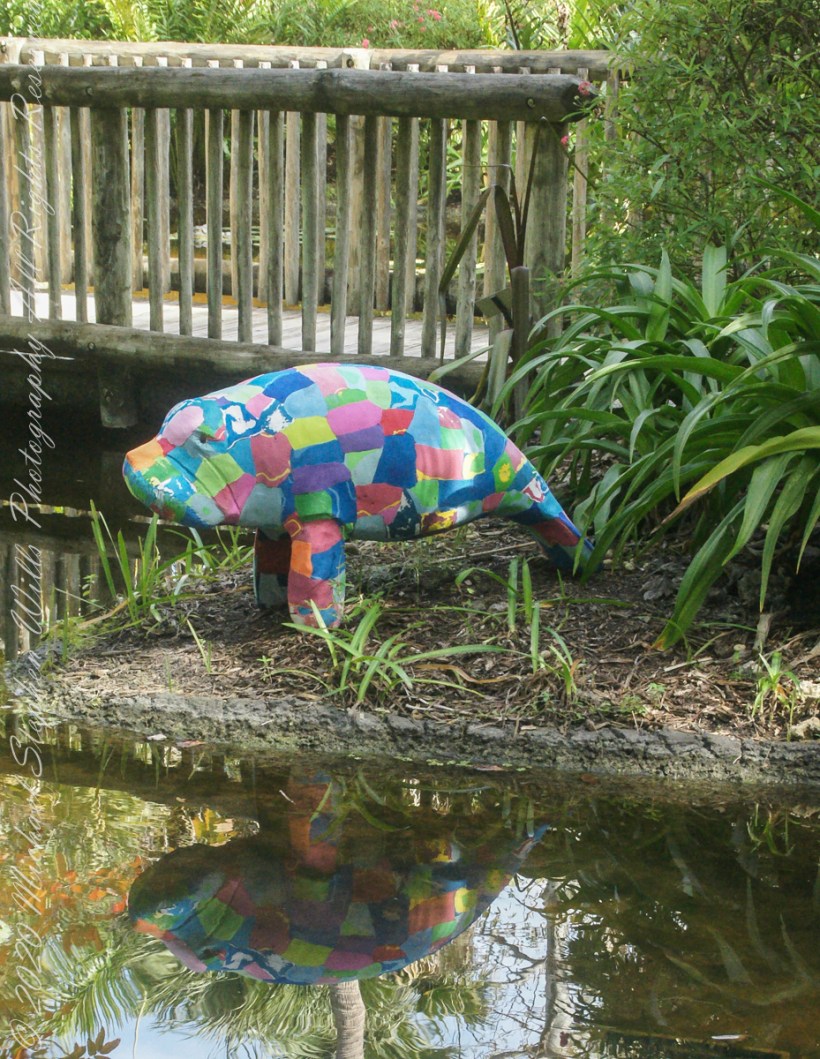
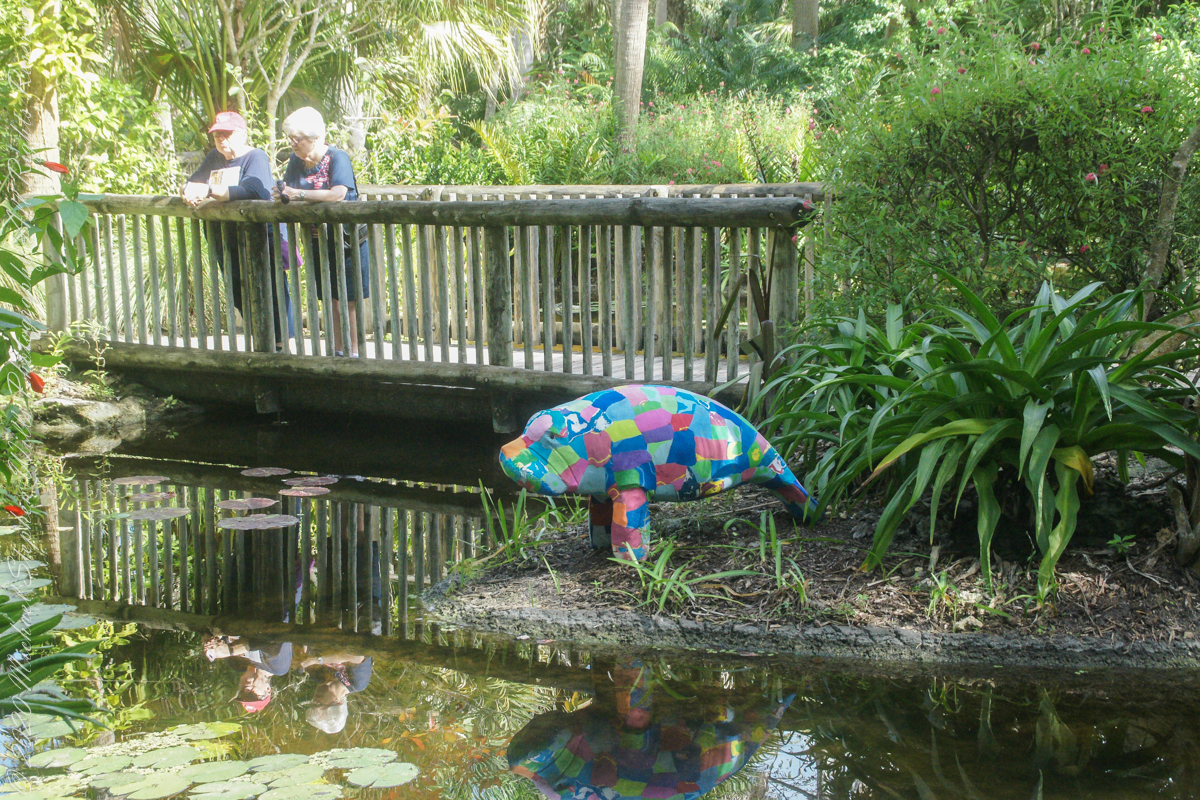
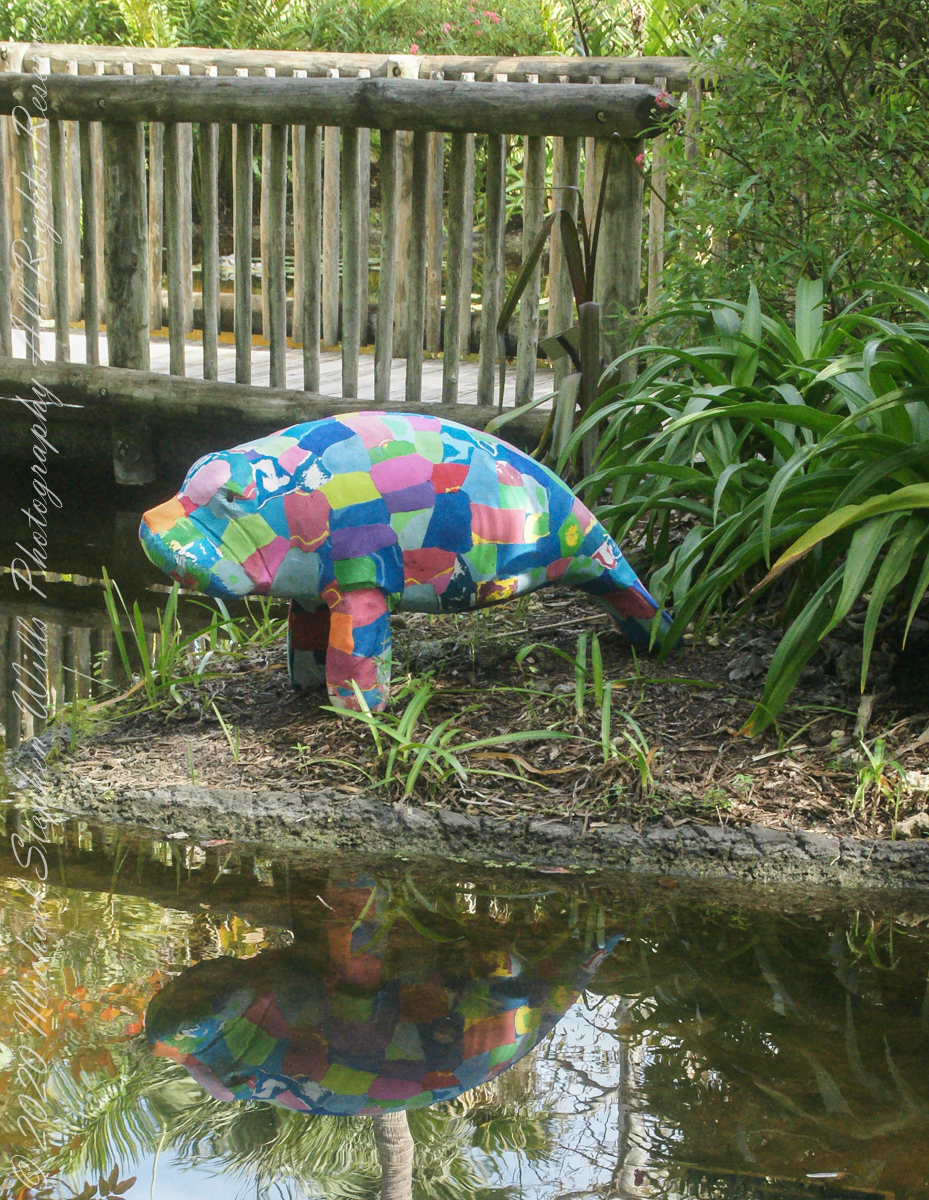
Up to 400 recycled flip flops were used by Ocean Sole Africa Project artists to create this Manatee sculpture from a 2020 exhibit hosted by McKee Botanical Gardens, Vero Beach, Indian River County, Florida.
Manatee with fans
Manatees are protected under the Endangered Species Act and under the Marine Mammal Protection Act. Today, the range-wide population is estimated to be at least 13,000 manatees, with more than 6,500 in the southeastern United States and Puerto Rico.
Florida has cherished the Sea Cow with the population increasing 25% from 1991, going from 1,267 to more than 6,300.
Copyright 2022 Michael Stephen WillsAll Rights Reserved
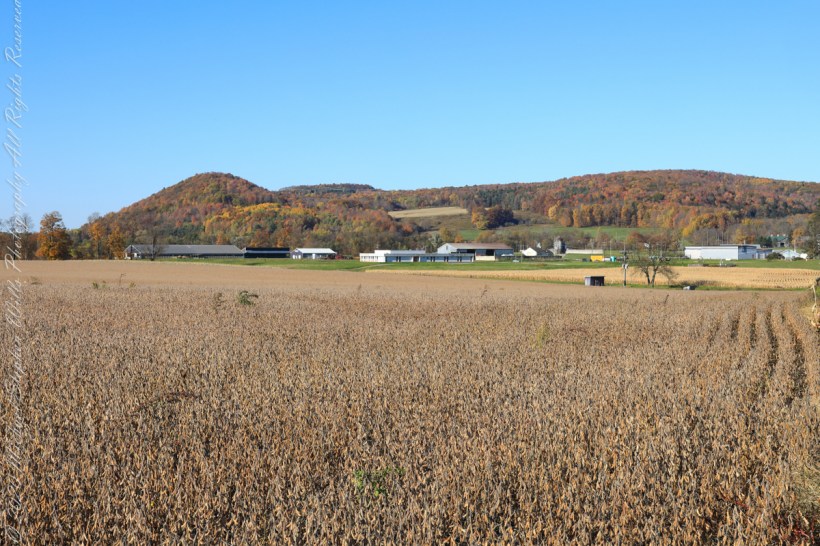
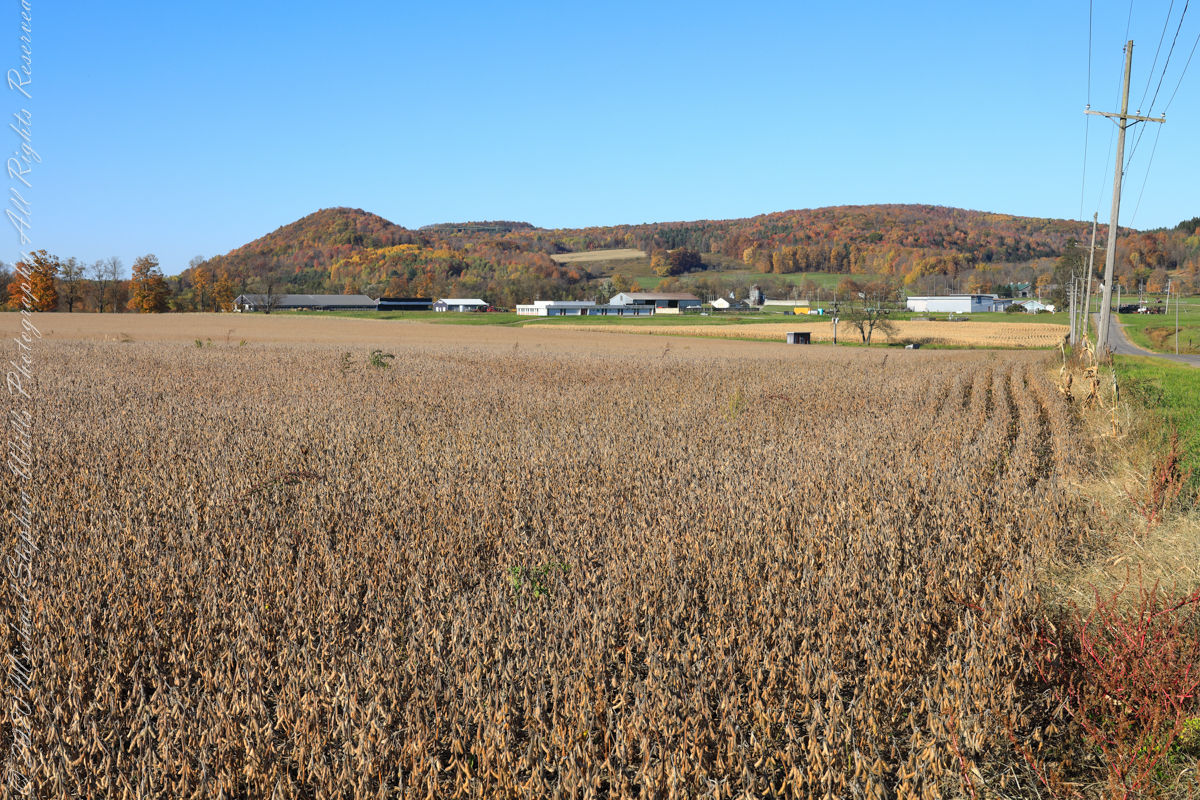
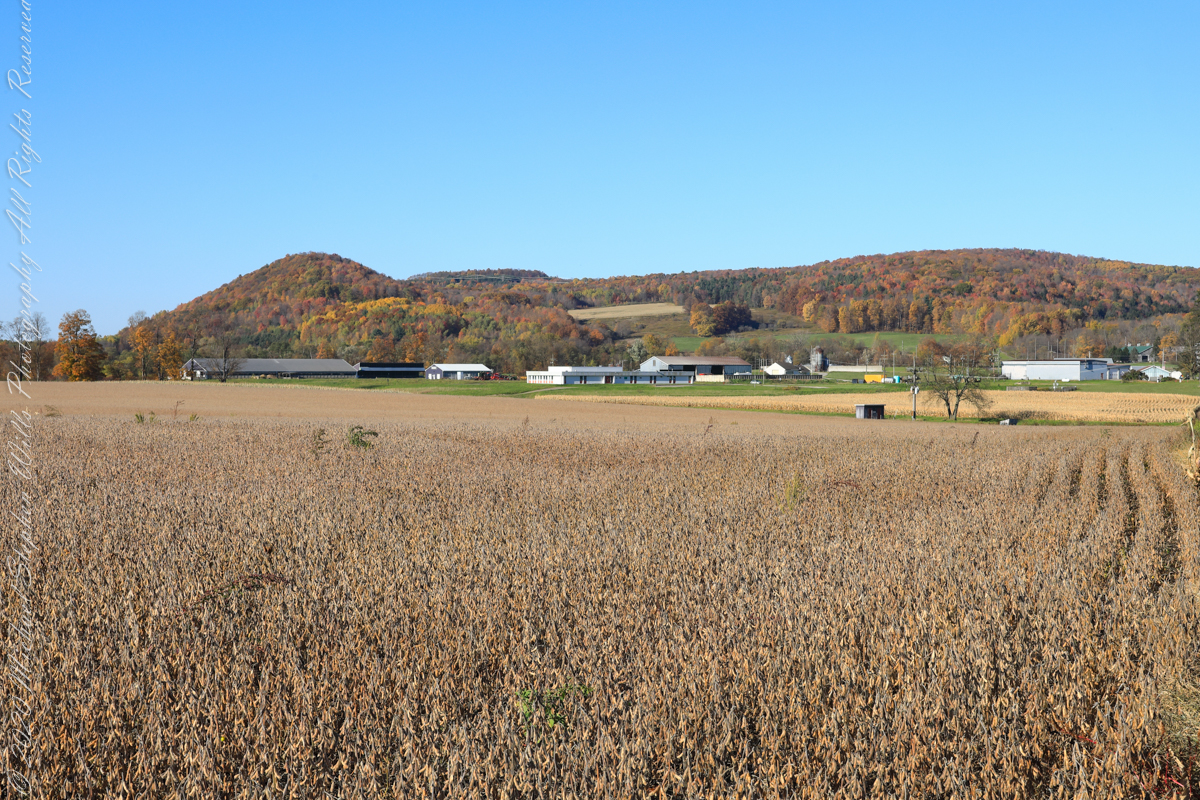
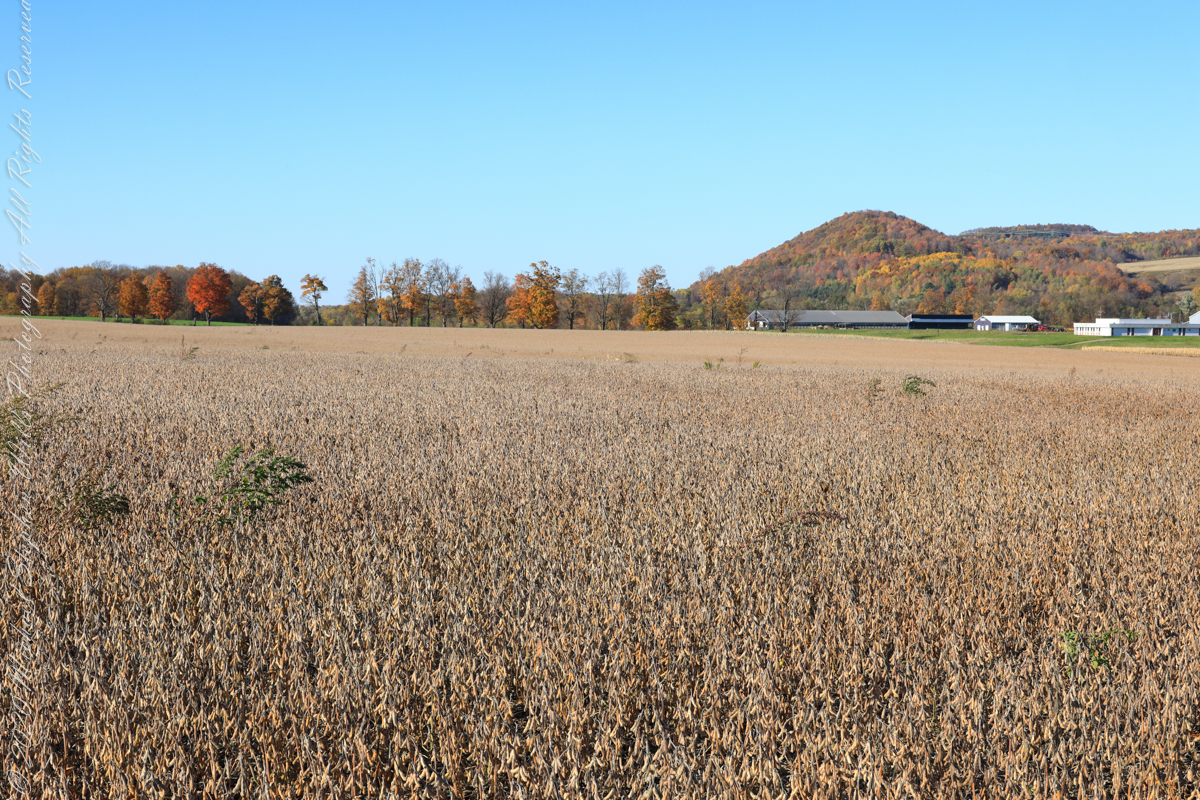
A diorama of the Museum of Natural History, New York City, features this north view, first viewed as a young teen on a school field trip — the duplicated sight was imprinted on my memory. Over the years I passed this spot repeatedly for trips to Long Island for family Thanksgiving celebrations. October 22nd, 2022, the field was planted with soybeans ready to harvest. The rounded hill, a drumlin, finishing the left side of the ridge, is the “star” of this photograph and the diorama.
A drumlin, from the Irish word droimnín (“littlest ridge”), first recorded in 1833, is an elongated hill in the shape of an inverted spoon or half-buried egg formed by glacial ice acting on underlying unconsolidated till or ground moraine.
Same exposure cropped to remove road and poles to perfect the image.
I am not sure the north/northwest view is an improvement, as seen in the following photograph.
Copyright 2022 Michael Stephen Wills All Rights Reserved
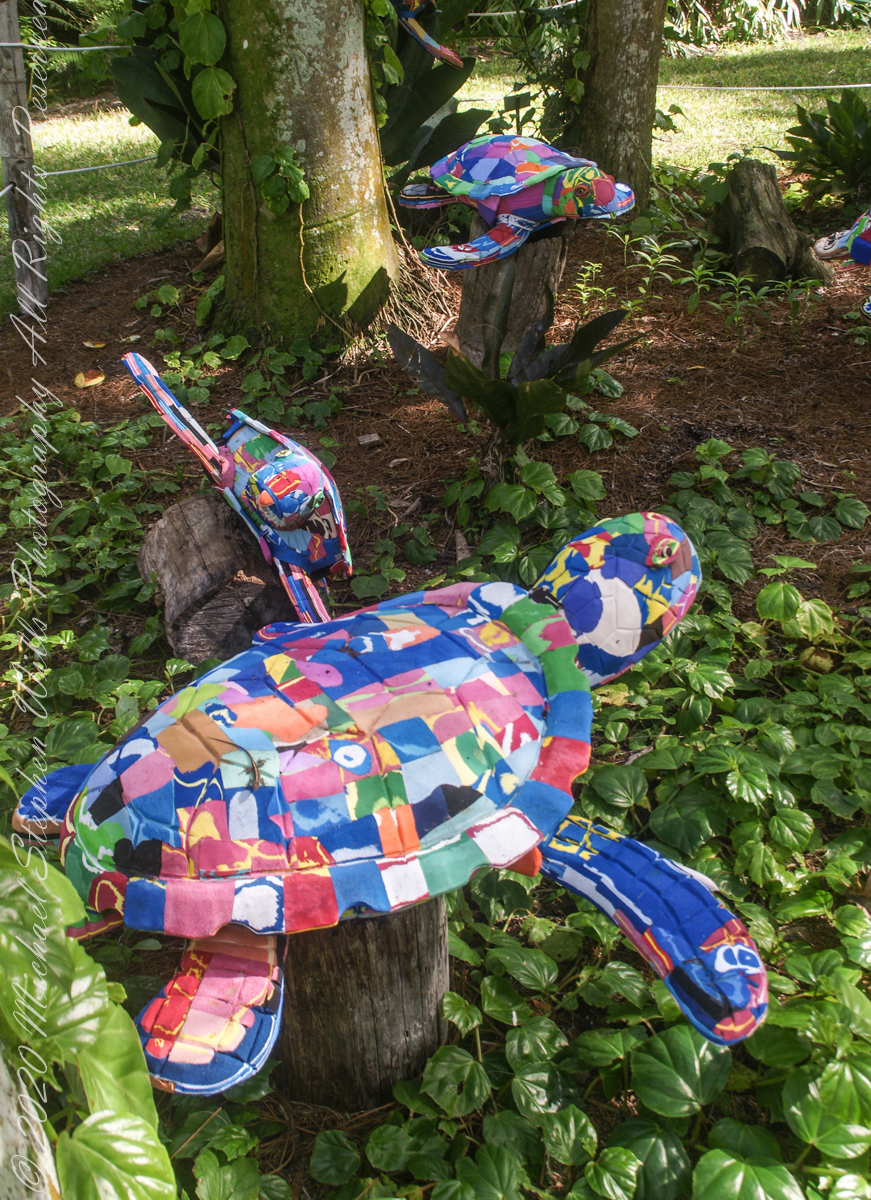
Up to 400 recycled flip flops were used by Ocean Sole Africa Project artists to create each sea turtle sculpture from a 2019 exhibit hosted by McKee Botanical Gardens, Vero Beach, Indian River County, Florida.
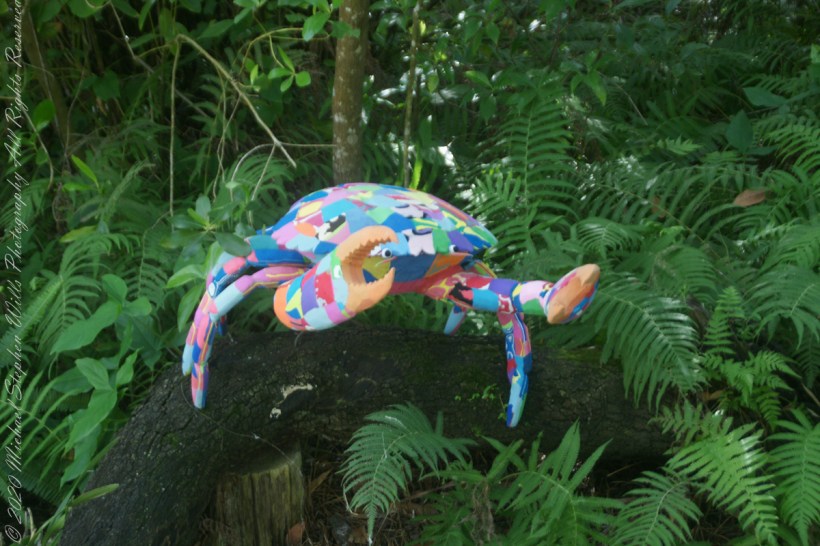
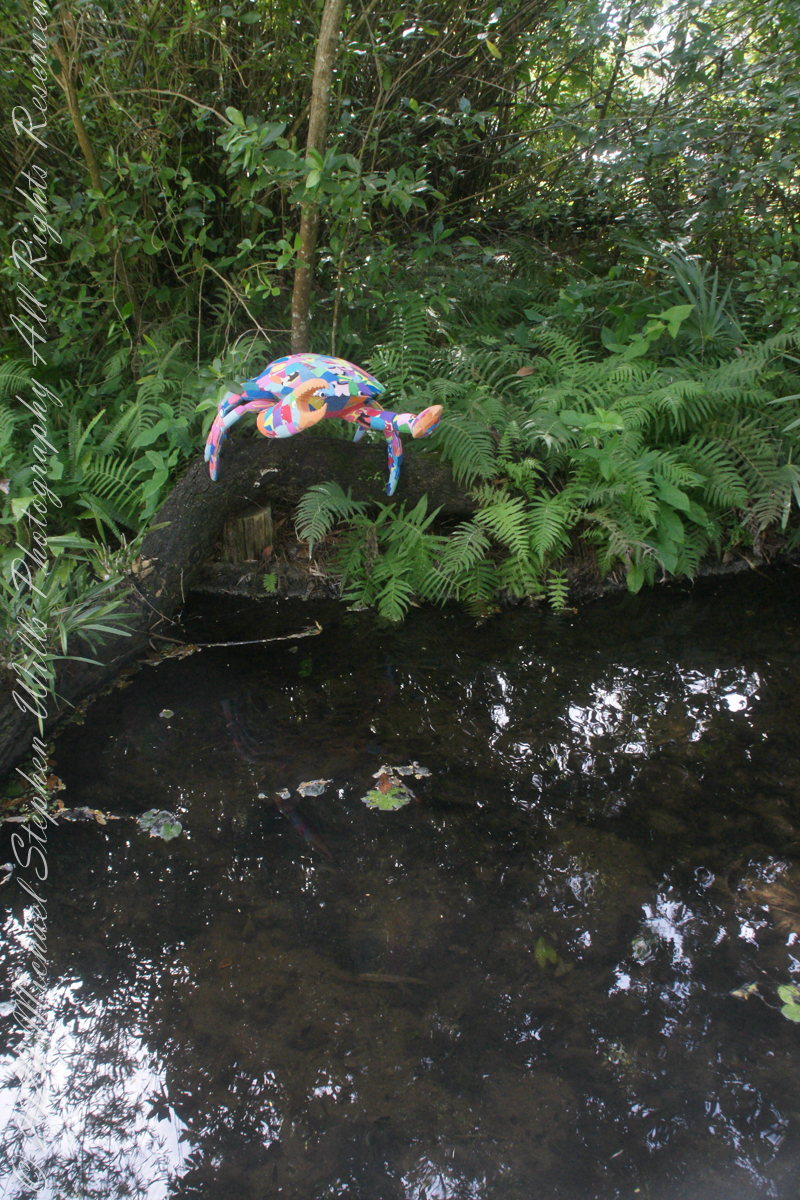
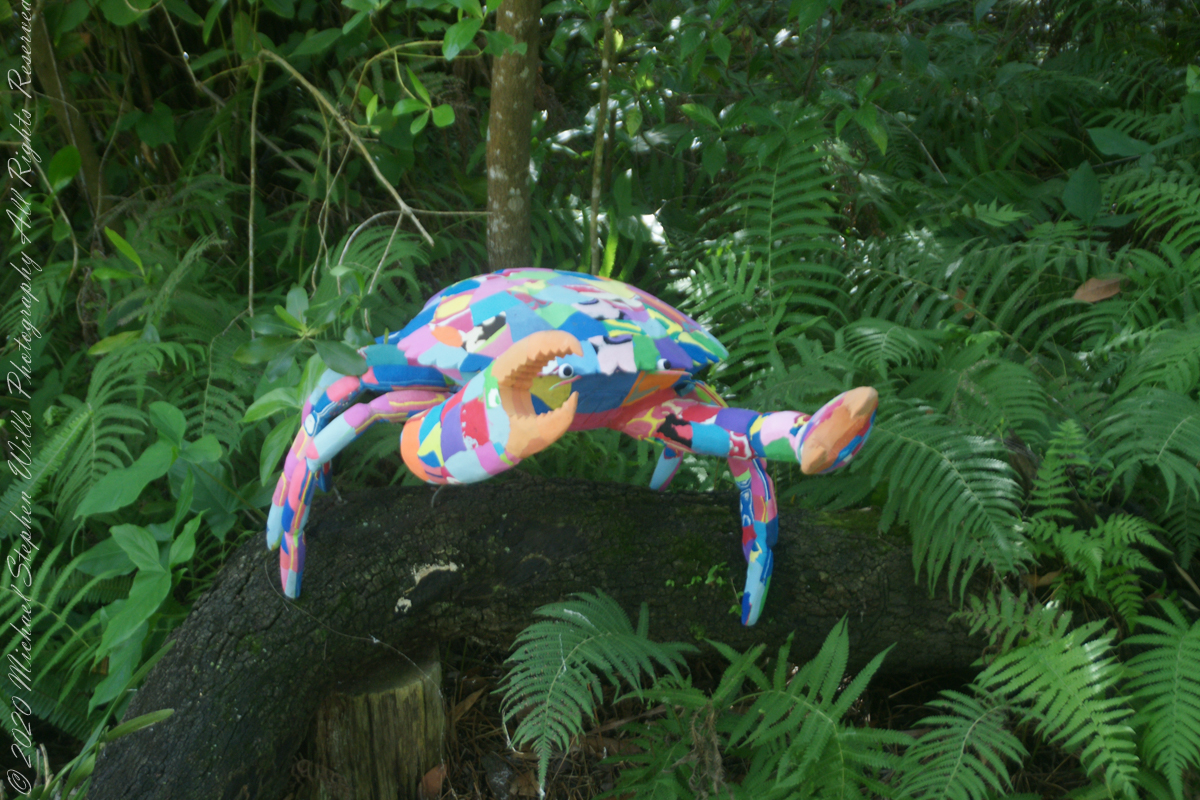
Blue land crabs inhabit McKee Gardens, only resembling these specimens, made from as many as 400 discarded flip flops, in having ten legs for which the Order Decapoda is named. The front two legs are specialized chelae (claws) for grabbing and eating whatever is in front of them (omnivorous). Two other characteristics are eyes on stalks and an exoskeleton composed of chitin. From an exhibit of creations by the Ocean Sole Africa project, McKee Botanical Gardens, Vero Beach, Indian River County, Florida.
Blue land crabs inhabit McKee Gardens, only resembling these specimens, made from as many as 400 discarded flip flops, in having ten legs for which the Order Decapoda is named.
The front two legs are specialized chelae (claws) for grabbing and eating whatever is in front of them (omnivorous). Two other characteristics are eyes on stalks and an exoskeleton composed of chitin.
Copyright 2022 Michael Stephen WillsAll Rights Reserved
For this series I travelled a short distance south from where Palmer Road intersects with Virgil Road, crossing the border from Tompkins to Cortland County, closer to Carpenter Hill.
In the 19th Century driven wells (also called tube wells) were an innovation developed in Cortland County under the command of a Civil War era Colonel Nelson W. Green who sought for twenty-two years to impose royalties on use of driven wells. I.H. Palmer assisted John W. Sugget, both of Cortland County, in a seminal patent law case they won in U.S. Supreme Court seeking the release from royalty payments from thousands of driven well installations throughout the Eastern and Midwestern United States. Their successful argument was for two years before any patent application, in Cortland County, driven wells were in use. I cannot say Palmer Road has a connection to I.H. Palmer, though it is an interesting historical aside.
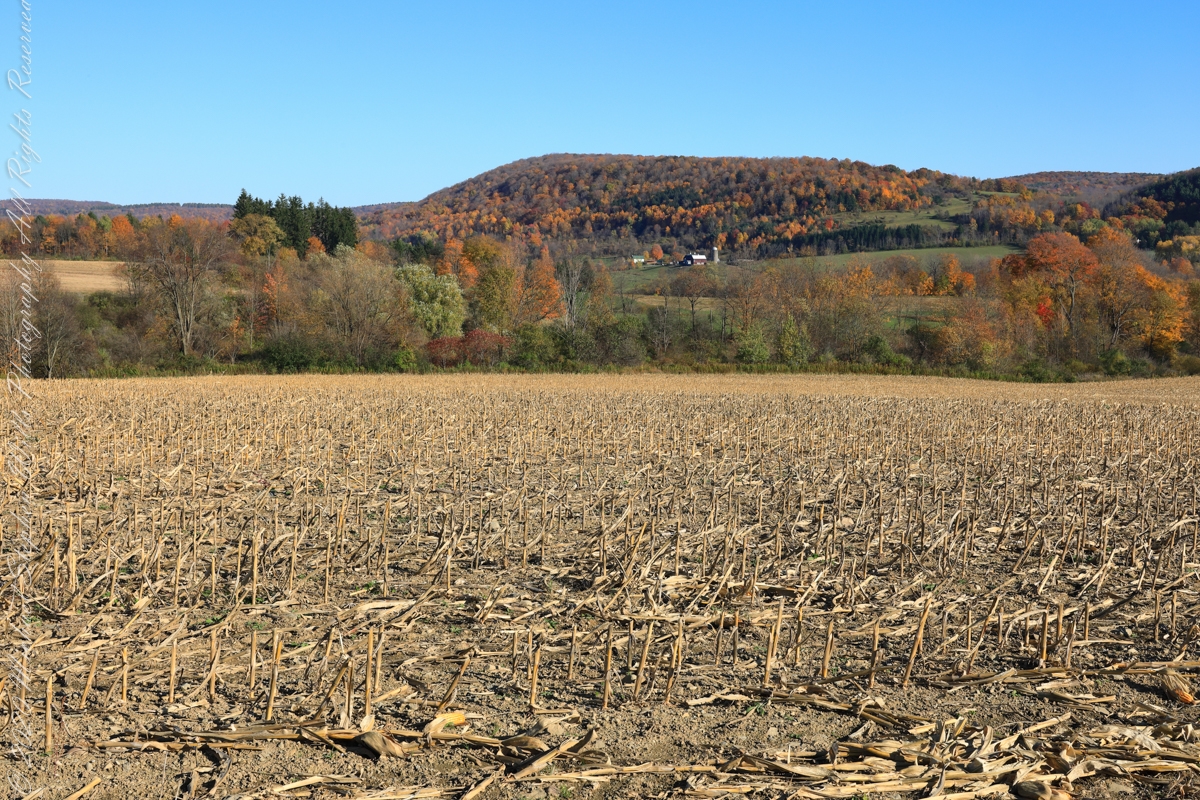
View east from Palmer Road across corn stubble. A feeder stream to Virgil Creek is marked by the nearest line of trees, beyond the land rises over the shoulder of Owego Hill.
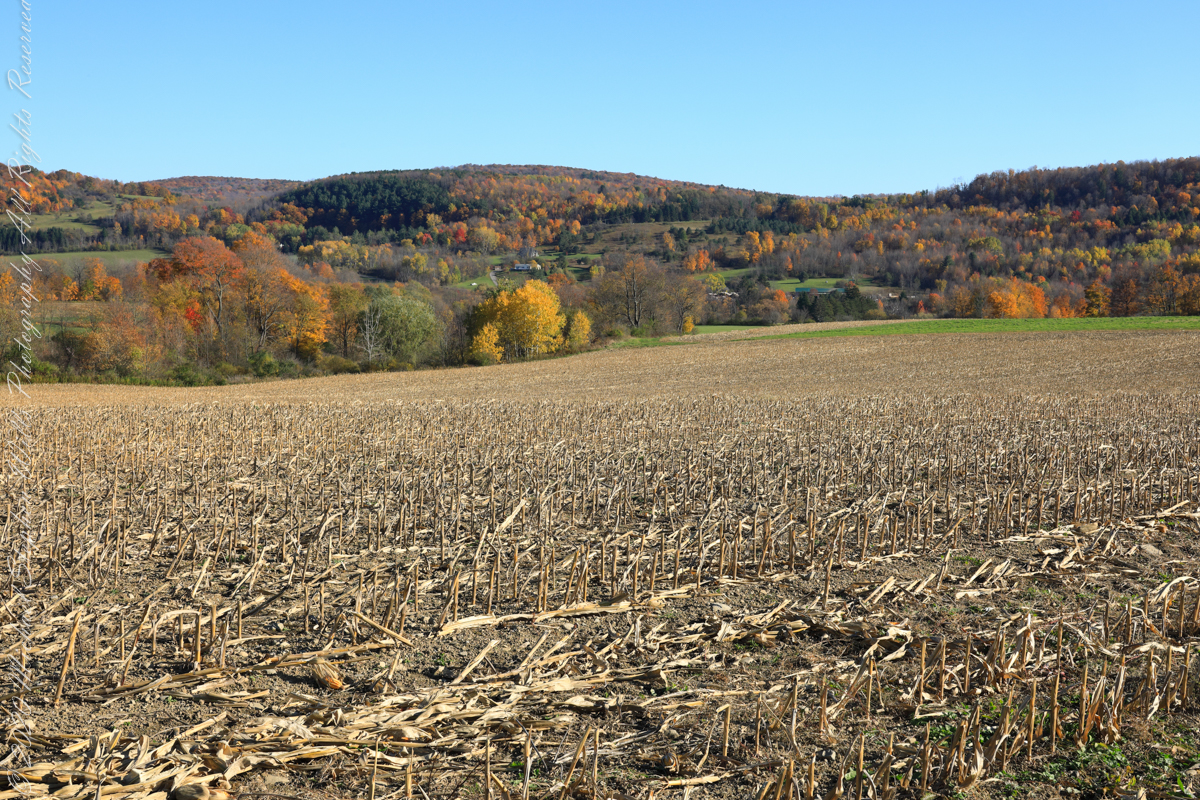
View east/southeast from Palmer Road across corn stubble. A feeder stream to Virgil Creek flows through the first tree line on left with the creek itself in the far trees, center at the foot of Carpenter Hill. The green field at edge of corn stubble is the fallow field of the next photograph.
View east/southeast from the east edge of a fallow field along Palmer Road. Looking across Virgil Creek to the slope of Carpenter Hill. Cortland County, New York.
Copyright 2022 Michael Stephen Wills All Rights Reserved
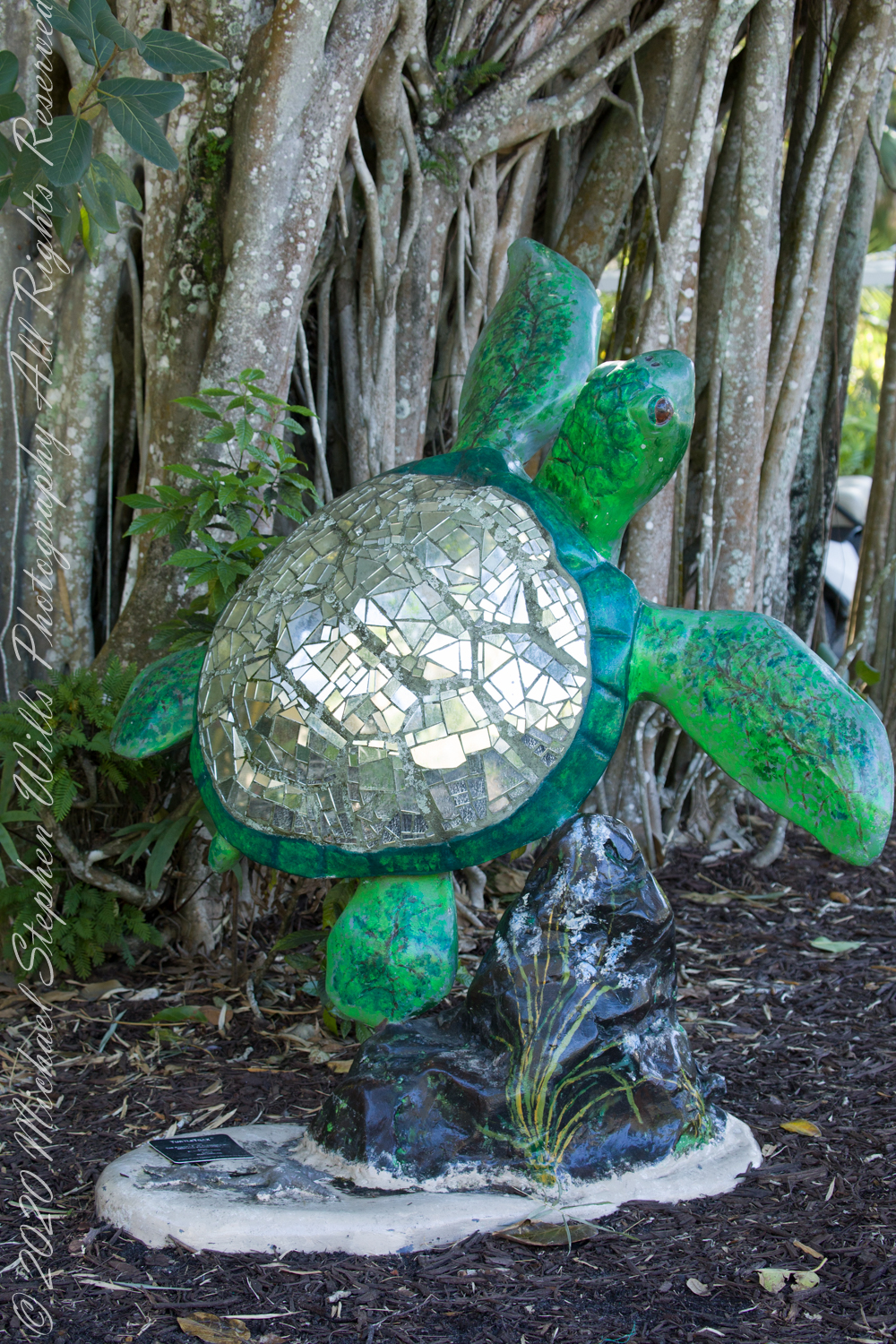
Light pollution from beach development is a threat to baby sea turtles; the glow from city sources can cause them to head into traffic instead of the ocean.
450 recycled flip flops were used by Ocean Sole Africa Project artists to create each sea turtle sculpture from a 2019 exhibit hosted by McKee Botanical Gardens, Vero Beach, Indian River County, Florida.
Sea turtles (superfamily Chelonioidea), sometimes called marine turtles, are reptiles of the order Testudines and of the suborder Cryptodira. Sea turtles can be found in all oceans except for the polar regions. Sea turtles are generally found in the waters over continental shelves.
During the first three to five years of life, sea turtles spend most of their time in the pelagic zone floating in seaweed mats. Once the sea turtle has reached adulthood it moves closer to the shore. Females will come ashore to lay their eggs on sandy beaches during the nesting season. Sea turtles migrate to reach their spawning beaches, which are limited in numbers. Living in the ocean therefore means they usually migrate over large distances.
All sea turtles have large body sizes, which is helpful for moving large distances. Large body sizes also offer good protection against the large predators (notably sharks) found in the ocean. Light pollution from beach development is a threat to baby sea turtles; the glow from city sources can cause them to head into traffic instead of the ocean. There has been some movement to protect these areas. On the east coast of Florida, parts of the beach known to harbor sea turtle nests are protected by fences.
This Sea Turtle sculpture graces the entrance of McKee Gardens as a permanent exhibit.
Conservationists have monitored hatchings, relocating lost baby sea turtles to the beach. Hatchlings find their way to the ocean by crawling towards the brightest horizon and can become disoriented along the coastline. Lighting restrictions can prevent lights from shining on the beach and confusing hatchlings. Sea turtle-safe lighting uses red or amber LED light, invisible to sea turtles, in place of white light.
Copyright 2022 Michael Stephen WillsAll Rights Reserved
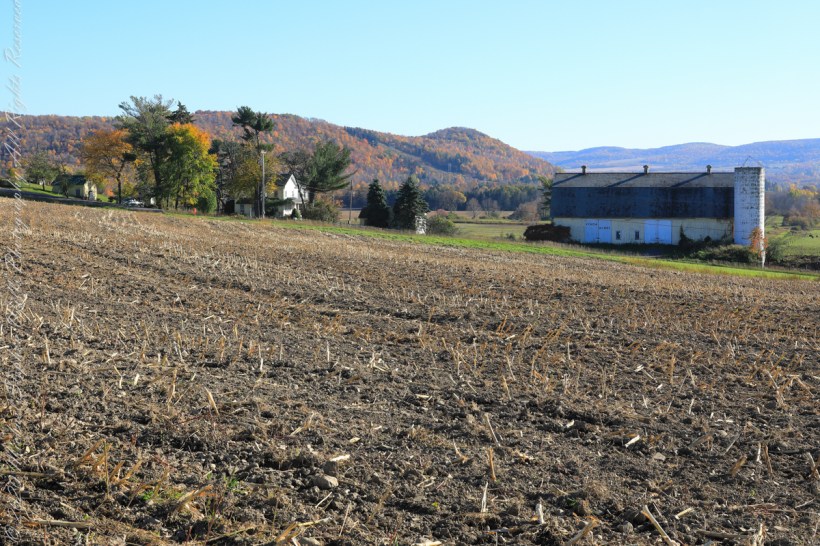
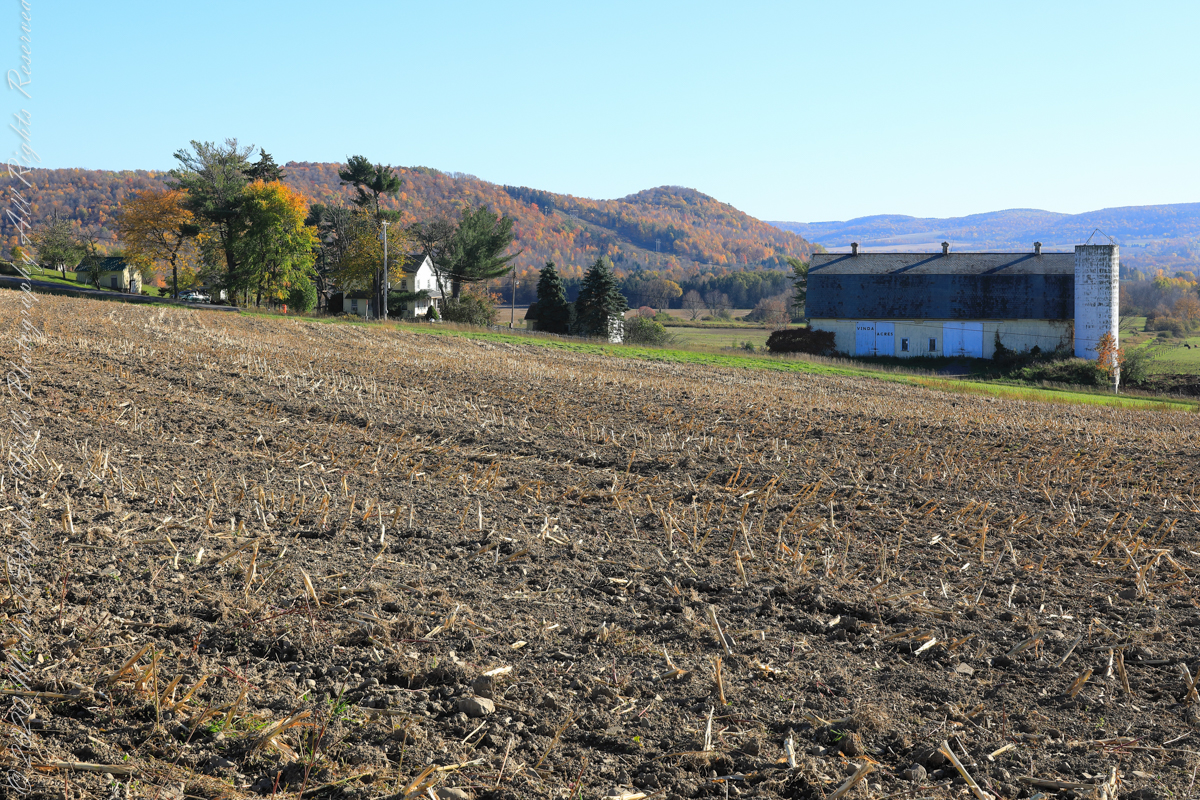
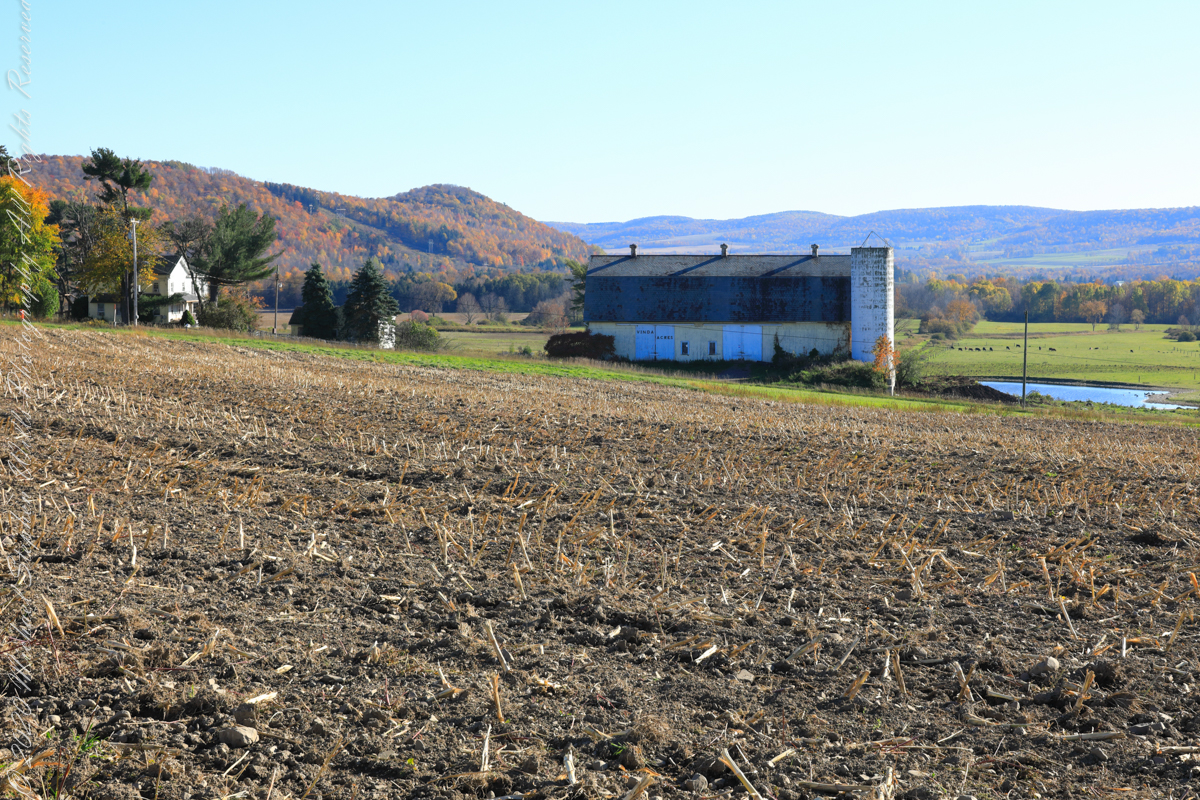
Carpenter Hill from Virgil Road, Route 392, looking across cornstalk stubble and McClintock Road, a faded yellow barn with “Vinda Acres” written on the doors.
The hill is clearly a drumlin. A drumlin, from the Irish word droimnín (“littlest ridge”), first recorded in 1833, is an elongated hill in the shape of an inverted spoon or half-buried egg formed by glacial ice acting on underlying unconsolidated till or ground moraine.
Distant ridges on the right include Hammond Hill. The road to Virgil above the town of Dryden, Tompkins County, New York.
Copyright 2022 Michael Stephen Wills All Rights Reserved
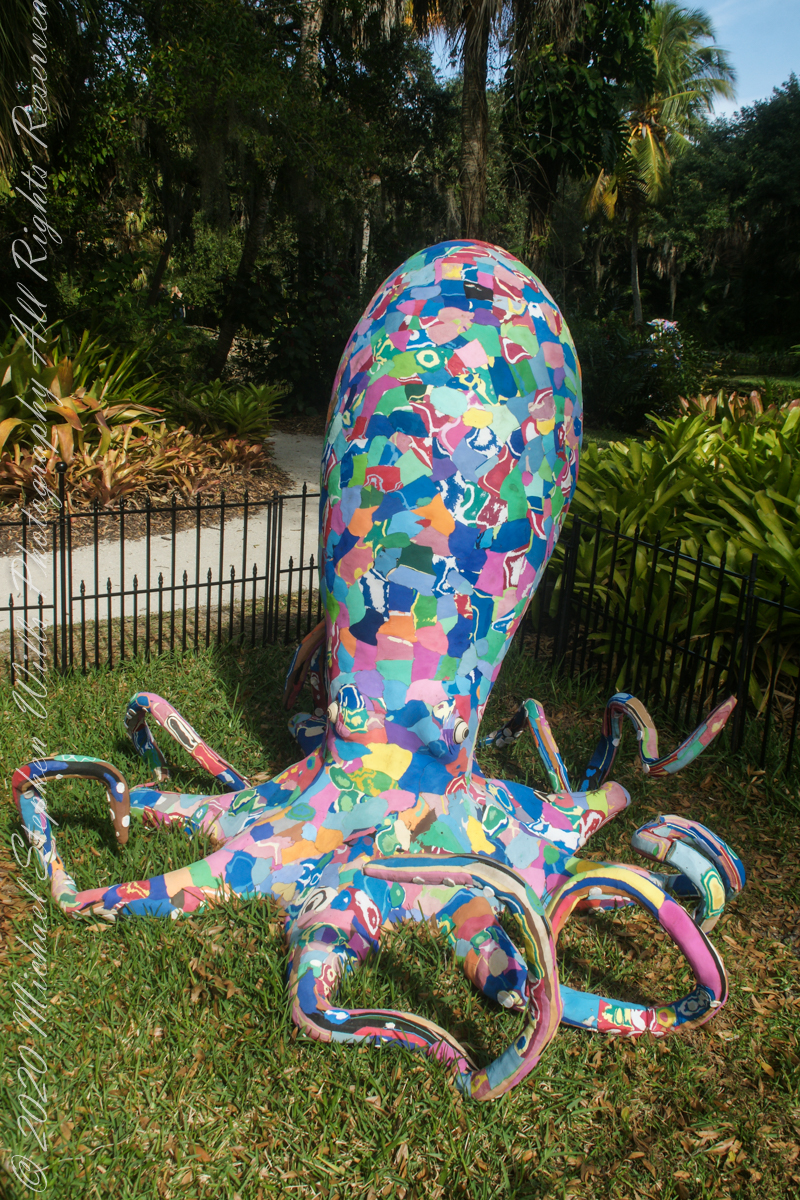
This common octopus (Octopus vulgaris) specimen was created by artists of Ocean Sole Africa. 890 recycled flip flops were used in this sculpture. from a 2019 exhibit hosted by McKee Botanical Gardens, Vero Beach, Indian River County, Florida.
Octopuses are adaptable and intelligent 8-limbed creatures known live in and around ocean reefs, deep ocean and intertidal zones. Invertebrate, without a skeleton an octopus can hide in tight spaces. Maneuvering and hunting, each tentacle is lined with suckers that grab rocks and prey. Existing solely on meat, these carnivores prey on crabs and shellfish, finding them with sharp binocular eyesight and devouring with a sharp parrot-like beak. Their defenses include camouflage, changing skin color to made surroundings, ejection of thick black ink to distract a predator and escape. A last line of defense is sacrificing an arm that can grow back over time. These blue-blooded aristocrats have three hearts!
Copyright 2022 Michael Stephen WillsAll Rights Reserved

 Michael Stephen Wills Photography