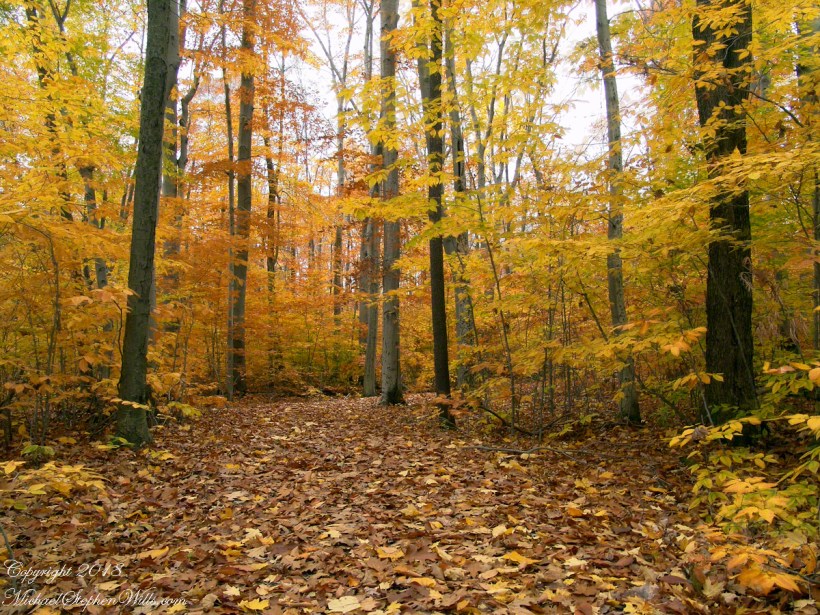
Autumn Stroll in Sapsucker Woods

a meditaton

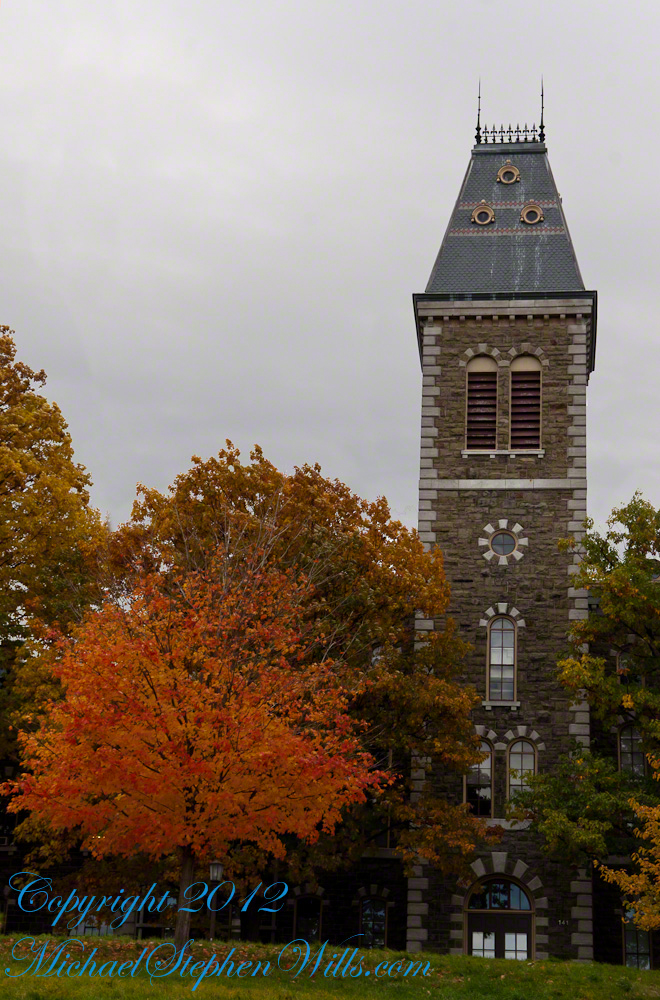
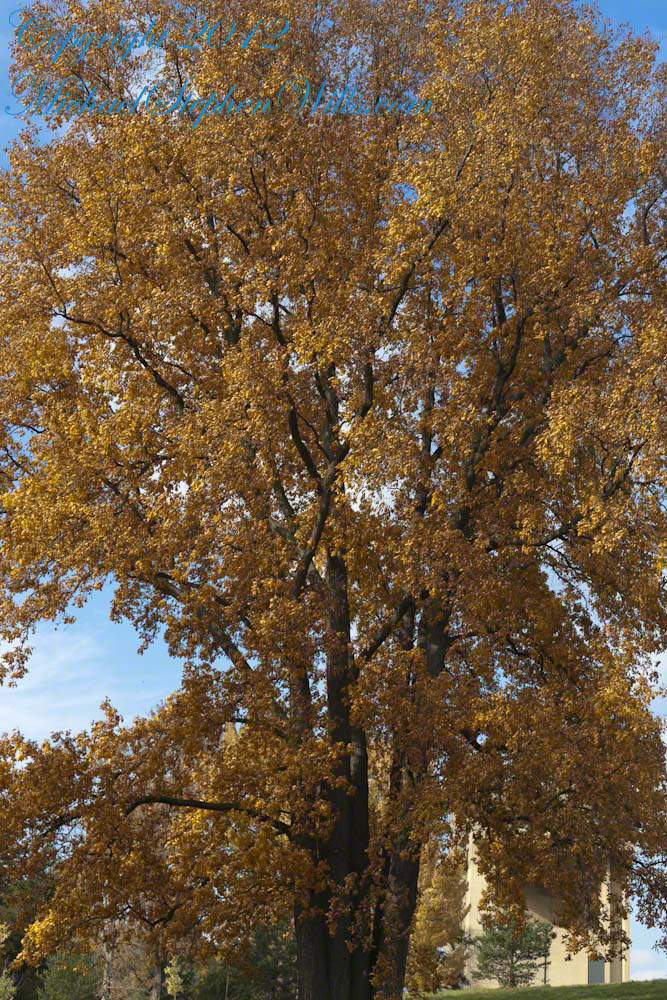
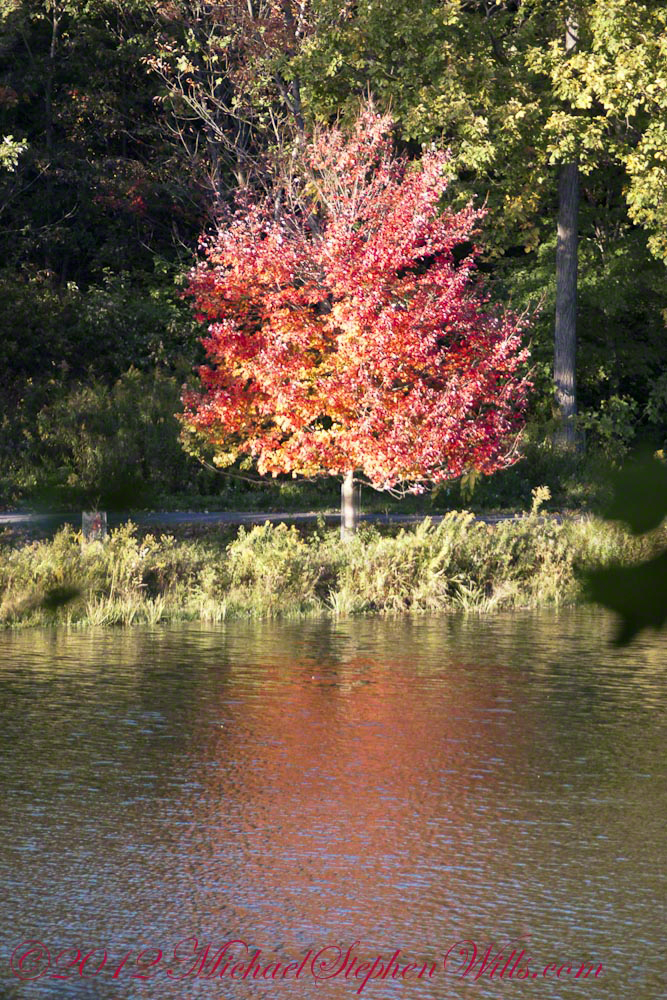
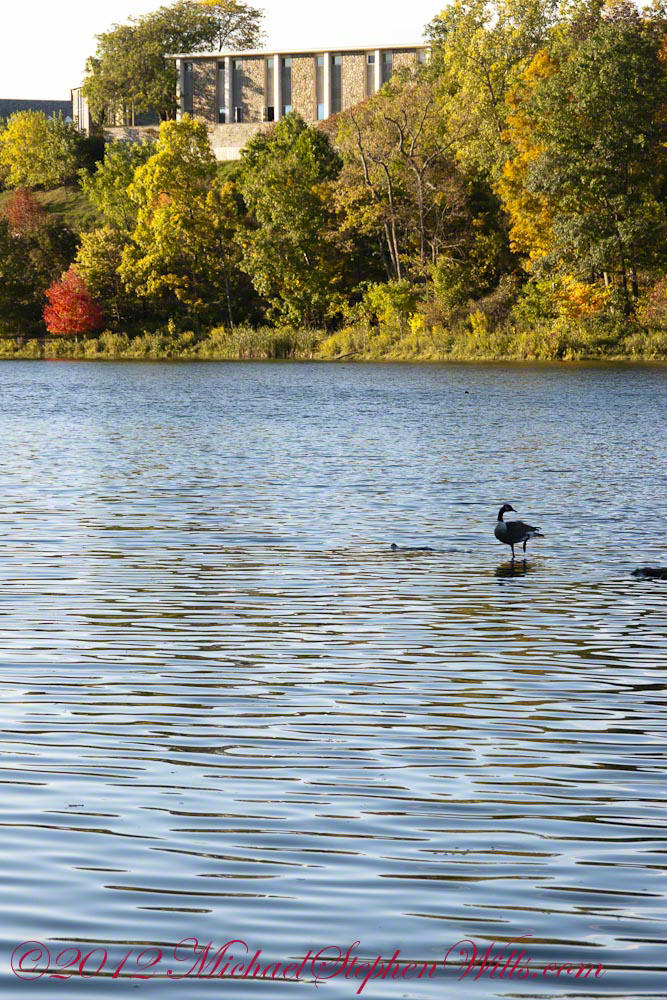
On Halloween morning 2004 I set out with a camera upgrade purchased spring of that year, a Sony “Cyber Shot, DSC-F828” with an inexpensive tripod. My photograph “Autumn Stroll in Sapsucker Woods”, the feature photograph and below, achieved prizes with the Photographic Society of American and a few sales of self-produced prints. It was an early success.

Click any photograph to visit my Online Gallery “Finger Lakes Memories.”
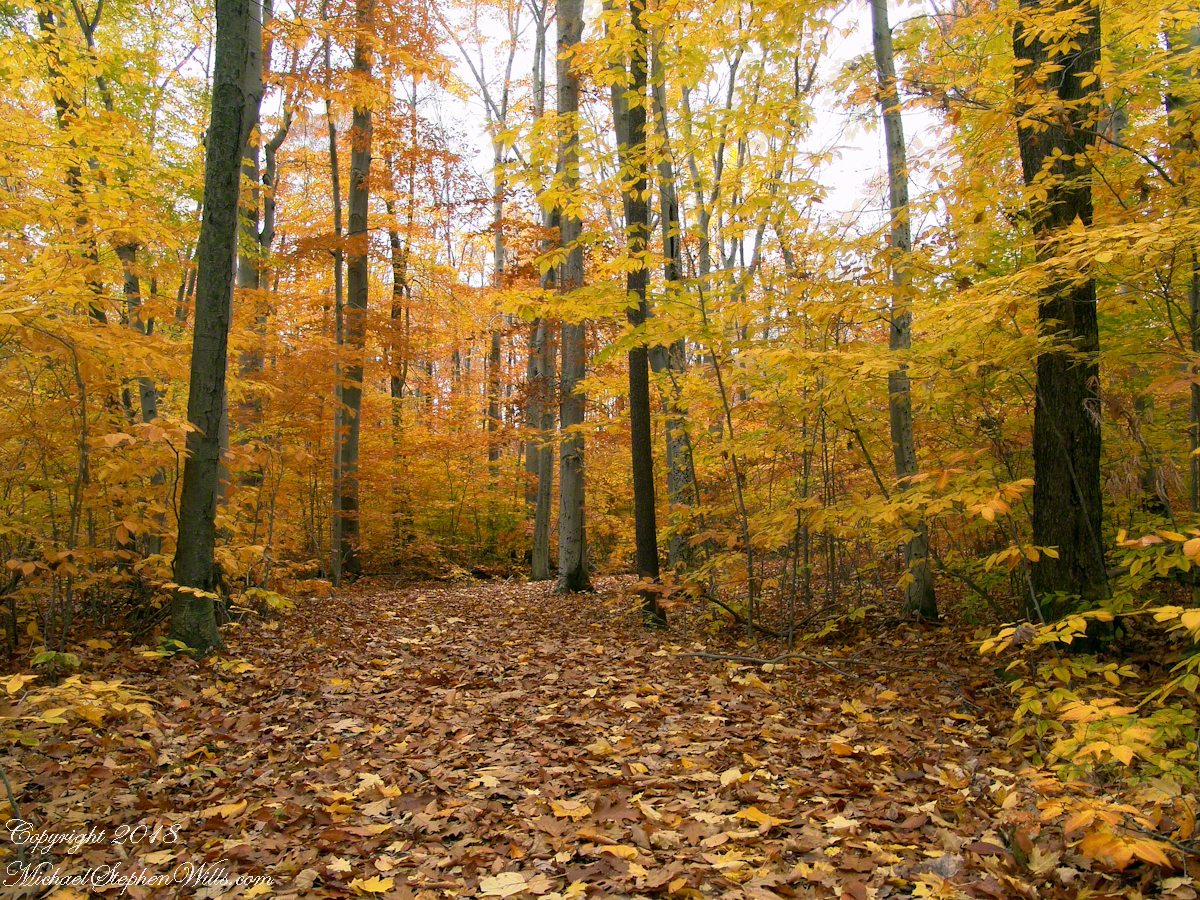
It is available on my Finger Lakes Memories online gallery where I provide recommendations for sizing, the best print medium with ideas for frame and matt.

The fall of 2005 I invested in a Kodak DCS Pro dslr-c and a Canon EF 50mm f/1.4 USM lens.  October 30, 2005, one day short of the 2004 Halloween shoot, found me driving down Fall Creek Road on a mission of revisiting Sapsucker Woods to possibly improve upon my offerings.

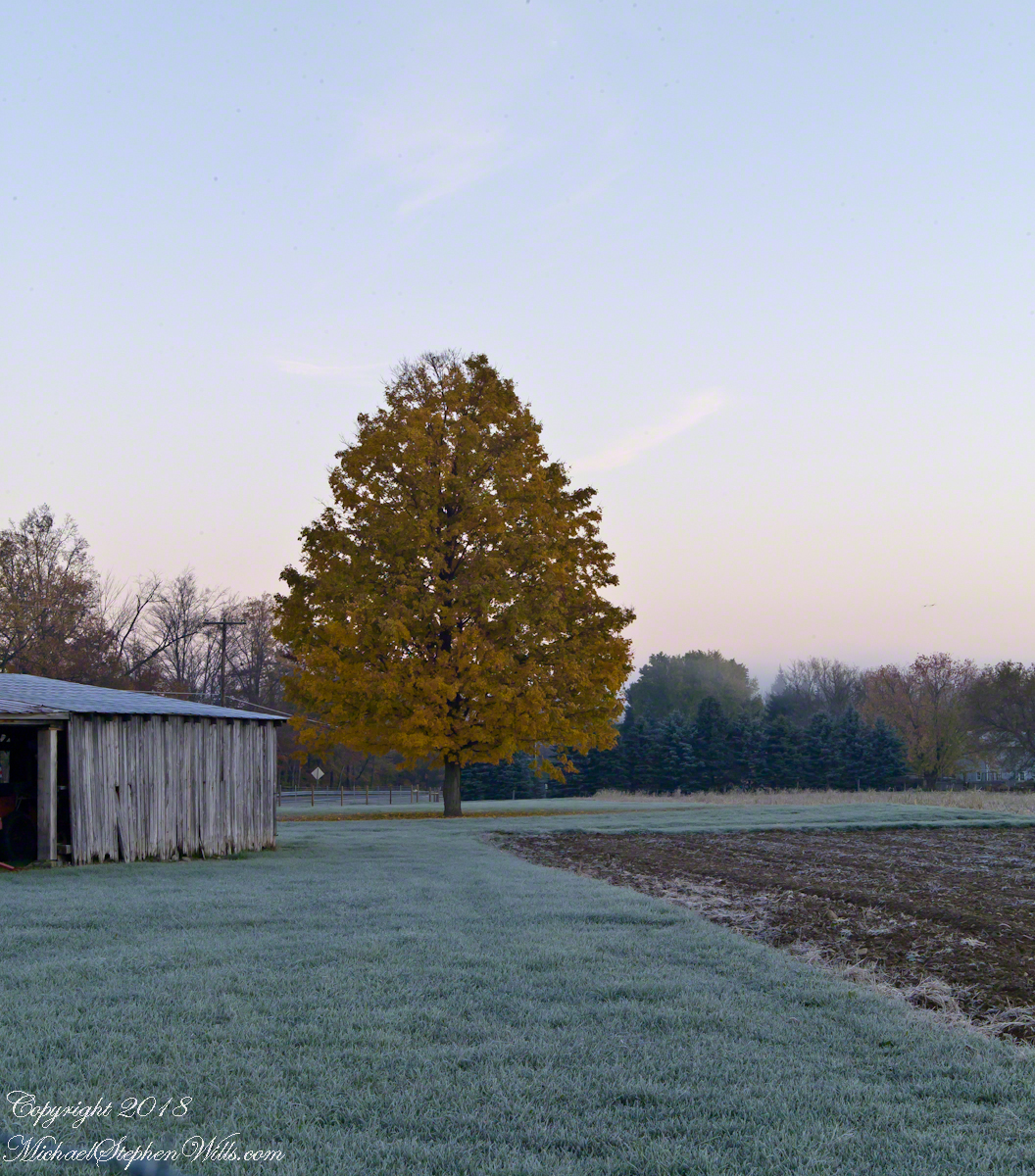
Over the years, travelling Fall Creek Road on my daily commute, I admired this well formed maple next to a farm field.  At 6:45 am the sun was about this rise, the frost limned grass not yet burned off.  This tree turned a bright yellow, here a green-yellow and dull.  The form of the tree is perfect.  I was never able to catch this at the right moment, it is still there and maybe I can time it this year during a pick-up of my grandson.  If I do, my intention is to climb the fence and use the 24 mm lens to capture the tree and shed with less sky (unless there are some dramatic clouds).  That day, I needed to make time for Sapsucker woods.
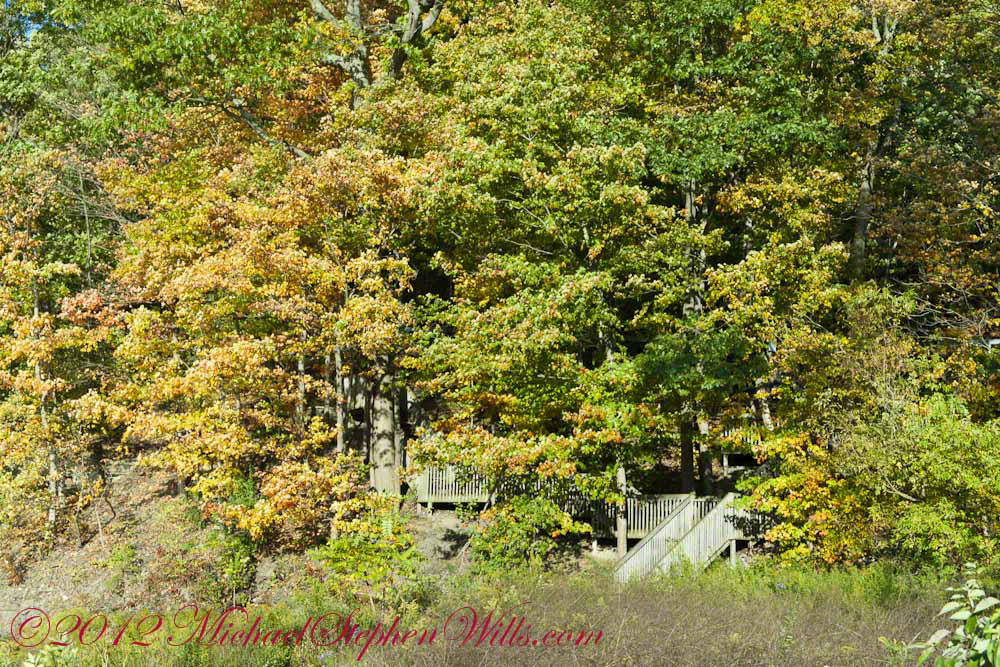
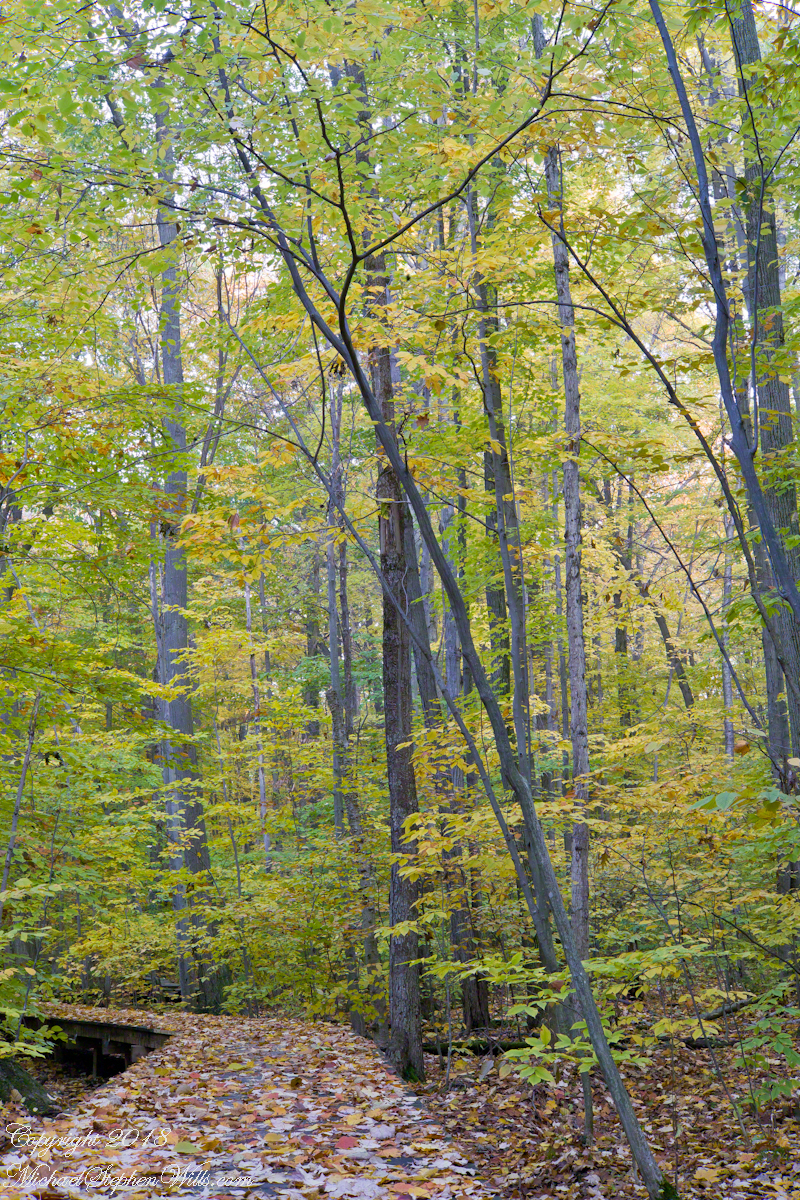
On site, thirty minutes later, as the leaves of the Fall Creek Road maple predicted, Sapsucker Woods foliage is behind last year’s by a week or so.  In “Autumn Stroll in Sapsucker Woods” the over story leaves have fallen and the understory is at peak.  Here, I believe the overstory is gone, the understory leaves are yellow-green.

I carefully choose the sites and this one is a risen walk of boards.  In the nine years since, the walk as deteriorated and this scene will be different, possibly.
This is a match for the 2004 photograph as far as the camera position.  What I enjoy from the 2004 version, aside from the foliage, are the details of the fallen leaves taking up the foreground, a carpet filling the field to lead the eye up through the trees, path fading from view to the right.

This effect is not possible on the boardwalk, above.  With the fixed focus 50 mm lens it might be possible with effort.  Today, the 24 mm is my first choice to capture this effect.
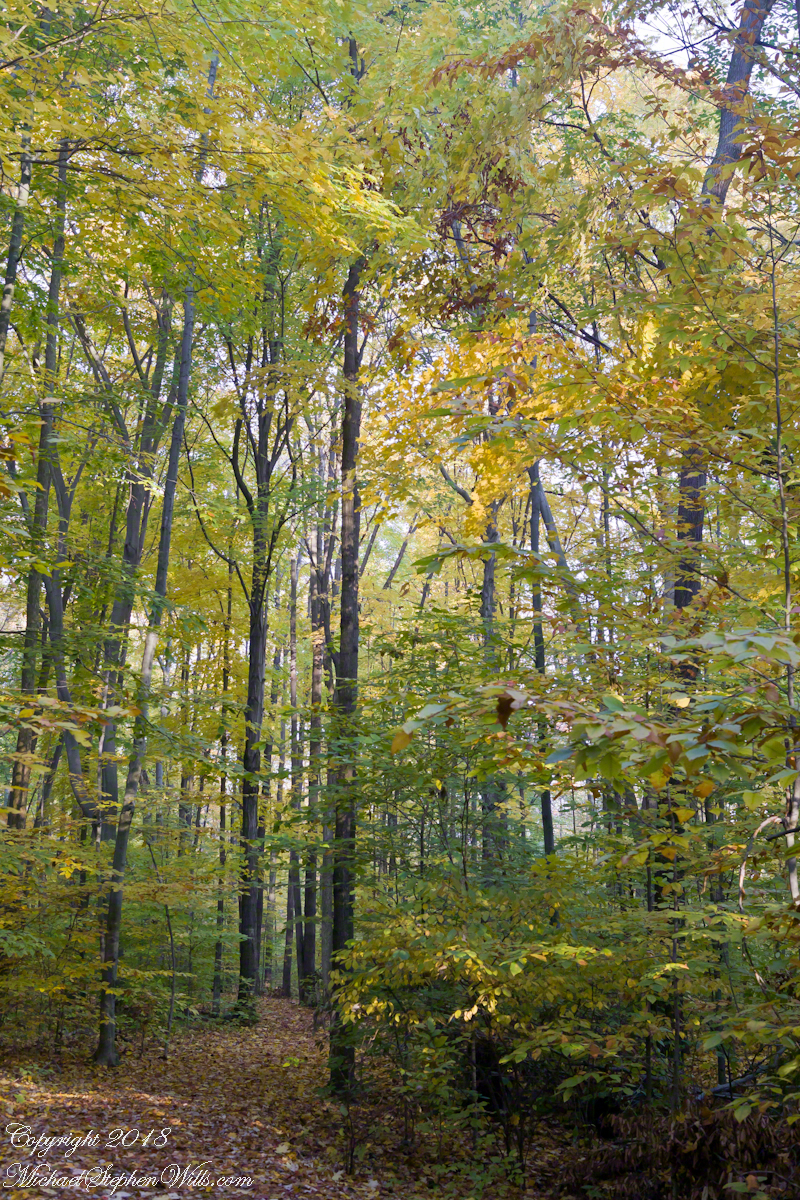
Here we can see the leaf carpet is possible, if the f-stop is higher to allow a crisp focus.  In this scene it is f2 because I happened upon a buck in a daze.  He was just standing there as I headed back to the car.  I did not risk changing out lenses to the telephoto, so I moved forward slowly.
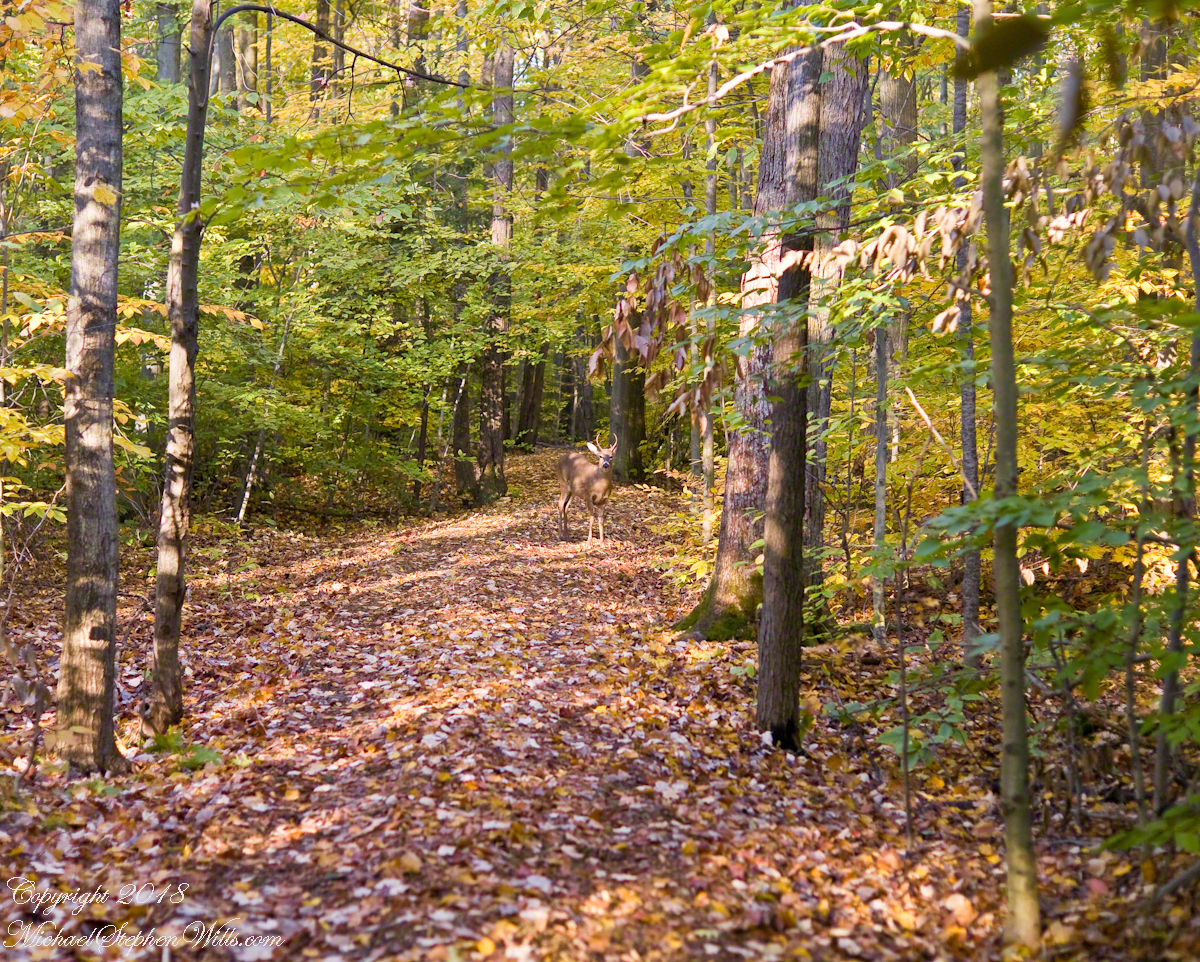
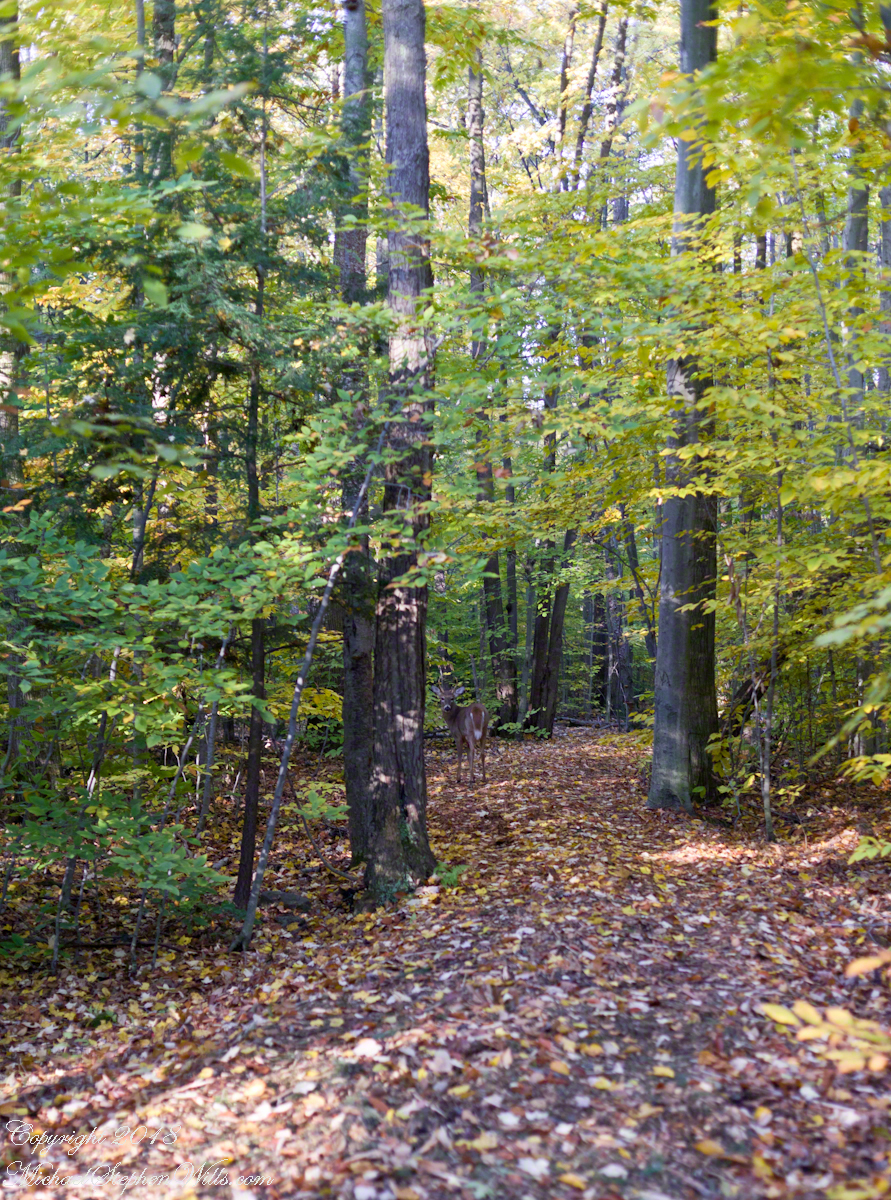
The best I did was this rear view as he looked backward.  Lack of flexibility is a draw back of a fixed-focus lens.
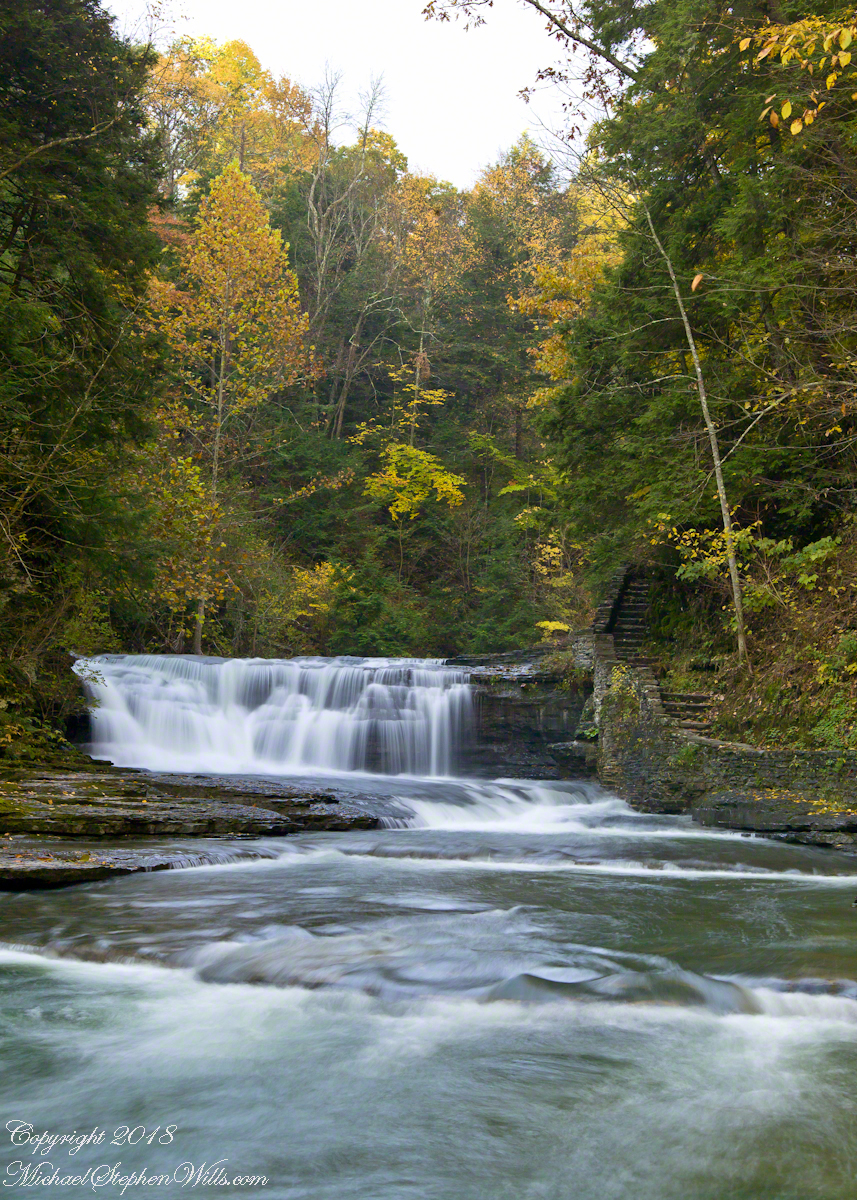
In 2004 my day concluded with Robert Treman State Park.  In 2005 the 50 mm fixed focus with a ND filter and tripod was in its element.  The sun is higher and overcast, one background tree is a peak foliage.  The moderate water flow and stair complete the effect.  This was my best work of that day.  I need to get this up on the “Finger Lakes Memories” gallery.
Other postings of interest. Click the link to go there.
“Last Sunlight” — the Gorge Waterfall
“Autumn Evening Hike Part 1 of 3”
Copyright 2018 Michael Stephen Wills All Rights Reserved

Zion Narrows X

Flash Flood Refuge?

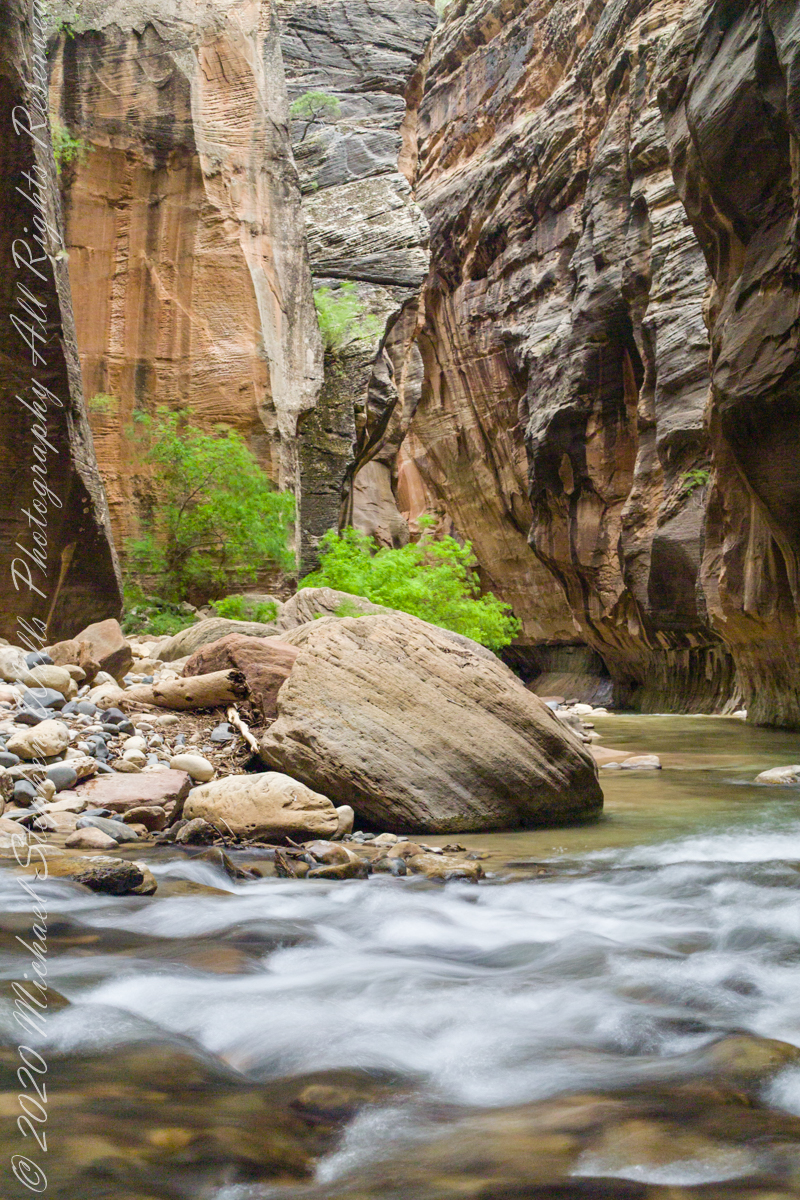
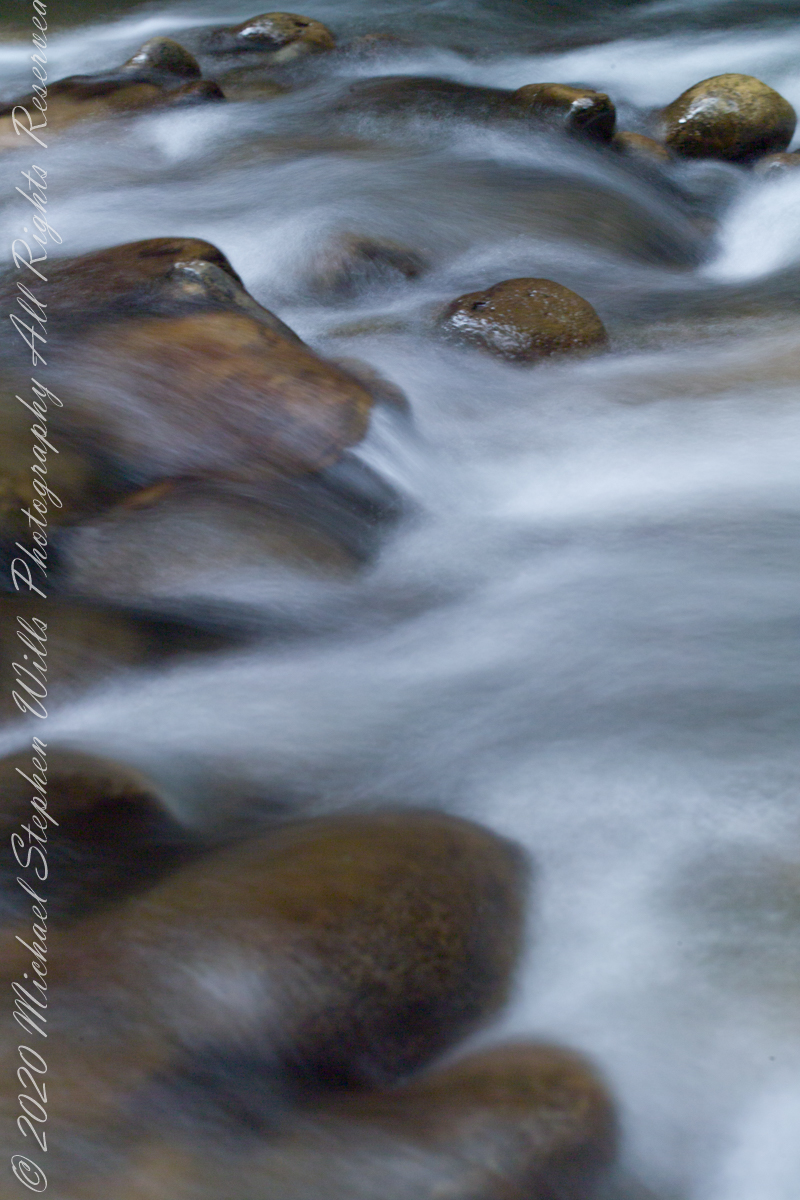
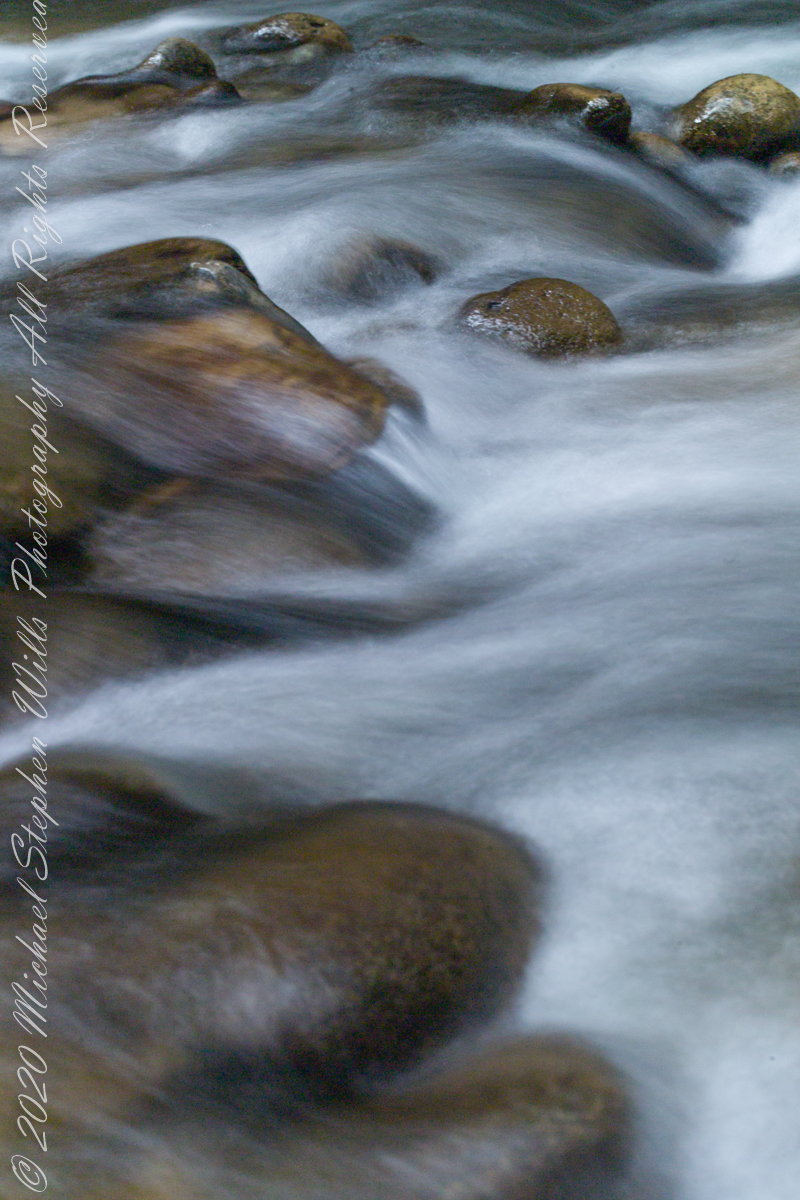
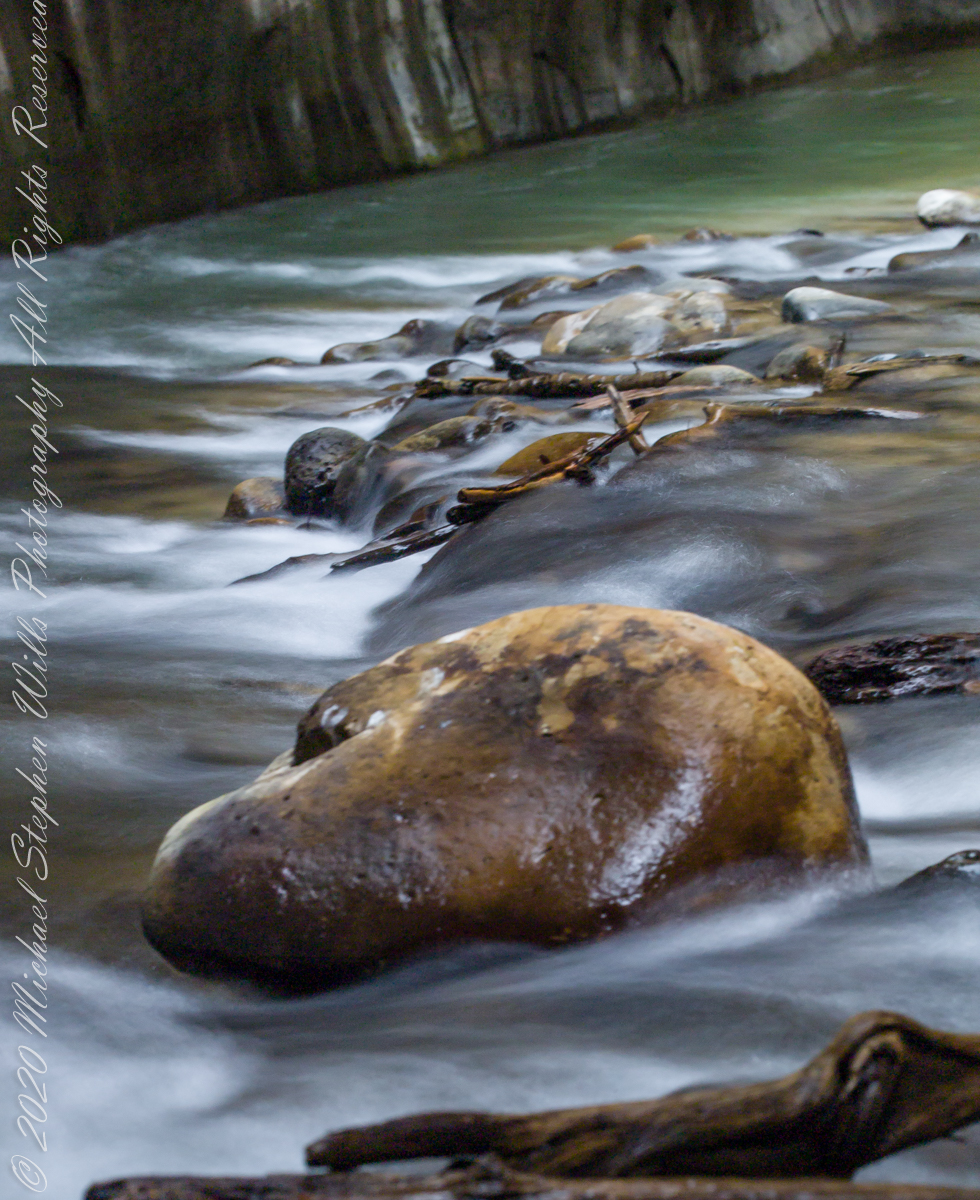
The first of three long exposures of the Virgin River from the Narrows on the way back to Pam. Earlier on Pam headed back, concerned about thunderstorms and the possibility of flash floods. I hung on, for the perfect photo. I came pretty close here, with the flowing water coming aound this outcrop of picturesque boulders, canyon turning sharply right up ahead.. The Narrows, Zion National Park, Springdale, Utah

Copyright 2021 Michael Stephen Wills All Rights Reserved

Libe Slope Autumn

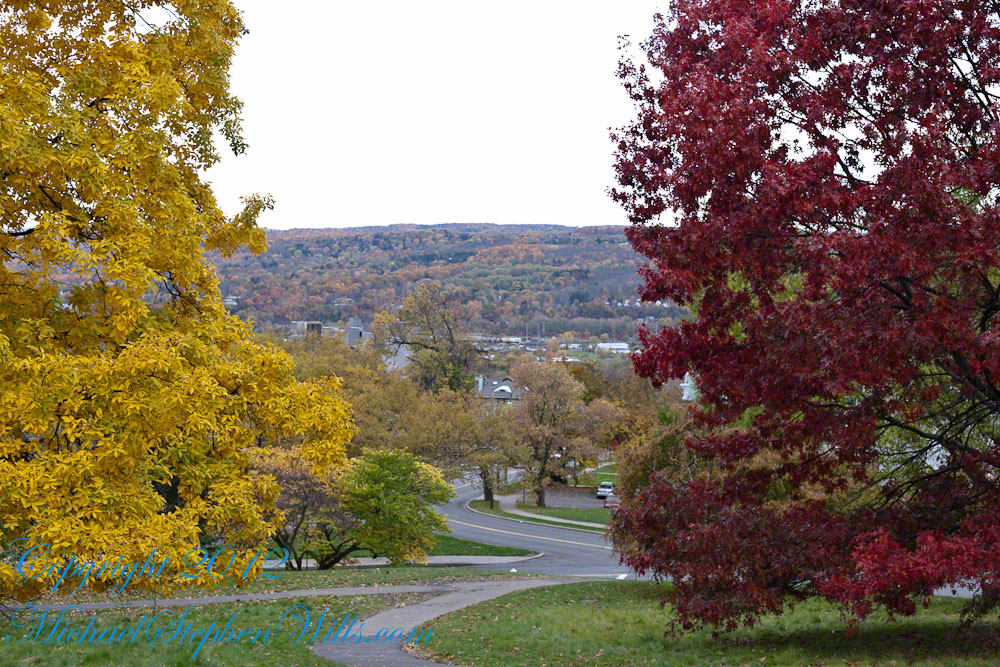
A Magnificent Display

Libe Slope

Libe Slope is between the West Campus and Quadrangle / Libraries.

Click to view my Finger Lakes Memory gallery
Cornell University is on a west-facing hill above Cayuga lake.

Besides the exercise of walking the 18 degree incline several times each day, Cornell students and alumni remember The Slope for autumn color.


Wonderful Flow of Limbs among Gold

Click to view my Finger Lakes Memory gallery

Hickory

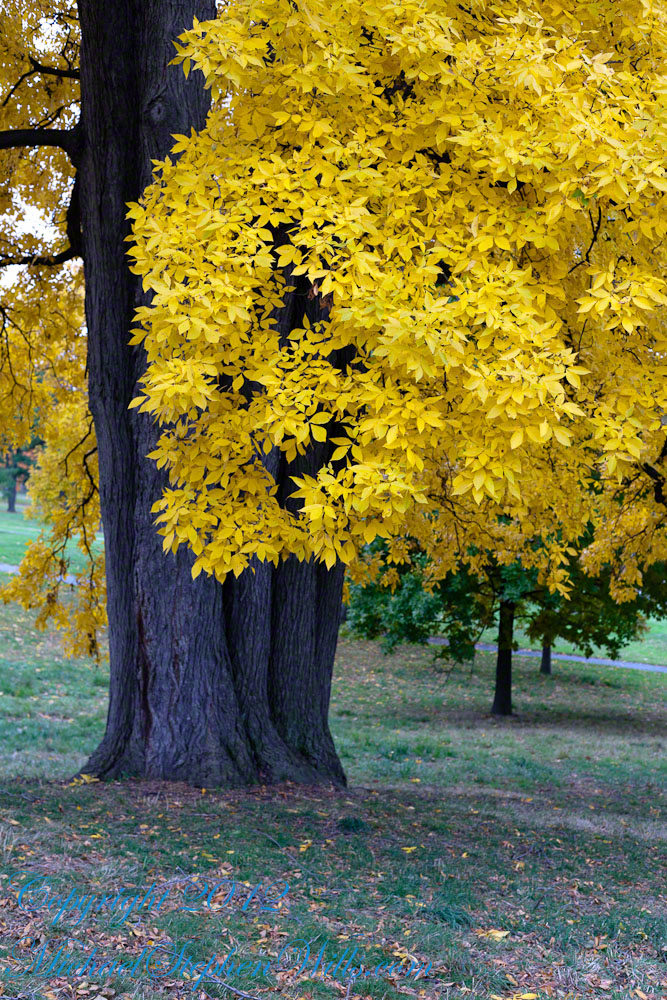
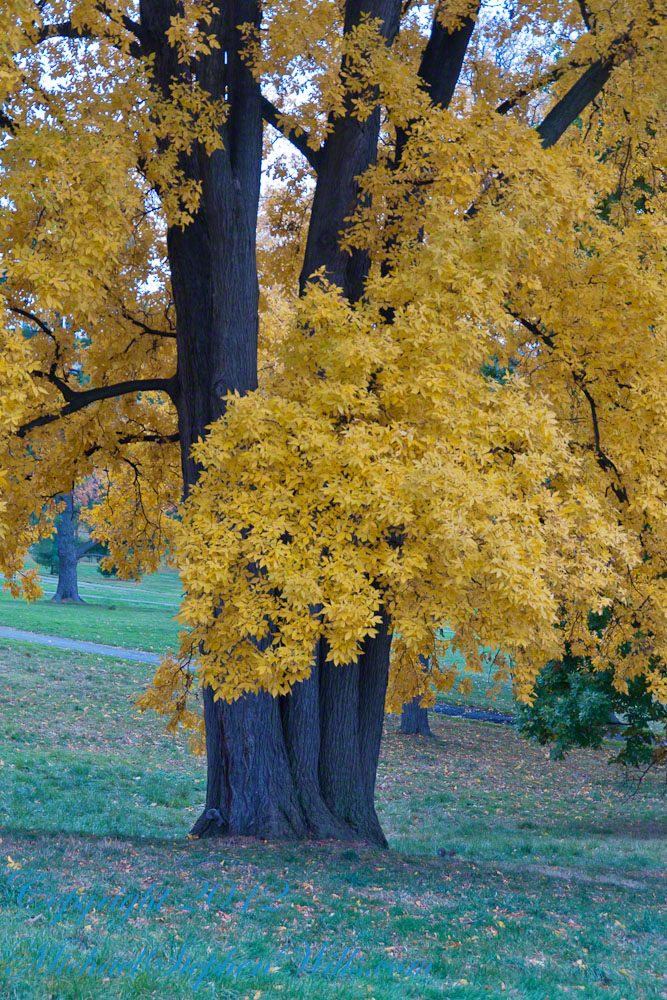
Seen from the north on a cloudy October day, this Pignut Hickory (Carya glabra) is the largest tree on the Cornell Campus, at 79 inches in diameter.

Click to view my Finger Lakes Memory gallery
Cornell University is on a west-facing hill above Cayuga lake.

Take another look at the previous image. Can you find the grey squirrel? This hickory grows south of the Johnson Museum and among the autumn glories, it is the largest and brightest yellow canopy on Libe Slope.

Contrast

An overcast day is the best to capture this spectacle. October 20, 2012 provided both bright sun and dark, rolling autumn clouds. I waited on the north side, sheltered from the glare of the sky, for these perfect moments.

Click to view my Finger Lakes Memory gallery
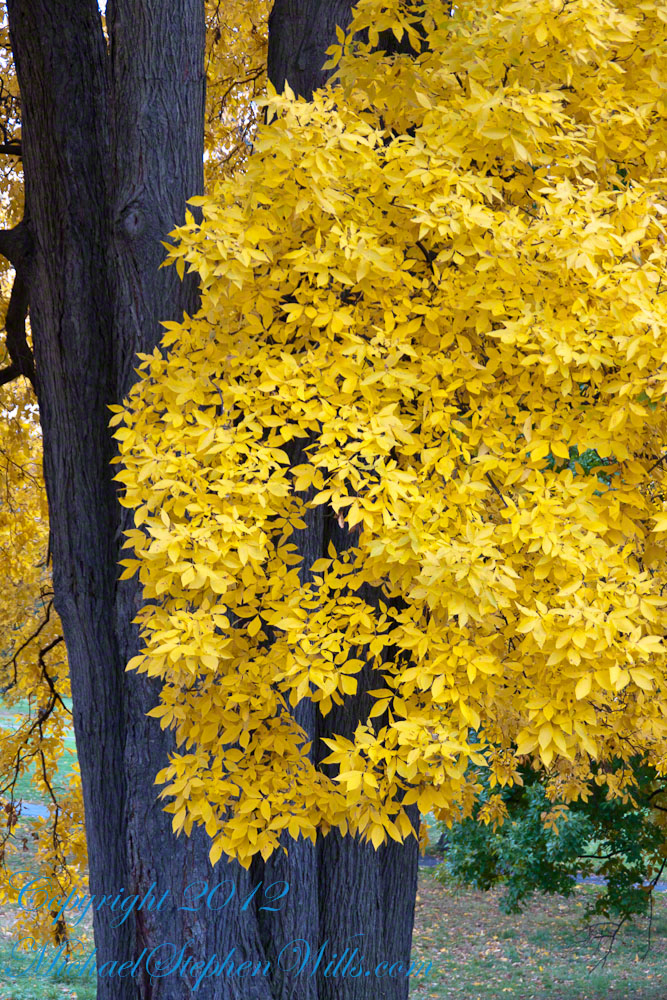
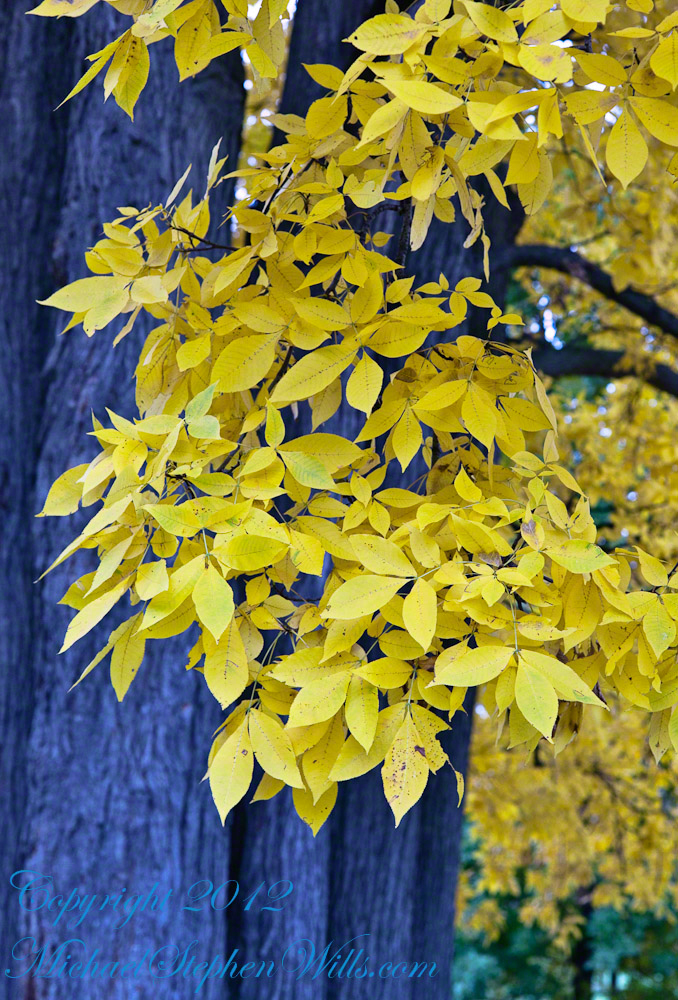
I remember this hickory for the contrast between the canopy and trunk, the way the clumps of yellow hang from dark boughs.

The pignut hickory is native to these Eastern United States. It is known to favor moist slopes and this specimen has thrived on The Slope. The ground beneath it is thick with nuts.

Click to view my Finger Lakes Memory gallery

One week later

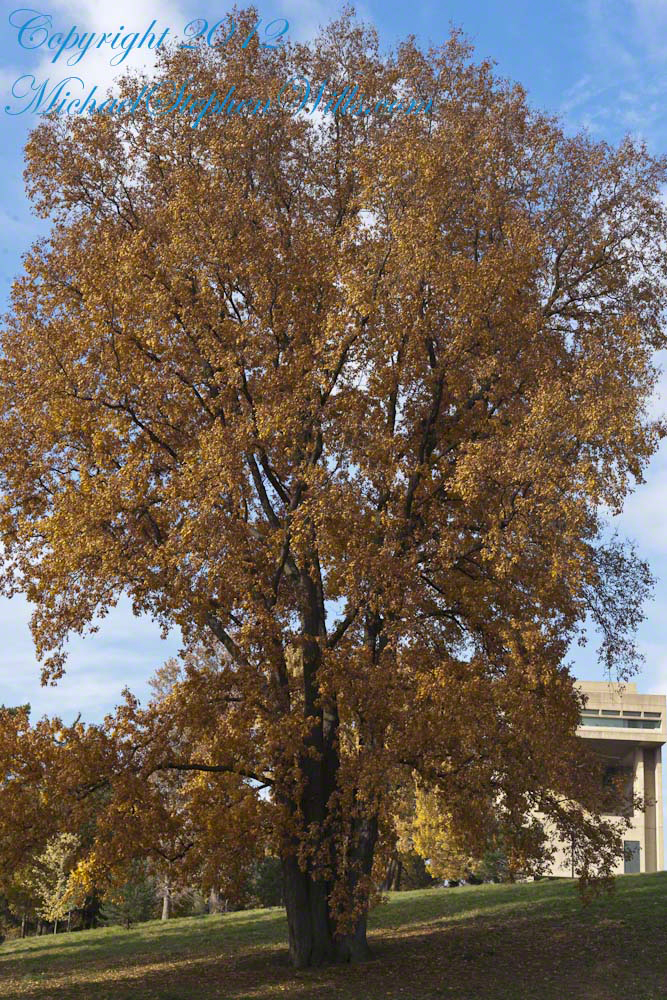
Just one week later, late afternoon on a sunny Friday as hurricane Sandy approached the east coast the hickory has fewer, tawny golden leaves.

Copyright 2021 Michael Stephen Wills All Rights Reserved

A Perfect Afternoon On Beebee Lake

Anticipating Our Tenth Wedding Anniversary

After work on a 2008 Friday afternoon in October we sped over to Beebee Lake on the Cornell University Campus to catch the late afternoon glow.

Beebe Lake is formed by a dam on Fall Creek.  It seems to be the flooded meadow it is, surrounded by hills formed by glaciers 10,000 years ago.  Cornell maintains footpaths around the lake.

People say that if a couple walk the a mile around the lake and over a bridge at either end, they are destined to be married.  This day we passed only joggers and families.  Pam and I will celebrated our tenth anniversary March 2019, so the legend worked for us.

Here are four snapshots from that time, presented in chronological order. Each is a handheld shot taken on the fly using my Sony Alpha 700 I use for exploratory photography.

Click any photograph to view my Finger Lakes Memory gallery
A terraced stair descends to the east side meadow to south lake shore path

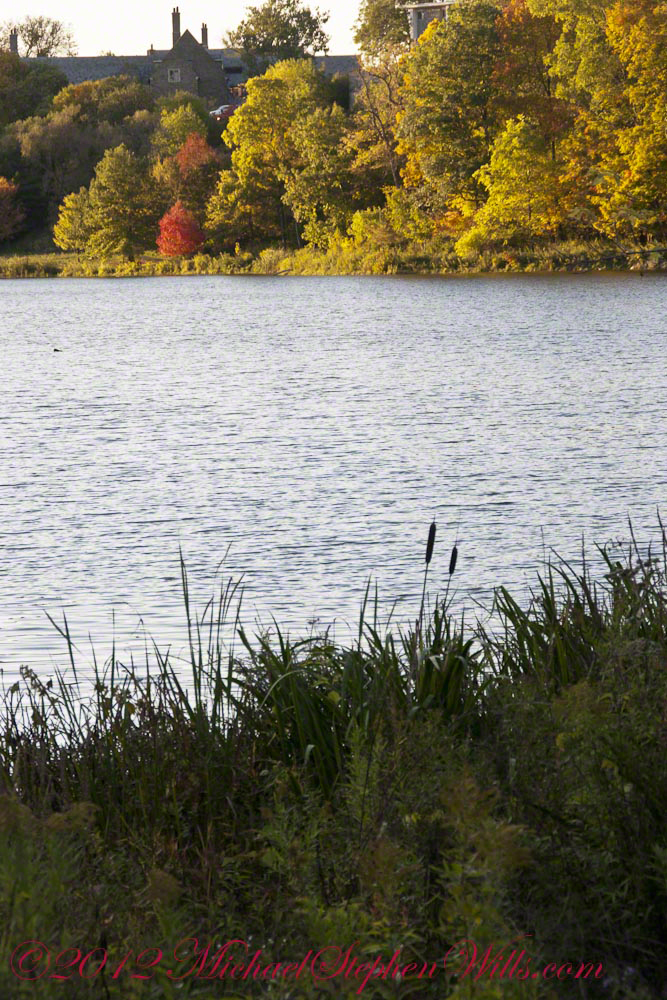
I walked down a path trod by Canadian geese to reach a clear view of the water.

View of Helen Newman Hall

Lily pads and iris fronds grow along the bank. 

Evening sunlight reflected from smooth water crests driven by a steady light wind

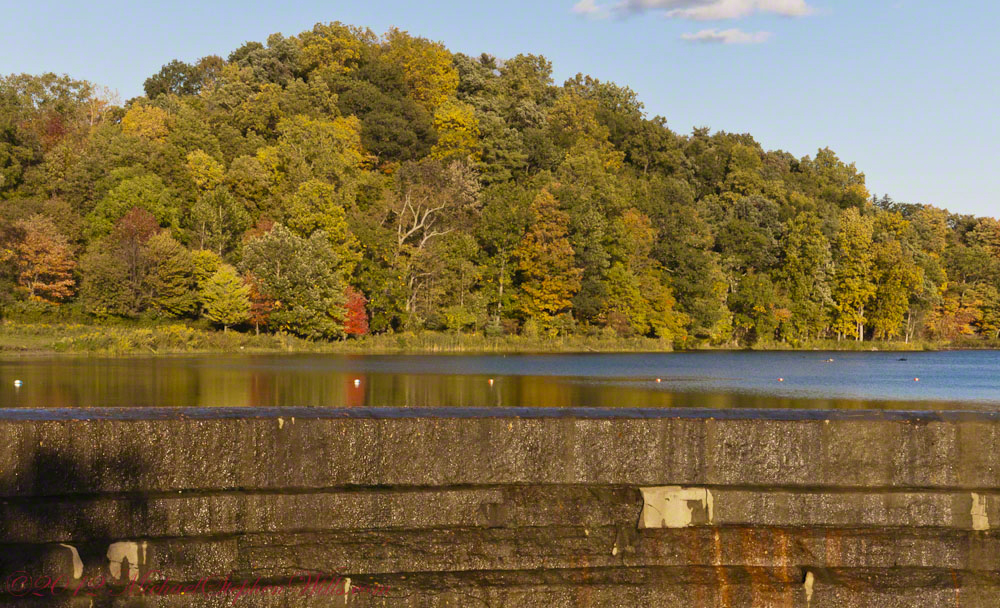
Being on the west side of the lake, the dam is bathed in golden autumn light.  

The Dam That Forms Beebee Lake

On top the hill, not visible behind the trees, above the opposite bank is Fuertes Observatory.  We visited it this night, opened to the public as it is on all clear Friday nights while classes are running.

Copyright 2021 Michael Stephen Wills All Rights Reserved

Zion Narrows IX

highwater?

Three long exposures of the Virgin River, long may it flow. The Narrows, Zion National Park, Springdale, Utah

Copyright 2021 Michael Stephen Wills All Rights Reserved

Emerge II

Watch a Monarch butterfly leave the chrysalis

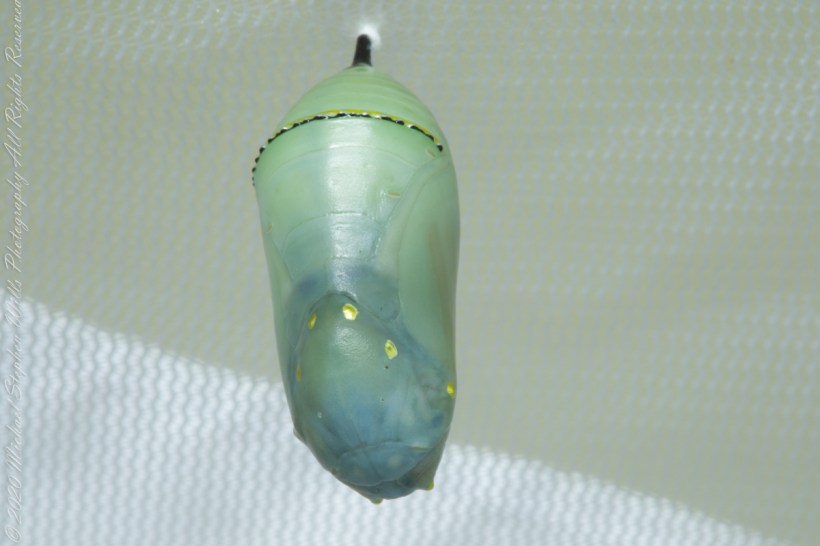
For Father’s Day 2021 I received cages for raising Monarch butterflies. A large zippered door is a great feature, one side of the cage drops away for easier access and photography. Here are some photographs of the developing chrysalis and emergence.
In the first step of chrysalis development, the caterpillar climbs to a chosen location and weaves a silk pad from the abdomen. We are looking down on the caterpillar through the top of the woven material that forms our cage. The silk pad is a small white dot to the right.

Click photograph for a larger view and use Ctrl-+ (press down Ctrl, hold, then click plus sign repeatedly) to zoom in closer.

After the silk attachment pad is complete, the caterpillar releases itself to hang in a shape of the letter “J.”

The caterpillar sheds the outer skin as the chrysalis forms around it.

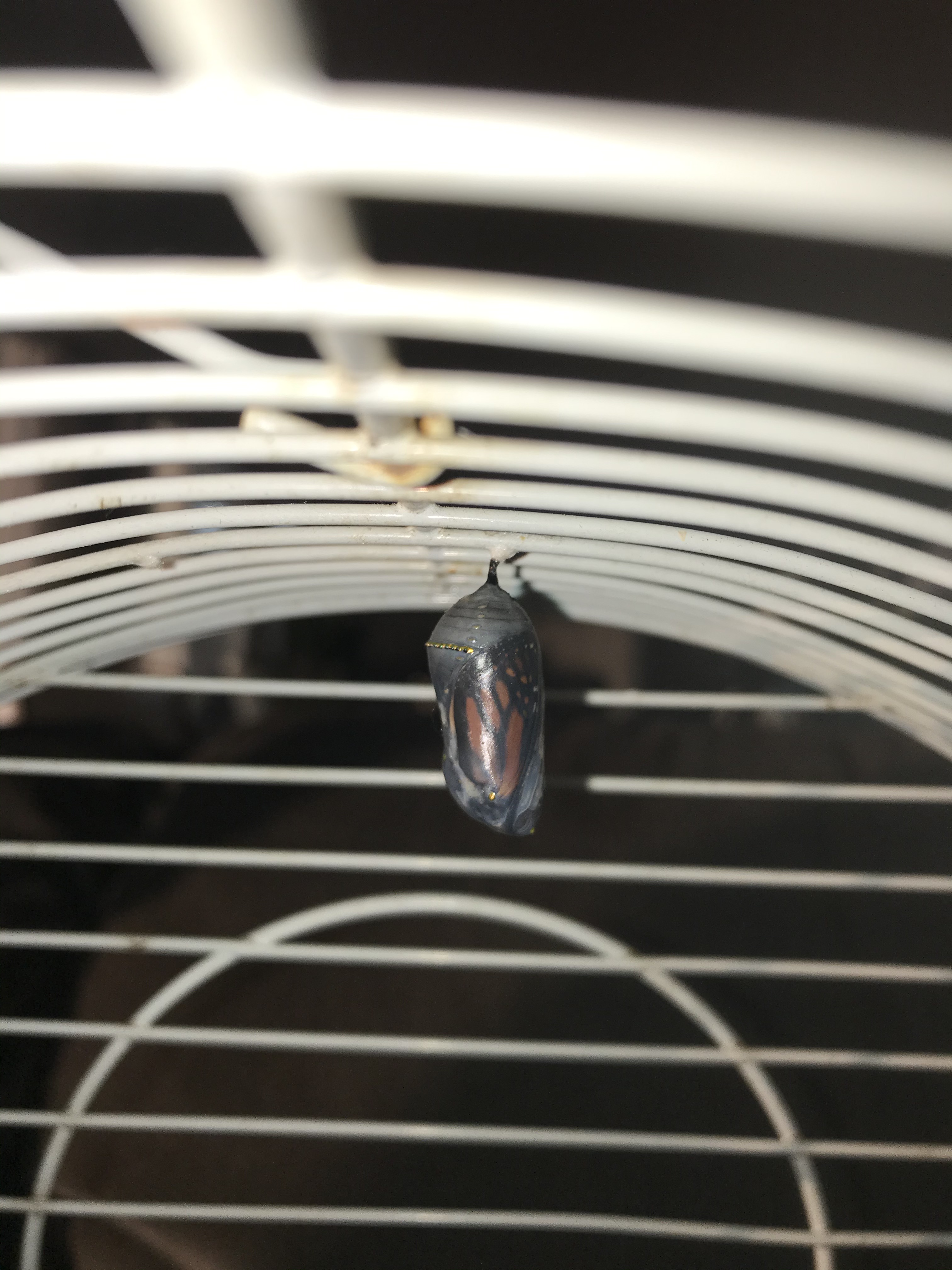
Just prior to emergence the chrysalis turns from opaque green to translucent Iappears dark). Here the wing pattern and body markings (white dots) are visible.

I used a Manfrotto tripod, the Canon EOS 5D Mark IV dslr (high resolution video capability) and Canon’s EF 100mm f/2.8 USB macro lens for the following up close coverage of a Monarch emerging followed by wing expansion.

Click me for better experience viewing the following video. To do this from WordPress Reader, you need to first click the title of this post to open a new page. Note the replay icon (an arrow circling counter-clockwise.

Thank You for visiting. 

Copyright 2021 Michael Stephen Wills All Rights Reserved

Night Blooming Cereus VIII

reaction to cold temperature

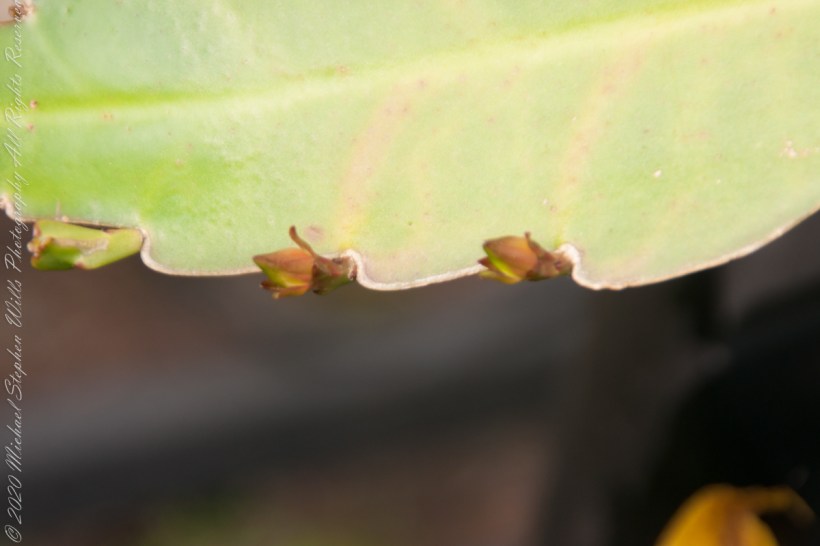
Our “Night Blooming Cereus” is blooming earlier in 2021, blooms opened twice during nights of early August. I put the name in quotes because during the course of writing the first seven posts ( I through VII ) I learned this is NOT a member of the genus Cereus, it is actually an epiphyte of the Epiphyllum genus.

For those familiar with the early history of New York City and Hudson Valley it is easy to see why a common name of the plant is “Dutchman’s Pipe Cactus.”

Click me for another Night Blooming Cereus Cereus flower post.

References

Wikipedia, “Epiphyllum”, “Epiphyllum oxypetalum,”epiphyte.”

Copyright 2020 Michael Stephen Wills All Rights Reserved

Zion Narrows VII

highwater?

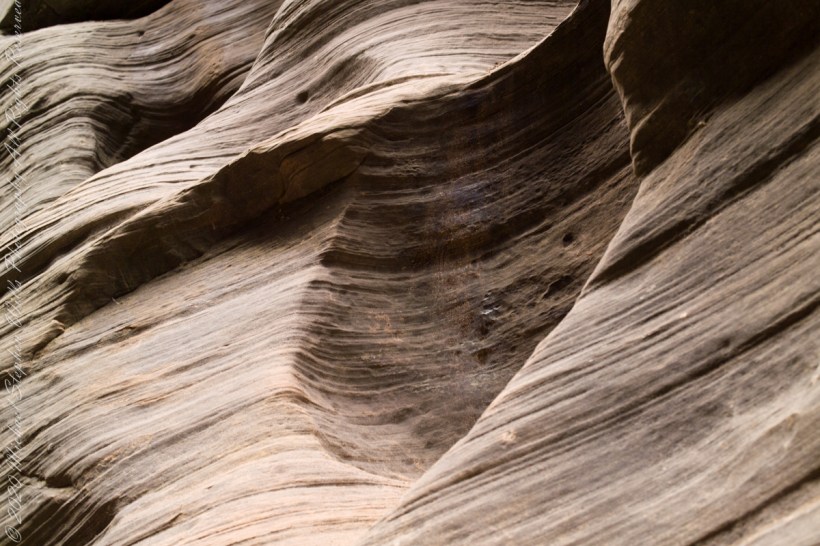
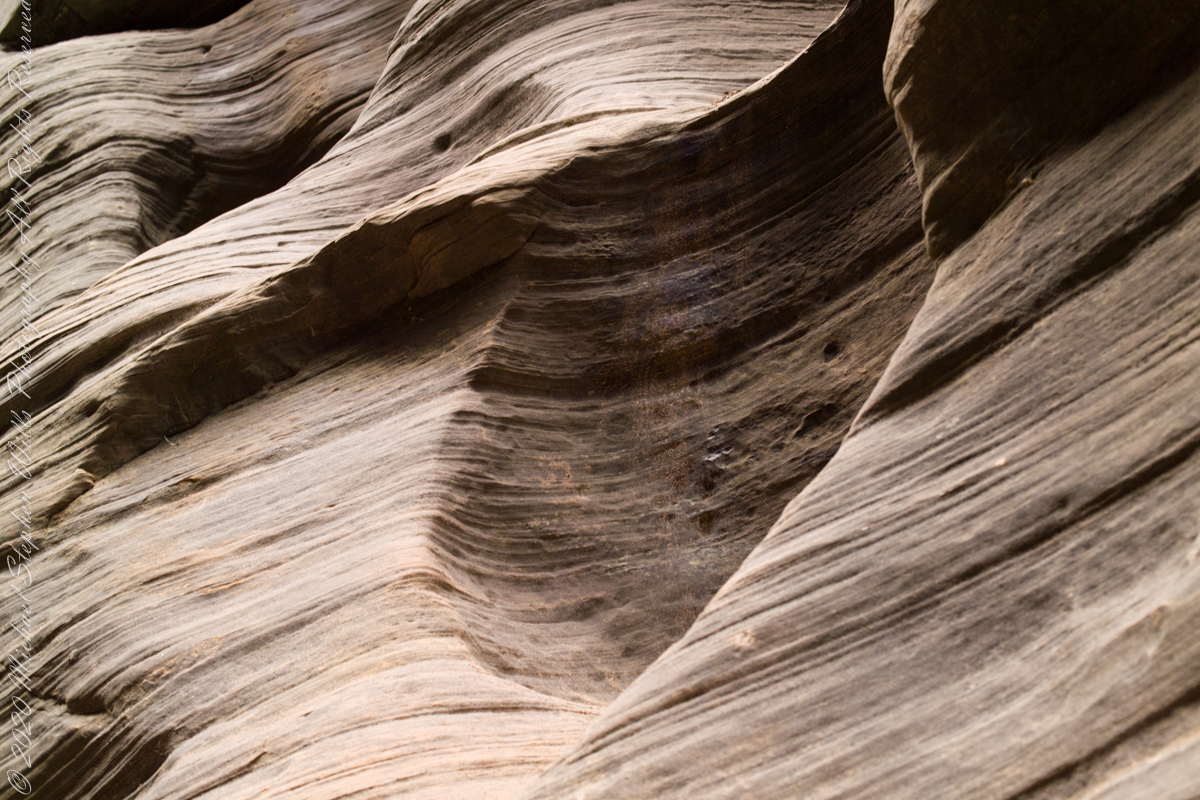
Mysterious alcoves through cross-bedded Navajo Sandstone, 15 feet, or more, above the streambed. I use mysterious in the sense I wished the formations were mysterious, standing there with nowhere to climb, witnessing the effects of floods that high above. The location is The Narrows just above Orderville Canyon junction, Zion National Park, Springdale, Utah

Copyright 2021 Michael Stephen Wills All Rights Reserved

Zion Narrows VII

laying around in The Narrows

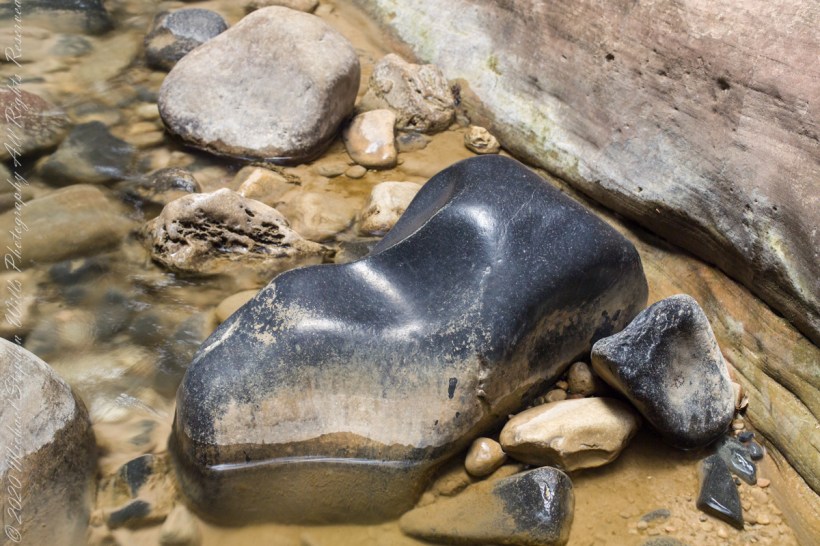
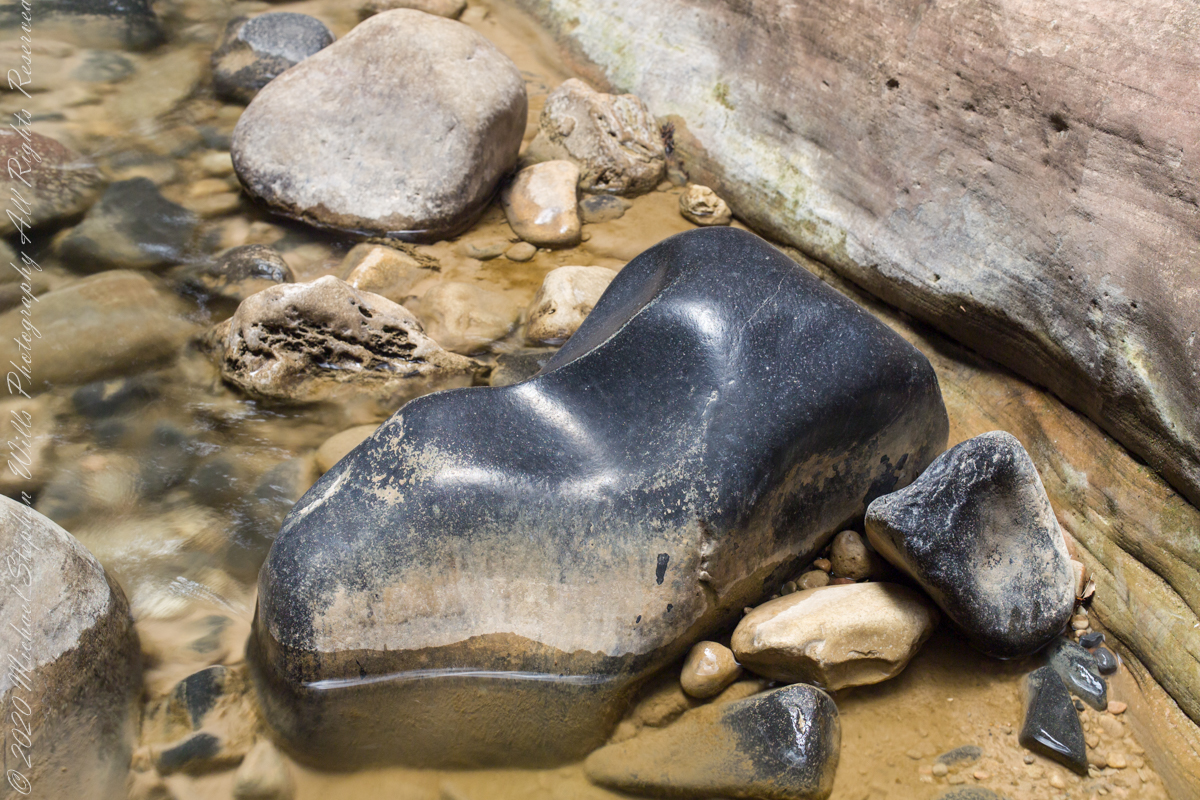
This polished basalt, the product of volcanic eruptions and eons-long weathering, is common on the Virgin River bed. Zion National Park, of The Narrows just above Orderville Canyon junction.

Copyright 2021 Michael Stephen Wills All Rights Reserved

Zion Narrows VI

long and narrow

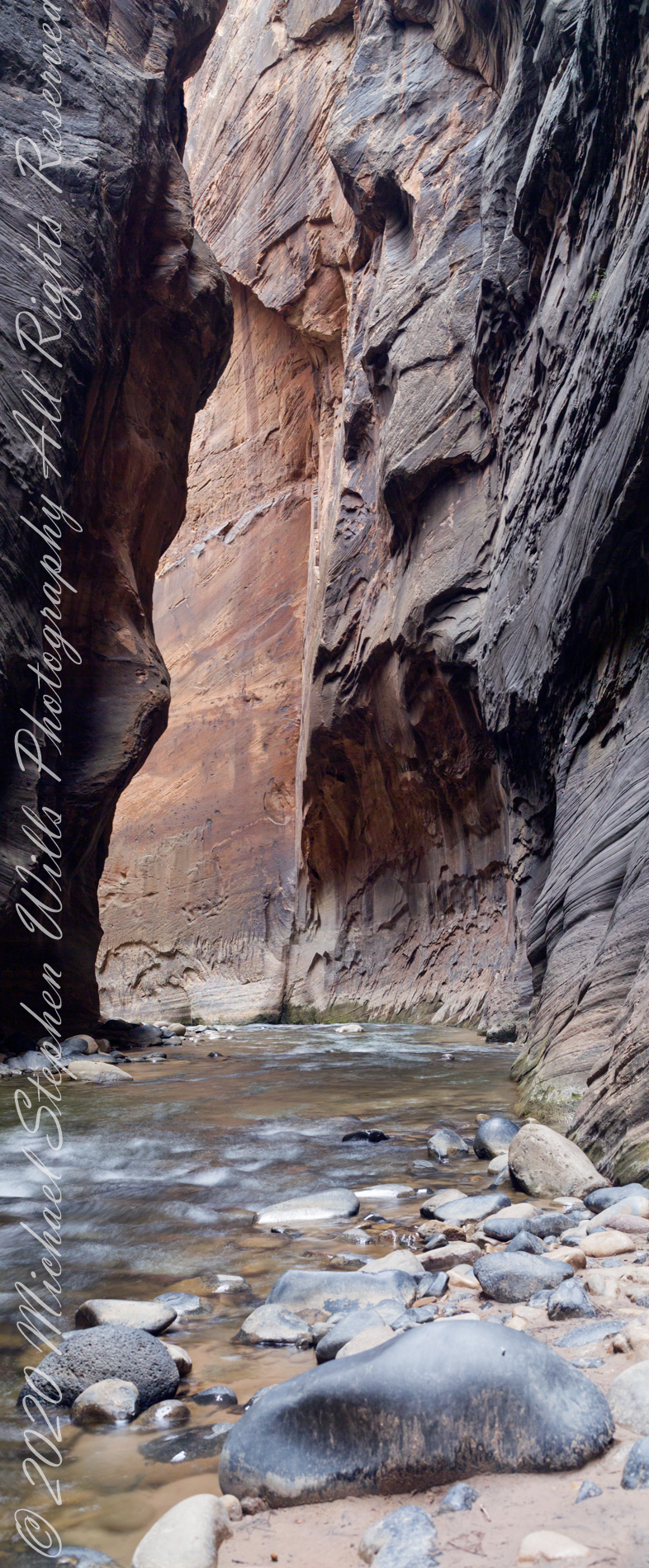
I combined two 50 mm exposures for this view of an interesting rock and beetling canyon walls. Upstream from here it is a day’s walk to reach ground safe from flash floods, downstream at least one hour. Narrows of Zion National Park, Utah

Copyright 2021 Michael Stephen Wills All Rights Reserved