

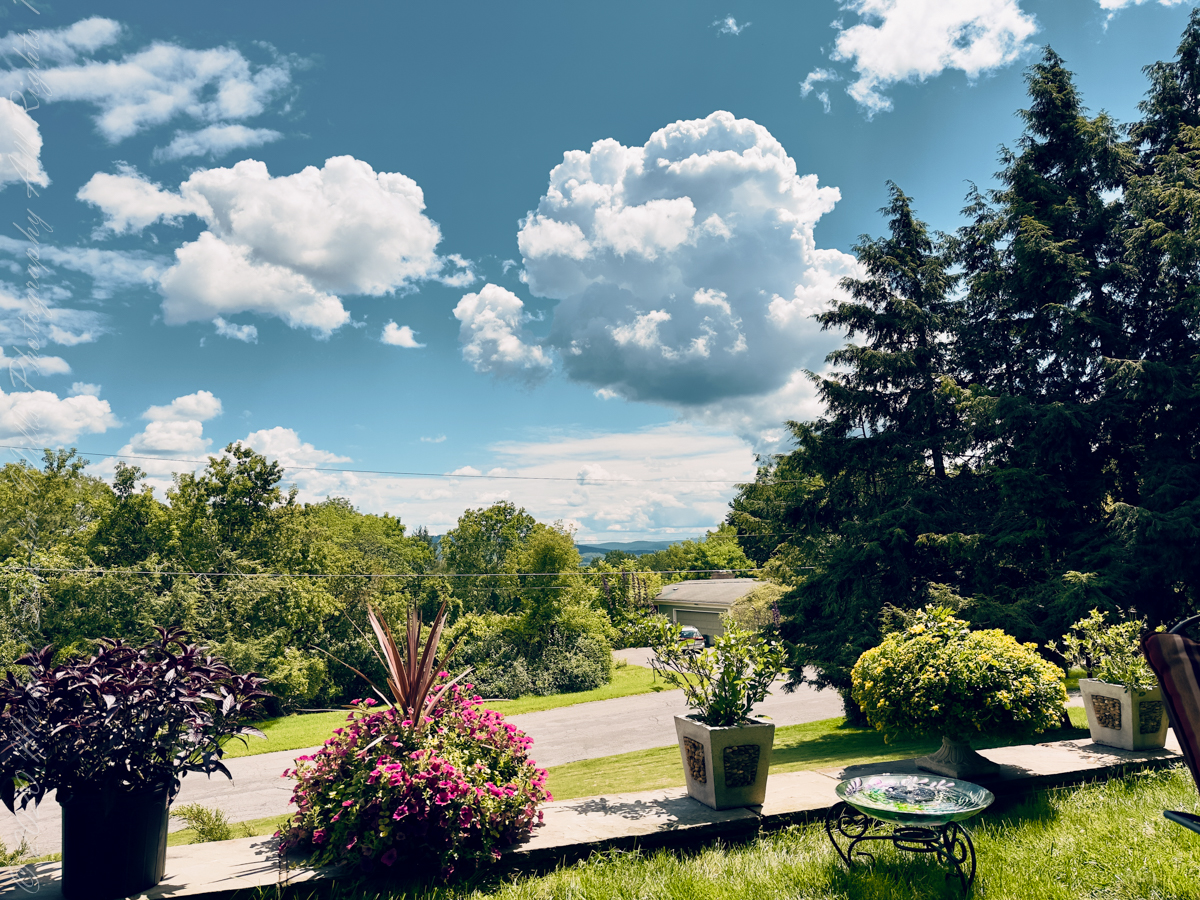
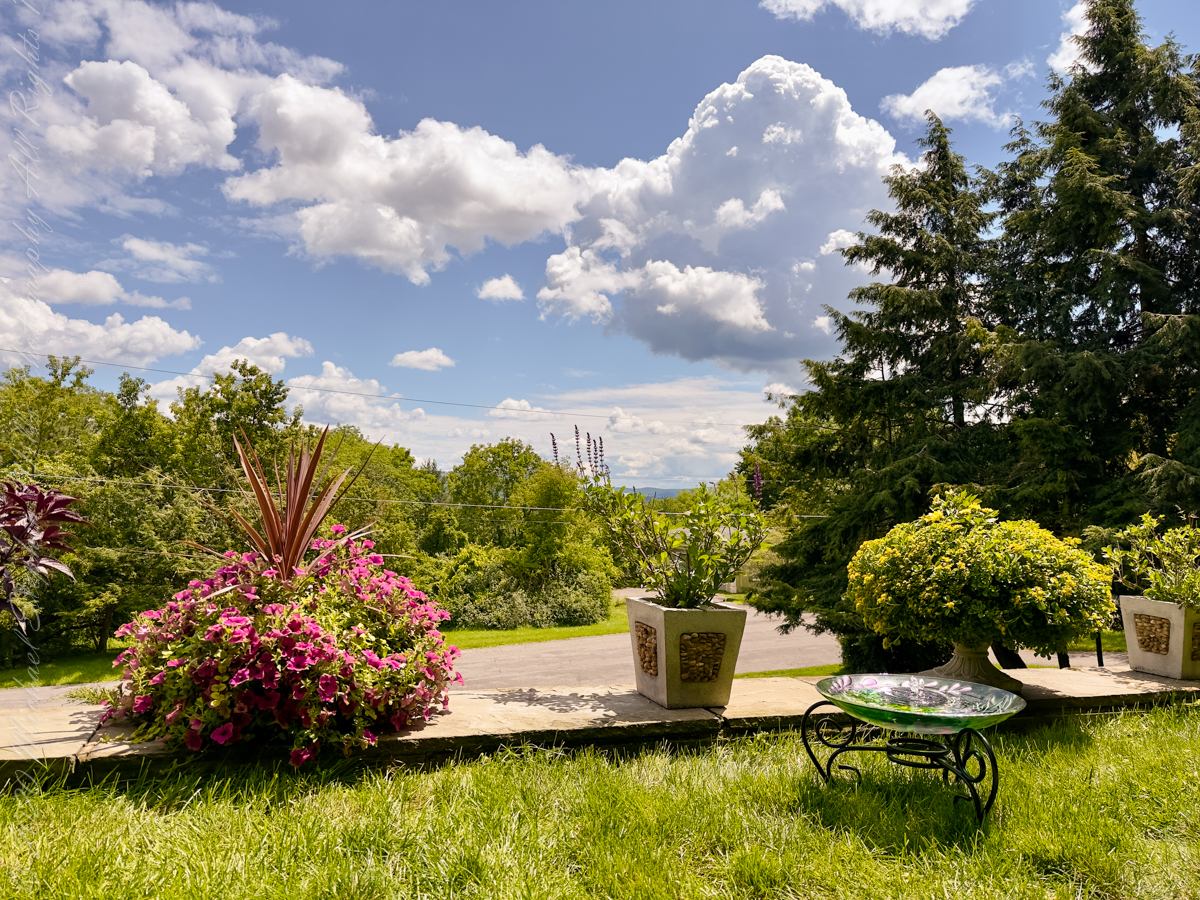

from our porch

The flowers attract many kinds of insects, including bees and butterflies.

As with other members of the family Asteraceae, Thin Leaved Sunflowers are composed of ray florets. The scientific species name “decapetalus” is inaccurate on several counts. The flower is composed of 8-12 (not only 10, as in “deca”) of these ray florets, not petals. These ray florets are part of the flower reproductive organs, a flower petal is adjacent to, not a component of, a flowers reproductive parts.

The flowers attract many kinds of insects, including bees and butterflies, some of which, such as the painted lady and the silvery checkerspot, use the plant as a larval host. The seeds provide a source of food for birds. Muskrats eat the leaves and stems and use the stems in the construction of their lodges. Here we see a honeybee gathering nectar and pollen.
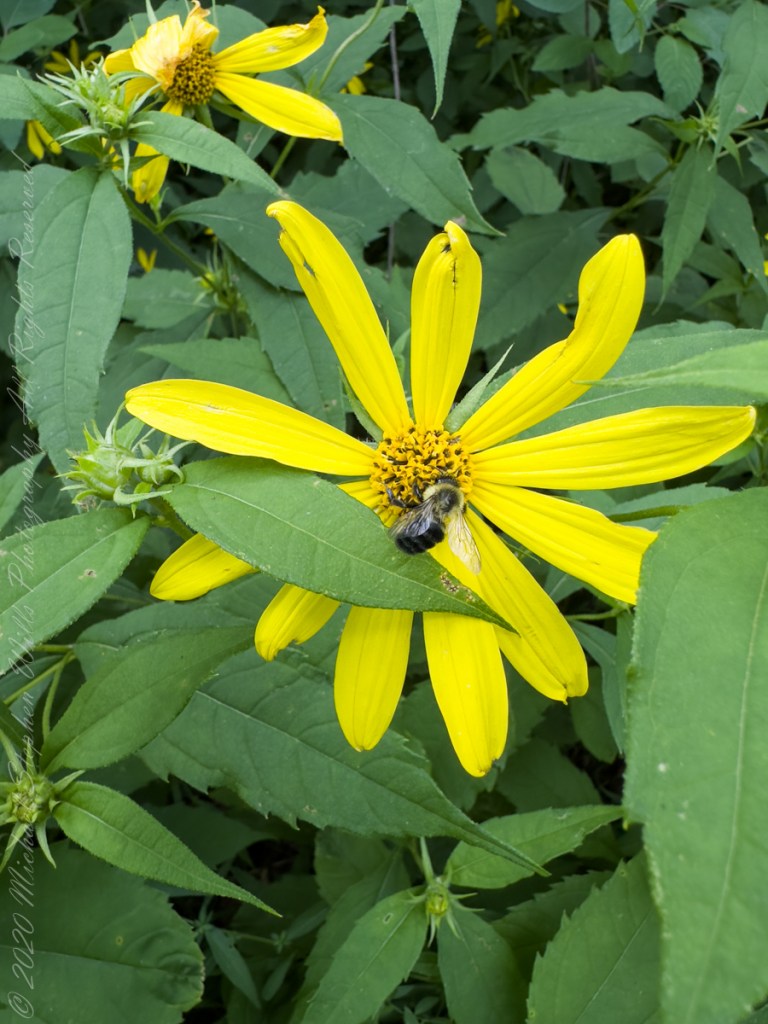
August 2023, Buttermilk Falls New York State Park, Ithaca, Tompkins County, New York.
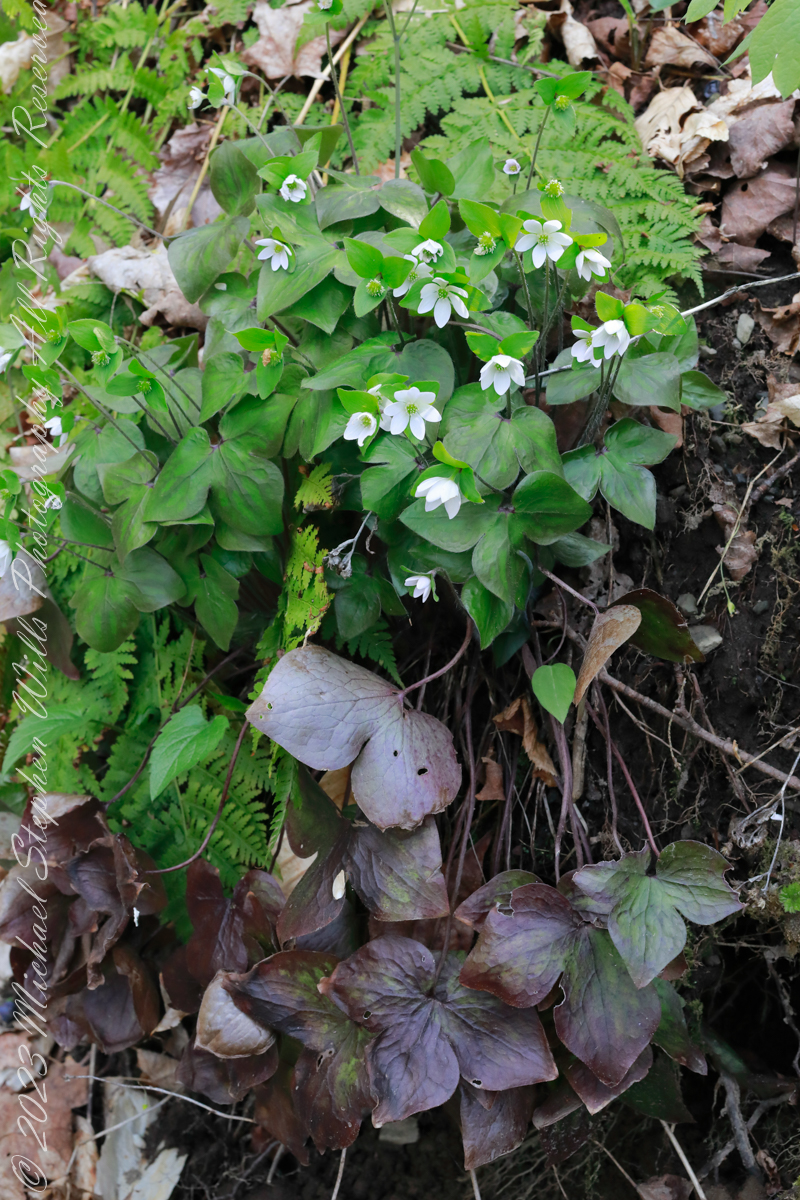
Old Leaves
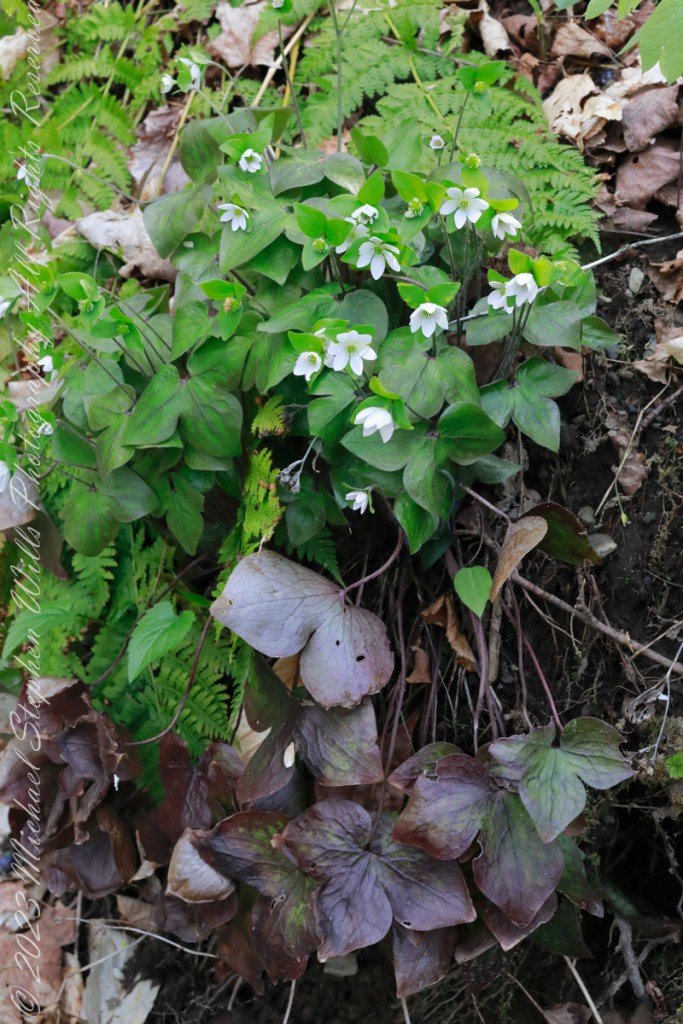
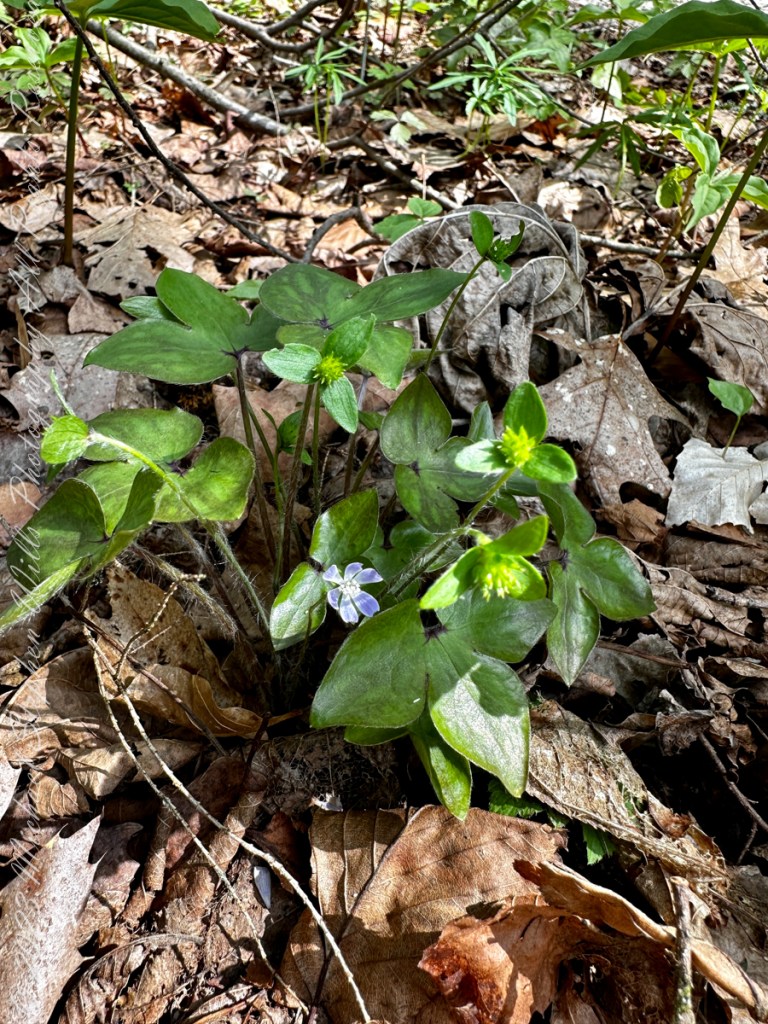
This Hepatica acutiloba, the sharp-lobed hepatica, I found in Fillmore Glen last April, capturing them with the Apple Iphone 14 proMax.
Hepatica acutiloba is also known as sharp-lobed hepatica, liverwort, kidneywort, pennywort, liverleaf. The perennial nature of this plant is seen here in the purplish leaves hanging below, from a previous year’s growth.
The word hepatica derives from the Greek ἡπατικός hēpatikós, from ἧπαρ hêpar ‘liver’, because its three-lobed leaf blotched leaves resemble a diseased human liver.
Plants of genus Hepatica are native to Europe, Asia, and North America.
Europe: Albania, Austria, the Baltic states, Belarus, Bulgaria, Corsica, Czechoslovakia, Denmark, European Russia, Finland, France, Germany, Greece, Hungary, Italy, Norway, Poland, Romania, Spain, Sweden, Switzerland, Ukraine, Yugoslavia
Central Asia: Kazakhstan, Kyrgyzstan, Tajikistan, Western Siberia
Eastern Asia: North China, South Central China, East China, Japan, Korea, Manchuria, Primorsky Krai
South Asia: Pakistan, Western Himalaya
Canada: Manitoba, New Brunswick, Nova Scotia, Ontario, Québec
United States: Alabama, Arkansas, Connecticut, Delaware, District of Columbia, Florida, Georgia, Illinois, Indiana, Iowa, Kentucky, Maine, Maryland, Massachusetts, Michigan, Minnesota, Mississippi, Missouri, New Hampshire, New Jersey, New York, North Carolina, Ohio, Pennsylvania, Rhode Island, South Carolina, Tennessee, Vermont, Virginia, West Virginia, Wisconsin
Plants of the genus have been introduced to Belgium.
These tufted perennials grow to 10 centimeters in height with wiry roots. Leaves usually three-lobed and untoothed. Flowers can be blue, pinkish, or white. Three sepals, small and green. Petals usually 5, can be more, without a nectary. Stamens numerous. Ovary superior; styles short with capitate stigmas. Pollination is by insects. Fruits many, one-seeded. Seeds are green when ripe. dispersed by ants.
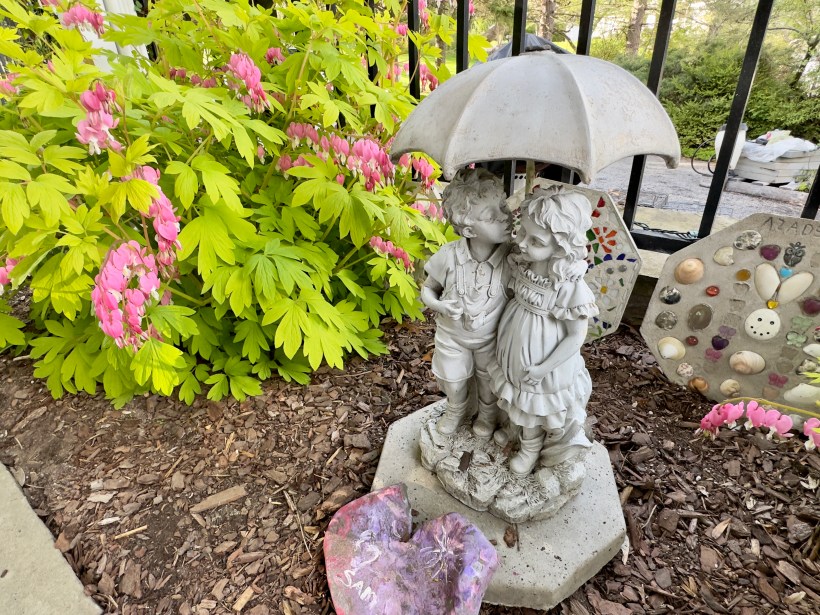
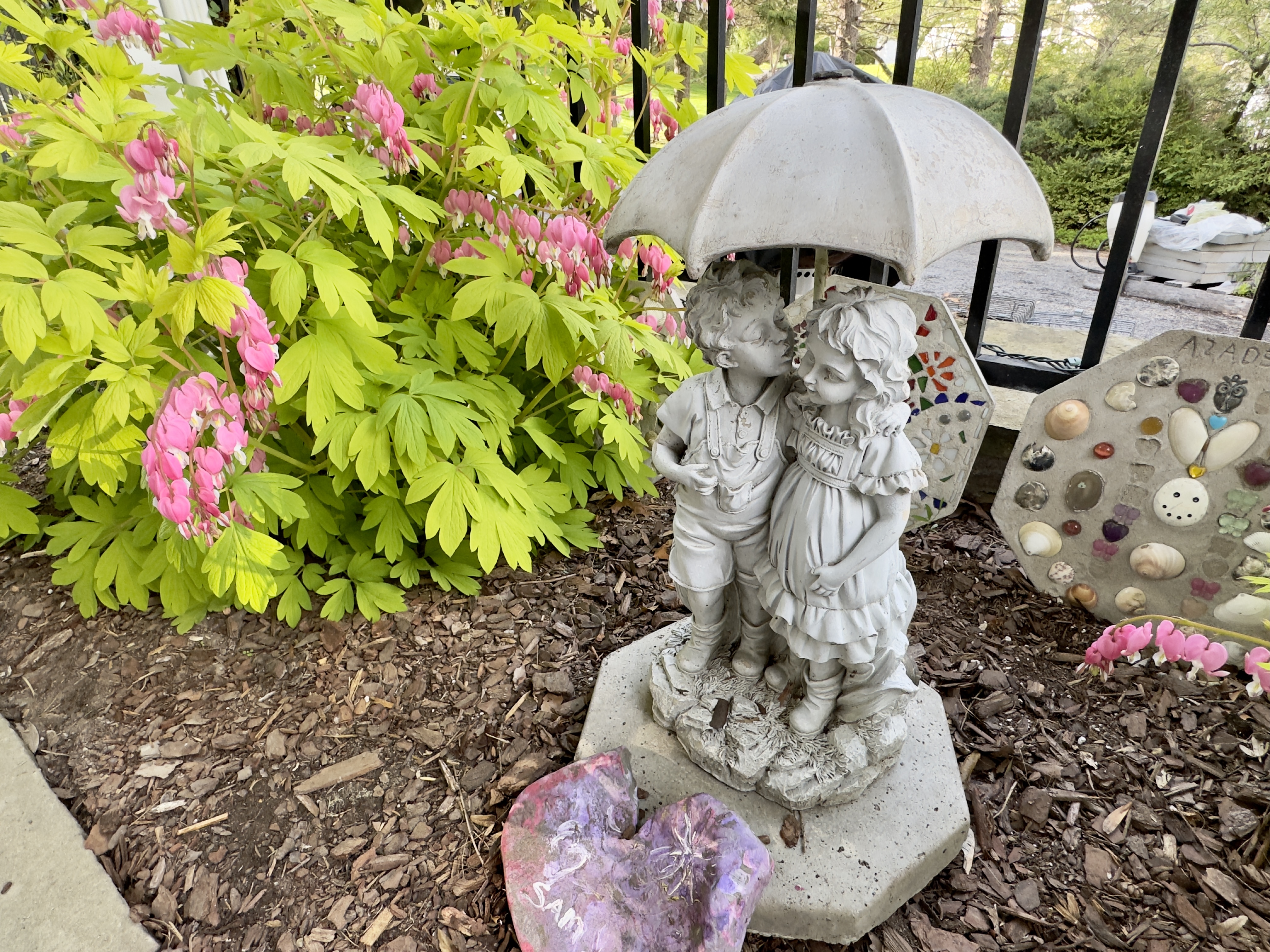
In Springtime
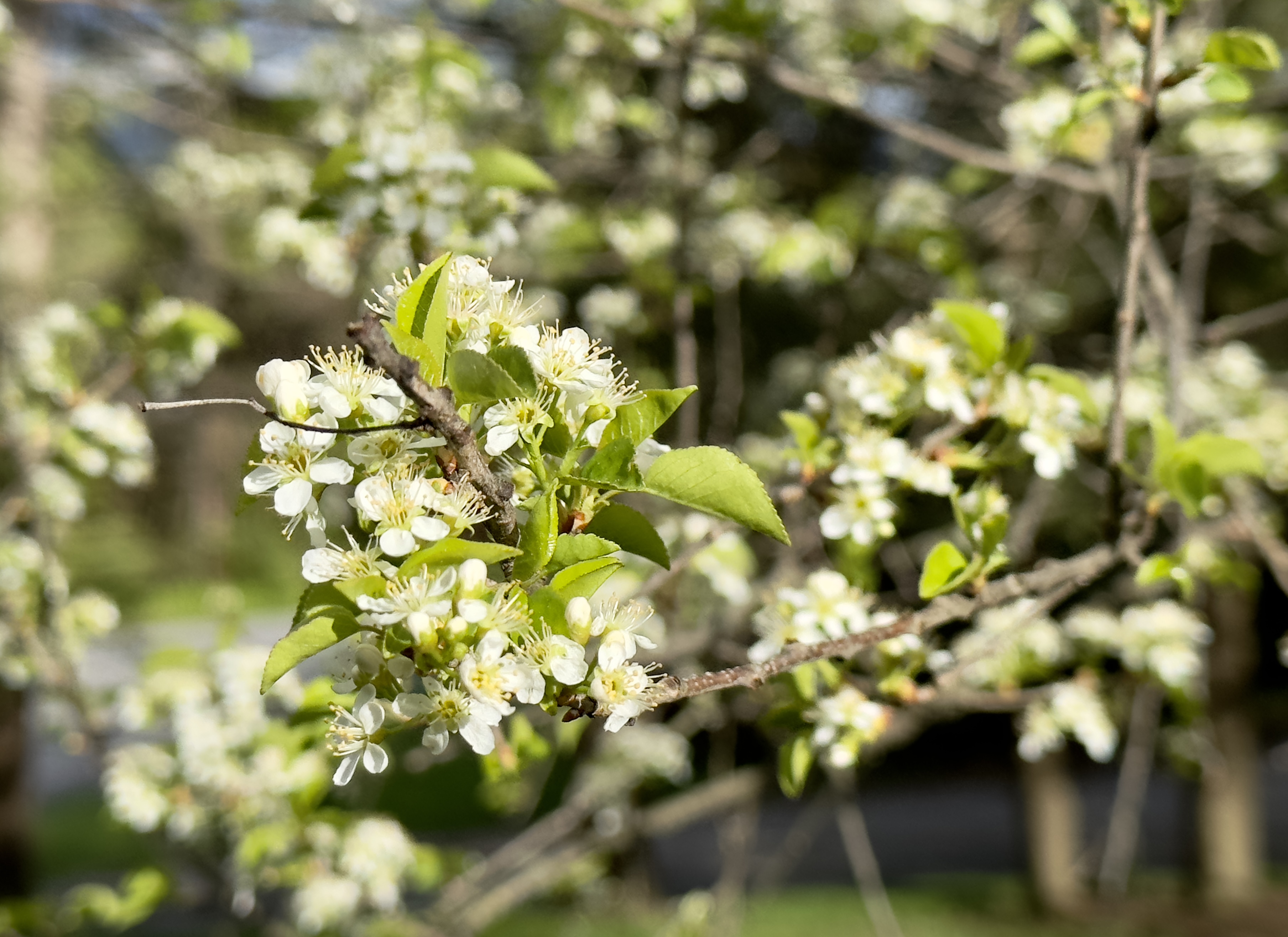
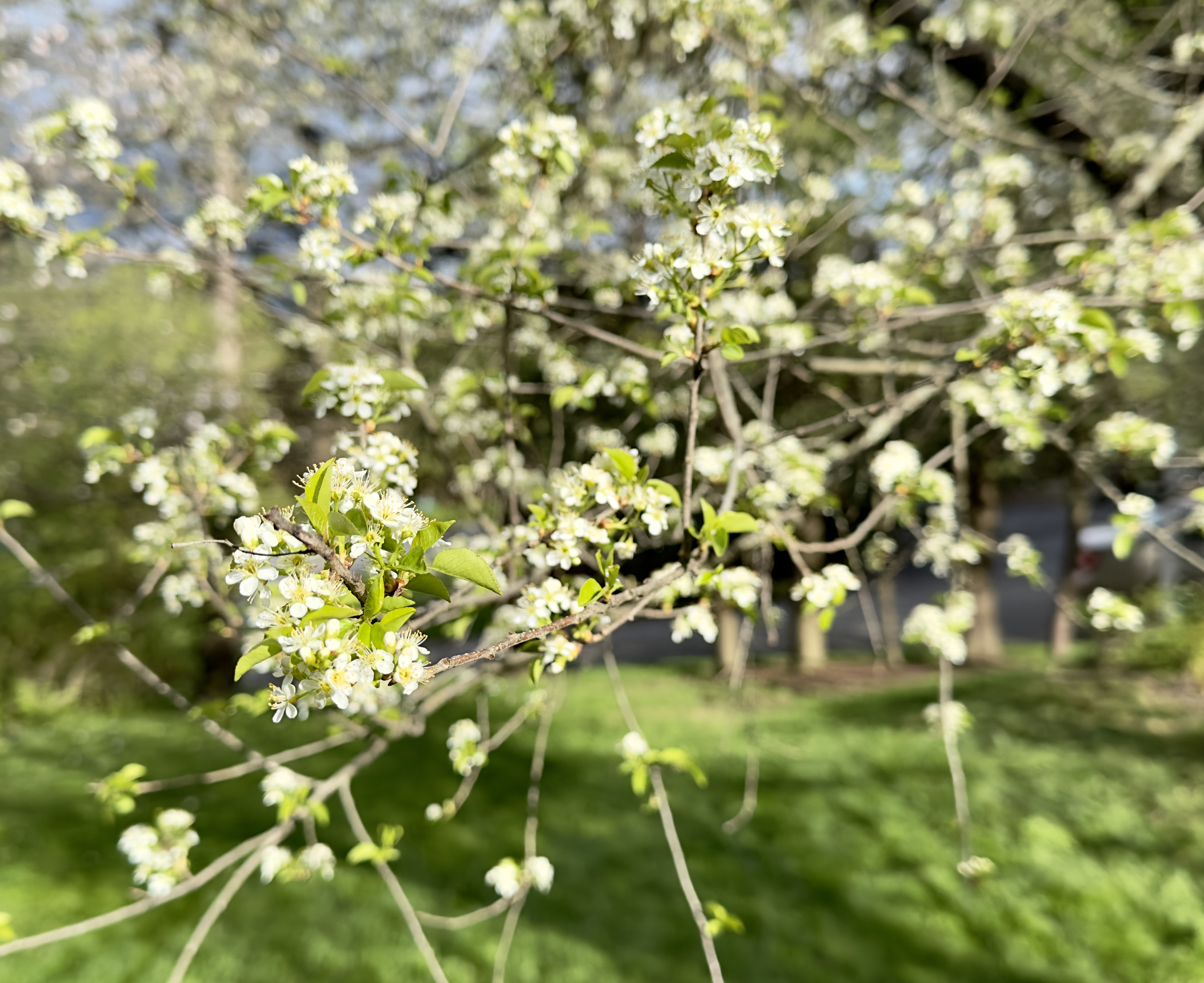
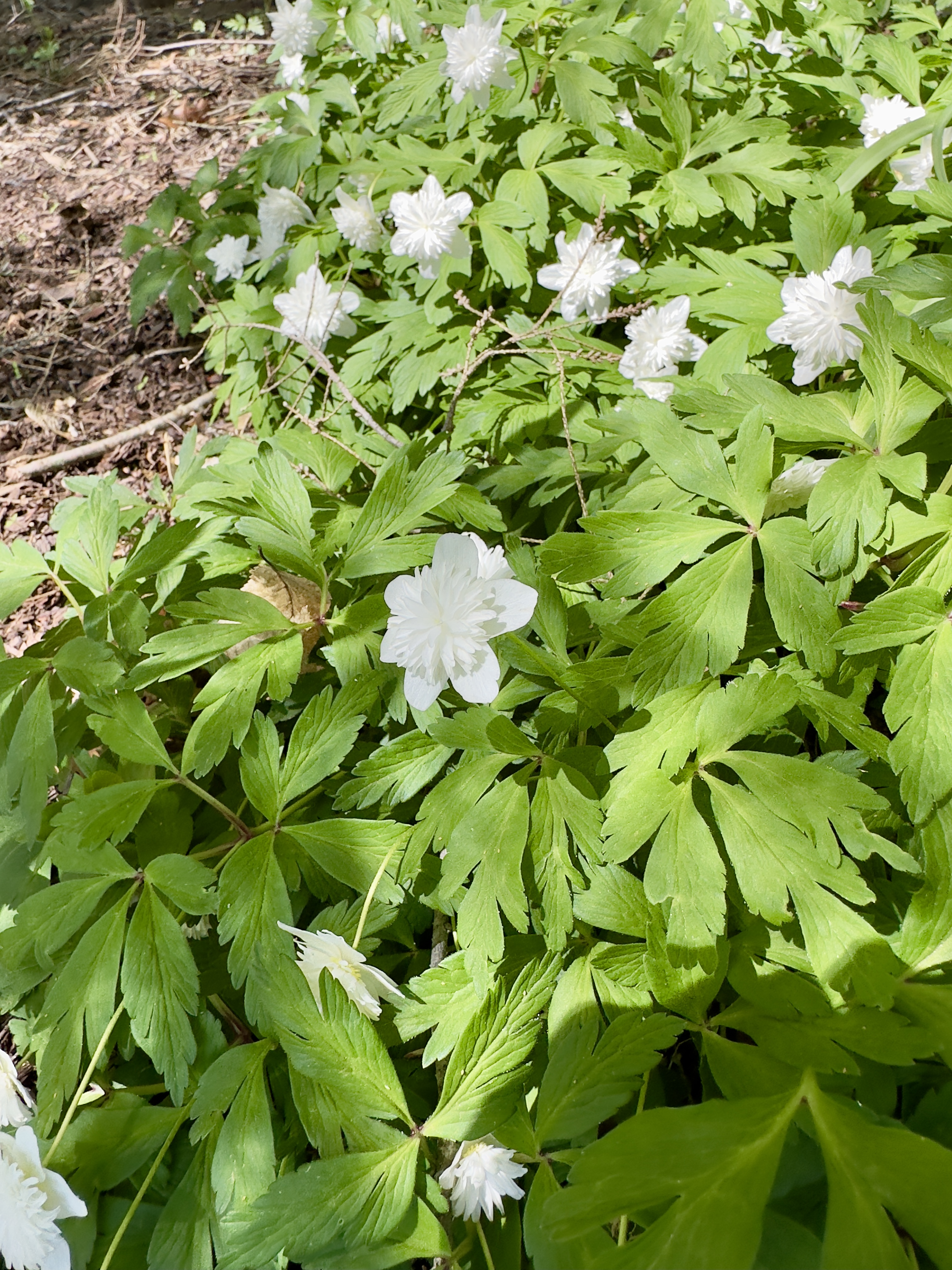
A few days past May Day 2023 I traversed our home gardens with the Apple Phone 14 ProMax to see what I could see…..



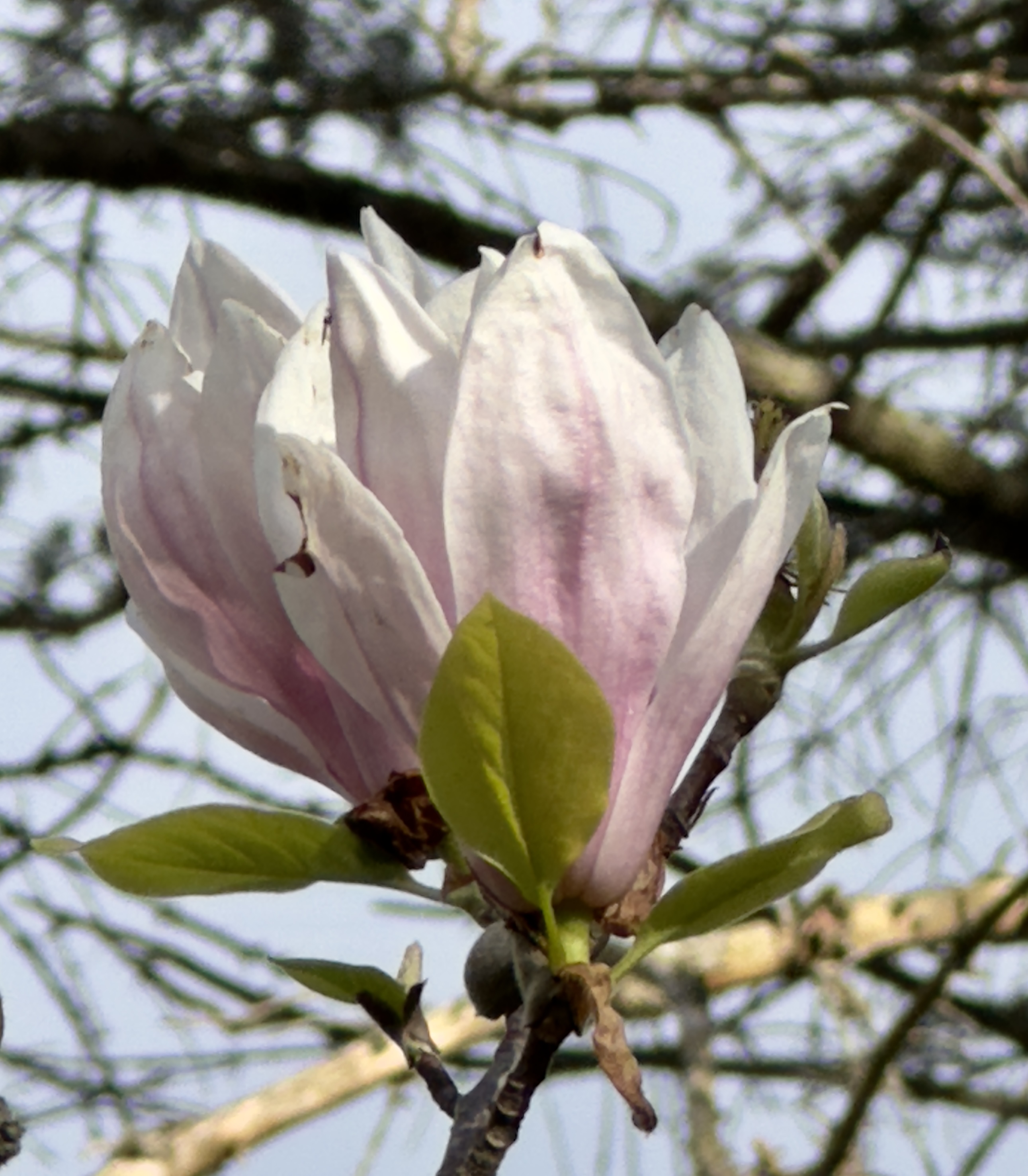
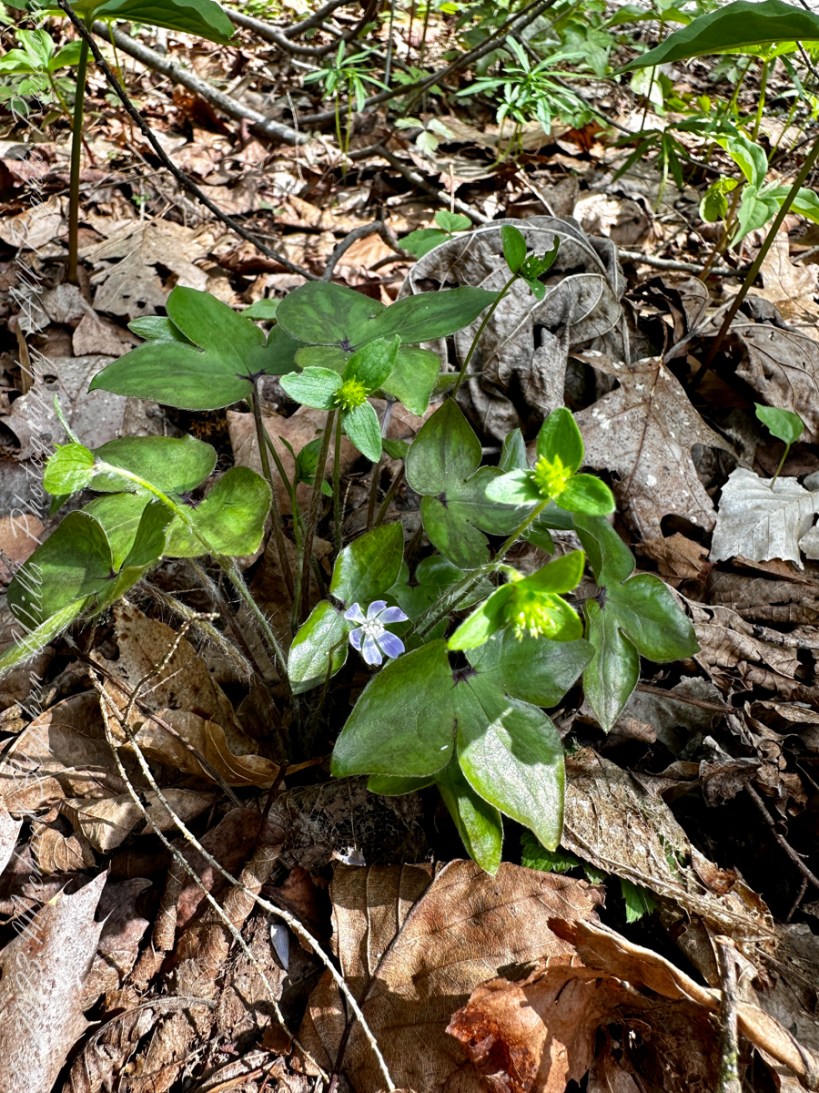
AKA liverleaf
This Hepatica acutiloba, the sharp-lobed hepatica, I found in Fillmore Glen last April, capturing them with the Apple Iphone 14 proMax.
“’The liverleaf puts forth her sister blooms of faintest blue soon after the late snows have melted. Indeed, these fragile-seeming, enable-like flowers are sometimes found actually beneath the snow, and form one of the many instances which we encounter among flowers, as among their human contemporaries, where the frail and delicate-looking withstand storm and stress far better than their more robust-appearing brethren.”
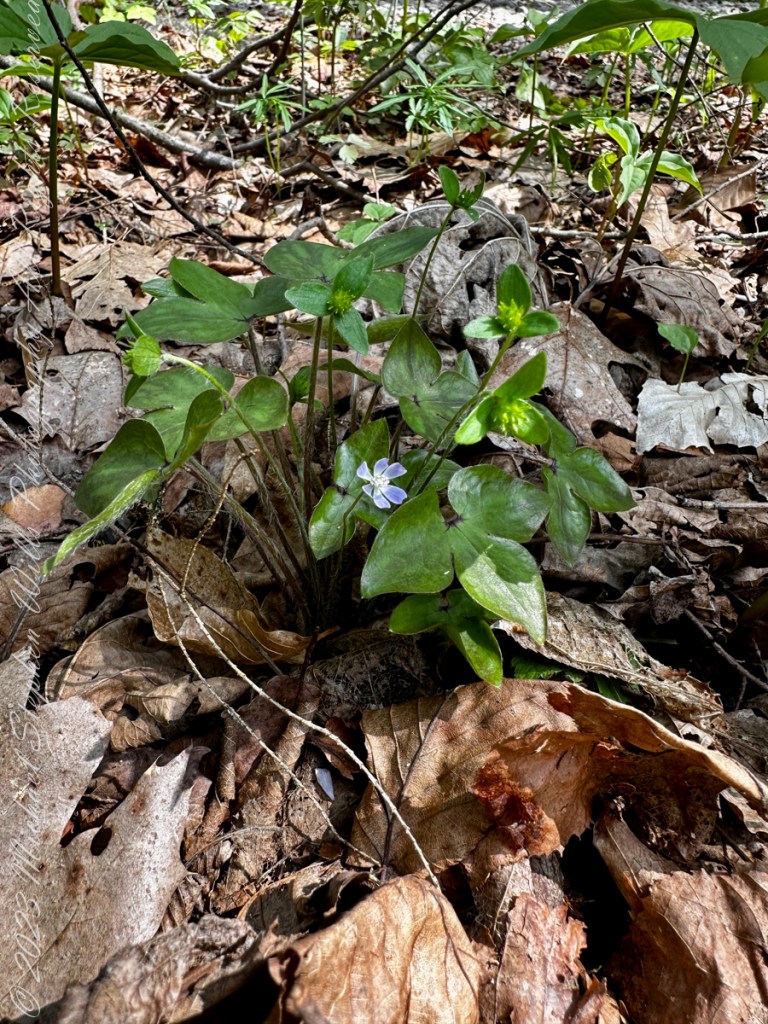
Each clump-forming plant grows 5 to 19 cm (2.0 to 7.5 in) tall, flowering in the early to mid-spring. The flowers are greenish-white, white, purple, or pinkish in color, with a rounded shape. After flowering the fruits are produced in small, rounded columned heads, on pedicels 1 to 4 mm long seen here in these gone to seed flowers. When the fruits, called achenes, are ripe they are ovoid in shape, 3.5–4.7 mm long and 1.3–1.9 mm wide, slightly winged and tend to lack a beak.
“The rusty leaves of last summer are obliged to suffice for the plant’s foliage until some little time after the blossoms have appeared, when the young fresh leaves begin to uncurl themselves. Someone has suggested that the fuzzy little buds look as though they were still wearing their furs as protection against the wintry weather which so often stretches late into our spring.”
Hepatica cultivation has been popular in Japan since the 18th century (mid-Edo period), where flowers with doubled petals and a range of color patterns have been developed.
Noted for its tolerance of alkaline limestone-derived soils, Hepatica may grow in a wide range of conditions; it can be found either in deeply shaded deciduous (especially beech) woodland and scrub or grassland in full sun. Hepatica will also grow in both sandy and clay-rich substrates, being associated with limestone. Moist soil and winter snowfall are required; Hepatica is tolerant of winter snow cover, but less so of dry frost.
Propagation is done by seeds or by dividing vigorous clumps in spring. However, seedlings take several years to reach bloom size, and divided plants are slow to thicken.
Hepatica was once used as a medicinal herb. Owing to the doctrine of signatures, the plant was once thought to be an effective treatment for liver disorders. Although poisonous in large doses, the leaves and flowers may be used as an astringent, as a demulcent for slow-healing injuries, and as a diuretic.
Happy June First!!
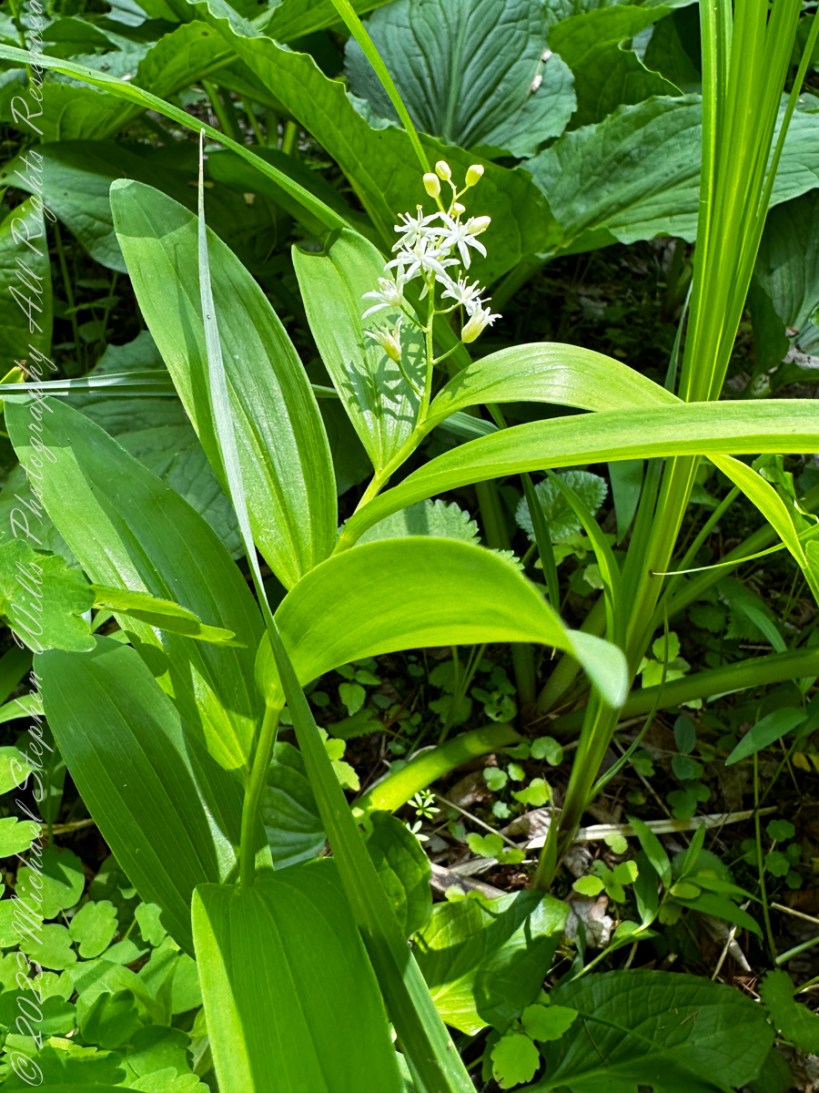
False Solomon’s Seal, scientific name Maianthemum racemosum, is common in the Finger Lakes Region. I found this specimen during a walk with the grandchildren in a local fen among the post-glacial terrain of the Finger Lakes Region.
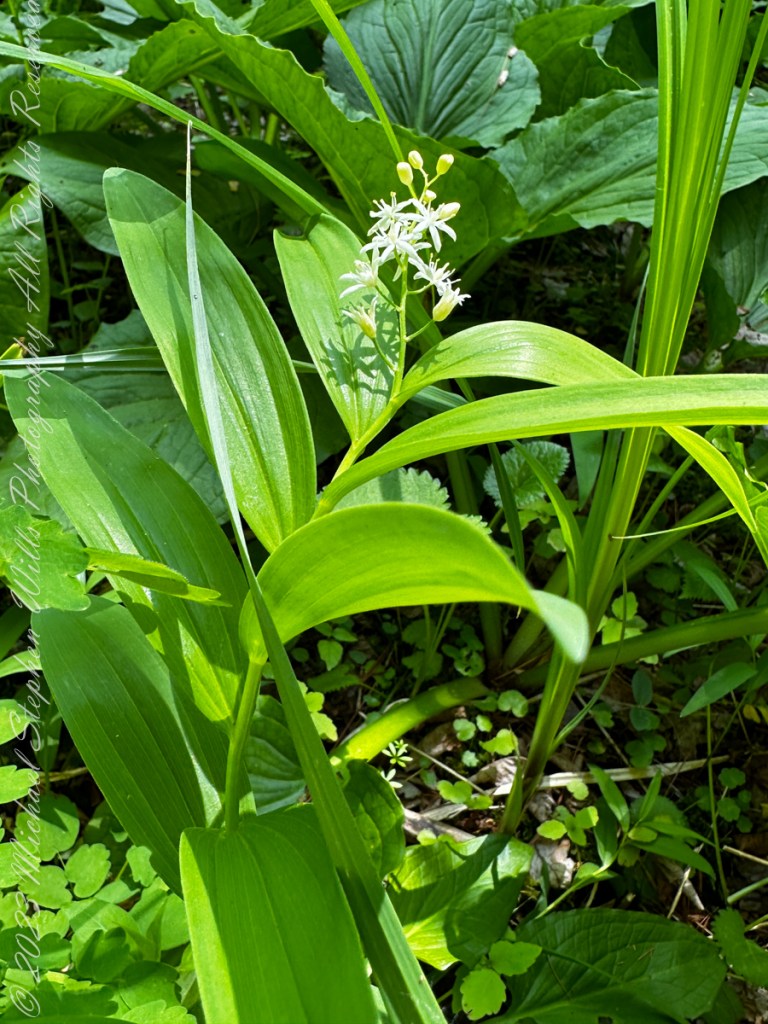
False Solomon’s Seal is a common, widespread plant with numerous common names and synonyms, known from every US state except Hawaii, and from every Canadian province and territory (except Nunavut and the Yukon), as well as from Mexico. What name do YOU know it by?
Because it resembles plants of the highly toxic Veratrum genus, this species should not be consumed unless identification is positive. The plant becomes fibrous and bitter after it completes flowering and seed-setting, but the tender young shoots can be stripped of their leaves, simmered in water and eaten. Their delicate flavor is somewhat reminiscent of asparagus. The ripe fruits are edible raw or cooked but may be poor in taste. They can be laxative if consumed in large quantities.
Ojibwa harvested the roots of this plant and cooked them in lye water overnight to remove the bitterness and neutralize their strong laxative qualities. Native Americans boiled the roots to make tea for medicinal purposes, including to treat rheumatism, kidney issues, and wounds and back injuries.

Happy June First!!
Yellow Lady’s Slipper, scientific name Cypripedium parviflorum, is also known as “Moccasin Flower.” I found these on a walk with the grandchildren in a local fen among post-glacial terrain. “All this swamp cabbage, phew!!,” said the youngest.

This is a wild orchid that grows all over, though picky as to habitat.
–Newfoundland to British-Columbia, south to Georgia, Arizona, and Washington; Europe.
–Newfoundland to Alaska and south to Oregon in the West.
–In the East along the Atlantic Coast, it is in every state except Florida and extends across to Louisiana and eastern Texas.
–New Mexico state: Catron, Colfax, Grant, Los Alamos, Otero, San Miguel, San Juan and Santa Fe Counties.
–Arizona state: Apache, Graham, and Greenlee Counties.

Habitats and requirements: A more upland plant preferring subacidic to neutral soils. Primarily in mesic to dry-mesic upland forests, woodlands with deep humus or layers of leaf litter, shaded boggy habitats, but also in hill prairies and occasionally in wetlands with organic, well-drained, sandy soils. Moderate shade to nearly full sun in fir, pine, and aspen forest between 6000 and 9500 feet (1830 and 2900 meters). Mountain meadows and on timbered slopes. Dripping seeps on steep to moderately sloped canyon walls.

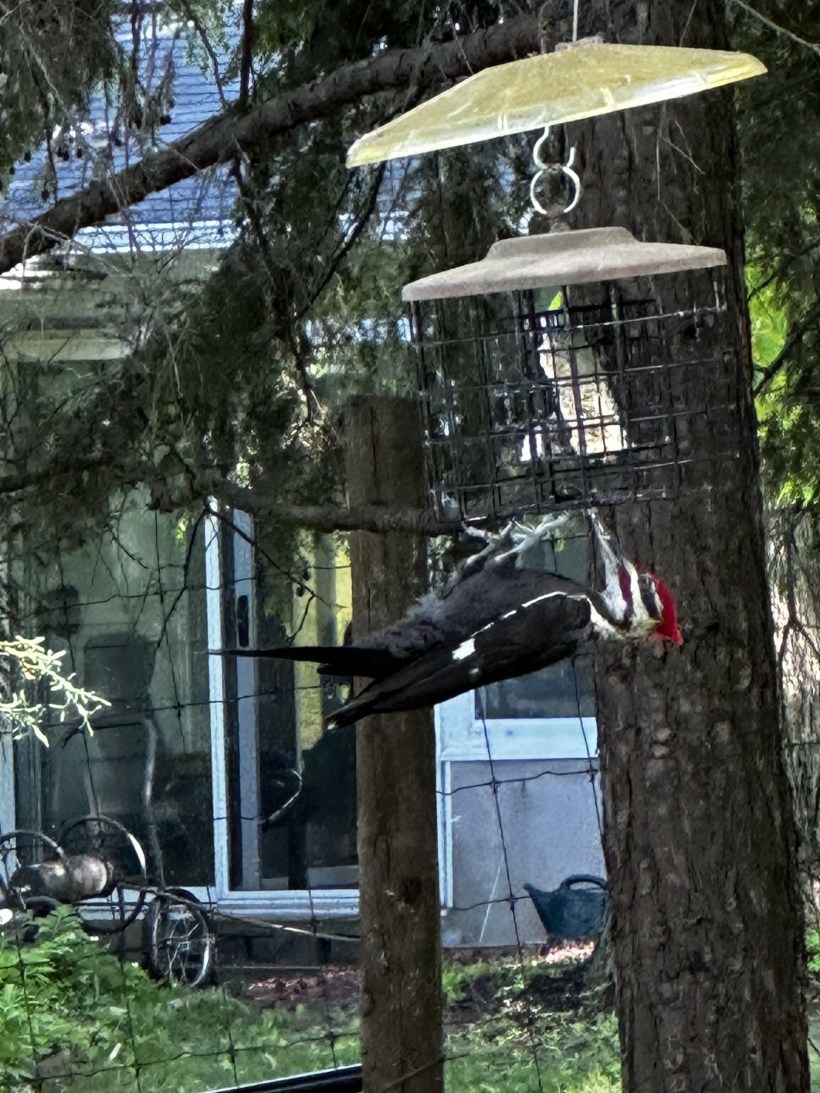
A pileated woodpecker pair stays together on its territory all year round and is not migratory.
Have you wondered, “What is ‘pileated’ about a Pileated Woodpecker? The Latin word Latin pileatus means capped, so the adjective refers to the red “cap” the bird wears. Pileated Woodpeckers mmainly eat insects, especially carpenter ants and wood-boring beetle larvae. They also eat fruits, nuts, and berries, including poison ivy berries. Pileated woodpeckers often chip out large and roughly rectangular holes in trees while searching out insects, especially ant colonies. They also lap up ants by reaching with their long tongues into crevices. They may forage around the sides of human homes or even cars and can be observed feeding at suet-type feeders, as you can see below.
Usually, pileated woodpeckers excavate their large nests in the cavities of dead trees. Woodpeckers make such large holes in dead trees that the holes can cause a small tree to break in half. The roost of a pileated woodpecker usually has multiple entrance holes. In April, the hole made by the male attracts a female for mating and raising their young. Once the brood is raised, the birds abandon the hole and do not use it the next year. When abandoned, these holes—made similarly by all woodpeckers—provide good homes in future years for many forest songbirds and a wide variety of other animals. Ecologically, the entire woodpecker family is important to the wellbeing of many other bird species. The pileated woodpecker also nests in boxes about 4.6 m (15 ft) off the ground. The large cavities made by pileated woodpeckers during their nesting process not only serve as a home for the birds but also play an essential role in the forest ecosystem by contributing to nutrient cycling. Woodpecker cavities can lead to increased soil nutrient levels and microbial activity, providing a nutrient-rich environment for other plants to grow.
A pileated woodpecker pair stays together on its territory all year round and is not migratory. They defend the territory in all seasons but tolerate floaters during the winter. Drumming is most common during courtship and to proclaim a territory. Hollow trees are often used to make the most resonant sound possible. The pattern is typically a fairly slow, deep rolling that lasts about three seconds.
Pileated woodpeckers have been observed to move to another site if any eggs have fallen out of the nest—a rare habit in birds. The cavity is unlined except for wood chips. Both parents incubate three to five eggs for 12 to 16 days. The average clutch size is four per nest. The young may take a month to fledge. The oldest known pileated woodpecker was 12 years and 11 months old. Predators at the nest can include American and Pacific martens, weasels, squirrels, rat snakes, and gray foxes. Free-flying adults have fewer predators but can be taken in some numbers by Cooper’s hawks, northern goshawks, red-shouldered hawks, red-tailed hawks, great horned owls, bald eagles, golden eagles and barred owls.

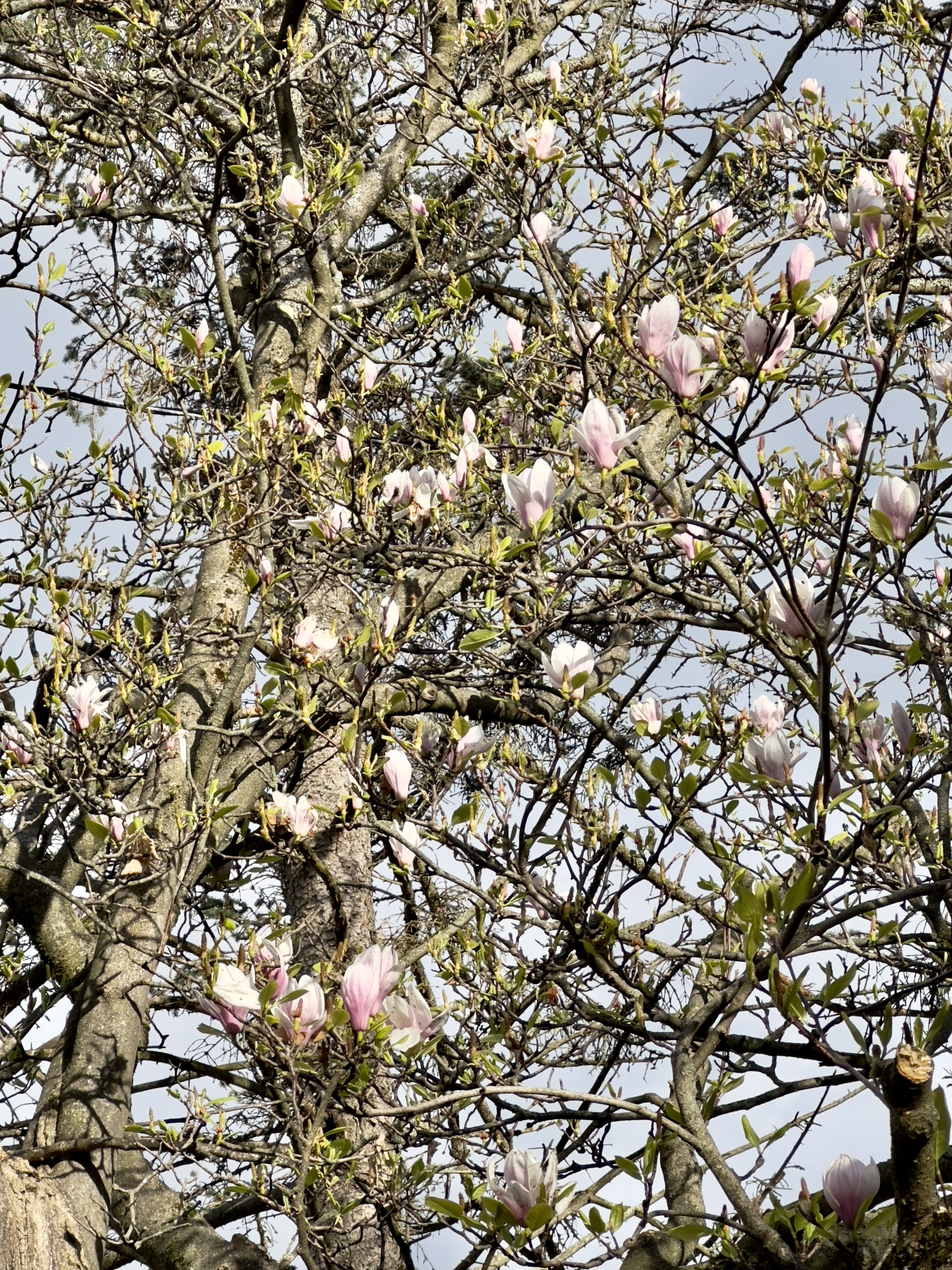
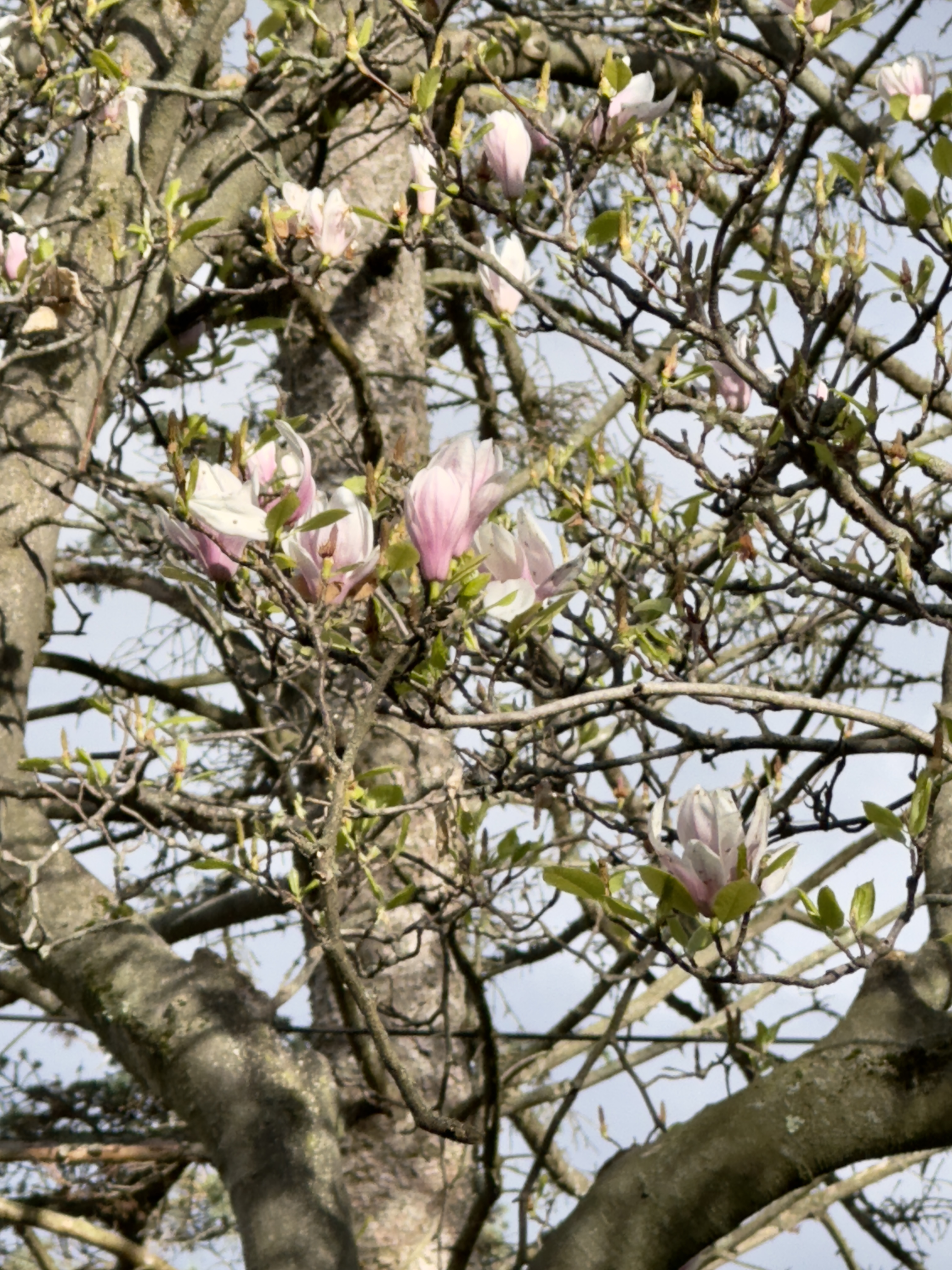
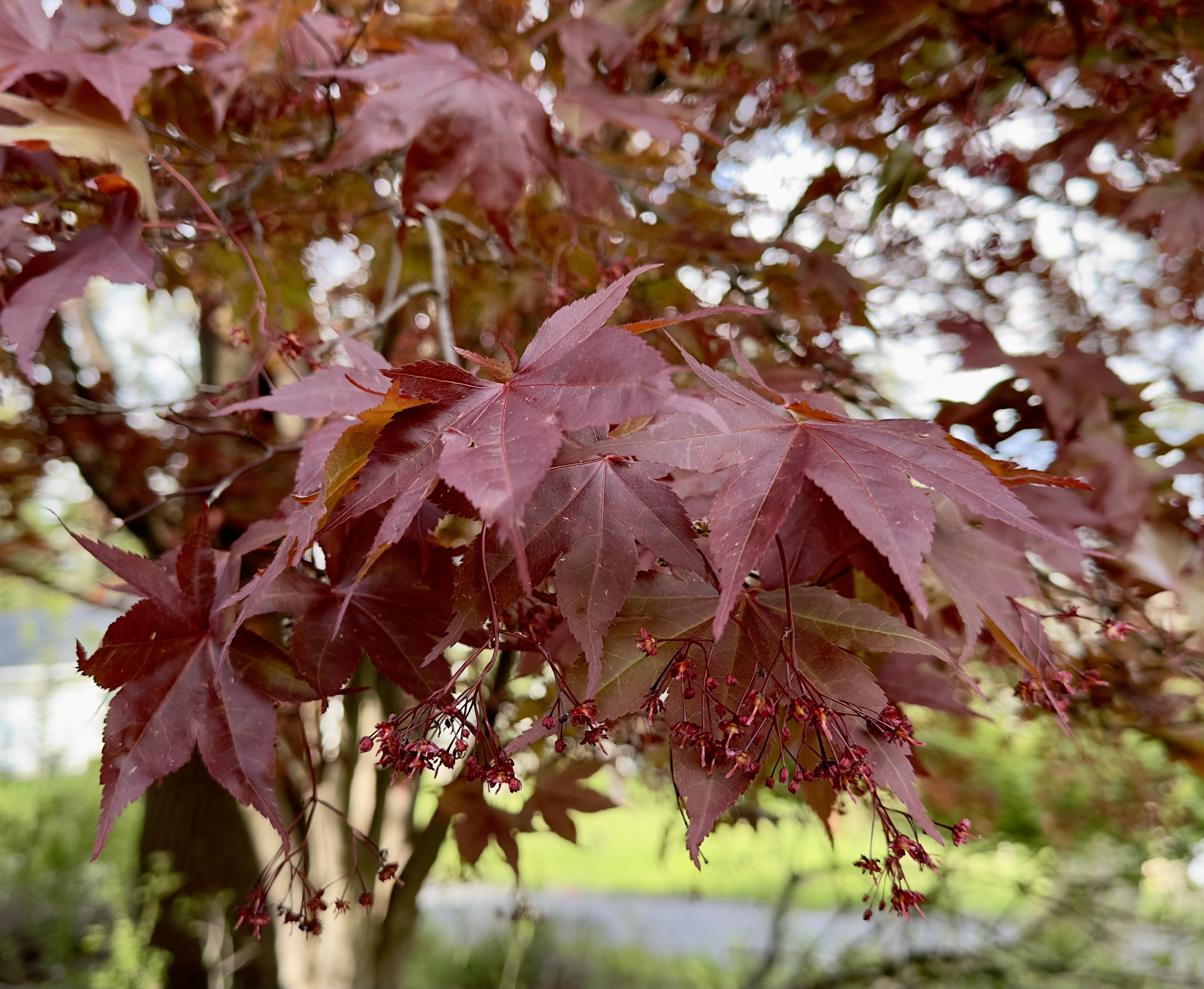
This maple tree is one of the first plants to flower in spring.
Pam and I ambled around the Arboretum for our Easter 2023 outing.
We find boulders of crystalline rock, commonly derived from Adirondack sources, left behind on the surface of ablation moraine, in the Finger Lakes Region.
Cornell finds some and move them, maybe the case for this unremarked erratic found along the Allen Trail of FR Newman Arboretum.
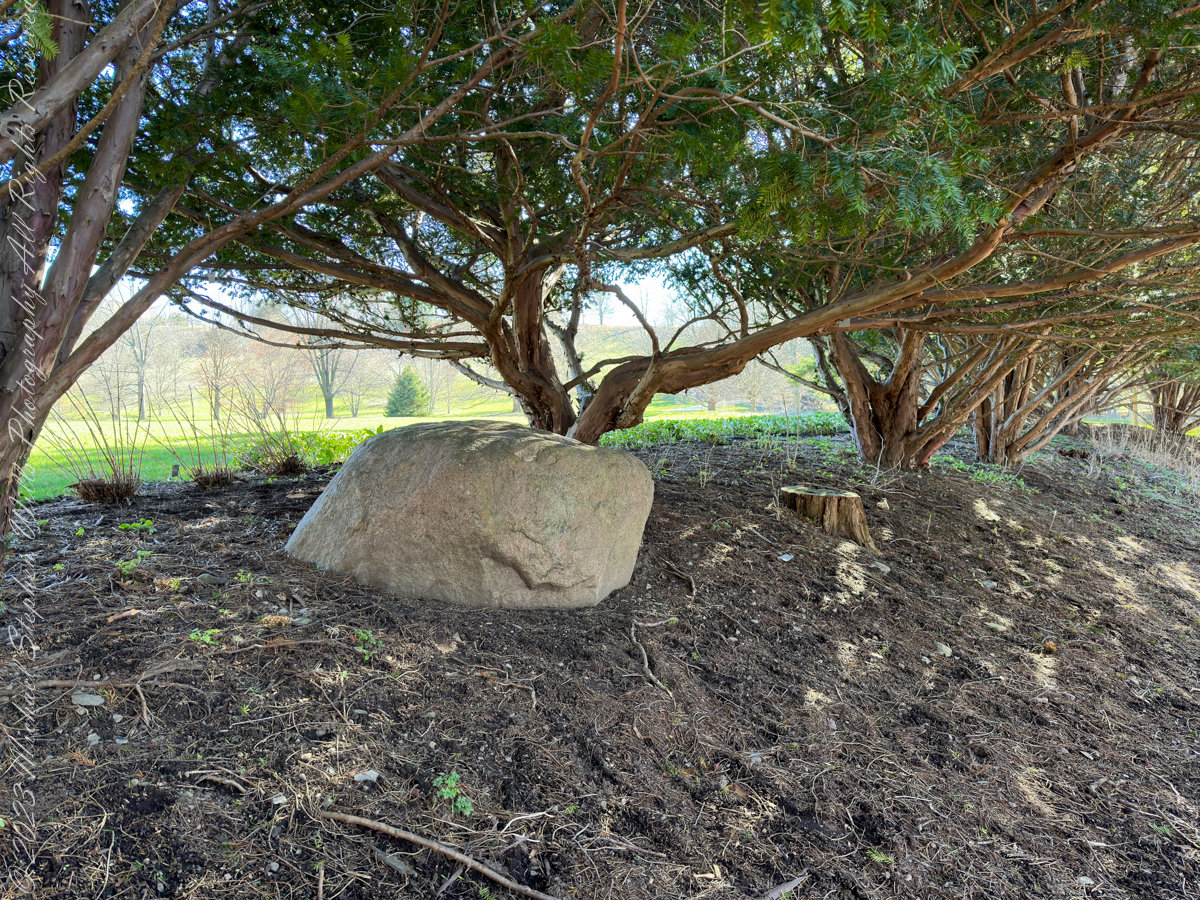
Another enormous erratic, brought in from the Sixmile Creek valley, was carved into a seat as a memorial to Professor R.S. Tarr who deciphered much of the glacial history of the Finger Lakes Region. Find it at the southwest corner of McCraw Hall on the Cornell University Campus.
During the 18th century, erratics were deemed a major geological paradox. Geologists identify erratics by studying the rocks surrounding the position of the erratic and the rock of the erratic itself. Erratics were once considered evidence of a biblical flood, but in the 19th century scientists gradually came to accept that erratics pointed to an ice age in Earth’s past. Among others, the Swiss politician, jurist, theologian Bernhard Friedrich Kuhn [de] saw glaciers as a possible solution as early as 1788. However, the idea of ice ages and glaciation as a geological force took a while to be accepted. Ignaz Venetz (1788–1859), a Swiss engineer, naturalist and glaciologist was one of the first scientists to recognize glaciers as a major force in shaping the earth.
In the 19th century, many scientists came to favor erratics as evidence for the end of the Last Glacial Maximum (ice age) 10,000 years ago, rather than a flood. Geologists have suggested that landslides or rockfalls initially dropped the rocks on top of glacial ice. The glaciers continued to move, carrying the rocks with them. When the ice melted, the erratics were left in their present locations.
Charles Lyell’s Principles of Geology (v. 1, 1830) provided an early description of the erratic which is consistent with the modern understanding. Louis Agassiz was the first to scientifically propose that the Earth had been subject to a past ice age. In the same year, he was elected a foreign member of the Royal Swedish Academy of Sciences. Prior to this proposal, Goethe, de Saussure, Venetz, Jean de Charpentier, Karl Friedrich Schimper and others had made the glaciers of the Alps the subjects of special study, and Goethe,[15] Charpentier as well as Schimper had even arrived at the conclusion that the erratic blocks of alpine rocks scattered over the slopes and summits of the Jura Mountains had been moved there by glaciers.
Charles Darwin published extensively on geologic phenomena including the distribution of erratic boulders. In his accounts written during the voyage of HMS Beagle, Darwin observed several large erratic boulders of notable size south of the Strait of Magellan, Tierra del Fuego and attributed them to ice rafting from Antarctica. Recent research suggests that they are more likely the result of glacial ice flows carrying the boulders to their current locations.
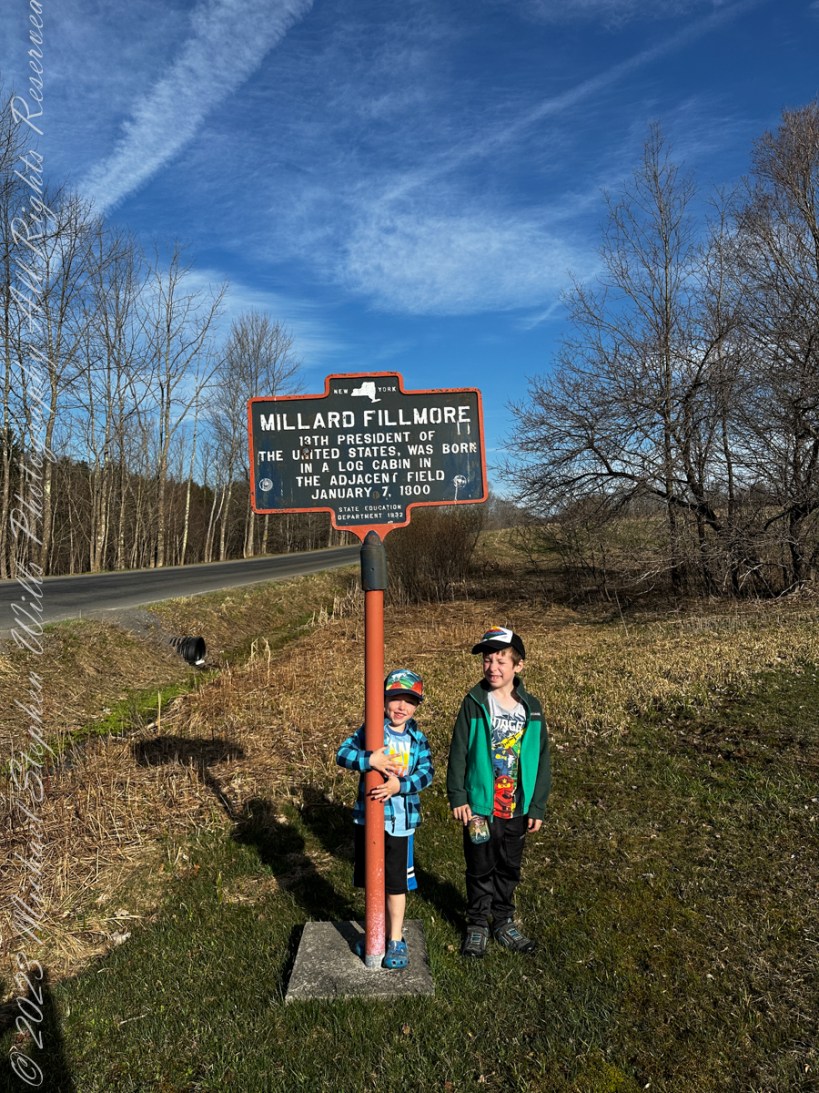
Millard Fillmore, 13th President, United States of AmericA
Last Friday the grandsons and I had an outing to the hills above Moravia in Cayuga County, there we visited the birthplace of Millard Fillmore. The site is a rather steep, rocky hillside near where the future President was born in a log cabin. He was not the last future President thus born, James Garfield in 1831 was born fatherless in Ohio in a log cabin. The future 20th President and the last to be so born. Nine years after Millard Fillmore, Abraham Lincoln was born, February 12, 1809 in the same residential circumstance and was the first future President born west of the Appalachian Mountains at Sinking Springs Farm, Kentucky. At least seven (7) future USA Presidents were born in log cabins, the others are: Andrew Jackson, James K. Polk, James Buchanan, Andrew Johnson, Chester A. Arthur.
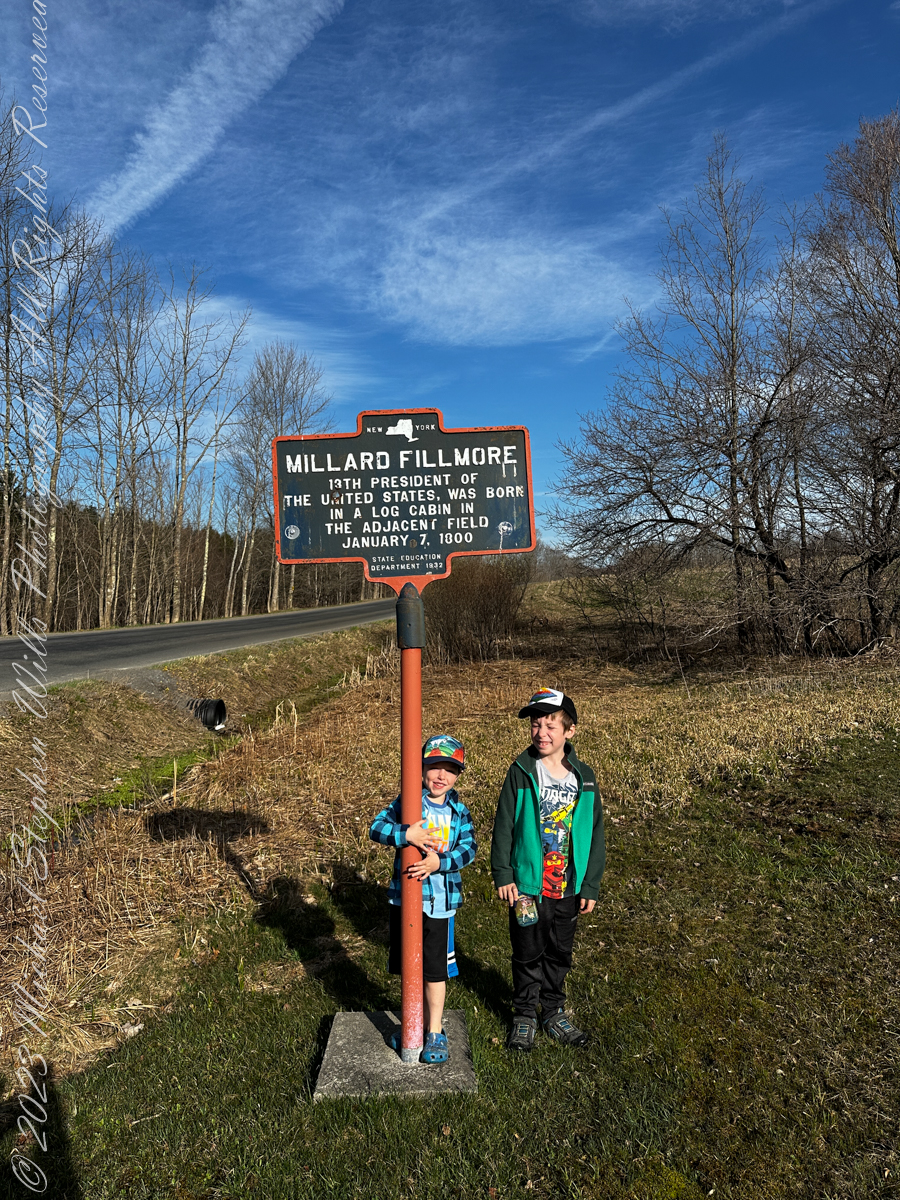
There is quite a bit to do at this open air museum: educational signs, split rail fencing from that time, a pavilion build from concrete, steel I-beams and a metal roof with picnic tables where we played games.
On the way to Fillmore Glen New York State Park to visit an actual log cabin from that time, we stopped at the Lickville Cemetery on Lick Street. Opened a few years after Fillmore’s birth, 1807, 180 headstones are still standing. We practiced sounding out words from the large carved letters on the stones.
After visiting the log cabin our day was interrupted by symptoms of a stomach flu that has been terrorizing all our families. Fortunately, I escaped. Our plan is to continue to explore Fillmore Glen at a later time.
Millard Fillmore was born on January 7, 1800, in a log cabin, on a farm in what is now Moravia, Cayuga County, in the Finger Lakes region of New York. His parents were Phoebe Millard and Nathaniel Fillmore, and he was the second of eight children and the oldest son.
Nathaniel Fillmore was the son of Nathaniel Fillmore Sr. (1739–1814), a native of Franklin, Connecticut, who became one of the earliest settlers of Bennington, Vermont, when it was founded in the territory that was then called the New Hampshire Grants.
Nathaniel Fillmore and Phoebe Millard moved from Vermont in 1799 and sought better opportunities than were available on Nathaniel’s stony farm, but the title to their Cayuga County land proved defective, and the Fillmore family moved to nearby Sempronius, where they leased land as tenant farmers, and Nathaniel occasionally taught school. The historian Tyler Anbinder described Fillmore’s childhood as “one of hard work, frequent privation, and virtually no formal schooling.”
Over time Nathaniel became more successful in Sempronius, but during Millard’s formative years, the family endured severe poverty. Nathaniel became sufficiently regarded that he was chosen to serve in local offices, including justice of the peace. Hoping that his oldest son would learn a trade, he convinced Millard, who was 14, not to enlist for the War of 1812 and apprenticed him to clothmaker Benjamin Hungerford in Sparta. Fillmore was relegated to menial labor, and unhappy at not learning any skills, he left Hungerford’s employ.
His father then placed him in the same trade at a mill in New Hope. Seeking to better himself, Millard bought a share in a circulating library and read all the books that he could. In 1819 he took advantage of idle time at the mill to enroll at a new academy in the town, where he met a classmate, Abigail Powers, and fell in love with her.
Later in 1819 Nathaniel moved the family to Montville, a hamlet of Moravia. Appreciating his son’s talents, Nathaniel followed his wife’s advice and persuaded Judge Walter Wood, the Fillmores’ landlord and the wealthiest person in the area, to allow Millard to be his law clerk for a trial period. Wood agreed to employ young Fillmore and to supervise him as he read law. Fillmore earned money teaching school for three months and bought out his mill apprenticeship. He left Wood after eighteen months; the judge had paid him almost nothing, and both quarreled after Fillmore had, unaided, earned a small sum by advising a farmer in a minor lawsuit. Refusing to pledge not to do so again, Fillmore gave up his clerkship. Nathaniel again moved the family, and Millard accompanied it west to East Aurora, in Erie County, near Buffalo, where Nathaniel purchased a farm that became prosperous.

