Beauty and Struggle: Flowering Rush in Stewart Park

Crossing the footbridge in Stewart Park, I encountered the graceful yet invasive Flowering Rush. Its delicate beauty hides a deeper story about nature’s resilience, human impact, and the fragile balance of our ecosystems.

While crossing the suspension footbridge over Fall Creek in Stewart Park, there’s a sense of stepping into a world that’s more peaceful and attuned to nature. The bridge is familiar to me—a steady, quiet companion—but each visit feels new, as though the park has secrets it only reveals in small whispers. In this photograph the green steel beams rise like sentinels, standing tall against the backdrop of shifting autumn colors. Below, the water reflects the vibrant reds, golds, and greens of the trees, creating an illusion of depth that draws me in.
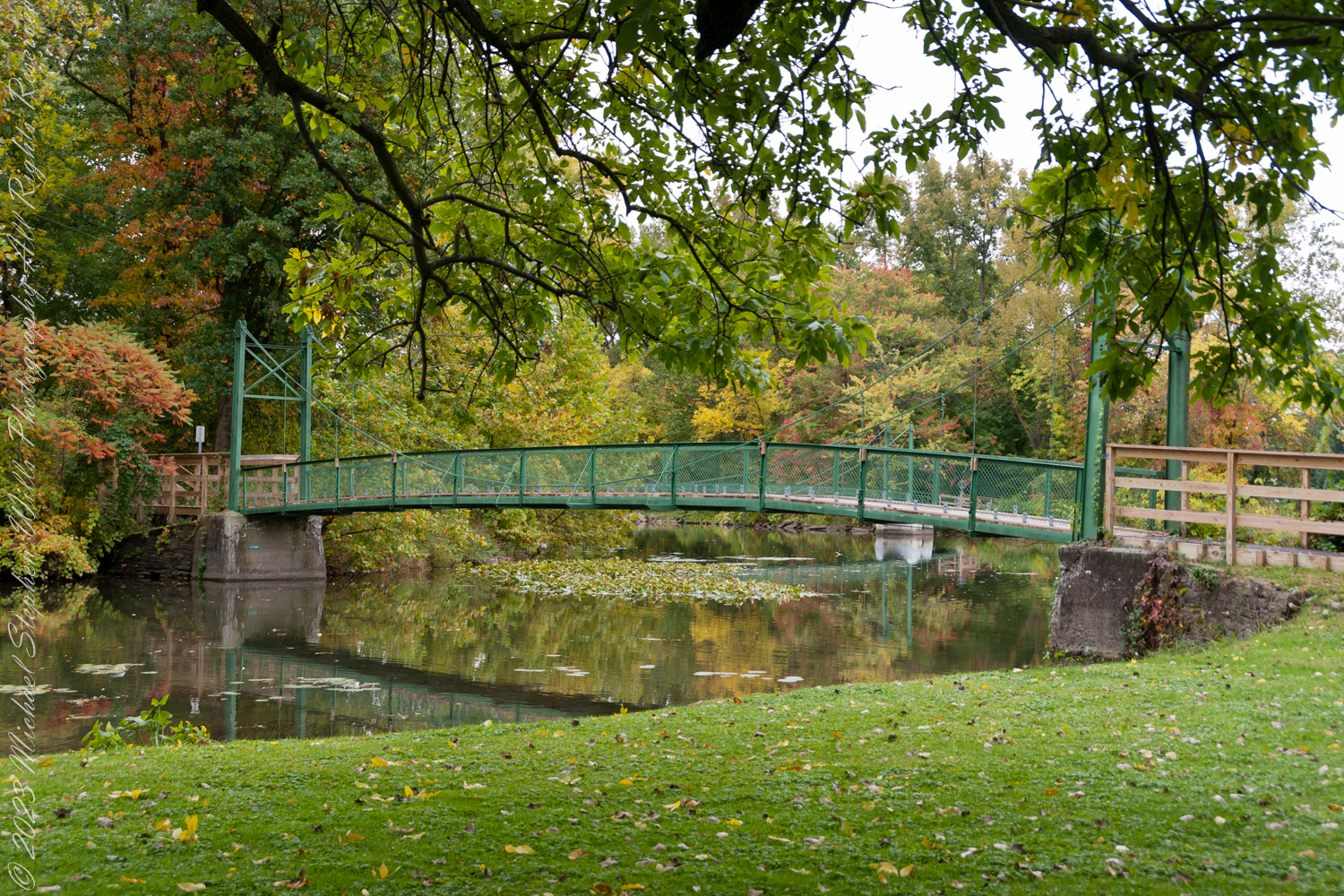
Footbridge to the Fuertes Bird Sanctuary, Stewart Park, Ithaca, New York, October 2012

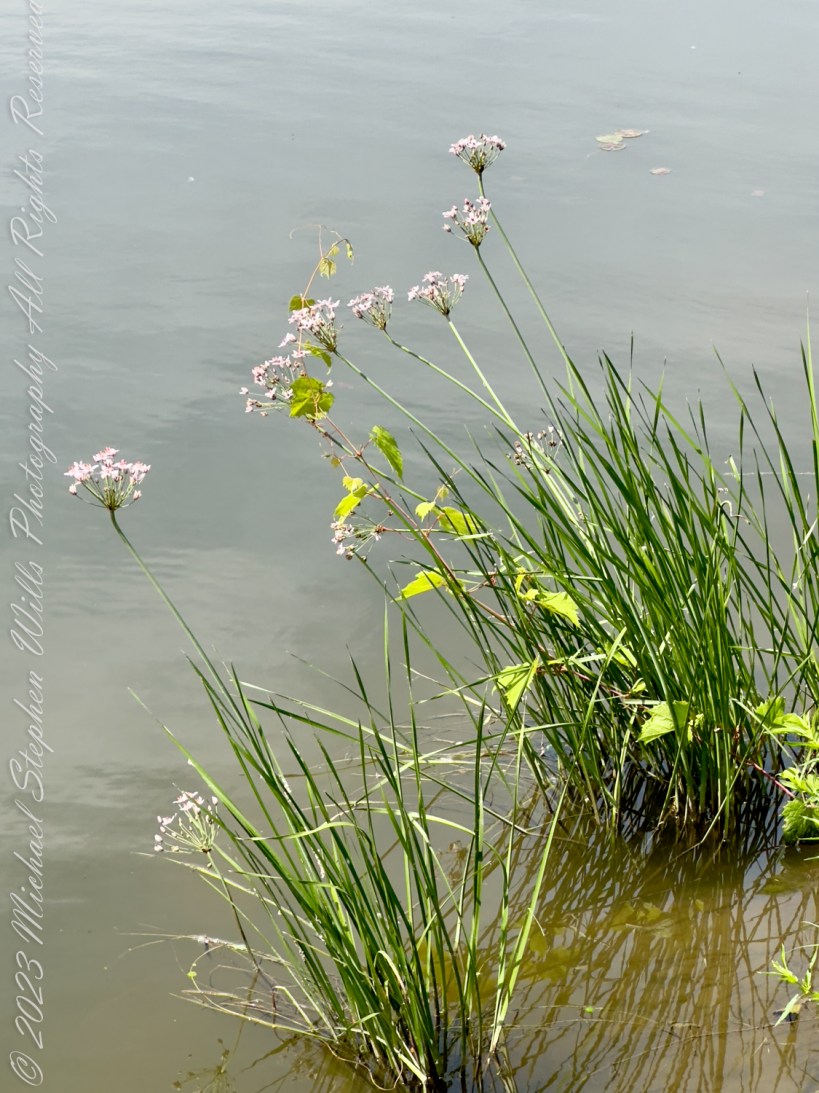
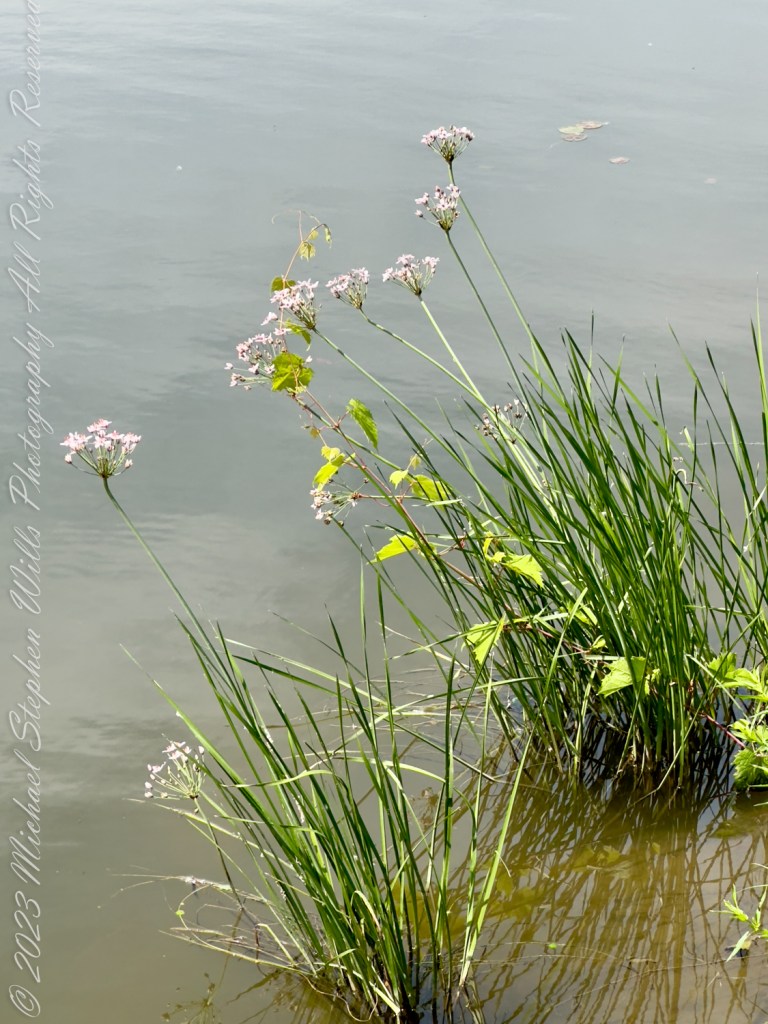
This past summer I stopped midway across, leaned against the railing, just listening. The creek moved slowly, like time itself decided to pause here for a while. That’s when I saw them: delicate pink blooms rising up from the water’s edge, their petals small and star-shaped, catching the light as they sway in the gentle breeze. There’s something striking about these plants—graceful, elegant, almost otherworldly in their simplicity. They reach up, as though trying to escape the confines of the water and the muddy banks.

My subsequent research revealed these to be Flowering Rush, or Butomus umbellatus. I often see them now, their soft pinks and slender leaves creating a quiet beauty that’s hard to ignore. They’re beautiful, but I have come to know they don’t belong here. This is one of those moments in nature that gives me pause—a reminder that not everything lovely is innocent.
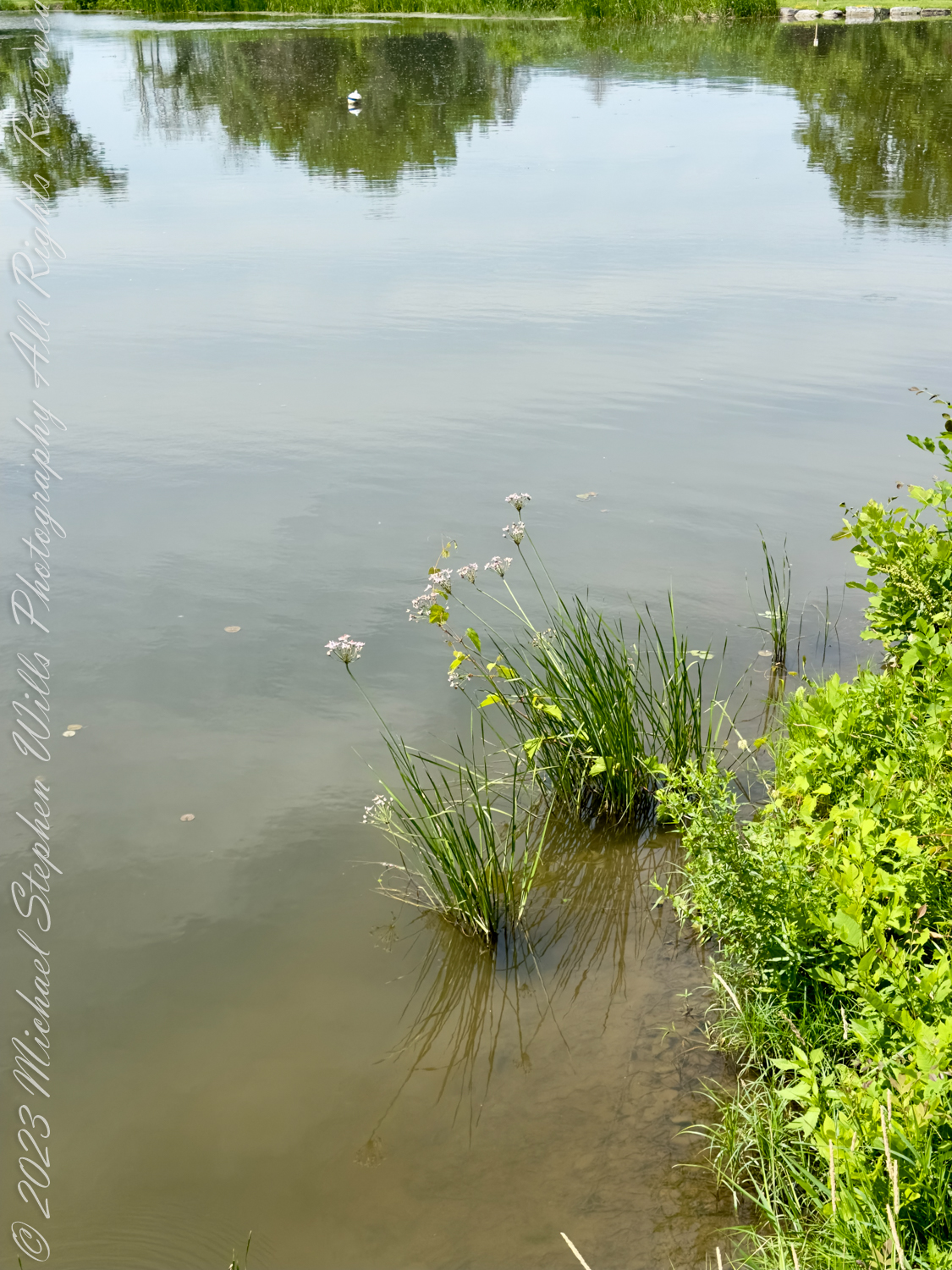
Flowering Rush Growing in Fall Creek, Stewart Park, June 2024

Flowering Rush, a European import from centuries ago, was not meant to take root here. Brought to North America for ornamental ponds, its allure quickly became its danger. It spread, silently, like a secret carried on the wind, slowly overtaking the native species that have long called these waters home. And yet, standing here now, I cannot help but admire its tenacity, its quiet determination to thrive. Nature, in all its forms, has this incredible will to survive, even if that survival sometimes comes at a cost.

My mind drifts to the plant’s history. In its native lands Flowering Rush, or Grass Rush, was useful—its roots, though bitter, were harvested for food, and its fibrous stems woven into mats and ropes. How interesting that something as delicate as this has a rugged, practical side. This contradiction makes perfect sense when I think of the plant’s journey across continents, carried over oceans by human hands and curiosity. We are responsible for its presence here, and now, like so many other invasive species, it’s become a fixture of this landscape.

I think about the dual nature of this invasion. Flowering Rush is beautiful—there is no denying that. Its soft, pink flowers contrast sharply with the darker tones of the water and the dense green of the grasses that surround it. But its beauty masks a quiet destruction. It chokes out the native plants that once thrived here, altering the ecosystem in ways we cannot always see. I wonder what fish and aquatic life struggles beneath the surface, their food sources slowly disappearing. What birds find fewer insects and fewer safe places to nest?
And yet, is this plant a villain? Flowering rush is doing what it was meant to do—grow, spread, survive. That is what everything in nature does, after all. It does not have malice or intent; it just is. It is humans who have changed the balance, who introduced this species to a place where it didn’t belong, setting off a chain reaction we’re still trying to fully understand.

Today, as I walk across the bridge, heading toward the Fuertes Bird Sanctuary, path ahead invites quiet reflection, the chirping of birds and the rustle of leaves providing a peaceful soundtrack. But the Flowering Rush lingers in my mind. It reminds me of how interconnected everything is, how one small action—a plant brought from a distant land—can ripple out and affect entire ecosystems. It’s a lesson in responsibility for those willing to listen.

As I step into the sanctuary, the air feels lighter, filled with the sound of birds that dart between the trees. I think of the delicate balance of life here, and how easily it can be disrupted by the presence of something foreign, something invasive. Yet, there is a strange comfort in knowing that nature, for all its fragility, has its own resilience.

The Flowering Rush, with its roots deep in the muddy banks of Fall Creek, is a testament to that resilience. It may not belong here, but it has found a way to adapt, to make this place its home. And in that, I find both a warning and a kind of hope—hope that we, too, can learn to live more thoughtfully, more in tune with the world around us, before we upset the balance any further.

For now, though, I simply walk, grateful for the beauty around me, even if it comes with complications. Each step takes me deeper into this world, and I am reminded once again of the profound connection we have to the land, the water, the plants, and the creatures that share this space.

Copyright 2024 Michael Stephen Wills All Rights Reserved
To receive email notification of new blog posts enter your email and click the subscribe button.

I will not share or sell your email address.

Iquique by Sea I

Join me on an early morning approach to Iquique, Chile, as we sail past the stark, mesmerizing Atacama Desert coastline. Experience the serene isolation and rugged beauty captured from the balcony of our cruise ship.

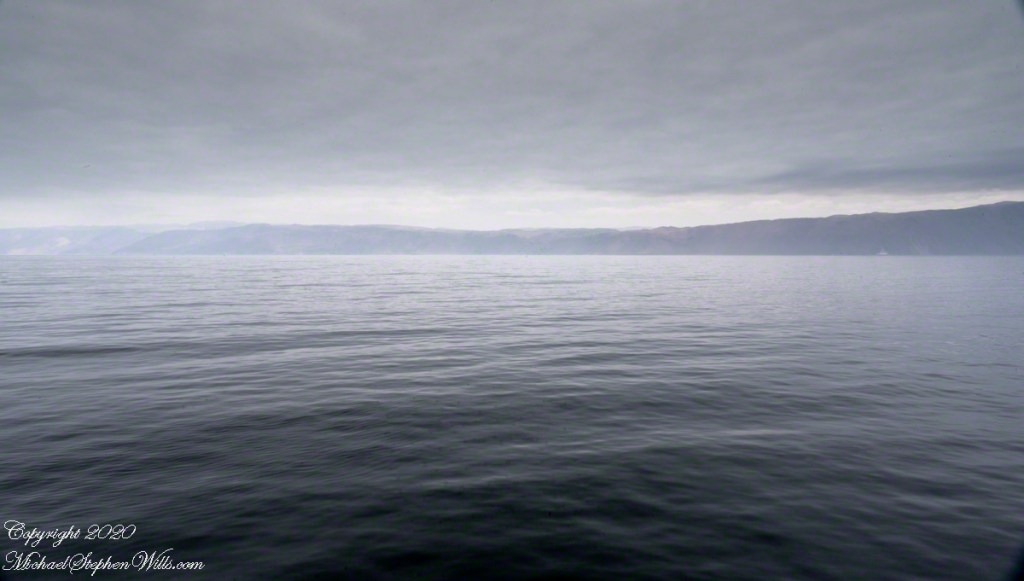
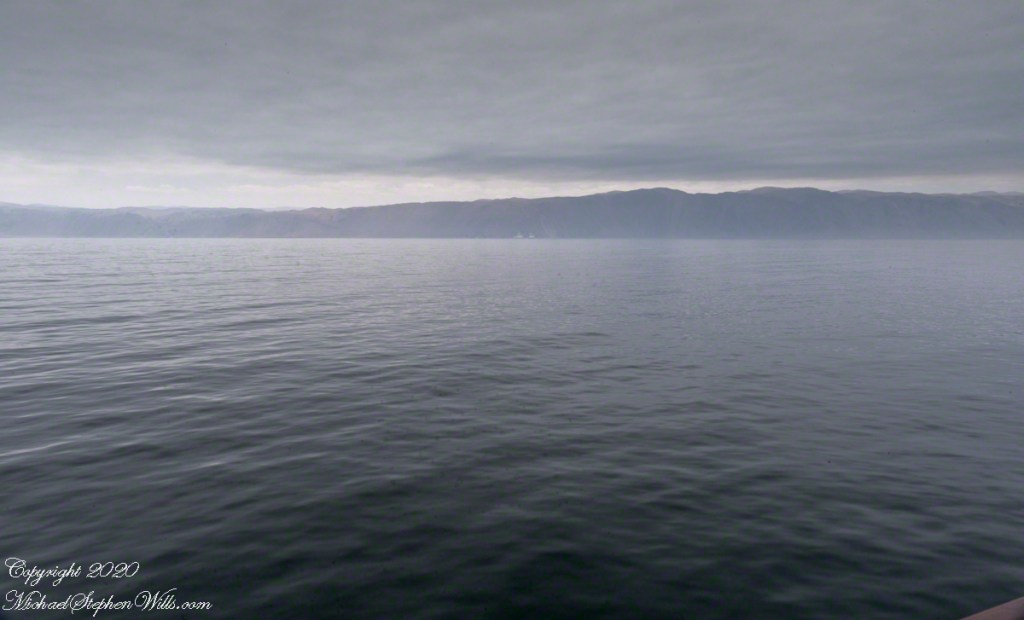
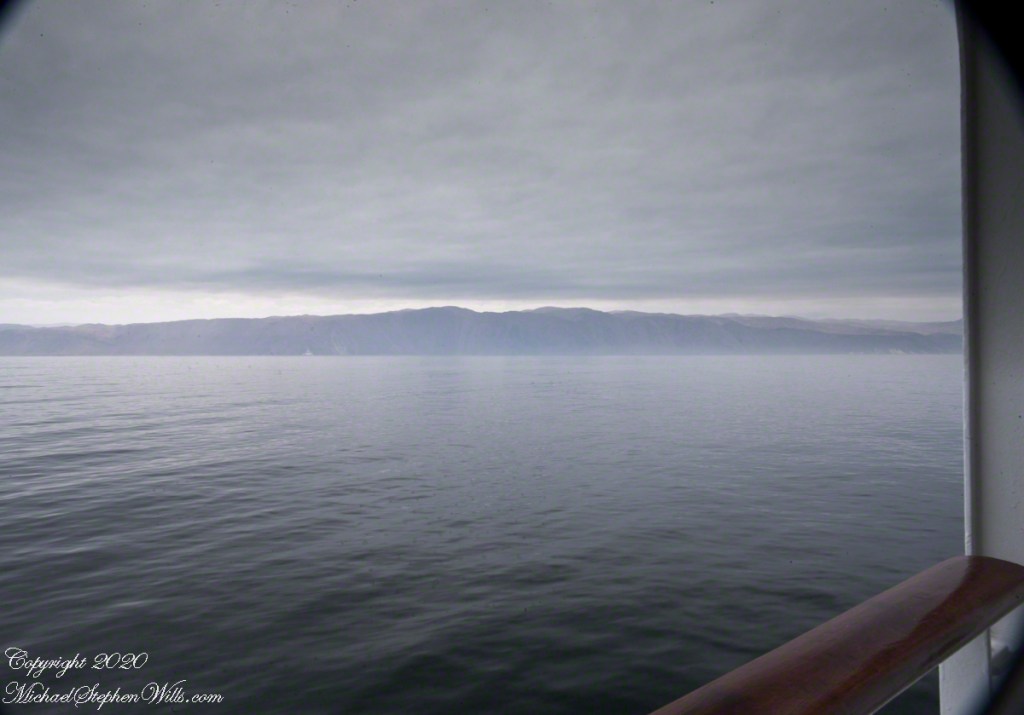
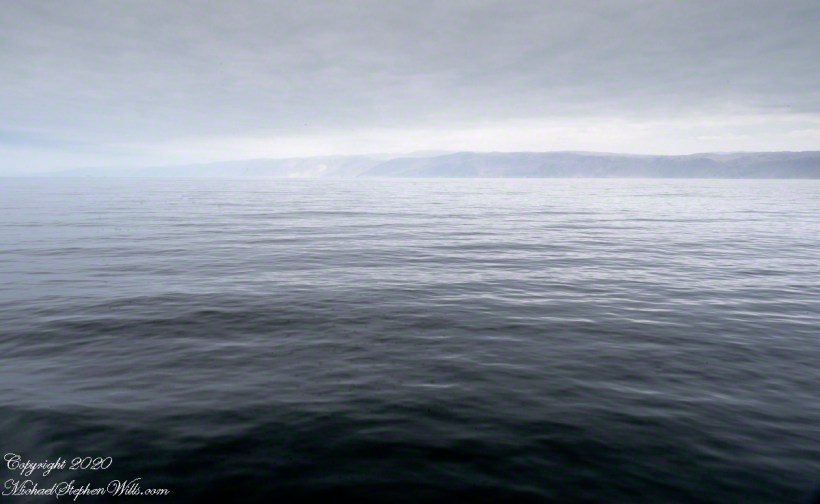
Standing on the balcony of our port side stateroom, the early morning light casts a subdued, almost ethereal glow over the vast expanse of the Pacific Ocean. The Oceania Regatta glides smoothly through the cold, dark waters, making its way toward Iquique, our first Chilean port of call. The sense of anticipation is palpable as we approach the coast of the Atacama Desert, a region renowned for being the driest place on Earth.

The view is both stark and mesmerizing. The coastline of the Atacama Desert rises sharply from the Pacific, a dramatic contrast to the vast, cold ocean that stretches out before us. The Humbolt current, a cold, nutrient-rich flow of water from southern Chile to northern Peru, swirls beneath the ship, adding a sense of dynamic movement to the scene. The chilly air, the muted colors of the sea and sky, and the barren, rugged landscape all combine to create an atmosphere of serene isolation.

In the distance, I imagine a dark point of land—the remnants of the abandoned town of Caleta Buena. Perched on a 750-foot escarpment, the town was once a bustling hub of nitrate mining, a vital industry that shaped the history of Iquique. The remains of piers jutting out into the ocean stand as silent witnesses to a bygone era, their weathered structures blending into the rugged coastline.

The sequence of photographs I’ve captured from this vantage point, working north to south, offers a panoramic view of this desolate yet captivating landscape. Using a 24 mm “wide angle” Canon lens mounted on a tripod, I’ve been able to frame the vastness of the ocean and the stark beauty of the Atacama coastline in a single, sweeping seascape.

Reflecting on our overnight journey from Matarani, Peru, I’m struck by the profound sense of isolation that accompanies travel along this desolate coast. During the 250-mile sail, the darkness was absolute, the inky blackness of the night broken only by the occasional glimmer of stars reflected in the ocean below. It was a journey through a void, a stark reminder of the sheer scale and remoteness of this part of the world.

As we draw closer to Iquique, the coastal mountains rise up, marking the transition from the Pacific to the arid plains of the Atacama Desert. The stark beauty of this landscape, with its rugged cliffs and barren expanses, is both humbling and awe-inspiring. It’s a reminder of the harsh conditions that have shaped this region, and of the resilience of the people who have carved out a living here over the centuries.

From the balcony of our stateroom, I feel a deep sense of connection to this place. The vastness of the ocean, the stark beauty of the desert coastline, and the rich history of the region all combine to create a profound sense of place. This is a land of extremes, a place where the forces of nature have sculpted a landscape of breathtaking beauty and unforgiving harshness.

As we approach Iquique, I feel a sense of gratitude for the opportunity to witness this unique corner of the world. The journey is a reminder of the incredible diversity and beauty of our planet, and of the importance of preserving these natural wonders for future generations. This approach to Iquique is a journey to a new port, a journey into the heart of one of the world’s most remarkable landscapes.

Copyright 2024 Michael Stephen Wills All Rights Reserved
Mother’s Day Amid the Blossoms of the Horse Chestnut

Explore the enchanting world of the Horse Chestnut, its vibrant spring blossoms, and its rich tapestry of historical and ecological significance, as I wander the slopes above Cayuga Lake on a serene Mother’s Day.


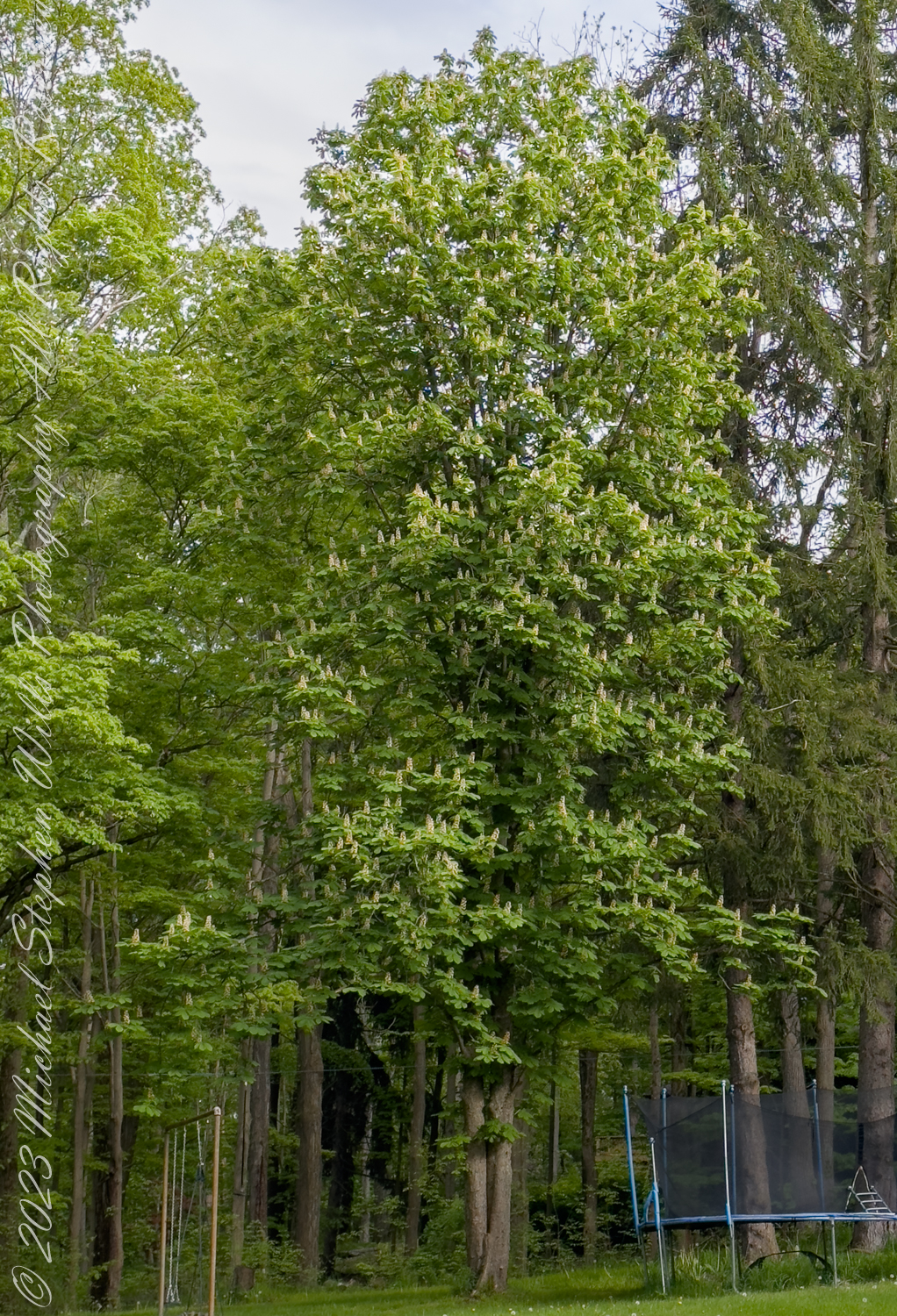
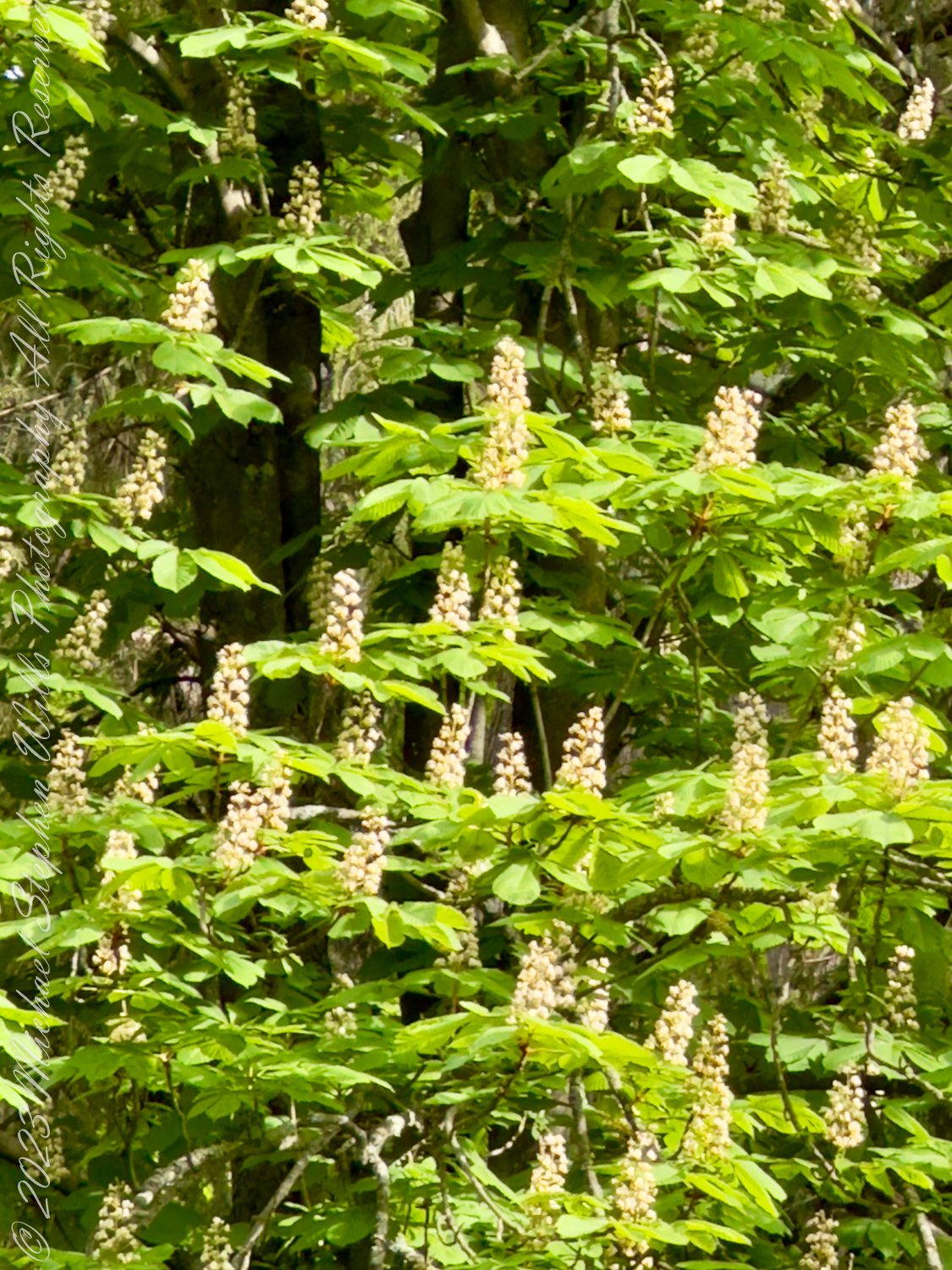
On a serene Mother’s Day in 2024, I found myself walking the slopes above Cayuga Lake, embraced by the spring warmth and the vibrant blossoms of the Horse Chestnut tree (Aesculus hippocastanum). This moment was a seasonal celebration and a deep dive into the botanical and cultural tapestry that this majestic tree weaves.

The Botanical Brilliance of the Horse Chestnut


The Horse Chestnut tree, with its robust stature and radiant floral displays, is a sight to behold, a study in botanical survival and adaptation. Originally native to a small area in the Pindus Mountains mixed forests and the Balkan mixed forests of Southeast Europe, this tree has traversed continents and histories to root itself into diverse landscapes, including the fertile grounds above Cayuga Lake.

Each spring, the Horse Chestnut’s candle-like flower spikes, scientifically known as ‘panicles’, burst forth in a shower of whites and subtle pinks, each petal marked distinctively with a blotch of yellow or red. These blooms are structured to attract a variety of pollinators, playing a crucial role in the local ecological narrative by supporting biodiversity.

Historical Uses and Cultural Significance


The journey of the Horse Chestnut tree from its native lands to the Americas is a tale of practicality and reverence. Native Americans, prior to the arrival of European settlers, were keen observers of their environment but may not have had a direct historical use for the Horse Chestnut, as it was introduced later. However, the European settlers quickly discovered the tree’s multiple uses. The wood, known for its softness and workability, was used to make furniture and boxes, while the bark found its place in the tanning industry due to its rich tannin content.

Most notably, the seeds of the Horse Chestnut were ground and used as a form of laundry detergent and to treat various ailments, a testament to the tree’s utility in pioneering life. This aspect of the Horse Chestnut highlights a broader theme of how both Native Americans and European settlers utilized natural resources for survival and economic purposes, blending the lines between utility and conservation.

A Reflection on the Natural History and Ecology


As I strolled beneath the boughs heavy with spring’s bounty, the historical echoes of the Horse Chestnut’s uses merged with the present chorus of birds nesting in its branches. The tree’s role extends beyond human uses; it is a vital component of the local ecosystems. The dense canopy provides shelter and the flowers feed pollinators, which in turn support the broader food web.

Environmental factors, particularly those influenced by climate change, pose challenges to the Horse Chestnut. Issues such as leaf blotch and the conker tree moth threaten its health and longevity. Observing the Horse Chestnut’s current vibrancy, I am reminded of the resilience and adaptability that this species has demonstrated over centuries.

Conclusion: A Legacy Continues

As the day drew to a close and the sun cast long shadows over Cayuga Lake, the Horse Chestnut stood as a botanical specimen, a living monument to natural history and human ingenuity. The tree’s story is a powerful reminder of our intertwined destinies with the plant kingdom—how plants shape our cultures, sustain our environments, and continue to amaze with their ecological and aesthetic contributions.

Copyright 2024 Michael Stephen Wills All Rights Reserved