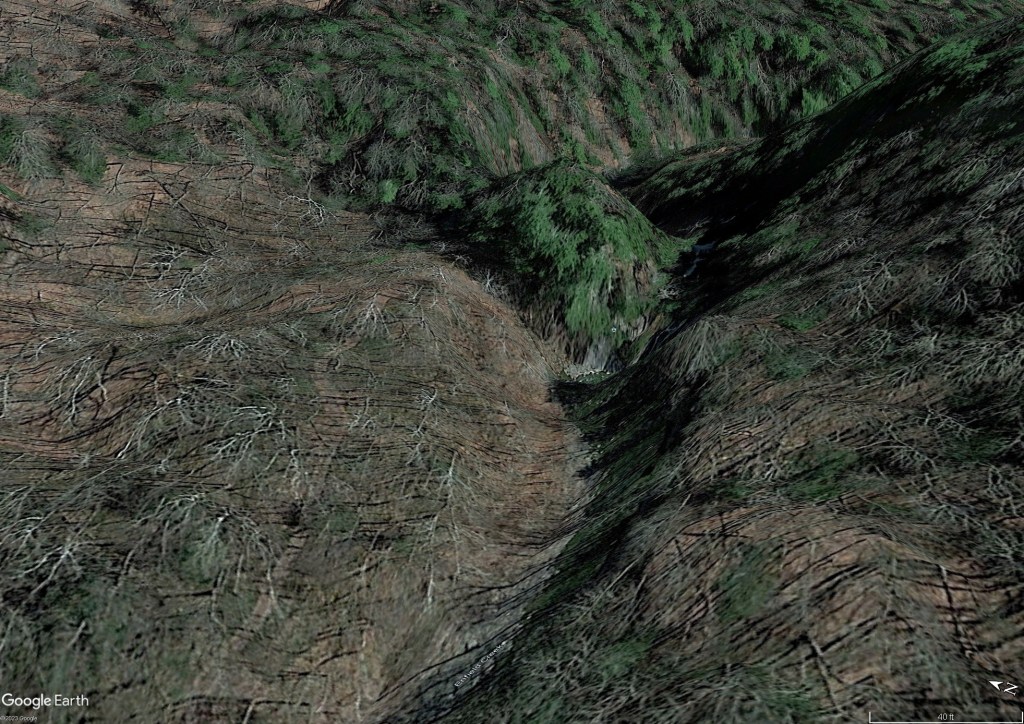
Wisconsin Glacial Episode was only the latest of a series of ice wall incursions. For this walk I went off the path to bushwack, following a drift filled stream bed, evidence of multiple glacial incursions with subsequent changing the stream bed of Enfield Creek. Here I am walking on glacial deposition to the north of the current creek bed. A park ranger informed us of this location, it is difficult to comprehend or imaging a 50 foot hill of material deposited in this way. The creek does bend at this point and the deposition is easily seen from above.
Enfield Creek flows to the right of the deposition.
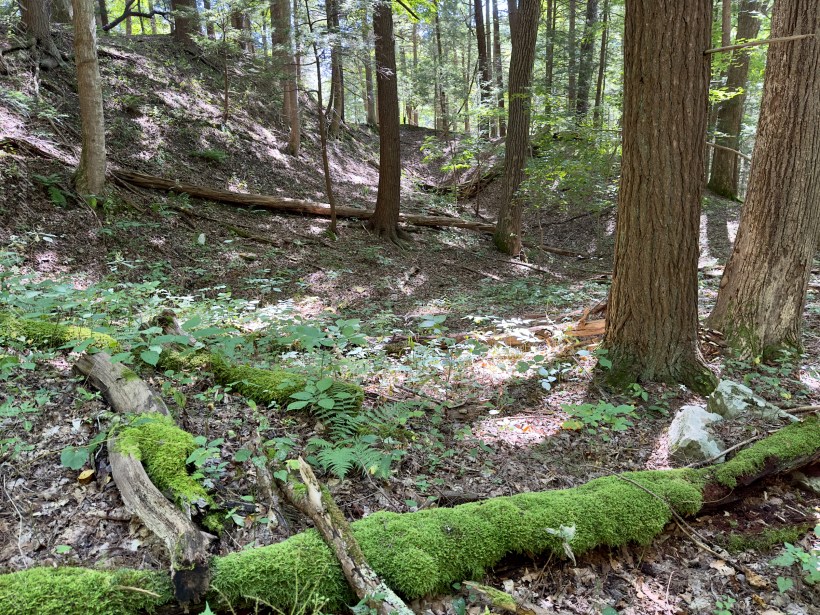
The surface of the hill is hummocky, typical of glacial deposition.
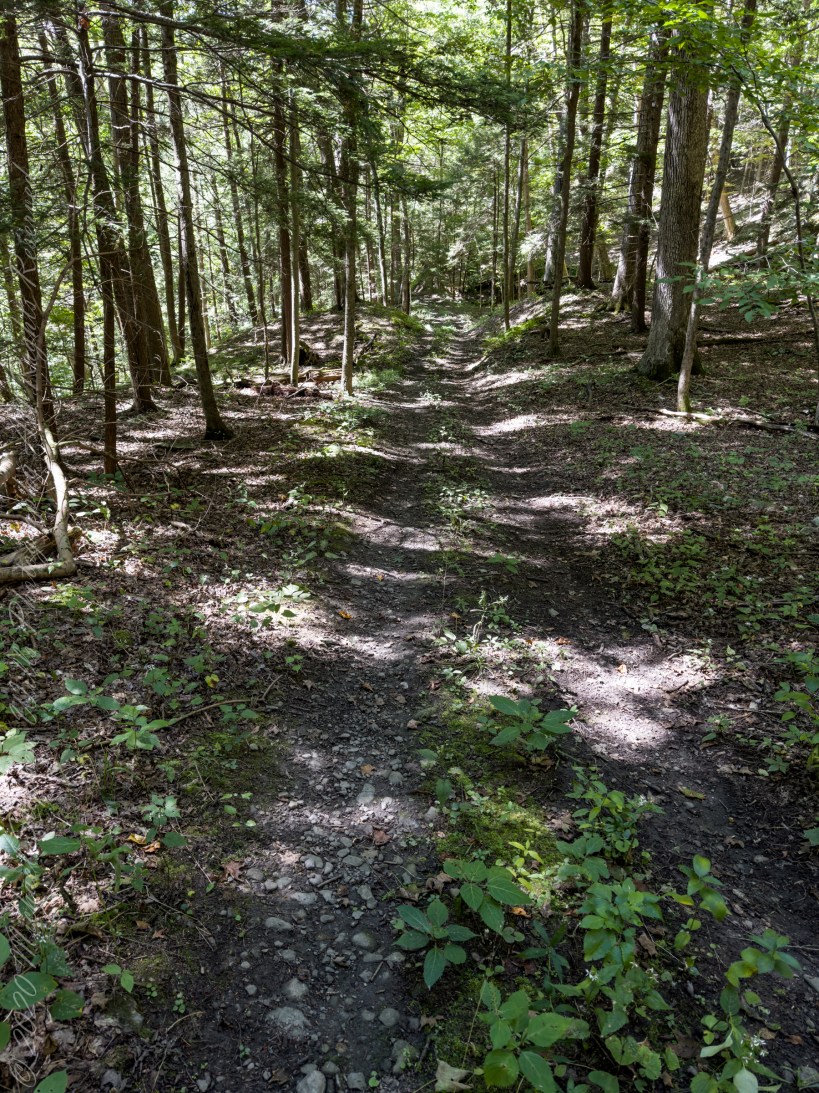
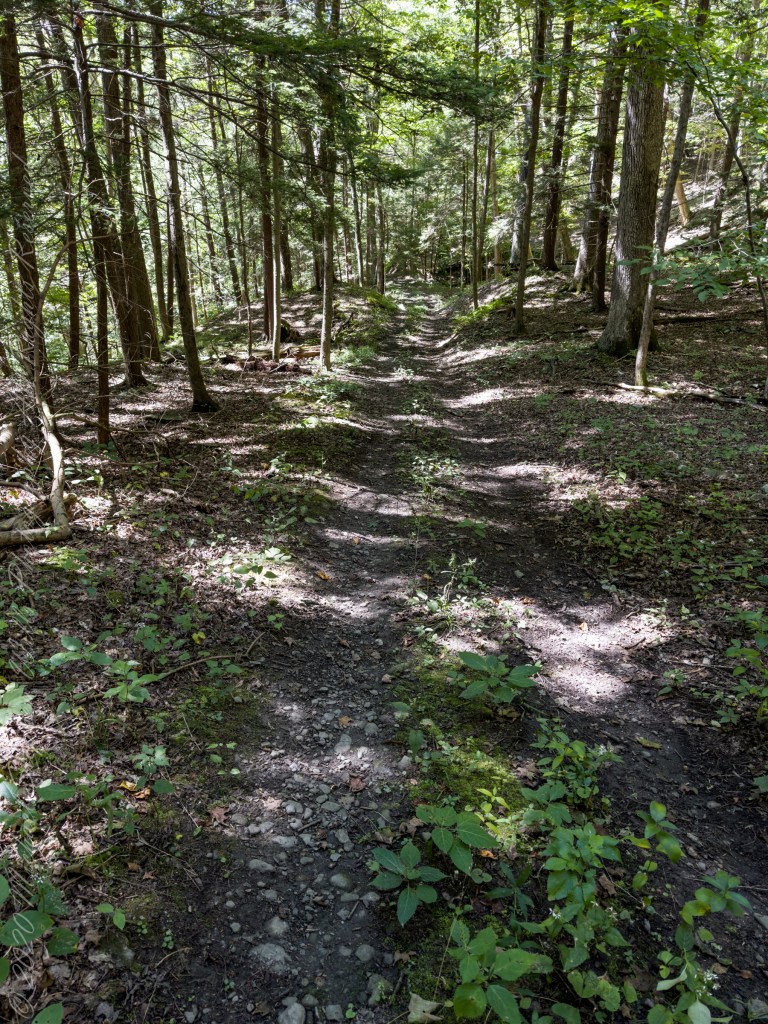
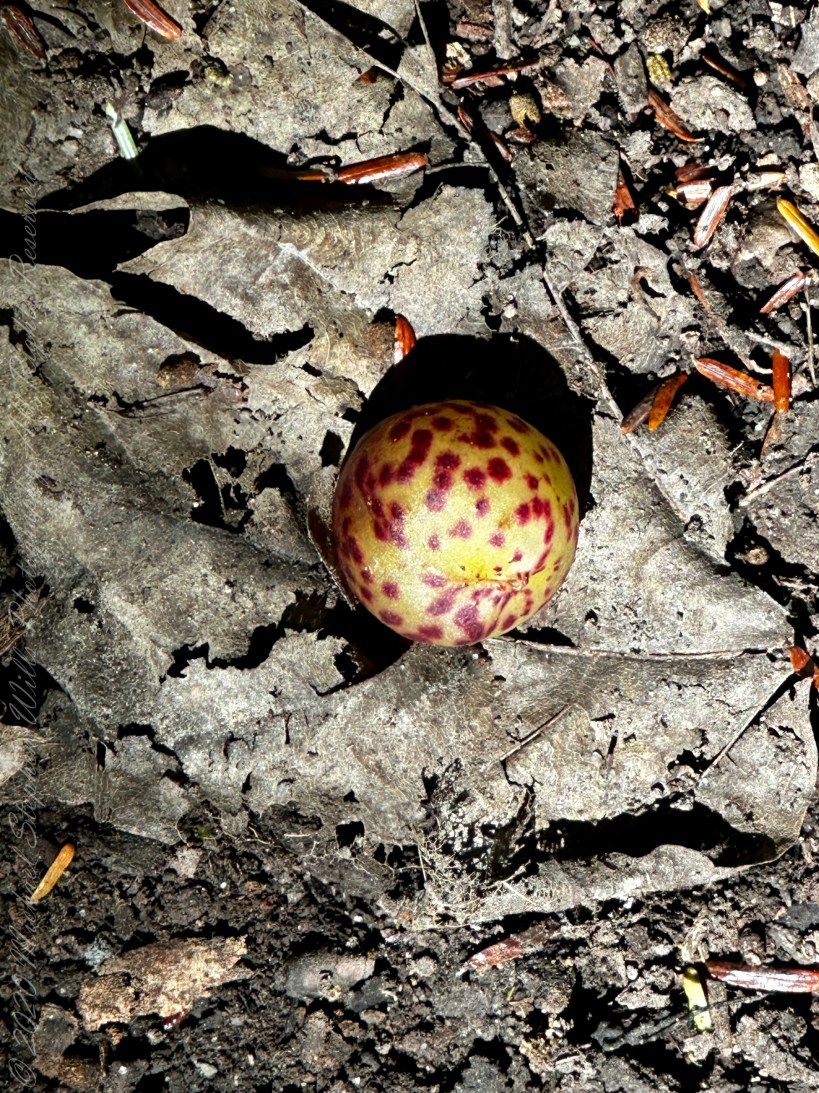
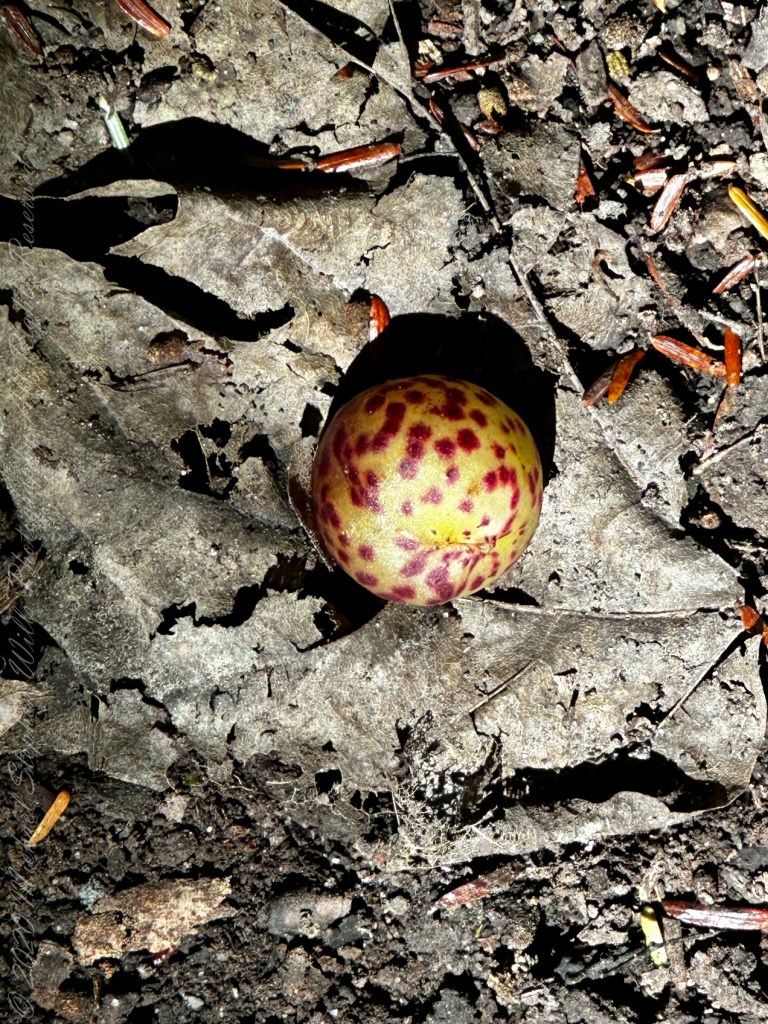
Eventually the former stream bed intersects with a work road sloping back down to the Gorge Trail. It was here I found the oak apple gall of yesterday’s posting.
Copyright 2023 All Rights Reserved Michael Stephen Wills
This is an Oak Apple gall. An adult female wasp lays single eggs in developing leaf buds. The wasp larvae feed on the gall tissue resulting from their secretions, which modify the oak bud into the gall, a structure that protects the developing larvae until they undergo metamorphosis into adults.
“Oak galls have been used in the production of ink since at least the time of the Roman Empire. From the Middle Ages to the early twentieth century, iron gall ink was the main medium used for writing in the Western world.”
“Gall nuts are a source of tannin in the production of iron gall ink. Tannins belong to a group of molecules known as polyphenols and can be taken from different parts of plants such as leaves, pods, fruits, and gall nuts.”
“Along with gall nuts, other important ingredients in the production of iron gall ink include iron sulfate and gum arabic. The reaction between the tannins from the gall nut and the iron produces a complex that gives the iron gall ink its color. The gum arabic makes the ink more viscous and helps bind the ink to the writing surface.”
“According to recent research, traces of iron-gall ink have been found on the Dead Sea scrolls and on the ‘lost’ Gospel of Judas. Iron-gall ink may have been used for 1,800 years, but it does not withstand the test of time well. Over the course of centuries, the ink fades, and discolours and damages the paper. Iron gall ink is manufactured chiefly by artists enthusiastic about reviving old methods or possibly forgers of old documents.”
Reference: text in italics and quotes is from the Wikipedia, “Oak Apple Gall” and “Oak Marble Gall.”
Copyright 2023 All Rights Reserved Michael Stephen Wills
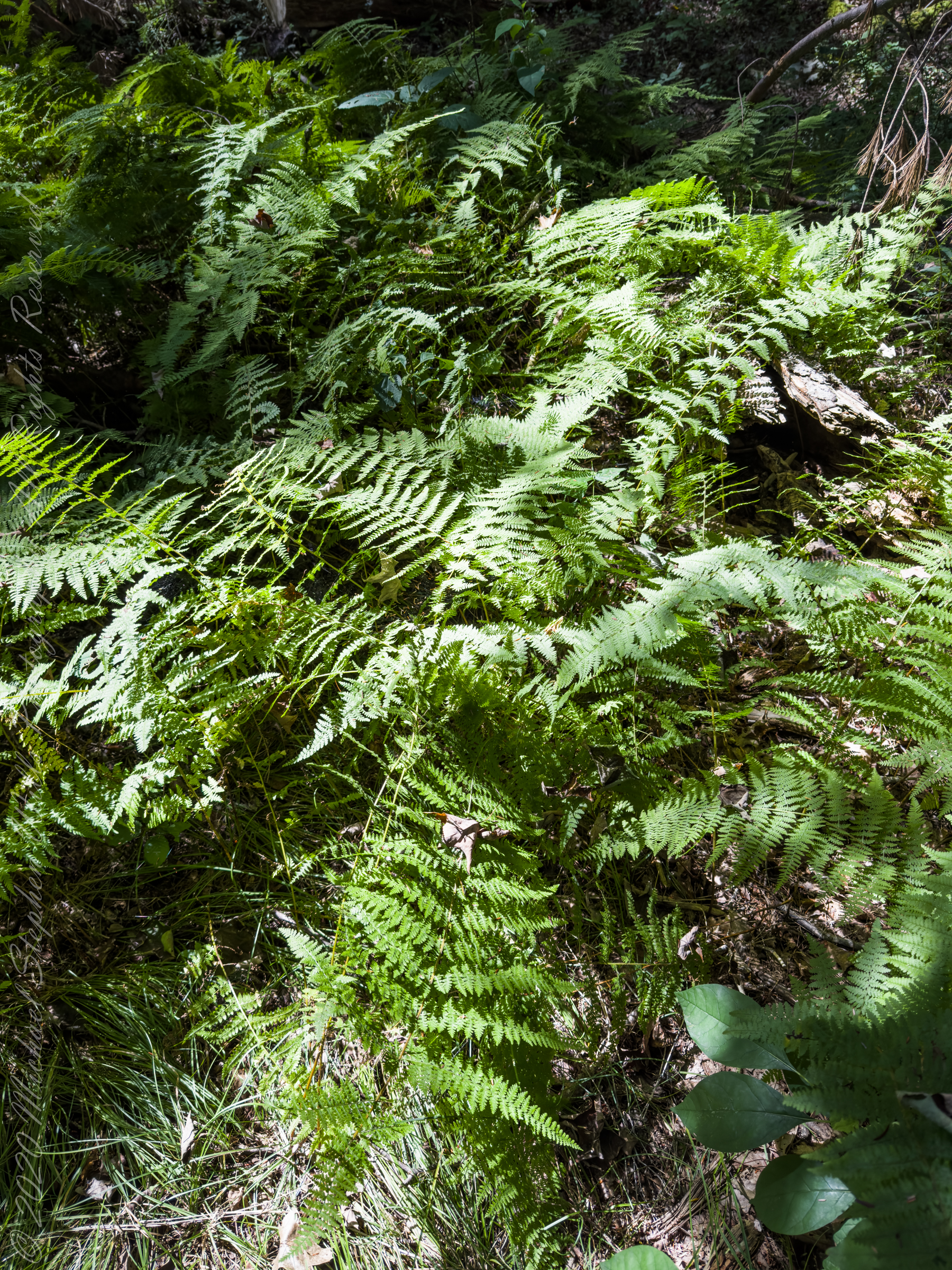
“Dennstaedtia punctilobula, the eastern hayscented fern or hay-scented fern, is a species of fern native to eastern North America, from Newfoundland west to Wisconsin and Arkansas, and south in the Appalachian Mountains to northern Alabama; it is most abundant in the east of its range, with only scattered populations in the west.”
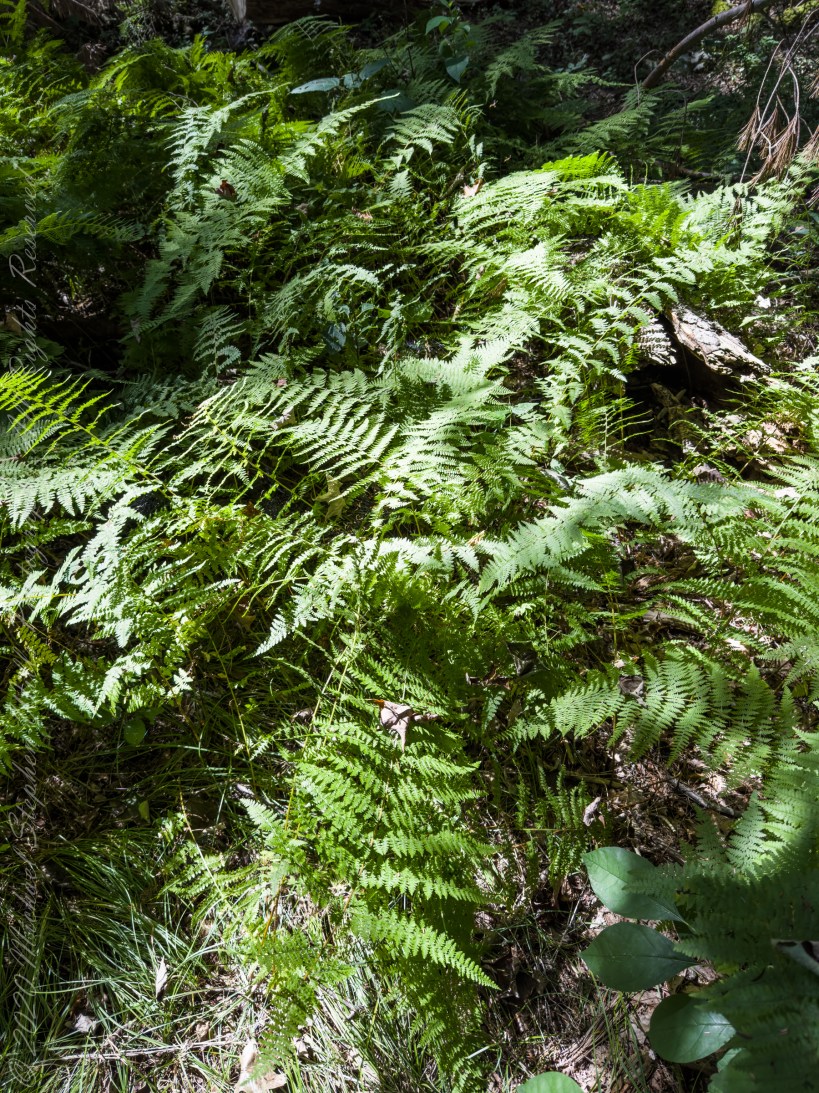
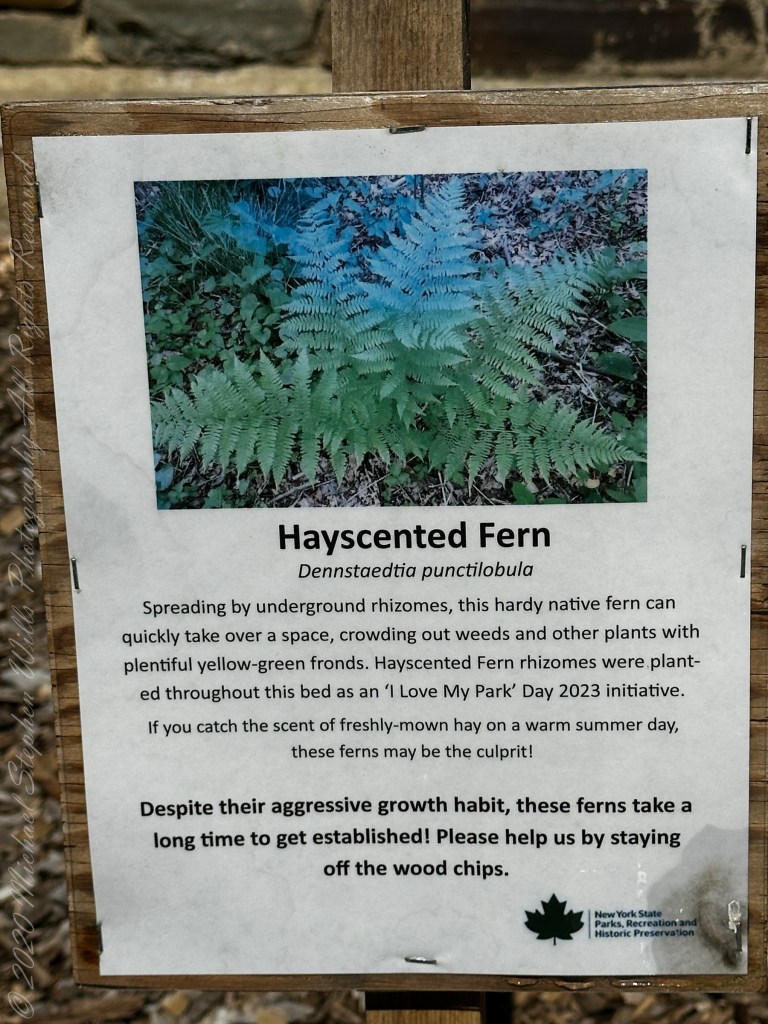
Hayscenter Fern ( Dennstaedtia punctilobula), spreading by underground rhizomes, this hardy fern native to the Finger Lakes Region of New York State, can quickly take over a space, crowding out weeds and other plants with plentiful yellow-green fronds.
“It is a deciduous fern with fronds growing to 40–100 cm (rarely 130 cm) tall and 10–30 cm broad; the fronds are bipinnate, with pinnatifid pinnules about three times as long as broad. It occurs in damp or dry acidic soils in woods or open woods, from sea level up to 1,200 m altitude.”
“Dennstaedtia punctilobula can exhibit varying degrees of phototropism. The common name “Hay-scented Fern” comes from the fact that crushing it produces an aroma of fresh hay.“
“The presence of D. punctilobula influences the dynamics of the understory vegetation of many forests in the eastern United States. An abundance of highbush blackberry (Rubus allegheniensis) in open areas encourages new tree seedlings. Where the effects of herbivorous animals (such as deer) reduce the abundance of R. allegheniensis, D. punctilobula, which is not browsed by deer, takes over. Where D. punctilobula becomes common, the growth of tree seedlings is restricted.”
Reference: text in italics and quotes is from the Wikipedia, “Dennstaedtia punctilobula.”
Copyright 2023 All Rights Reserved Michael Stephen Wills
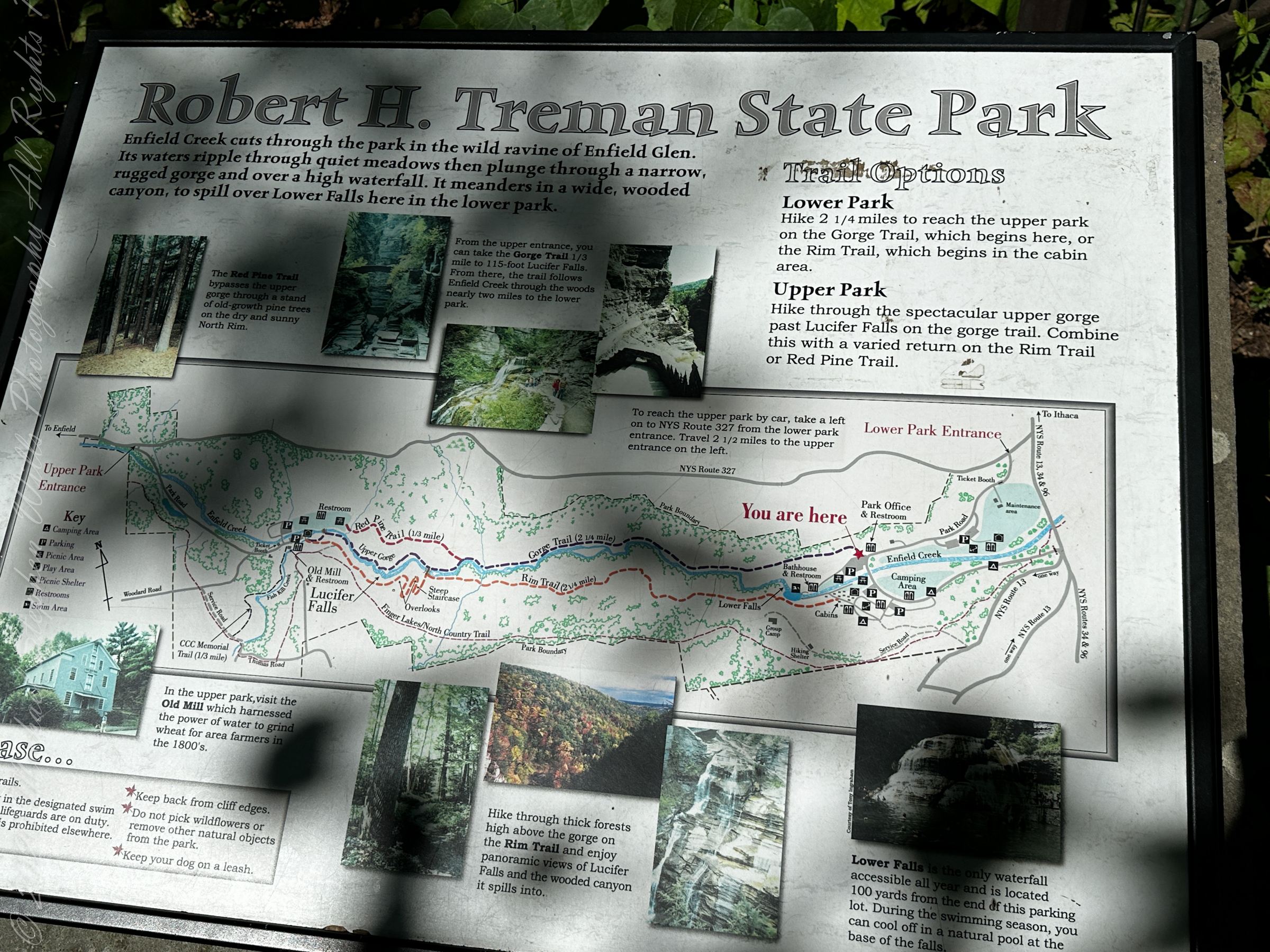
Today I walked the Gorge Trail to below Lucifer Falls, crossed the bridge and returned via the South Rim Trail, a trip of over 5 miles according to the Apple IPhone 14 Pro Max used for these photographs.
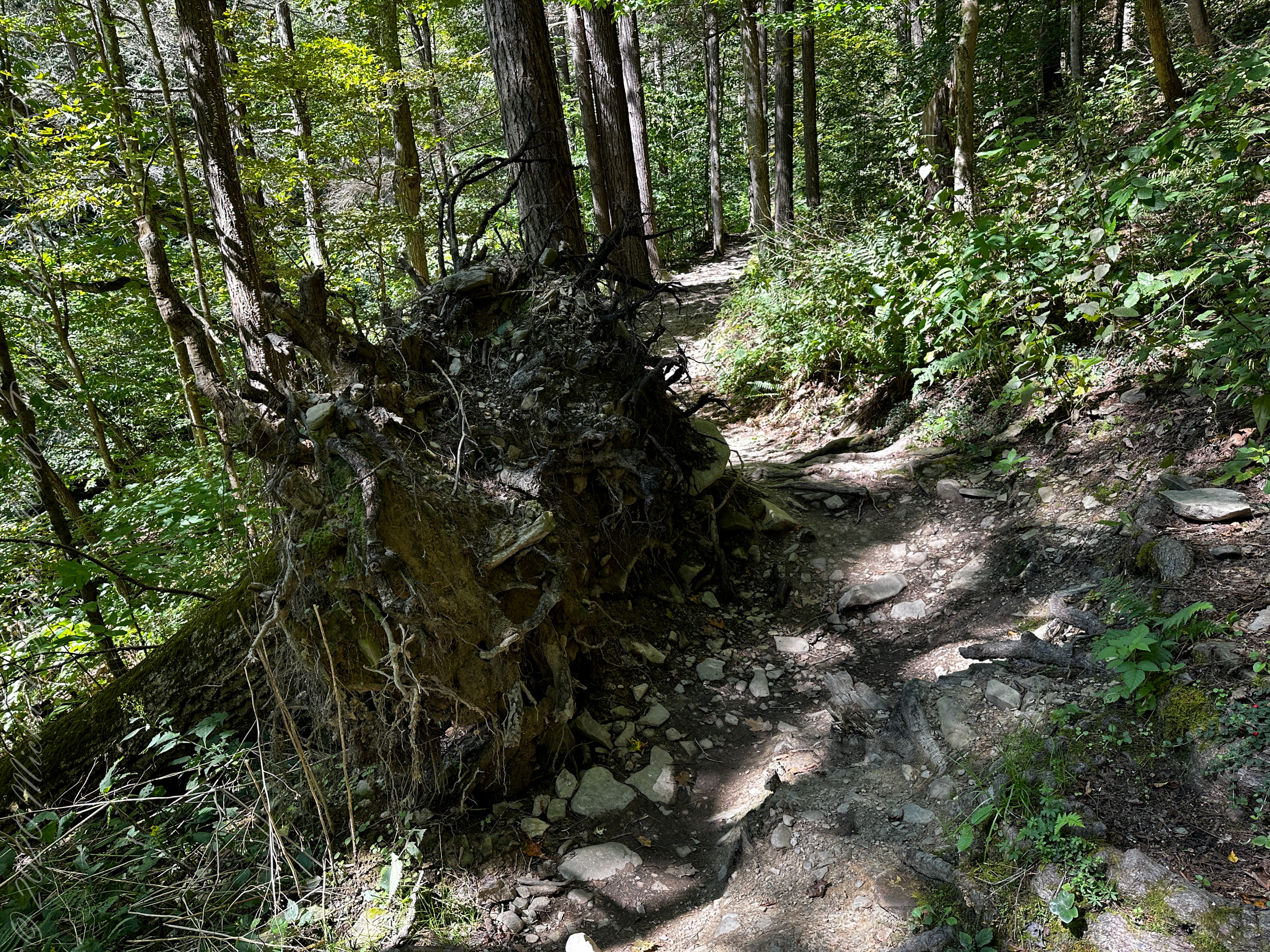
Thankful I was not here when this tree gave way across the trail.
Information about a cultivated fern, followed by a photograph of the wild version, trailside.
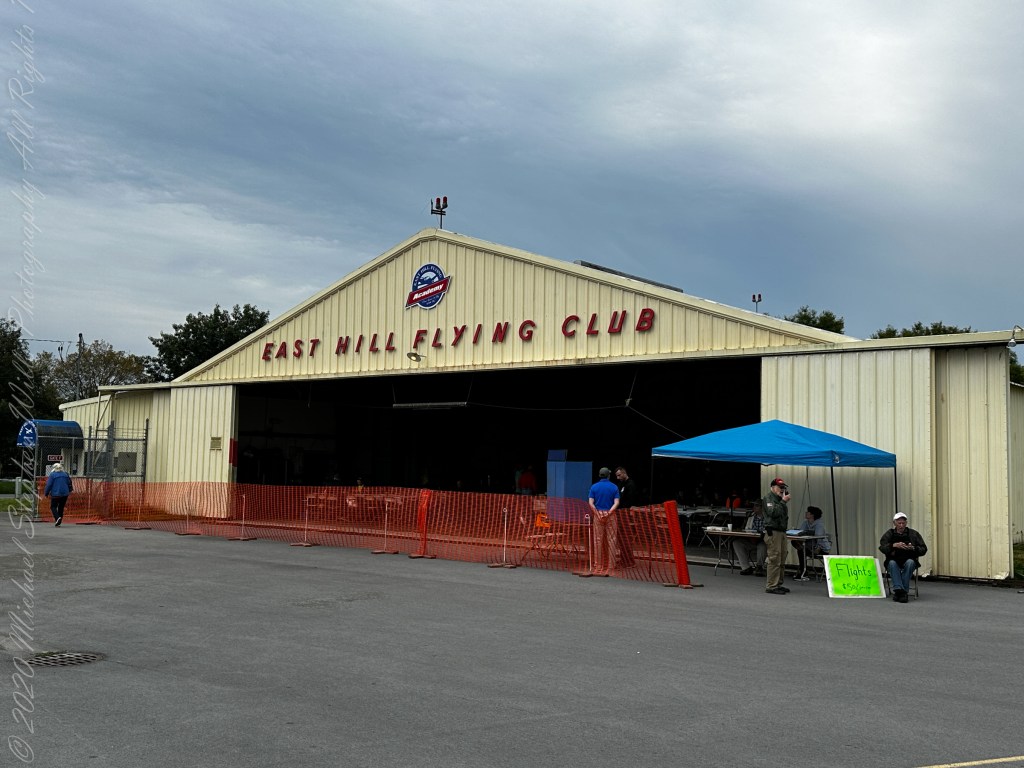
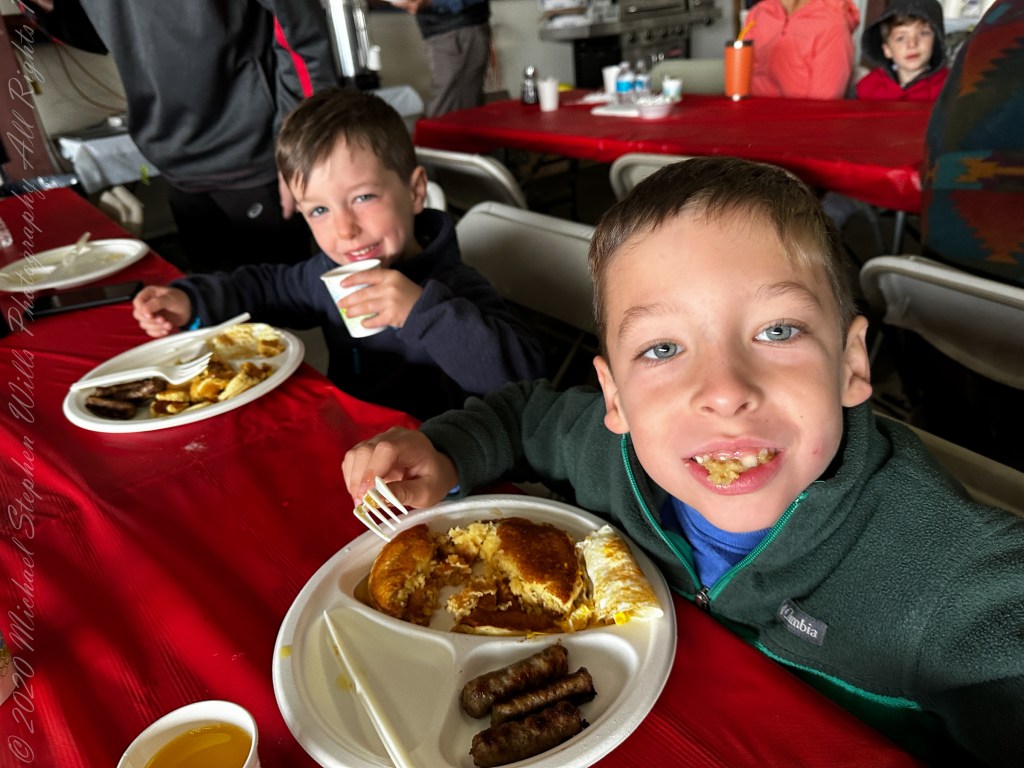
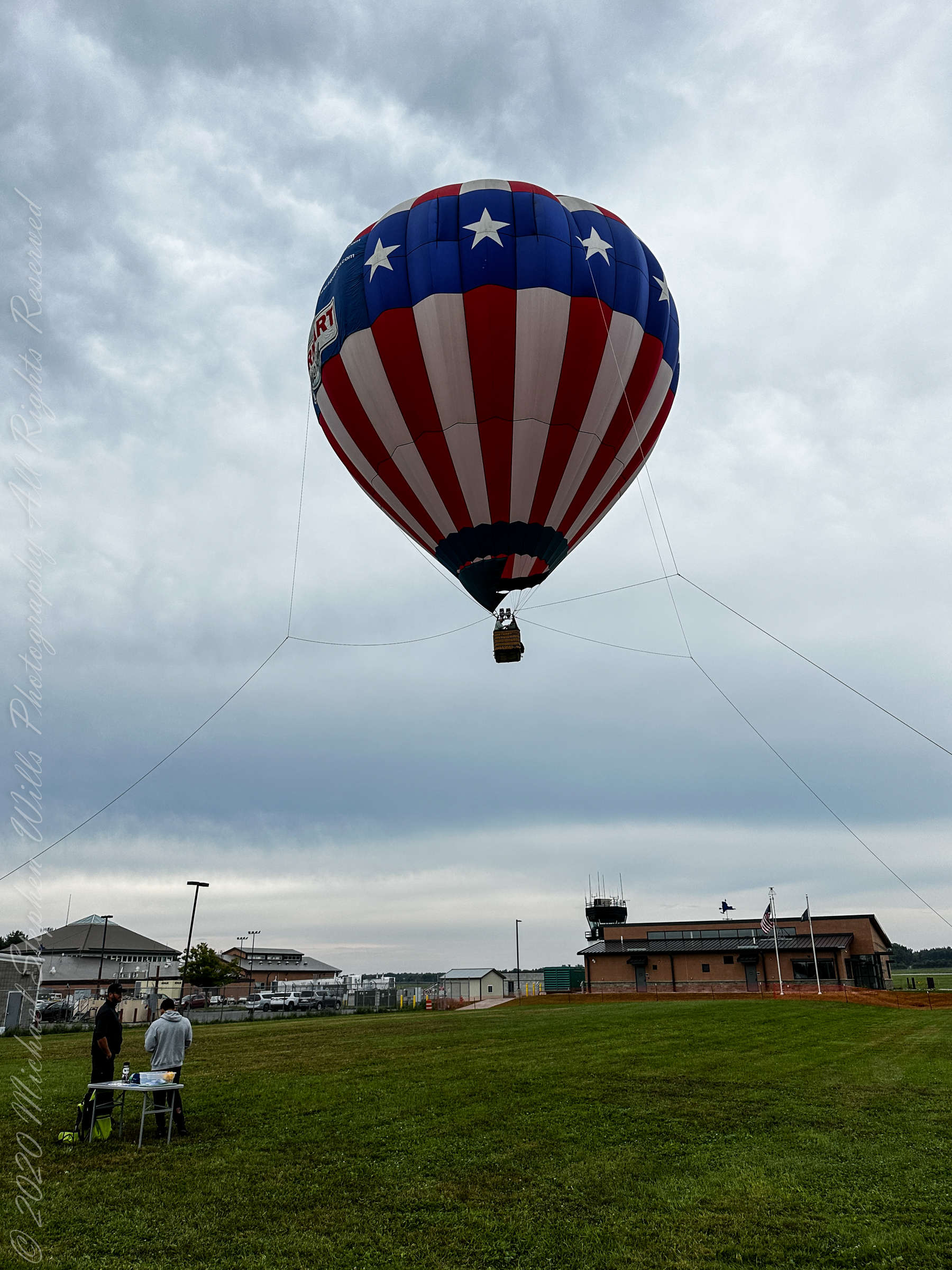
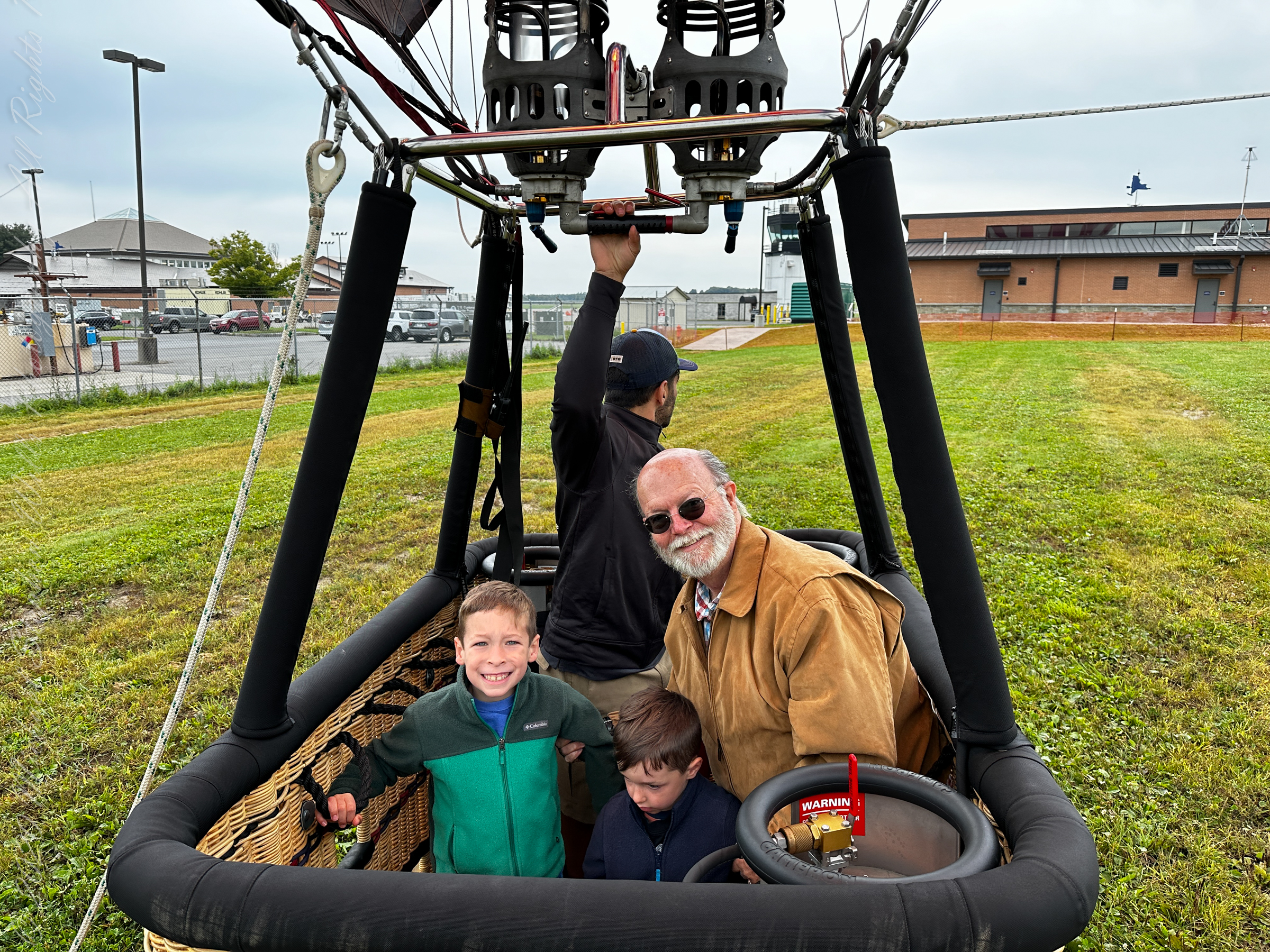
Airport Day was hosted by the East Hill Flying Club, the pancake breakfast was in the hangar.
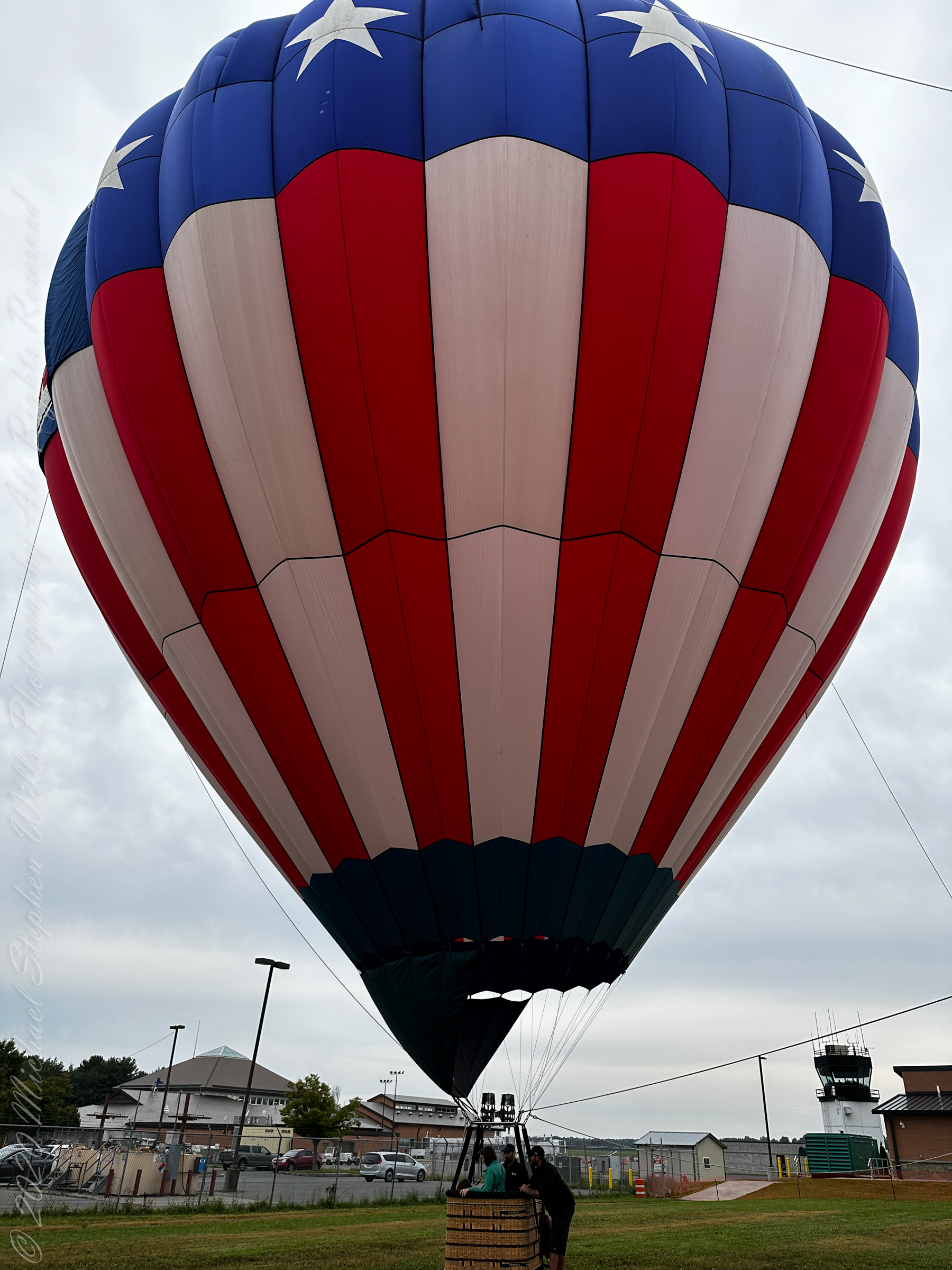
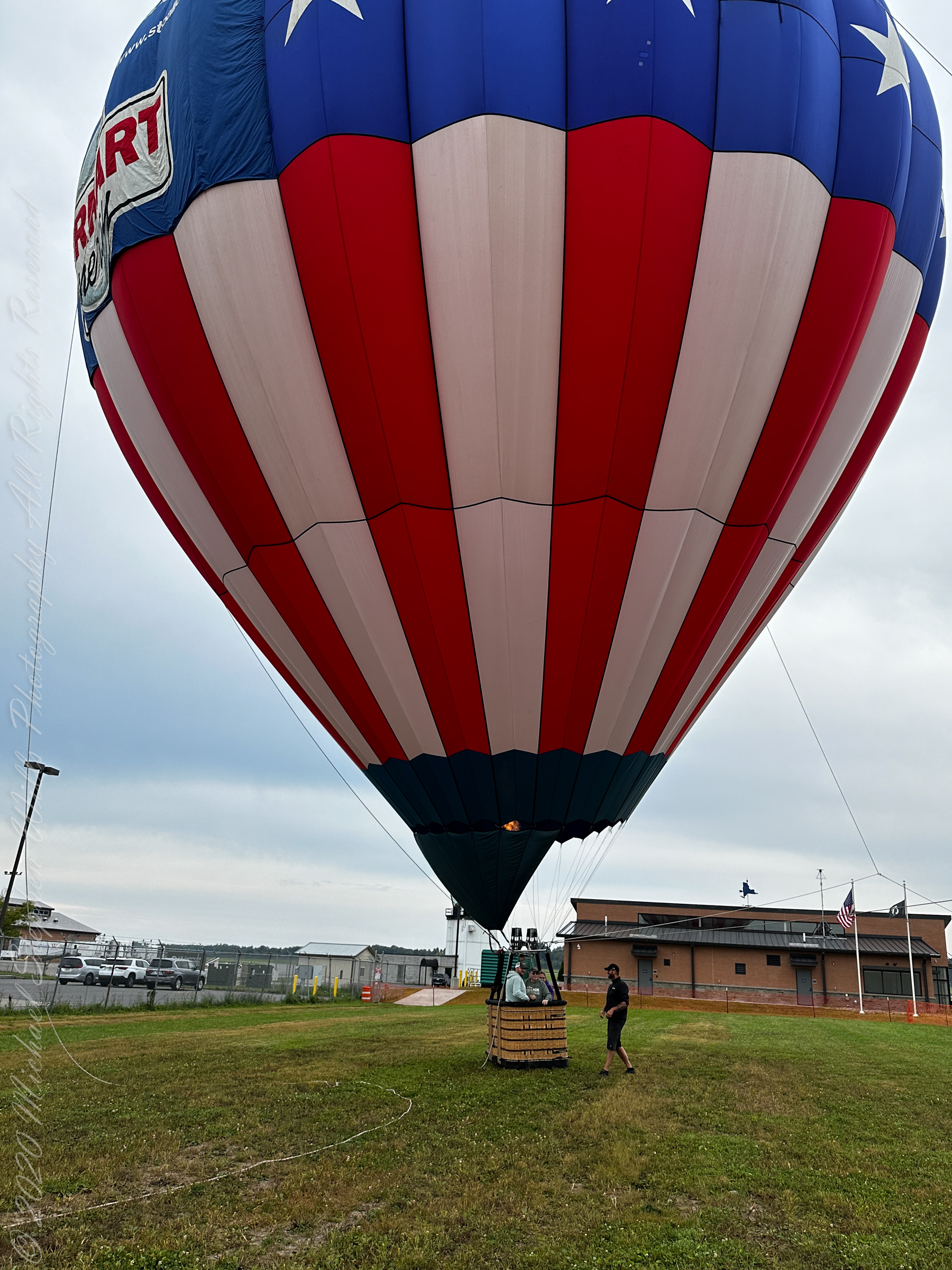
We learned why a hot air balloon cannot “pop.”
The propane burner announces the approach of every hot air baloon.
The operator kept careful watch over this landing helicopter, Sam was nervous anyway.
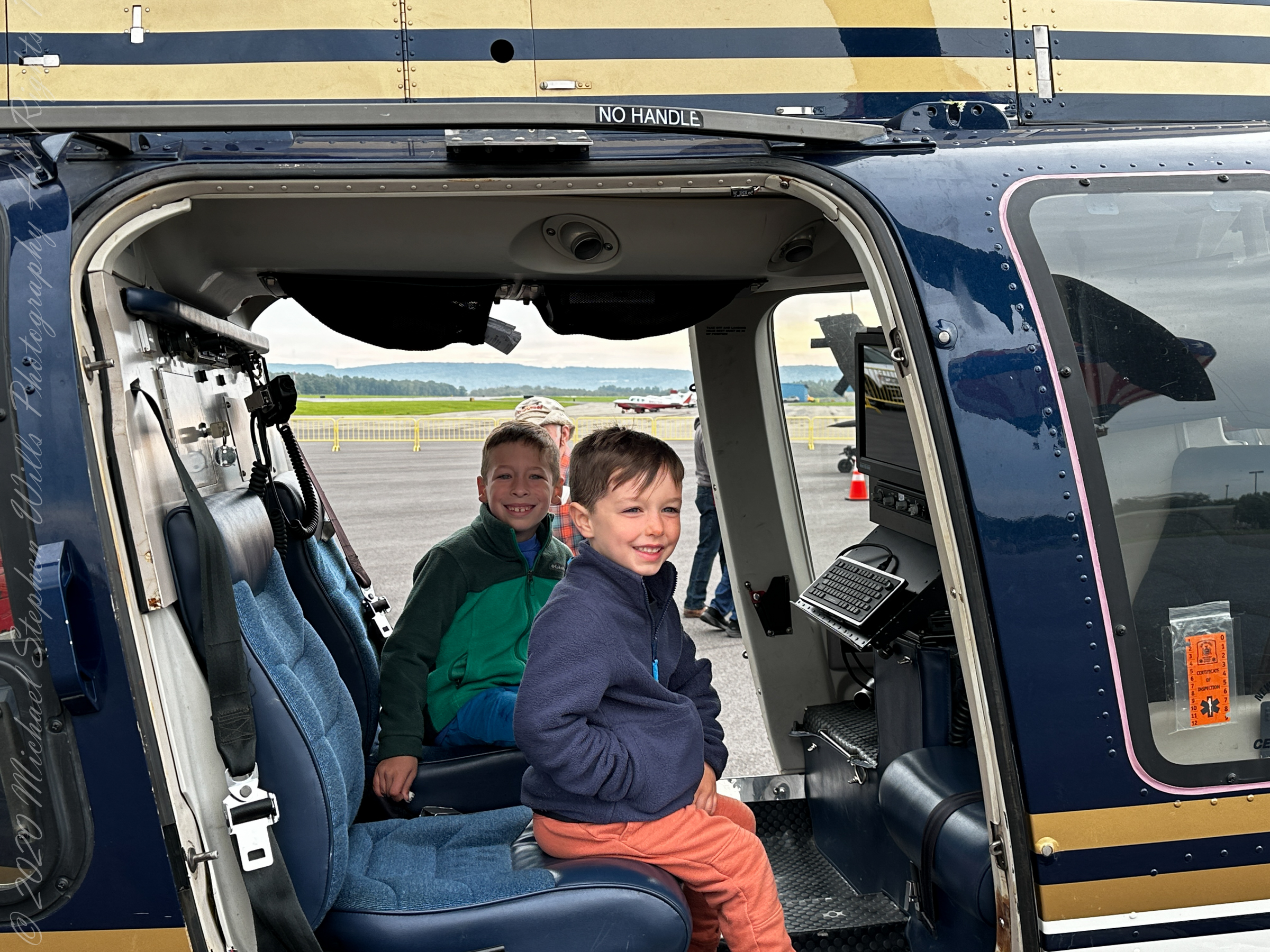
While we were aloft the New York State Police helicopter completed landing next to the U.S. Army Helicopter.
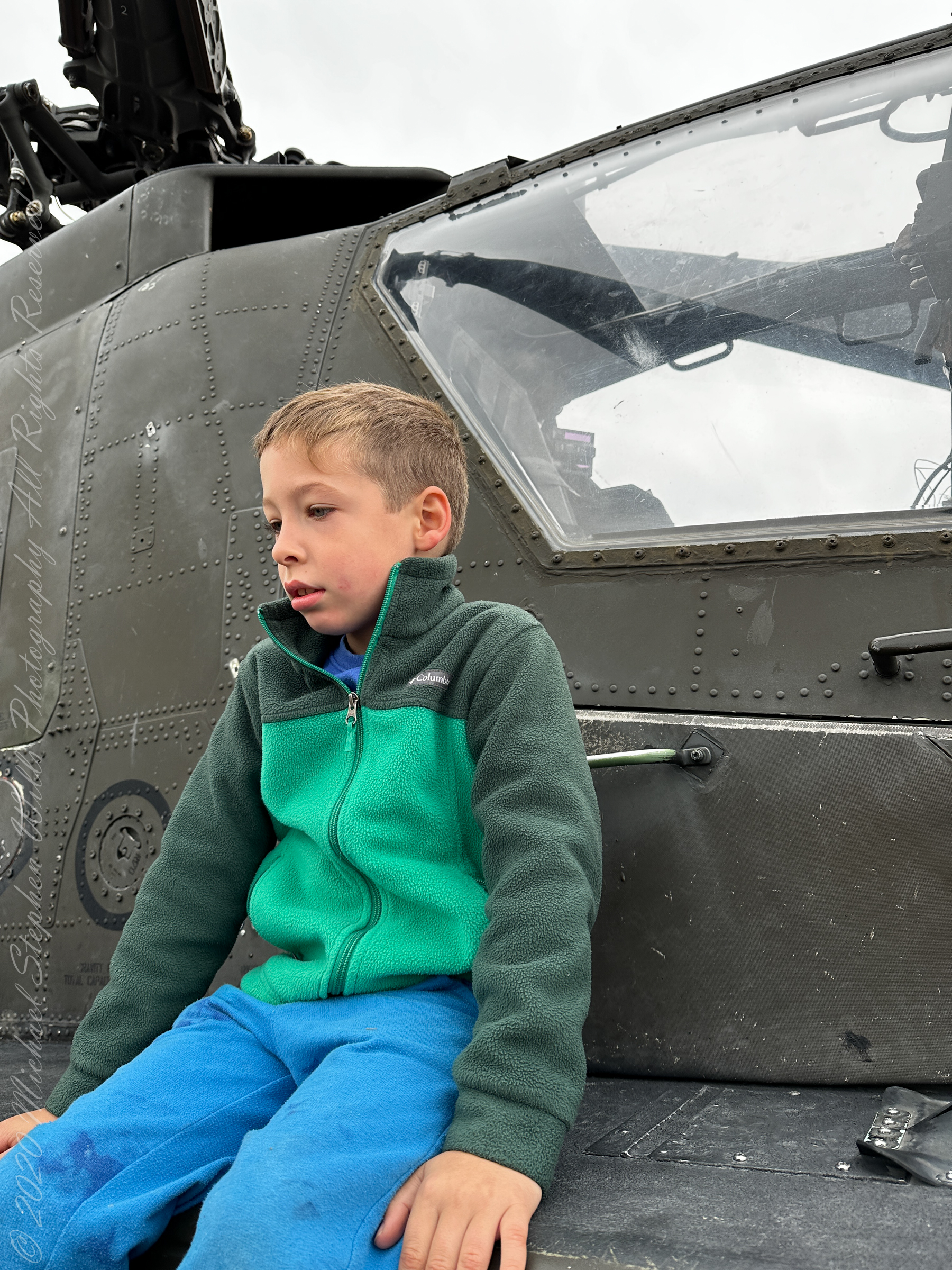
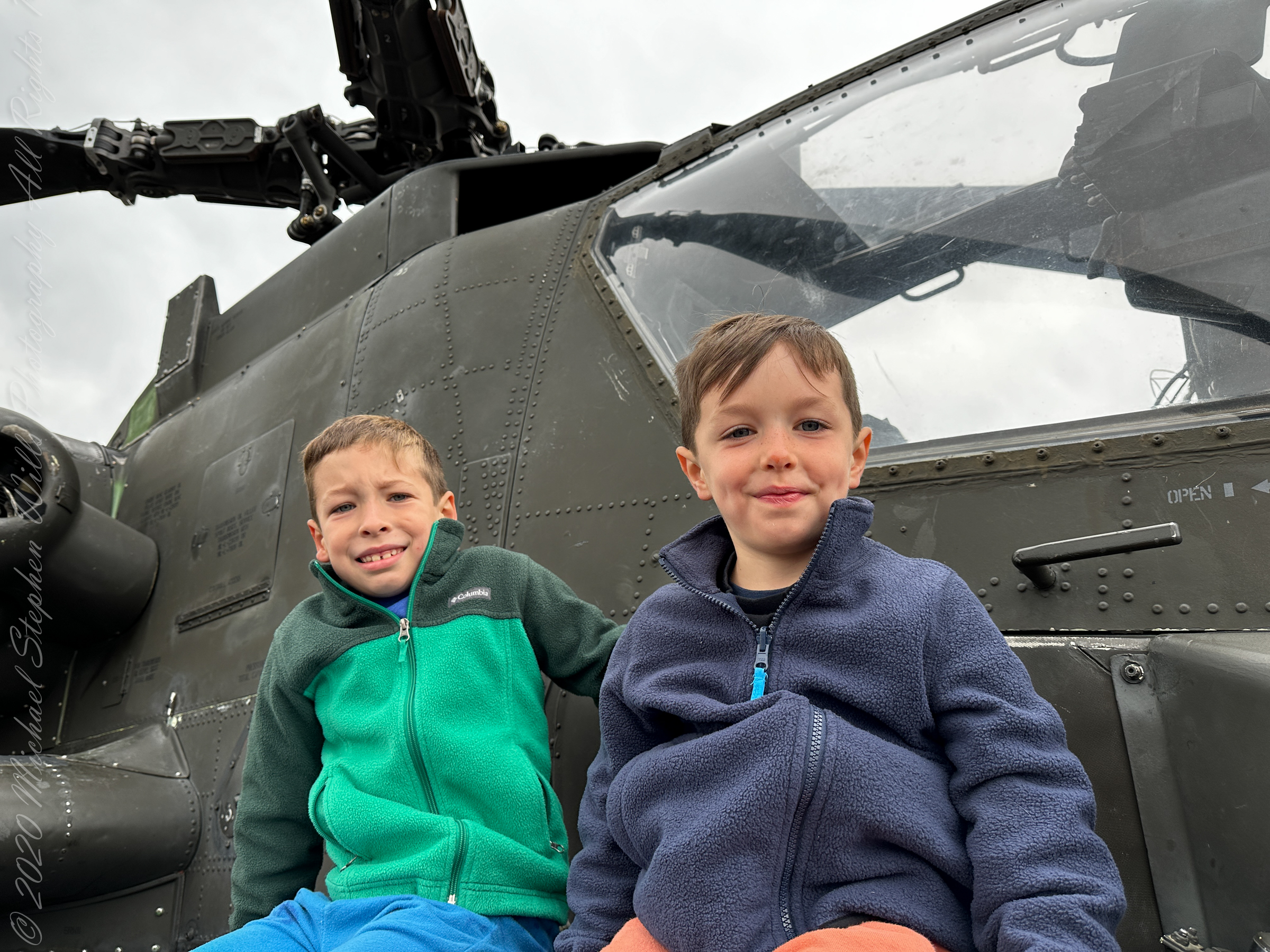
U.S. Army Helicopter — Sam was not a fan of the potential firepower, Rory was all in
New York State Police Helicopter
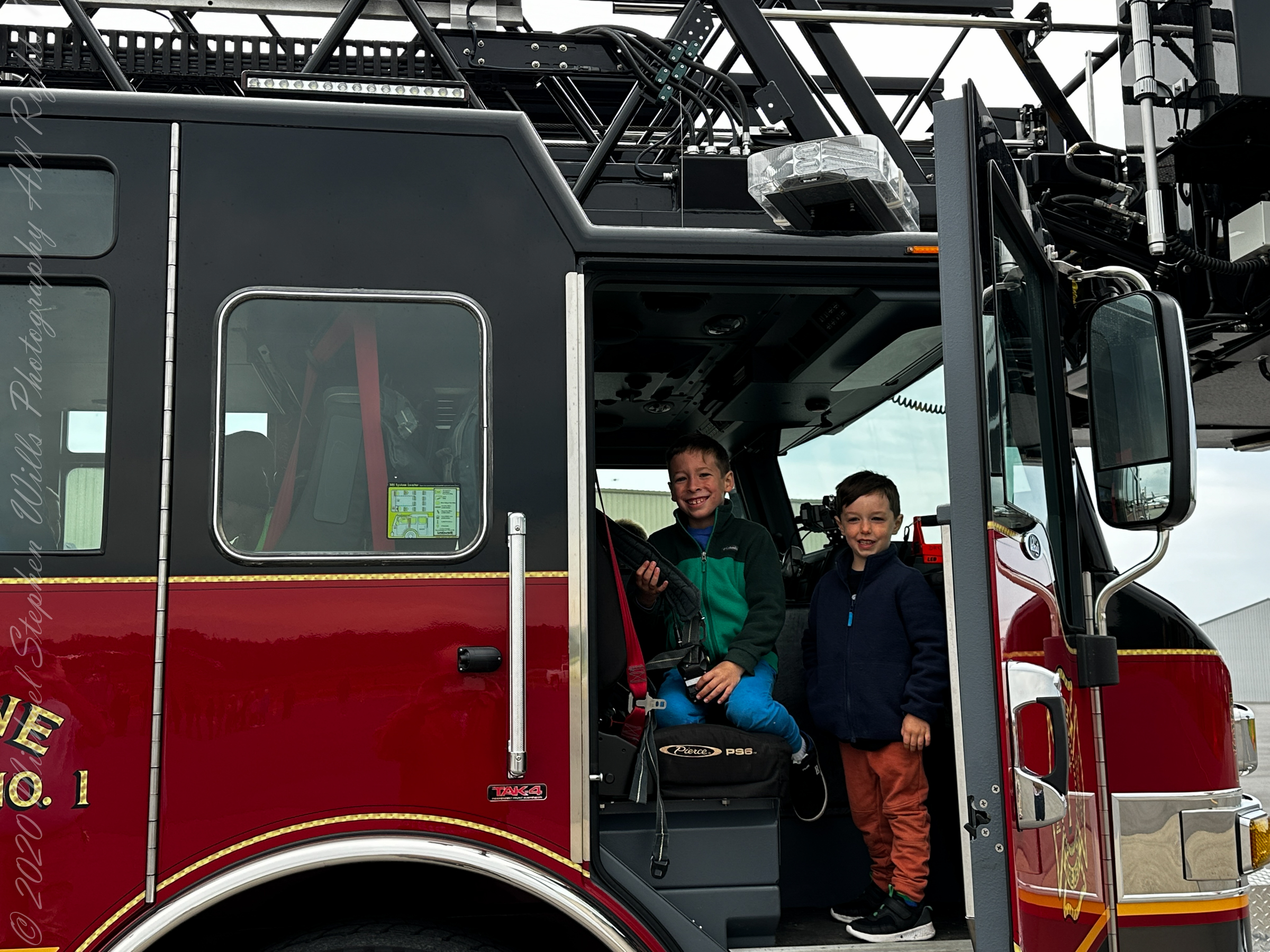
Dryden Volunteer Fire Department Firetruck
The Friendly Clown was excellent!!
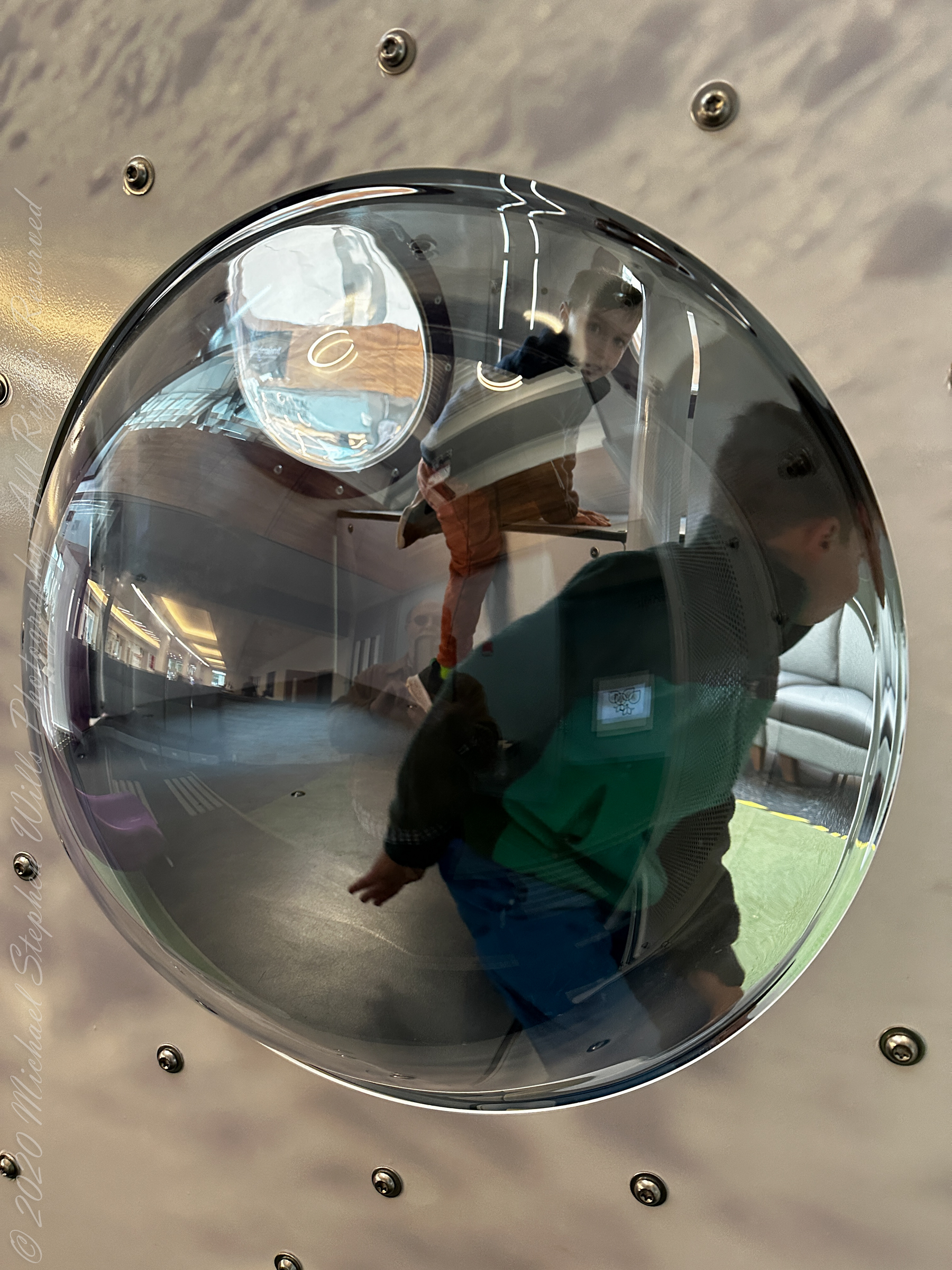
The Airport Terminal was not part of the day’s events, I took Sam and Rory there once, to visit the bathroom, and ever since they insist on visiting the play area
Copyright 2023 Michael Stephen Wills All Rights Reserved
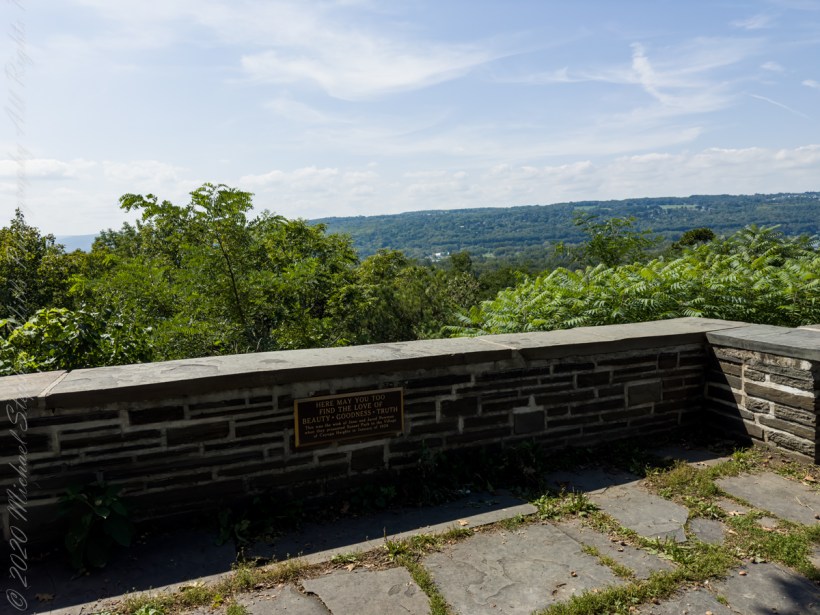
After living here since 1986 I discovered this Cayuga Heights park on a warm early September day, 2023.
Looking across Cayuga Lake, not visible in the valley, to West Hill.
Plaque inscription: “Here may you too find the love of beauty, goodness, truth. This was the wish of Jane and Jared Newman when they presented Sunset Park to the village of Cayuga Heights in January of 1938.”
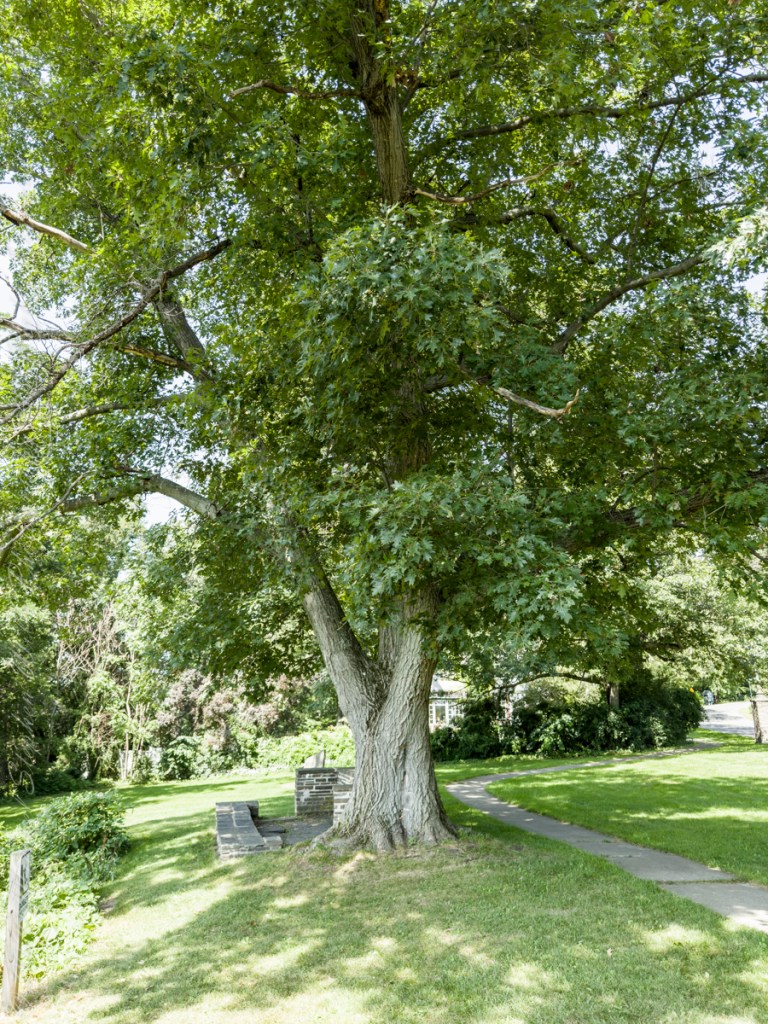
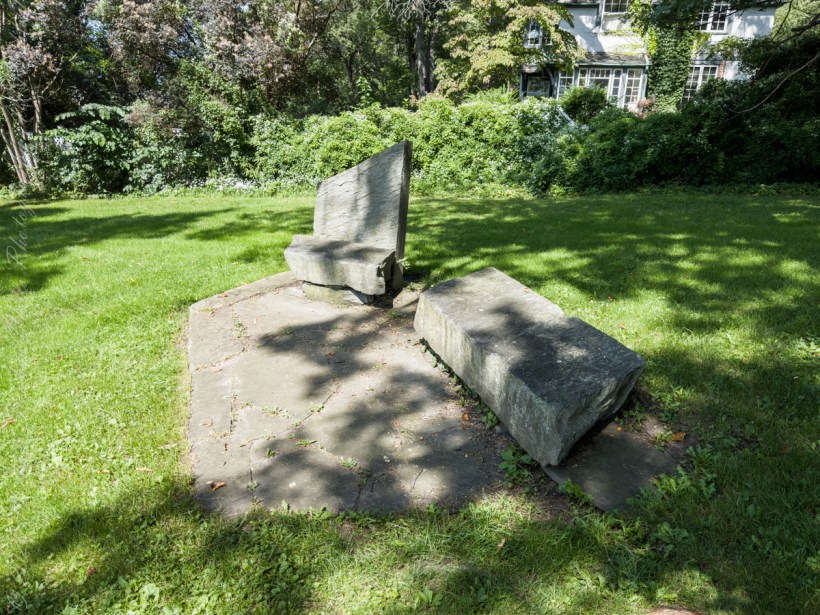
Rest on a limestone bench beneath a mature oak tree.
Limestone benches
View across Ithaca towards West Hill and, in the far distance, Connecticut Hill.
Copyright 2023 Michael Stephen Wills All Rights Reserved
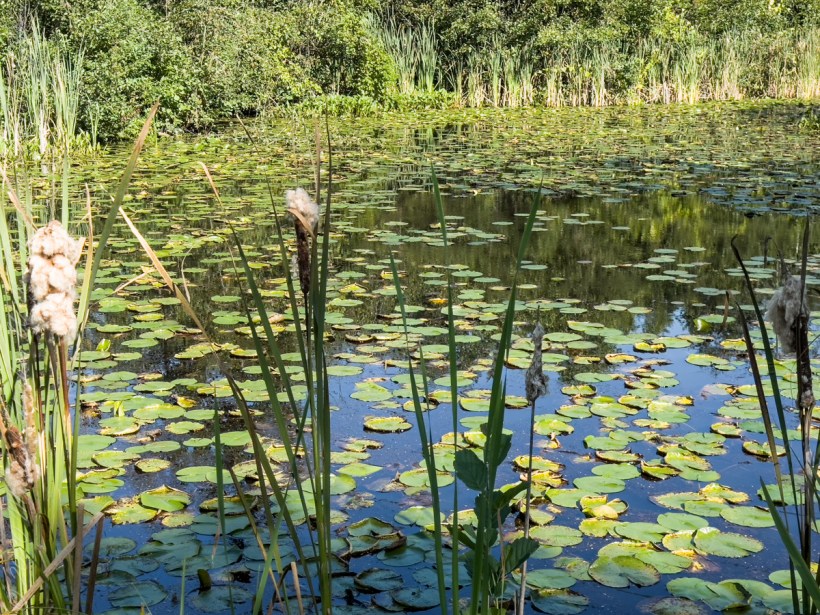
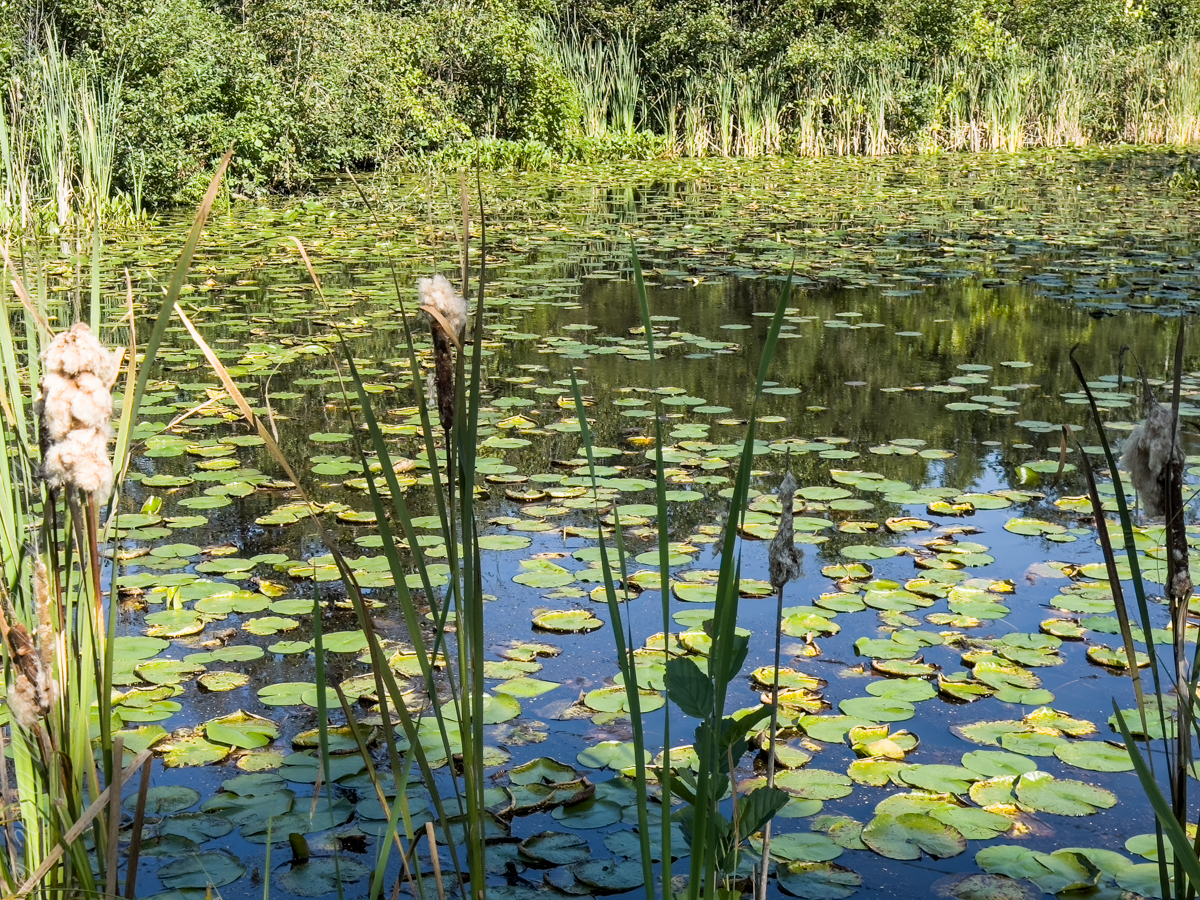
Thursday last, grandsons Sam and Rory and I visited Sapsucker Woods, enjoying a late summer morning from a wooden observation platform over this watery swamp. “Look, hot dogs!!”
“Typha is a genus of about 30 species of monocotyledonous flowering plants in the family Typhaceae. These plants have a variety of common names, in British English as bulrush or reedmace, in American English as reed, cattail, or punks, in Australia as cumbungi or bulrush, in Canada as bulrush or cattail, and in New Zealand as reed, cattail, bulrush or raupo.”
“Many parts of the Typha plant are edible to humans. Before the plant flowers, the tender inside of the shoots can be squeezed out and eaten raw or cooked. The starchy rhizomes are nutritious with a protein content comparable to that of maize or rice. They can be processed into a flour with 266 kcal per 100 grams, and are most often harvested from late autumn to early spring. They are fibrous, and the starch must be scraped or sucked from the tough fibers. Baby shoots emerging from the rhizomes, which are sometimes subterranean, can be picked and eaten raw. Also underground is a carbohydrate lump which can be peeled and eaten raw or cooked like a potato. The plant is one championed by survival experts because various parts can be eaten throughout the year. Plants growing in polluted water can accumulate lead and pesticide residues in their rhizomes, and these should not be eaten.”
“The rind of young stems can be peeled off, and the tender white heart inside can be eaten raw or boiled and eaten like asparagus. This food has been popular among the Cossacks in Russia, and has been called “Cossack asparagus”. The leaf bases can be eaten raw or cooked, especially in late spring when they are young and tender. In early summer the sheath can be removed from the developing green flower spike, which can then be boiled and eaten like corn on the cob. In mid-summer when the male flowers are mature, the pollen can be collected and used as a flour supplement or thickener.”
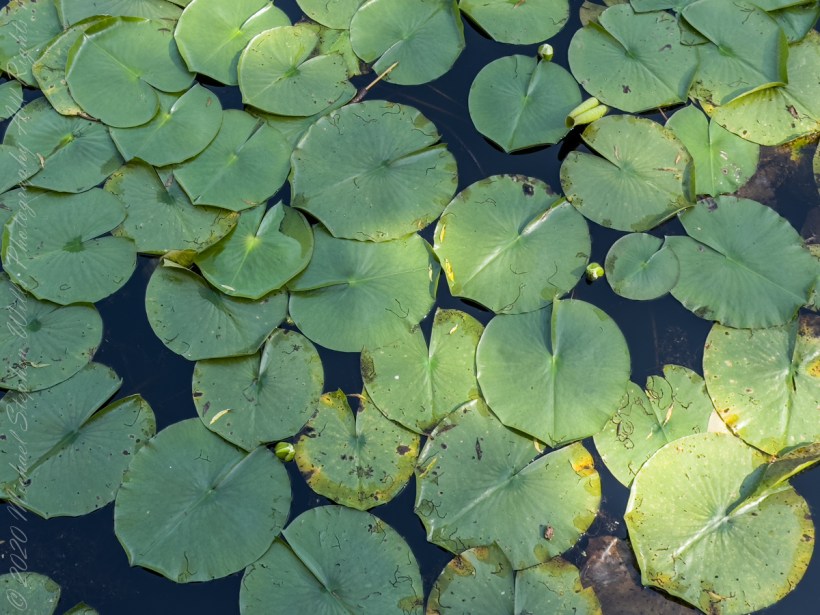
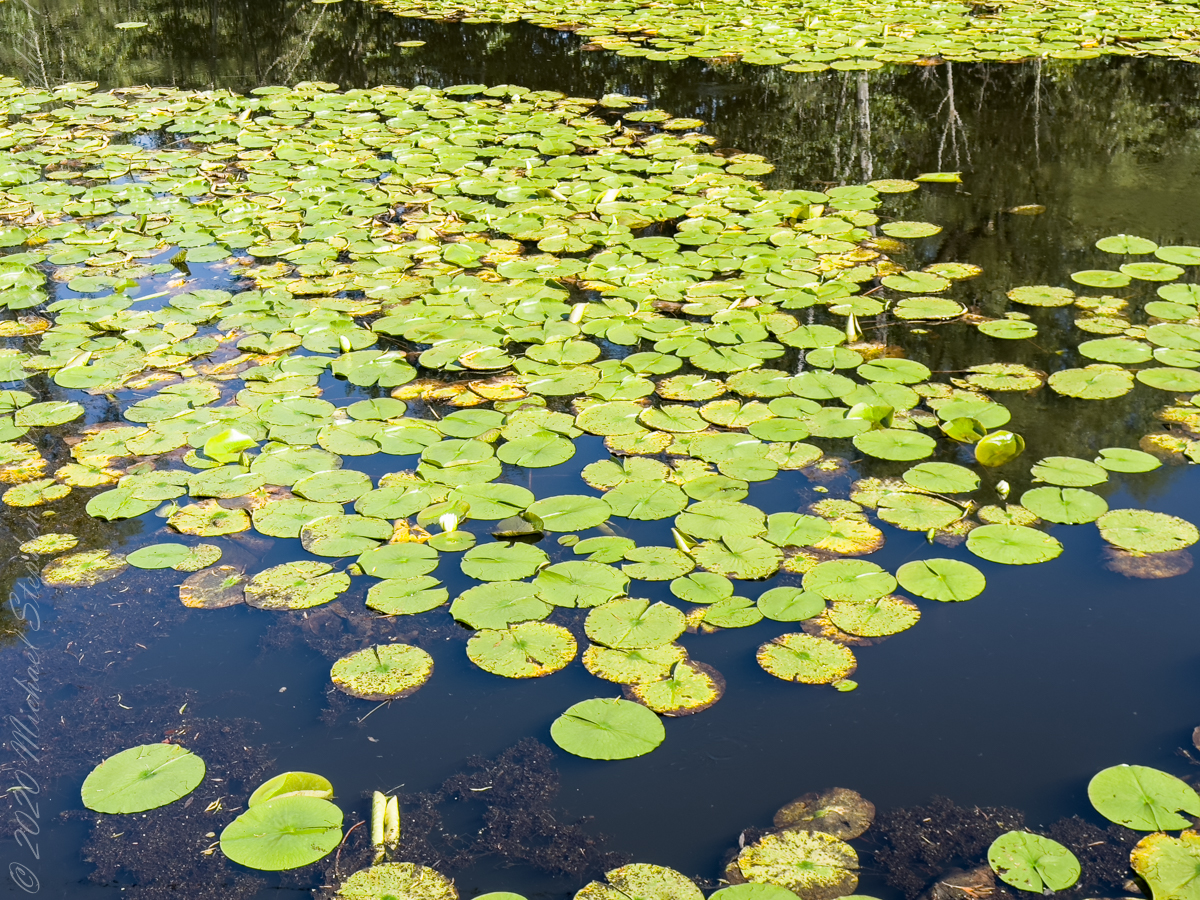
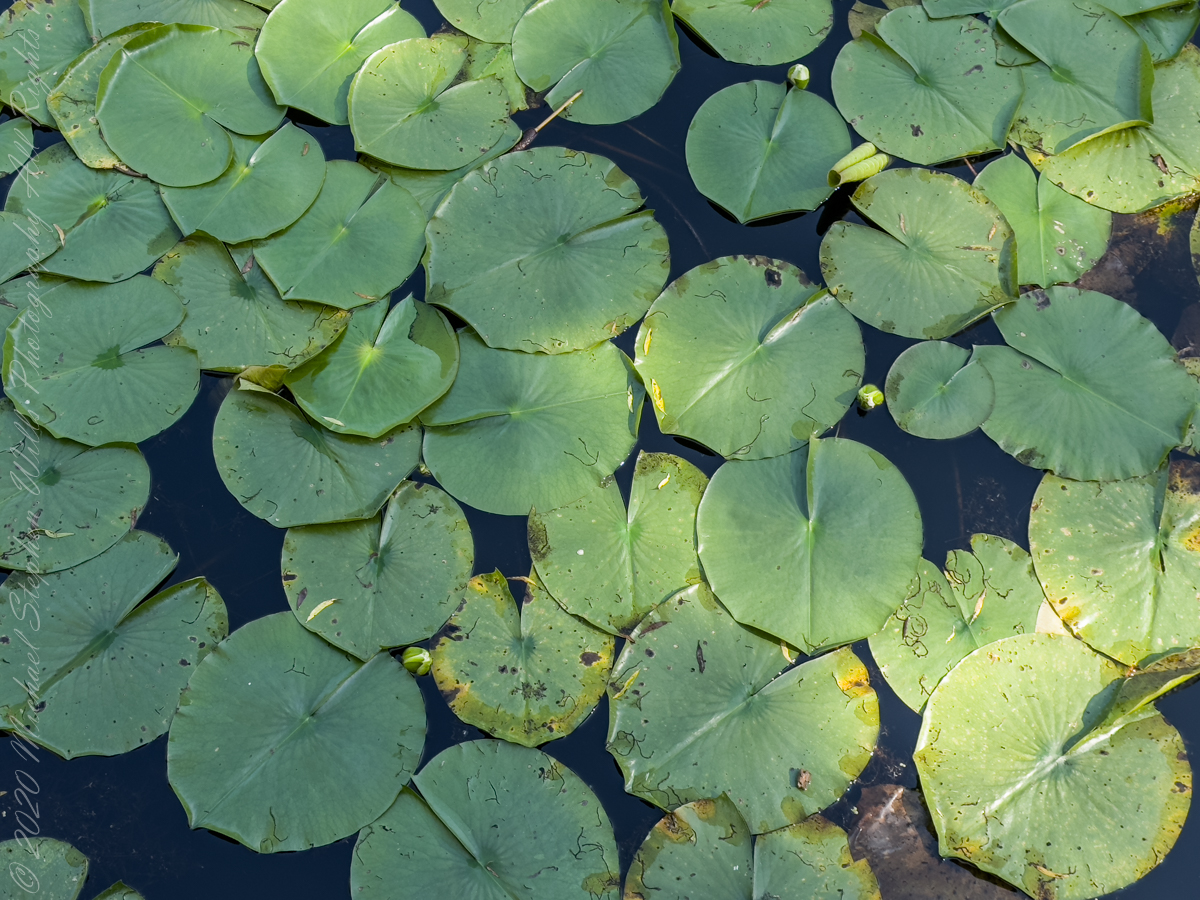
Thursday last, grandsons Sam and Rory and I visited Sapsucker Woods, enjoying a late summer morning we clambered onto a wooden platform over a watery swamp.
Look closely for flowers and buds of the White Water Lily native to New York State.
Although the young leaves of White Water-lily reportedly can be boiled and served as a vegetable, the main human use of this plant appears to have been medicinal. Native Americans used it as a herbal remedy for a variety of ailments, including colds, tuberculosis, bronchial complaints, toothaches, and mouth sores.
The many names for this plant: American White Waterlily, American White Water-lily, Fragrant Water-lily, Fragrant White Water Lily, Fragrant White Water-lily, Sweet Water-lily, Sweet-scented Water Lily, Sweet-scented White Waterlily, Tompkins County, Water, Water Lily, Waterlily, White Water Lily, White Waterlily, White Water-lily (Nymphaea odorata ssp. odorata)
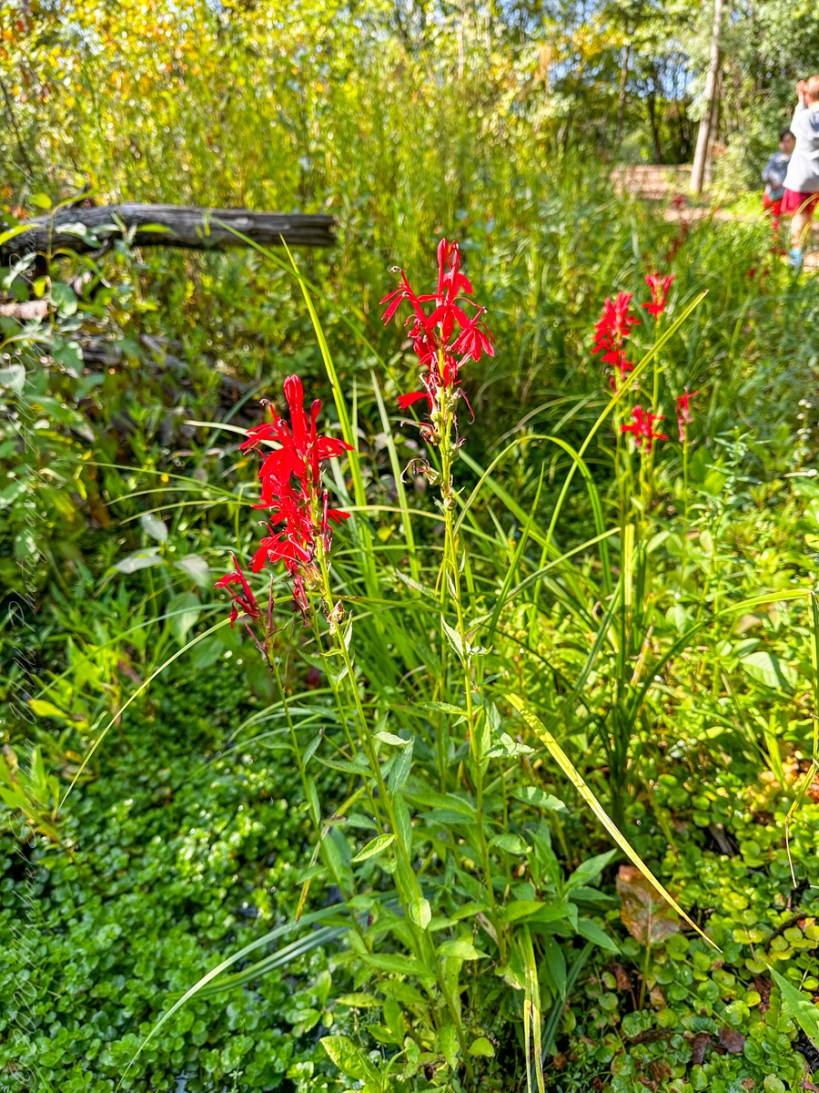
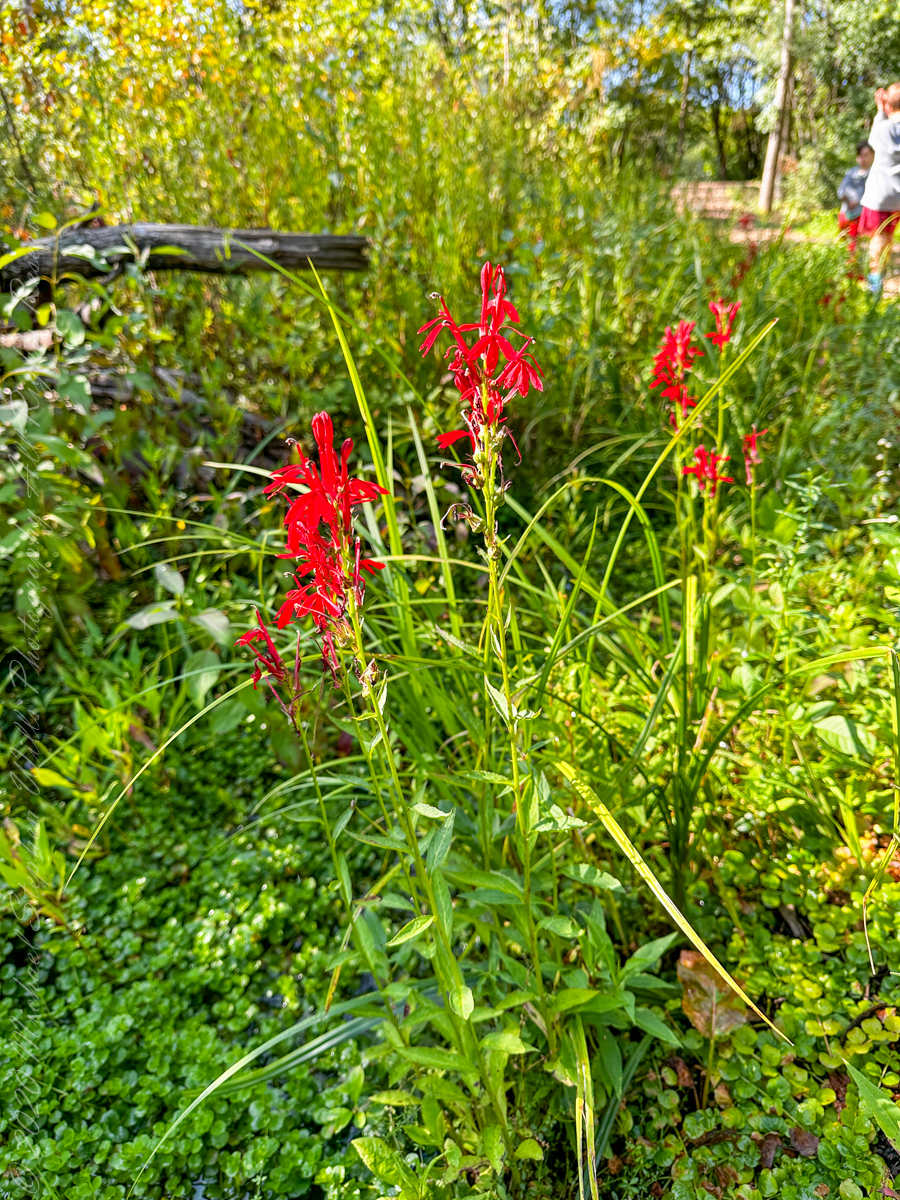
Thursday last, grandsons Sam and Rory and I visited Sapsucker Woods, enjoying a late summer morning we came upon many scarlet beauties.
Cardinal Flower (Lobelia cardinalis) is also known as Bog Sage, Cardinal Flower, Cornell Lab of Ornithology, Finger Lake Region, Hog’s Physic, Indian Pink, Red Bay, Sapsucker Woods, Scarlet Lobelia, Slinkweed, Water Gladiole.












 Michael Stephen Wills Photography