Among the desert wildflowers

Among the grasses, cacti and lichen-covered rocks were many small wildflowers

See Evening on Two Bar Mountain for another chapter of my four-day solo expedition to Reavis Falls in the remote eastern Superstition Wilderness.

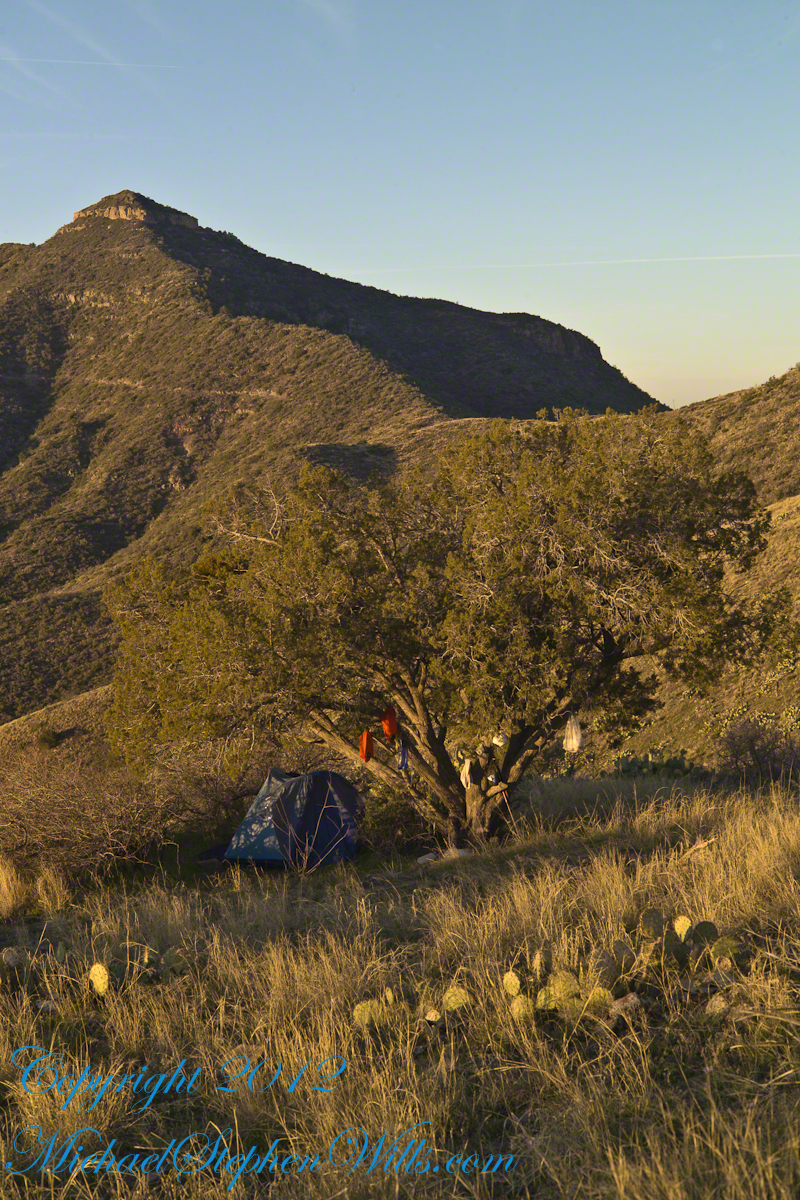
Campsite at Morning

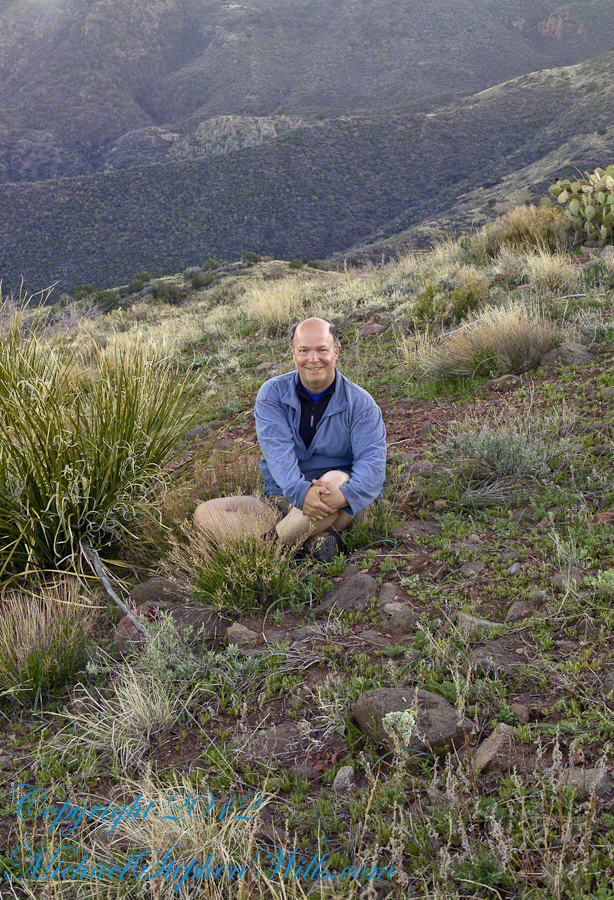
On the late-morning of day three I climbed out of the Reavis Creek valley to camp on the slopes of Lime Mountain.  There I watched the afternoon progress to evening, a full moon rise in a bright sky and other events featured in this blog.  All around my campsite under a lone juniper the mountain side was blooming.
Grasses, Cacti and Flowers

Among the grasses, cacti and lichen-covered rocks were many small wildflowers.  I was careful to avoid damaging them and otherwise enjoyed their beauty and plentiful blooms my entire stay.  I capture some of them in the early morning light and spent some time identifying them for you.
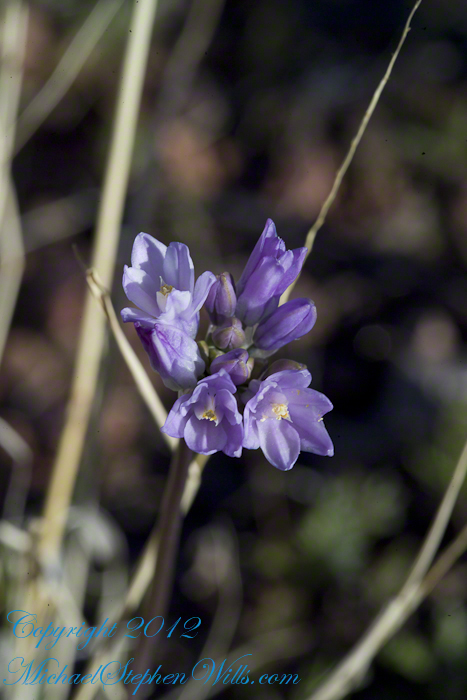
Desert Hyacinth is a perennial lilly (Liliaceae).

It grows from an onion-like bulb used for food by pioneers and Native Americans.  This lilly propagates through this bulb and, also, from seed that forms from these flowers.

The umbel-shaped flowers grow in clusters at the end of long, leafless stalks.  Each blossom is an inch across and has six segments that are like petals.

Also called Blue Dicks, bluedicks, Papago lily, purplehead, grassnuts, covena, coveria.
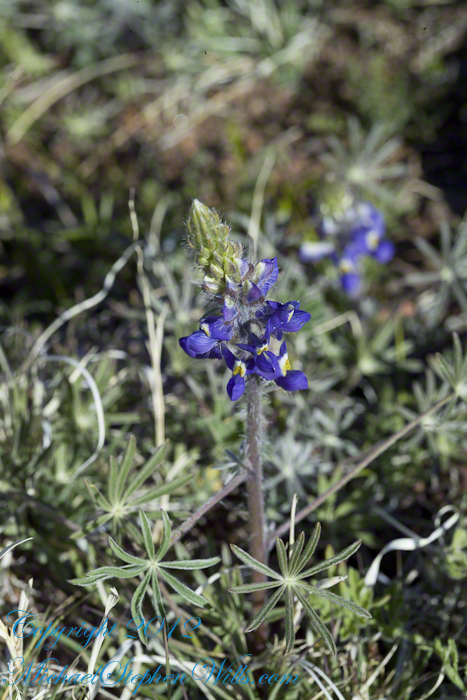
Lupine is a pea, a perennial herb and a favorite of bees. Like other lupines, it improves the soil.
Their root nodules, with the aid of certain bacteria, allow lupines and other legumes to absorb free nitrogen from the air.

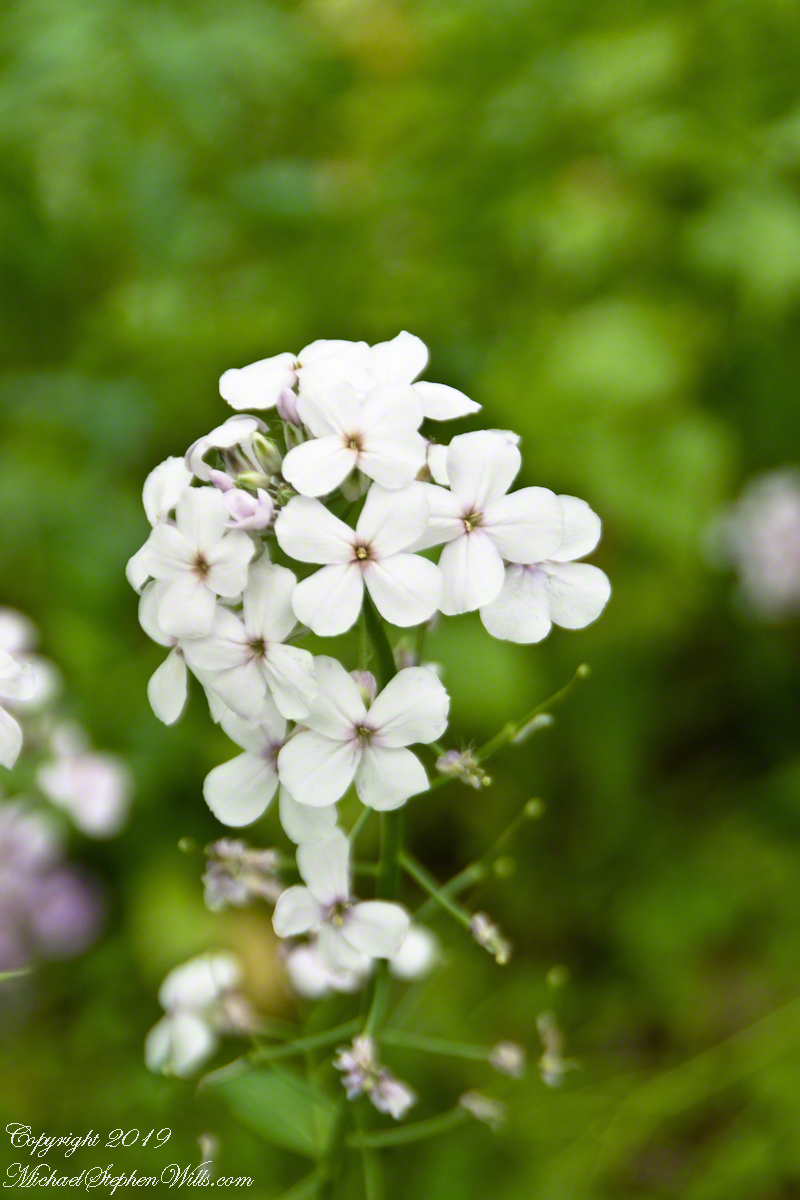
A member of the Phlox family (Polemonium), this five (5) petal flower bloomed in small groups on erect stalks with sparse leaves. The stamen heads are notable for a bright blue color.
Copyright 2023 Michael Stephen Wills All Rights Reserved

Evening on Two Bar Mountain

Shadows rising on the canyon walls

Another blog from my four day solo expedition to Reavis Falls in the remote eastern Superstition Wilderness. Here we will descend briefly to the canyon of Reavis Creek, below the Reavis Falls.

My previous blog Two Bar Mountain View featured this same landscape. 

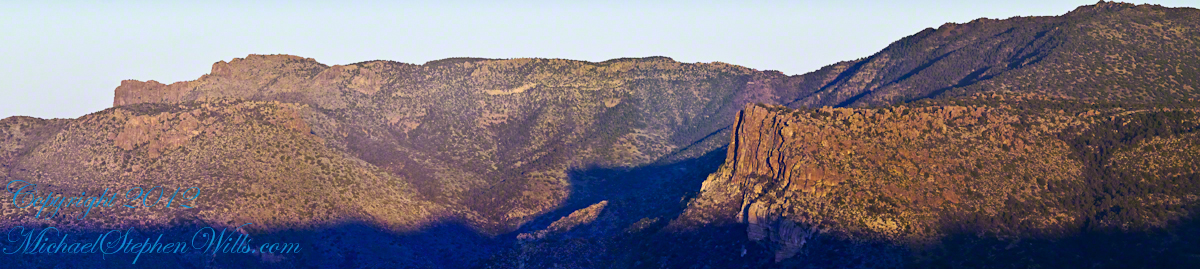
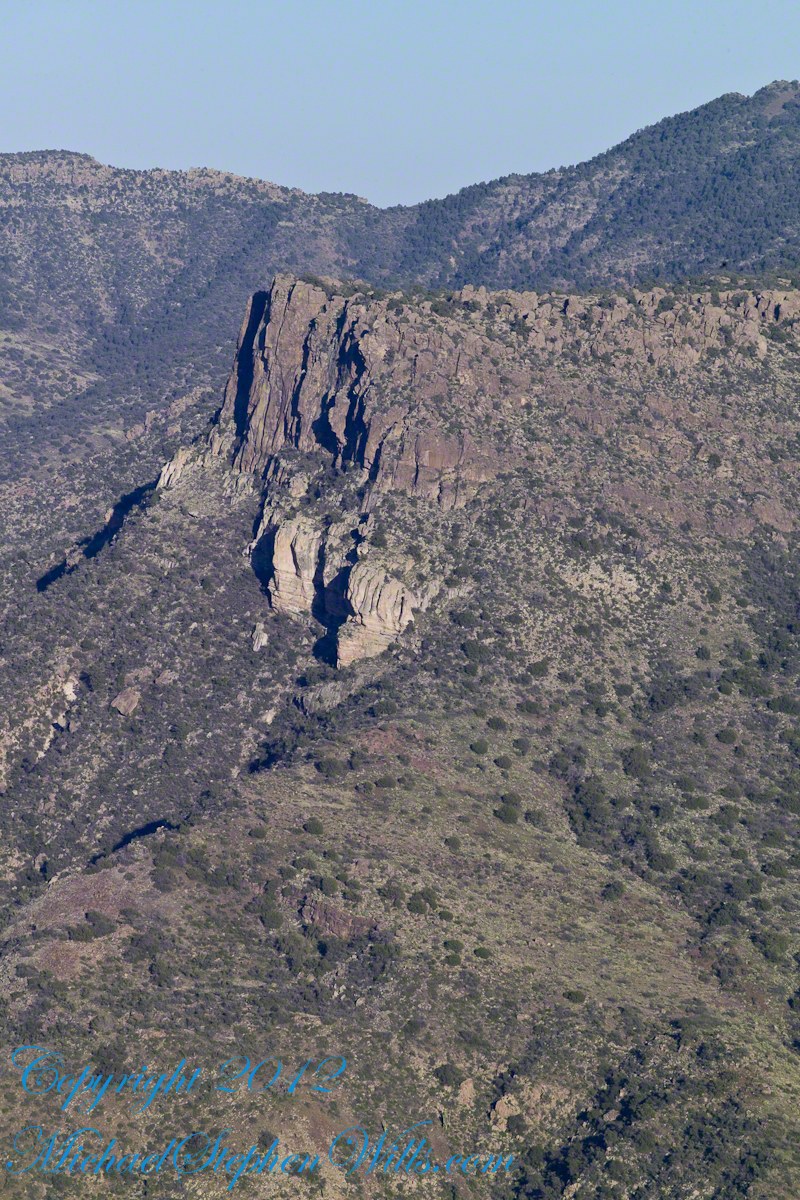
Shadows rising on the canyon walls are from Lime Mountain and Castle Dome.  In the far canyon, below Two Bar Mountain, is a shadow from the notable cliff and prominence to the right, that rises above Reavis Falls, fall below and out of sight in the canyon.

Here is that prominence from that same day, late afternoon when the sun is just starting to be low enough to throw the cliff into relief. This is a single shot with a canon 200 mm lens. This day I had climbed out of Reavis Creek, up to to this point on the slopes of Lime Mountain. Here I enjoyed an afternoon, evening, night and early morning of the following day.

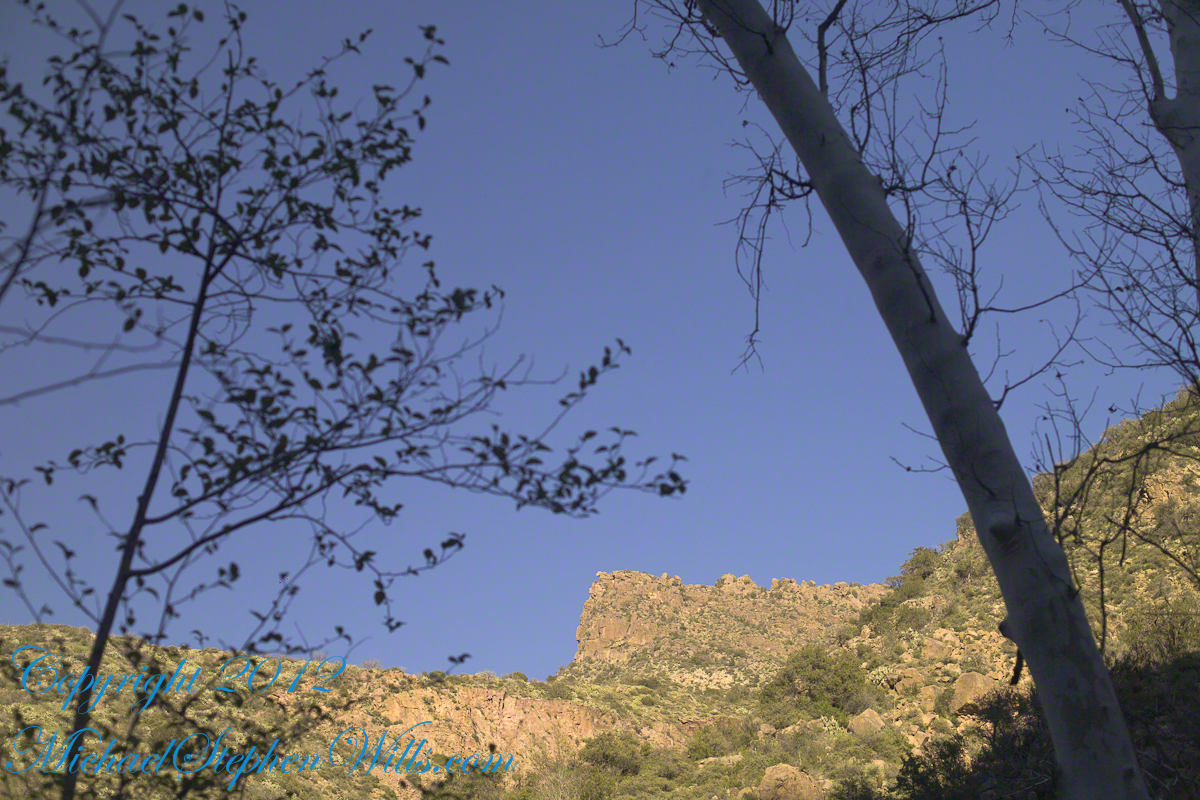
The second day of the solo expedition, I hiked into the canyon of Reavis Falls from a camp at the canyon mouth. Looking up from the creek this same cliff was prominant against the sky.

Copyright 2023 Michael Stephen Wills All Rights Reserved

Spring Fragrance

What Phlox fragrance brings to mind.

Working as a consulting dietitian, back in the 1980s, on a early June drive from Canisteo, New York on route 19 north of Mansfield, Pennsylvania, where the road goes through the Tioga-Hammond Lakes Recreation area there were miles of phlox growing on the east side of the road. The fragrance of phlox was pervasive with the window down and to this day I remember that time when phlox is in bloom as it was on June 5th, last week.

Click any photograph for a larger image.
The species name (Phlox) divaricata means “with a spreading and straggling habit”.

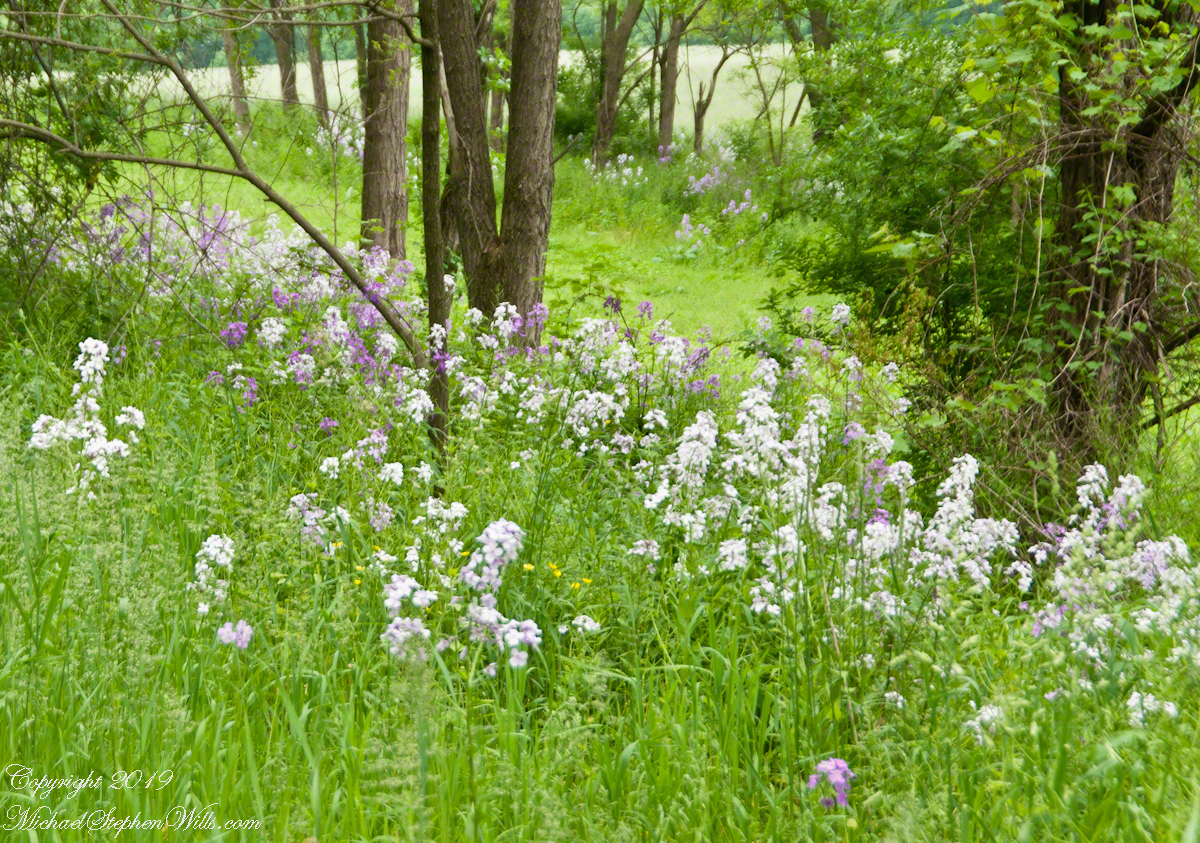
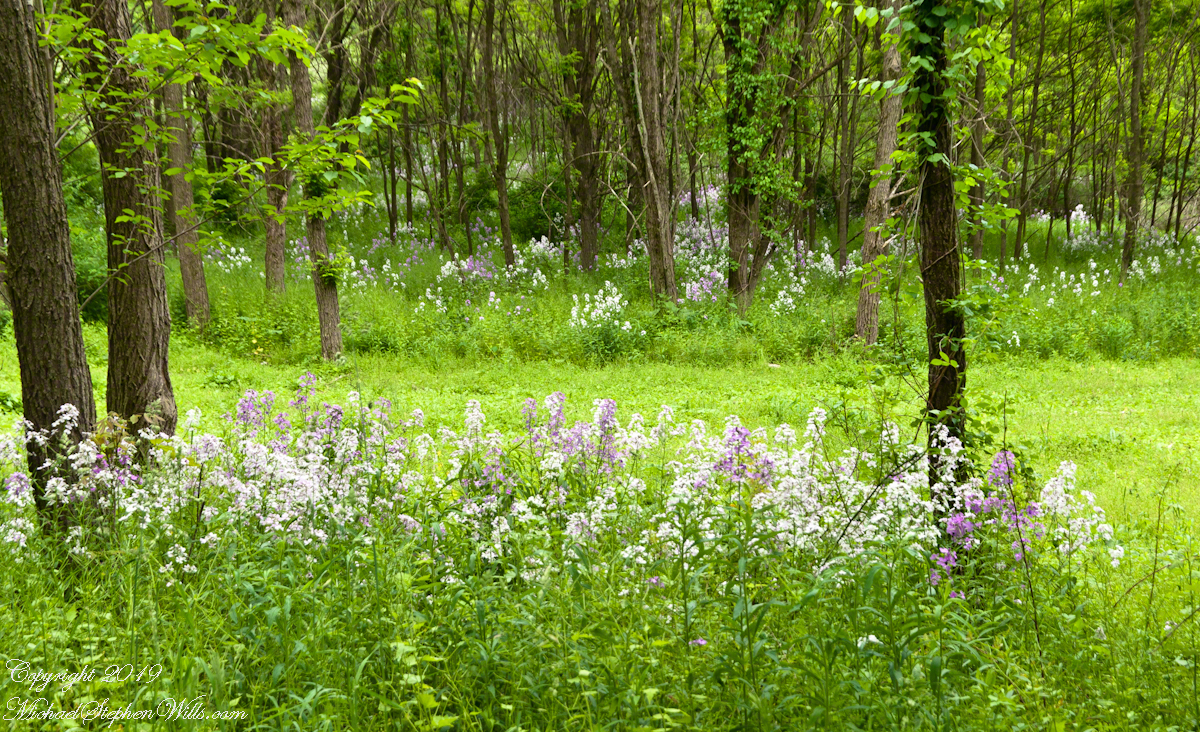
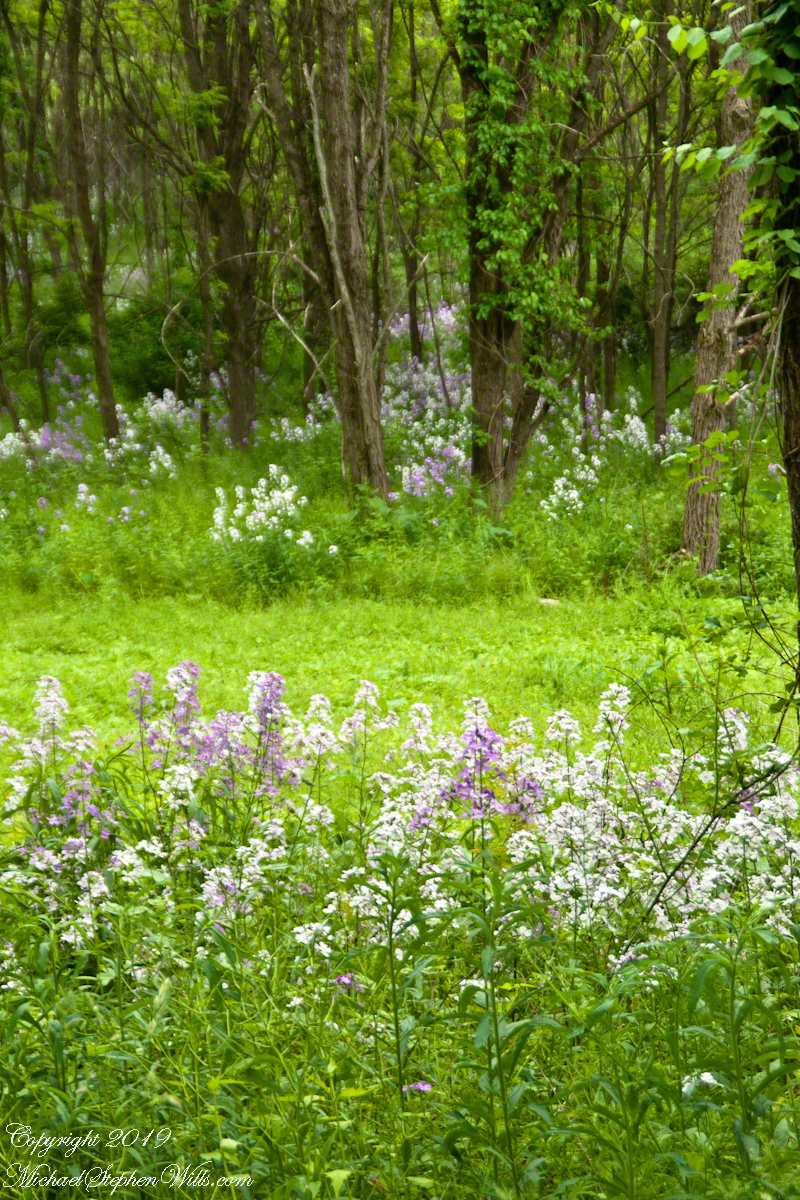
On the way to Treman State Park, to check out wildflowers, on an afternoon that threatened rain I came upon these stands of phlox, growing as it does under trees in damp soil on the east side of Colegrove Road. We’ve had plentiful rain this spring.

Phlox is abundant here

Looking it up in my reference book, “The Botanical Garden”, the plentiful number of species was daunting. (CLICK ME for more about this reference.) Bloom times spread across the calendar from May through August and into autumn. Species blooming in June were just not a good match.

The blooms seem to go on forever into the woods.

It was a surprising result, though in retrospect given the wide distribution and abundance of species, is to be expected. So I poked around the internet search engines, results from varied search strings, until Phlox divaricata popped up as a wildflower with a late May / early June bloom and growth habit and flowers matching these.

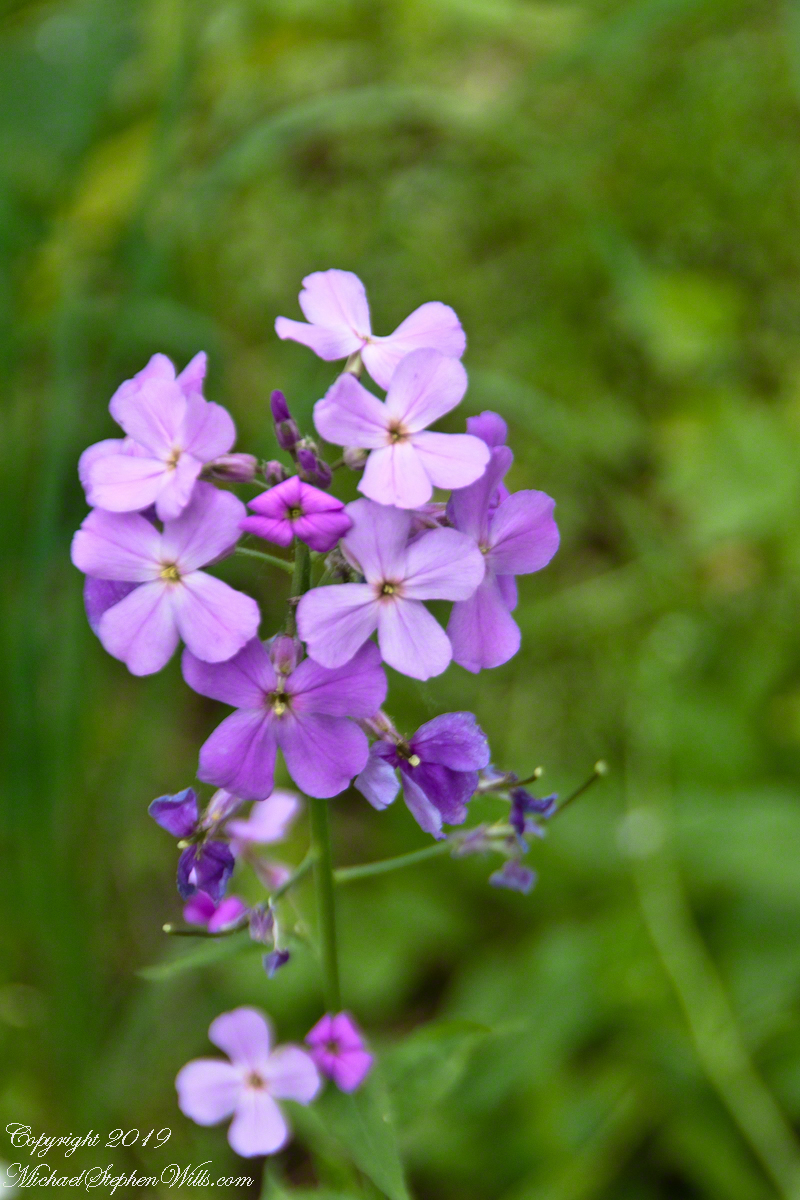
I captured macros of the two hues from roadside specimens.

Copyright 2019 All Rights Reserved Michael Stephen Wills