Healing Through Nature in Sapsucker Woods

An autumn walk for healing, resilience, and gratitude.

On this autumn Sapsucker Woods afternoon, the world seems crafted to soothe. Sunlight filters through the canopy, setting leaves ablaze in rich reds, golden yellows, and softened greens, the seasonal palette reflecting nature’s grand finale. Today, the woods are a sanctuary for healing, a space where steps are measured not by speed but by strength, each one a testament to resilience.
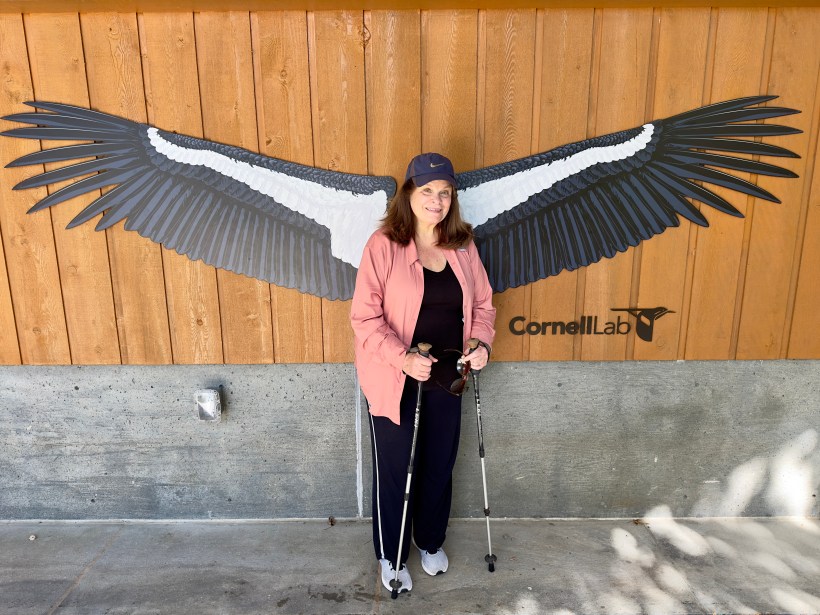
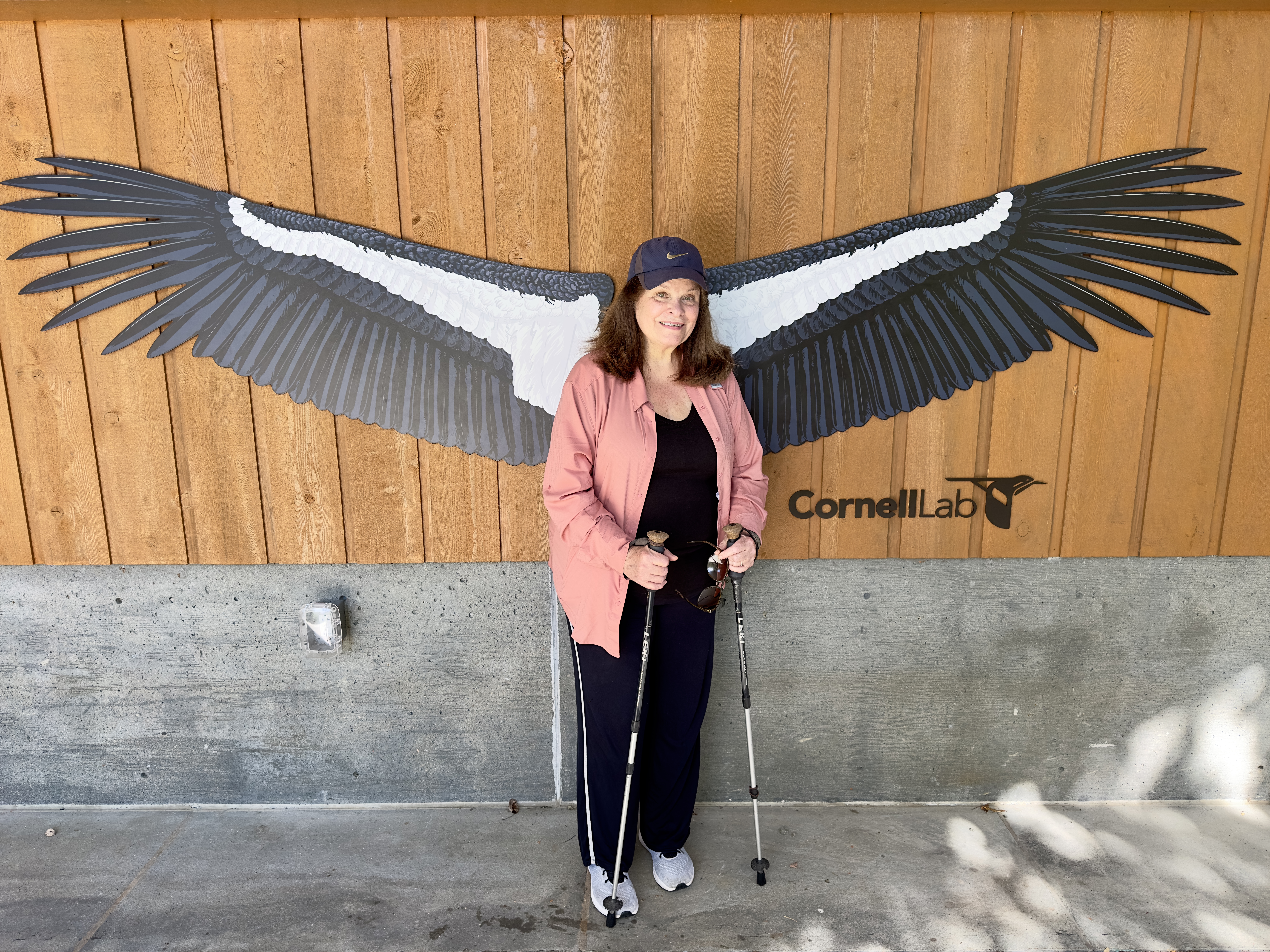
Pam stands before the wide, outstretched wings painted on the wall at the Cornell Lab of Ornithology, wings so vast that they dwarf her. She smiles, resting against her hiking poles, the Condor wings an emblem of a journey toward reclaiming freedom. Her recent hip replacement surgery has given her back this independence, a reminder that recovery is not just about physical mending, but about lifting the spirit to soar once again.
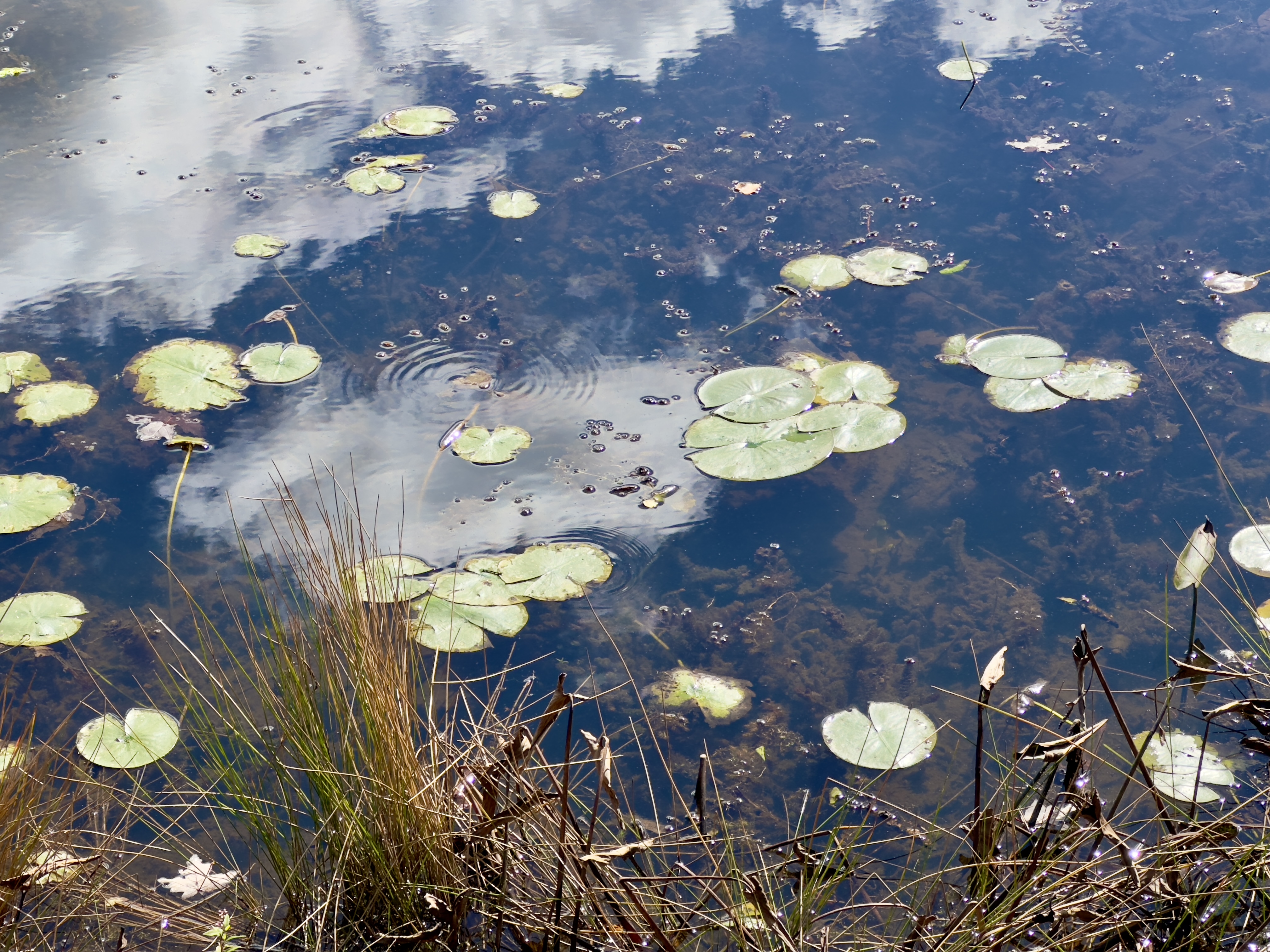
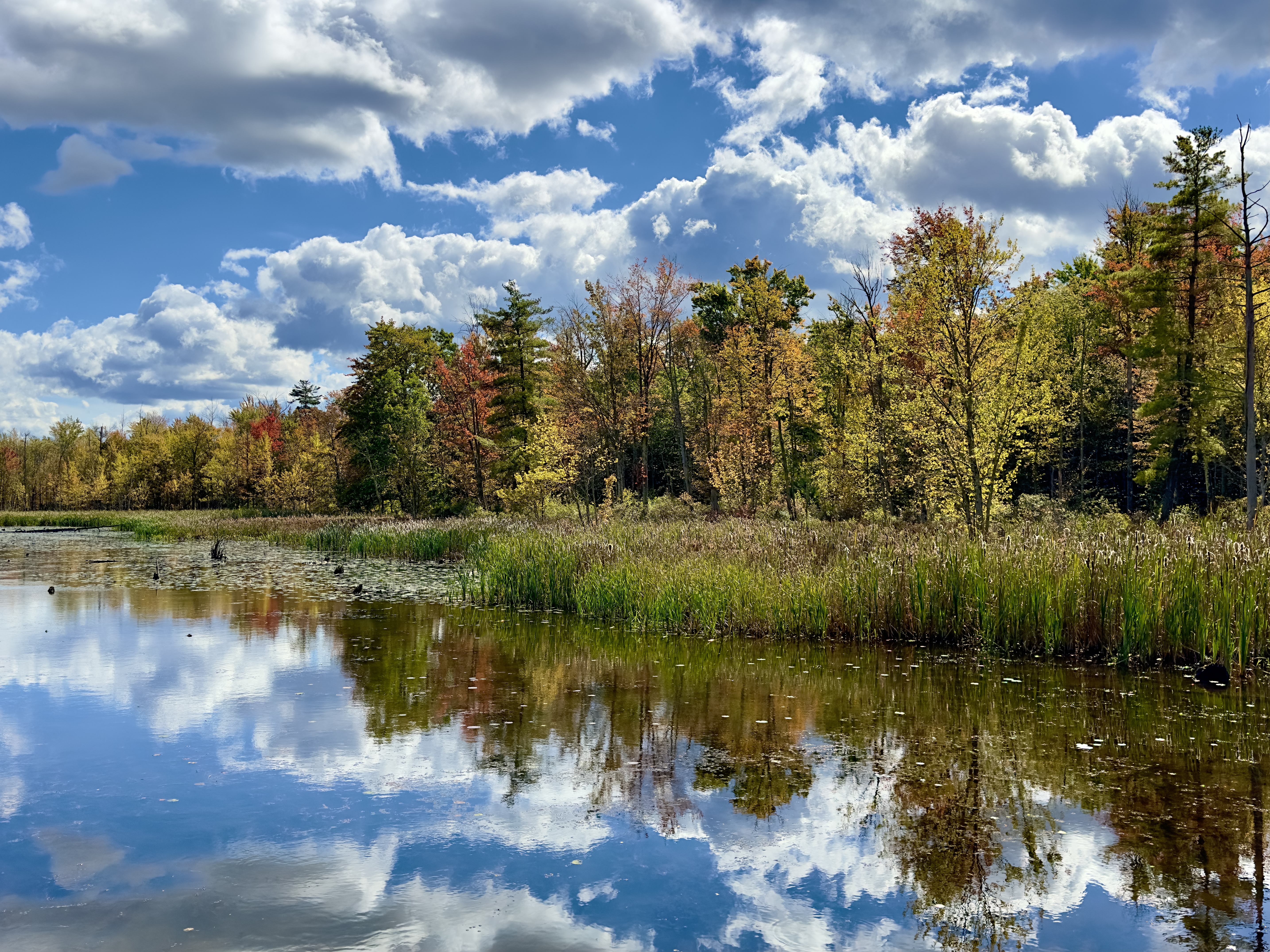
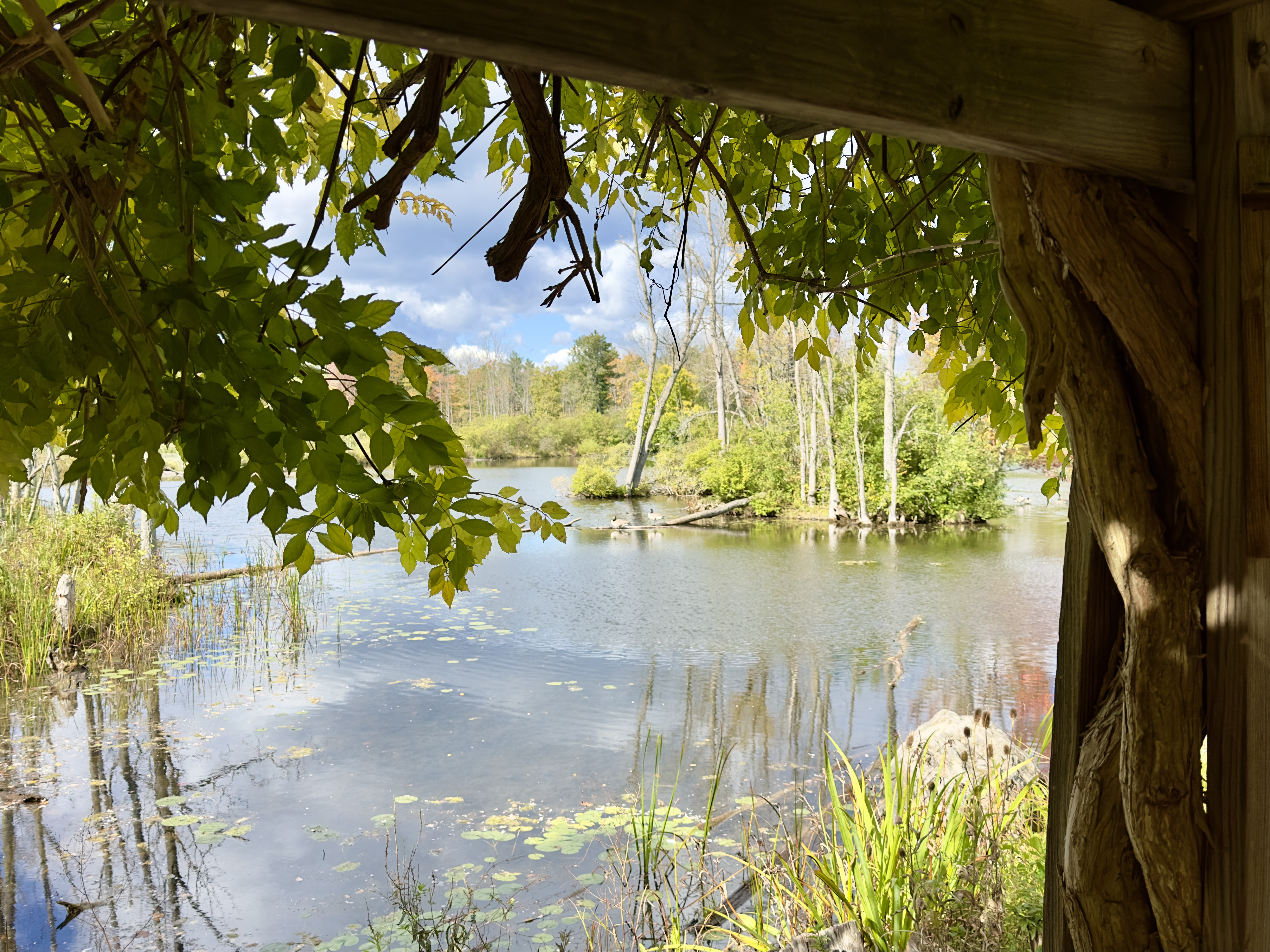
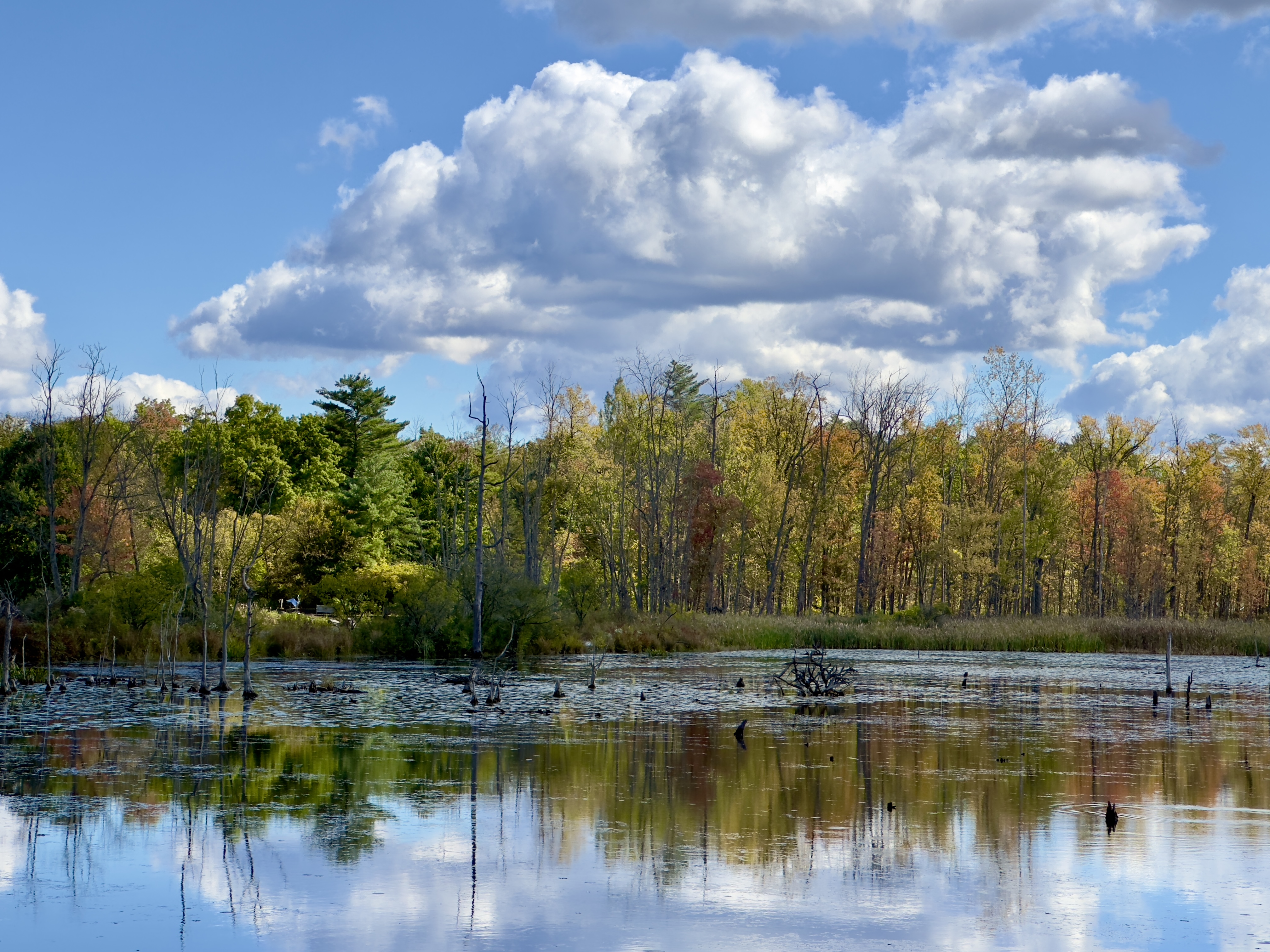
The trail unfolds gently, bordered by cattails and still waters that mirror the sky—a bright blue canvas mottled with soft clouds drifting in and out of the reflections. Fallen leaves float upon the pond’s surface, creating patches of color that seem suspended between water and sky. Nearby, lily pads, green stepping stones over shadowed depths, their edges lit by glittering sunlight. Geese glide by, unbothered, embodying a calm flowing outward, wrapping the whole scene in peace.
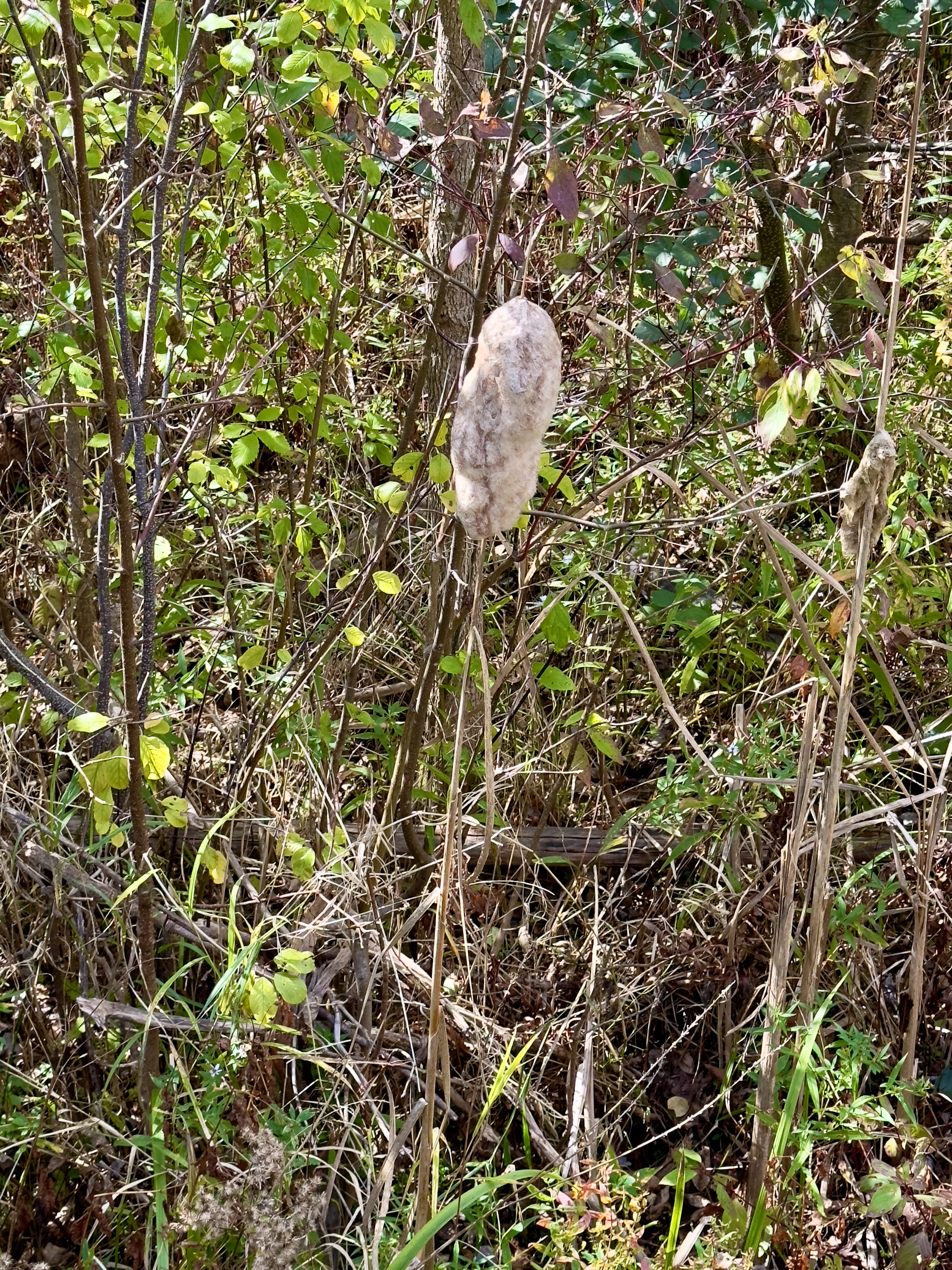
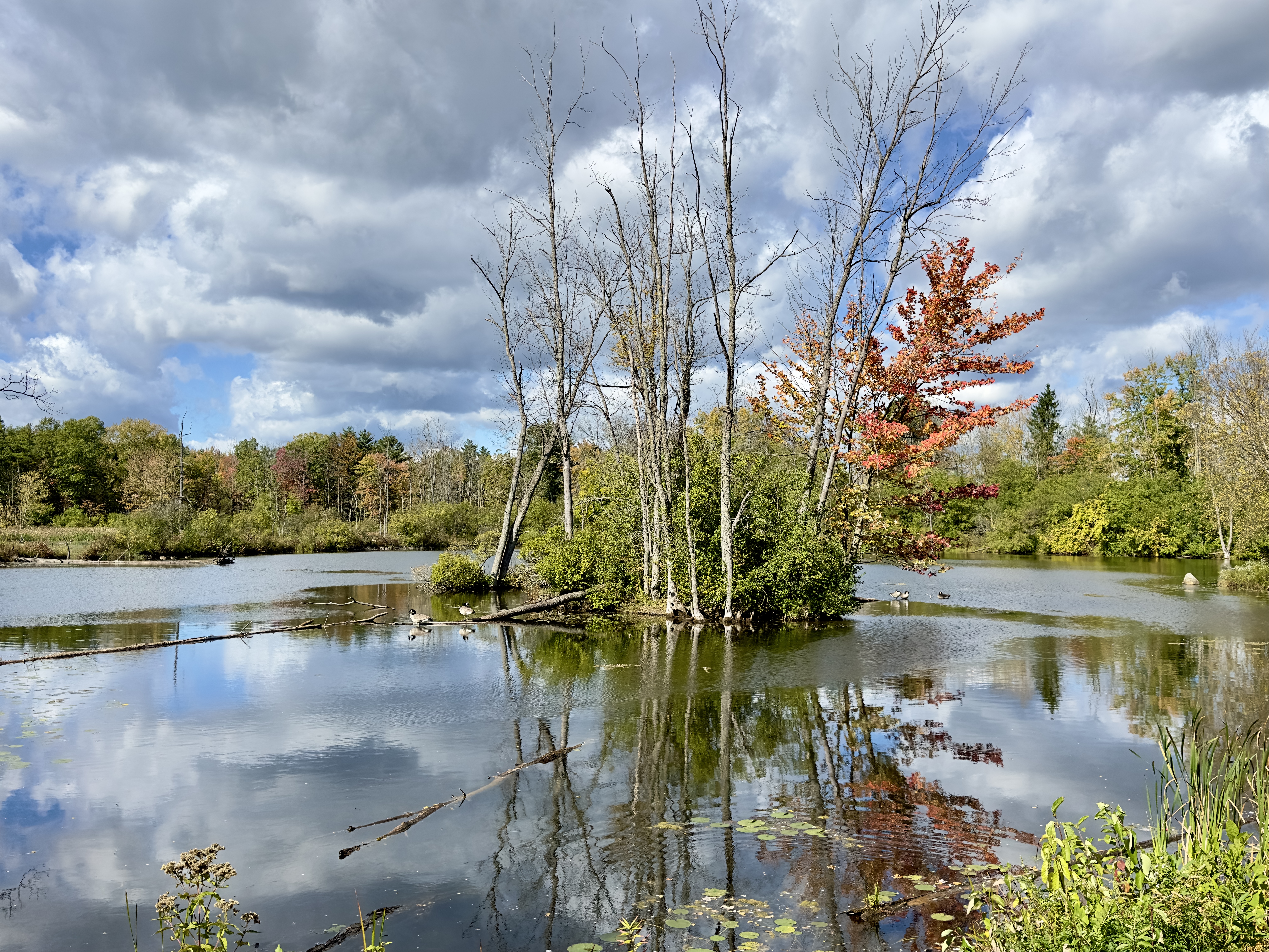
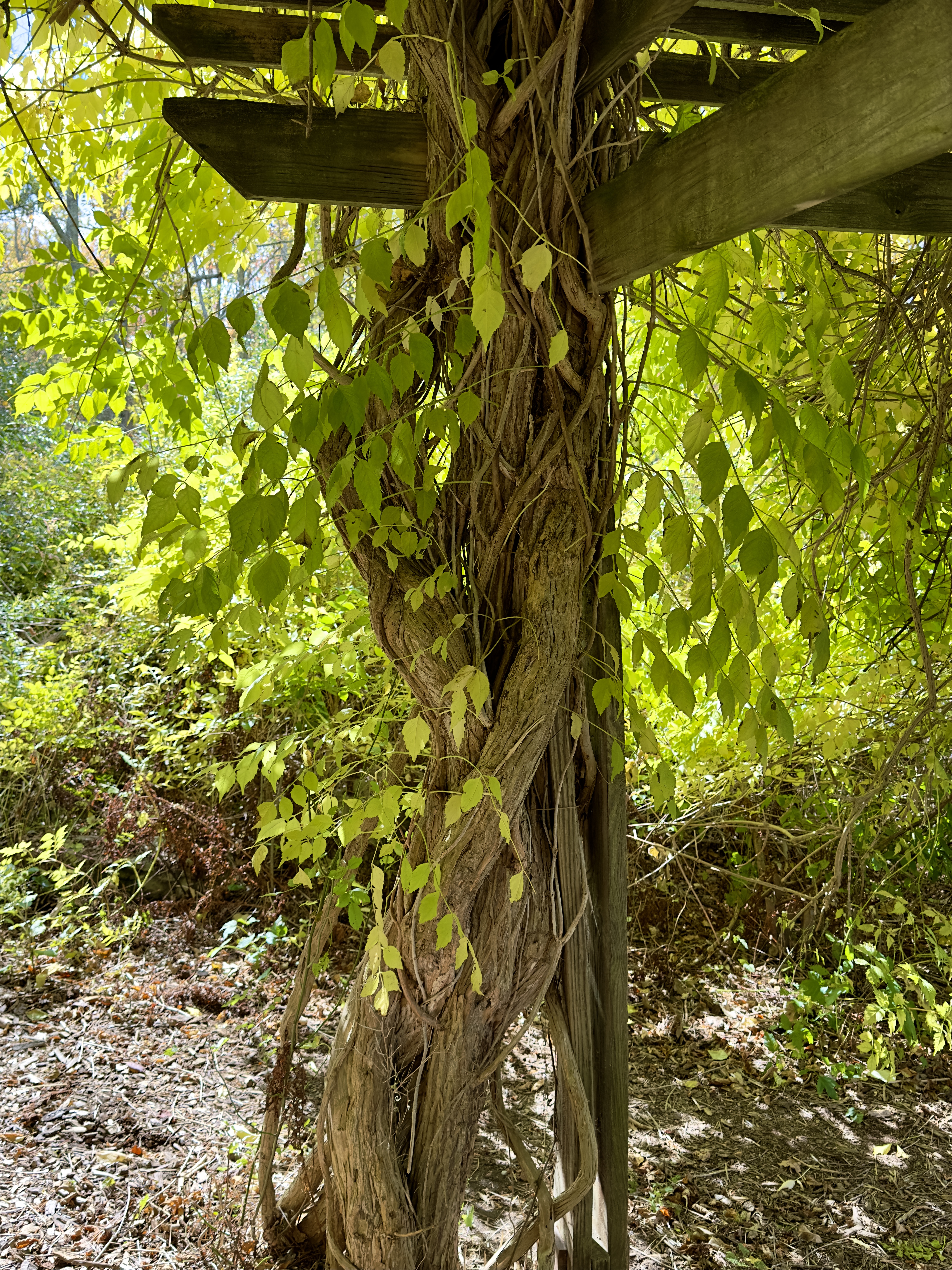
Each step Pam takes is deliberate, accompanied by the steady rhythm of her poles striking the ground. It is the kind of walk that invites contemplation, where time slows, and even the smallest detail—a single yellow leaf spiraling down, a ripple breaking the pond’s surface—feels like an invitation to pause and breathe. She moves from the open path toward a shaded arbor, draped with twisting vines. The vines climb upward, winding around the wooden beams, their leaves creating a soft veil that frames her view of the water beyond. Through this leafy curtain, she gazes upon the pond, where autumn’s reflection glows, offering a quiet moment of solitude, of healing drawn from nature’s persistence.
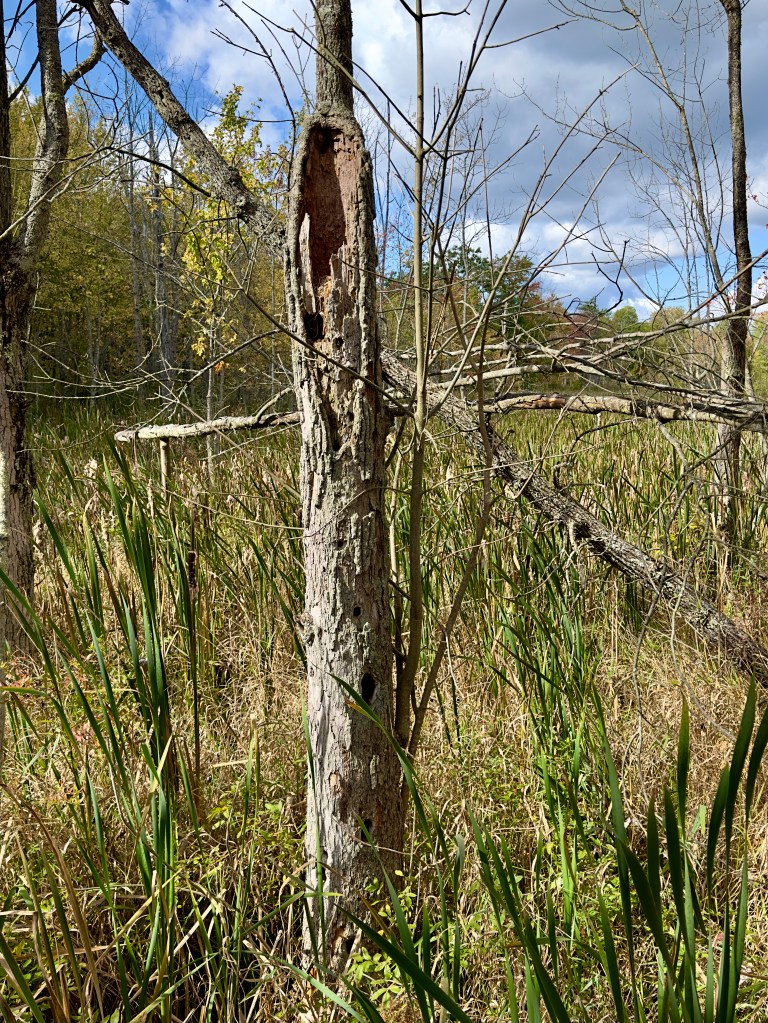
Just beyond, a bare tree stands, its trunk hollowed by years, its exposed wood testament to the life that has passed through it. In its decay, it offers a home to the creatures of the marsh, a structure among reeds and grasses that sway with the wind. The tree reminds Pam of her own journey, how resilience is often found in adapting, in letting time and life shape you.
At last, we reach a bench overlooking the pond, a perfect place to rest and reflect. She settles in, feeling the quiet thrill of accomplishment. The woods are still, save for the sound of a breeze rustling the reeds and the occasional bird song piercing the silence. In this moment, with the vast sky overhead and the world reflected below, she feels a profound sense of gratitude—not only for the beauty around her but for the strength within her. Sapsucker Woods are a personal cathedral, a space where nature and recovery intertwine, offering peace in every step, in every breath.
Enter your email to receive notification of future postings. I will not sell or share your email address.

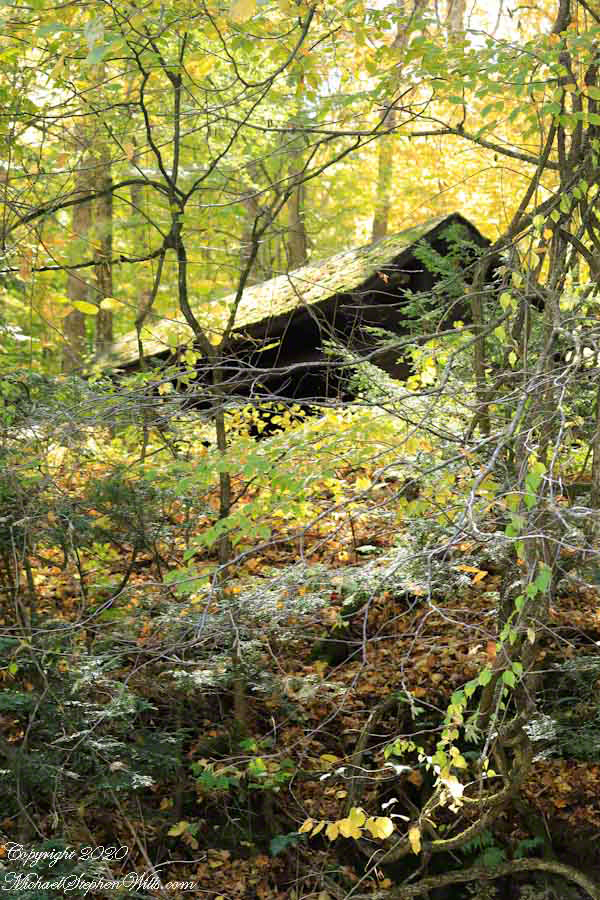
Woodland Shelters…

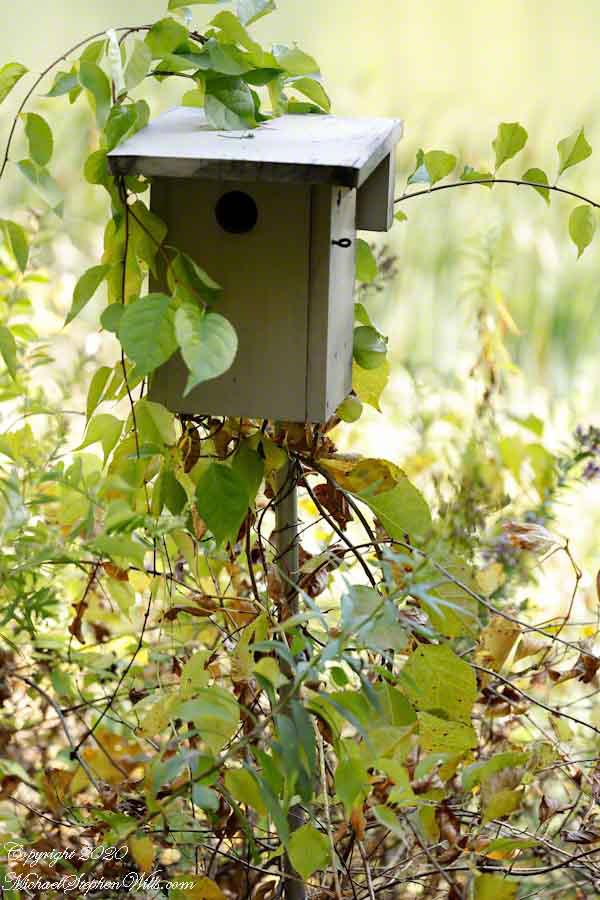
Here we have the harmony between humans and nature, represented through woodland shelters like lean-tos and birdhouses. It portrays these shelters as spaces of coexistence, mutualistic masterpieces blending function, form, and aesthetic in nature.

…on the Dam Pond at Fillmore Glen.

Hint: click image for larger view. Ctrl/+ to enlarge / Ctrl/- to reduce

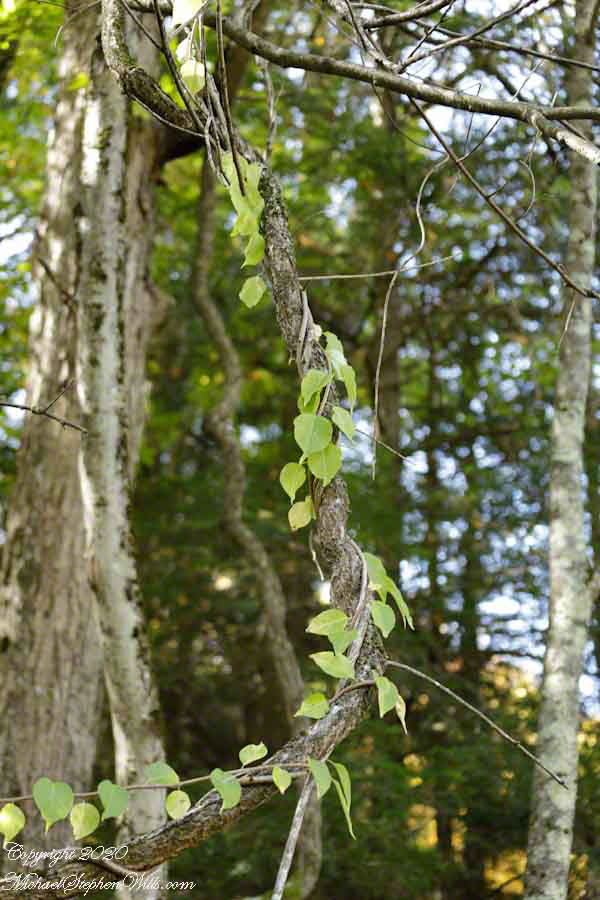
…vines running free.

In the dappled sanctuary of the woodlands, where the rustle of leaves is a constant whisper and the breeze carries the secrets of the earth, there lies an unspoken harmony between the realm of the rooted and the realm of the roving. Here, the art of shelter is not just necessity but poetry—a dialogue between man and nature, bird and branch, leaf and sky. It is in the woodland shelters—those humble lean-tos and the charming birdhouses—that this conversation finds its most enchanting expressions.

A lean-to, a simple structure, a slant of sanctuary against the embracing trunk of a venerable oak or the crook of a steadfast pine, rises like an ode to minimalist refuge. It is both a testament to human ingenuity and a bow to the grandeur of the forest. Constructed from the very bones of the woods, with limbs that have fallen in the last tempest’s dance, it is clad in the textures of the wild—a tapestry of bark, a patchwork of leaves. It does not impose but rather suggests, whispering, “Here, rest awhile, where the earth holds you and the canopy cradles the sky.”

Within this woodland embrace, the lean-to is the hermit’s haven, the hiker’s pause, the dreamer’s alcove. It is the place where one can commune with the murmur of the brook, the chitter of the squirrel, and the silent flight of the owl at twilight. It is here that the smoke of a small fire mingles with the mist of dawn, where stories unfold to the rhythm of the crackling embers and the forest listens.

And what of the birdhouses, those quaint dwellings that pepper the woodland tableau? They are not mere shelters but the grand stages for the aerial ballet of wings and the morning serenades of feathered minstrels. Each is a mansion of possibility, an invitation etched in wood and lovingly placed among the boughs. They are the outposts of avian dreams, where the pulse of tiny hearts beats in time with the dripping of rain and the warmth of the sun’s caress.

The birdhouse is a symbol of the generosity of the woodsman’s spirit, a gift to the skyborne, a token of respect to the delicate denizens of the firmament. Here, the chickadee, the finch, the nuthatch, and the wren find respite and nurture the next generation of sky dancers. Each hole is a portal to a home, each perch a threshold to the warmth within, and every departure and return is witnessed by the vigilant trees, the silent sentinels of the forest.

Lean-tos and birdhouses, these woodland shelters, are the chorus of the sylvan symphony, the unseen chords that bind human to habitat, life to life. They are proof that in the quiet places of the world, where humanity treads lightly and the wild holds sway, there can be a beautiful coexistence, a mutualistic masterpiece painted on the canvas of the wilderness. They stand as symbols of the beauty that arises from the marriage of function and form, purpose and aesthetic, the innate and the crafted.

In the woodland shelters, there is a rhapsody played in the key of nature—a song of simplicity, of connection, of the perpetual dance between the earth and its many children. It is here, in the lean-tos and birdhouses, that the heart of the woods beats strongest, beneath the watchful eyes of ancient trees and the endless sky.

Copyright 2023 Michael Stephen Wills All Rights Reserved MichaelStephenWills.com