On Point at the Cusco Saturday Market reprise

Marketing choices

The scenes at Cusco’s Saturday Market were fascinating. The shooting was through a clean bus window using a handheld Canon EF 70-300 f/4-5.6 L IS USM lens mounted on the Canon dslr 1DS Mark III.

Click Me for my Online Gallery
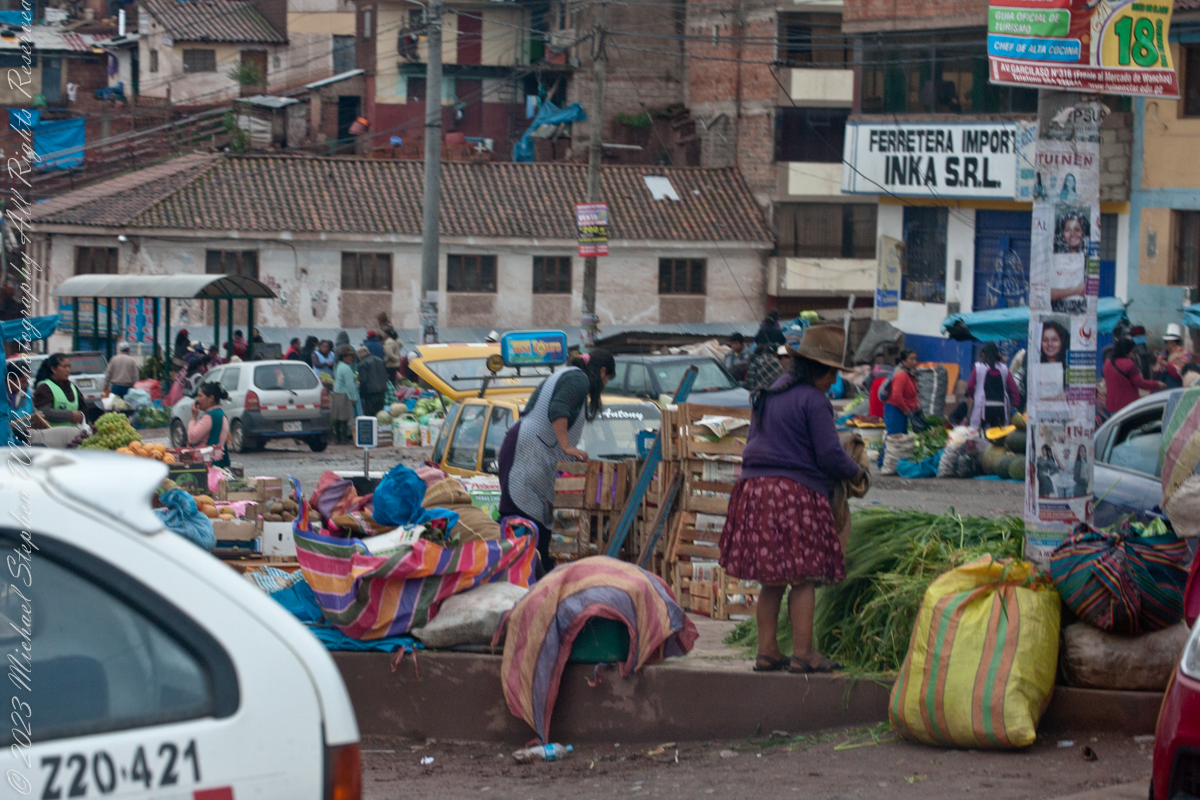
“Inka S.R.L.” is a agriculture company full name INDUSTRIA DE ALIMENTOS E INVERSIONES PERU INKA SRL specialized in ELAB OF OTHER PROD. FOOD.. It was created and founded on February 2, 2002.
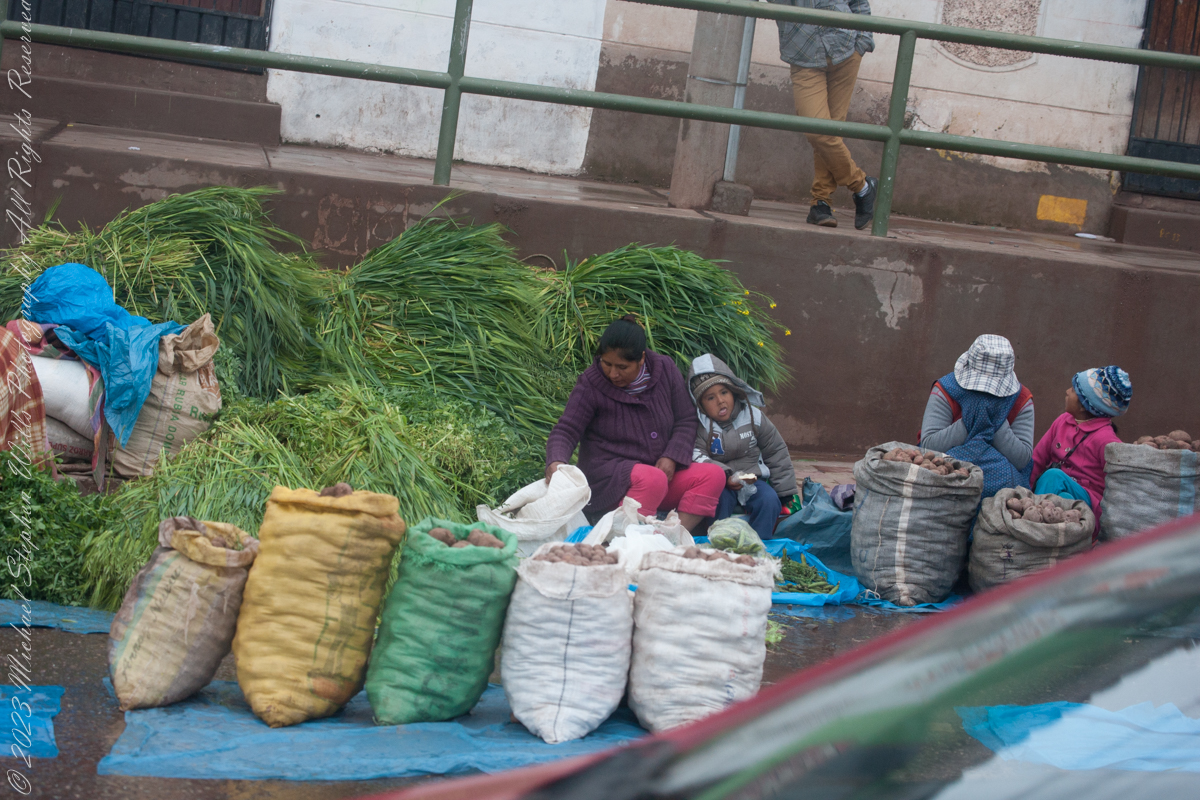
Very early for these children…
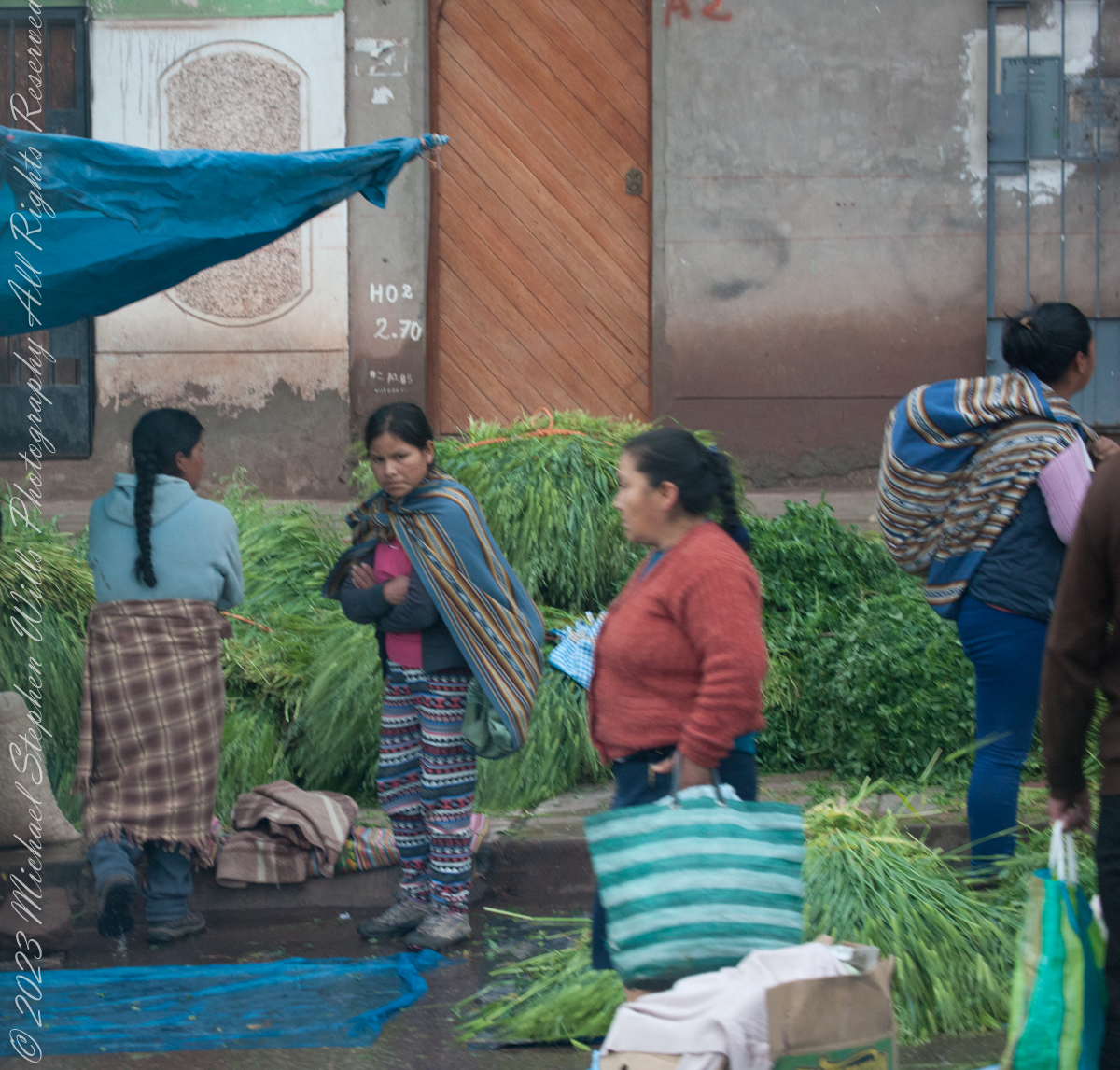
Quechua people or Quichua people, may refer to any of the aboriginal people of South America who speak the Quechua languages, which originated among the Indigenous people of Peru. Although most Quechua speakers are native to Peru, there are some significant populations in Ecuador, Bolivia, Chile, Colombia, and Argentina. The woman center left sports traditional fabrics of her pants and shawl.
Onions and garlic, potatoes? Wild potato species can be found from the southern United States to southern Chile. The potato was originally believed to have been domesticated by Native Americans independently in multiple locations, but later genetic studies traced a single origin, in the area of present-day southern Peru and extreme northwestern Bolivia. Potatoes were domesticated there approximately 7,000–10,000 years ago, from a species in the Solanum brevicaule complex. In the Andes region of South America, where the species is indigenous, some close relatives of the potato are cultivated.
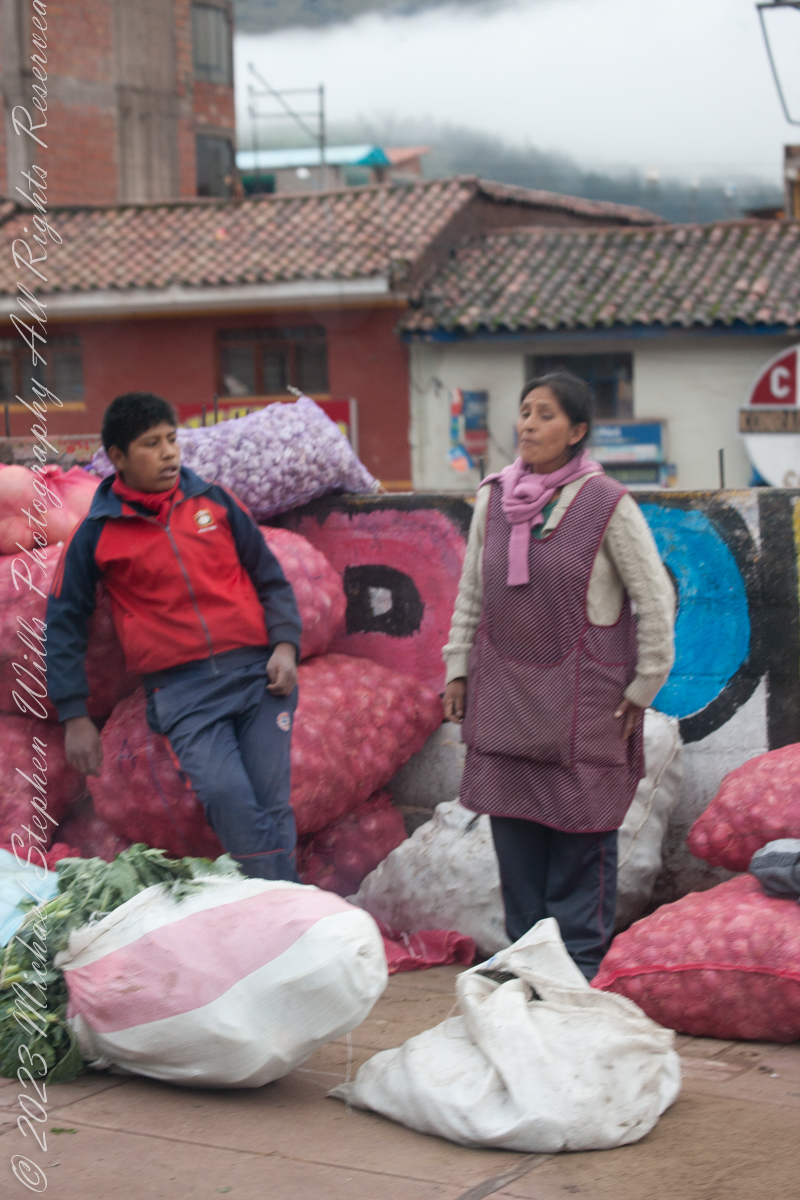
Potatoes!!
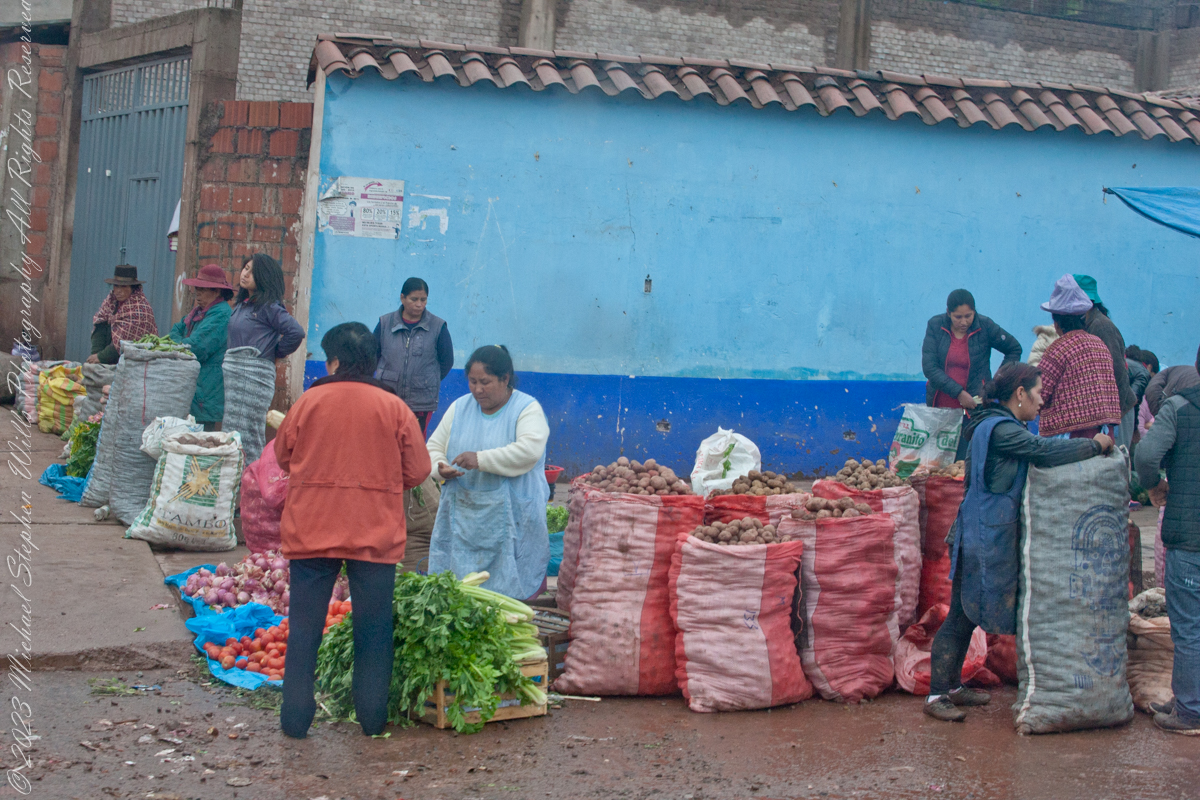
Maize, also known as corn in North American and Australian English, is a cereal grain first domesticated by indigenous peoples in southern Mexico about 10,000 years ago.
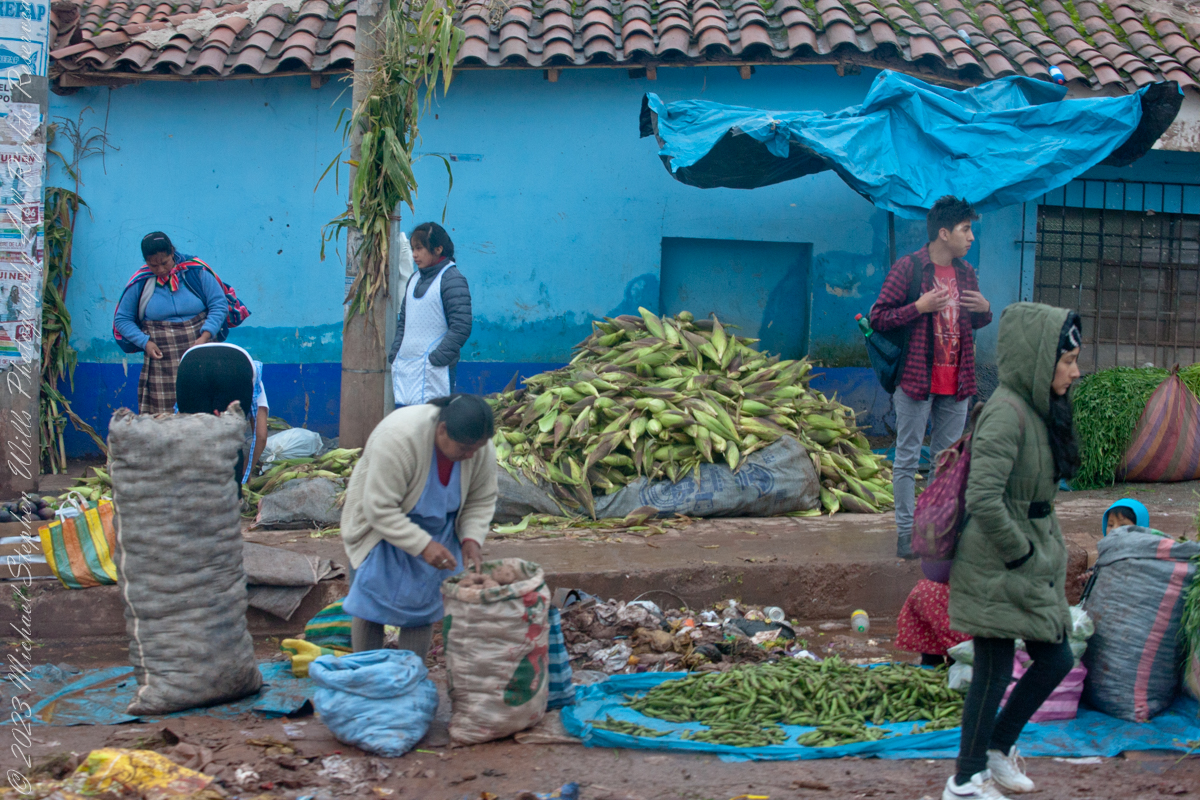
Click Me for the next post in this series.

Reference: Wikipedia “Maize,” “potato,” “Indigenous peoples of Peru.”
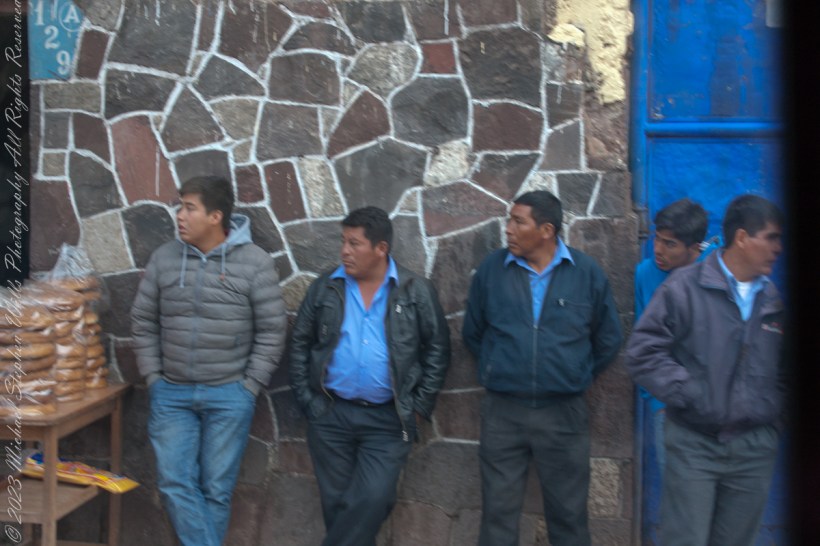
Copyright 2023 Michael Stephen Wills All Rights Reserved

On Point at the Cusco Saturday Market

Marketing choices

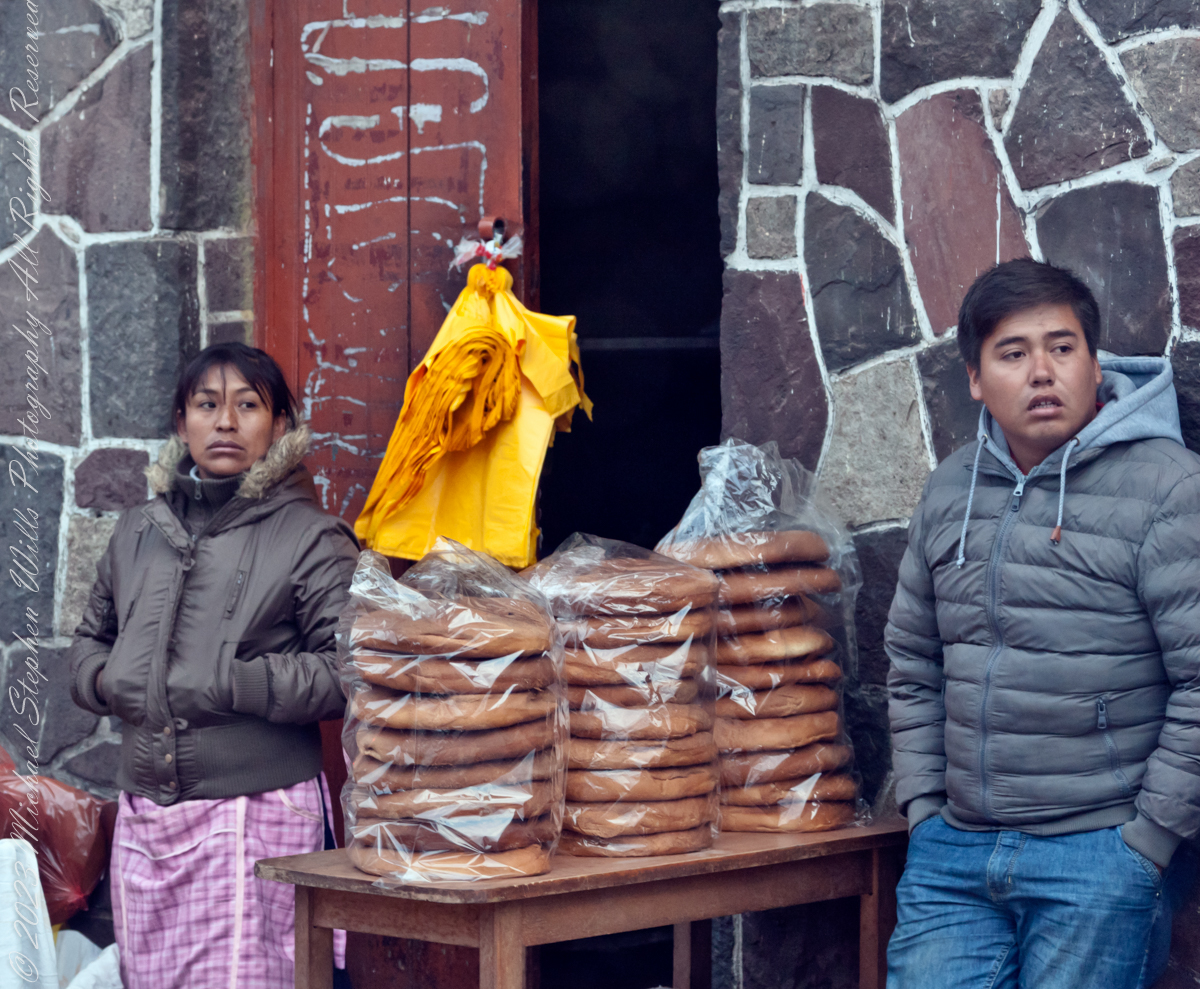
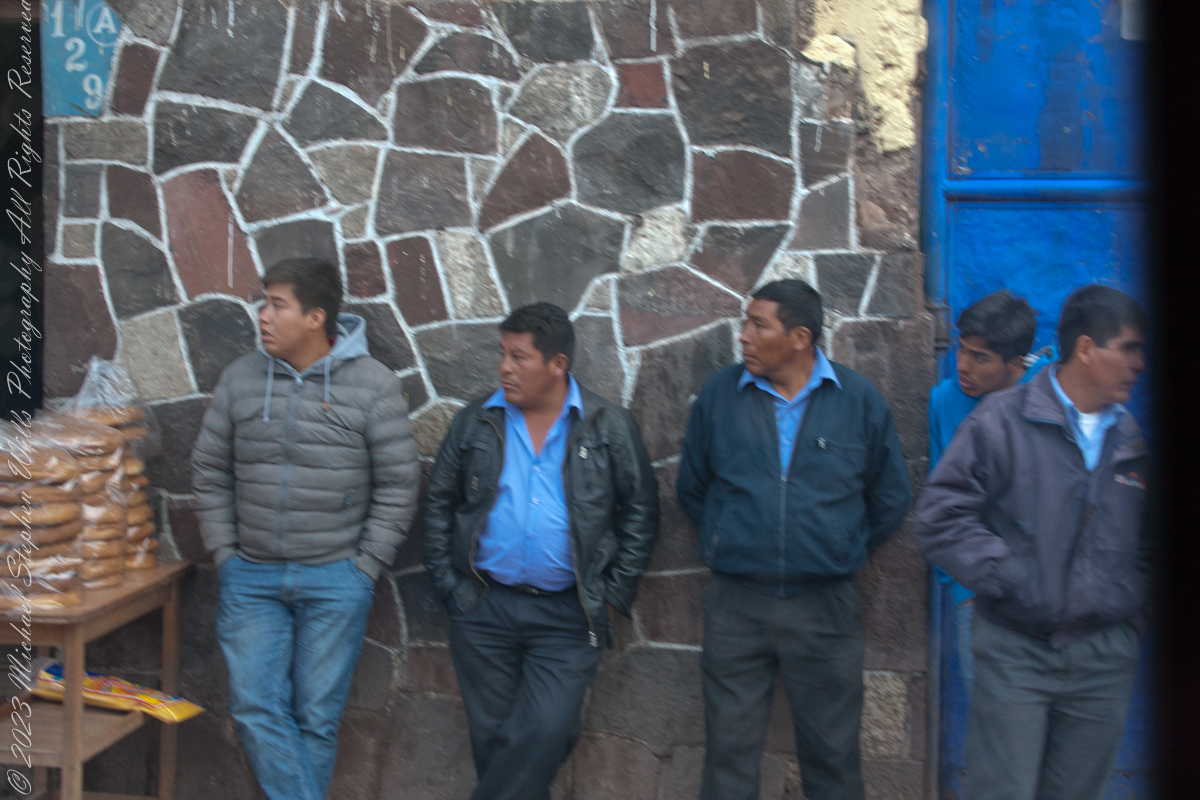
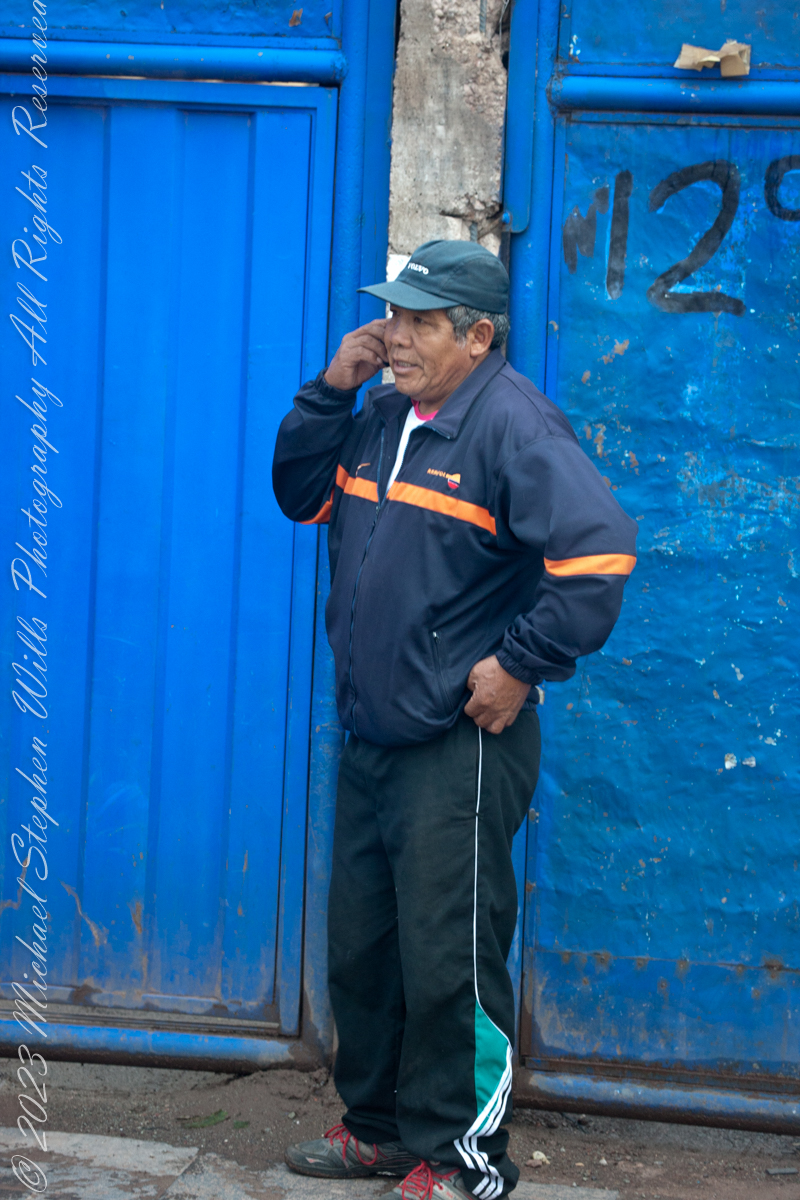
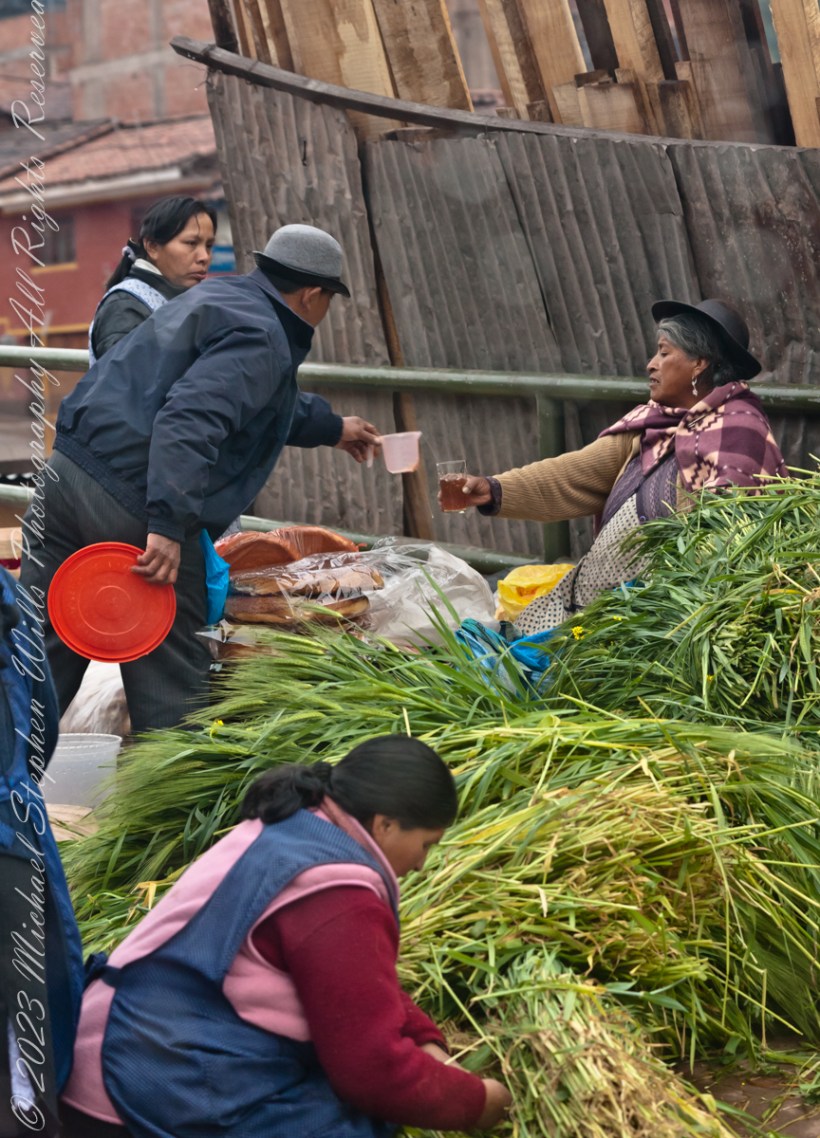
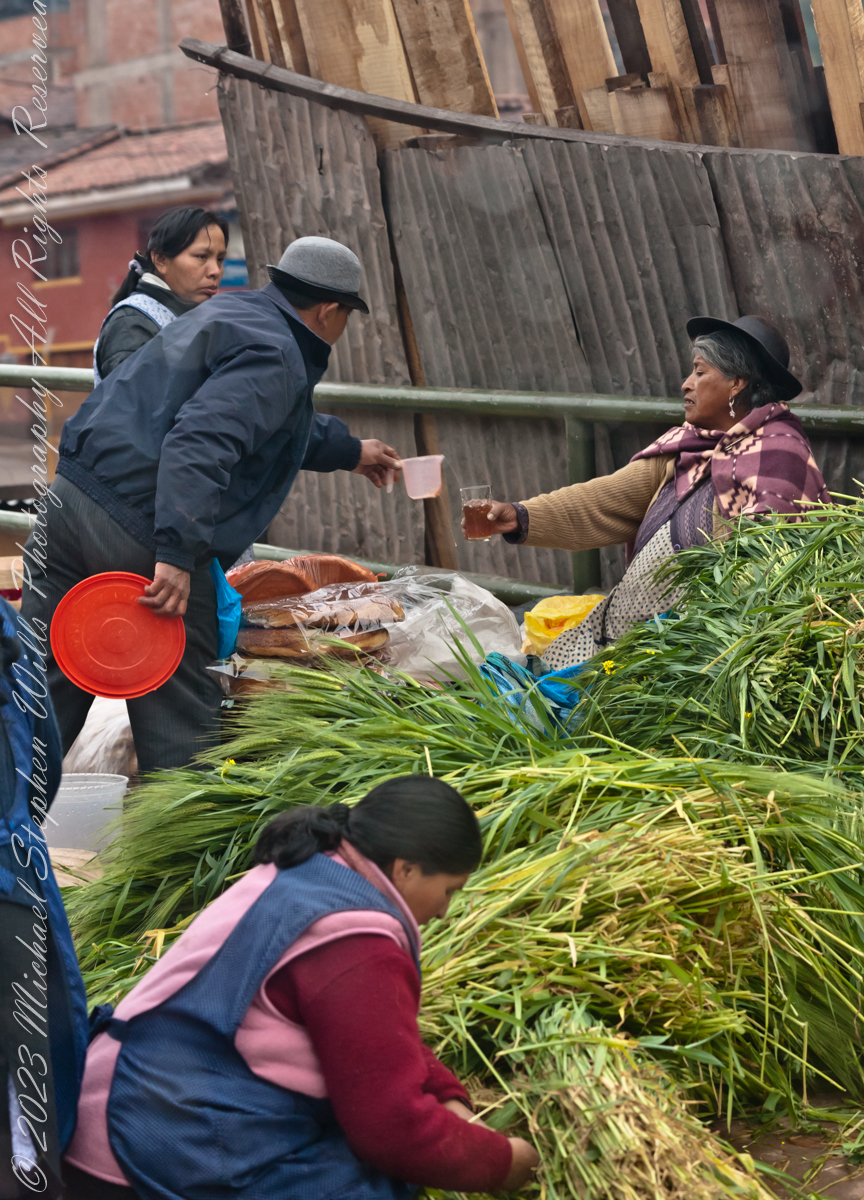
I caught these participants of the Cusco, Peru, Saturday Market as our bus progressed toward Machu Picchu during our daytrip to that ruin. The shooting was through a clean bus window using a handheld Canon EF 70-300 f/4-5.6 L IS USM lens mounted on the Canon dslr 1DS Mark III.

Click Me for my Online Gallery

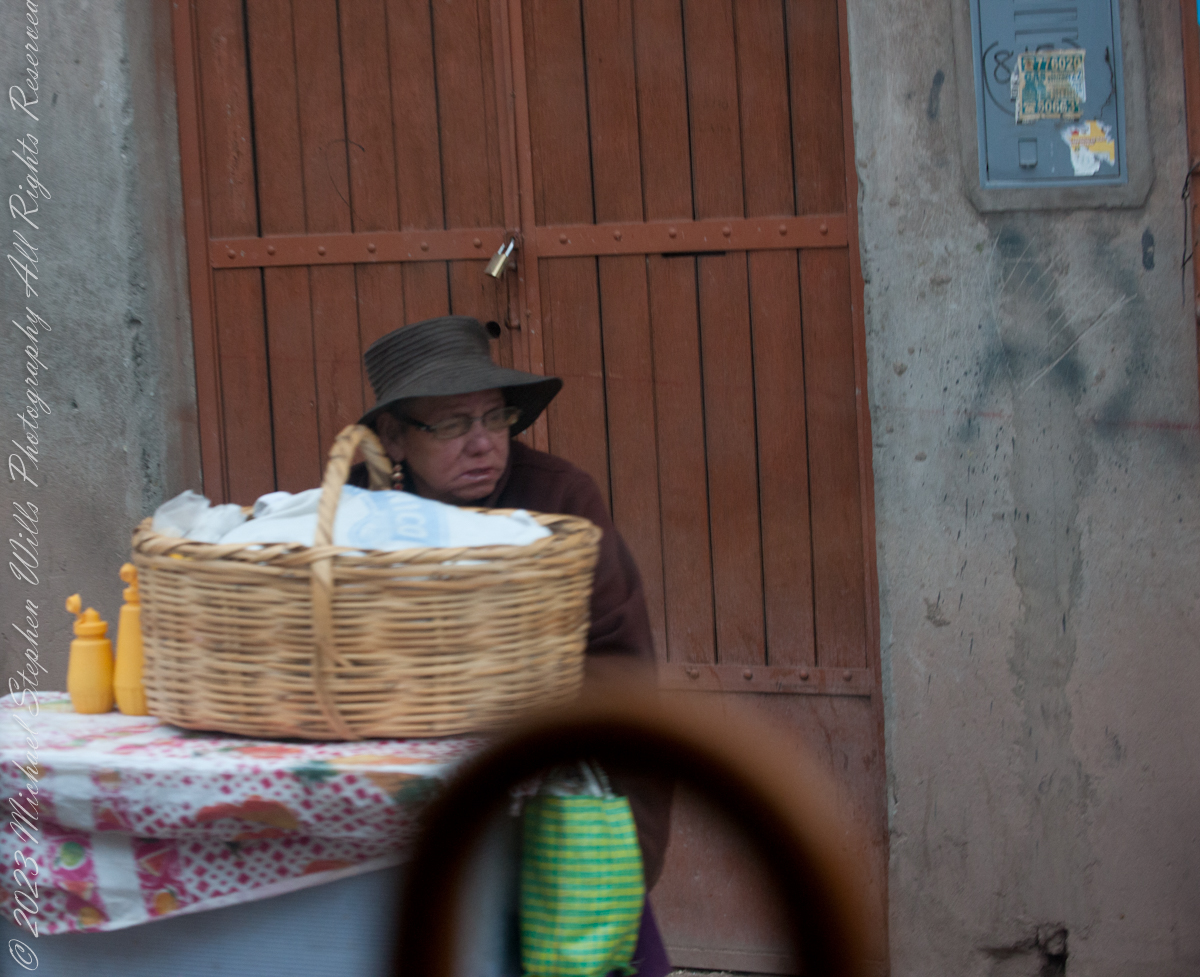
Several days supply of bread for a family.

Cusco, Peru– February 6, 2016:

Watching the world go by.

Transacting business

Click Me for the next post in this series.

Copyright 2023 Michael Stephen Wills All Rights Reserved

Breaktime

Cusco Saturday Market

A group of Quechua vendors during the Saturday Market of Cusco. A seller of baked goods is taking a break while, in the foreground, a woman prepares an order of greens used to feed guinea pigs, a staple of native Peruvian cuisine.

Click Me for my Online Gallery

Cusco, Peru– February 6, 2016:

We were headed out of Cusco on our daytrip to Machu Picchu.

Click Me for the next post in this series.

Copyright 2023 Michael Stephen Wills All Rights Reserved

Waiting for a Ride

at the roundabout

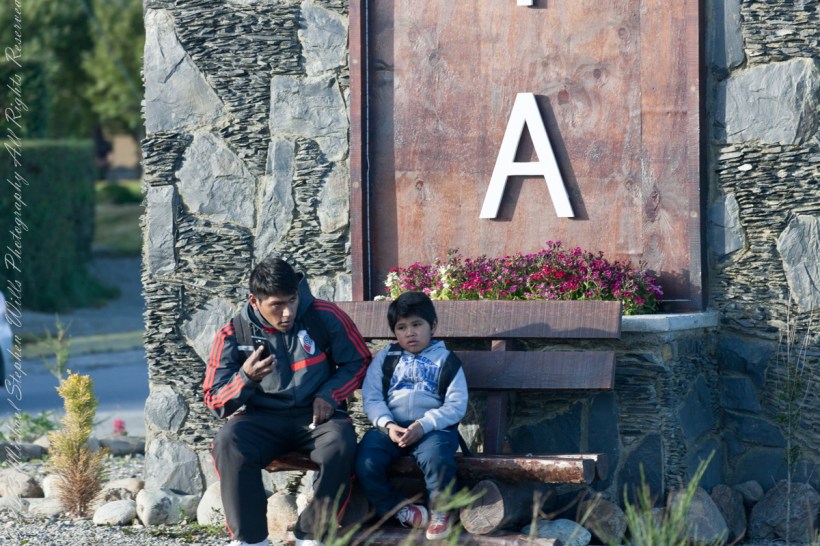
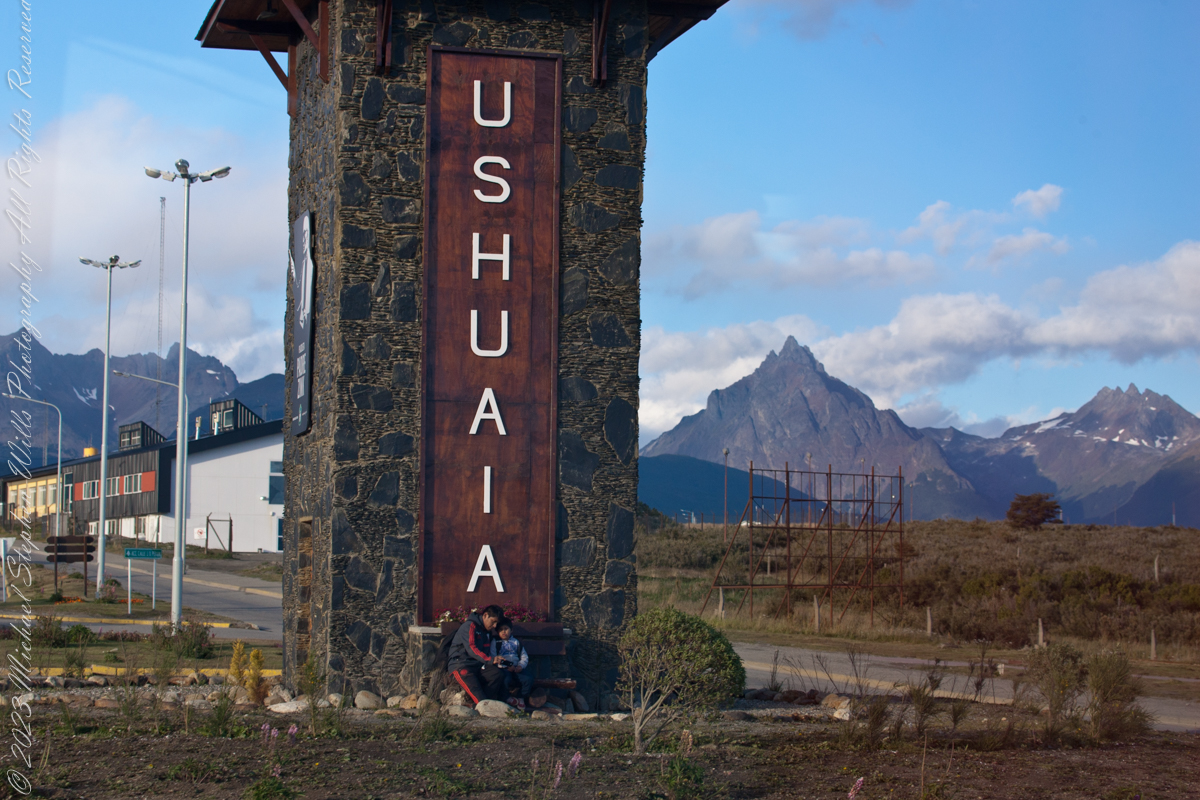
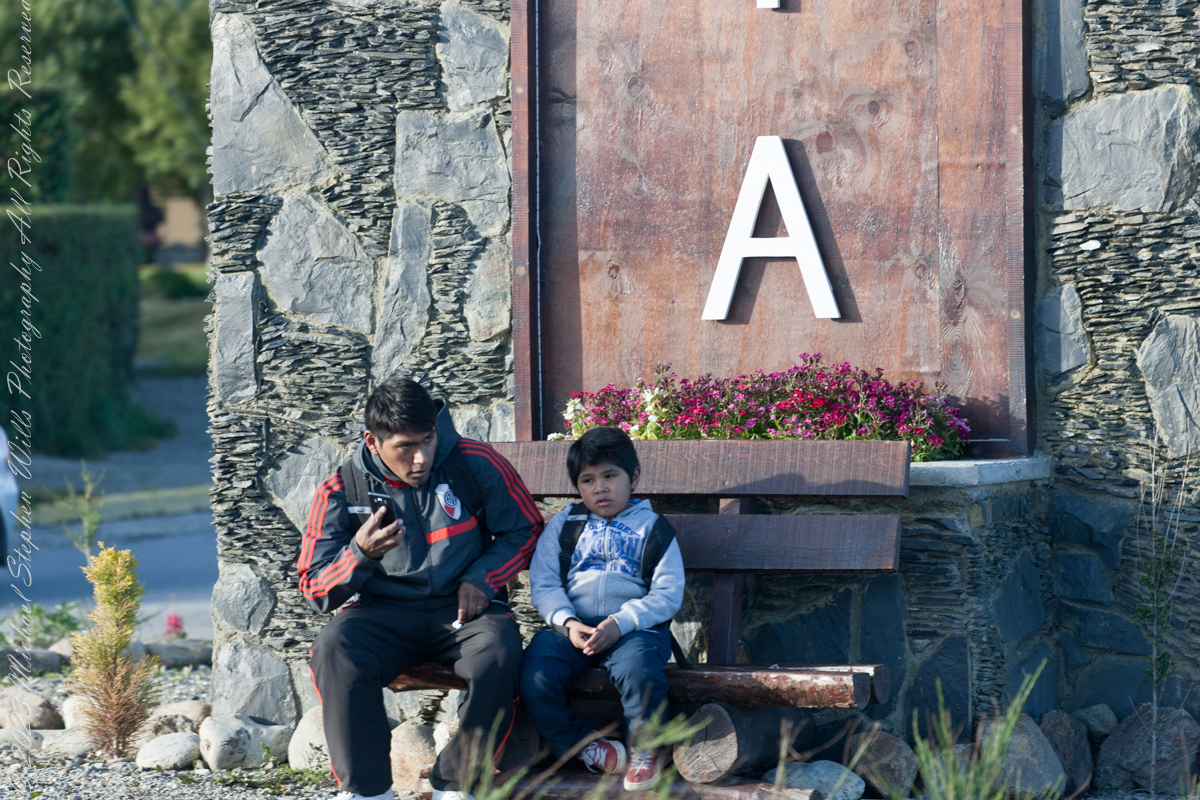
On our way back from “The Train at the End of the World” and sailing the Beagle Channel, these two young people came into view. Sitting at the foot of the a tower welcoming airport arrivals, who must transit this roundabout, is a pair of young people. In my imagination they were brothers waiting for a ride. In the first long wide shot the older is taking their selfie with the Ushuaia.

Here we at at the “center” of this city set spectacularly against the Fuegian Andes, the southern continuation of the Andes mountain range immediately south of the Strait of Magellan. with a West-East orientation. They occupy the mountainous and mountainous portion of the southern archipelago of Tierra del Fuego.

In this second, close photo, he is talking to the ride on his smart phone, after sending the selfie. The roundabout is named “Hipólito Yrigoyen” after an Argentine politician twice elected President.

Here is more information about the man:

Juan Hipólito del Sagrado Corazón de Jesús Yrigoyen (Spanish pronunciation: [iˈpolito iɾiˈɣoʝen]; 12 July 1852 – 3 July 1933) was an Argentine politician of the Radical Civic Union and two-time President of Argentina, who served his first term from 1916 to 1922 and his second term from 1928 to 1930. He was the first president elected democratically by means of the secret and mandatory male suffrage established by the Sáenz Peña Law of 1912. His activism was the prime impetus behind the passage of that law in Argentina.

Known as “the father of the poor”, Yrigoyen presided over a rise in the standard of living of Argentina’s working class together with the passage of a number of progressive social reforms, including improvements in factory conditions, regulation of working hours, compulsory pensions, and the introduction of a universally accessible public education system.

Yrigoyen was the first nationalist president, convinced that the country had to manage its own currency and, above all, it should have control of its transportation and its energy and oil exploitation networks.

Between the 1916 general election and the 1930 coup d’etat, political polarization was on the rise. Personalist radicalism was presented as the “authentic expression of the nation and the people” against the “oligarchic and conservative regime”. For the ruling party, the will of the majorities prevailed over the division of powers. The opposition, on the other hand, accused the Executive Branch of being arrogant and demanded greater participation from Congress, especially in matters such as the conflictive federal interventions.

Reference: Wikipedia “Andes fueguinos” and “Hipólito Yrigoyen.”
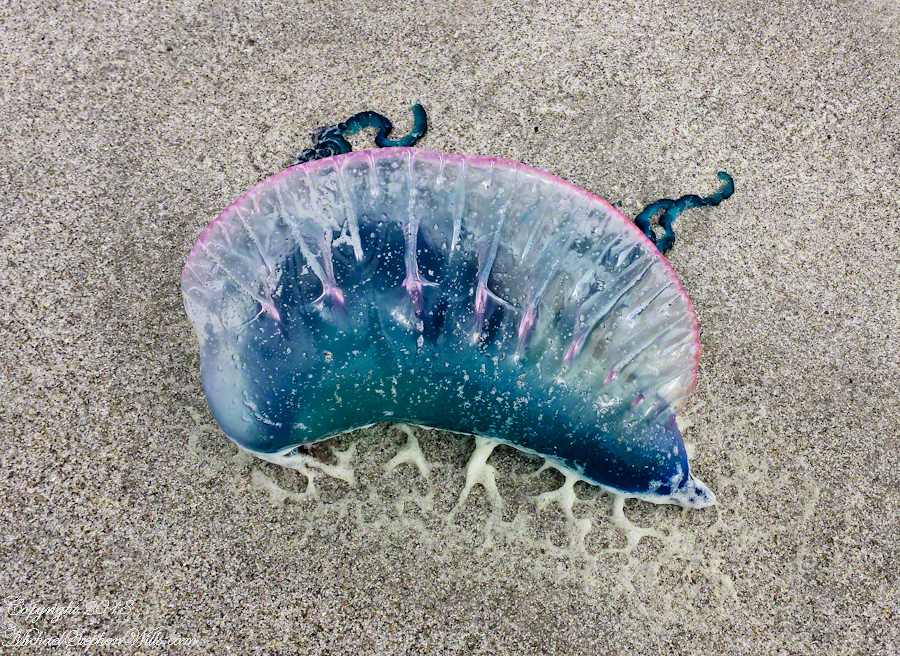
Copyright 2023 Michael Stephen Wills All Rights Reserved

Creeping up on 1200 Readers….

….and a photographic gallery.

As of April 5th 1181 is the count of subscribers to this blog, an interesting number. The individual numerals sum to a prime number, 11. I appreciate each and every “1” added together, you readers. Thank You.
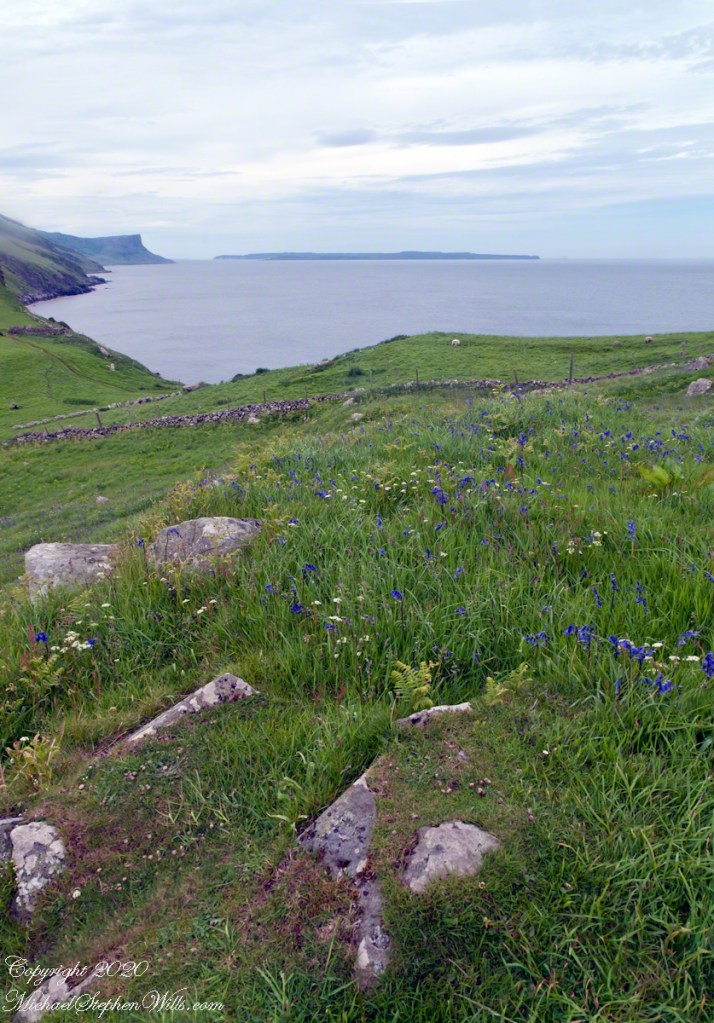
Coincidentally, yesterday 1,200 of my blogs are published….Here is a selection of images from these posts.

Click Me for my Shutterstock Gallery

Copyright 2023 All Rights Reserved Michael Stephen Wills

Valentines Day Greetings

1959 through today

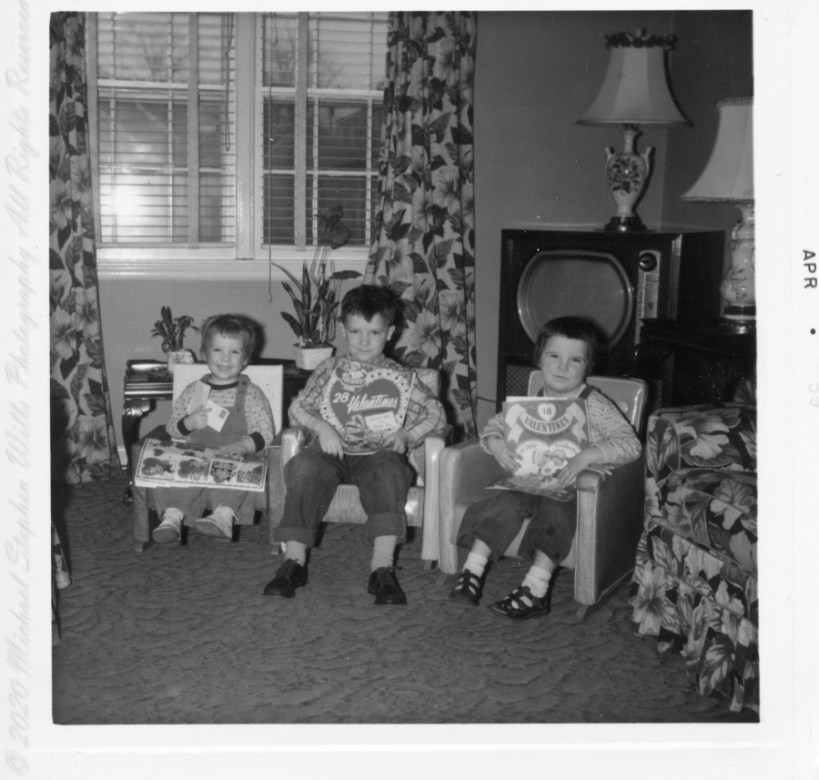
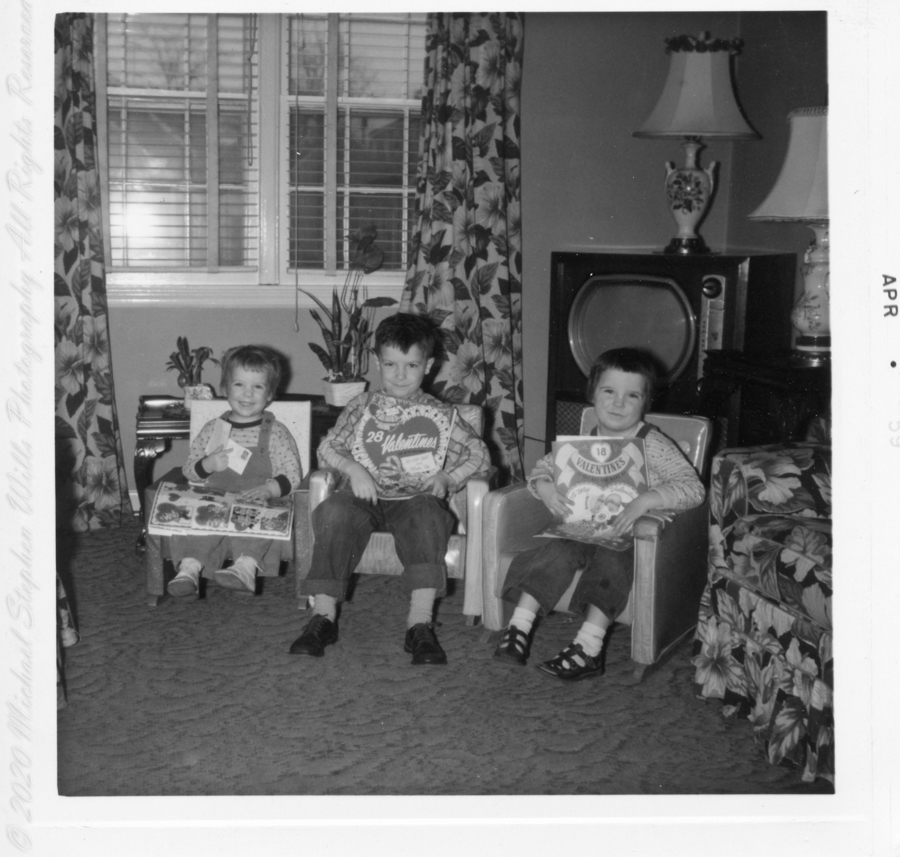
Theresa (2), Michael (5), Christine (4) in the livingroom of 107 Deepdale Parkway, Albertson, New York on Valentines Day 1959

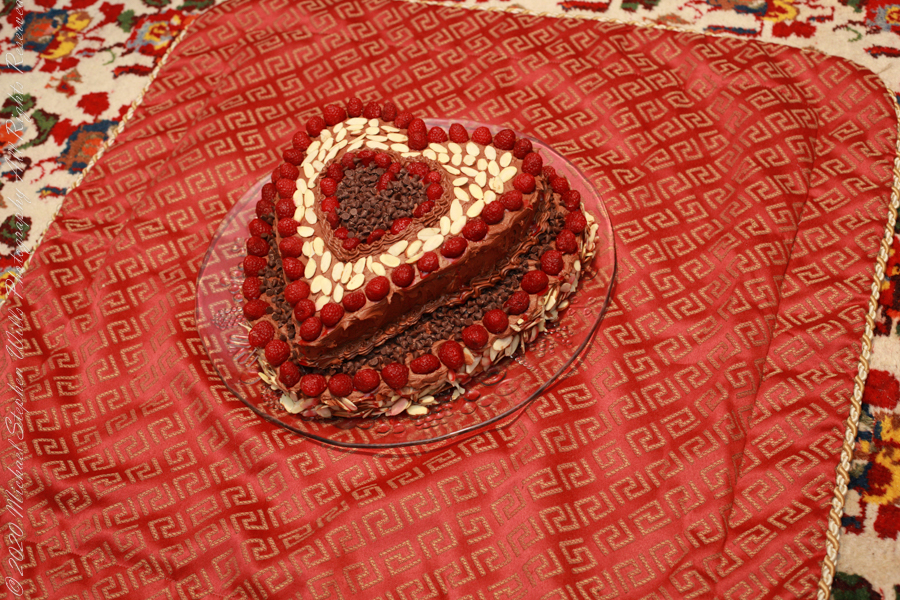
Chocolate Valentines Day cake by Pamela Wills

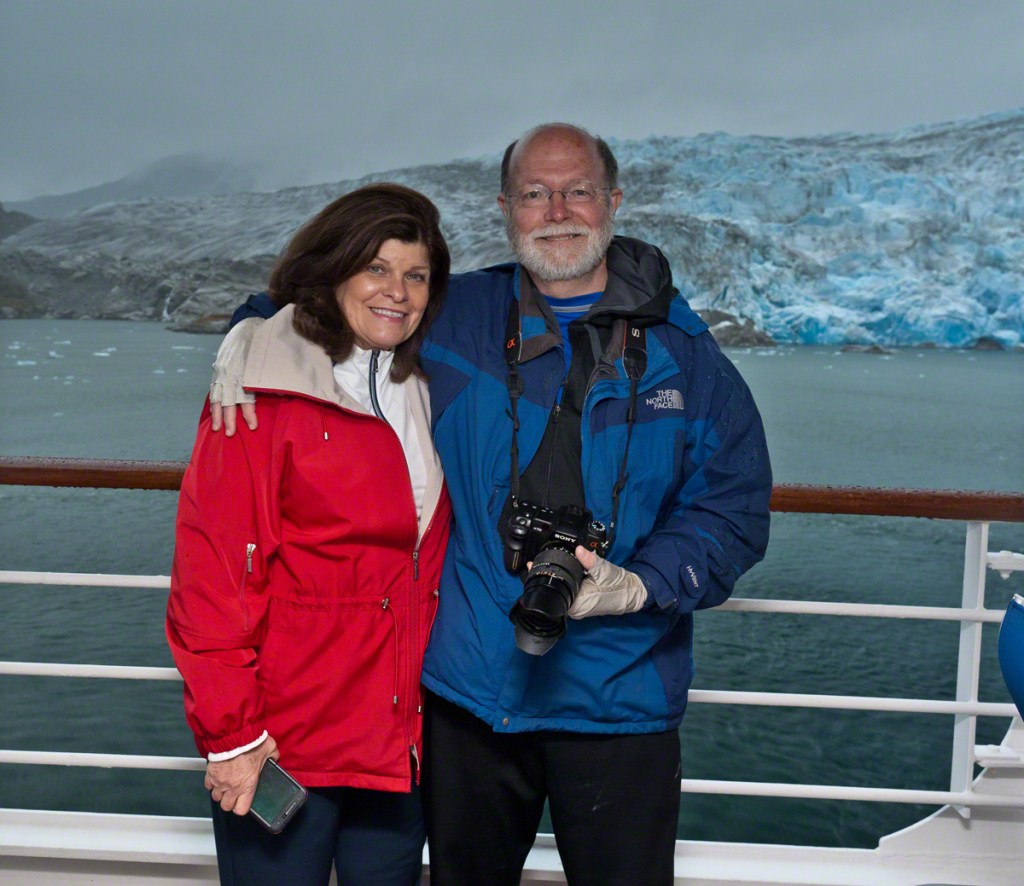
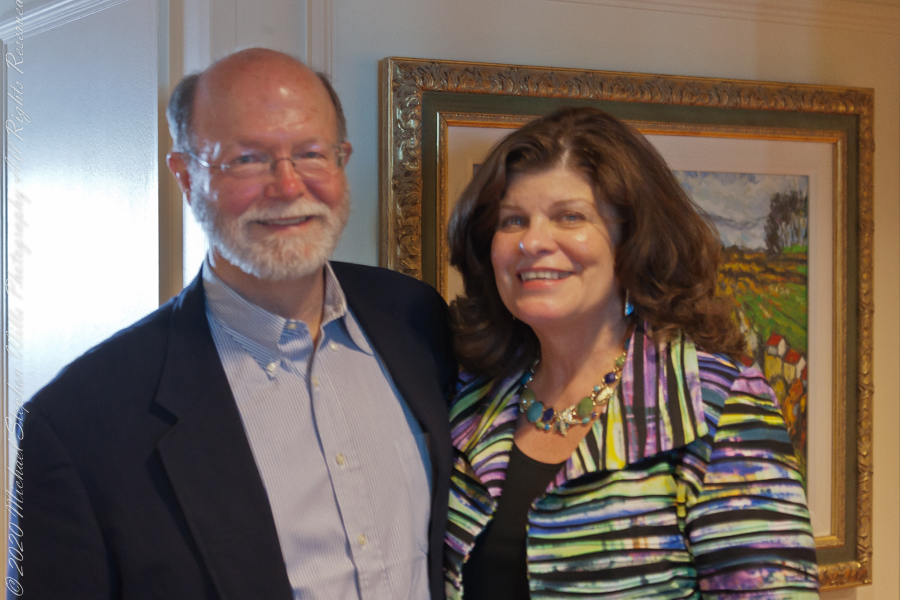
Pam and I aboard the Oceania Regatta sailing the Pacific Ocean off Chile. The following day we reached Puerto Montt.
Copyright 2025 Michael Stephen Wills All Rights Reserved

Very Old, Very New

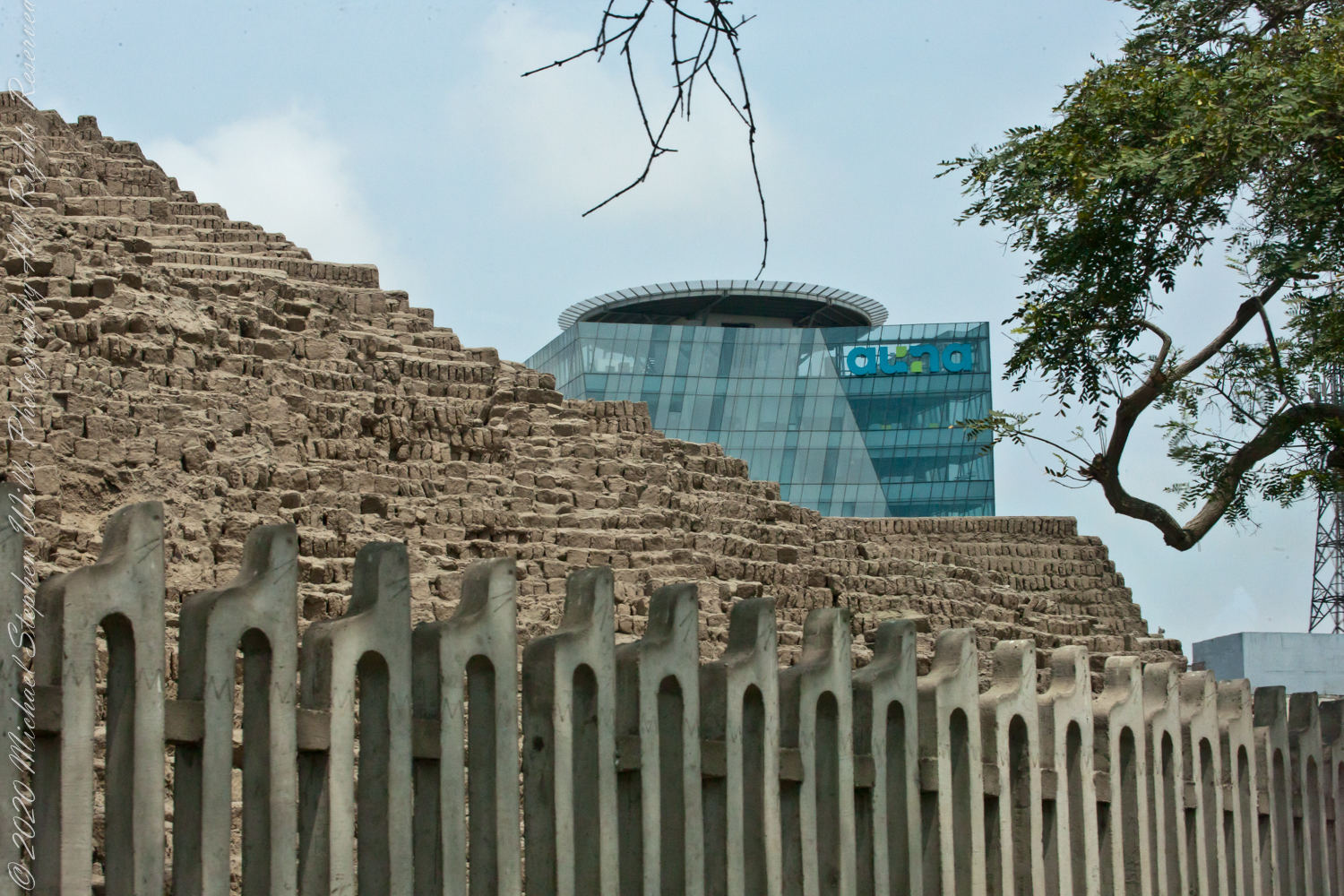
Lima is home to 10 million Peruvians and over 1000 historical sites.

View of Clinica Delgado (hospital) from Lima Peru’s Elias Aguirre (street), Huaca Pucllana filling the foreground. Huacas are commonly located in nearly all regions of Peru outside the deepest parts of the Amazon basin in correlation with the regions populated by the pre-Inca and Inca early civilizations. They can be found in downtown Lima today in almost every district, the city having been built around them. Huaca Pucllana, located in Miraflores district, is an adobe and clay pyramid built from seven staggered platforms. It served as an important ceremonial and administrative center for the advancement of the Lima Culture, a society which developed in the Peruvian Central Coast between the years of 200 AD and 700 AD. 

This is the New York Times article that inspired me to remember visiting Huaca Pucllana during our February 2016 tour of Lima, Peru. “3,000 Years of History Are Literally Just Beneath Our Feet.”

Copyright 2022 Michael Stephen Wills All Rights Reserved

Queen Victoria Arrival

Little did they know what lay in store….

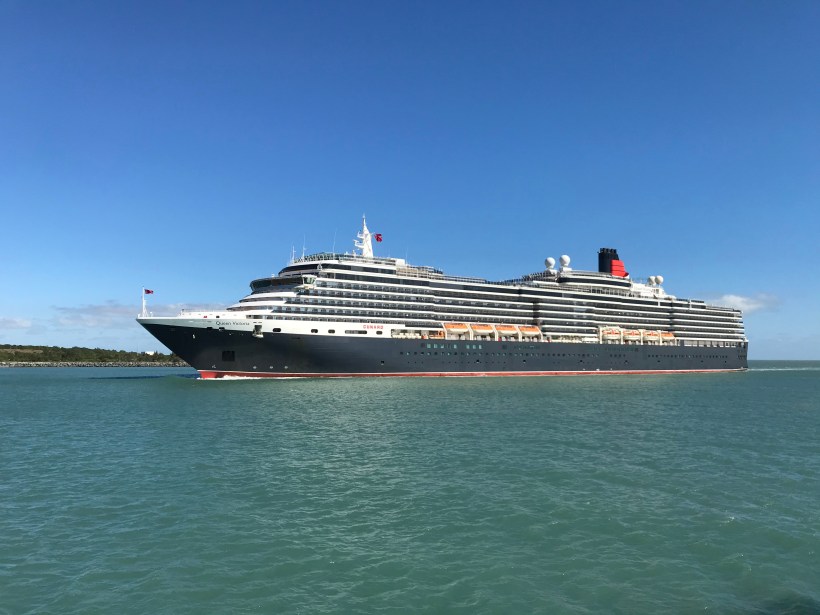
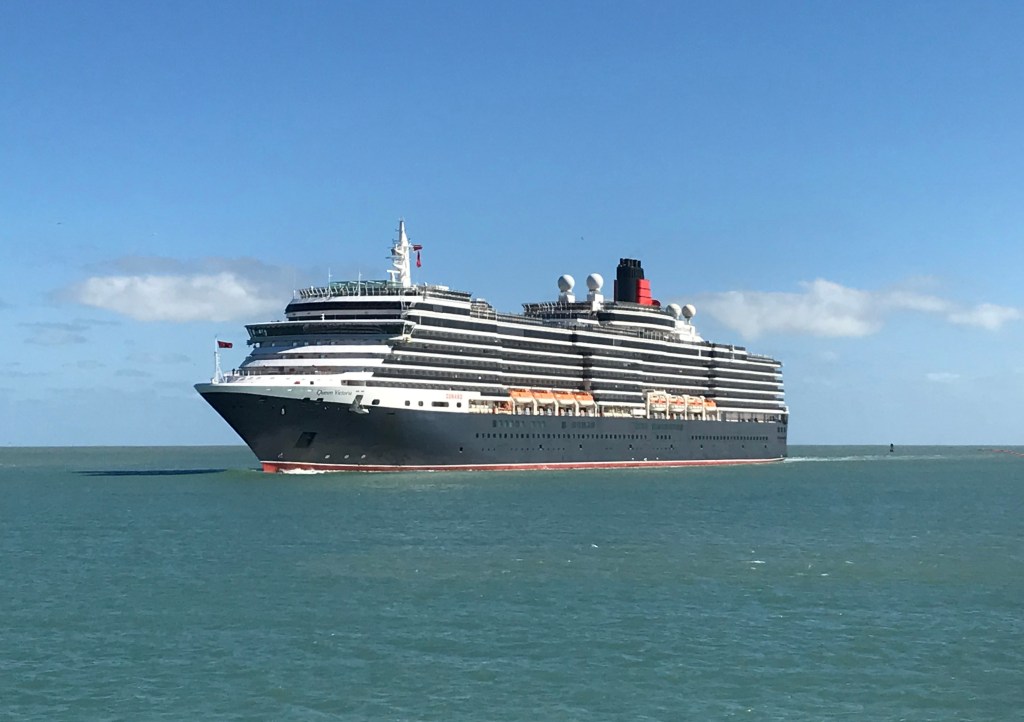
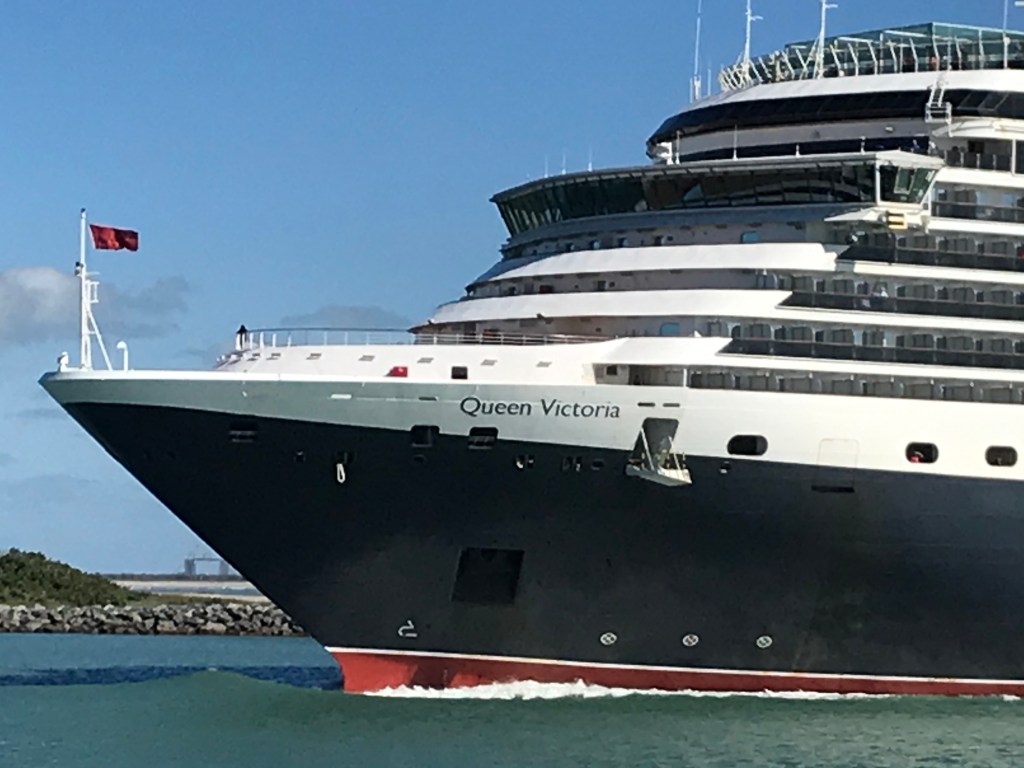
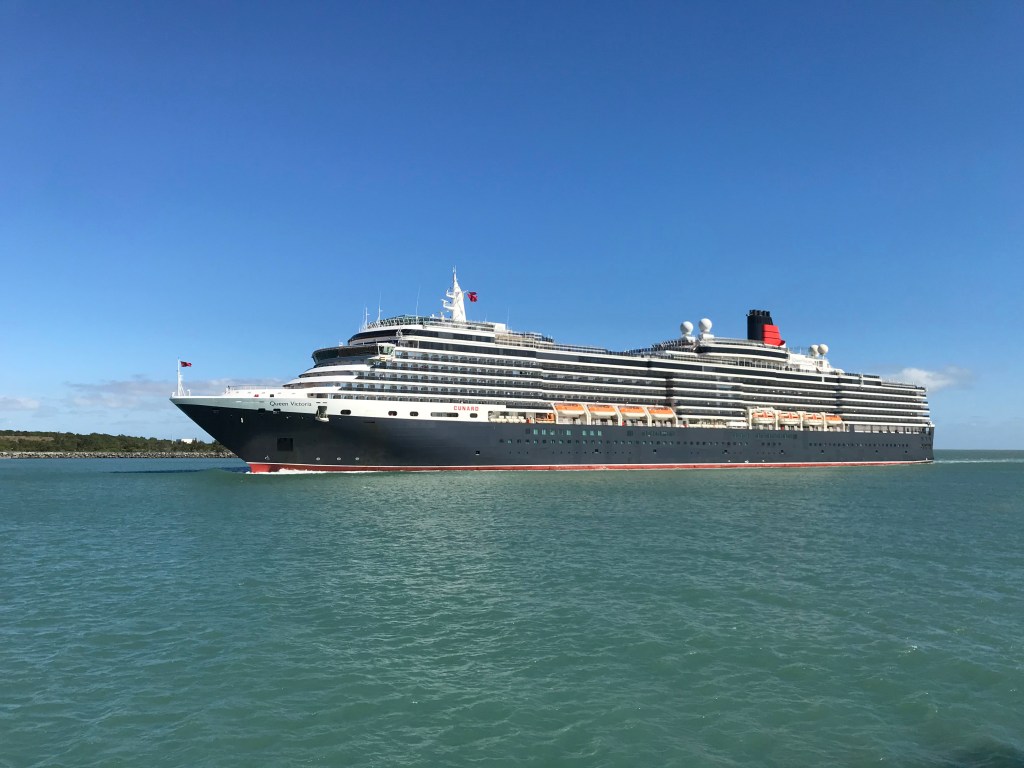
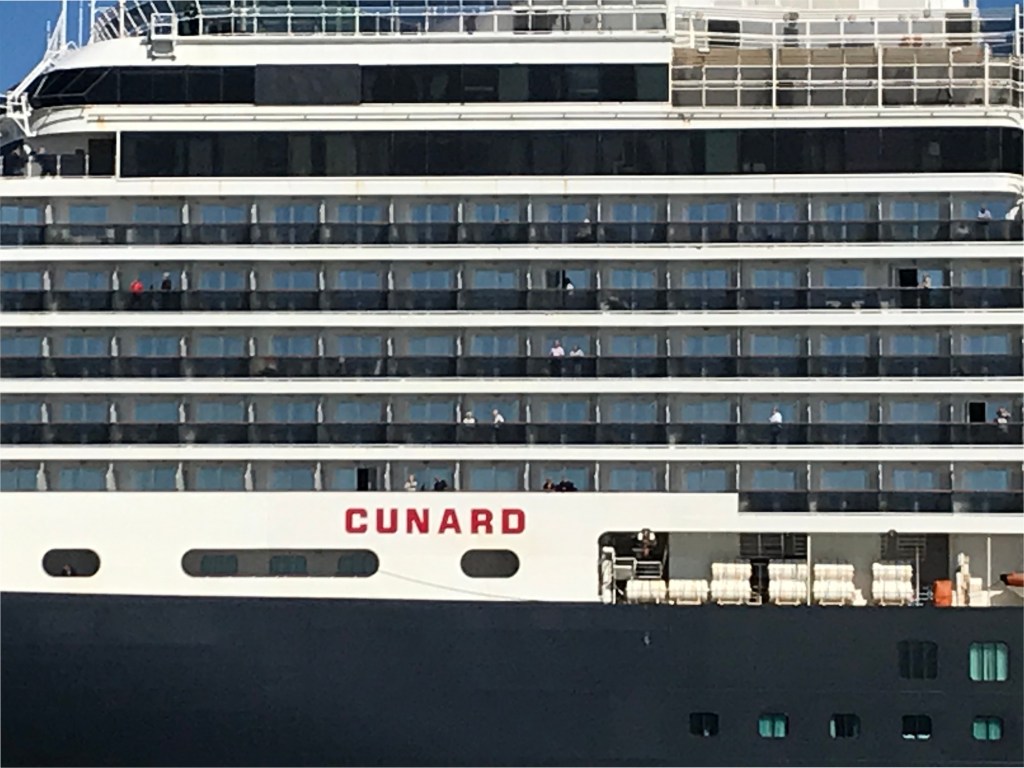
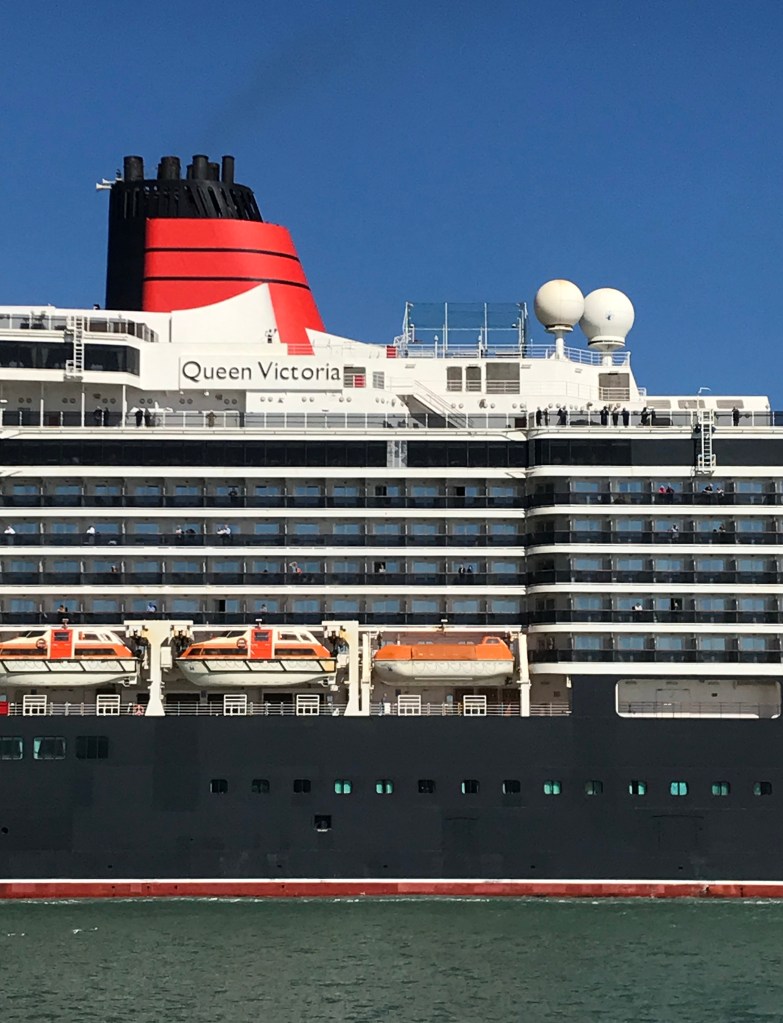
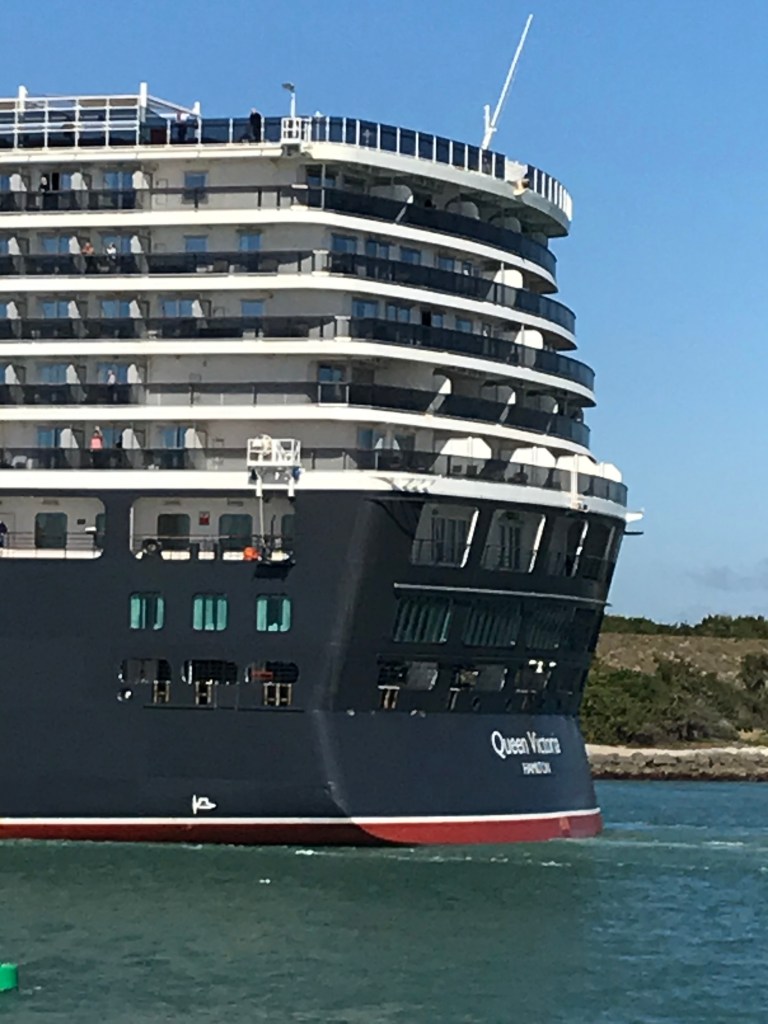
Pam and I walked from Cheri Down park this morning of February 2020 to Jetty Park where we were fortuitous witnesses to the arrival of the Cunard ship Queen Victoria on an 84-day cruise around South America.

Click video to start. To do this from WordPress Reader, for best results first click the title of this post to open a new page. Ditto for the photograph

I used my IPhone 7 to capture the event. Understanding the context of a ship’s arrival opens a whole new world. Standing on the pier I researched the voyage.

Here is the list of ports on the itinerary. These include the Caribbean, Central America and many of the same ports visited on the 2016 Oceania cruise Pam and I enjoyed from Lima, Peru to Buenos Aires, Argentina.

Hamburg, Germany
Southampton, England
Kings Wharf, Bermuda
Port Canaveral, Florida
 Fort Lauderdale, Florida
San Juan, Puerto Rico
Bridgetown, Barbados
Manaus, Brazil
Santarem, Brazil
Salvador de Bahia, Brazil
Rio de Janeiro, Brazil
Montevideo, Uruguay
Buenos Aires, rgentina
Puerto Madryn, Argentina
Ushuaia, Argentinia
Cape Horn, Chile
Punta Arenas, Chile
Puerto Montt, Chile
San Antonio, Chile
Coquimbo, Chile
Arica, Chile
Callao (Lima), Peru
 Manta, Ecuador
 Panama City, Panama
Panama Canal, Panama
Cartagena, Columbia
Willemstad, Dutch Antiles
Fort Lauderdale, Florida
Ponta Delgada, Azores
Southampton, England
Hamburg, Germany

Little did they or we know the happy voyage was destined to terminate and return.

Copyright 2022 All Rights Reserved Michael Stephen Wills

German Club “To the Watermill”

Nostalgia and Great Food

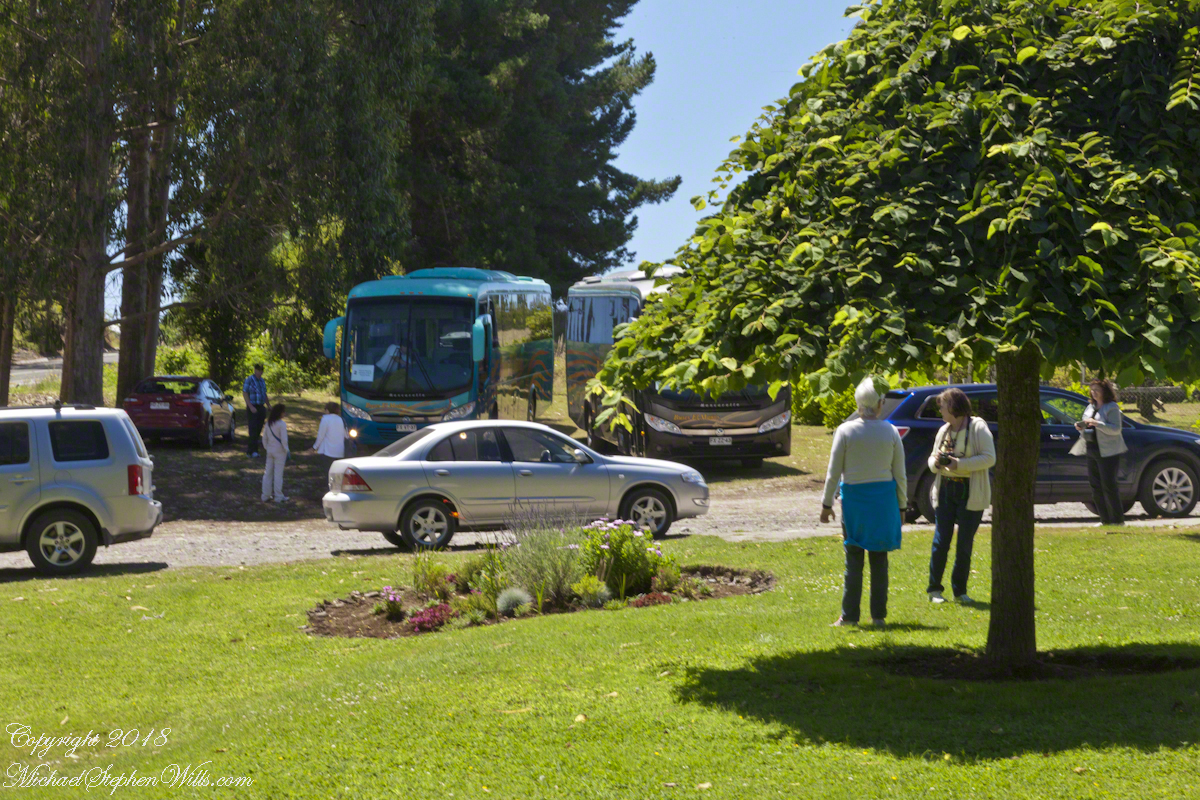
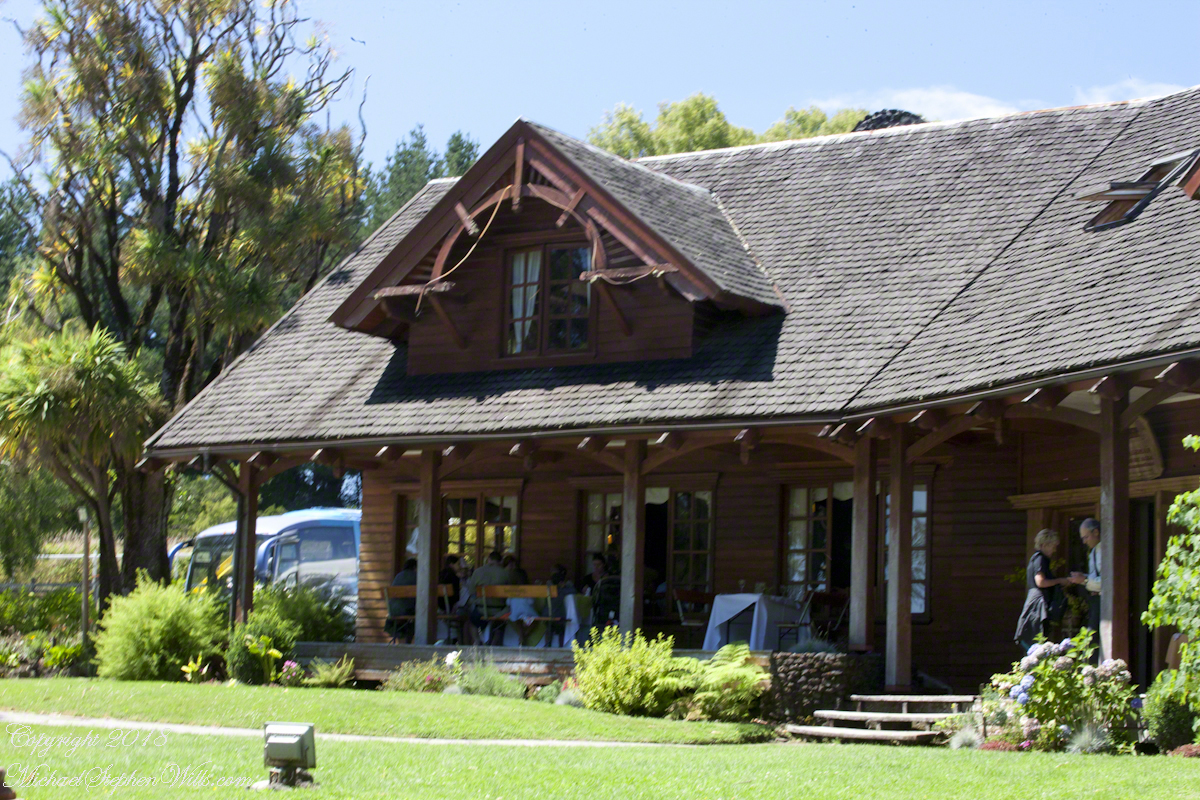
Our tour of Chilean Lake Country and Volcanoes began from the harbor of Puerto Montt, in the tender we boarded from the ship Regatta. This is a small boat carried in the hold and deployed to transport passengers to ports without docking facilities. Once on land, we met our guide for the day and boarded the bus.

I have yet to post about our first stop, Puerto Varas, a 20 minute ride and our first exposure to the influence of 19th Century German settlers seen, from our bus windows, in the architecture. Today’s post is about our lunch stop, a restaurant half way between Puerto Varas and Ensenada.

Click any photograph for a larger view.

Club Aleman Molino de Agua

Club Alemans (German Clubs) are found in Puerto Montt, Puerto Varas, and here. Each is a gathering place for locals to celebrate their heritage, a feeling somewhat diluted over time to where, now, they speak of themselves as “Chileans of German extraction” and the great majority speak Spanish at home and are exposed to the German language as school courses.

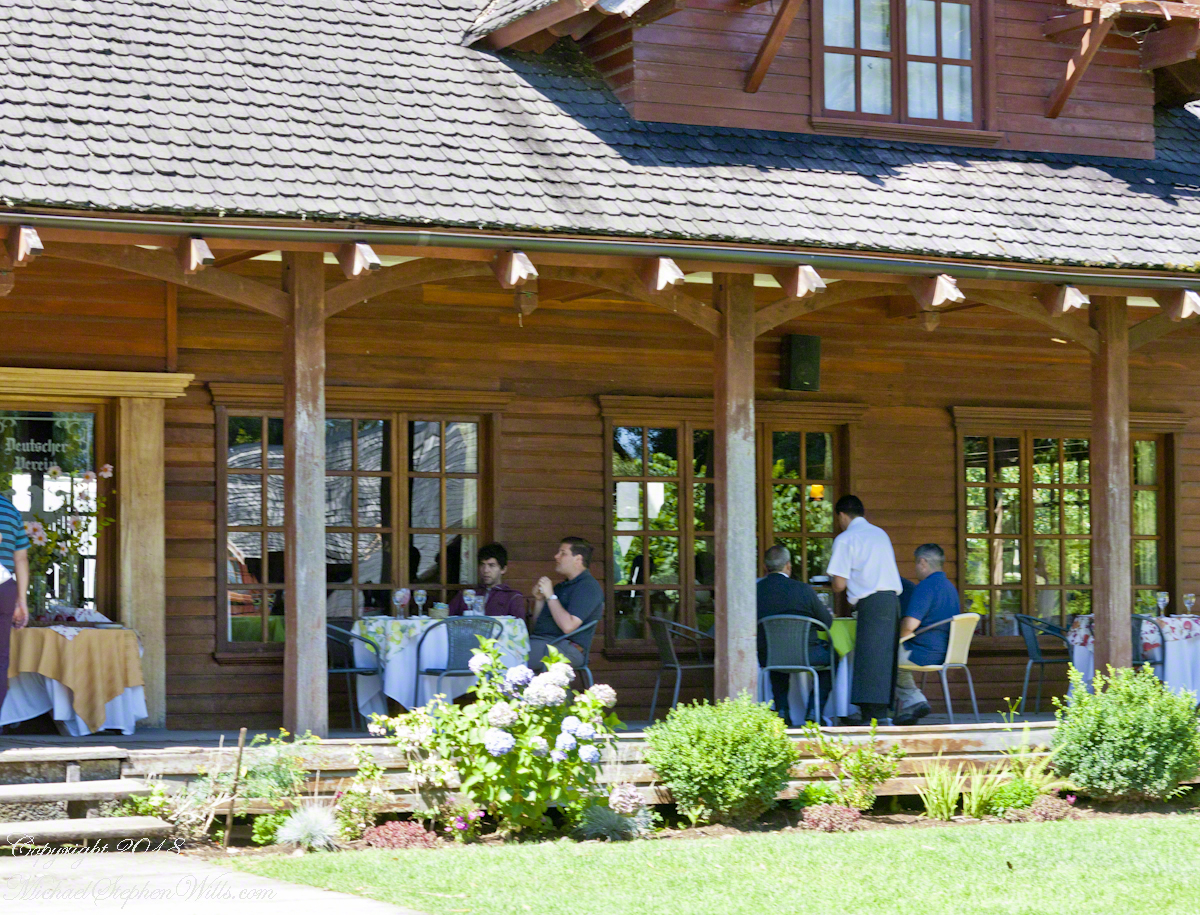
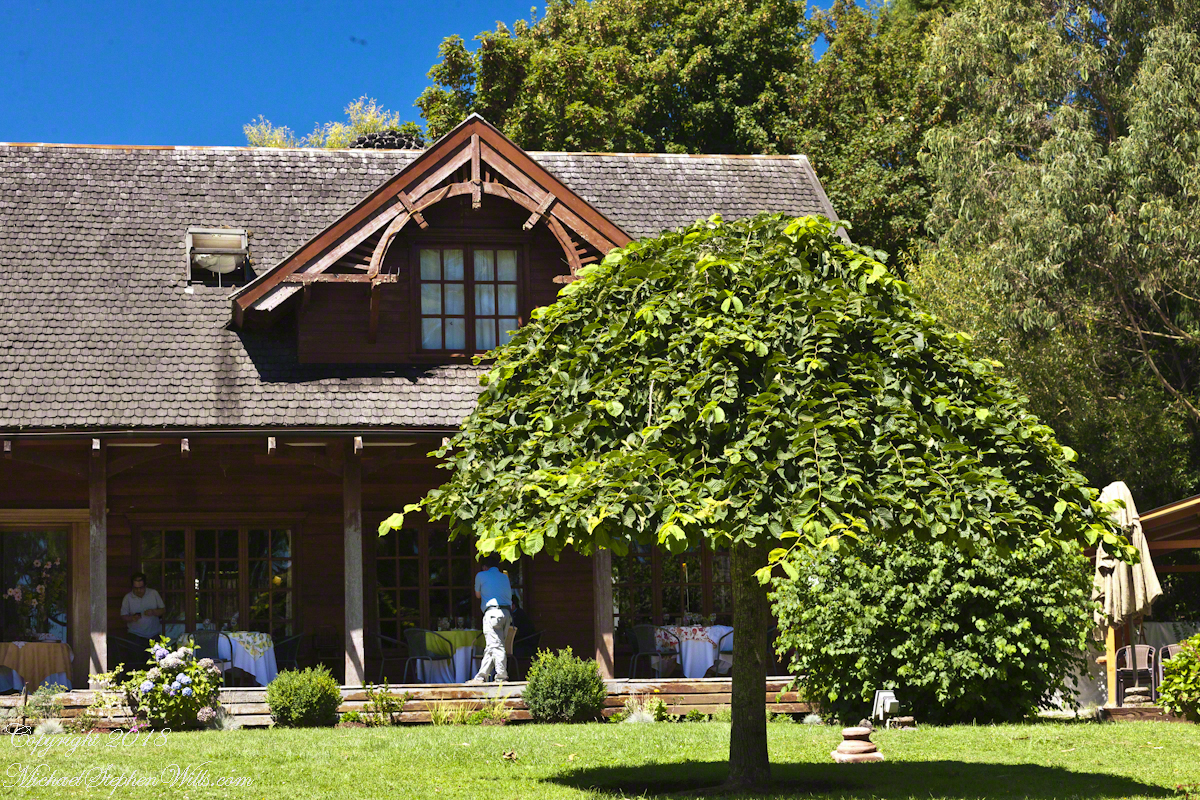
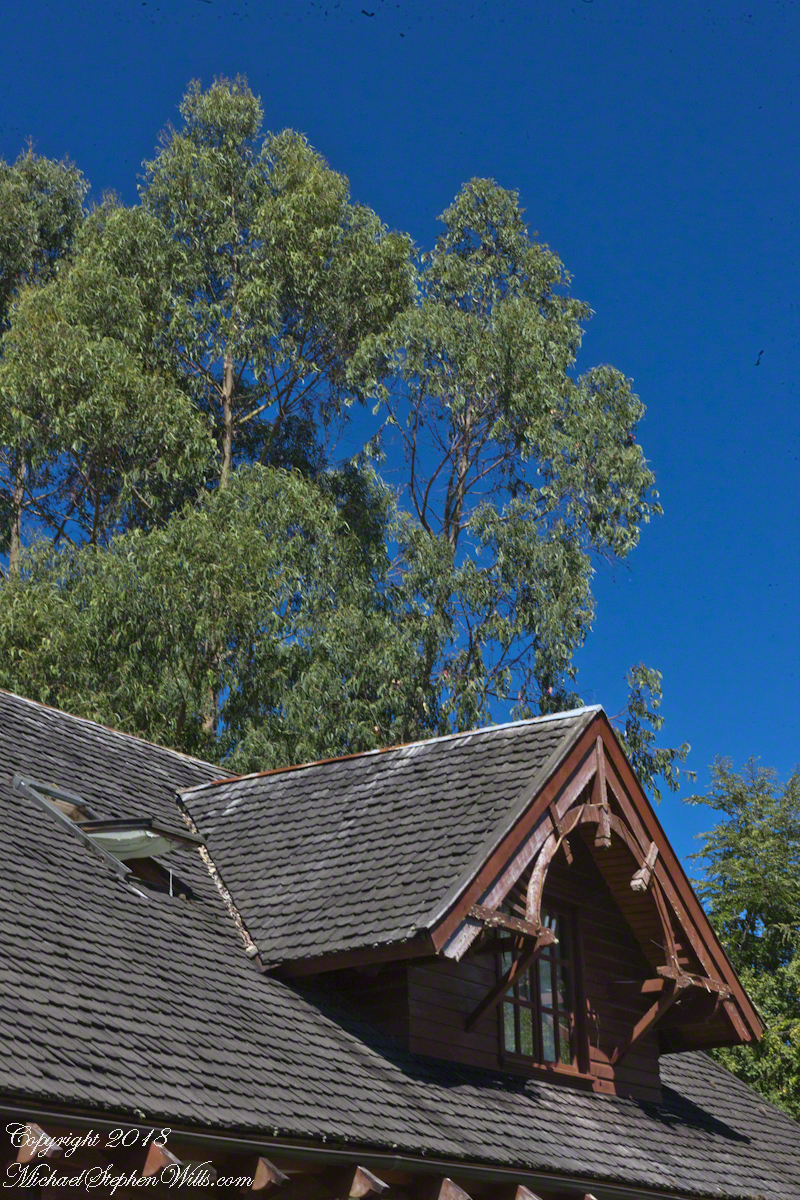
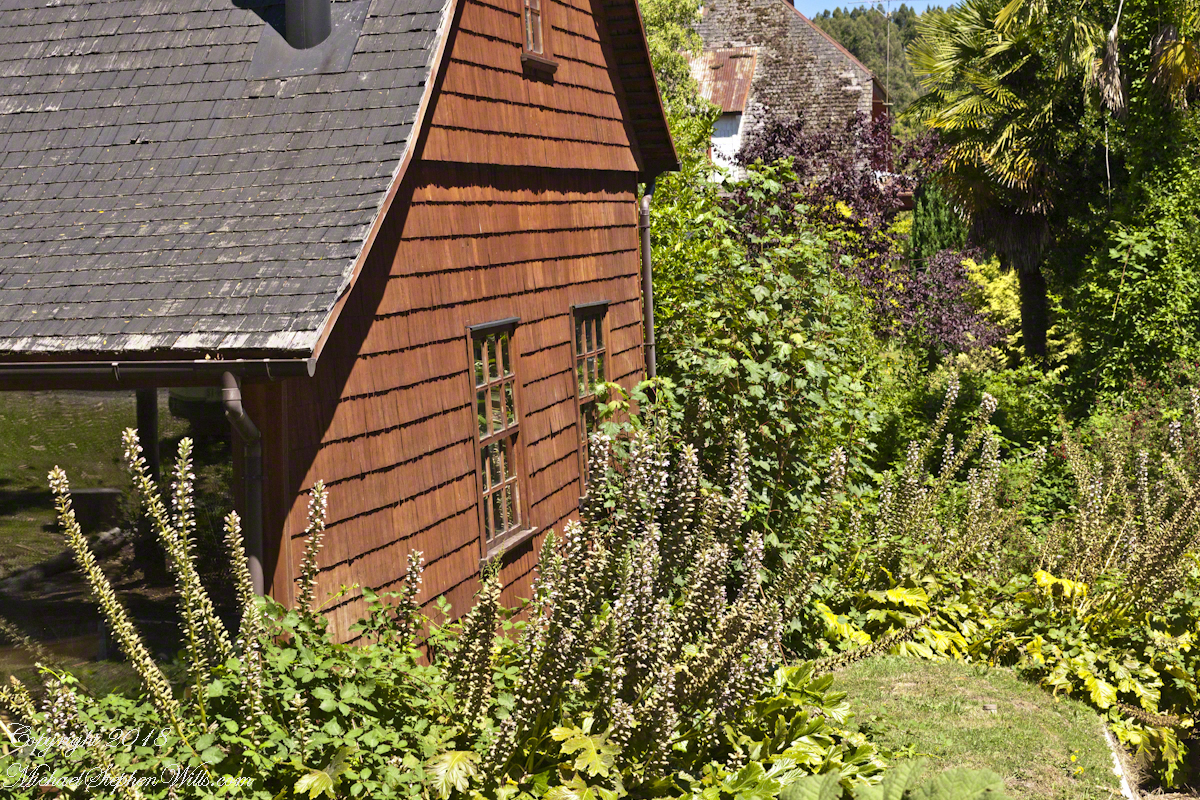
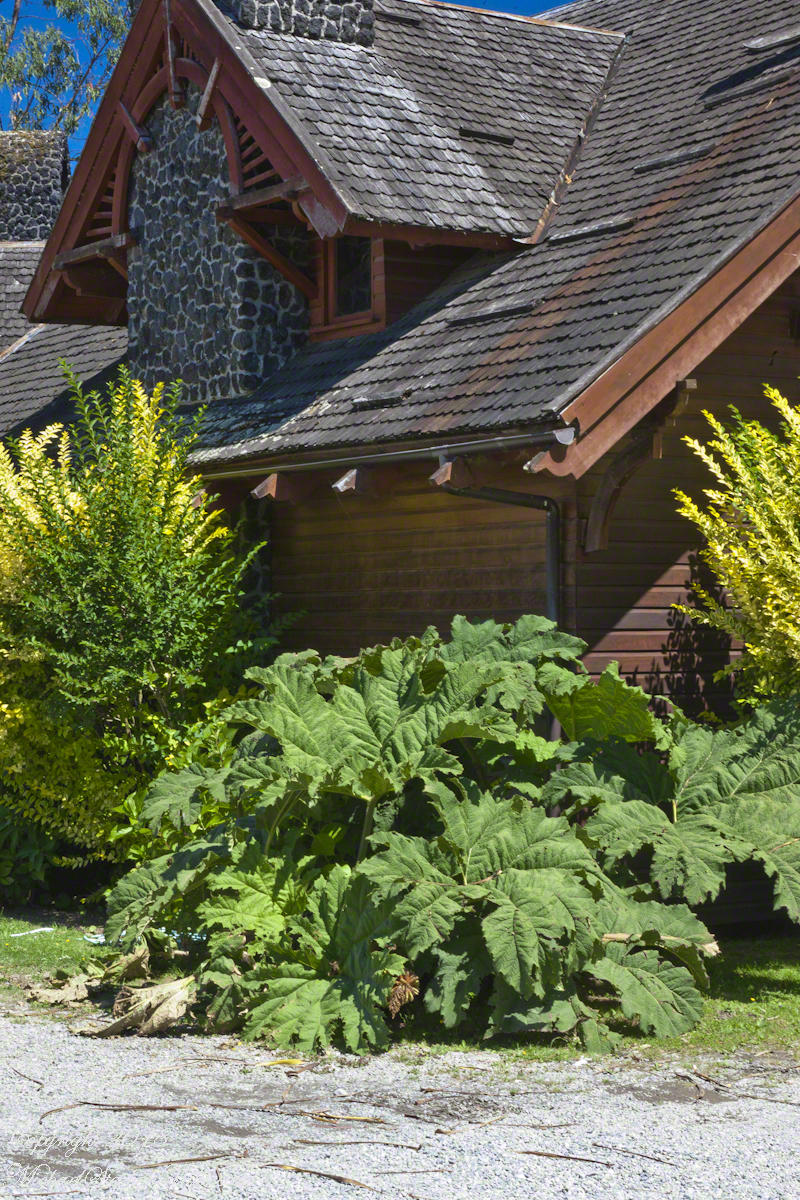
For past generations, the link was stronger, German was the language spoken at home and there was homesickness for the cultural traditions left behind and somewhat alleviated by the similarity of Chilean Lake Country to foothills of the Alps. Once established, the settlers duplicated the architectural features using local wood. Notably, many houses are clad with shingles from the Alerce (also known as Fitzroya cupressoides), a type of Cypress native to southern Chile and Argentina. The roof shingles of Club Aleman, seen below, were of this type.

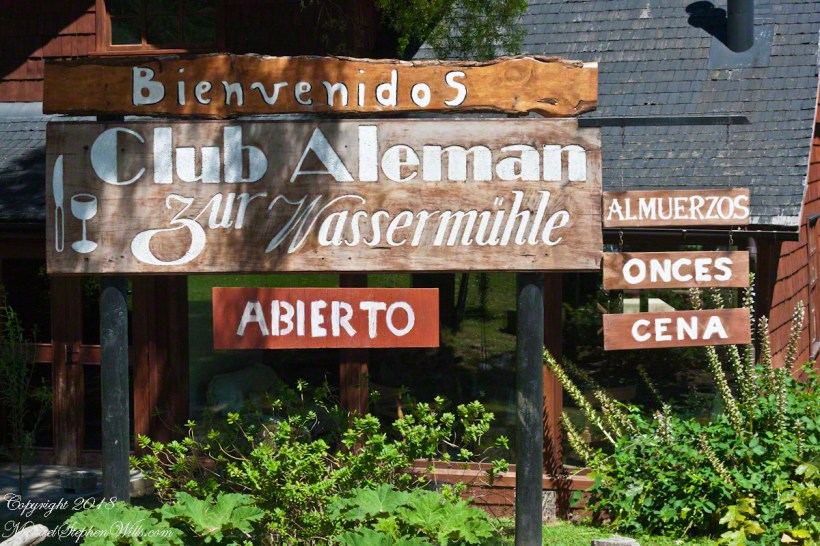
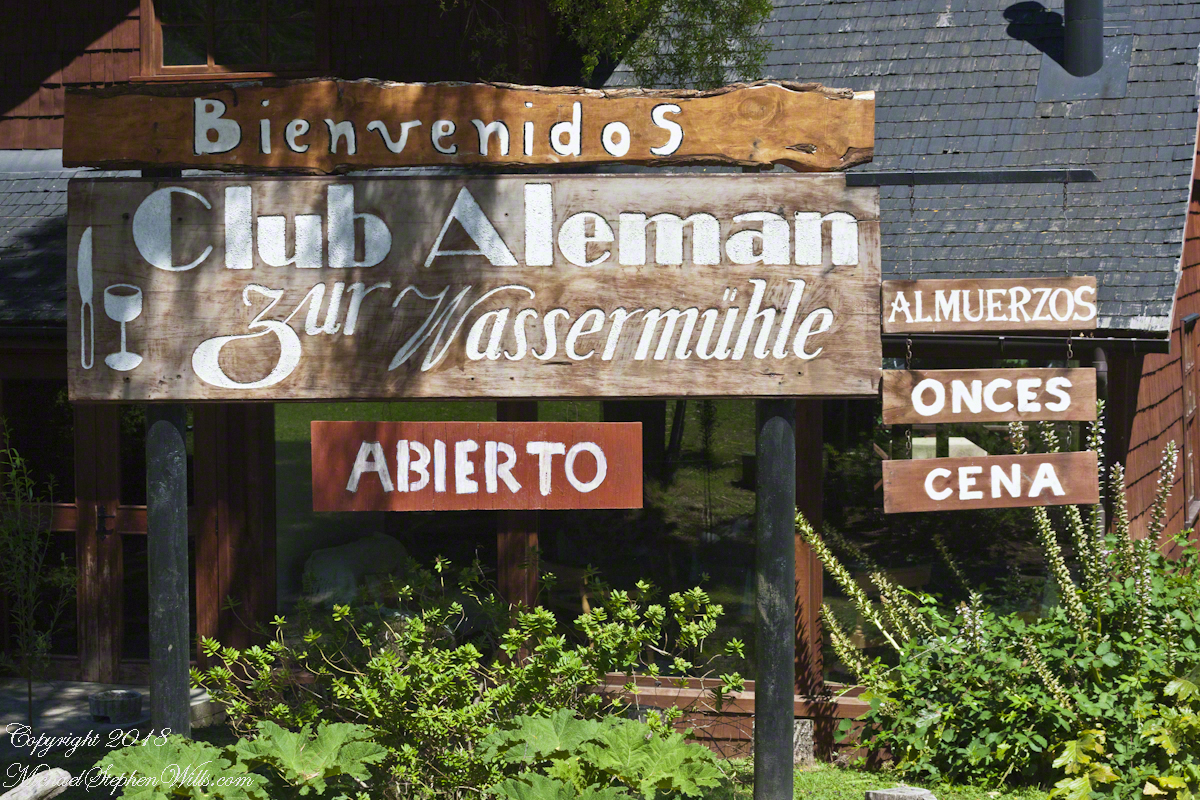
The sign translates to “German Club: to the watermill” from the two languages used: Spanish and German. The sign reads “lunch, dinner, late night.” “Onces means Late Night.

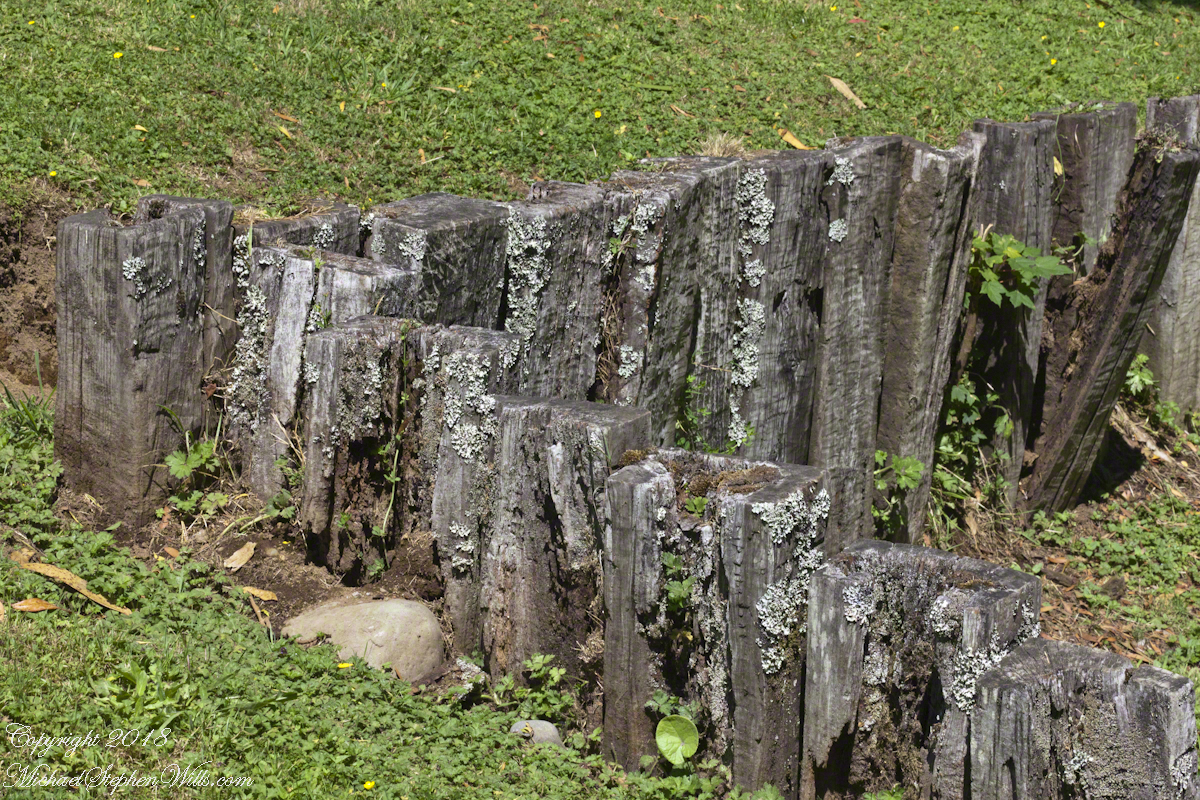
The “watermill” is a nostalgic, sentimental reference echoed in architectural and decorative details throughout the property, such as this series of posted set to suggest a device used to control water flow. There is no water flowing through the property.

Our lunch was excellent Chilean fare, but I don’t recall what it was, exactly and I didn’t photograph the interior. For us, an plus of using these cruise tours is all the details are taken care of, releasing us to maximize our enjoyment of the surroundings.

A dark side to these settings was the attraction the area had to un-remorseful Nazis fleeing war crime prosecution. In Chile and Argentina they found refuge in the 1940’s, 50’s and were supporters of the Pinochet dictatorship. None of this history was presented by our excellent guide, nor was it reflected in these rustic charms.

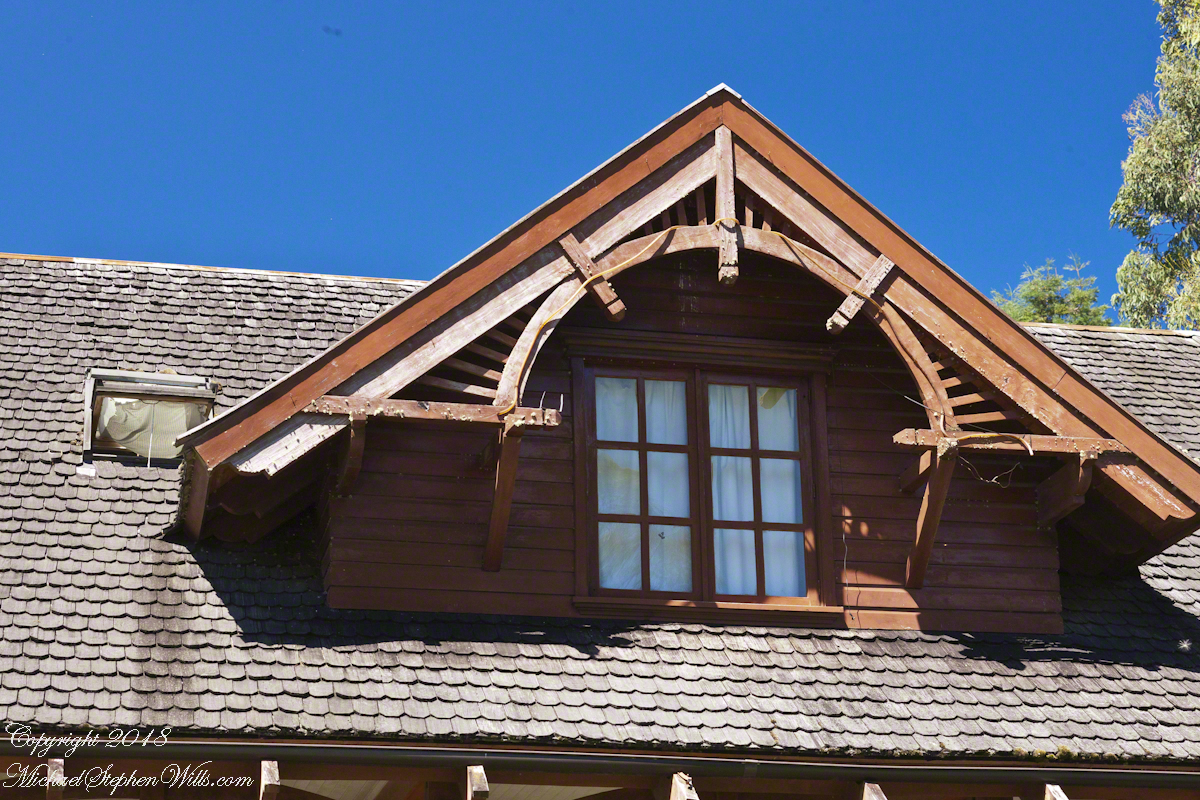
I was fascinated, for some reason, by the two dormers of the main building root with the wheel-like decoration.

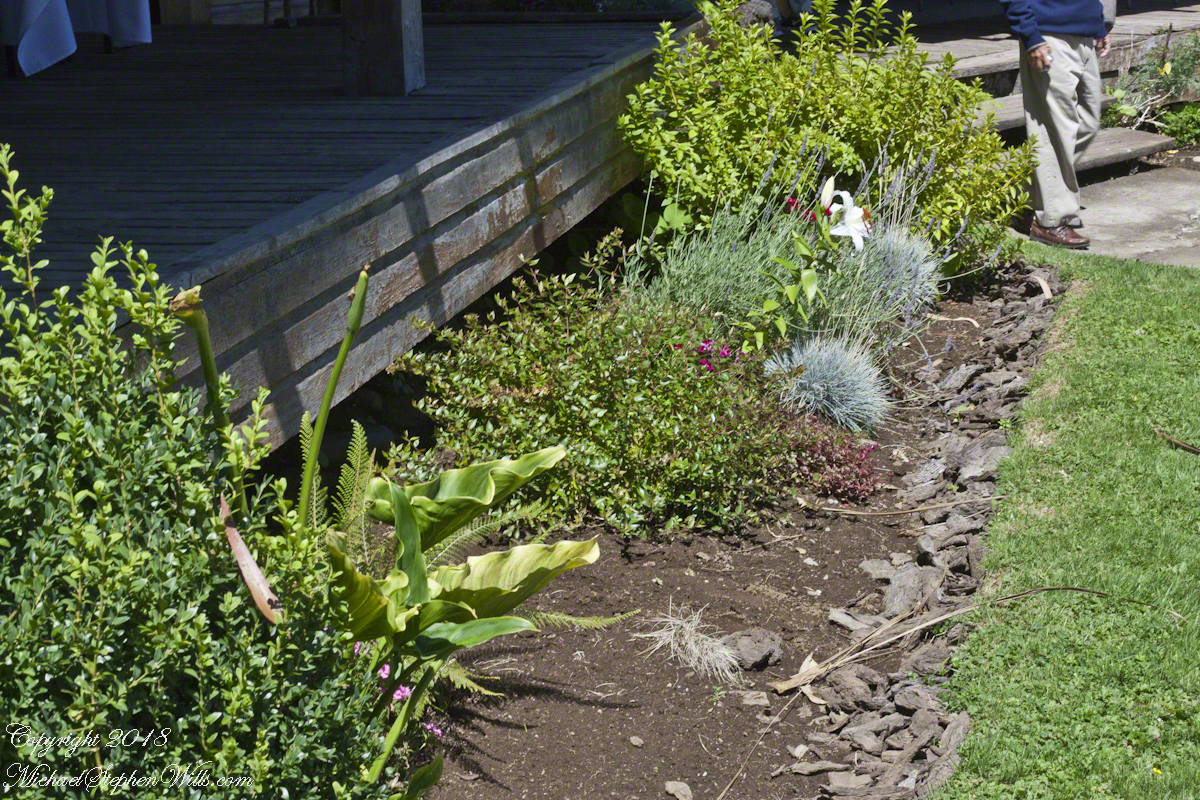
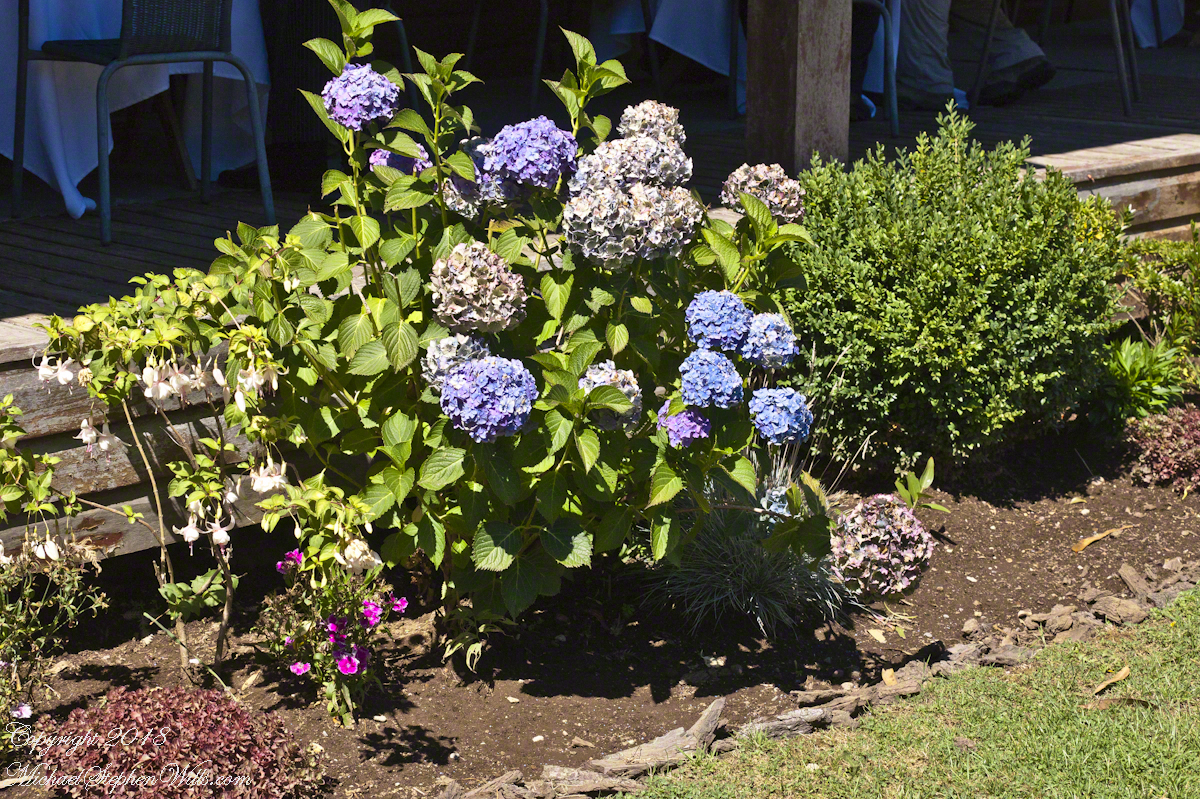
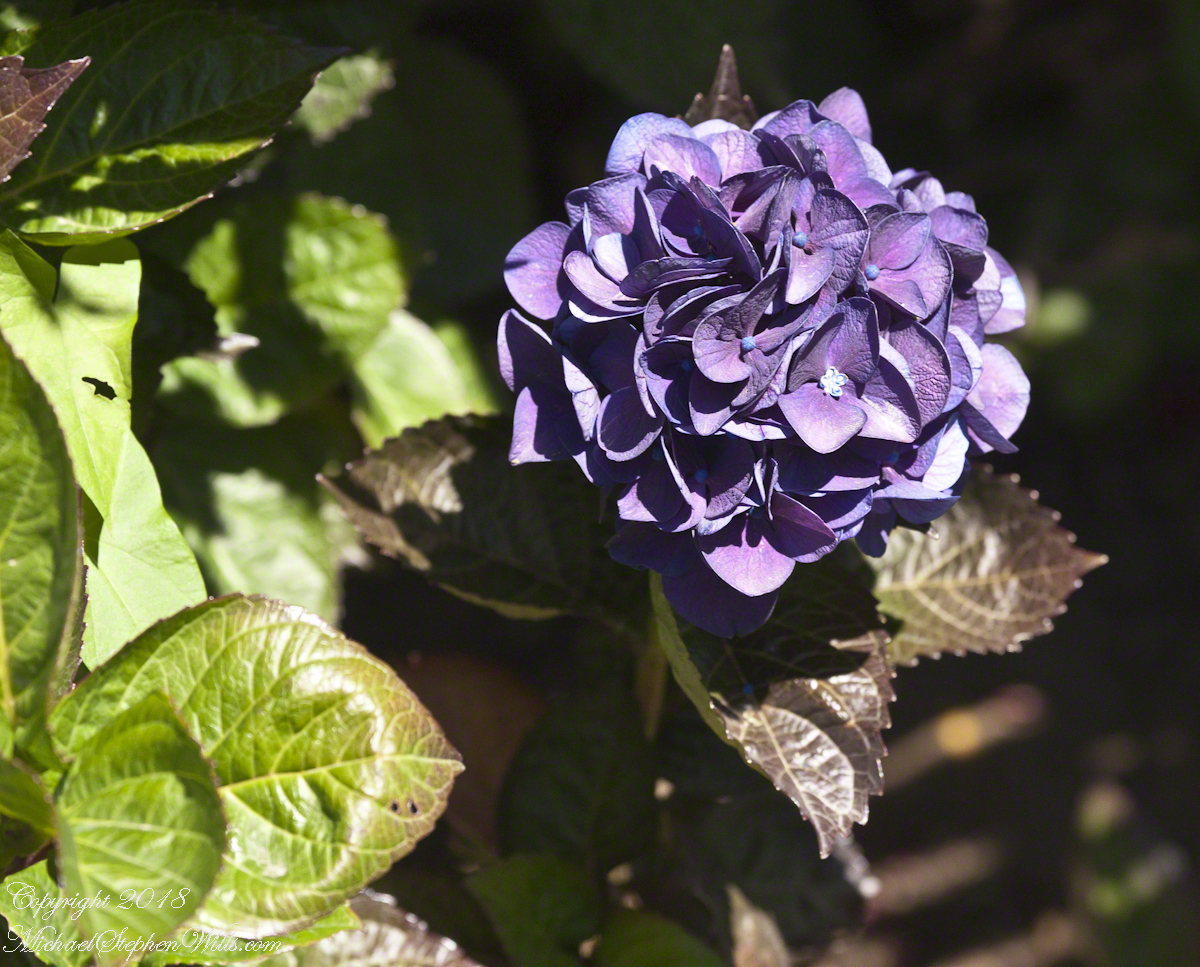
The Garden

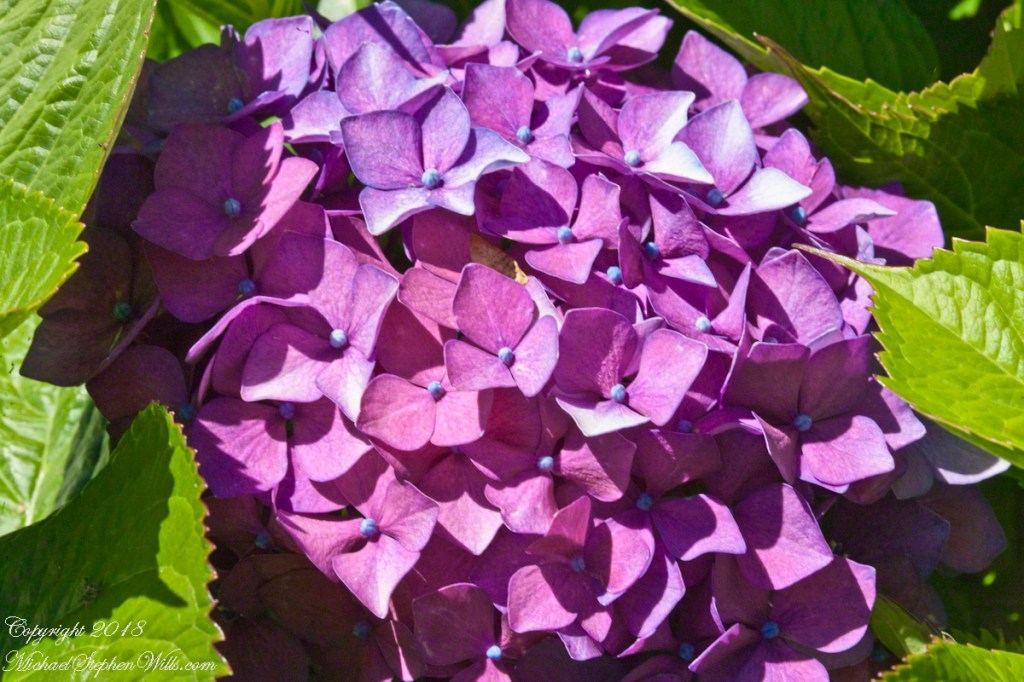
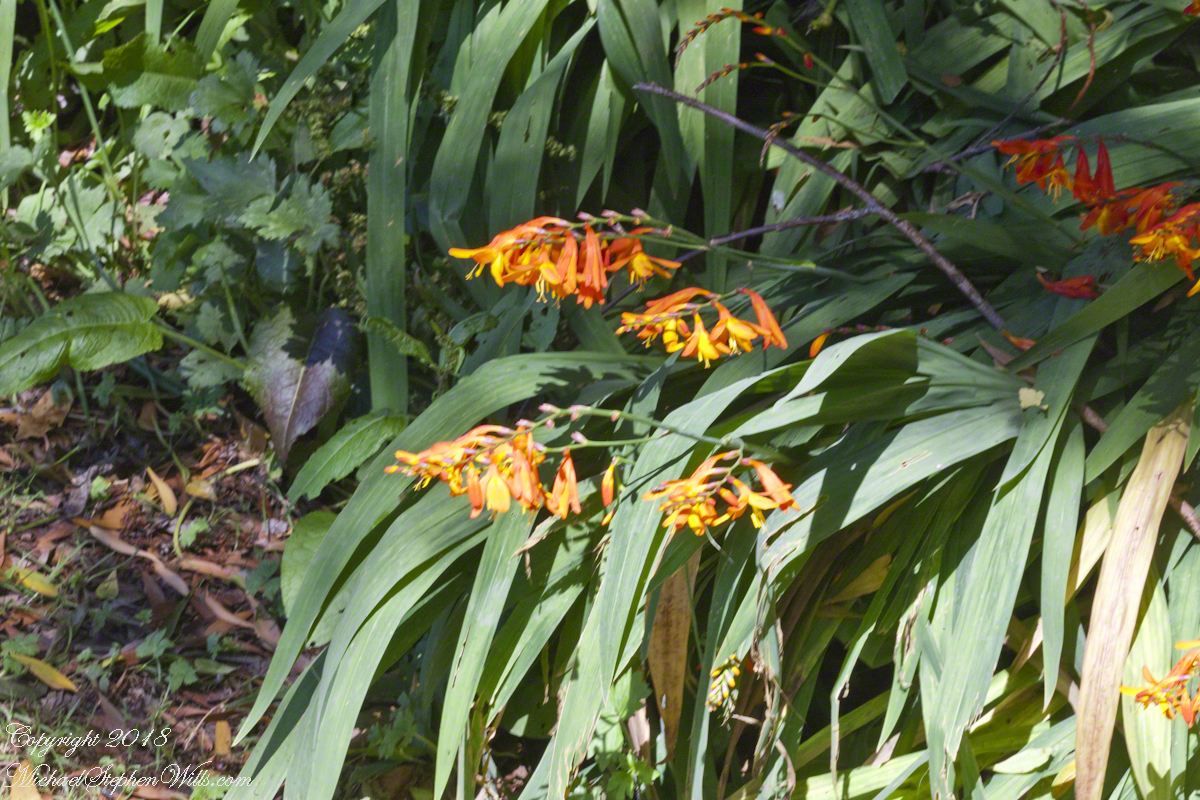
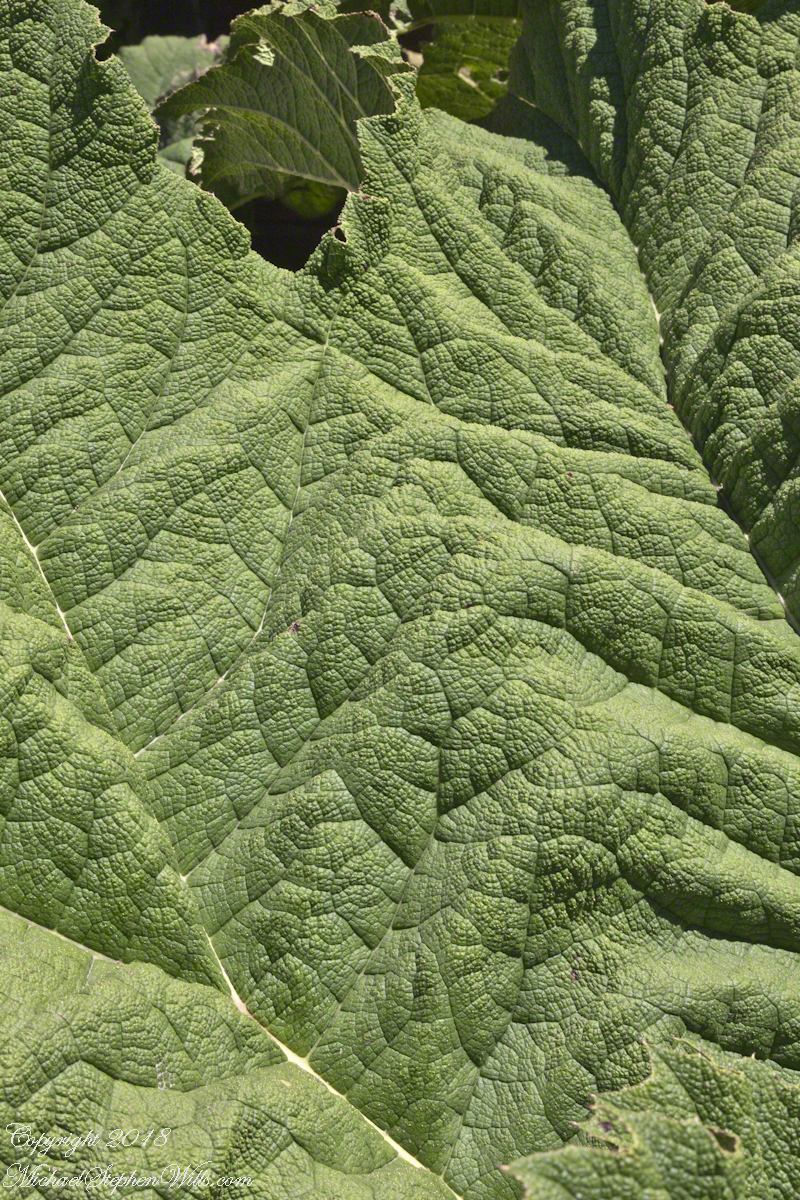
A native plant encountered frequently in our travels, growing wild, and here.
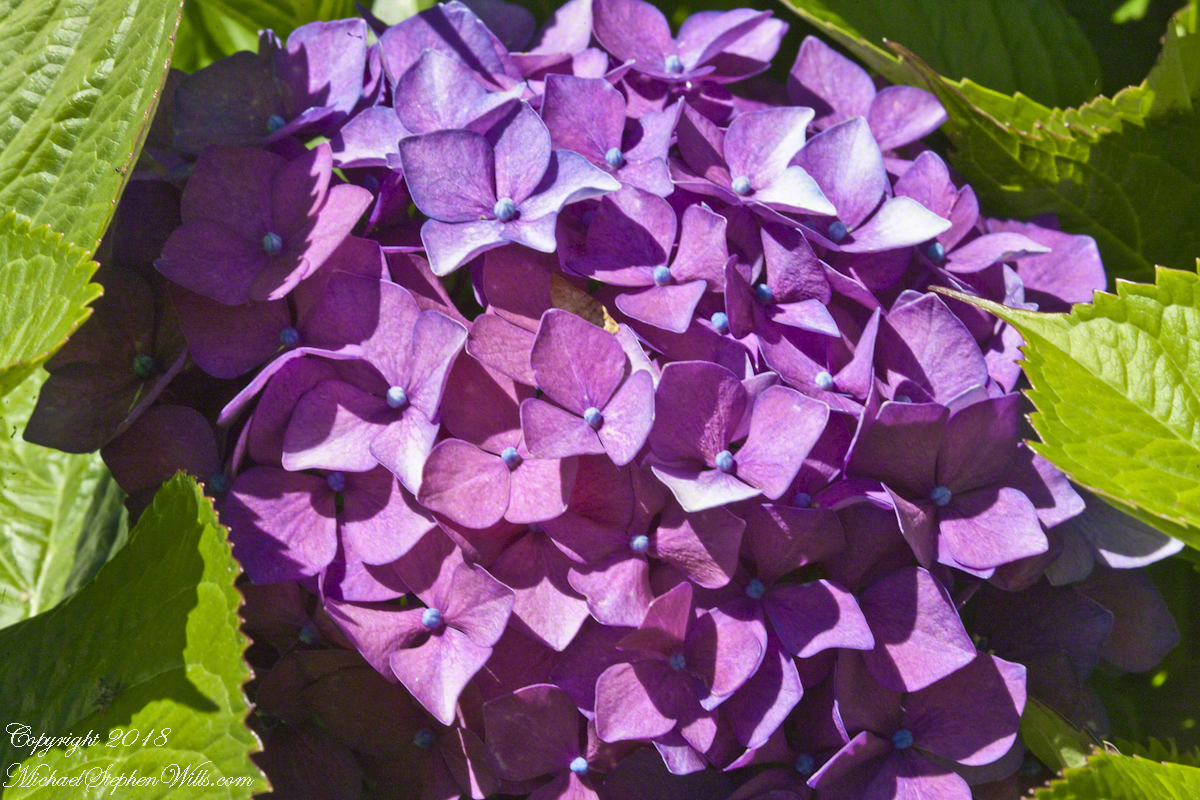
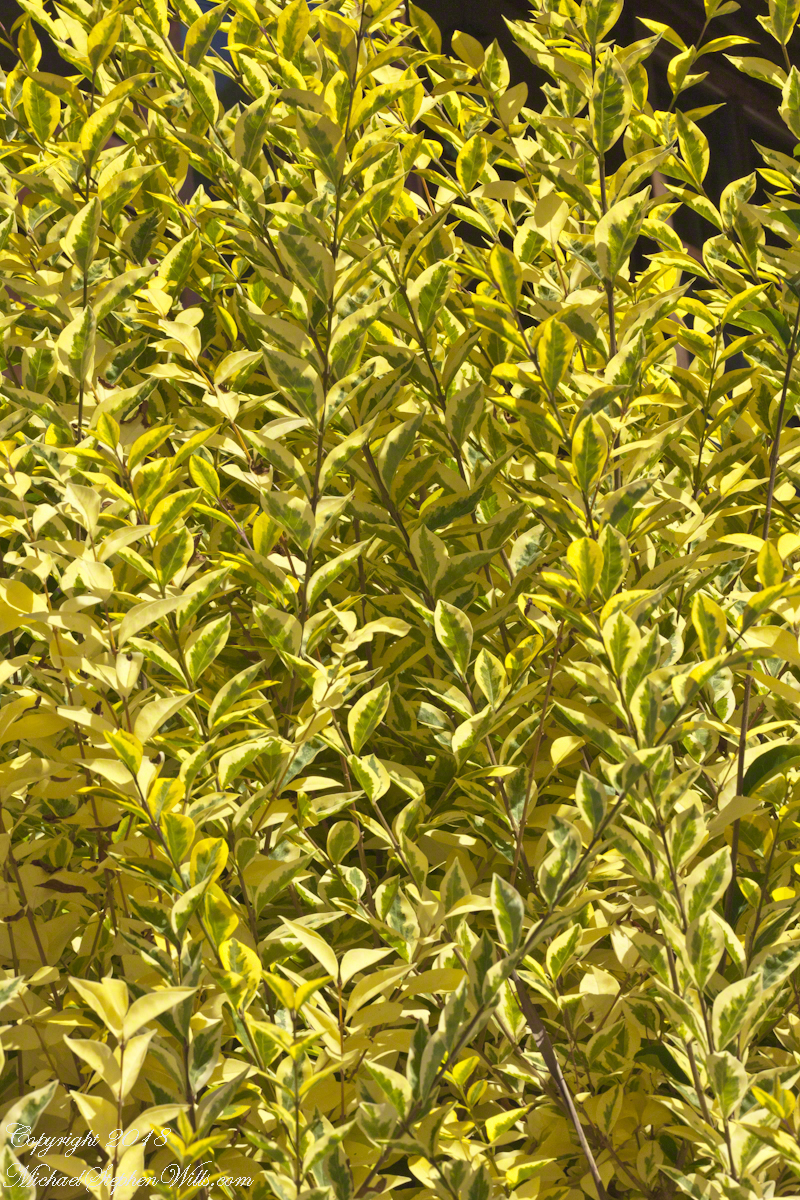
Close-up of the shrub growing to either side of those large leaves.

Calbuco Simmered

An unsettling volcanic neighborhood

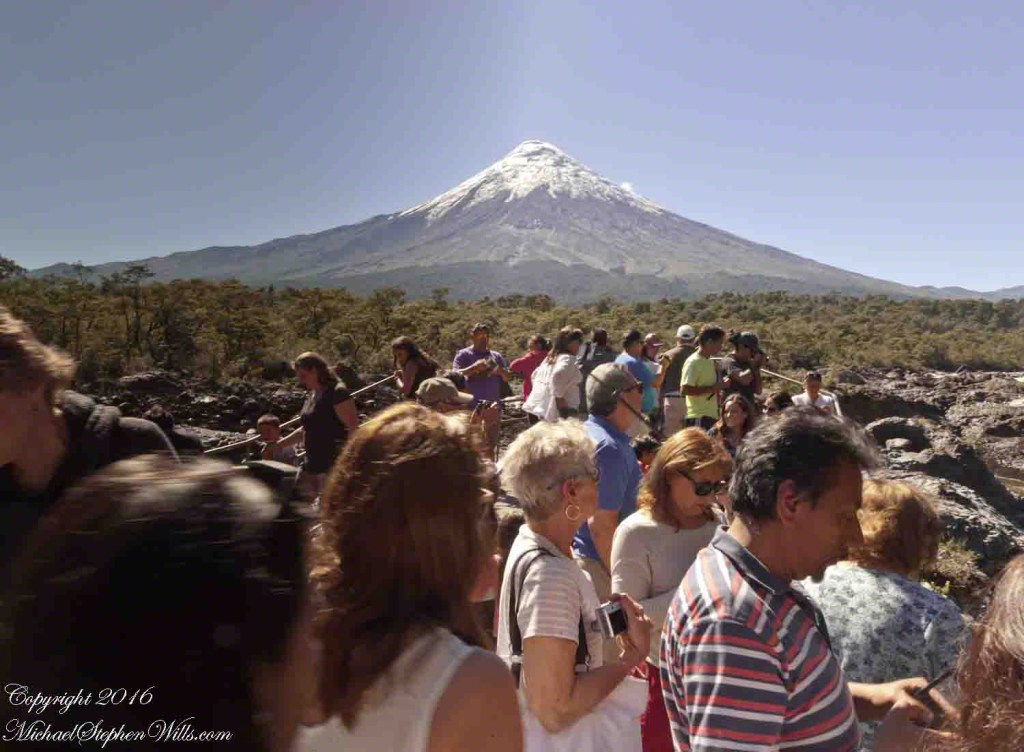
Postings last week featured the symmetrical, haunting cone of Orsorno and I have more images and stories to share of this quiescent horror in waiting. Today you will learn of another stratovolcano just 16 miles from Orsorno, also ancient; unlike Orsorno, misshapen and a current threat to local residents.

Calbuco is its name, taken from an indigenous language, “Blue Water” in English. It must refer to the water of Lake Llanquihe. As we drove Road 225 Calbuco was on one side, to the south, the lake on the other. When we visited Petrohué Falls, the river forms a southern boundary to the Llanquihue National Reserve from which Calbuco rises.

April 2015 Eruptions

Where we planned out trip, nine months before this day in February 2016, Calbuco erupted without warning with explosions one step below that of Mount St. Helen’s 1980 event. The volcanic plume of ash and cinders reached more than 10 kilometers ( 6+ miles ) high. It was fortunate the wind direction took the ash away from the nearby cities of Puerto Varas and Puerto Montt. Each is about 17 miles from Calbuco. As it was, the catastrophe destroyed crops and made farmers lives difficult. Farmers and the residents of the rural village Ensenada, nine miles away, evacuated to save their lives. Abandoned farm animals perished. Village residents returned to homes, roads, gardens covered in ash.

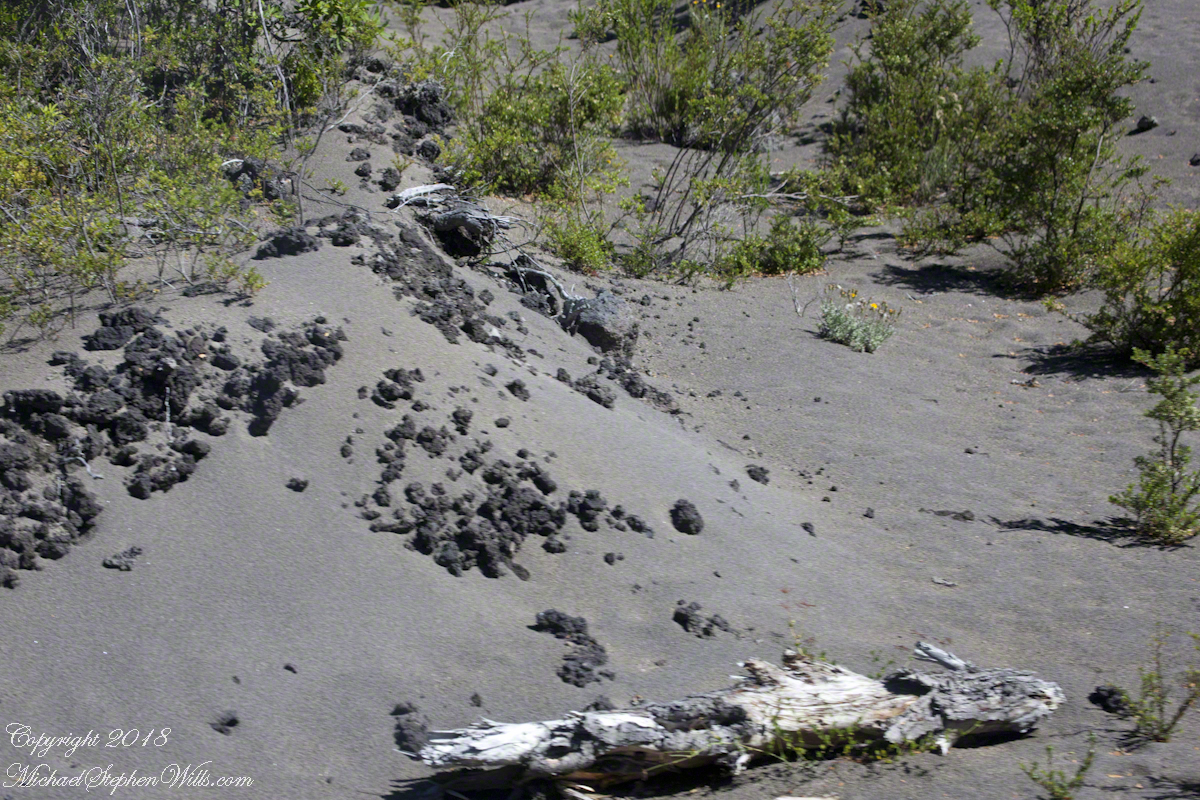
Here is a photograph of an ash and cinder drift from the explosion, just off Road 555 on the slopes of Orsorno volcano, above Ensenada village.

Click any photograph for a larger view.

Settlement Beneath Active Volcanos

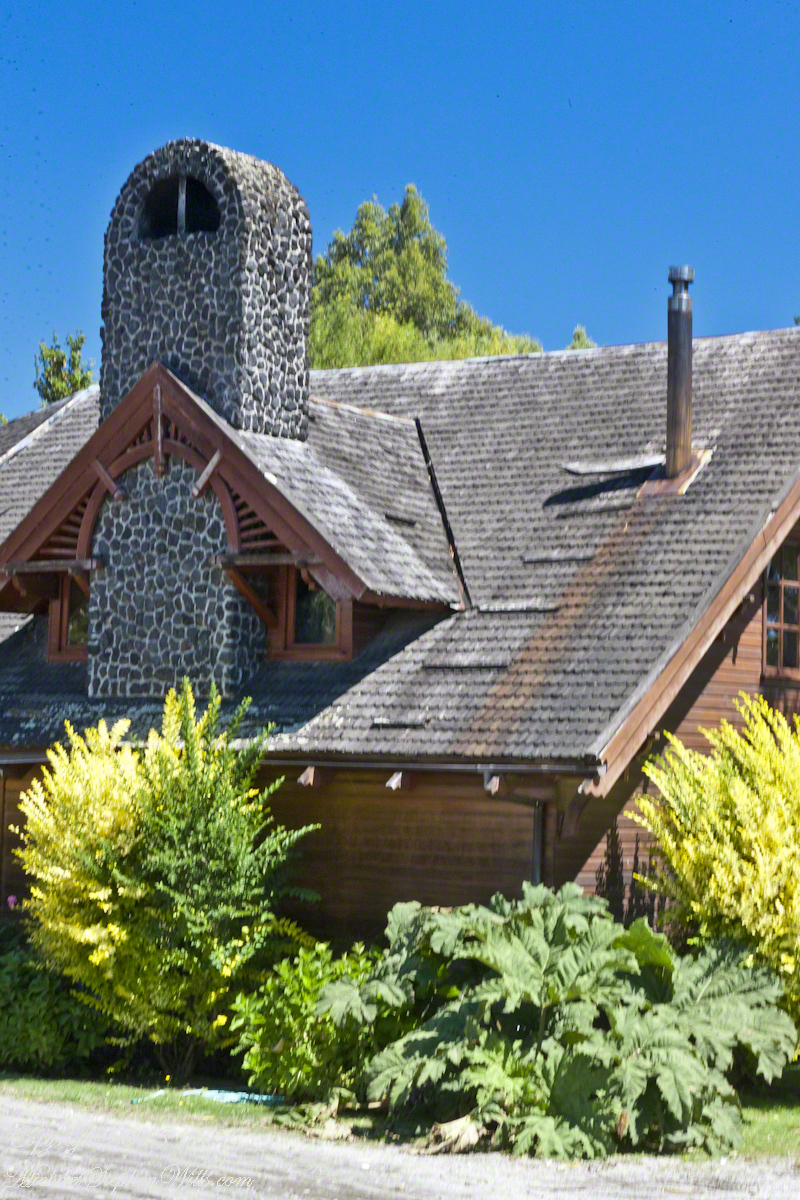
At the start of the 18th Century the provinces around Lake Llanquihe were thinly populated. The government of Chile, in anticipation of seizure of the land by European powers, cooperated with efforts of German emigres to resettle German families fleeing a disorderly revolution. Today the region show the cultural influence of these settlers. Here is the exterior of the Club Alemain (“German Club”), the restaurant along Road 225 were we had an excellent lunch. ††

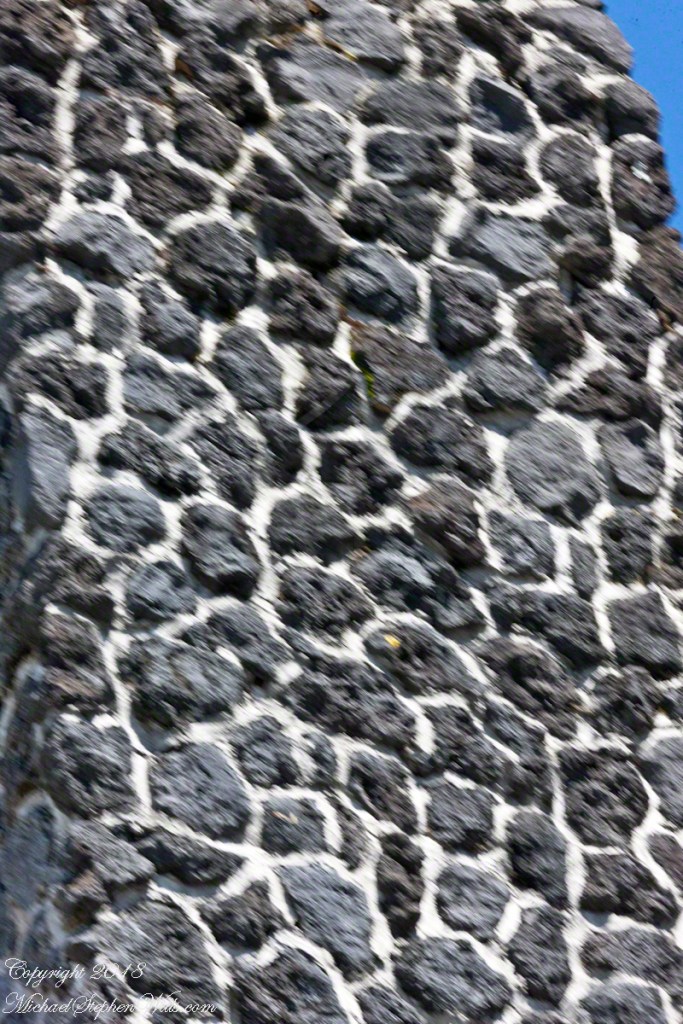
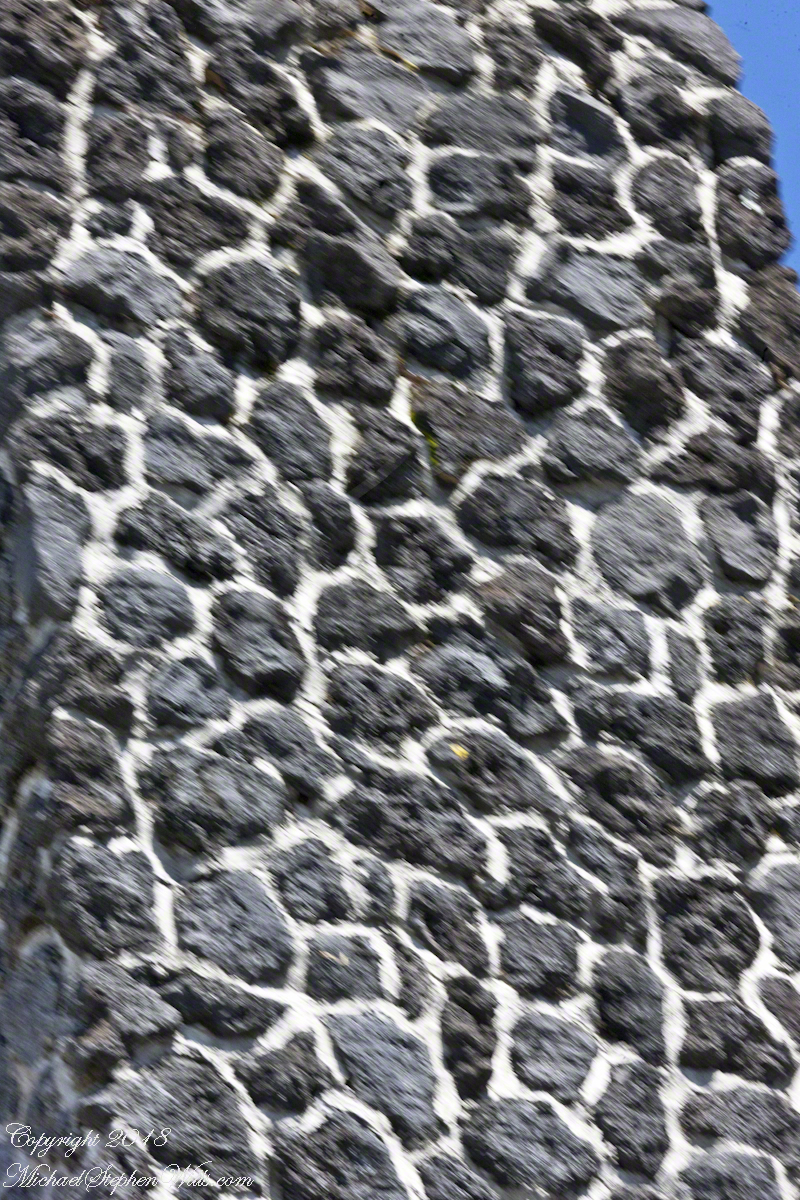
Look closely at the chimney. The stones are black and porous, volcanic cinders from Calbuco eruptions.

German settlers were there to witness, and suffer, the 1893-1895 Calbuco eruptions, one of the most explosive experienced in Southern Chile. Debris was ejected eight kilometers with large flows of hot mud. Farmers on the eastern shore of Lake Llanquihe petitioned the government to be resettled elsewhere. Without options, many remained.

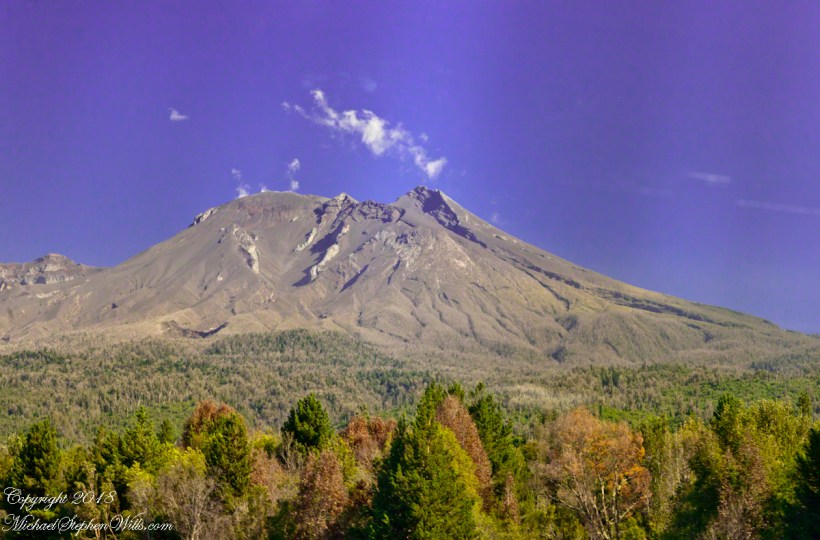
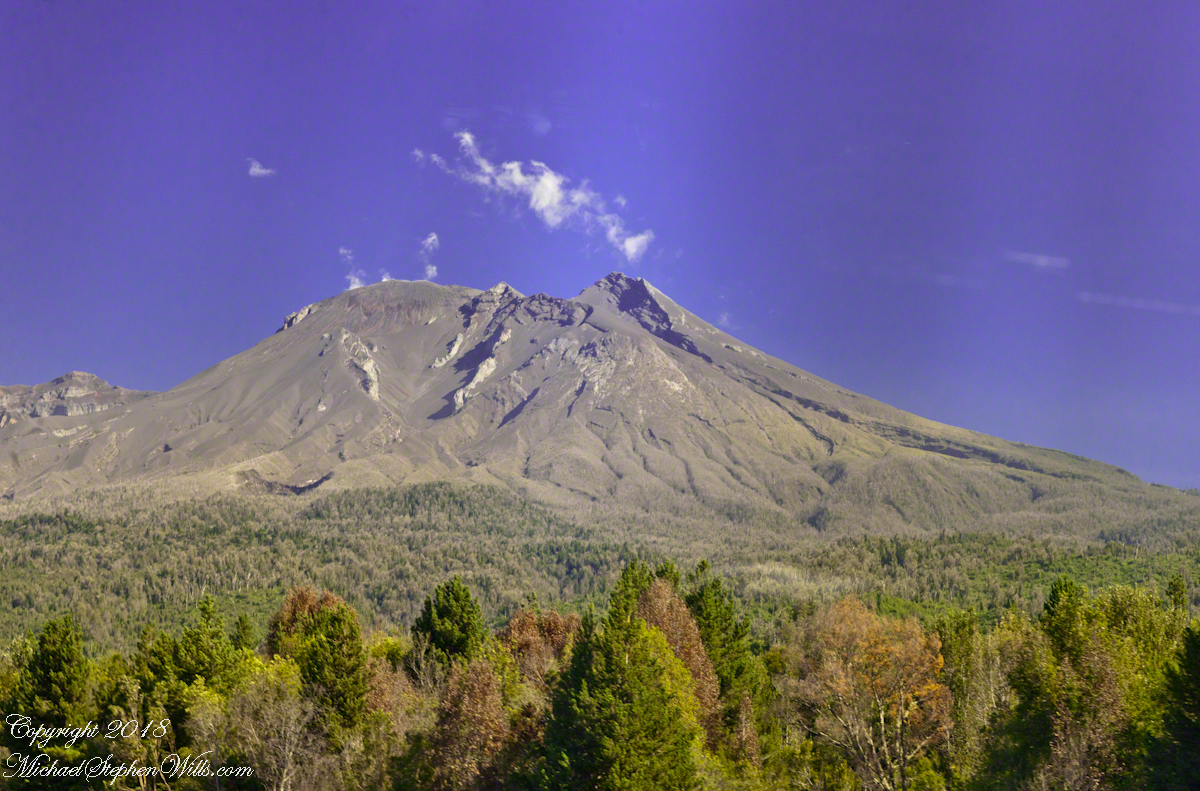
Here is a view of the monster, a threatening presence to the south. That is vapor from the active caldera. Today, people live here, enjoying the current moments of their surroundings.

Calbuco Volcano, February 15, 2016

Click me for the first post in this series, “Orsorno Volcan

o and Tourists.”

Copyright 2022 All Rights Reserved Michael Stephen Wills