
As the crisp air of autumn settles in and the leaves begin their spectacular transformation into hues of red, orange, and yellow, the forest floor comes alive with a myriad of hidden wonders. Among these wonders, the Jack-in-the-Pulpit (Arisaema triphyllum) stands out for its striking red berries and the role they play in the fall glory of the woodland ecosystem. In this essay, we will explore the beauty and significance of these red berries and how they are intrinsically linked to the plant’s corm.
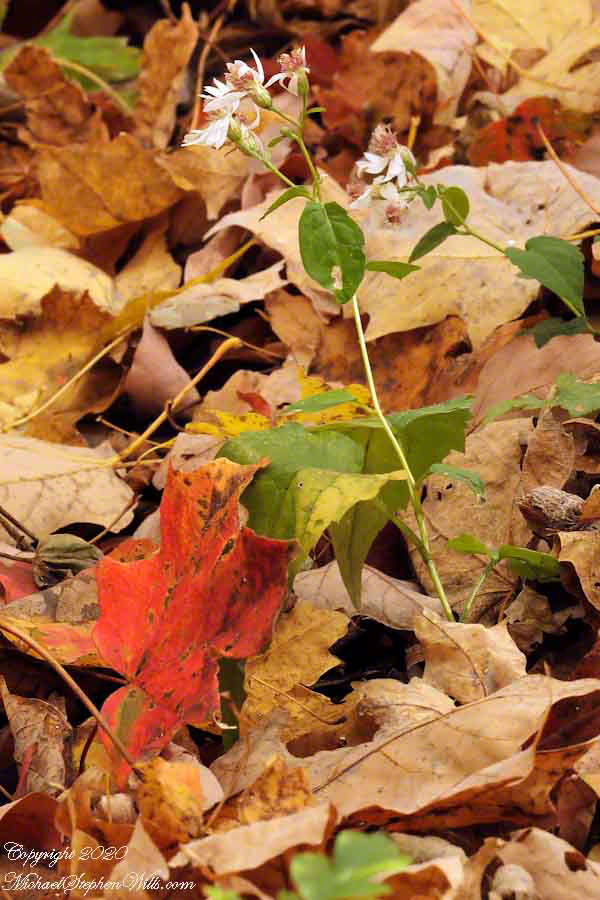
The Jack-in-the-Pulpit, a native perennial herbaceous plant of North America, is known for its distinctive appearance, featuring a hood-like structure known as the spathe and a tall, slender stalk called the spadix. It is during the fall season that the plant’s fascinating red berries make their appearance, contrasting vividly against the backdrop of autumn’s colors. These berries are the result of a process that begins in the spring, when the plant first emerges from its underground corm.
Throughout the growing season, the Jack-in-the-Pulpit devotes its energy to producing these striking red berries, which serve several important ecological functions. The red berries are not only visually appealing but also function as a means of reproduction for the plant. They contain seeds that, once mature, can be dispersed to establish new Jack-in-the-Pulpit plants. These seeds are often transported by animals that consume the berries, such as birds and rodents, which then disperse them in their droppings, contributing to the plant’s spread throughout the forest.
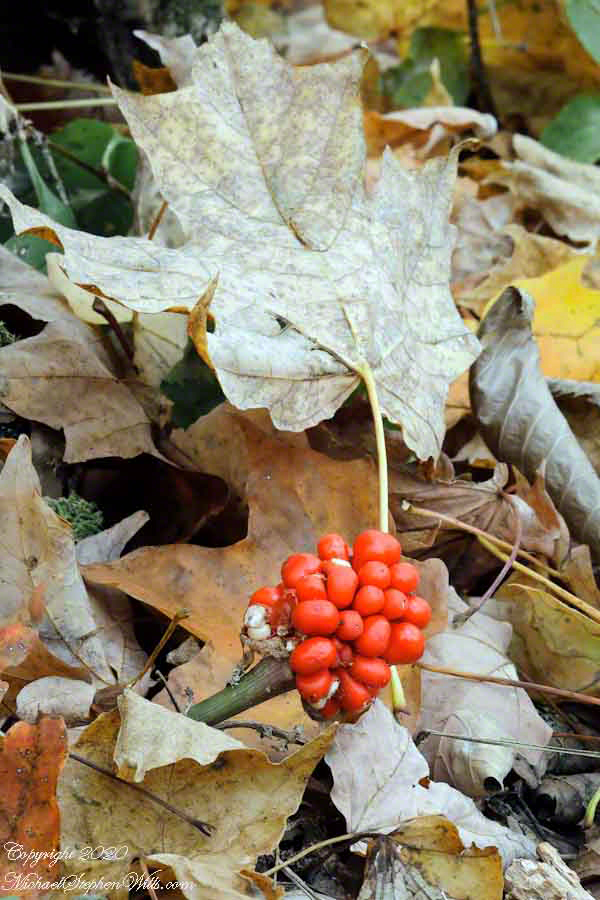
The bright red color of the berries is a key feature that attracts birds, making them an essential food source during the fall and early winter months. Birds like thrushes, cardinals, and robins are known to feed on the Jack-in-the-Pulpit berries, aiding in seed dispersal while benefiting from the nutrient-rich fruits. This mutualistic relationship between the plant and its avian dispersers showcases the interconnectedness of the forest ecosystem, where each species relies on the other for survival and propagation.
The significance of the Jack-in-the-Pulpit’s red berries extends to the corm beneath the surface. The corm serves as an energy storage organ for the plant, helping it survive through the harsh winter months when the above-ground parts of the plant wither and die. During the fall, as the plant directs its energy toward producing berries, it also transfers nutrients to the corm, ensuring its vitality and readiness for the following spring.
Furthermore, the corm itself can serve as an energy reserve for the production of future berries and the growth of new shoots. As the plant enters dormancy, it relies on the stored energy in the corm to fuel its growth when conditions become favorable in the next growing season. In this way, the corm and the red berries are intricately linked, with the berries representing the culmination of a year-long process of energy accumulation and reproduction.
In conclusion, the red berries of the Jack-in-the-Pulpit are a captivating and vital component of the fall glory that graces our woodlands. Their vibrant color and ecological role in seed dispersal highlight the plant’s contribution to the forest ecosystem’s richness and diversity. Moreover, these berries are a testament to the interconnectedness of nature, as they are not only visually stunning but also an essential food source for wildlife. As we marvel at the beauty of fall and explore the wonders of the natural world, let us take a moment to appreciate the significance of the red berries of the Jack-in-the-Pulpit and their role in the intricate web of life that surrounds us.















 Michael Stephen Wills Photography