The Living Tapestry of Treman Gorge

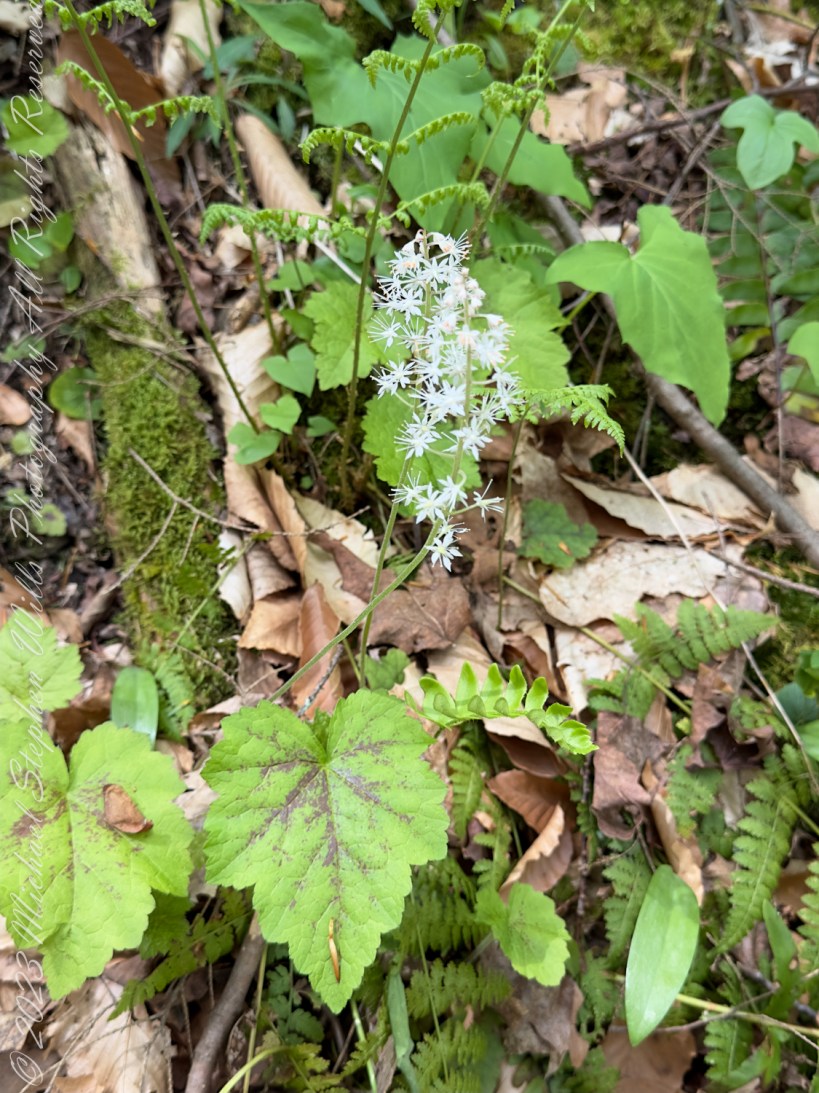
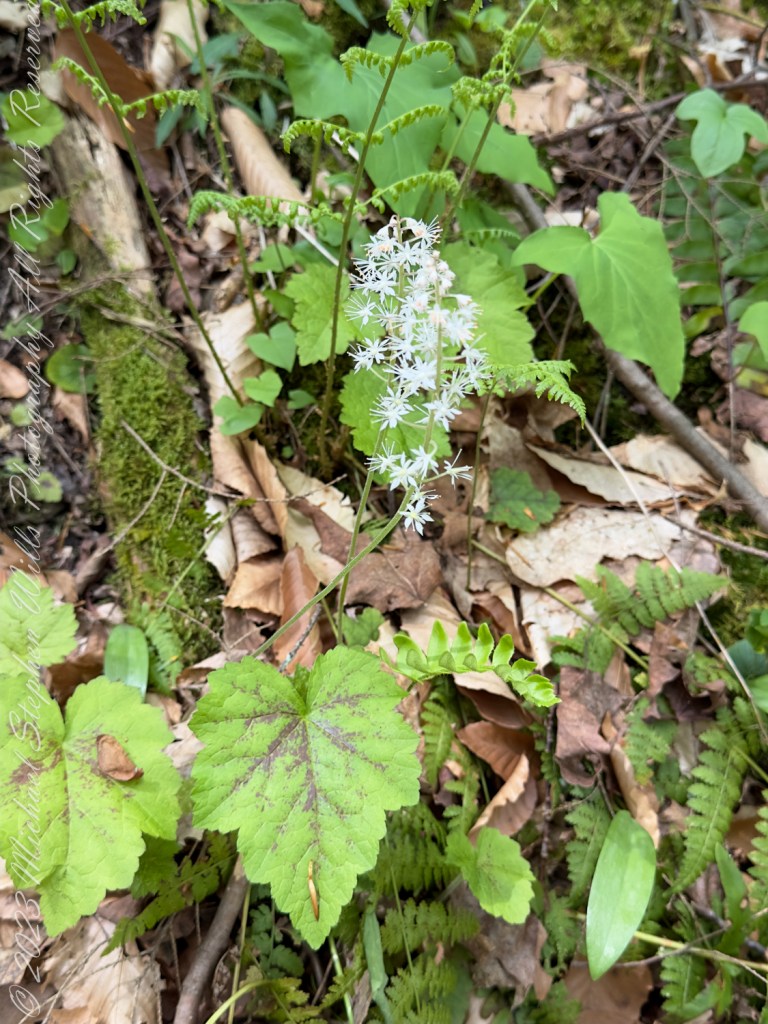
Discover the enchanting world of Treman Gorge through its ancient ferns. Step into a living tapestry where nature’s resilience paints a story of survival and beauty. Dive deeper into this magical realm by reading our latest blog post.

Entering Treman Gorge


As I step into the lush expanse of Treman Gorge, I am enveloped by a verdant cathedral of nature. The gentle murmur of flowing water blends with the chorus of birds, creating a symphony that resonates deep within me. The air is fresh, filled with the earthy aroma of damp foliage, inviting me deeper into its serene embrace.

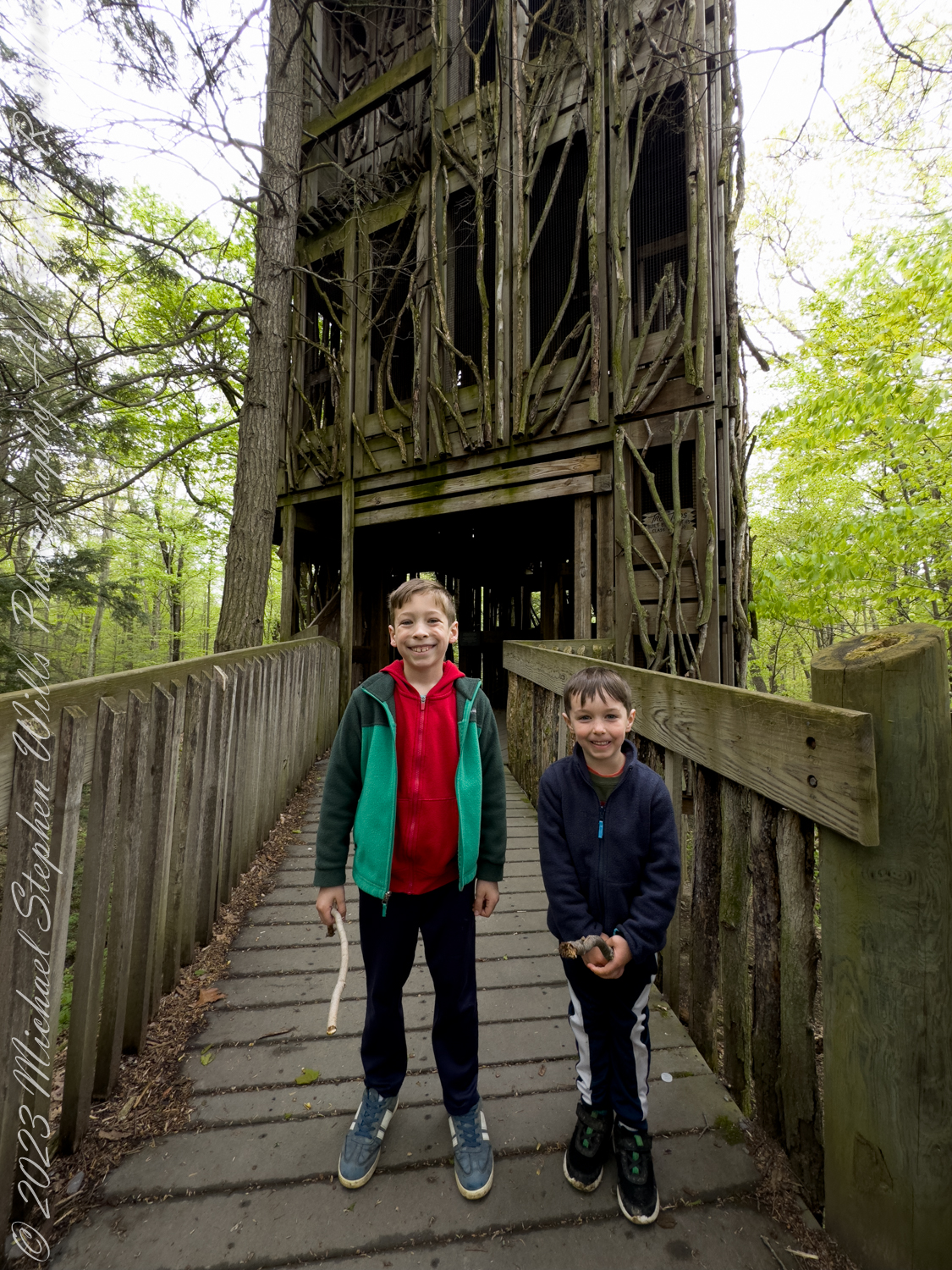
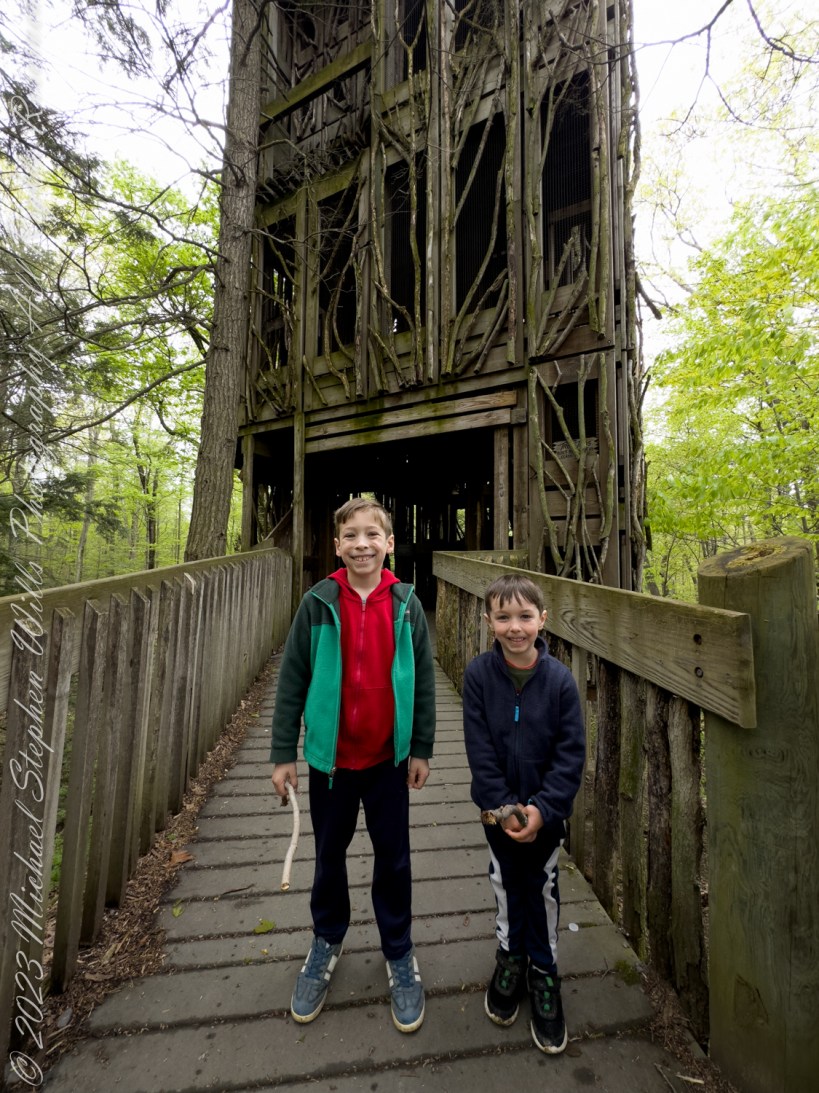
“The Gallery” entrance to Tremen Gorge from the upper park.

Among Ancient Rocks

The gorge is a geological marvel, sculpted from layers of Devonian shale and sandstone. These sedimentary rocks, formed over 400 million years ago, tower around me, formidable and steeped in history. The stratified patterns on their surfaces tell tales of ancient rivers and seas that once dominated this landscape, leaving behind sediments that would compact into the shale and sandstone seen today.

The Flourish of Life on Stone

Along the damp trails, vibrant mosses and ferns adorn the rock walls, thriving in the moist, shaded nooks. The mosses, lush and green, form thick carpets that breathe life into the stone. Among them, patches of Dicranum moss are notable for their robust, upright growth. Ferns, too, make their home here, with Polystichum acrostichoides, or Christmas fern, prevalent for its evergreen fronds that add year-round color to the grey stone backdrop.

Ephemeral Pools and Nature’s Adaptation

Small pools of water collected in the rock crevices create microhabitats buzzing with life, from aquatic insects to amphibians seeking refuge. These clear, cool pools mirror the verdant foliage and blue skies above, creating tranquil tableaus of the gorge’s hidden depths.

The Role of Ferns and Mosses in Human History

Ferns and mosses, beyond their beauty and ecological roles, have practical applications that have been recognized since ancient times. Ferns have been used in traditional medicines for their anti-inflammatory and pain-relieving properties. Certain species, like the bracken fern, were used by Native Americans for food, medicine, and even bedding during travel.

Mosses also hold significance in human history. Their excellent insulation properties made them a popular choice for lining chinking in log cabins or as a packing material to keep food fresh. In modern times, the absorptive properties of moss are harnessed in ecological projects such as biofiltration, to clean contaminants from water.

Native American Heritage in Treman Gorge

The history of Native Americans in areas like Treman Gorge is rich with culture and deep respect for the natural world. They utilized the gorge’s resources sustainably, understanding the intrinsic value of each plant and animal. For example, the gorge’s abundant moss and fern-covered landscapes provided not only material resources but also spiritual significance. These plants were often used in ceremonial practices, symbolizing life and fertility, and were integral in storytelling and oral traditions that passed vital knowledge through generations.

Enfield Creek in Treman Gorge

Reflections on Resilience and Beauty

With each step through Treman Gorge, I feel a deep connection to the past—each rock, moss patch, and fern frond speaks of endurance and adaptability. In the grand timeline of Earth, my presence is but a fleeting moment, yet it is intertwined with the eons of history embedded in this place.

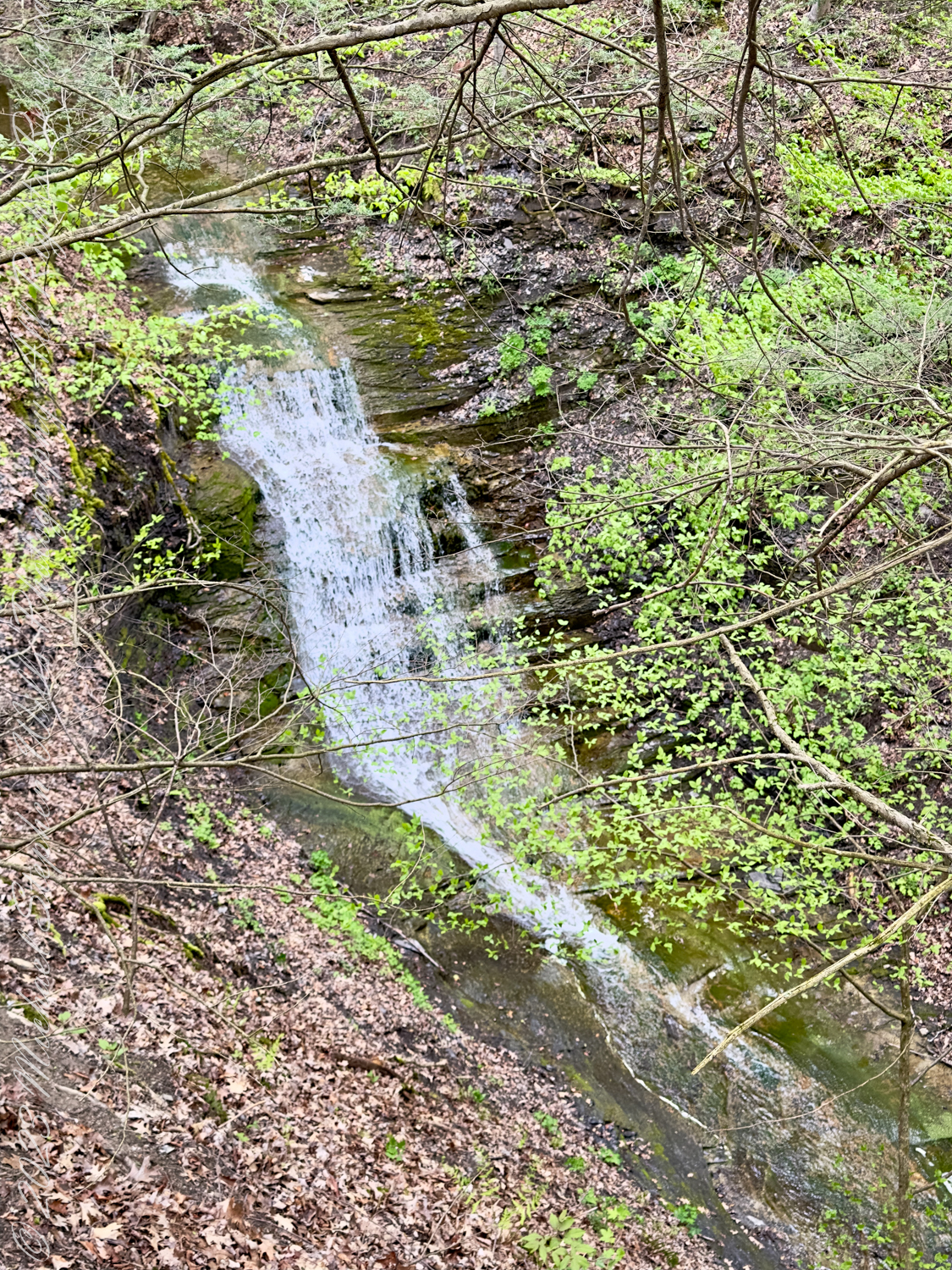
Devil’s Kitchen Waterfall above Lucifer Falls

Treman Gorge, with its ancient rocks and thriving plant life, stands as a testament to the resilience and beauty of nature. It reminds us of the world’s perpetual motion, of life’s ability to adapt and thrive in the face of time’s relentless passage. Here, amidst the moss-covered rocks and fern-laden paths, I find a sense of peace and continuity, a connection to the Earth that is both humbling and uplifting.

Concluding Thoughts

As I leave Treman Gorge, the echo of the water and the rustle of leaves linger in my mind, a reminder of the timeless dance between nature and those who walk its paths. This place is a living library, holding the secrets of millennia, reminding us of our place in nature’s vast narrative and the enduring legacy of those who walked these paths before us.

Copyright 2024 Michael Stephen Wills All Rights Reserved

Mother’s Day Amid the Blossoms of the Horse Chestnut

Explore the enchanting world of the Horse Chestnut, its vibrant spring blossoms, and its rich tapestry of historical and ecological significance, as I wander the slopes above Cayuga Lake on a serene Mother’s Day.


On a serene Mother’s Day in 2024, I found myself walking the slopes above Cayuga Lake, embraced by the spring warmth and the vibrant blossoms of the Horse Chestnut tree (Aesculus hippocastanum). This moment was a seasonal celebration and a deep dive into the botanical and cultural tapestry that this majestic tree weaves.

The Botanical Brilliance of the Horse Chestnut


The Horse Chestnut tree, with its robust stature and radiant floral displays, is a sight to behold, a study in botanical survival and adaptation. Originally native to a small area in the Pindus Mountains mixed forests and the Balkan mixed forests of Southeast Europe, this tree has traversed continents and histories to root itself into diverse landscapes, including the fertile grounds above Cayuga Lake.

Each spring, the Horse Chestnut’s candle-like flower spikes, scientifically known as ‘panicles’, burst forth in a shower of whites and subtle pinks, each petal marked distinctively with a blotch of yellow or red. These blooms are structured to attract a variety of pollinators, playing a crucial role in the local ecological narrative by supporting biodiversity.

Historical Uses and Cultural Significance


The journey of the Horse Chestnut tree from its native lands to the Americas is a tale of practicality and reverence. Native Americans, prior to the arrival of European settlers, were keen observers of their environment but may not have had a direct historical use for the Horse Chestnut, as it was introduced later. However, the European settlers quickly discovered the tree’s multiple uses. The wood, known for its softness and workability, was used to make furniture and boxes, while the bark found its place in the tanning industry due to its rich tannin content.

Most notably, the seeds of the Horse Chestnut were ground and used as a form of laundry detergent and to treat various ailments, a testament to the tree’s utility in pioneering life. This aspect of the Horse Chestnut highlights a broader theme of how both Native Americans and European settlers utilized natural resources for survival and economic purposes, blending the lines between utility and conservation.

A Reflection on the Natural History and Ecology


As I strolled beneath the boughs heavy with spring’s bounty, the historical echoes of the Horse Chestnut’s uses merged with the present chorus of birds nesting in its branches. The tree’s role extends beyond human uses; it is a vital component of the local ecosystems. The dense canopy provides shelter and the flowers feed pollinators, which in turn support the broader food web.

Environmental factors, particularly those influenced by climate change, pose challenges to the Horse Chestnut. Issues such as leaf blotch and the conker tree moth threaten its health and longevity. Observing the Horse Chestnut’s current vibrancy, I am reminded of the resilience and adaptability that this species has demonstrated over centuries.

Conclusion: A Legacy Continues

As the day drew to a close and the sun cast long shadows over Cayuga Lake, the Horse Chestnut stood as a botanical specimen, a living monument to natural history and human ingenuity. The tree’s story is a powerful reminder of our intertwined destinies with the plant kingdom—how plants shape our cultures, sustain our environments, and continue to amaze with their ecological and aesthetic contributions.

Copyright 2024 Michael Stephen Wills All Rights Reserved

Whispers from the Rocks: The Vivid World of the Red Columbine

Discover the vibrant Red Columbine of Treman Gorge, a masterpiece of adaptation and survival nestled among ancient rocks. Explore how this delicate beauty thrives in the harsh cliffs of the Finger Lakes.

Wandering through the verdant paths of Treman Gorge, amidst the rough-hewn charm of the Finger Lakes Region, I find myself entranced by a striking botanical jewel, the Red Columbine (Aquilegia canadensis). Amid the prehistoric tapestry of shale and limestone, these delicate red and yellow flowers stand out with a vivacity that seems almost audacious against the stoic gray of their rocky backdrop.

The Red Columbine, with its unique, nodding bell-like flowers, is more than just a feast for the eyes. Each bloom is a masterclass in the art of survival and adaptation. The elongated, tubular structure of its flowers, splashed with a bold red that fades into a sun-kissed yellow, is nature’s perfect lure for its pollinators. The petals curve back, as if arching away in a graceful flare, exposing the stamens and pistils in an inviting display for hummingbirds, which, in their quest for nectar, become unwitting partners in the dance of pollination.

As I tread softly along the mossy stones, the sheer cliff faces of the gorge serve as a stark reminder of the relentless passage of time. Yet here, in this ancient cradle, the Red Columbine thrives in pockets of soil that seem to defy gravity. It’s a botanical ballet, with each plant performing its survival routine rooted in crevices that gather just enough humus to sustain life.

The air is cool and moist, the faint murmur of Enfield Creek a constant whisper beneath the chorus of bird calls. This is a place of subtle enchantment where every glance reveals the rugged beauty of nature intertwined with the delicate persistence of life. The columbines, with their whimsical spirals of spurs and lush, lobed leaves, appear almost otherworldly. They thrive here in the dappled sunlight, a testament to their resilience and a reminder of nature’s quiet defiance against the odds.

Red Columbine with steel rebar driven into the rock to anchor lifesaving lines. Found near Lucifer Falls, Robert H Treman New York State Park, Ithaca, Tompkins County

In this serene alcove, time slows. The Red Columbine’s pendulous blooms sway gently with the breeze, each movement a soft ballet in the verdant amphitheater of Treman Gorge. This flower, with its fiery hues and intricate form, embodies the spirit of the wild that surrounds us. It stands as a vibrant contrast against the somber stones, a living splash of color against the monochrome palette of the gorge.

As I pause to capture this moment, camera in hand, I am reminded of the fragile beauty that thrives in these hidden corners of the earth. The Red Columbine, with its enchanting flowers and rugged perseverance, is a symbol of the wild heart that beats strong within the quiet solitude of Treman Gorge. Here, in the heart of the Finger Lakes, beauty and resilience bloom in the most unexpected places, painting the landscape with strokes of floral brilliance.

Copyright 2024 Michael Stephen Wills All Rights Reserved

Viola pubescens: A Delight of the Deciduous Forest

The yellow forest violet, Viola pubescens, with bright yellow flowers, serves as nectar source and butterfly host, indicating forest health and offering medicinal uses.

The yellow forest violet is easily recognizable by its bright yellow flowers, which add a splash of color to the forest floor in early to mid-spring. The petals are slightly fringed and the lower petal exhibits delicate veins that serve as nectar guides for pollinators. The leaves of Viola pubescens are heart-shaped with a slight pubescence, or fuzziness, that gives the plant its characteristic downy appearance.

As a member of the Violet family, Viola pubescens is important ecologically. It serves as an early source of nectar for pollinators such as bees and butterflies. Additionally, the plant is a host for the larvae of some Fritillary butterflies, playing a crucial role in their lifecycle.

This plant not only contributes to the biodiversity of its habitat but also enchants those who wander through its woodland home. The presence of Viola pubescens indicates a healthy, undisturbed forest ecosystem, making it an excellent indicator of ecological stability.

Viola pubescens is also noted for its medicinal uses among Native American tribes, who used various parts of the plant to treat ailments ranging from colds to heart trouble. The roots and leaves were often used in traditional remedies, showcasing the plant’s utility beyond its aesthetic appeal.

In summary, Viola pubescens, or the yellow forest violet, is a noteworthy component of the North American woodland biome. Its ecological role and historical significance make it a valued species for both naturalists and conservationists alike.

Copyright 2024 Michael Stephen Wills All Rights Reserved

Cardamine diphylla: A Woodland Marvel

Step into the spring woods and discover the broadleaf toothwort, Cardamine diphylla. Marvel at its white blossoms and deep-lobed leaves, and uncover its vital role in both early pollination and traditional medicinal practices.

Broadleaf toothwort, Cardamine diphylla, plays a charming role in the ecosystem of deciduous forests, often carpeting the forest floor with its distinctive greenery and white blossoms during the spring. This plant is particularly noted for its broad, compound leaves that usually consist of two or three leaflets, each characterized by deep lobes and a somewhat wrinkled appearance, lending it the name “crinkle root.”

The flowers of the broadleaf toothwort are a notable feature, emerging in clusters atop slender, upright stems. Each bloom presents four white petals that form a delicate cross, a typical trait of the Brassicaceae family, to which it belongs. The flowering period spans early to mid-spring, making it one of the earlier blooms in woodland areas, which plays a critical role in the local ecology. These flowers are not just a visual treat but are also vital for early-season pollinators such as bees and butterflies, providing them with necessary nectar.

Moreover, Cardamine diphylla is more than just a visual and ecological gem. It has historical uses in traditional medicine and cuisine. Native American tribes utilized the peppery roots of the toothwort as a seasoning and as a medicinal herb to treat various ailments.

The presence of Cardamine diphylla is also an indicator of the health of the forest ecosystem. Thriving populations of this plant suggest a well-preserved habitat, which is crucial for biodiversity conservation.

In summary, Cardamine diphylla, with its ecological significance and historical uses, represents a small but vital part of North America’s natural heritage, highlighting the intricate connections within woodland ecosystems and the importance of preserving these natural environments.

Copyright 2024 Michael Stephen Wills All Rights Reserved

The Hidden Songster of Ithaca: My Afternoon with a Gray Catbird

Amidst spruce needles, a Gray Catbird’s mew captivated me; a hidden minstrel whose dulcet mimicry and secretive charm turned my backyard in Ithaca into an amphitheater of nature’s most intricate symphonies.

In my backyard, amidst the spruce trees that seem to touch the sky, I had a unique encounter with a little gray bird known as the Dumetella carolinensis, or more commonly, the Gray Catbird. I learned that “Dumetella” comes from the Latin word for “thorny thicket”, hinting at its penchant for skulking in dense underbrush, often hidden from sight. Its species name, “carolinensis”, pays homage to the Carolinas, though this bird has certainly made a comfortable home here too.

This particular visitor had a call reminiscent of a cat’s mew, a curious sound that first drew my attention. As I peeked through the window, I noticed it wasn’t just imitating felines; it was a veritable mimic, echoing the songs of other birds, even copying the croaks of tree frogs, and sometimes the mechanical noises of our own making. Its syrinx, a true marvel of nature, allows it to produce two sounds simultaneously – an impressive feat for such a small creature.

Unlike the showy northern mockingbird or the brown thrasher, which repeat their musical phrases several times, this Gray Catbird preferred to sing each of its phrases just once. Its song was a bit raspier, less melodic but still captivating in its own right.

It’s interesting that the Gray Catbird often chooses to remain hidden when it sings, favoring the inner sanctuary of bushes or trees like the spruce in my yard, a natural stage set by verdant leaves and branches. And while I watched, it seemed content in its concealment, a master of melody cloaked in foliage.

As I observed it, I recalled reading that the Gray Catbird’s diet is as varied as its repertoire of sounds. Fruits and berries make up about half of its diet. This little bird has quite the palate, enjoying a smorgasbord that includes mealworms, earthworms, beetles, and other insects, not to mention the bounty of summer offerings such as ants, beetles, grasshoppers, caterpillars, moths, and a selection of berries from holly, cherry, elderberry, poison ivy, bay, and blackberries.

I made a mental note of the date, captured in the metadata of the photograph I snapped: 2021, from my home in Ithaca. A simple image, yet it encapsulated a serene moment of connection with a creature so adept at concealment and mimicry, a moment I would treasure. The Gray Catbird, with its unique song and dietary habits, has become a beloved part of my backyard symphony.

Reference: wikipedia, Gray Catbird.

Copyright 2024 Michael Stephen Wills All Rights Reserved

A Glimpse into Steamboat Landing, Ithaca, New York

Discover the enchanting beauty of Steamboat Landing in Ithaca, New York. From the quiet winter majesty to the vibrant warmth of spring, this historical waterfront is a testament to the city’s rich past and evolving present.


Historical Significance and Transformation


Steamboat Landing in Ithaca, New York, is steeped in historical significance, serving as a testament to the city’s rich past and its evolving present. At the dawn of the 20th century, it was a bustling hub where steamboats carried passengers and freight, linking Ithaca to an ever-growing nation. These vessels were vital for the development of commerce, aiding travelers as they embarked and disembarked on their journeys that continued by stagecoach or later, by train.

In 1790, this spot marked the beginnings of commerce in the area, with the establishment of Ithaca’s first store. Over the years, Steamboat Landing has transformed from a pivotal commerce point to a recreational area, housing Ithaca’s Farmers Market—a vibrant hub that mirrors the liveliness of its heyday.

The Evolving Landscape


Today, Steamboat Landing is a place of gathering and serenity. My photographs showcase a tranquil setting moving through winter. In one scene, the rustic benches encircle a barren tree, standing as silent guardians of the land. It’s a still image, almost reminiscent of a painting, where the leafless trees stand vigil over the quiet benches.

A circular bench that has seen better days, a hollowed out tree trunk repurposed as a children’s playgound house, picnic benches and, in background, a portion of the Farmer’s Market pavilion, to the right is Johnson Boatyard, Cayuga Inlet and lake. This is the Steamboat Landing, historically the southern port on Cayuga Lake. Cayuga Waterfront Trail, Ithaca, Tompkins County, Finger Lakes Region, New York State.

Switching seasons, we see the docks adorned with festive wreaths, injecting life and celebration into the scenery. The bright red ribbons stand out against the crisp blue of the water and the sky, suggesting a community that embraces tradition and the joy of the moment.

Connection with Nature and Community


The pictures depict how the landing is woven into the natural tapestry of the area. It is a place where one can sit and watch the placid waters of Cayuga Lake or stroll along the docks, feeling the crisp air against their skin. The images of the clear skies, the open waters, and the flight of birds in the distance are a subtle reminder of nature’s continuous presence.

Steamboad Landing on the Cayuga Waterfront Trail, Farmers Market, Ithaca, Finger Lakes Region, New York State

The waterfront trail exemplifies the community’s efforts to merge history with modernity, providing a space where people can connect with the environment and each other. The docks, once a stage for industrial exchange, now serve as a peaceful retreat, hinting at the deep-seated human desire for connection—not only to each other but also to the very essence of the environment we inhabit.

Seasonal Beauty and Reflection


The change in seasons at Steamboat Landing brings a unique beauty, which the photographs showcase poignantly. From the barren coldness of winter to the lush warmth of spring, each season imbues the landing with a distinct character. The winter images reveal a quiet majesty, with the bare branches and gray skies reflecting the introspective nature of the season. The springtime shots, however, burst with promise and vitality, as greenery begins to cloak the landscape and the water shimmers under the strengthening sun.

Enduring Legacy and Future Prospects


Steamboat Landing’s legacy as a historical transport hub has set the stage for its future as a cherished community locale. The images and historical texts paint a picture of a place that has embraced its past while looking forward to a vibrant and inclusive future. It is a locale that pays homage to its roots through the Farmers Market and other community events, ensuring that the spirit of the old steamboats continues to thrive in the hearts of Ithacans.

In conclusion, Steamboat Landing is a geographic location and a chronicle of Ithaca’s journey through time. Through its transformation, it has become a place where history breathes, nature speaks, and the community finds its heartbeat. It stands as a beacon of heritage, recreation, and beauty—a corner of the world where past and present dance together in harmony.

Copyright 2024 Michael Stephen Wills All Rights Reserved

The Mallard Ducks of Early Spring

Discover the secret world of mallards in Ithaca’s Cass Park: a drake and hen dance upon the water’s surface, inviting you into the fleeting magic of a vernal pool. Join their springtime sojourn.

Introduction to Vernal Pools and Mallard Ducks


The image provided offers a tranquil glimpse into the natural world, capturing two mallard ducks—a drake and a hen—as they forage for food in a vernal pool. Vernal pools are temporary bodies of water that provide critical habitat for a variety of wildlife during the early spring. Mallards (Anas platyrhynchos), with their iconic coloration and widespread presence across the globe, are among the most recognizable and adaptable of waterfowl, making use of these ephemeral waterscapes.

Birding Trail near Cass Park, a pair of Mallard ducks in breeding plumage feed in a vernal pool the inlet of Cayuga Lake in the background.

Significance of Vernal Pools


Vernal pools are unique wetlands that usually form in the spring from melting snow and spring rainfall. These pools are crucial for the breeding of certain species of amphibians, insects, and provide essential resources for birds like mallards. In the image, the ducks take advantage of the abundance of food such as aquatic invertebrates that thrive in these undisturbed waters, showcasing the importance of these habitats in supporting biodiversity.

A Closer Look at the Mallards’ Habitat

A male and female mallard (Anas platyrhynchos) feeding in a vernal pool along the Cayuga Waterfront Trail near Union Fields.


The photo depicts the ducks in a natural setting that speaks volumes about their environment. The surrounding dry grasses indicate a transition from the dormancy of winter to the burgeoning life of spring. The reflection of leafless trees in the water hints at an ecosystem on the cusp of renewal. This setting is not only a feeding ground for the ducks but also a haven that provides shelter and protection from predators.

The Mallards’ Spring Behavior


Mallards are known for their migratory patterns, often traveling to warmer climates during the winter and returning to their breeding grounds in the spring. The ducks in the photo are likely partaking in a crucial phase of their life cycle—feeding and preparing for the breeding season ahead. Their presence in the vernal pool is a testament to their resilience and adaptability as they utilize a wide range of habitats to meet their needs.

Conservation and the Future


While mallard ducks are not currently endangered, the conservation of their habitats, like vernal pools, is vital for the continued health of their populations and the greater ecosystem. Such habitats are under threat from urban development, pollution, and climate change. It’s imperative that we recognize the importance of preserving these natural resources, not only for mallards but for all species that depend on them.

Conclusion: Reflections on Nature’s Cycles


The photo invites reflection on the cycles of nature and the interconnectedness of species and their environments. It serves as a reminder that the arrival of mallards at a vernal pool is not just a sign of spring, but a marker of the health of our natural world. As the seasons change, so too do the opportunities for life to thrive, guided by the rhythms of the Earth and the behaviors of its inhabitants. The mallards, in their simple act of feeding, become symbols of continuity and the delicate balance of ecosystems.

Copyright 2024 Michael Stephen Wills All Rights Reserved

Reeds of Resilience: A Tale of Growth and Survival

Discover the hidden world of Phragmites australis, the common reed: a story of resilience, beauty, and ecological significance, told through the eyes of the wetlands.

On the southern shore of Cayuga Lake, where waters mirror the ever-changing sky, I found this common reed, Phragmites australis, a plant of unassuming grace yet profound influence. This tale unfolds at the broad boarders of earth and water, a refuge and kingdom to countless beings.

Phragmites australis, a reed both simple and complex, begins its journey as a whisper in the mud. From the soft, fertile earth, it bursts forth into the world, a slender shoot reaching for the heavens. Its growth is steady and assured, fueled by the sun’s embrace and the water’s caress. In time, it stands tall, a sentinel in a sea of green, its feathery plumes, called panicles, wafted by the breeze.

This reed, you see, is a cornerstone of its ecosystem, a master architect, shaping its environment, crafting homes and havens for creatures great and small, in keeping with the genus name “Phragmites.” The Greek word “phragma” translates to “fence” or “hedge”, derived from the verb “phrassein”, meaning “to enclose.” Within that realm tiny creatures find refuge. From dragonflies and damselflies to grasshoppers and beetles are found by careful, patient observers. Insects play essential roles in pollination and nutrient cycling. Birds use the dense vegetation for shelter and foraging, you might find red-winged blackbirds, marsh wrens, and rails among the stems. Frogs, toads, and salamanders find refuge in reedy marshes. They lay their eggs in the waterlogged areas, and their tadpoles thrive amidst the reed stems. Phragmites australis is a giver of life, a source of sustenance and protection for many.

Yet, the tale of Phragmites is also one of struggle and resilience. In lands far from its native soil, it is often seen as an invader, a usurper of territories, spreading with a zeal that can overwhelm native flora and alter habitats. Its spread, unchecked, can lead to monocultures, diminishing biodiversity. But in its essence, Phragmites does not seek conquest but survival, thriving in spaces both gentle and harsh, adapting with an elegance that commands admiration.

As seasons turn, the reed undergoes a transformation, its green turning to gold, then to the brown of the earth from which it sprang. But even in decay, it nurtures life, its fallen stalks a shelter for the small and the silent, its seeds a promise of renewal. And when spring whispers anew, Phragmites rises once more, a cycle unbroken, a circle complete.

In the tale of Phragmites australis, we find a narrative of life itself—growth and decay, beauty and conflict, resilience and adaptation. This common reed, standing tall among the waters of the world, is a testament to the enduring power of nature, a reminder of the intricate tapestries of life that flourish in the quiet corners of our planet.

Click Me for another posting on the Common Reed.

Copyright 2024 Michael Stephen Wills All Rights Reserved

Nesting Chronicles: The Life of A Cayuga Lake Osprey

Imagine you’re soaring with ospreys over Cayuga’s shimmering waters, preparing the nest, embracing the ritual of spring—a majestic cycle of life awaits you.

As the first warm breezes of early spring ruffle the chilled waters at the south end of Cayuga Lake, anticipation rises in me. I am a female Osprey, returning alone from far to the south along the old sky-roads. We do not migrate as a pair; my mate often reaches the nest ahead of me to reclaim the site and begin repairs. Still, this is the place we claim again, season after season.

Two Osprey perched on the nest near the Birding Trail of Cass Park. Cayuga Lake in the distance.

On arrival I wheel high above the shoreline, searching for the platform we left to winter. There it stands—the tall sentinel above the lake. He is there, too, calling once as he lifts, and the rim already shows the first fresh sticks of the year. Against the bright sky the nest looks rough-hewn, yet every branch lies to a purpose.

Two Osprey perched on the nest near the Birding Trail of Cass Park.

As I settled onto the platform, tthe familiar tilt of the timbers and the dry rattle of last year’s sticks steady me. I meticulously inspected our creation, the repository of our hopes and future lineage. My mate and I ferry fresh twigs and weeds, wedging them into the rim and lacing the walls tight against the spring winds.

In due time, beneath the sheltering rim, I laid a small clutch of mottled eggs—the culmination of our bond, the promise of continuity. Through the weeks that follow I keep them warm and dry, turning them with my beak and settling the heat of my breast upon them. My mate does the heavy work of provision—fish after fish to the rail—and stands guard, calling when intruders drift close. Now and then he eases onto the eggs while I feed, but the watching and warming are chiefly mine.

Two Osprey perched on the nest near the Birding Trail of Cass Park.

The world around us burgeoned with life. The lake’s surface now rippled with the activity of fish – a bounty for our growing family. Days turned into weeks, and our vigilance was rewarded as the first cracks appeared in the eggs. The chicks emerged, delicate yet voracious, their mouths agape for the nourishment we unceasingly provide.

Click Me for another Osprey Post

Thank you Candace E. Cornell of the Cayuga Lake Osprey Network for your helpful advice.

For further information: —–Poole, Alan F. ; 2019, “Ospreys: The Revival of a Global Raptor”; Johns Hopkins University Press —Mackrill, Tim; 2024; “The Osprey”; Bloomsbury Publishing

Enter your email to receive notification of future postings. I will not sell or share your email address.