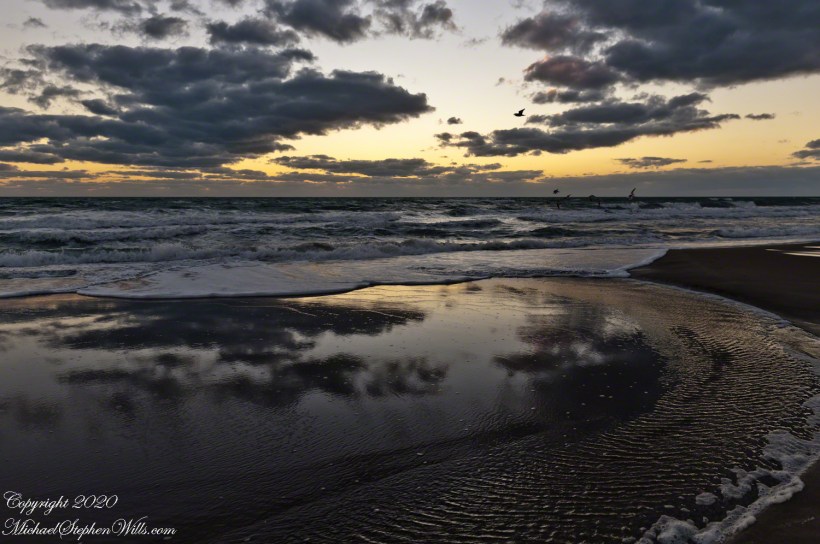
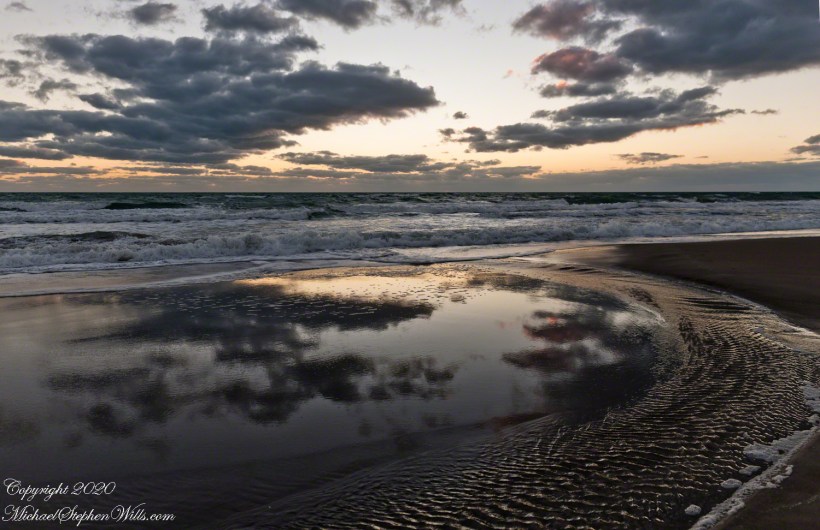
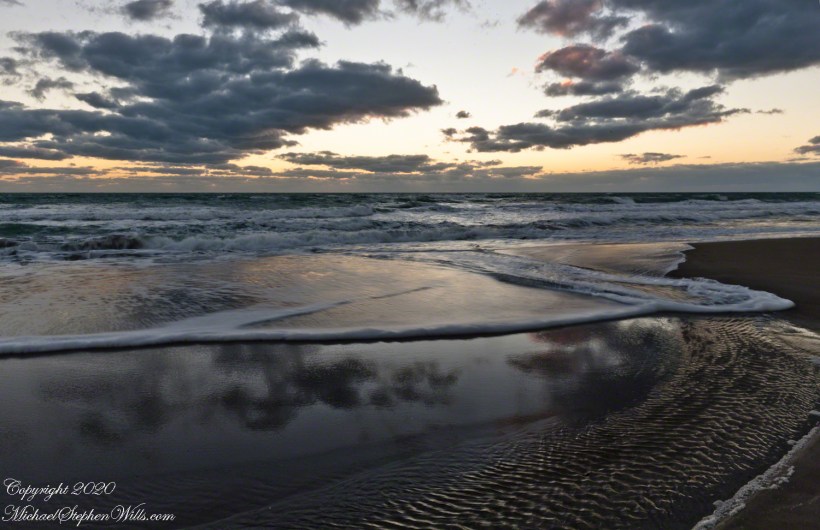
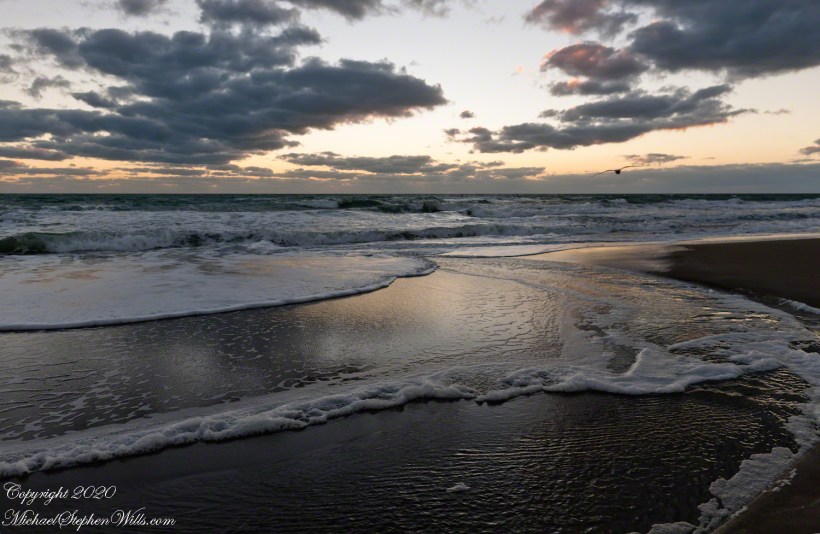
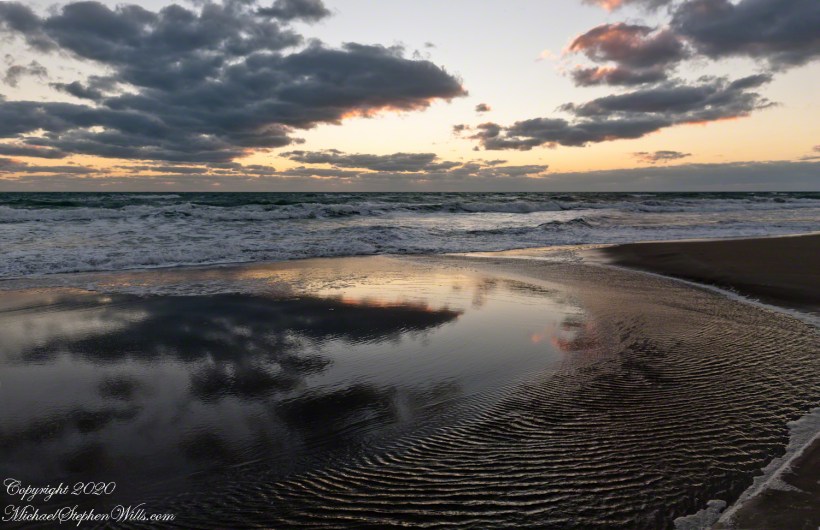
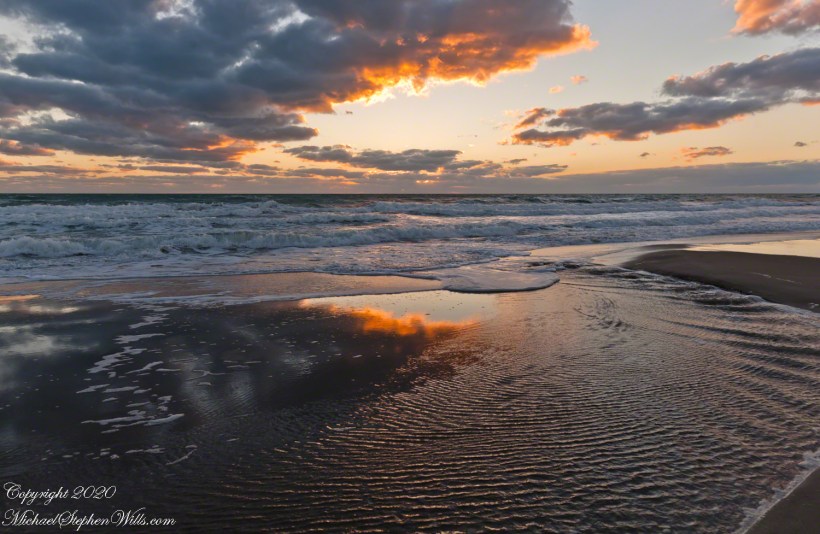
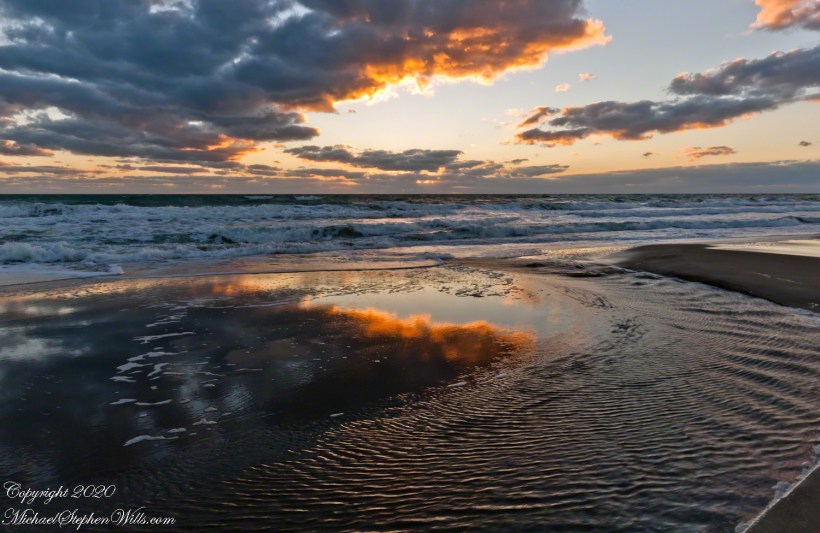
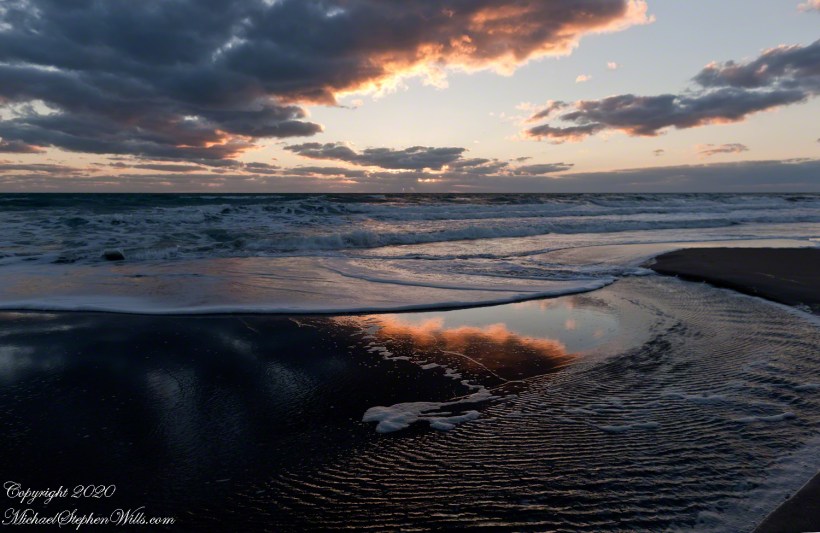
Sunrise Texture Series 7

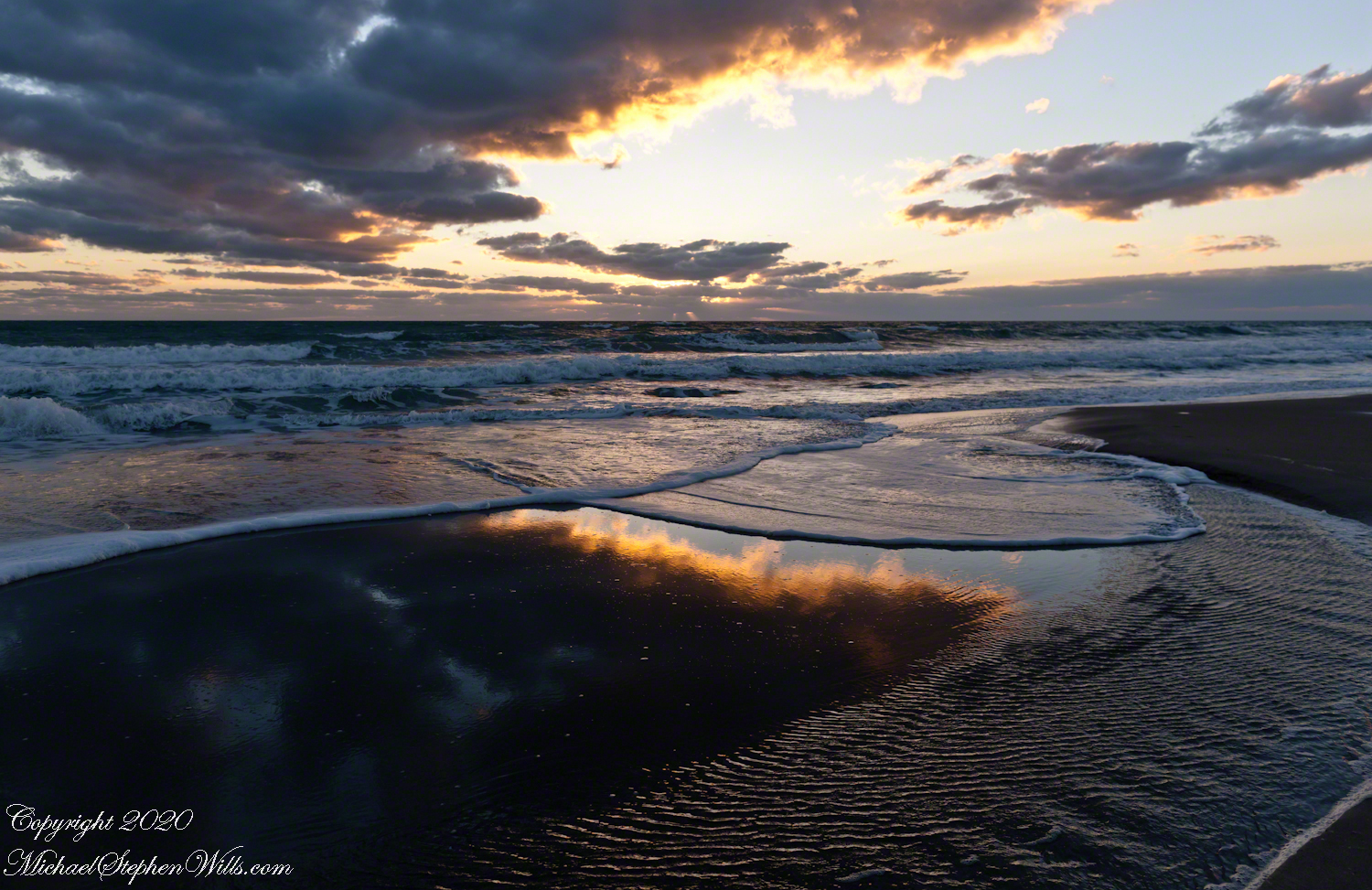
Final Series, Sunrise Completion

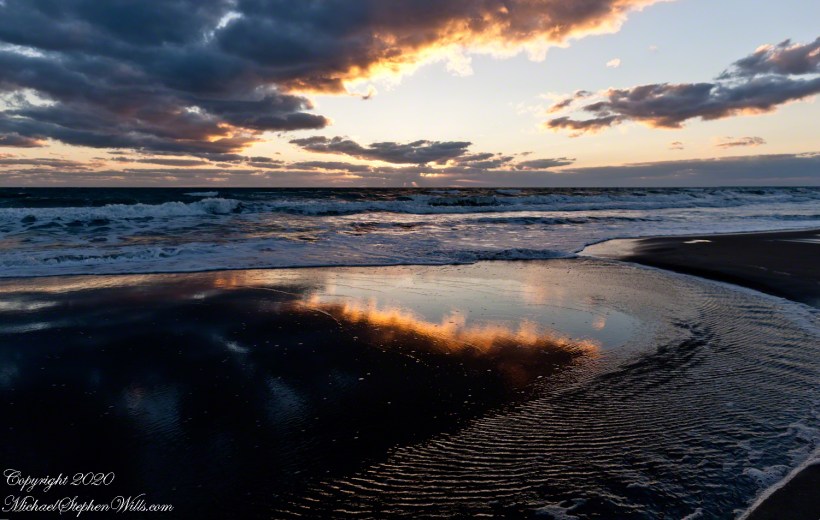
Betelgeuse, AKA “Alpha Orionis”, was the first star disk, other than our Sun, measured. One hundred years ago the apparent size of Betelgeuse was then as now 0.003% of the sun. I bring this up because this “red” star at the end of its life cycle, is in the news, being now 40% of its brightness last year.

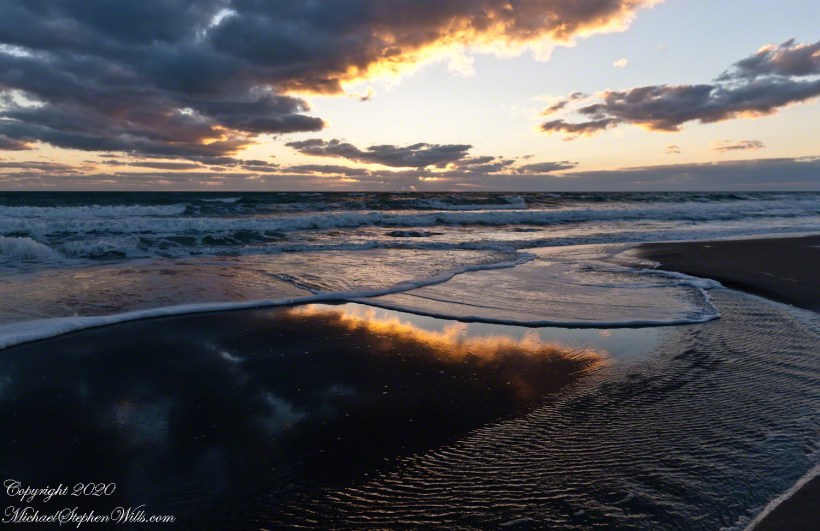
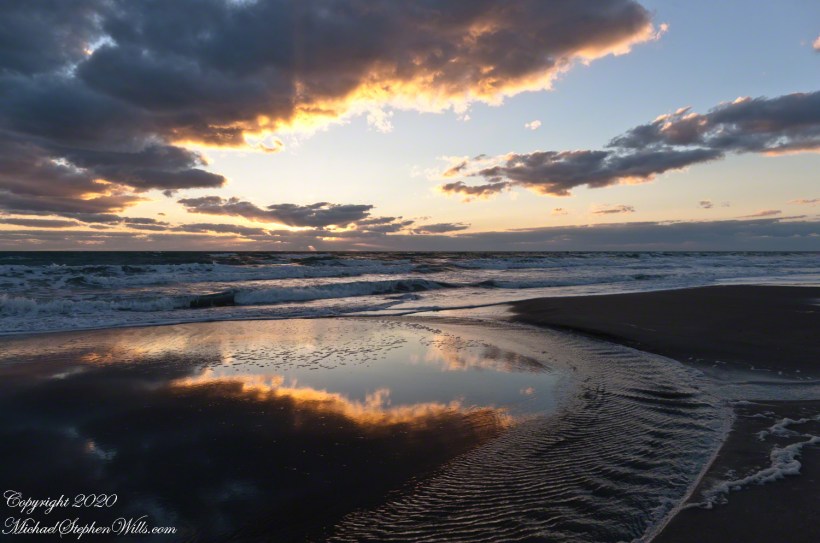
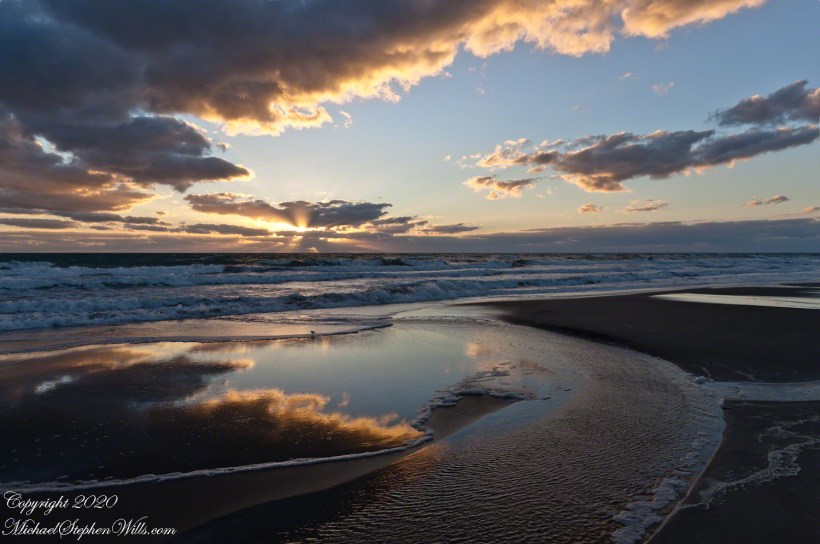
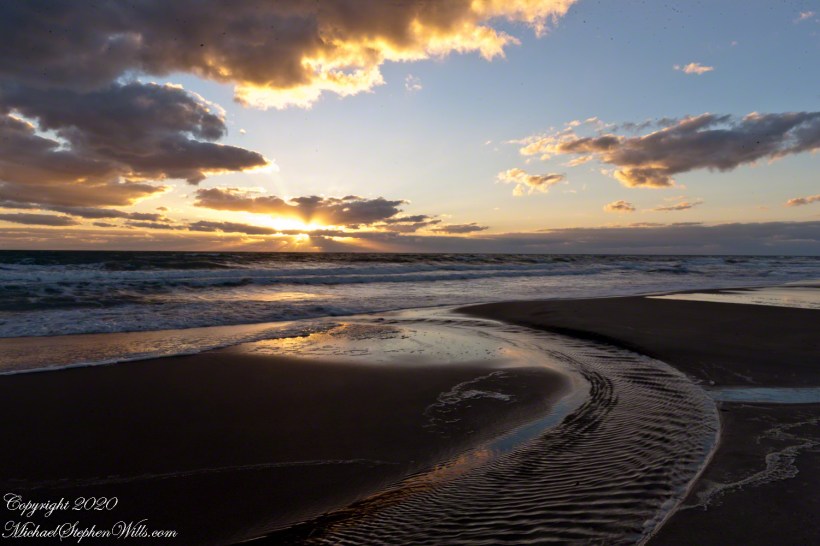
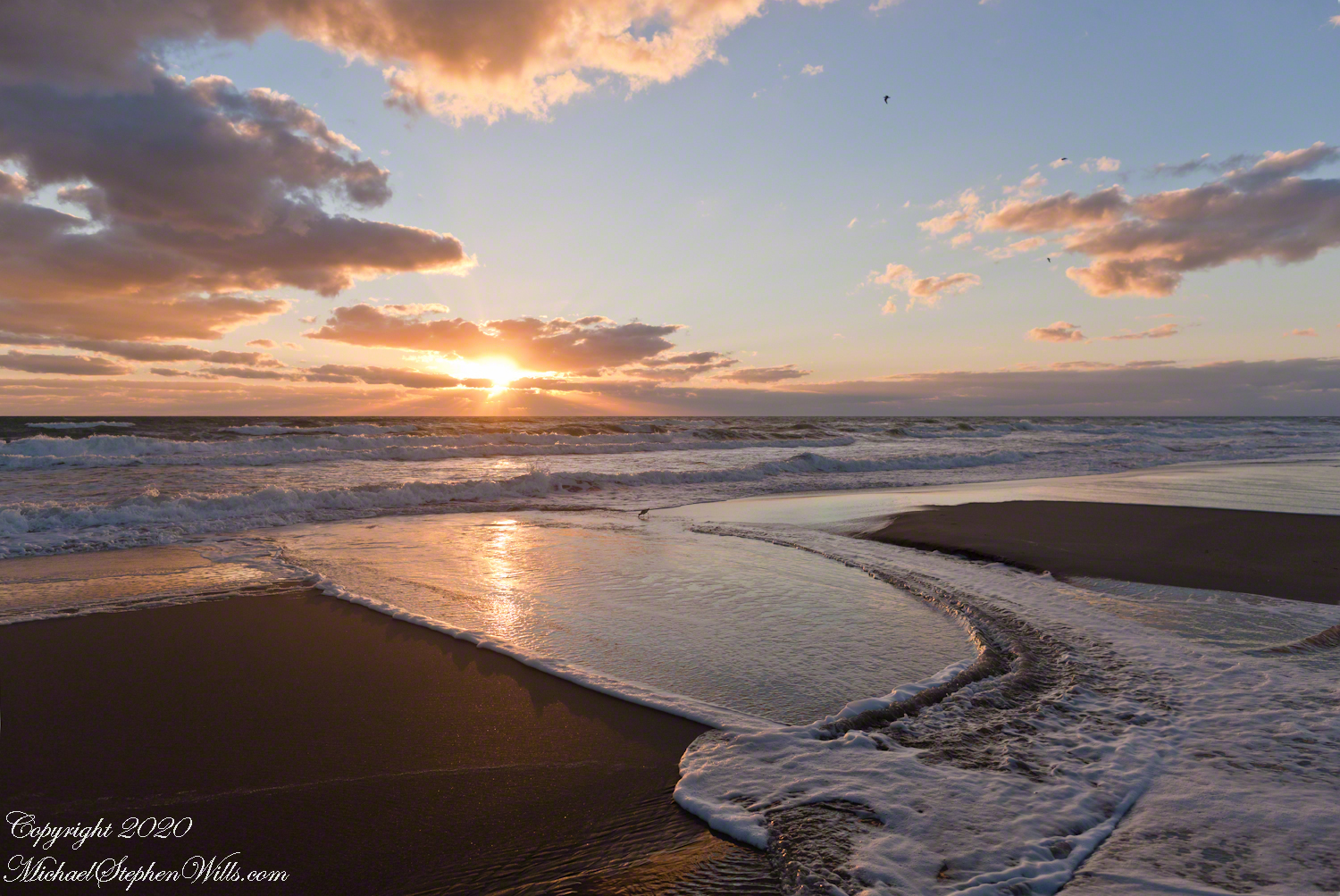
Betelgeuse is so far away this dimming is 700 year old news, the time it takes for light span the distance. News of our sun is more recent, sunlight informs us of the Sun’s surface from 8.33 minutes ago. Sunlight bursts from clouds to the camera in an instant of a second. In comparison my reactions to capture it are glacial. Sixteen seconds passed since the images of Series 6, time for three exposures at a slowed pace now the sun breaks free from the clouds.

Twelve minutes, fifty four seconds elapsed from the first images of this series. Seventy nine exposures taken with 16 selected moments, these last without the sand mirror.

Click photograph for larger image. To do this from WordPress Reader, you need to first click the title of this post to open a new page.
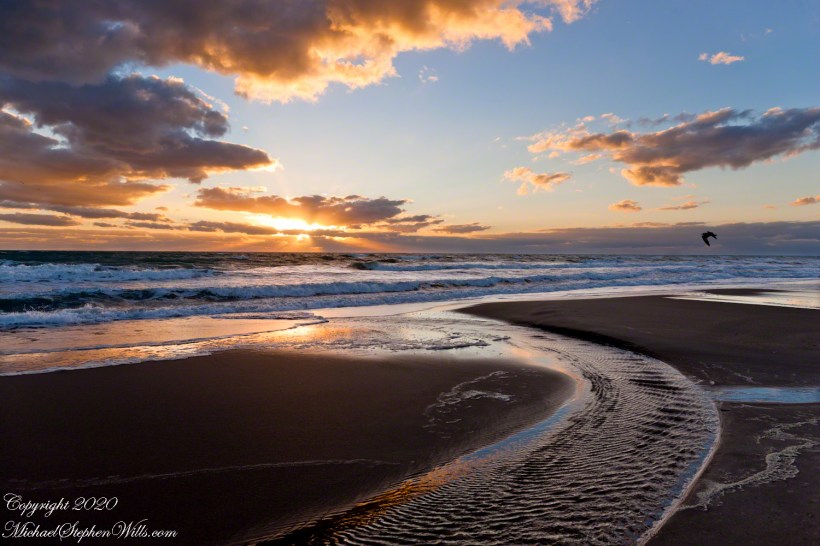
A Willet feeds in the new day. This is a species sandpipers, a cousin of the Sanderling of yesterday’s post.
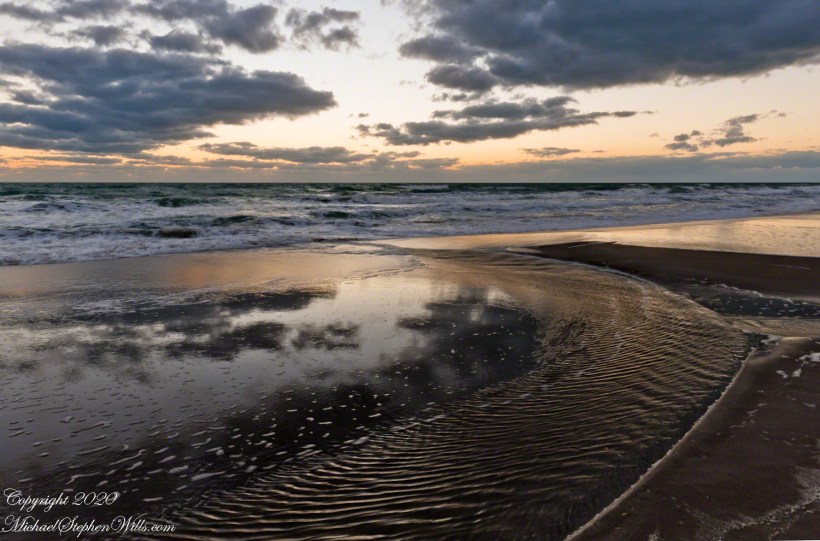
All sixteen Sunrise Texture moments are presented below.. Suggestion, for this series in a larger format, open a separate browser tab for each post. At series end you will then have eight (including the very first post a few weeks ago) landscapes to compare.
Want to see more? Visit this series on Getty IStock.
Copyright 2020 All Rights Reserved Michael Stephen Wills

Sunrise Texture Series 6

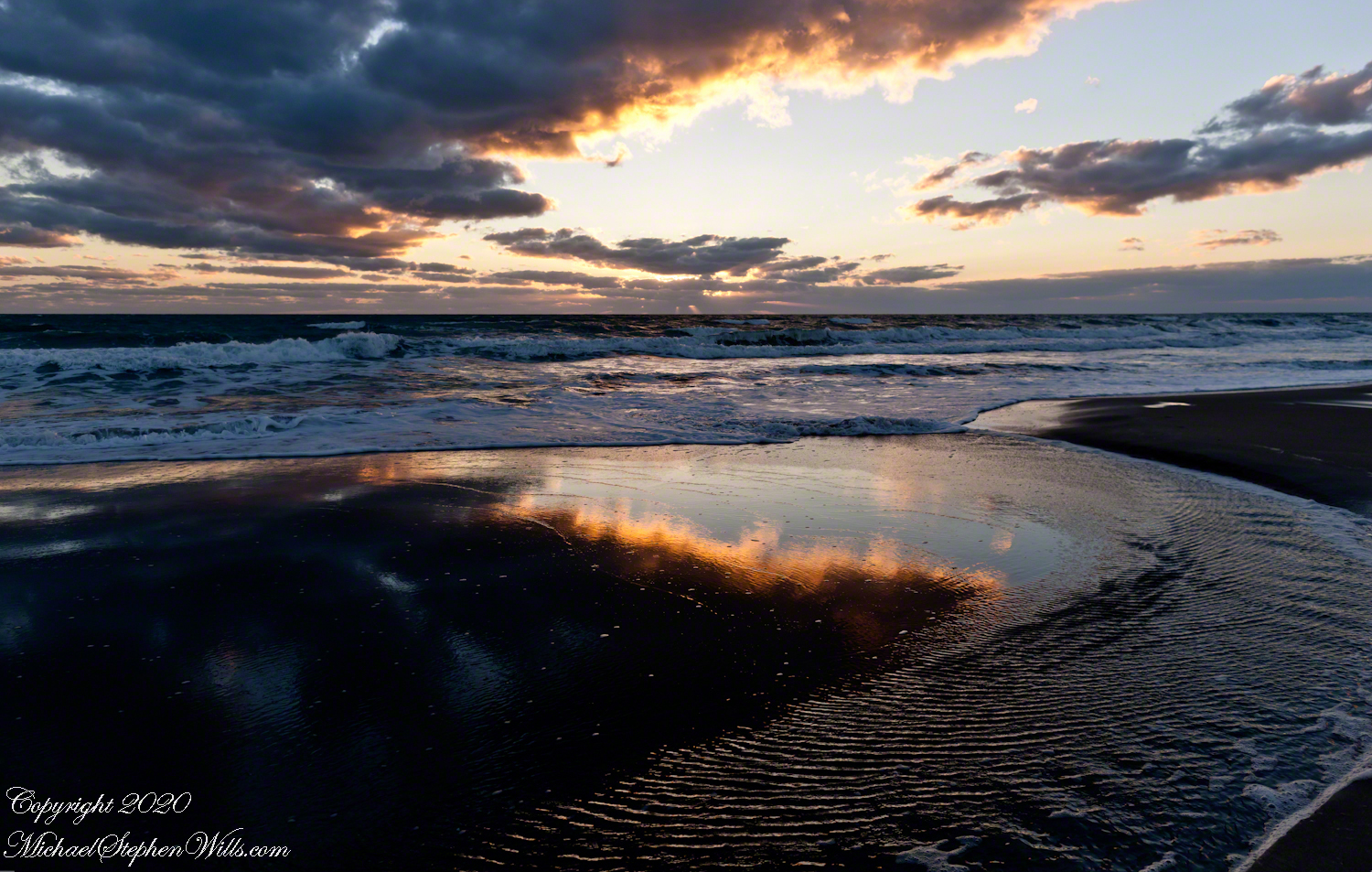
Sunburst

Two minutes pass from Series 5, and not because I have stopped snapping. My routine is to insert a (automated) sequential number into each filename. Using this it is possible to calculate the number of exposures in a series. Since Series 5, 16 were snapped before the first I could use in Series 6. Ten exposures between the first and last of Series 6, during which a minute, twenty eight seconds elapsed..

The sun disk is above the horizon, bursting from clouds.

Ten minutes, eighteen seconds elapsed from the first images of this series. Seventy one exposures taken with 14 selected moments of shining sand mirror, a strong curving return flow.

The small bird feeding, of the first image, is a Sanderling, one of the smallest species of Sandpipers.

Click photograph for larger image. To do this from WordPress Reader, you need to first click the title of this post to open a new page.

In this second image, the mirror is erased as sand absorbs surf. I needed to show the developing sun burst.

A slide show of these images. This set compares short exposure with open aperture (f 4.5) to a much longer exposure driven by a narrow aperture (f 22) and the lowest film sensitivity of the camera (ISO 50). Suggestion, for this series in a larger format, open a separate browser tab for each post. At series end you will then have eight (including the very first post a few weeks ago) landscapes to compare.

Want to see more? Visit this series on Getty IStock.
Copyright 2020 All Rights Reserved Michael Stephen Wills

Sunrise Texture Series 5

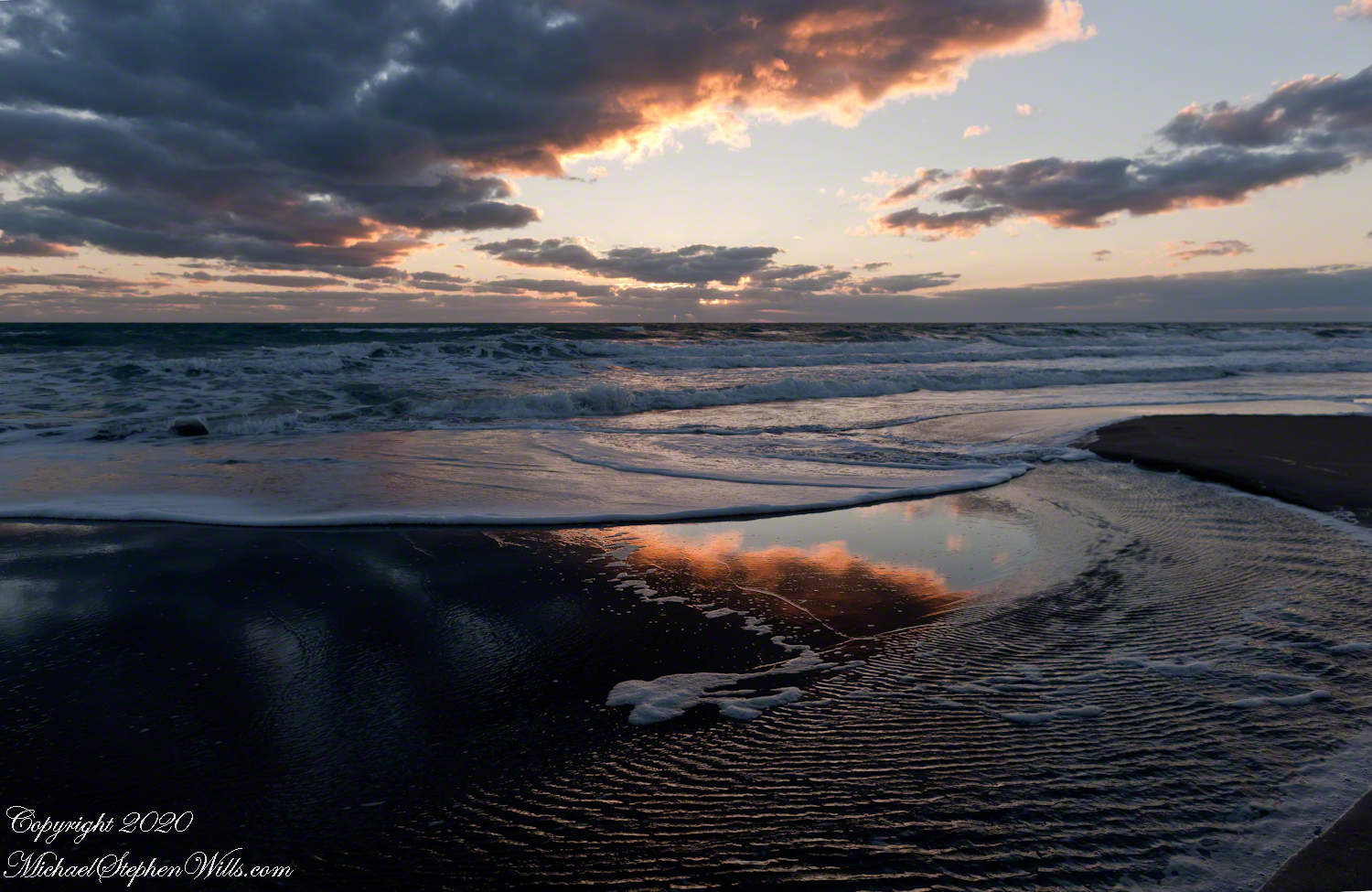
a paradox

A scant five seconds pass from Series 4, with the sun above the horizon I strive to catch the moment.

The sun disk is above the horizon, shining behind the clouds.

Seven minutes, 34 seconds elapsed from the first images of this series.

Click photograph for larger image. To do this from WordPress Reader, you need to first click the title of this post to open a new page.

I selected moments of shining sand mirror, a strong curving return flow with a continuing mark of a southeast wind of seventeen miles per hour, with bursts above twenty. Wind, waves, even the rounded particles of sand all created from the energy of the celestial body I am waiting to appear.

A slide show of these images. Suggestion, for this series in a larger format, open a separate browser tab for each post. At series end you will then have eight (including the very first post a few weeks ago) landscapes to compare.

Want to see more? Visit this series on Getty IStock.
Copyright 2020 All Rights Reserved Michael Stephen Wills

Sunrise Texture Series 4

a paradox

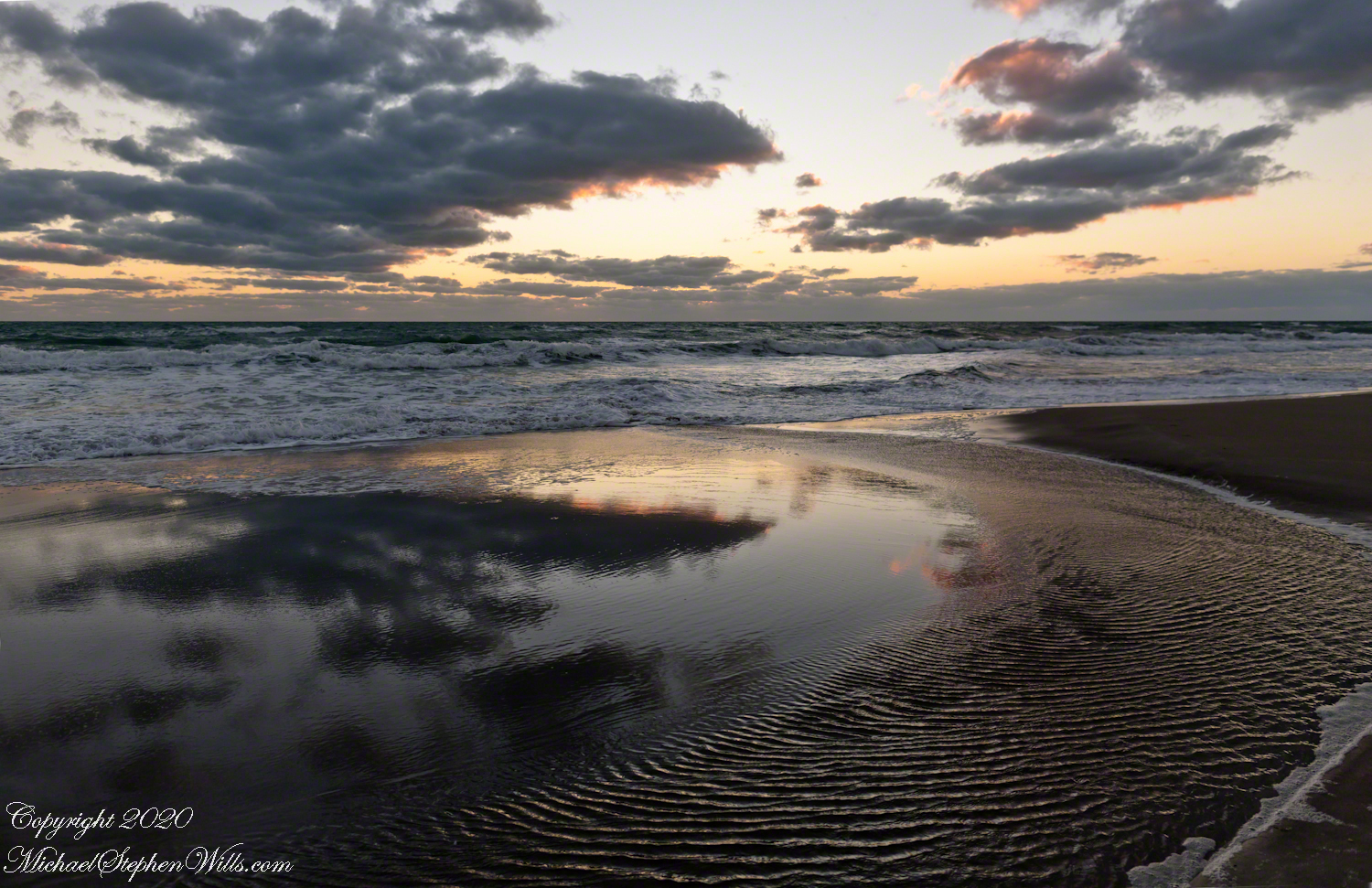
Thirty three seconds pass from Series 3, the high clouds shine less bright, the sun disk now blocked by those clouds on the horizon, the rising sun brings darkness yet a first hint of sunburst.

Seemingly, the first image foam-wave swath will erase the mirror.

Click photograph for larger image. To do this from WordPress Reader, you need to first click the title of this post to open a new page.

Fifty seconds later, instead of erasure the new water brings clarity.

Six minutes, 39 seconds elapsed from the first images of this series.

A slide show of these images. Suggestion, for this series in a larger format, open a separate browser tab for each post. At series end you will then have eight (including the very first post a few weeks ago) landscapes to compare.

Want to see more? Visit this series on Getty IStock.
Copyright 2020 All Rights Reserved Michael Stephen Wills

Sunrise Texture Series 3

Gathering Light

You will notice the sky changing, compared to the first set published here , Almost 6 minutes have passed, 4 minutes from the last image from Sunrise Texture Series 2. From behind the horizon, the first rays of sunlight catch the sky undersides. Unseen. the sun disk broaches the horizon.

Working fast, I used the dial to change from aperture-priority to shutter-priority with settings saved from the last use. In this way the duration is only twelve seconds between shots. The sun disk is near to/passed the horizon hidden behind those distant clouds.

Click photograph for larger image. To do this from WordPress Reader, you need to first click the title of this post to open a new page.

Breaking of a small wave.

A slide show of these images. Suggestion, for this series in a larger format, open a separate browser tab for each post. At series end you will then have eight (including the very first post a few weeks ago) landscapes to compare.

Want to see more? Visit this series on Getty IStock.
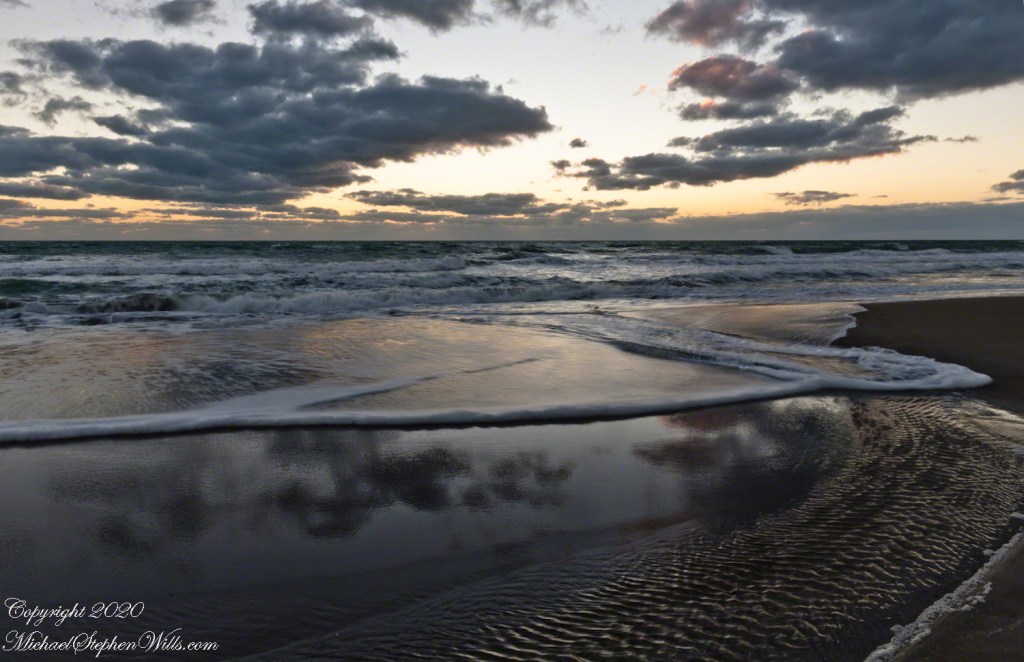
Copyright 2020 All Rights Reserved Michael Stephen Wills

Sunrise Texture Series 2

Time measured by the waves

Twelve minutes, fifty four seconds separate the first and list images of this series of 16 images, starting with the first set published here fourteen days ago.

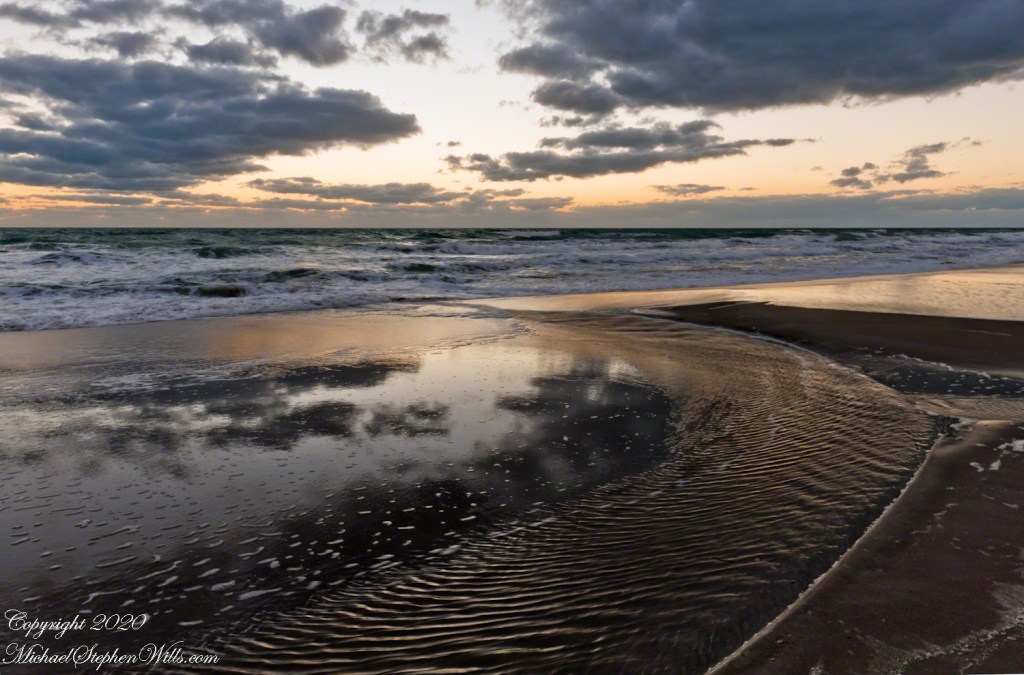
Almost a minute, fifty two seconds, separates the images of this post, enough time for a wave to sweep over a boss of sand, forming a mirror, and to start a return flow to the sea.

Happy turning of February to March.

Click photograph for larger image. To do this from WordPress Reader, you need to first click the title of this post to open a new page.

A sand boss held water briefly each cycle to form a mirror.

A slide show of these images.

Want to see more? Visit this series on Getty IStock.
Copyright 2020 All Rights Reserved Michael Stephen Wills

Sunrise Texture Series 1

A constant is change.

Heraclitus, sometime between his beginning and end, 535 – 475 B.C., wrote “No man steps into the same river twice.” The flow of these images is more changeable, ebbing and flowing with each wave.

My habit is to time early morning walks by sunrise, stepping onto the beach well before dawn to enjoy the encounter. First days of January 2020 were notably clear and warm. Then over several days the wind rose, on the 9th were these clouds,

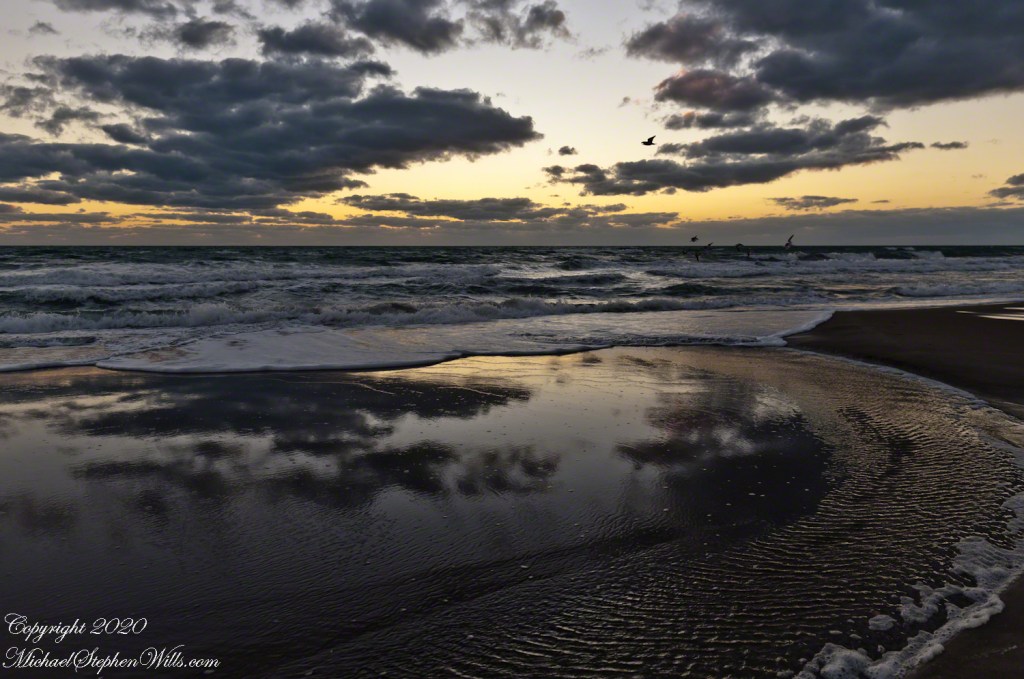
High tide passed a few minutes before, for whatever reason there were hollows filled with the stronger waves, the water pooling to flow back as is seen here. The pattern of sand hollows across the beach was lost across the hours and tides, not to return during our time at the beach.

Click photograph for larger image. To do this from WordPress Reader, you need to first click the title of this post to open a new page.

A sand boss held water briefly each cycle to form a mirror.

A sand boss held water briefly each cycle to form a mirror. In the small ripples in the return stream rising against the waves of the return flow can be seen the strong, steady southeast wind of that day.

A slide show of these images. Use is to compare the effect of longer vs shorter exposure time and f-stop.

Want to see more? Visit this series on Getty IStock.
Copyright 2020 All Rights Reserved Michael Stephen Wills

Sunrise Series to come

….anatomy of coming light.

Sunrise for Florida, January, is roughly a quarter past 7 am. Most mornings this year I was on the beach for a morning, pre-dawn, walk camera in hand. This day, the 9th, the clouds were promising, no to heavy on the horizon and scattered, cumulus clouds otherwise. For the promise I brought the full frame Canon EOS-1Ds Mark III, Canon lens 24 mm f/1.4L II USM fitted with a graduated .6 ND filter sitting on top of a Manfrotto BeFree Carbon fiber tripod.

A graduated neutral density filter has a portion shaded with gray to produce a “2 stop” difference in exposure between the darkest shade and clear glass with, between, a gradual feathered reduction in shade. In this way, the dark foreground and bright sky are balanced.

A carbon fiber tripod folds into a compact shape. At about 2.5 pounds it fits into a suitcase with the least weight possible for a reasonably stable platform. Using it, I am able to take a sequence of frames of the identical scene, changing camera settings as I go along.

Click photograph for larger image. To do this from WordPress Reader, you need to first click the title of this post to open a new page.

Sunlight, low in the western sky, was perfect for mirror-like reflections in the retreating surf.

In a few weeks, after the “Slievenaglogh View” series now underway, I will present a week of these images moving from pre-dawn to sunrise.

A slide show of these images. Use is to compare the effect of longer vs shorter exposure time and f-stop.

Copyright 2020 All Rights Reserved Michael Stephen Wills

Drying Butterfly…..

….on a Sonic Drive-In Order Station.

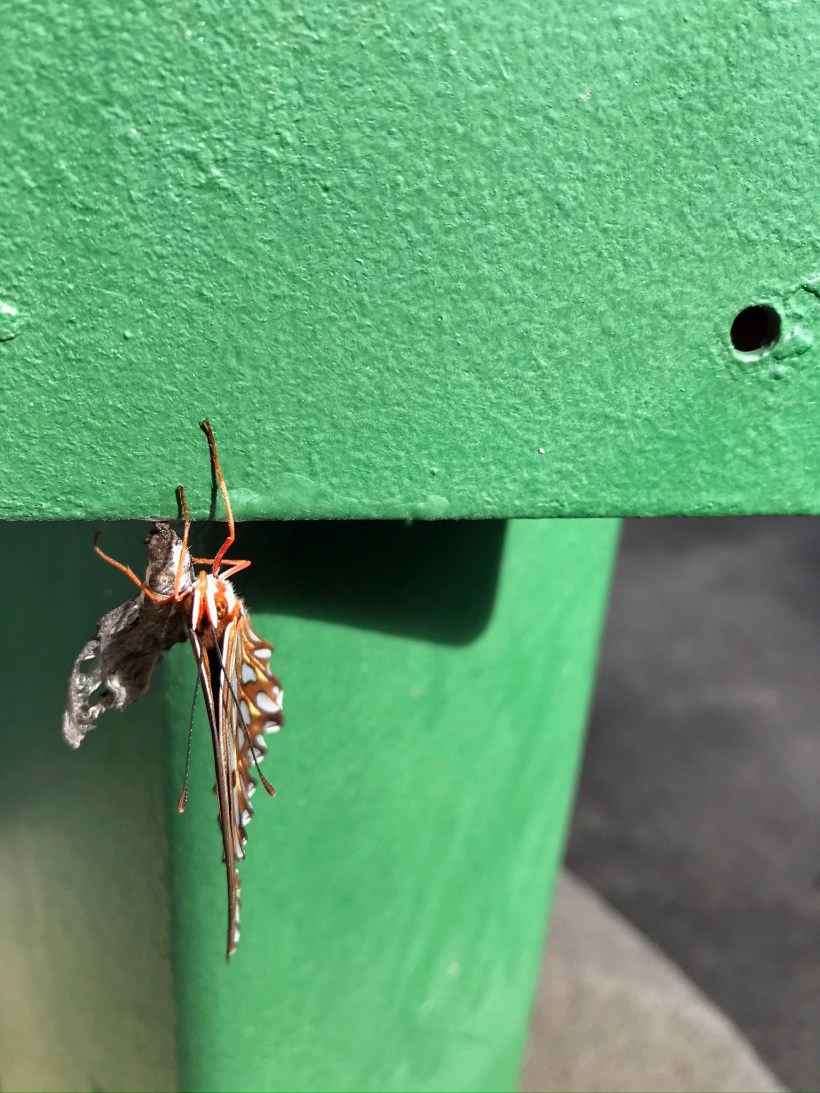
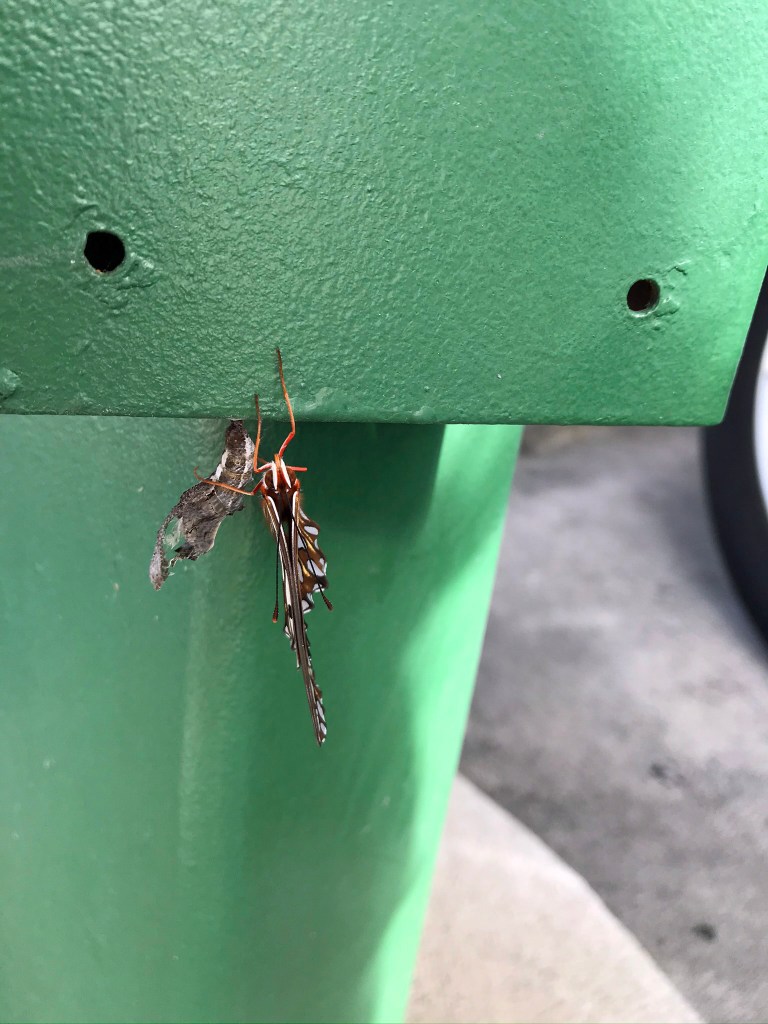
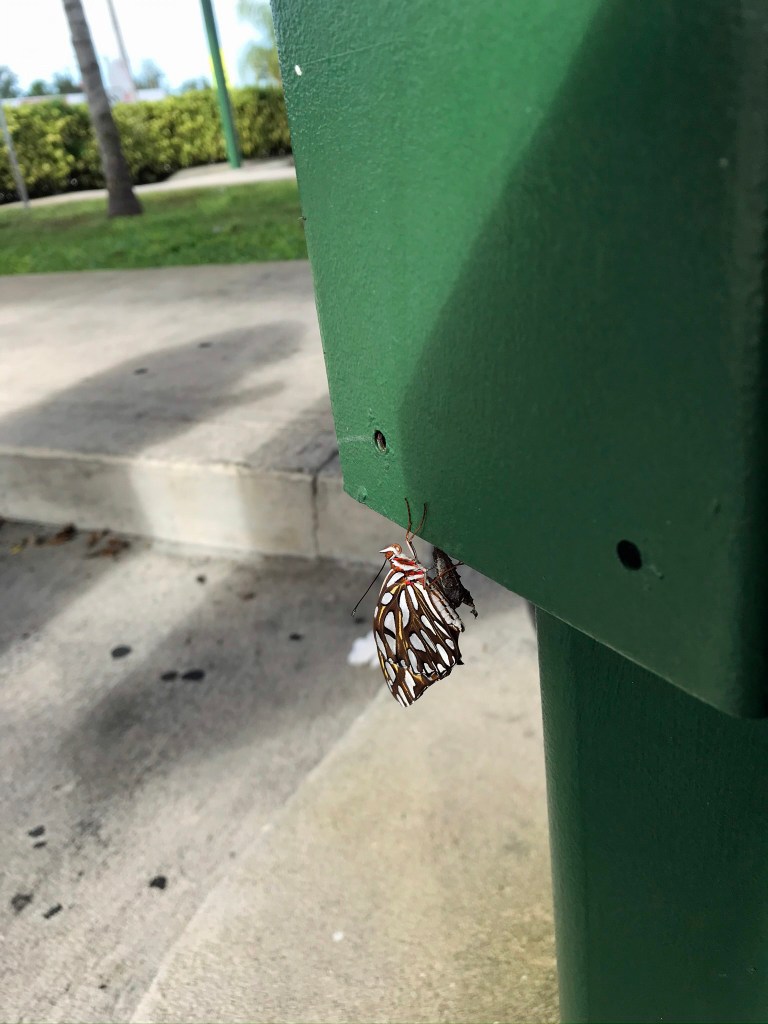
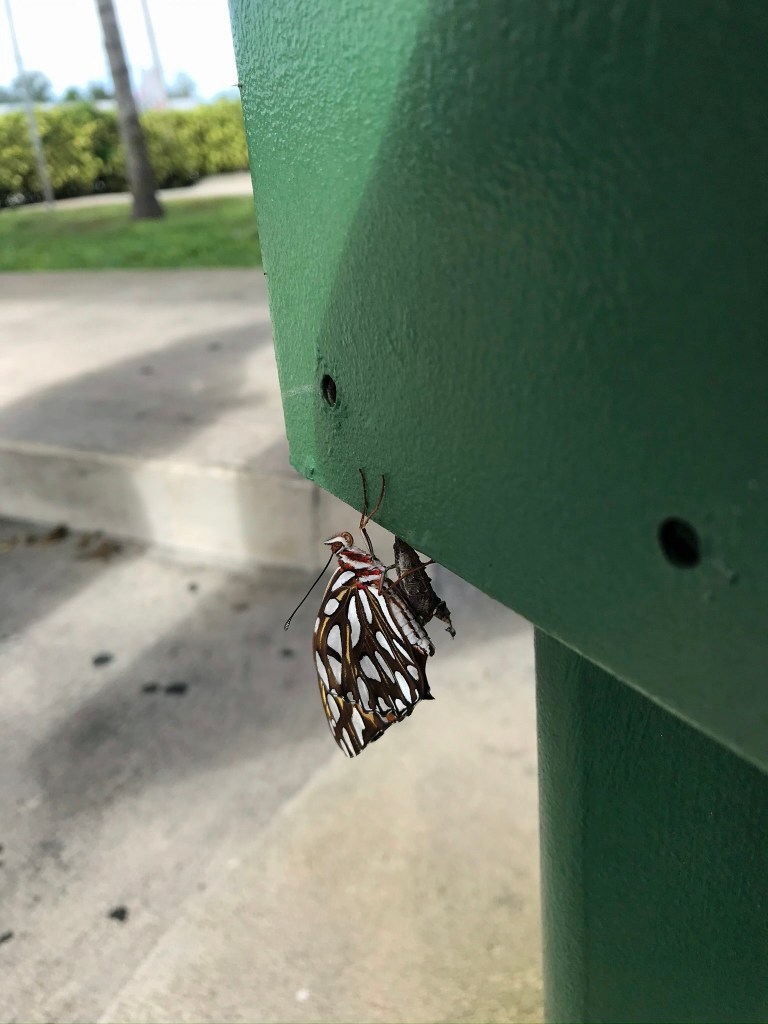
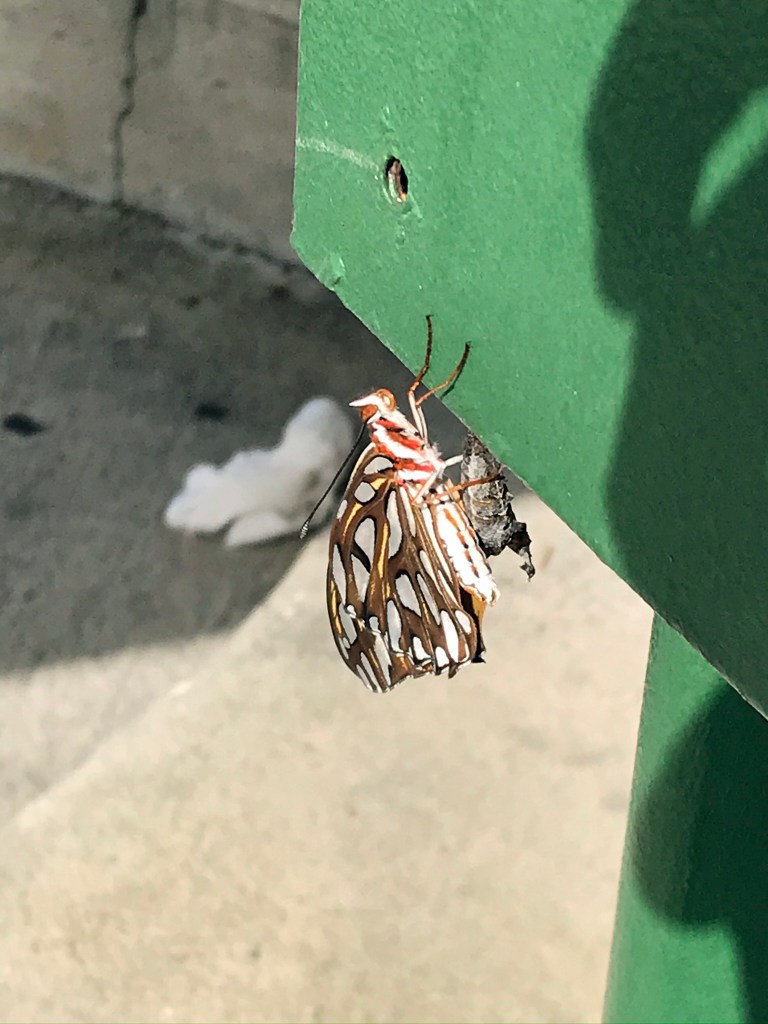
On Tuesday, December 17, 2019 a caterpillar dropped from vegetation to crawl across the parking lot of Sonic Drive-In, 2140 N Courtenay Pkwy, Merritt Island, FL 32953, crawl up an order station, affix its tail to the kelly green semi-gloss enamel, to form a chrysalis.

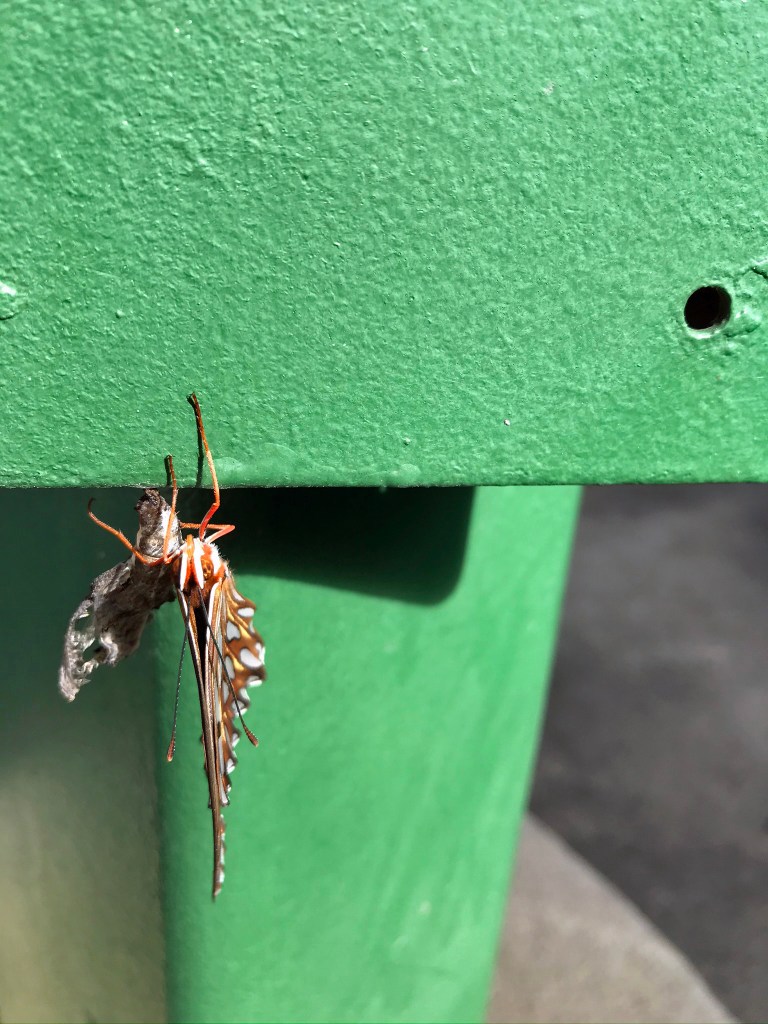
The afternoon of New Years Eve, 14 days later, we spied the Retro theme of this fast food business, finding it appealing, stopped for a hi-fat lunch of hamburgers, onion rings (“highly recommended, very delicious”) and (ha, ha) diet sodas, choosing this same order station where the emerged Brush-foot butterfly, of the family Nymphalidae, clung, drying in anticipation of flight.

Captured here with the Apple IPhone 8. I cannot identify the exact butterfly species this is. Source: wikipedia article on Nymphalidae.

Click photograph for the slide show. To do this from WordPress Reader, you need to first click the title of this post to open a new page.

Copyright 2020 All Rights Reserved Michael Stephen Wills

Exploring the Cancer Constellation: A Detailed Guide

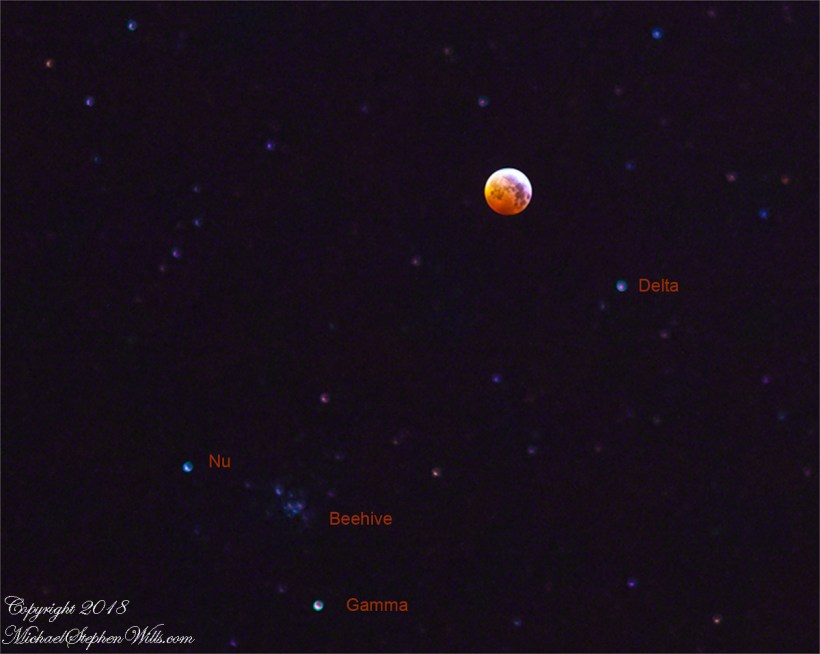
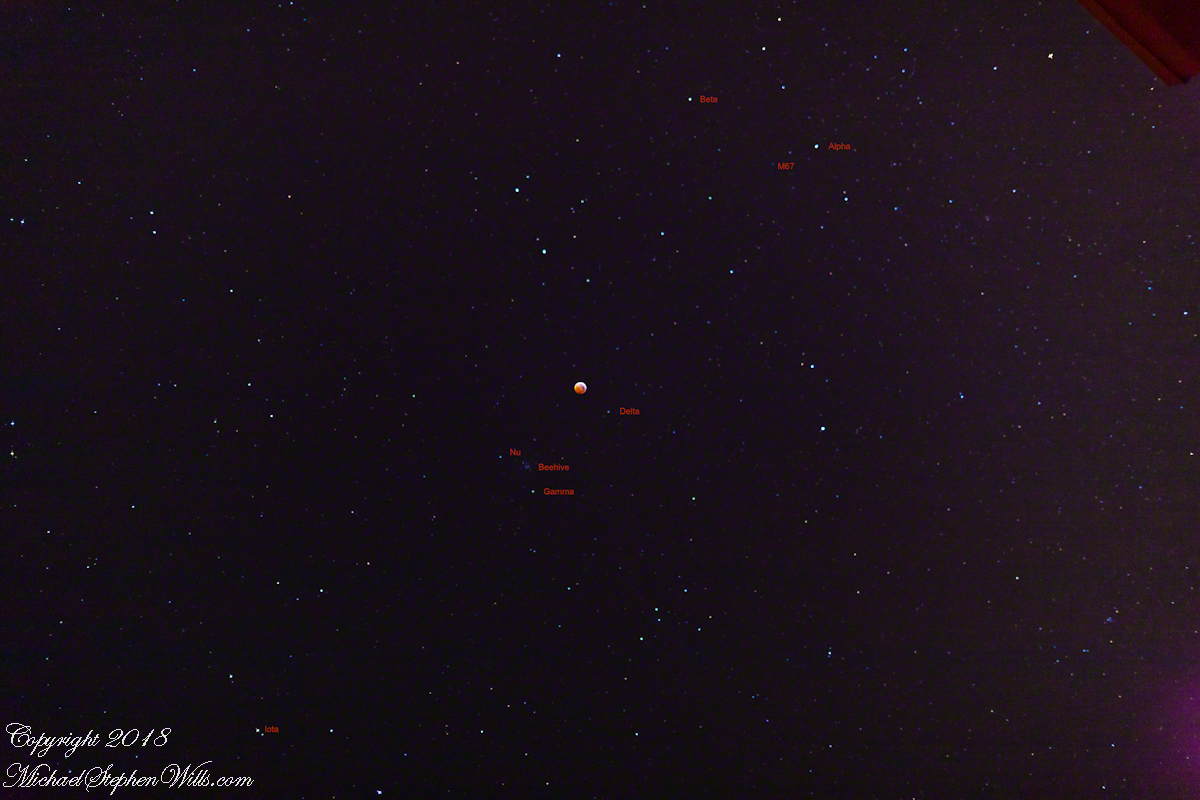
Here are labeled photographs, detailing its major elements, and including visual guides for enhanced viewing.

Pam proofed my post, “When the Moon Dined from a Stellar Mangar”and found some improvements, including adding text labels to aid in finding Cancer constellation elements.

Labels!!

You will find I replaced photographs in the original post and well, all the major elements of Cancer are labeled. Here is an explanation of the new elements.

You can now trace the “Y” constellation pattern, with Alpha and Beta Chancri (Latin for “of Cancer”) the two claws and Iota the tail. Both elemetns of Iota, a visual binary star system, are there. They are wonderful viewed with a telescope. Near Alpha is M67 (Messier Object 67), another galactic cluster of gravitationally bound stars. It is quite faint in this photograph.

Click photograph for a higher resolution version
Total Lunar Eclipse and Surrounding Sky with labels for primary element of the Cancer constellation
Enter your email to receive notification of future postings. I will not sell or share your email address.