Night Blooming Cereus II

What is this plant?

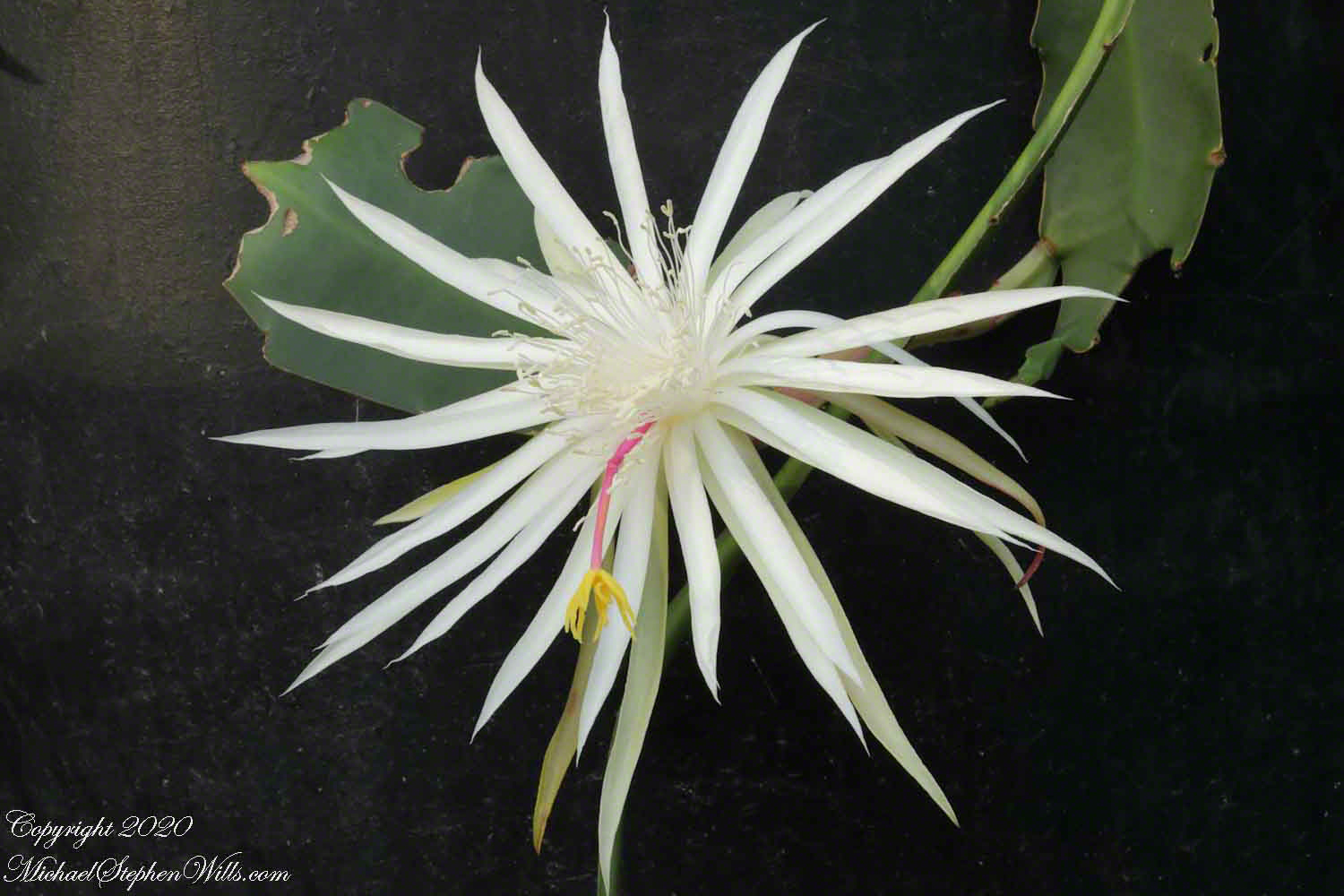
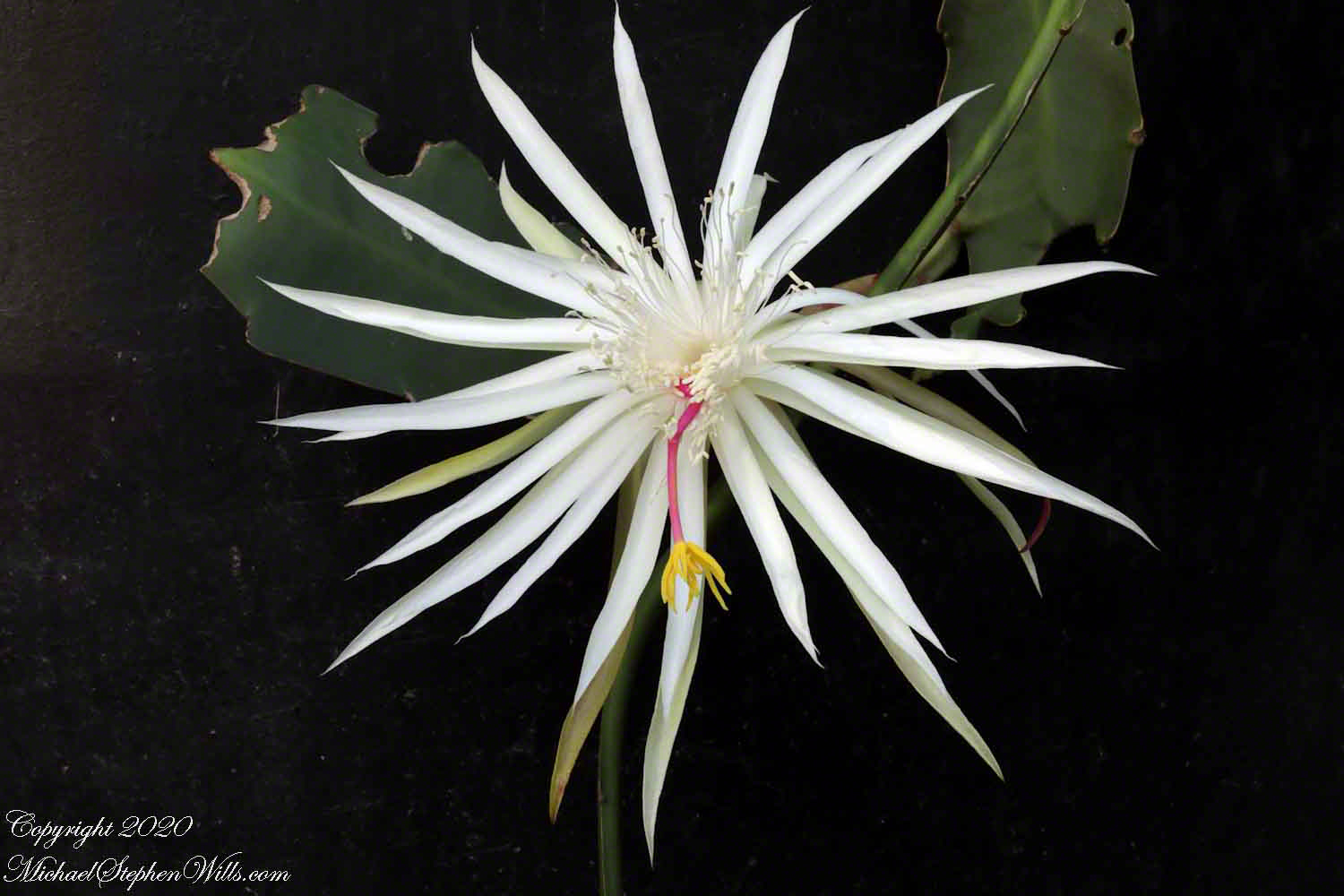
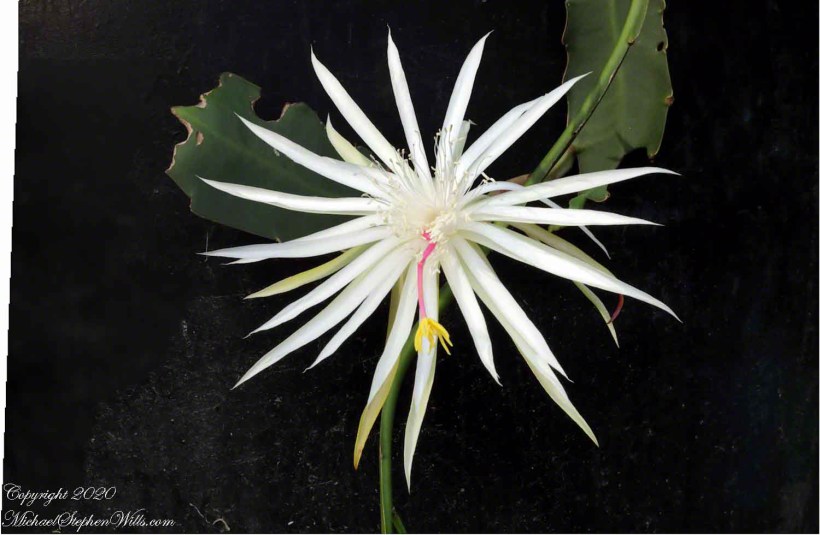
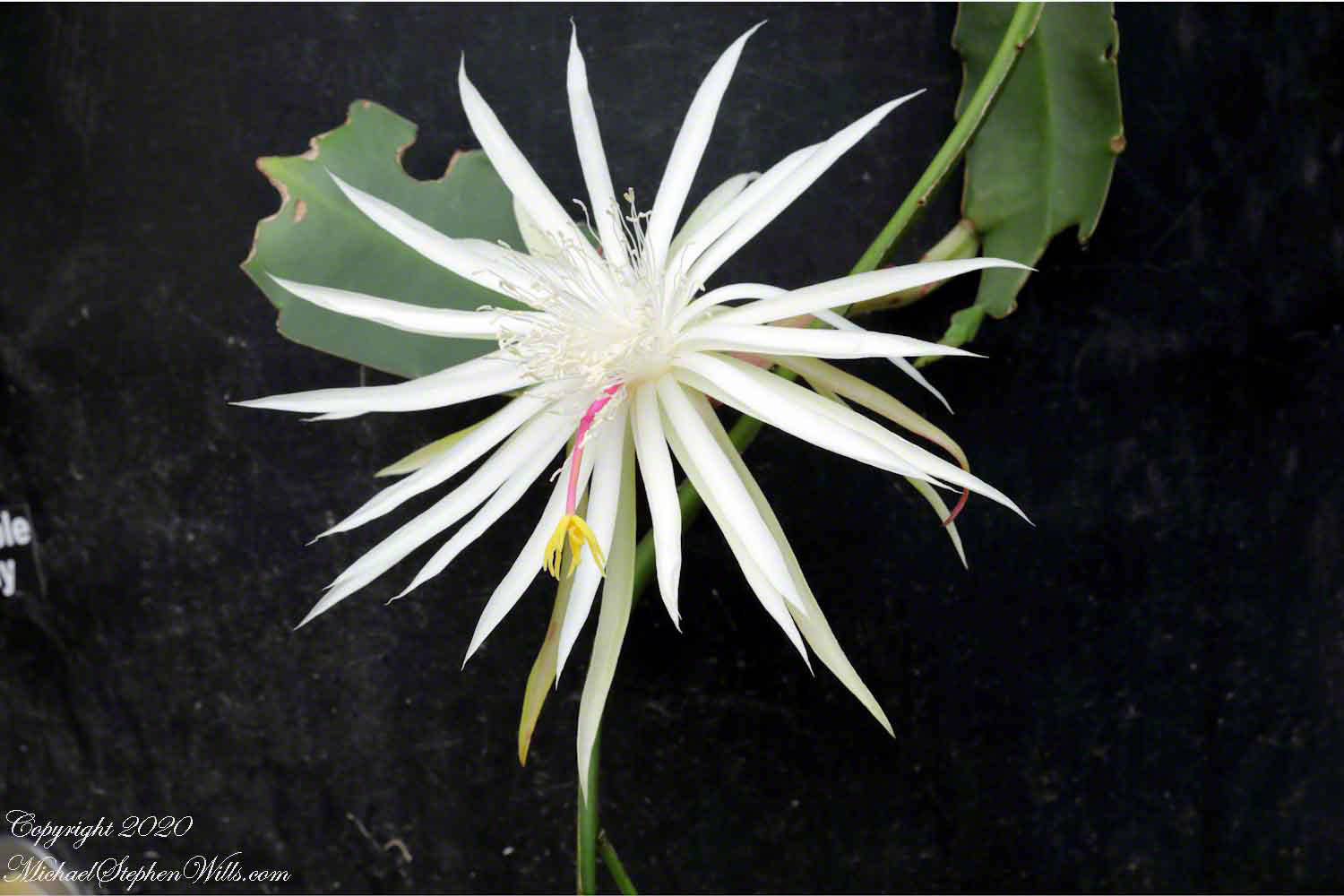
Epiphyllum oxypetalum, the scientific name for this plant identifies the name “Night Blooming Cereus” as incorrect. The plant is of the genus Epiphyllum, identifying it as an epiphytic organism that grows on the surface of a plant and derives its moisture and nutrients from the air, rain, water (in marine environments) or from debris accumulating around it.  

Nor is it in the tribe Cereeae, derived from the Greek and Latin word for “wax”, “torch” or candle. Plants of the Cereeae tribe, including those in the genus Cereus, are cactus with a columnar structure, are are terrestrial, not epiphytic, plants.
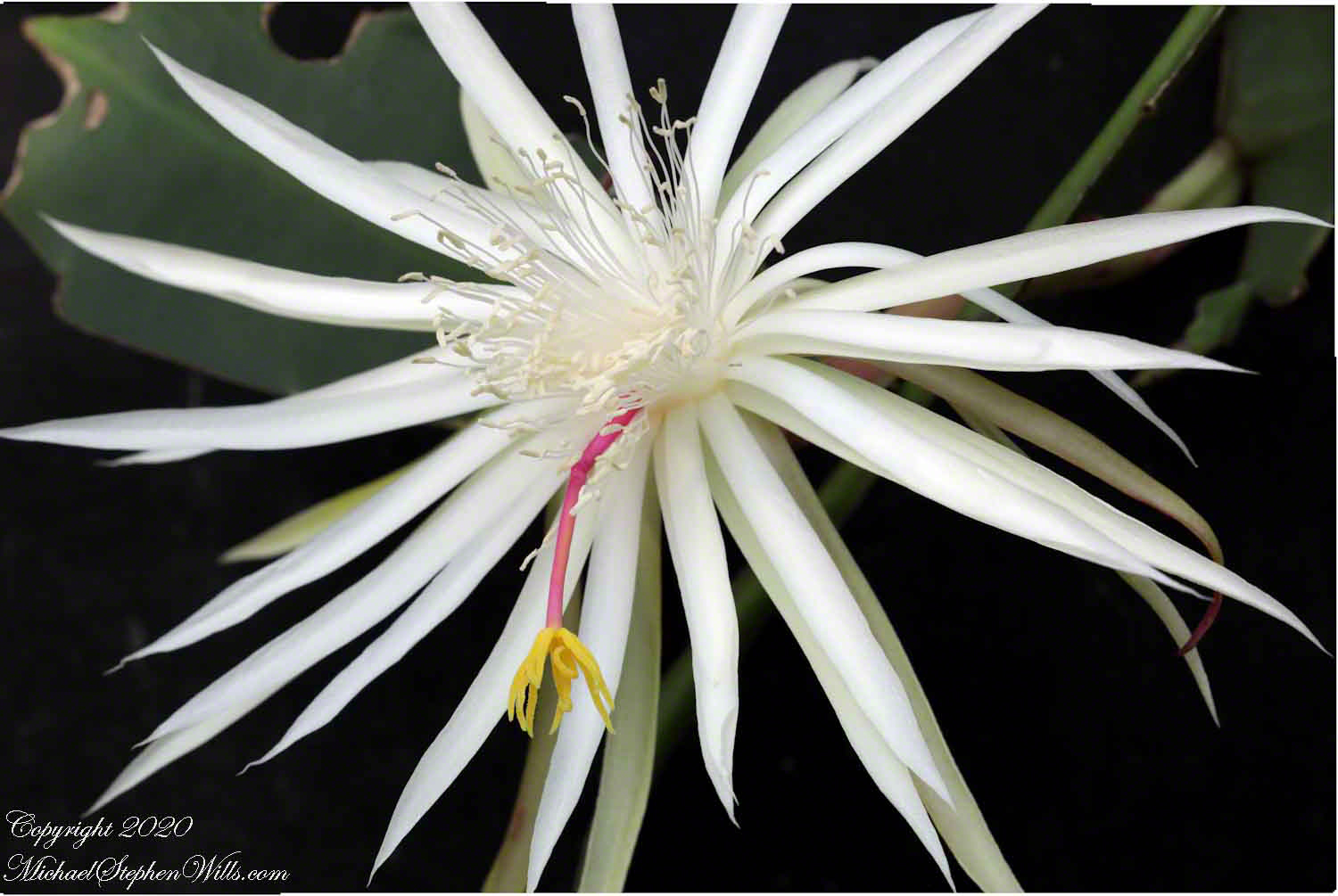
Epiphyllum oxypetalum, also know as Dutchman’s pipe cactus, princess of the night, queen of the night, is a species of cactus and one of the most cultivated species in its genus. E. oxypetalum rarely blooms and only at night, and its flowers are reported to wilt before dawn.

The species name oxypetalum is derived from the word, “oxy” meaning sharp, pointed, acute for the characteristic petal shape.

For the bloom photographed here, I can report it was in this condition 7 am, after sunrise, and did not wilt until after noon.

Click me for the next post of this series.

References

Wikipedia, “Epiphyllum, “Epiphyllum oxypetalum,”epiphyte.”

Copyright 2020 Michael Stephen Wills All Rights Reserved
Night Blooming Cereus I

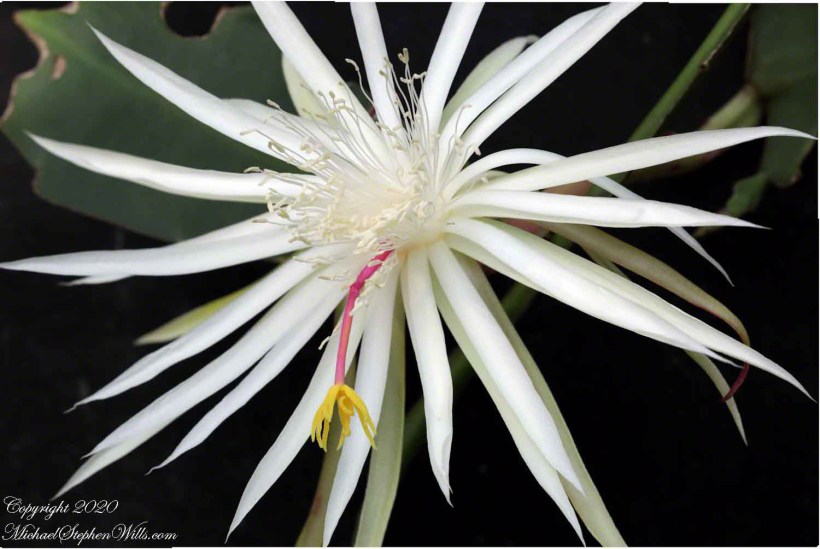
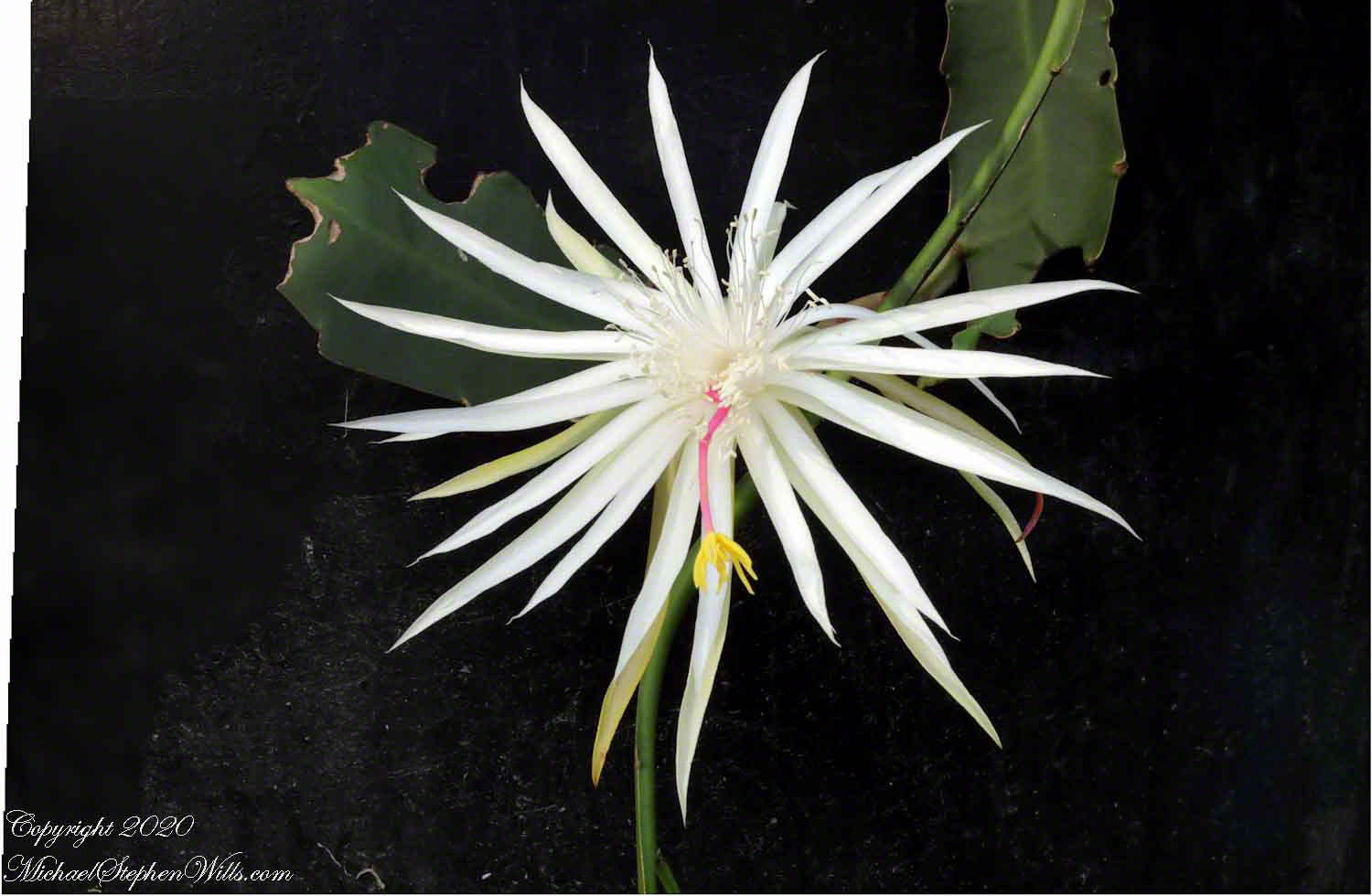
Photomerge vs. high f-stop

It is possible to puzzled over my choice of an ungainly potted plant acquired over two years ago from the Eddydale farm stand. We popped in for tomatoes, sweet corn and watermelons after a hike along nearby Treman Park, I spotted the plant on display in the front. The cashier suggested we visit the greenhouse to view the parent, currently in bloom. Memory of the blossoms were short lived as we lived with this collection of malformed green lobes sprouting long stalks.

The plant occupied a pool-side water barrel summers, a bedroom corner winters. This year, 2020, flower buds formed late July, one on a lengthening stalk. “Dutchman’s pipe cactus” is a popular name, from the appearance of the flower on the end of a stalk turned up with a terminal curve.

Keeping a watch eye on progress, I noted a swelling on Wednesday, September 23rd morning, more pronounced by evening. First thing Thursday morning the flower was in full glory. I used a Canon EOS 5D Mark IV with the Canon EF 70 – 300 mm lens. The variable focal length lens can be used for macros, offering more flexibility compared to the 100 mm macro lens.

For the first three photographs of this series I used the Photoshop feature Photomerge, combining 12 or so image files. For each file the camera was mounted on a Manfrotto BeFree carbon fiber tripod with a ball head. Focus was on manual and, using the screen of the Canon 5D I gradually changed the focus, crisp focus moving between planes. In theory, the Photomerge chooses the best focus for each image producing a perfect result.

As the session progressed the scene brightened and for these last two photographs I used aperture priority at the highest value (36) and autofocus.

Here is a comparison of a merged and high aperture photograph.

Click me for another flower post, “Another Woody Peony.”

Copyright 2020 Michael Stephen Wills All Rights Reserved
Weedy Orchid IV

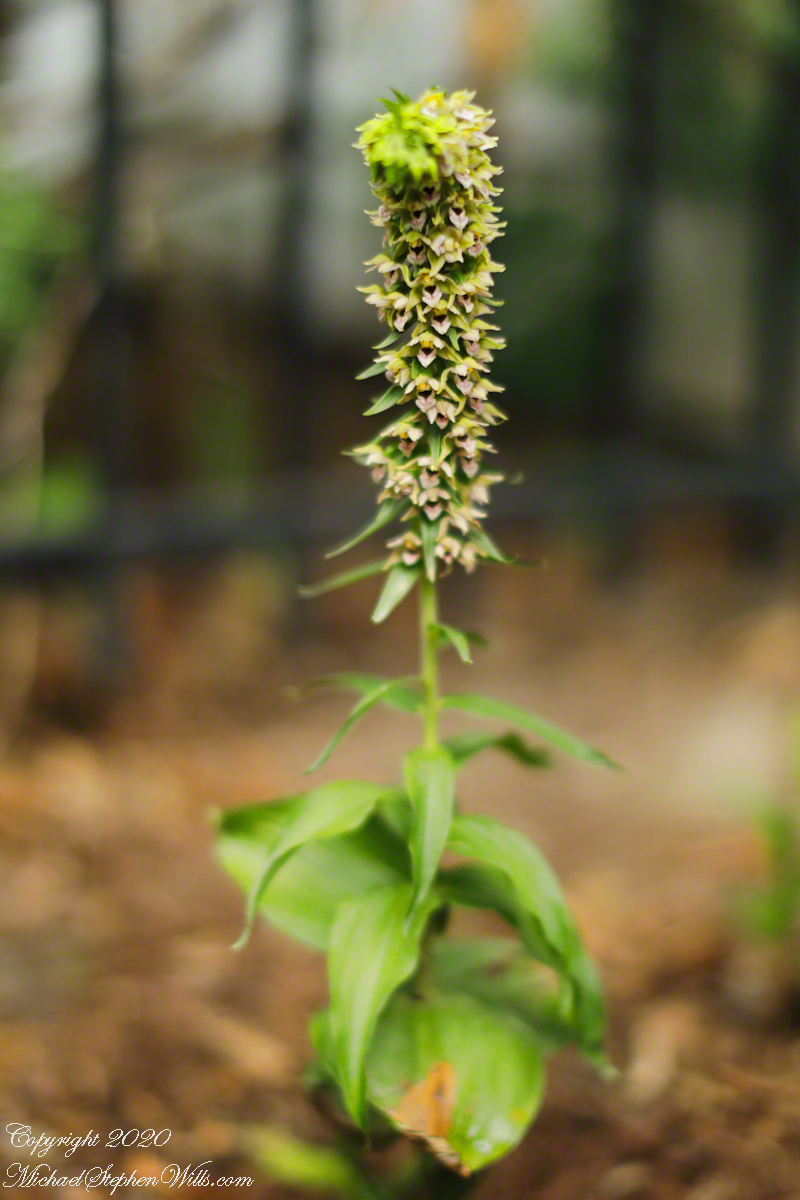
Broad-leaved Helleborine (Epipactis helleborine), a wild orchid, is a wide ranging, invasive, plant now found across North America. I suspect this success is based on a partnership with fungi. Commonly known as the “Weedy Orchid” it is not especially particular on the fungus partner, accepting a wide, curiously undefined for lack of research, variety.

In this the fourth of a five part series, the 50 mm lens f-stop is tamped down a bit, narrowing the diaphragm to f2.2, yielding the column of orchid faces in sharp focus. The nodding top, bent into the frame, unfocused, stem and leaves soft focus, still lots of detail discernible. Background far less distracting.

Click photograph for a larger view and use Ctrl-x to zoom in closer.

Today’s header image is from yesterday’s post, by way of comparison.

Click me for the first post of this series.

.to be continued.

Copyright 2020 Michael Stephen Wills All Rights Reserved
Hammond Hill Walk V

Facing the sun

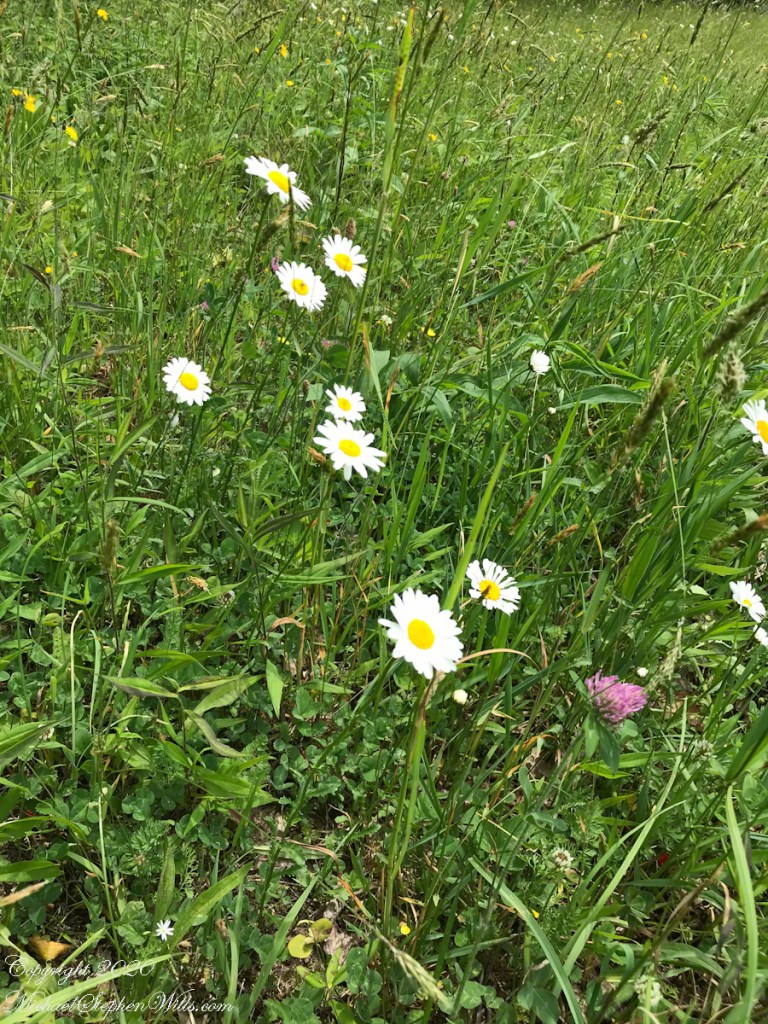
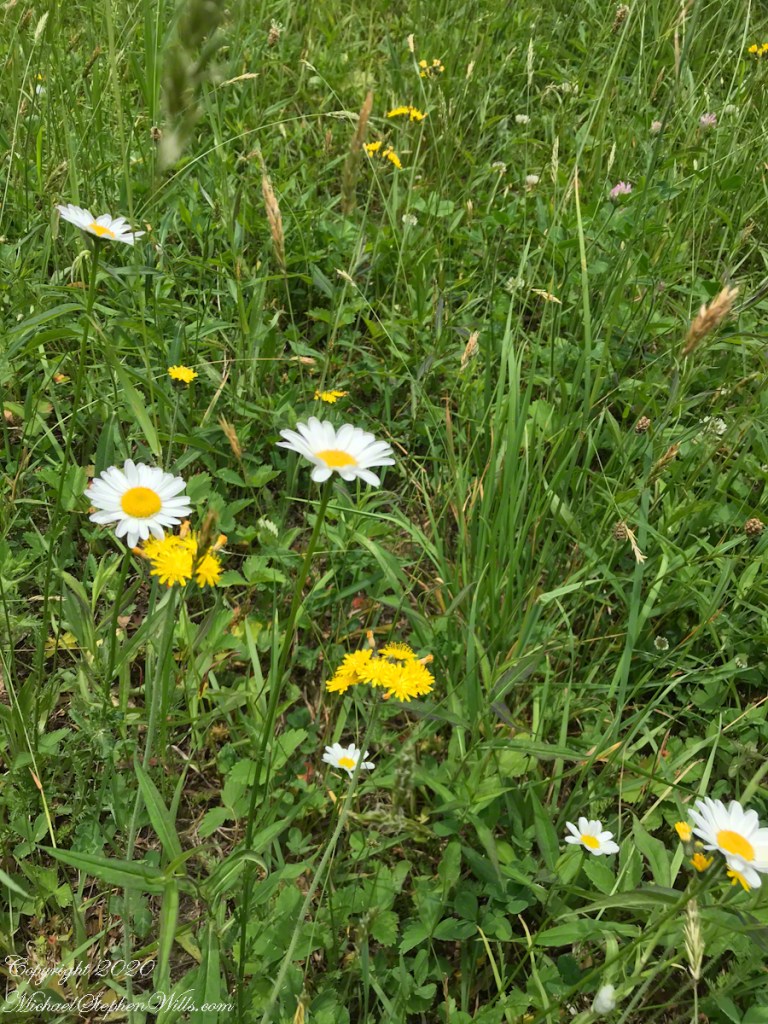
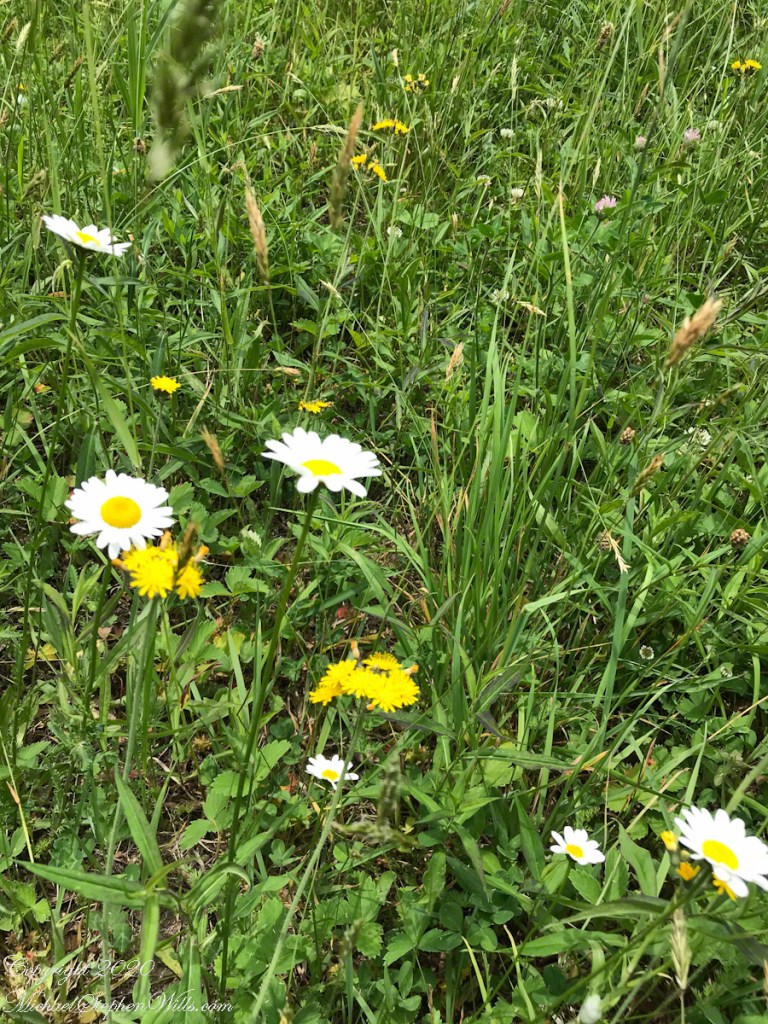
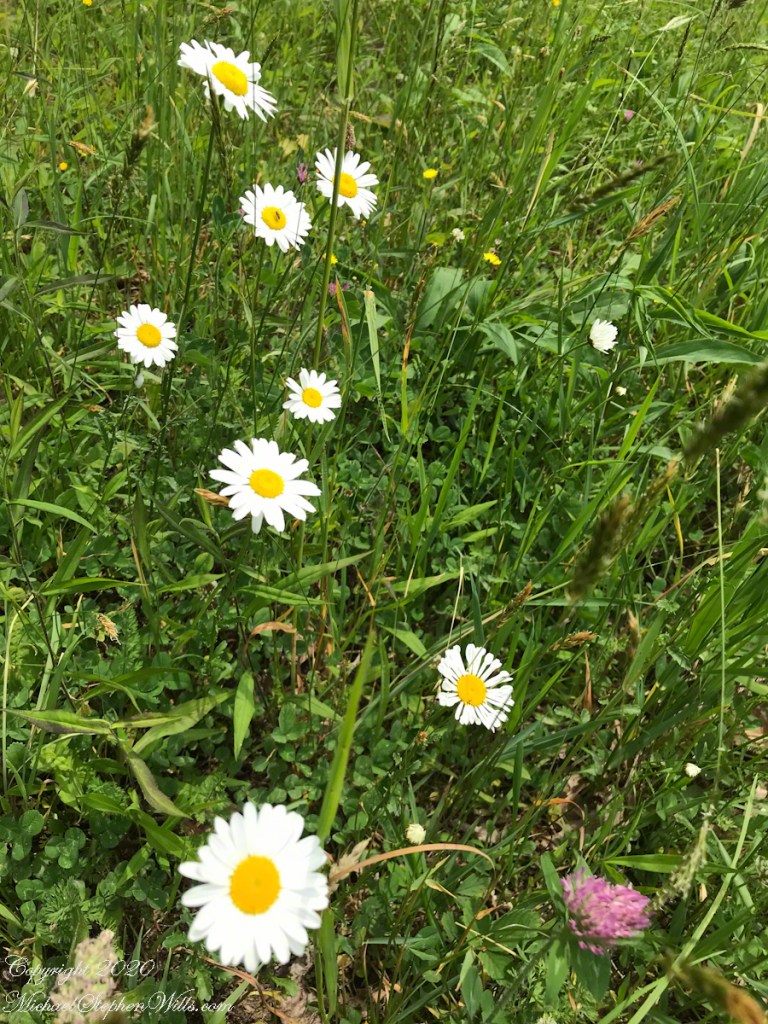
I close this walk at the turnaround point, the high meadow, with a fireworks display of daisies.

Click any photograph for a larger view. To do this from WordPress Reader, you need to first click the title of this post to open a new page.

Copyright 2020 All Rights Reserved Michael Stephen Wills
Hammond Hill Walk IV

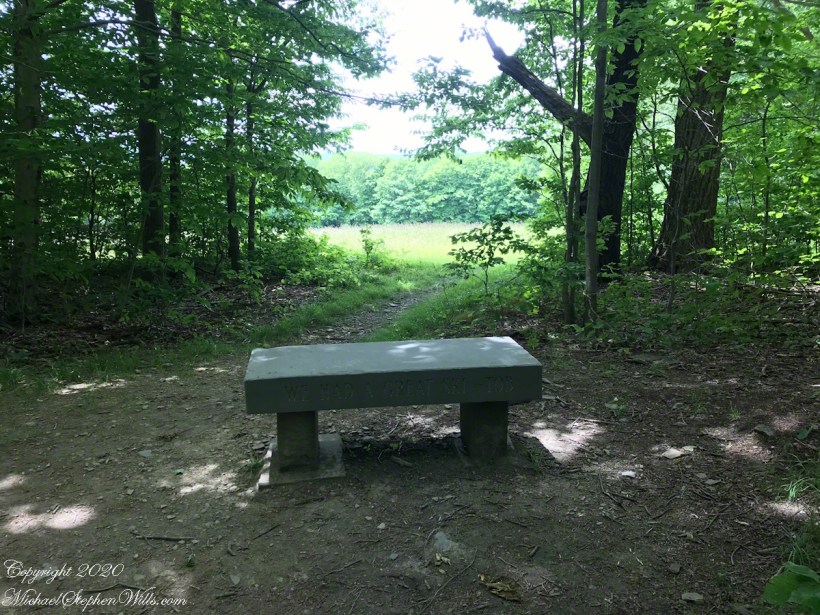
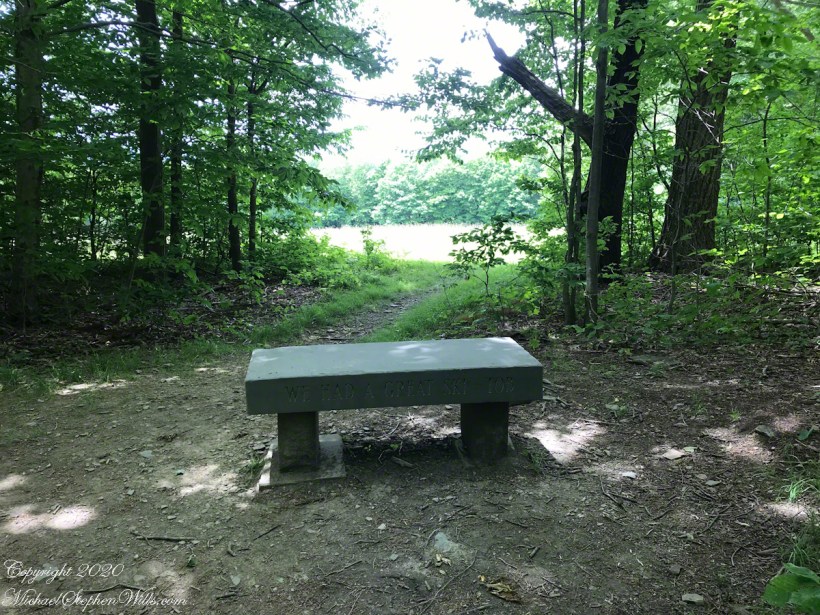
“We Had A Great Ski — Tob”

New since I was last here, this bench, made from local “blue” limestone dedicated to the memory of cross country skiing.

Click any photograph for a larger view. To do this from WordPress Reader, you need to first click the title of this post to open a new page.

Here are sounds you may experience while sitting here on a summer afternoon.

Click me for better experience viewing the following video. To do this from WordPress Reader, you need to first click the title of this post to open a new page. Note the replay icon (an arrow circling counter-clockwise.

Copyright 2020 All Rights Reserved Michael Stephen Wills
Hammond Hill Walk III

High Meadow

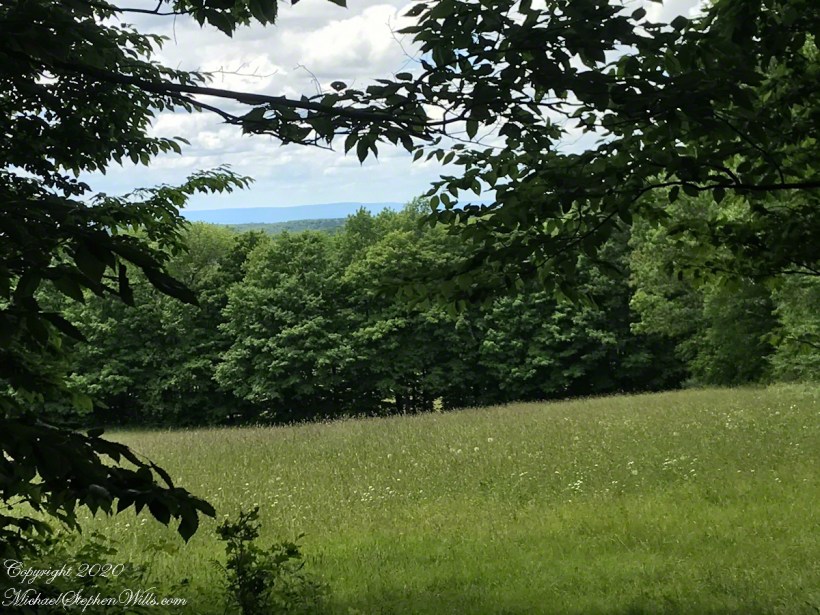
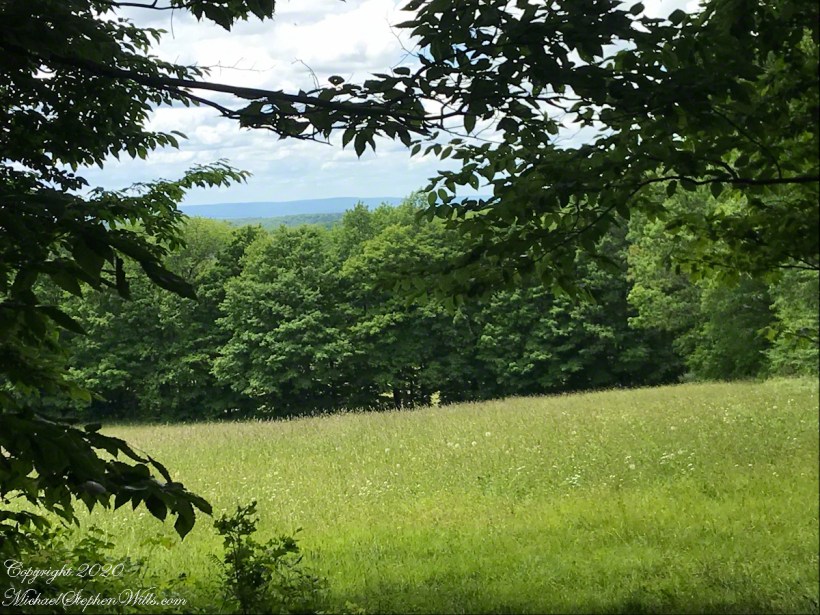
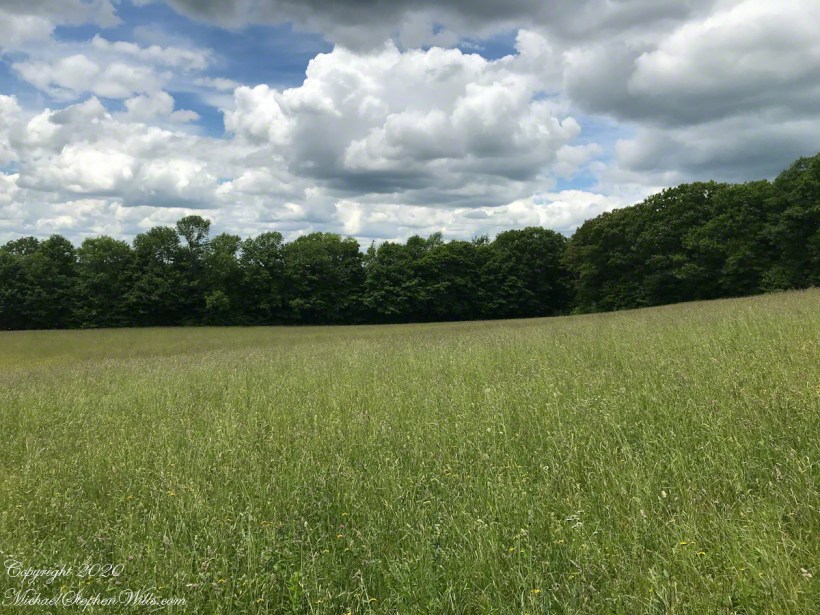
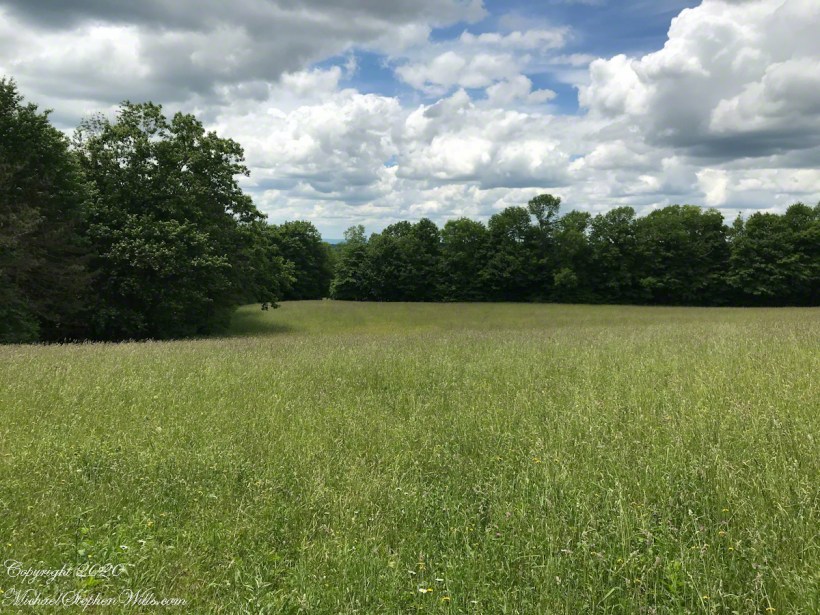
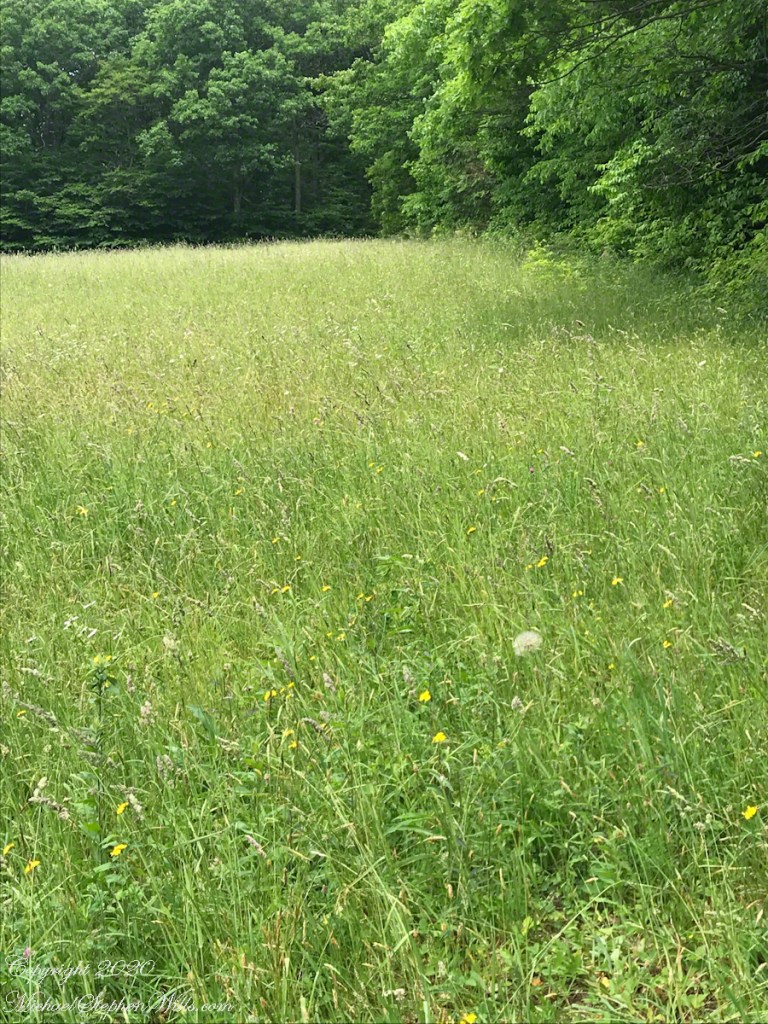
After birdsong, open spaces are an unexpected wonders of these walks. Nowhere listed on the map, and on private lands adjoining the forest, this meadow comes upon the hiker’s consciousness gradually as the trail approaches.

Click any photograph for a larger view. To do this from WordPress Reader, you need to first click the title of this post to open a new page.

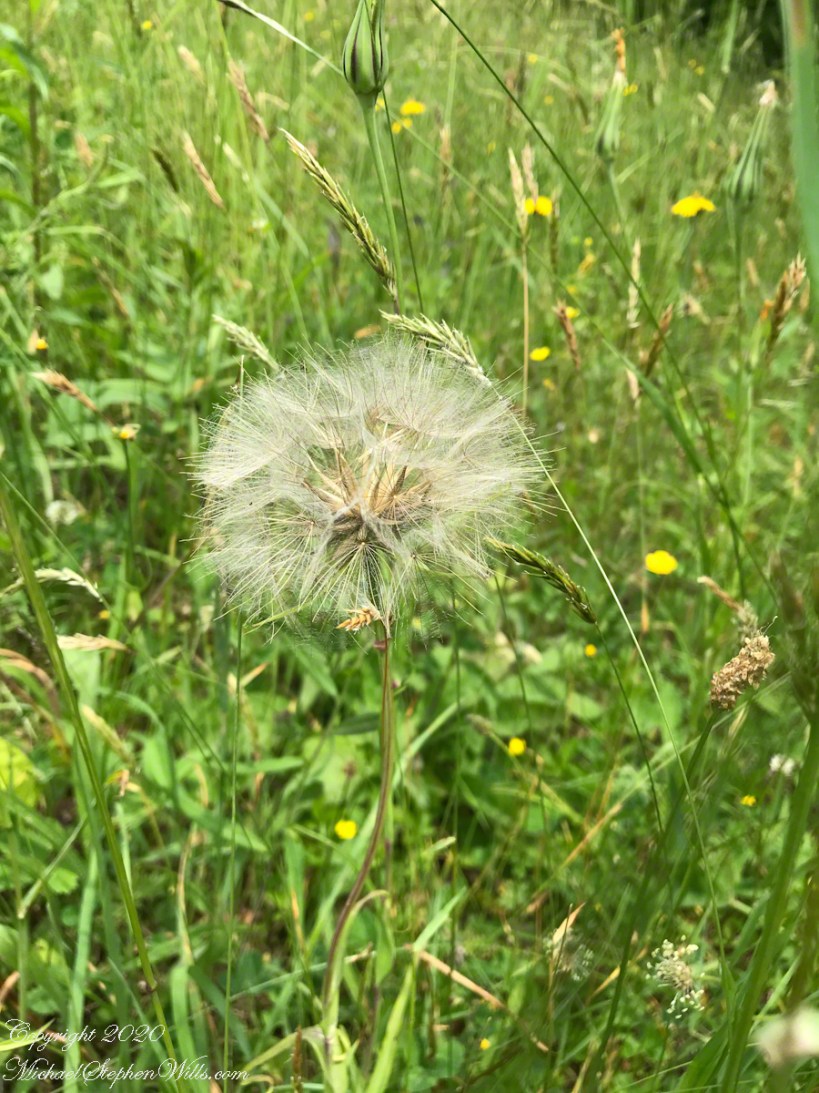
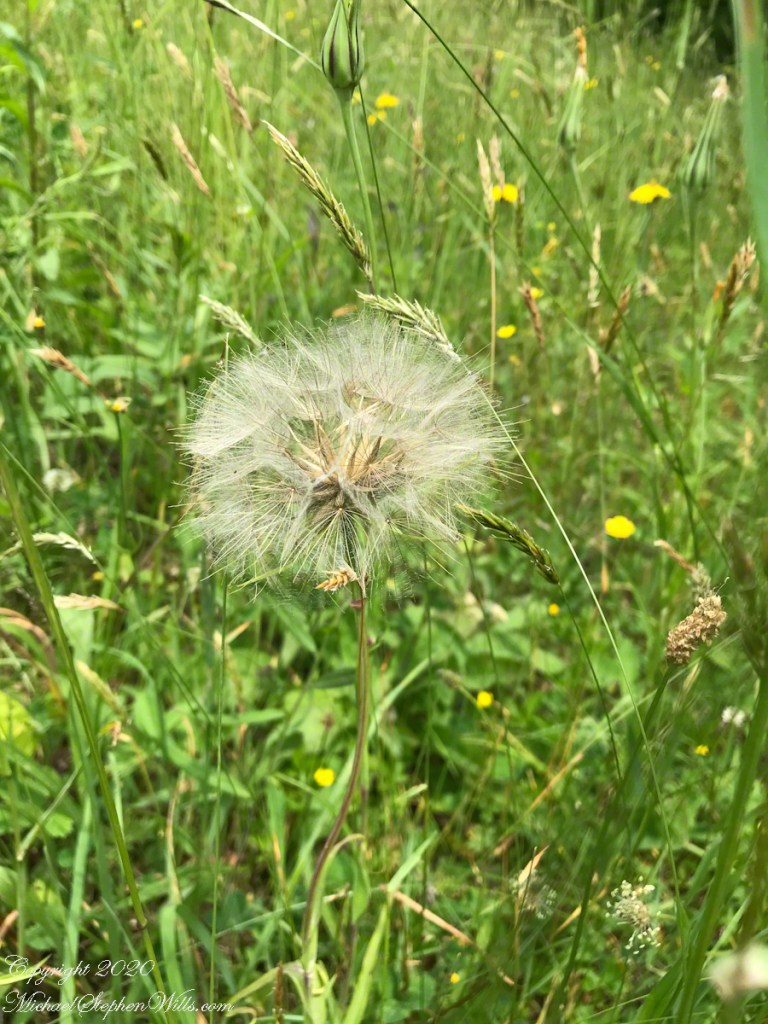
I have seen those gigantic seed heads here and there and never taken the time to research and identification. Do you recognize it?

Click me for better experience viewing the following video. To do this from WordPress Reader, you need to first click the title of this post to open a new page. Note the replay icon (an arrow circling counter-clockwise.

To be continued…..

Copyright 2020 All Rights Reserved Michael Stephen Wills
Hammond Hill Walk II

Diamond Strands

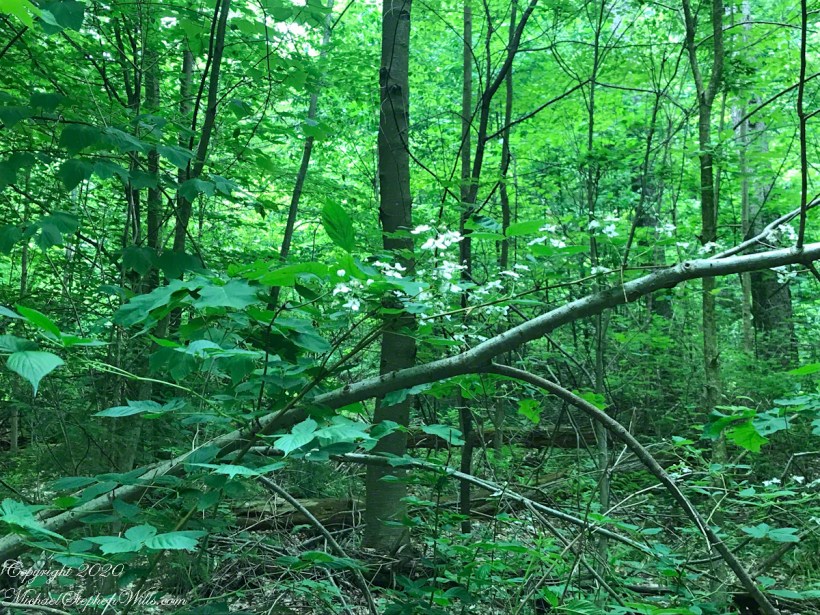
Hammond Hills walks are a solo affair for me. Pam joined in days past, summer and winter, and fell out of love with the lack of flowing water and bugs. The pleasures of the place, for me, are the miles and miles of varied trails, the sounds among silences, unexpected vistas from hilltops.

The trails themselves are unlovely, beaten down by mountain bike tires or grooved by skis. On the hills I am always on alert, listening for the sounds of bodies hurtling down. The bureaucrats called this “mixed use.” It could be worse, motors are excluded. Today there were two bikers.

Click any photograph for a larger view. To do this from WordPress Reader, you need to first click the title of this post to open a new page.

A sprinkling of wild rose.

The song of the Hermit Thrush, a sound of diamond strands, always stops me. Here are two 30 seconds clips.

Click me for better experience viewing the following video. To do this from WordPress Reader, you need to first click the title of this post to open a new page. Note the replay icon (an arrow circling counter-clockwise.

Click me for better experience viewing the following video. To do this from WordPress Reader, you need to first click the title of this post to open a new page. Note the replay icon (an arrow circling counter-clockwise.

To be continued…..

Copyright 2020 All Rights Reserved Michael Stephen Wills
Hammond Hill Walk I

Buttercup Meadow

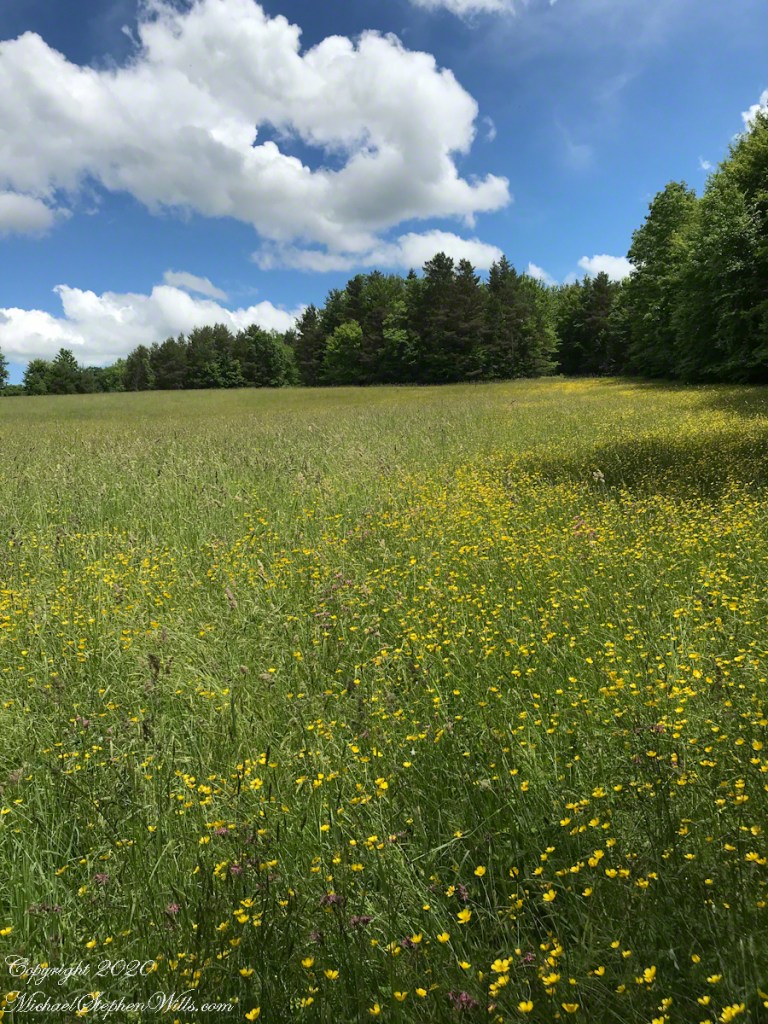
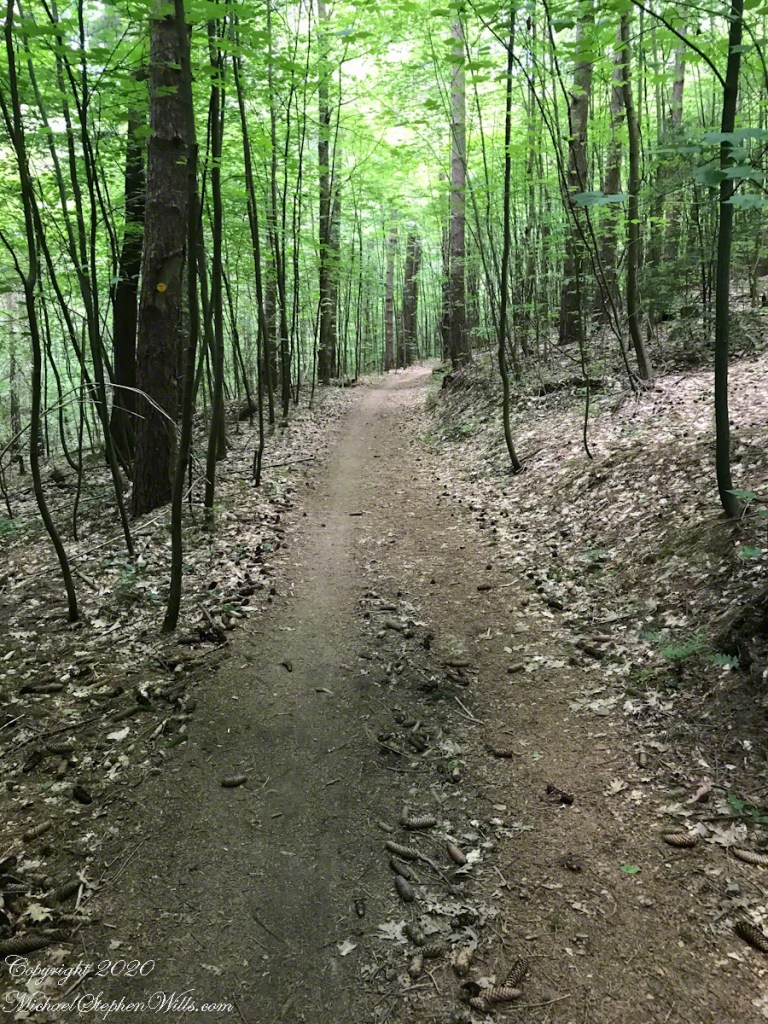
Hammond Hill New York State Forest is visible as an alluring height from many places of Tompkins and Cortland Counties. It is not on the list of tourist destinations, very popular for locals to mountain bike, and cross country ski at an advanced level for the steepness of some trails that wend over this high hill.

Click any photograph for a larger view. To do this from WordPress Reader, you need to first click the title of this post to open a new page.

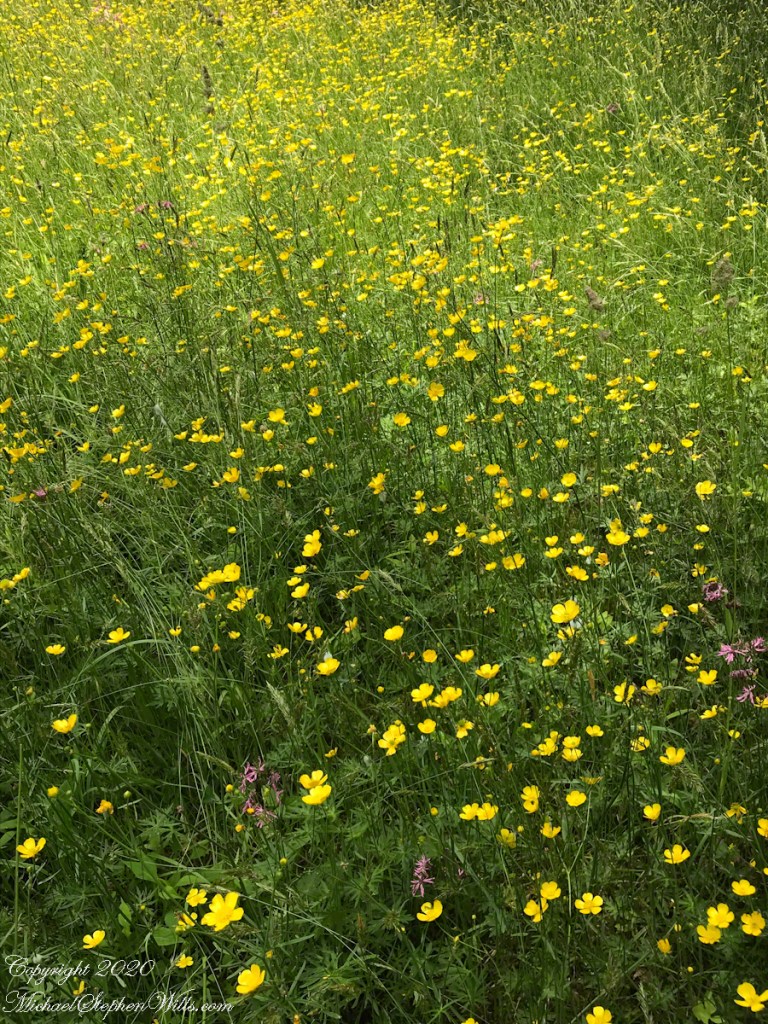
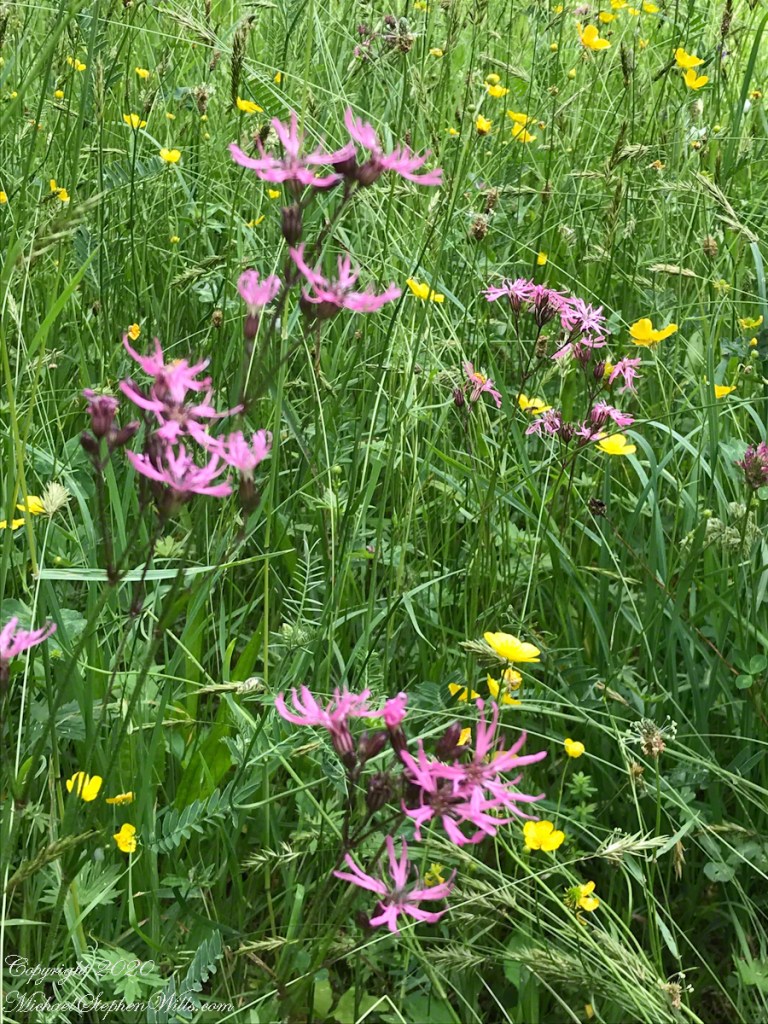
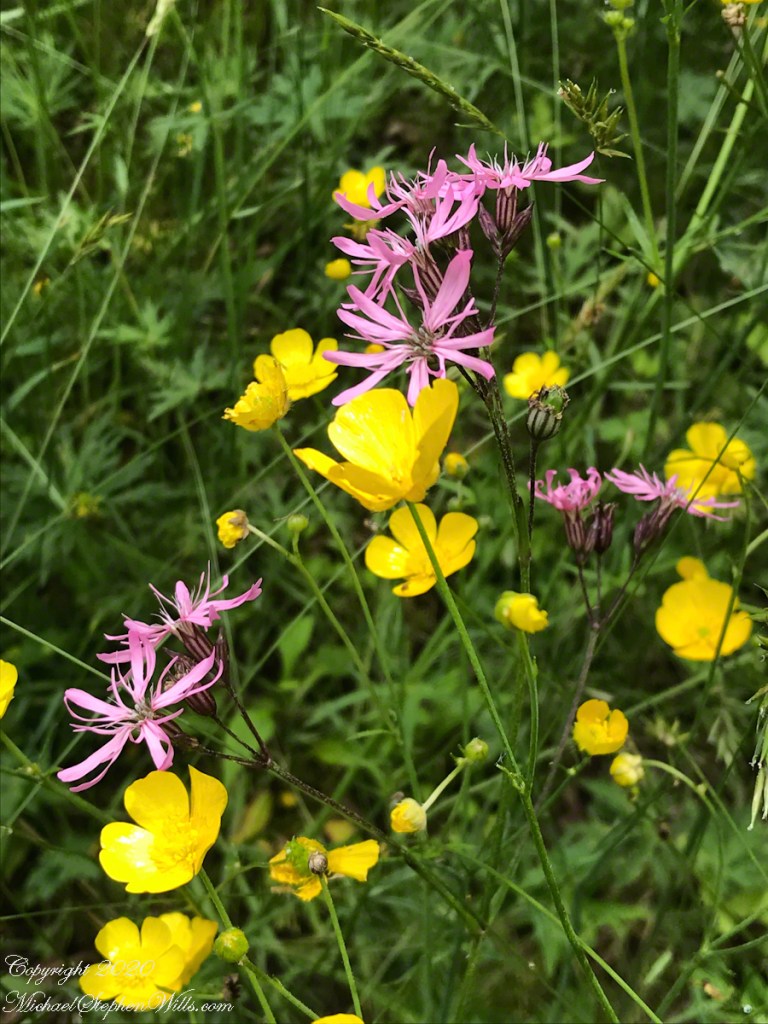
The beauty of this wildflower meadow took me by surprise. The pink flower is a Bouncing Bet, AKA Soapwart. Scientific name Saponaria officinalis. The genera name is from the latin root for soap, “sapo.” The juice of the plant mixed with water can whip up a lather. Thus, also its common name, Soapwart.

The meadow is almost entirely buttercup. Click me for a post about a member of the buttercup family that is the first to flower.

Click me for better experience viewing the following video. To do this from WordPress Reader, you need to first click the title of this post to open a new page. Note the replay icon (an arrow circling counter-clockwise.

To be continued…..

Copyright 2020 All Rights Reserved Michael Stephen Wills
Late May, South Rim Trail

Dangerous Practices

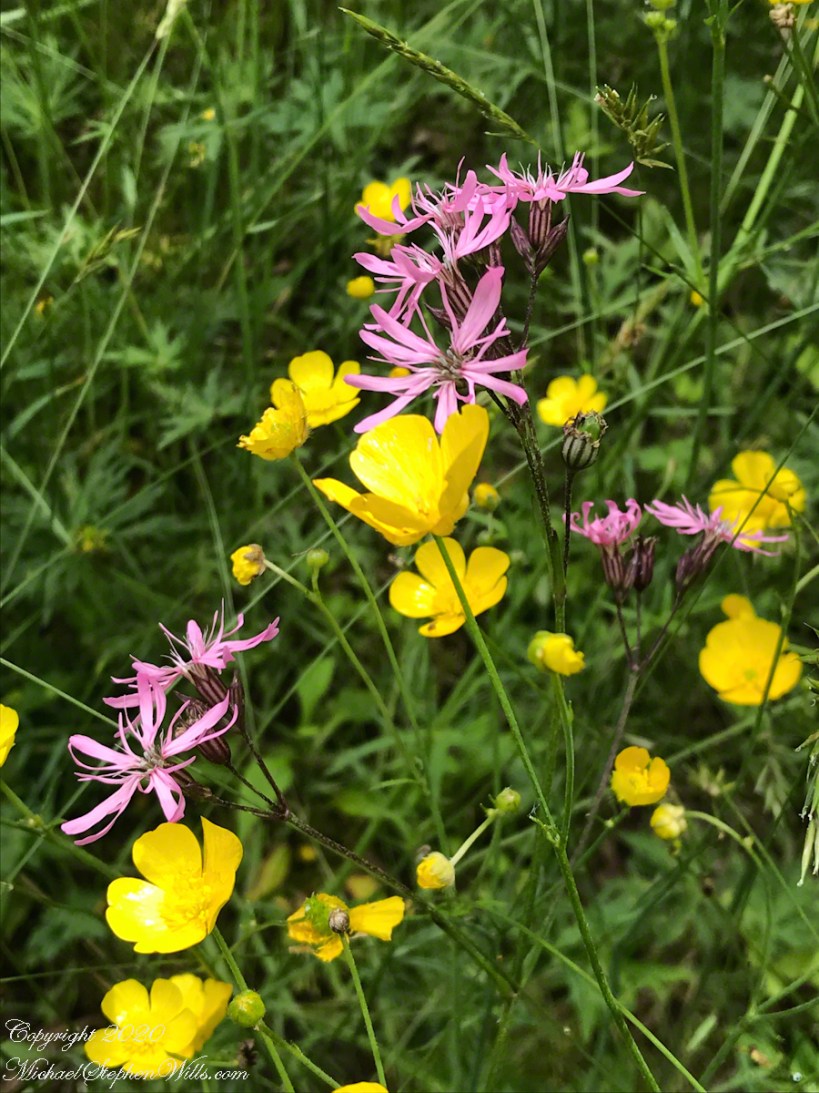
Today, I have a companion post to “A Summer Flower and Waterfalls” from a time of Coronavirus (COVID-19) from a walk cut short by inconsiderate people not following New York laws.

All photographs and videos are from an Apple IPhone 7.

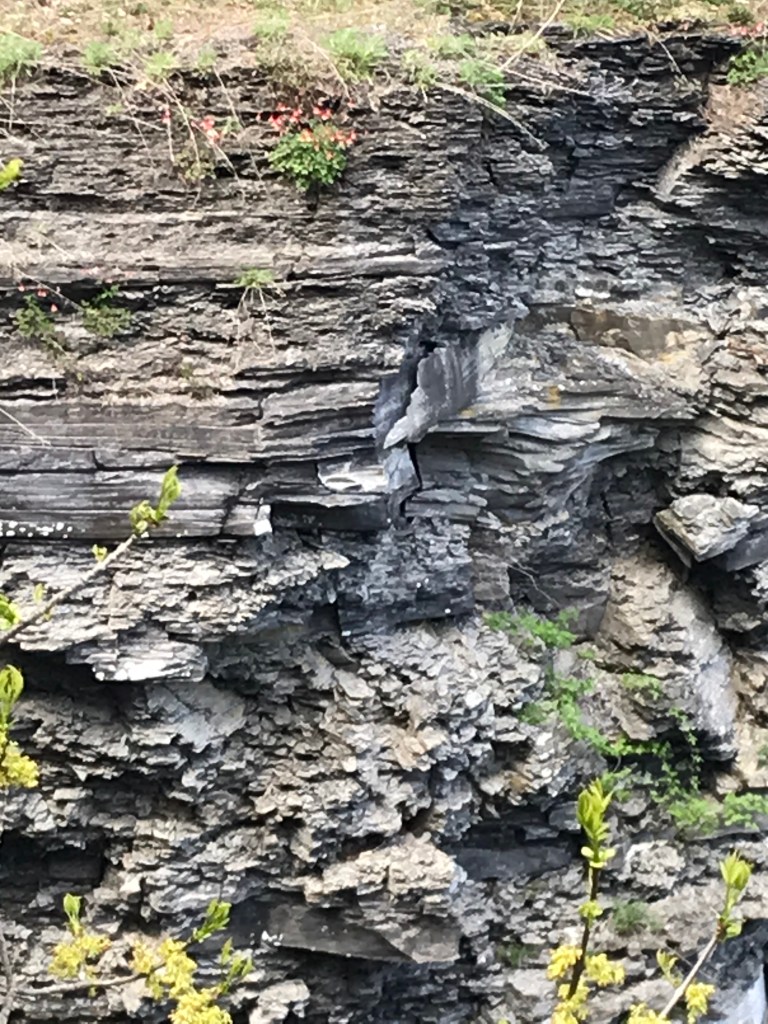
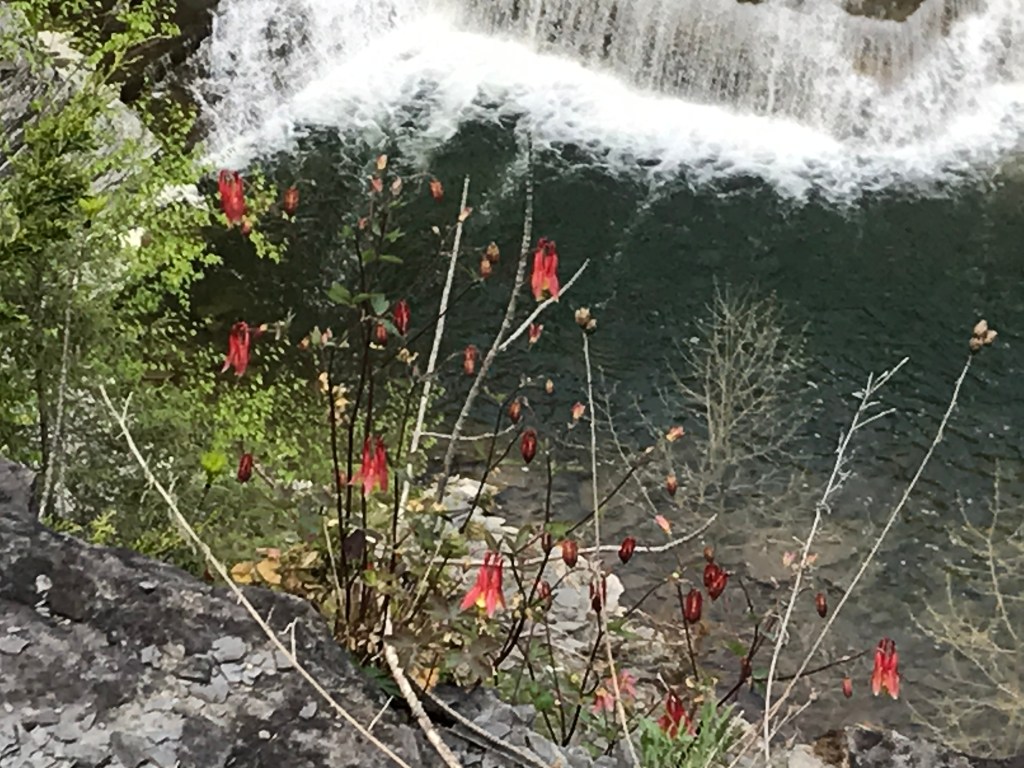
Here is a long and close shot of Columbine Flowers thriving on the edge of a gorge cliff.

Click photograph for a larger view. To do this from WordPress Reader, you need to first click the title of this post to open a new page.

With a video of the movement of this wildflower against a backdrop of flowing water over a 100 feet below.

Click for better experience viewing the following videos. To do this from WordPress Reader, you need to first click the title of this post to open a new page.

A scan of the upper gorge with some marvelous clouds.

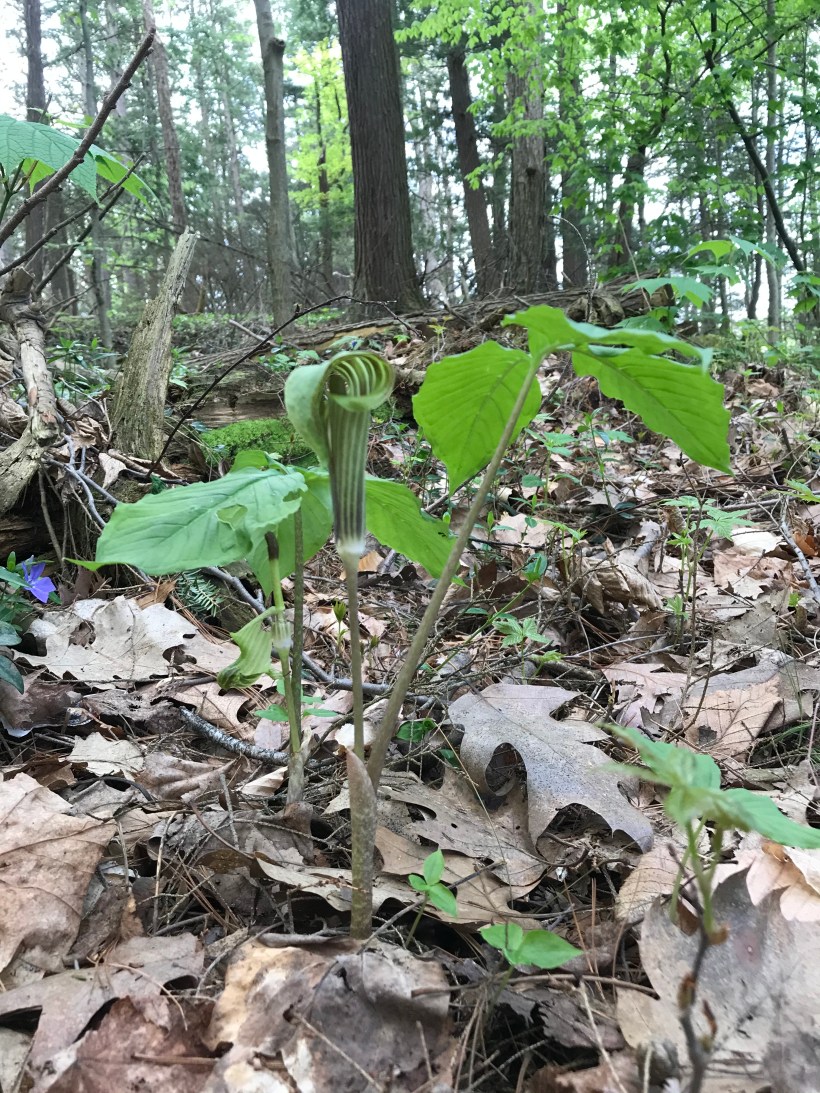
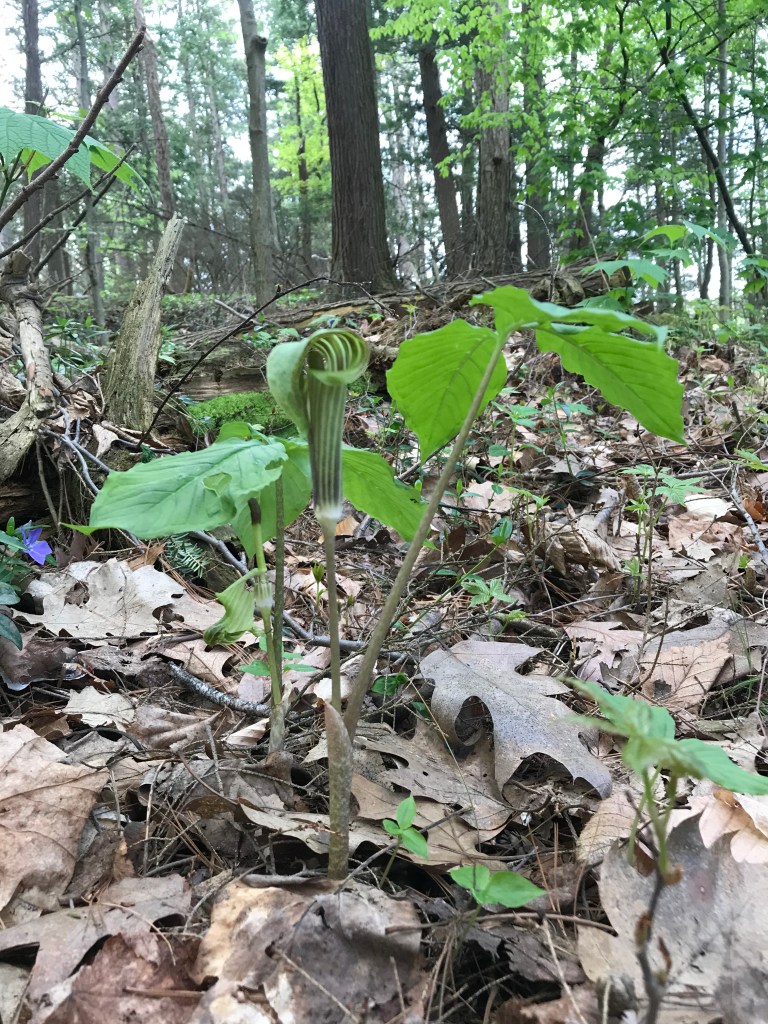
Continuing onto the forest trail I spotted this Jack-In-The-Pulpit. Here is a photograph and short video.

My walk this day was cut short by joggers, unmasked, on the narrow trail. For each I stepped off to put 6 feet between us. So inconsiderate and unnecessary, selfish.

Copyright 2020 All Rights Reserved Michael Stephen Wills
Mismatched Appetite

Bugged

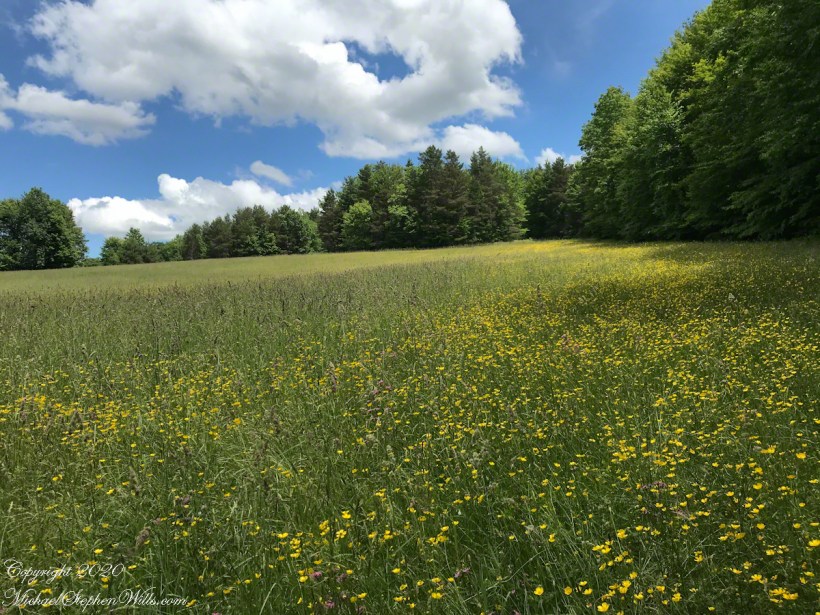
Nectar at the base of each flower petal may be the quixotic quest of this mosquito. Quixotic because the physical characteristics of benefit to human predation, a light body, makes it unsuited to delve into the petals.
Flowers are like people in emitting carbon dioxide, another mosquito attractant. If it is looking for blood here this mosquito is also at a loss.

Click photograph for larger image. To do this from WordPress Reader, you need to first click the title of this post to open a new page.

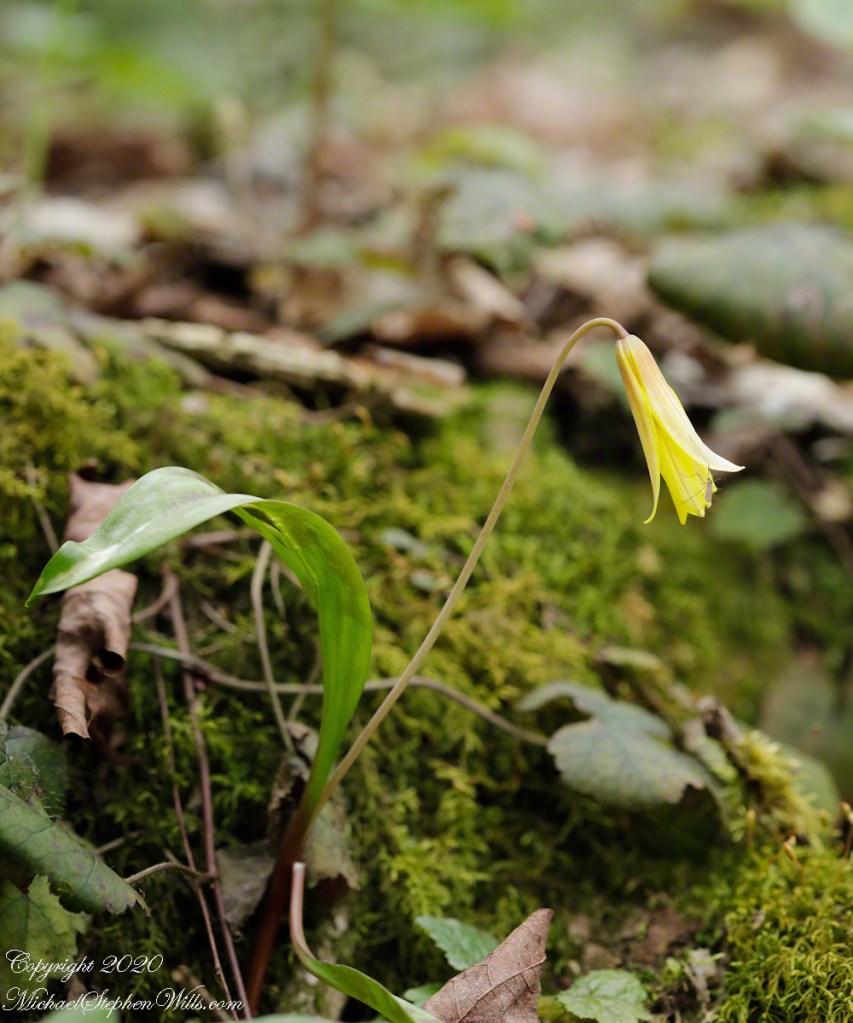
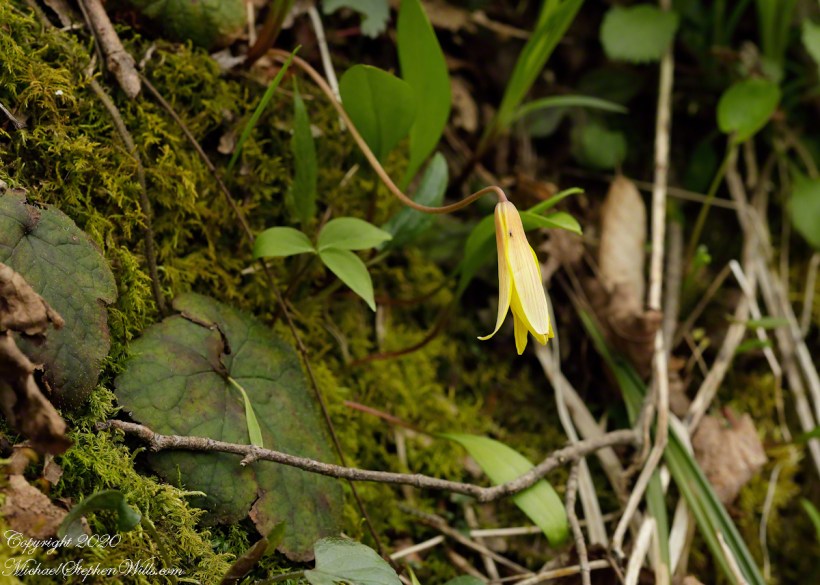
Another lily with a tiny fly (mosquito?) perched at the base.

Click for my “Finger Lakes Memories” Fine Art Photography Gallery.

Copyright 2020 All Rights Reserved Michael Stephen Wills