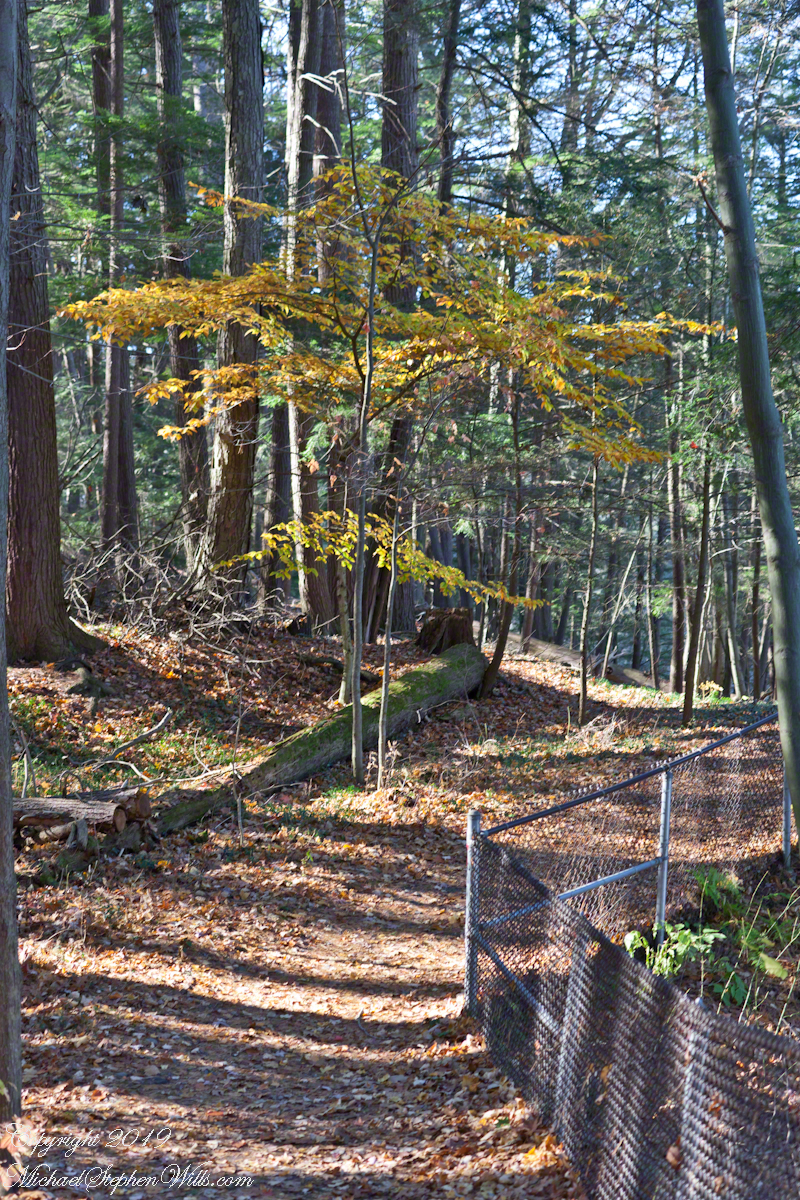
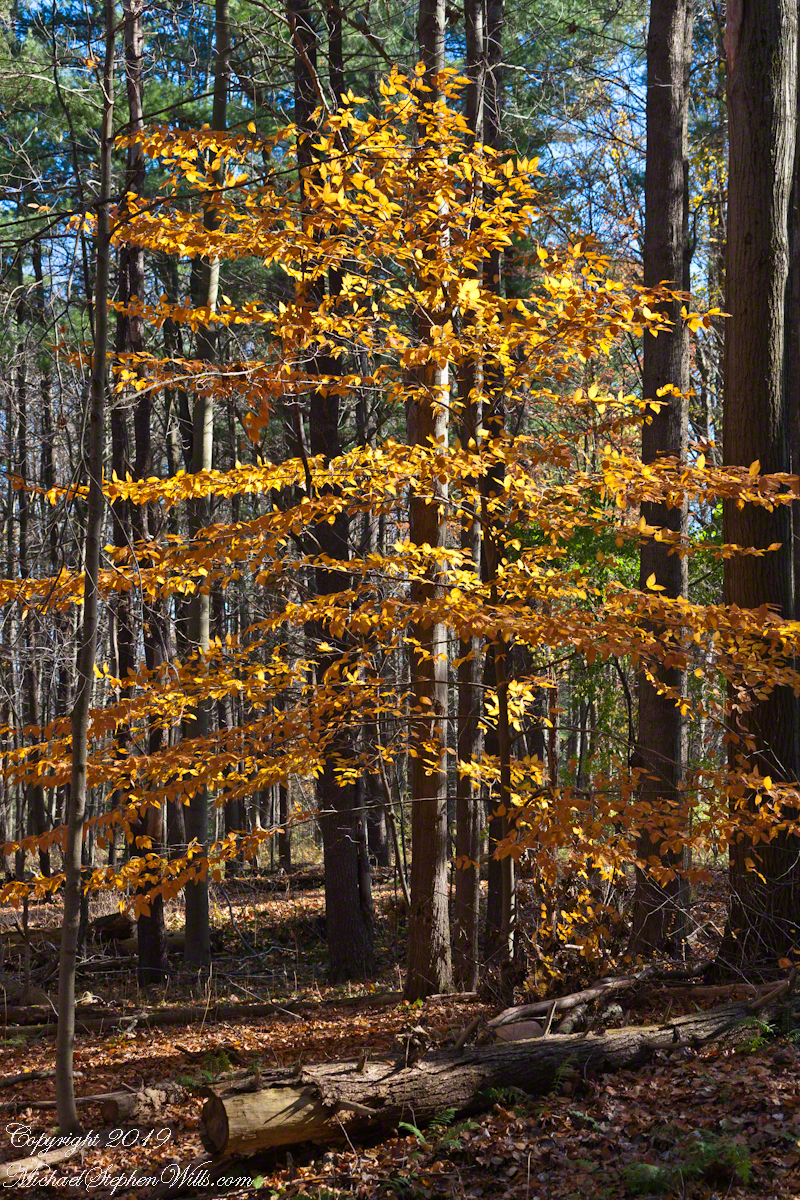
A Rock Elm, late to turn in autumn, stands among a hemlock grove on the South Rim Trail of Taughannock Falls Park, Finger Lakes Region of New York State.
Click photograph for a larger view. To do this from WordPress Reader, you need to first click the title of this post to open a new page.
South Rim Trail, early November
Copyright 2021 All Rights Reserved Michael Stephen Wills
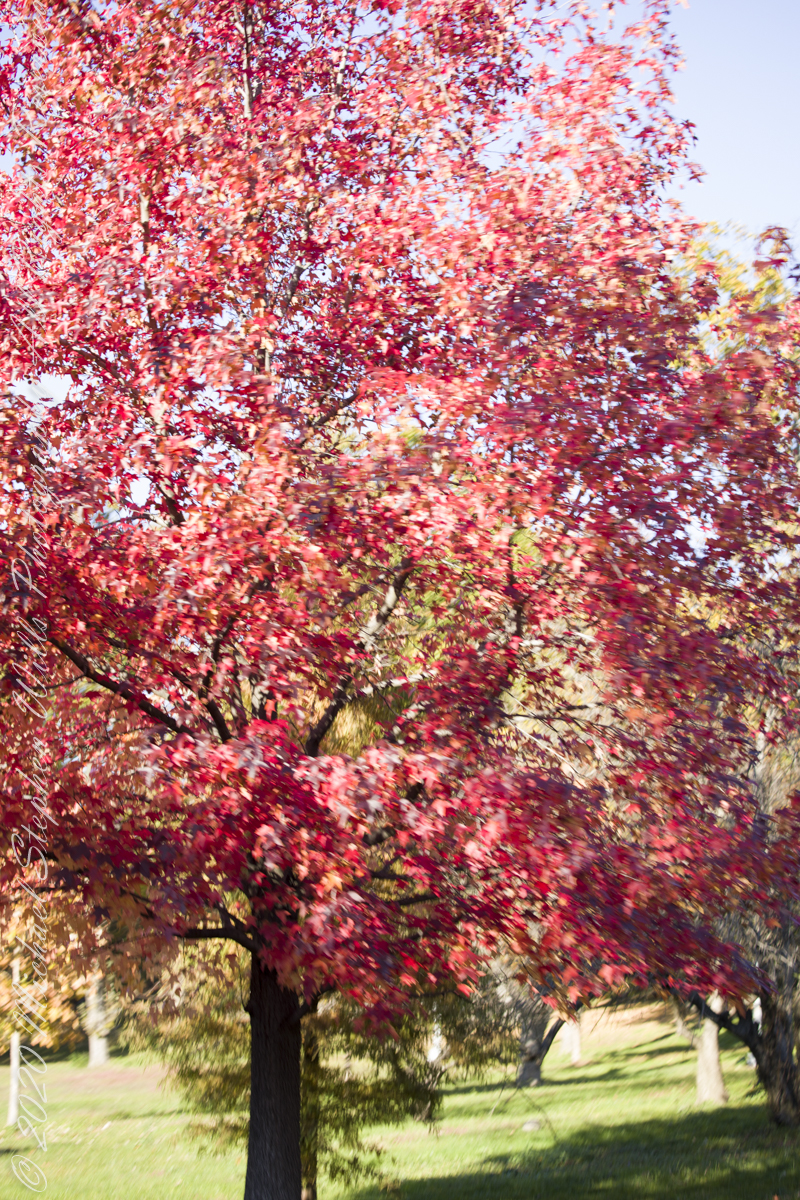
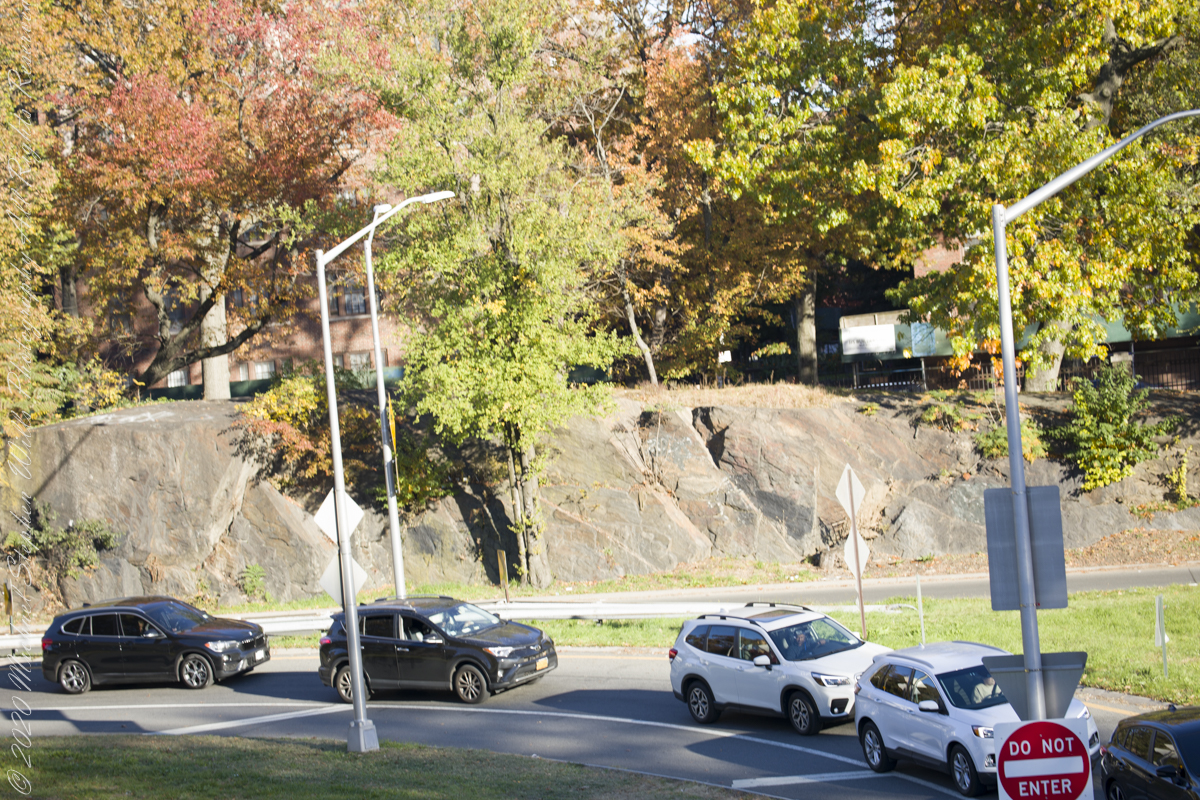
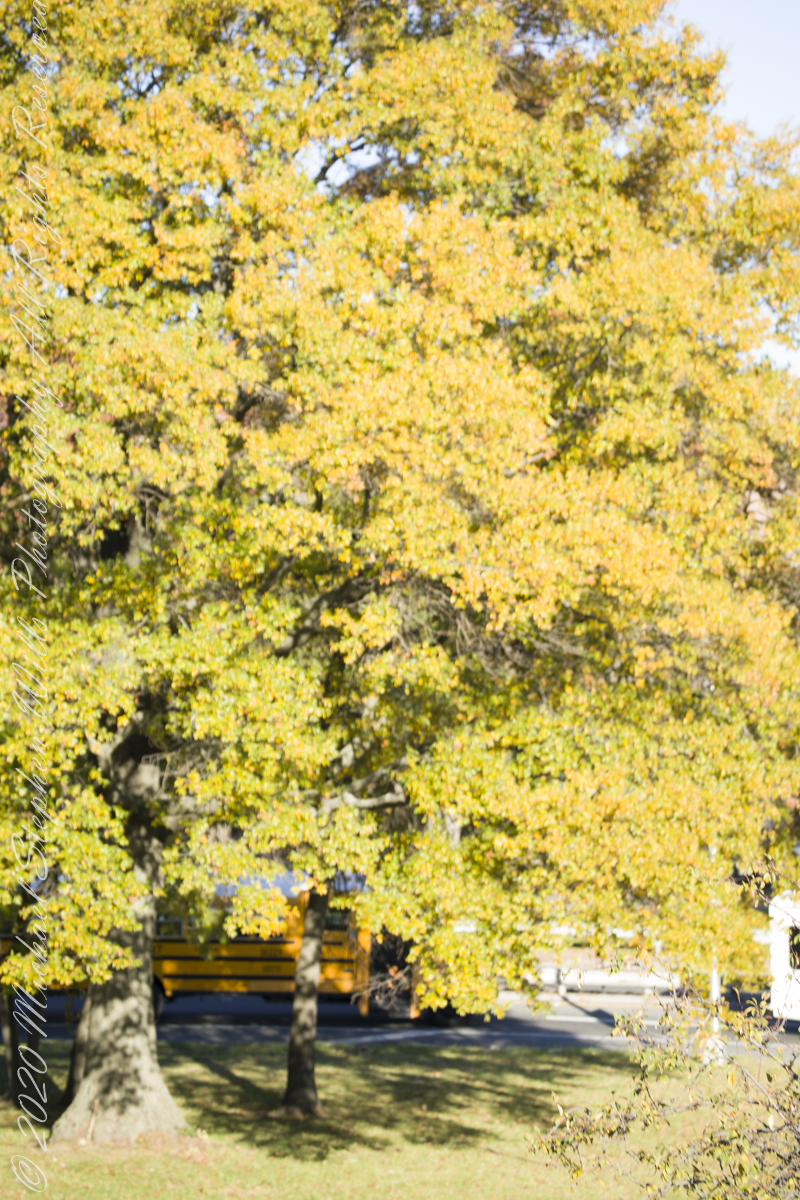
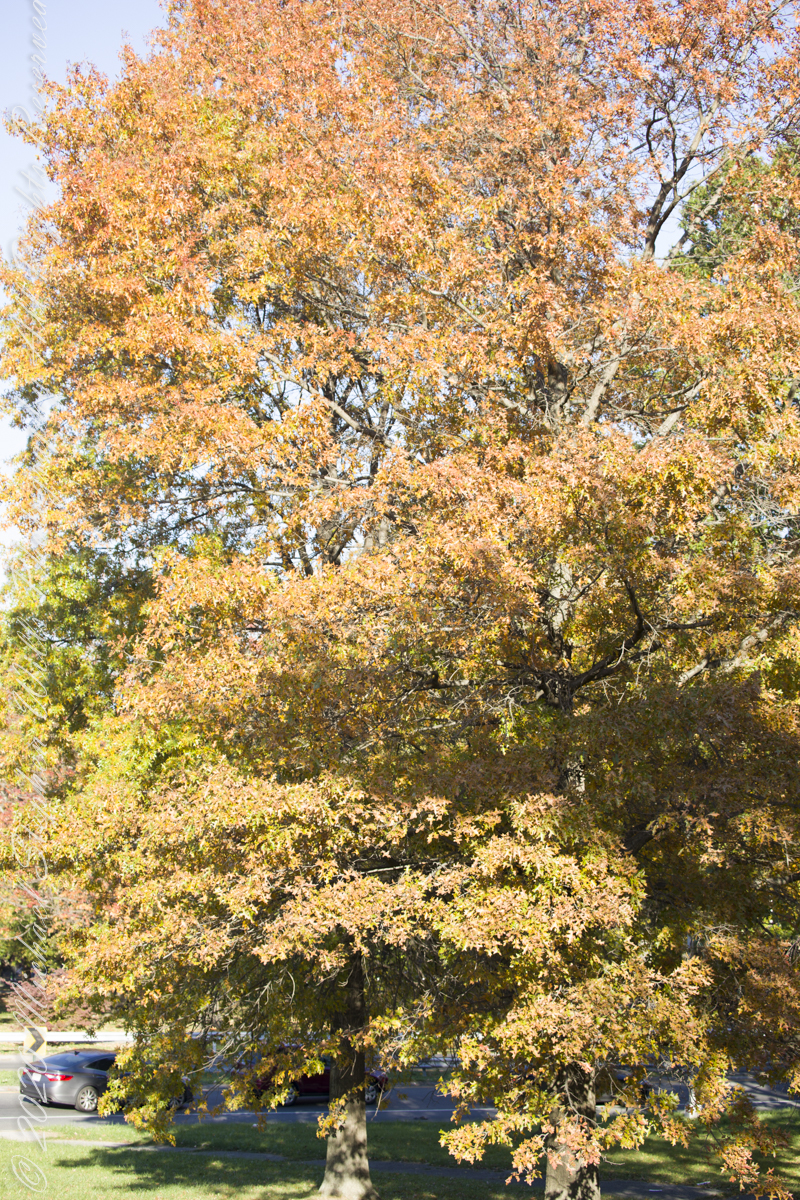
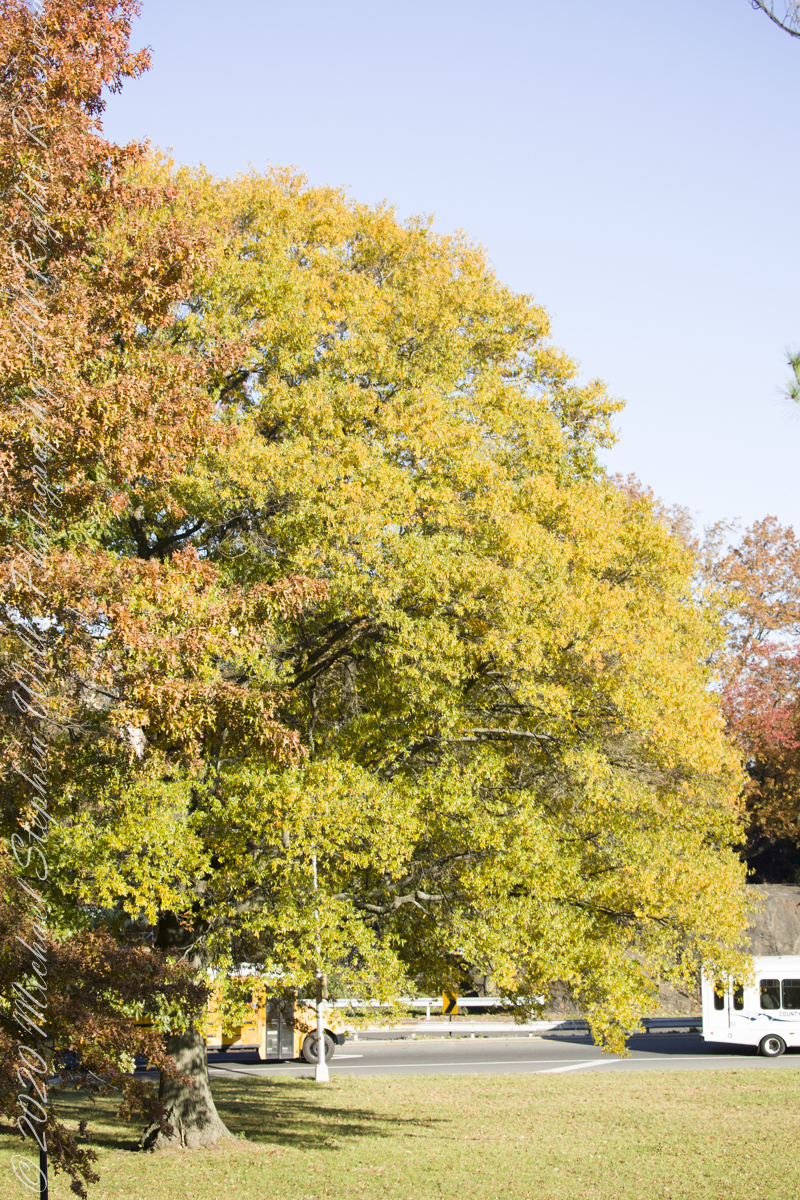
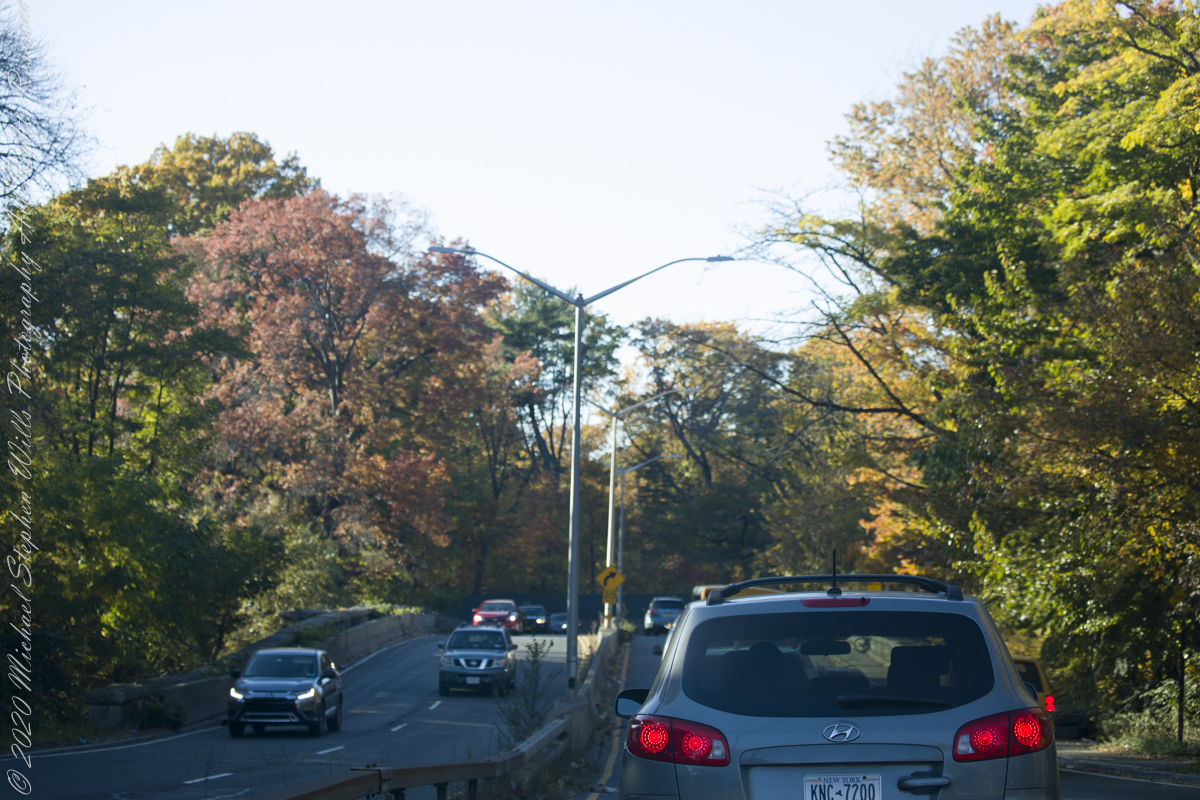
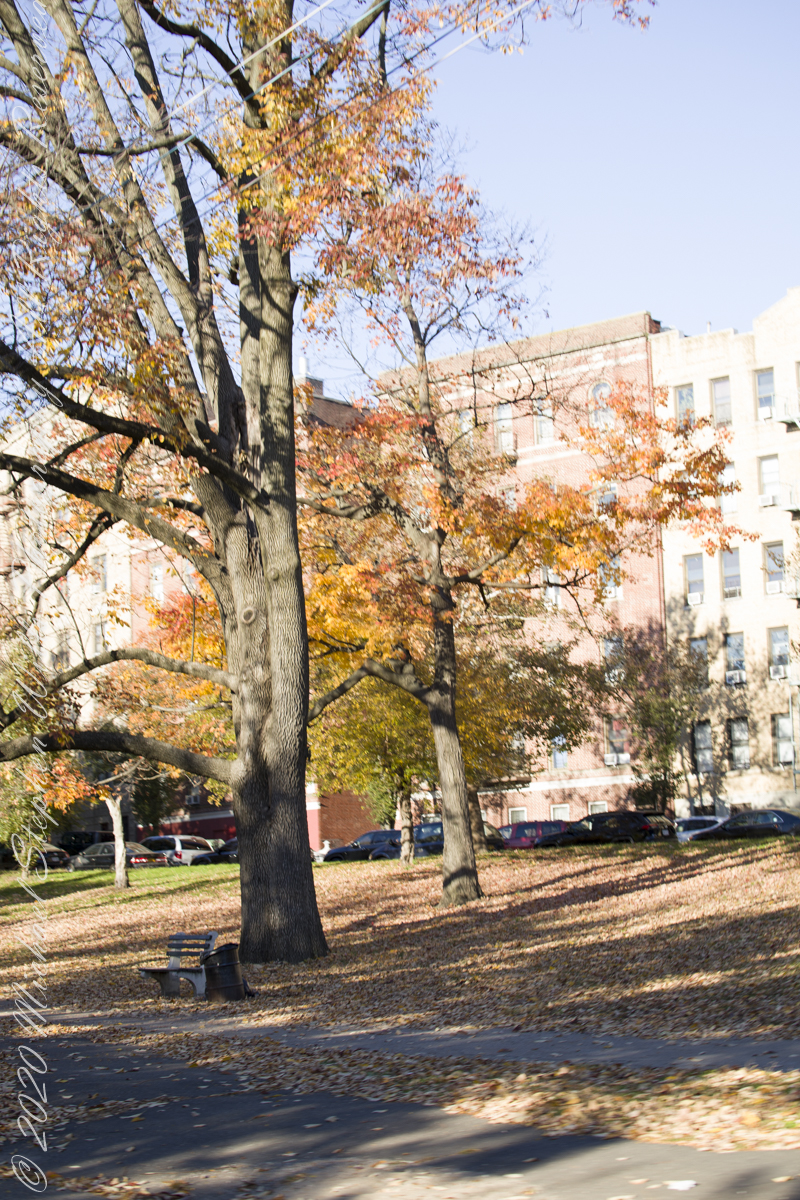
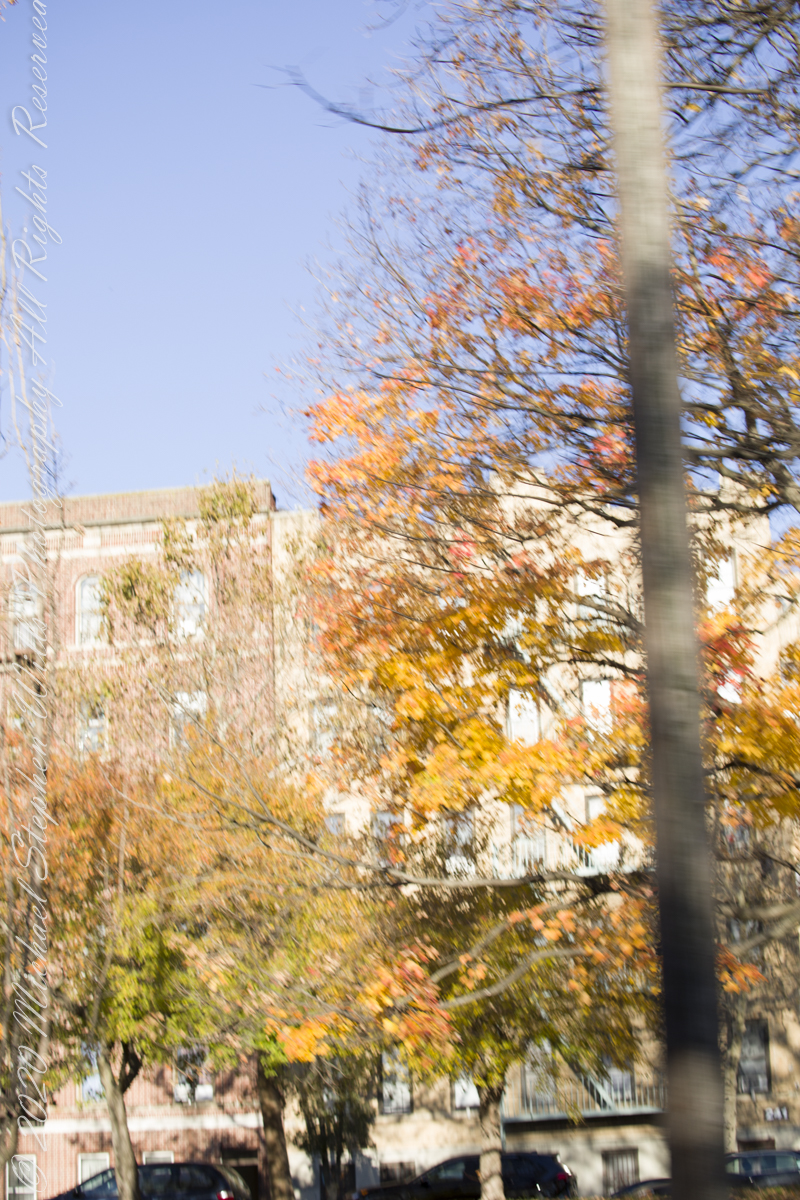
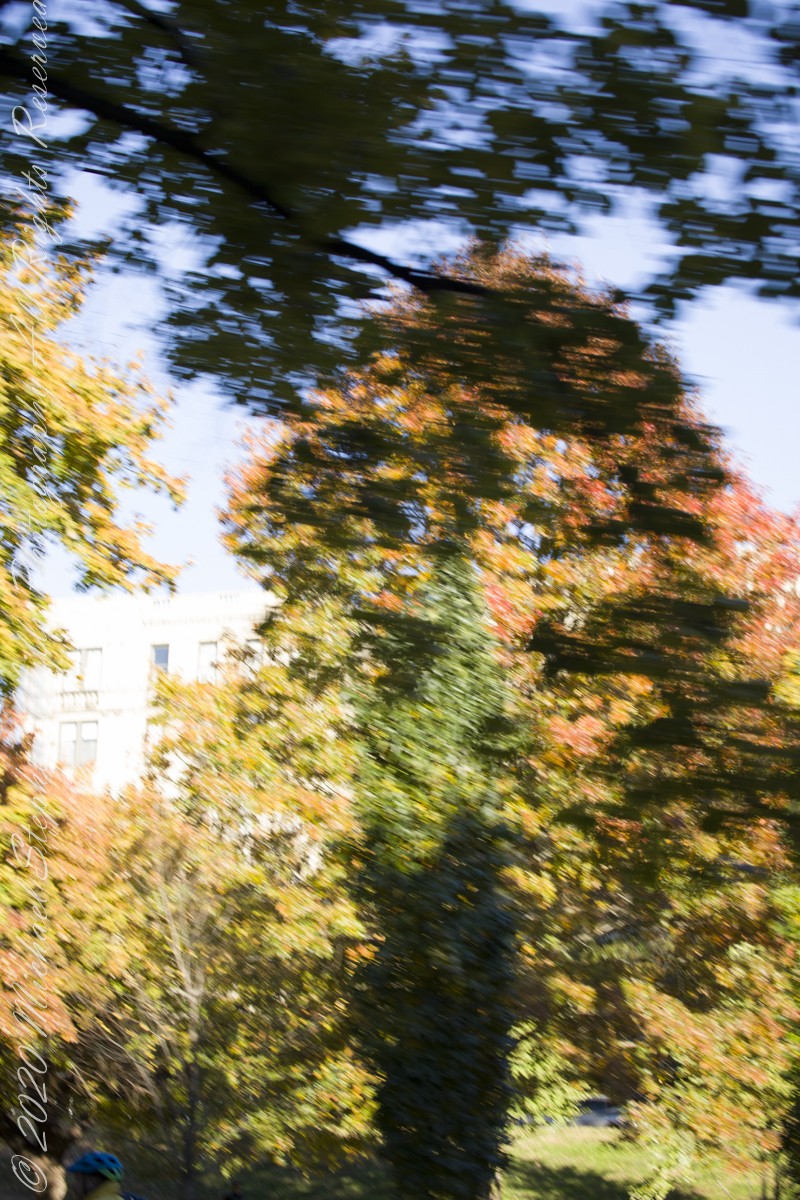
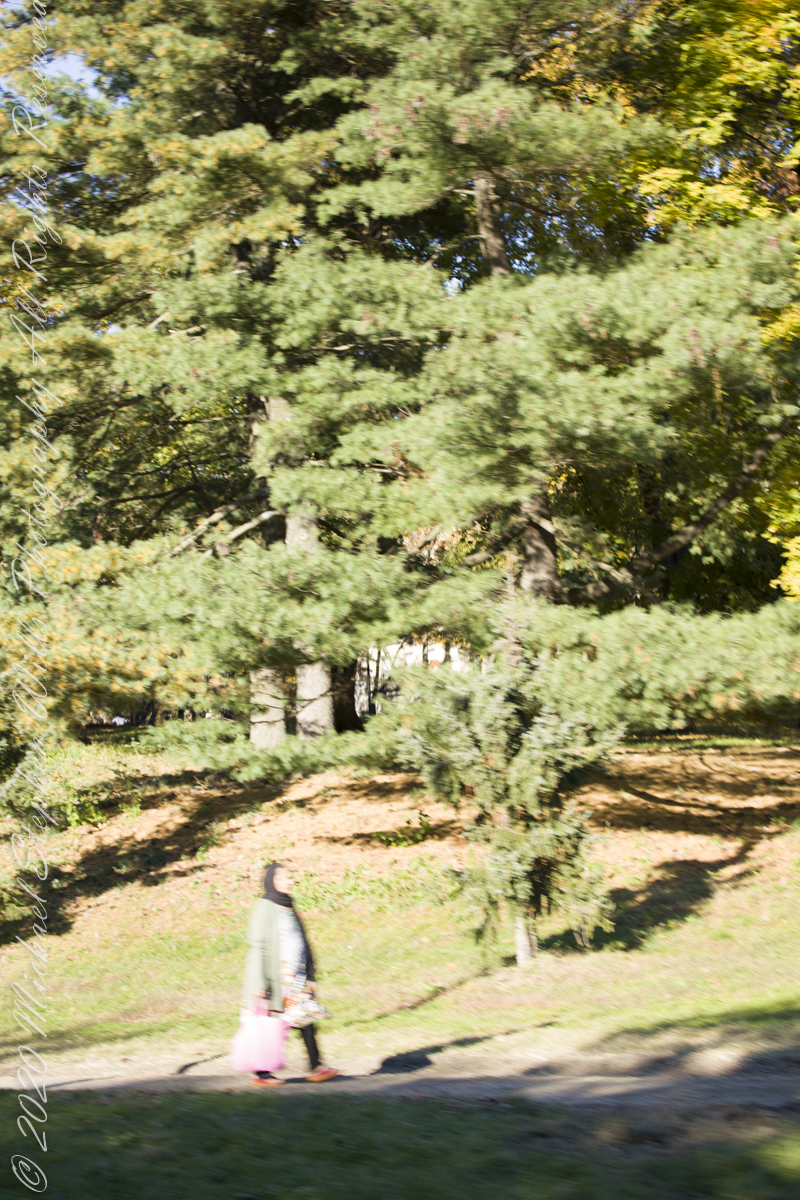
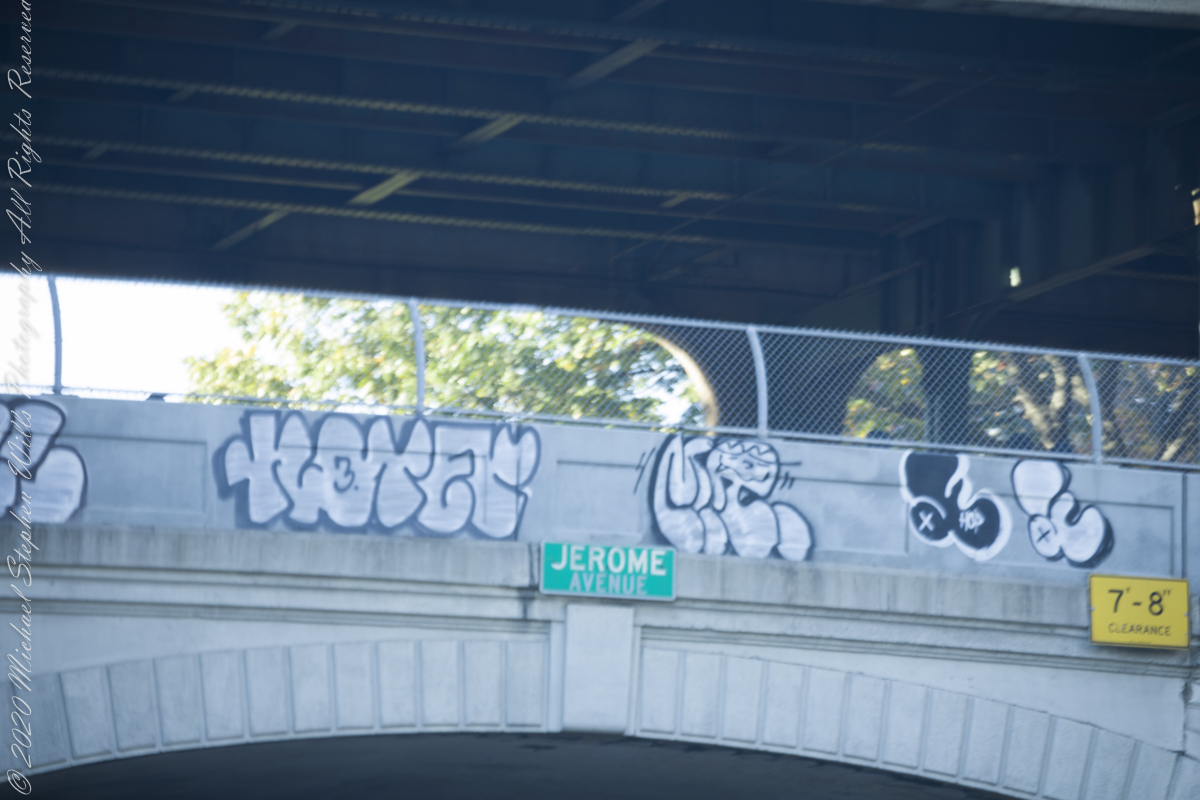
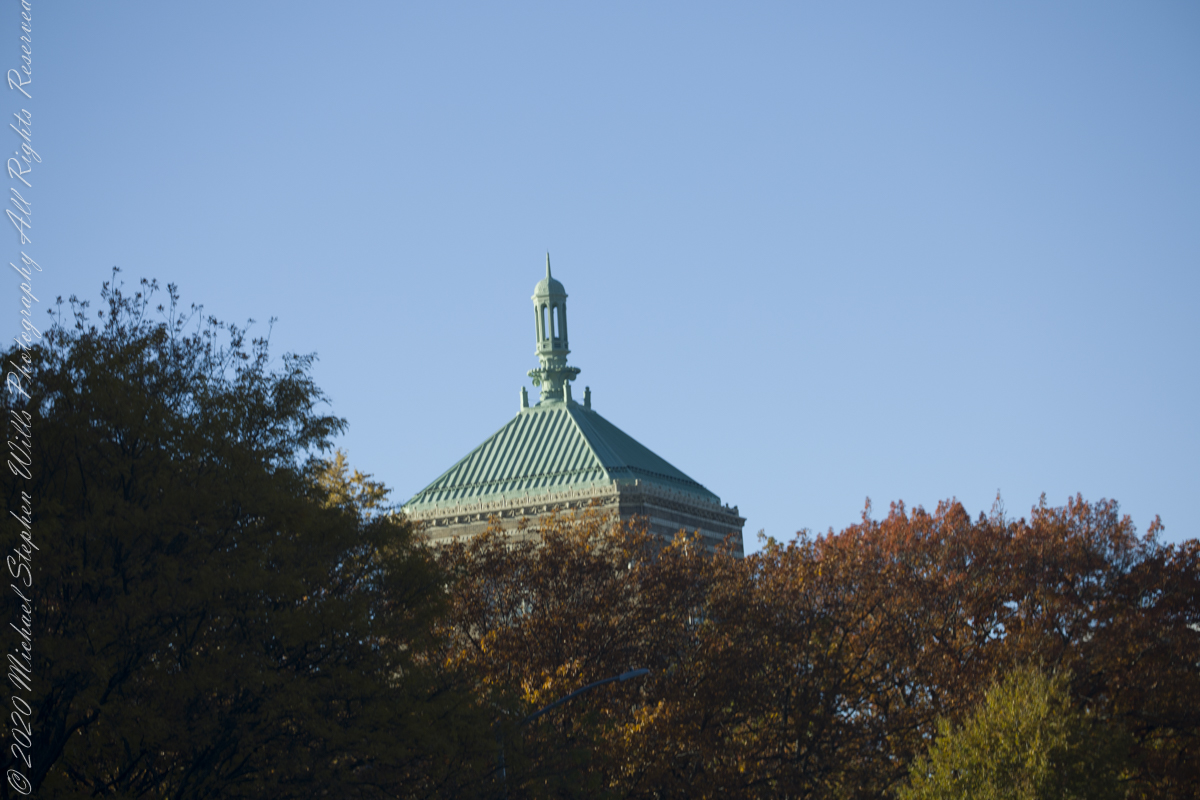
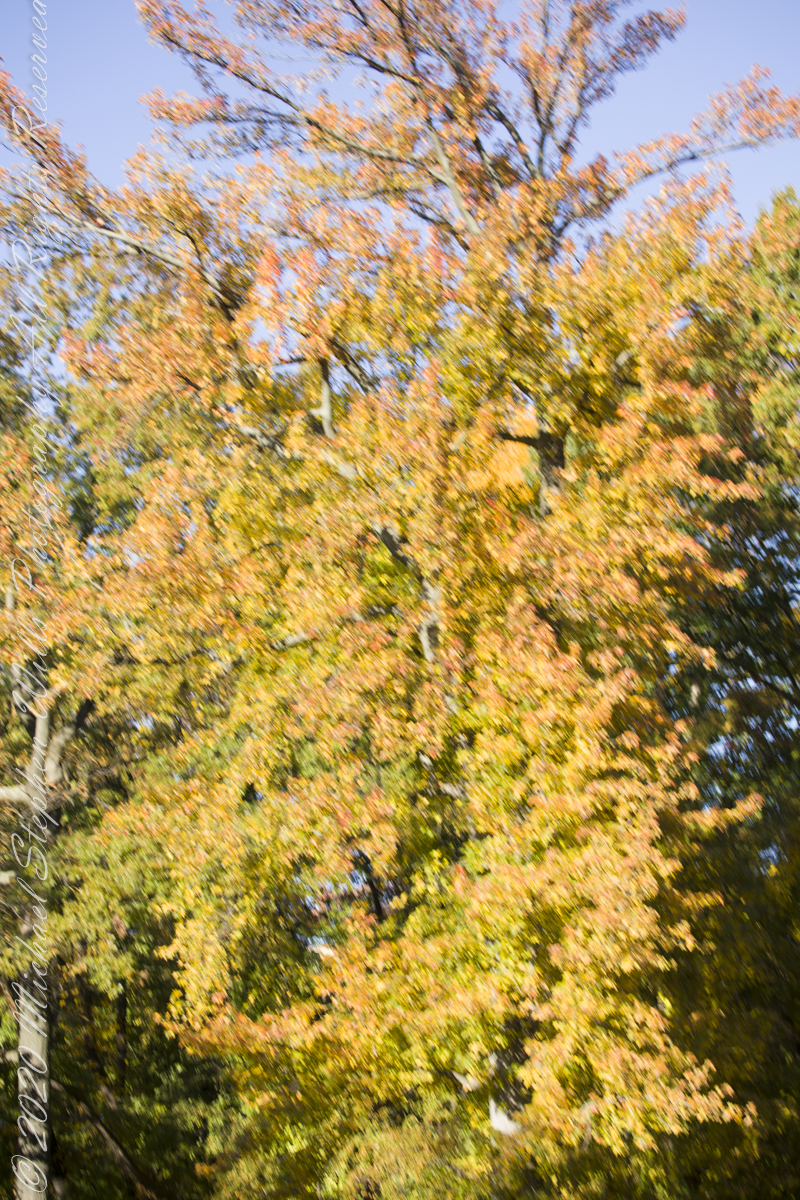
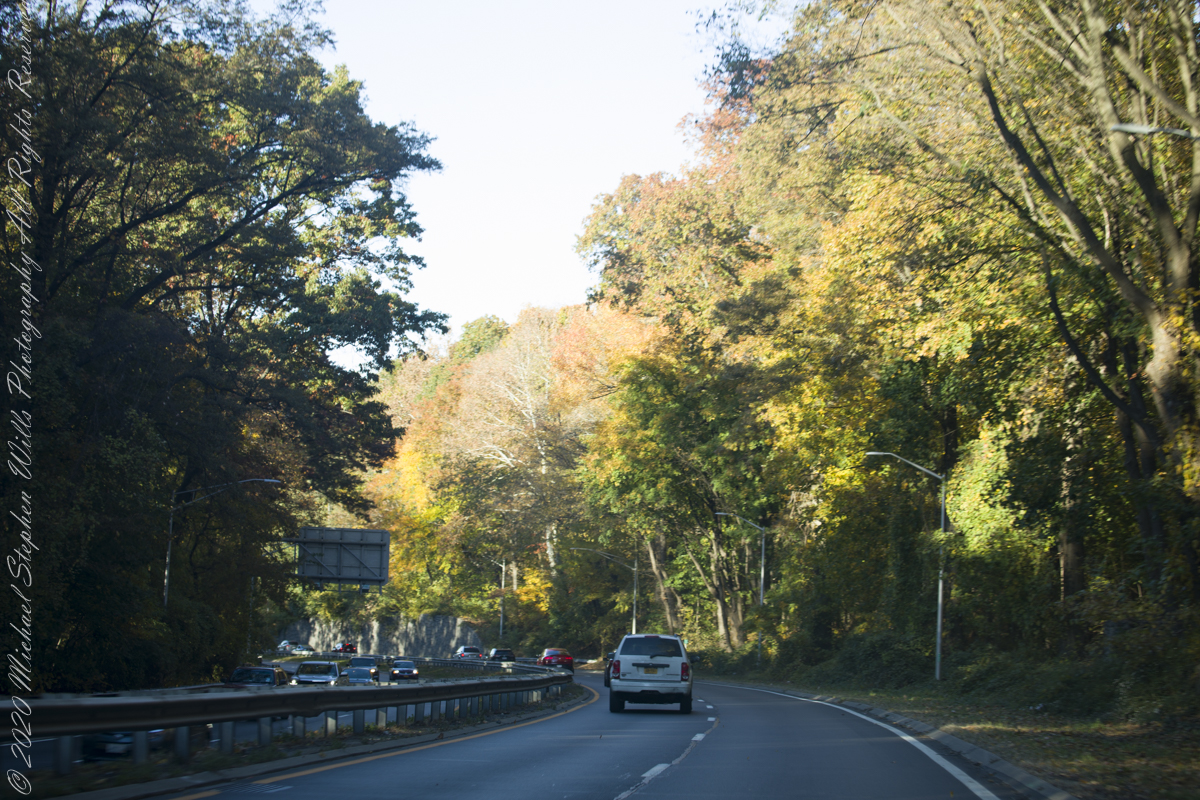
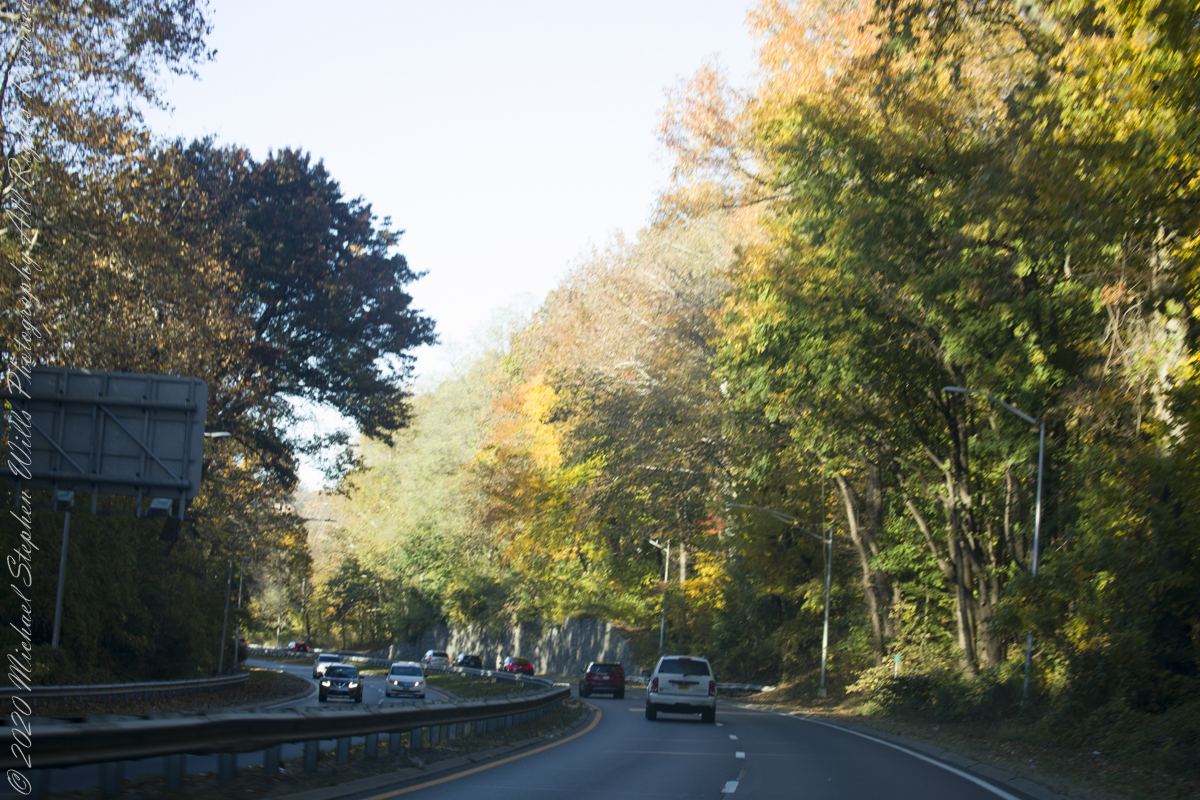
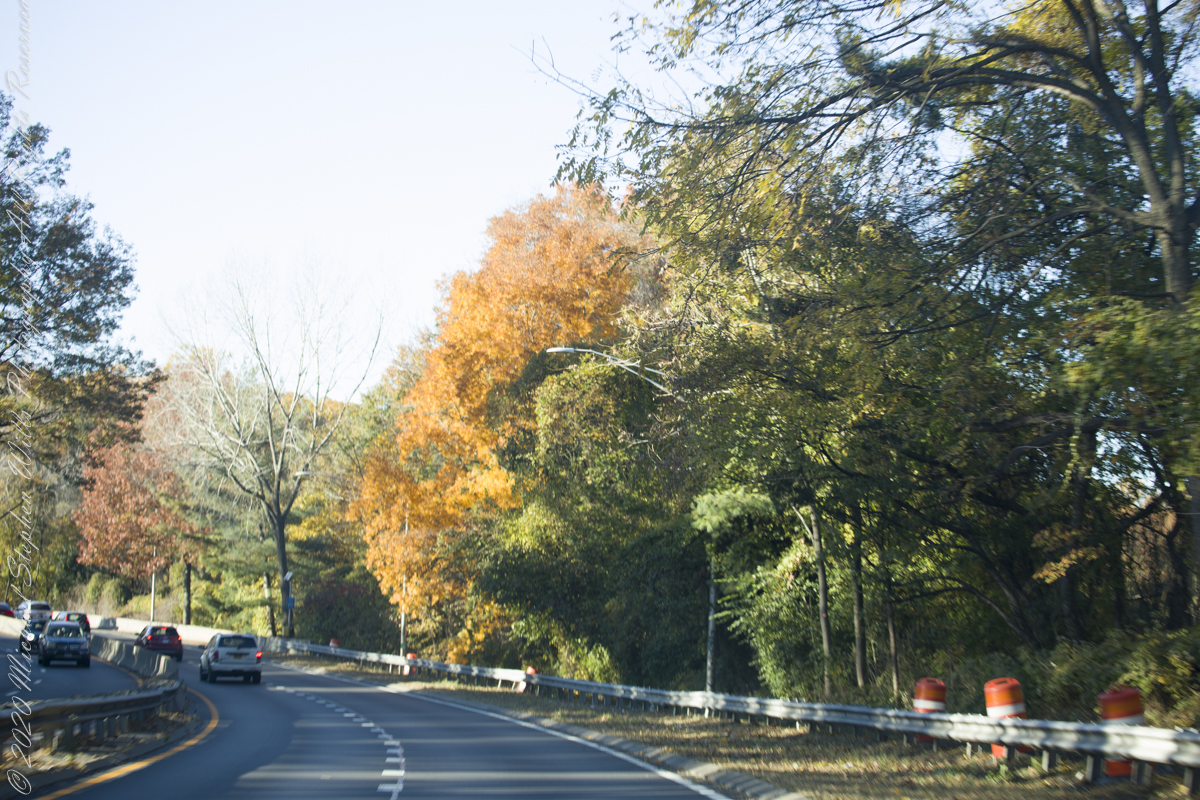
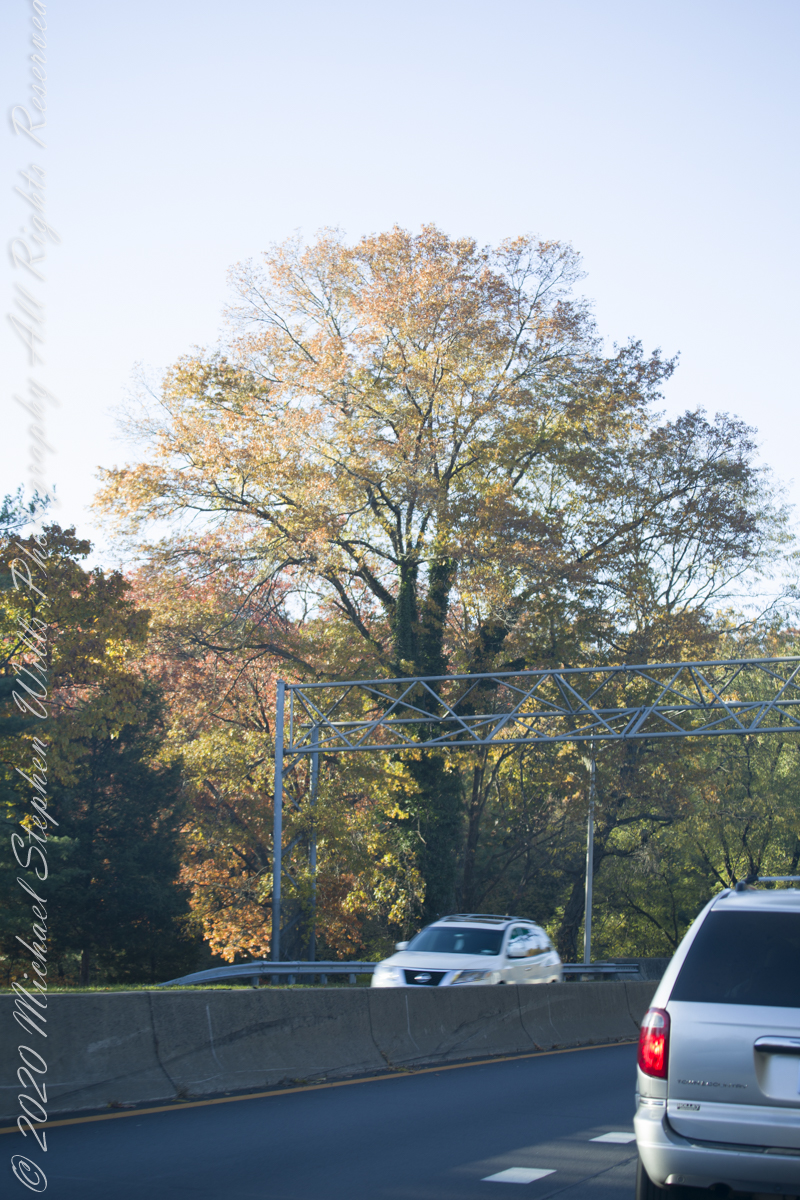
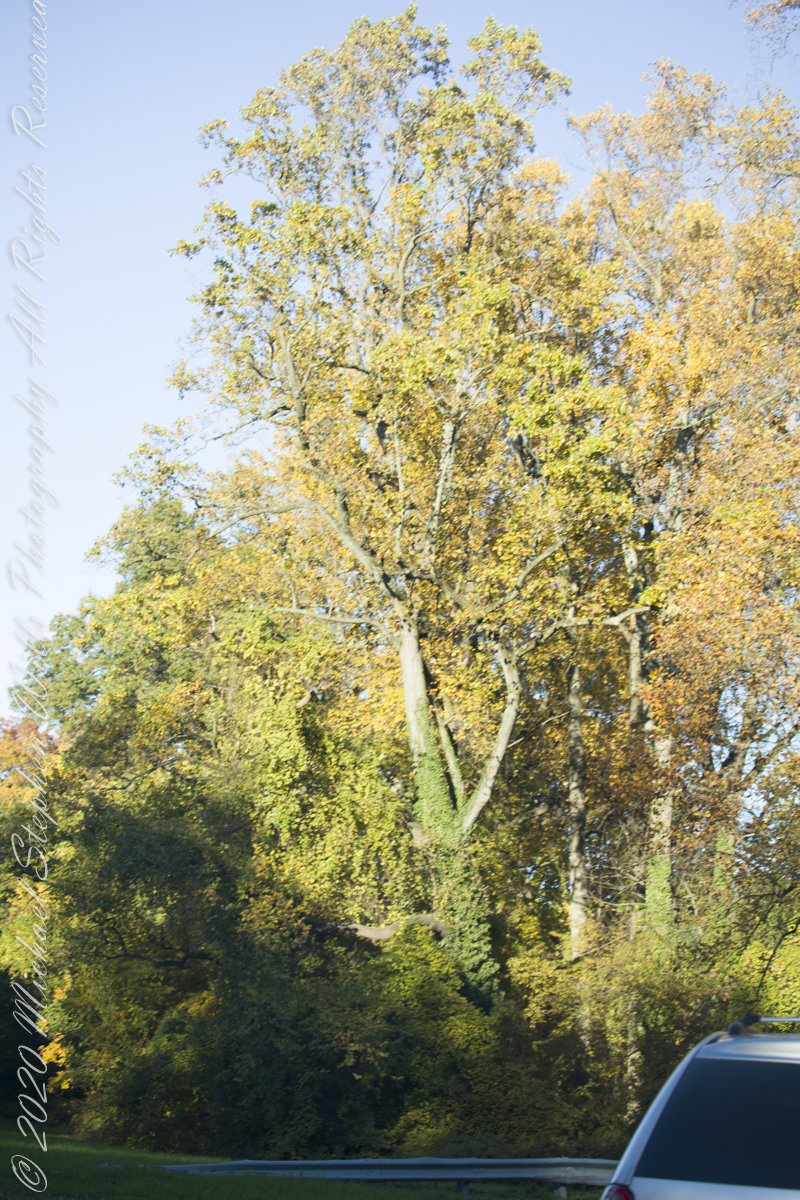
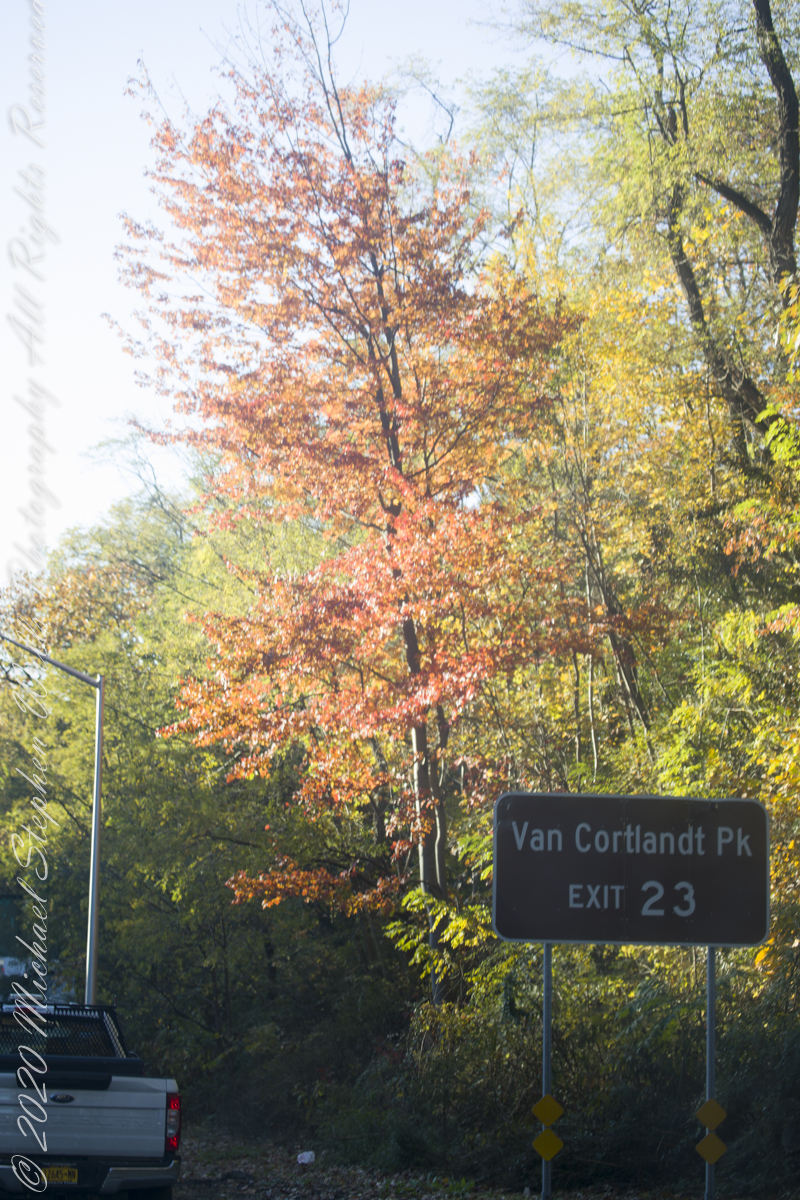
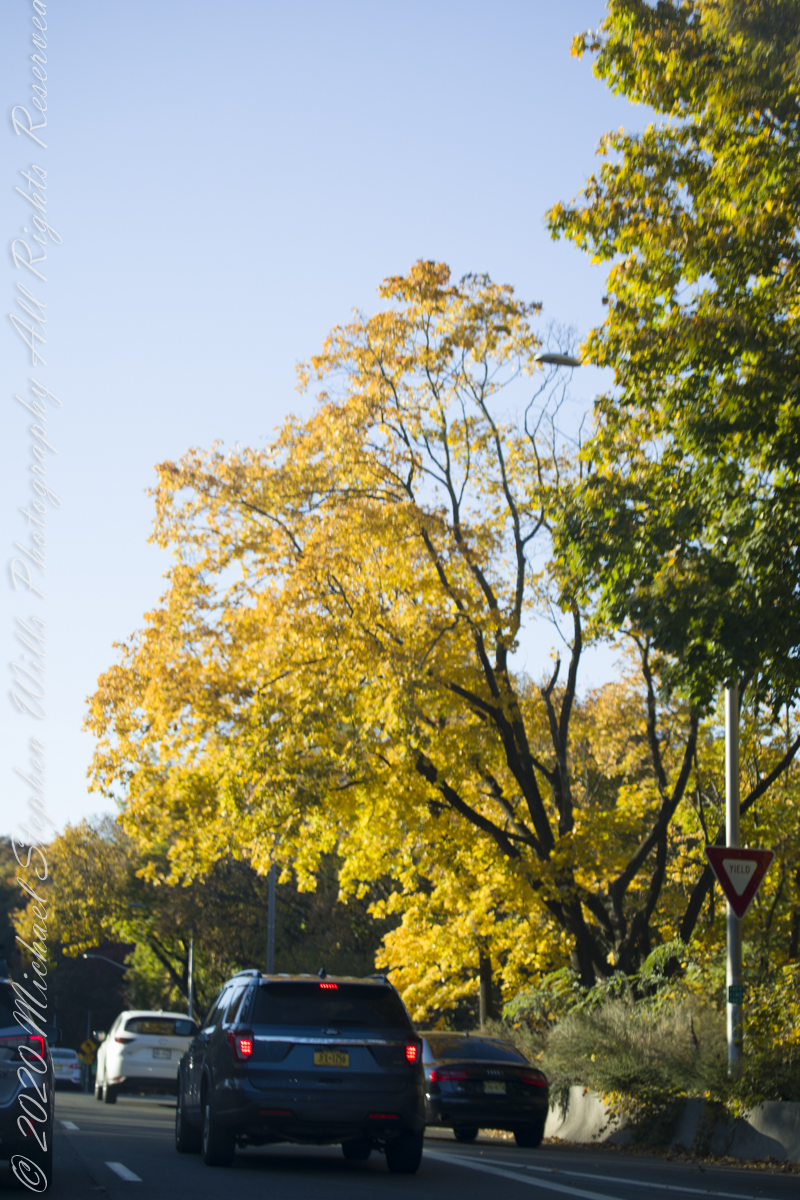
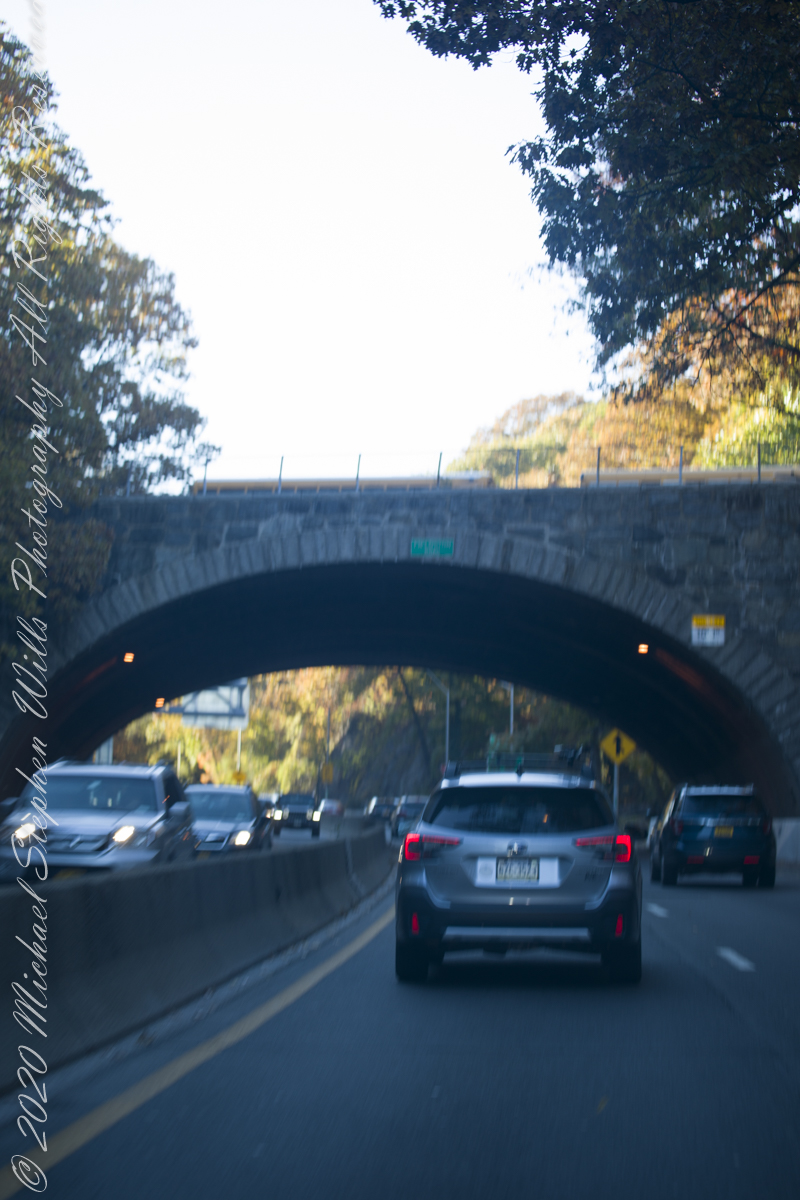
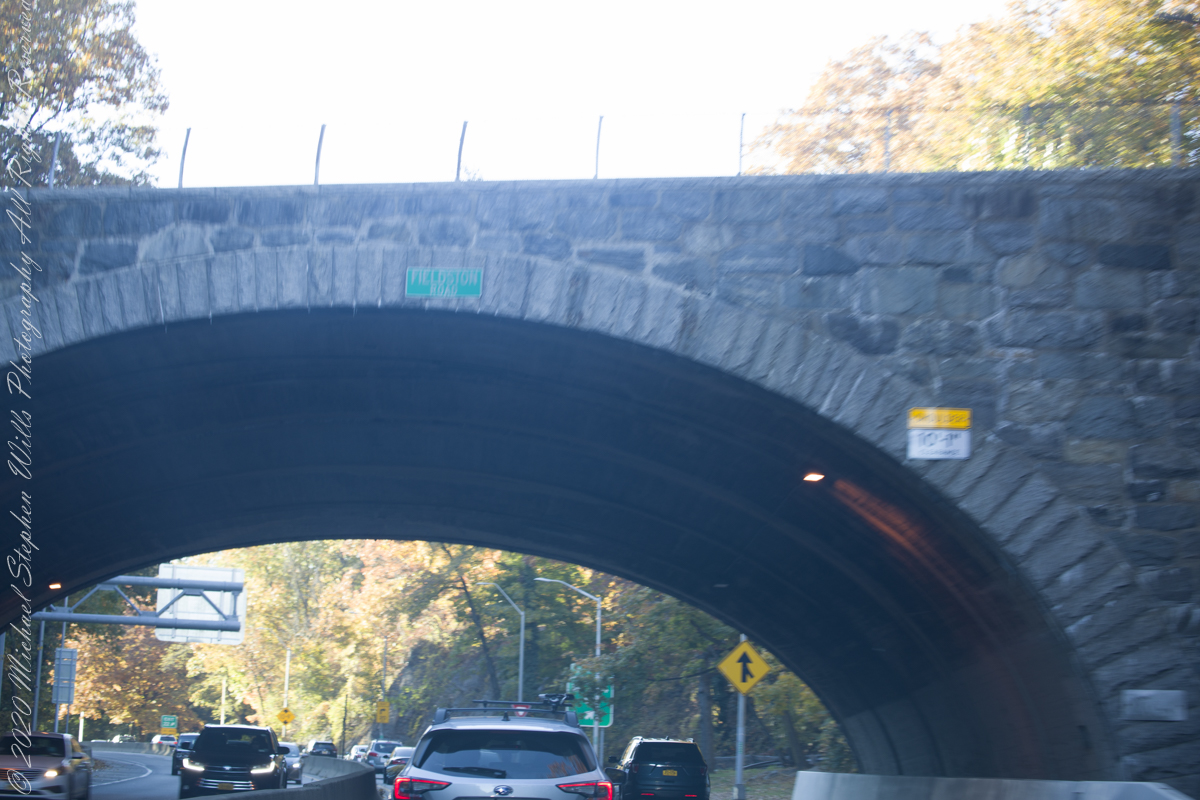
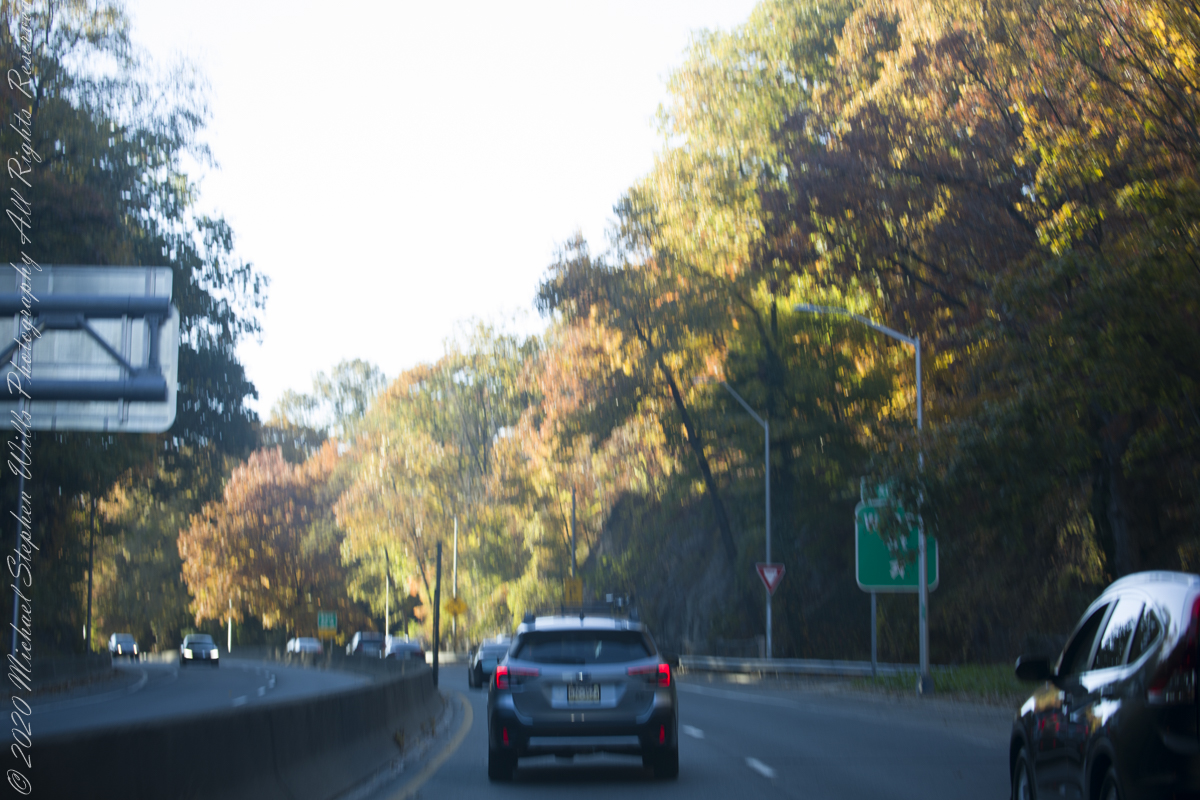
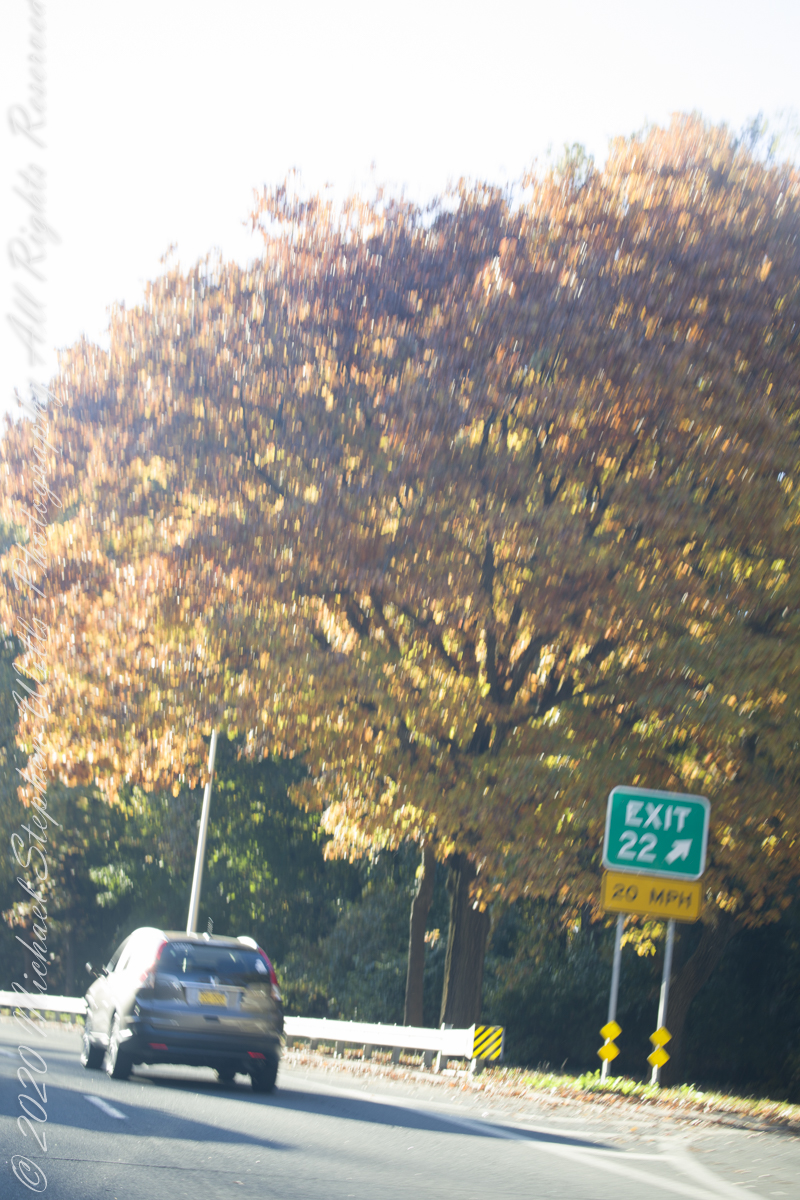
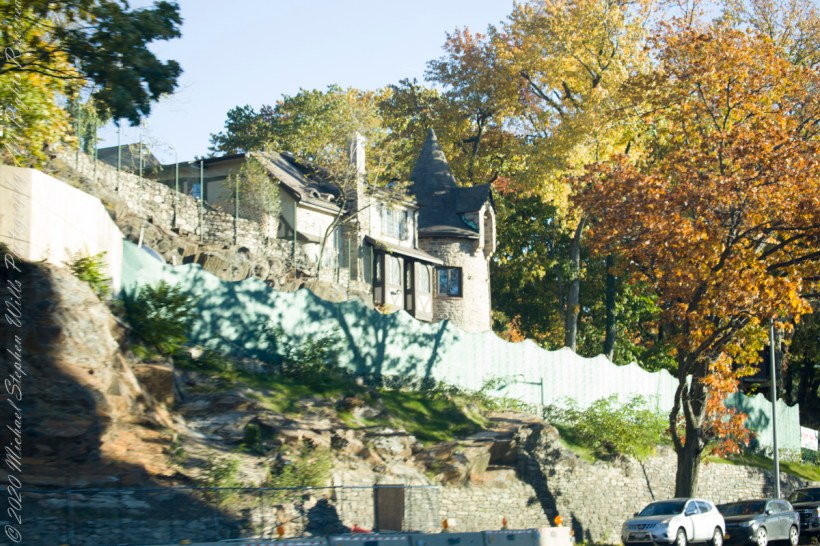
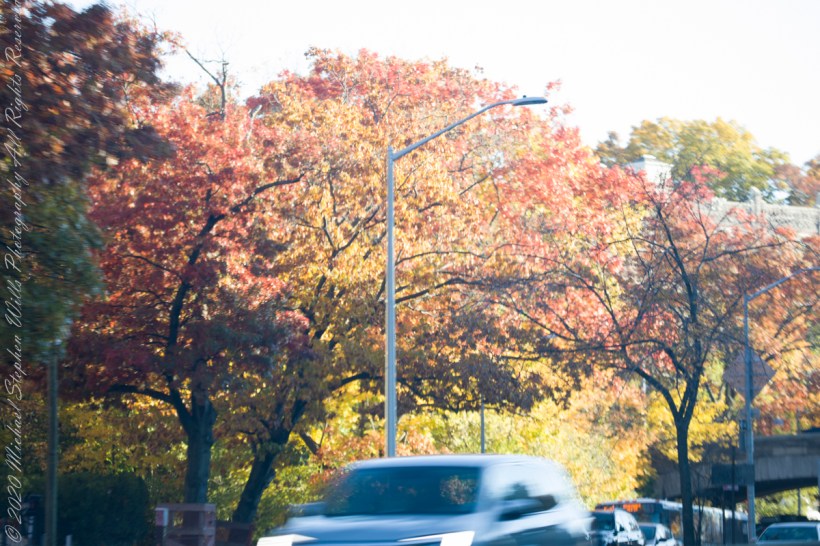
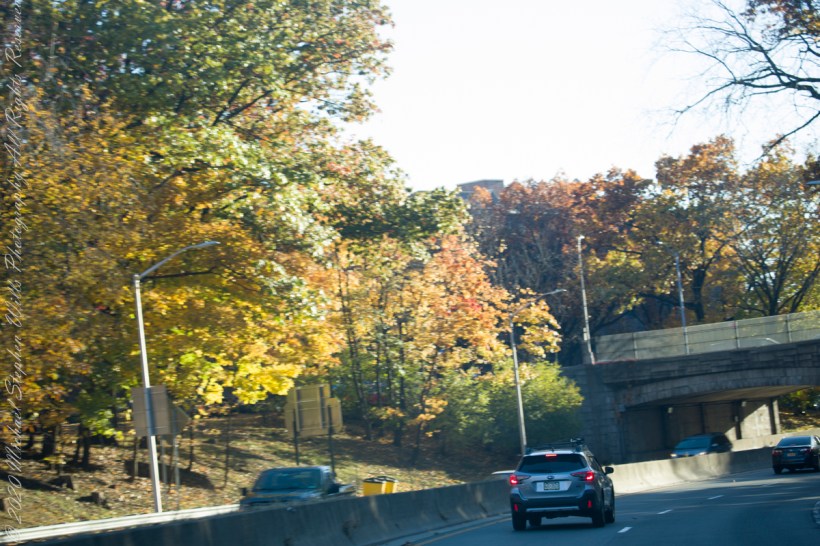
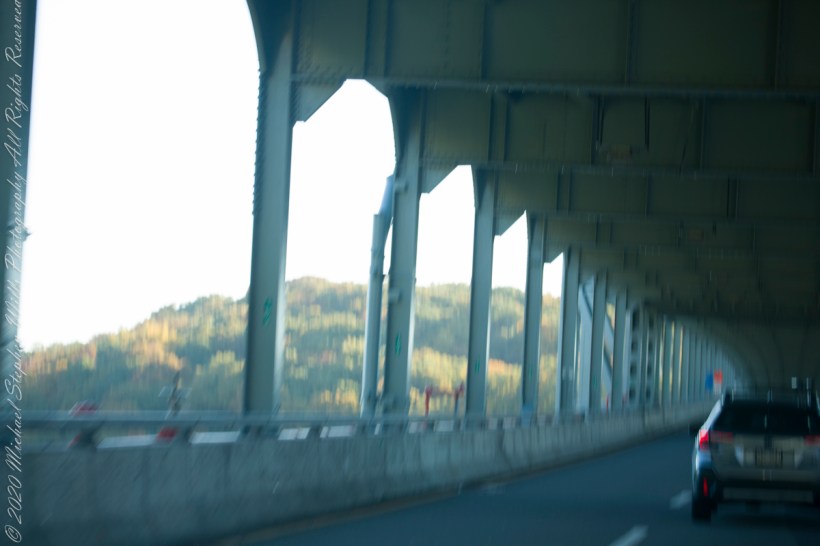
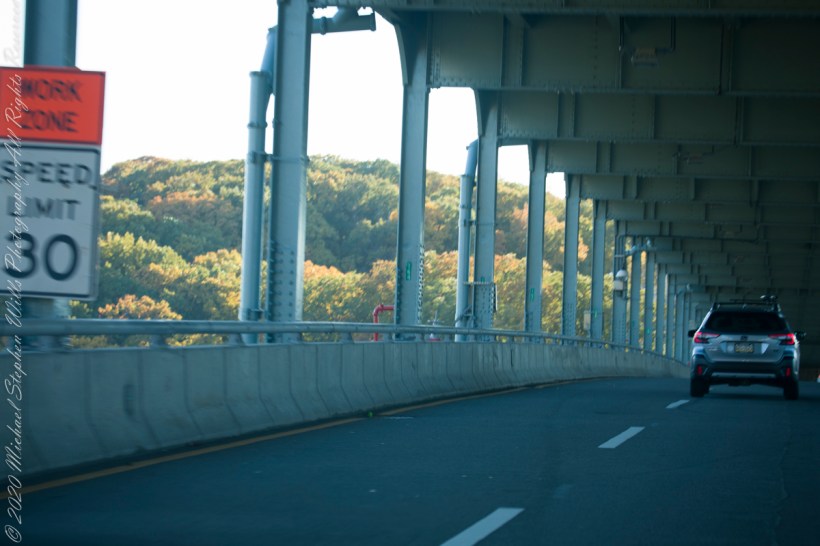
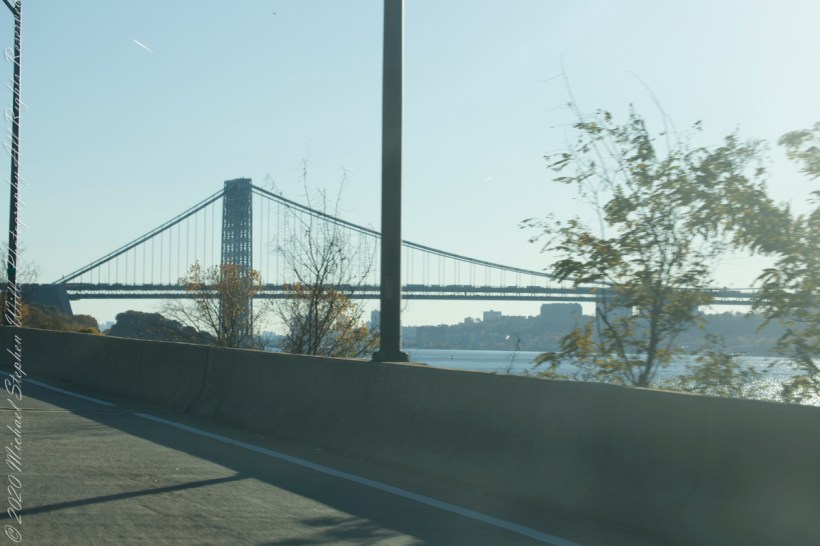
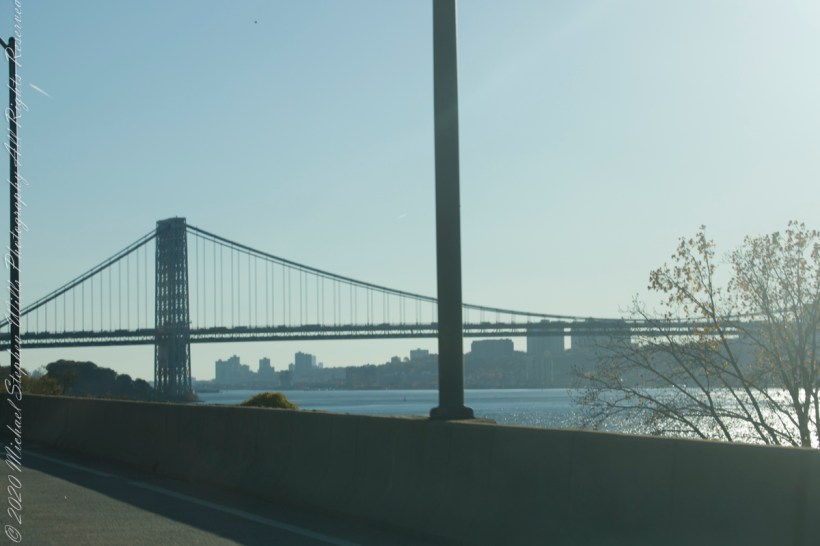
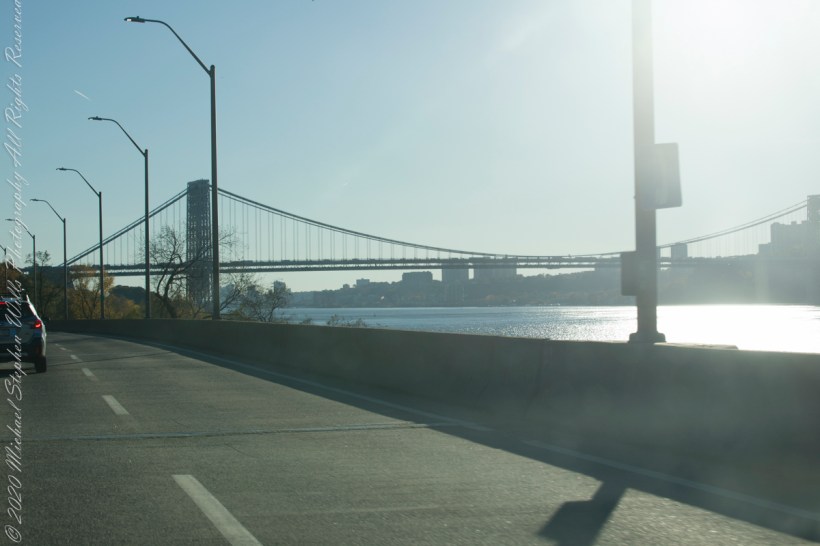
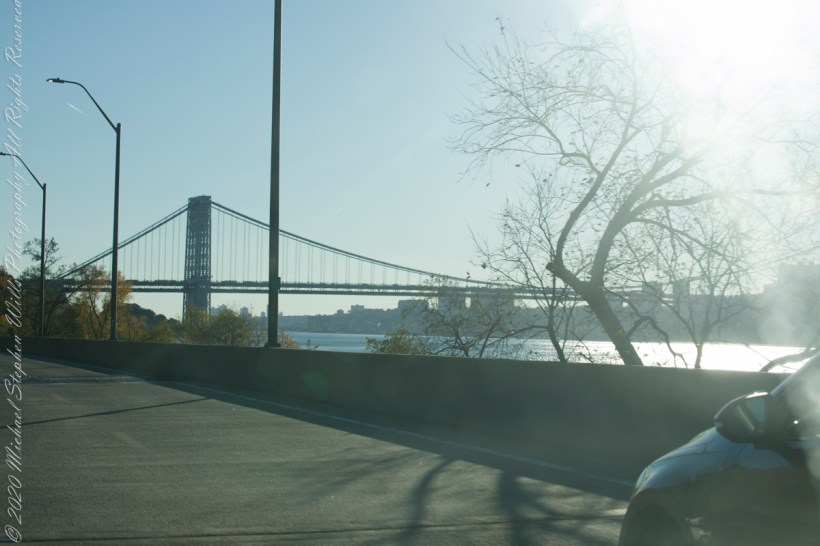
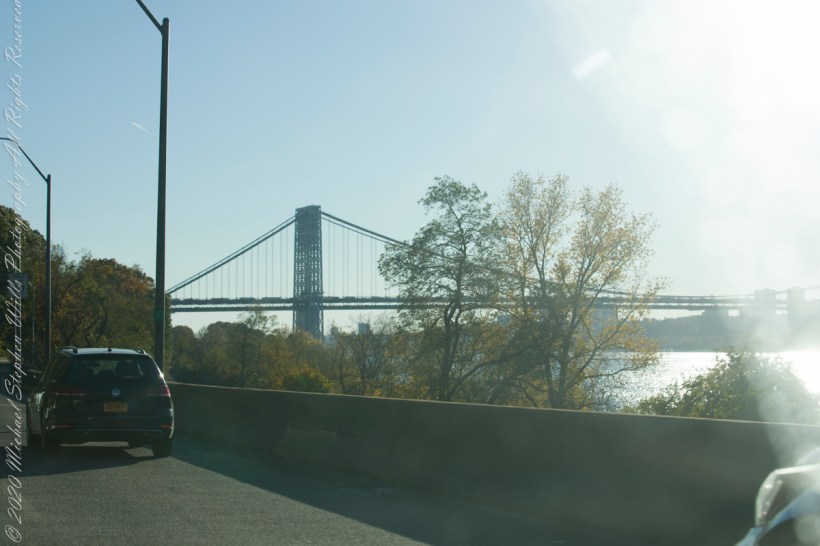
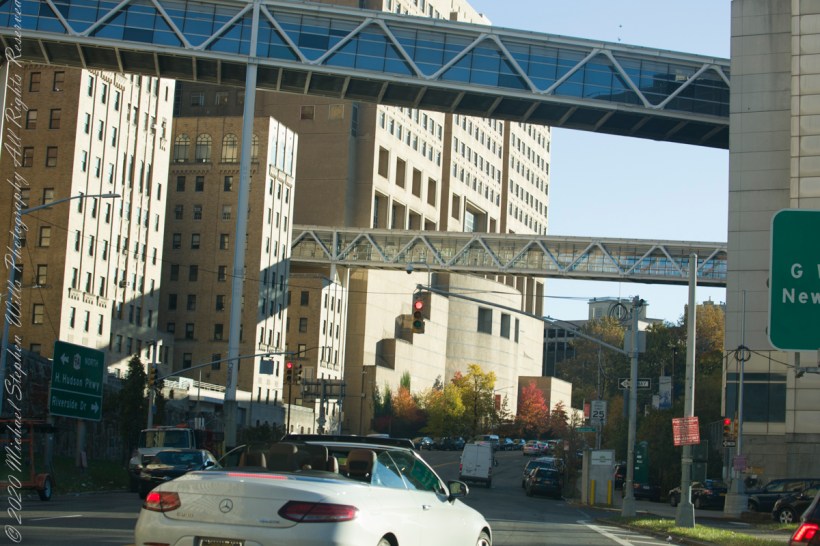
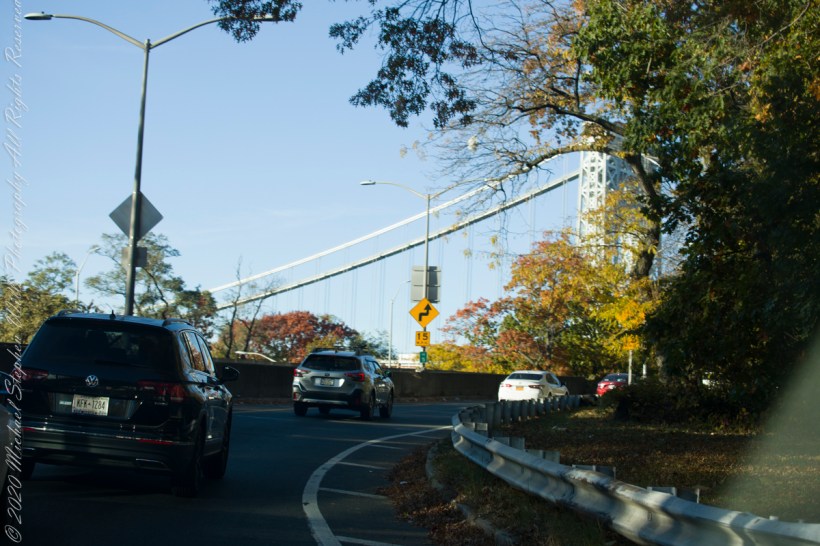
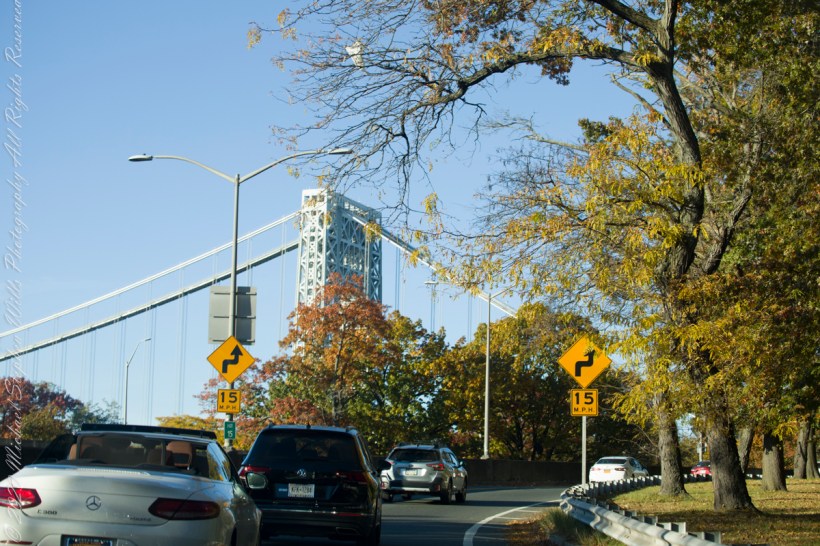
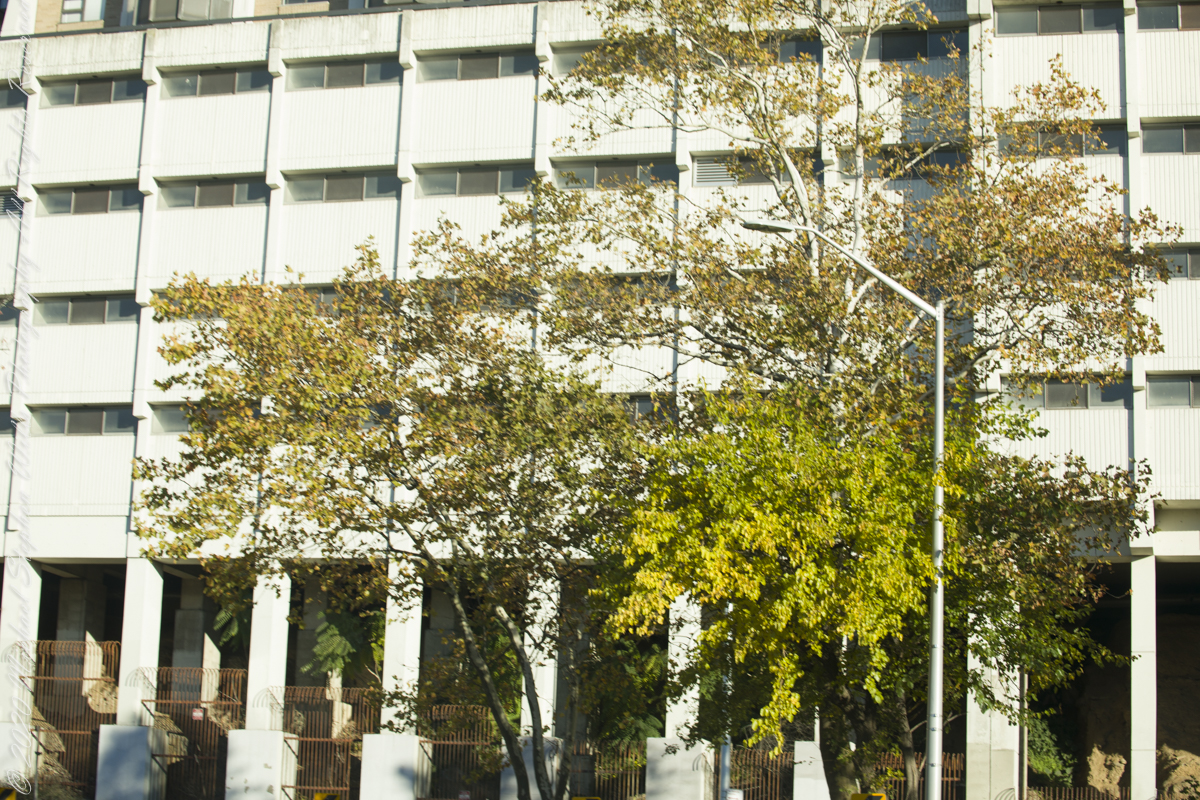
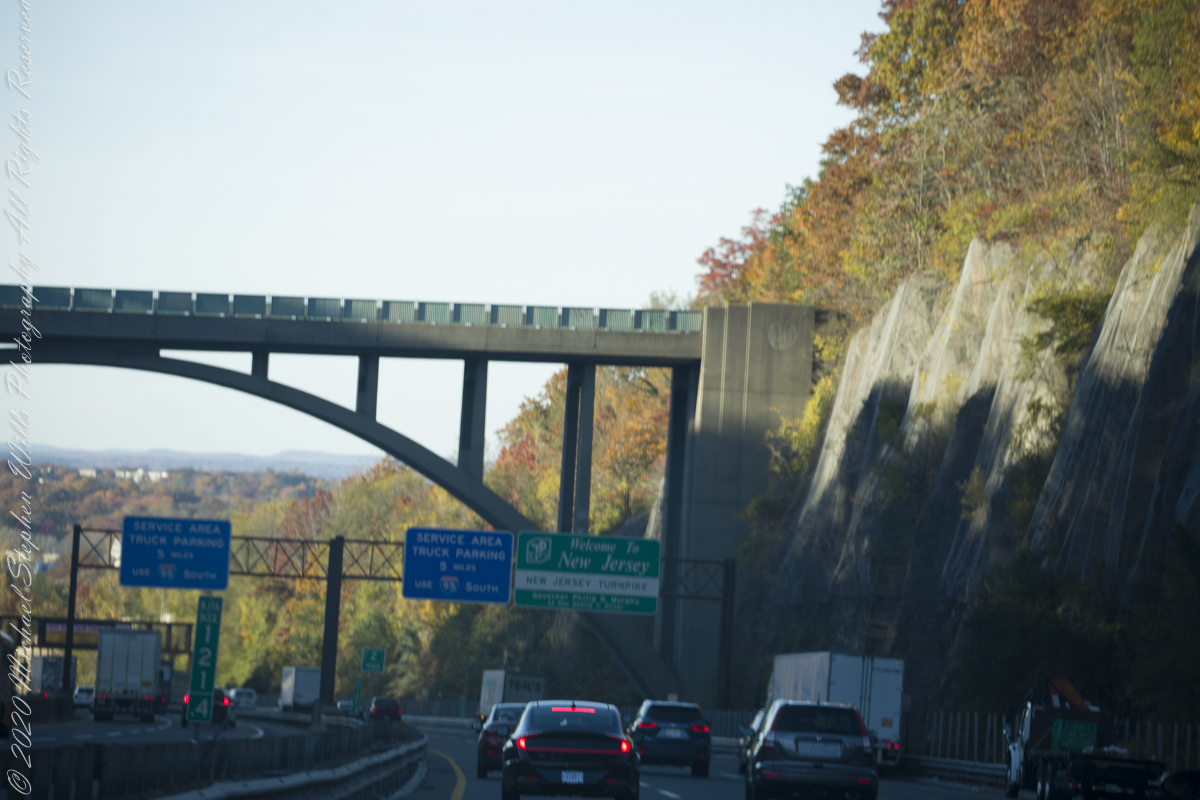
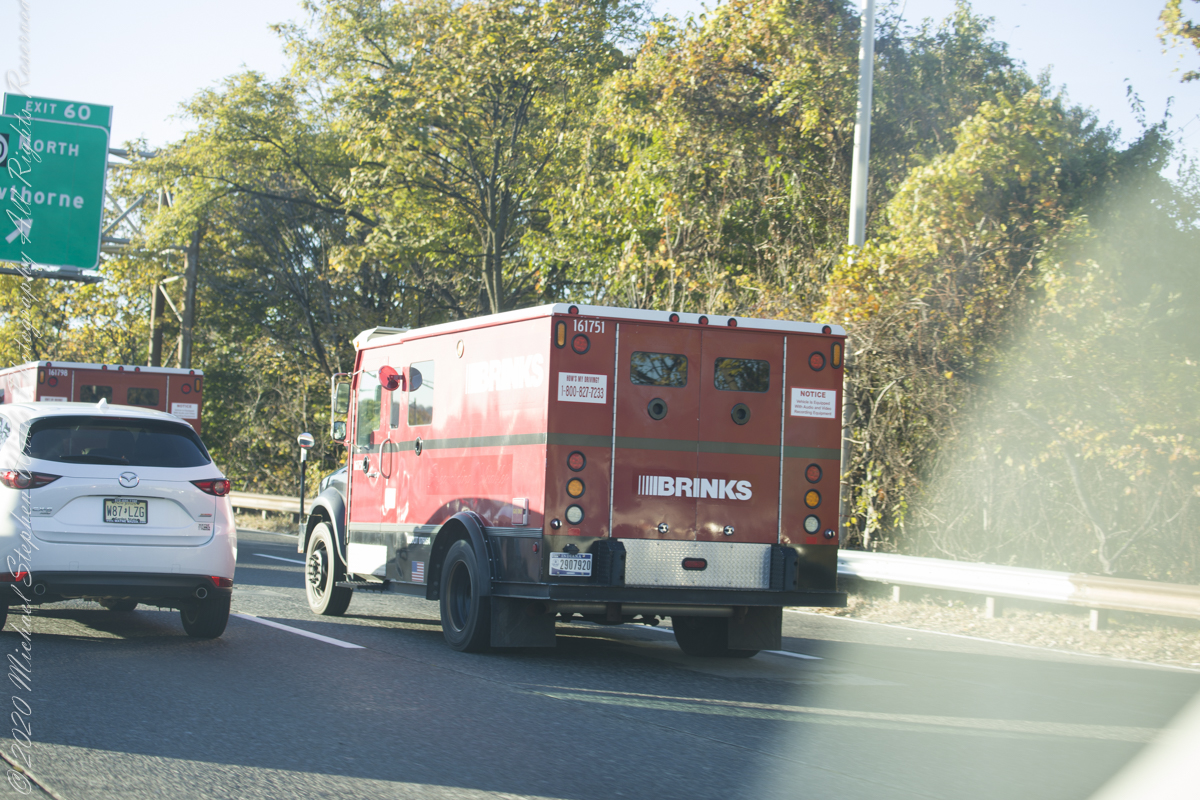
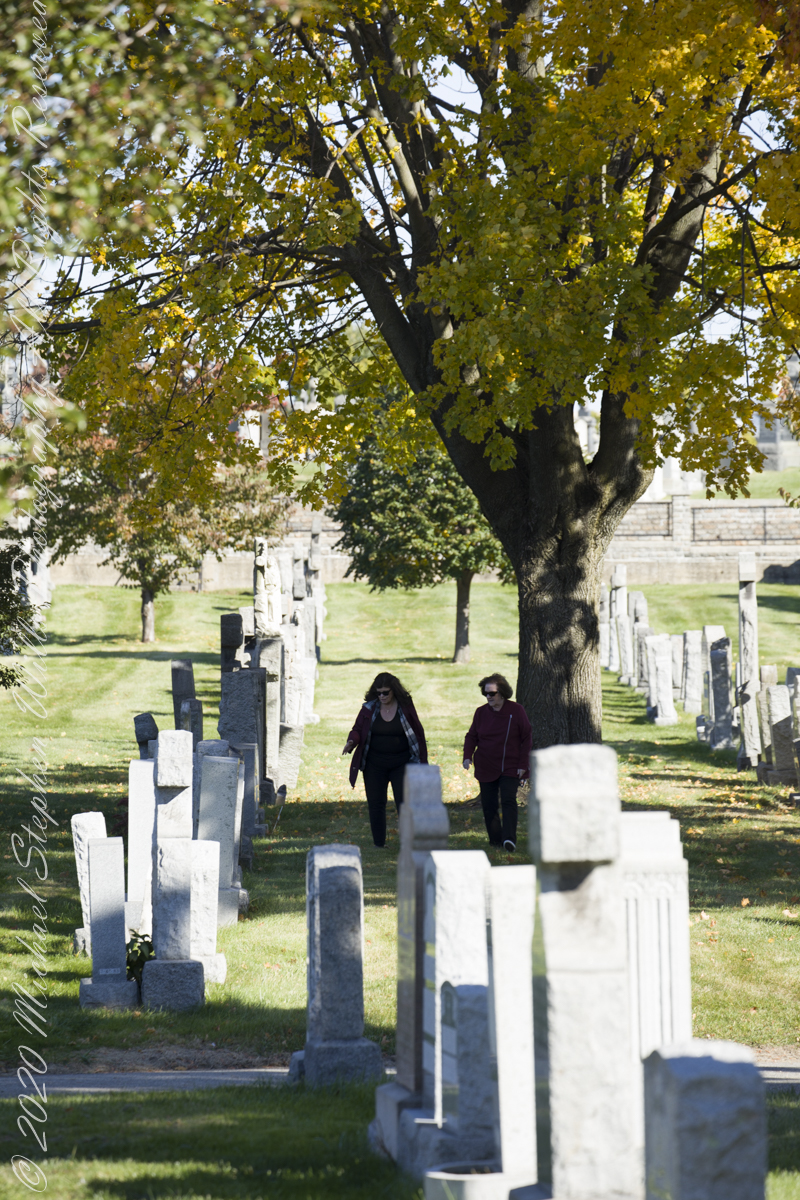
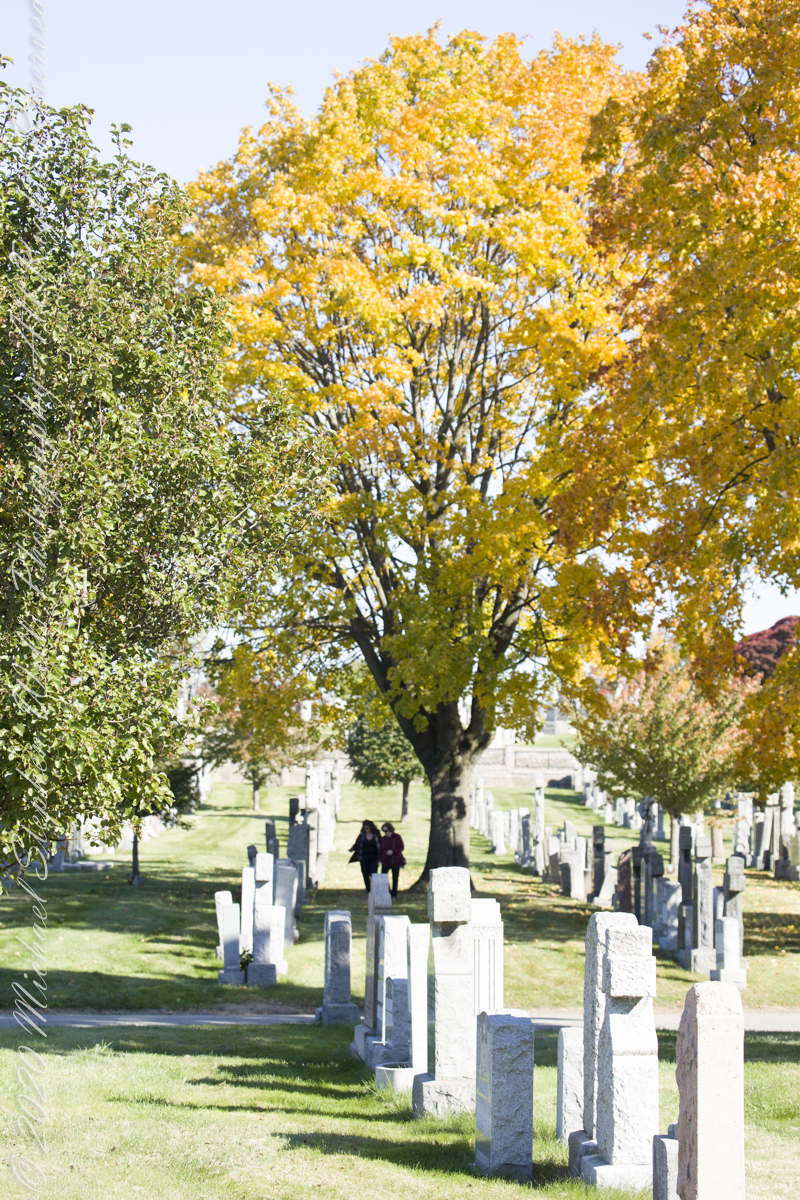
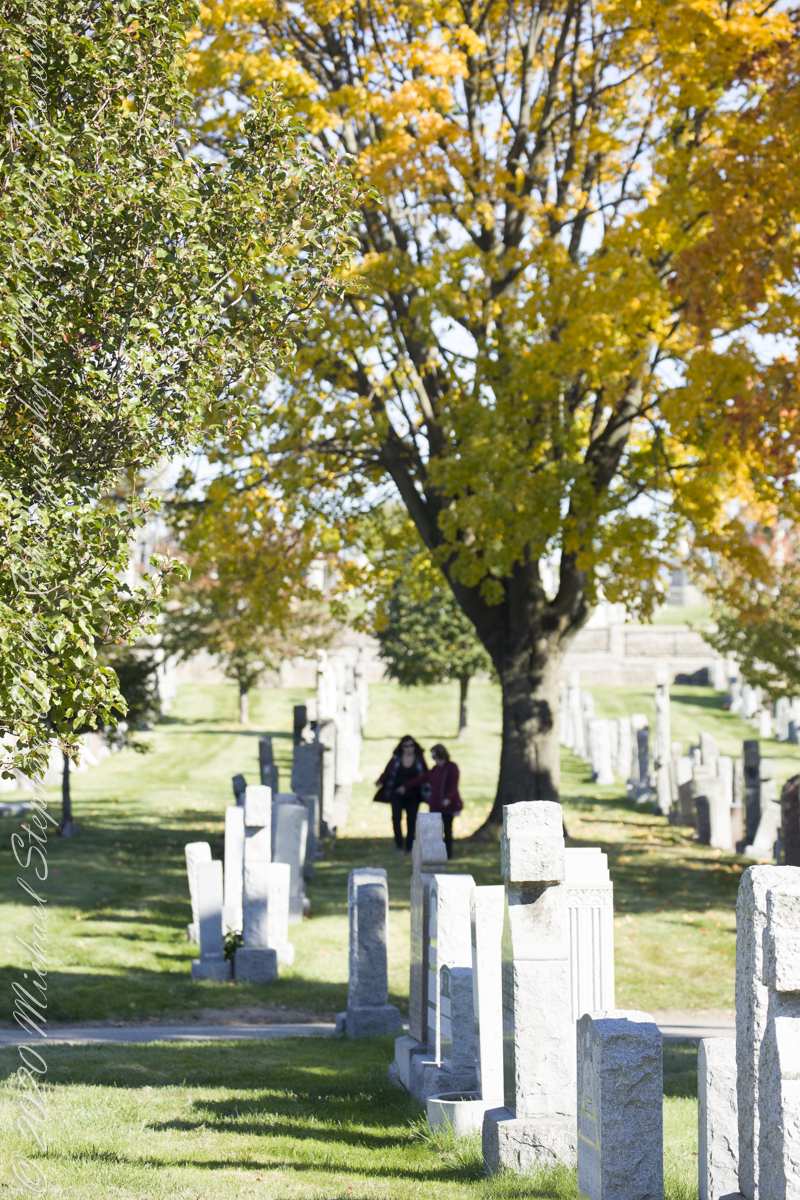
I captured these during a trip through the Bronx, returning on a perfect fall afternoon from our outing to find Grandfather Wills’ resting place: Bronx River Parkway, Moushulu Parkway, Henry Hudson Parkway then over the George Washington Bridge to New Jersey. The trees were in their glory.
On ramp to the Bronx River Parkway, this as the next three.
Love the parkways — no commercial (trucks) traffic.
Home from market
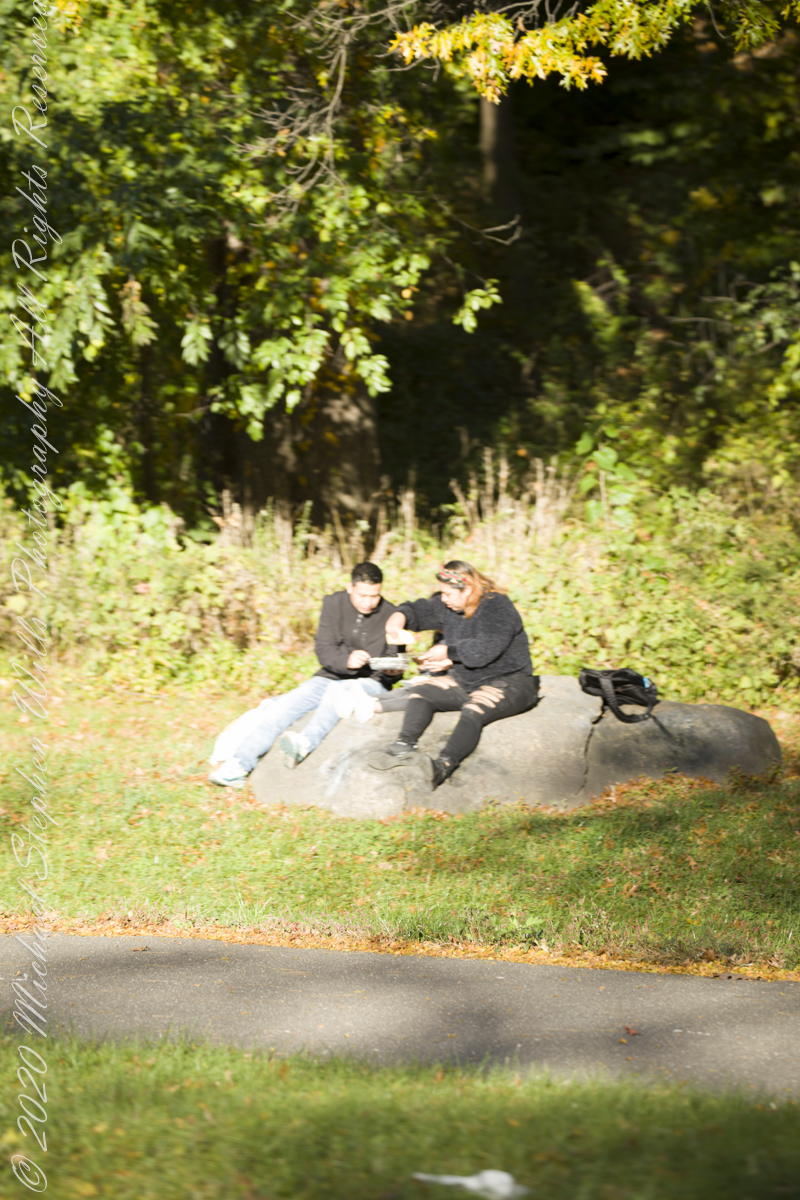
Family after school meal.
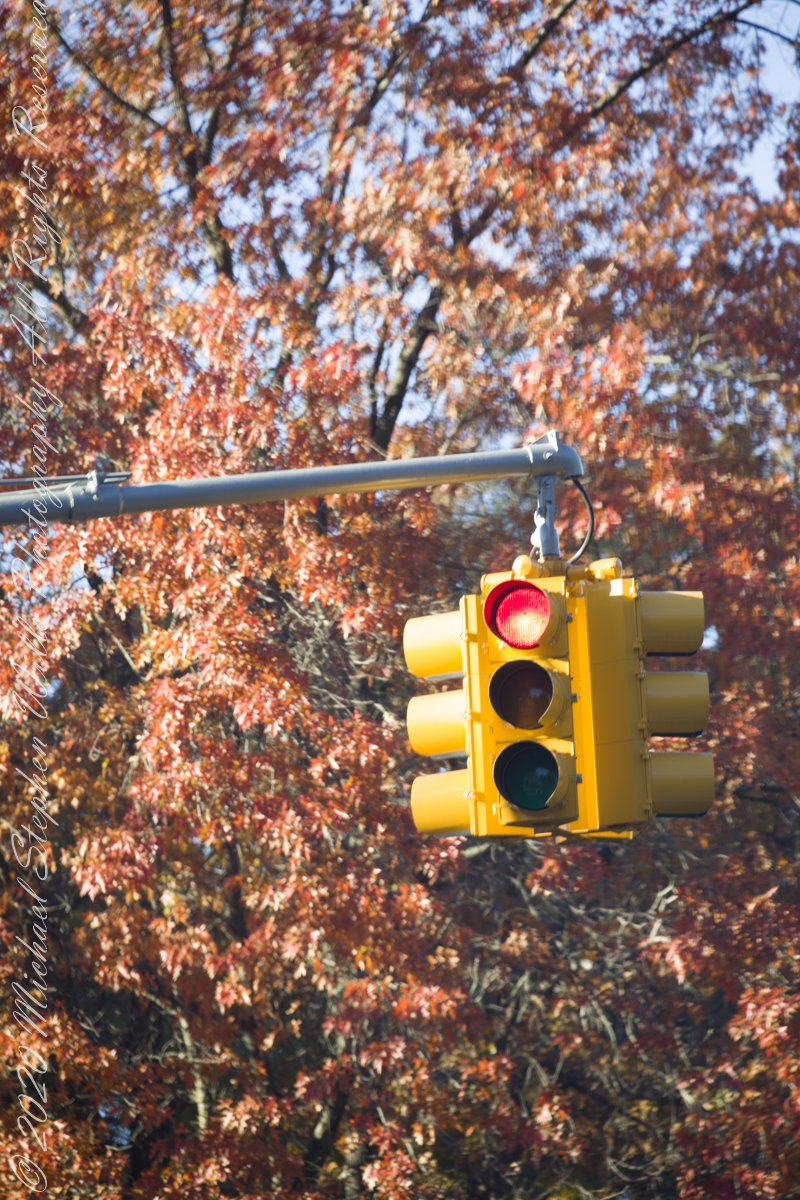
Red on Red
I had a session using a tripod for longer exposure shots and neglected to revise the camera settings for shooting on the run from an auto…so the photographs are not as sharp as they could be.
Henry Hudson Bridge
George Washington Bridge from the Henry Hudson Parkway
Here, on both sides of the river, are sites of Revolutionary War forts.
O
The on ramp to George Washington Bridge
New Jersey from the Transcontinental Interstate Route 80 connecting New York City to San Francisco and all point in between.
Copyright 2021 All Rights Reserved Michael Stephen Wills
When I was a young adult Mom told me Grandfather Wills was buried in the Bronx. James Edward Wills died when my father was very young and they were poor, living in tenements on the upper West Side of Manhattan April 1916.. Looking through Dad’s papers after both he and Mom were gone, I found the grave receipt: “Saint Raymond’s Cemetery, Westchester, New York.” James Wills, born April 1877, the youngest of six children of George Wills and Margaret McCambridge, who were 43 and 38, their place of residence two years later cited in the 1880 Federal Census as Shamong, New Jersey. Today, Shamong Township is part of New Jersey Pinelands National Reserve. Atsion, the Iron Furnace town where James’ Grandmother Ann McCambridge (nee Milley) worked as a cook, is in Shamong Township.
Finding and researching the grave receipt is what began my adventures in genealogy. What was, in 1916, Westchester is now the Schuylerville section of Bronx county, a borough of New York City. Saint Raymond’s Parish, still going strong, acquired more consecrated land for burials with now an “Old” and “New” cemetery separated by the confluence of interstates 95, 295, 678 including the approaches to the Whitestone and Throgs Neck Bridges, the superstructures of which are visible from the “Old” cemetery.
Having sorted out these details, I approach my cousin Mary at the October 2021 engagement party of my niece where we made arrangements to find Grandfather Wills’ final resting place the following month. On Wednesday, November 10th, Mary’s husband Peter drove us over the George Washington Bridge, through the incredible traffic of the Cross Bronx Expressway (a funny name for this moving parking lot, bumper to bumper trucks), to Schuylerville. We navigated to the “Google Maps” push pin I placed next to Section 7. Google Maps even has street views of the cemetery, in retrospect the view of Section 7, Ranges 35 – 51, includes grandfather’s grave.
We worked together, walking the rows, reading headstone inscriptions, on the expectation of finding Grandfather’s name without success. Peter and I took to counting the rows to find number 41, with success. With less success counting the headstones and spaces (unmarked graves) to find number 82. At the same time, Pam and Mary searched. I used the “Find A Grave” website to look up headstones in section 7, row 41 and found the only location provided was “Section 7.” I also called the cemetery office where they were most helpful. There is NO record of James Wills.
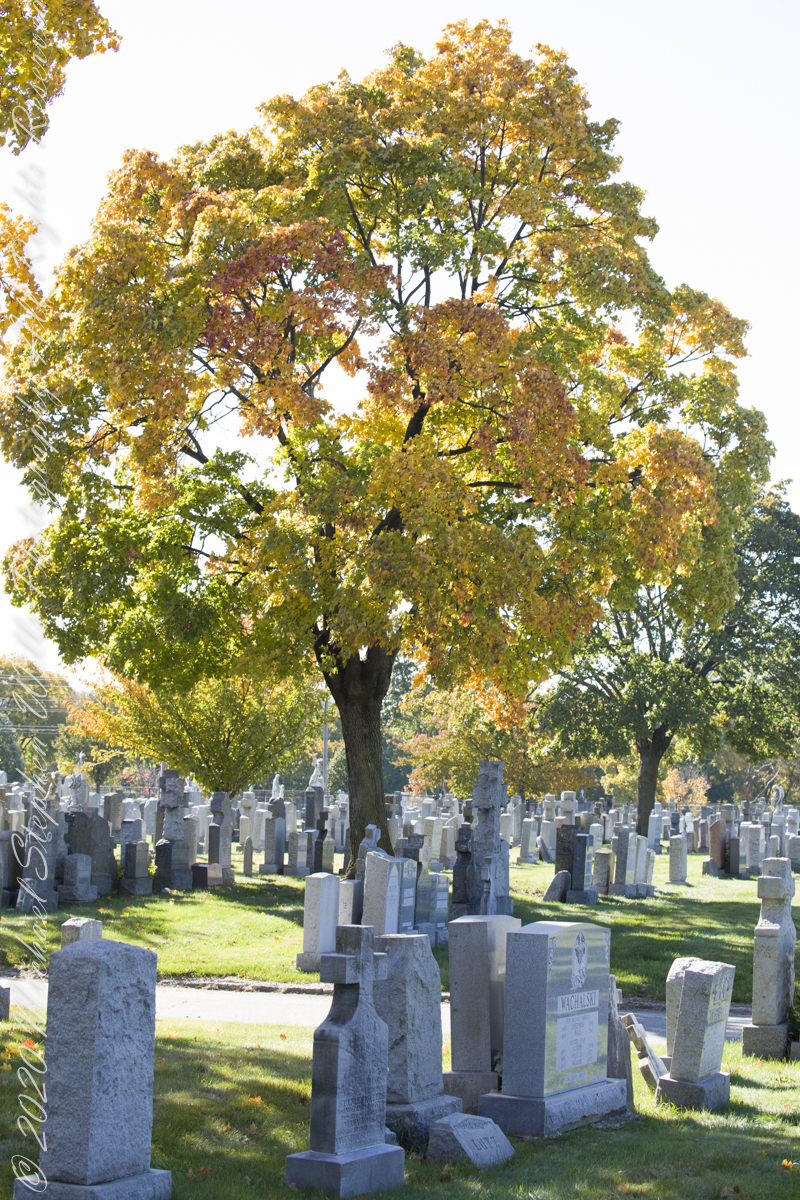
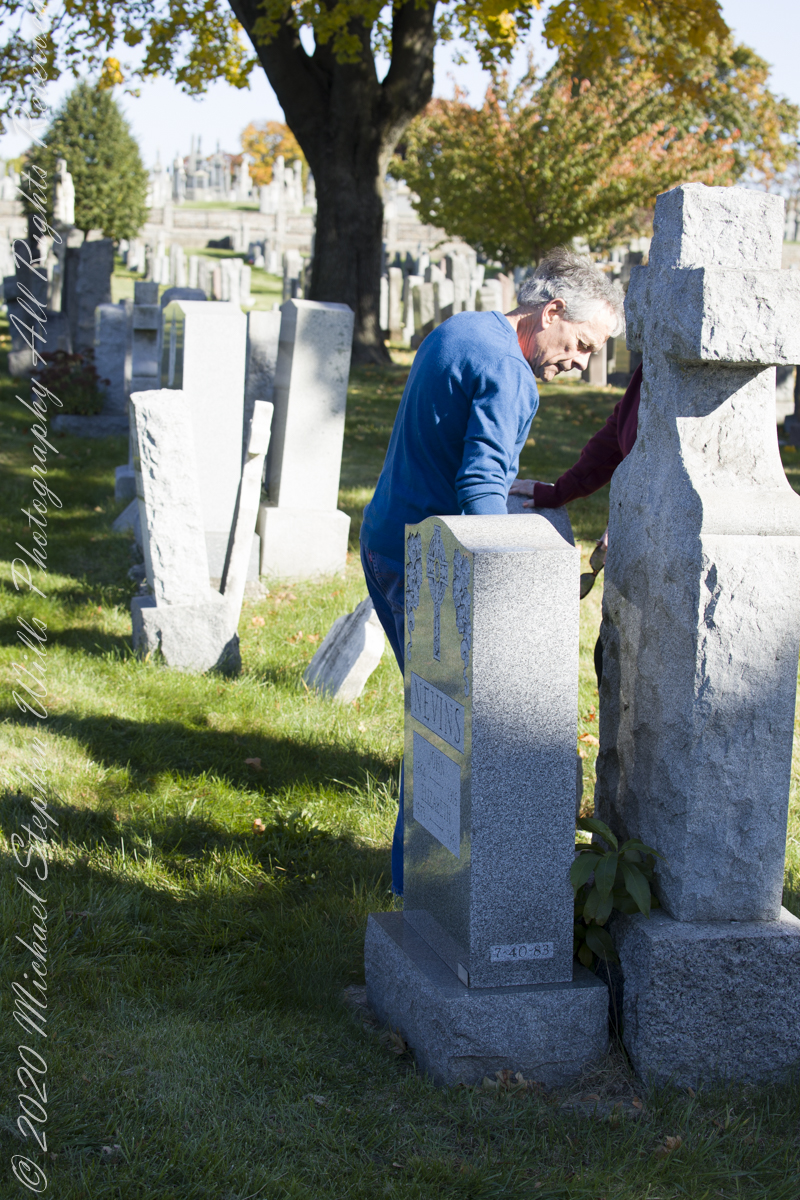
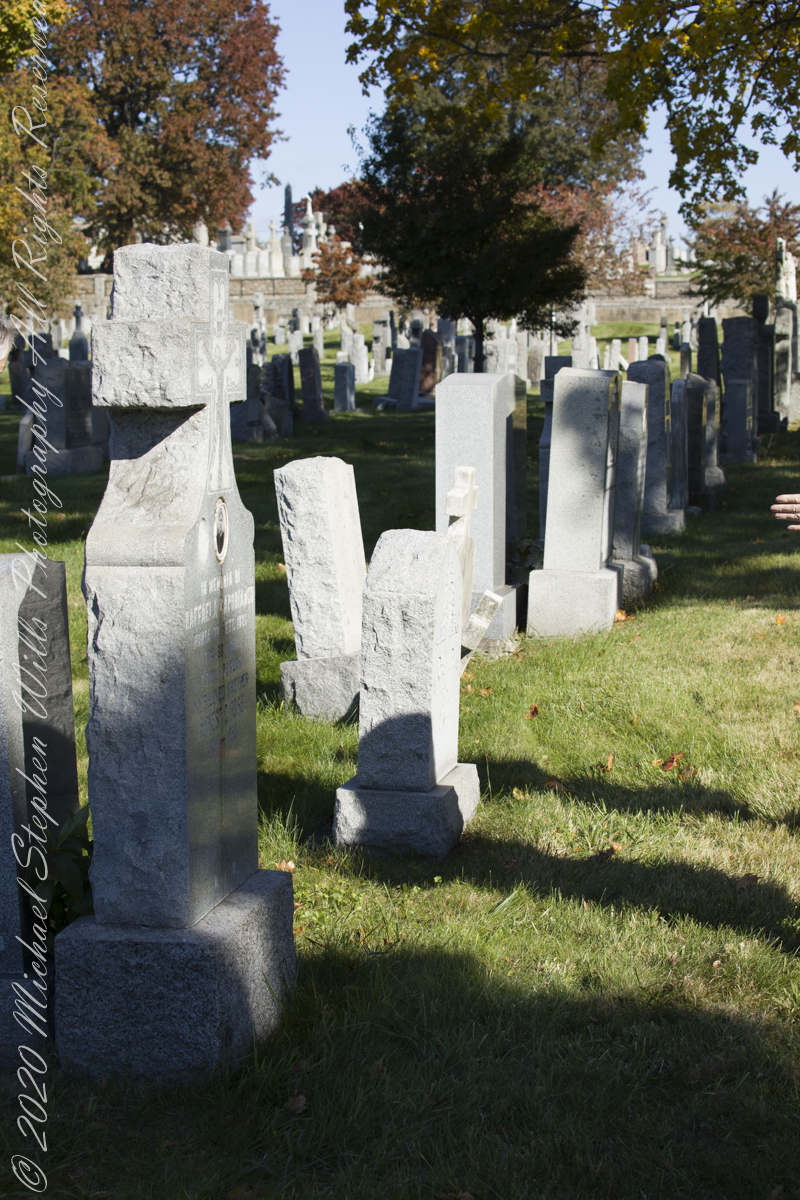
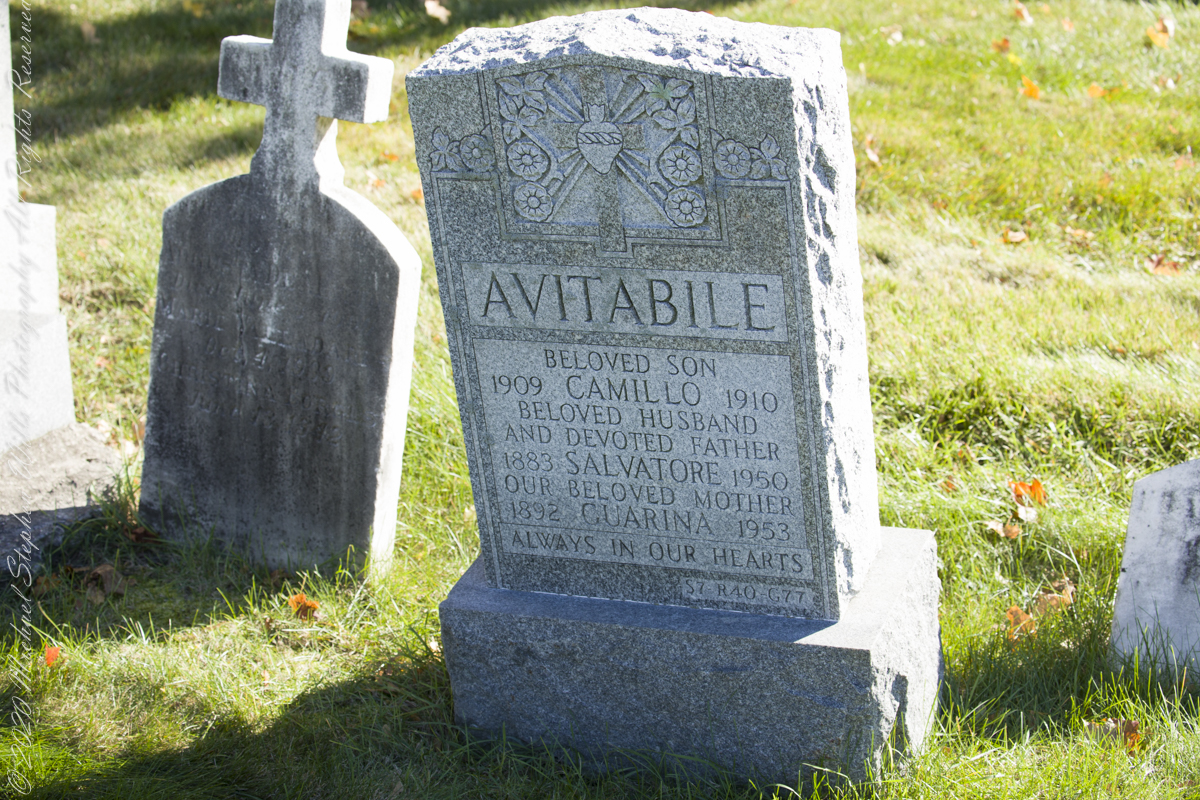
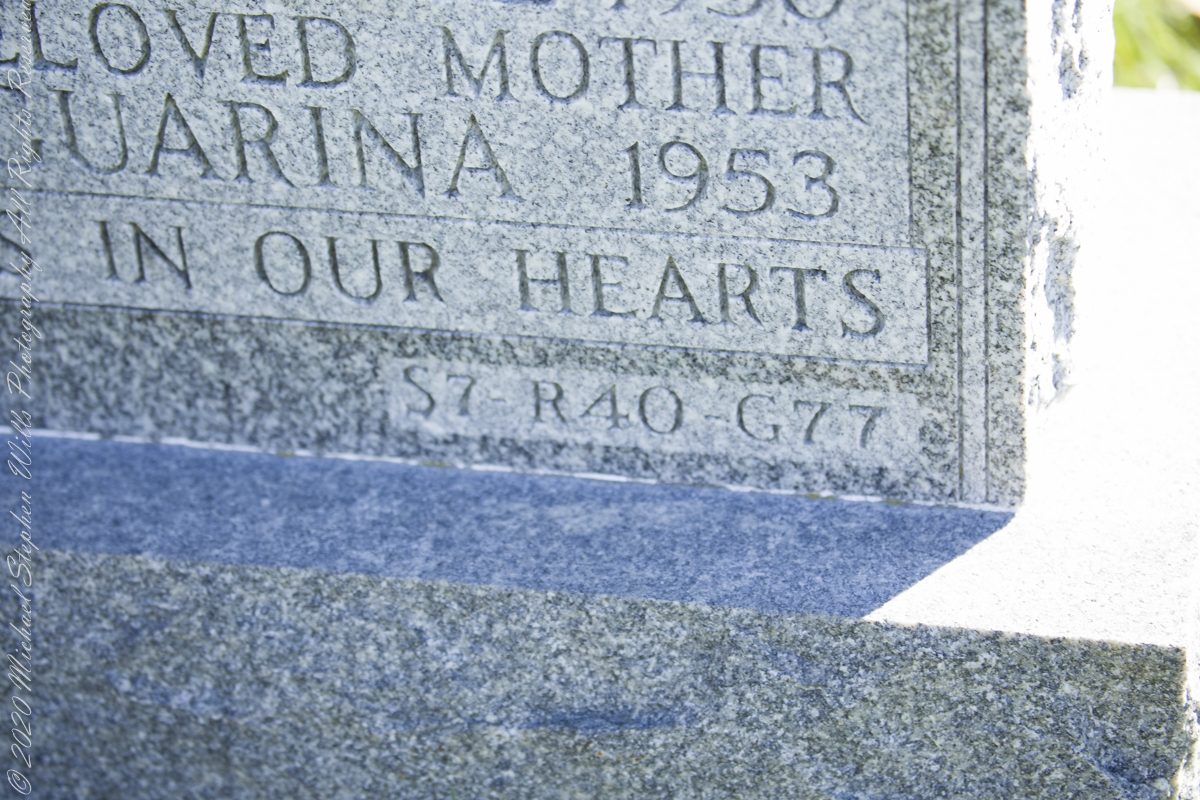
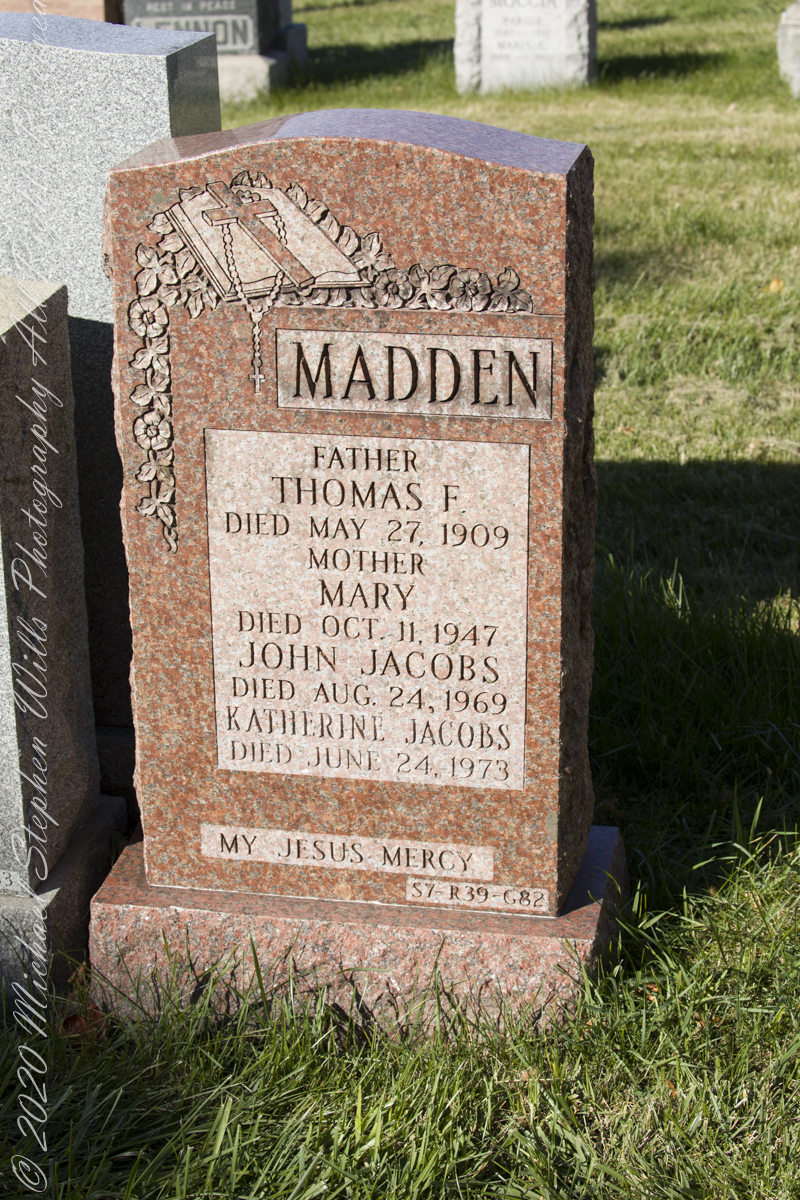
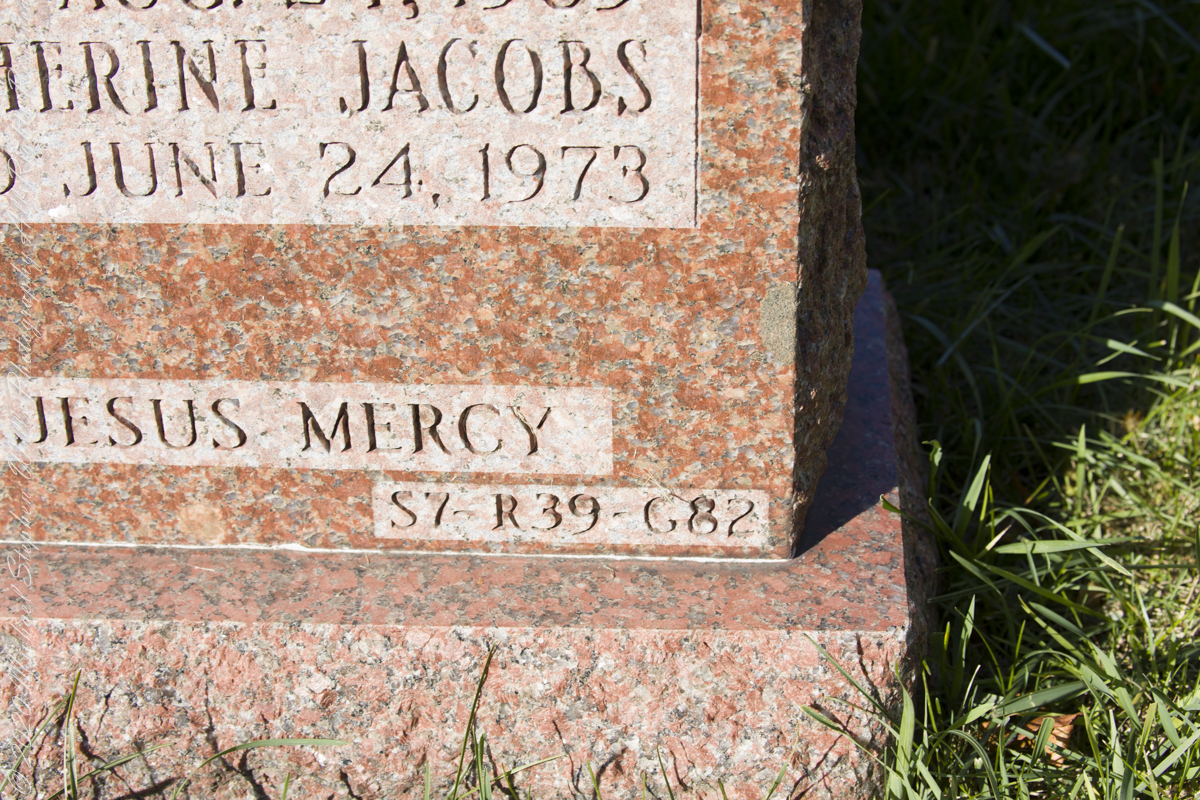
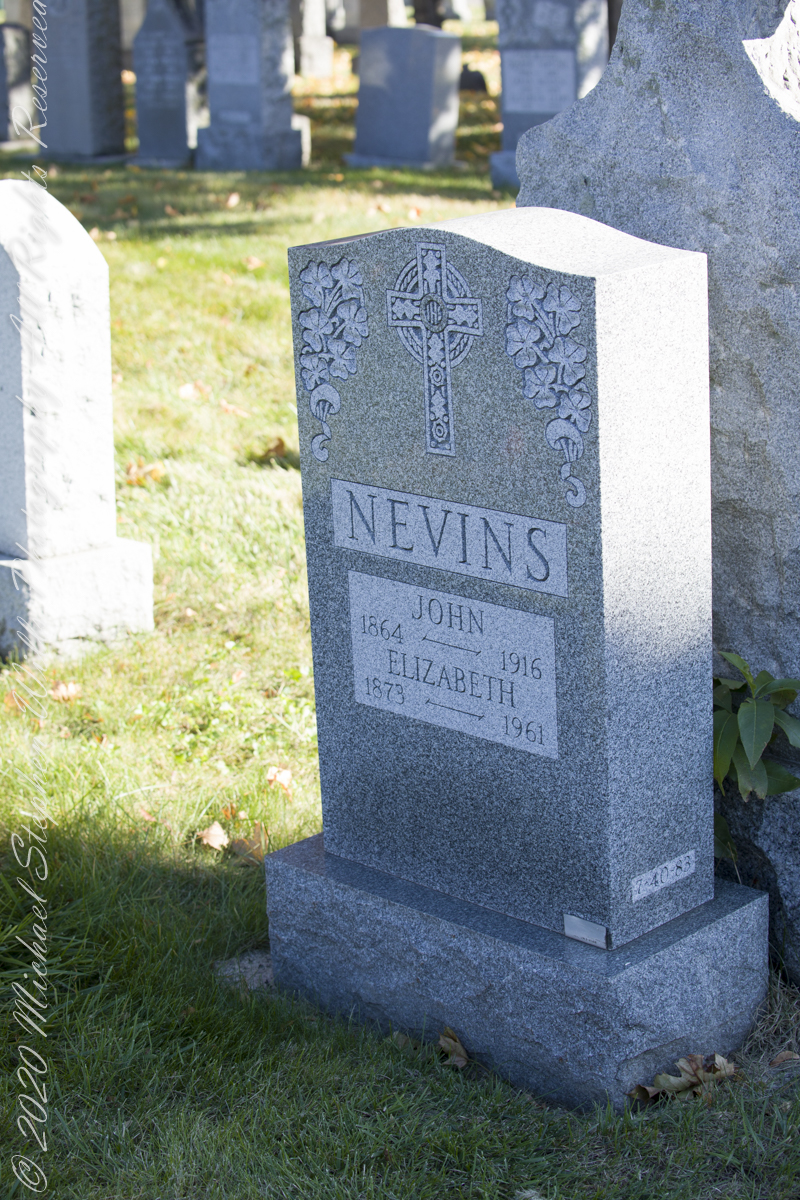
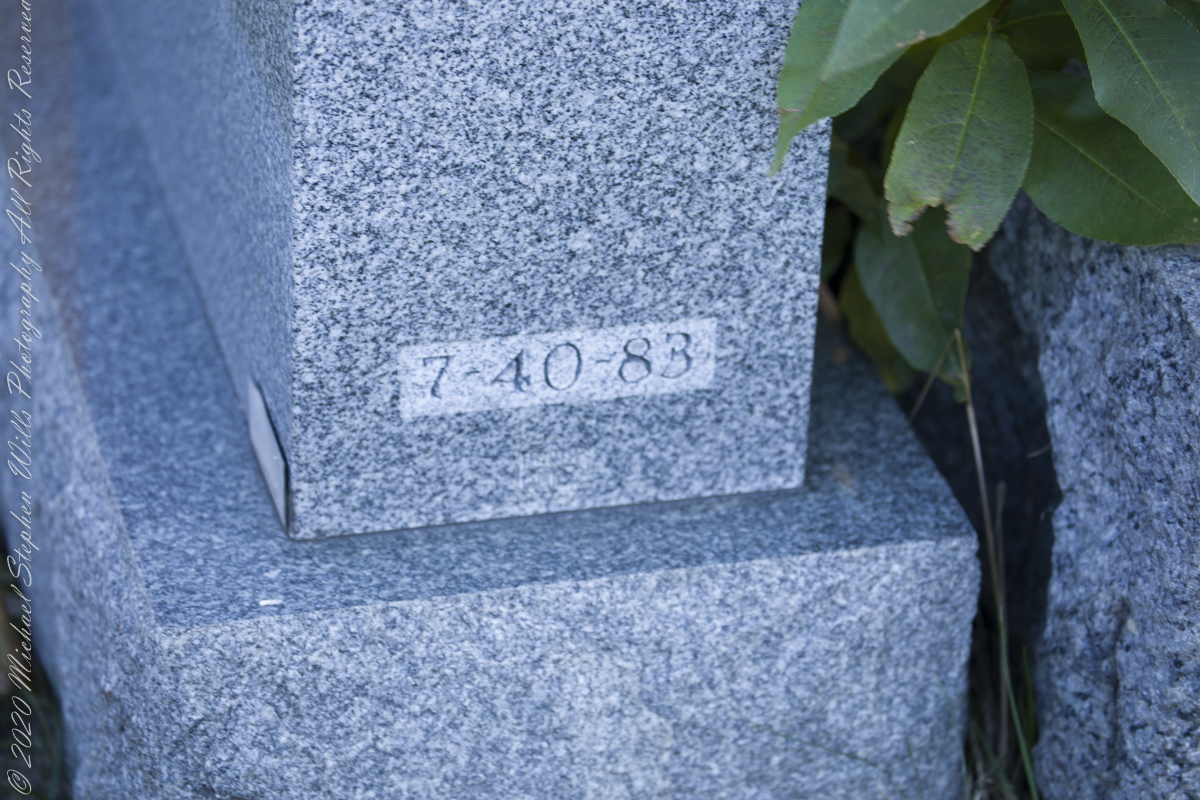
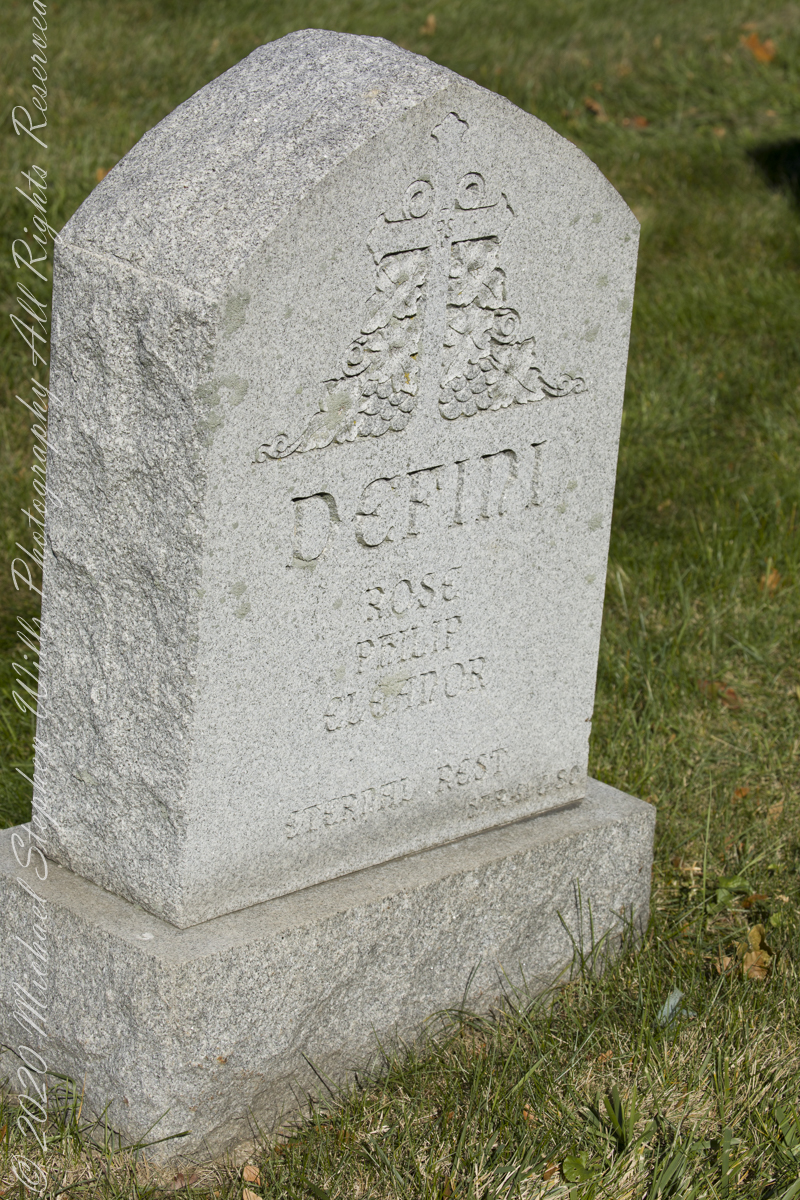
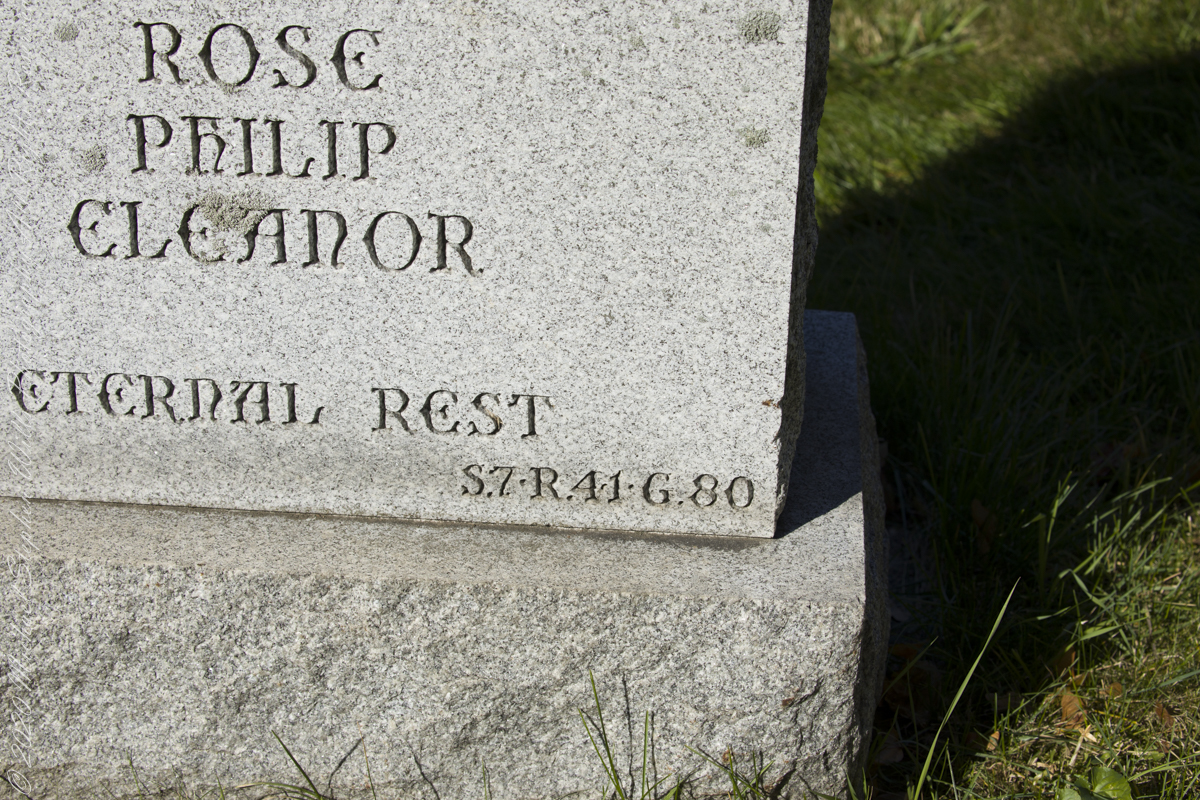
Then, Pam noticed some headstones inscribed with the exact location, Section, Range (Row) and Grave. This was the key. Here are the headstone references that pinpointed Grandfather Wills’ final, unmarked, resting place.
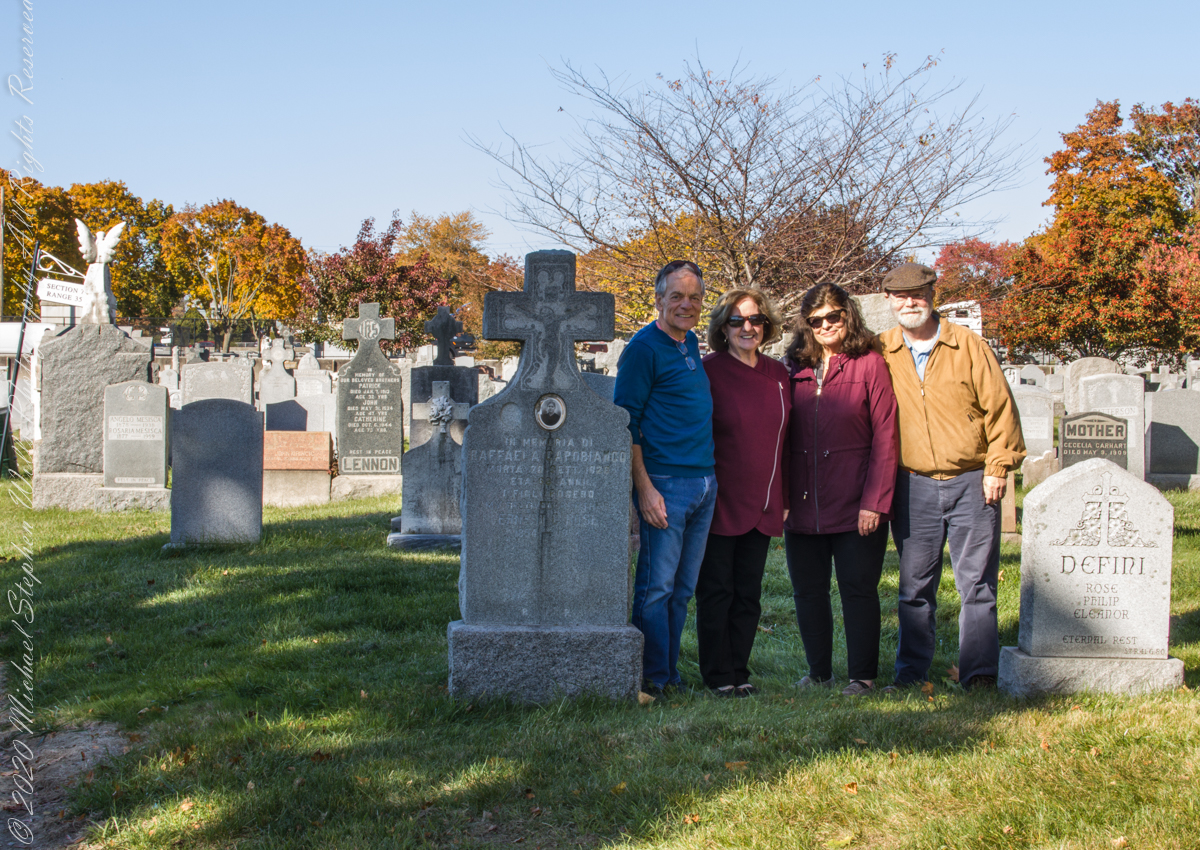
In the following photograph I am on the right with wife Pam. Cousin Mary next to her husband Peter on the right, Mary is standing on grave 82.
James Edward Wills unmarked grave, Section 7, Range (Row) 41, Grave 82, Old Saint Raymond’s Cemetery, Balcom Avenue, Schuylerville, Bronx, New York. Wednesday, November 10, 2021. Here we are facing south / southeast into Section 7, James Wills’ unmarked grave is to the left and just behind Nevins headstone (Row 40, Grave 83).
Copyright 2021 Michael Stephen Wills All Rights Reserved
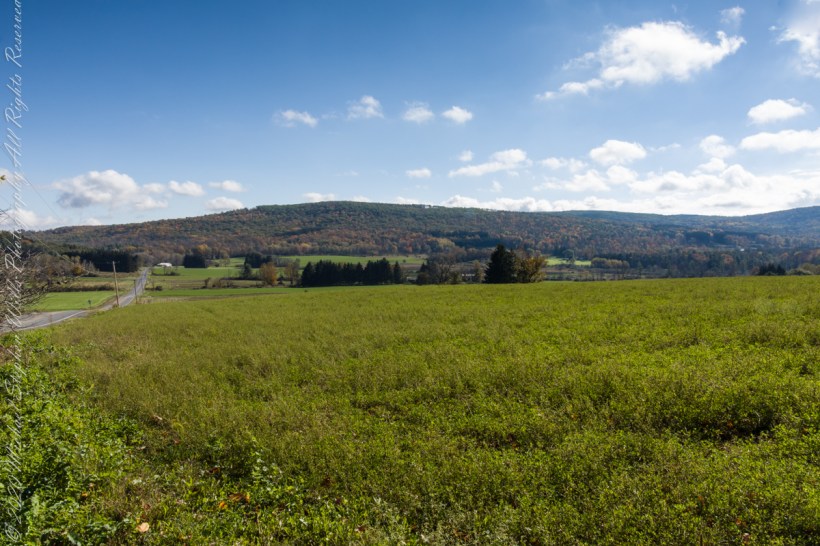
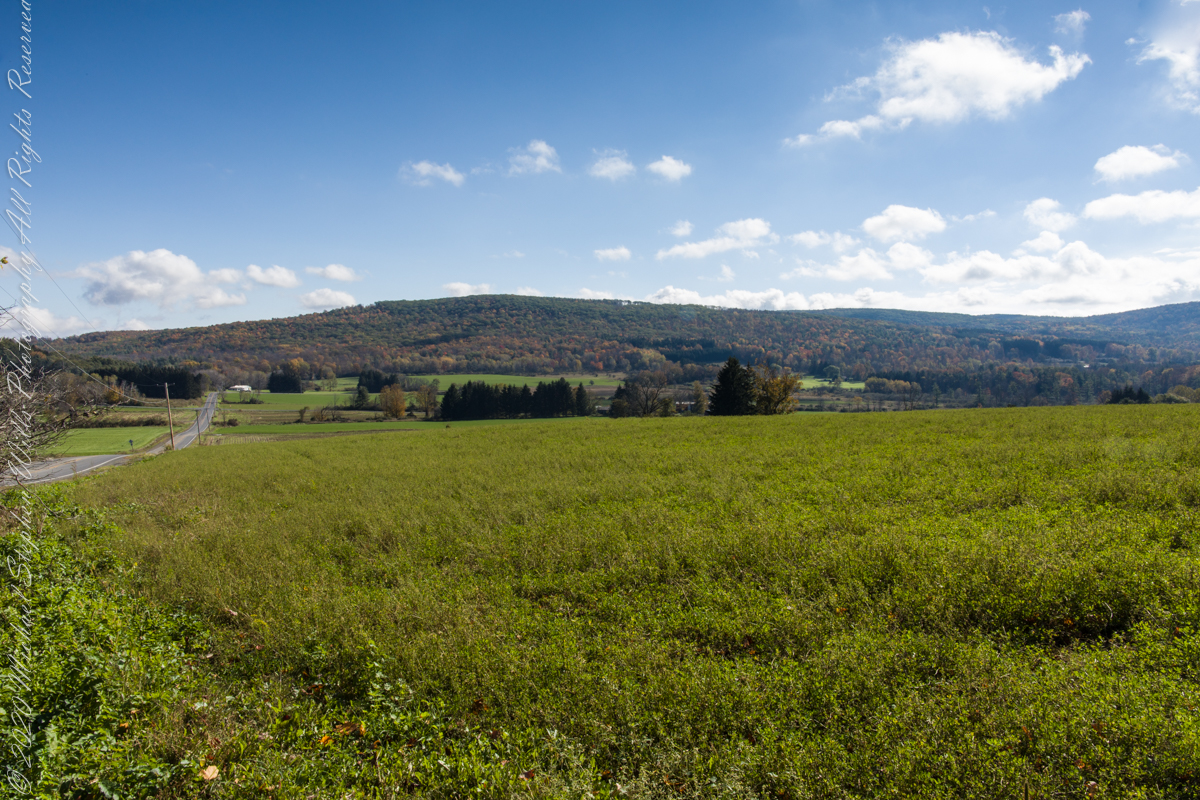
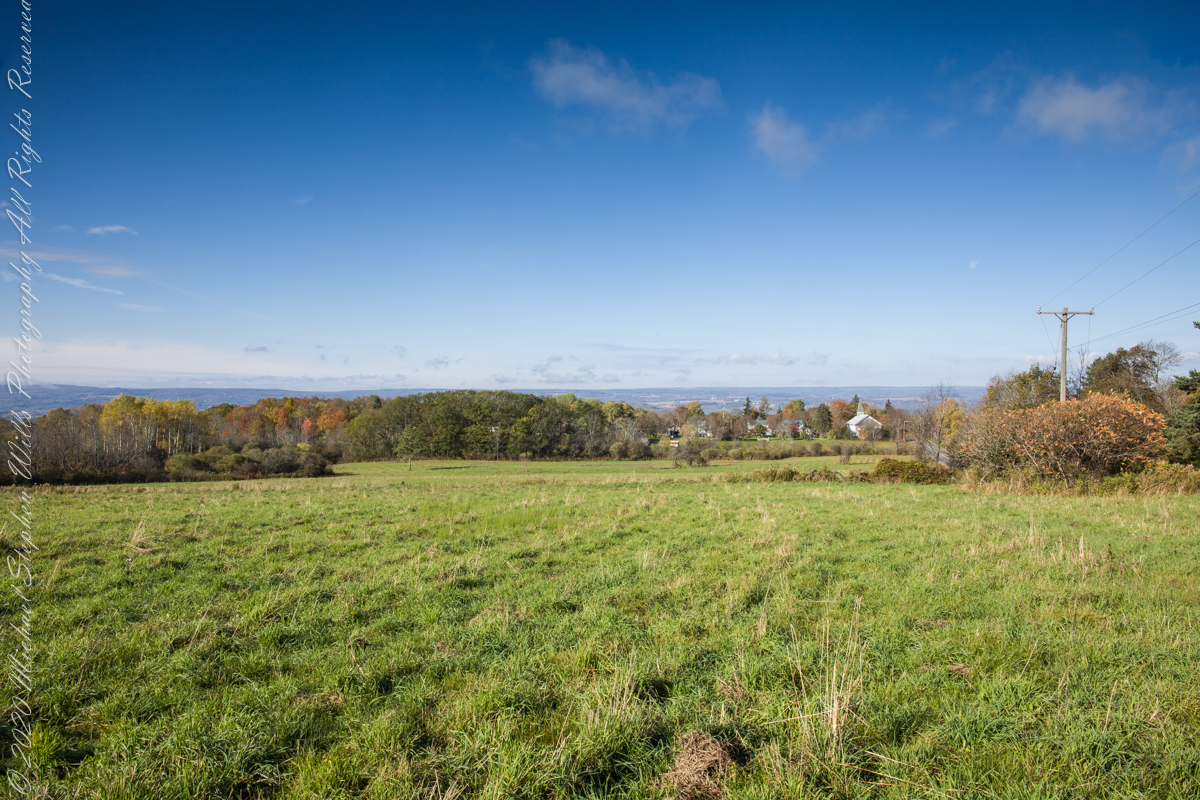
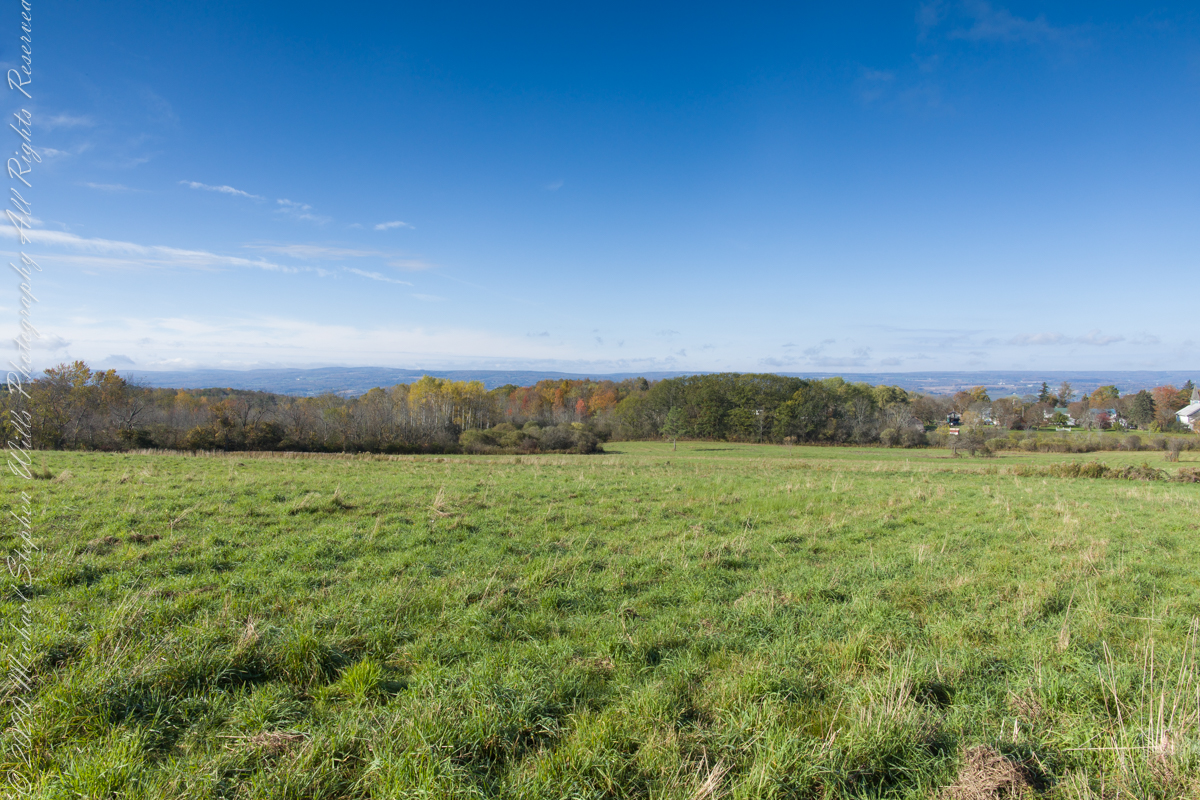
On our roundabout return from Finger Lakes National Forest we turned off Rt 79 at Mecklenburg onto county route 6 that becomes McIntyre Road in this stretch between two right angle curves. We turned off at the western curve with this fine autumn overlook toward Buck Hill.
Click photograph for a larger view. To do this from WordPress Reader, you need to first click the title of this post to open a new page.
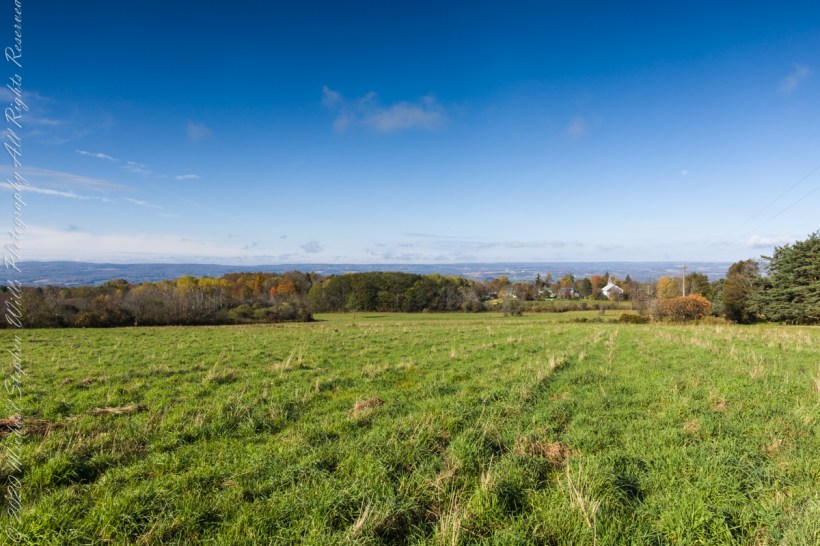
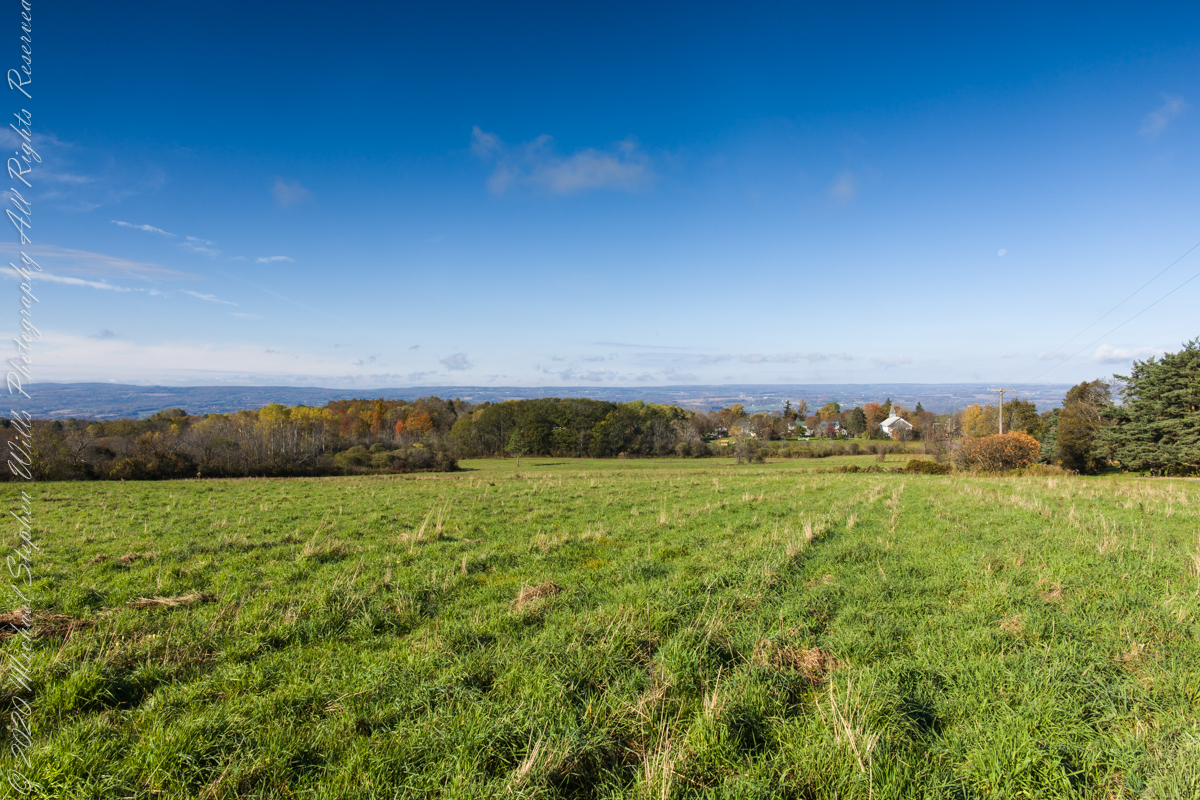
Mornings are best for the west side of Finger Lakes National Forest ridge facing west over Seneca Lake. Set deep between hills, lake water is not visible, the distant land is the west side of the lake.
An abandoned church converted to Community Center is the distant steeple, marking the hamlet of Logan. I played a bit with the vista, moving forward and across, forgoing temptation to bring the autumn foliage front and center as this was private pasture, was 50 feet in as it was.
Click photograph for a larger view. To do this from WordPress Reader, you need to first click the title of this post to open a new page.
Click photograph for a larger view. To do this from WordPress Reader, you need to first click the title of this post to open a new page.
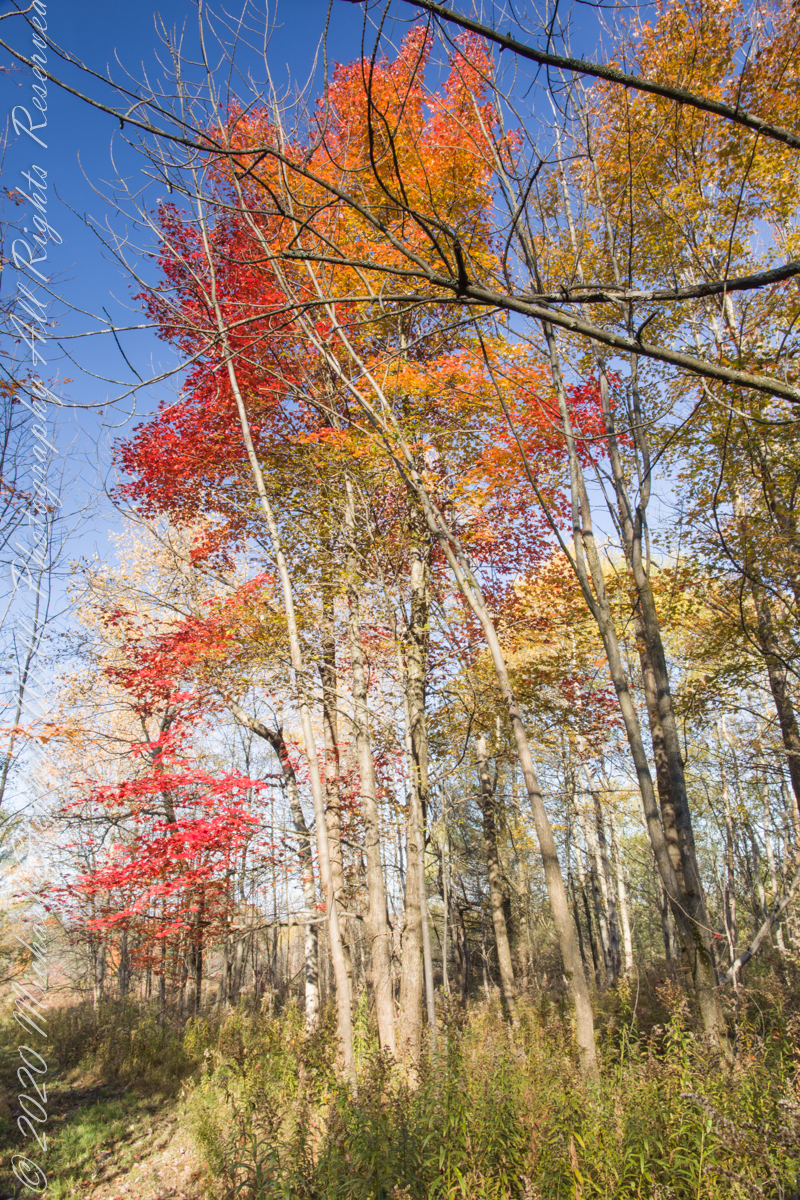
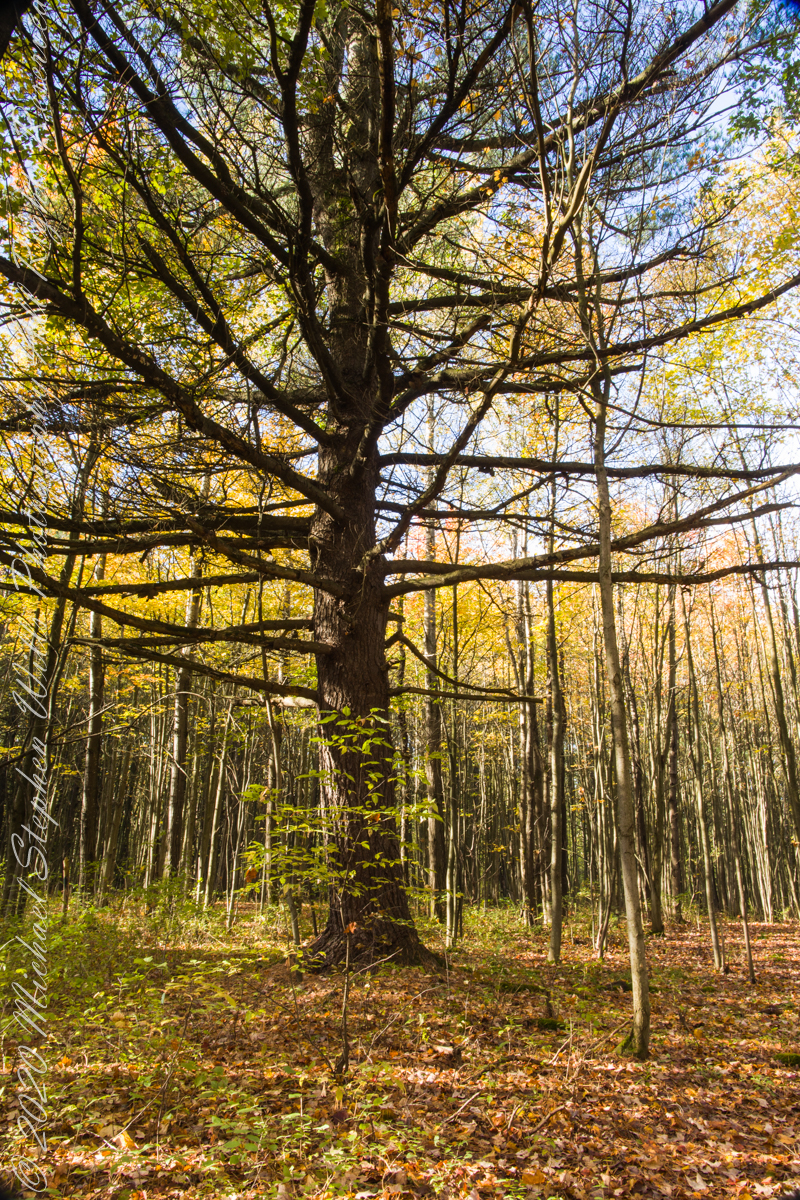
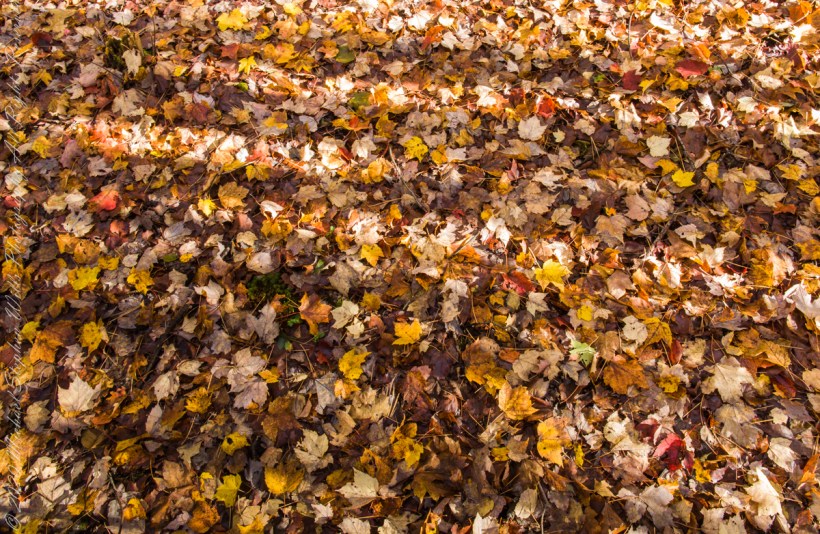
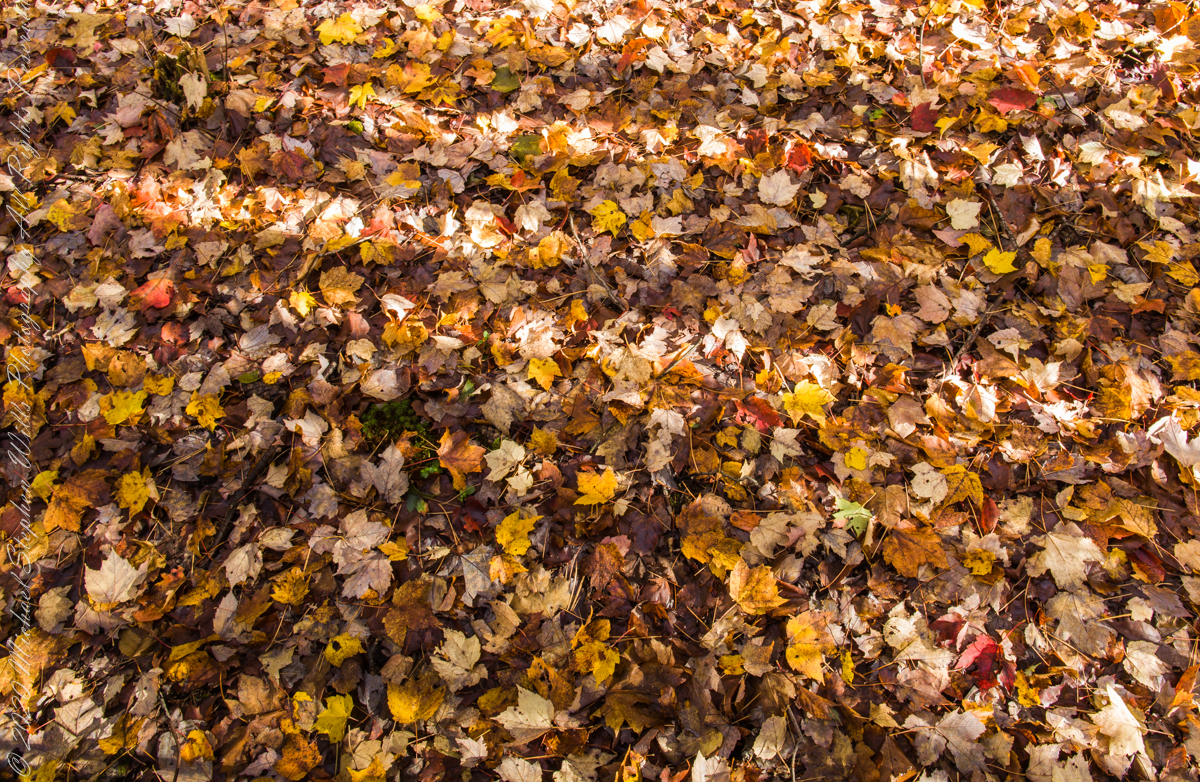
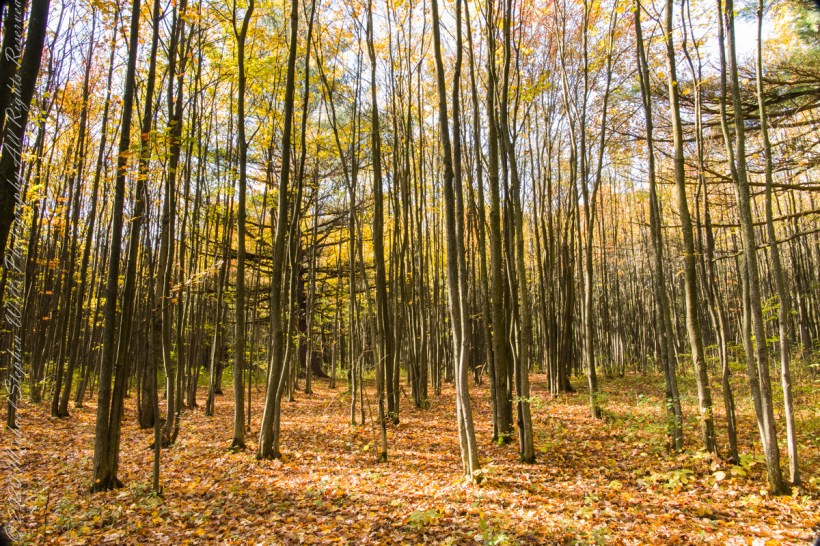
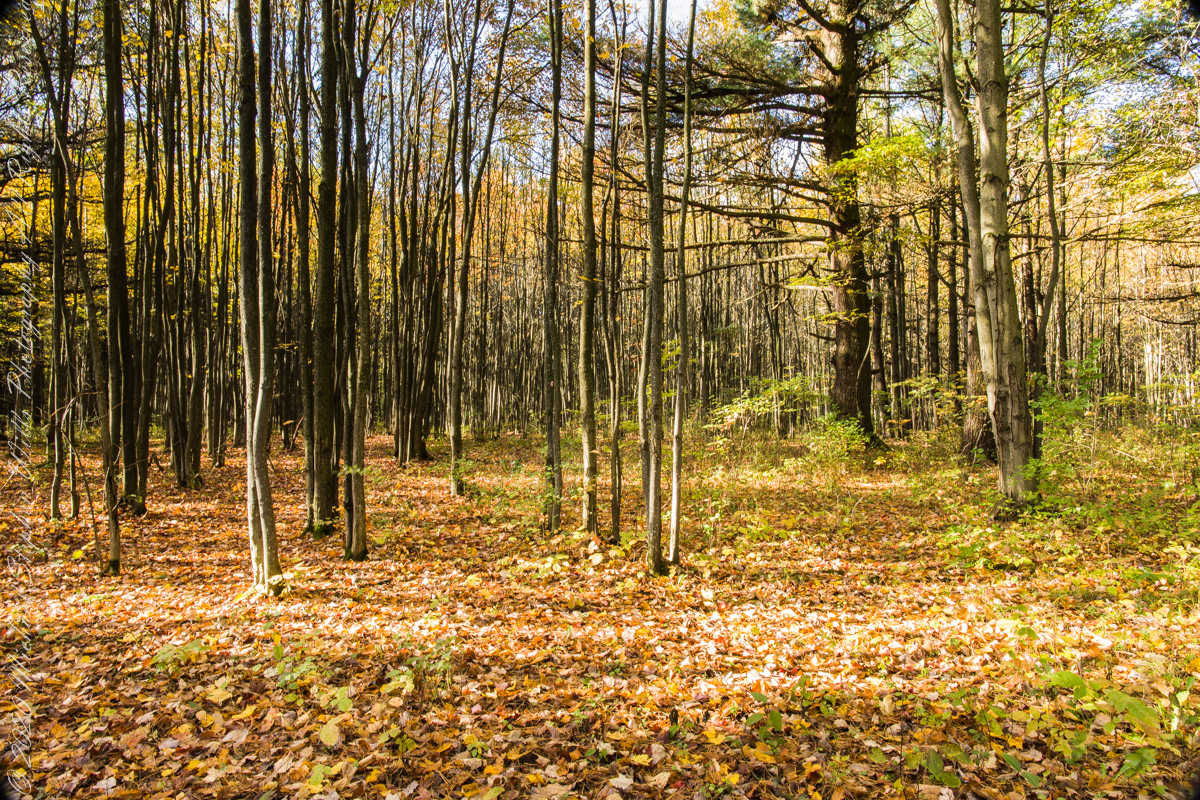
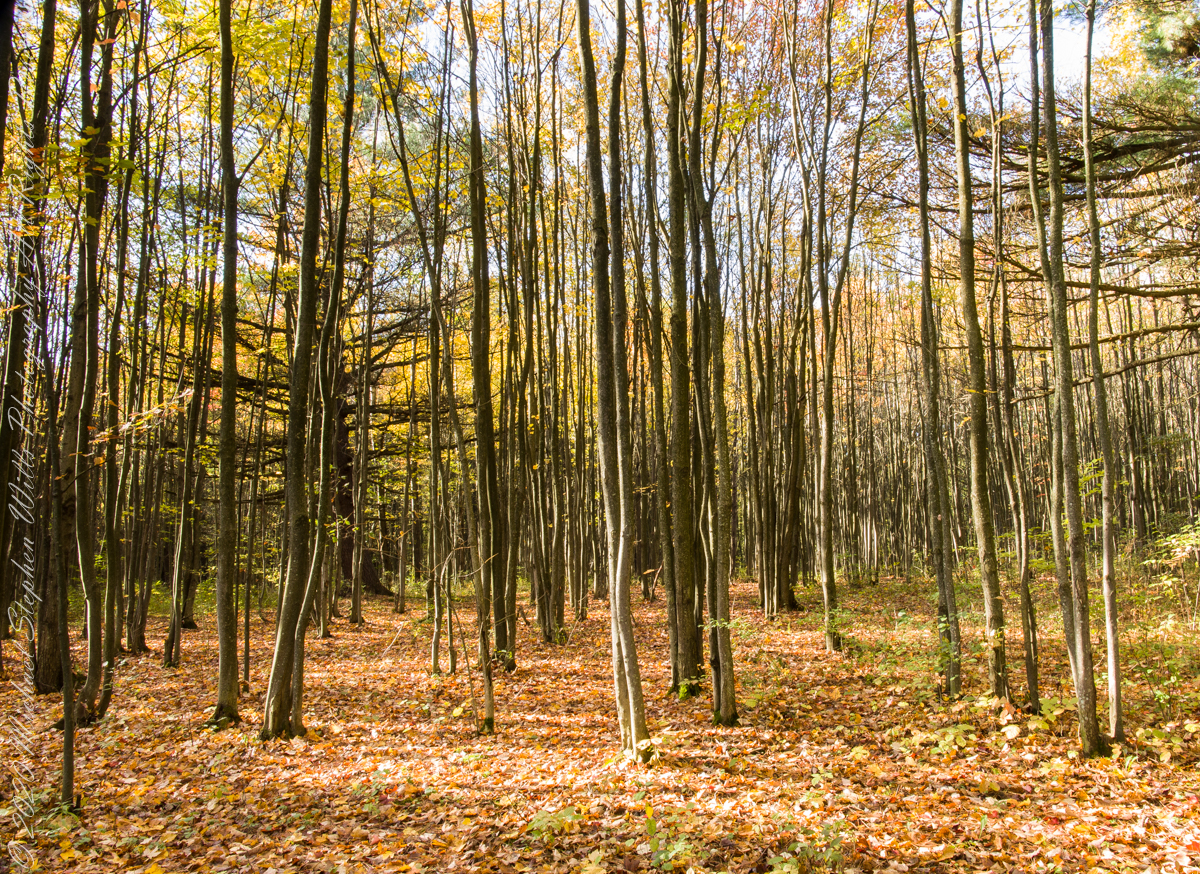
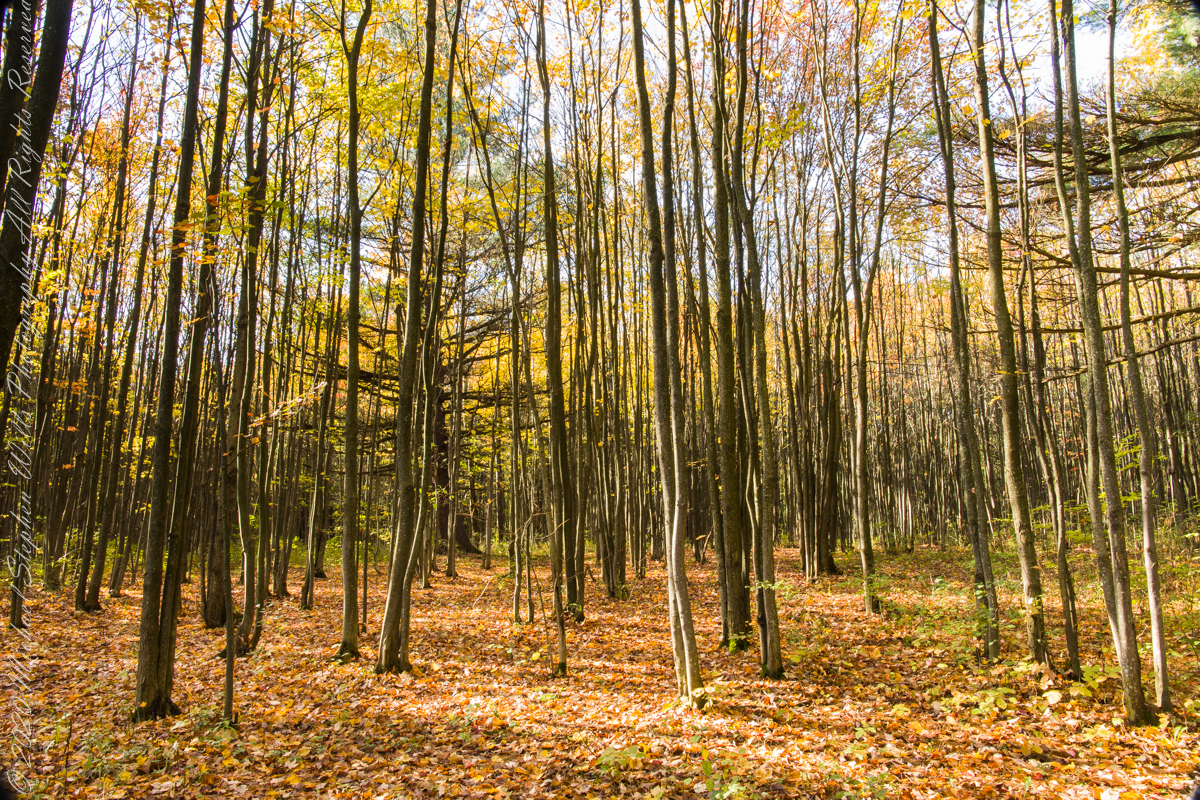
Finger Lakes National Forest is a patchwork of ancient forest, gorges and marginal farmland abondoned for decades such as this emerging forest next to an actively farmed pasture.
In the long history of this forested ridge two Iroquois tribes visited this unproductive land for tree nuts and hunting, unproductive in that the soil did not support agriculture. After the Revolutionary War, the British siding Iroquois tribes were driven away and the land given as one mile square blocks to soldiers, in payment for service. Those who settled this ridge cleared the land and farmed as best they could. During the Depression era, many of these farms were abandoned and others sold to the Federal government.


 Michael Stephen Wills Photography