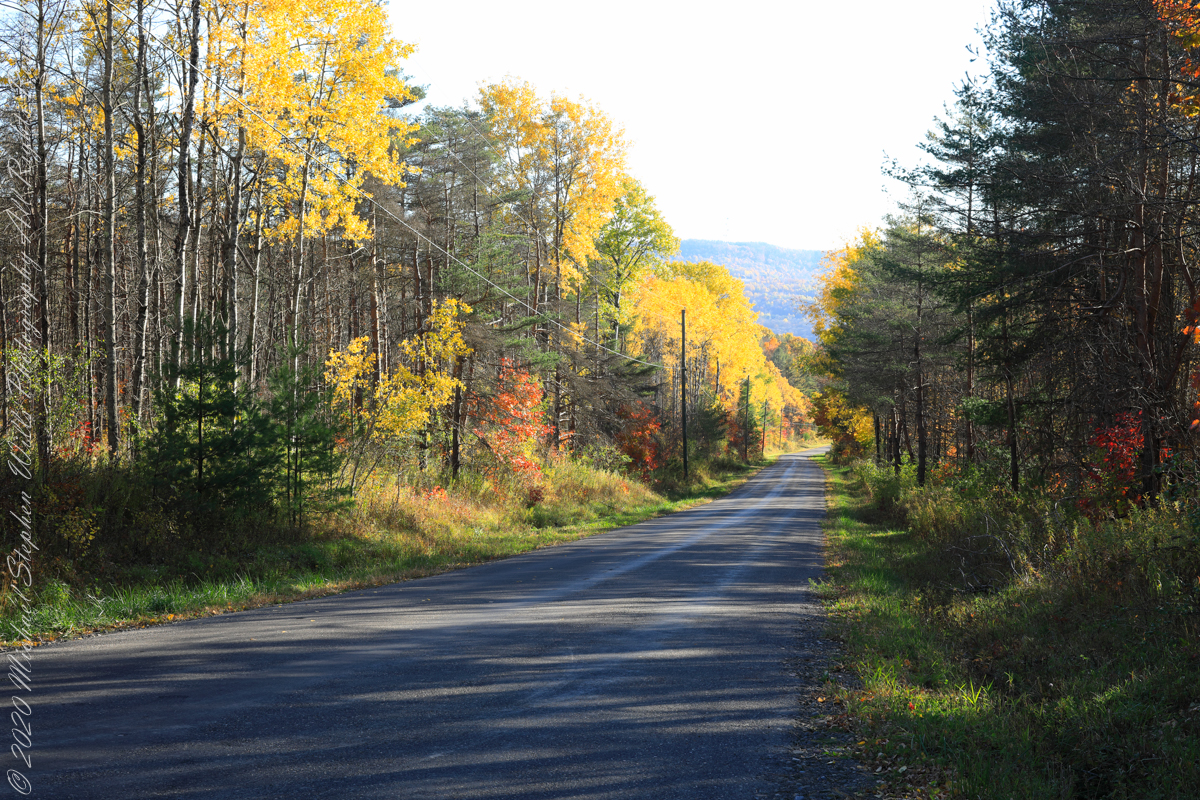
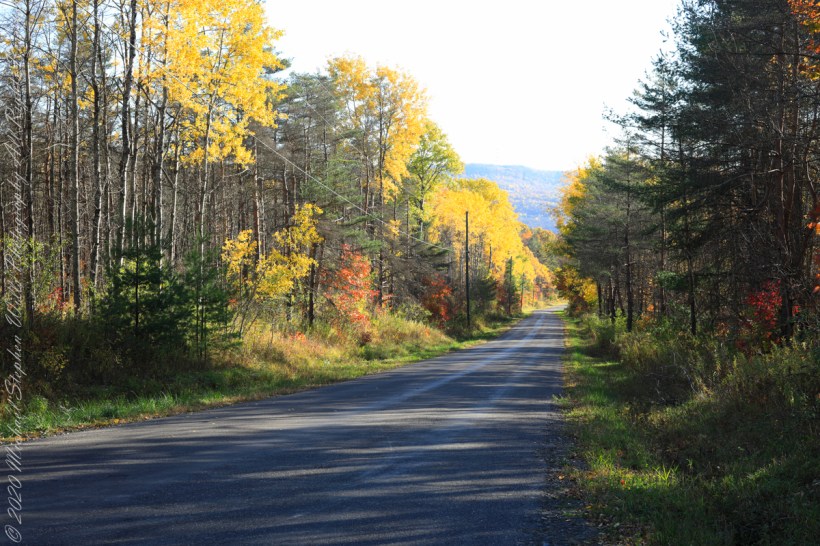
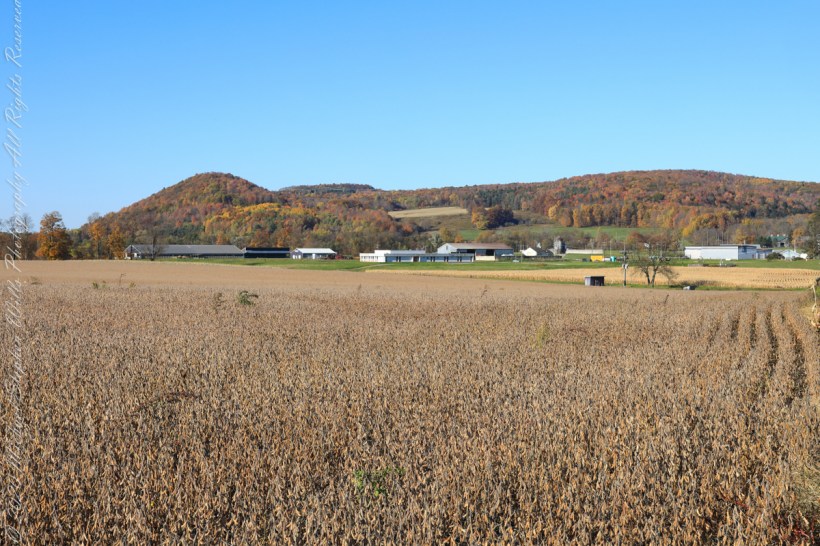
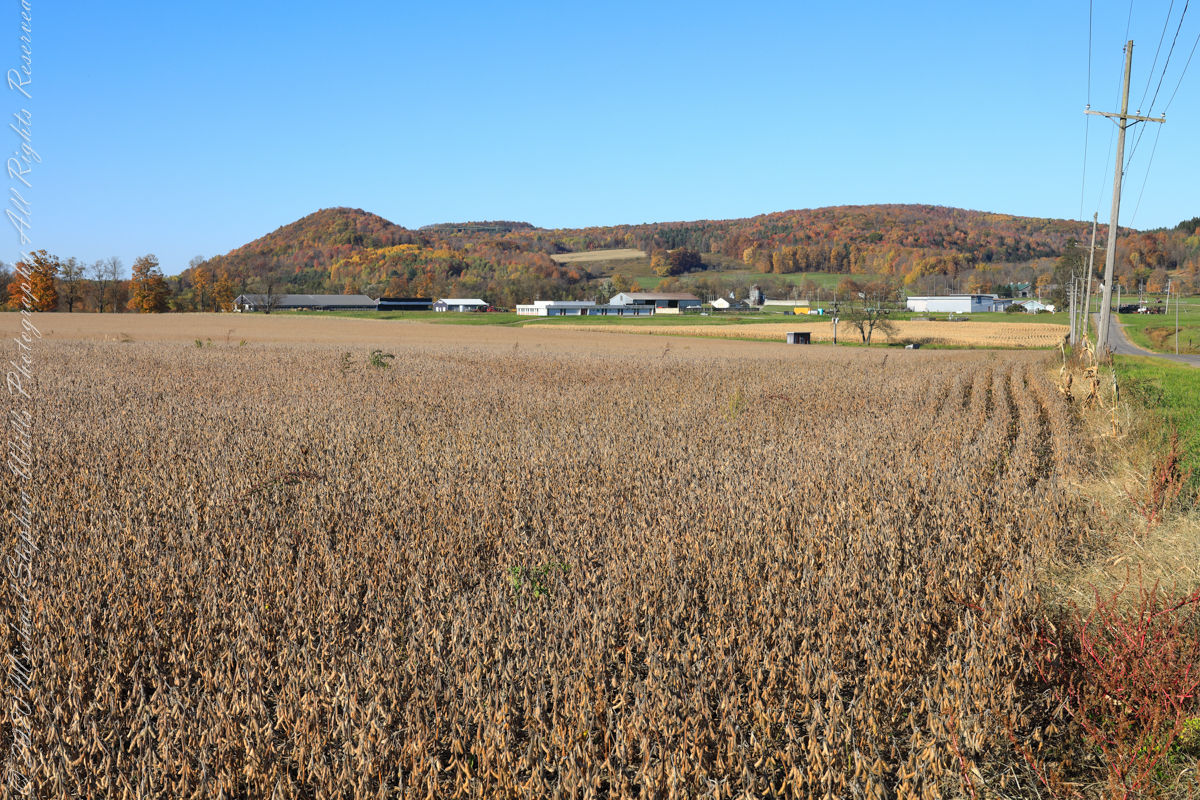
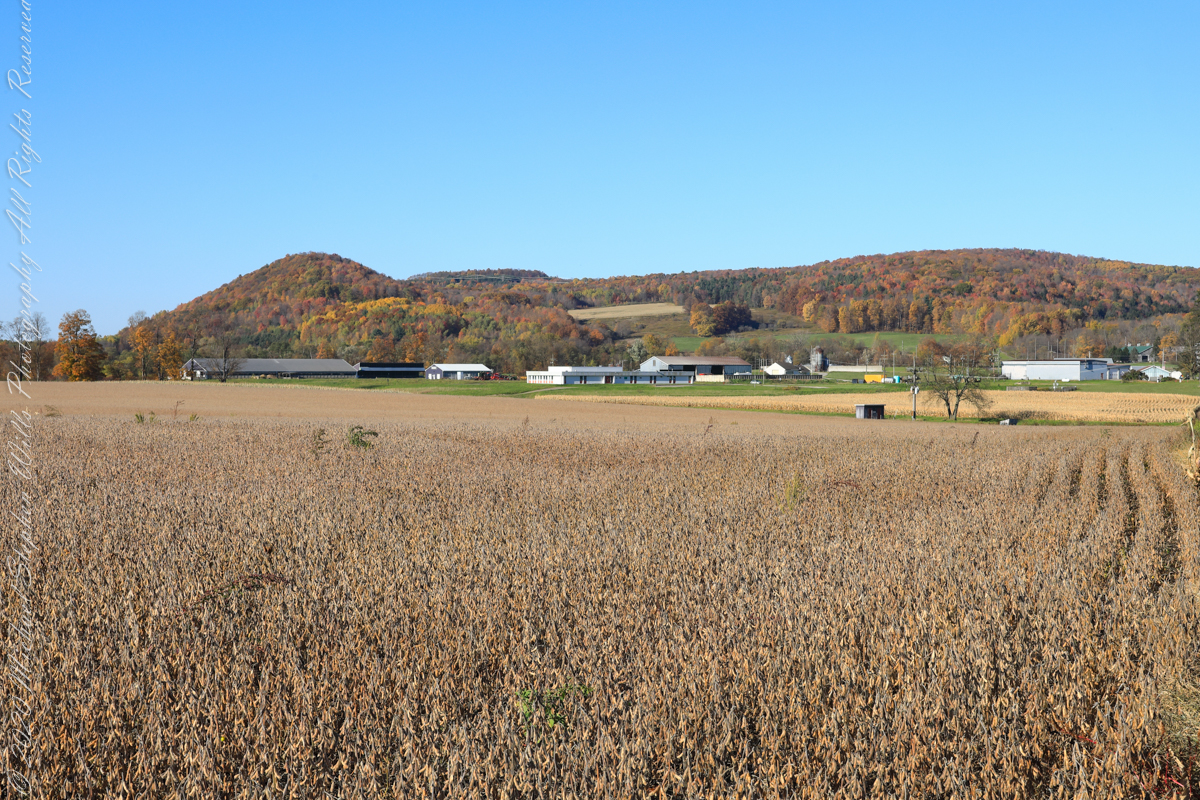
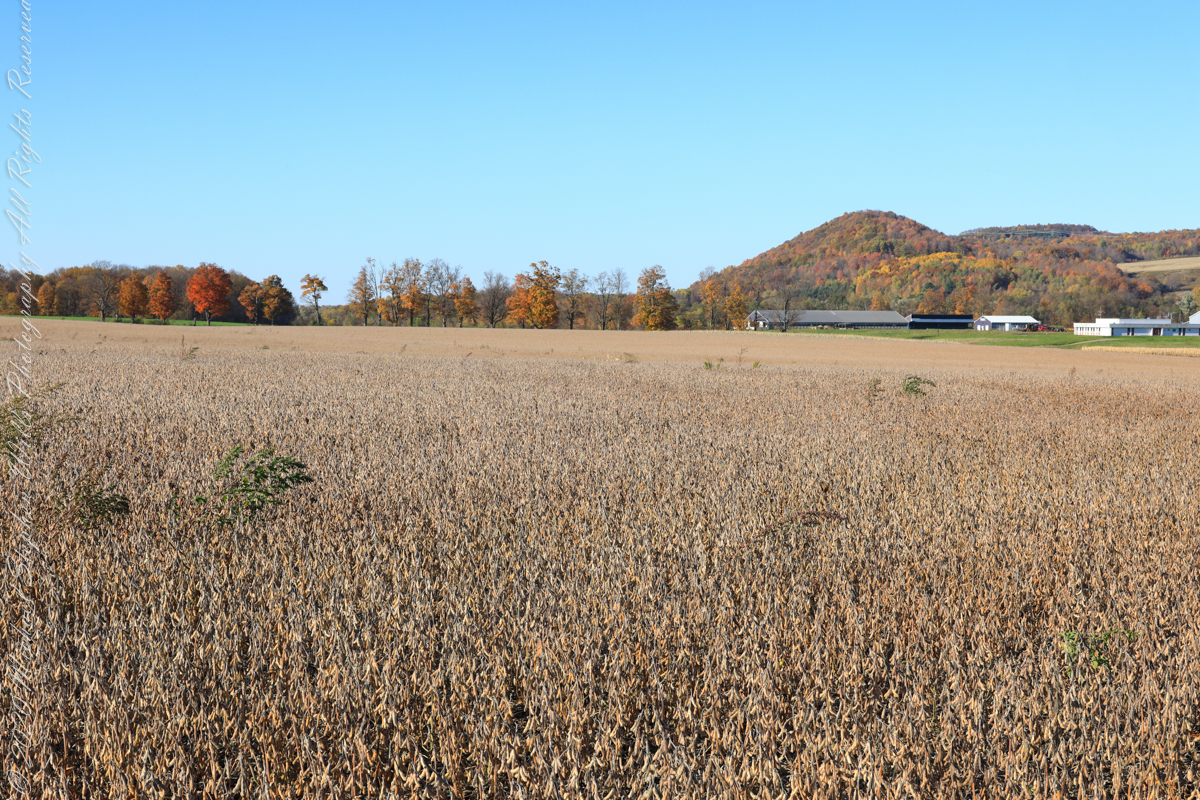
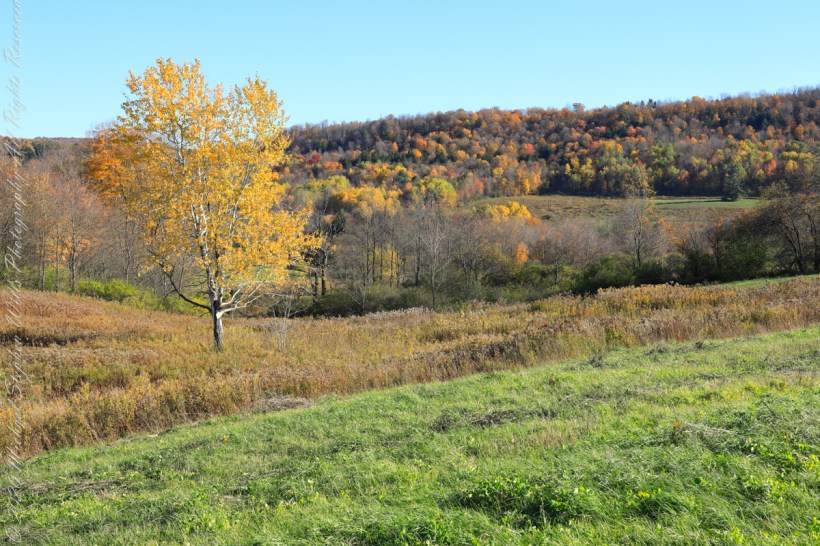
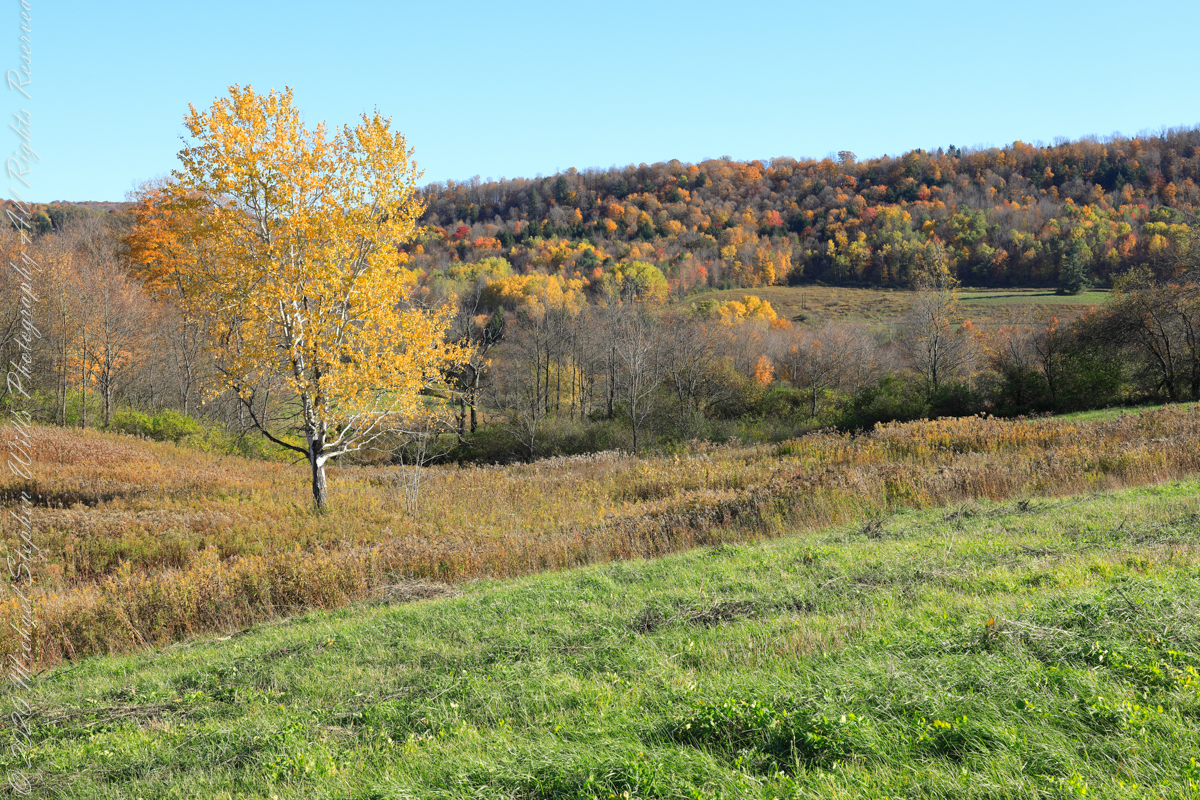
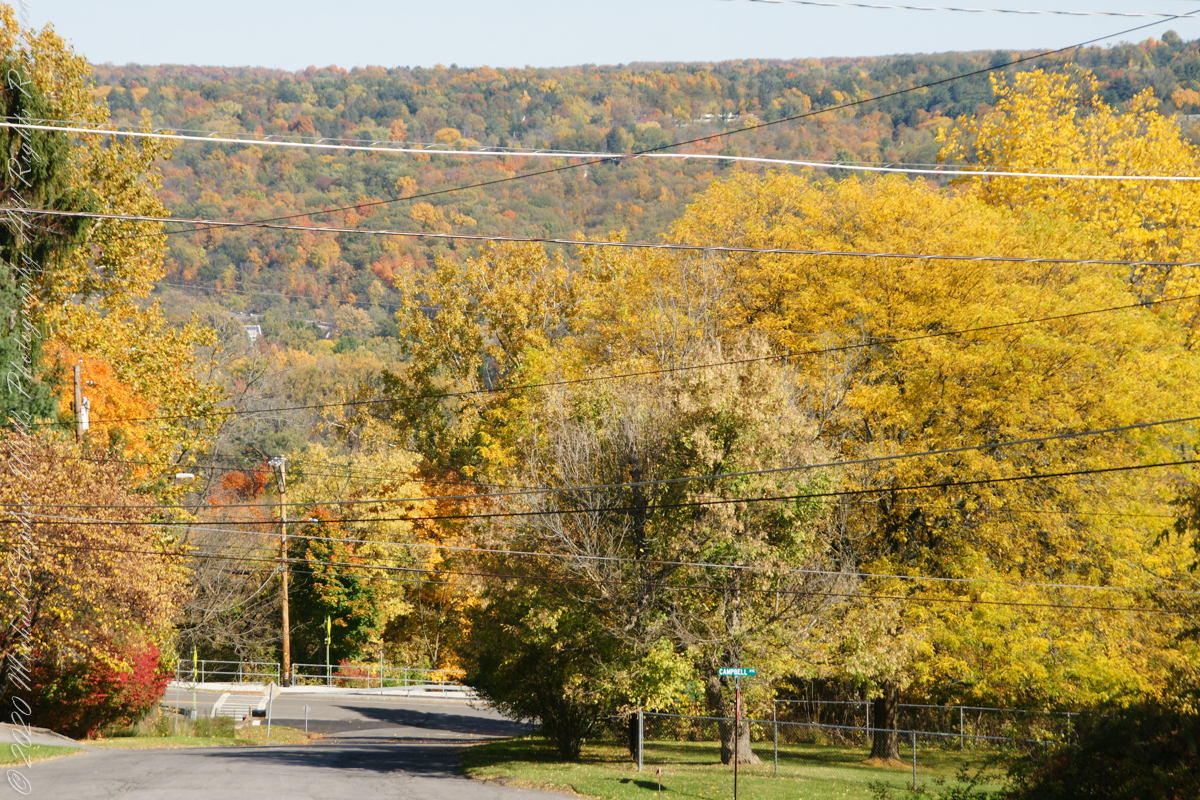
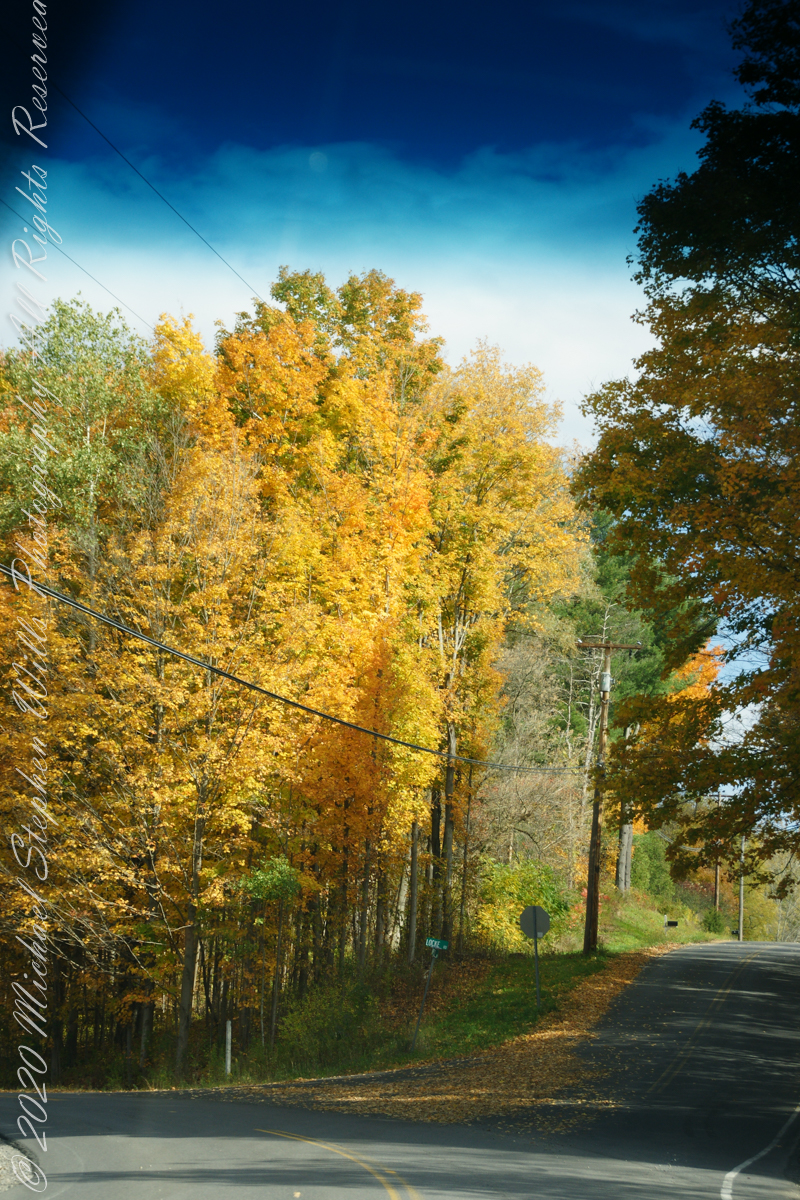
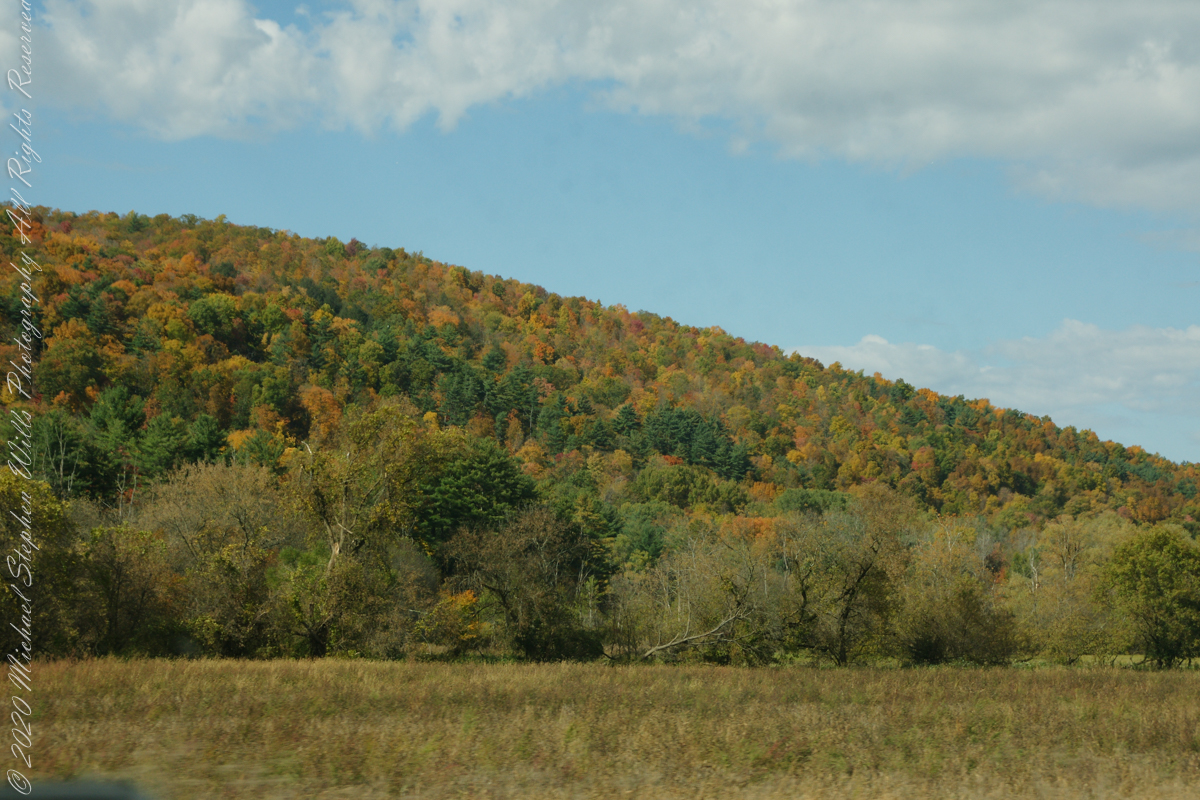
South/Southwest view from the long hill into Harford, stopping to admire the effect of sunlight, dappled shade and bright yellow, orange, red against the distant ridge sheltering Robinson Hollow. Near Harford, Cortland County, New York.
sunlight, dappled shade
South/Southwest view from the long hill into Harford, stopping to admire the effect of sunlight, dappled shade and bright yellow, orange, red against the distant ridge sheltering Robinson Hollow. Near Harford, Cortland County, New York.
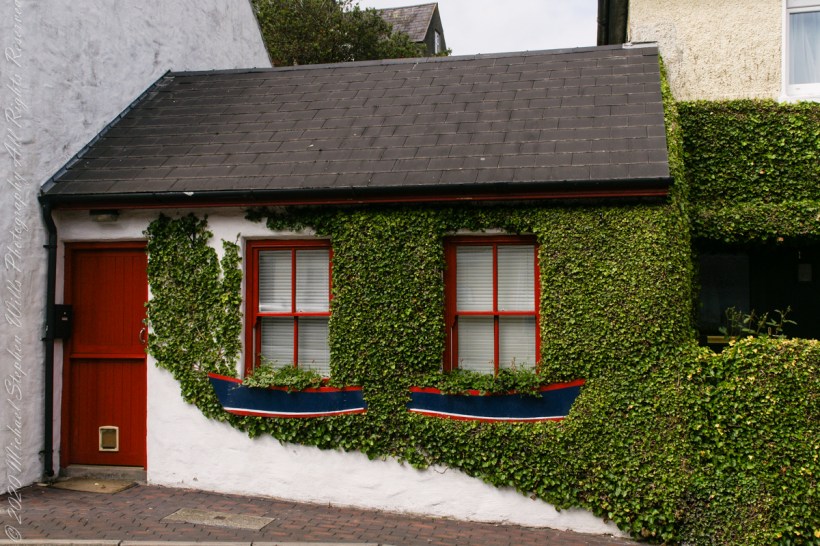
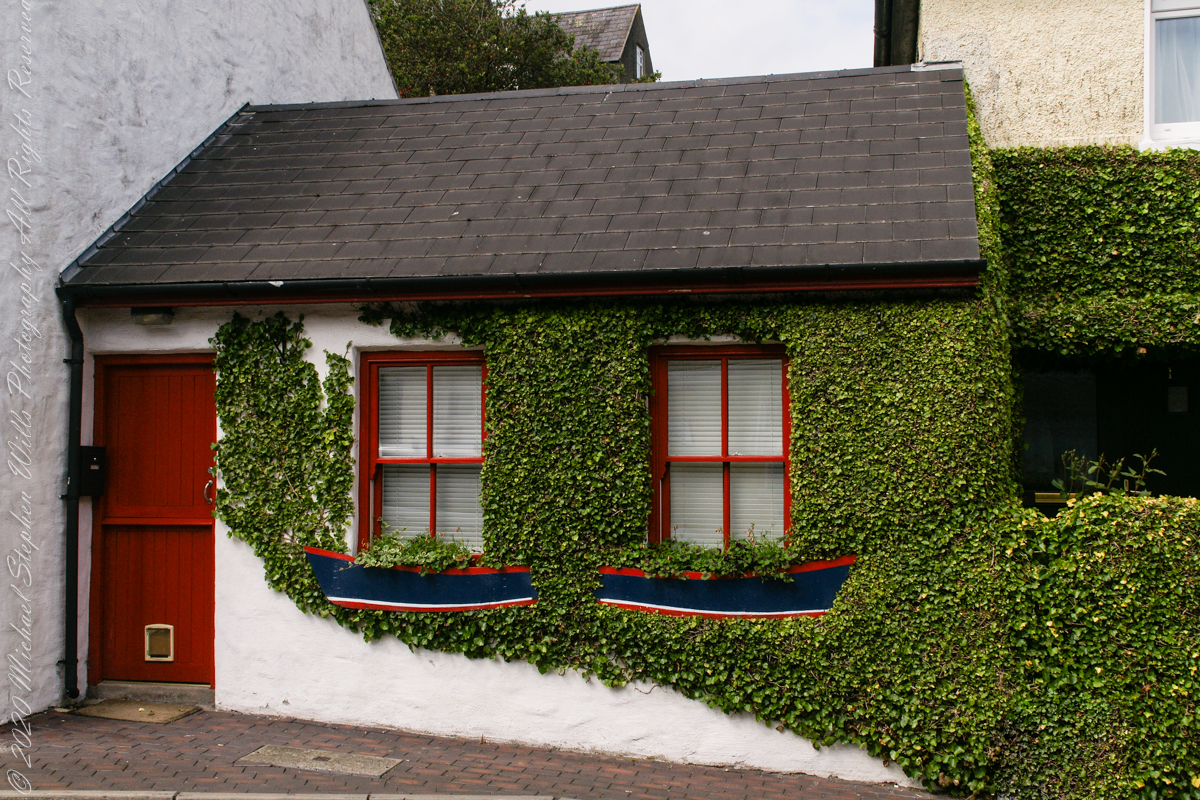
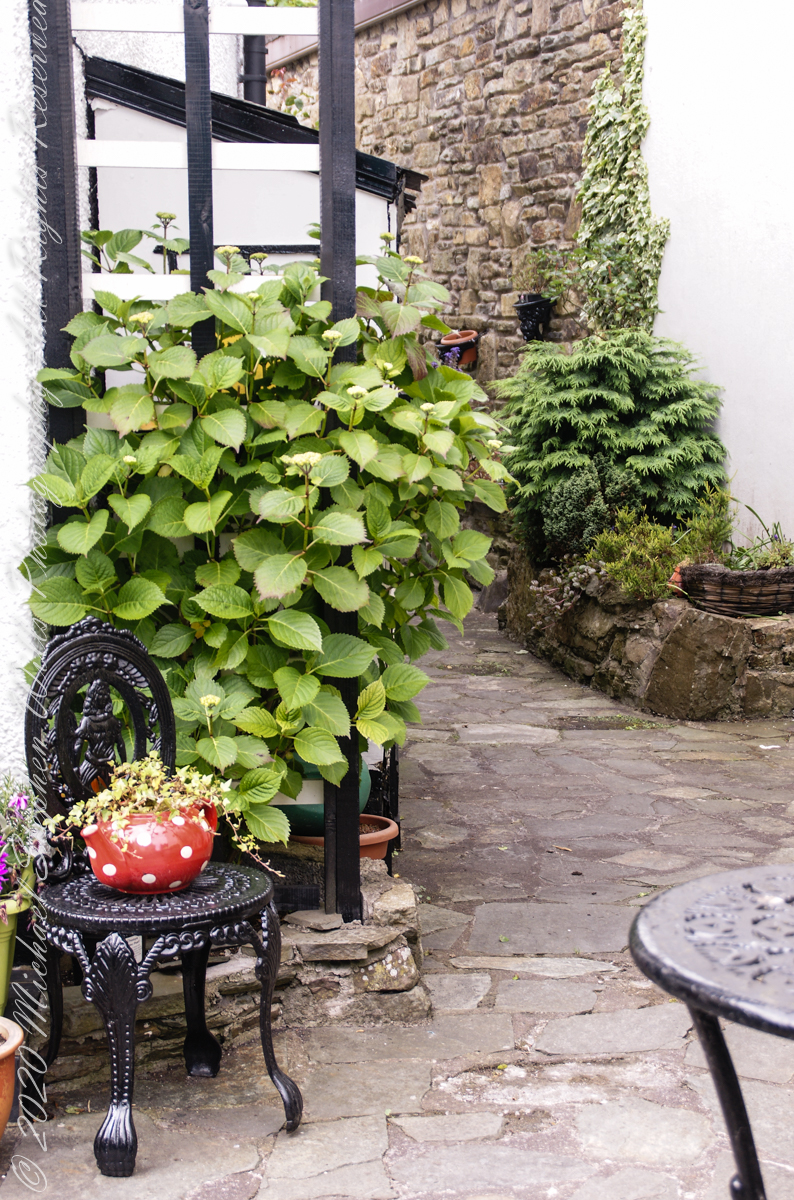
An ivy clad nook
The eighth of a series of idiosyncratic posts from a walking tour of Kinsale by Dermot Ryan. My Sony Alpha 700 captured the events back in May 2014.
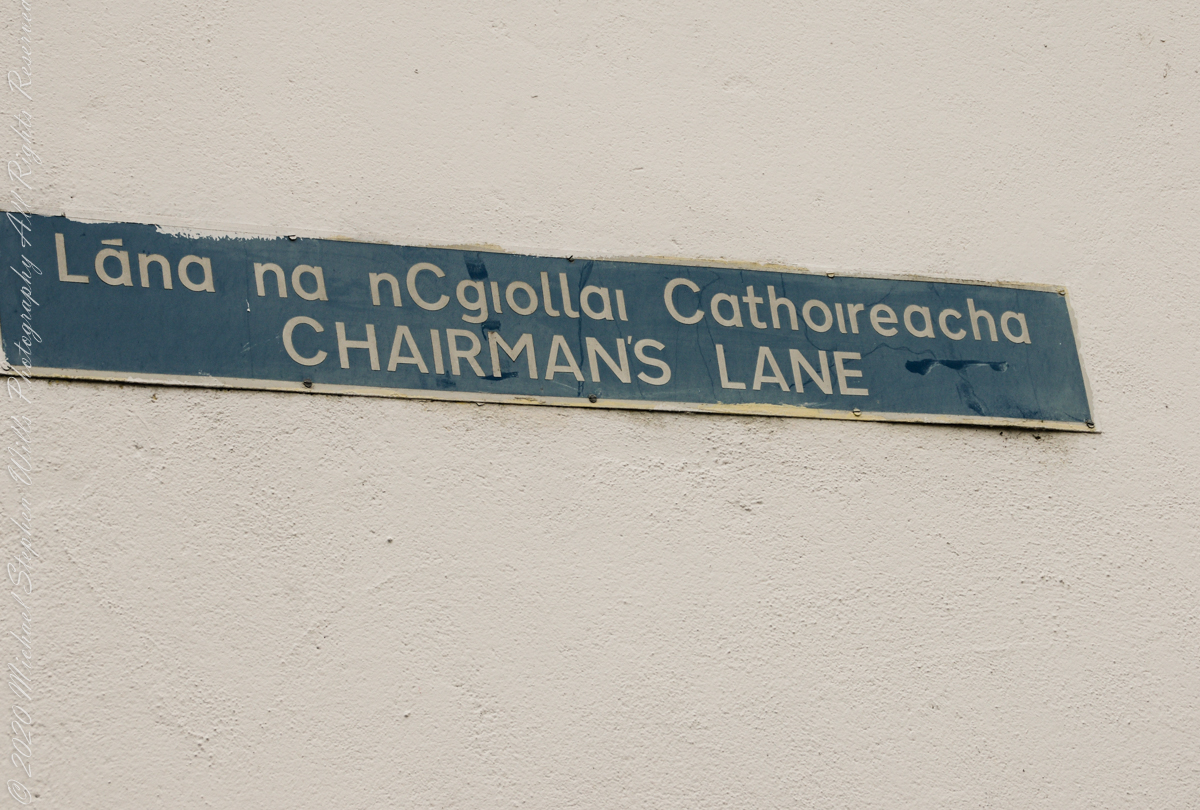
Ducking into an alleyway with the haughty name, “Chairmans’ Way,” we stepped into a different world.
Promising a castle, it delivered these charming offerings.

This doorway, yellow roses (Pam’s favorite) and Calla Lilies.
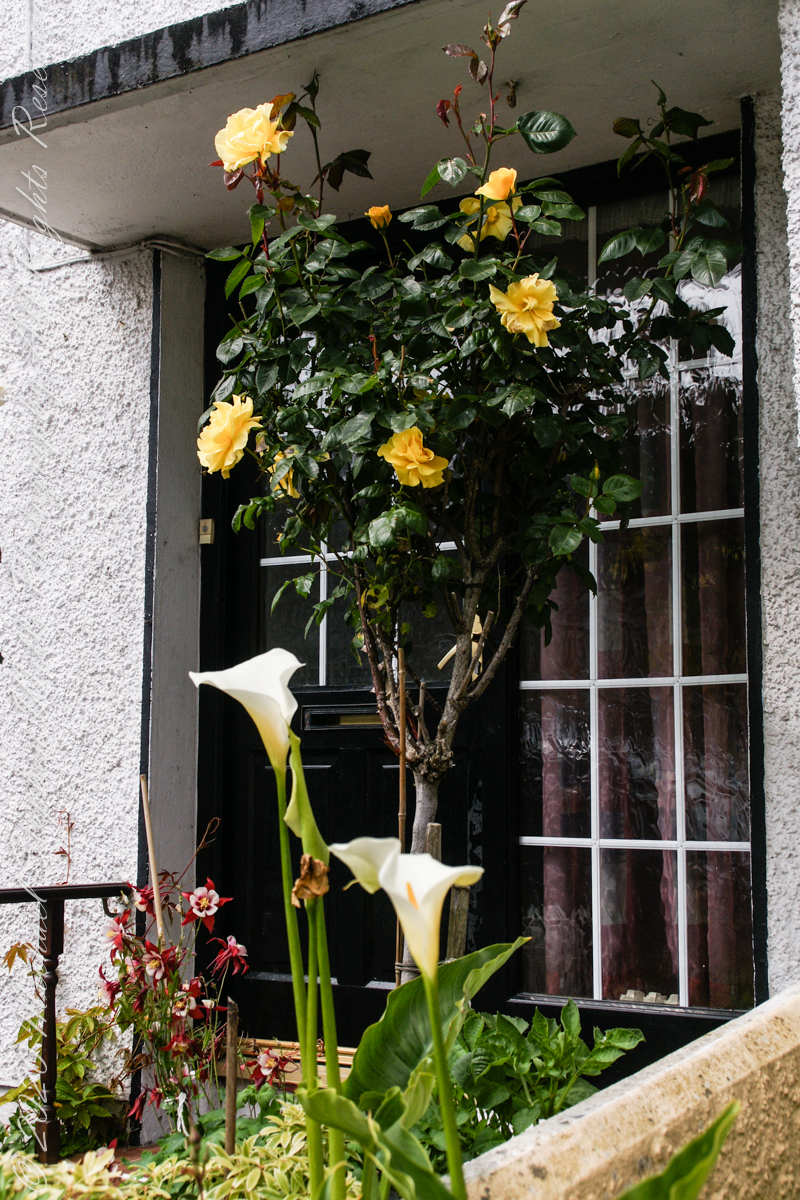
An ivy clad nook / cottage.
Happy Thanksgiving (USA) 2022

Literary Encouragement
The seventh of a series of idiosyncratic posts from a walking tour of Kinsale by Dermot Ryan. My Sony Alpha 700 captured the events back in May 2014.
So much to see around Newman’s Mall, coming upon “Stone Mad.” Possibly a reference to The Maiden Stone of Scotland. Maiden Stone and Persephone, 8th century AD, and 1961, Shaun Crampton. The salmon-pink granite monolith known as the Maiden Stone was erected by the Picts in the eighth century AD at the time when Christianity was filtering into the north-east. It bears, Janus-like, a series of vivid symbols, carved in relief, and, on the other face, a round-headed cross, set between a possible cavalry scene and a great roundel filled with interlace. The symbols, which are vigorously carved in relief and include a beast or dolphin, mirror and comb, look back to the powerful range of animal and object symbols used as a kind of heraldry on memorial stones in the two previous centuries. The cross side indicates its use as a preaching site during the conversion of the Picts. The notch out of the northern edge of the stone has fed a legend concerning the daughter of the laird of Balquhain who was baking bannocks on her wedding day and bet a stranger that she could finish her task before he had built a road to the top of Bennachie, ‘ere she would become his own’. Being the Devil, he won: she took to her heels and, in answer to her prayers, was turned to stone as he caught her, the notch being the spot where he grasped her

Looking outside through window bars, viewing a quote written carefully in white paint on slate, written of the Misses Morkan’s of “The Dead”, in James Joyce’s 1914 short story collection, “Dubliners.”

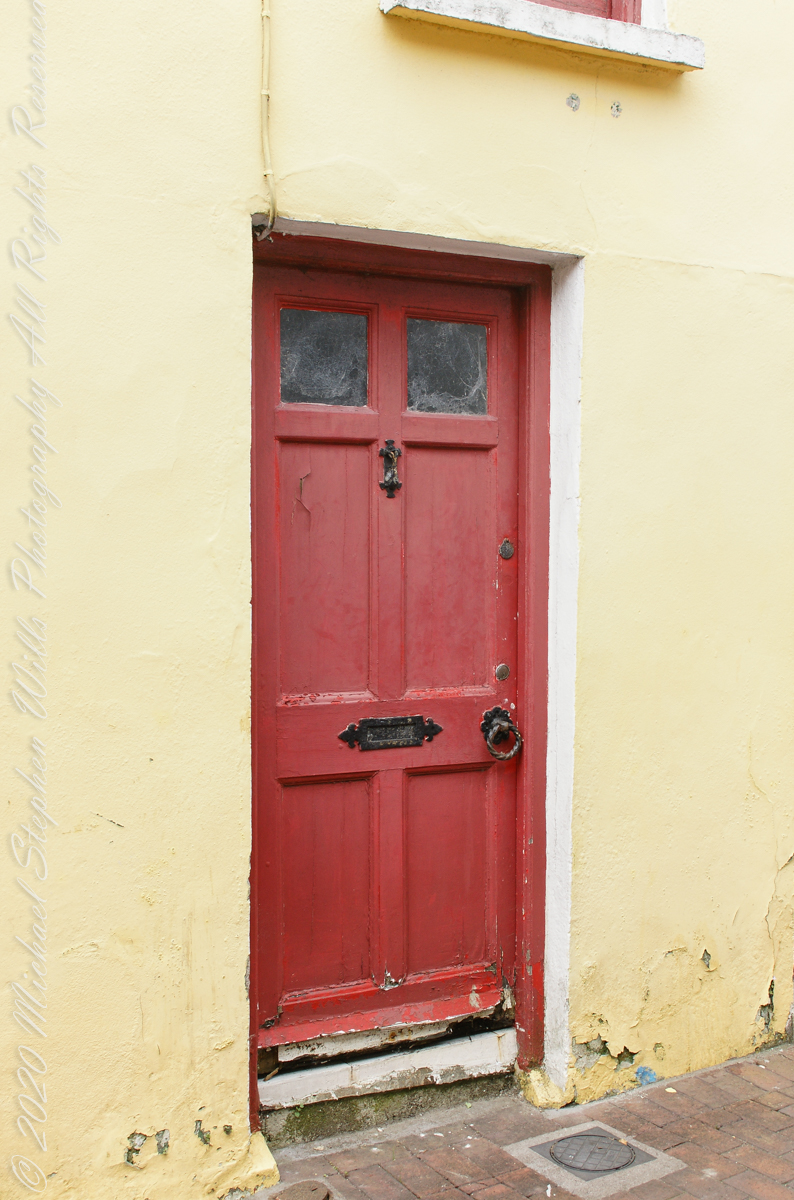
What is behind a fascinating red door in the yellow wall that held the above quote.
A cosy nook….
Driven Wells in Cortland County
For this series I travelled a short distance south from where Palmer Road intersects with Virgil Road, crossing the border from Tompkins to Cortland County, closer to Carpenter Hill.
In the 19th Century driven wells (also called tube wells) were an innovation developed in Cortland County under the command of a Civil War era Colonel Nelson W. Green who sought for twenty-two years to impose royalties on use of driven wells. I.H. Palmer assisted John W. Sugget, both of Cortland County, in a seminal patent law case they won in U.S. Supreme Court seeking the release from royalty payments from thousands of driven well installations throughout the Eastern and Midwestern United States. Their successful argument was for two years before any patent application, in Cortland County, driven wells were in use. I cannot say Palmer Road has a connection to I.H. Palmer, though it is an interesting historical aside.
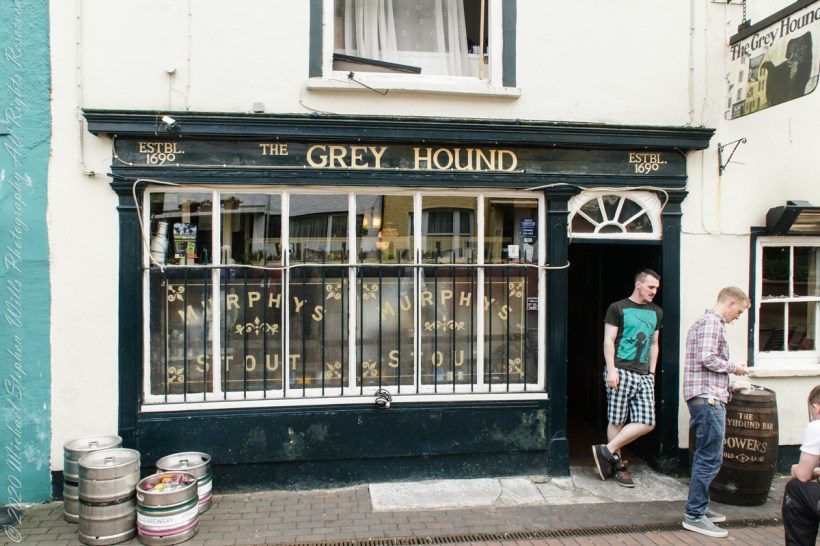
Since 1690
The sixth of a series of idiosyncratic posts from a walking tour of Kinsale by Dermot Ryan. My Sony Alpha 700 captured the events back in May 2014.
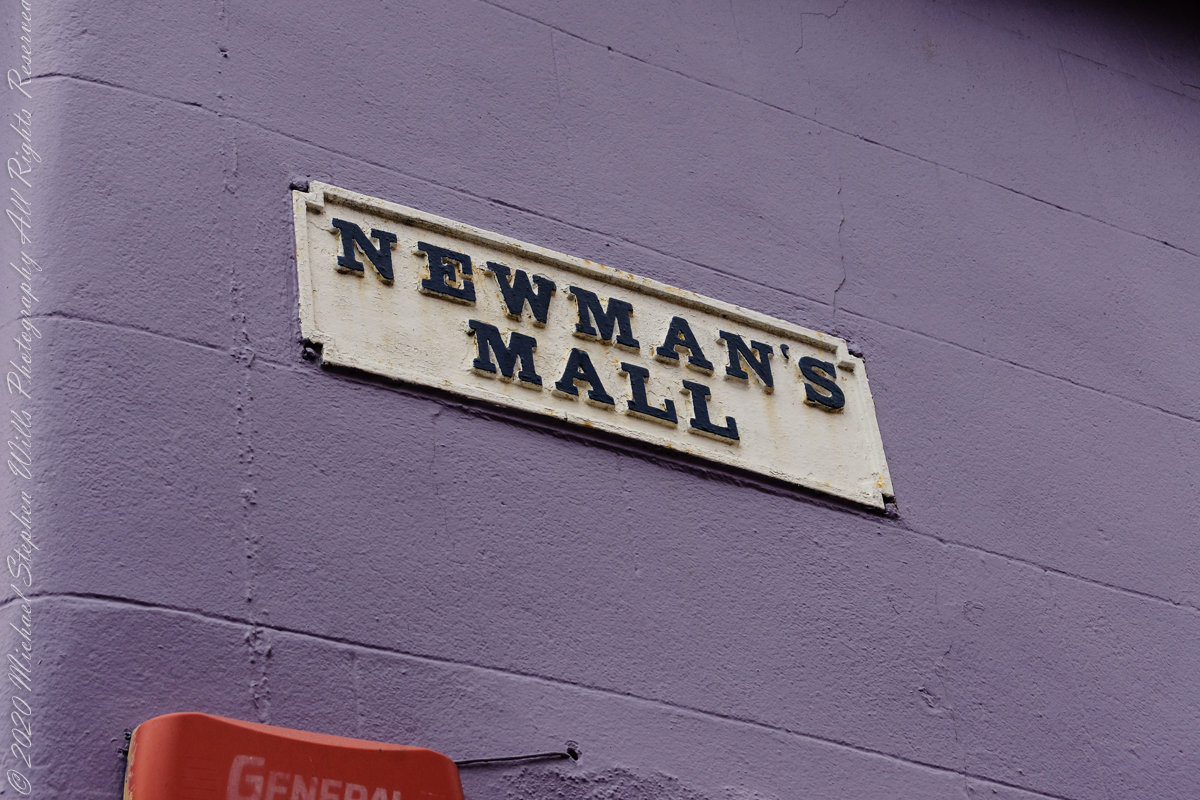
Walk across the square from the Museum to Newman’s Mall, the ancient heart of Kinsale.
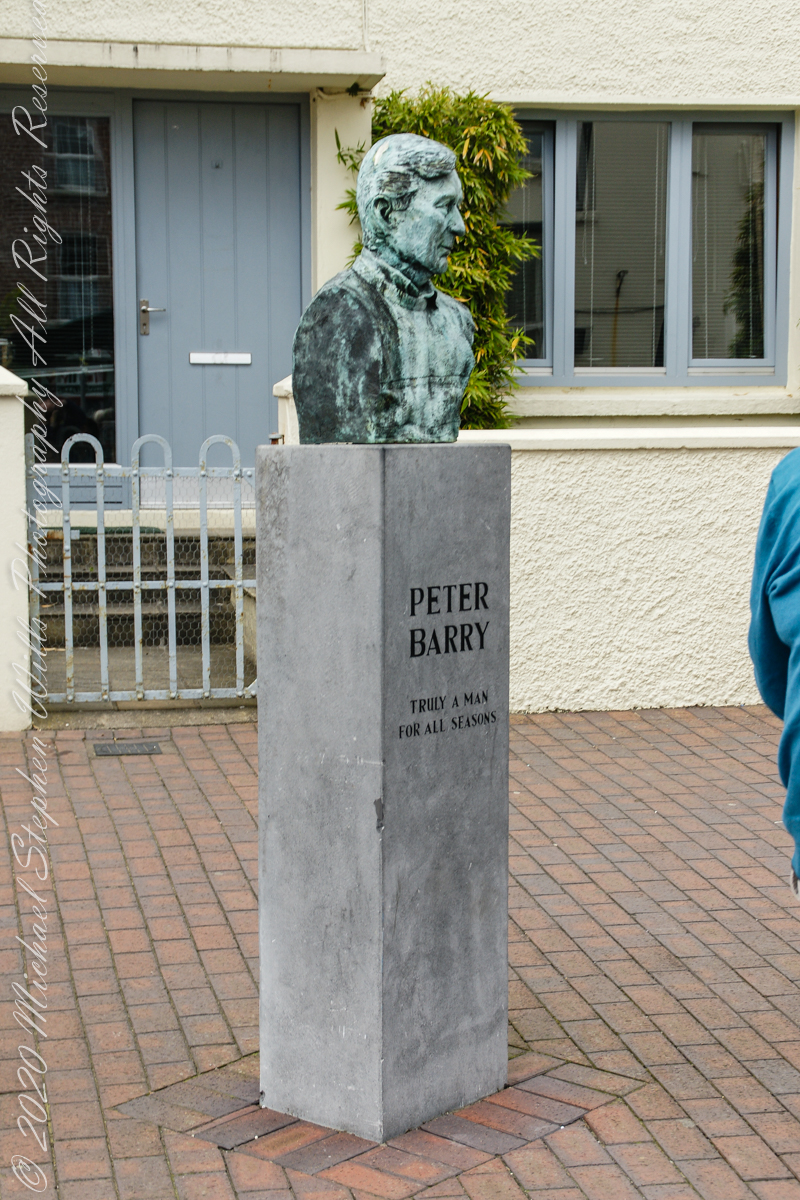
Within Market Place is this bust and memorial to Peter Memorial. the plaque text reads: “Peter Barry arrived in Kinsale in 1963 and settled in Scilly where he made his home. In those early years he operated and developed Scilly’s unique Spaniard Pub and the Man Friday restaurant, and later the Grey Hound Bar in Market Place. Peter Barry’s vision and selfless commitment to making Kinsale the ‘jewel in the crown’ of Irish tourism inspired others to join with him to work on a voluntary basis for the common good of the town. This led to the formation of organizations such as the Good Food Circle of Restaurants, and the Kinsale Chamber of Tourism. Many events followed such as the Wild Geese Weekends of the 70’s, the annual Gourmet Festival, International Food Forums, the Wine Museum at Desmond Castle and others which extended Kinsale’s tourism season to being an all year round affair. Kinsale and its community owes a great debt of gratitude to Peter Barry -Truly a Man for all Seasons.”
There is the Greyhound Pub, among the rest, at one time run by Mr. Peter Barry.
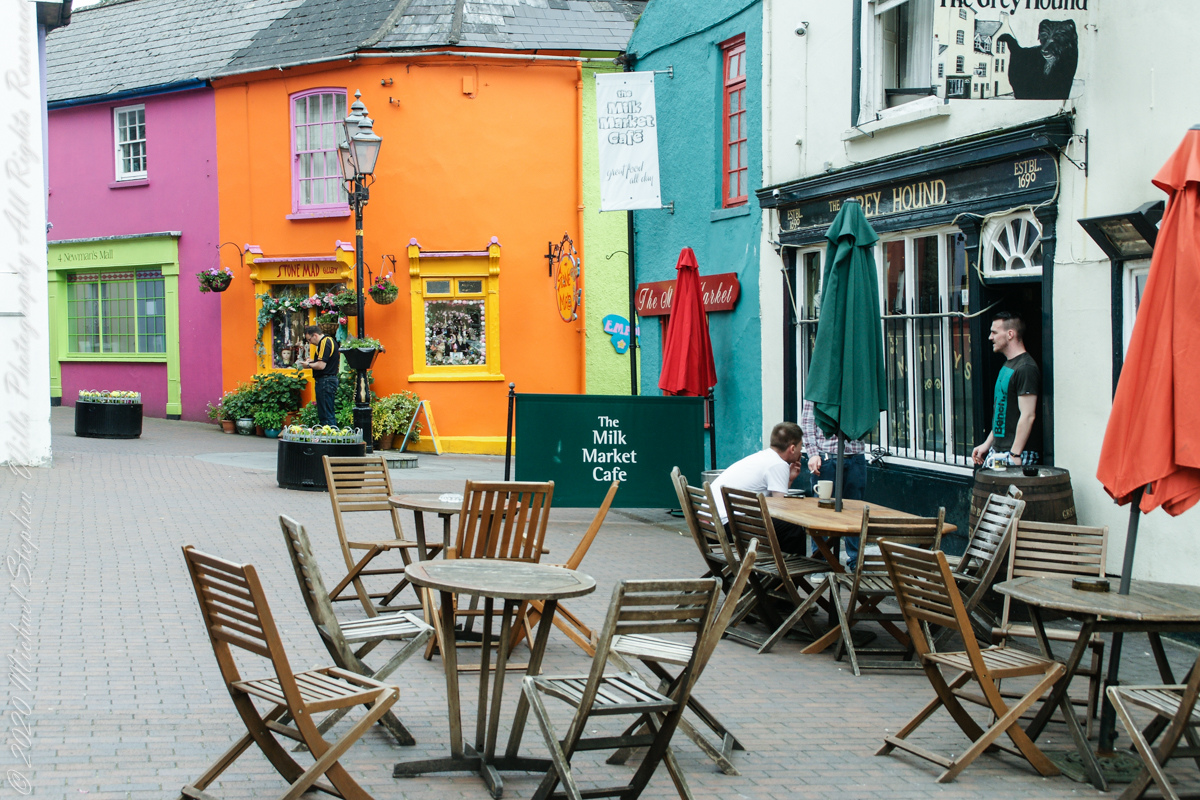
And again…..”Established 1690″ indeed.
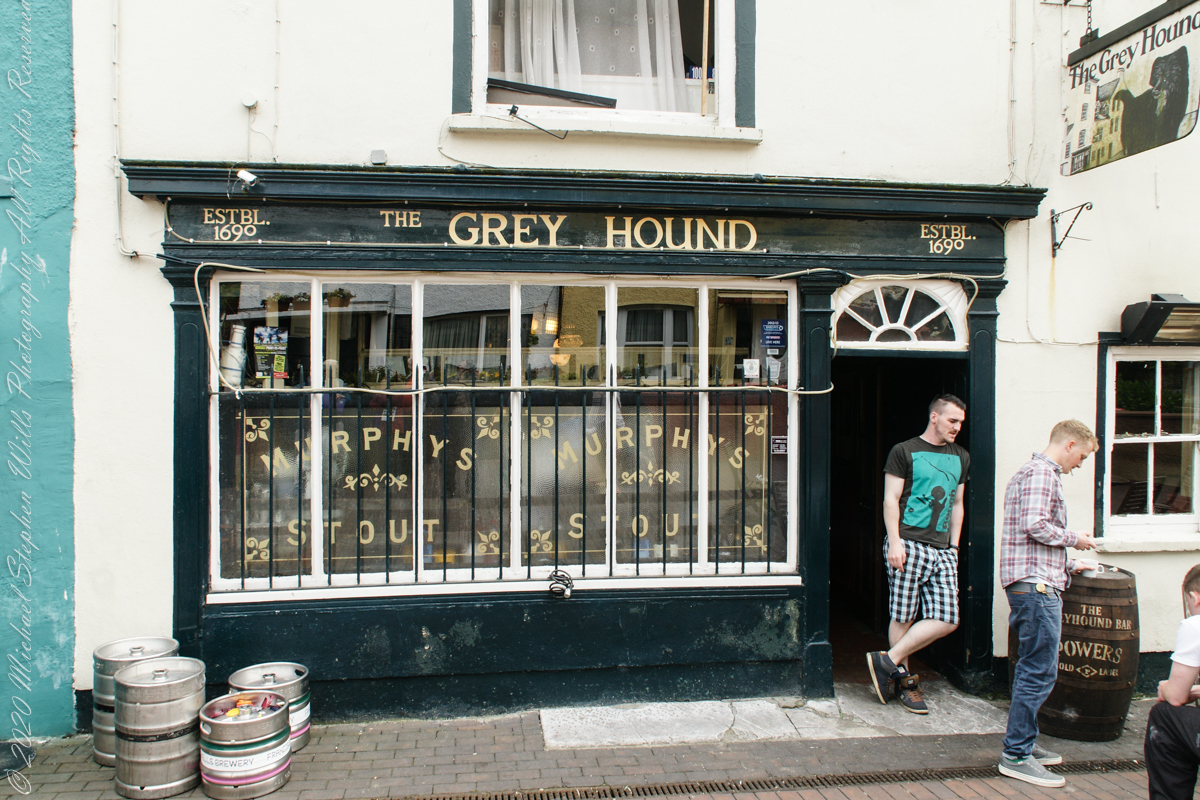
The oldest pub in Kinsale, or anywhere.
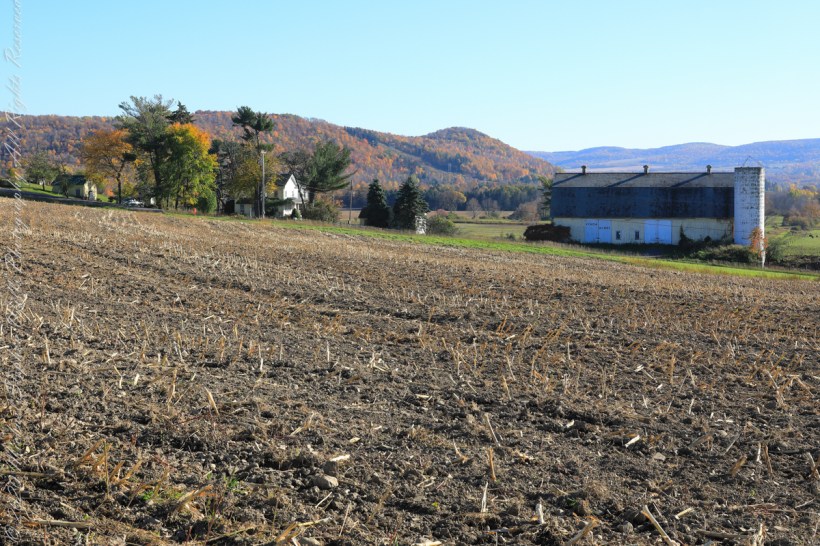
Drumlin, from the Irish word droimnín (“littlest ridge”)
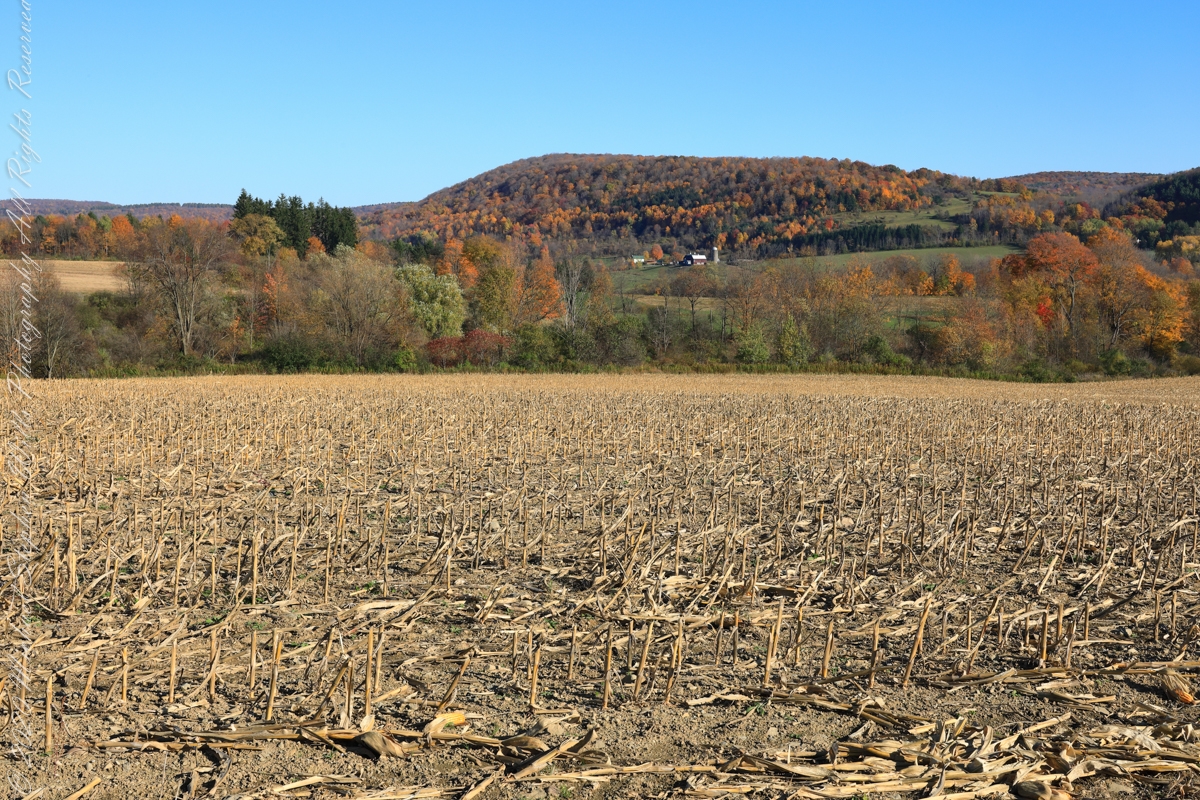
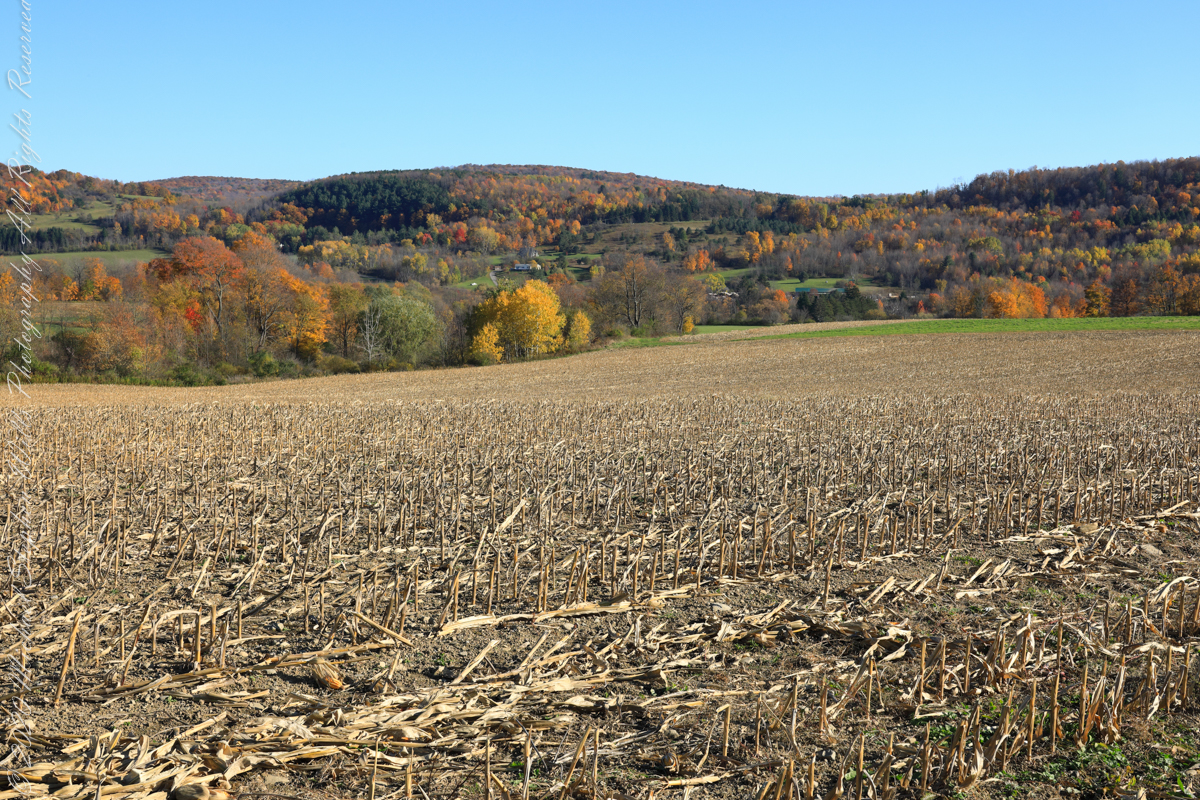
Carpenter Hill from Virgil Road, Route 392, looking across cornstalk stubble and McClintock Road, a faded yellow barn with “Vinda Acres” written on the doors.
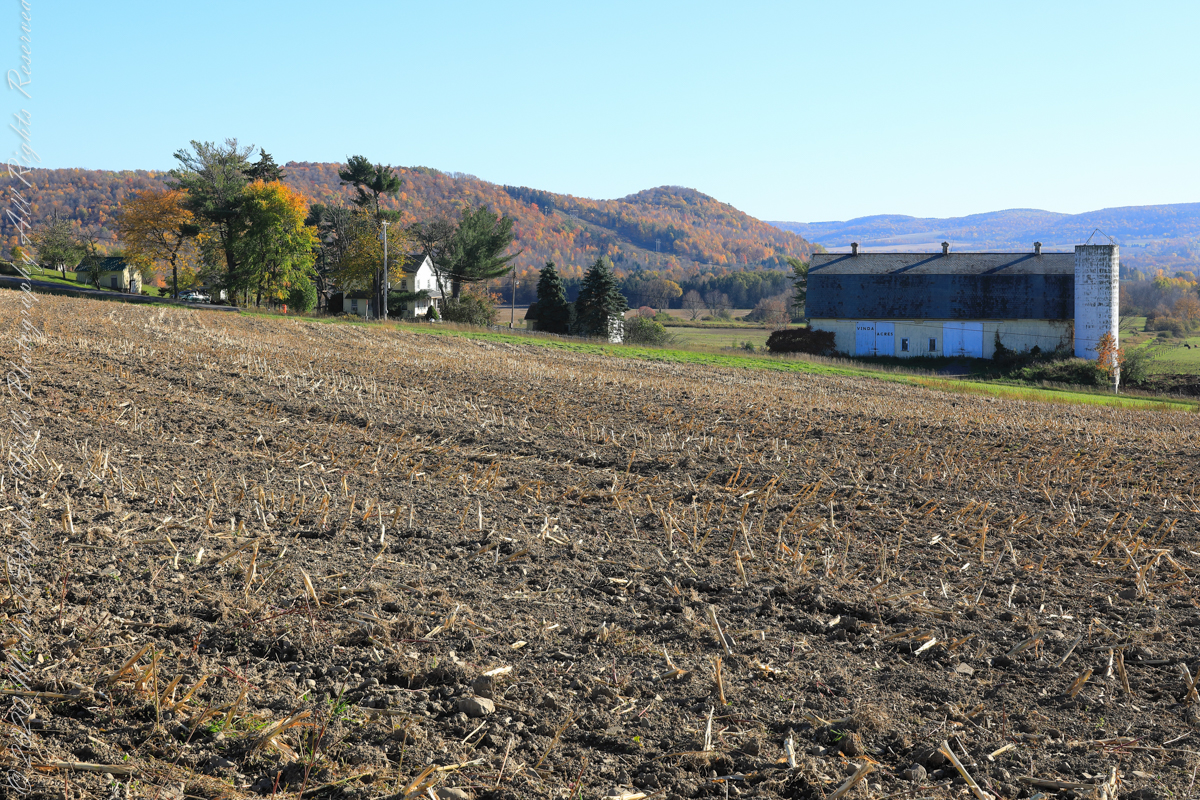
The hill is clearly a drumlin. A drumlin, from the Irish word droimnín (“littlest ridge”), first recorded in 1833, is an elongated hill in the shape of an inverted spoon or half-buried egg formed by glacial ice acting on underlying unconsolidated till or ground moraine.
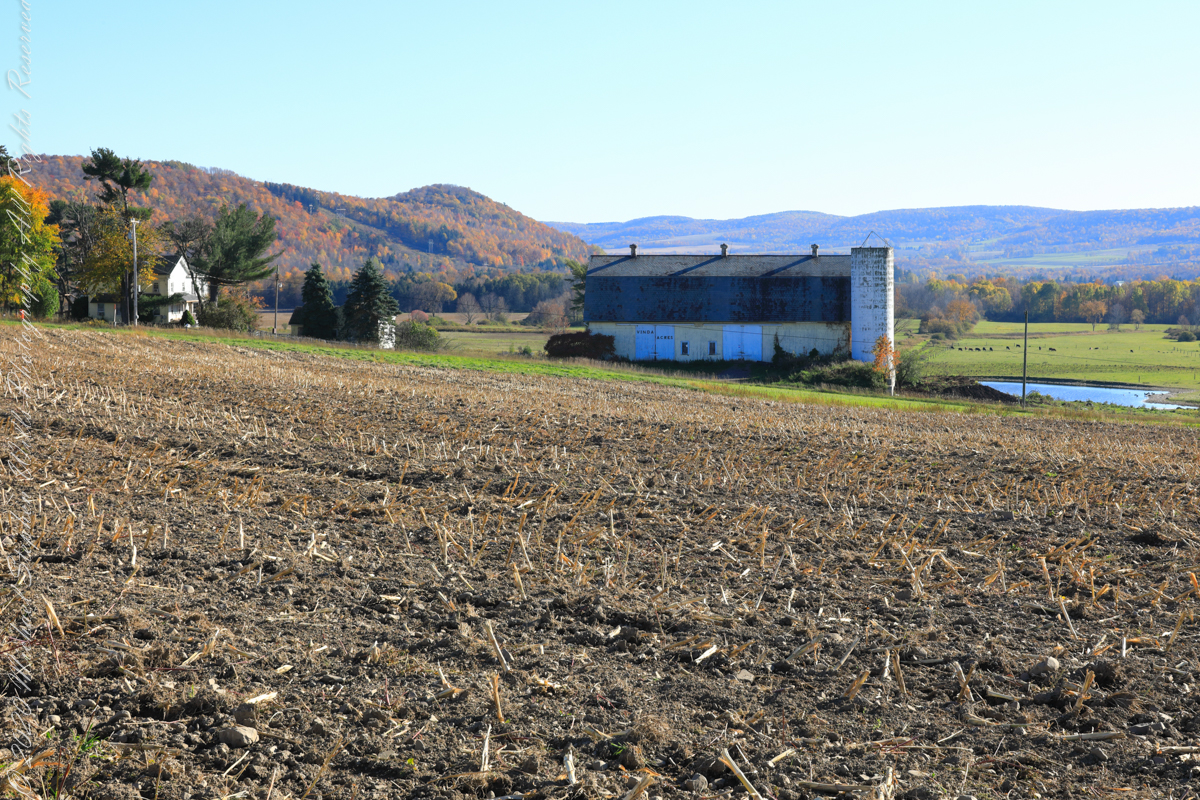
Distant ridges on the right include Hammond Hill. The road to Virgil above the town of Dryden, Tompkins County, New York.
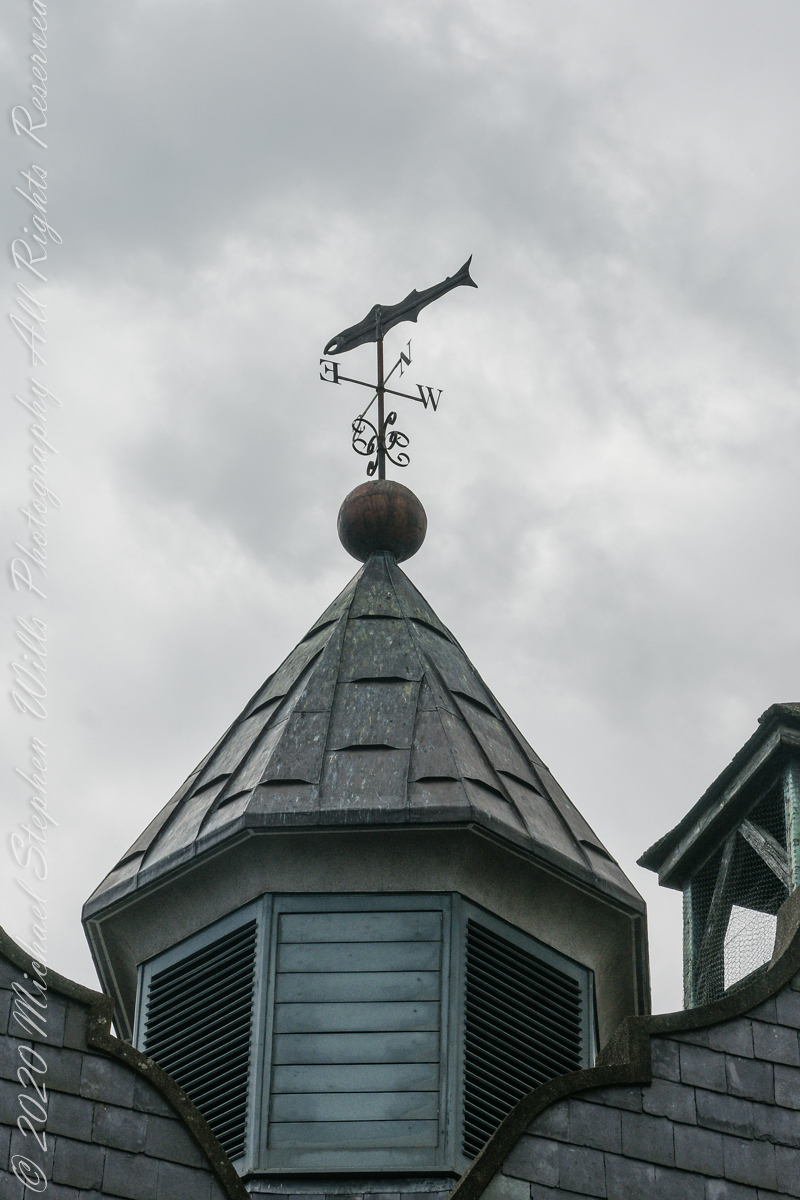
Kinsale Giant with pickled herring
The fifth of a series of idiosyncratic posts from a walking tour of Kinsale by Dermot Ryan. My Sony Alpha 700 captured the events back in May 2014.
A stone’s throw from the antique mooring of post 4 is this former Courthouse building, Market Square. Built around about 1600, with additions in 1706 which included the frontage with the loggia on the ground floor. Offices and a jury room were provided on the first floor, and part of the original building was converted into a paneled courtroom.
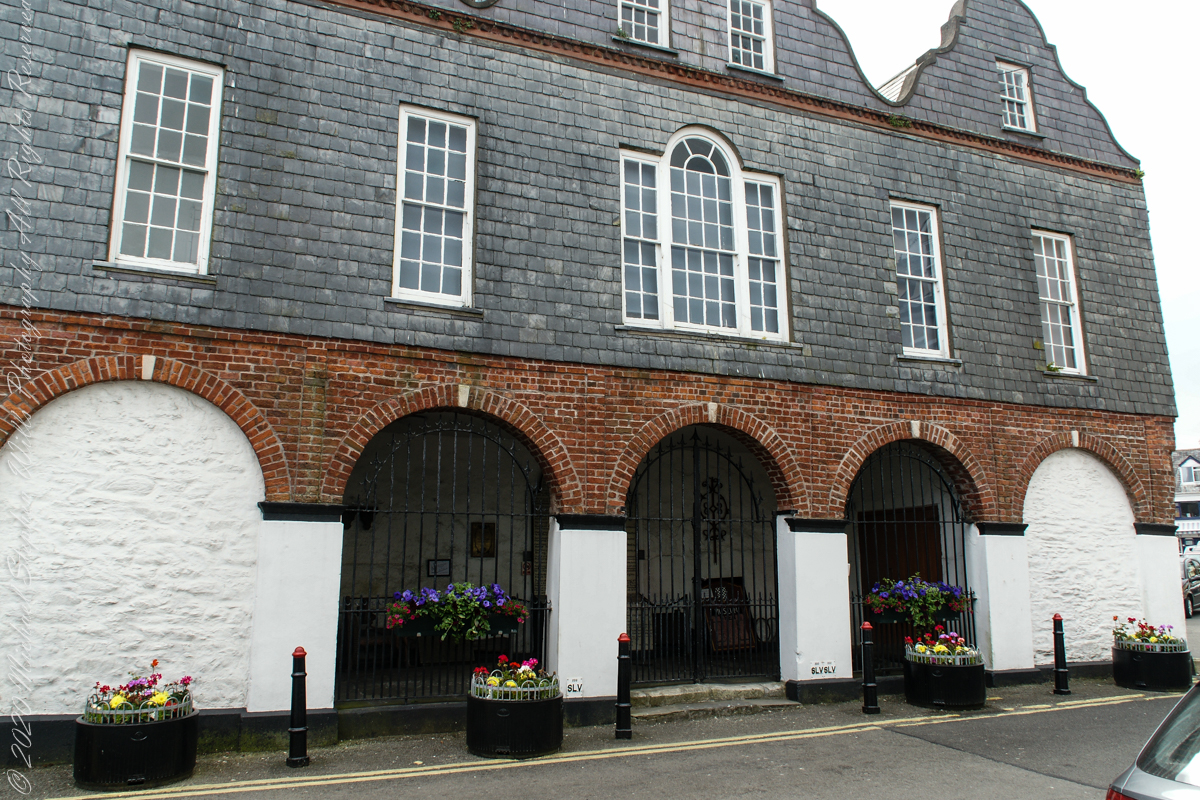
It was in this building that the Kinsale Town Corporation and its sovereign conducted their affairs and the Courthouse was also used for ceremonial occasions in the 18th century. This courthouse was the location for the inquest on the victims of the Lusitania, sunk off the Old Head of Kinsale in 1915 and is now home to the Regional Museum.
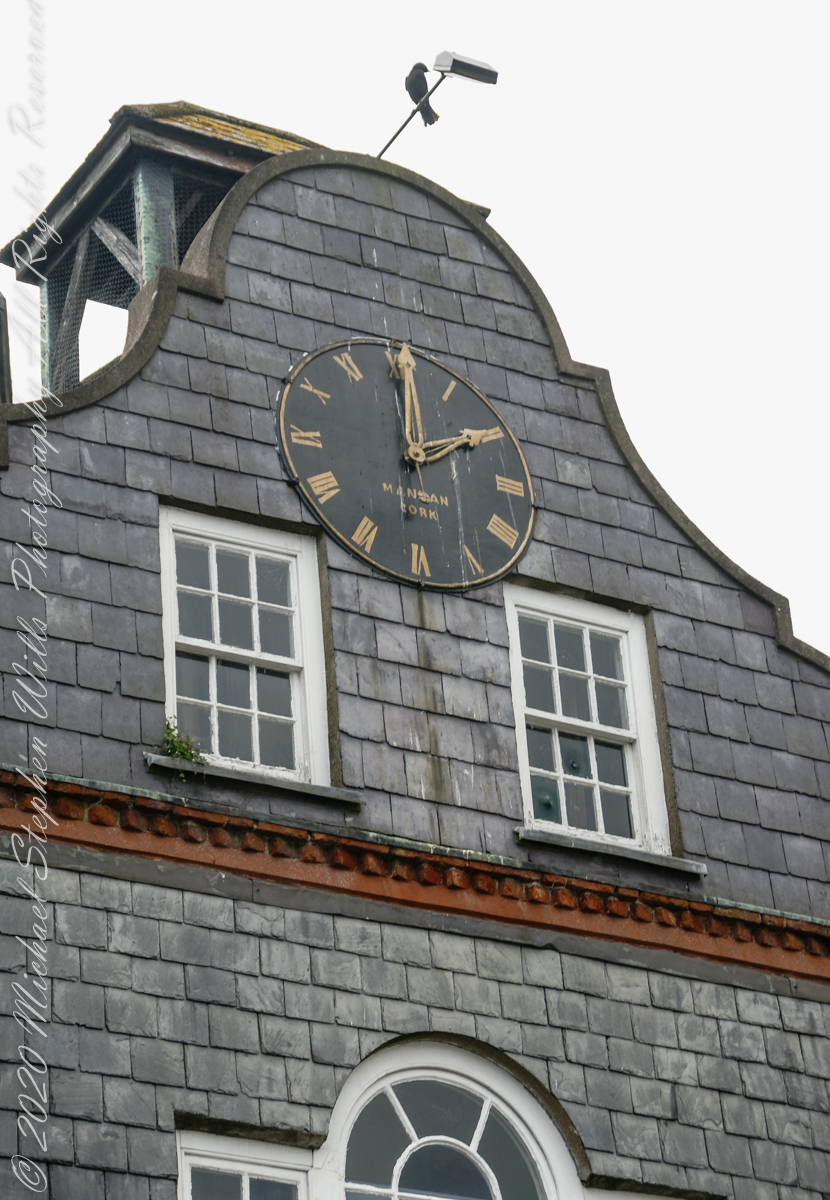
The Museum in the Courthouse includes a display on the famous Kinsale Giant. He was Patrick Cotter O’Brien. He died in 1806 and is believed to have been over 8 foot tall.
The Museum houses the largest collection of maritime artefacts in Ireland.
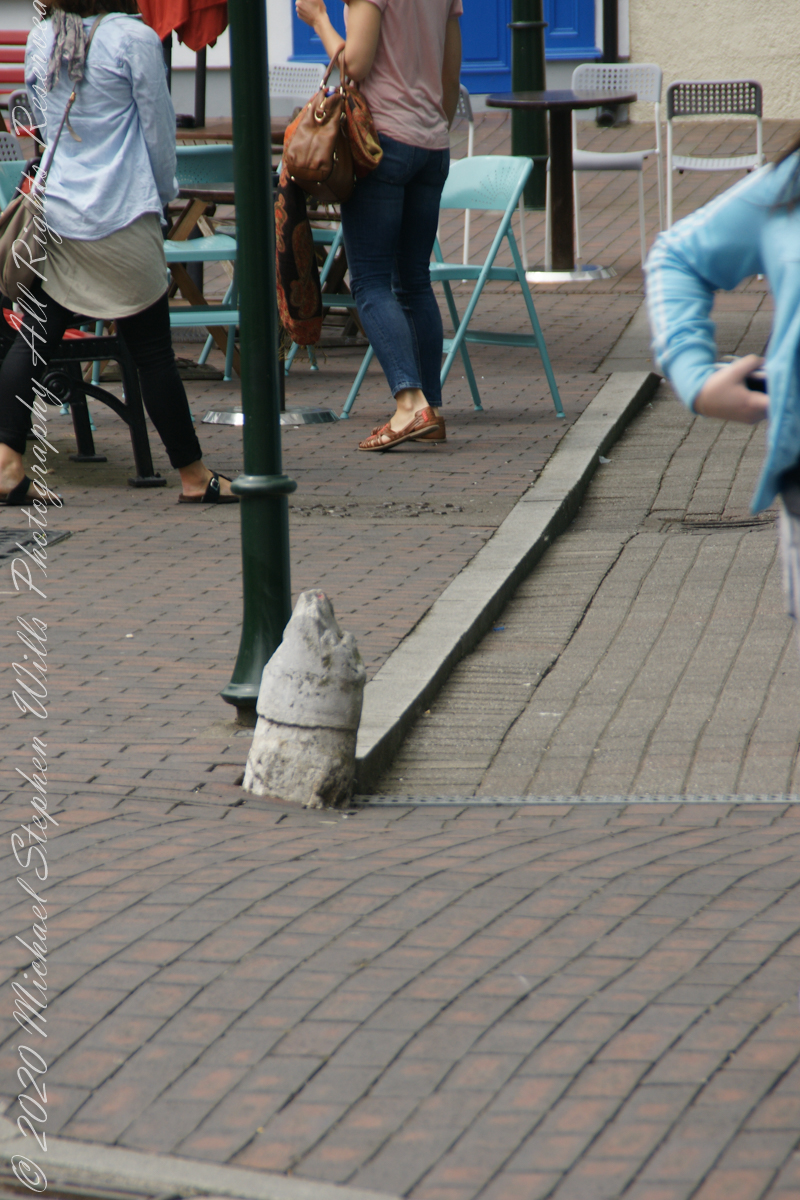
A mysterious chili pepper and hidden watchers
The fourth of a series of idiosyncratic posts from a walking tour of Kinsale by Dermot Ryan. My Sony Alpha 700 captured the events back in May 2014.
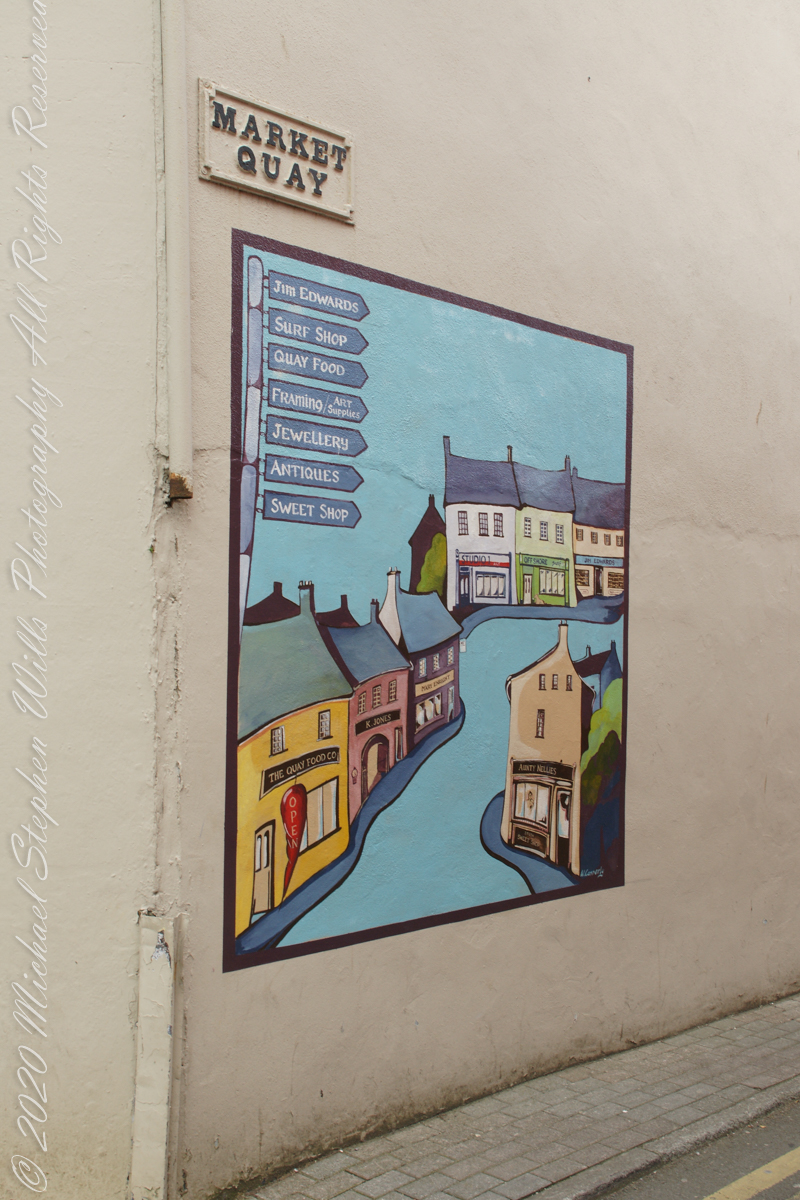
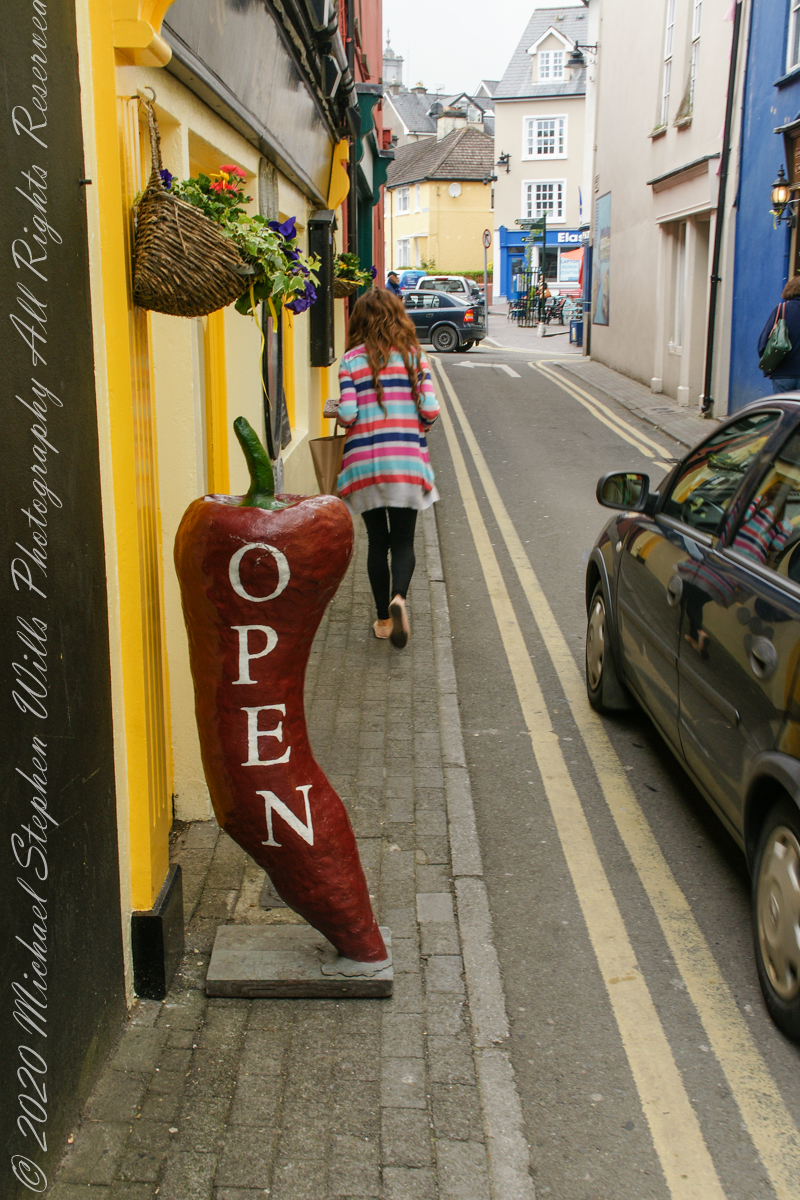
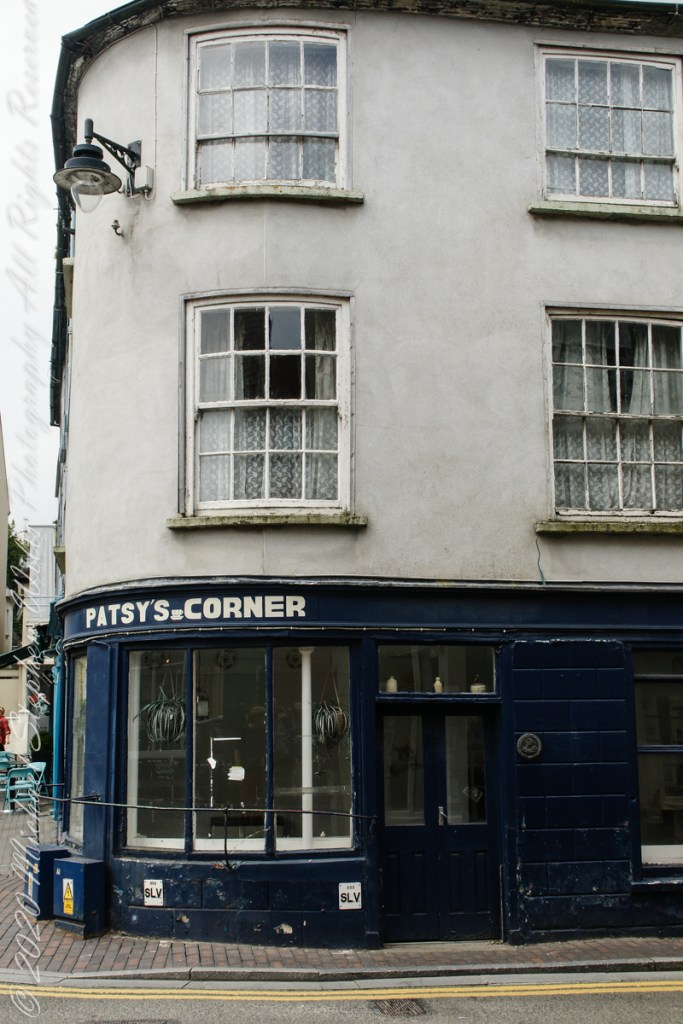
Without Dermot Ryan’s storytelling I’d never have guessed this stub of a post was a bollard to which ships’ mooring lines were fastened. It follows the memorial bollard is close to the lane named “Market Quay.”
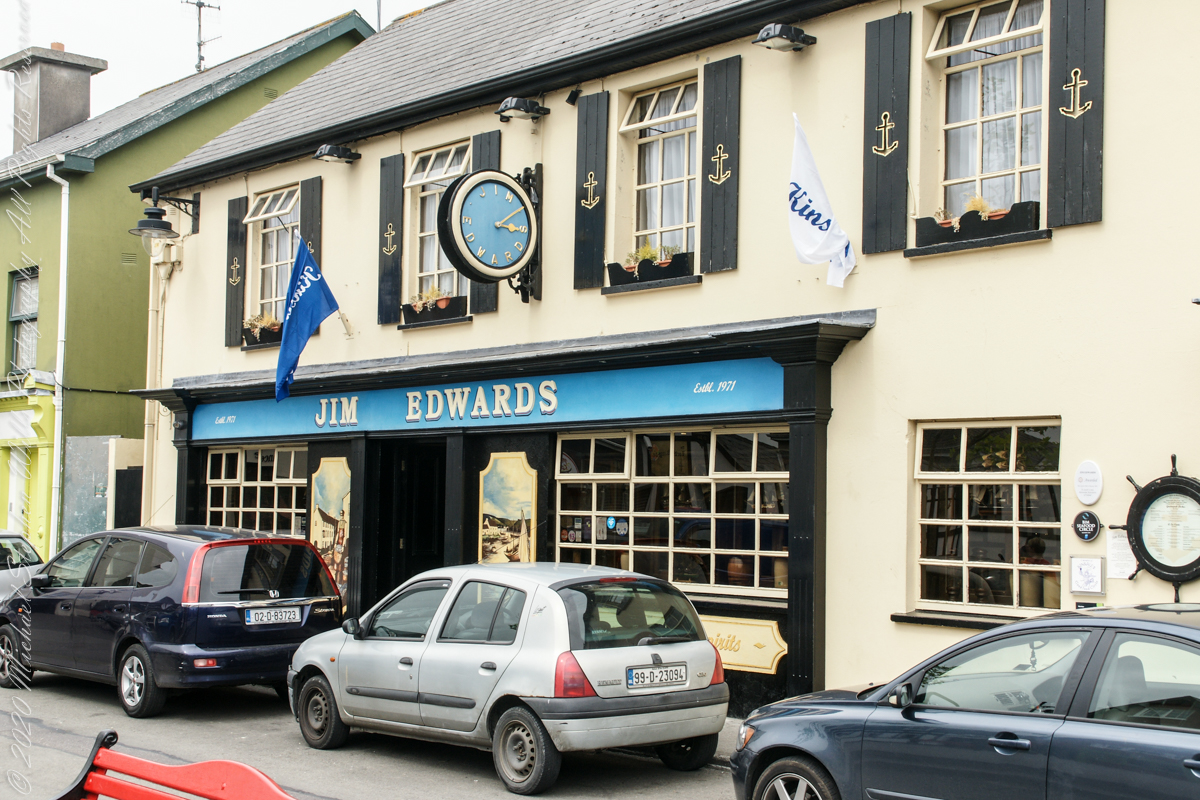
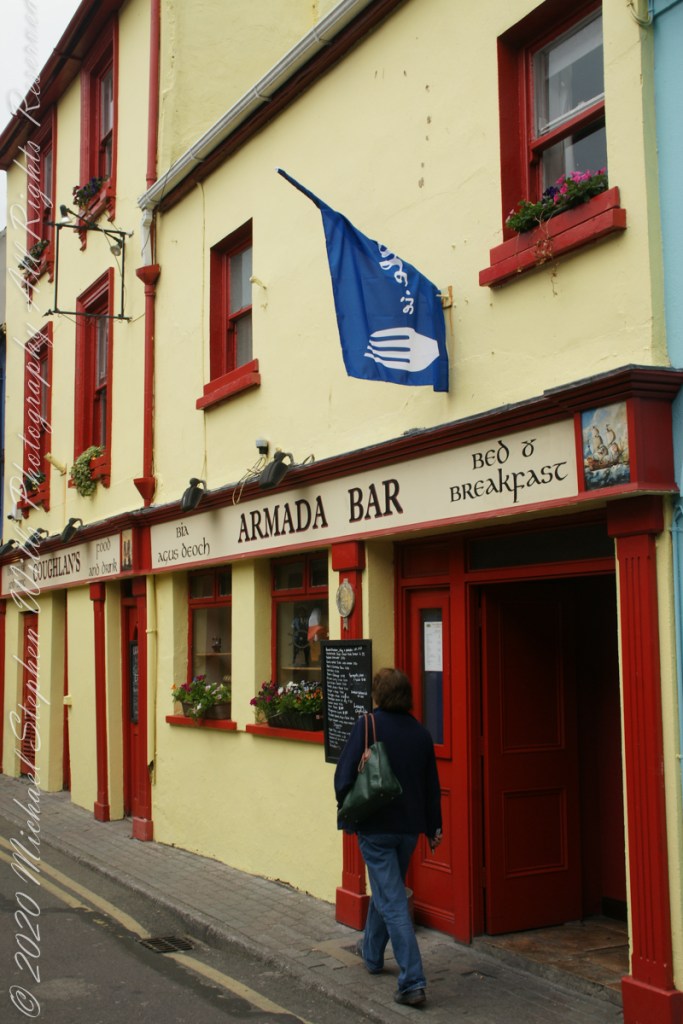
The Jim Edwards hotel and restaurant façade is a colorful and elegant element of Market Quay.
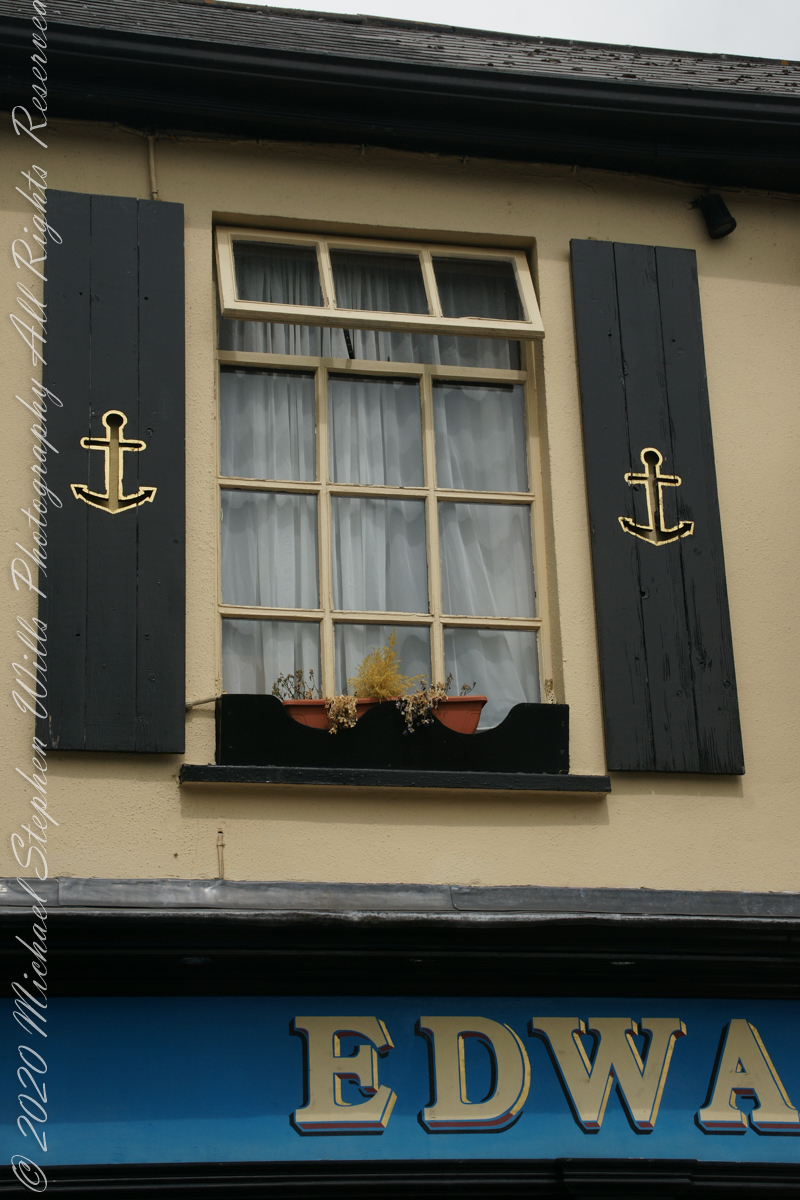
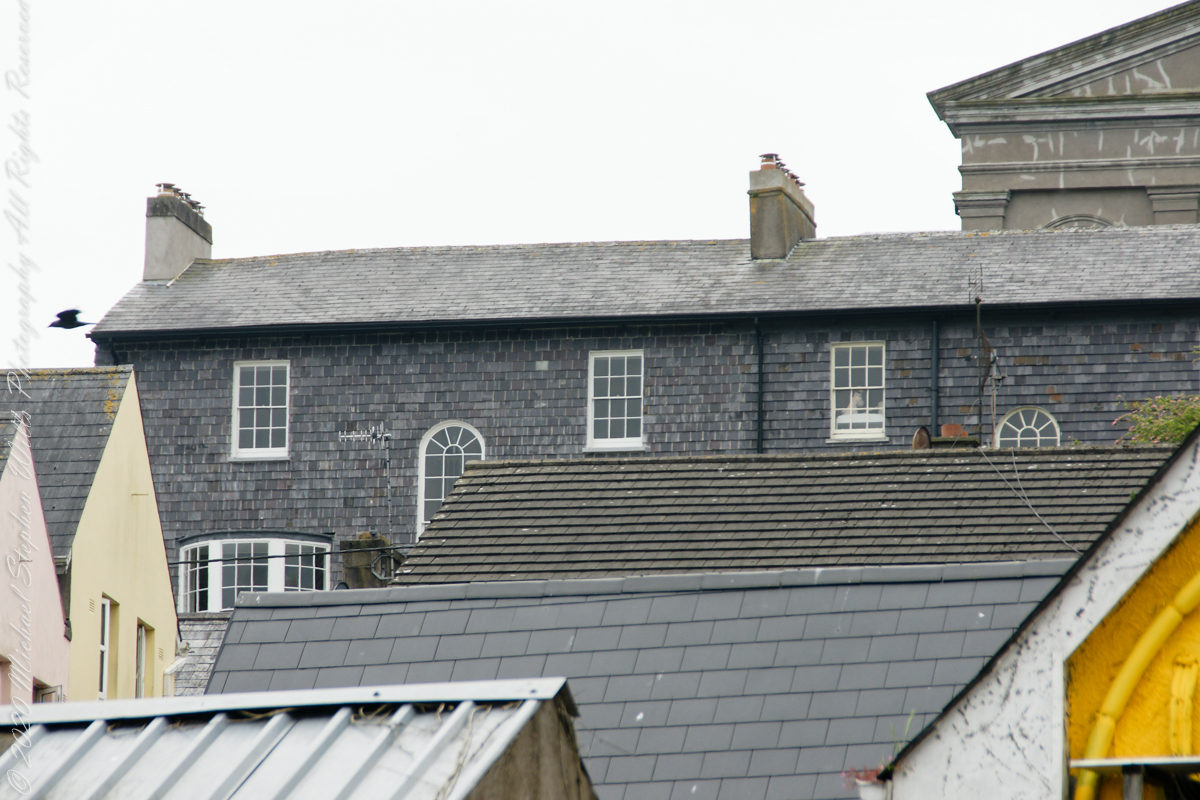
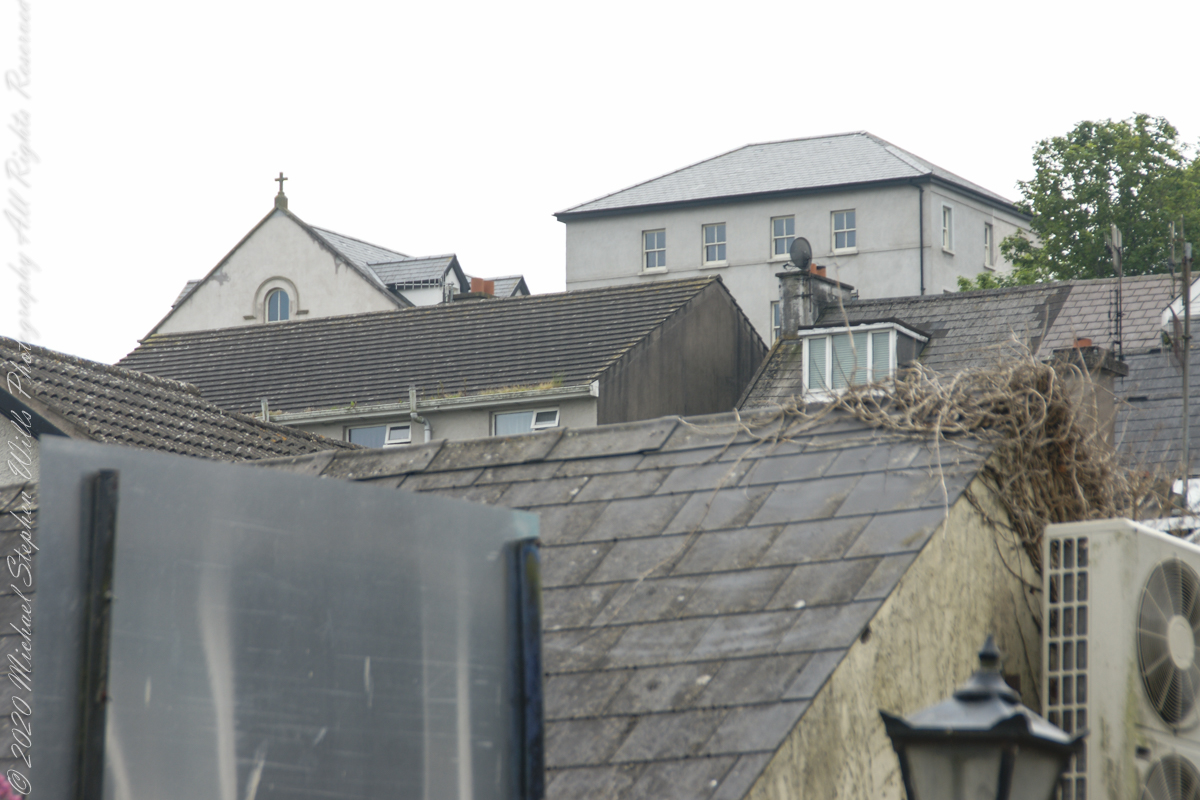
Dermot told a tale about spies, looking from windows above the square, reporting on shortcomings of citizens.
Across the land
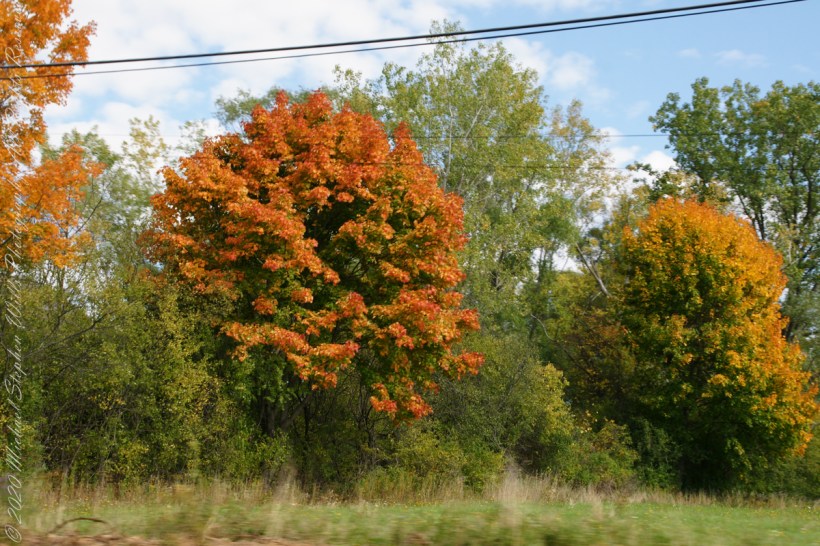
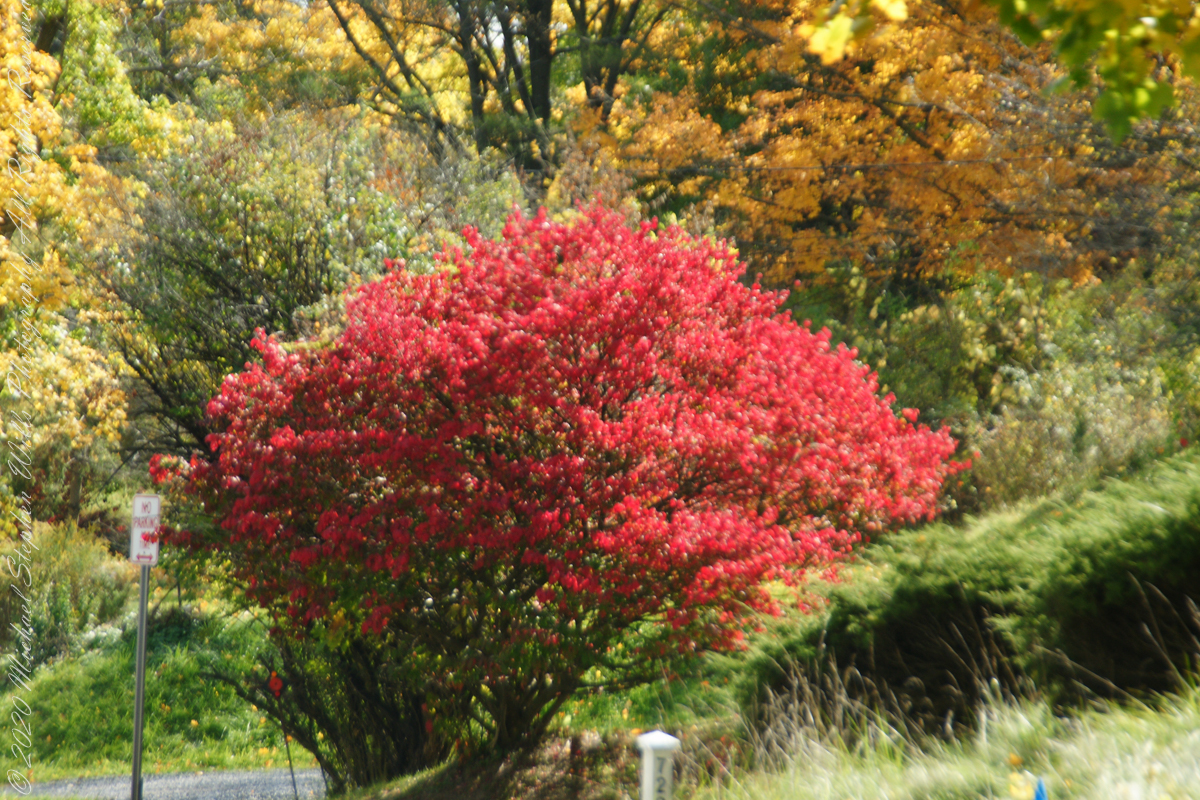
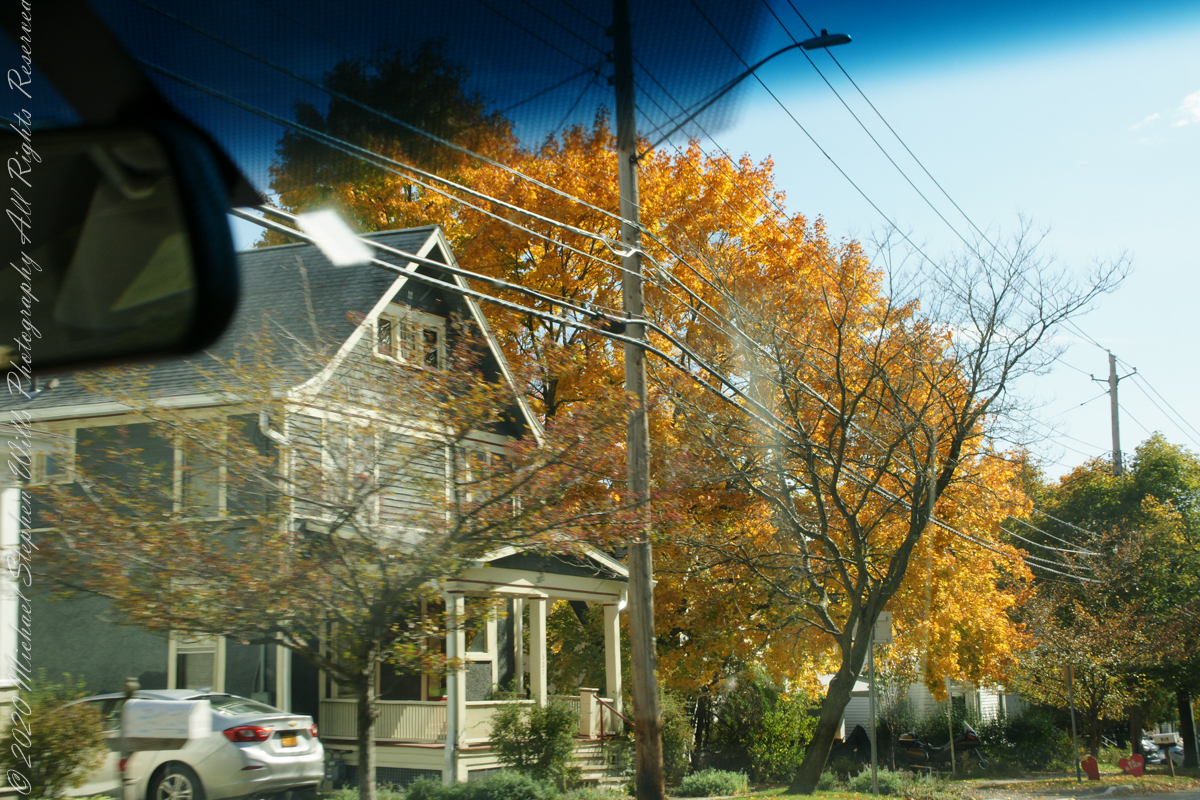
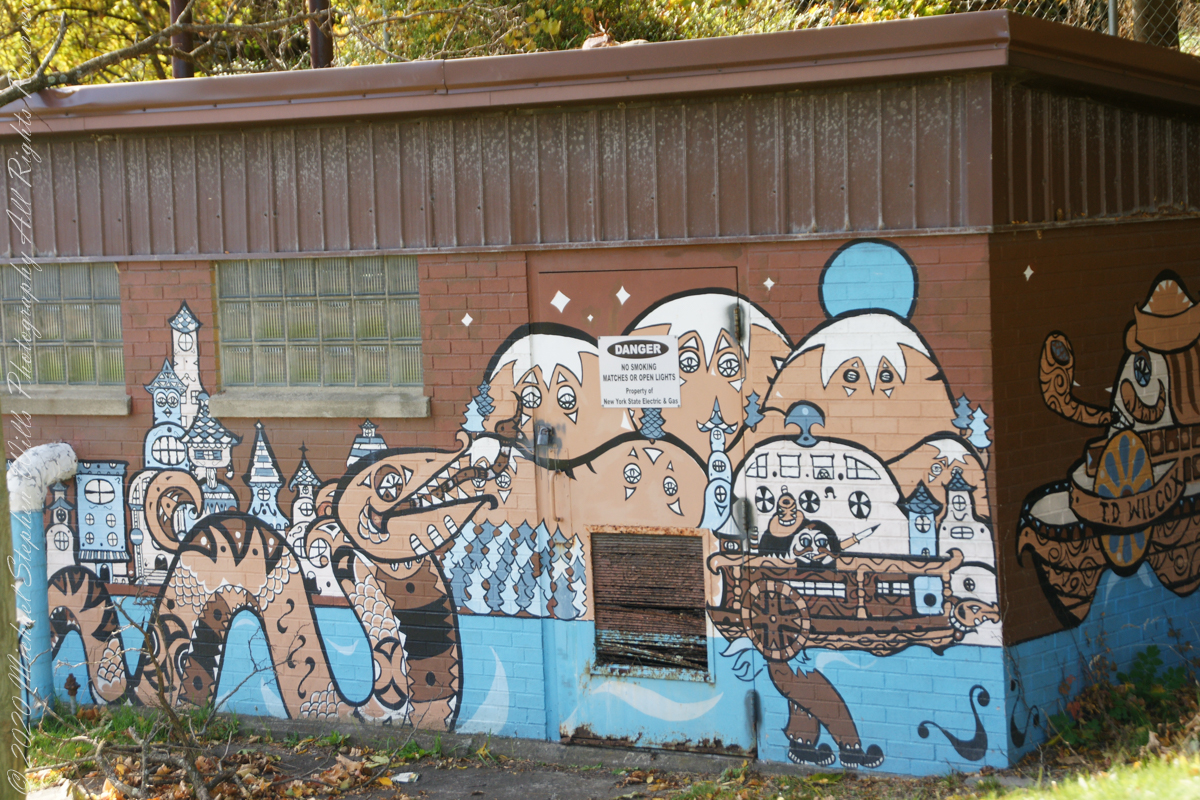
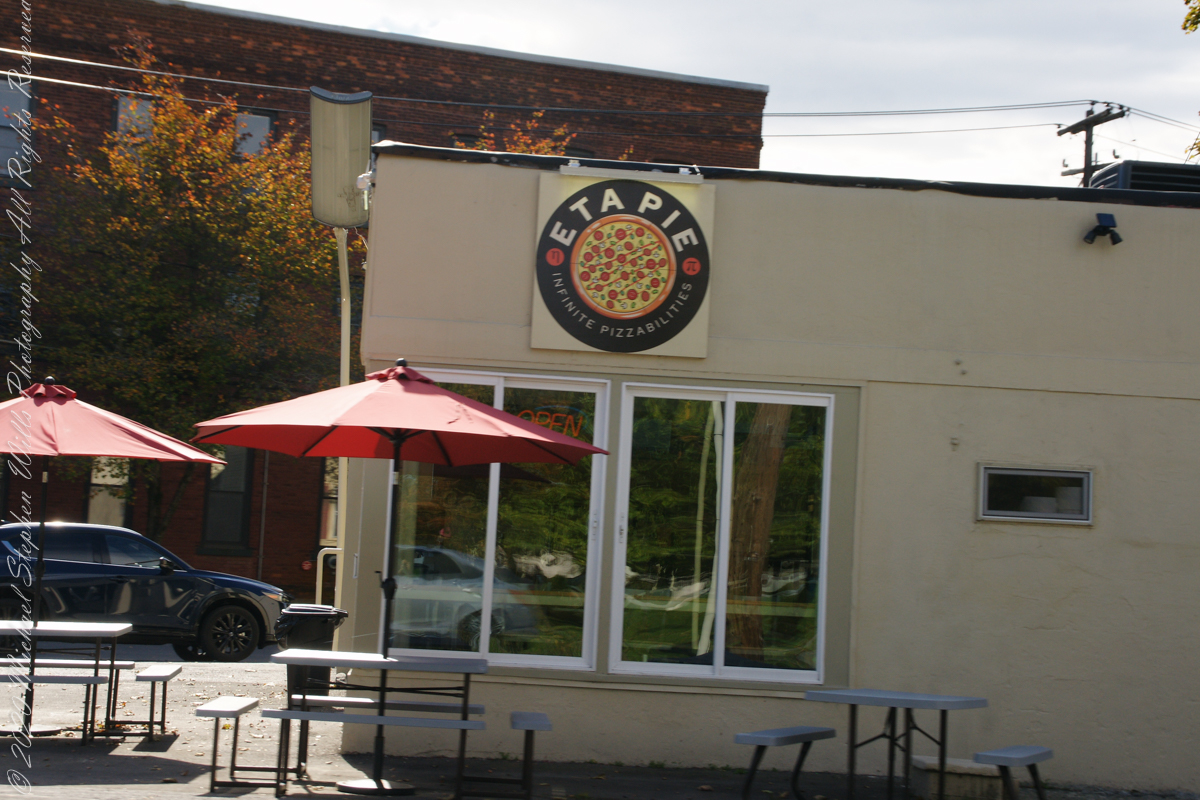
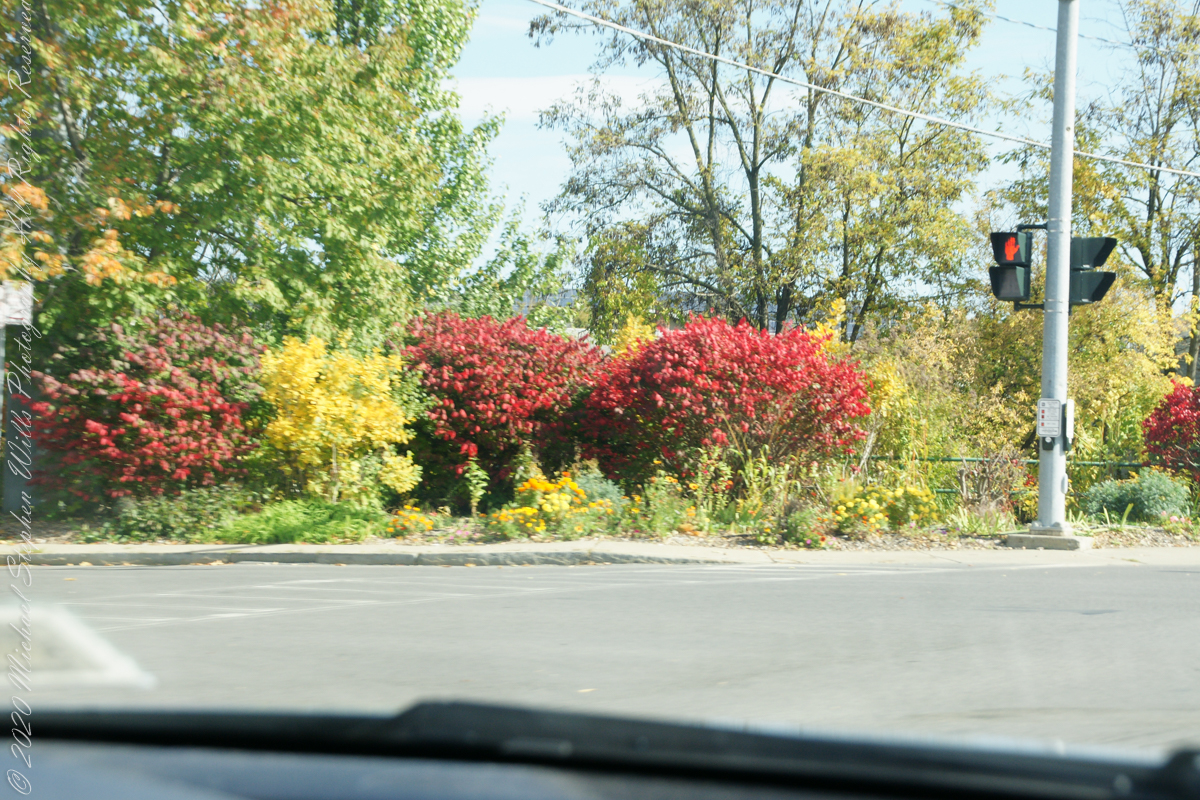
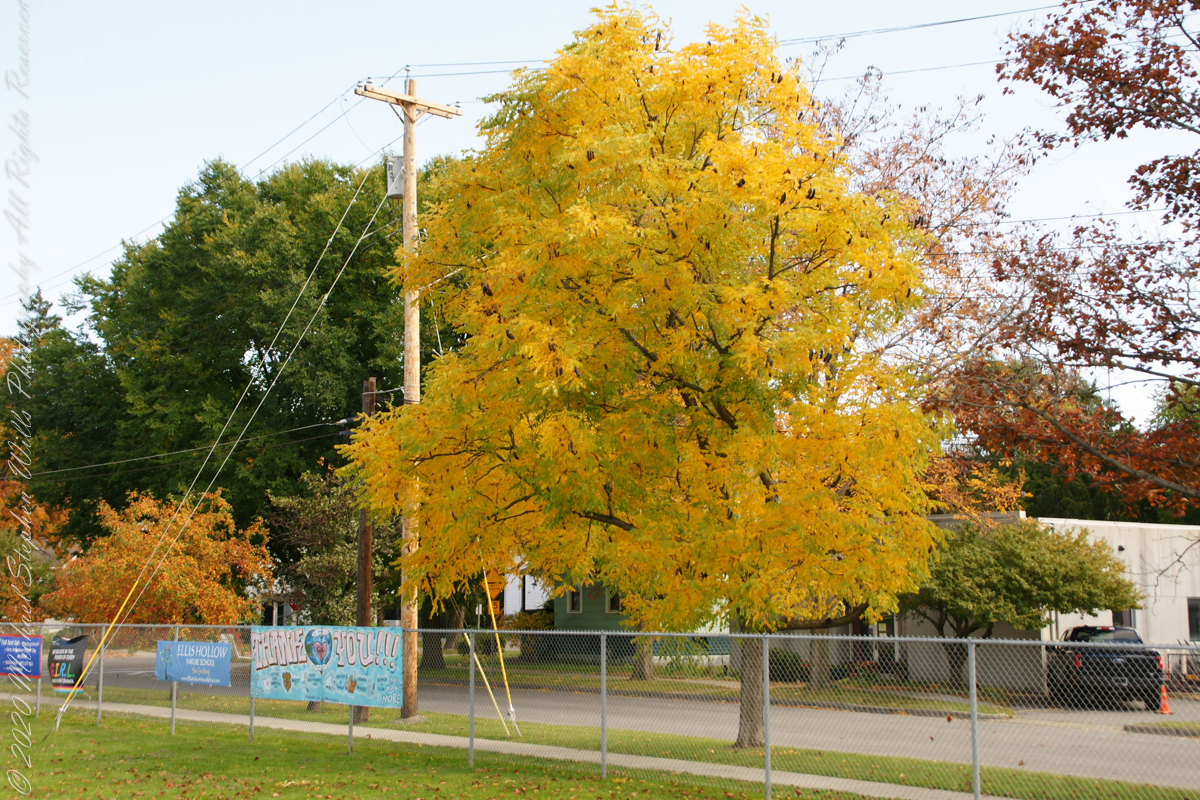
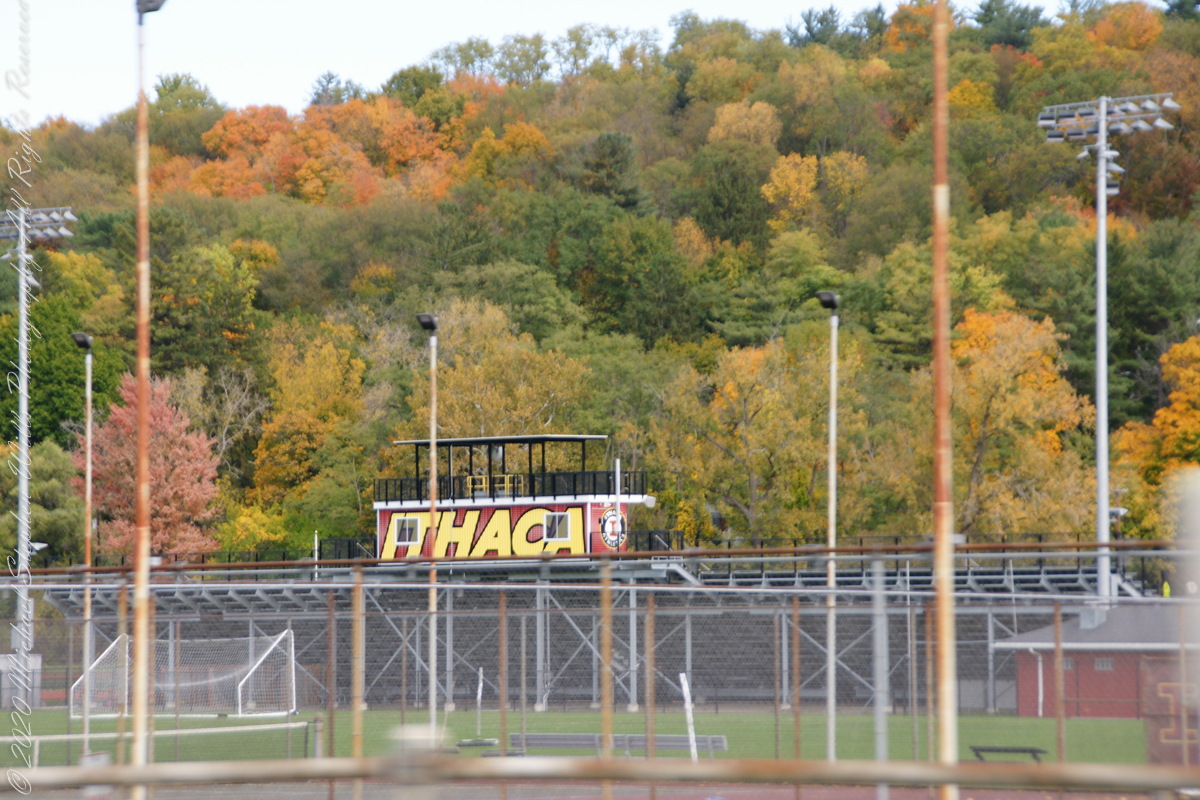
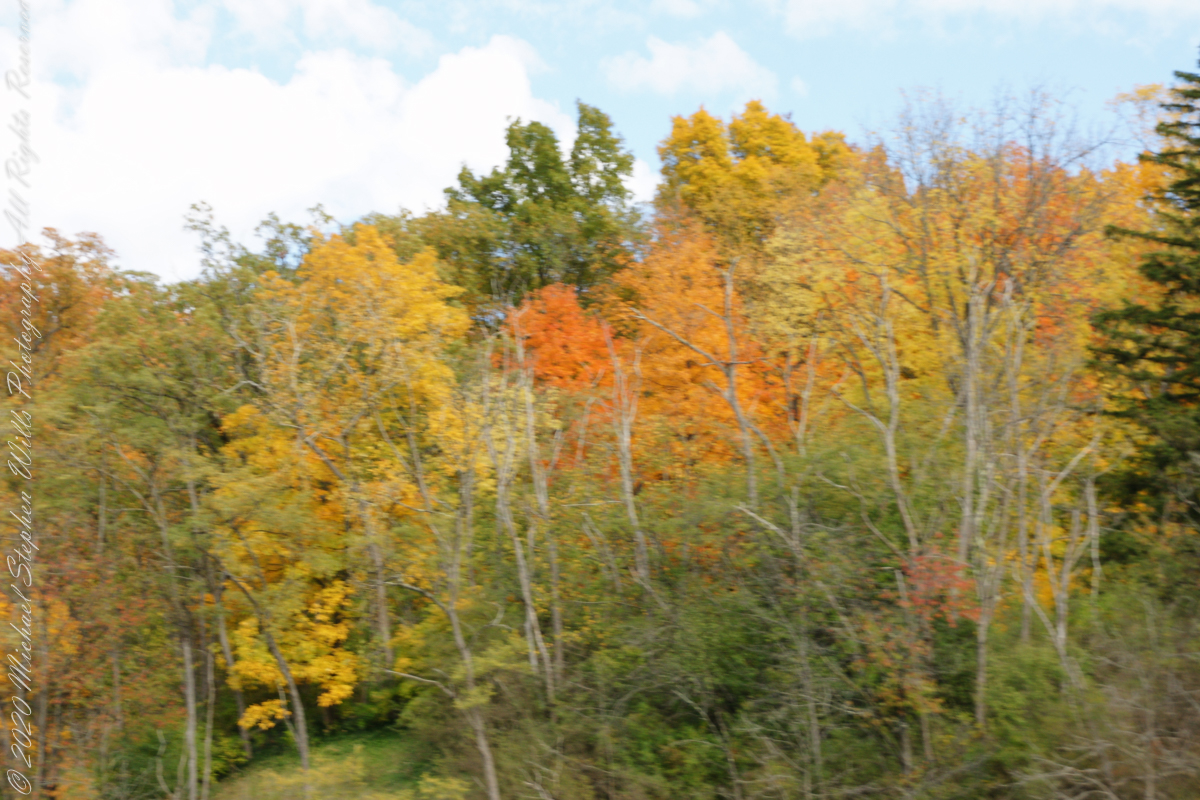
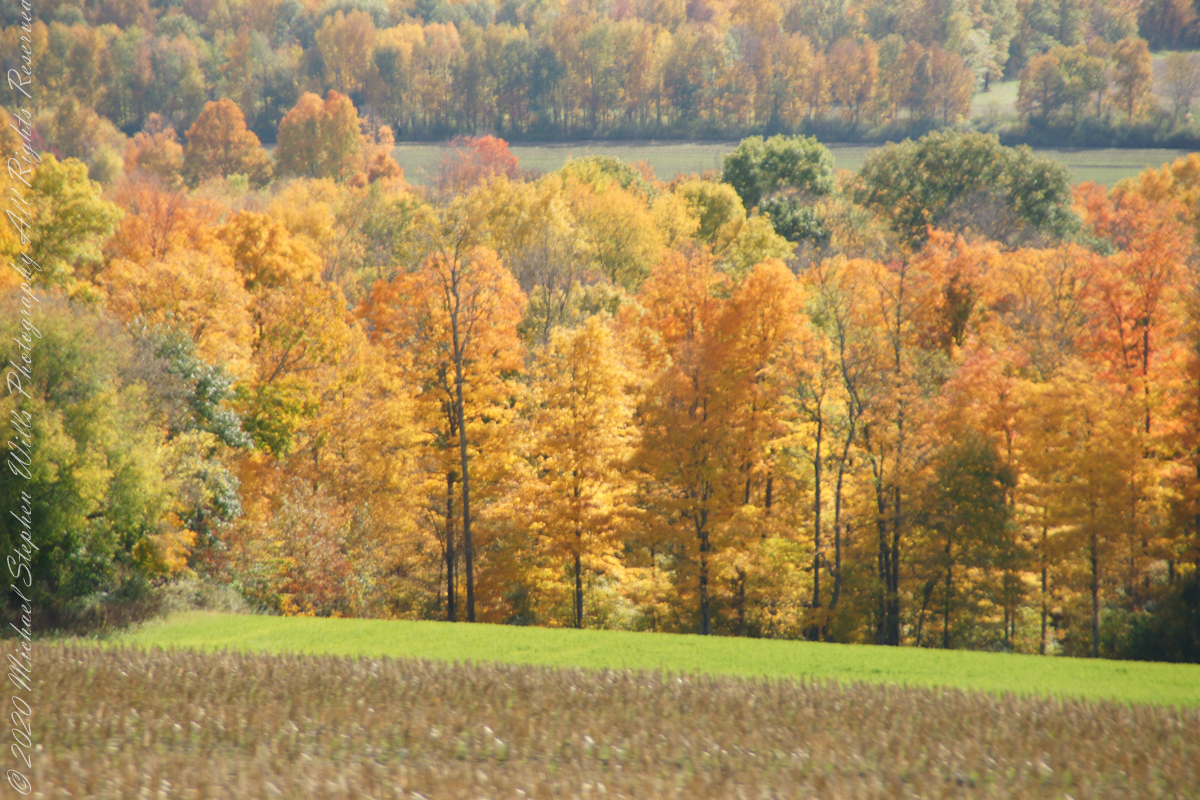
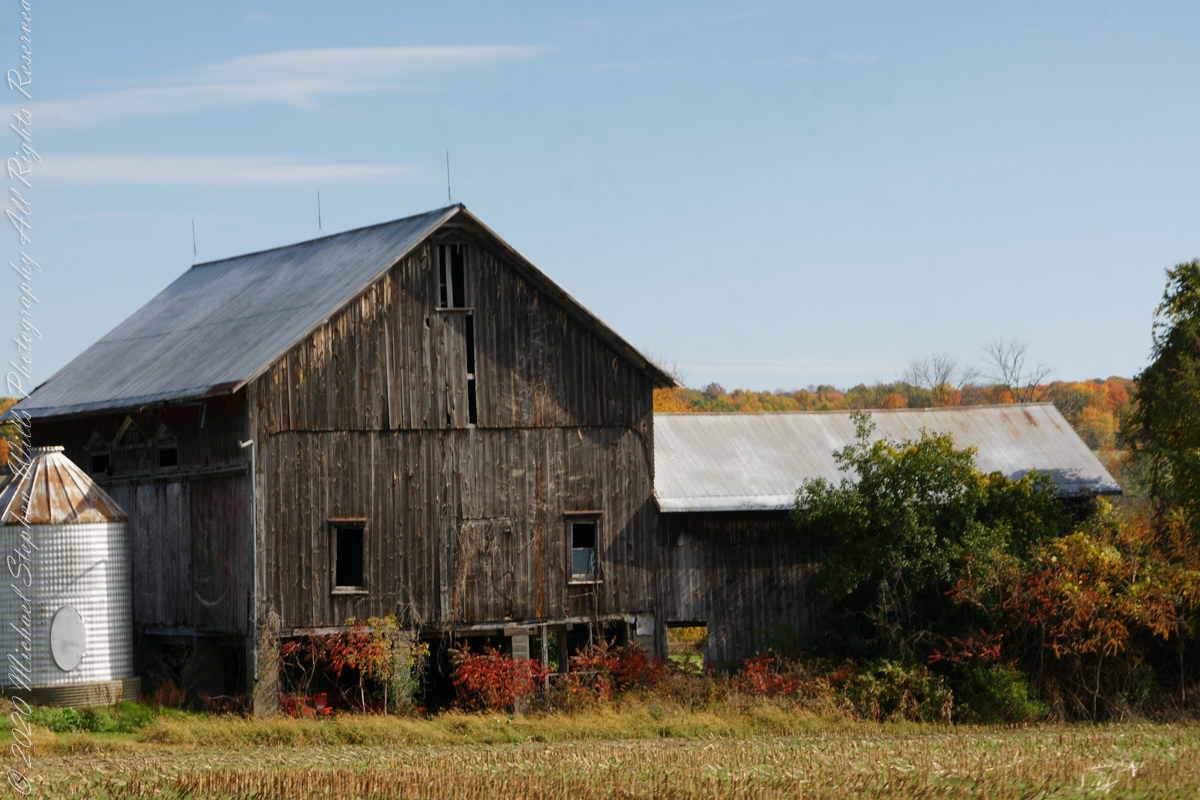
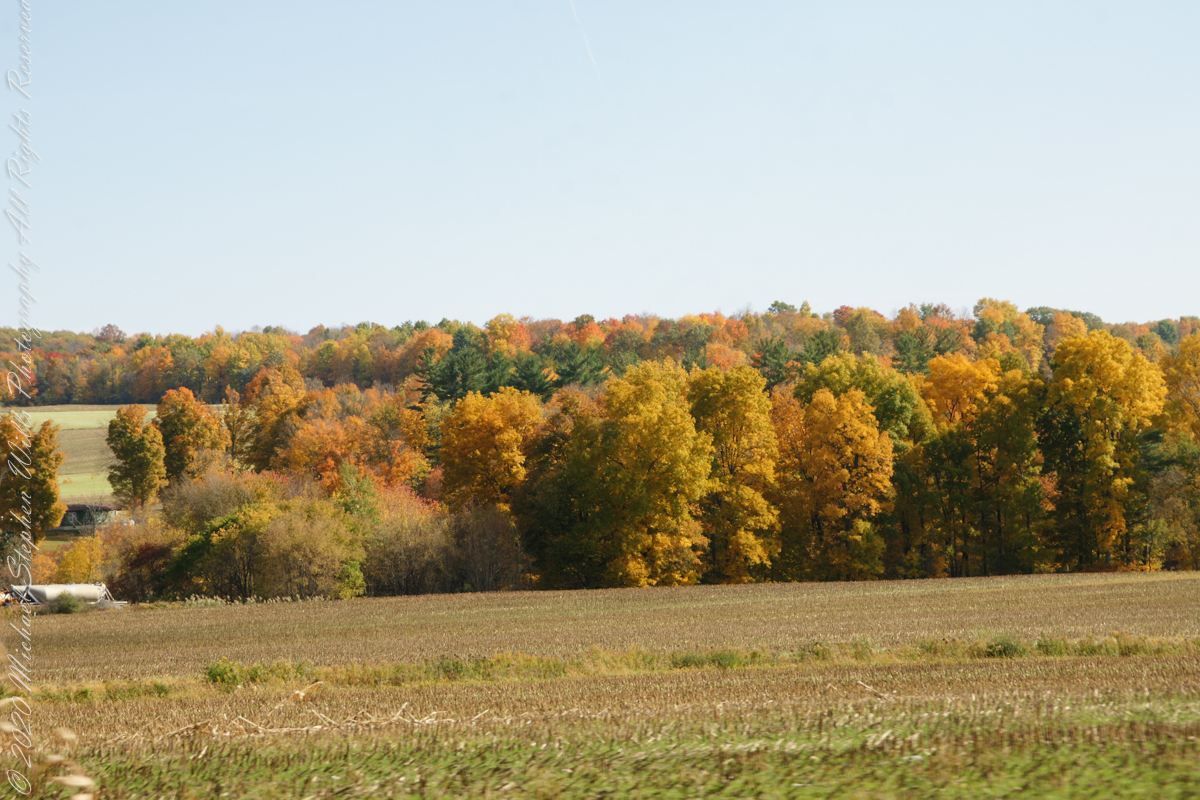
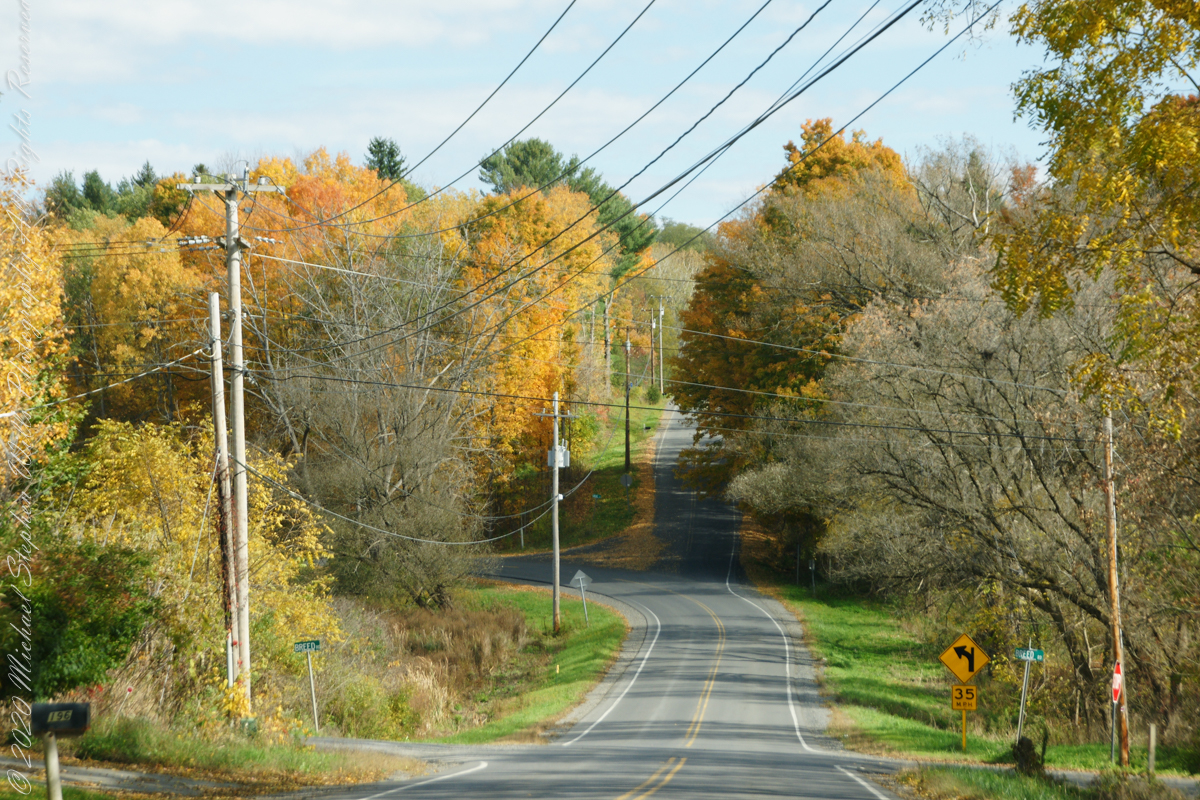
My Sony Alpha captured our October 16 drive to Fillmore Glen. As we traversed landscapes, the spectacle of Tompkins and Cayuga Counties autumn glory passed by the open passenger side window and, even, the front windshield. Thank You, Pam, for driving.
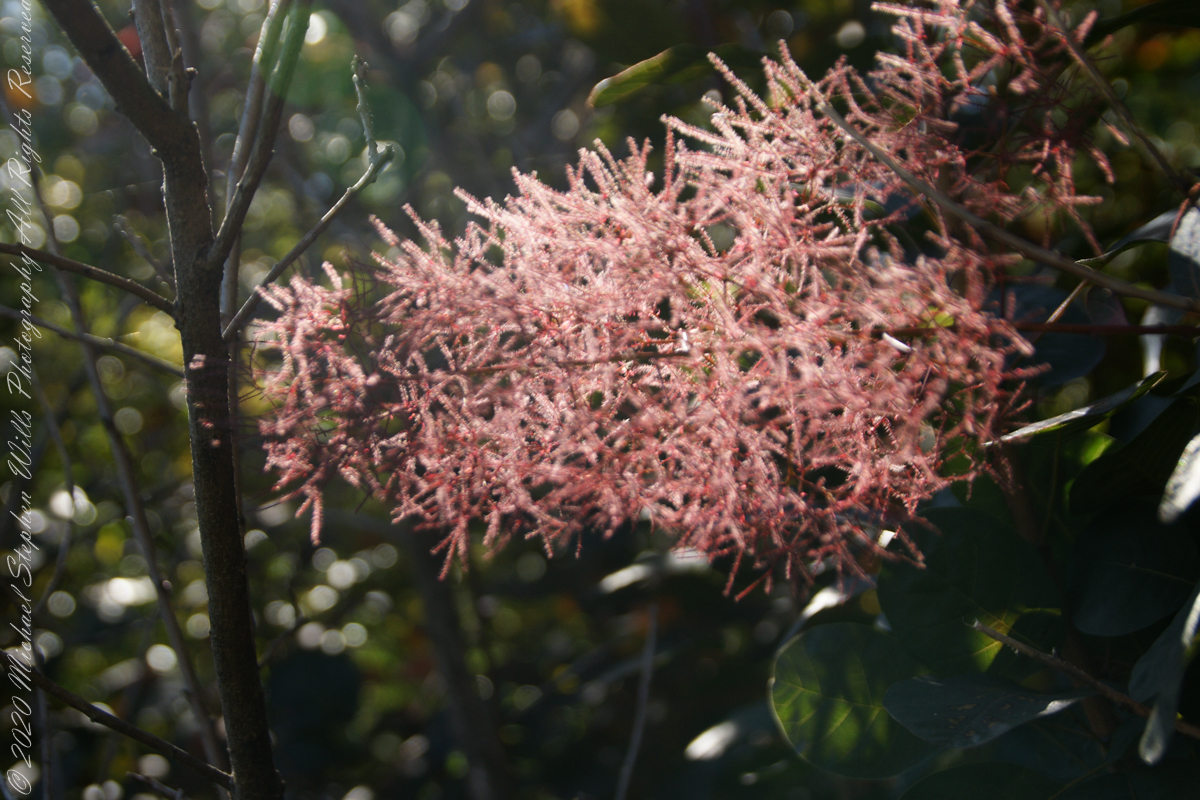

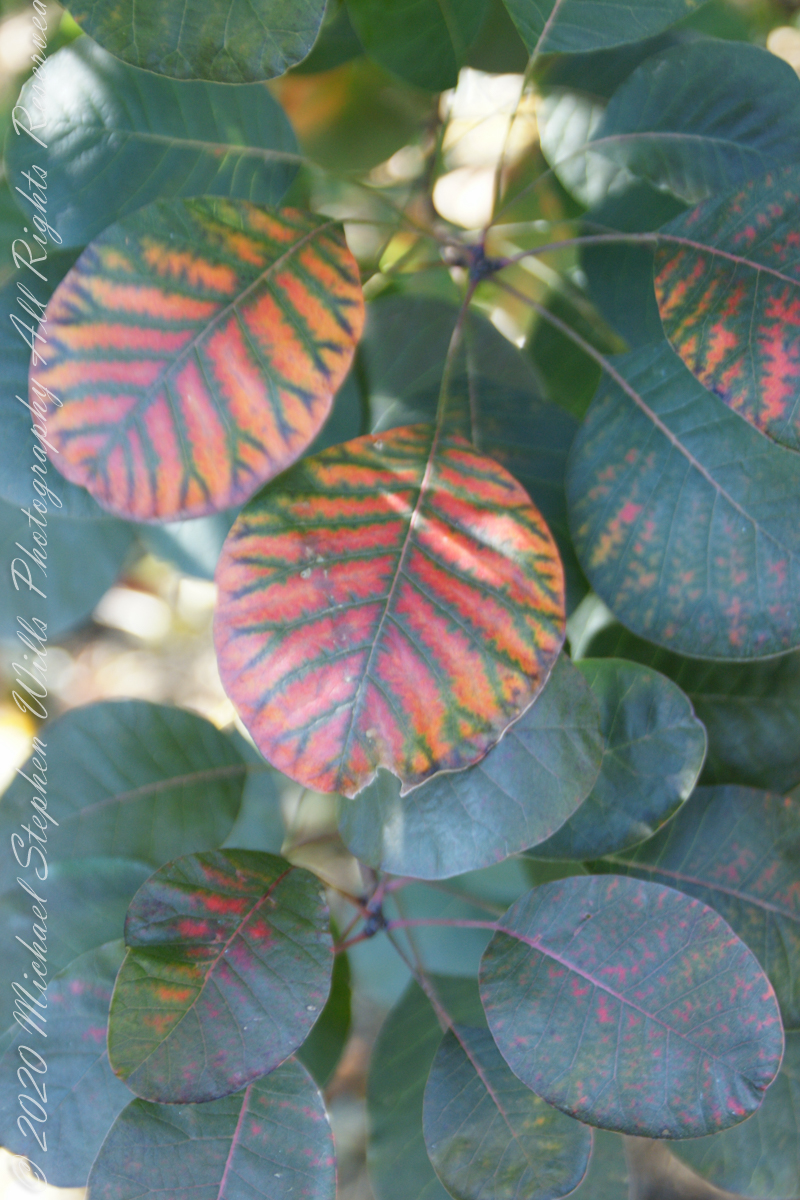
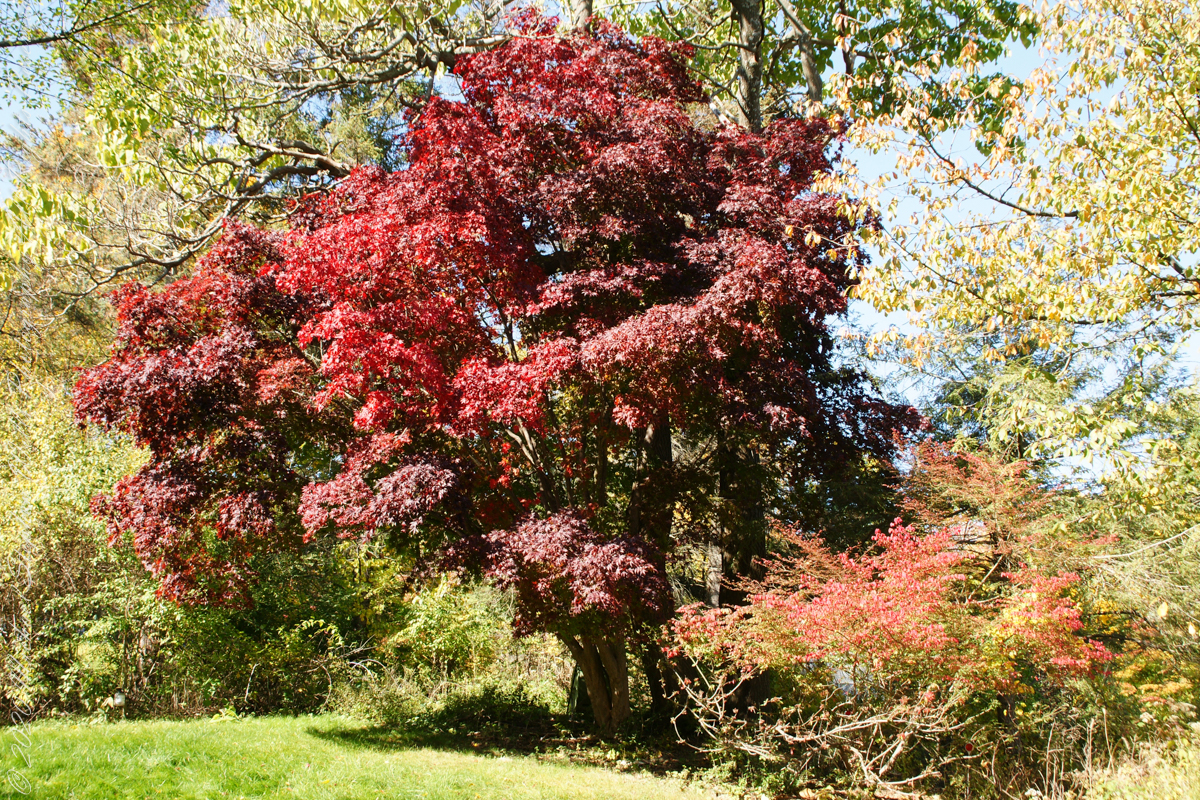



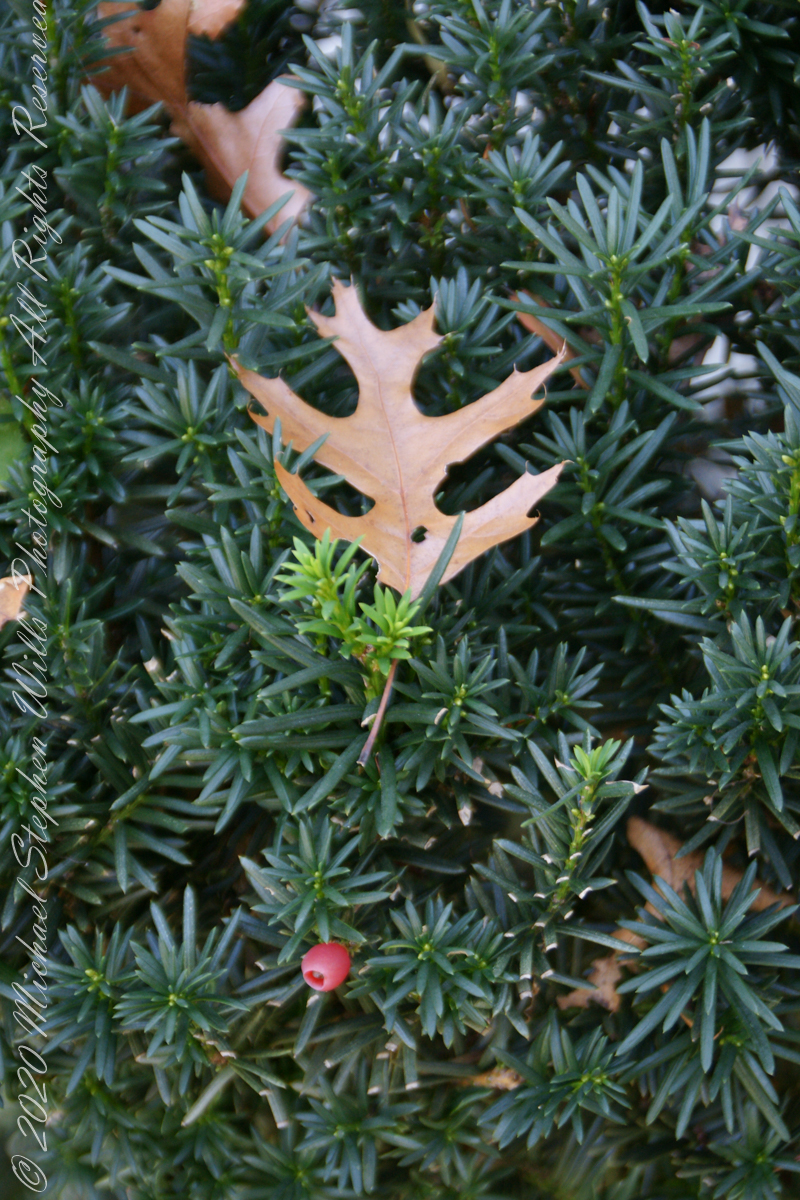
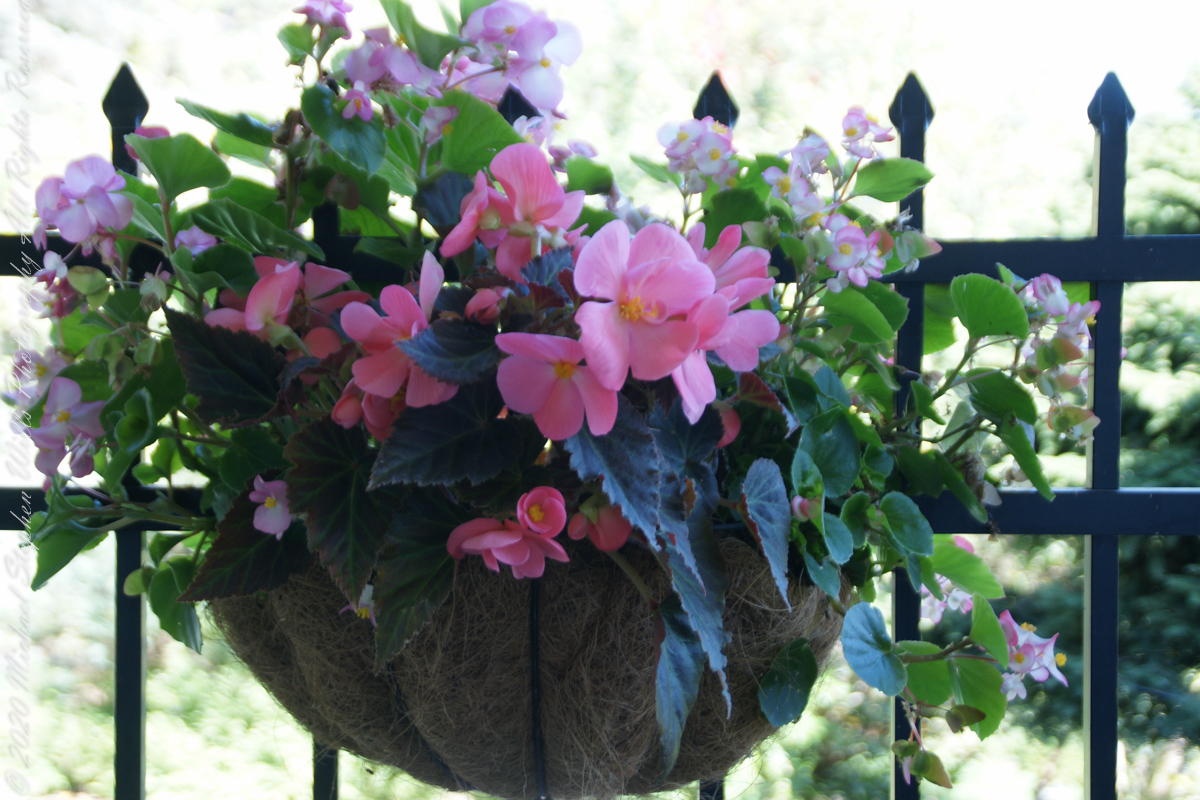
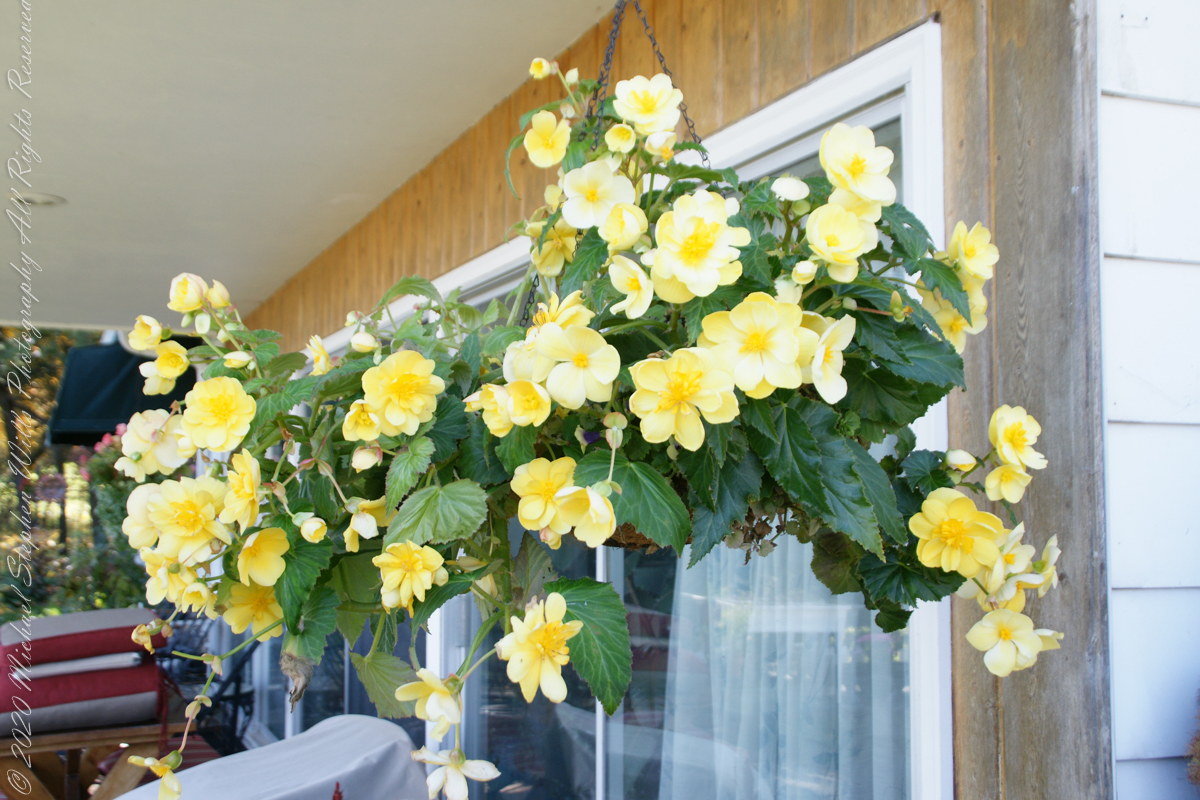
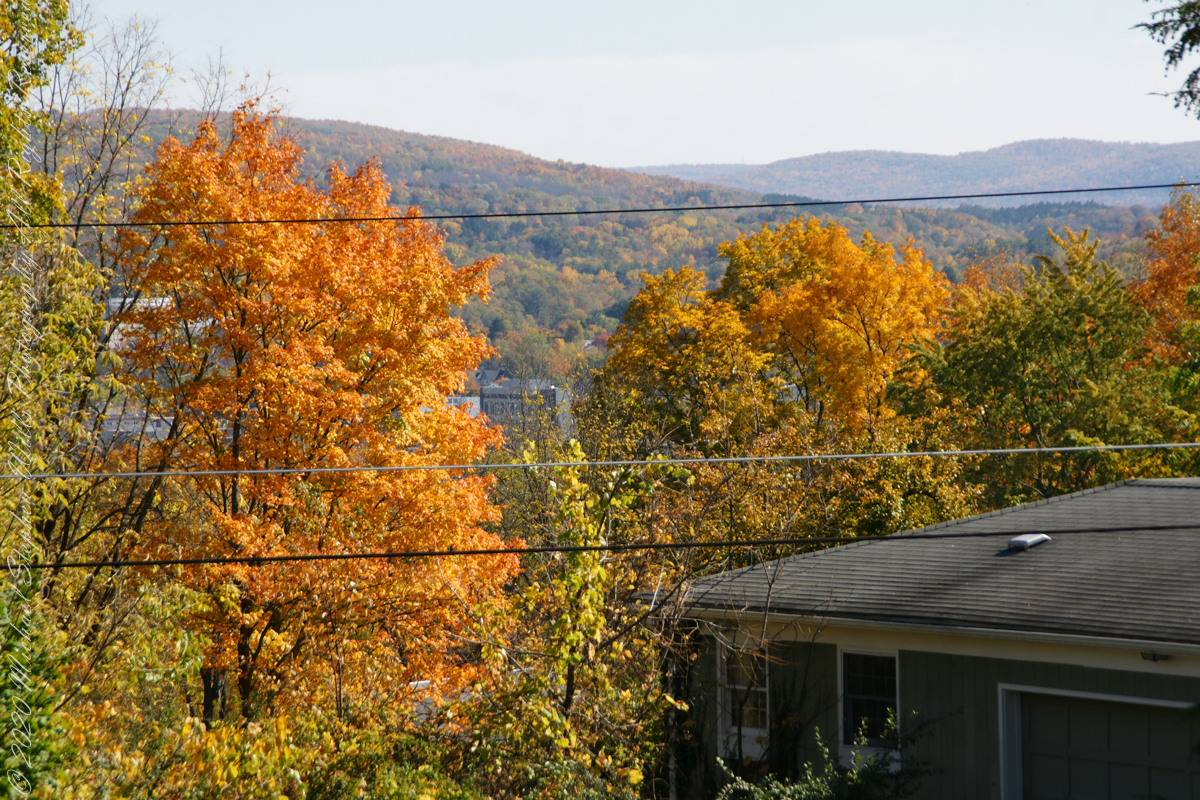
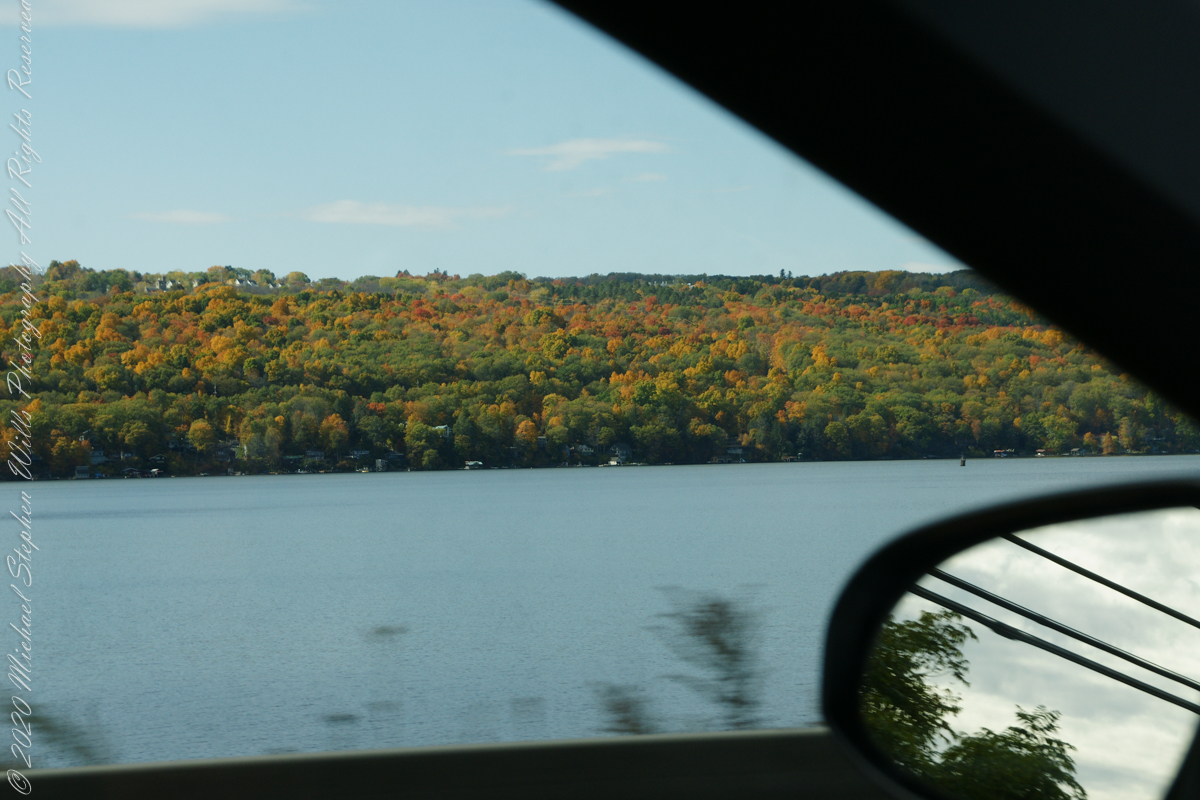
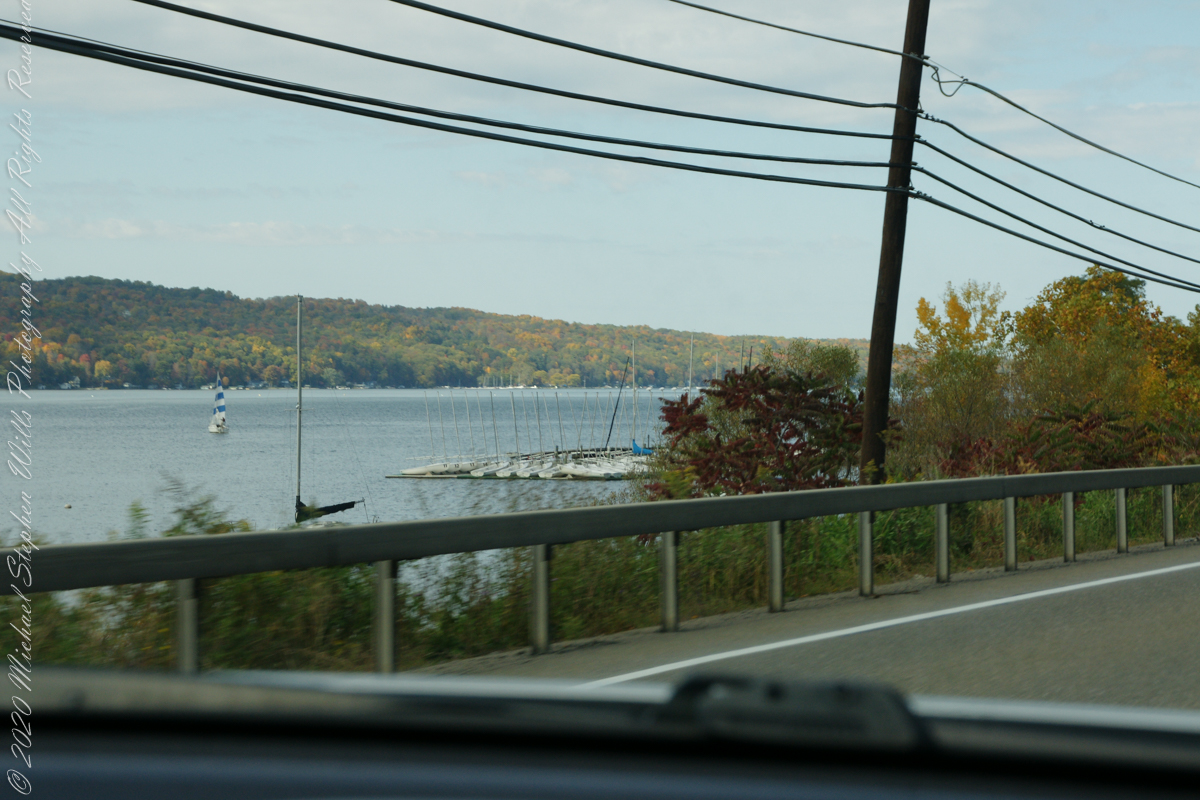
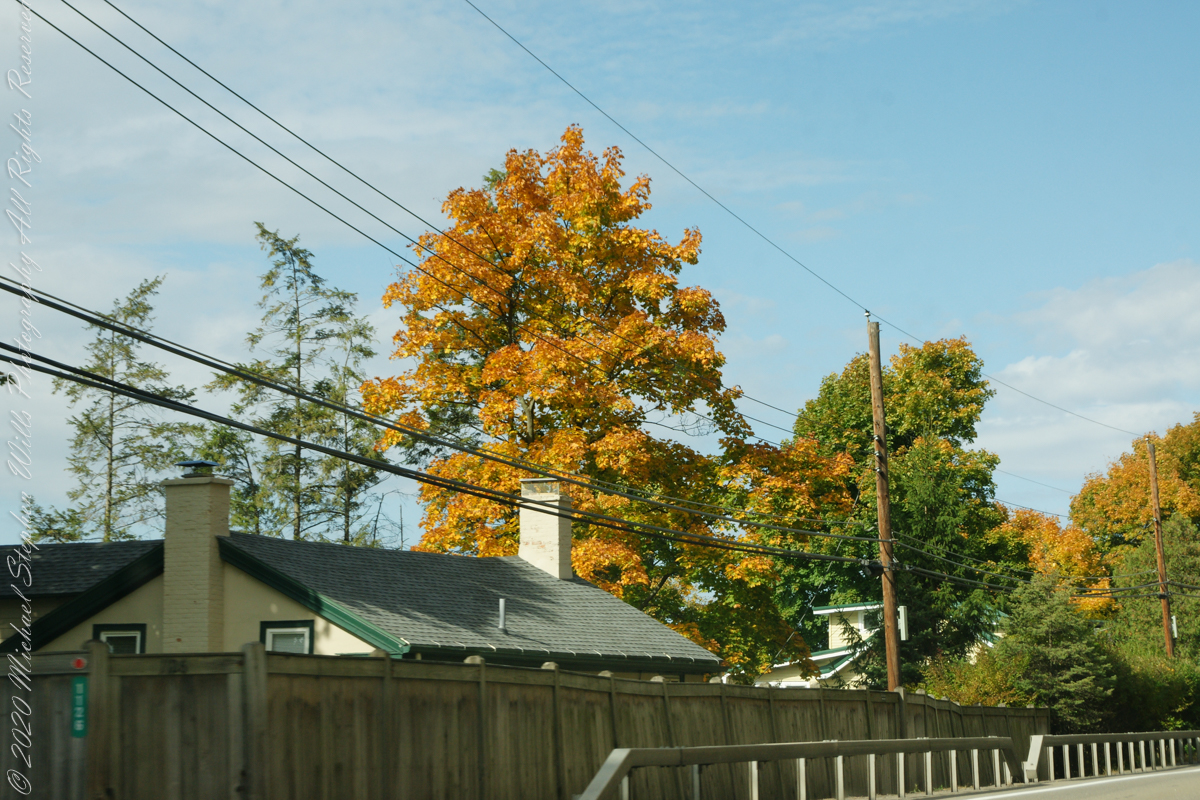
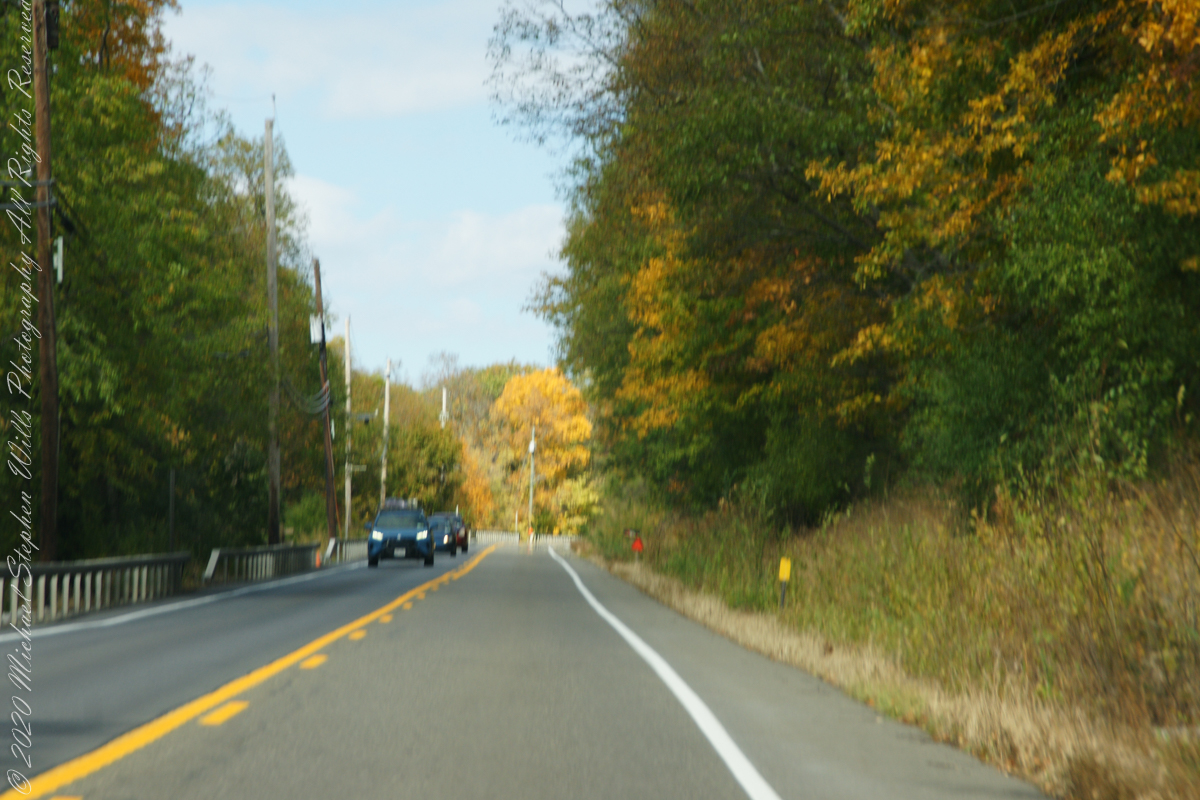
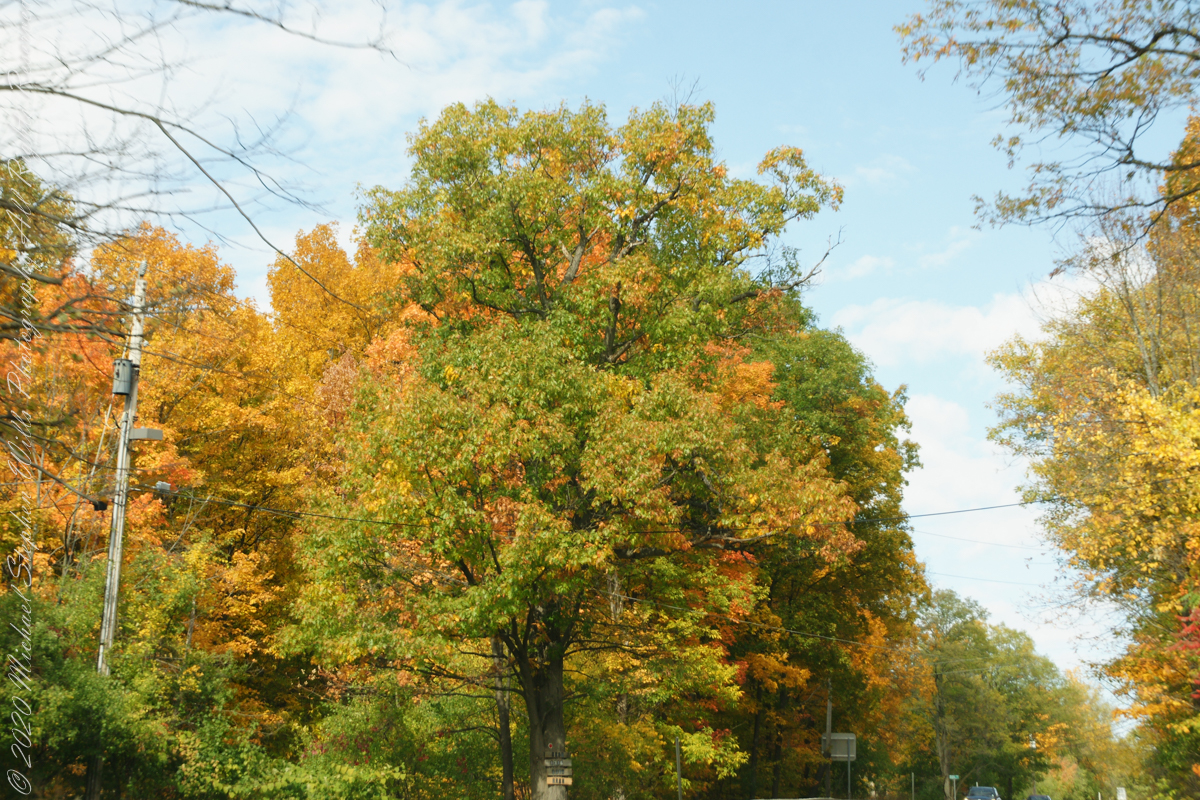
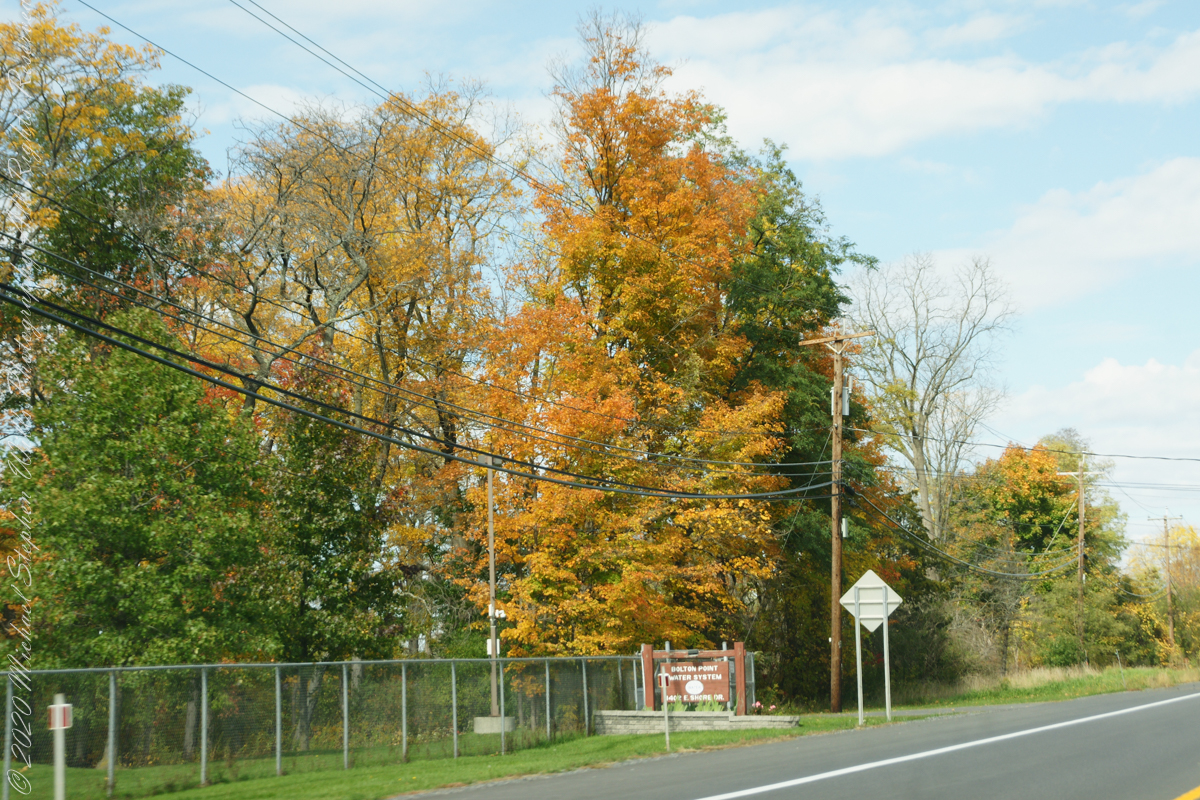
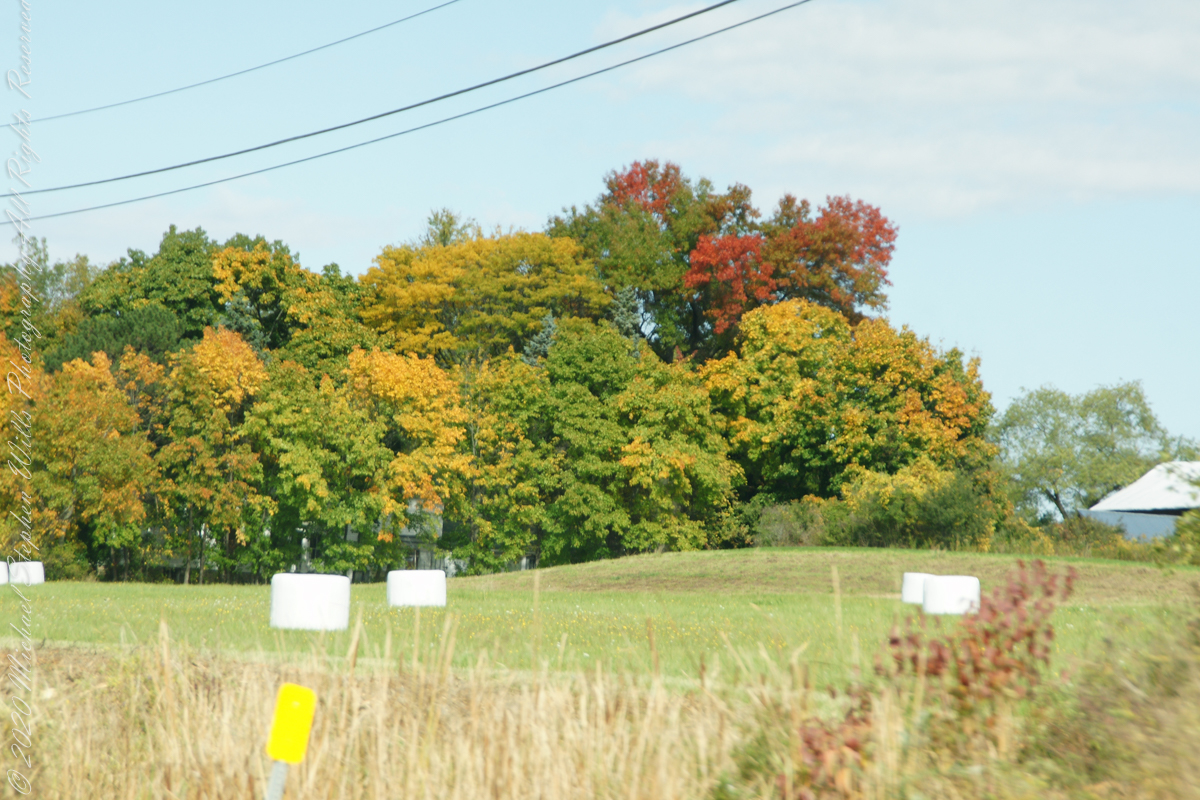
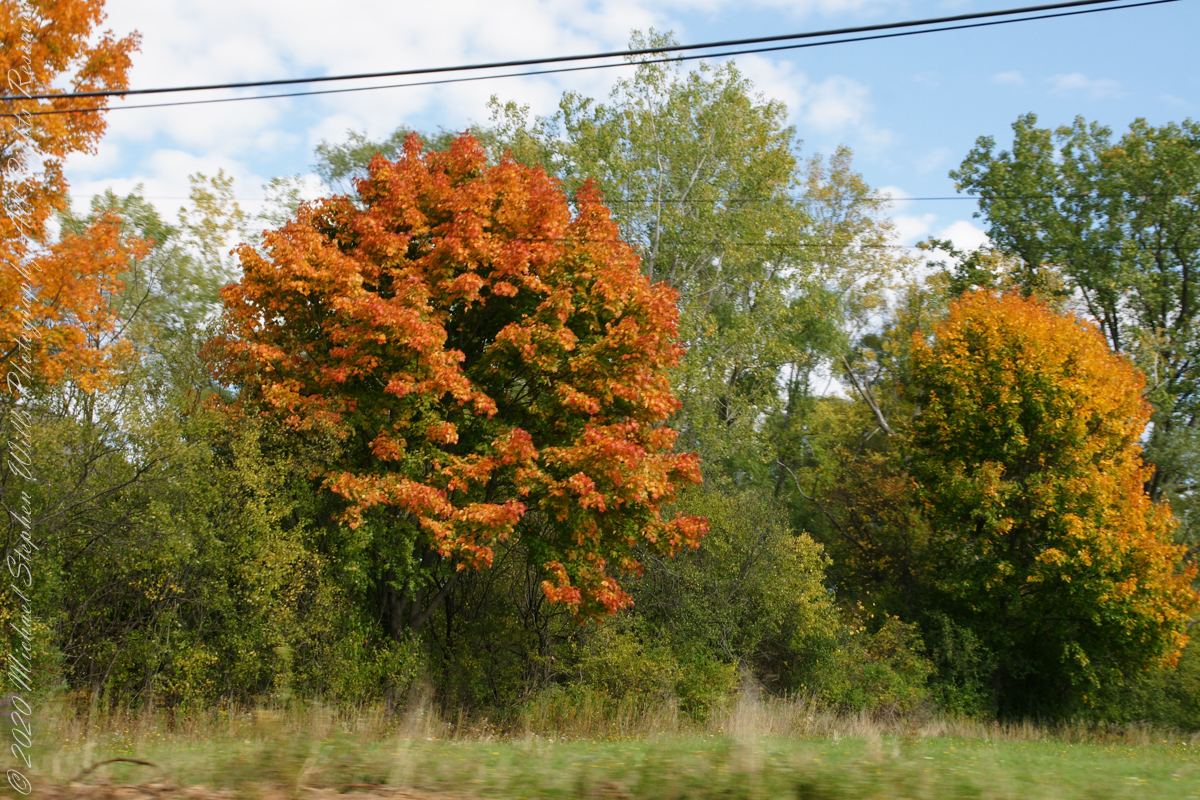
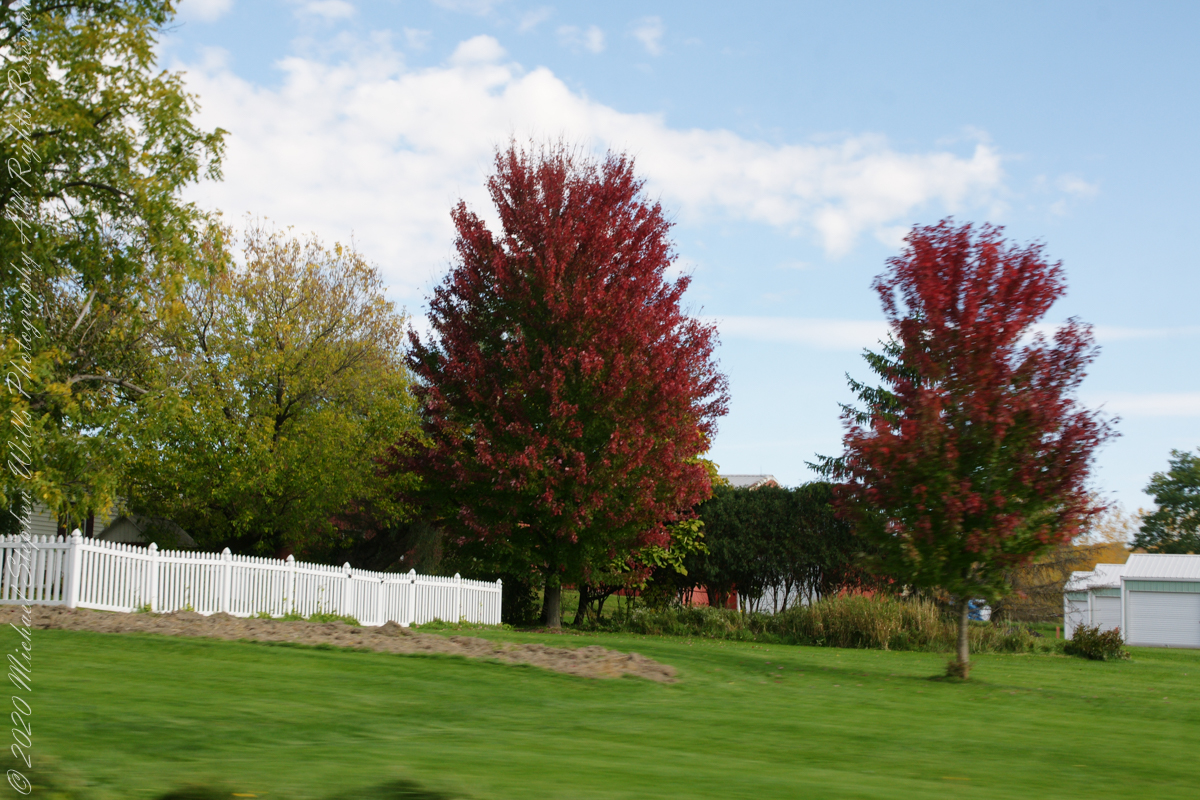
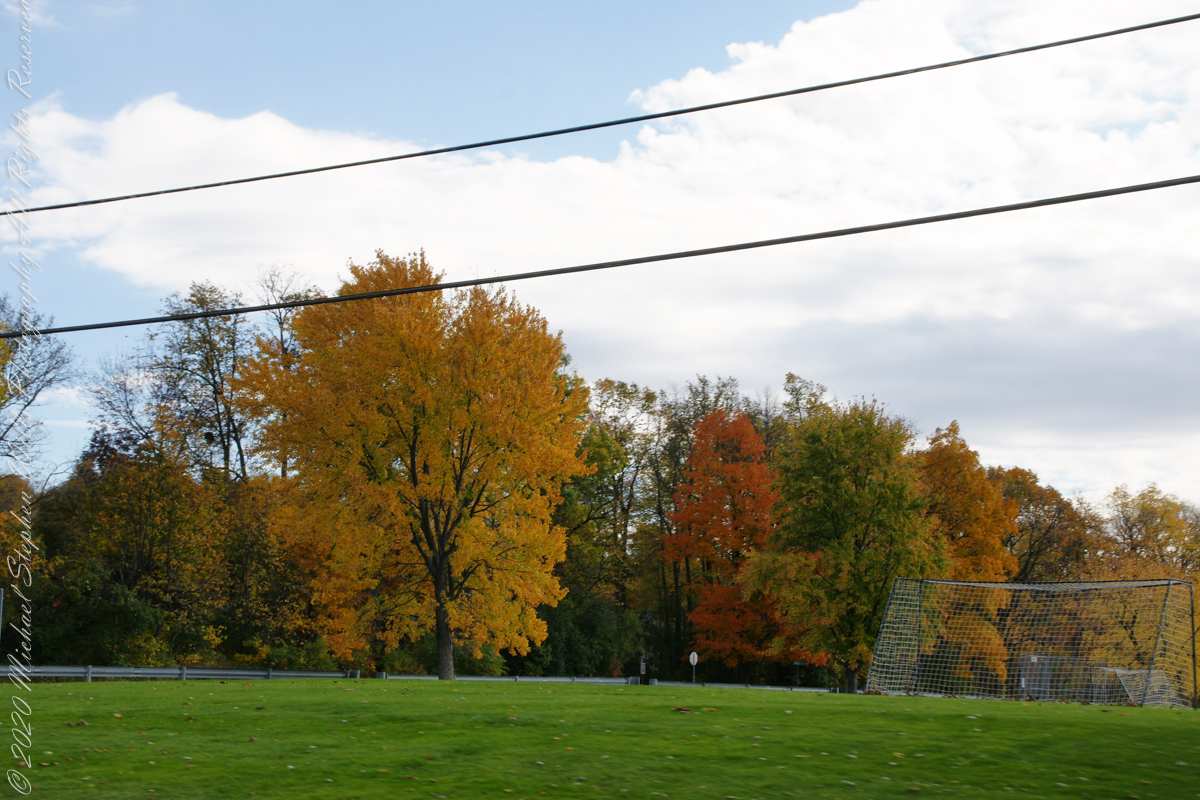
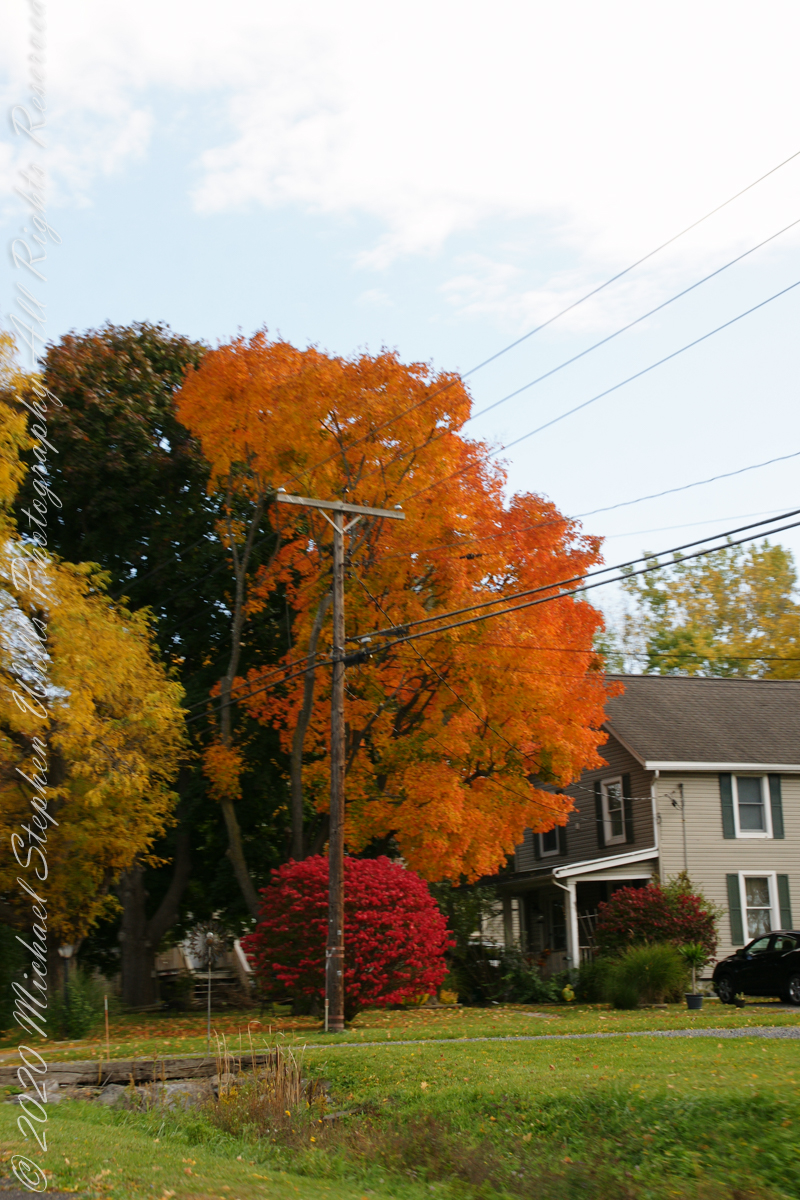
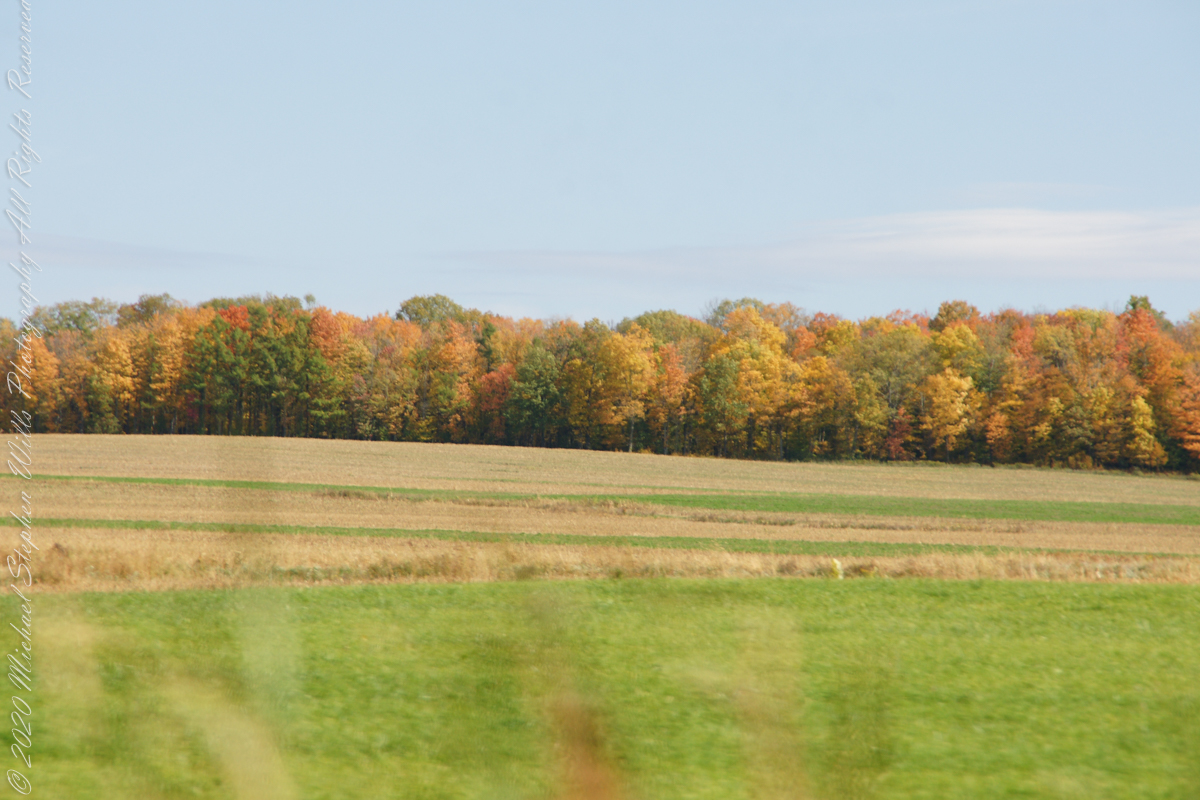
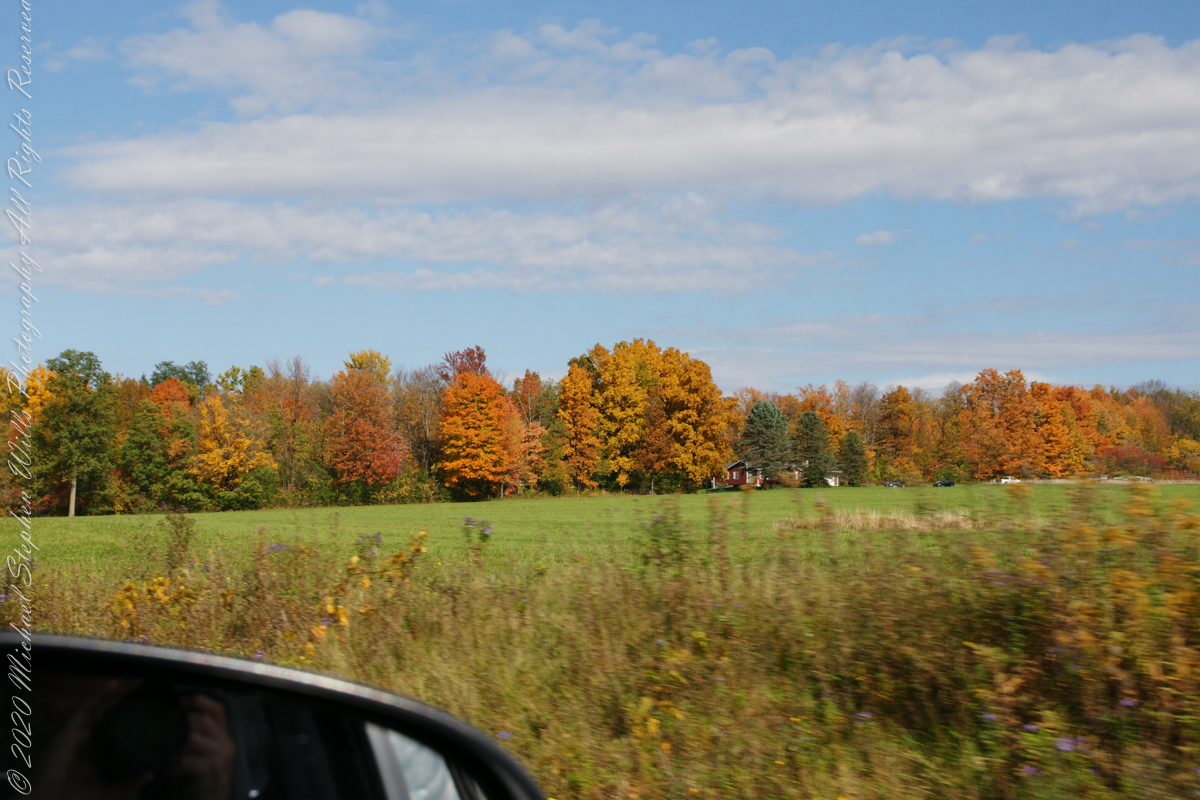
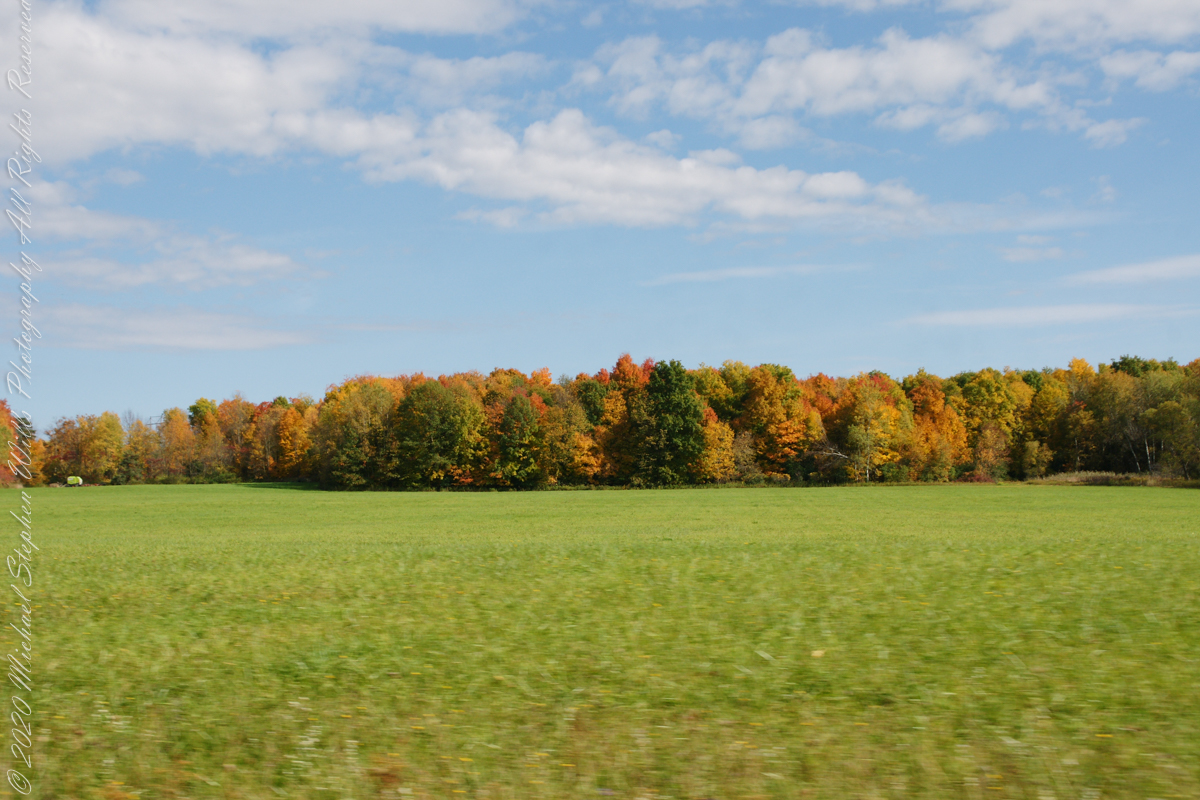
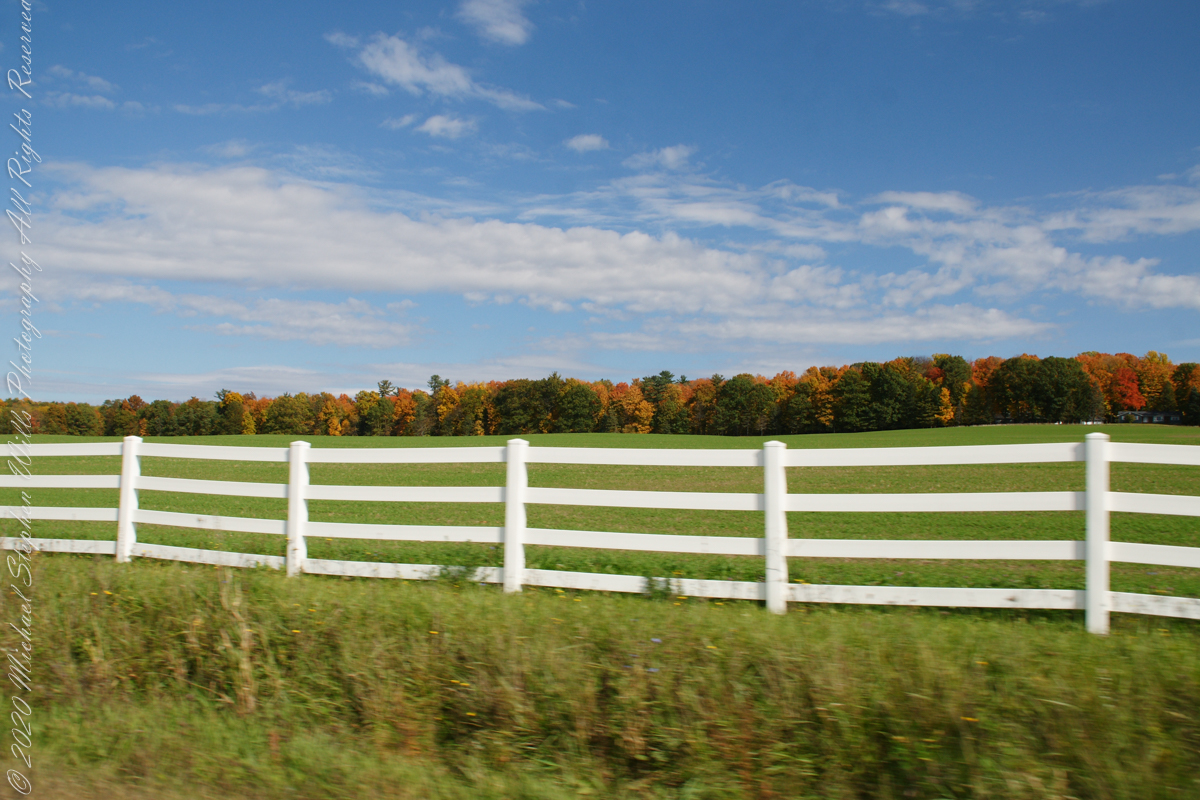
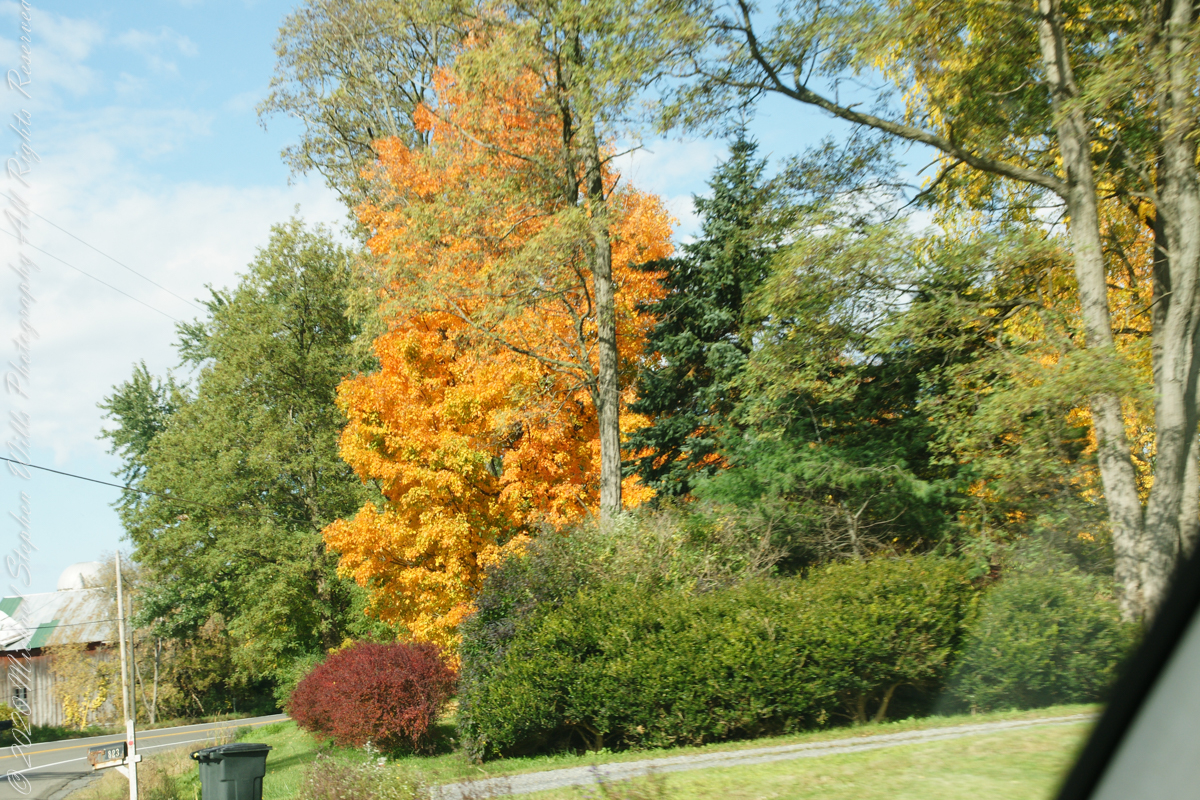
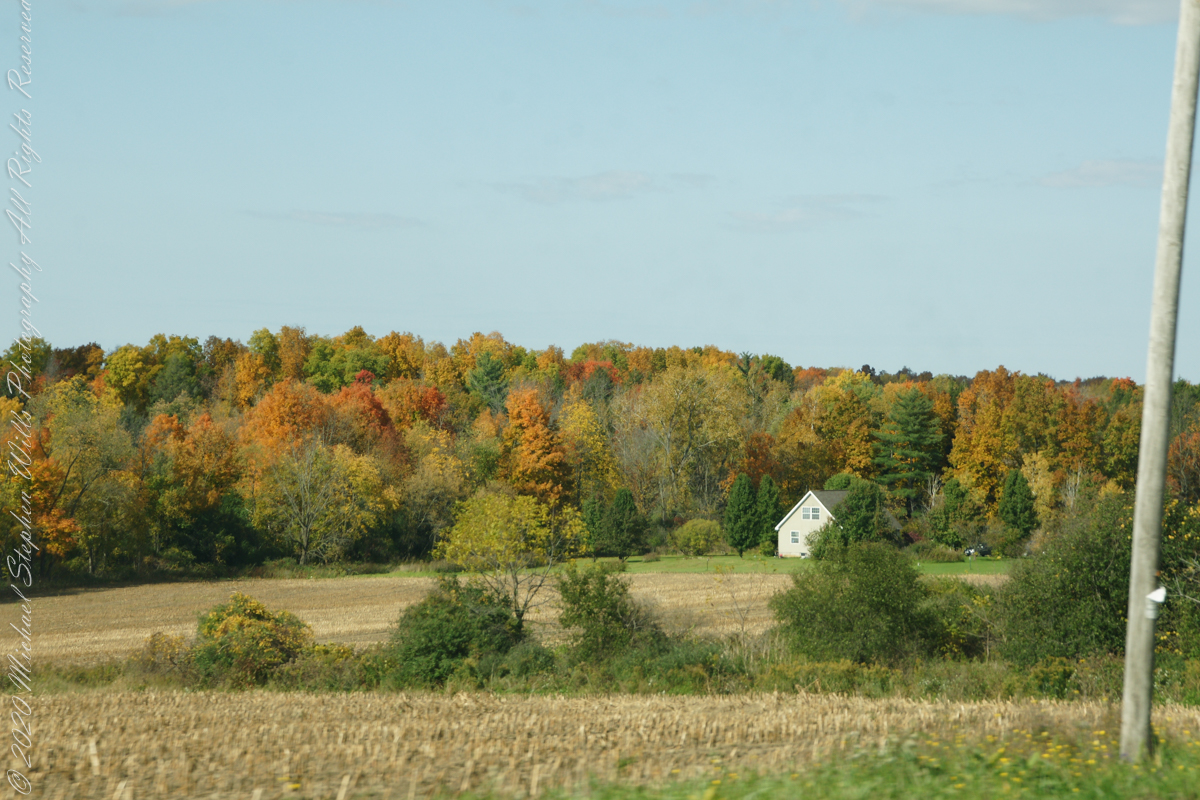
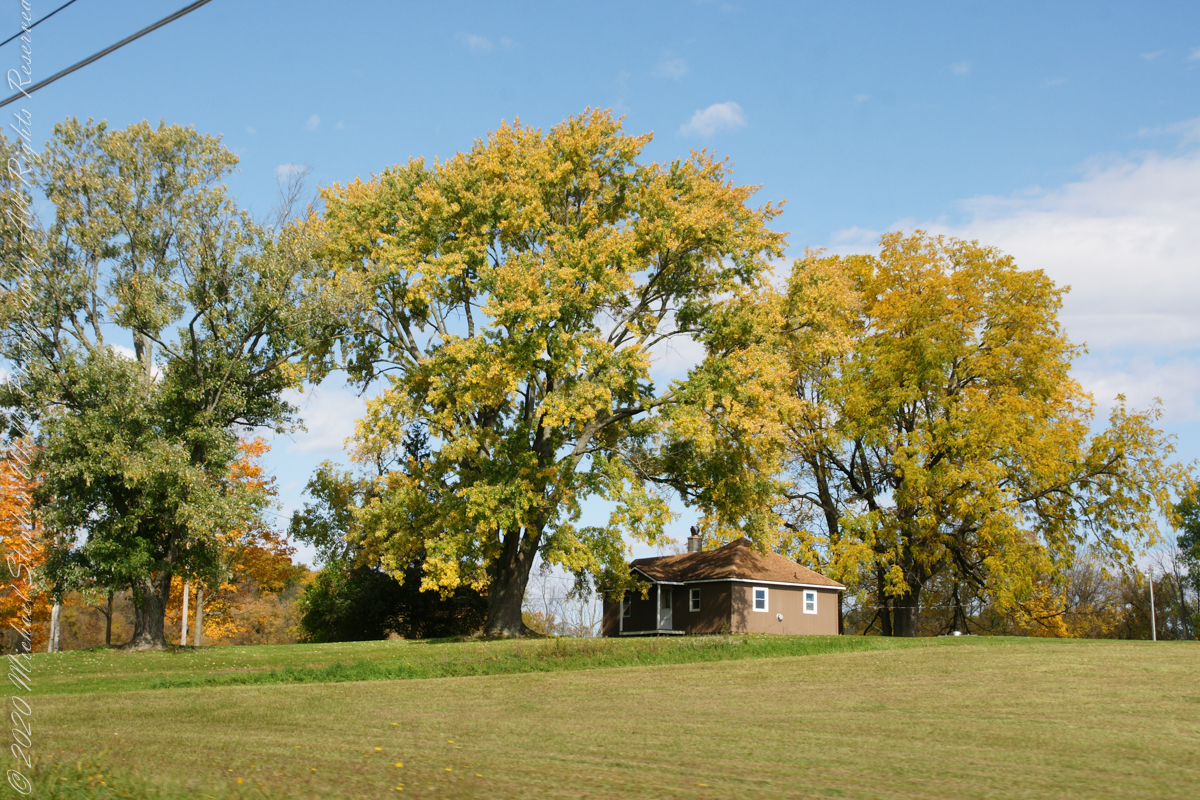
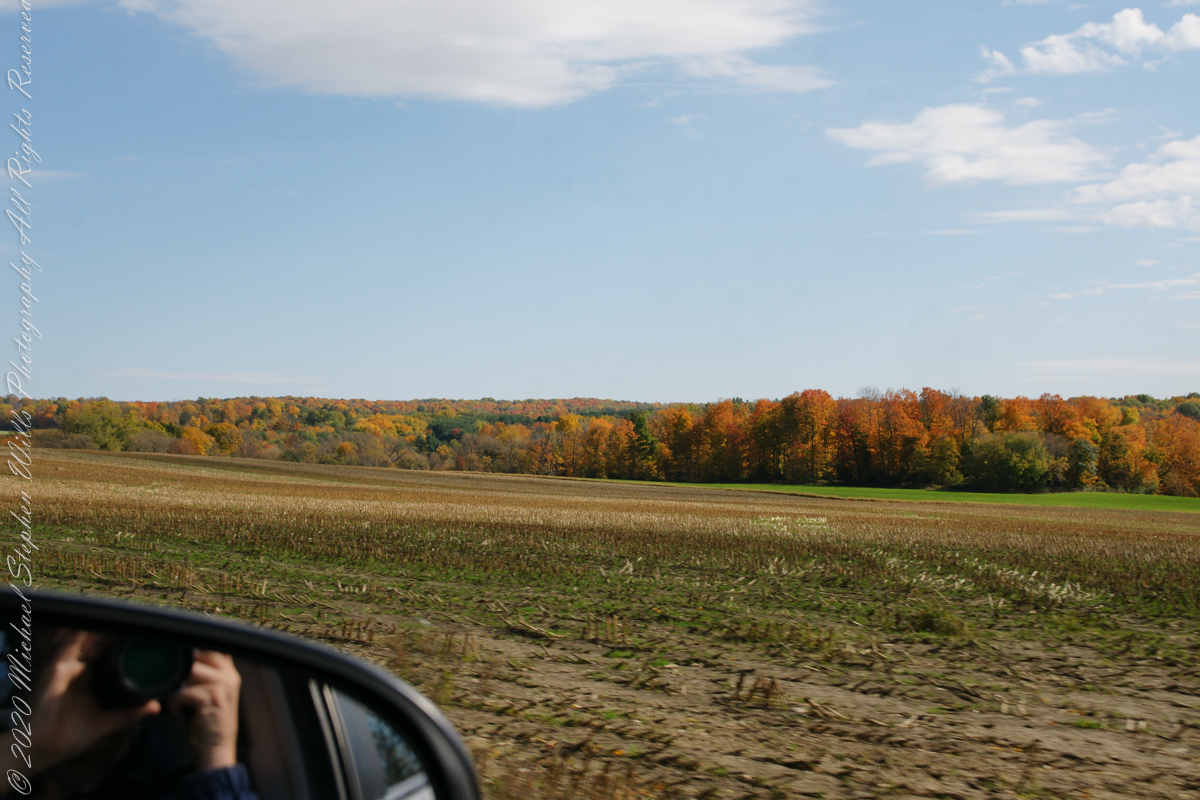
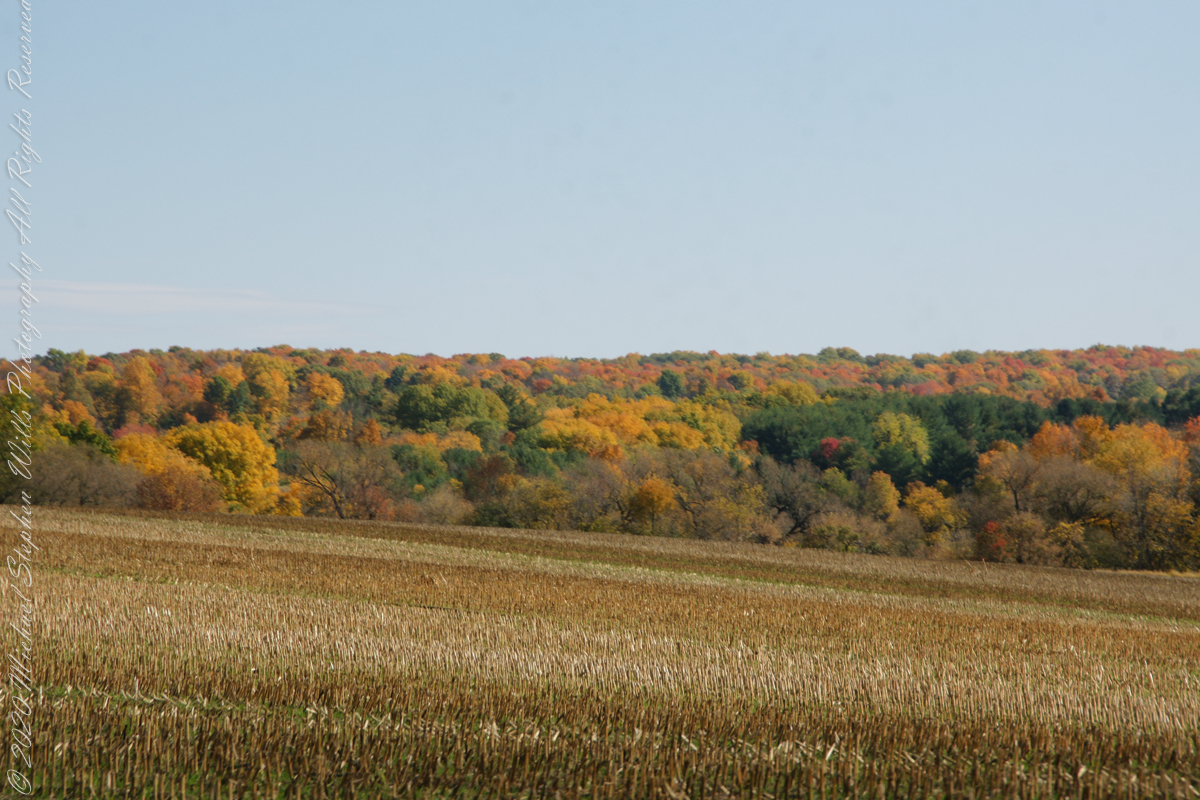
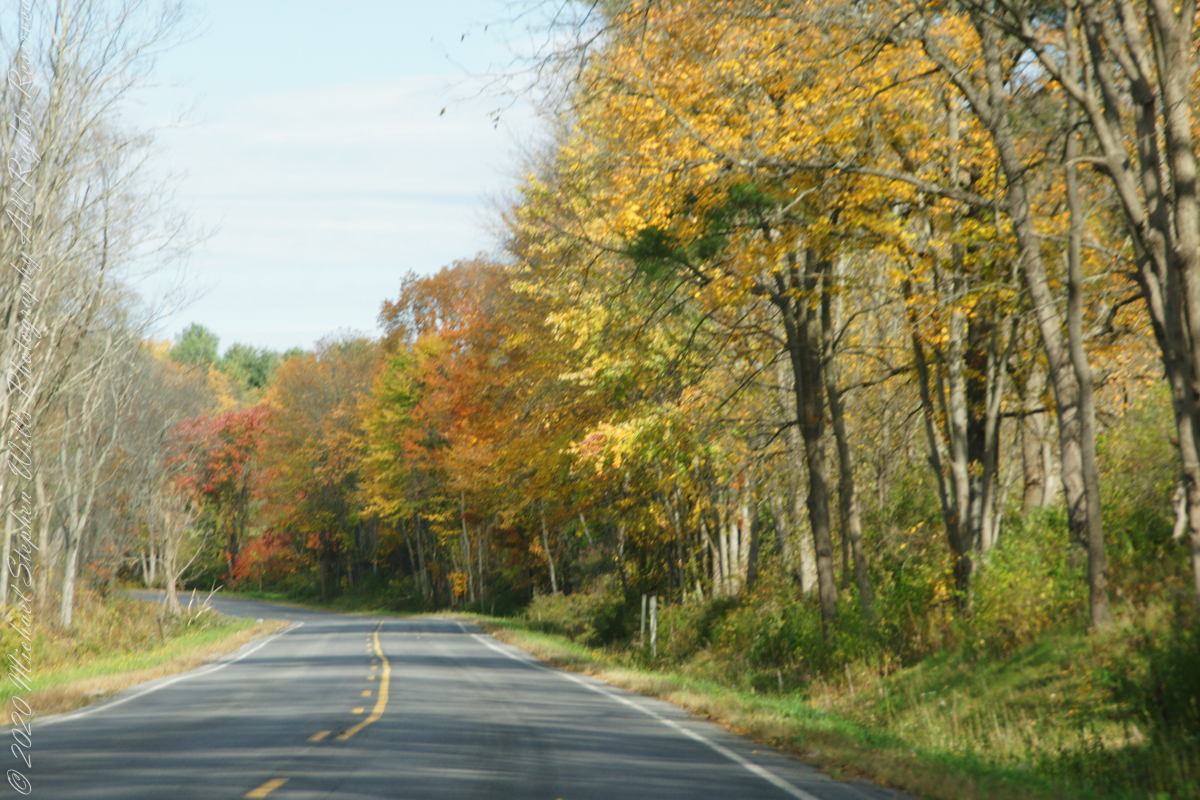
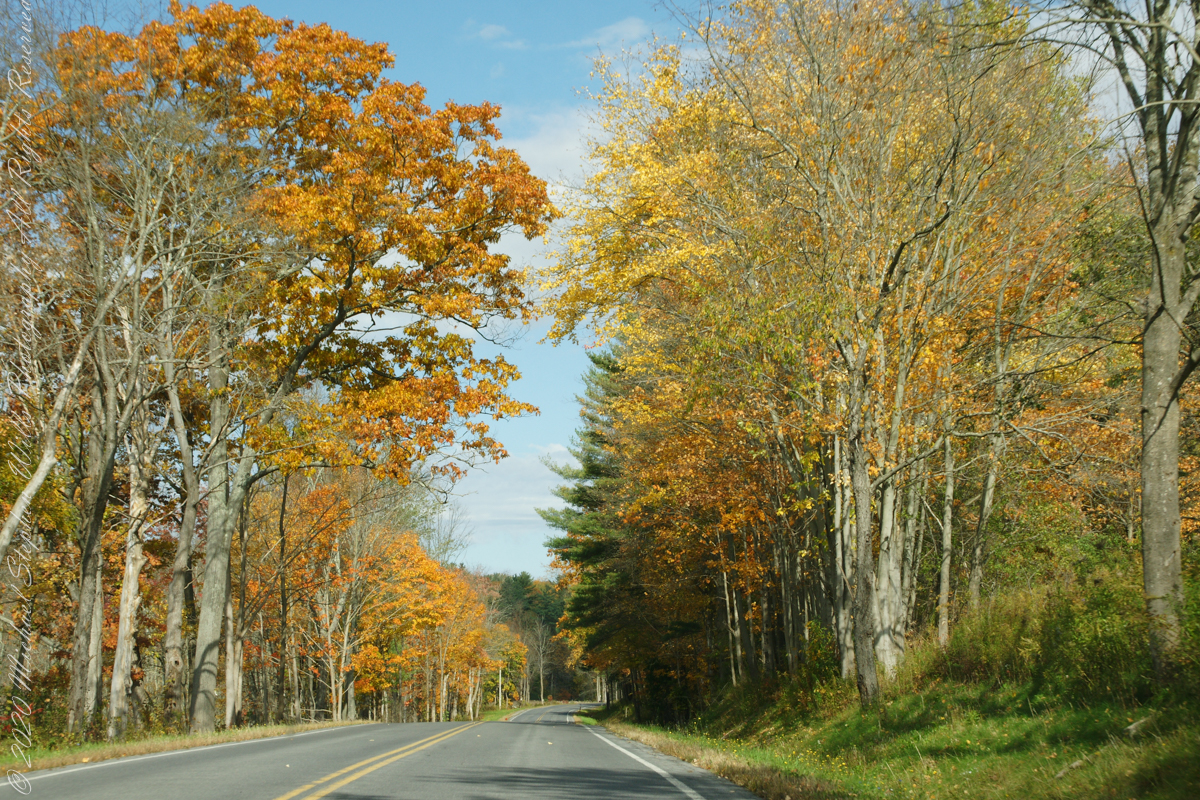
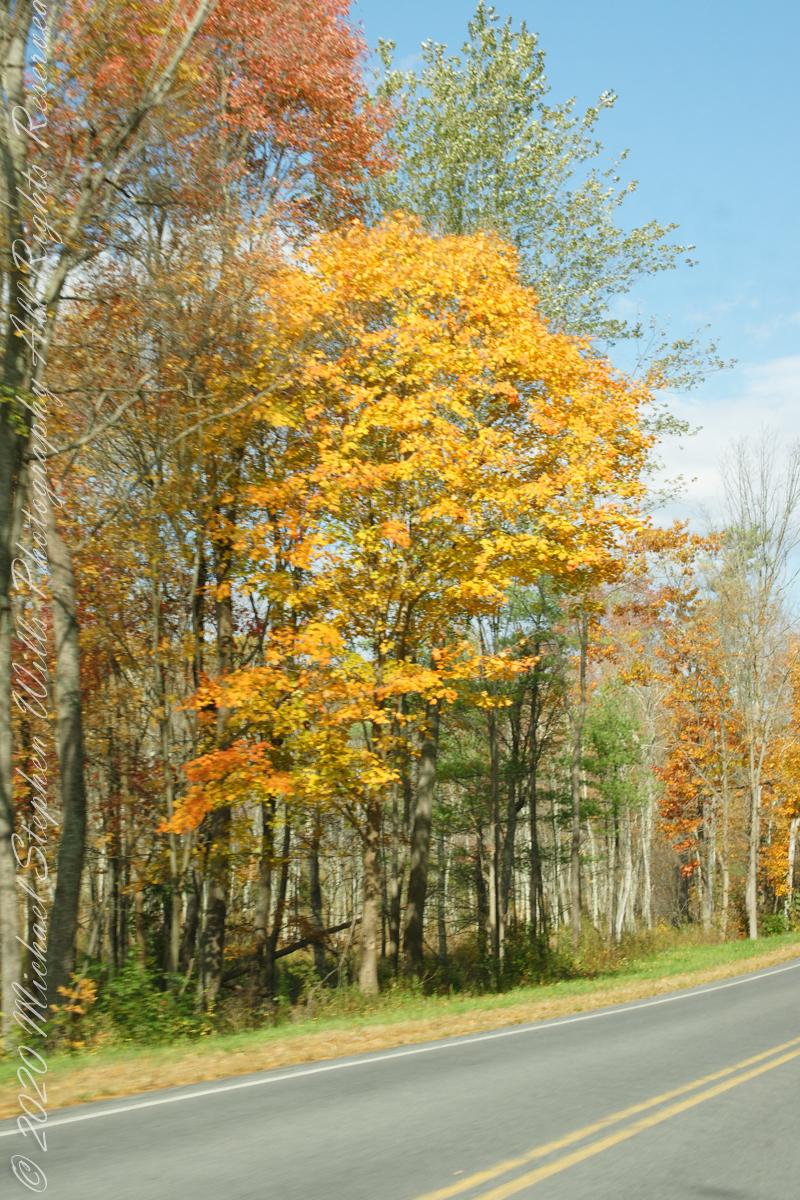
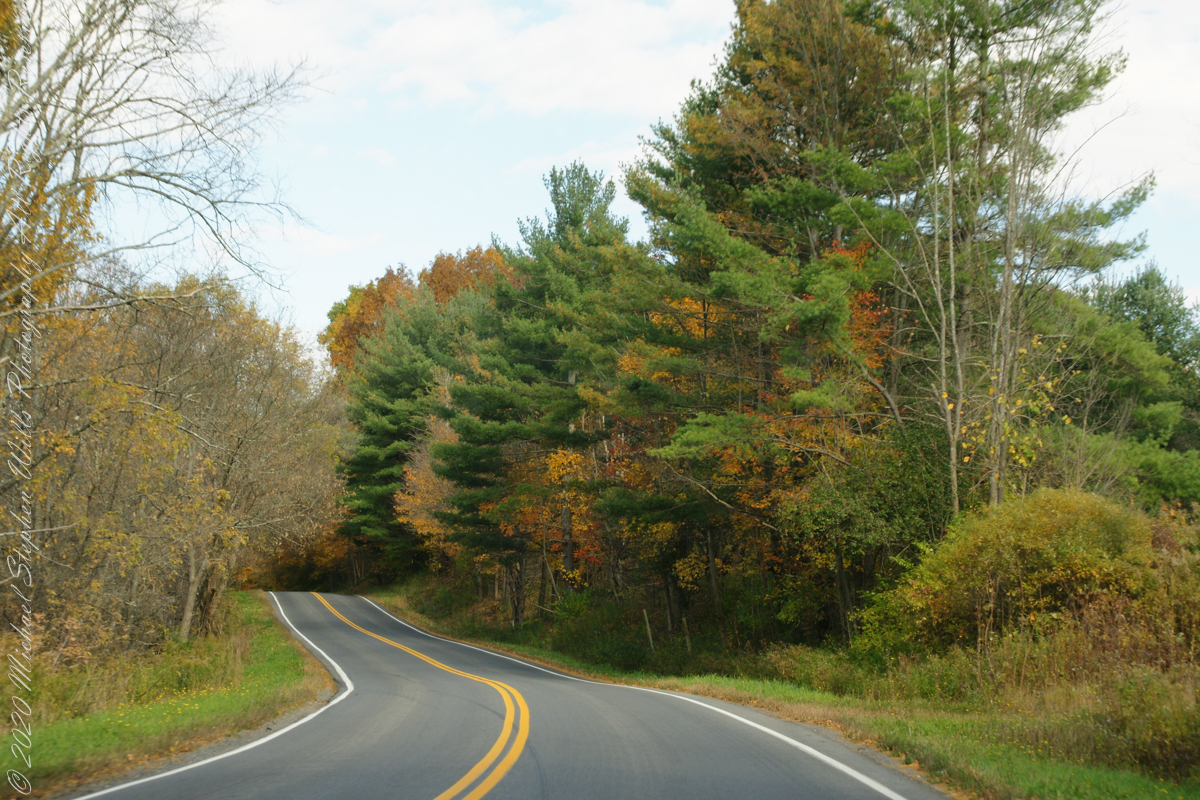
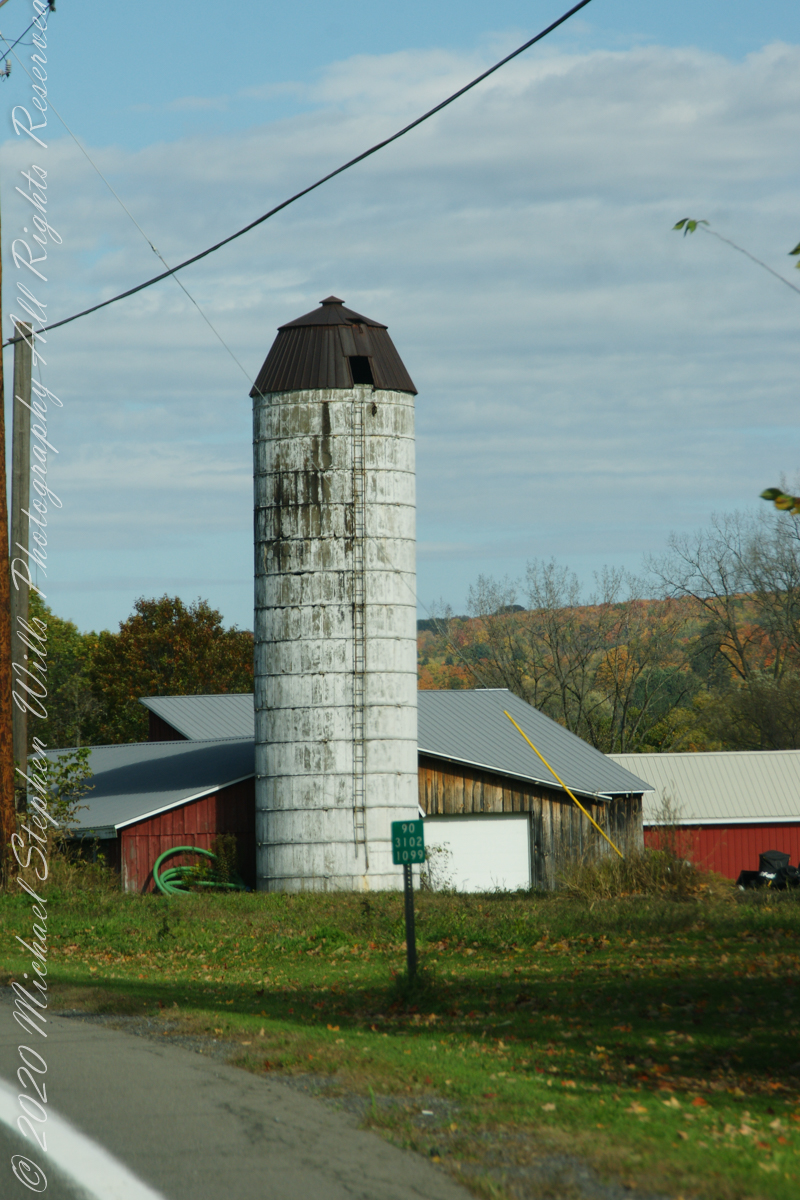
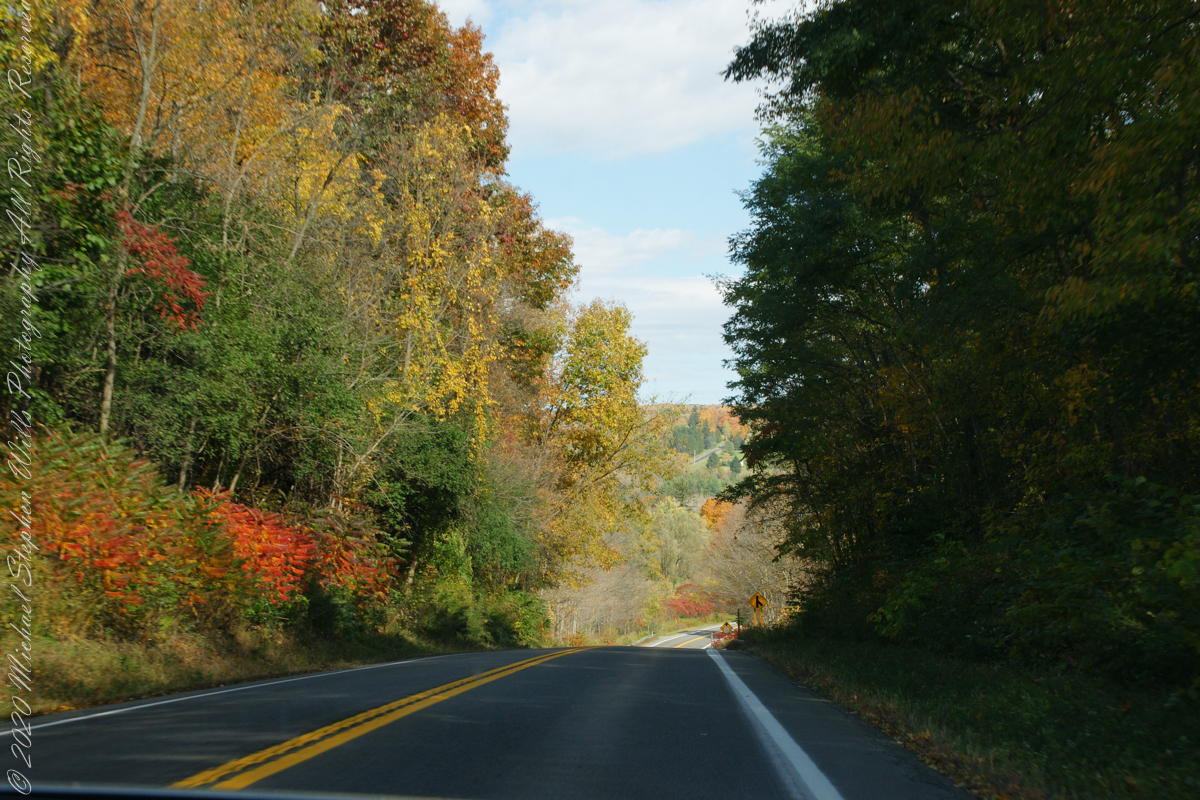
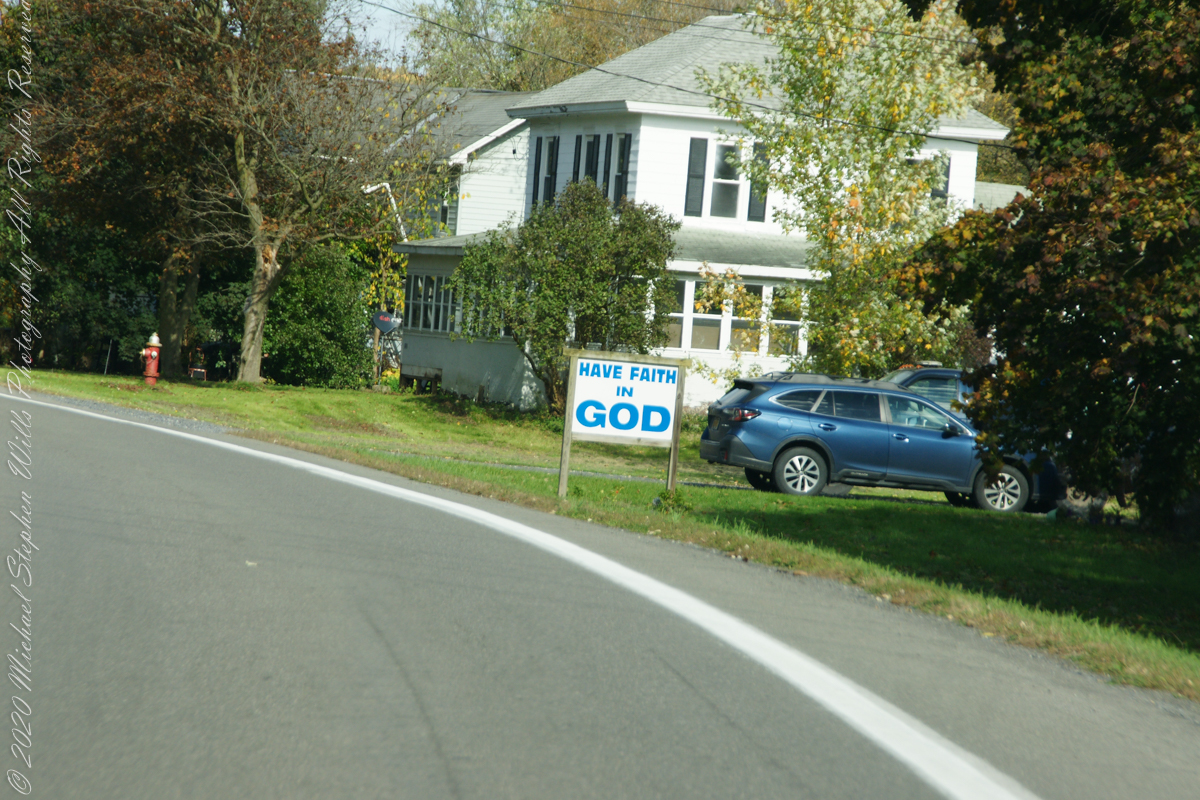
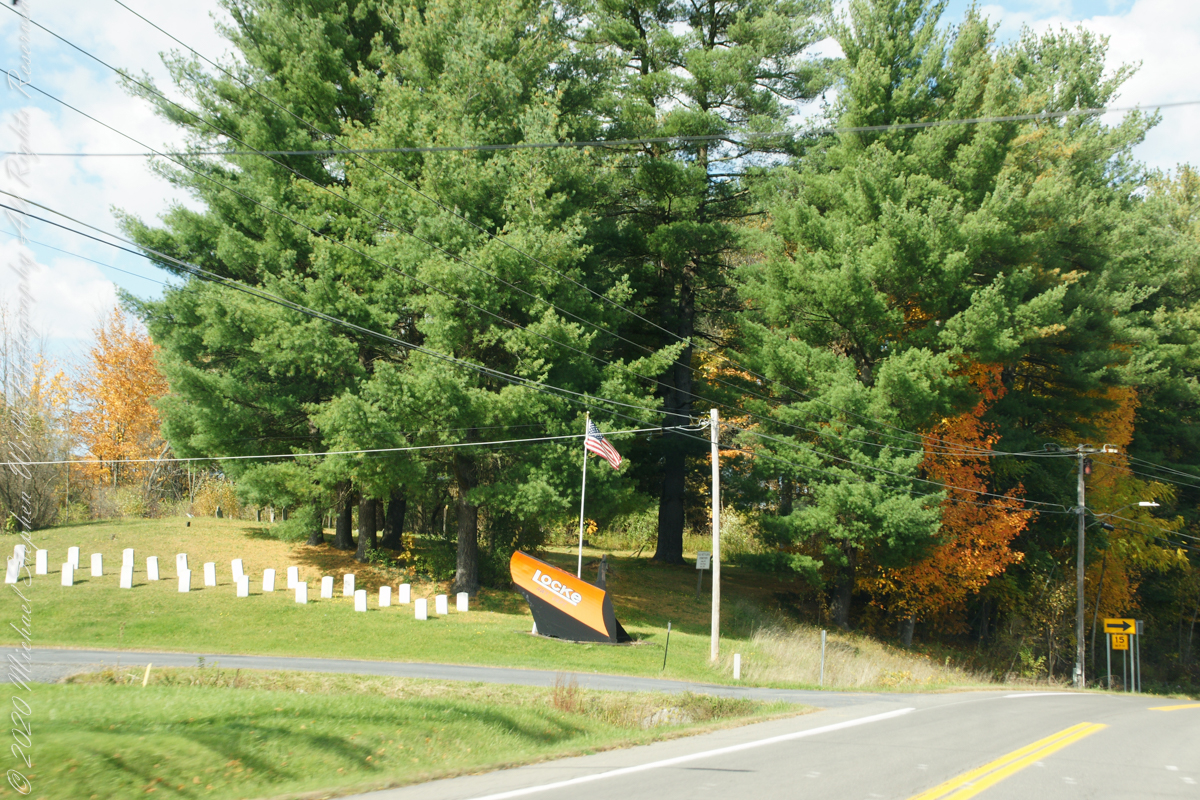
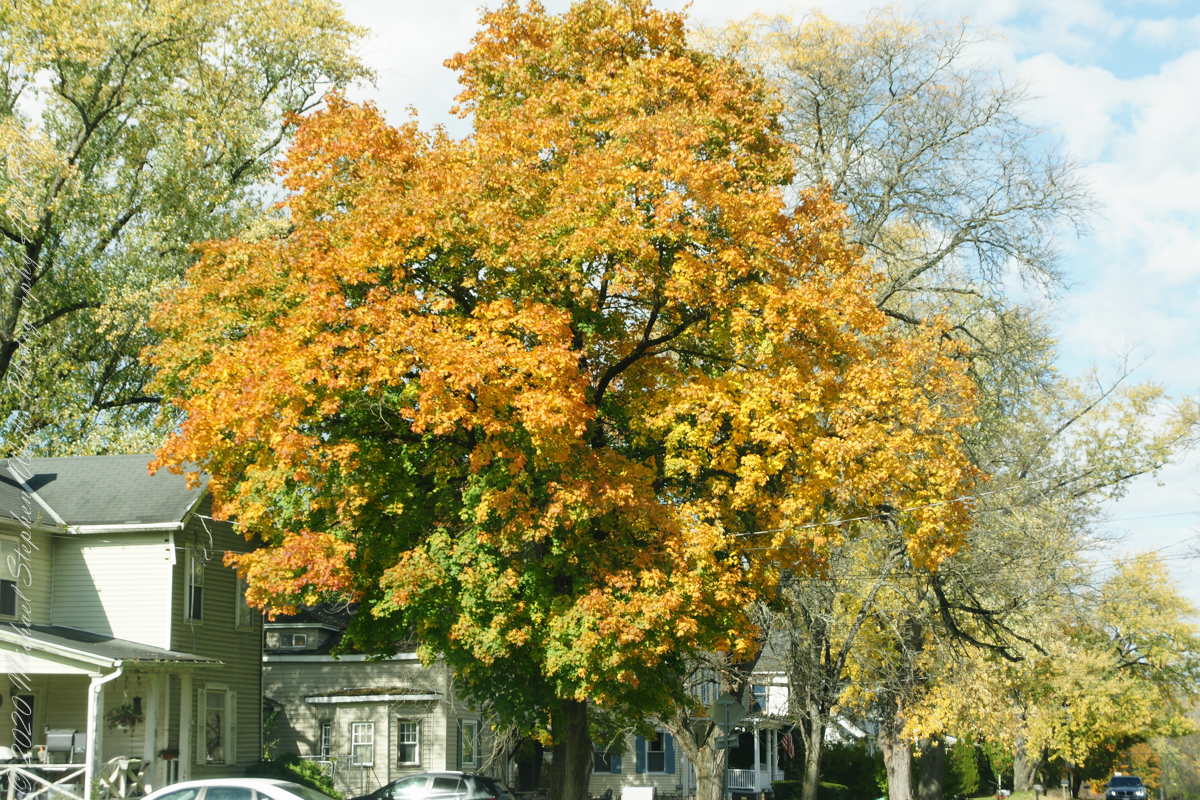
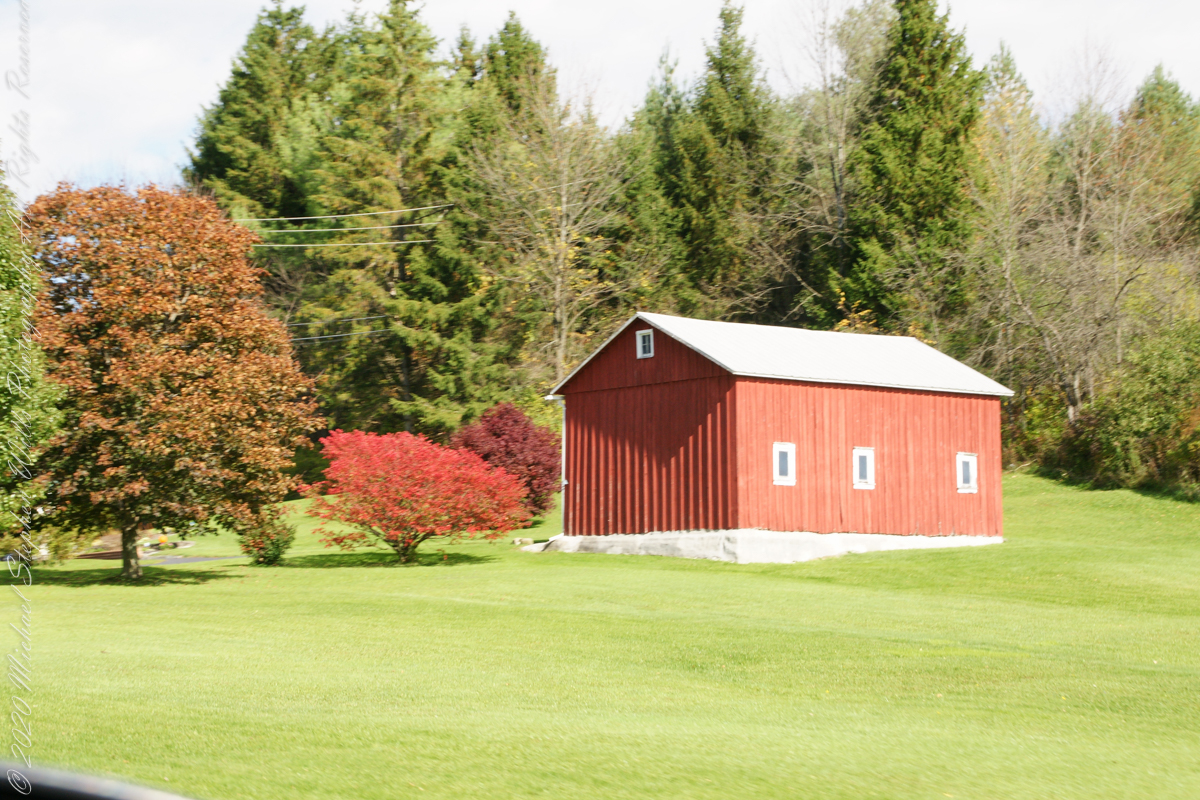
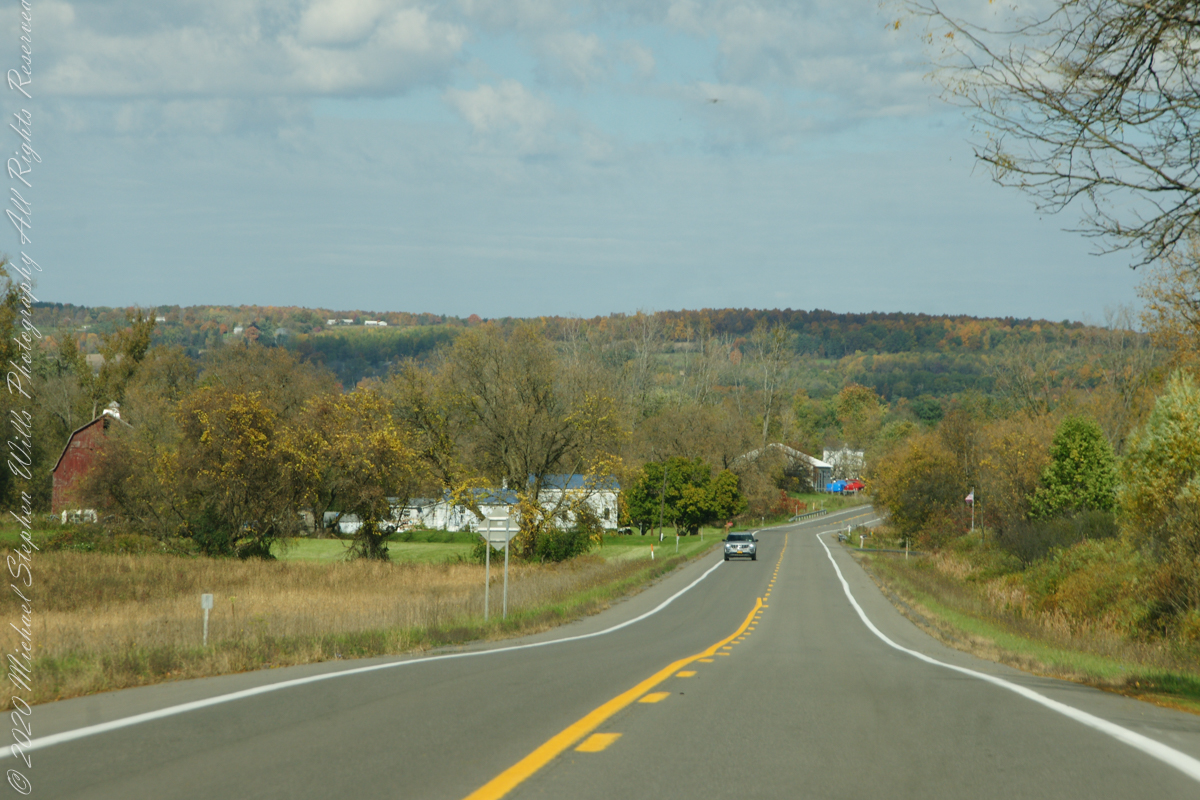
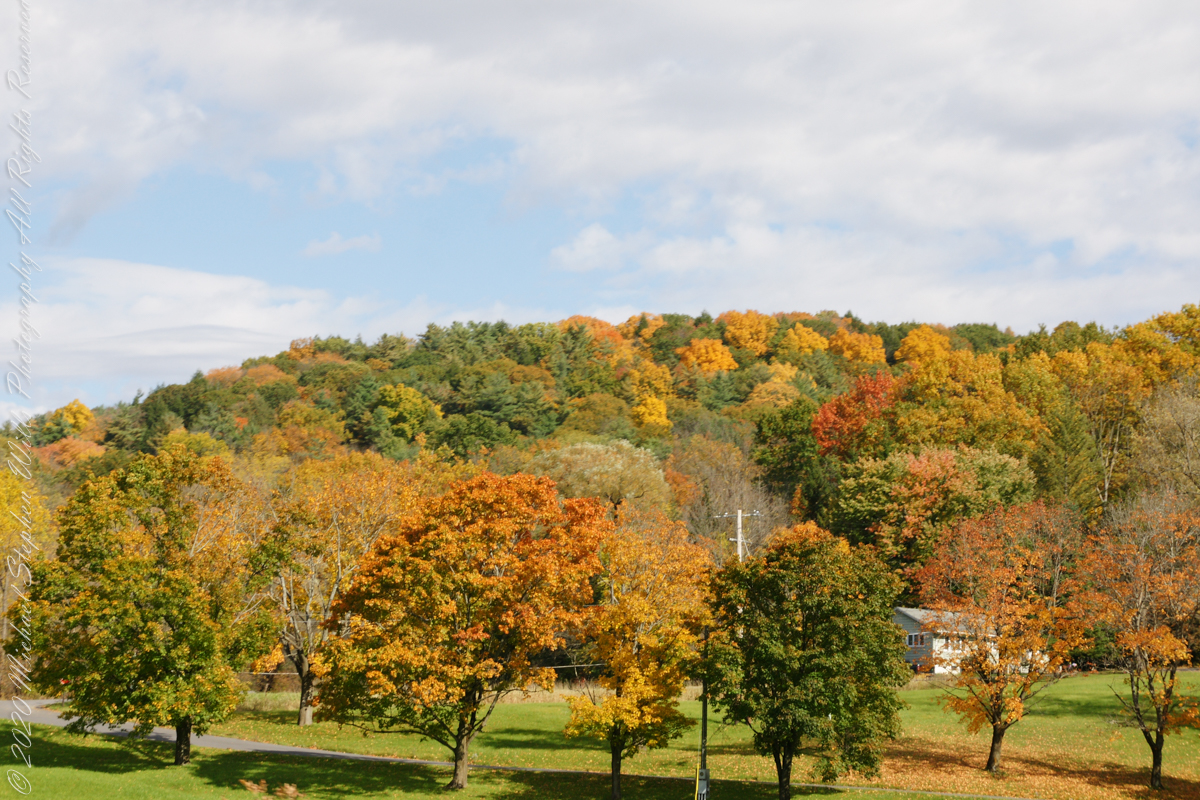
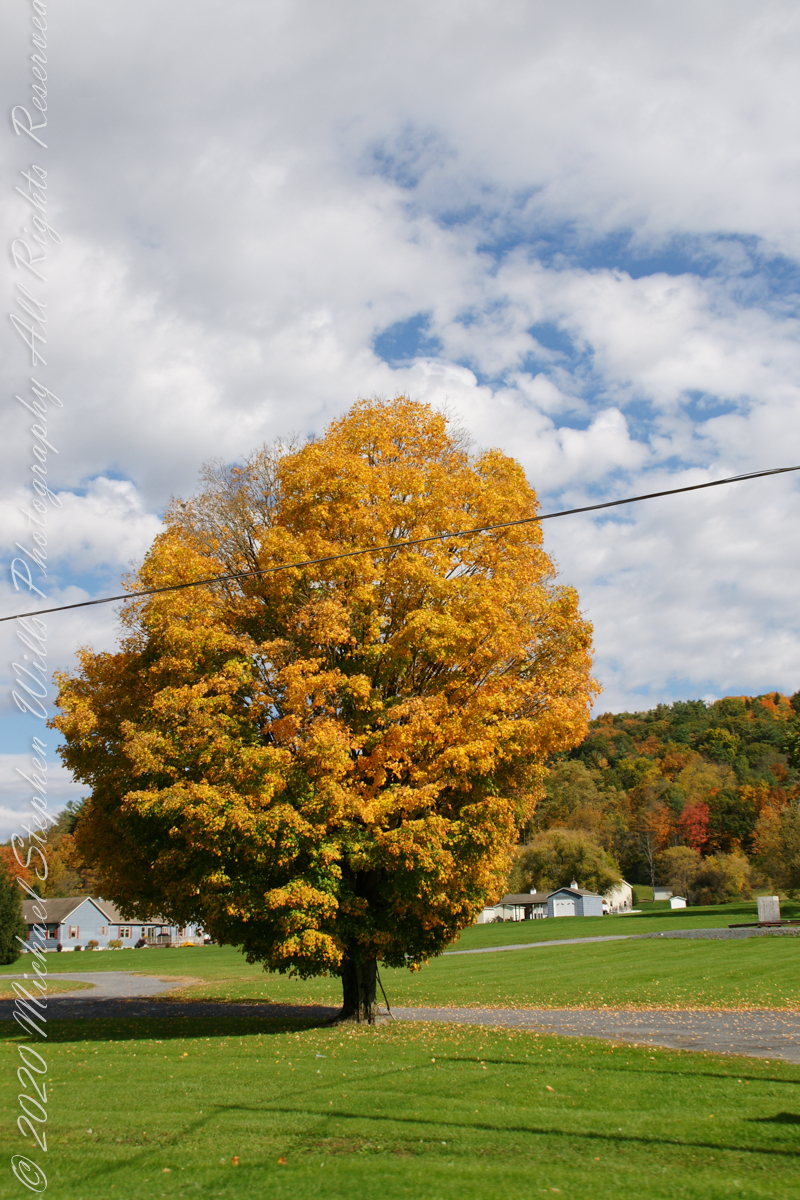
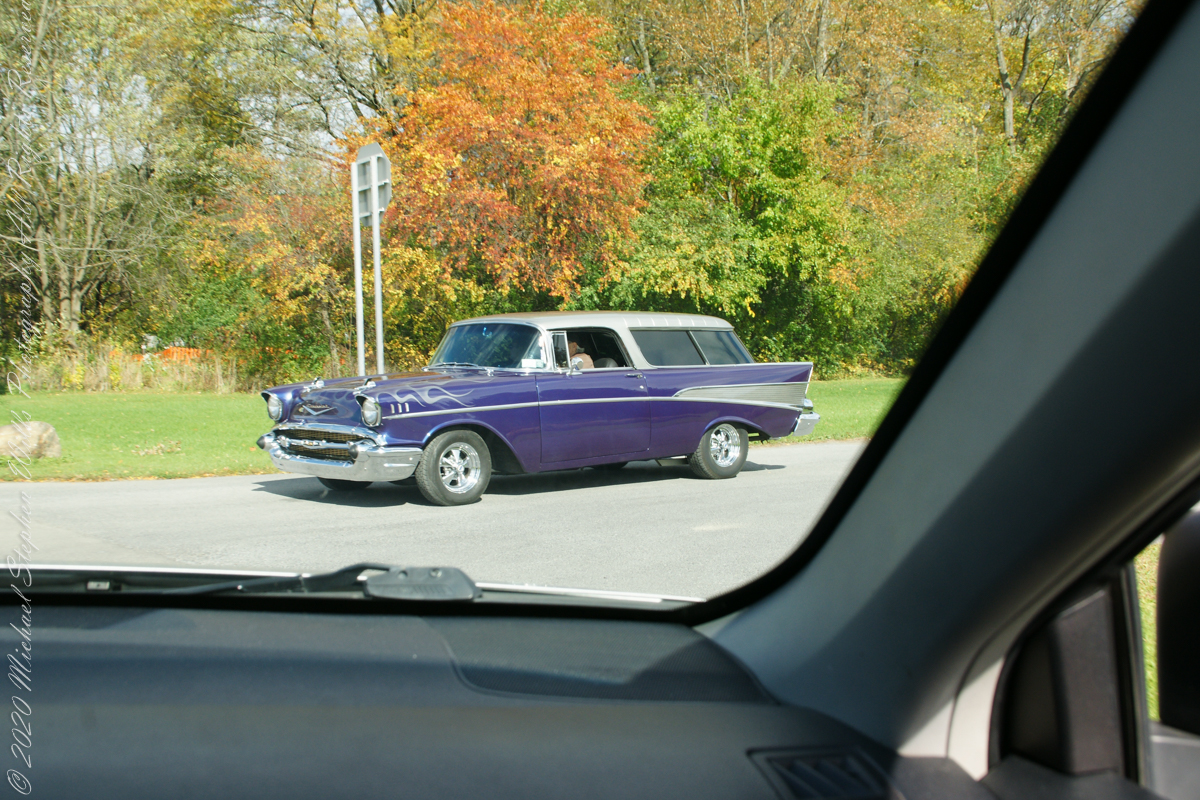
This is my farewell to “Fall” for now.
 Michael Stephen Wills Photography