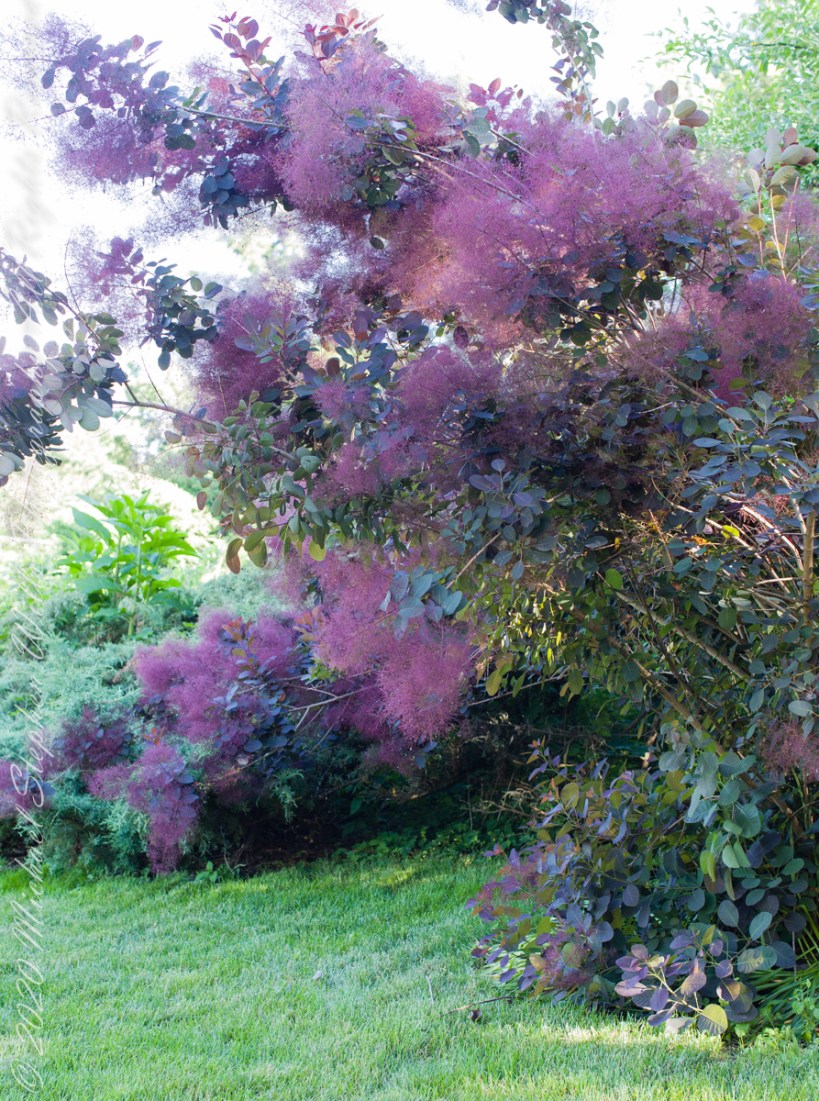
Smoke Tree, late June

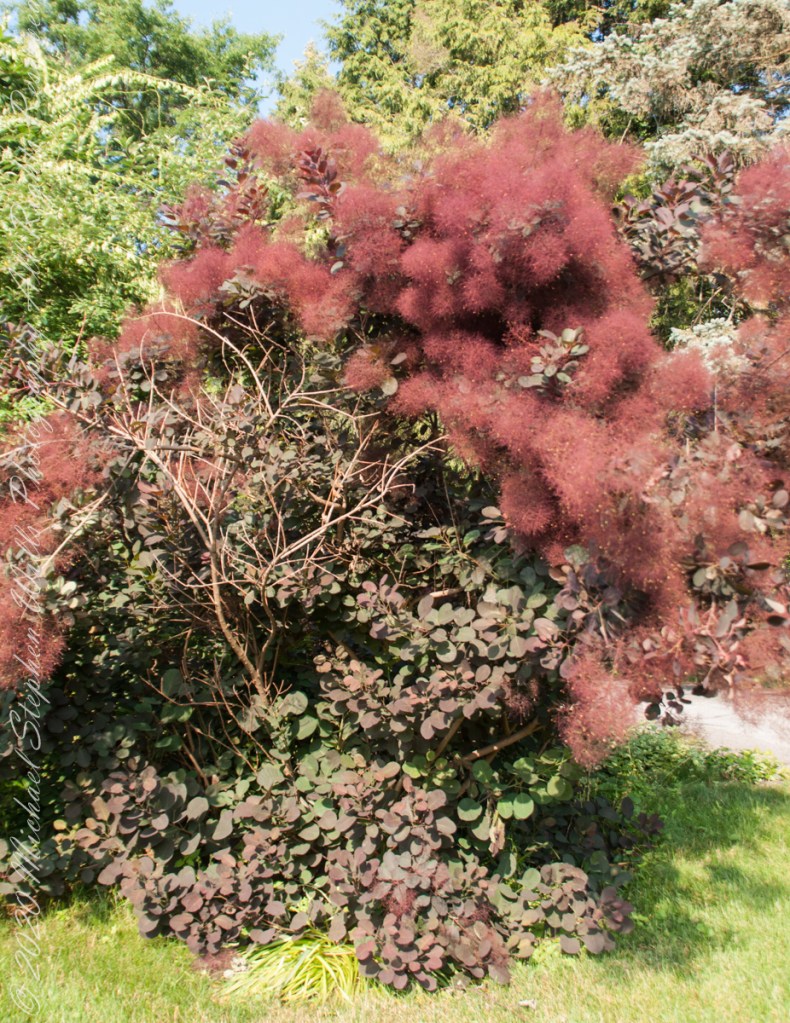
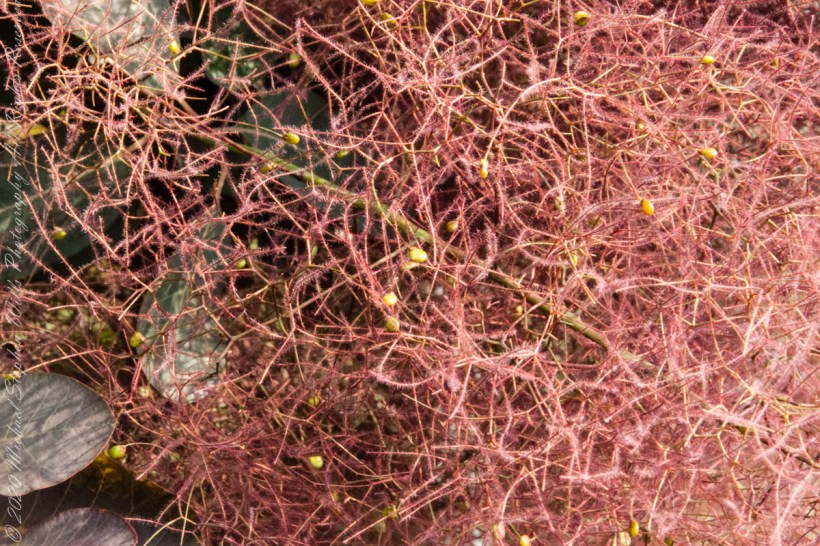
Three species of the genus Cotinus, commonly called “Smoke Tree,”in the family Anacardiaceae exist in North America, Europe and Asia. Ours is more like a shrub with numerous, long branches. Flowers with profuse filaments in clusters resembling whiffs of smoke. Here we see the flower filaments, interspersed with small drupes, each containing a single seed.
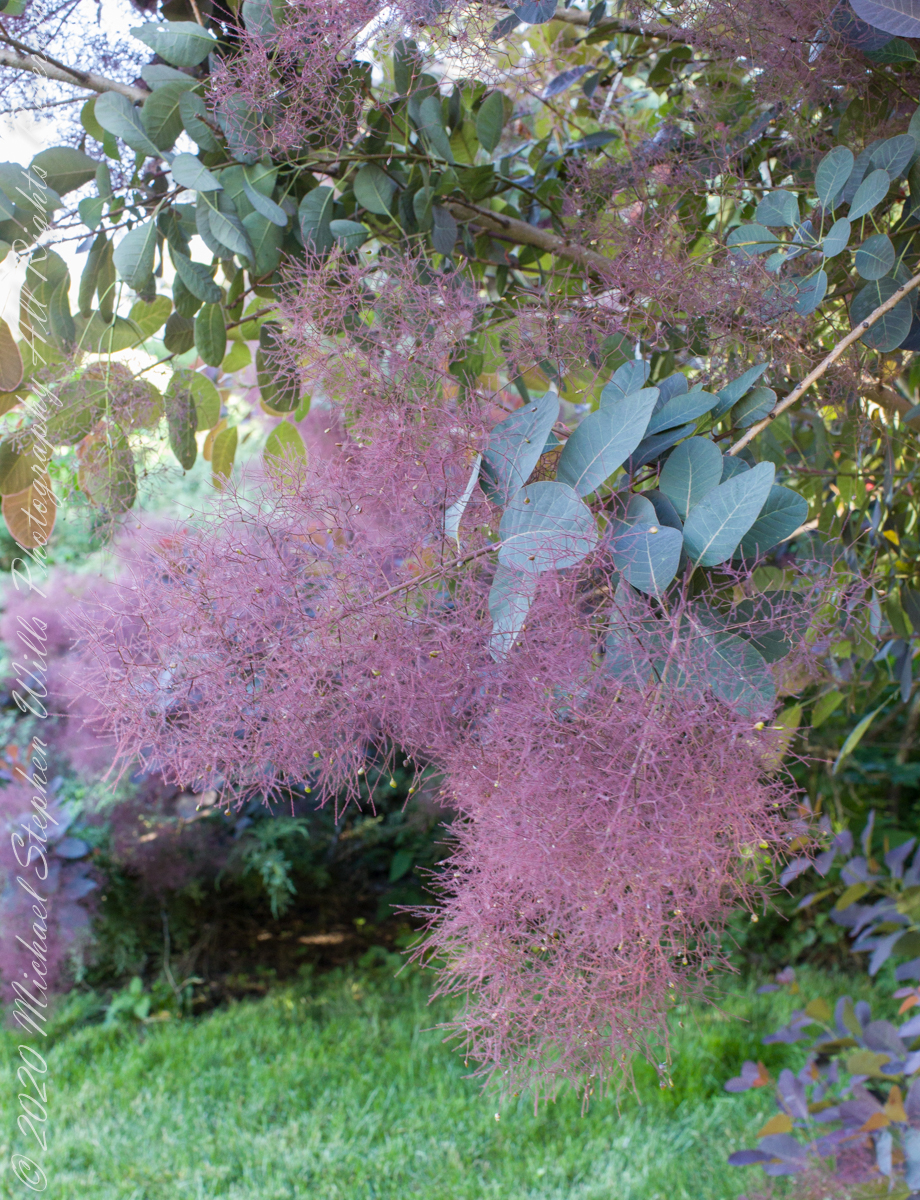
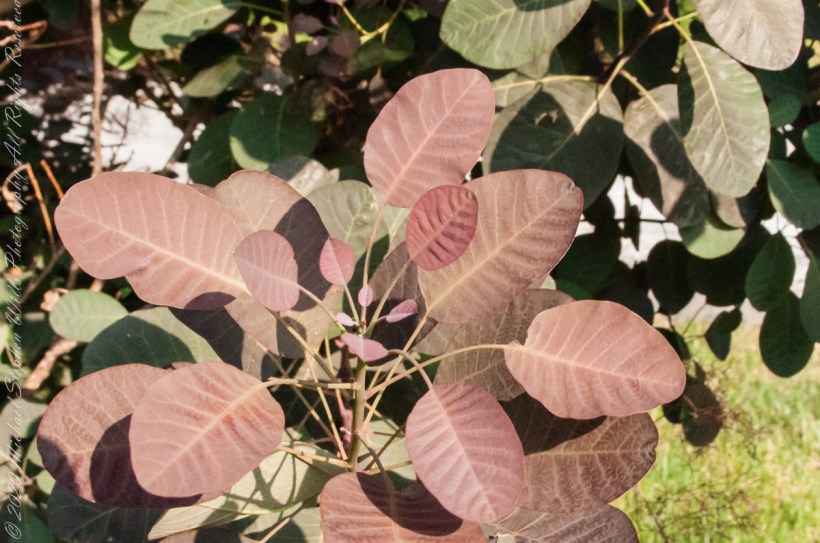
The post header, and these photographs were made from the Canon EOS 5D Mark IV, Canon Lens EF 50mm f/1.2L USM stabilized with a Manfrotto 468ZMZ tripod with hydrostatic head. Late afternoons, evenings the tree is shaded by a hemlock hedge (line of trees running north/south) this is the shade here. This Canonn dslr excels in color rendition. The flower masses are a burgundy wine color, the leaves have a purple tinge. I do not directly fertilize, as the plant is said to do best with unfertile soil though the surrounding cedars do get fertilizer stakes.
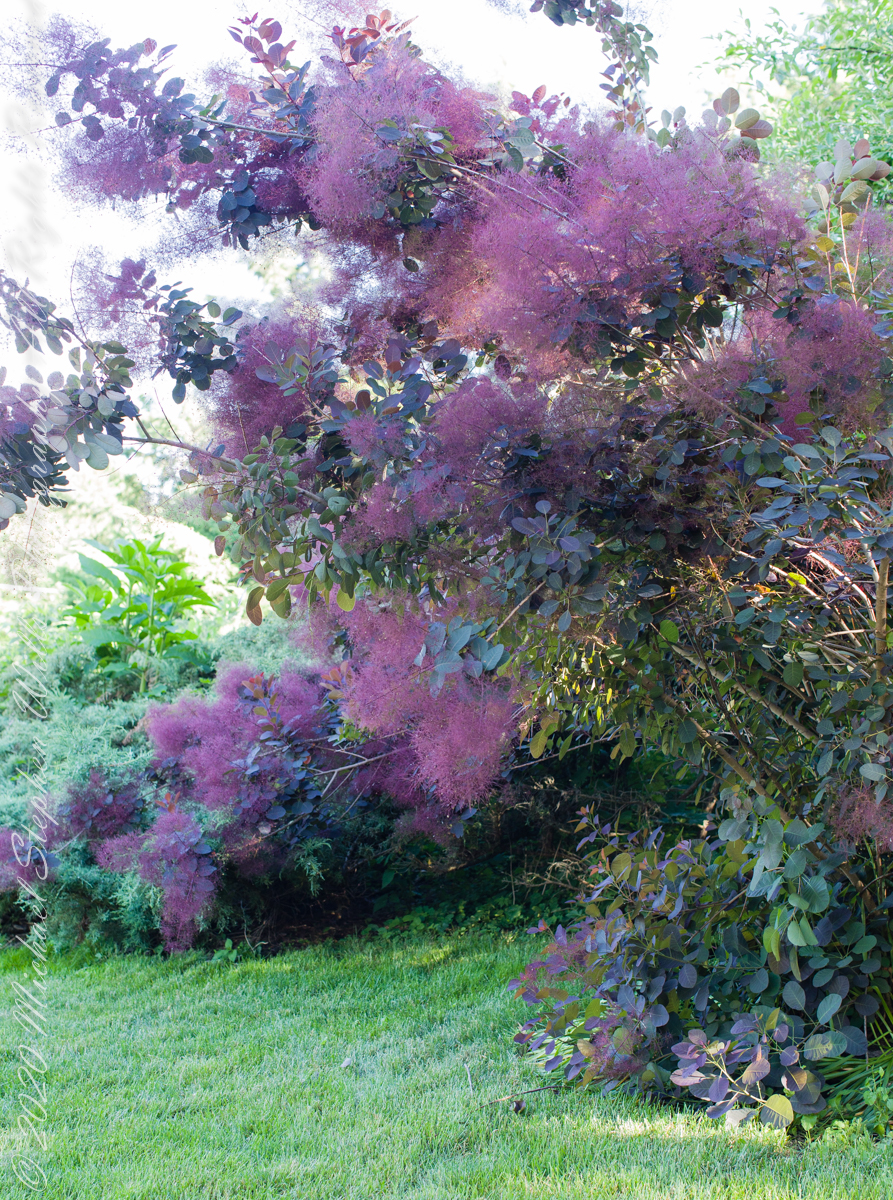
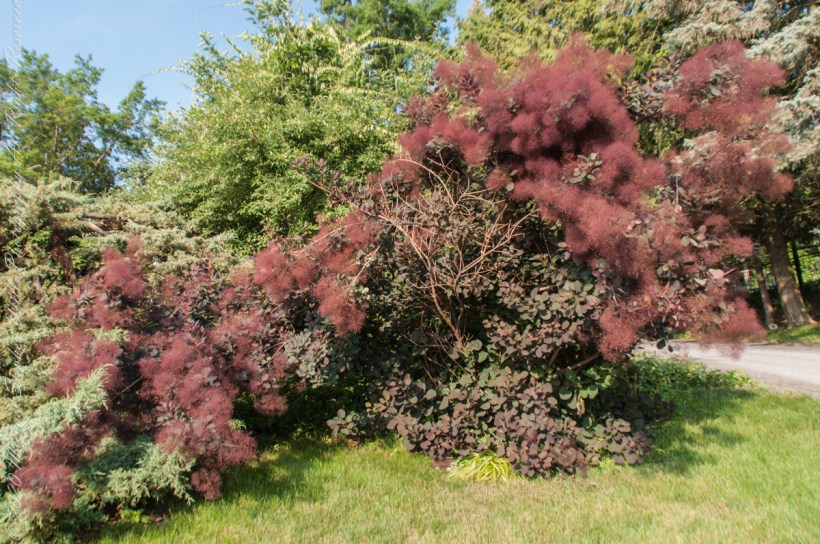
Eight AM a following morning I followed up with a handheld session using a Sony DSLR-Alpha700, Sony Lens DT 18-200 mm F3.5-6.5. Took these two shots with a lower ISO and tweaked the images in Lightroom, reducing the exposure. The flower smoky effect is well captured, the color in bright sunlight is not as wine-like as in shade.
By the time I proceeded to macros, a morning breeze kicked up, handled by upping the ISO to 3200 for a faster shutter speed to stop the movement. The bright sun helped with this.

Fertilized flowers develop into fruit stalks with radiating filaments, the yellow dots are the drupes (fleshy bodies surrounding a single seed). Fresh leaves are purple, turning to dark green with age. The leaves are as unusual as the flowers: aromatic, simple and round on long stalks. Autumn, the leaves turn a stunning bright red-orange, a scarlet shade. In winter some stalks die off, new growth appears from the roots in spring.
References

“The Botanical Garden Vol 1 Trees and Shrubs”, Roger Phillips and Martyn Rix, Firefly Books, Buffalo NY, 2000, p 361

Wikipedia, “Smoke Tree”
Copyright 2021 Michael Stephen Wills All Rights Reserved

Zion Merged

revelatory

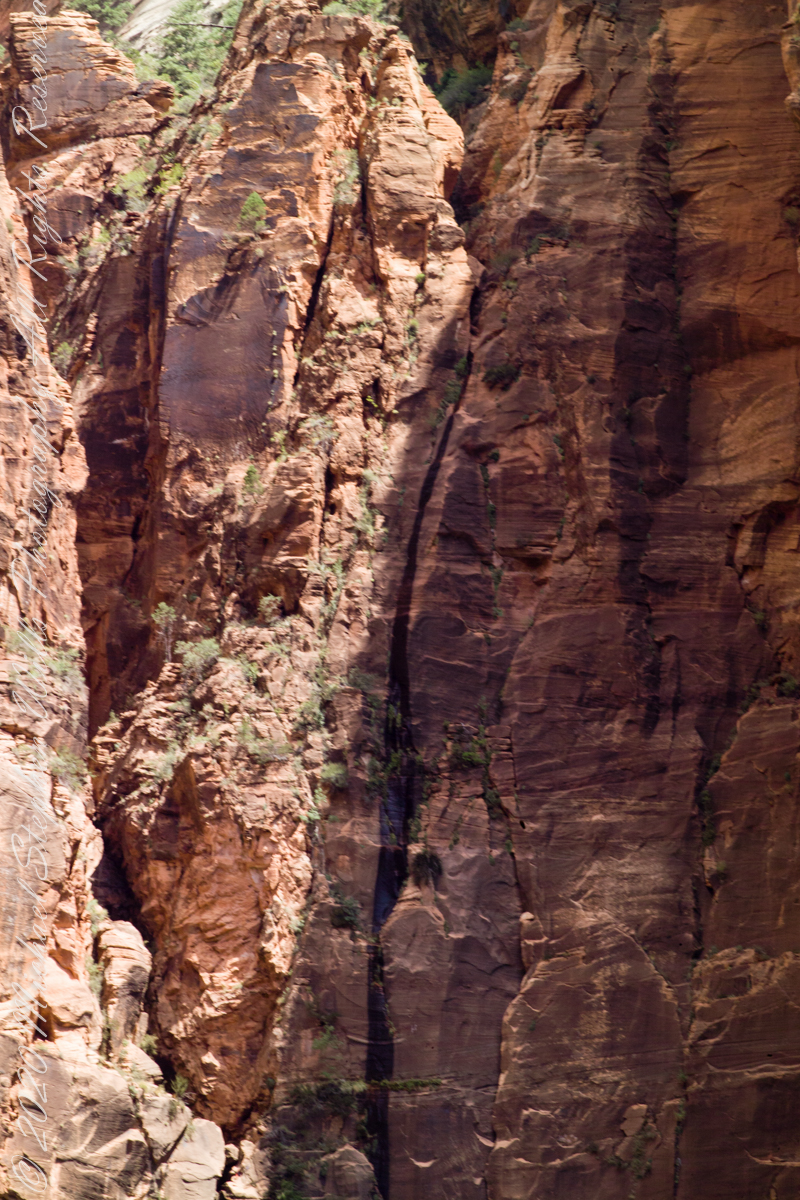
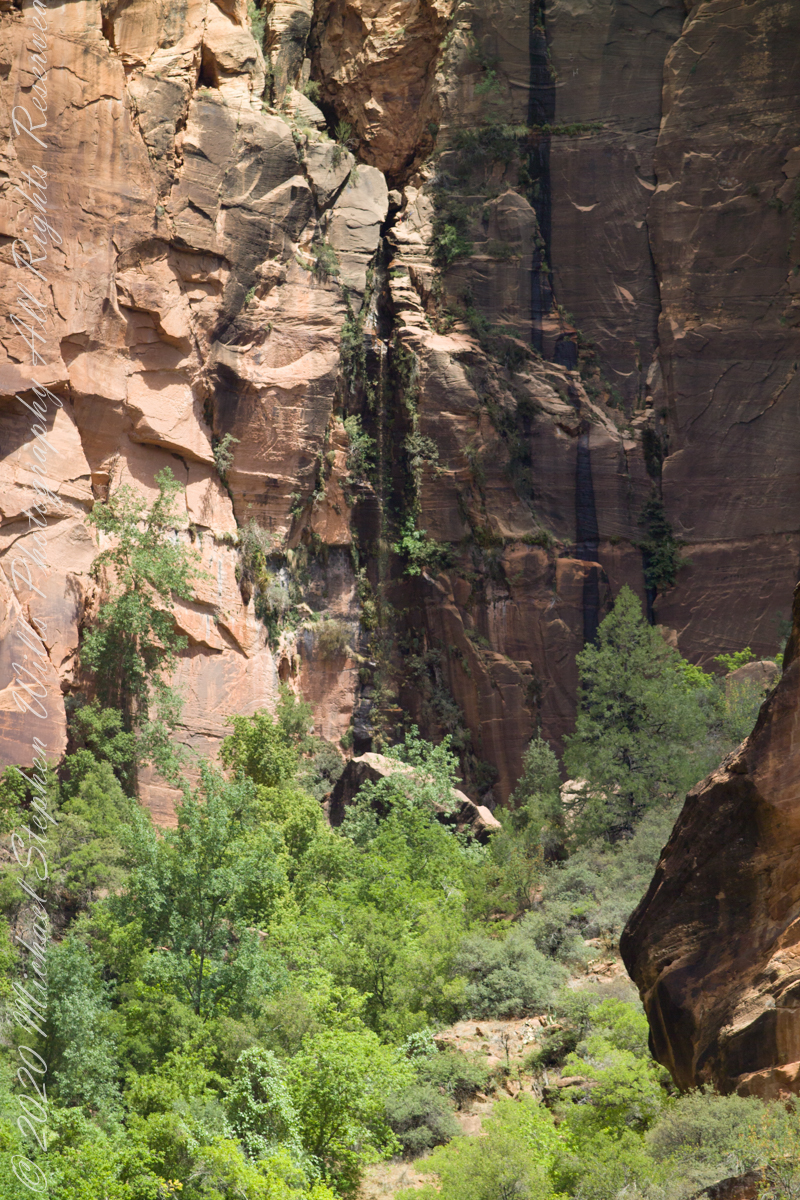
The first photograph is the myriad fractures within the Zion Navajo sandstone, hidden water transits from rainfall miles away.

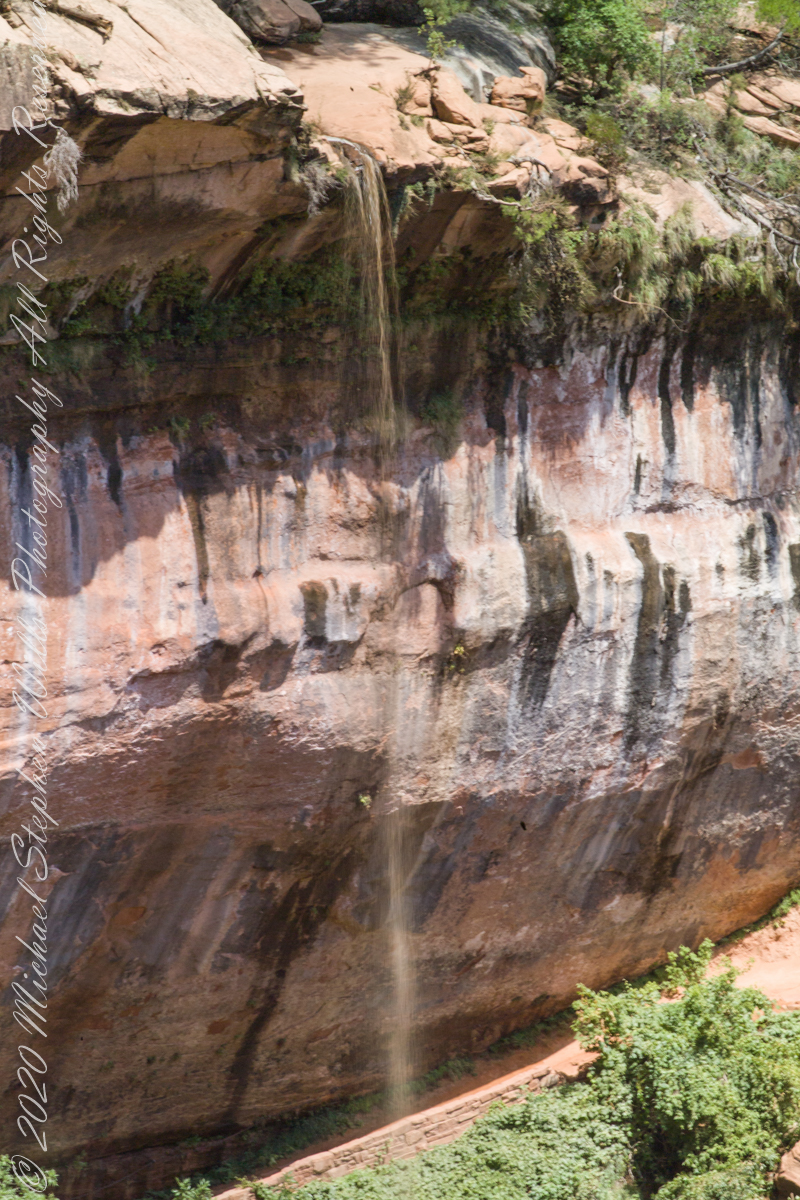
The second photograph, water emerging as a blessed sacrament, bestowal of life nourishing wildflowers, ferns, mosses, trees.

For this third photograph the first two were merged in photoshop for a revelation. I did not take time to smooth the transition, visible as a line. I graduated from this merge technique with the purchase of a wide angle (24 mm) lens. It is so difficult to organize all the angles and exposures, plus time to bring it together.

All photographs from the Kodak DSC Pro SLR/c, Canon Lens EF 200mm 1:2.8 L II stabilized via a Manfrotto 468MG with Hydrostatic Ball Head.

Can you spot the foot path?

Here is a gallery of the three photographs, to flip back and forth.

Copyright 2021 Michael Stephen Wills All Rights Reserved

Three Zion Images

full of ferns, wildflowers, and mosses.

“Water seeping out of the Navajo sandstone creates tranquil springs and the unique “hanging gardens” for which Zion is famous, full of ferns, wildflowers, and mosses.”

Here are three exposures of the same scene.

Click on an image for a closer view.

Can you spot the foot path?

Here is a gallery of the three photographs, to flip back and forth. the primary difference is the exposure within the shadow under the projecting cliff face.

Copyright 2021 Michael Stephen Wills All Rights Reserved

In Zion Canyon

Edge of the Abyss

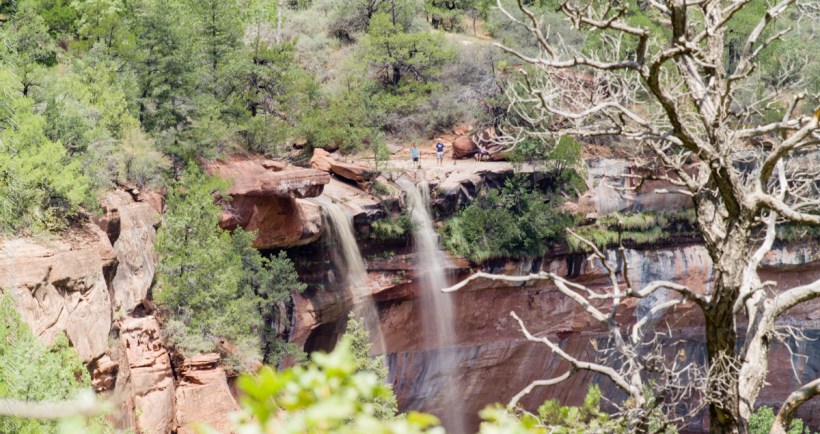
Wandering Zion canyon I spied three visitors seemingly trying their luck on the cliff edge, where the water drops.

Look closely and the rope barrier can be picked out. Can you see the three figures? Click on the image for a larger view.

Captured with a Kodak DCS Pro SLE/c dslr and a Canon lens EF 200 mm 1:2.8 L II stabilized with the Manfrotto Studio Tripod model 475 and the 468 Hydrostatic ball head. This series explores the possibility of the iconic “Lone Pine.”

Copyright 2021 Michael Stephen Wills All Rights Reserved

Lone Pine 4

Slickrock!!

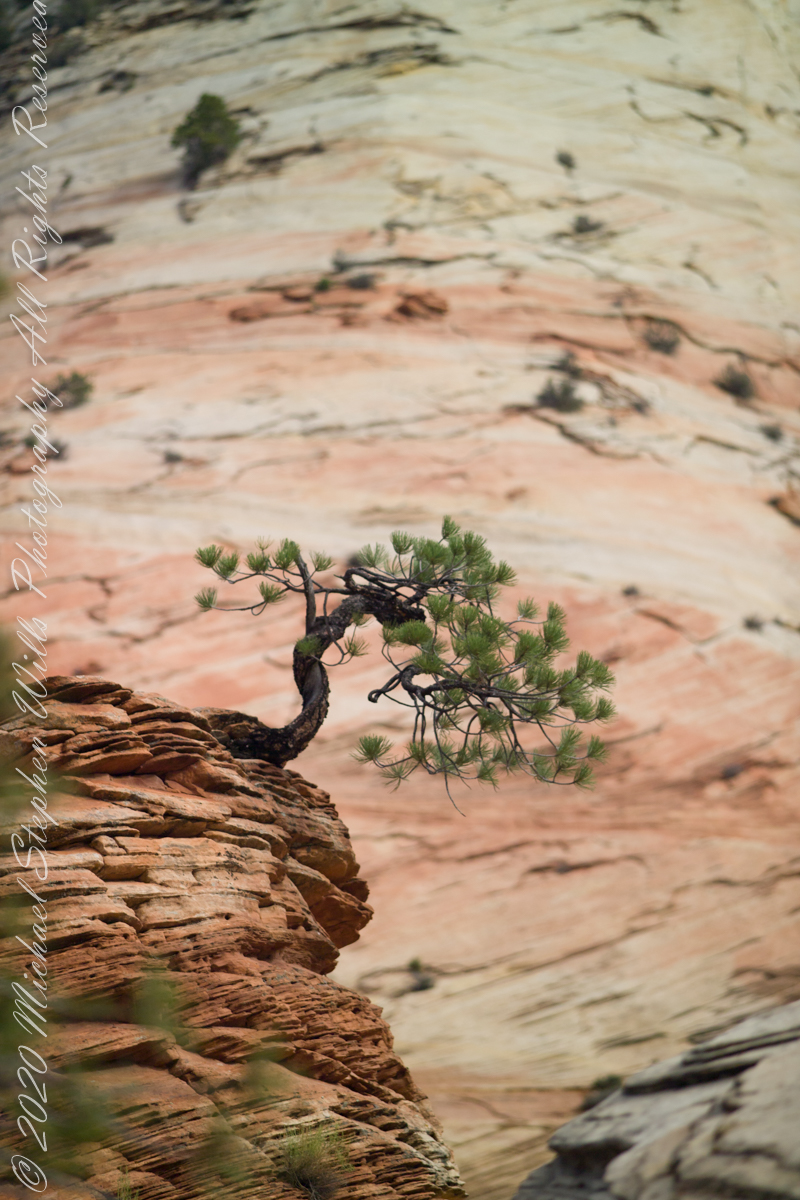
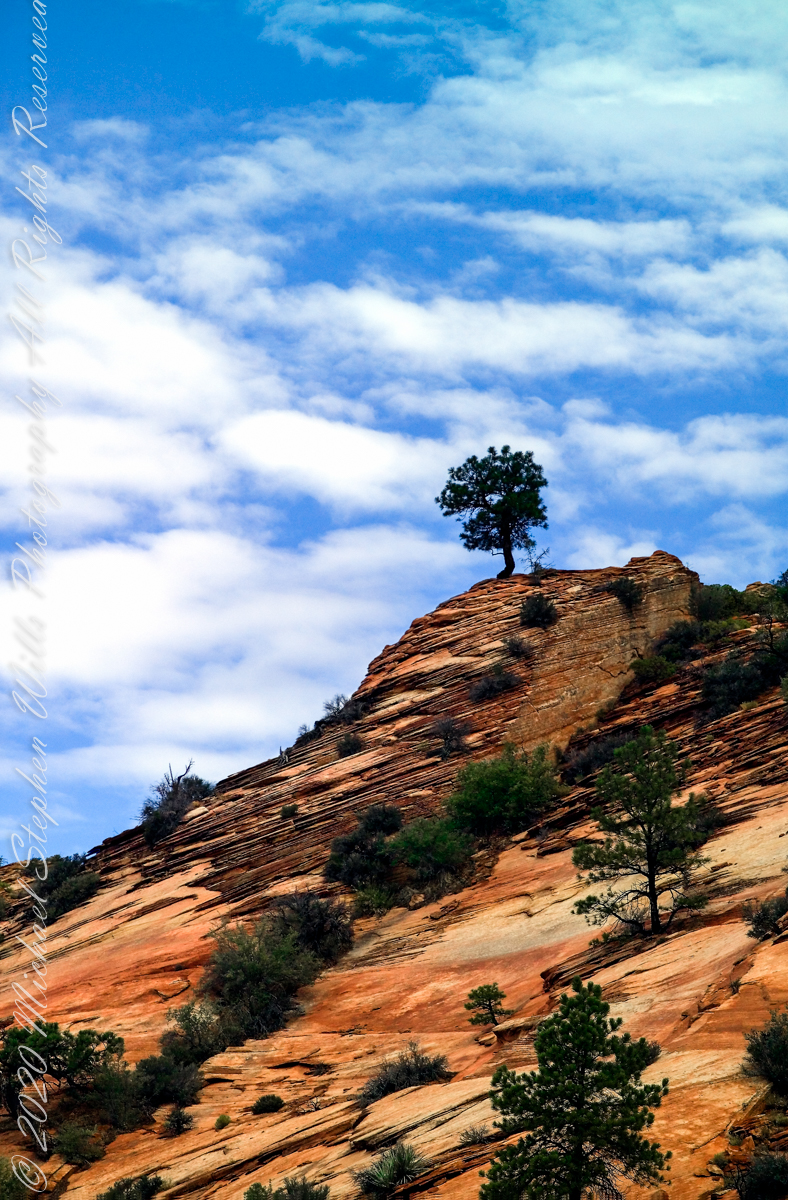
From this angle the Pinyon Pine is backed by Checkerboard Mesa slickrock.

For humans travelling on foot this weather worn sandstone is anything but slippery, If we wore iron horseshoes the sense of slippery, or slick, rock becomes apparent. It was ranchers mounted on horses who coined the name slickrock.

For this shot we approached Zion National Park from the east, via route 9, past Checkerboard Mesa.

Captured with a Kodak DCS Pro SLE/c dslr and a Canon lens EF 200 mm 1:2.8 L II stabilized with the Manfrotto Studio Tripod model 475 and the 468 Hydrostatic ball head. This series explores the possibility of the iconic “Lone Pine.”

Here is a gallery of the four Lone Pine images.

Copyright 2021 Michael Stephen Wills All Rights Reserved

Lone Pine 3

silhouetted wonder

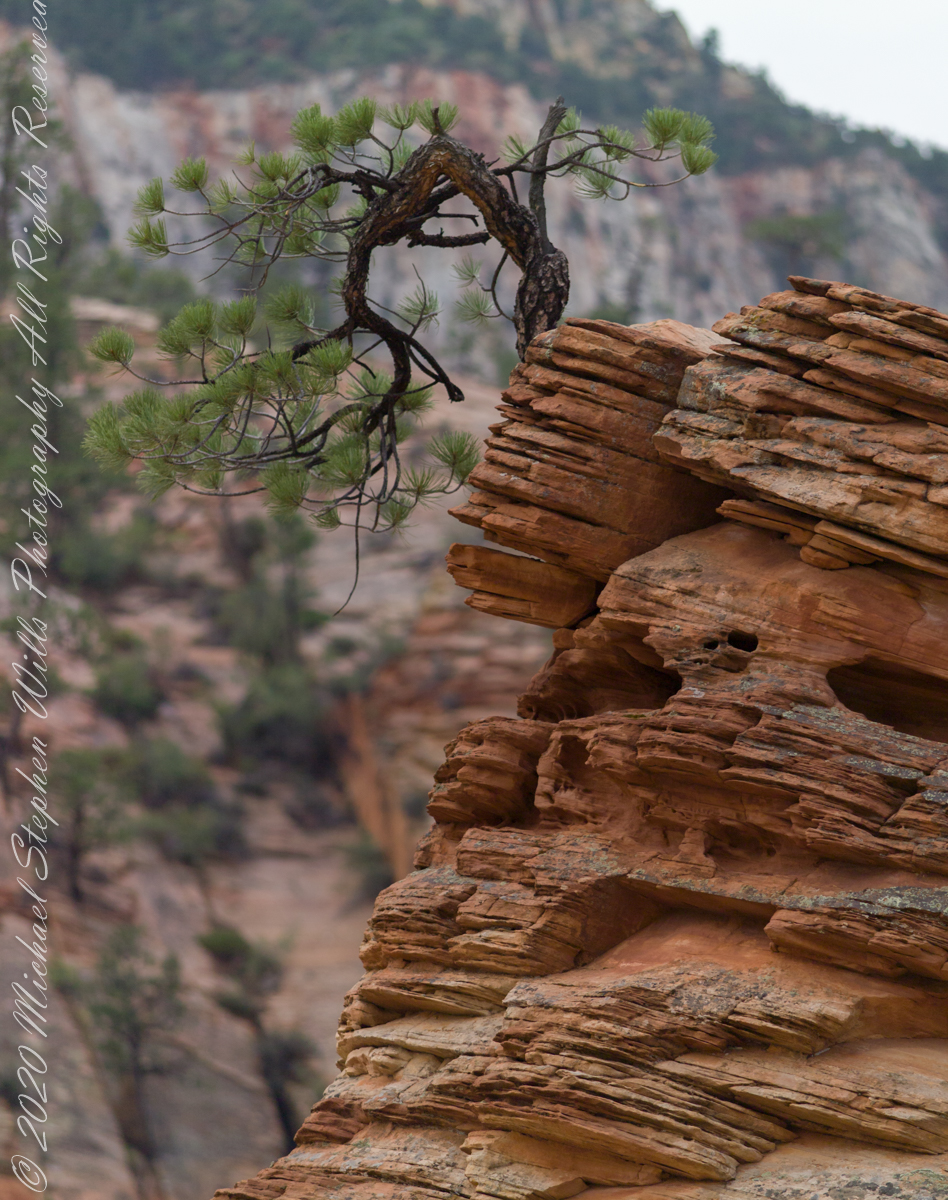
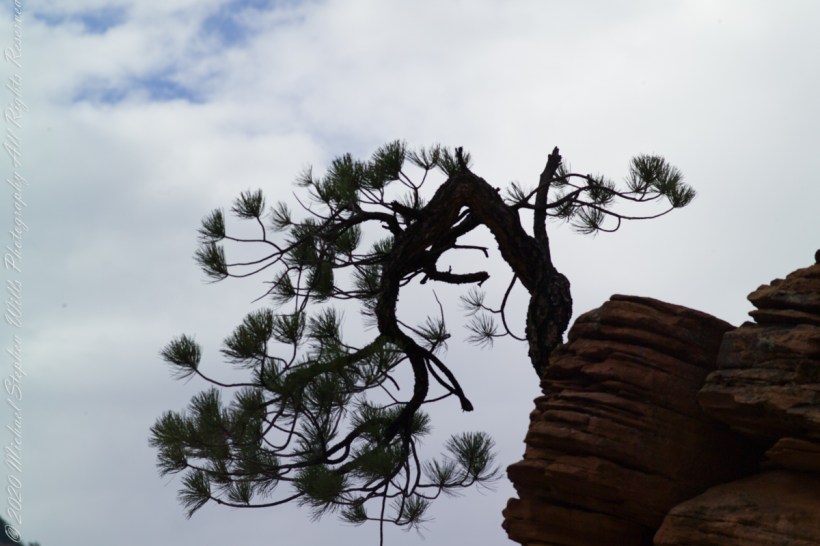
What is a Lone Pine without the sky? This specimen somewhat less gnarled than numbers 1 and 2. Here we see more of the beetling crag, layered up sediment of eons.

For this shot we approached Zion National Park from the east, via route 9, past Checkerboard Mesa. Our lodging was to the east, probably the Best Western in Mt. Carmel on Rt 89. Meaning there were four opportunities for capturing memorable East Zion images over two days.

Captured with a Kodak DCS Pro SLE/c dslr and a Canon lens EF 200 mm 1:2.8 L II stabilized with the Manfrotto Studio Tripod model 475 and the 468 Hydrostatic ball head. This series explores the possibility of the iconic “Lone Pine.”

Copyright 2021 Michael Stephen Wills All Rights Reserved

Lone Pine 2

silhouetted wonder

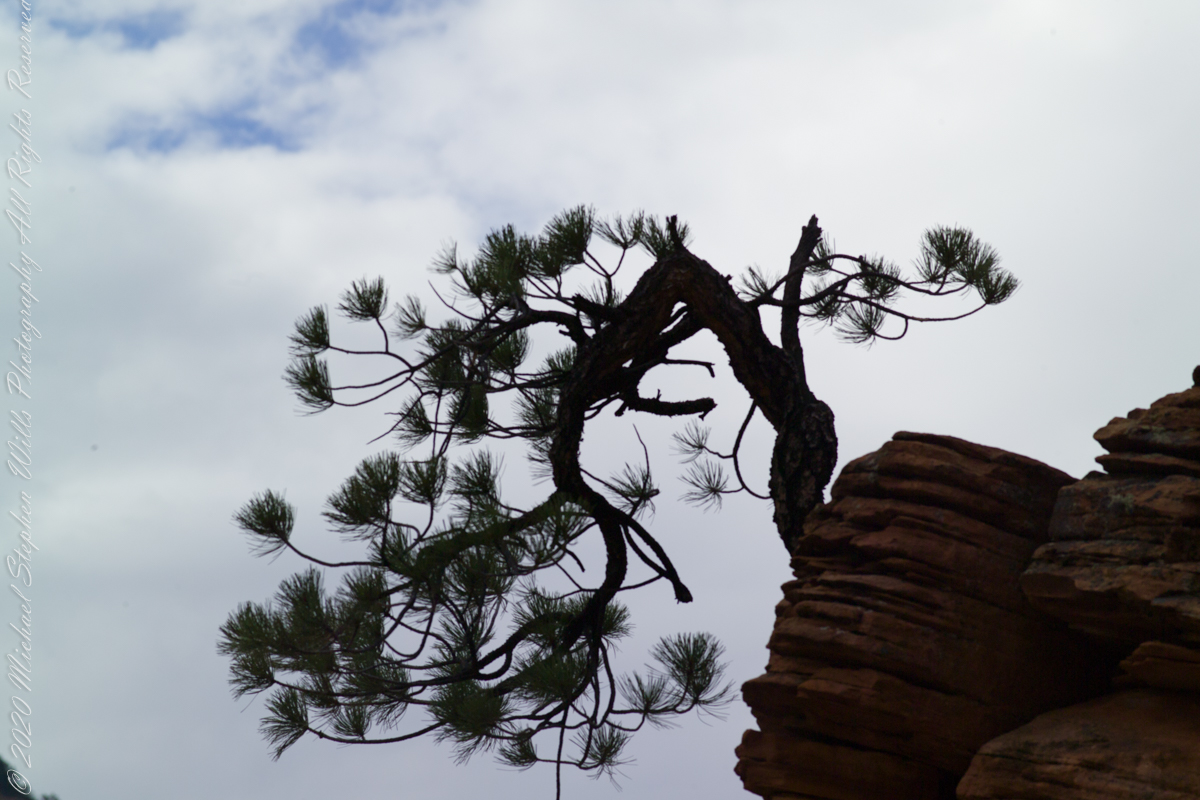
Here is the same gnarled pinyon pine of the previous post, with a sky centered exposure revealing the silhouetted wonder.

Captured with a Kodak DCS Pro SLE/c dslr and a Canon lens EF 200 mm 1:2.8 L II stabilized with the Manfrotto Studio Tripod model 475 and the 468 Hydrostatic ball head. This series explores the possibility of the iconic “Lone Pine.”

Copyright 2021 Michael Stephen Wills All Rights Reserved

Lone Pine 1

Tortured existence rendered plain.

The eastern approach Zion Canyon is a national park unto itself, route 9 passes through otherworldly landscapes.

Captured with a Kodak DCS Pro SLE/c dslr and a Canon lens EF 200 mm 1:2.8 L II stabilized with the Manfrotto Studio Tripod model 475 and the 468 Hydrostatic ball head. This series explores the possibility of the iconis “Lone Pine.” Here the tortured existence of this organism is rendered plain.

Copyright 2021 Michael Stephen Wills All Rights Reserved

Ephemeral Water

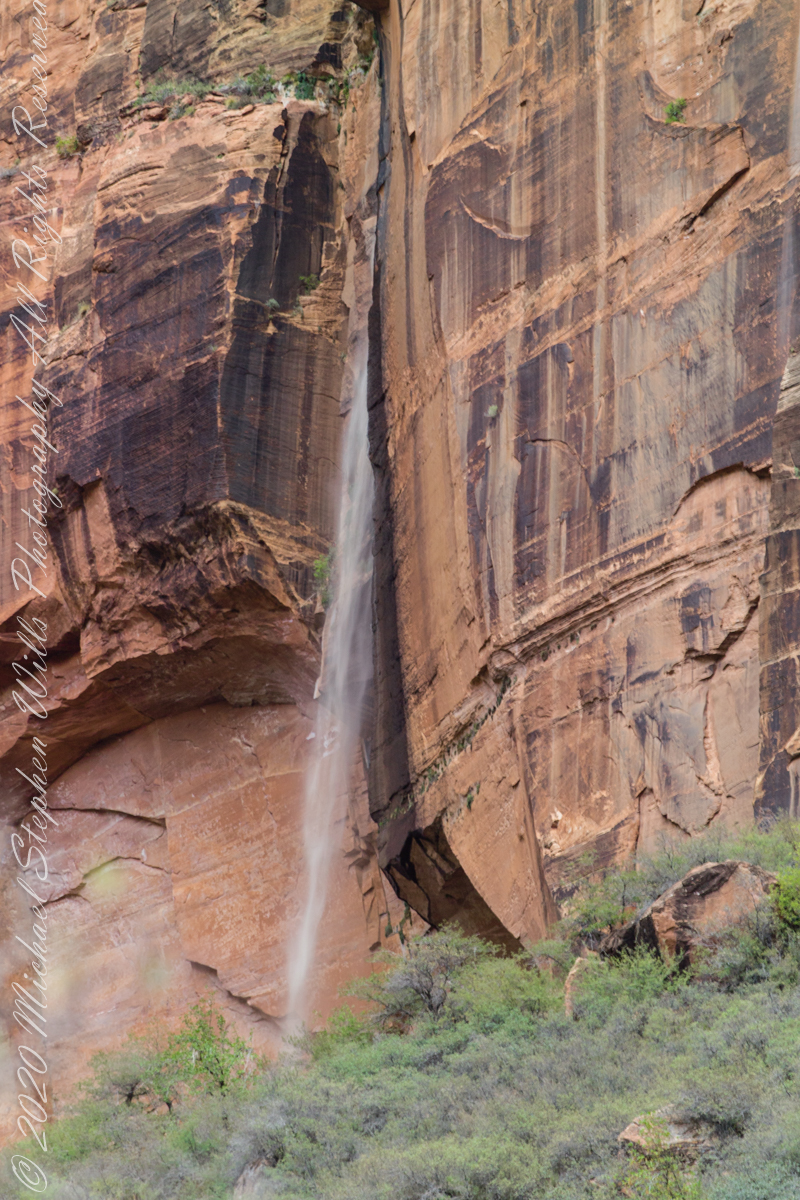
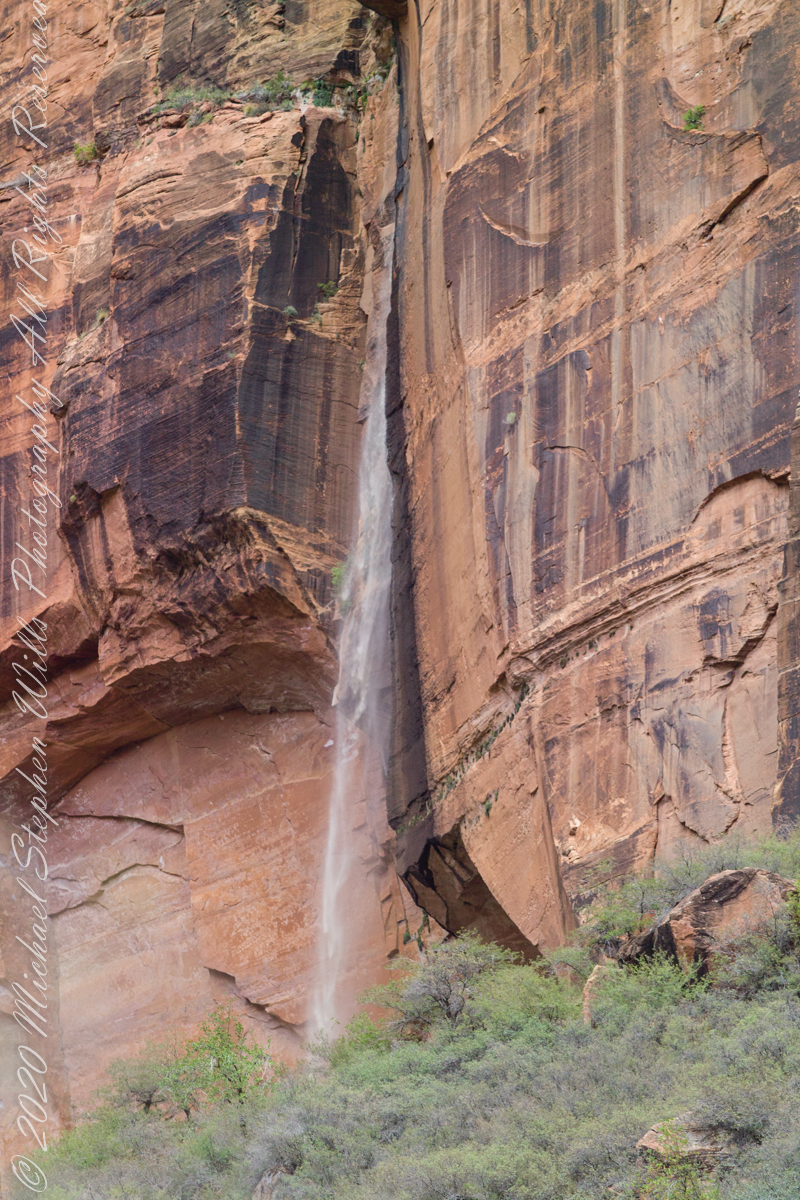
Rainwater from distant thunderstorms on the vast Colorado Plateau emerge from a cliff wall, Zion Canyon. The fall will last for a few hours, we bore lucky witness as do my images shared below.

Captured with a Kodak DCS Pro SLE/c dslr and a Canon lens EF 200 mm 1:2.8 L II stabilized with the Manfrotto Studio Tripod model 475 and the 468 Hydrostatic ball head. I prefer the details of misting water at the widest lens aperture, focus is clear throughout the plane, excepting some foreground brush.

Copyright 2021 Michael Stephen Wills All Rights Reserved

Woody Peony 100 mm

Macro series

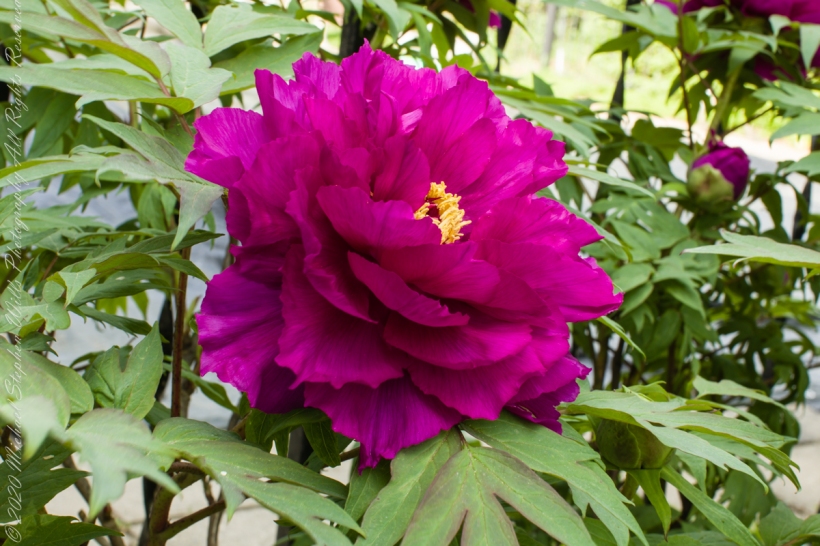
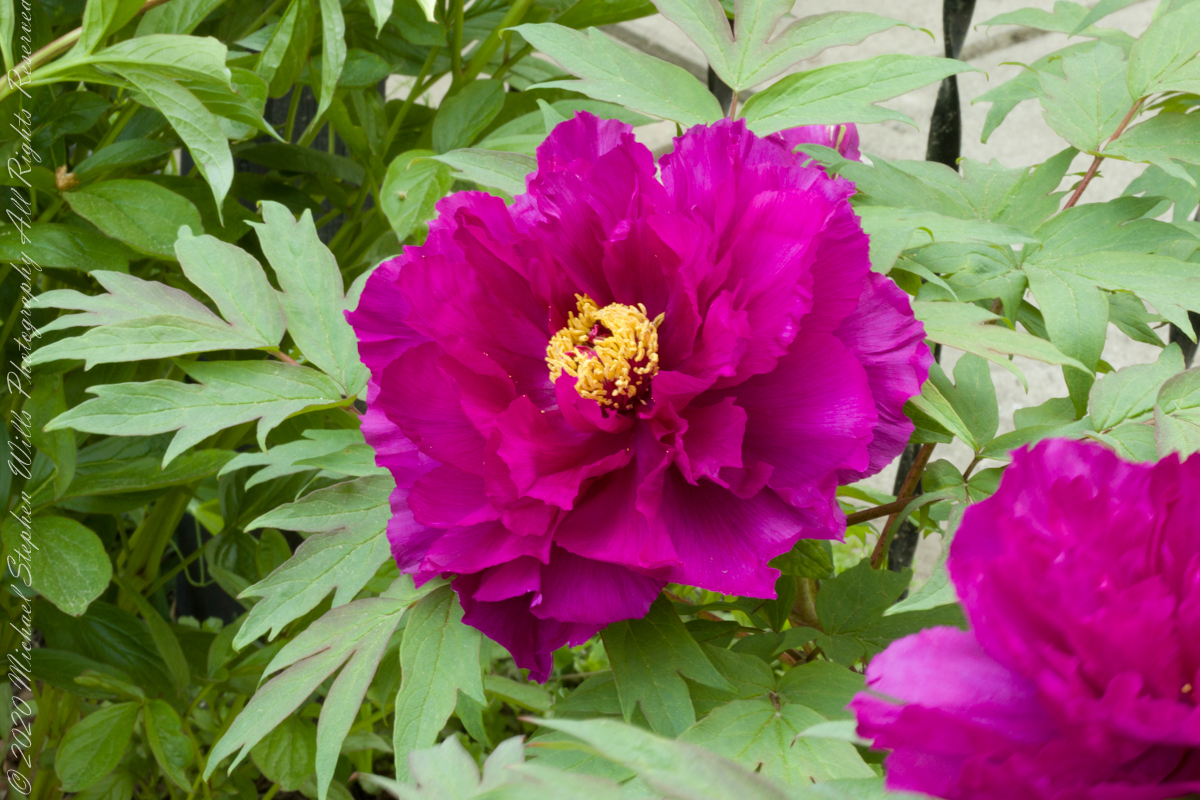
See my May Woody Peony postings for background on this peony variety.

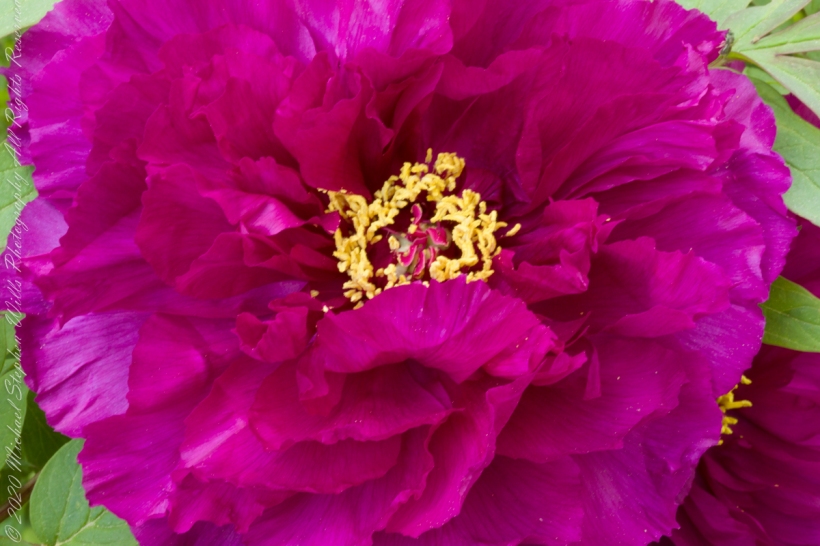
These photographs were taken with a Canon EOS 5D Mark IV dslr and the Canon EF 100mm f/2.8 Macro USM lens stabilized with the Manfrotto BeFree Carbon Fiber tripod with ball head.

The morning breezes of May caused me to “up” ISO to 1600 for a faster shutter speed at higher f-stop.

Taking full advantage of the macro lens, the higher ISO helped to maintain sharper focus on the highlighted feature, in this case the stamens.

A gallery of macros with various settings and aspects of the bloom.

Copyright 2021 All Rights Reserved Michael Stephen Wills