Ancient “Fracking”

a form revealed

Friday last Pam and I joined a “James Potorti Memorial Gorge Walk” through Buttermilk Falls State Park where we learned interesting facts connected to one of my most successful photographs, “Summer Dream: Buttermilk Falls.” This is the second post of this series.

Click me for “Summer Dream, Buttermilk Falls” in my Fine Art Gallery.

Many Right Angles, Why?

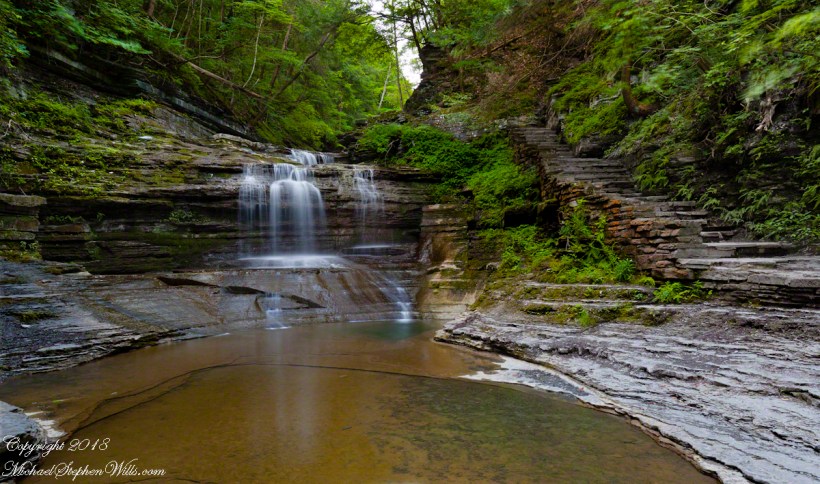
On a July morning 2018 I walked Buttermilk Creek from the scene of my “Summer Dream: Buttermilk Falls”, up the steps on the right of that photograph to where the water flows across a flat expanse of stone. This is a photograph of that expanse taken using a tripod mounted Canon EOS 1DS Mark III body with the Canon lens EF 24mm f/1.4L II USM w/a neutral density filter (0.6 as I recall).

Click photograph for a larger view.
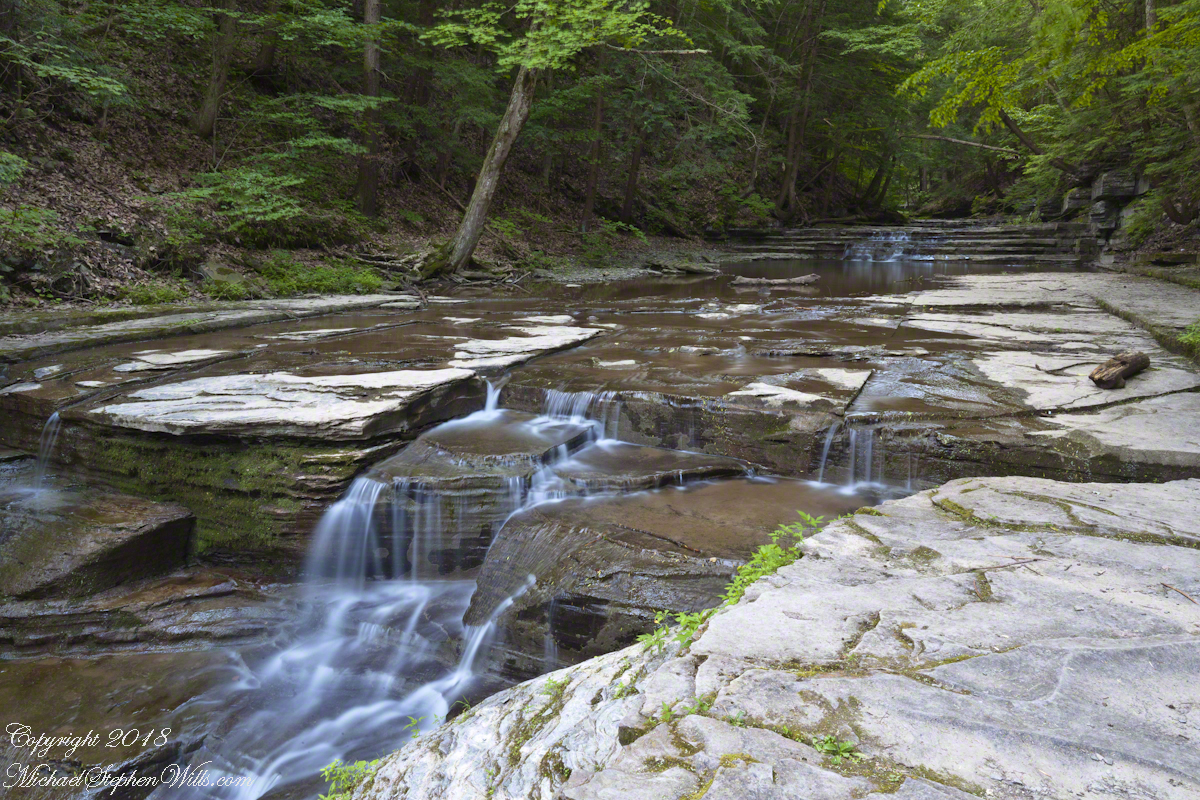
“Summertime Cascades – 2018”

For a scene from nature there are many straight lines and, even, right angles in addition to the layering of the sedimentary rock from its origin as eroded material from the ancient Arcadia mountains collected on the floor of a warm shallow sea. We learned from Friday’s walking tour this sea was close to the equator at that time, riding on a tectonic plate that’s since drifted north. This North American Plate jostling with the others.

Beneath these rocks were older formations in which decomposed organic matter had transformed to methane gas. When the African plate and this pressed together, the stressed rocks weakened at right angles to the force, each stress point joining others in straight lines. The methane gas pressure from below forced the weak points to open a straight line fractures.

As the plates continued to move, orientation to the African plate transformed by ninety degrees and the two pressed together again. Methane gas pressure was present, causing straight line fractures at right angles to the others. Everywhere these rocks are exposed across the Finger Lakes region we see these right angle fractures.

In Memorium

James Potorti was a native of Ithaca who perished at 52 years of age in New York City on September 11, 2001 were he worked on the 96th floor of 1 World Trade Center.
Copyright 2022, Michael Stephen Wills All Rights Reserved

Finger Lakes Water Chemistry

Join us on a journey through Buttermilk Falls State Park, where we uncover fascinating geological facts that shape the gentle cascades of “Summer Dream: Buttermilk Falls.” Discover the hidden beauty of this serene landscape.

Early one Friday morning Pam and I joined a “James Potorti Memorial Gorge Walk” through Buttermilk Falls State Park where we learned interesting facts connected to one of my most successful photographs, “Summer Dream: Buttermilk Falls.”

Click me for “Summer Dream, Buttermilk Falls” in my Fine Art Gallery.

Low Flow

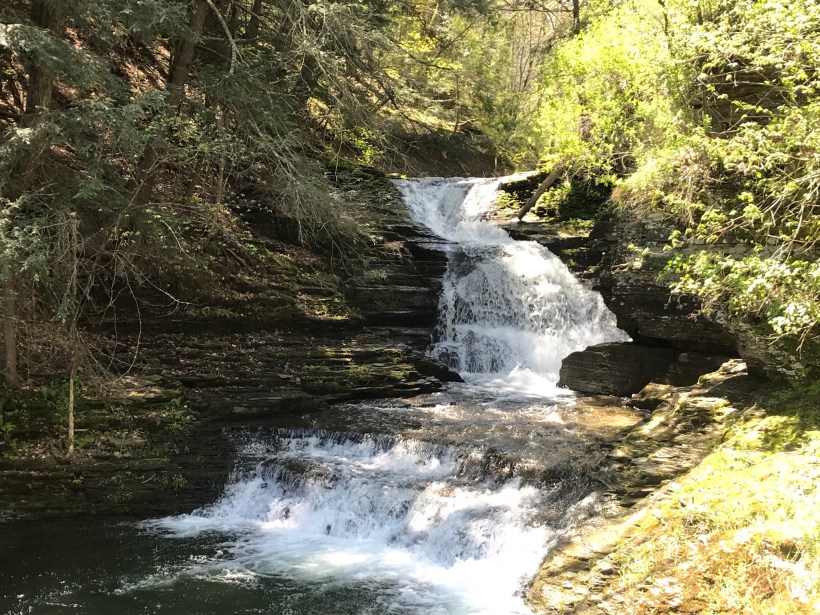
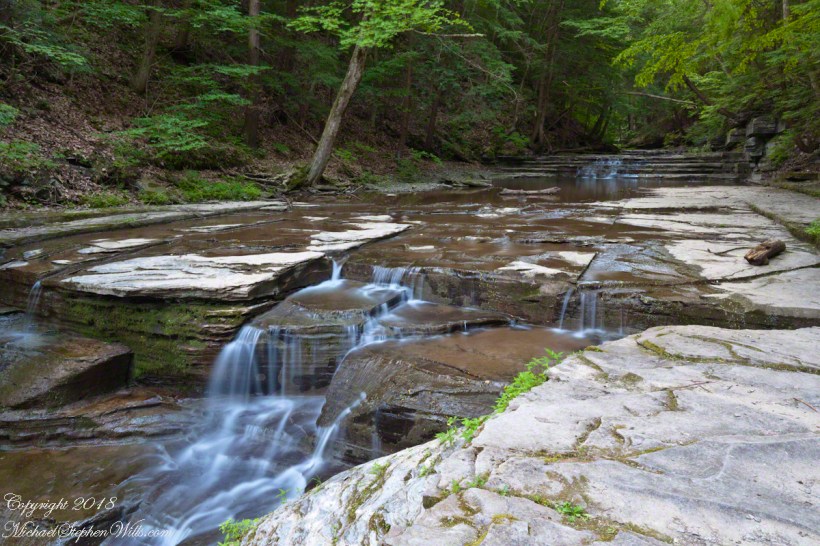
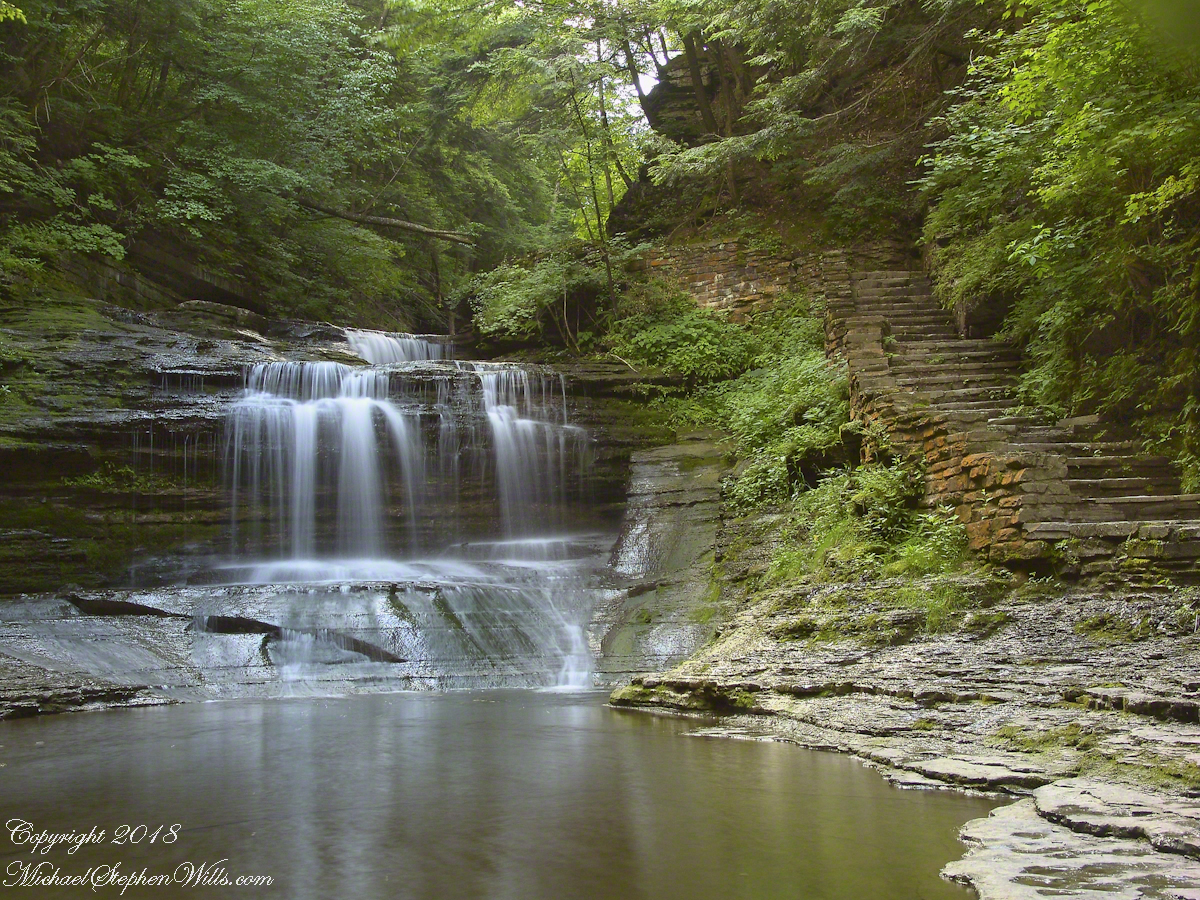
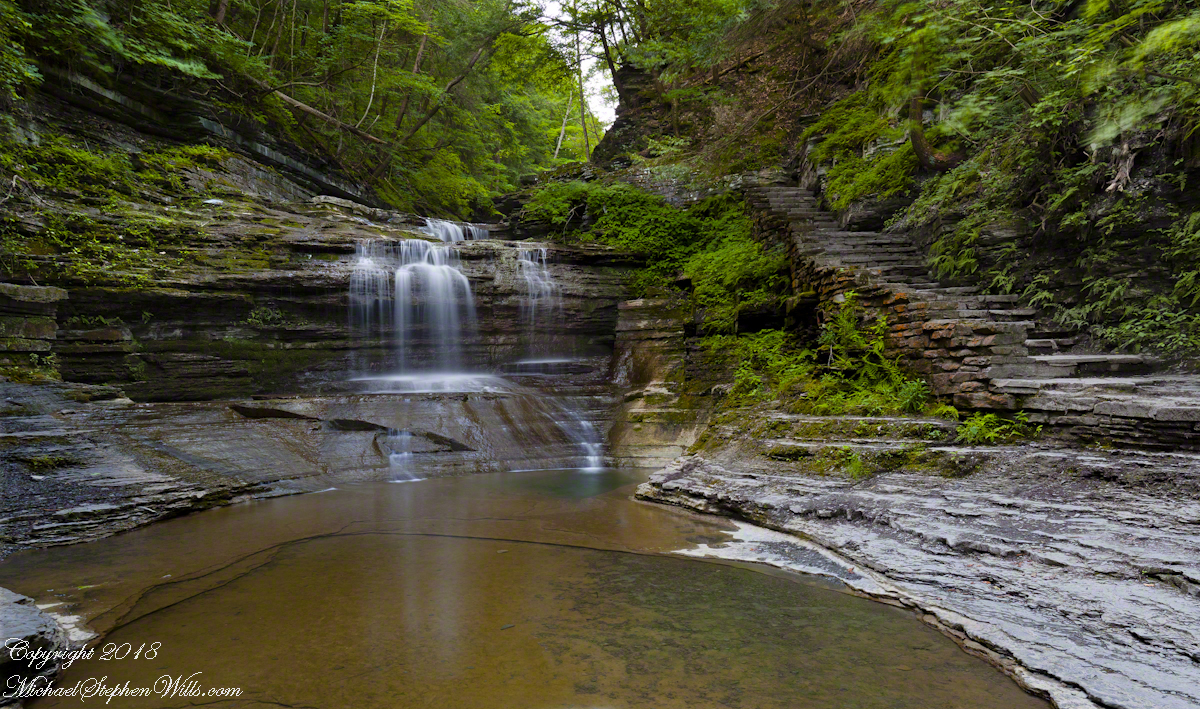
Presented here is the original photograph from July 2004 and an second version, produced July 2018. Both were produced at a low flow after many days without rainfall. The first learned fact is a significant water source for Buttermilk Creek and all the Finger Lakes gorge creeks, is ground water percolating through the sedimentary rocks cut through by the running water. The beautiful fall of water seen here is possible because the creeks flow through periods of drought, a lower flow creating these gentle cascades.

Click either photograph for a larger view.

“Summer Dream, Buttermilk Falls -2004”

pH

Secondly, because Finger Lakes sedimentary rock formed beneath warm, shallow seas 400 million years ago, water percolating trough the stone acquires soluble carbonate (calcium carbonate, Ca CO 3), an chemical imparting basic (as opposed to acidic) properties to the water. This characteristic buffers the water protecting us in the Finger Lakes from the effects of acid rain. When the pH of rainwater falling on the Finger Lakes is measured, it is acidic, falling below 5 on the scale. pH is a measure of reactive hydrogen in water, the more hydrogen the more acidic. Neutral pH is a 7. The water flowing in Buttermilk Creek is consistently around 8, in the basic side of the scale.


“Summer Dream, Buttermilk Falls – 2018”

James Potorti was a native of Ithaca who perished at 52 years of age in New York City on September 11, 2001 were he worked on the 96th floor of 1 World Trade Center.
Copyright 2022 Michael Stephen Wills All Rights Reserved

Like a Dandelion

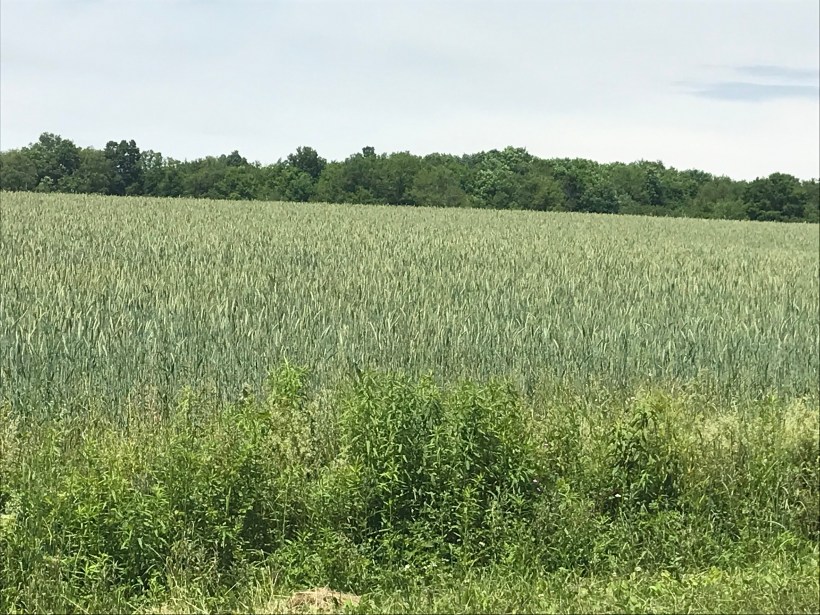
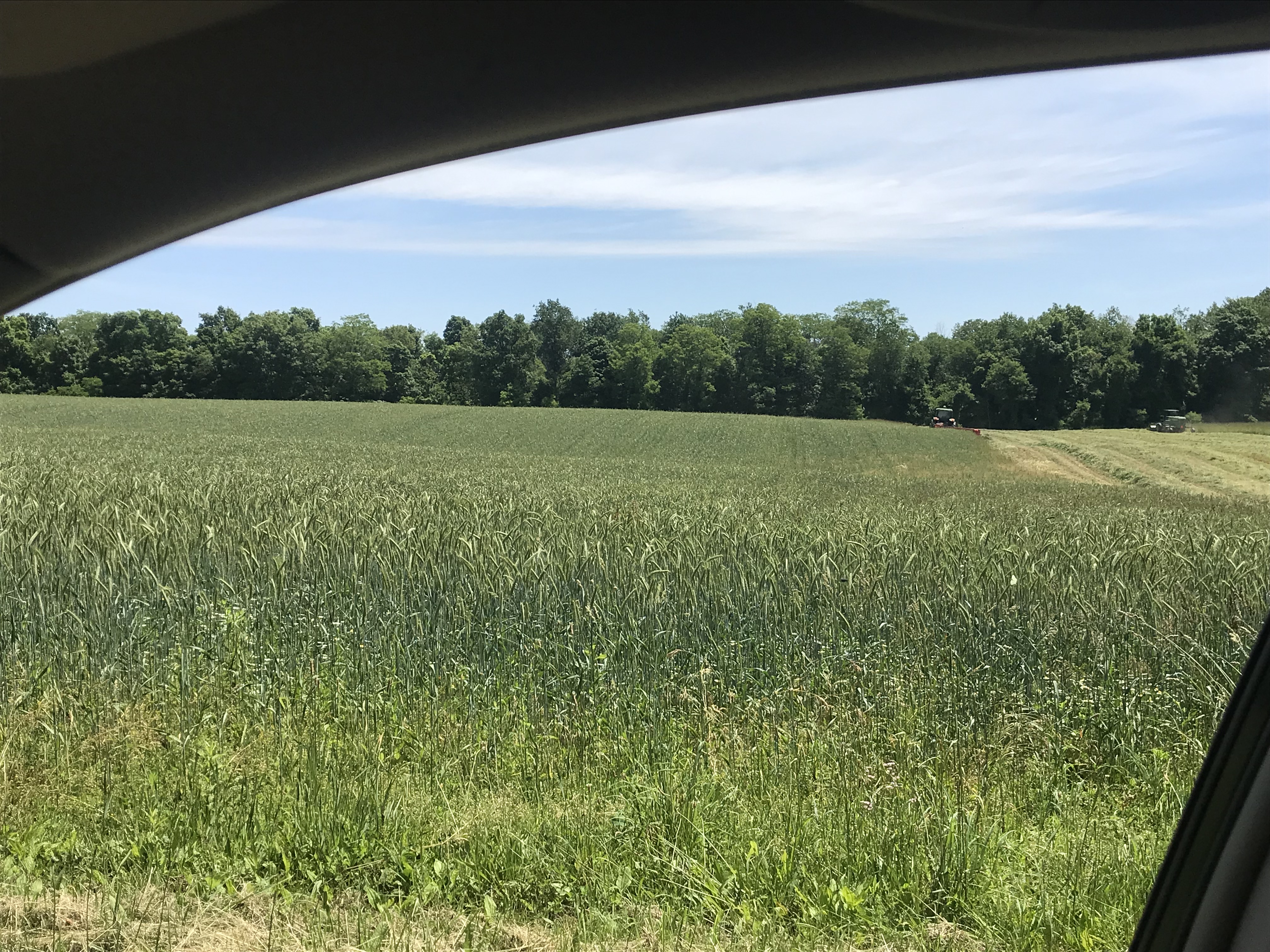
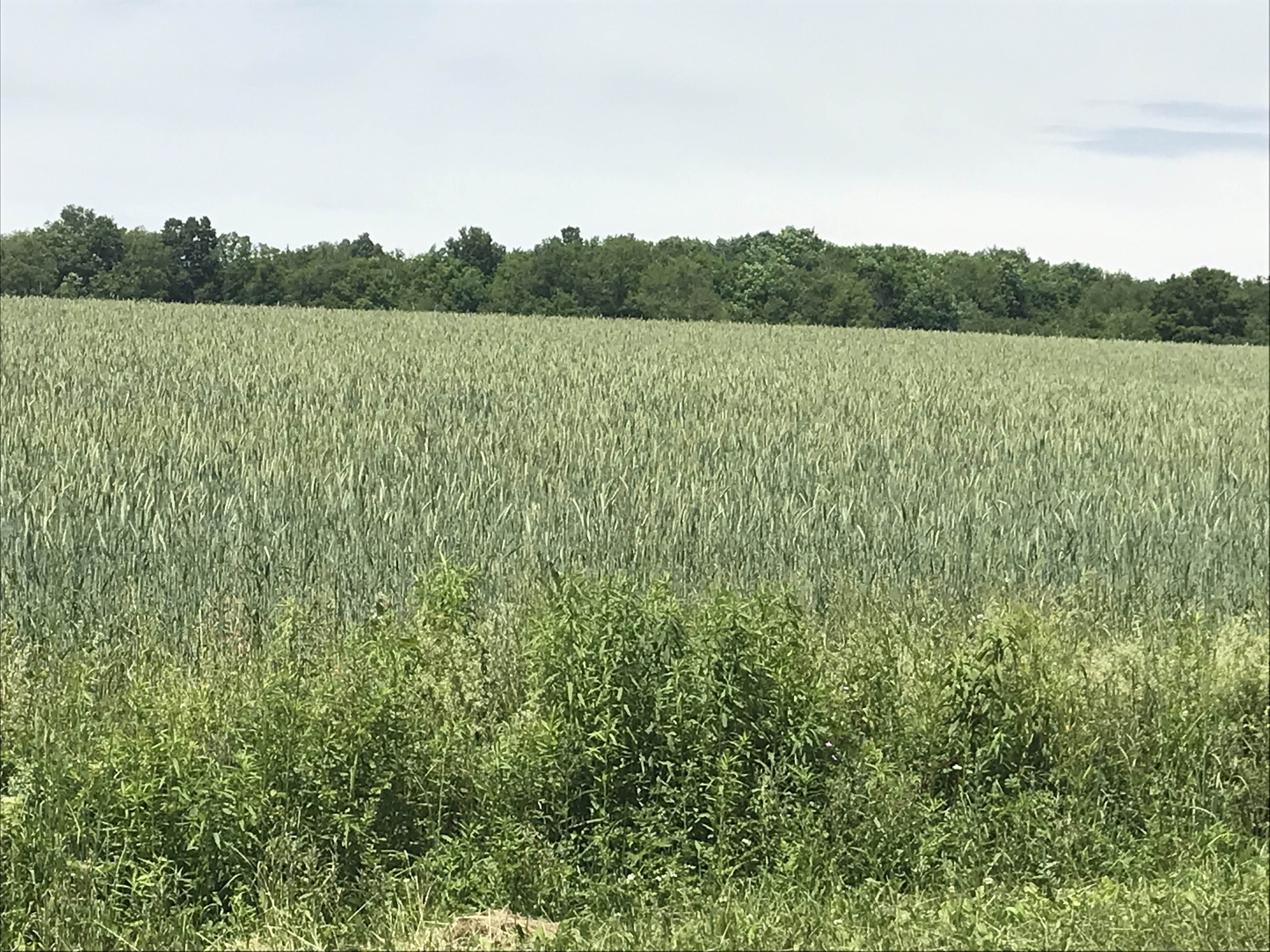
and a shifting of crops to (human) wheat from (cow) corn

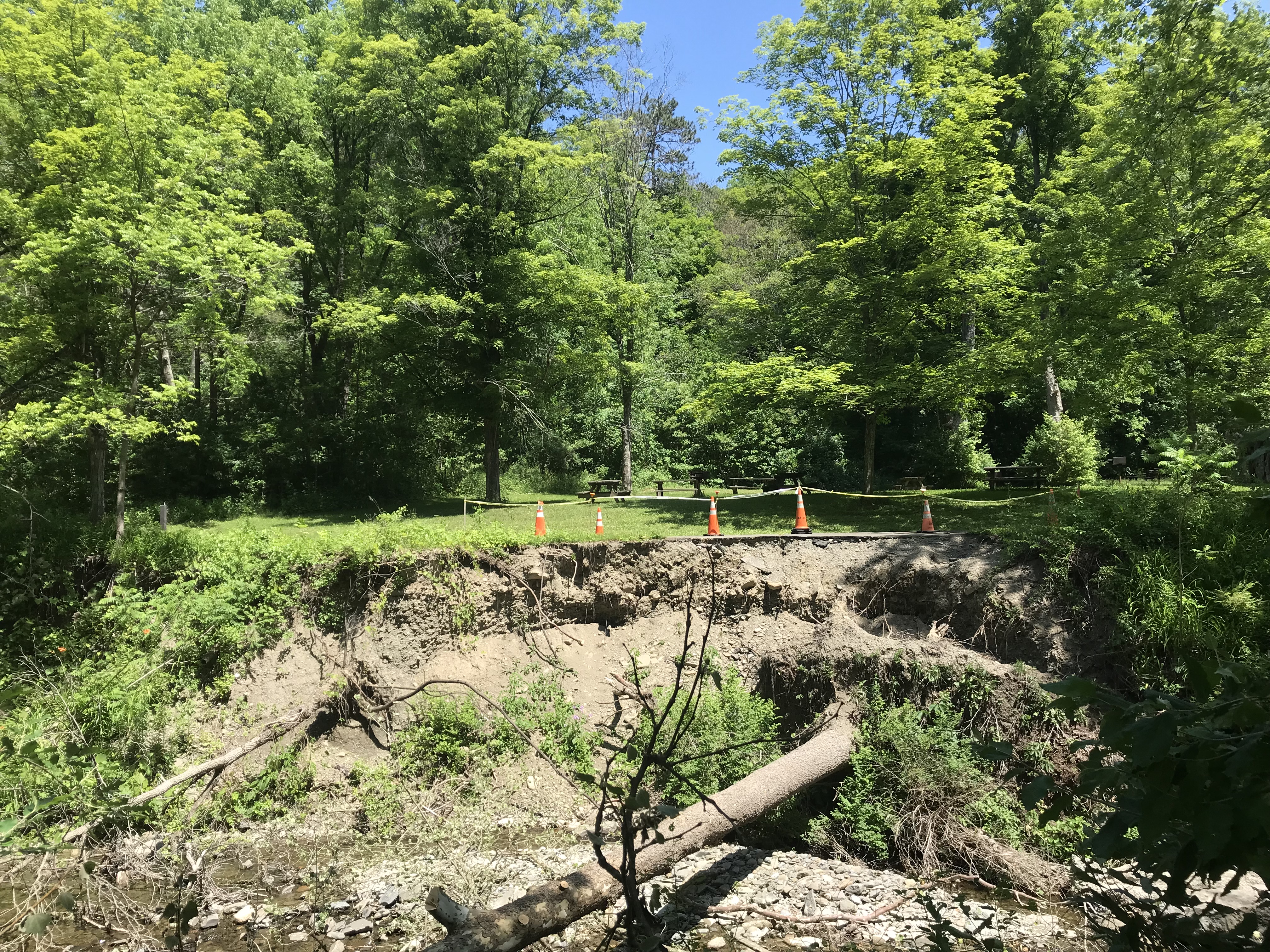
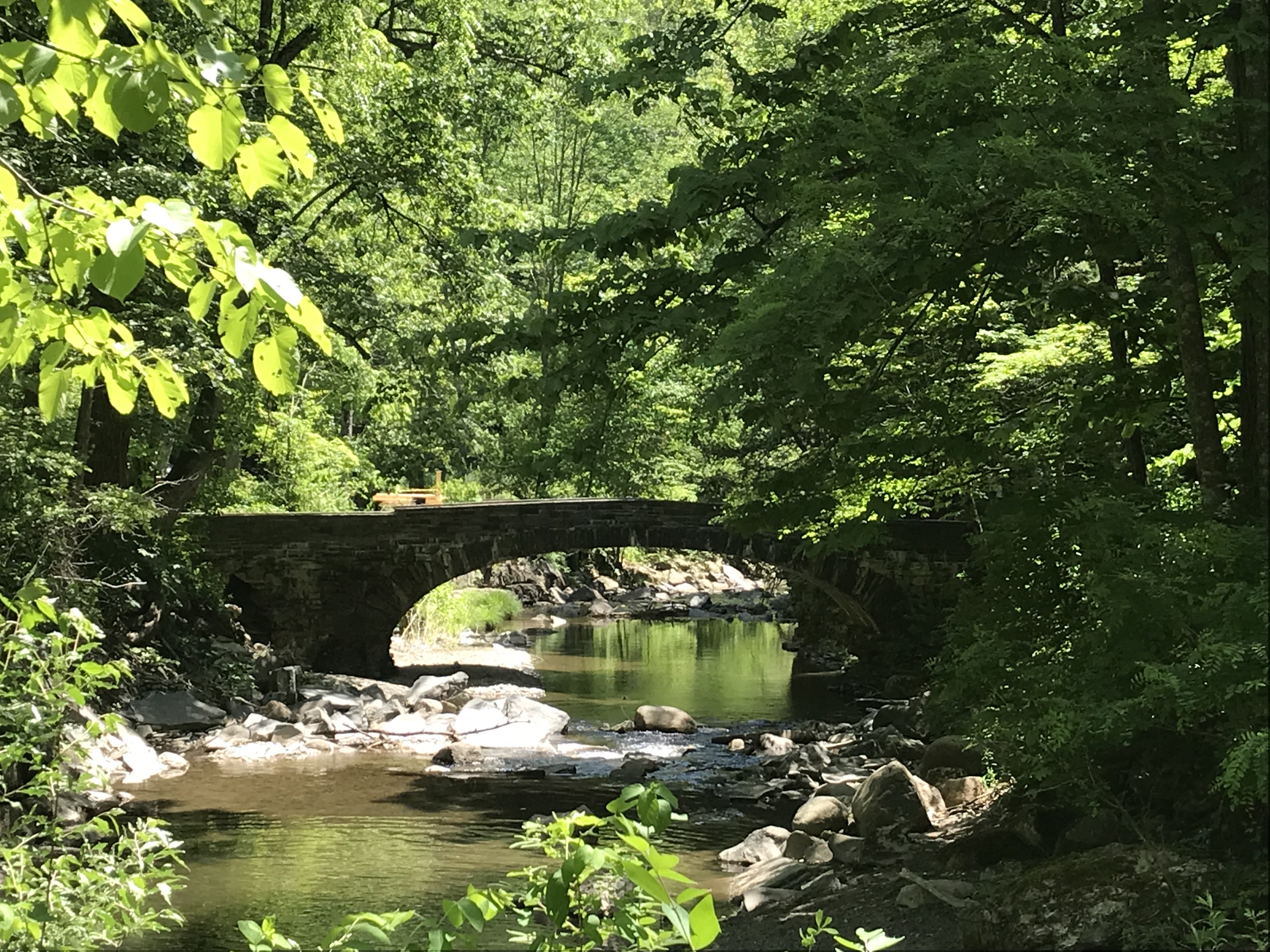
Wednesday, June 15th, we were on a turn to heat and humidity with this day of light breeze, temperature in the 70s making hiking around Tremen Park a joy.

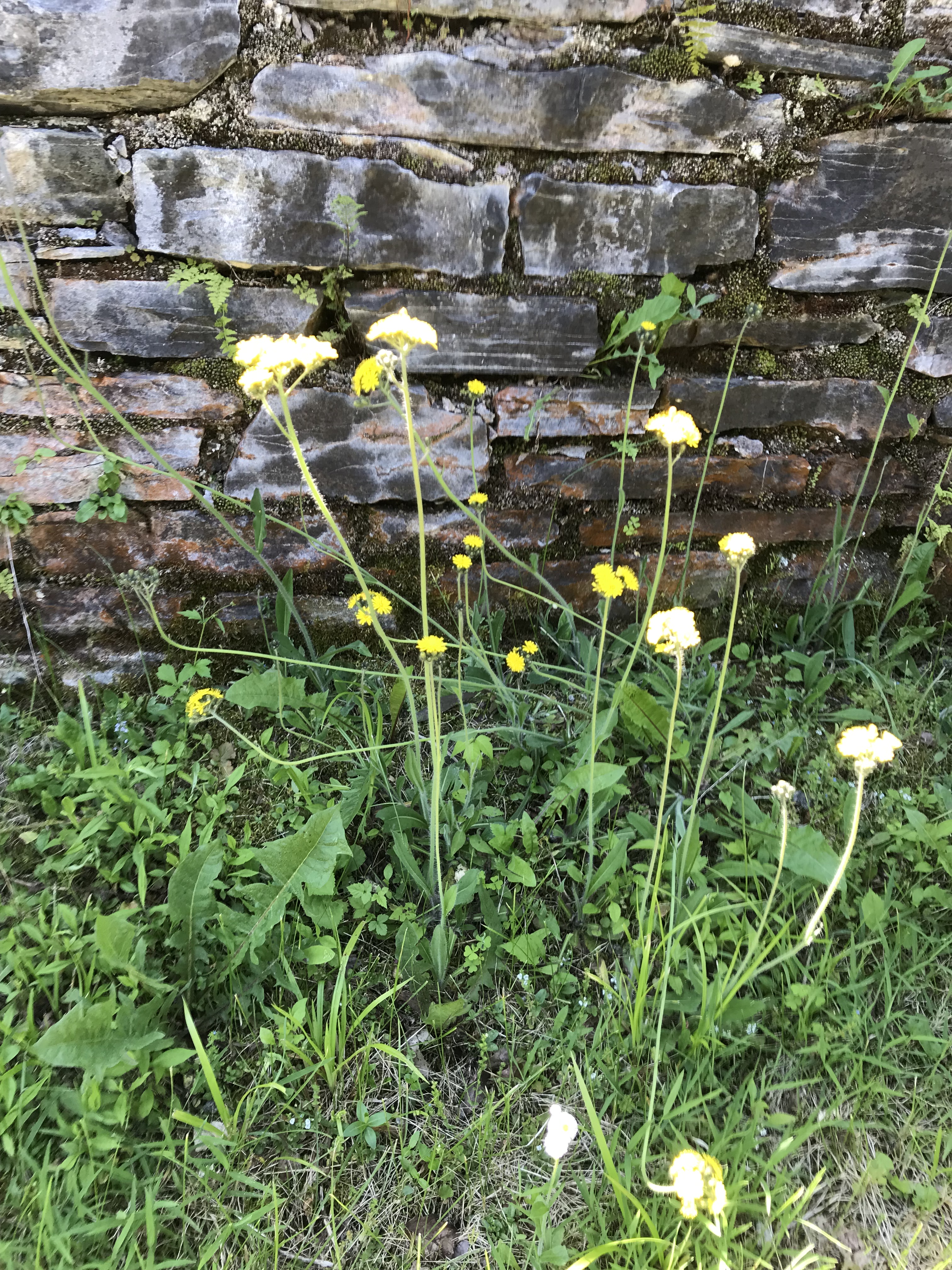
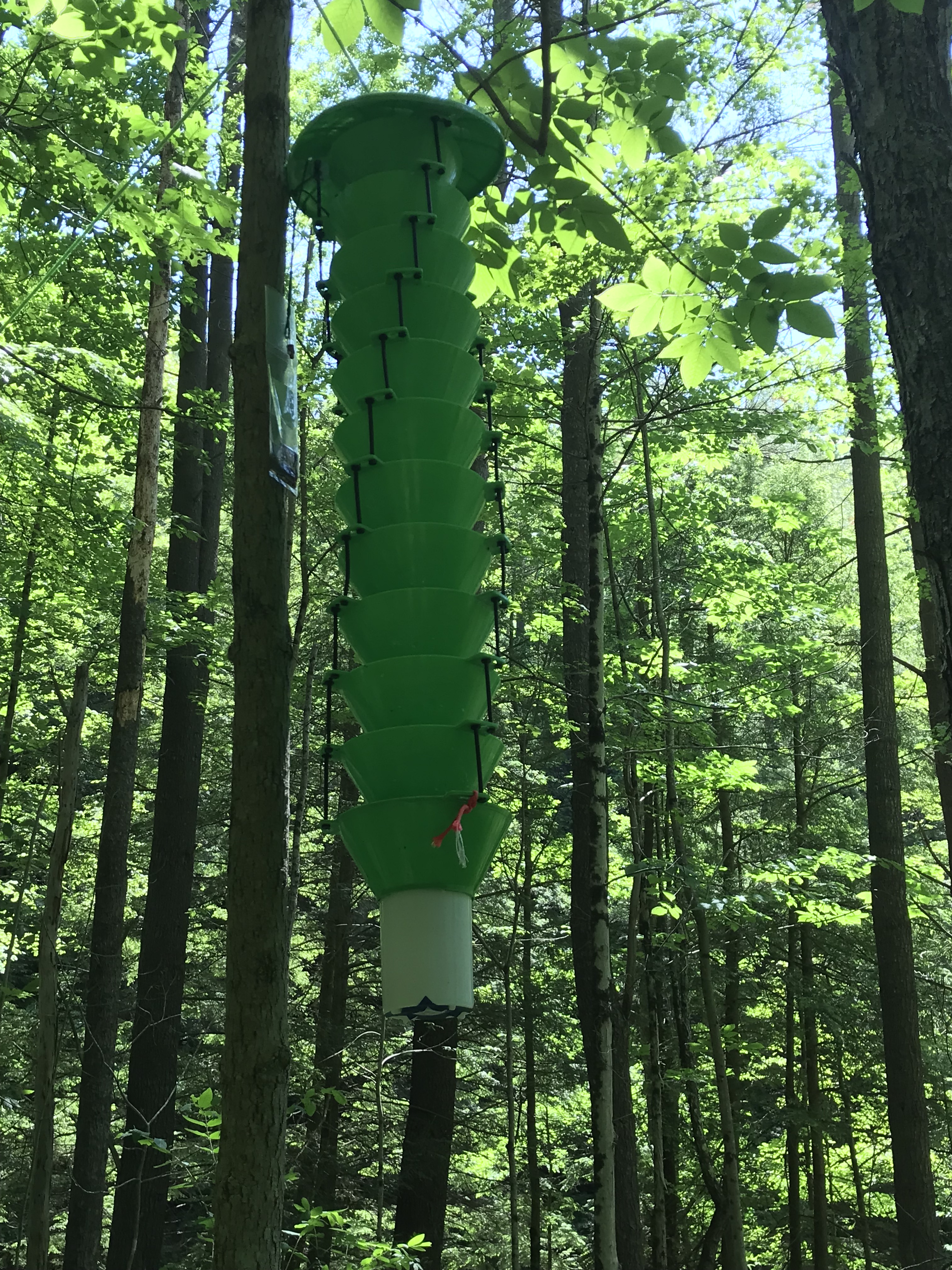
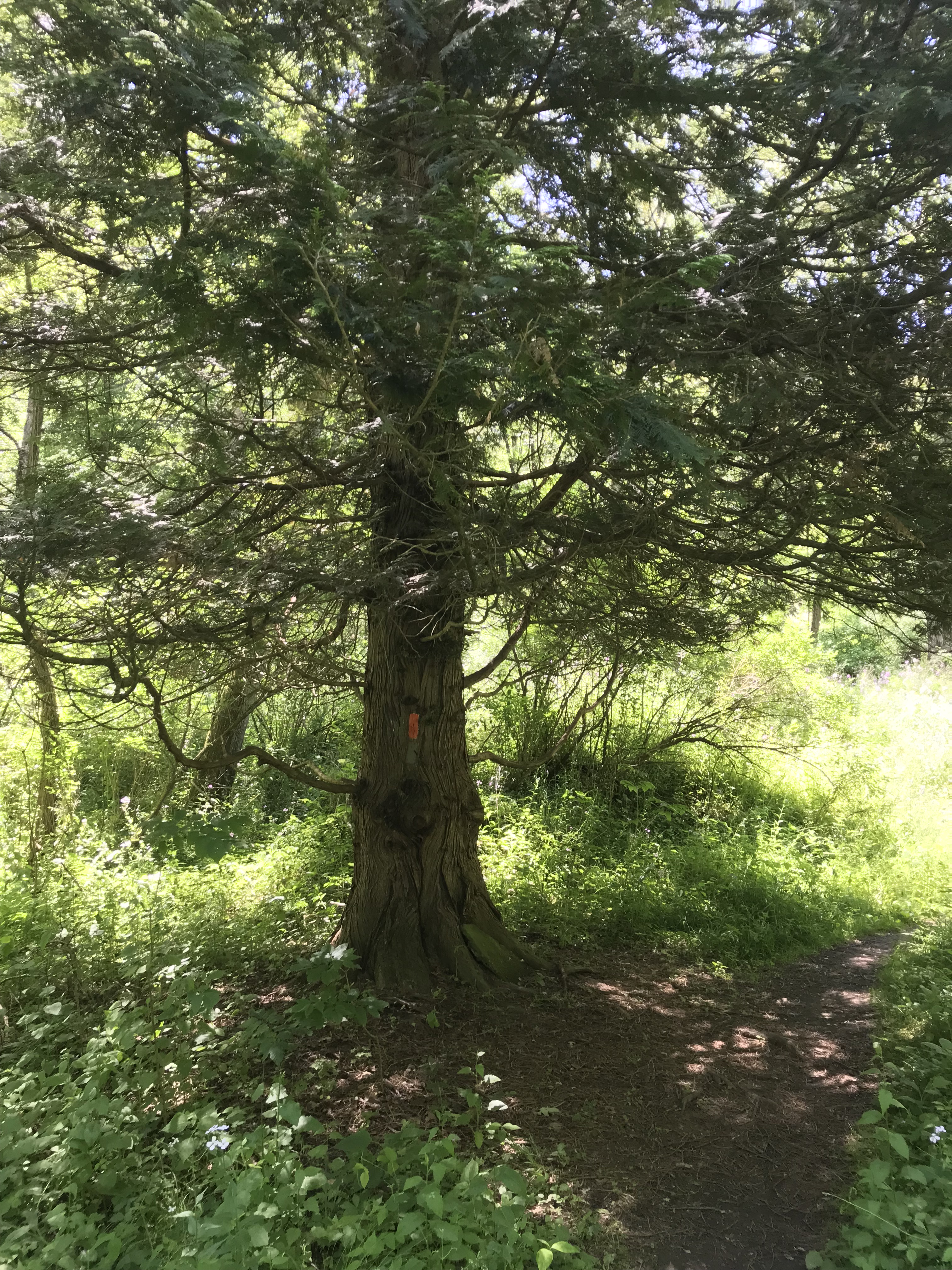
These snapshots, taken on the fly with an IPhone 7, are the high points.

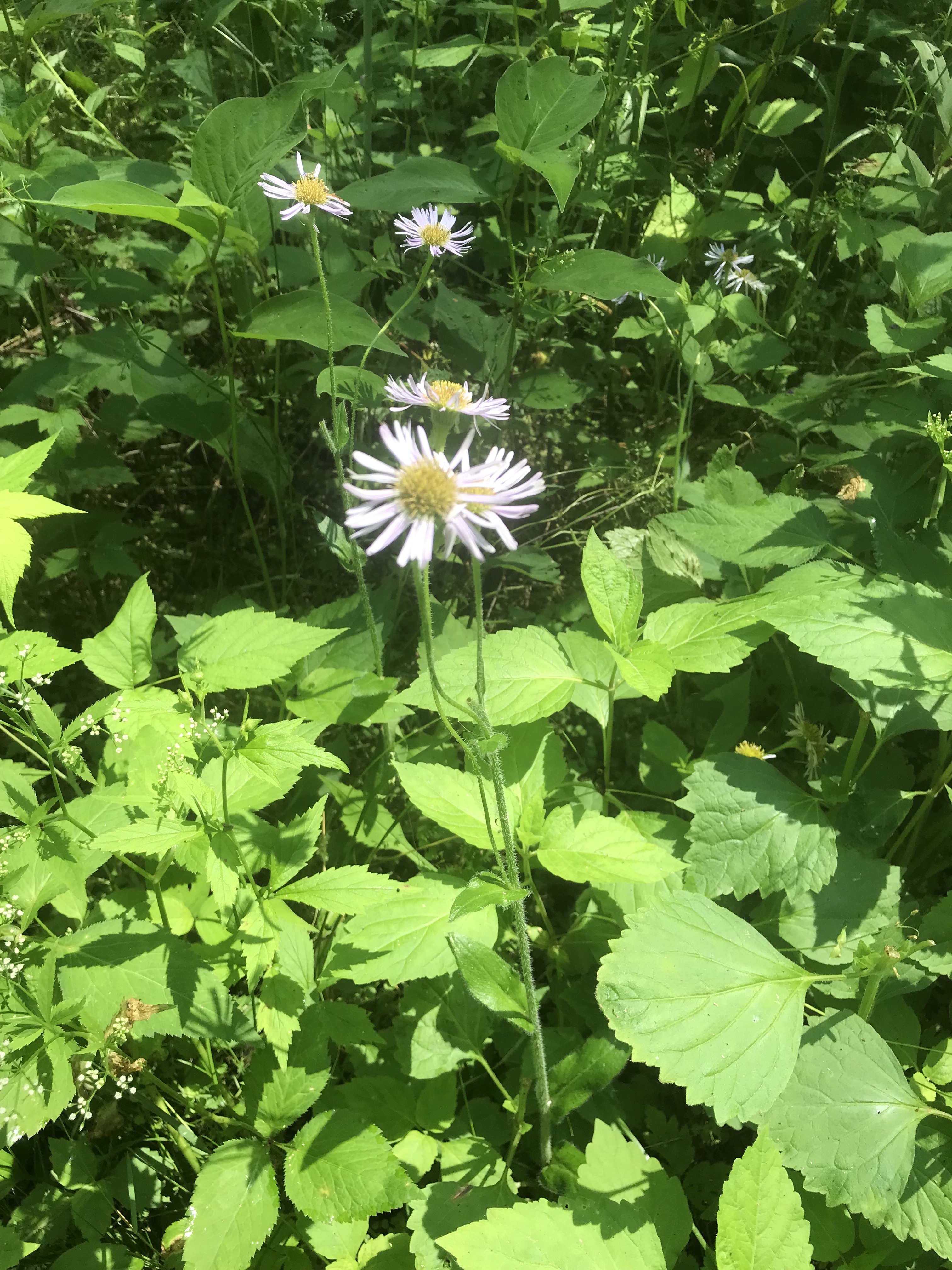
The first is a dandelion look alike with yellow flowers, petals shaped like teeth, though on a long hard stem and multiple flowers on a stalk. Known as meadow hawkweed, yellow hawkweed, field hawkweed, king devil, yellow paintbrush, devil’s paintbrush, yellow devil, yellow fox-and-cubs, and yellow king-devil with two scientific names: Pilosella caespitosa and Hieracium caespitosum.

Click photograph for a larger view. To do this from WordPress Reader, you need to first click the title of this post to open a new page.

Click for slideshow.

Copyright 2022 All Rights Reserved Michael Stephen Wills

June Nature Walk

A perfect afternoon, June 16, 2021

Here is a repost for those who missed the video. Please click on video, below and share your responses via comments. Thank You

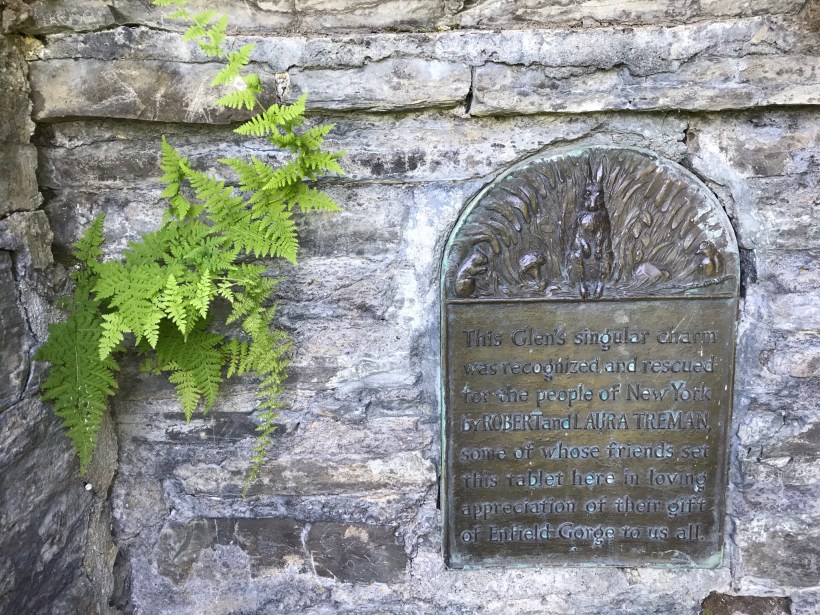
The Finger Lakes Trail joins Robert H. Treman New York State Park, running along the south rim along the park border.
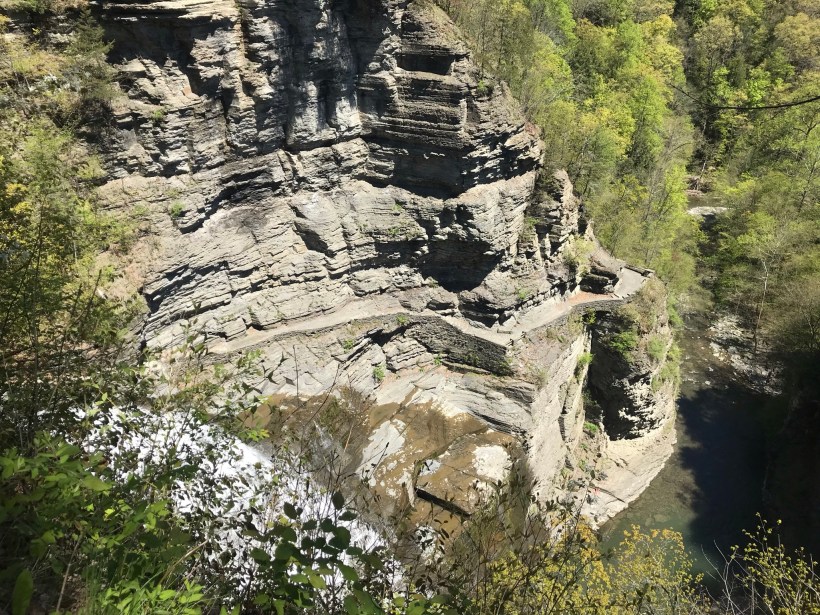
Today, I started from the stairs next to the Mill of the upper park, walking along Fish Kill Creek, a brief visit to the CCC plaque, over the new footbridge and a steep climb up to the ridge to a marvelous view over the way we just walked. That is a millipede resting on a wooden trail stake.

A word on the creek name. The Dutch word for creek is “Kill”, the anglicisation of the original name retained the Dutch making it, in effect, “Fish Creek Creek,” not a memorization of fish massacre.

There’s one shot of the damage done to tree leaves by hoards of caterpillars…I found chewed-up leaves at my feet throughout the hike.

Then, I re-join the State Park South Rim trail, down the Cliff Staircase to wander the gorge floor below Lucifer Falls.

Up the Gorge Trail with many shots of these wonders including Lucifer Falls, Devil’s Kitchen Waterfall, and the Gallery.

Close with a shot of early Tiger Lily blooms on the south facing bank of Enfield Creek.

I used a new format with this post, with all media in one You Tube video. Enjoy!!

Finger Lakes Trail and Treman Park June 16 2021 – YouTube

Copyright 2021 Michael Stephen Wills All Rights Reserved

May Nature Walk

Our first post COVID outing

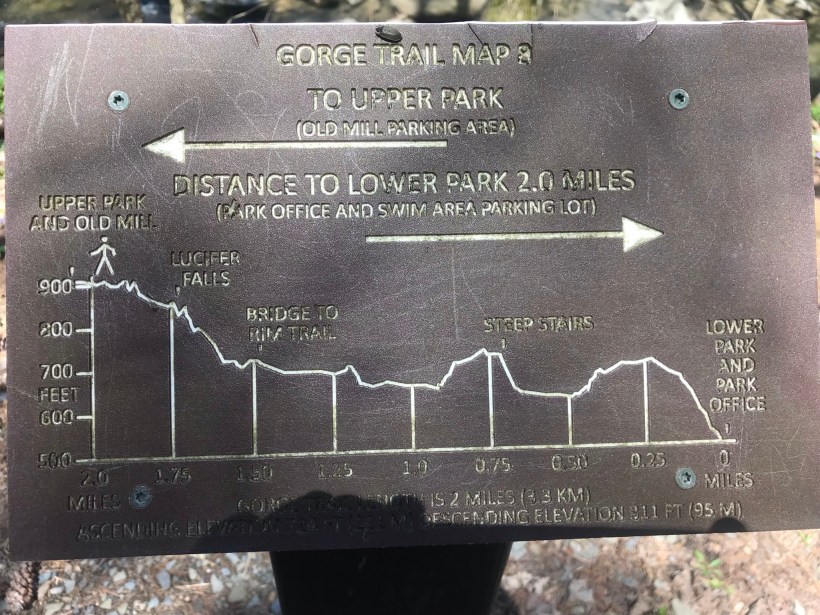
Pam and I headed out to Treman Park for a walk to the Lucifer Falls overlook. The Gorge Trail is not yet open due to the danger of rock falling from the gorge walls — the park maintenance staff needs to survey winter damage and knock down material in danger of falling.

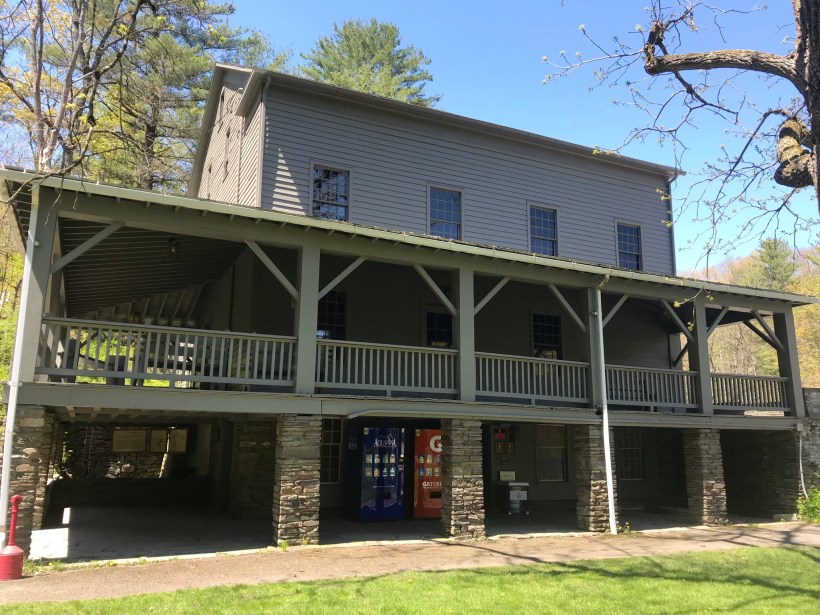
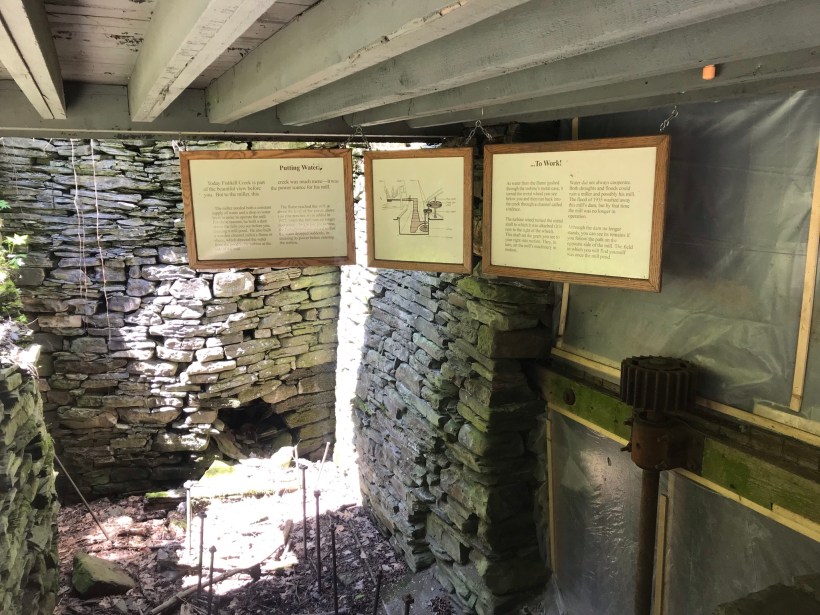
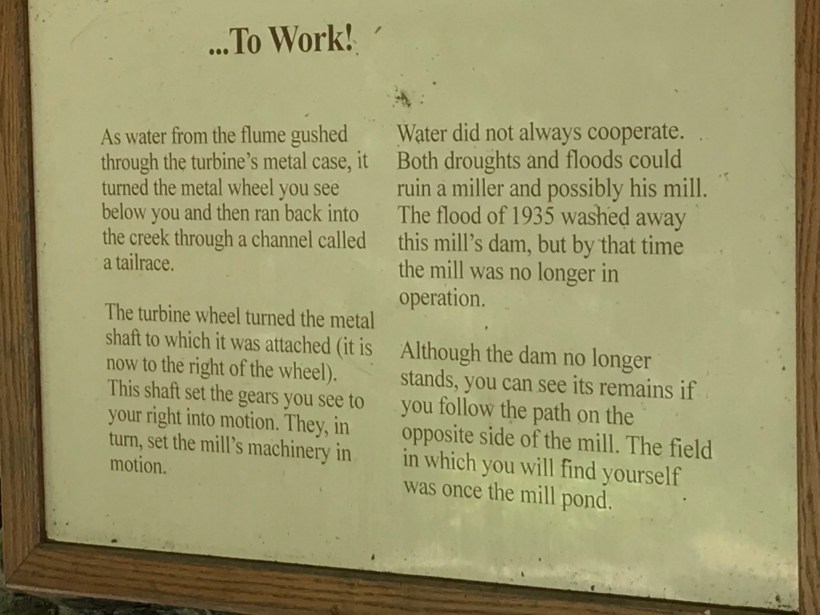
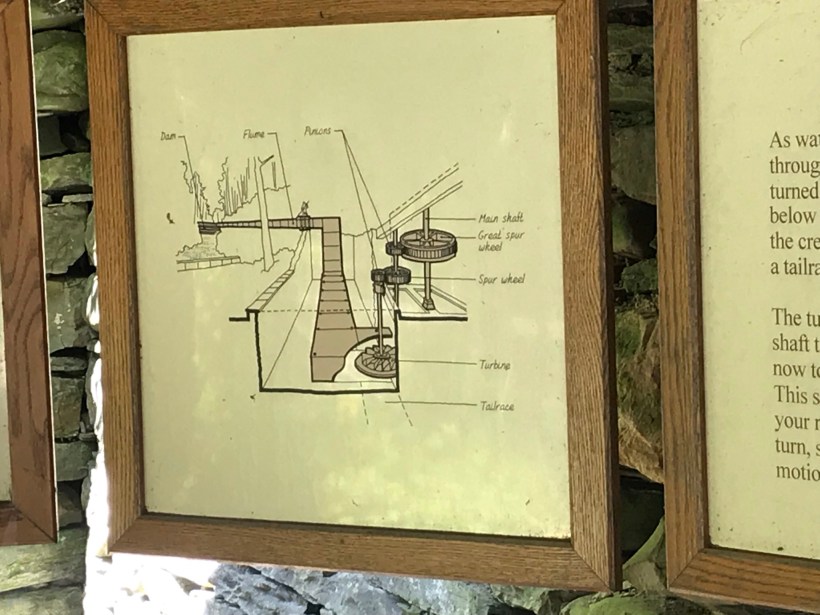
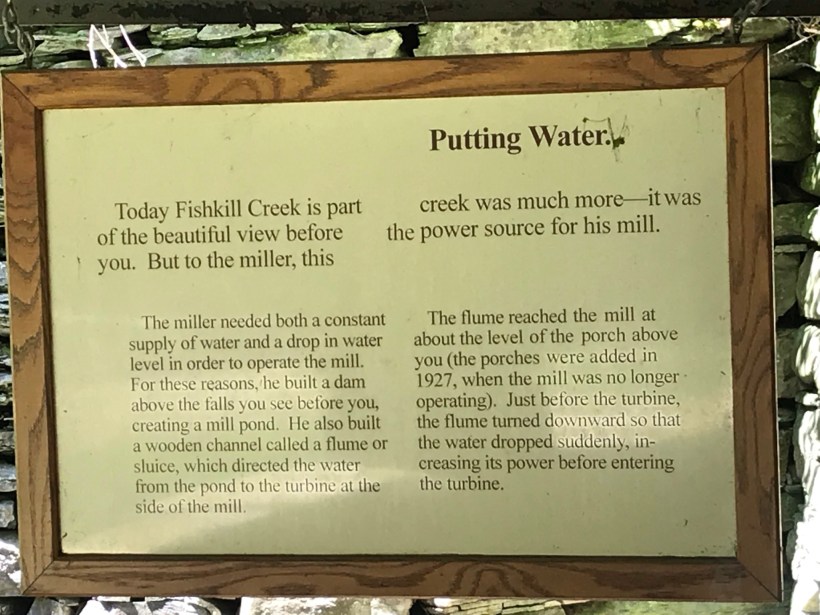
Our first stop was the mill waterfall. This was was directed to the mill stream to power the mill where grain was ground to order.
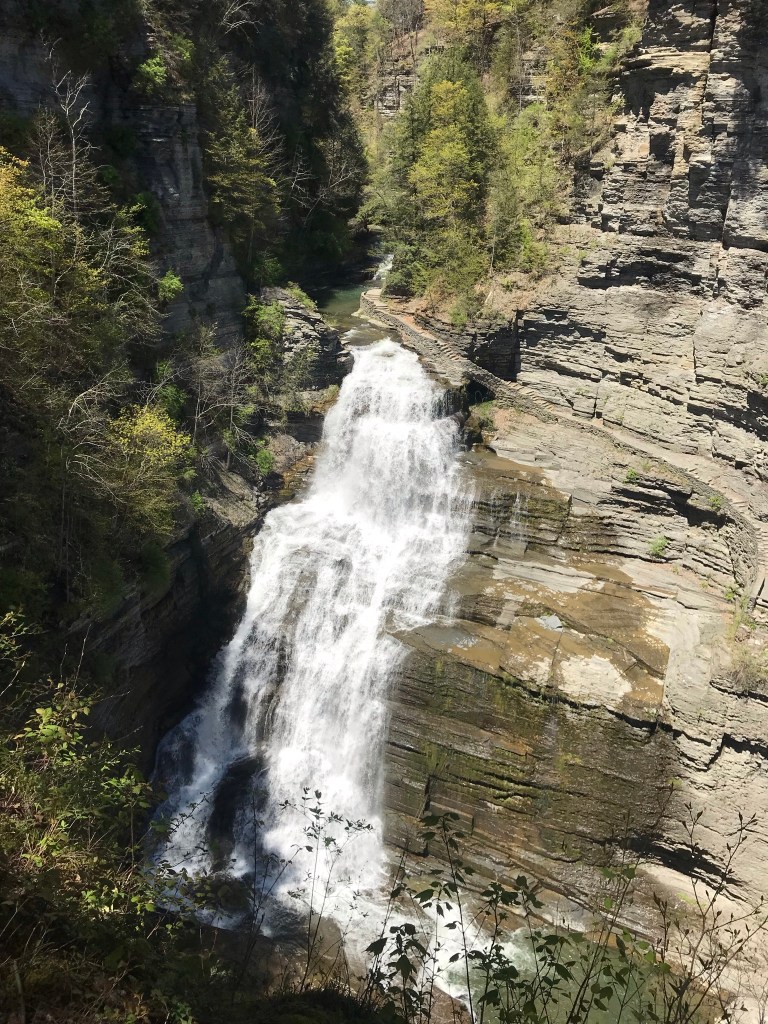
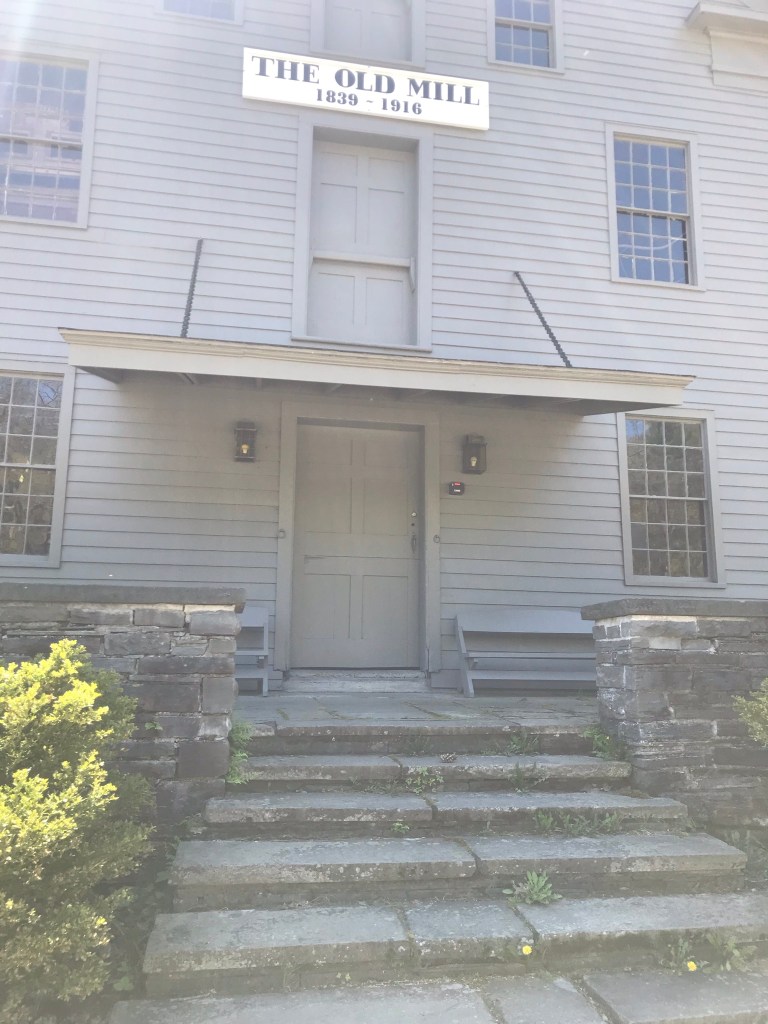
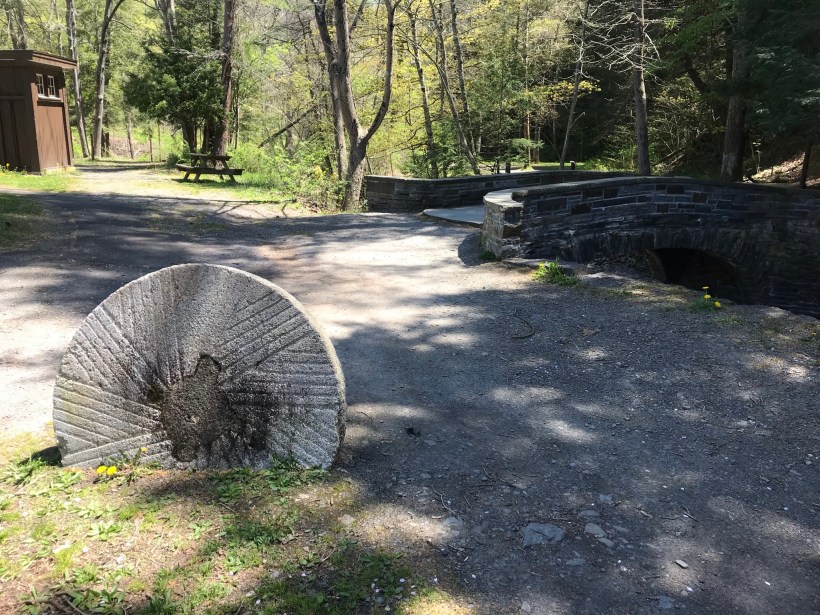
Here is an overview of the Mill, now a museum not yet opened post-Covid. The millstone stands at the start of the foot trails. All media on this post is from my IPhone 7, lightweight equipment for this hike. The automatic upload to ICloud is convenient.
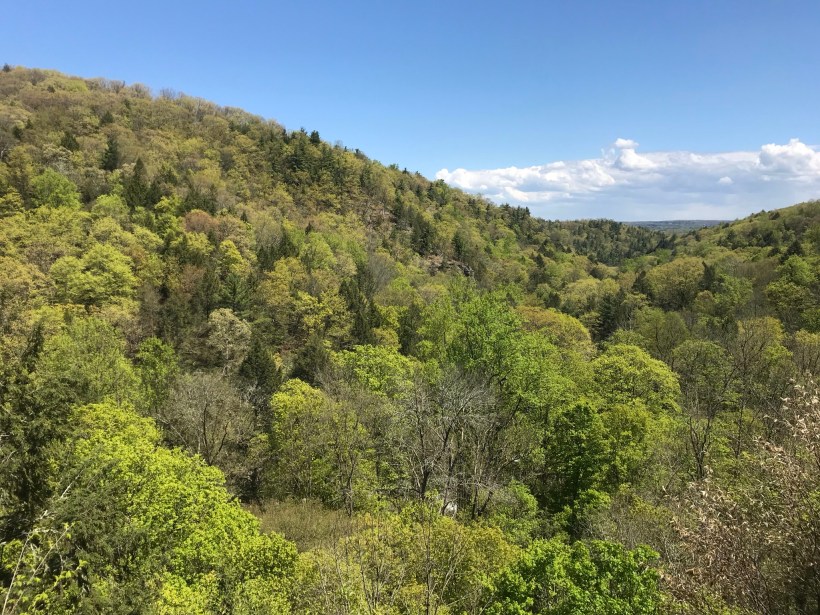
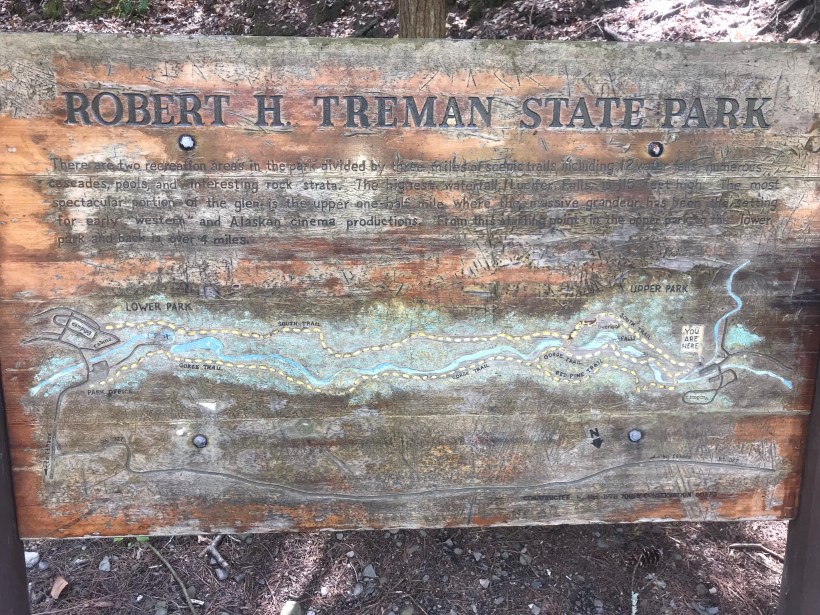
Round trip is four-plus miles, with several hundred feet elevation change. Pam and I discussed a car caravan for our next visit, to support a one-way downhill hike (still plenty of uphill hiking). We need to work up to the round trip after our winter inactivity.

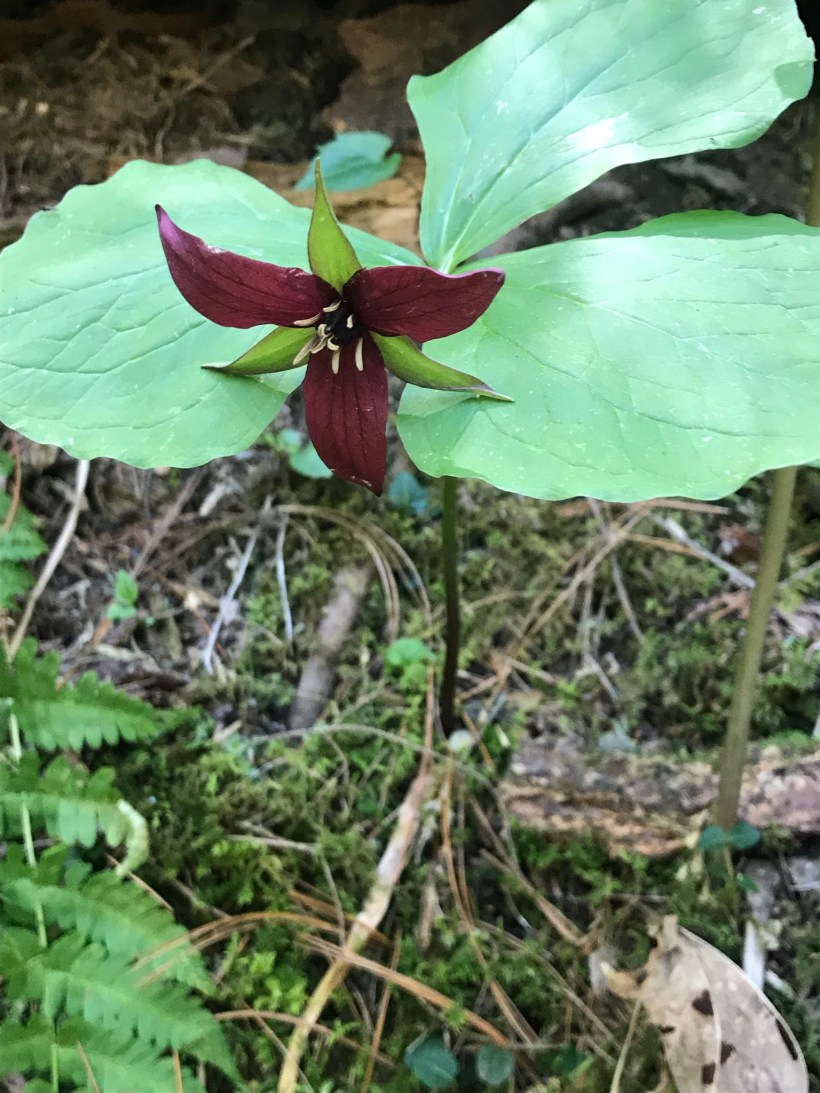
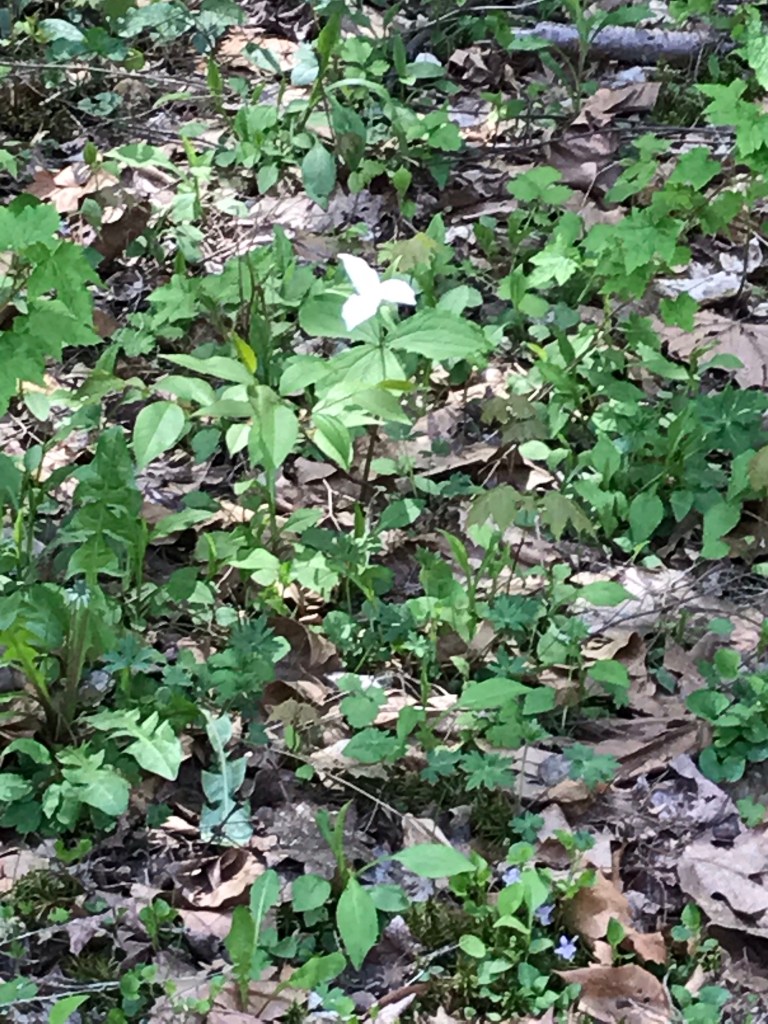
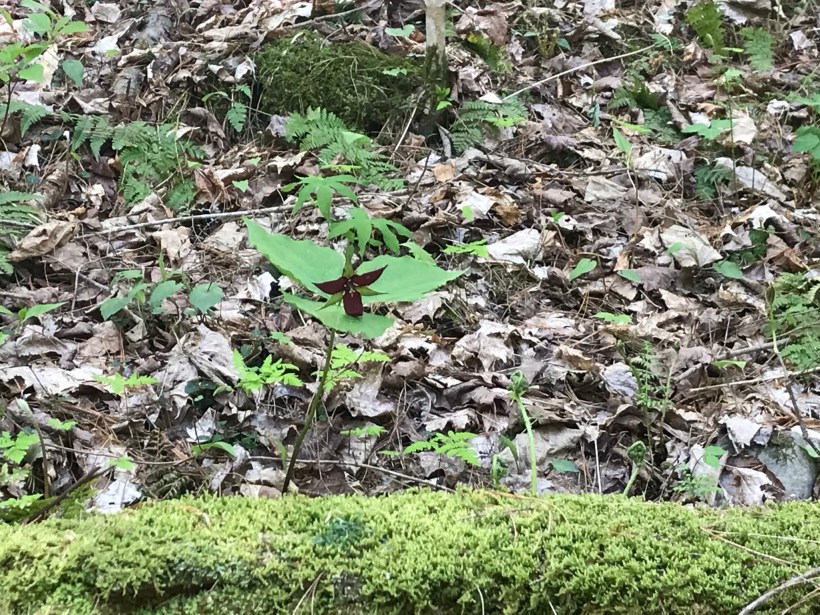
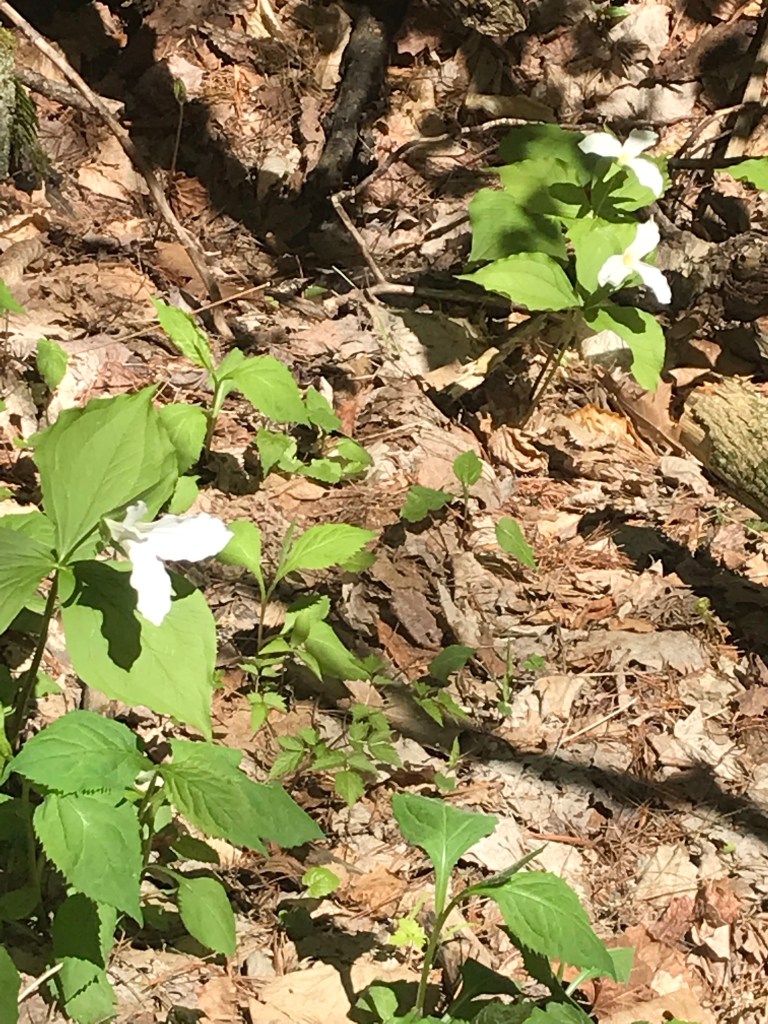
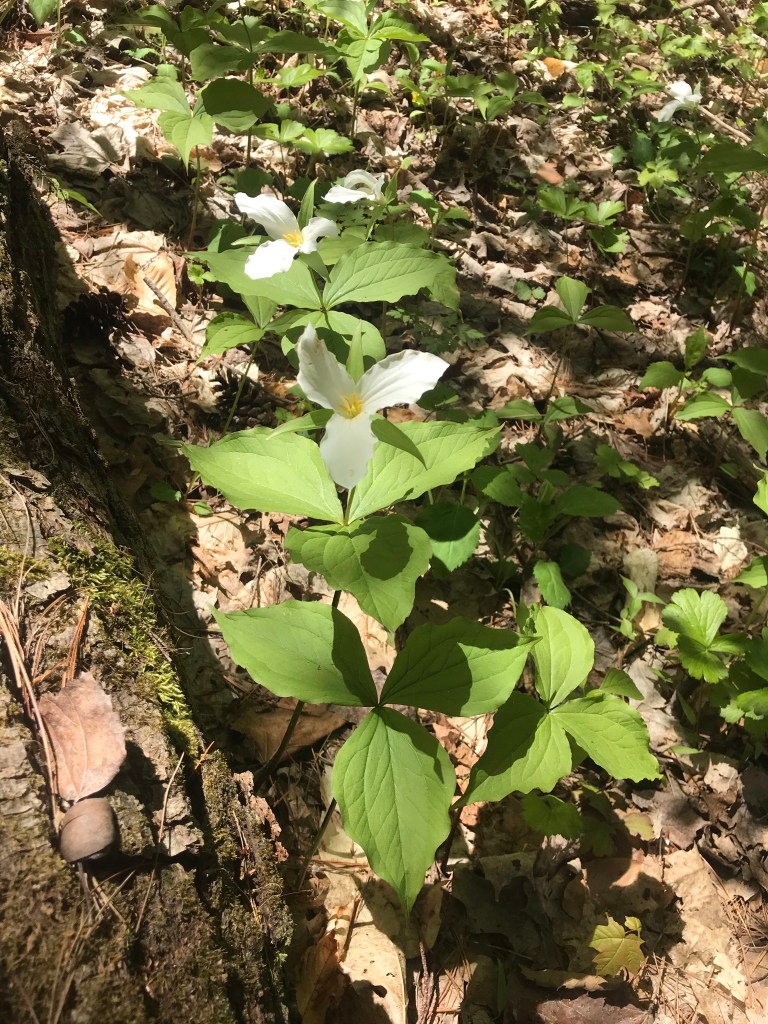
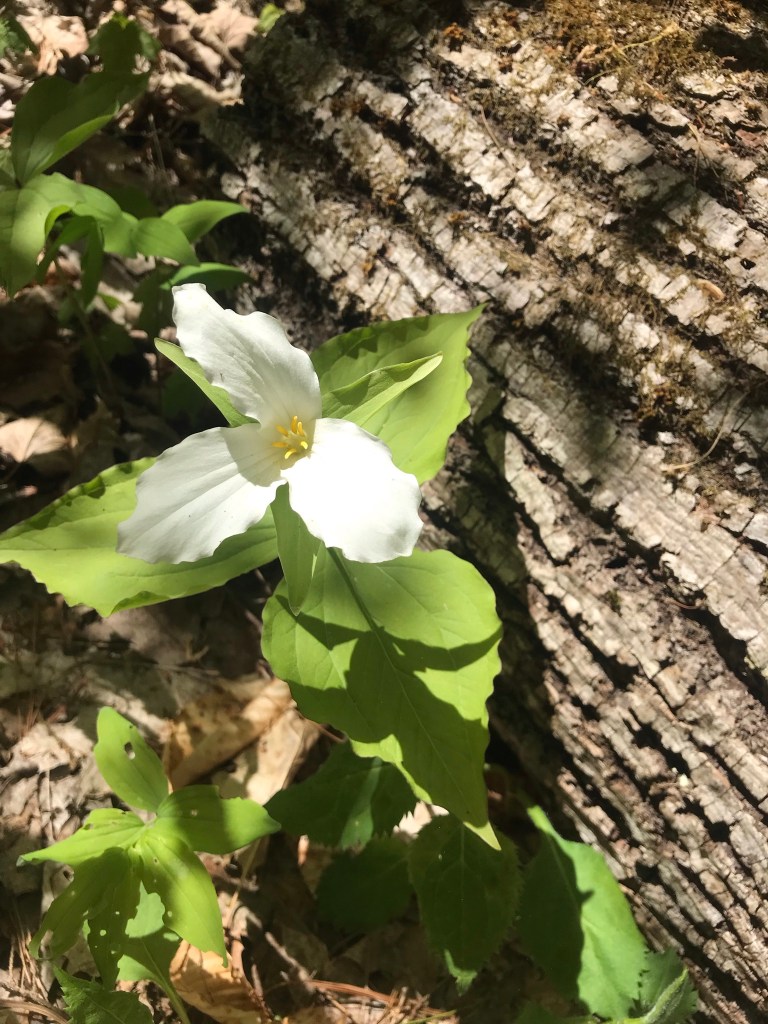
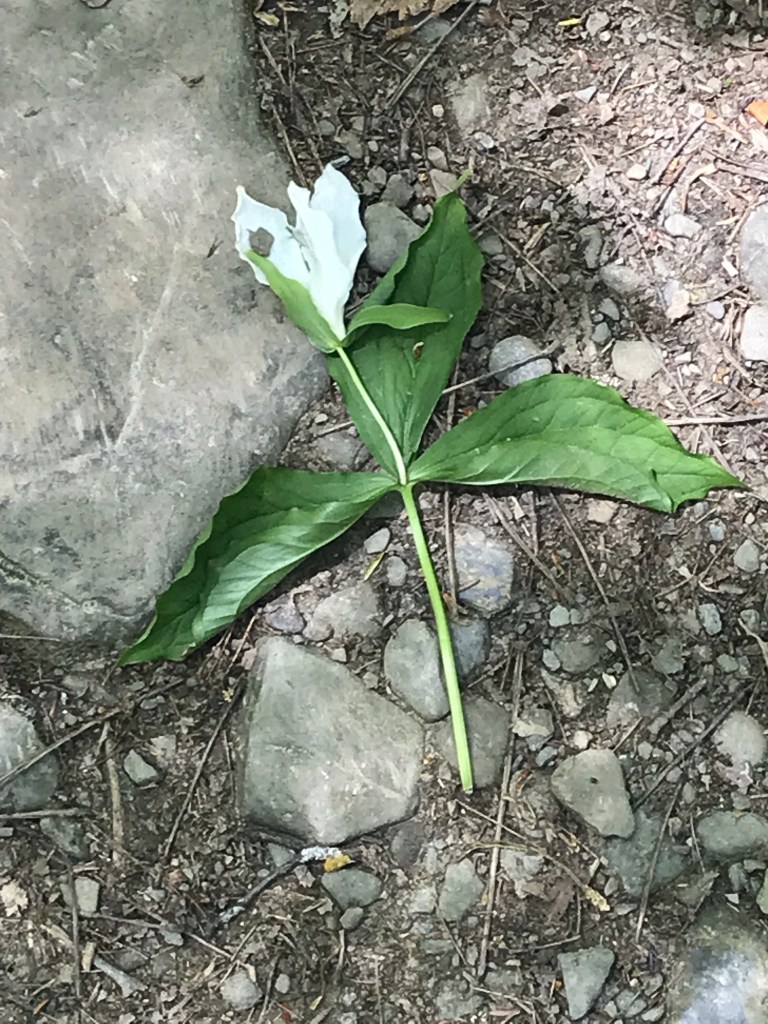
Trillium are in bloom!!

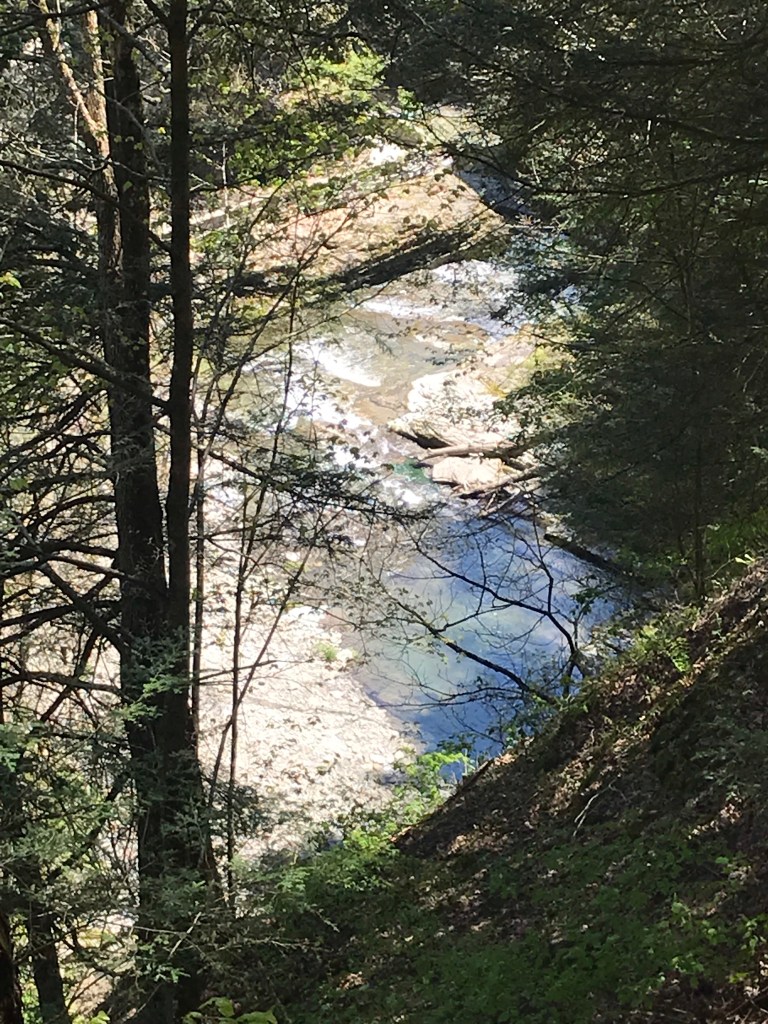
Multiple overlooks into the gorge grace this trail.

More trillium before we reached the overlook. Lucifer falls and the incredible path etched into the cliff by the Civilian Conservation Corps (Roosevelt’s Tree Army during the Depression).

After the Lucifer Falls overlook is this stupendous view from the top of the Cliff Stairs, 224 steps continue to link to the Gorge and South Rim trails.

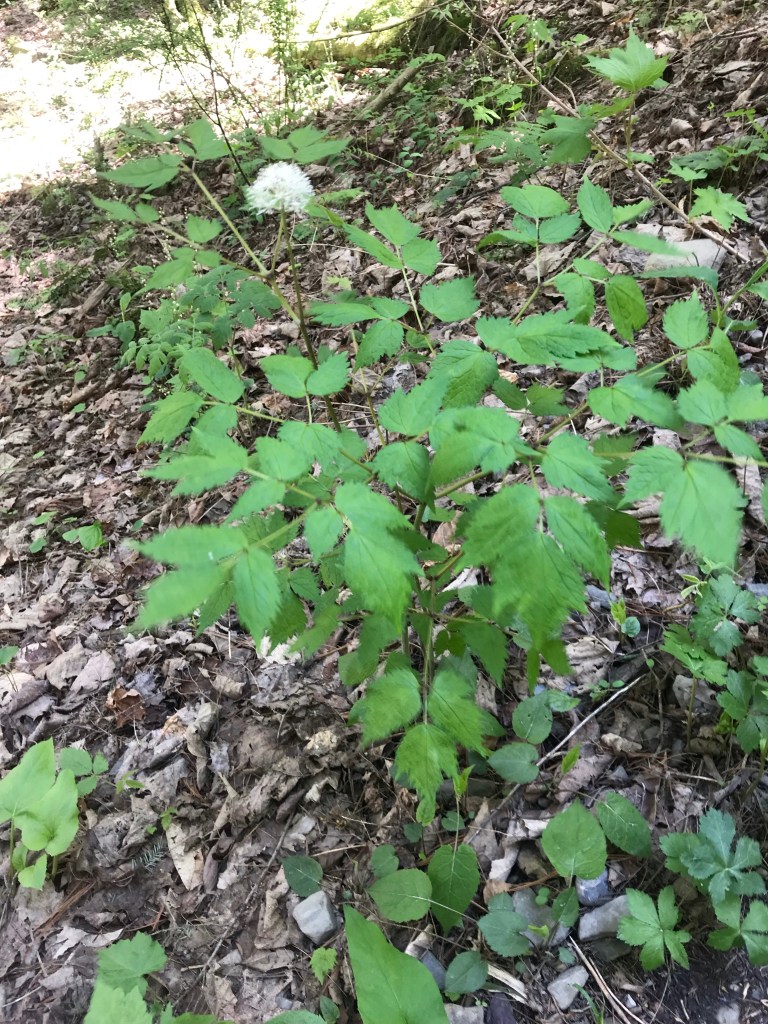
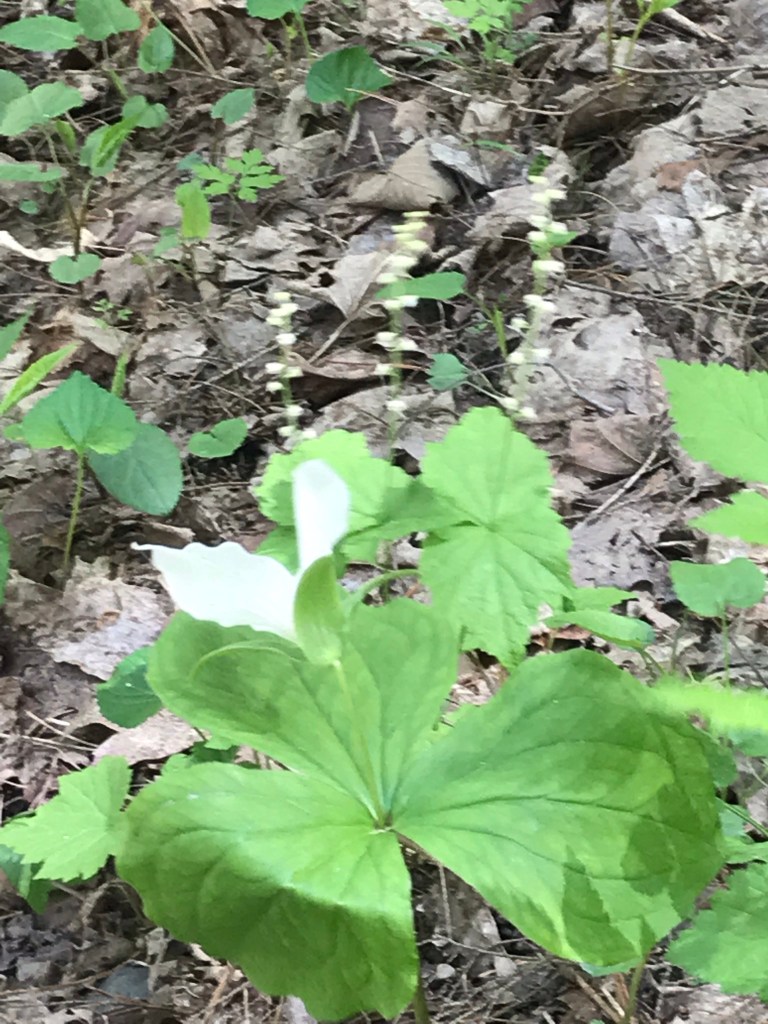
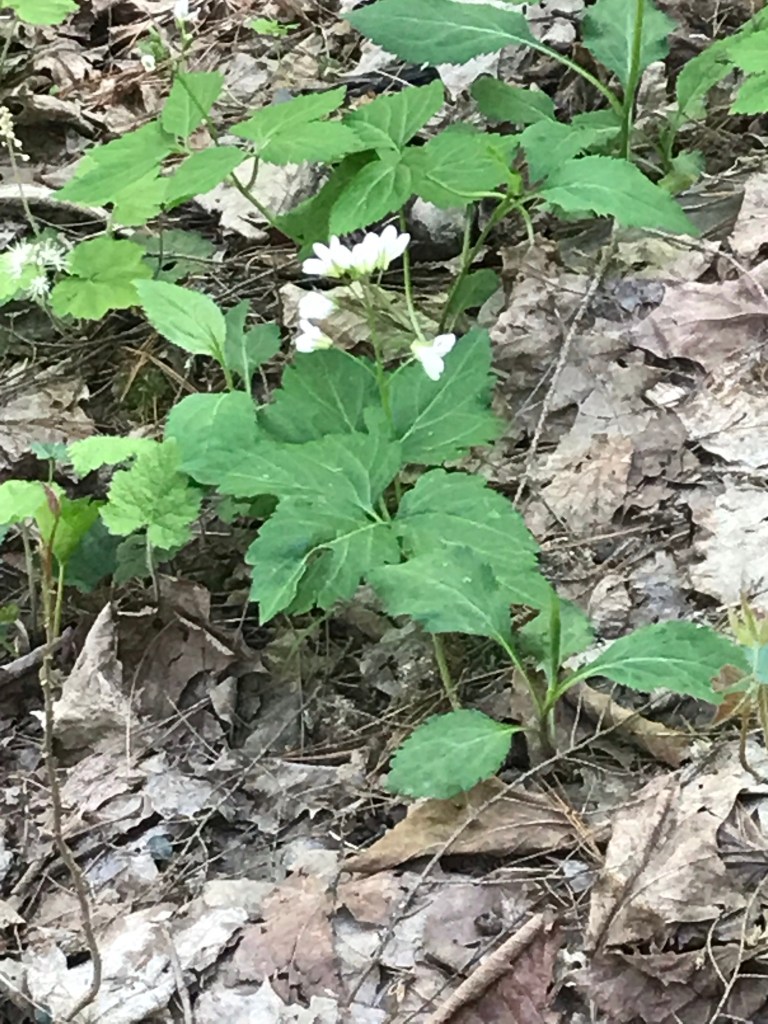
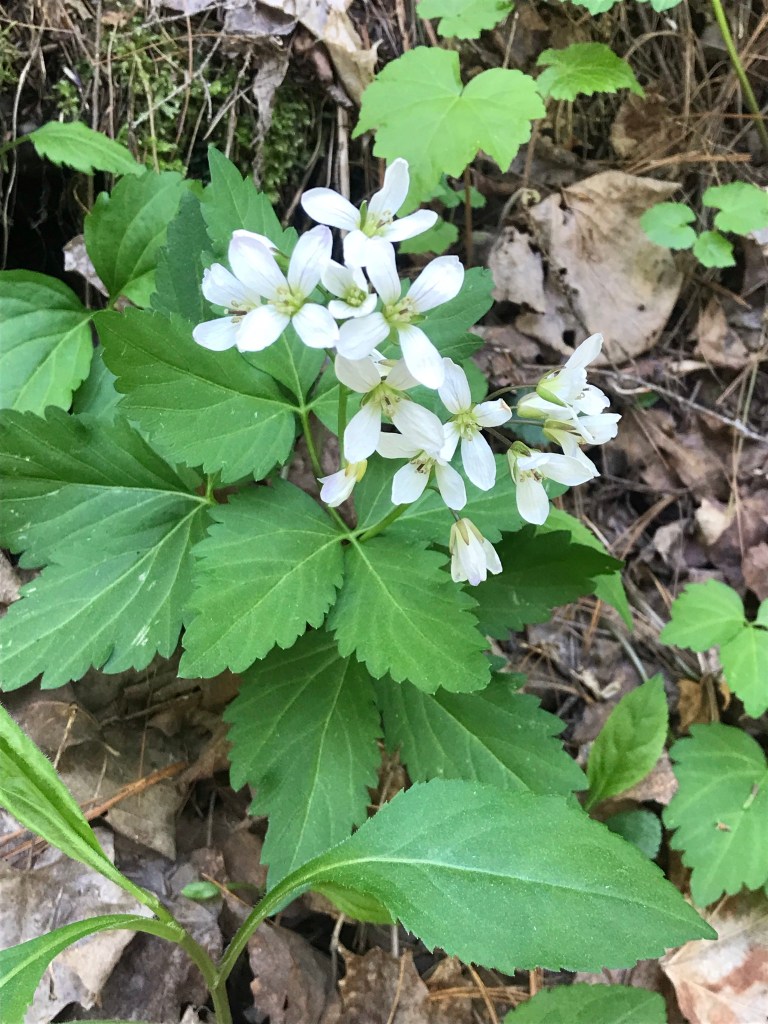
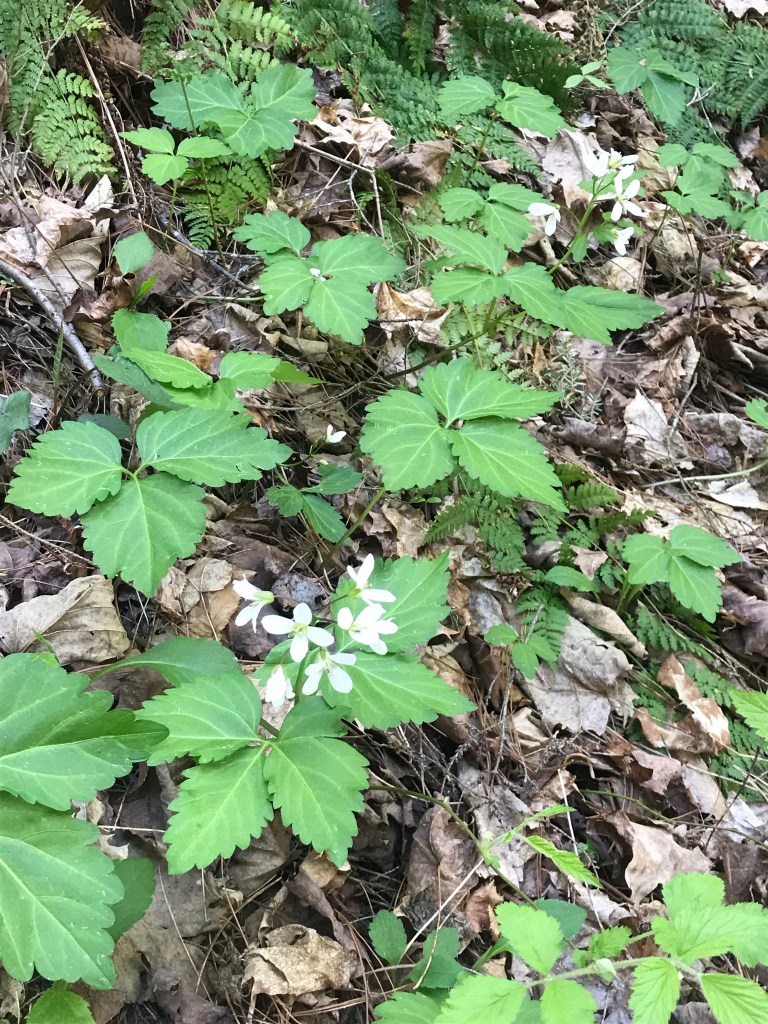
As we lingered on the top steps the flowering plants slowly revealed themselves.

I captured this tragic image on the return trip….a trillium discarded on the trail. Stiff fines await anyone caught doing this.

Copyright 2021 Michael Stephen Wills All Rights Reserved

Hammond Hill Walk V

Facing the sun

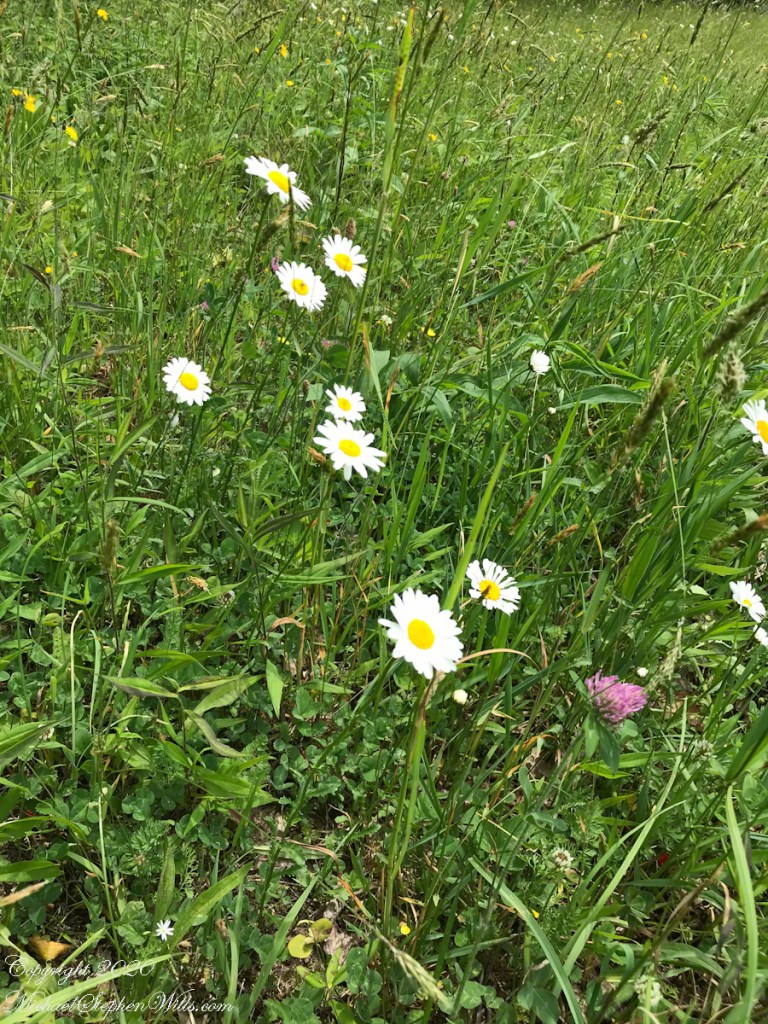
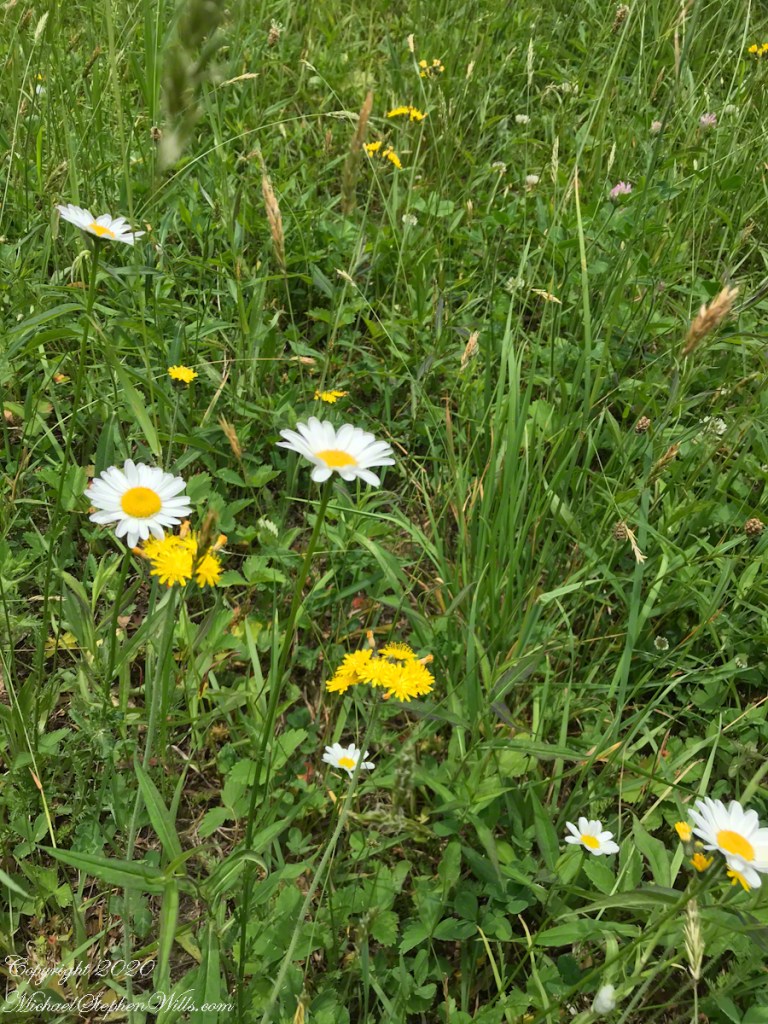
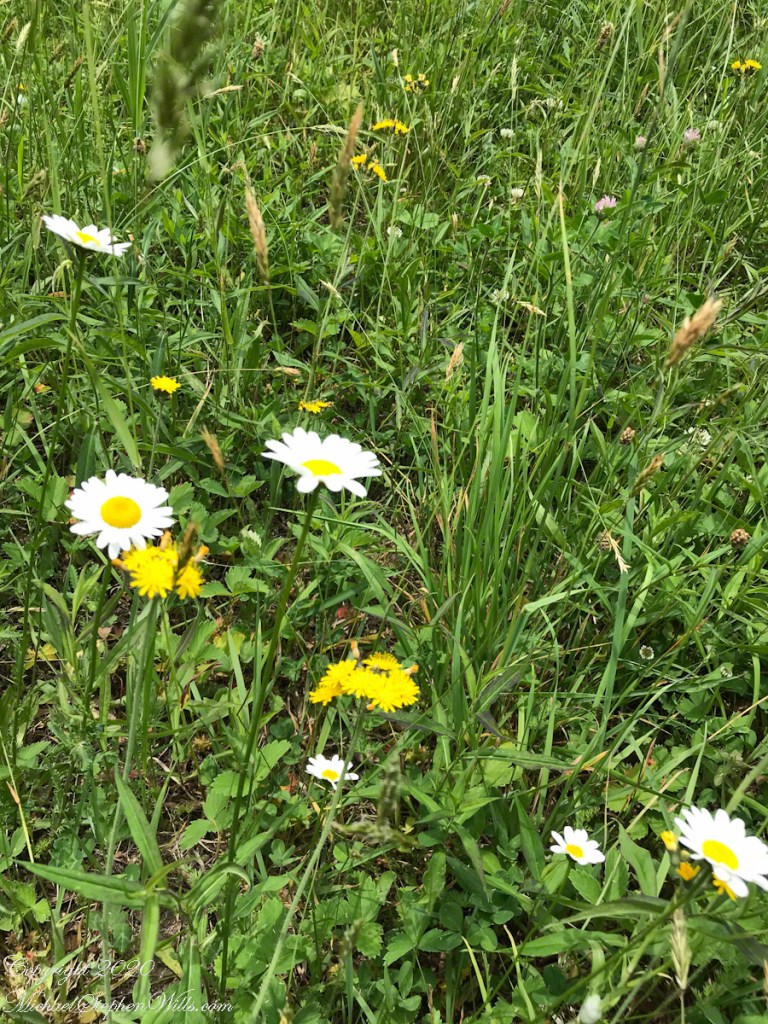
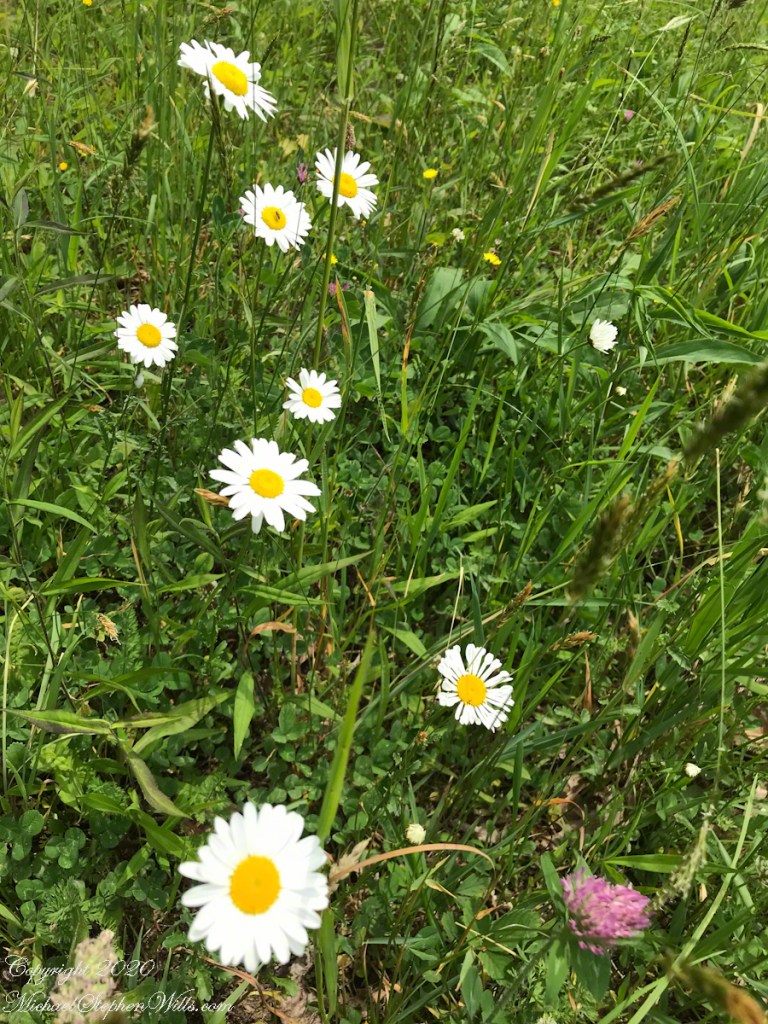
I close this walk at the turnaround point, the high meadow, with a fireworks display of daisies.

Click any photograph for a larger view. To do this from WordPress Reader, you need to first click the title of this post to open a new page.

Copyright 2020 All Rights Reserved Michael Stephen Wills

Hammond Hill Walk IV

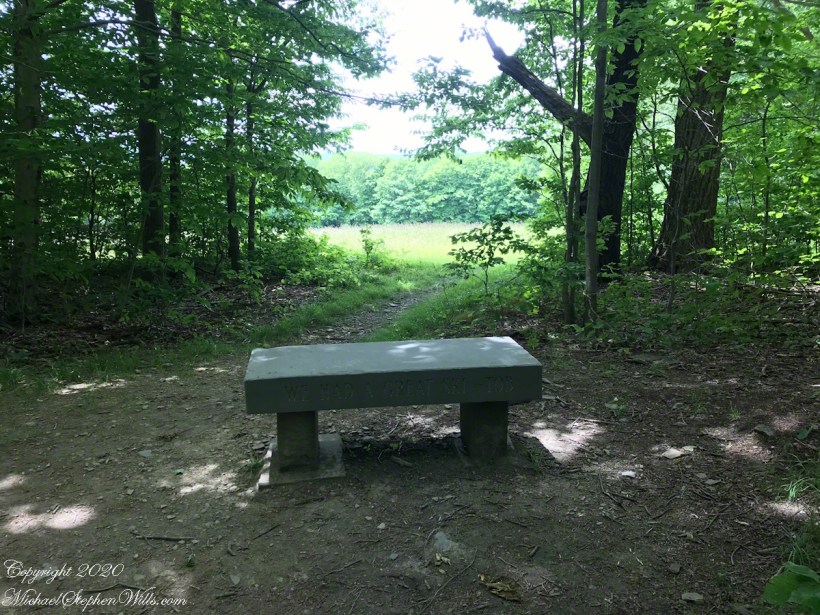
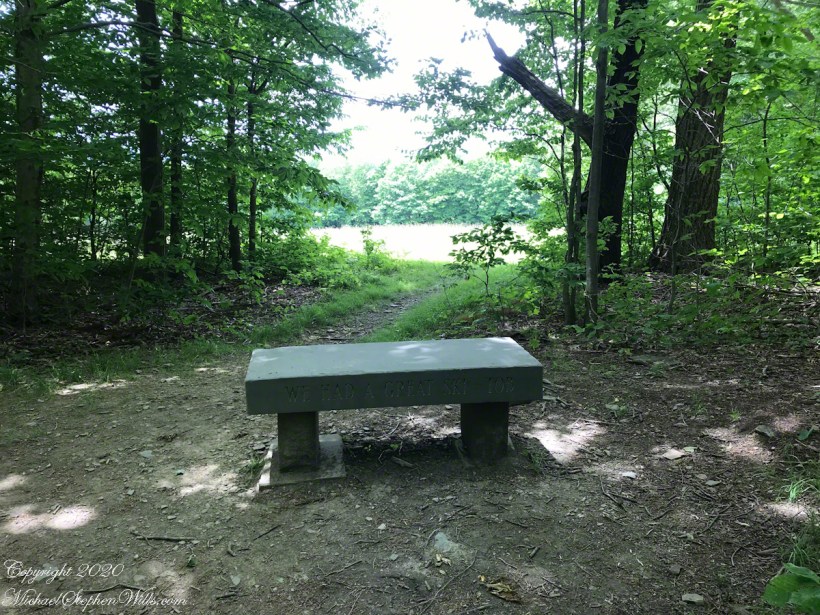
“We Had A Great Ski — Tob”

New since I was last here, this bench, made from local “blue” limestone dedicated to the memory of cross country skiing.

Click any photograph for a larger view. To do this from WordPress Reader, you need to first click the title of this post to open a new page.

Here are sounds you may experience while sitting here on a summer afternoon.

Click me for better experience viewing the following video. To do this from WordPress Reader, you need to first click the title of this post to open a new page. Note the replay icon (an arrow circling counter-clockwise.

Copyright 2020 All Rights Reserved Michael Stephen Wills

Hammond Hill Walk III

High Meadow

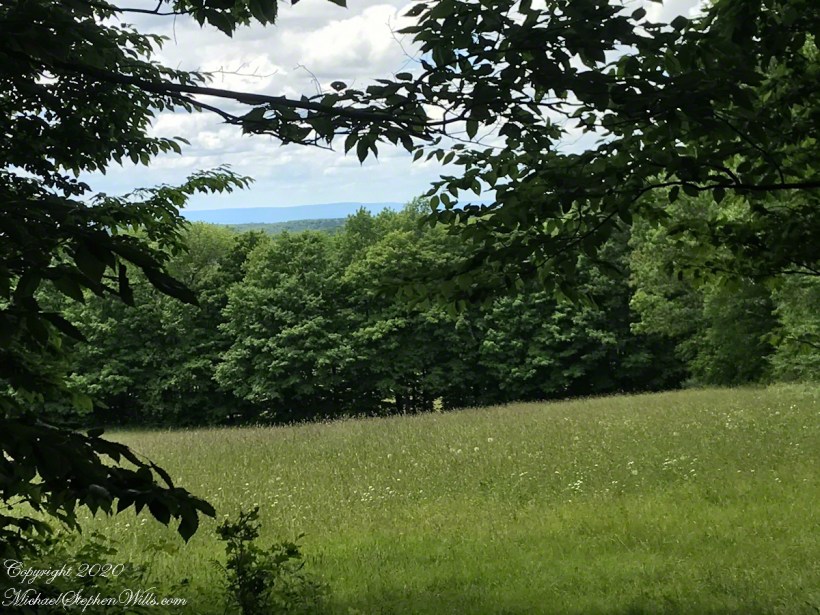
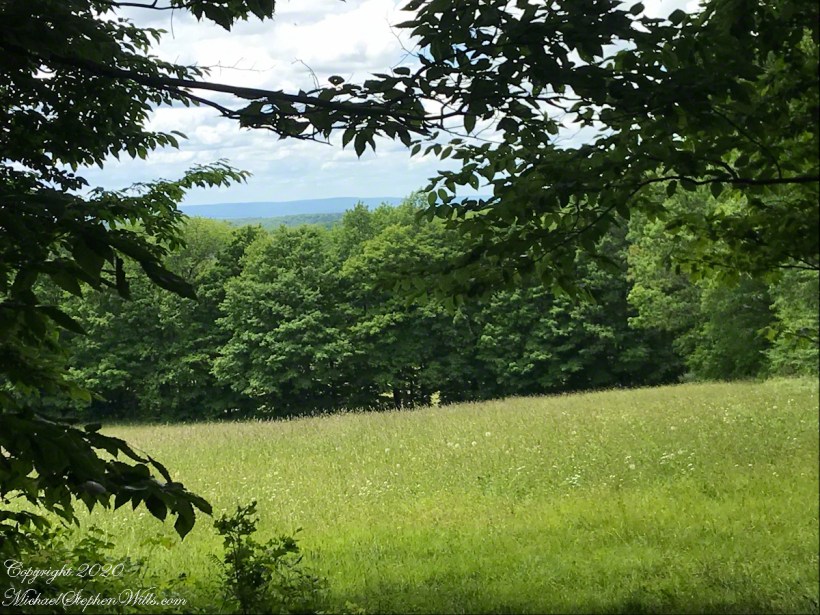
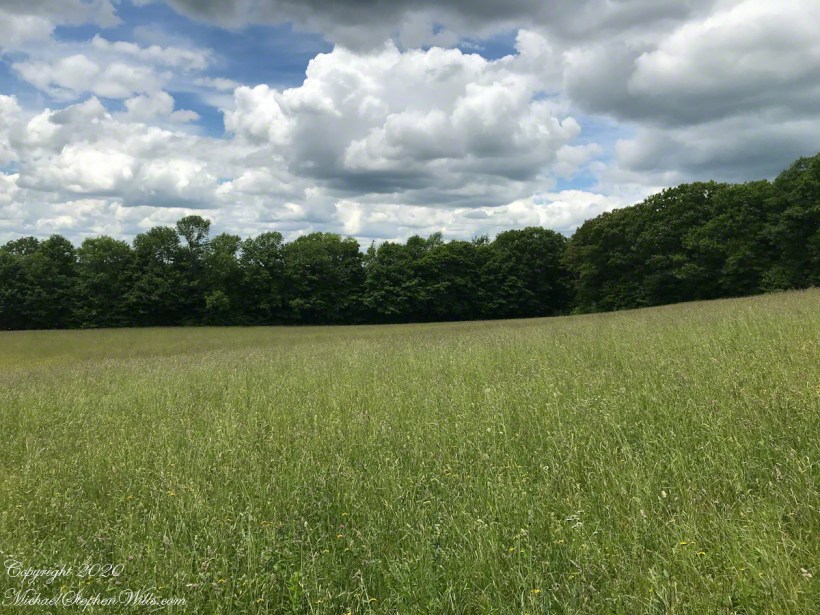
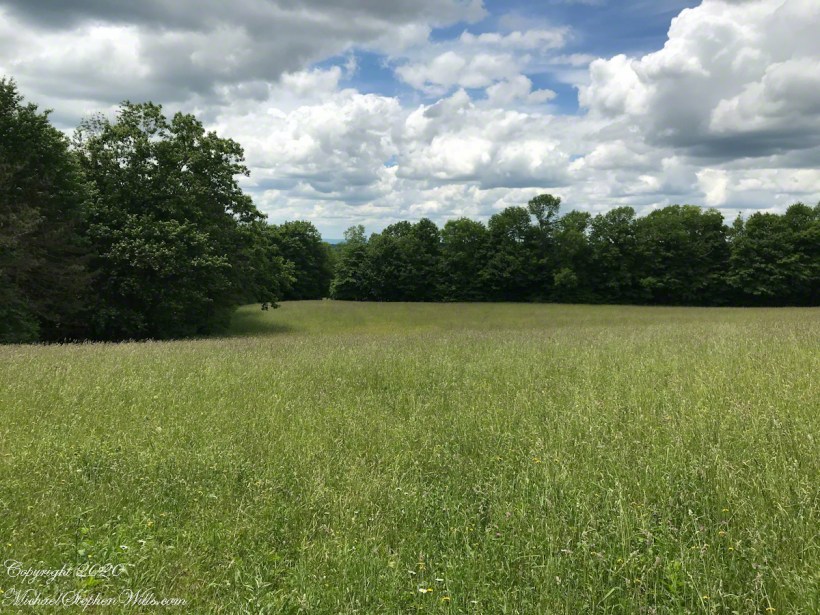
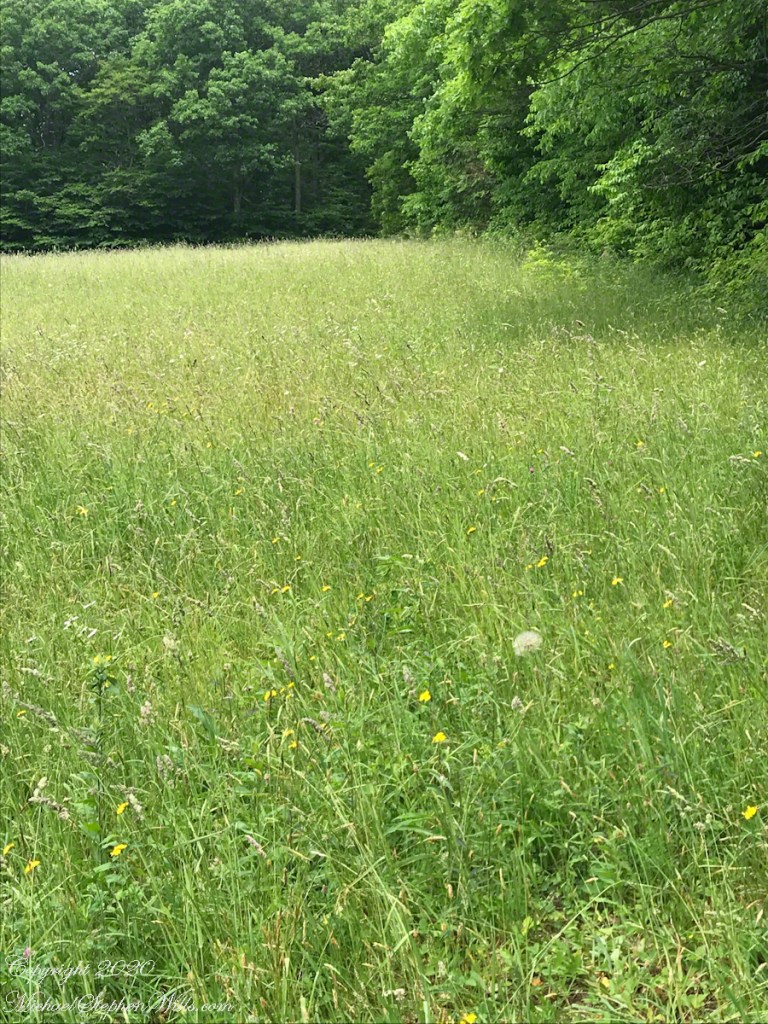
After birdsong, open spaces are an unexpected wonders of these walks. Nowhere listed on the map, and on private lands adjoining the forest, this meadow comes upon the hiker’s consciousness gradually as the trail approaches.

Click any photograph for a larger view. To do this from WordPress Reader, you need to first click the title of this post to open a new page.

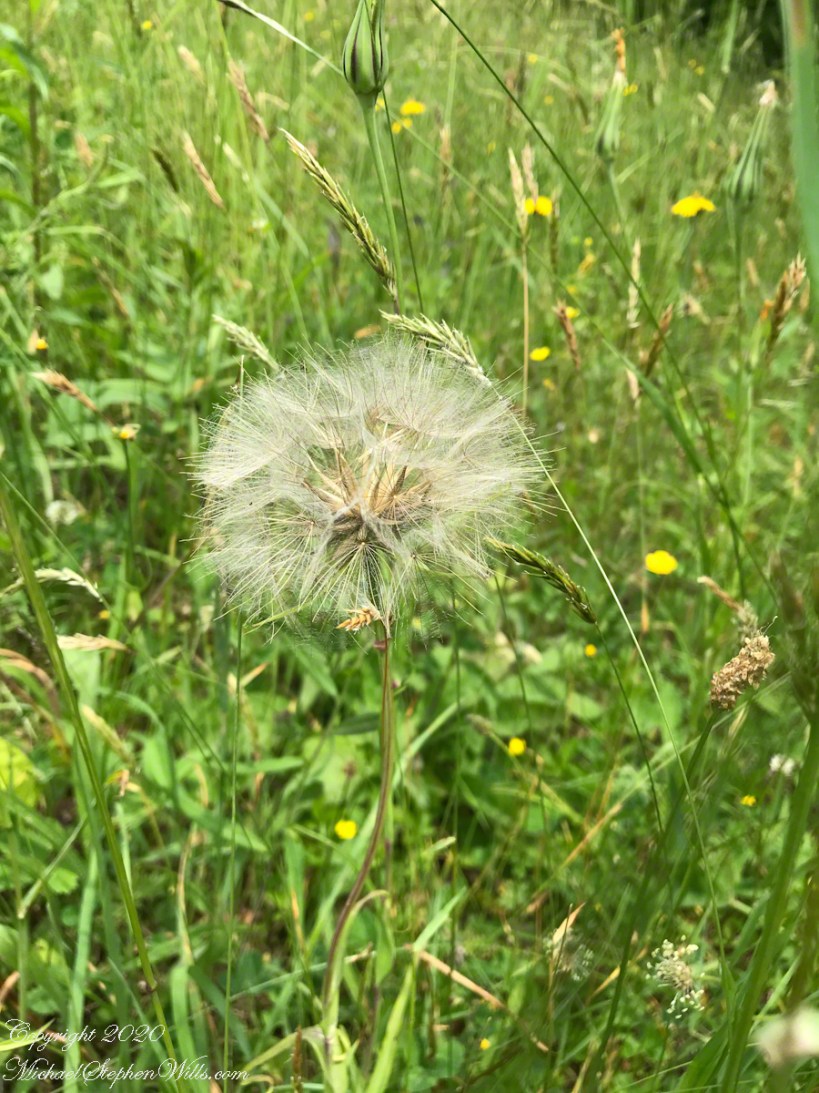
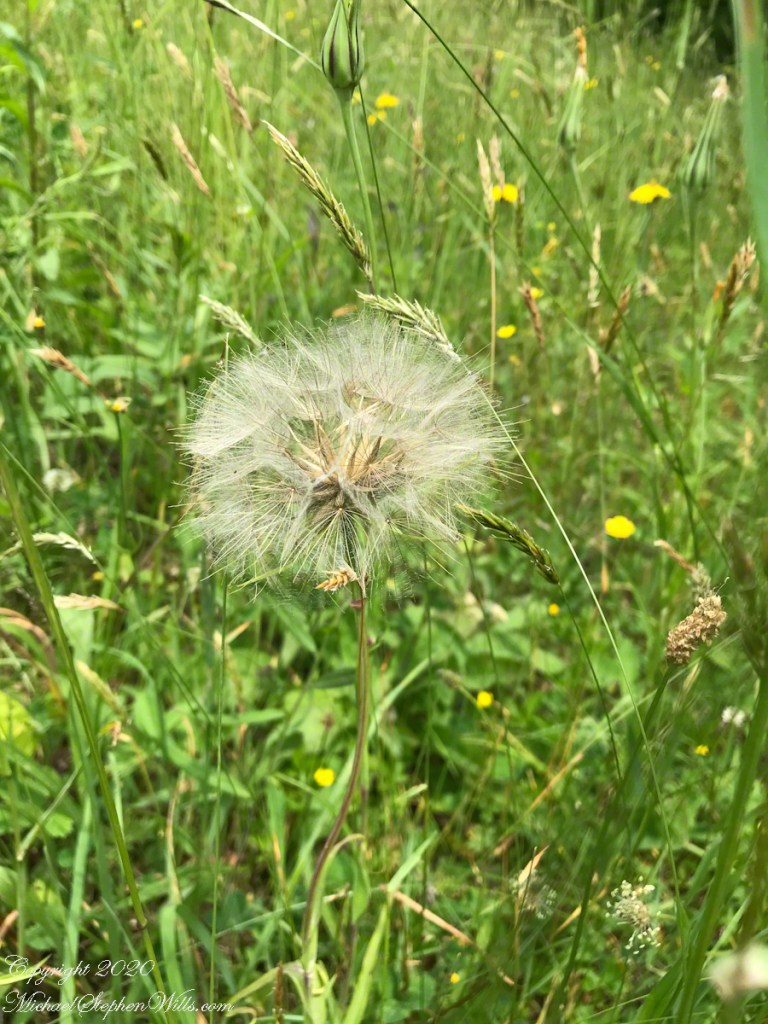
I have seen those gigantic seed heads here and there and never taken the time to research and identification. Do you recognize it?

Click me for better experience viewing the following video. To do this from WordPress Reader, you need to first click the title of this post to open a new page. Note the replay icon (an arrow circling counter-clockwise.

To be continued…..

Copyright 2020 All Rights Reserved Michael Stephen Wills

Hammond Hill Walk II

Diamond Strands

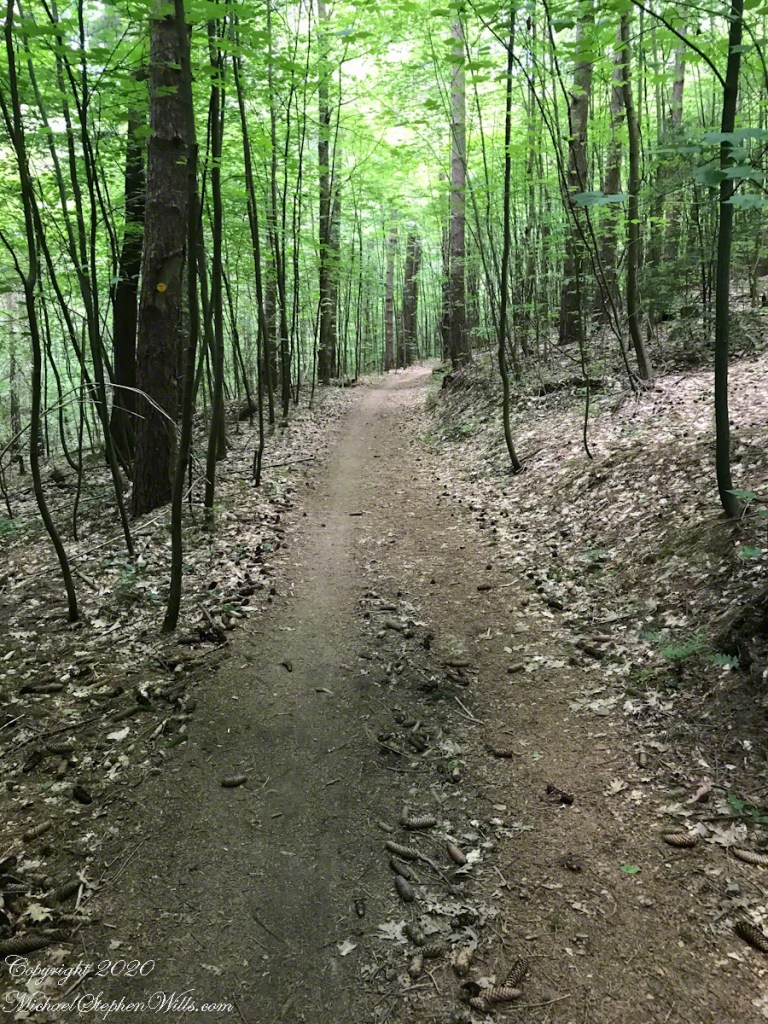
Hammond Hills walks are a solo affair for me. Pam joined in days past, summer and winter, and fell out of love with the lack of flowing water and bugs. The pleasures of the place, for me, are the miles and miles of varied trails, the sounds among silences, unexpected vistas from hilltops.

The trails themselves are unlovely, beaten down by mountain bike tires or grooved by skis. On the hills I am always on alert, listening for the sounds of bodies hurtling down. The bureaucrats called this “mixed use.” It could be worse, motors are excluded. Today there were two bikers.

Click any photograph for a larger view. To do this from WordPress Reader, you need to first click the title of this post to open a new page.

A sprinkling of wild rose.

The song of the Hermit Thrush, a sound of diamond strands, always stops me. Here are two 30 seconds clips.

Click me for better experience viewing the following video. To do this from WordPress Reader, you need to first click the title of this post to open a new page. Note the replay icon (an arrow circling counter-clockwise.

Click me for better experience viewing the following video. To do this from WordPress Reader, you need to first click the title of this post to open a new page. Note the replay icon (an arrow circling counter-clockwise.

To be continued…..

Copyright 2020 All Rights Reserved Michael Stephen Wills

Hammond Hill Walk I

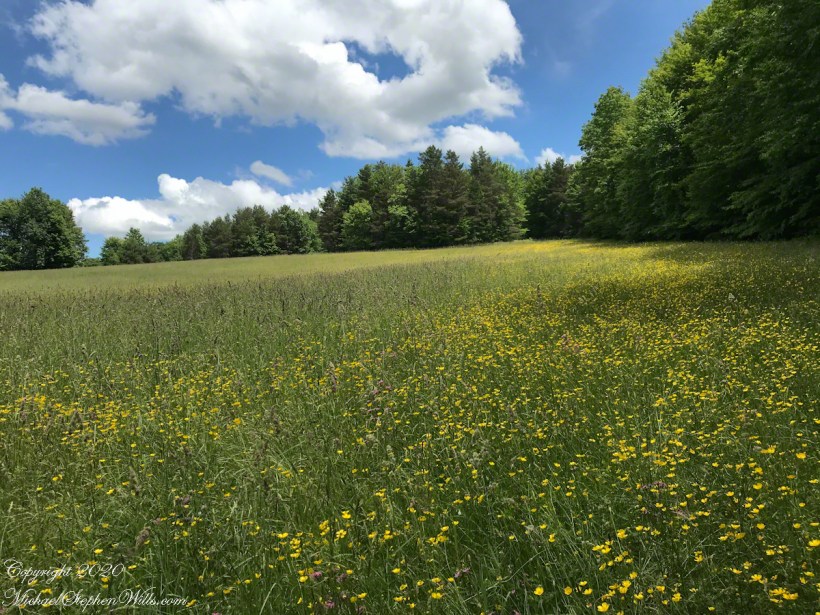
Buttercup Meadow

Hammond Hill New York State Forest is visible as an alluring height from many places of Tompkins and Cortland Counties. It is not on the list of tourist destinations, very popular for locals to mountain bike, and cross country ski at an advanced level for the steepness of some trails that wend over this high hill.

Click any photograph for a larger view. To do this from WordPress Reader, you need to first click the title of this post to open a new page.

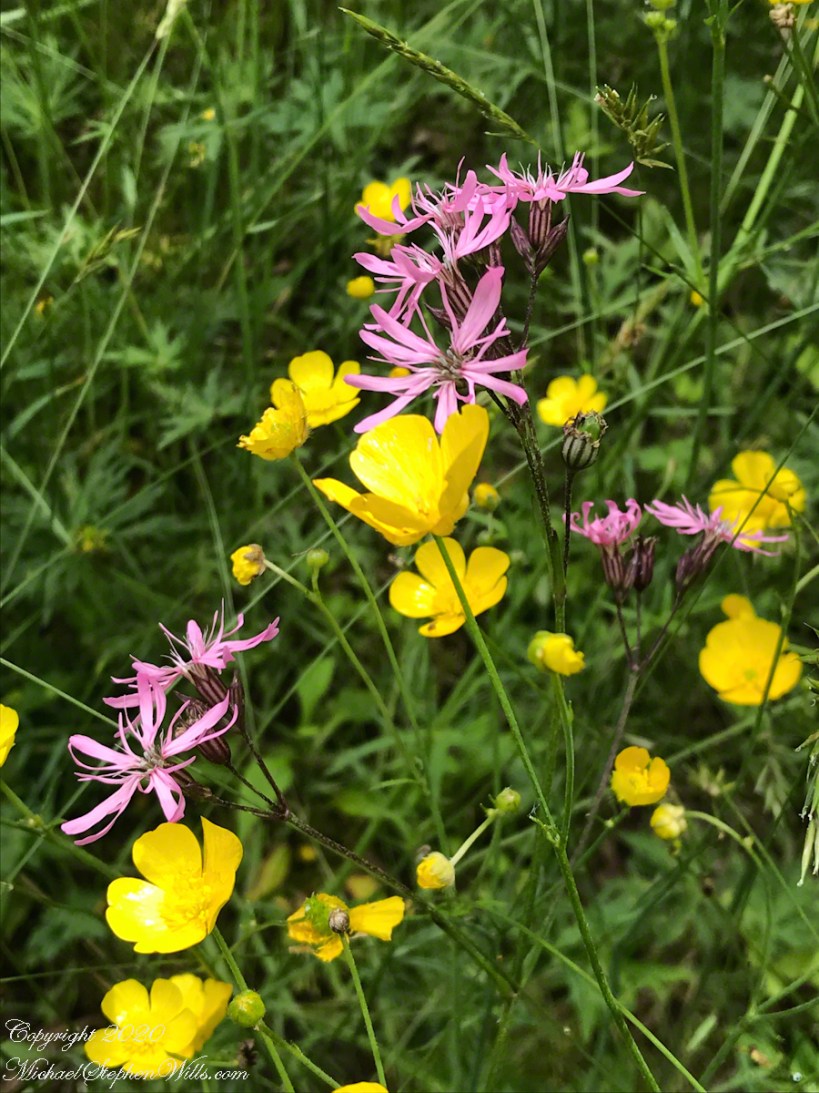
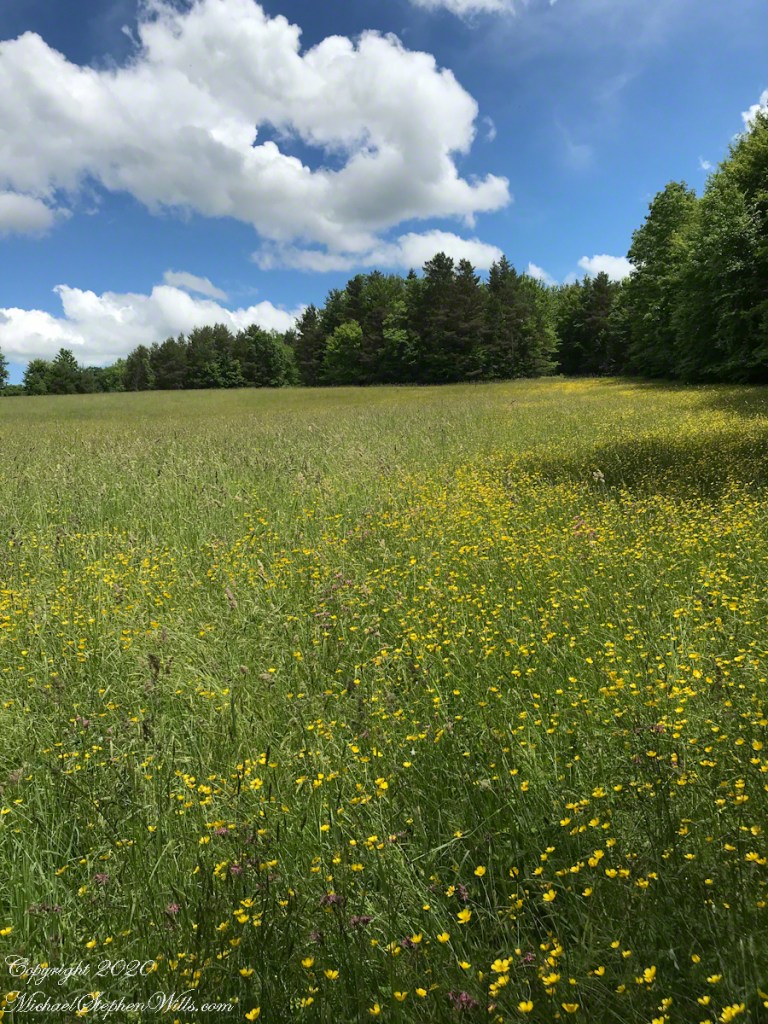
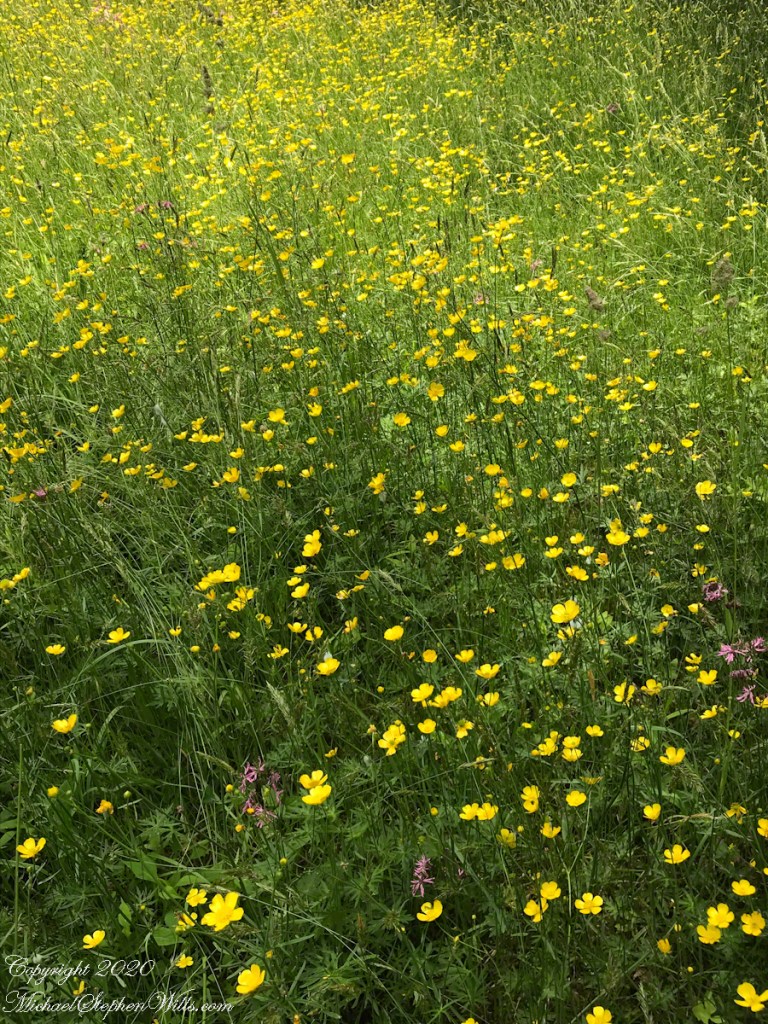
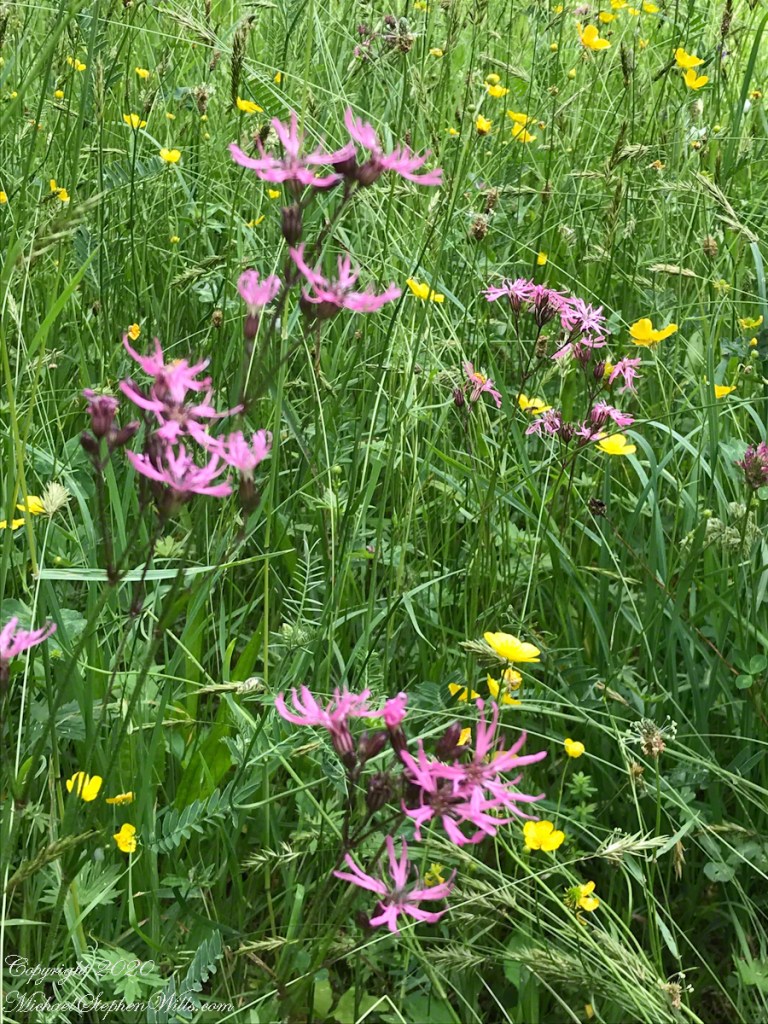
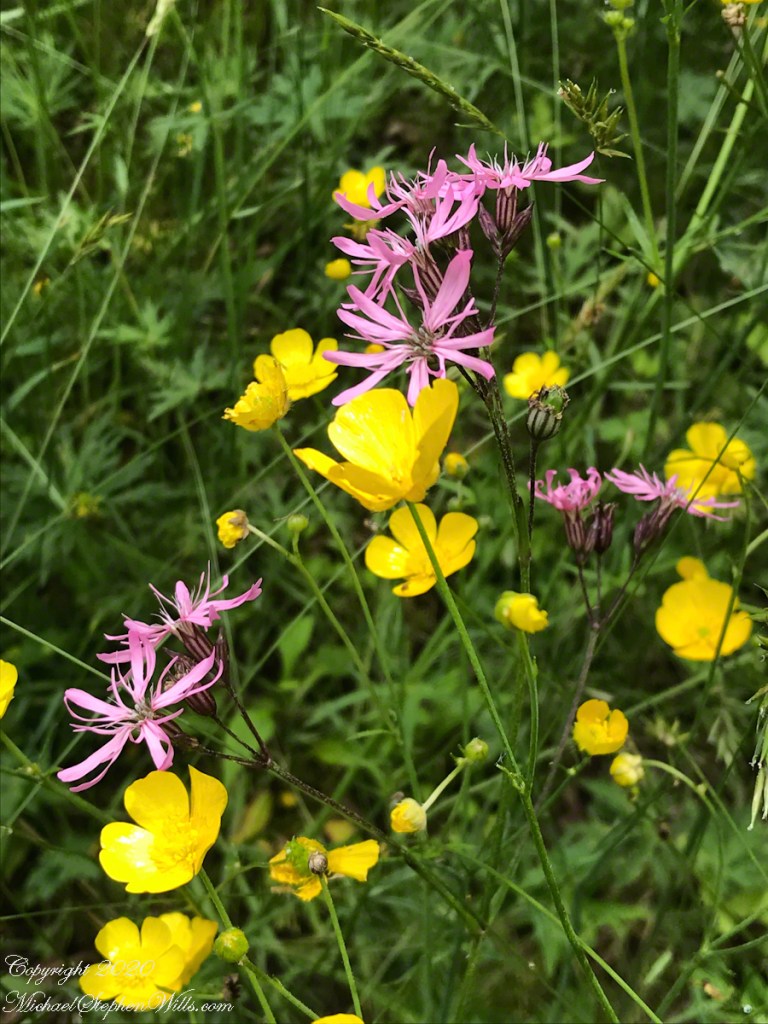
The beauty of this wildflower meadow took me by surprise. The pink flower is a Bouncing Bet, AKA Soapwart. Scientific name Saponaria officinalis. The genera name is from the latin root for soap, “sapo.” The juice of the plant mixed with water can whip up a lather. Thus, also its common name, Soapwart.

The meadow is almost entirely buttercup. Click me for a post about a member of the buttercup family that is the first to flower.

Click me for better experience viewing the following video. To do this from WordPress Reader, you need to first click the title of this post to open a new page. Note the replay icon (an arrow circling counter-clockwise.

To be continued…..

Copyright 2020 All Rights Reserved Michael Stephen Wills