A faint organic whiff of Paleozoic Era generations follows hikers enjoying the Gorge Trail, an odor luring contemporary treasure seekers thankfully spurned by the December 2014 New York State fracking ban. Thanks to Governor Andrew Cuomo’s leadership, the ban protects public health, drinking water, the environment, local economies based on agriculture, tourism and small businesses. The ban on fracking sets the New York State apart for its climate leadership by leaving fossil fuels in the ground while the state simultaneously leads the nation in expanding renewable energy.
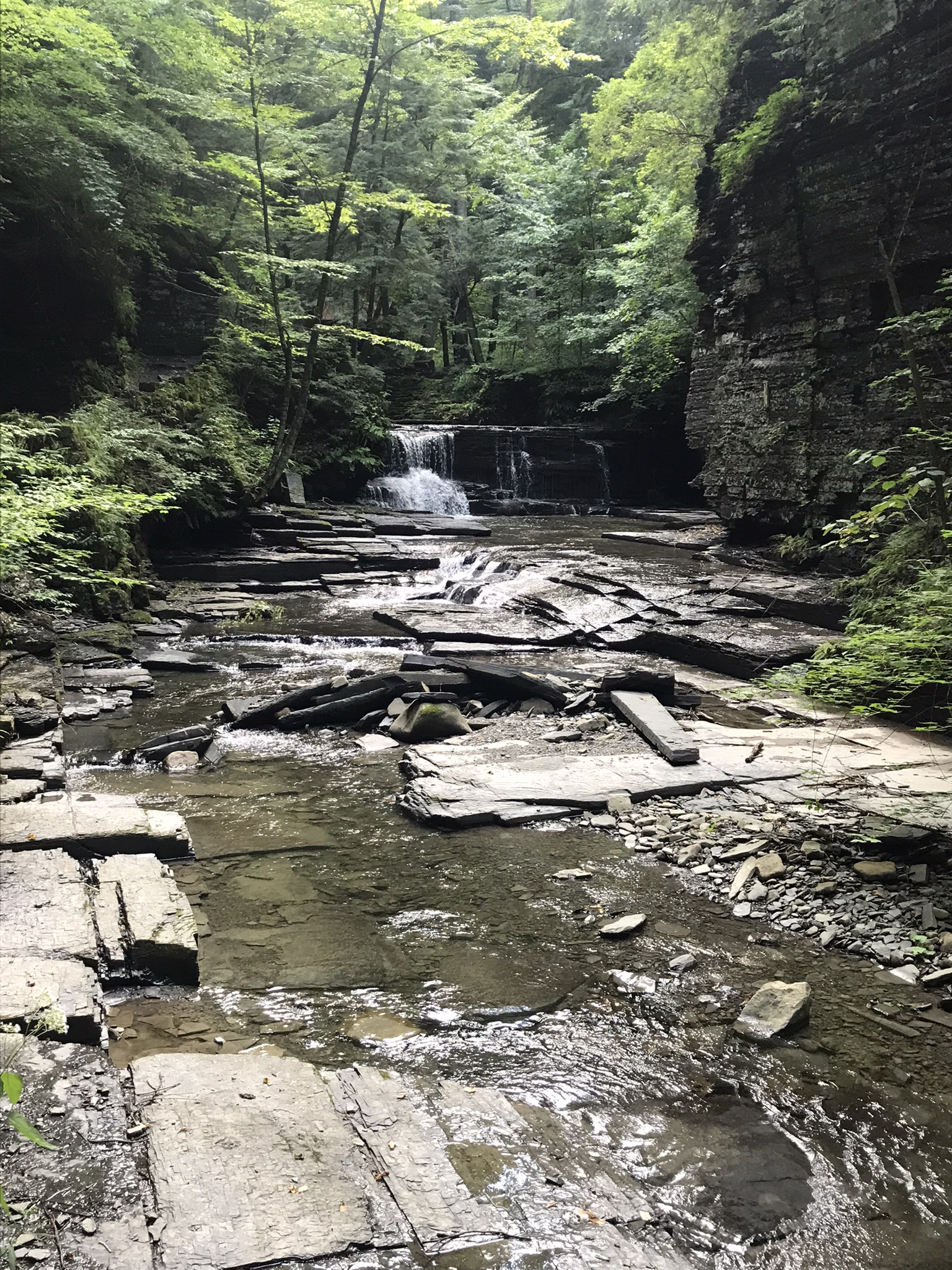
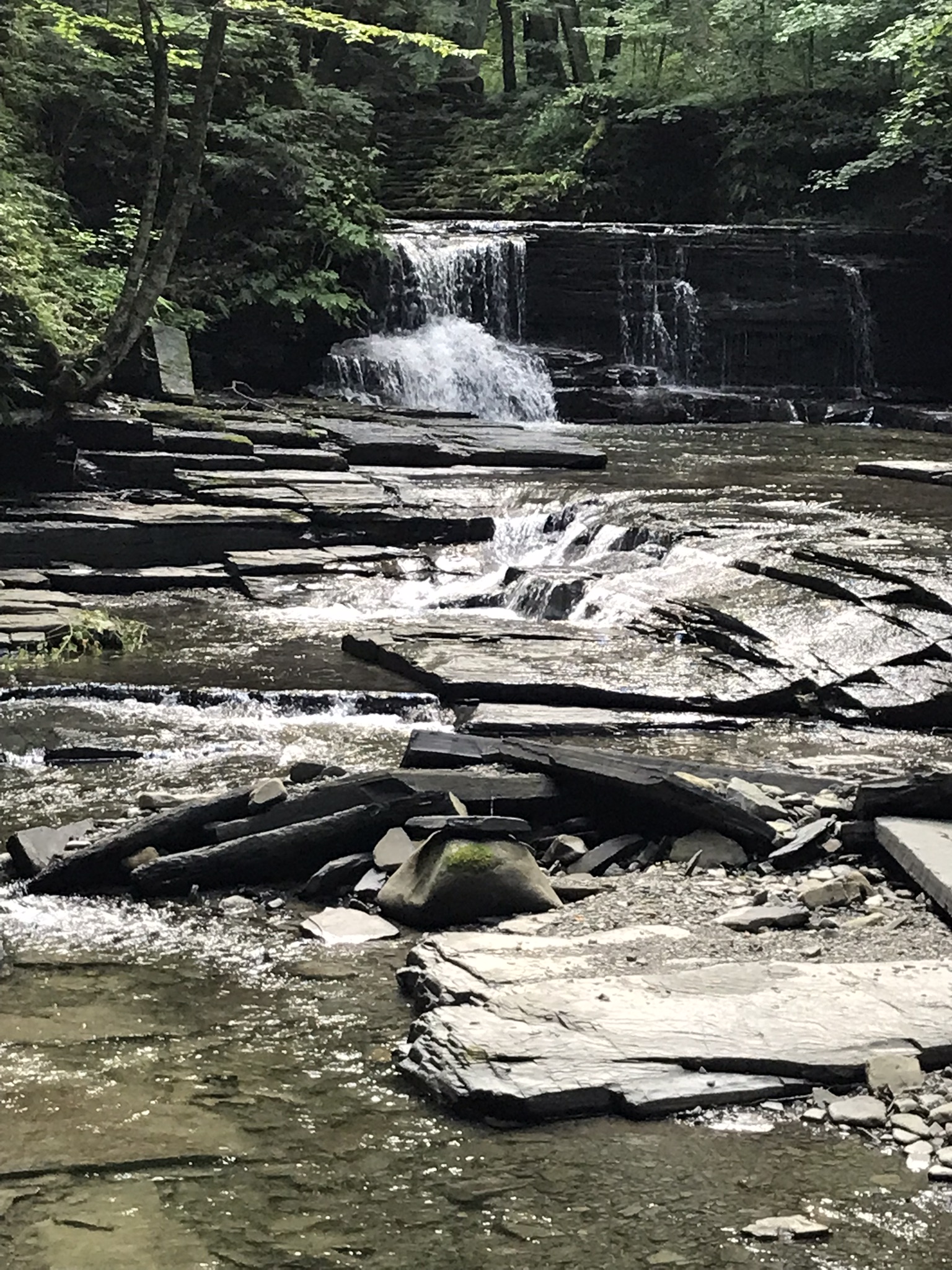
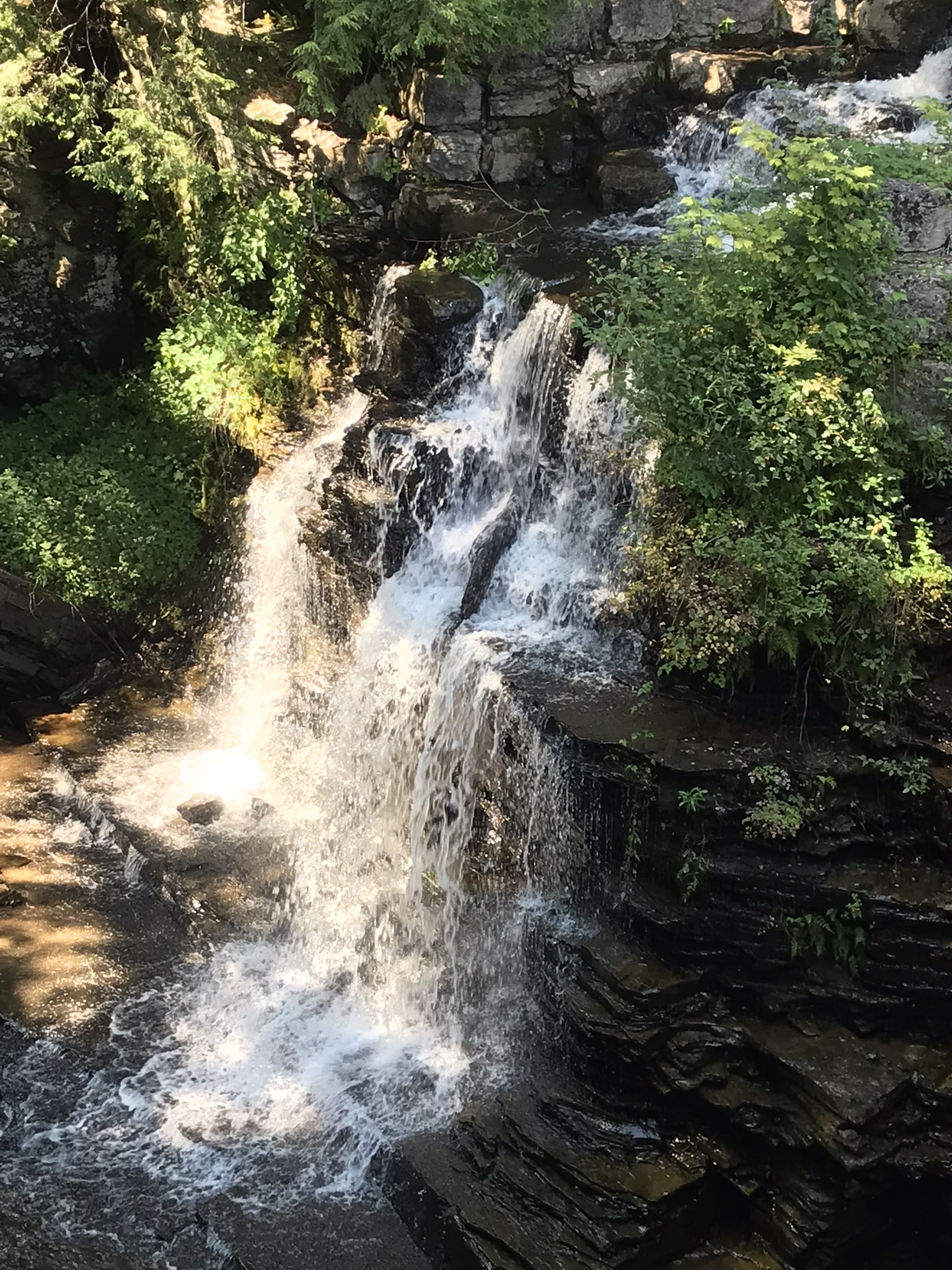
A plentitude of waterfalls…..
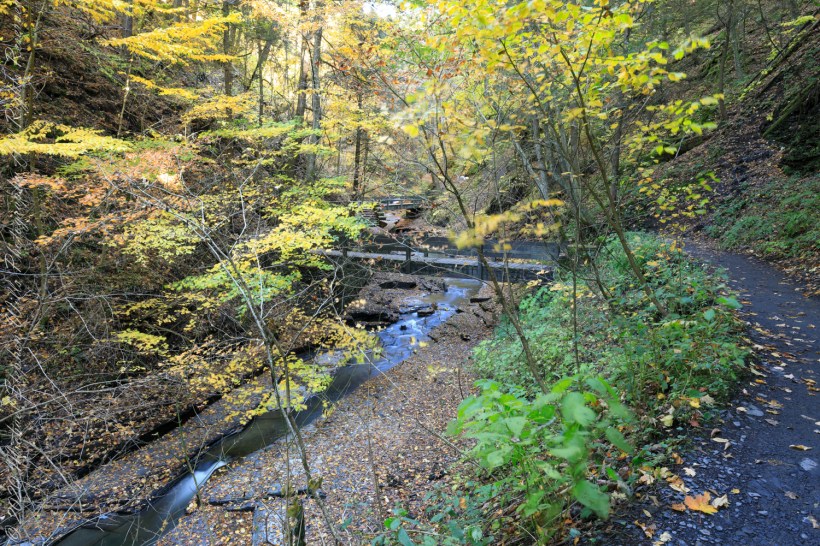
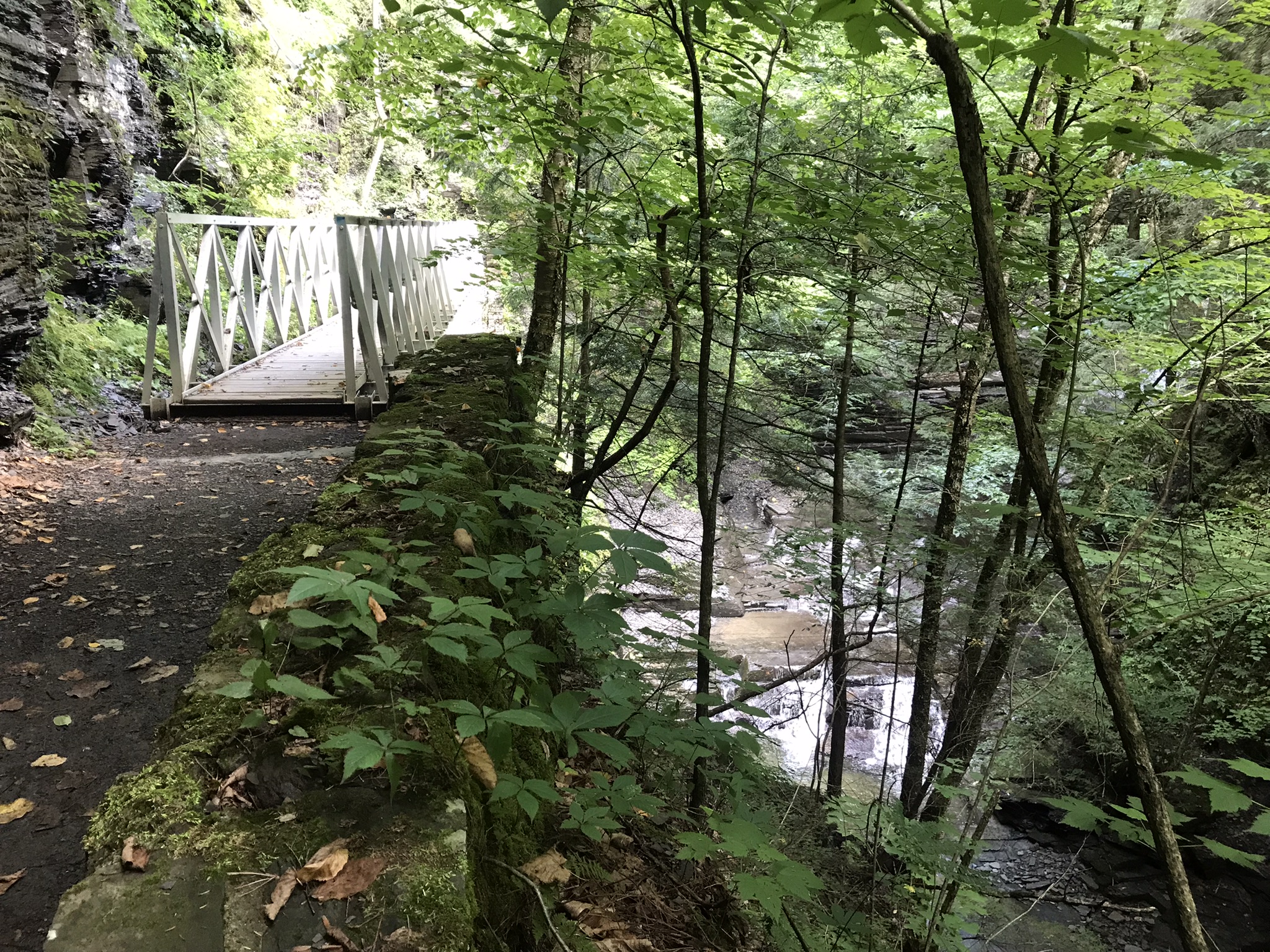
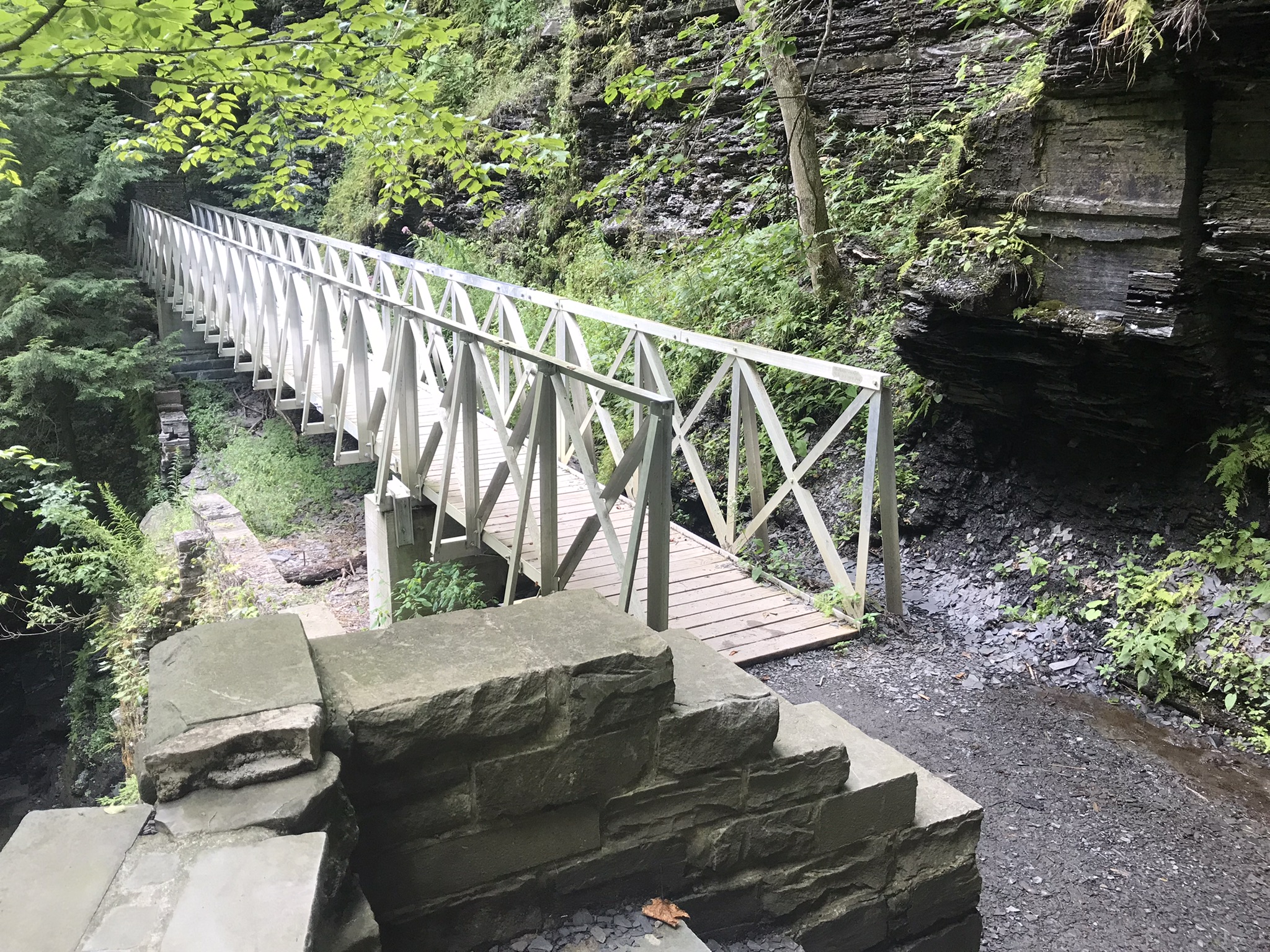
…bridge number 5…..
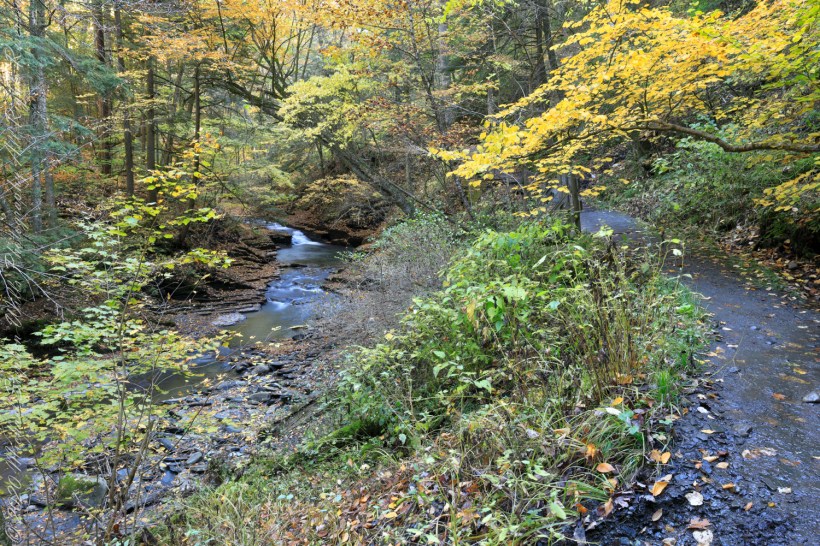
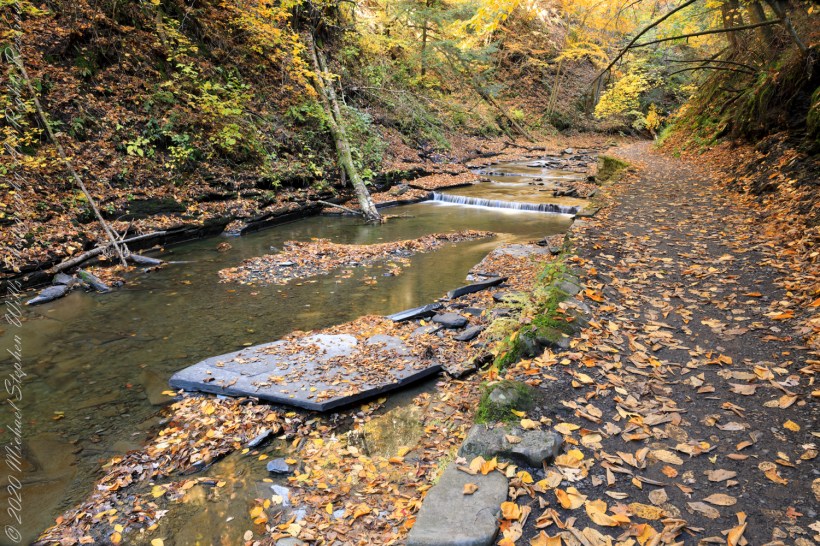
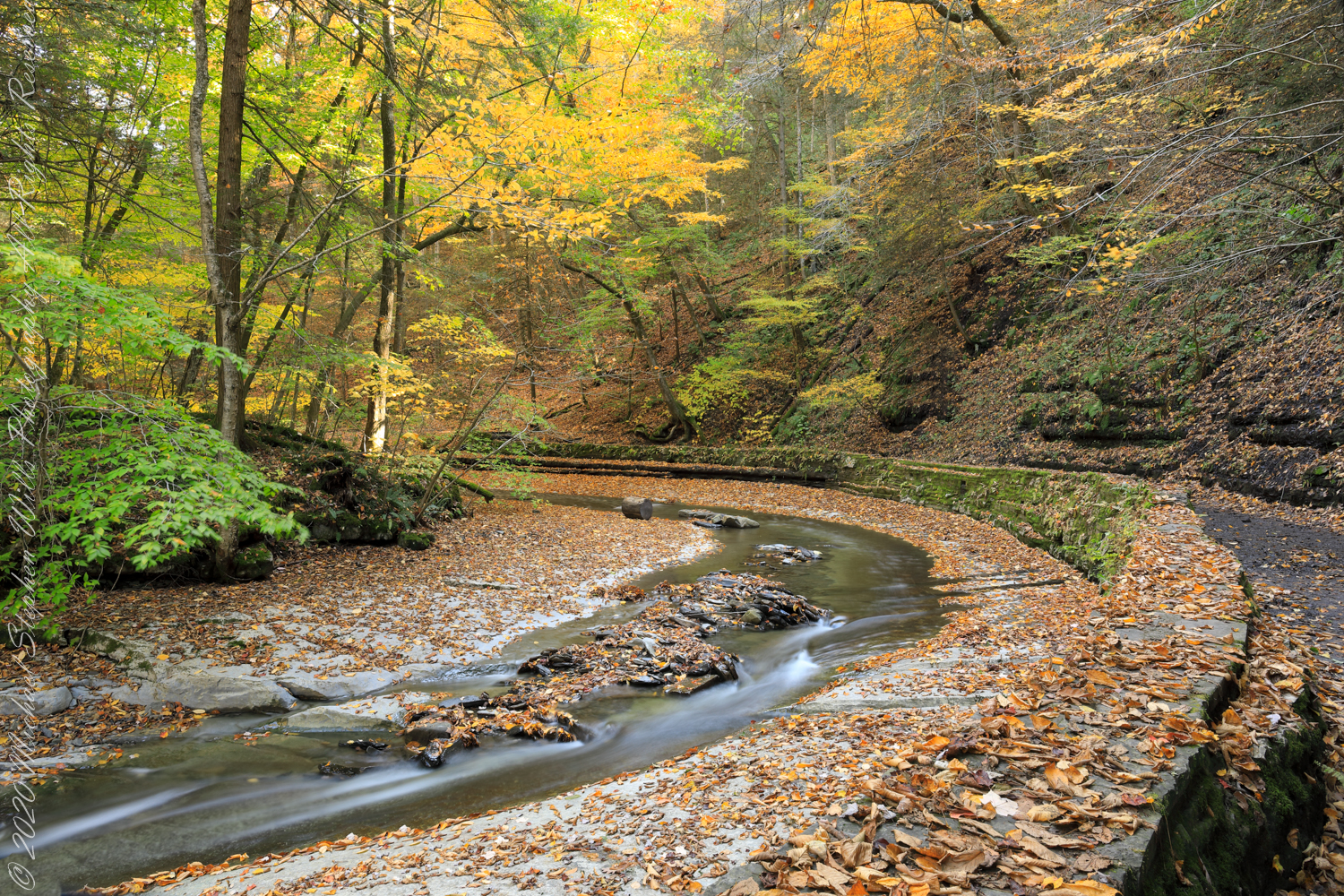
Fillmore Glen, Cayuga County, Moravia. In the Finger Lakes Region of New York State
Copyright 2022 All Right Reserved Michael Stephen Wills
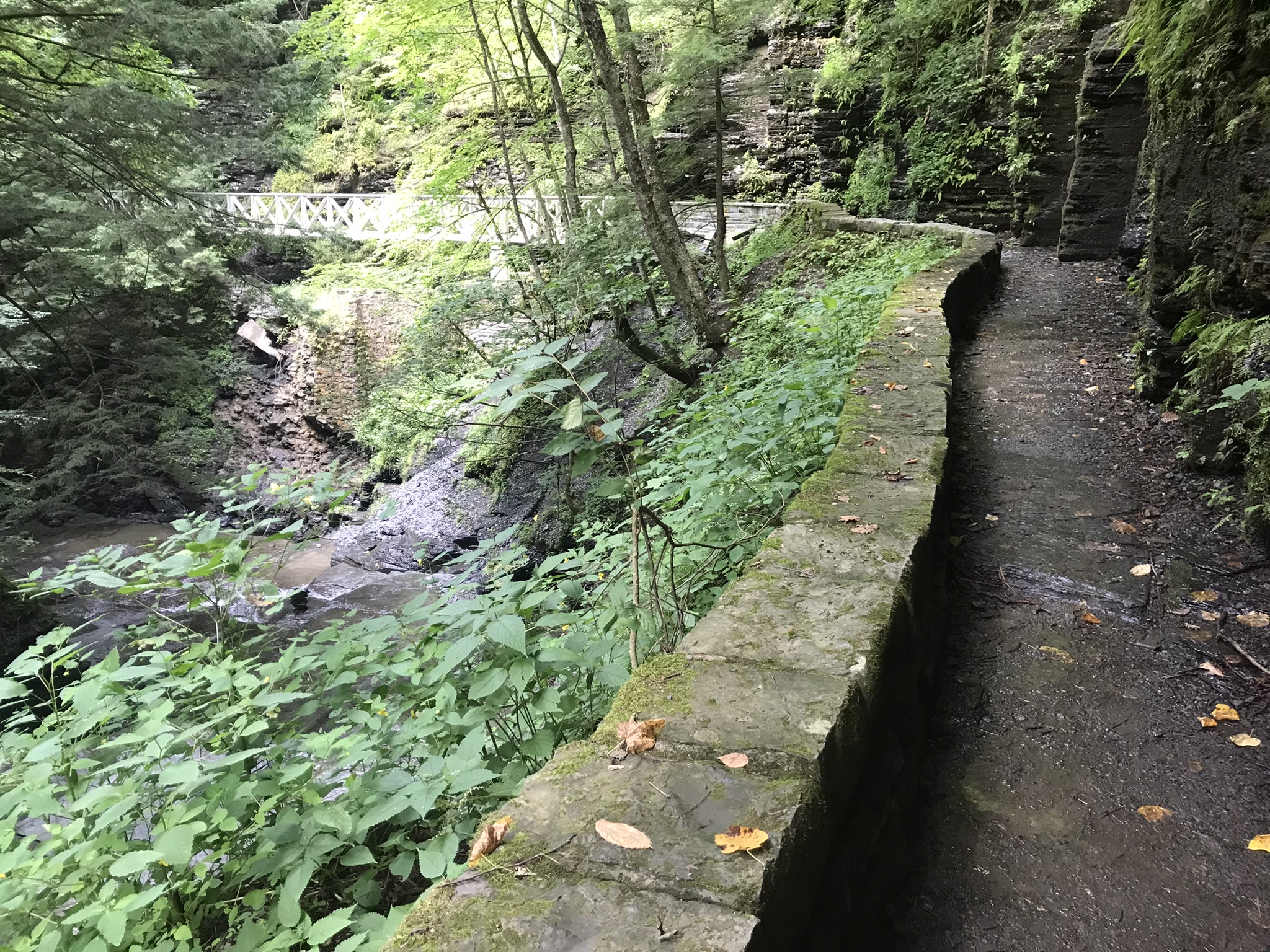
We walk the Gorge Trail surrounded by the remains of two mountain ranges (the Taconic and Acadian) as high or higher than the Himalayas. Humbled by the fullness of time the mountains persist, now as this layered, fractured, water and frost battered rock. When the first grains flowed here the Earth’s day was 22 hours, a year 400 days, the Moon’s relative closeness moved tides higher. Four billion years ago, the first formed Moon was only 3.8 Earth radii, 15,000 miles, away. Today, a half billion years after the Cambrian, the distance averages 30 Earth radii (250,000 miles) and increasing at the almighty’s pace through the daily round of tides.
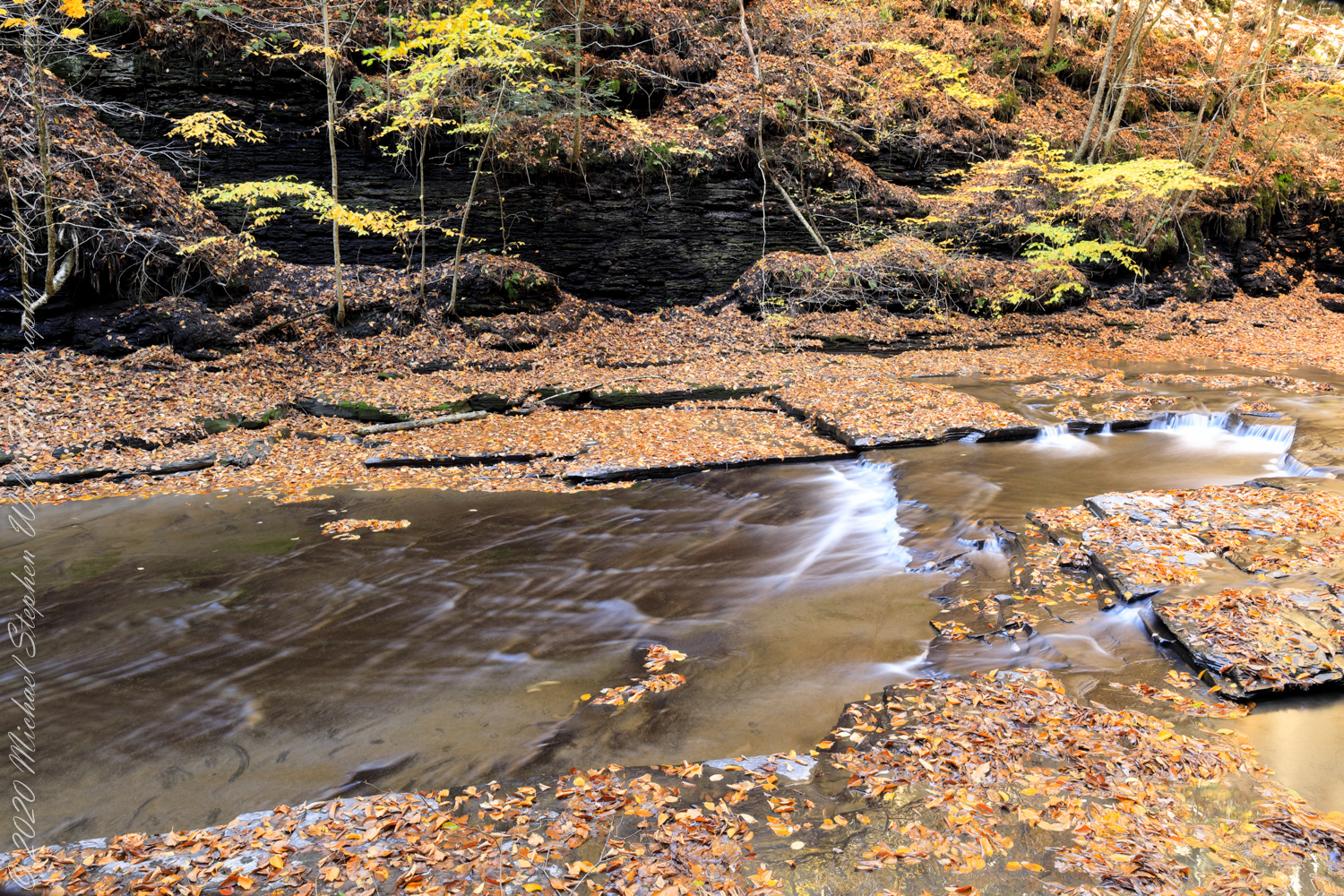
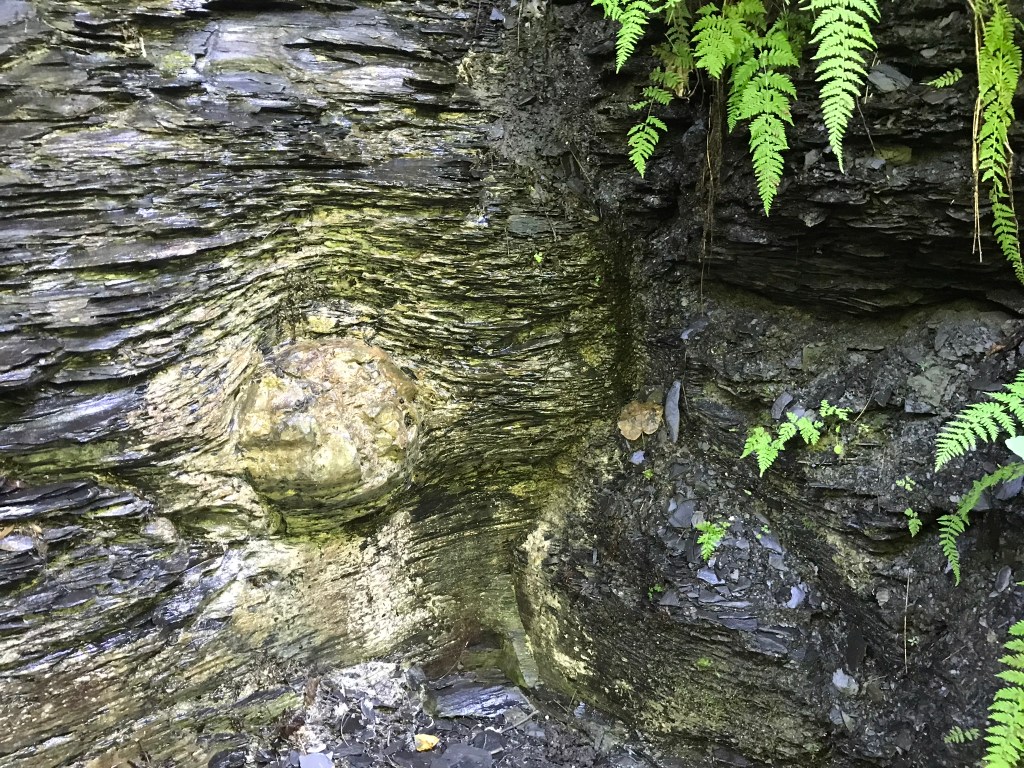
notice the right angles of fracture…..
…the angles record the changing directions of pressure of the continent against Africa as tectonic plates shifted.
Fillmore Glen, Cayuga County, Moravia. In the Finger Lakes Region of New York State
Copyright 2022 All Right Reserved Michael Stephen Wills
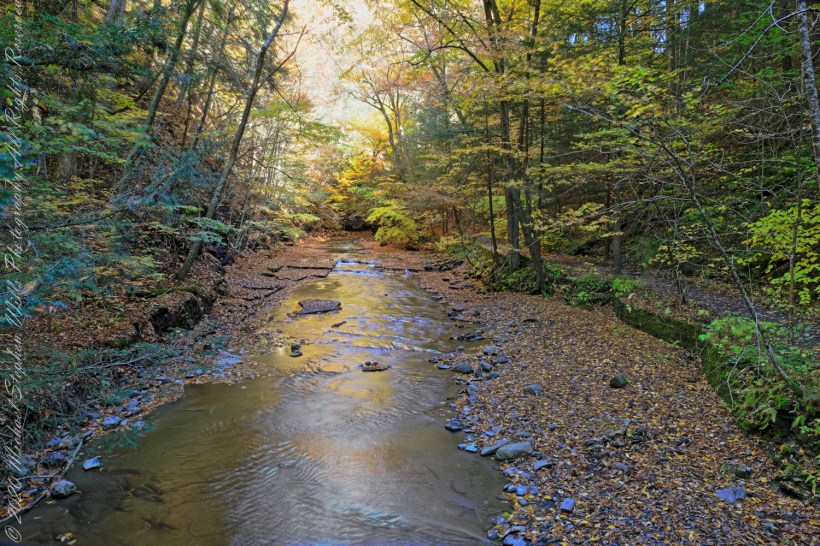
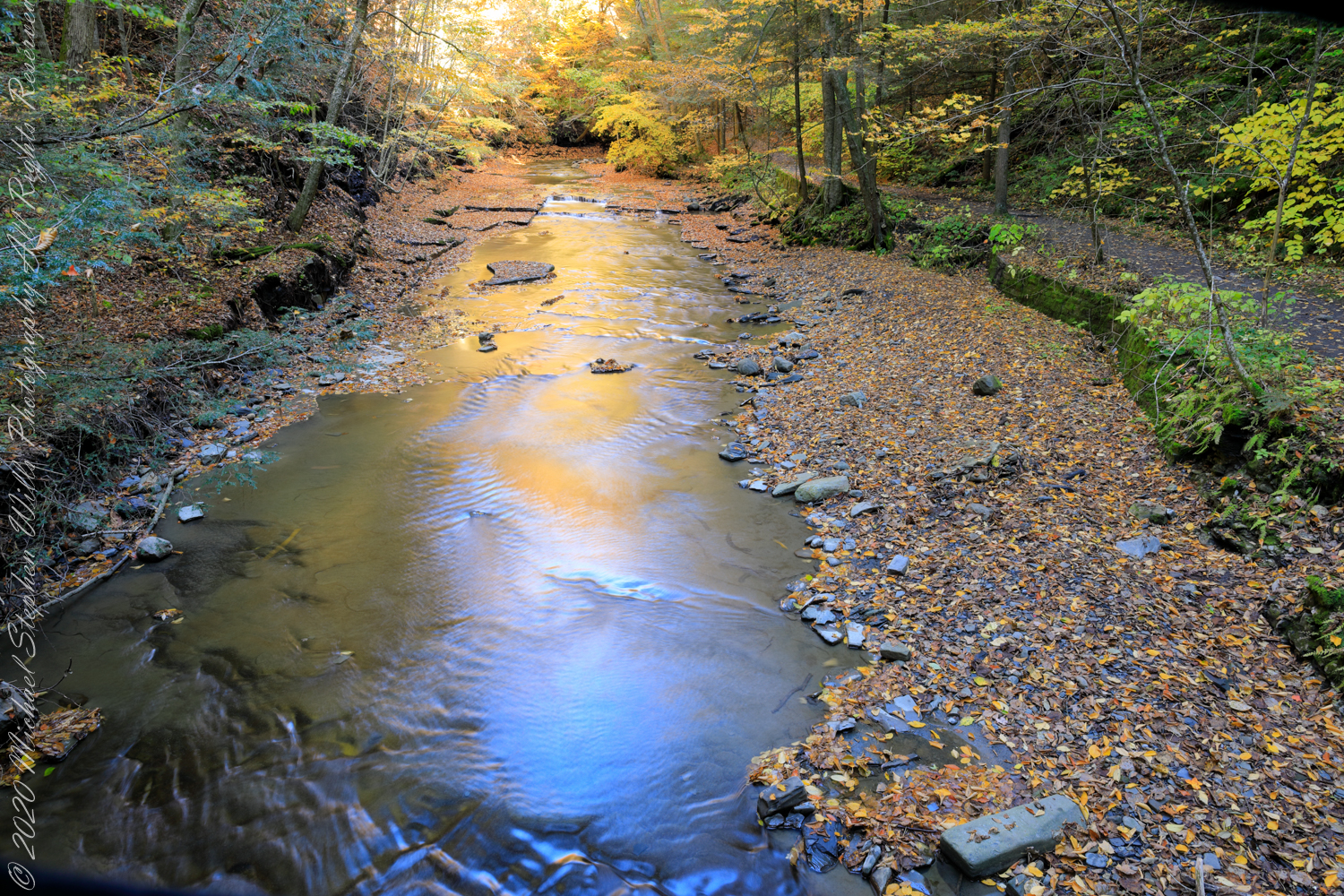
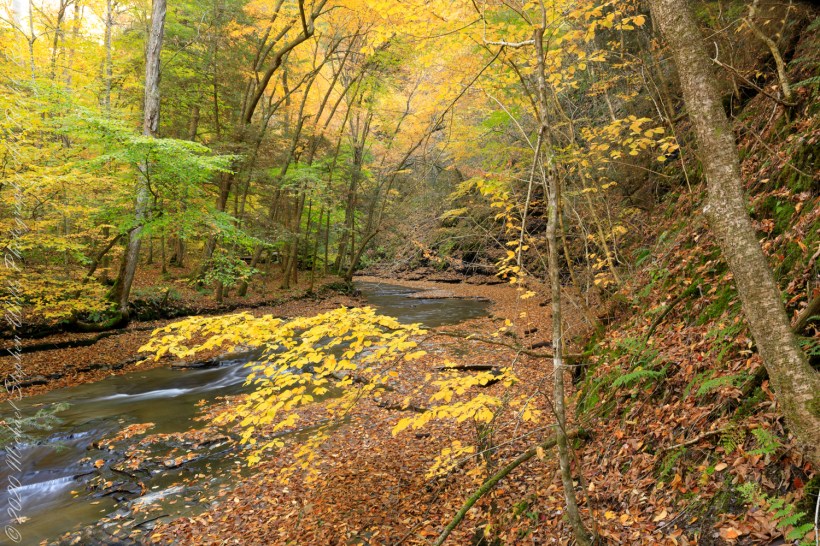
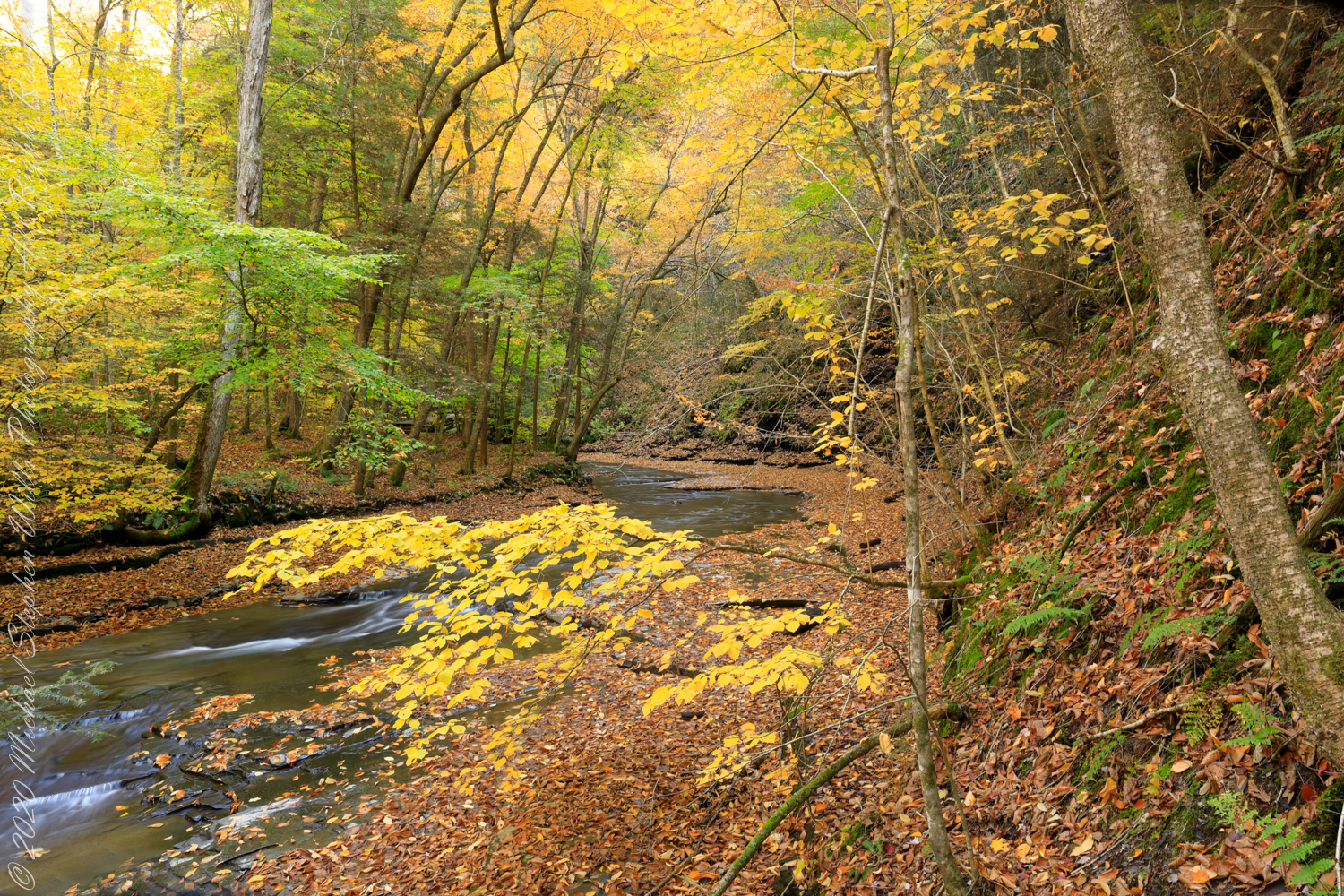
A challenge in photographing Finger Lakes Gorges and the potential for an interspersement of bright light against shadow. A strategy I used in this series from Fillmore Glen is to choose the time of day carefully. The gorge is anything but straight forcing me at time to forego a shot or to carefully compose. Here I was drawn in by the golden reflection of Slippery Elm leaves on the flowing water of Dry Creek.
without…..
Moth-like I was drawn to the bright light. Using the tripod, I took two shots. One exposed to the gorge depths, a second more to the bright light beyond — while still not fully adjusted to it. Using a High Dynamic Range (HDR) tool, the two exposures were combined into the following.
…and with HDR.
Copyright 2022 All Right Reserved Michael Stephen Wills
The Slippery Elm (scientific name Ulmus rubra) gives Fillmore Glen this characteristic golden glow. The species has various traditional medicinal uses. The inner bark has long been used as a demulcent and is still produced commercially for this purpose in the United States with approval for sale as an over-the-counter demulcent by the US Food and Drug Administration.Sometimes the leaves are dried and ground into a powder, then made into a tea.
Fillmore Glen, Cayuga County, Moravia, New York
Reference: Wikipedia “Slippery Elm”
Copyright 2022 All Right Reserved Michael Stephen Wills
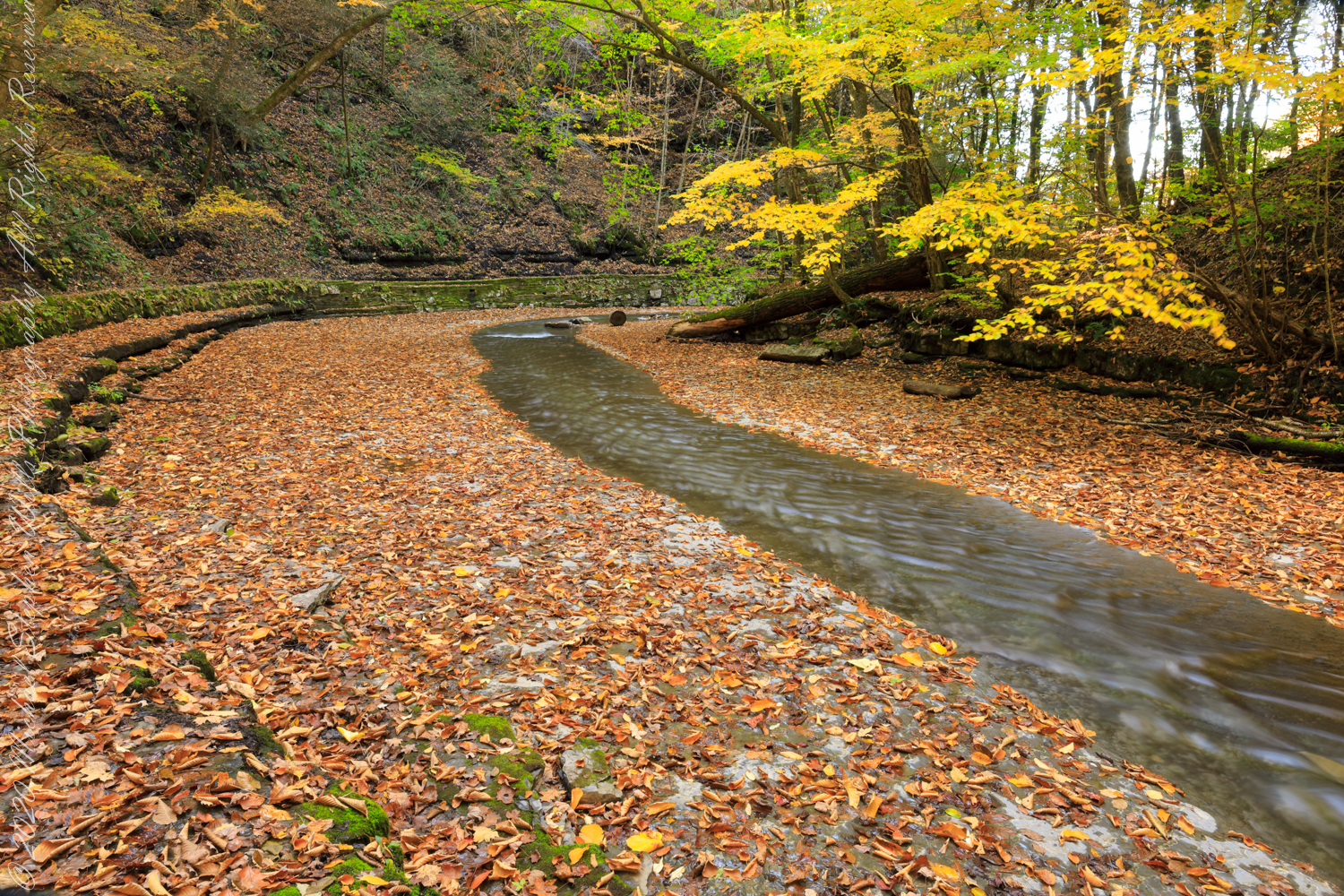
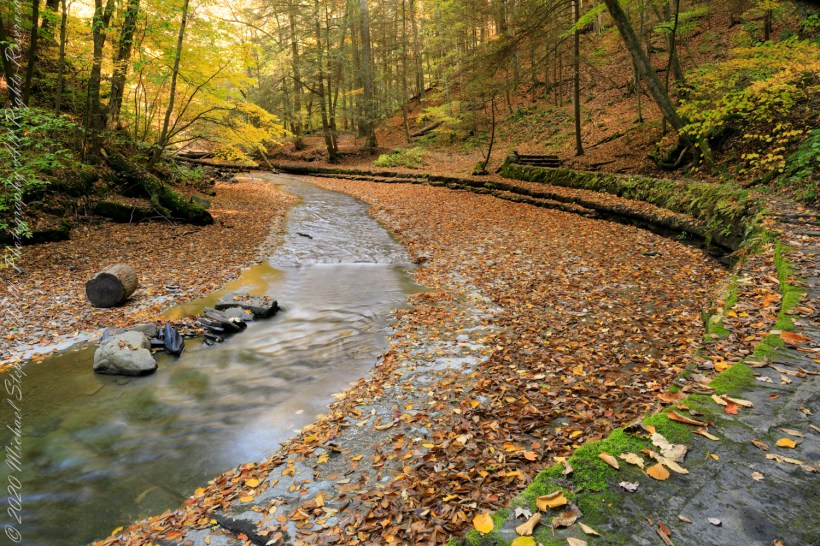
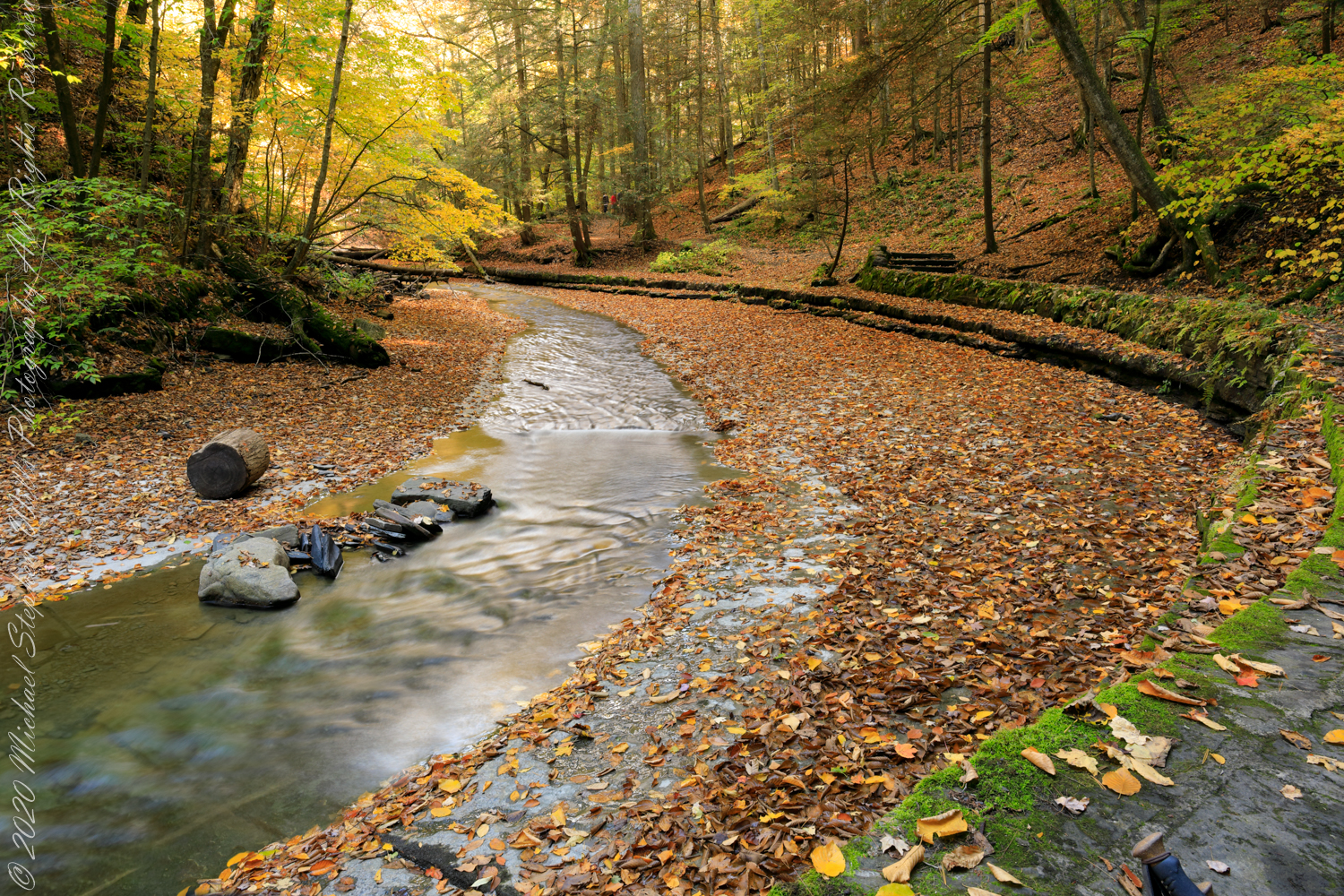
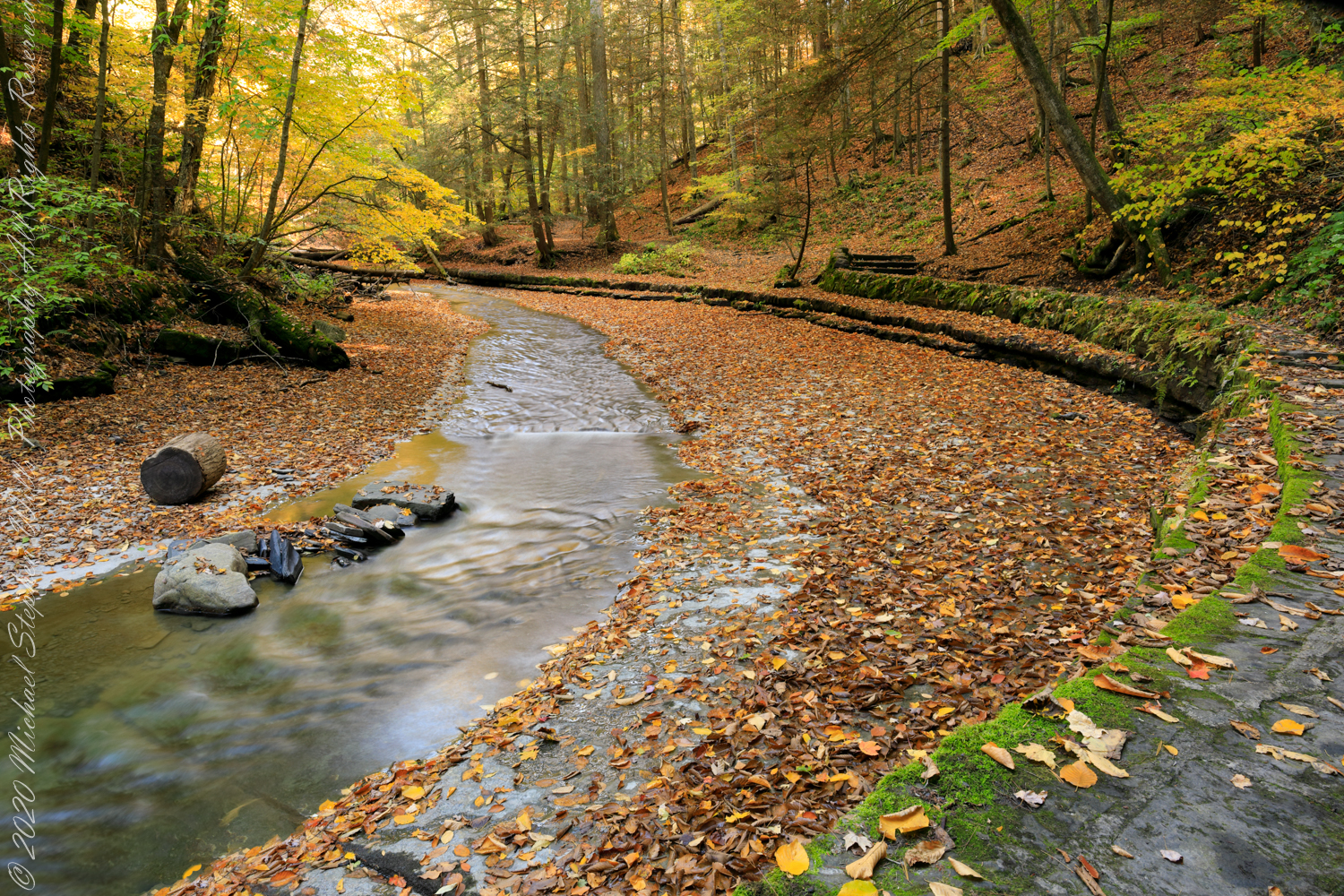
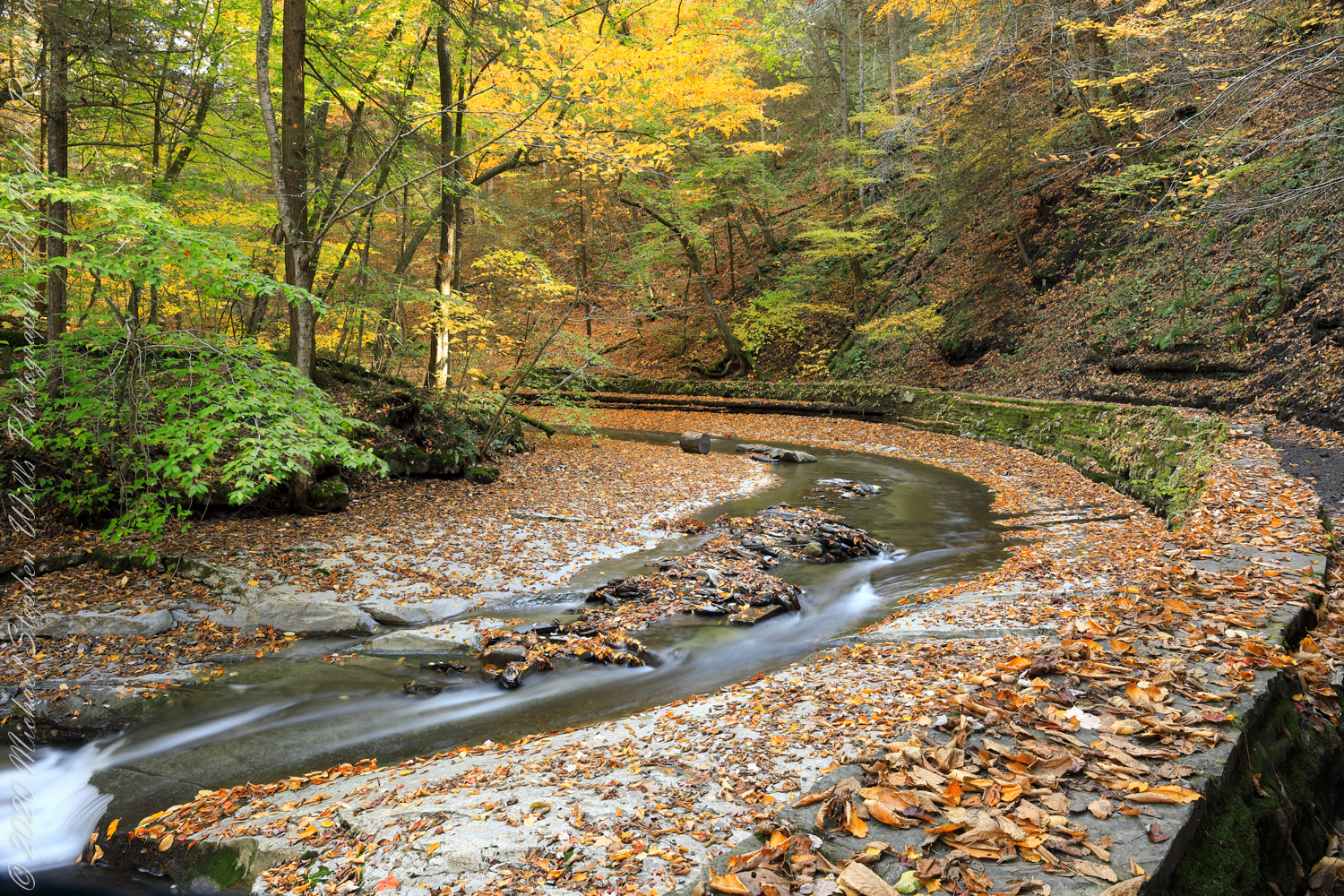
Patience was a virtue as I set up along Dry Creek where it bends before approaching Cowsheds waterfall drop-off. Fillmore Glen, New York State Park, Moravia, Cayuga County, New York
with…..
…and without hikers.
I say “without” with reservations. A moving hiker was blurred out in this 3.2 second exposure at f/22. I hid the blurred figure with a cut and pasted pristine pixels from the second exposure. The “without” take is earlier than “with.”
A minute and 50 seconds transpired between exposures. In that time, Pam rested her hiking pole against the wall.
Copyright 2022 All Right Reserved Michael Stephen Wills
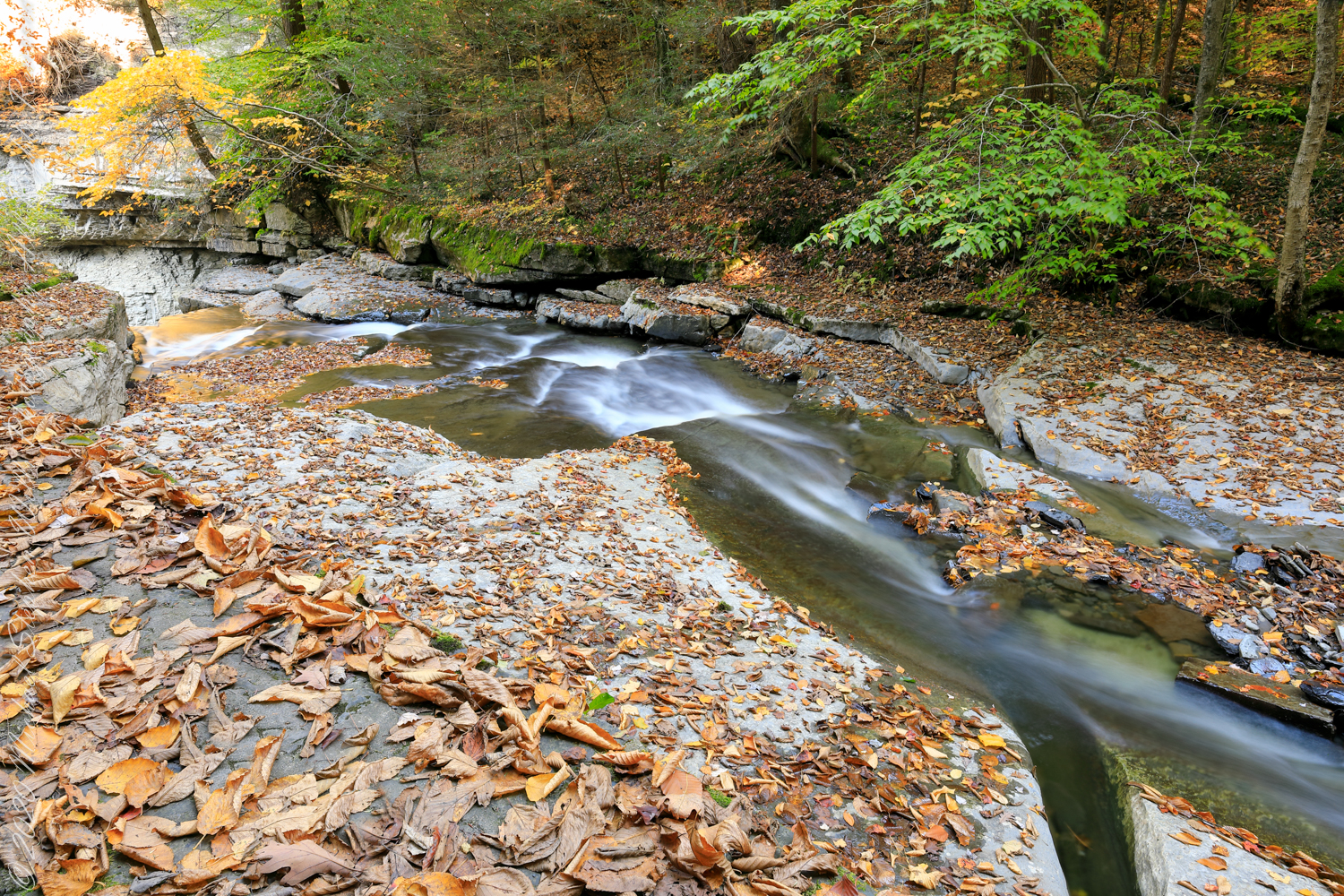
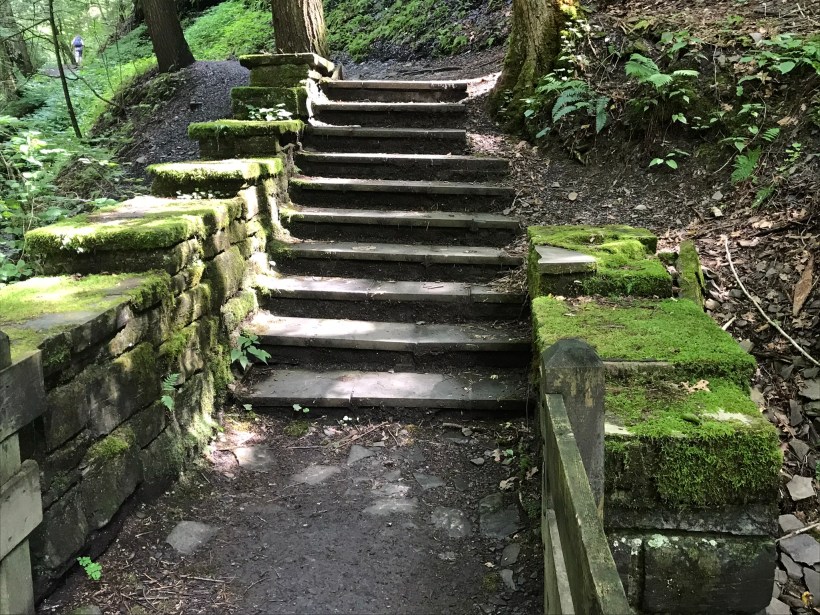
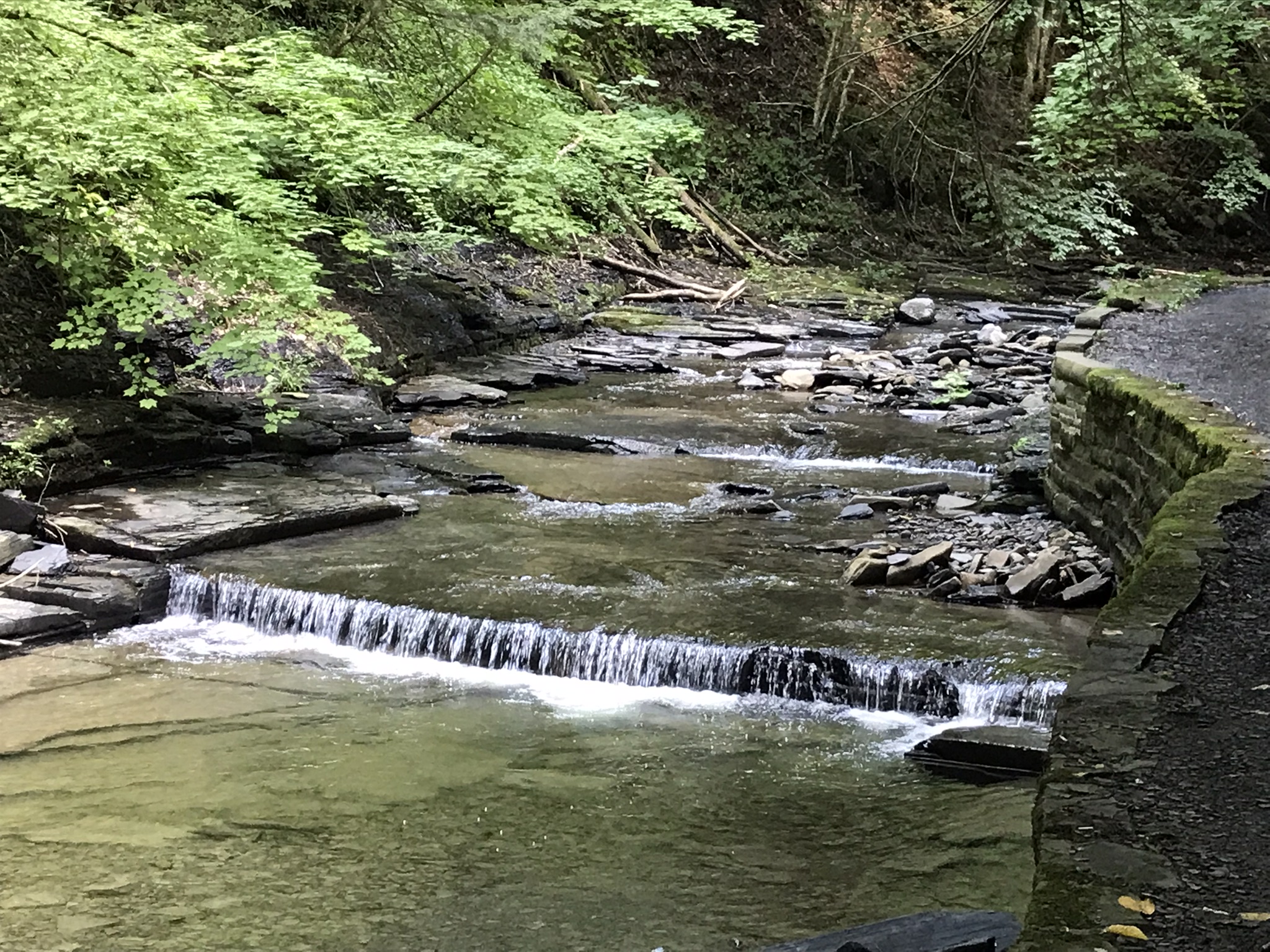
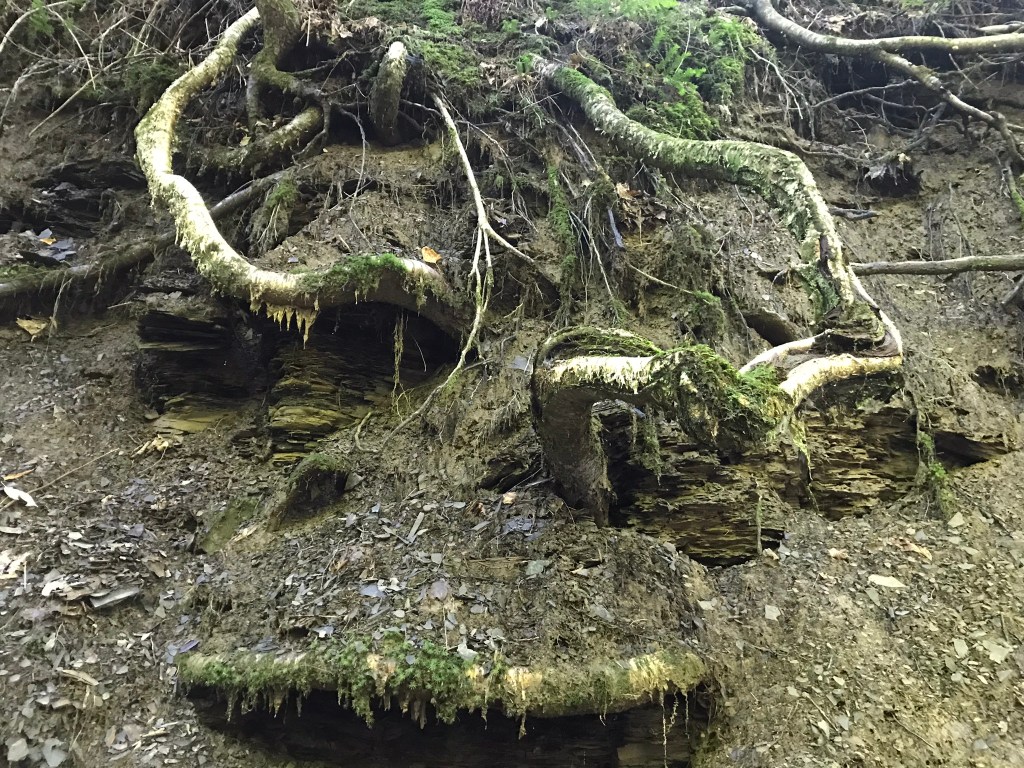
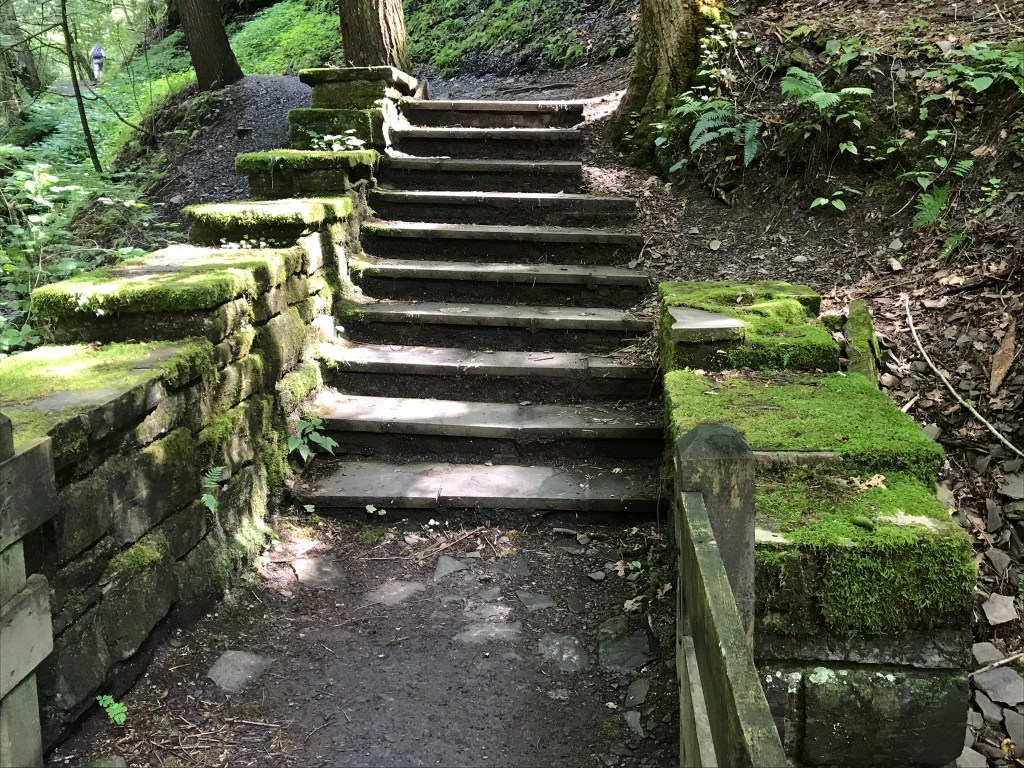
Gentle Waterfall SeriesLife Clings to Gorge WallsRoots Hold All In PlaceAncient Rockfall RememberedWelcoming Steps
Ephemeral Waterfall
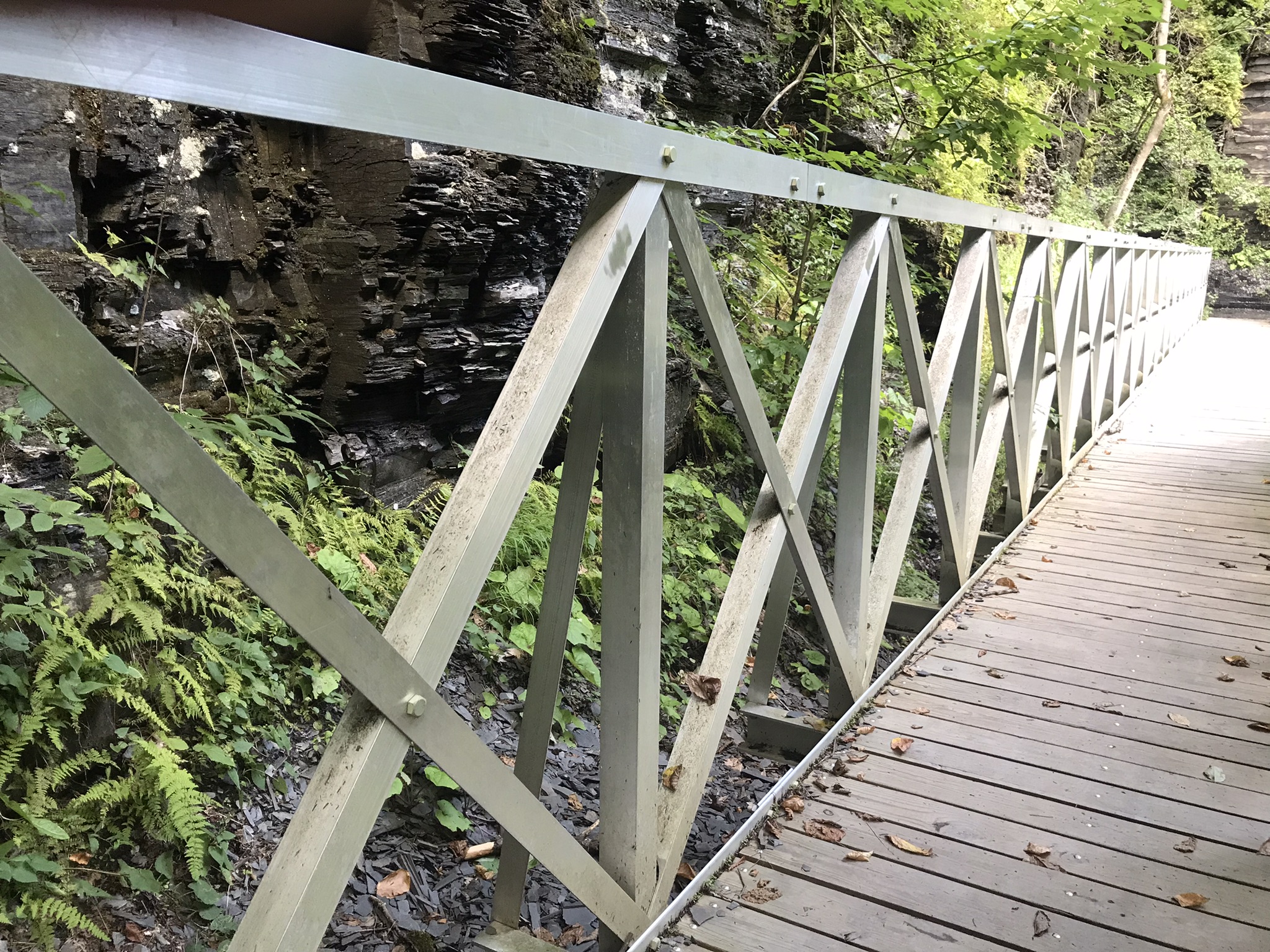
Metal Intrusion
Spring thaw washed away the gorge wall, this functional metal bridge will outlast all but the most catastrophic gorge wall disruptions.
Turn Around Here for the Following ViewI call these Hermit FallsCan you ss “The Hermitage”?View Back to BridgeNew Path
Graceful Waterfall Overview
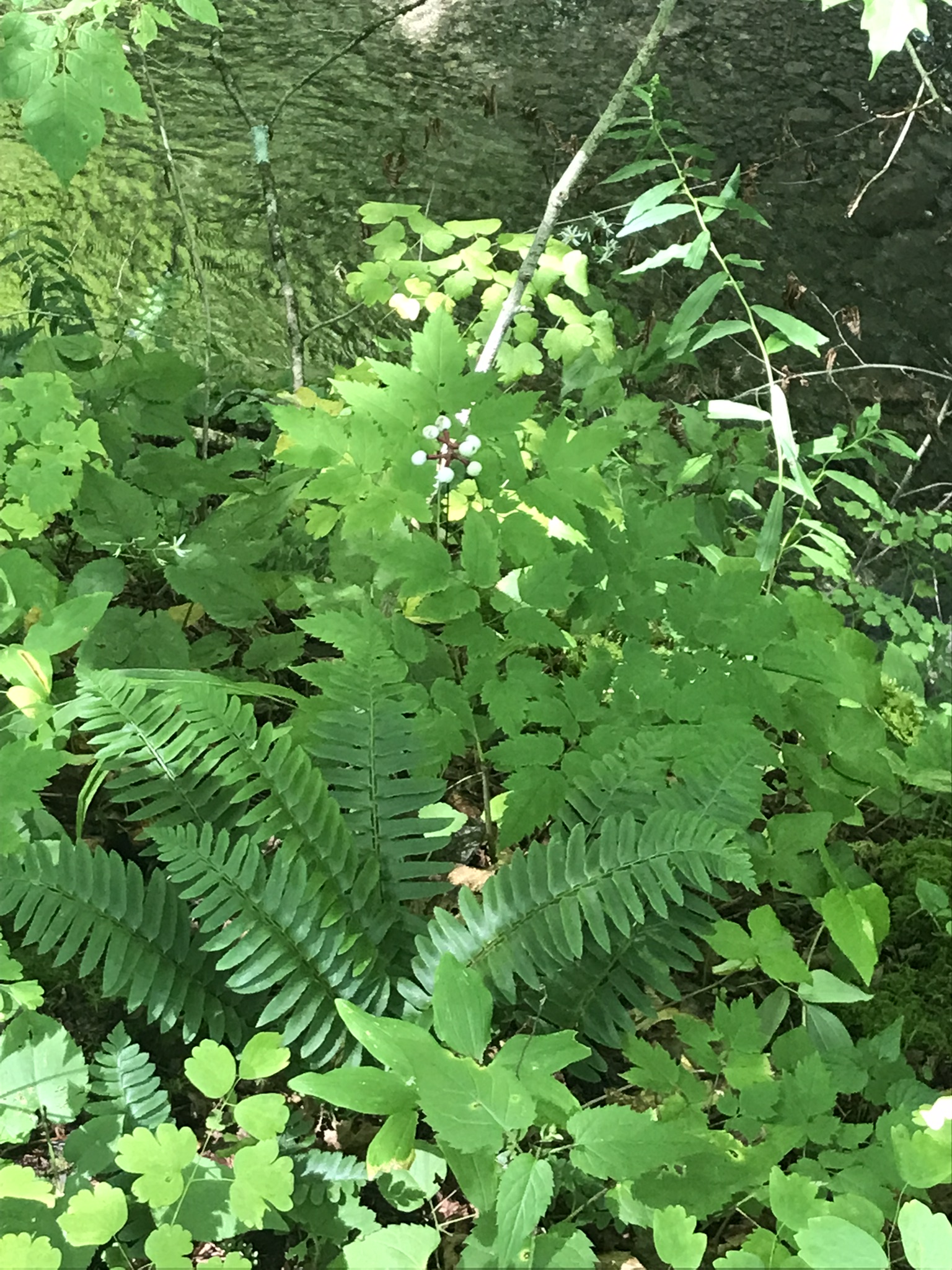
Flora
White Baneberry, aka “Dolls Eyes,” a fascinating plant, entirely poisonous.
All parts of all Baneberry varieties (red and white) are highly poisonous, the bane of Baneberry. The berries are deadly. Ingestion of as few as two berries by children will cause death from cardiac arrest. Six for an adult.
Landscape Features
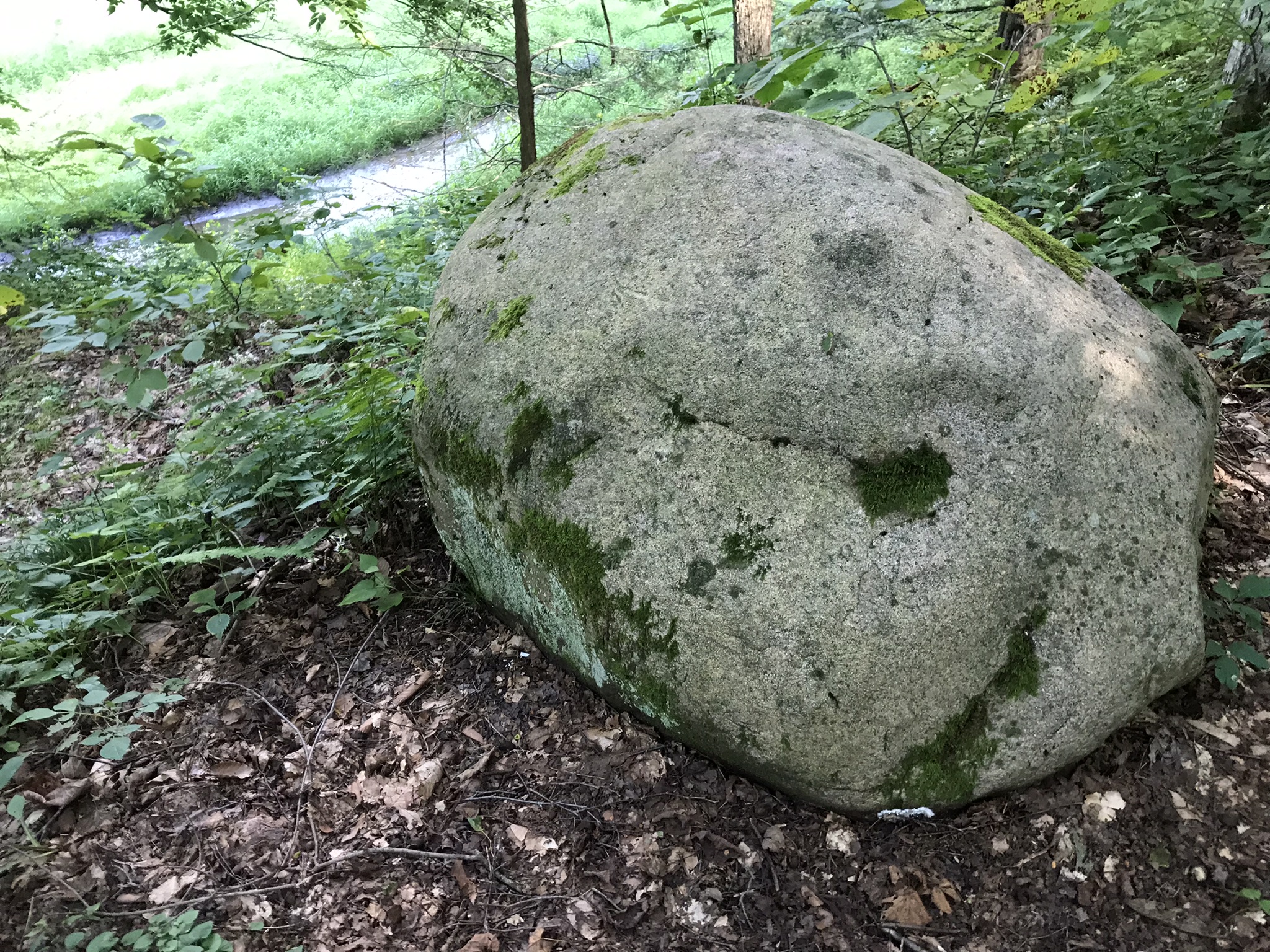
Erratic Granite BoulderSpillwayDam Pond
Overview, Spillway and Pond
Copyright 2022 Michael Stephen Wills All Rights Reserved
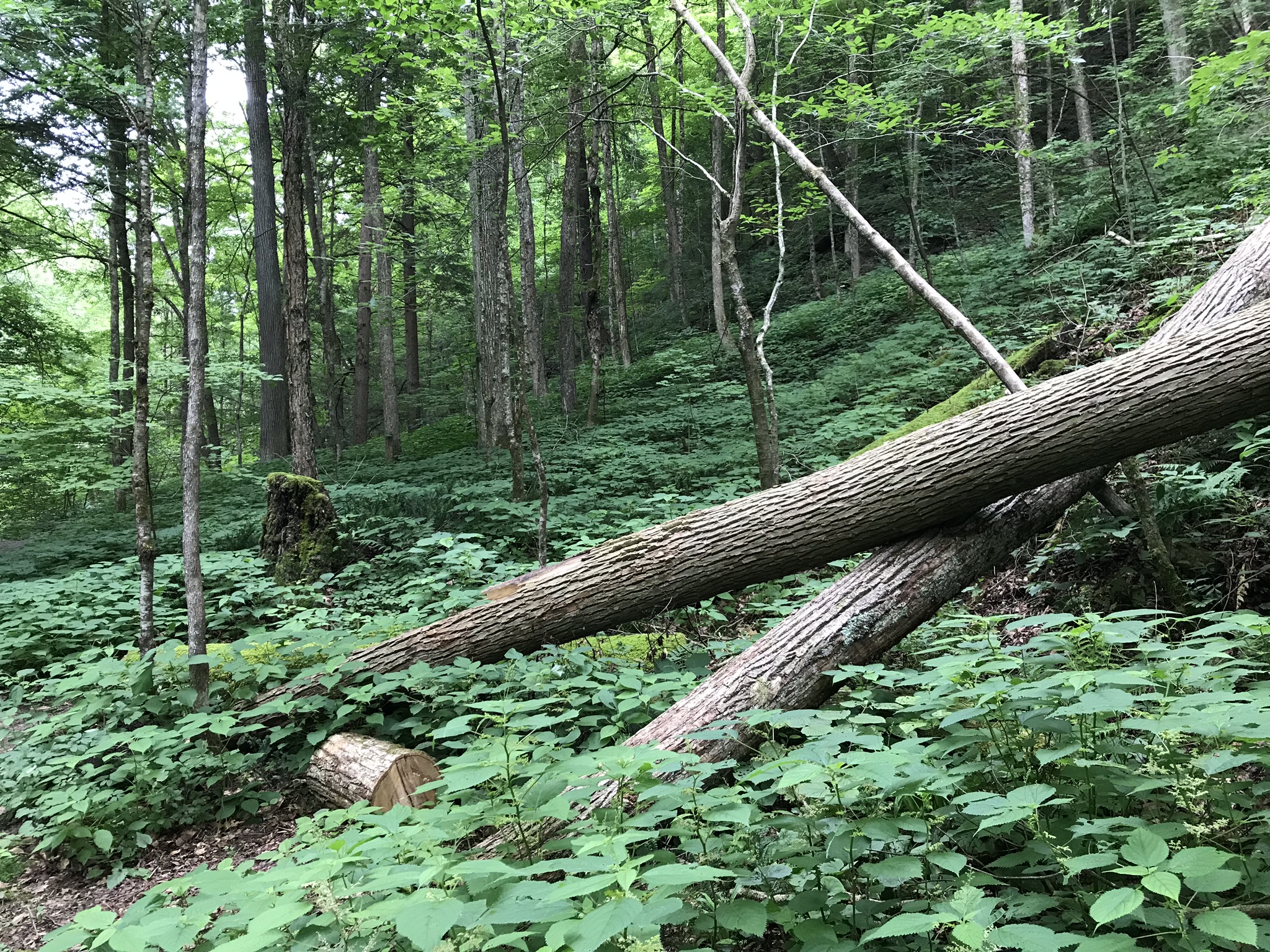
Among this jumble of fallen, cut trees is the solution to a personal mystery.
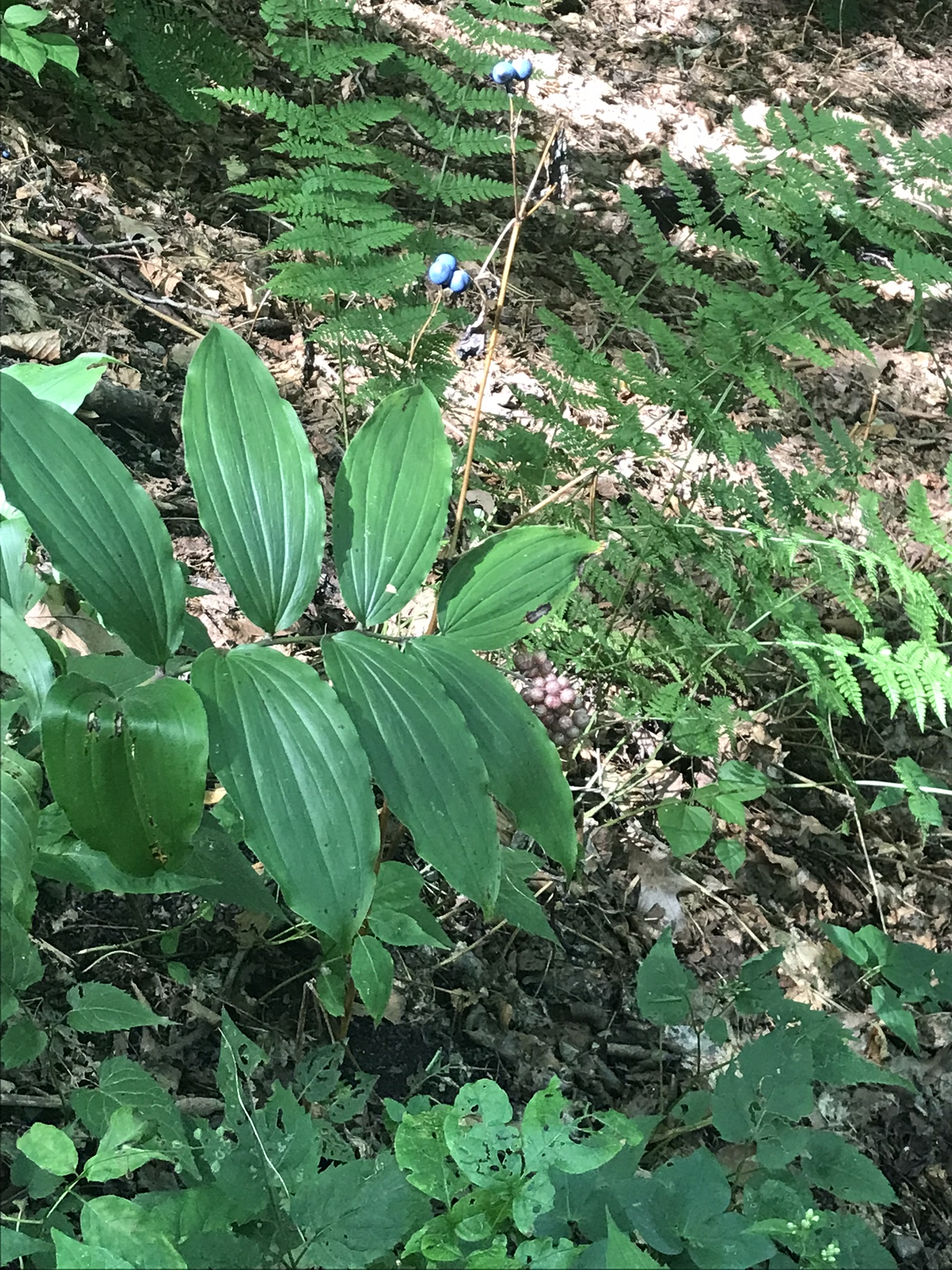
I had often seen these green berry-like fruits of summer, these were growing among tree fall on one of the few almost level places of the gorge. The green turns bluish when ripe. This photograph I used today, along with dogged determination, to identify this plant. It was in neither reference on my desk.
The green berry color threw me off, using the growth pattern of the fruit, the leaves and where it was growing (moist forest with little light) to identify Blue Cohosh (Caulophyllum thalictroides). The leaves are similar to meadow rue and the species name ( thalictroides) is taken from the genus name of meadow rue (Thalictrum). The two are related, belonging to the order Ranunculales.
Blue Cohosh has pharmacological properties. Another name for the plant, Papoose Root, is from the Native Americans who used preparations of the root to induce childbirth, ease the pain of labor, rectify delayed or irregular menstruation, and alleviate heavy bleeding and pain during menstruation.
Copyright 2022 Michael Stephen Wills All Rights Reserved





 Michael Stephen Wills Photography