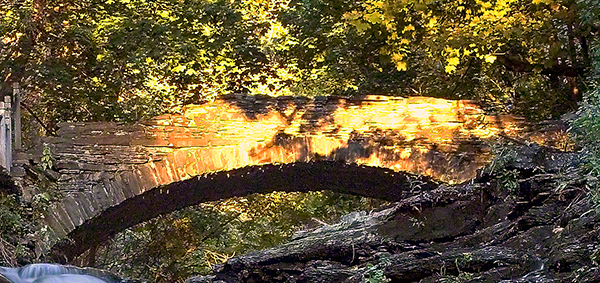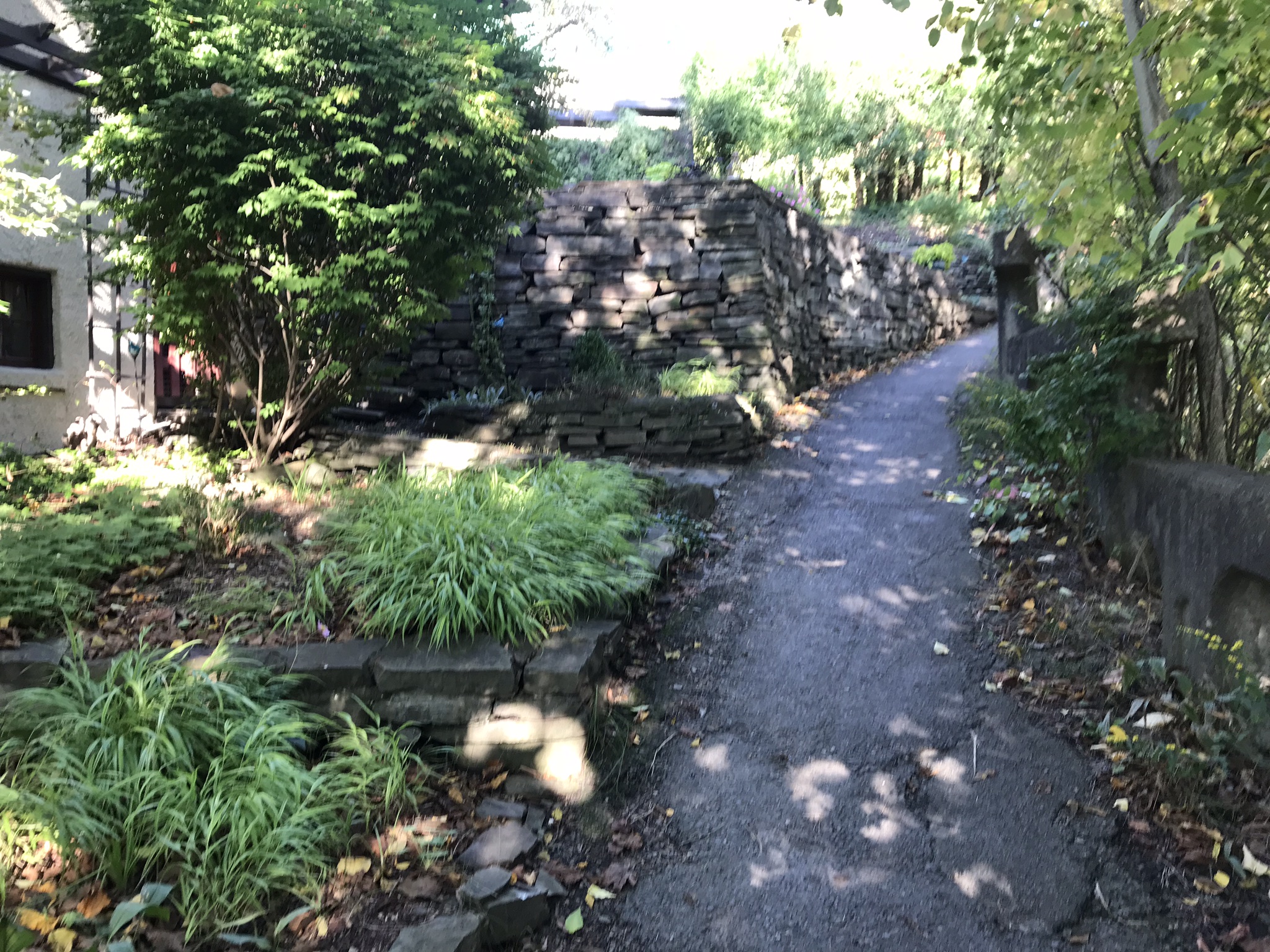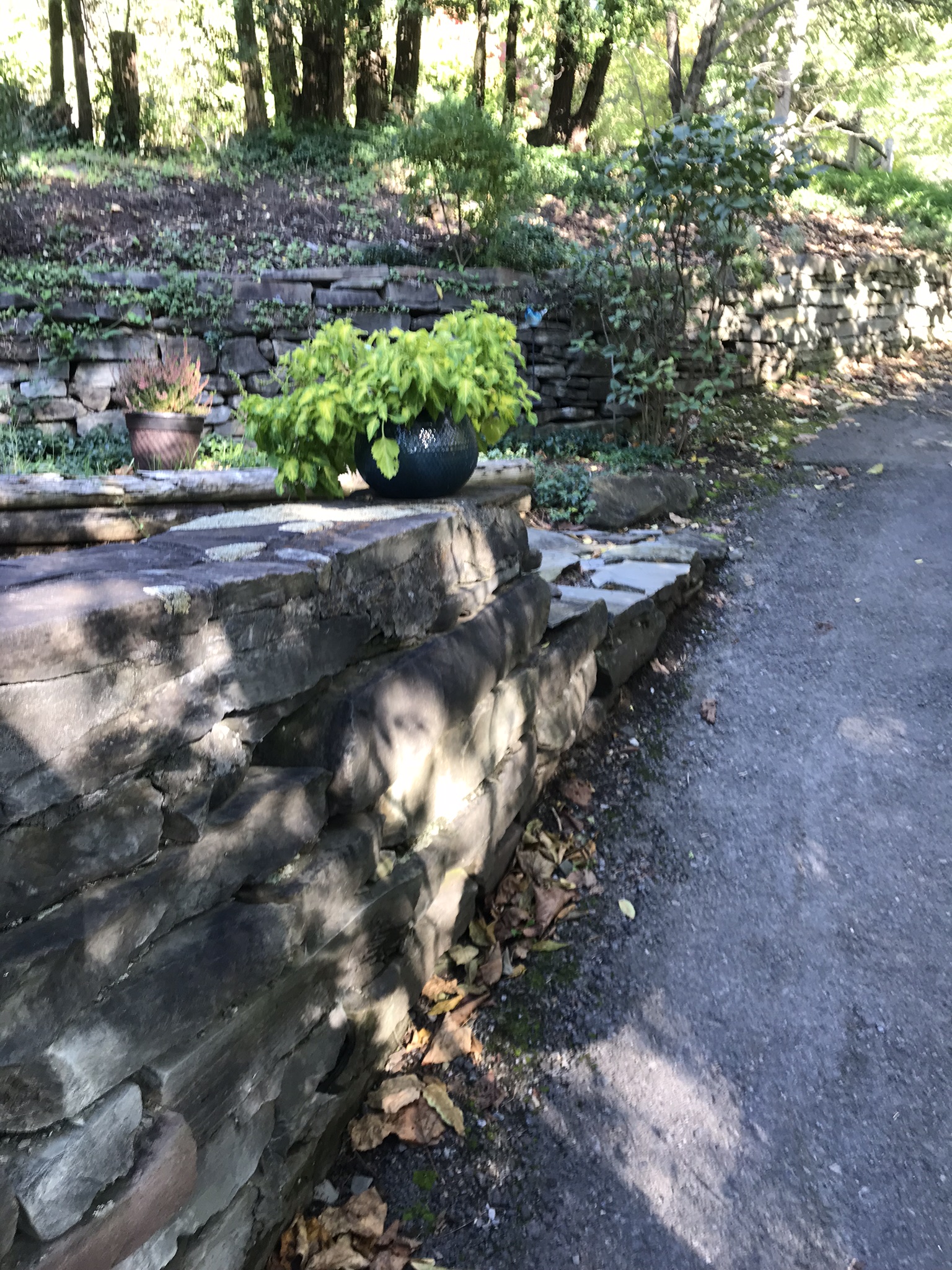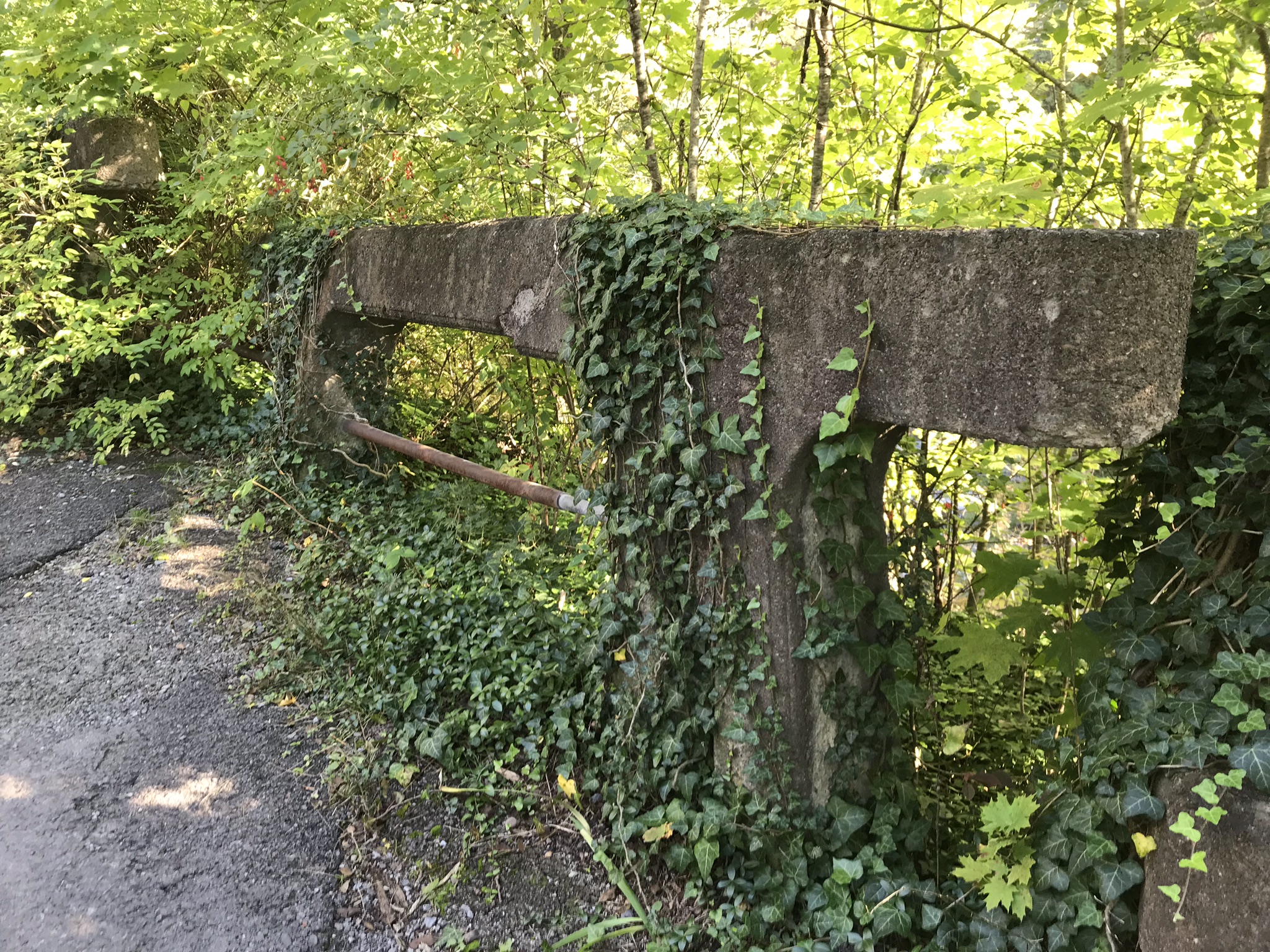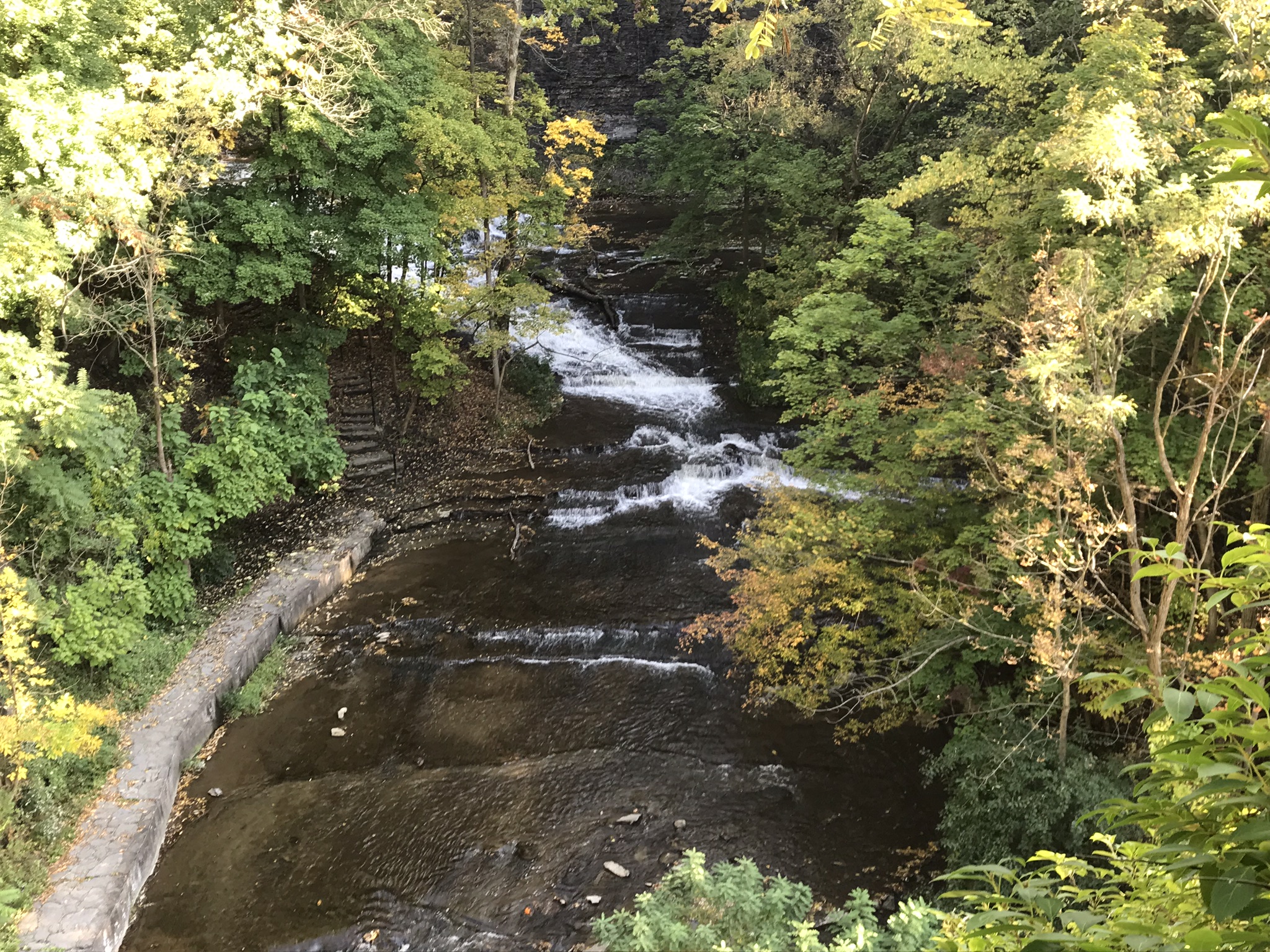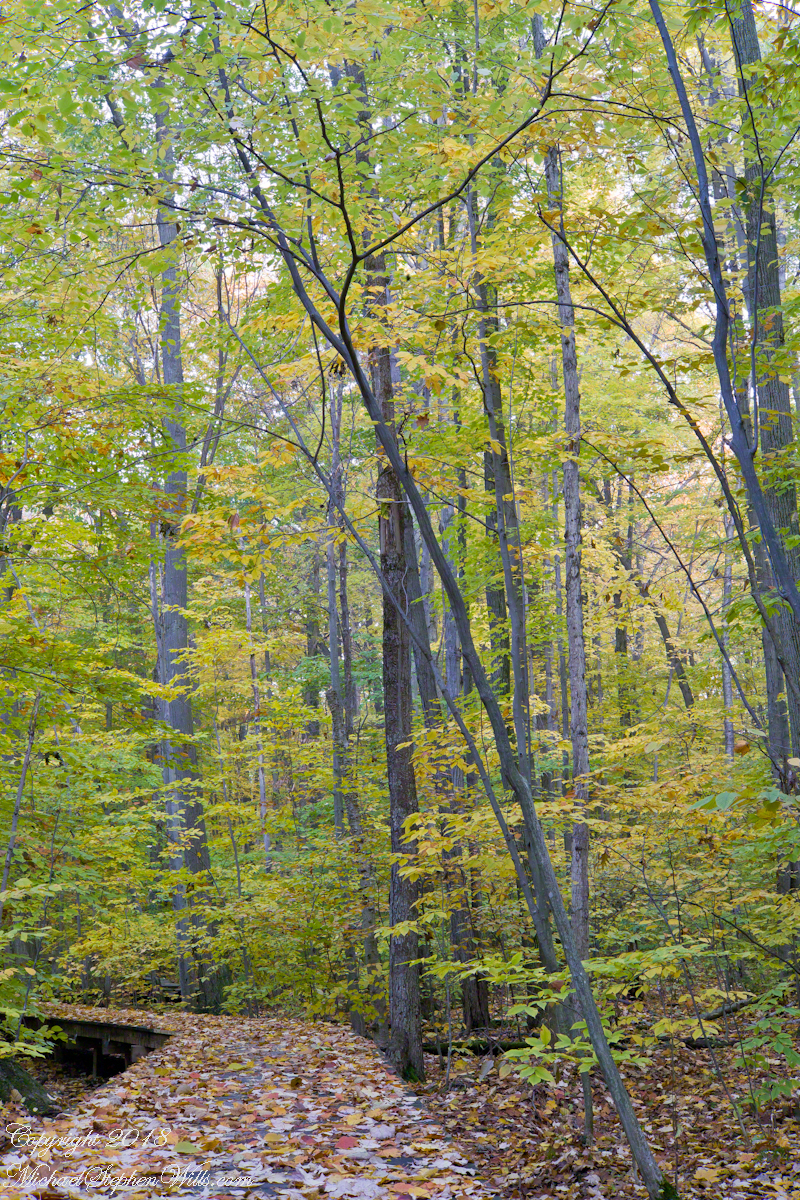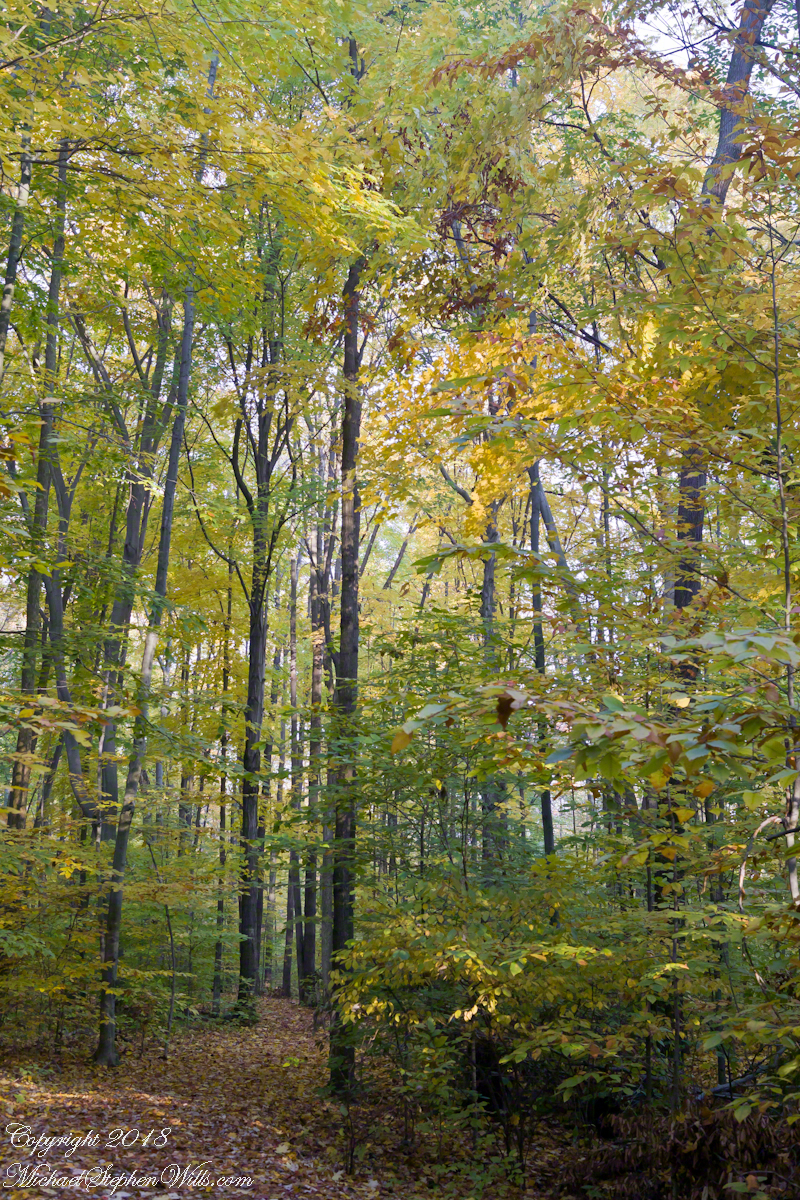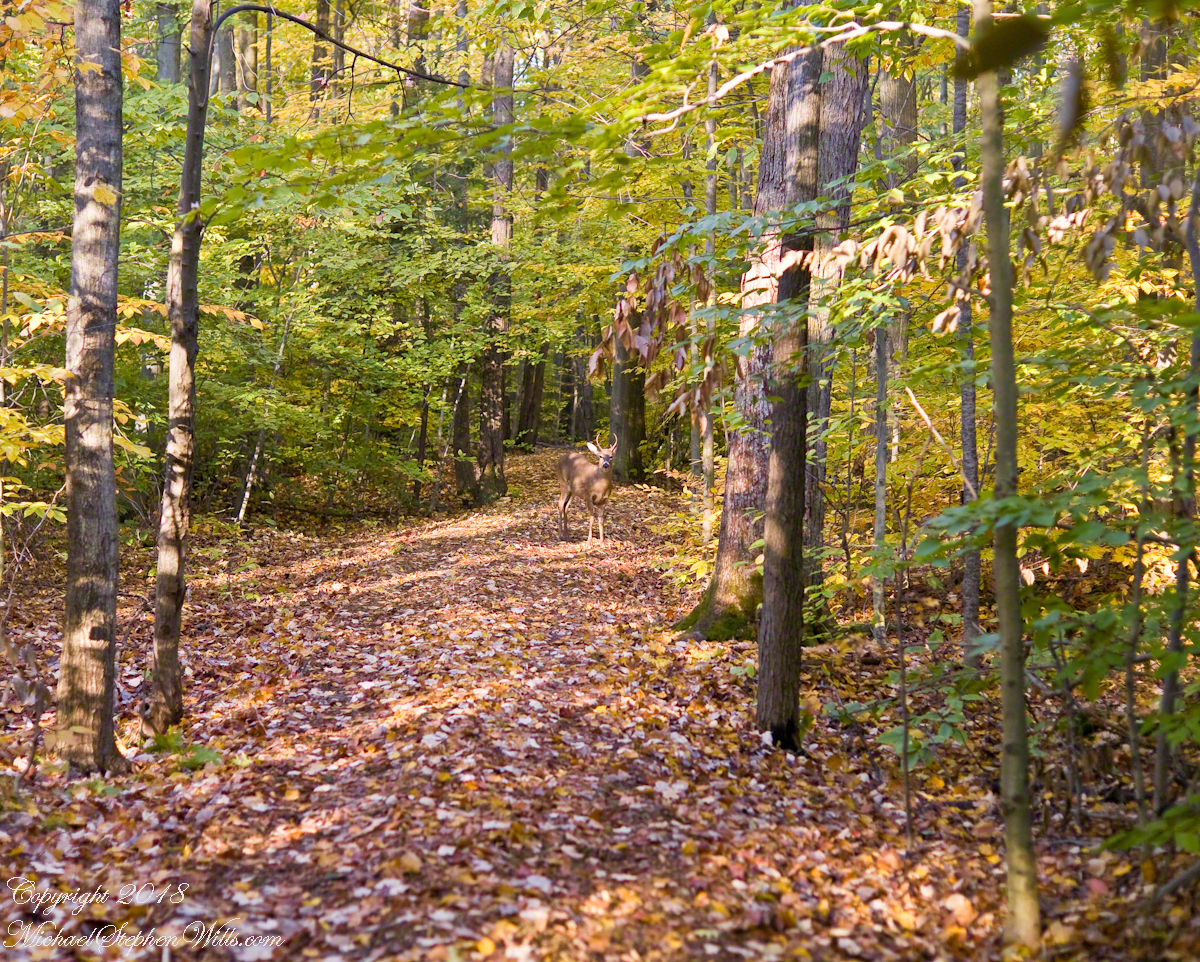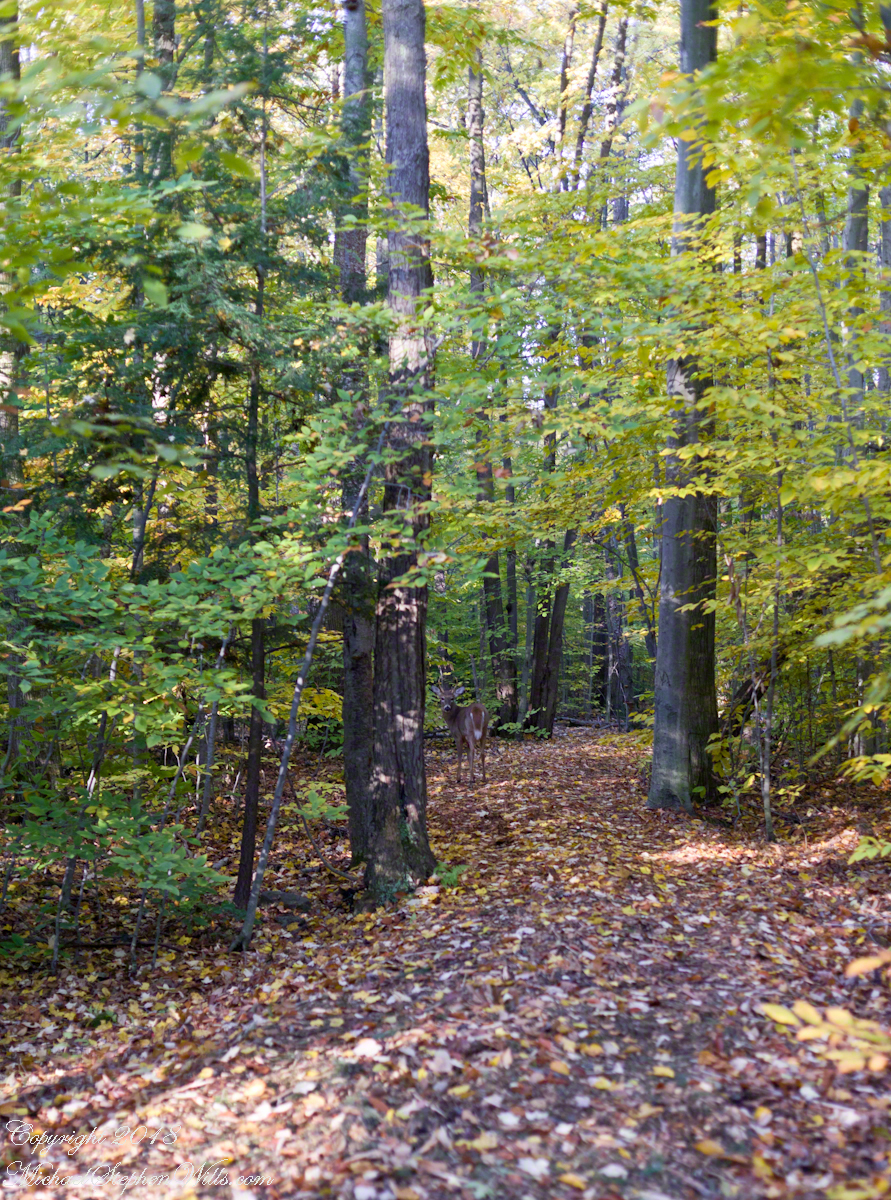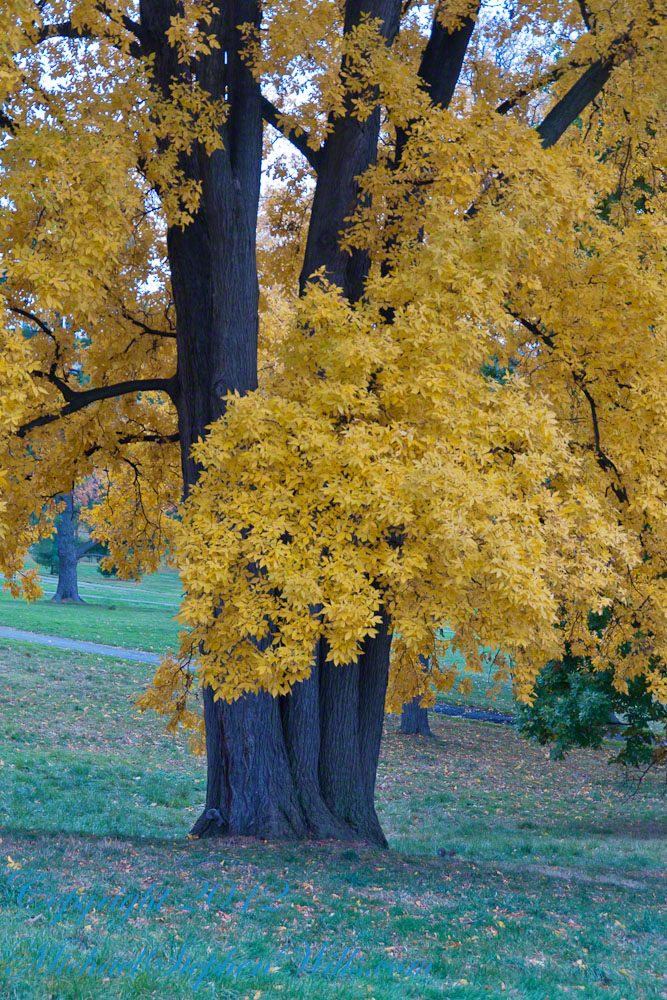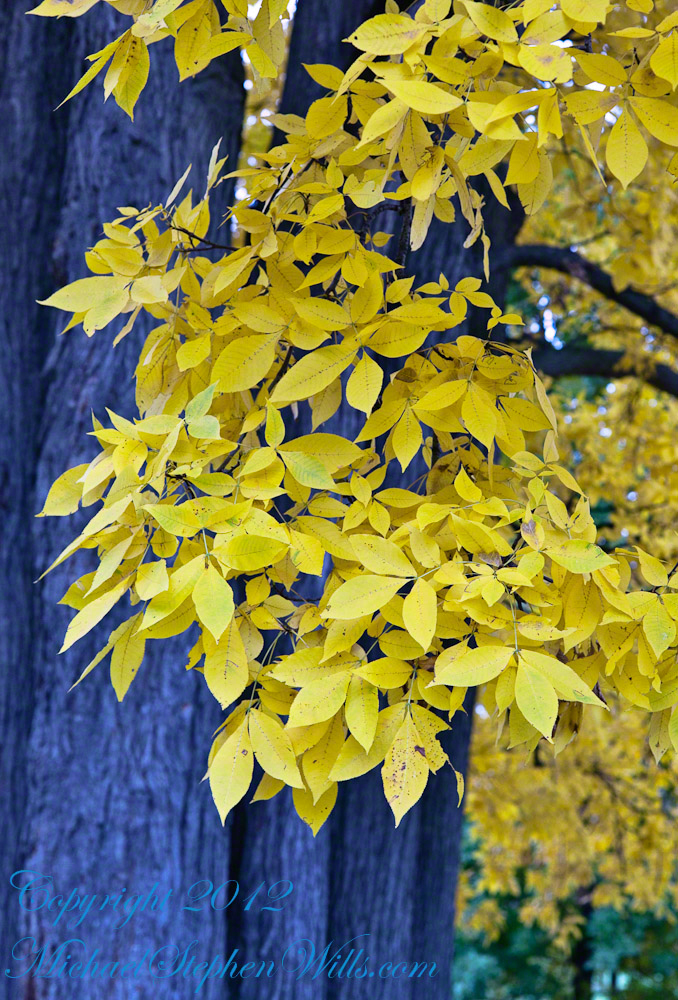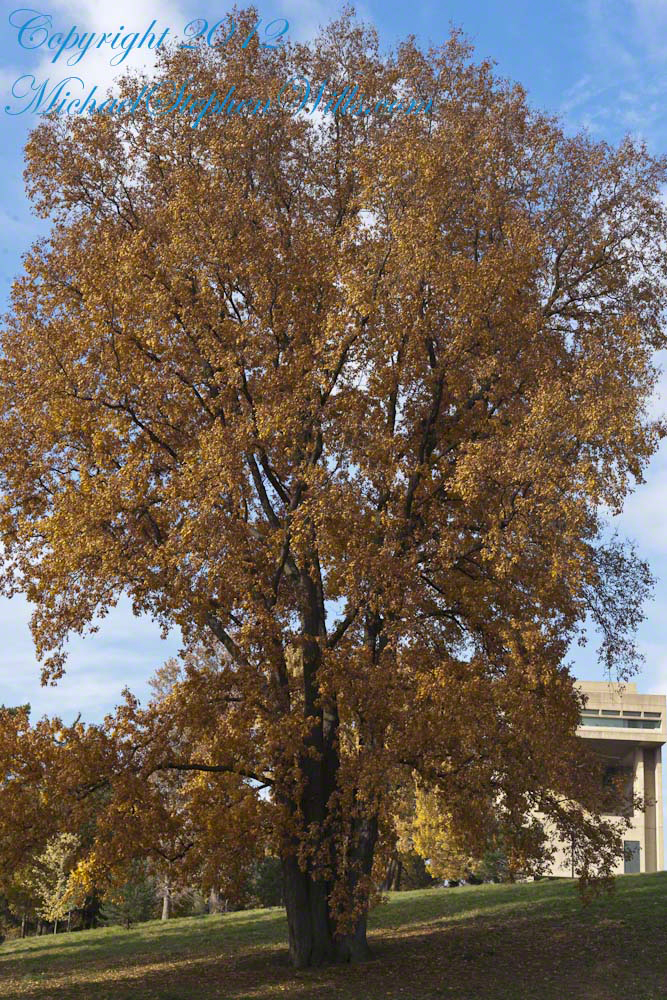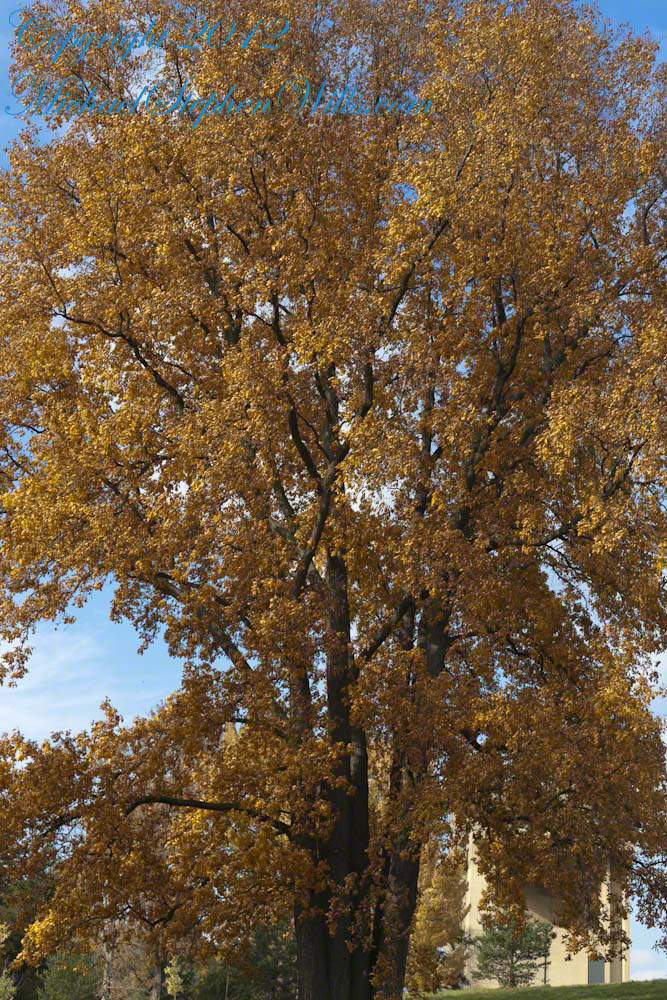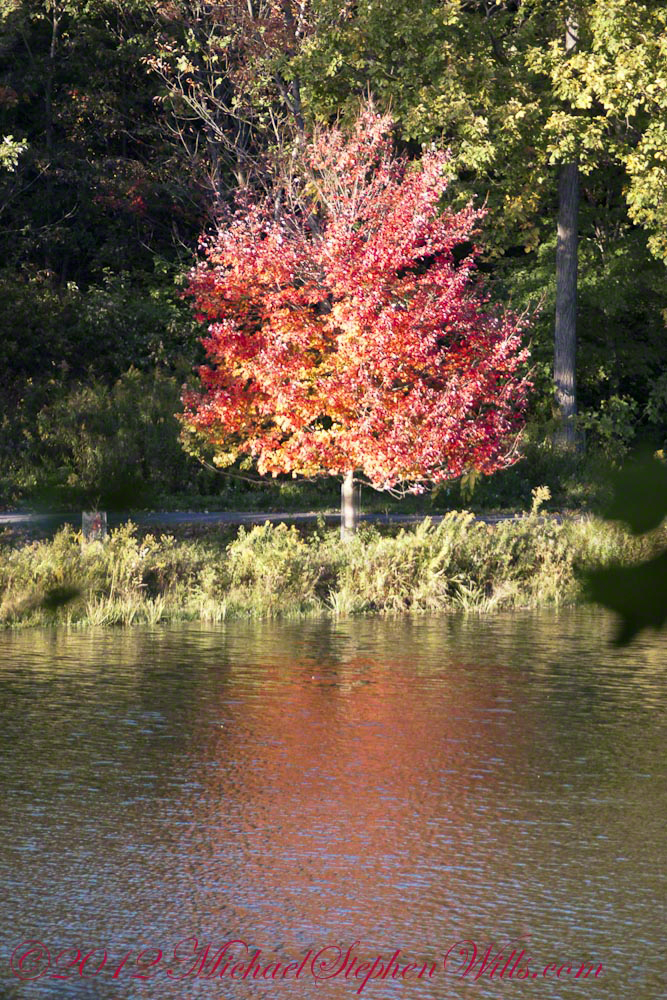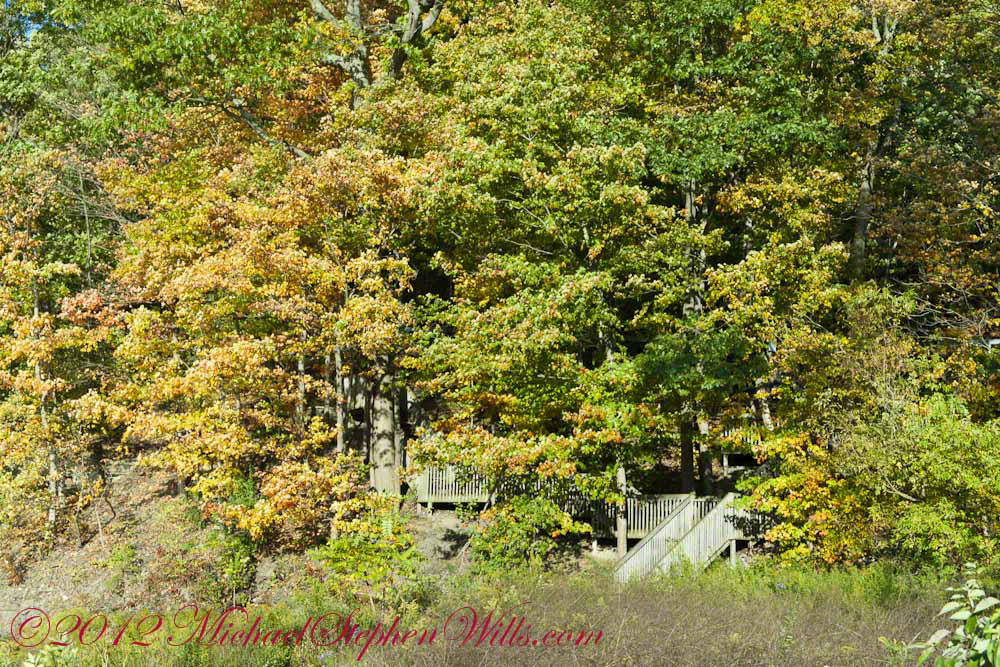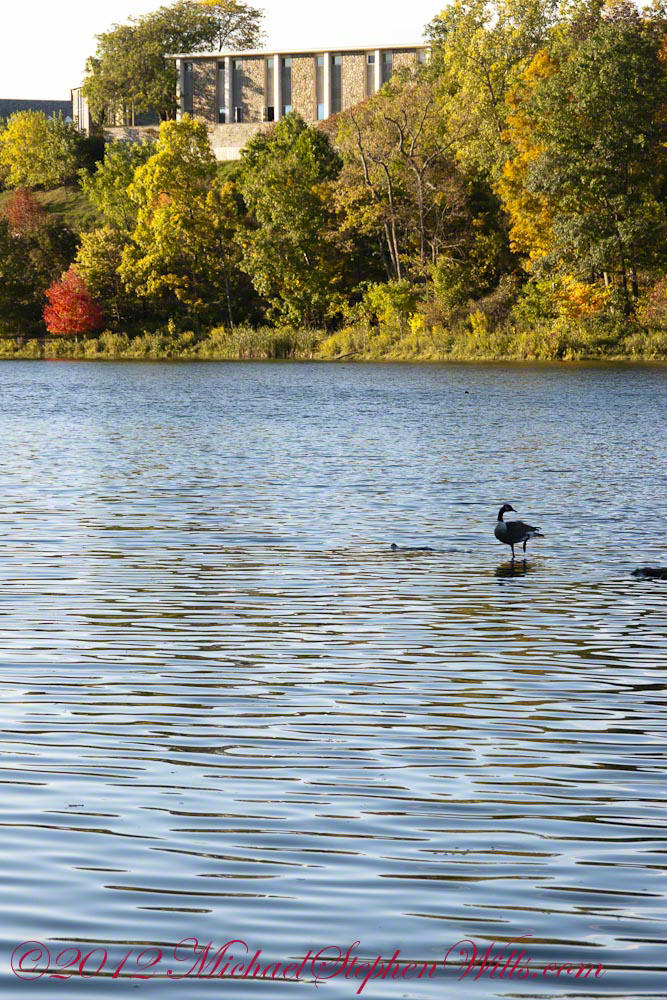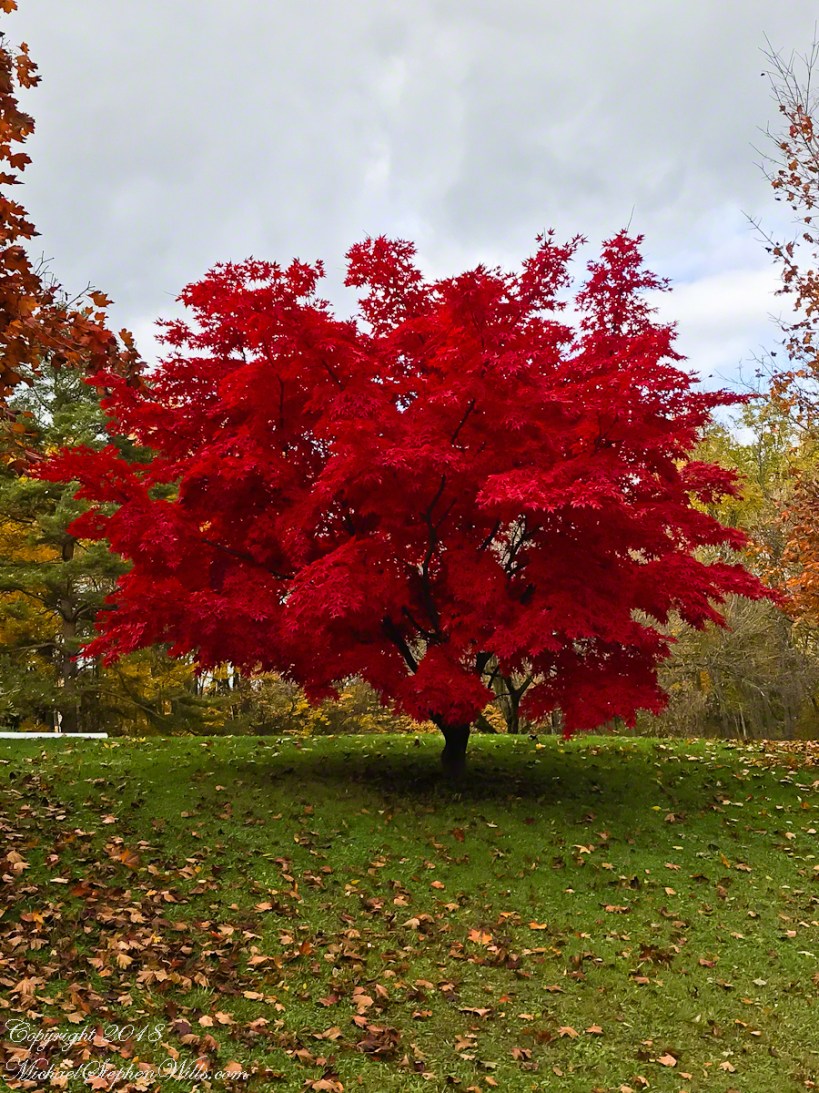
After work on a 2008 Friday afternoon in October we sped over to Beebee Lake on the Cornell University Campus to catch the late afternoon glow.
Beebe Lake is formed by a dam on Fall Creek. It seems to be the flooded meadow it is, surrounded by hills formed by glaciers 10,000 years ago. Cornell maintains footpaths around the lake.
People say that if a couple walk the a mile around the lake and over a bridge at either end, they are destined to be married. This day we passed only joggers and families. Pam and I will celebrated our tenth anniversary March 2019, so the legend worked for us.
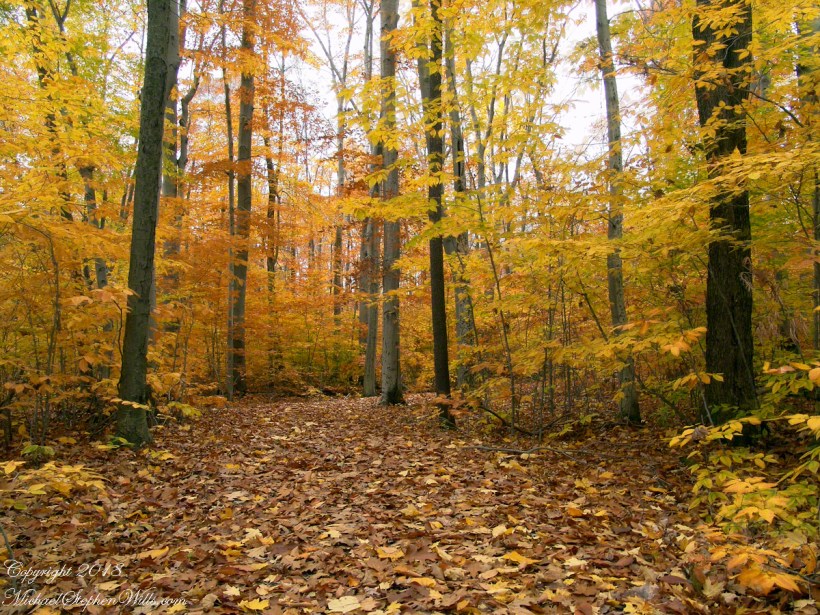
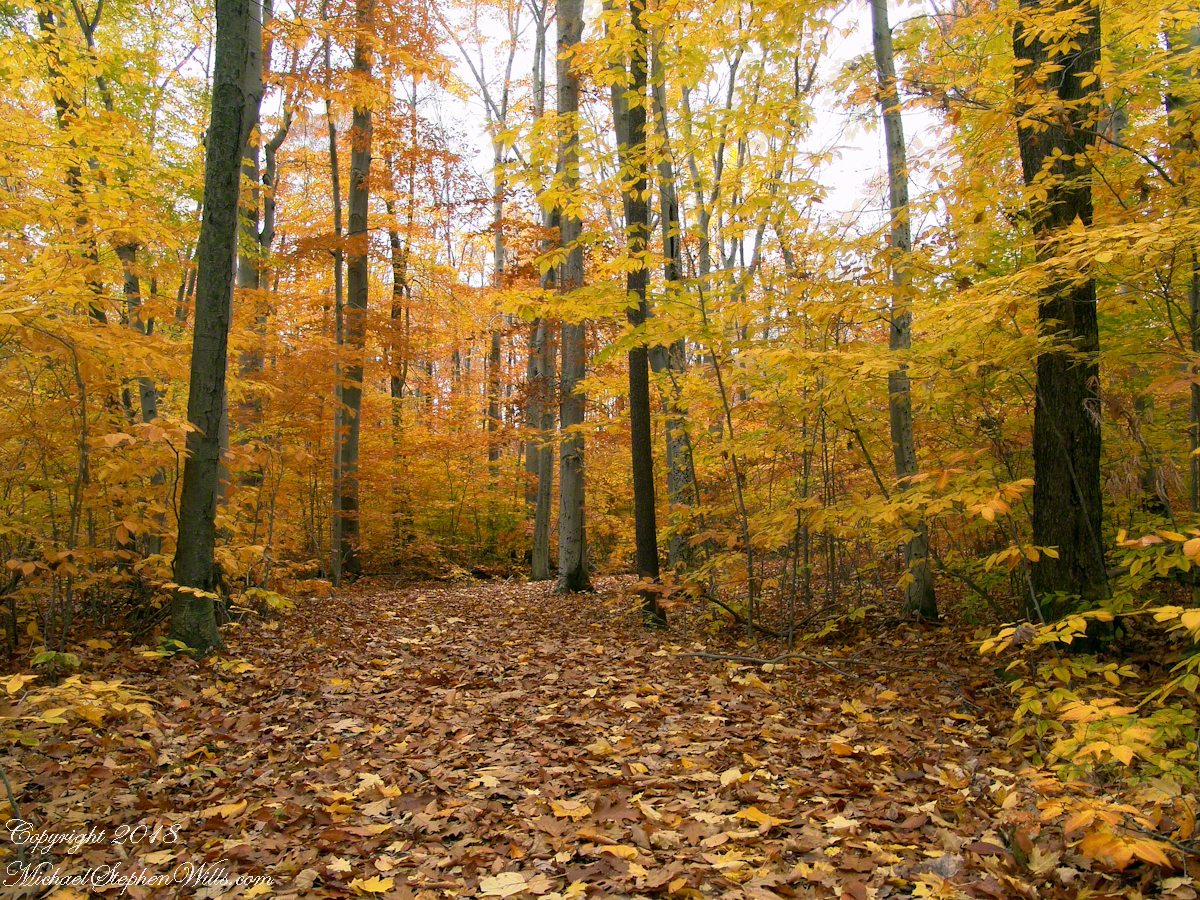
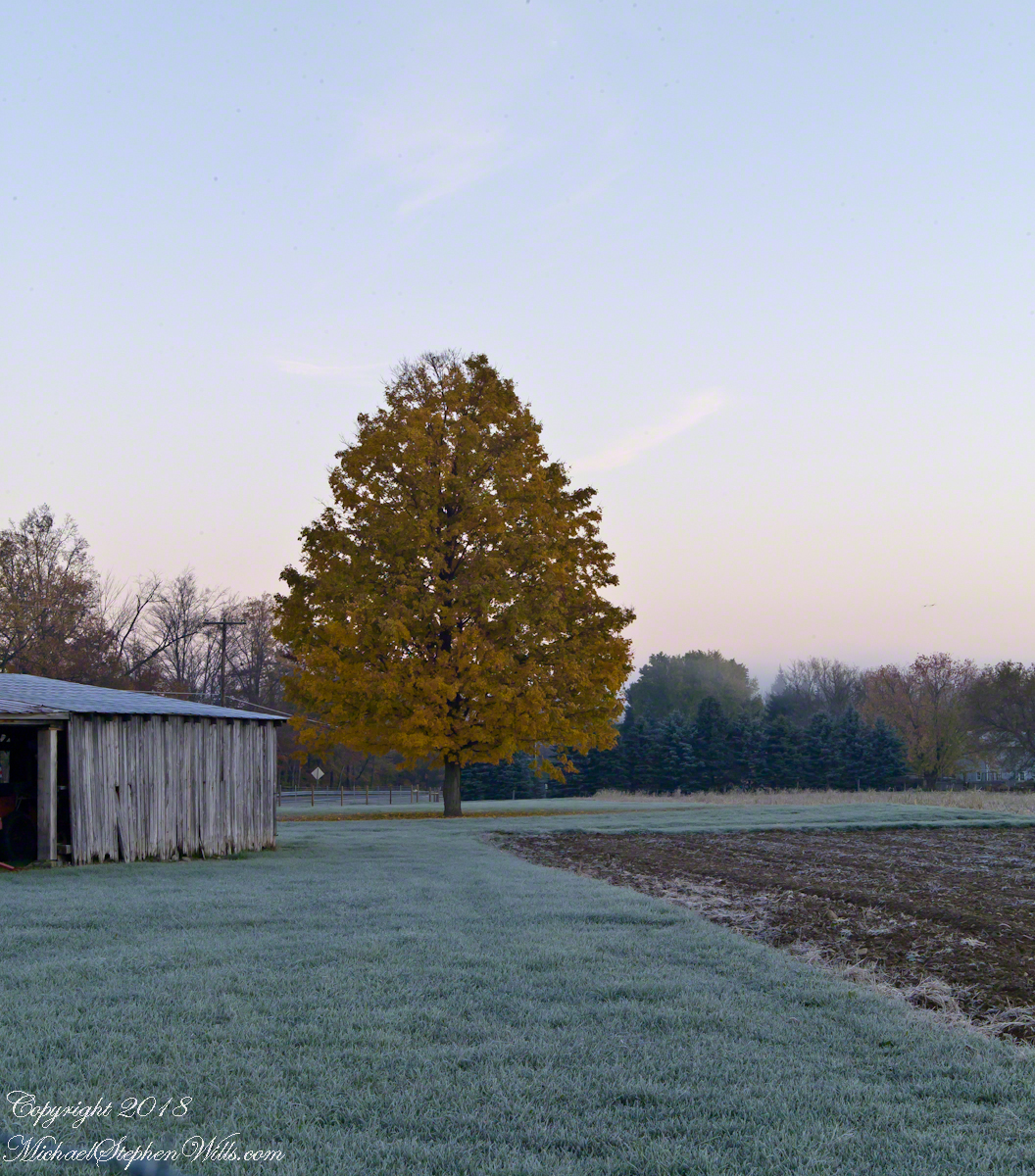
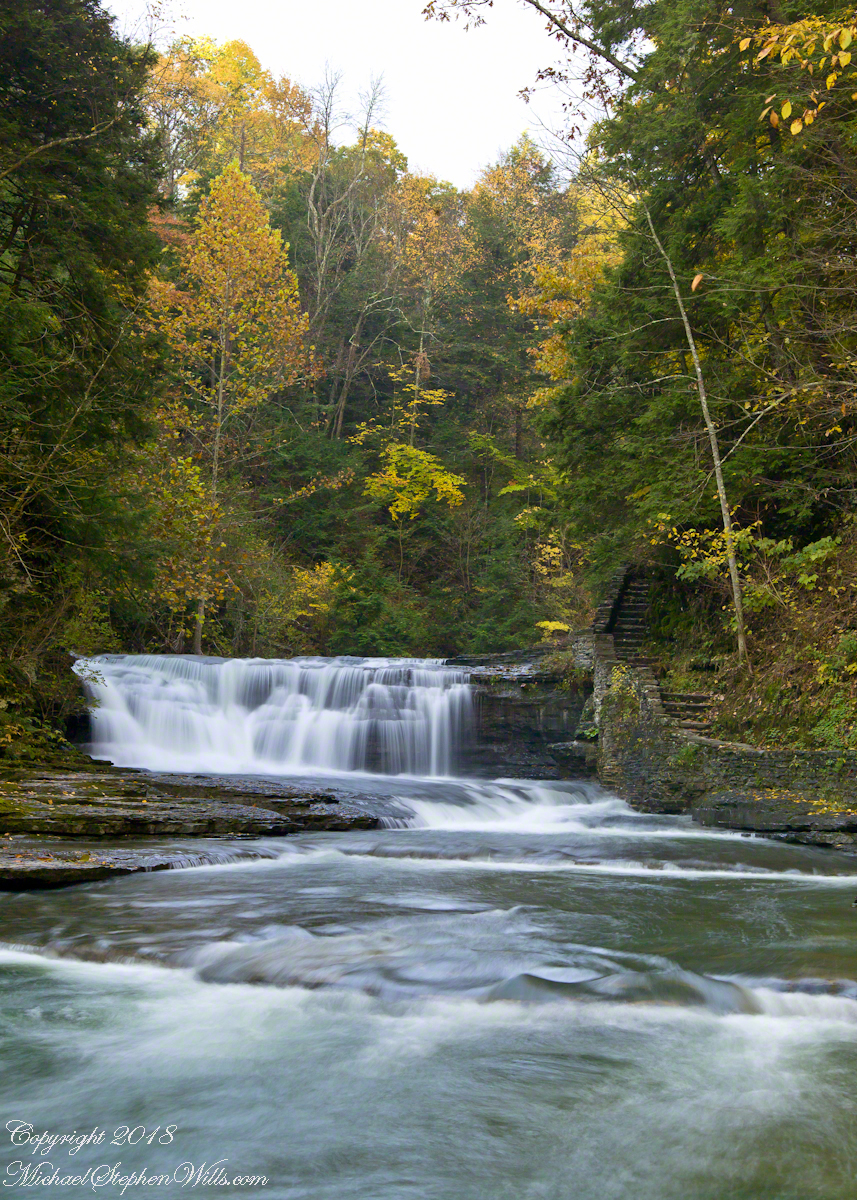
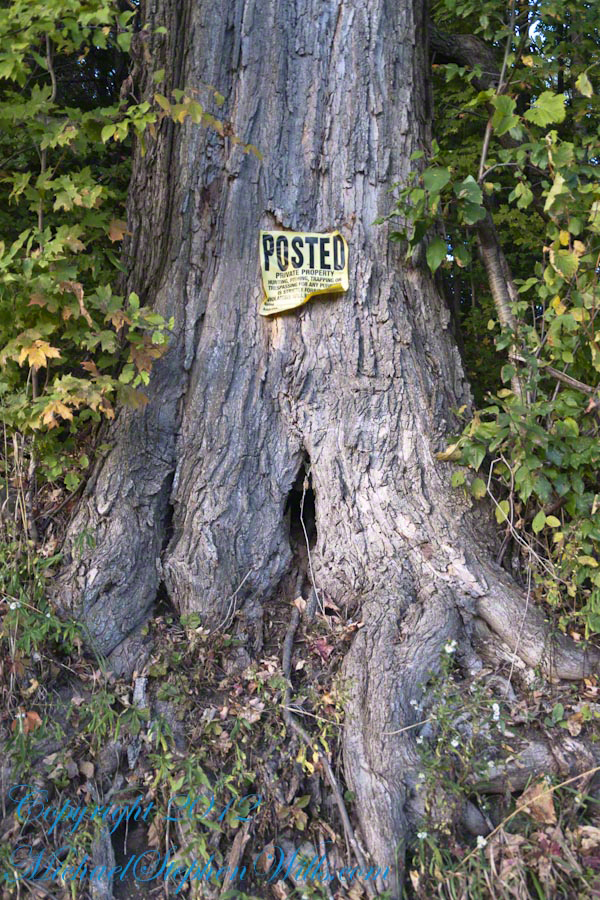
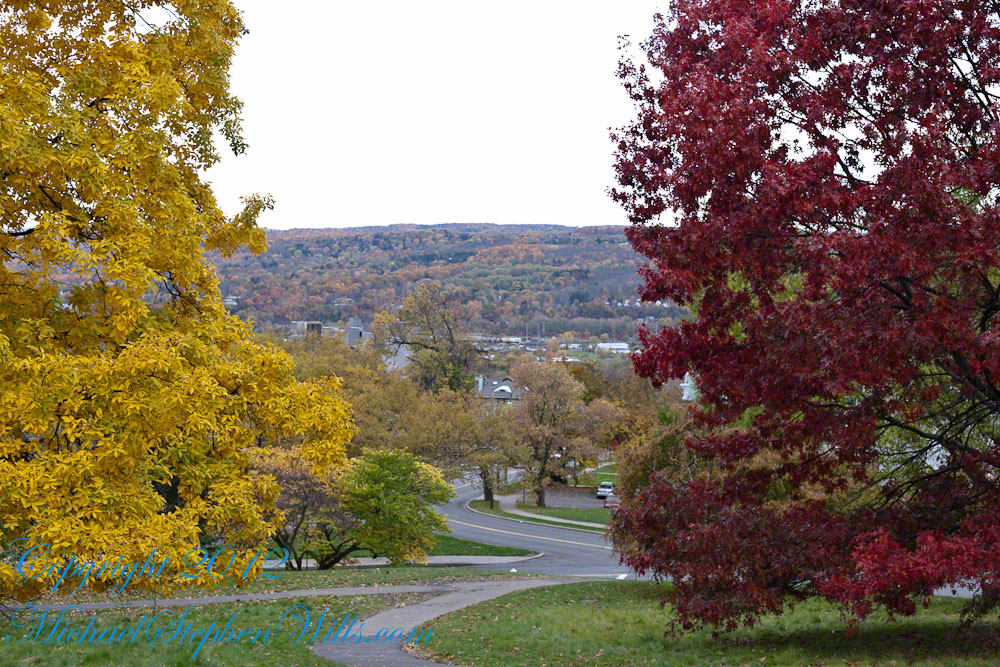
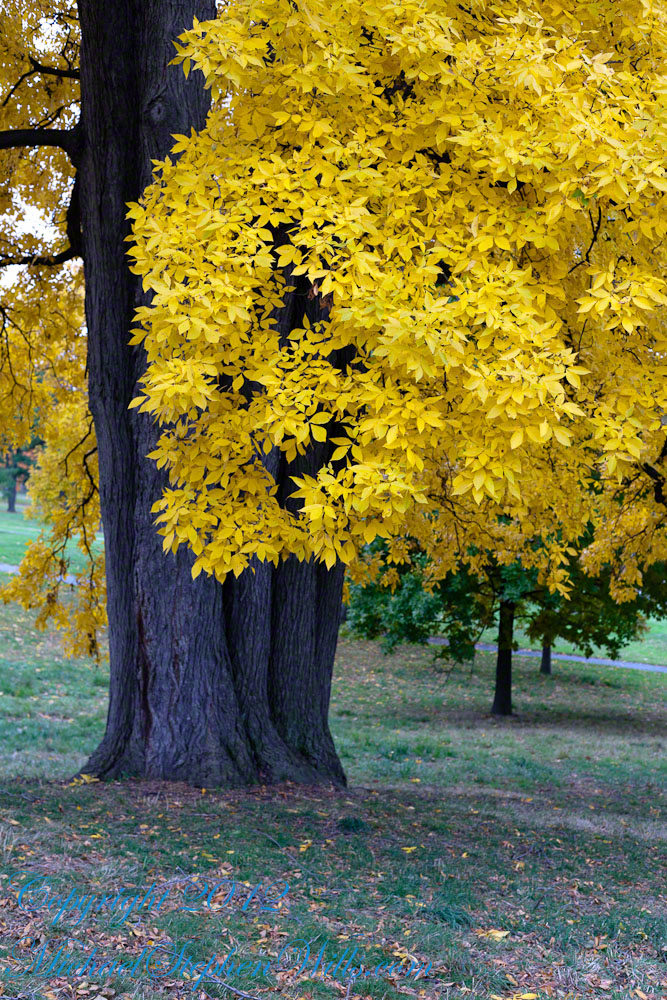
Here are four snapshots from that time, presented in chronological order. Each is a handheld shot taken on the fly using my Sony Alpha 700 I use for exploratory photography.
Click any photograph to view my Finger Lakes Memory gallery
A terraced stair descends to the east side meadow to south lake shore path
I walked down a path trod by Canadian geese to reach a clear view of the water.
View of Helen Newman Hall
Lily pads and iris fronds grow along the bank.
Evening sunlight reflected from smooth water crests driven by a steady light wind
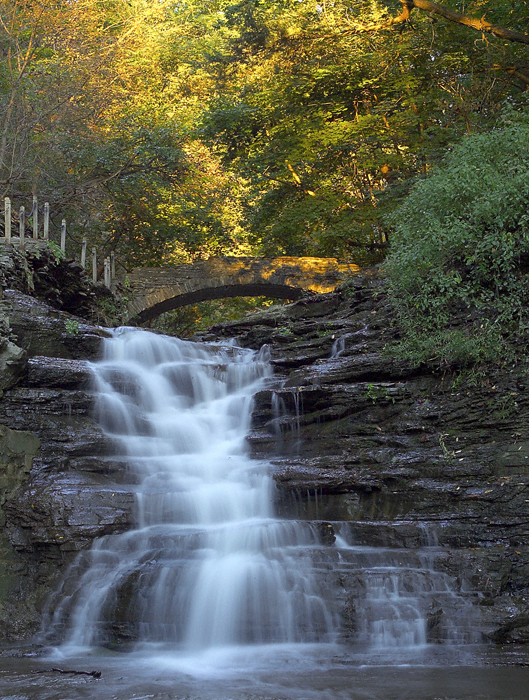
Being on the west side of the lake, the dam is bathed in golden autumn light.
The Dam That Forms Beebee Lake
On top the hill, not visible behind the trees, above the opposite bank is Fuertes Observatory. We visited it this night, opened to the public as it is on all clear Friday nights while classes are running.
Copyright 2021 Michael Stephen Wills All Rights Reserved
Capturing photographs and videos on the fly using an Iphone, we visited Fillmore Glen State Park, Moravia, New York with our granddaughter, Nia. This is the third post of this series. Click me for the first post in this series.
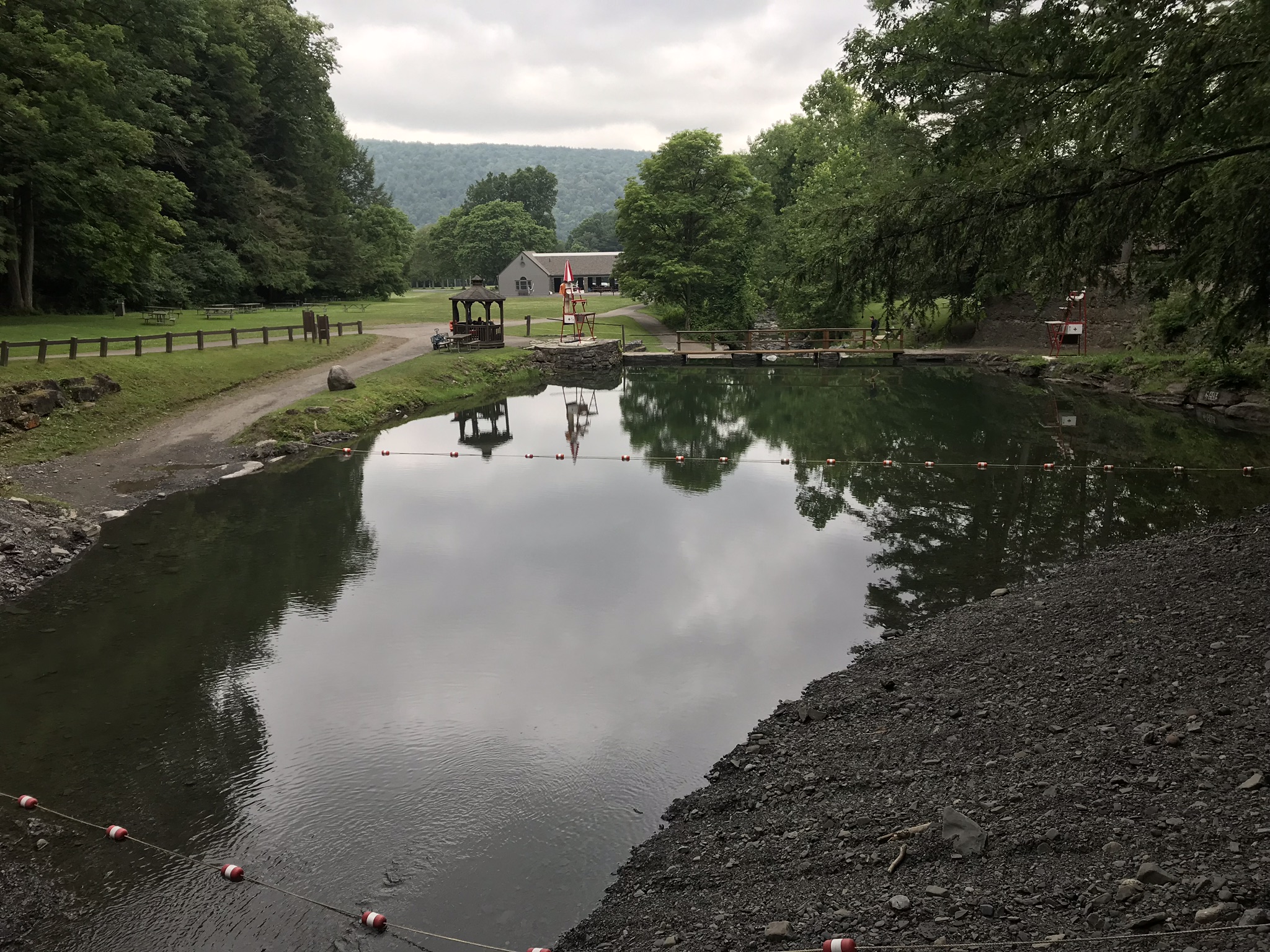
Emerging from the blind canyon of Cowsheds Waterfall, we are faced with this gorgeous pool fed by Dry Creek (yes, that is the name). Formed by a dam, the water is deep and very cold.
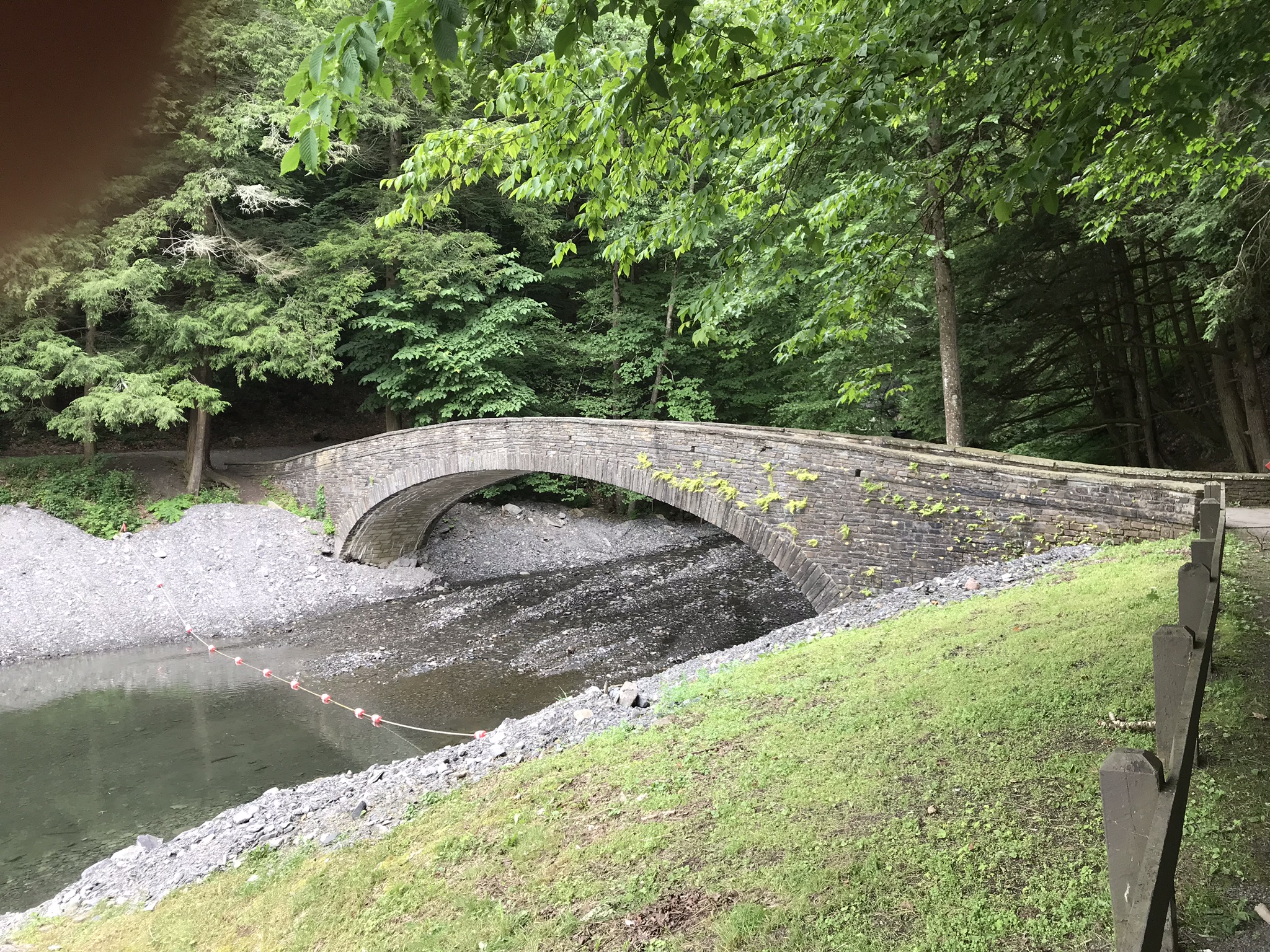
We were standing on this footbridge for the above photograph. The trail to Cowsheds is on the far side of Dry Creek and to the right.
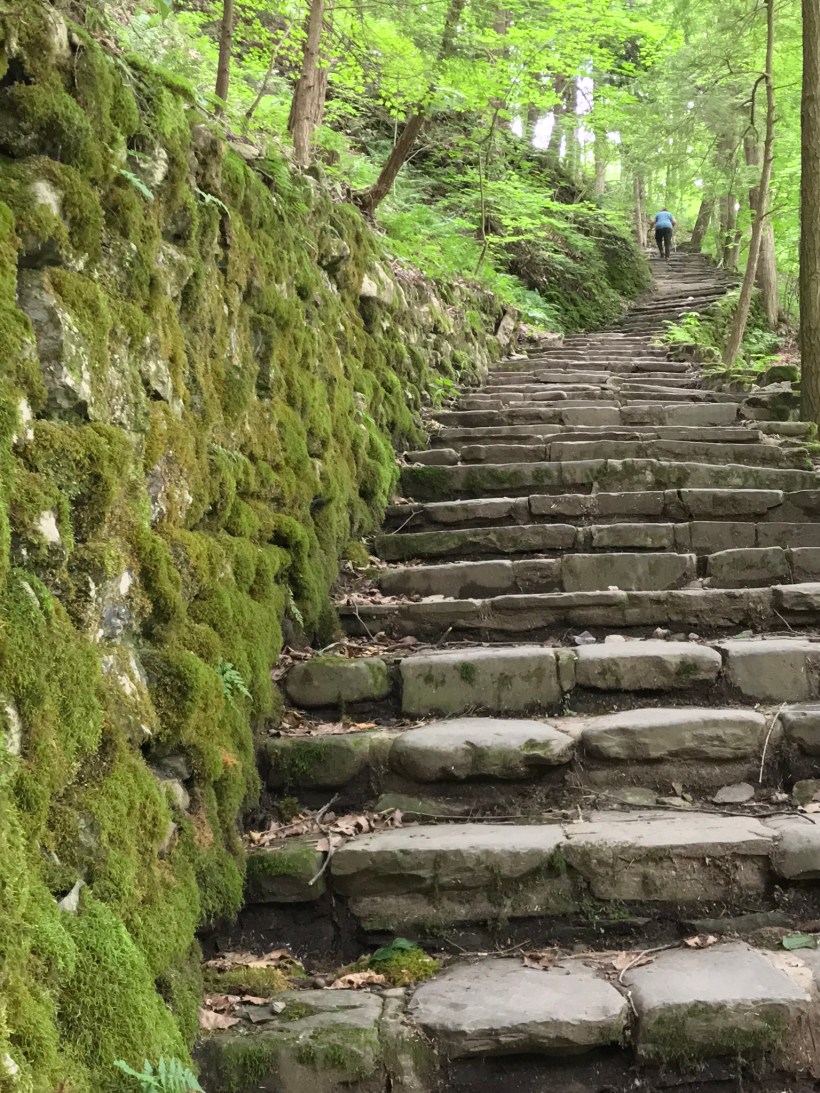
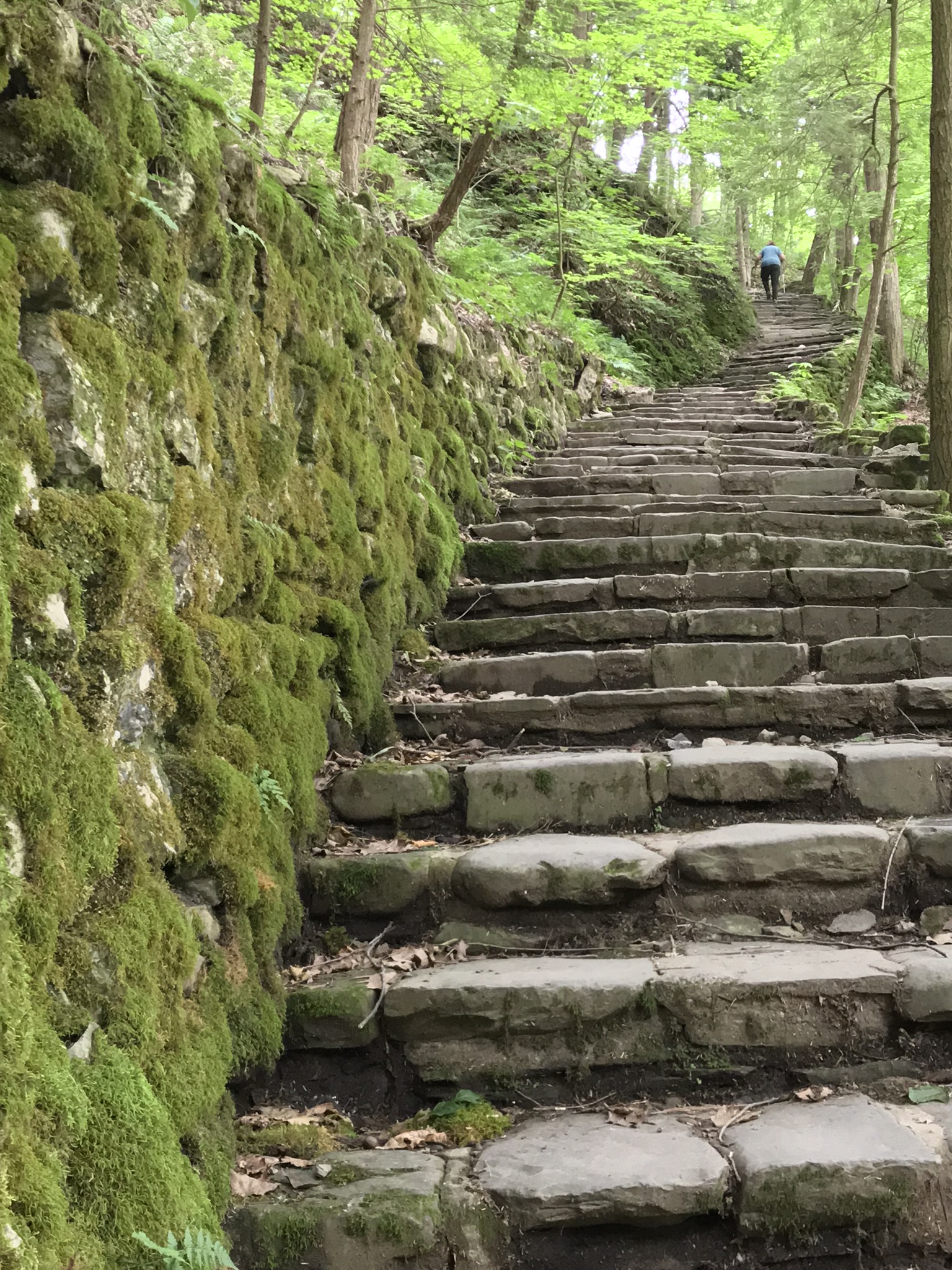
We have yet to count these steps, don’t know why. The limestone blocks were quarried locally from the same stone of the creek bed. The gorge trail begins at the top.
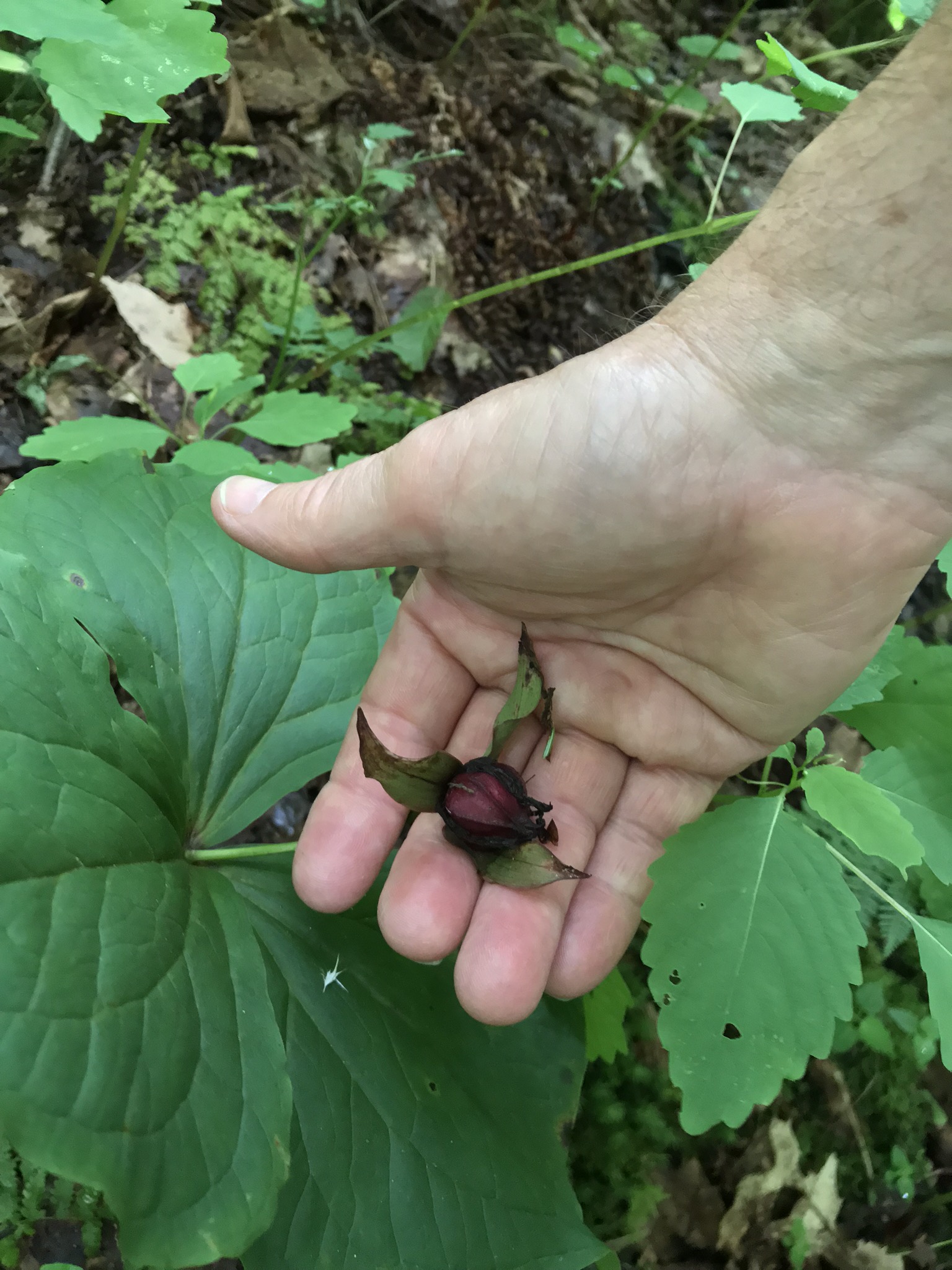
Trillium Seed Capsule
This is a Purple Trillium, I believe, formal name Trillium erectum. It is a large specimen judging form the width of the bracts, leaf like structures at the based of the flower stalk. When fertilized, the ovaries form this seed capsule containing up to 16 seeds, each with lipid with a high content of oleic acid. During summer, the capsule opens, seeds disperse. Ants encounter the seed elaiosome, the oleic acid content triggers “corpse carrying behavior.” The ants carry the seeds into their nests, consume the lipids leaving the seeds. After a year dormancy the seeds sprout and the additional depth in the ant nest provides a good start.
Trillium are a favorite food of deer, unfortunately. Some seeds are spread this way, passing through the digestive tract and out in fecal waste. I use the color of the seed capsule to identify it was Purple Trillium. In my experience the white variety (Trillium grandiflorum, and others) has a light colored seed capsule.
Copyright 2021 Michael Stephen Wills All Rights Reserved
Capturing photographs and videos on the fly, we visited Fillmore Glen State Park, Moravia, New York with our granddaughter, Nia. This is Pam and my favorite park for the lack of crowds, variety of wildflowers and dramatic views.
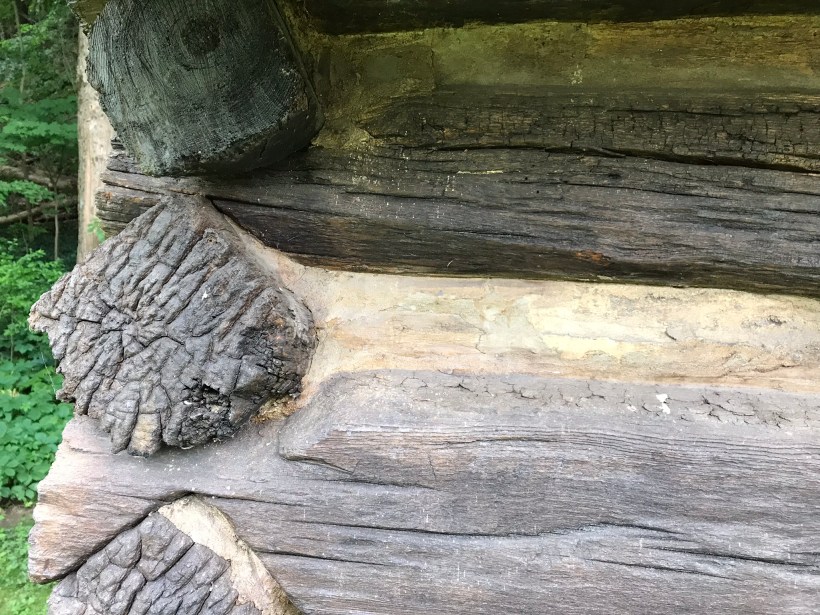
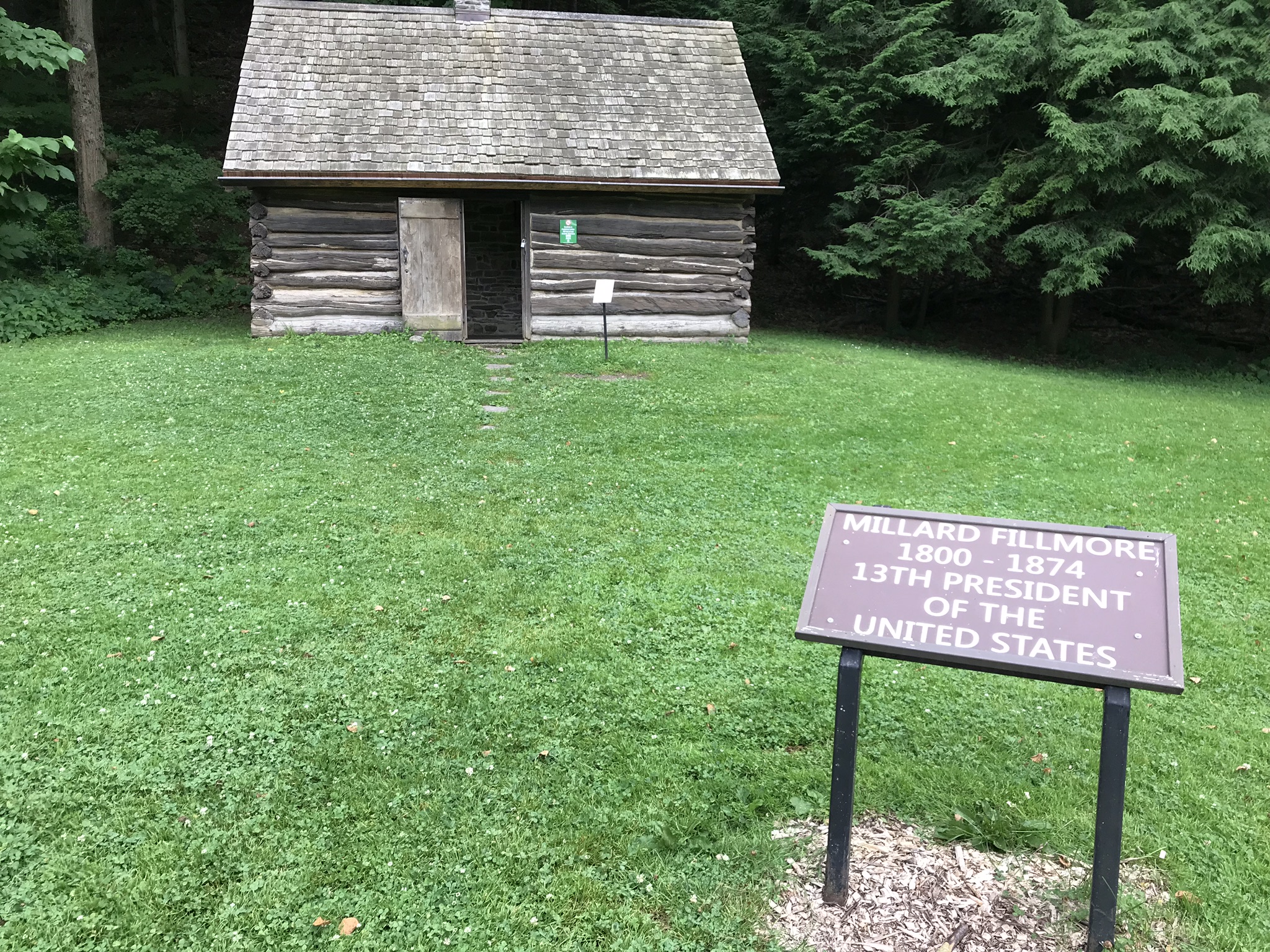
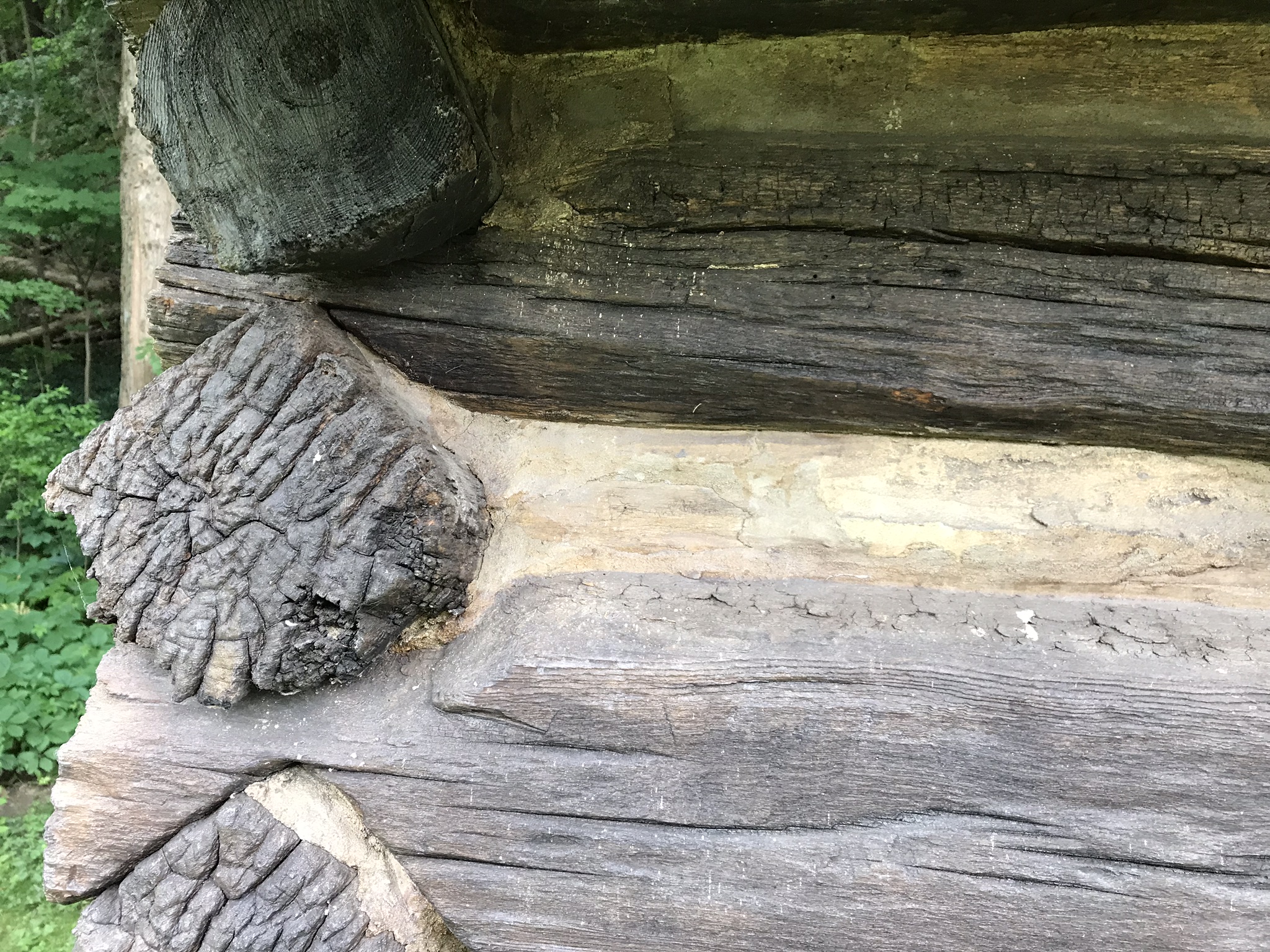
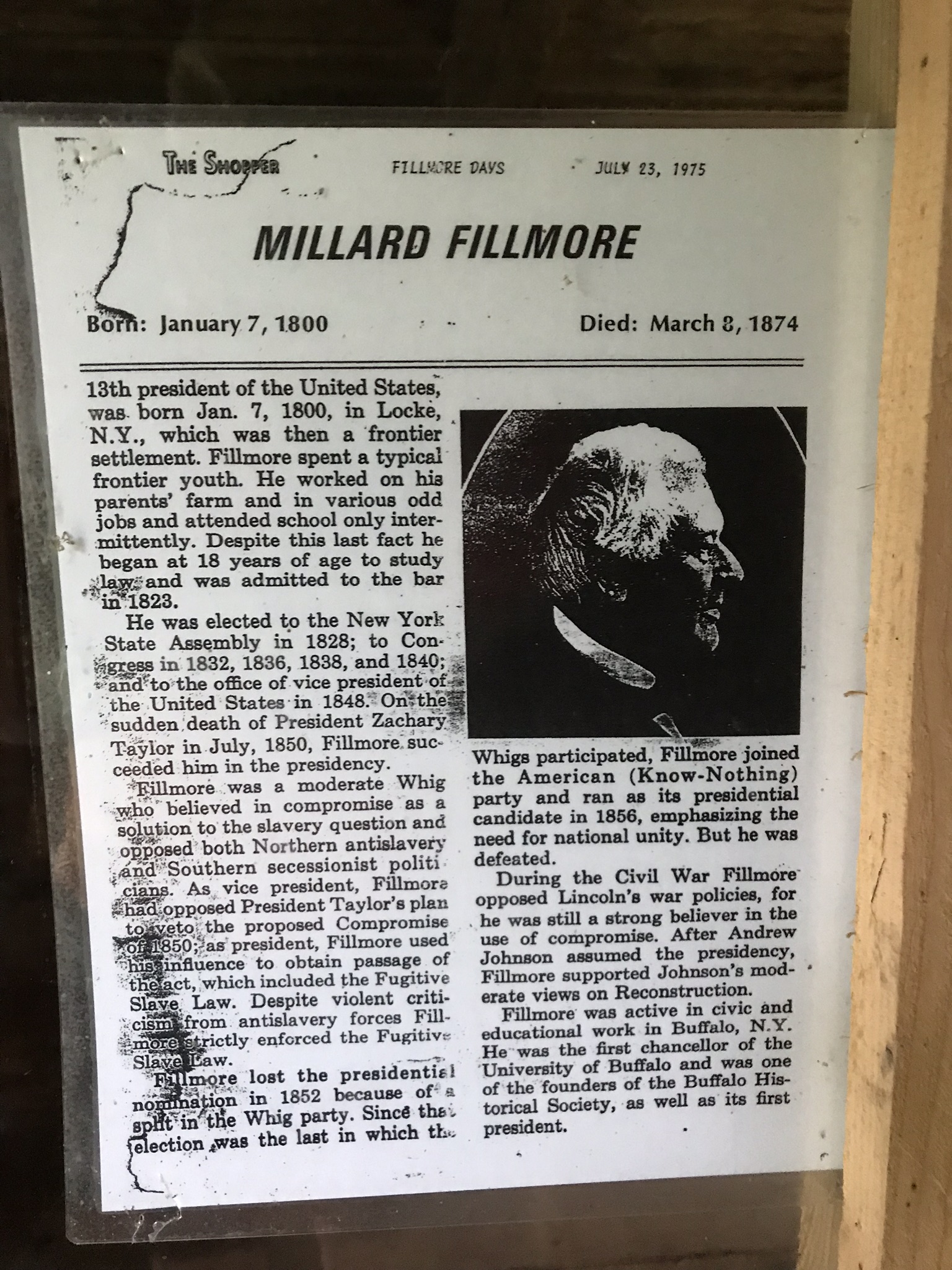
A the bottom of Gorge Trail, near the creek fed swimming pool, is a cabin moved to the park from a few miles away to commemorate an American President’s birthplace. Milllard Fillmore was born on the peneplain above the gorge of Dry Creek in a place called Locke, five miles from the modern park entrance. His birth cabin was destroyed in 1852, the land is dedicated to his memory with a monument. This cabin of a type identical was disassembled and reconstructed on this spot in 1965 by the Millard Fillmore Memorial Association.
The 480 square foot (20 by 24 feet) original (the rebuild is a bit smaller) had a central fireplace and and will chinked logs, a ceiling of simple planks.
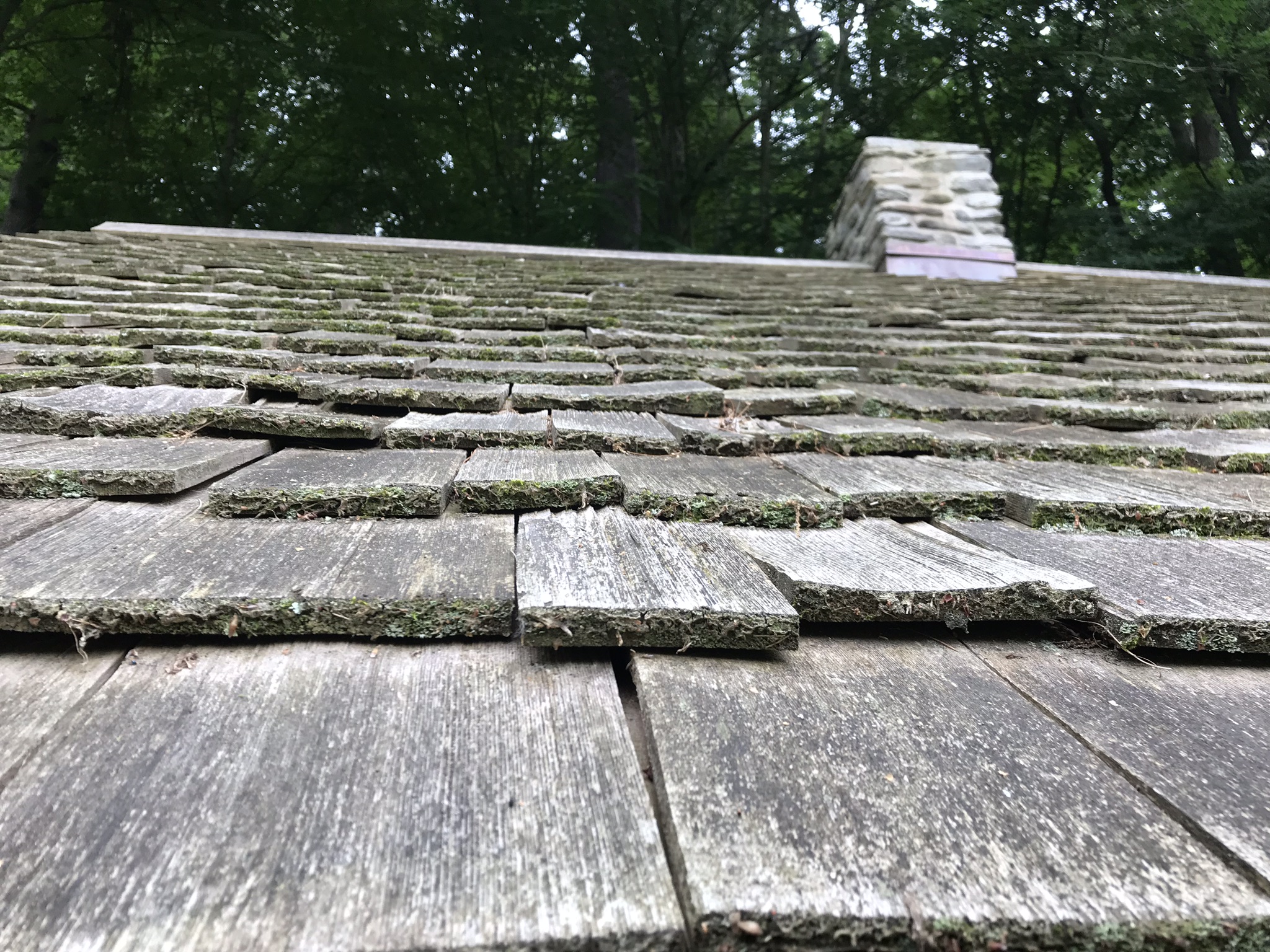
The cedar shingles were hand made, as were the nails.
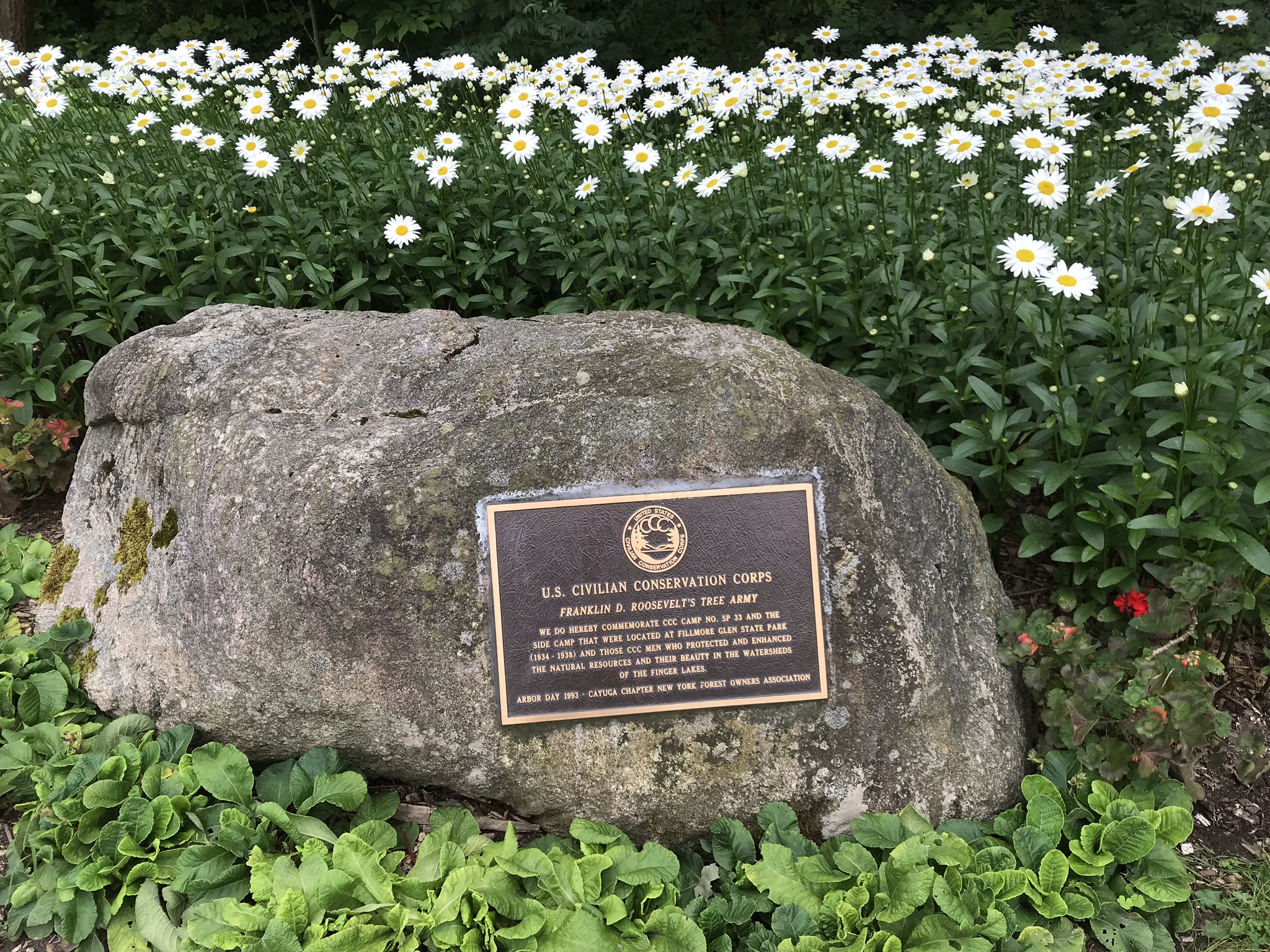
More information on a display inside the cabin.A few feet away is a memorial to Franklin D. Roosevelt’s Civilian Conservation Corps. We can thank them for building much of the park infrastructure we depend upon today.
Copyright 2021 Michael Stephen Wills All Rights Reserved.
Capturing photographs and videos on the fly, we visited Fillmore Glen State Park, Moravia, New York with our granddaughter, Nia. This is Pam and my favorite park for the lack of crowds, variety of wildflowers and dramatic views.
Growing near Cowsheds Waterfall, at the foot of Gorge Trail, was this strange fruiting wildflower so like a modular space station. It is Baneberry. There are white and red forms. This is white Baneberry (Actaea pachypoda). These terminal round nodes resolve into white balls with black dots, like dolls eyes. The cylindrical connectors (as in space station) turn bright red. Red Baneberry (Actaea rubra) has bright red berries. The flower is a fluffy white mass that gives no hint of the seed form.
All parts of both forms are highly poisonous, the bane of Baneberry. The berries are deadly. Ingestion of as few as two berries by children will cause death from cardiac arrest. Six for an adult.
Click any photograph for a larger view.
Cowsheds Waterfall is littered with enormous limestone blocks, remnants of a shelf. The rock under the limestone, a soft shale, is worn away first by running water forming a room (or Cowshed) under the limestone. Eventually, the limstone falls into the creek. The waterfall is at the end of a blind canyon with a sign at a trail end warning visitors to go no further. Careless visitors to Finger Lakes Gorges are killed, on occasion, by falling rock when they loiter beneath cliffs.
For Father’s Day 2021 I received cages for raising Monarch butterflies. A large zippered door is a great feature, one side of the cage drops away for easier access and photography. Here are some photographs of the developing chrysalis and emergence.
In the first step of chrysalis development, the caterpillar climbs to a chosen location and weaves a silk pad from the abdomen. We are looking down on the caterpillar through the top of the woven material that forms our cage. The silk pad is a small white dot to the right.
Click photograph for a larger view and use Ctrl-+ (press down Ctrl, hold, then click plus sign repeatedly) to zoom in closer.
After the silk attachment pad is complete, the caterpillar releases itself to hang in a shape of the letter “J.”
The caterpillar sheds the outer skin as the chrysalis forms around it.
Four Monarch Butterfly Chrysalis.
Macro of the Monarch butterfly chrysalis. The black stalk attached to the silk pad is call a cremaster.
Just prior to emergence the chrysalis turns from opaque green to translucent Iappears dark). Here the wing pattern and body markings (white dots) are visible.
I used a Manfrotto tripod, the Canon EOS 5D Mark IV dslr (high resolution video capability) and Canon’s EF 100mm f/2.8 USB macro lens for the following up close coverage of a Monarch emerging followed by wing expansion.
Wednesday last, grandson Sam, three years old at the time, and I wandered the landscape, catching the sights of summer. Eventually, we visited Sapsucker Woods, a Cornell University nature preserve. There, a boardwalk over the swamp is a proven venue for frog spotting and, this day, we had some success.
We found this cooperative golden-eyed beauty calmly squatting and croaking.
In this 30 second clip, reflected light off the water surface captures proto-croaks that did not quite escape from the source. There is a successful and full croak finale.
Off the boardwalk, we took a short detour to view an elaborate cairn built of local rock by a famous artist. The dappled sunlight across the surface is especially enjoyable.
The Sapsucker Cairn, Andrew Goldsworthy
At the furthest extent of the preserve is this pond where the residents were notably raucous in this 30 second clip.
About this time the mosquitoes descended for a determined attack on Sam’s legs. “Itchy,” he said. Myself, protected by deet, they left alone. Sam’s Mom prepared him for the trip with natural mosquito repellent that was not up to the task. Next time we visit, Sam will wear long pants and sleeves fortified with deet.
Just before picking Sam up for a quick retreat, I caught this turtle encrusted in duckweed sunning on a narrow branch. The head is retracted for the moment, can you imagine someone wading through that muck to place a rock? It is possible, but I witnessed the head, so am absolutely sure.
Special thanks to blogger shoreacres for the identification of duckweed. In my original posting I called it algae.
Travelling light, using IPhone captures during a 4.6 mile walk on the Gorge and North and South Rim Trails of Taughannock Falls New York State Park, Finger Lakes Region near Ithaca, New York. A few waterfalls and sights along the way. Distance is from the “Health” app on my phone.
A “Rim Trail” follows the edge of the gorge. The “Gorge Trail” is within the gorge, along side the creek and ends at the 200+ foot waterfall.
This was the day Tiger Lilies bloomed along the roads the entire 13 miles. This stand was at the beginning of the South Rim trail.
A few steps farther the trail opens up to the expanse of the gorge above the waterfall, a place to contemplate the age of these rock gazing into the open space. There is no access to the bottom of the gorge here.
On days like this, the experience carries me away, enjoying the moments and forgetting the phone in my pocket. When I come to, it is the bottom of the South Rim trail at the entrance to the Gorge Trail and the hordes walking to the falls on a Sunday afternoon. This waterfall welcomes everyone at the beginning.
The vantages I choose usually exclude the crowds, here is a video of the observation platform beneath the 215 foot Taughannock Falls. Any closer and the camera lens is covered with mist. Feels great on this hot day.
I capture this tree growing along the Gorge Trail for later identification. It has fruits similar to a maple tree. Called samaras and also known as helicopters, maple keys, whirlybirds, and polynoses these must distinguish this tree as a member of the genus Acer though the leaf shape gives me doubts. Here the gorge changes direction almost 90 degrees from, generally, north/south to east/west. There is plenty of sunlight here and the tree has taken root in the talus of the cliff face.
I researched it and discovered the scientific name is Acer pensylvanicum and more commonly known as Moosewood. There is a “famous” restaurant in Ithaca, named Moosewood, so now I know there is indeed a tree growing locally by that name. The restaurant is near the commons of Ithaca and is 100% vegetarian. The last time Pam and I at there we were packed like sardines, like some collective, and we’ve never been back. The food is good and the basis of their fame is a cookbook by the same name.
Backlit lilies found on the climb up the North Rim trail.
Travelling light, using IPhone captures during a 5.7 mile walk on the Gorge and South Rim Trails of Robert H. Treman New York State Park, Finger Lakes Region near Ithaca, New York. A few waterfalls and sights along the way. Distance is from the “Health” app on my phone.
One of many waterfalls along the Gorge TrailLooking back to the above waterfallEnchanted Trail
Birdsong and enchanted placeBayberry?The power of flowing water (flood stage)
Evening breezes brought to a halt my series of hibiscus bloom photographs, that bloom faded and shriveled, to be replaced by another. I captured the images of this post on a very quiet summer evening. This bloom was facing up closer to vertical that the previous.
A key identification for all 300 species of hibiscus is the long stamen tube. I have yet to see a local insect interacting with the stamen, always they are in the flower throat. In the tropics, pollination is thought to proceed from large butterflies and birds.
Click photograph for larger view in new tab. From WordPress Reader you need to open the post to use this feature.
ISO 100, 1/10 sec at f / 14
ISO 100, 1/6 sec at f / 14
Here are three macro photographs of this bloom, all from the Canon 100 “macro” lens. I learned by experience to tamp down the diaphragm to the smallest setting, f / 32 for this lens. The different aspects were achieved by moving the lens objective closer to the bloom. This is a “fixed” lens, it has one focal length.
ISO 100, 1.0 sec at f / 32
ISO 100, 1.3 sec at f / 32
References
Wikipedia – “hibiscus.”
Copyright 2021 Michael Stephen Wills All Rights Reserved
Nyctinasty (flower response to light: opening with or closing without light) in hibiscus plants is a mechanism to protect against adverse conditions such as cool temperatures that can be damaging. Through a lack of light stimulus and circadian rhythms the plant is able to trigger the molecular movement of ions to allow for the closing of the flower.
Click photograph for larger view in new tab. From WordPress Reader you need to open the post to use this feature.
ISO 100, 1.3 sec at f / 29
Here are three macro photographs of this bloom, all from the Canon 100 “macro” lens. I start with the shutter diaphragm open at 4.0 (“F-stop”), a little narrower at 4.5 and a bit more at 9.0. For this lens the maximum opening is at 2.8, the narrowest is 32. As the opening narrows (F-stop increases) the exposure time needed to capture enough light lengthens and the range of the image in focus increases.
ISO 100, 1/30 sec at f / 4.0
ISO 100, 1/25 sec at f / 4.5
ISO 100, 1/6 sec at f / 9.0
References
Wikipedia – “hibiscus.”
Copyright 2021 Michael Stephen Wills All Rights Reserved