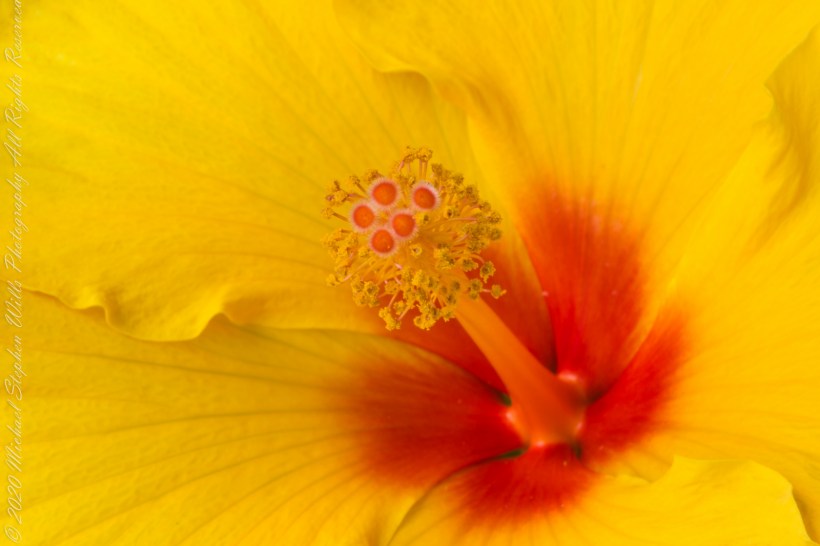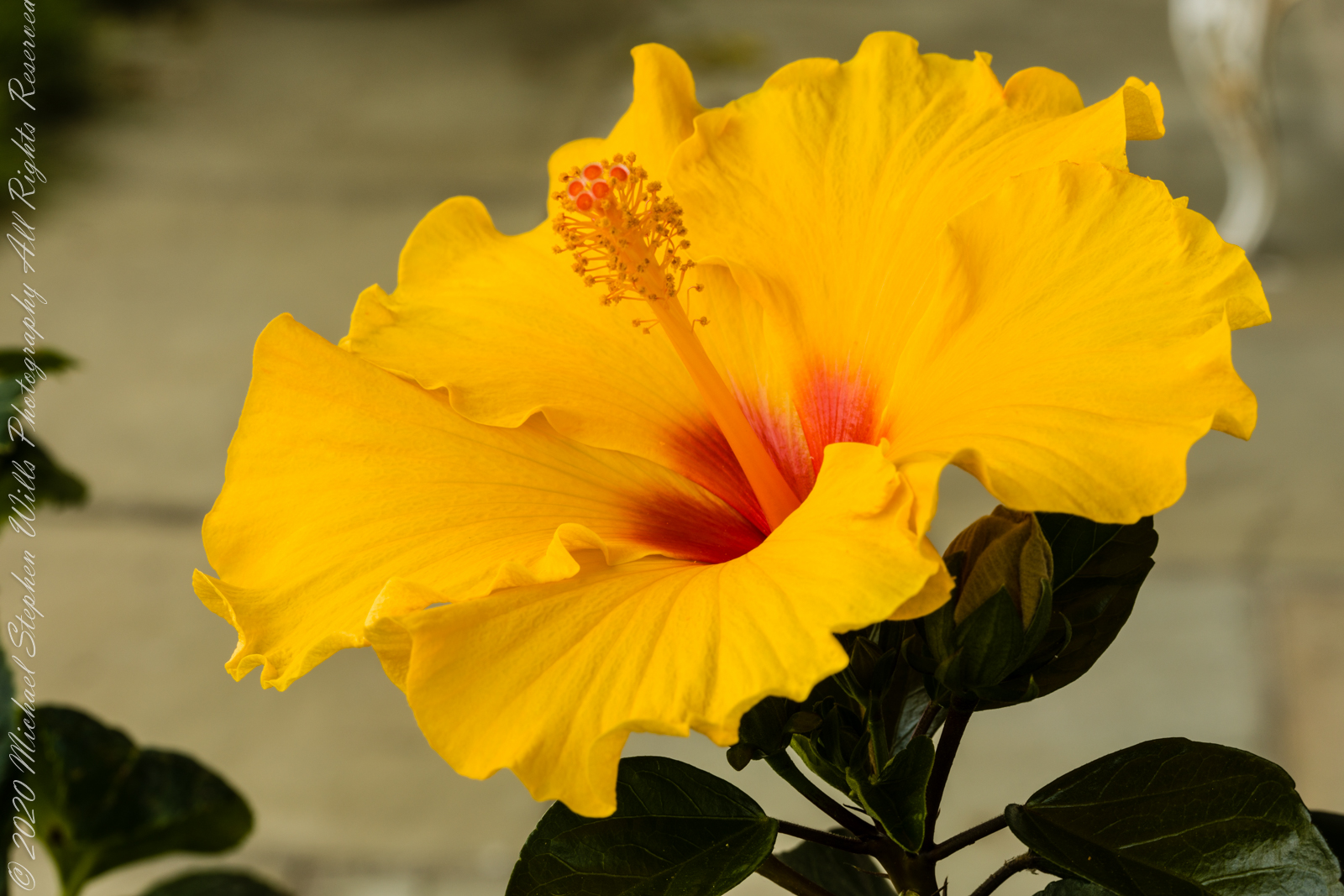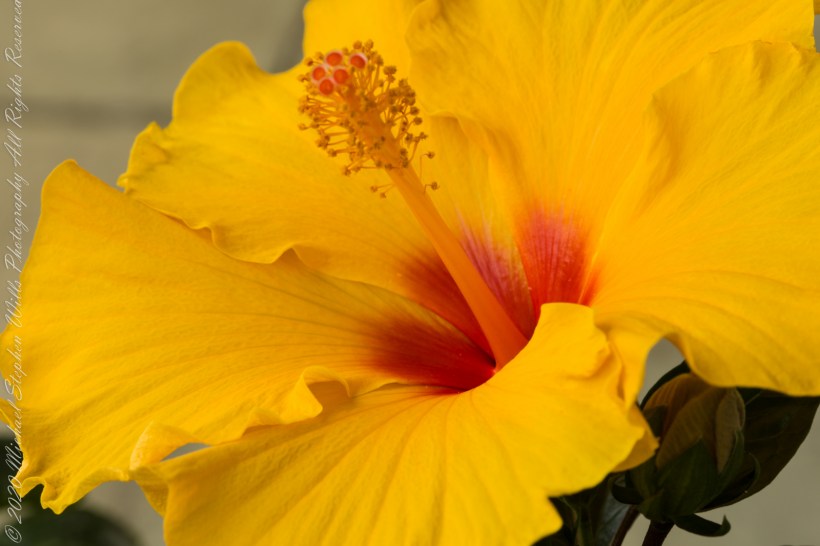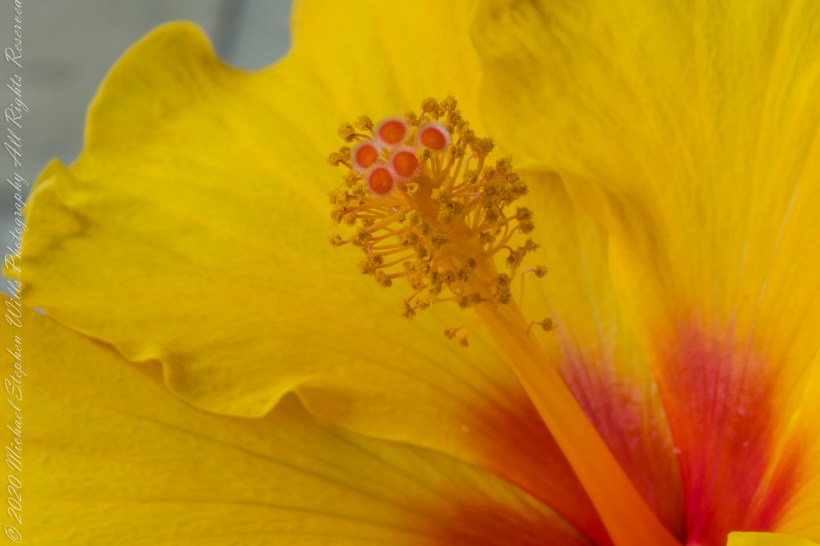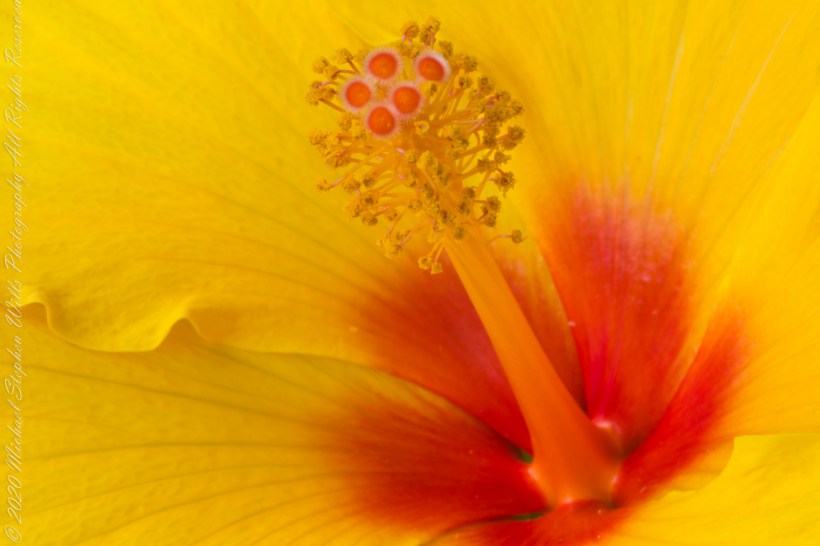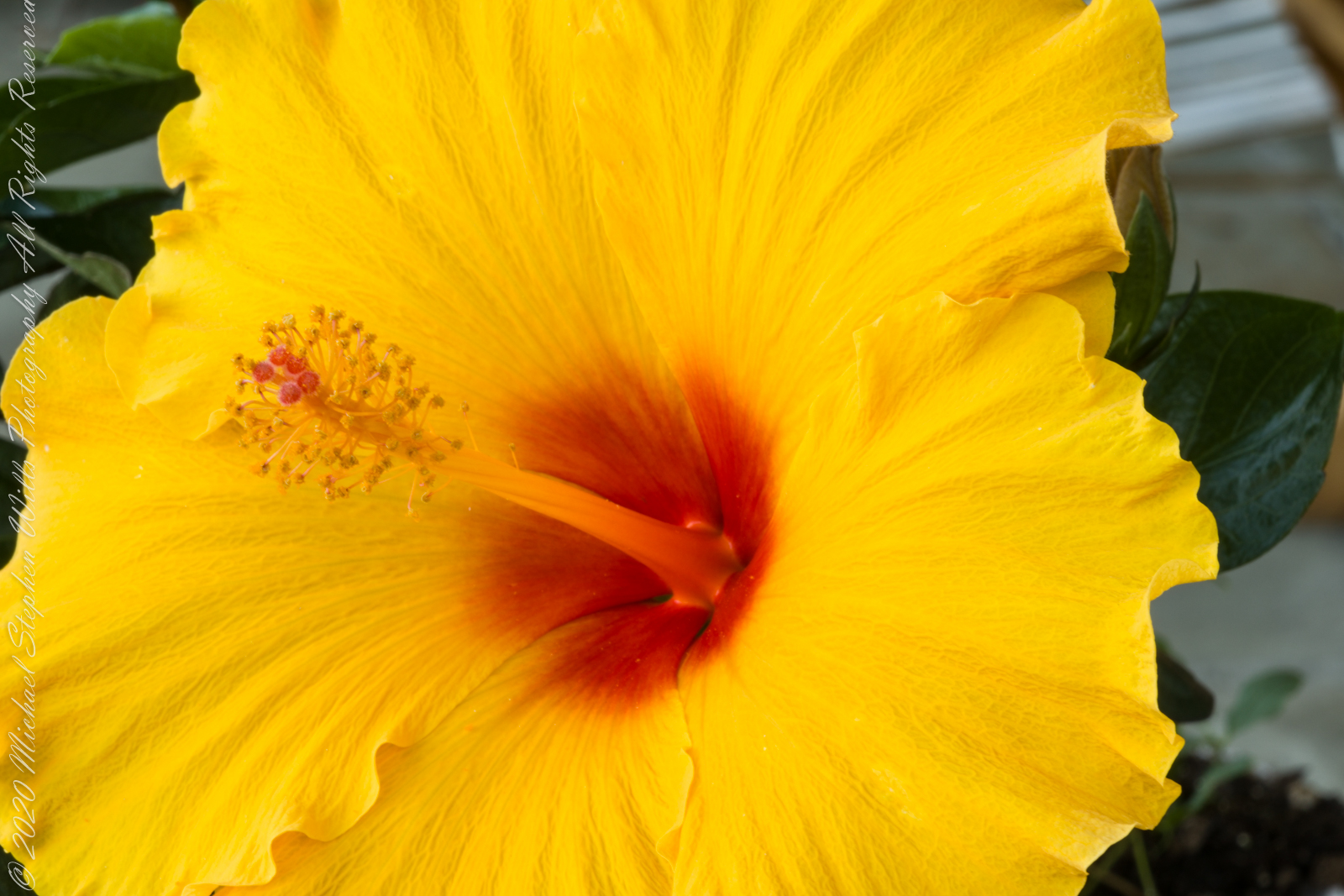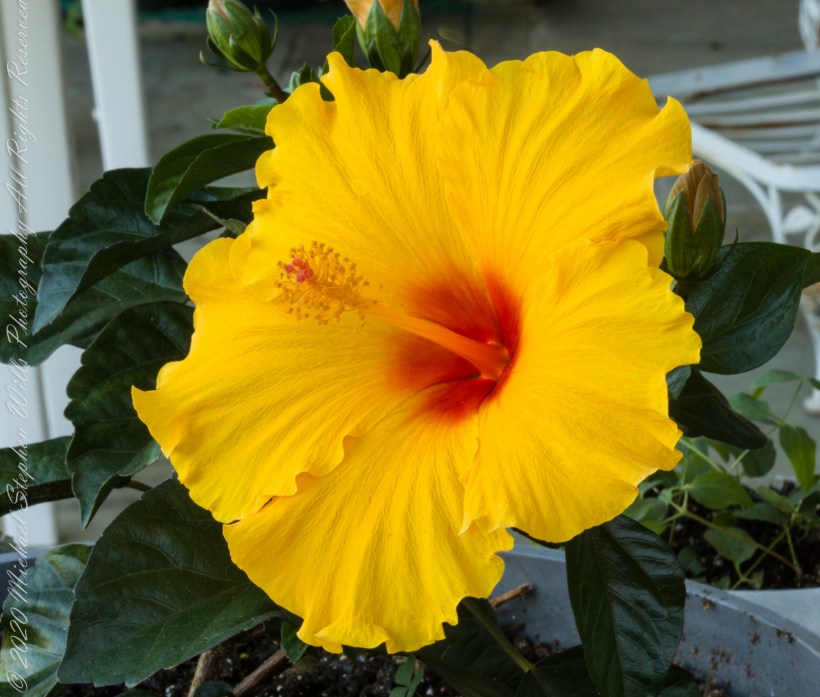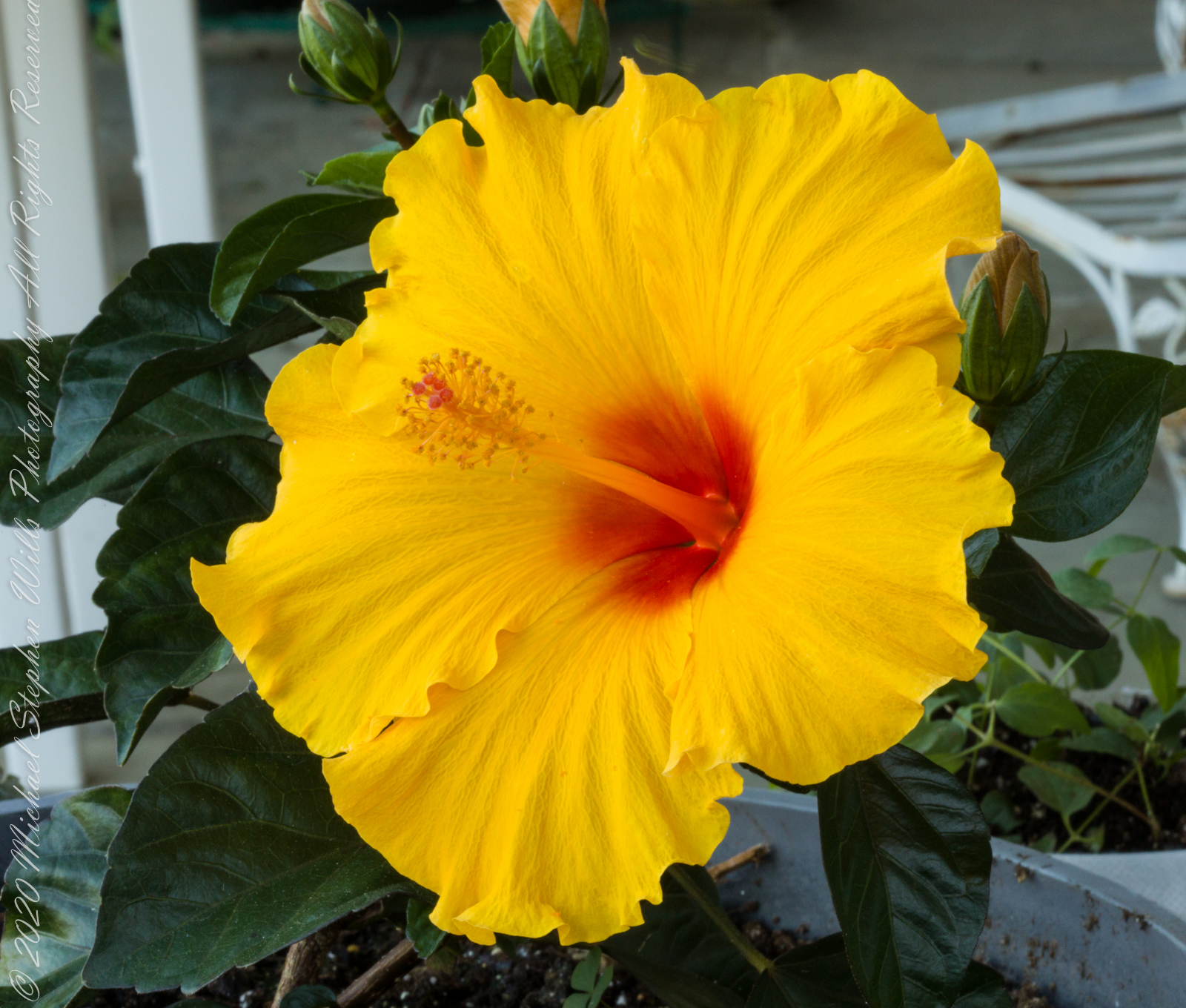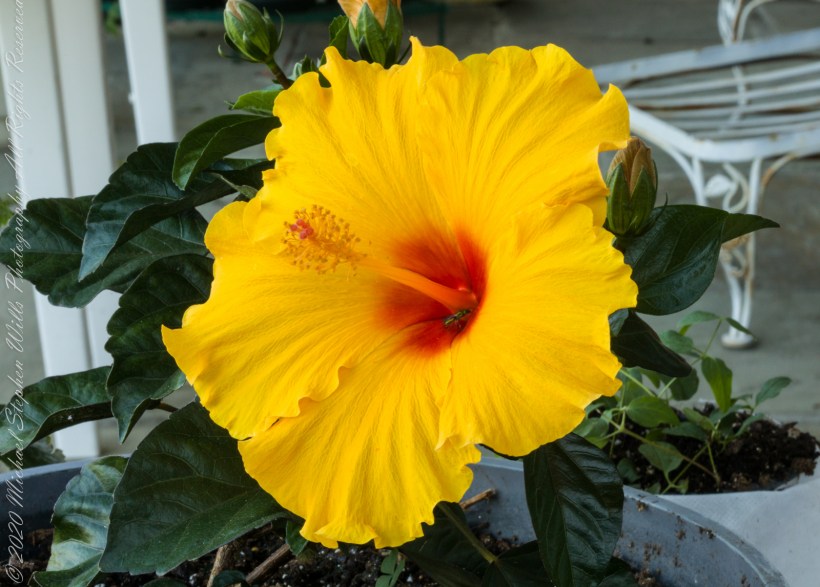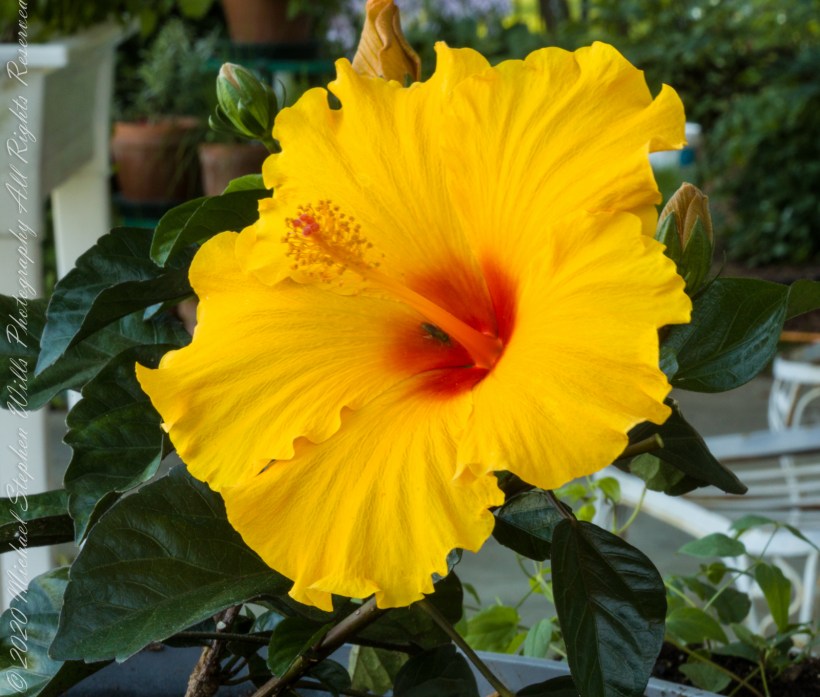
This is a perennial, commonly known simply as “hibiscus”, or less widely known as rose mallow. Other names include hardy hibiscus, rose of sharon, and tropical hibiscus.
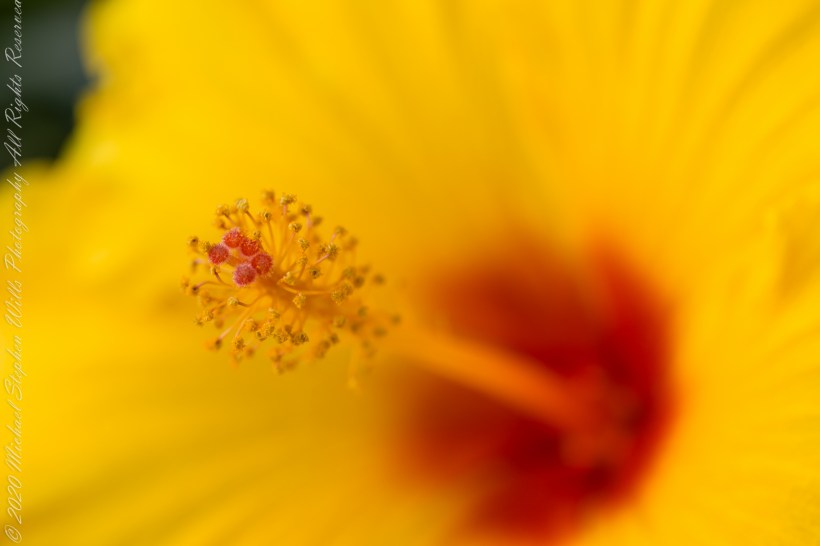
The hibiscus flower is traditionally worn by Tahitian and Hawaiian girls. If the flower is worn behind the left ear, the woman is married or has a boyfriend. If the flower is worn on the right, she is single or openly available for a relationship.
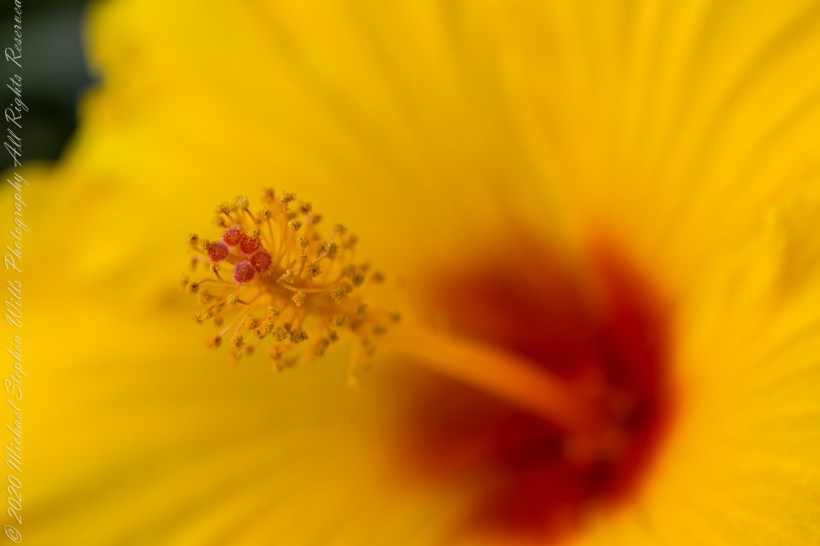
Click photograph for larger view in new tab. From WordPress Reader you need to open the post to use this feature.
ISO 800, 1//8 sec at f / 32
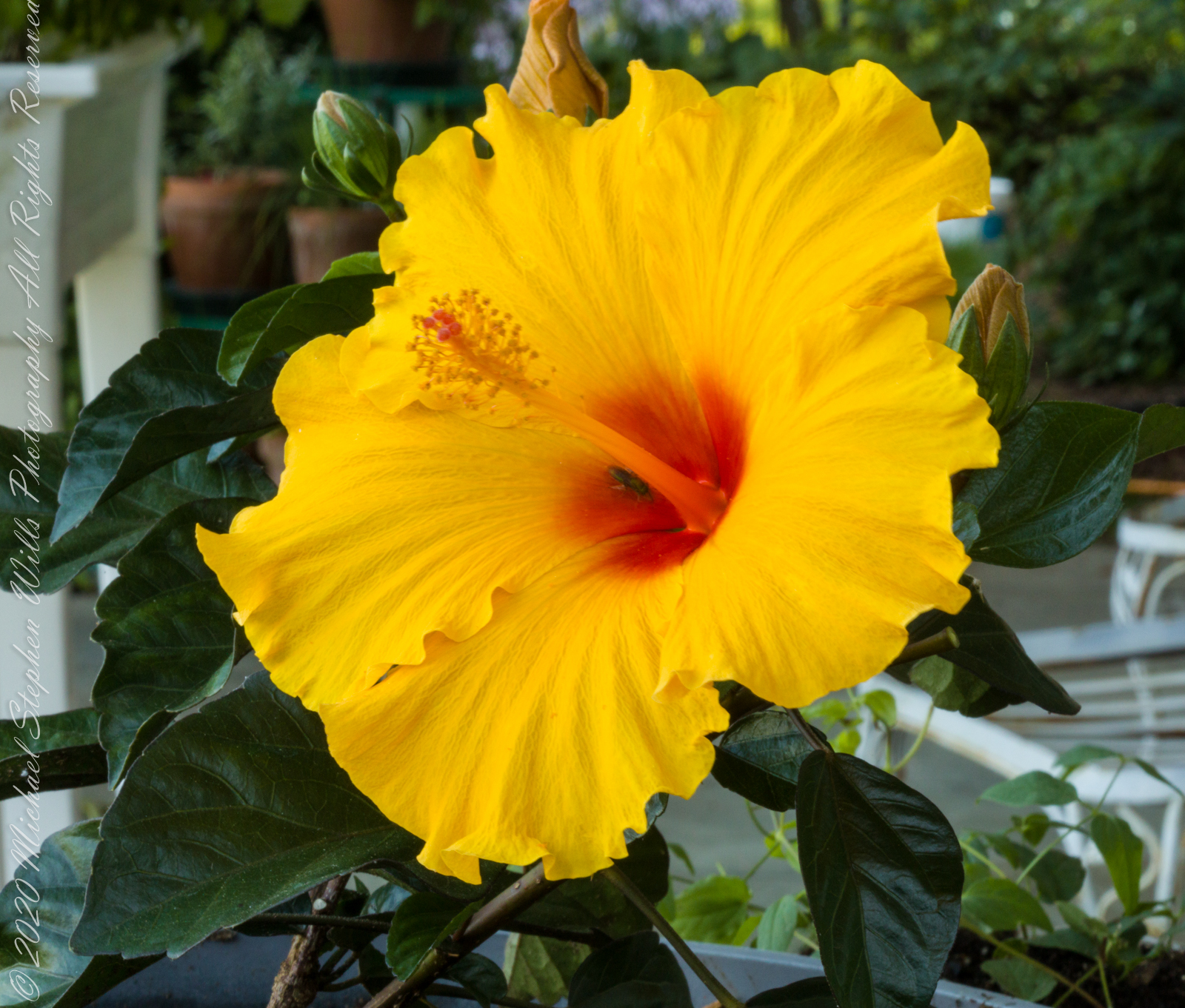
Here are the three photographs of this bloom, all from the Canon 100 “macro” lens. Two with “sweat bees” and one without.
ISO 800, 1//8 sec at f / 32
References
Wikipedia – “hibiscus.”
Copyright 2021 Michael Stephen Wills All Rights Reserved
Yellow hibiscus, the state flower of Hawaii was recorded in ancient Greece. In the photograph is captured several unopened buds, behind the flower, and a bee in the flower throat, attracted by nectar there. It is a small bee, of the Halictidae family, that lives alone in a ground nest and also called a “sweat bee,” from being attracted to perspiration.
Click photograph for larger view in new tab. From WordPress Reader you need to open the post to use this feature.
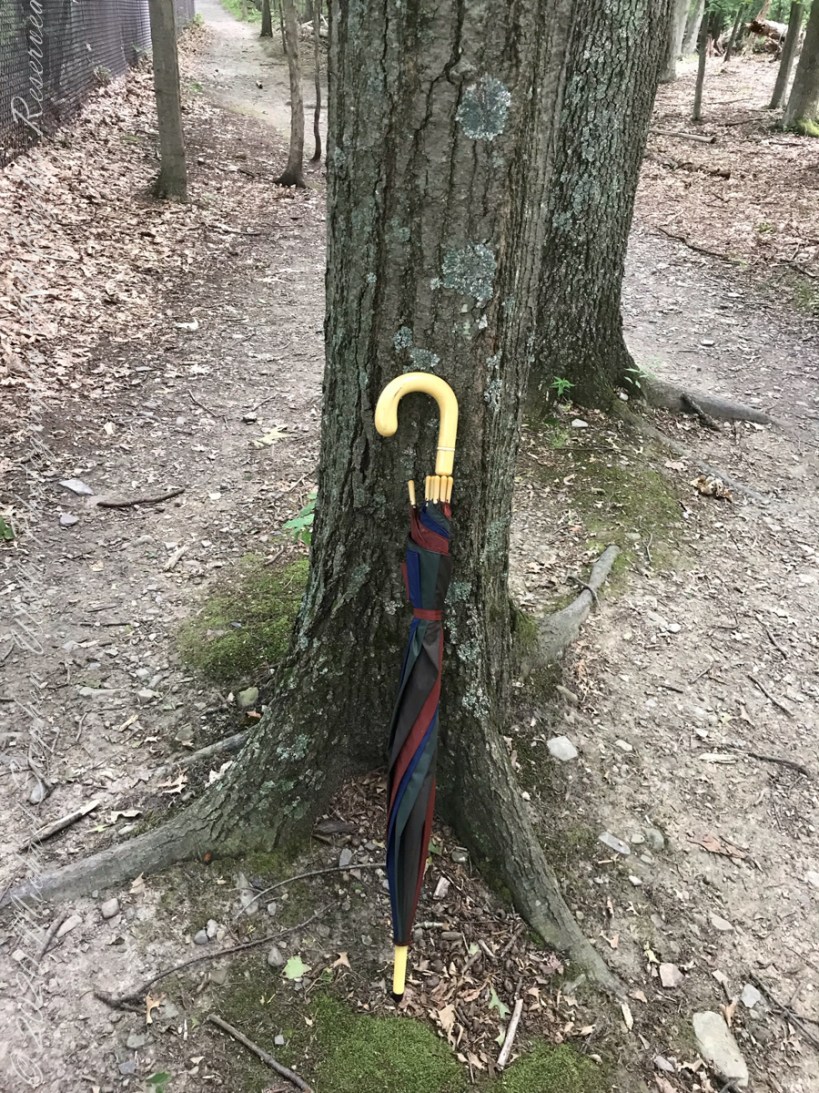
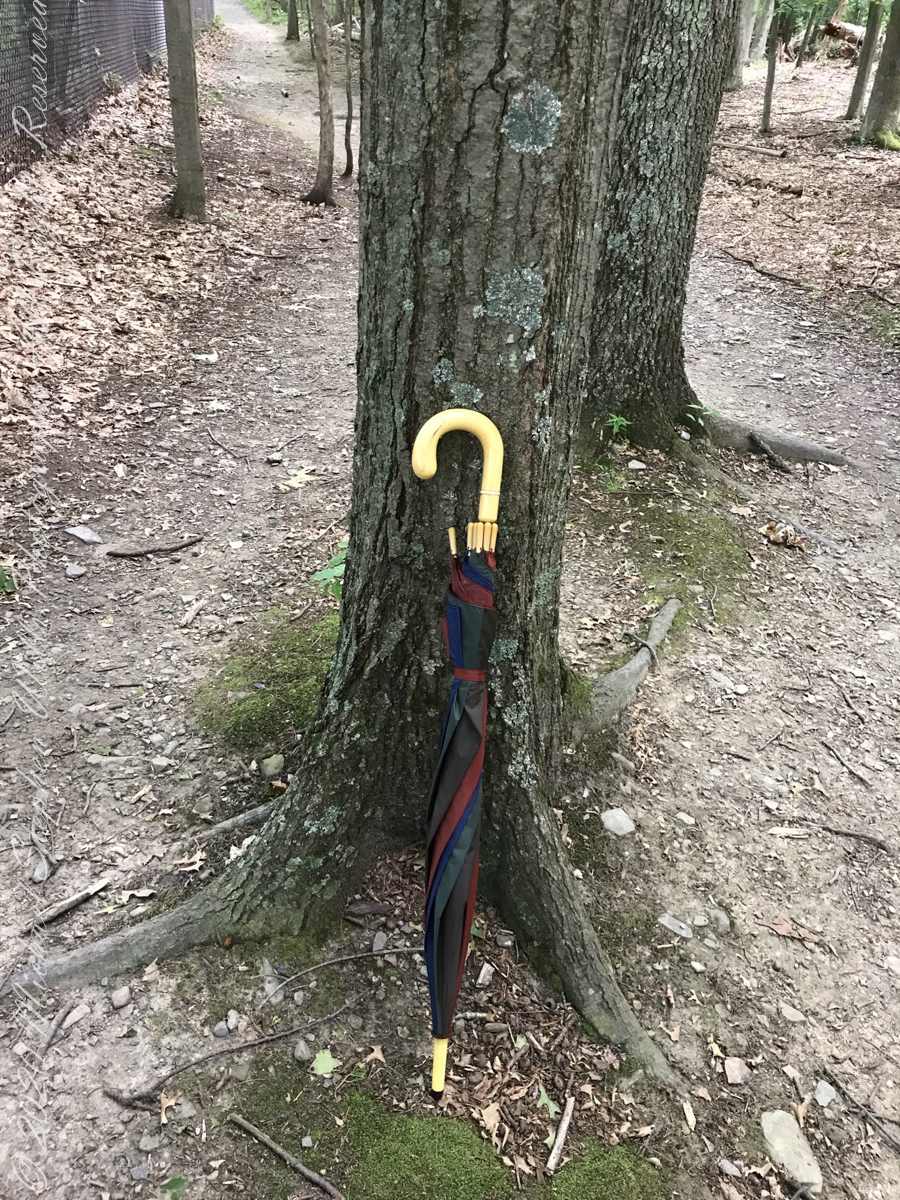
Constant winds from thunderstorm updrafts, I brought along an umbrella just in case.
Click photograph for slide show. To do this from WordPress Reader, you need to first click the title of this post to open a new page.
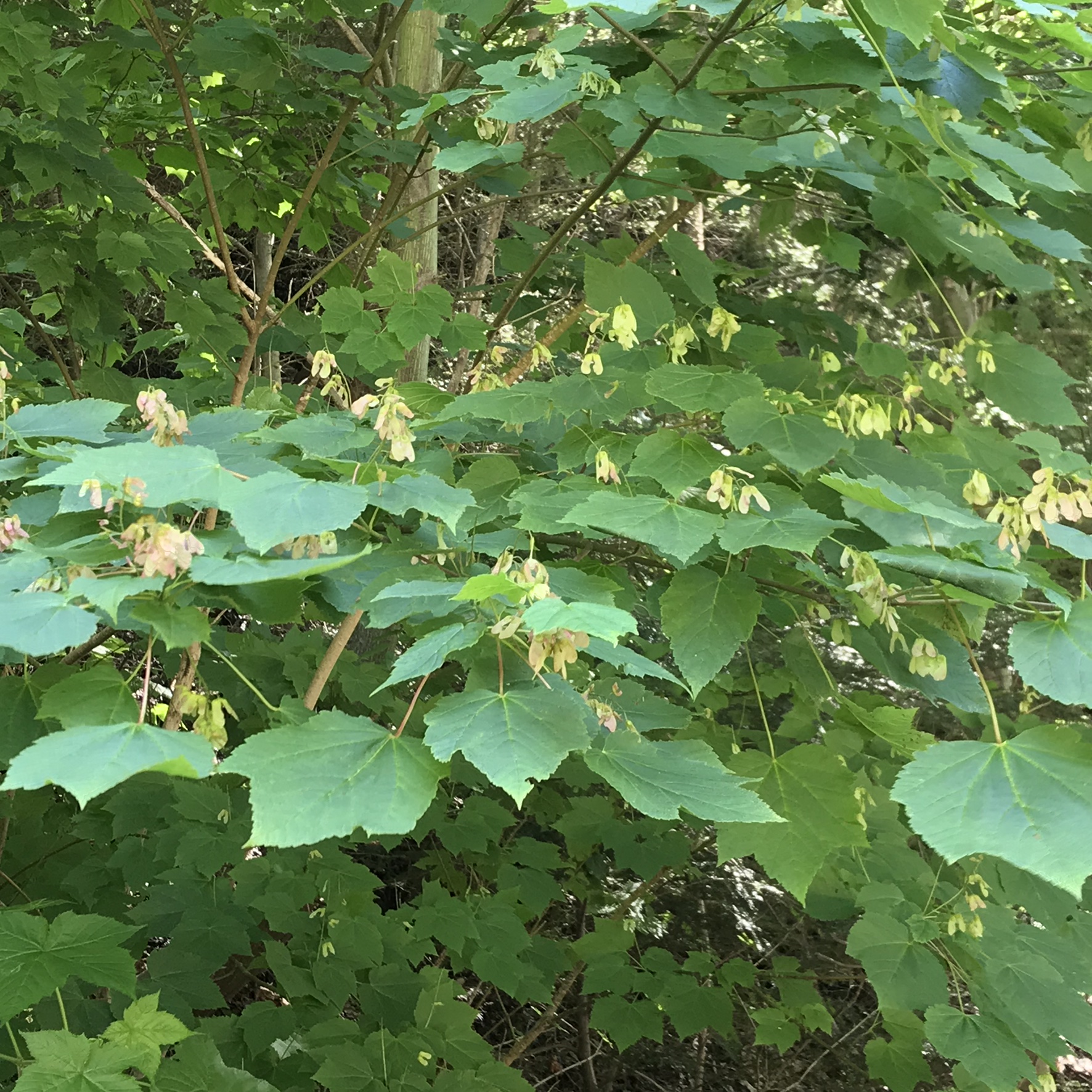
Maple Tree
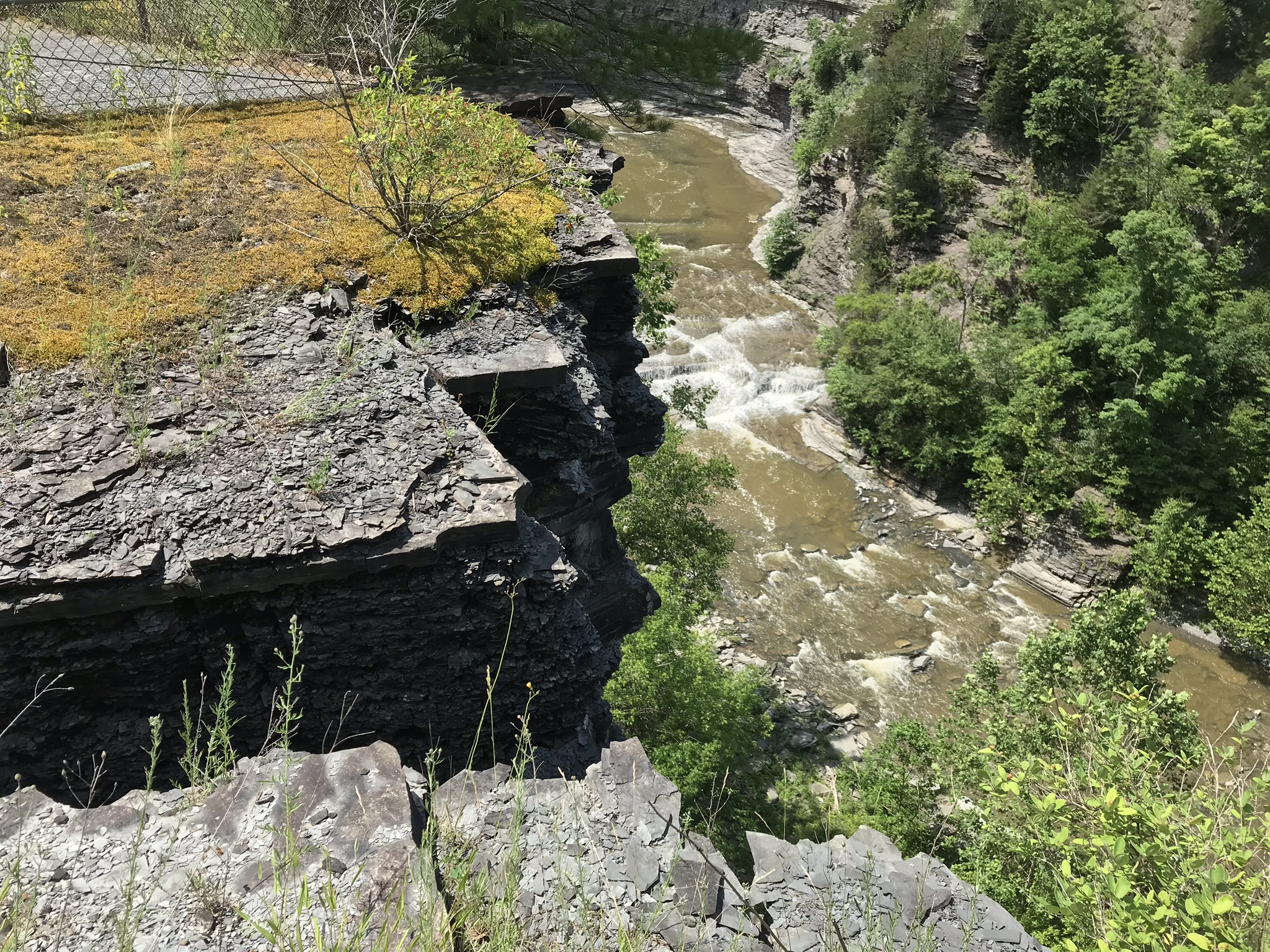
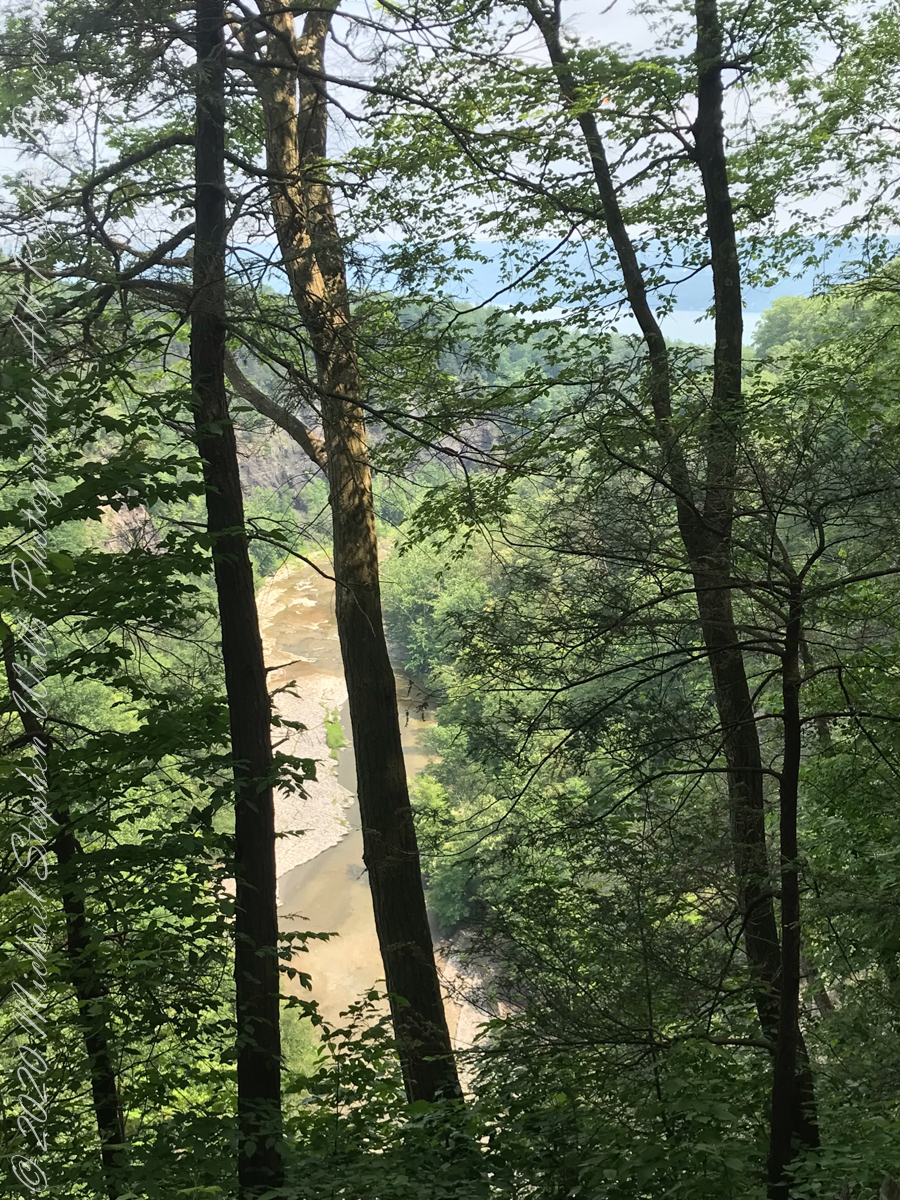
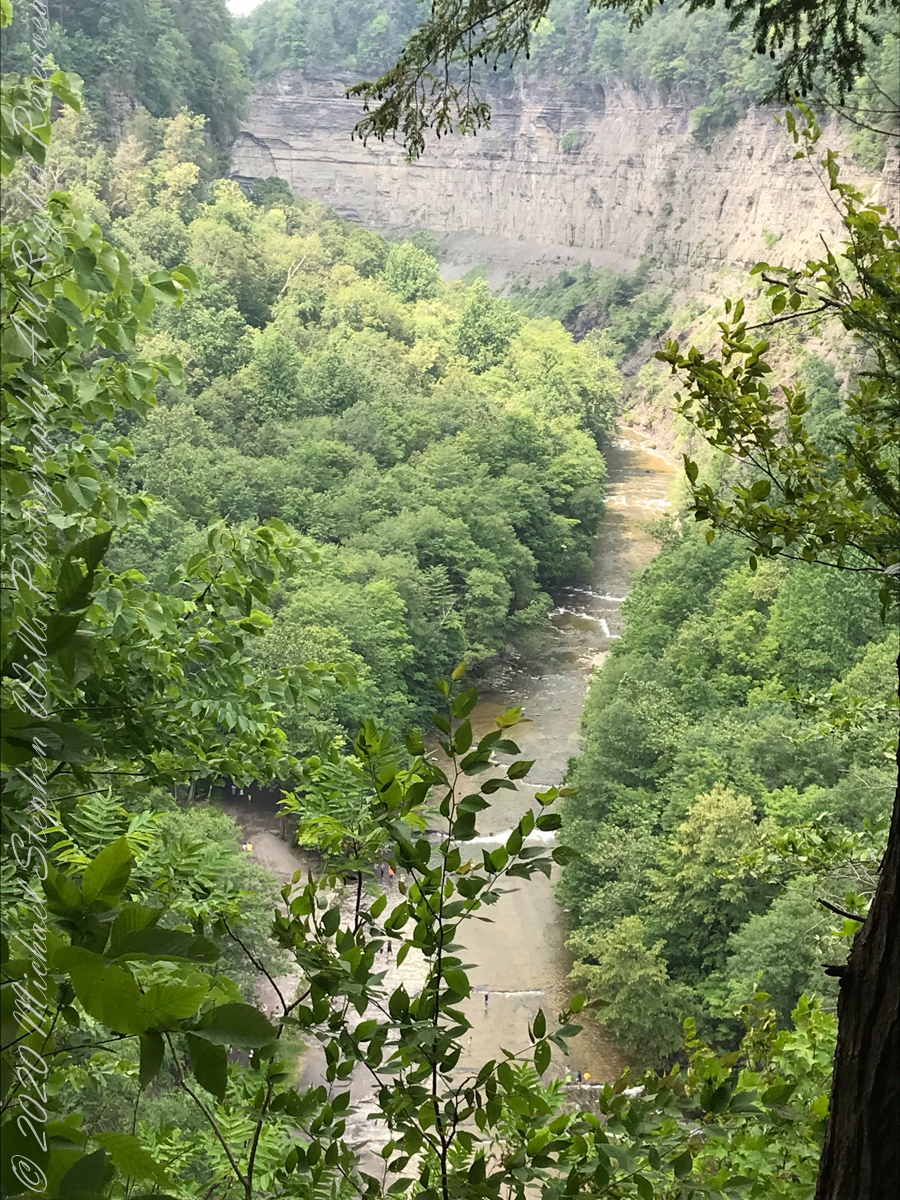
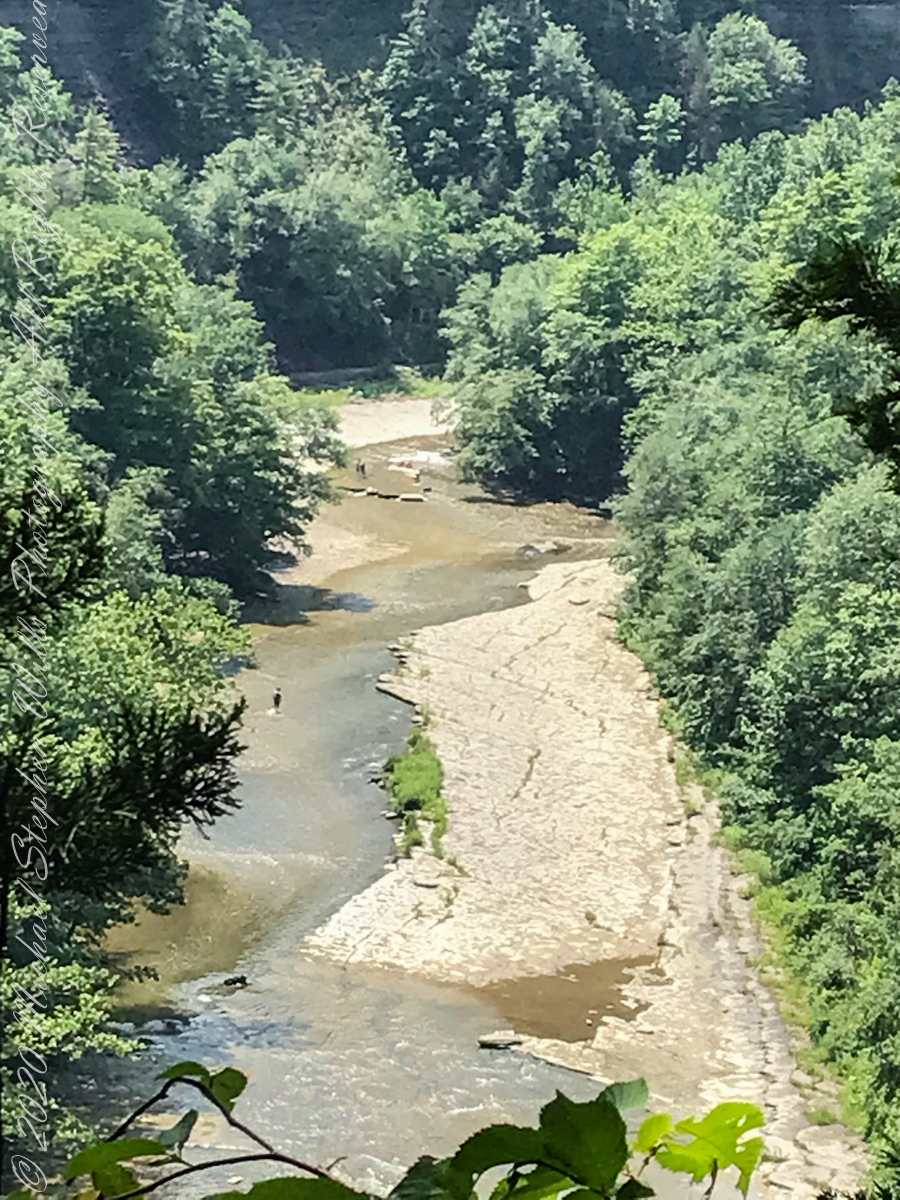
View from the South Rim Trail. The water flowing from Taughannock Falls to Cayuga Lake.
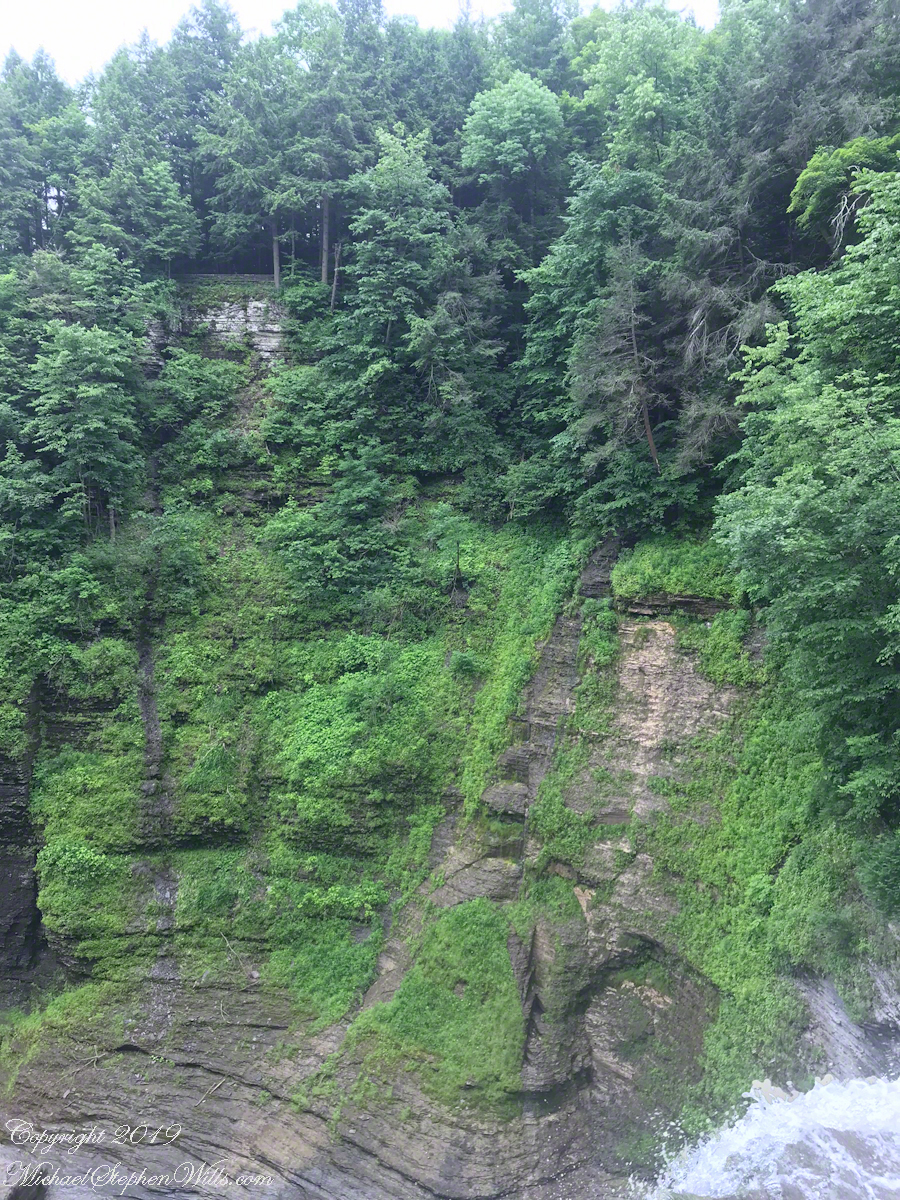
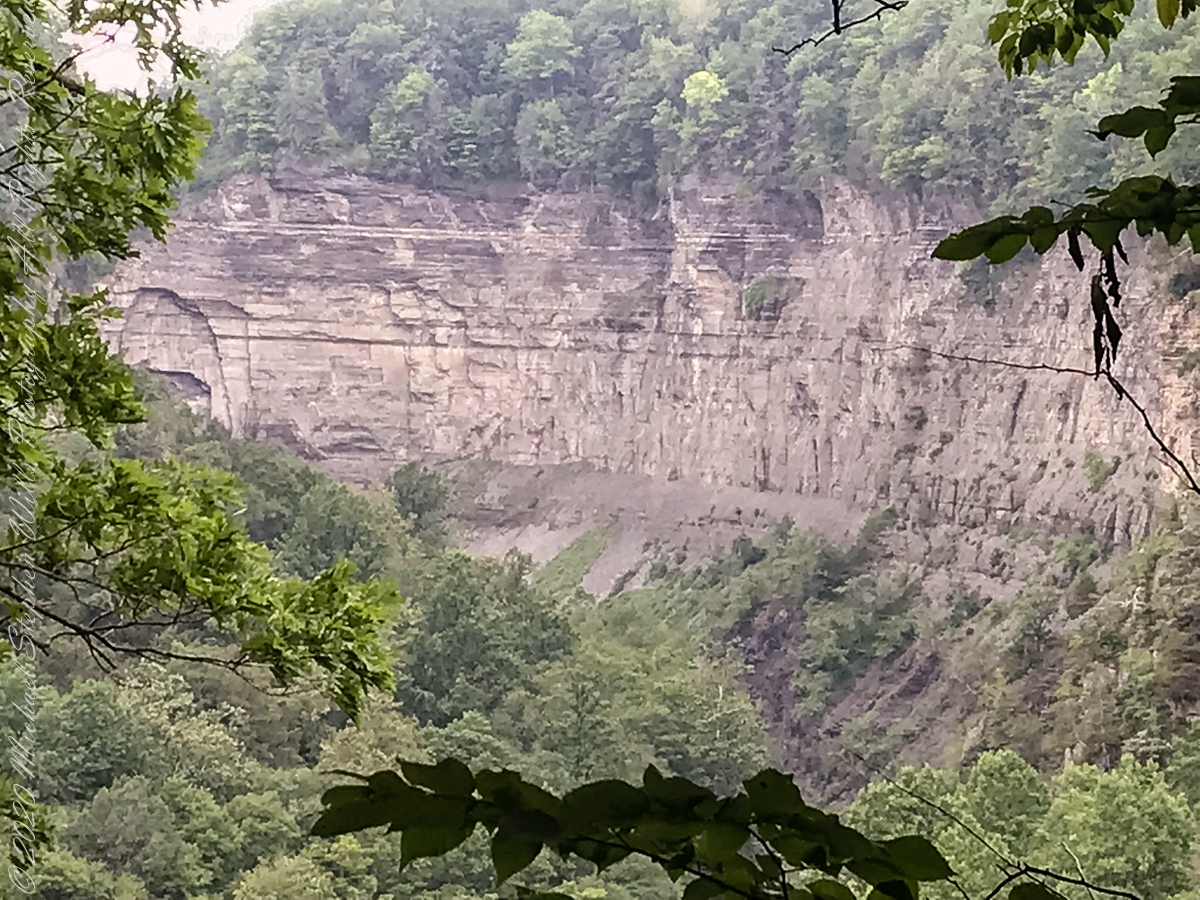
The steep, high gorge walls below the falls on a humid July morning.
gorge walls
My umbrella
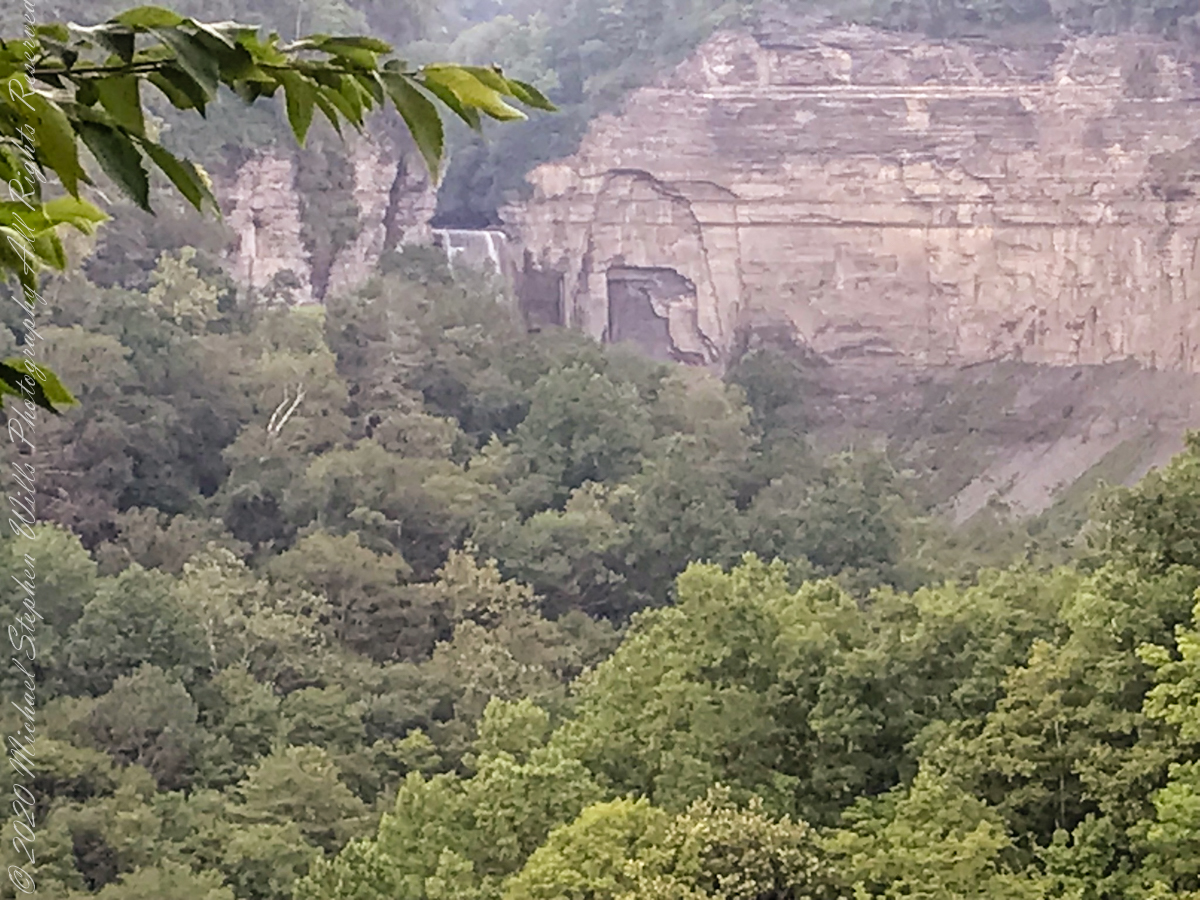
Taughannock falls in distance
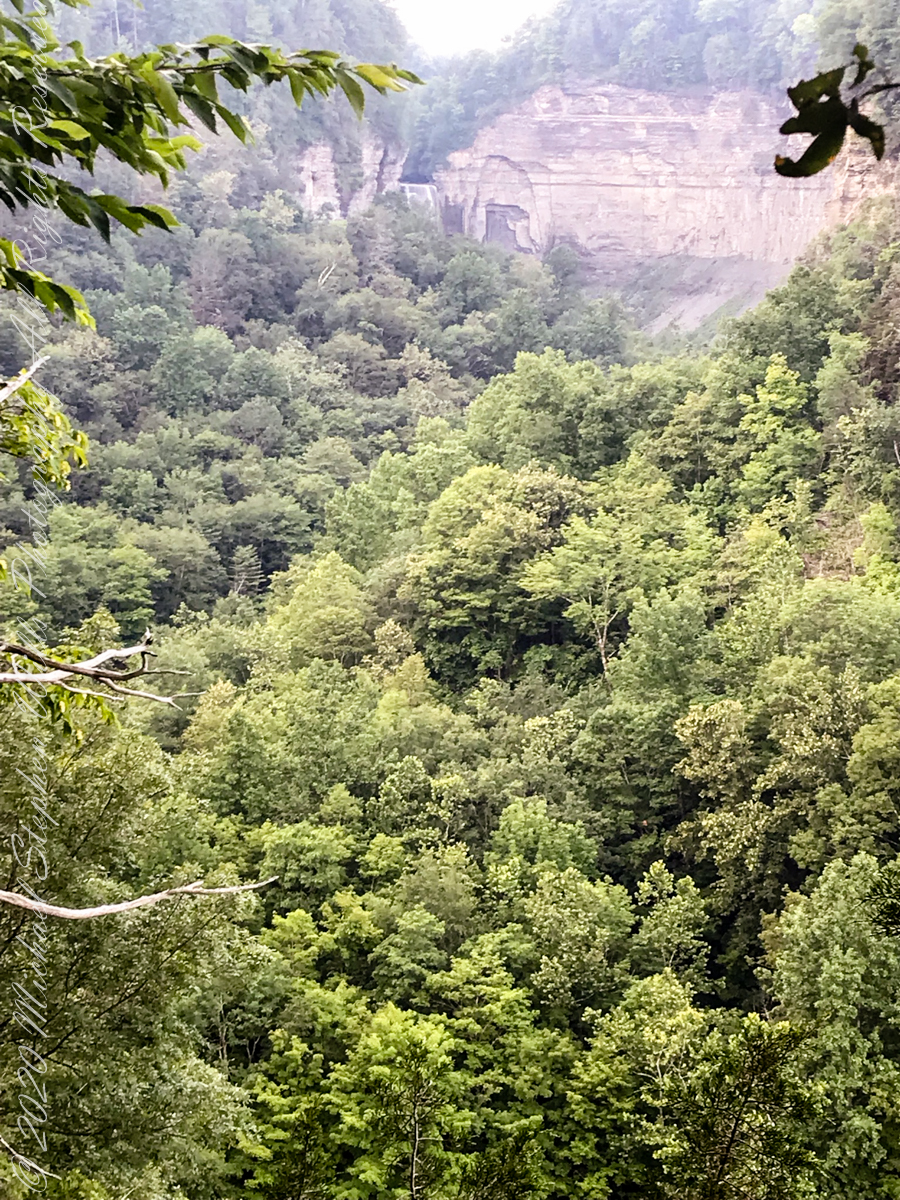
Taughannock Falls in distance
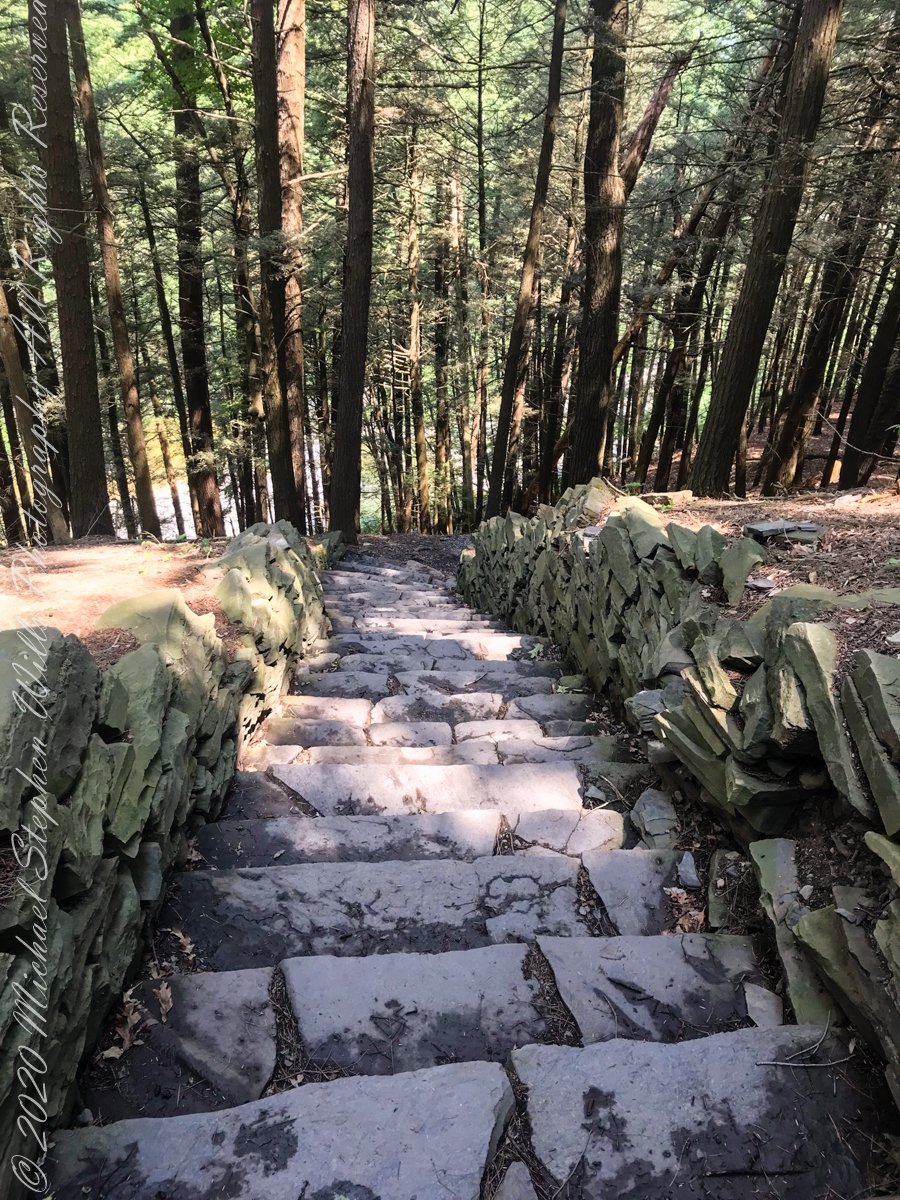
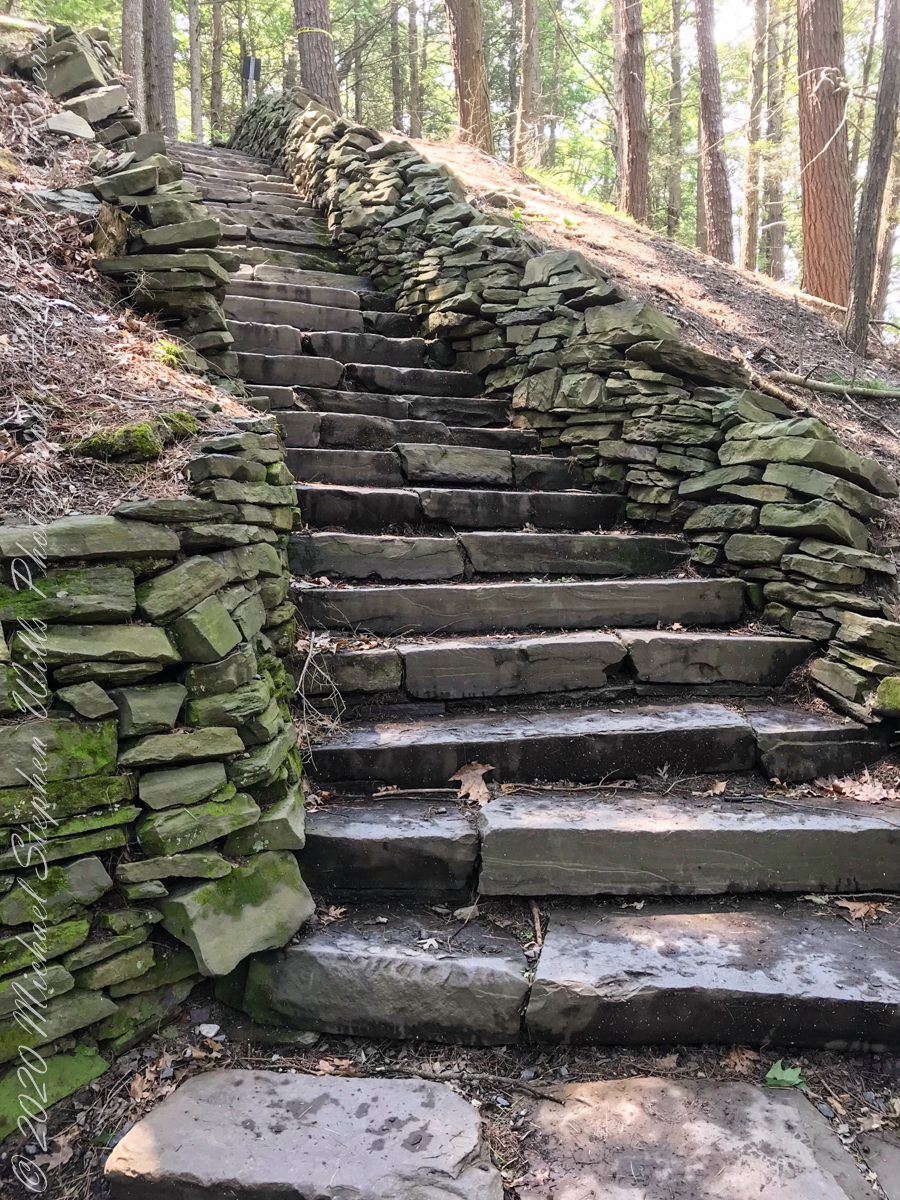
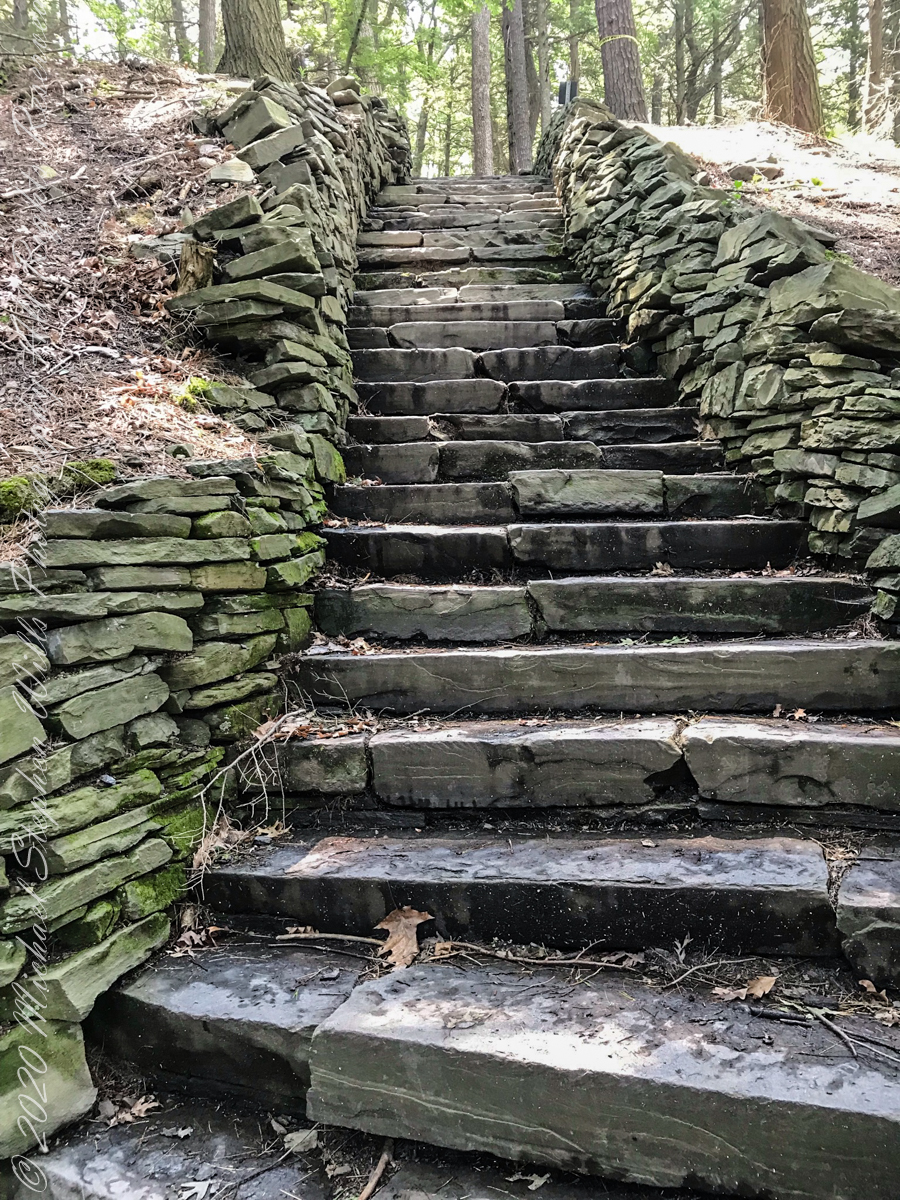
South Rim Stairs built by the Civilian Conservation Corps in the 1930’s
Pine Forest at foot of stairs
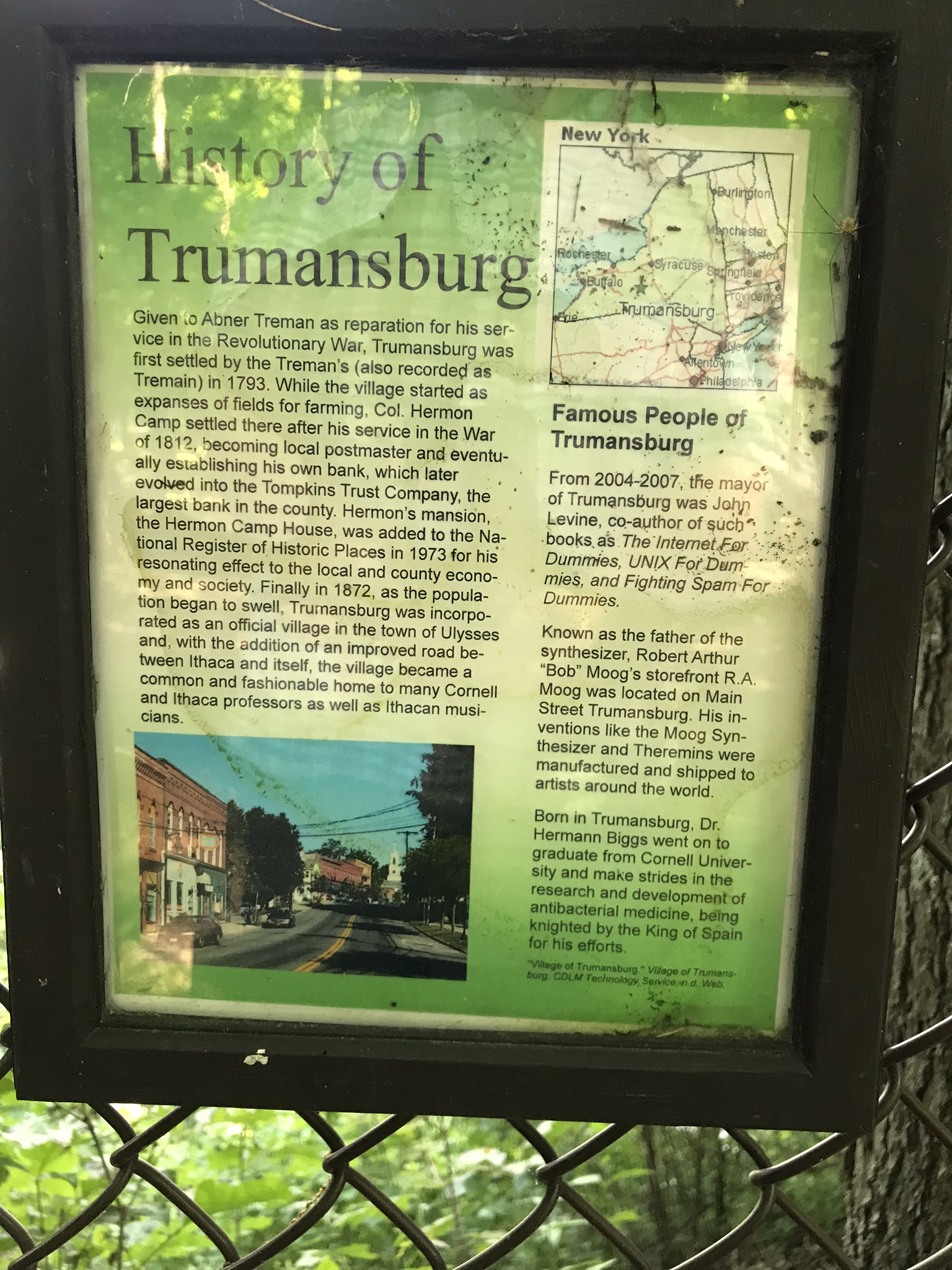
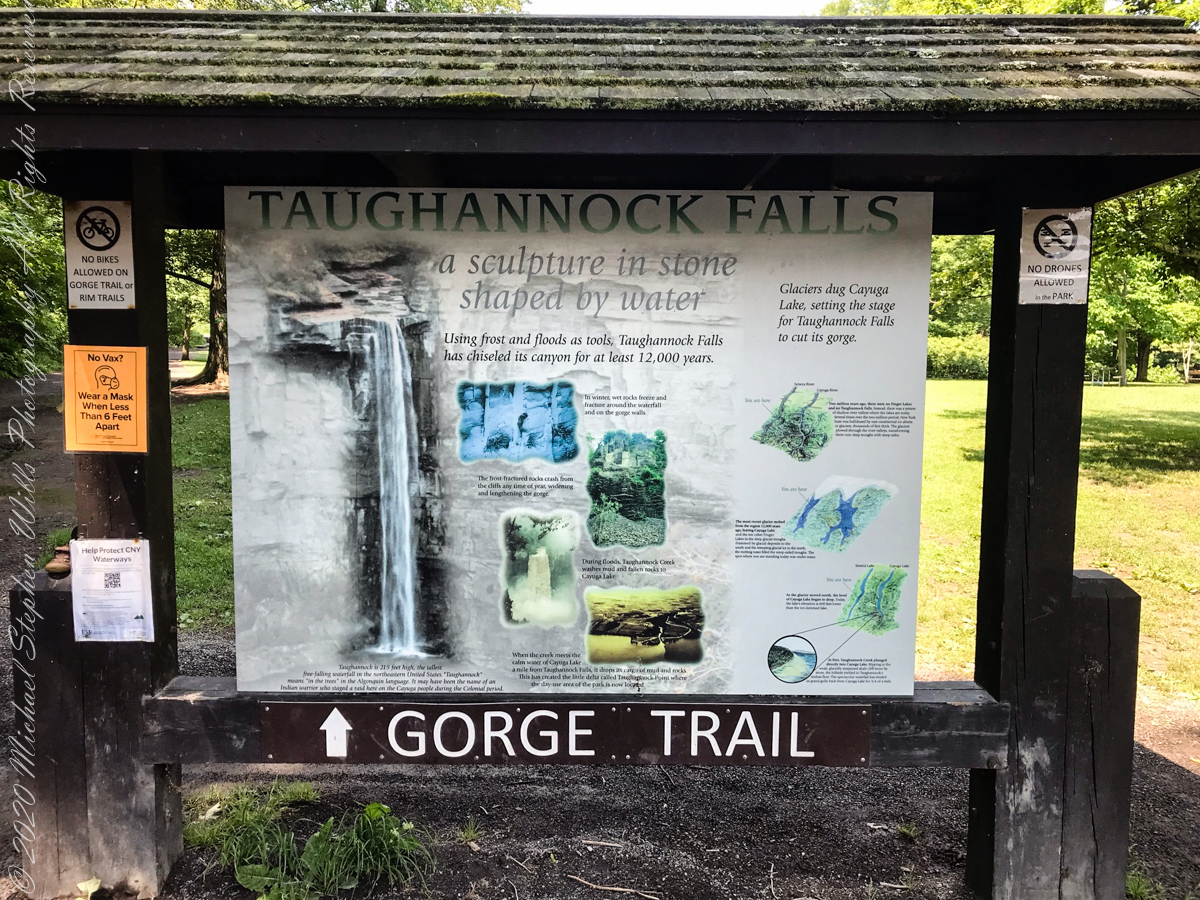
An interesting presentation at the Gorge entrance
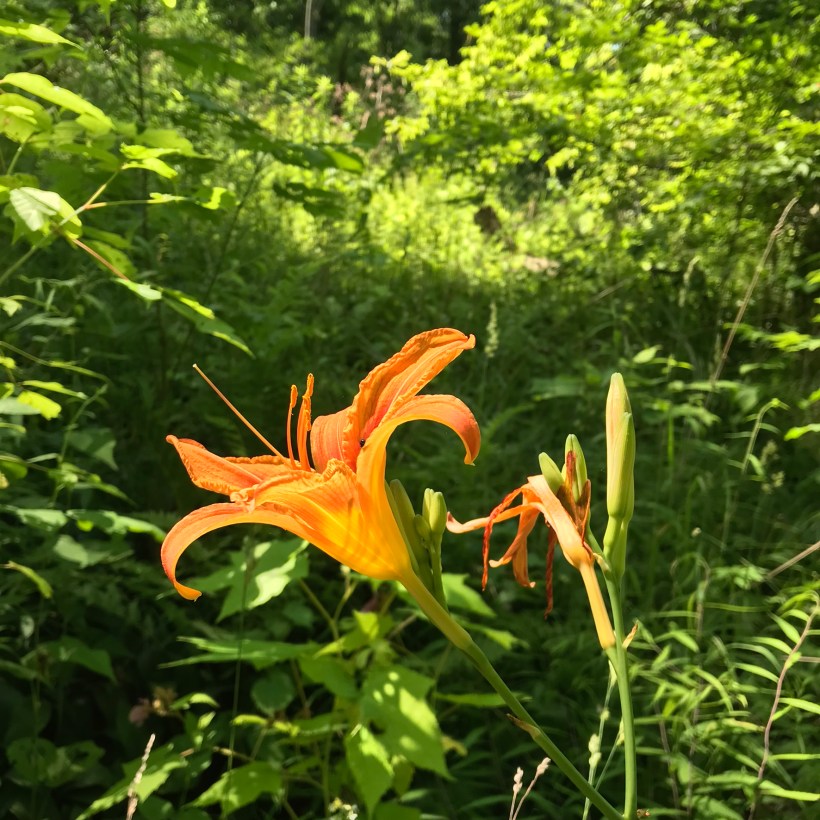
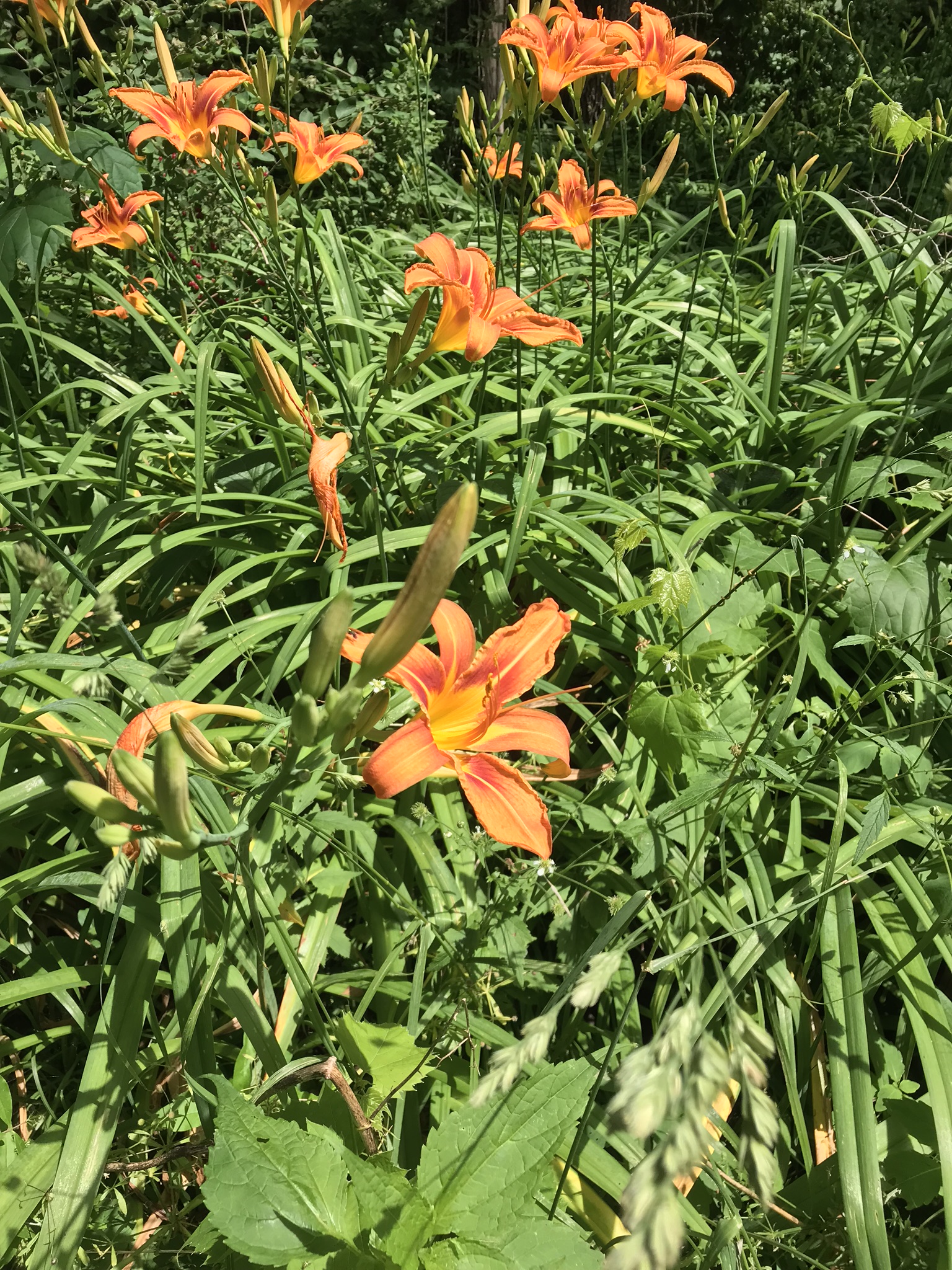
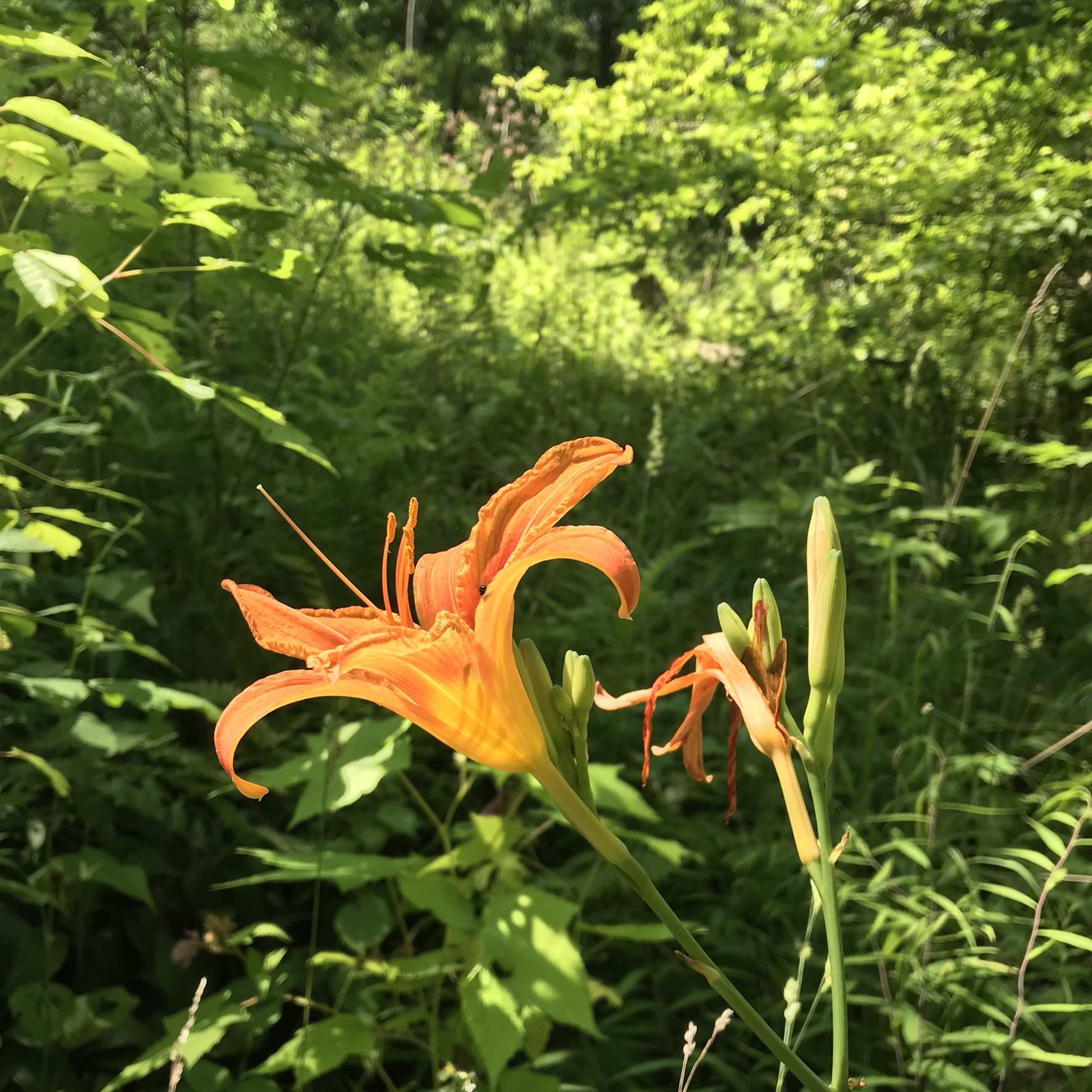
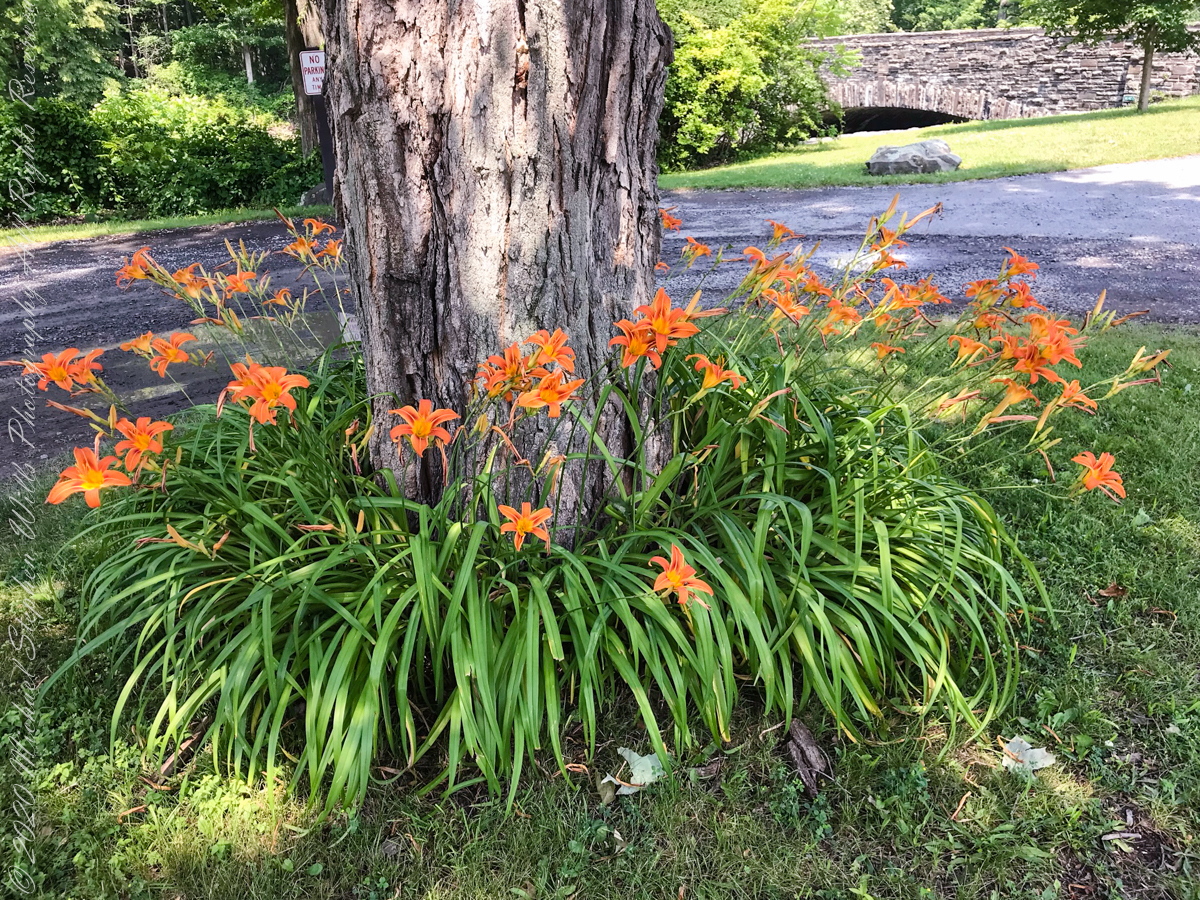
Tiger Lilies
brown creek water meets Cayuga Lake (900 feet deep)
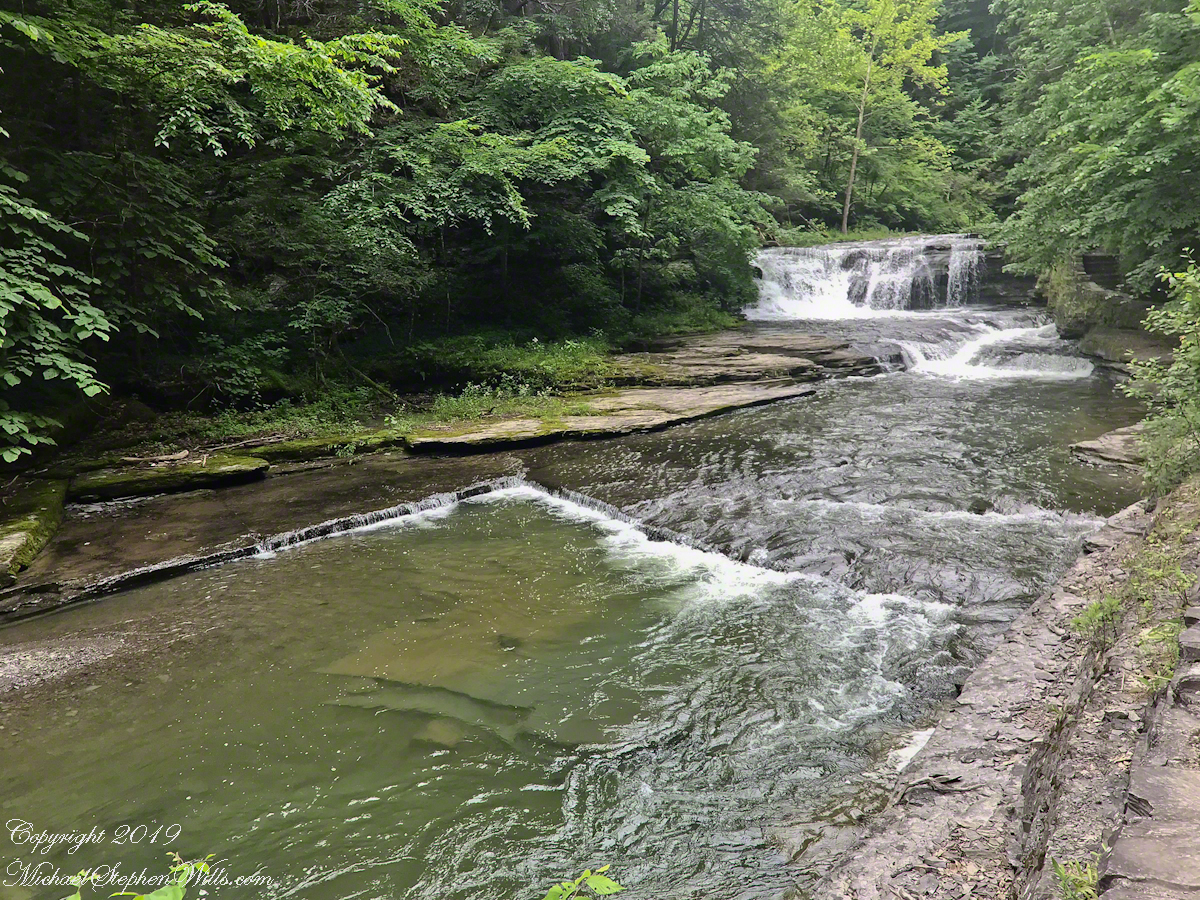
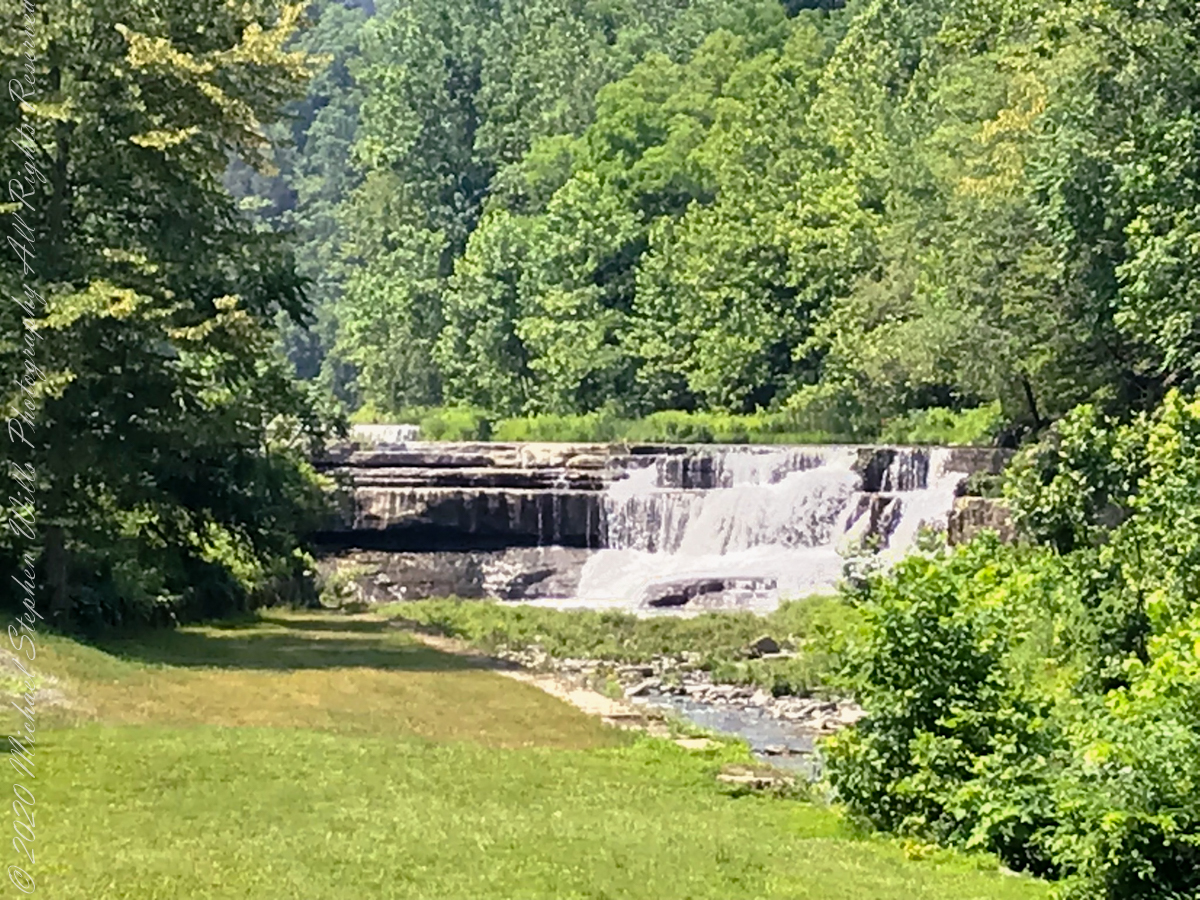
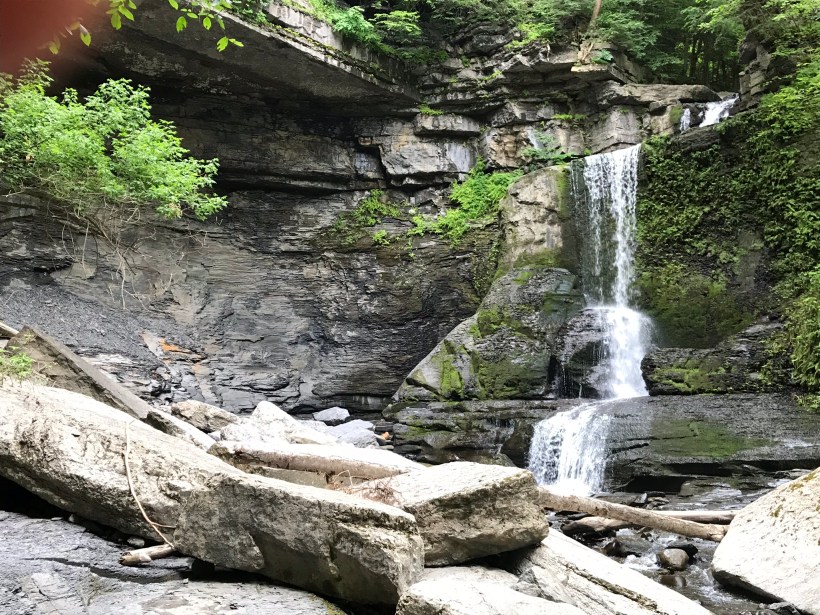
Last waterfall of Taughannock Gorge
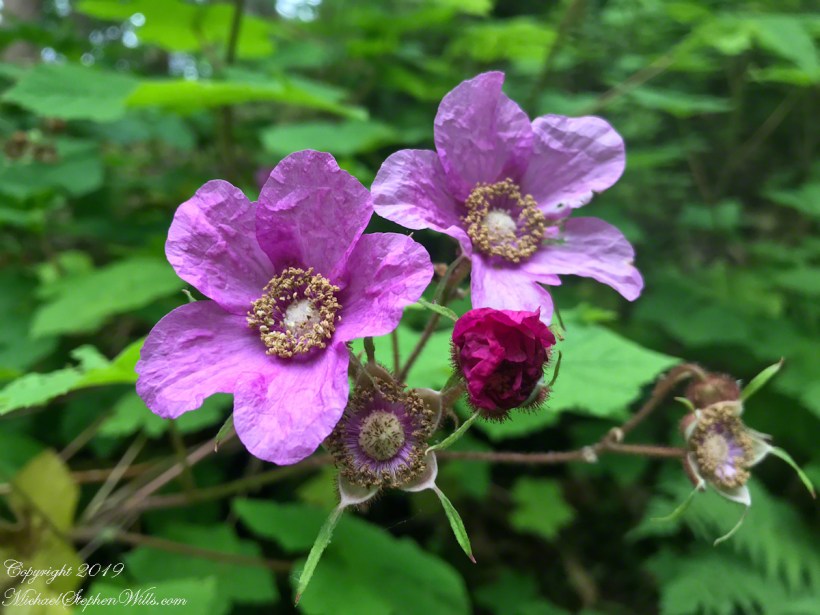
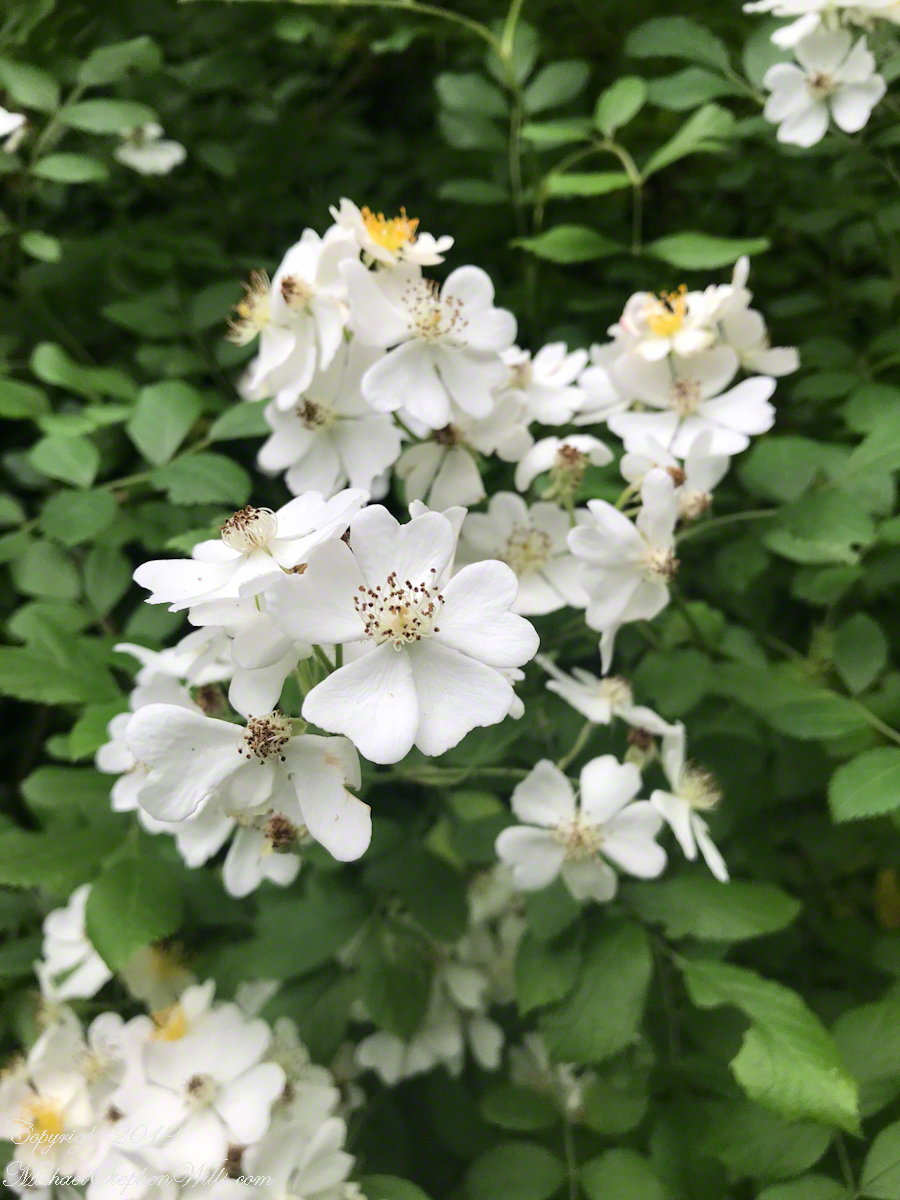
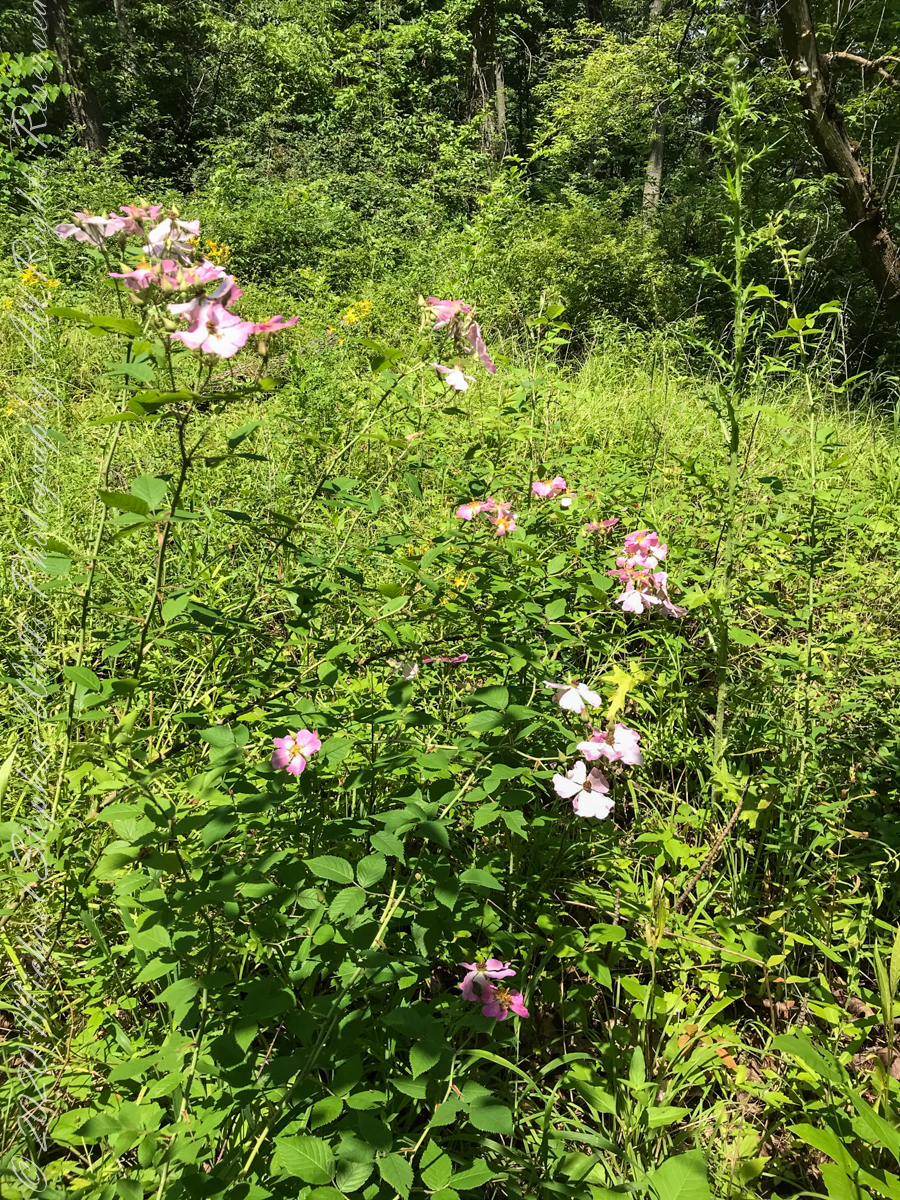
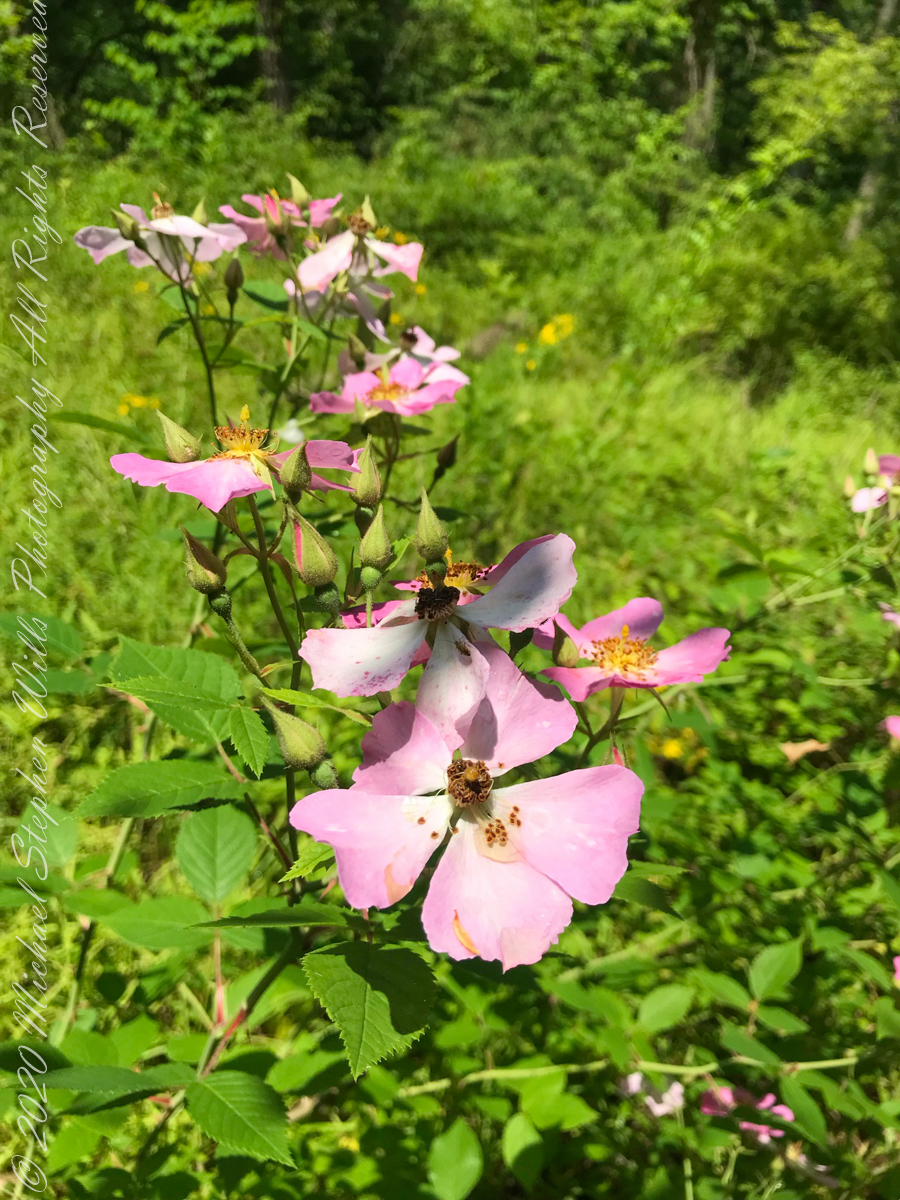
wild roses
Wild rose blooms
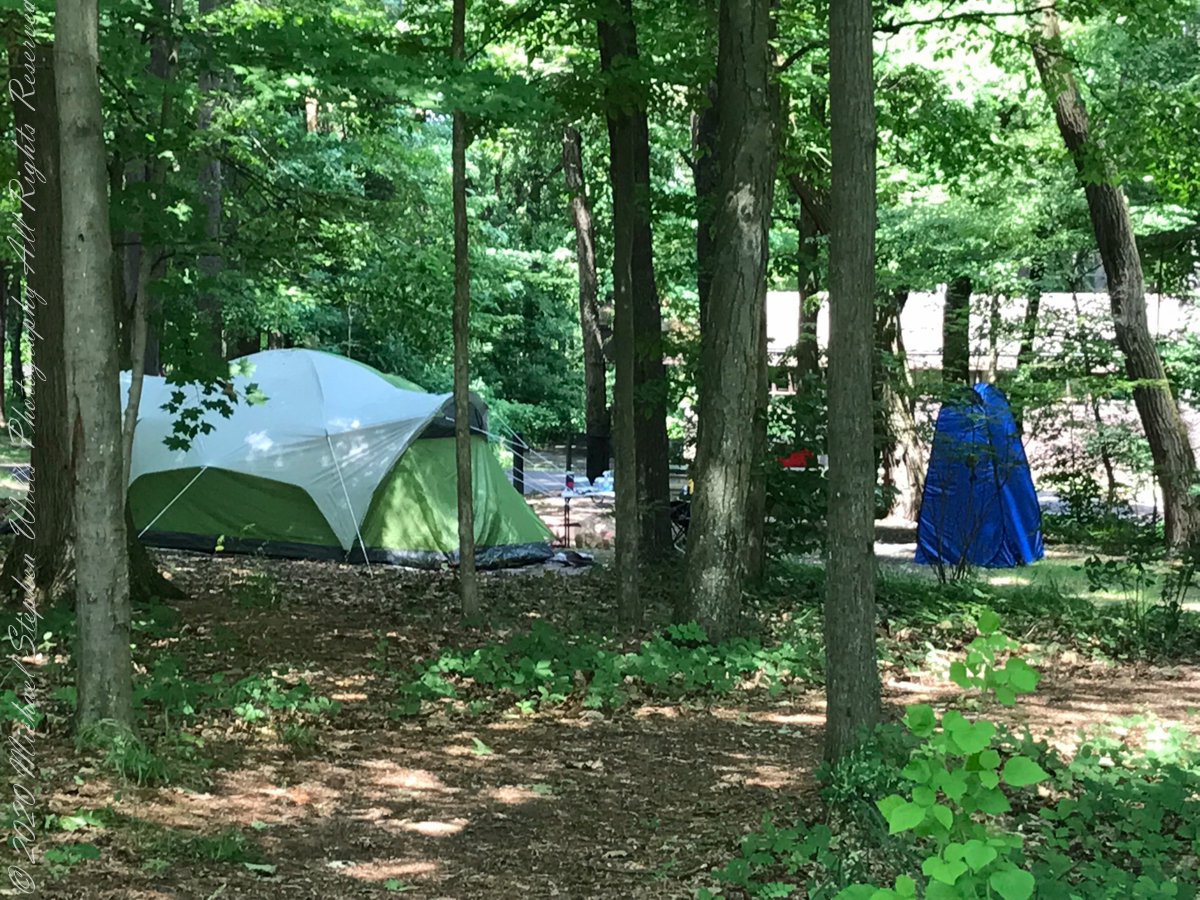
camping on North Rim
North Rim Gorge view
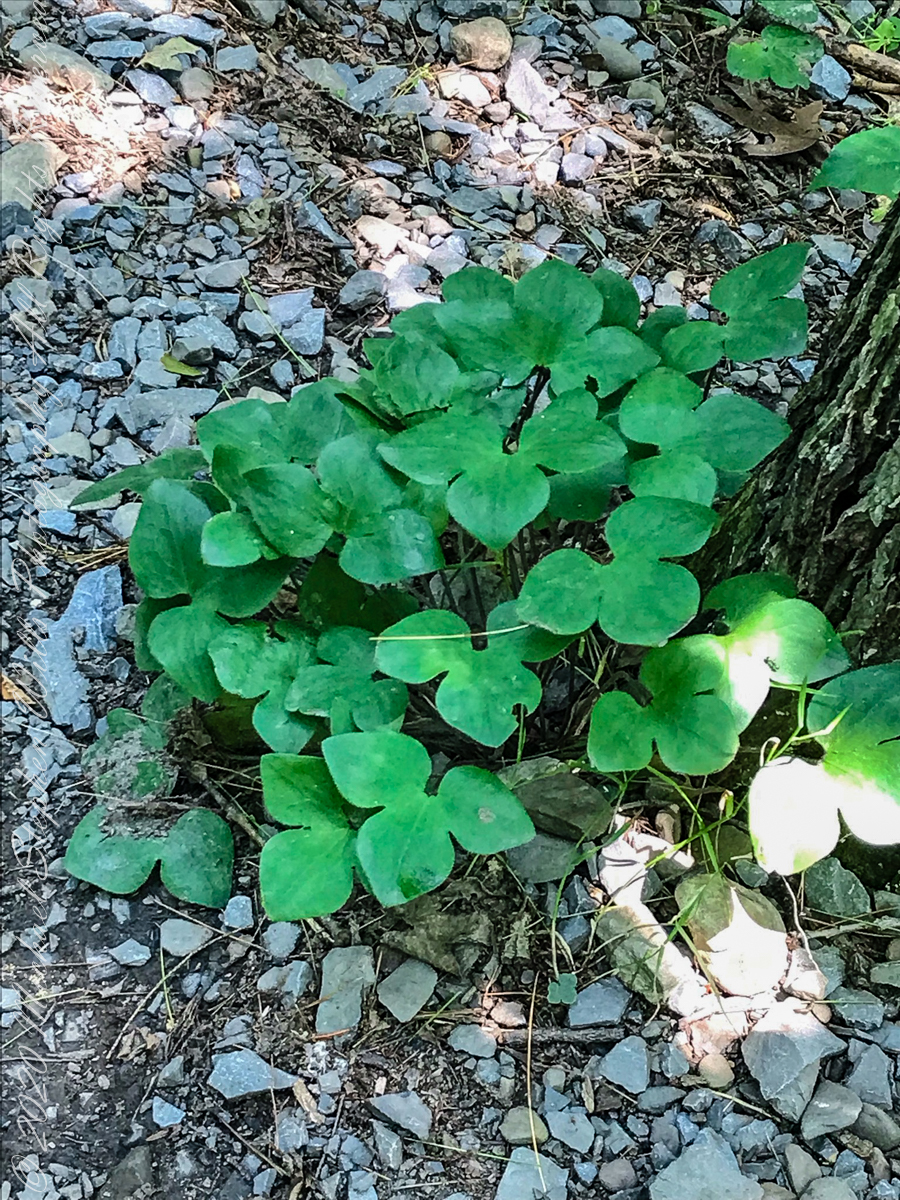
Lobe leaved Hepatica
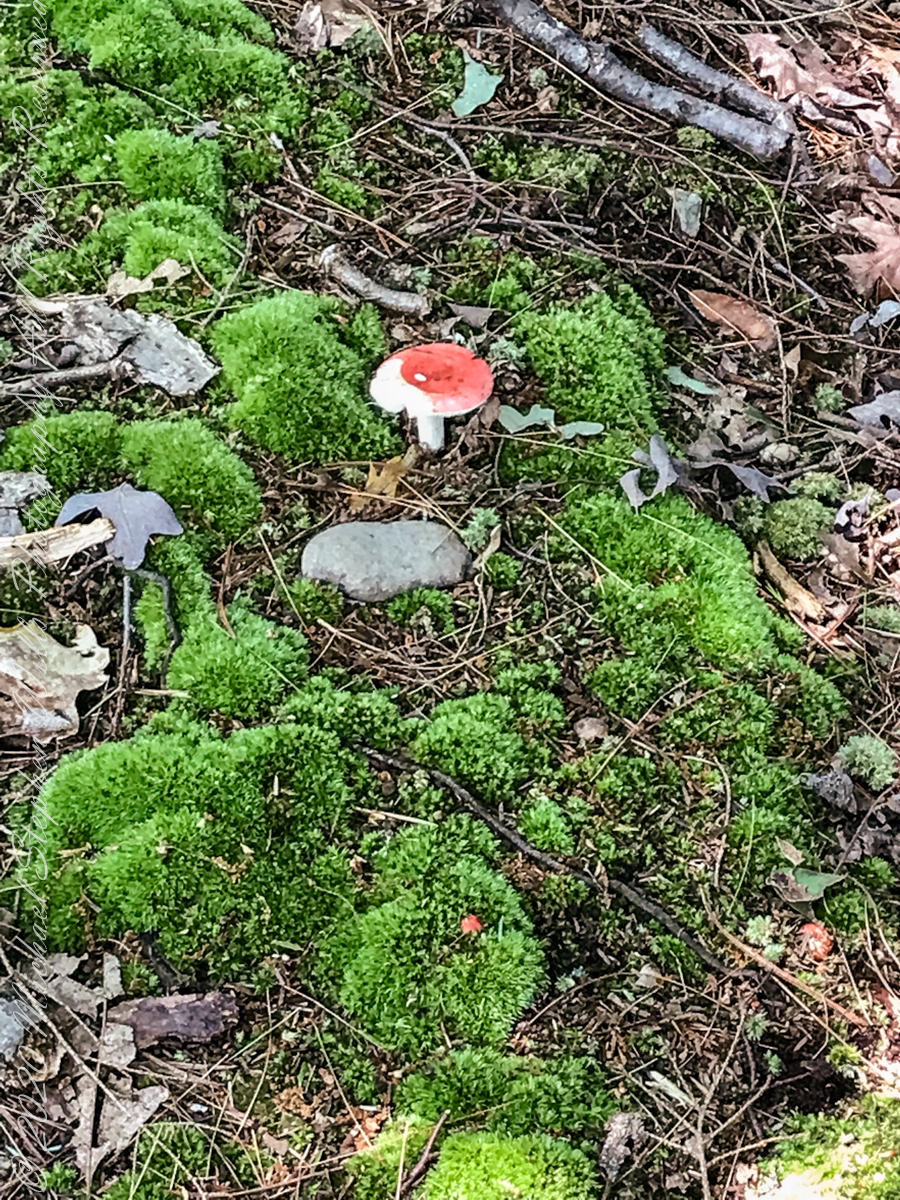
Mushroom and Moss on the “wetter” north rim
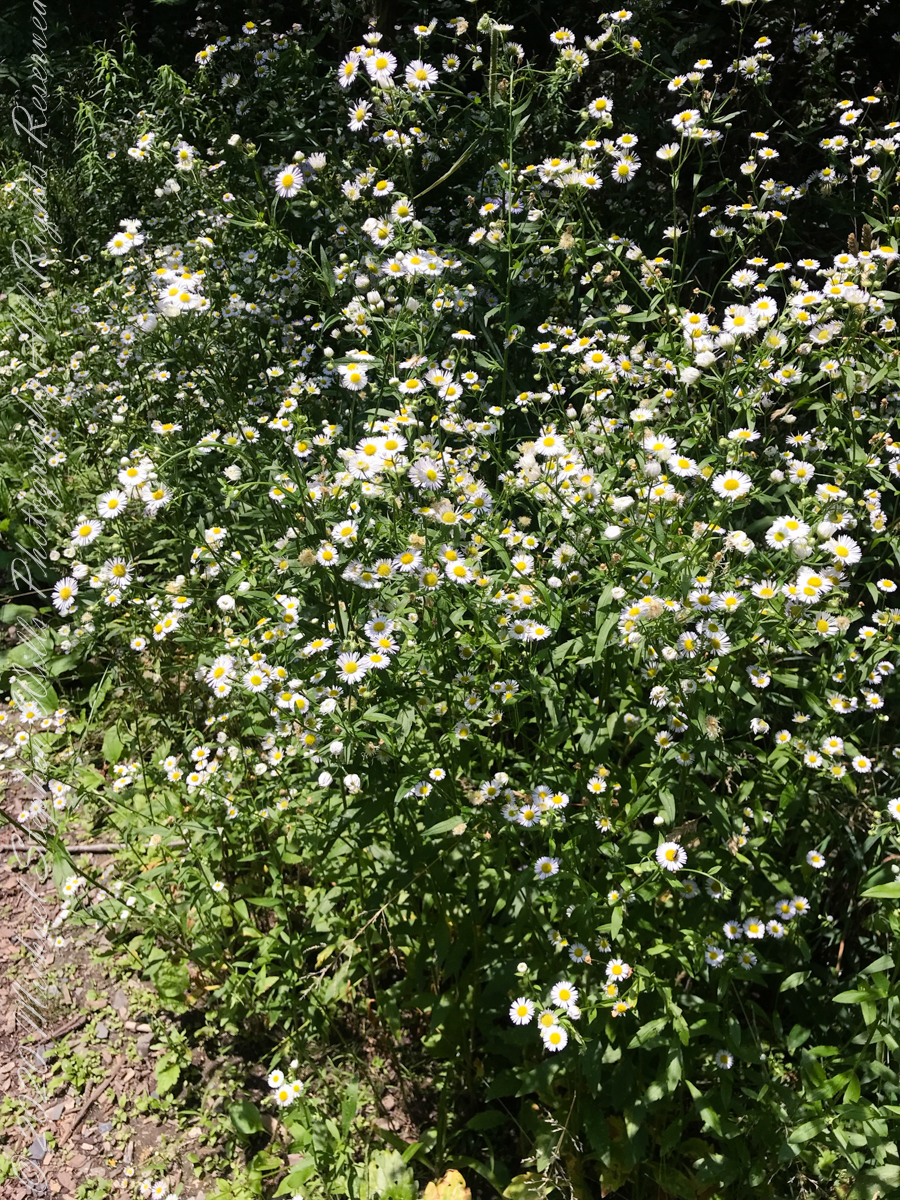
asters, an invasive species
The dramatic and virtually inaccessible gorge above Taughannock Falls
Click the “Watch on YouTube” for a larger format view and more information about each video.
Taughannock Falls Gorge on a humid summer morning
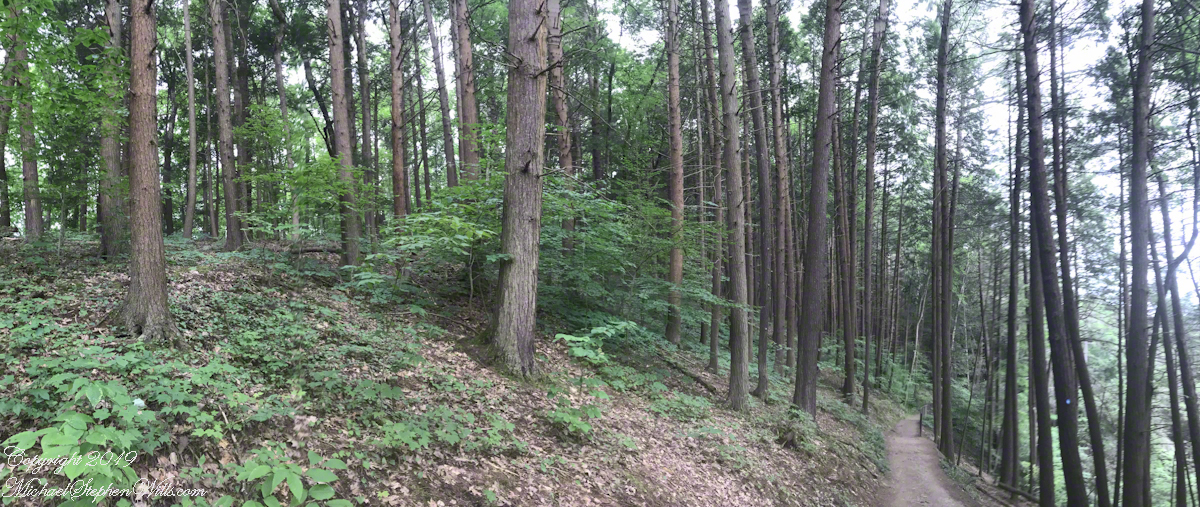
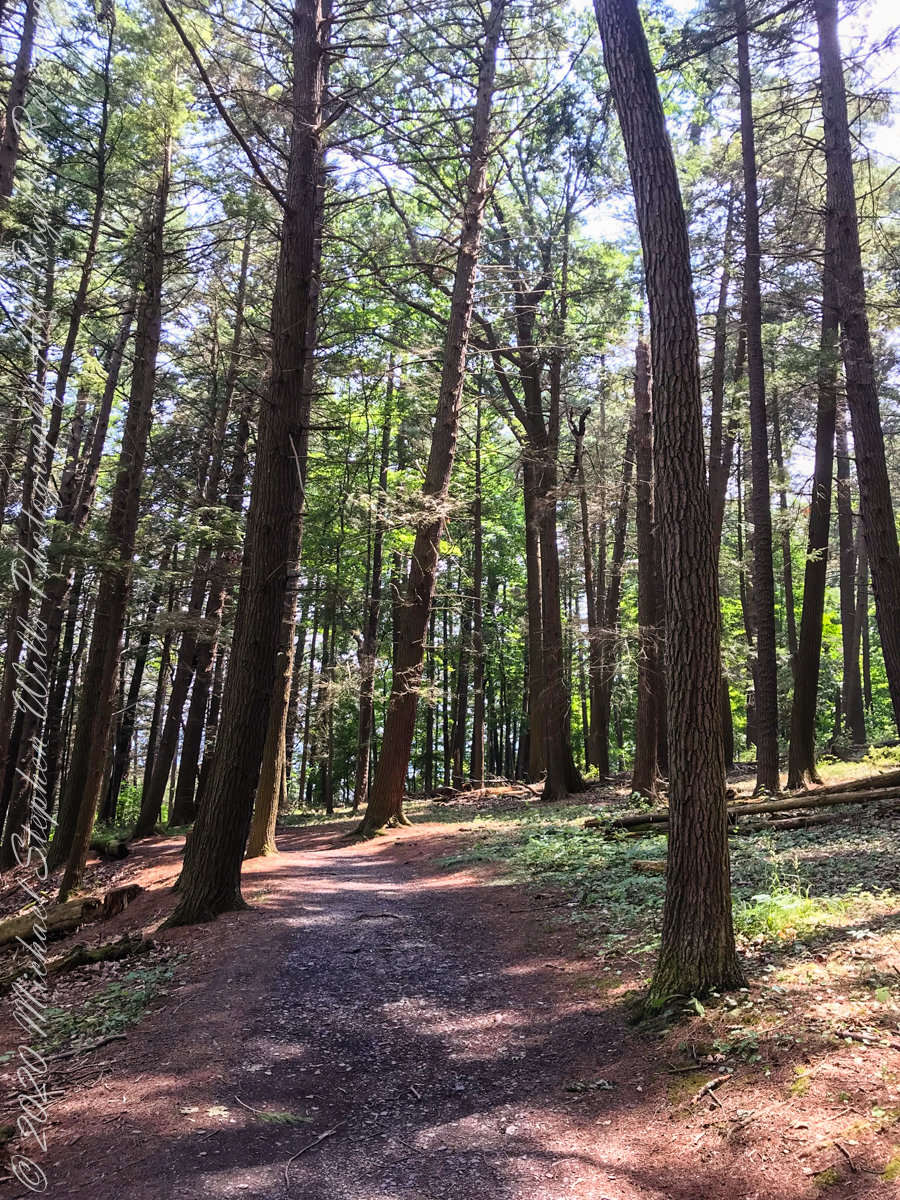
Hemlock Forest on South Rim Trail
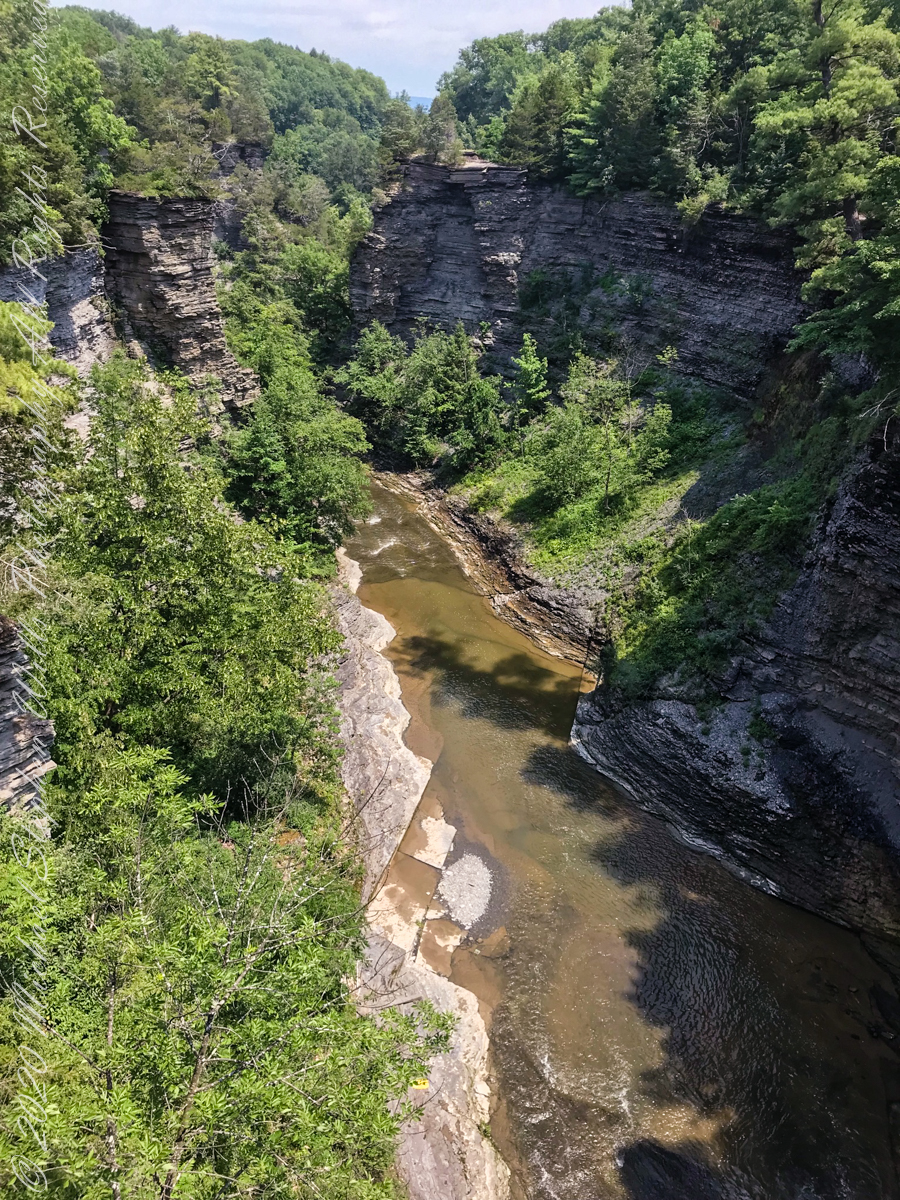
Taughannock Falls Gorge from South Rim Trail
Taughannock Falls from South Rim trail
View of Taughannock Falls Gorge from the North Rim trail on a humid summer (July) morning. Turkey Vultures circle overhead…they are there most summer days.
View of the first waterfall of Taughannock Gorge from the railroad bridge linking the North and South Rim trails on a humid summer (July) morning. This large waterfall empties to the gorge above the 210+ foot Taughannock Falls.
Copyright 2021 All Rights Reserved Michael Stephen Wills
Presenting a macro of a Broad-leaved Helleborine (Epipactis helleborine) growing in our rose garden, in full bloom, a profusion of orchid flowers. This plant, an introduced species to North America, is found widely across our continent.
Helleborine, the scientific name species designation, means like a Hellebore, I assume referring to the calyx, outer part of the flower bud, these open to reveal the flower. In this macro, the unopened buds are upper right. Bottom center the calyx, fully open, with the flower ready to accept pollination, fertilization. After opening, the calyx seems to be part of the flower, a characteristic of hellebore (see Helleborus argutifolius).
The flowers attract a variety of Hymenoptera. I observed wasps, yellow-jackets visiting.
Click photograph for a larger view and use Ctrl-x to zoom in closer.
Photograph is from a 100mm “macro” lens, f6.3.
Thank You for visiting.
Copyright 2020 Michael Stephen Wills All Rights Reserved
Each flower produces a seed capsule with an uncountable profusion of minuscule seeds. Germination is only possible if a fungus is present, mycorrhizal symbiosis the scientific term from the root words myco (fungus) and rhiz- as in rhízōma “mass of roots.”
Click photograph for a larger view and use Ctrl-x to zoom in closer.
This photograph minimizes the clutter of this rose garden site, lost in a beautiful bokeh, at a cost of much flower detail. Many of the numerous blooms are out of focus. F-stop is set to wide open, f1.2. The apparent image distortion, upper left hand quadrant, is the blurred arc of a juniper bush limb.
Today’s header image is from yesterday’s post, by way of comparison.
A few years back we fenced in the rose garden as protection against marauding deer. This orchid specimen thrived within the enclosure, possibly turbocharged by rose fertilization.
The number of tiny flowers on a single stalk give a freakish, monstrous impression.
Click photograph for a larger view and use Ctrl-x to zoom in closer.
Here, the tripod is moved to the fully illuminated side, at f9 the details of the interesting leaves, entire flower stalk including the top bent toward the view, are in focus. The background fencing is a distraction.
Using this information, I found the plant growing in our yard as a persecuted weed, observed closely a specimen surviving in a neglected nook and discovered the tiny face of an orchid flower.
2020, on my request, germinating plants with the same leaf form were spared weeding, even allowed to grow among the roses were the specimen of today’s photographs thrived.
Click photograph for a larger view and use Ctrl-x to zoom in closer.
I captured this and all following (posts) photographs of this orchid in late afternoon light, after the sun was behind the hemlock hedge to the west, mounting on a portable tripod made the shot possible in this light.
This specimen benefited from the ample fertilizer applied to the surrounding roses. Compare with the specimen photographed in Fillmore Glen, in post header. I needed to fit into a tight space, so the smaller tripod was used. The lens is a 50 mm, f-stop 5.6. I could open up the diaphragm to 1.2, though the additional blur would not improve the background very much (over f 5.6) at a cost of much of the plant out of focus. Each orchid is smaller than a “pinky” fingernail.
..to be continued.
Copyright 2019 Michael Stephen Wills All Rights Reserved
Three species of the genus Cotinus, commonly called “Smoke Tree,”in the family Anacardiaceae exist in North America, Europe and Asia. Ours is more like a shrub with numerous, long branches. Flowers with profuse filaments in clusters resembling whiffs of smoke. Here we see the flower filaments, interspersed with small drupes, each containing a single seed.
ISO 2500, 1/40 sec at f/13
The post header, and these photographs were made from the Canon EOS 5D Mark IV, Canon Lens EF 50mm f/1.2L USM stabilized with a Manfrotto 468ZMZ tripod with hydrostatic head. Late afternoons, evenings the tree is shaded by a hemlock hedge (line of trees running north/south) this is the shade here. This Canonn dslr excels in color rendition. The flower masses are a burgundy wine color, the leaves have a purple tinge. I do not directly fertilize, as the plant is said to do best with unfertile soil though the surrounding cedars do get fertilizer stakes.
ISO 800, 1/125 sec at f/5.0
Eight AM a following morning I followed up with a handheld session using a Sony DSLR-Alpha700, Sony Lens DT 18-200 mm F3.5-6.5. Took these two shots with a lower ISO and tweaked the images in Lightroom, reducing the exposure. The flower smoky effect is well captured, the color in bright sunlight is not as wine-like as in shade.
ISO 200, 1/250 sec at f/5.0
ISO 200, 1/200 sec at f/5.6
By the time I proceeded to macros, a morning breeze kicked up, handled by upping the ISO to 3200 for a faster shutter speed to stop the movement. The bright sun helped with this.
Fertilized flowers develop into fruit stalks with radiating filaments, the yellow dots are the drupes (fleshy bodies surrounding a single seed). Fresh leaves are purple, turning to dark green with age. The leaves are as unusual as the flowers: aromatic, simple and round on long stalks. Autumn, the leaves turn a stunning bright red-orange, a scarlet shade. In winter some stalks die off, new growth appears from the roots in spring.
Flower Filaments with drupes. ISO 3200, 1/100 sec at f20
New leaves with aged in background, ISO 3200, 1/320 sec at f20
References
“The Botanical Garden Vol 1 Trees and Shrubs”, Roger Phillips and Martyn Rix, Firefly Books, Buffalo NY, 2000, p 361
Wikipedia, “Smoke Tree”
Copyright 2021 Michael Stephen Wills All Rights Reserved
Walking up University Avenue toward Lib Slope, listening to the noon concert from the McGraw Tower carillion (a tuned set of bells), below the Johnson Museum turn left onto a footpath, follow to the steep trail down to the Gorge Overlook along Fall Creek. Look up at the suspension bridge and water powered electric plant. Climb back, turn right and down to Stewart Avenue for the view of Fall Creek Gorge, Cayuga Lake, the former studio of Carl Sagan, built into the gorge wall. In researching this topic I learned Google Maps shows the trail and you can “walk” the trail, Google brought the camera down into the gorge.
An IPhone 7 and video editing software were used for this post.
Copyright 2021 Michael Stephen Wills All Rights Reserved
Here is a repost for those who missed the video. Please click on video, below and share your responses via comments. Thank You
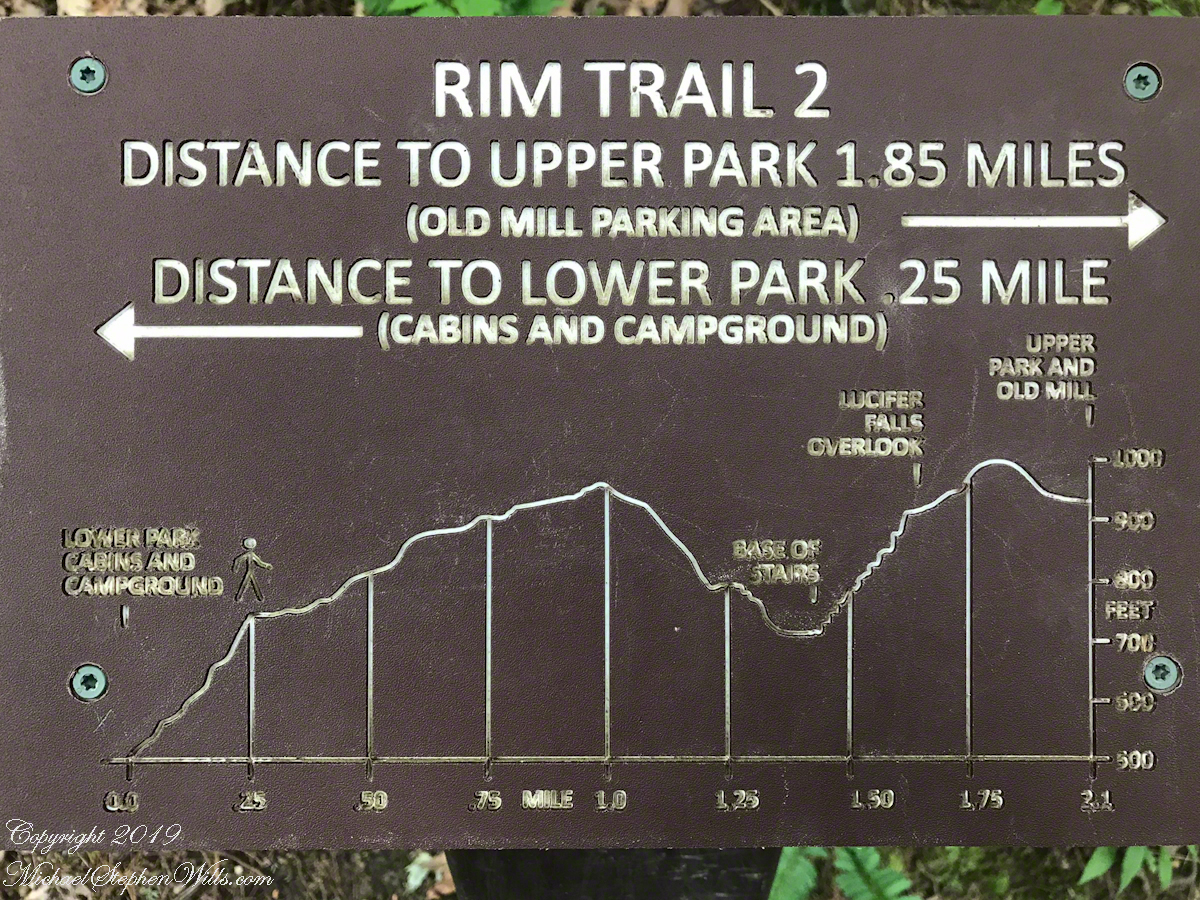
The Finger Lakes Trail joins Robert H. Treman New York State Park, running along the south rim along the park border.
Today, I started from the stairs next to the Mill of the upper park, walking along Fish Kill Creek, a brief visit to the CCC plaque, over the new footbridge and a steep climb up to the ridge to a marvelous view over the way we just walked. That is a millipede resting on a wooden trail stake.
A word on the creek name. The Dutch word for creek is “Kill”, the anglicisation of the original name retained the Dutch making it, in effect, “Fish Creek Creek,” not a memorization of fish massacre.
There’s one shot of the damage done to tree leaves by hoards of caterpillars…I found chewed-up leaves at my feet throughout the hike.
Then, I re-join the State Park South Rim trail, down the Cliff Staircase to wander the gorge floor below Lucifer Falls.
Up the Gorge Trail with many shots of these wonders including Lucifer Falls, Devil’s Kitchen Waterfall, and the Gallery.
Close with a shot of early Tiger Lily blooms on the south facing bank of Enfield Creek.
I used a new format with this post, with all media in one You Tube video. Enjoy!!