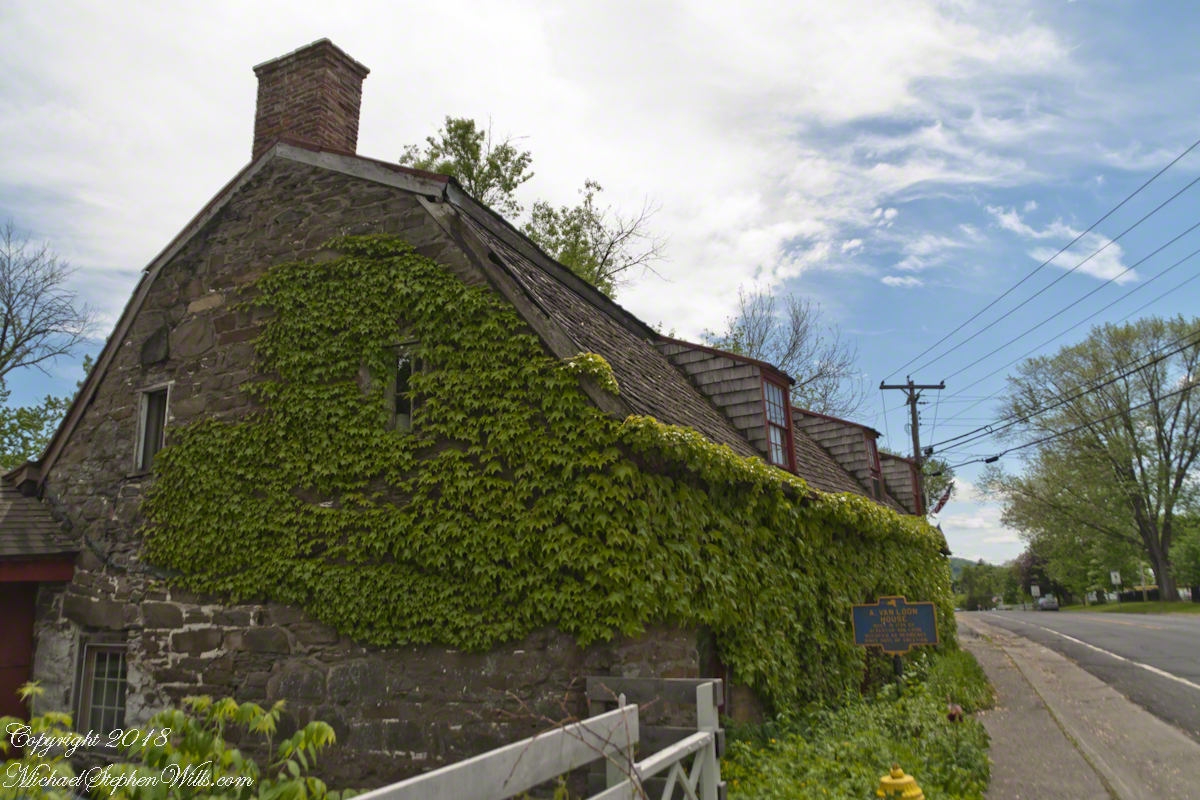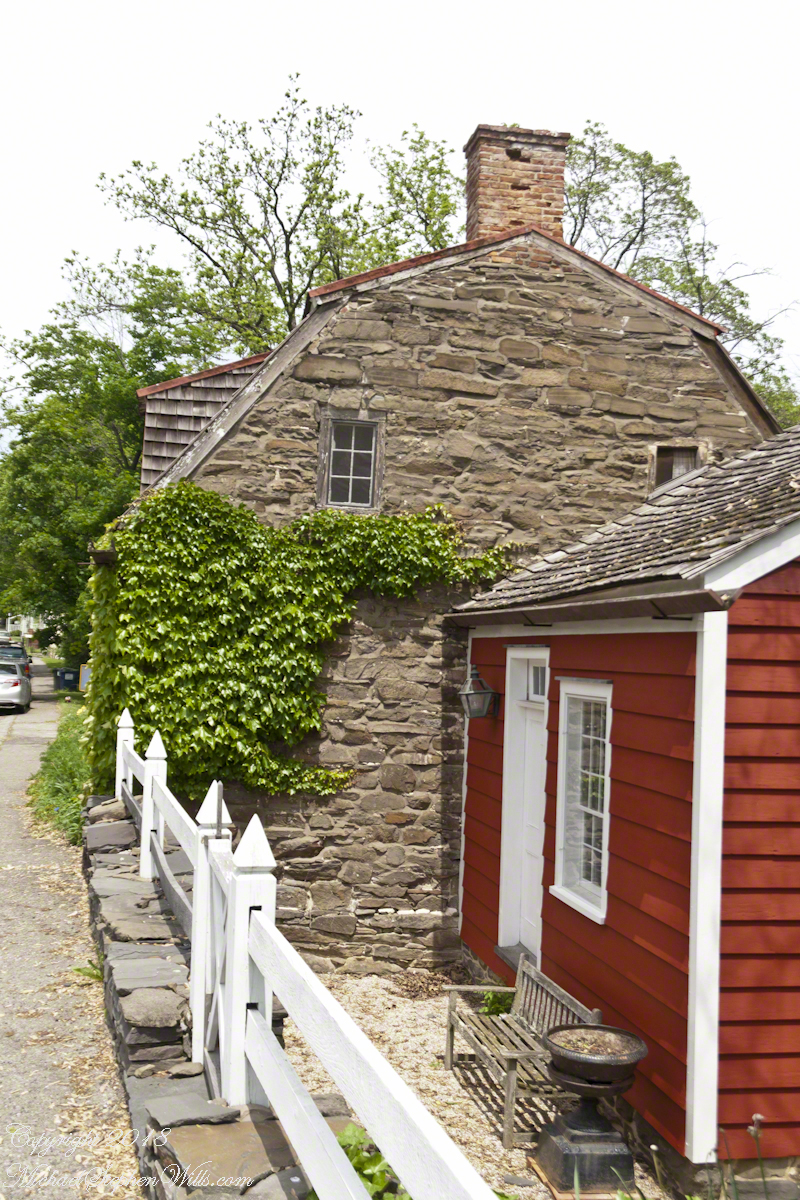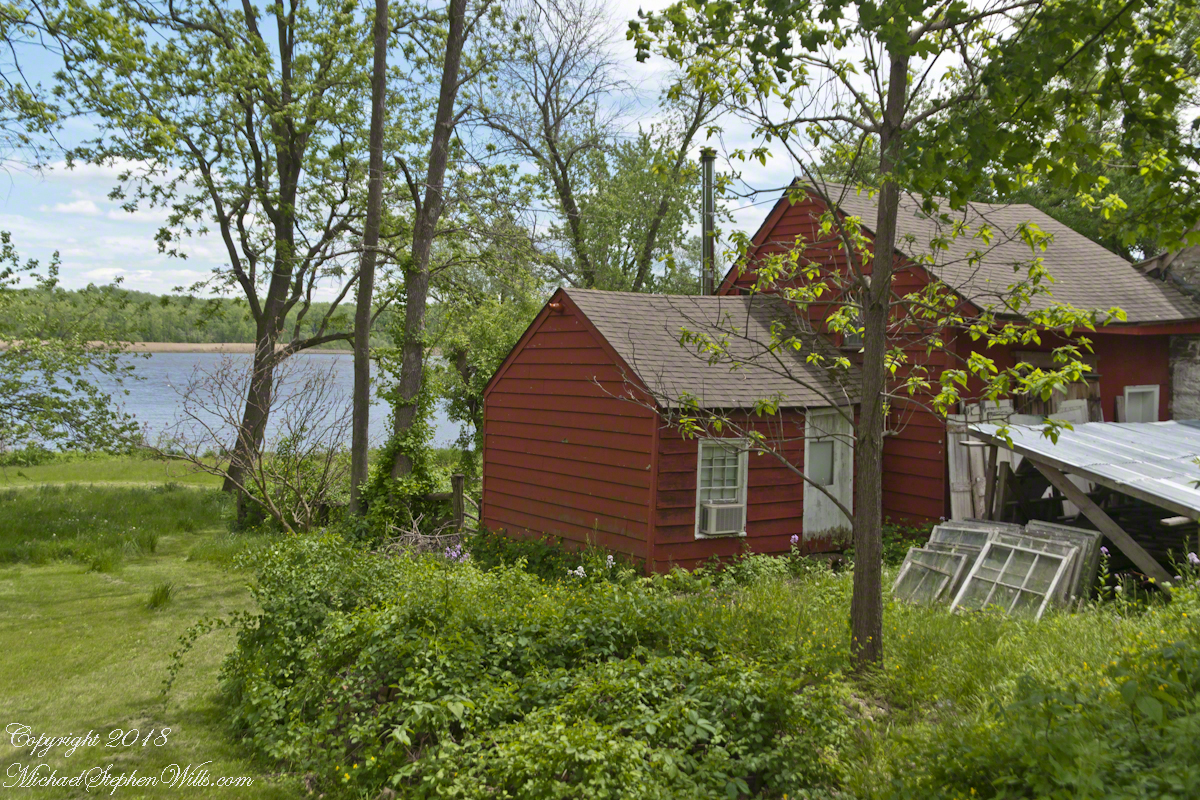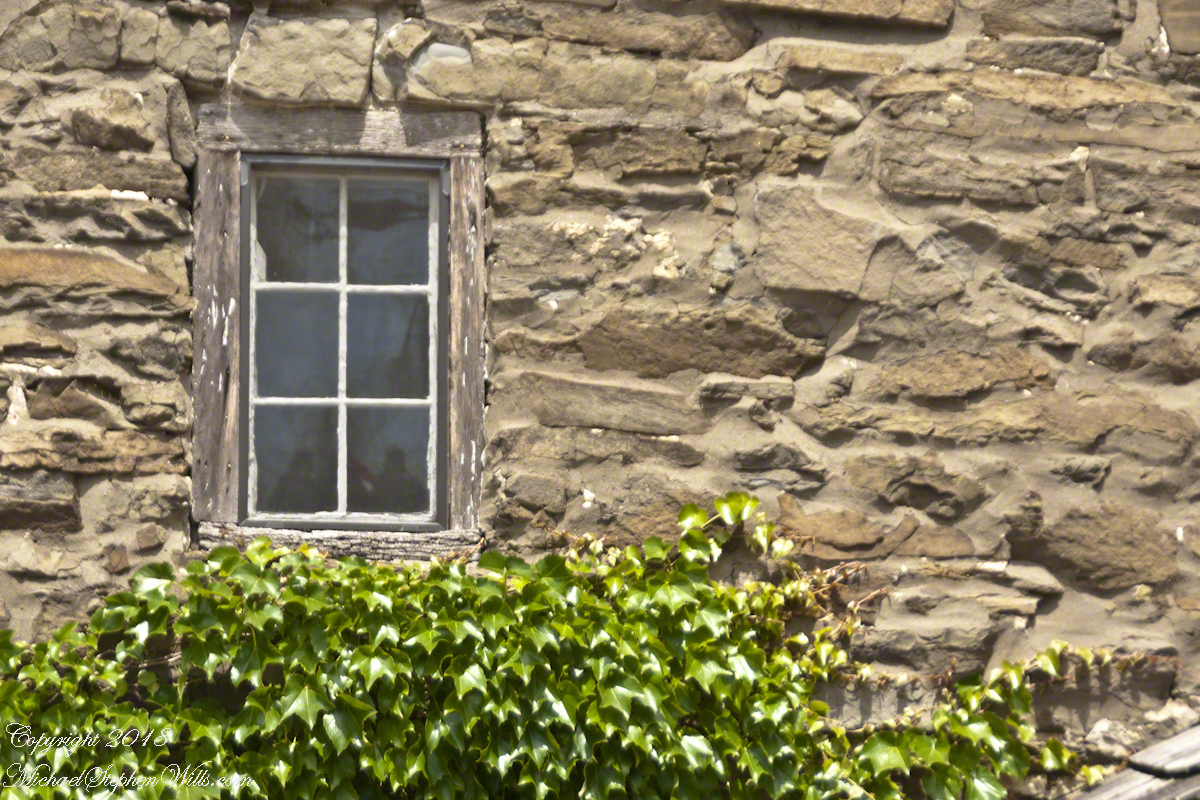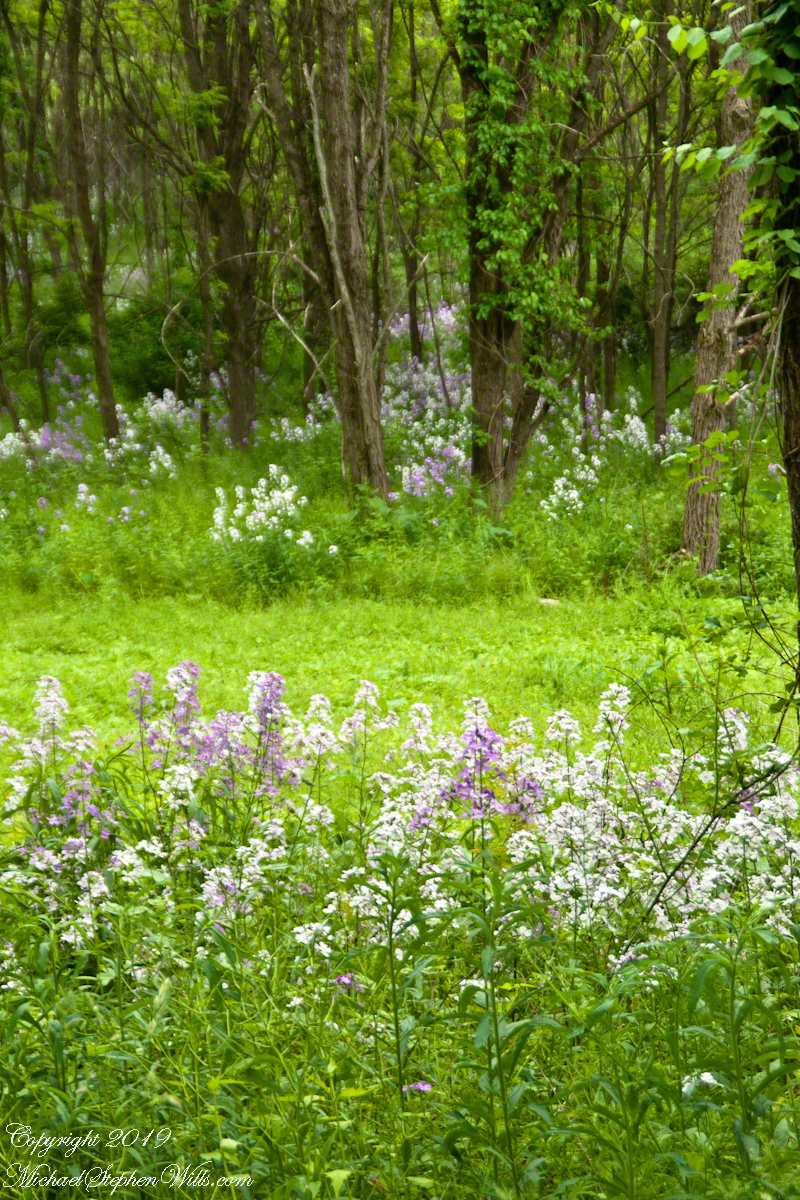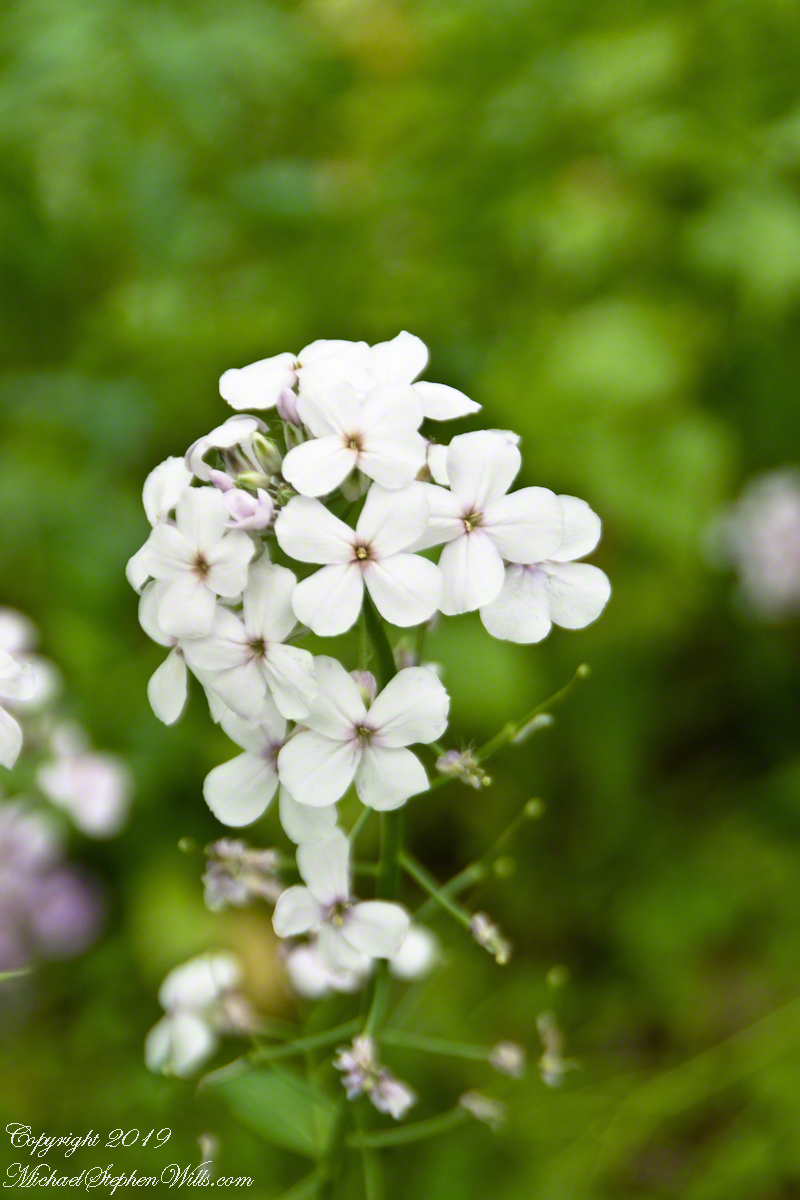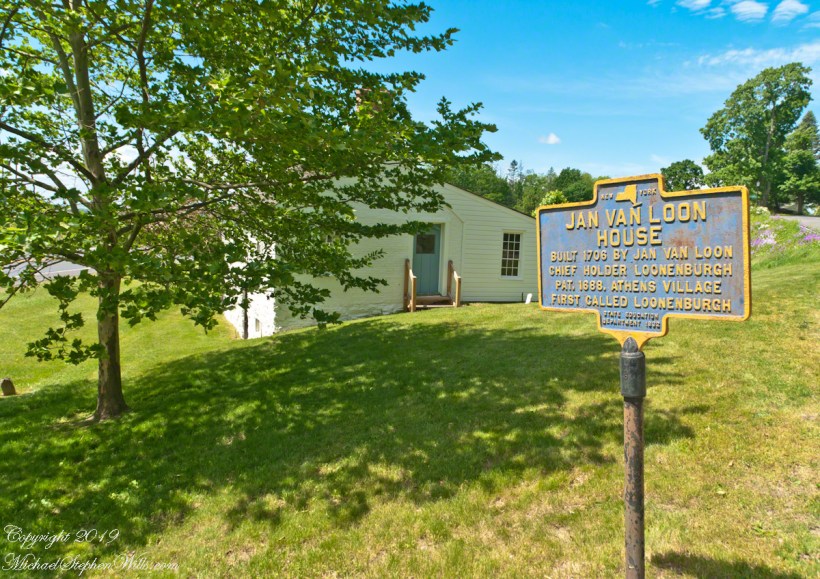
What is a rock? What is a stone?

Daisies are a plus

Enjoying travel on a horse trap, a type of carriage, on Inishmore , the largest Aran Island in Galway bay, we headed up Cottage Road from Kilronan, the main island settlement. It was from Kilronan we disembarked from the ferry, hired the driver and trap. Our destination an Iron Age fort, Dun Aengus, and sights along the way.

Dry Stone walls abound throughout Ireland.  Ancient walls, buried in peat, were discovered in County Mayo and dated to 3,800 BC.  This is a field wall on Cottage Road with daisies growing at the wall base.

Click the link for my Getty IStock photography of the Aran Islands

Roadside Daisies against dry rock wall on Cottage Road, Inishmor

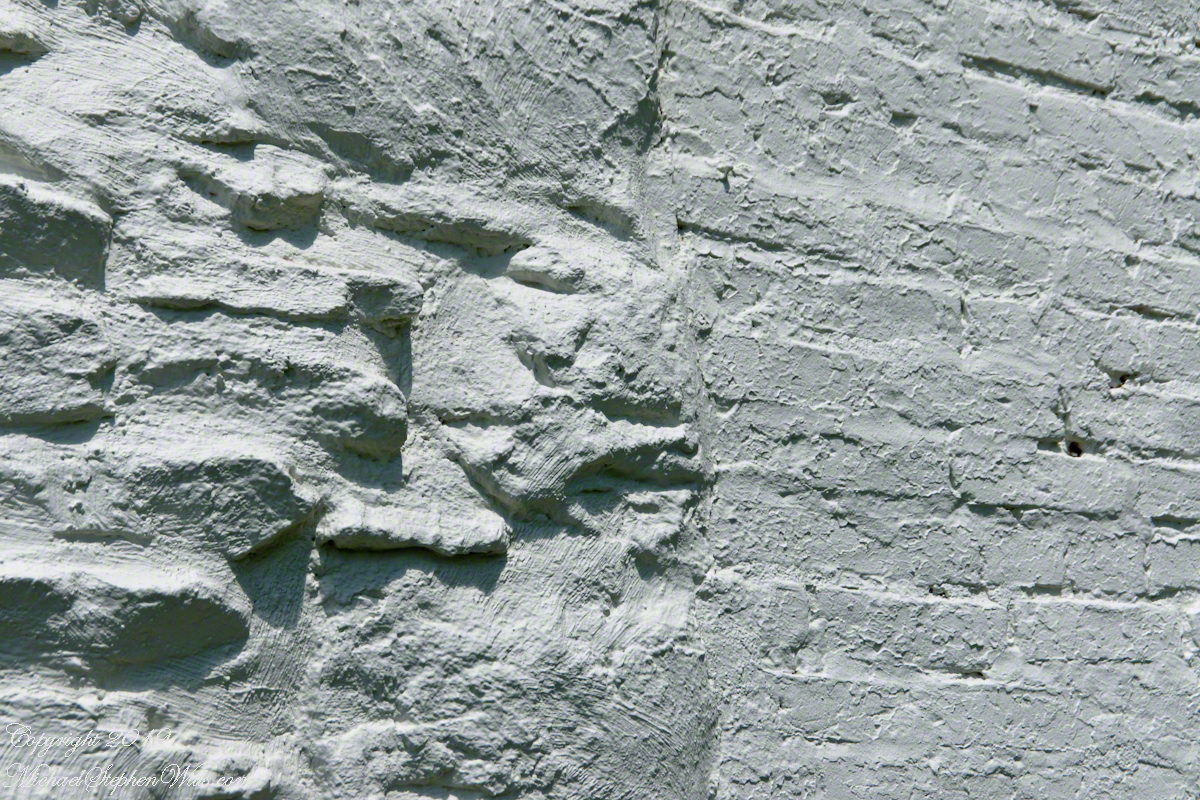
The wall is composed of stones, not rocks. I have read in places a stone is a rock put to use or shaped by human hands. Other usages have rock and stone used interchangeably. For example, an internet search on “Dry Rock Wall” will return hits on the same. “You pays your money and takes your choice.”

Sources for this post: search Wikipedia for “Dry Stone”.

Click me for the first post of this series, “Horse Trap on Inishmore.”

Copyright 2022 Michael Stephen Wills All Rights Reserved

Life and Death

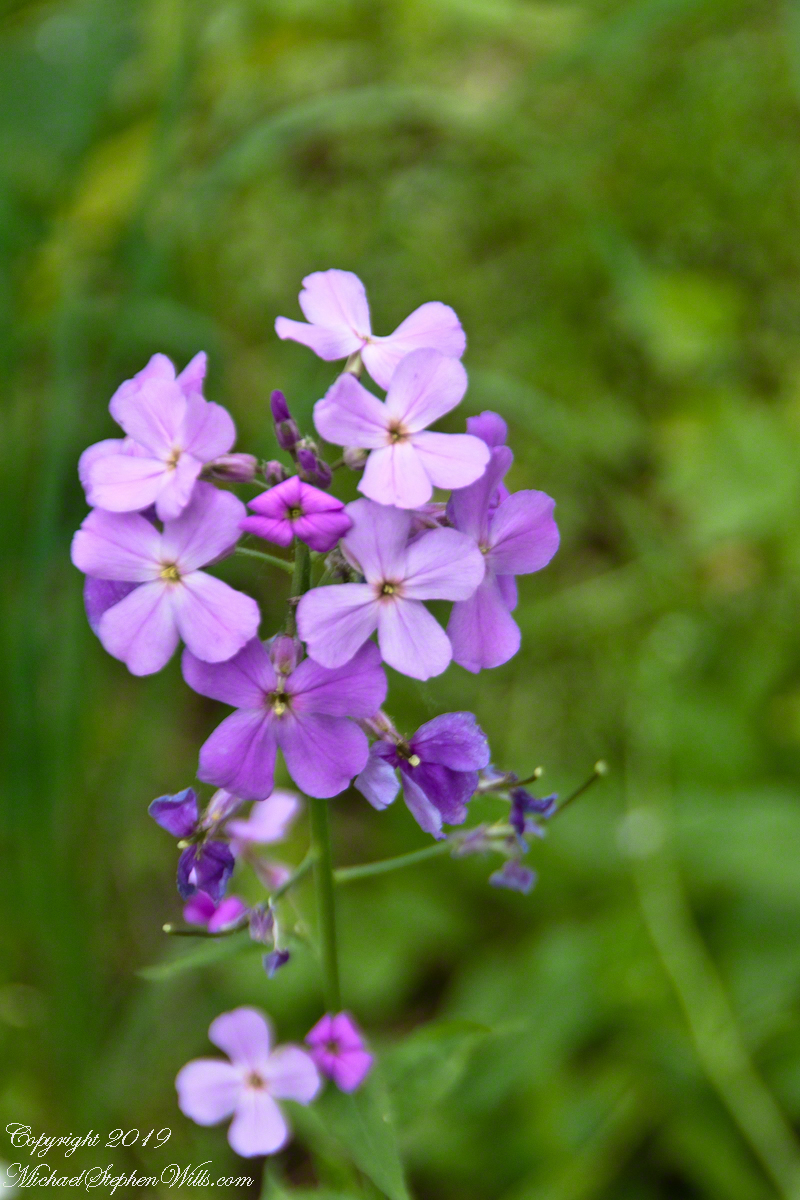
Rumination on wild flower blooms

Click here for my Online Gallery offering of trillium.

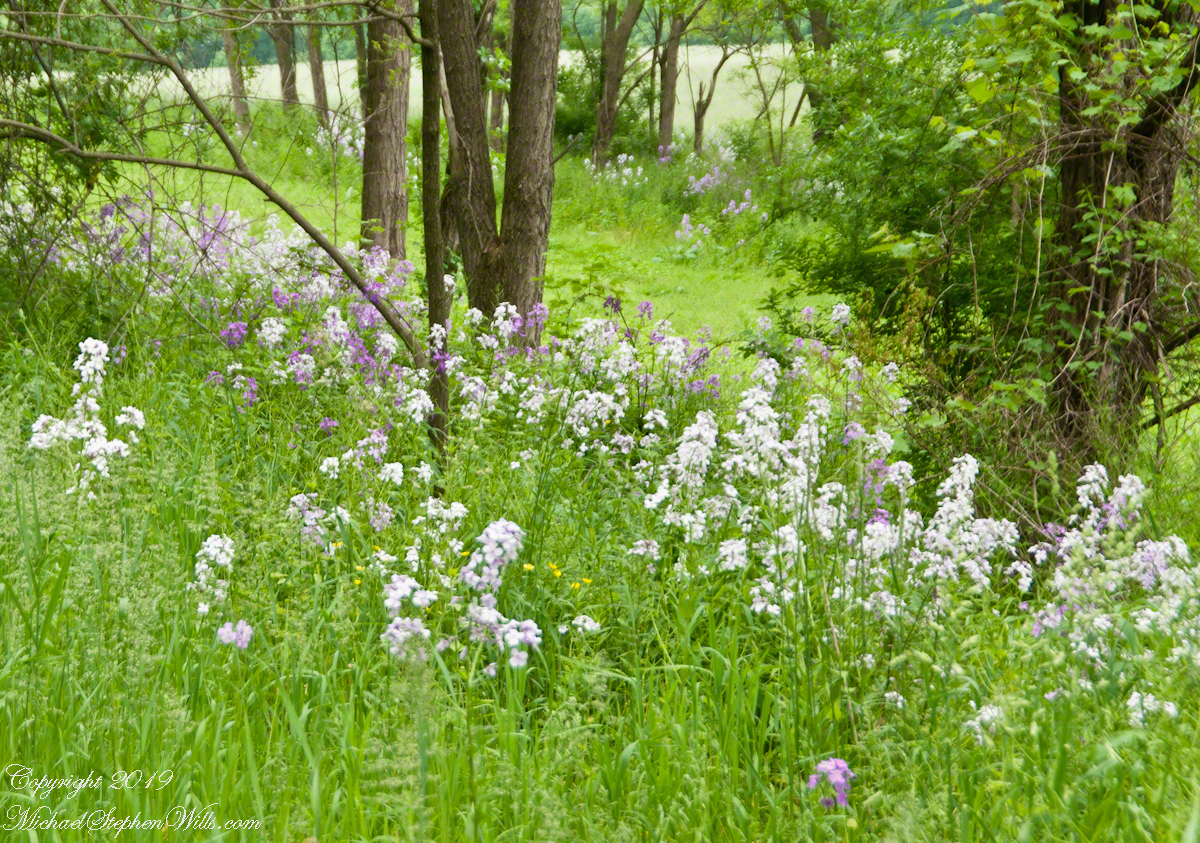
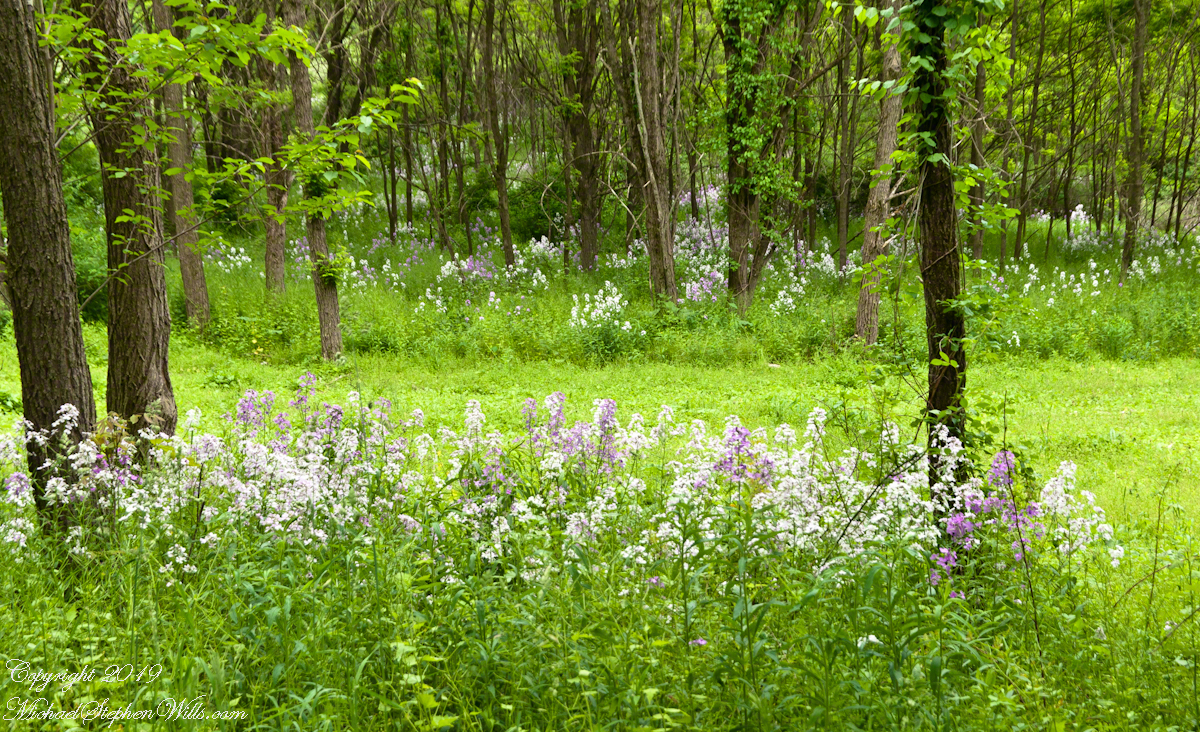
An access road, now blocked with huge boulders by the State Park, leads to this dam at the head of Fillmore Glen. I stop here for reflection at times and have climbed behind the dam for photographs. It is possible to drive up the south side of the glen on a poorly maintained road and park next to the boulders. In this season (spring) the surrounding forest is carpeted in wildflowers. Hepatica, trillium, dutchman’s breeches. One day, years ago, I pulled in behind a late model convertible with a license plate holder advising the owner was a member of the 10th Mountain division and a World War II veteran.

They were a well dressed and groomed couple. The white haired driver, in his late 80’s at least, patiently waited while she, a frail woman, walked the margins of the forest, enjoying the wildflowers. It was my impression this was a ritual for them, developed over the years. One of the few spring outings left to them.

Wildflower displays develop over hundreds of years. The massed trillium are on land not disturbed for thousands of years, since the last ice age. These same spring wonders were certainly enjoyed by the Iroquois before us.

Click either photograph for a larger view.

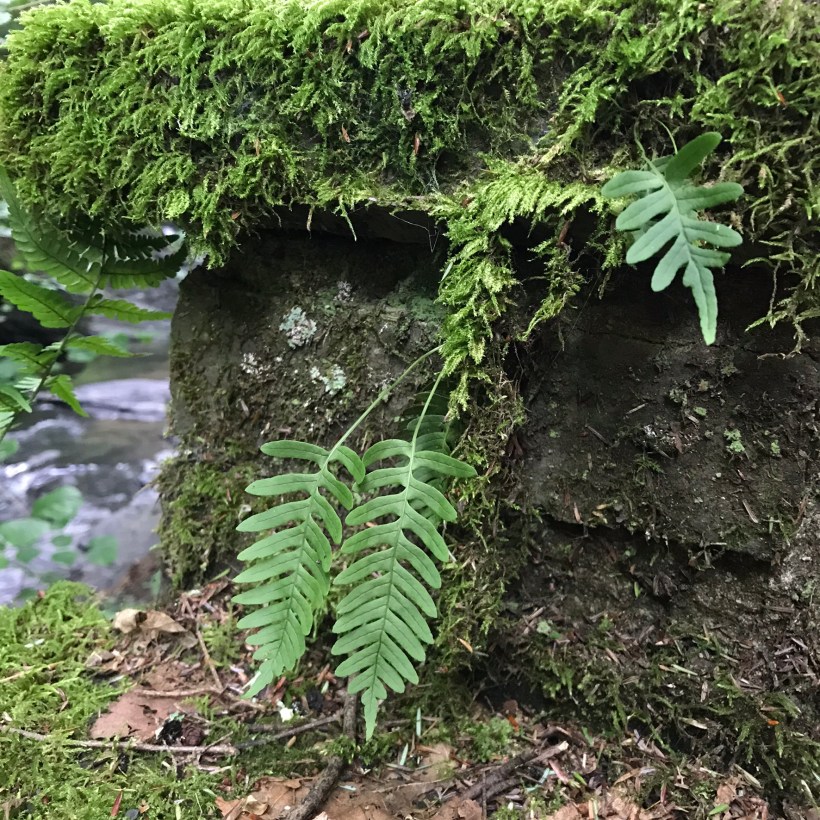
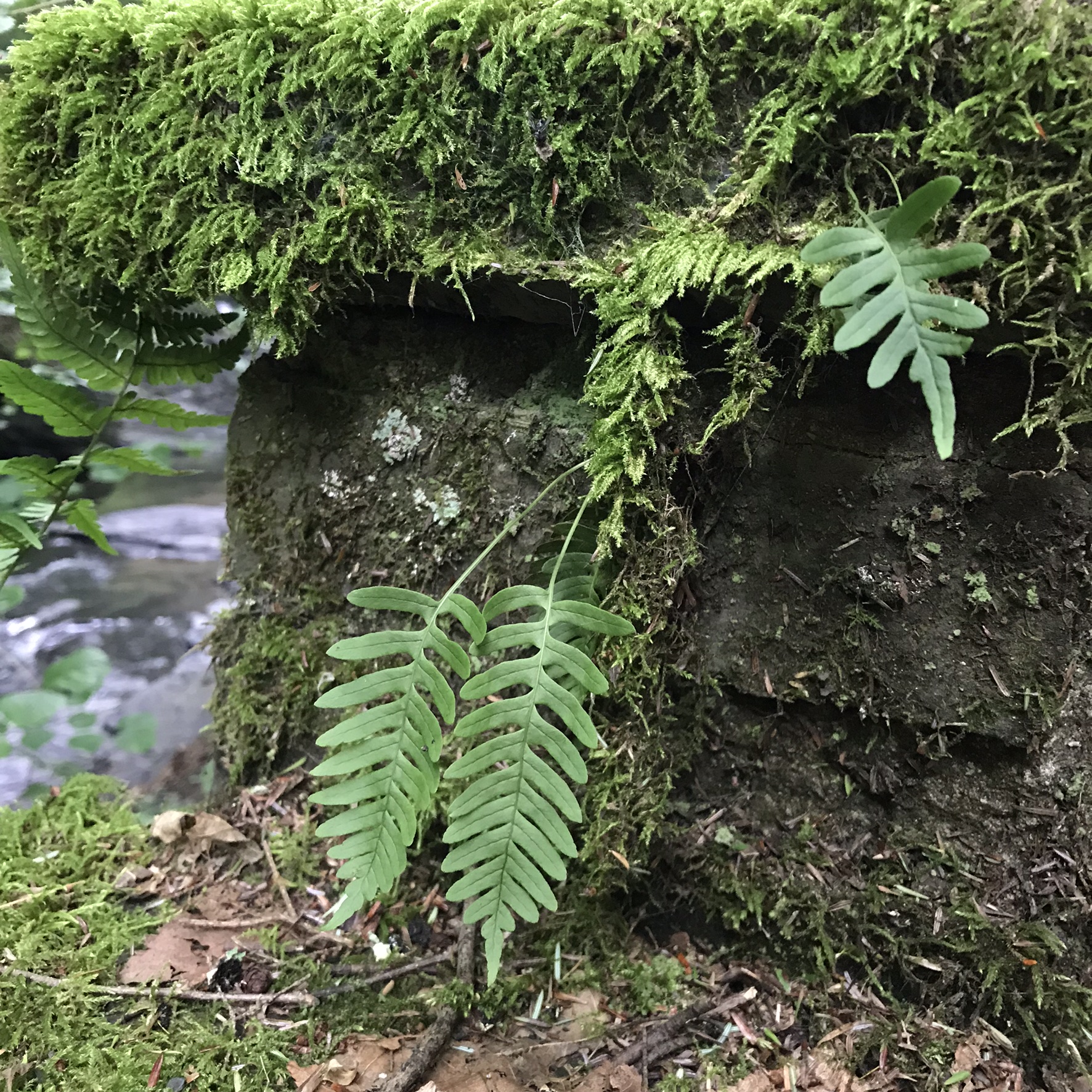
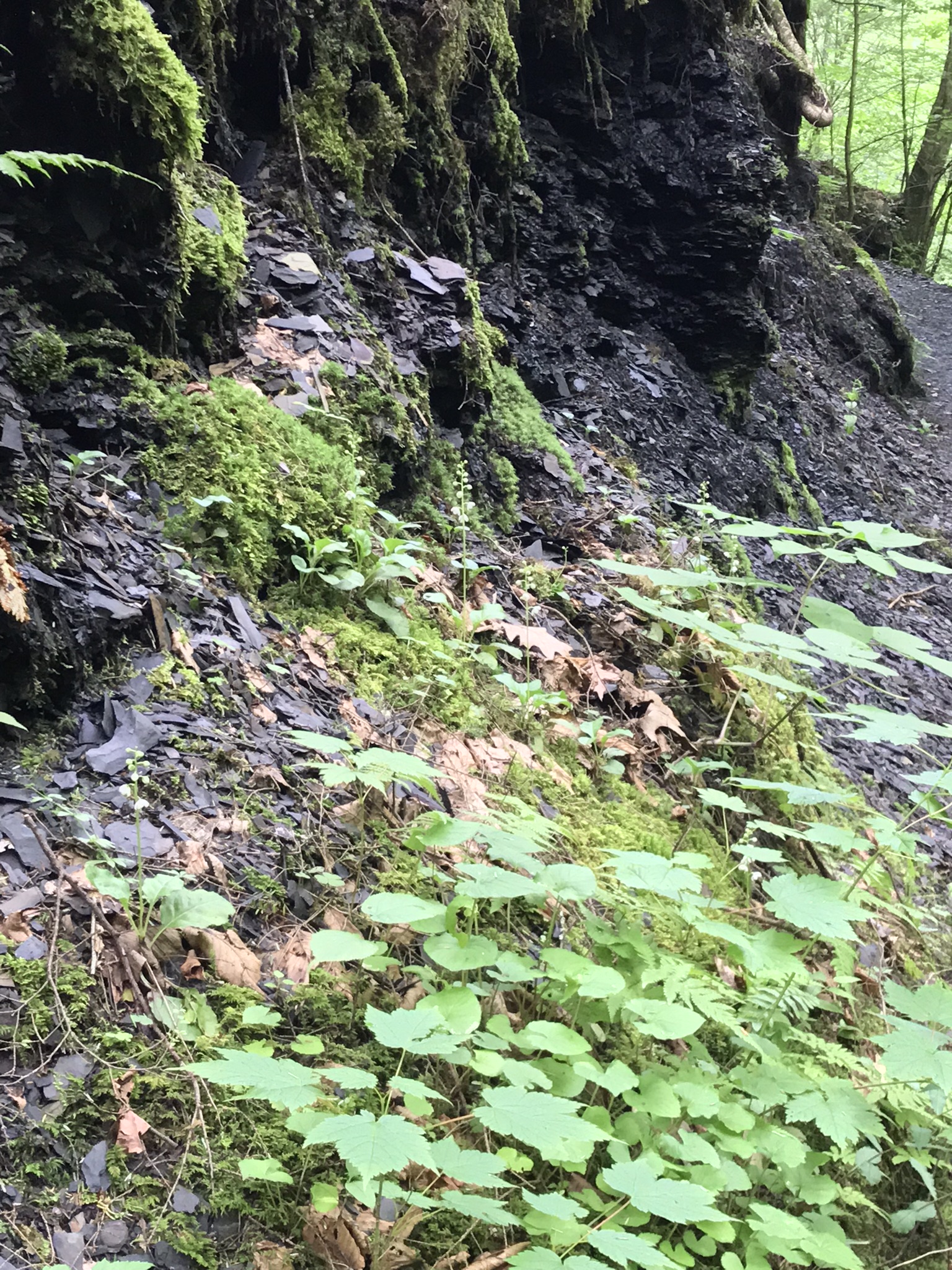
On the gorge slope below the parking area, in a hollow on the north side of a large (I recall) oak, one early sunny spring morning I discovered the last resting place of a deer. Only the bones and some fur remained, the visible portion resembles the Capitulum and trochlea of a human arm bone and, indeed, there was a scapula close by. The season is evoked by the unfurling fern against the based of the oak.

Dark, Unwritten Forest Secrets
Copyright 2022 All Rights Reserved Michael Stephen Wills

Killeany Bouy

a dangerous channel

The approach to Killeany Bay of the Aran Island Inishmore is very dangerous, guarded by a Lighthouse on Straw Island to the South and the Killeany buoy to the North.

Click the link for my Getty IStock photography of the Aran Islands
KilleanyBouyINishmore2014-8

This view is to the north, northwest from a ferry en route to Inishmaan through Galway Bay.  In the distance is the Connemara and the 12 Bens (12 Pins) mountains. Aran Islands, County Galway, Ireland.

There of stories of this buoy coming unmoored.  October 27th 2012 it went adrift.  An Aran fisherman, Micheál Seóighe (Ml Joyce) and his boat Naomh Beanán tracked  it down, hauled it back to the harbor.  The buoy was back in service shortly after.

Here is a photograph of me with the camera used.  It is a Canon EOS 1Ds Mark III with a Canon lens 200 mm f2.8/L.  I am standing on the deck of the Queen of Aran ferry out of Doolin next to the Cliffs of Mohr.

Pam Wills took this photograph with her Samsung Galaxy 4 smart phone.

WillsMichaelGalwayBay2014
Click the link for my Getty IStock photography of the Aran Islands
SONY DSC
Copyright 2022 All Rights Reserved Michael Stephen Wills

Dive!!

Less than 3 seconds elapse from the Osprey initiating dive to emergence from the surf and flight, fish in talons.

A sequence of high speed shots of what the Osprey does best. For this, the sixth and final post of this series (Click me for the first post, “Endless Searching“), we follow the bird in a dramatic plummet into the surf until it rises, catch in claws.

Click Me for “Florida” in my Fine Art Galleries.
“All Elements In Place”

Late morning of January 20, 2019 I headed out with the Canon EOS-1Ds Mark III mounted with the Canon EF 70-300mm f/4-5.6L USM lens for handheld shots. Many elements aligned for these shots: weather, equipment, placement among them. The angle of the sun at 11:21 am was not optimal, but the cloud cover made up for it.

Click any photograph for a larger view.
The Day’s Setting

Commitment

The dive impact happens in less than 2 seconds.

My observation is the reason the wings are extended is to maintain control of the dive…..
…..I have seen these dives terminate inches from the water with a u-shaped swoop.
Talons are extended in the final seconds.

The Strike

Less than one second from point of impact until emgergence and flight.

Instant of impace with wings still extended.
Gone

Arise

What strength, to lift off from the water.
Catch in talons
Copyright 2022, Michael Stephen Wills All Rights Reserved

Osprey Pictorial

Humans are hard coded to relish scenes of water and land.

Now and then a photograph comes along that stands by itself. For this, the fifth post of this series (Click me for the first post, “Endless Searching“), we explore images that speak for themselves.

Click Me for “Florida” in my Fine Art Galleries.

“Another Day in Paradise”

Humans are hard coded to relish scenes of water and land. This day I headed out with the Canon EOS-1Ds Mark III mounted with the Canon EF 70-300mm f/4-5.6L USM lens for handheld shots.

Click any photograph for a larger view.
The Day’s Setting

Hook, Line and Sinker

Poise

Barely visible on the horizon are Cape Canaveral Launch Towers
Copyright 2022, Michael Stephen Wills All Rights Reserved

Nesting

December through February is Florida Osprey nesting season.

“Florida ospreys (Pandion haliaetus) commonly nest on power poles, communication towers, water navigation devices, lighting fixtures, outdoor billboards and other man-made structures as well as in decaying or dead trees.” This quote from the Florida Fish and Wildlife Conservation Commission web site is a fitting introduction. For this, the fourth post of this series (Click me for the first post, “Endless Searching“), I explore images of Osprey nesting behavior.

Click Me for “Florida” in my Fine Art Galleries.

“Other Man-Made Structures”

Early morning winter Cocoa Beach walks offer a new experience with each dawn be it a change in wind, light, or beach-combing offerings. This looming crane was a consistent specter the entire month, poised over a downtown parking garage under construction.

Click any photograph for a larger view.
On the Lookout

Distant Figures

Each winter morning January 2019 I left our ocean side condo to walk the beach, taking equipment according to a whim. For this series I used the Sony Alpha 700 with a variable “Zoom” lens. In this next shot the focal length was set to maximum.

Searching the internet (“Florida Osprey behavior”), a link from http://www.naturesacademy.org states, in Florida, Osprey nesting season is December through February. The following series of photographs clearly show an Osprey with nesting material. The header image for this post clearly shows the markings of the individual holding a large branch.

The second individual is close to the same size, it is a reasonable conclusion the two are flying together. The series was taken in a 33 second time span.

The two were flying around the crane and it is beyond imagination they’d be successful building on an actively used crane. Would construction come to a halt until the nest was abandoned? I wonder.

In following days there were no signs of nesting behavior on the crane.

Copyright 2022, Michael Stephen Wills All Rights Reserved

Shoulder to Shoulder

Snatch and Grab Shopper

“They walk among us” can evoke horror, still it is a fitting description for the many species successful in an ecological niche occupied by humans. This is the third post of a series featuring the Osprey of Cocoa Beach, Florida. The first post is “Endless Searching,” In this post we follow a householder on a shopping expedition.

Click for “Florida” in my Fine Art Galleries.

Observation

Search internet references on Florida Osprey you find there is a mixture of year-round residents and migrants passing through spring/fall to points farther north. This being January, my brilliant conclusion is these are residents of Cocoa Beach, maintaining nests. My next post will have more on this.
Each winter morning January 2019 I left our ocean side condo to walk the beach, taking equipment according to a whim. For this series I used the Sony Alpha 700 with a variable lens. In this first shot, the watchful pose of the hunting Osprey is apparent, long glide with head slightly down.

Click any photograph for a larger view.
On the Lookout

Dive!!

Once these hawks entered my dim awareness and their habits understood, with a lot of luck I was able to click the button at the right time. You can see in the previous post, “Fishing Creatures,” how little time elapsed during a dive, the split second opportunity seen in the following photograph.

Committed

Wow, that is impact. The bird is poised to grab one fish, spotted under the water 50+ feet away, talons extended.

Into the Drink

Success rate? Those days in January, if the Osprey hit the water more than 50% of the time it flew away with a fish.

Our seven year old grandson is an enthusiastic fisherman and might be able to identify this catch. In the distance, on the horizon is Cape Canaveral Air Force Base, the lighthouse and space launch towers .

An image of Osprey / Human closeness. The long lens tends to bring objects closer together, the Osprey is far away from the early morning walkers.

A reader, “ekurie”, in observing Ospreys noticed the catch is oriented to aerodynamic, placed head first toward the direction of flight. The hawk is using the evolutionary adaptations of the fish, to reduce drag in the water, to flying through the air.

This snatch and grab shopper is headed straight home to a nest beyond the shore front condos.

A Well Deserved Meal.
Copyright 2019, Michael Stephen Wills All Rights Reserved

Iridescent Plumage

shiver me timbers

The third of my postings about the peafowl of Cape Canaveral…..we had our most intimate interactions on a Oak Lane, a small unpaved road off a Circle K (roadside convenience store). At one point a peacock approached Pam on the open windowed passenger side and almost pecked her.

The iridescent coloration is an illusion created by the structure of fine feather elements, called barbules. The impression on peahens varies with viewing angle, between 90 (head on) and 45 degrees to either side. The peacock will shiver his train when faced with a favored peahen. 

Click me for the first post of this series, “Male and Female Peafowl.”

Copyright 2022 Michael Stephen Wills All Rights Reserved

Train of the Male Peafowl

And some history about the “Peacock Neighborhood” of Cape Canaveral

February is Peafowl mating season and for Cape Canaveral the displays were especially fine. These were captured on a photography expedition via automobile, being especially fortunate in observing peacocks (male peafowl) on high perches oriented perfectly to display the magnificent train (trail).

Here is some information on Reddit from “Mr_mayhem77 “According to locals, the Eberwein family lived between Port Canaveral and what is now the Villages of Seaport. In fact a street is actually named after them (Eberwein Drive) at the northern edge of Cape Canaveral. They had the peafowl among many farm animals. The family moved in 1986 and abandoned the peafowls. Over the years the peafowl have slowly populated our community with the greatest concentration being north of Central Ave.”

Copyright 2022 Michael Stephen Wills All Rights Reserved

Male and Female Peafowl

Peacock Neighborhood, Cape Canaveral I

On a day February 2022 Pam and I decided to walk the beach starting from Cheri Down Park, Ridgewood Avenue, Cape Canaveral headed north toward Jetty Park hoping to catch a postponed rocket launch rescheduled for that afternoon. We were encouraged to find video news crew positioned near the park entrance as these professionals were in the know for the best spots to watch the spectacle.

We walked a mile or so, more than halfway to Jetty Park, when the word circulated the rocket launch was cancelled. Rather than turn around, we decided to explore the walkway that opens on “Peacock Beach” as Google Map listed a public parking space there, quite a bit closer to Jetty Park. This park charges a hefty entrance fee to non-residents, so we were parking at Cheri Down, we saved $10 for each mile walked.

Having leisure, we decided to walk back to Cheri Down the long way. In what turned out to be a 1.7 mile stroll we encountered these residents for which the beach is named. Then and there Pam and I decided to return for a dedicated photography expedition, the results of which I will share over several posts.

Click Me for the next post of this series, “Train of the Male Peafowl”

Copyright 2022 Michael Stephen Wills All Rights Reserved