Read these excellent book recommendations, then dive into Western North Carolina recovery from Hurricane Helene recovery.
Category: Uncategorized
Guns Galore – repost
What an absolutely fascinating and vividly told account, Johnny! The idea of children scavenging for ‘souvenirs’ of war from railway wagons feels almost surreal, yet so fitting for the era—resourcefulness and imagination thriving even in the shadows of conflict. Your storytelling transports us straight into that post-war world, where echoes of history weren’t just studied, but held in the hands of schoolboys. I can only imagine the shock on the teacher’s face! A truly remarkable piece—thank you for bringing this lost slice of history to light.
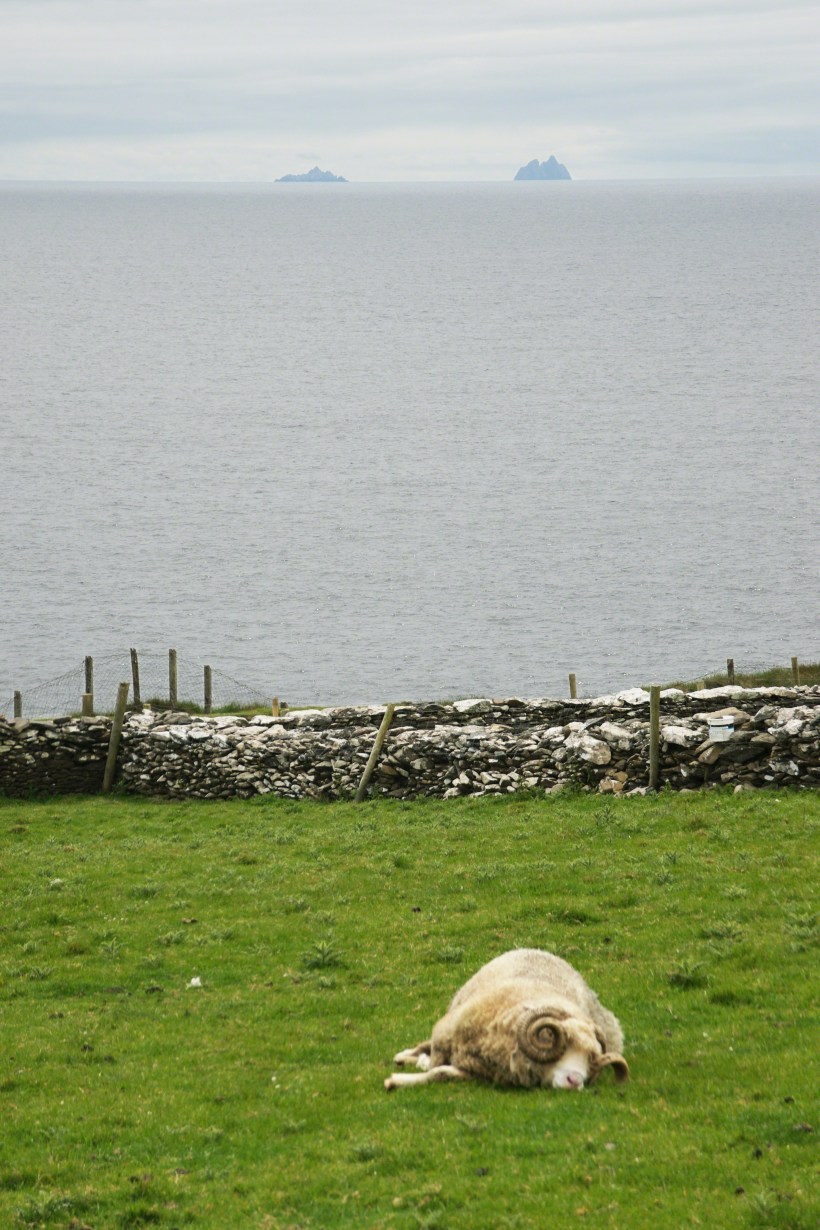
Asleep among Skelligs
a road like no other
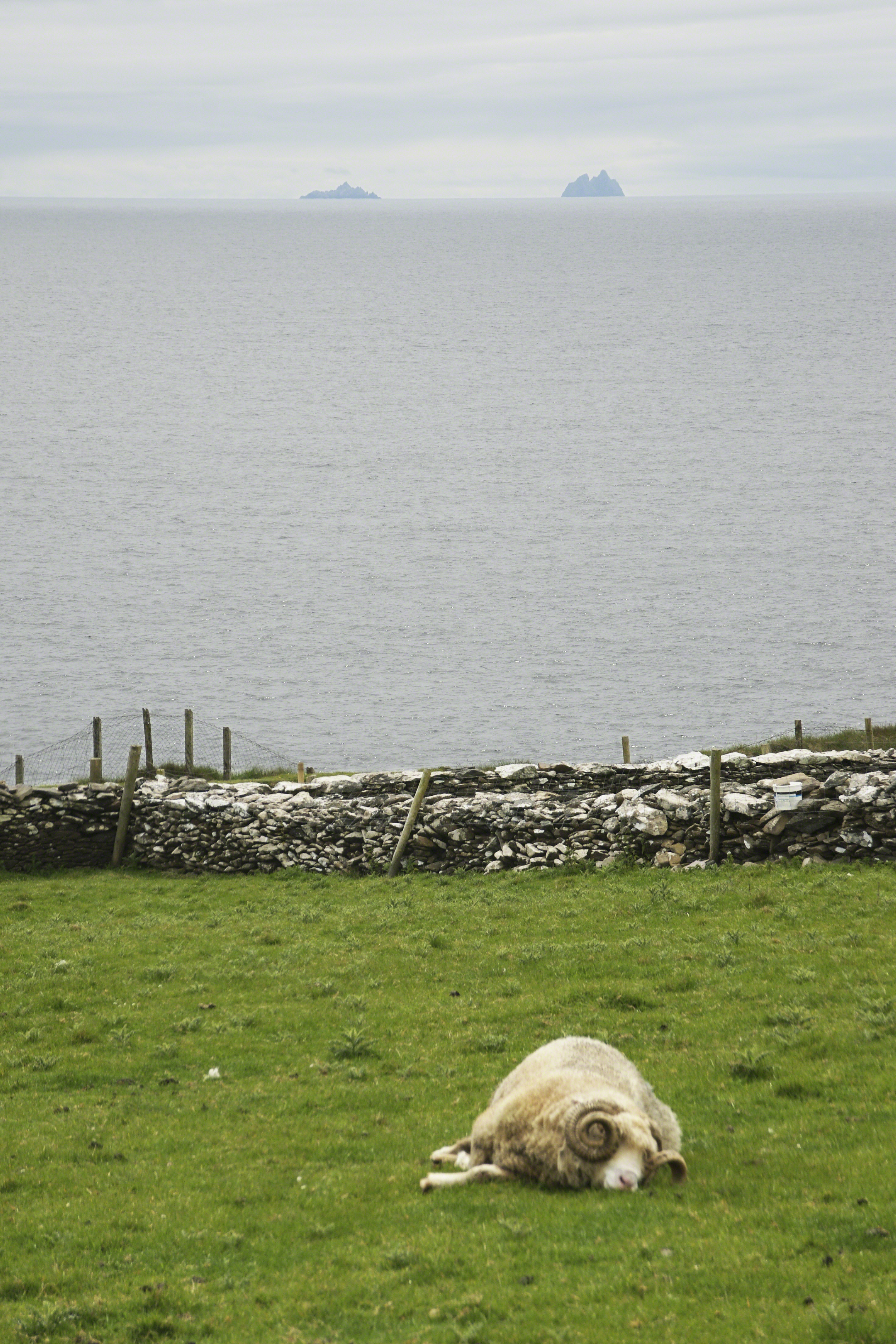
View southwest from R559 looking across pasture over the Dunberg Promontory Fort. In the foreground a large ram with curled horns rests. In the distance is the mouth of Dingle Bay and the North Atlantic Ocean with the Little Skellig and Skellig Michael Islands.
Skellig is a word for a sliver of rock. Here is another post about these islands.
Click photograph for an expanded view. To visit from WordPress Reader, you need to first click the title of this post to open a new page.
Copyright 2024 All Rights Reserved Michael Stephen Wills
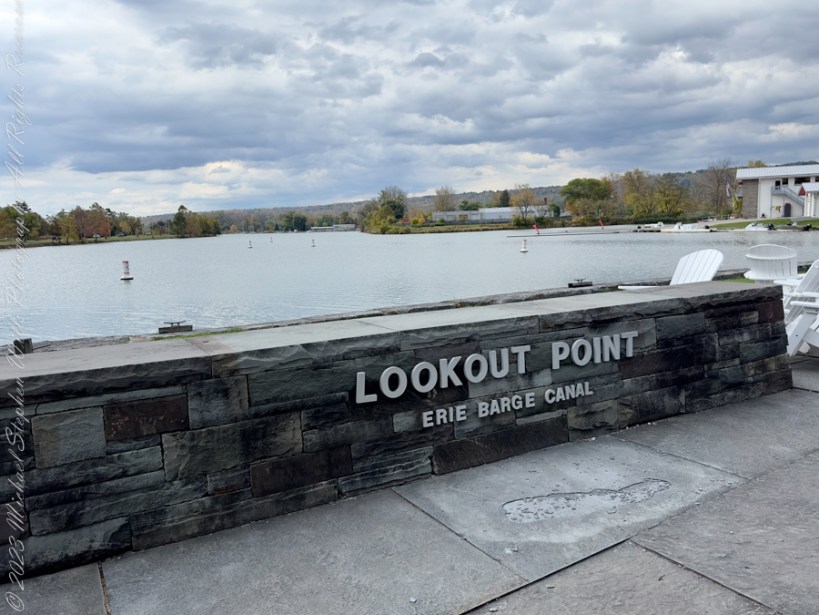
Lookout Point, Ithaca, New York
The Erie Barge Canal significantly influenced New York’s history, particularly impacting Cayuga Lake and Ithaca. The canal, which extended to the Cayuga-Seneca canal, transformed Ithaca into a prosperous community due to shipping and salt production industries. Today, despite its shift from industrial uses to a leisure and educational haven, the canal’s cultural and economic legacy remains indelible on the town and lake.
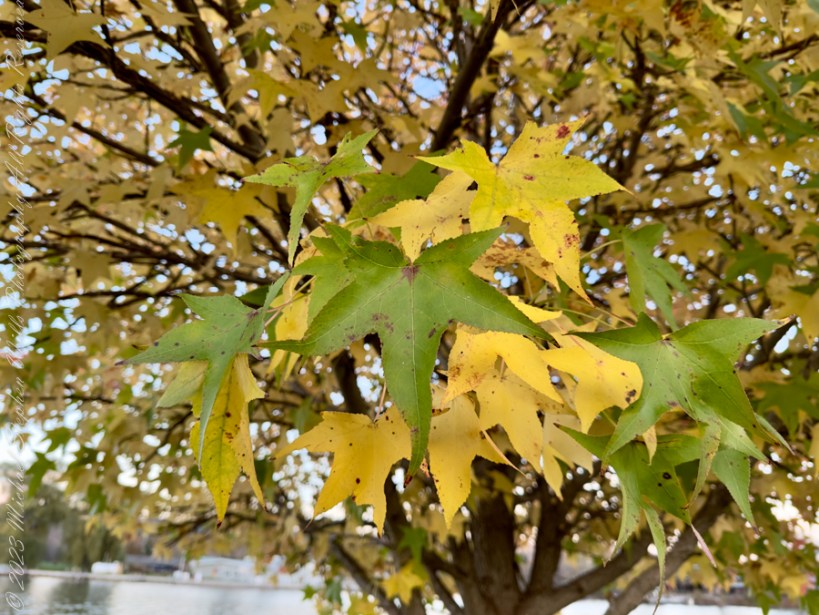
Hands of Frogs and the Innocence of Babies
Autumn leaves whisper,
By the calm inlet they dance,
Maple’s red embrace,
History in every branch,
Nature’s heart in silent chant.
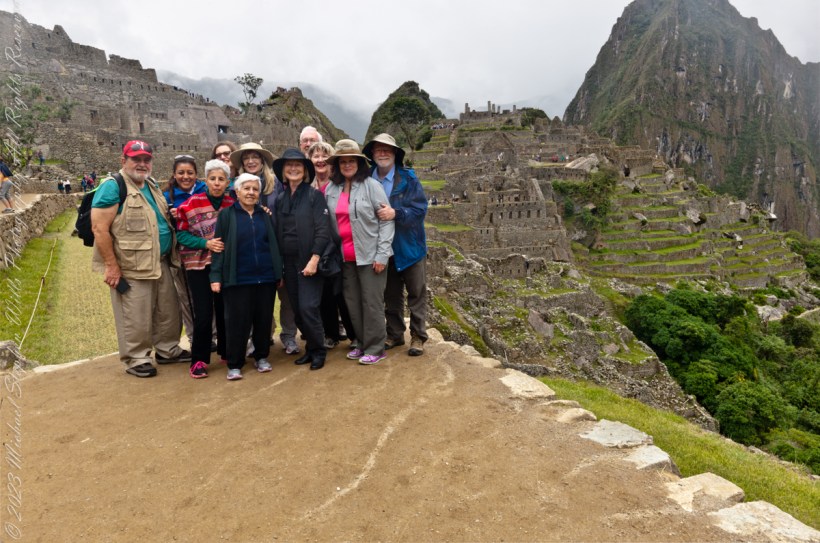
Machu Picchu overview
Our February 2016 travel group poses at the overlook.
Click Me for my Online Gallery
Machu Picchu was believed (by Richard L. Burger, professor of anthropology at Yale University) to have been built in the 1450s. However, a 2021 study led by Burger used radiocarbon dating to reveal that Machu Picchu may have been occupied from around 1420–1530 AD.[24][25] Construction appears to date from two great Inca rulers, Pachacutec Inca Yupanqui (1438–1471) and Túpac Inca Yupanqui (1472–1493). There is a consensus among archaeologists that Pachacutec ordered the construction of the royal estate for his use as a retreat, most likely after a successful military campaign. Although Machu Picchu is a “royal” estate, it would not have been passed down in the line of succession. Rather it was used for 80 years before being abandoned, seemingly because of the Spanish conquests in other parts of the Inca Empire. It is possible that most of its inhabitants died from smallpox introduced by travelers before the Spanish conquistadors arrived in the area.
Click Me for the next post in this series.
Reference: “Machu Picchu” Wikipedia
Copyright 2023 Michael Stephen Wills All Rights Reserved
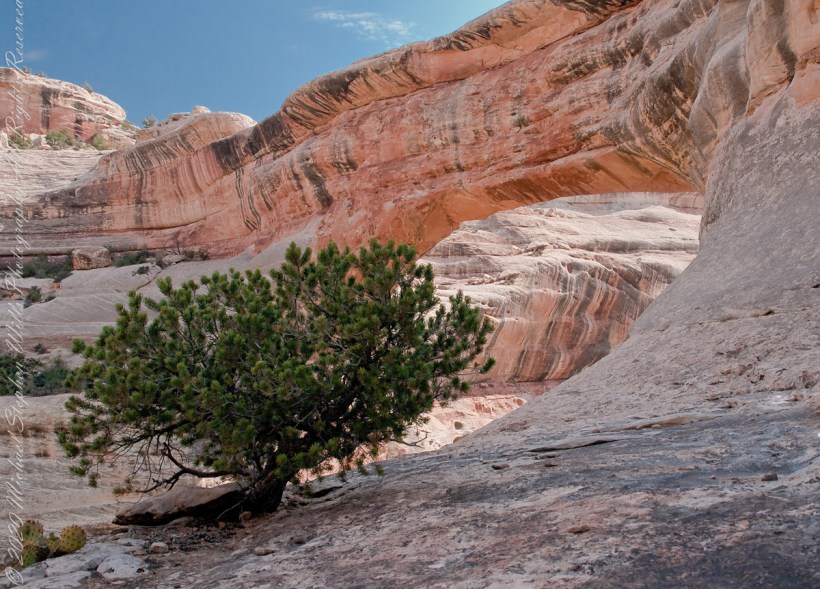
Utah Juniper at Sipapu Bridge
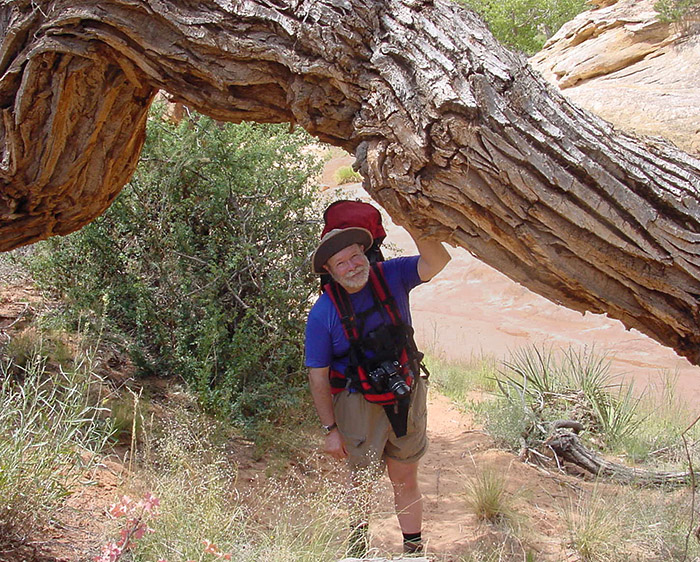
UNIQUE
Here is a unique tree in the unworldly environment near Sipapu Bridge, Natural Bridges National Monument. I am looking from under a huge Cottonwood tree trunk, in the above photography taken by my wife Pam.
THIS TREE
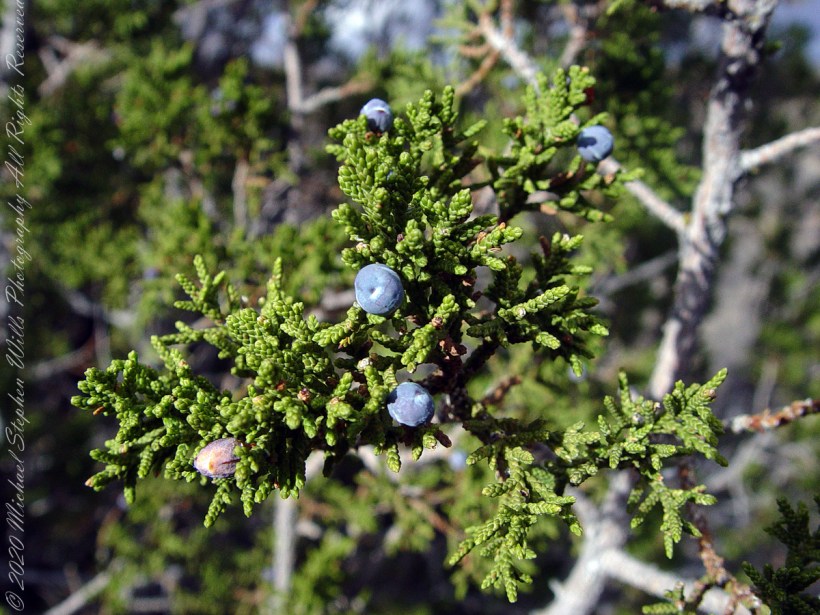
This tree is an older specimen of the Utah Juniper featured with my fine art print of Sipapu Bridge (click any pic in this posting to view). Also known as Shag Bark juniper for the thin peices that separate from the trunk. These tress can live to over 600 years and, like this example, are photogenic.
It is a common species through Utah, being found most often at elevations above sagebrush/grass and below pinyon pine (4,000 to 7,500 feet). As the environment changes with the presence of people and changing climate, this juniper is becoming more common. Nearly 1/5th the land of Utah is covered by Utah Juniper.
USES!!
Not shown here are the fascinating (for me, anyway) berries (also called “cones” or “berry-cones”). Each contains seeds, is hard and green, about a quarter inch across. If you are brave enough to eat it, you find it to have a pleasant, resinous flavor (a taste like the aroma of pine cones). These seeds are the manner in which the Utah Juniper spreads. The tree has both male and female parts and can fertilize itself, so it is possible an isolated stand can all spring from a single individual (unlike humans, for example).
Native Americans consume the berries and the wood, being highly decay resistant, is commonly used for fence posts and other applications exposed to the elements.
Juniper berries are eaten by jackrabbits, foxes and coyotes. Many bird species rely on this abundant fruit for fall and winter food. Mule deer will each the scaly leaves when other food is scarce, for example when the winter snows are very deep.
Copyright 2023 Michael Stephen Wills All Rights Reserved
Pinelands Connections I
Geneology and DNA
“From the fire tower on Bear Swamp Hill, in Washington Township, Burlington County, New Jersey, the view usually extends about twelve miles. To the north, forest land reaches to the horizon. The trees are mainly oaks and pines, and the pine predominate. Occasionally, there are long, dark, serrated stands of Atlantic white cedars, so tall and so closely set that they seem spread against the sky on the ridges of hills, when in fact they grow along streams that flow through the forest. To the east, the view is similar, and few people who are not native to the region can discern essential differences from the high cabin of the fire tower, even though one difference is that huge areas out in this direction are covered with dwarf forests, where a man can stand among the trees and see for miles over their uppermost branches. To the south, the view is twice broken slightly — by a lake and by a cranberry bog — both otherwise it, too, goes to the horizon in forest. To the west, pines, oaks, and cedars continue all the way, and the western horizon includes the summit of another hill — Apple Pie Hill — and the outline of another fire tower, from which the view three hundred and sixty degrees around is virtually the same as the view from Bear Swamp Hill, where, in a moment’s sweeping glance, a person can see hundreds of square miles of wilderness. The picture of New Jersey that most people hold in their minds is so different from this one that, considered beside it, the Pine Barrens, as they are called, become as incongruous as they are beautiful.” From The New Yorker magazine, November 26, 1967, “Profiles, The Pine Barrens I” creative non-fiction by the great John McPhee.
This quote captures the contours of a place, now known as “The Pinelands,” a corner of Burlington County, New Jersey my English, Irish, Scottish ancestors settled from 1677 until my grandfather, James Edward Wills, left for northern New Jersey, Asbury Park, in the first years of the twentieth century. This past decade, more so since retirement 2017, I’ve explored these two hundred and twenty (220) or so years beginning with amorphous asides over the years from my father and second hand through my sisters then through online research via Ancestry.com (Ancestry) and other searches.
From my father and sisters I knew to search southern New Jersey. The United States decennial census, “thank you Constitution,” listed a George and Margaret Wills with my grandfather among their children. Great Grandfather George Wills was listed as a 14 year old child of George and Mary Wills in the 1850 census. How could I be sure? DNA technology with internet based social interaction helped there. I was contacted by a Dellett descendant, identified by DNA as a fourth cousin, who claimed Mary Wills as a double great aunt, the daughter of James and Ann Dellett. Here is a screen capture of an Ancestry “ThruLines” analysis showing the six living ancestors of James and Ann in the database. I removed the names and photos of the other five to preserve privacy. The DNA fourth cousin relationship was an exact match to the family tree.

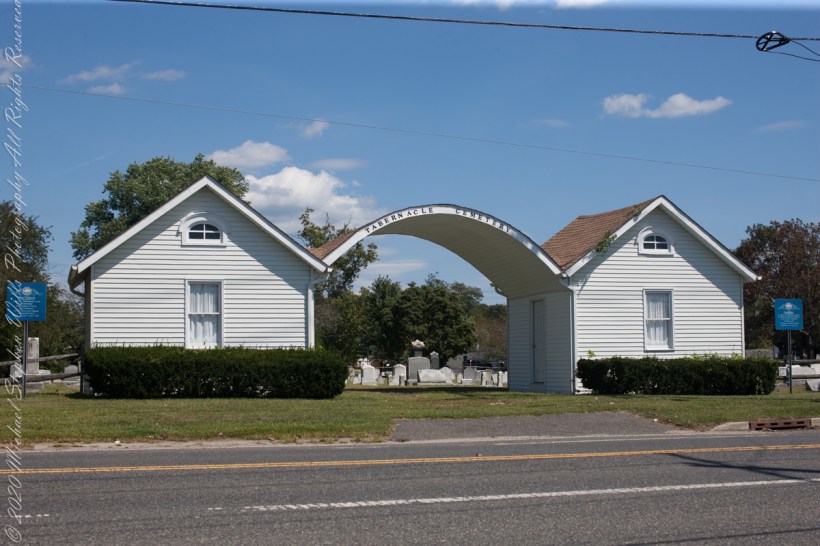
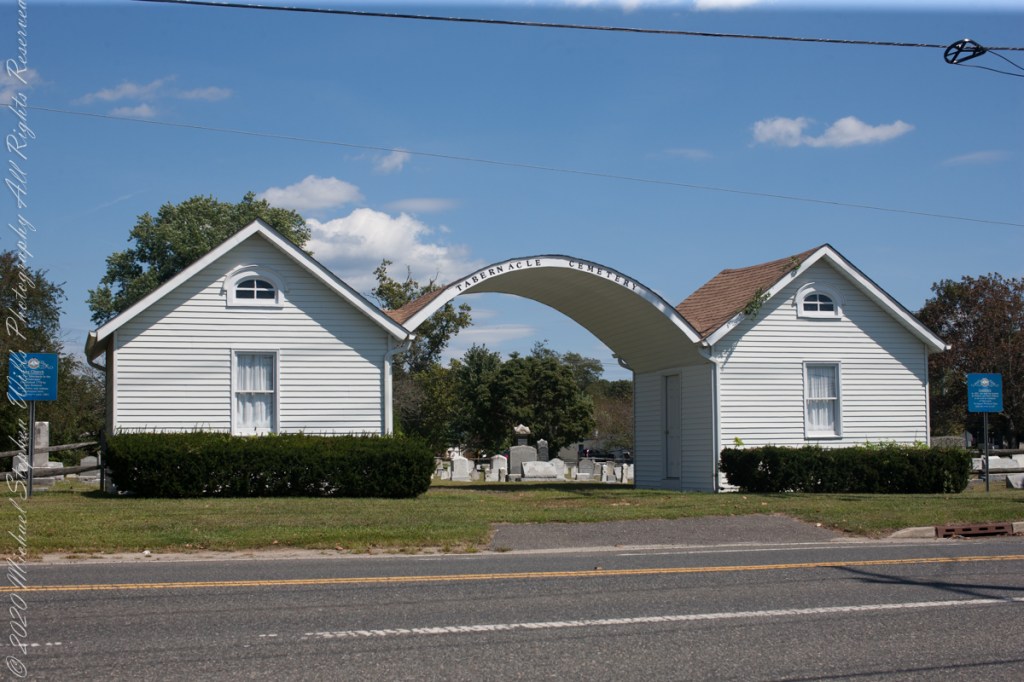
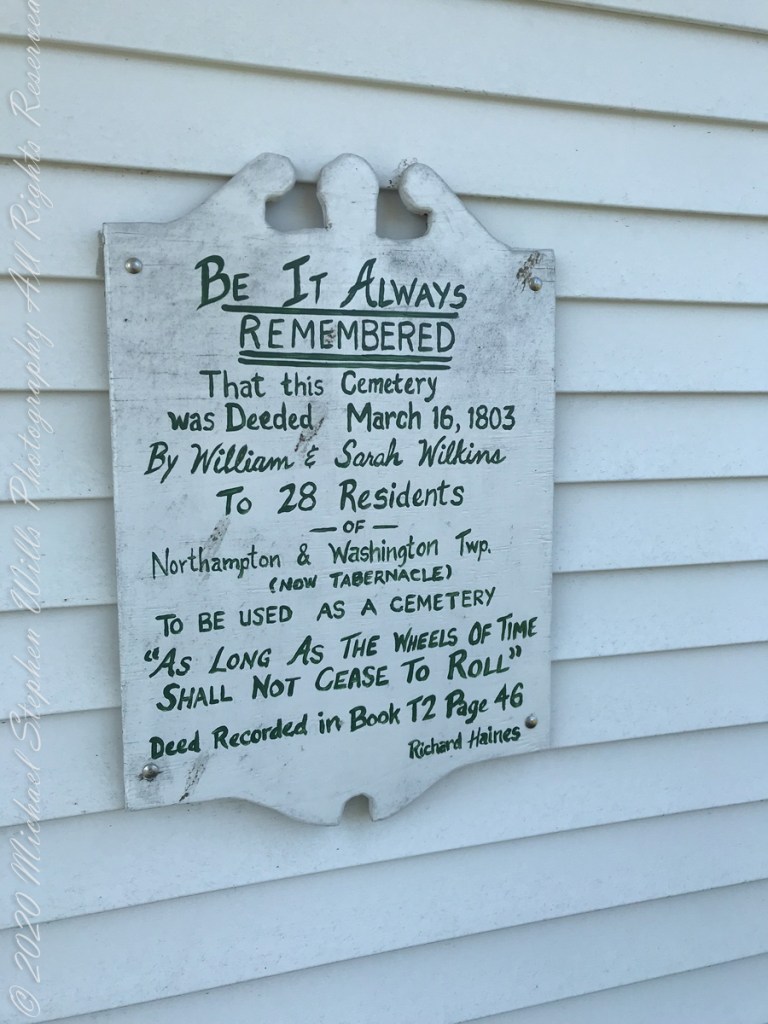
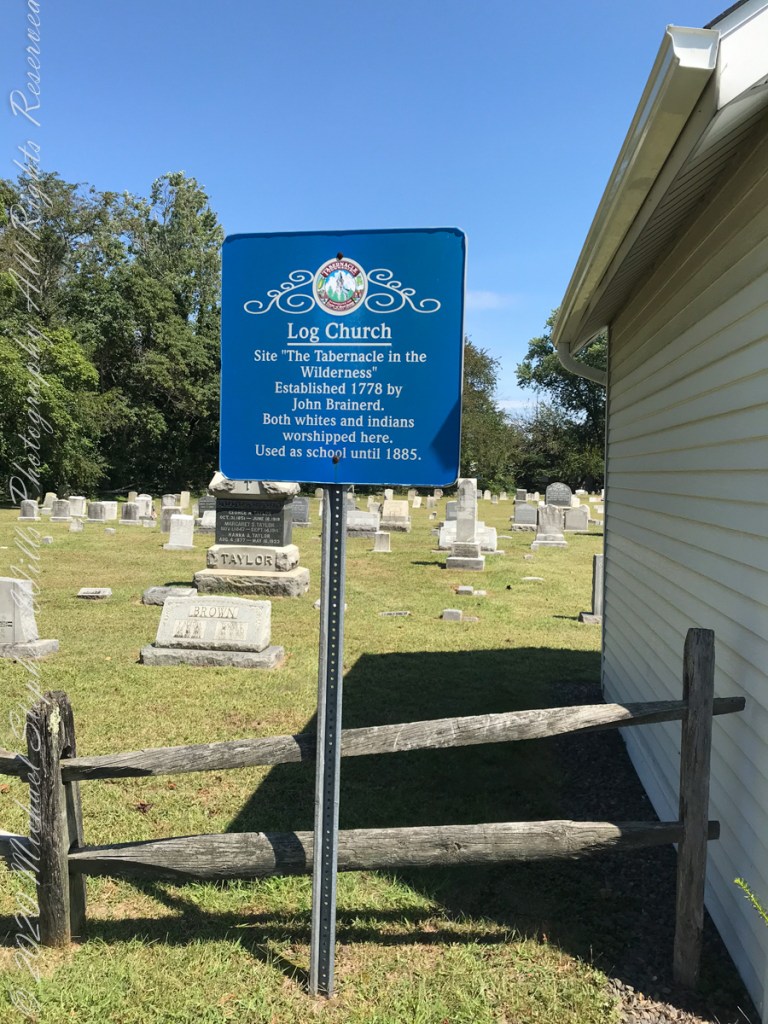
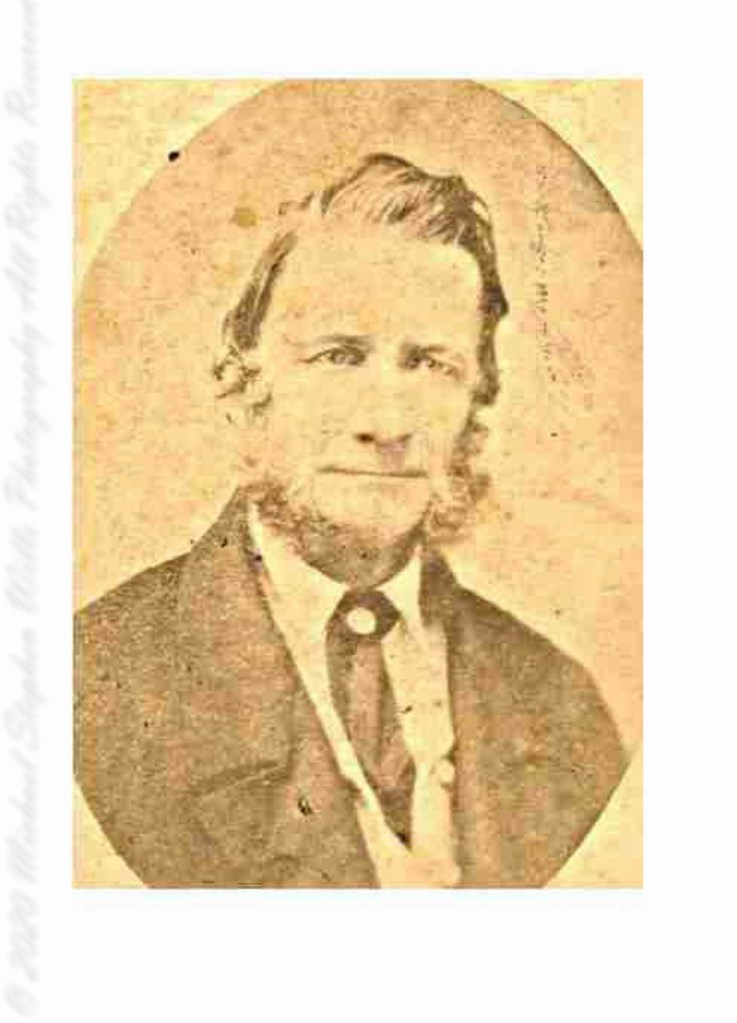
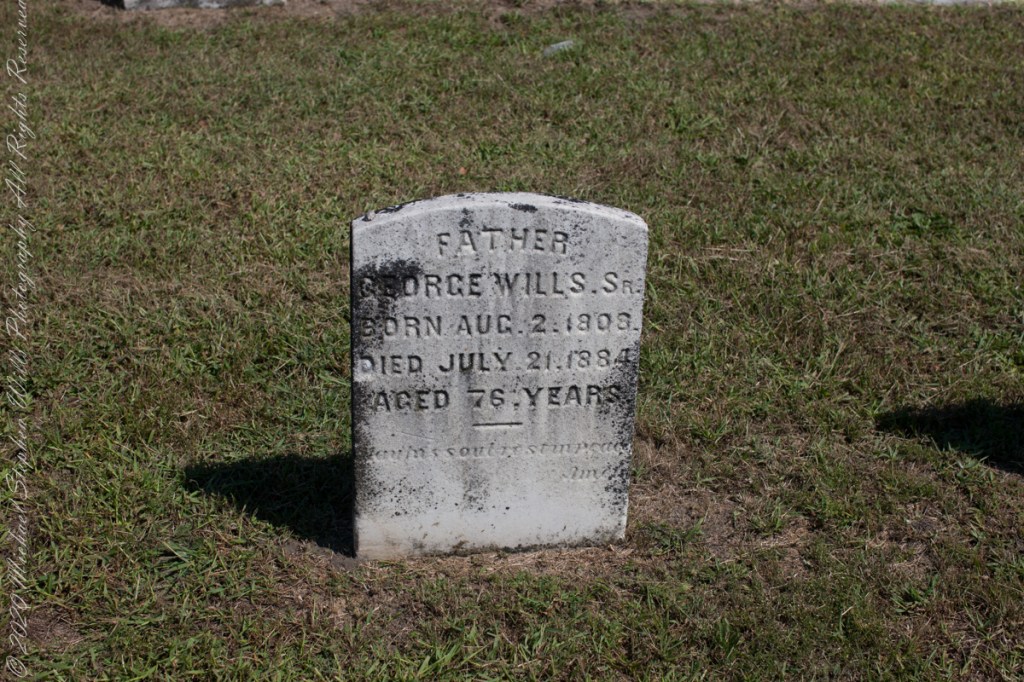
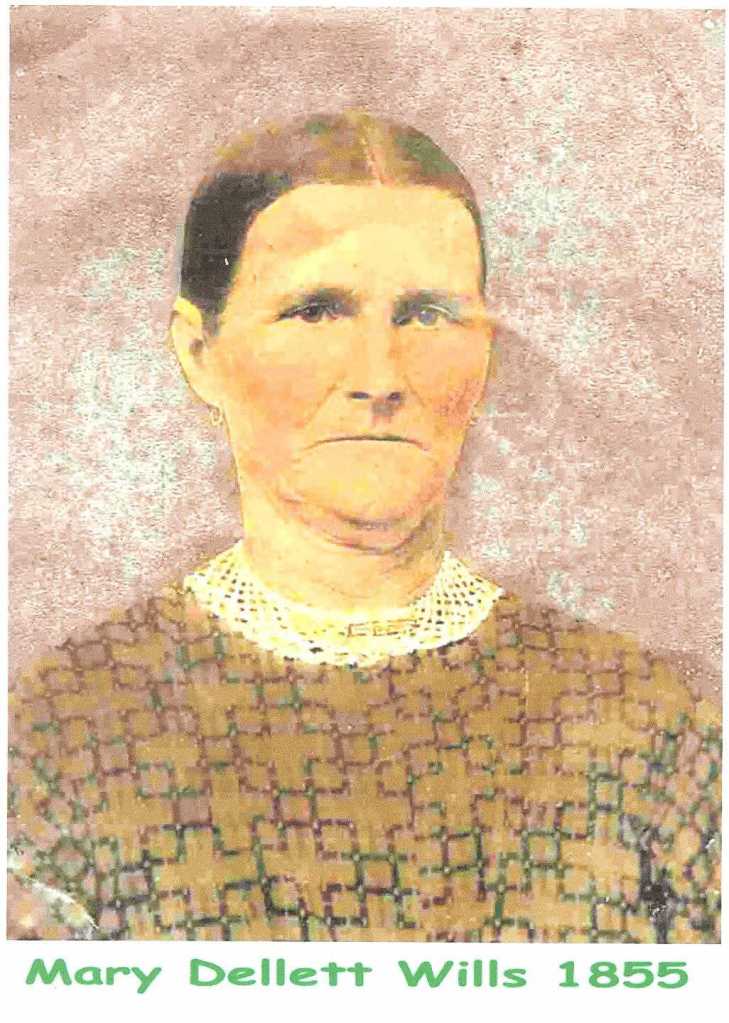
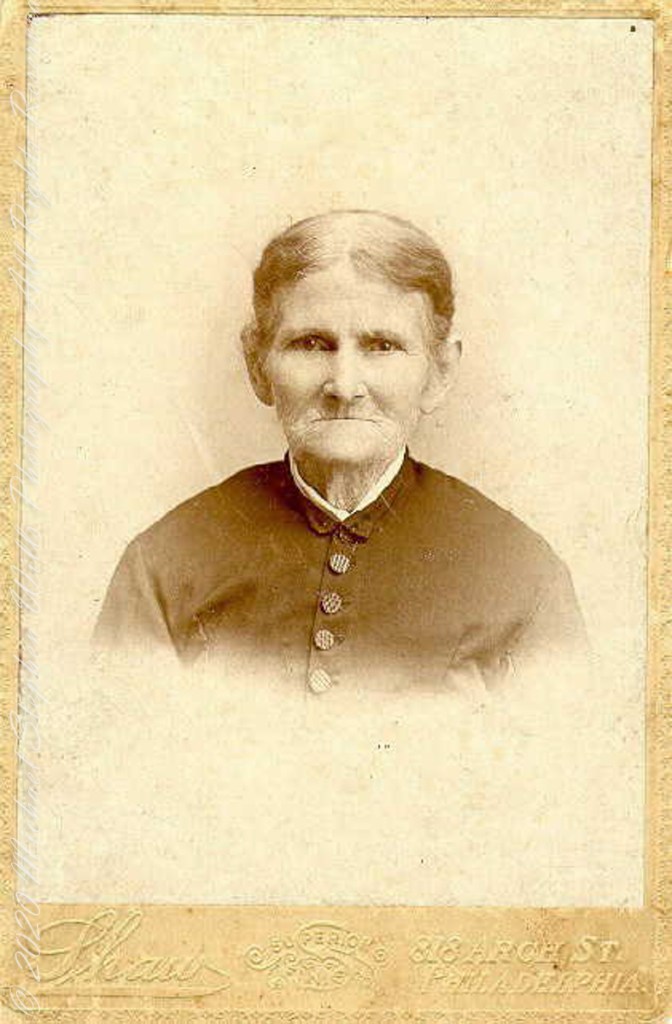
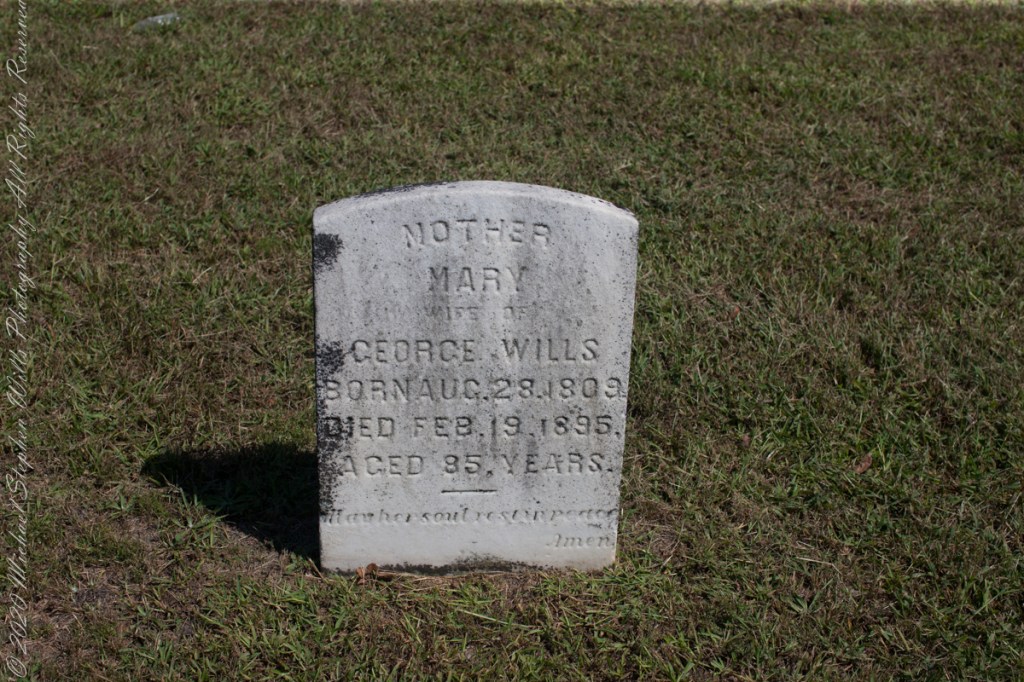
Cousin Delette provided antique photographs of George and Mary. I did a “FindAGrave” search, their final resting place is in a place named Tabernacle, Burlington County, New Jersey. September 2019 my wife Pam and I did a weekend tour with a bed and breakfast base in the city of Burlington, New Jersey. The rest of the photos in the following slideshow are from that weekend.
Here is the same Ancestry “ThruLines” analysis with the immediate family links exploded. through my “first cousin 1 time removed” I was able to communicate with a “lost” niece of my father who shared reminiscences of him from the time he was just released from World War II Naval Service, before meeting Mom.

….Click me for Pineland Connections II.
Copyright 2023 Michael Stephen Wills All Rights Reserved
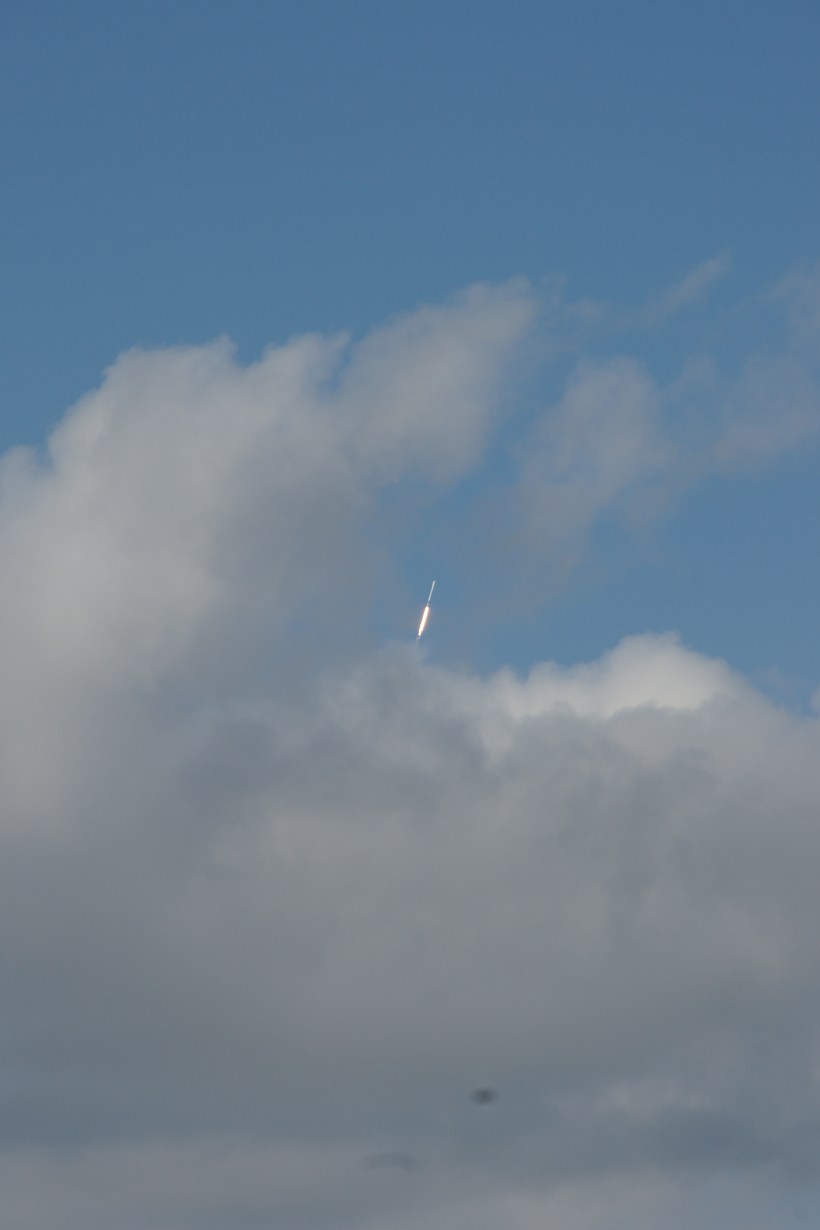
Falcon 9 rocket puts satellite into orbit for Luxembourg
Here is a series of photographs of the January 31, 2018 SpaceX launch of a Falcon9 bearing a Govsat1 (aka SES-16) satellite for Luxembourg. The re-used Falcon 9 was in expendable mode. The photographs, taken from Cocoa Beach, Florida show the rocket rising above the city and port of Cape Canaveral, through cumulous clouds and into space.
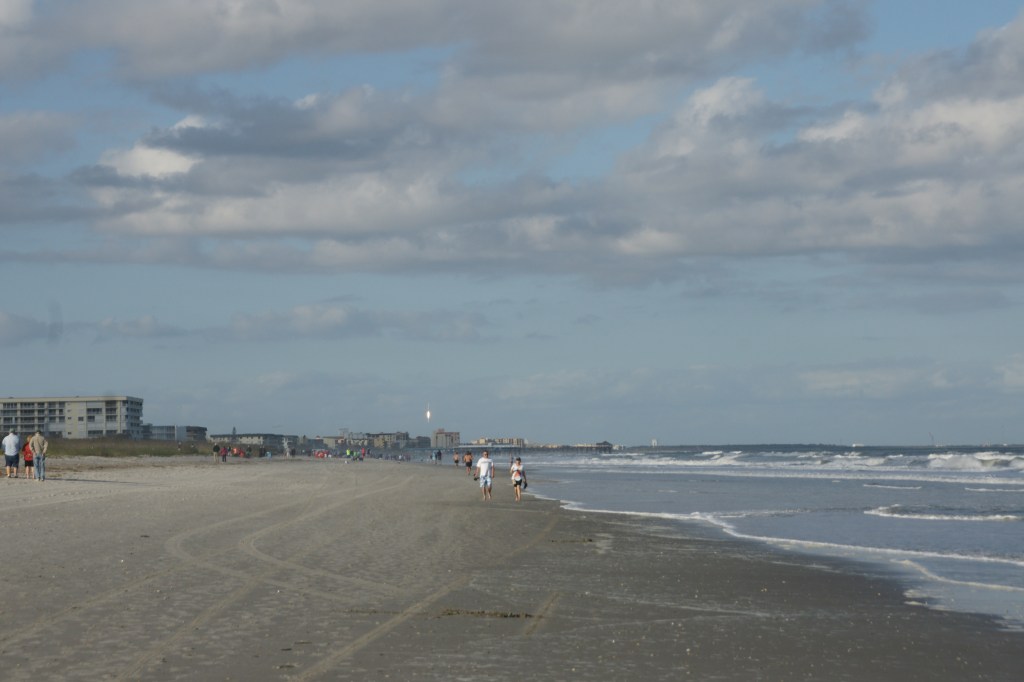
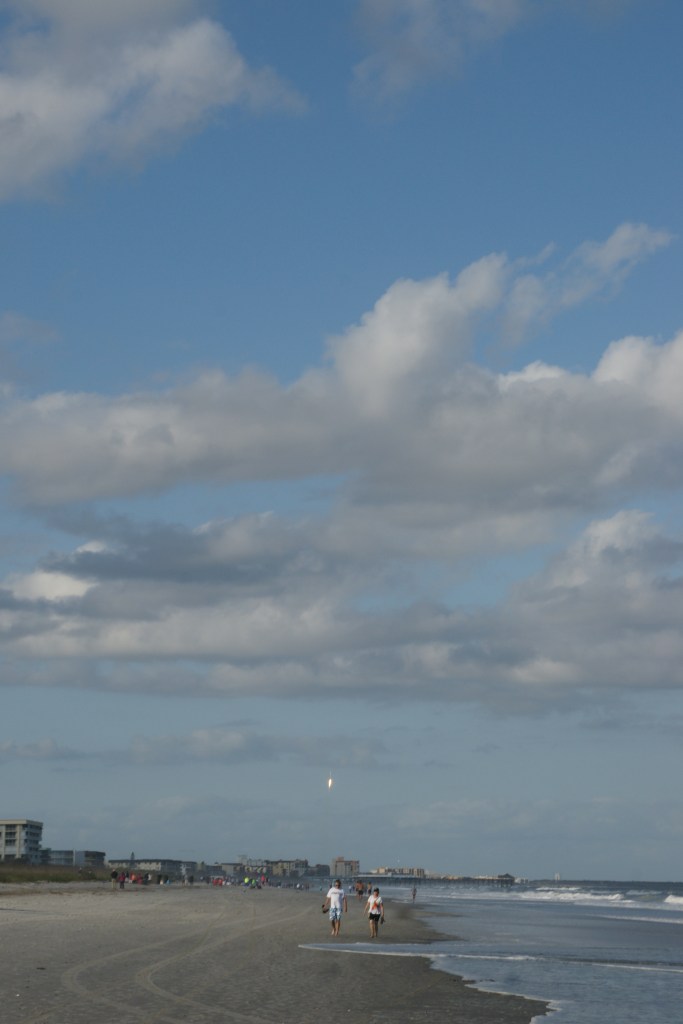
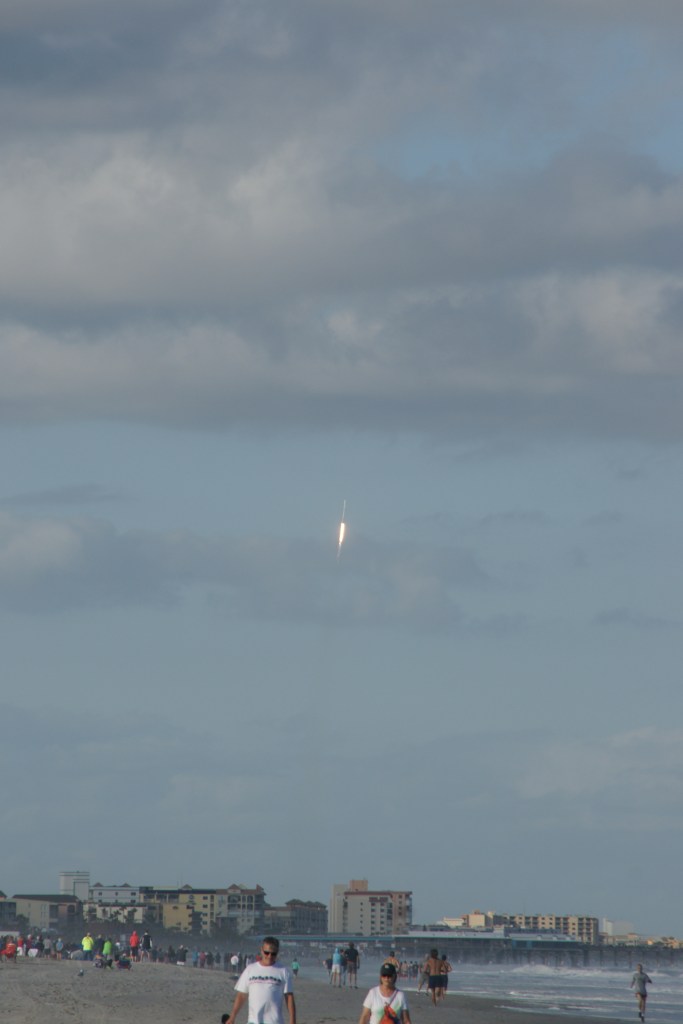
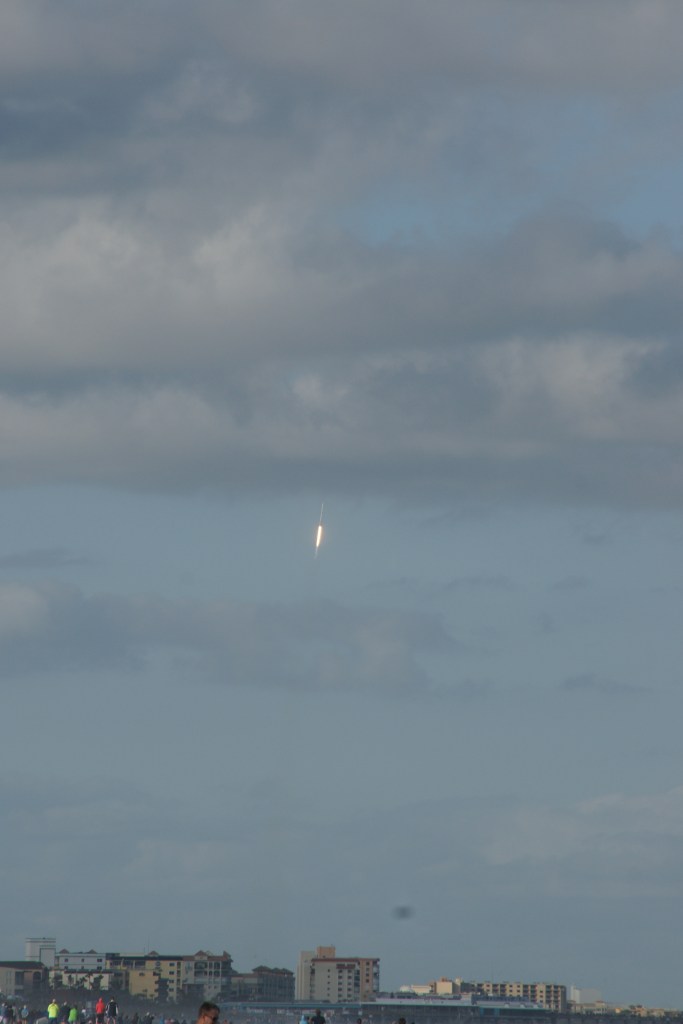
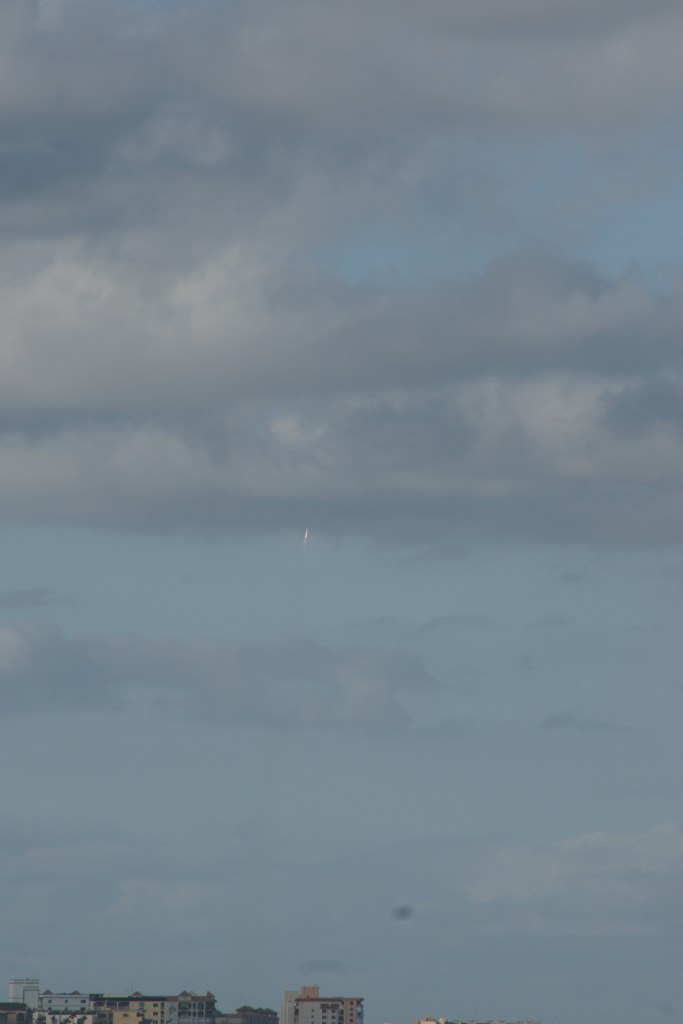
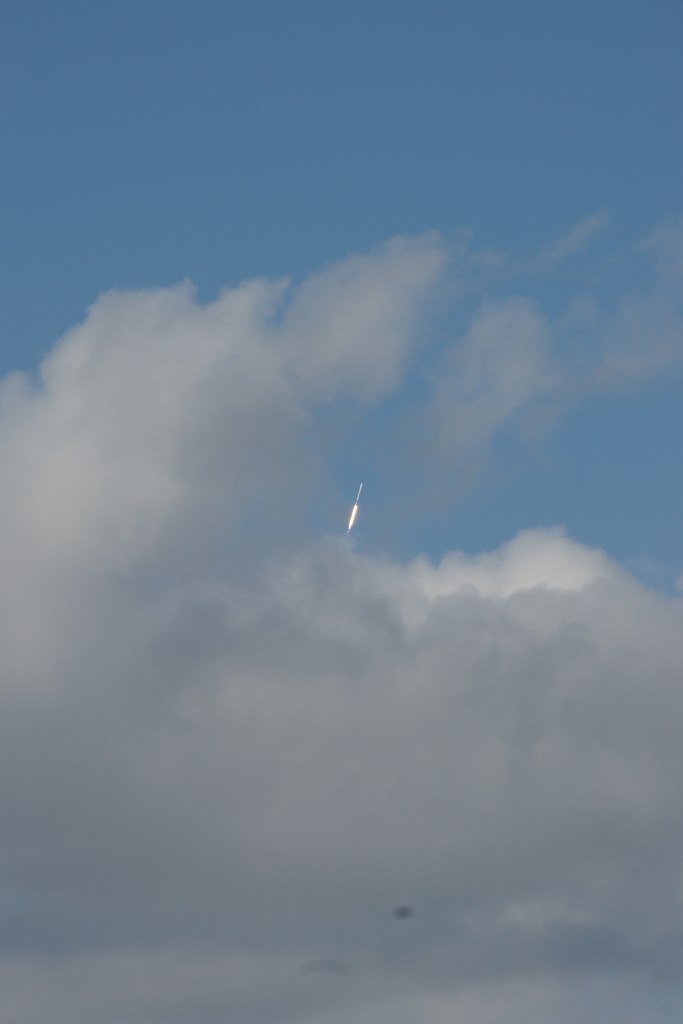
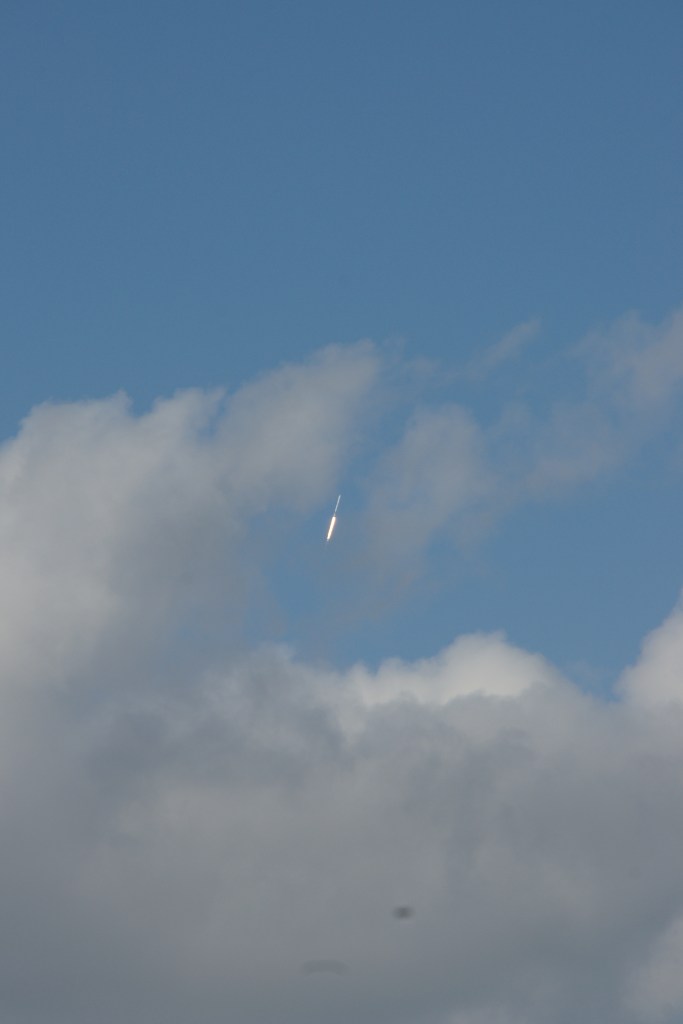
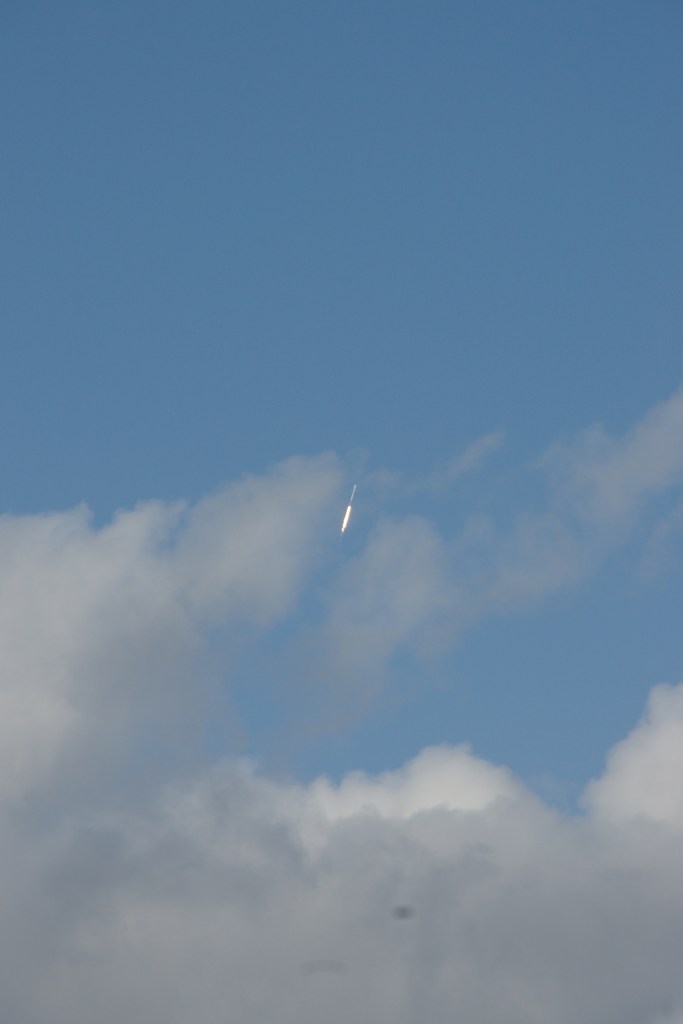
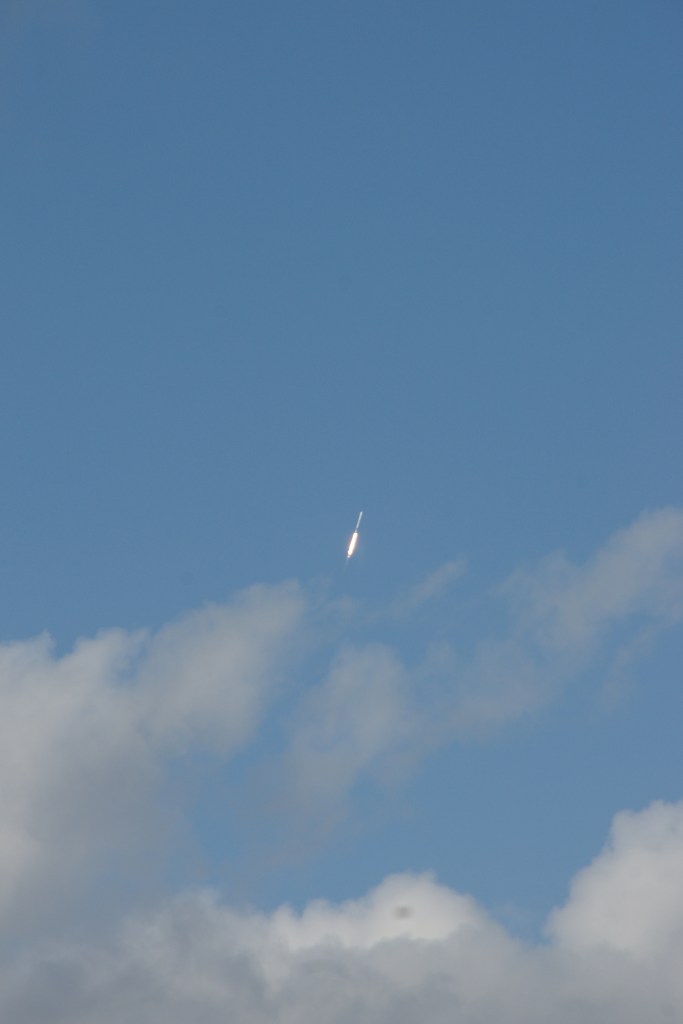
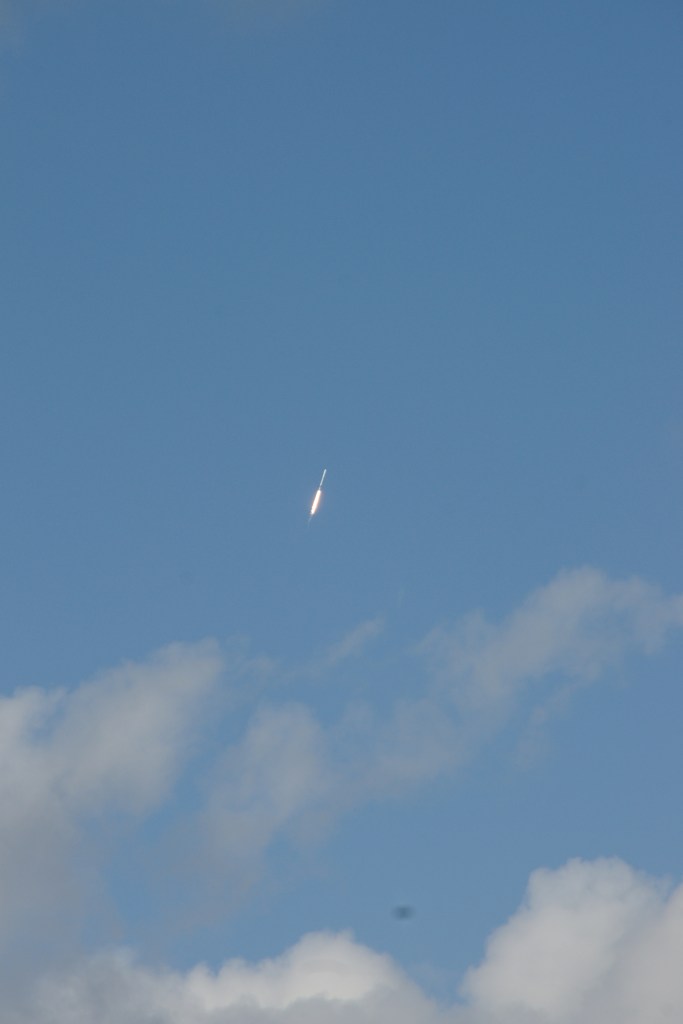
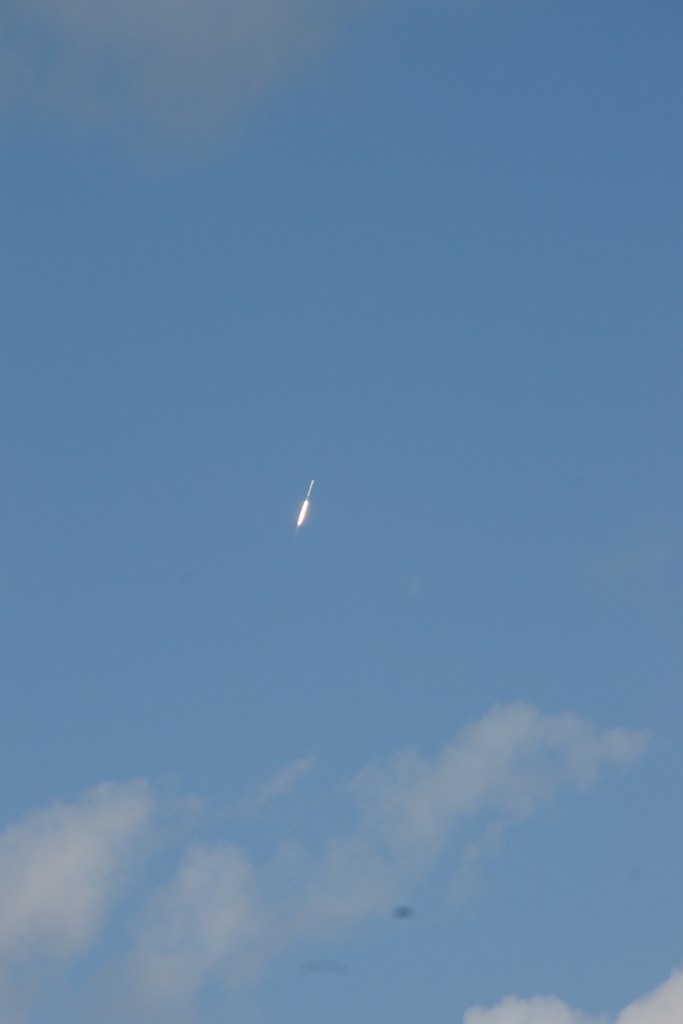
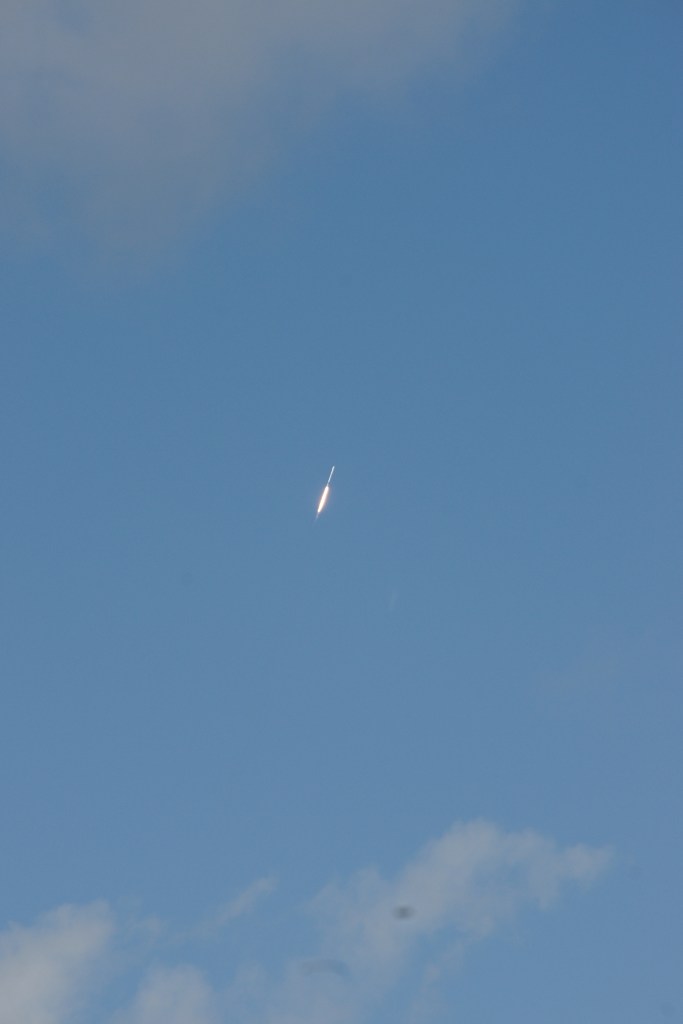
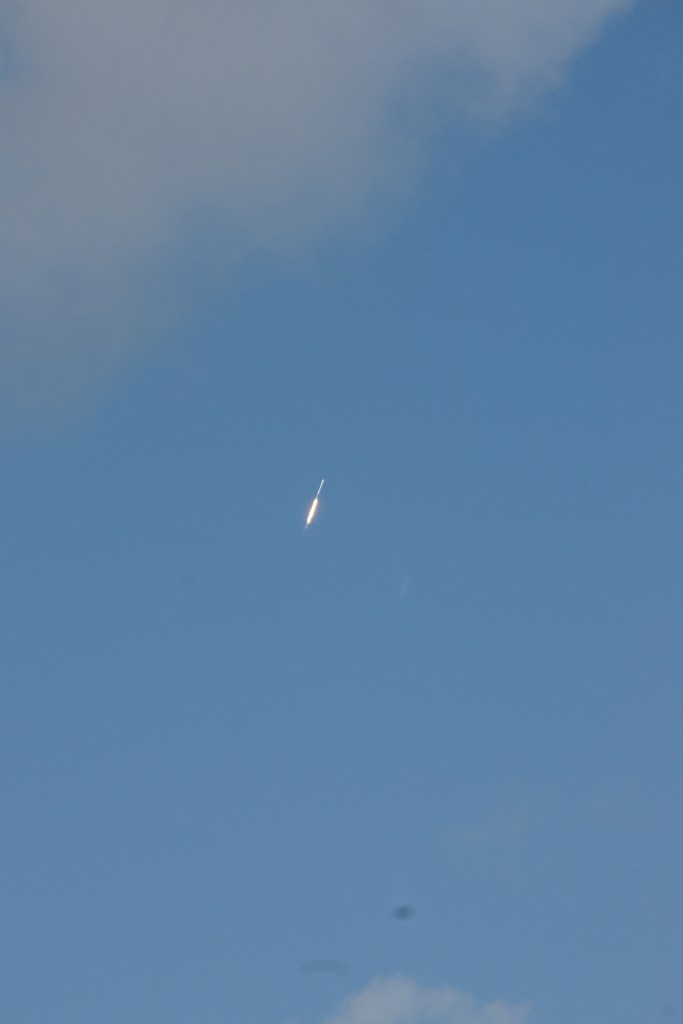
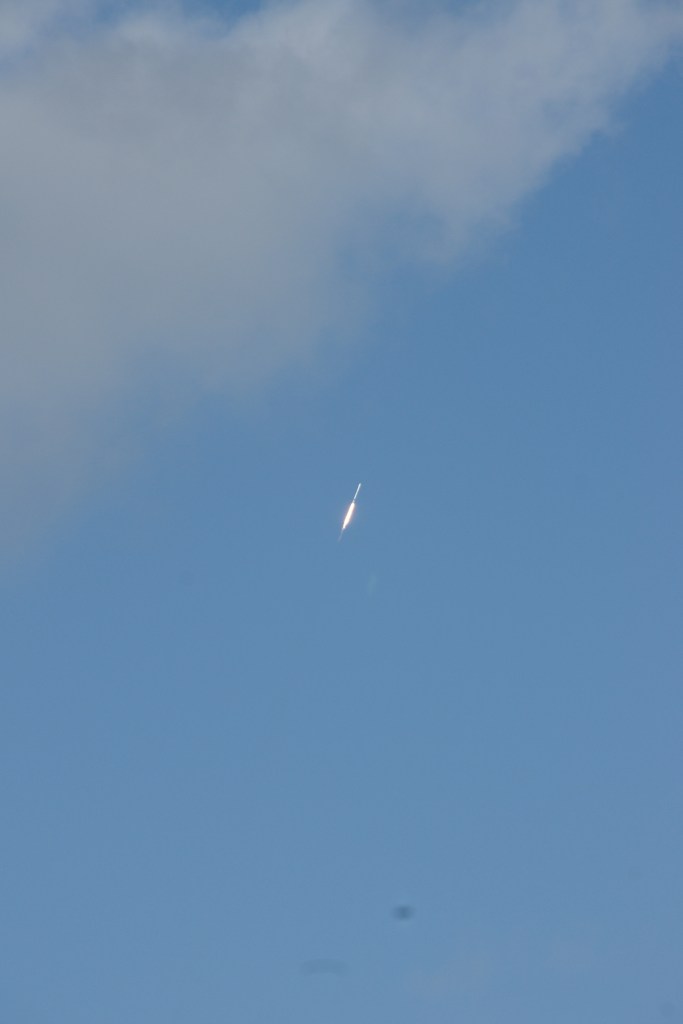
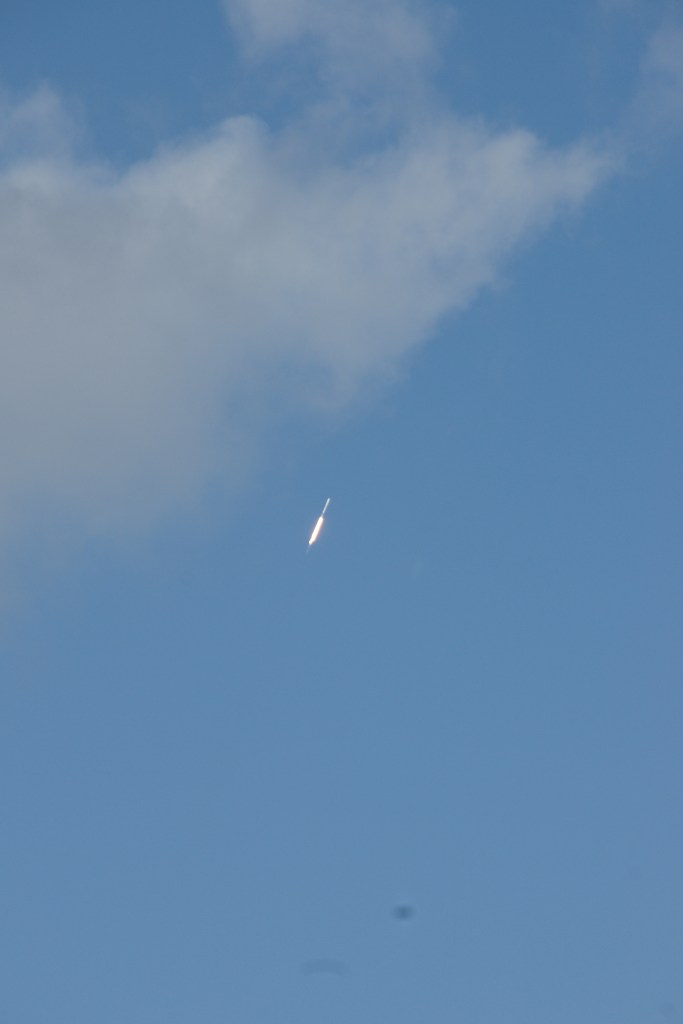
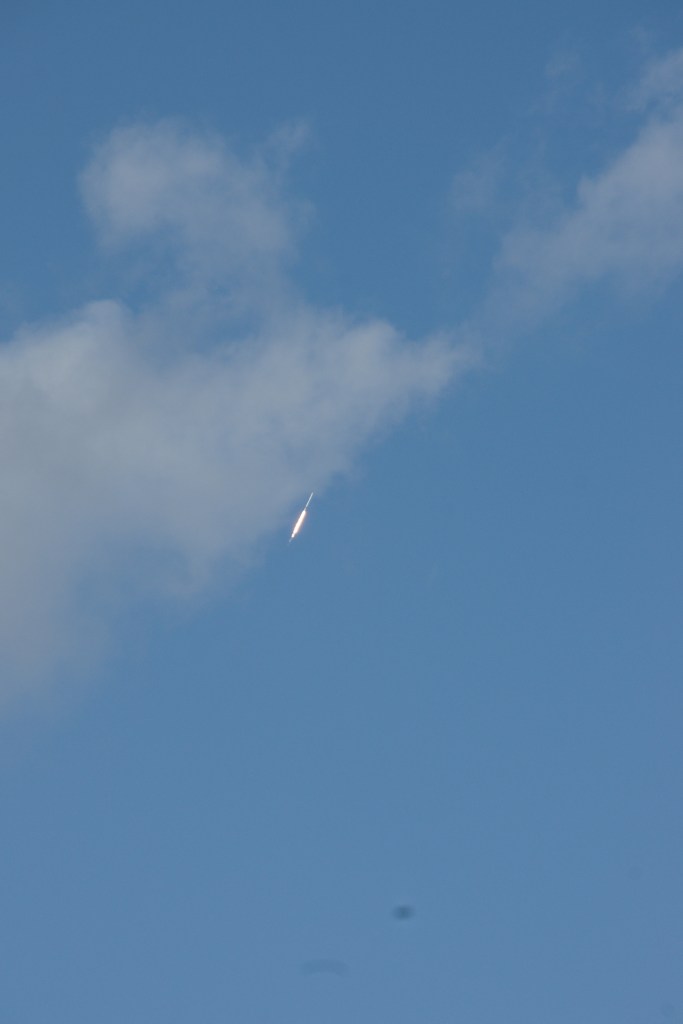
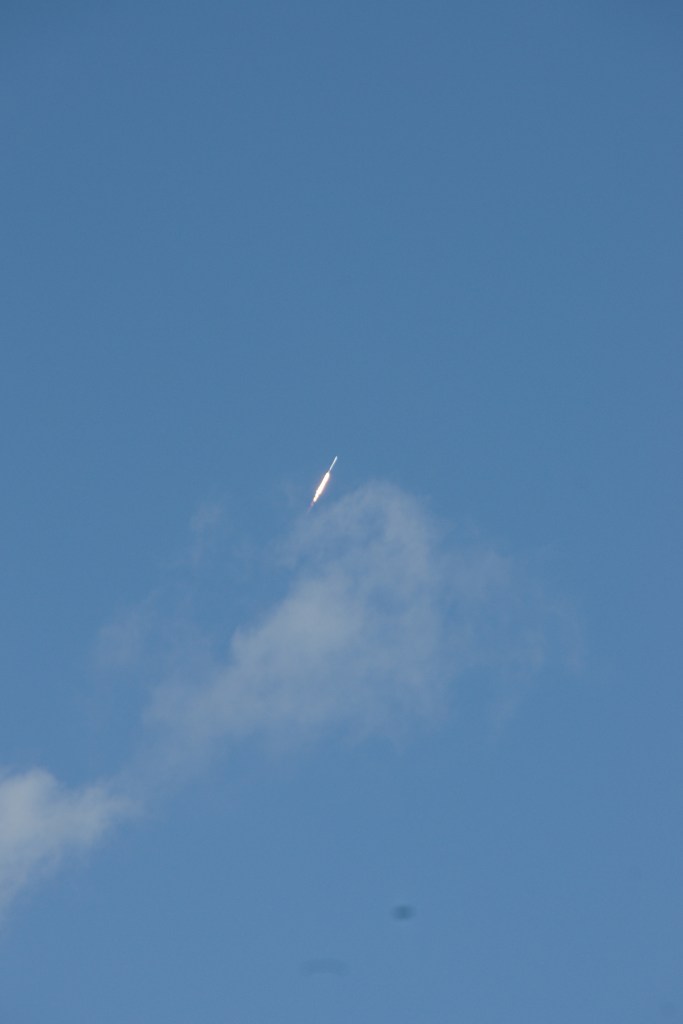
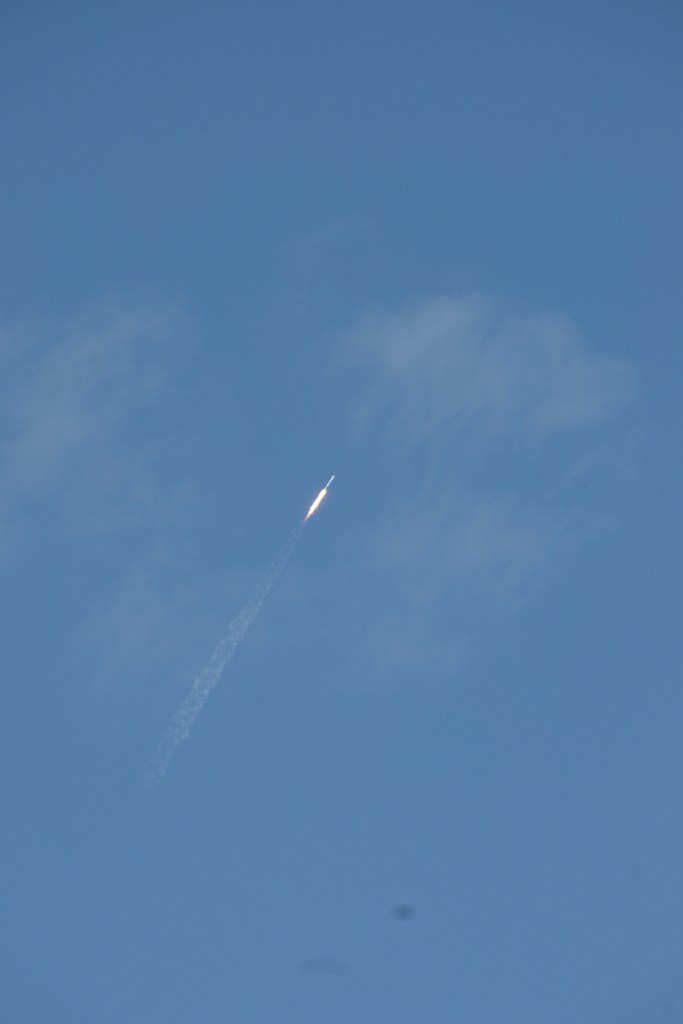
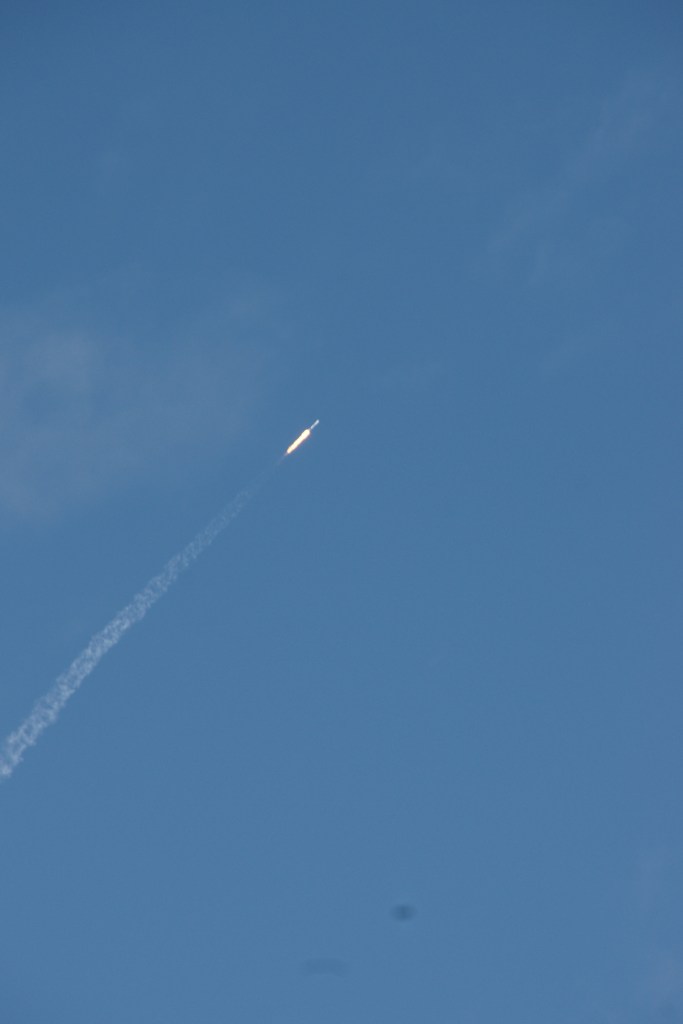
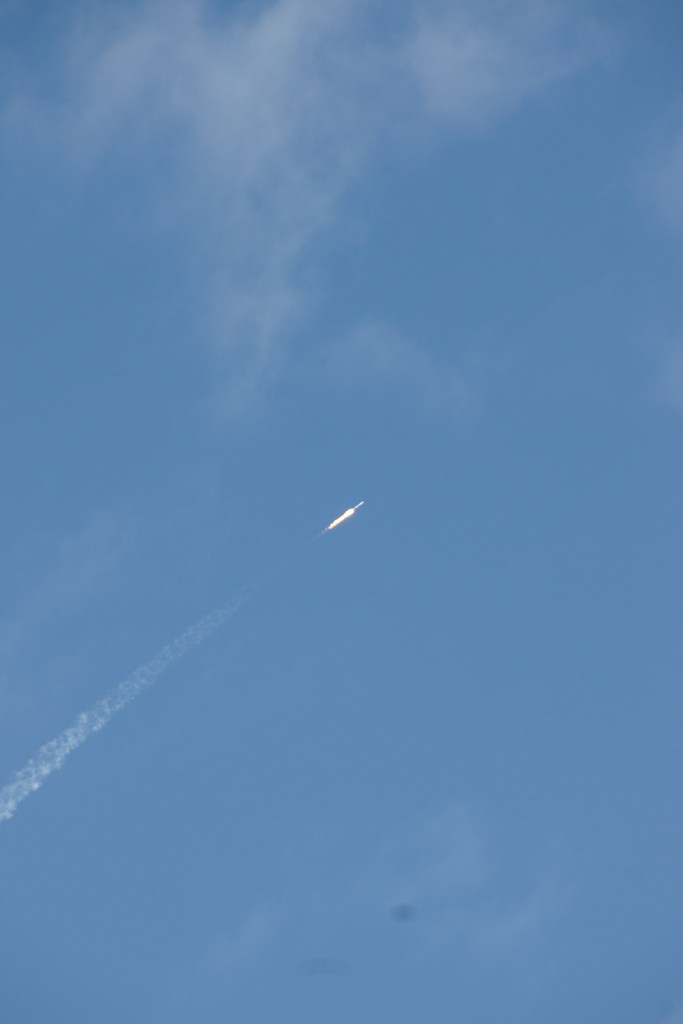
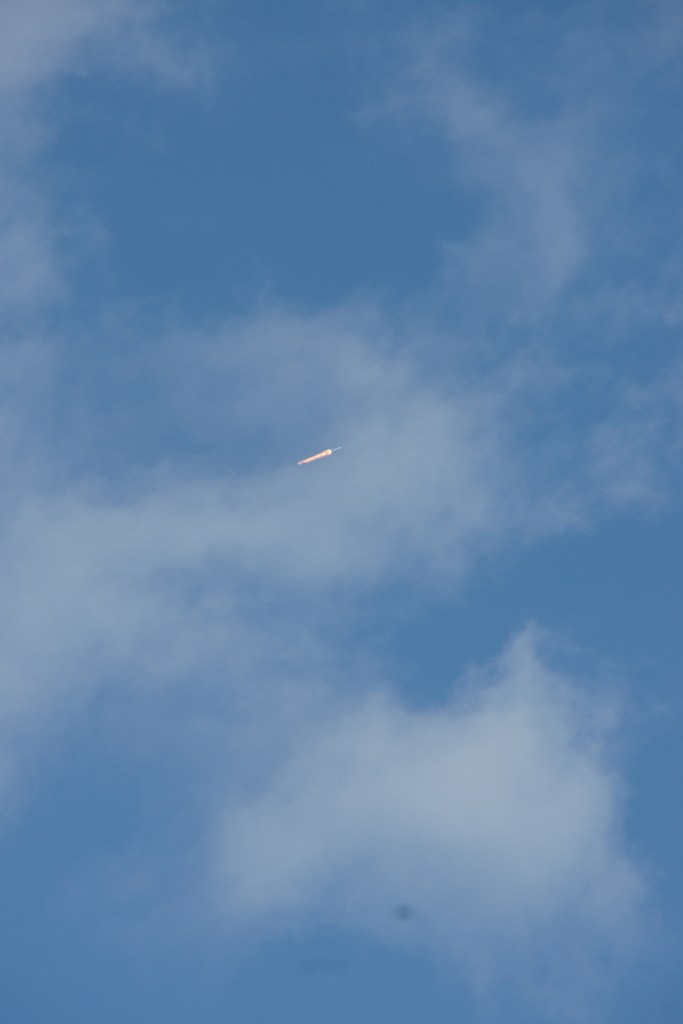
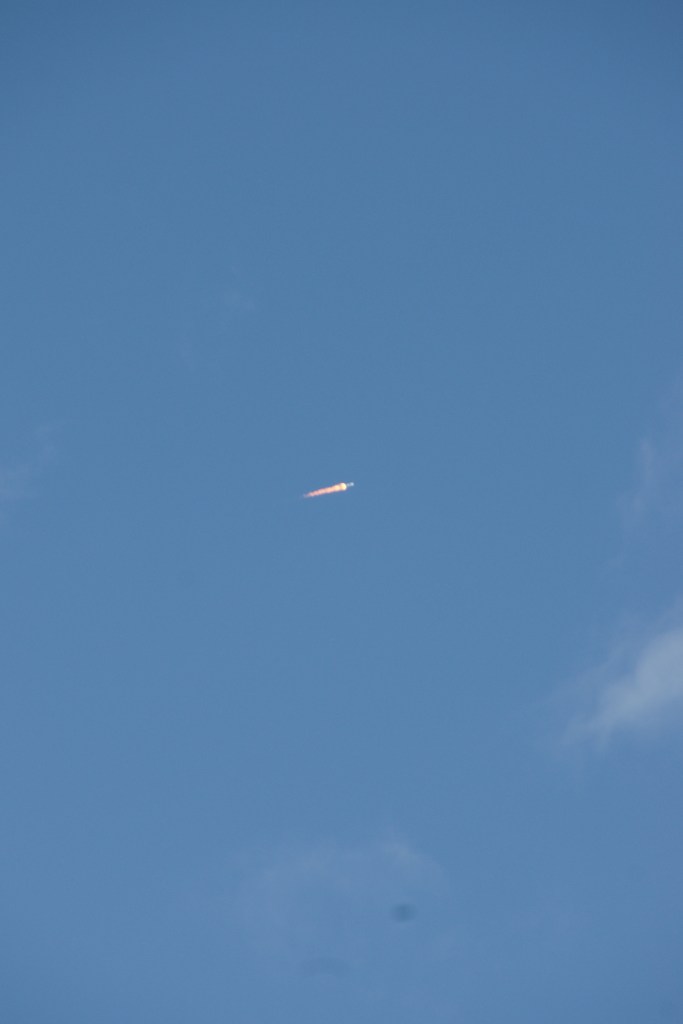
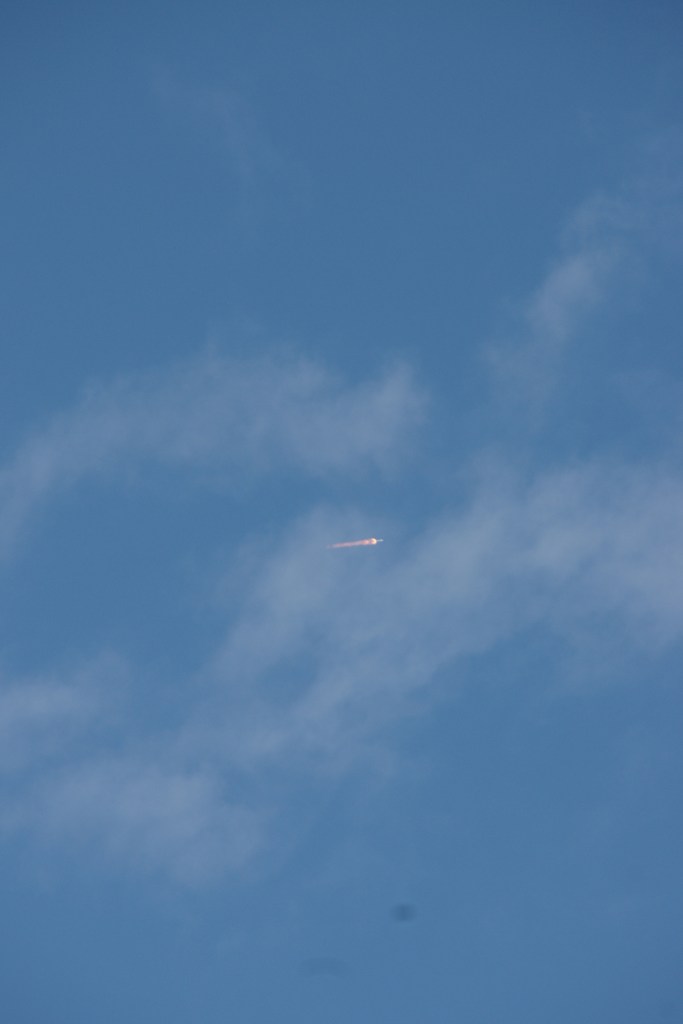
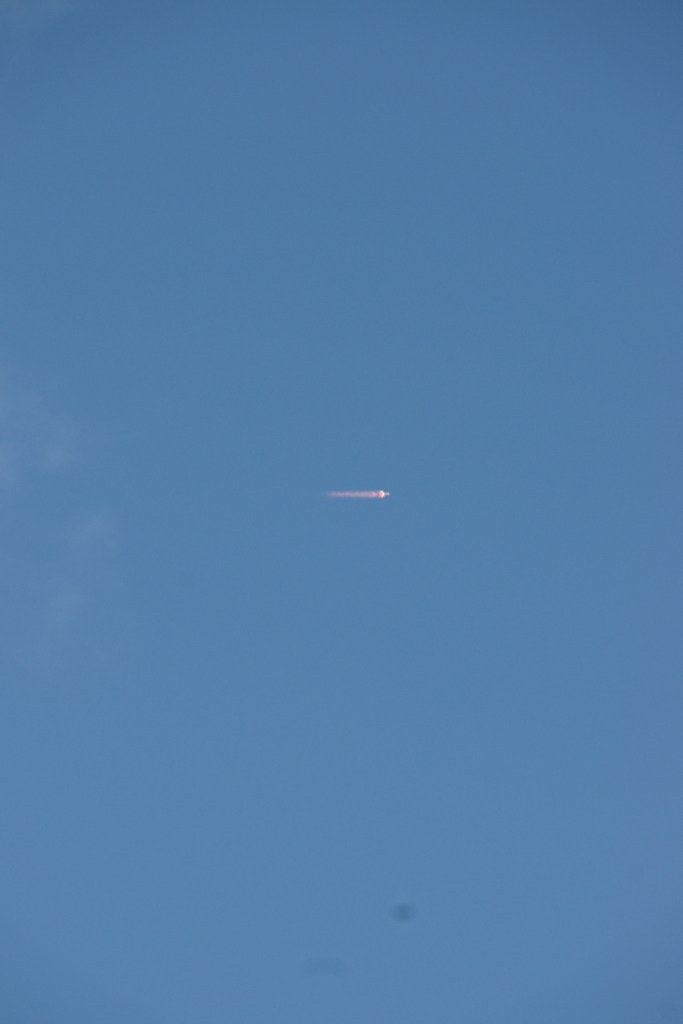
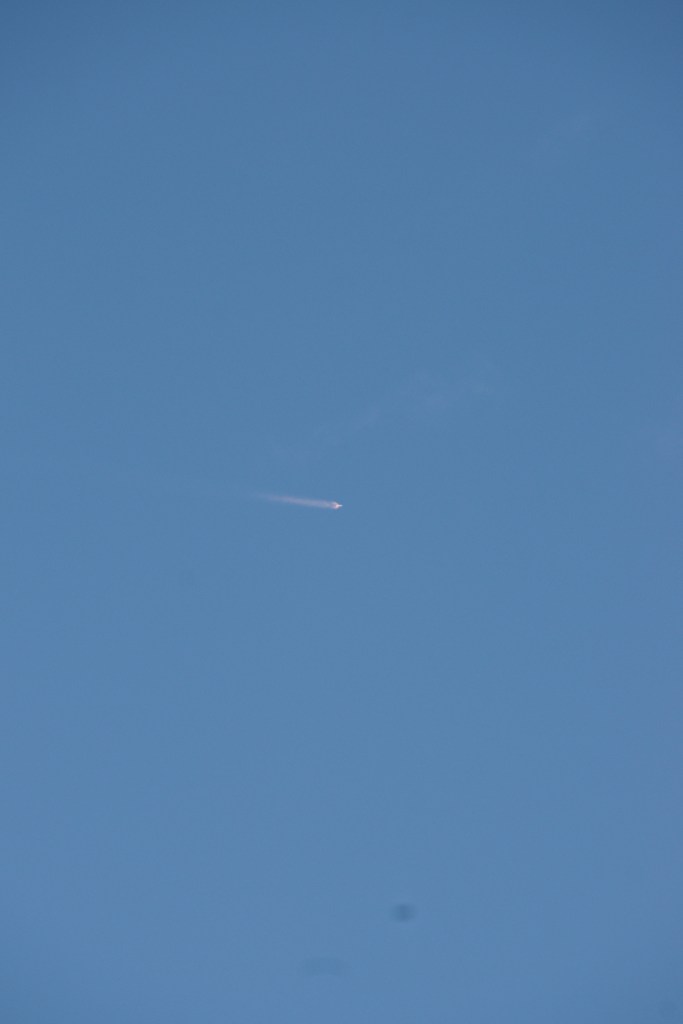
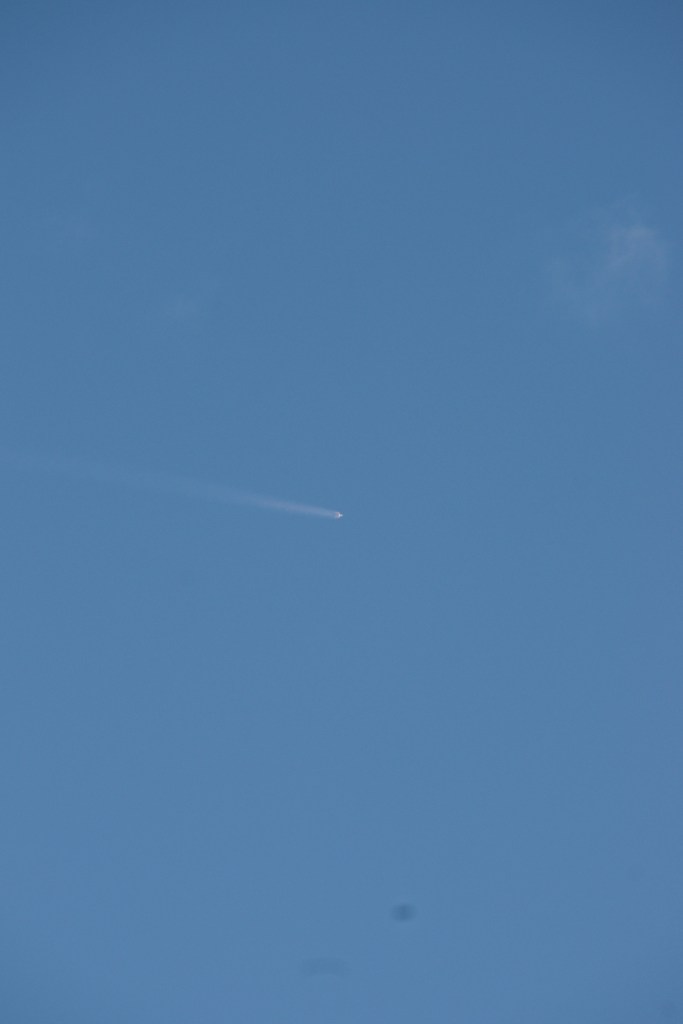
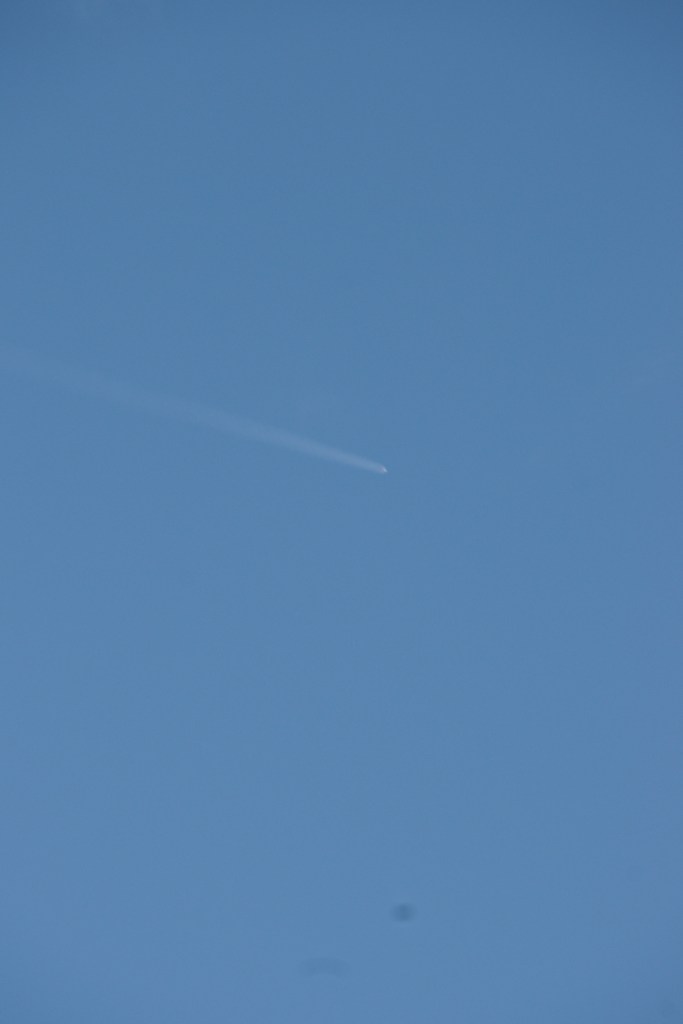
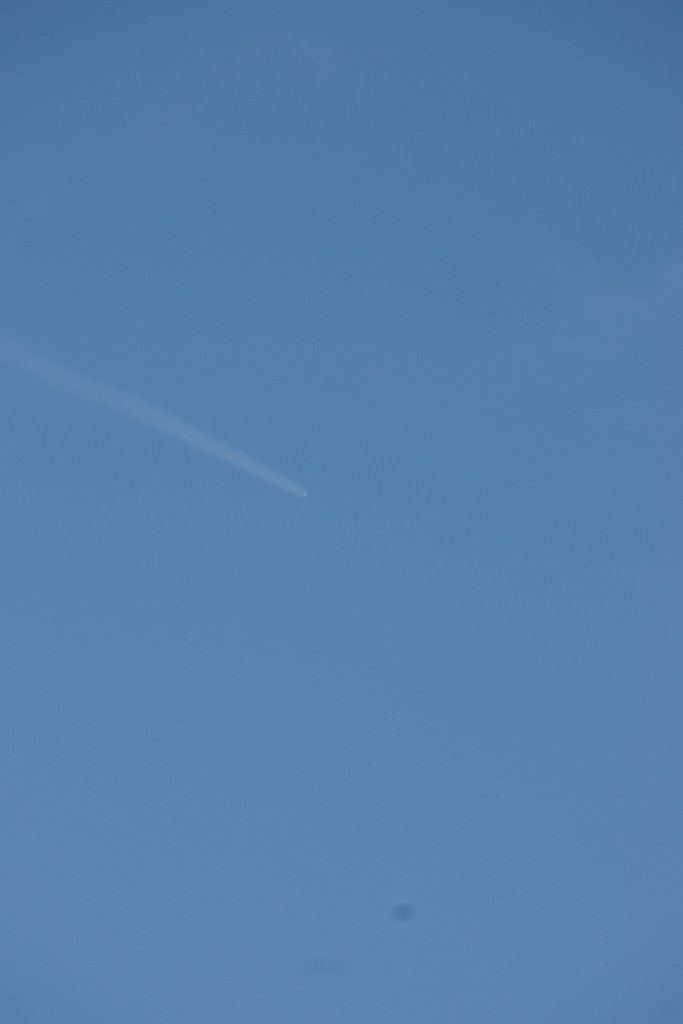
There are the unedited “jpeg” files from the series. I need to crop out the dust spots and such.
Click for complete mission details.
Copyright 2022 Michael Stephen Wills All Rights Reserved
Sunset Visions of Kite Surfing
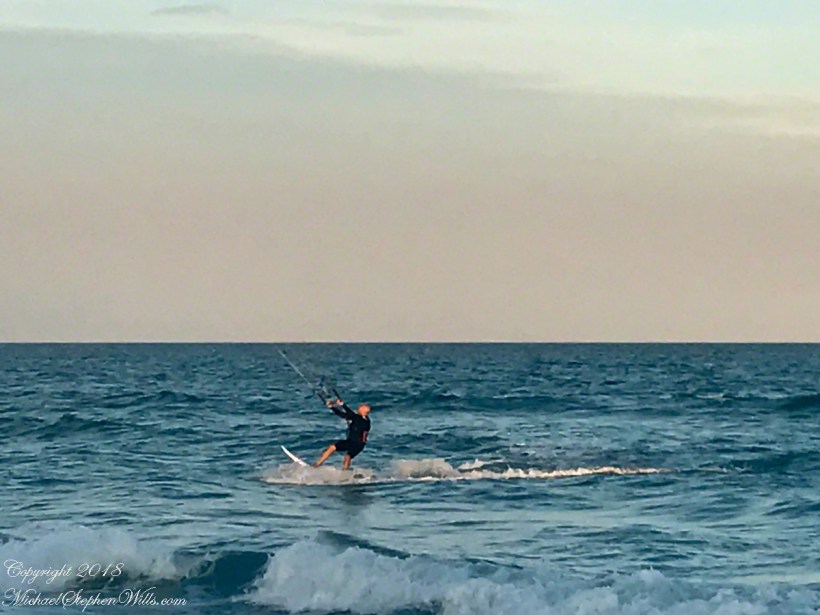
One day before the 2019 Total Lunar Eclipse a full moon rose 4:25 pm above the Atlantic Ocean off Cocoa Beach, the “Space Coast” of Florida. We saw a power kite to the south, with the southerly winds there was time before he was on us. I took the following photographs with what was at hand, an iPhone 8.
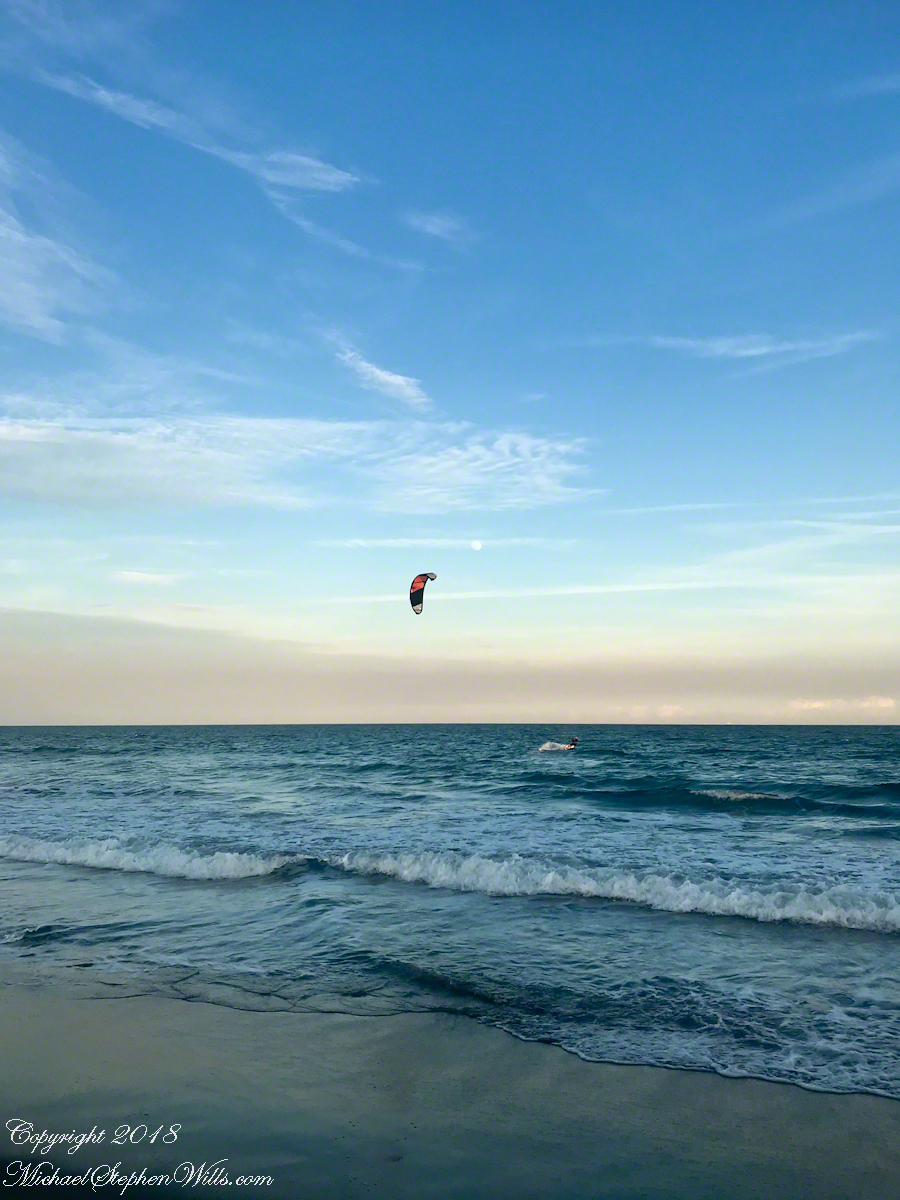
Click any photograph to visit my Online Fine Art Photography Gallery
At 50 minutes post moonrise, I included the orb in this frame as the rider tacked, rising a water crest.
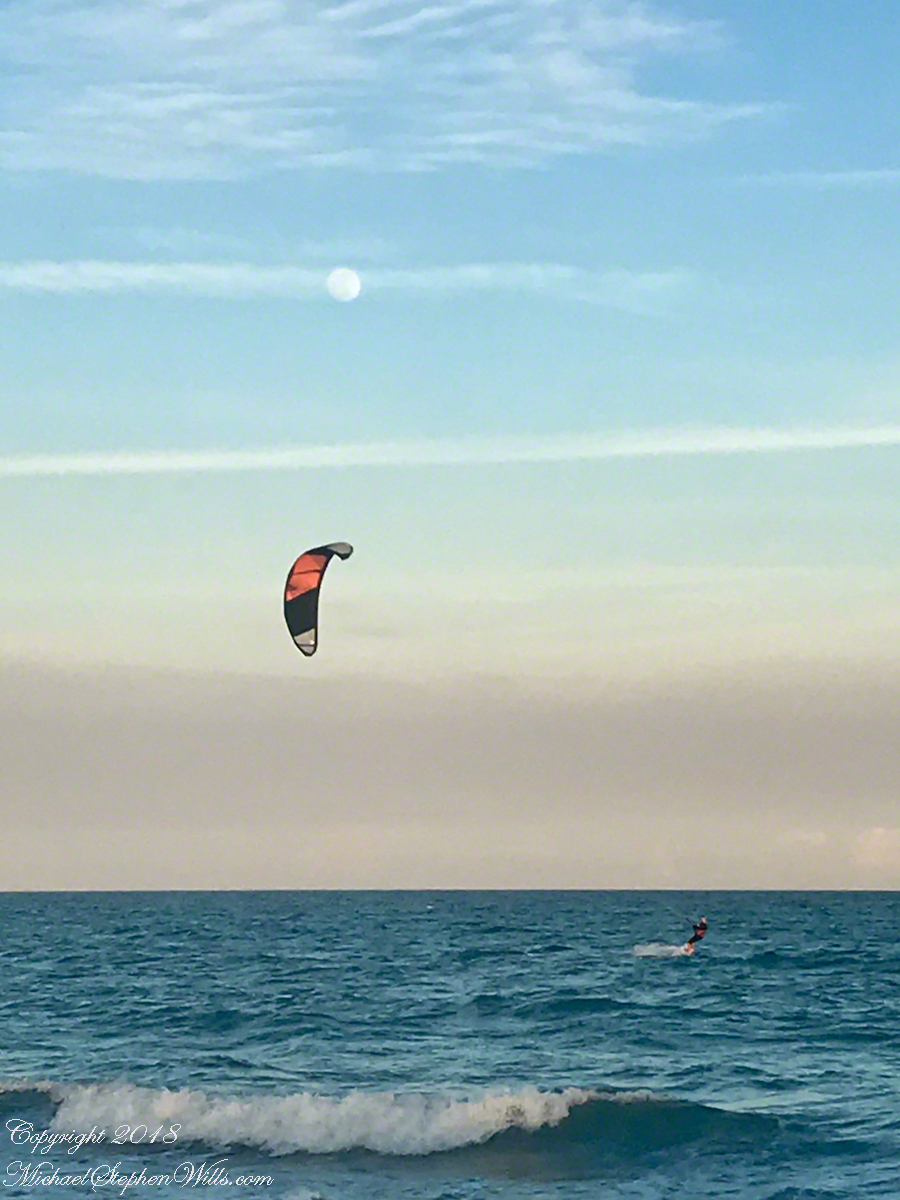
A flick of the fingers to zoom in, the moon and rider are together as he rides toward shore.
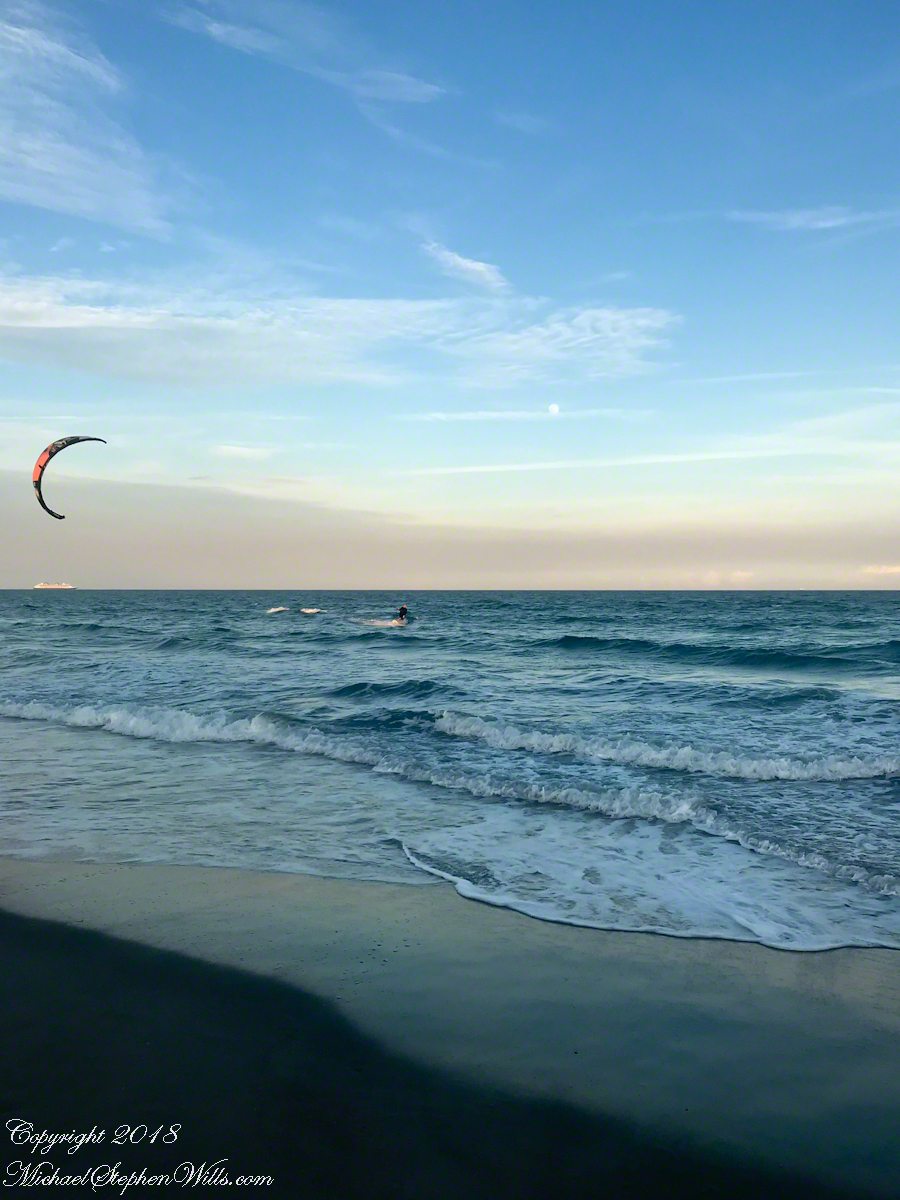
This time of, Saturdays, the cruise ships depart Cape Canaveral Port. The kite is above the distant ship. It is amazing the kite allows sailing into the wind, his heading is southwest. The shore limits his progress, forcing a tack towards a southeast heading.
Or not, it seems he plans to tack to the northeast, continuing progress north up the coast. I have to wonder how he will return to the starting point?
 Michael Stephen Wills Photography