Ginkgo and Sycamore: Nature’s Beauty Amid Climate Change

On Thanksgiving 2023, I reflected on climate change’s impact while observing contrasting ginkgo and sycamore leaves during the Turkey Trot.

The air was soddenly warm that Thanksgiving morning in 2023, carrying a foreboding of climate change. Standing on the grounds of Ithaca High School, I couldn’t help but feel the incongruity of the unseasonable warmth. The annual “Turkey Trot” was unfolding around me, an event filled with cheerful camaraderie, yet beneath the surface of this tradition, the world itself seemed to whisper a warning. My attention drifted from the runners to the ground, where fallen leaves painted a story that echoed this uneasy tension.

The ginkgo leaves, their vibrant golden hues glowing against the damp grass, seemed almost out of place in the humid air. Ginkgos are ancient survivors, trees that have witnessed millennia of change, yet even they now face a future shaped by the rapid pace of human disruption. Their fan-like shapes, so delicate and timeless, carried an irony—symbols of endurance scattered on a landscape where the seasons no longer held the predictability they once did. That morning, their luminous beauty felt like a quiet plea, a reminder of nature’s fragility in the face of human indifference.
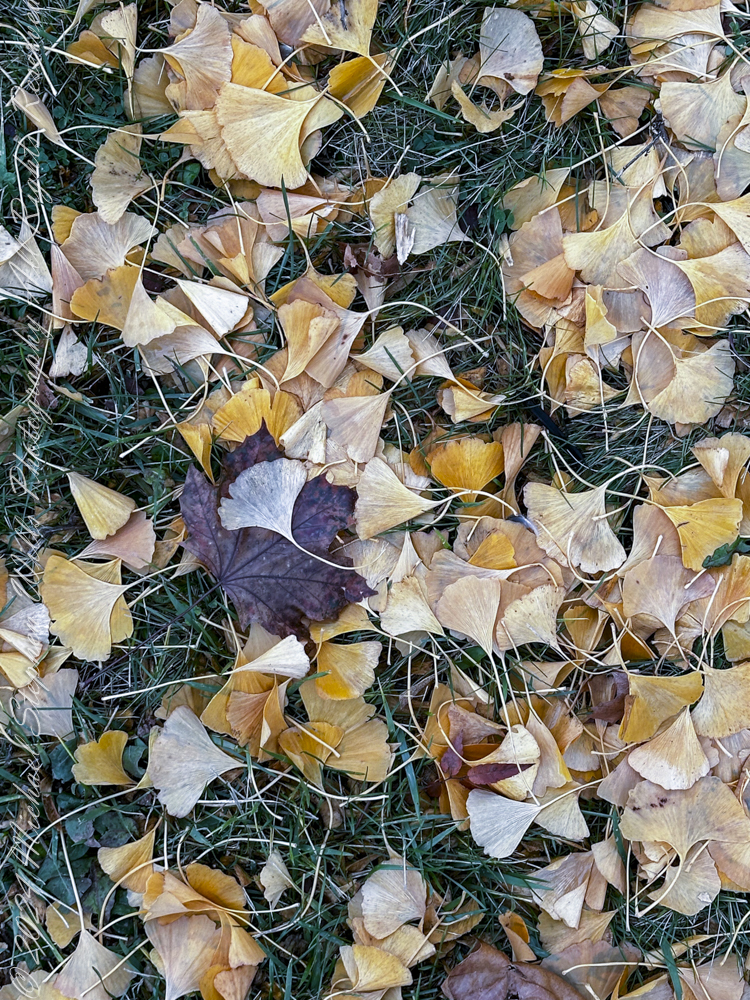
As a spectator of the 2023 “Turkey Trot” on Thanksgiving Day I found these Ginko and Sycamore leaves at Ithaca High School, Ithaca, Tompkins County New York. Finger Lakes Region

Among them, the sycamore leaves lay darker and more rugged, their broader forms curled and weathered by the elements. The sycamore is a resilient tree, often thriving in difficult conditions, yet its leaves bore a somber note against the warmth of the day. Together, the ginkgo and sycamore leaves formed a poignant tableau—a meeting of strength and delicacy, both subject to the same unrelenting forces of change. As I stood there, the leaves seemed to whisper their own story, a testament to survival amidst an increasingly uncertain world.
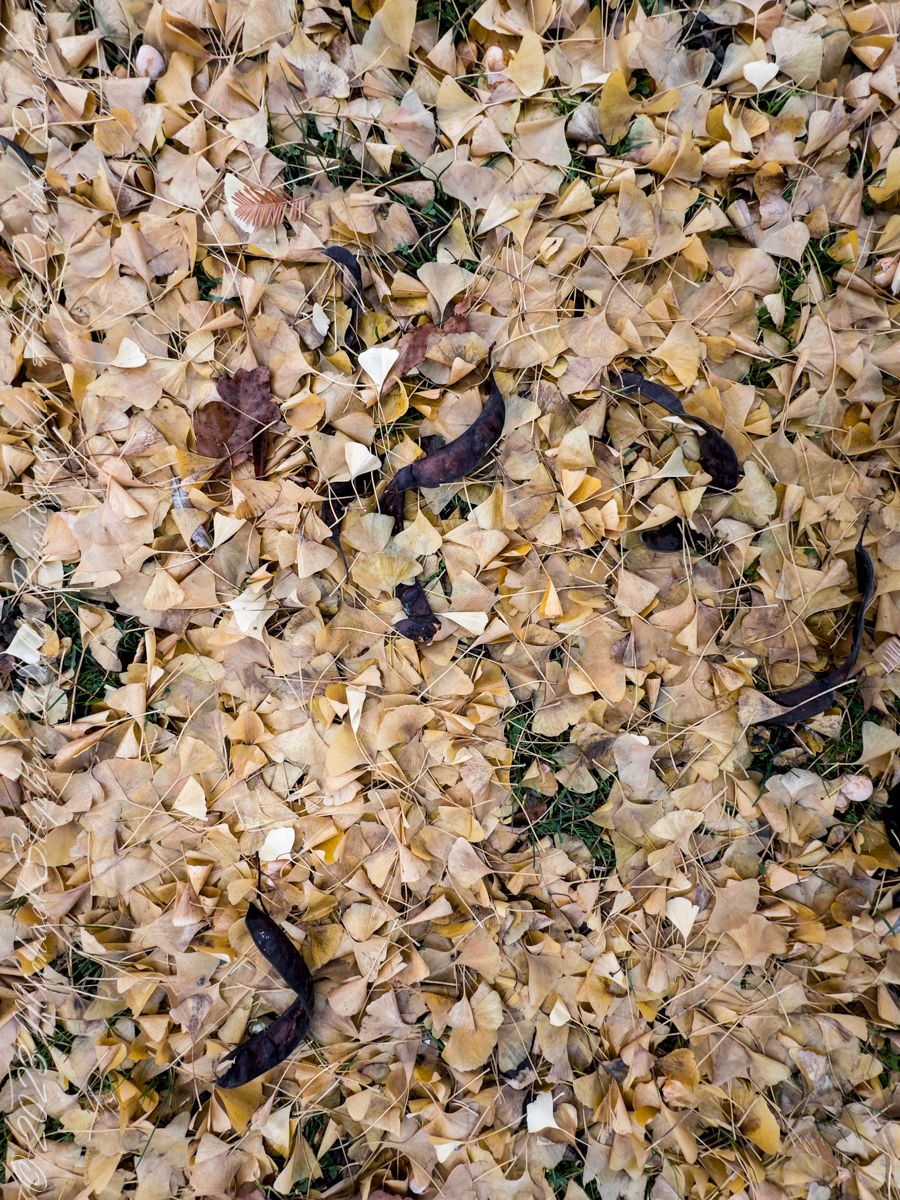
Ginko Leaves and Honey Locust Pods, Stewart Park on a December 2023 afternoon

The Turkey Trot unfolded with its usual energy—children dashed ahead with gleeful abandon, adults paced themselves in cheerful determination, and older participants moved with quiet dignity. The warmth seemed to amplify the human vibrancy of the event, yet it also cast a shadow of dissonance. This race, this celebration of resilience and community, was happening against the backdrop of a world in flux. The warmth of the morning was a reminder that even cherished traditions like this might one day feel the strain of climate shifts.
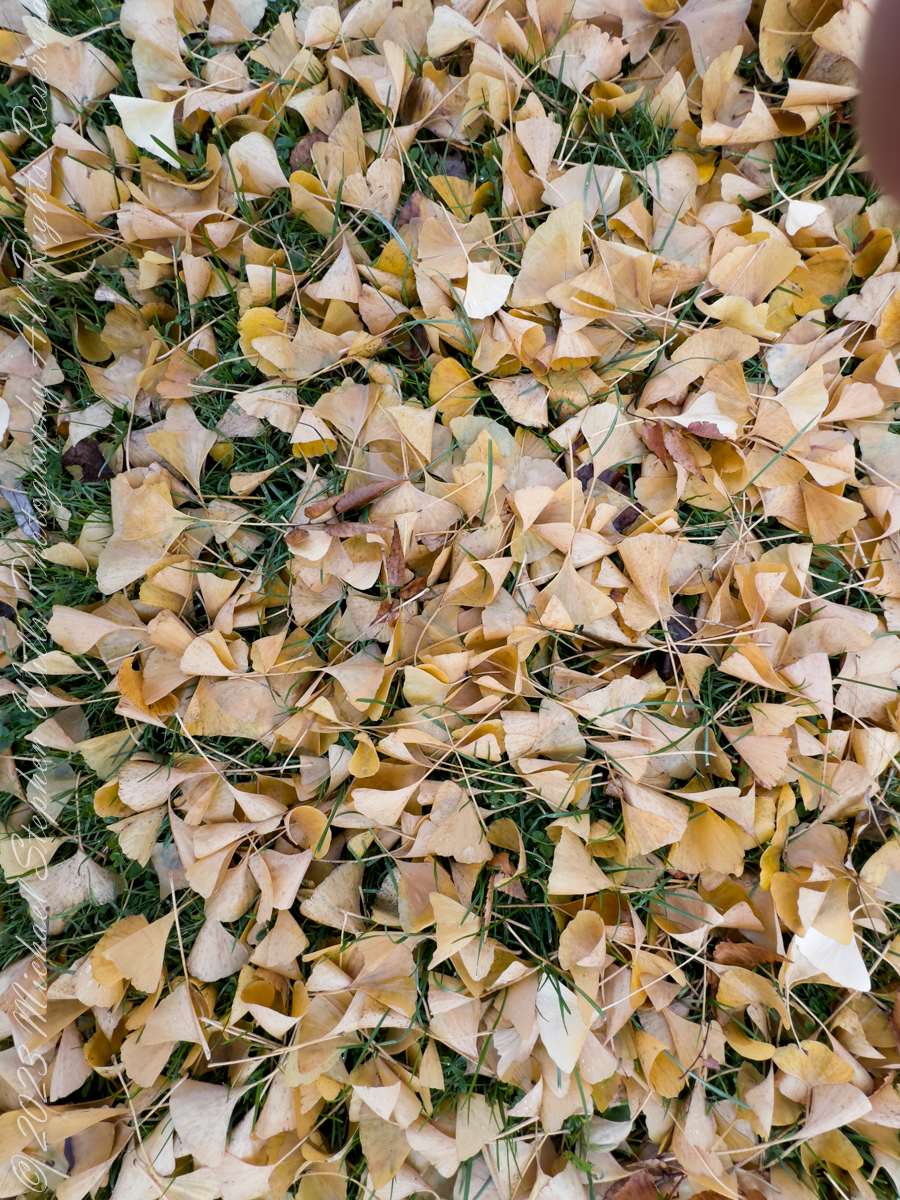
I crouched to capture the leaves in a photograph, drawn by their interplay of color and form. The ginkgo leaves glimmered like gold coins scattered across the ground, while the sycamore leaves added a depth and weight that anchored the scene. Together, they reminded me of the cyclical nature of life, the beauty and decay that coexist within the same space. Yet this year, the warmth in the air added an unsettling layer to the story. These leaves, so central to the rhythm of seasons, were now falling in a world where those rhythms seemed increasingly disrupted.
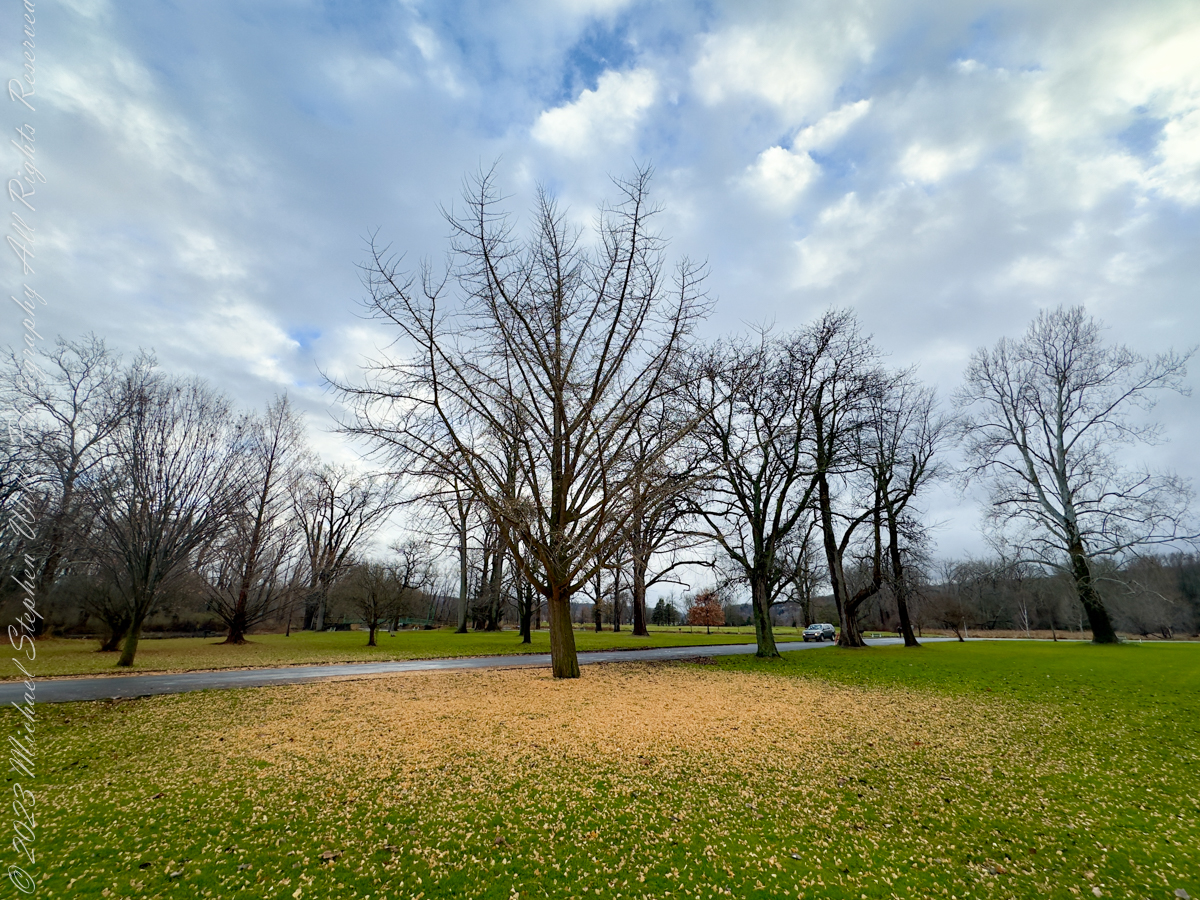
Bare Ginko tree with leaf pattern, Stewart Park on a December afternoon 2023

As the sunlight broke through the clouds, it illuminated the edges of the ginkgo leaves, making them shimmer with an almost otherworldly light. I lingered in that moment, feeling the weight of its quiet truth: life is fleeting, but its beauty endures in the connections we foster and the memories we hold. That Thanksgiving, the humid warmth of the air reminded me that we live in a time of profound change, yet even amid uncertainty, there is still wonder to be found beneath our feet. It is a wonder worth preserving.
Enter your email to receive notification of future postings. I will not sell or share your email address.

The Enchantment of Autumn Over Cascadilla Gorge

Join me for a serene autumn walk in Ithaca, appreciating nature’s beauty, impermanence, and the calming rhythms of life.

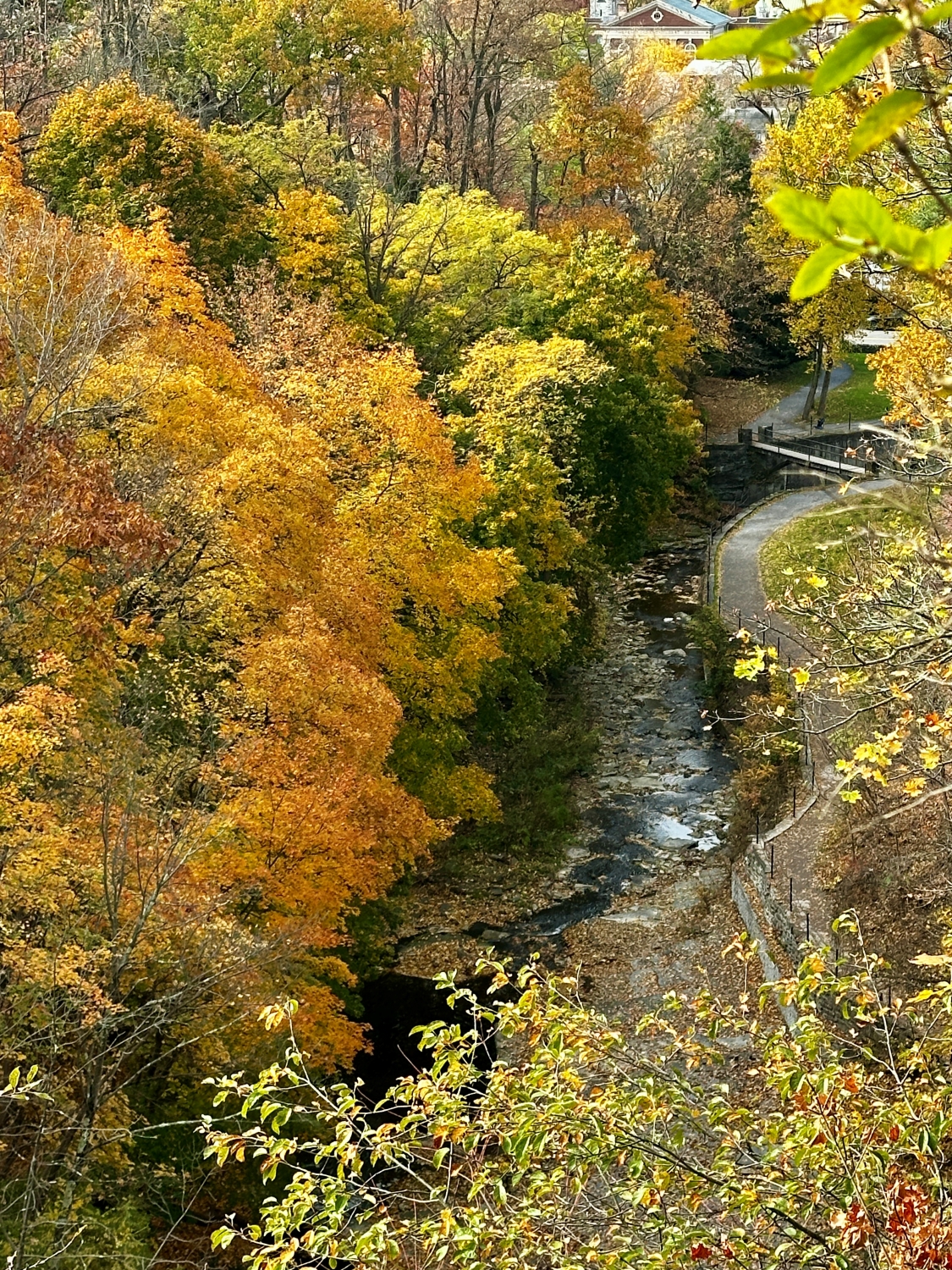
A few days before Halloween, I found myself on the rim of Cascadilla Gorge, Ithaca’s autumnal crown jewel. The air had that crisp October quality, each breath carrying a hint of the colder days to come yet still tempered by the lingering warmth of early fall. A breeze carried a scent of damp earth and decaying leaves, a rich, organic aroma that signaled the turning of the seasons. The path beneath my feet was a tapestry of fallen leaves—russet, gold, and burnt orange—a natural carpet leading me through a world suspended between vibrancy and rest.

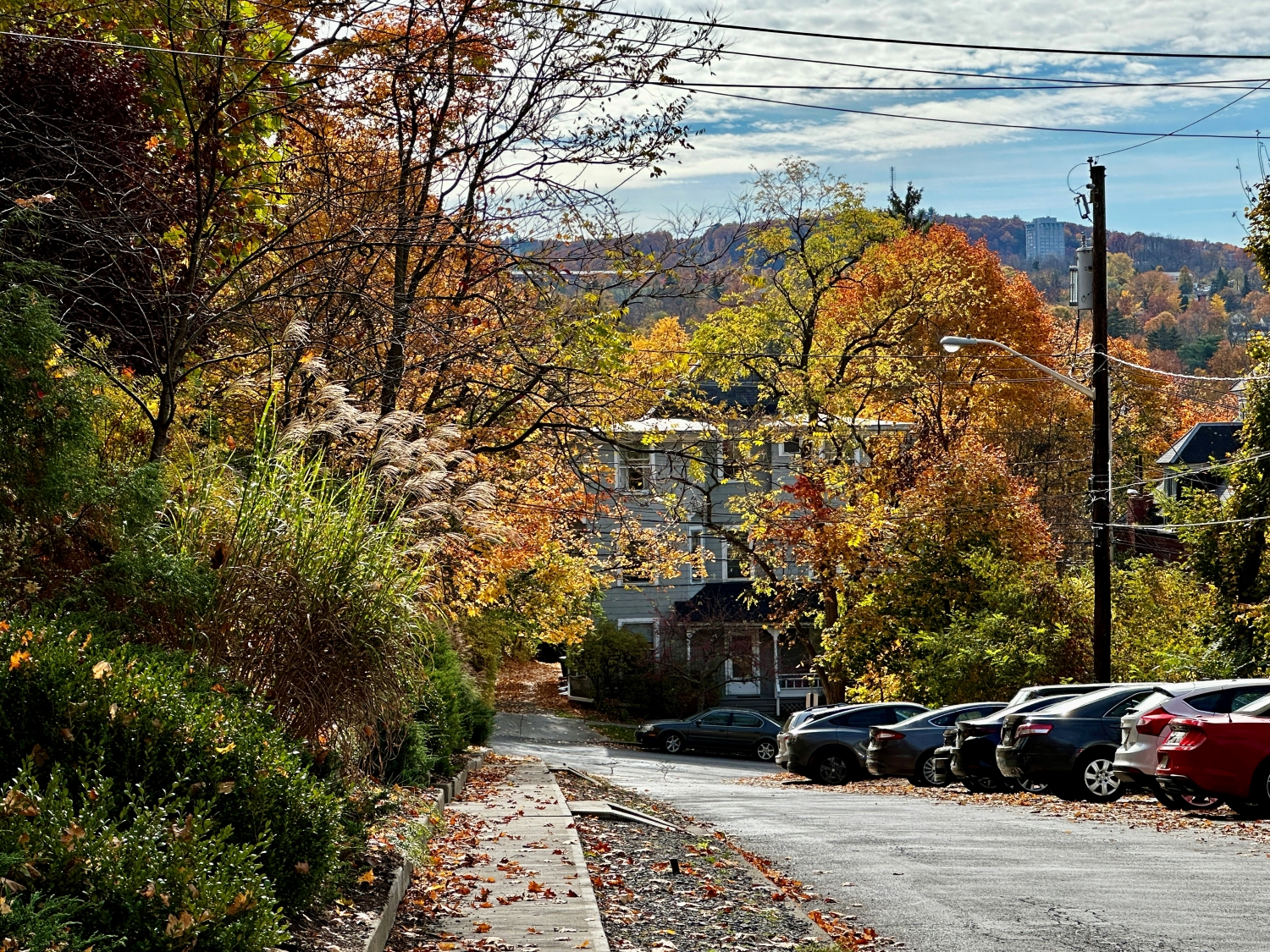
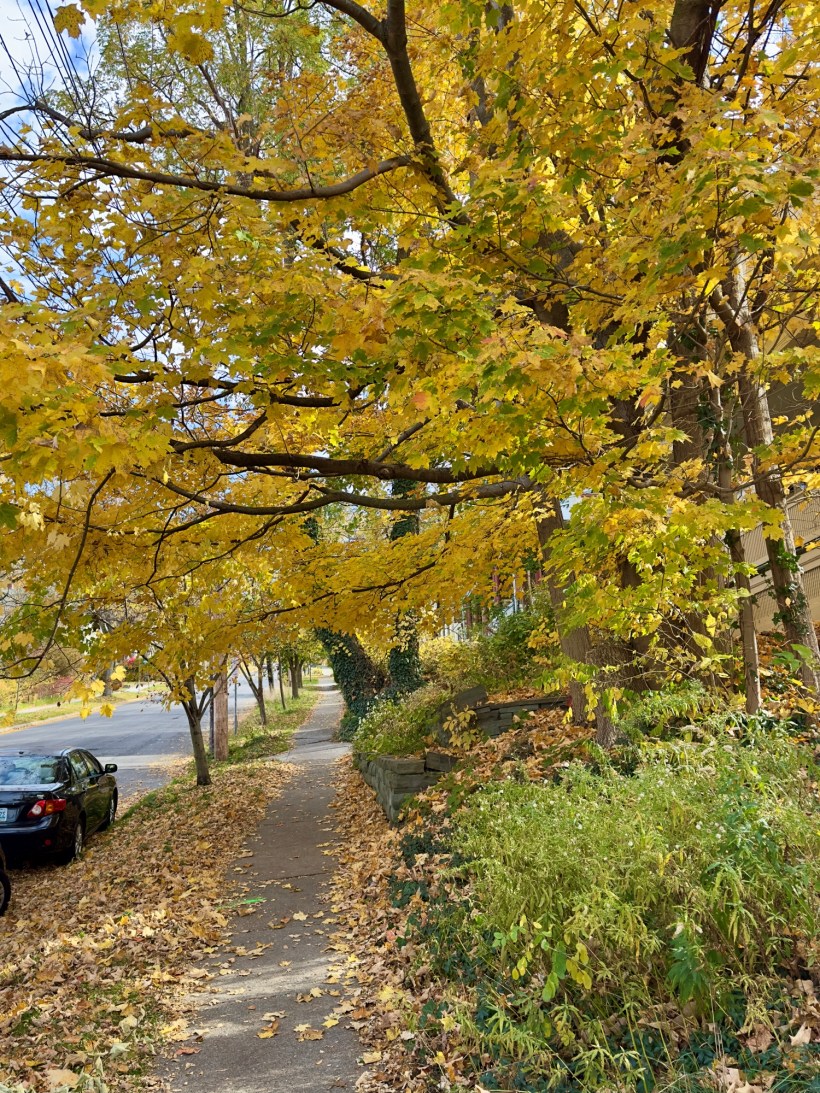
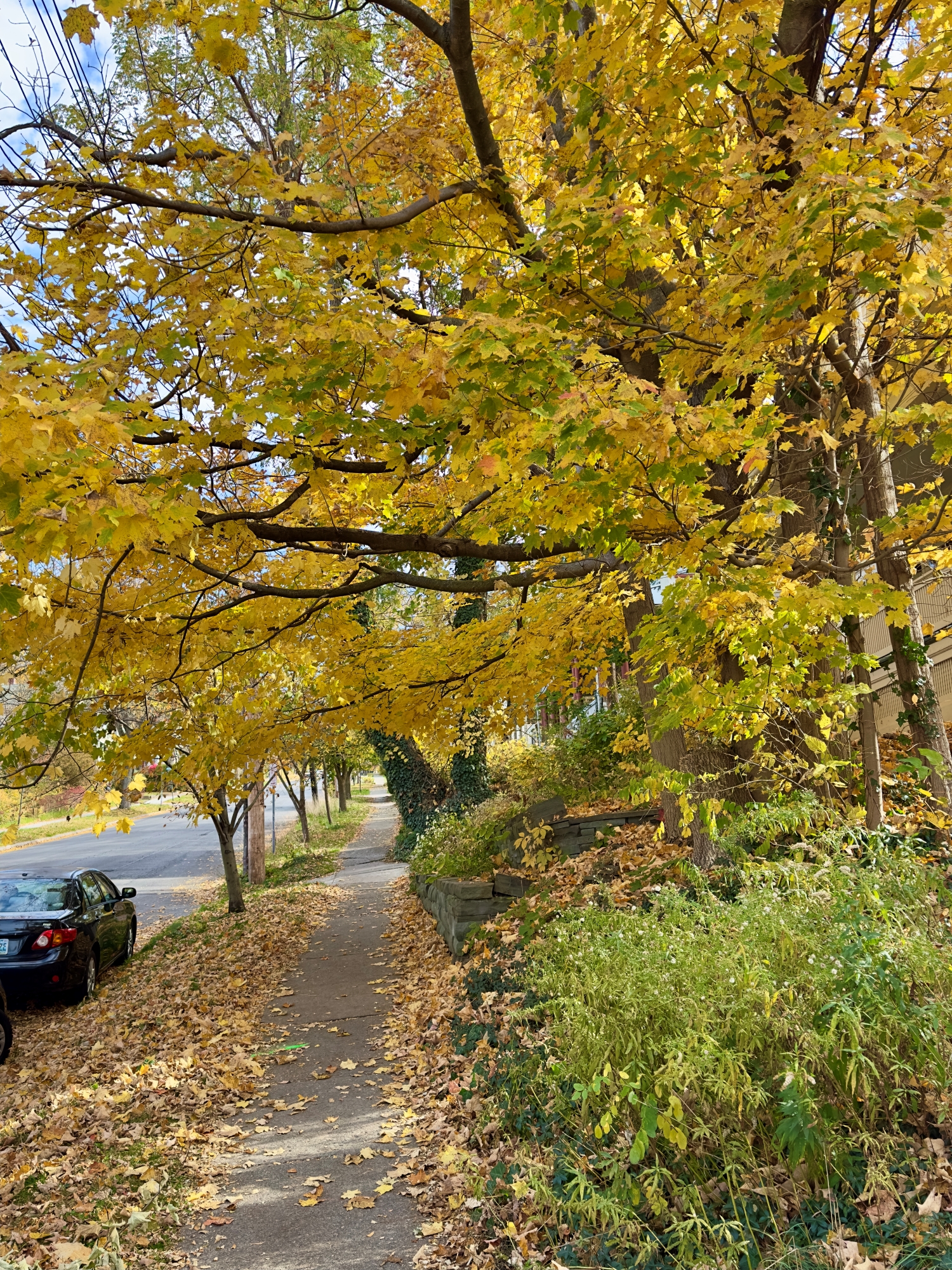
Golden Canopy over Buffalo Street Sidewalk

Continuing up Buffalo Street, I marveled at the trees, their branches thick with yellow and gold leaves, creating a canopy above. The leaves shivered with every gust, whispering the ancient secrets of the forest. The air was infused with the sweet, woody fragrance of maple and oak, mingling with the faint scent of chimney smoke from nearby houses. The sunlight filtered through, casting a dappled pattern on the sidewalk, a fleeting mosaic as the leaves danced in the wind. A sense of impermanence struck me; soon, these leaves would be gone, leaving bare branches silhouetted against a winter sky.

Scene from Dewitt Place toward South Hill and Ithaca College

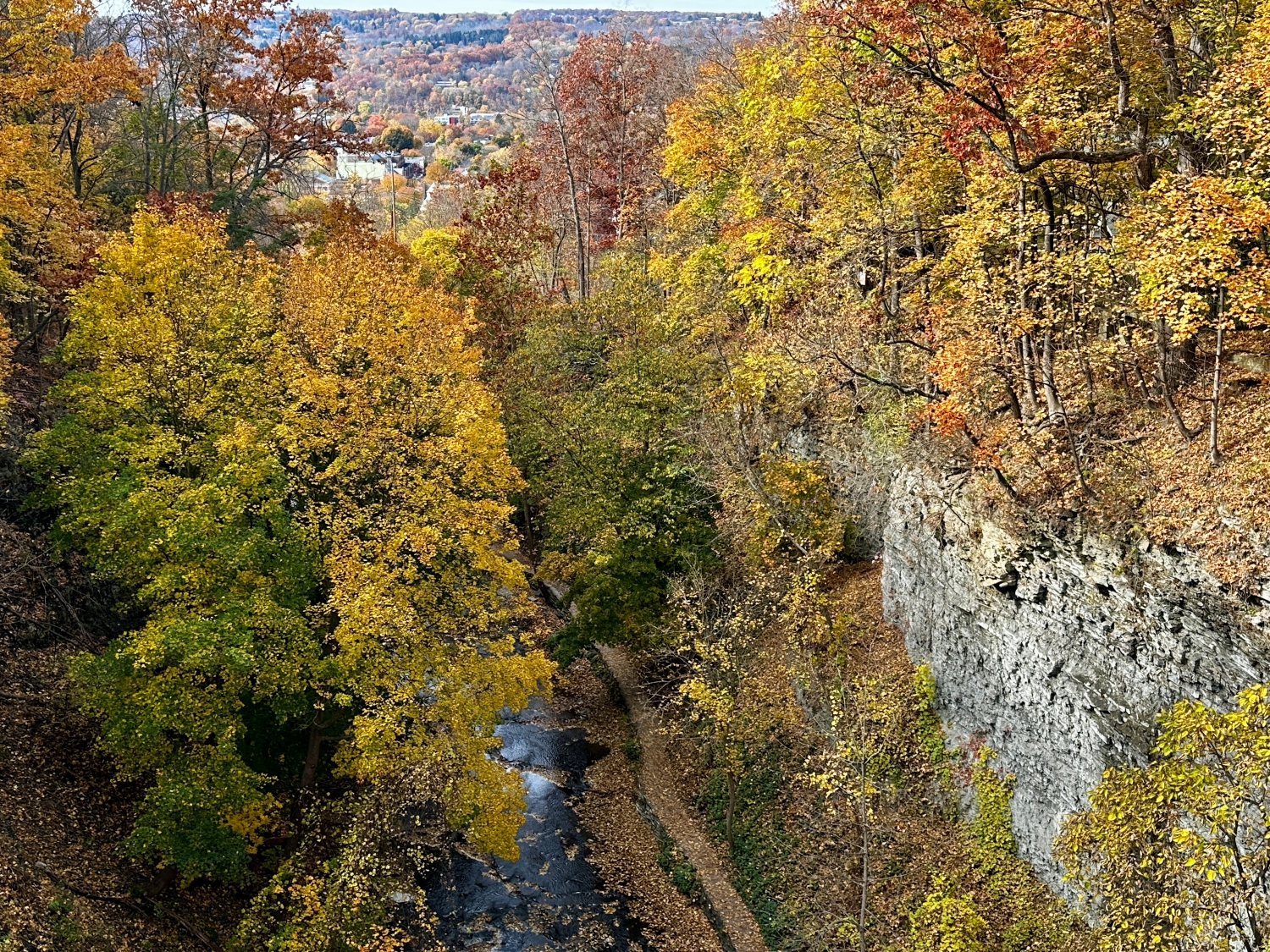
Crossing the Stewart Avenue bridge, the Cascadilla Gorge came into view, a steep wall of stratified rock layers standing guard over the gently flowing stream below. The contrast between stone and foliage was breathtaking—the hard, unyielding rock juxtaposed with the softness of leaves in full autumnal bloom. The earthy scent of wet stone mixed with the crisp aroma of the flowing water, creating a sensory tapestry unique to the gorge. The colors seemed to intensify against the gray and brown of the cliff, each leaf like a brushstroke on nature’s canvas, celebrating the season’s final flourish before surrendering to winter.

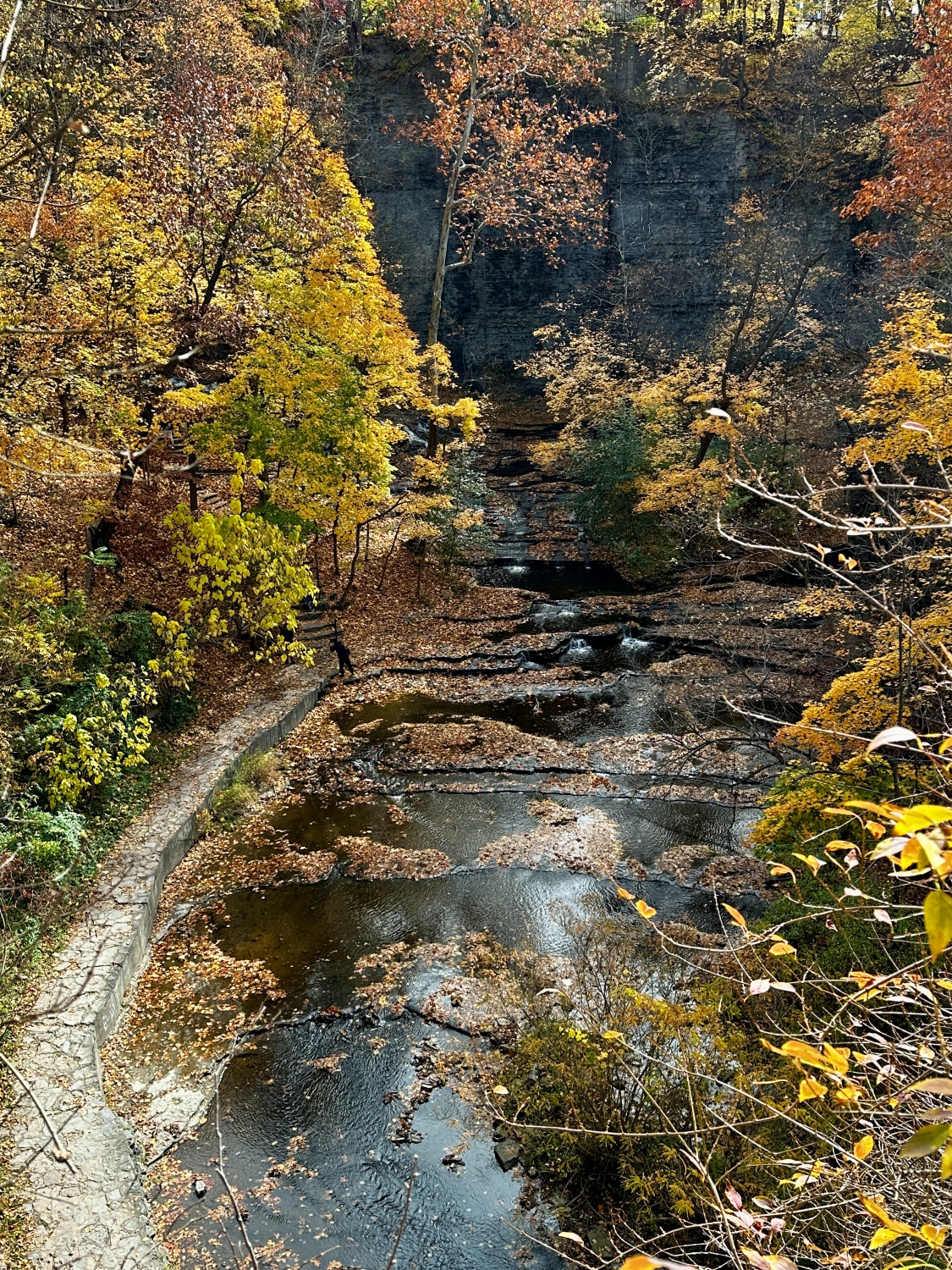
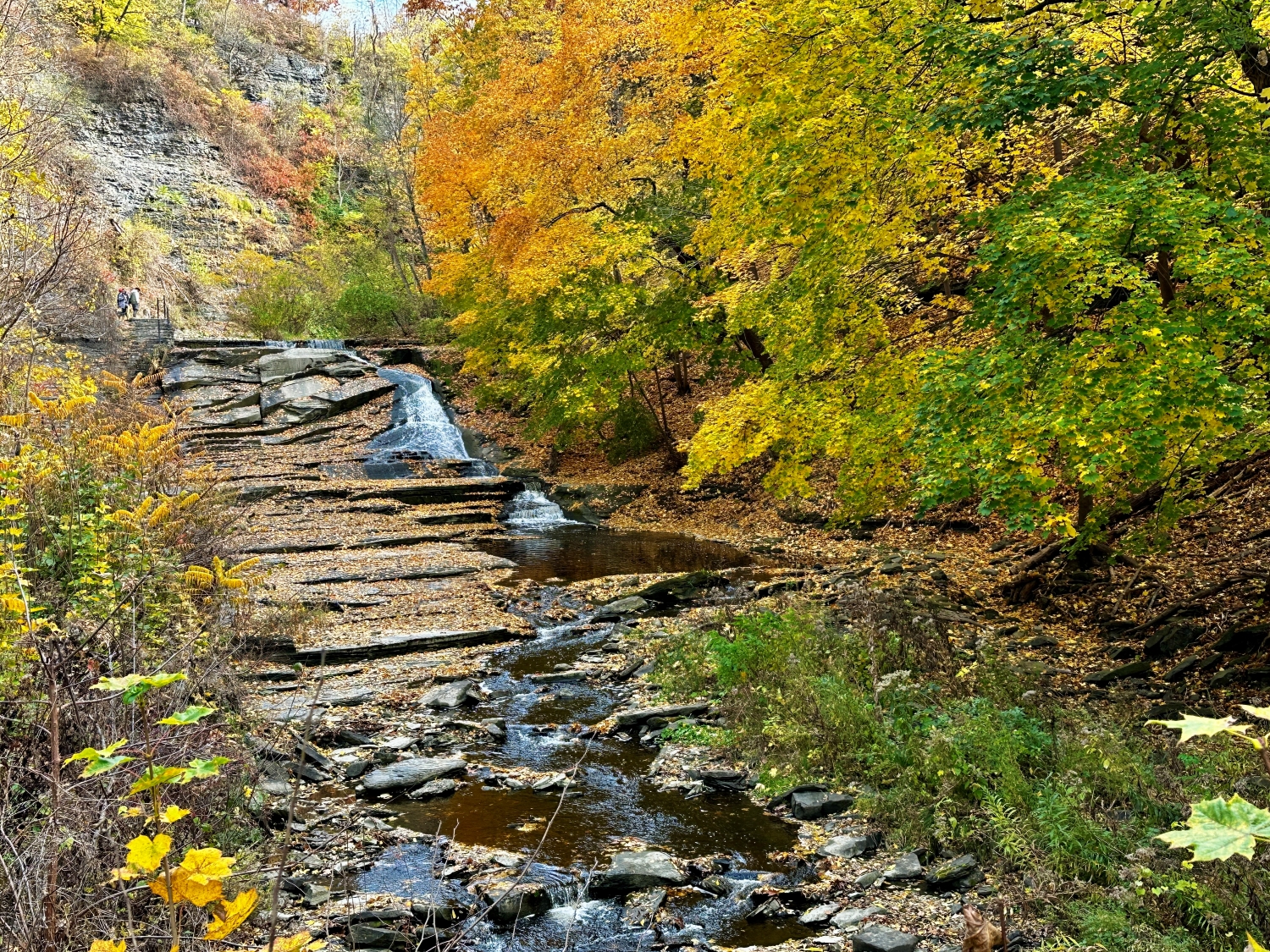
Below footpath along the gorge rim, the creek wound through, its banks littered with leaves that had completed their journey from branch to earth. They floated on the water’s surface, spinning gently in the current as though reluctant to leave this last dance. The sound of the water was a steady undercurrent, soothing and rhythmic, as it tumbled over stones and carved its way through the gorge. I paused to watch, entranced by the way water and rock, ephemeral and eternal, seemed to coexist in a kind of harmony.

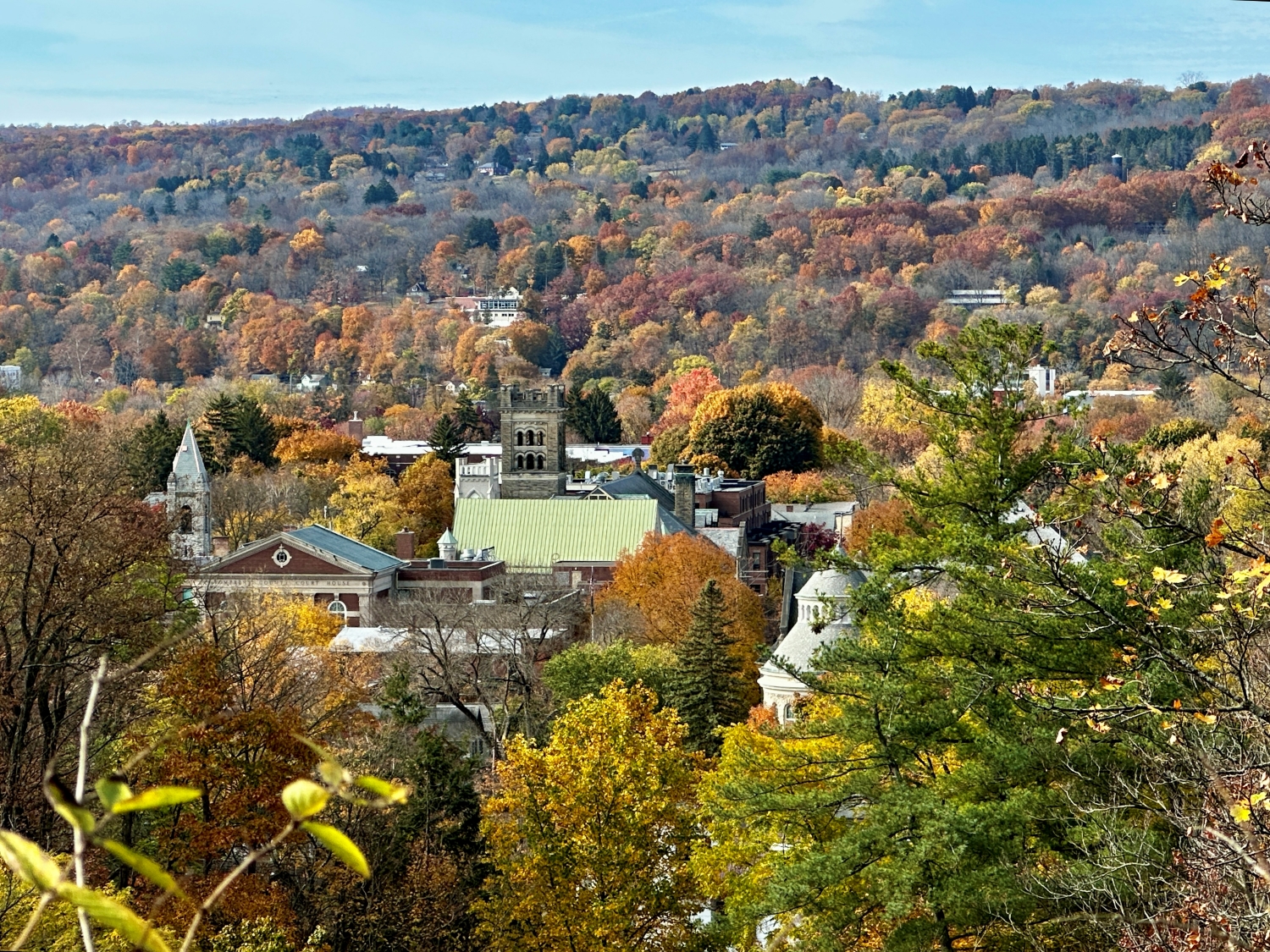
I stopped at a lookout point and surveyed the town sprawled out below, nestled amidst the fiery colors of the surrounding hills. The architecture of Ithaca’s buildings peeked through the trees, each roof and spire framed by the season’s palette. This was a town embraced by nature; its rhythm dictated as much by the seasons as by human hands. The sight stirred a sense of gratitude within me; here was a place that reminded you to slow down and observe, to notice the subtle shifts in light, in color, in the way a single gust of wind could change a landscape.

I continued along the rim, passing a small waterfall that spilled over the rocks with a quiet insistence. The water had carved smooth pathways in the stone, evidence of its long journey and persistent power. The sunlight hit the spray just right, casting a fleeting rainbow that shimmered and then disappeared as I moved. I felt a sense of companionship with the water—both of us moving forward, shaped by the paths we traverse, yet always adapting to whatever lay ahead.

The last part of the trail led me through a dense thicket of trees, their branches hanging low, forming a natural archway. The air was heavy with the musky scent of fallen leaves and the spicy aroma of pine needles underfoot. Here, the light was softer, muted by the thick canopy overhead. The quietness enveloped me, broken only by the occasional rustle of a squirrel in the leaves or the distant caw of a crow. It was the kind of silence that feels sacred, where each sound, no matter how small, becomes profound.

Entering Cascadilla Gorge from Linn Street

Emerging from the shaded path, I took one last look back at the gorge. The scene was both familiar and new—a blend of natural beauty and the nostalgia of seasons past. I felt a sense of peace, grounded by the cycles of the earth, by the ebb and flow of life around me. In this moment, on the brink of Halloween, the world felt both hauntingly beautiful and reassuringly steadfast, a reminder that even as the leaves fall and the days grow shorter, there is a promise of renewal in the quiet persistence of nature.

Enter your email to receive notification of future postings. I will not sell or share your email address.

Exploring Autumn’s Beauty on the Finger Lakes Trail

The hike through Robert H. Treman State Park reflects nature’s cycles of life, decay, and renewal, intertwined with human history.

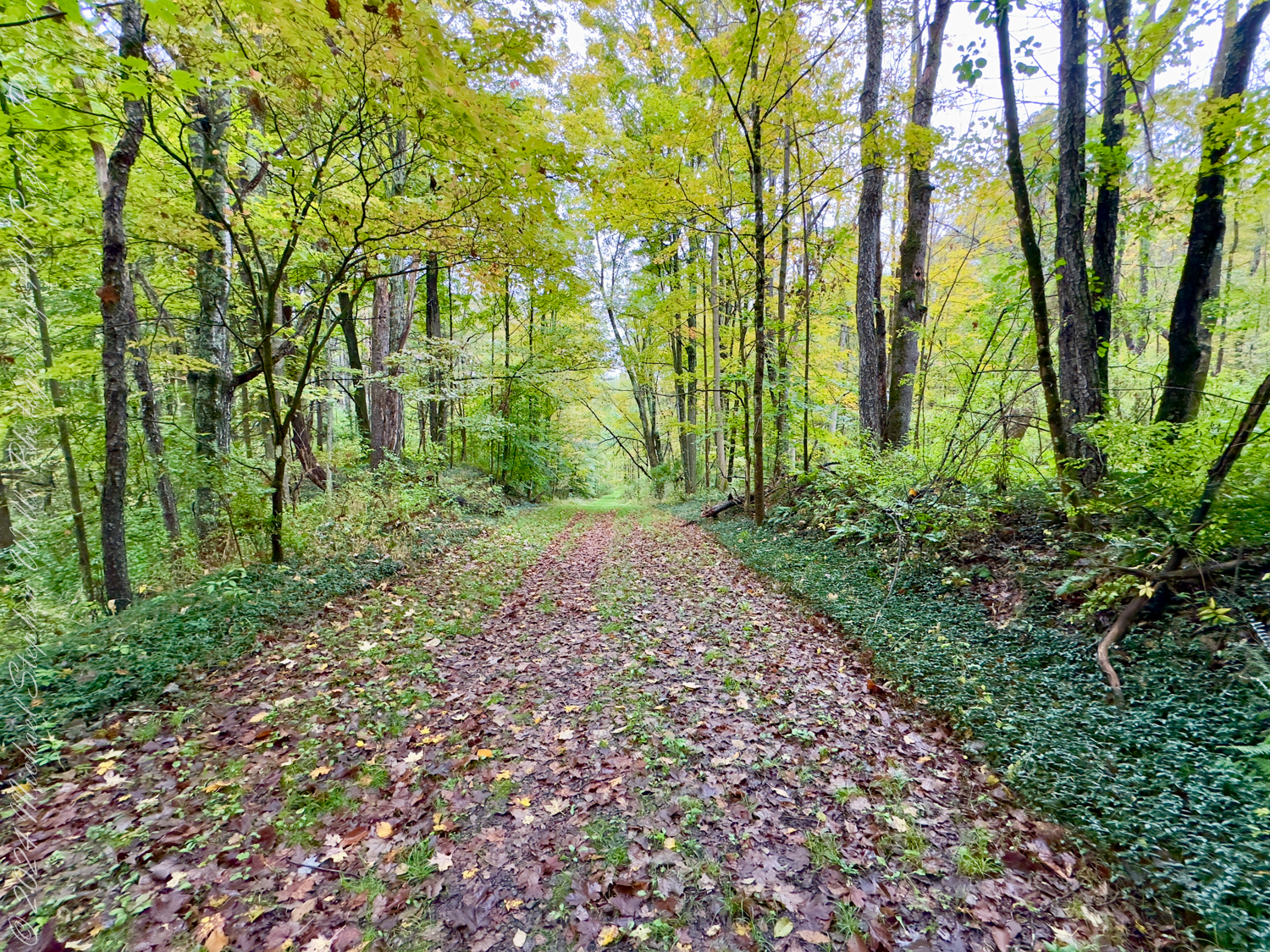
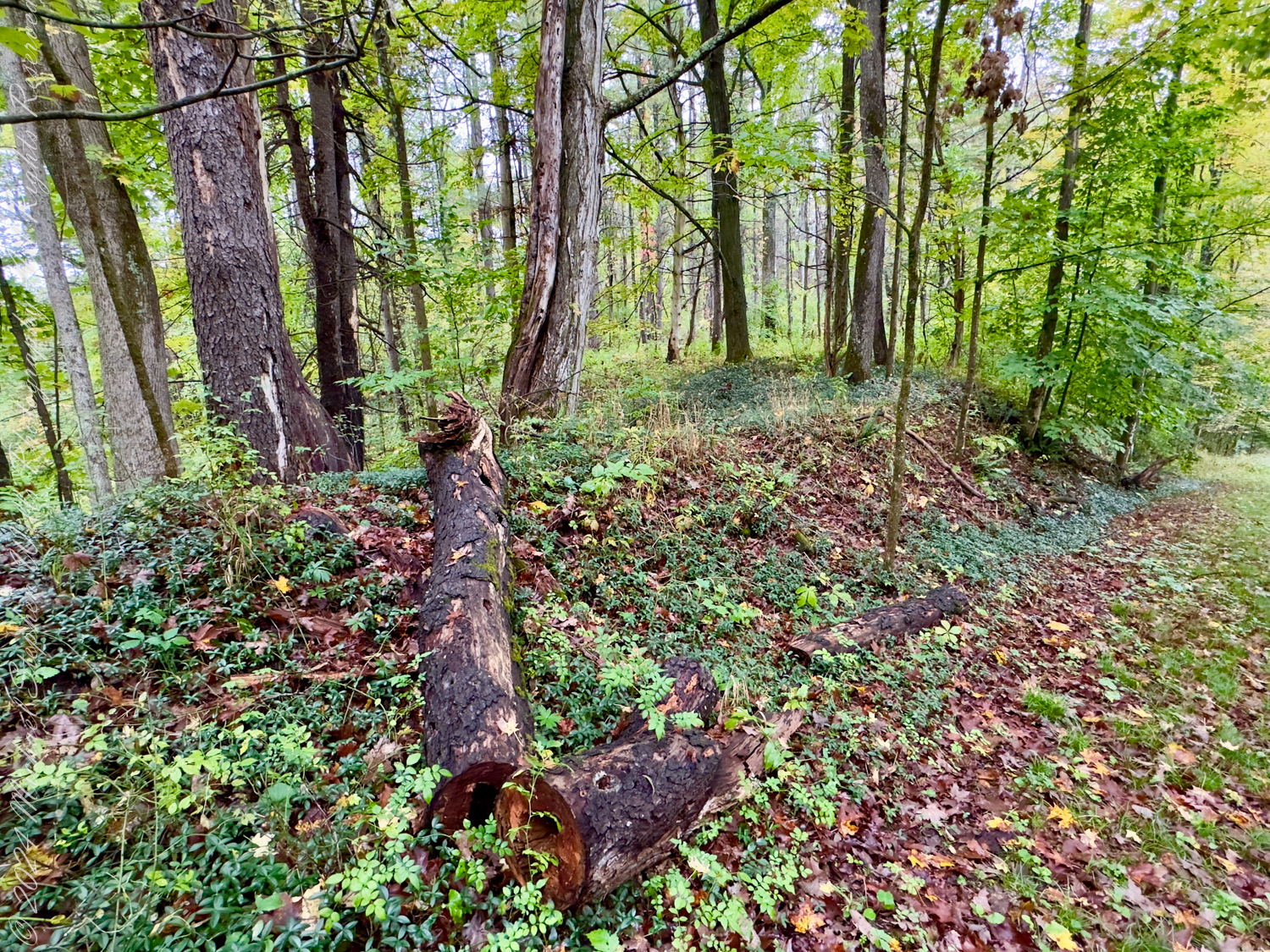
The wind is cool, carrying the first real bite of autumn as I step onto the Finger Lakes Trail from Woodard Road, entering Robert H. Treman State Park. The sounds of rustling leaves underfoot remind me that the season is in full swing, and soon, this vibrant foliage will be a memory. But today, the trees still hold their colors—greens tinged with yellow, brown, and red—forming a canopy that seems to glow in the soft morning light.

The trail is quiet, save for the occasional chirping of birds and the subtle creaking of the trees as they sway in the wind. It’s a perfect time for reflection, and with each step, I feel myself sinking deeper into the peace of this place. Ahead of me, a fallen tree lies on the slope, now part of the earth, slowly being reclaimed by the forest. The log, dotted with moss and fungi, seems like a work of art created by time and nature. I stop to admire it, my fingers grazing the rough bark, now softened with age and decay. It’s a reminder that everything in nature moves in cycles—growth, death, and rebirth.

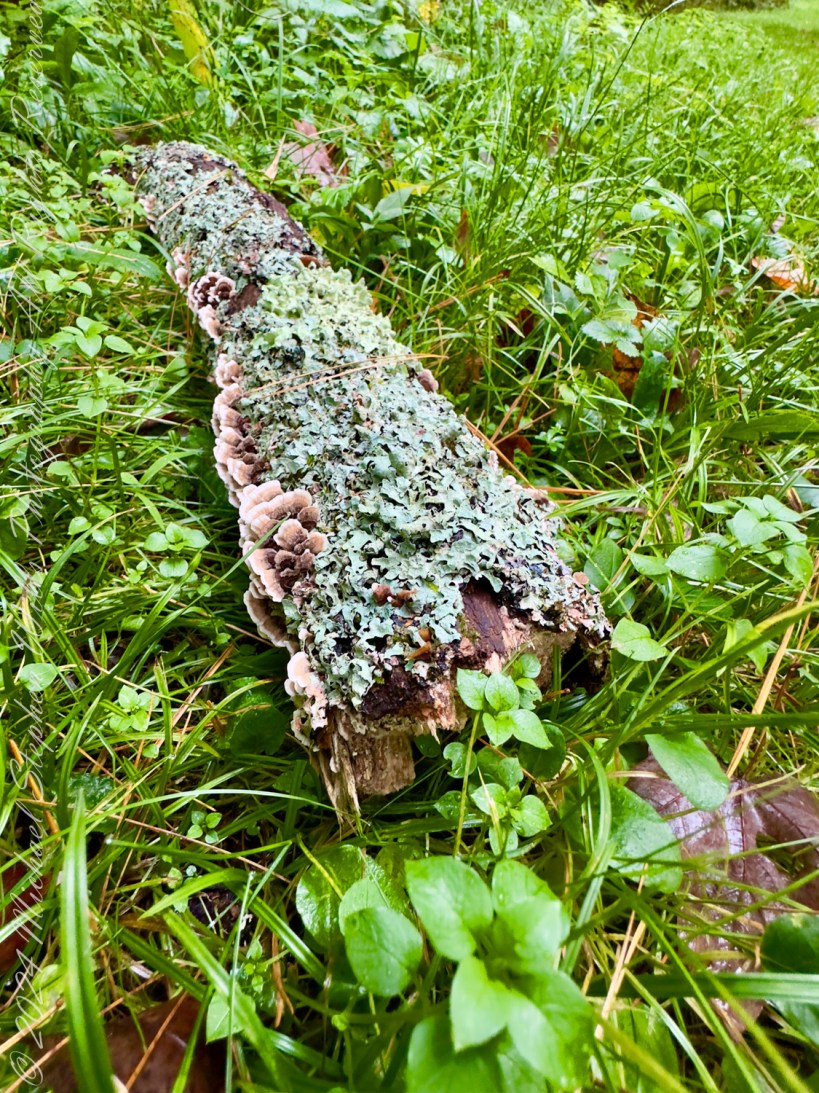
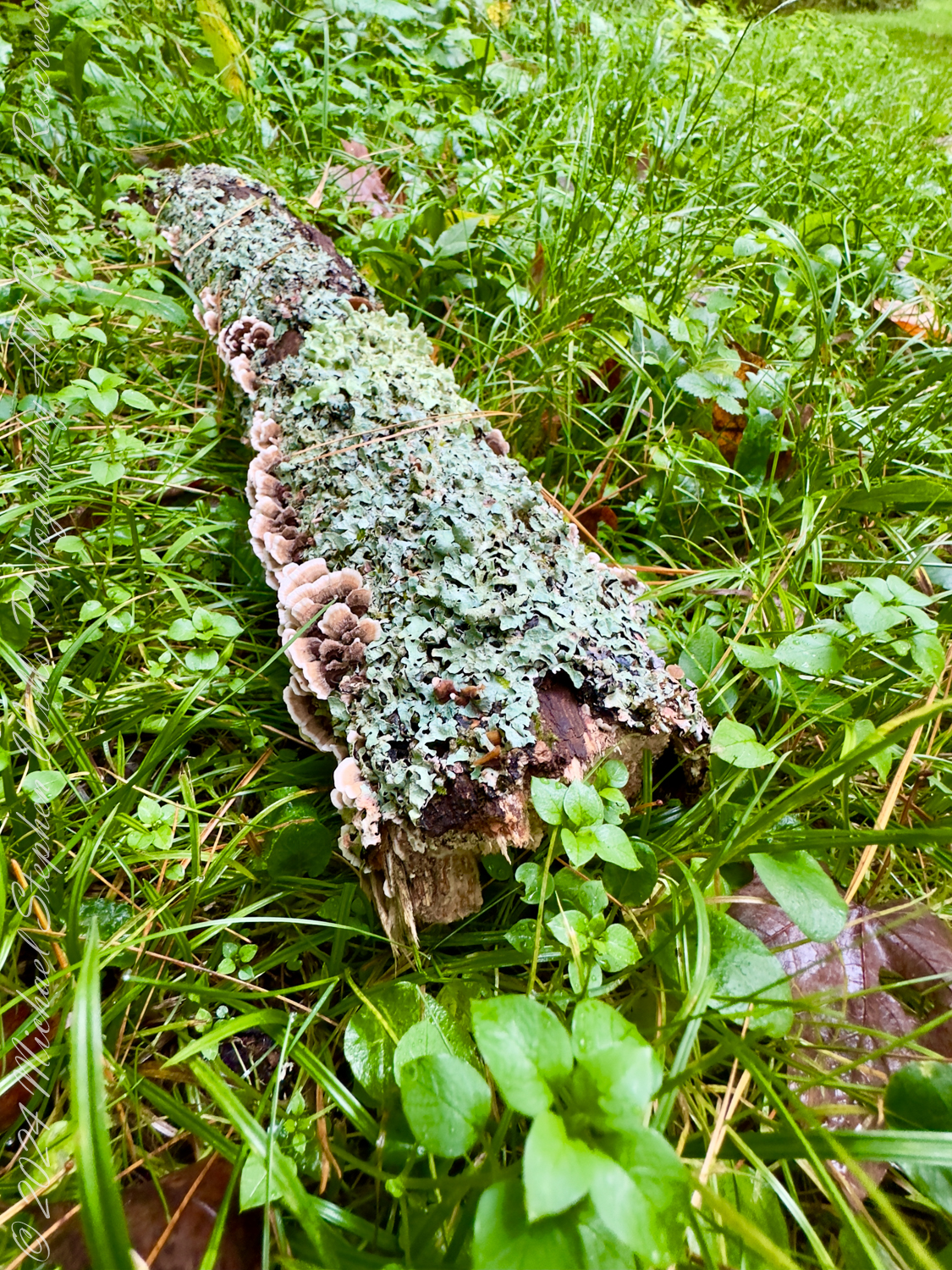
A few steps further and I find something even more intricate—another log, this one completely overtaken by a delicate layering of lichens and shelf fungi. The growth covers the bark like an elaborate tapestry of greens, grays, and soft whites. It’s beautiful in its own quiet way, and I take a moment to kneel beside it, studying the intricate patterns. Nature has a way of turning even decay into something stunning. I wonder how long it took for these fungi to establish their hold, slowly breaking down the wood, contributing to the endless cycle of life in the forest.

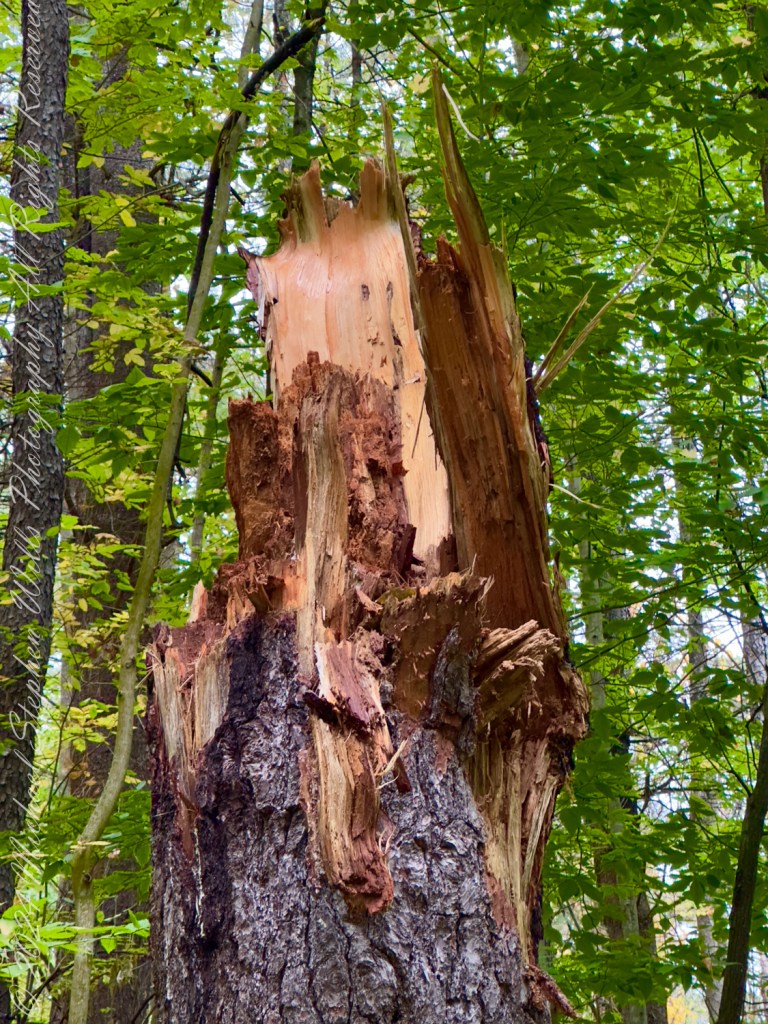
Moving onward, I come across a tall stump—remnants of a once-majestic tree, now shattered. The splintered wood reaches upward like jagged teeth, still sturdy despite the obvious trauma it endured. The raw power of nature is always humbling; trees like this seem so strong and permanent, yet even they can be brought down in an instant. It’s a reminder of life’s fragility, and I feel a sense of reverence standing in its presence, imagining the forces that felled it.

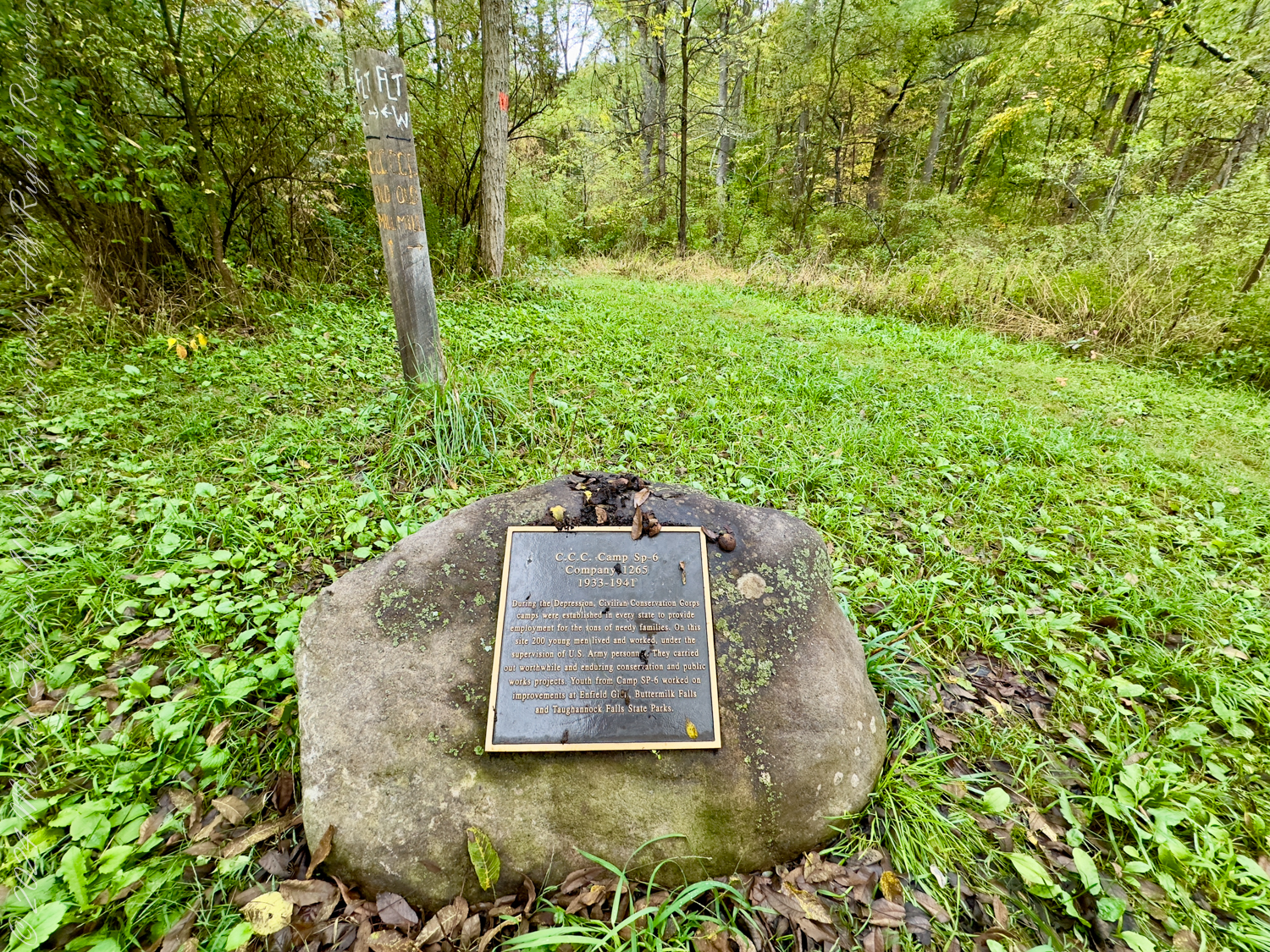
Continuing along the trail, I soon reach a clearing. There, nestled in the grass, is a plaque mounted on a large stone. It marks the site of the Civilian Conservation Corps (C.C.C.) Camp SP-6, Company 1253, which operated here from 1933 to 1935. I pause to read the inscription, which commemorates the young men who lived and worked in this camp during the Great Depression. They carried out public works projects, including improvements to Enfield Glen, Buttermilk Falls, and Taughannock Falls. I imagine the sense of purpose and camaraderie these workers must have felt, building something that would outlast them, even in the midst of hardship.

C.C.C. Camp SP-6, Company 1253, 1933-1935 During the Depression, Civilian Conservation Corps camps were established across America to provide employment for the relief of needy families. On this site, 200 young men lived and worked under the supervision of U.S. Army personnel. They carried out camp-wide and nearby construction and public works projects. Youth from Camp SP-6 worked on improvements in Enfield Glen, Buttermilk Falls, and Taughannock Falls State Park.

The plaque is a poignant reminder of the connection between humans and nature. Just as the trees here are part of a larger cycle, so too were the men of the C.C.C. They left their mark on this land, shaping the trails and structures we now take for granted. And yet, like everything in nature, their work is being slowly reclaimed by the forest. The wooden signs marking distances and directions are weathered, moss creeping up their bases, as if the forest itself is gently pulling them back into the earth.

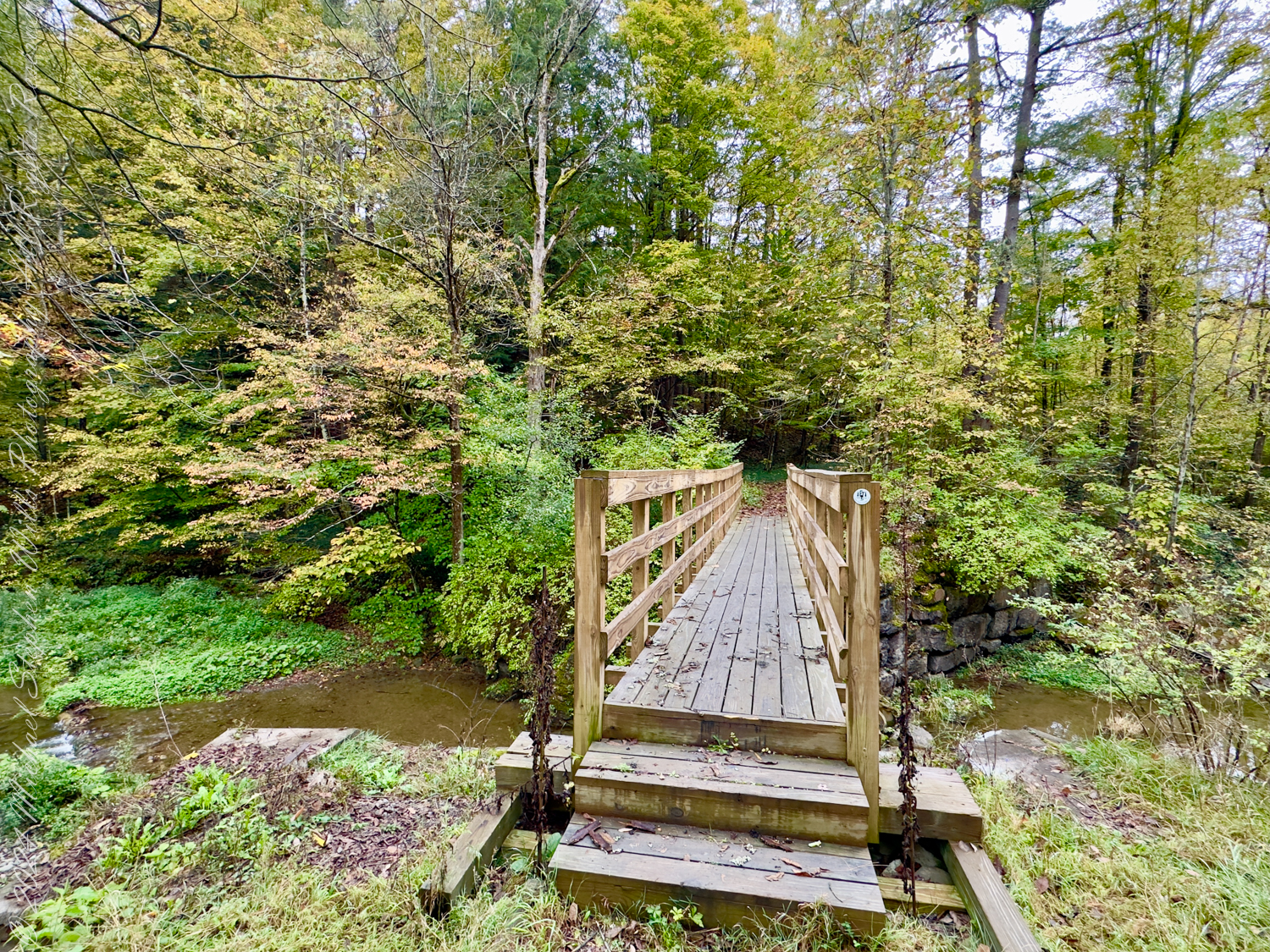
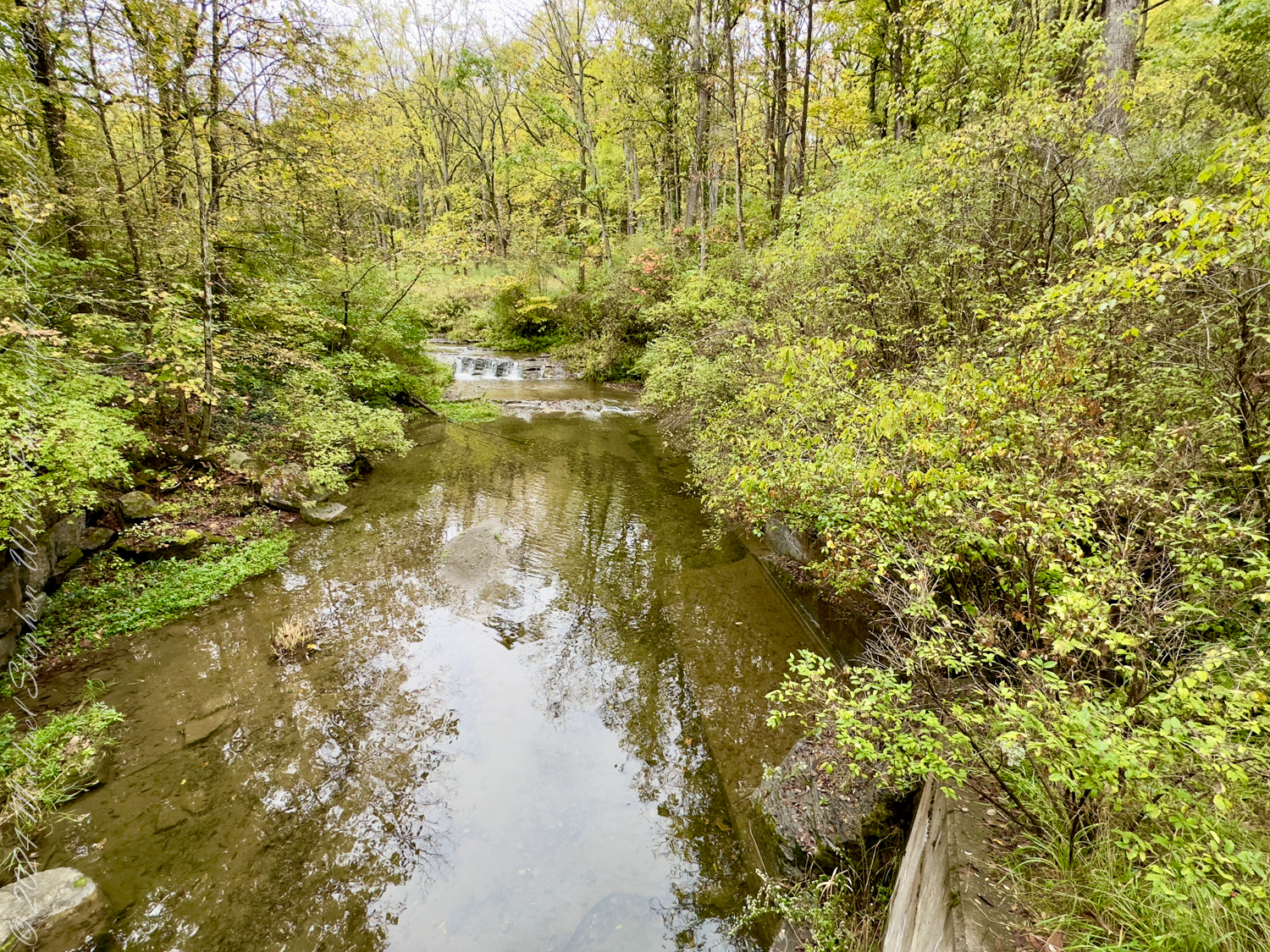
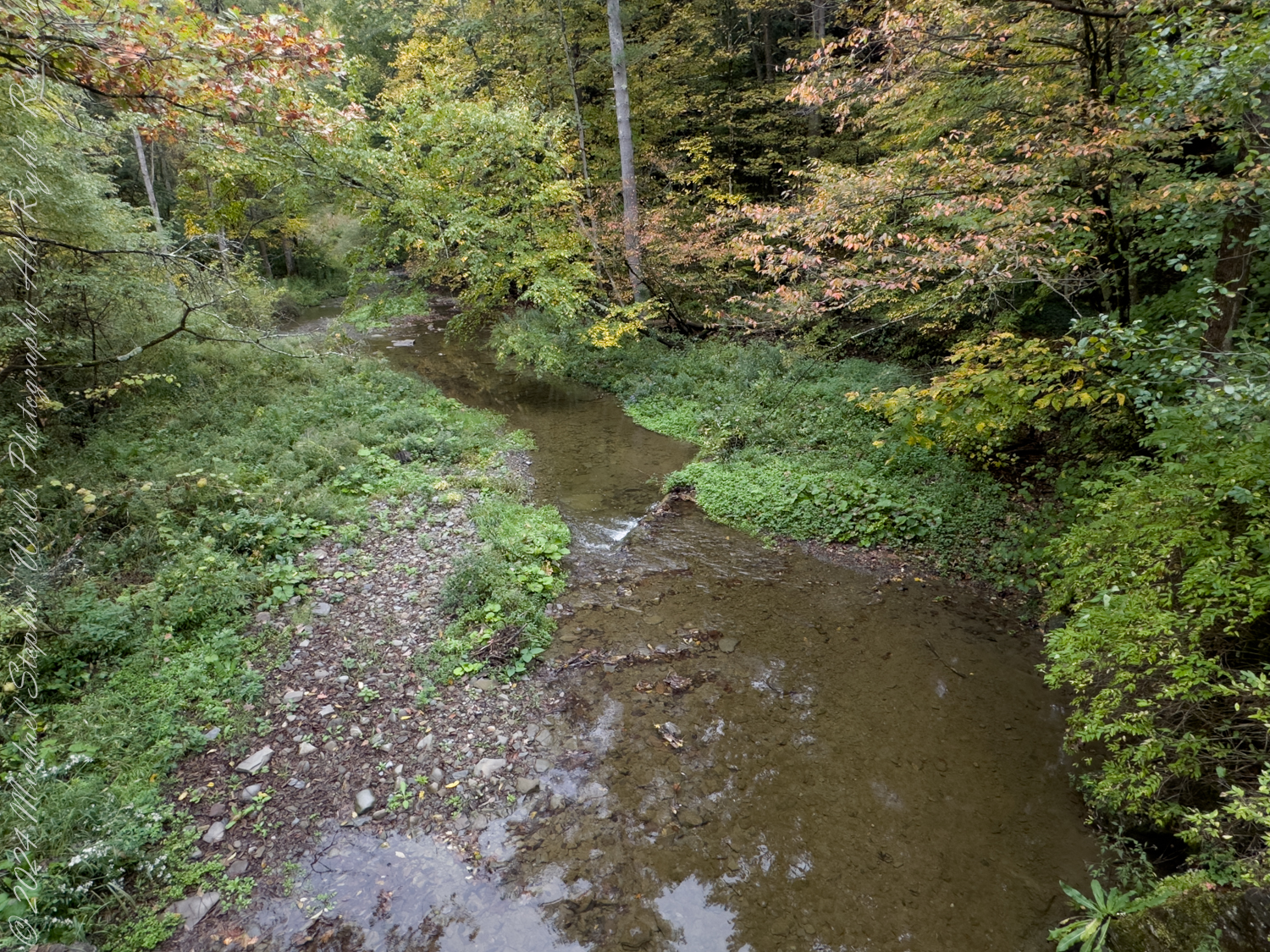
As I cross a small wooden footbridge, recently replaced on the Finger Lakes Trail, I stop to look down at the creek below. The water moves steadily, reflecting the gold and green hues of the trees above. Small waterfalls tumble over rocks, their gentle rush filling the air with a peaceful sound. I watch the water for a while, feeling the pull of time and nature’s persistence.

View from the bridge, upstream Fish Creek

Standing there, I’m struck by how everything I’ve encountered today, from the fallen trees to the CCC plaque, tells the same story—nature’s quiet persistence, its ability to adapt, reclaim, and renew. I breathe deeply, knowing that while time moves forward and everything changes, the beauty and wisdom of places like this will always remain, if we just take the time to notice.


View from the bridge, downstream Fish Creek

Enter your email to receive notification of future postings. I will not sell or share your email address.

A Moment Frozen: Nature’s Finger Lakes Art

Maple leaves suspended in a spider web create a rare, timeless moment in nature.

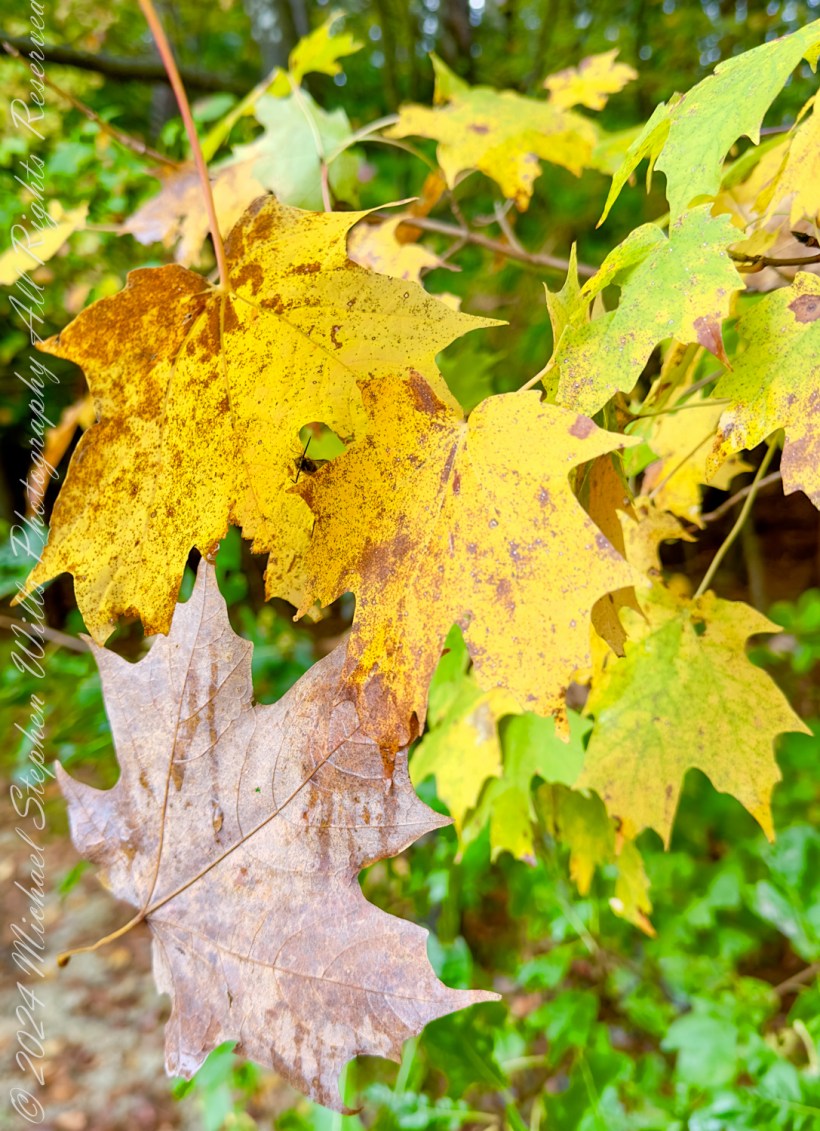
Walking along the Finger Lakes Trail in Robert H. Treman State Park, I come across something that makes me stop—maple leaves, caught mid-fall, suspended in a delicate spider web. Time itself seems to pause with them, as if the leaves, in their slow descent, had found a way to defy gravity. Yellow, brown, and green, they hang like fragile ornaments, arrested in motion. For a moment, it feels like the world is holding its breath.

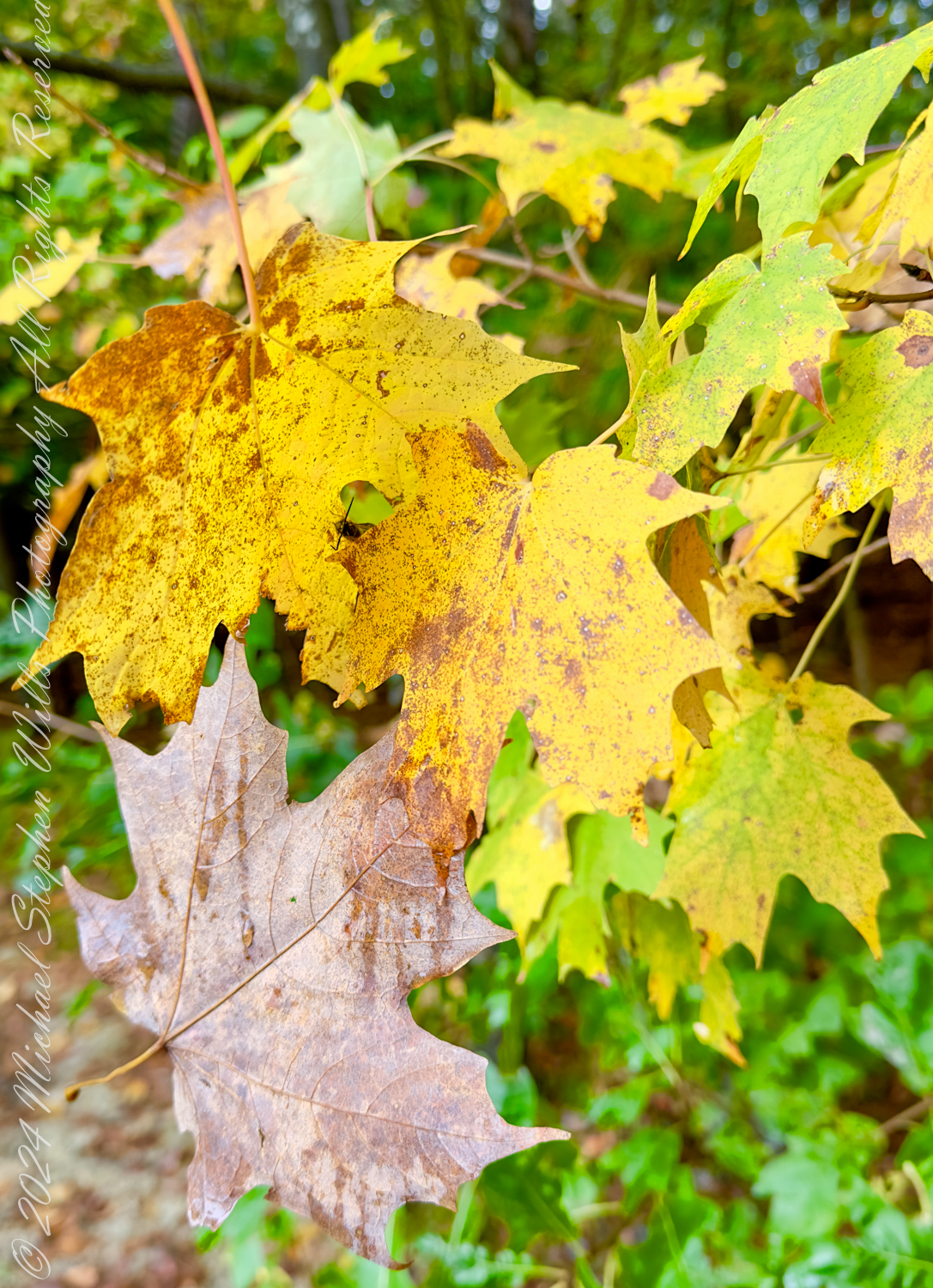
Maple leaves caught in freefall by spider web. Finger Lakes Trail, Robert H Treman State Park, Ithaca, Tompkins County, New York State

This brief suspension of nature’s inevitable course is uncanny, a moment frozen between one season and the next. These leaves, so close to their final rest on the forest floor, now seem to defy their fate, held up by threads too fine to see. I’m tempted to reach out and free them, to let them continue their journey down to the earth, but something stops me. It’s as if the web, like a clock halted mid-tick, has granted me the rarest gift—a chance to stop the flow of time.

In this moment, I reflect on how life itself is always in motion, how we are carried forward whether we like it or not. But here, in this quiet pocket of the forest, these leaves offer a small rebellion against that forward push. They hang, caught between what was and what will be, suspended between summer and winter, life and decay.

I snap a photo, knowing it’s just an echo of the real thing, a poor attempt to capture a miracle of nature. The leaves will eventually fall, the web will loosen, and time will move on. But for now, in this moment, they remain suspended, as do I—caught in the beauty of a moment where time, for once, seems to stand still.

Enter your email to receive notification of future postings. I will not sell or share your email address.

Tides of Discovery: A Hawser’s Journey to Cocoa Beach

Discover the mysterious journey of an ocean-worn hawser on Cocoa Beach. Join me in unraveling its sea-tossed tales and the profound messages the tides bring to our shores.

A Serendipitous Morning


As I strolled along the familiar expanse of Cocoa Beach, a silver mist hung over the horizon, blurring the line where the Atlantic whispered to the skies. My footsteps, a quiet percussion against the hush of dawn, were the only sound until the waves added their chorus. I was here to greet the sunrise, a ritual that never failed to ground me, but today, the ocean had laid out a surprise – a hawser, heavy and worn, beached like a leviathan of the deep.

Cocoa Beach, Brevard County, Florida on the Space Coast

The Relic of the Sea


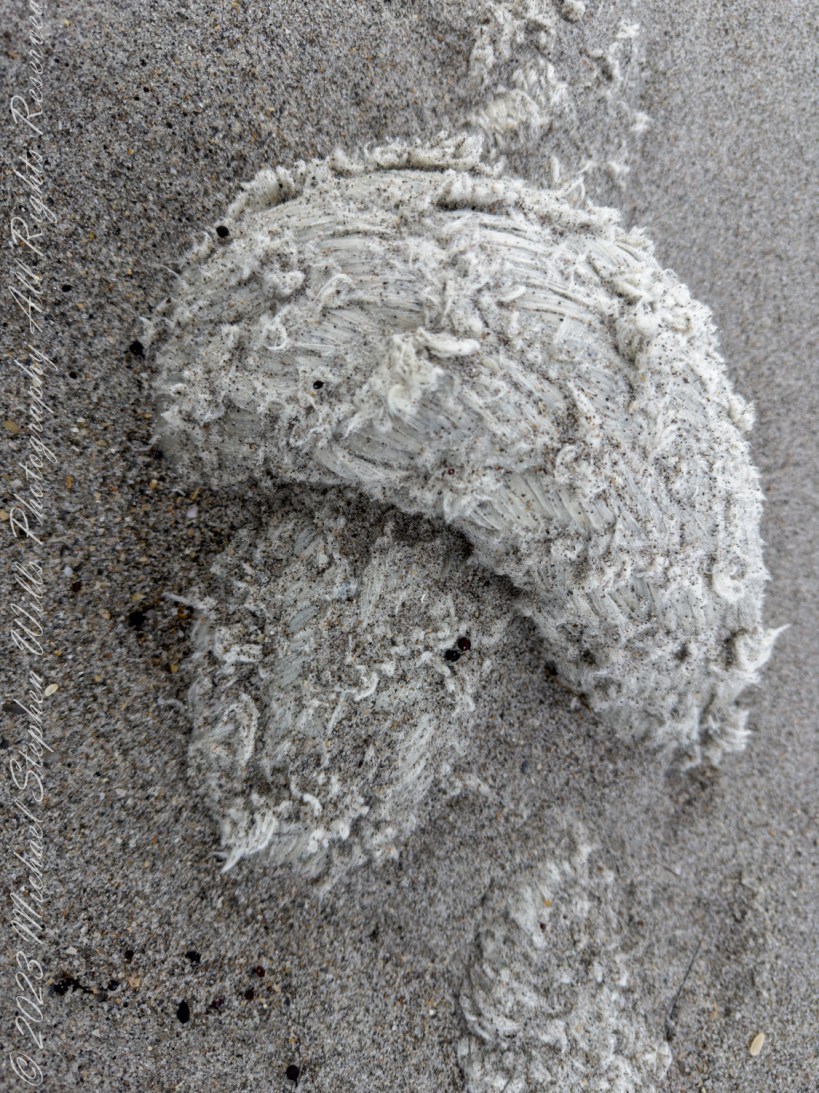
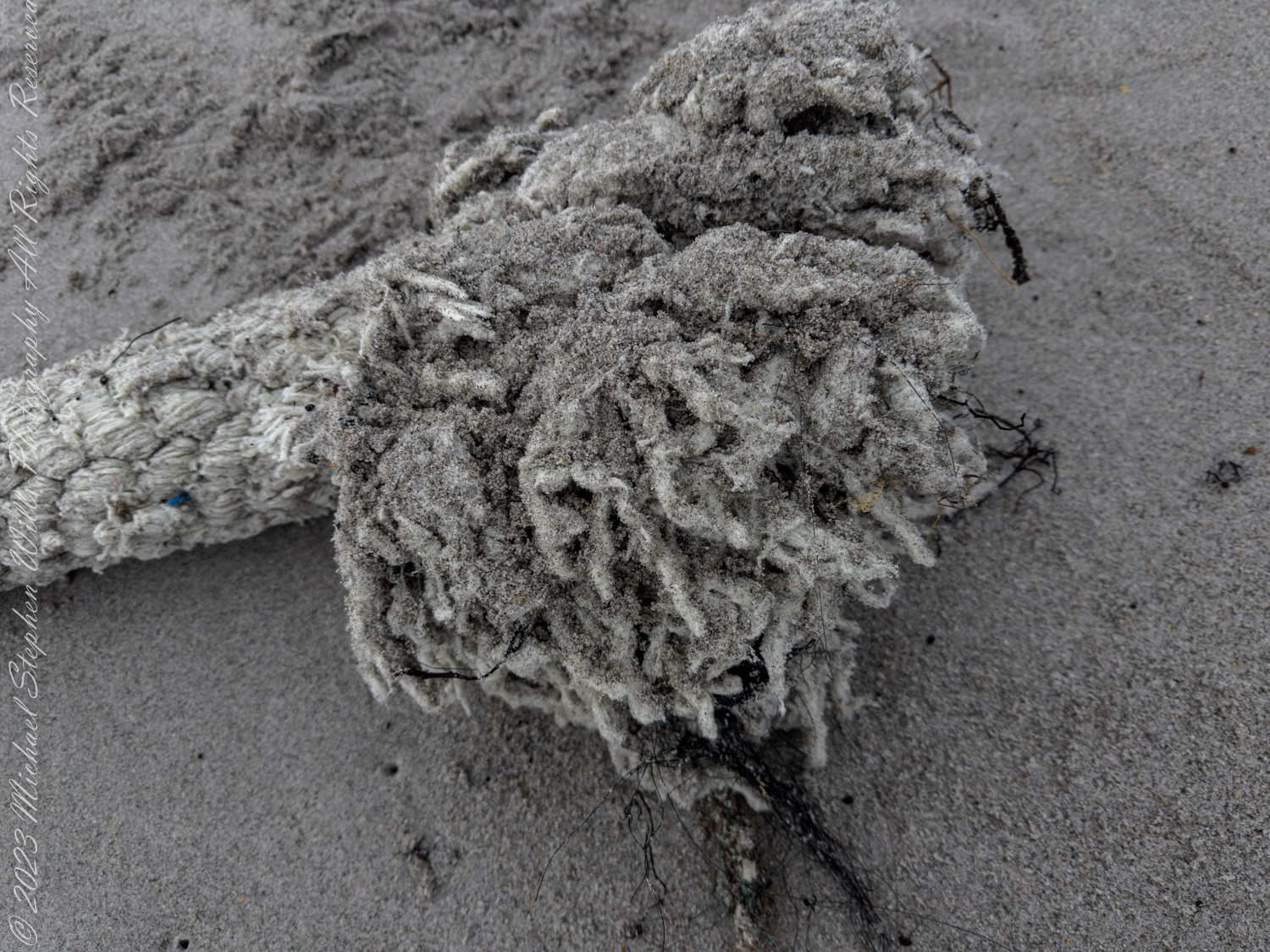
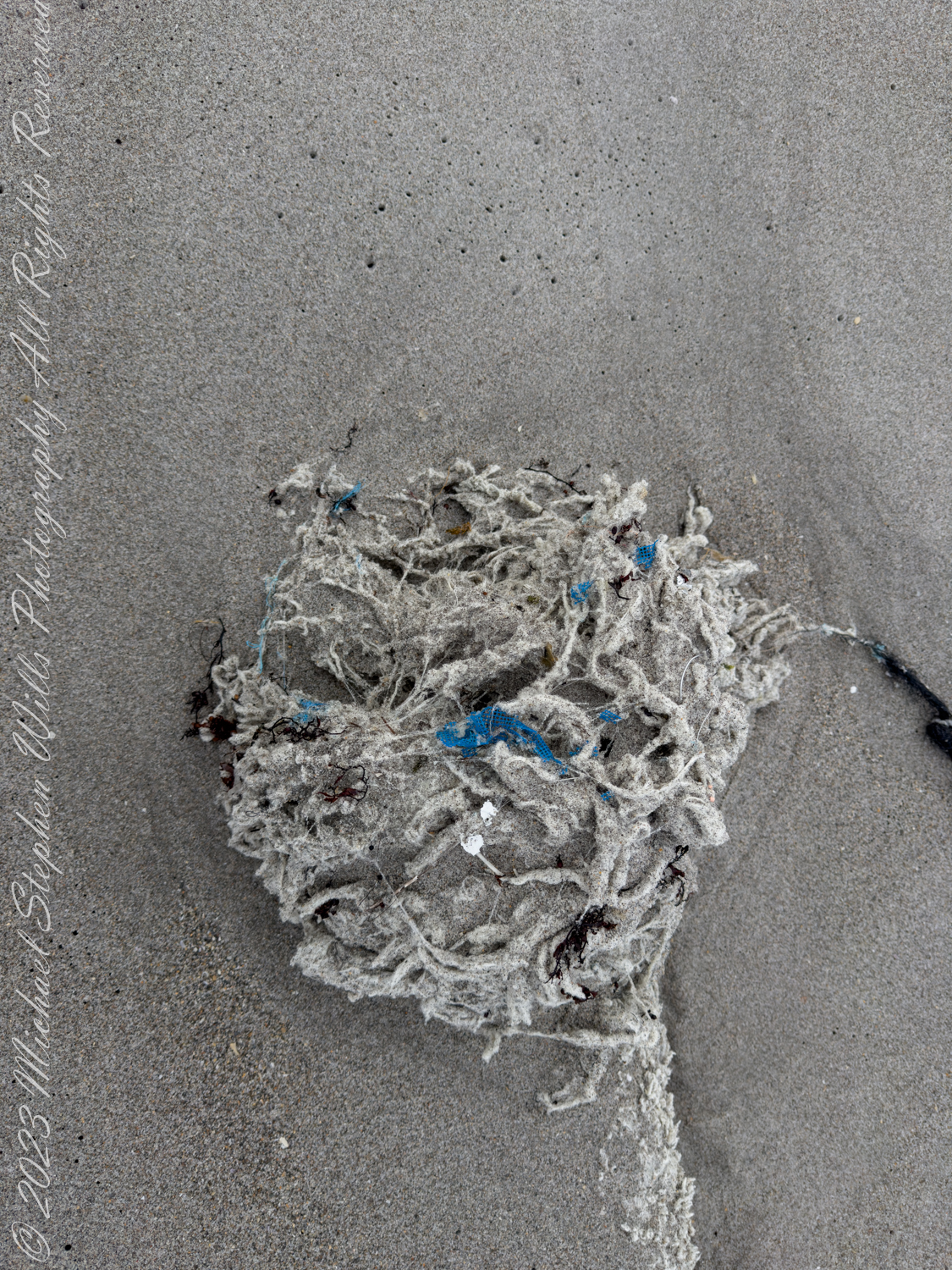
There it lay, a colossal rope, its many fibers frayed and clinging to sand, a testament to its battle with the ocean’s might. This hawser, a lifeline once to vessels that dared to navigate treacherous waters, was now at the mercy of the tides that once heeded its command. I approached, curious, reverence growing within me for this unexpected relic of human endeavor.

The High Tide’s Offering


The hawser’s journey to my path was a story written in the ebb and flow of the tides. The high tide, under the pull of the moon’s invisible hands, had surged with purpose, pushing this massive rope to the shore as its offering. High tides are nature’s way of reaching out, touching the land, and sometimes, they bring gifts from the depths, each with a tale to tell.

A Tapestry of Experiences


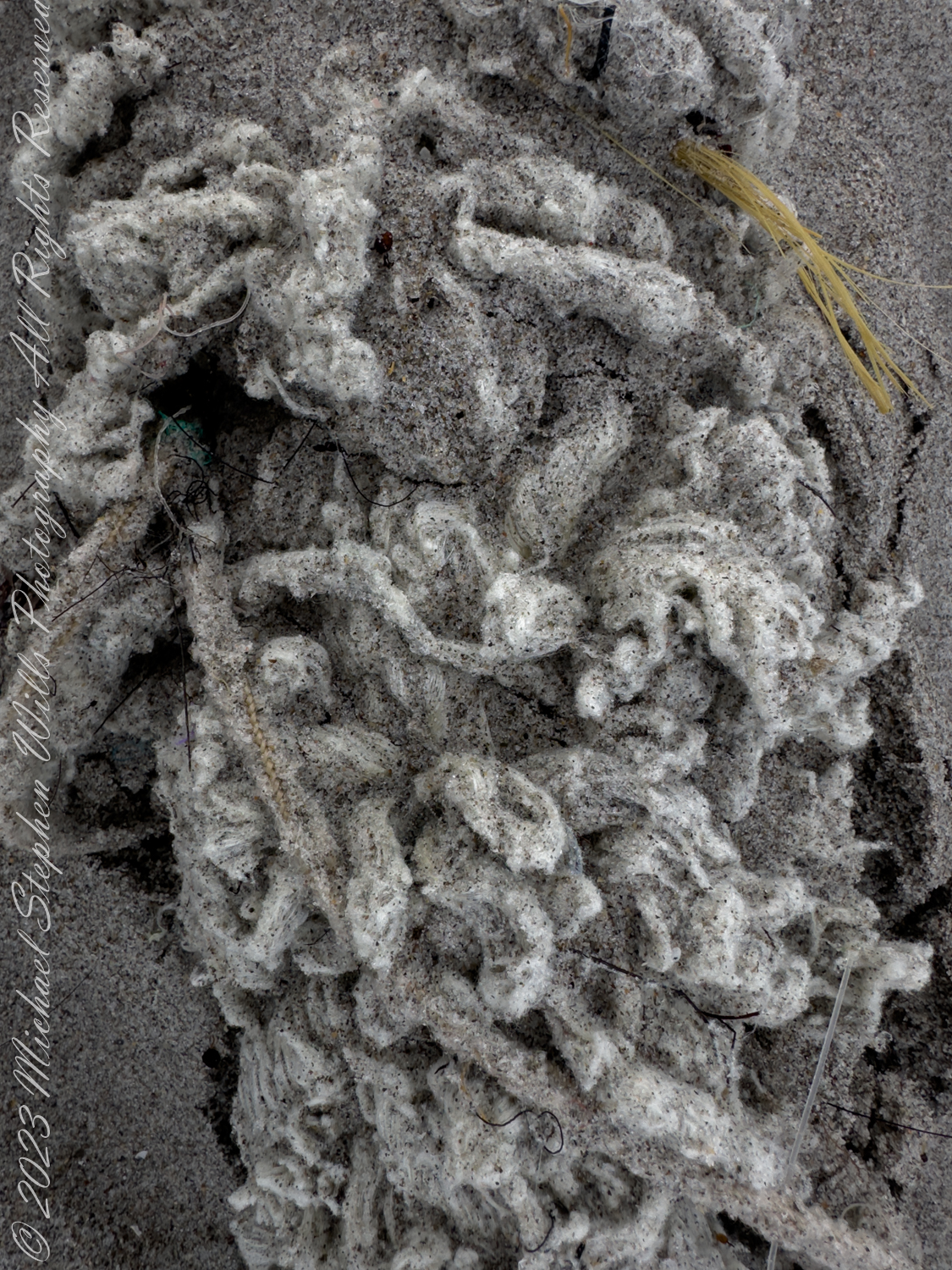
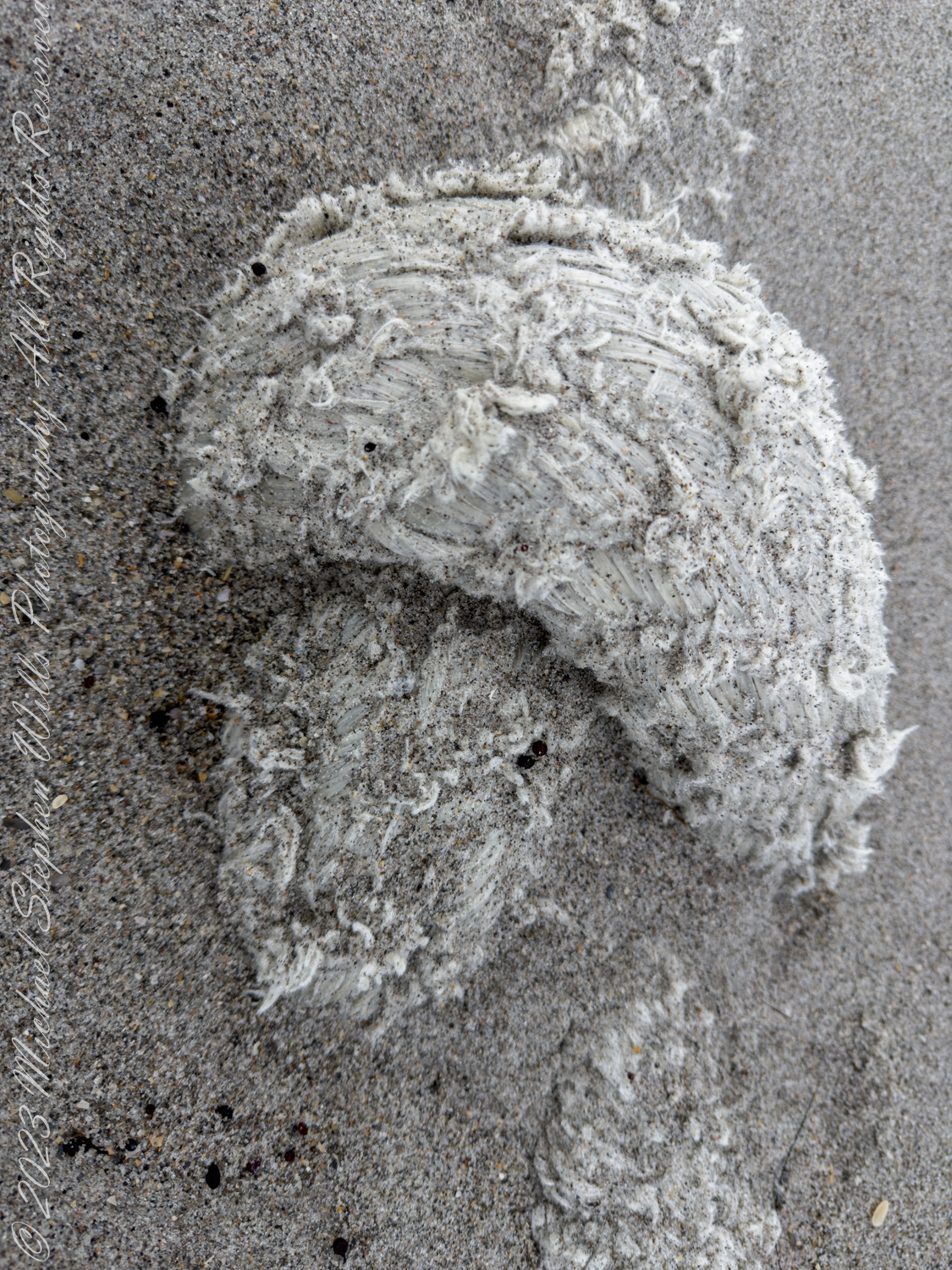
Touching the hawser, I felt connected to the lives it must have touched, the storms it weathered, and the unspoken histories it held. Each thread was a narrative, a voyage, a storm survived. The macro images of the hawser’s frayed ends resembled the intricate work of a natural tapestry – artful, chaotic, yet purposeful. It was a mosaic of experience, and now, it was a part of Cocoa Beach’s landscape.

The Dance of Man and Nature


The hawser at the foot of the lifeguard station stood as a symbol of humanity’s interaction with the mighty sea. We build structures, craft vessels, and forge hawsers, asserting our presence. Yet, the tides remind us of our place within the grand tapestry of nature. Tides dance around our creations, sometimes reclaiming them, other times presenting them back to us, reshaped, redefined.

Reflecting on the Tides


As I sat by the hawser, the sun broke free from the horizon, casting golden hues over the beach. The tide was retreating, pulling back into the ocean’s embrace, leaving behind patterns on the sand, and the hawser – a silent sentinel of the shore. It was a moment of reflection on the power of the tides, the constant cycle of giving and taking, and the marks they leave upon both the earth and our lives.

Conclusion: The Tides of Life


The tides had brought the hawser to Cocoa Beach, and with it, a moment of connection to the vastness of the sea and the shared journeys of all who traverse it. As I walked away, the hawser remained – a fixture until the tide would rise again, perhaps to claim it back or offer another token of the ocean’s depths. The power of the tides is a powerful metaphor for life’s ebb and flow, each wave a new beginning, each retreat a chance to reflect on the imprints left behind.

Copyright 2024 Michael Stephen Wills All Rights Reserved