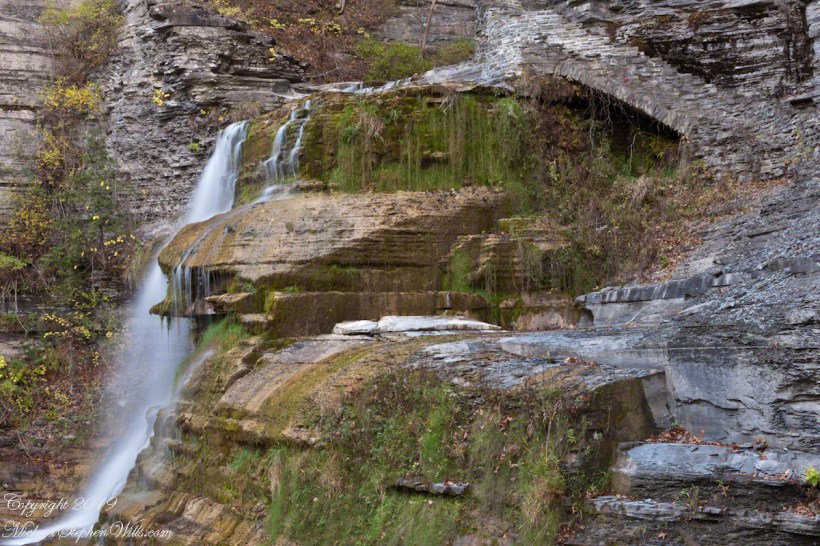
Cliff Stairs IV

A Wall with Moss Padding

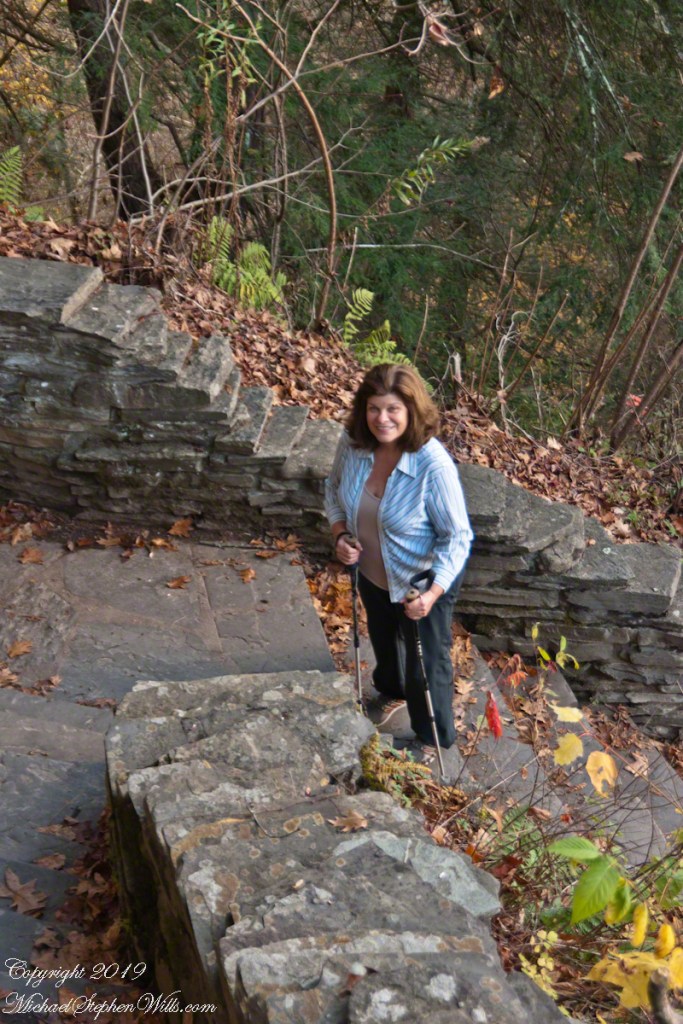
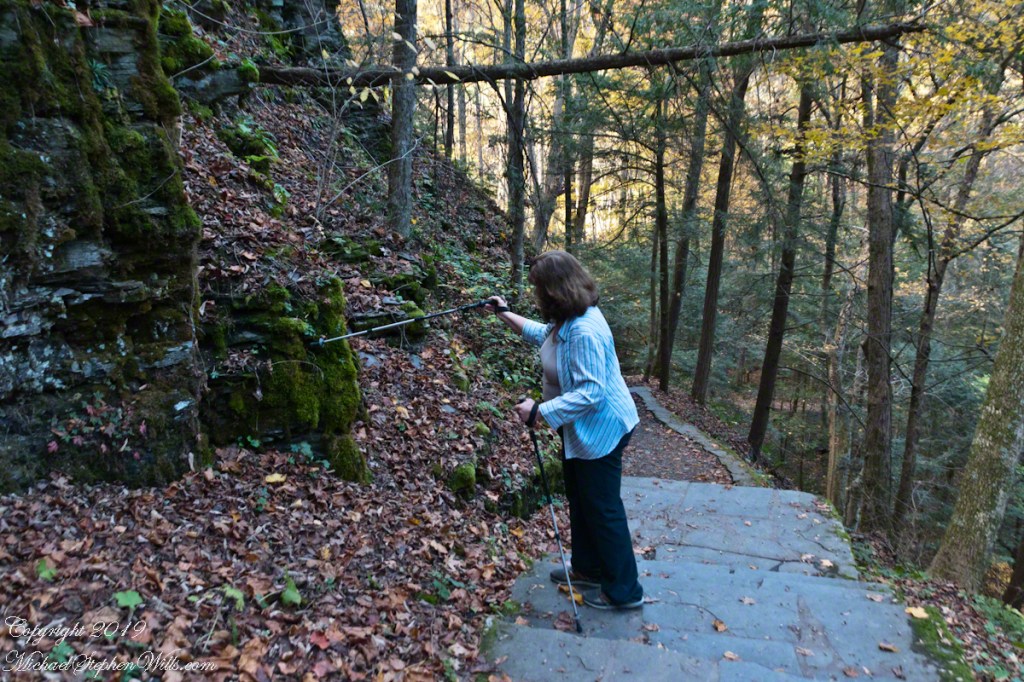
Pam examining thick moss growth on the sedimentary rock of Treman gorge. These layers of shale, sandstone, siltstone formed at the bottom of a broad, shallow sea over 380 million years ago.

Click photograph for a larger view. To do this from WordPress Reader, you need to first click the title of this post to open a new page.
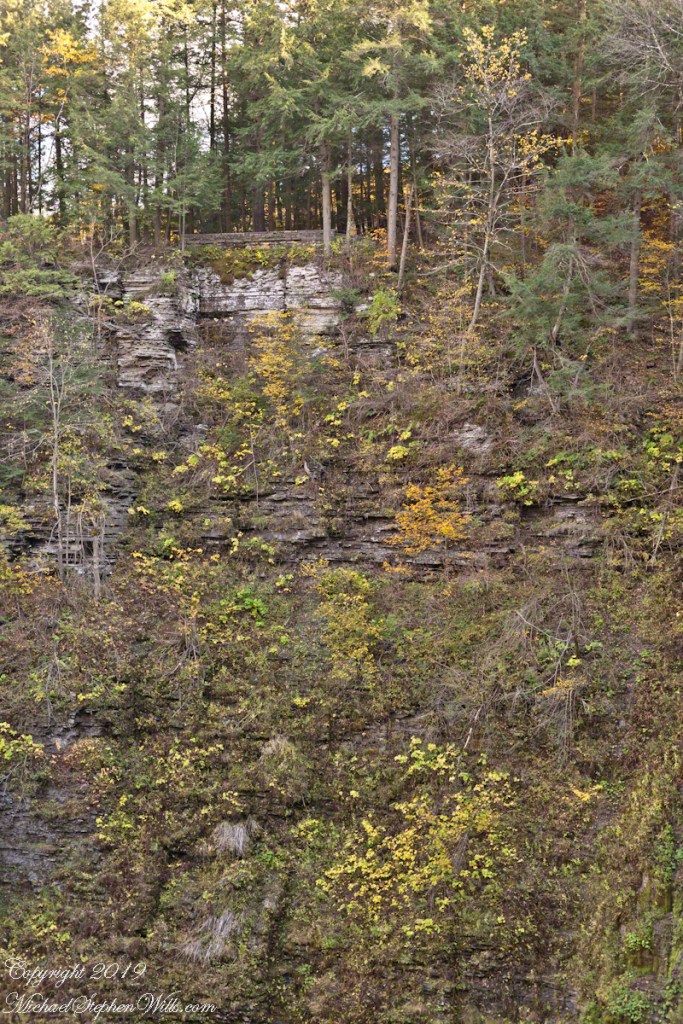
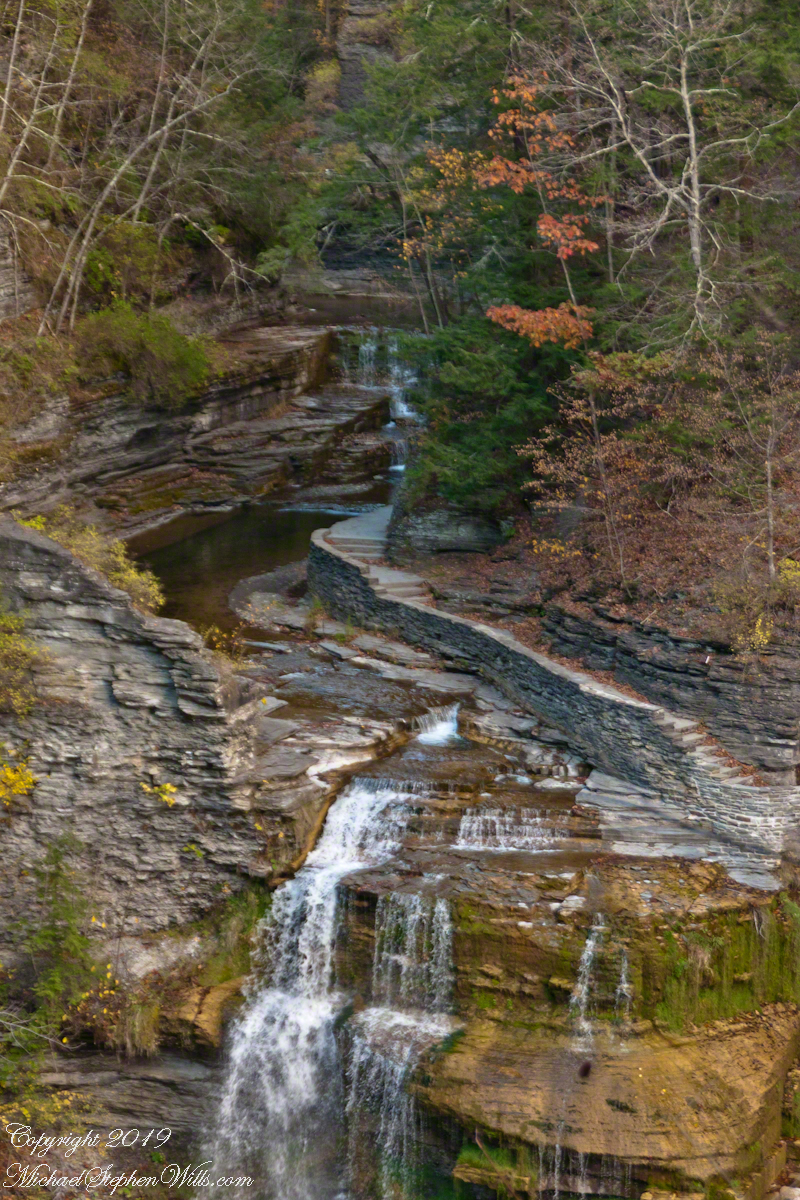
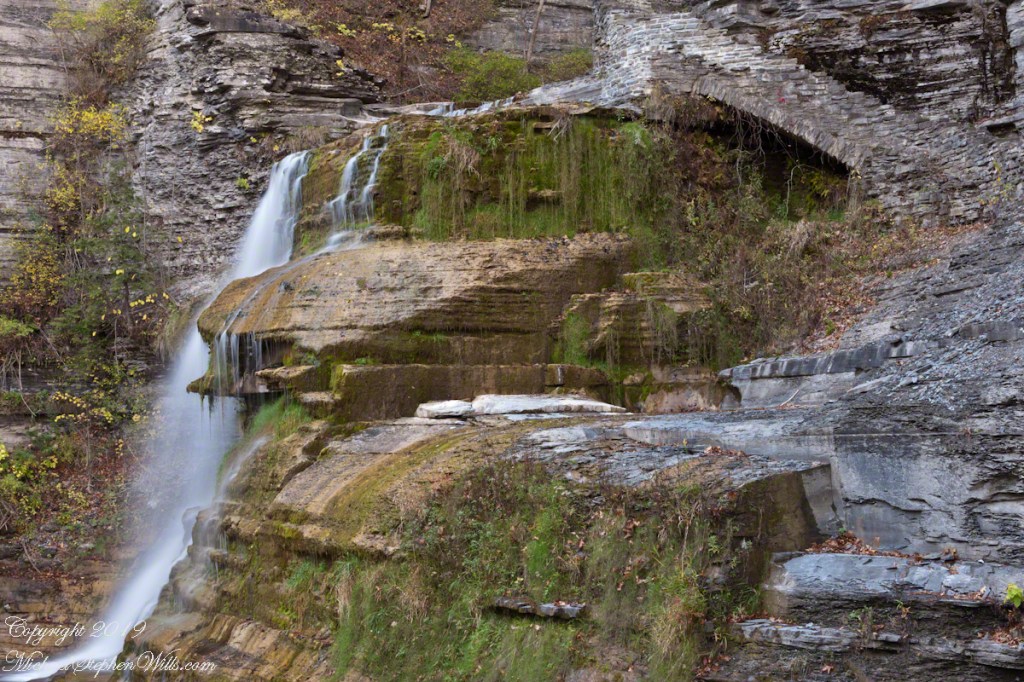
Towards the bottom of the 223 Cliff Stair steps moss takes over the Devonian shale of the cliff wall surface. Here, the cliff shelters the wall from sunlight 365 days a year.
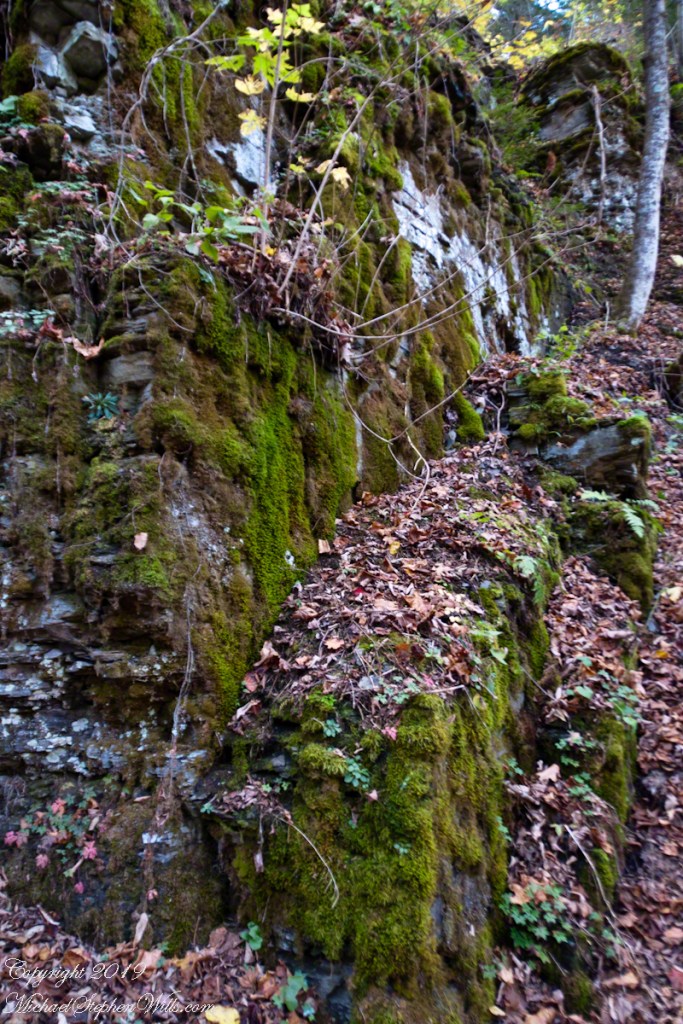
Robert H. Treman New York State Park.

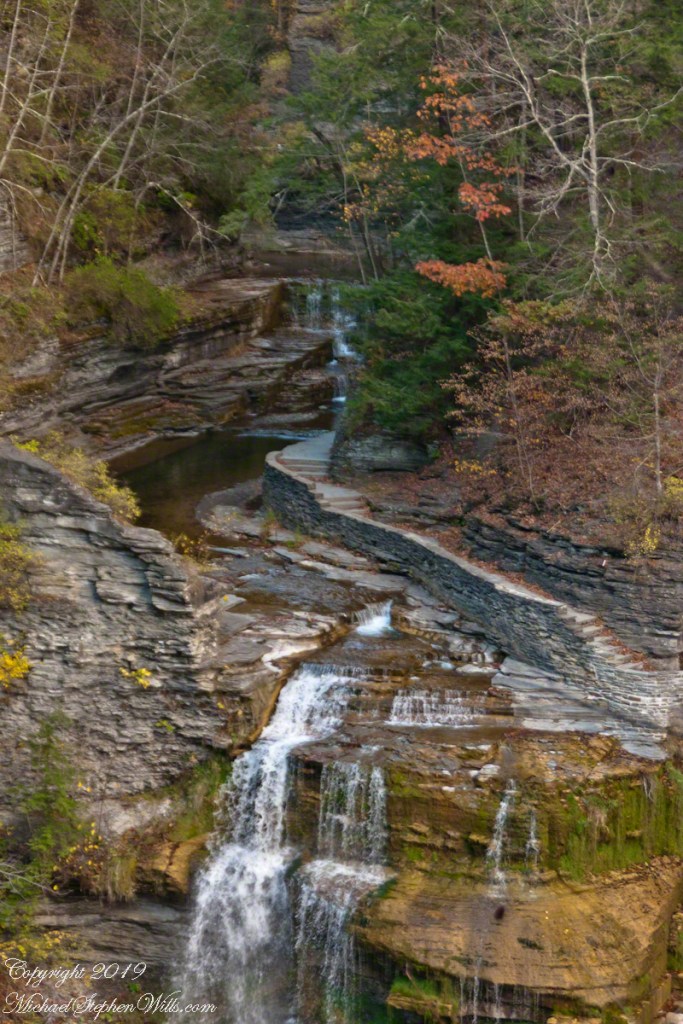
Click for a slideshow of this sequence Lucifer Falls and Cliff Stair Views
Copyright 2023 All Rights Reserved Michael Stephen Wills

Cliff Stairs III

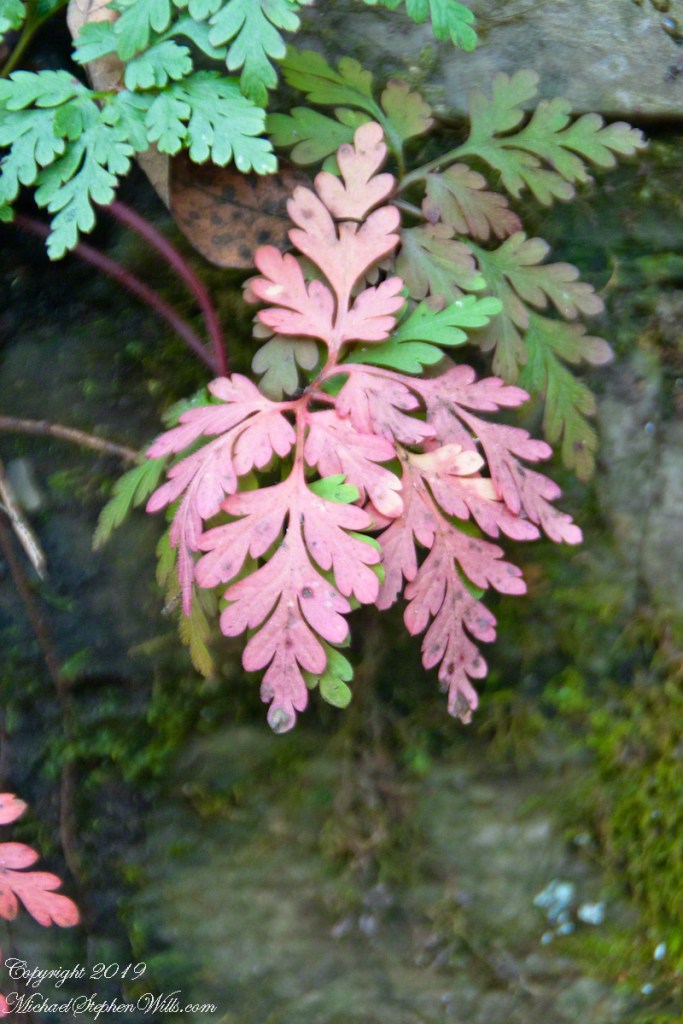
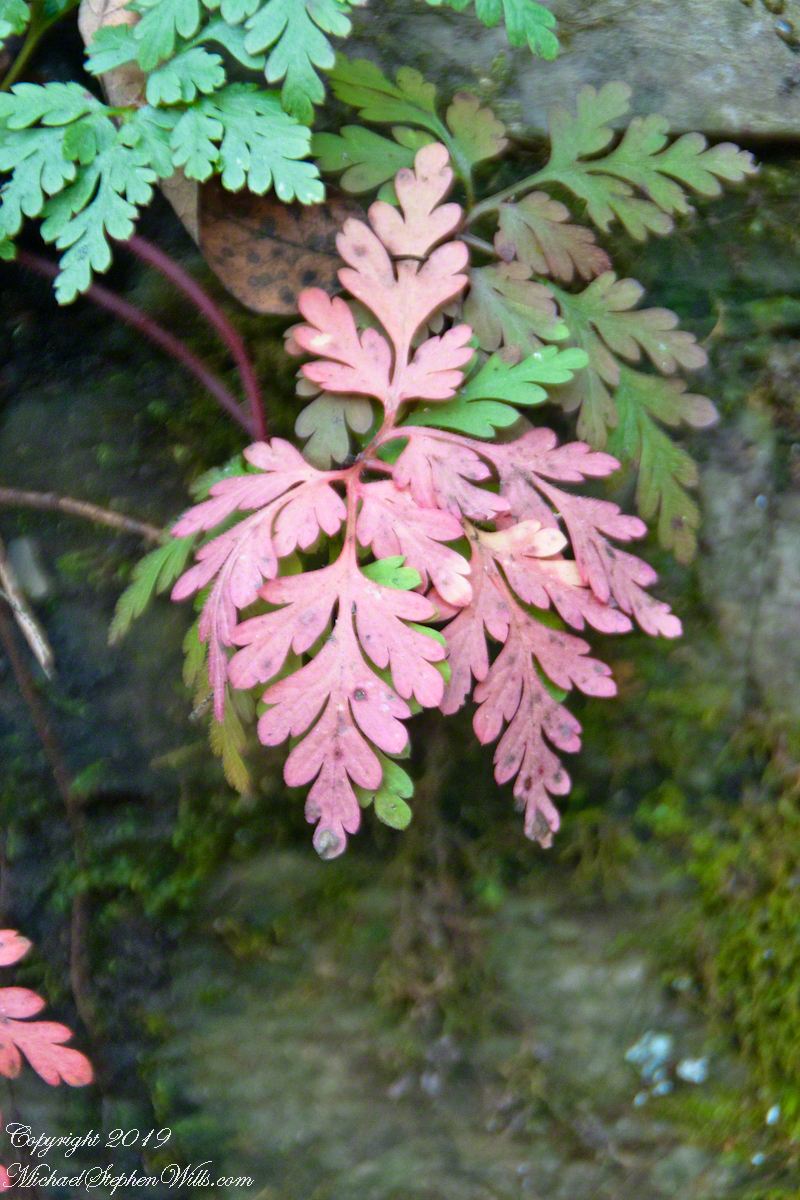
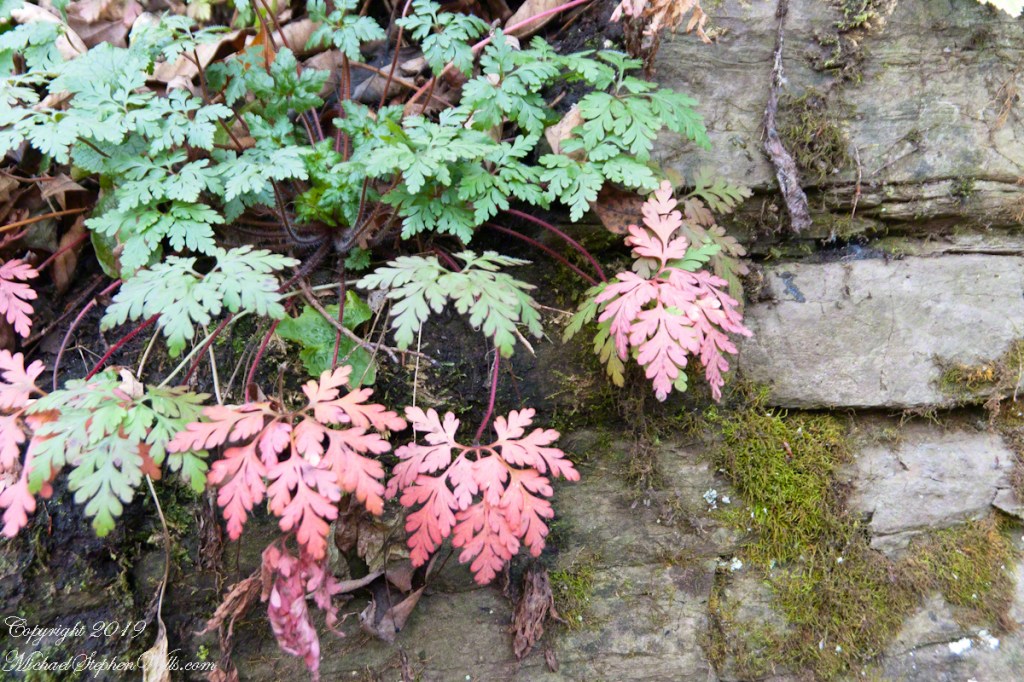
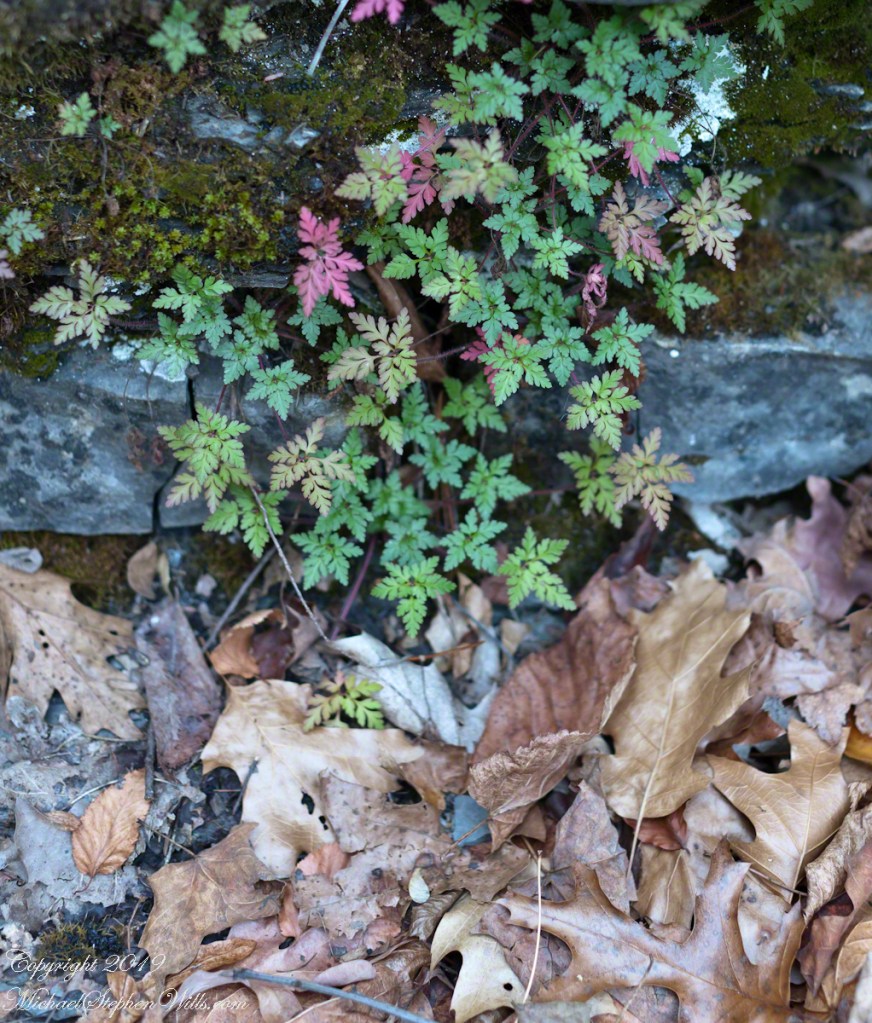
“Red-shanks”

This geranium species (scientific name Geranium robertianum) are also called “Herb-Robert” for a reputed ability to ward off disease.

Click photograph for a larger view. To do this from WordPress Reader, you need to first click the title of this post to open a new page.

Scottish Highlands residents call these wild geraniums “red-shanks” for the deep red color of the stalks, seen in both photographs.

Robert H. Treman New York State Park.

Source, “How to Know the Wildflowers” by Mrs. William Star Dana, 1989, Houghton Mifflin, Boston.

Click for a slideshow of this sequence Cliff Stair Views
Copyright 2023 All Rights Reserved Michael Stephen Wills

Cliff Stairs II

read the sign

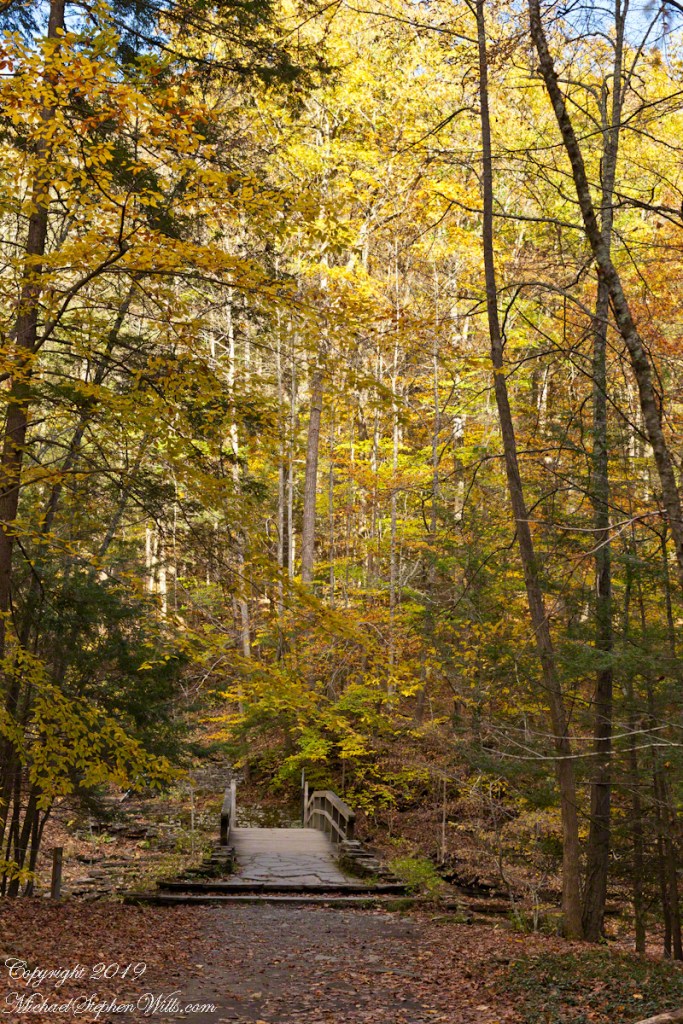
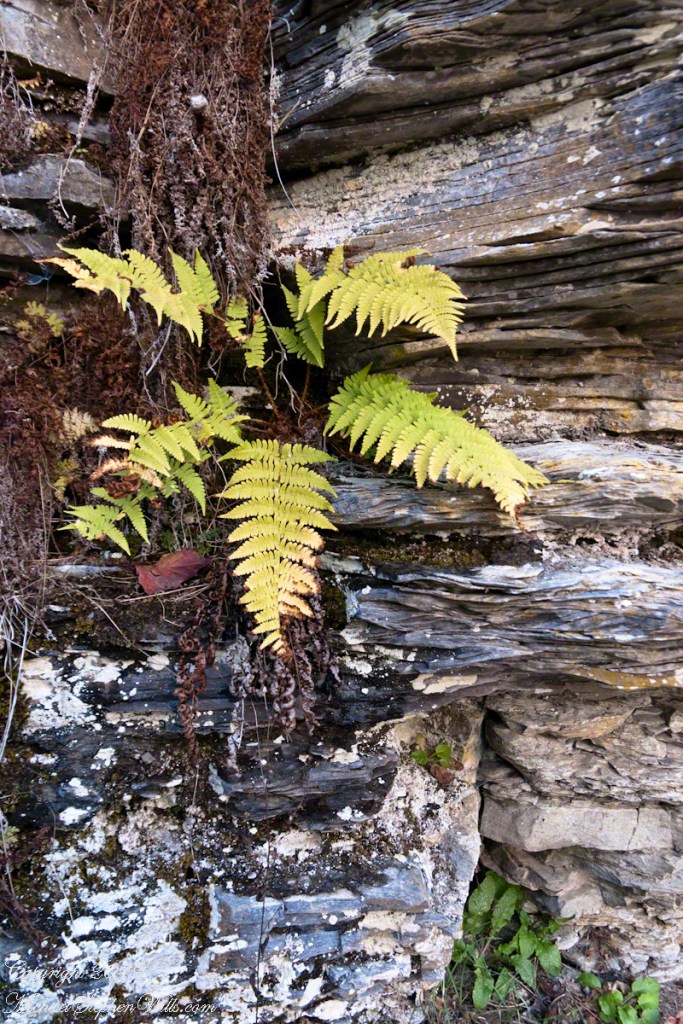
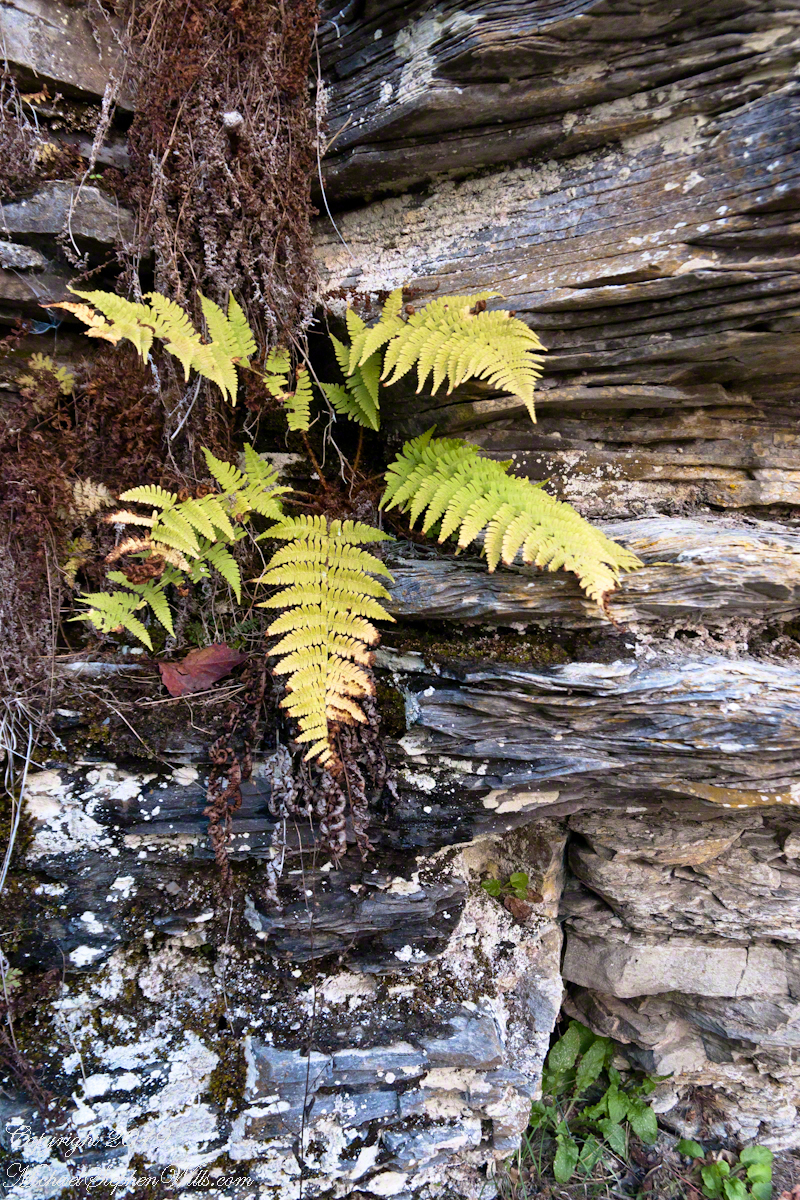
Each autumn, species of fern turns yellow towards a winter death. Here we see growing from Devonian shale, both the yellowed and desiccated fern fronds. Robert H. Treman New York State Park.

Click photograph for a larger view. To do this from WordPress Reader, you need to first click the title of this post to open a new page.
Click for a slideshow of this sequence Cliff Stair views
Copyright 2023 All Rights Reserved Michael Stephen Wills

Cliff Stairs I

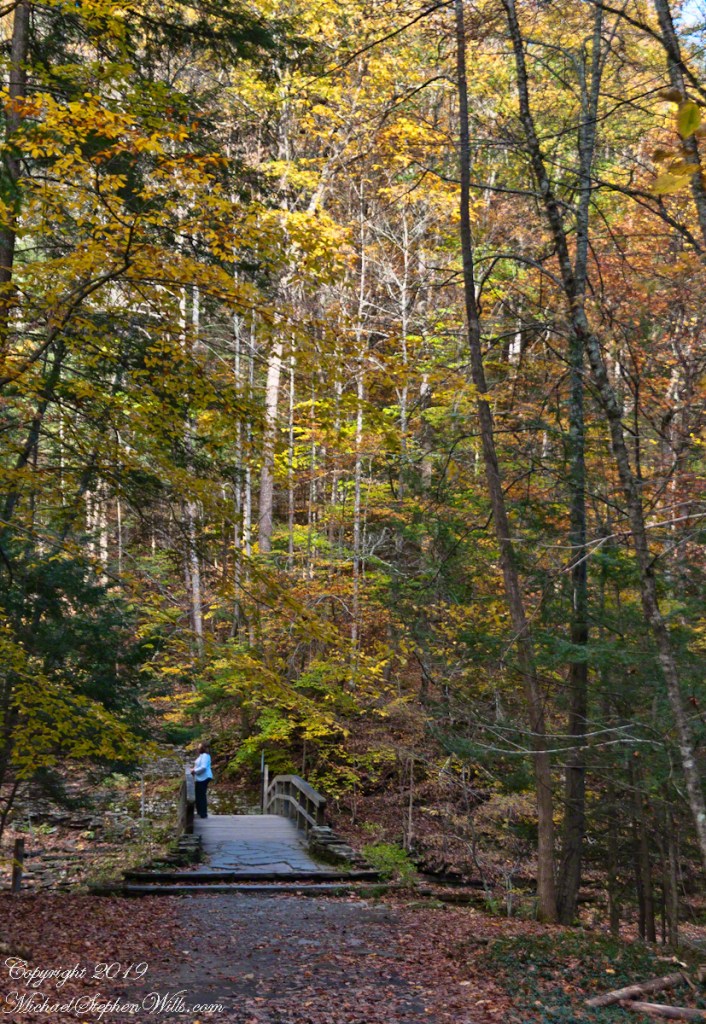
Pam pauses for a photograph

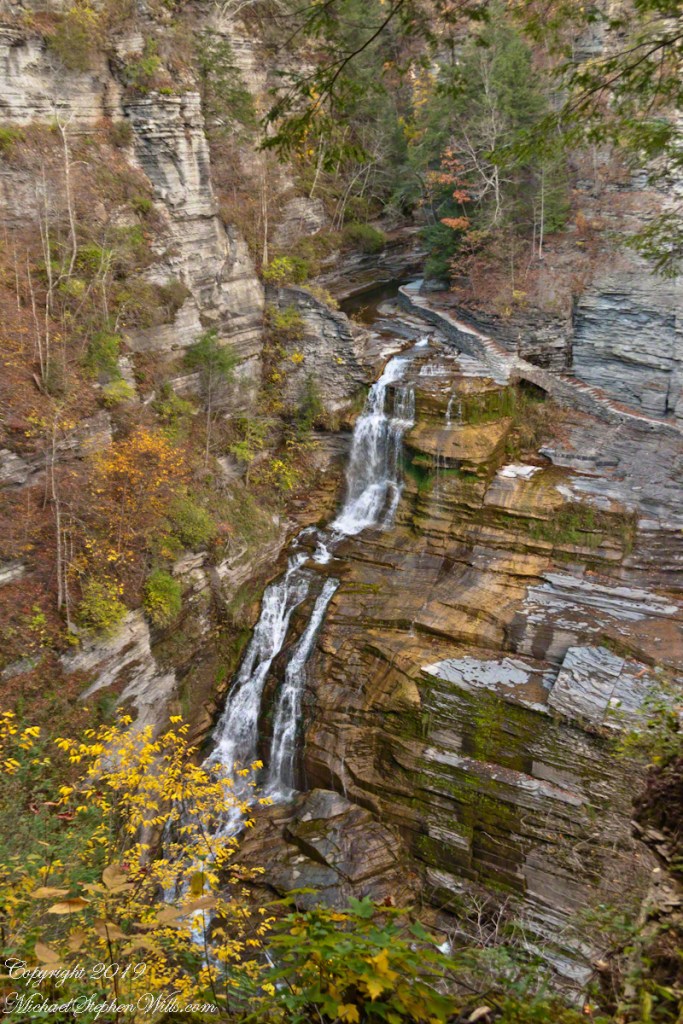
On a day in late October 2017 Pam and Mike did a photography walk. Here is Pam pausing to pose during a descent into the gorge on the cliff staircase after visiting the overlook high above Lucifer Falls, Robert H. Treman New York State Park in the Finger Lakes Region.

Click photograph for a larger view. To do this from WordPress Reader, you need to first click the title of this post to open a new page.

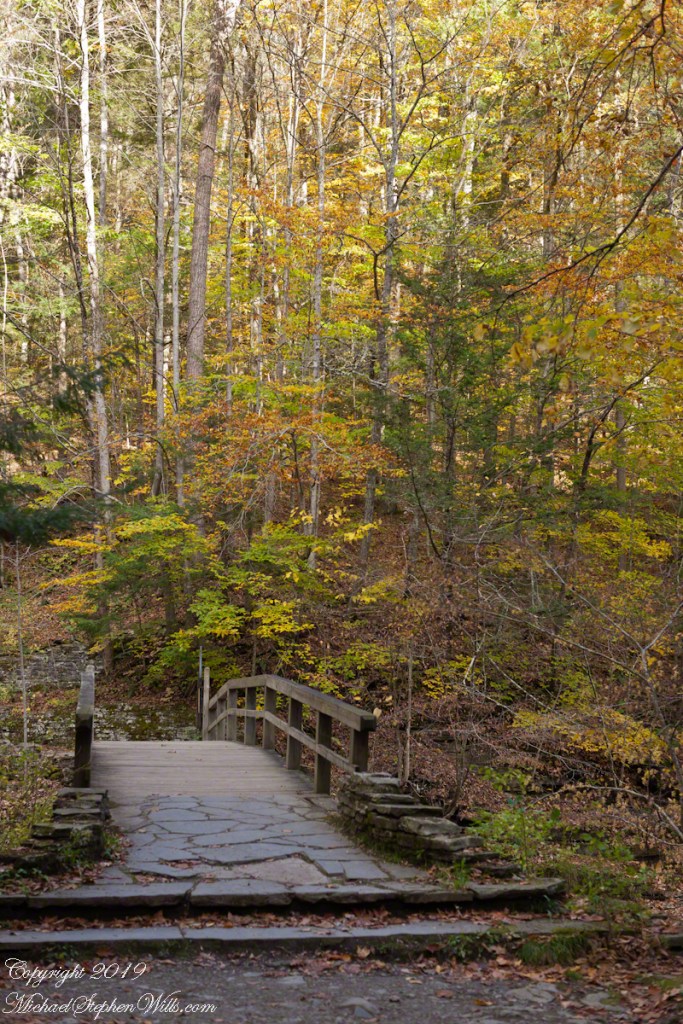
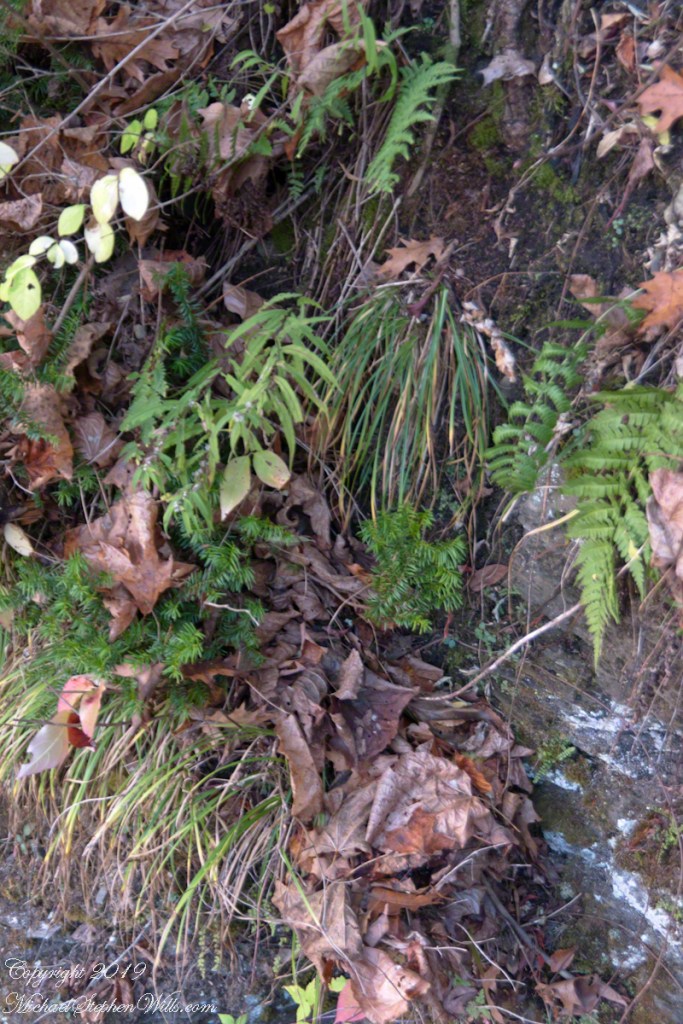
Grasses, hemlock saplings, goldenrod, spent leaves and ferns on the wall of the 223 Cliff Stair steps.

Click for a slideshow of this sequence of Lucifer Falls view from the overlook.
Copyright 2023 All Rights Reserved Michael Stephen Wills

August Scenes

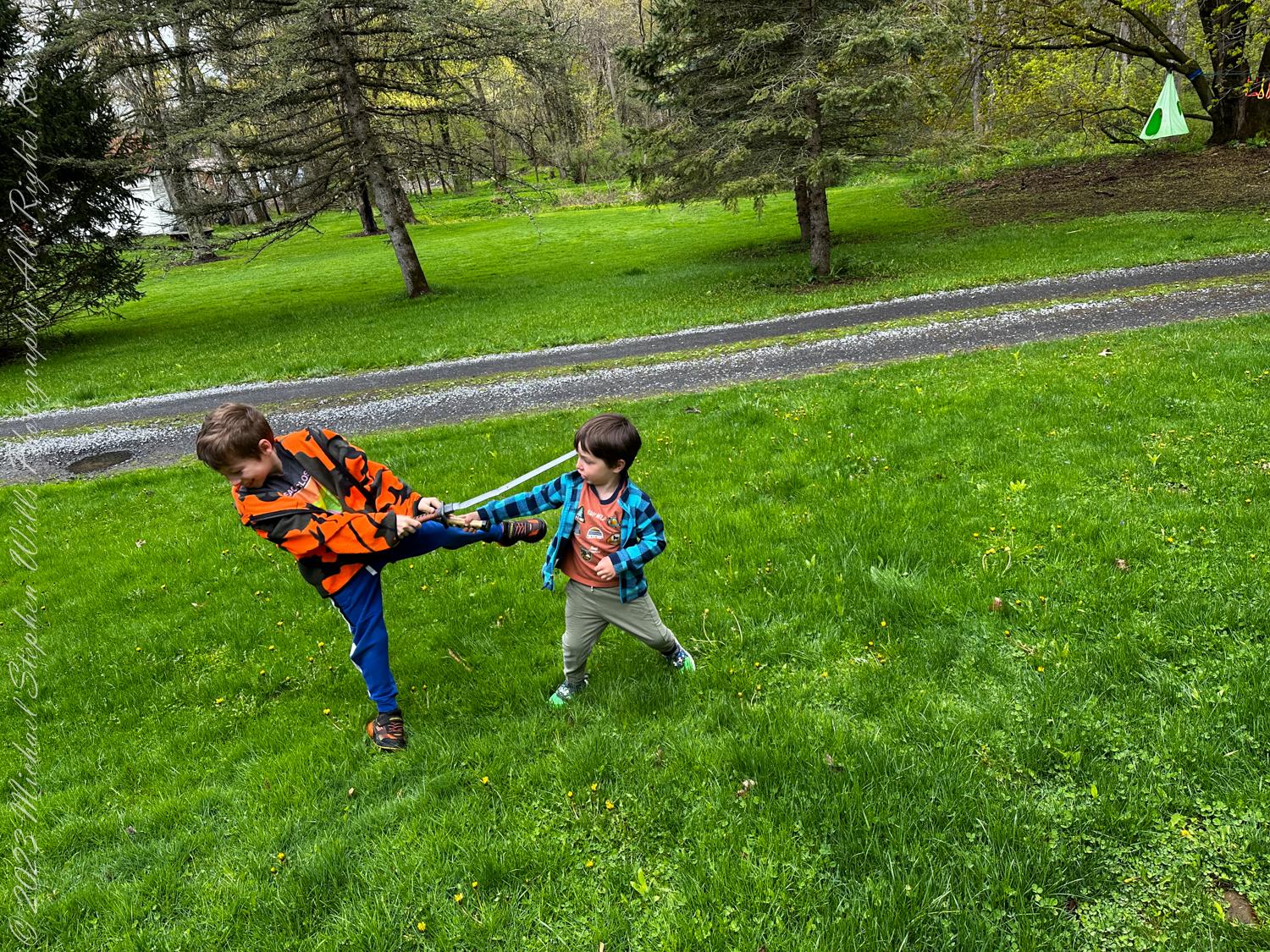
Grandfathering Around Tompkins County

Copyright 2023 Michael Stephen Wills /all Rights Reserved

Spring Ritual

Feeding Apple Trees

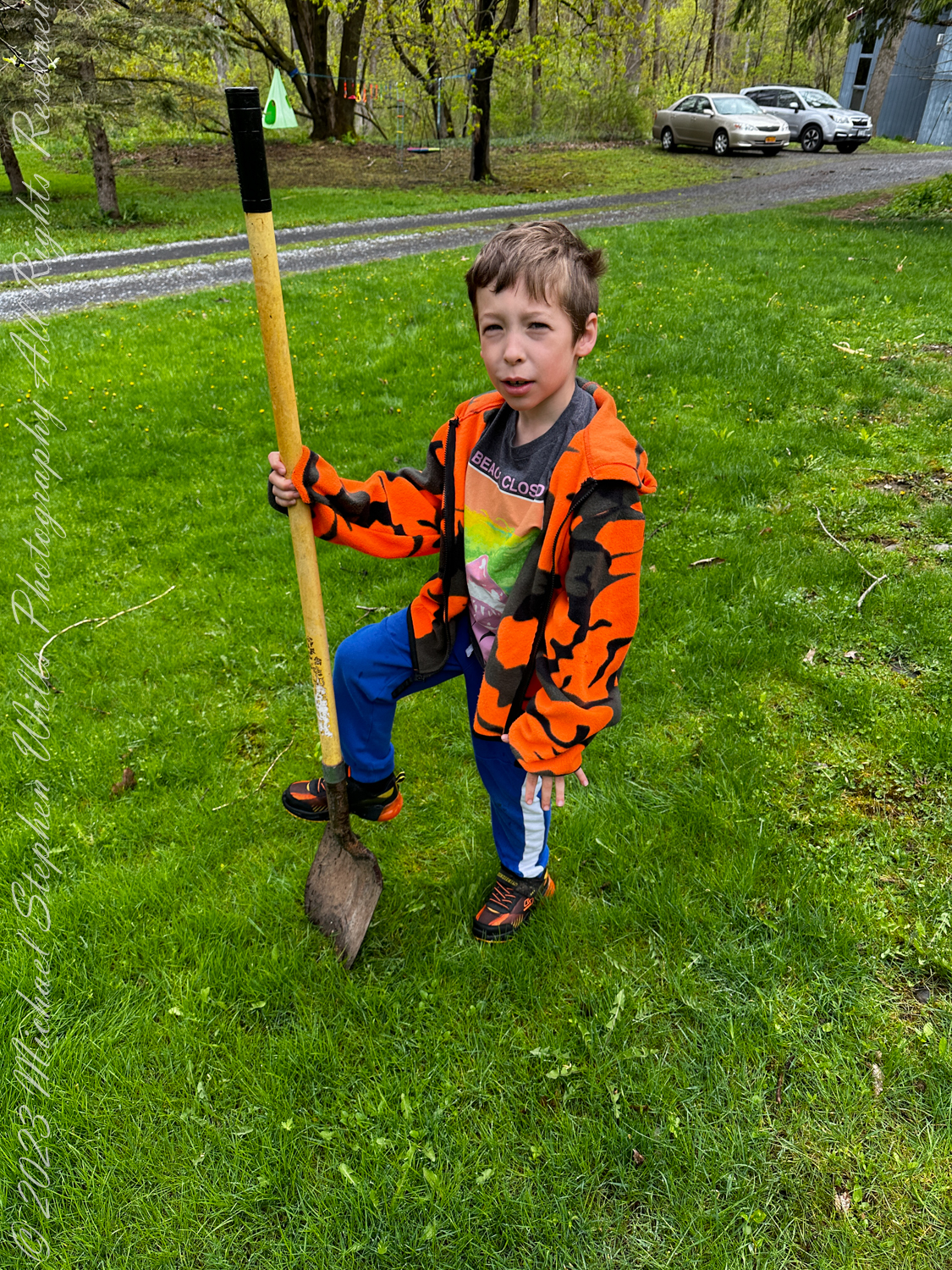
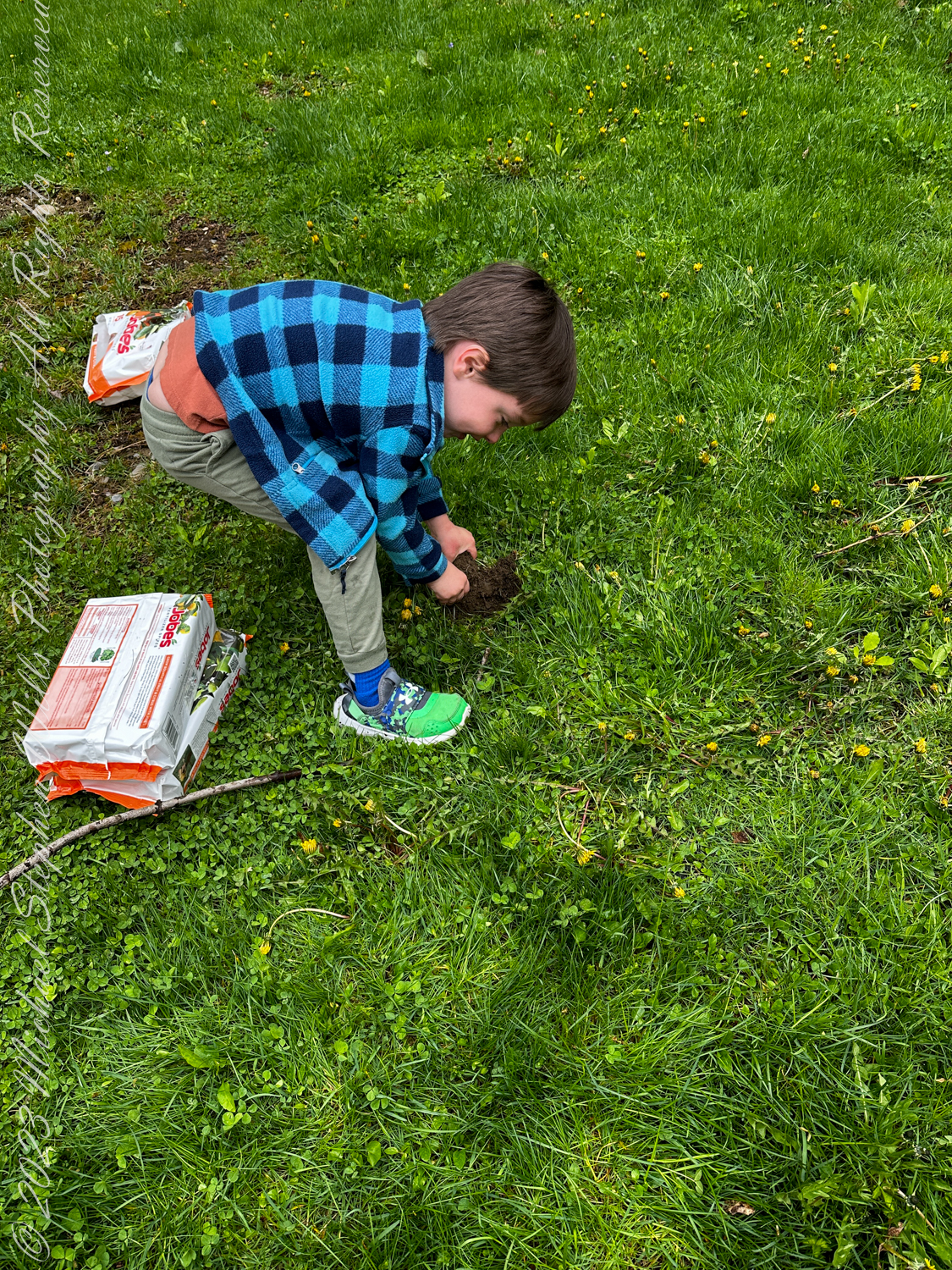
A spring rite of ours is caring for three apple trees. We provide each, a Cortland, a McIntosh, a Delicious, with 15 fertilizer spikes ; 45 in all.

I am way past using a hammer to pound in each. The preferred method is to drive a space into the ground beneath the drip line (the other reach of the branches), lift the handle and drop the spike into the ground, remove the spade and tamp down the ground.

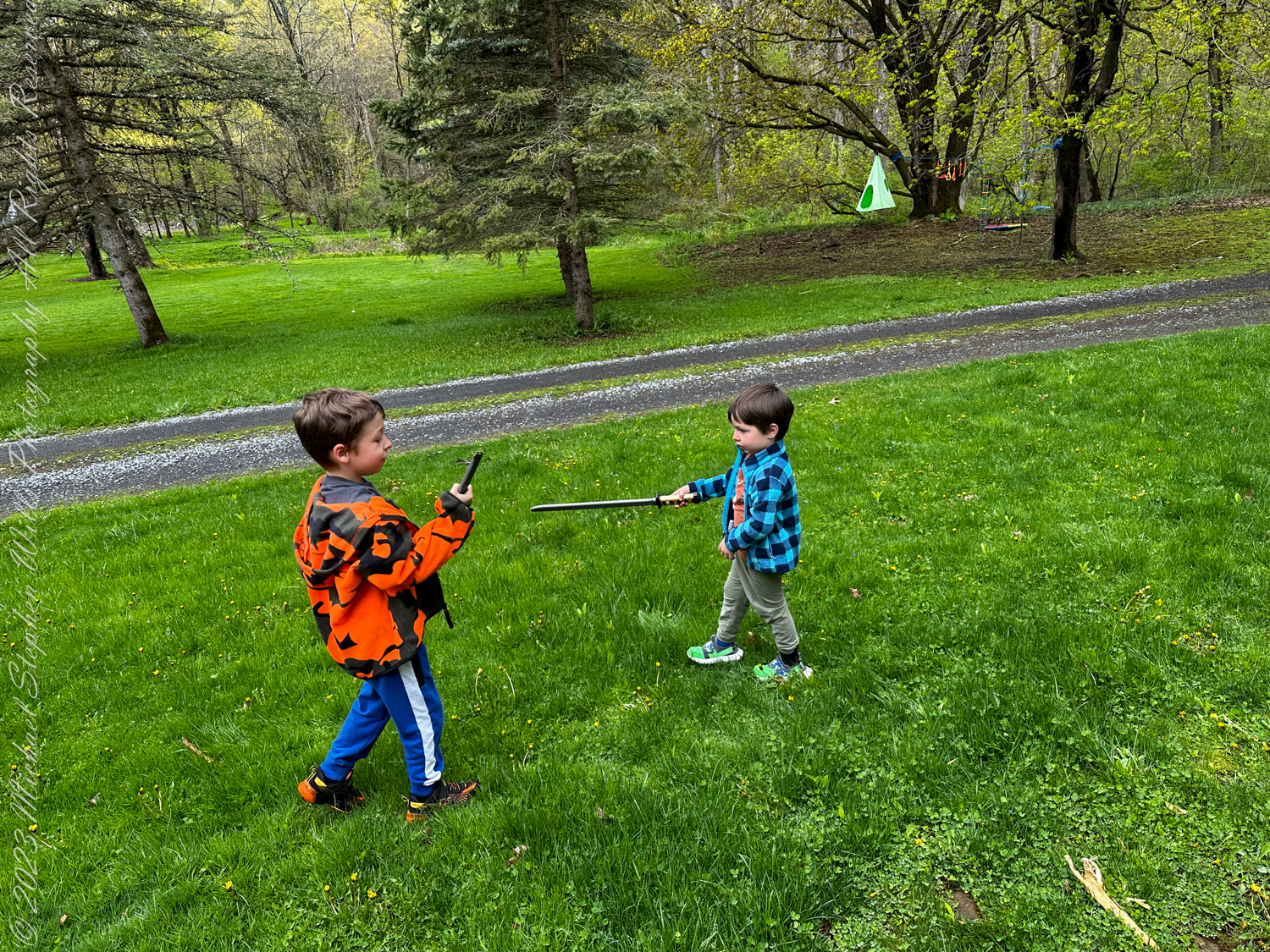
These helpers are now experts in the dropping and counting. Then, enough is enough, time for play.

And lunch….

Copyright 2024 Michael Stephen Wills All Rights Reserved

Ad Astra

To The Stars

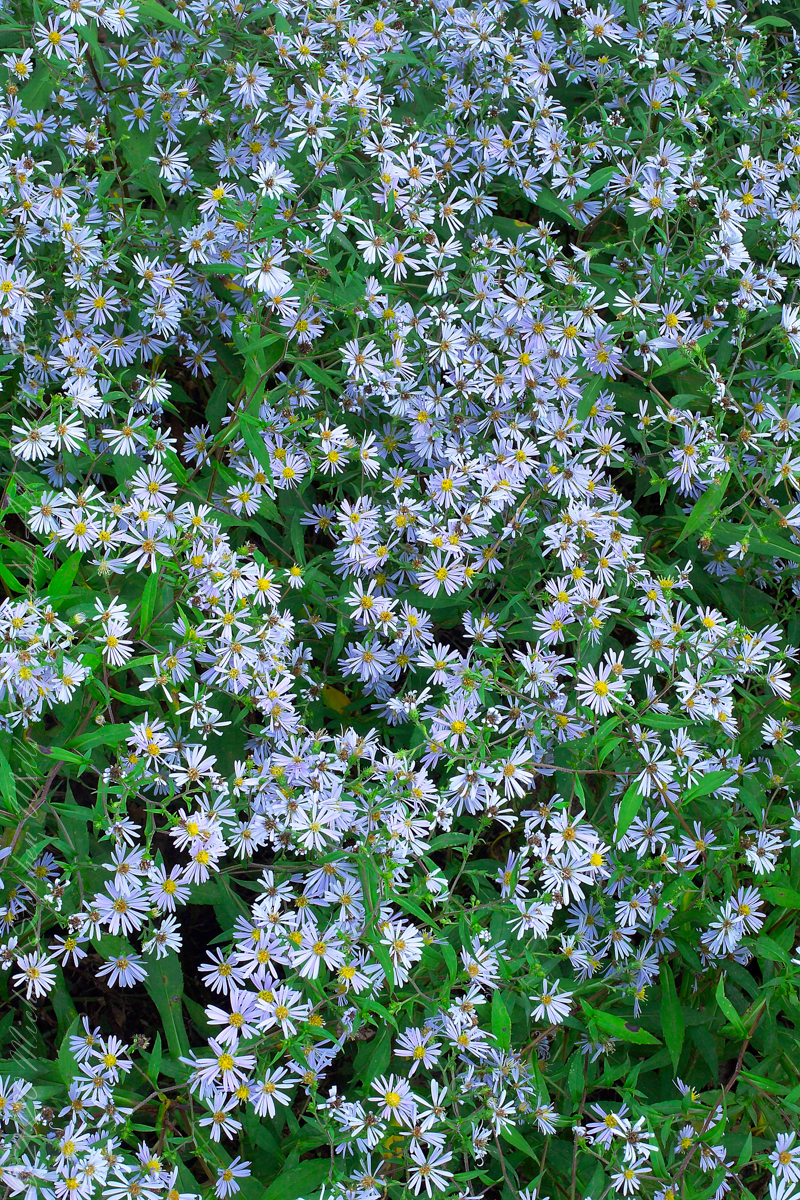
A mass of lavender asters produced for a painterly, restful esthetic. Over the years I have tended beds of these wildflowers. The sunlight of late August/early September here in the Finger Lakes is especially clear and this is when these asters bloom. This were caught on a clear September evening with the sun just behind a stand of large Ash trees.

Click Me to visit this image in my fine art gallery

Symphyotrichum novi-belgii (formerly Aster novi-belgii), commonly called New York aster. Symphyotrichum, a genus in the family Asteraceae, whose species were once considered to be part of the genus Aster. Plants in both these genera are popularly known as Michaelmas daisy because they bloom around September 29, St. Michael’s Day. The Latin specific epithet novi-belgii (literally “New Belgium”) refers not to modern Belgium, but the 17th century Dutch colony New Netherland which was established on land currently occupied by New York state (as Belgica Foederata was the Latin term for the United Netherlands at the time).

Reference: Wikipedia “Symphyotrichum novi-belgii.”

Copyright 2023 Michael StephenWills All Rights Reserved

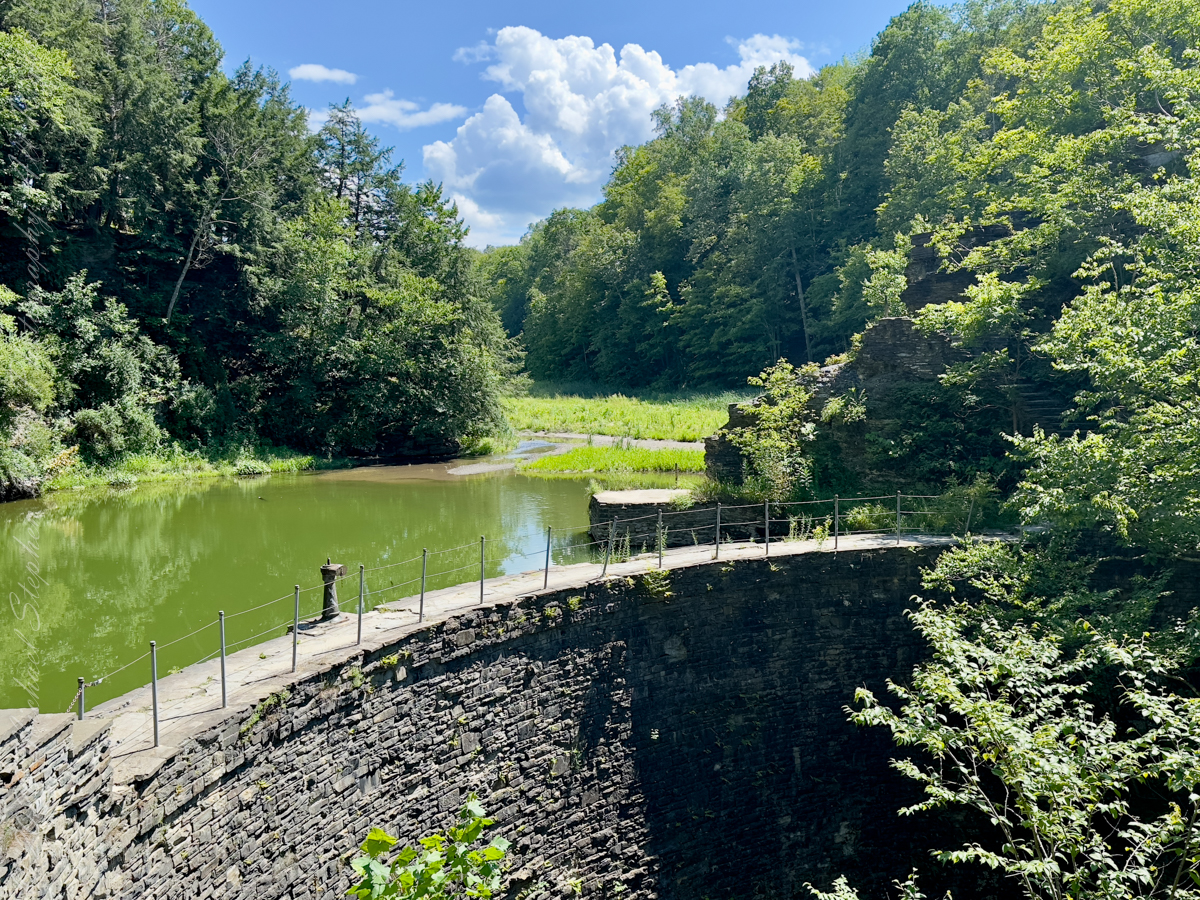
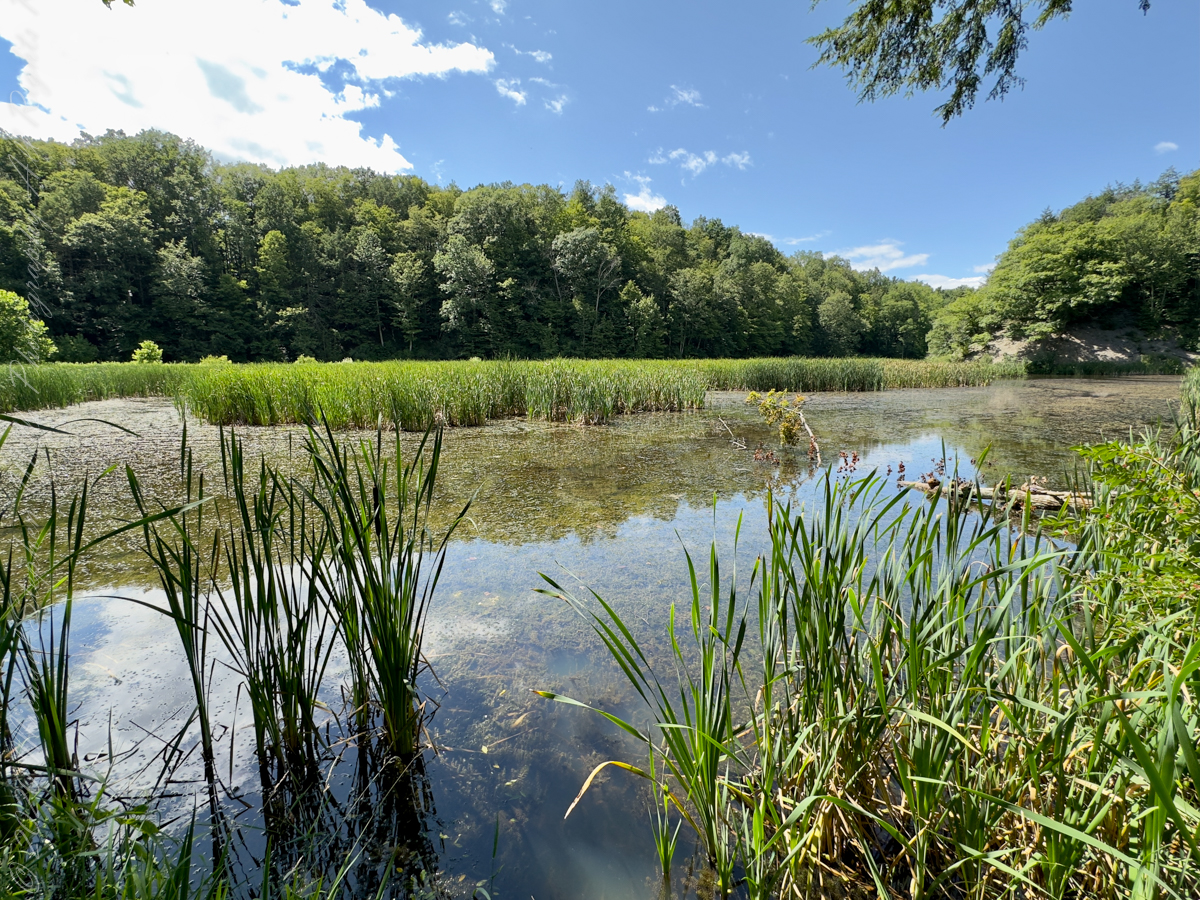
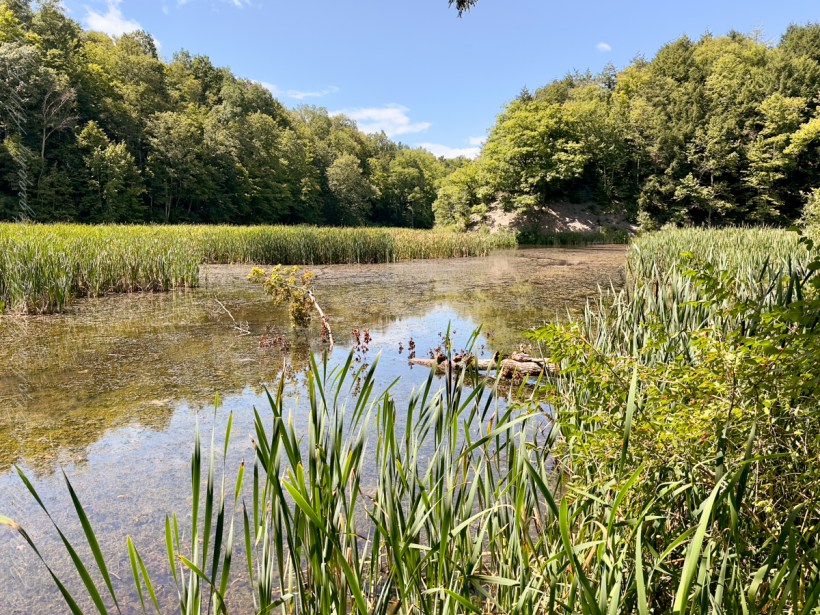
Lake Treman

formed by a 1930’s Dam on Buttermilk Creek

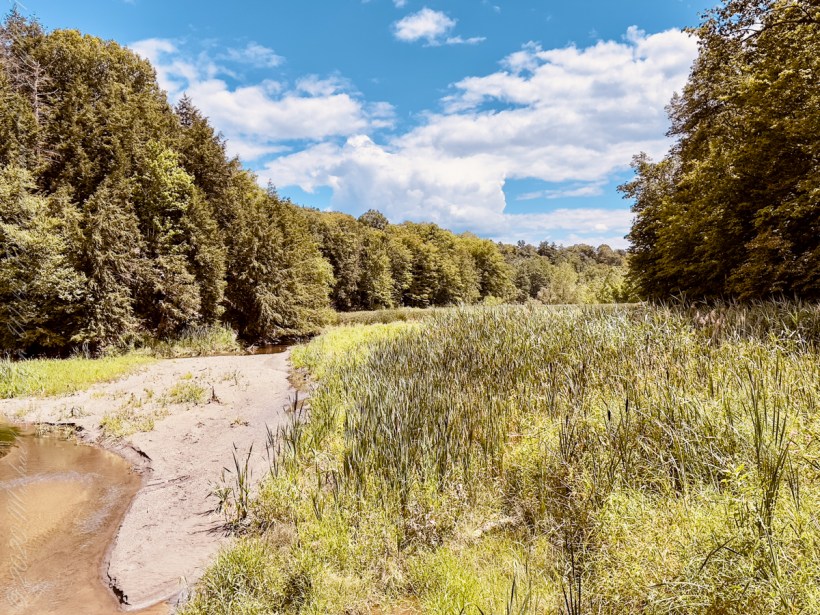
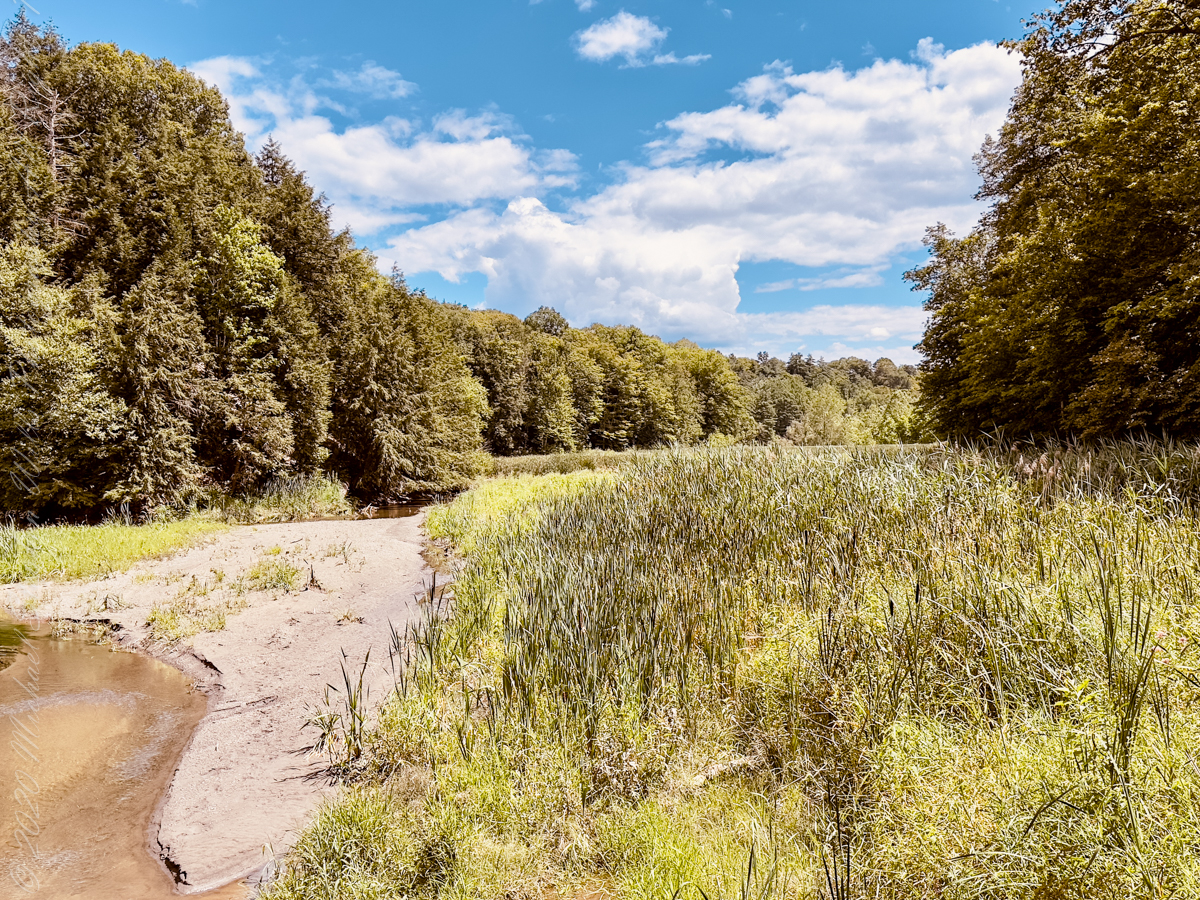
Lake Treman from the dam.

Buttermilk creek flowing into Lake Treman.

Dam on Buttermilk creek that forms Lake Treman. Here is stunning Civilian Conservation Corp (1930’s) work in this 36-foot-high stone dam that is not only a spectacle to observe but also serves as part of the trail that encircles Lake Treman. The man-made lake’s wooded shores and placid waters are a stark comparison to the gorge’s rocky cliffs and surging water

August 2023, Buttermilk Falls New York State Park, Ithaca, Tompkins County, New York.

Copyright 2023 Michael Stephen Wills All Rights Reserved

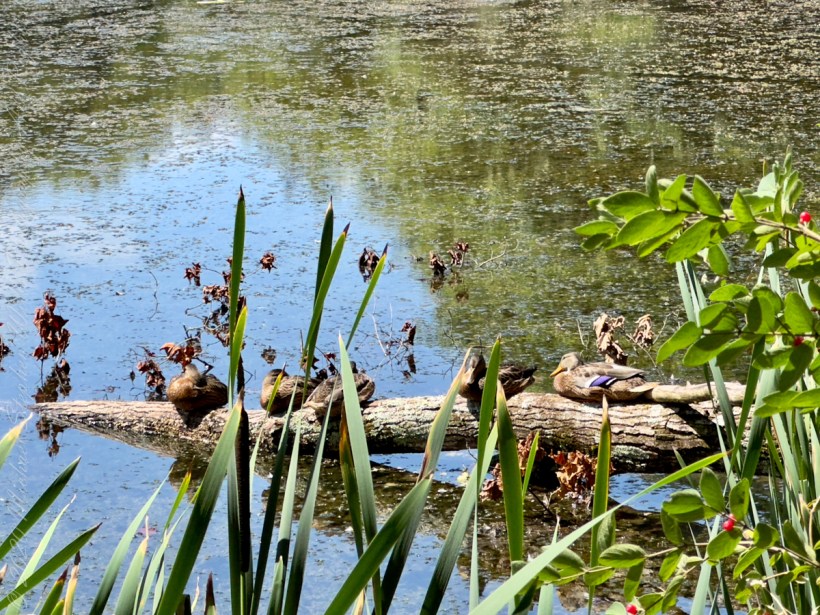
Wild Ducks

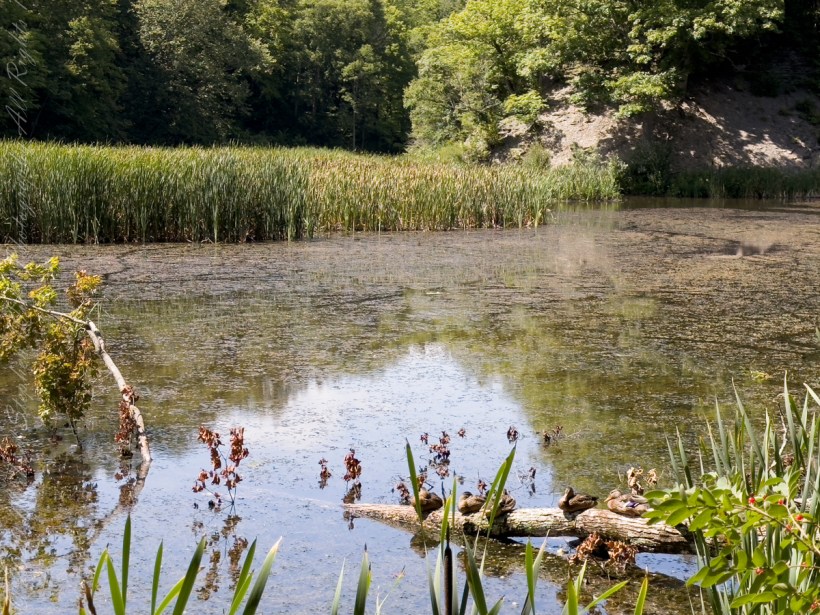
On Lake Treman.

Two species of wild ducks rest on a fallen tree trunk.

That is a female Wood Duck (Aix sponsa) on right.

Wood Ducks mainly eat berries, acorns, and seeds, but also insects, making them omnivores. They are able to crush acorns after swallowing them within their gizzard.

August 2023, Buttermilk Falls New York State Park, Ithaca, Tompkins County, New York.

Copyright 2023 Michael Stephen Wills All Rights Reserved

Thin Leaved Sunflower

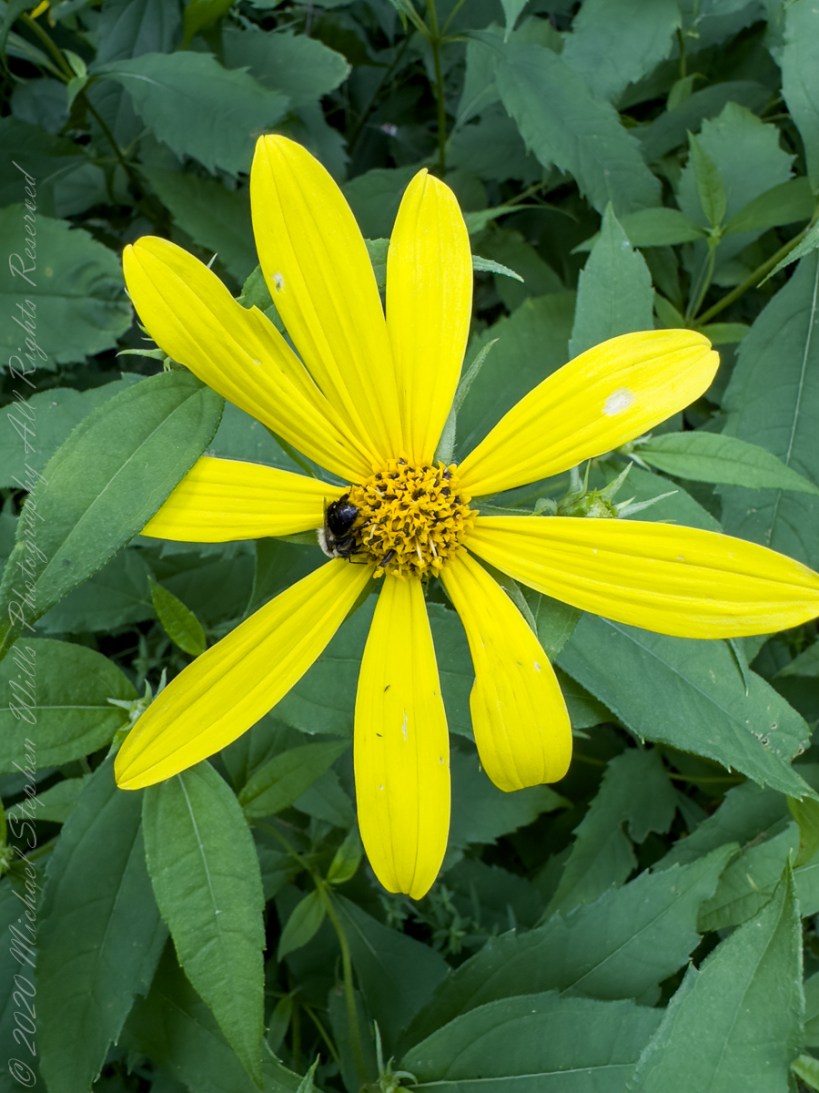
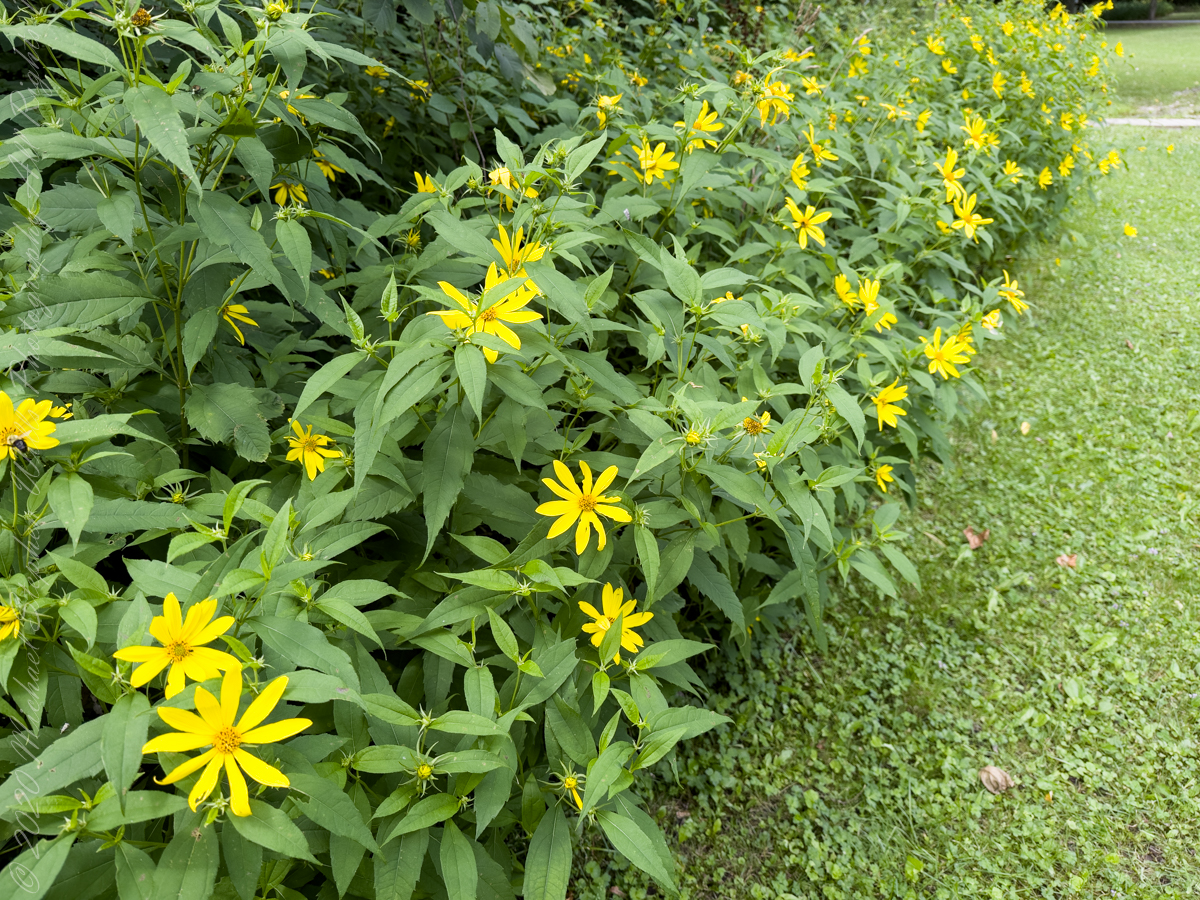
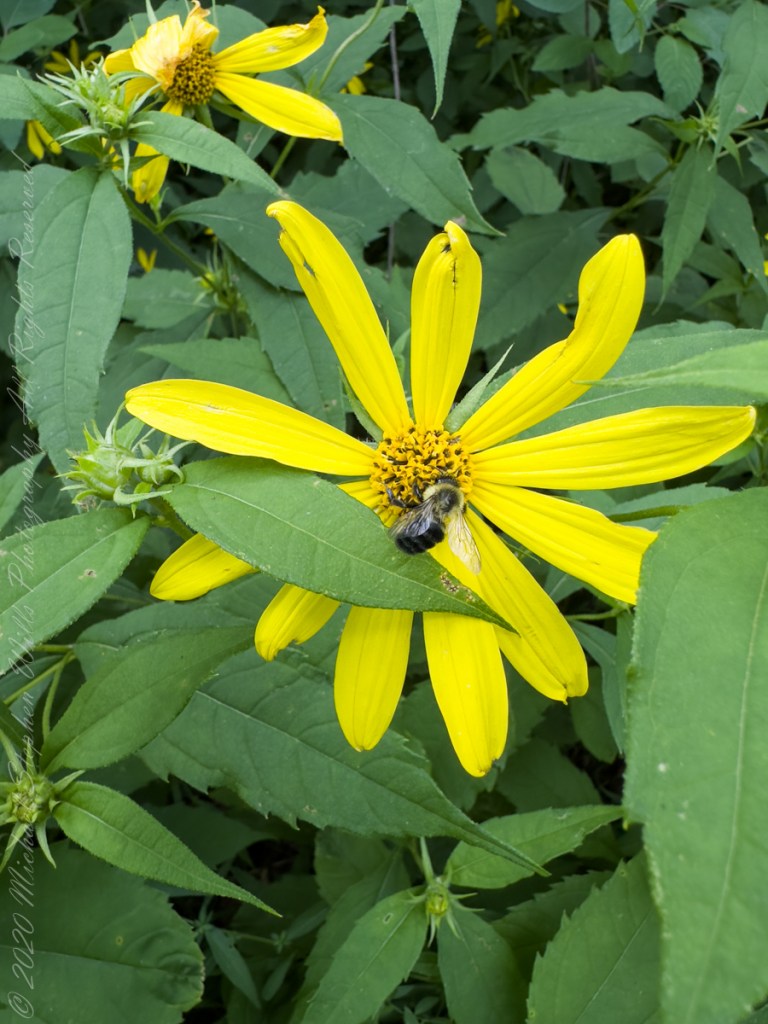
The flowers attract many kinds of insects, including bees and butterflies.

Thin Leaved Sunflowers (Helianthus decapetalus)

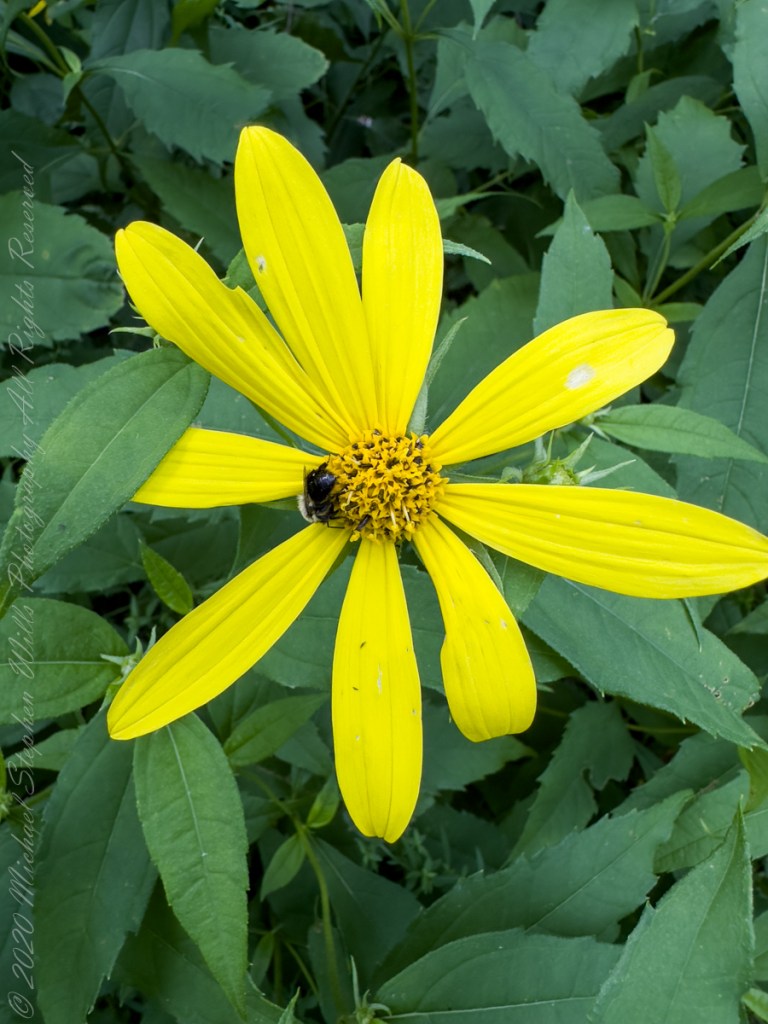
As with other members of the family Asteraceae, Thin Leaved Sunflowers are composed of ray florets. The scientific species name “decapetalus” is inaccurate on several counts. The flower is composed of 8-12 (not only 10, as in “deca”) of these ray florets, not petals. These ray florets are part of the flower reproductive organs, a flower petal is adjacent to, not a component of, a flowers reproductive parts.

The flowers attract many kinds of insects, including bees and butterflies, some of which, such as the painted lady and the silvery checkerspot, use the plant as a larval host. The seeds provide a source of food for birds. Muskrats eat the leaves and stems and use the stems in the construction of their lodges. Here we see a honeybee gathering nectar and pollen.

August 2023, Buttermilk Falls New York State Park, Ithaca, Tompkins County, New York.

Copyright 2023 Michael Stephen Wills All Rights Reserved