Maritime Pilots, Scout Island, Scout Canal

About maritime pilots and the Chilean Fjords

Want More? Visit my Online Gallery

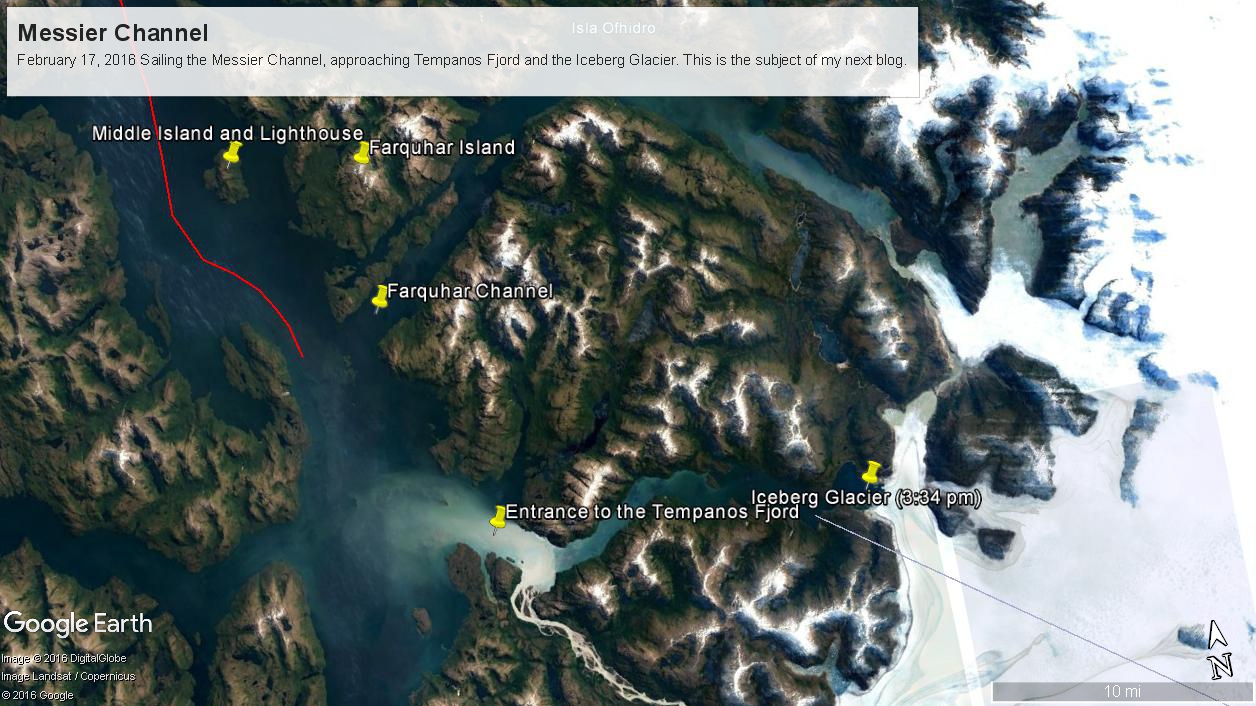
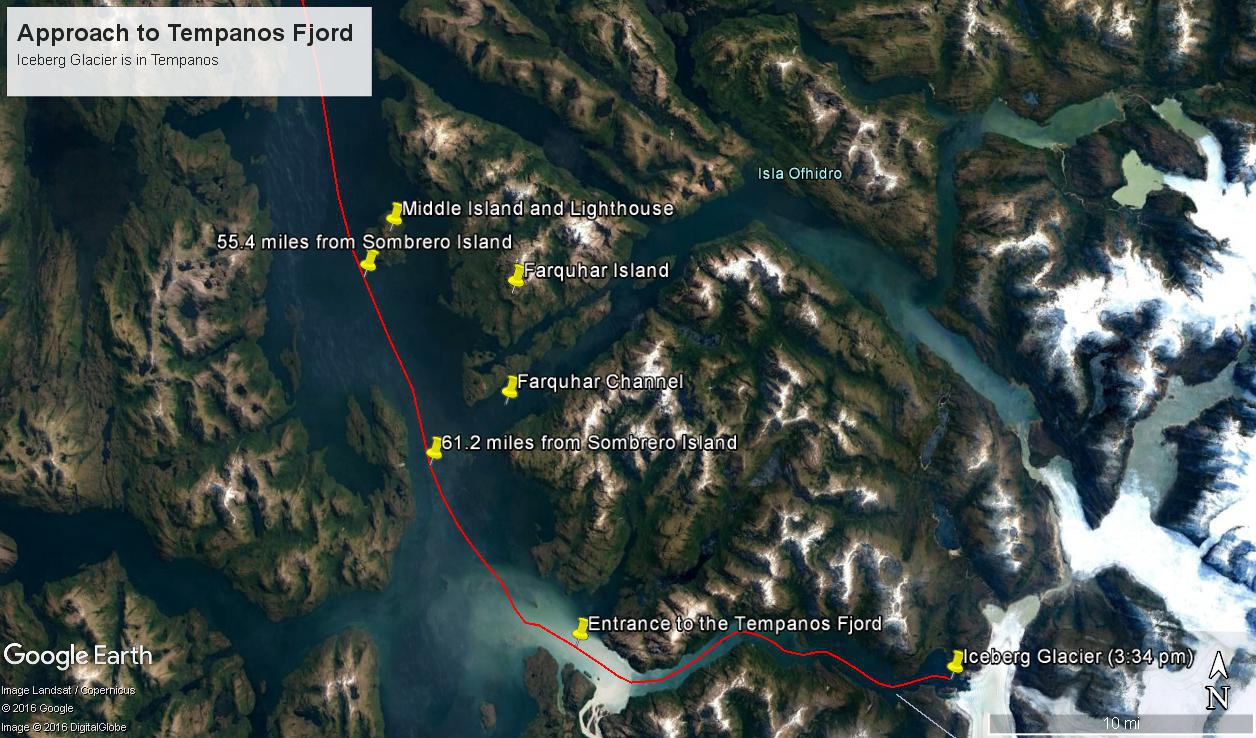
On our way to Fjord Tempanos and the Iceberg Glacier…..

Background: on a ship, facing the bow (front), starboard is right and port is left).

In the 8 miles from Tarn Bay and Sombrero Island lands press closer, higher, islands increase in number.  This is a listing of some of the islands we passed. These names reflect the history of Chile, the waves of immigrants touch the land with memories. After some of the names, below, I provide in parentheses the derivation.

On starboard was the northern Wellington Archipelago (English General): Pinochet (the Chilean dictator), Penguin, Juan Stuven (Spanish and German), Chang (the far east), Millar (German).

On port, the names have a military flavor: Zealous, Scout, Scylla (Sea Monster of Greek mythology), Alert, Orlebar (British Officer Augustus Orlebar).

These port side island names reflect what is on the minds of mariners as navigational options narrow with the channel.  Innumerable channels, points, mid-channel islets, all looking very much the same, a potentially confusing jumble.  Chilean maritime law demands ships have on board, working from the bridge, a certified Chilean maritime pilot to transverse the country’s dangerous channels and fjords.  The combination of stopping distance (multiple nautical miles) and the loss of steering when a ship moves slowly make it essential to know, exactly, the route ahead.  It was a Chilean maritime pilot who help keep us safe.

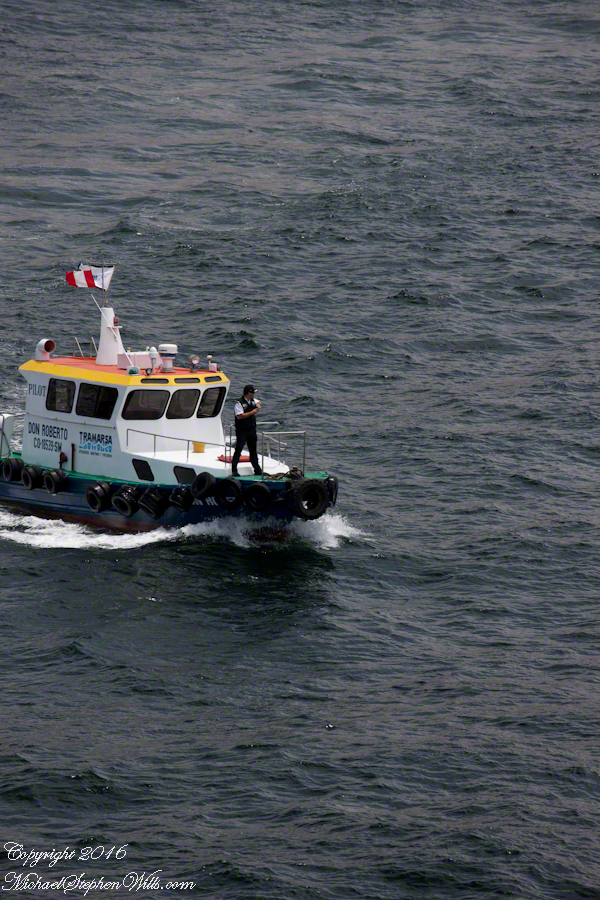
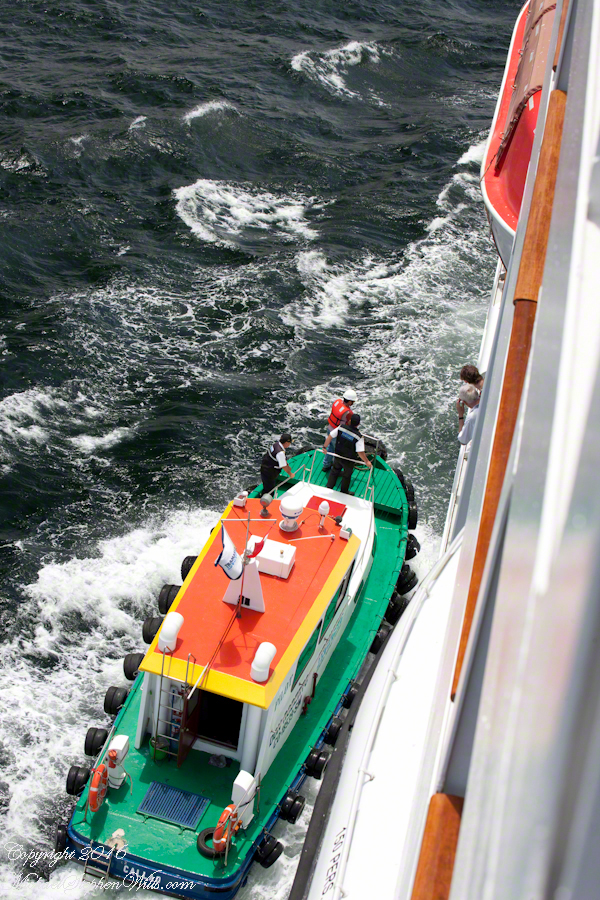
A great personal hazard for pilots is boarding the ship from the pilot boat.  From our stateroom terrace we observed fast pilot boats in all seas approach the Regatta miles from port, the pilot on the bow, pull up alongside.  Without a harness, the pilot transfers from boat to ship.  We observed this several times from our stateroom veranda.

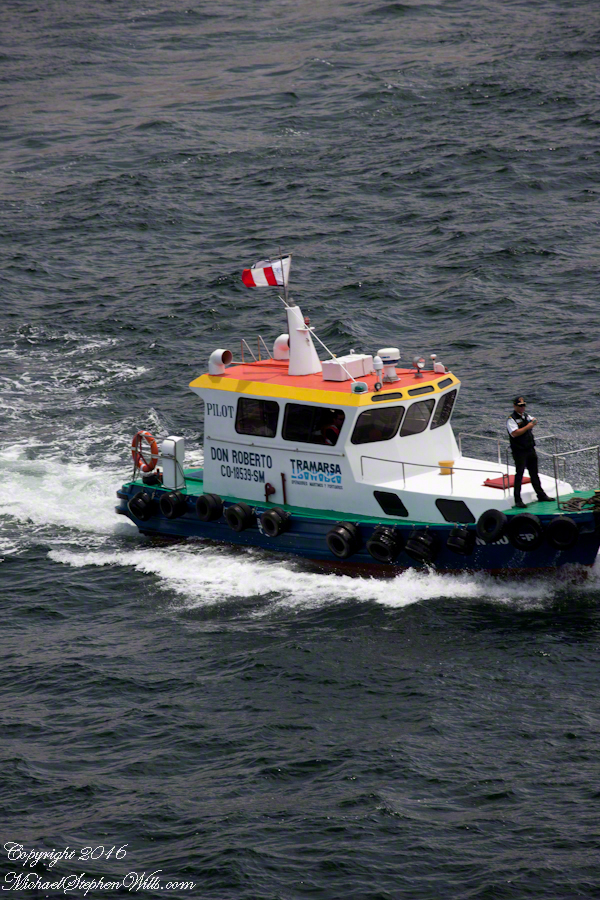
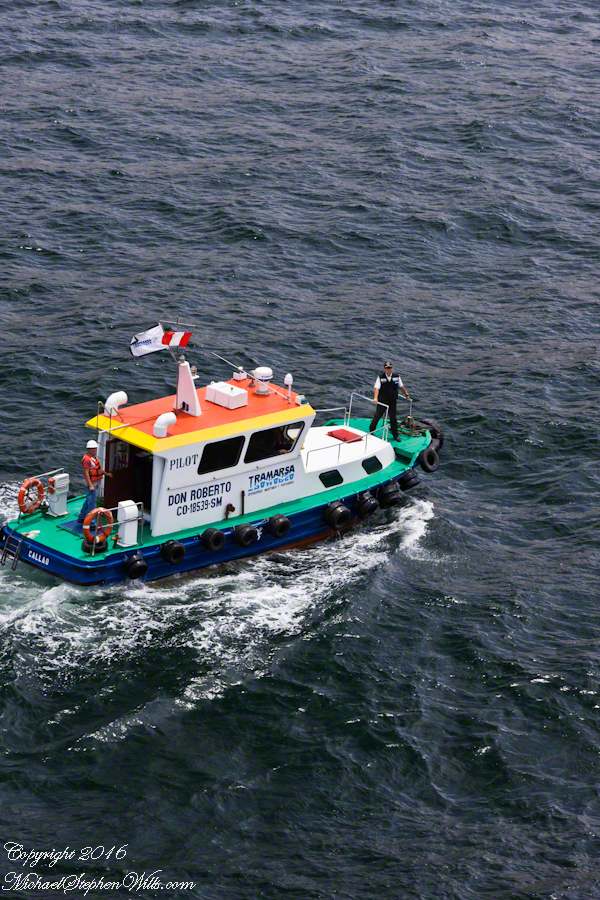
Here are shots of the pilot boat approaching the Regatta off the Peruvian port of Matarani. The boat was mirrored by the colorfully painted houses of Peru.

Don Roberto Approaches the Regatta
A fast pilot boat from Matarani approaches the Oceania Regatta. On the bow, the pilot will transfer from boat to ship. On board he will work with the Regatta crew to safely navigate the approach to the Matarani harbor and dock. The whiteness on the land is diatomaceous earth.
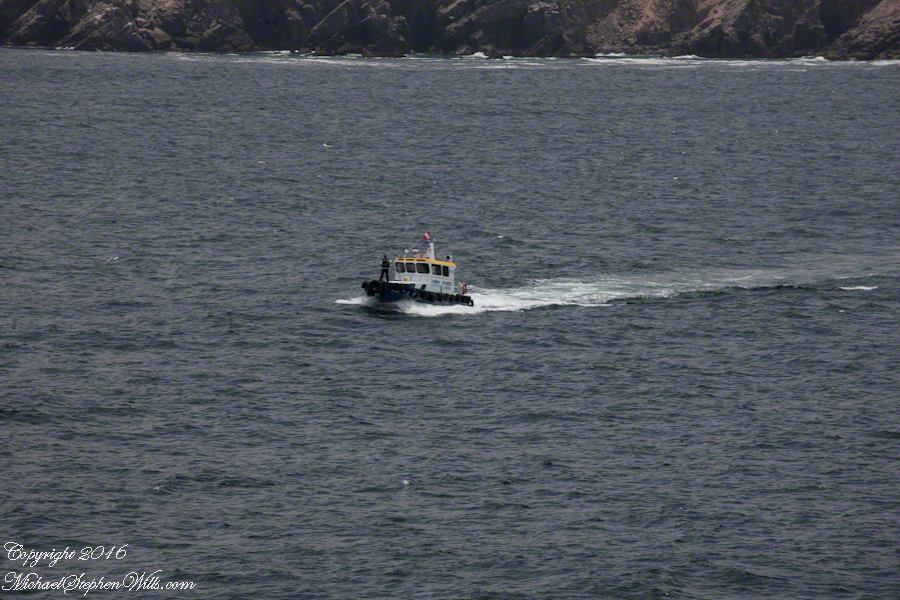
Don Roberto, Maritime pilot, approaches the Regatta
The whiteness on the land is diatomaceous earth.

A cautious approach. In the third shot the boat turns to slowly approach the Regatta.

Alongside, boat crewmembers joint Don Roberto on the bow to assist in the transfer. I am not sure which of the two blue uniformed persons was “our” pilot.

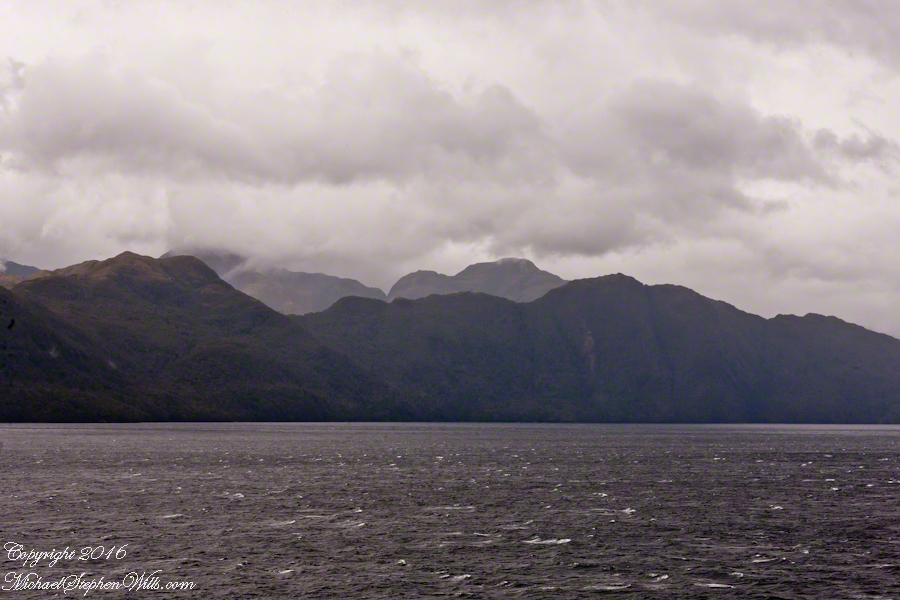
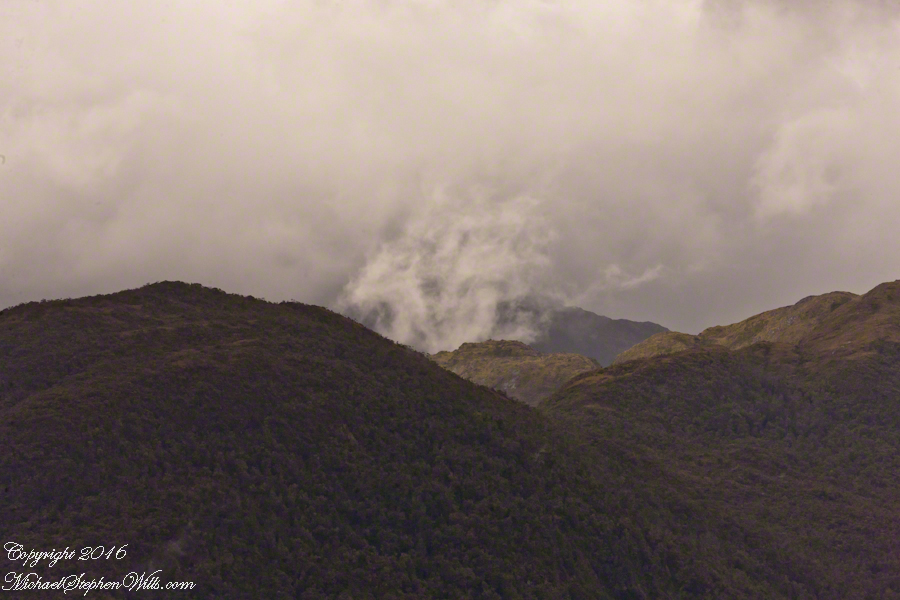
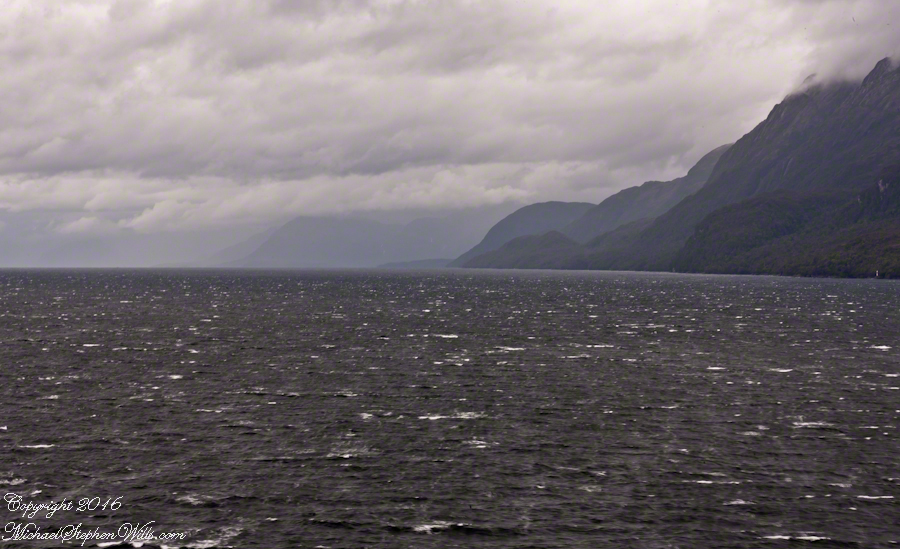
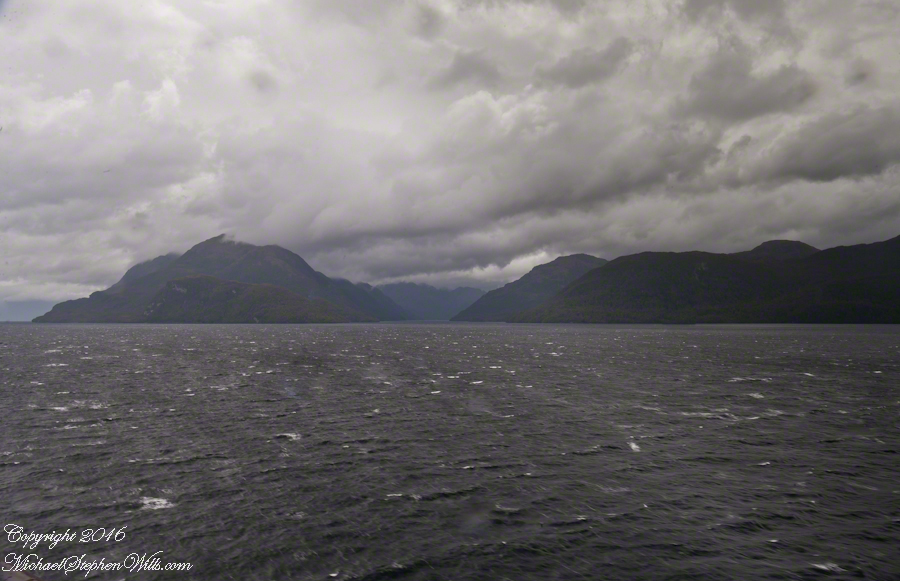
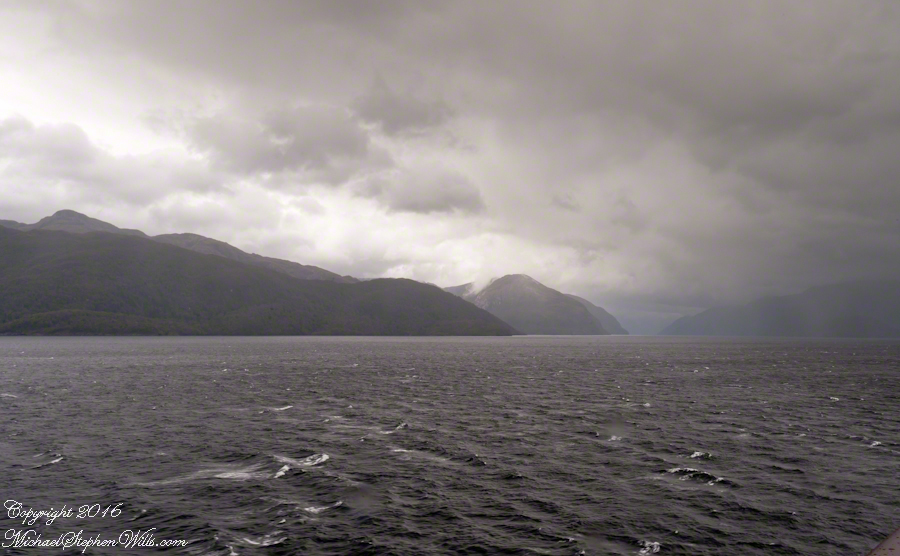
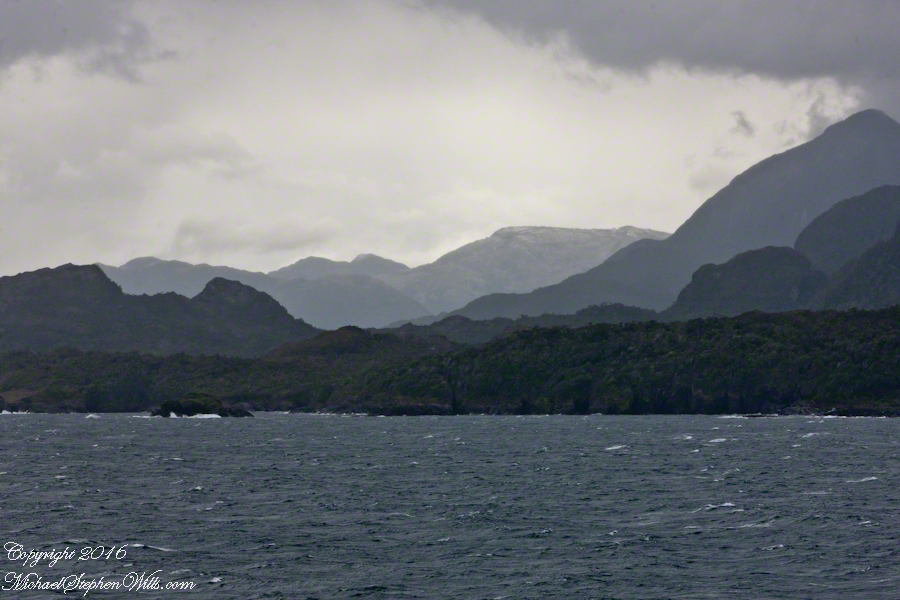
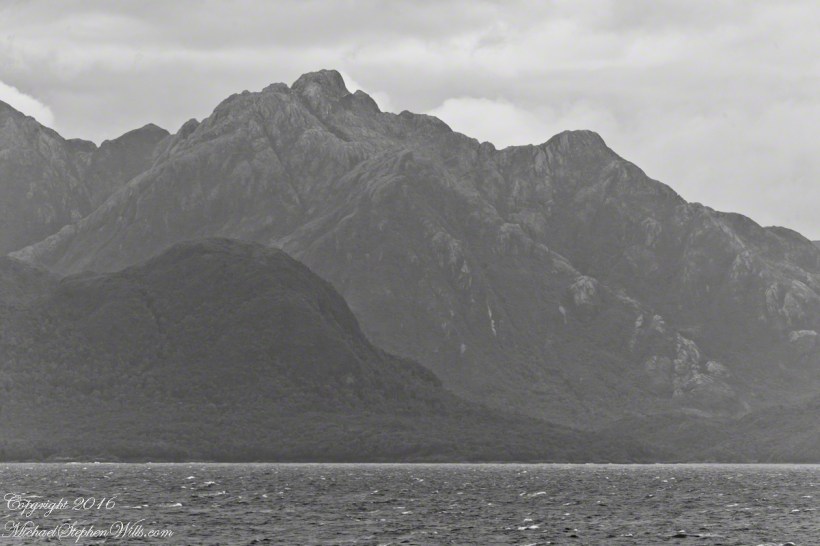
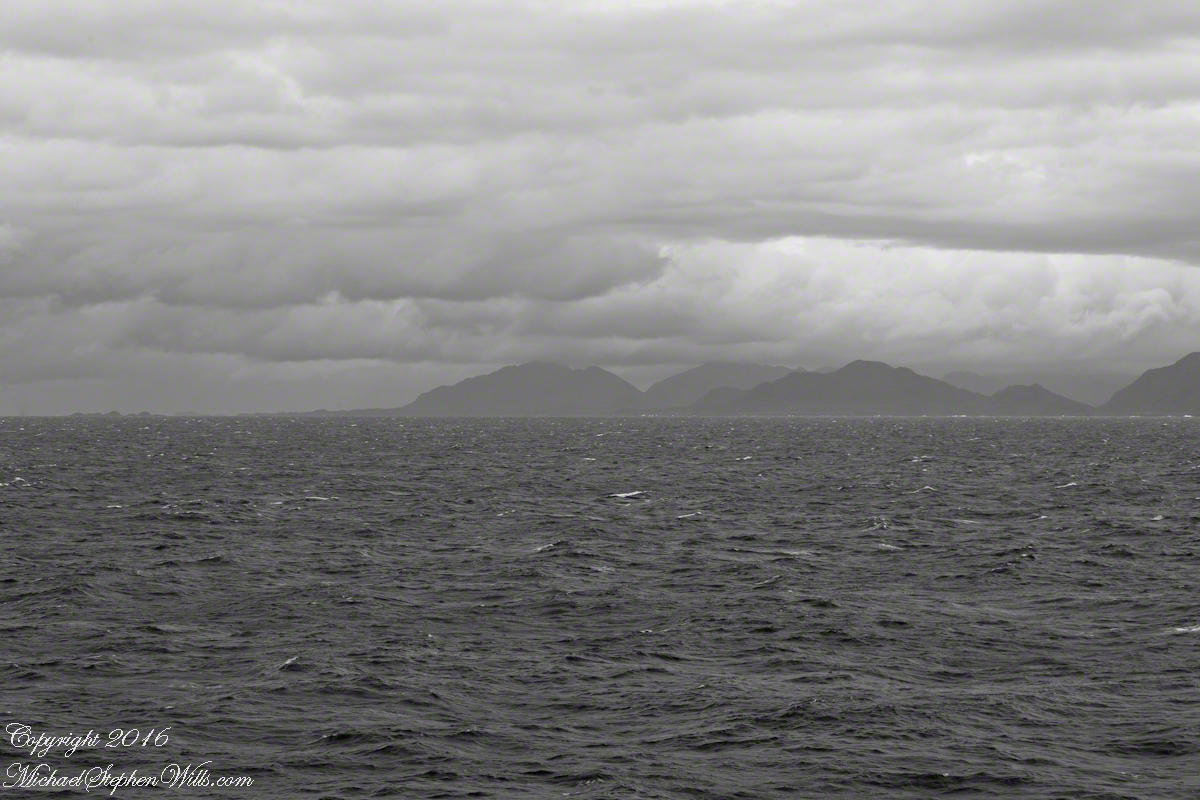
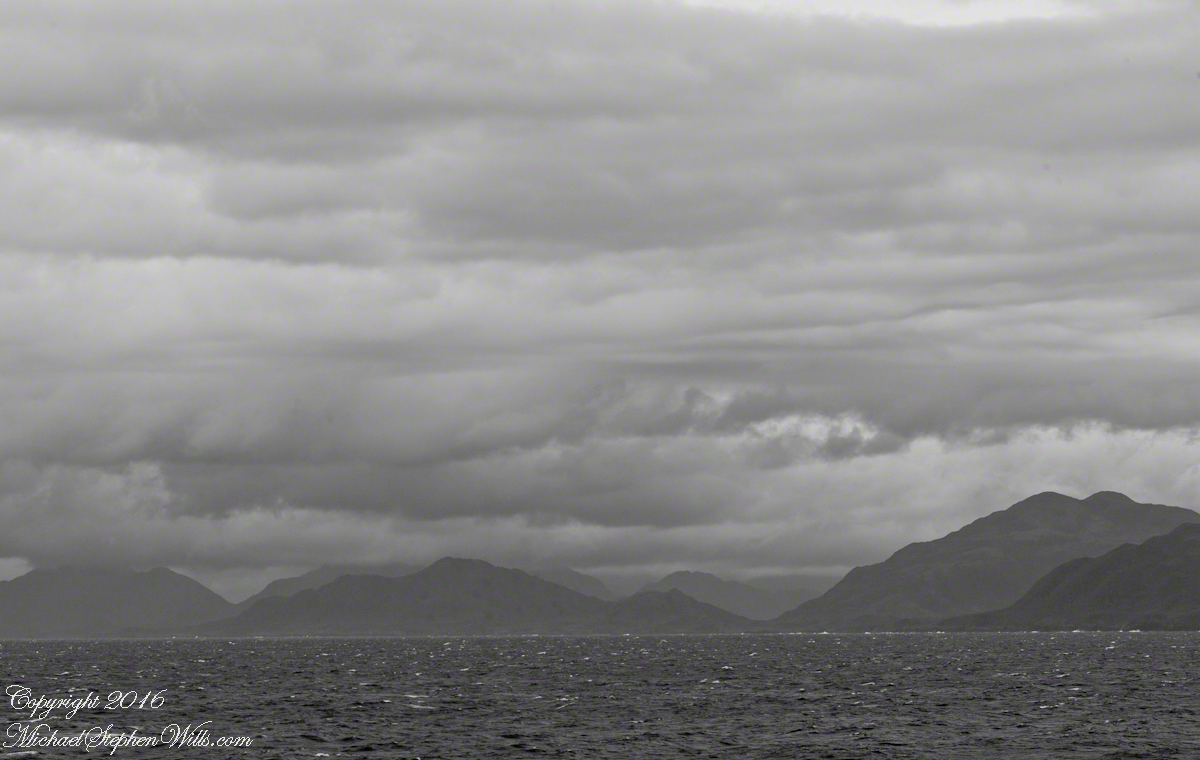
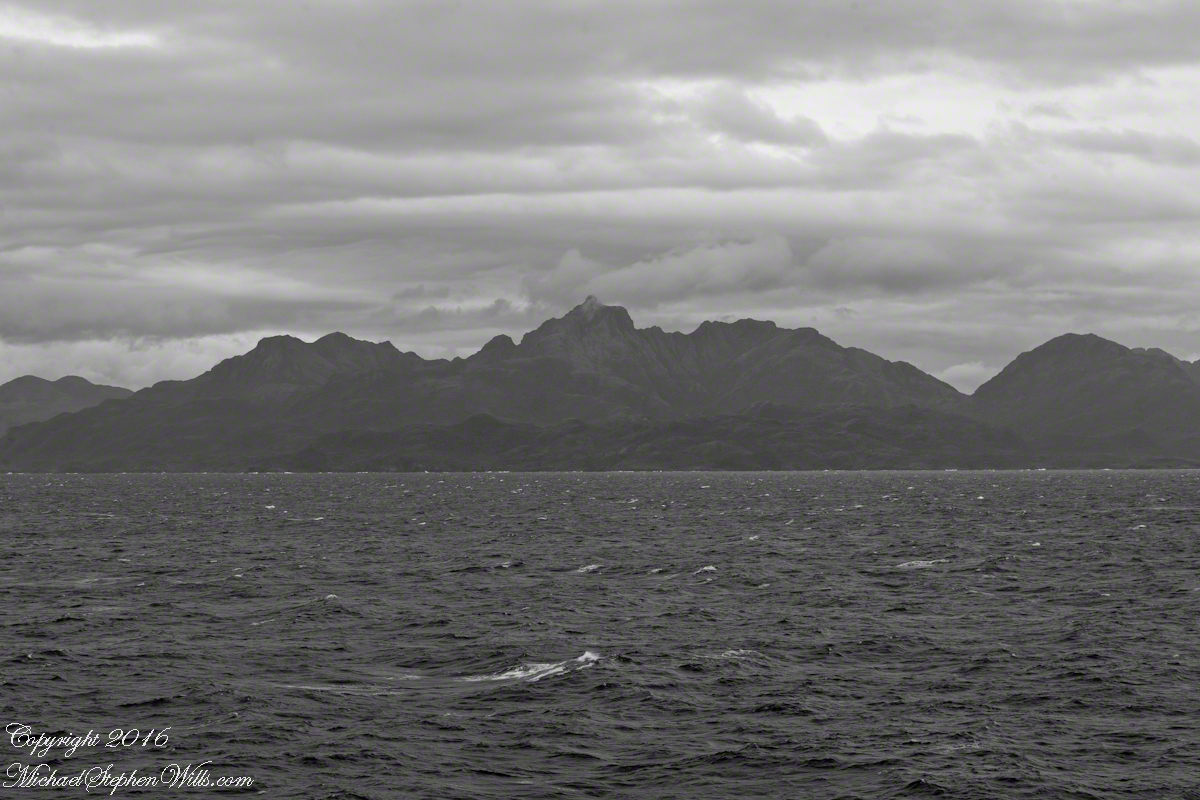
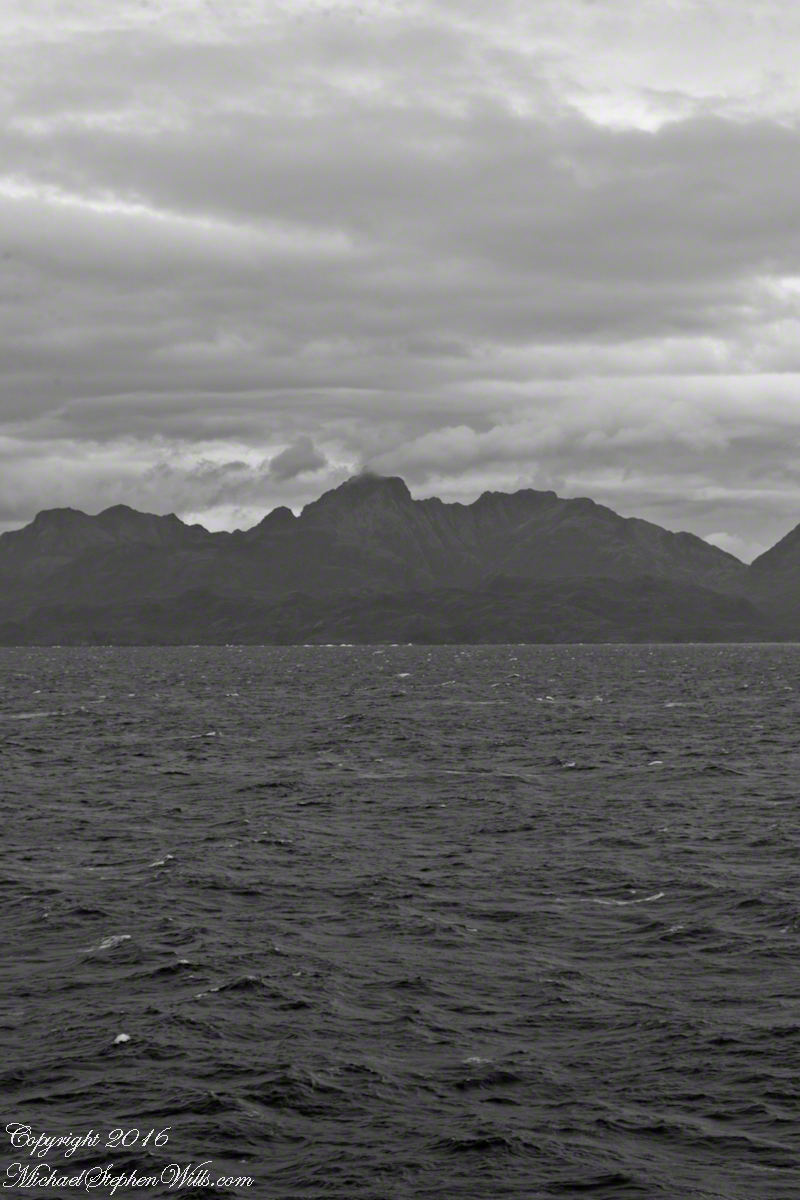
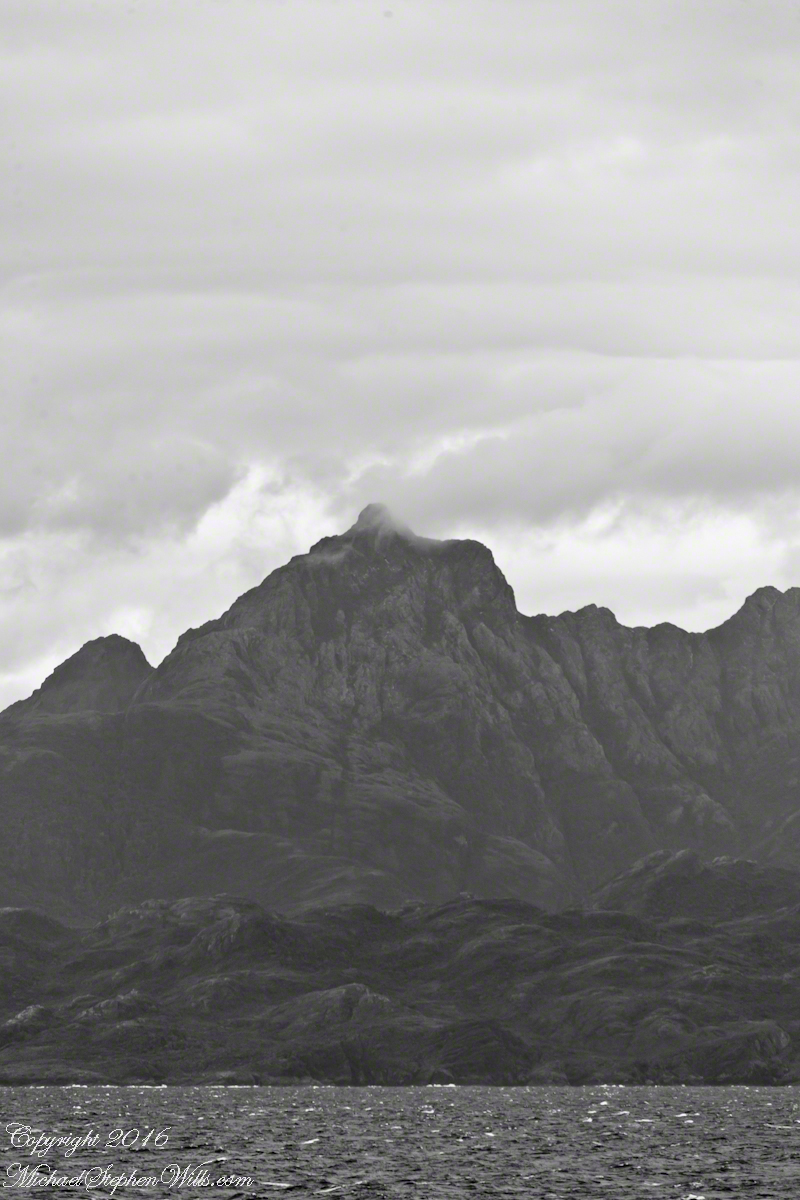
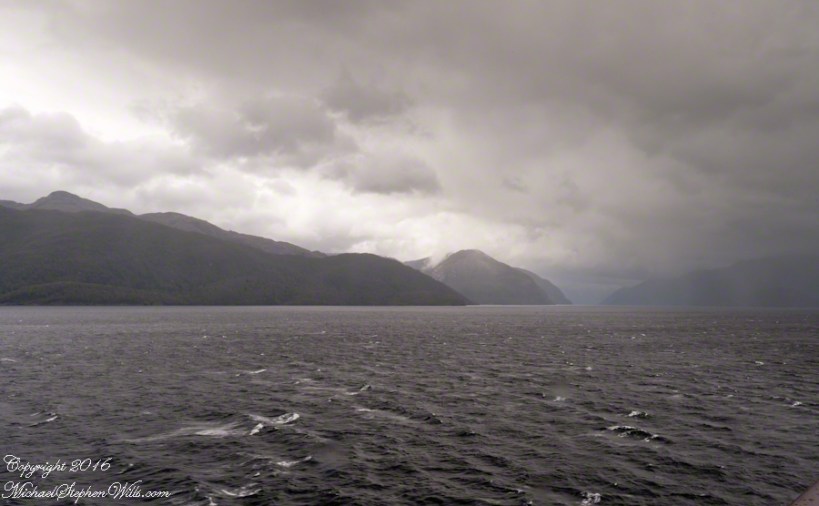
I did not capture the boarding of the pilot who served the Regatta through the Chilean Fjords.  Was is at Puerto Montt?  Puerto Chacobuco?  I am not sure.  I do know a maritime pilot was on board as the channel narrowed to 2 miles, named Scout Channel were we passed Scout Island.  I was facing generally east from our port side stateroom veranda while capturing these photographs as the Regatta headed south.

Scout Island and Canal
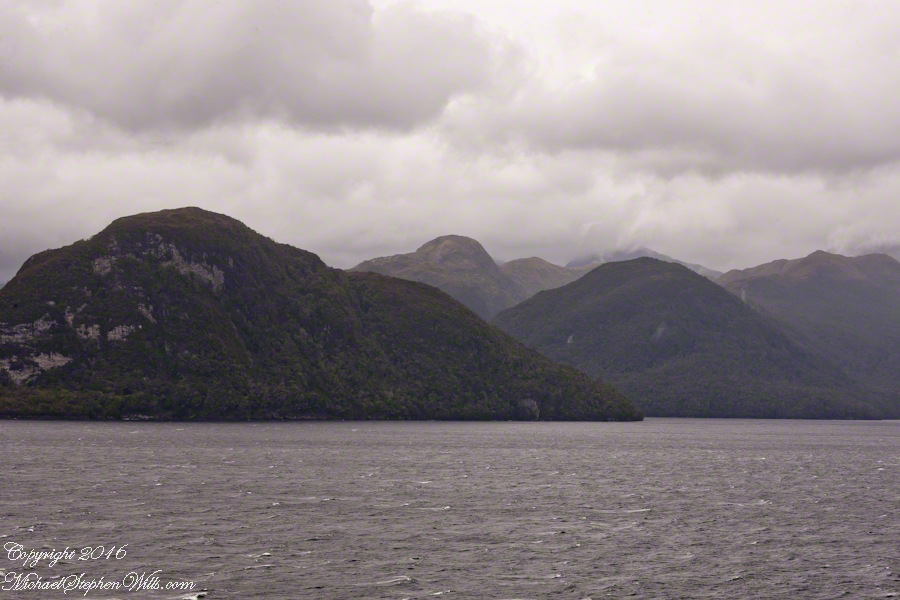
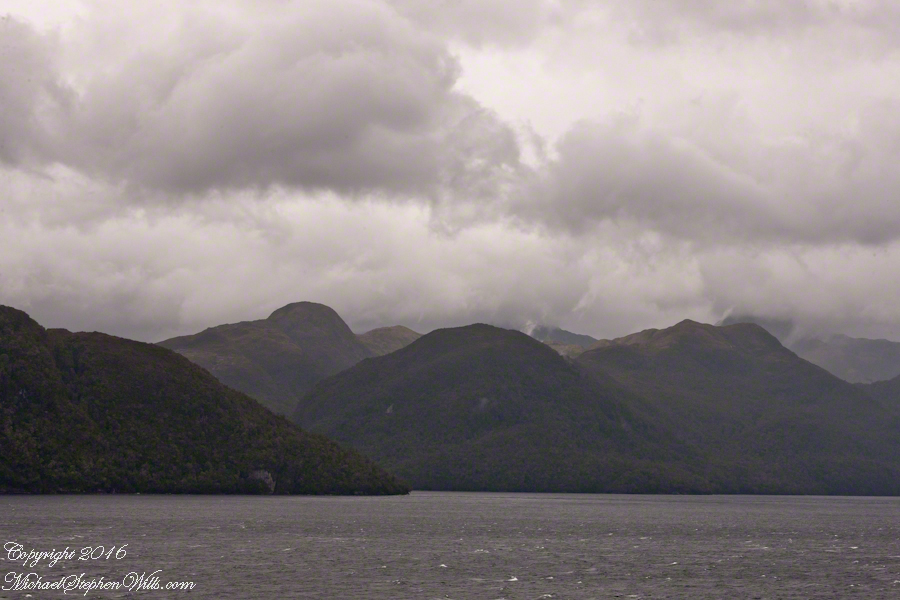
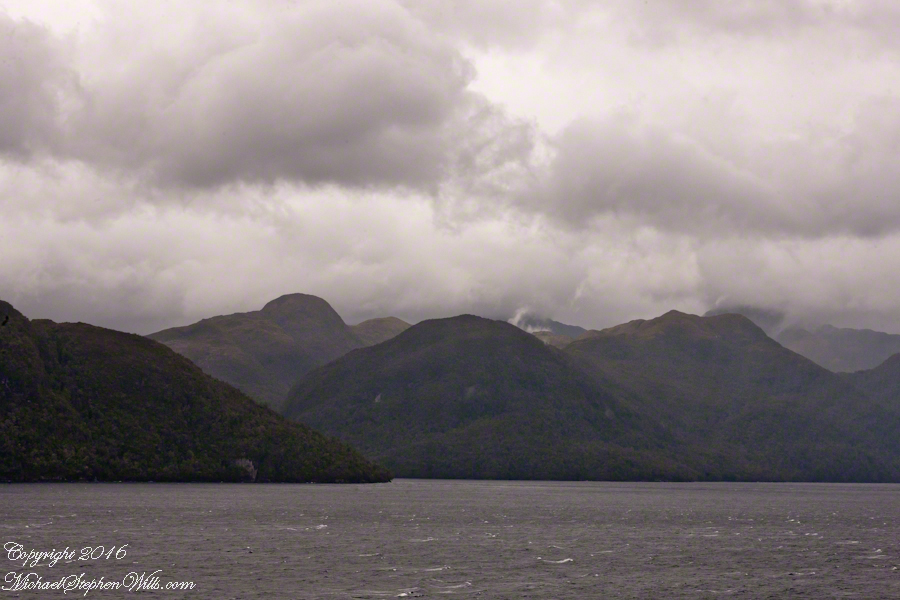
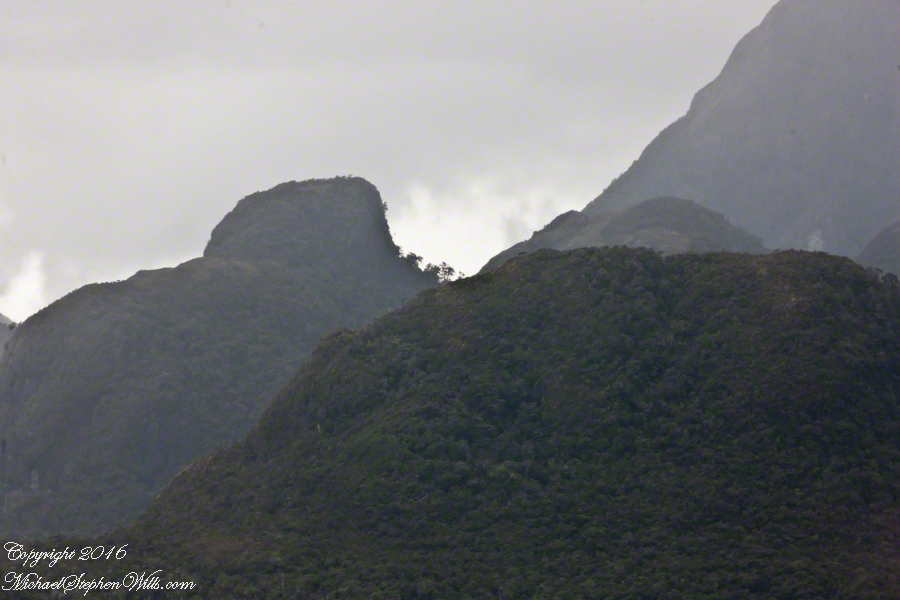
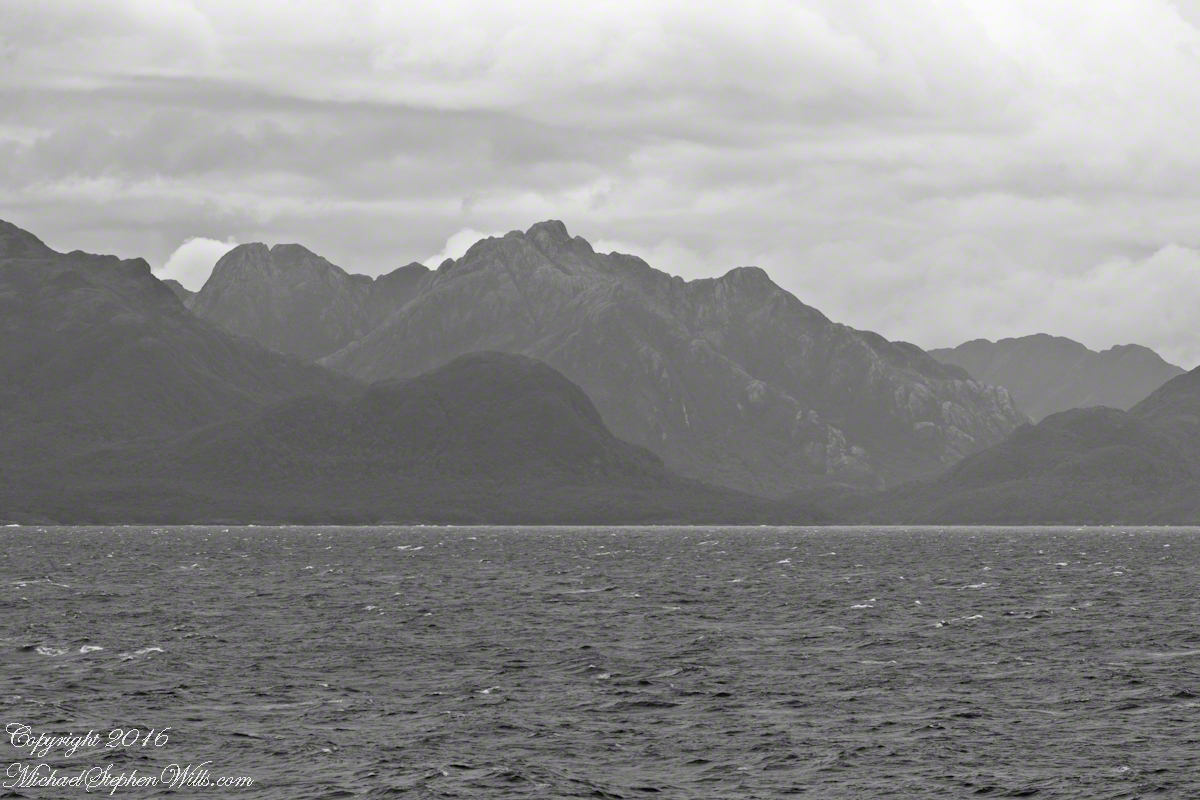
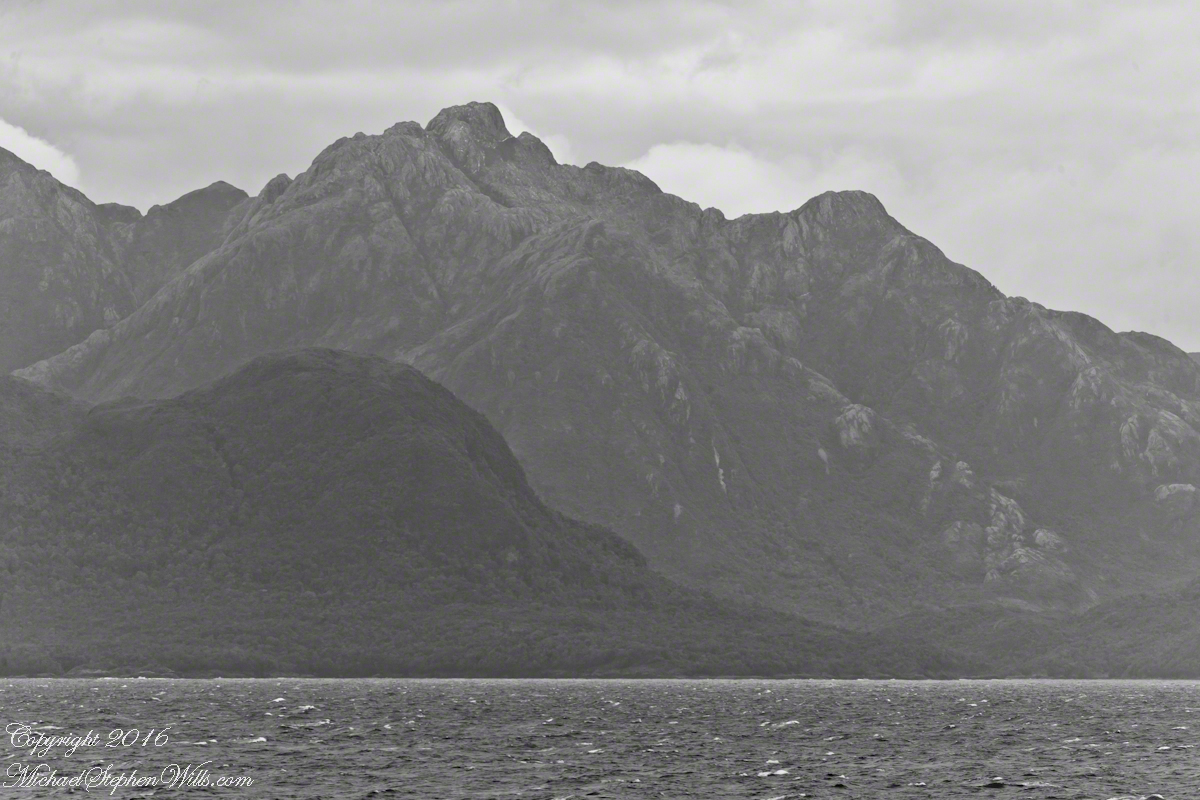
Scout Island. The water is Scout Channel

The peak on Scout Island is about 2,100 feet. The smaller peaks in front are about 1,200 and 1,500 feet. All rise straight up from Scout channel.

Scout Island
Scout Island lies on the Scout Canal
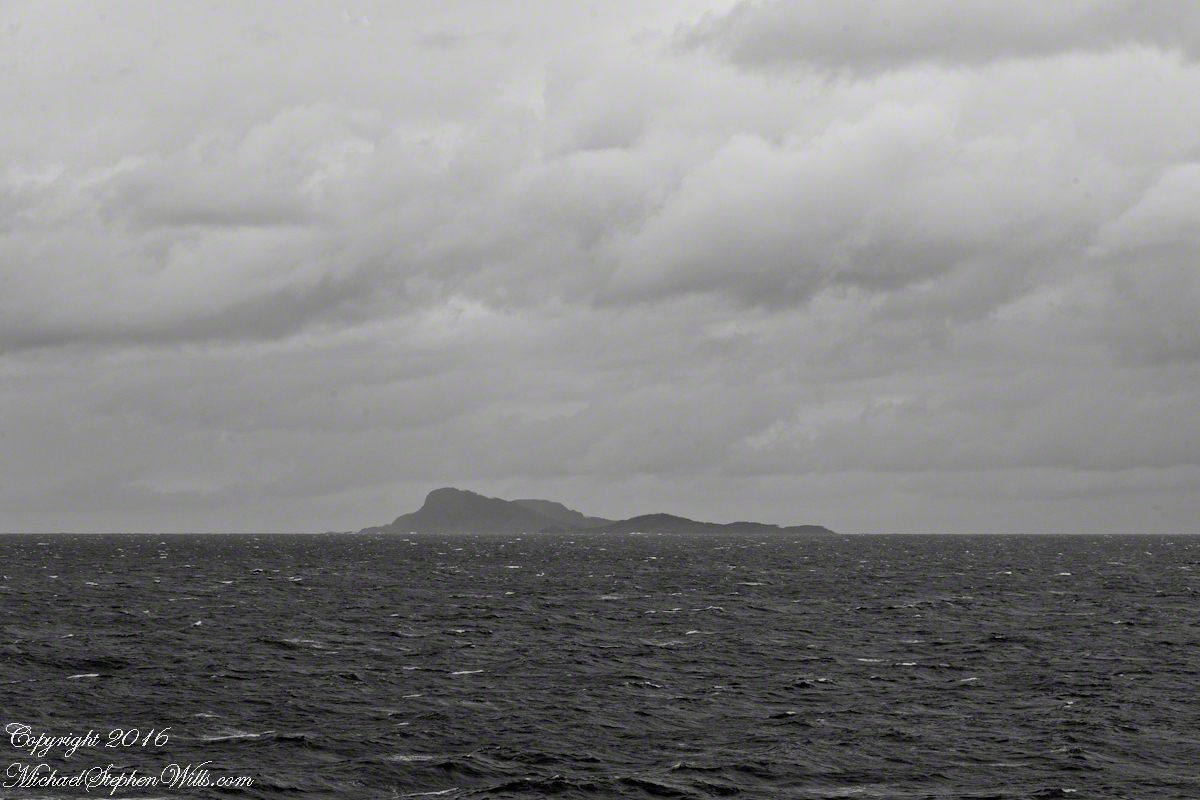
Scylla Island
Lying just south of Scout Island, Scylla Island is between our ship, in the Scout Canal, and the Kruger Canal. The Kruger is short, between Islands Scout, Orebar, Zealous, Porcia and Tito.
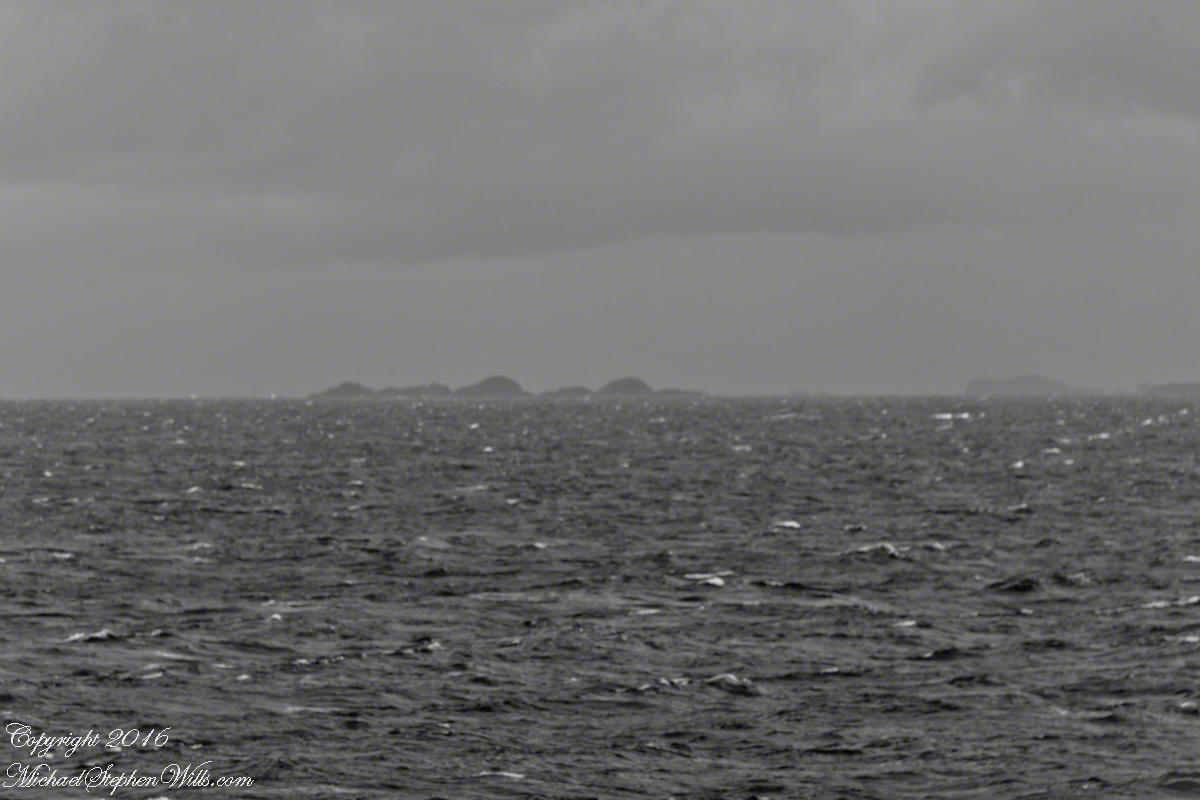
Islet Alert and Orebar Island
Islet Alert is between Canal Scout and Canal Kruger. On the far left there are waves breaking on Pilot Point of Orebar Island, marking the northern end of a small bay, named Hale. You can see the bay behind Islet Alert. On the far left there are waves breaking on Pilot Point

Want More? Visit my Online Gallery

Views of Larenas and Fresia Peninsulas

mountainous crags over the Pacific Ocean

In English the Gulf of Penas means “Gulf of Distress.”  Open to the storms of the western pacific ocean, ships seeking refuge sail this body of water to reach the shelter of the bays around the entrance of the Messier Channel.

Stargazing Chileans named the channel after Charles Messier (1730 – 1870), author of a catalog of 110 visually diffuse celestial objects such as the Great Cluster of Hercules, the Crab Nebula of Taurus, the Ring Nebula of Lyra.  As Messier catalog objects these are listed on star charts as M13,M1,M57.

The Larenas and Fresia peninsulas of Aisen Province, Chile, on the southeastern shores of the gulf are seen here as we approach the Messier Channel.  The shore is dotted with islets and islands.  The Chilean pilot who came aboard at Puerto Chacobuco is earning his salary, keeping us safe.  To reach the channel we pass through Tarn Bay, generally north to south.  The southern margin of the bay is marked by Sombrero Island, the subject of my next blog.

Want more? Visit my on-line gallery.

Larenas Peninsula and Merino Islets
Close-up of the Merino Islets
Ayautau Isles
Ayautau Isles
Larenas Peninsula from Gulf of Penas
The Northern Patagonian Ice Fields lay to the east and north of these mountains of the Larenas Peninsula.
High Ridge of the Larenas Peninsula
Larenas Peninsula High Ridge
Larenas Peninsula High Ridge 2
Larenas Peninsula High Ridge Close 3
The craggy heights of the Larenas Peninsula
The craggy heights of the Larenas Peninsula are in the rear. On the right are Fresia Point (of the eponymous peninsula) and the entrance to Fjord Eloisa.
Larenas Peninsula High Ridge Closer 5

Where Are The Alerces?

Chipped into Shingles?

A user commented on a Chile Lake District post of mine asking for more photos of Germany. This is striking, because German traveler who visited have made note of parallels between this area and Europe. In this series I will share photography taken from the tour bus window as we traveled to the Lake District and returned to Puerto Montt. I used a handheld Canon EOS 1Ds Mark III SLR with the Canon lens EF 70-300 f 4-5.6LIS. This is the second post of this series.

Click any photograph for a larger view.

Chipped into Shingles?

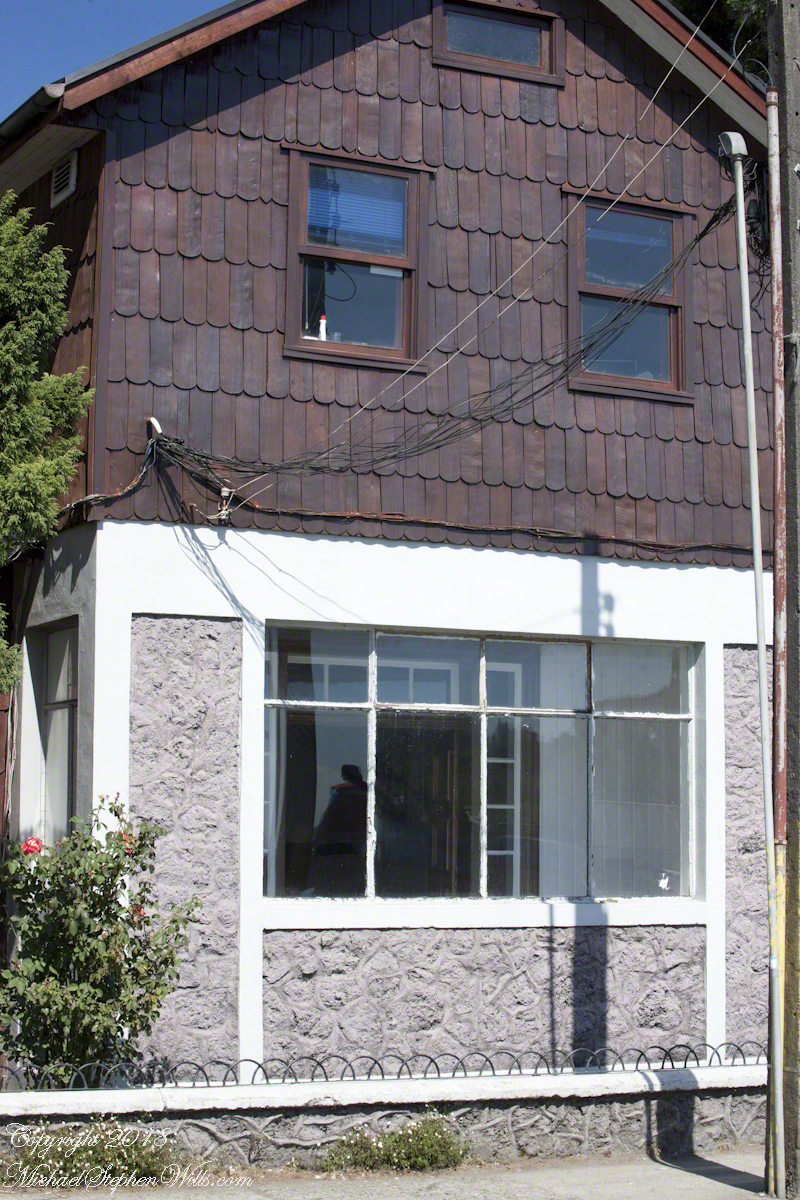
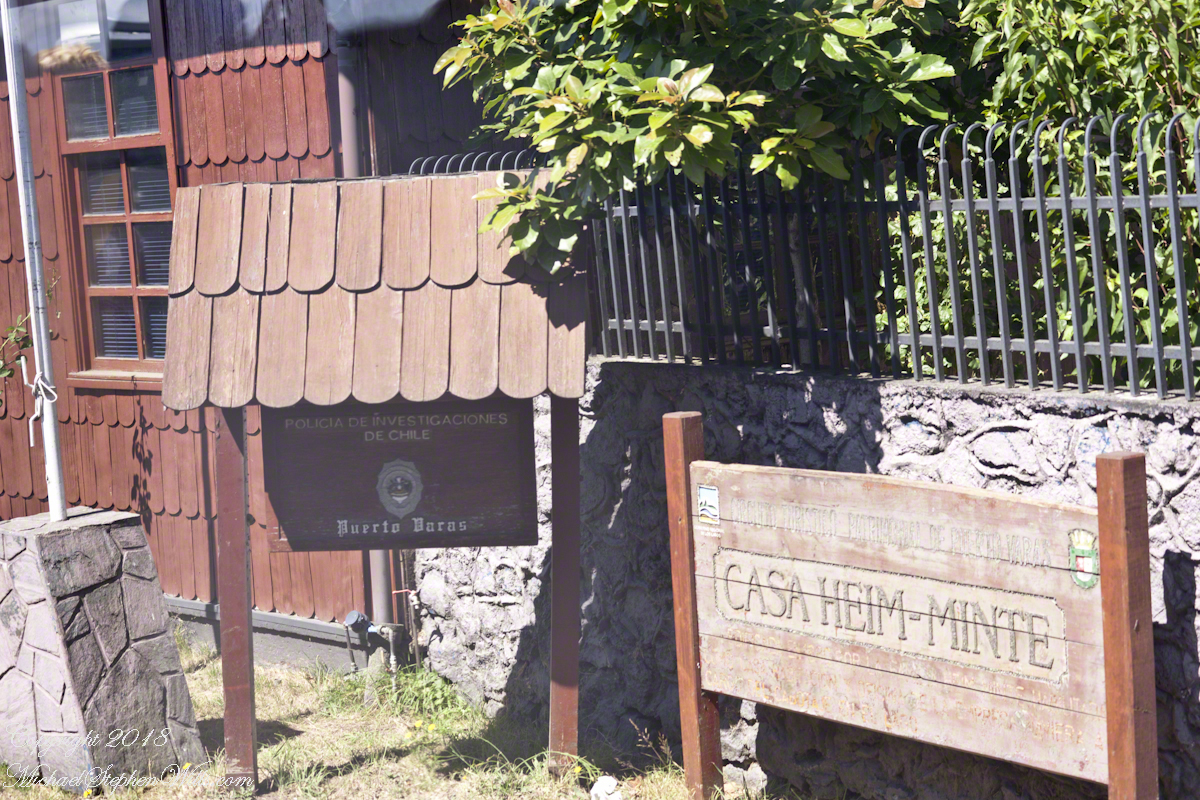
Wood is a building material the German pioneers had in abundance. They went to work clearing the forests, tilling the land and building structures such as this, a house in the town of Puento Varas on Lake Llanquihue. In face, those windows face the lake. I have our guide to thank for these photographs of the houses, early on as we drove through Puerto Montt she shared the significance of the shingles with us.

The shape is identical to that used in Germany and Switzerland wooden frame homes. It was the wood of a tree native to Chile and western Argentina that made these possible and in the course of surviving in a new land, a good portion of their natural patrimony was spent. Since the late 1960’s Chile has backed away from this and conservation of the slow growing Alerce is now paramount.

We can intuit how difficult the winters are from the view into this house provided by the window. There is a room outside the living area, sealed by a second door to prevent the escape of warmth. The use of metal embedded into the low concrete wall is common in the South American countries we visited.

Close by, also facing the lake in Puerto Varas, is this police station, the “Civil Police,” whatever than means. It is a small, apparently historic, building. Rising around it are modern hotels.

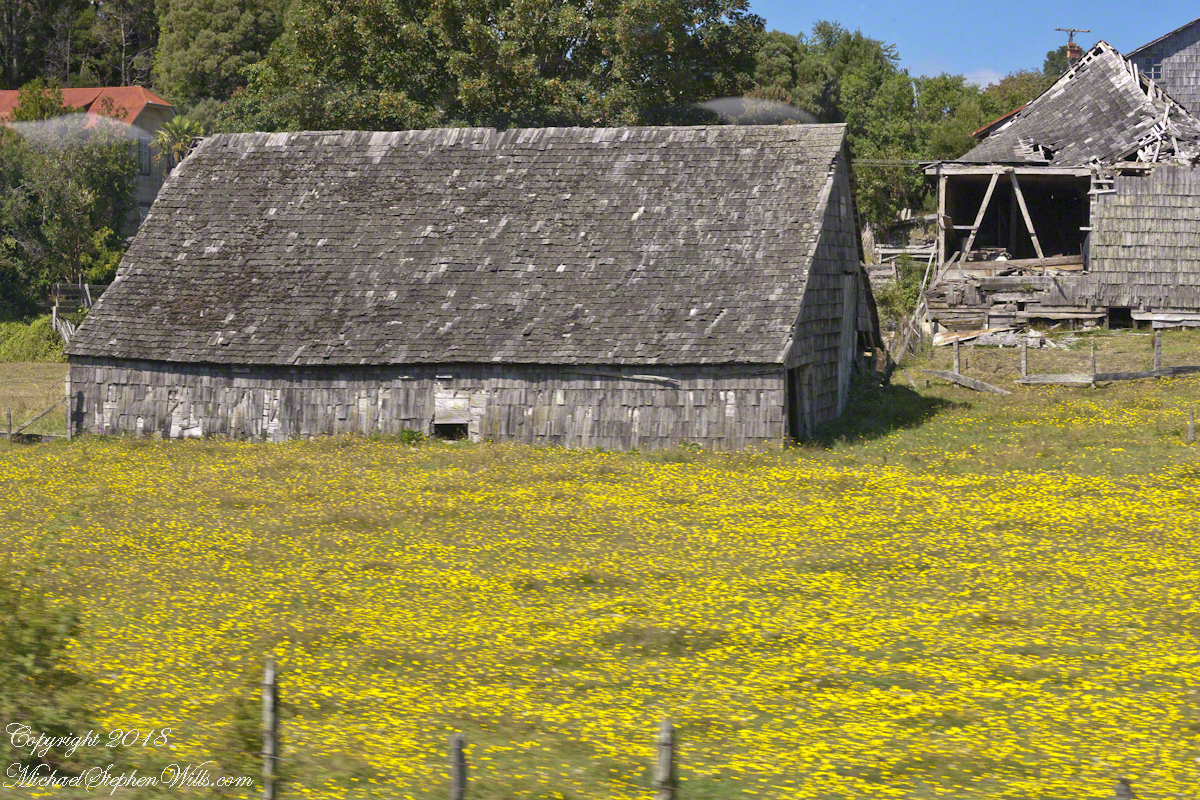
This large rural shed, on the outskirts of the town, appears to be a structure from the original 19th century settlers, a testimony to the durability of Alerce shingles covering the siding and the large, steeply sloped roof.

Open Country

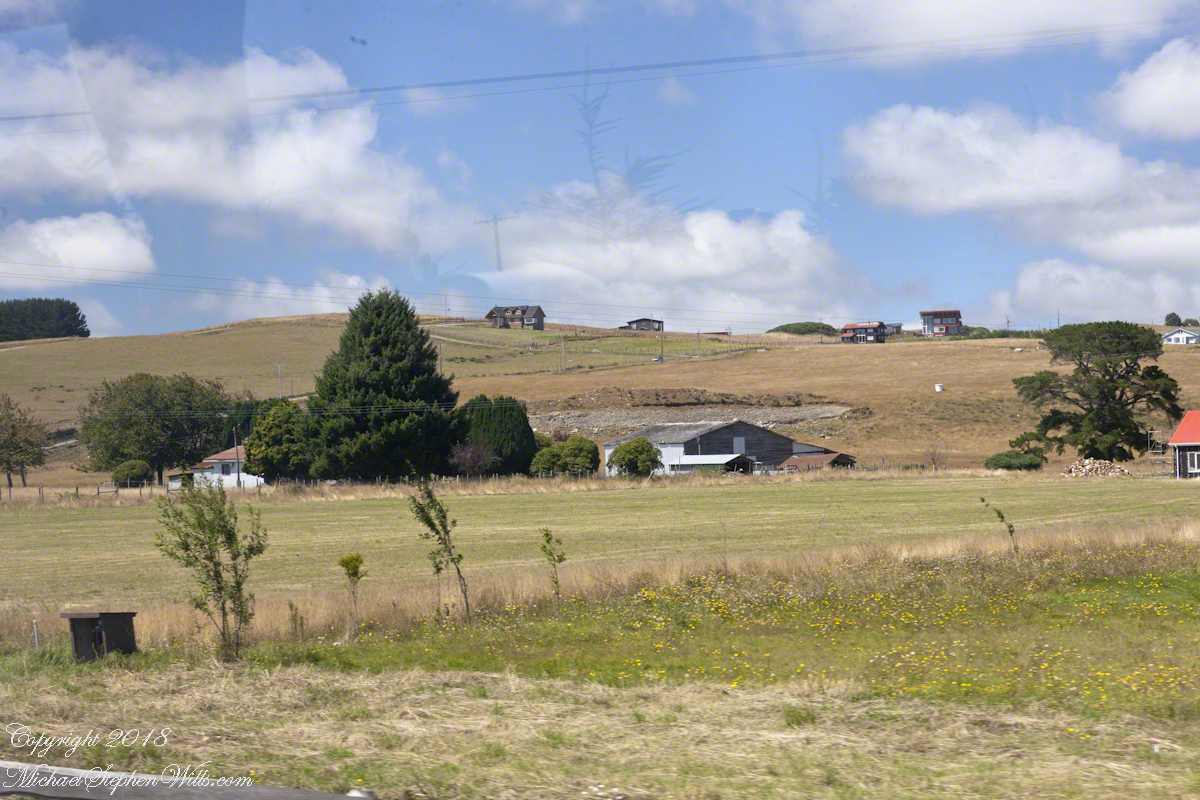
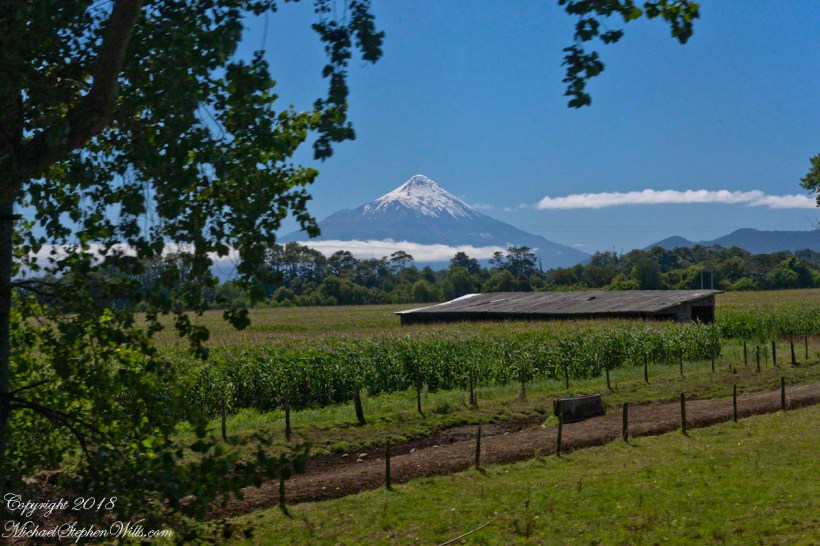
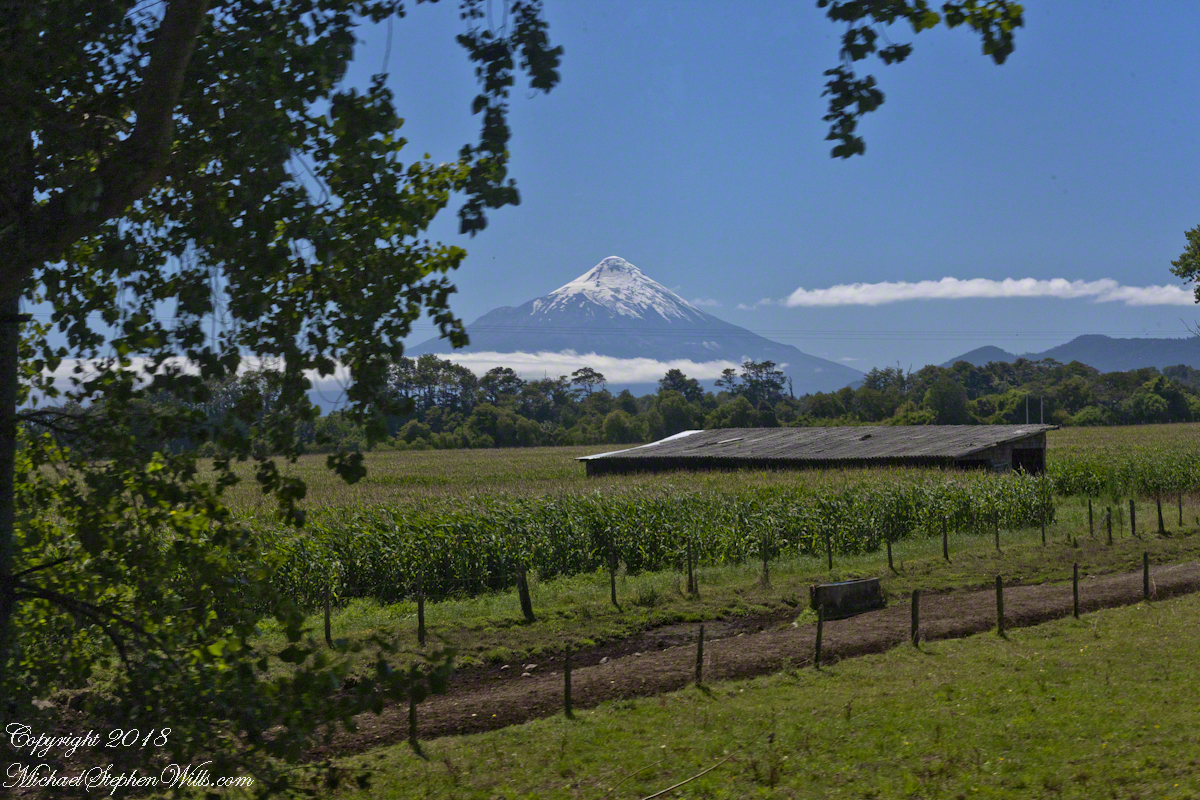
Suddenly we were graced with these cleared farm fields, here and there large modern homes high on the hill for a sweeping view of the lake.

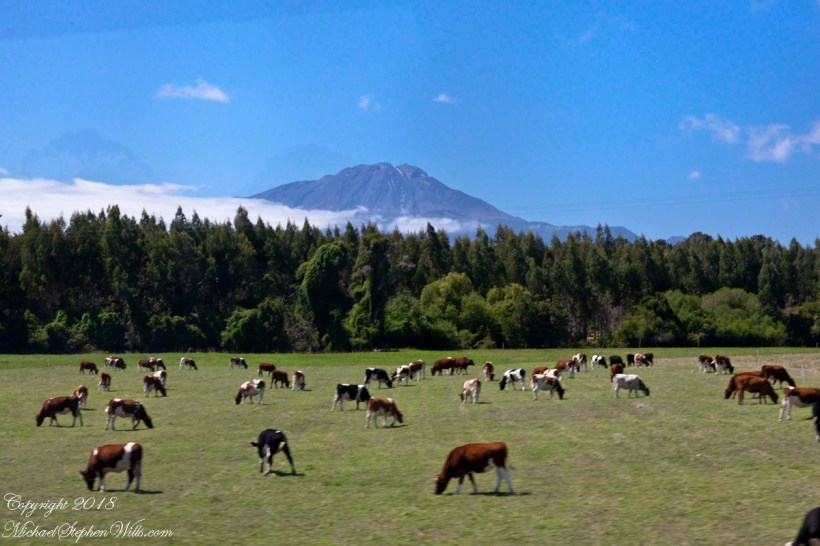
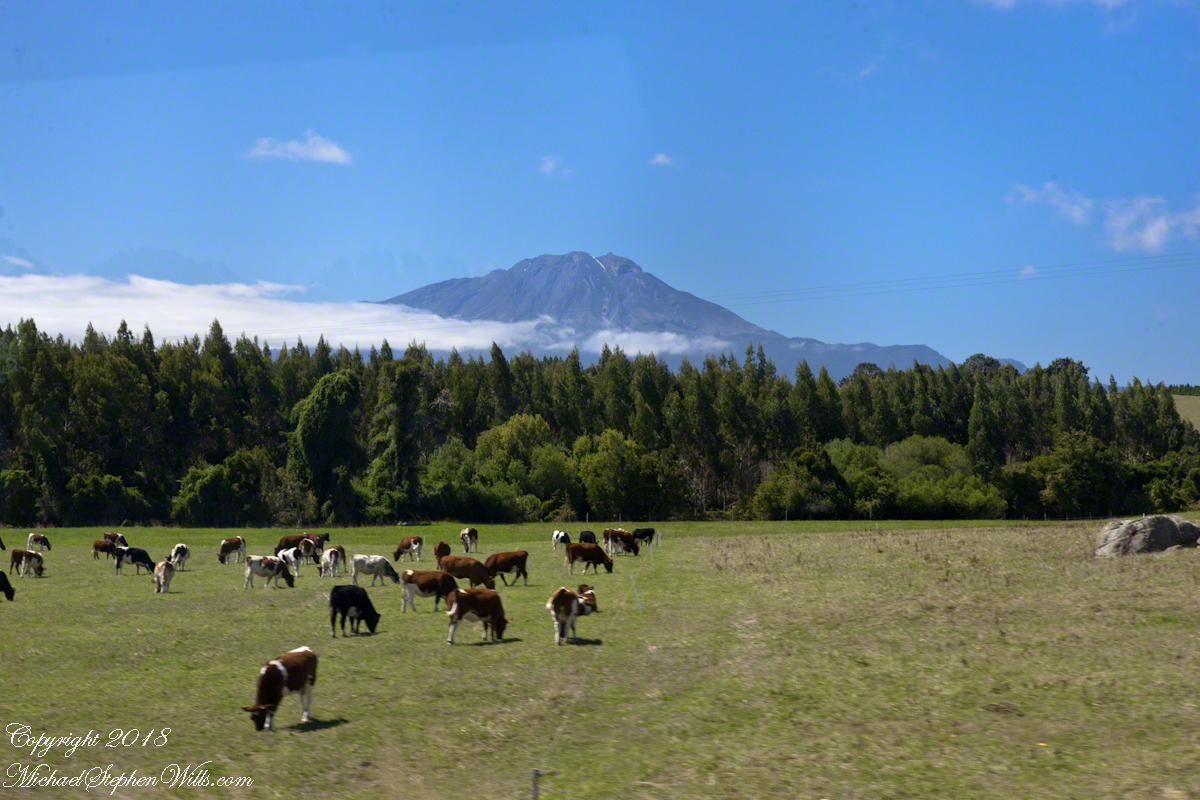
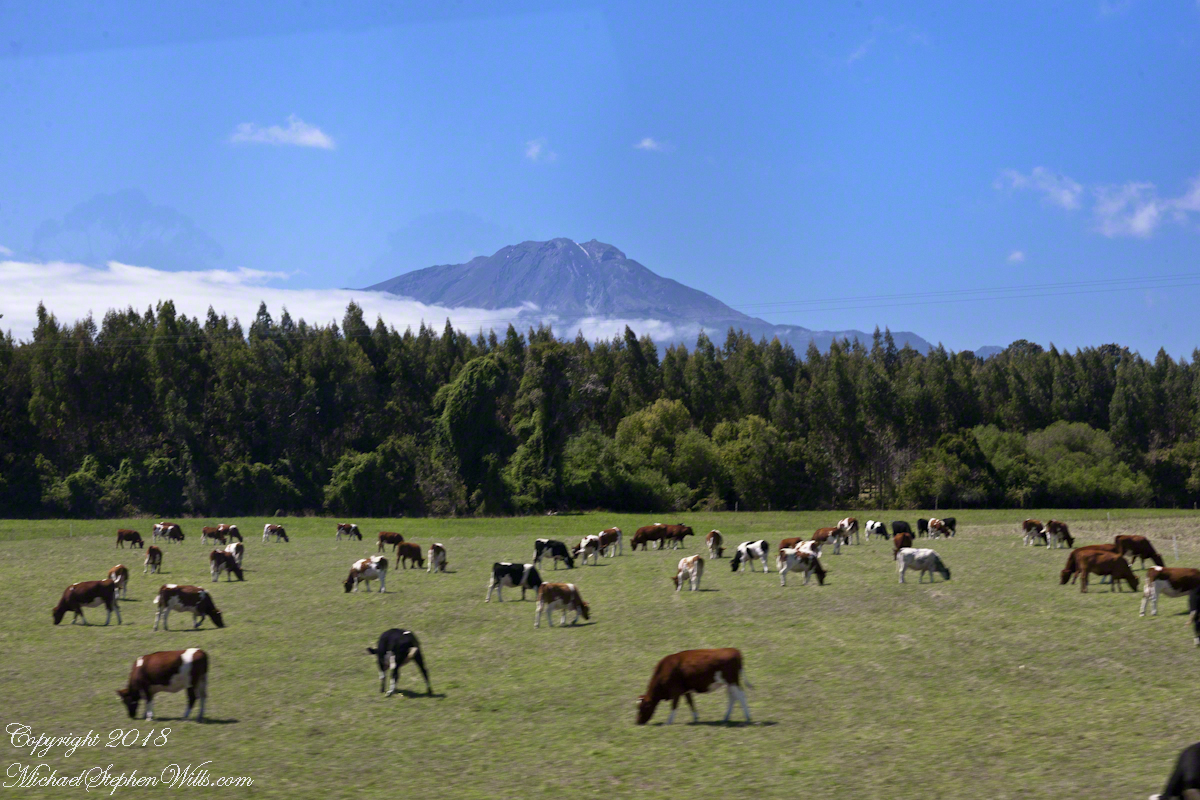
In the distance is Calbuco, the volcano whose eruption broke the peace ten months before our trip. The wind spared these lands the destructive effect of falling ash.

“We’re not in Kansas Anymore, Toto”

Fertile land

A user commented on a Chile Lake District post of mine asking for more photos of Germany. This is striking, because German traveler who visited have made note of parallels between this area and Europe. In this series I will share photography taken from the tour bus window as we traveled to the Lake District and returned to Puerto Montt. I used a handheld Canon EOS 1Ds Mark III SLR with the Canon lens EF 70-300 f 4-5.6LIS. This is the third post of this series.

Click photograph for a larger view.
Orsorno Volcano, Lakes
District, Chile

So much depends……

an accumulation of things

A user commented on a Chile Lake District post of mine asking for more photos of Germany. This is striking, because German traveler who visited have made note of parallels between this area and Europe. In this series I will share photography taken from the tour bus window as we traveled to the Lake District and returned to Puerto Montt. I used a handheld Canon EOS 1Ds Mark III SLR with the Canon lens EF 70-300 f 4-5.6LIS. This is the fourth post of this series. Click me for “Swiss Chalet,” the first post in this series.

Click any photograph for a larger view.

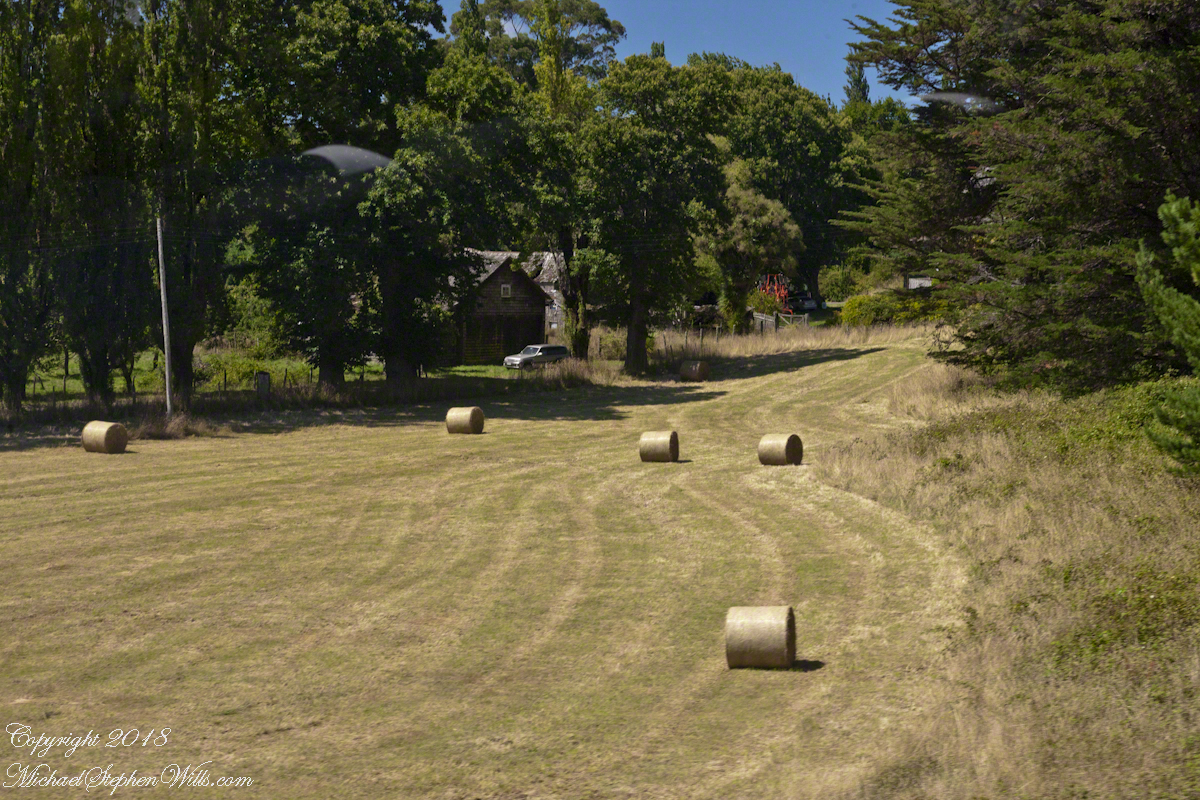
……on cut grass rolled into hay below the volcano

Here is a comforting sight for a dairy farmer: well cured fodder ready for the winter. Apologies to William Carlos Williams. “So much/ depends/upon a red wheel /barrow/glazed with rain/water/besides the white /chickens.” (XXII, “Spring and All”, 1923).

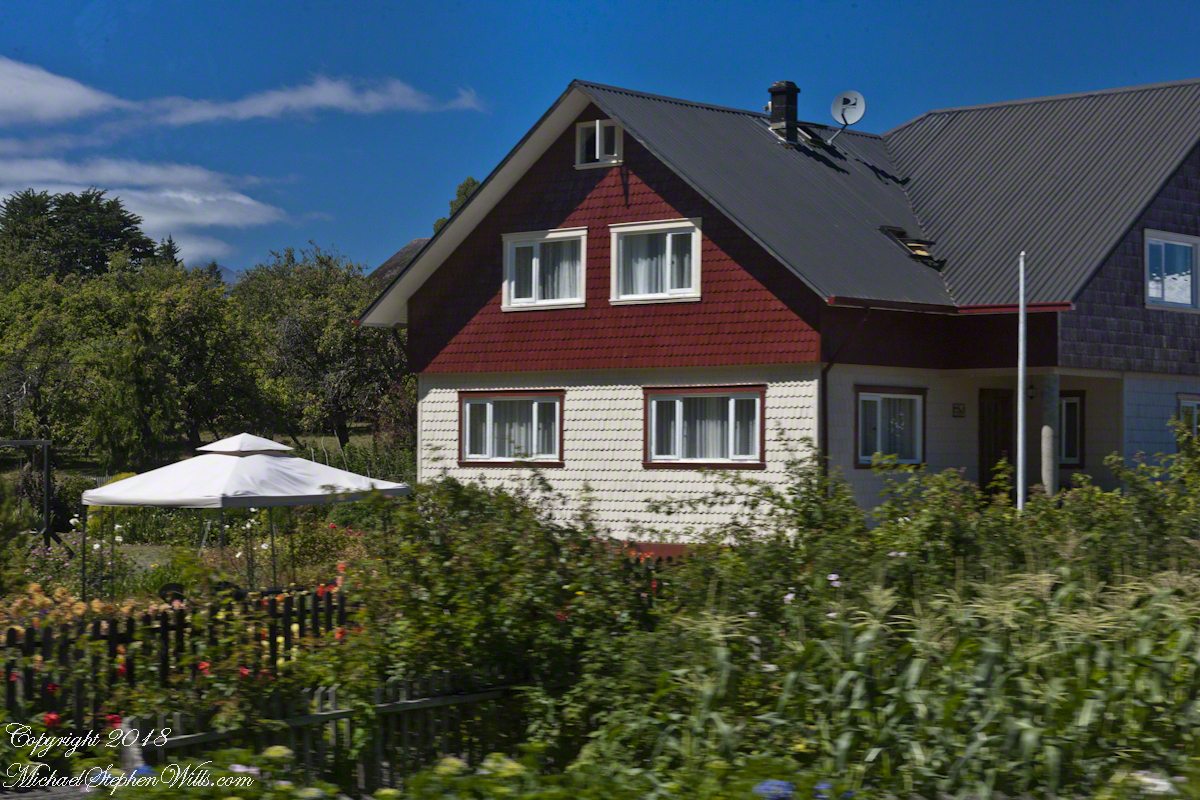
A home surrounded by carefully tended gardens. Flowers and sweet corn, yum! Compare the style of the house this that of my first post. The lighting was better and this photograph captures the detail of the Alerce shingles.

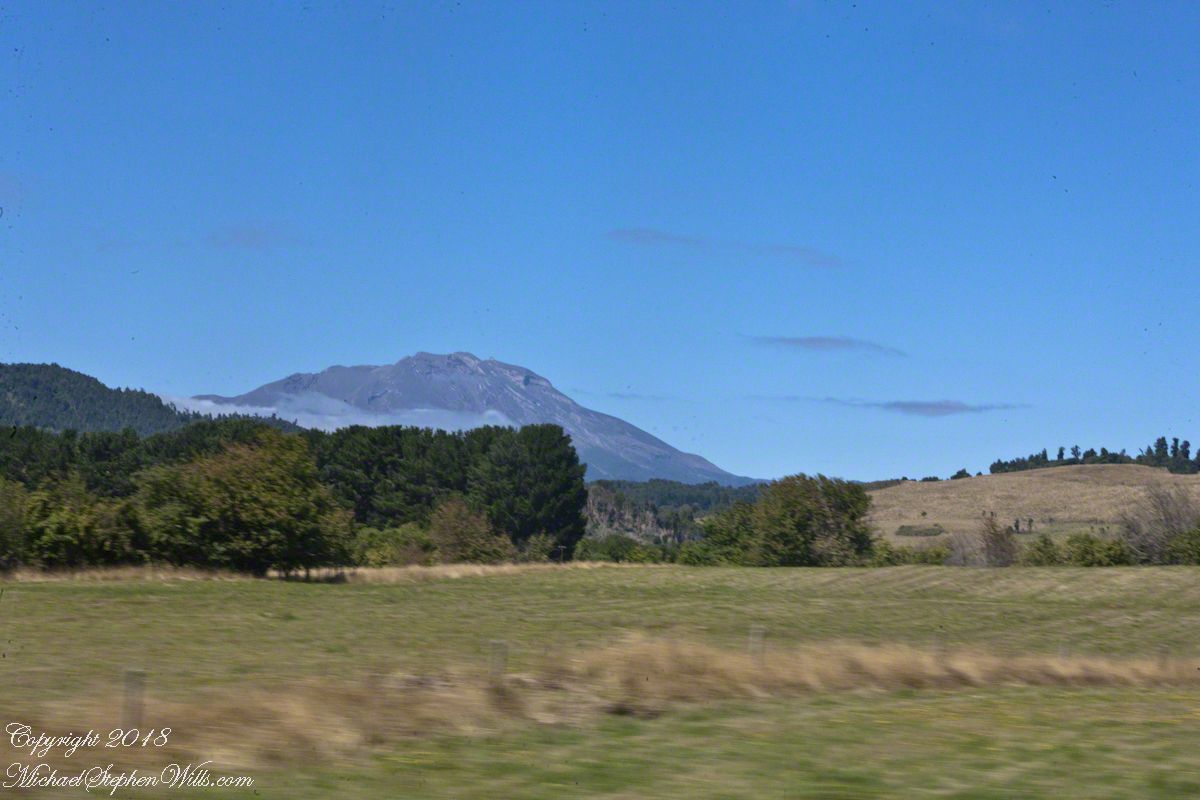
On one side was Calbuco Volcano, seen across hay fields and hills……

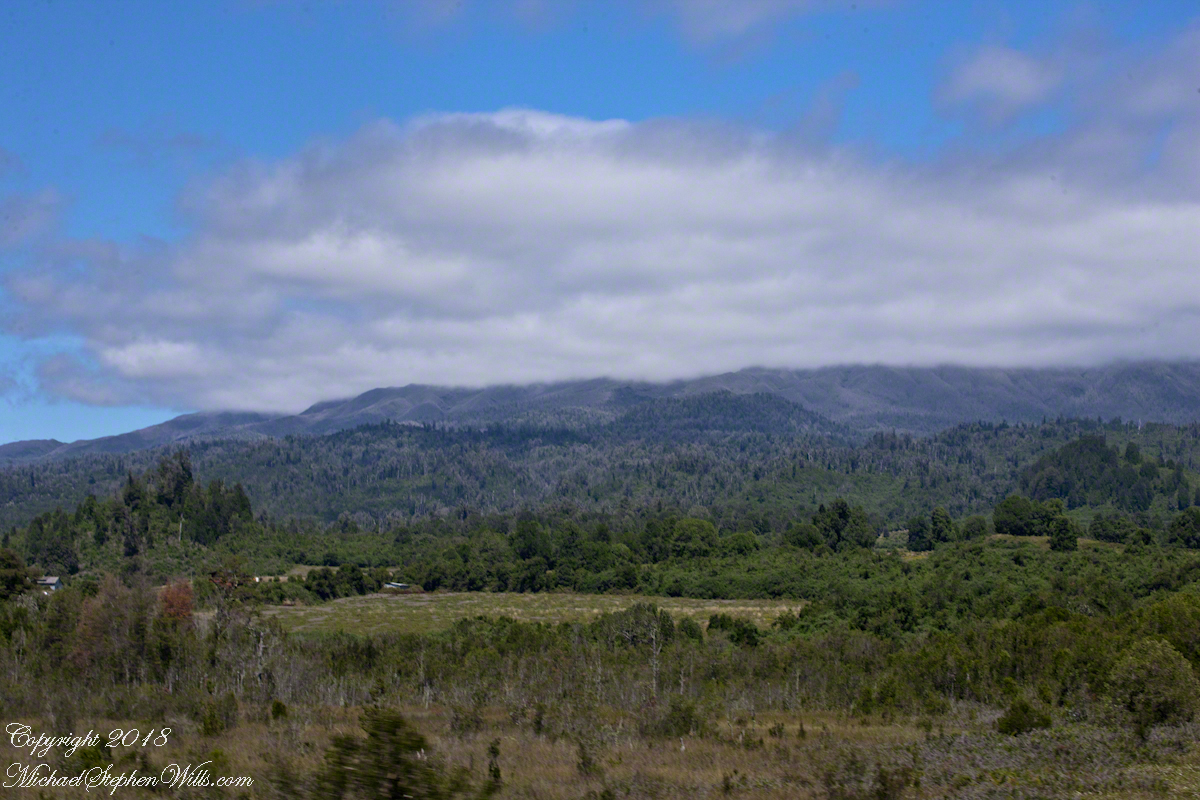
……on the other is the lower slopes of Osorno, the cone hidden by clouds.

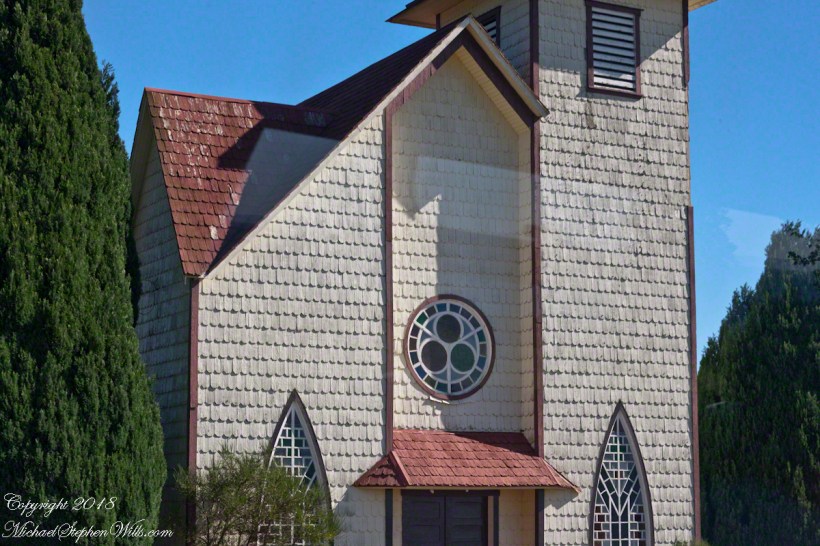
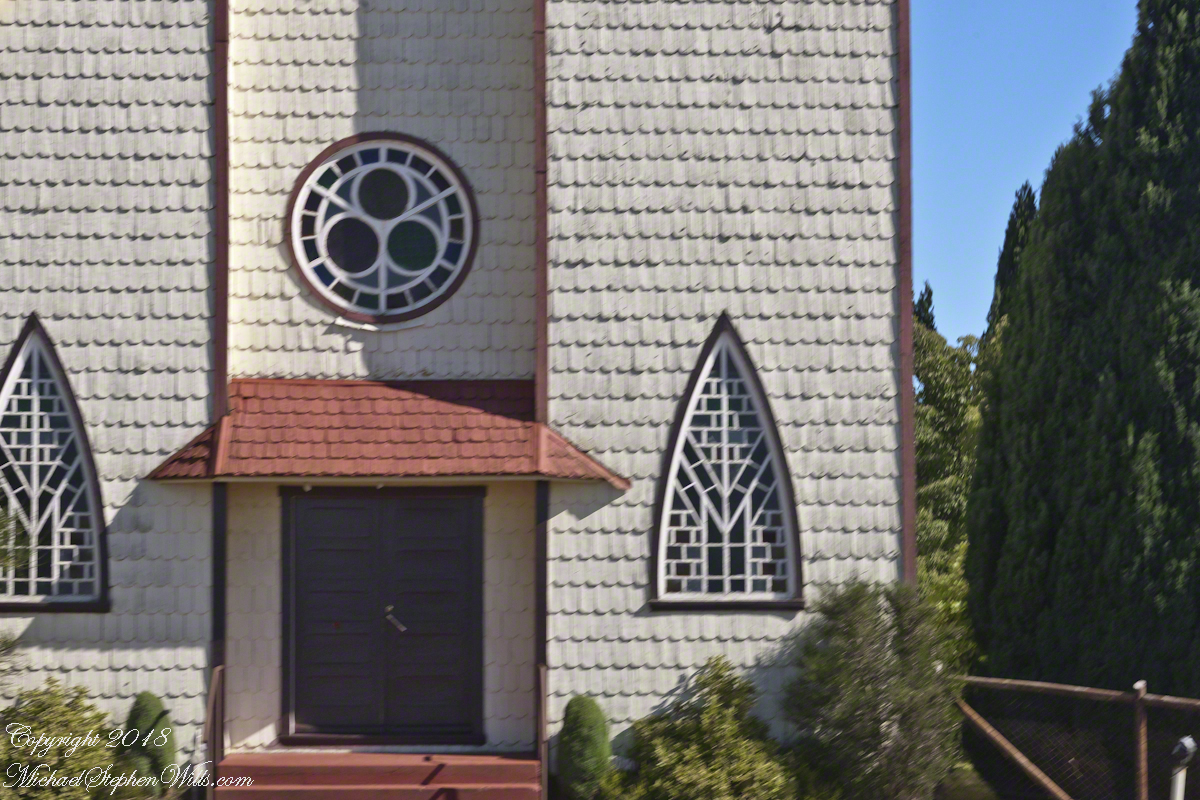
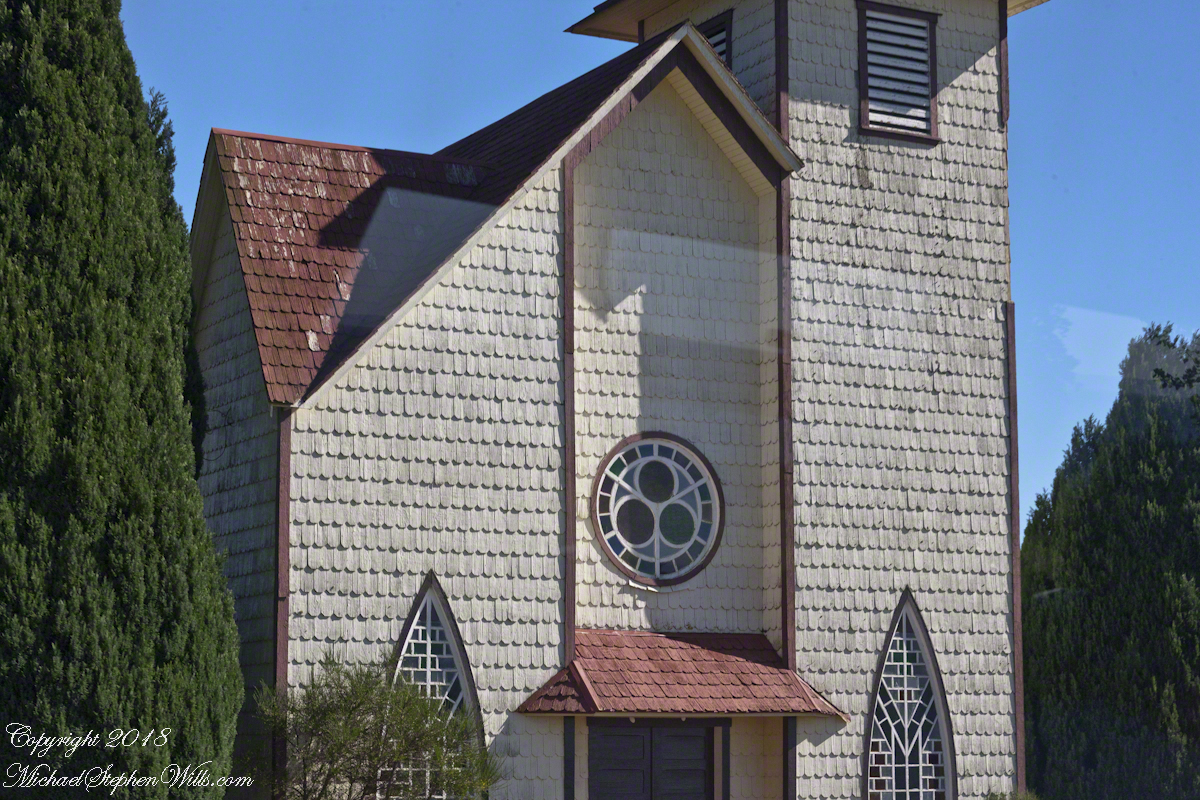
On the east side of where the waters of Rio Pescado flow into Lake Llanquihue the Holy Cross Chapel serves silent testimony to the influence of German immigrants who, fleeing war and chaos, settled these lands.

Swiss Chalet?

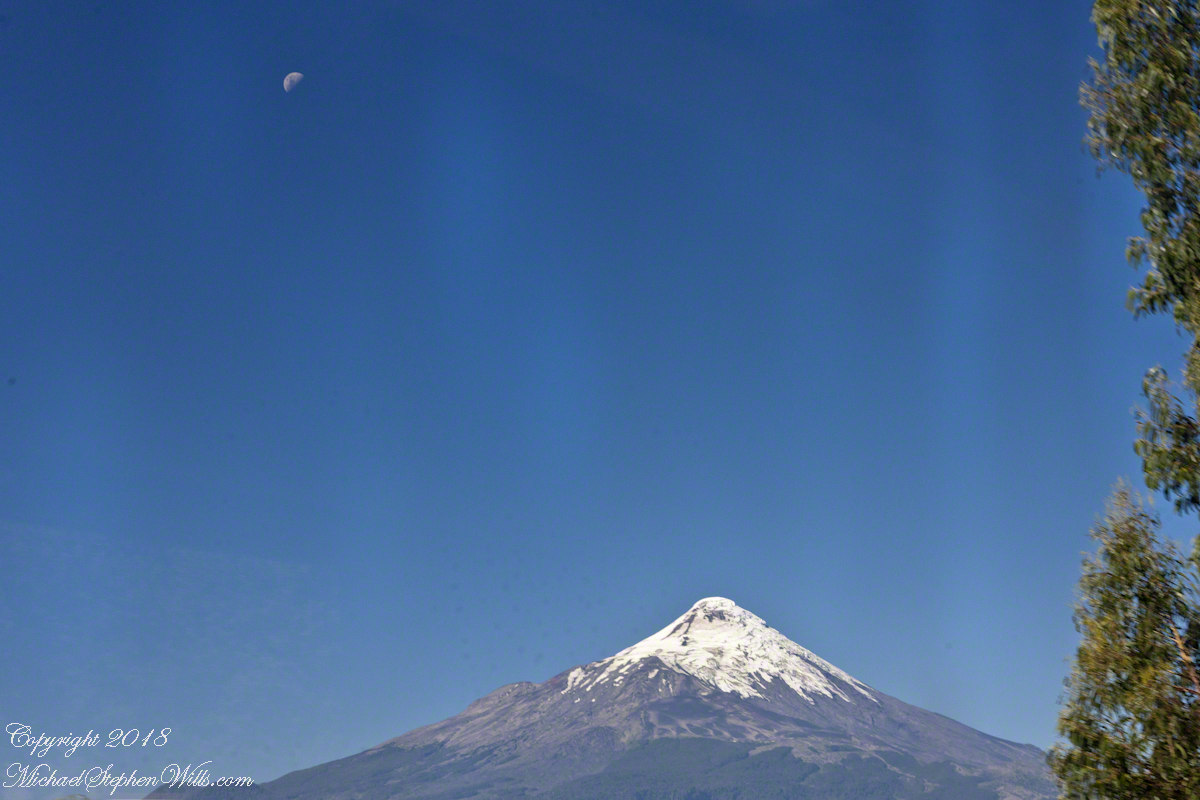
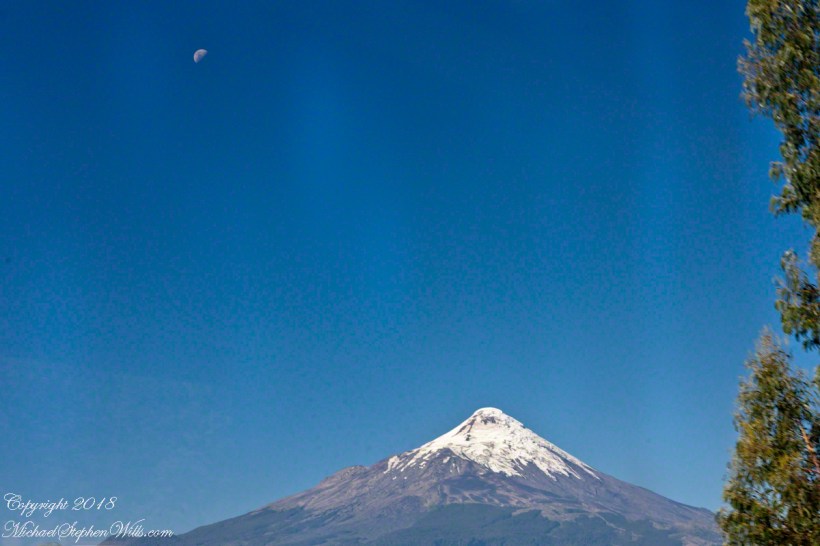
cone under the moon

A user commented on a Chile Lake District post of mine asking for more photos of Germany. This is striking, because German traveler who visited have made note of parallels between this area and Europe. In this series I will share photography taken from the tour bus window as we traveled to the Lake District and returned to Puerto Montt. I used a handheld Canon EOS 1Ds Mark III SLR with the Canon lens EF 70-300 f 4-5.6LIS. This is the first post of this series. Click me for “Orsorno Volcano and Tourists,” the first post in that series.

Click any photograph for a larger view.

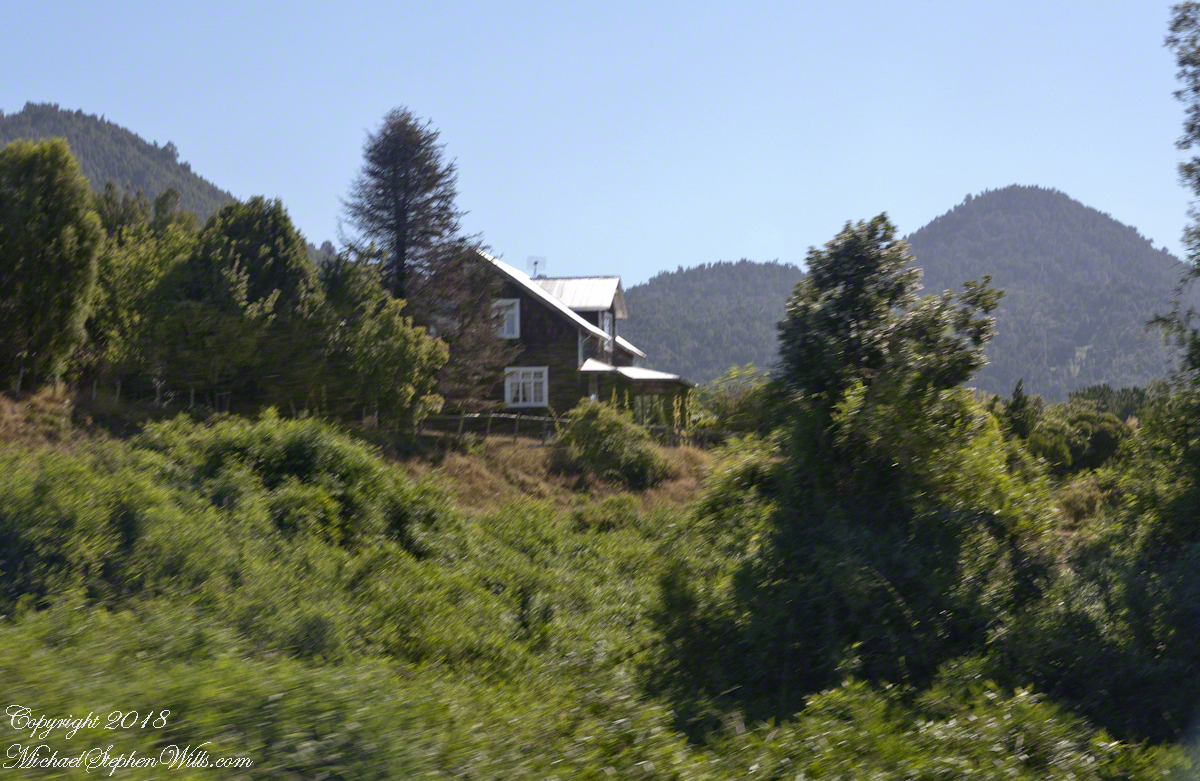
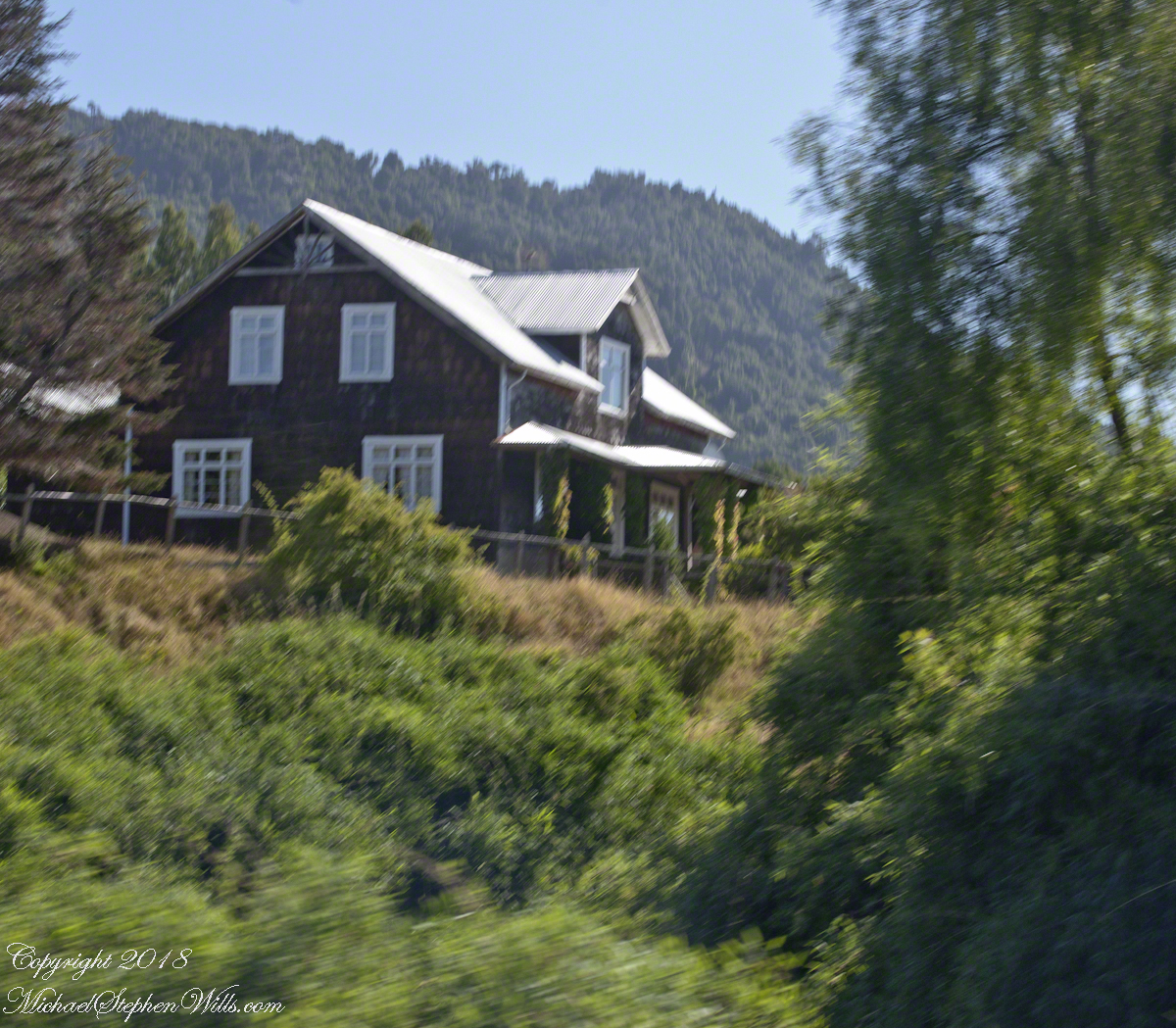
House on a Hill

Wood is a building material the German pioneers had in abundance. They went to work clearing the forests, tilling the land and building structures such as this, the steeply sloping roof to shed snow, gabled dormers for more living space on the top floor.

This has a tin roof, but many roofs are shingles made from magnificent Alerce trees. The government banned the export of Alerce wood in 1976. It is a slow growing tree, the fine grained wood is in demand. I believe the tall tree towering over the roof is a Monkey Puzzle, scientific name Araucaria araucana, an ancient evergreen, the national tree of Chile and one of the unique differences the early Germans came to recognize and love as their own South American identify.

I will have some great examples of shingled homes in a later post. The roof of this restaurant is Alerce shingles.

The Orsorno Volcano, somehow reminiscent of the Alps and very different. Here a half moon, high above and shining brightly on a summer evening, February 2016. These are some of the touches European travelers name “Chilean Swiss.”

Moll’s Gap on Getty

Happy New Year….starting it off right

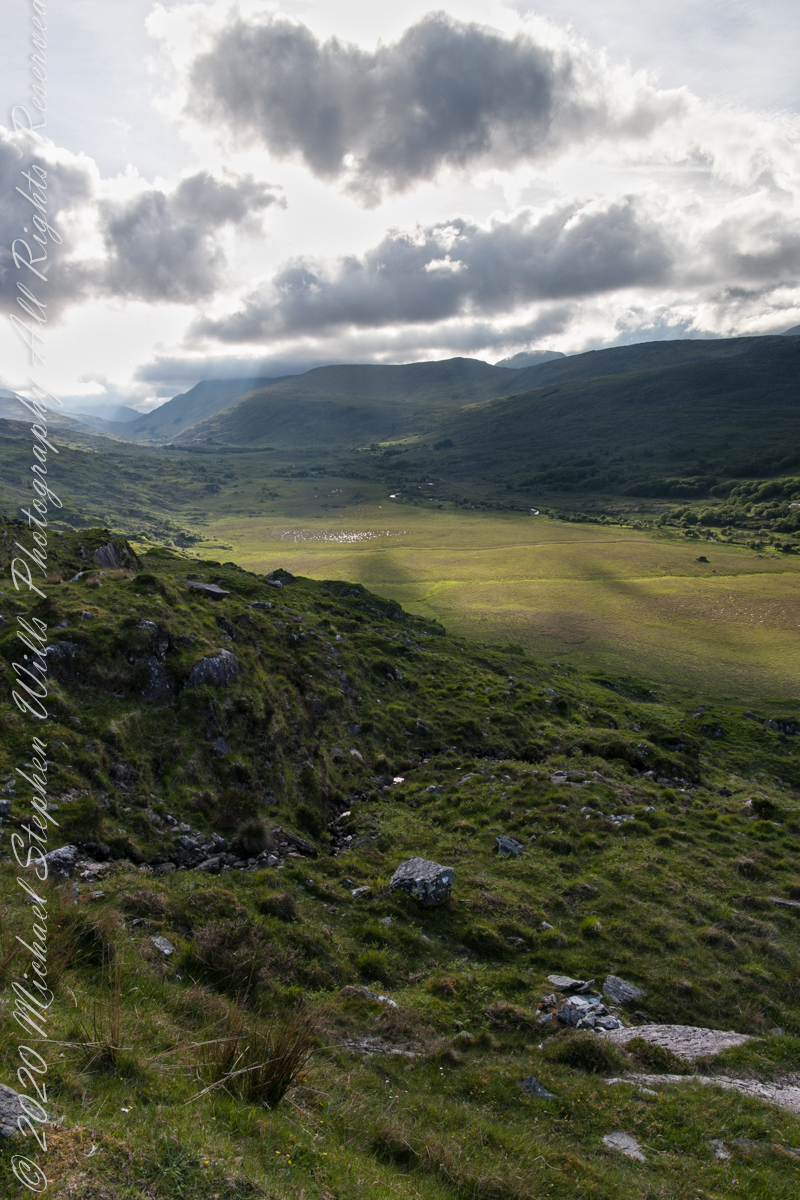
We are near Molls Gap on the Ring of Kerry. At our feet is Eric townland, there’s an eponymous Bog Nature Reserve down there. At our feet is Eric townland, there’s an eponymous Bog Nature Reserve down there.

Click me for the two (2) Molls Gap photographs accepted and published by Getty.

Click pic for larger view in a new browser tab. If you are in WordPress Reader, open the post to use this feature.

Copyright 2021 Michael Stephen Wills All Rights Reserved
Seven Ladies View Accepted by Getty

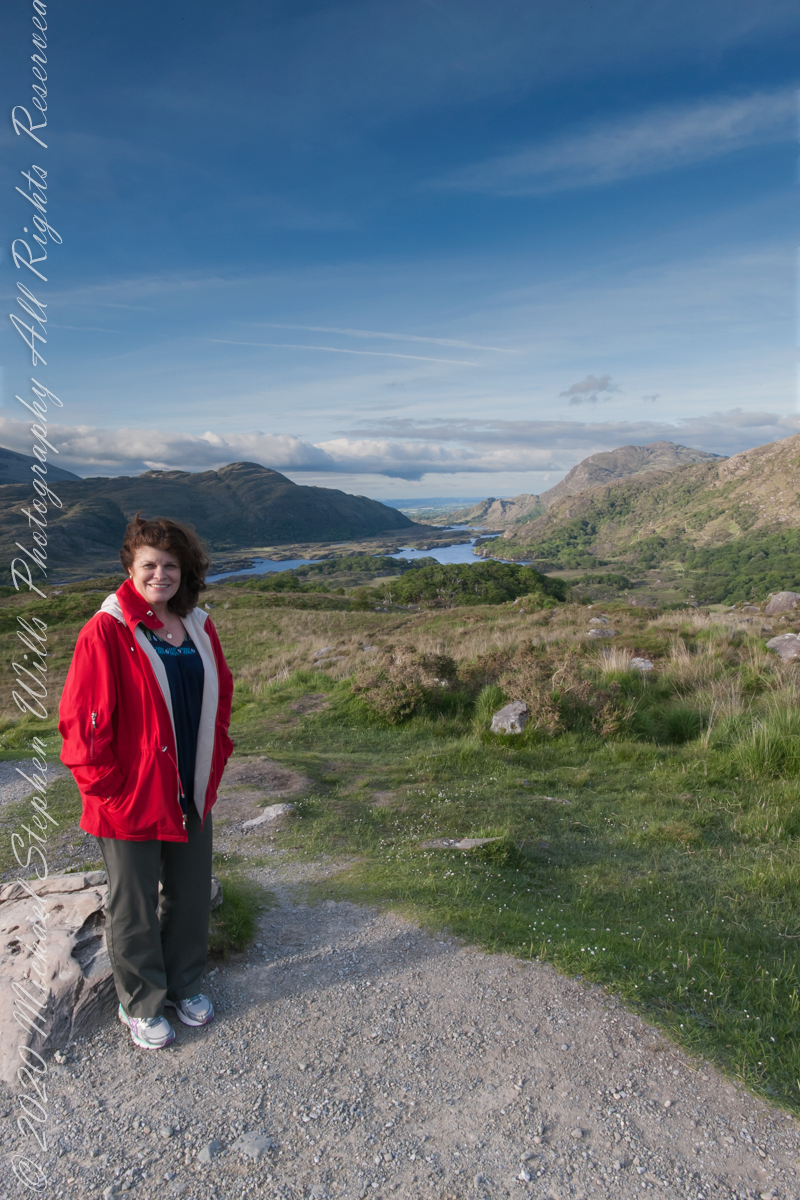
My wife, Pam, at Ladies View, on the Ring of Kerry

Here we are, on the road from Kenmare to Killarney, N71, part of the Ring of Kerry around the Iveragh Peninsula. The view was celebrated by Queen Victoria’s Ladies-in-Waiting during an 1861 tour of Ireland

Click me for the seven (7) Ladies View photographs accepted and published by Getty.

Click pic for larger view in a new browser tab. If you are in WordPress Reader, open the post to use this feature.

Copyright 2021 Michael Stephen Wills All Rights Reserved
Ice Bells

Noticing small miracles, taking the time and effort to capture them…..

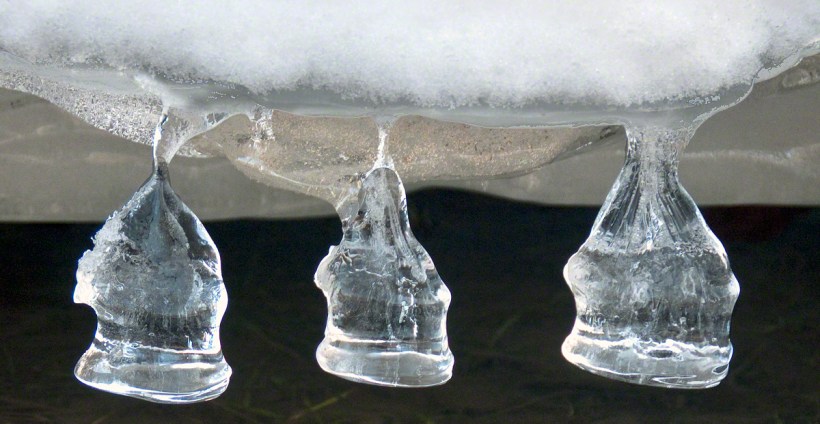
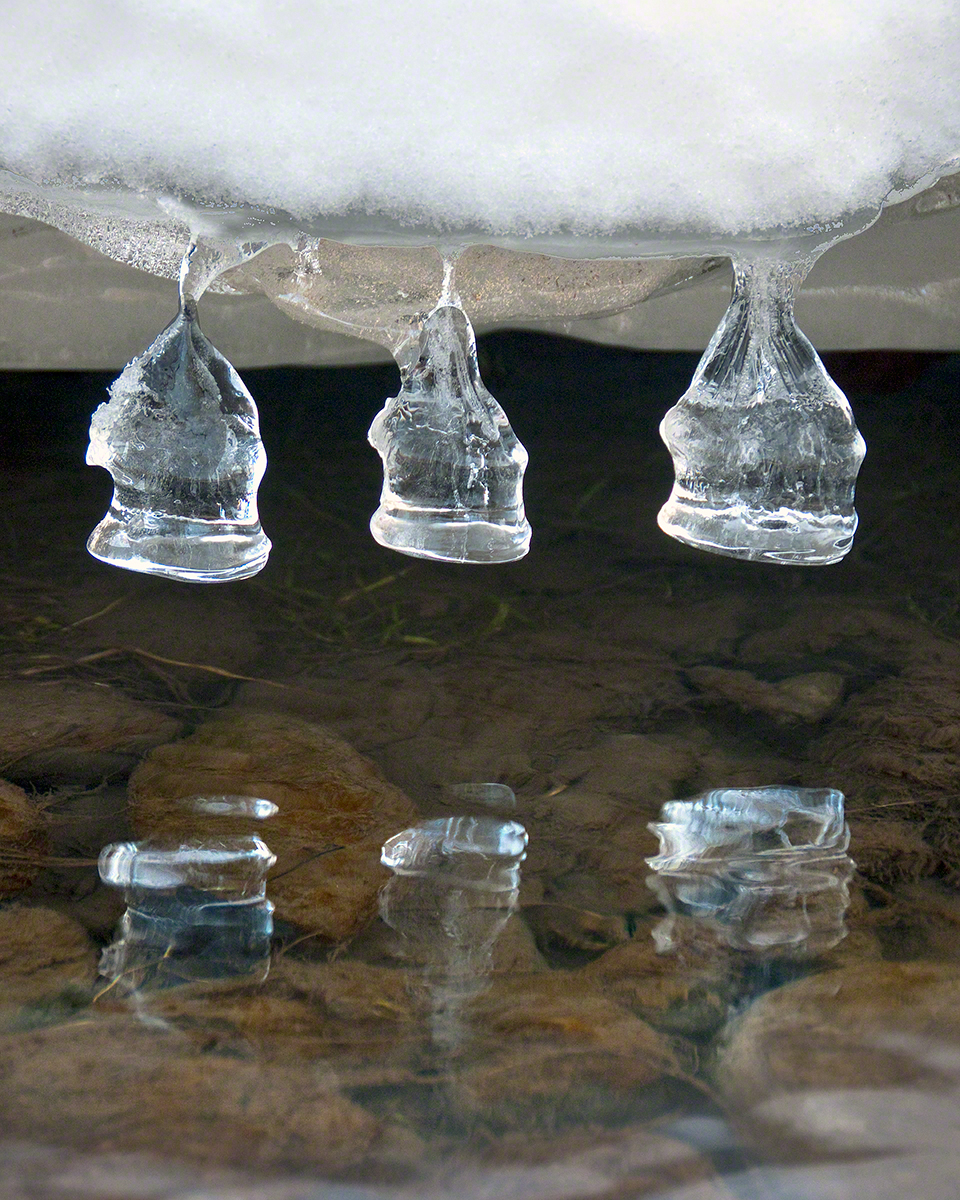
These icicles were formed along Fall Creek during the coldest months of February in the Finger Lakes Region of New York State.
The transient nature of these forms is suggested by the thinness of the pedicle joining each bell to the ice lobe of the ledge. Note the golden crystals in the ice lobe.
A visualization of the symbolic power of the numeral three, reflected on itself.  Question: what do “threes” mean to you?

Captured with the Sony DSLR-A700, DT 16-105mm F3.5-5.6 lens, hoya circular polarizing filter, mounted on the Manfrotto tripod with ball head.

Click the photograph for my online gallery Ice Bells listing.