“Some Enchanted Evening” Riff

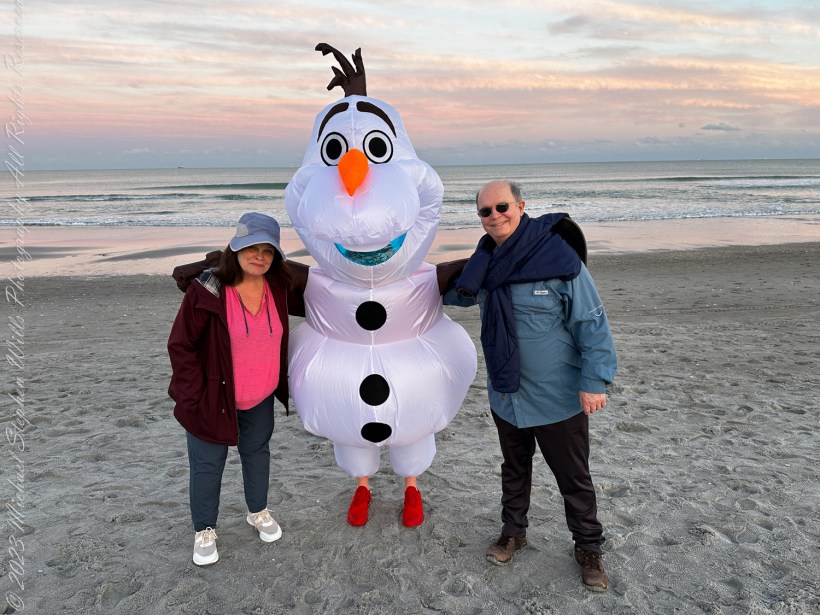
Discover the charm of Cocoa Beach’s enchanted sunset where Olaf, the endearing snowman from “Frozen,” joins athletes in a celebration of imagination and sport on Florida’s magical Space Coast.

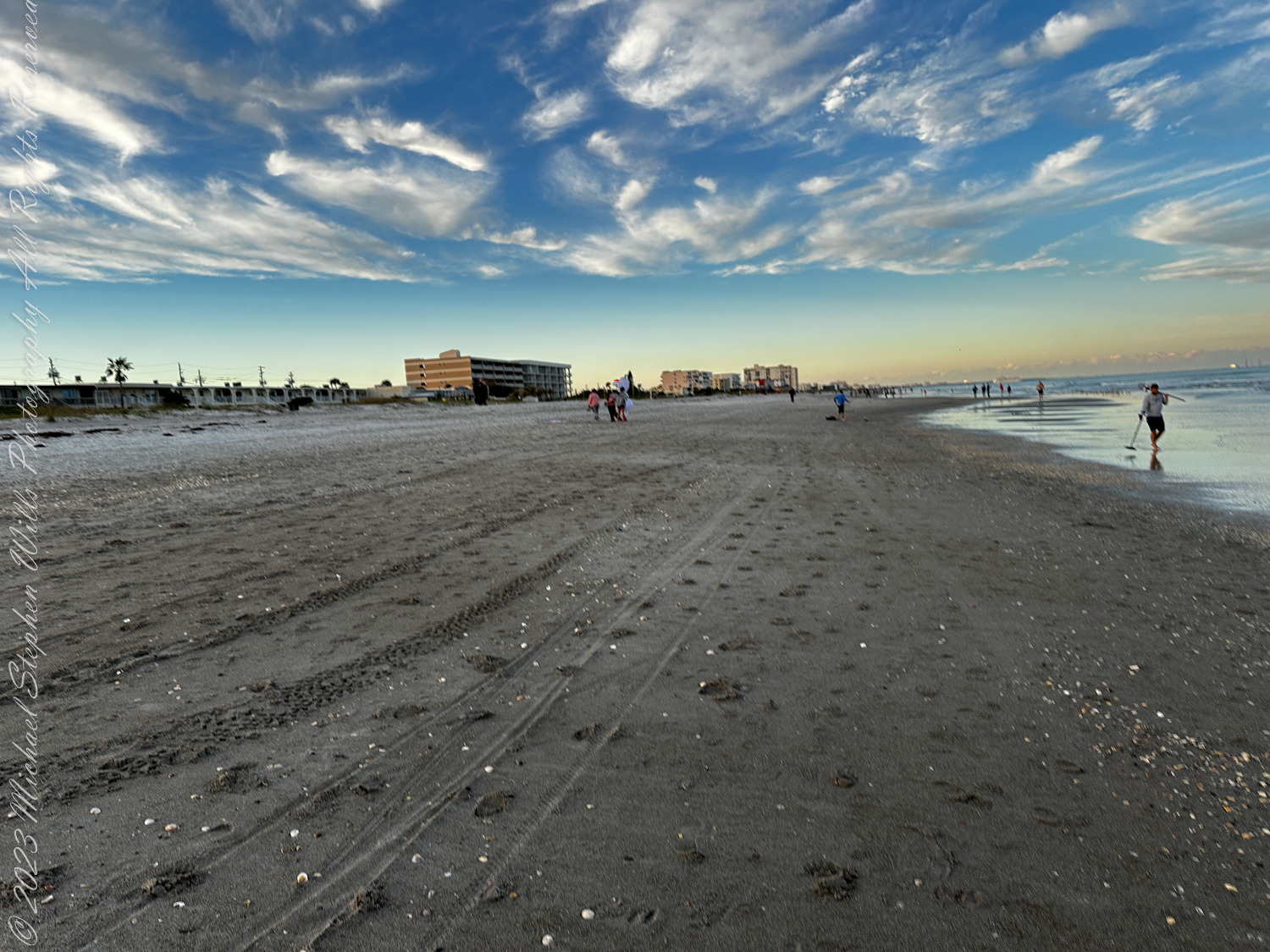
Olaf, with his carrot nose and coal-button smile, is the epitome of the whimsy and innocence that fills the hearts of those who dare to dream. He’s the spark of childlike wonder that persists even as the day gives way to night. As the sun dips below the horizon at Cocoa Beach, the playful contrast of a snowman who loves warm hugs stands out against the backdrop of Florida’s Space Coast—a place known for its rocket launches as much as its sun-soaked shores. It’s here, on this stretch of sand, that imagination and reality dance in the twilight, blurring the lines between a tale from the silver screen and the tangible joy of a beach evening.

The presence of Olaf in this coastal setting is an unexpected delight, akin to the wonder of snowflakes in summer. He is more than a snowman; he is the manifestation of Elsa’s magic, a symbol of enduring friendship and the embodiment of the happiness that comes from simply being alive. His creation, a whimsical result of Elsa’s ice powers, speaks to the capacity we all have for creation and transformation. The Olaf suit, worn by a young athlete, represents not just a beloved character, but a beacon of joy and the power of sportsmanship that enlivens the USSSA National All State Championship.

Don DeDonatis, CEO of USSSA, speaks of the excitement of hosting a tournament that is a “celebration of talented softball players from around the country.” Indeed, it’s a parallel to the celebration of life that Olaf represents—where each athlete, like each snow crystal, is unique and contributes to the beauty of the whole. The tournament at the Space Coast Complex in Viera, Florida, is a tribute to the hard work and dreams of young athletes, much like the dream that brought Olaf to life.

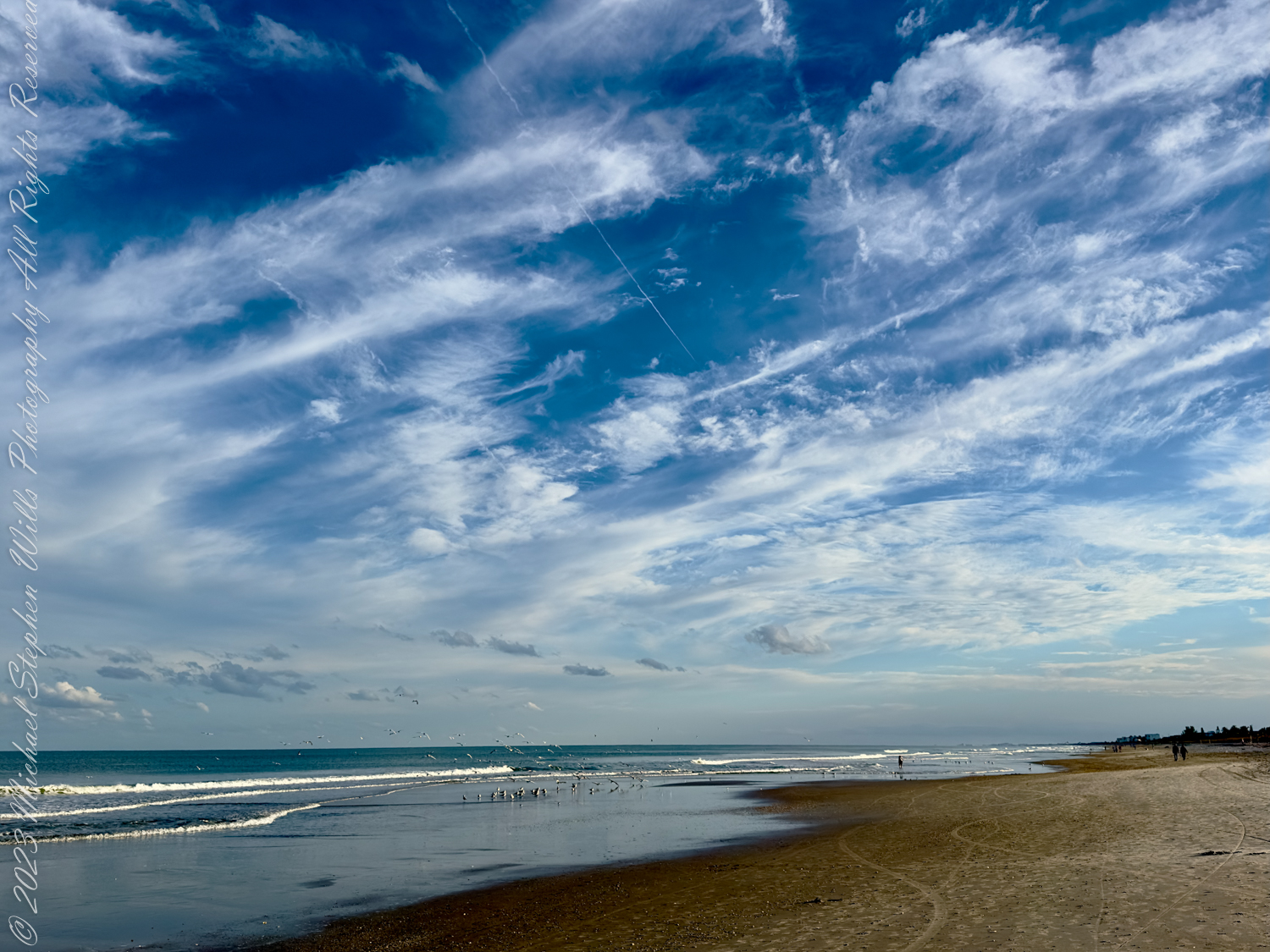
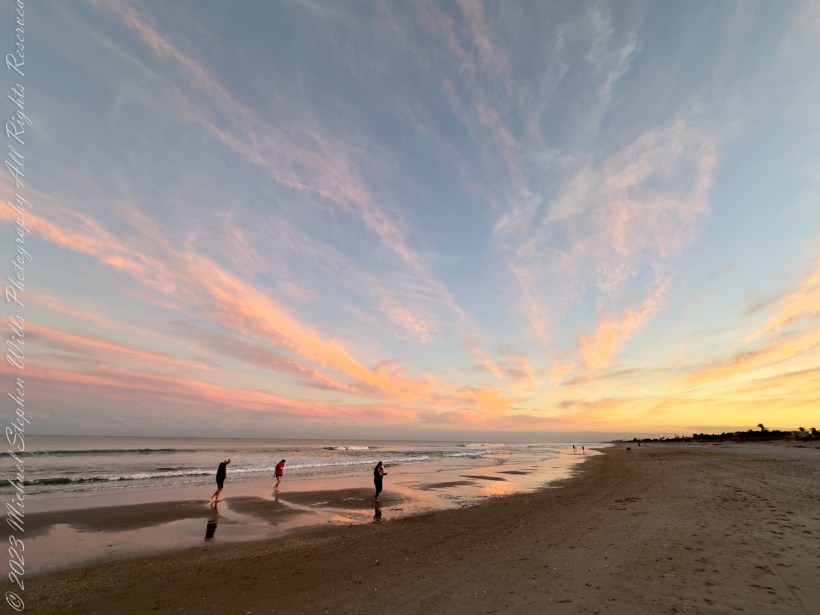
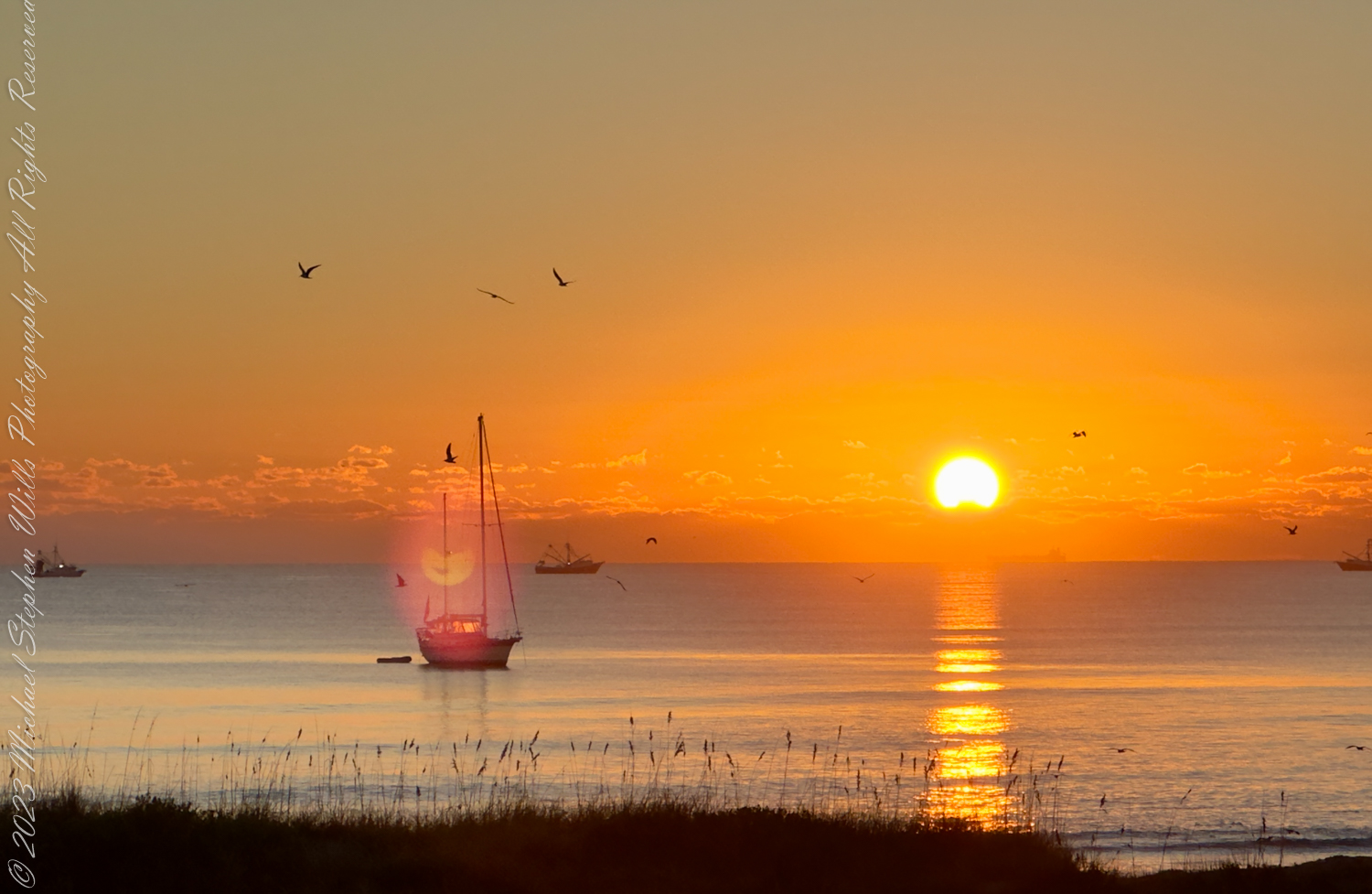
The sunset photograph of Cocoa Beach, snapped in December 2023, is not just a capture of a moment in time, but a timeless reminder of the enchantments that life offers. The beach becomes a stage where each footprint tells a story, and each wave sings a song. It’s a place where memories are made, where the spirit of characters like Olaf can leap out of their fictional realms and into our world, if only for an evening.

Brevard County’s Space Coast is a junction where the vastness of space meets the intimacy of earth, where shuttles launch into the cosmos while children build sandcastles, and where a snowman can stand on a beach without melting, embraced by the warmth of the setting sun rather than the chill of winter. It’s a testament to the human spirit’s boundless creativity and our ability to find joy in the juxtaposition of opposites.

This enchanted evening is a tapestry woven from the threads of fantasy and reality, sport and art, the cosmos and the coastline. It’s where the horizon kisses the sea, where the sky becomes a canvas for the sun’s parting masterpiece, and where Olaf, our friend from “Frozen,” reminds us that magic is not just in the realm of fairytales but all around us, in every grain of sand, in every sunset, and in every heart that believes in the wonder of one enchanted evening.

Copyright 2024 Michael Stephen Wills All Rights Reserved

Rose Gold


Threaded with bird call

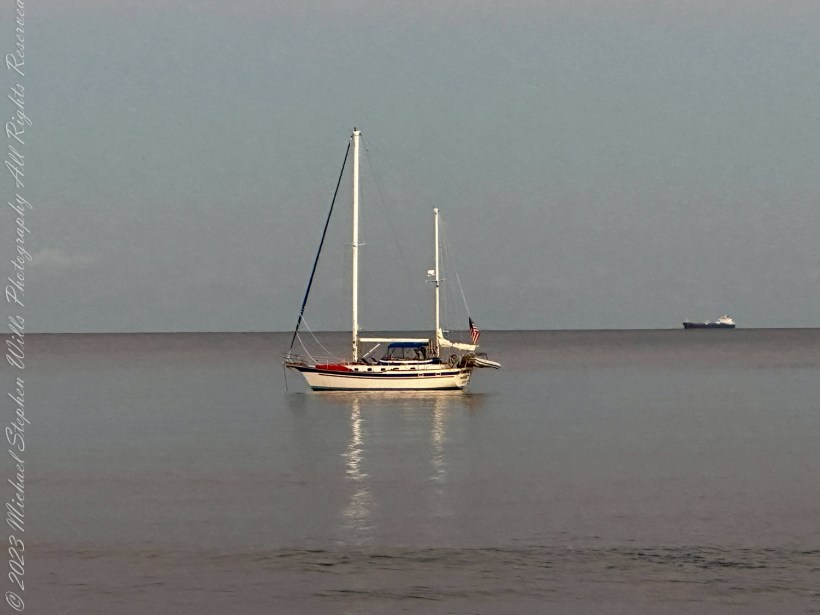
Folded sails greet the first light

A new year takes flight

The first sunrise of 2024 from Cocoa Beach, Brevard County, Florida.

Copyright 2024 Michael Stephen Wills All Rights Reserved

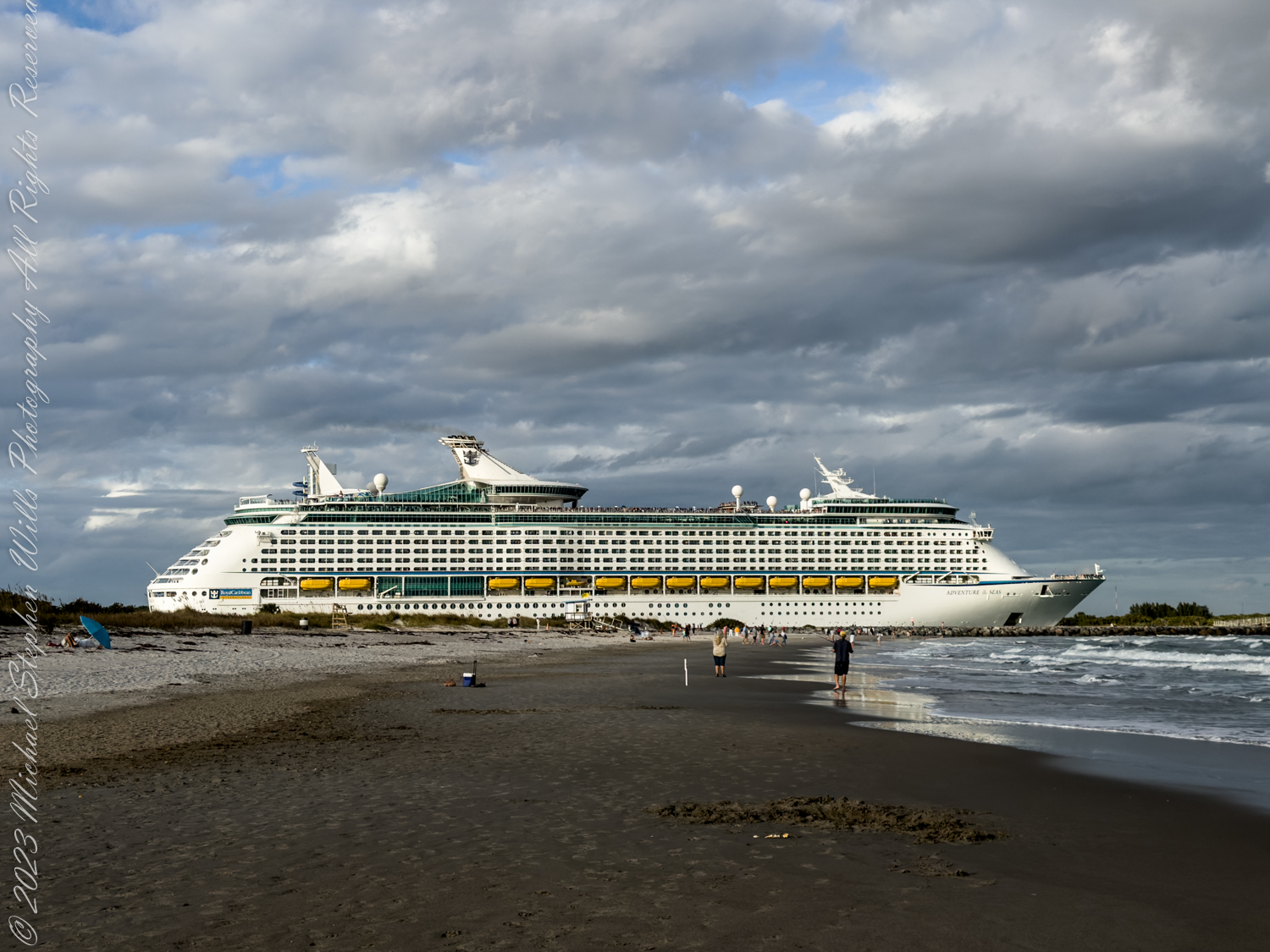
The Grand Goodbye: Intertwining Paths at the Edge of the Ocean

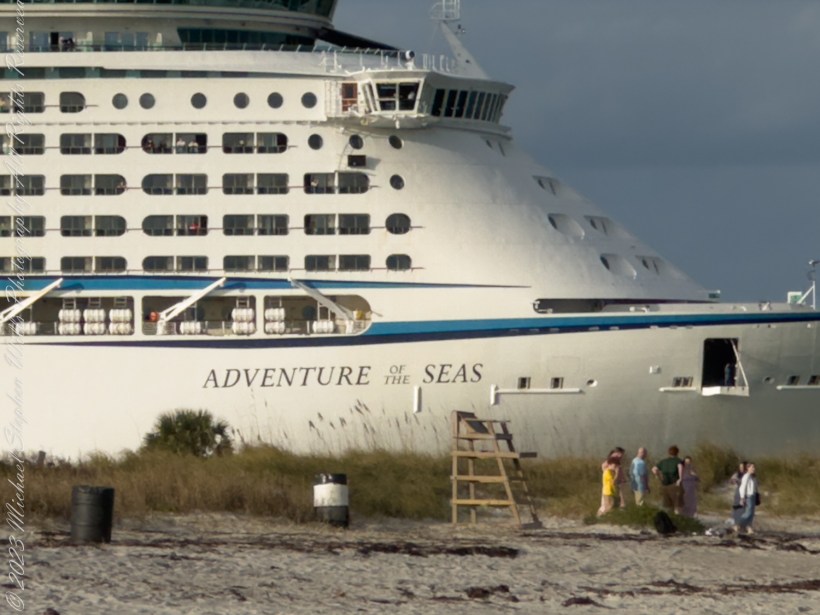
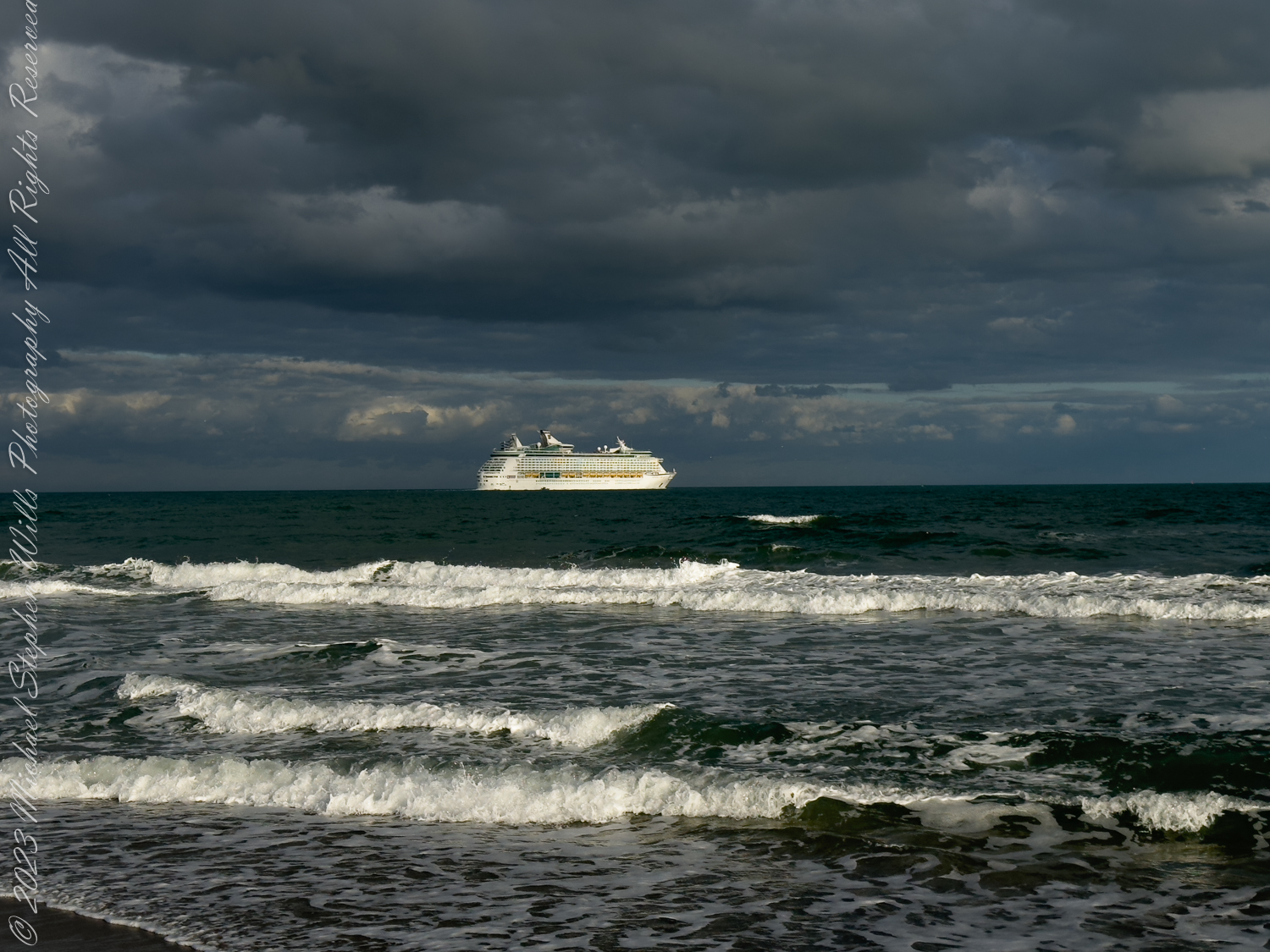
Step onto the sands of Cape Canaveral and witness the majestic departure of the Adventure of the Seas—feel the sea’s call in this tranquil yet vibrant maritime farewell.

As I walk along the stretch of Cape Canaveral Beach, the soft crunch of shells underfoot and the rhythmic lull of the waves create a symphony of natural tranquility. The sand is cool and firm, a consequence of the tide’s playful retreat.

The beach is a canvas of human relaxation. Families are sculpting sandcastles, while others are sprawled on towels, soaking up the hesitant sun that plays peek-a-boo with the clouds. The beachgoers are a mix of the attentive and the oblivious, the latter lost in books or surrendering to the lull of the ocean breeze. Children’s laughter punctuates the air, as unfettered as the seagulls that dance above.

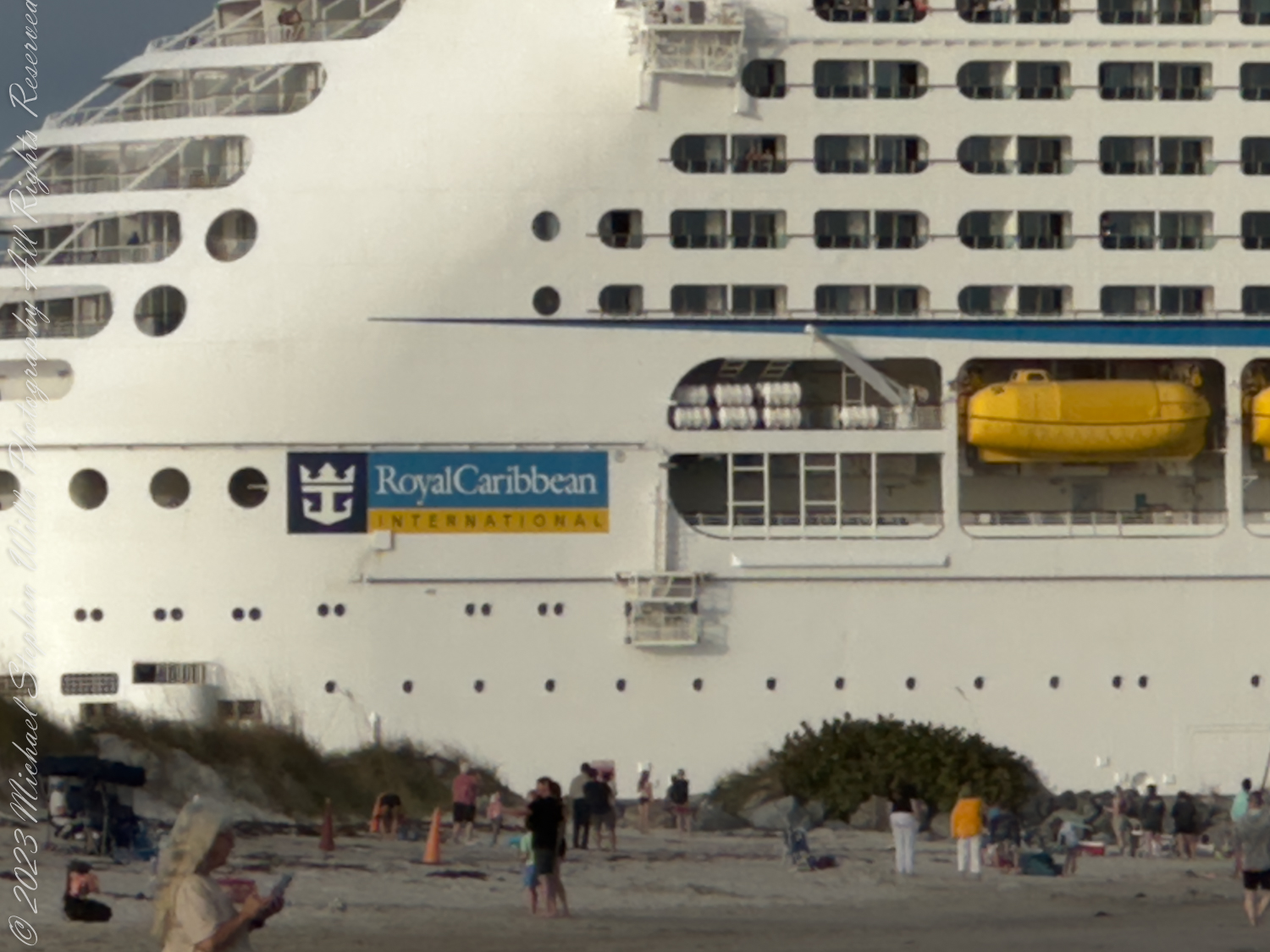
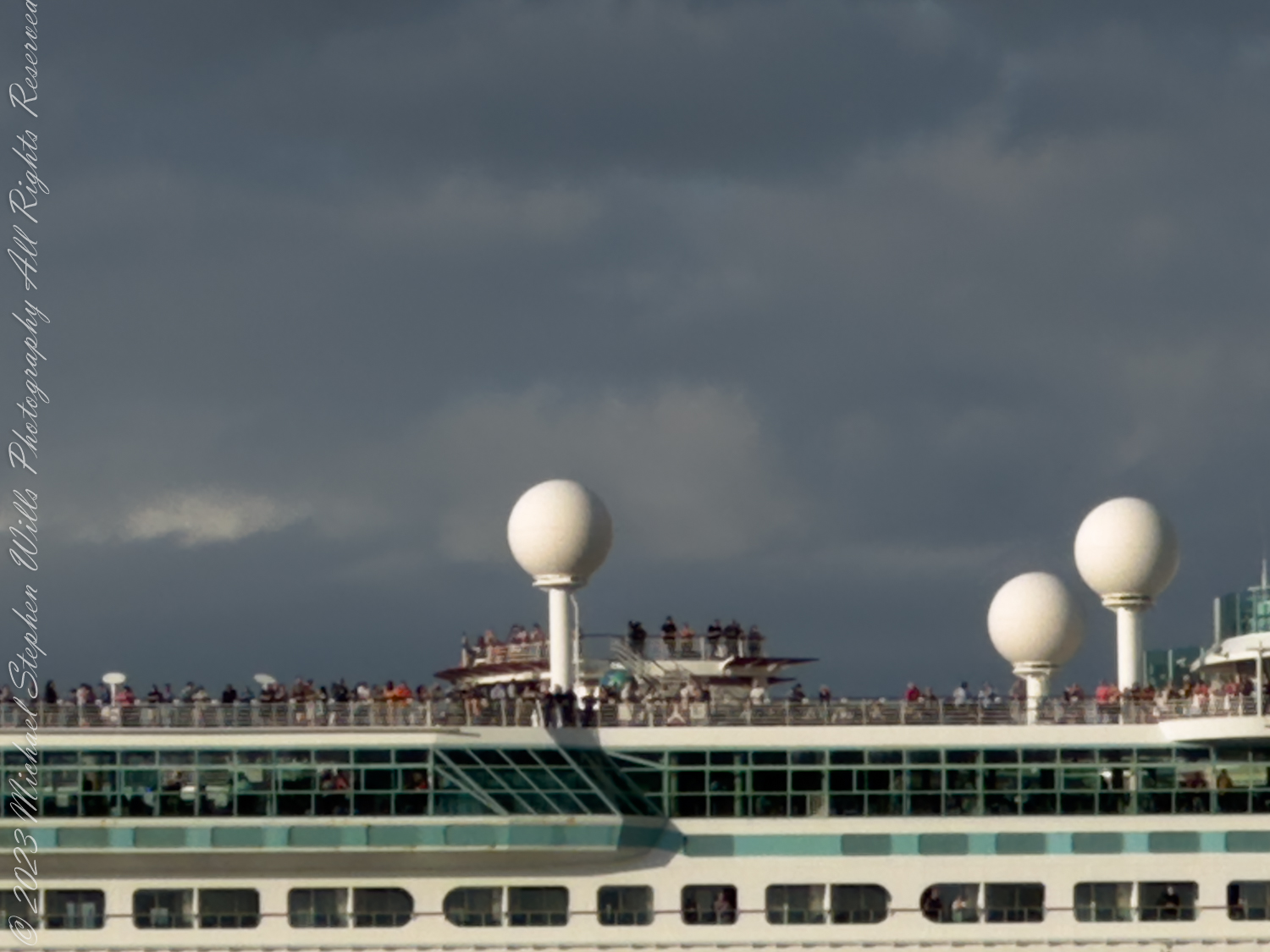
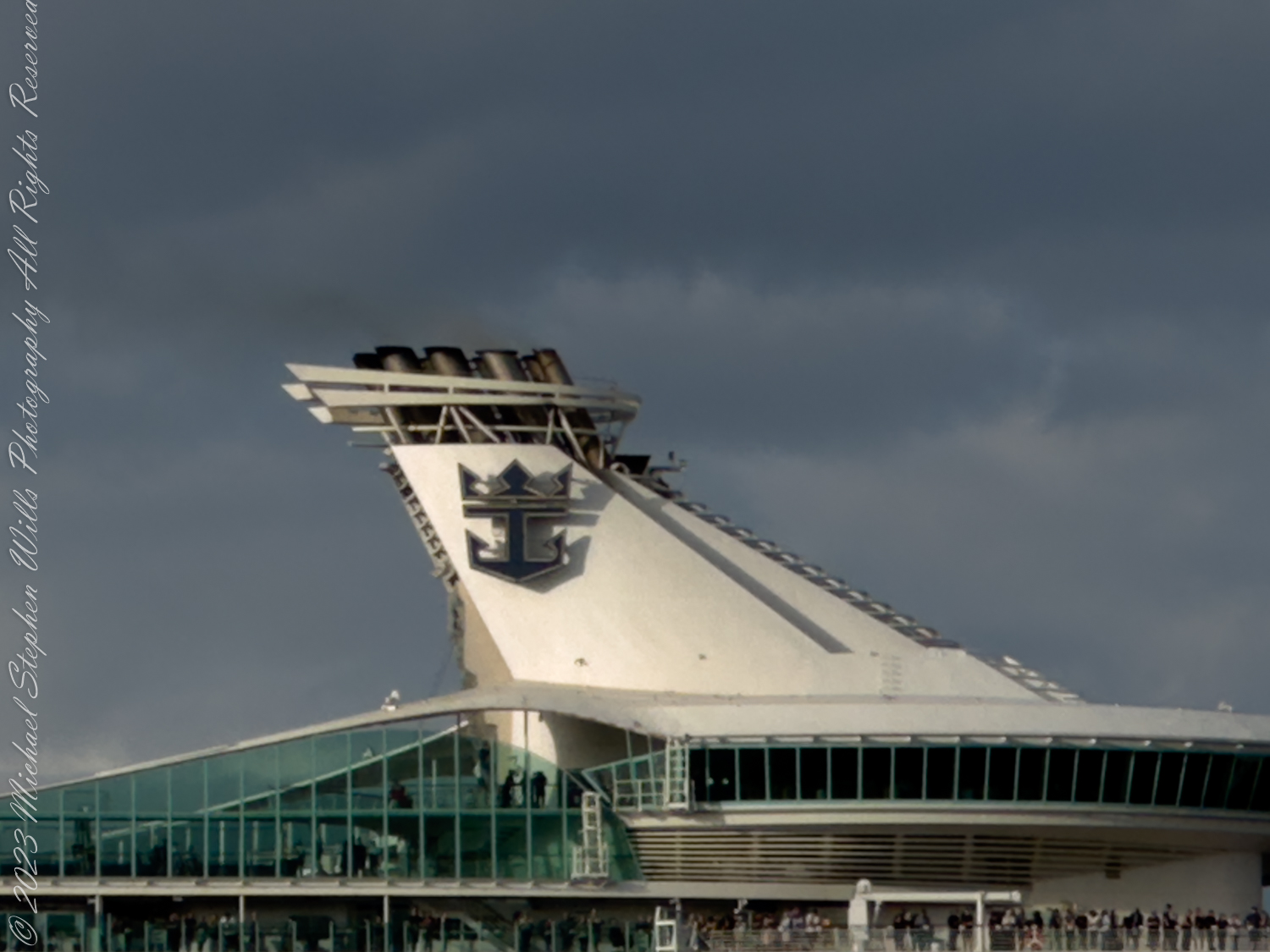
And then, there it is—the grandeur of the ‘Adventure of the Seas,’ a Royal Caribbean marvel, cutting a fine figure, dwarfing the jetty. The juxtaposition is startling. Here on the shore, life is leisurely and measured in moments and tides. Out there, on that floating citadel, time is about to be sliced into days and nights of Caribbean adventure. The ship, immense and sovereign, is like a skyscraper laid on its side, a testament to human ingenuity and the desire to explore beyond the water’s edge.

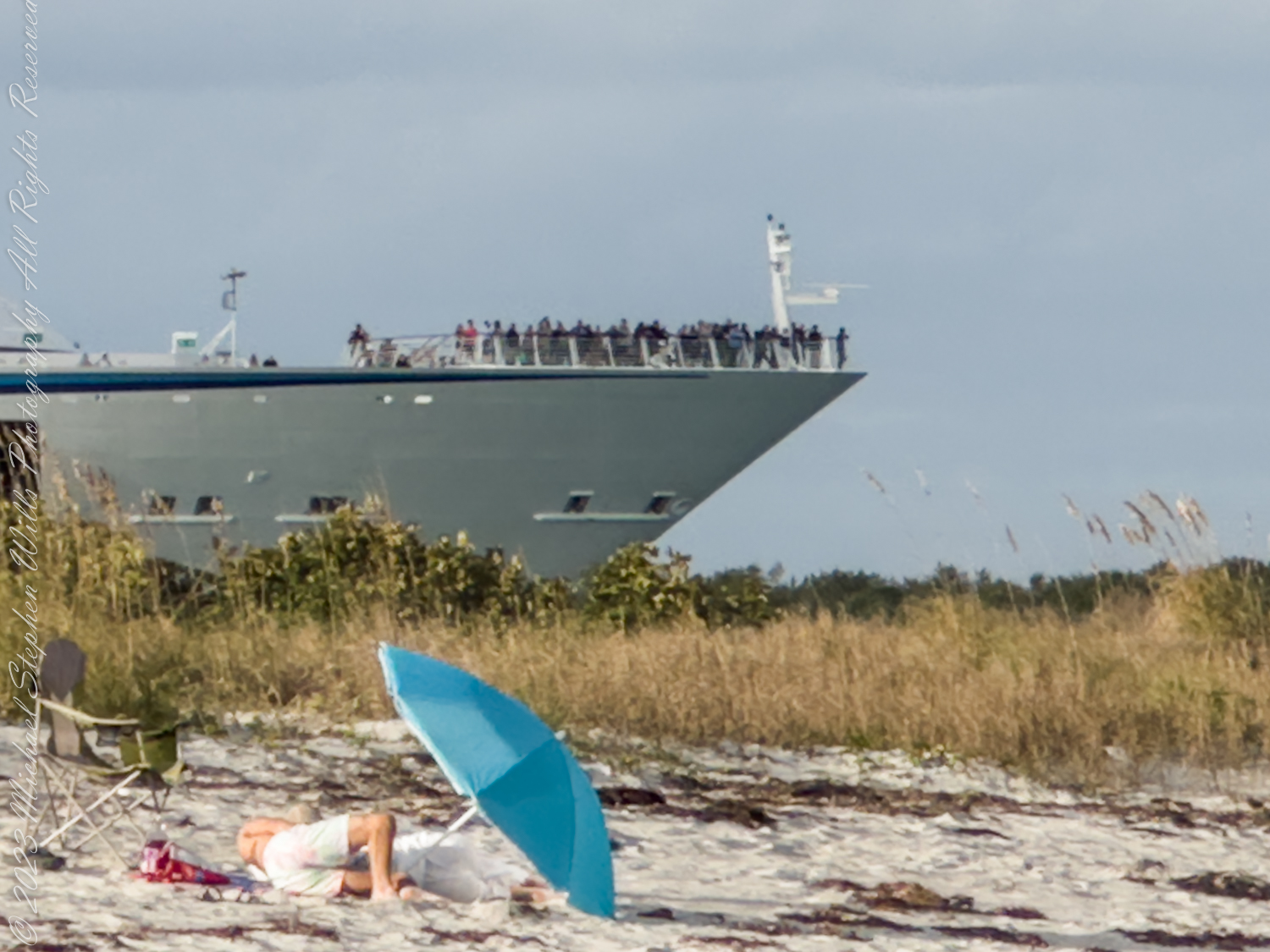
I can’t help but feel small as I watch the ship’s gentle departure, a behemoth gliding on the water with a grace that belies its size. On its decks, the passengers are tiny figures, distant and yet full of stories. Among them stands one passenger on the bow, just outside the safety of the fence—a silhouette against the vastness of the sea. A soul brave enough to step out of the bounds, perhaps seeking a moment of solitude before melding into the ship’s communal tapestry.

The air is laden with the salty tang of the ocean and the murmur of human voices. The beach, a haven of repose, and the ship, a vessel of discovery, create a harmony of contrasts. It’s a poignant reminder of life’s beautiful dichotomies—the stillness and the movement, the familiar and the unknown.

As the ship picks up pace, making its way towards its first destination on an 8-night voyage through the Eastern Caribbean, I’m captivated by the thought of the worlds it will touch. Ports like Labadee, Puerto Plata, and Charlotte Amalie await the footprints of those aboard, each stop an opportunity for stories yet to be written.

I imagine the passengers, soon to be awash in the colors, sounds, and textures of distant lands, while I remain, feet buried in the sand, a keeper of the threshold between land and sea. The vessel’s wake is a fading signature on the water, a reminder of the paths we choose and the adventures we seek.

The last glimpse of ‘Adventure of the Seas’ is a postcard-perfect vision, a snapshot of human endeavor set against the canvas of nature’s immensity. And as it disappears from sight, the beach slowly reclaims its quietude, the momentary disruption of departure ebbing away like the tide.

In the quiet aftermath, I’m left with a sense of wonder and a yearning for the unknown. The ship’s journey has stirred a wanderlust within me, a desire to set sail on my own journey, to find new horizons beyond the comforting embrace of the shore. But for now, I’m content to walk this beach, to carry the image of that grand departure, and to dream of the day when I, too, will step beyond the fence and into the vast embrace of the sea.

Copyright 2024 Michael Stephen Wills All Rights Reserved

Tides of Discovery: A Hawser’s Journey to Cocoa Beach

Discover the mysterious journey of an ocean-worn hawser on Cocoa Beach. Join me in unraveling its sea-tossed tales and the profound messages the tides bring to our shores.

A Serendipitous Morning


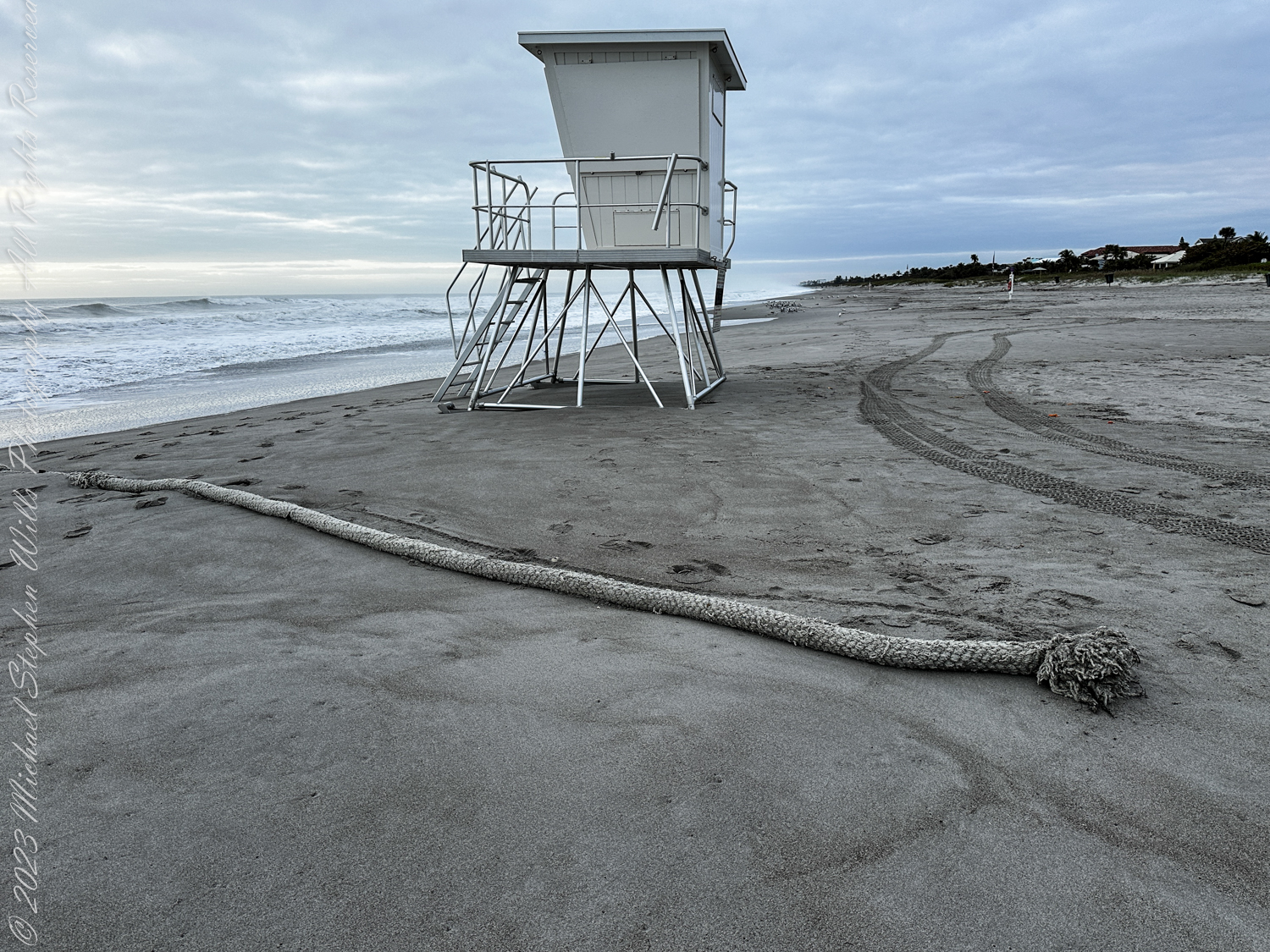
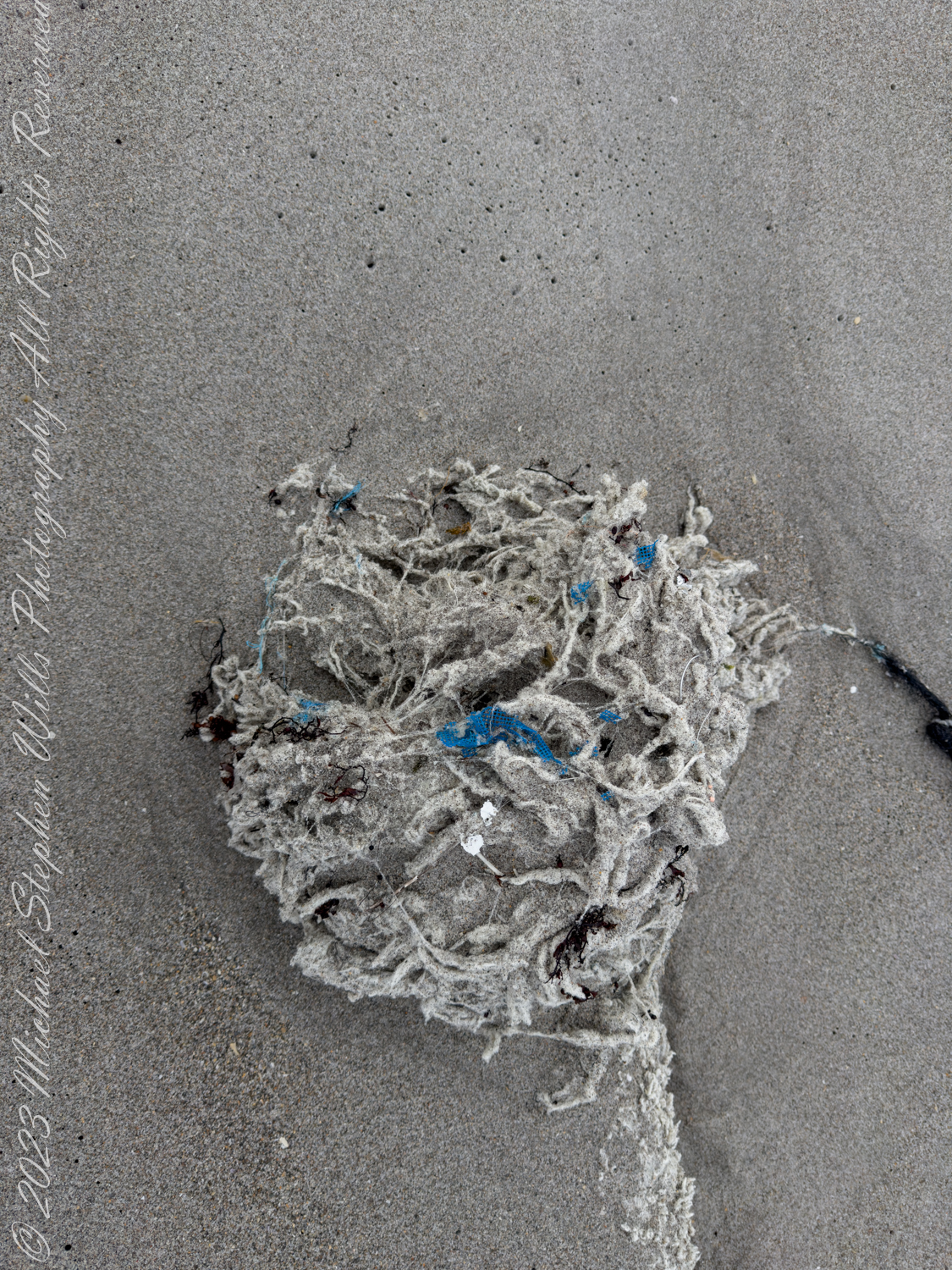
As I strolled along the familiar expanse of Cocoa Beach, a silver mist hung over the horizon, blurring the line where the Atlantic whispered to the skies. My footsteps, a quiet percussion against the hush of dawn, were the only sound until the waves added their chorus. I was here to greet the sunrise, a ritual that never failed to ground me, but today, the ocean had laid out a surprise – a hawser, heavy and worn, beached like a leviathan of the deep.

Cocoa Beach, Brevard County, Florida on the Space Coast

The Relic of the Sea


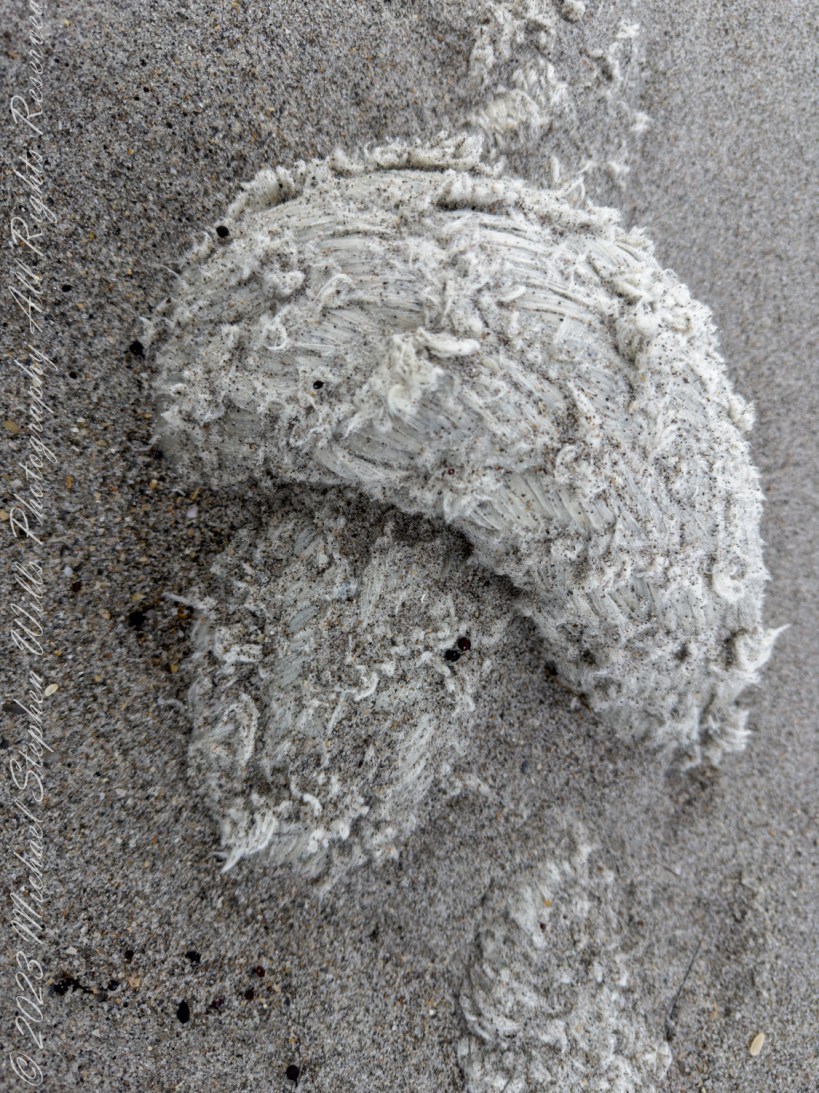
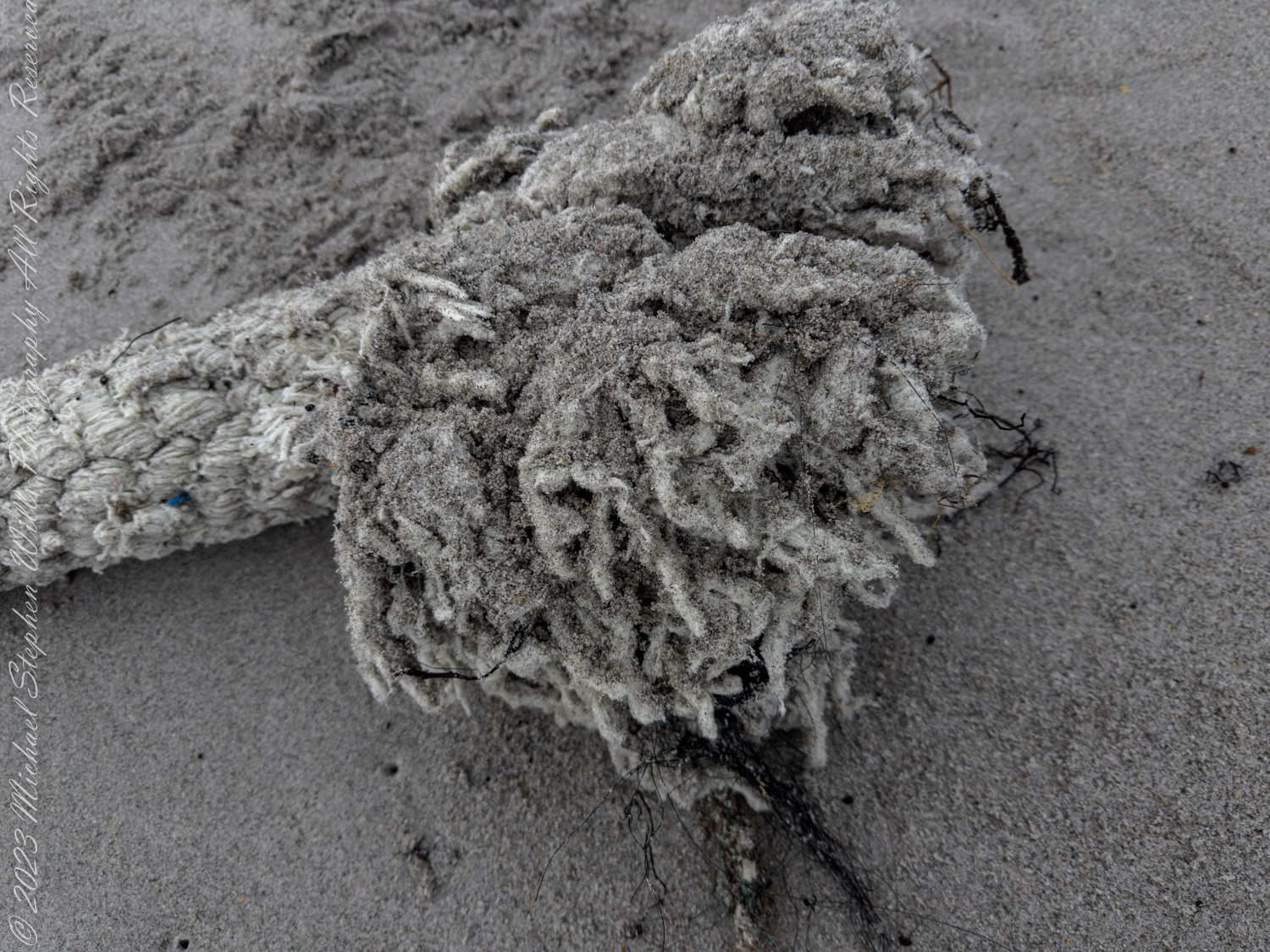
There it lay, a colossal rope, its many fibers frayed and clinging to sand, a testament to its battle with the ocean’s might. This hawser, a lifeline once to vessels that dared to navigate treacherous waters, was now at the mercy of the tides that once heeded its command. I approached, curious, reverence growing within me for this unexpected relic of human endeavor.

The High Tide’s Offering


The hawser’s journey to my path was a story written in the ebb and flow of the tides. The high tide, under the pull of the moon’s invisible hands, had surged with purpose, pushing this massive rope to the shore as its offering. High tides are nature’s way of reaching out, touching the land, and sometimes, they bring gifts from the depths, each with a tale to tell.

A Tapestry of Experiences


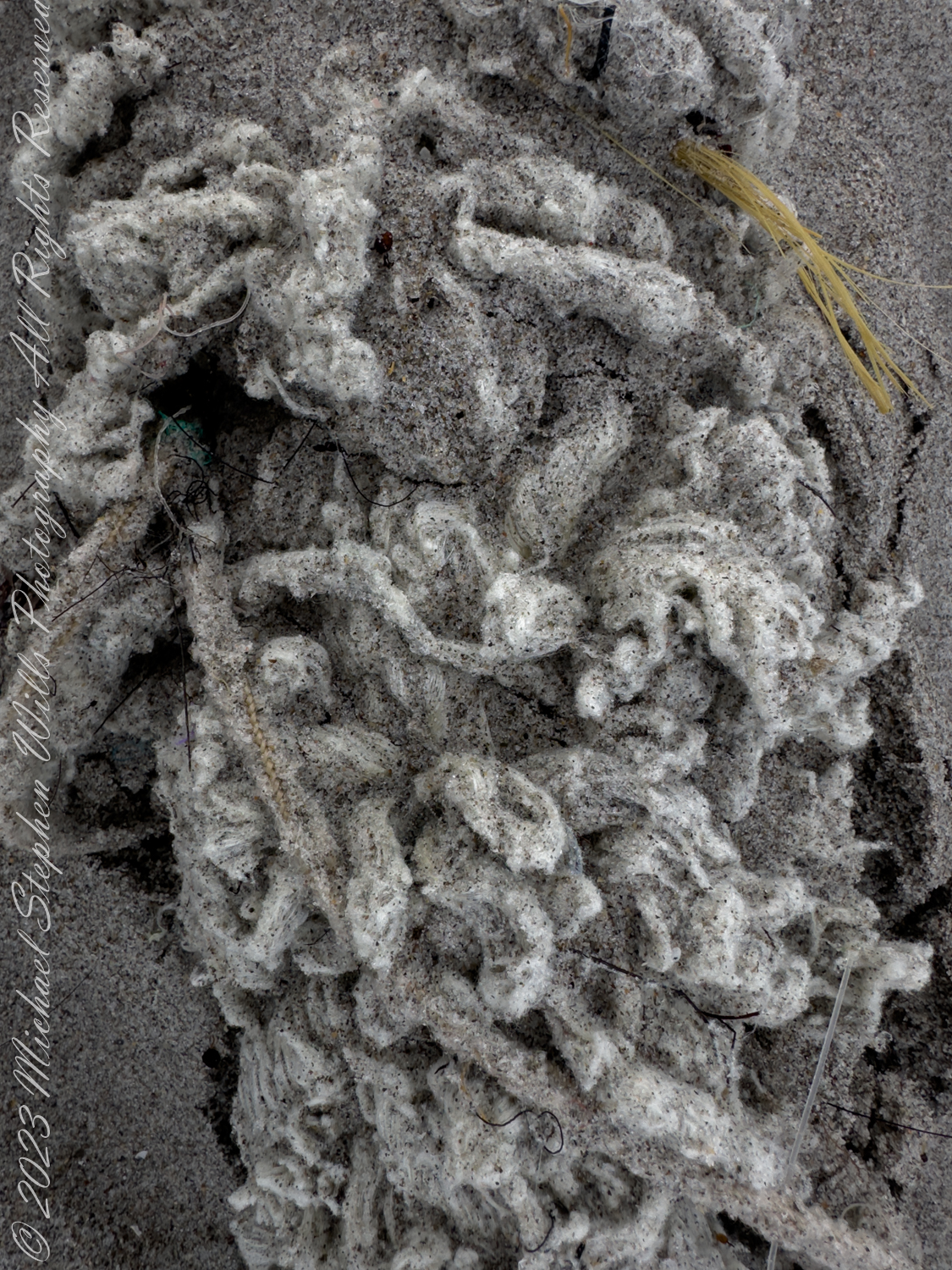
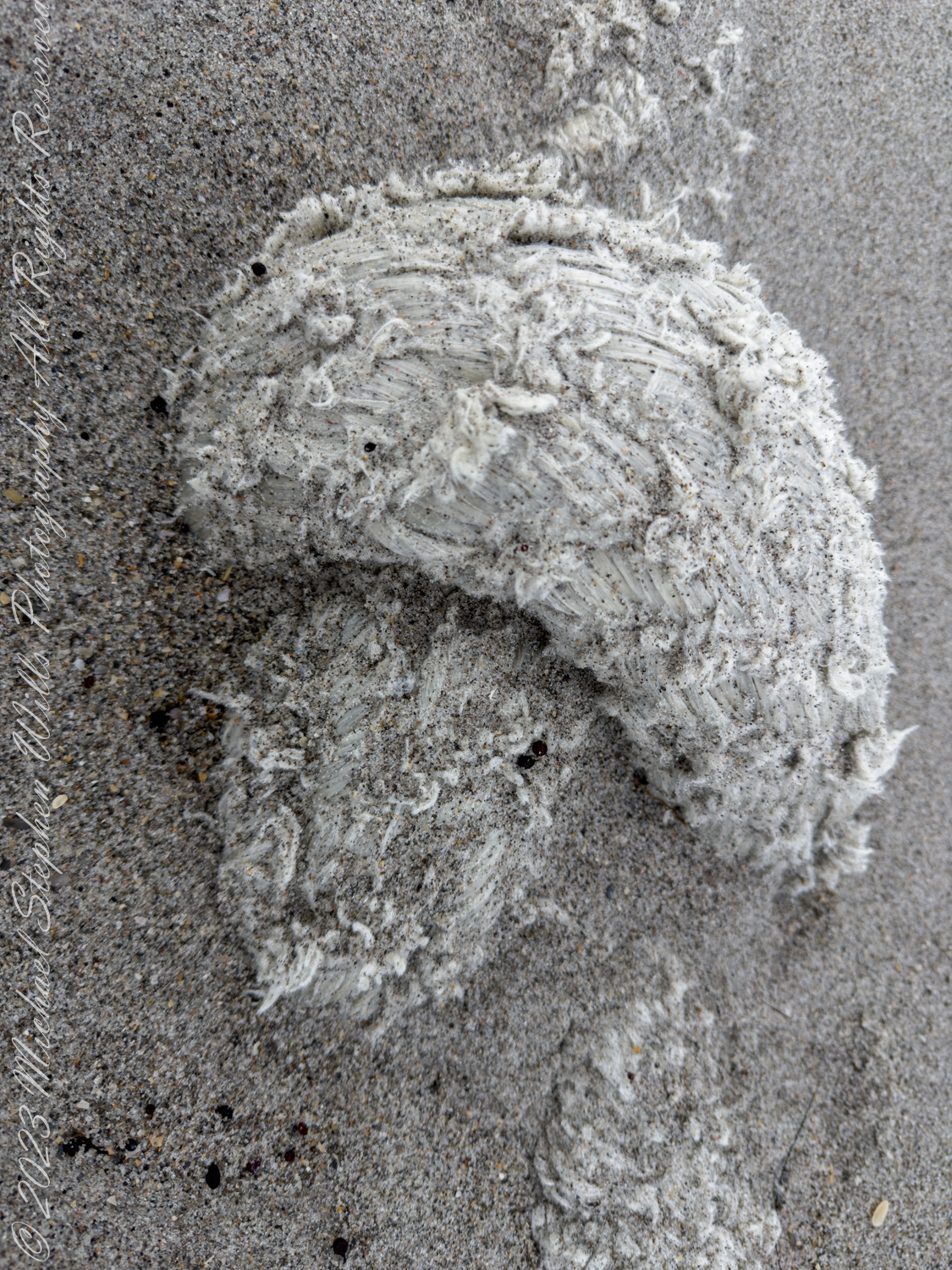
Touching the hawser, I felt connected to the lives it must have touched, the storms it weathered, and the unspoken histories it held. Each thread was a narrative, a voyage, a storm survived. The macro images of the hawser’s frayed ends resembled the intricate work of a natural tapestry – artful, chaotic, yet purposeful. It was a mosaic of experience, and now, it was a part of Cocoa Beach’s landscape.

The Dance of Man and Nature


The hawser at the foot of the lifeguard station stood as a symbol of humanity’s interaction with the mighty sea. We build structures, craft vessels, and forge hawsers, asserting our presence. Yet, the tides remind us of our place within the grand tapestry of nature. Tides dance around our creations, sometimes reclaiming them, other times presenting them back to us, reshaped, redefined.

Reflecting on the Tides


As I sat by the hawser, the sun broke free from the horizon, casting golden hues over the beach. The tide was retreating, pulling back into the ocean’s embrace, leaving behind patterns on the sand, and the hawser – a silent sentinel of the shore. It was a moment of reflection on the power of the tides, the constant cycle of giving and taking, and the marks they leave upon both the earth and our lives.

Conclusion: The Tides of Life


The tides had brought the hawser to Cocoa Beach, and with it, a moment of connection to the vastness of the sea and the shared journeys of all who traverse it. As I walked away, the hawser remained – a fixture until the tide would rise again, perhaps to claim it back or offer another token of the ocean’s depths. The power of the tides is a powerful metaphor for life’s ebb and flow, each wave a new beginning, each retreat a chance to reflect on the imprints left behind.

Copyright 2024 Michael Stephen Wills All Rights Reserved

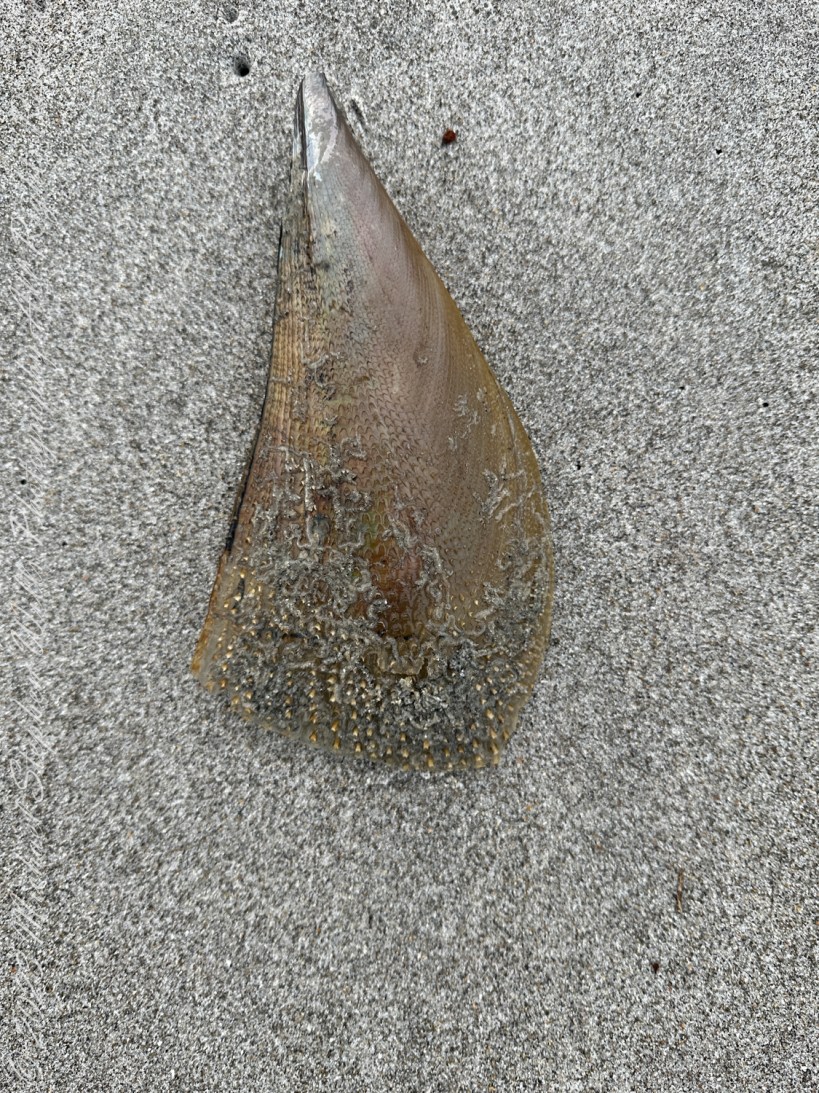
A Complete Atrina rigida found on Cocoa Beach

Join me in reliving the enchanting evening on Cocoa Beach where my wife and I discovered a rare, intact Atrina rigida shell. Dive into the world of this fascinating bivalve through our story of ecological wonder and natural beauty.

Introduction


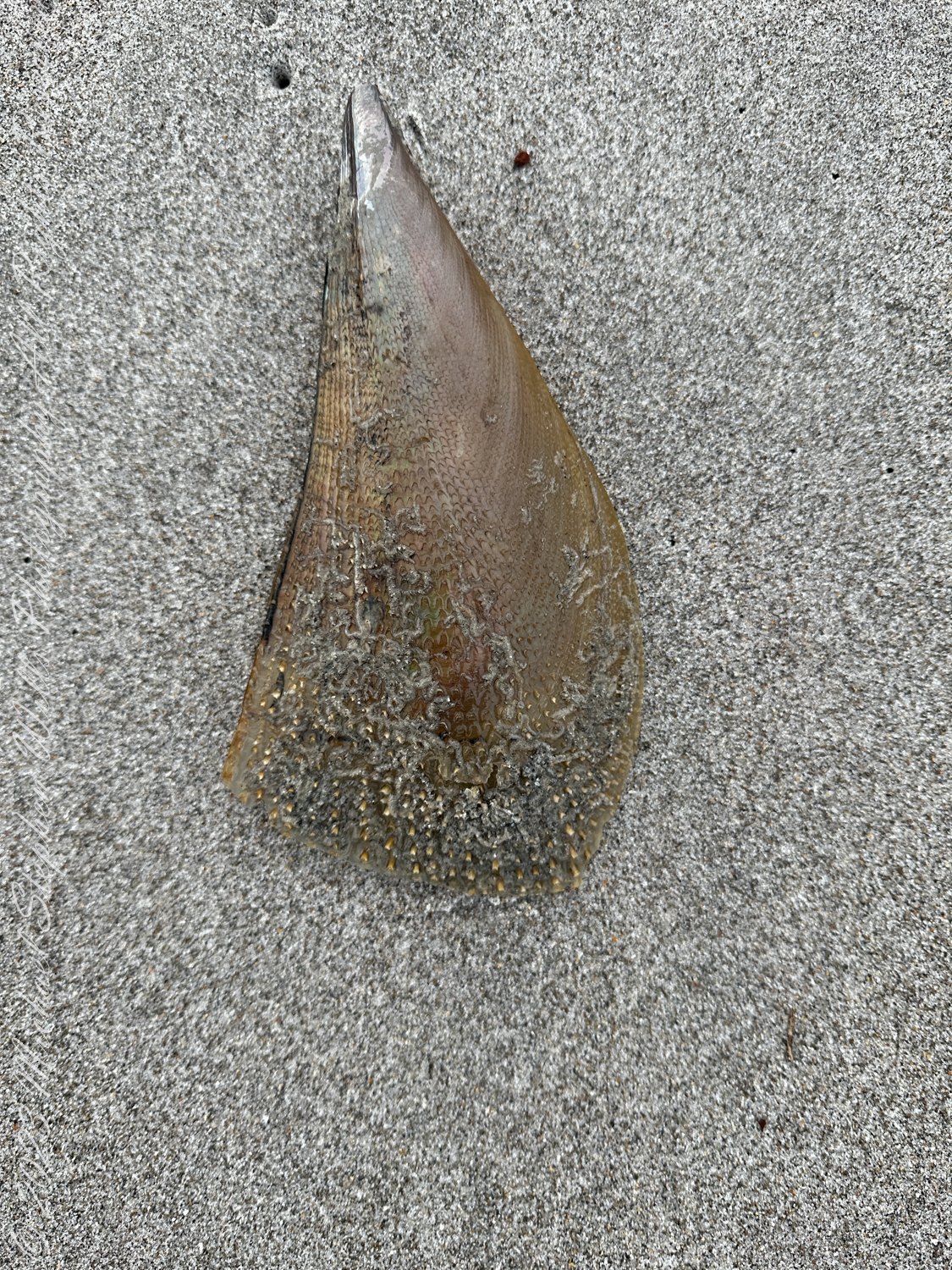
One evening, as the sun dipped below the horizon, my wife Pam and I walked along the Cocoa Beach shore. There, among the relics of the receding high tide, I found a complete shell, a rare occurrence where often only fragments are discovered. This intact specimen was a rigid pen shell, scientifically known as Atrina rigida, its 6-inch length and 4-inch width a testament to its resilience in the face of the ocean’s might.

A Rigid Pen Shell (Atrina rigida). These bivalves are found in sandy or muddy substrates in shallow waters and are characterized by their triangular shape and distinctive long, pointed end. This specimen is about 6 inches long, 4 inches wide.

Etymology and Common Name


The scientific name ‘Atrina rigida’ is steeped in Latin origins, with ‘atrium’ suggesting a ‘hall’ and ‘rigidus’ denoting ‘stiff.’ This nomenclature reflects the shell’s hardy structure, reminiscent of a grand hall’s architecture, standing firm against the elements. The common name “Pen Shell” draws from the shell’s elongated, pen-like appearance when it stands vertically in the sand, resembling antique writing quills used in centuries past.

Ecology and Habitat


The rigid pen mollusk burrows as it grows, but the wide posterior end of the shell always remains exposed so water from above the seafloor can be drawn through the inhalant chamber of the mantle cavity. Typical of bivalves, water is drawn over gills or ctenidium by the beating of cilia where oxygen from the water is absorbed. Suspended food and other water-borne nutrients also become trapped in mucus, which is then transported to the mouth, digested and expelled as feces. Unique gutter-like waste canals in the viscera of the inhalant chamber also help to keep gills and other organs clear from silt and other unwanted water-borne particles by expelling these as pseudofeces. Its anterior end is typically buried in fine substrate and attached by byssal threads, with its wider posterior gaping end extending just above the sea bottom surface to facilitate filter-feeding. Algae (e.g. Lobophora variegata) and invertebrates such as sponges and encrusting corals tend to grow on the exposed part of the shell and may camouflage it very well.” [1]

Rarity of a Whole Pen Shell


Typically, one finds only broken shards of these shells, the complete forms often victims to the ocean’s relentless energy or human activity. The intact shell I found lying atop the sand was therefore a unique and precious find, its wholeness mirroring the unbroken evening calm.

The Beauty of Nacre and Sea Silk


Look inside a rigid pen shell to find a hidden treasure: the nacre, or mother-of-pearl, lining the interior. This lustrous, iridescent layer is typically found on the inner surface, a stark contrast to the rough exterior. The nacre’s smooth, reflective quality has made pen shells a source of ornamentation throughout history, their beauty extracted from the depths to adorn human creations.

Sea silk is an extremely fine, rare, and valuable fabric that is made from the long silky filaments or byssus secreted by a gland in the foot of pen shells (in particular Pinna nobilis). The byssus is used by the clam to attach itself to the seabed.

Sea silk was produced in the Mediterranean region from the large marine bivalve mollusk Pinna nobilis until early in the 20th century. The animal, whose shell is sometimes almost a metre long, adheres itself pointed end down to rocks in the intertidal zone using a tuft of very strong thin fibres. These byssi or filaments (which can be six centimeters long) are spun and, when treated with lemon juice, turn a golden color, which never fades.

The cloth produced from these filaments can be woven even more finely than silk, and is extremely light and warm; it was said that a pair of women’s gloves made from the fabric could fit into half a walnut shell and a pair of stockings in a snuffbox. The cloth attracts clothes moths, the larvae of which will eat it.

Pinna nobilis is also sometimes gathered for its edible flesh and occasional pearls of fair quality.” [2]

Location and Personal Impact


Our discovery on Cocoa Beach, a location known for its diverse marine life, added to the sense of connection with the natural world. The shell’s journey to rest upon the sand, whole and unblemished, felt like a shared secret between the ocean and us, a fleeting glimpse into the life of a creature whose home is often hidden beneath the waves.

Conservation and Reflection


This encounter with a complete Atrina rigida emphasizes the importance of marine conservation and protecting such fragile ecosystems. It serves as a poignant reminder of our responsibility to the environment and the need for collective action to preserve the ocean’s myriad inhabitants.

Conclusion


Finding a whole rigid pen shell amidst our peaceful walk was an extraordinary event that transcended mere chance. It provided a moment of awe, an opportunity to marvel at the elegance of nature’s design, and a reminder of the delicate balance that exists within our planet’s ecosystems. This intact Atrina rigida from Cocoa Beach will forever symbolize the enduring beauty and complexity of the marine world.

References
  1. Wikipedia articles for “Atrina rigida,”
  2. and “Sea Silk.”

Copyright 2024 Michael Stephen Wills All Rights Reserved

Above the Finger Lakes: A Winter’s Eve Flight

Joint me to gaze out upon a mesmerizing view of winter’s embrace over the Finger Lakes, where the setting sun paints an ephemeral masterpiece of ice, water, and twiligh

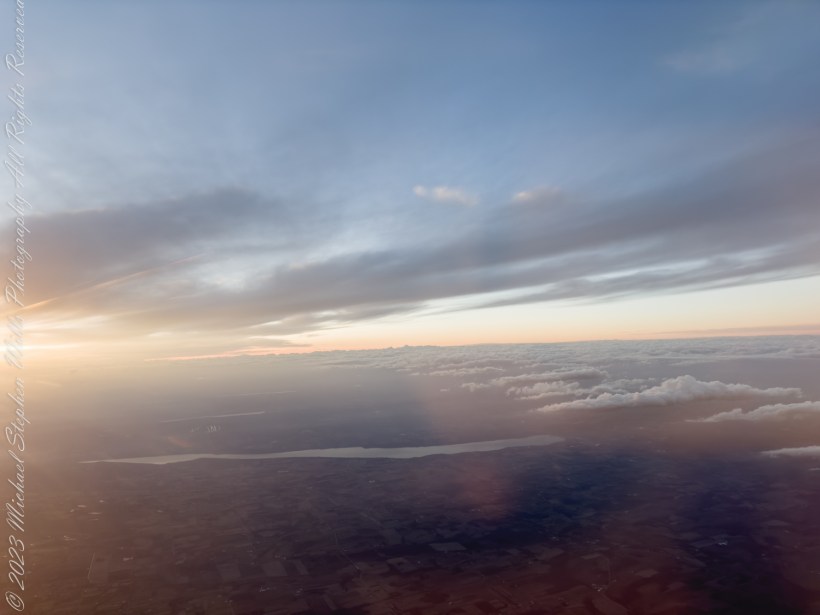
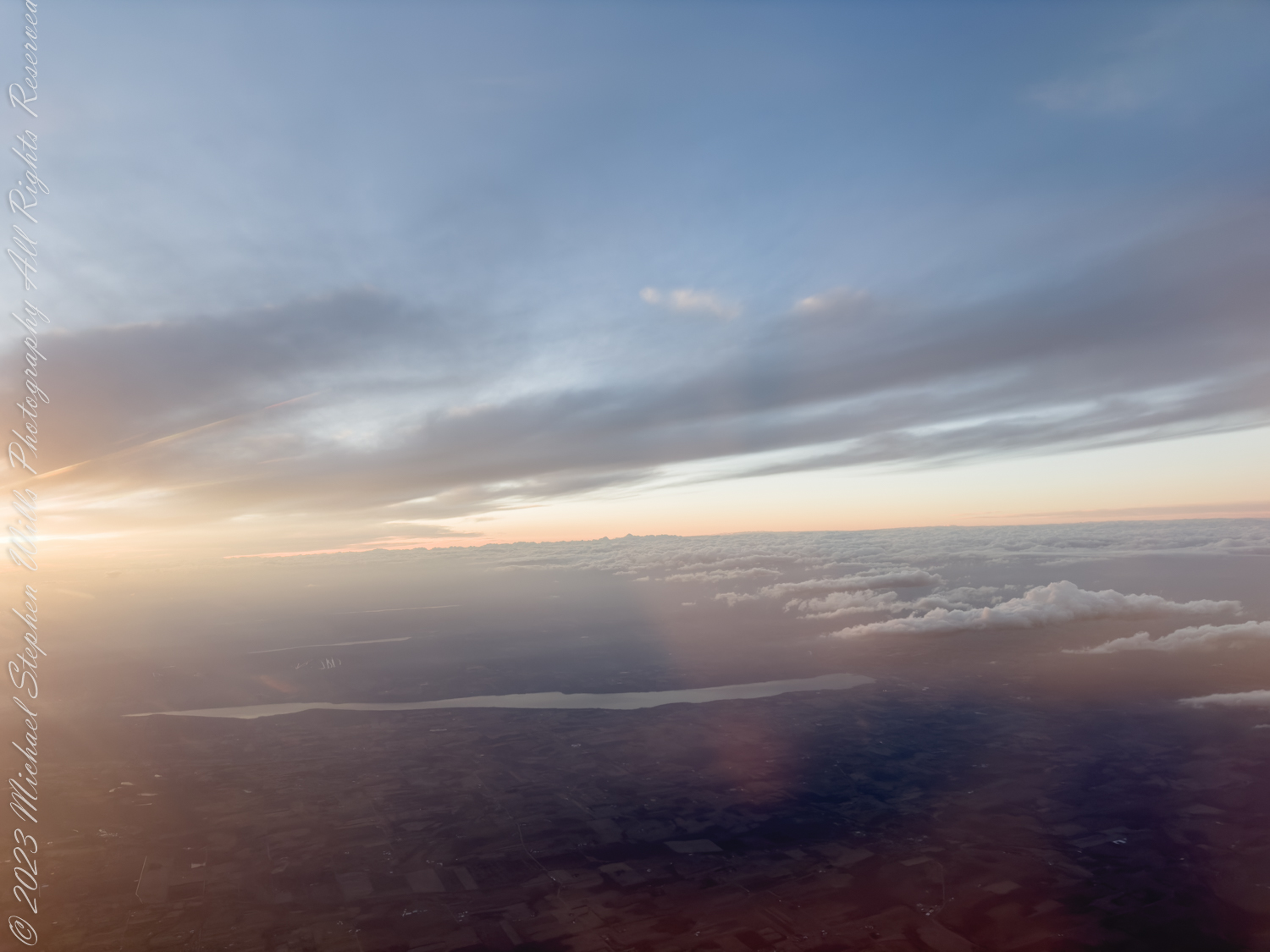
As I soared into the heavens, bound for Syracuse on the 9th of February in the year 2024, I found myself cradled in the gentle embrace of the port side of our metal chariot. The world unfolded beneath me; a tapestry of natural splendor painted in the golden hues of the setting sun. The view to the west, a grand panorama, beckoned my gaze, luring my senses into the wild embrace of Upstate New York’s finest landscapes.

Flying into Syracuse, February 9, 2024 we sat on the left (port) side of plane, this view to the west took in Canandaigua Lake, Bristol Mountain Ski Area, Honeoye Lake, Hemlock Lake (Canadice Lake is not visible).

Below, Canandaigua Lake lay stretched out like a slumbering giant, its waters glistening with the last kisses of daylight, a mirror to the sky’s fiery canvas. How wondrous it was to perceive the world from such heights, to witness the lake’s serenity from the abode of the gods. It seemed as if Canandaigua herself was remembering whispered tales of ice fishermen and quiet boathouses locked in the winter’s frosty grasp.

Off to the south, the proud shoulders of Bristol Mountain Ski Area rose in defiance against the winter’s chill. The mountain’s snow-laden slopes, carved with the meticulous precision of skiers and snowboarders, reflected the sun’s dying light, a beacon of winter’s joy amidst the sprawling lands. I could almost hear the muffled laughter of families and the swish of skis carving their ephemeral signature upon the mountain’s white canvas.

Nestled in the mountain’s shadow, Honeoye Lake revealed itself, a slender and unassuming sliver of tranquility. Its presence was like that of a quiet companion amidst the grandeur, a reminder of the simpler pleasures—frozen waters awaiting the spring thaw, the promise of lush greenery peering from beneath the white shroud of winter.

Beyond, where the earth kissed the sky, Hemlock Lake offered its secluded beauty, a hidden gem amongst its more renowned siblings. Though Canadice Lake remained shyly concealed from view, I knew it too slumbered there, a silent sentinel guarding the land’s secrets. Together, these lakes stood as custodians of a silent world, the guardians of a tranquility that seemed untouched by the passage of time.

As the plane banked gently, the clouds above me caught fire, ablaze with the colors of the dying day. Wisps of vapor painted streaks of orange, purple, and pink across the expansive canvas, a celestial masterpiece unfolding before my very eyes. The clouds seemed to dance with the joy of existence, a choreographed performance to the symphony of the setting sun.

I found myself lost in the moment, a solitary figure suspended between heaven and earth, caught in the embrace of an ephemeral beauty. The world below whispered of untold stories, of winters past and springs to come, of the endless cycle of life that pulsed beneath the frost. It was a moment of profound connection, a fleeting communion with the heartbeat of the planet.

A Raft of Coots on Merritt Island

Discover the elegance of the American Coot through our journey at Merritt Island, where these unsung avians dance across the water, crafting nature’s own symphony of survival and grace.

First Glimpse

There we were, Pam and I, standing before the serene waters of the Merritt Island National Wildlife Refuge, when a cluster of American Coots (Fulica americana) caught our eyes. Locally known as mud hens, marsh hens, or pond ducks, these coots were anything but mundane. Their dark plumage blended with the ripples, while their ivory bills gleamed like beacons, leading our gaze across the liquid expanse.

The Coot’s Constellation

As a throng, they moved with purposeful grace, a constellation of birds, each a star in their own right. With lobed toes spread like aquatic fans, they paddled through the water, their movements an embodiment of nature’s ingenuity. These “poule d’eau,” as the French settlers once called them, displayed a mastery over their domain, both in water and on land.

Social Weave

A Raft of American Coots

The coots assembled not as a random flock but as a deliberate collective, a raft in both name and function. They maneuvered with a collective intelligence, each bird’s action rippling through the group, exemplifying the coots’ penchant for community. Their group dynamics, a blend of cooperation and competition, painted a picture of the delicate balance within ecosystems.

An Ecological Perspective

In the tapestry of the refuge’s ecology, the American Coot stitched its niche with precision. Whether known as “baldpate” or “crow duck,” these birds were critical to the habitat they frequented, acting as both consumers and contributors. They pruned the vegetation, controlling its growth, and served as prey, connecting the food web in a cycle that spanned generations.


The Taxonomic Twist: Coots vs. Ducks

As the coots continued their ballet on the water, I turned to Pam, ready to demystify the common misconception that coots and ducks are close relatives. “Though they share the wetland stage,” I began, “these two are cast in different roles by nature’s hand.”

Orders Apart

Coots are members of the order Gruiformes, which includes rails and cranes, characterized by their elongated bodies and short wings. Ducks, on the other hand, belong to the order Anseriformes, which also encompasses swans and geese, known for their broad, flat bills and webbed feet.

Distinct Lineages

This taxonomic separation marks a deep evolutionary divide. The Gruiformes, with their lobed toes and distinctive calls, represent a lineage adapted for a life traversing the marshy edges of the world. Anseriformes, with their specialized bills for filtering and dabbling, reveal a lineage fine-tuned for exploiting the aquatic resources more extensively.

The Cultural Mosaic

Despite their commonality, coots have etched a place in cultural folklore, often overshadowed by more colorful avian neighbors. Yet, their ubiquity across North American wetlands has made them a familiar sight, a symbol of the wild’s persistent pulse. To us, they were the embodiment of the unsung wilderness, a chapter in the storybook of natural history.

Embracing the Ensemble

As the day waned, the water transformed into a canvas of orange and purple hues, with the coots as its subjects. “Behold the marsh’s musicians,” I mused to Pam, “each note they play is a beat in the heart of the wild.” Our encounter with the American Coot—a bird of many names but one singular, remarkable essence—was a harmonious reminder of nature’s interconnected ballet.

Copyright 2024 Michael Stephen Wills All Rights Reserved

The Impermanence of Human Constructs and the Forces of Nature

Discover the fleeting artistry of sand castles and the mighty forces of tides sculpted by the moon’s dance. Explore the impermanent intersection of human endeavor and nature’s rhythm.

Introduction


The photographs of a sand castle at Cocoa Beach, Florida, present a clear depiction of the transitory nature of human-made structures in the face of natural forces. This discourse will explore the before and after states of a sand castle through high tide, examining the interplay between human endeavors, the tides influenced by the moon’s phases, and the inevitable passage of time.

The Sand Castle: A Testament to Human Creativity


The initial photograph captures a sand castle in its pristine condition, with detailed turrets, walls, and the decorative placement of shells. This creation is a testament to human creativity, ingenuity, and the desire to imprint our presence on the natural world. Sand castles, often built by children or families, represent the joy of craftsmanship and temporary beauty.

Tides and the Moon: Celestial Influence on Earth’s Waters


Tides are long-period waves that move through the oceans in response to the gravitational pull exerted by the moon and sun. The gravitational forces of these celestial bodies generate tidal forces, which cause Earth—and its water—to bulge out on the side closest to the moon and the side directly opposite. This bulging of water results in high tides.

The moon’s phases, from new moon to full moon and back, play a crucial role in the magnitude of tides. During the full moon and new moon—times known as spring tides—the sun, moon, and Earth form a line, resulting in the combined gravitational pull of the moon and sun, causing higher than average tides. In contrast, during the first and third quarters of the moon, or neap tides, the sun and moon are at right angles to each other, which moderates the tidal effect.

The High Tide: Reclaiming and Reshaping


The second photograph shows the aftermath of a high tide on the sand castle. The rising water has eroded the structure, diminishing its form and washing away its distinct features. The tide does not discriminate in its impact; it is a natural, cyclic event that reshapes coastlines and affects human and ecological systems alike. The high tide symbolizes nature’s reclaiming of human-made imprints, demonstrating the impermanence of our works against the relentless forces of nature.

Passing Time: The Ultimate Sculptor


Time is the ultimate sculptor, working incessantly through agents like wind, water, and biological processes. The eroded sand castle in the second photograph is a reminder of the ephemeral nature of all things. The structures we build, no matter how strong or well-designed, are subject to decay and dissolution over time. The sand castle’s fleeting existence underscores the concept that time, coupled with natural forces, will eventually return human creations back to their elemental forms.

Conclusion


The before and after states of the sand castle serve as a poignant illustration of the dialogue between human endeavors and the immutable forces of nature. While the tides, governed by the moon’s gravitational pull, are predictable, their effects are a constant reminder of the transient nature of human constructs in the grand scheme of time and nature’s cycles. As we appreciate the beauty of temporary creations like sand castles, we also learn to respect the power of the natural world and the passage of time that shapes our existence.

Whispers in the Mist: A Space Coast Dawn

Embark on a serene journey through a fog-enshrouded Cocoa Beach at dawn. Feel the mystique of Florida’s Space Coast in this introspective walk captured in poignant blank verse.

Upon Cocoa Beach, in morning’s gentle embrace,
The world lies shrouded in a silken fog’s lace.
Soft sands whisper ‘neath my solitary feet,
As dawn’s quietude and ocean’s breath meet.

The sky, a canvas of muted grey,
A prelude to the coming of day.
The air, cool and moist upon my skin,
A tender caress, a whispering kin.

The steeple rises, a ghostly spire,
Amidst the mist, it stands, silent and dire.
Palm trees sway with a rhythmic grace,
In this hazy realm, time slows its pace.

A hammock hangs, still and forlorn,
Awaiting the laughter of a day reborn.
Houses peek, their outlines blurred,
In this soft world, all is unstirred.

The sea’s soft roar, a distant sound,
A symphony in the fog, profound.
I walk, and my thoughts begin to roam,
In this misty morning, I find a home.

The light grows, a gradual birth,
As the sun climbs to illuminate the earth.
The fog begins to lift, to rise,
Revealing the awakening of the skies.

Yet, in this moment, I am alone,
A soul adrift in a world of its own.
Here, where space and time coast,
I am but a specter, a fleeting ghost.

Copyright 2024 Michael Stephen Wills All Rights Reserved

Between Dunes and Discovery: Embracing History at Kennedy Space Center

Explore Cape Canaveral National Seashore and Kennedy Space Center with us, where pristine beaches meet the legacy of human space exploration, and feel the awe of standing where history was made.

A Journey Through Time and Space: Our Visit to Cape Canaveral National Seashore and Kennedy Space Center

As we arrived at the pristine shores of Playalinda Beach within the Canaveral National Seashore, the gentle whisper of waves against the shoreline beckoned us. The sun kissed the horizon, casting a warm glow across the 24 miles of untouched, protected coastline that lay before us. Here, on the east coast of Florida, where crystal-blue waters embrace the shell-laden sands, we found ourselves at the intersection of natural beauty and human achievement.

Shell of the Moon Snail (Naticidae) found in the surf wash.

The Serenity of Playalinda

We strode along the boardwalk, passing through dunes adorned with sea oats, to find our spot upon the soft sands of Playalinda. The beach, known for its tranquility and the chance to observe a vibrant array of wildlife, offered us a moment of peace. With no distractions—no concessions, no showers, just nature—we were able to disconnect from the world and reconnect with the earth. From our vantage point, the Merritt Island Wildlife Refuge across the water was a haven for migrating birds, dolphins, and, with some luck and the right season, sea turtles nest on the beach itself.

Witness to History: The Apollo 11 Legacy

But it wasn’t just the natural allure that drew us here. Playalinda holds a unique position, offering an unobstructed view of the historic launch pads of Kennedy Space Center, where Apollo 11 began its monumental journey to the Moon. As we walked south towards the fence bordering the Space Center, the anticipation built within us. Here, we were tracing the footsteps of giants, those brave astronauts who dared to venture into the unknown.

The Vistas of Exploration

Each step brought us closer to the site where humanity took one of its most significant leaps. Gazing upon the launch complex from the fence, we were reminded of the powerful forces harnessed to break the bonds of gravity. Imagining the roar of the engines, the earth-shaking vibrations, and the fiery ascent of the Saturn V rocket, we felt a deep connection to the past and a sense of awe for the pioneering spirit that propelled us into a new era of exploration.

Reflections Amidst the Dunes

As we wandered back along the beach, the foam of the ocean’s edge lapping at our feet, we reflected on the duality of our surroundings. Here, in this place of quiet solitude, we also stood at the forefront of human innovation and ambition. The juxtaposition of the peaceful beach with the technological marvels just a stone’s throw away was not lost on us.

Our journey to the Cape Canaveral National Seashore and the Kennedy Space Center fence was more than just a visit to a beach or a historic site; it was a pilgrimage to a place where dreams materialize and reach for the stars. It was here that we came to understand the full spectrum of emotions that accompany great achievements—the hope, the fear, the triumph.

Conclusion

Our visit to the Cape Canaveral National Seashore and the Kennedy Space Center was an experience that will linger in our memories for years to come. It was a reminder of what we can achieve when we are united by a common goal, and it filled us with pride and optimism for the future. As we looked back one last time, the setting sun seemed to whisper a promise of the wonders yet to come, both here on the shores of Playalinda and in the vast expanse of space that awaits us.

Copyright 2024 Michael Stephen Wills All Rights Reserved