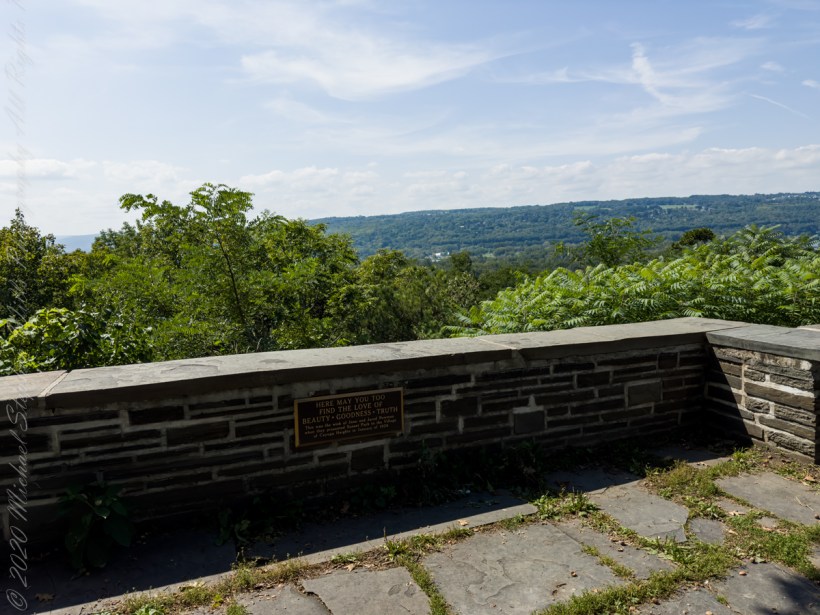
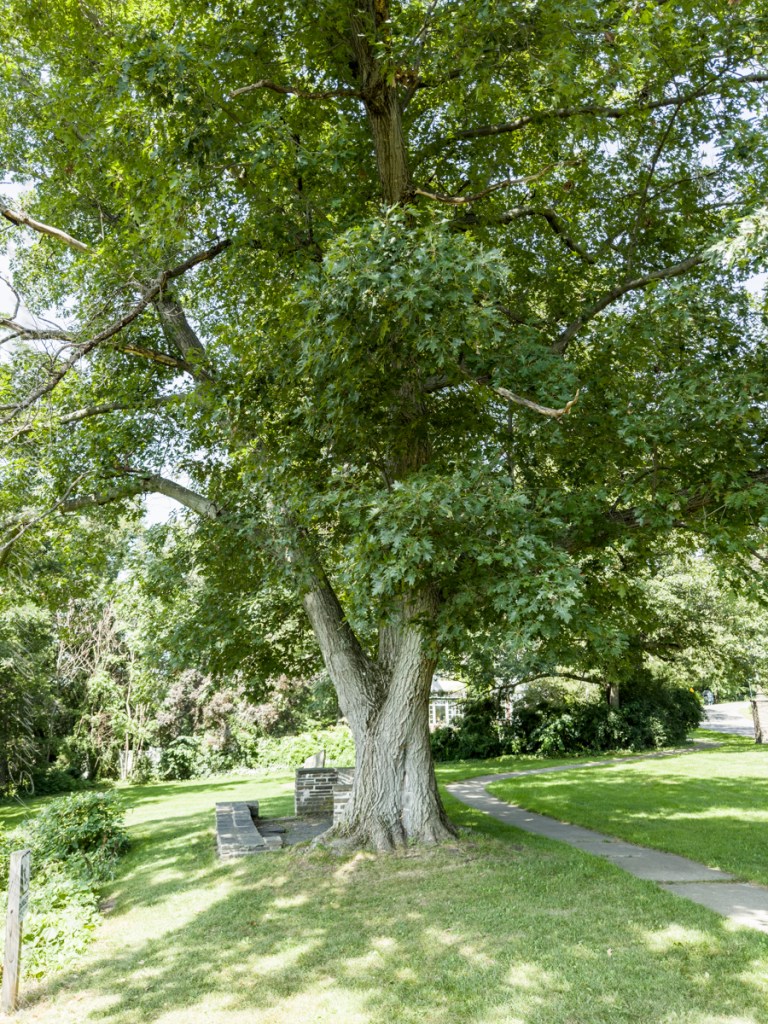
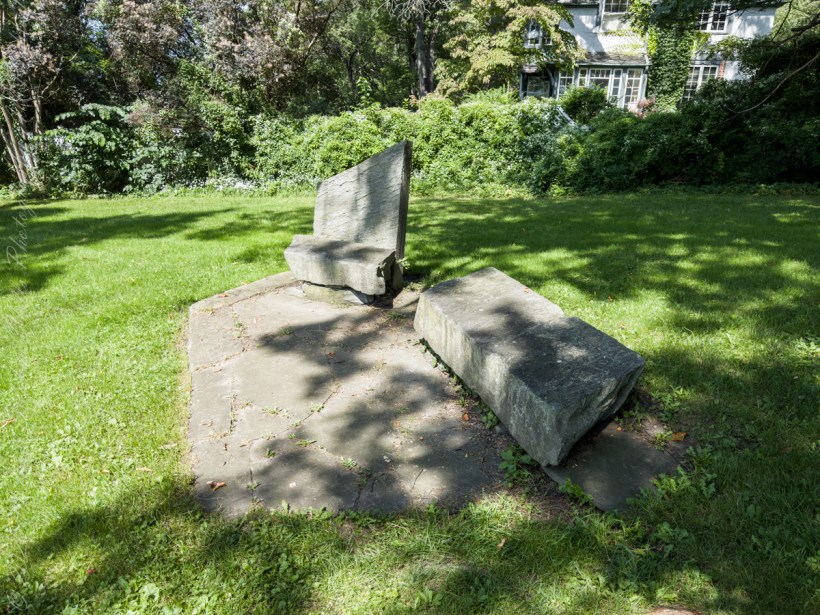
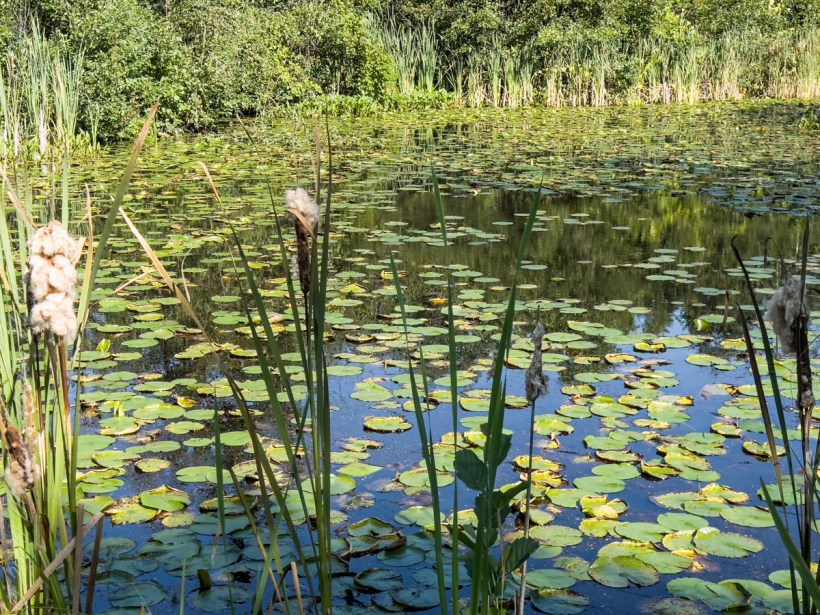
After living here since 1986 I discovered this Cayuga Heights park on a warm early September day, 2023.
Looking across Cayuga Lake, not visible in the valley, to West Hill.
Plaque inscription: “Here may you too find the love of beauty, goodness, truth. This was the wish of Jane and Jared Newman when they presented Sunset Park to the village of Cayuga Heights in January of 1938.”
Rest on a limestone bench beneath a mature oak tree.
Limestone benches
View across Ithaca towards West Hill and, in the far distance, Connecticut Hill.
Copyright 2023 Michael Stephen Wills All Rights Reserved
Thursday last, grandsons Sam and Rory and I visited Sapsucker Woods, enjoying a late summer morning from a wooden observation platform over this watery swamp. “Look, hot dogs!!”
“Typha is a genus of about 30 species of monocotyledonous flowering plants in the family Typhaceae. These plants have a variety of common names, in British English as bulrush or reedmace, in American English as reed, cattail, or punks, in Australia as cumbungi or bulrush, in Canada as bulrush or cattail, and in New Zealand as reed, cattail, bulrush or raupo.”
“Many parts of the Typha plant are edible to humans. Before the plant flowers, the tender inside of the shoots can be squeezed out and eaten raw or cooked. The starchy rhizomes are nutritious with a protein content comparable to that of maize or rice. They can be processed into a flour with 266 kcal per 100 grams, and are most often harvested from late autumn to early spring. They are fibrous, and the starch must be scraped or sucked from the tough fibers. Baby shoots emerging from the rhizomes, which are sometimes subterranean, can be picked and eaten raw. Also underground is a carbohydrate lump which can be peeled and eaten raw or cooked like a potato. The plant is one championed by survival experts because various parts can be eaten throughout the year. Plants growing in polluted water can accumulate lead and pesticide residues in their rhizomes, and these should not be eaten.”
“The rind of young stems can be peeled off, and the tender white heart inside can be eaten raw or boiled and eaten like asparagus. This food has been popular among the Cossacks in Russia, and has been called “Cossack asparagus”. The leaf bases can be eaten raw or cooked, especially in late spring when they are young and tender. In early summer the sheath can be removed from the developing green flower spike, which can then be boiled and eaten like corn on the cob. In mid-summer when the male flowers are mature, the pollen can be collected and used as a flour supplement or thickener.”
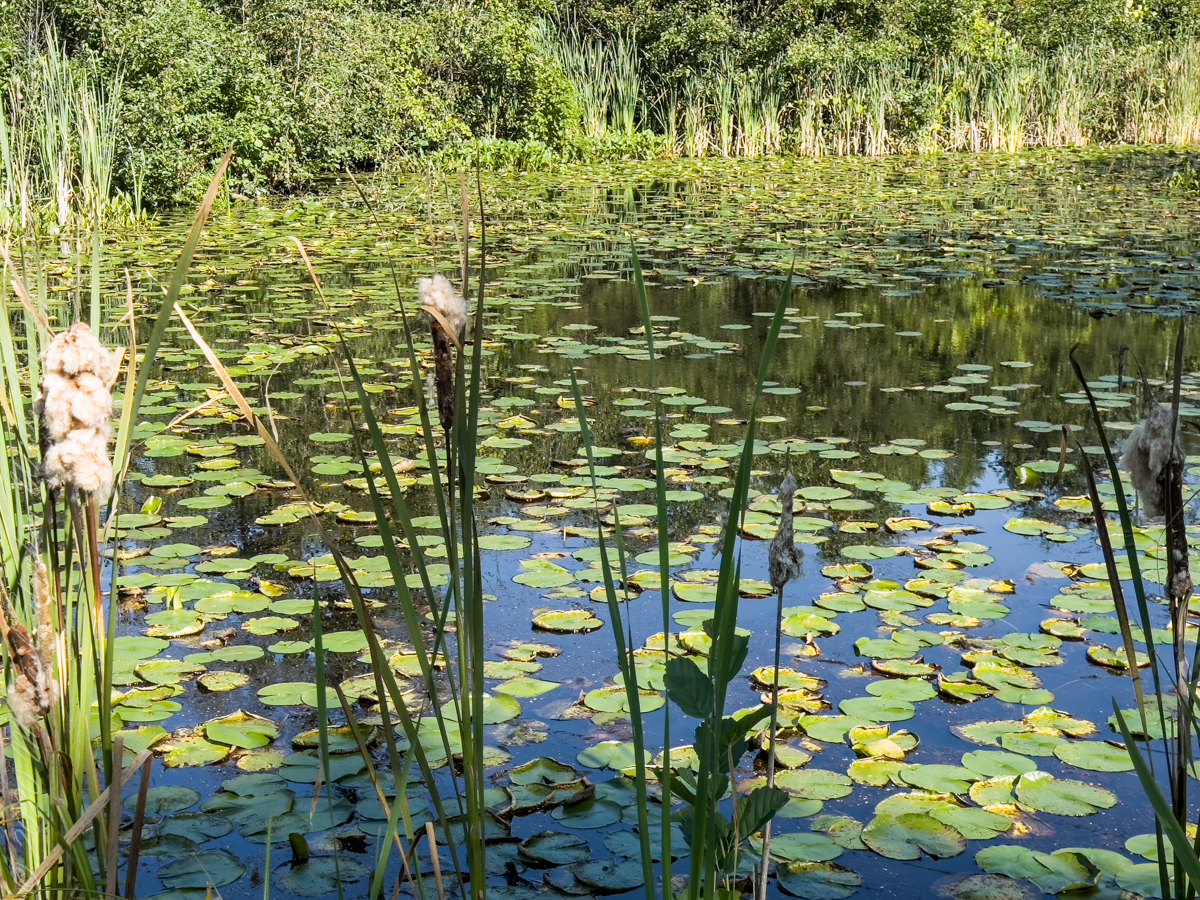
Thursday last, grandsons Sam and Rory and I visited Sapsucker Woods, enjoying a late summer morning we clambered onto a wooden platform over a watery swamp.
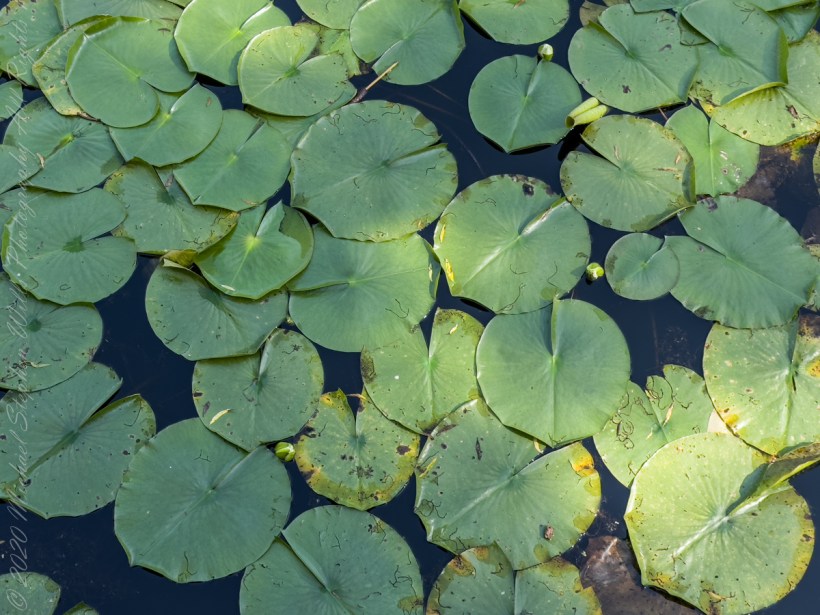
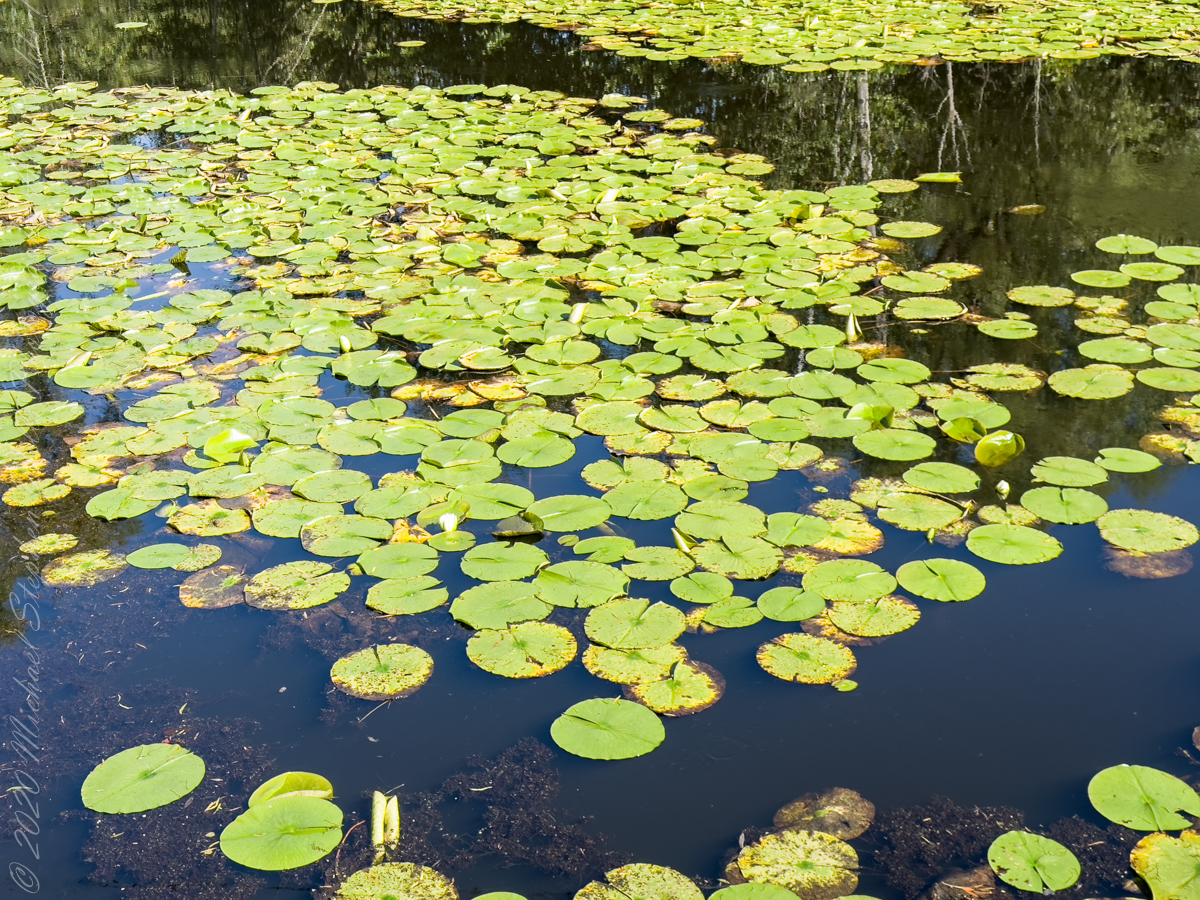
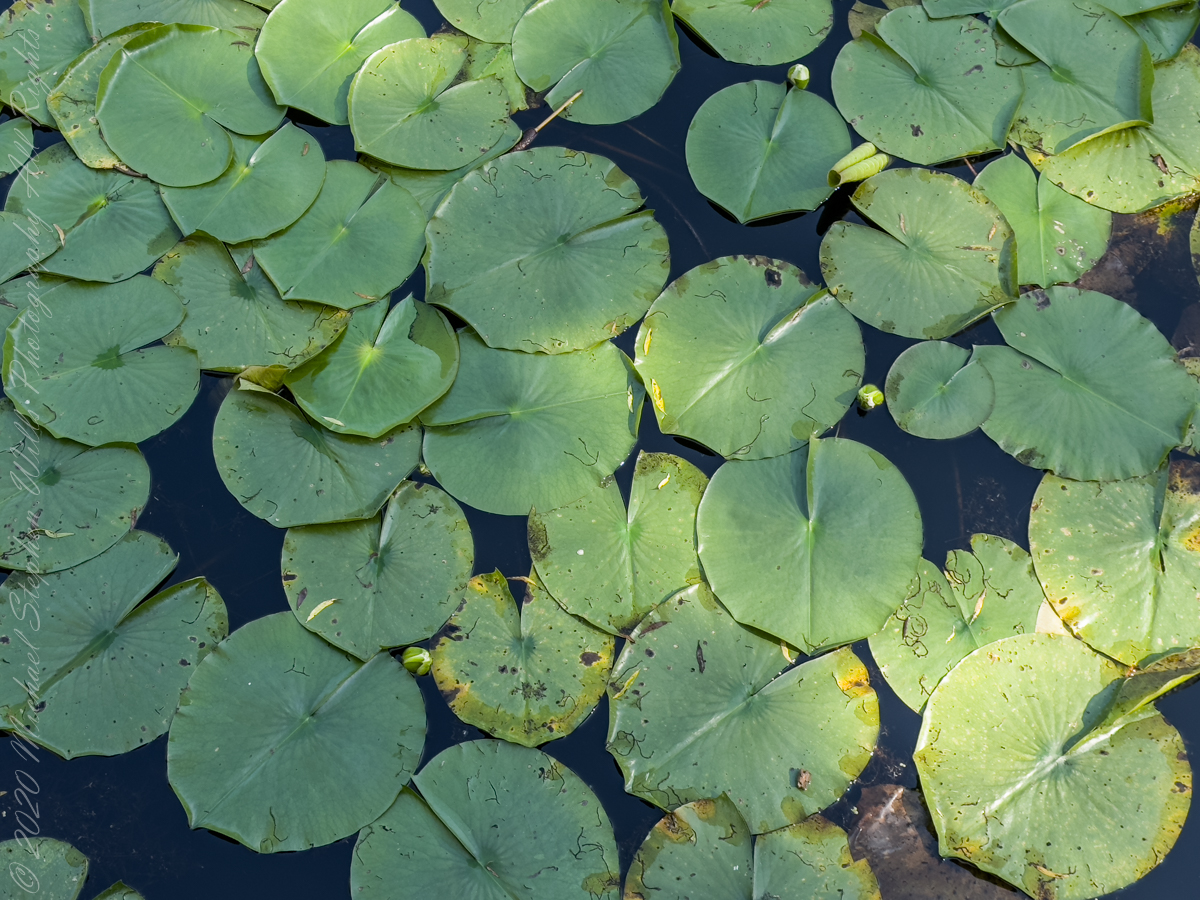
Look closely for flowers and buds of the White Water Lily native to New York State.
Although the young leaves of White Water-lily reportedly can be boiled and served as a vegetable, the main human use of this plant appears to have been medicinal. Native Americans used it as a herbal remedy for a variety of ailments, including colds, tuberculosis, bronchial complaints, toothaches, and mouth sores.
The many names for this plant: American White Waterlily, American White Water-lily, Fragrant Water-lily, Fragrant White Water Lily, Fragrant White Water-lily, Sweet Water-lily, Sweet-scented Water Lily, Sweet-scented White Waterlily, Tompkins County, Water, Water Lily, Waterlily, White Water Lily, White Waterlily, White Water-lily (Nymphaea odorata ssp. odorata)
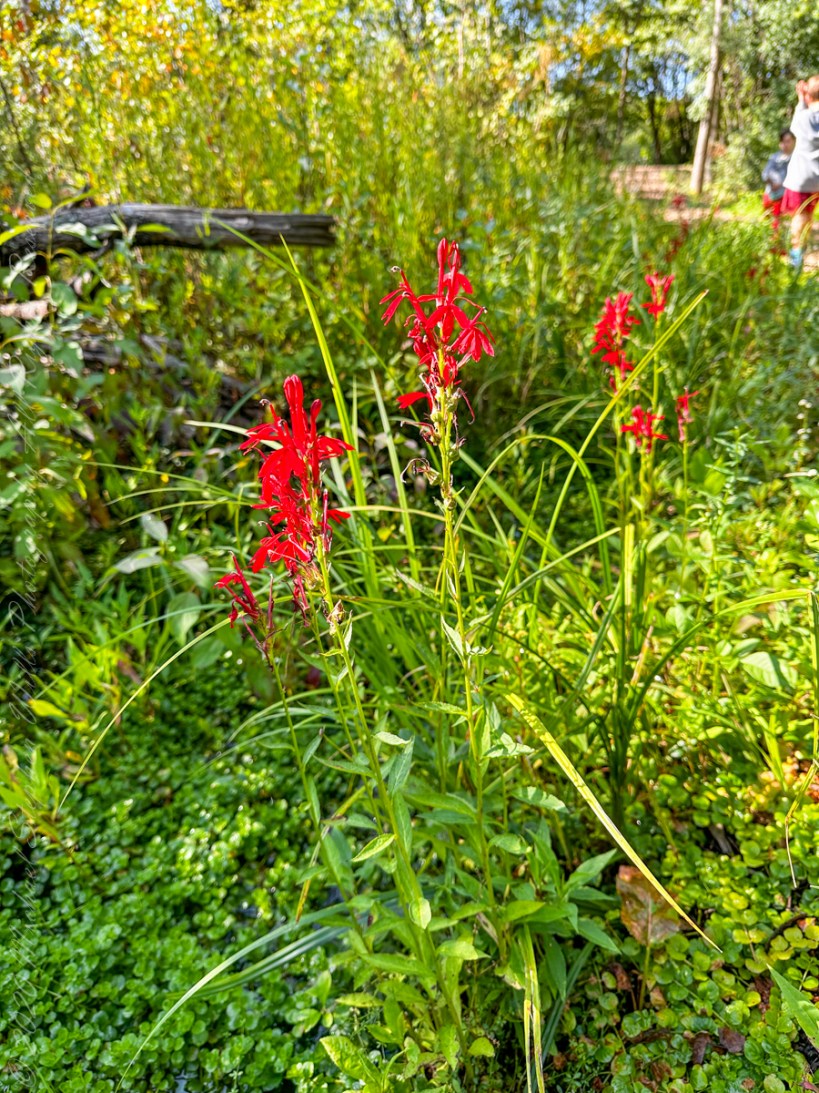
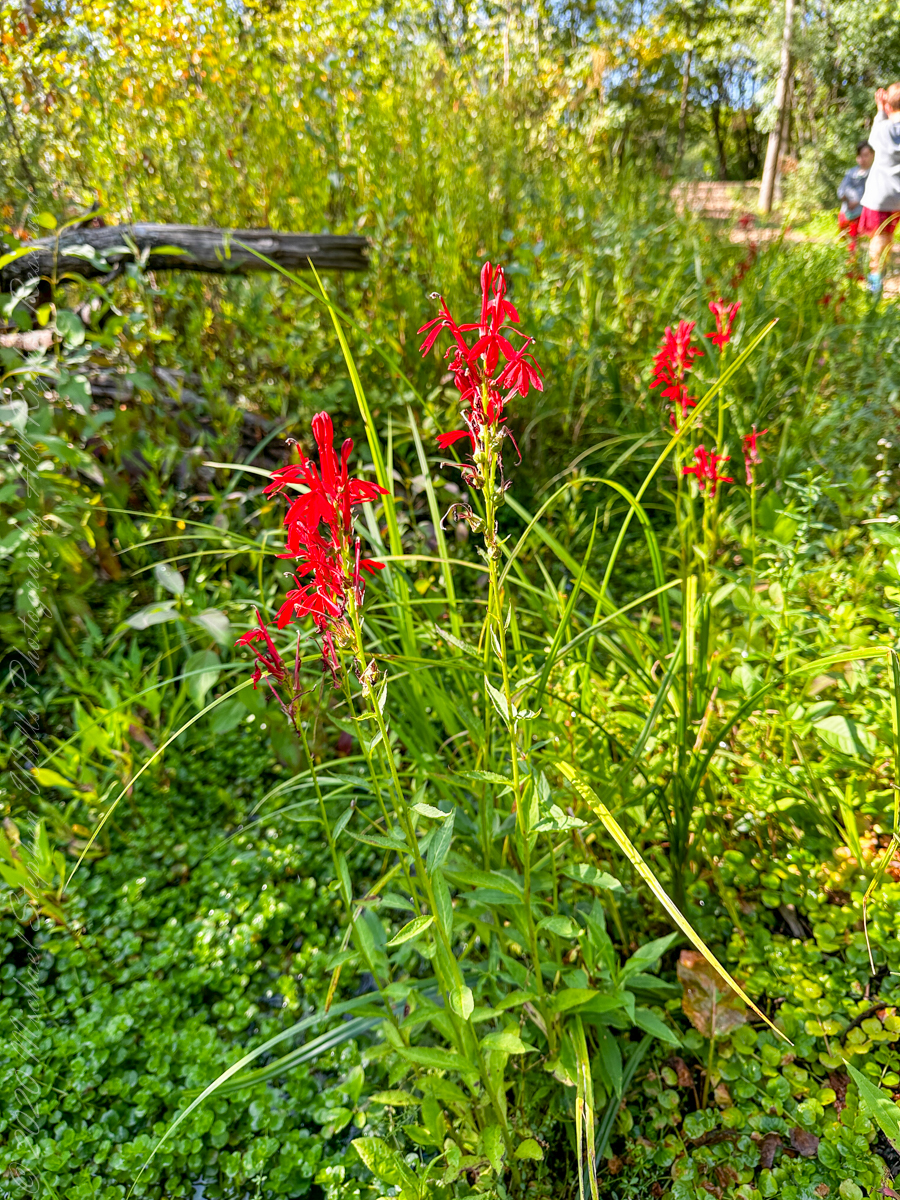
Thursday last, grandsons Sam and Rory and I visited Sapsucker Woods, enjoying a late summer morning we came upon many scarlet beauties.
Cardinal Flower (Lobelia cardinalis) is also known as Bog Sage, Cardinal Flower, Cornell Lab of Ornithology, Finger Lake Region, Hog’s Physic, Indian Pink, Red Bay, Sapsucker Woods, Scarlet Lobelia, Slinkweed, Water Gladiole.
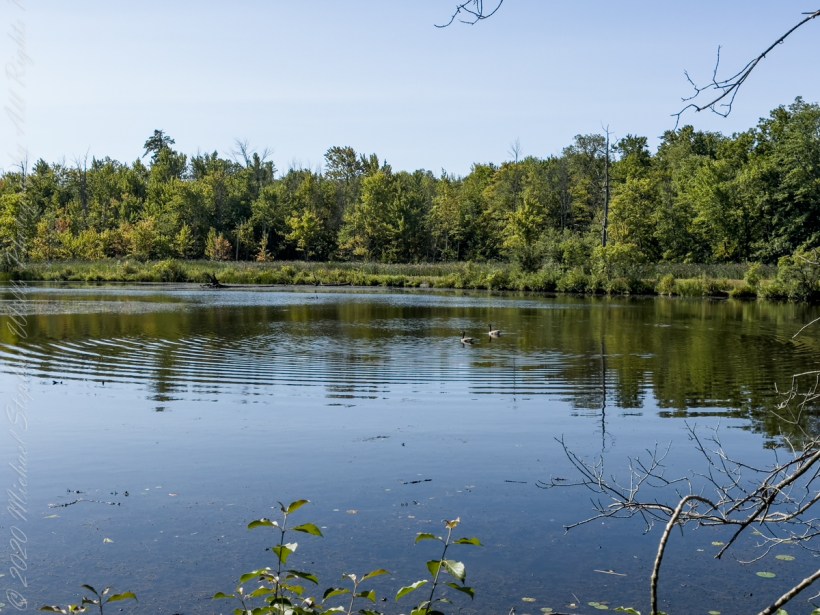
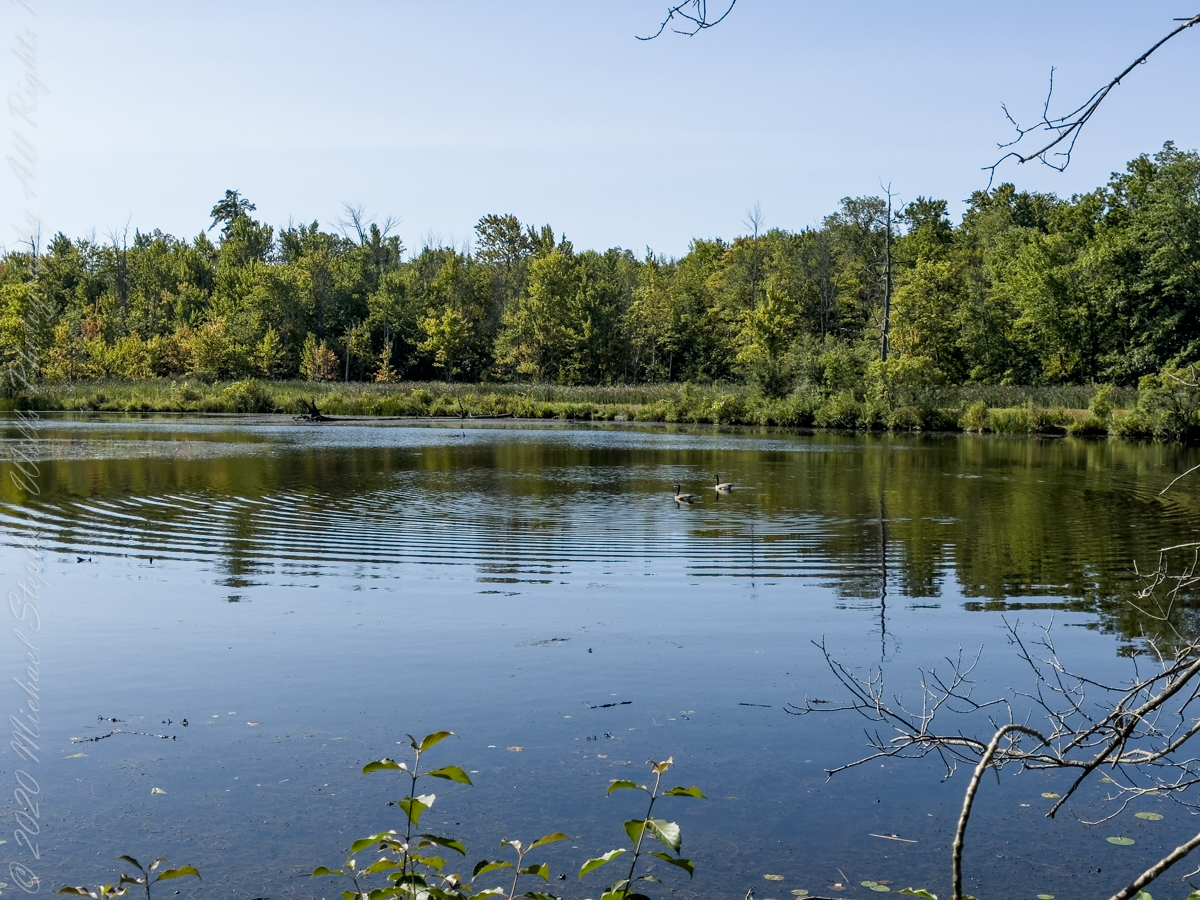
Thursday last, grandsons Sam and Rory and I visited Sapsucker Woods, enjoying a late summer morning. From the north side on Wilson Trail, these Canada geese landed on the pond.
In North America, nonmigratory Canada goose populations have been on the rise. The species is frequently found on golf courses, parking lots, and urban parks, which would have previously hosted only migratory geese on rare occasions.
Owing to its adaptability to human-altered areas, it has become one of the most common waterfowl species in North America. In many areas, nonmigratory Canada geese are now regarded as pests by humans.
They are suspected of being a cause of an increase in high fecal coliforms at beaches. An extended hunting season, deploying noise makers, and hazing by dogs have been used to disrupt suspect flocks.
A goal of conservationists has been to focus hunting on the nonmigratory populations (which tend to be larger and more of a nuisance) as opposed to migratory flocks showing natural behavior, which may be rarer.
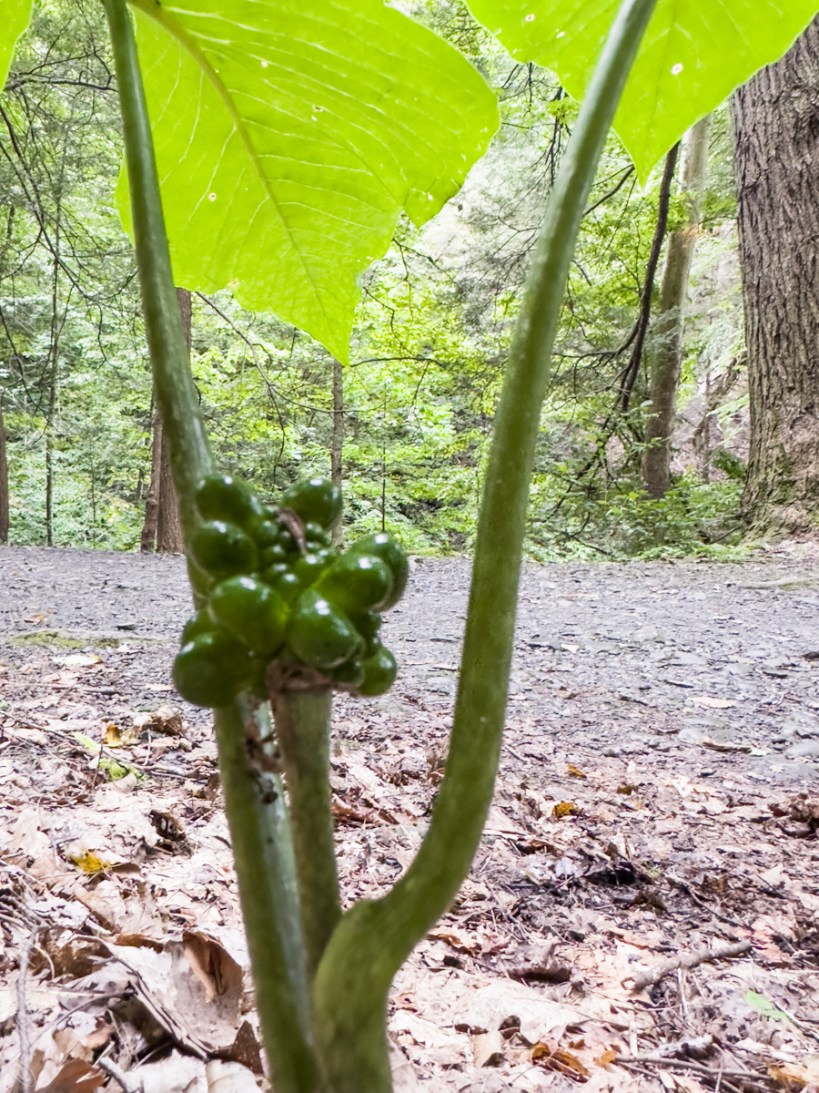
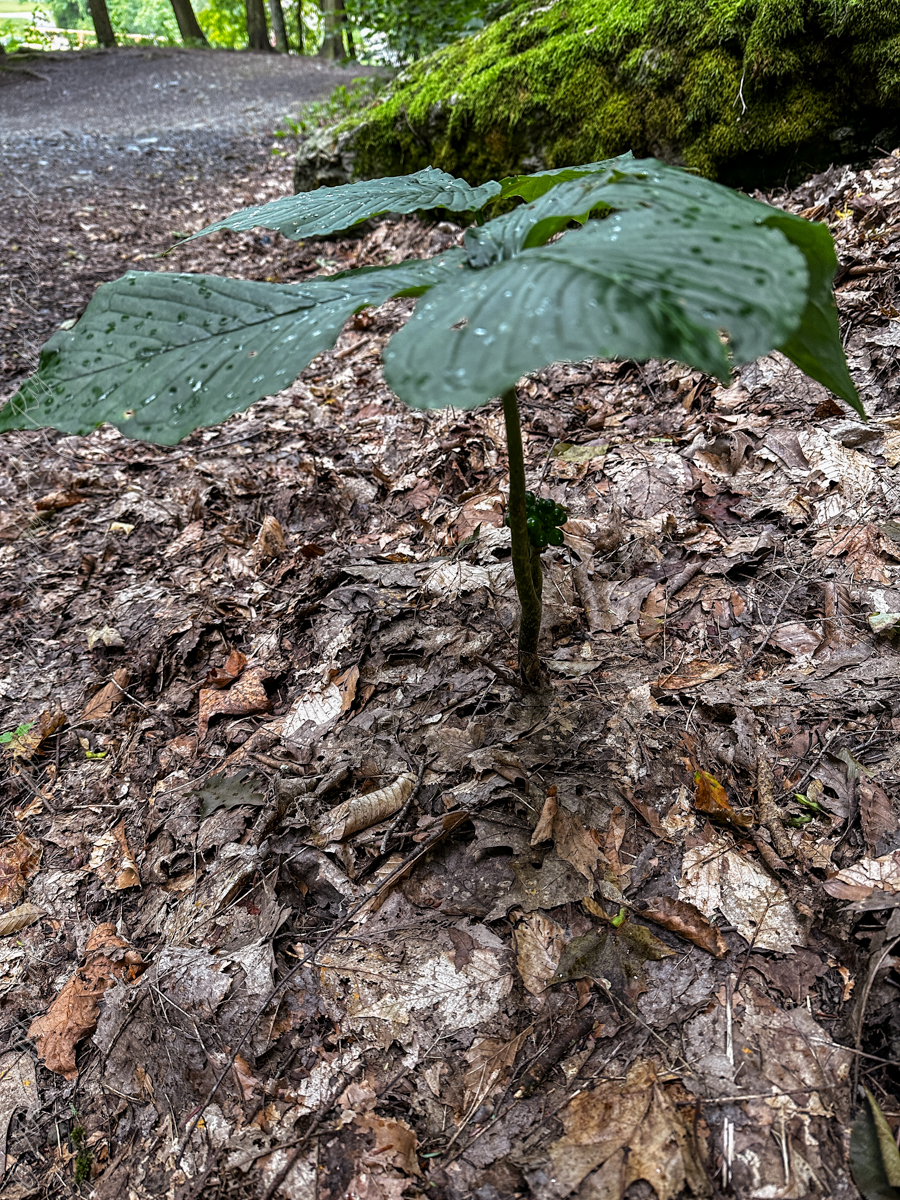
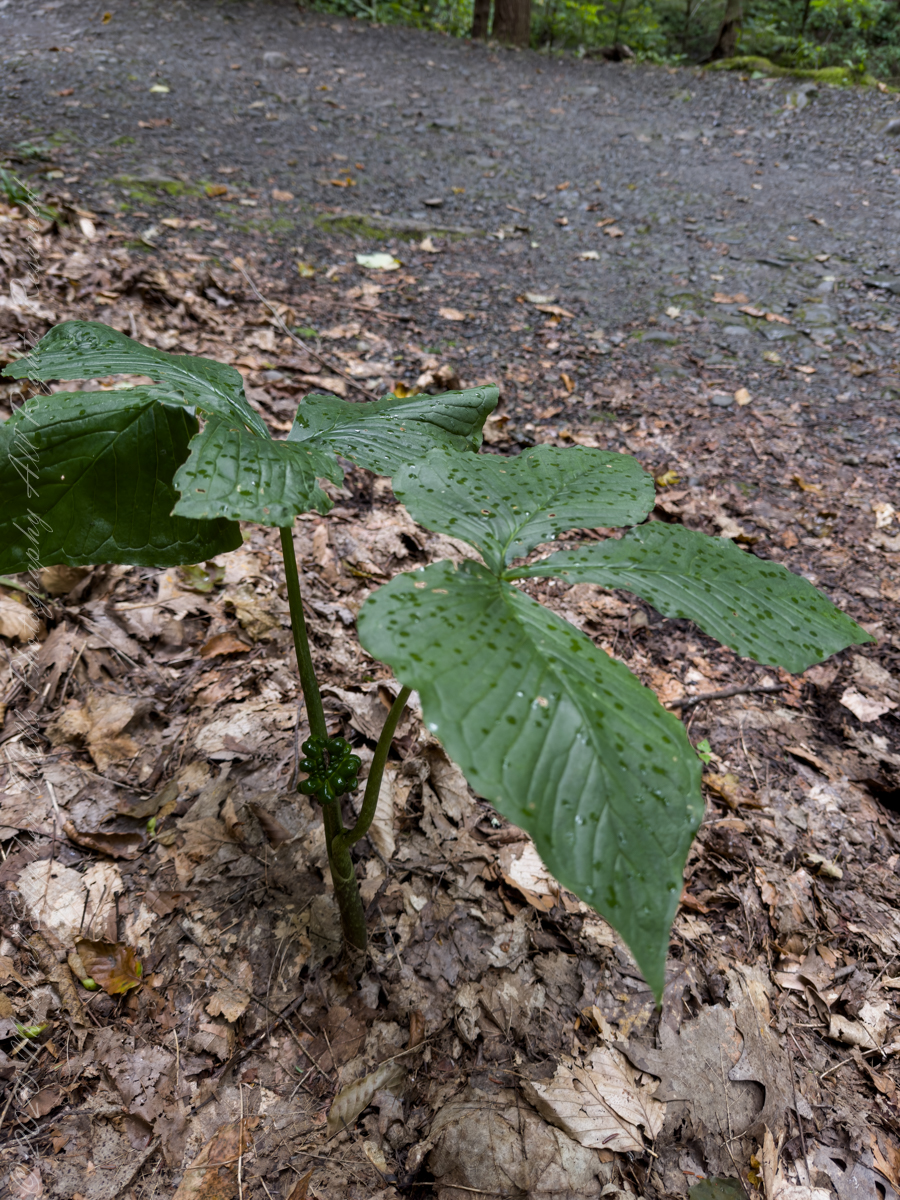
“Arisaema triphyllum sensu lato is a herbaceous, perennial, flowering plant growing from a corm. It typically grows up to two feet tall, but populations in Georgia and Florida are known to reach almost twice that height. It has 1 or 2 leaves, each with three leaflets (triphyllum). Occasionally the lateral leaflets will be two-parted or lobed, giving the appearance of five leaflets per leaf. One species (A. quinatum) typically has five pseudo-leaflets per leaf.”
Those of you who know Georgia O’Keefe may be familiar with the form and coloring of Jack-in-the-pulpit from the series of six oil canvasses from 1930, her time in the east living near a spring. There is a spathe, the pulpit, strongly colored in dramatic vertical, flowing stripes, wrapped around a spandix, the “jack”, being a stem covered with male and female flowers.
Around the time my photography habit started in 2002 I was surprised by the jacks growing from the walls of Fillmore Glen, spying the distinctive forms flowing a bit above eye level under the three large leaves. Seeing them was like recognizing a friend in Halloween disguise, the exotic O’Keefe shapes in a known place.
“The small, inconspicuous flowers of Jack-in-the-pulpit are borne on a fleshy, spike-like inflorescence called a spadix (“Jack”), which is enclosed (or nearly enclosed) by a large, sometimes colorful bract called a spathe (“pulpit”). The flowers are clustered around the base of the spadix inside the spathe. A sterile spadix appendix protrudes from the mouth of the spathe tube. The appendix is covered by the leafy tip of the spathe, referred to as the spathe hood (or spathe lamina). The lip along the mouth of the spathe tube, used as a landing platform for winged insects, is called the spathe flange.”
“The inflorescence can be male (with male flowers only), bisexual (with both male and female flowers), or female (with female flowers only). In a small plant, most if not all of the flowers are male. As the plant matures and grows larger, the spadix produces female flowers as well as male flowers. The transition from male to female continues until eventually the plant produces female flowers only.[6] This is an example of dichogamy, a rare phenomenon in flowering plants. Due to this sex-change lifecycle, this species is sometimes called colloquially as Jack or Jill in the pulpit or Jill-in-the-pulpit.”
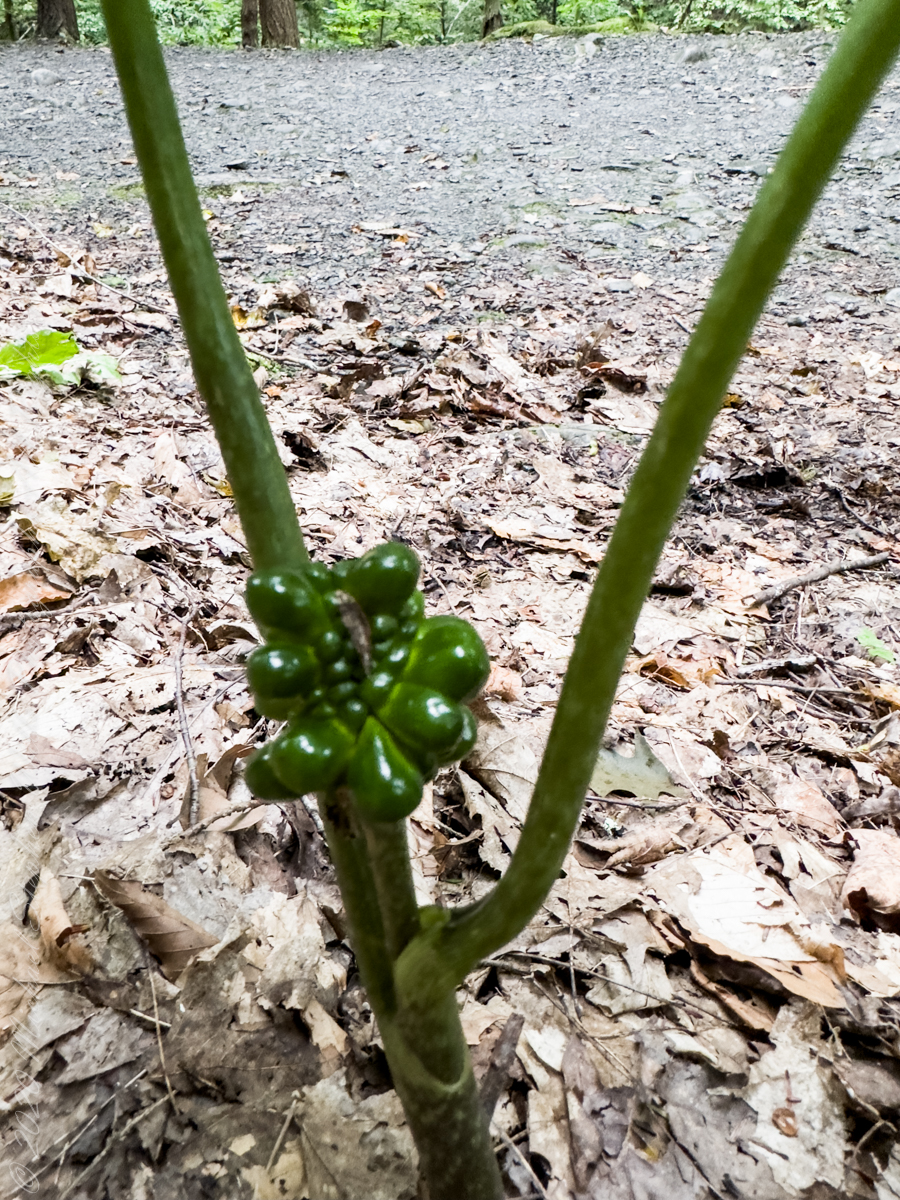
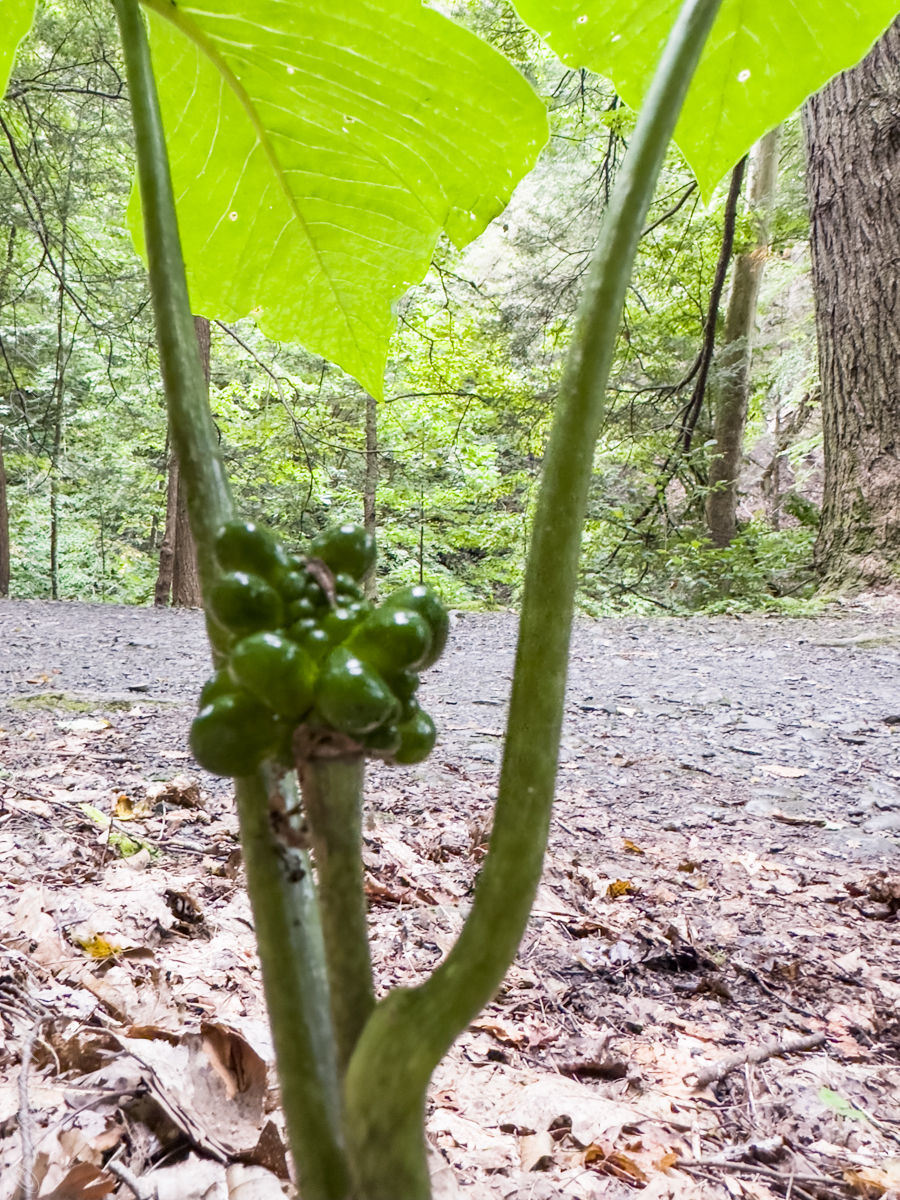
“The unripe fruits are smooth, shiny green berries (each 1 cm wide) clustered around the thickened spadix. Fruits ripen in the late summer and early fall, turning a conspicuous bright red color. Each berry typically produces 1–5 seeds, which are white to light tan in color, rounded, often with flattened edges and a short sharp point at the top. If the seeds are freed from the berry, they will germinate the next spring, producing seedlings each with a single rounded leaf. A seedling needs three or more years of growth before it becomes mature enough to flower.”
“The Arisaema triphyllum complex includes four closely-related species: Arisaema pusillum, Arisaema stewardsonii, Arisaema quinatum, and Arisaema triphyllum sensu stricto. A fifth species (Arisaema acuminatum) is sometimes included but its validity is controversial.”
Ecology
“Arisaema triphyllum sensu lato flowers from April to June.[citation needed] Arisaema triphyllum sensu stricto is the first to flower in the spring. In regions where the species are sympatric, Arisaema stewardsonii and Arisaema pusillum begin to flower 1–2 and 2–3 weeks later, respectively. Since an individual flowering period can last 1–3 weeks or more, it is not unusual to find all three species in flower at the same time. In the southeastern United States, Arisaema quinatum is reported to flower later than either A. pusillum or A. triphyllum s.s.”
“Arisaema triphyllum sensu lato is pollinated by fungus gnats, which it attracts by smell and are trapped by the flower. They manage to escape from a hole at the bottom of the male’s pulpit, but cannot do so when they fall inside a female pulpit, which do not have exit holes Thus the Jill-in-the-pulpit is a rare femme fatale in the plant world: luring the gnats in with scent, but ultimately killing the pollinators in a death trap.”
“Other insects are known to visit the flowers as well, such as gall gnats and beetles.[6] The plant is not self-pollinating since the male flowers on a specific plant have already matured and died before the female flowers of that same plant are mature. So the female flowers need to be pollinated by the male flowers of a different plant. This inhibits inbreeding and contributes to the health of the species.”
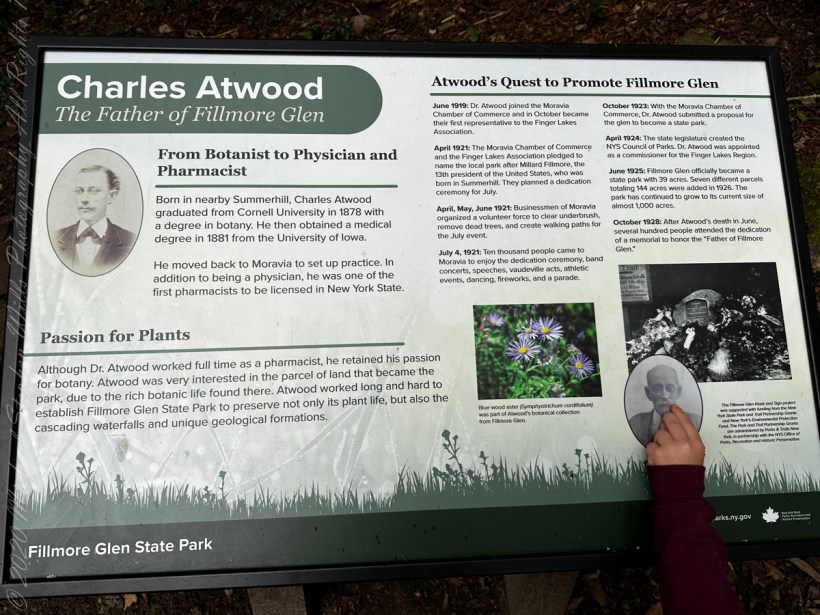
This year, 2023, an informational sign was installed next to the Charles Atwood memorial at the foot of the stone stairs leading to the Gorge Trail.
Charles Atwood The Father of Fillmore Glen
“From Botanist to Physician and Pharmacist: born in Summerhill, Cayuga Coun ty, New York State, Charles Atwood graduated from Cornell University in 1878 with a degree in Botany. He then obtained a medical degree in 1881 from the University of Iowa. He moved to Moravia, Cayuga County, to set up practice. In addition to being a physician, he was one of the first pharmacists to be licensed in New York State. A Passion for Plants. Although Dr. Atwood worked full time as a pharmacist, he retained his passion for botany. Atwood was very interested in the parcel of land that became Fillmore Glen Park, due to the rich botanic life found there. Atwood worked long and hard to establish Fillmore Glen State Park to preserve not only its plant life, but also the cascading waterfalls and unique geological formations.”
“Atwood’s Quest to Promote Fillmore Glen. June 1919: Dr. Atwood jointed the Moravia Chamber of Commerce and in October became the first representative to the Finger Lakes Association. April 1921: the Moravia Chanbmer of Commerce and the Finger Lakes Association pledged to name the local park after Millard Fillmore, the 13th president of the United States, who was born in Summerhill. They planned a dedication ceremony for July. April, May, June 1921: Businessmen of Moravia organized a volunteer force to clear underbrush, remove dead trees and create walking paths for the July event. July 4, 1921: Ten thousand people came to Moravia to enjoy the dedication ceremony, band concerts, speeches, vaudeville acts, athletic events, dancing, fireworks and a parade. October 1923: With the Moravia Chamber of Commerce, Dr. Atwood submitted a proposal for the glen to become a state park. April 1924: The state legislature created the New York State Council of Parks. Dr. Atwood was appointed a commissioner for the Finger Lakes Region. June 1925: Fillmore Glen officially became a state park with 39 acres. Seven different parcels totaling 144 acres were added in 1926. The park has continued to grow to its current size of almost 1,000 acres. October 1928: After Dr. Atwood’s death in June, several hundred people attended the dedication of a memorial to honor the ‘Father of Fillmore Glen.'”
Reference: text in italics and quotes is from the new Charles Atwood Sign.
Copyright 2023 Michael Stephen Wills All Rights Reserved
I set up a Manfrotto BeFree tripod with the Canon EOS 1DS Mark III mounted with the Canon EF 70-300 f/4-5.6 L IS USM lens to capture our experience while entering Machu Picchu.
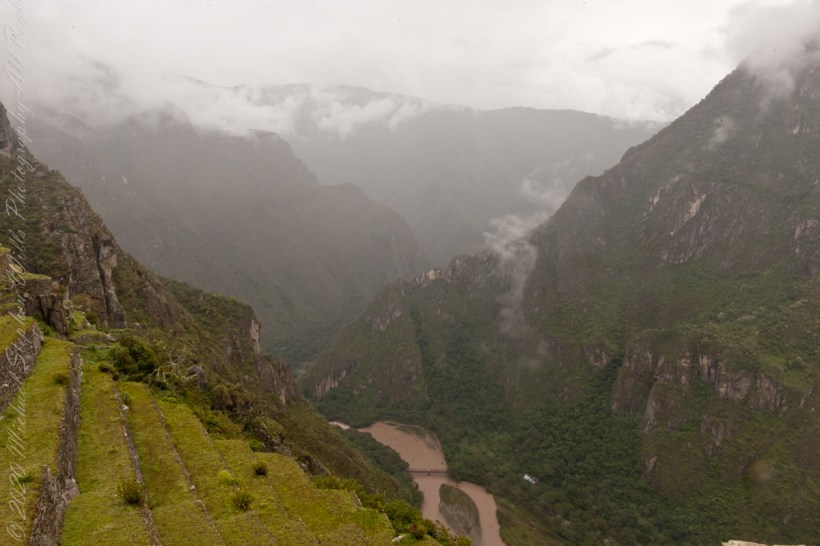
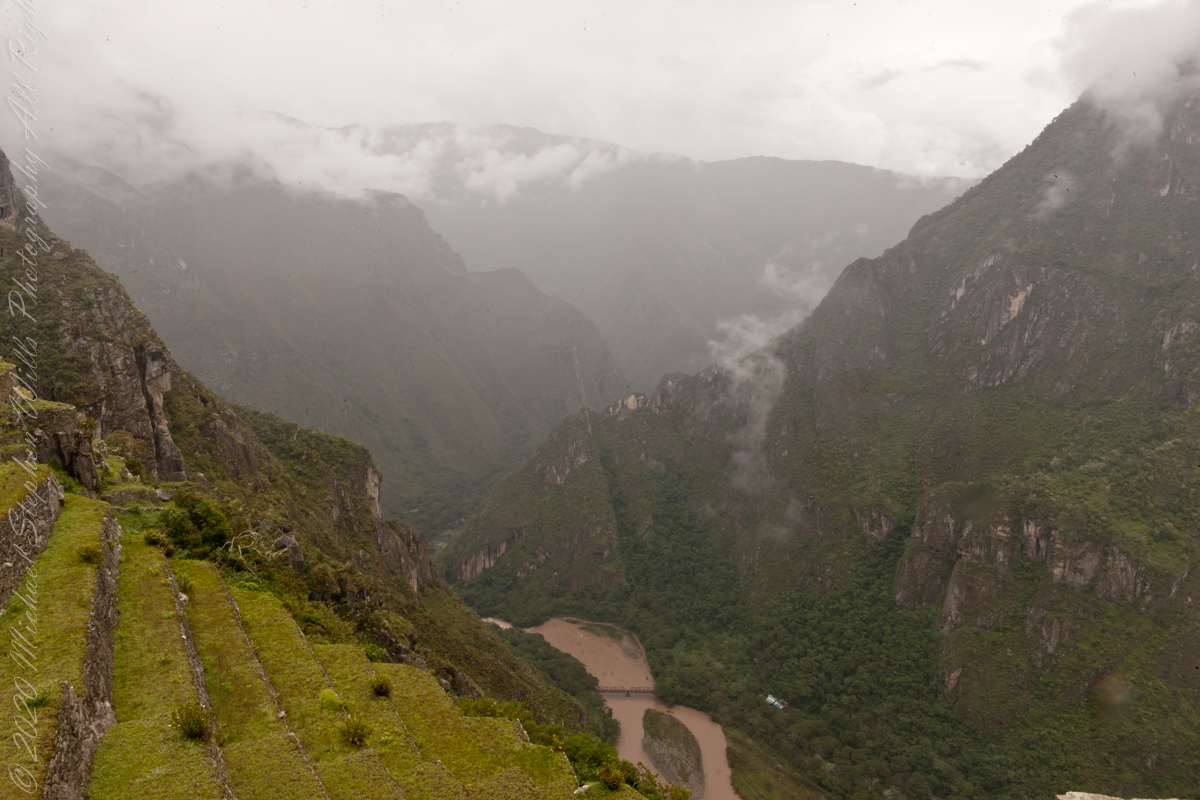
The eastern shoulder of Huayna Picchu is left and the Urubamba river curves around it. Leading the eye to the distance is an uninhabited andean valley covered in rain forest.
Copyright 2023 Michael Stephen Wills All Rights Reserved
“The central buildings of the Machu Picchu Sanctuary use the classical Inca architectural style of polished dry-stone walls of regular shape. The Incas were masters of this technique, called ashlar, in which blocks of stone are cut to fit together tightly without mortar.”
The site itself may have been intentionally built on fault lines to afford better drainage and a ready supply of fractured stone. ‘Machu Picchu clearly shows us that the Incan civilization was an empire of fractured rocks’.
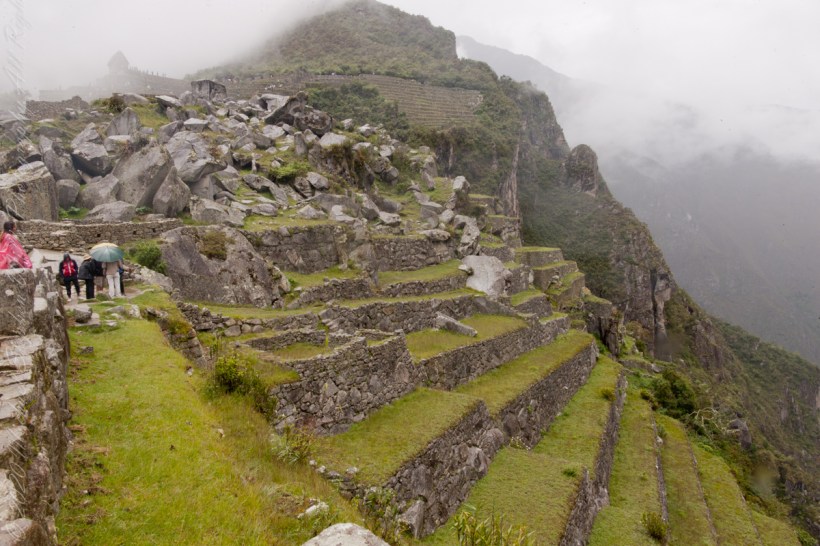
Inca quarried the rock for Machu Picchu from the mountain ridge itself.
“The section of the mountain where Machu Picchu was built provided various challenges that the Incas solved with local materials. One issue was the seismic activity due to two fault lines. It made mortar and similar building methods nearly useless. Instead, the Inca mined stones from the quarry at the site, lined them up and shaped them to fit together perfectly, stabilizing the structures. Inca walls have many stabilizing features: doors and windows are trapezoidal, narrowing from bottom to top; corners usually are rounded; inside corners often incline slightly into the rooms, and outside corners were often tied together by “L”-shaped blocks; walls are offset slightly from row to row rather than rising straight from bottom to top.”
Main Temple survived multiple earthquakes
“Heavy rainfall required terraces and stone chips to drain rainwater and prevent mudslides, landslides, erosion, and flooding. Terraces were layered with stone chips, sand, dirt, and topsoil, to absorb water and prevent it from running down the mountain. Similar layering protected the large city center from flooding. Multiple canals and reserves throughout the city provided water that could be supplied to the terraces for irrigation and to prevent erosion and flooding.”
Agricultural Terraces
“The Incas never used wheels in a practical way, although their use in toys shows that they knew the principle. The use of wheels in engineering may have been limited due to the lack of strong draft animals, combined with steep terrain and dense vegetation. The approach to moving and placing the enormous stones remains uncertain, probably involving hundreds of men to push the stones up inclines. A few stones have knobs that could have been used to lever them into position; the knobs were generally sanded away, with a few overlooked.”
Reference: text in italics and quotes is from the Wikipedia “Machu Picchu”, web page.
Copyright 2023 Michael Stephen Wills All Rights Reserved