Exploring Malloryville Preserve: A Hidden Glacial Wetland Gem in New York’s Finger Lakes

Explore the O.D. von Engeln Preserve at Malloryville, a hidden Finger Lakes wetland where glacial eskers, kettles, and springs reveal the deep story of ice and water.

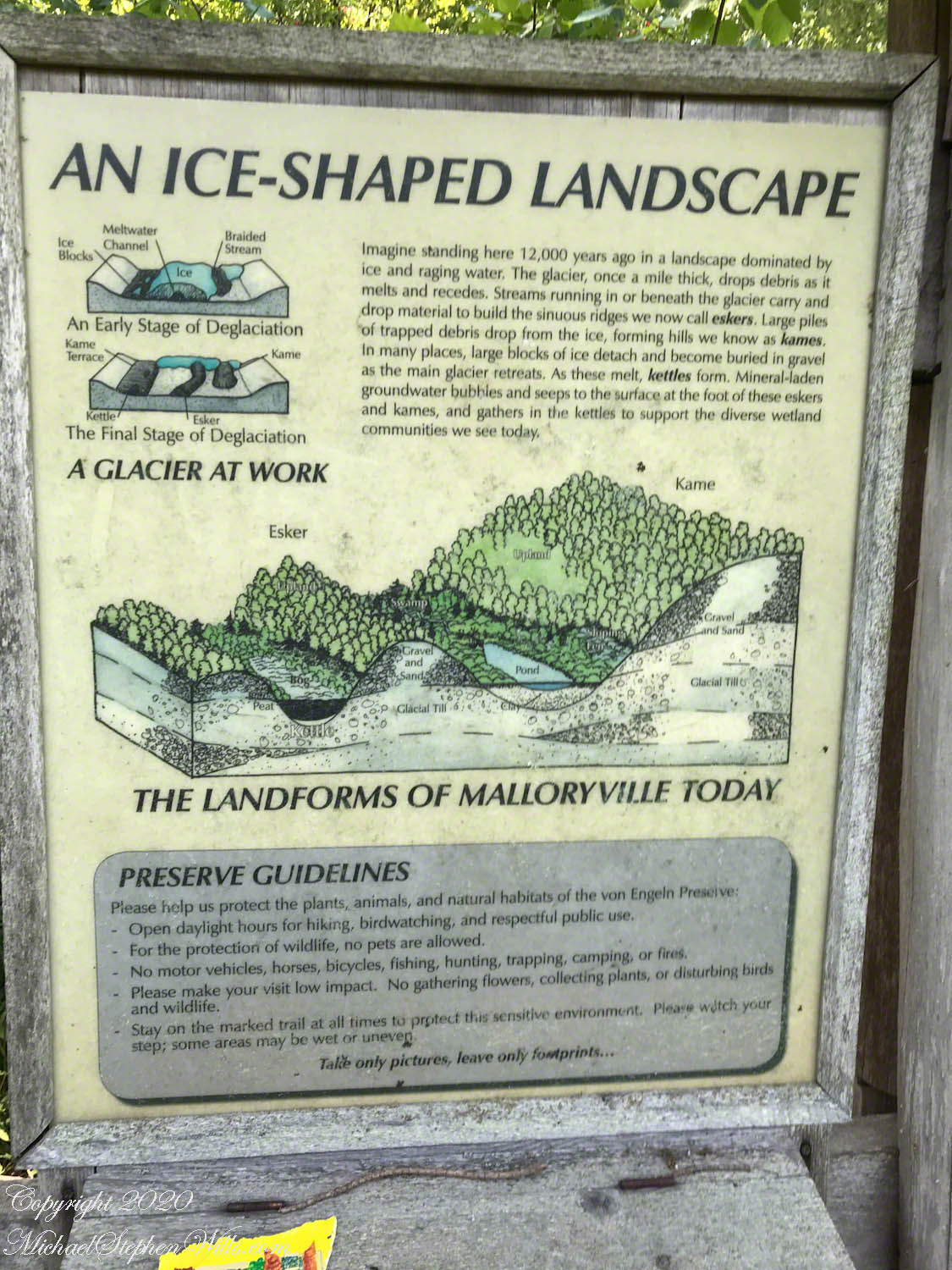
In the heart of upstate New York, the Finger Lakes region stretches out like a handprint left by the last great ice sheets—long, narrow lakes aligned north to south, their steep-sided valleys feeding into a lattice of creeks, waterfalls, and wetlands. It is a landscape defined by water and time: glaciers grinding south, then melting back north some 12,000 years ago, carving deep troughs, piling up ridges of gravel and sand, and leaving behind a terrain that is anything but simple.

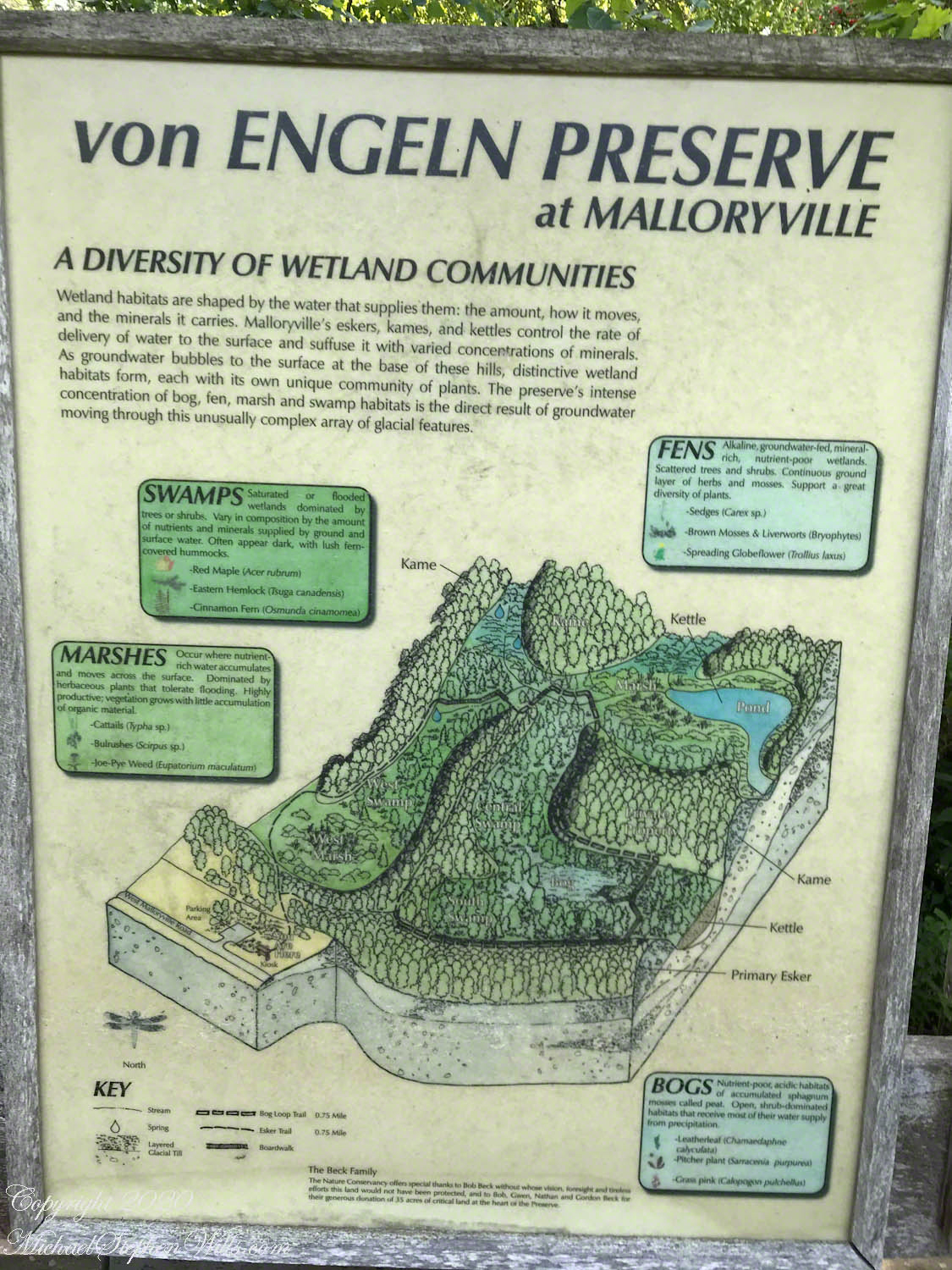
The O.D. von Engeln Preserve at Malloryville, near the small village of Freeville, is one of the quiet places where that story is written most clearly on the land. It doesn’t shout like Taughannock Falls or Ithaca’s famous gorges. Instead, it whispers—through the curves of its hills, the softness of its ground, the unexpected appearance of a spring at the base of a gravel ridge. Here, in a relatively compact area, you can see how ice and water worked together to shape the Finger Lakes region we know today.

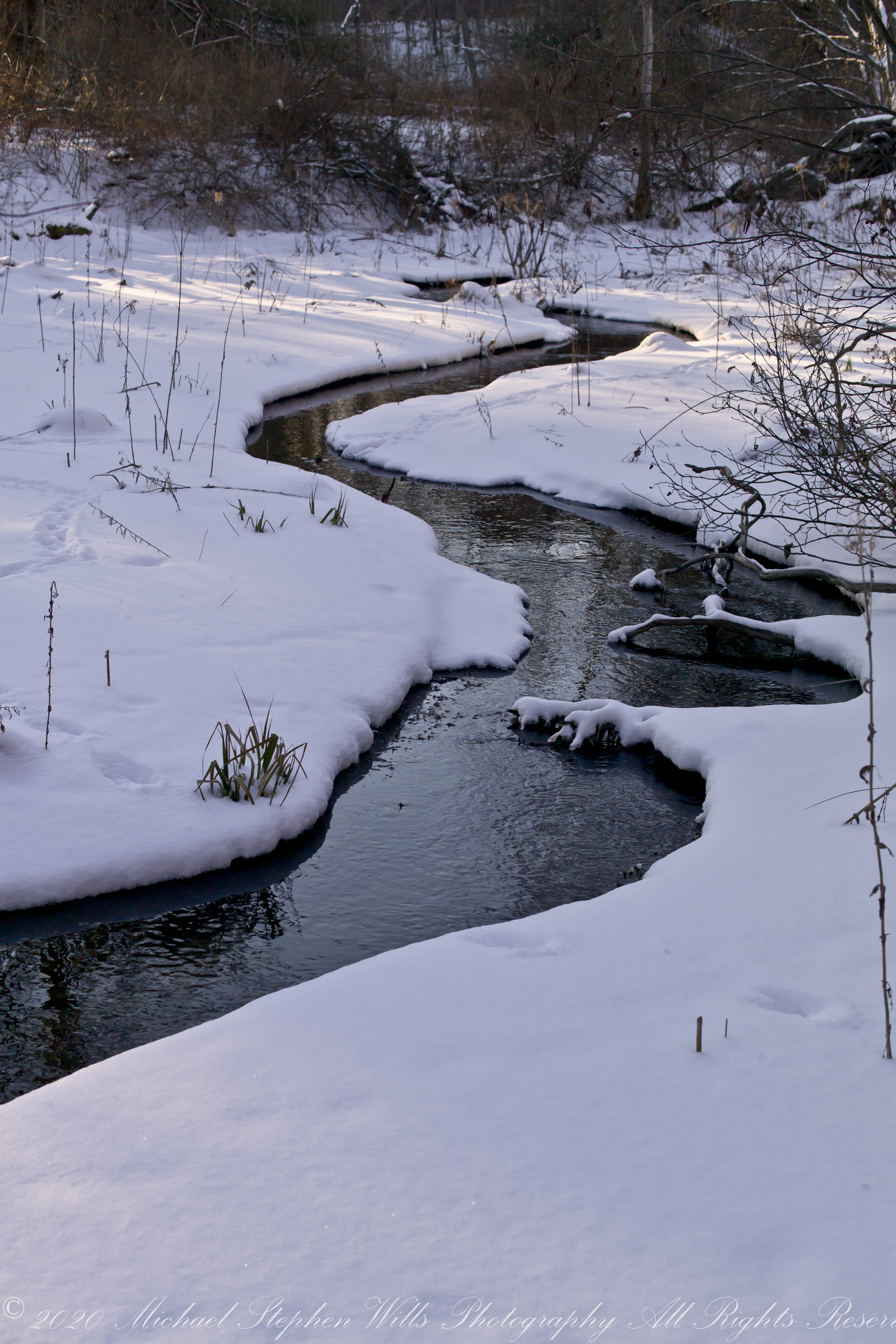
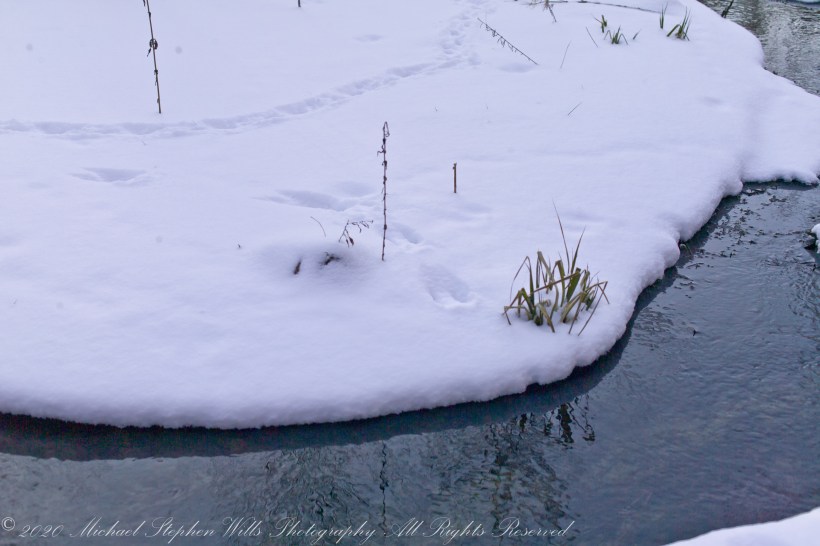
Overflow from a Kettle Pond threads through a meadow before feeding Fall Creek. The O.D.von Engeln Preserve at Malloryville.

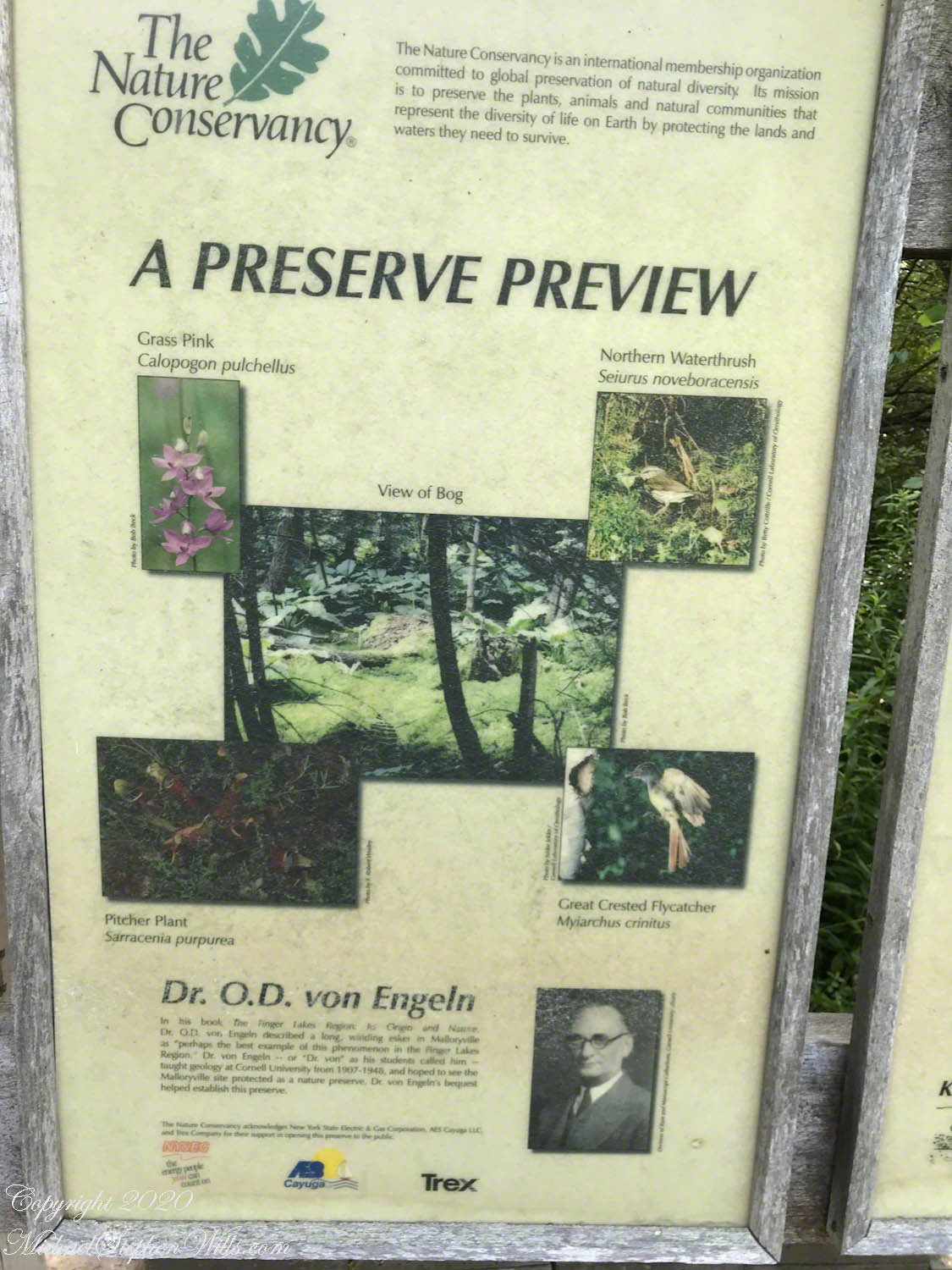
By the time the preserve officially opened in 1997, the name O.D. von Engeln was already familiar to anyone curious about local geology. His classic book on the Finger Lakes helped generations of readers understand that the scenery around them was not random, but the result of powerful, understandable processes. Reading von Engeln, the rolling hills and quiet valleys near Freeville become more than background—they become evidence: of buried ice, rushing meltwater, and the slow settling of sediments into the forms we walk on now.

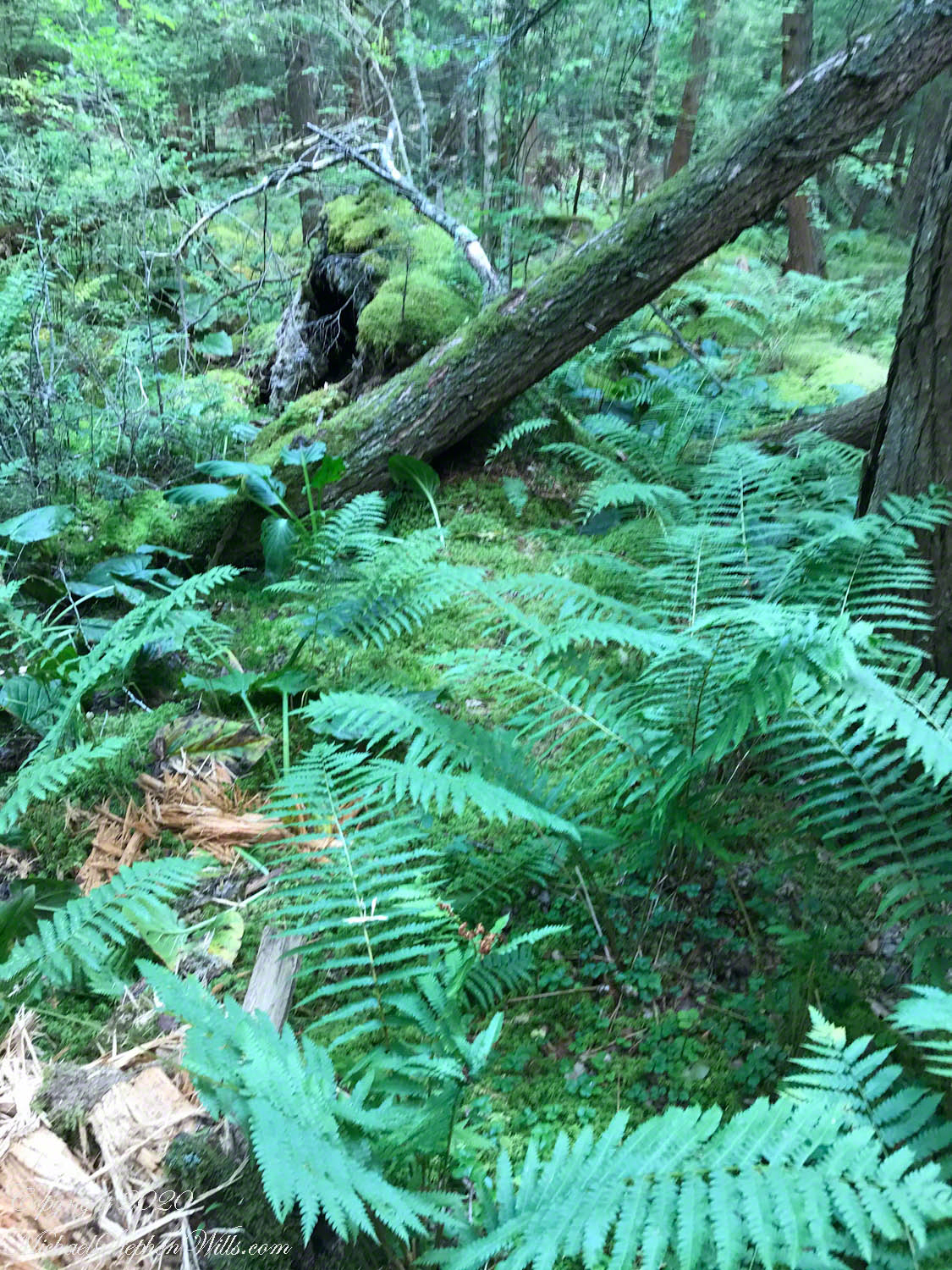
Malloryville is an outdoor classroom for that lesson. The preserve is built around a cluster of glacial landforms—eskers, kames, and kettles—that create a three-dimensional mosaic of ridges and hollows. Eskers, those long, winding gravel ridges left by rivers that once flowed inside the glacier, snake through the forest like frozen currents of stone. Kames—steep, irregular hills of sand and gravel—rise suddenly from the surrounding lowlands. Kettles, the depressions left behind when buried ice blocks melted away, now cradle wetlands and pools.

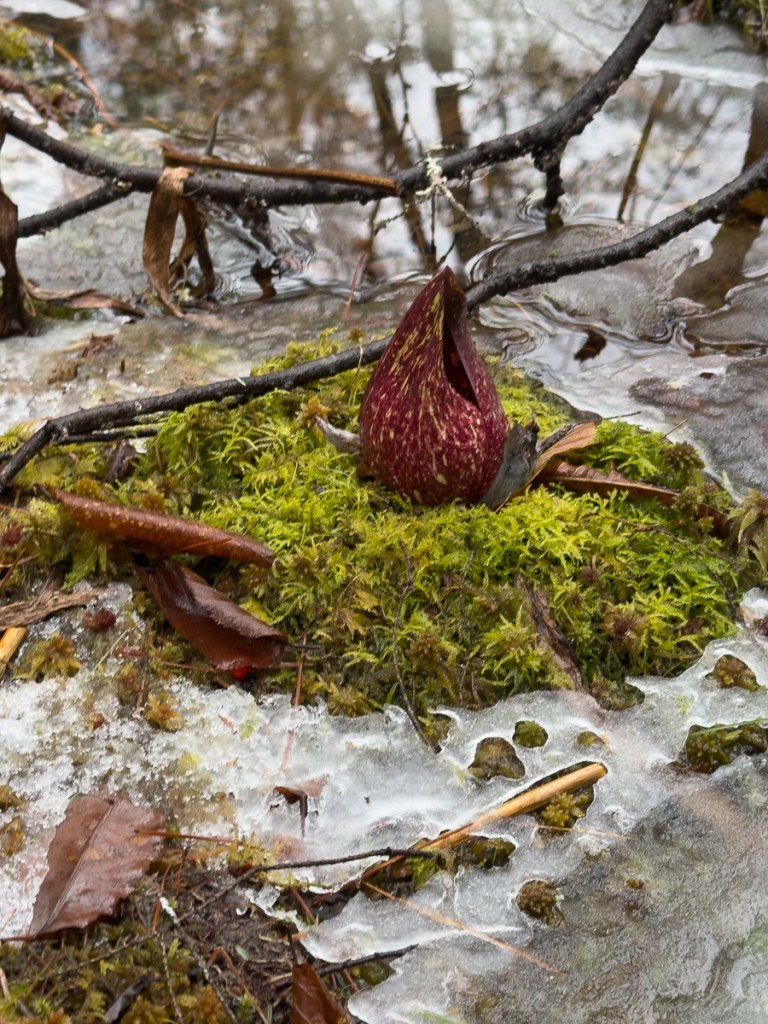
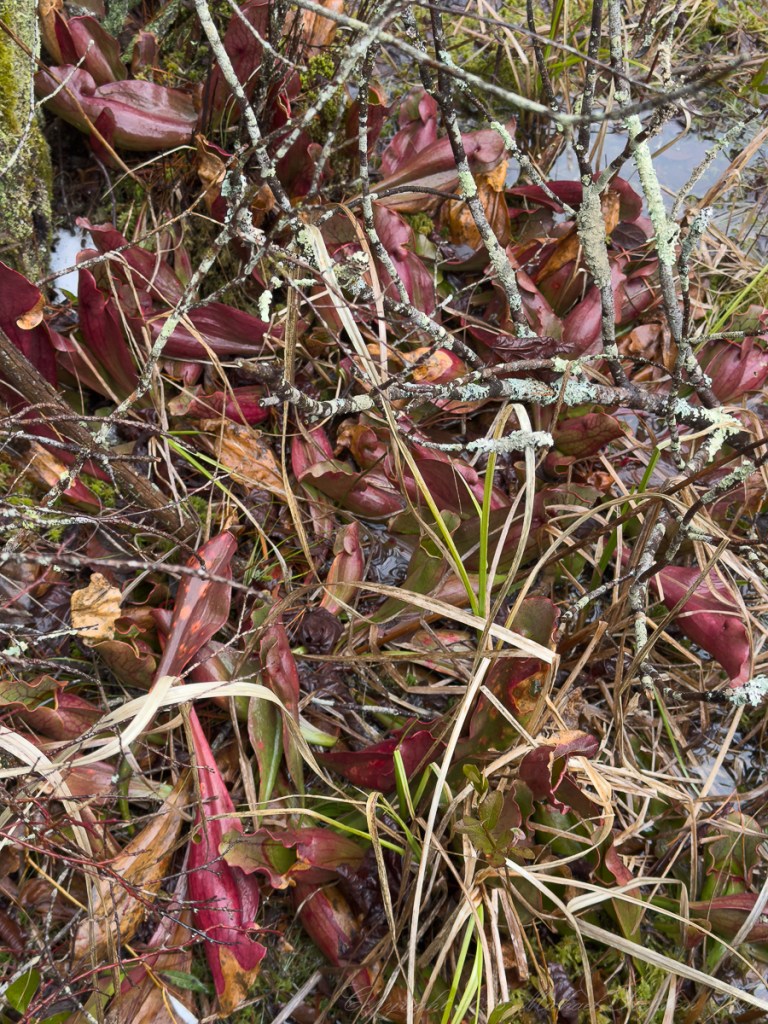
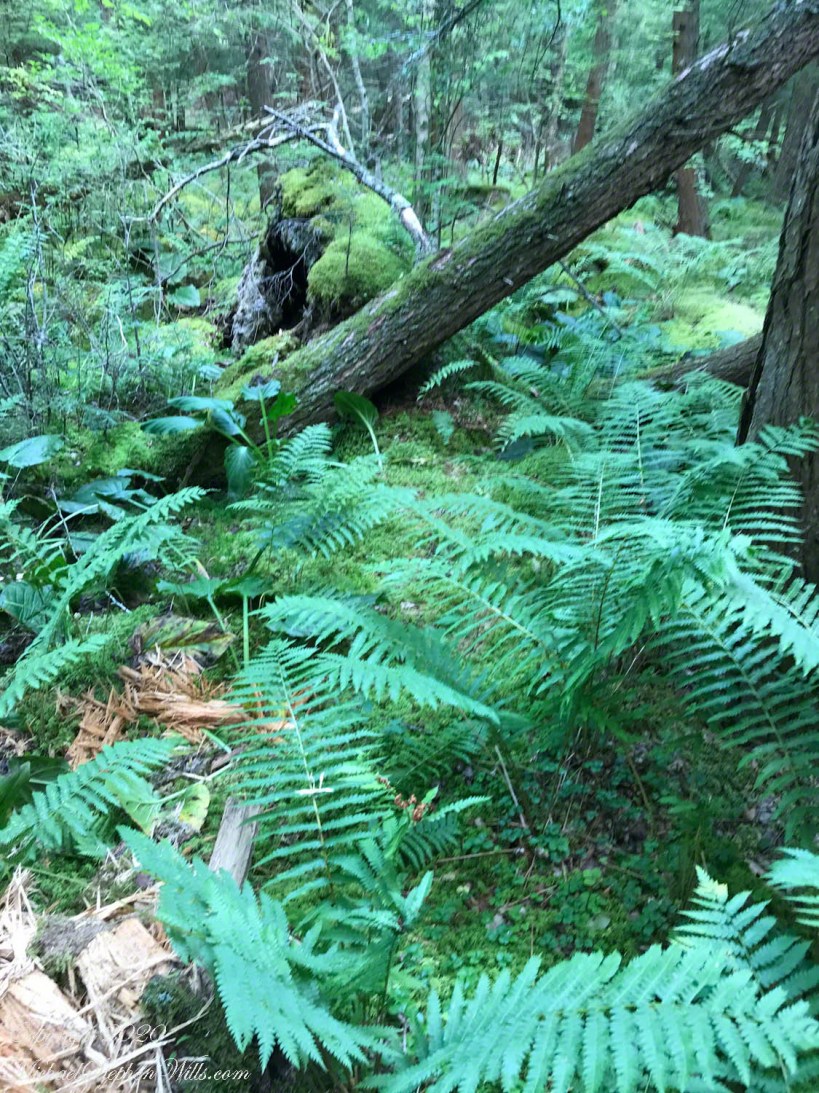
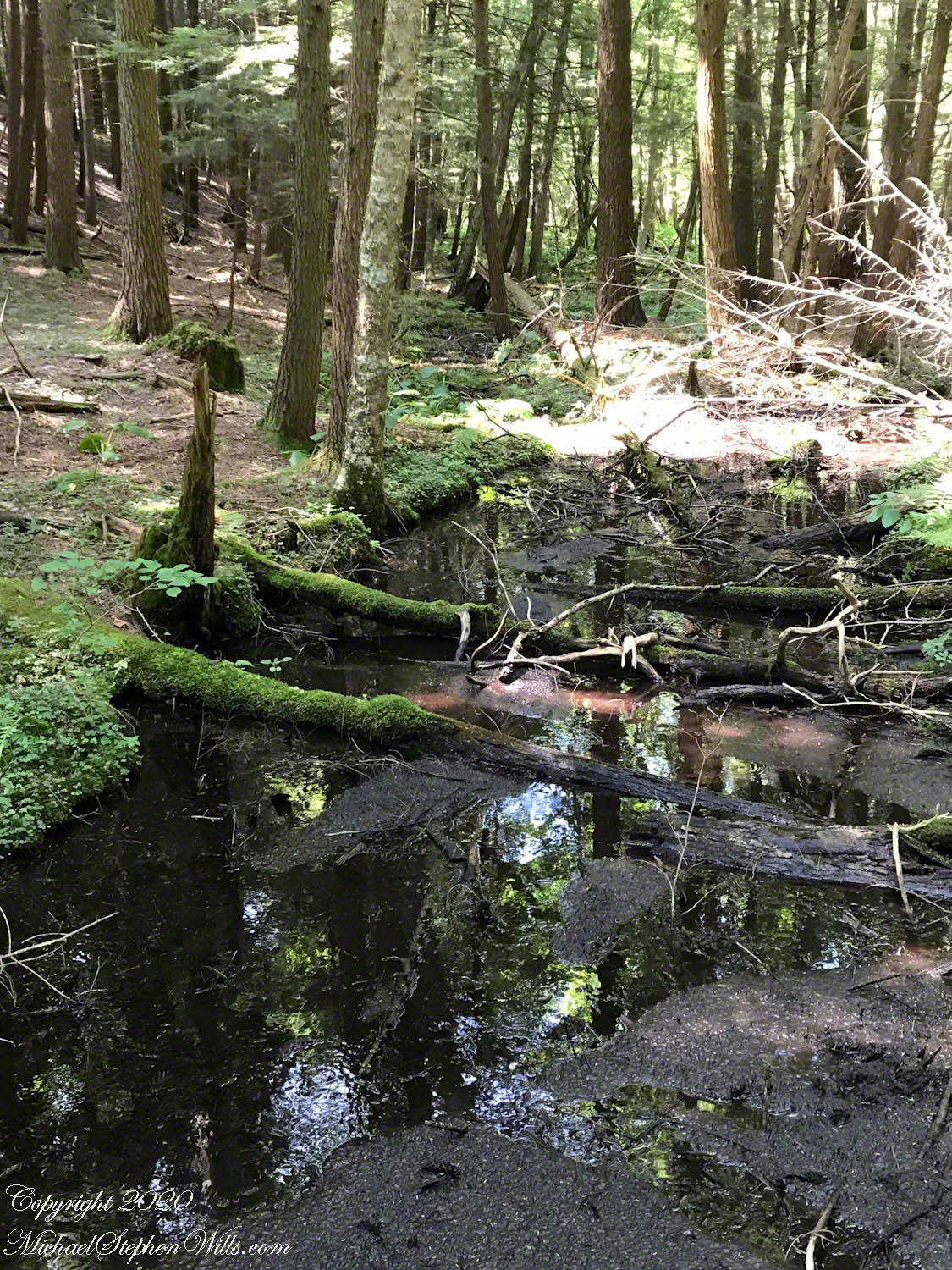
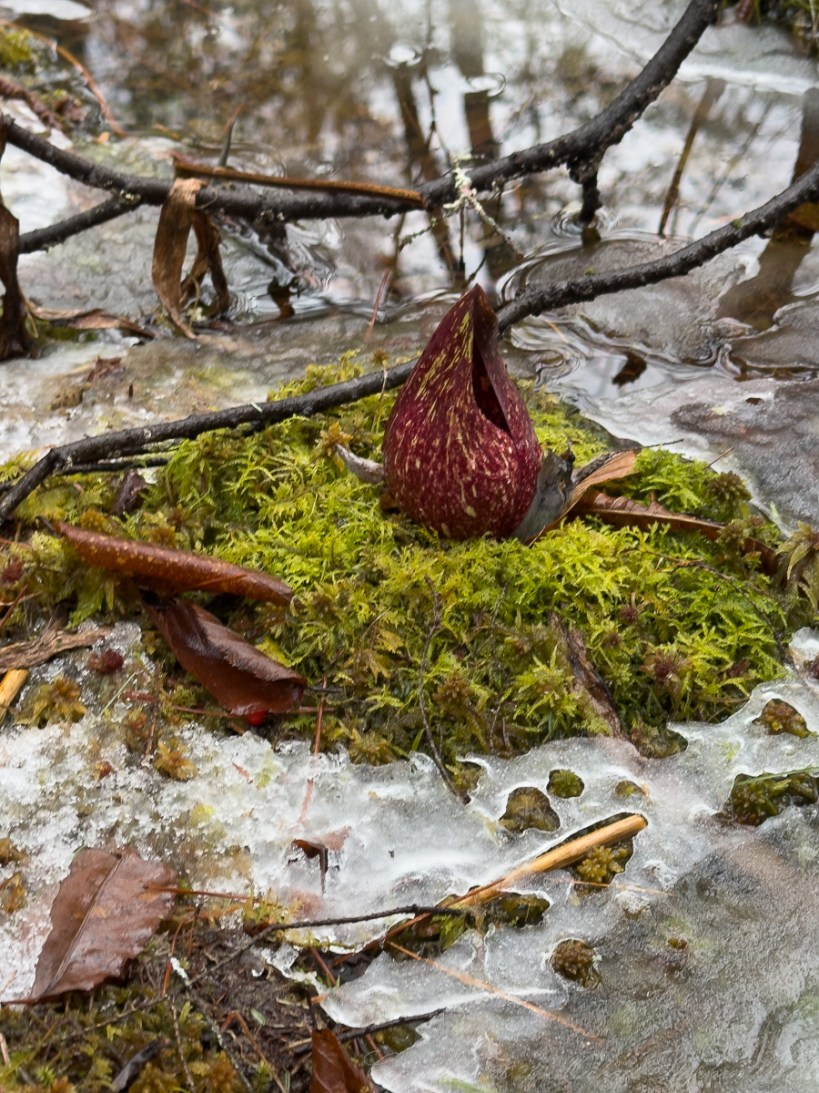
Beneath and between these features, groundwater is constantly on the move. It seeps through layers of sand and gravel, emerges as cold springs at the foot of slopes, and spreads out into swamps, fens, and marshes. In the Finger Lakes, water is always telling a story; at Malloryville, it’s simply easier to hear. Follow the trail and you move through a succession of wet worlds: a seep-fed fen with delicate mosses and sedges, a shrub swamp where skunk cabbage thrusts up in early spring, a cattail marsh that hums with birds and insects in summer.

For my family, the story of Malloryville began even before the preserve had a name. We lived nearby along Fall Creek, itself a thread in the larger fabric of the Cayuga Lake watershed. My son and I camped for the first time on top of an esker just beyond our front door, our tent perched on what I would later learn was the remnant of a stream that once tunneled through the base of a glacier. At the time, it was simply a magical narrow ridge in the woods. Only later, with von Engeln’s guidance and the preserve’s interpretive signs, did that ridge become a sentence in a much older, longer narrative.

That is one of the great gifts of the Finger Lakes: the chance to move from simple admiration—“this is beautiful”—to understanding—“this is how it came to be.” The steep slopes along Cayuga, Seneca, or Skaneateles; the drumlin fields near the north ends of the lakes; the hanging valleys and waterfalls; and the quiet wetlands of places like Malloryville are all chapters in the same glacial chronicle. Once you learn to read one place, you begin to read them all.

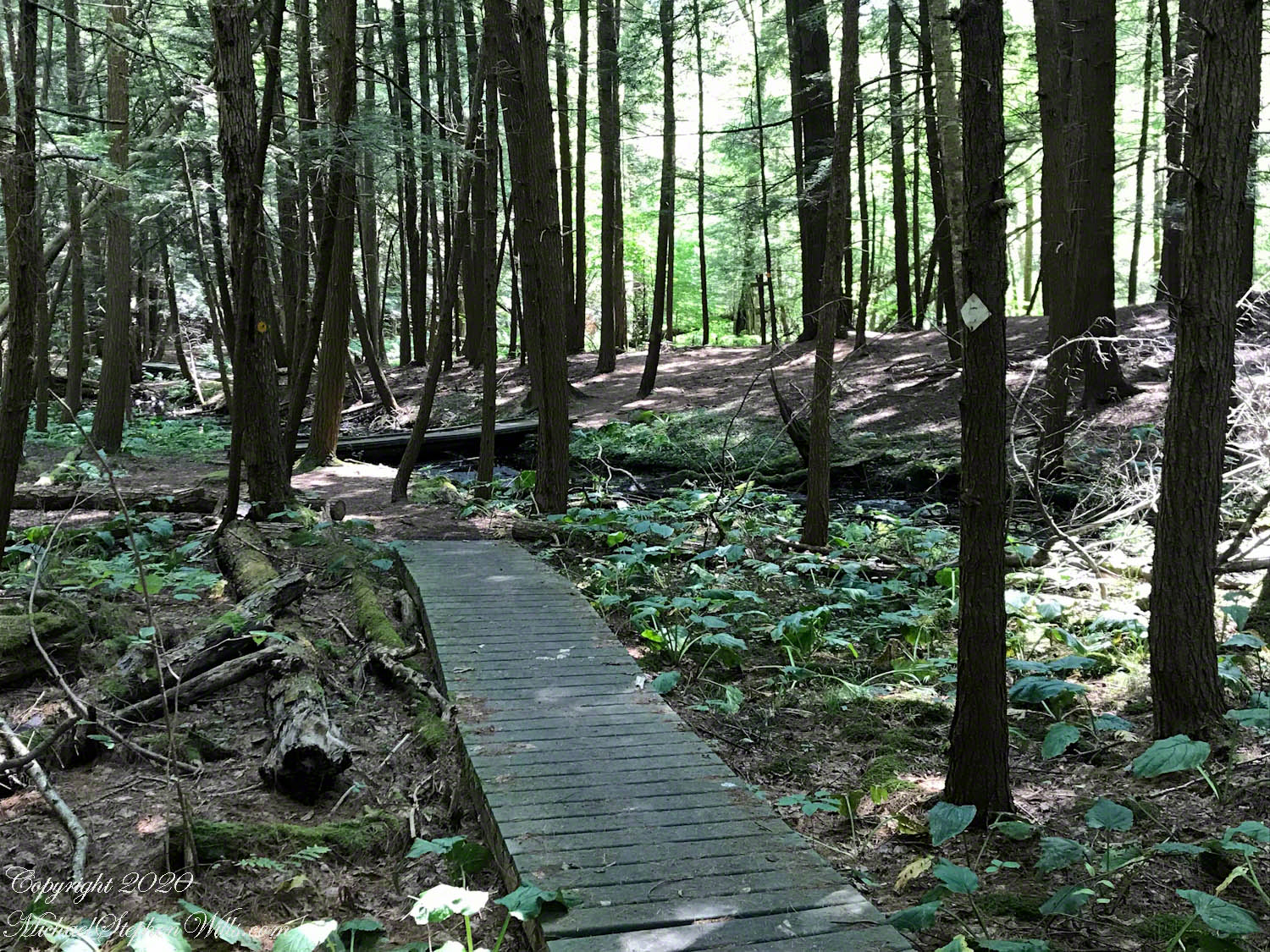
Walking into the O.D. von Engeln Preserve, you enter that story at a small, intimate scale. The parking area and trailhead give way quickly to a world where the ground feels different—sometimes firm and gravelly, sometimes soft and yielding underfoot. Wooden walkways and narrow paths thread through shady forest and open wetland. Each bend offers a subtle shift: a new plant community, a change in water clarity or flow, a small sign explaining what lies beneath your feet.

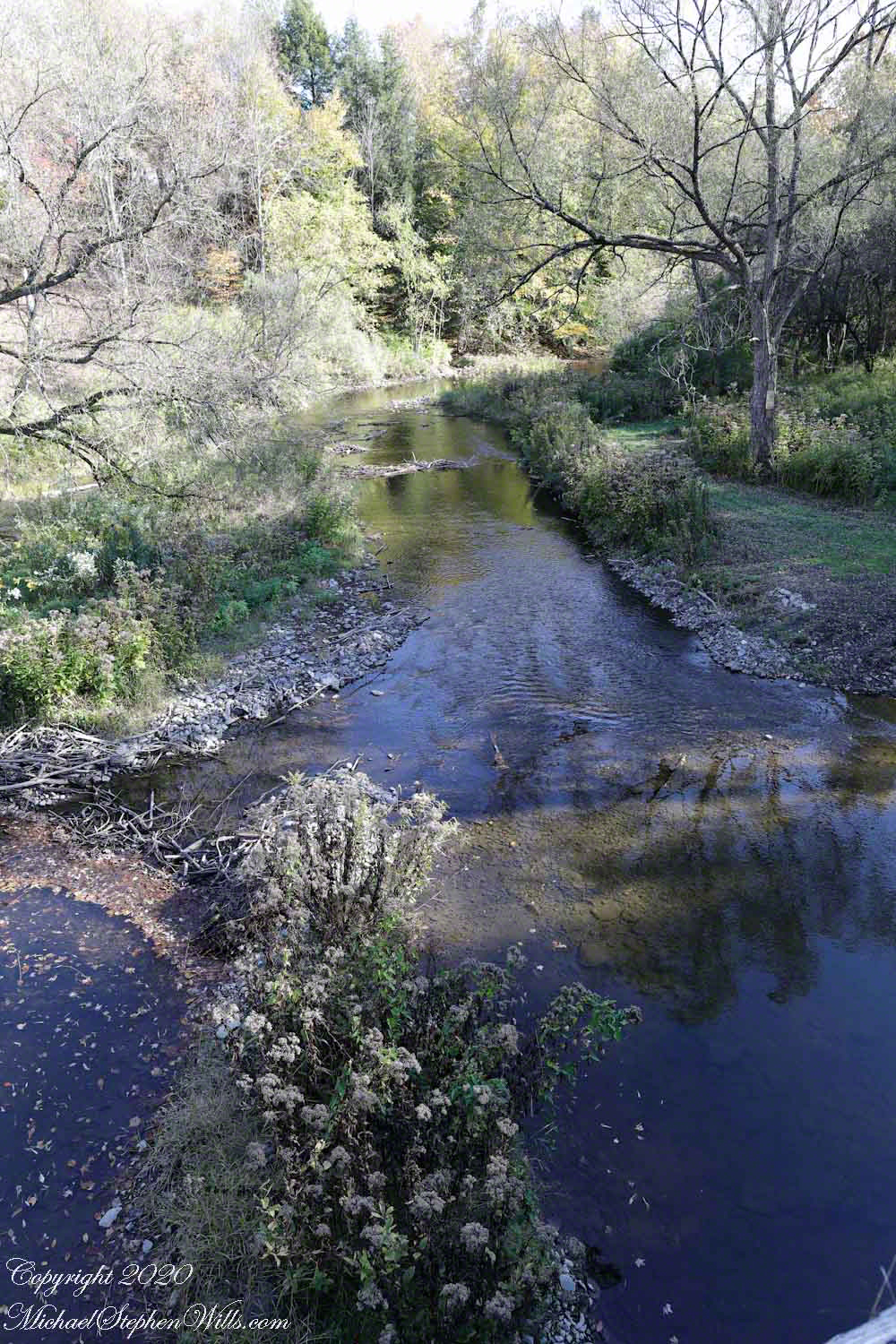
Fall Creek meanders through the esker fields of the Malloryville Preserve. Here is the view from an abandoned railroad bridge. The preserve is near Freeville in the Finger Lakes Region of New York State.

This is not grand scenery in the postcard sense; it is something quieter and deeper. Malloryville invites you to slow down and notice. To ask why a particular ridge is so narrow, why water emerges here but not there, why one hollow is filled with shrubs and another with moss and sedge. In learning those answers, you gain not only an appreciation for this modest preserve but also a richer understanding of the entire Finger Lakes region.

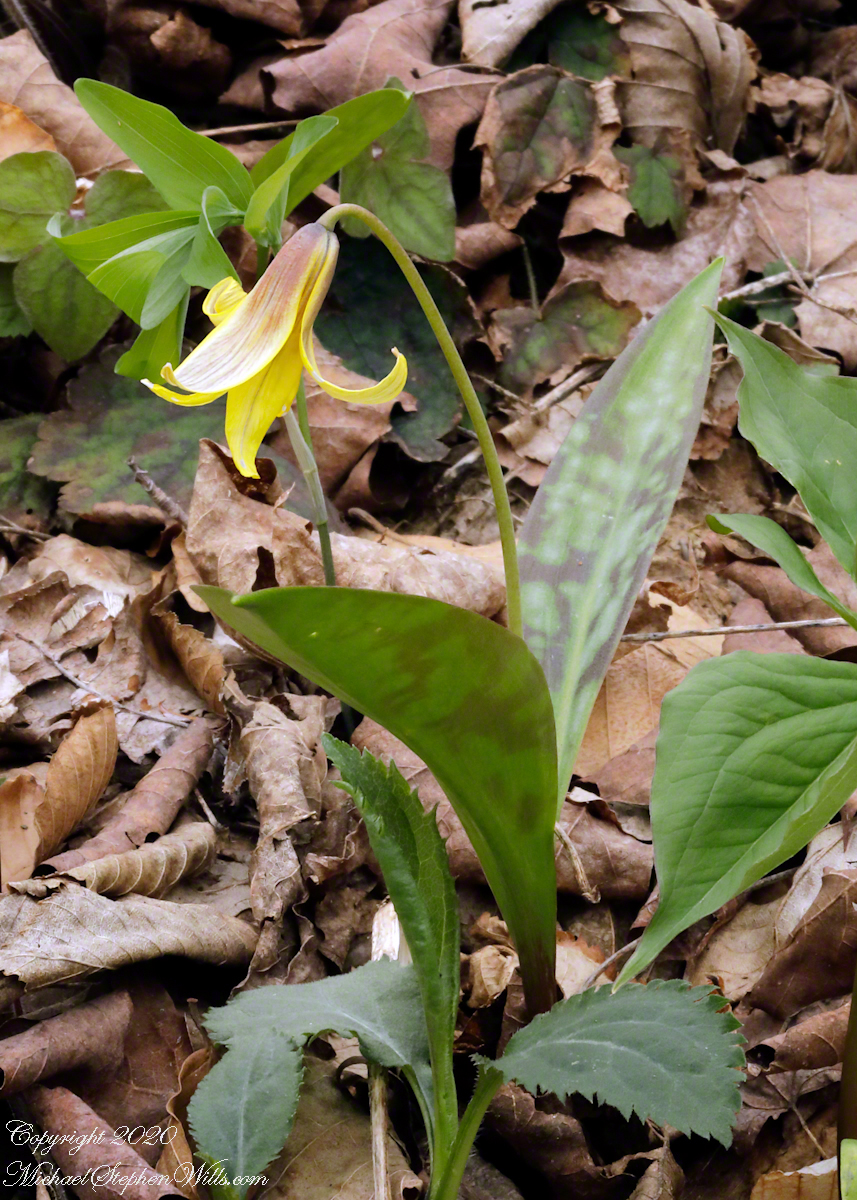
The Trout Lily (Erythronium americanum) is named for the mottled brown leaves resembling marking on trout.

In the end, the O.D. von Engeln Preserve at Malloryville is a lens—a way of seeing. Through it, the familiar landscapes of central New York—valleys, hills, streams, and lakes—come into sharper focus as the lasting work of ice and water. Stand on an esker, look across a kettle wetland, listen to the quiet trickle of a spring, and you are standing inside the very processes that shaped the Finger Lakes.

Enter your email to receive notification of future postings. I will not sell or share your email address.

Queen Anne’s Legacy: A Wildflower’s Role in the Finger Lakes Ecosystem and History

Amid the rolling hills and meadows of the Finger Lakes, Queen Anne’s Lace stands tall, its delicate white blooms weaving a tapestry of nature’s resilience and beauty. Discover the rich history, legends, and ecological importance behind this elegant wildflower.


In the Finger Lakes region of New York State, fields come alive with the delicate beauty of Queen Anne’s Lace—a wildflower that embodies nature’s elegance. Scientifically known as Daucus carota, its flowering umbels resemble intricate lace, lending poetic charm to the landscapes it graces. Beyond aesthetics, the history and mythology behind Queen Anne’s Lace, combined with its ecological importance and cultural significance, reveal a plant deeply intertwined with both nature and human culture.

The Name and Its Myths


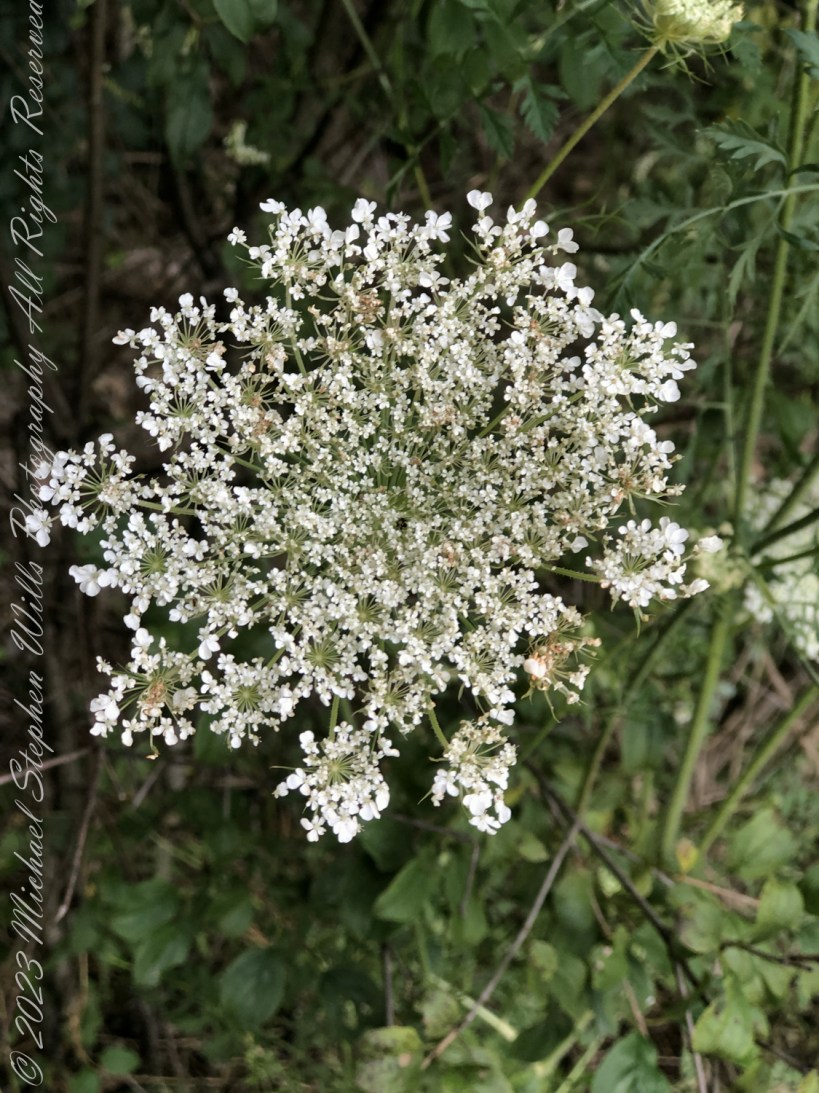
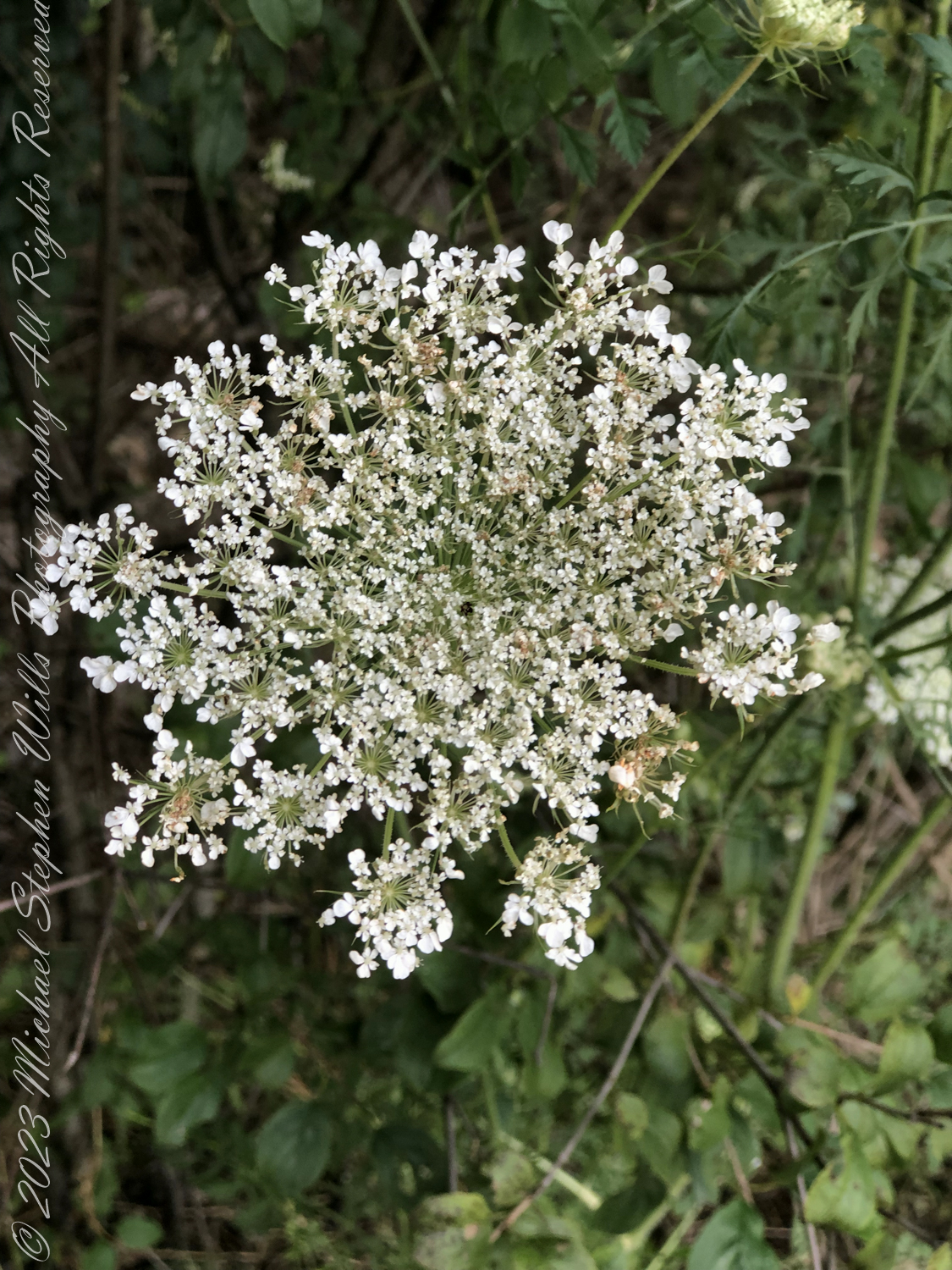
The name Queen Anne’s Lace derives from English legend. According to the tale, Queen Anne, consort to King James I, was challenged to create lace as beautiful as the flower. While sewing, she pricked her finger, and a single drop of blood stained the lace—represented by the tiny purple floret at the center of many Queen Anne’s Lace blossoms. This intricate network of white flowers surrounding a central floret mirrors the lacework attributed to Queen Anne, giving the plant a royal and historic association.

Scientifically known as Daucus carota, Queen Anne’s Lace is also known by several other common names, including wild carrot and bird’s nest, the latter inspired by the way the flower head curls inward as the seeds begin to develop, resembling a nest. The flower is closely related to the cultivated carrot, and its roots, though much smaller and woodier, share the familiar carrot scent. In fact, Queen Anne’s Lace is considered the wild ancestor of the domestic carrot, with a lineage stretching back thousands of years.

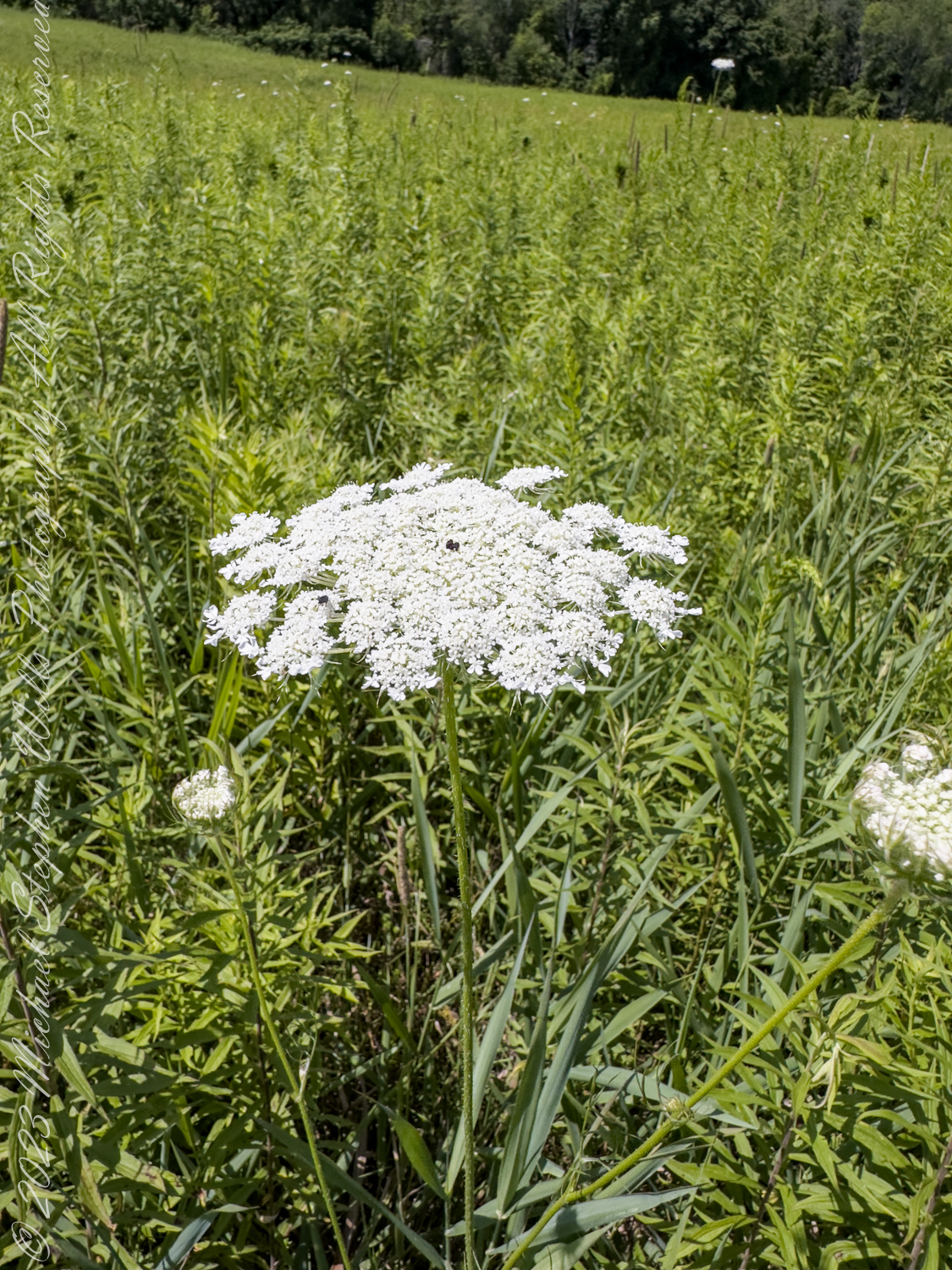
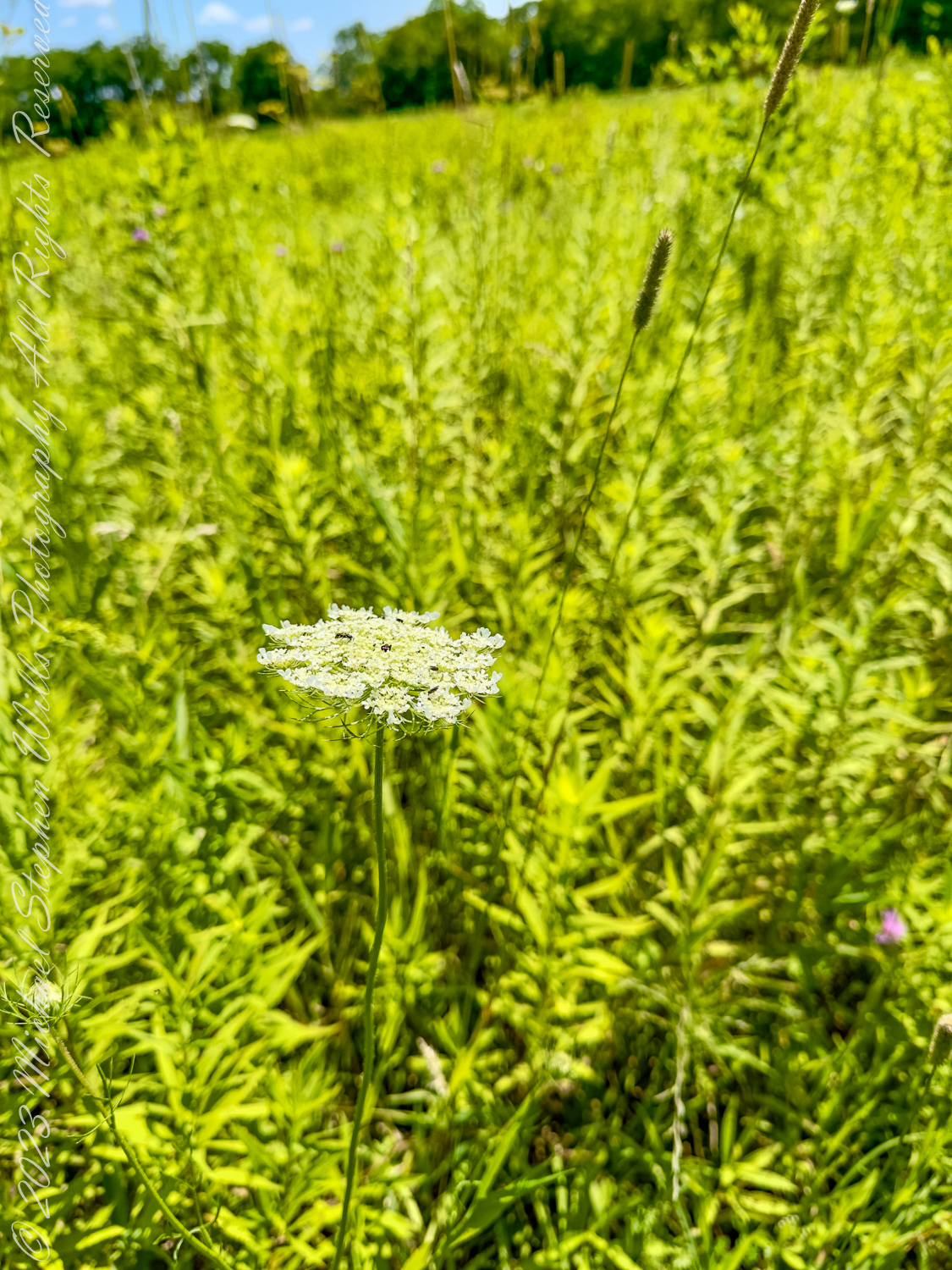
In the meadows of the Brock-Harvey Forest Preserve, Queen Anne’s Lace thrives among the native flora, showcasing its delicate beauty. The function of the central dark florets of D. carota has been subject to debate since Charles Darwin speculated that they are a vestigial trait. It has been suggested that they have the adaptive function of mimicking insects, thus either discouraging herbivory, or attracting pollinators by indicating the presence of food or opportunities for mating. Research conducted in Portugal suggests that the dark central florets of Daucus carota mimic insects, attracting pollinators like the varied carpet beetle (Anthrenus verbasci). Inflorescences with more dark florets experienced increased visitation, indicating these florets may enhance pollination efficiency.

Queen Anne’s Lace in Finger Lakes Ecology


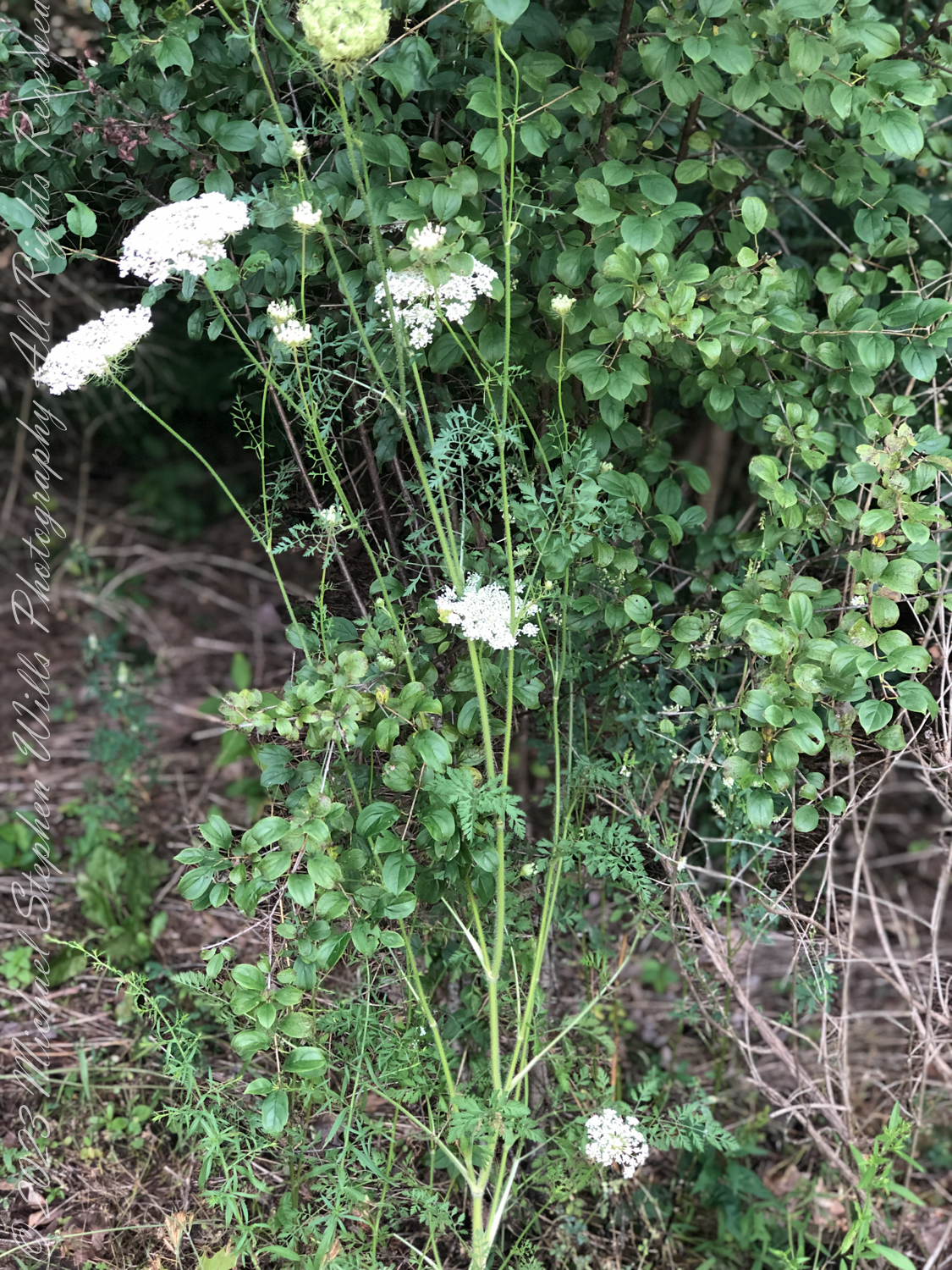
Beyond its rich mythology, Queen Anne’s Lace plays a significant role in the ecology of the Finger Lakes region. Throughout the expansive landscapes of the Finger Lakes, from lush meadows to roadsides, Queen Anne’s Lace stands tall, its delicate blossoms dotting the green with clusters of white. This wildflower can be observed in various stages of its life cycle, from budding umbels to the intricate ‘bird’s nest’ formation.

The fields around the Finger Lakes, often framed by rolling hills and ancient forests, offer the perfect habitat for Daucus carota. The plant thrives in well-drained soils and open sunlight, often outcompeting other flora. Its deep taproots, a characteristic inherited from its cultivated cousin, the carrot, allow it to flourish in the rocky soils of the region.

In these fields, Queen Anne’s Lace performs a vital ecological role. The plant attracts a variety of pollinators, including bees, butterflies, and beneficial insects like lacewings, which help to control aphid populations. The wide, flat umbels provide an ideal landing platform for these insects, who in turn pollinate the flowers, ensuring the plant’s continued spread.

A History of Use


The plant’s ecological importance is matched by its historical uses throughout human civilization. Queen Anne’s Lace has long been a part of human history, both for its beauty and for its practical applications. The plant’s medicinal uses stretch back to ancient times. The seeds and roots were used by the ancient Greeks and Romans as a natural remedy for a variety of ailments, including digestive issues and inflammation. The seeds, when chewed, were believed to prevent conception and were used as a natural form of birth control.

For Native American tribes in the Finger Lakes region, Queen Anne’s Lace was a valuable plant. The roots were often used in the preparation of poultices to treat minor wounds and skin irritations. Additionally, the seeds were used for their diuretic properties, often in teas to help with urinary tract issues. The plant’s close relation to the domestic carrot also meant that its roots could be used as food, though they required careful preparation due to their tough texture and strong flavor.

A Symbol of Resilience and Elegance


The symbolism of Queen Anne’s Lace is steeped in both the fragility and strength it represents. Like the lace it mimics, the flower appears delicate and ephemeral, yet it is a hardy species that thrives in even the most inhospitable conditions. Its deep taproot enables it to survive droughts and poor soil, symbolizing resilience and perseverance in the face of adversity.

In Cayuga County, near Fillmore Glen State Park in Moravia, New York State, farm fields are often adorned with the intricate blooms of Queen Anne’s Lace.

Each summer, the fields of the Finger Lakes burst forth with Queen Anne’s Lace, their towering stalks reaching upward, crowned with intricate blossoms that sway gently in the breeze. As the season progresses, the once-flat umbels curl inward, forming a tight bird’s nest—a final act of elegance before the plant disperses its seeds to ensure future generations.

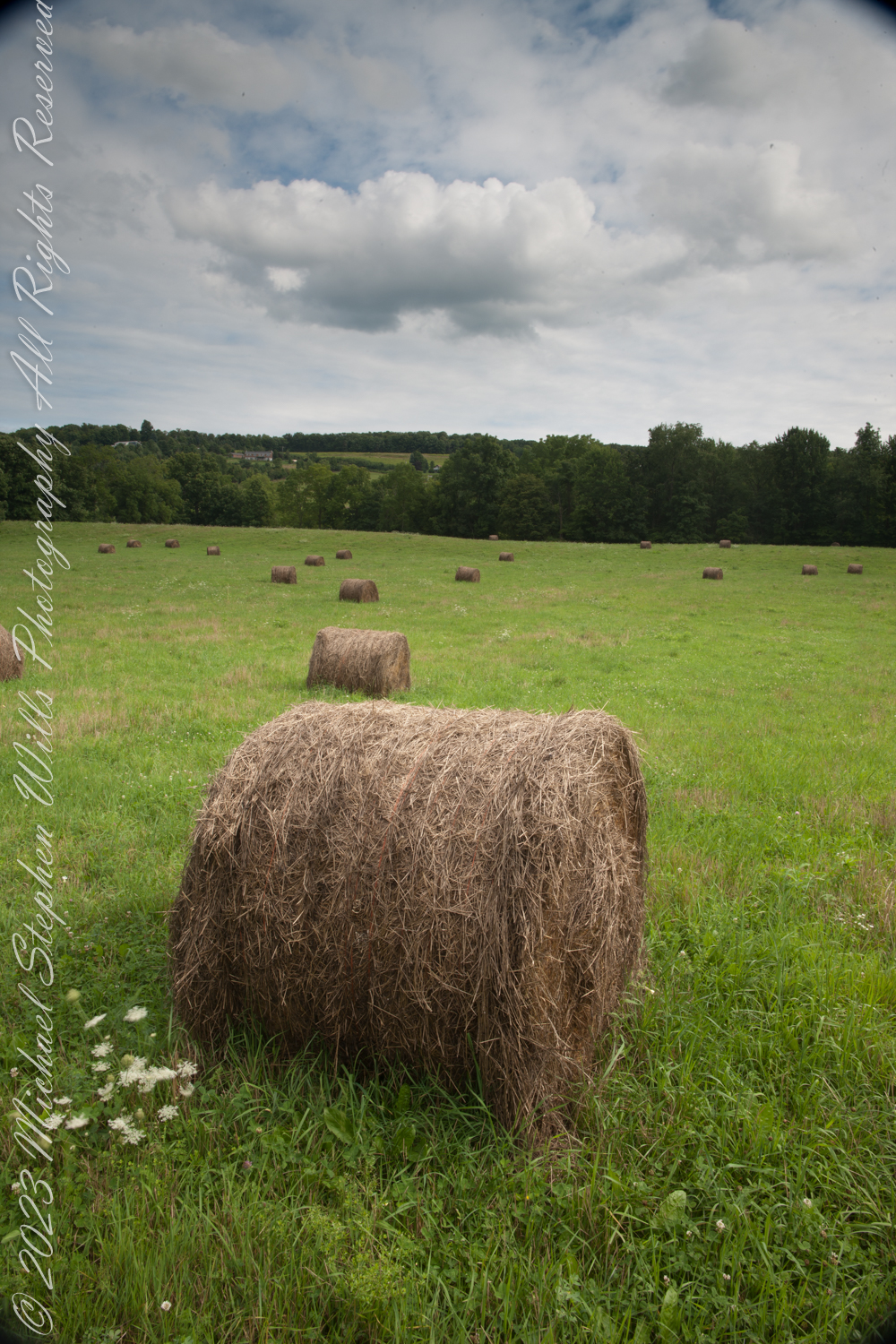
In capturing the essence of this flower in photographs that accompany this essay, the delicate yet persistent nature of Queen Anne’s Lace is evident. Whether standing tall against a backdrop of green hills, or growing alongside weathered hay bales, Queen Anne’s Lace offers a moment of reflection on the intersection of beauty, history, and nature. Its quiet presence in the Finger Lakes is a reminder that even the smallest, most unassuming plants can carry with them deep histories, enduring stories, and a legacy of utility and elegance.

As golden hues of sunset bathe the rolling hills of the Finger Lakes, the ethereal silhouettes of Queen Anne’s Lace stand as a testament to the region’s natural splendor. Whether admired for its aesthetics, revered for its medicinal uses, or simply appreciated for its ecological role, Queen Anne’s Lace remains an iconic and beloved part of the Finger Lakes’ wildflower tapestry.

Copyright 2024 Michael Stephen Wills All Rights Reserved

Shuffle off

All Souls’ Day, observed on November 2, is a Christian tradition of praying for the deceased, originating from ancient practices and shaping cultural rituals like Mexico’s Día de los Muertos.

Shuffling through the hot coals of autumn on All Souls Day.

Click image for a larger version.

All Souls’ Day, observed on November 2nd, is a day of prayer and remembrance for the souls of the deceased. Stemming from ancient traditions and solidified within the Christian liturgical calendar, this day serves as a solemn occasion to commemorate the departed. Its roots are deep, with a rich history that intertwines with both religious and cultural practices over centuries.

Origins
The concept of dedicating a day to remember the dead predates Christianity. Many ancient civilizations, such as the Egyptians and the Celts, held ceremonies and festivals to honor the deceased. The Celts, for instance, celebrated Samhain, which marked the end of harvest and the beginning of winter. This was believed to be a time when the veil between the living and the dead was thinnest.

As Christianity spread across Europe, there was an attempt to integrate pagan practices into the Christian framework, leading to the establishment of days dedicated to the deceased. By the 7th century, monastic communities in Europe had begun to designate a day to pray for the departed members of their communities.

Establishment
All Souls’ Day was formally institutionalized by St. Odilo of Cluny in 998 AD. He declared November 2nd as a day for all the monasteries associated with his Benedictine congregation to pray for the souls in purgatory. This practice quickly spread, and by the 11th century, it was widely celebrated throughout Christian Europe.

Theology Behind the Celebration
Central to All Souls’ Day is the belief in Purgatory – an interim state where souls undergo purification before entering Heaven. It’s believed that the prayers of the living can aid these souls, expediting their journey to paradise.

Modern Observations
Today, All Souls’ Day is observed with varying levels of prominence across Christian denominations. In Roman Catholicism, it retains significant importance, with masses dedicated to the departed. In other Christian traditions, it may merge with other observances, like All Saints’ Day (November 1st) or be passed over entirely.

Cultural Influences
Over time, All Souls’ Day has influenced and been influenced by local customs and traditions. In Mexico, for instance, Día de los Muertos (Day of the Dead) coincides with All Souls’ Day but has its distinct flair, involving vibrant parades, elaborate altars, and specific foods.

Bullet Points Summary:

Ancient Foundations: All Souls’ Day has its roots in ancient civilizations that honored the dead.
Samhain: The Celts observed Samhain, marking a time of close proximity between the living and the dead.
Christian Integration: Early Christians attempted to integrate existing pagan rituals into their religious framework.
Monastic Observances: By the 7th century, monastic communities began designating days for the departed.
St. Odilo of Cluny: He formalized All Souls’ Day in 998 AD for his Benedictine congregation.
Spread: By the 11th century, the observance had spread throughout Christian Europe.
Purgatory: Central to the day’s theology is the belief in purgatory and the power of prayers to aid souls.
Variation in Observance: The day’s significance varies across Christian denominations.
Cultural Mergers: Local traditions, like Mexico’s Día de los Muertos, have both influenced and been influenced by All Souls’ Day.
Modern Practices: Today, the day may involve attending masses, lighting candles, and visiting graves of loved ones.
In essence, All Souls’ Day is not just a day on the liturgical calendar; it’s a reflection of humanity’s timeless effort to understand, honor, and find meaning in the cyclical nature of life and death. Through rituals and observances, we bridge the gap between the past, present, and the profound mystery of the hereafter.

Click Me for another Malloryville post, “Formed By Water.”

Copyright 2023 Michael Stephen Wills All Rights Reserved

Dappled Sunlight

The Malloryville eskers near Freeville, New York, highlight the region’s glacial history and contribute significantly to biodiversity and local ecology.

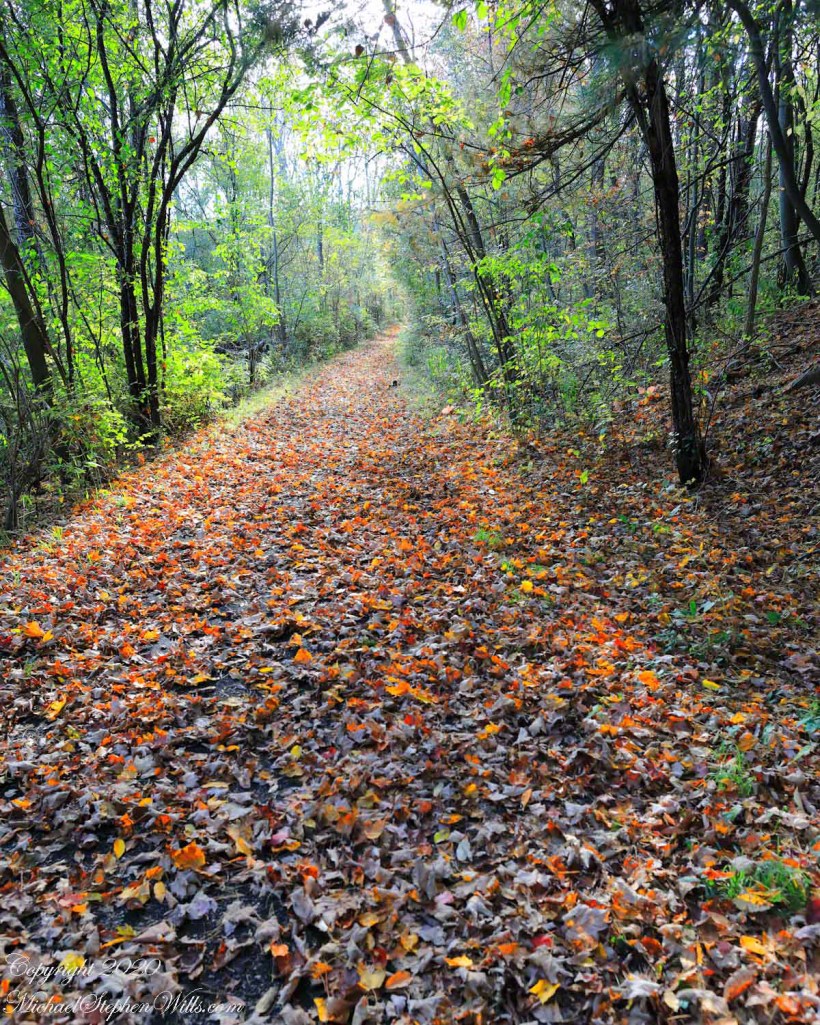
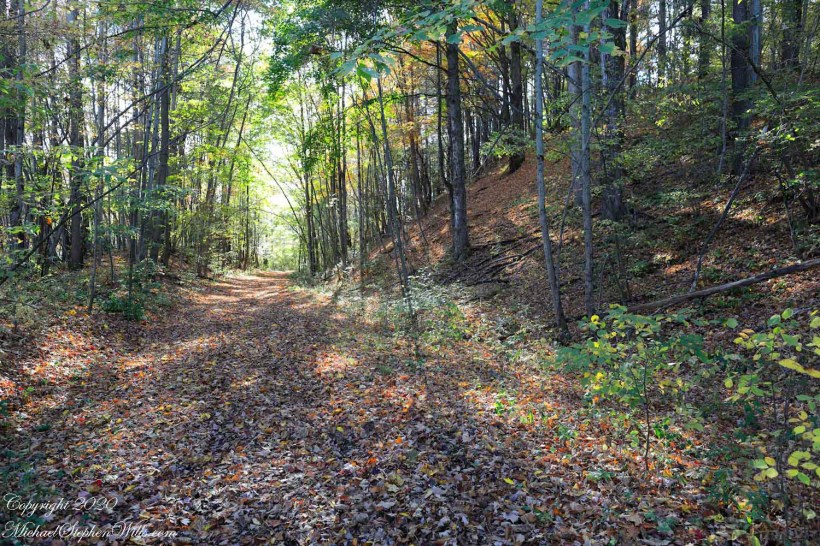
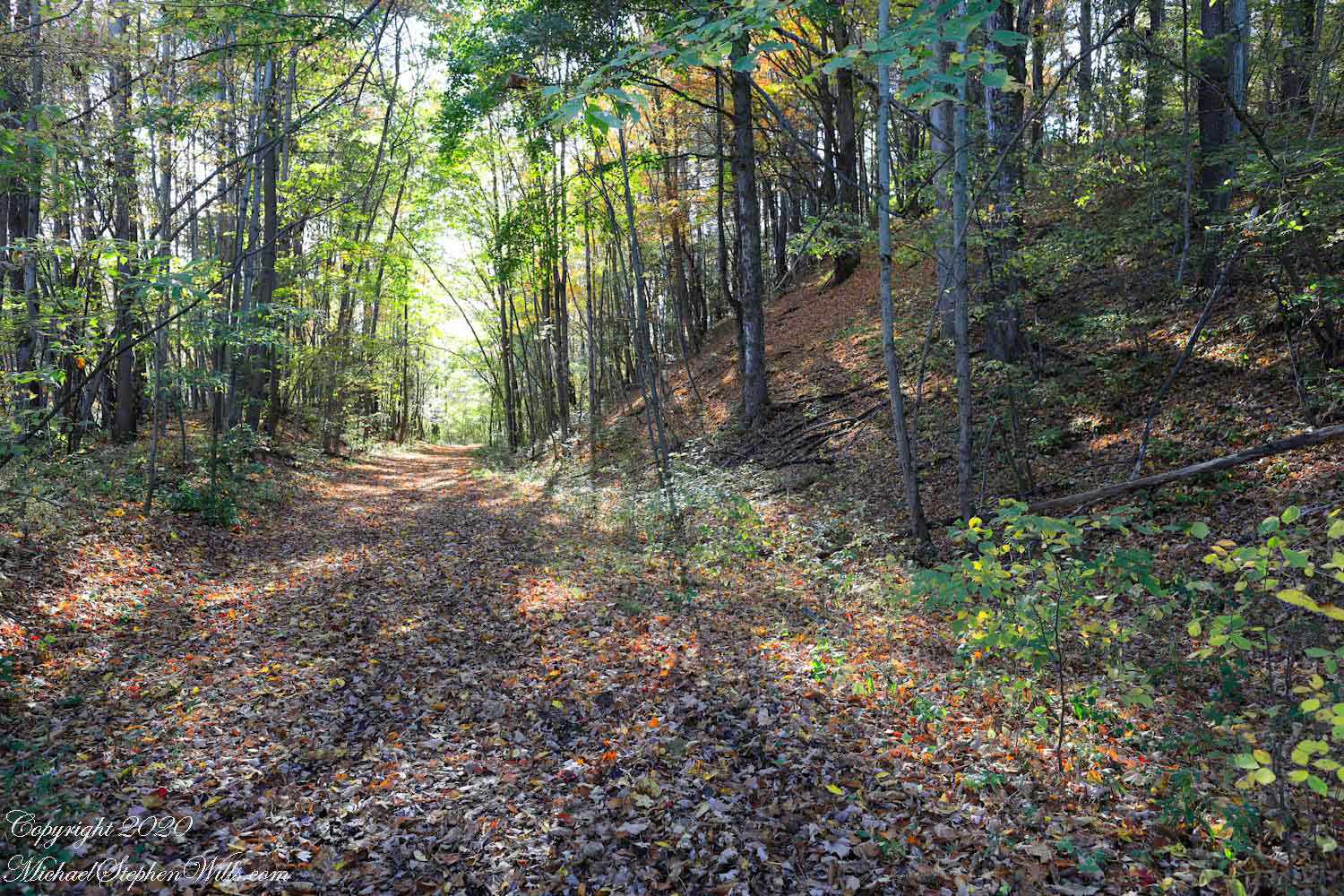
Walking here, I enjoy telling the grandchildren of the immense, mile-high ice sheet that once covered this land 10,000 years ago, creating these hills and hollows.

Click Me for another Malloryville post, “Formed By Water.”

Eskers are geological features that tell a rich tale of the glacial history of an area. In the landscape near Freeville, New York, the eskers of Malloryville stand as prominent reminders of the last Ice Age and the profound effects glaciers have had on the North American terrain. These elongated ridges, composed primarily of sand and gravel, not only offer a visual spectacle but also provide crucial insights into the glacial processes that shaped the region.

Eskers are formed by the deposition of sediment from meltwater rivers flowing on the surface of or within glaciers. As these glaciers recede, the sediment accumulates in the paths previously carved by the meltwater streams, eventually forming ridges. The Malloryville eskers are particularly notable for their well-preserved structure, giving geologists and enthusiasts alike a clear vision of the patterns of glacial meltwater flow from thousands of years ago.

Located just a few miles from Freeville, the Malloryville eskers are an intriguing natural attraction. The topography of the area, largely shaped by the Laurentide Ice Sheet during the last glacial maximum, is characterized by various glacial features, but the eskers are undeniably some of the most distinct. Their serpentine-like appearance, weaving through the landscape, immediately captures one’s attention and beckons further exploration.

From an ecological perspective, the eskers of Malloryville contribute to the area’s biodiversity. The unique microenvironments created by these ridges offer habitats that differ from the surrounding landscape. This differentiation allows for a variety of plant species to thrive, some of which are specially adapted to the well-drained soils of the eskers. Additionally, these ridges act as corridors for wildlife, facilitating movement and offering vantage points for species like deer and birds of prey.

Historically, the eskers near Freeville have also had an impact on human activity. Native American communities, recognizing the strategic advantage of these high grounds, are known to have used them as pathways or even settlement sites. In more recent history, the gravel and sand composition of the eskers have made them targets for mining activities. While this has led to the alteration or destruction of some sections, it has also highlighted the importance of preserving these unique geological features for future generations.

Efforts to study and preserve the Malloryville eskers have grown in recent years. Local educational institutions, in collaboration with geological societies, have undertaken detailed studies to understand the formation and significance of these features better. Such initiatives not only contribute to the scientific understanding of glacial processes but also raise awareness about the importance of conserving unique geological formations. Given the potential impacts of climate change on glacial landscapes worldwide, the eskers serve as a poignant reminder of the dynamic nature of our planet and the traces left behind by the ebb and flow of ice ages.

In conclusion, the eskers of Malloryville near Freeville, New York, stand as testaments to the glacial history of the region. These winding ridges, with their intricate patterns and rich ecological contributions, weave a story of natural processes that have spanned millennia. They remind us of the ever-changing nature of our planet and underscore the importance of understanding and preserving its geological wonders. Whether one views them with the eyes of a scientist, historian, or nature enthusiast, the Malloryville eskers offer a captivating glimpse into the ancient forces that have shaped the world around us.

Copyright 2020 Michael Stephen Wills All Rights Reserved

Coming and Going

beneath the bridge

Standing on a stream spanning bridge it is fun to drop a stick or leaf, watch the progress, disappearing beneath the bridge to emerge and continue riding the water downstream.

Click image for a larger version.

Click Me for another Malloryville post, “Formed By Water.”

Copyright 2023 Michael Stephen Wills All Rights Reserved

Frozen Fall Creek III

Across the years into a future

Gratitude for miracles witnessed is my emotion for this series, “Frozen Fall Creek.” Fifteen winters after Pam and I walked Fall Creek as a solid walking path, the stream flows without ice most years. My son, whose family now lives in the house, and his wife recalling walking the creek a few years ago, not in the past few years.

Weather records support our recollections and observations: here is an analysis of Ithaca January temperatures. The years 2009 through 2019 show a warming trend in daily temperatures for both minimum and maximum.

Analysis

Excel I used to plot minimum and maximum temperatures (Fahrenheit) for the 31 days of each January for eleven years 2009 – 2019. Click on the images of this post for a larger version.

Click any image for a larger view.

Forecast

Pam and I moved to Ithaca 2011 and missed our Fall Creek winter walks, miss them even more now our weekend excursions are only memories. Here are January minimum/maximum average daily temperature projections from 2020 through 2044 based on the trend established from the 2009 through 2019 series. The trend is the solid color, projection the faded color.

Reading from the chart, if the current trend continues by January 2044 the average maximum daily temperature will be 47 degrees compared to 29 for 2009. In other words, the temperature never rose above freezing in the year 2009. By 2044 temperatures will be above freezing every day, on average, with daily minimums averaging 21 degrees.

From what I read, we can expect these warming trends to accerate within our lifetimes. My son named small mid-creek hummocks “islands” with numbers. Here is a view of his Second Island in late summer. What will Second Island be in 2044 late summer?

Late Summer 2018, second island

Memories

Reader of posts I and II of this series have commented about snow shadows. Here are the shadows produced from snow fallen on the vegetation of the last photograph: soft mounds to contrast with tree trunk shadows.

Winter 2009, second island

I prefer the composition of the following photograph. What do you think?

Play of winter shadows

A combination of contrasting shadow forms.

Low Winter Sun
Copyright 2023 All Rights Reserved Michael Stephen Wills

Frozen Fall Creek II

Natural Ice Sculpture

My last post, “Frozen Fall Creek I”, ended with macros of Ice Crystals on a bed of frost over creek ice within sight of our former home, a restored water mill. I continued on the ice, following the creek to this spot were the stream bed turns 90 degrees, changing from a southerly to a western flow.

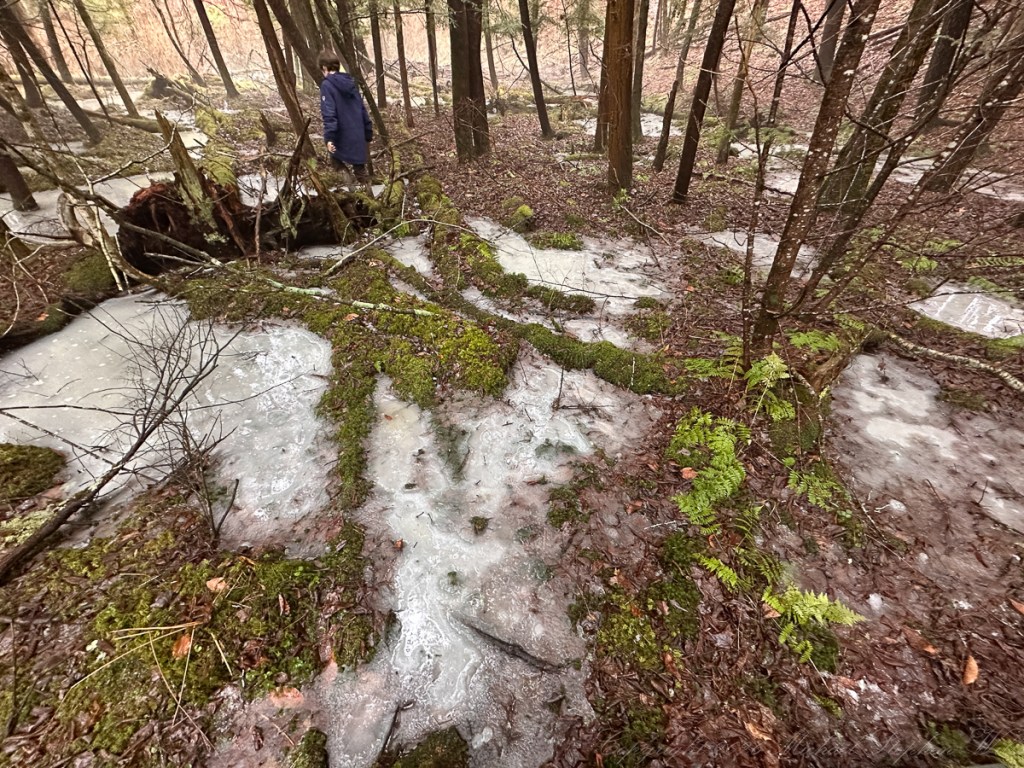
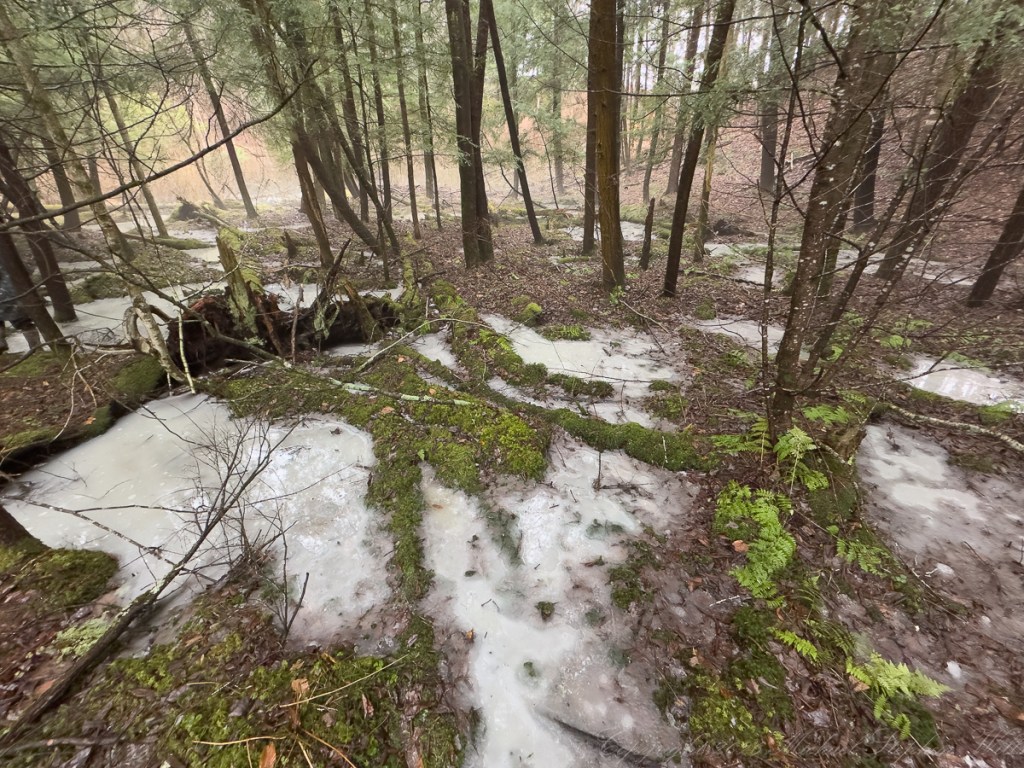
Here I encountered an open course where constant water motion resisted freezing. A few frigid days later, the course had an amazing transformation.

Last To Freeze, Fall Creek

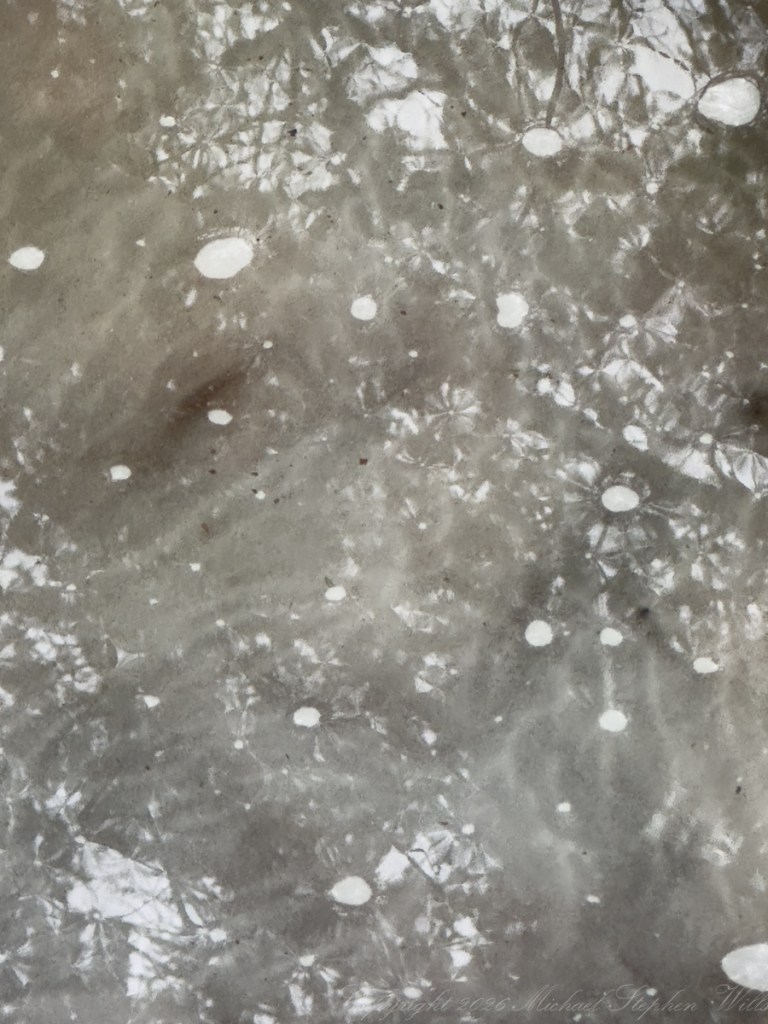
The transparent ice of the now frozen space retained the impression of movement, the surface rippled by current. In the following photograph, motionless ice crystals reveal the truth.

Ice Crystals on Water Frozen while Supercooled

In the intervening days, the constant motion resisted freezing while the water temperature dropped well past freezing to achieve a supercooled state. As the water temperature continued to drop, a fast transition from fluid to solid happened so quickly the movement of the water surface was preserved.

Ice Crystals on Water Frozen while Supercooled

Here is the matching “after” photograph to the “before” that started this post.

Channel of Water Frozen while Supercooled

Copyright 2023 All Rights Reserved Michael Stephen Wills

Frozen Fall Creek I

Ice Crystals

Winter Shadows
Ice Crystals
Ice Crystal Macro I
Ice Crystal Macro II
Ice Crystal Macro III
Copyright 2023 All Rights Reserved Michael Stephen Wills

Meadow Stream, winter 3

Meadow Idyll

Snow under the gathering light of February, edges rounded by sunlight. Can you identify the animal tracks?

Overflow from a Kettle Pond threads through a meadow before feeding Fall Creek. The O.D.von Engeln Preserve at Malloryville.

All were from a tripod mounted Kodak DSC pro SLR-C with the Canon lens EF 50mm f/1.4 USM

Copyright 2023 All Rights Reserved Michael Stephen Wills

Meadow Stream, winter 2

Meadow Idyll

The glacial marls through which this water flows to emerge here clear and pure were under threat from development in the 1980’s and 1990. Thanks to the efforts of the landowner, the uniqueness of this environment was preserved.

The first two photographs are combined and enhanced in photoshop to yield the third, combination, photograph.

Winter Shadows
Winter Shadows

All were from a tripod mounted Kodak DSC pro SLR-C with the Canon lens EF 50mm f/1.4 USM

Winter Shadows
Copyright 2023 All Rights Reserved Michael Stephen Wills