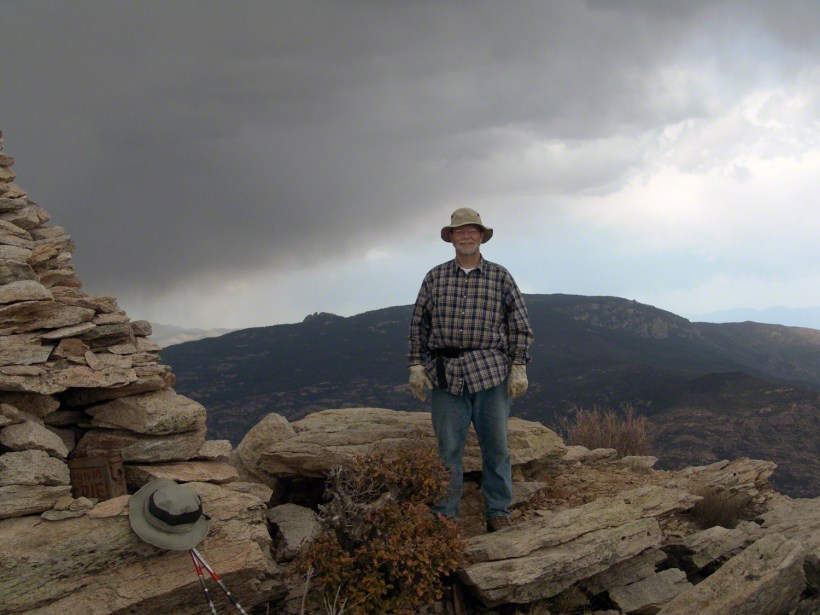
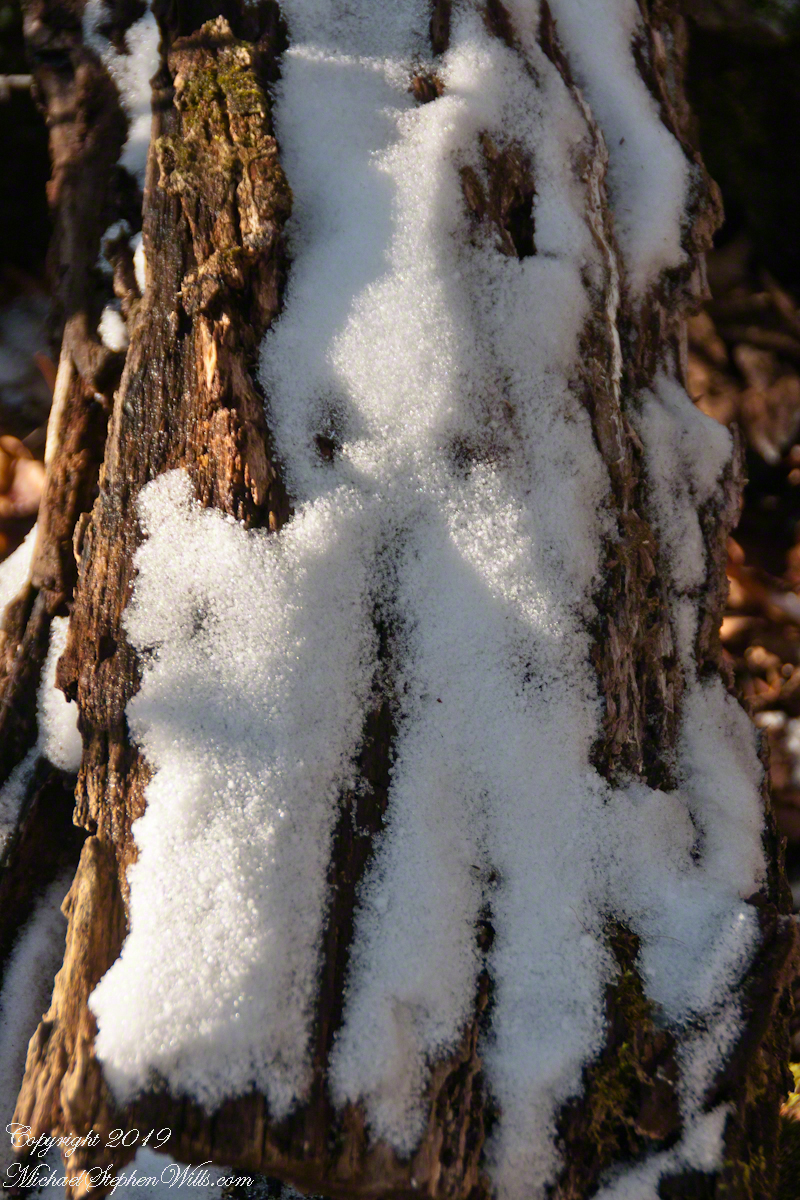
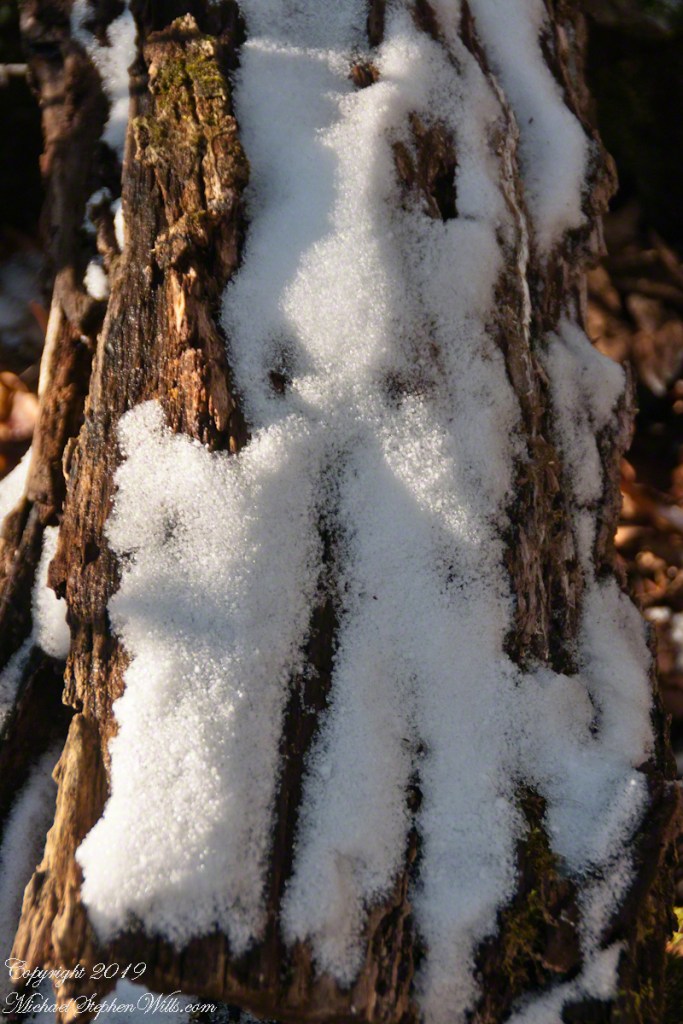
The Rincons are one of 42 Sky Mountain islands isolated from each other by the gradual warming and drying climate changes since the last ice age, 10,000 years ago. While this marvelous environment of oak and pine forests only accessible with much effort on foot, it is literally visible from every point of the Tucson valley and million human inhabitants.
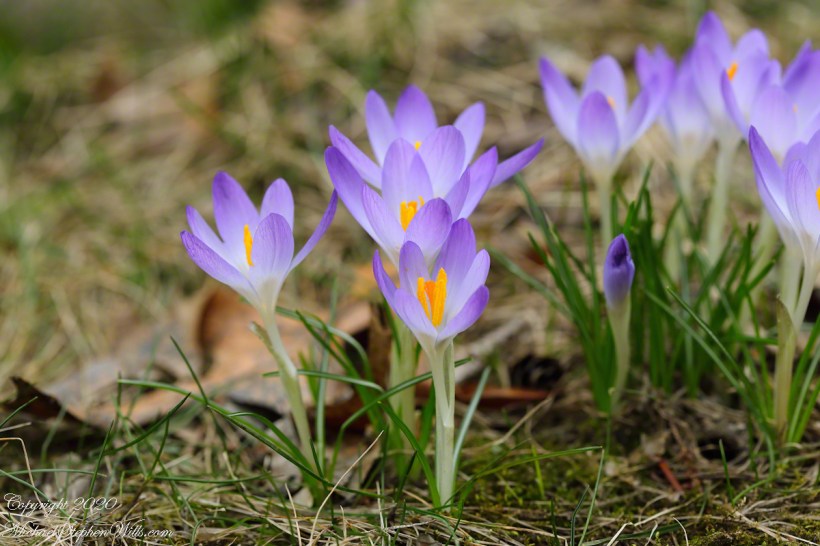
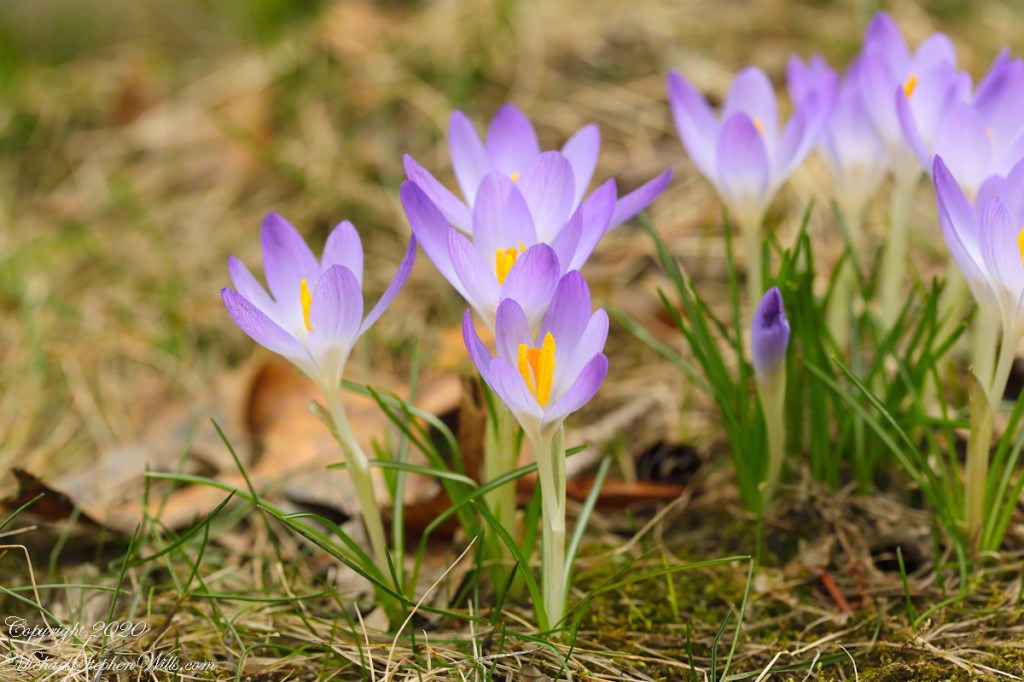
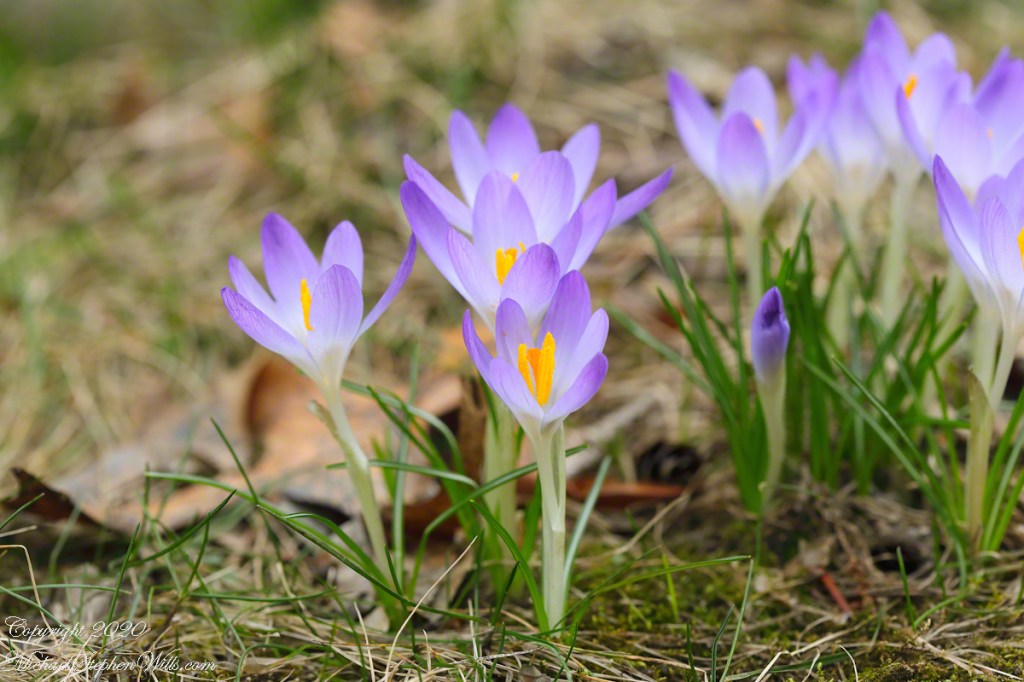
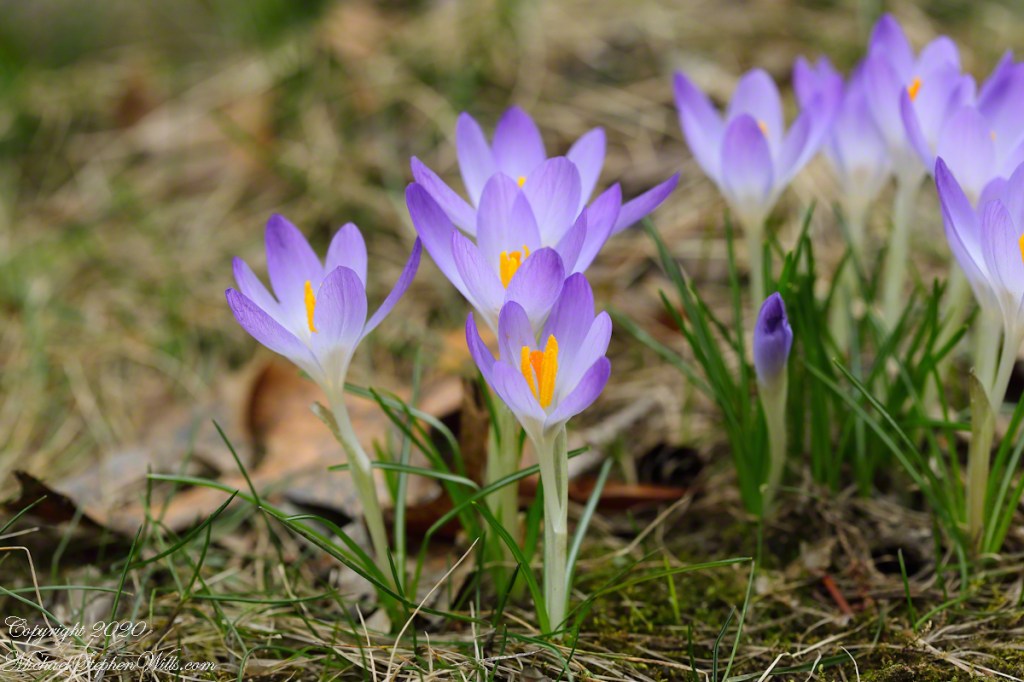
Coronavirus is raging this March 20th (I schedule posts several weeks ahead now), on this day of our anniversary, easy for me to remember falling close to or on the Spring equinox. Earliest spring flowers were up for a week when I spied this group of crocus blooms on a hill. We do not remember them being there, so I called Pam to enjoy them.
Click photograph for a larger view. To do this from WordPress Reader, you need to first click the title of this post to open a new page.
These are extra special, Pam’s parents planted them years ago. The above images are the same photograph. On the left, white balance is set to “cloudy.” At the time, late afternoon, the sun was behind low clouds, providing back light. Perfect lighting for flowers, which is why I interrupted springtime yard cleanup to run inside for the camera.
My intent was to increase the f-stop to over 20 for the following photograph. Metadata on the photograph shows I was only successful in increasing it from 5 to 5.7. ISO was increased from 100 to 400. There was an intermittent breeze and my intent was to avoid blur.
In retrospect, I neglected to change to Aperture mode so any change to F-stop I made was reset. This is a beginners mistake, so photograph turned out well. The colors are richer in the f/5.7 shot.
Copyright 2020 All Rights Reserved Michael Stephen Wills
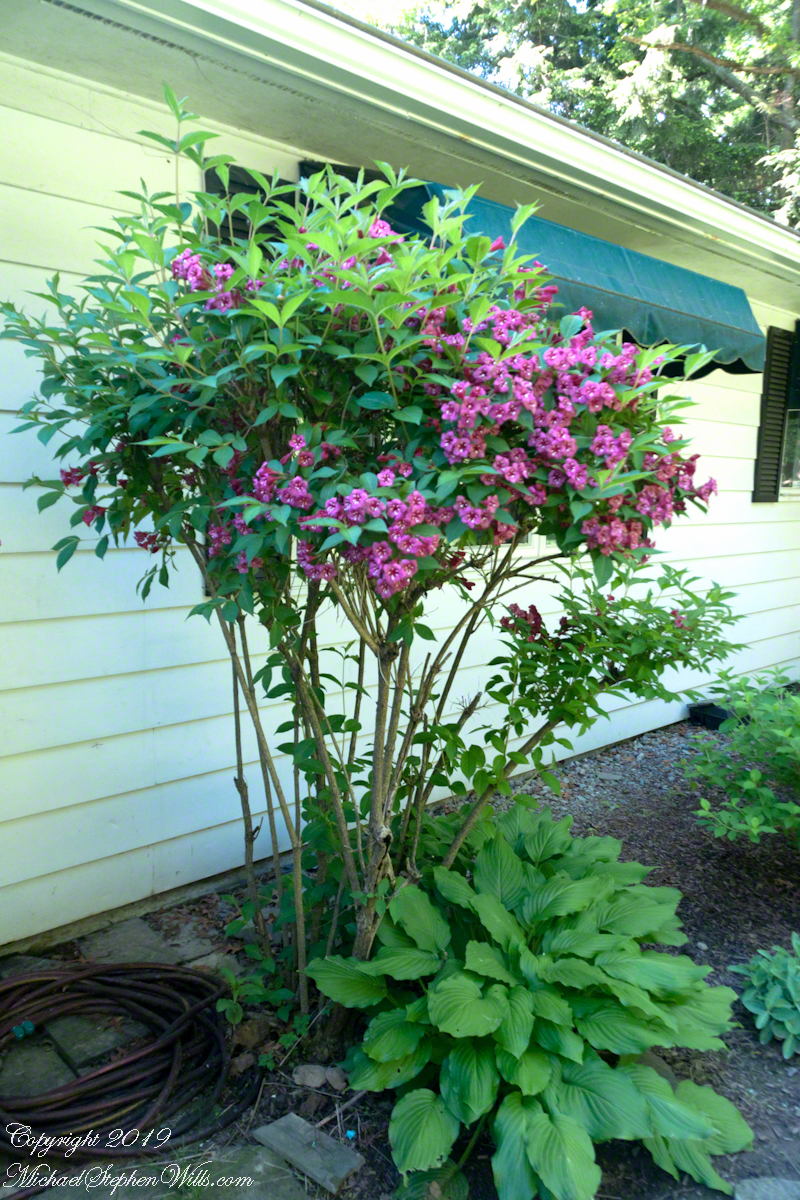
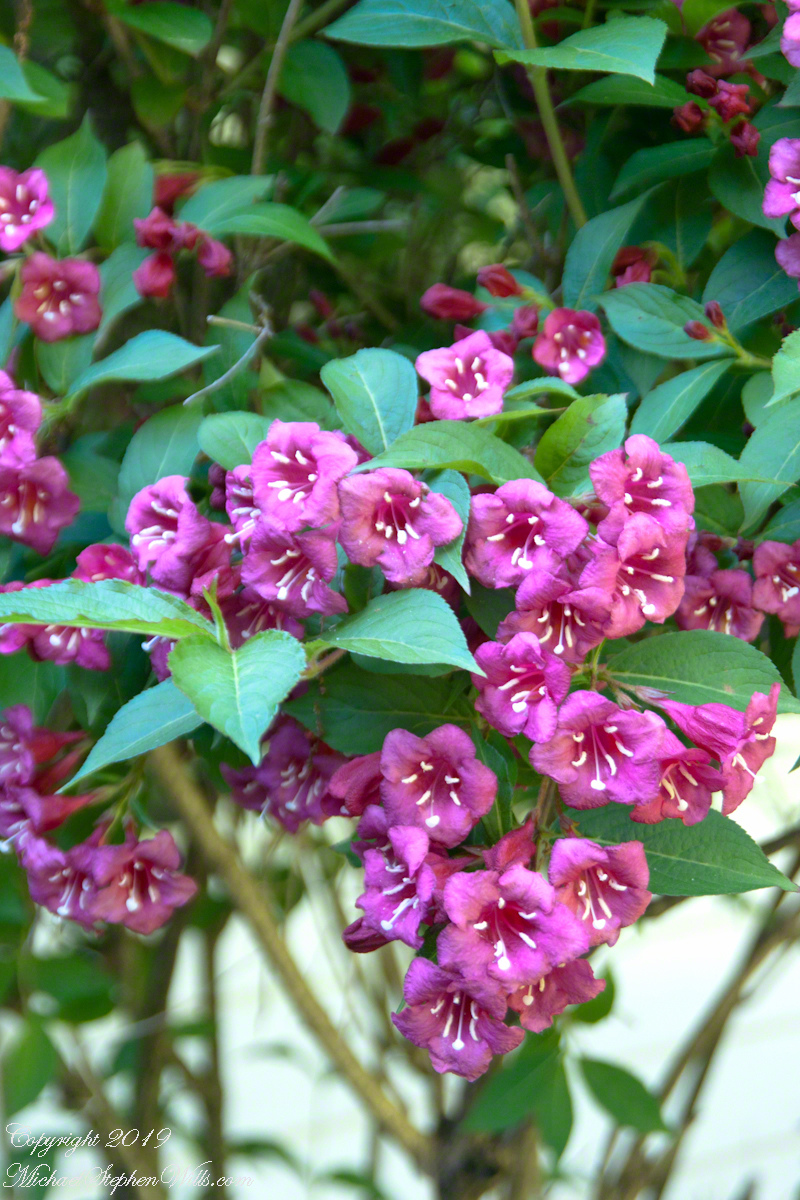
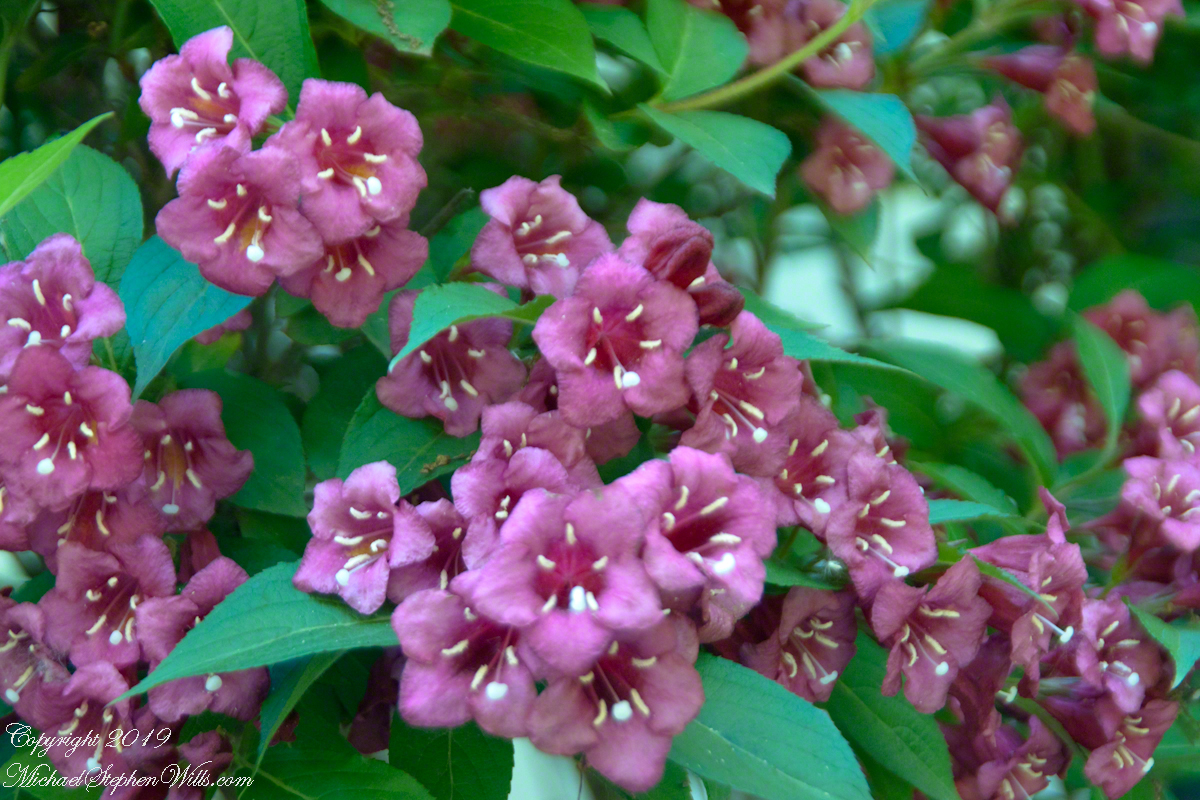
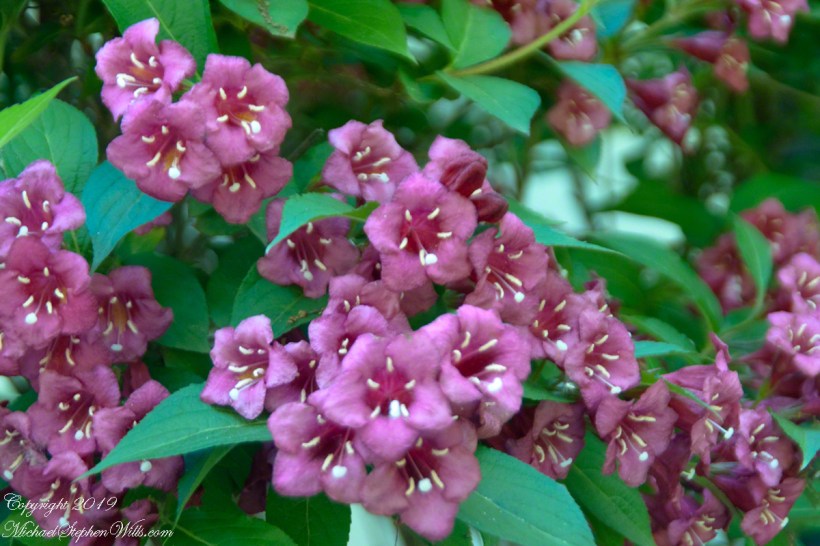
Thank you to the readers whose thoughtful responses appeared these past two days. Pam and I were caring for two grandchildren and, last evening after their Mom picked them up, I sat down with “The Botanical Garden” by Phillips and Rix, Volume I (2002, Firefly Books, Buffalo, New York and Willowdale, Ontario) and a sprig of the leaves and flowers and narrowed the choices to the genus Weigela of the family Caprifoliaceae.
Native to Asia (China, Korea, northeastern Siberia, and Japan), it was cultivated in France in the late 19th Century and is popular in cold climates, where it does well. These plants have been outside the kitchen window of our home for as long a Pam can remember (back to the 1960s).
I don’t know the exact species, it may be a hybrid of several. What identifies it is the overall growth pattern (tall, though we prune it down so the kitchen window view is not obstructed), the leaves (shape, come in pairs on opposite sides of the branch, tip is pointed and edges have teeth), the flower (tubular, 5 petals, 5 stamen shorter than the petals, 1 simple style with a capitate stigma). “Capitate” means it is round and on top of the style like a head. “Style” is an extension of the ovary though which fertilization by pollen happens. Ours is not fragrant, though some are.
SONY DSC
Weigela is the family name of a early professor of Botany (and Chemistry, Pharmacy, Mineralogy) for the university town of Greifswald on the Baltic Sea. There is a botanic garden and arboretum associated with the university and, I suppose, a specimen of the plant was collected for the garden where it is scientifically characterized by the professor.
Copyright 2019 All Rights Reserved Michael Stephen Wills
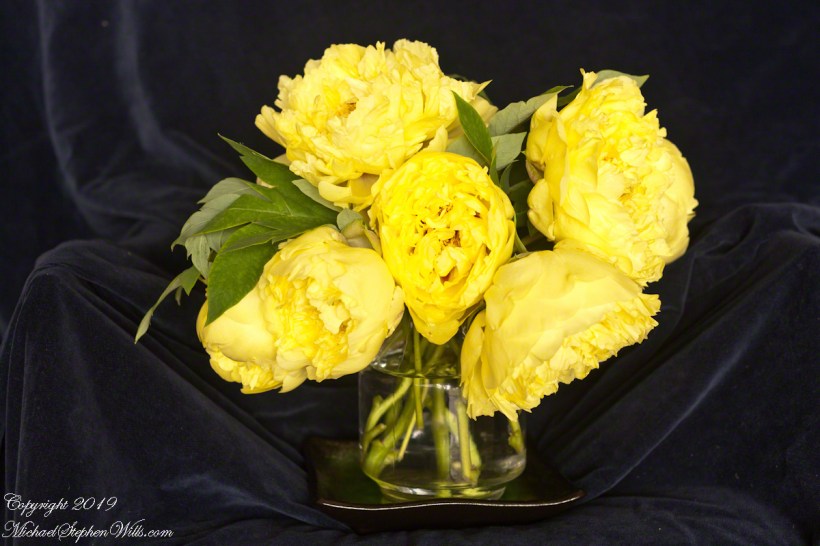
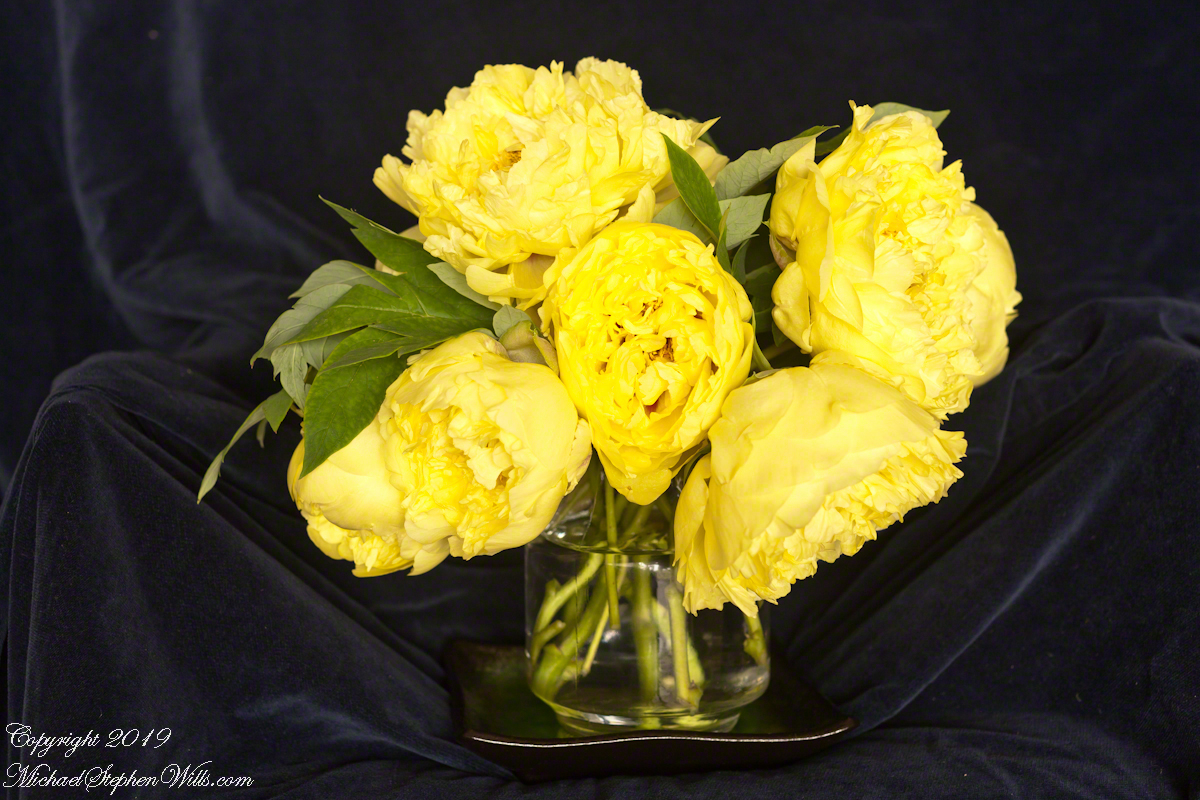
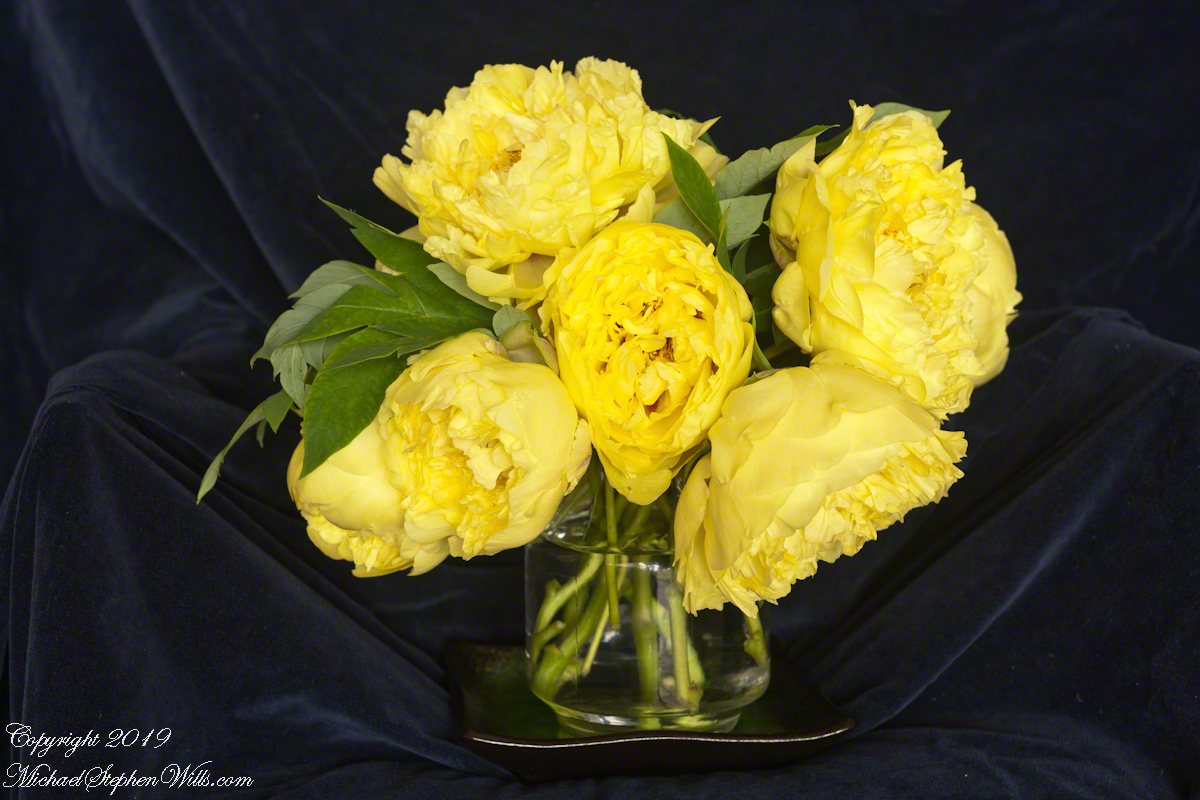
By way of personal inventory, our home has two types of woody peonies in different hues. Last posting I gave you red, au natural. Today, you get yellow in a studio setting, back-dropped by black velvet. There is a story behind that long sheet of fabric. Back in the day, a nephew of mine named Chris and I used to hang out together in the Catskills and Adirondacks. Later, I offered to photograph James, his first born. In preparation, I purchased this six foot length of fabric. It served well for that job and, since then, has done double duty as a wintertime cage cover for the parakeet.
This week, I told Pam our yellow wooden peony was in bloom. A largish bush of full leaves that tend to cover the drooping blooms, Pam harvested six blooms to created an arrangement. These “babies” look great against the black velvet.
Yesterday I used the Canon EF 100mm f/2.8 Macro USB lens and a tripod to capture the following two portraits of Pam’s Yellow Wooden Peony arrangement. In deference to the unanimous reader choice for crisp flower petals the following two versions differ in the crispness of the velvet backdrop.
My timing was fortuitous, last evening the petals started to drop. Pam reports 12 more blossoms are hidden in the bush, so we’ll have at least one more bouquet to enjoy.
Click either photograph for a larger version.
f 5.0 Black Velvet Backdropf 7.1 Black Velvet Backdrop
Copyright 2019 All Rights Reserved Michael Stephen Wills