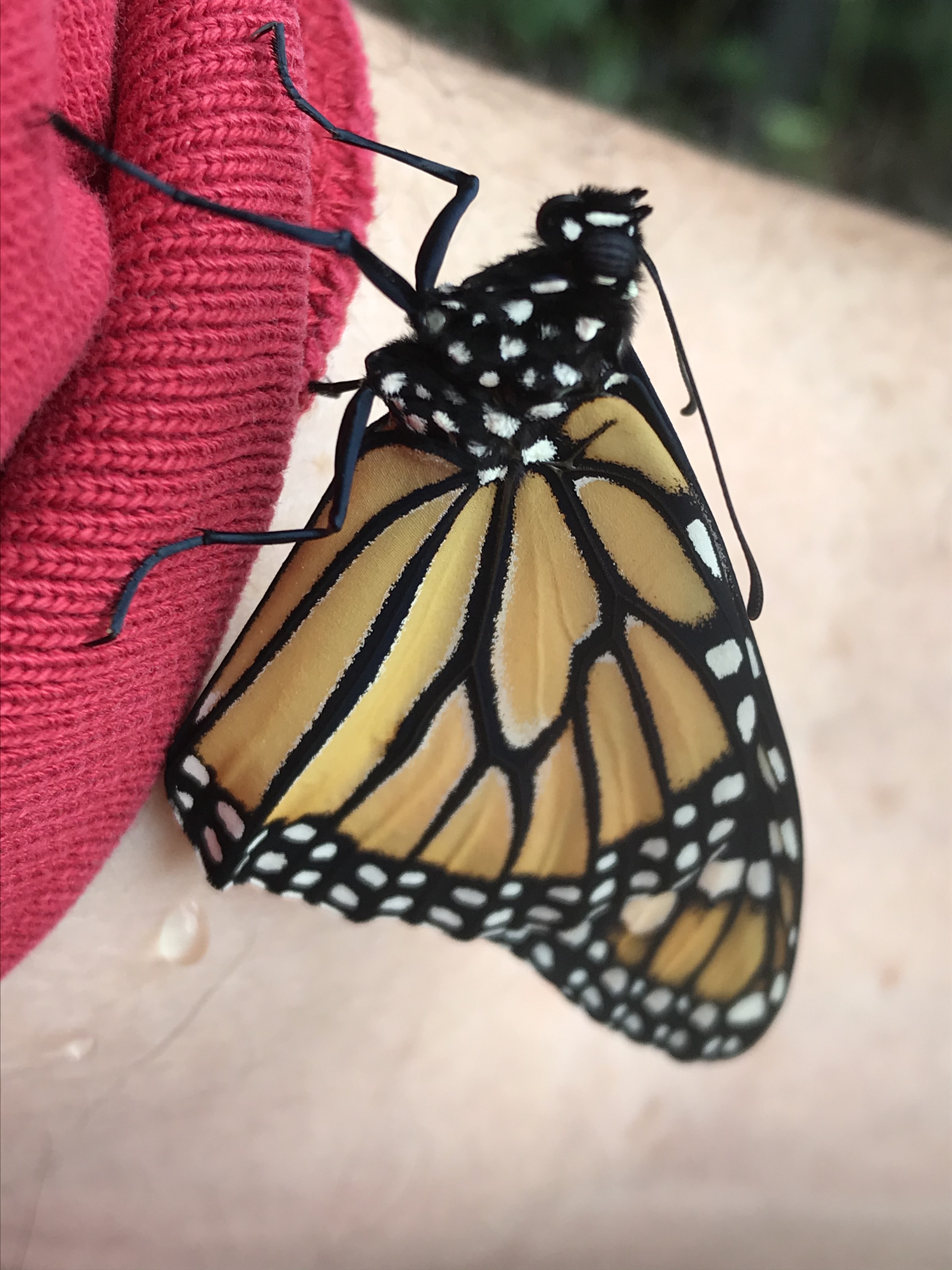
Clinging to my sleeve, this newly emerged Monarch wings dried. It is a process of excreting the fluids pumped into wings, crumpled from folding within the chrysalis, to expand them. The clear drips of water on my arm are this fluid.
Click photograph for a larger view and use Ctrl-x to zoom in closer.
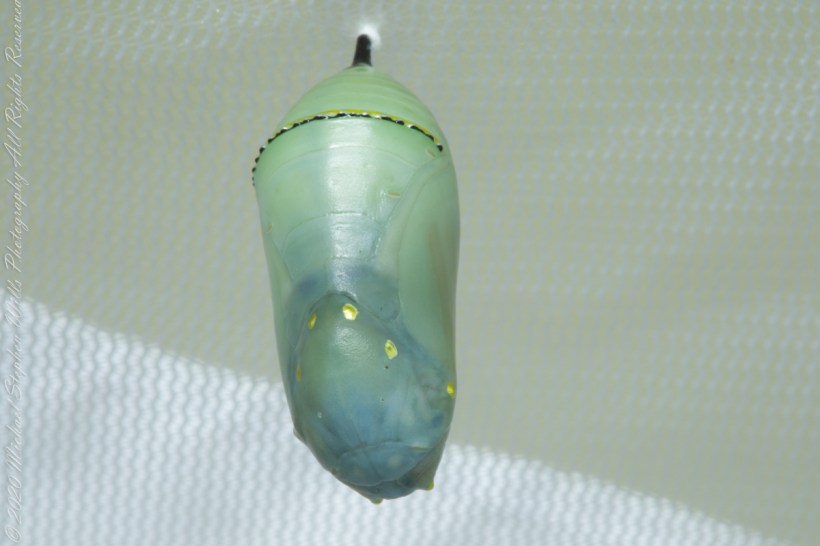
Here is a video from this year, a Monarch emerging from the chrysalis, then expanding crumpled wings. Notice, this butterfly has a problem: once emerged the butterfly swings back and forth continually as it clings to the chrysalis. While interesting to us, the movement is caused from a missing front leg. Monarch butterflies have four legs, this butterfly is missing the right front leg, the imbalance causes the swinging movement. Freshly emerged, a large, distended with fluid abdomen is prominent between small, crumpled wings. With time, the abdomen pumps fluid, expanding the wings. Over several hours the fluid runs from the wings and is expelled from the abdomen, as seen in the above photograph.
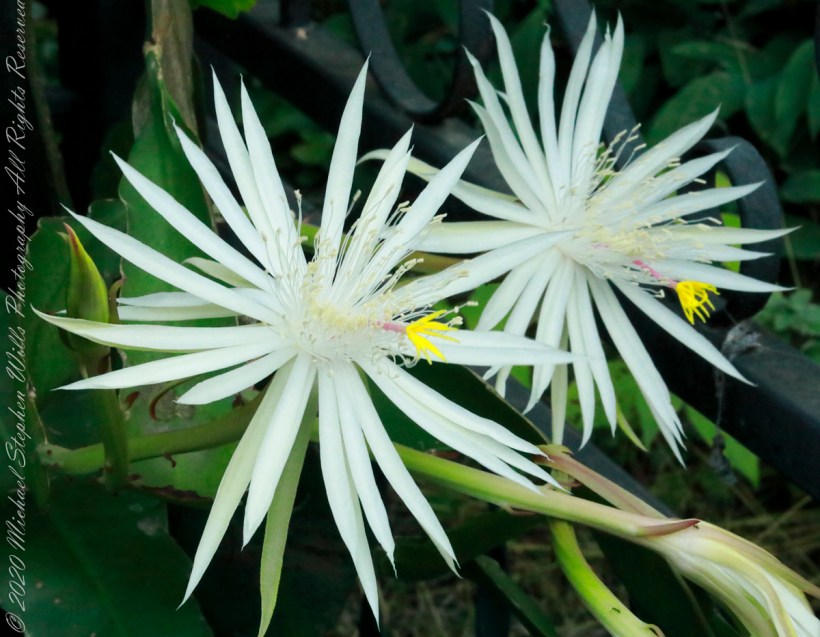
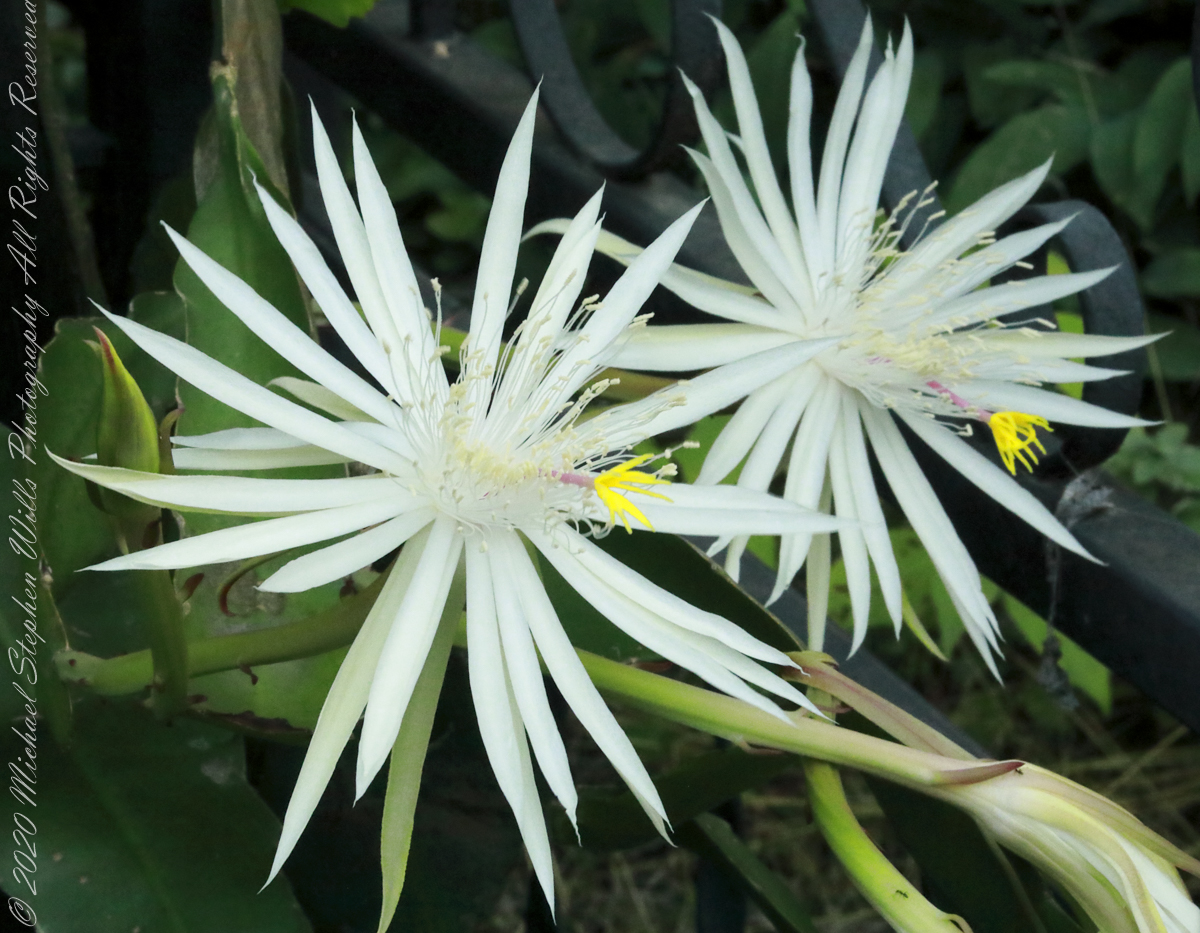
Our Night Blooming Cereus produced to date fifteen (15) flowers this spring and summer. These opened July 26th after sunset.
Click pic for larger view in a new browser tab. If you are in WordPress Reader, open the post to use this feature.
From an extended set of multiple blooms, July 2022.
These were captured with the Canon EOS 5D Mark IV dslr with a 50mm f/1.4 lens on a Manfrotto tripod. In the following closeup from the lower right is visible a flower bud and spent bloom among the flowers.
From an extended set of multiple blooms, July 2022.
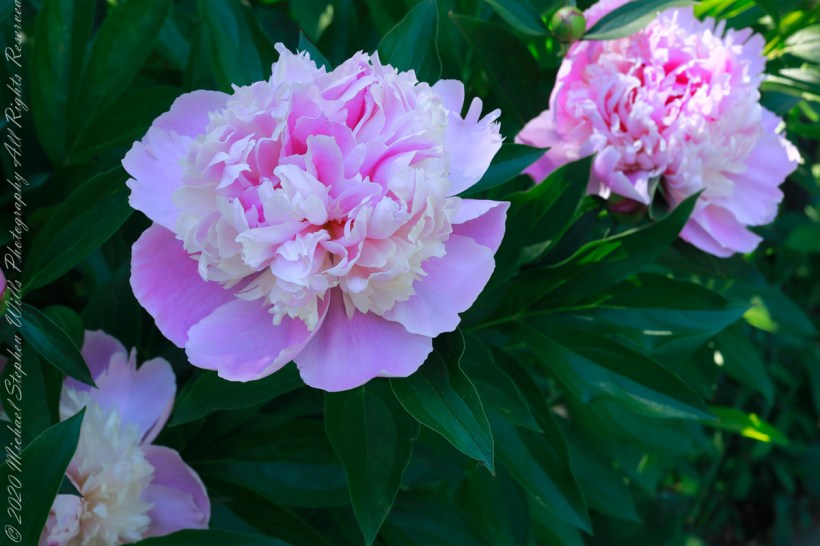
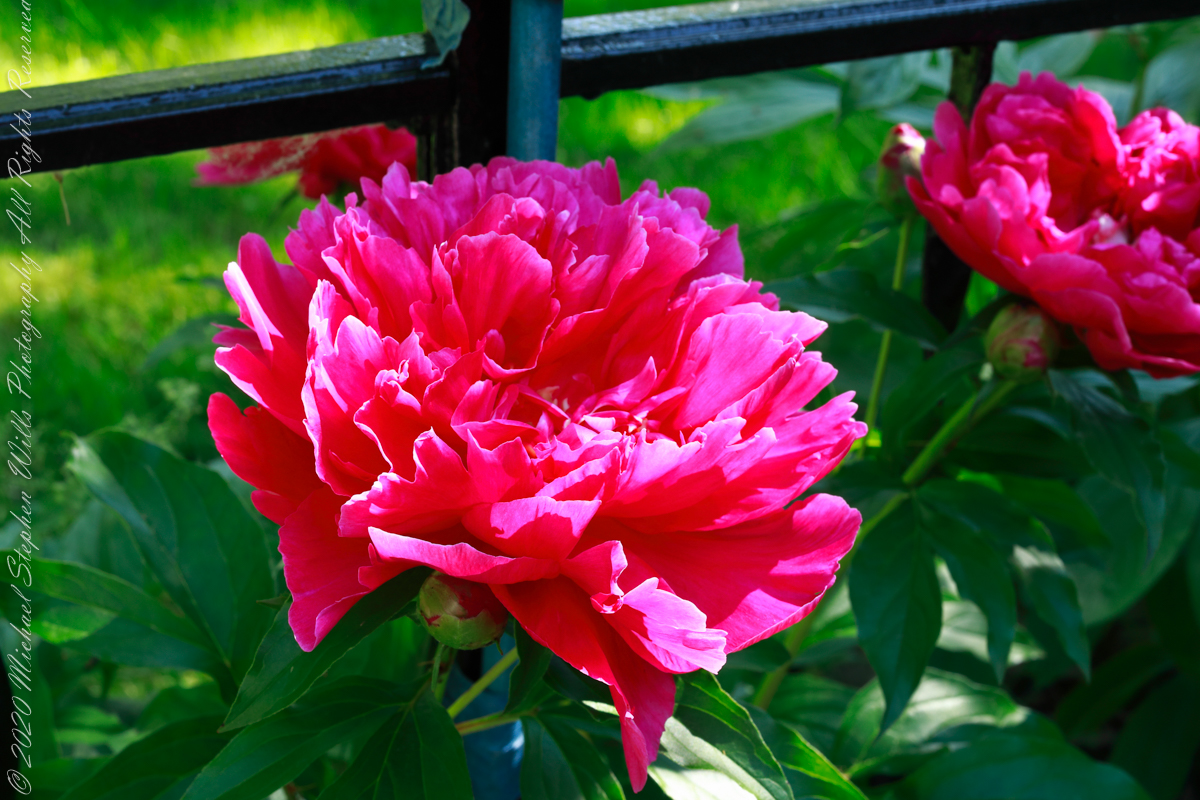
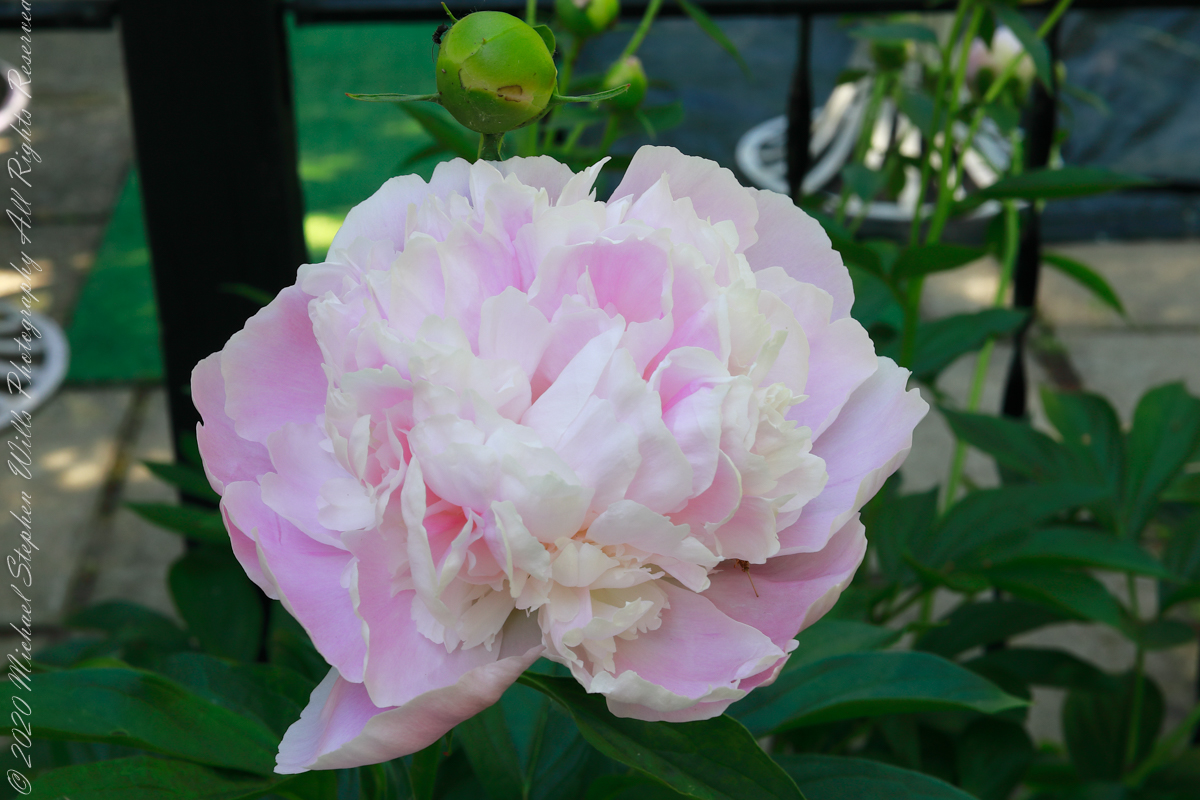
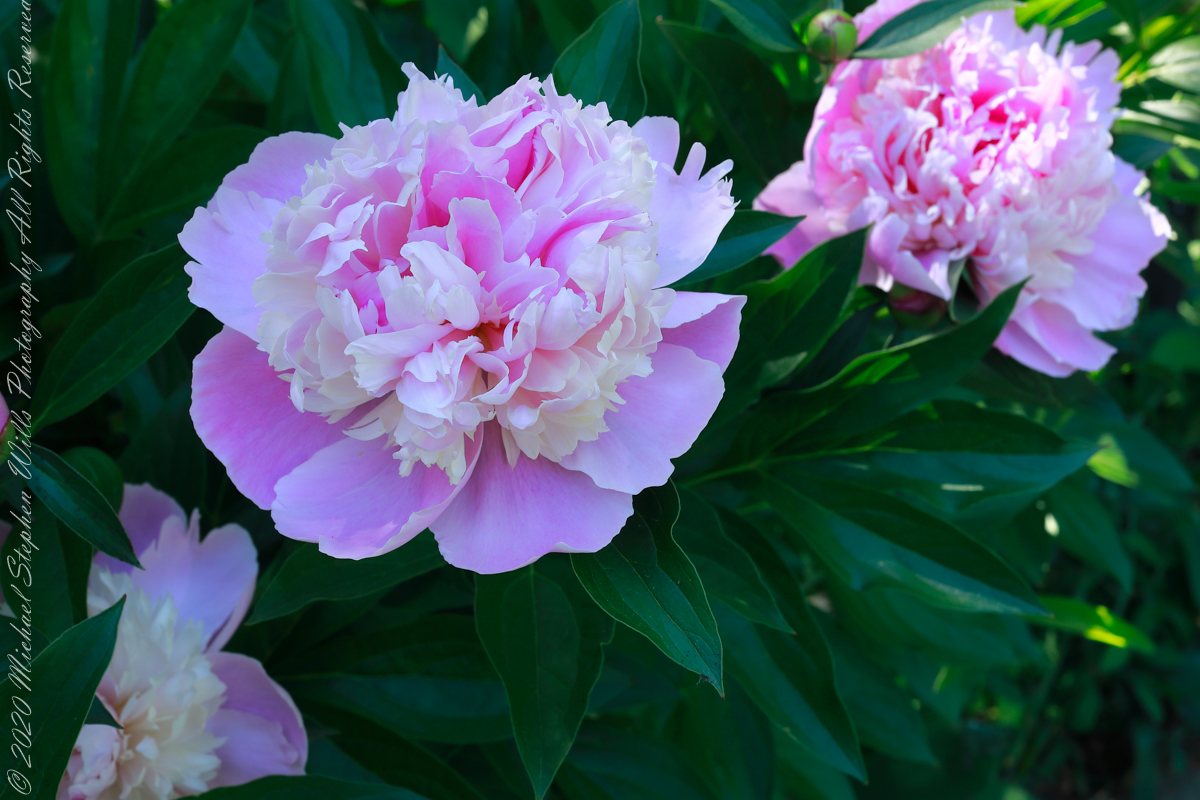
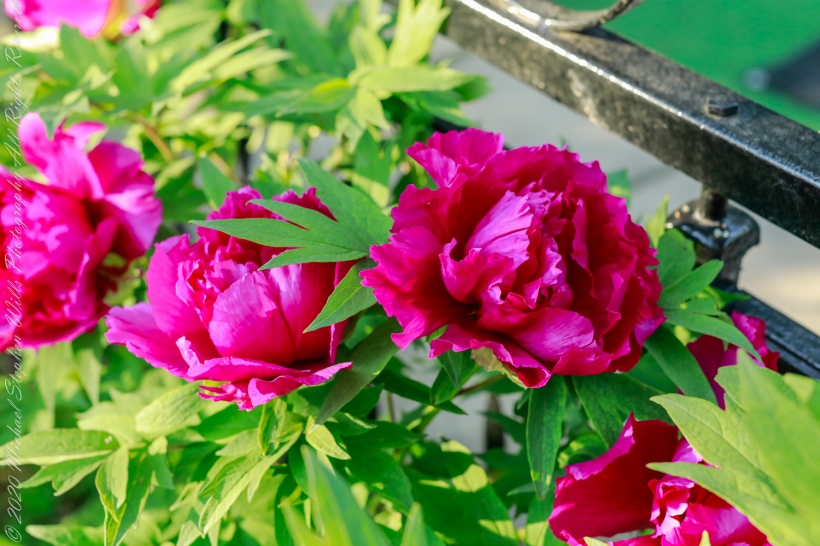
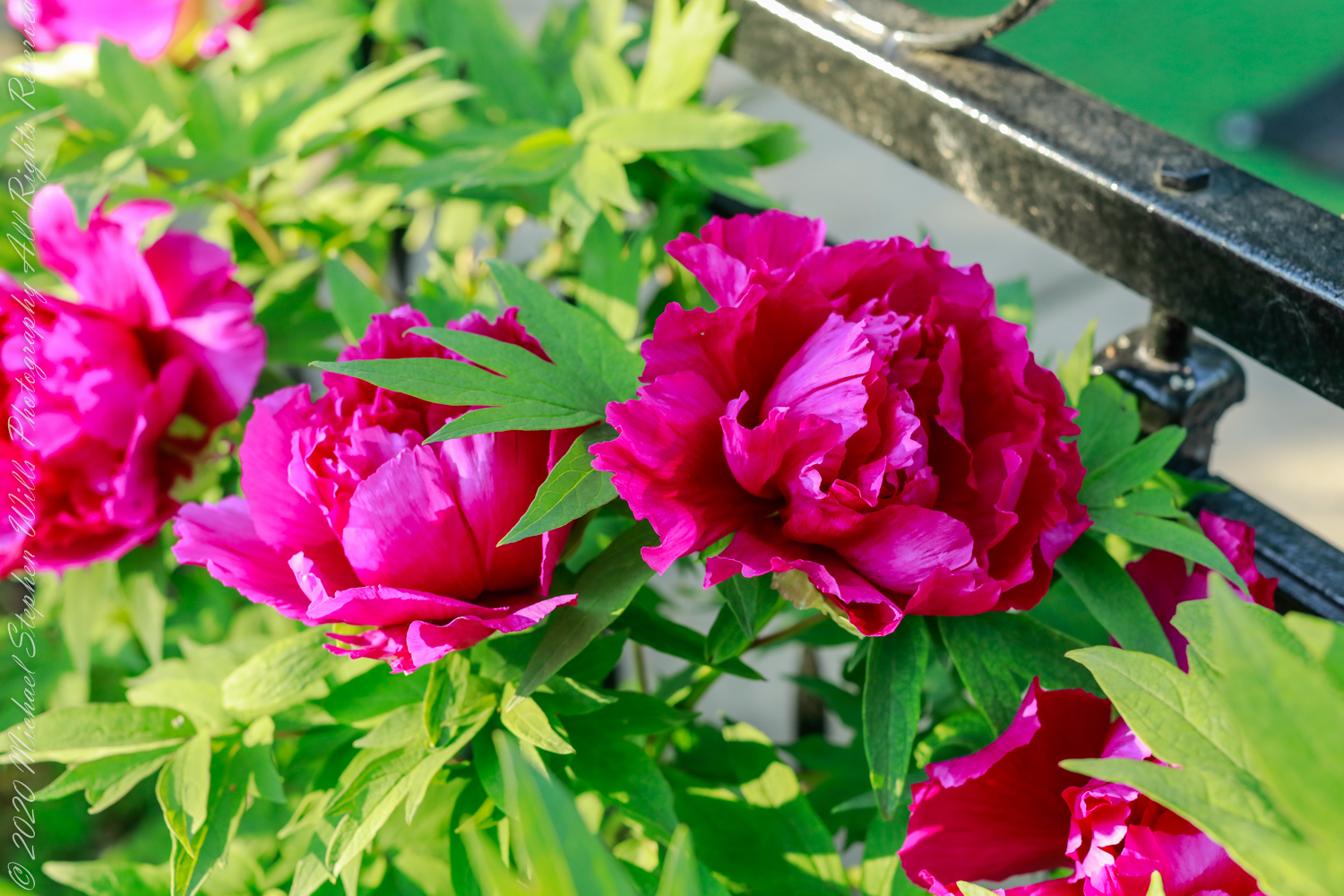
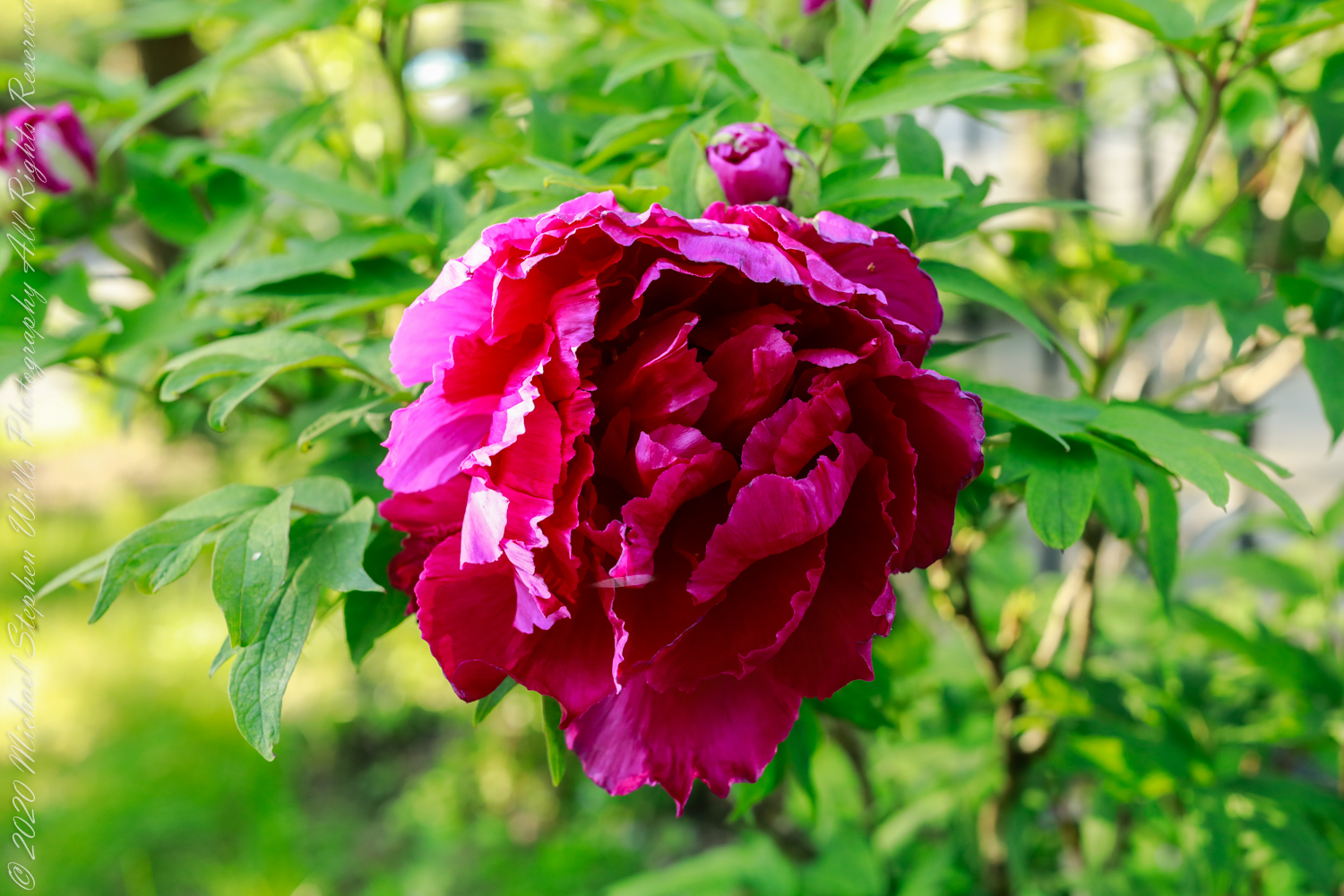
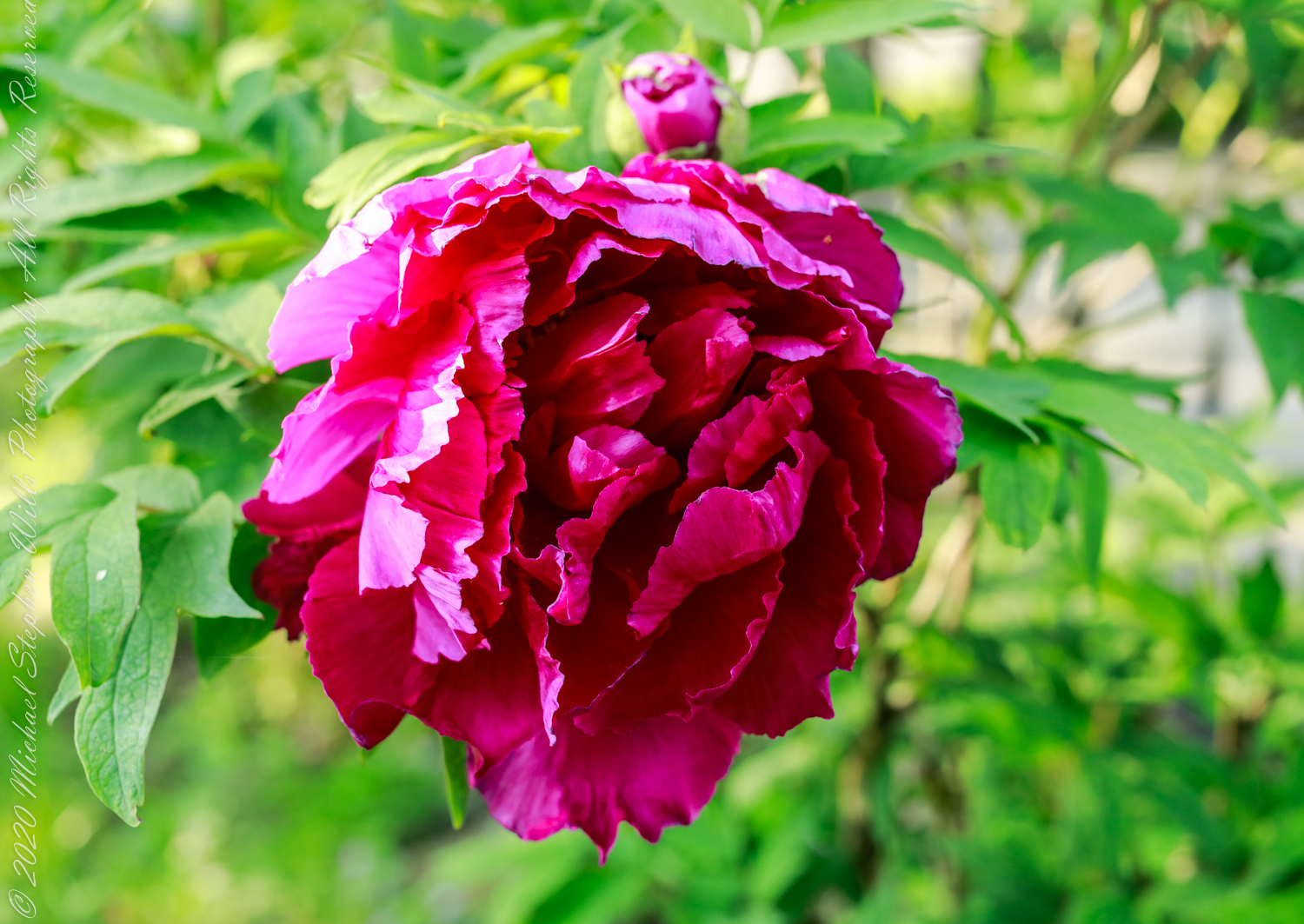
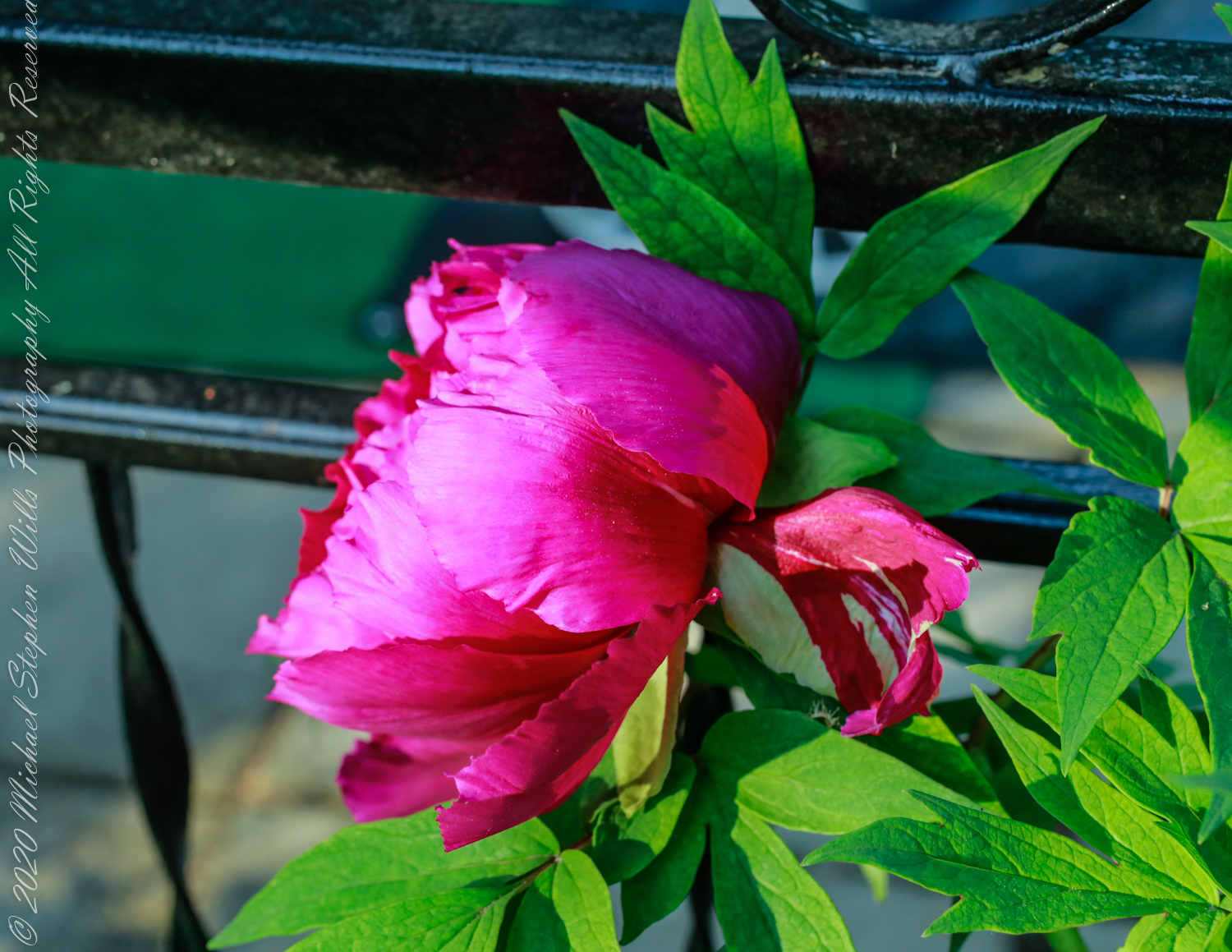
Peony species (scientific name Paeonia lactiflora) with plants that die back in cold weather to regrow each spring from a tuberous root are called “herbaceous,” from the latin word for grassy. The stems and branches remain soft and pliable, some stiff enough to hold the large, showy flowers. The first varieties introduced to Europe and named 1753 were white, “lactiflora” mean milk-white flower.
Reviewing my photography in preparation for this post I discovered not a single one for herbaceous peony, such was my interest in the woody varieties my in-laws planted around the property. Fortunately, they did not neglect the herbaceous varieties featured here.
These photographs were taken with a Canon EOS 5D Mark IV dslr and the Canon EF 50mm f/1.2L USM lens with a “BeFree” Manfrotto tripod with ball head. f-stop was tamped down to the maximum, f16 for this lens. Exposures were taken when the intermittent morning breeze abated.
Click any photograph for a larger view to open in new browser tab.
Paeonia lactiflora, in the family Paeoniaceae, contains around 30 species in Europe, across Asia and in western North America growing wild in scrub and woods, often in rocky places or on cliffs. Most species in Eastern Europe, others in the Caucasus, central Asia, the Himalayas, and Japan, mainly on limestone, and a species in dry parts of California.
Peonies have long been cultivated for their spectactular flowers as well as for their medicinal preoperties, particularily in China
Reference: “The Botanical Garden” by Phillips and Rix, Volume I (2002, Firefly Books, Buffalo, New York and Willowdale, Ontario
Copyright 2022 All Rights Reserved Michael Stephen Wills
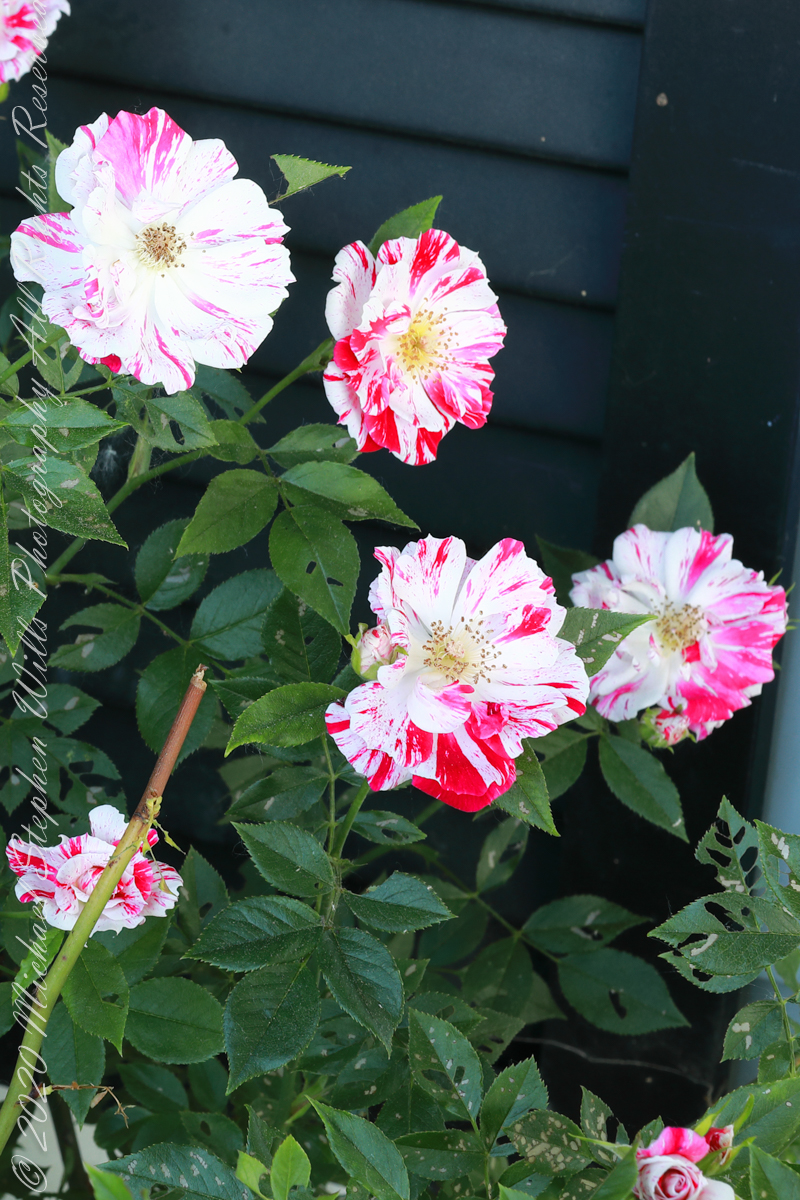
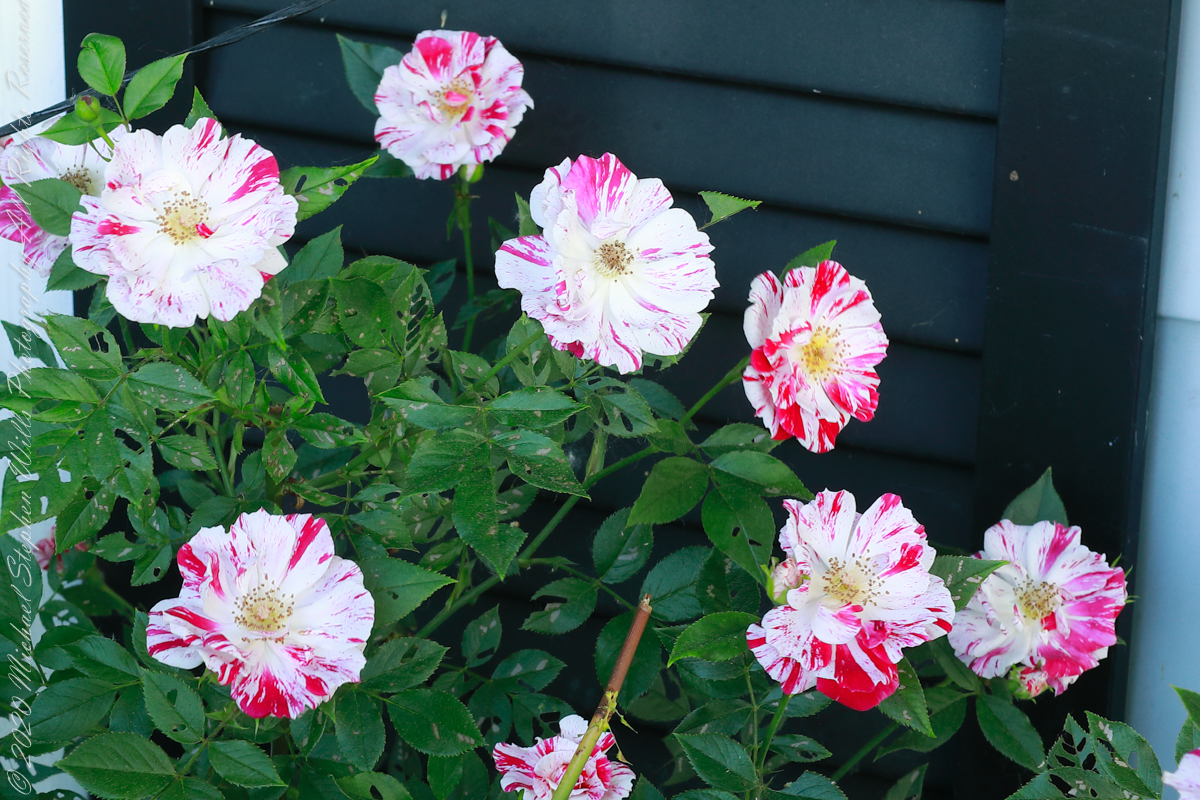
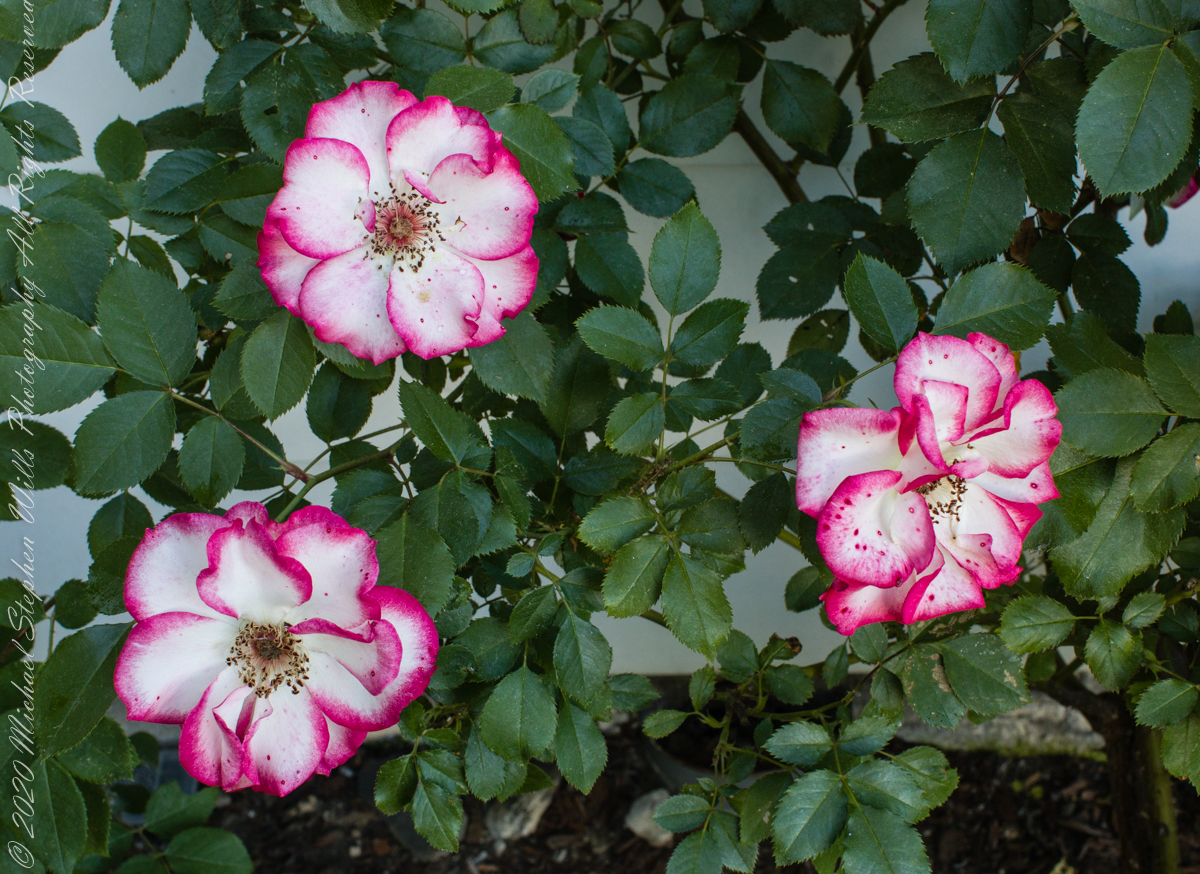
Pam’s father planted this rose on the east side where it is warmed wintertime by several hours of morning light when the sun is out. Extra attention is needed for watering as the roots are under a bay window and an awning.
1/6 second at F16, ISO 200
It is a miniature rose, the blooms about 1.5 inch across, this and the irregular red and white coloring reminds me of peppermint candies, so we call it our peppermint rose (not to be confused with the “Peppermint Rose” branded doll). The descent from wild rose is clear in the simplicity of the form. The number of flower petals identify it as a hybrid “modern rose: there are many more than five (5) petals of the wild rose.
1/4 second at F16, ISO 200
These photographs were taken with a Canon EOS 5D Mark IV dslr and the Canon EF 50mm f/1.2L USM lens with a “BeFree” Manfrotto tripod with ball head. f-stop was tamped down to the maximum, f16 for this lens. In spite of the light intermittent breezes I chose ISO 200. The combination of f-stop and low ISO resulted in a longer exposure that I worked around by waiting for the blooms to settle down between the breezes.
Copyright 2022 Michael Stephen Wills All Rights Reserved
These Floribunda, semi-double petaled blooms were captured along with the yellow double cluster roses of the previous post, in the evening shade of a late spring day, June 23rd.
ISO 800, 1/13 sec at f/16
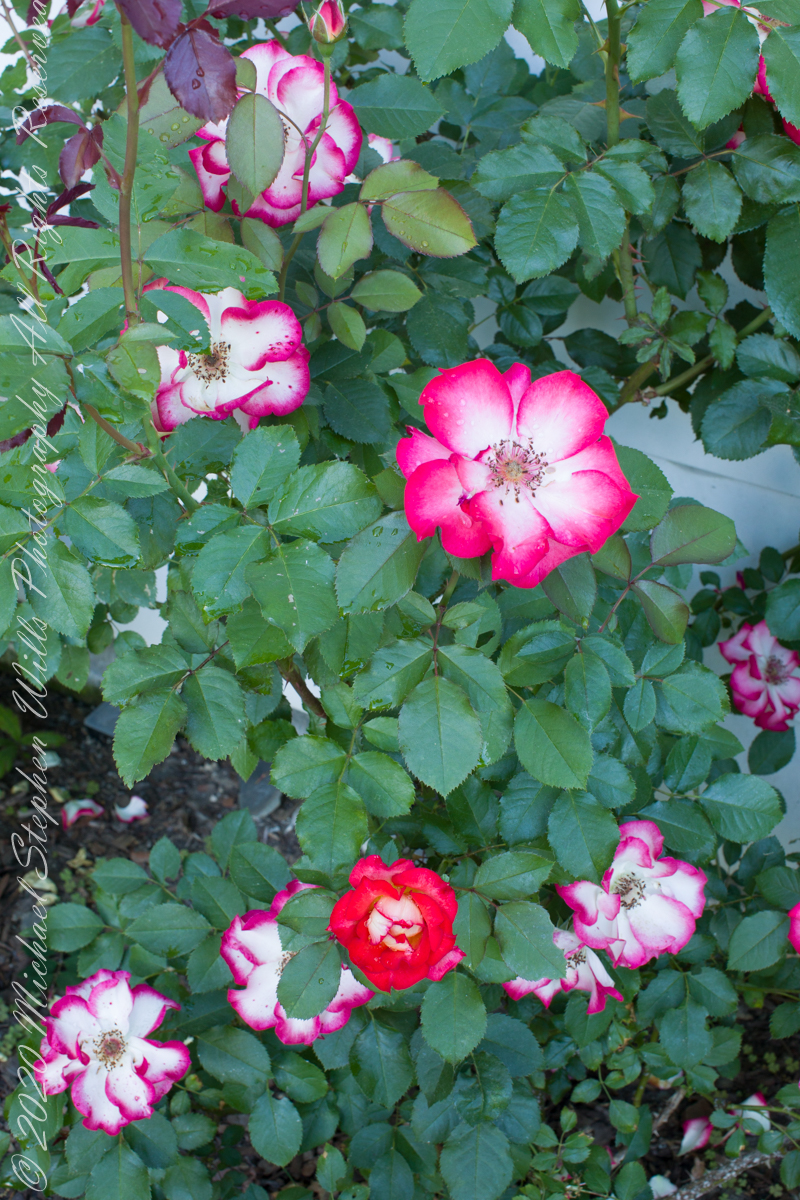
Above is a mix of just opened (the dark red, center bottom), fully opened new (just to right of center) and aging (all the rest).
ISO 800, 1/30 sec at f/16
Throughout this set I used the Canon EOS 5D Mark IV dslr with the EF 50 mm f/1.2L USM stabilized with a Manfrotto 468MG tripod with Hydrostatic Ball Head.
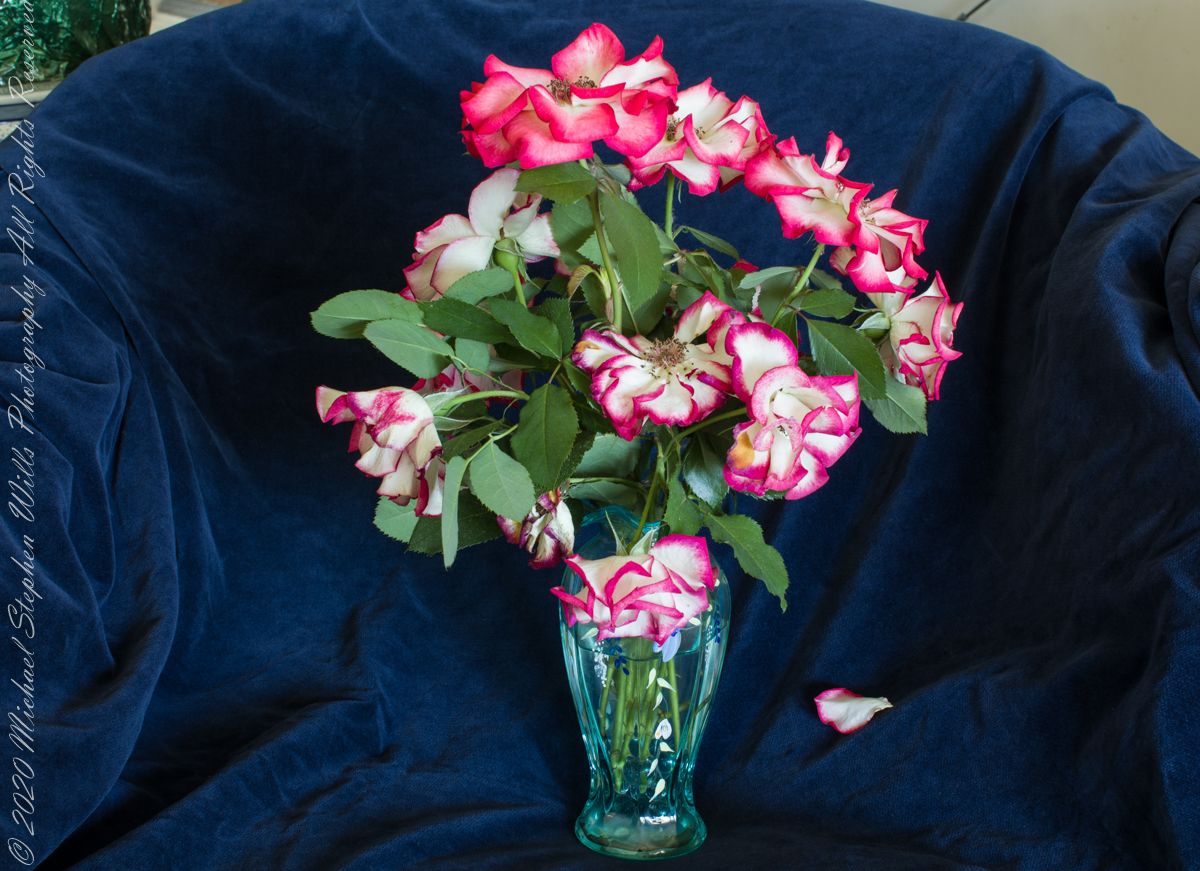
Floribundas, sometimes called cluster flowered roses, originated with Poulsen’s nursery in Denmark from crossed with Hybrid Teas with Polyantha Roses, themselves crosses between dwarf Chinas and a dwarf, repeat-flowering form of R. multiflora. Texas-based rose hybridizer Tom Carruth released Betty Boop in 1999, naming it after a cartoon character from the 1930’s. Pam found this plant around 2008 offered by the K-mart store in Cortland. She is amazed by the beauty of the Betty Boops.
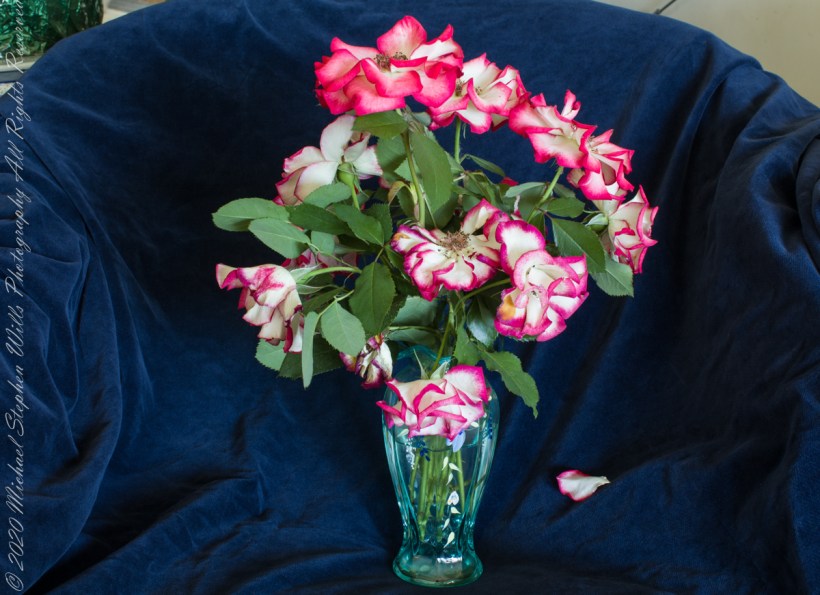
Another beloved characteristic is the longevity of the blooms. Pam collected and arranged this vase last week, for Father’s Day. I provided the setting. In this controlled environment the low ISO provides better colors and contrast with minimal digital noise.
ISO 100, 2.5 sec at f/16.
References
“The Botanical Garden” Vol 1, Roger Phillips and Martyn Rix, Firefly Books, Buffalo, N.Y. 2002 pp 228 – 233.
Wikipedia search for “Betty Boop rose” and ” Tom Carruth rose.”
Copyright 2022 Michael Stephen Wills All Rights Reserved
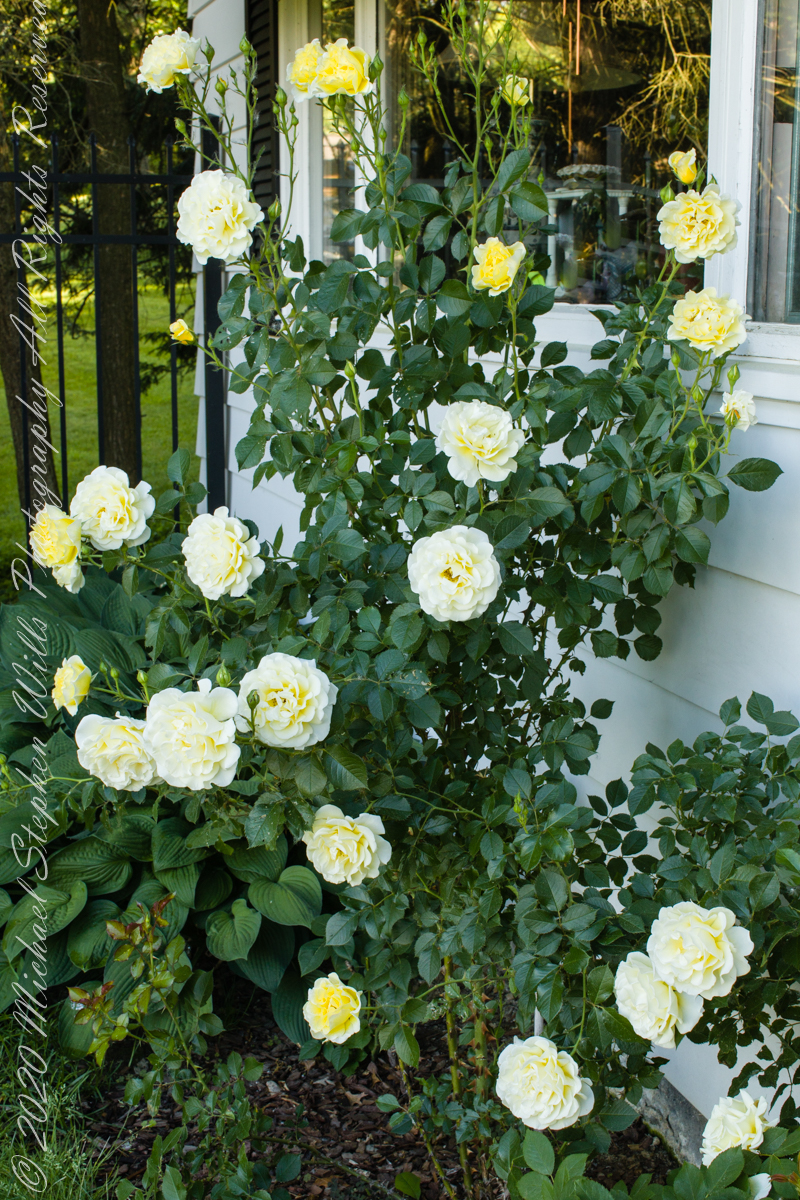
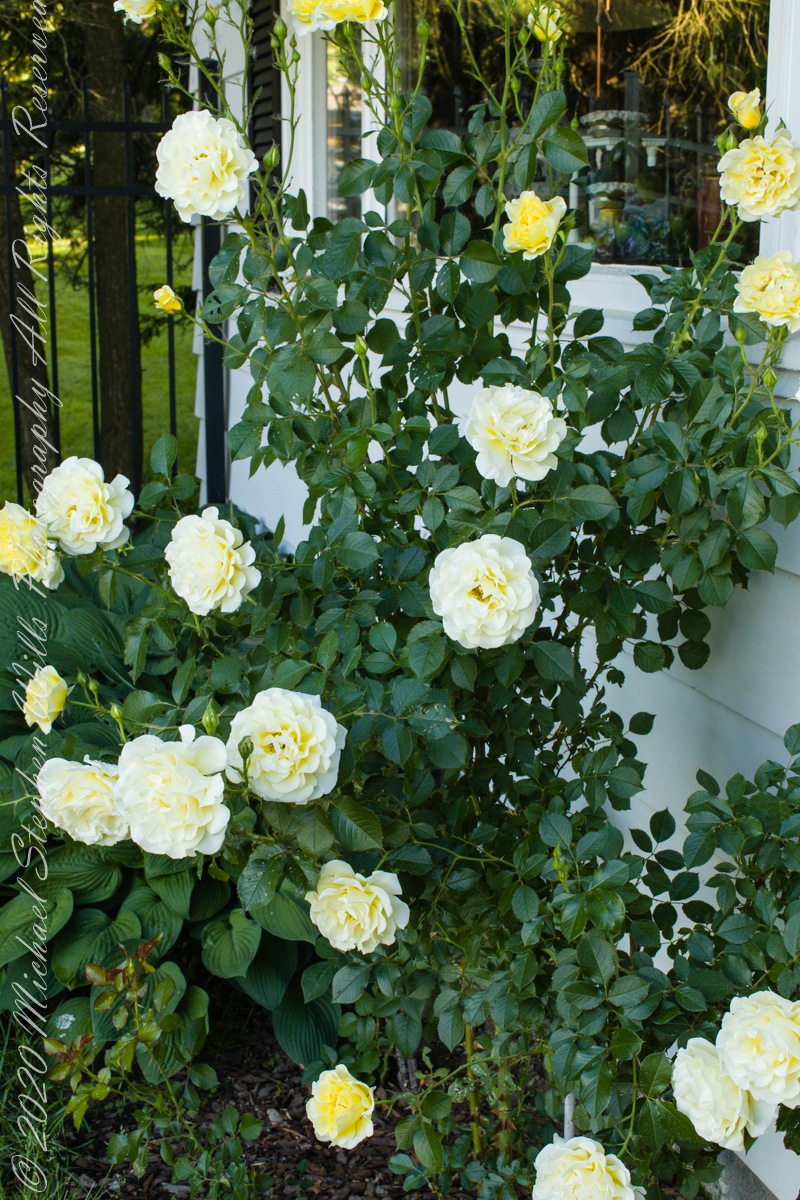
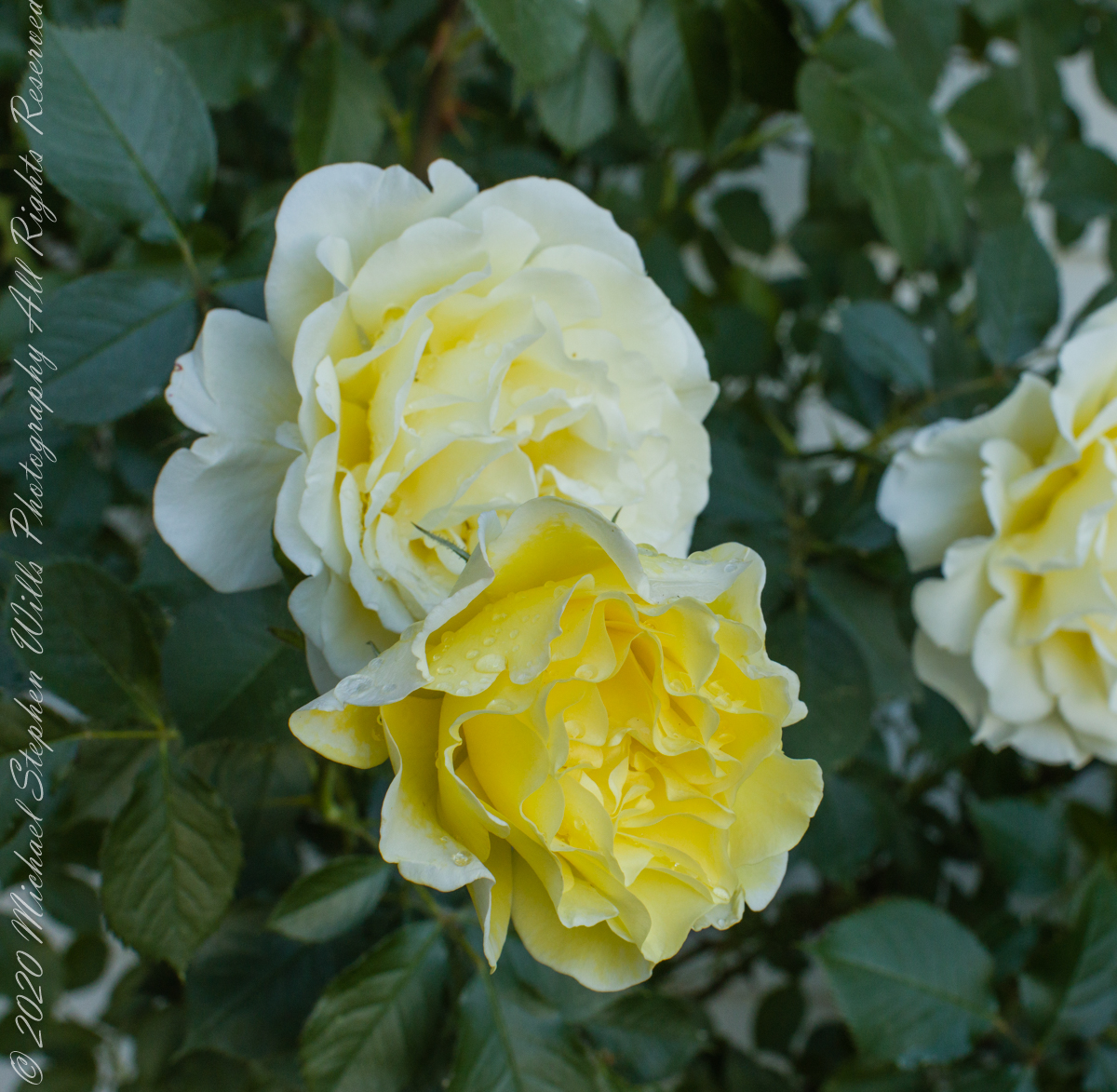
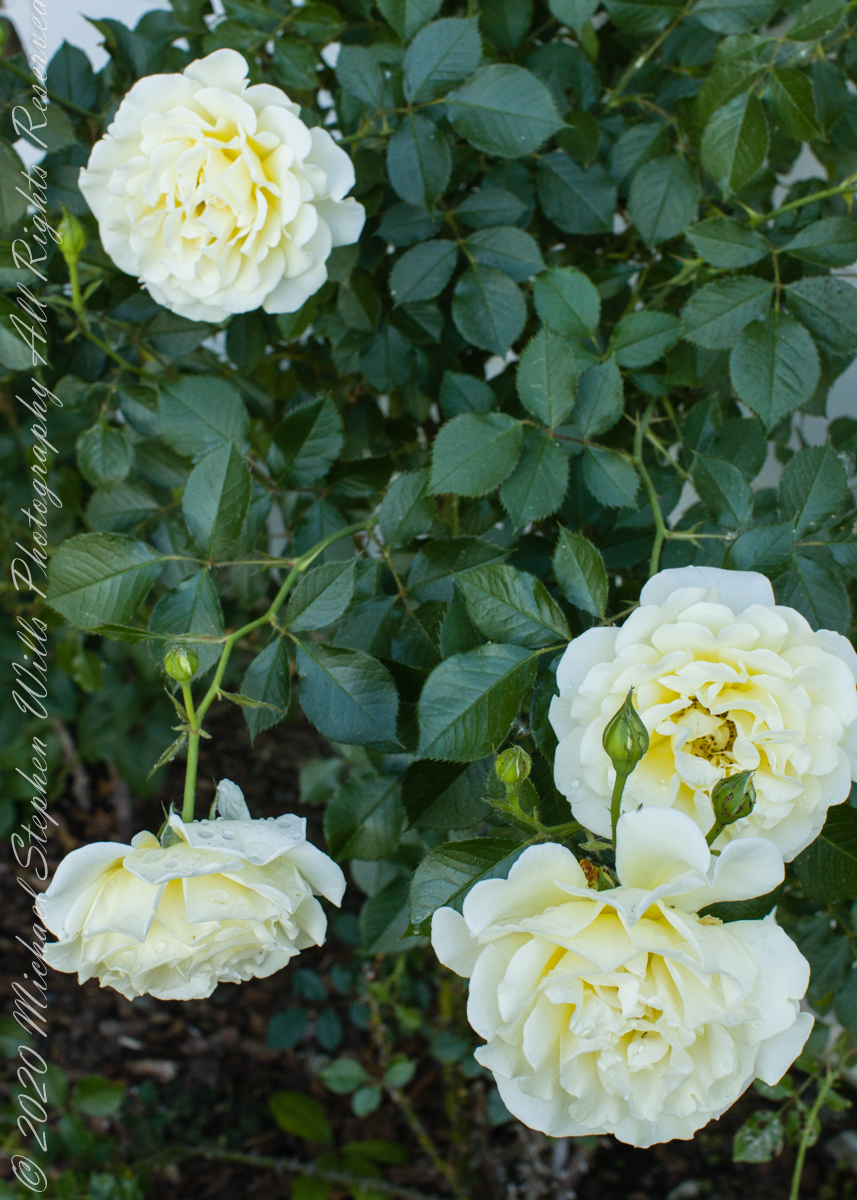
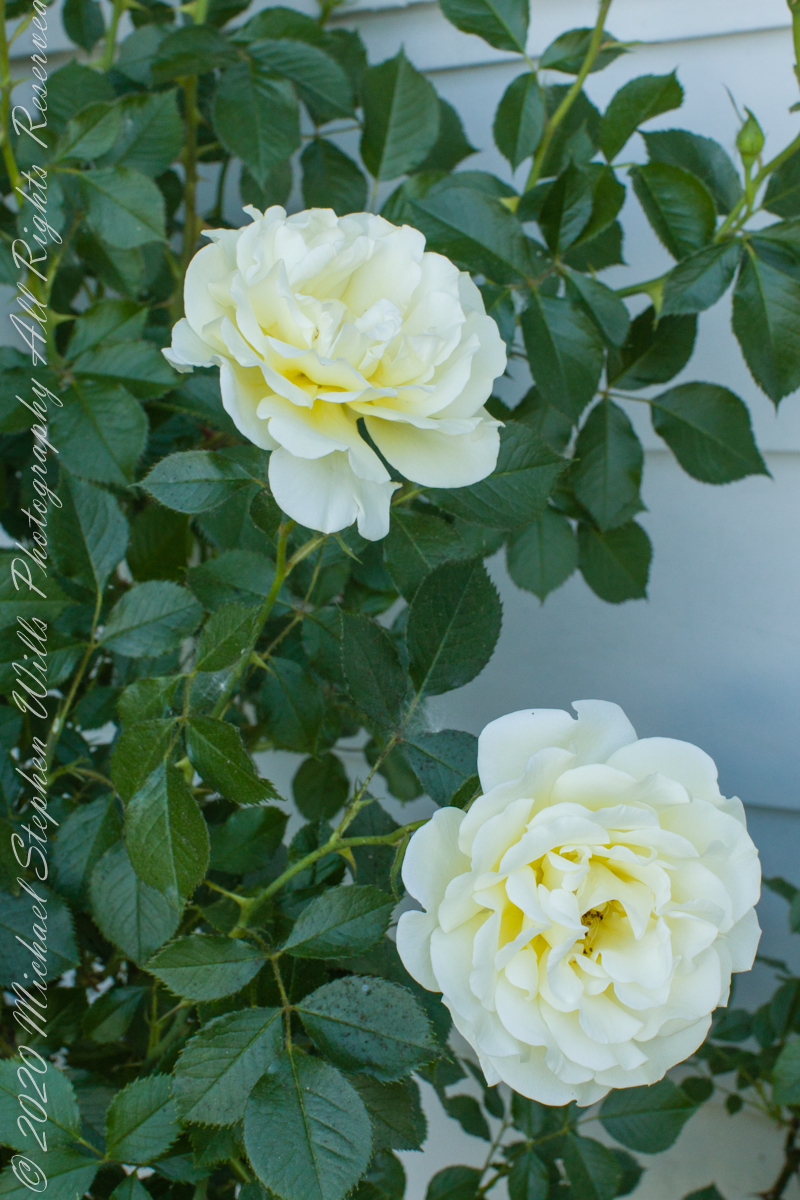
Enjoyed since ancient times throughout the Middle East and China, our European roses were cultivated from Chinese introduced in the late 18th Century. One evening this June, unusually quiet with no breeze, Pam asked me to photograph this tall shrub in full bloom. These are protected from grazing deer by a stout fence, six feet tall.
ISO 800, 1/40 sec at f/16
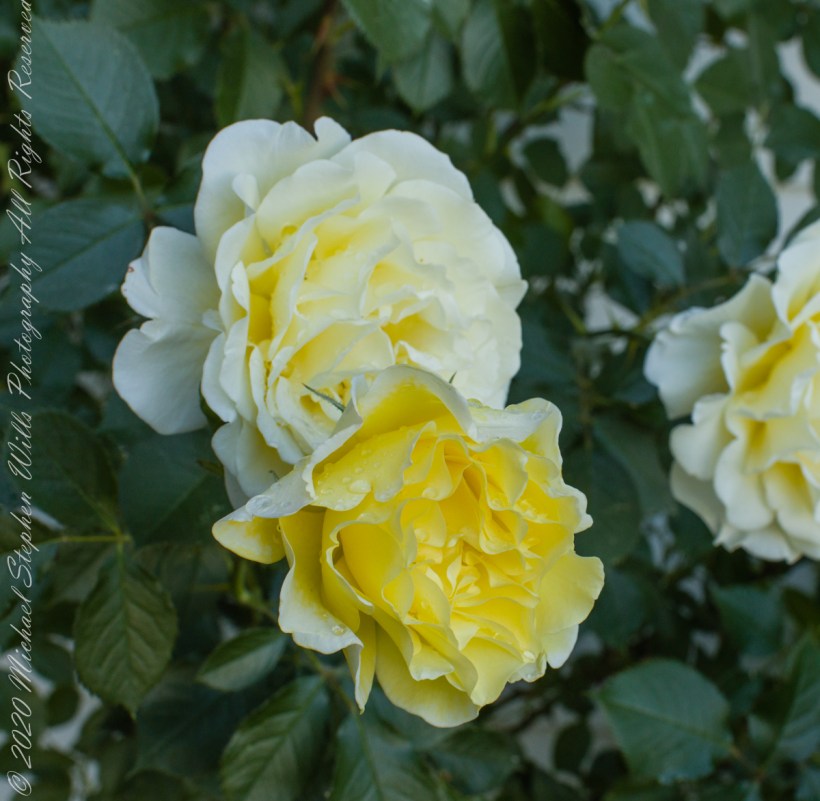
At first it appears the blooms are a mix of colors from lemon yellow to cream.
ISO 800, 1/40 sec at f / 16
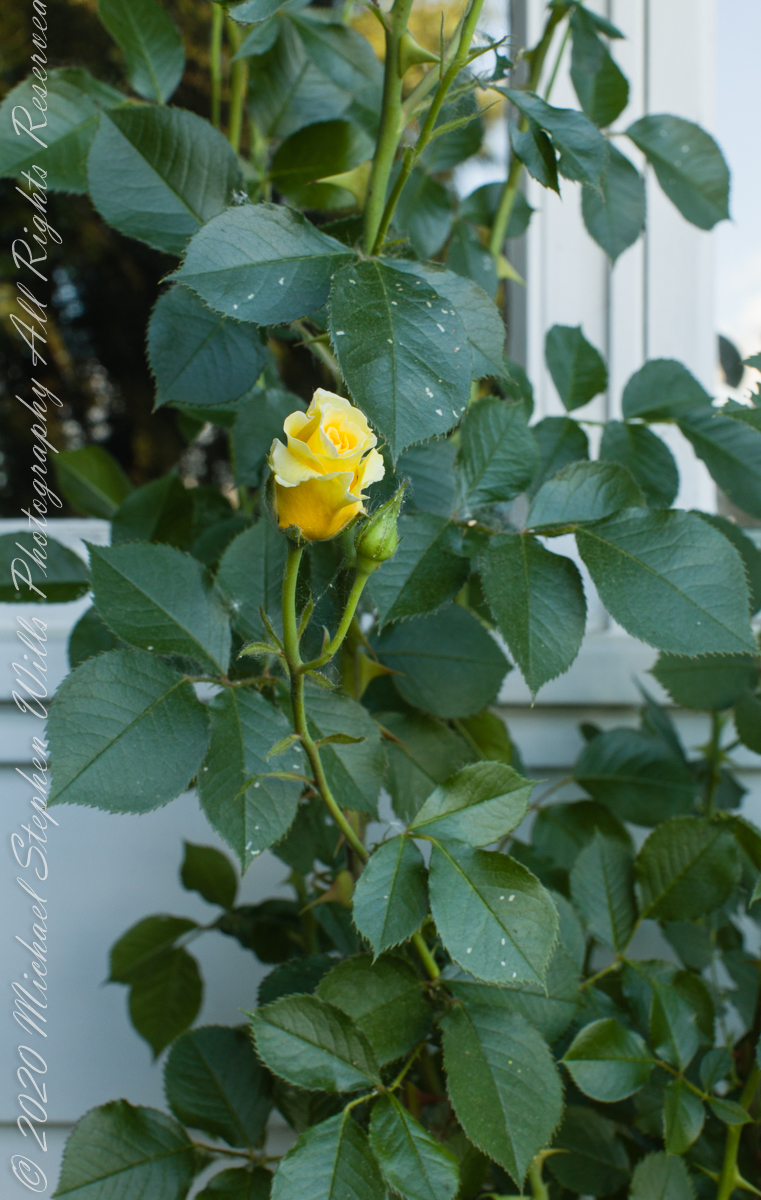
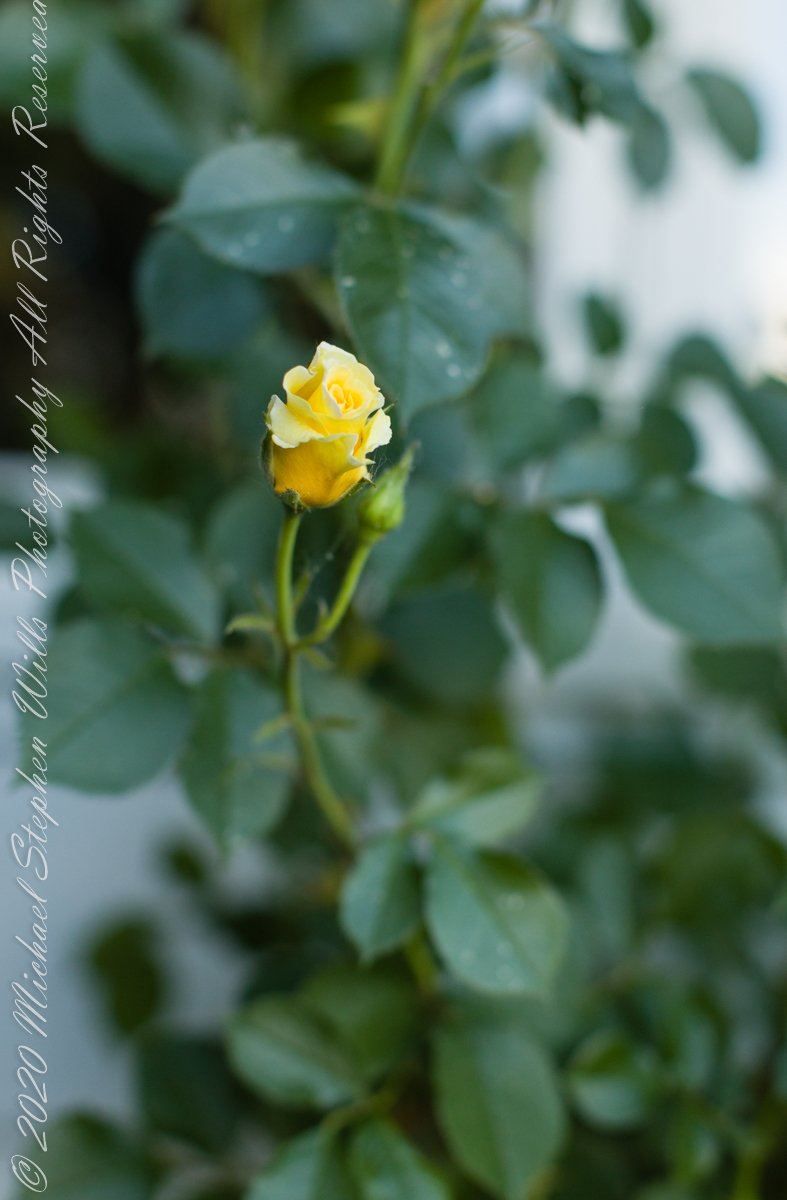
The variation is an indication of each bloom’s age since opening. At first each opens to a lemon yellow. Here is a combination of opening and tightly closed bud. Throughout this set I used the Canon EOS 5D Mark IV dslr with the EF 50 mm f/1.2L USM stabilized with a Manfrotto 468MG tripod with Hydrostatic Ball Head. The stabilization allowed me to present the following comparison, at right the very fast 50 mm lens allows the opening bud to be highlighted. Left side, the lens diaphragm is somewhat closed and the opening bud, tightly closed and leaves are all seen. The pinnate, serrated leaves have one terminal lobe and two lateral for a set of three. There are fewer thorns than some, but sharp enough to be careful.
ISO 800, 1/30 sec at f / 16ISO 800, 1/1000 sec at f / 2.8 diaphragm “wide open”
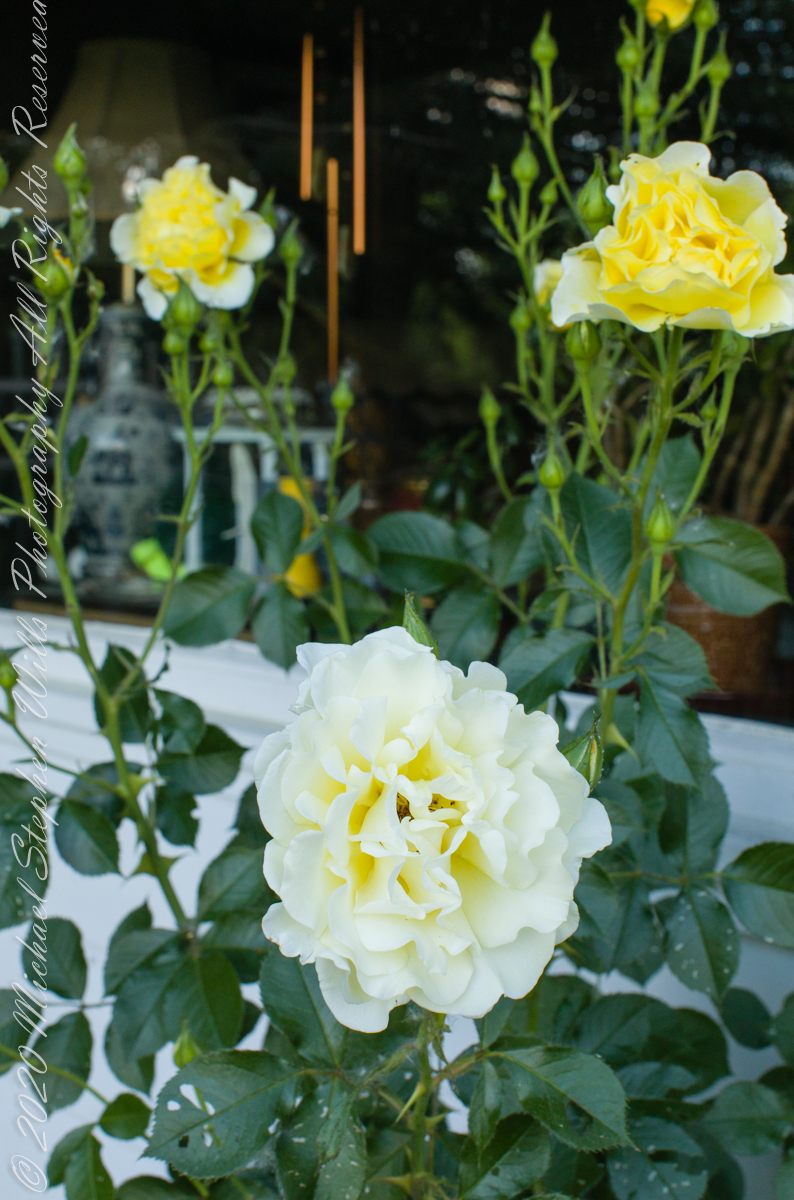
Flowers bloom throughout the late spring, summer and fall. Pam stops fertilizing in late summer to allow the plant to harden for our Zone 4b winters. Here you can see the plentiful flower buds, compare the opening to mature flower colors.
ISO 800, 1/60 sec at f / 16ISO 800, 1/100 sec at f / 13ISO 800, 1/80 sec at f / 13ISO 800, 1/60 sec at f / 16
References
“The Botanical Garden” Vol 1, Roger Phillips and Martyn Rix, Firefly Books, Buffalo, N.Y. 2002 pp 228 – 233
Copyright 2022 Michael Stephen Wills All Rights Reserved
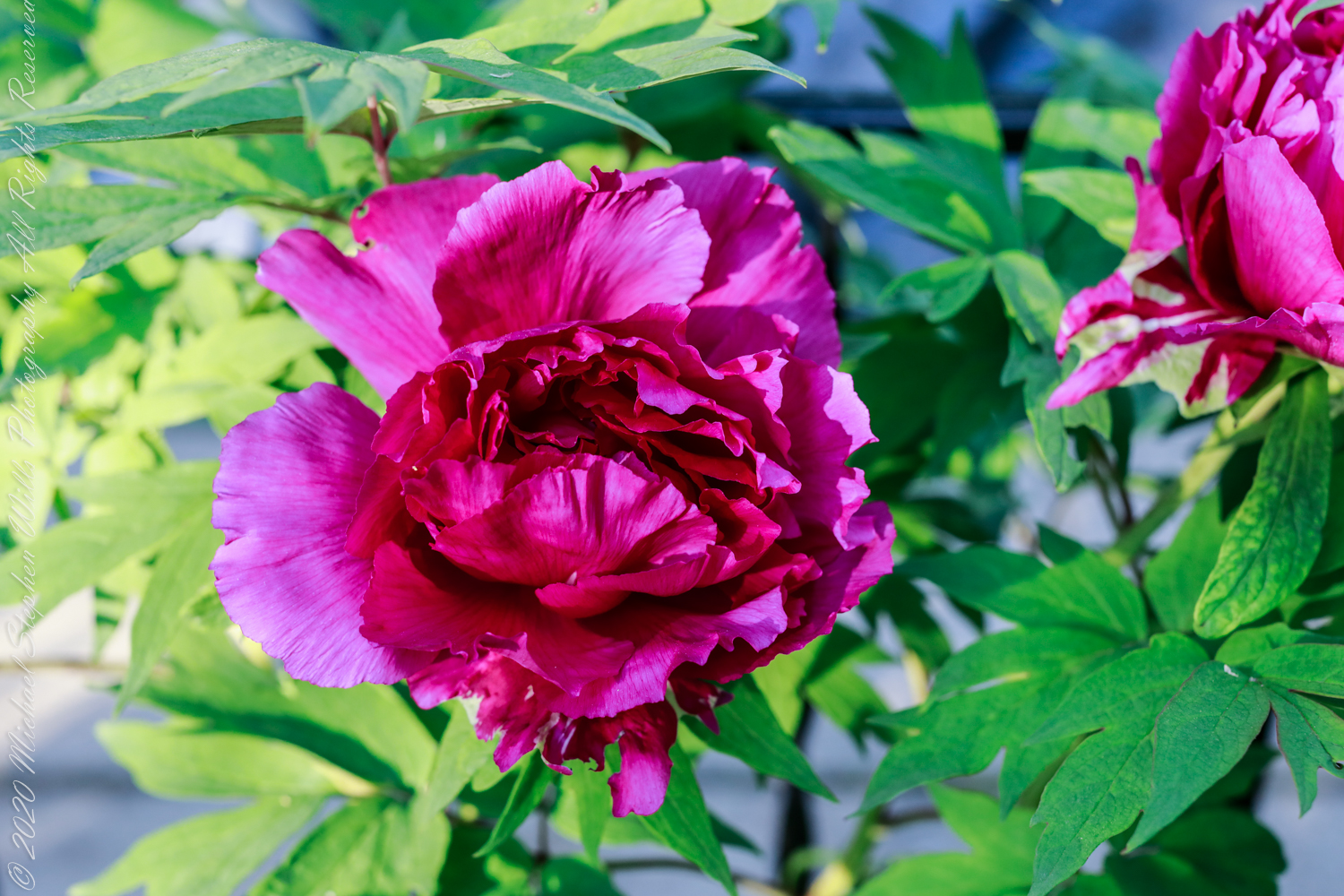
See my previous May Woody Peony postings for background on this peony variety.
These photographs were taken with a Canon EOS 5D Mark IV dslr and the Canon EF 50mm f/1,2L USM lens. I opted for handheld exposures; the morning was absolutely still.
Copyright 2022 All Rights Reserved Michael Stephen Wills
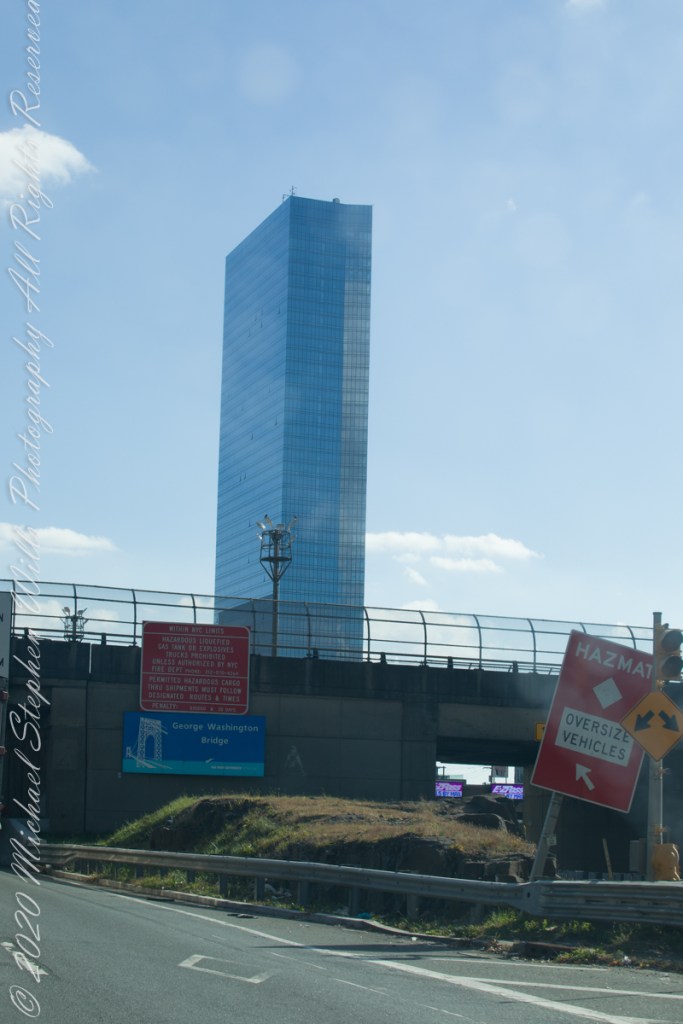
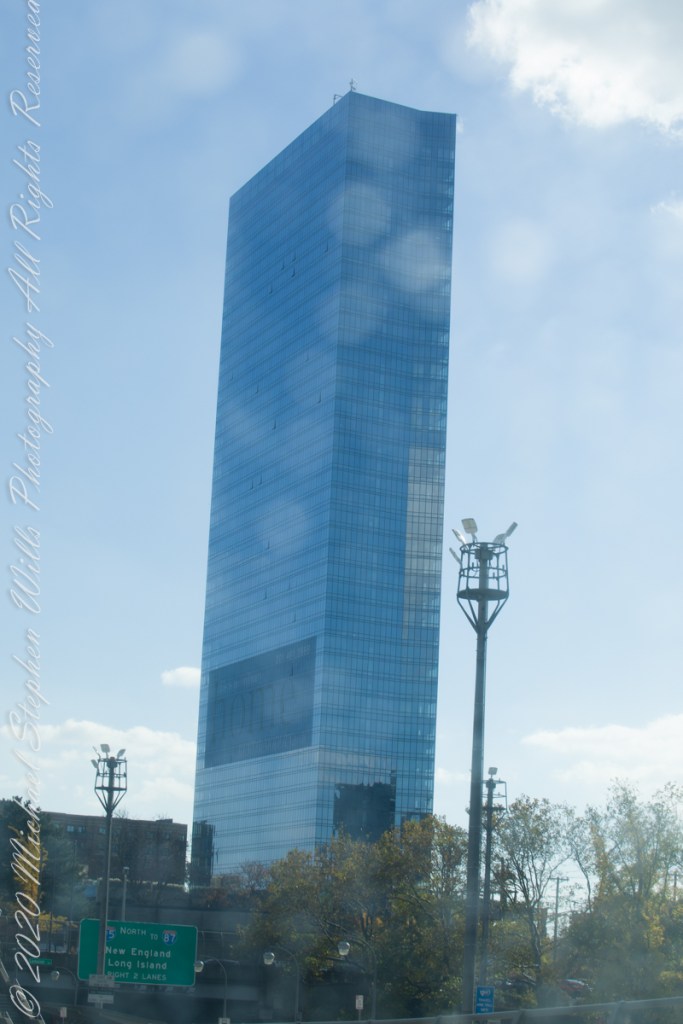
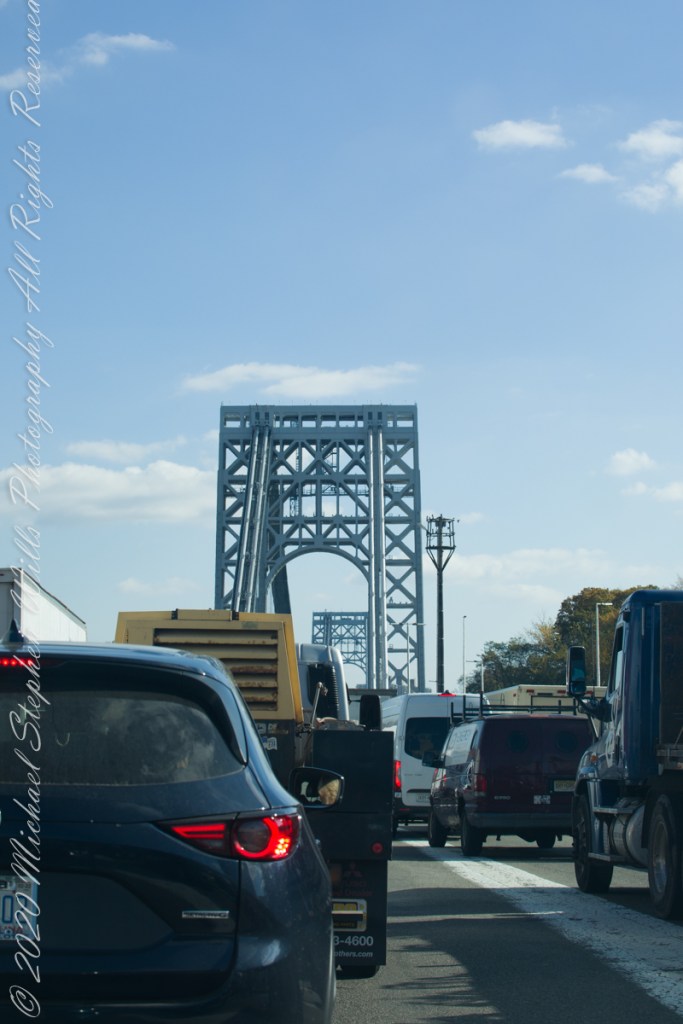
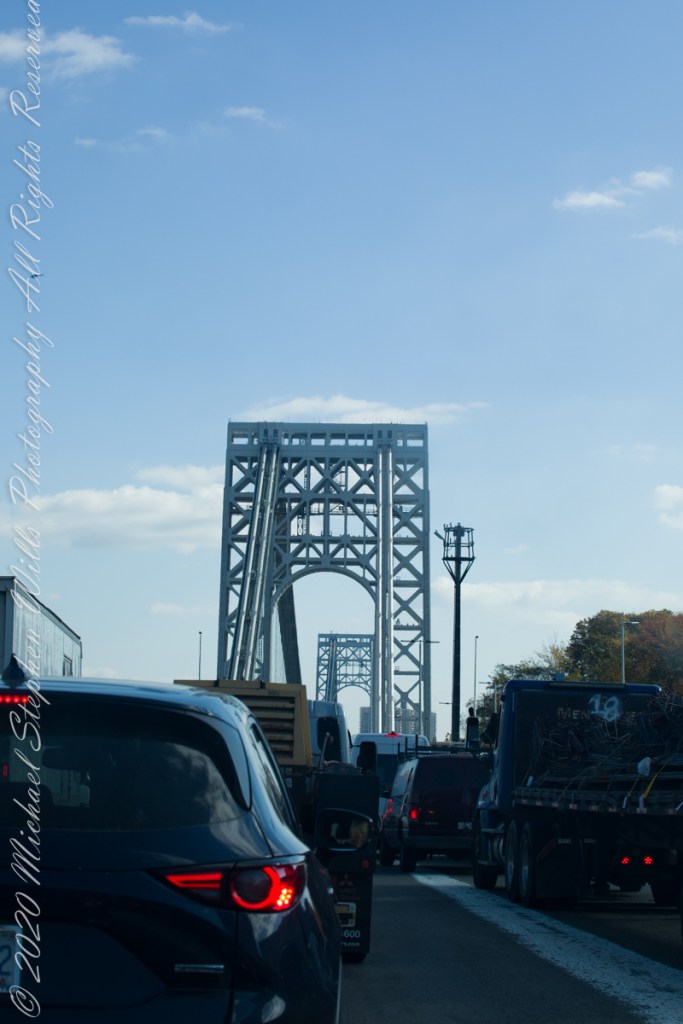
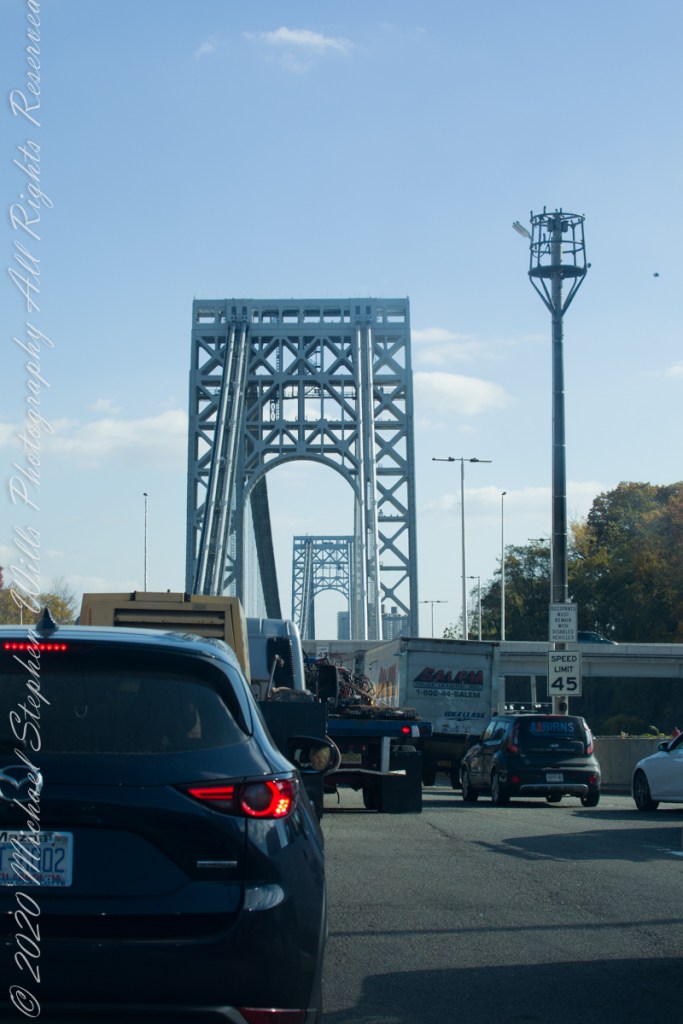
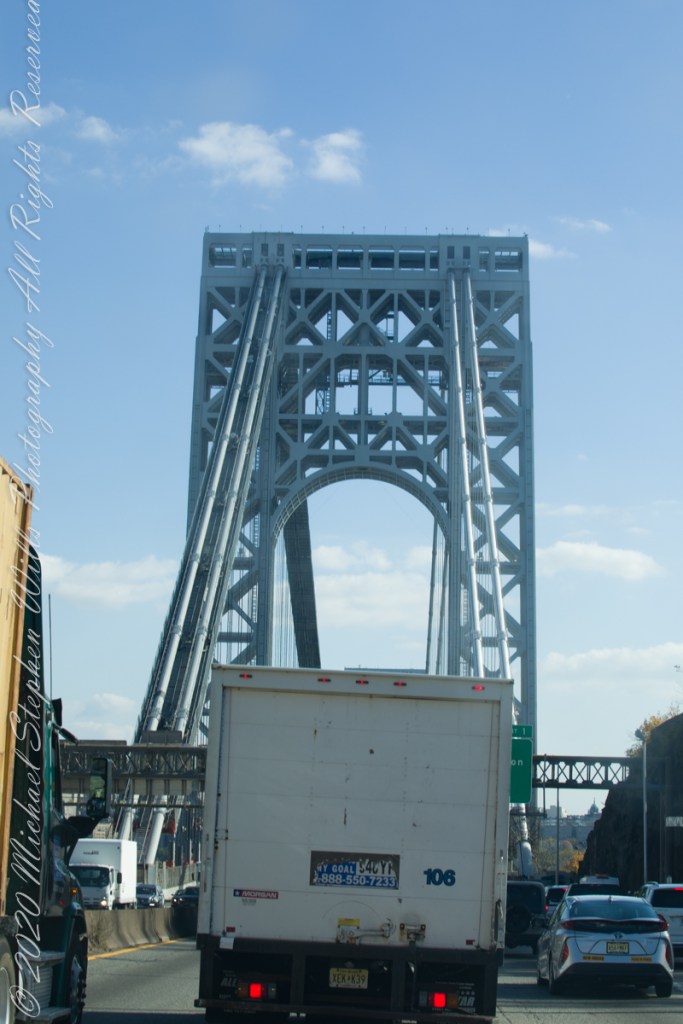
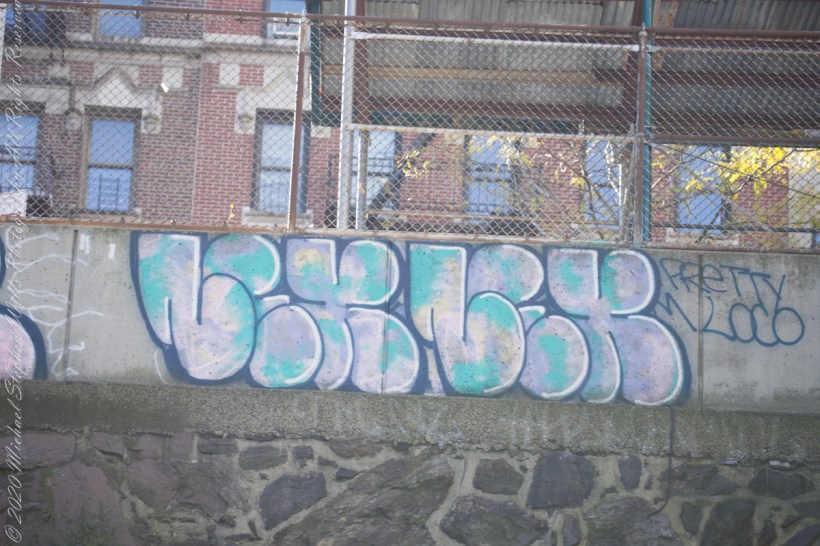
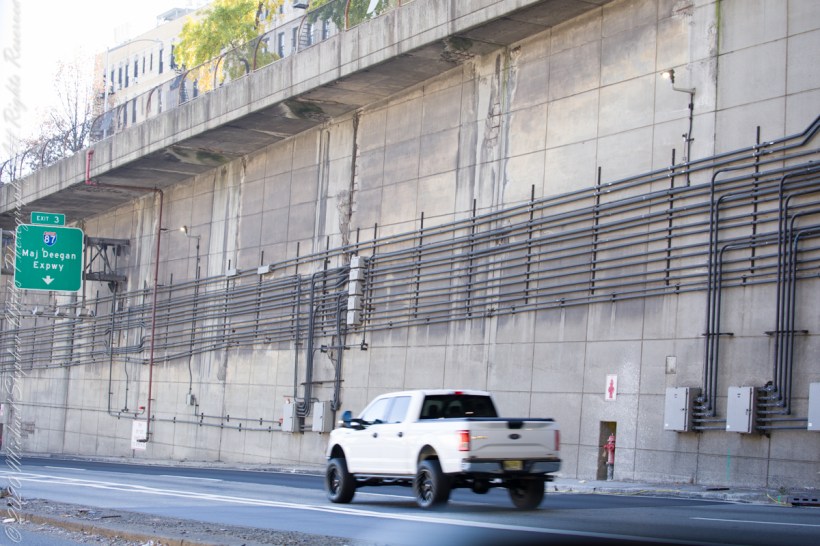
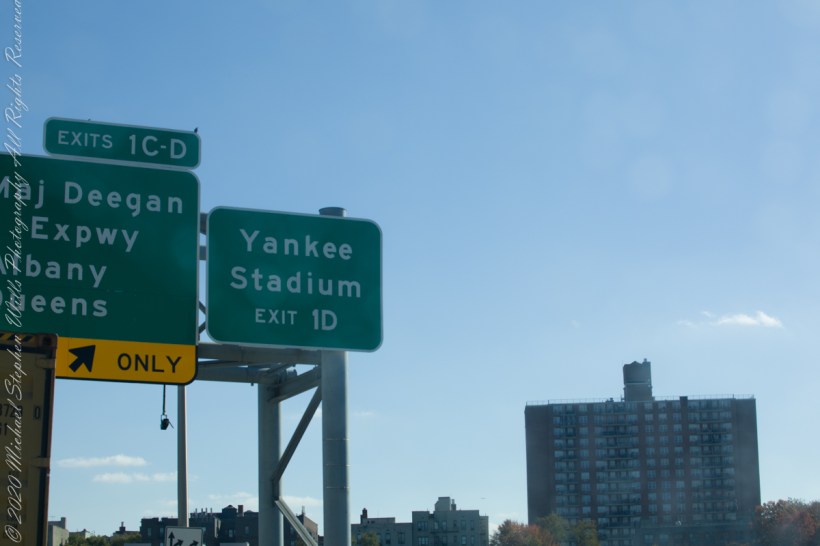
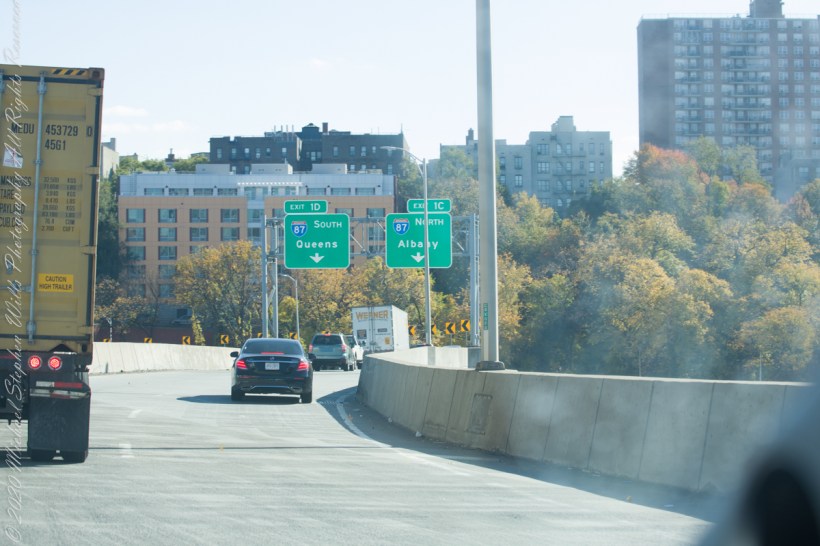
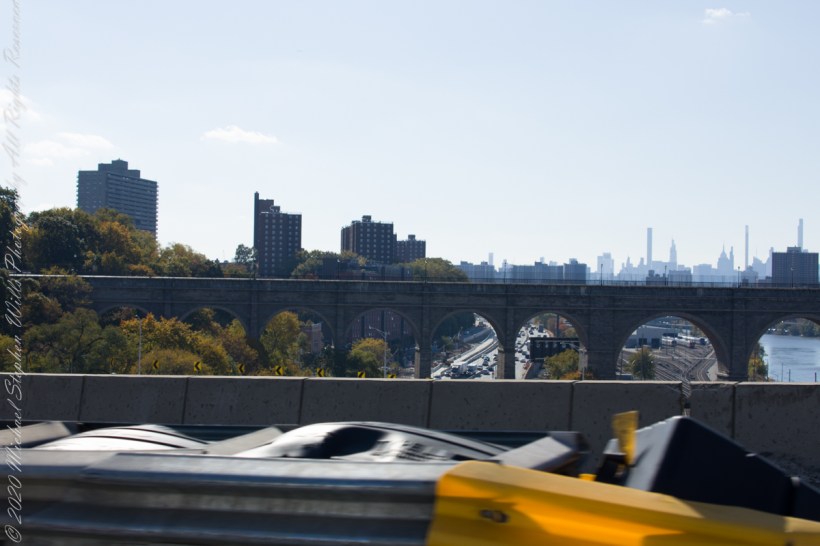
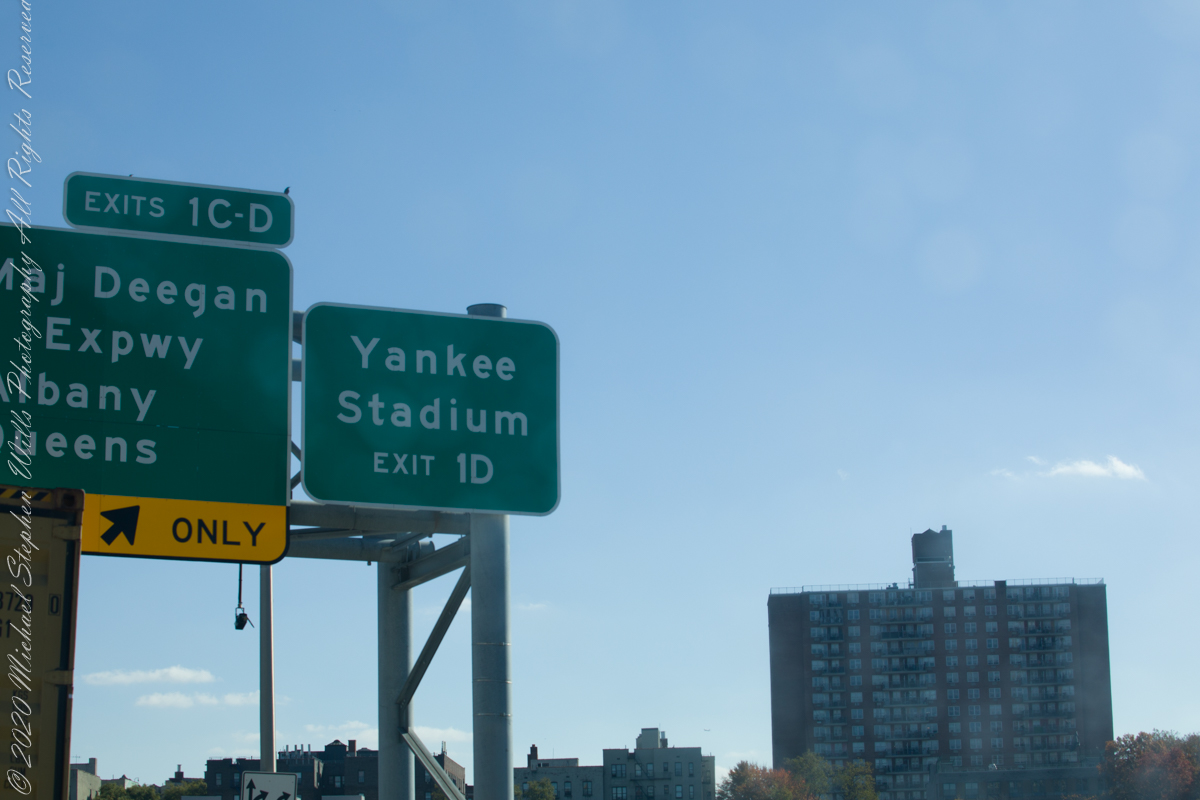
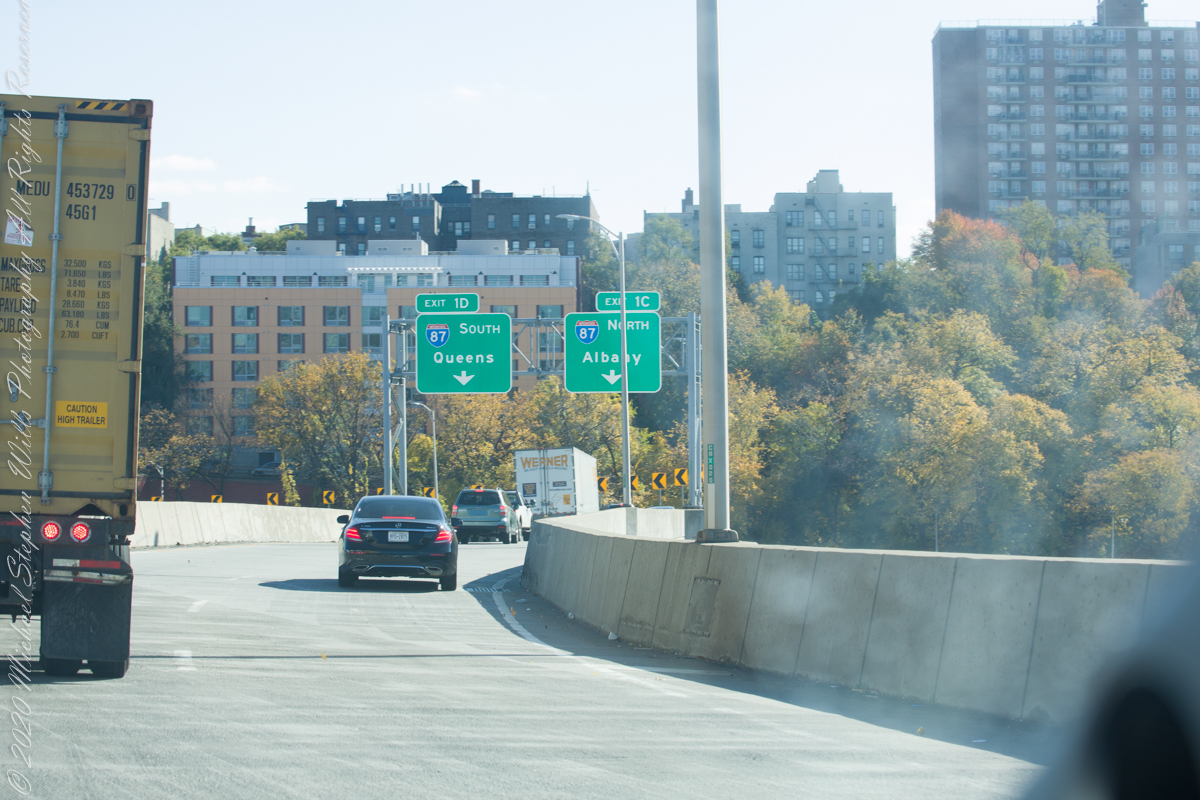
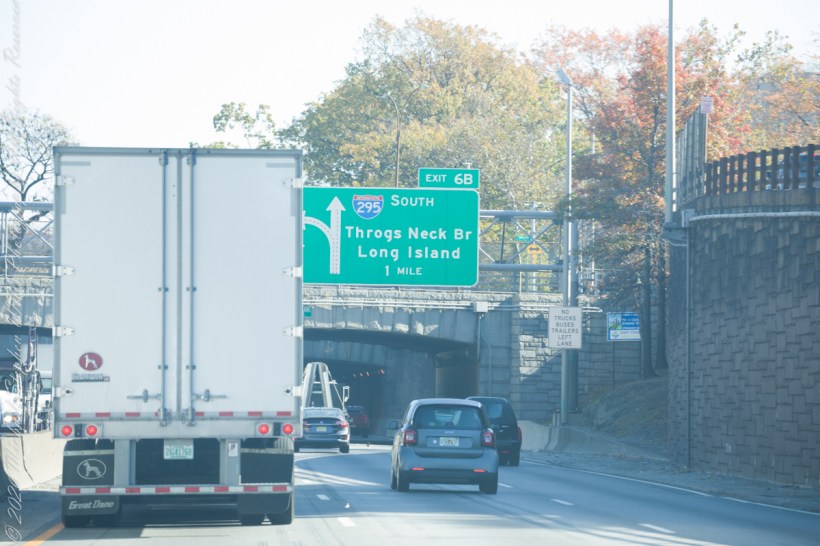
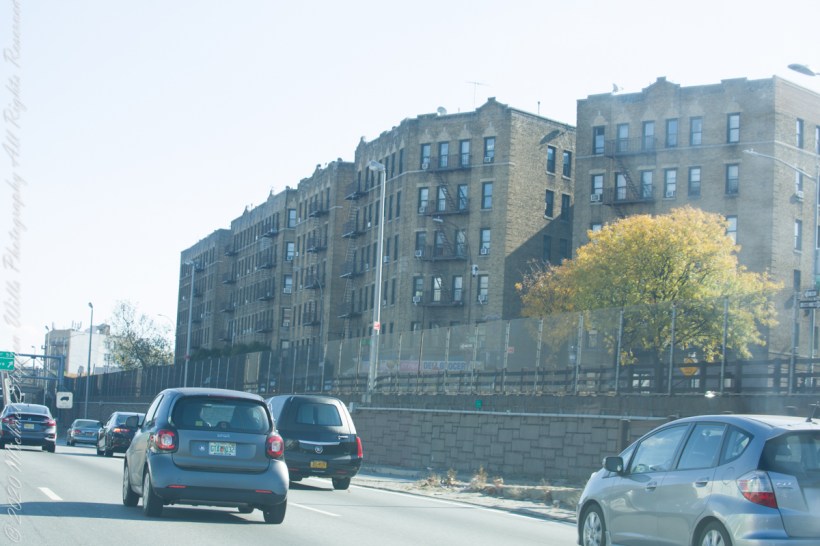
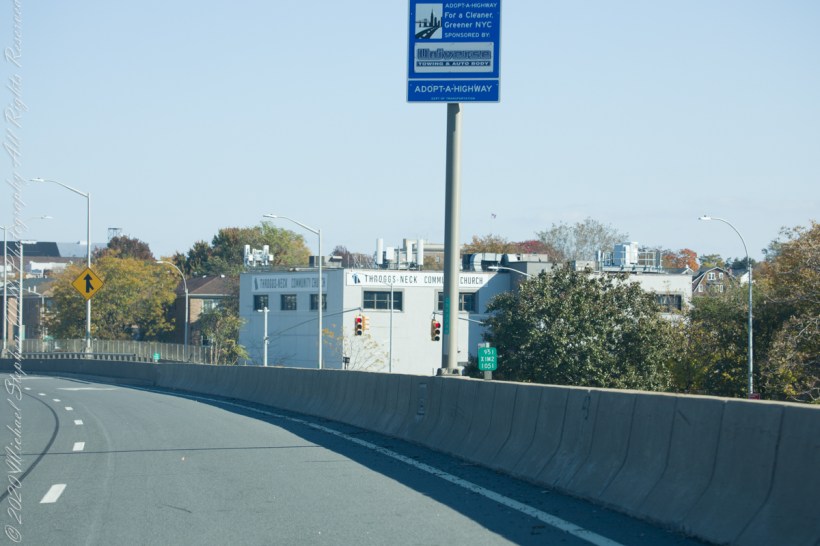
Throughout my life, beginning with trips between Long Island and Tucson, Arizona for college…throughout young and mature adulthood to return to the family home for celebrations…in my 40’s, 50’s and 60’s caring for aging parents and now, in retirement, researching genealogy I have travelled this route over the George Washington Bridge, over Manhattan, through the Bronx, then over the Throgs Neck Bridge to Queens County, Long Island and always as the driver. This is the first time being able to document the route with a quality camera. Driving here requires the total attention of the driver, the traffic, reading unfamiliar signs…..what a treat to sit and snap. Here goes.
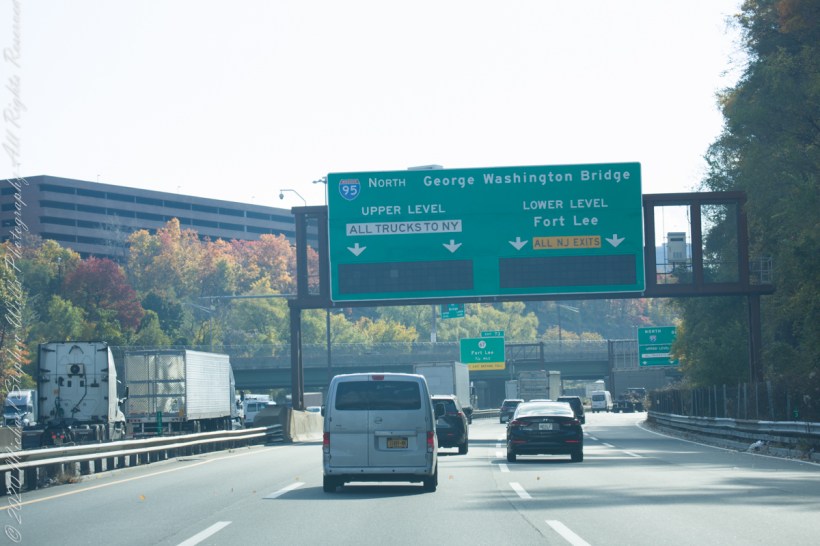
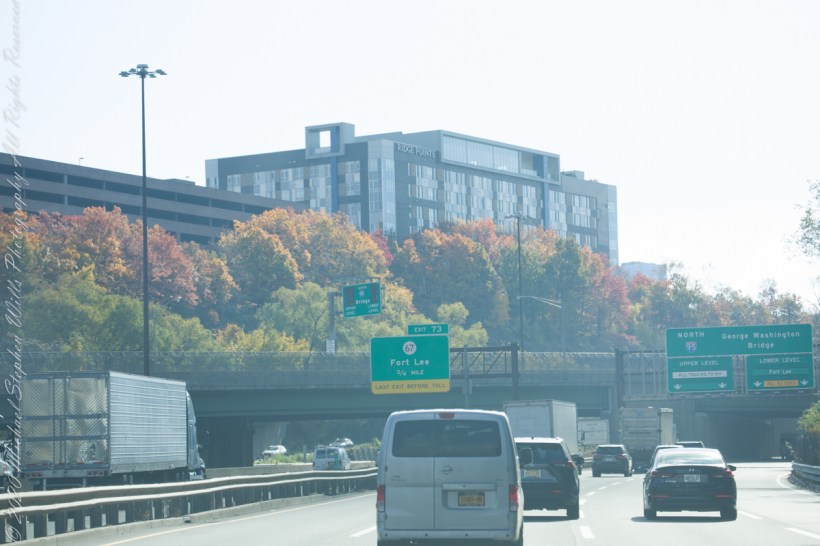
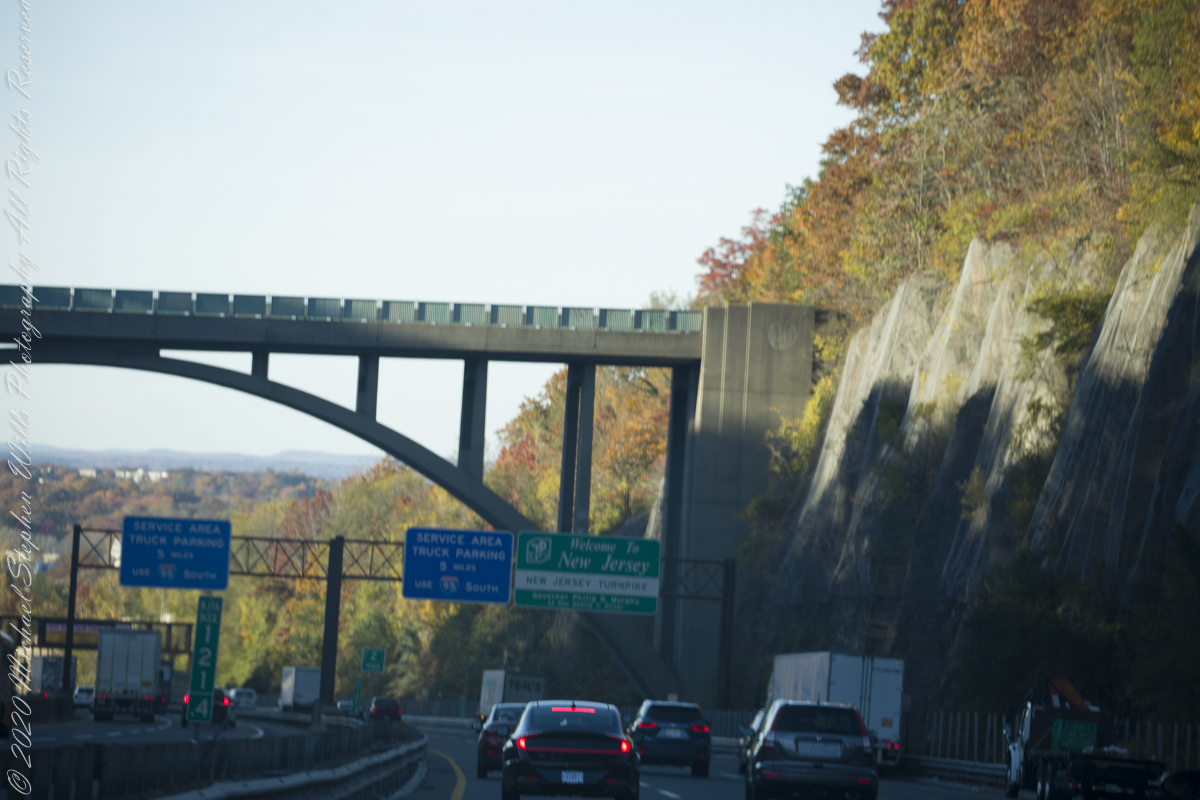
On Interstate 80 then 95 moving through Bergen County and Fort Lee, New Jersey.
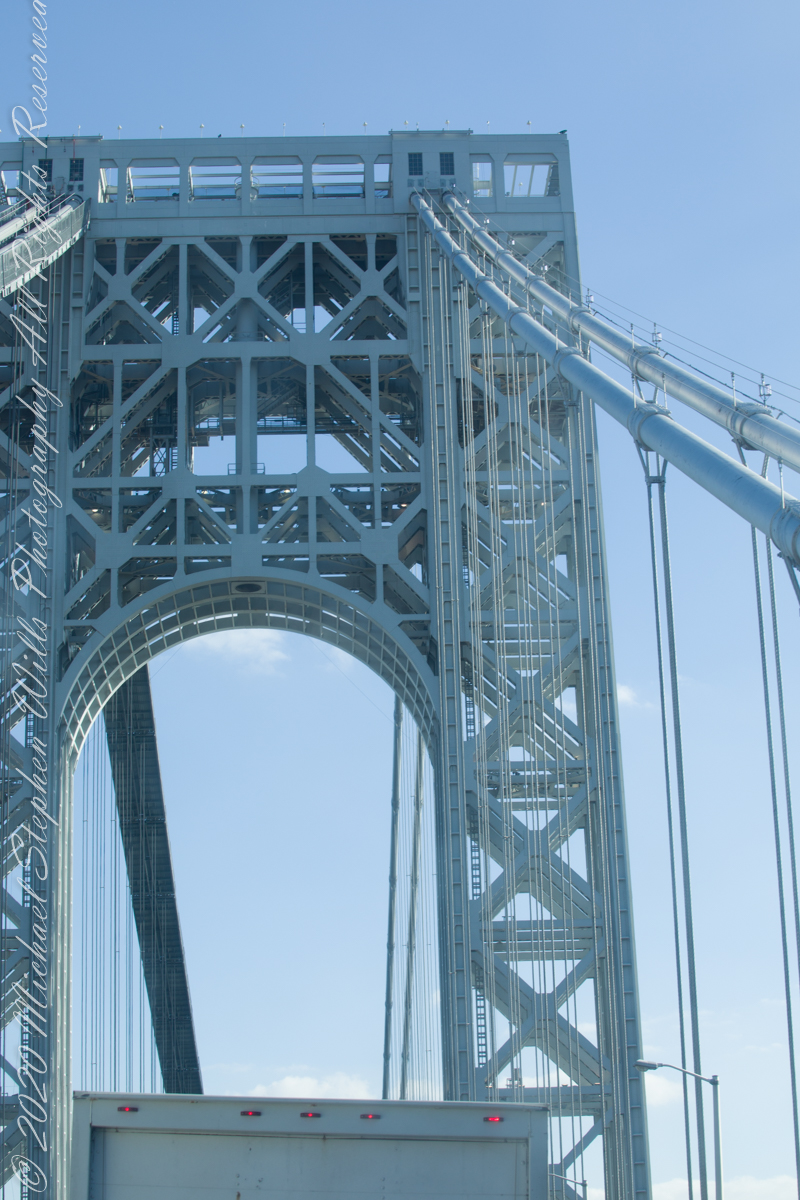
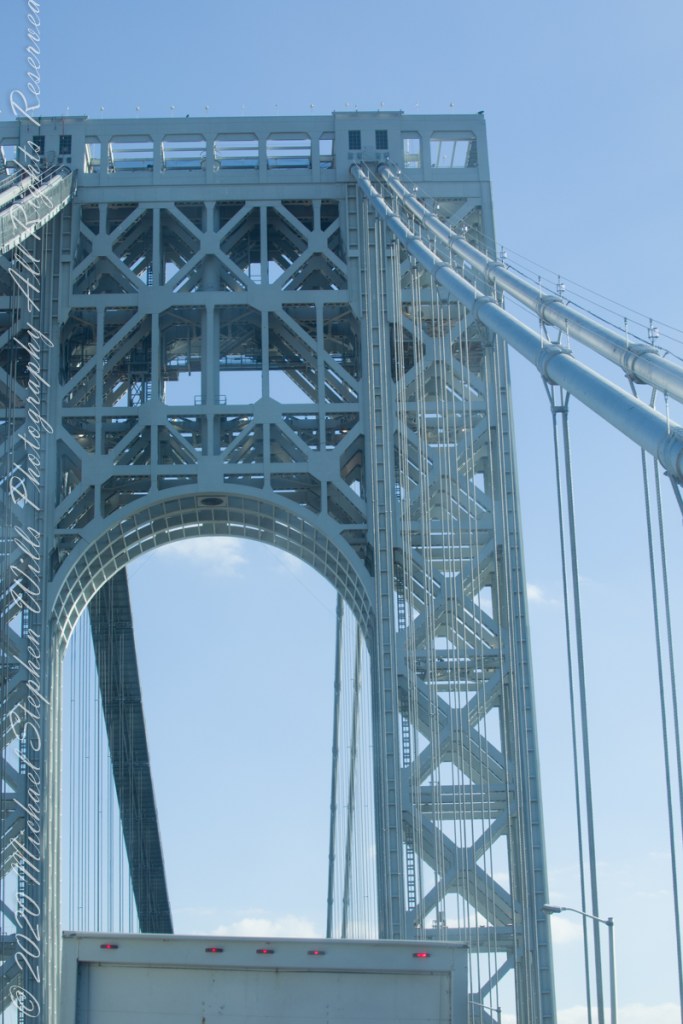
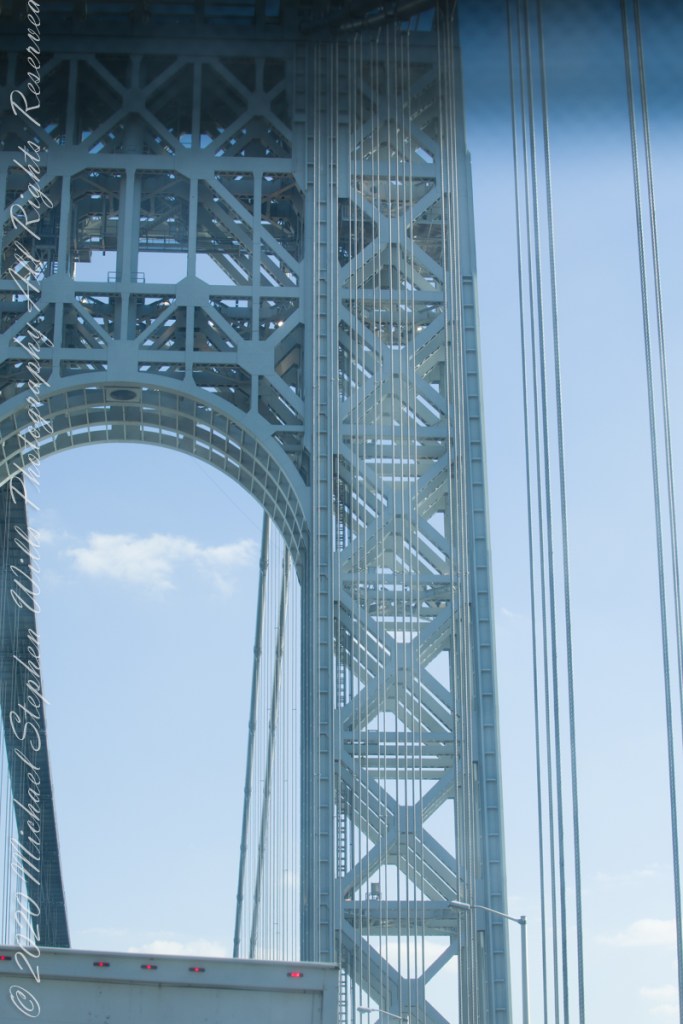
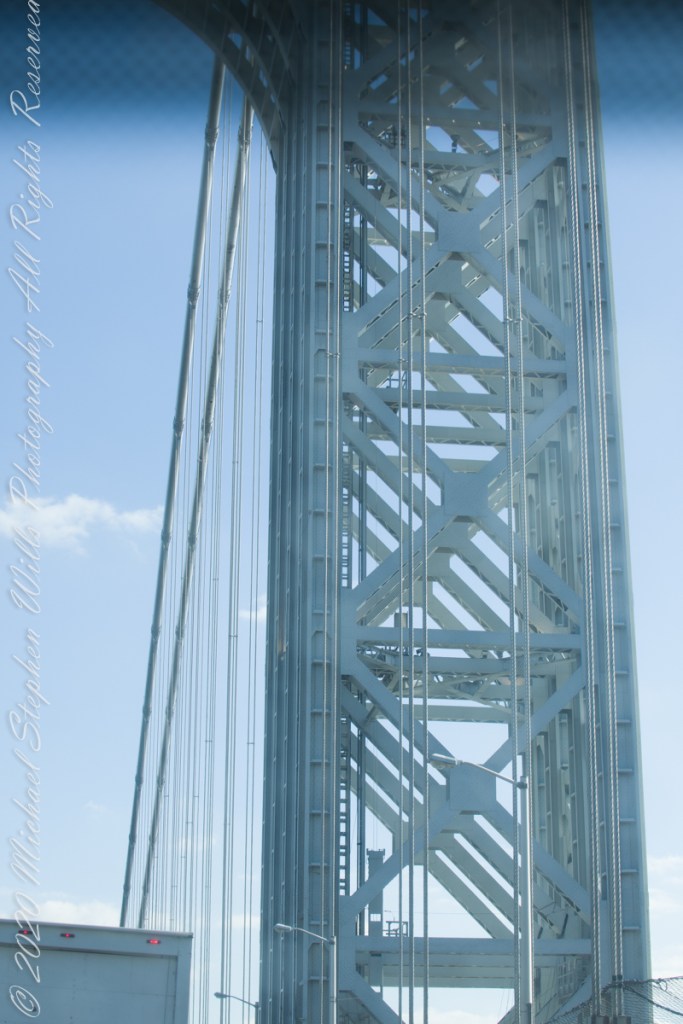
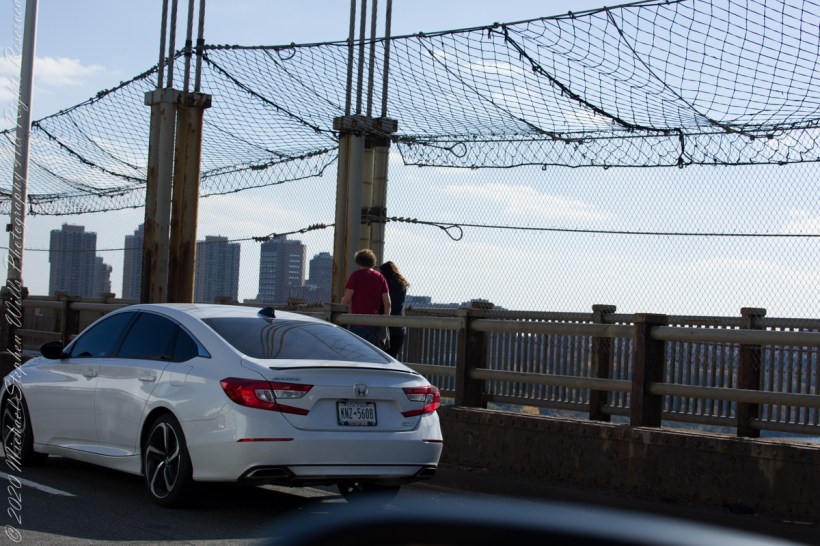
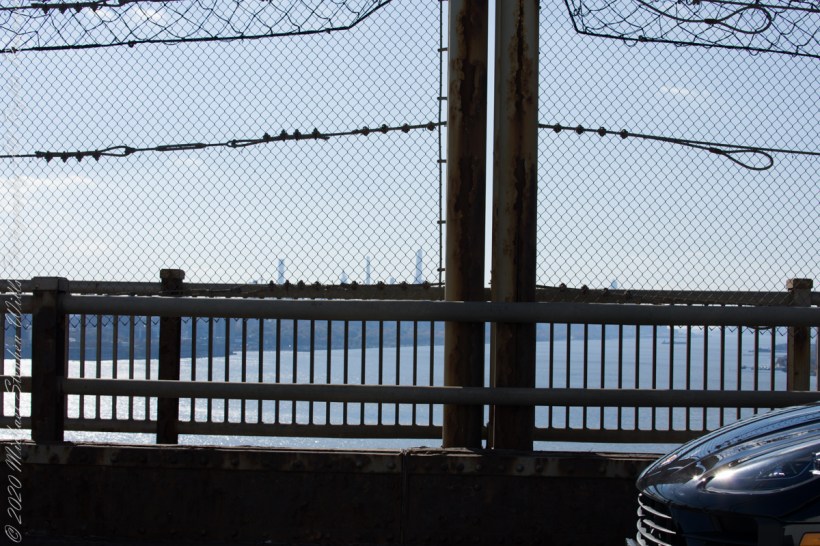
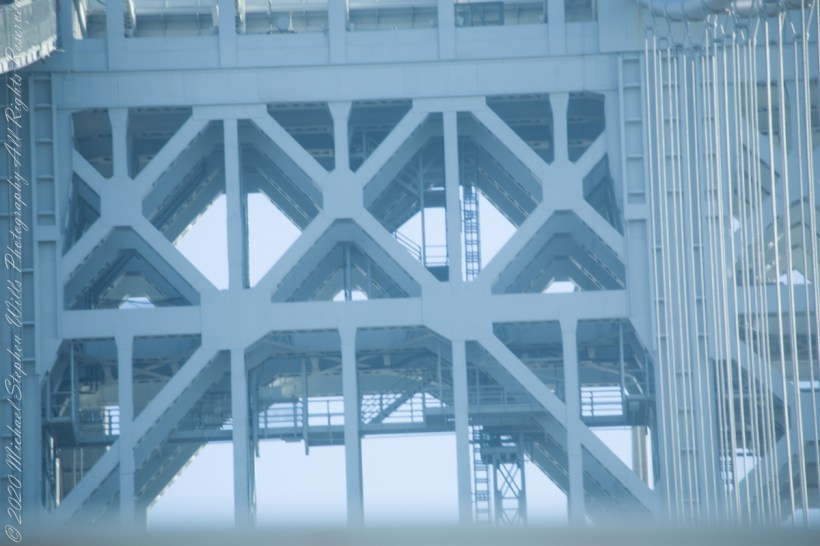
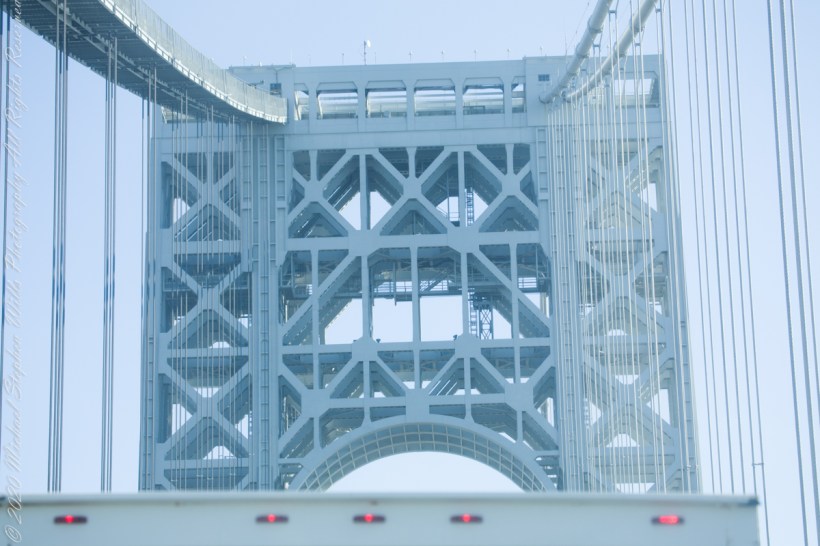
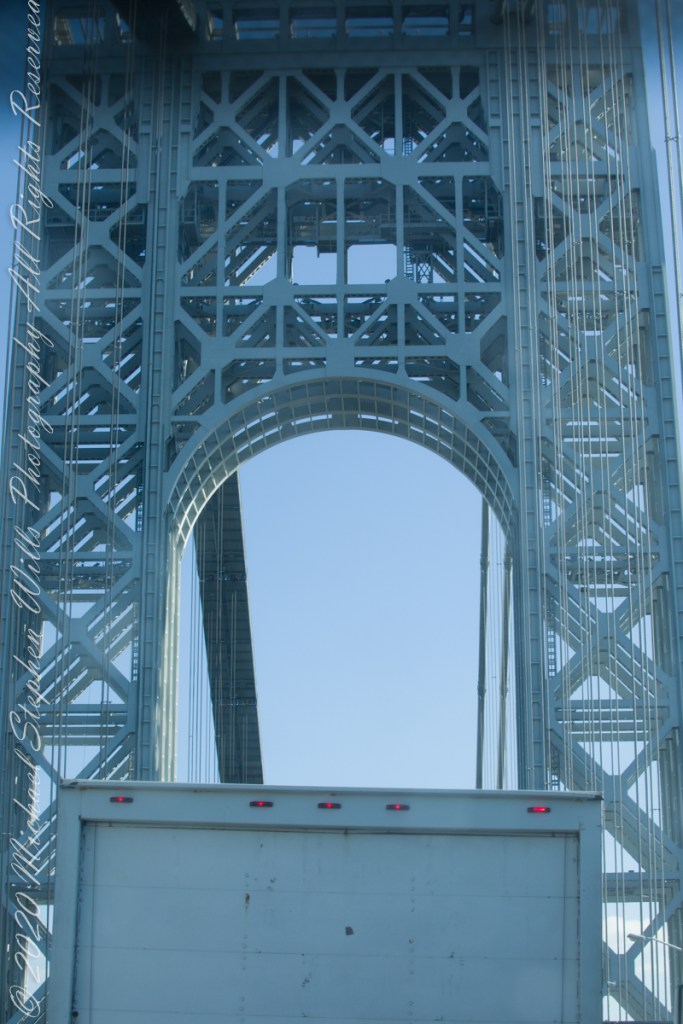
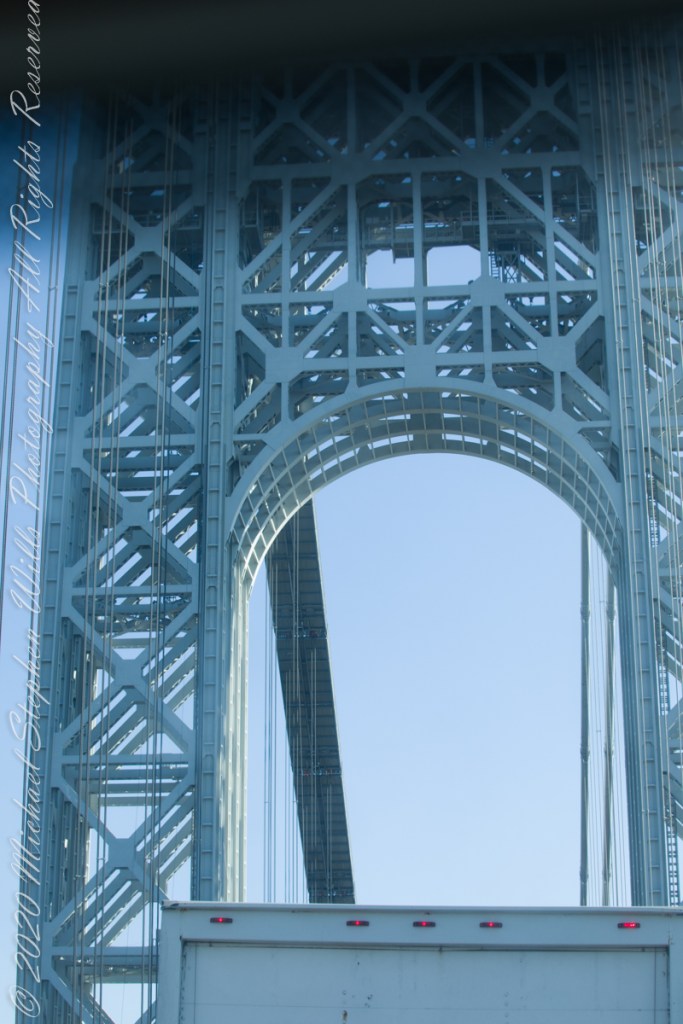
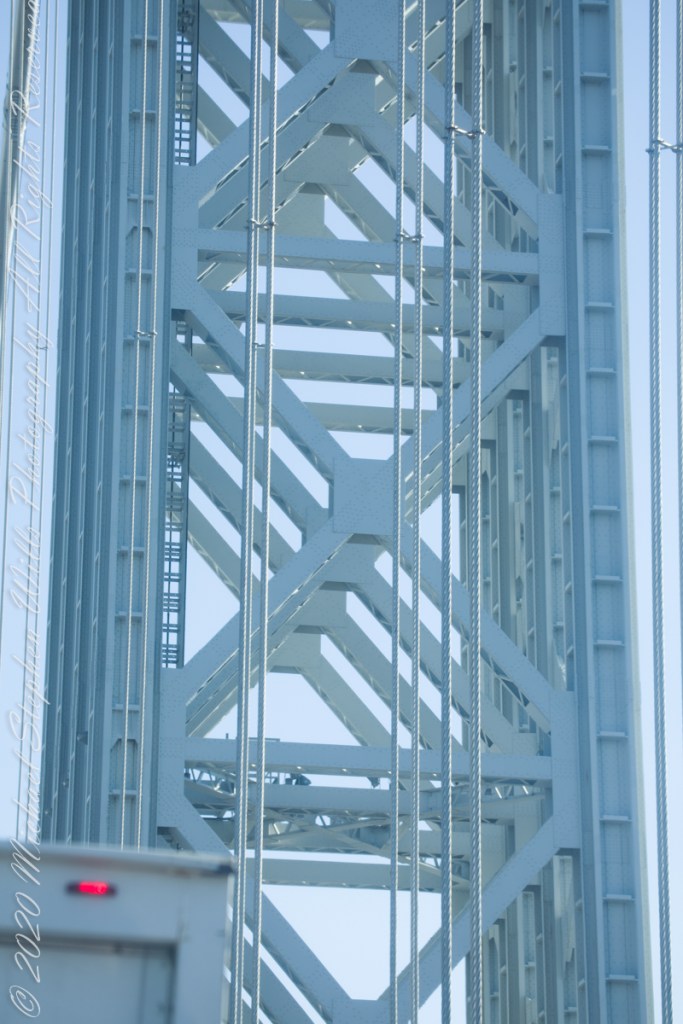
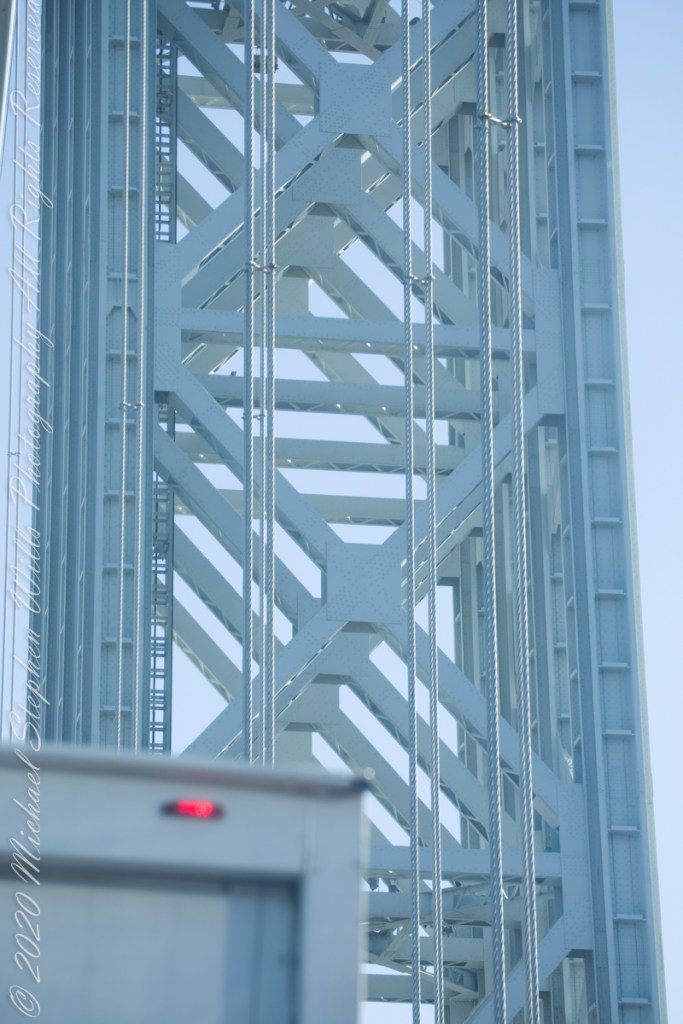
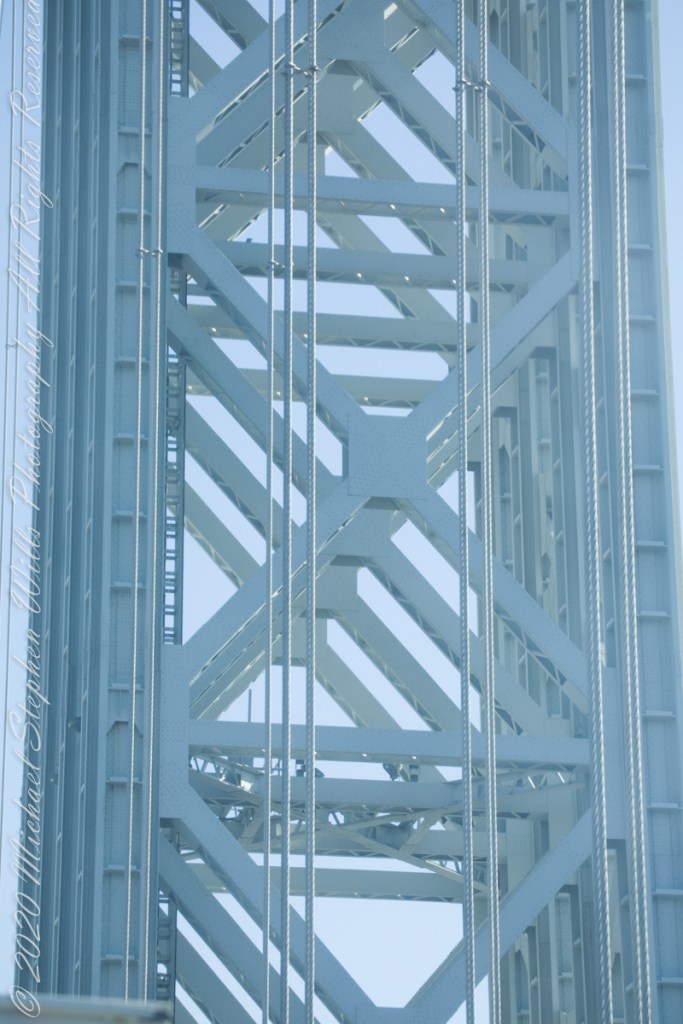
Over the George Washington Bridge, upper level.
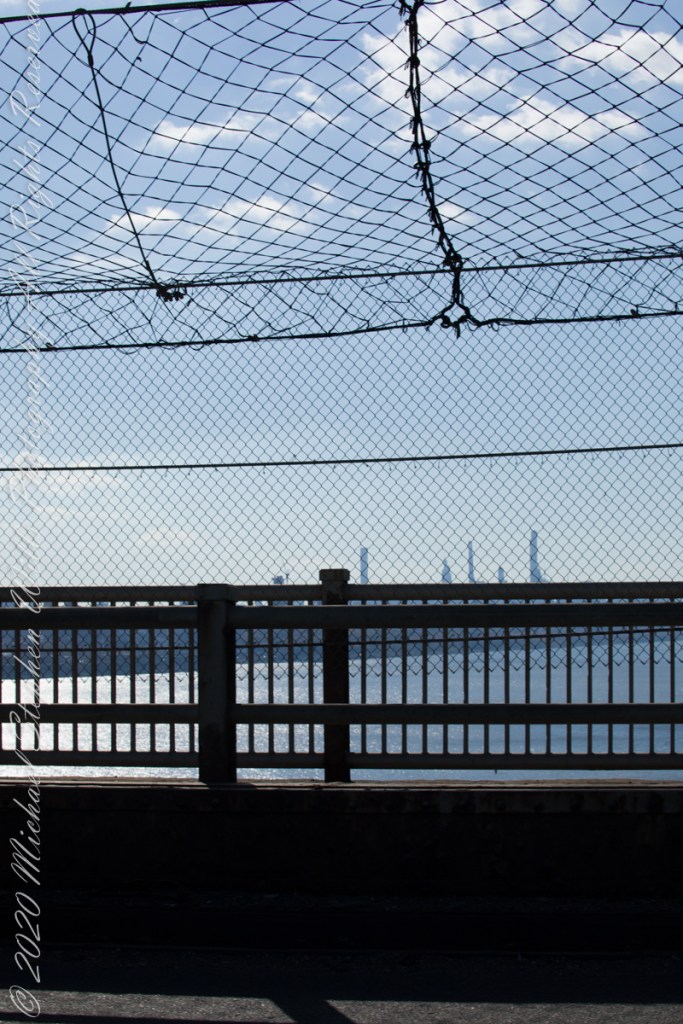
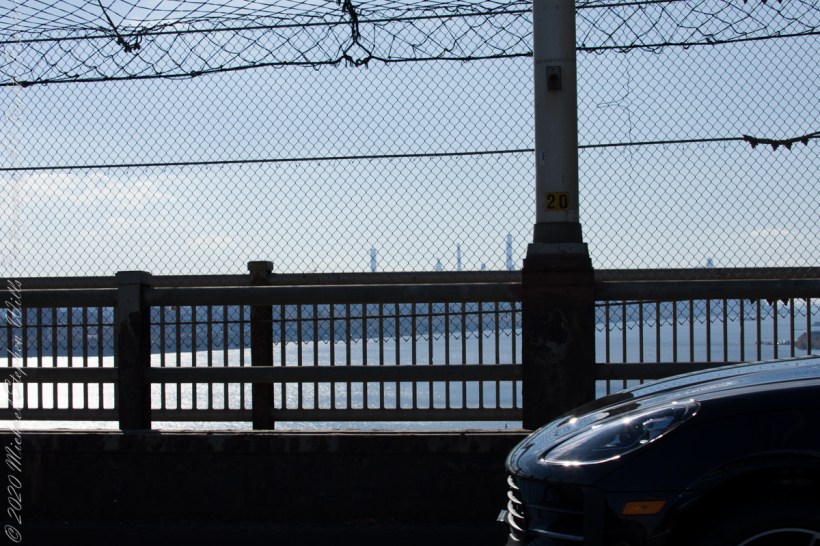
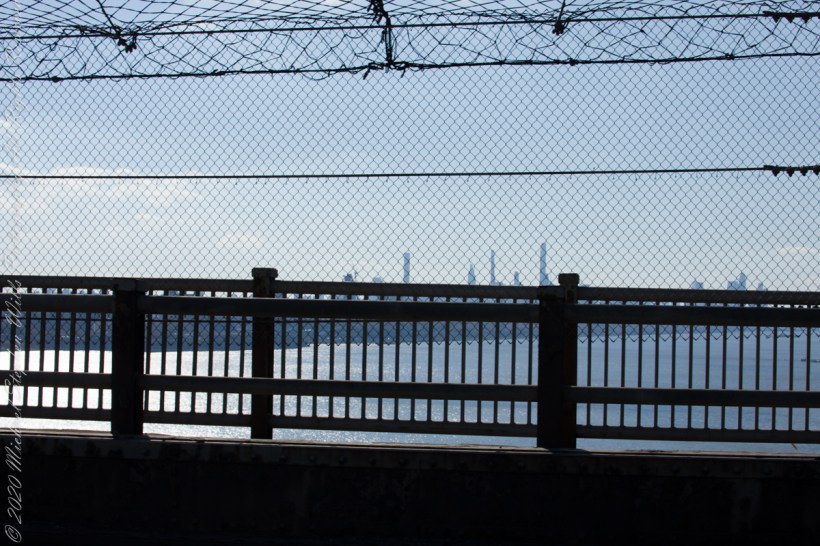
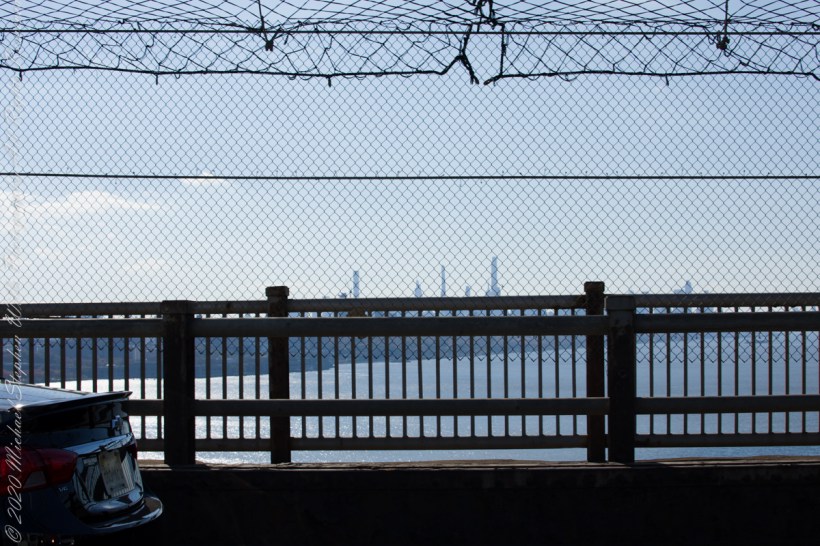
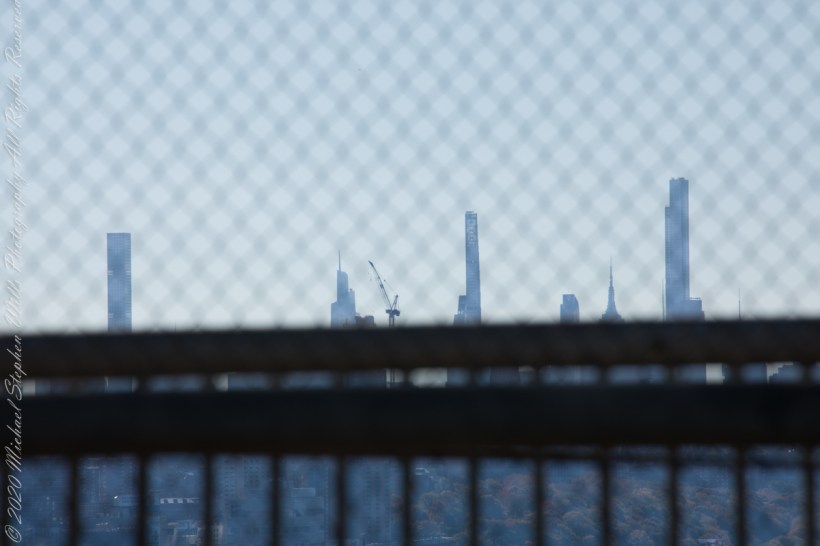
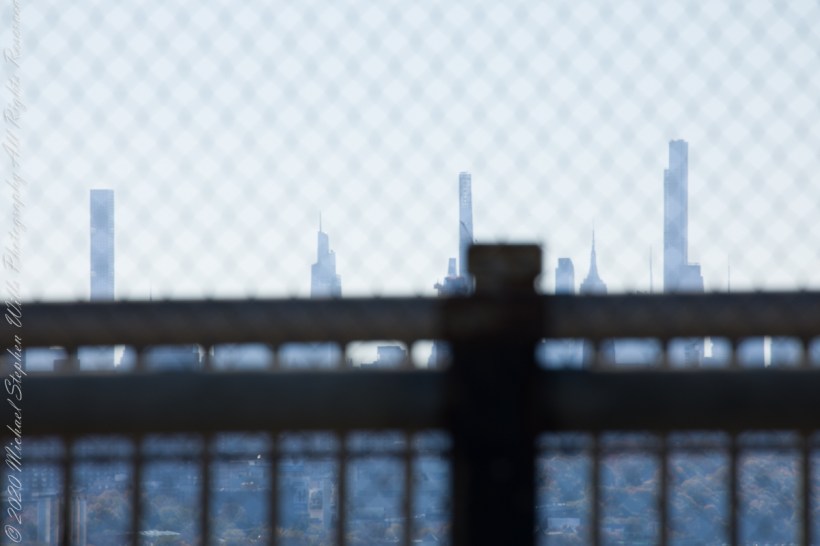
New York City skyline with “supertalls”
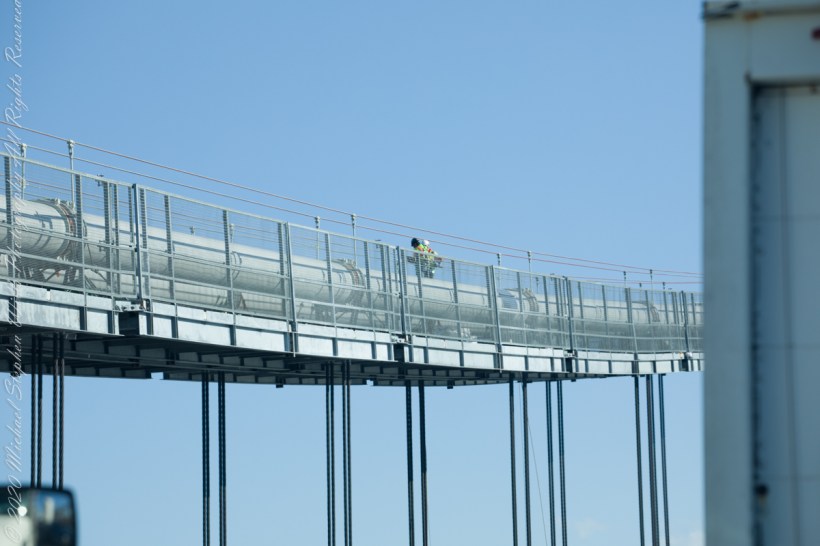
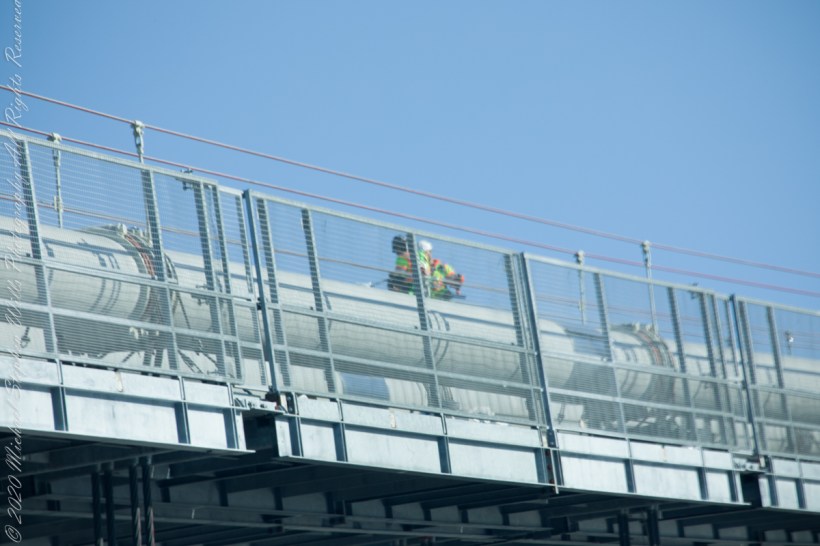
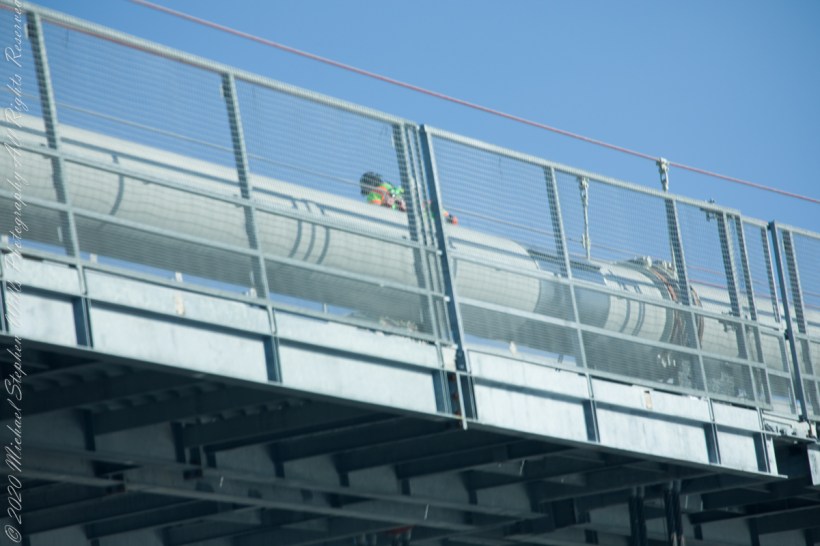
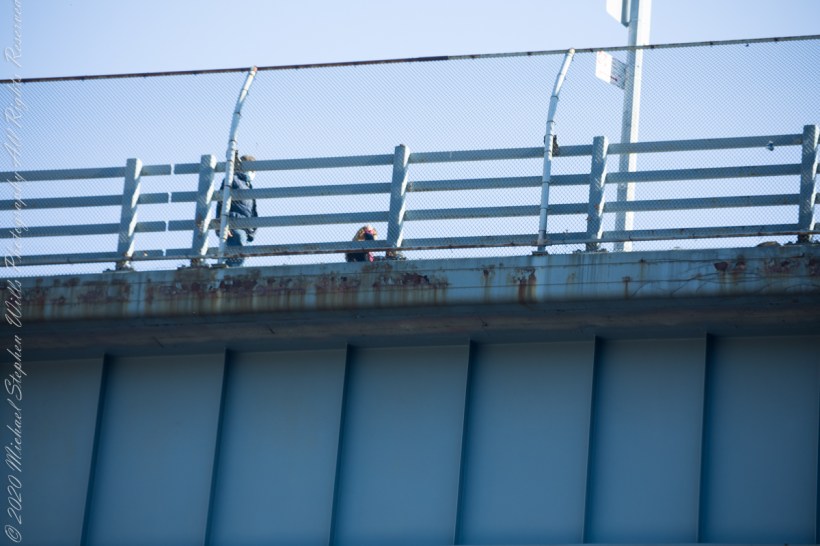
a bridge worker
Manhattan Island
It is possible to walk / bike ride over the bridge.
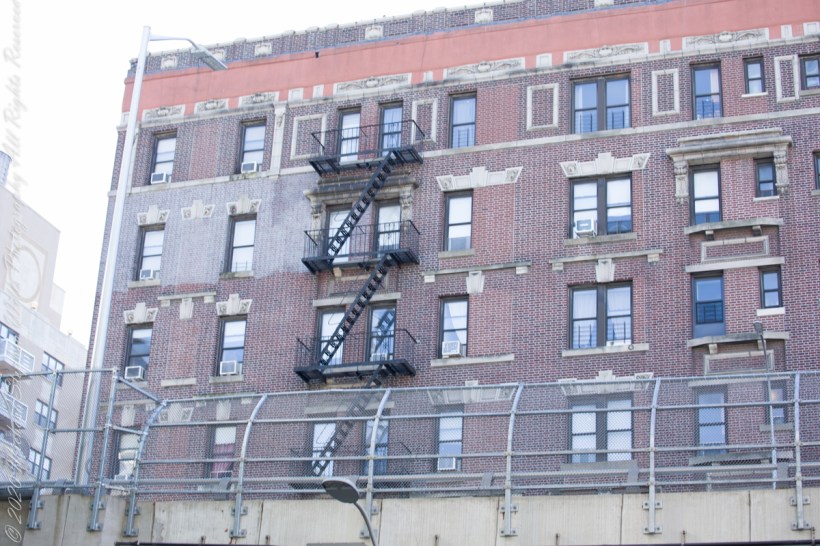
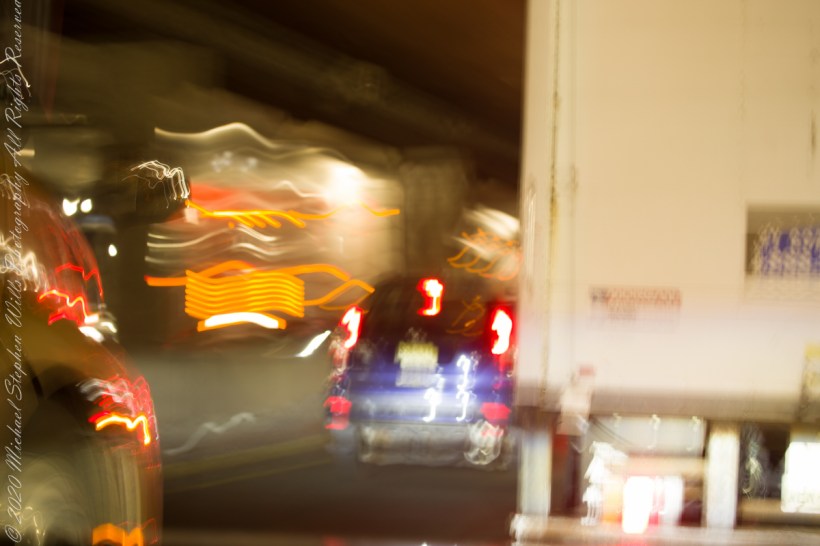
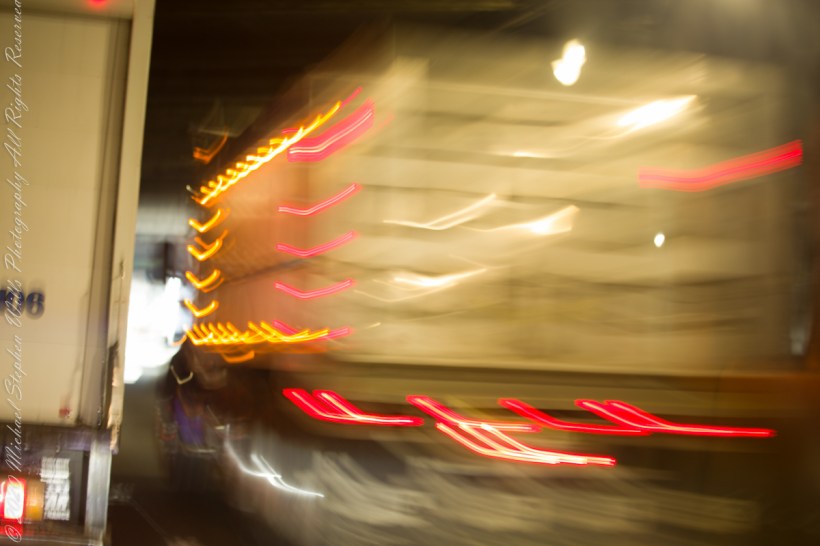
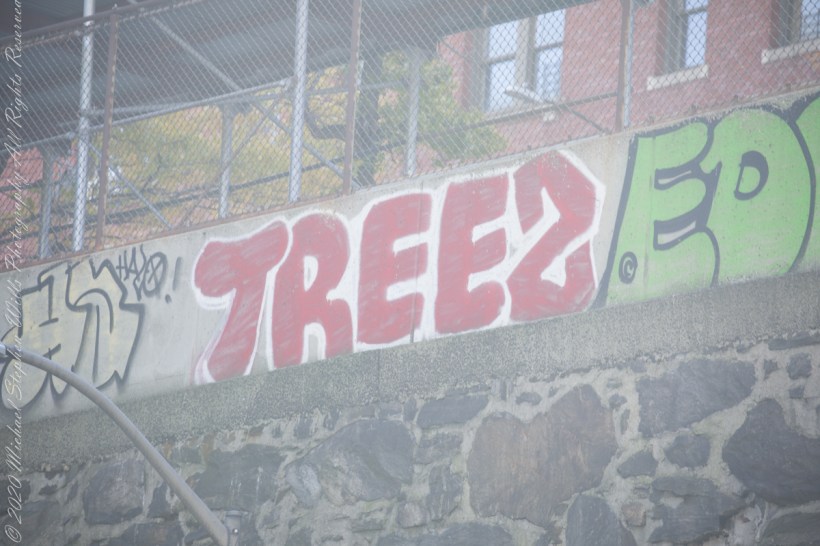
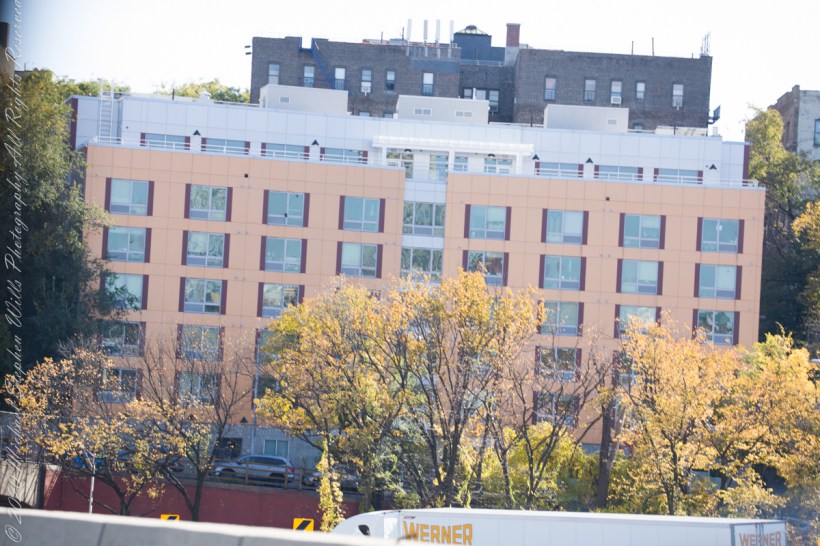
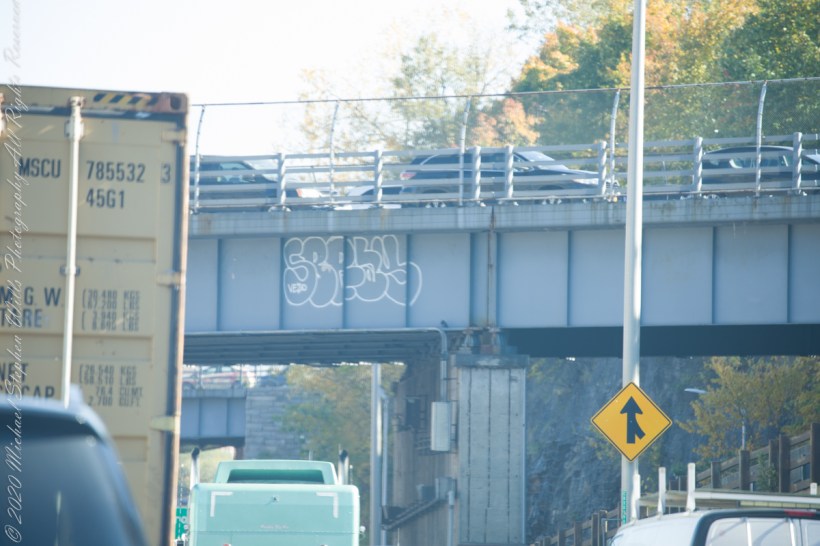
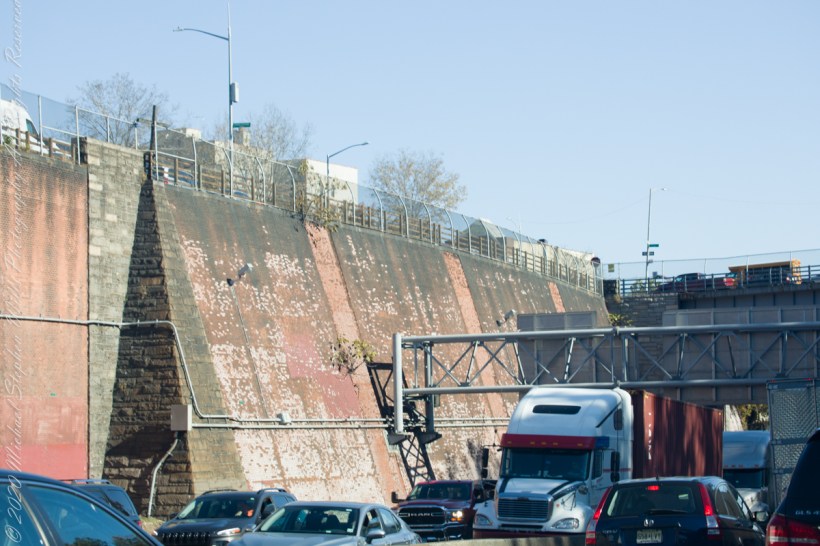
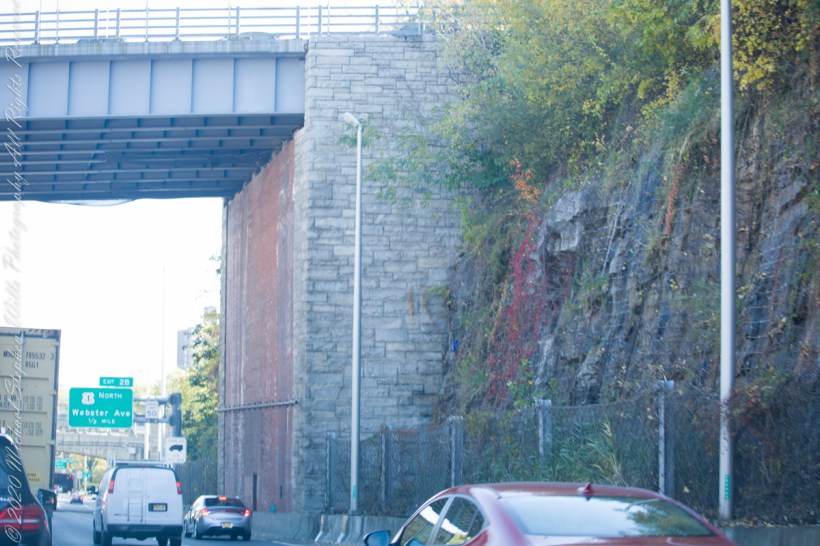
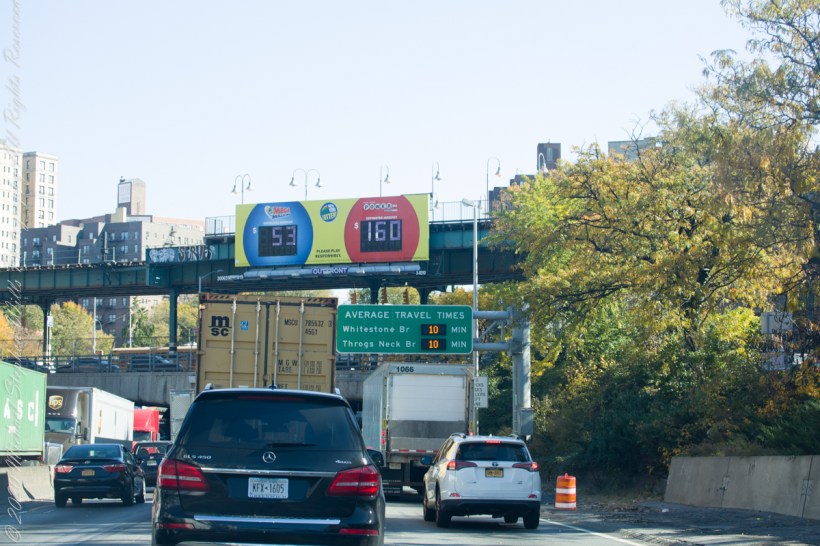
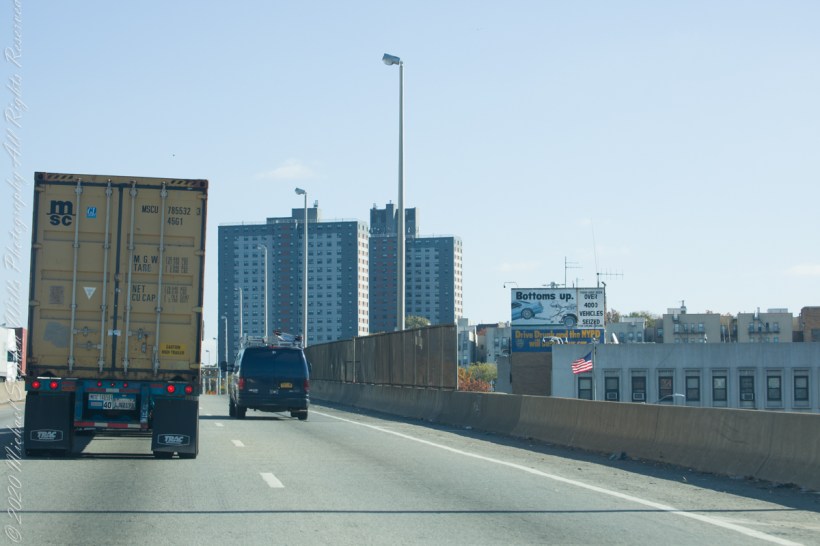
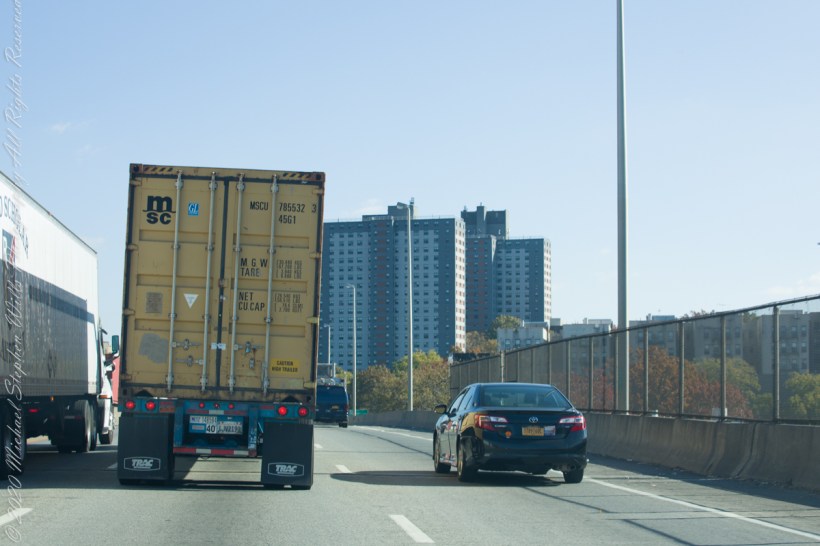
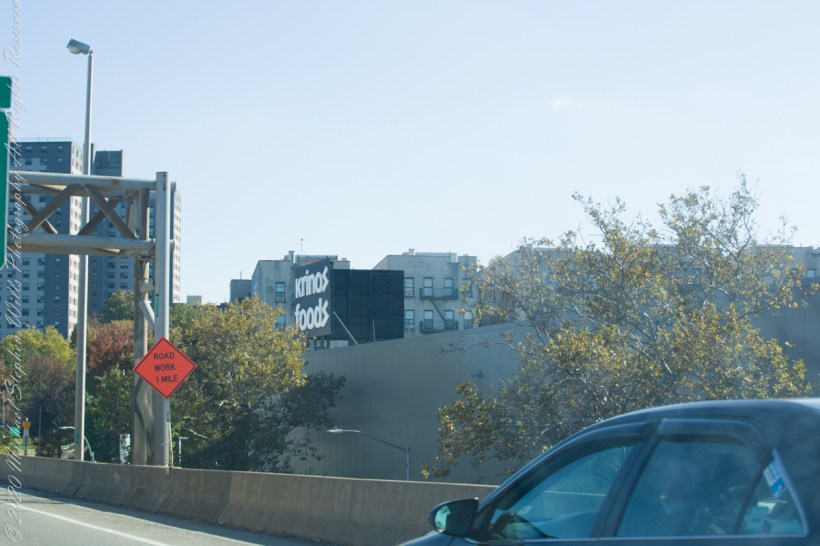
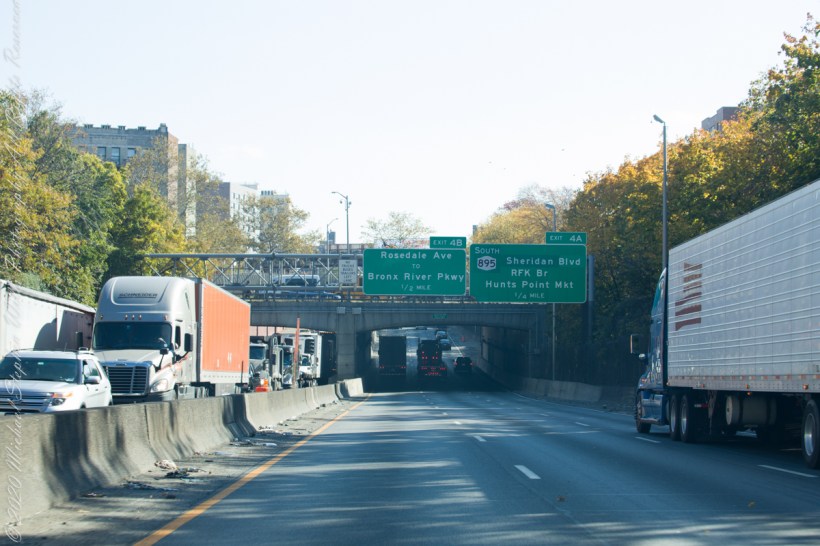
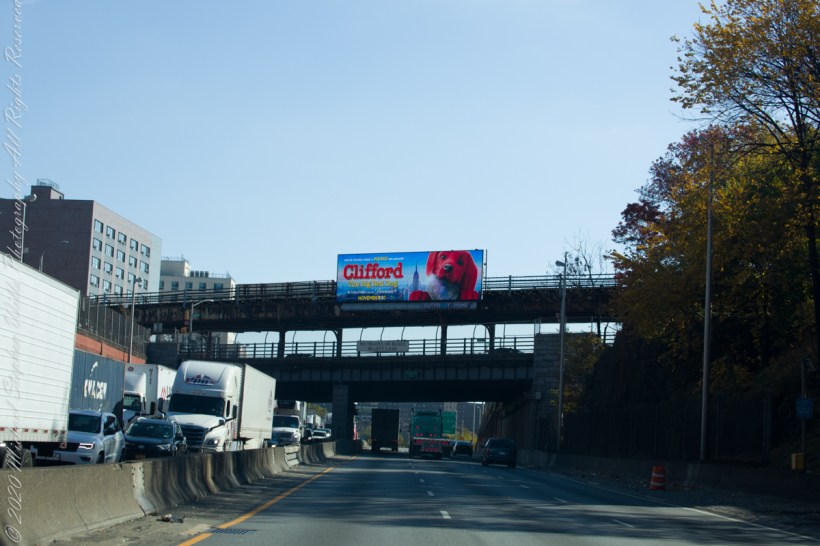
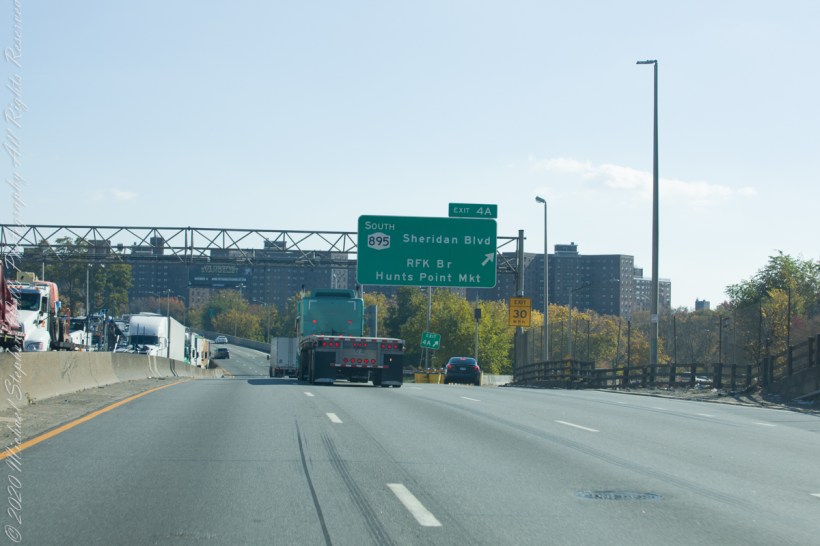
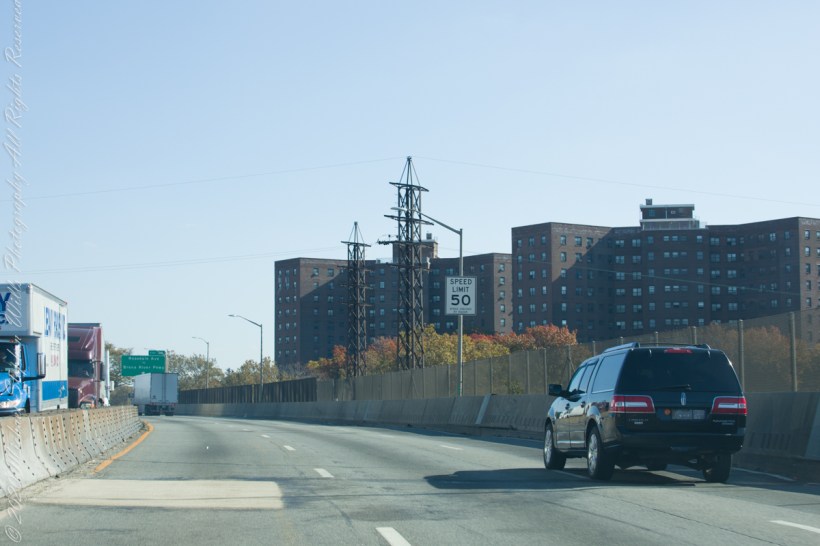
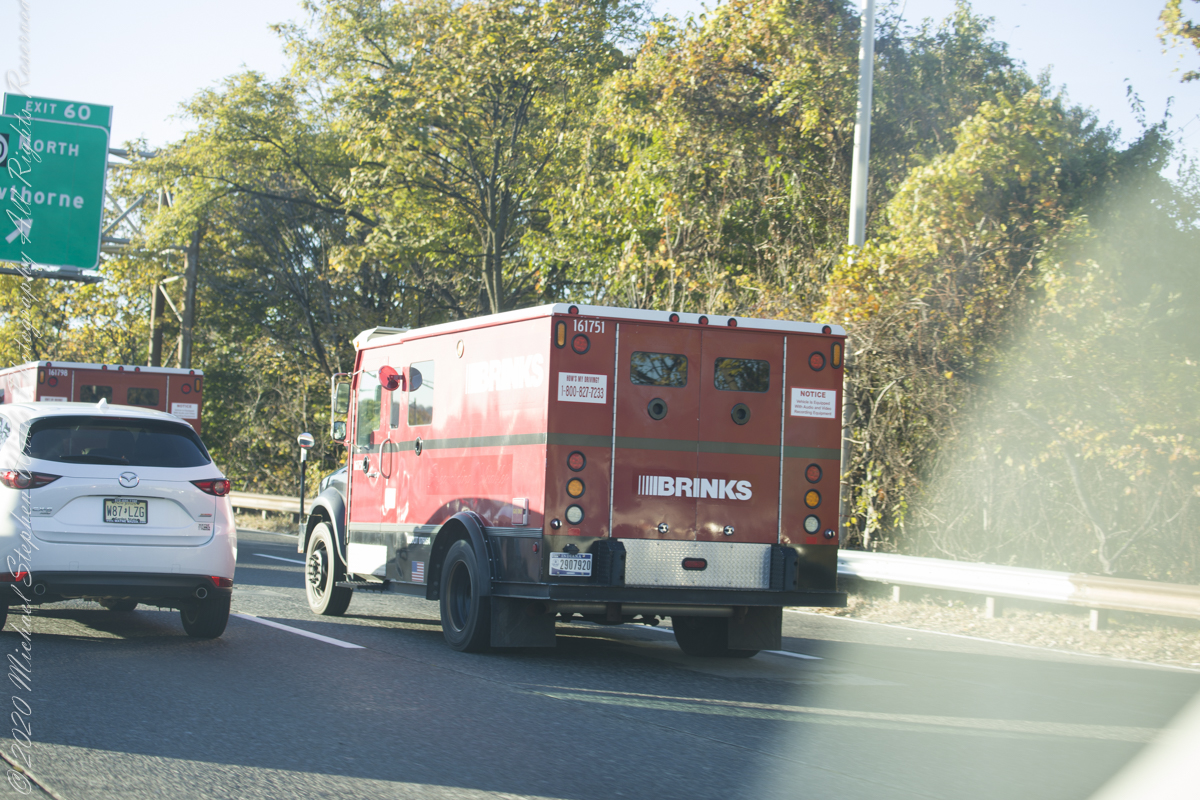
Into the Bronx via the imfamous Cross Bronx Expressway…..trucks from across the continent funnel through here.
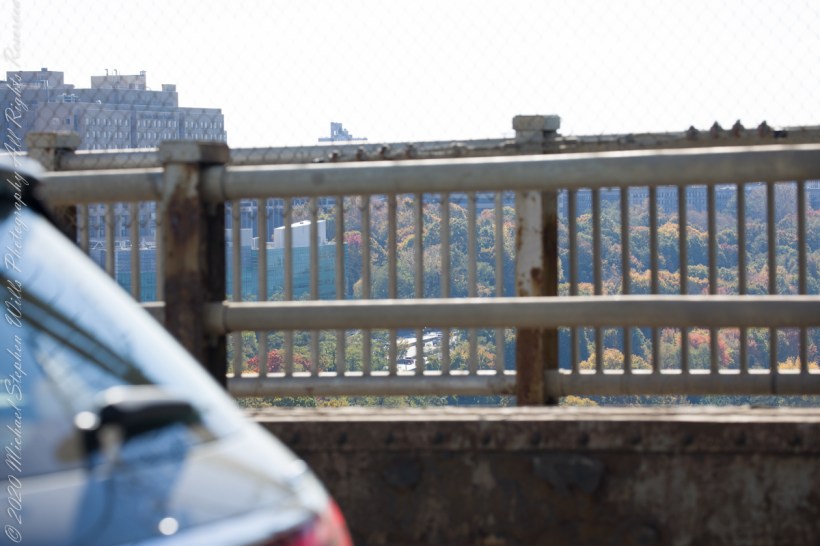
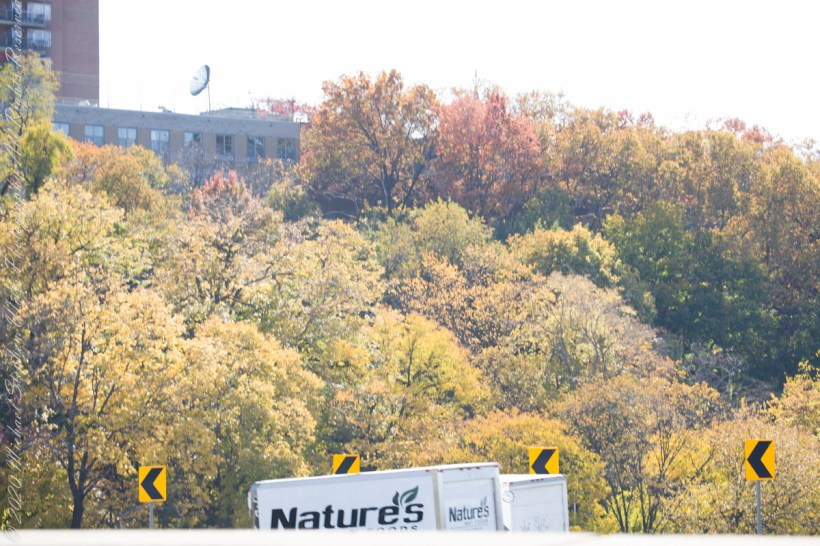
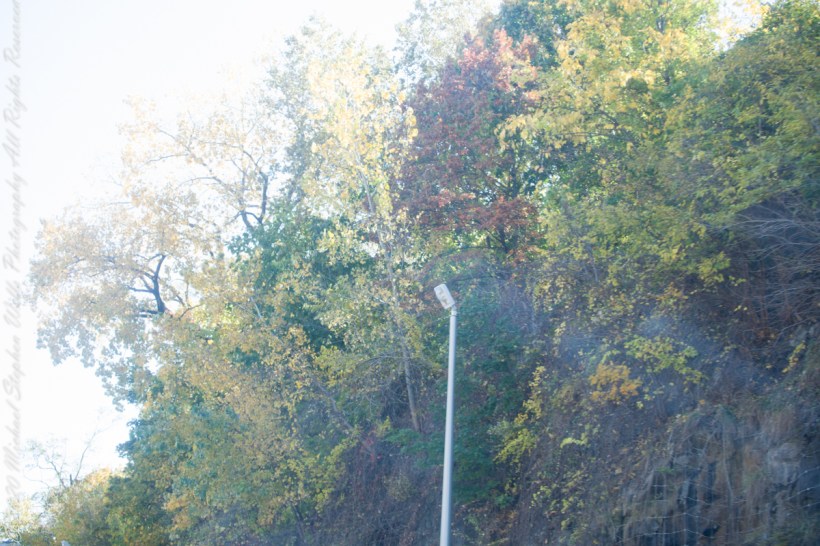
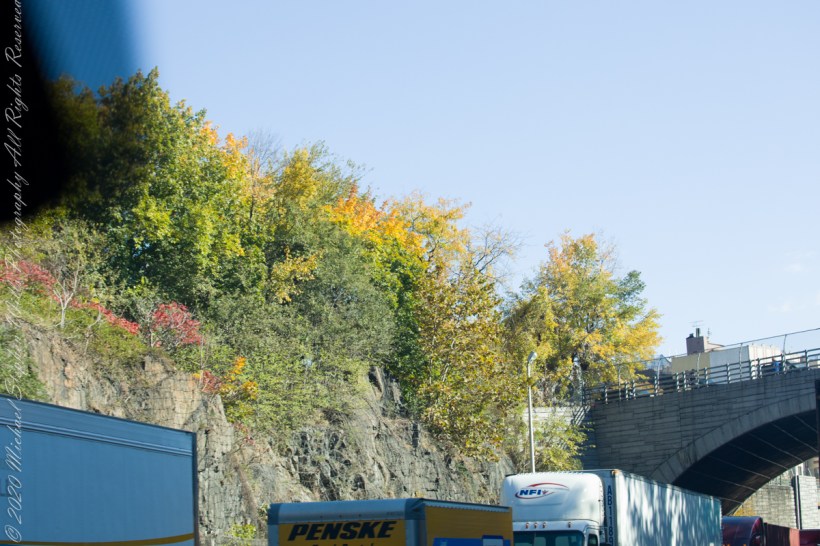
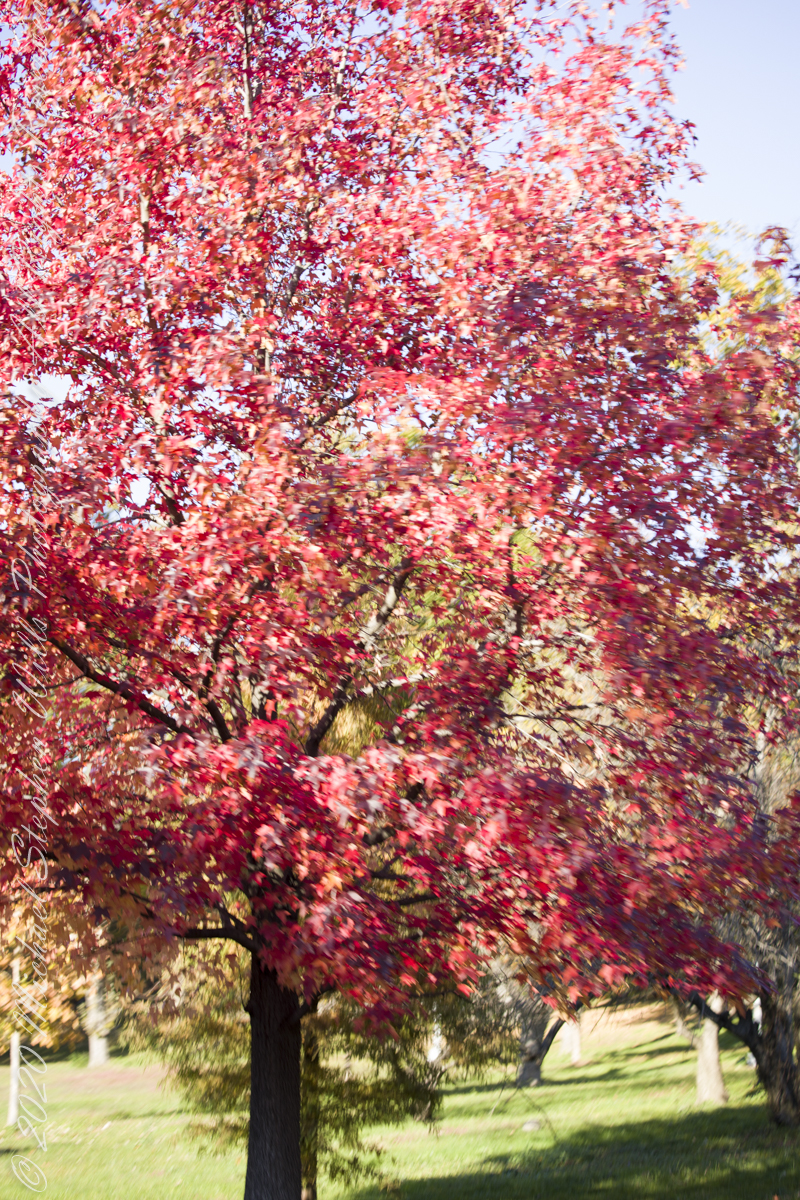
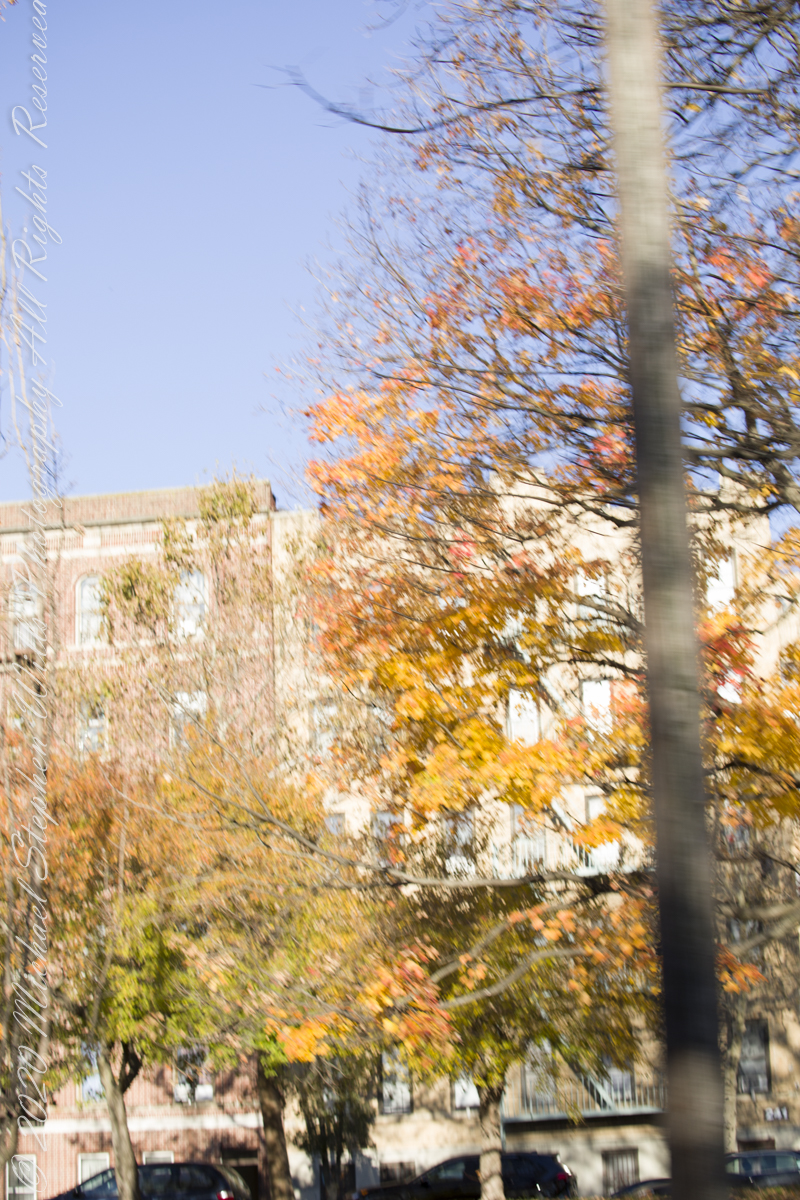
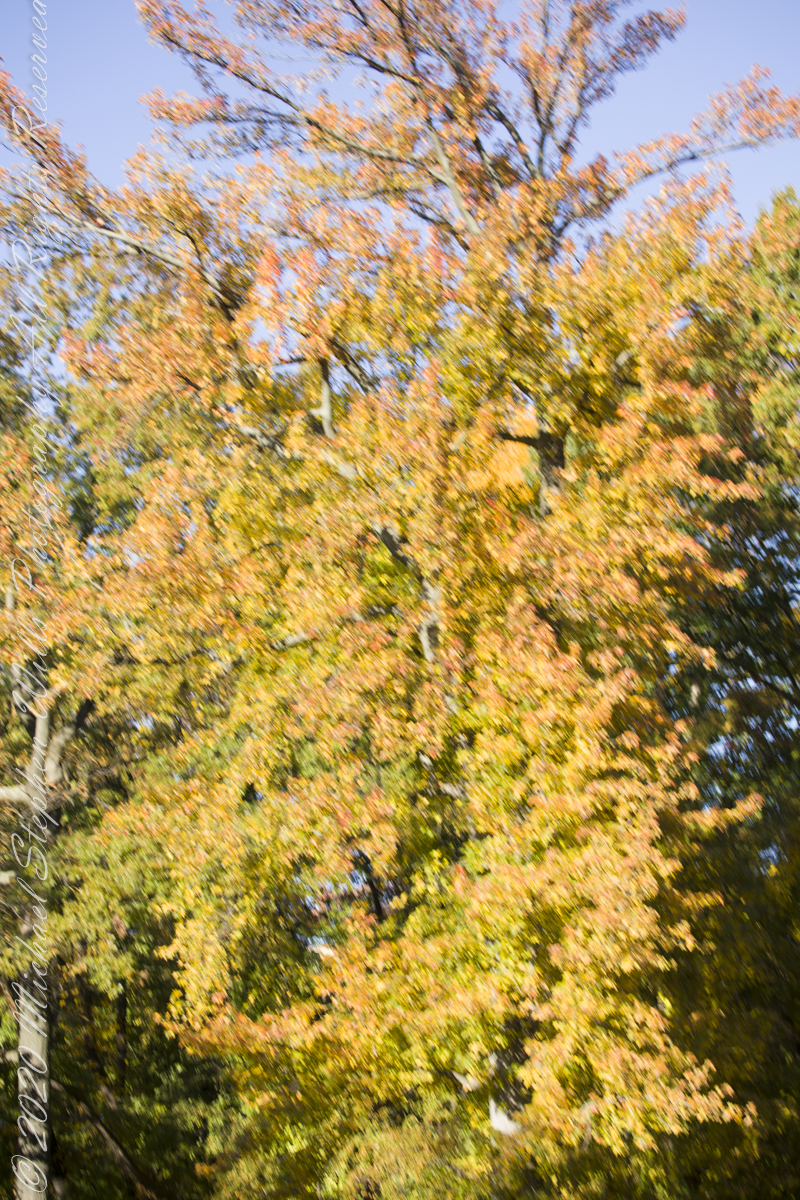
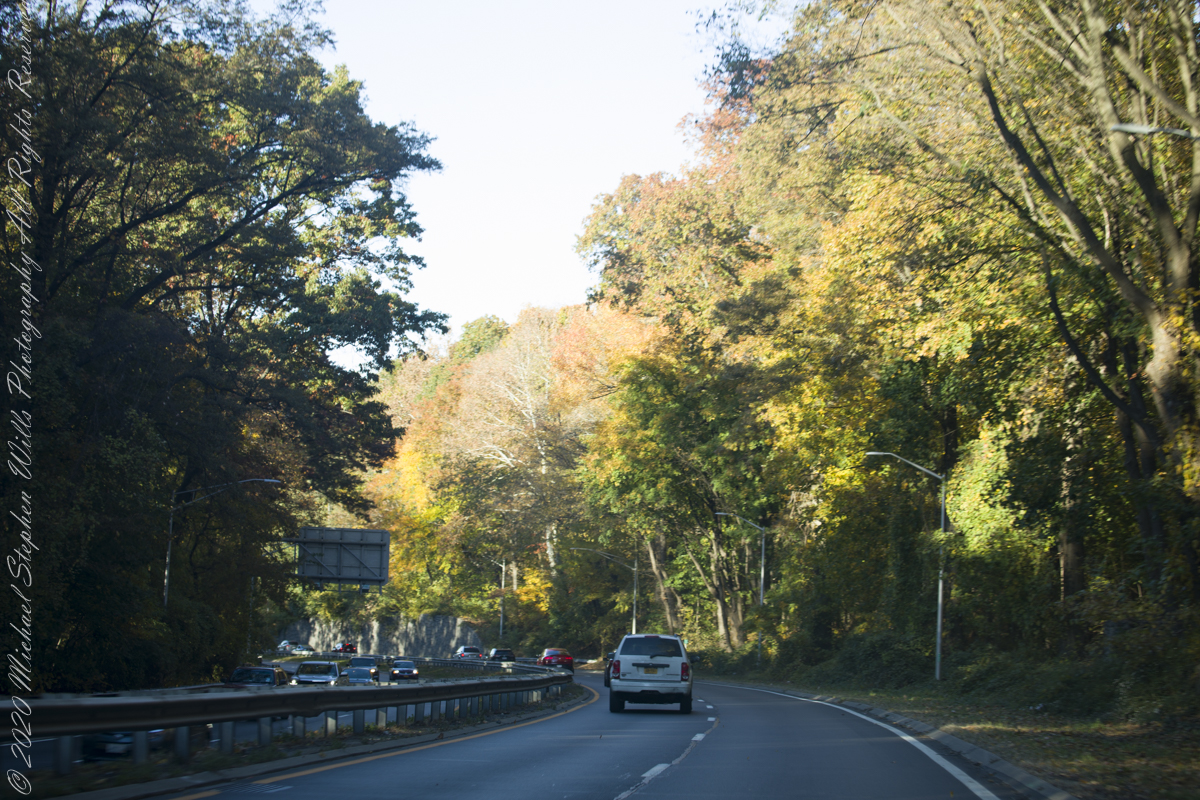
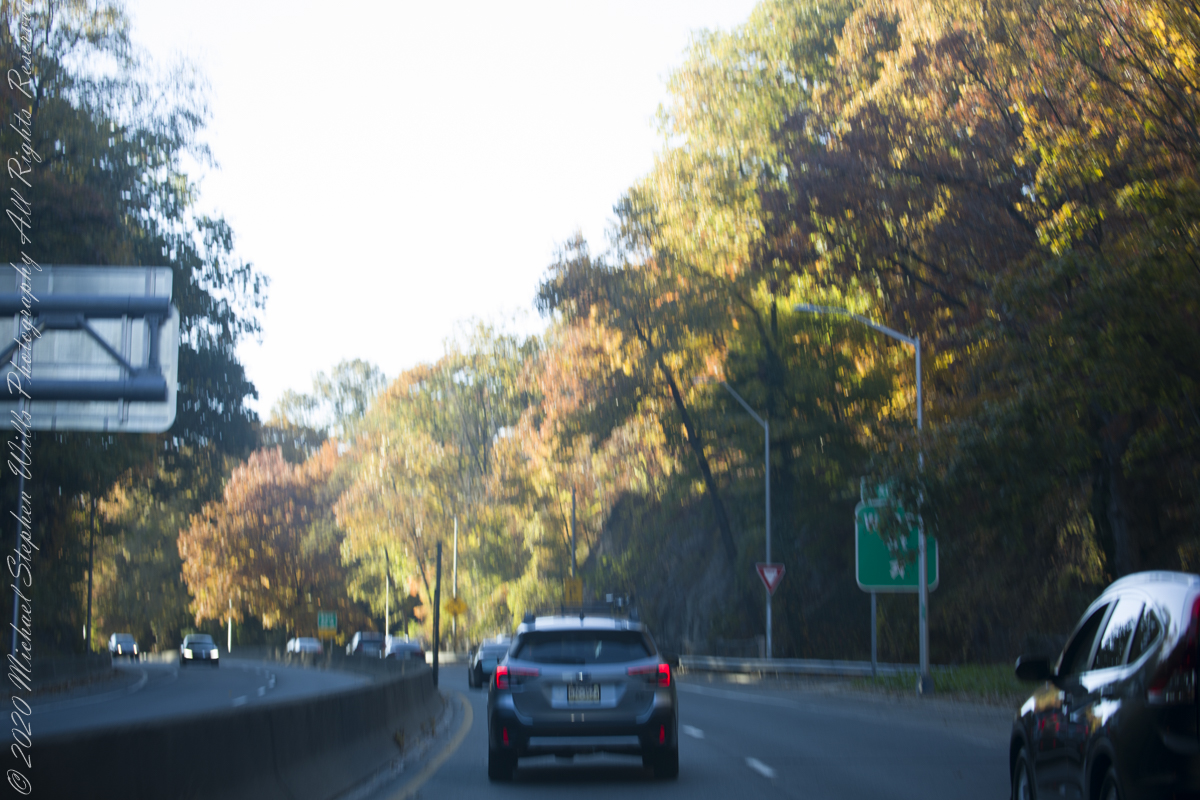
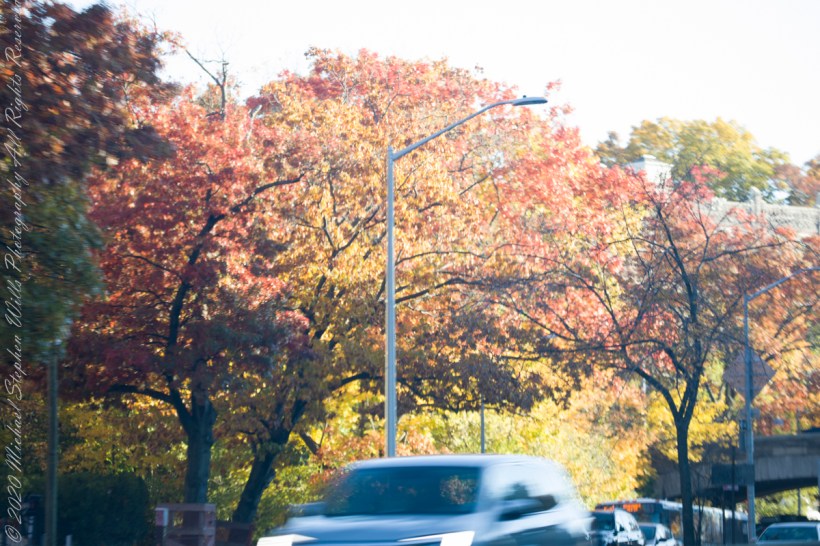
Glorious fall foliage on a perfect autumn morning.
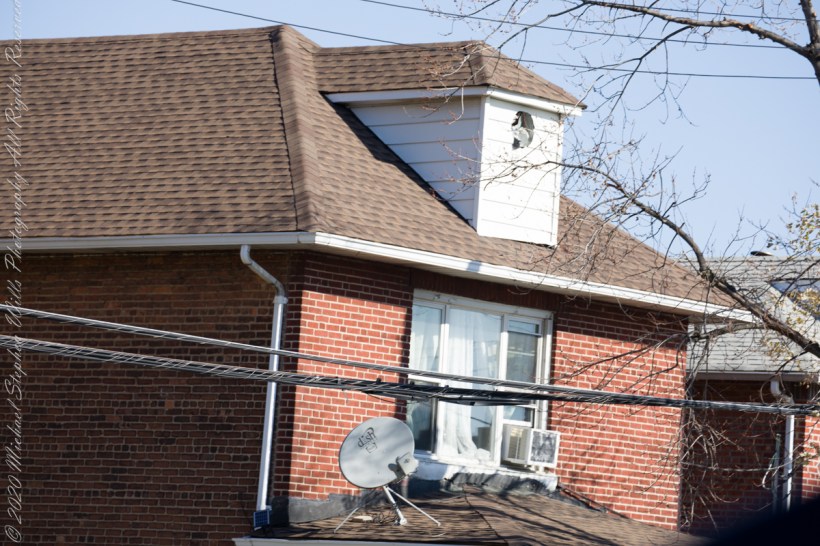
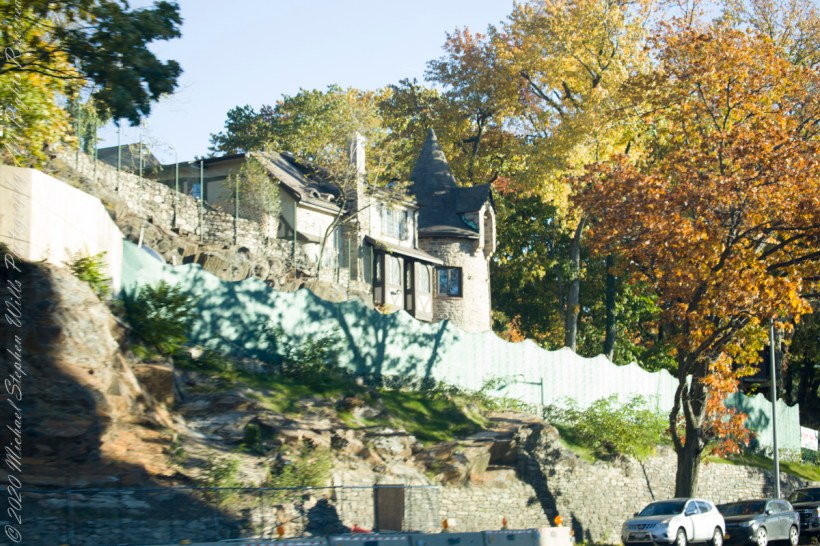
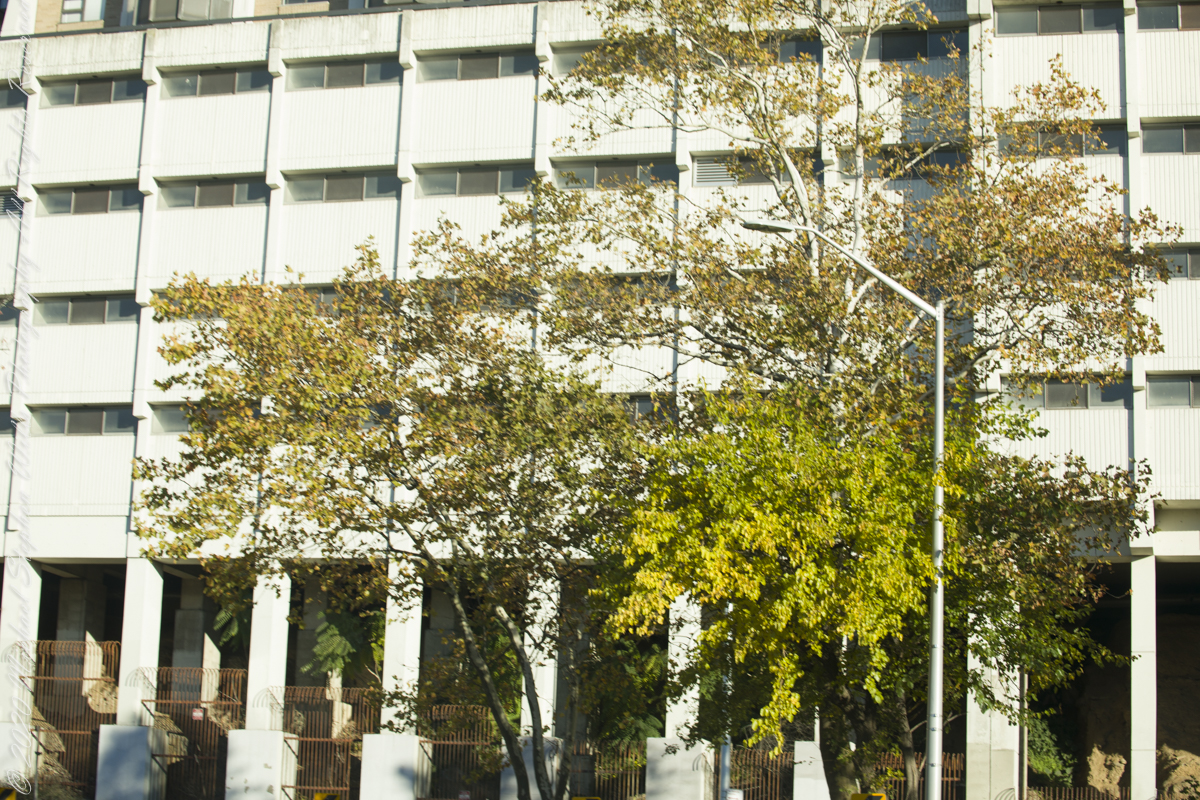
A Schuylerville home
Copyright 2021 All Rights Reserved Michael Stephen Wills
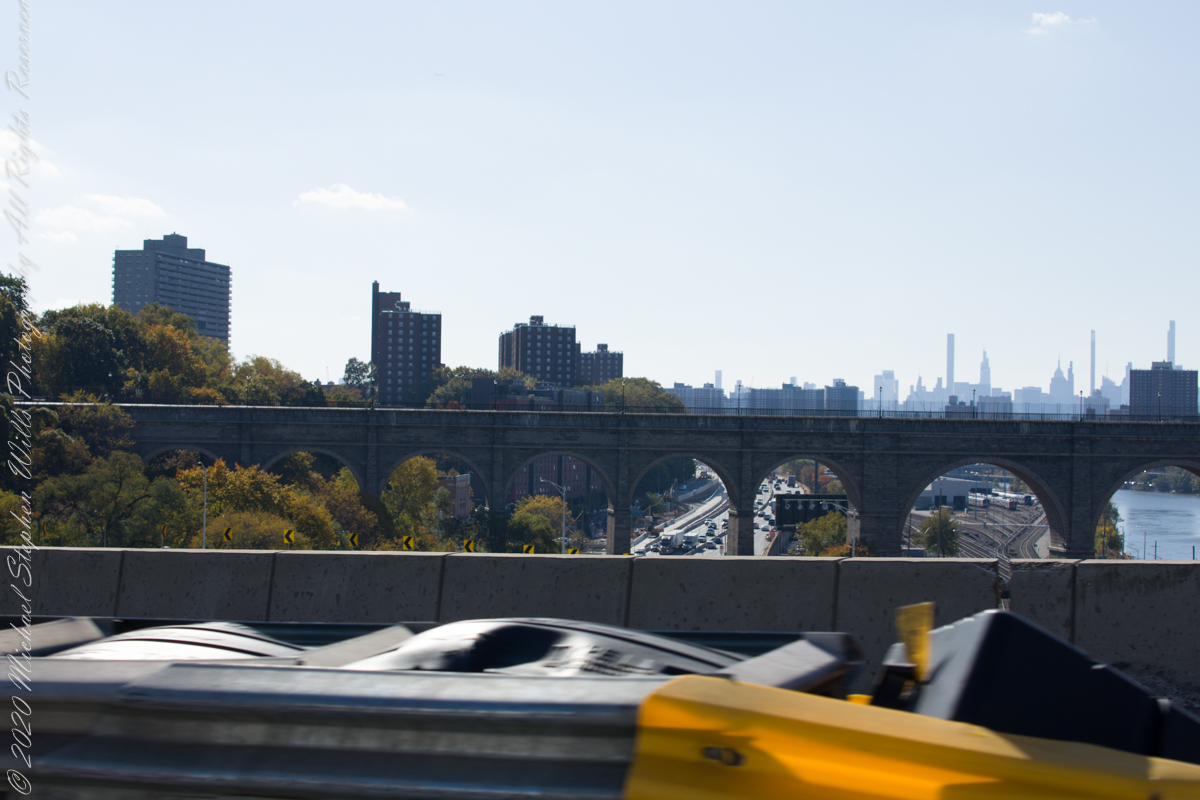
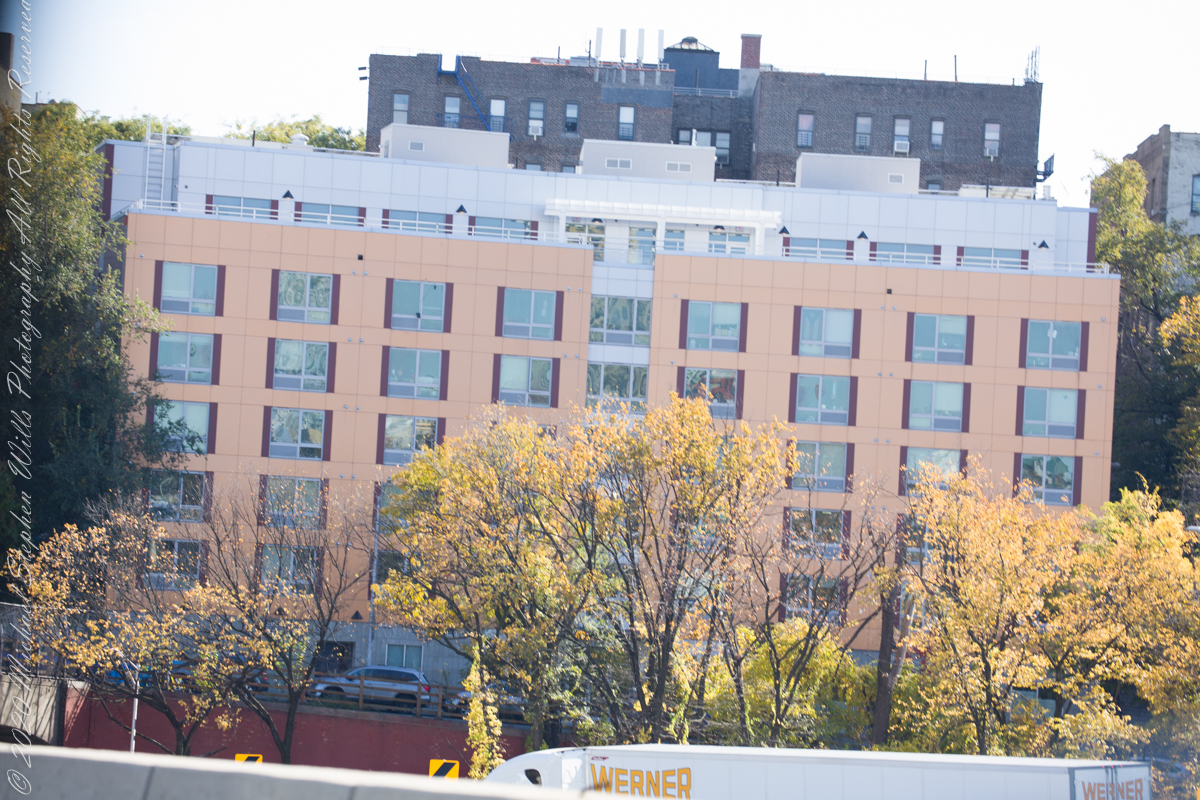
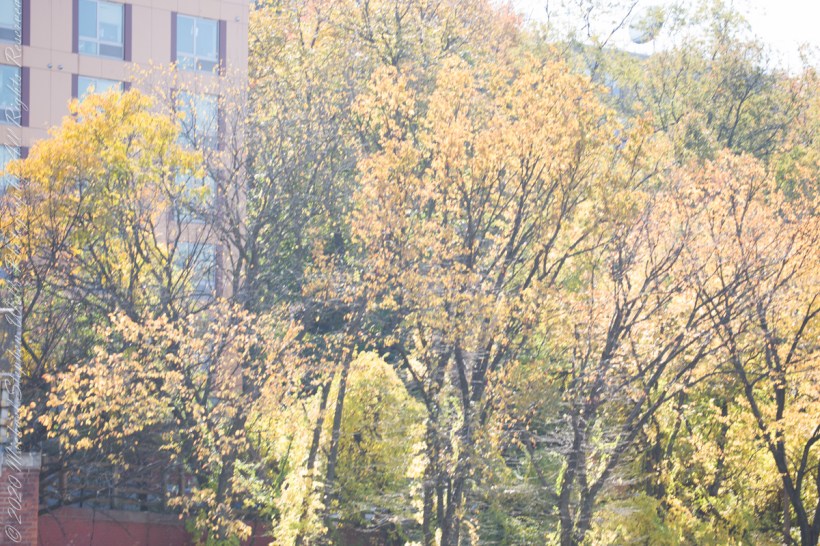
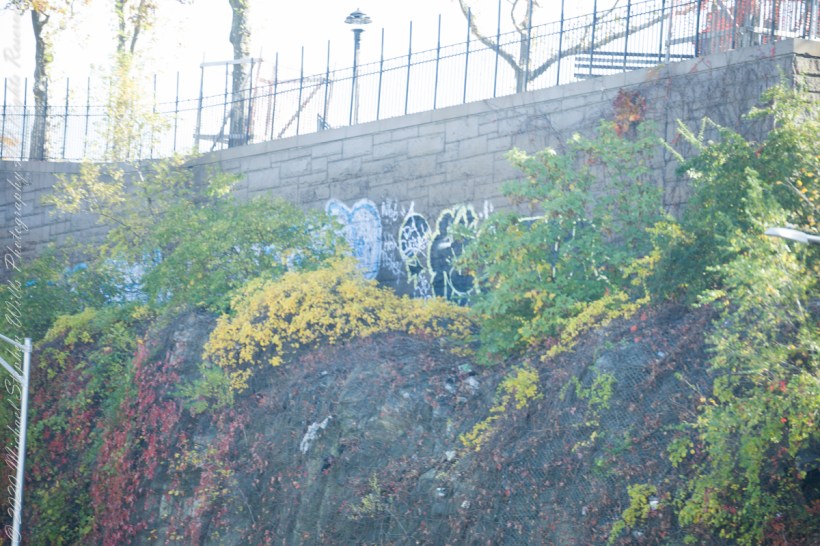
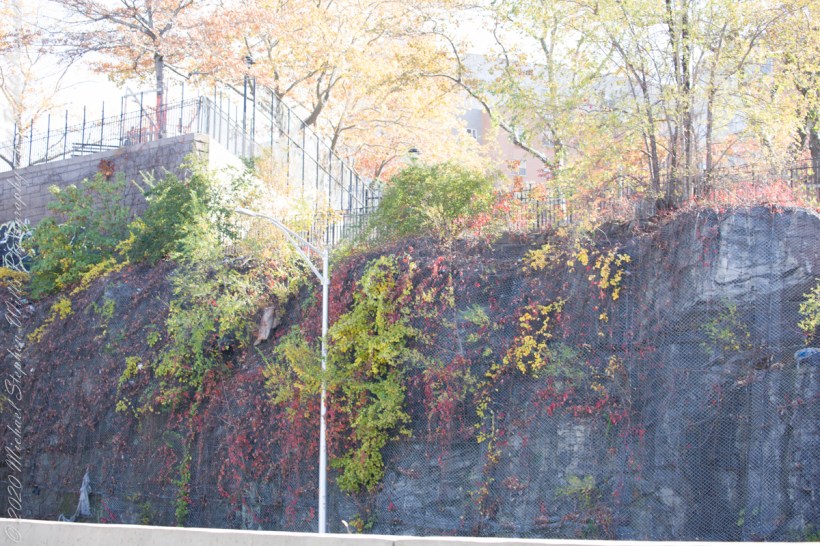
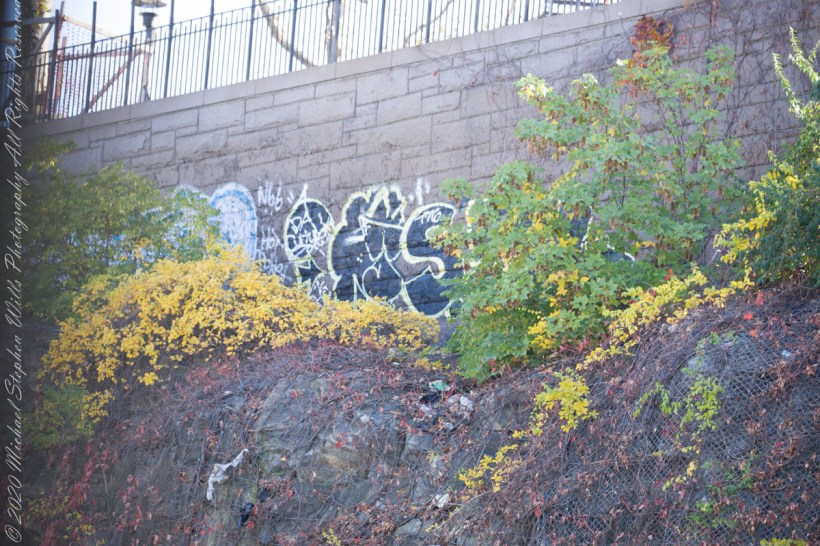
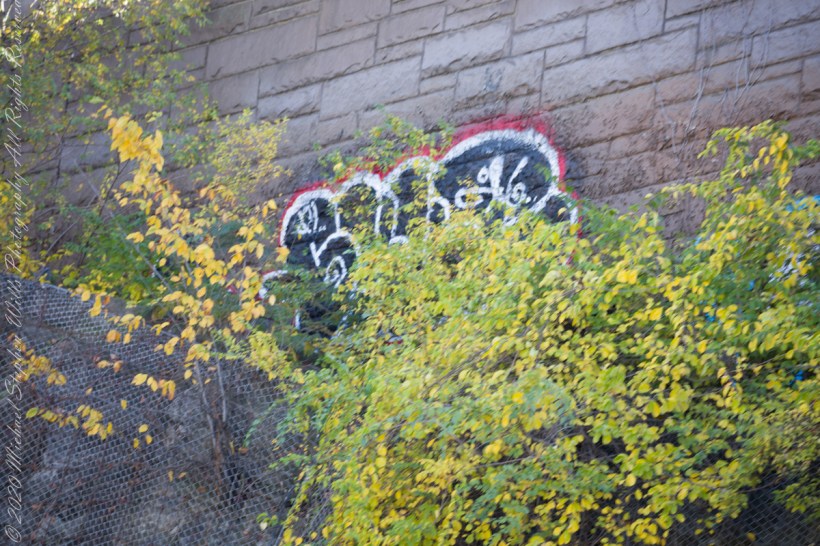
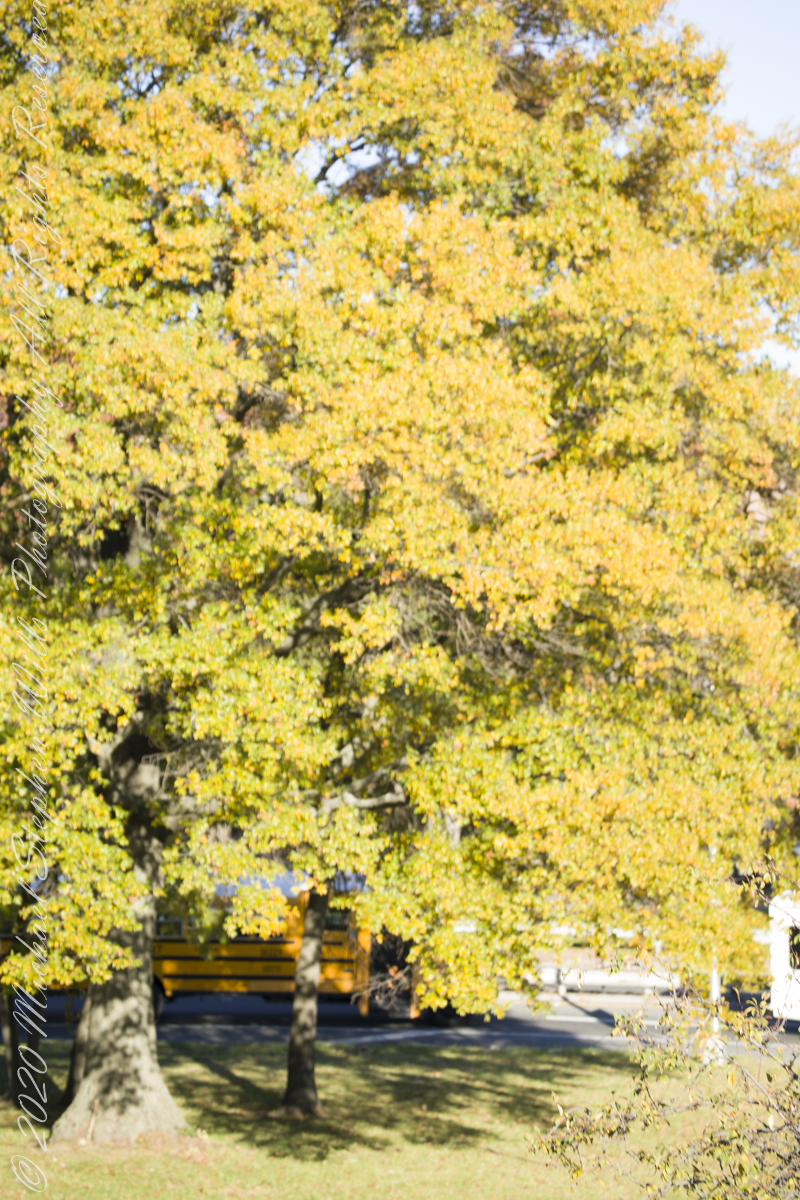
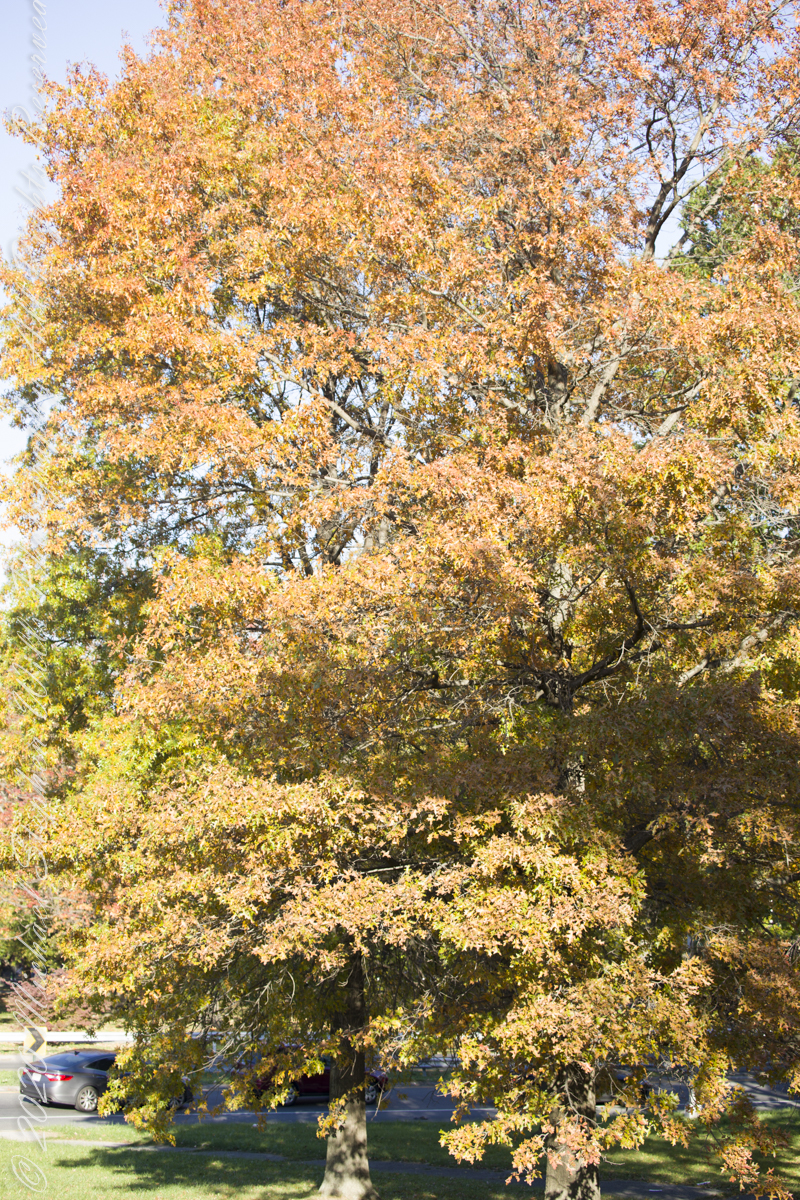
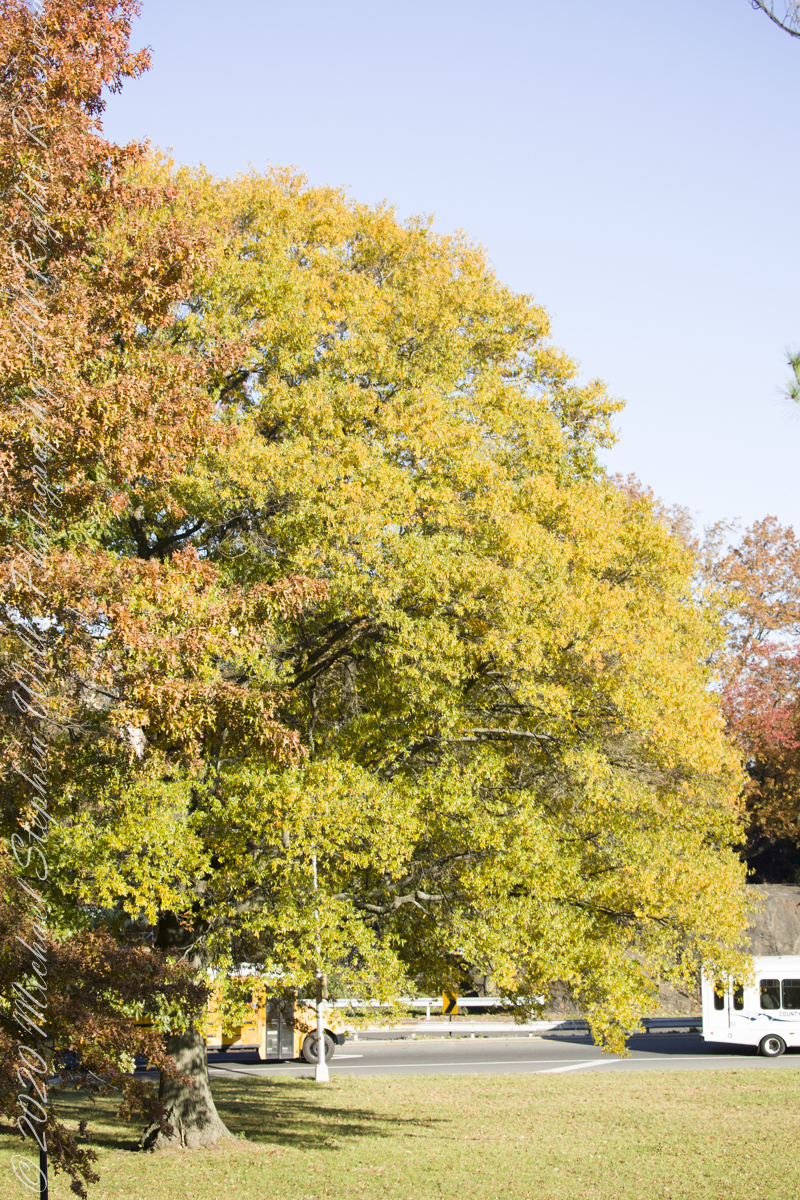
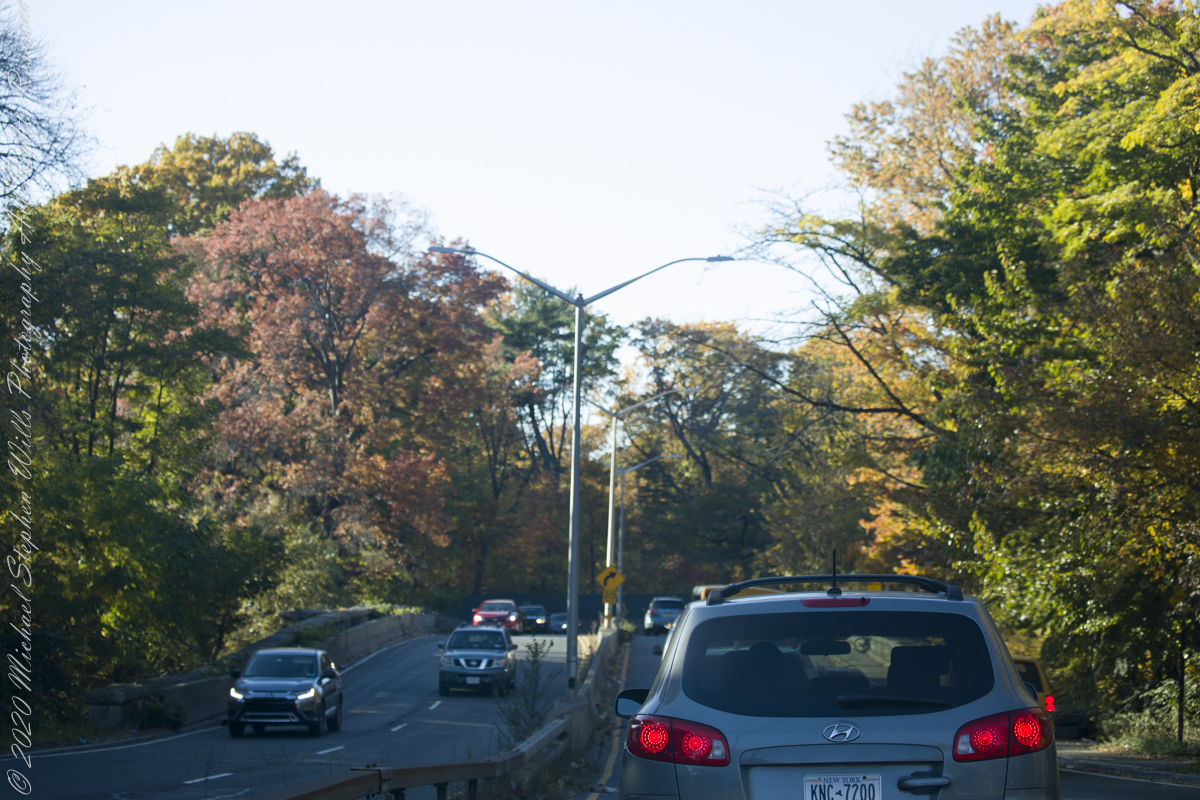
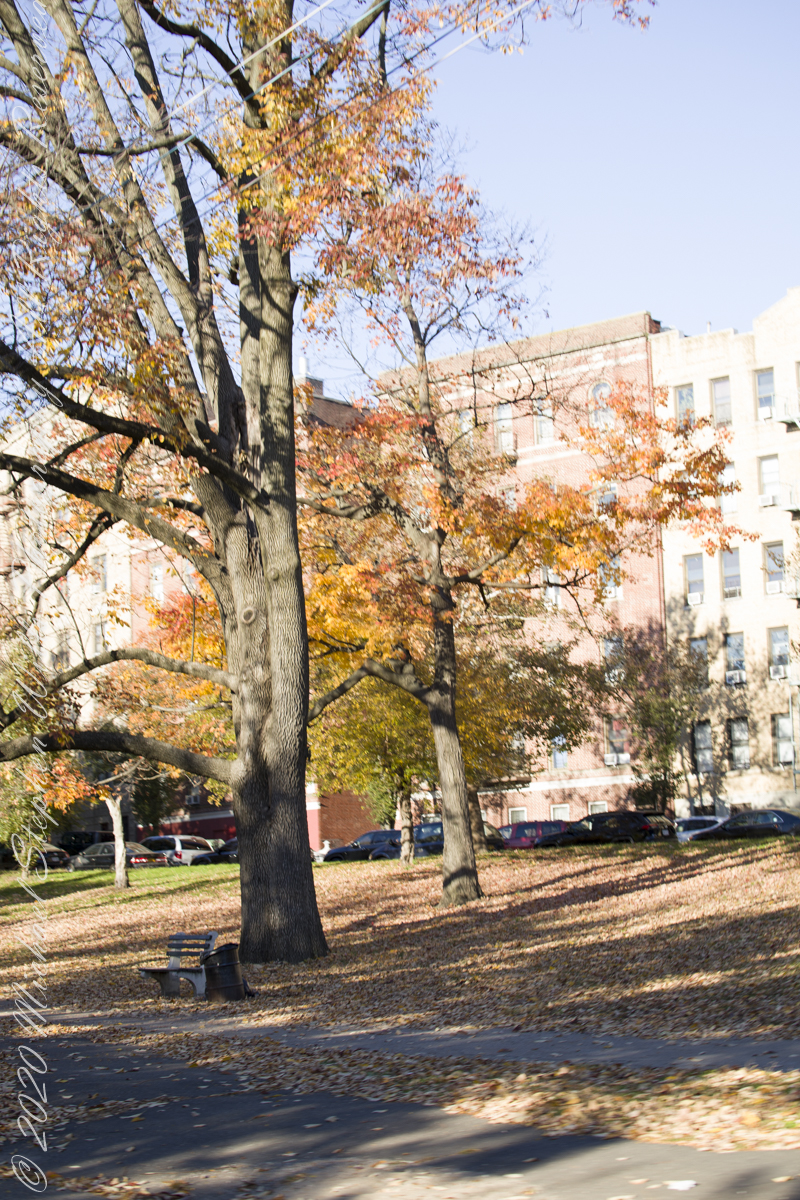
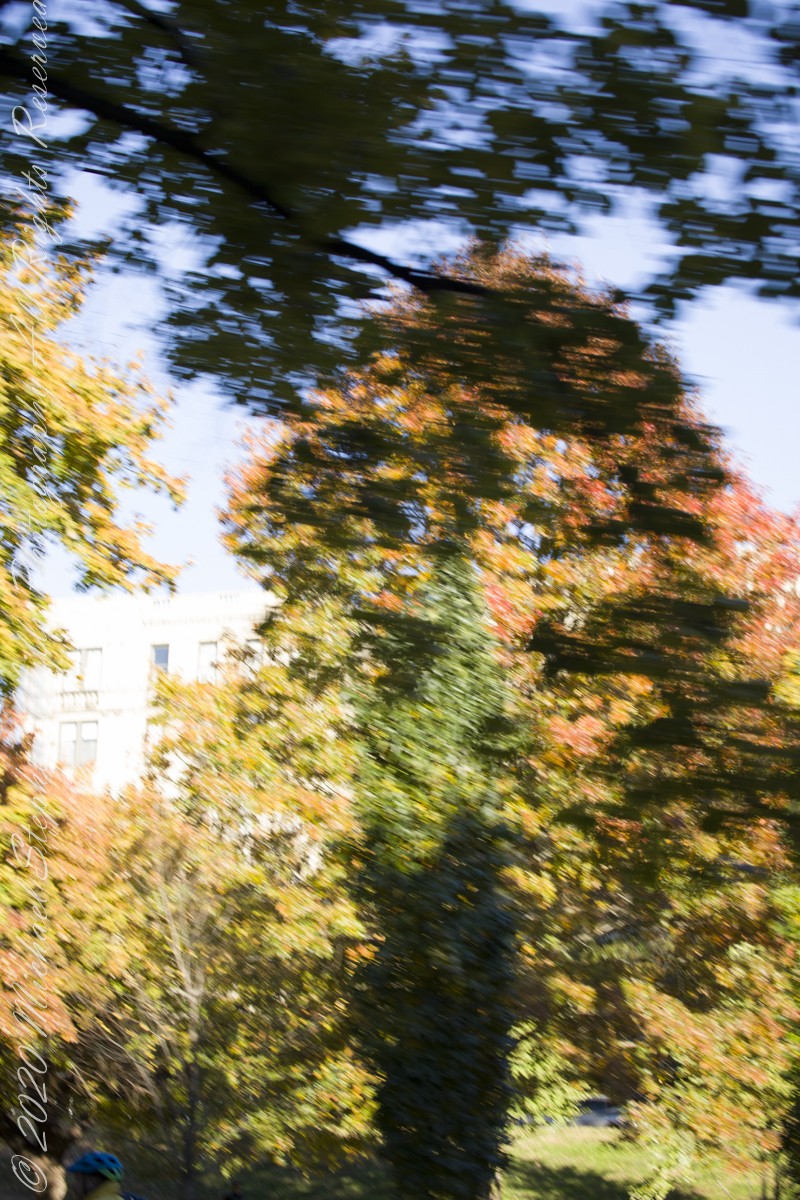
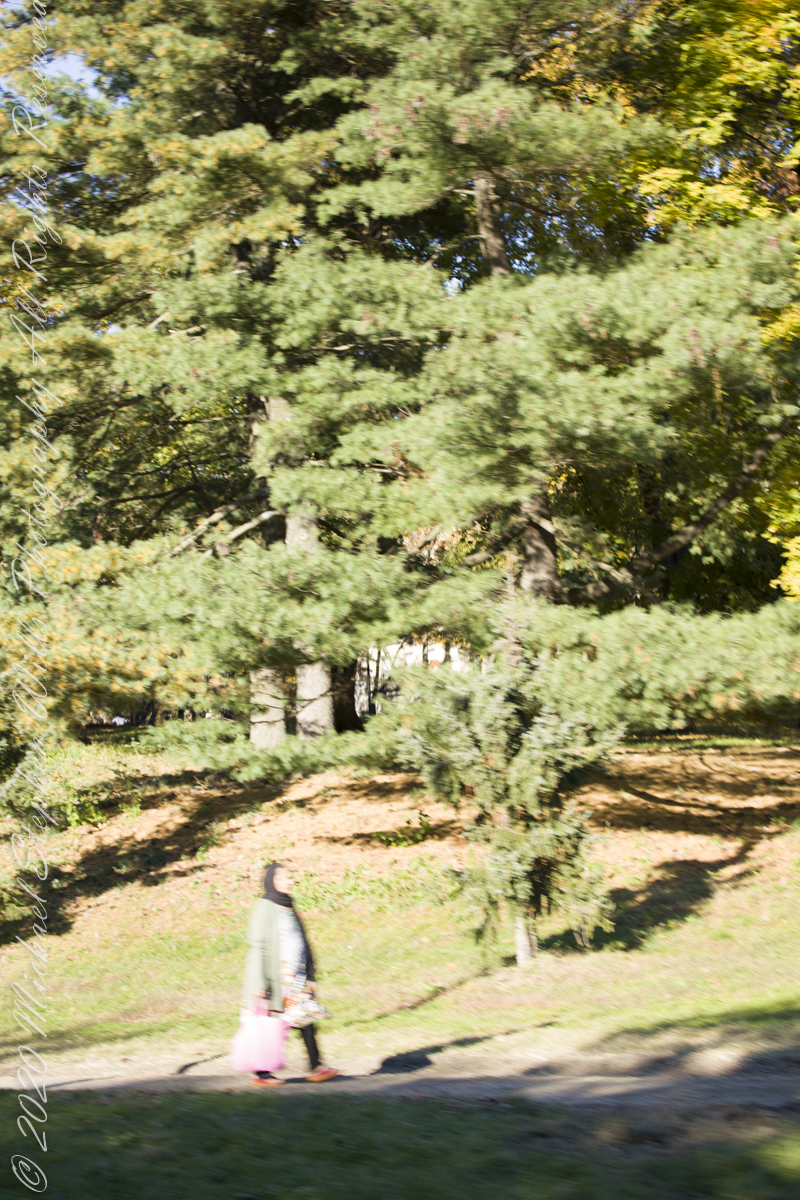
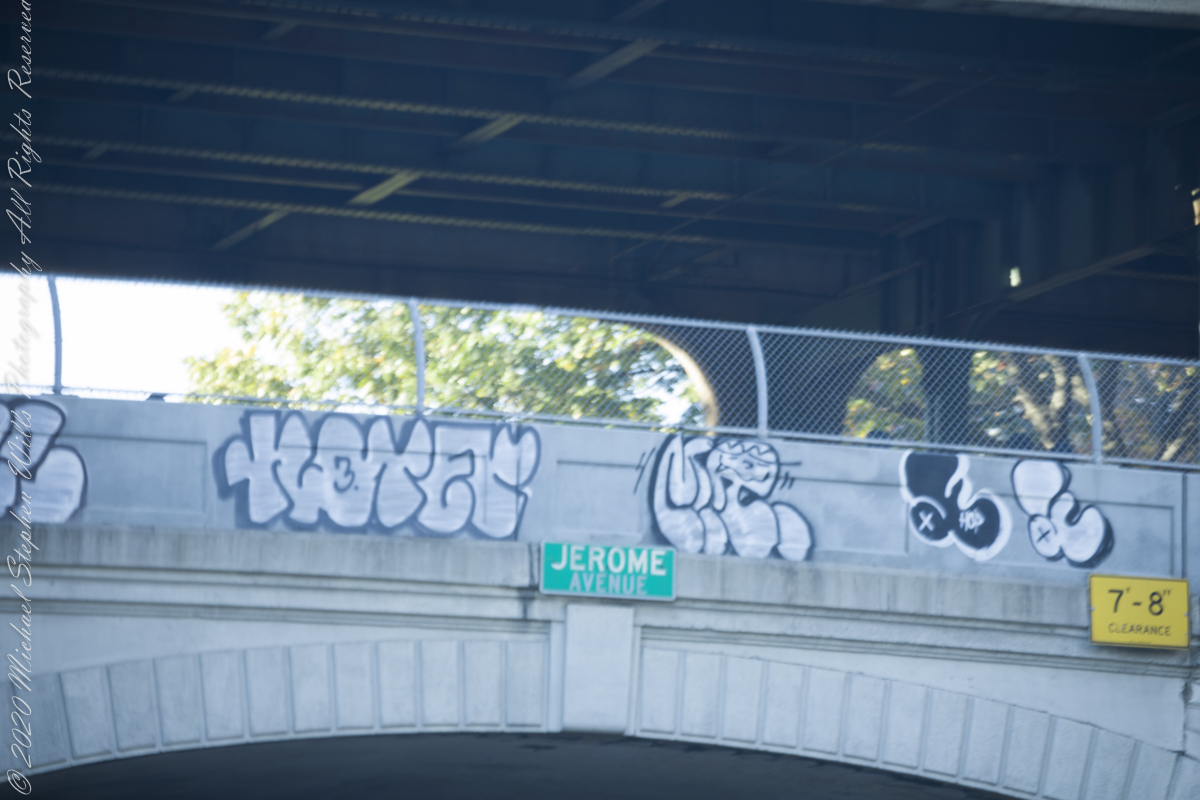
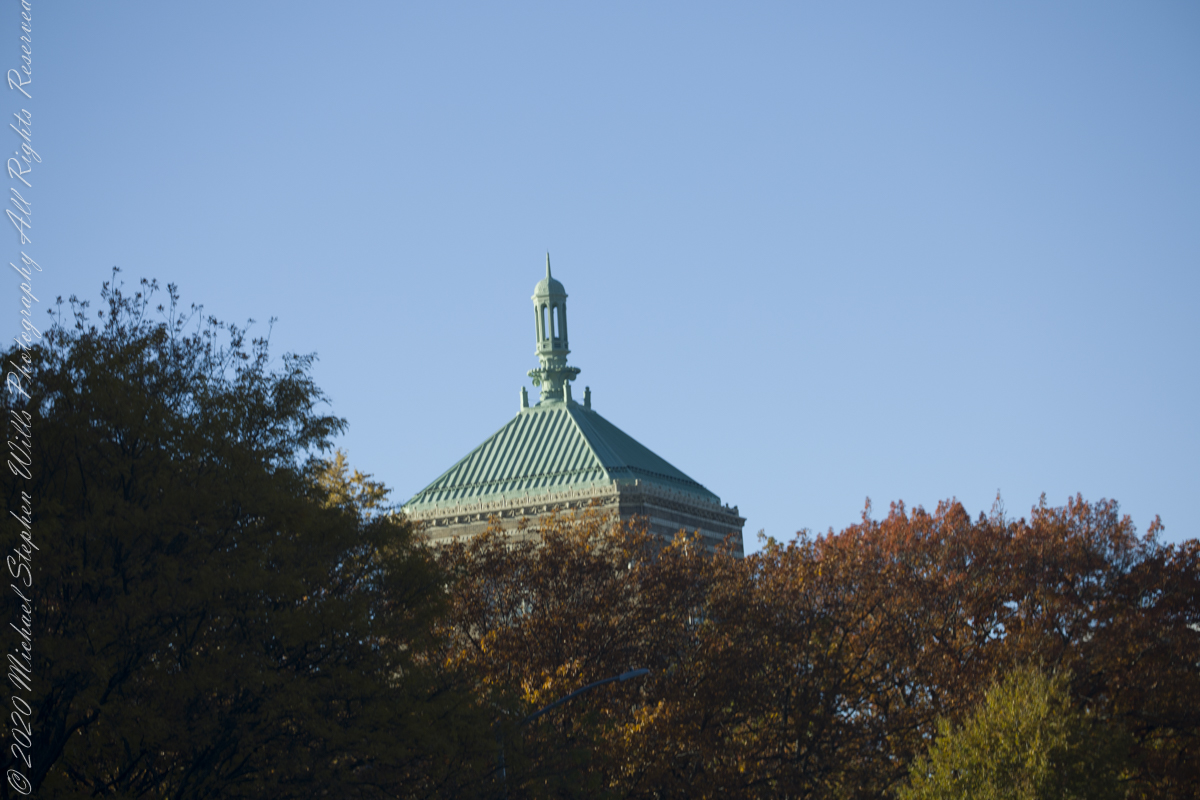
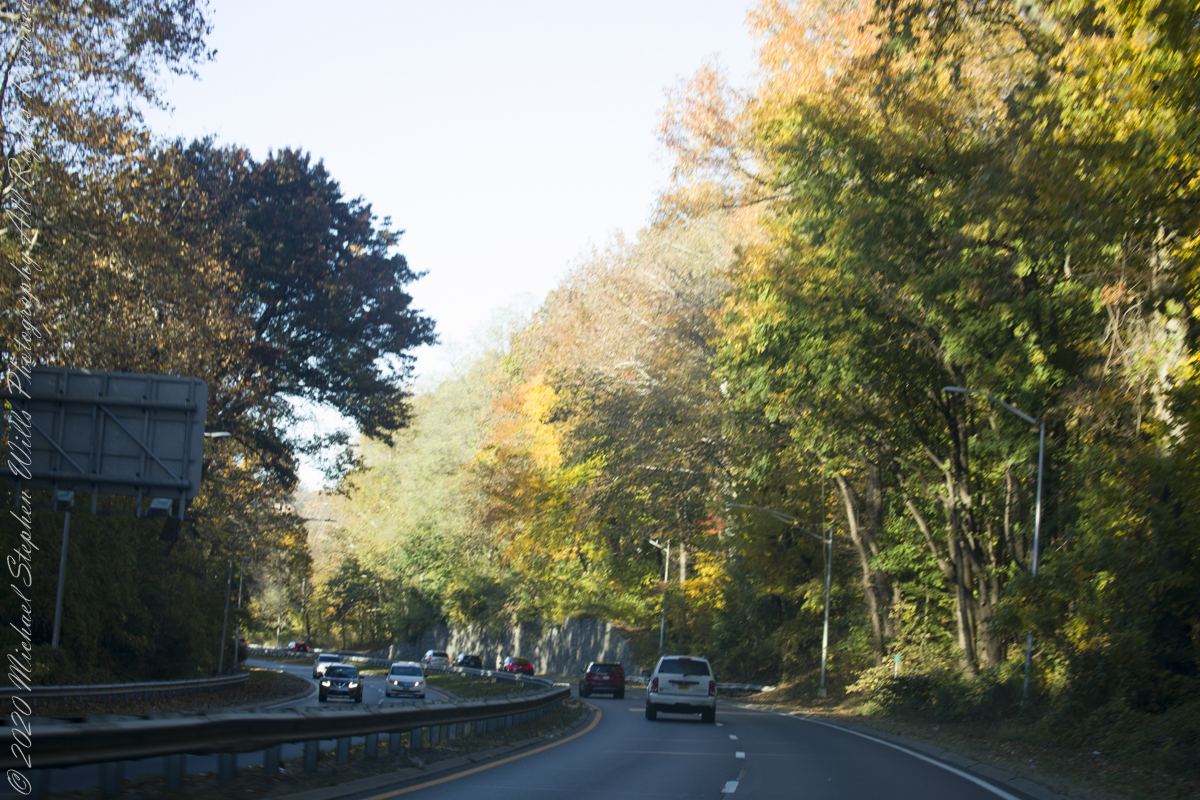
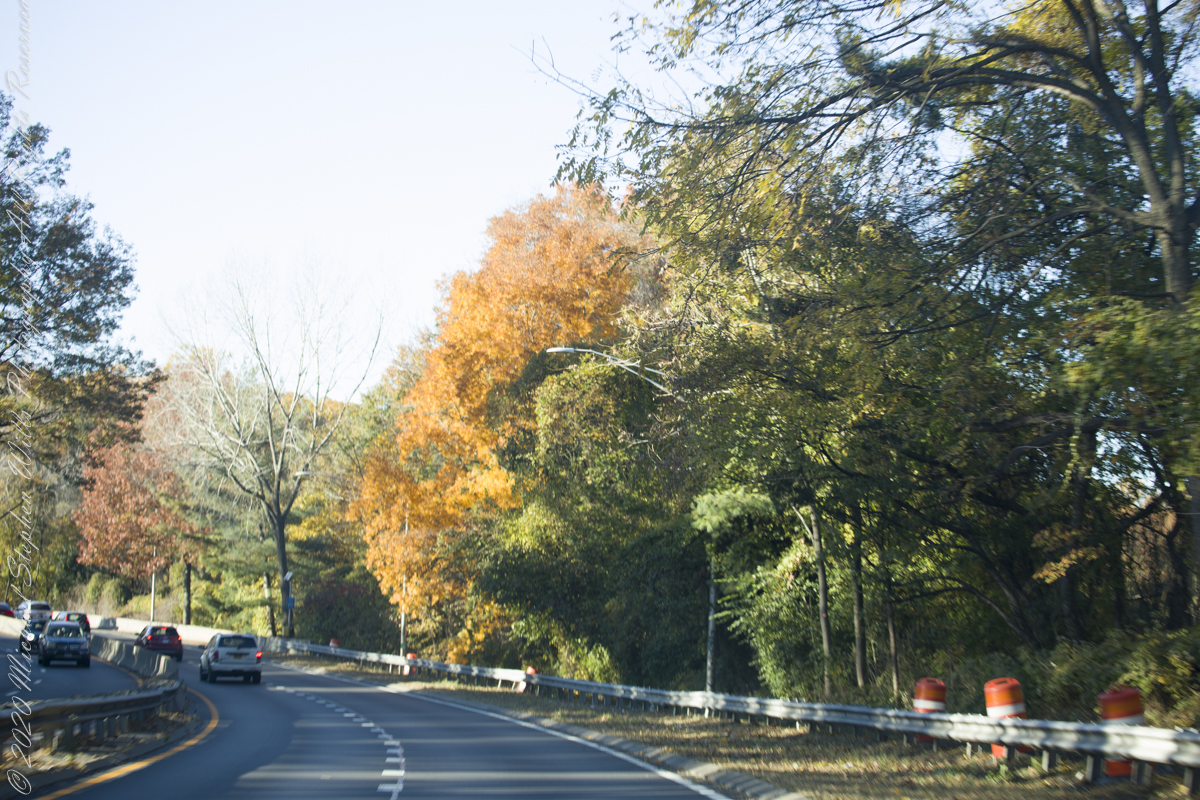
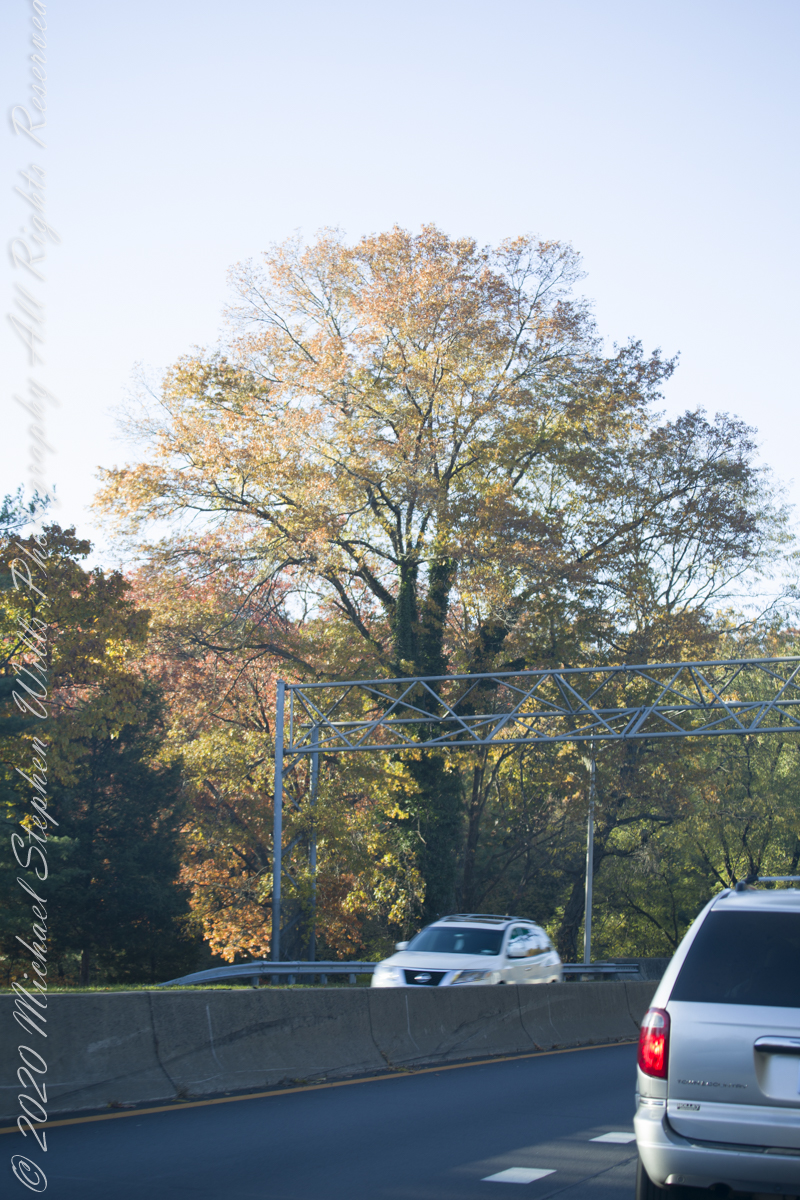
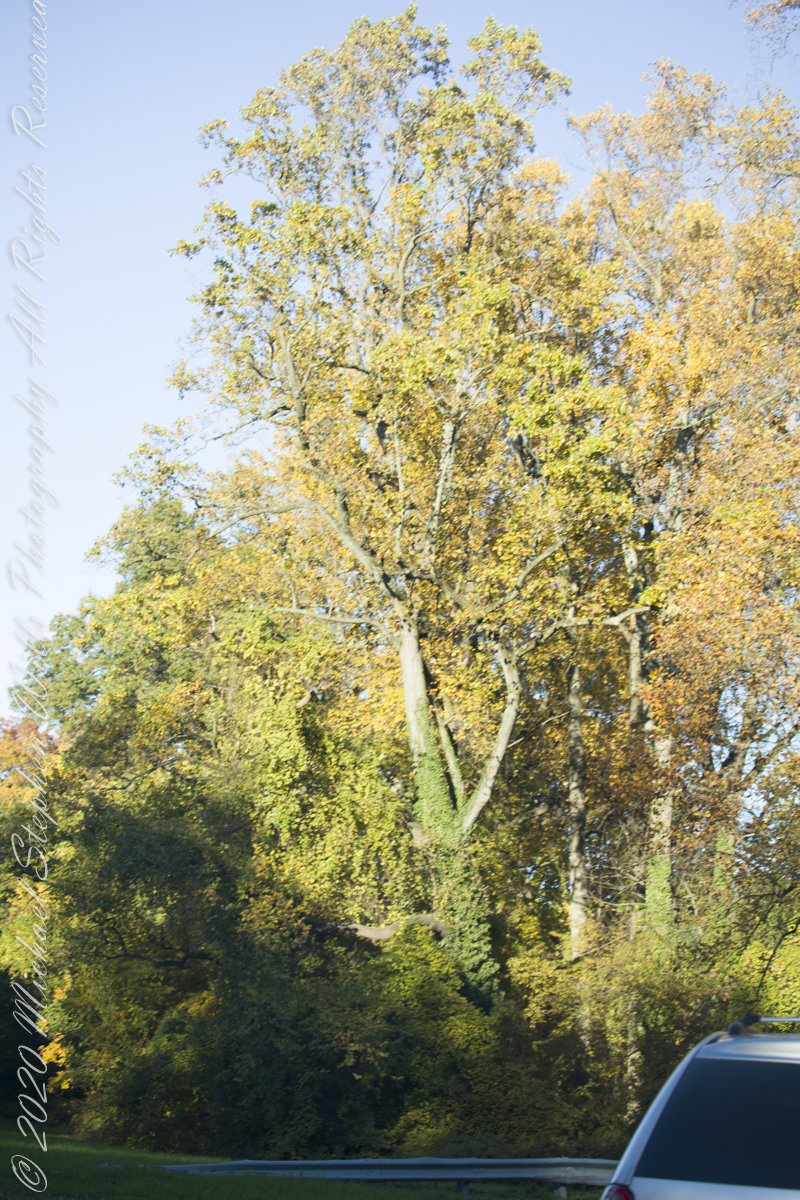
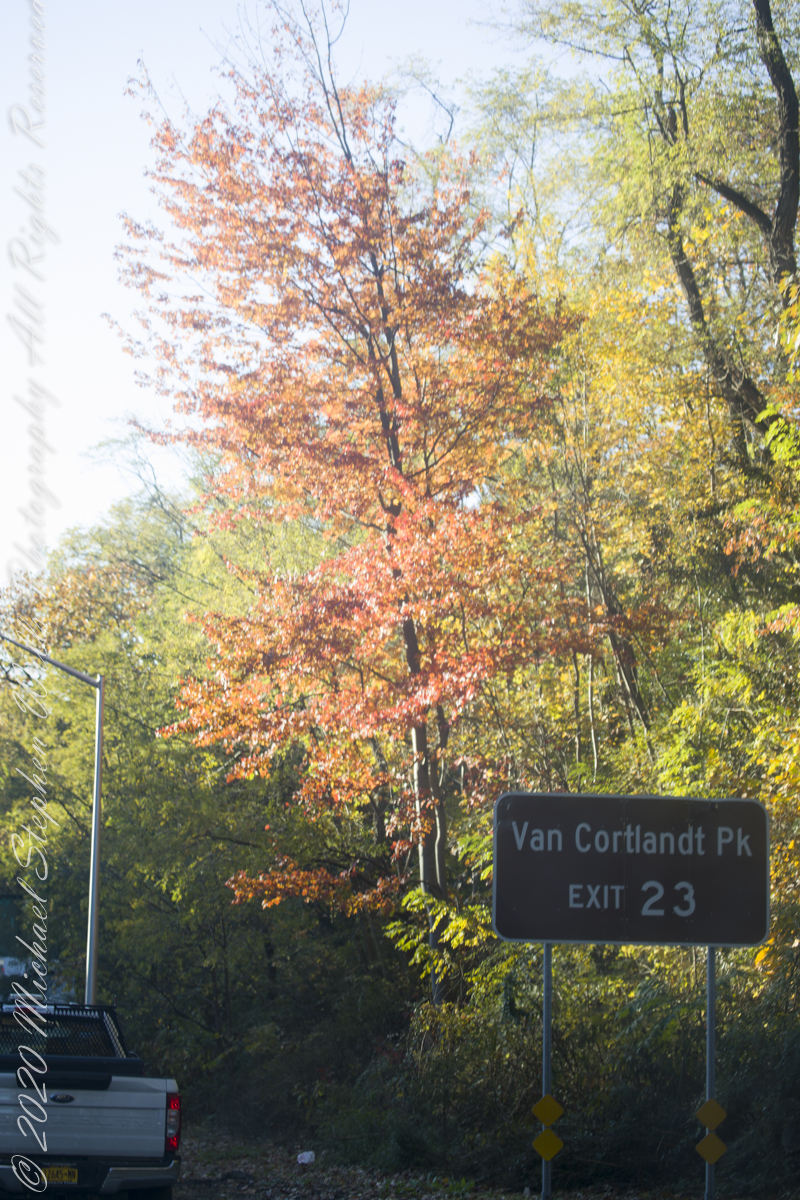
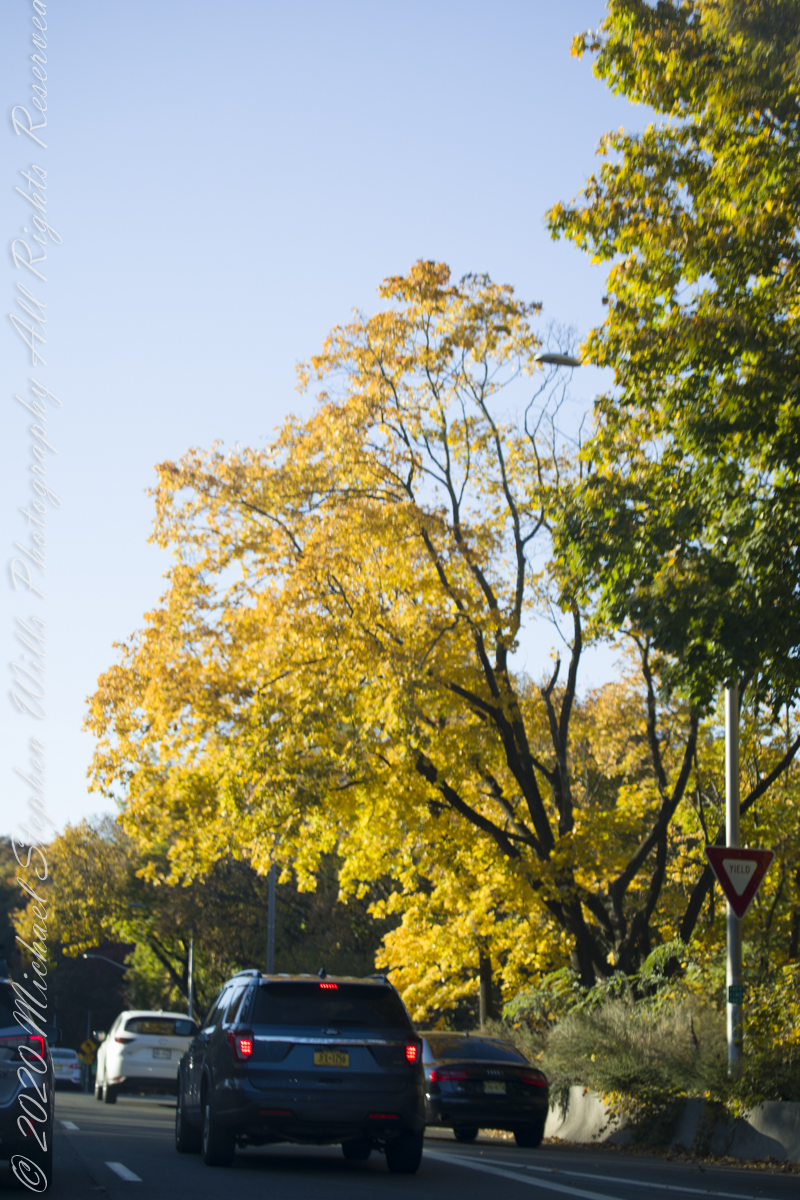
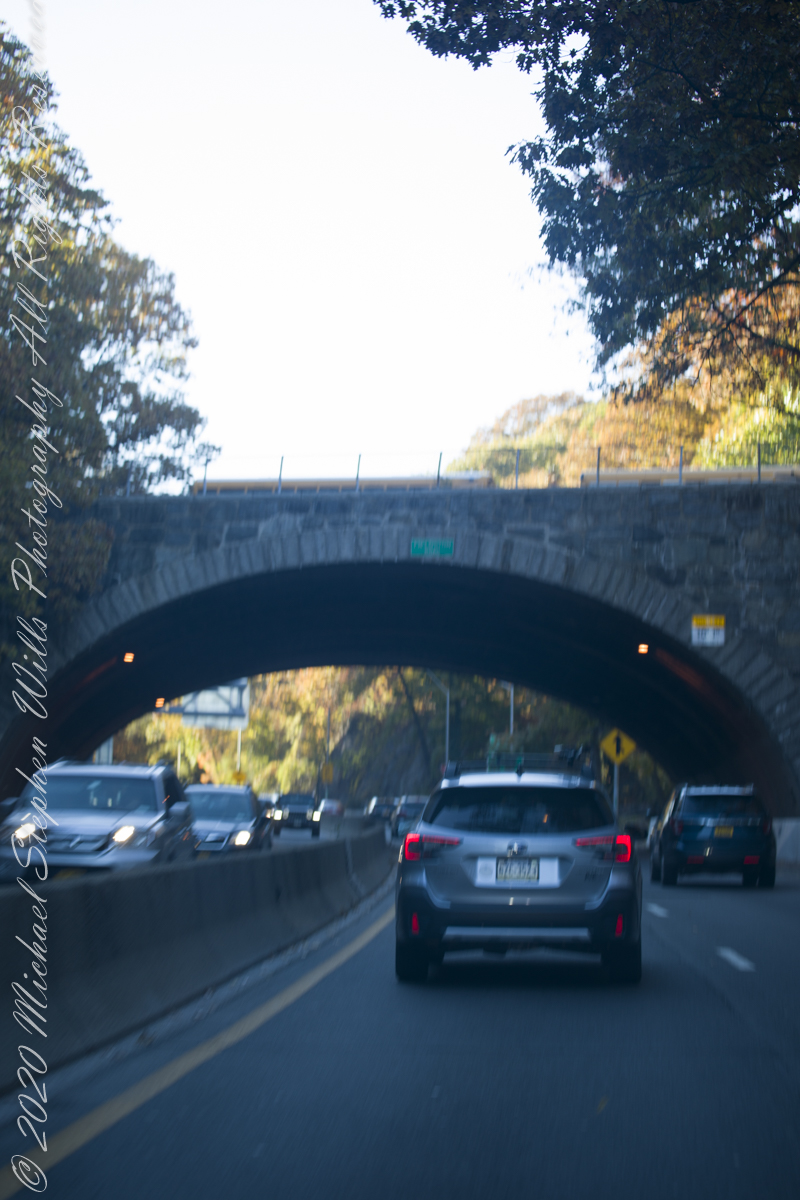
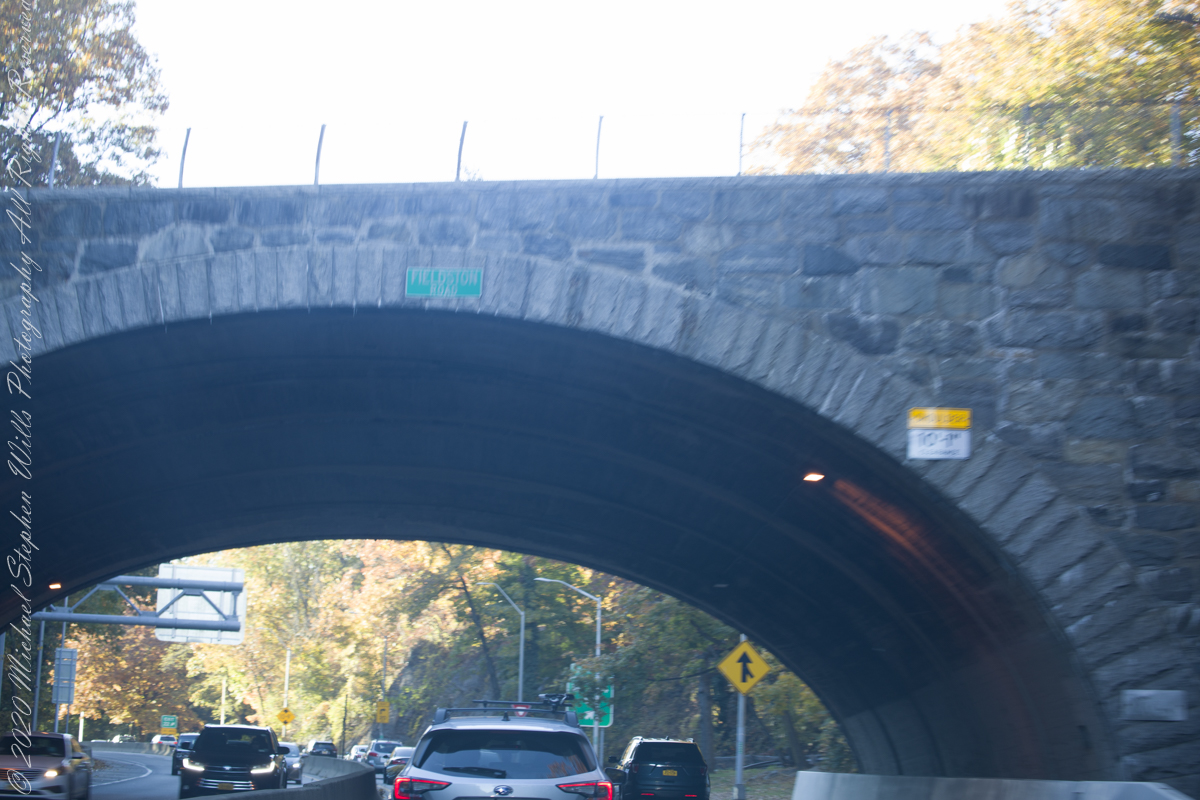
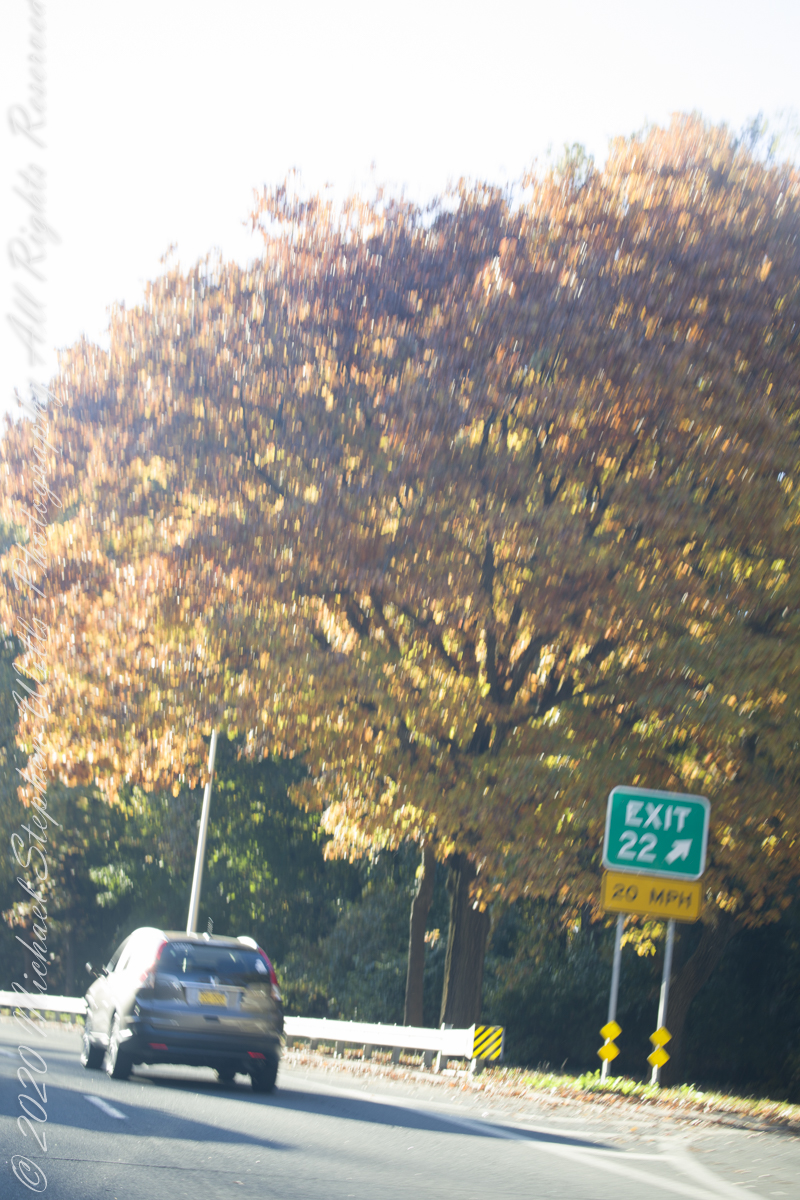
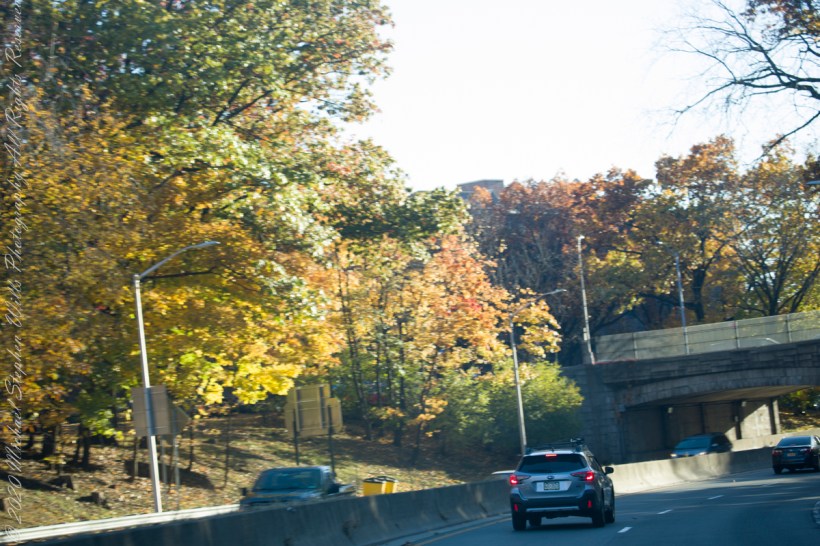
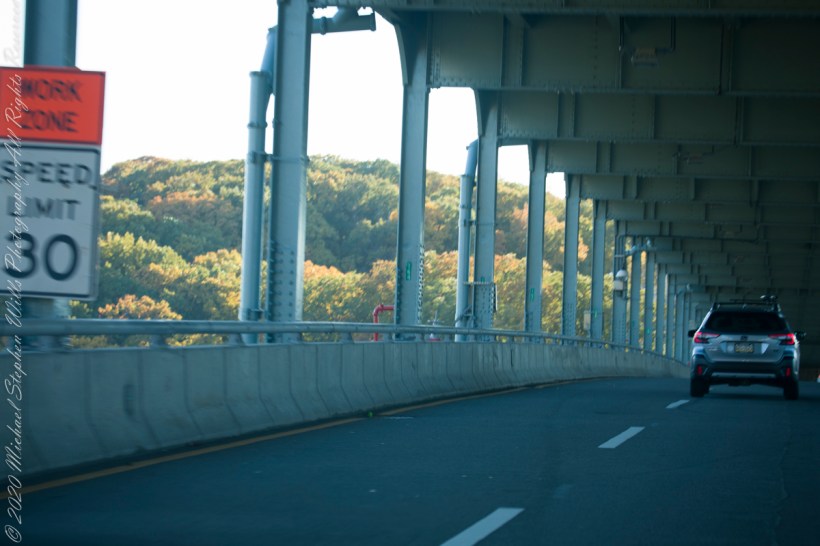
I captured these during a trip through the Bronx, returning on a perfect fall afternoon from our outing to find Grandfather Wills’ resting place: Bronx River Parkway, Moushulu Parkway, Henry Hudson Parkway then over the George Washington Bridge to New Jersey. The trees were in their glory.
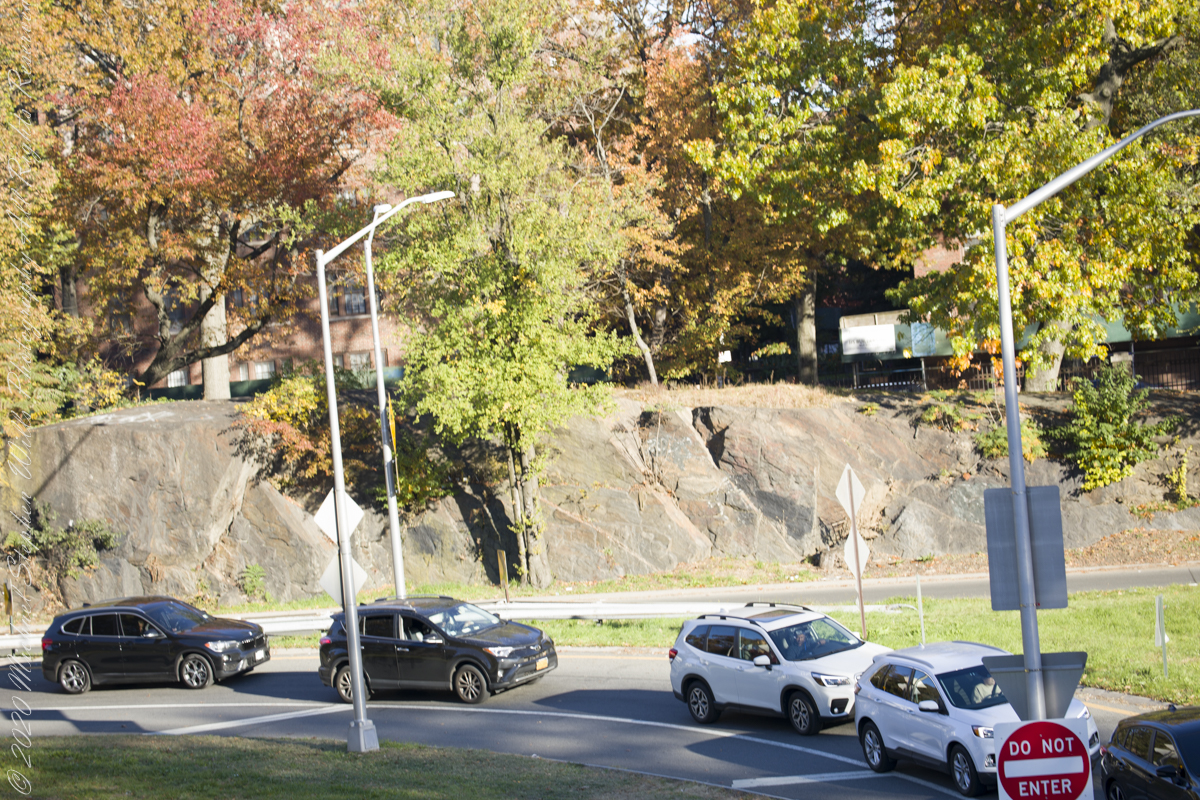
On ramp to the Bronx River Parkway, this as the next three.
Love the parkways — no commercial (trucks) traffic.
Home from market
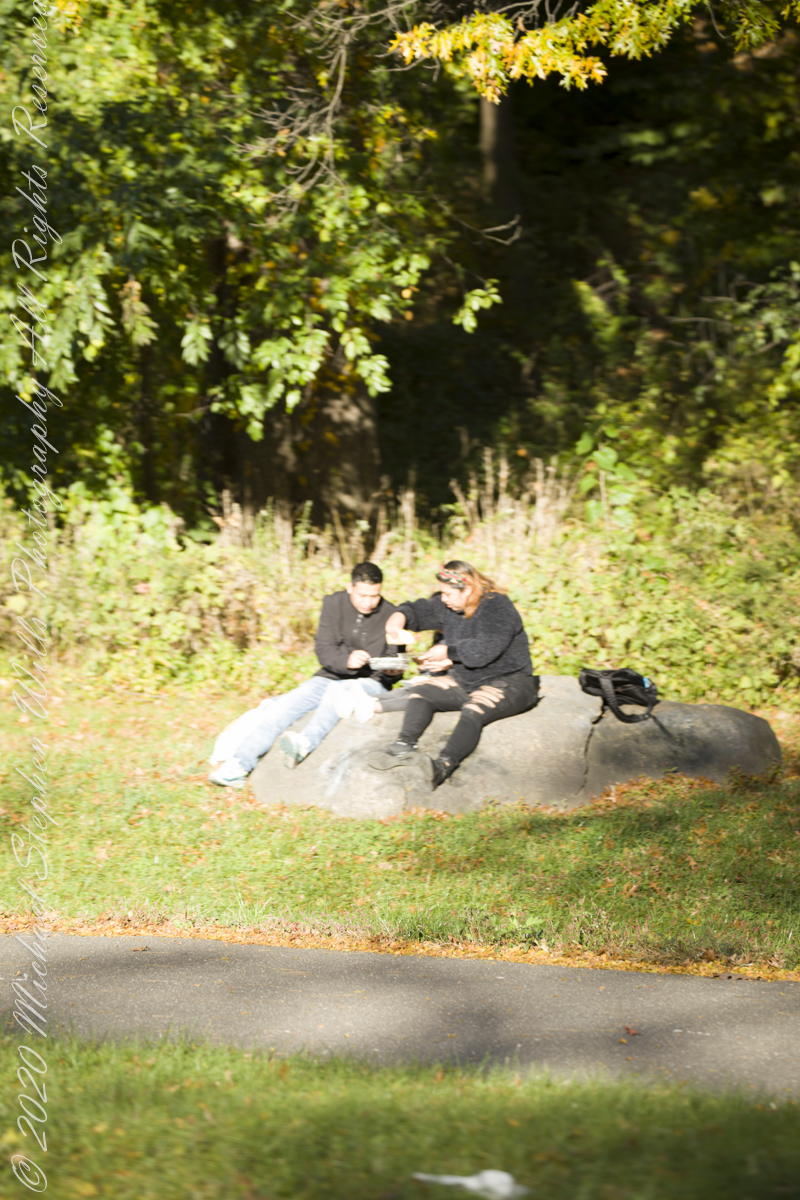
Family after school meal.
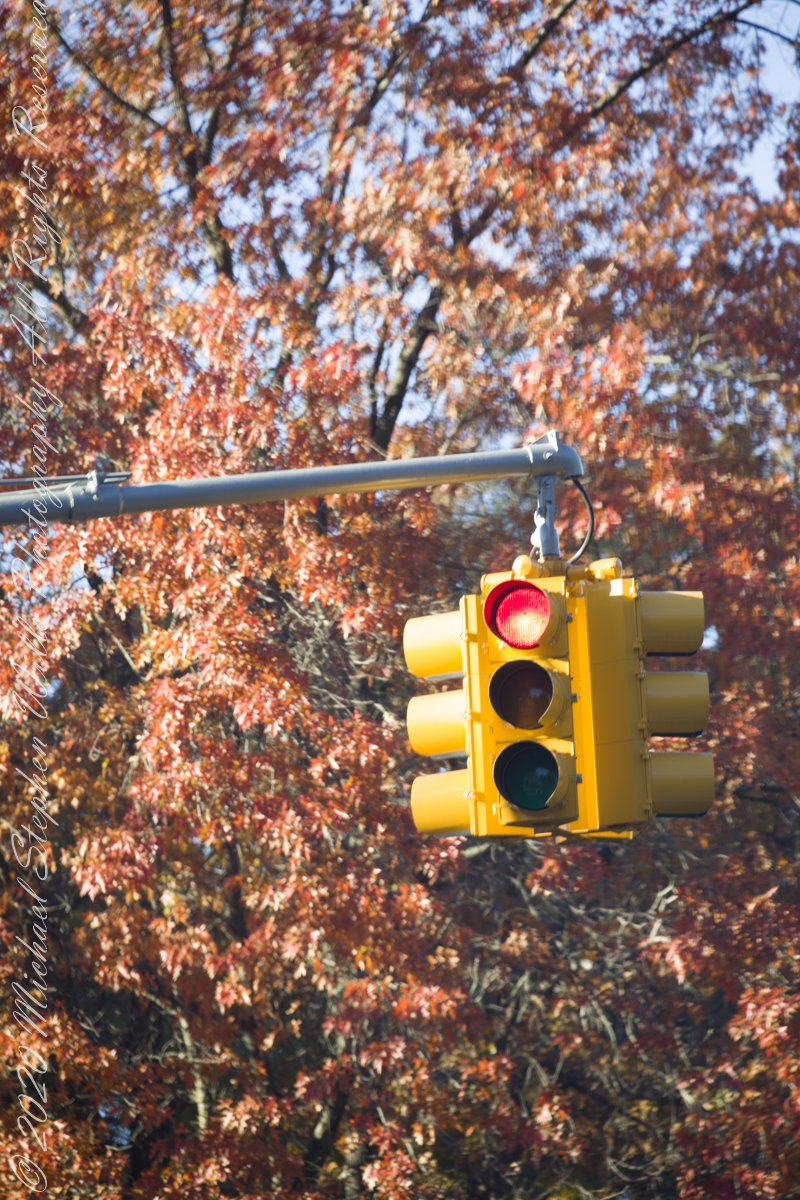
Red on Red
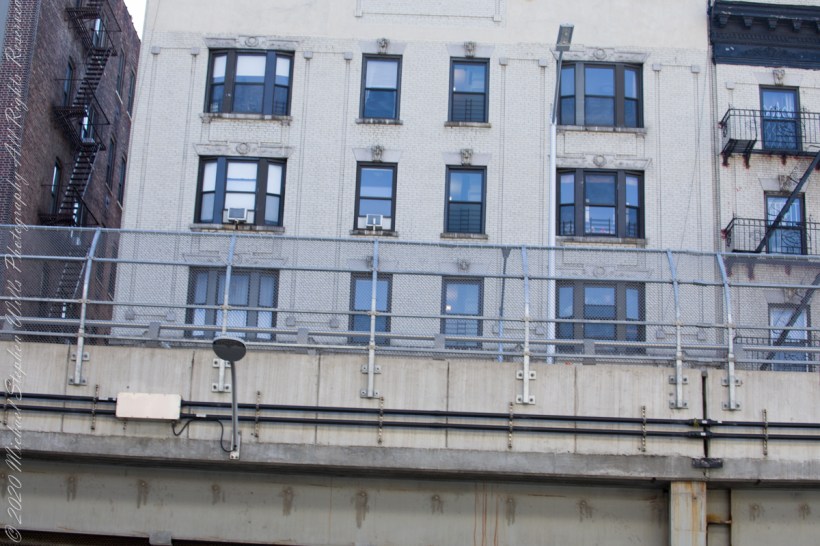
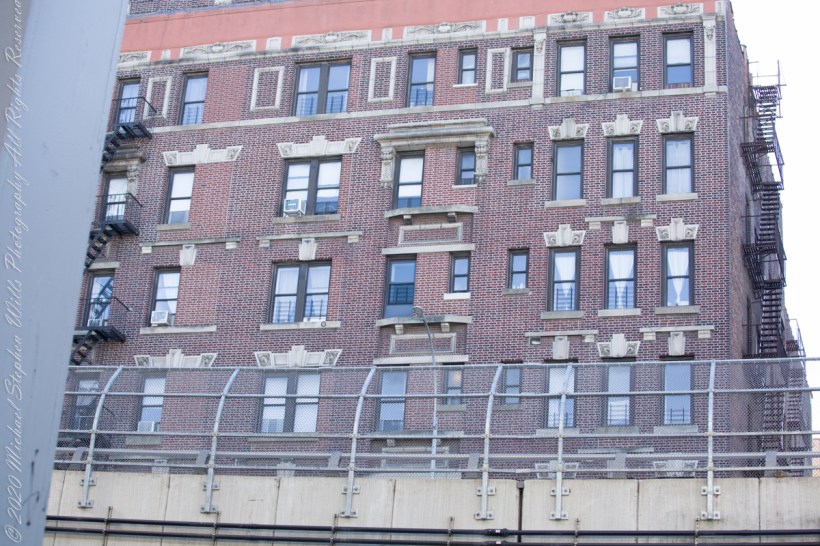
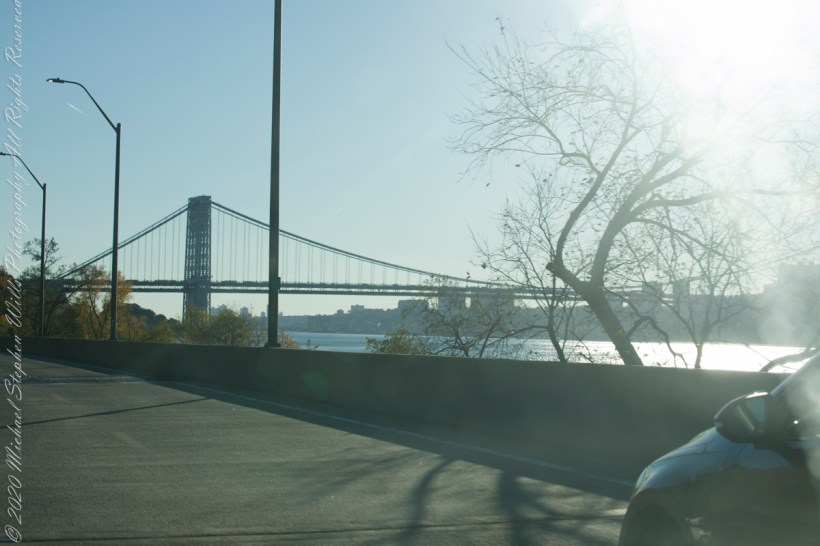
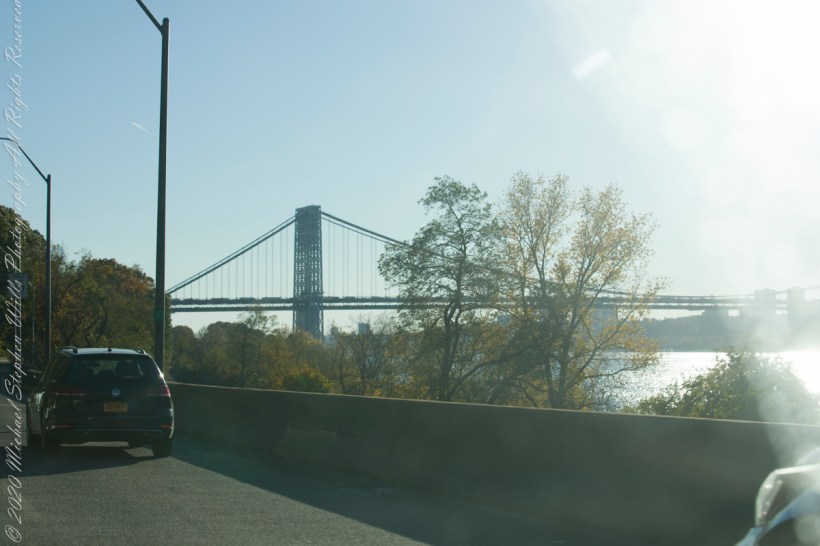
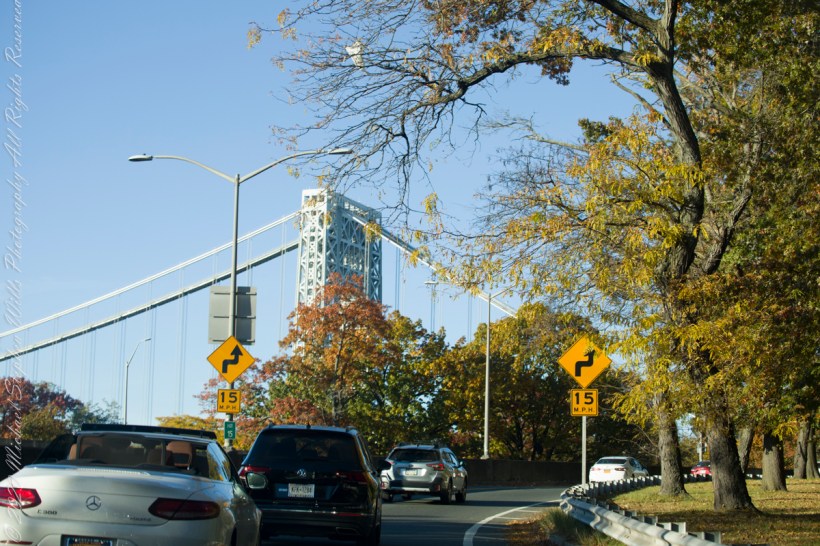
I had a session using a tripod for longer exposure shots and neglected to revise the camera settings for shooting on the run from an auto…so the photographs are not as sharp as they could be.
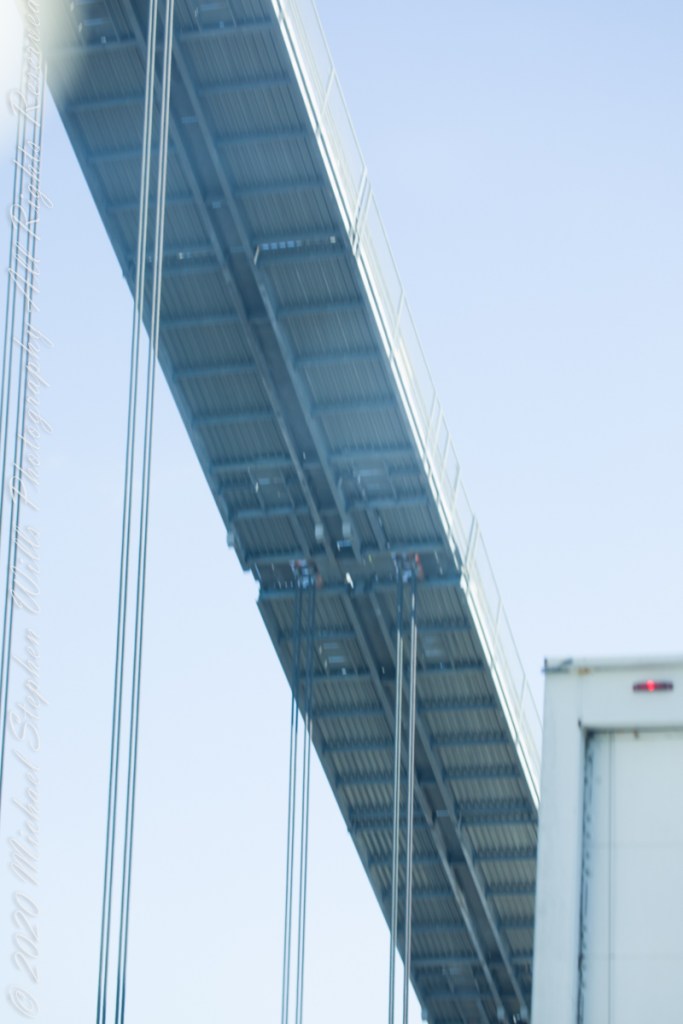
Henry Hudson Bridge
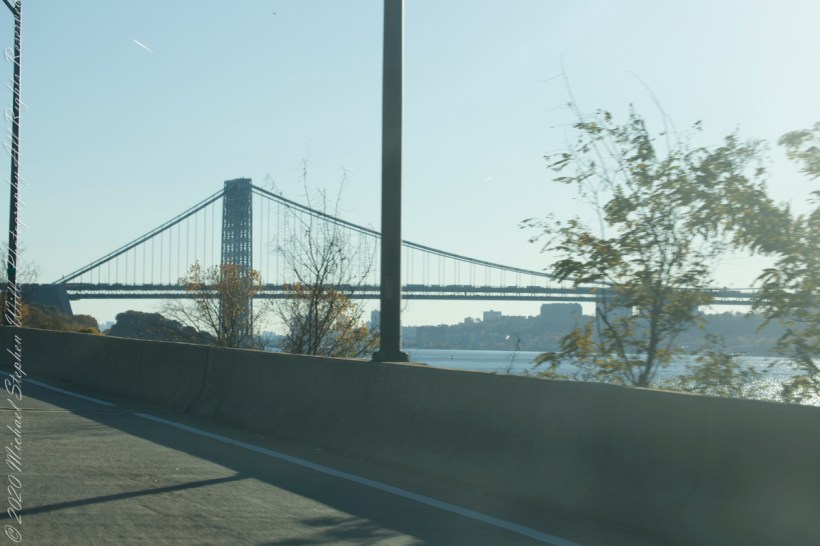
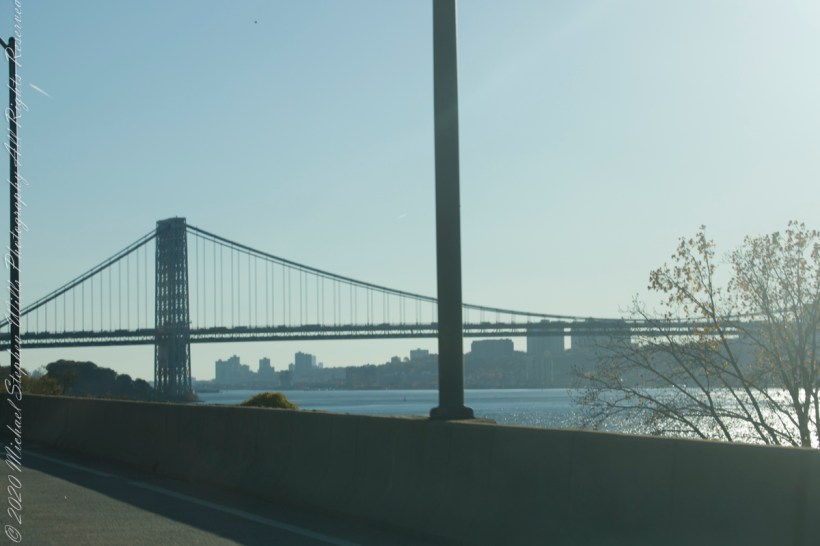
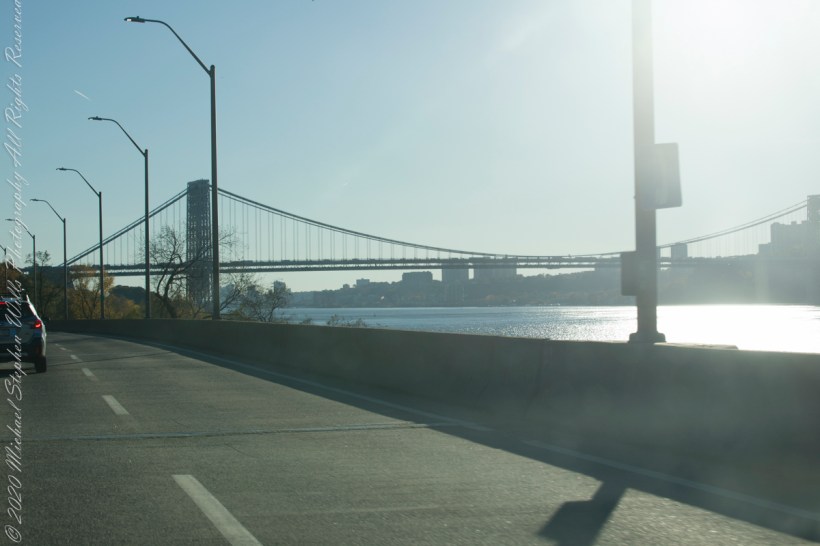
George Washington Bridge from the Henry Hudson Parkway
Here, on both sides of the river, are sites of Revolutionary War forts.
O
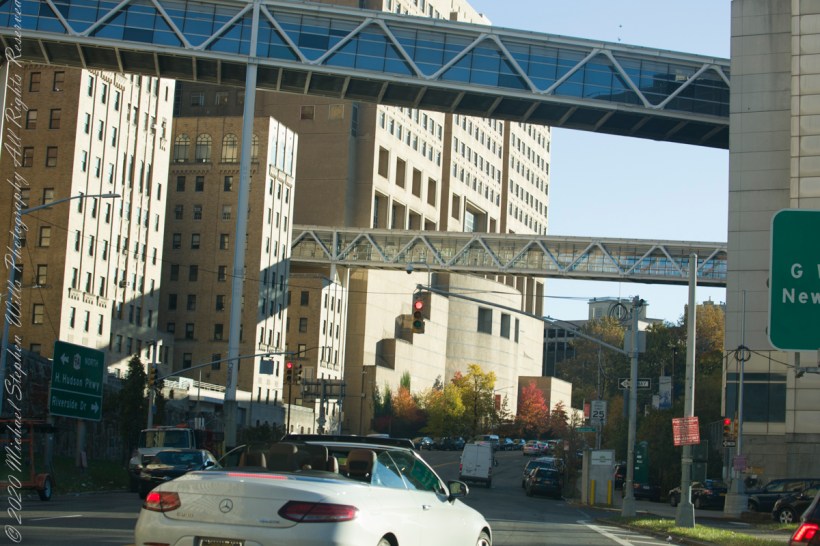
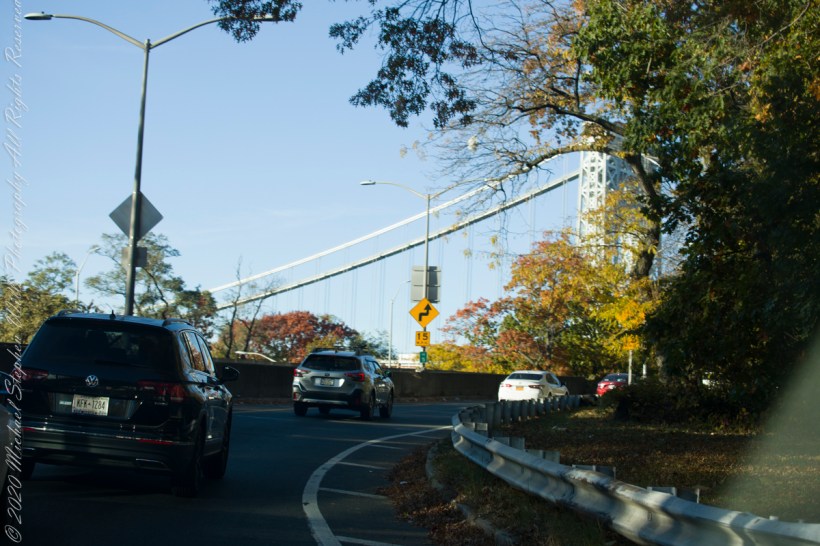
The on ramp to George Washington Bridge
New Jersey from the Transcontinental Interstate Route 80 connecting New York City to San Francisco and all point in between.
Copyright 2021 All Rights Reserved Michael Stephen Wills
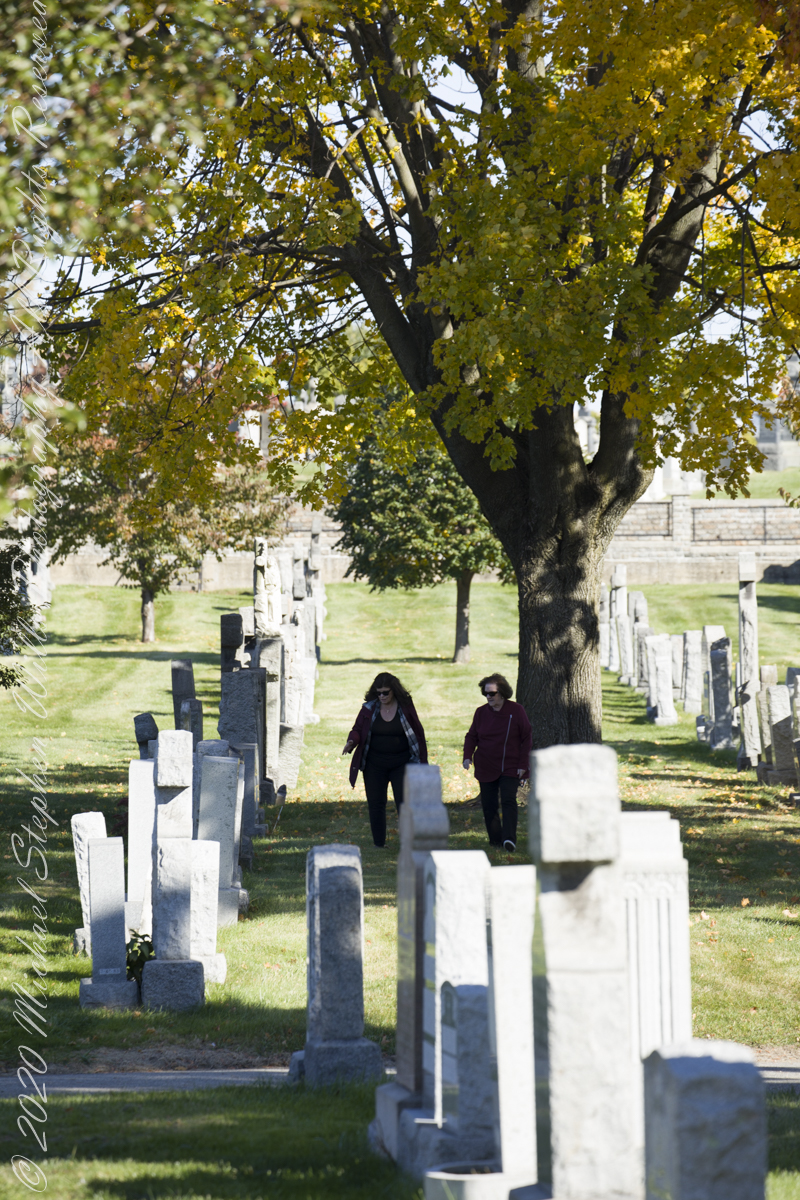
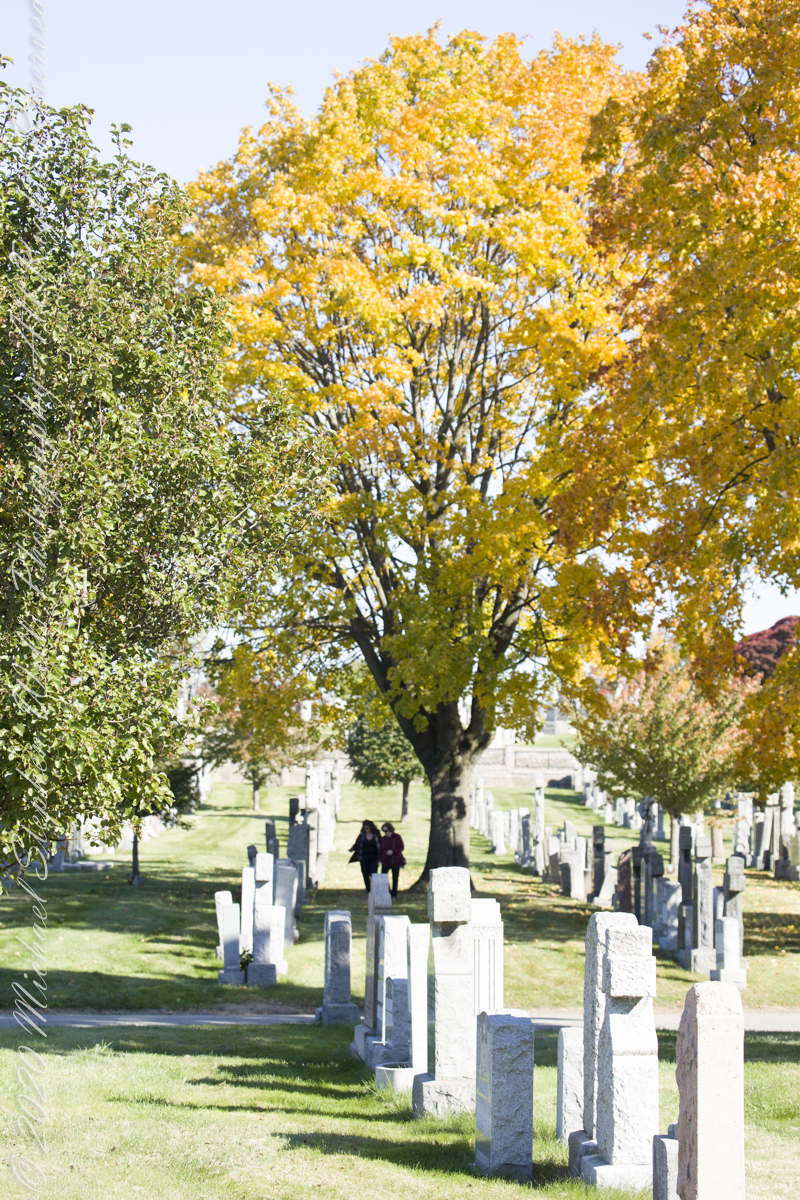
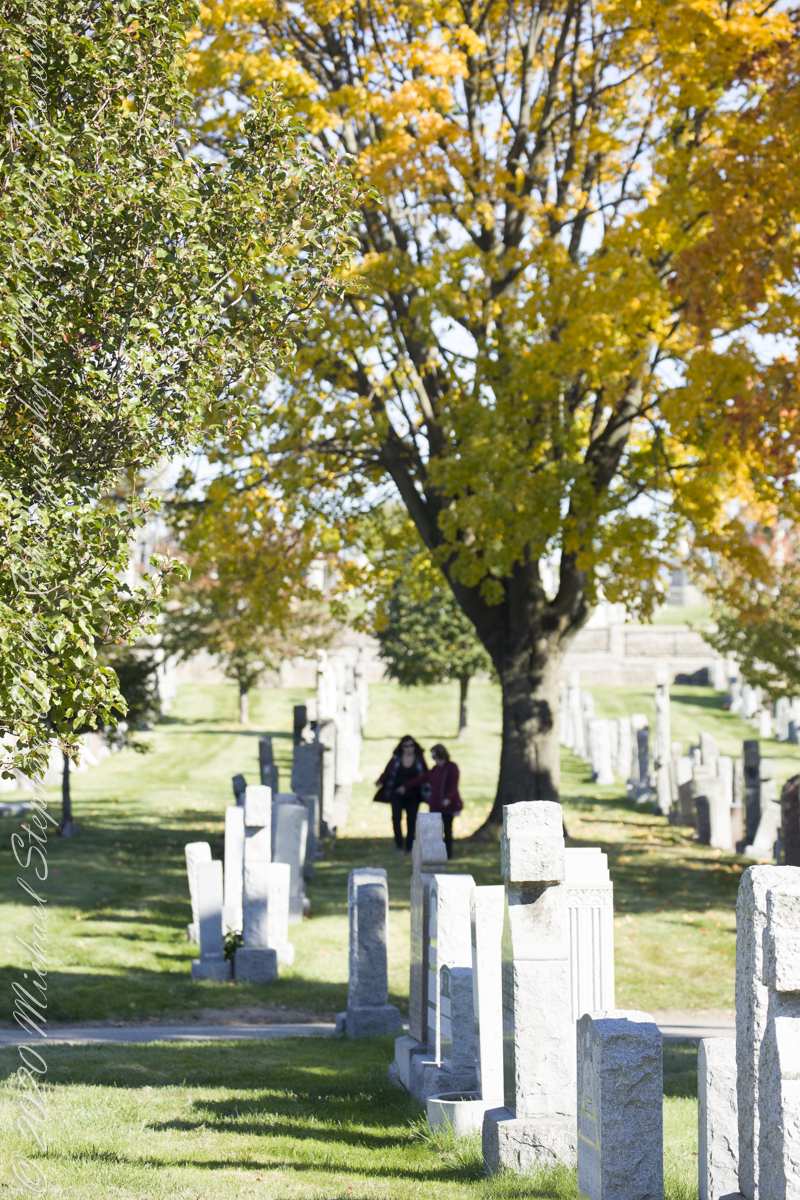
When I was a young adult Mom told me Grandfather Wills was buried in the Bronx. James Edward Wills died when my father was very young and they were poor, living in tenements on the upper West Side of Manhattan April 1916.. Looking through Dad’s papers after both he and Mom were gone, I found the grave receipt: “Saint Raymond’s Cemetery, Westchester, New York.” James Wills, born April 1877, the youngest of six children of George Wills and Margaret McCambridge, who were 43 and 38, their place of residence two years later cited in the 1880 Federal Census as Shamong, New Jersey. Today, Shamong Township is part of New Jersey Pinelands National Reserve. Atsion, the Iron Furnace town where James’ Grandmother Ann McCambridge (nee Milley) worked as a cook, is in Shamong Township.
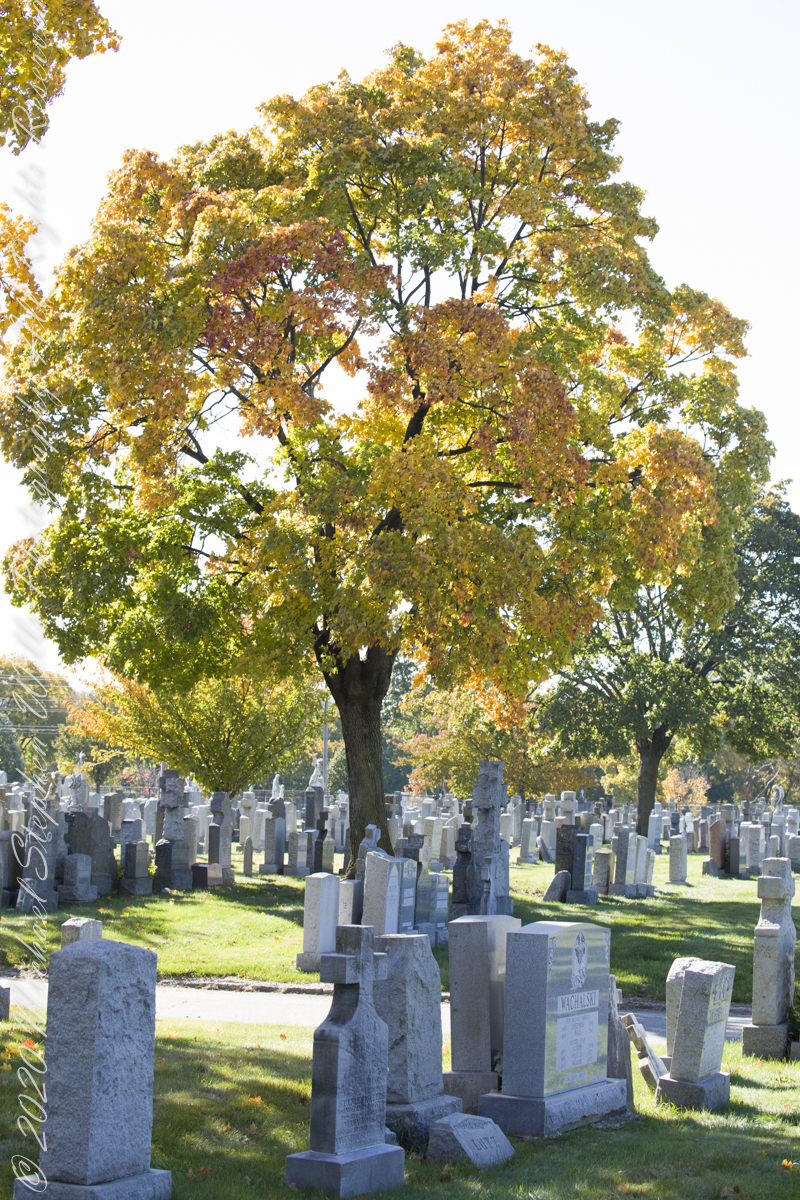
Finding and researching the grave receipt is what began my adventures in genealogy. What was, in 1916, Westchester is now the Schuylerville section of Bronx county, a borough of New York City. Saint Raymond’s Parish, still going strong, acquired more consecrated land for burials with now an “Old” and “New” cemetery separated by the confluence of interstates 95, 295, 678 including the approaches to the Whitestone and Throgs Neck Bridges, the superstructures of which are visible from the “Old” cemetery.
Having sorted out these details, I approach my cousin Mary at the October 2021 engagement party of my niece where we made arrangements to find Grandfather Wills’ final resting place the following month. On Wednesday, November 10th, Mary’s husband Peter drove us over the George Washington Bridge, through the incredible traffic of the Cross Bronx Expressway (a funny name for this moving parking lot, bumper to bumper trucks), to Schuylerville. We navigated to the “Google Maps” push pin I placed next to Section 7. Google Maps even has street views of the cemetery, in retrospect the view of Section 7, Ranges 35 – 51, includes grandfather’s grave.
We worked together, walking the rows, reading headstone inscriptions, on the expectation of finding Grandfather’s name without success. Peter and I took to counting the rows to find number 41, with success. With less success counting the headstones and spaces (unmarked graves) to find number 82. At the same time, Pam and Mary searched. I used the “Find A Grave” website to look up headstones in section 7, row 41 and found the only location provided was “Section 7.” I also called the cemetery office where they were most helpful. There is NO record of James Wills.
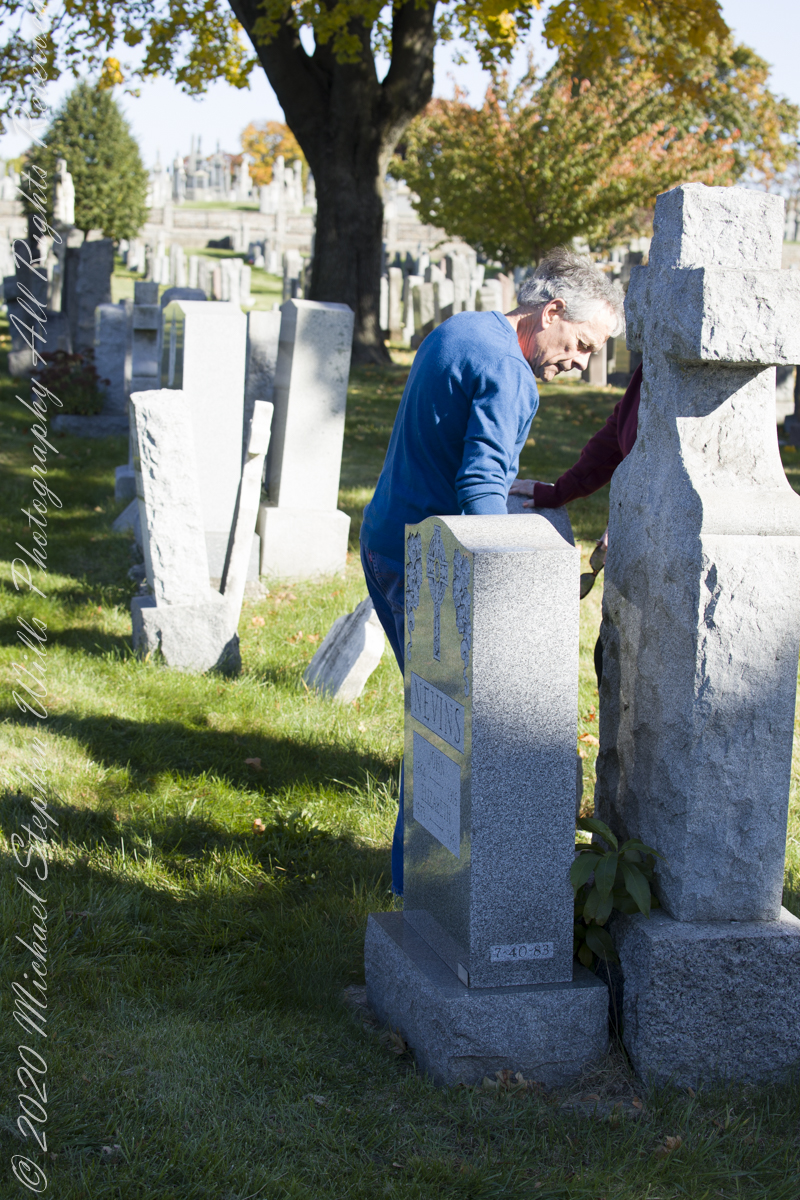
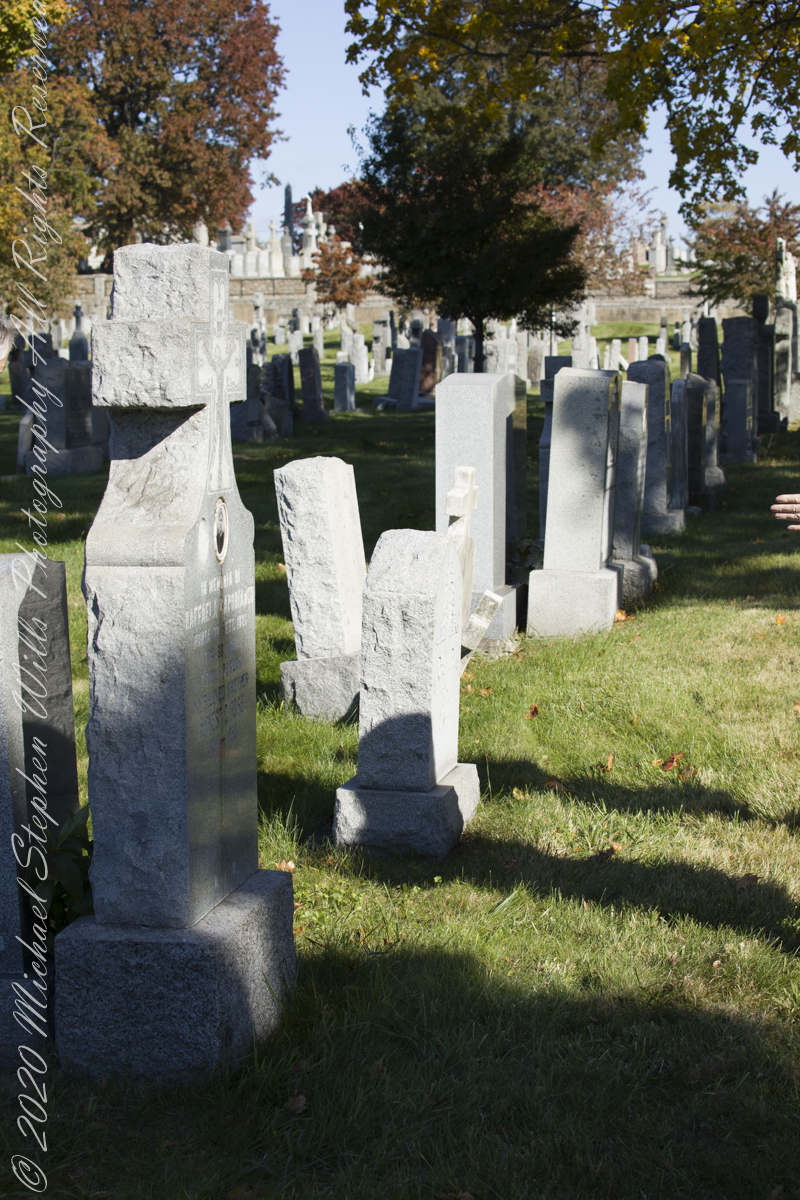
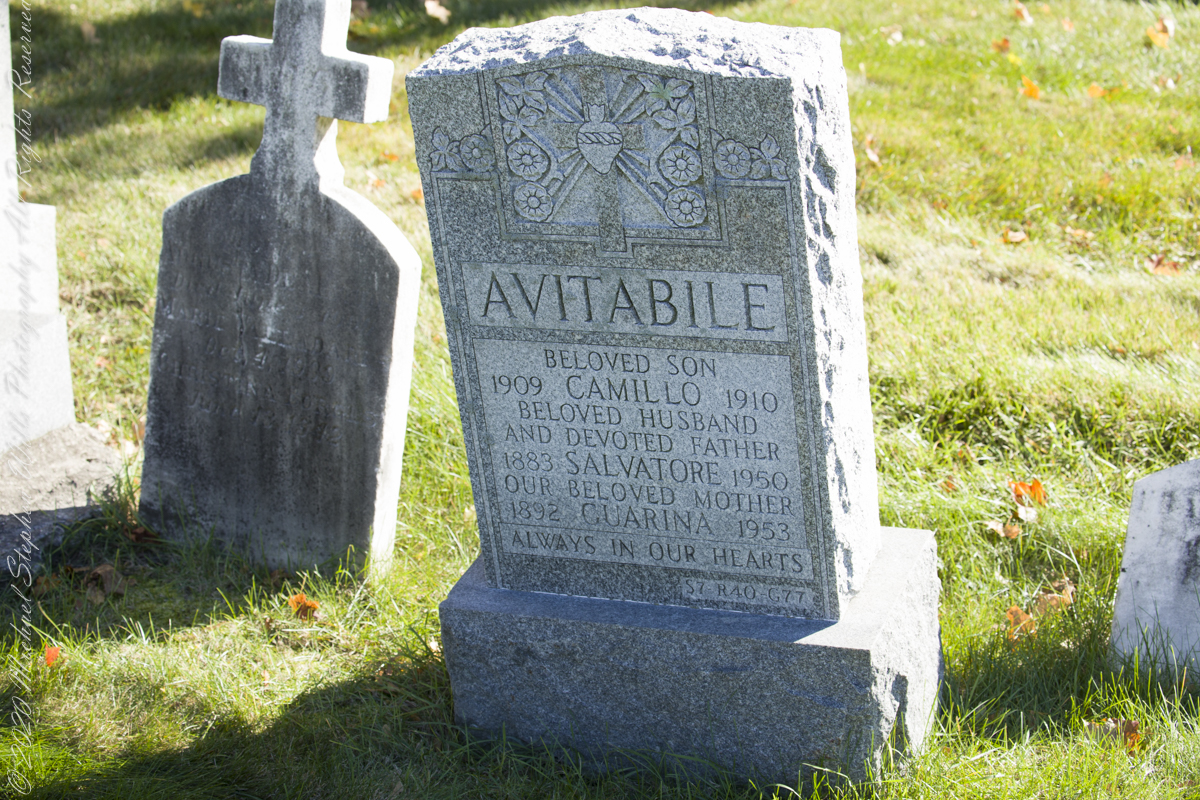
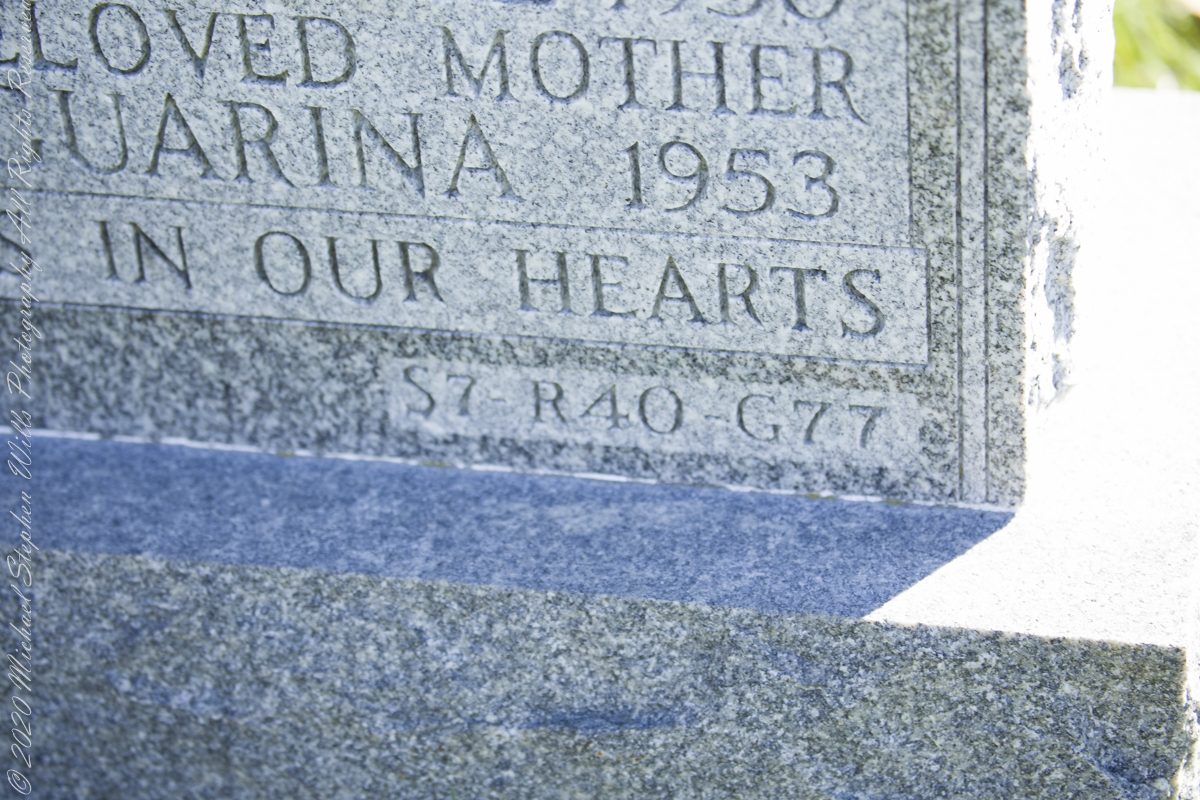
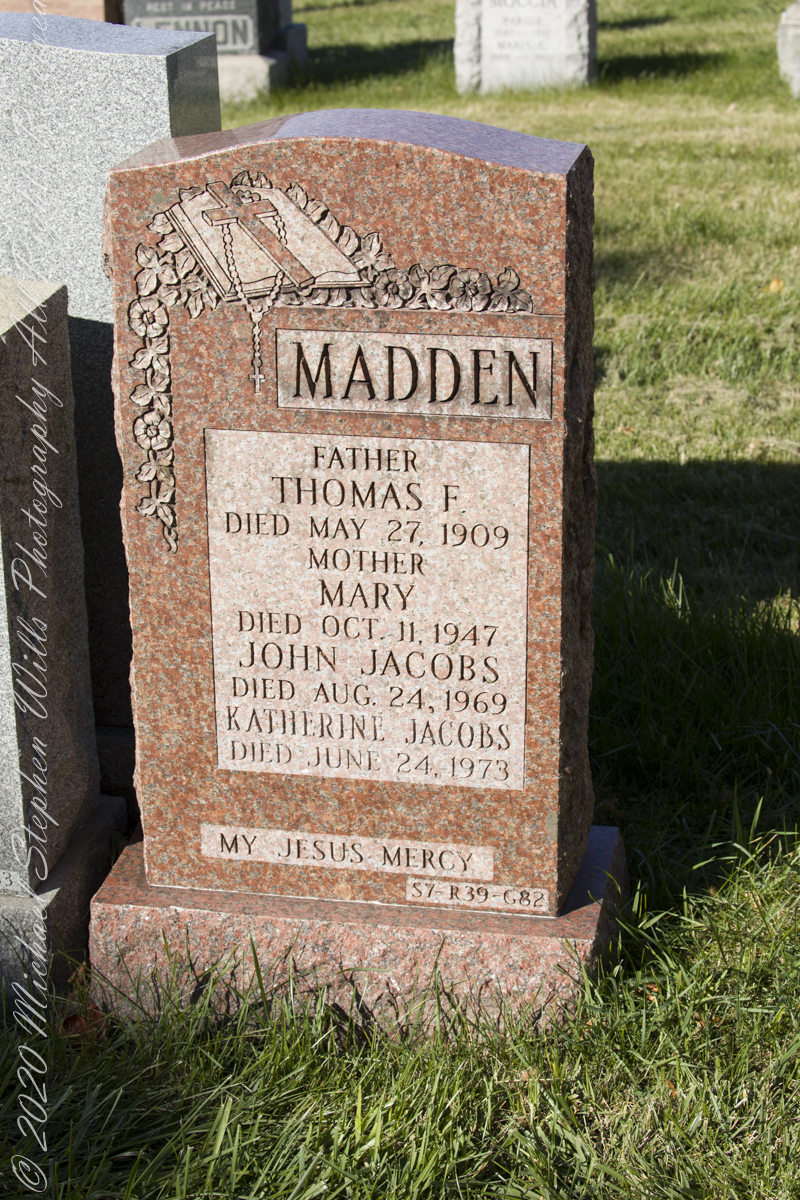
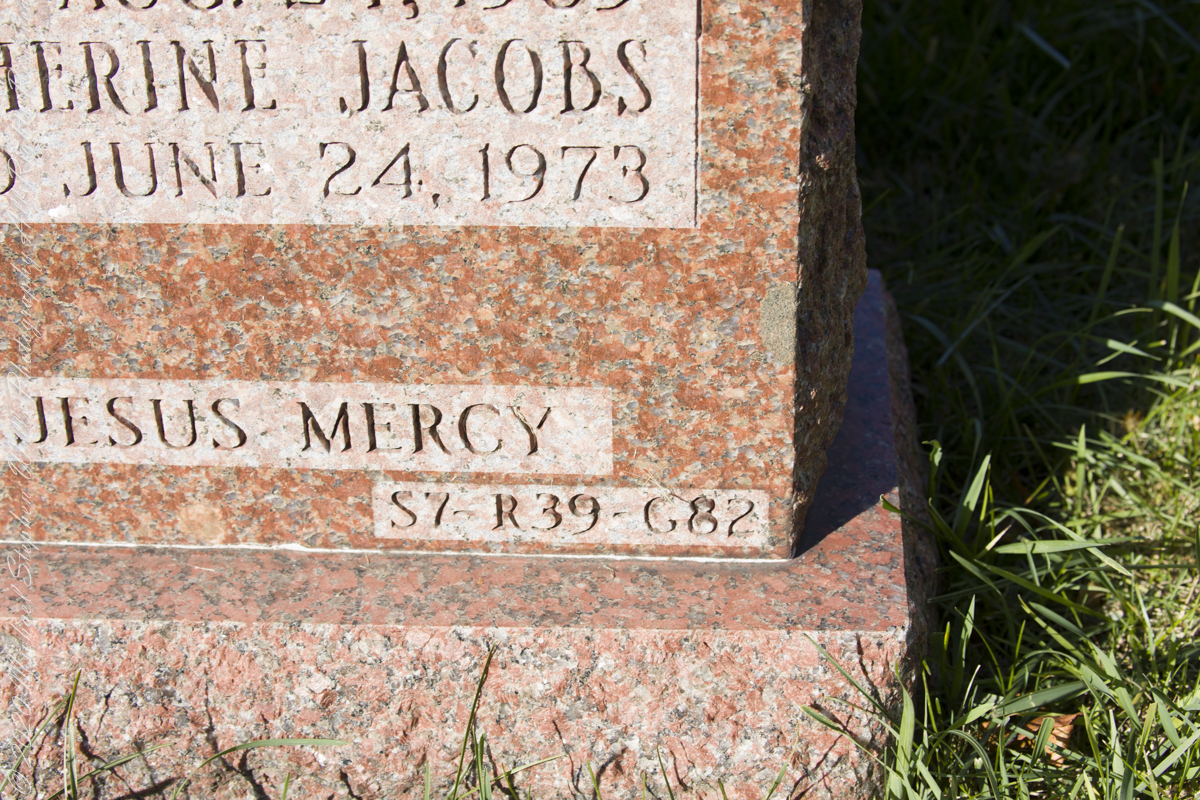
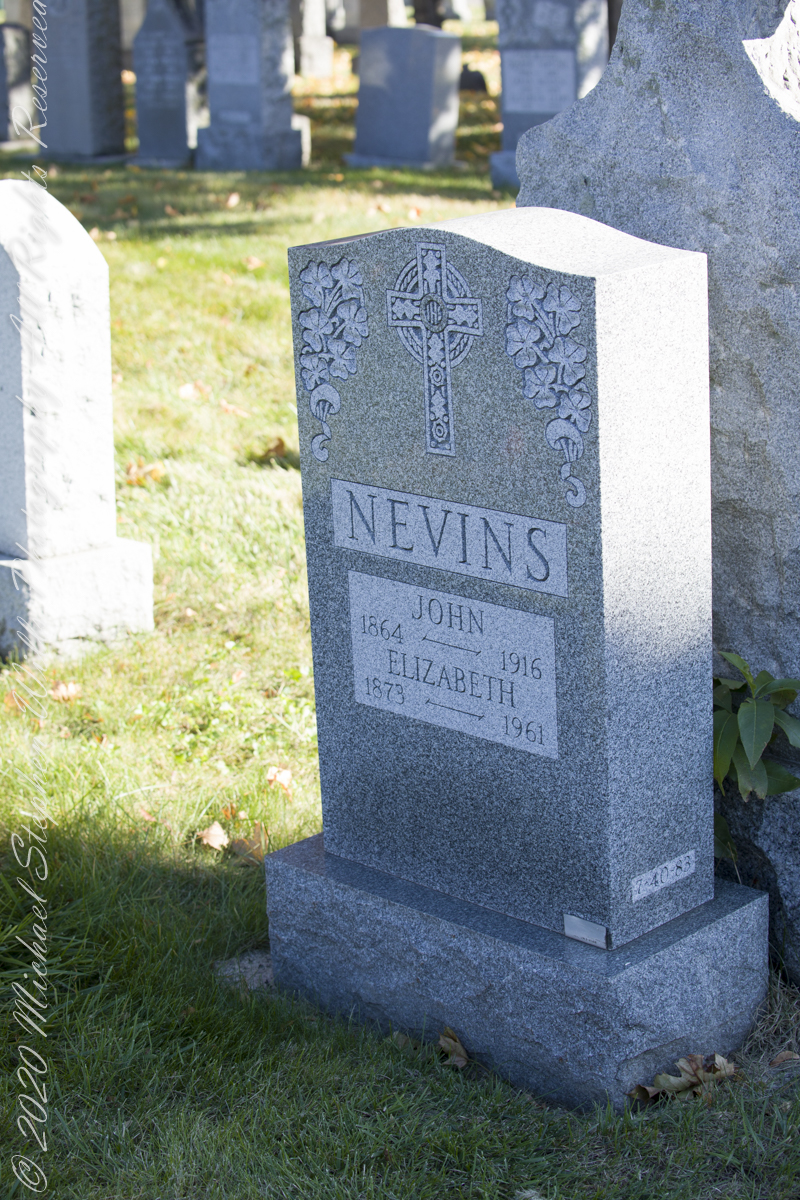
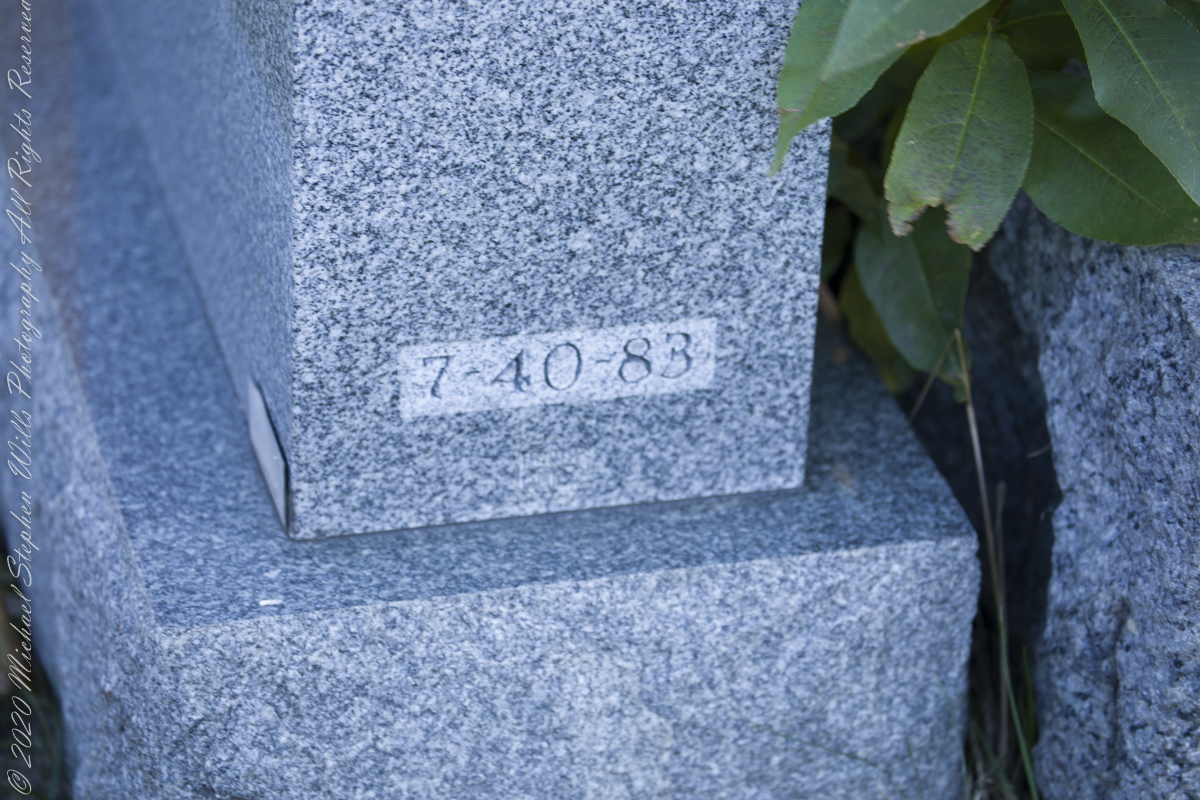
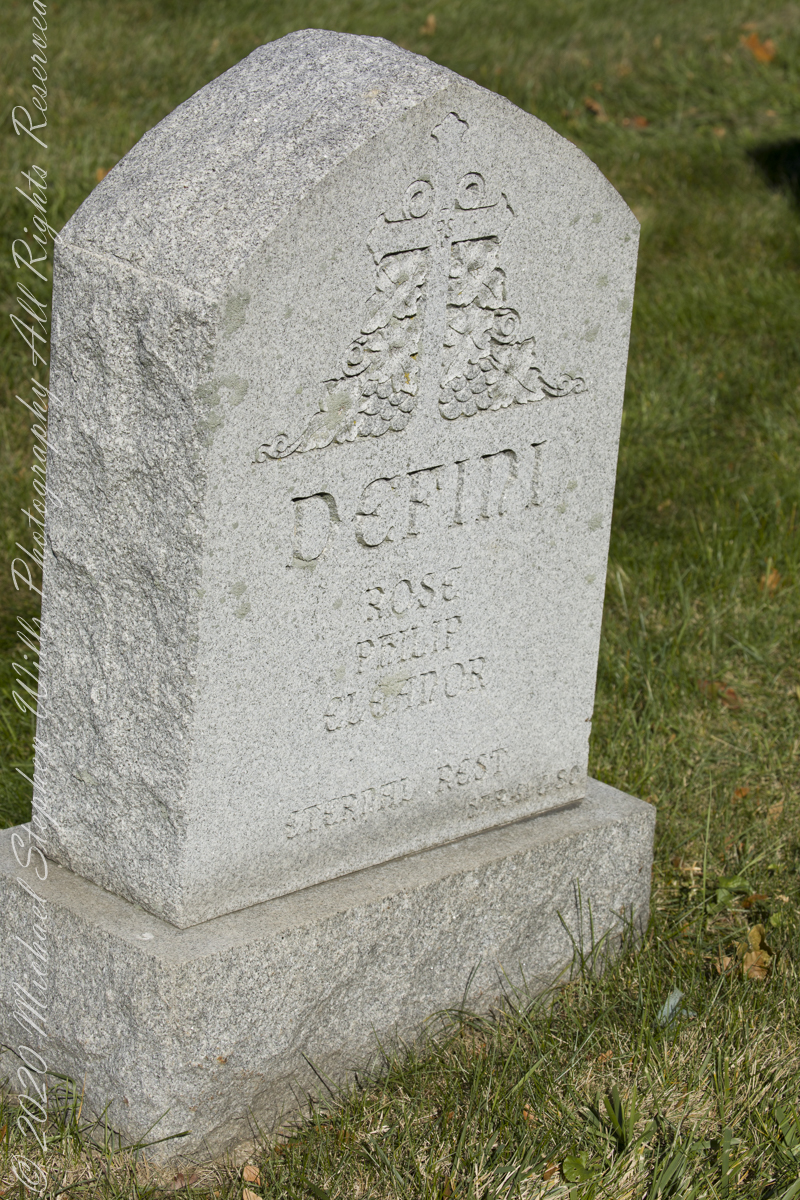
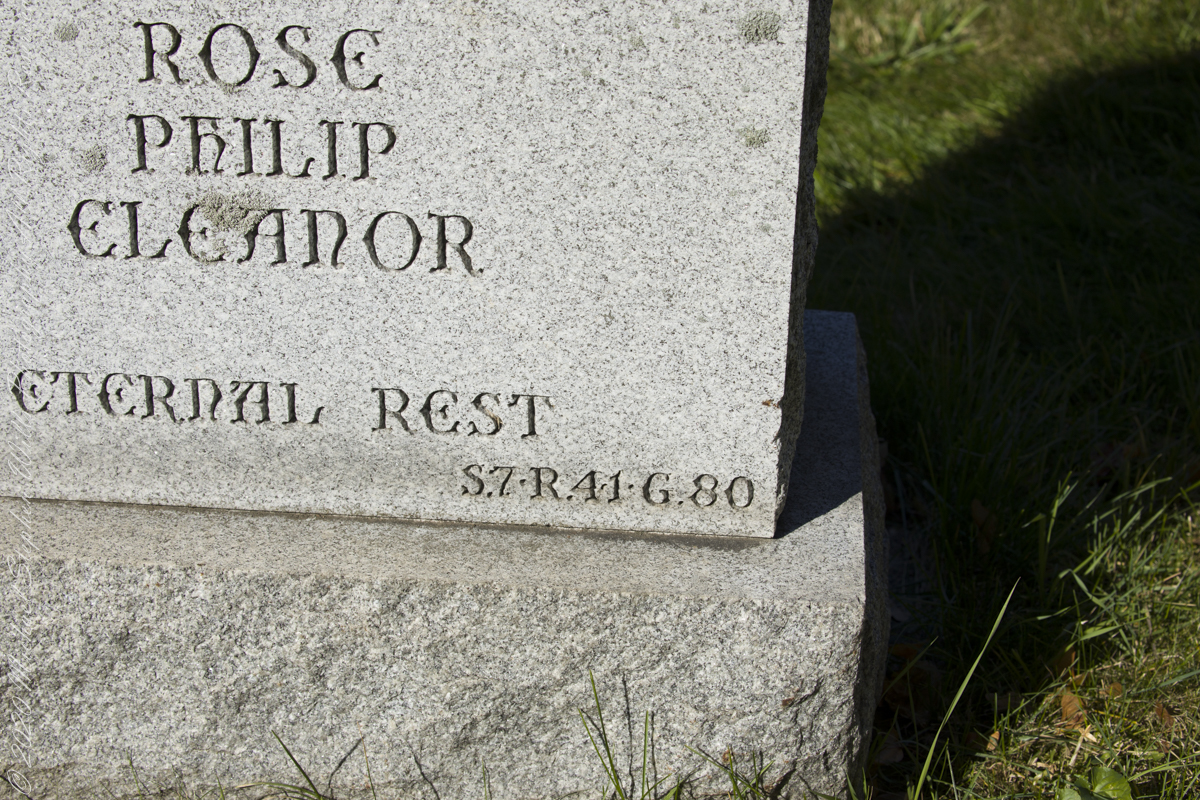
Then, Pam noticed some headstones inscribed with the exact location, Section, Range (Row) and Grave. This was the key. Here are the headstone references that pinpointed Grandfather Wills’ final, unmarked, resting place.
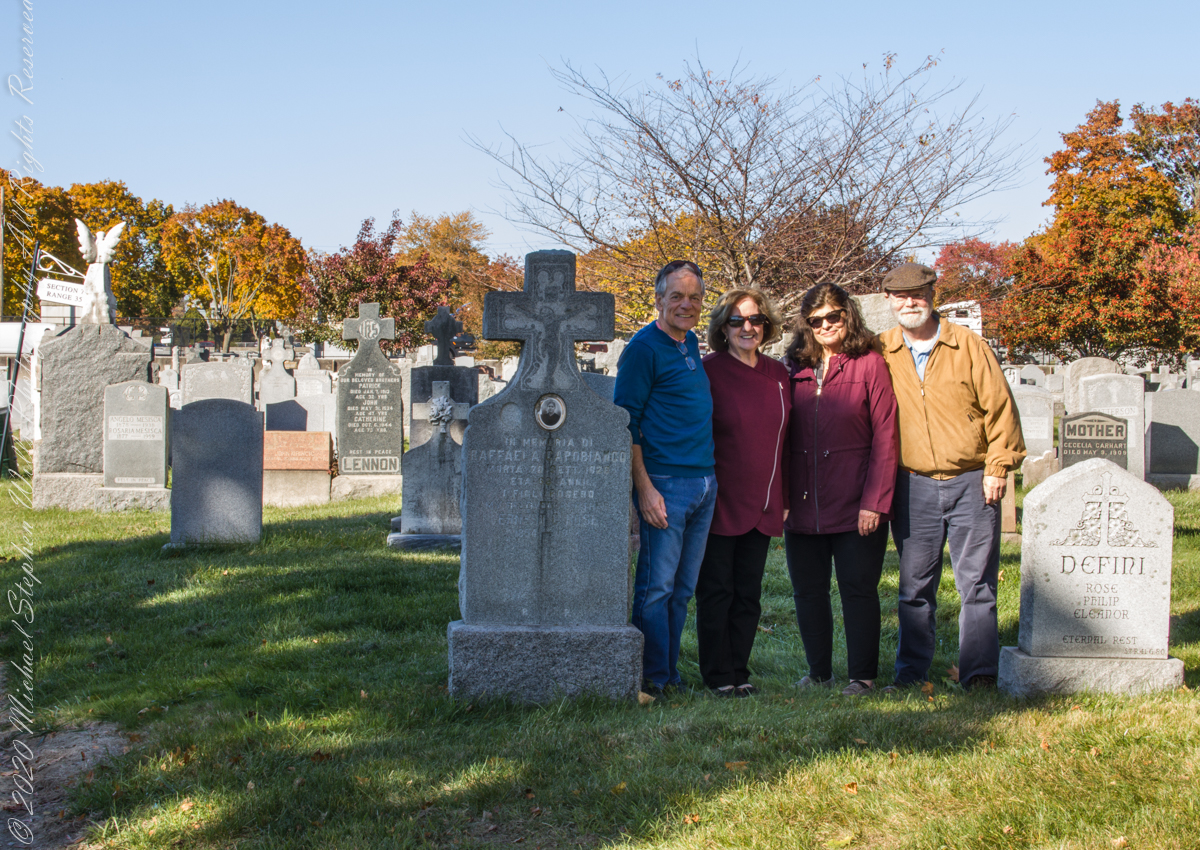
In the following photograph I am on the right with wife Pam. Cousin Mary next to her husband Peter on the right, Mary is standing on grave 82.
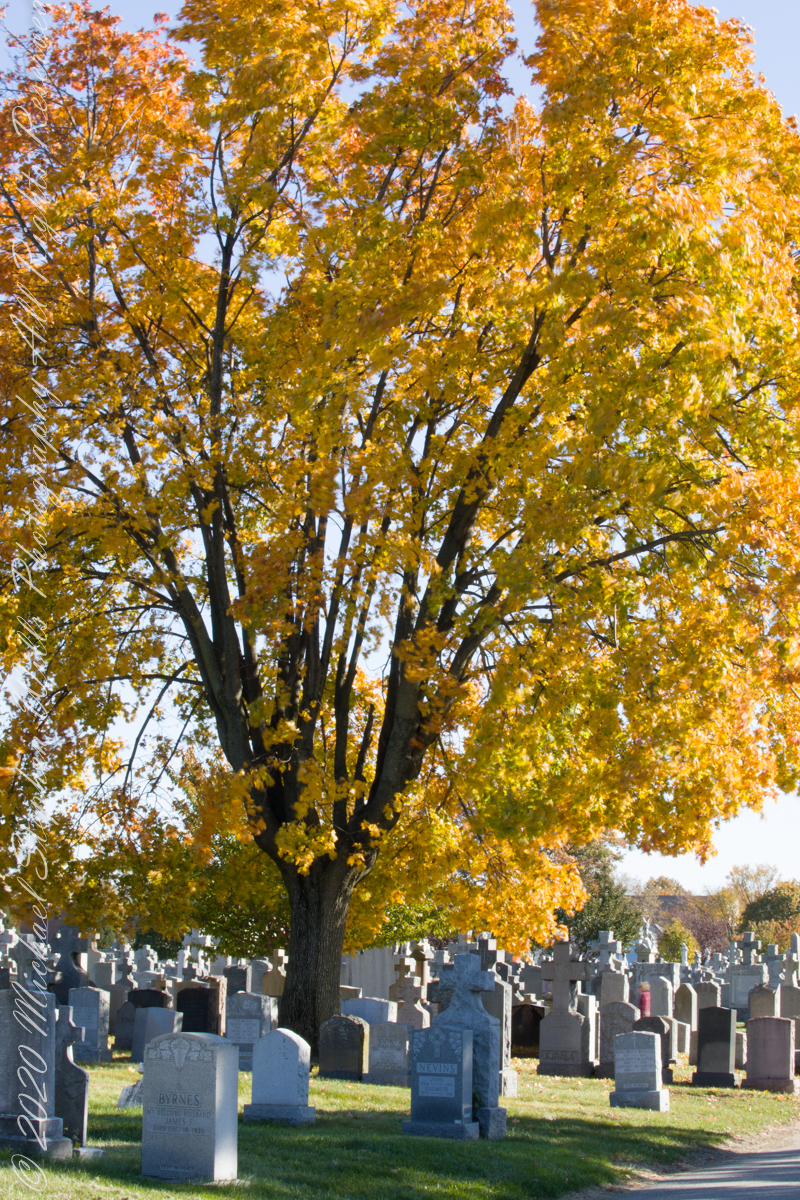
James Edward Wills unmarked grave, Section 7, Range (Row) 41, Grave 82, Old Saint Raymond’s Cemetery, Balcom Avenue, Schuylerville, Bronx, New York. Wednesday, November 10, 2021. Here we are facing south / southeast into Section 7, James Wills’ unmarked grave is to the left and just behind Nevins headstone (Row 40, Grave 83).
Copyright 2021 Michael Stephen Wills All Rights Reserved


















 Michael Stephen Wills Photography