Parts of the Scorpion

Twenty million years ago a then nonexistent earth-bound human civilization could recognize none of the prominent stars of the constellation Scorpius (The Scorpion) as these, compared to our 4.6 billion year old star, lit up less than 12 million years ago. The brightest star, Alpha Scorpii AKA Antares, is a red giant destined to burst into a supernova bright as the full moon within two million years. Will the human race be around to witness it?

Such as it is, The Scorpion was traced out by the Babylonian astronomers around 8 BCE following even more ancient Sumerian traditions naming Alpha Scorpii “The Heart of the Scorpion.”

I first became aware of Antares March 2009 during a stay on Cocoa Beach. Setting the room clock to a 5 am alarm to view the sunrise. As I sat listening to the surf, Antares glowed dark red in the south. It is the reddish tint star in the following illustration.
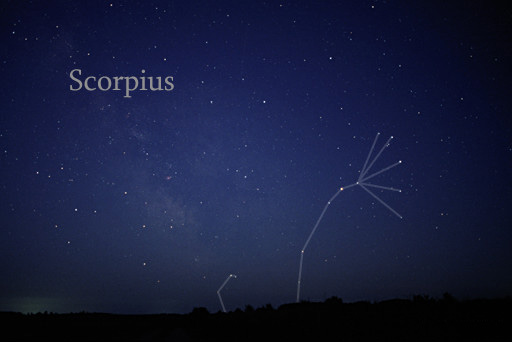
Till Credner, CC BY-SA 3.0 https://creativecommons.org/licenses/by-sa/3.0, via Wikimedia Commons

Here is a photograph of Antares, the reddish dot in center, along with the 6 of the 18 Scorpius bright stars. For this shot a Canon EOS 5D Mark IV dlsr had mounted a Canon lens EF 70-300 f4-5.6L IS USM set to 70 mm focal length, 1600 ISO. Exposure was “bulb,” meaning when the shutter button is pressed and held the shutter remains open: for this exposure this was for approximately 10 seconds. The equipment was held steady on a Manfrotto BeFree Carbon Fiber tripod. As the Earth continued to turn, the resulting star images are smeared a bit.
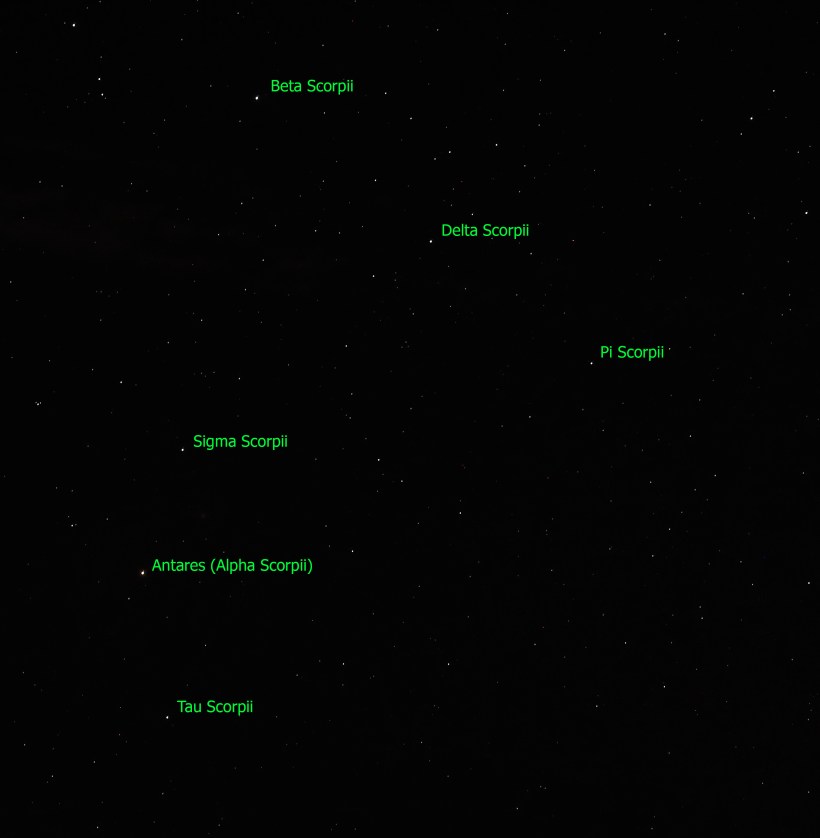
Bracketing Antares, the Scorpion Heart are “The Arteries” Theta and Tau. About those Greek letters, these designate relative brightness of each star respective of the others in the constellation. “Alpha” the first letter of the Greek alphabet is the brightest. Here are the other letters listed, with the alphabetic order in brackets Beta(2), Delta(4), Pi(16), Sigma(18), Tau(19). Ancient Greek built on the traditions of the Mesopotamians (Babylonian and Sumerian) and were in turn used for modern stellar nomenclature, including the tracings of sky images, the constellations.

The position of a relatively minor star, Tau, near Antares elevates it to the important function of an artery. The stars themselves run against their brightness hierarchy placement: The star Delta Scorpii, after having been a stable 2.3 magnitude star, flared in July 2000 to 1.9 in a matter of weeks. It has since become a variable star fluctuating between 2.0 and 1.6. This means that at its brightest it is the second brightest star in Scorpius.

Copyright 2023 Michael Stephen Wills All Rights Reserved

Big Bend

A tripod and Neutral Density filter

Winter 2020 I posted “Winter People Watching” featuring the Sony F828 and candid street photography.

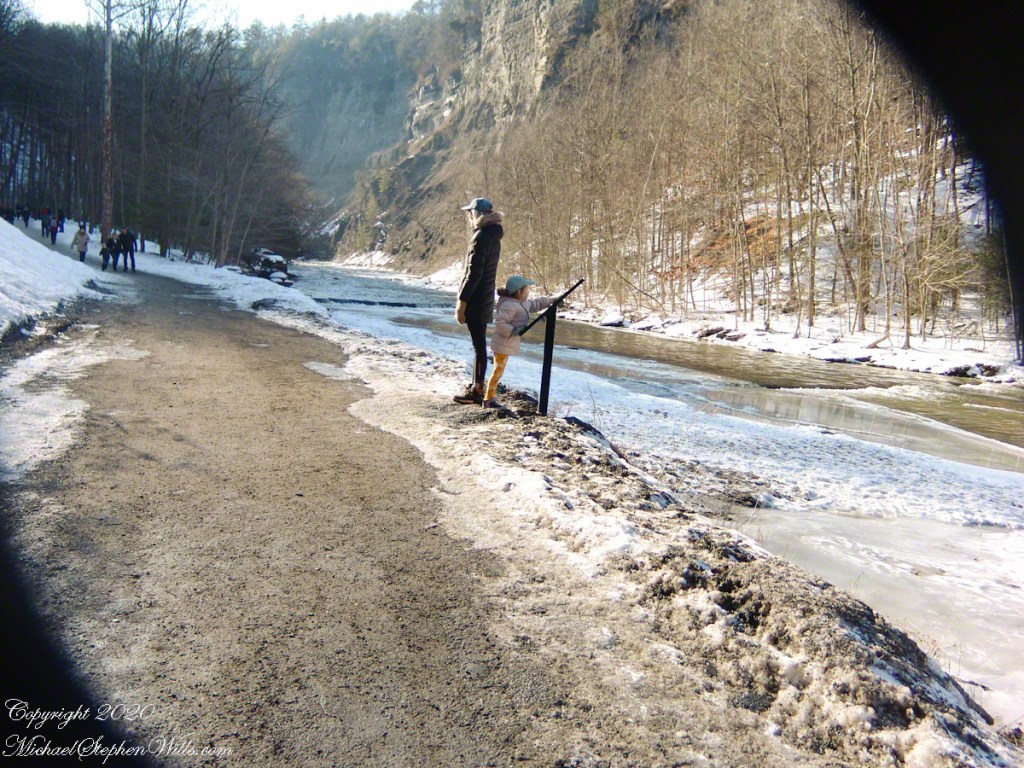
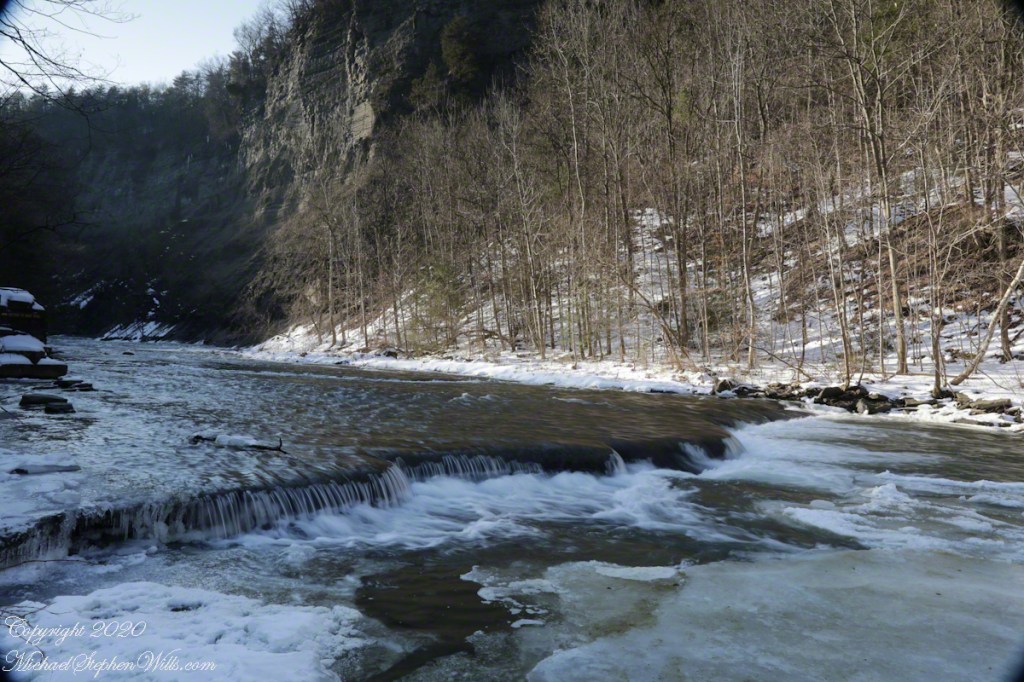
What I love about this place, a unique feature, is the size and different vantage points making it possible to view the same place from different angles. November 2019, readers were shown “The Bend,” a place with Taughannock gorge makes a 90 degree turn, changing from a southeastern to an eastern flow. Here are photographs from spot overlooked by that post.

Here the camera faces away from the sun, the graduated neutral density filter allowing me to capture the cloudless blue sky, a little milky the way it is here February with a hint of spring.

This little one is studying the information placard with rapt attention, learning how the African continent, pushing against North America, across the eaons, formed the right angle fractures mirrored by this dramatic change in Taughannock Gorge. For the Big Bend photographs I was standing behind them, along the stream bed.

Here is a broader slice of that sky.

Can you see the tiny figures of hikers, dwarfed by the frozen cliff?

Copyright 2023 All Rights Reserved Michael Stephen Wills

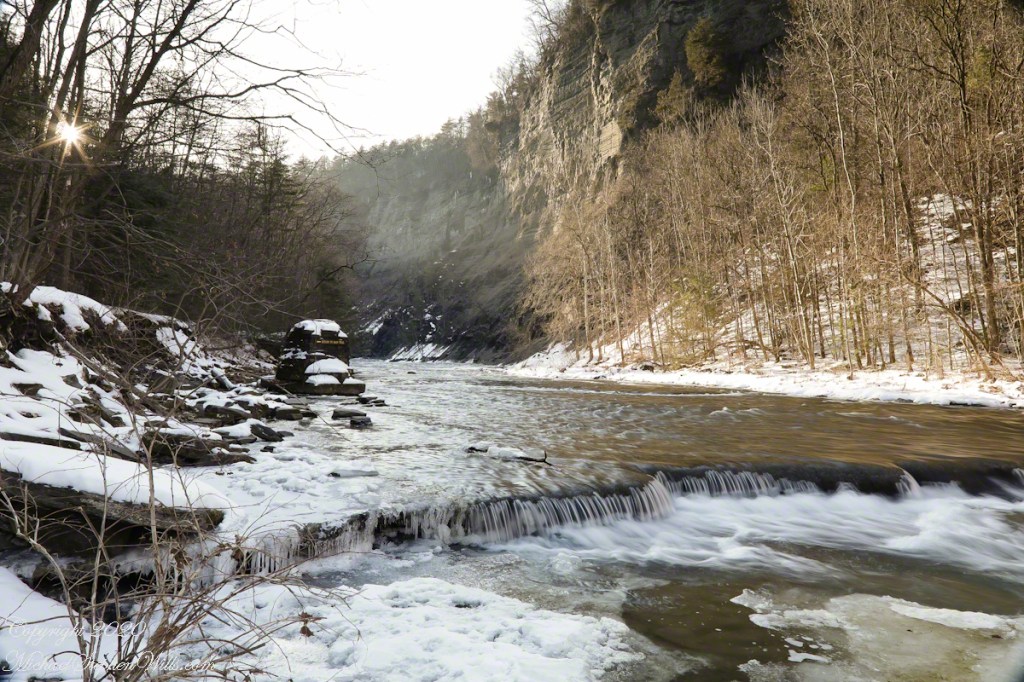
A Little Water Fall…

…and Gorge Cliffs

Purling of the water beneath this foot high waterfall was enhanced by reducing ISO to 100, tamping down the aperture to f/22 resulting in an shutter speed of 1/10th second. I set the graduated Neutral Density filter to shade the left side.

On the cliffs ahead is where the observation platform is cut into the rock. It has a great view of the waterfall, in some ways the experience of the falls is enhanced, compared to hiking the 3/4 mile path and standing below.

A marvelous forest grows on talus from the high gorge walls.

A sign on a disused pier warns waders to leave the creek bed. Ahead the gorge walls tower above the creek. Rocks dislodge and crash down unexpectedly, crushing foolish waders. It is appalling to see, in warmer months, people walking below those cliffs gathering the fallen rocks to make delicately balanced cairns.

Copyright 2023 All Rights Reserved Michael Stephen Wills

Colorful Hall

Northernmost, glaciated section of the Allegheny Plateau

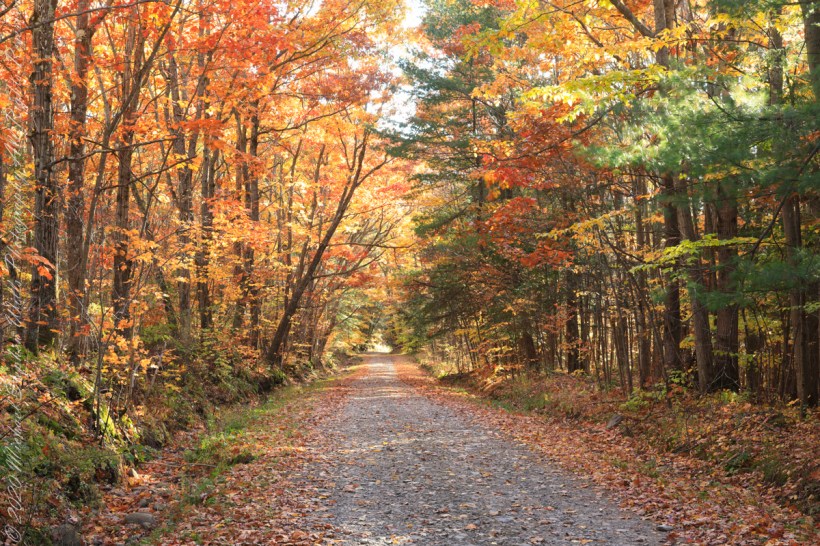
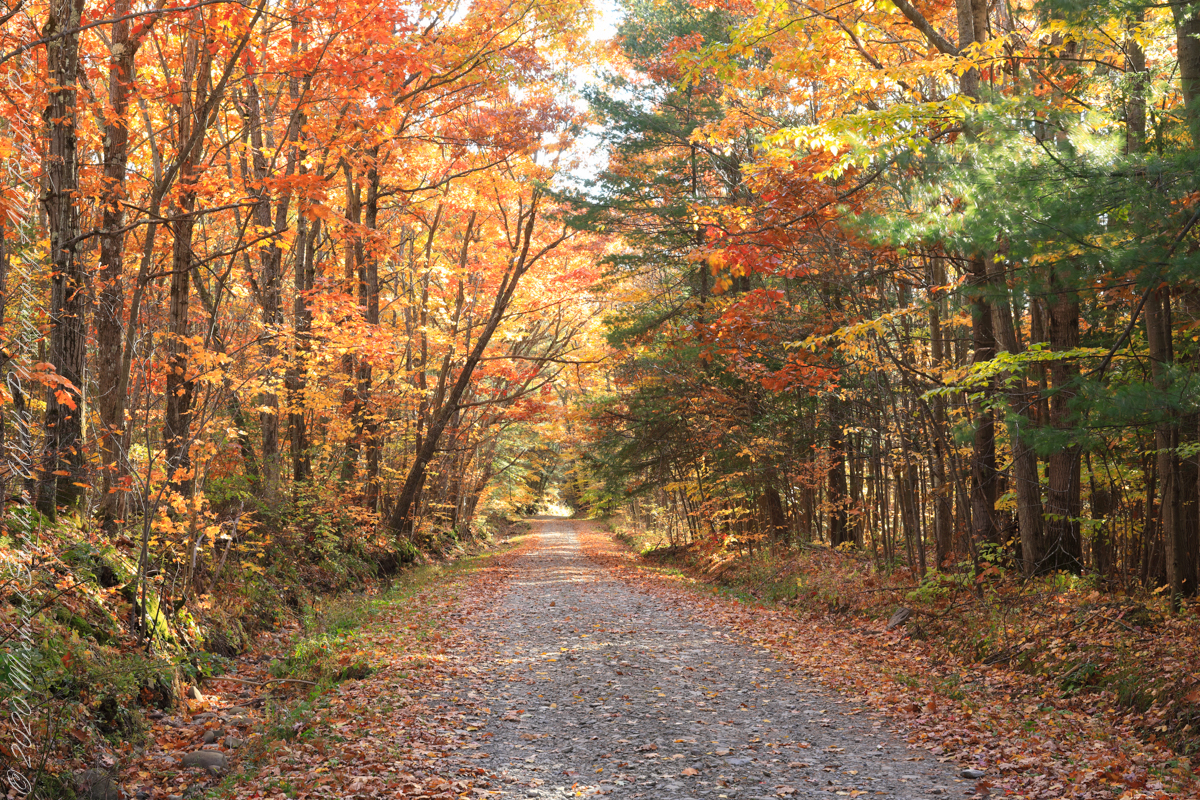
For my last autumn posting this last day of November 2022 this colorful hall of trees is on the long descent of Lacey Road from Cortland to Tioga Counties where it passes close the meeting point of three counties near the Robinson Hollow State Forest, the third being Tompkins County.

We are travelling south on a northernmost, glaciated section of the Allegheny Plateau. In the 19th Century a lawyer named Calvin J. Robinson was a prominent citizen of nearby Richford.

Copyright 2022 Michael Stephen Wills All Rights Reserved

Road Transformation

sunlight, dappled shade

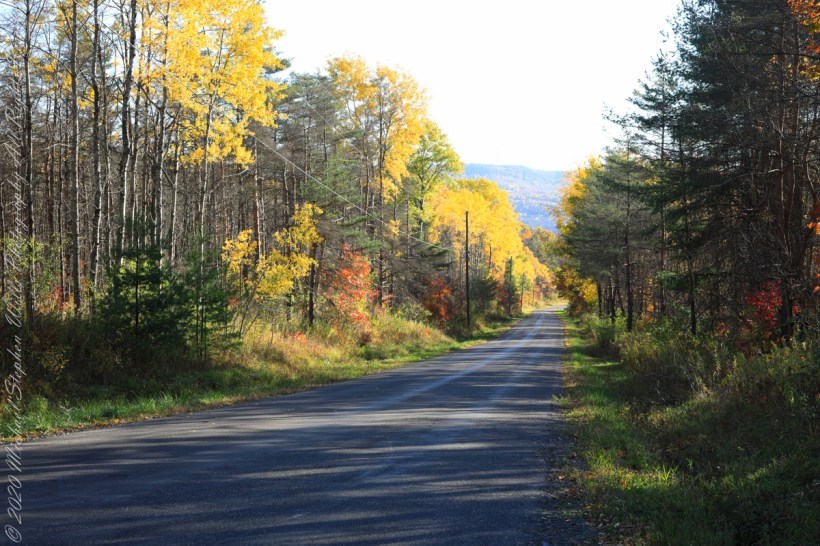
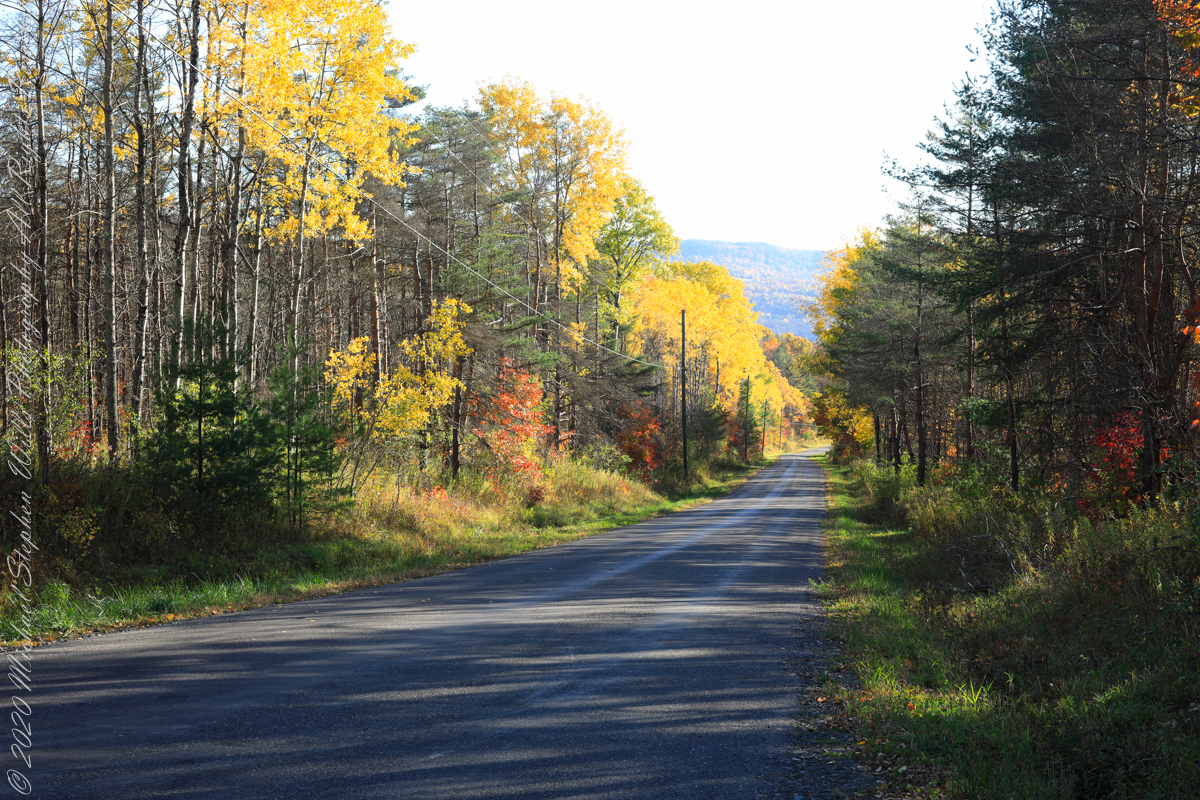
South/Southwest view from the long hill into Harford, stopping to admire the effect of sunlight, dappled shade and bright yellow, orange, red against the distant ridge sheltering Robinson Hollow. Near Harford, Cortland County, New York.

Copyright 2022 Michael Stephen Wills All Rights Reserved

Diorama Country

Happy Thanksgiving (USA) 2022

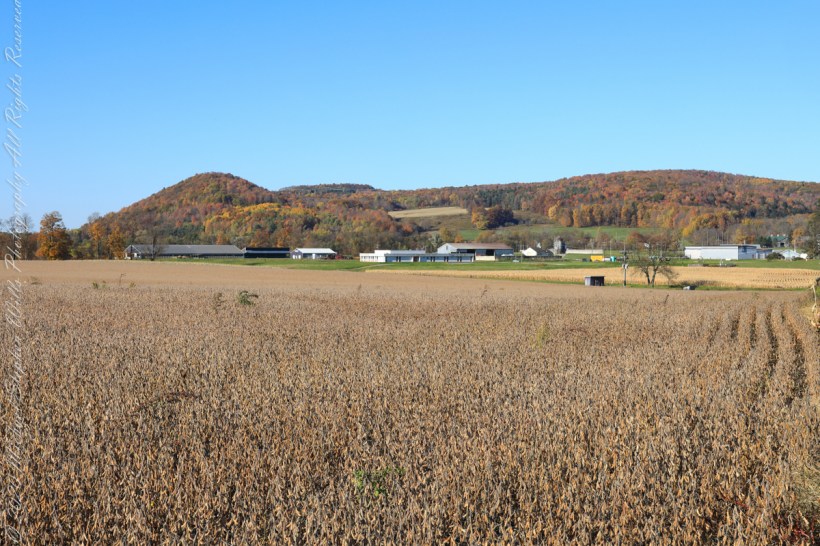
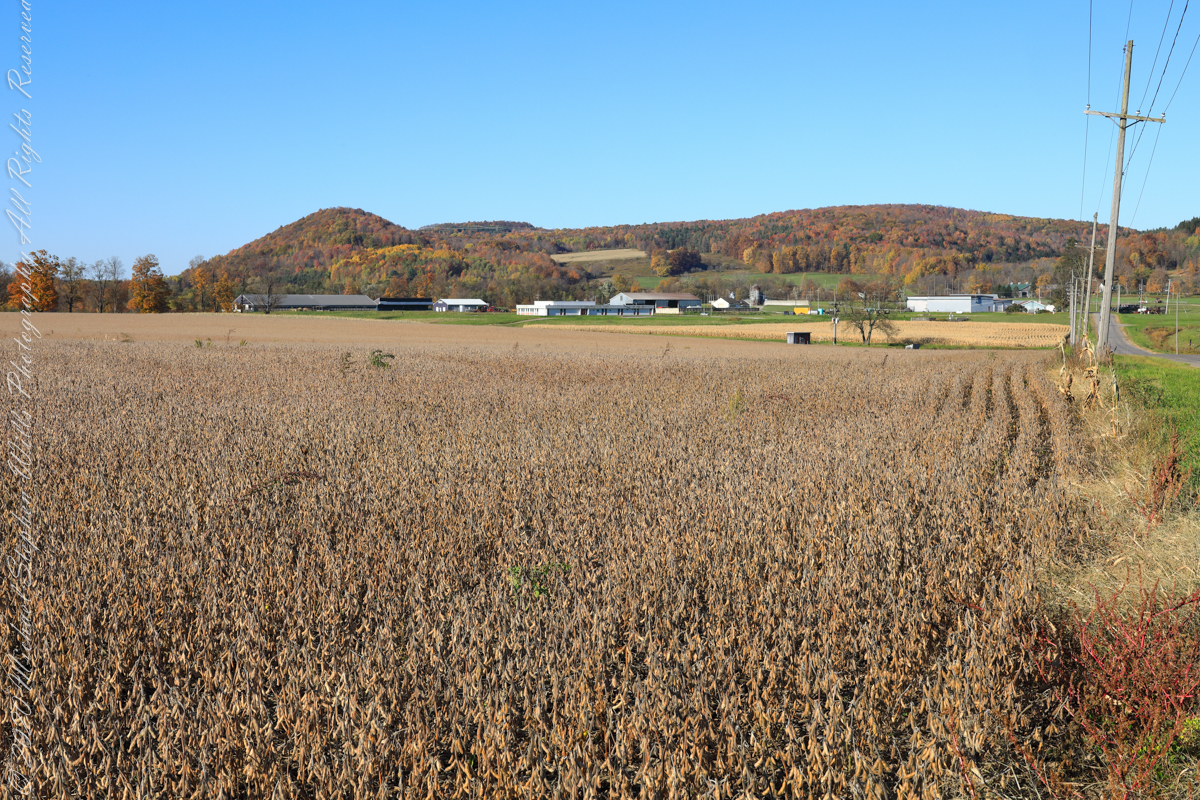
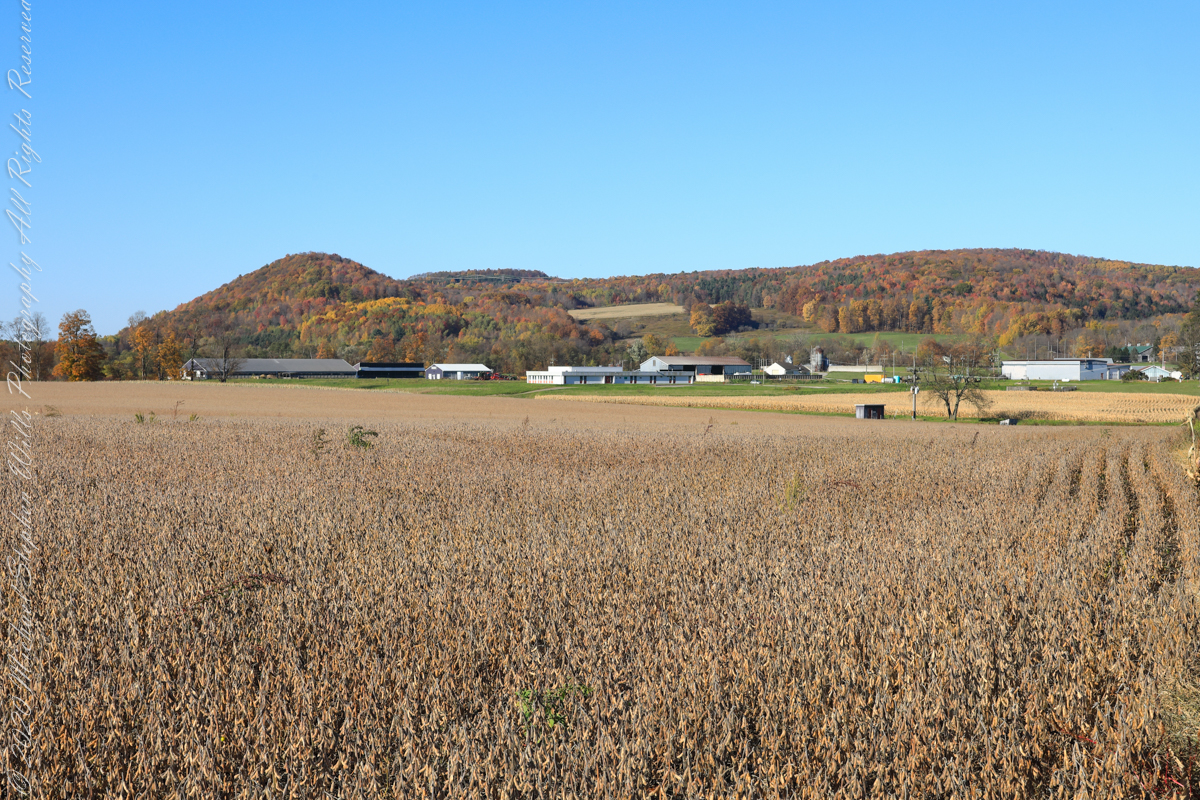
A diorama of the Museum of Natural History, New York City, features this north view, first viewed as a young teen on a school field trip — the duplicated sight was imprinted on my memory. Over the years I passed this spot repeatedly for trips to Long Island for family Thanksgiving celebrations. October 22nd, 2022, the field was planted with soybeans ready to harvest. The rounded hill, a drumlin, finishing the left side of the ridge, is the “star” of this photograph and the diorama.

A drumlin, from the Irish word droimnín (“littlest ridge”), first recorded in 1833, is an elongated hill in the shape of an inverted spoon or half-buried egg formed by glacial ice acting on underlying unconsolidated till or ground moraine.

Same exposure cropped to remove road and poles to perfect the image.

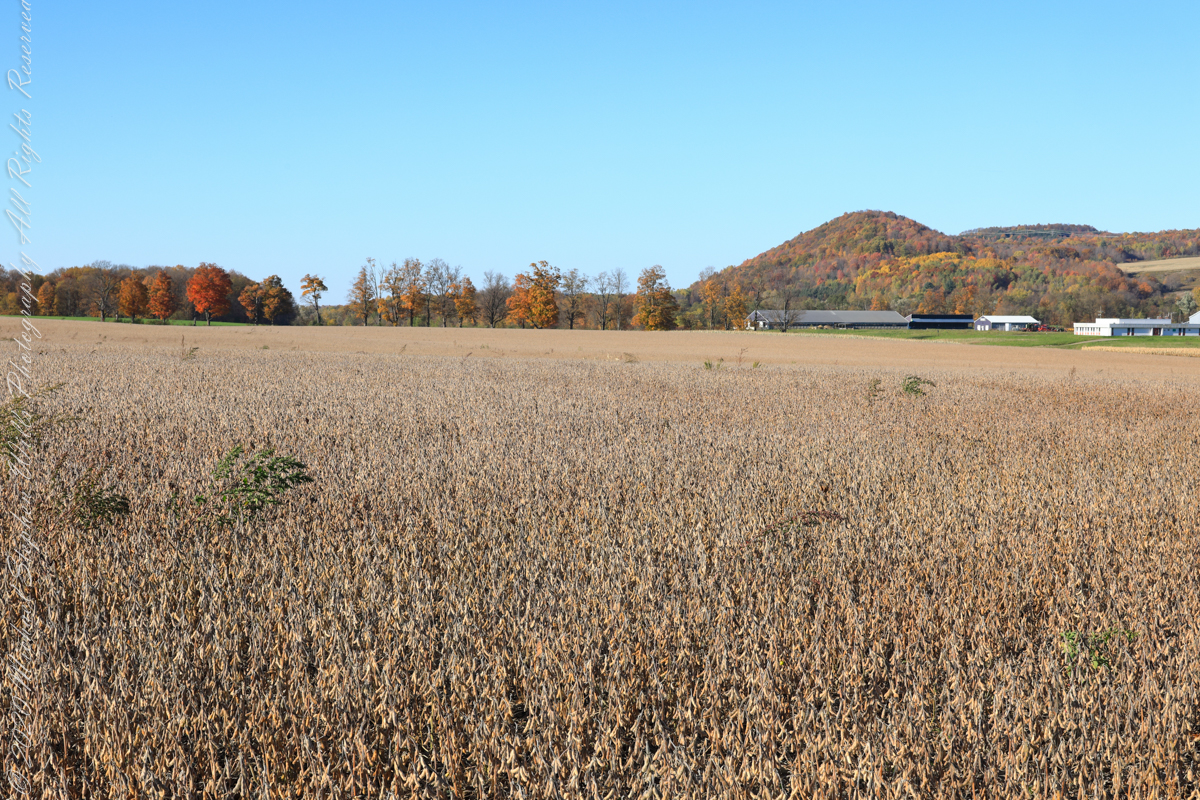
I am not sure the north/northwest view is an improvement, as seen in the following photograph.

Copyright 2022 Michael Stephen Wills All Rights Reserved

Three Autumn Views

Driven Wells in Cortland County

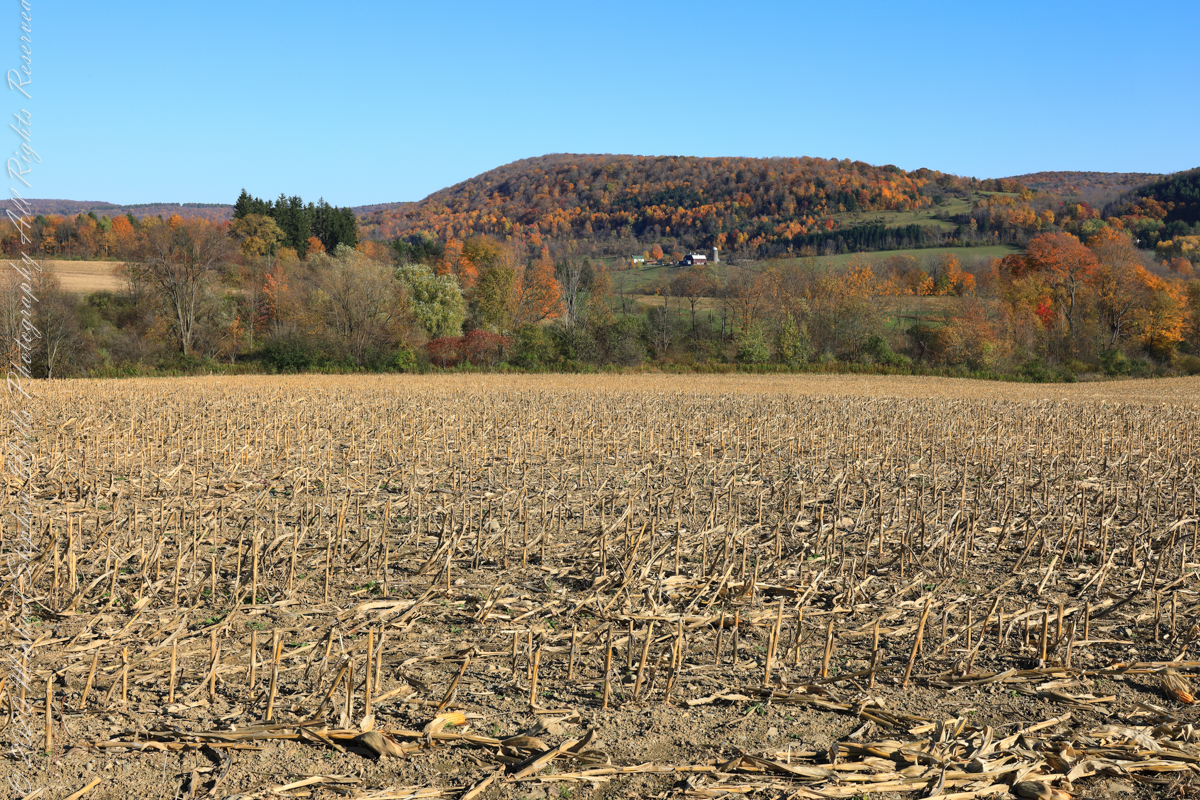
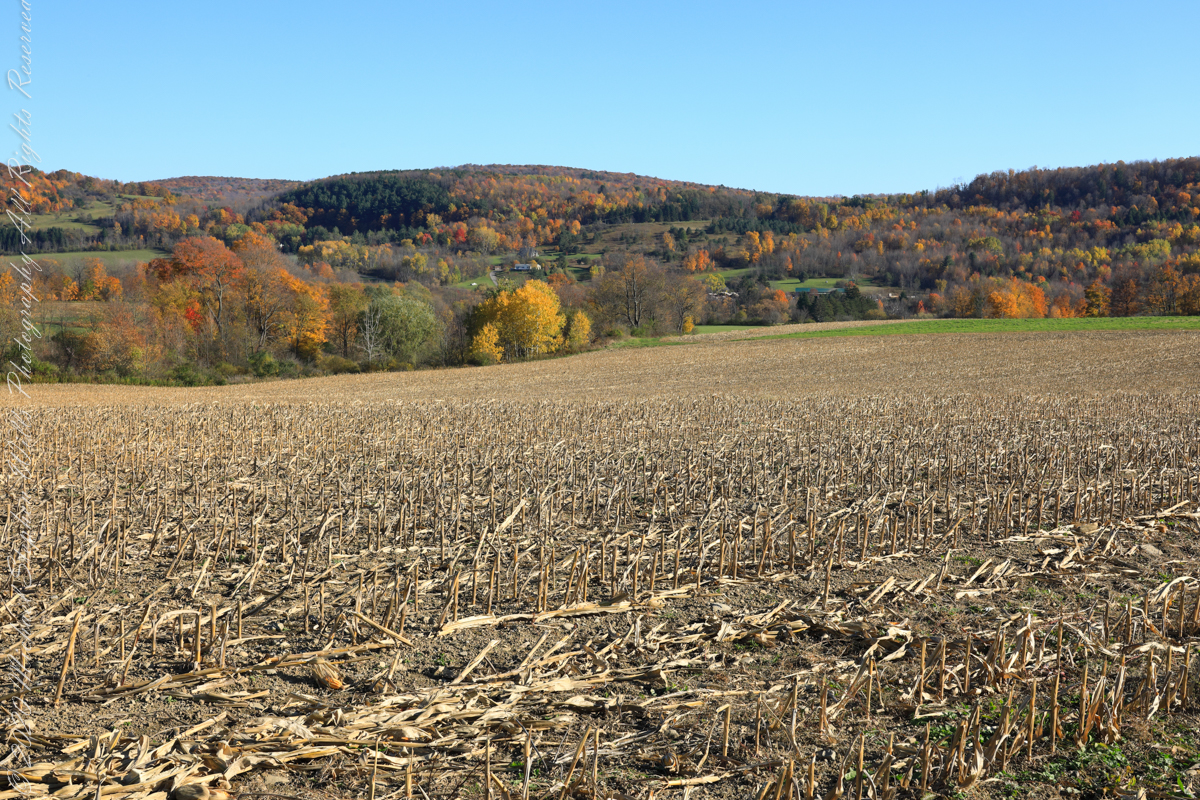
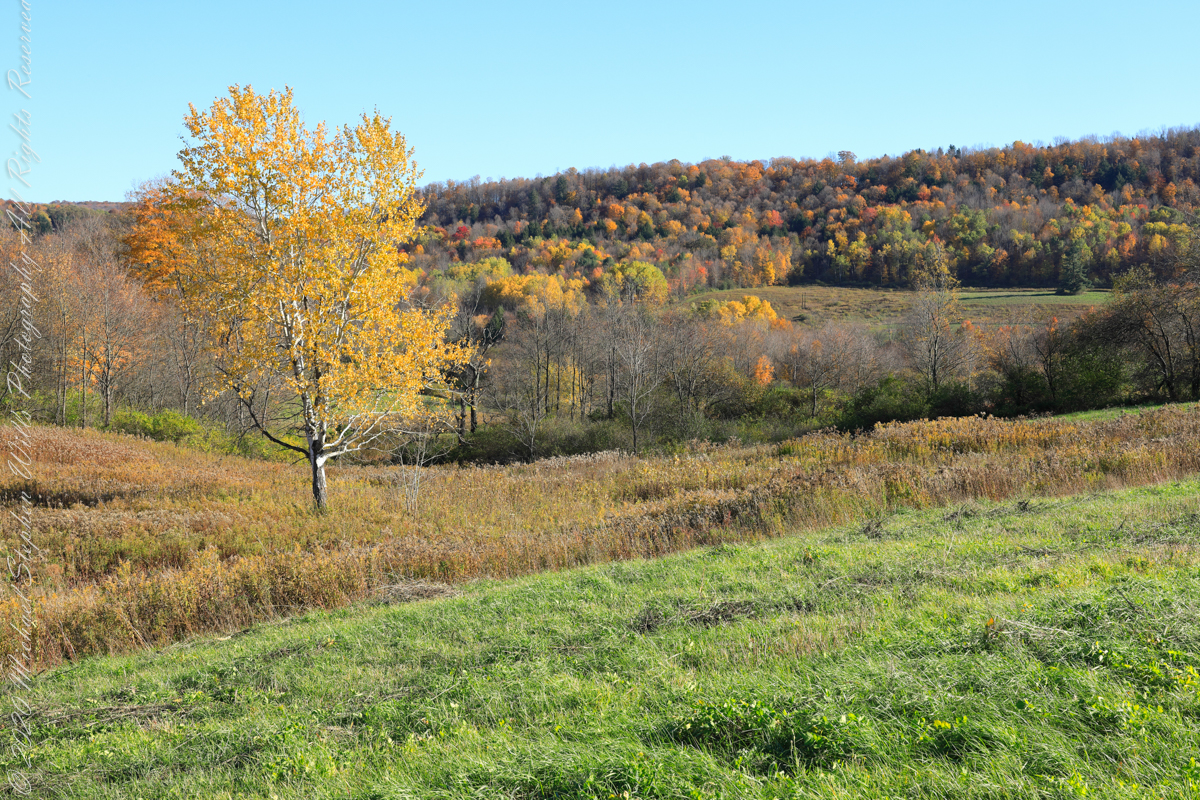
For this series I travelled a short distance south from where Palmer Road intersects with Virgil Road, crossing the border from Tompkins to Cortland County, closer to Carpenter Hill.

In the 19th Century driven wells (also called tube wells) were an innovation developed in Cortland County under the command of a Civil War era Colonel Nelson W. Green who sought for twenty-two years to impose royalties on use of driven wells. I.H. Palmer assisted John W. Sugget, both of Cortland County, in a seminal patent law case they won in U.S. Supreme Court seeking the release from royalty payments from thousands of driven well installations throughout the Eastern and Midwestern United States. Their successful argument was for two years before any patent application, in Cortland County, driven wells were in use. I cannot say Palmer Road has a connection to I.H. Palmer, though it is an interesting historical aside.

View east from Palmer Road across corn stubble. A feeder stream to Virgil Creek is marked by the nearest line of trees, beyond the land rises over the shoulder of Owego Hill.

View east/southeast from Palmer Road across corn stubble. A feeder stream to Virgil Creek flows through the first tree line on left with the creek itself in the far trees, center at the foot of Carpenter Hill. The green field at edge of corn stubble is the fallow field of the next photograph.

View east/southeast from the east edge of a fallow field along Palmer Road. Looking across Virgil Creek to the slope of Carpenter Hill. Cortland County, New York.

Copyright 2022 Michael Stephen Wills All Rights Reserved

Dryden Drumlin

Drumlin, from the Irish word droimnín (“littlest ridge”)

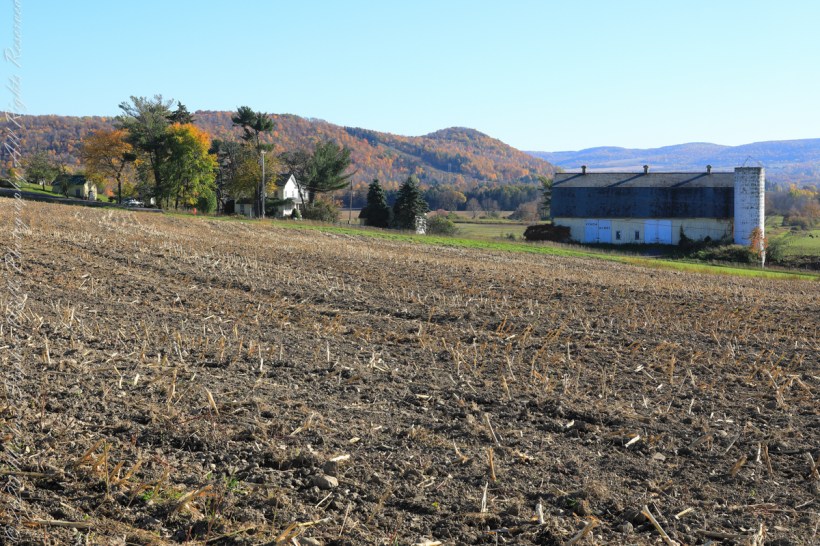
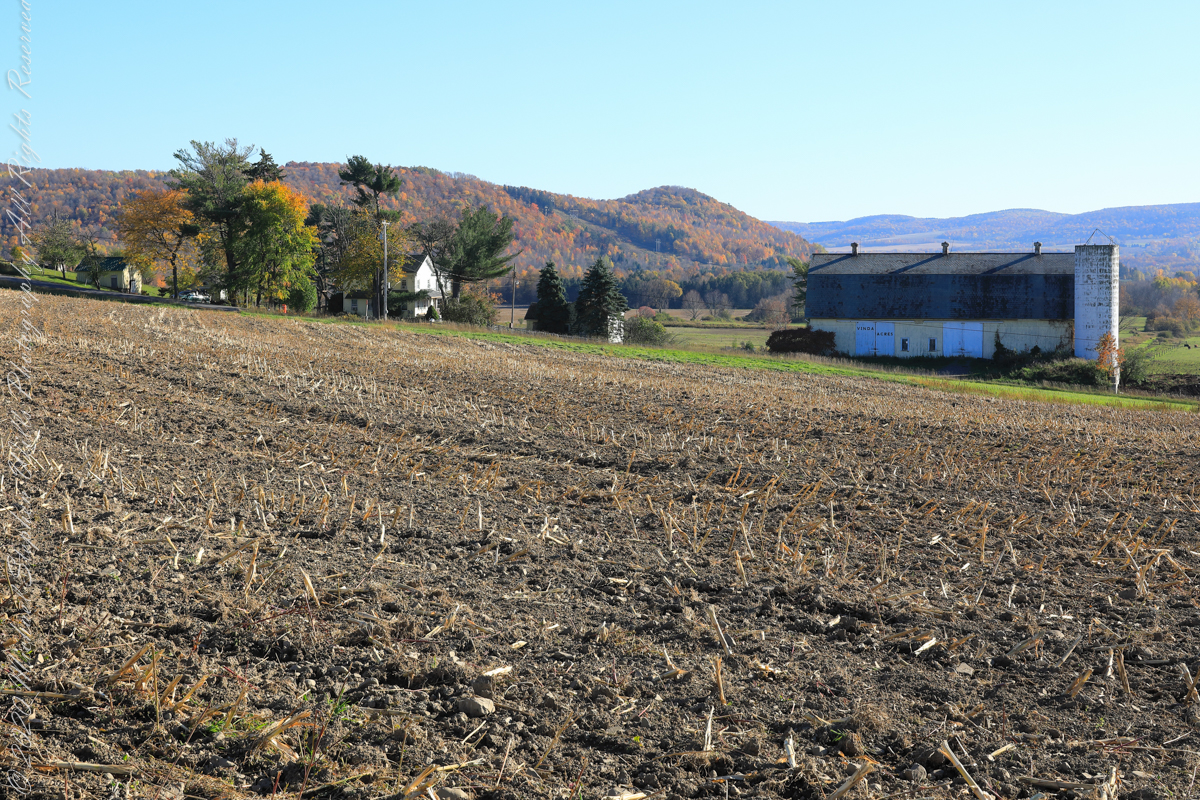
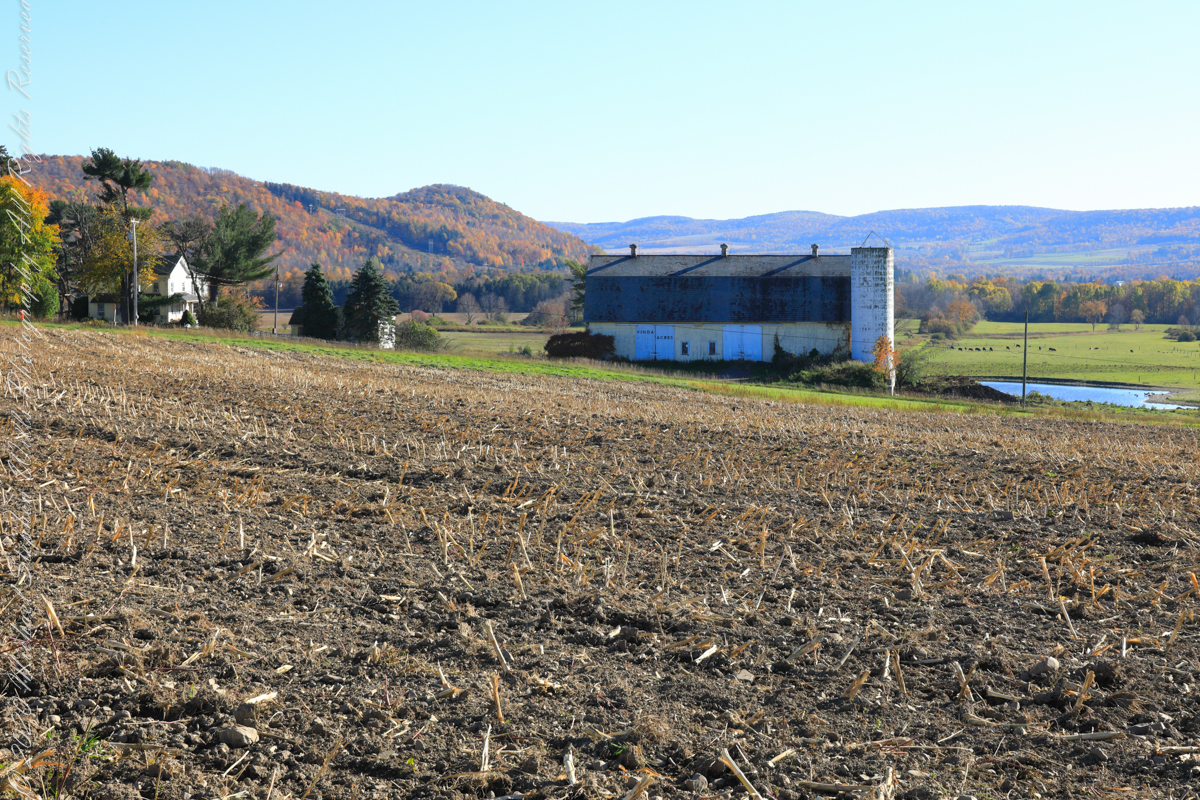
Carpenter Hill from Virgil Road, Route 392, looking across cornstalk stubble and McClintock Road, a faded yellow barn with “Vinda Acres” written on the doors.

The hill is clearly a drumlin. A drumlin, from the Irish word droimnín (“littlest ridge”), first recorded in 1833, is an elongated hill in the shape of an inverted spoon or half-buried egg formed by glacial ice acting on underlying unconsolidated till or ground moraine.

Distant ridges on the right include Hammond Hill. The road to Virgil above the town of Dryden, Tompkins County, New York.

Copyright 2022 Michael Stephen Wills All Rights Reserved

Goodbye for 2022

Our last Monarch for 2022

We successfully raised nine (9) Monarch butterflies this season, leaving us feeling, “Let’s do more in 2023.” Today’s post cover is a portrait of the last. She flew yesterday, September 23rd, forty (40) feet up to the oak tree shading the back yard, lost to us in the leaves.

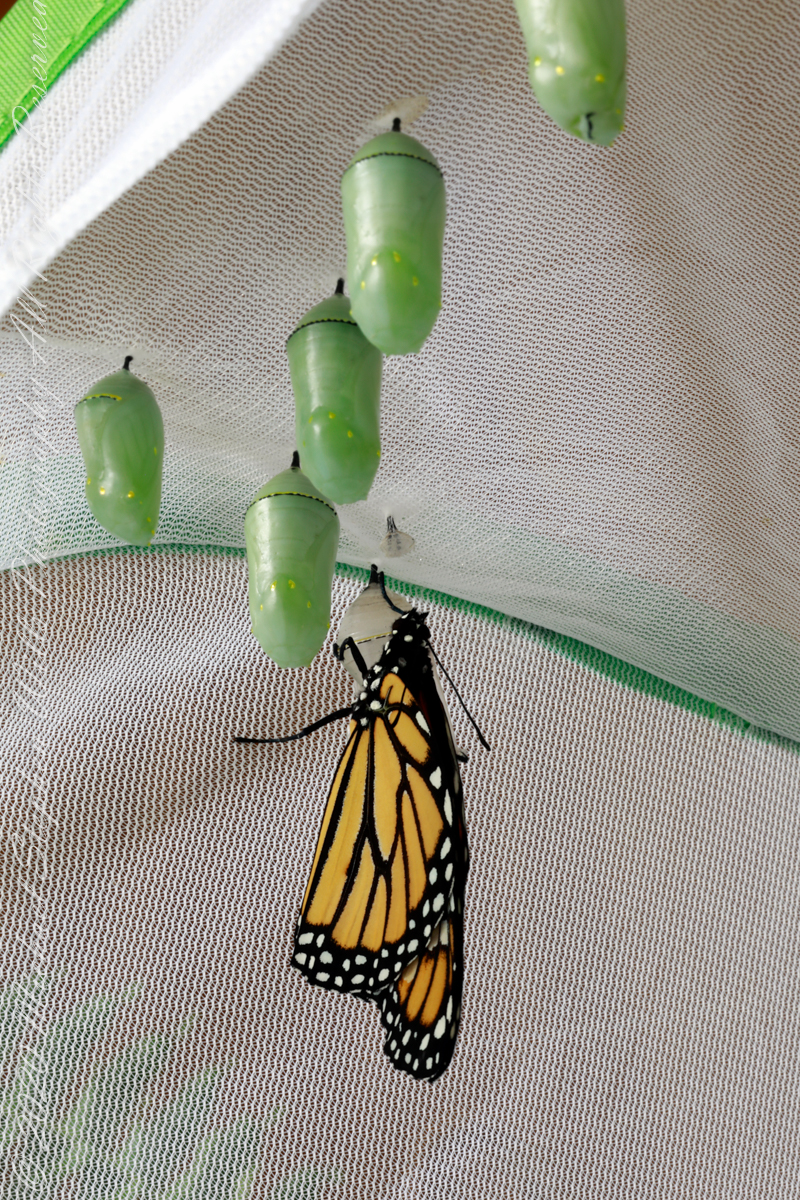
Her chrysalis is the second from right in the following family photograph.

Here are two videos of our last 2022 Monarch to emerge and the first.

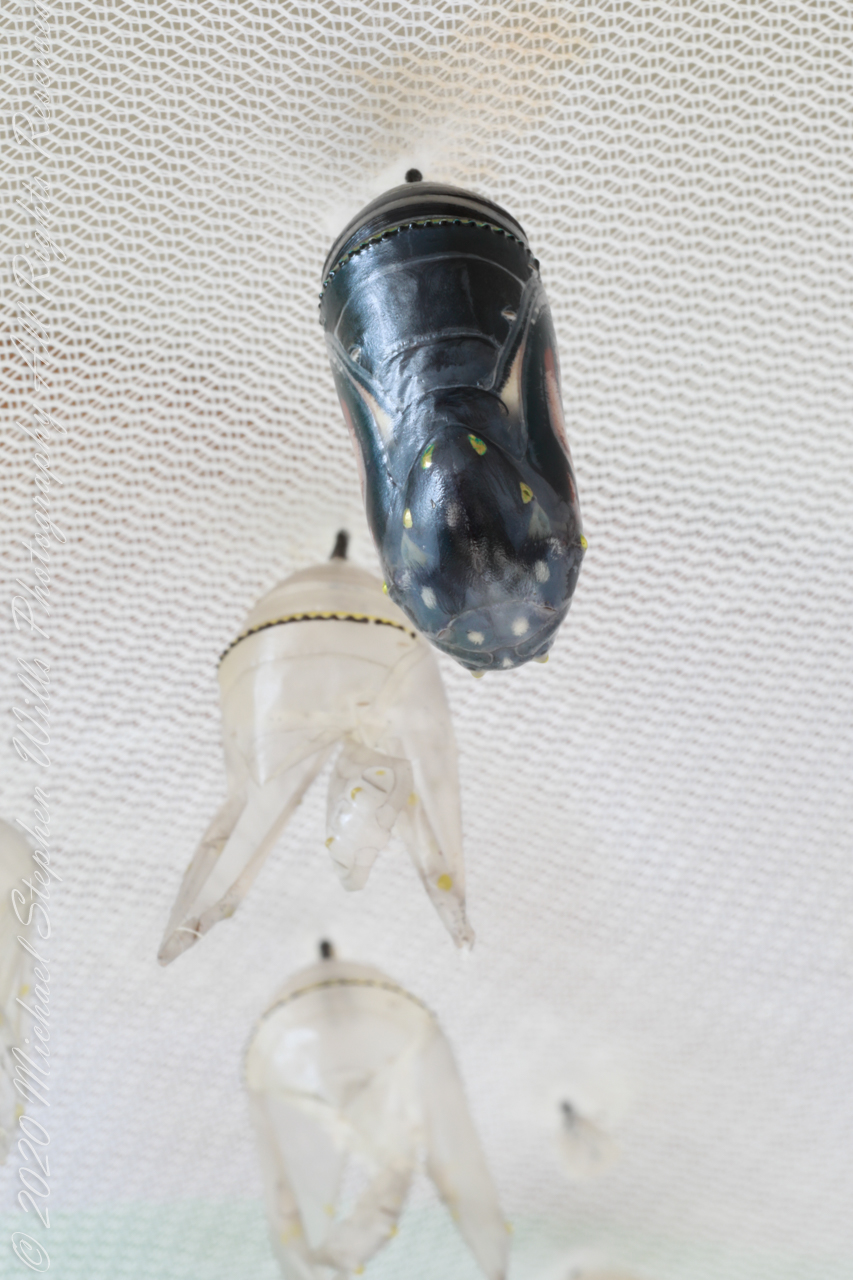
Emergence of a Monarch butterfly from a chrysalis 4K UHD with relaxing music. A caterpillar attached itself with silk to hang by its two rear legs to transform to a green chrysalis. Fourteen days later the chrysalis shell becomes translucent. Inside the chrysalis the Monarch butterfly moves to shed the shell. The released insect’s abdomen pumps fluid, expanding the crumpled wings. The entire process takes twenty minutes, compressed in this video to about six (6) minutes.

A real time film of our first 2022 Monarch Butterfly emerging from the chrysalis, then expanding its wings in 4K UHD with relaxing music. The process takes twenty (20) minutes.

The butterfly emerges from the chrysalis about fourteen (14) days after setting. To the photographer needing to capture the moment a signal is the green, jewel-like chrysalis turns transparent, apparently darkening to reveal the compressed form of the butterfly. It can be hours before the insect breaks free, the Canon EOS 5D Mark IV dslr camera is used for this. I set it on a Manfrotto BeFree Carbon Fiber tripod (with ball head), a Canon EF 100mm f/2.8L macro lens for optics. The Mark IV has WIFI and HD video capabilities, so I connected the camera to an Apple IPhone 7 using Canon software. Monitoring the transparent chrysalis in real time, I continually reset the video from the IPhone until the butterfly emerged. I used AVS video editor software to produce the film for YouTube publication.

Copyright 2022 Michael Stephen Wills All Rights Reserved

Monarch Ready to Fly

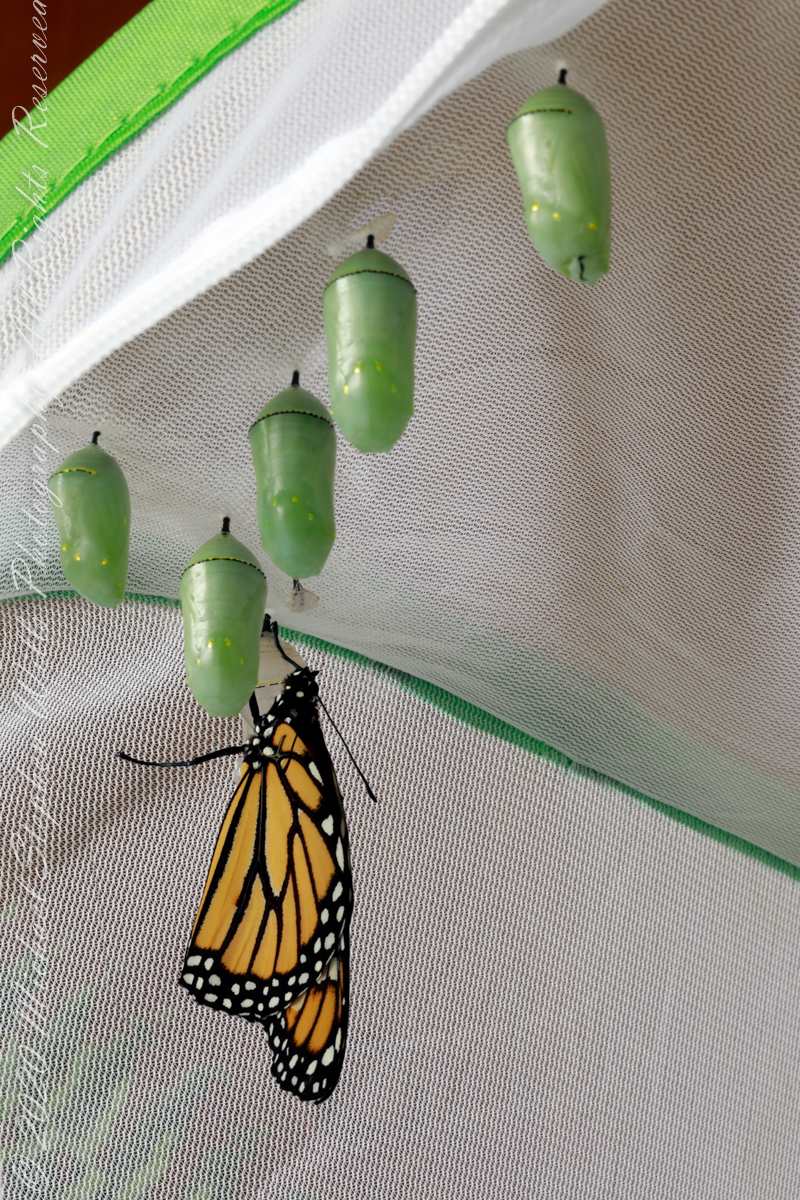
Five wait off stage for their turn to fly.

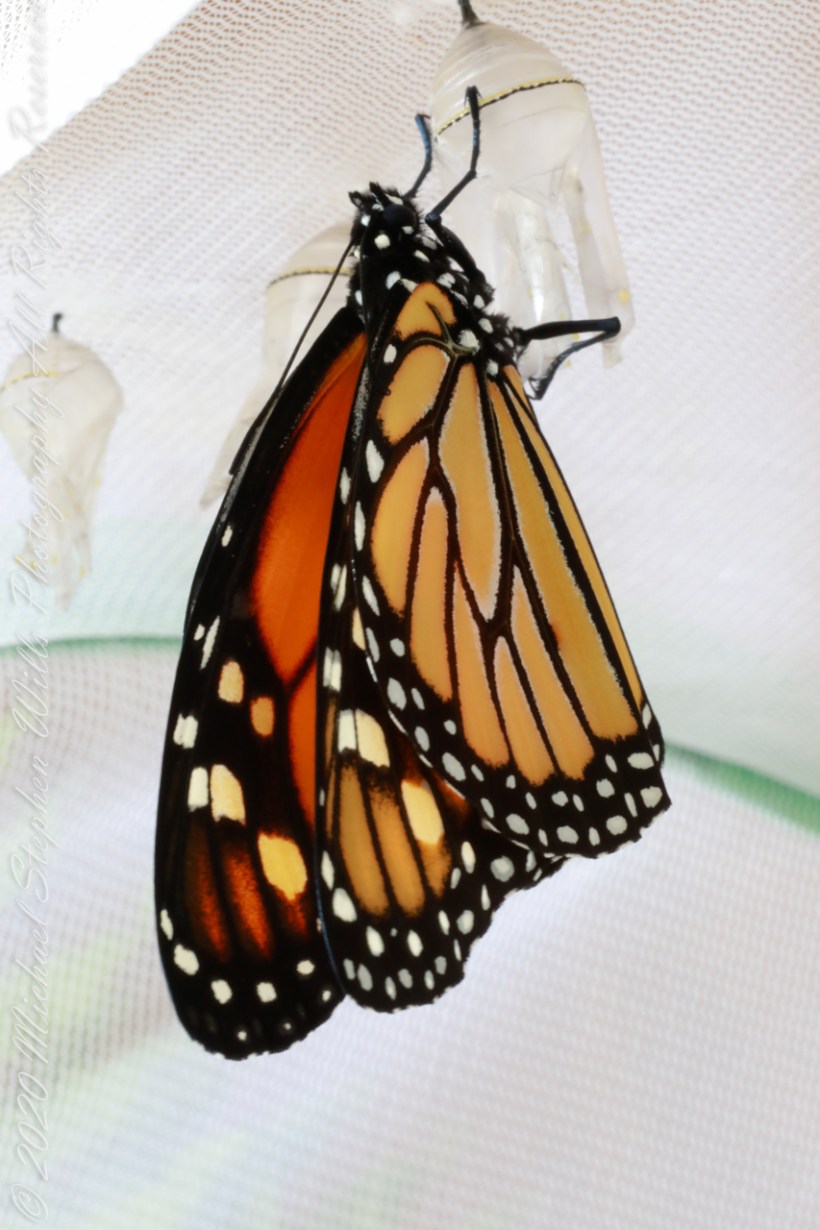
This Monarch butterfly emerged from the chrysalis a few moments ago. A minimum of two hours is required for the wings to harden before release to the wild.

Five wait off stage for their turn to fly.

Rainy weather forced us to leave her resting a full 24 hours.

Here are two videos of a Monarch release from 2020.

Copyright 2022 Michael Stephen Wills All Rights Reserved