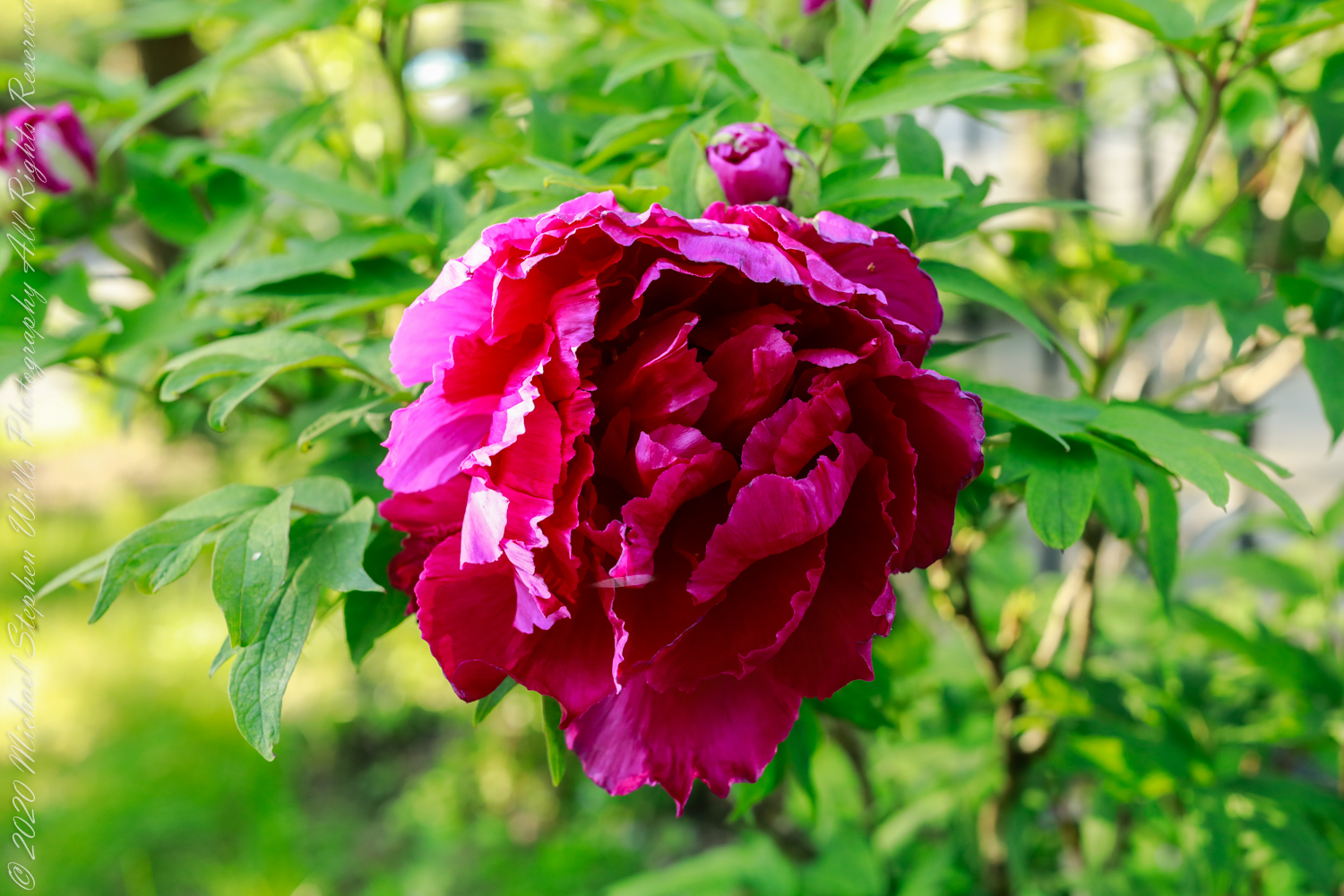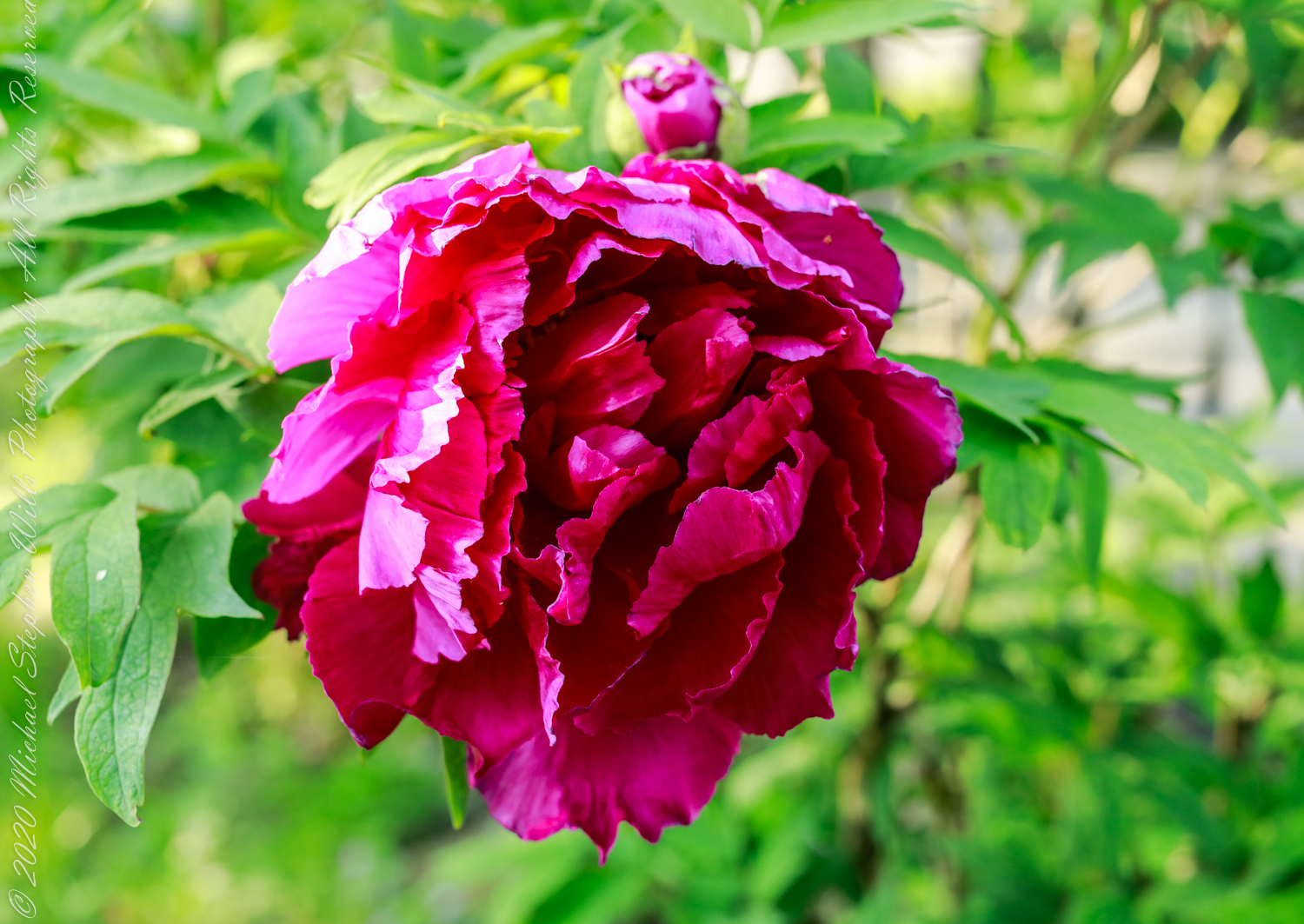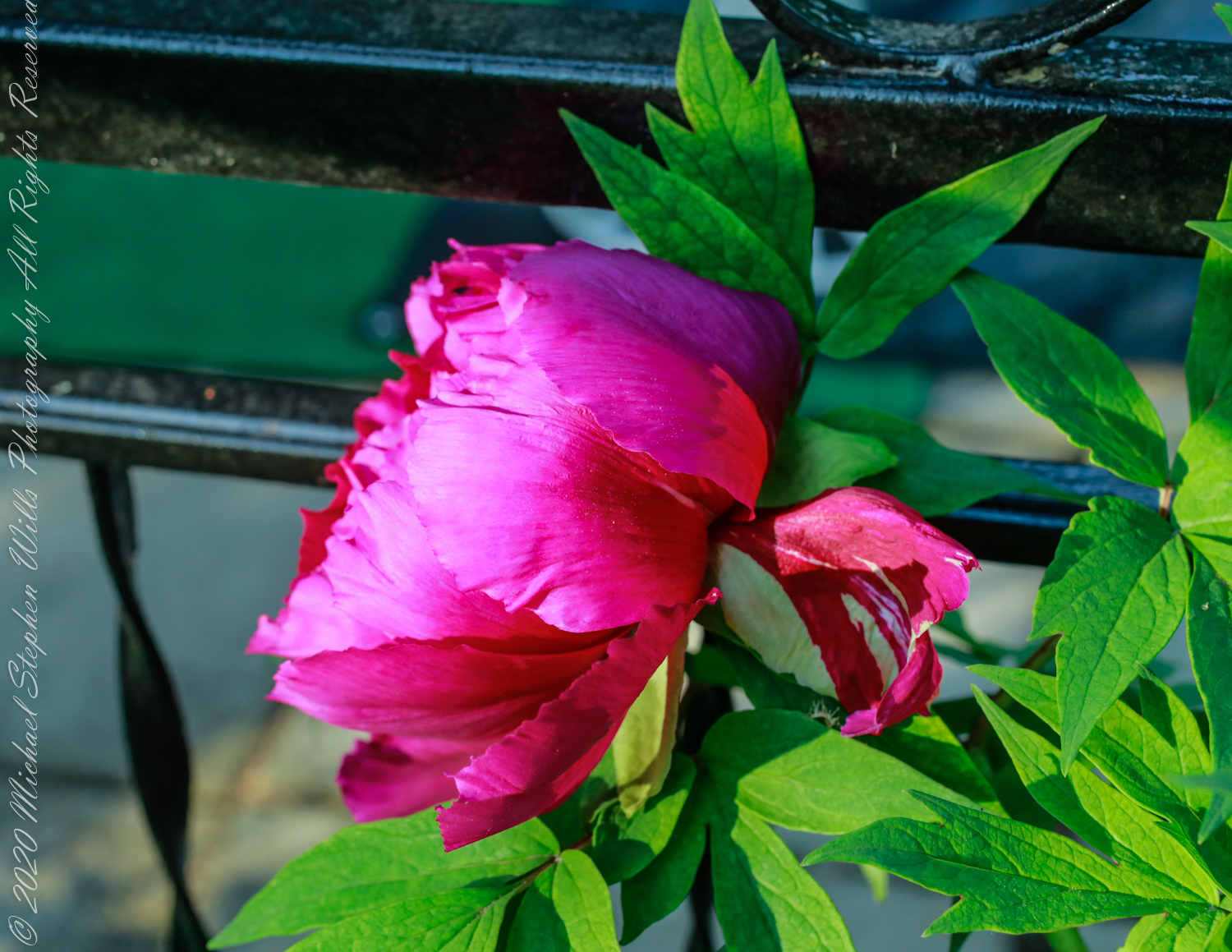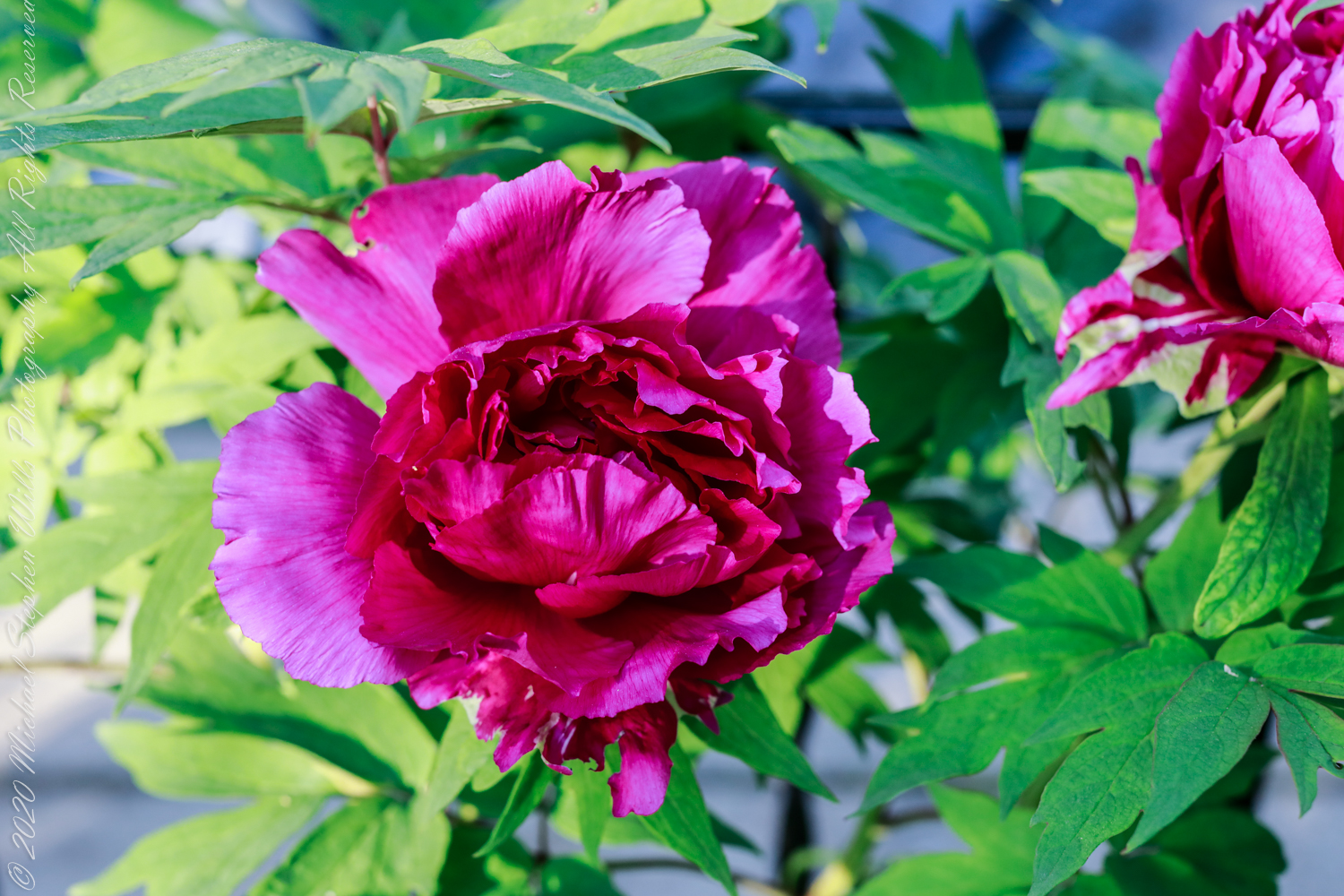
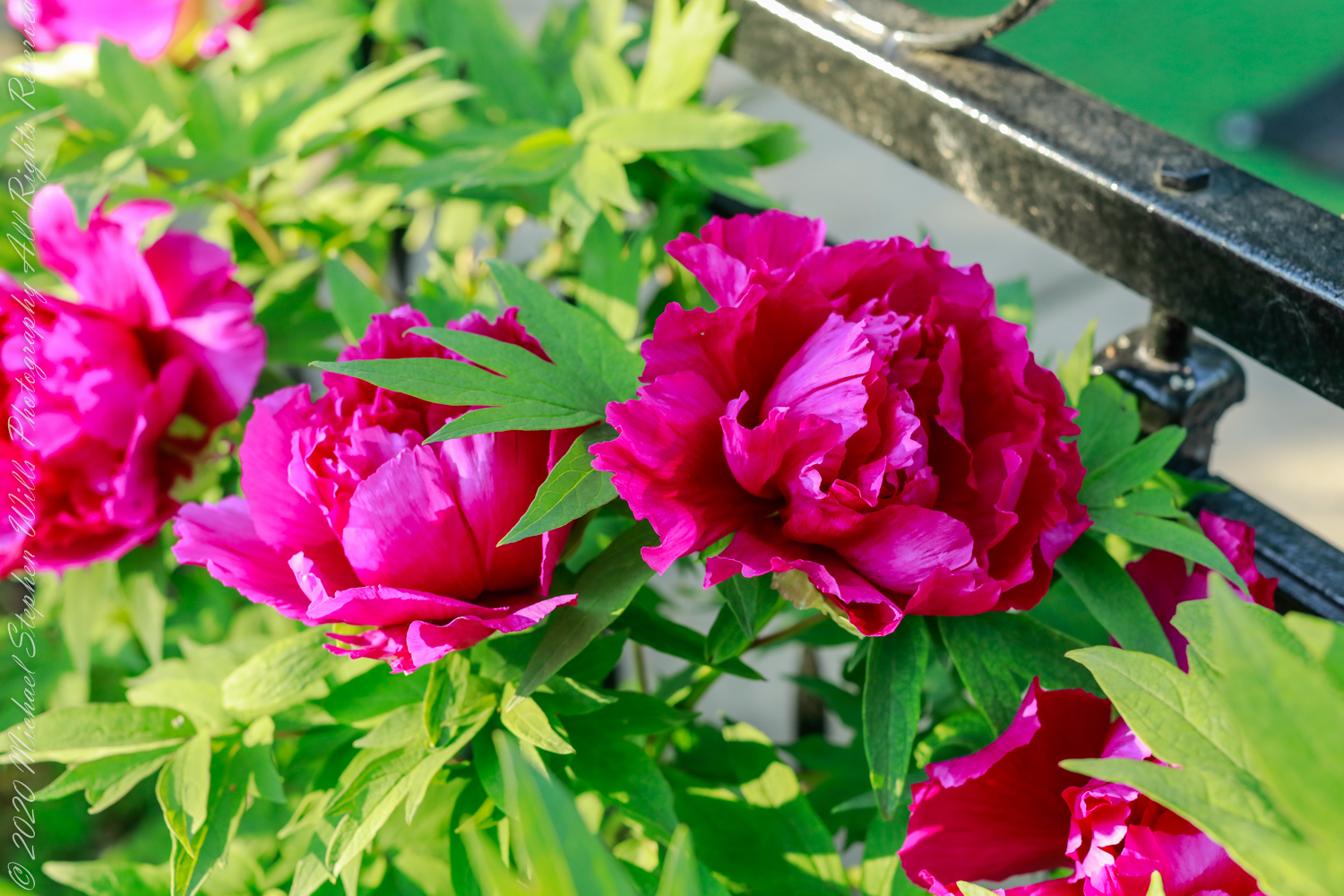
Herbaceous Peony 50 mm

Tree Peony

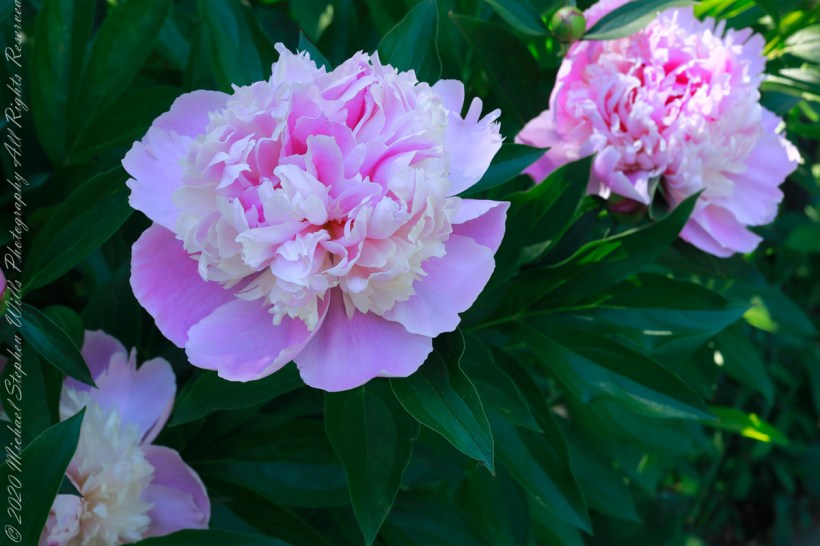
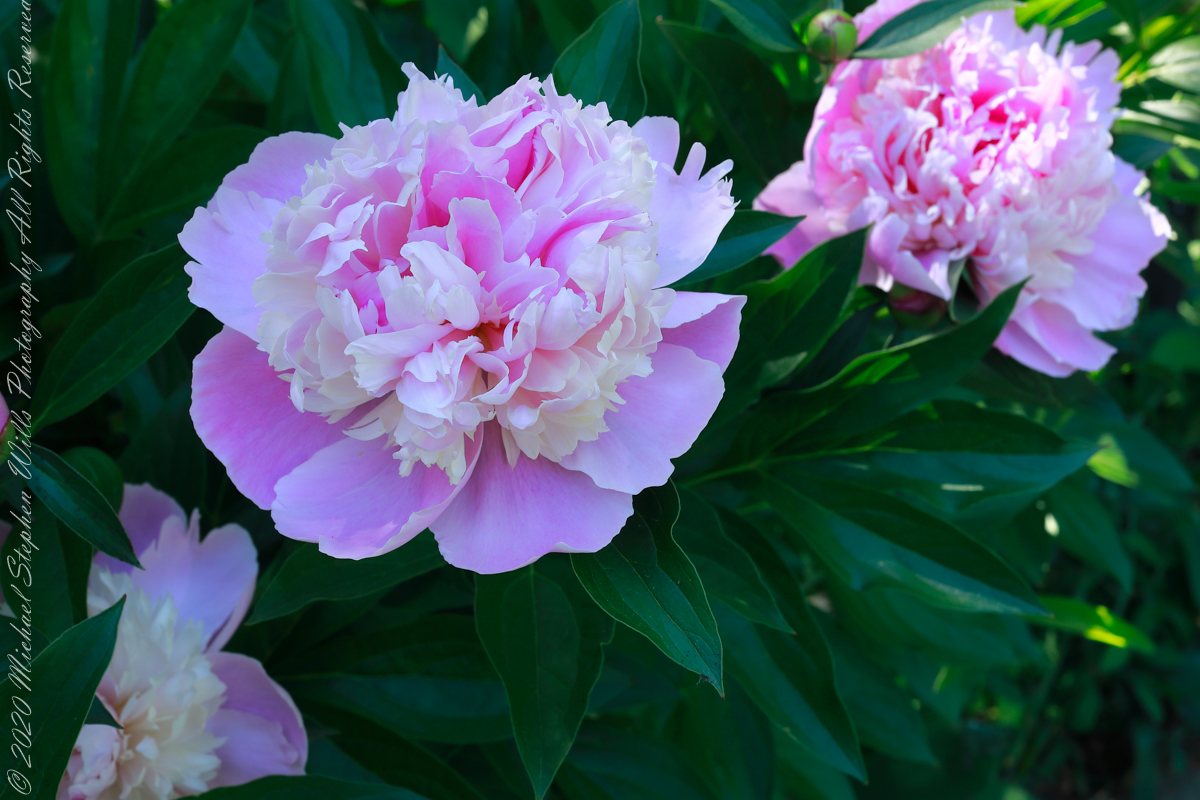
Peony species (scientific name Paeonia lactiflora) with plants that die back in cold weather to regrow each spring from a tuberous root are called “herbaceous,” from the latin word for grassy. The stems and branches remain soft and pliable, some stiff enough to hold the large, showy flowers. The first varieties introduced to Europe and named 1753 were white, “lactiflora” mean milk-white flower.

Reviewing my photography in preparation for this post I discovered not a single one for herbaceous peony, such was my interest in the woody varieties my in-laws planted around the property. Fortunately, they did not neglect the herbaceous varieties featured here.

These photographs were taken with a Canon EOS 5D Mark IV dslr and the Canon EF 50mm f/1.2L USM lens with a “BeFree” Manfrotto tripod with ball head. f-stop was tamped down to the maximum, f16 for this lens. Exposures were taken when the intermittent morning breeze abated.

Click any photograph for a larger view to open in new browser tab.
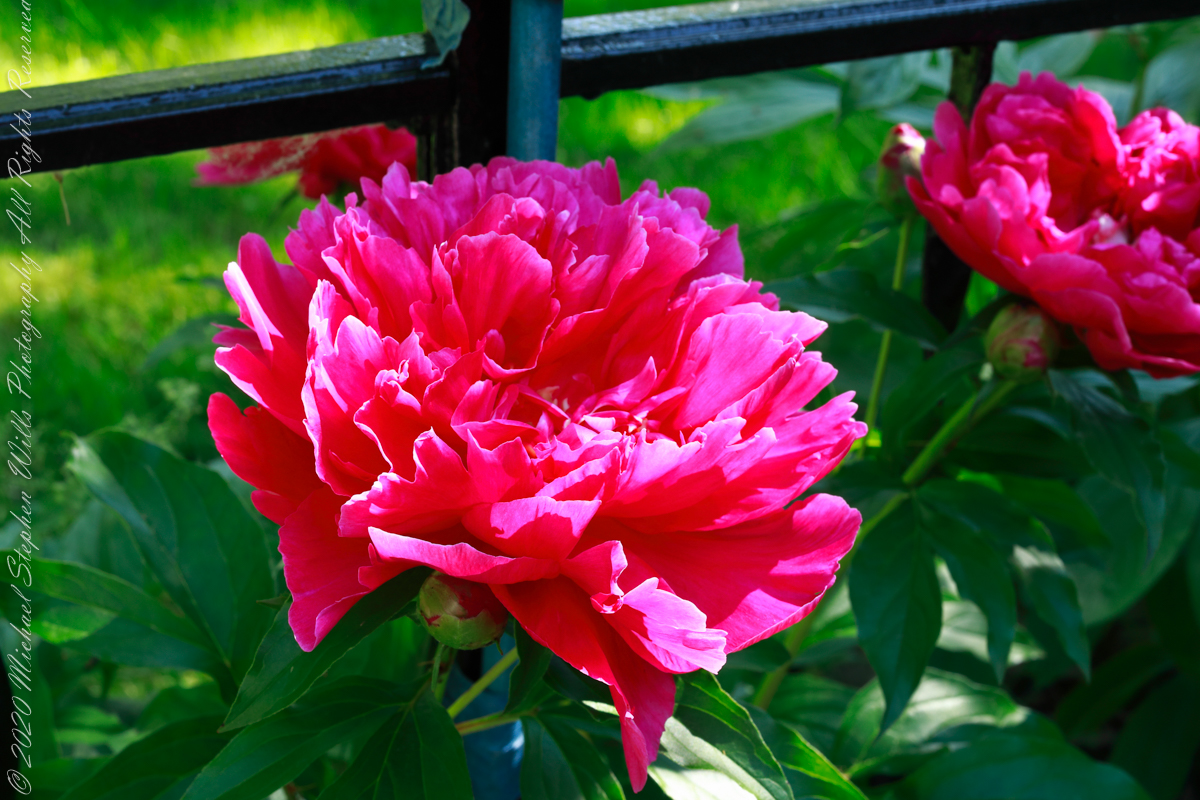
Paeonia lactiflora, in the family Paeoniaceae, contains around 30 species in Europe, across Asia and in western North America growing wild in scrub and woods, often in rocky places or on cliffs. Most species in Eastern Europe, others in the Caucasus, central Asia, the Himalayas, and Japan, mainly on limestone, and a species in dry parts of California.
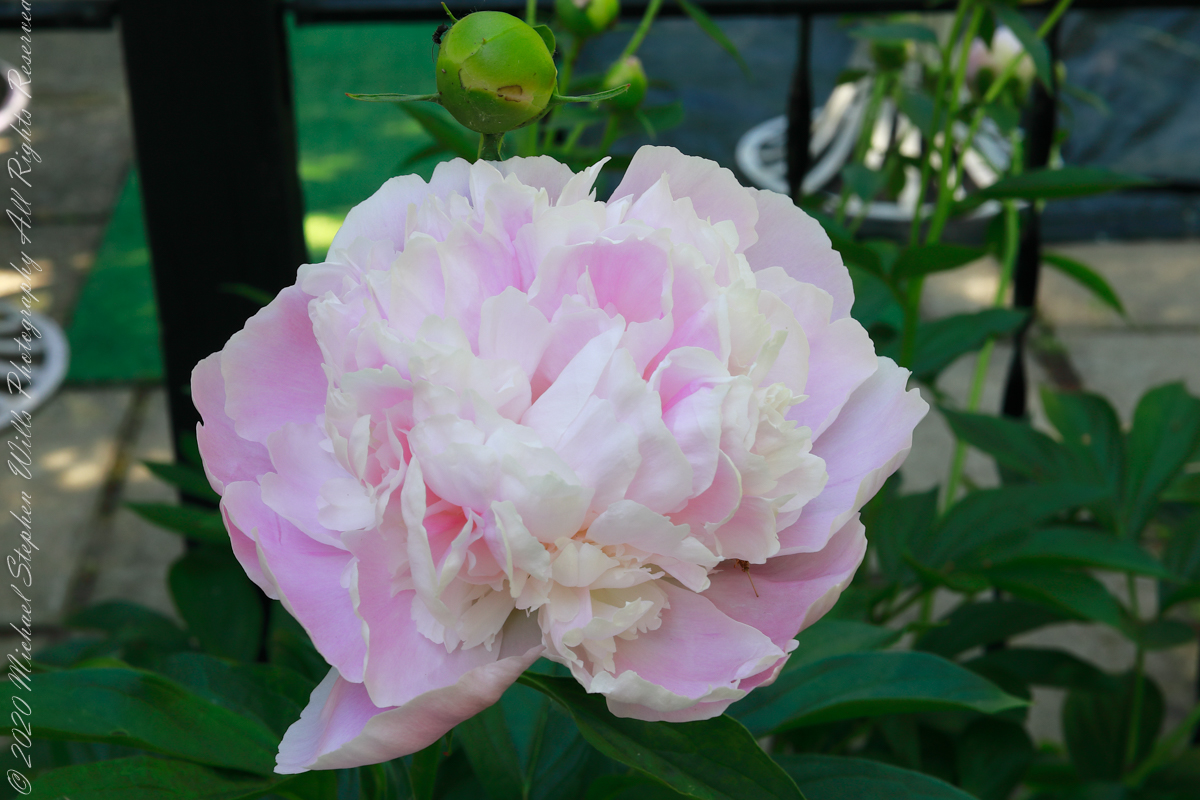
Peonies have long been cultivated for their spectactular flowers as well as for their medicinal preoperties, particularily in China
Reference:  “The Botanical Garden” by Phillips and Rix, Volume I (2002, Firefly Books, Buffalo, New York and Willowdale, Ontario
Copyright 2022 All Rights Reserved Michael Stephen Wills

Woody Peony 50 mm handheld

Tree Peony

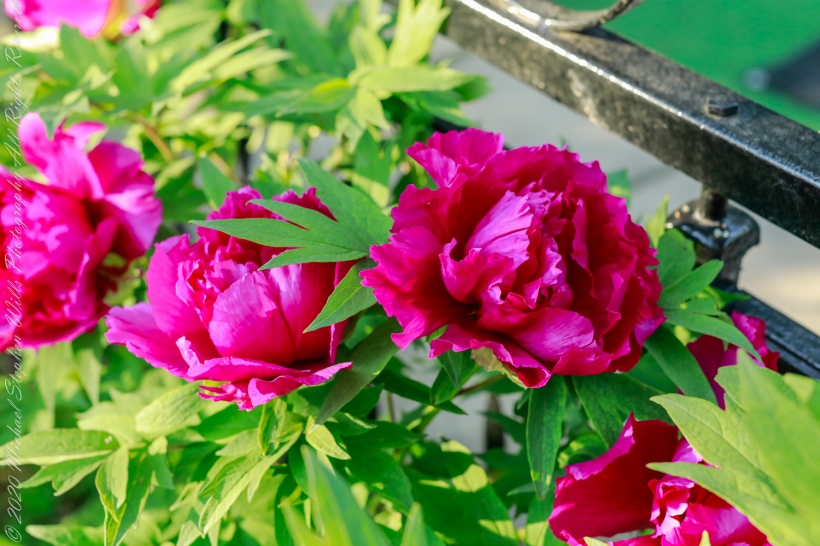
See my previous May Woody Peony postings for background on this peony variety.

These photographs were taken with a Canon EOS 5D Mark IV dslr and the Canon EF 50mm f/1,2L USM lens. I opted for handheld exposures; the morning was absolutely still.

Copyright 2022 All Rights Reserved Michael Stephen Wills

Grand Views

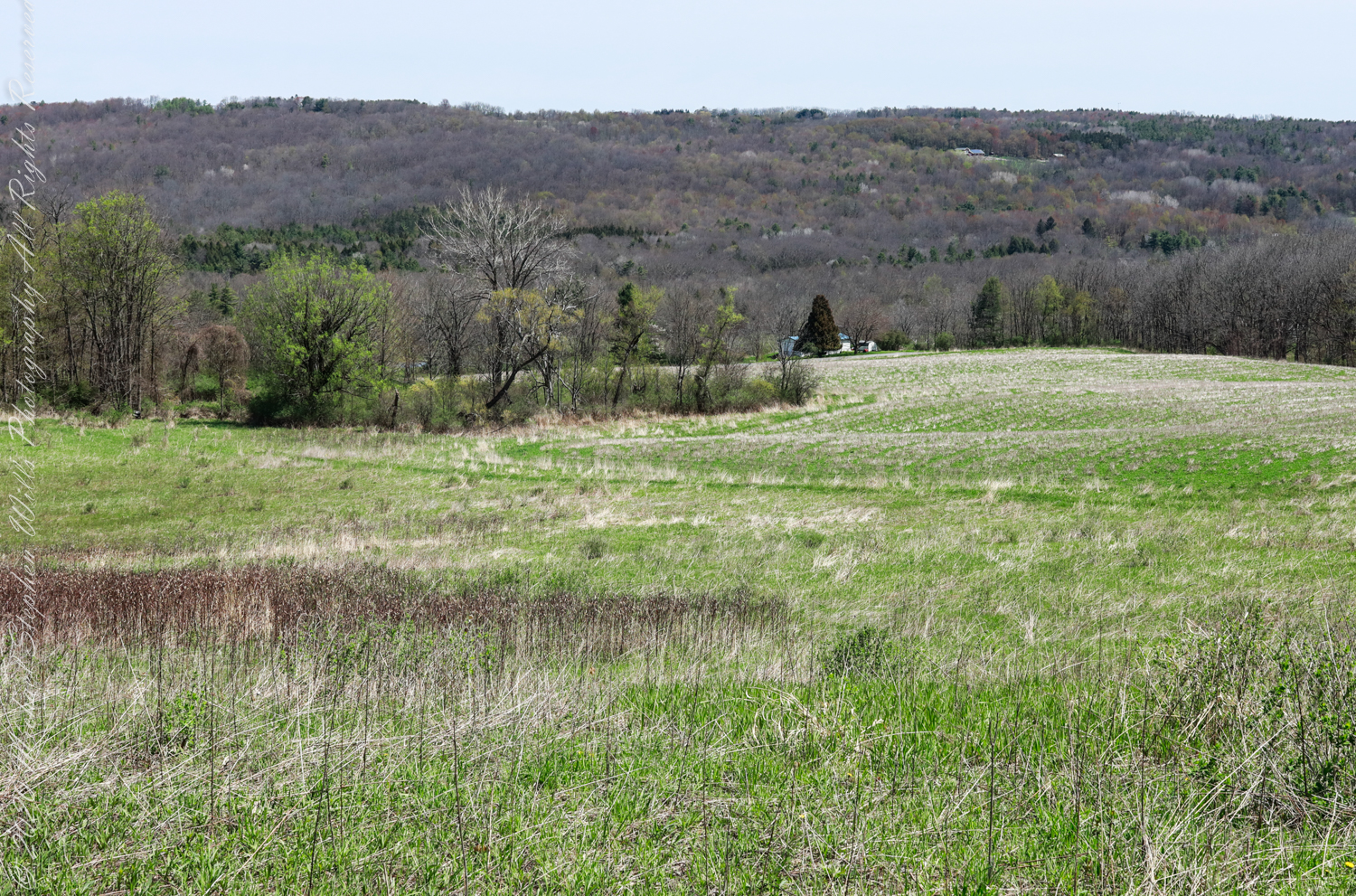
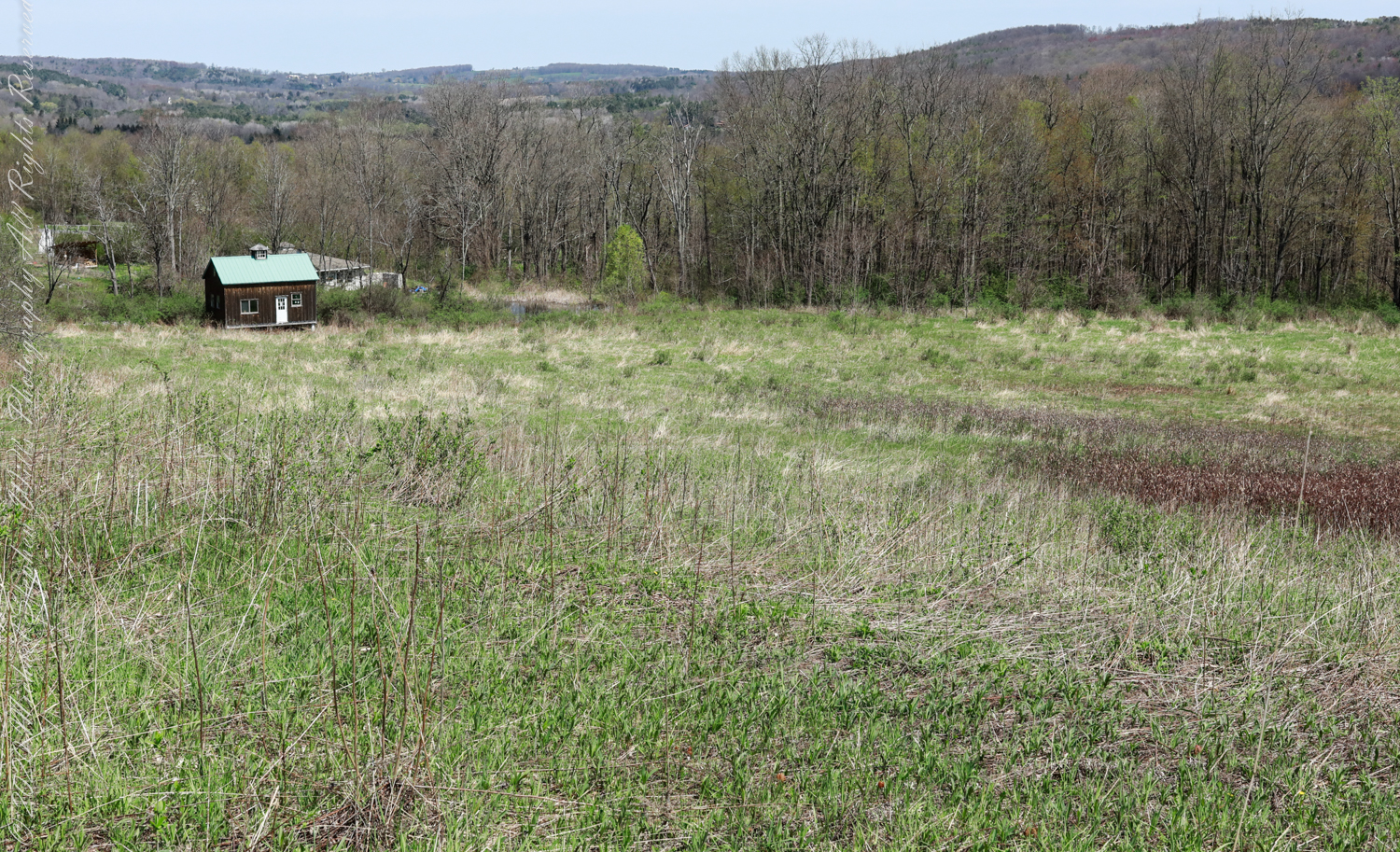
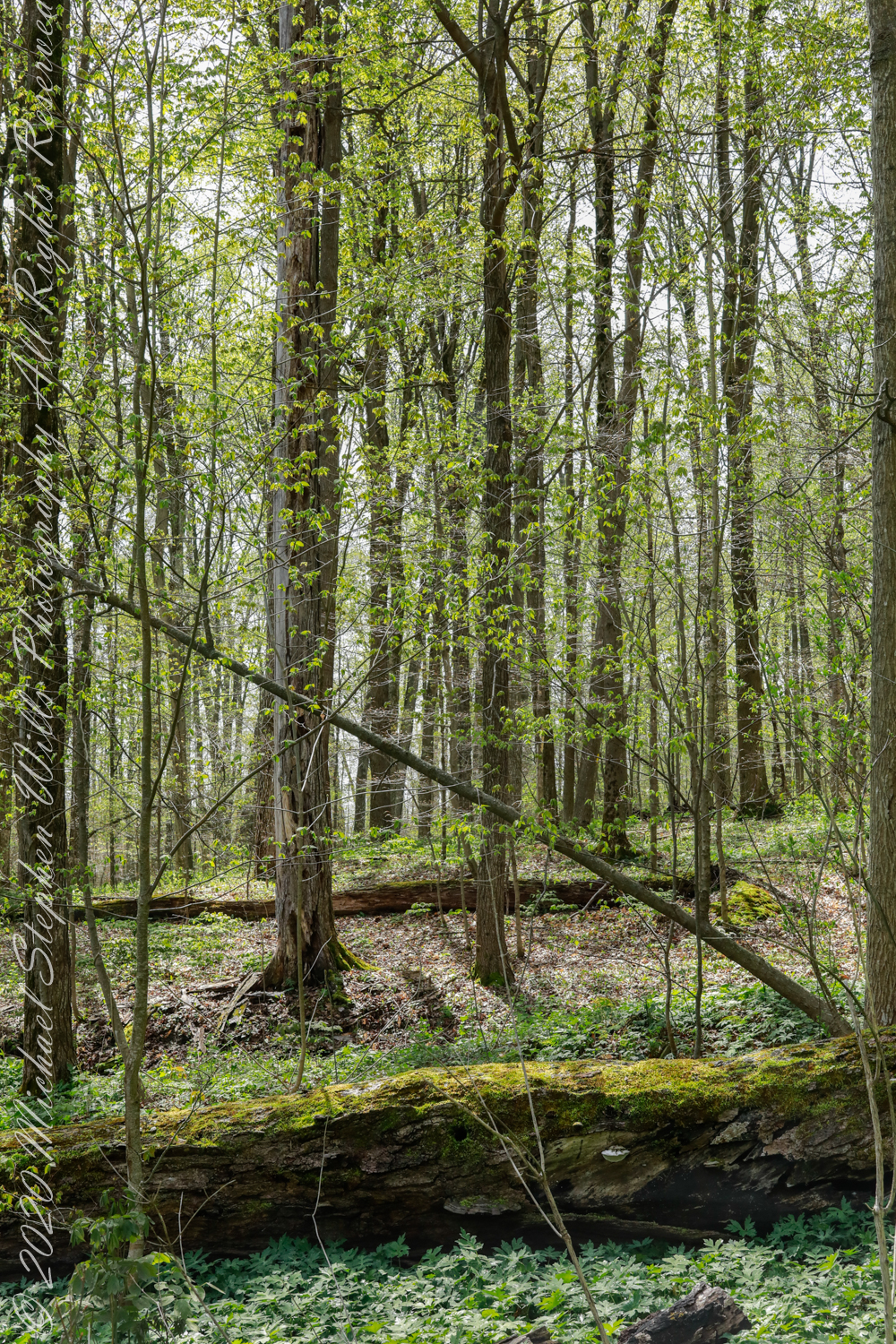
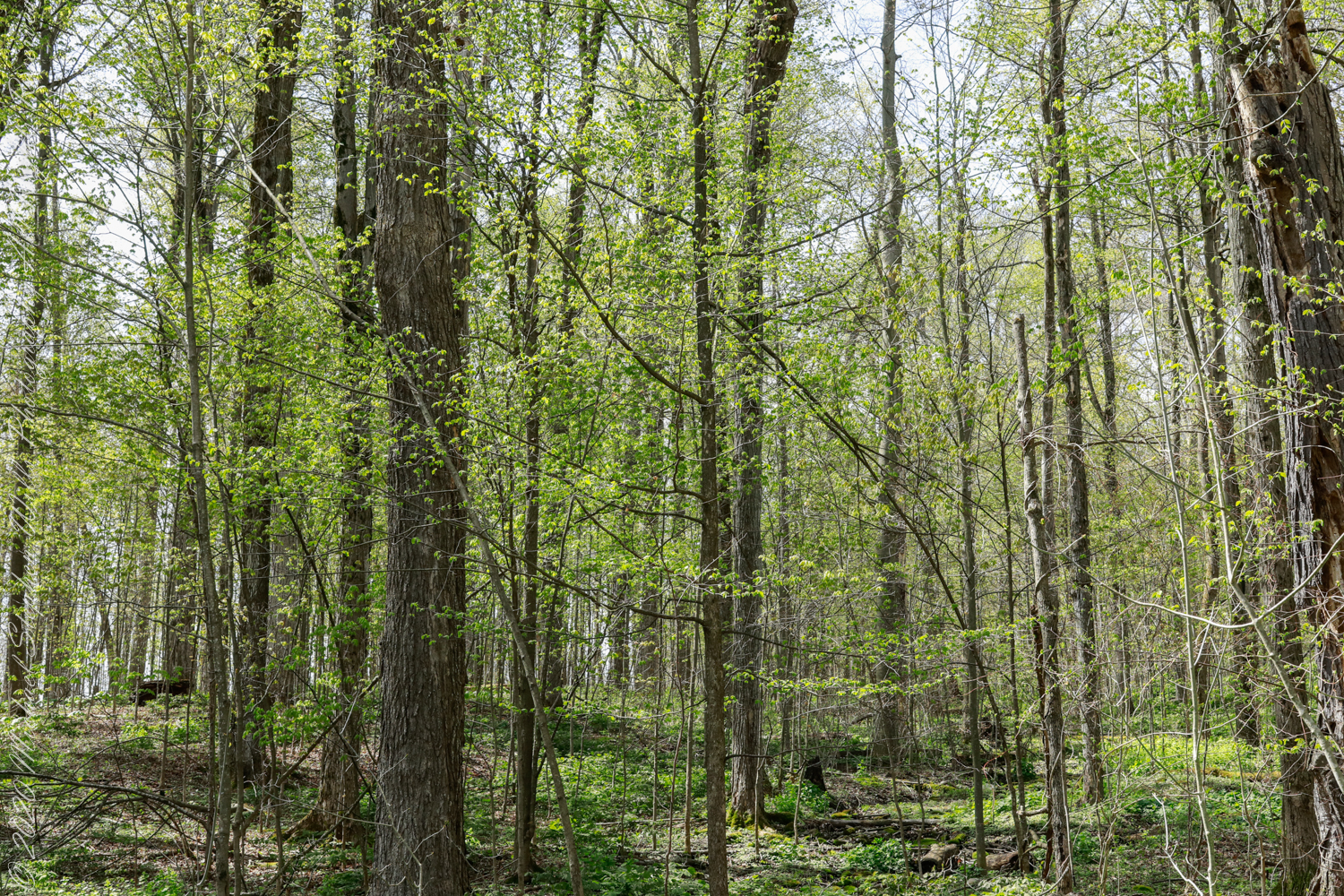
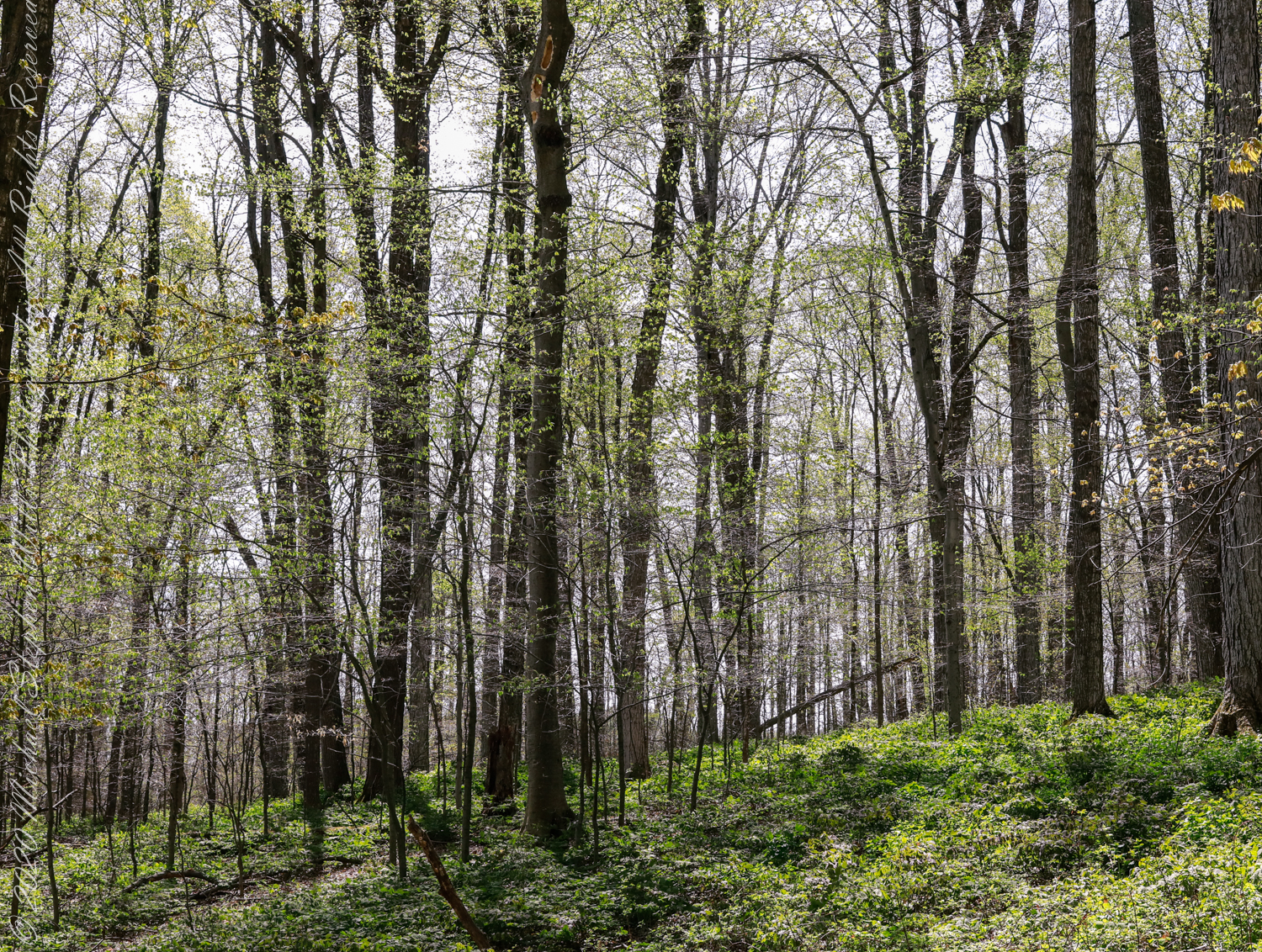
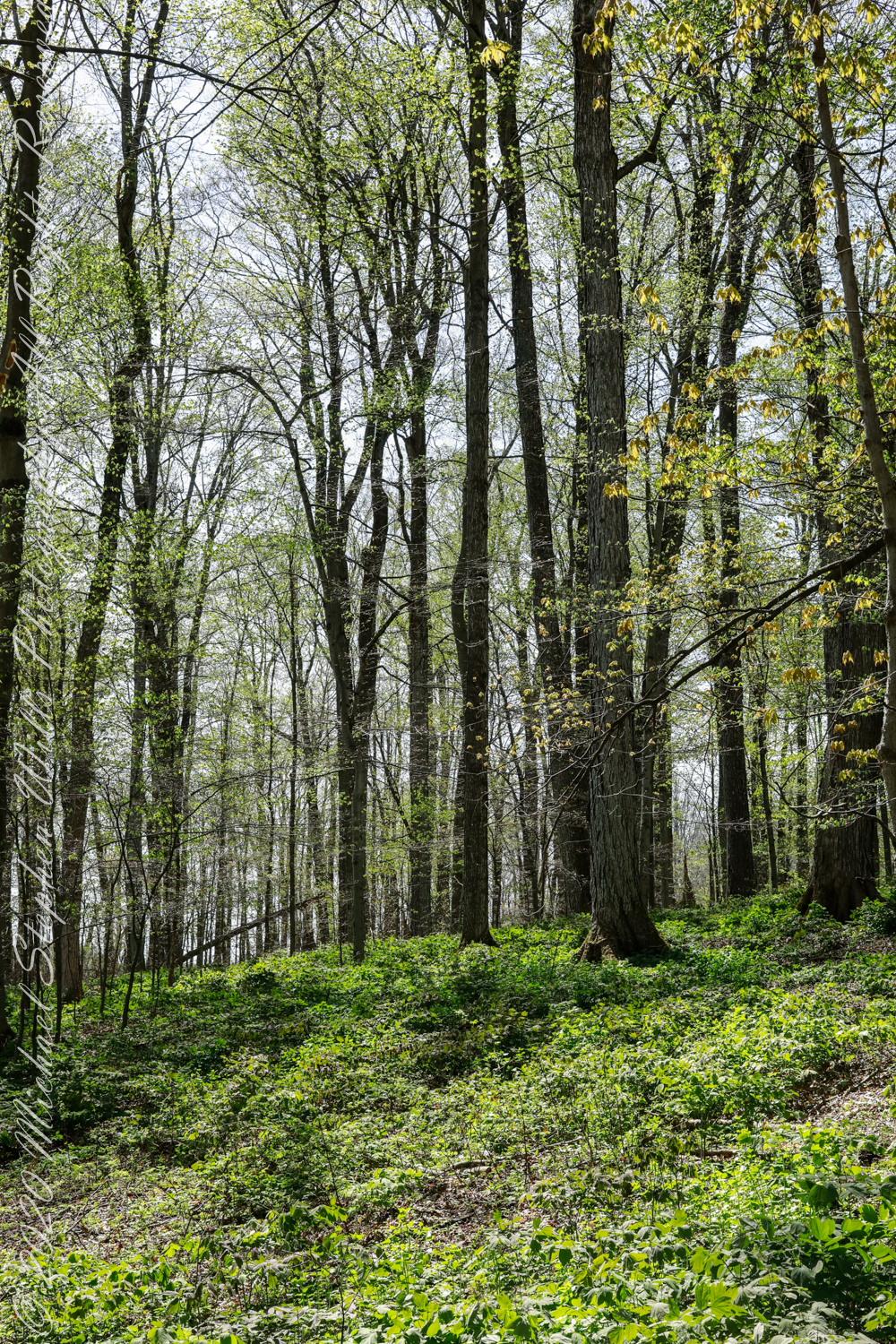
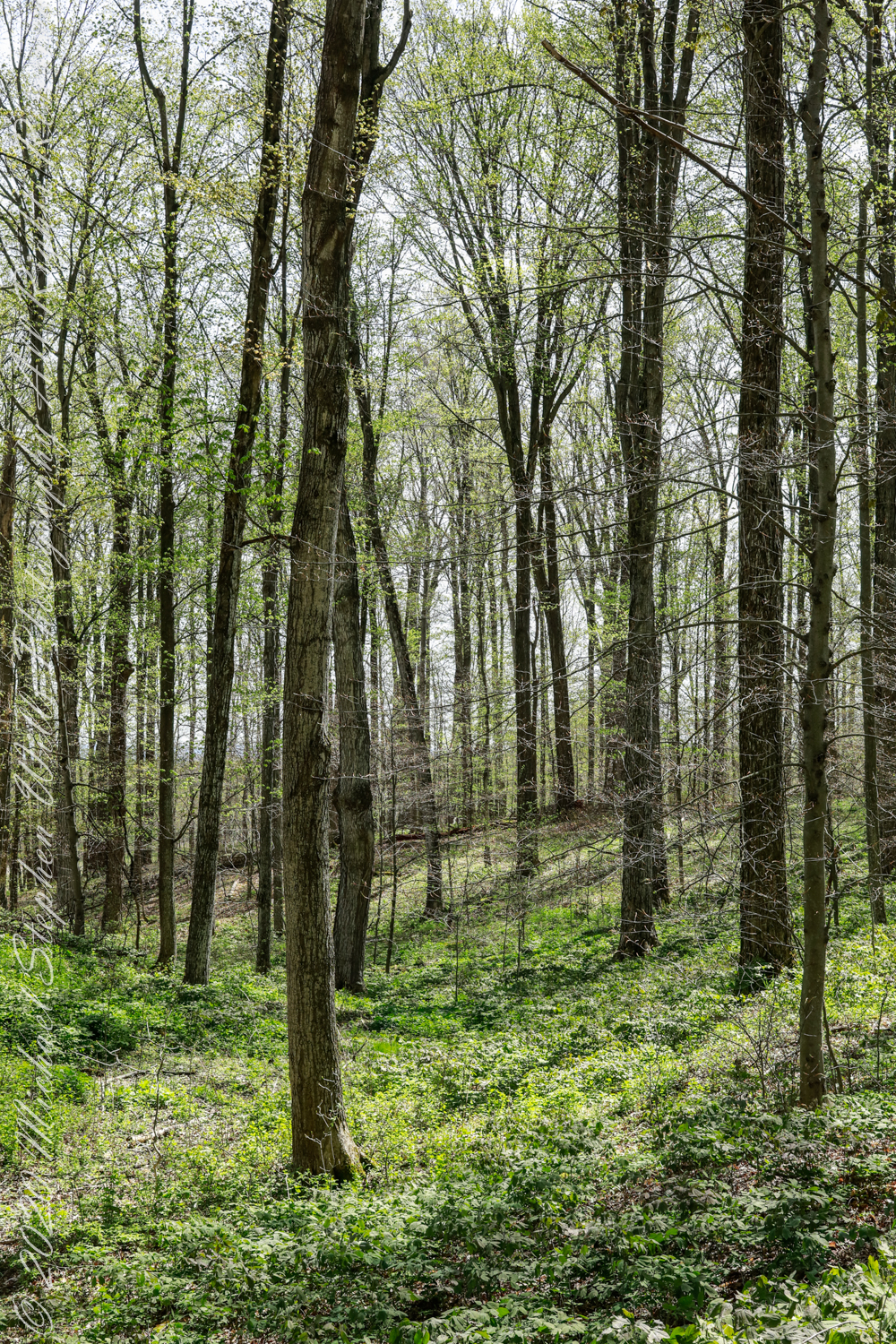
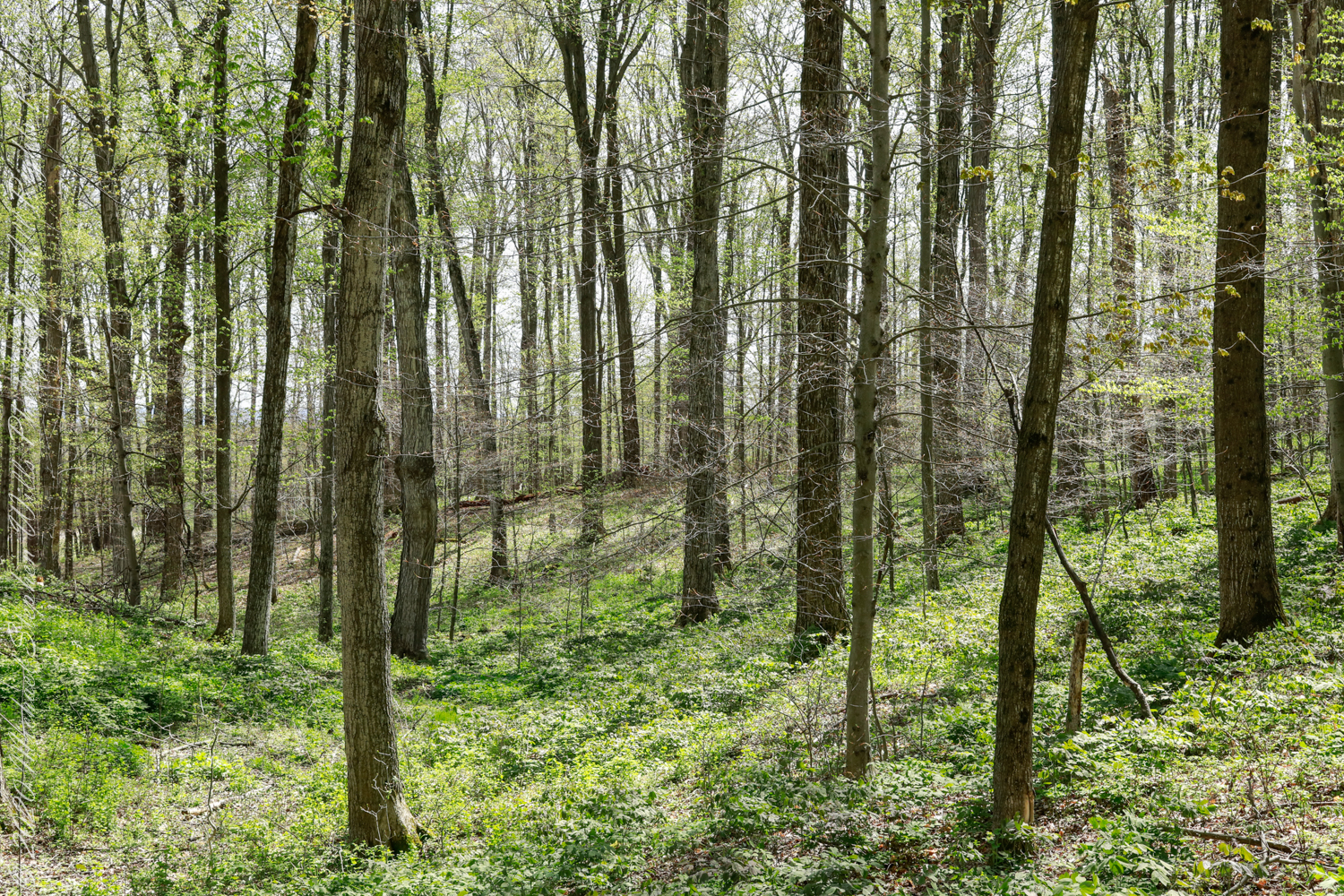
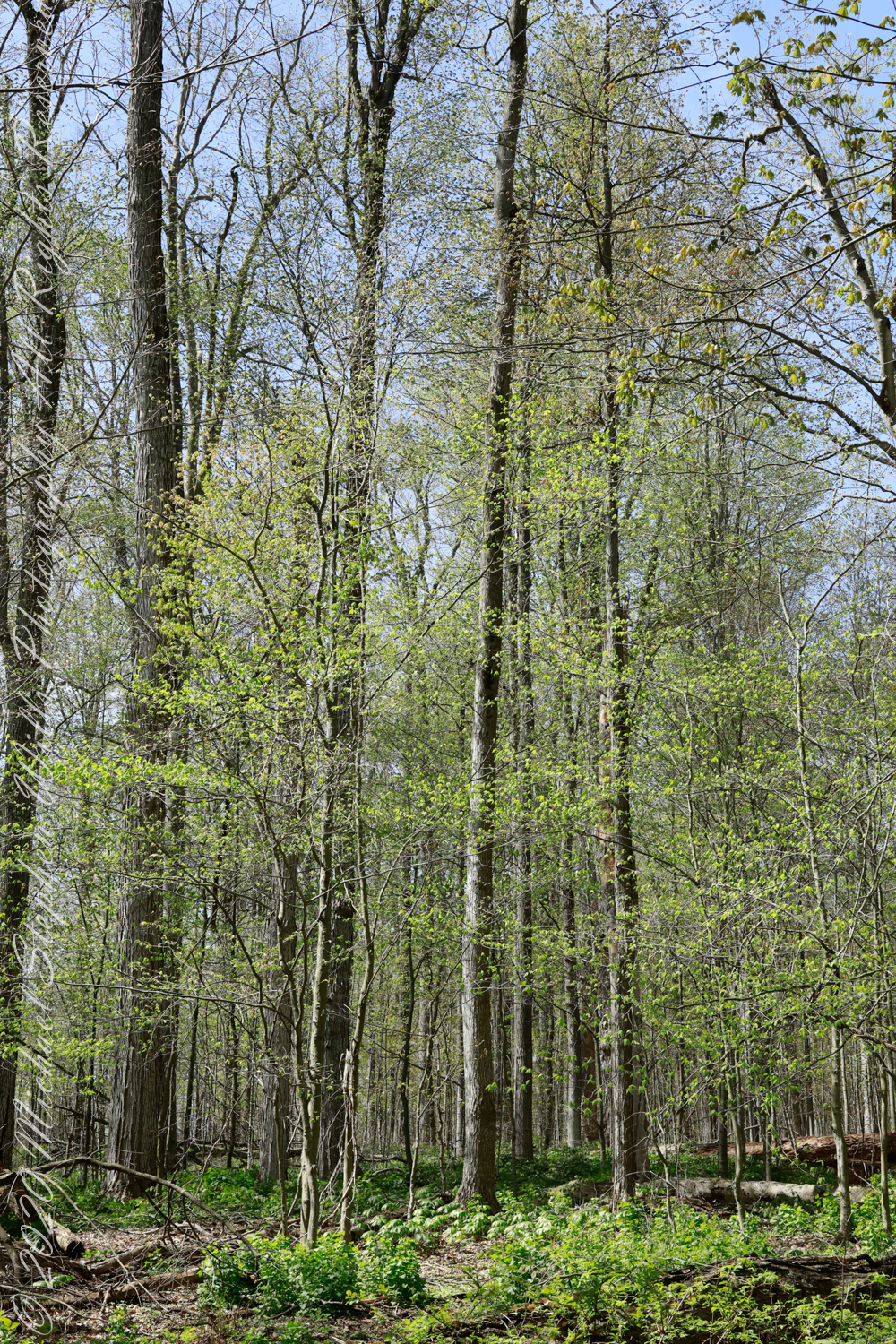
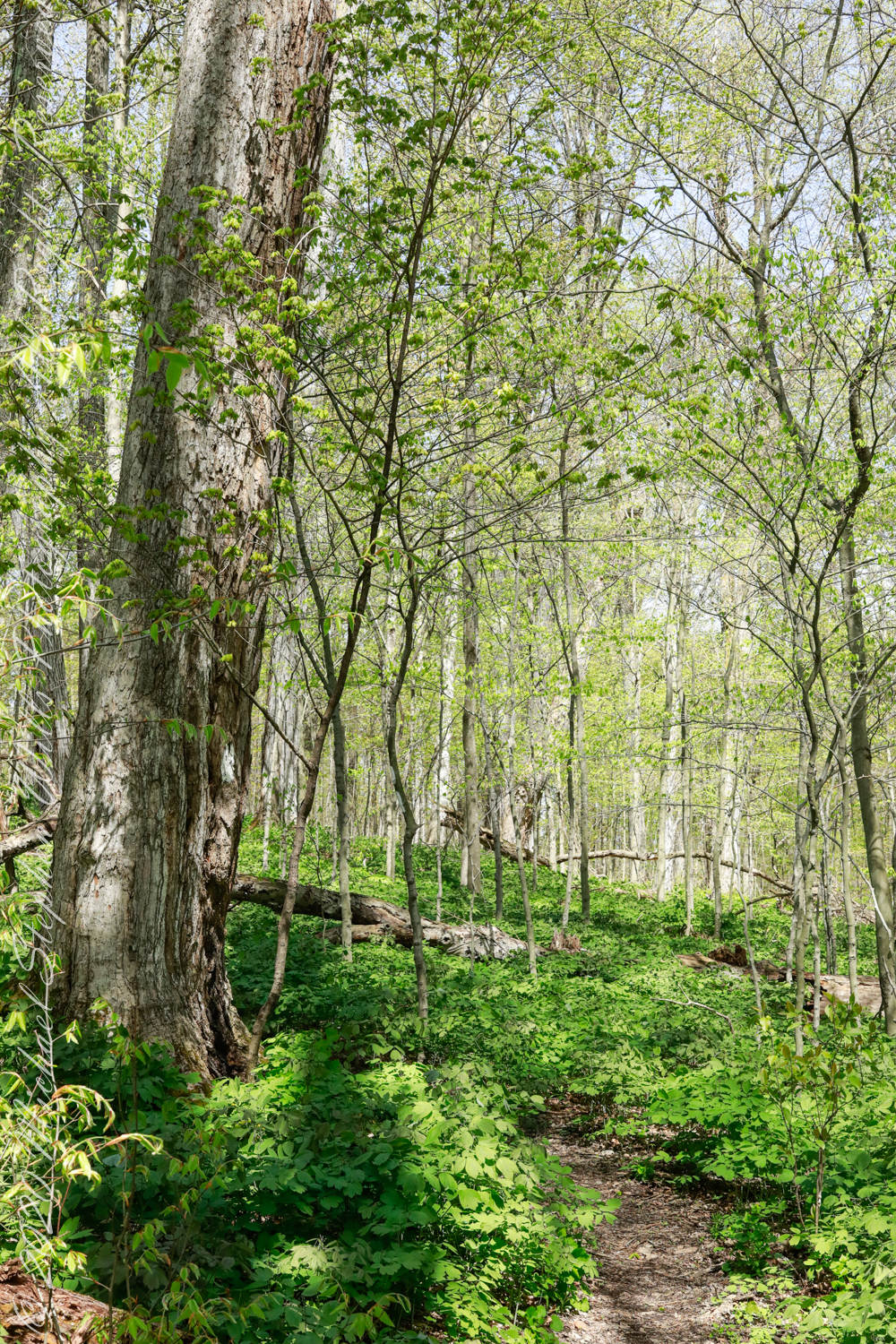
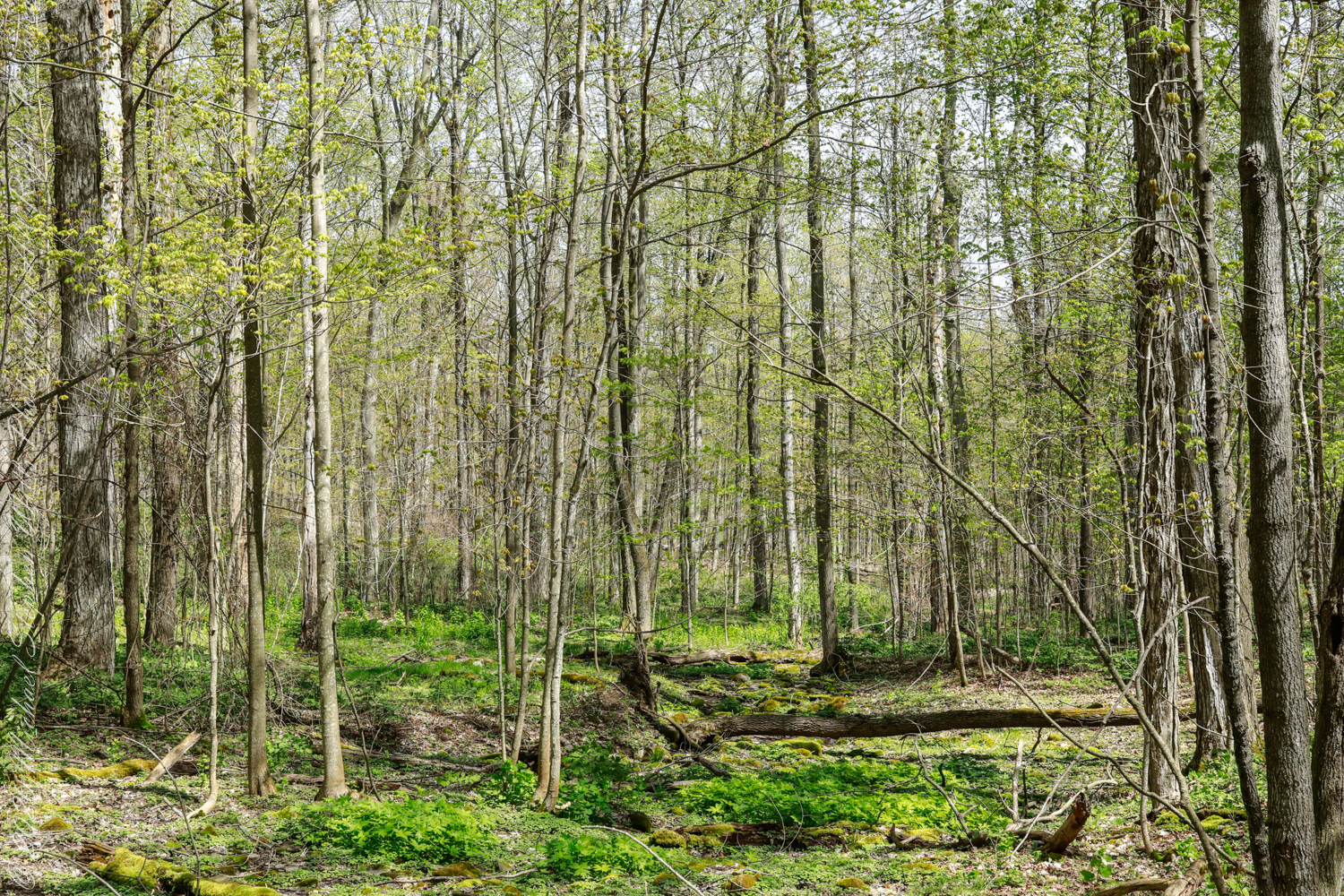
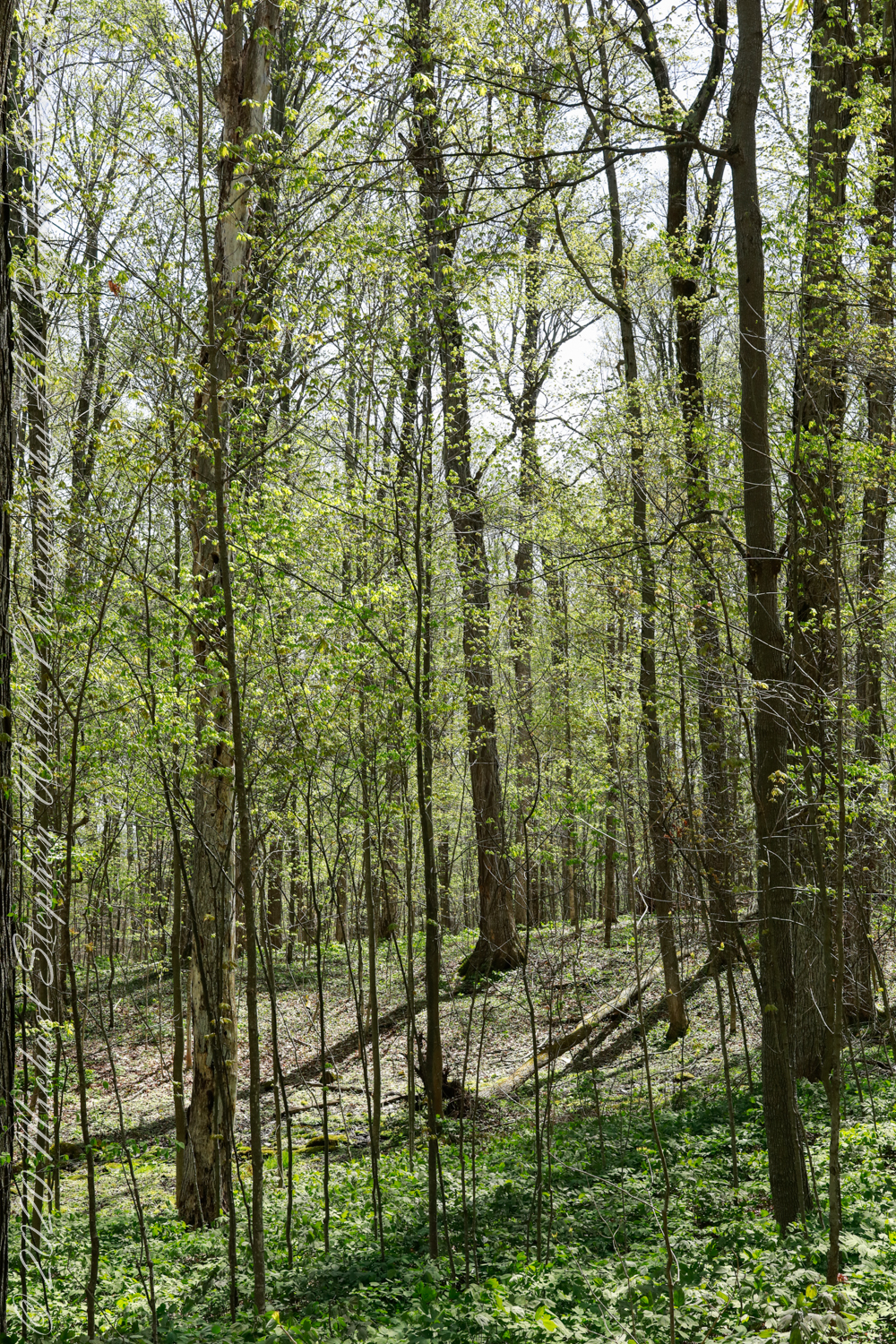
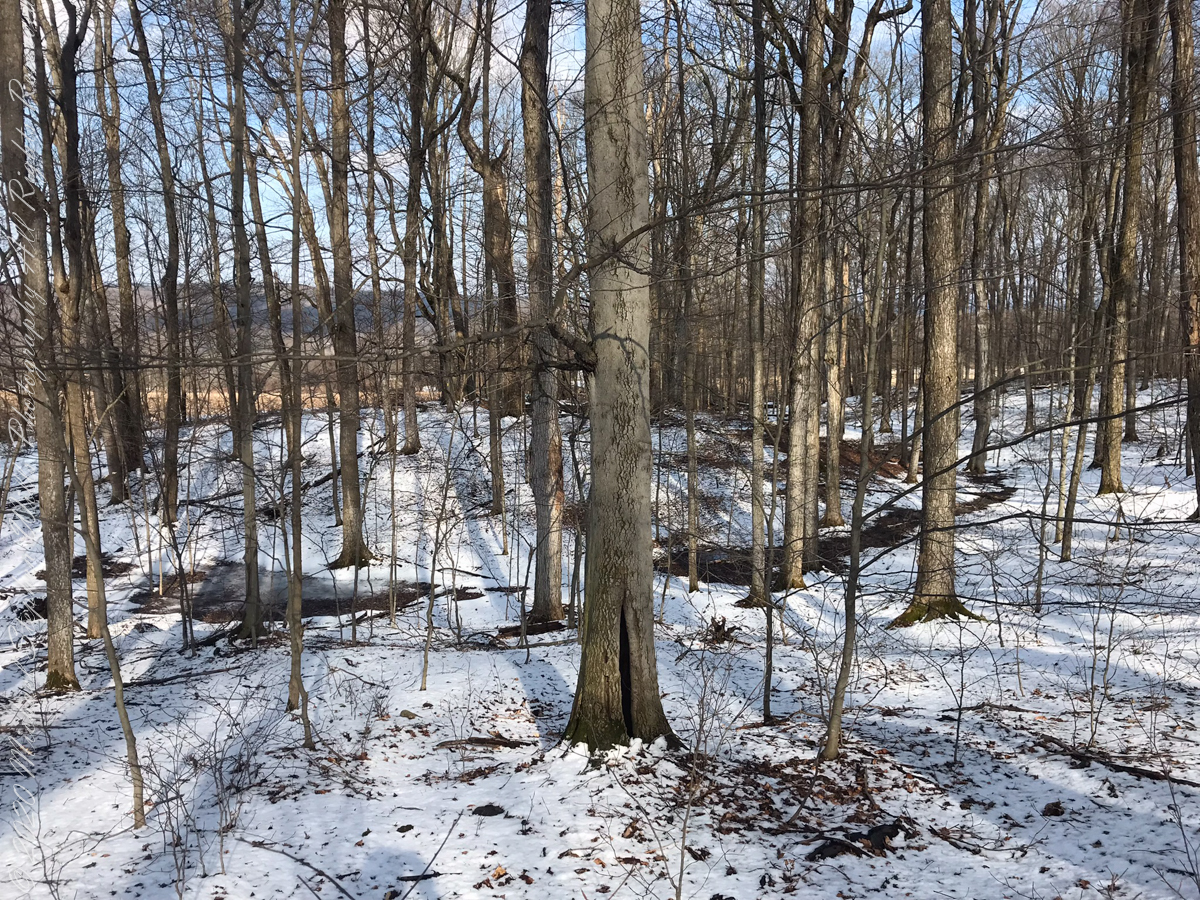
Brock-Harvey Forest Preserve on an early May morning

Click me for the first post of this series, “Burgeoning Forest .”

Copyright 2022 Michael Stephen Wills All Rights Reserved

Two Snags
Brock-Harvey Forest Preserve on an early May morning

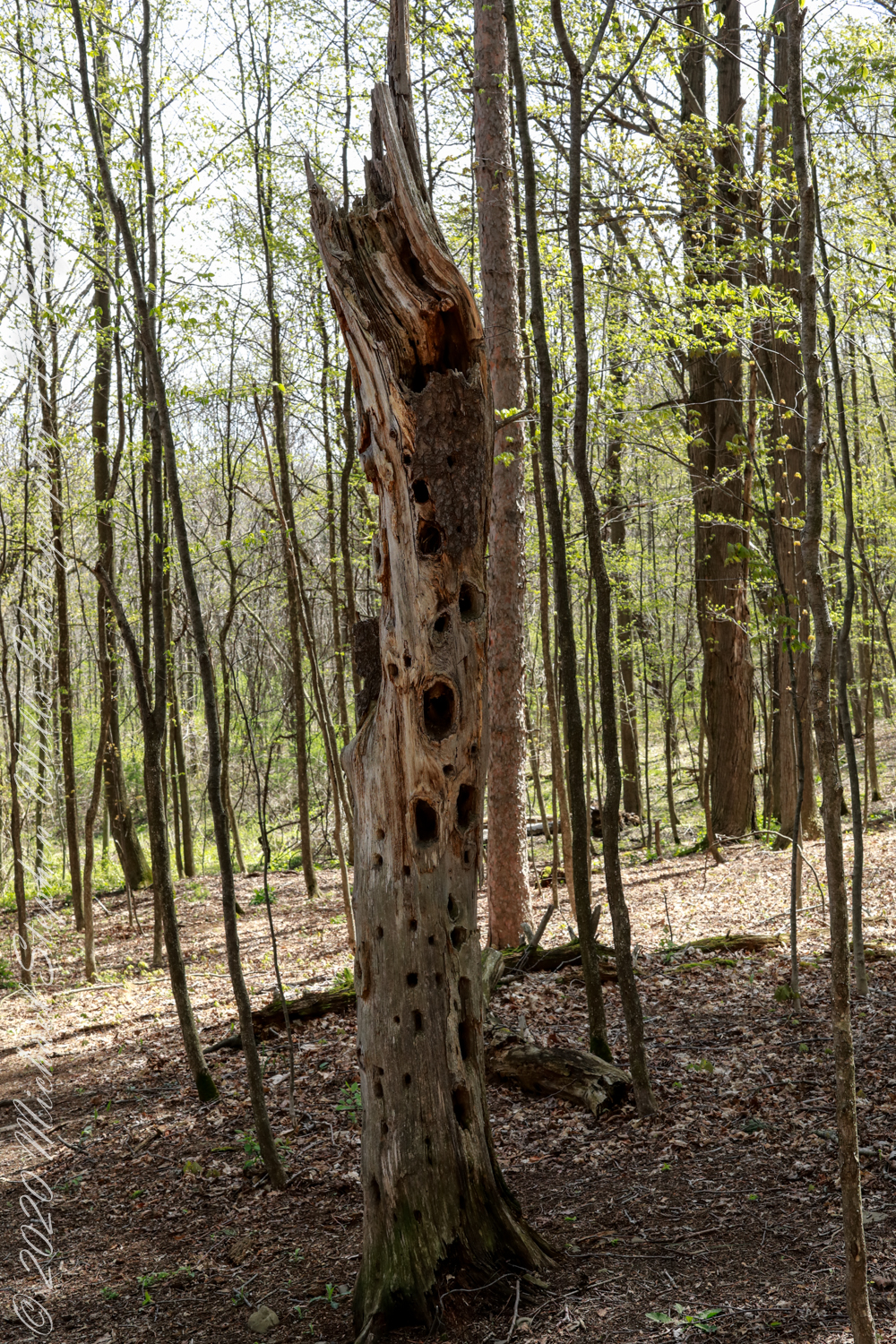
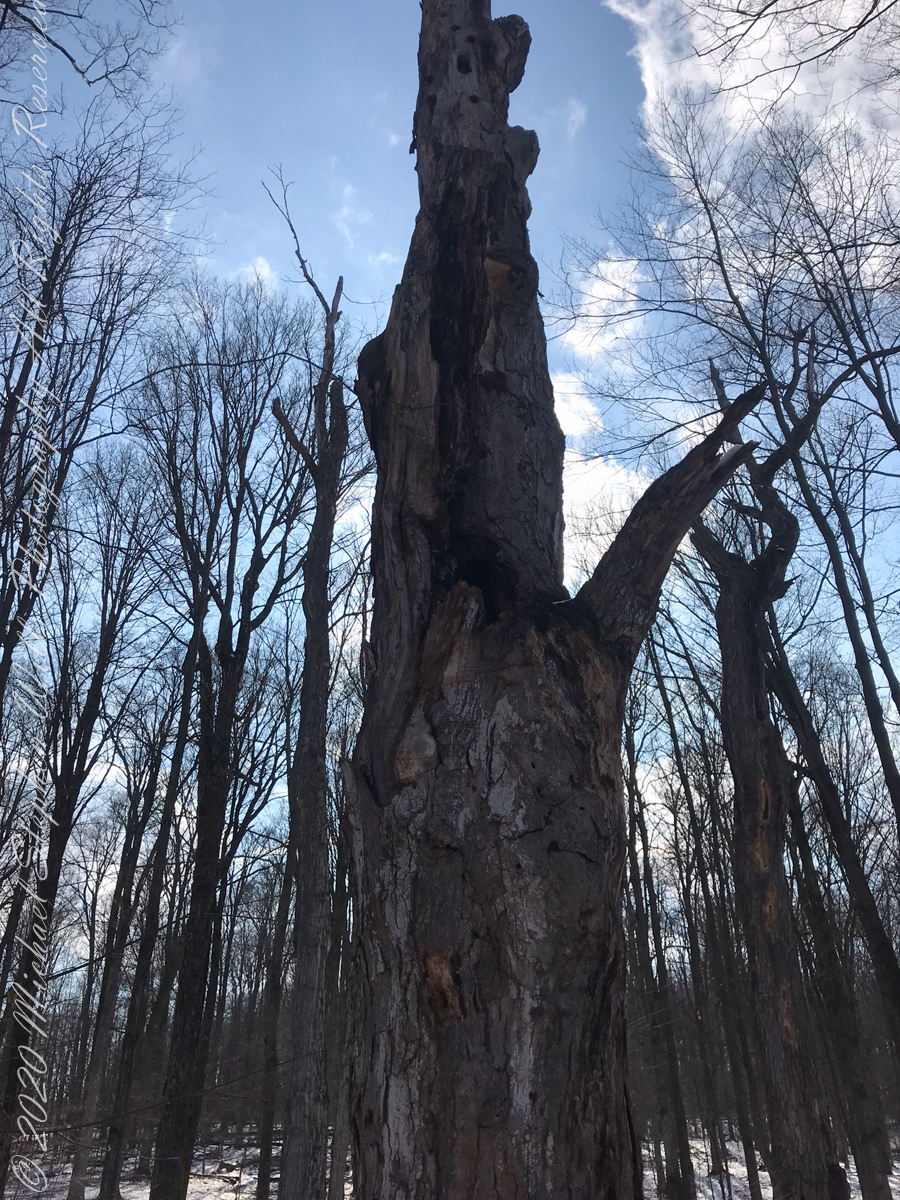
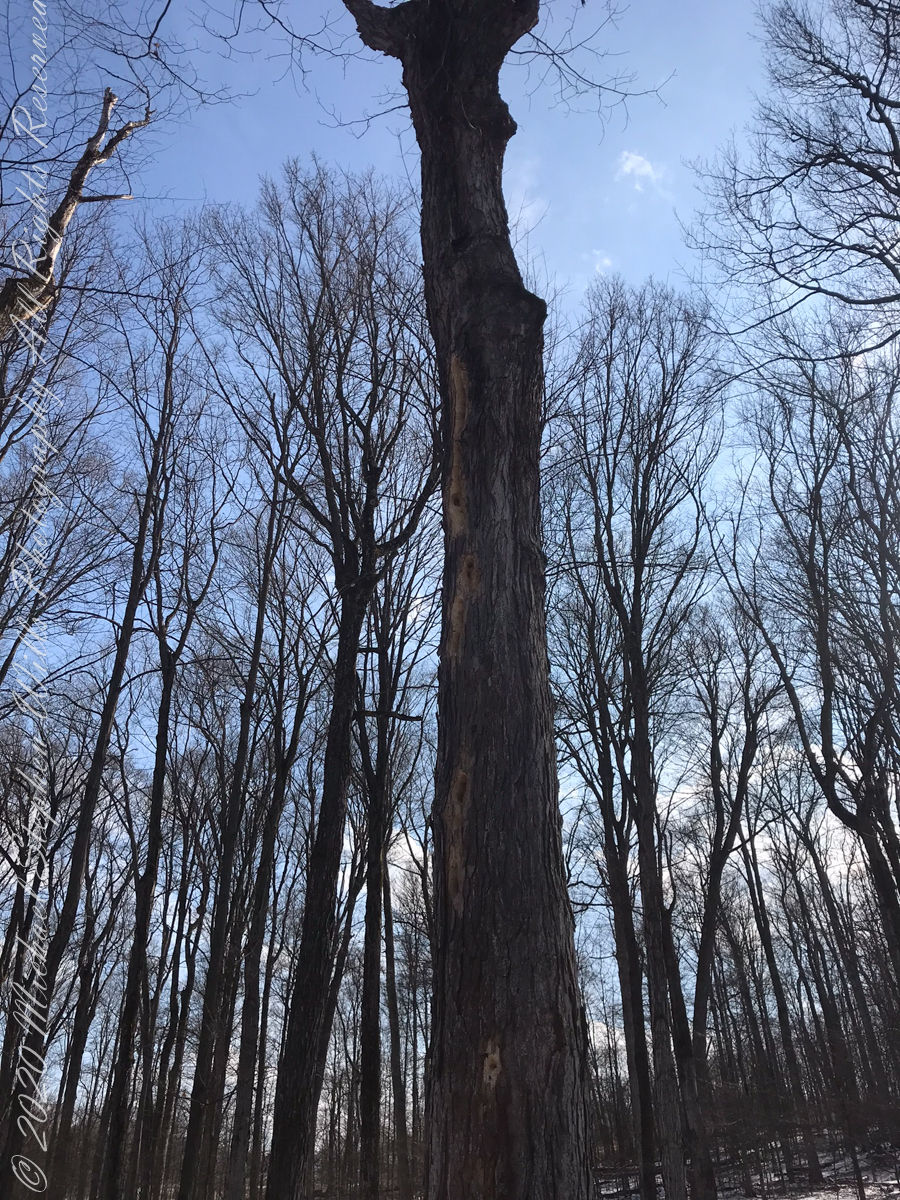
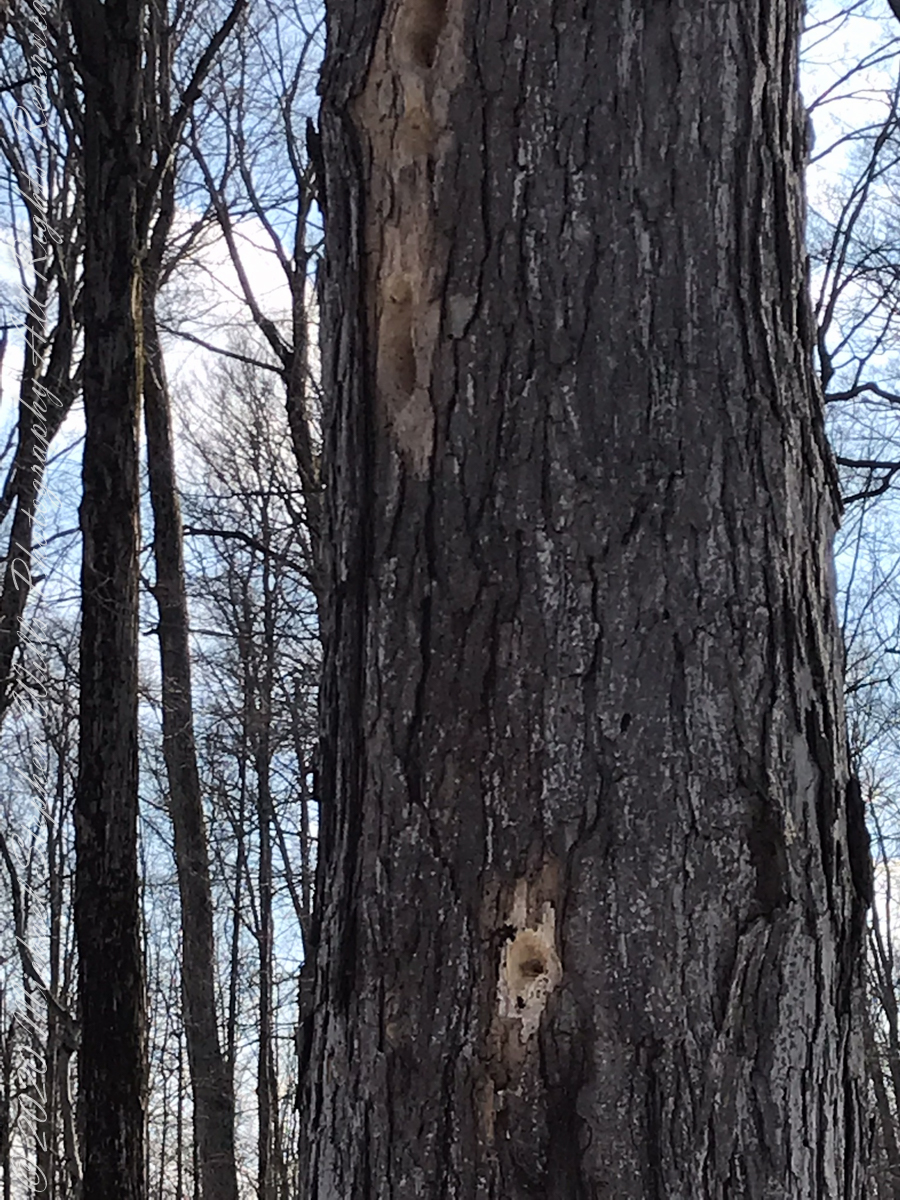
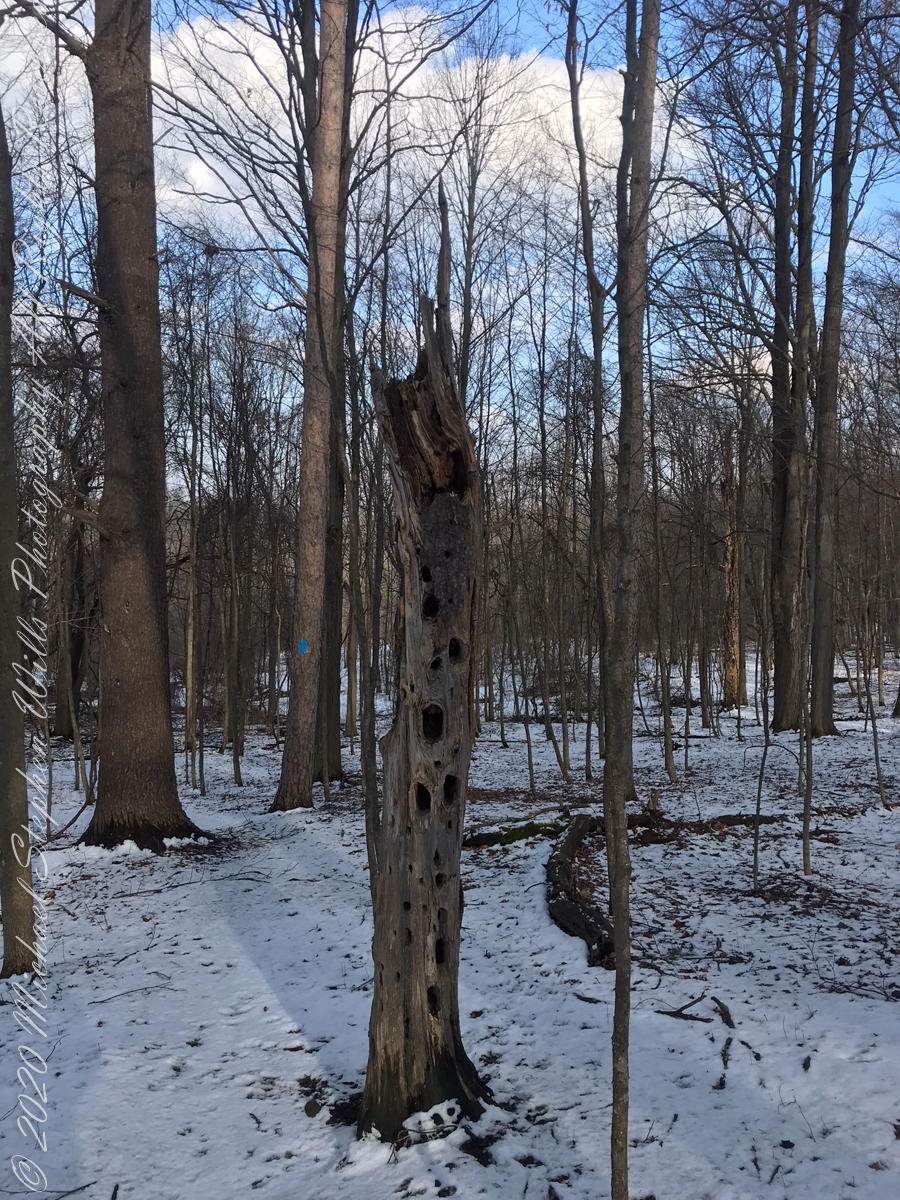
I found these snags surrounded and, at a distance, hidden by the burgeoning Brock-Harvey forest preserve here in the Finger Lakes.

As with burgeon (see yesterday’s blog post), the word “snag” has a long history from a forested northern region of the planet, though it hales from Scandinavian languages rather than Old English and Old German. As a noun “snag” is something with a point and a body long enough to cause inconvenience, the point catching on anything handy. As a verb “snag” is to become inconvenienced by a projecting body.

In forestry, a snag is any trunk of a dead tree. Commonly, a tree top breaks off leaving a jagged point which possibly can become an inconvenience. For birds, an upright dead tree is a blessing, perfect for homemaking.

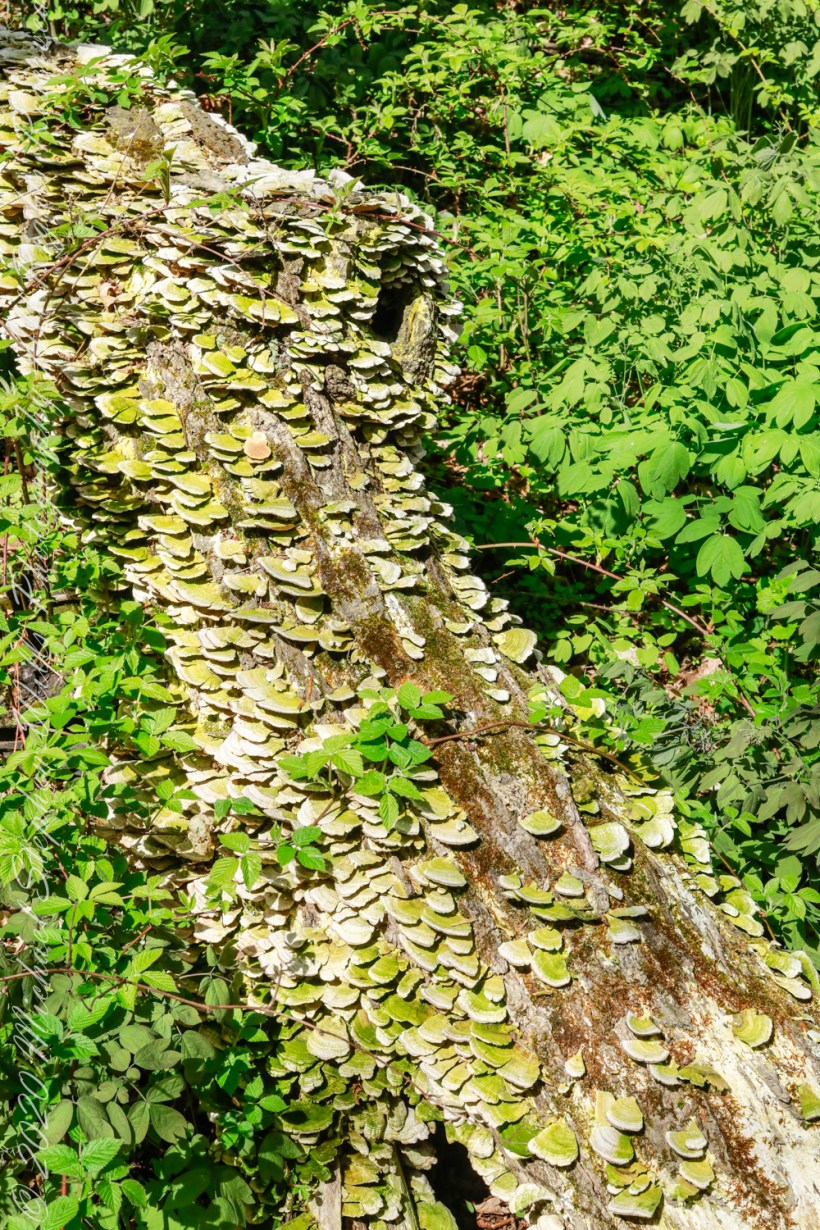
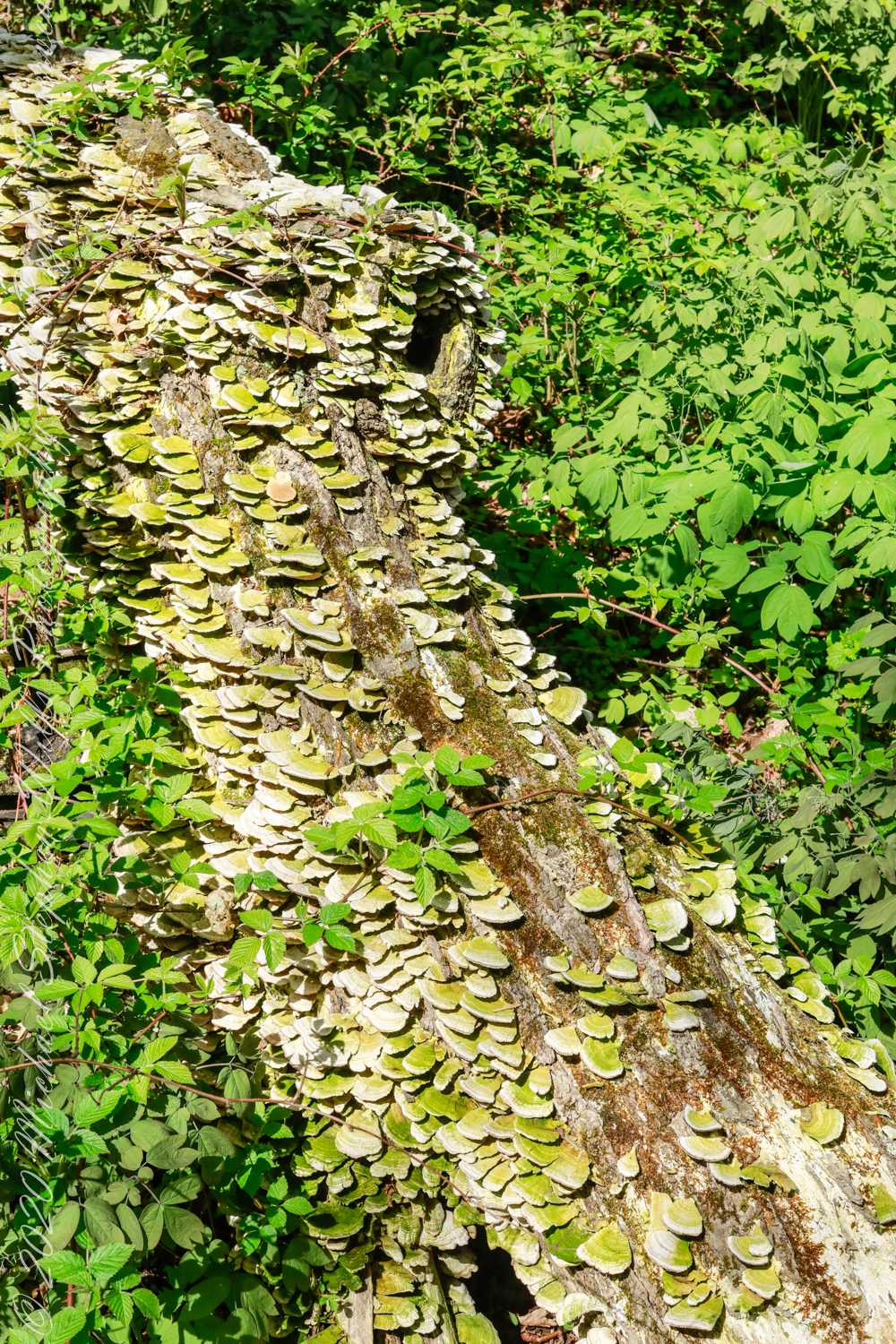
Fallen, the snag is still a snag and also a home first for fungus. When the work of the fungus is done, the resulting mound is perfect for growing new trees.

Click me for the next post from this forest preserve, “Grand Views.”

References
snag definitions are from the Compact Oxford English Dictionary, Oxford University Press, 1971

Copyright 2022 Michael Stephen Wills All Rights Reserved

Burgeoning Forest

Brock-Harvey Forest Preserve on an early May morning

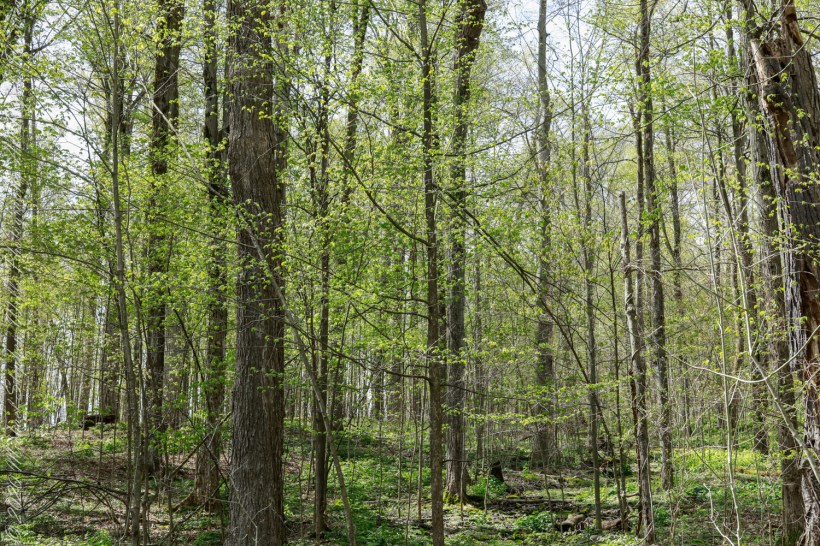
There is a word to describe the first growth of spring, rare in a way as having grown within the English/French languages without roots from either Greek or Latin, wholly suitable to a forest people. The first growth of spring so impressive it has words of its own: burgeon.

Both as a noun, burgeon the bud itself, and a verb; to burgeon, as in to burst forth. Burgeoning: the process of the act itself.

Click me for another post from this forest preserve.

References
burgeon/burgeoning definitions from the Compact Oxford English Dictionary, Oxford University Press, 1971

Copyright 2022 Michael Stephen Wills All Rights Reserved

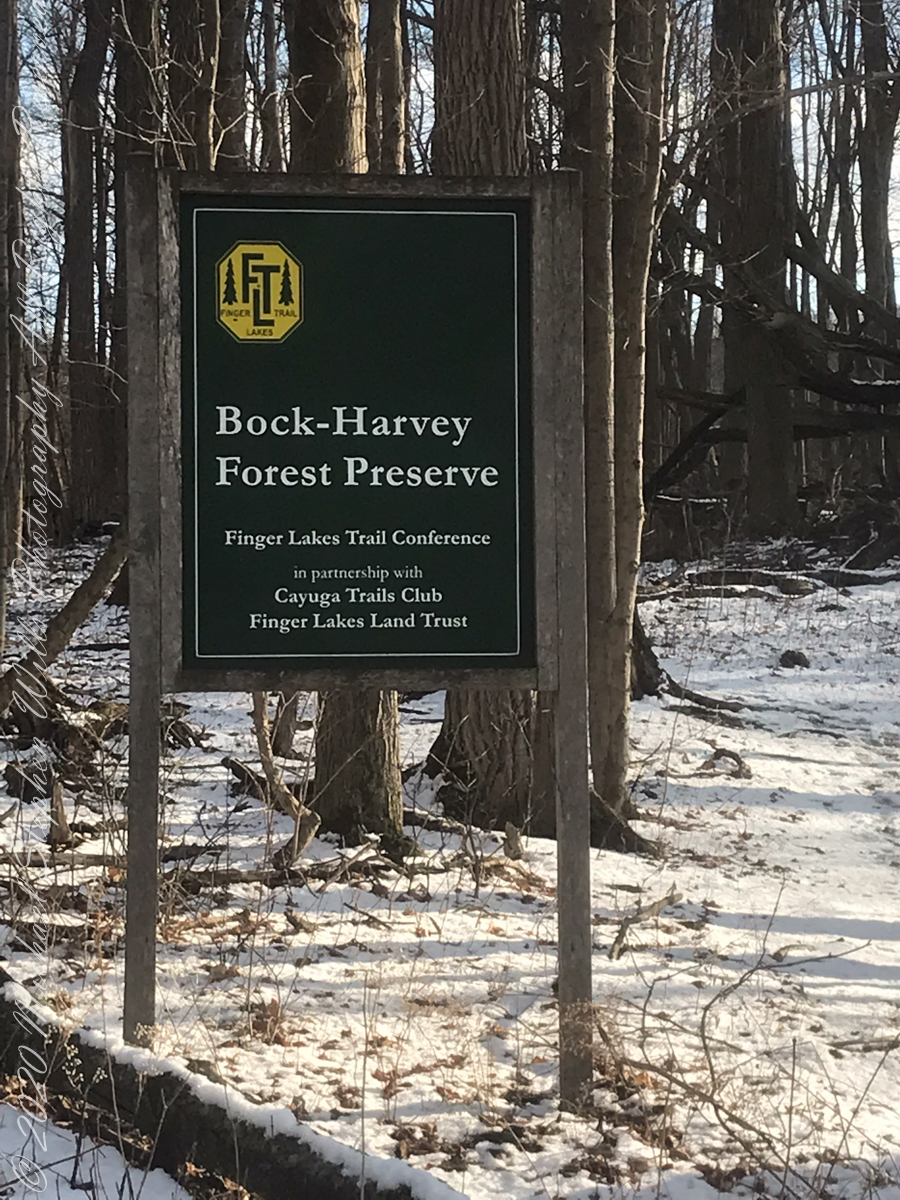
Brock-Harvey Forest Preserve

first look

On September 14, 2013, the Bock-Harvey Forest Preserve was dedicated protecting 48 acrea of open meadow, transitional meadow, mixed hardwood forest, a special environmental protection zone and the Finger Lakes Trail.  Brock-Harvey Forest Preserve, and all land as far as the eye can see from there, was part of the Military Tract of Central New York, 28 townships given classical Greek and Roman names, each township 100 lots of 600 acres each, approved by the U.S. Congress 1799.  Here, the township was Ulysses, encompassing the southern end of Cayuga Lake and surrounding lands.  Thus, the city of Ithaca and Hector Street winding up from the valley passing below our home.

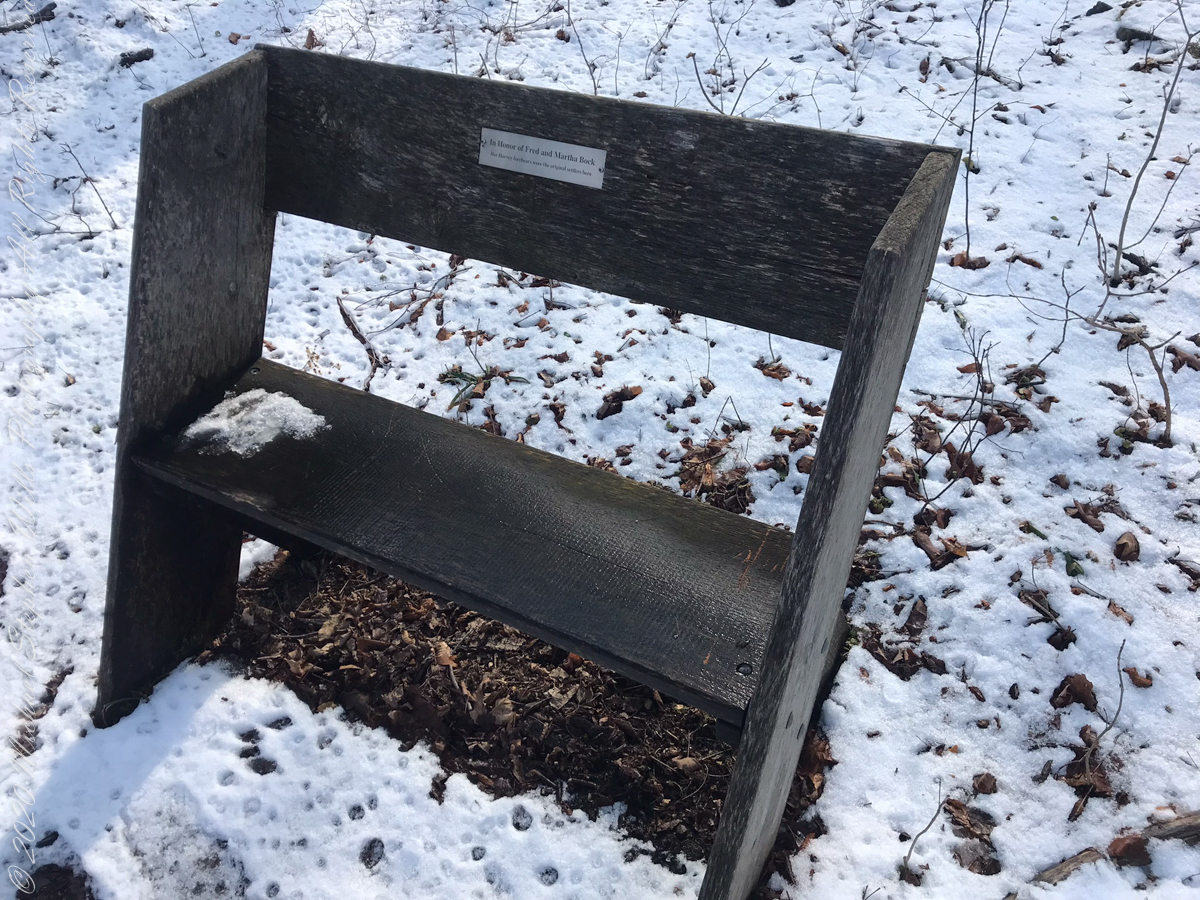
This land and several other military tracts were purchased by Samuel Harvey.  He then gave he lands to his sons including this farm to Silas Harvey, the great-great-great-great grandfather of Megan Barber who led the dedication ceremony of the forest preserve.  Megan’s great-grandmother Martha Harvey married Fred Bock and lived on this land used for dairy farming for over 150 years. 

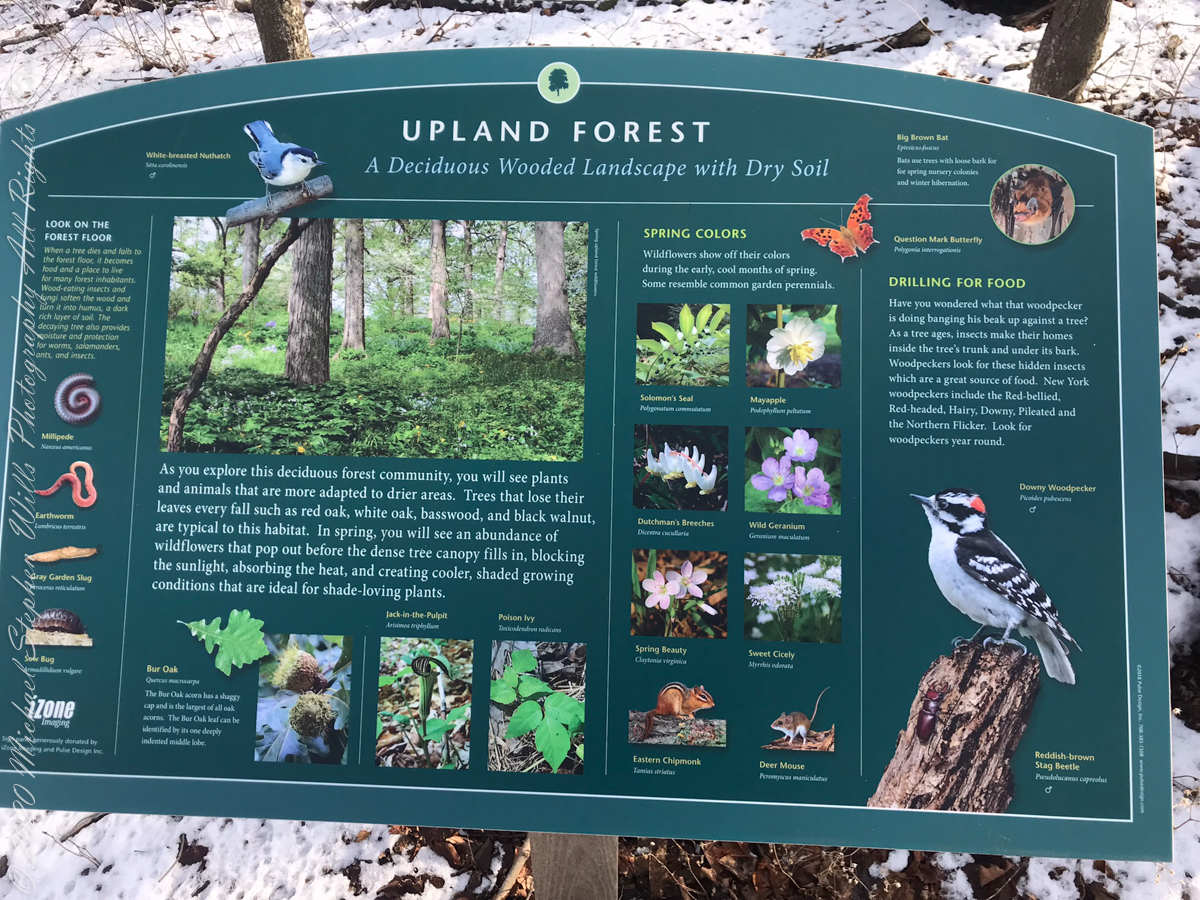
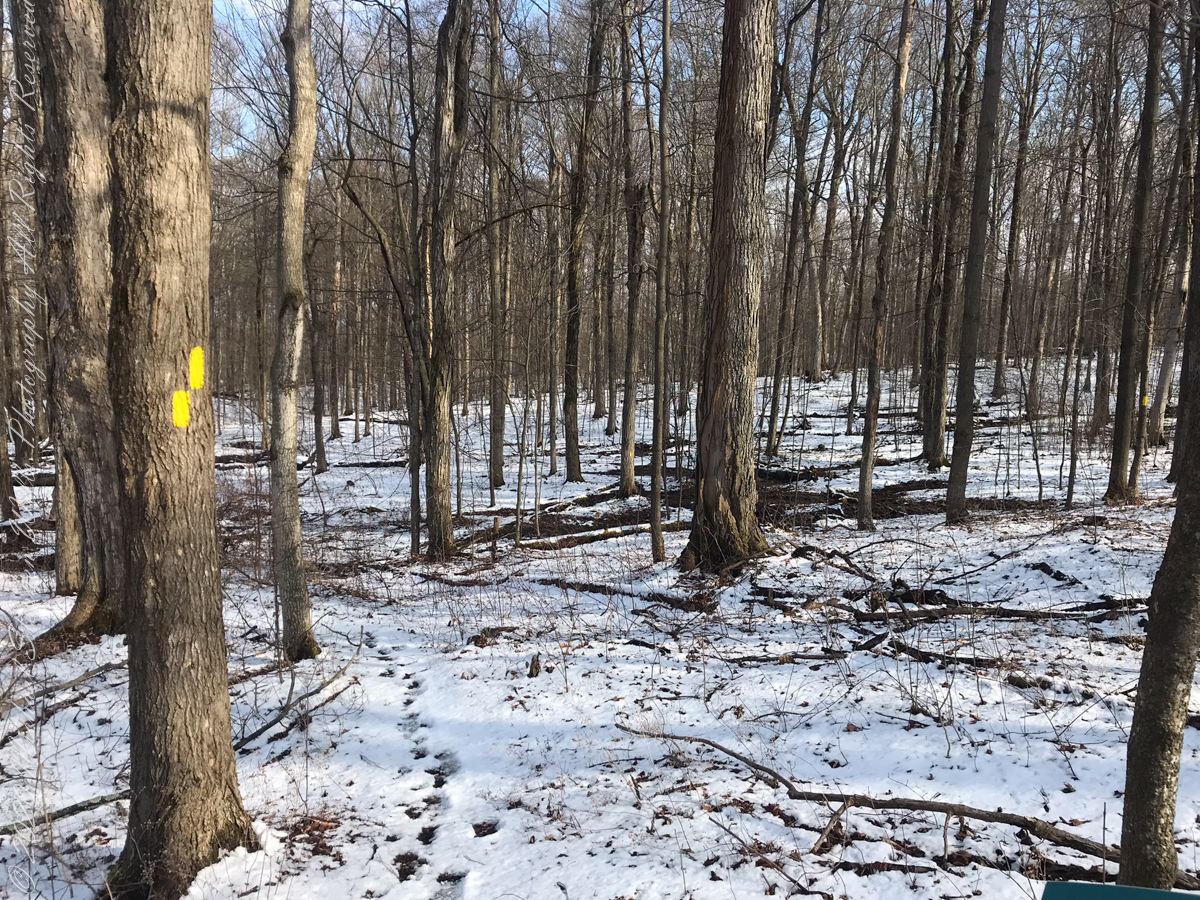
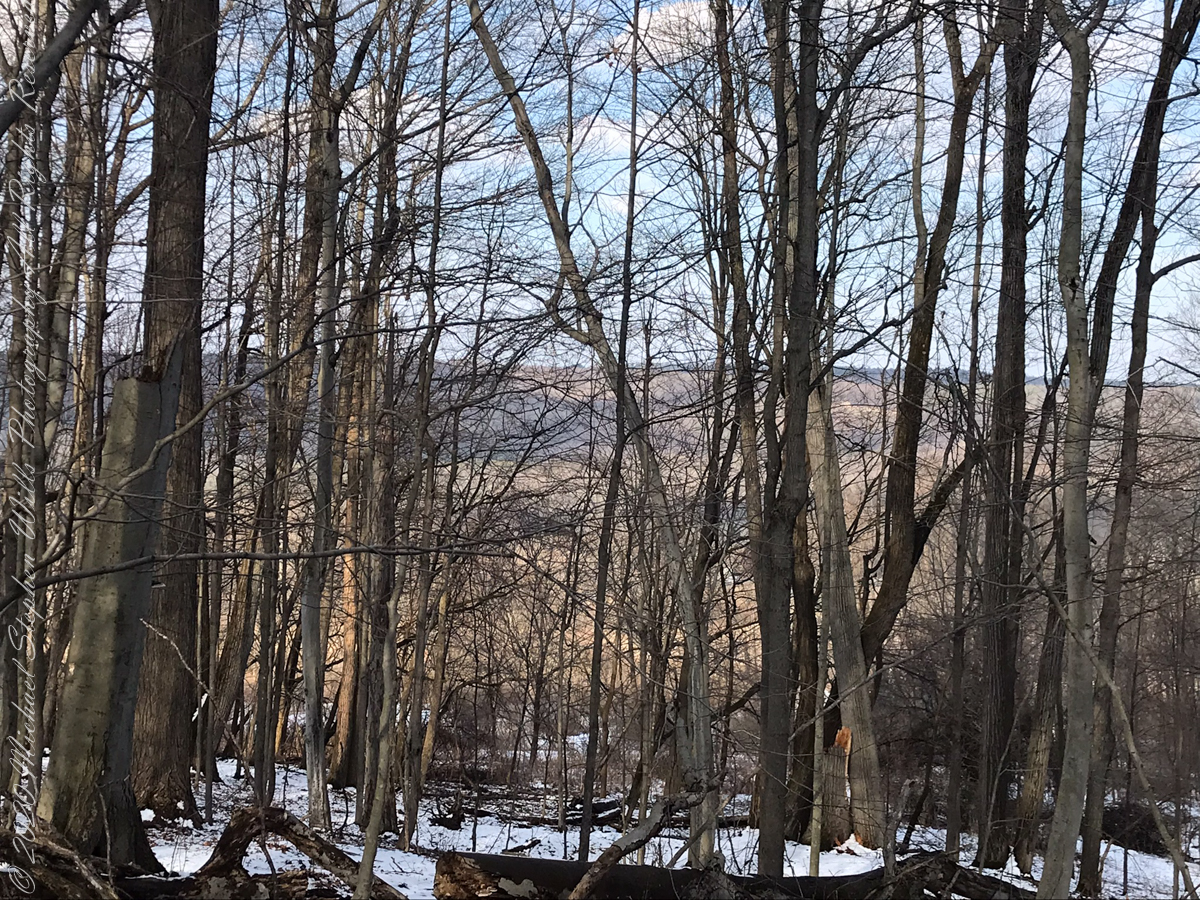
The preserve exceeded my expectations for great upland views.

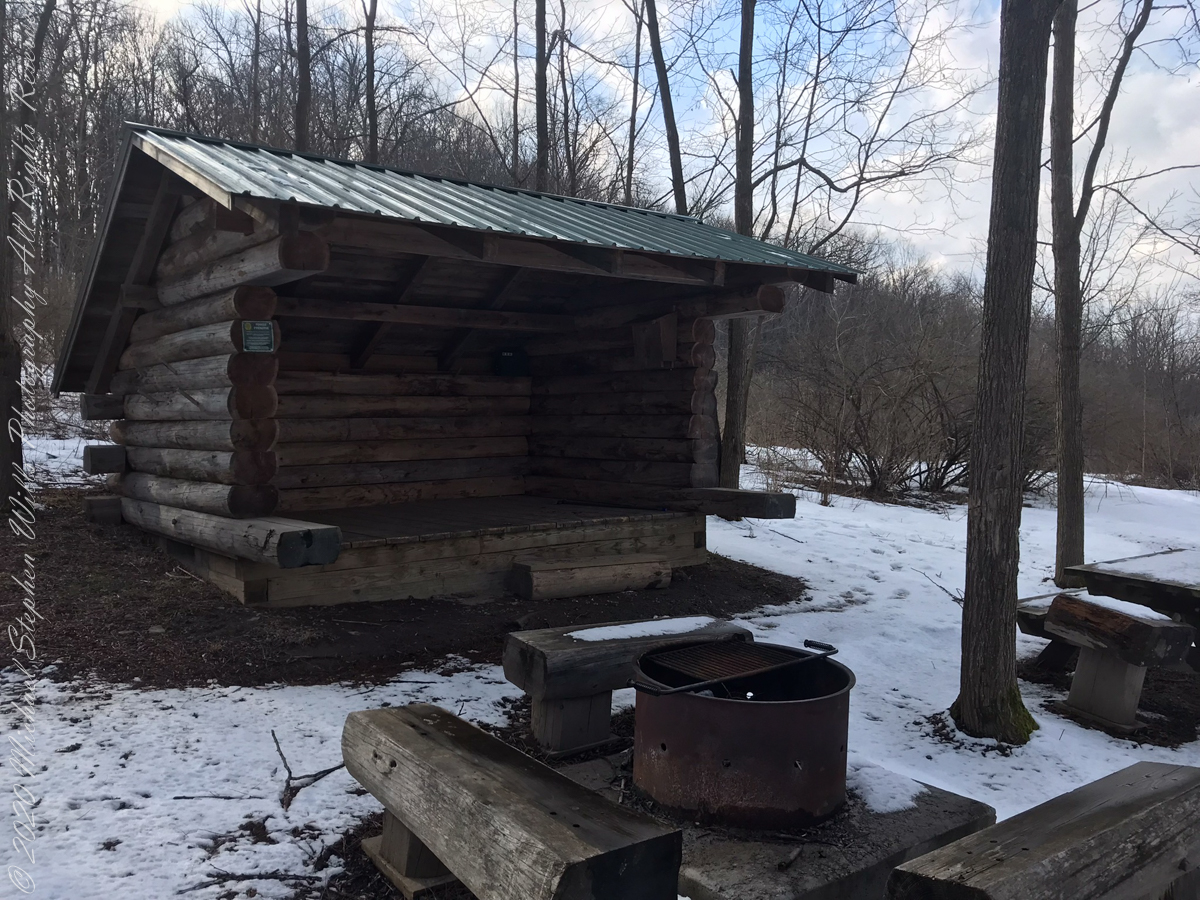
View from Shelter across the valley of Enfield Creek, the same that flows over Lucifer Falls of Treman State Park

Brock-Click me for another Brock-Harvey Forest Preserve post, “Burgeoning Forest.”

References

The background on the land was taken from a posting on the preserve and from Wikipedia, “Military Tract of Central New York.”

Copyright 2022 Michael Stephen Wills All Rights Reserved

Underground Railroad

Autumn Wonder

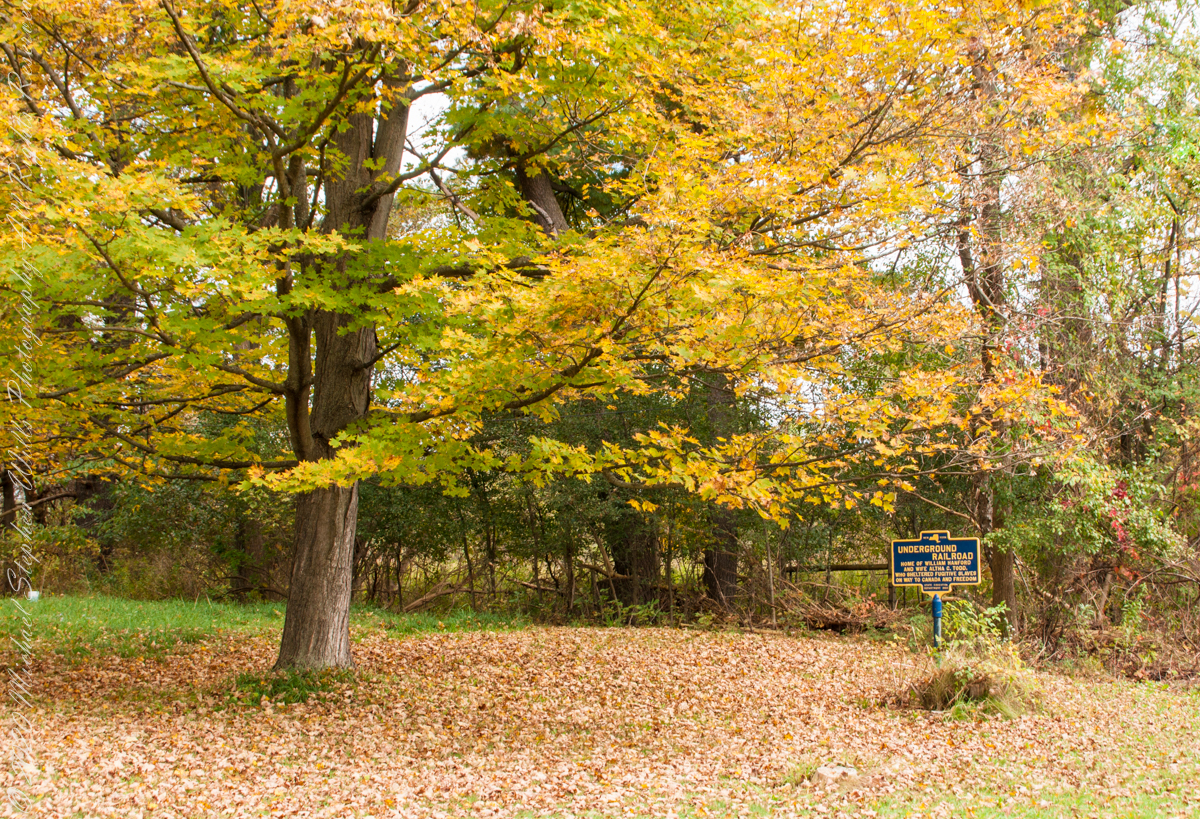
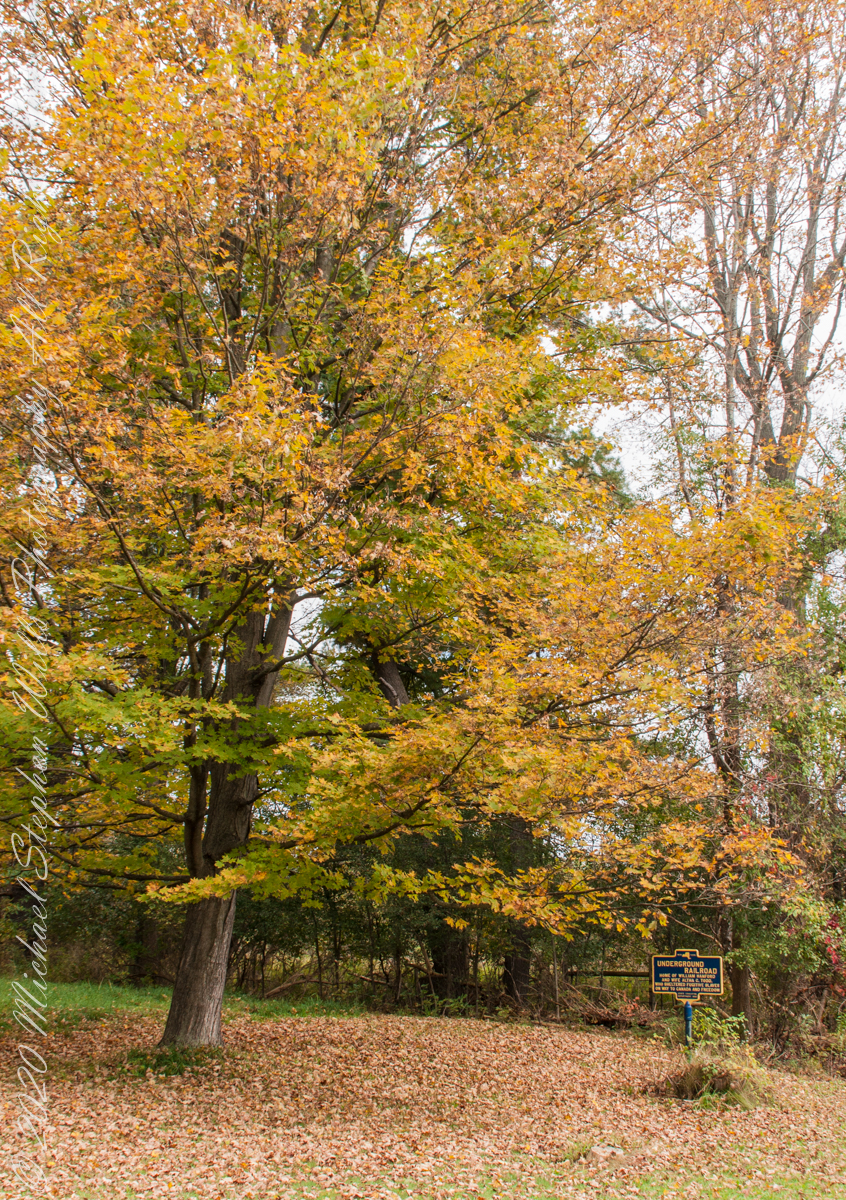
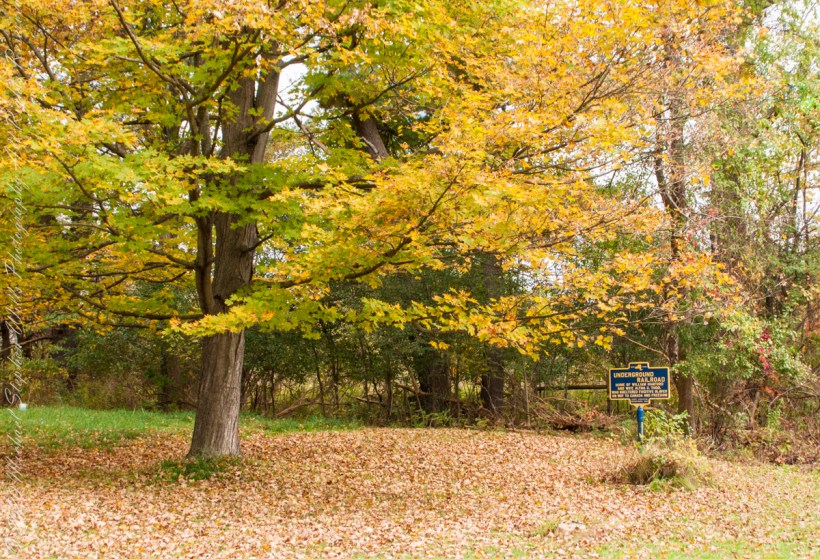
We have often travelled Lower Creek Road as an alternate route to visit my son and his family who live in Freeville, a village named for the activity of the Underground Railroad. After noticing this sign in passing for years, this week we stopped on a glorious autumn morning to capture it. I had packed the Sony Alpha 700 dslr for just such an opportunity.

Just off the road, under a maple tree in full autumn color (yellow), ground covered with fallen leaves (brown) on a fine early October morning, the sign reads, “New York, UNDERGROUND RAILROAD, HOME OF WILLIAM HANFORD AND WIFE ALTHA C. TODD, WHO SHELTERED FUGITIVE SLAVES ON THE WAY TO CANADA AND FREEDOM, STATE EDUCATION DEPARTMENT 1932”. These dark blue background, bright yellow letter signed are found throughout this region and much appreciated.

An added plus for me is the acceptance of both photographs by Getty Istock. Click this link to view a selection of my Getty photography in and around Ithaca, New York.

Copyright 2021 Michael Stephen Wills All Rights Reserved

Thin Crescent with McGraw Tower, Venus and Star

pre-dawn sky event

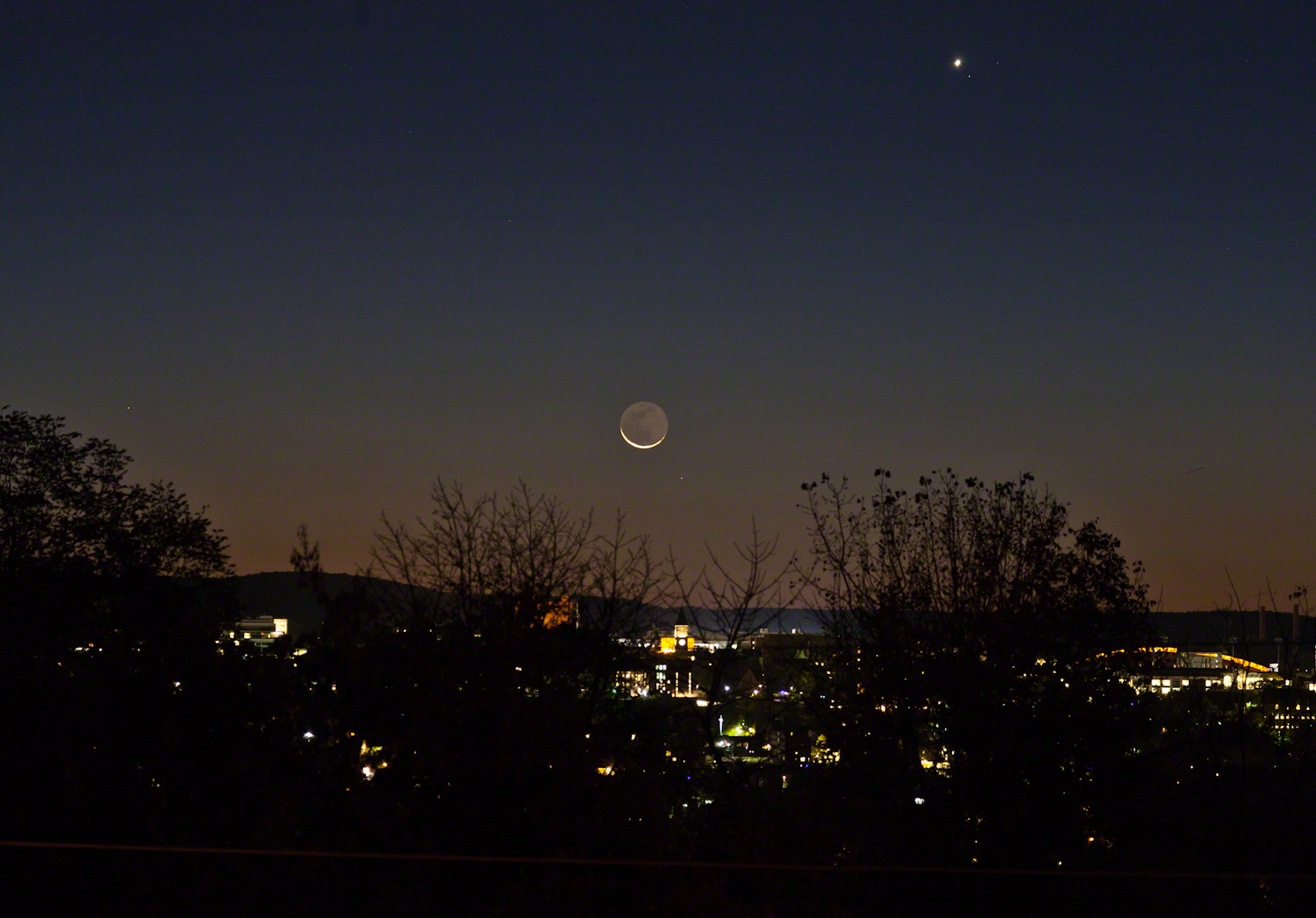
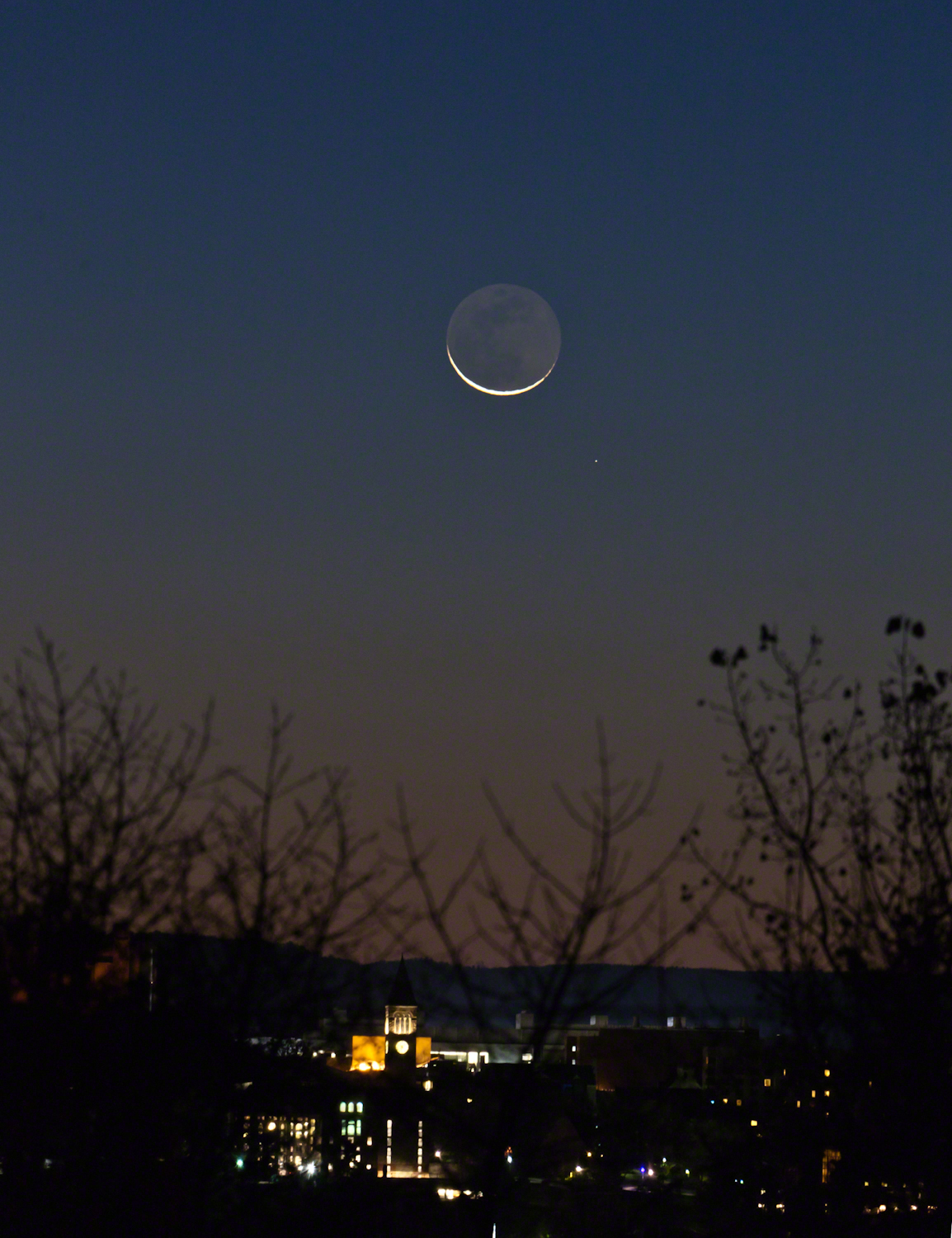
Here are two photographs taken about the same time, 6:30 am, October 18, 2017, companions to the photograph shared earlier this week.

The moon rises later each day, so these shots include a larger disk closer to Cornell University.  Both components, the crescent and earth-glow, were dimmer this morning.    In each photograph Jenny McGraw Tower is visible.

Crescent, McjGraw Tower, Regulus, Venus
The star is Regulus, the brightest in the constellation Leo, close below the moon.  I don’t know the star close to Venus.

Here the tower is slightly to the right of the crescent, the arch of Schoellkopf stadium further right.  Among the trees on left, is the baleful red glow of Bradford Hall.

Cresent, McGraw Tower, Regulus
Click for another view of McGraw Tower from my Online gallery.

The tower is outlined by the lights of Uris library, presumably filled with early rising students.

The light of Regulus (“small king”),  below and to the right, is a composite of four stars moving together through space.  The position of Regulus on the path in the sky of the moon, planets and asteroids (called the ecliptic) leads to the occultation of the star by the disks of the moon and, less regularly, the planets and asteroids.

Copyright 2021 Michael Stephen Wills All Rights Reserved

Thin Crescent Bowl filled with Earthglow

pre-dawn sky event

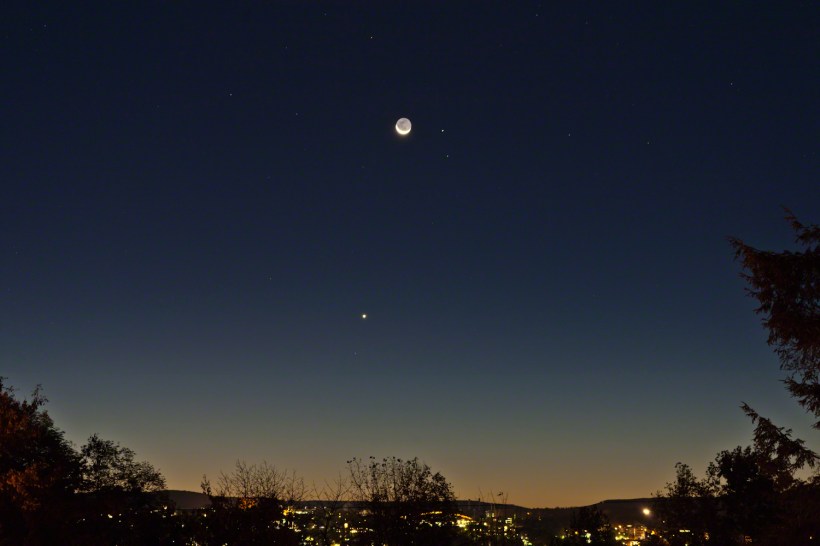
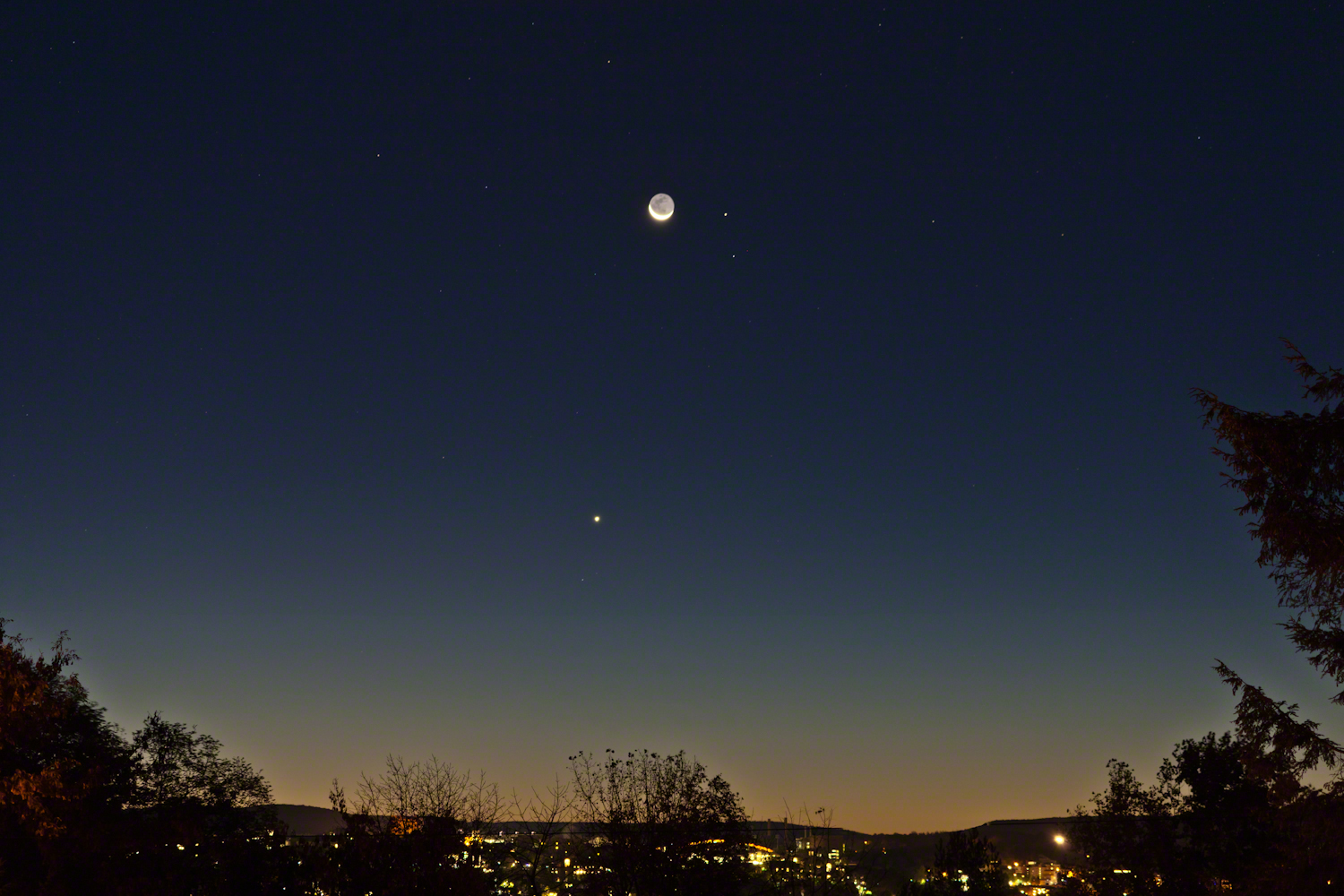
A thin crescent bowl filled with earthglow floating above the dawn attended by Venus, Mars, Virgo.

Thin Crescent with Planets, Stars, Dawn

This was the view from Ithaca, New York at the start of dawn this morning of Tuesday, October 17, 2017.  Mars is next to the moon, the stars of the constellation Virgo scattered around, Venus is the bright object below.  We had a bright, clear sky not unusual for September and October.

Want more? Click the link for my Online Gallery

In the city, an arch of Schoellkopf Stadium on the Cornell University campus.  Cornell is on east hill.  We live on west hill, across the valley.  It is quiet on west hill, away from the students.

Earlier this week the crescent was in the constellation Leo where the bright limb occulted the bright star Regulus, to reappeared from behind the dark limb, a brilliant spectacle that happened after dawn for New York.  It was cloudy, as usual, on October 14.

When I woke, the moon was shining through the trees, still full of just turning leaves. The crescent turned, cup like, above the horizon, to cradle the dark orb glowing from the reflected light of our earth. I did not recognize Mars, the disk was less red than usual. Research revealed the moon had two planets in seeming attendance. I also learned that, when the horns point right the moon is waning, moving toward a new, or un-illuminated, moon. When the phase moved from new it is also a crescent with horns pointing left.

This morning was a fortunate gift, I had never contemplated the moon in quite this form before.

Copyright 2021 Michael Stephen Wills All Rights Reserved

Blessed Lights

9/11 Remembrance

I choose to remember September 11, 2001 with the IPhone 7 video of September sunlight shining through clear water, set to the music “Blessing.”

Click on thenWatch on YouTube to open a new tab and a better viewing experience.

The post header is sunlight shining through the clear water of Reavis
Creek, Superstition Wilderness, Arizona.

Copyright 2021 Michael Stephen Wills All rights Reserved