Mother’s Day Amid the Blossoms of the Horse Chestnut

Explore the enchanting world of the Horse Chestnut, its vibrant spring blossoms, and its rich tapestry of historical and ecological significance, as I wander the slopes above Cayuga Lake on a serene Mother’s Day.


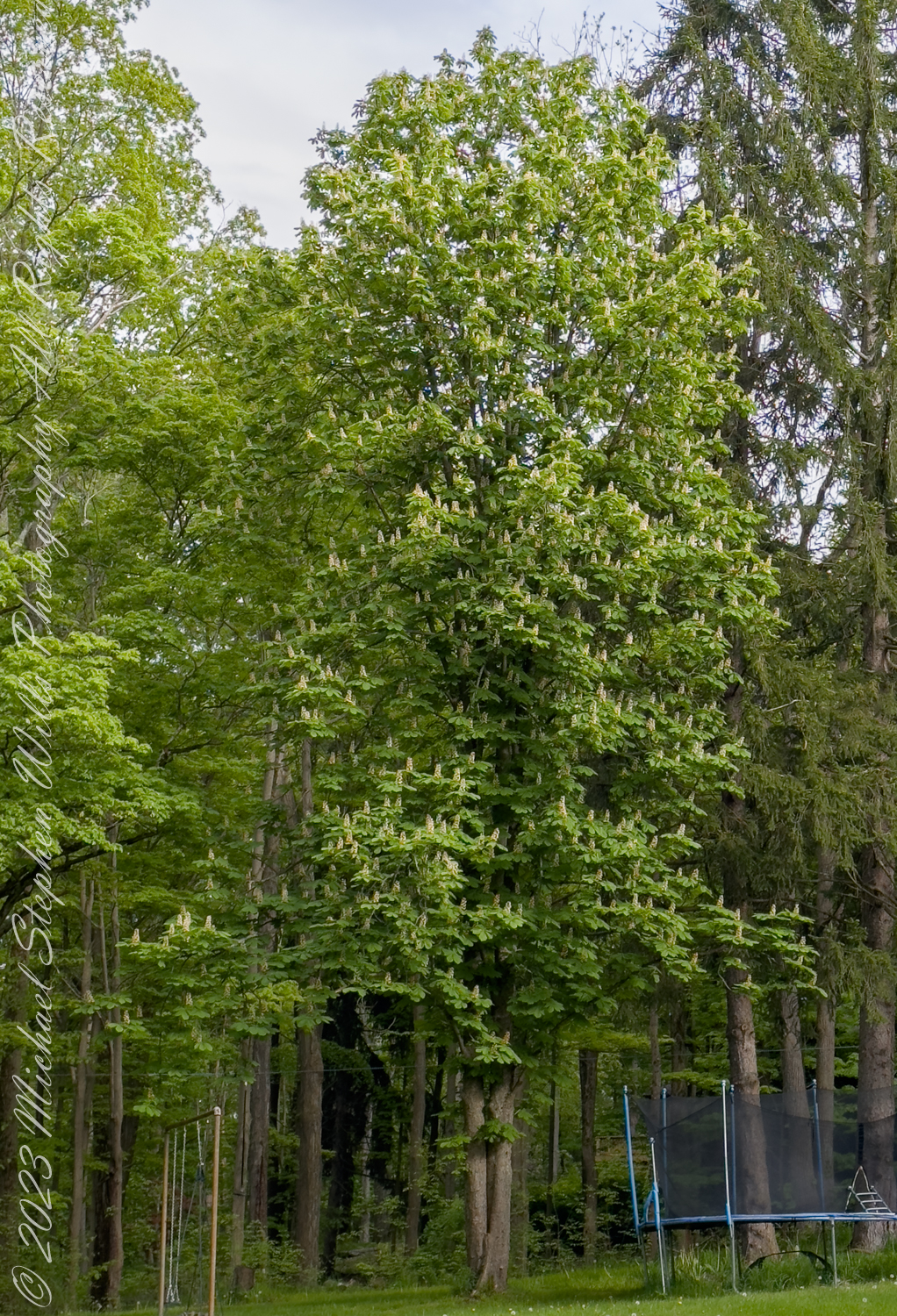
On a serene Mother’s Day in 2024, I found myself walking the slopes above Cayuga Lake, embraced by the spring warmth and the vibrant blossoms of the Horse Chestnut tree (Aesculus hippocastanum). This moment was a seasonal celebration and a deep dive into the botanical and cultural tapestry that this majestic tree weaves.

The Botanical Brilliance of the Horse Chestnut


The Horse Chestnut tree, with its robust stature and radiant floral displays, is a sight to behold, a study in botanical survival and adaptation. Originally native to a small area in the Pindus Mountains mixed forests and the Balkan mixed forests of Southeast Europe, this tree has traversed continents and histories to root itself into diverse landscapes, including the fertile grounds above Cayuga Lake.

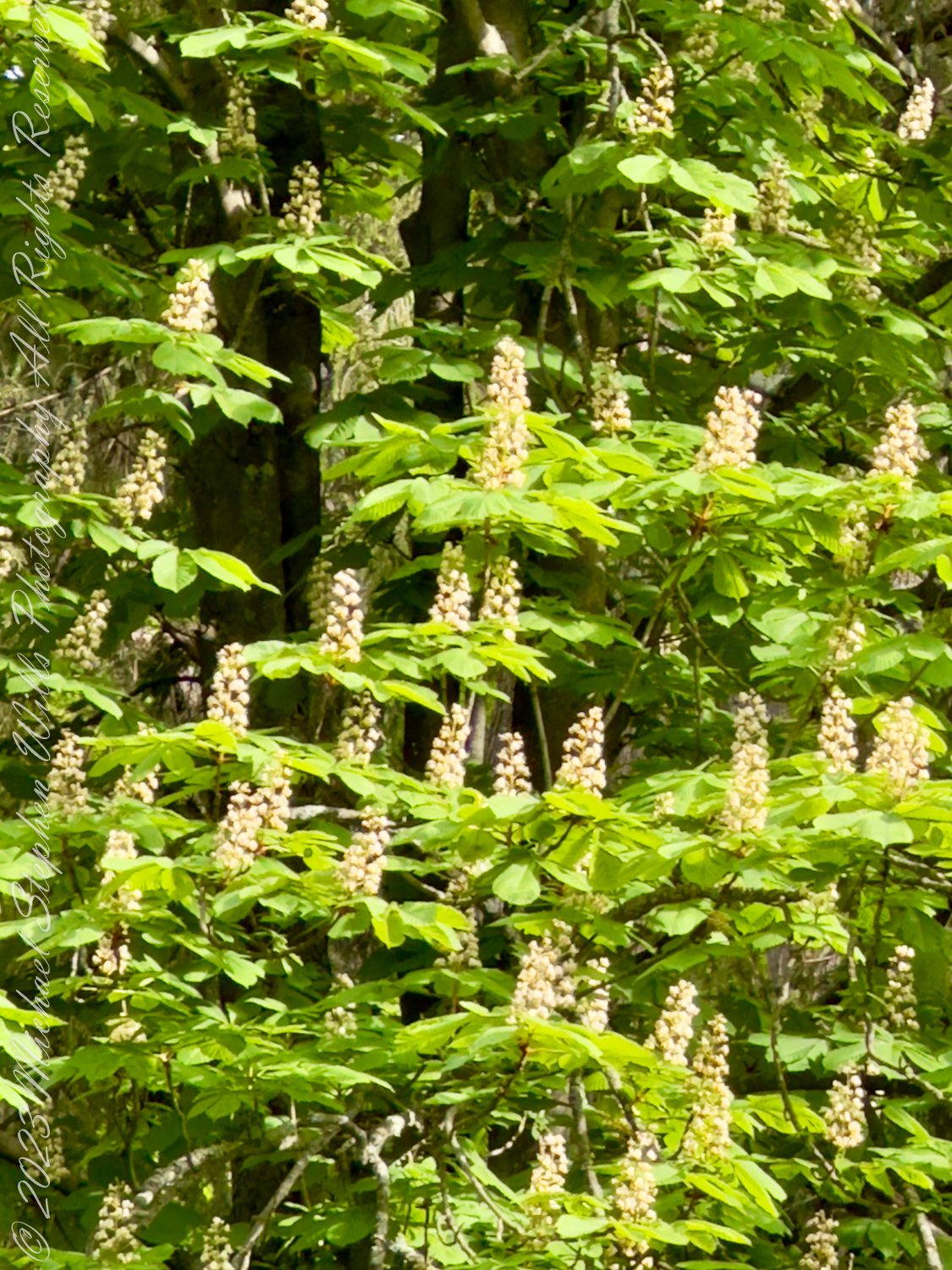
Each spring, the Horse Chestnut’s candle-like flower spikes, scientifically known as ‘panicles’, burst forth in a shower of whites and subtle pinks, each petal marked distinctively with a blotch of yellow or red. These blooms are structured to attract a variety of pollinators, playing a crucial role in the local ecological narrative by supporting biodiversity.

Historical Uses and Cultural Significance


The journey of the Horse Chestnut tree from its native lands to the Americas is a tale of practicality and reverence. Native Americans, prior to the arrival of European settlers, were keen observers of their environment but may not have had a direct historical use for the Horse Chestnut, as it was introduced later. However, the European settlers quickly discovered the tree’s multiple uses. The wood, known for its softness and workability, was used to make furniture and boxes, while the bark found its place in the tanning industry due to its rich tannin content.

Most notably, the seeds of the Horse Chestnut were ground and used as a form of laundry detergent and to treat various ailments, a testament to the tree’s utility in pioneering life. This aspect of the Horse Chestnut highlights a broader theme of how both Native Americans and European settlers utilized natural resources for survival and economic purposes, blending the lines between utility and conservation.

A Reflection on the Natural History and Ecology


As I strolled beneath the boughs heavy with spring’s bounty, the historical echoes of the Horse Chestnut’s uses merged with the present chorus of birds nesting in its branches. The tree’s role extends beyond human uses; it is a vital component of the local ecosystems. The dense canopy provides shelter and the flowers feed pollinators, which in turn support the broader food web.

Environmental factors, particularly those influenced by climate change, pose challenges to the Horse Chestnut. Issues such as leaf blotch and the conker tree moth threaten its health and longevity. Observing the Horse Chestnut’s current vibrancy, I am reminded of the resilience and adaptability that this species has demonstrated over centuries.

Conclusion: A Legacy Continues

As the day drew to a close and the sun cast long shadows over Cayuga Lake, the Horse Chestnut stood as a botanical specimen, a living monument to natural history and human ingenuity. The tree’s story is a powerful reminder of our intertwined destinies with the plant kingdom—how plants shape our cultures, sustain our environments, and continue to amaze with their ecological and aesthetic contributions.

Copyright 2024 Michael Stephen Wills All Rights Reserved

Whispers from the Rocks: The Vivid World of the Red Columbine

Discover the vibrant Red Columbine of Treman Gorge, a masterpiece of adaptation and survival nestled among ancient rocks. Explore how this delicate beauty thrives in the harsh cliffs of the Finger Lakes.

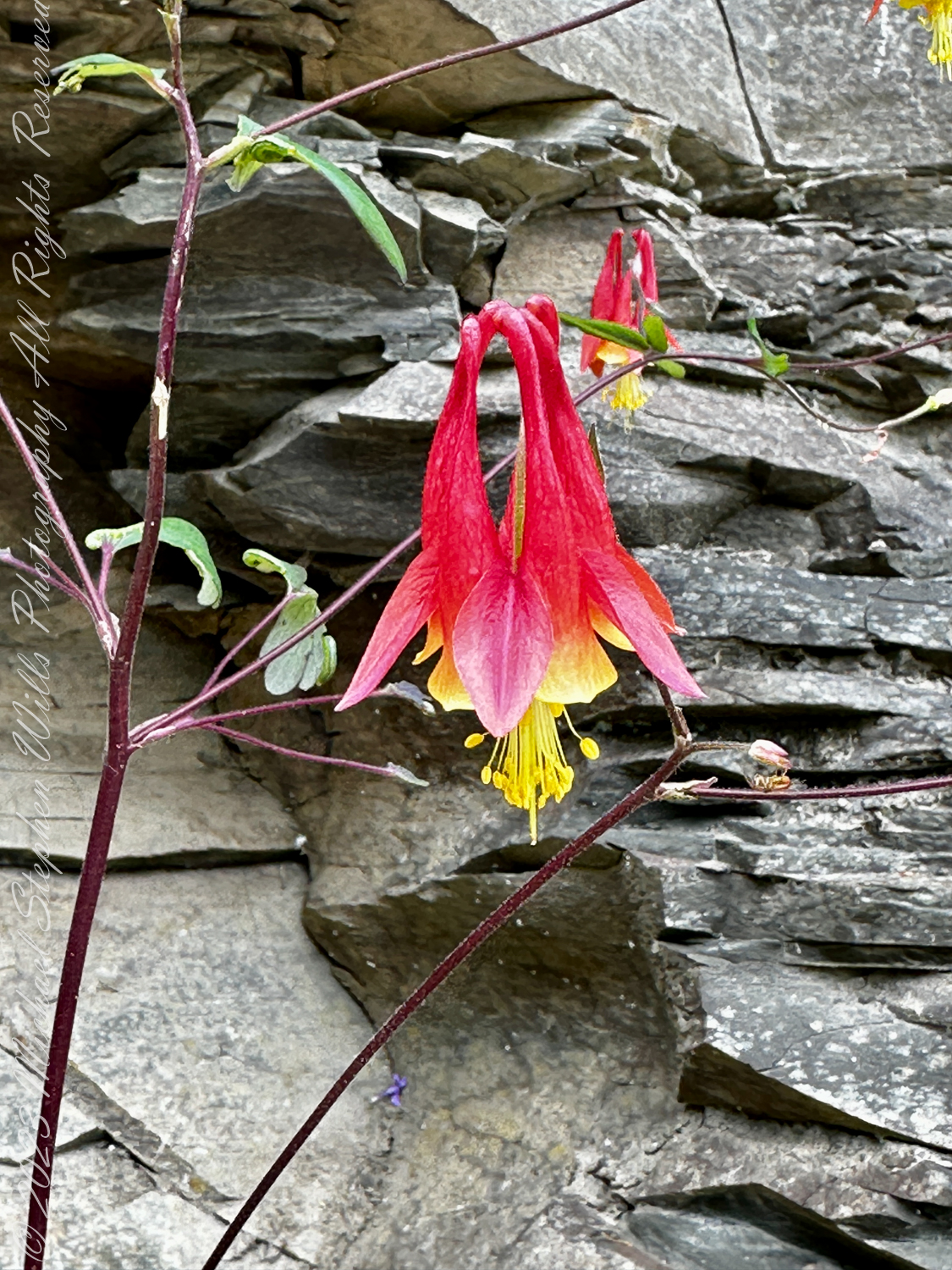
Wandering through the verdant paths of Treman Gorge, amidst the rough-hewn charm of the Finger Lakes Region, I find myself entranced by a striking botanical jewel, the Red Columbine (Aquilegia canadensis). Amid the prehistoric tapestry of shale and limestone, these delicate red and yellow flowers stand out with a vivacity that seems almost audacious against the stoic gray of their rocky backdrop.

The Red Columbine, with its unique, nodding bell-like flowers, is more than just a feast for the eyes. Each bloom is a masterclass in the art of survival and adaptation. The elongated, tubular structure of its flowers, splashed with a bold red that fades into a sun-kissed yellow, is nature’s perfect lure for its pollinators. The petals curve back, as if arching away in a graceful flare, exposing the stamens and pistils in an inviting display for hummingbirds, which, in their quest for nectar, become unwitting partners in the dance of pollination.

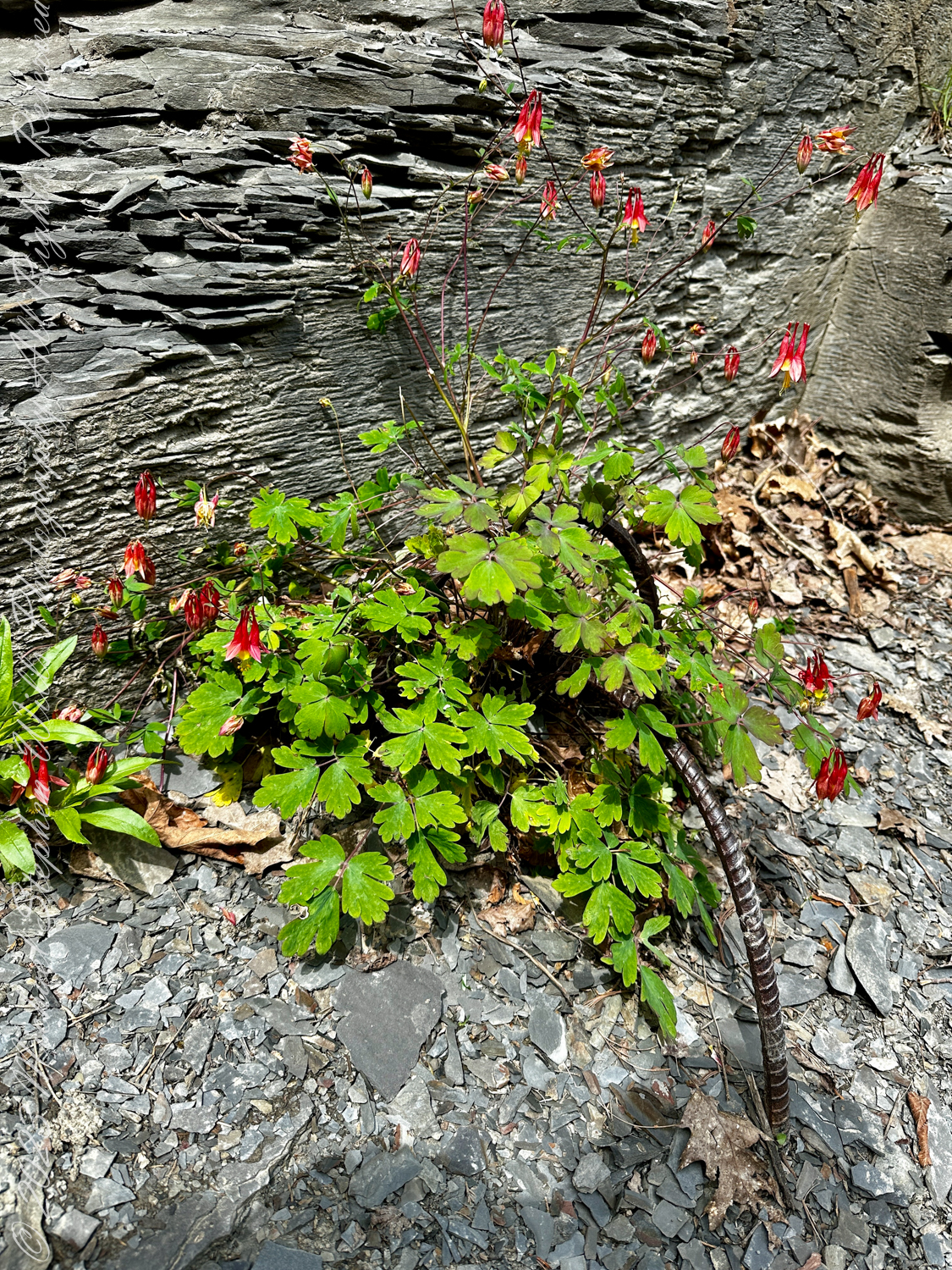
As I tread softly along the mossy stones, the sheer cliff faces of the gorge serve as a stark reminder of the relentless passage of time. Yet here, in this ancient cradle, the Red Columbine thrives in pockets of soil that seem to defy gravity. It’s a botanical ballet, with each plant performing its survival routine rooted in crevices that gather just enough humus to sustain life.

The air is cool and moist, the faint murmur of Enfield Creek a constant whisper beneath the chorus of bird calls. This is a place of subtle enchantment where every glance reveals the rugged beauty of nature intertwined with the delicate persistence of life. The columbines, with their whimsical spirals of spurs and lush, lobed leaves, appear almost otherworldly. They thrive here in the dappled sunlight, a testament to their resilience and a reminder of nature’s quiet defiance against the odds.

Red Columbine with steel rebar driven into the rock to anchor lifesaving lines. Found near Lucifer Falls, Robert H Treman New York State Park, Ithaca, Tompkins County

In this serene alcove, time slows. The Red Columbine’s pendulous blooms sway gently with the breeze, each movement a soft ballet in the verdant amphitheater of Treman Gorge. This flower, with its fiery hues and intricate form, embodies the spirit of the wild that surrounds us. It stands as a vibrant contrast against the somber stones, a living splash of color against the monochrome palette of the gorge.

As I pause to capture this moment, camera in hand, I am reminded of the fragile beauty that thrives in these hidden corners of the earth. The Red Columbine, with its enchanting flowers and rugged perseverance, is a symbol of the wild heart that beats strong within the quiet solitude of Treman Gorge. Here, in the heart of the Finger Lakes, beauty and resilience bloom in the most unexpected places, painting the landscape with strokes of floral brilliance.

Copyright 2024 Michael Stephen Wills All Rights Reserved

Viola pubescens: A Delight of the Deciduous Forest

The yellow forest violet, Viola pubescens, with bright yellow flowers, serves as nectar source and butterfly host, indicating forest health and offering medicinal uses.

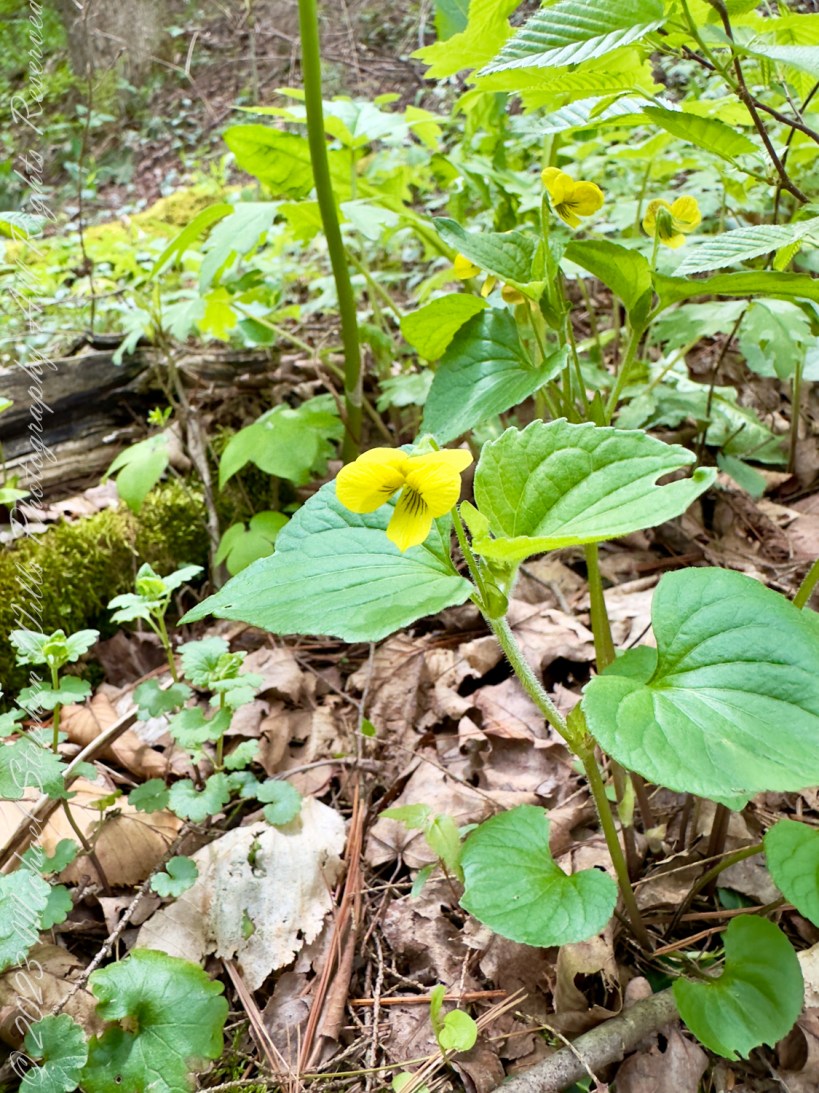
The yellow forest violet is easily recognizable by its bright yellow flowers, which add a splash of color to the forest floor in early to mid-spring. The petals are slightly fringed and the lower petal exhibits delicate veins that serve as nectar guides for pollinators. The leaves of Viola pubescens are heart-shaped with a slight pubescence, or fuzziness, that gives the plant its characteristic downy appearance.

As a member of the Violet family, Viola pubescens is important ecologically. It serves as an early source of nectar for pollinators such as bees and butterflies. Additionally, the plant is a host for the larvae of some Fritillary butterflies, playing a crucial role in their lifecycle.

This plant not only contributes to the biodiversity of its habitat but also enchants those who wander through its woodland home. The presence of Viola pubescens indicates a healthy, undisturbed forest ecosystem, making it an excellent indicator of ecological stability.

Viola pubescens is also noted for its medicinal uses among Native American tribes, who used various parts of the plant to treat ailments ranging from colds to heart trouble. The roots and leaves were often used in traditional remedies, showcasing the plant’s utility beyond its aesthetic appeal.

In summary, Viola pubescens, or the yellow forest violet, is a noteworthy component of the North American woodland biome. Its ecological role and historical significance make it a valued species for both naturalists and conservationists alike.

Copyright 2024 Michael Stephen Wills All Rights Reserved

Cardamine diphylla: A Woodland Marvel

Step into the spring woods and discover the broadleaf toothwort, Cardamine diphylla. Marvel at its white blossoms and deep-lobed leaves, and uncover its vital role in both early pollination and traditional medicinal practices.

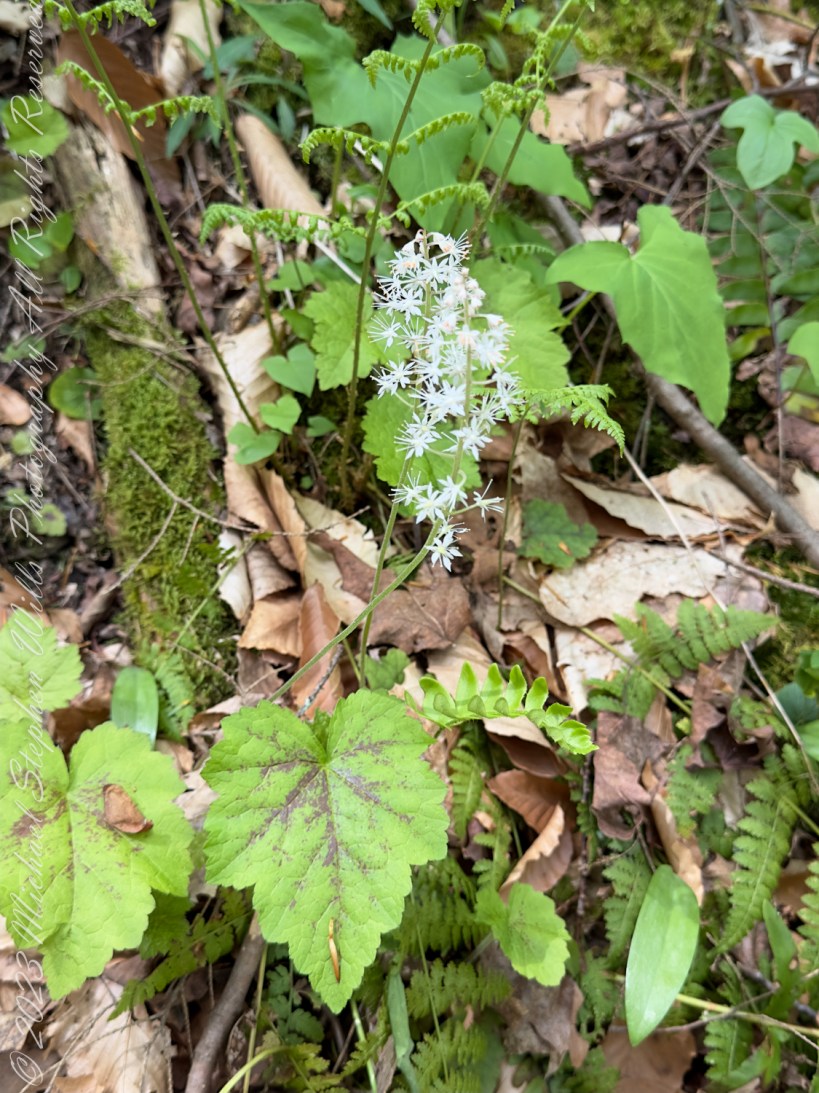
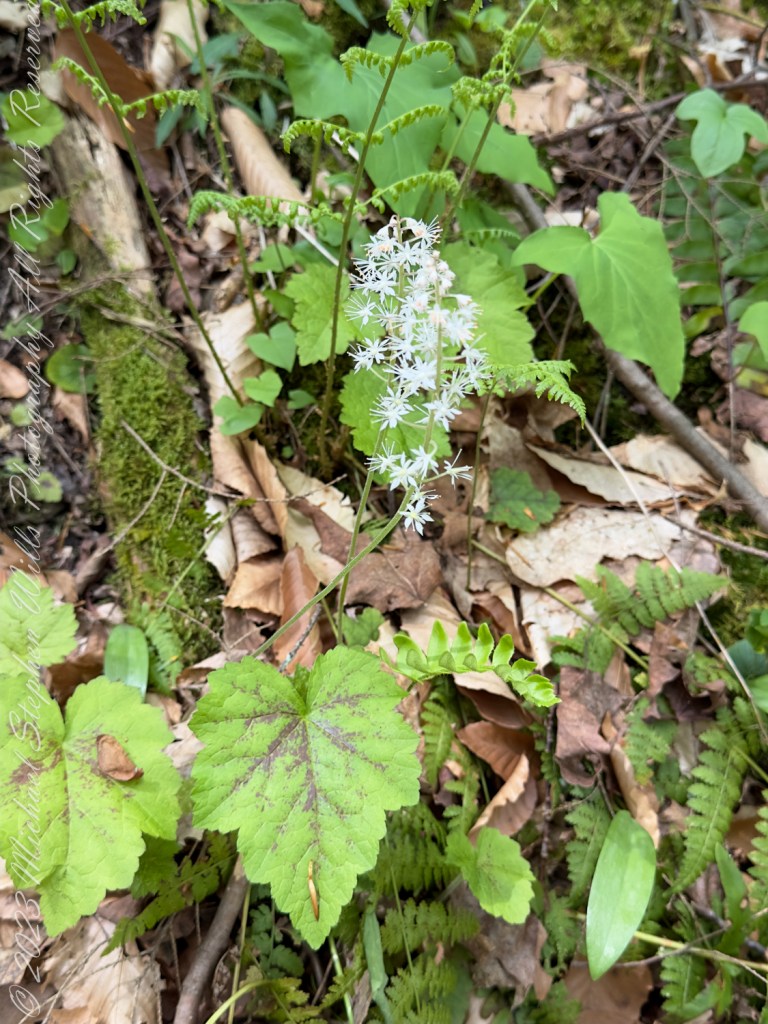
Broadleaf toothwort, Cardamine diphylla, plays a charming role in the ecosystem of deciduous forests, often carpeting the forest floor with its distinctive greenery and white blossoms during the spring. This plant is particularly noted for its broad, compound leaves that usually consist of two or three leaflets, each characterized by deep lobes and a somewhat wrinkled appearance, lending it the name “crinkle root.”

The flowers of the broadleaf toothwort are a notable feature, emerging in clusters atop slender, upright stems. Each bloom presents four white petals that form a delicate cross, a typical trait of the Brassicaceae family, to which it belongs. The flowering period spans early to mid-spring, making it one of the earlier blooms in woodland areas, which plays a critical role in the local ecology. These flowers are not just a visual treat but are also vital for early-season pollinators such as bees and butterflies, providing them with necessary nectar.

Moreover, Cardamine diphylla is more than just a visual and ecological gem. It has historical uses in traditional medicine and cuisine. Native American tribes utilized the peppery roots of the toothwort as a seasoning and as a medicinal herb to treat various ailments.

The presence of Cardamine diphylla is also an indicator of the health of the forest ecosystem. Thriving populations of this plant suggest a well-preserved habitat, which is crucial for biodiversity conservation.

In summary, Cardamine diphylla, with its ecological significance and historical uses, represents a small but vital part of North America’s natural heritage, highlighting the intricate connections within woodland ecosystems and the importance of preserving these natural environments.

Copyright 2024 Michael Stephen Wills All Rights Reserved

Cocoa Beach Dawn

In January 2024, I captured the tranquil beauty of Cocoa Beach at dawn, embracing the fleeting moments of peace and natural wonders.

The first blush of morning caresses the horizon, the palette of colors unfurling across the sky like a softly whispered promise of the day ahead. The soft pinks and blues deepen, brushing the clouds with strokes of lavender and orange, as the sun peeks just above the watery edge of the world. Today, I find myself strolling along Cocoa Beach, capturing the tender moments of dawn breaking over this tranquil Florida beachscape in early January 2024.

Each step I take along the sandy shores brings a new perspective, a new detail, revealed in the emerging light. To my right, a lone beach house sits nestled behind a veil of sea oats and palmettos, the sky behind it a canvas of warming hues. The house seems to slumber still, its windows reflecting the first golden rays of the sun. This dwelling, isolated and serene, hints at the countless summers of laughter and salty air, and the quiet winters of introspective solitude.

As the morning progresses, the sun asserts itself, climbing higher and burning off the last vestiges of night. I point my camera towards the ocean, capturing the waves as they roll in with rhythmic persistence. The sea is a creature of profound mystery in these early hours, its surface a moving mirror that catches the fire of the sunrise and dances with light. Each wave is a note in an aquatic symphony, played just for those who are awake to hear it.

Turning my gaze down, I focus on the smaller, often overlooked inhabitants of the beach. A single flower, a stubborn and resilient dune sunflower, stands boldly above the sands. It’s an unexpected sight—this splash of vibrant yellow against the muted earth tones of the sandy beach. The flower turns its face towards the sun, basking in the glow, thriving in its own patch of the world. It’s a poignant reminder of the tenacity of life, of nature’s relentless pursuit of existence against the odds.

The beauty of Cocoa Beach at dawn is not just in its sweeping vistas or the dramatic play of light and shadow. It’s also in these small, intimate encounters: the texture of the sand, the whisper of the grass, the solitary bloom. Each element is a brushstroke in a larger picture, a note in a grander melody. As I walk, my feet leave temporary impressions on the wet sand, soon to be erased by the incoming tide. It feels symbolic, this transient mark-making, reflective of the fleeting nature of life and the enduring beauty of the world around us.

Cocoa Beach this morning is a place of peace and contemplation. As I capture these moments with my camera, I am also capturing them in my heart, storing them as a balm for busier, noisier days. The photographs will speak of quiet and calm, of the soft hush of dawn, and the gentle awakening of the earth. They will tell of a morning when the world seemed to pause, just for a moment, to revel in the simplicity and beauty of another beginning.

As the sun climbs higher, its light becomes too harsh for the soft magic of dawn photography. I pack up my camera, my heart full of the morning’s calm. The beach is waking up now, the first joggers and dog walkers appearing, their morning routines intersecting with the tail end of my photographic journey. I leave Cocoa Beach carrying the quiet joy of the morning, a joy found in the dance of light on water, in the solitude of a beach house, and in the vibrant defiance of a sunflower. Dawn here is not just a time, it’s an experience—a delicate, powerful reminder of the world’s wonders, witnessed at the edge of the day.

Copyright 2024 Michael Stephen Wills

A Windy Winter’s Beach Morning

These videos capture a windy morning at Cocoa Beach, showcasing the American flag’s resilience and the beauty of nature.

The sun has barely risen over the horizon, casting a golden hue on the edges of the swaying palm trees. I’ve found my favorite spot on Cocoa Beach, where the sand meets the sea oats, and the Atlantic waves crash endlessly. It’s a windy winter’s morning, with the gusts howling, pulling at my shirt, tugging at the American flag standing tall amidst the dunes.

The early light of dawn illuminates clouds with a pink hue on a windy winter’s morning. Cocoa Beach, Brevard County, Florida. The Space Coast.

The flag is massive, its stars and stripes fluttering with conviction against the backdrop of an endless blue sky. Its red, white, and blue are a reminder of the freedom it represents. A symbol of history woven into every thread. In the wind, its fabric dances gracefully, in sync with the whispering leaves and the sea’s rhythm.

This particular flag has been around for years, steadfast on this patch of the Florida coast. The pole, firm and weathered, stands as a sentinel. It’s not just a symbol of patriotism but a beacon for those who wander these shores, a guiding point that has witnessed countless sunrises and sunsets, serving as a reminder of the ideals this country strives for.

Near the end of my video a squad of pelicans glides through, slicing the sky in a perfect formation. They using the wind to their advantage, and their synchronized flight is mesmerizing. Their journey is a testament to the beauty of nature’s choreography, moving with grace and purpose, guided by the same winds that ripple through the flag and carry them along the coast.

The wind is fierce today, blowing sand like fine snow across the beach. It stings my face as I watch the waves roar, driven by the same winds that make the flag soar. These are the south winds, warm and constant, flowing over the Atlantic. They pick up speed across the open waters before reaching the coast, shaping the dunes, bending the palm fronds, and reminding me of the unyielding force of nature.

The south wind is not just a whim of nature; it’s shaped by the currents that flow from the equator, by the rotation of the Earth, and by the heated lands further south. It’s nature’s breath, shifting sands and altering landscapes. This breeze carries with it a hint of salt, a whisper of the tropical climates from which it comes, and a false promise of more warmth on this winter morning.

There’s a certain serenity in being here, watching the elements play. The sea is restless, much like my thoughts. I can’t help but contemplate the forces that have shaped this land, from the explorers who first set foot here to the astronauts who launched themselves to the moon from just a few miles away. This place is steeped in history, and the flag embodies that.

As I look towards the flag again, its fabric shimmering under the sun’s rays, I think about all that it has seen. The gentle lapping of the waves reminds me of the constant change that’s part of life. The flag, though, is a steadfast sentinel, standing tall through it all, enduring the same winds and elements that buffeted it years ago. It speaks of resilience and hope, of standing tall no matter what comes your way.

I pull out my camera, capturing the flag as it flutters in the wind, its stripes rippling like waves on the sea. In a moment, I take a video, recording not just the flag but the beach around it, the sand swirling around my feet, creating transient patterns that the wind will soon erase. The video captures the essence of this place, where the wind and waves weave their own stories.

This morning, like so many before, the wind brings with it a sense of purpose. It whispers tales of the past and hints at the future, pushing me to continue exploring, to keep seeking, and to always remember what this place represents. The American flag, in its majestic flight, is more than fabric; it’s a reminder of the journey and the ideals that guide us, just like this wind pushing along the coast, unrelenting and full of promise.

Copyright 2024 Michael Stephen Wills All Rights Reserved

Wind Riders: A Seven-Year Saga of Beach and Ocean Kiteboarders

Embark on a journey with kiteboarders who harness the wind and surf, mastering both beach and ocean. Witness the evolution of this thrilling sport over seven years, from the sandy shore to the open waves.

Cocoa Beach, with its rhythmic waves, is a destination that stirs a sense of adventure. Seven years ago, March 2017, as I strolled along its sandy shores, my attention was captured by a curious sight: several people gliding effortlessly across the beach, seemingly with the wind at their command. These weren’t your typical surfers or skateboarders—they were kiteboarders, harnessing the power of the wind with large kites that stretched high into the sky. I was transfixed by the sight of their wheels skimming along the wet sand, leaving tracks like an artist’s brushstroke on a canvas.

The beach was alive with energy. The wind, the driving force behind the kiteboarders, was gusty, rippling the surface of the ocean and creating perfect waves for surfers. But the kiteboarders were on a different mission. They had wheels attached to large boards, akin to skateboards but bulkier. They wore helmets and pads, visibly prepared for a sport that seemed to demand not just skill but a dose of courage.

One rider caught my eye, with his bright blue helmet and focused gaze. He adjusted the lines of his kite like a master puppeteer, maneuvering himself with precision as he glided along the shore. The kite seemed an extension of his own limbs, responding seamlessly to his every movement. It was exhilarating to watch, the kite’s taut lines tracing invisible patterns in the sky as he shifted his weight, steering the board with expertise. With each gust of wind, he picked up speed, racing along the shore with a grin that spoke of pure joy.

Not far from him, a second kiteboarder, a woman, was testing her skills. Her kite had a distinct red pattern, vibrant against the backdrop of the sky. She handled it with ease, her body swaying in rhythm with the kite’s movements. It was like a dance, where the wind was both partner and lead, guiding her across the beach in wide arcs. Occasionally, she would glance over at the other riders, sharing nods of camaraderie that suggested a tight-knit community.

The sight reminded me of the joy of childhood, of riding bicycles down a hill, the wind whipping through your hair, feeling like you could conquer anything. But this was a more refined thrill, one that demanded an intimate understanding of nature’s forces. The kiteboarders were more than just athletes; they were artists painting their own masterpieces against the sky.

In the distance, I noticed a third rider. He was still finding his rhythm, his movements a little less sure, but the determination on his face was unmistakable. He kept his focus on the kite, battling the wind to gain control. Even as he stumbled a few times, his spirit didn’t falter. Each time he fell, he would rise, dust off the sand, and try again. It was a scene of persistence that spoke to the spirit of the sport—a reminder that mastery is not achieved without effort.

The sun began to dip toward the horizon, casting long shadows on the sand. The wind grew cooler, and the kiteboarders began to pack up their equipment. I found myself lingering a little longer, reflecting on what I had just witnessed. Kiteboarding seemed to embody the spirit of Cocoa Beach itself—a blend of adventure, community, and a deep connection with nature.

Walking away, I couldn’t help but feel inspired by their spirit of adventure. The kiteboarders had painted a vivid picture of resilience, joy, and the thrill of chasing the wind. They were, in a way, explorers charting a path on the very edge of land and sea, powered by nothing but wind and will.

Seven years later, this past winter of 2024, there was a kicking wind powering a group of three kiteboarders tackling the waves offshore, embracing the ocean waves in a spectacular display of skill.

Their kites stretched high against a steely sky, creating vibrant contrasts with their colorful patterns. One kiteboarder had a kite adorned in shades of turquoise, like a burst of sunlight riding the wind. He maneuvered deftly on the waves, rising high on the crest of each swell before swooping down into the troughs. His movements were fluid, and he rode each wave with a mastery that suggested years of experience.

The second rider, with a vivid blue kite, showed off his own skill set, to ride the waves with finesse, carving arcs through the water, creating a wake of white foam. He seemed almost weightless, gliding effortlessly, catching air whenever he hit a particularly high crest.

The third kiteboarder was the most daring of the trio, his kite blending with the overcast skt. He launched himself off the waves, soaring high into the air before coming down with a splash. Each leap seemed to defy gravity, and he twisted and turned in mid-air like an acrobat, displaying a level of athleticism that left the onlookers on the beach in awe. The wind and waves provided the perfect playground for his tricks, and he used every bit of it to his advantage.

The three kiteboarders moved in sync, communicating through gestures and nods, sometimes even shouting encouragement to each other over the sound of the crashing waves. They pushed one another to reach greater heights, to attempt more daring moves, and to revel in the shared joy of their sport. It was as if they were performing a choreographed routine, set to the rhythm of the sea.

Onlookers gathered along the shore, drawn by the mesmerizing sight of these kiteboarders taking on the ocean waves. The kiteboarders, with their vivid kites and breathtaking maneuvers, were like seagulls riding the wind, an exhilarating reminder of the power of nature and the joy of embracing it.

As the day wore on, the kiteboarders continued to ride the waves, their energy seemingly endless. The sea and sky were their canvas, and they painted across it in broad, sweeping strokes. Watching them was a thrilling reminder of the freedom and adventure that the ocean brings.

Copyright 2024 Michael Stephen Wills All Rights Reserved

Close Encounters at Cocoa Beach

A shark’s fin slicing through the waves at Cocoa Beach reminds me of a life-changing encounter I had with the ocean’s wild inhabitants, transforming my relationship with the sea and its hidden mysteries.

During winter vacations to Cocoa Beach, Florida, I spent tiome relishing in the salty embrace of the Atlantic, and my love for the water extended beyond the ocean to poolside swims year-round. However, a few years ago, my carefree splashing in the waves took a drastic turn after an unexpected encounter with a creature lurking beneath the surface.

It was a warm, sunlit day, and the ocean seemed welcoming. I had just waded into waist-deep water when I felt it—a strong, unexpected bump against my side. I turned quickly, expecting to see a fellow swimmer, but there was no one nearby. My heart pounded as the realization dawned that I had been bumped by a large sea animal, most likely a shark. Although I didn’t see the creature clearly, the experience left an indelible mark on me.

From that day on, the ocean was no longer a place of carefree enjoyment. The once thrilling waves now seemed menacing. I found solace in swimming in pools, where the water was clear, and the risks were few. The ocean, with its unseen mysteries, became a distant memory.

On January 30, 2024, I was back at Cocoa Beach, but this time I stood firmly on the shore. It was noon, and the sun shone brightly over the shimmering waters. As I scanned the horizon, my eyes fell on a telltale fin slicing through shoreside foam of breaking wavews. A shark was feeding just three feet from the shore. I watched in a mix of awe and trepidation as the creature moved with effortless grace through the surf.

Shark feeding a few feet from shore, Cocoa Beach, January 30, 2024 around noon.

As I stood there, capturing the moment, a woman approached me. She had observed my intent gaze and sensed my apprehension. She introduced herself and then began to share an unsettling story about her daughter. She told me that her daughter had been bitten by a shark on her foot the previous year while swimming off the same beach. The young girl was still recovering from the ordeal, both physically and emotionally.

Her story, coupled with my own experience, solidified my decision to stay out of the ocean. I understood that the beach was the shark’s domain, a place where humans are merely visitors. The encounter reminded me that even in our pursuit of leisure, we must respect the natural world and its unpredictable inhabitants.

These days, I content myself with the safety of pools, where I can swim without fear of what lies beneath. But I still cherish the ocean from a distance. I understand its beauty and power, and I respect the creatures that call it home. I may not wade into the waves anymore, but I will always hold a deep appreciation for the vast, enigmatic sea.

Copyright 2024 Michael Stephen Wills All Rights Reserved

Observations of Beach Erosion at Cocoa Beach, January 2024

Nature’s artistry unfolds on the shores of Cocoa Beach, where the ever-changing tides leave intricate patterns in the sand. This captivating display of erosion hints at a fragile coastline, urging us to act for its preservation.

Initial Observations

Standing on the sandy shore of Cocoa Beach in January 2024, I observe firsthand the effects of erosion along this stretch of Florida’s coastline. The scenes captured in my photographs show significant changes to the beach’s contours and composition. The shimmering foam, soft sand ripples, and exposed shells are testament to the relentless activity of the sea. Each wave carves away at the beach, leaving patterns in the sand that tell the story of erosion.

Erosion Patterns and Sea-Level Rise

The photographs vividly display the intricate, almost artistic designs formed by erosion. In one, the ripples in the sand reflect the movement of the water, indicating the direction and flow of the tides. The sea has steadily eaten away at the shoreline, pulling the sand away with each ebb and flow.

Studies show that Florida’s Atlantic coast is particularly susceptible to rising sea levels due to its low-lying nature. The Florida Climate Center notes that sea levels have been rising at an average rate of about 1 inch per decade, with projections estimating further acceleration. April 27, 2024 The Washington Post published, “Where Seas are Rising with Alarming Speed,” showing a map with Cape Canaveral / Cocoa Beach showing a 6 – 9 inch sea rise since 2010. This rise compounds the effects of erosion, causing beaches like Cocoa Beach to recede.

Impact on the Beach

I notice shelves of beach sand formerly above the tide now washed over by high tide. New channels forming, cutting across the sand with each tidal cycle. The erosion reveals underlying shell beds and deposits, hinting at the rapid loss of the finer, upper layers of sand. This accelerated erosion poses a significant risk to the stability of the coastal area.

The erosion is not just cosmetic. It impacts local ecosystems and property lines, potentially leading to habitat loss and increased vulnerability to storm surges. Coastal development also exacerbates the problem by interfering with natural sediment replenishment.

Reflections and Future Prospects

The view across the horizon, where the deep blue sea meets the sky, is a stark reminder of nature’s power and the urgent need for mitigation. As Florida’s beaches face the twin challenges of rising seas and intensifying storms, the communities here must find ways to adapt. Cocoa Beach is a vivid reminder of the coastal fragility and the importance of sustainable management practices.

From a personal perspective, seeing this change compels a deeper reflection on our relationship with nature. The beaches we walk on today may not be here for future generations unless we act decisively to combat climate change. Efforts to build resilience into coastal infrastructure and adopt environmentally friendly practices will play a critical role in preserving this natural beauty.

Conclusion

In summary, Cocoa Beach’s erosion is a direct consequence of rising sea levels and changing environmental conditions. The patterns etched in the sand speak of nature’s resilience and power, while also sounding an alarm about the future. As stewards of the coast, it is our responsibility to take meaningful actions that preserve these shores for generations to come.

References

“Florida’s Sea-Level Rise: The Science and the Solutions,” Florida Climate Center.

“Where seas are rising with alarming speed”, Washington Post, April 29, 2024.”

Copyright 2024 Michael Stephen Wills All Rights Reserved

Spring Outing IV

Turn to Light

Wildflowers flourished where the slope turned to the north and late afternoon light spread across the small ravine created by a small stream. This early in the season White Trillium buds were forming between three green bracts.

Click photograph for a larger view. To do this from WordPress Reader, you need to first click the title of this post to open a new page.

The above photograph taken handheld with a variable zoom lens captures the plant and environment. On the forest floor is twig of hemlock, probably knocked off by squirrels feeding on the tiny cones. Oak leaves from last season frame the dark green bracts. We also see a few wintergreen leaves and the rich soil.

With the low light ISO is 2000, the f-stop of 5.6 allowed crisp details of the hemlock and wintergreen, the focus is soft on the oak leaves. Where is topography allowed sunlight, the White Trillium were a bit further along. Here is a bud opening.

Here I used a travel tripod and a macro lens with f-stop opened up to 3.2, not lens maximum, and all but the forward bract tip are in focus. A lower camera angle places surroundings in distance, allowing all to be blurred unrecognizable: the plant is the star of this shot. ISO 800 with the ample light. I was struggling with the spring breezes, having to wait for a break to take each exposure.

Copyright 2024 All Rights Reserved Michael Stephen Wills