Treman Millipede

Visitors to Robert H. Treman park think nothing of crushing millipedes on the trail, it is concerning to encounter evidence of such disrespectful and boorish behavior. Here is an intact millipede I found last week. Millipedes are a group of arthropods that are characterized by having two pairs of jointed legs on most body segments; […]

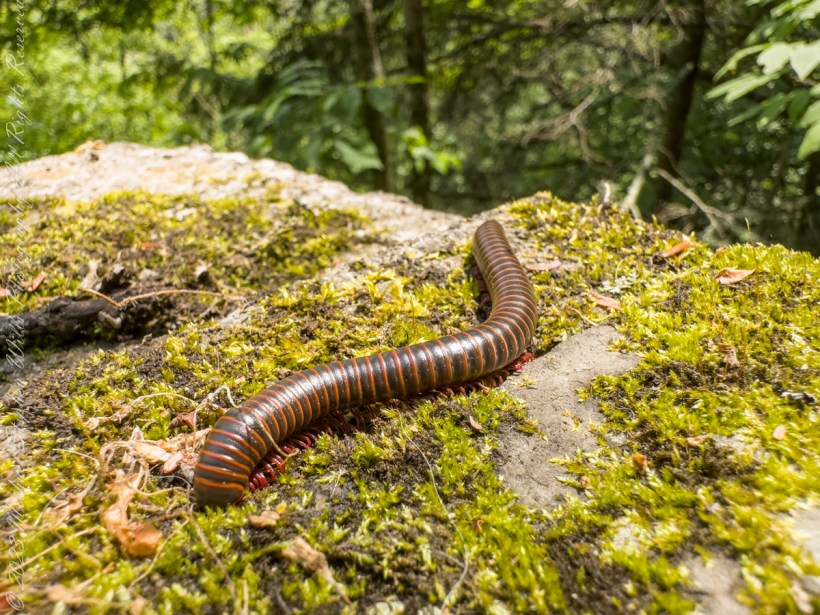
Visitors to Robert H. Treman park think nothing of crushing millipedes on the trail, it is concerning to encounter evidence of such disrespectful and boorish behavior. Here is an intact millipede I found last week.
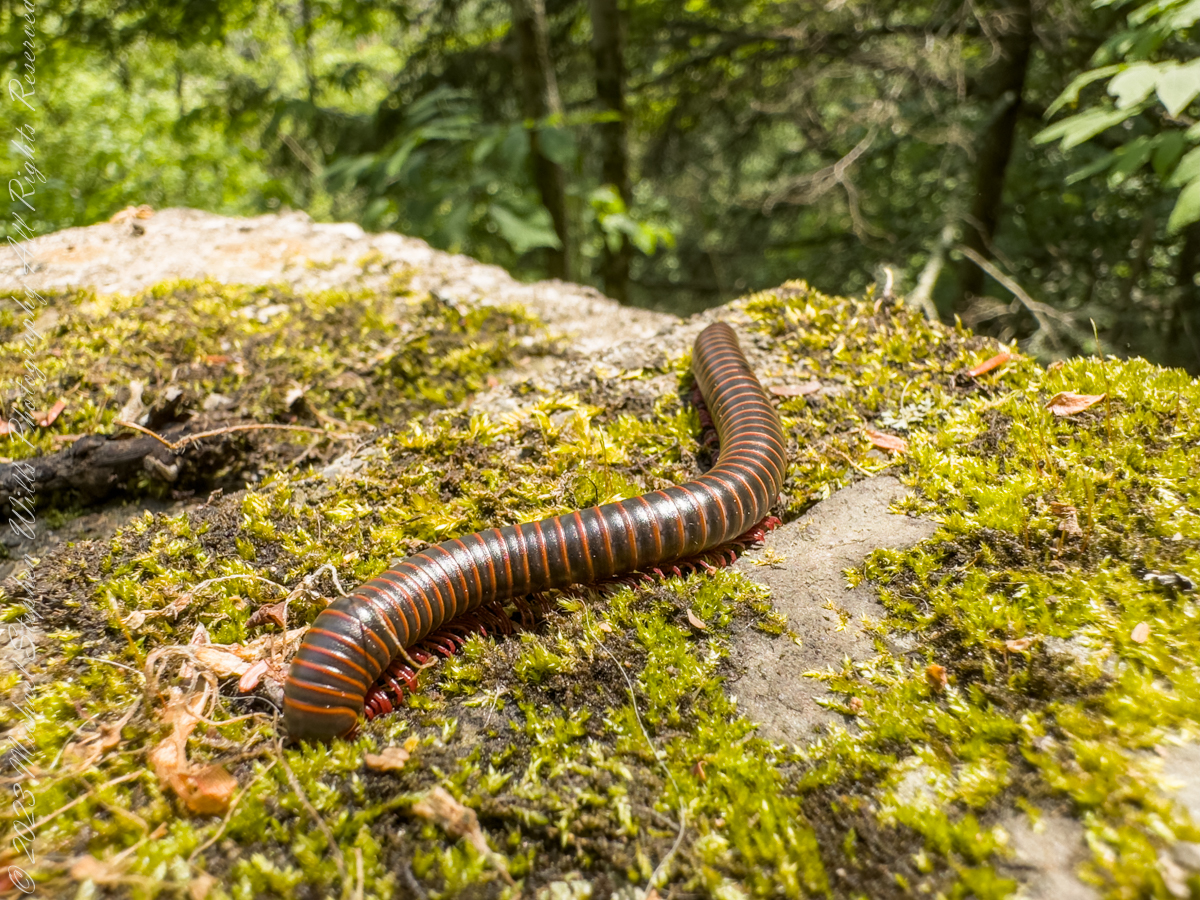
Millipedes are a group of arthropods that are characterized by having two pairs of jointed legs on most body segments; they are known scientifically as the class Diplopoda, the name derived from this feature. Each double-legged segment is a result of two single segments fused together. Most millipedes have very elongated cylindrical or flattened bodies with more than 20 segments, while pill millipedes are shorter and can roll into a tight ball. Although the name “millipede” derives from Latin for “thousand feet”, no species was known to have 1,000 or more until the discovery of Eumillipes persephone, which can have over 1,300 legs.

There are approximately 12,000 named species classified into 16 orders and around 140 families, making Diplopoda the largest class of myriapods, an arthropod group which also includes centipedes and other multi-legged creatures. Most millipedes are slow-moving detritivores, eating decaying leaves and other dead plant matter. Some eat fungi or drink plant fluids, and a small number are predatory.

Millipedes are generally harmless to humans, although some can become household or garden pests. Millipedes can be an unwanted nuisance particularly in greenhouses where they can potentially cause severe damage to emergent seedlings. Most millipedes defend themselves with a variety of chemicals secreted from pores along the body, although the tiny bristle millipedes are covered with tufts of detachable bristles. Its primary defense mechanism is to curl into a tight coil, thereby protecting its legs and other vital delicate areas on the body behind a hard exoskeleton. Reproduction in most species is carried out by modified male legs called gonopods, which transfer packets of sperm to females.

Millipedes are among the first animals to have colonized land during the Silurian period. Early forms probably ate mosses and primitive vascular plants. Millipedes also exhibit the earliest evidence of chemical defense, as some Devonian fossils have defensive gland openings called ozopores. Millipedes, centipedes, and other terrestrial arthropods attained very large sizes in comparison to modern species in the oxygen-rich environments of the Devonian and Carboniferous periods, and some could grow larger than one meter. As oxygen levels lowered through time, arthropods became smaller.

Most millipedes are detritivores and feed on decomposing vegetation, feces, or organic matter mixed with soil. They often play important roles in the breakdown and decomposition of plant litter: estimates of consumption rates for individual species range from 1 to 11 percent of all leaf litter, depending on species and region, and collectively millipedes may consume nearly all the leaf litter in a region. The leaf litter is fragmented in the millipede gut and excreted as pellets of leaf fragments, algae, fungi, and bacteria, which facilitates decomposition by the microorganisms.

Reference: “Millipede” Wikipedia
Copyright 2023 All Rights Reserved Michael Stephen Wills

Spring Waterfall Walk

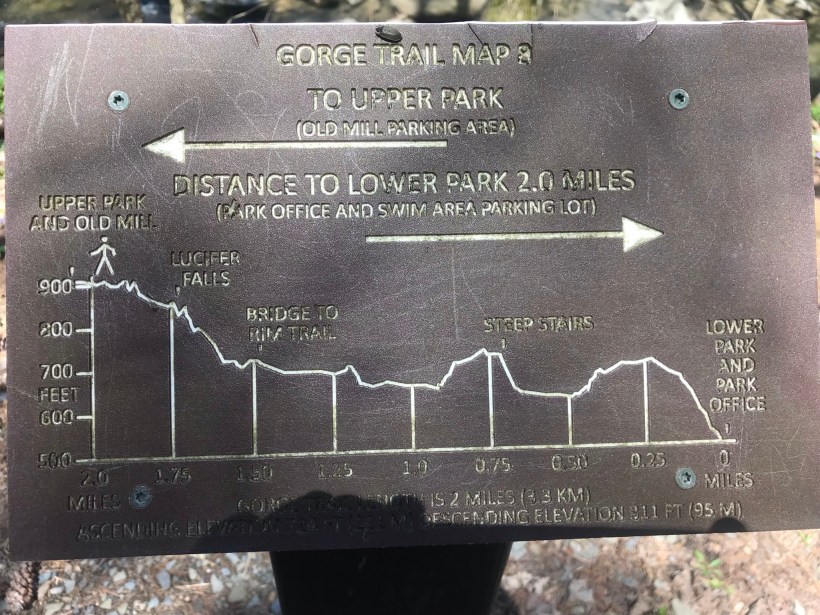
Travelling light, using the IPhone 7during a 4 mile walk on the Gorge and South Rim Trails of Robert H. Treman New York State Park, Finger Lakes Region near Ithaca, New York. A few waterfalls and sights along the way. Distance is from the “Health” app on my phone.

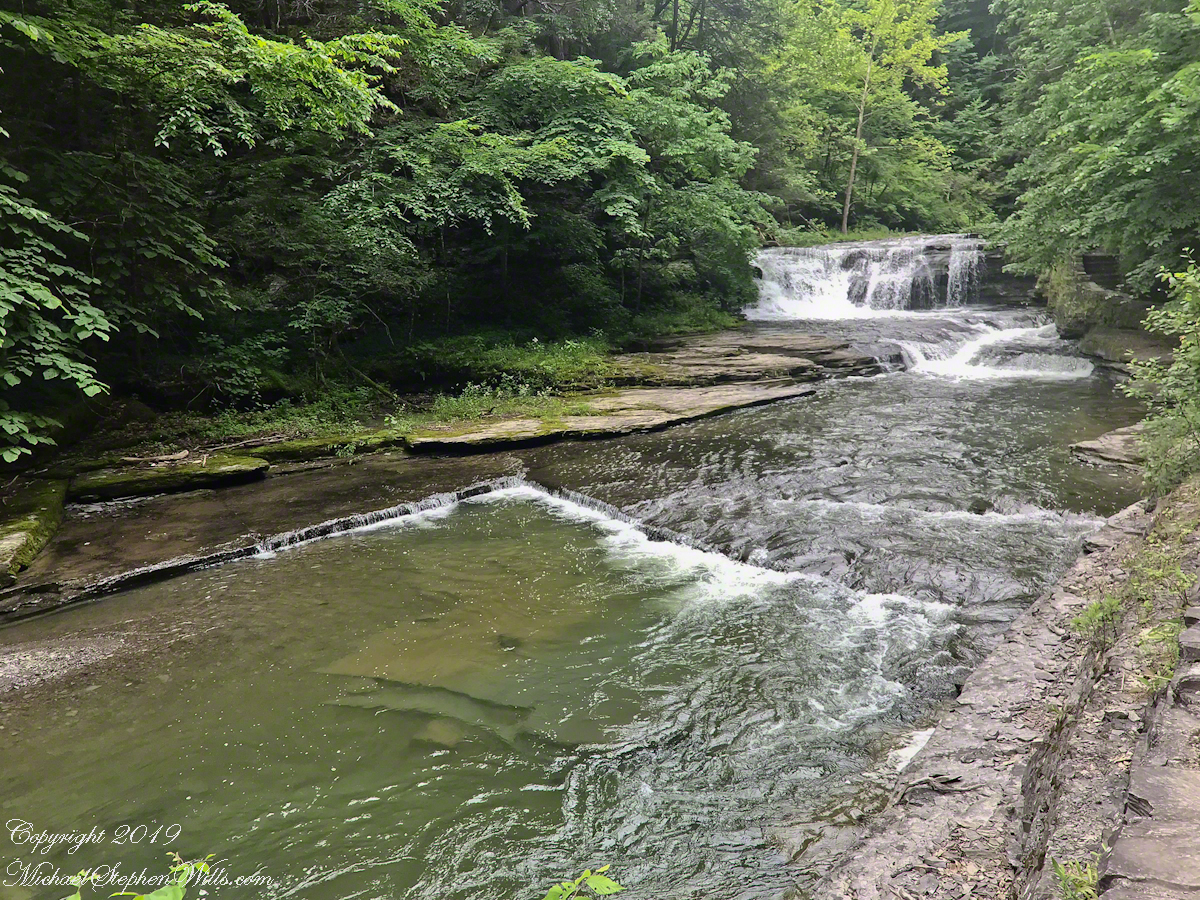
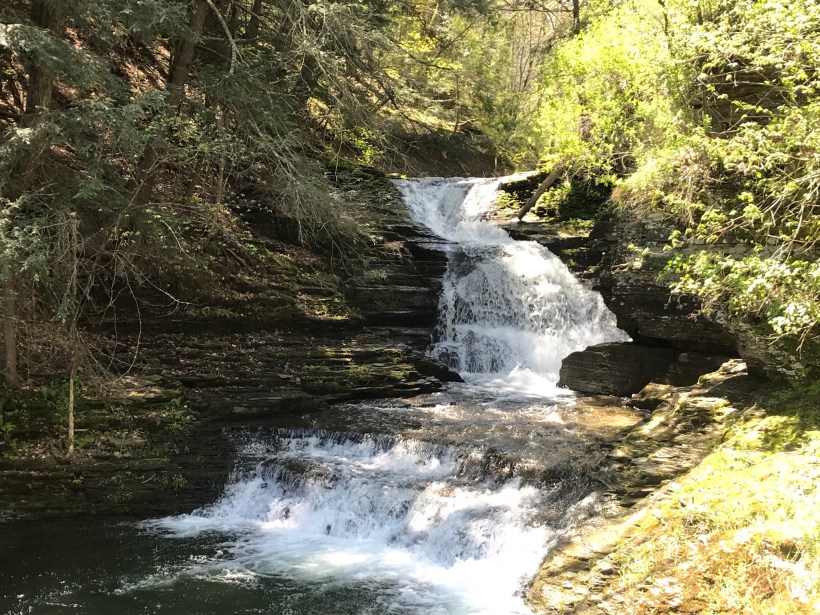
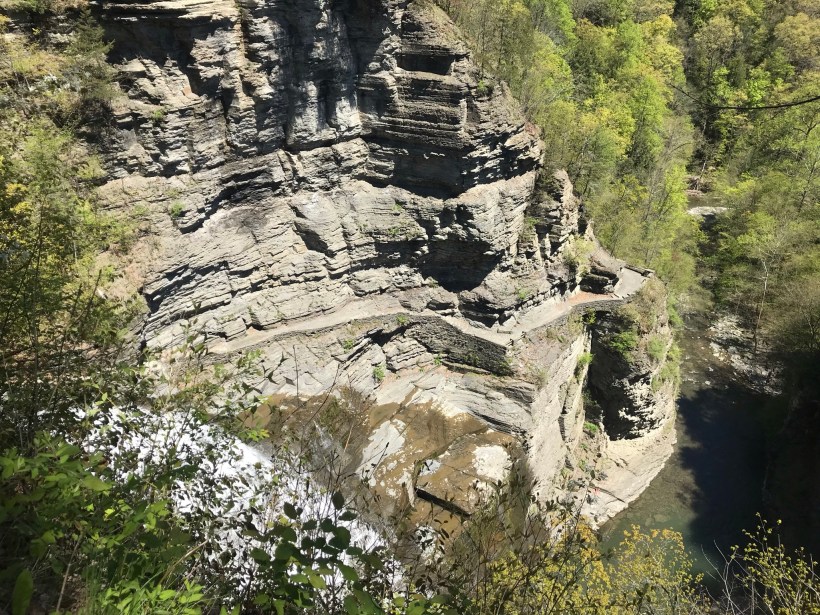
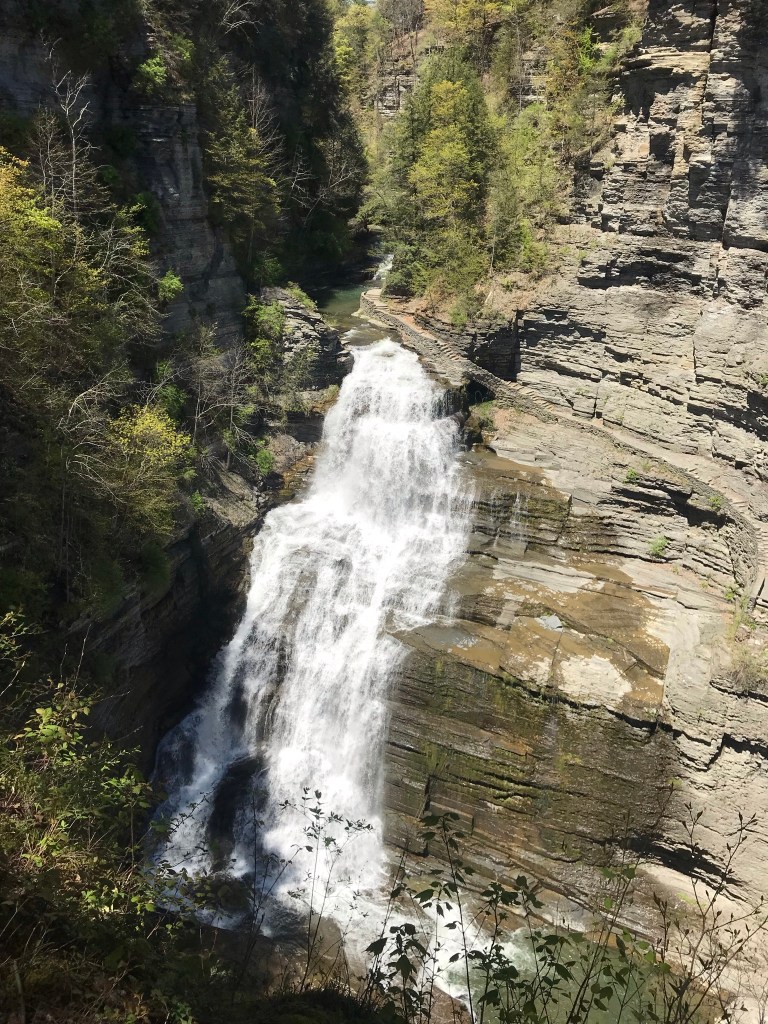
A pool is formed beneath this waterfall by a dam, removed each fall and yet to be placed. Summertime, the water is deliciously cool. It is great fun swimming to the waterfall base and inching along under the spray. This view is the reward for the first climb up from the gorge floor, the South Rim Trail.

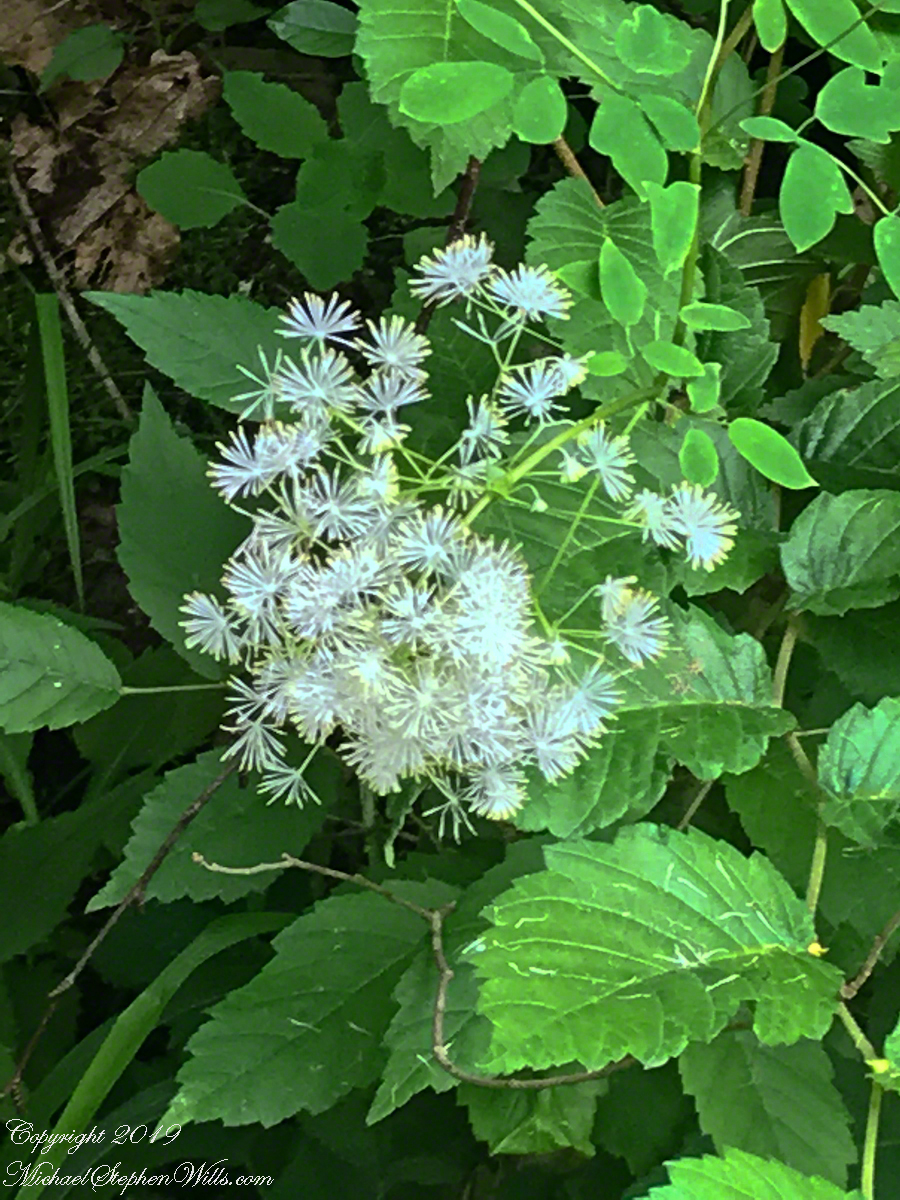
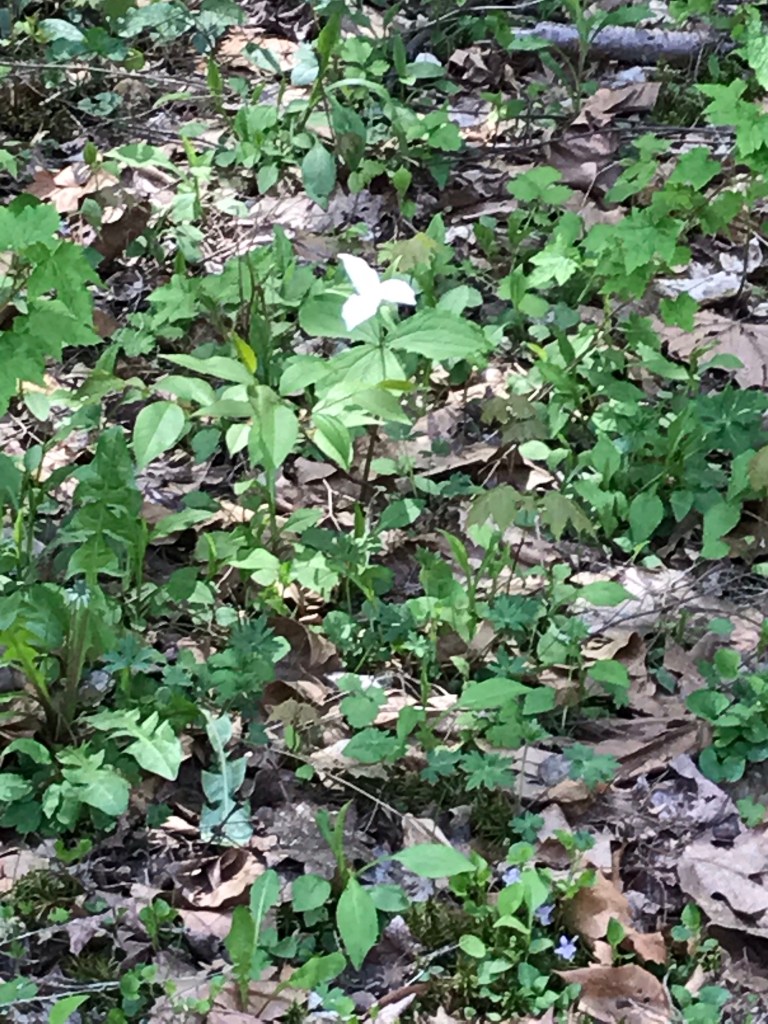
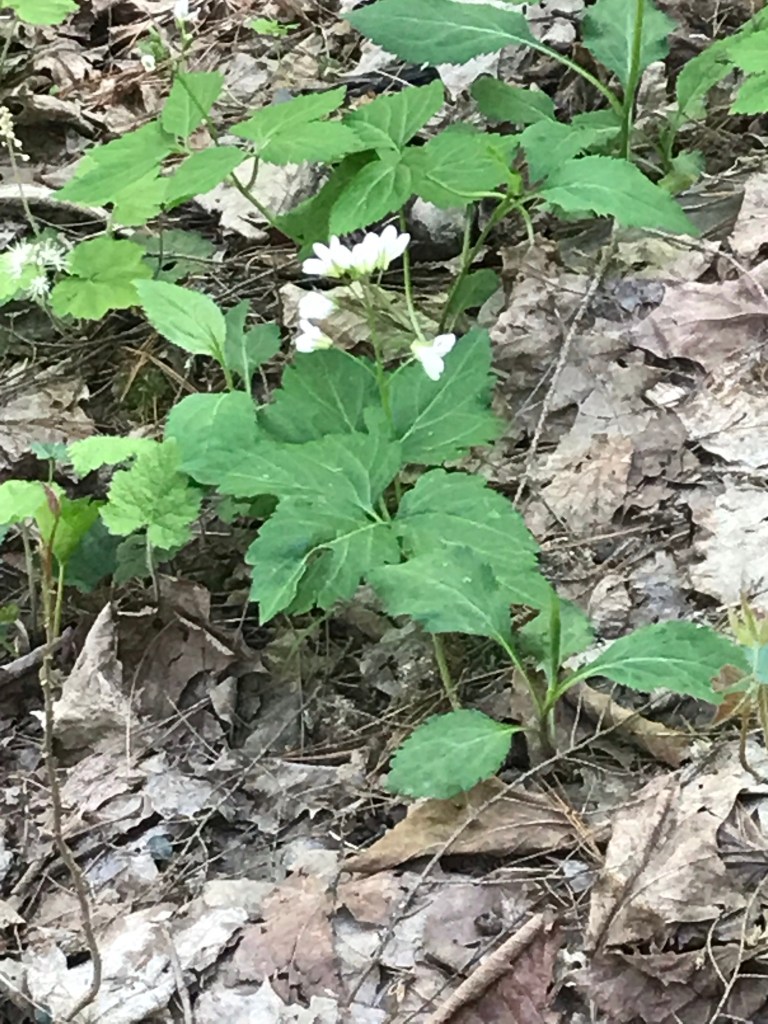
The first Foam Flower…..

This flower grew just off this section of the trail.

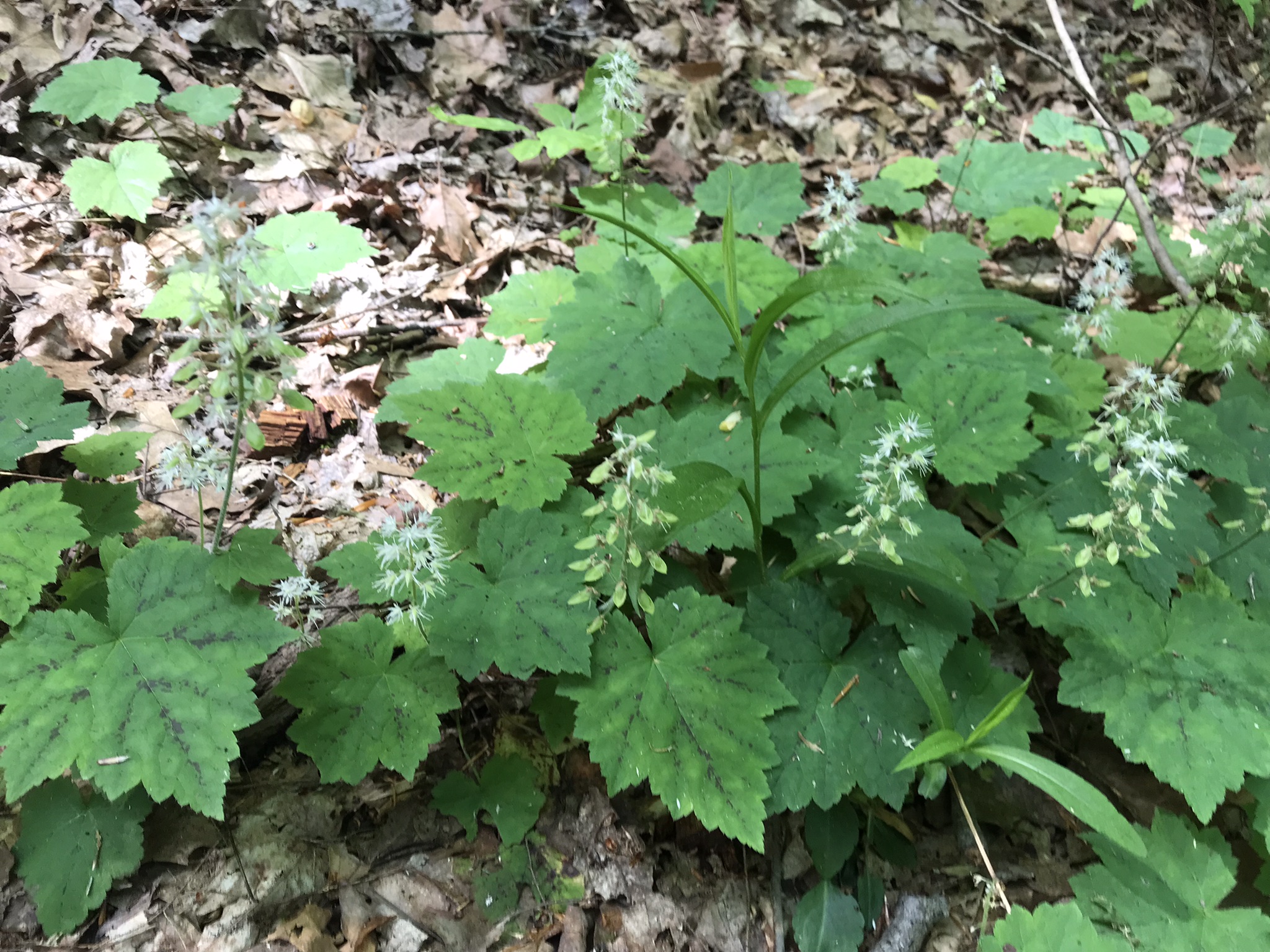
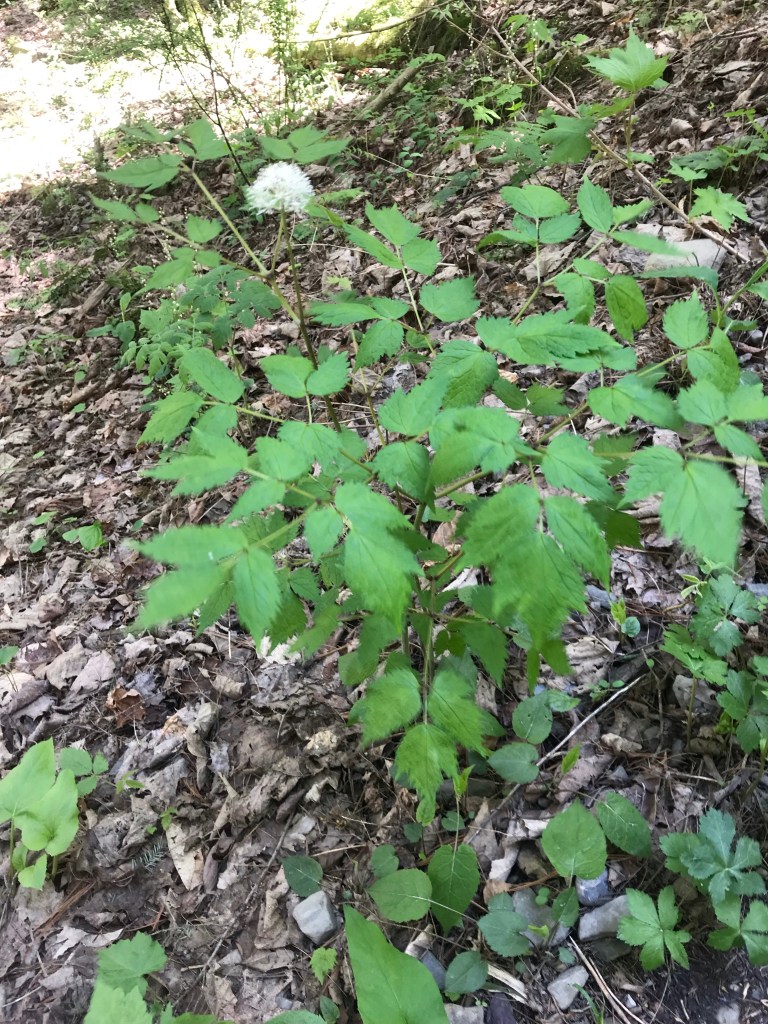
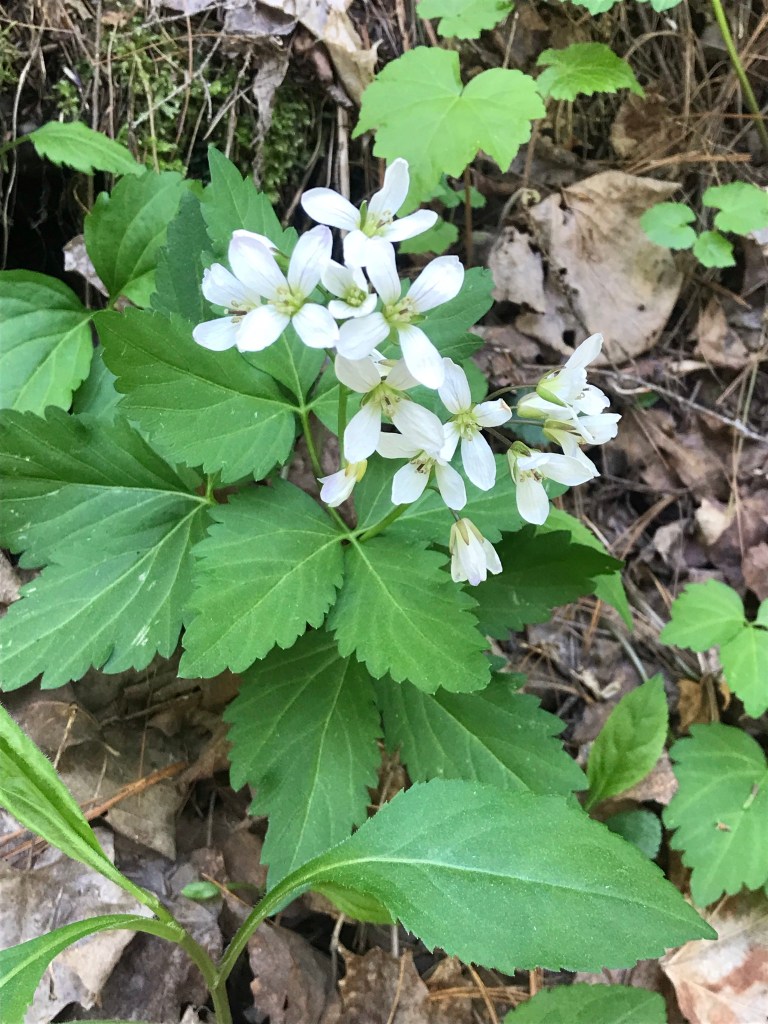
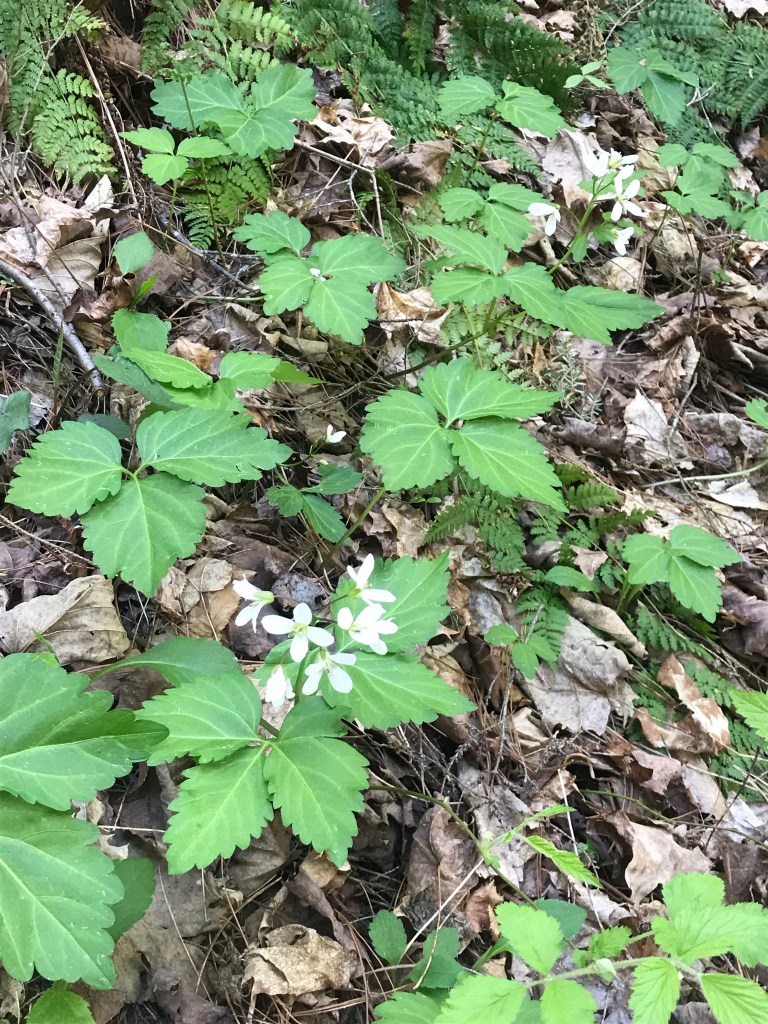
A few hundred feet further along, the Foam Flowers were crowded in clumps. The scientific name, Tiarella cordifolia, is from the heart shaped leaves (cordifolia). Each flower forms a crown like seed, thus “tiarella” from the French.

Click me for more information on this plant.

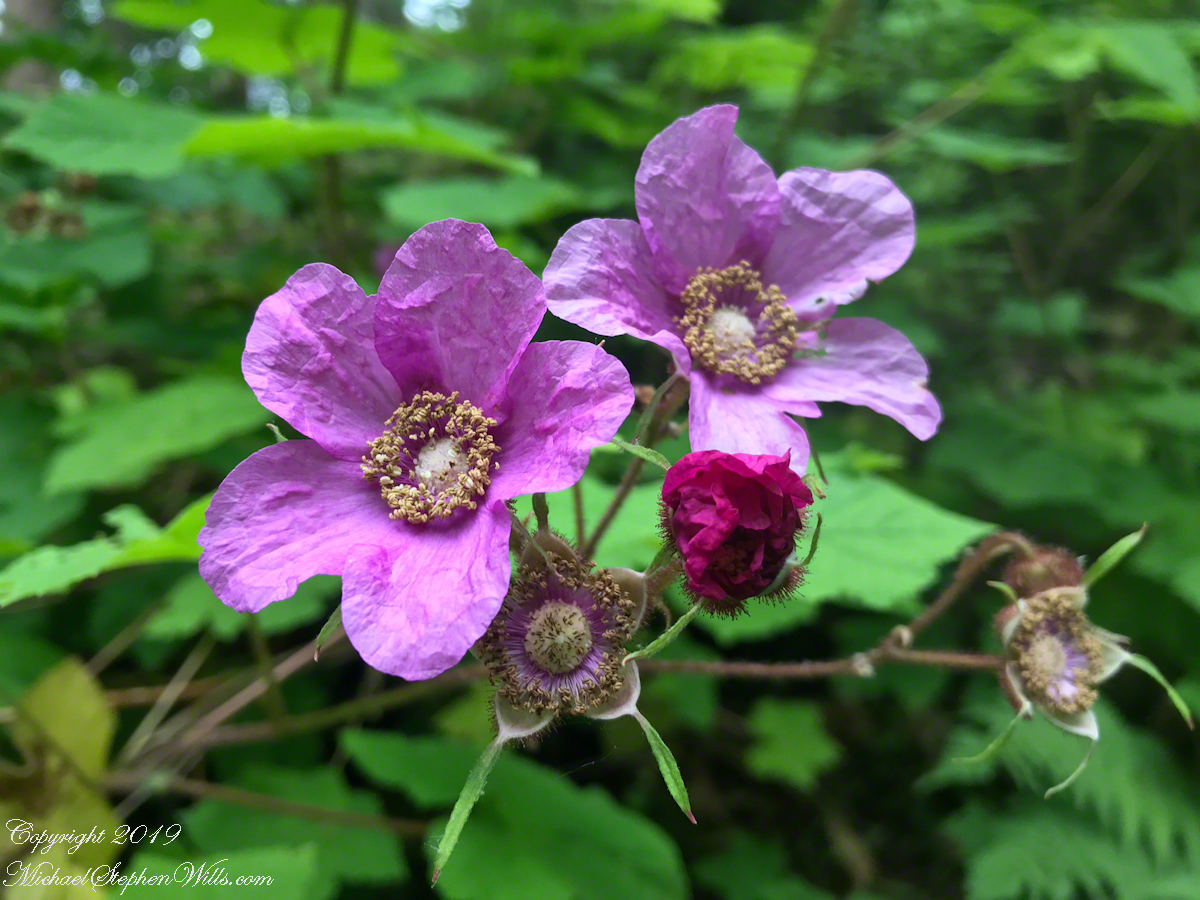
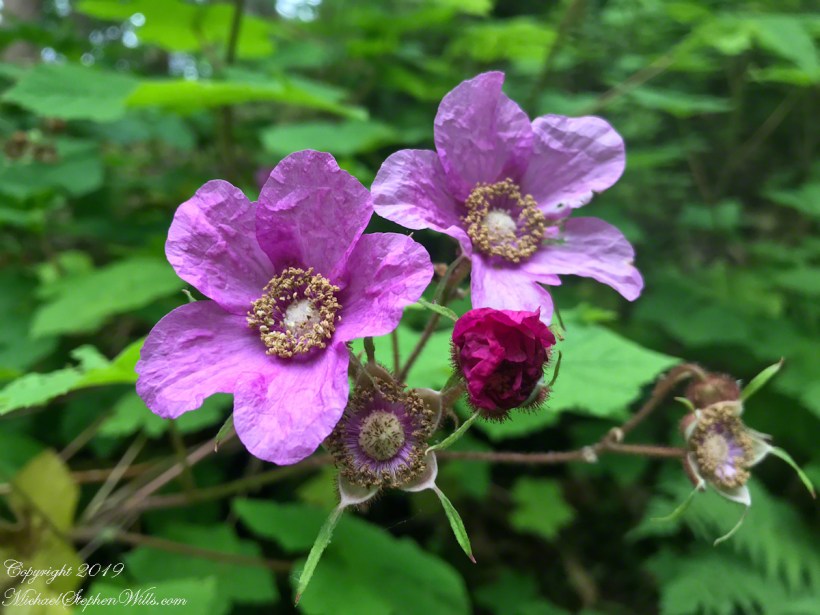
Here I approached the high point of this section of the South Rim Trail. I look forward to summer and Purple Flowering Raspberry, the featured photograph (header) of this post.

Click me to learn more about the Purple Flowering Raspberry from my Fine Art Photography Gallery

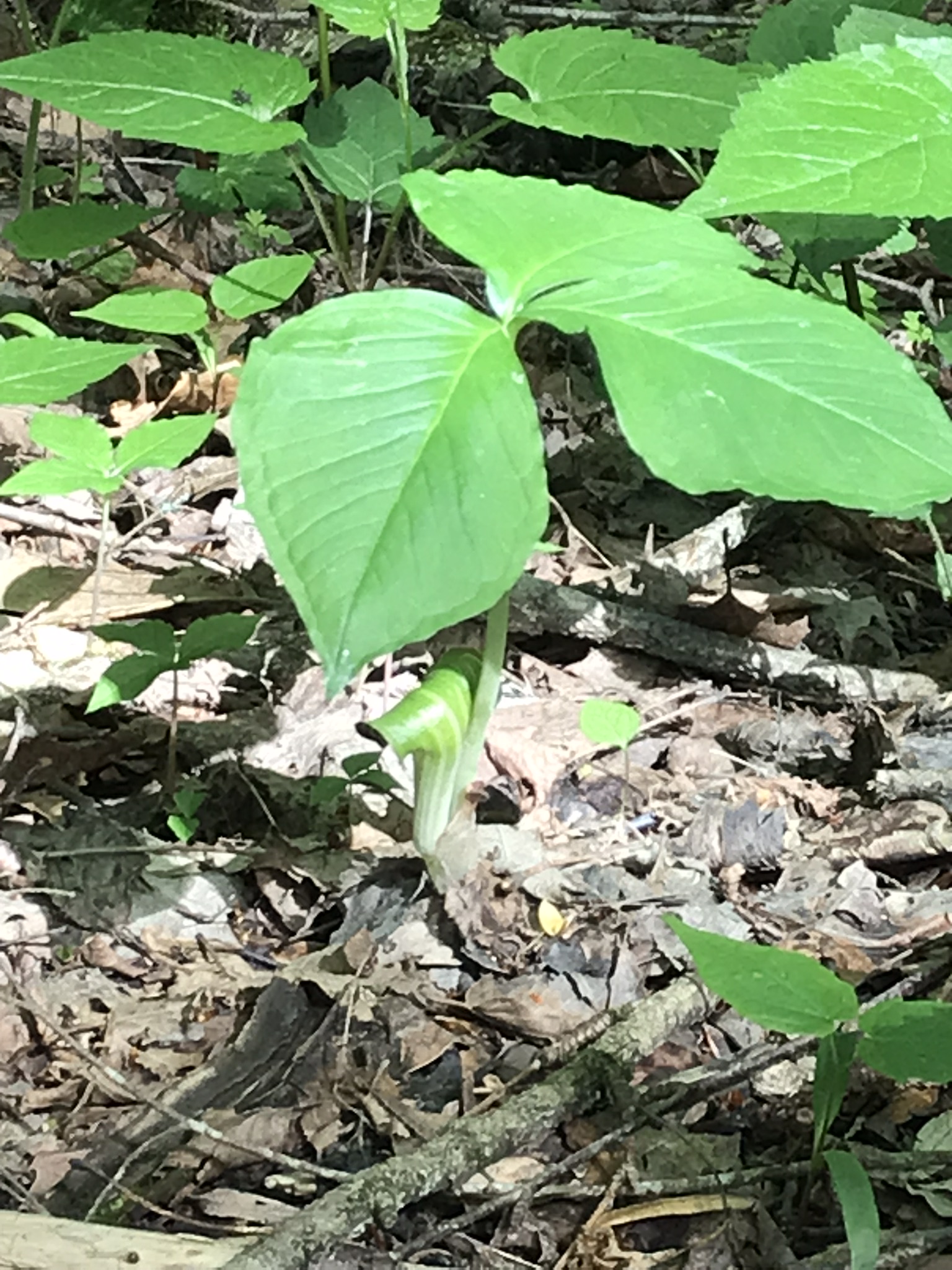
I caught sigh to this Jack-In-The-Pulpit on the descent to the gorge. Click me for a better photograph of this plant.

An enchanted place just off the trail.

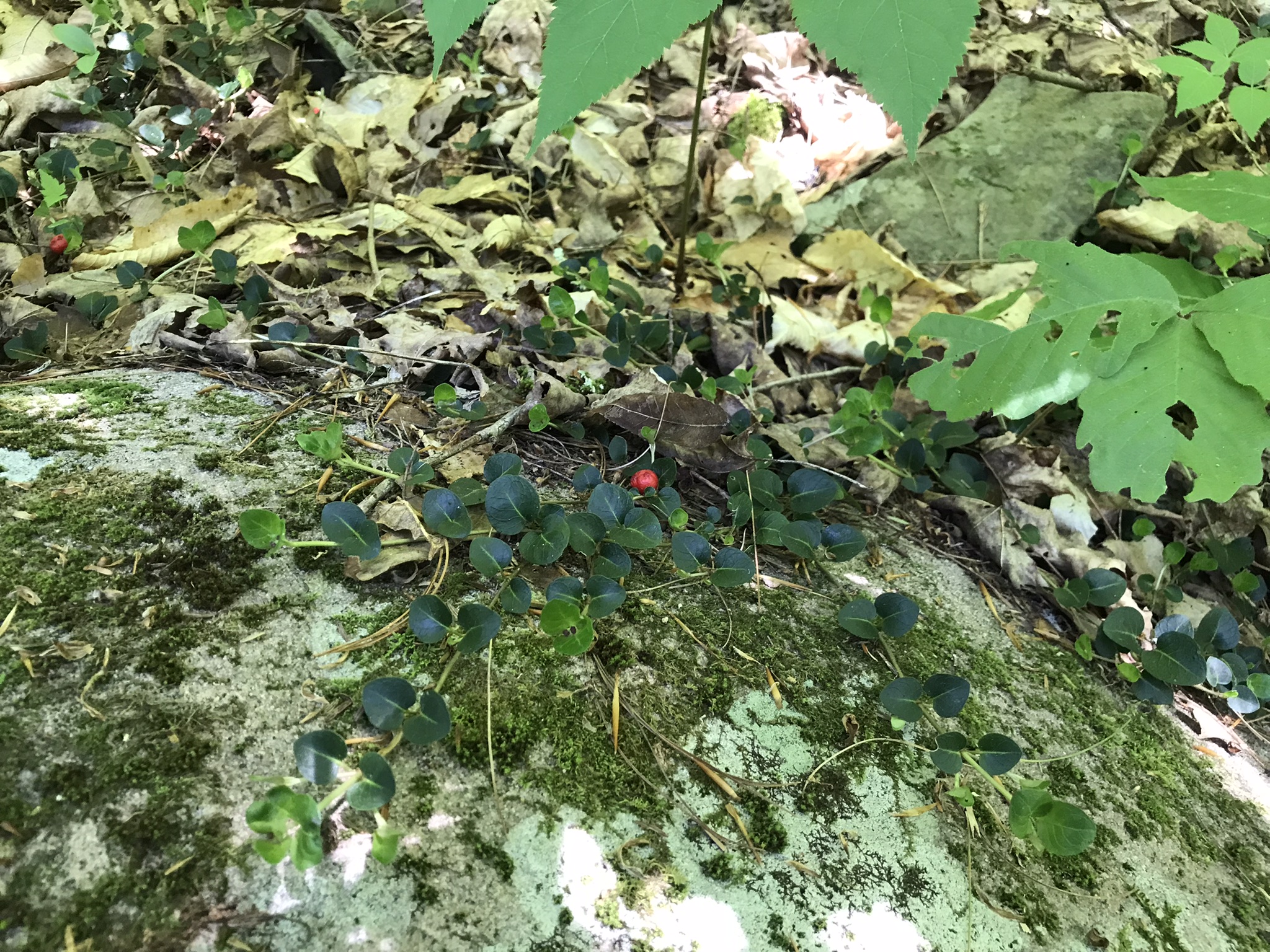
I spotted this Creeping Wintergreen (Gaultheria procumbens) with a single red berry on my return trip via the Gorge Trail.

Click me for the another Enfield Glen post, “A Summer Flower and Waterfalls.
Copyright 2022 All Rights Reserved Michael Stephen Wills

Bridging the Lethe

notes from November 2231 AD

Hook

Ancient legends speak of the River Lethe, crossed by departing souls.  The waters of the Lethe wash away memory, allowing for spiritual rebirth, reincarnation, a return to the world in new form.

SycamoreGrove20170404-10

This memory implant represents a bridge over the Lethe.

Footbridge over Enfield CreekFor those chosen to cross over to the new land in return for

Sycamore Grove

their treasure, lives and selves.

Sycamore Grove

Description

This virtual monoculture glade from the long time of forests,

Sycamore Grove

a place of happy gatherings, of families, plentiful food and water.

Sycamore Grove

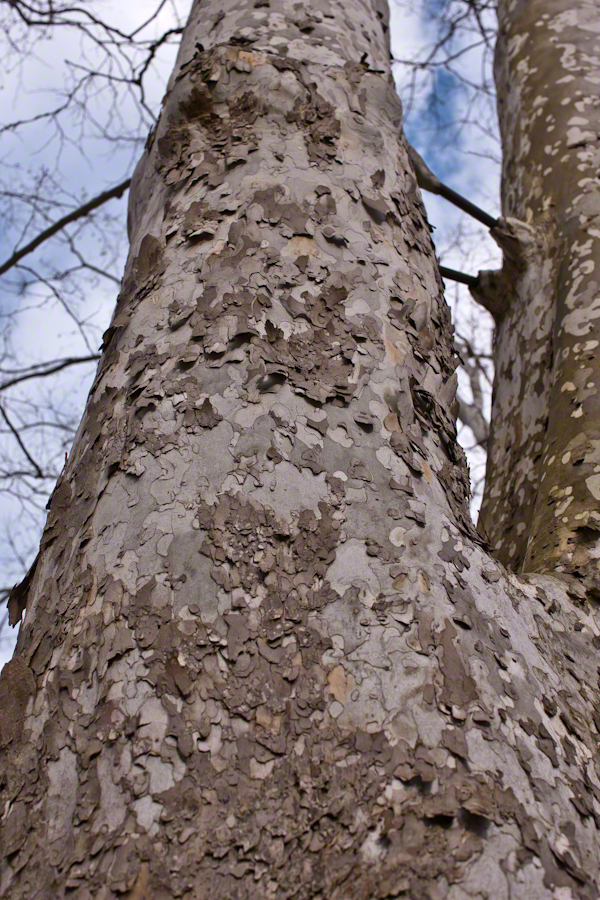
These sycamores grew over centuries, through thousands of days, wider than 10 people,

Sycamores

white with age as the outer covering, called bark, falls away.

Sycamores

forked, trunks

Sycamore Trunk

climbing to the sky.

Sycamore Sky
Copyright 2022 Michael Stephen Wills All Rights Reserved

Summer Waterfall Walk

Travelling light, using IPhone captures during a 5.7 mile walk on the Gorge and South Rim Trails of Robert H. Treman New York State Park, Finger Lakes Region near Ithaca, New York. A few waterfalls and sights along the way. Distance is from the “Health” app on my phone.

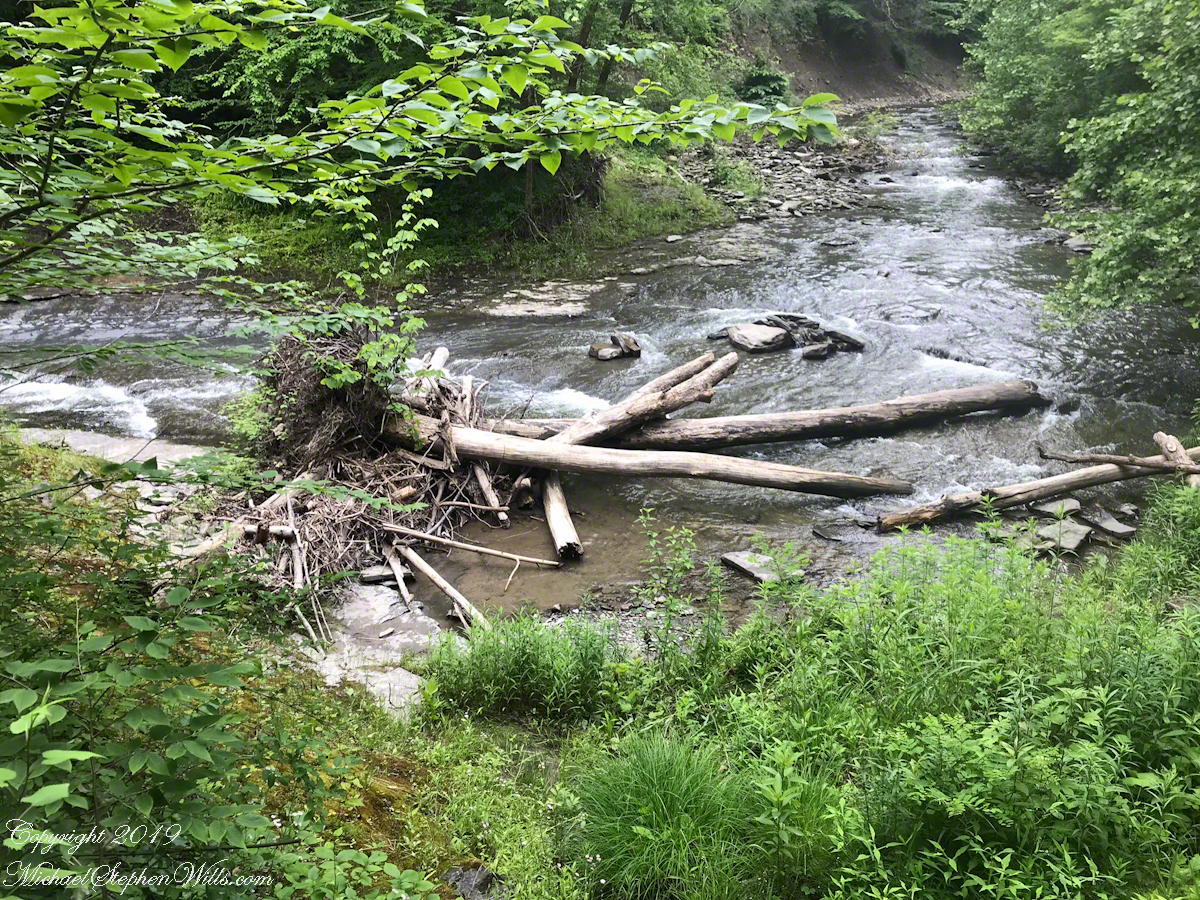
One of many waterfalls along the Gorge Trail
Looking back to the above waterfall
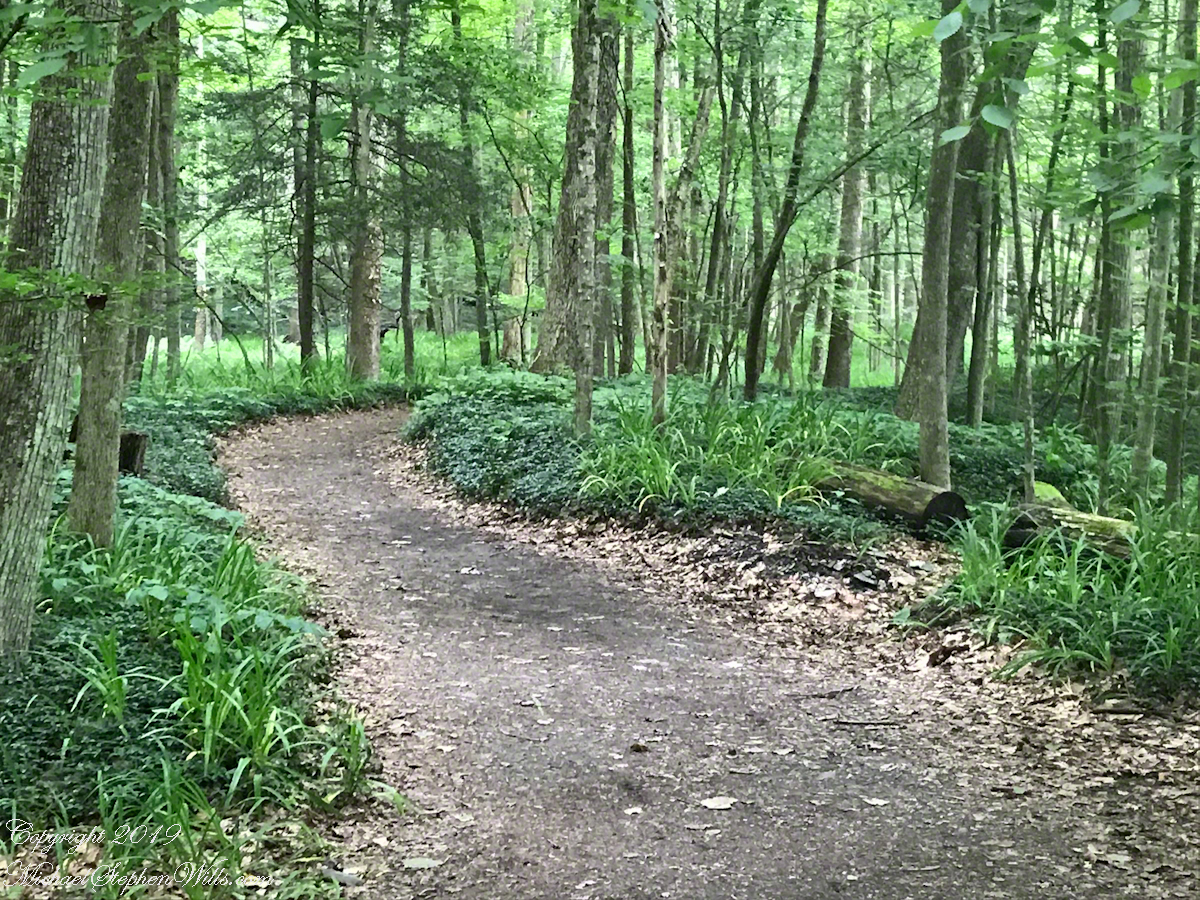
Enchanted Trail
Birdsong and enchanted place
Bayberry?
The power of flowing water (flood stage)
Click me to learn more about the Purple Flowering Raspberry from my Fine Art Photography Gallery
Purple Flowering Raspberry
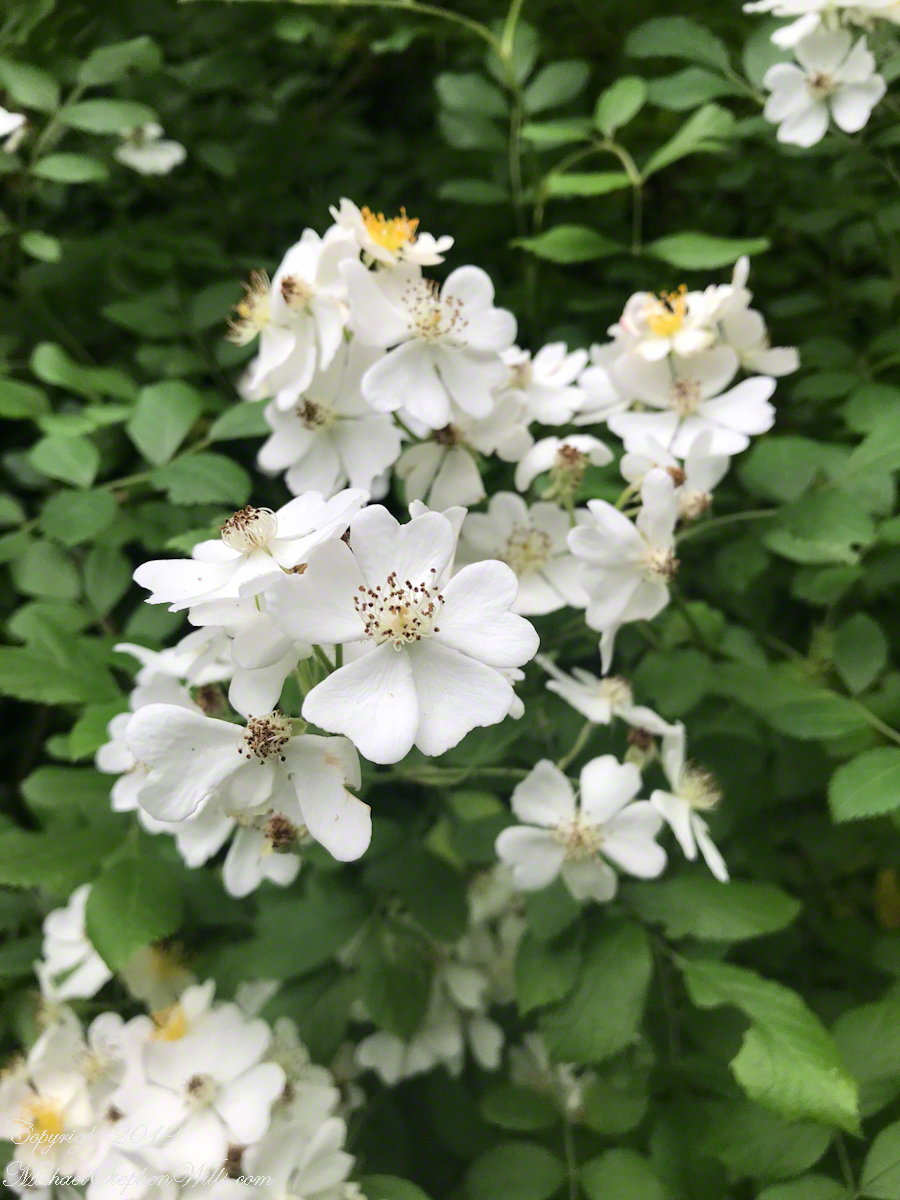
Wild Rose
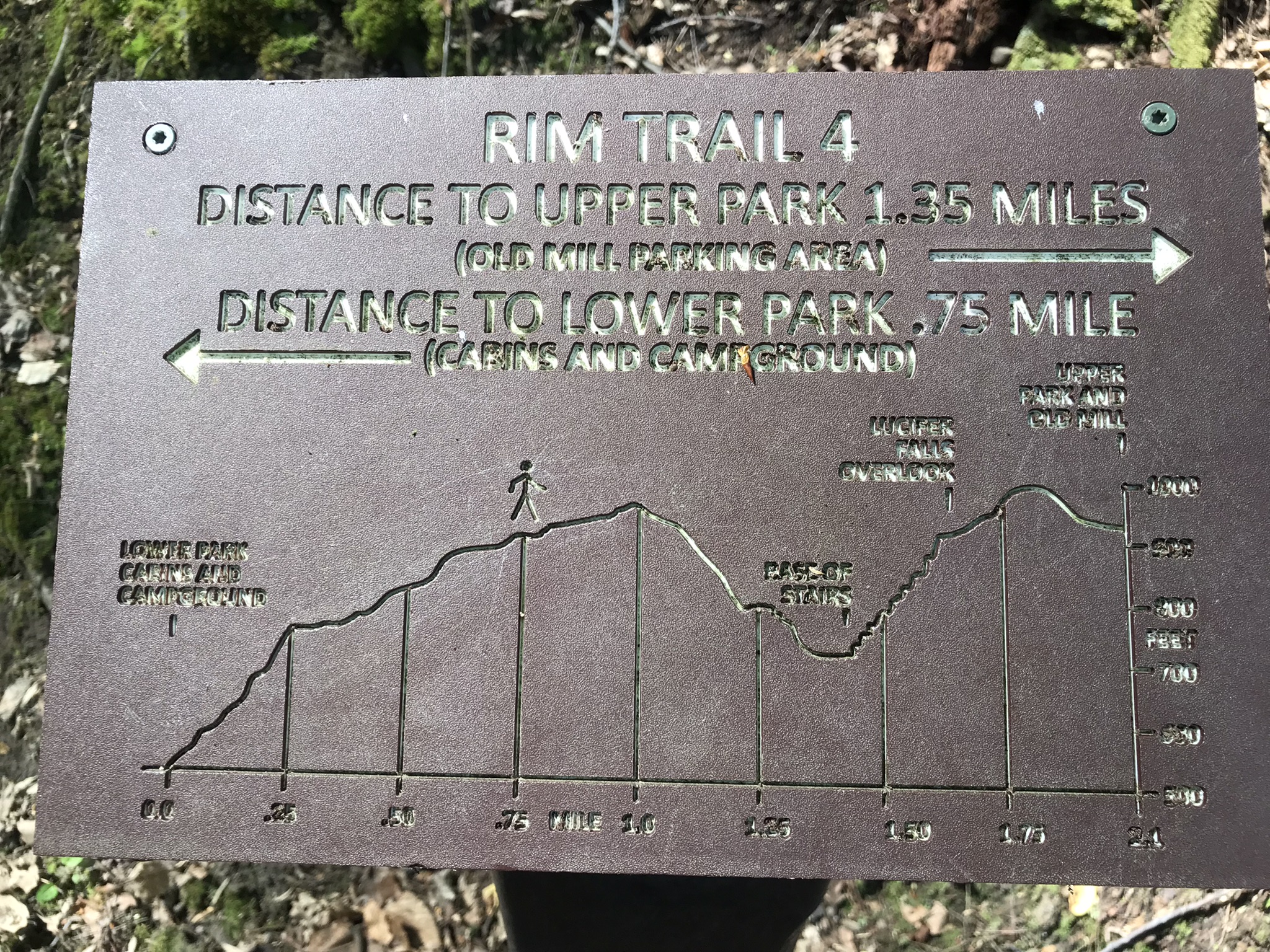
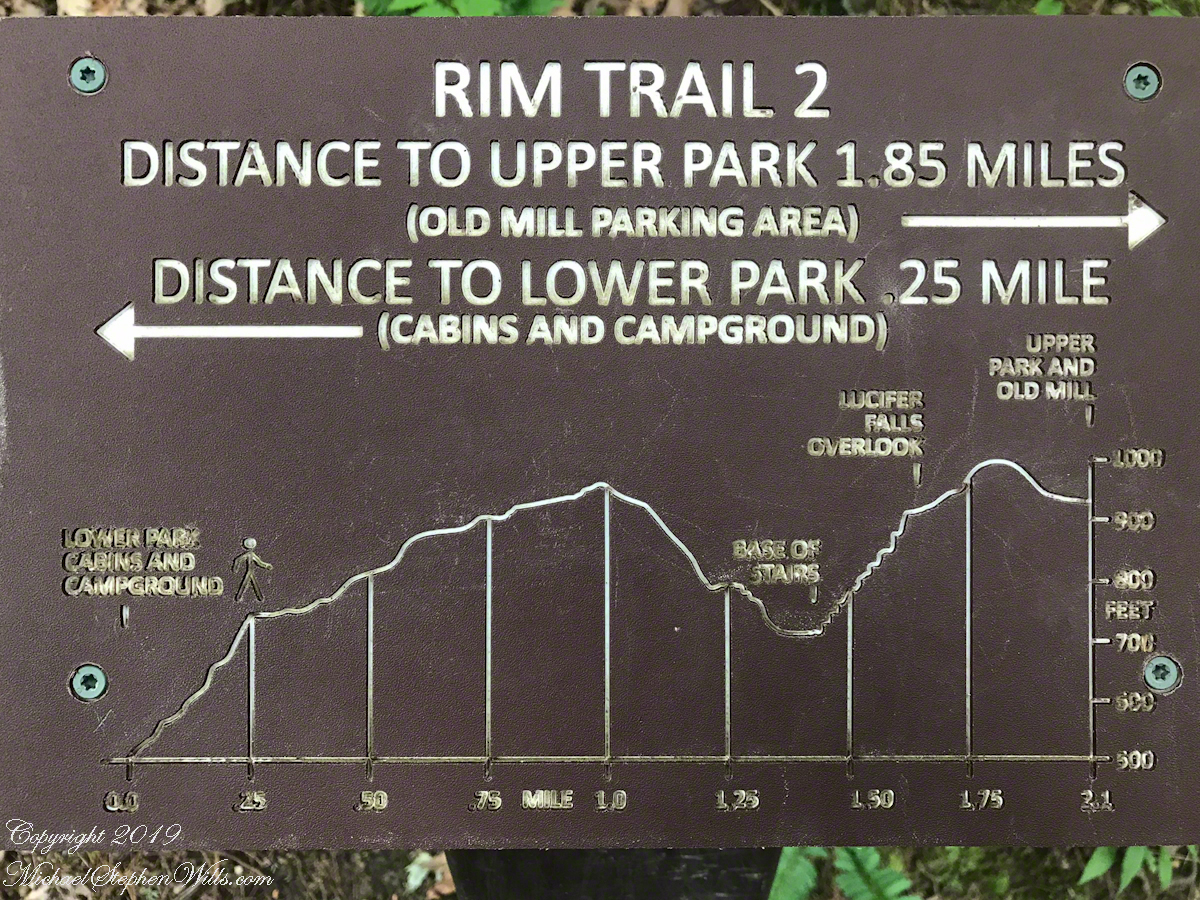
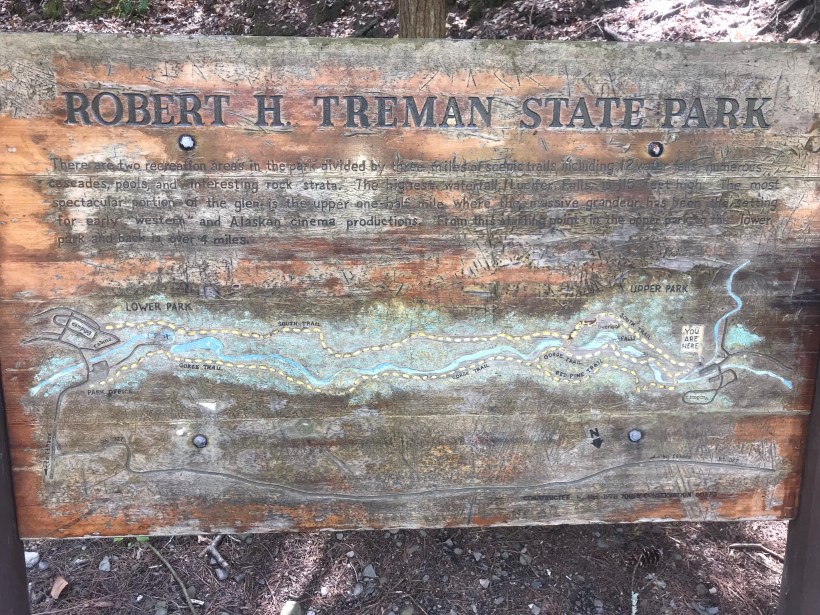
It is good to know where you are
Rim Trail Panorama
Sweep of Lucifer Falls from the Gorge Trail
That is the South Rim Trail Lucifer Falls Overlook, upper left.
Click me for the next post in this series, “A Summer Flower and Waterfalls.
Copyright 2021 All Rights Reserved Michael Stephen Wills

June Nature Walk

A perfect afternoon, June 16, 2021

Here is a repost for those who missed the video. Please click on video, below and share your responses via comments. Thank You

The Finger Lakes Trail joins Robert H. Treman New York State Park, running along the south rim along the park border.

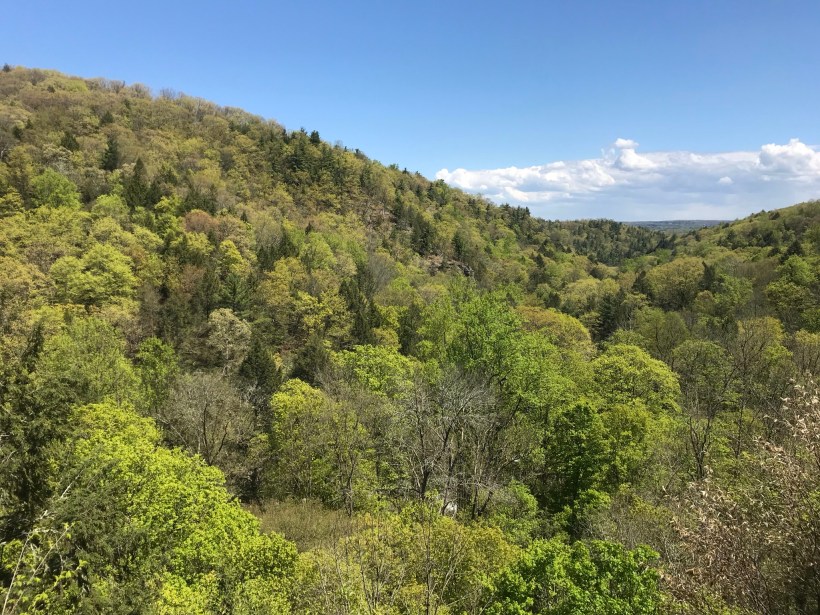
Today, I started from the stairs next to the Mill of the upper park, walking along Fish Kill Creek, a brief visit to the CCC plaque, over the new footbridge and a steep climb up to the ridge to a marvelous view over the way we just walked. That is a millipede resting on a wooden trail stake.

A word on the creek name. The Dutch word for creek is “Kill”, the anglicisation of the original name retained the Dutch making it, in effect, “Fish Creek Creek,” not a memorization of fish massacre.

There’s one shot of the damage done to tree leaves by hoards of caterpillars…I found chewed-up leaves at my feet throughout the hike.

Then, I re-join the State Park South Rim trail, down the Cliff Staircase to wander the gorge floor below Lucifer Falls.

Up the Gorge Trail with many shots of these wonders including Lucifer Falls, Devil’s Kitchen Waterfall, and the Gallery.

Close with a shot of early Tiger Lily blooms on the south facing bank of Enfield Creek.

I used a new format with this post, with all media in one You Tube video. Enjoy!!

Finger Lakes Trail and Treman Park June 16 2021 – YouTube

Copyright 2021 Michael Stephen Wills All Rights Reserved

May Nature Walk

Our first post COVID outing

Pam and I headed out to Treman Park for a walk to the Lucifer Falls overlook. The Gorge Trail is not yet open due to the danger of rock falling from the gorge walls — the park maintenance staff needs to survey winter damage and knock down material in danger of falling.

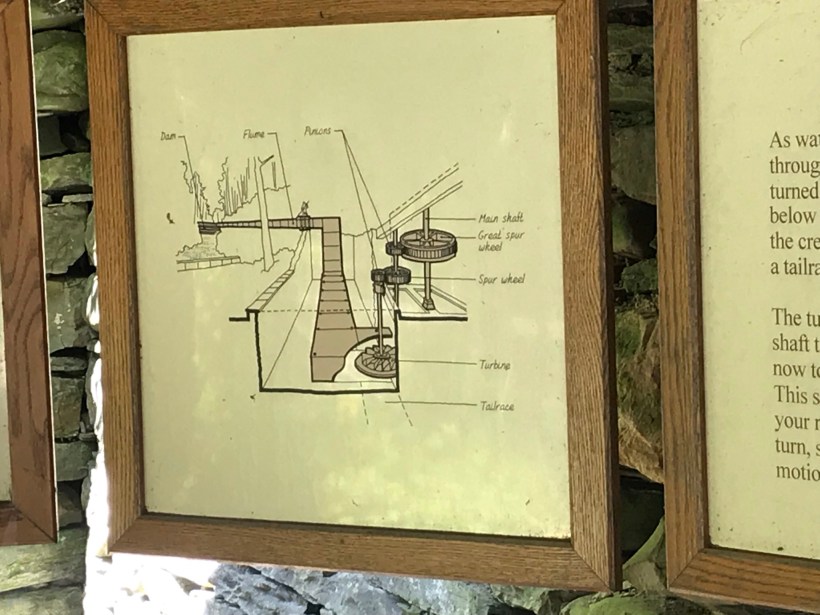
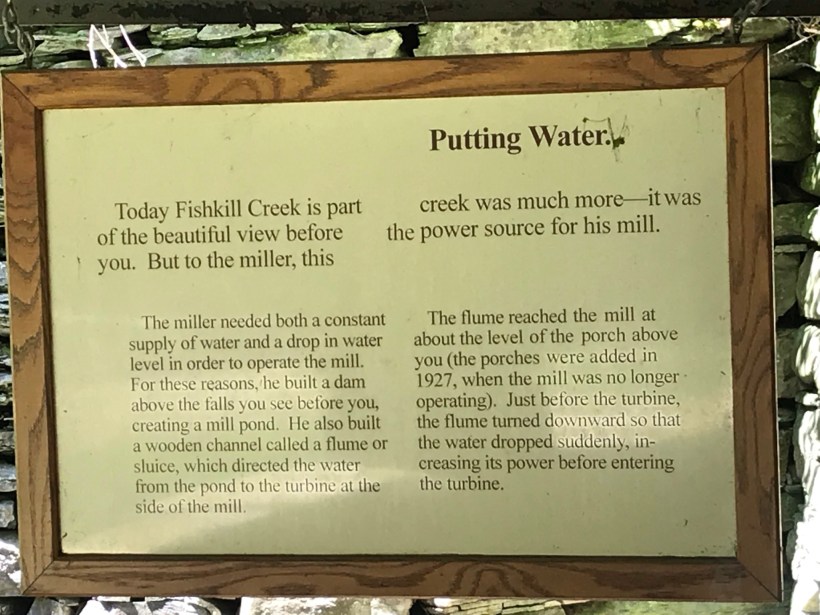
Our first stop was the mill waterfall. This was was directed to the mill stream to power the mill where grain was ground to order.

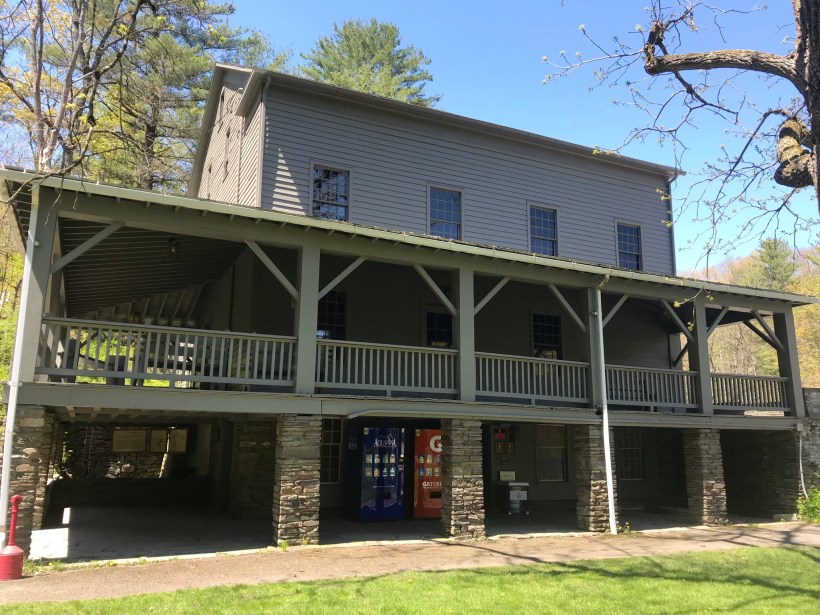
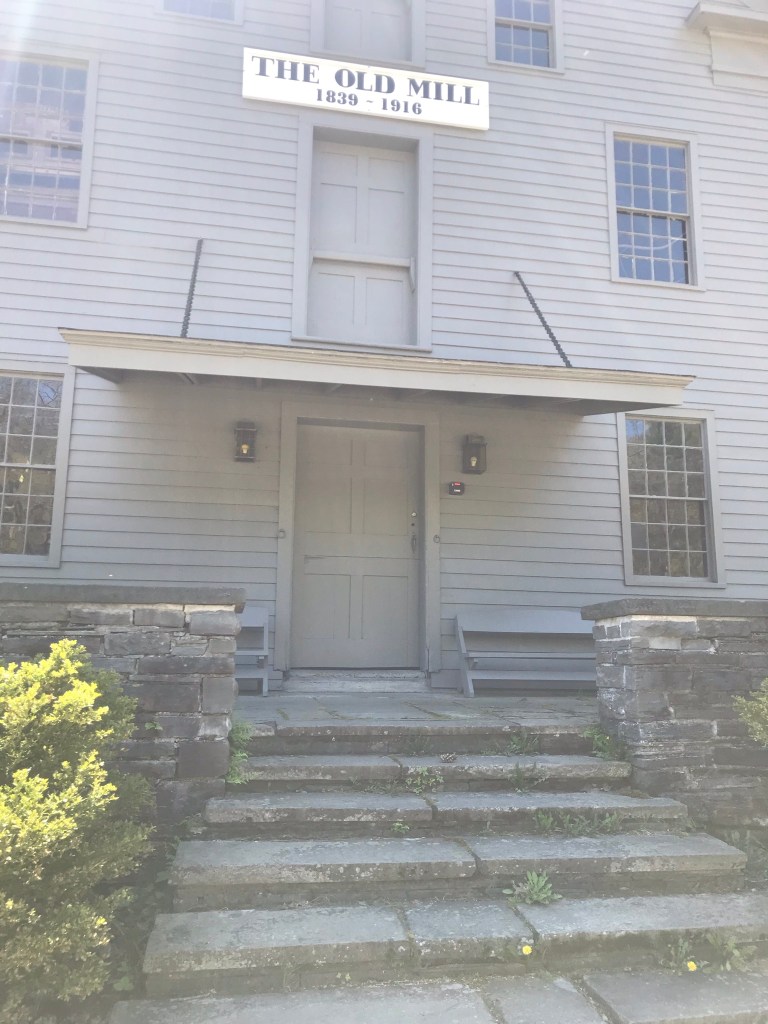
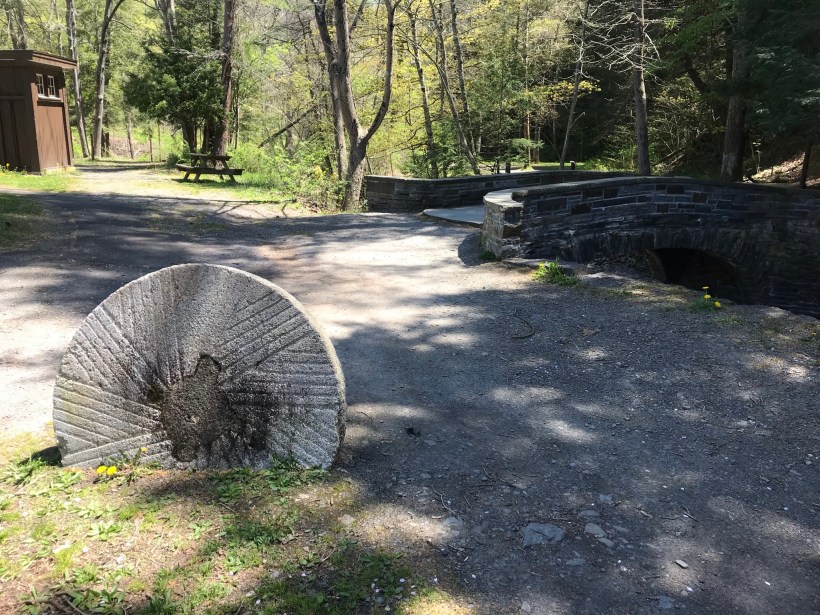
Here is an overview of the Mill, now a museum not yet opened post-Covid. The millstone stands at the start of the foot trails. All media on this post is from my IPhone 7, lightweight equipment for this hike. The automatic upload to ICloud is convenient.

Round trip is four-plus miles, with several hundred feet elevation change. Pam and I discussed a car caravan for our next visit, to support a one-way downhill hike (still plenty of uphill hiking). We need to work up to the round trip after our winter inactivity.
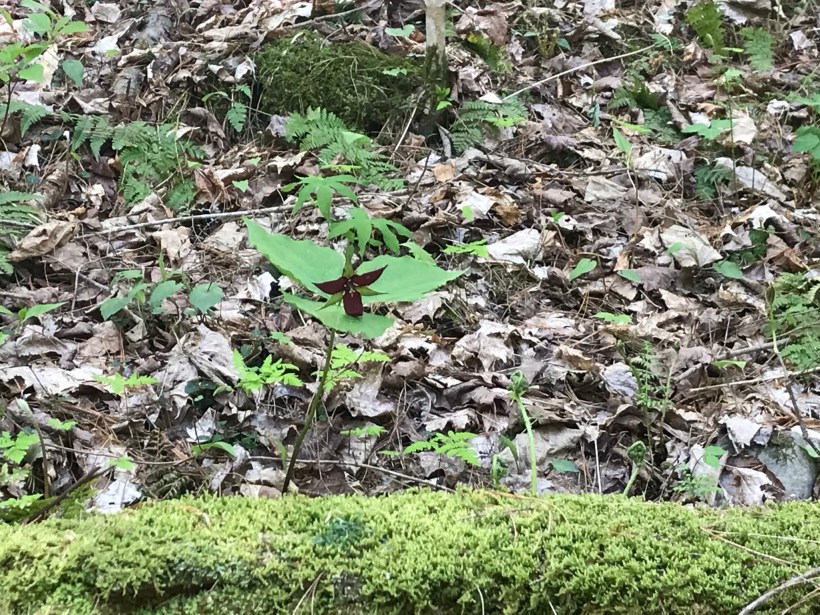
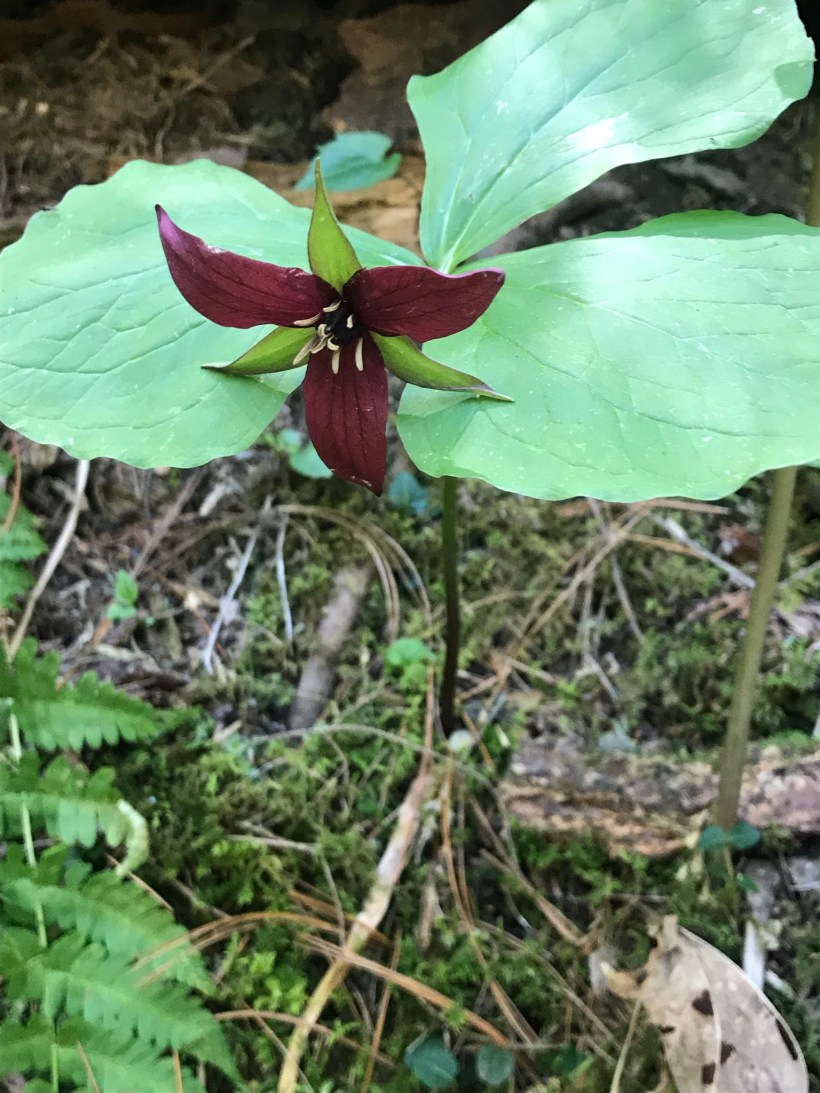
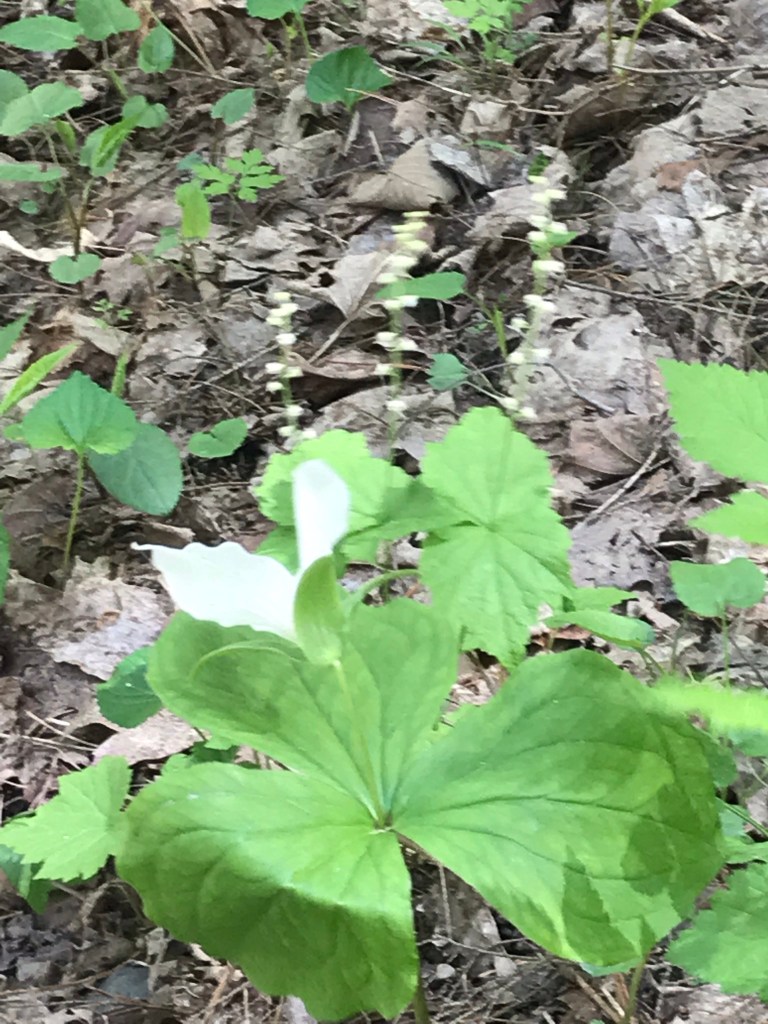
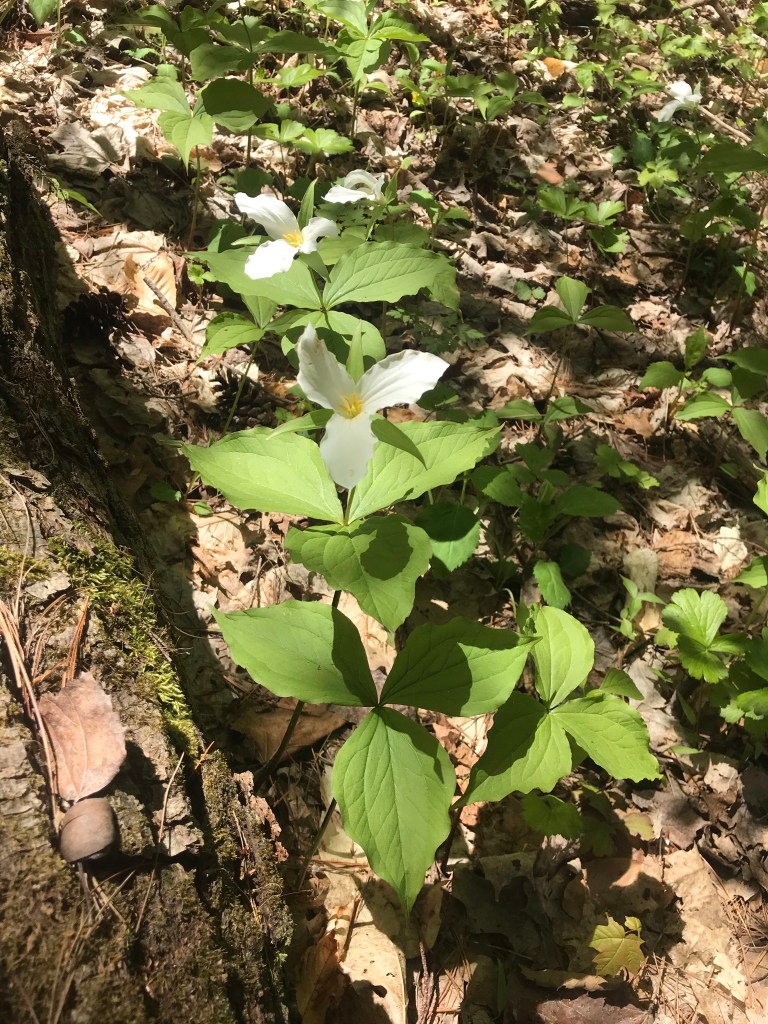
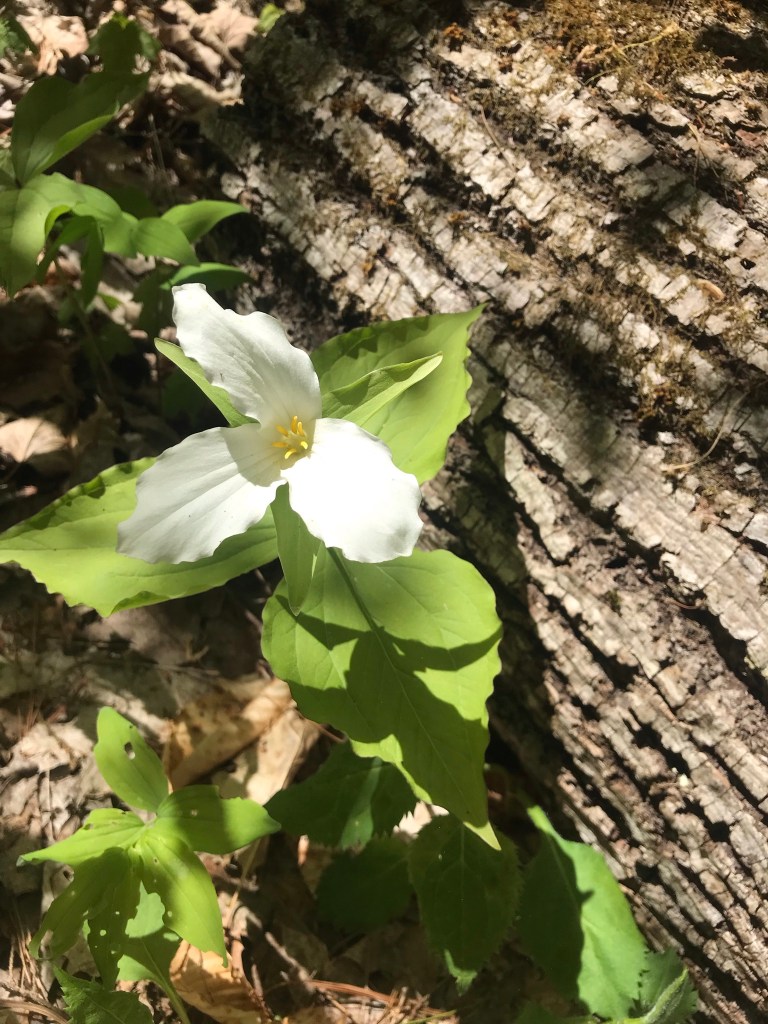
Trillium are in bloom!!

Multiple overlooks into the gorge grace this trail.

More trillium before we reached the overlook. Lucifer falls and the incredible path etched into the cliff by the Civilian Conservation Corps (Roosevelt’s Tree Army during the Depression).

After the Lucifer Falls overlook is this stupendous view from the top of the Cliff Stairs, 224 steps continue to link to the Gorge and South Rim trails.

As we lingered on the top steps the flowering plants slowly revealed themselves.

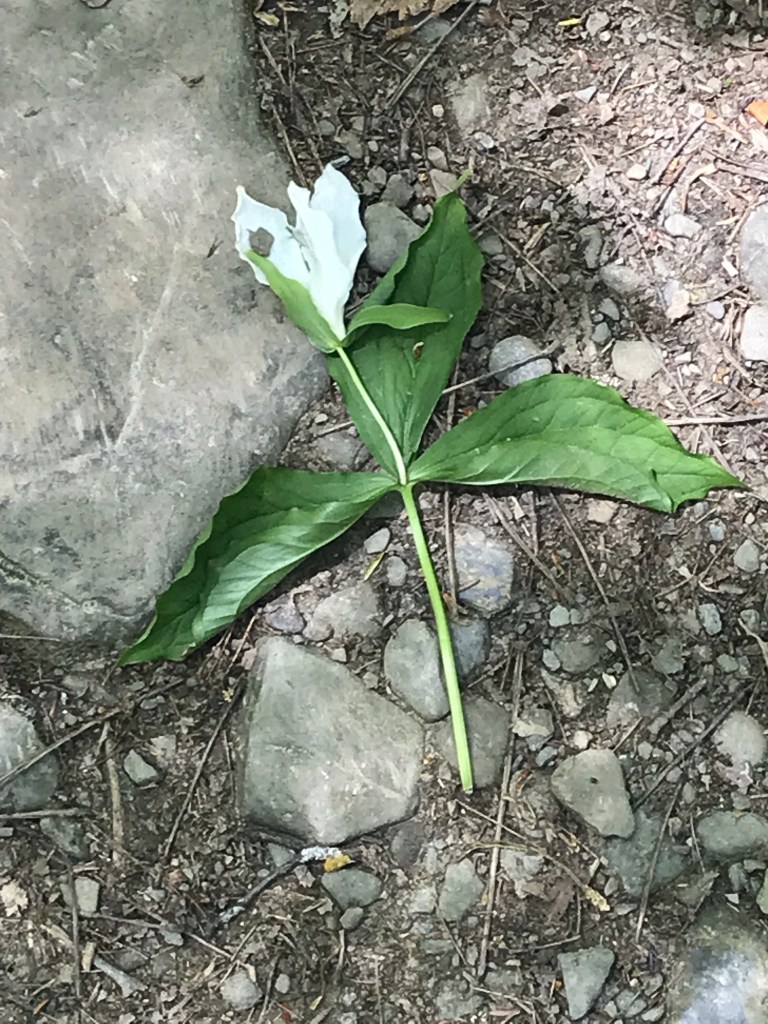
I captured this tragic image on the return trip….a trillium discarded on the trail. Stiff fines await anyone caught doing this.

Copyright 2021 Michael Stephen Wills All Rights Reserved

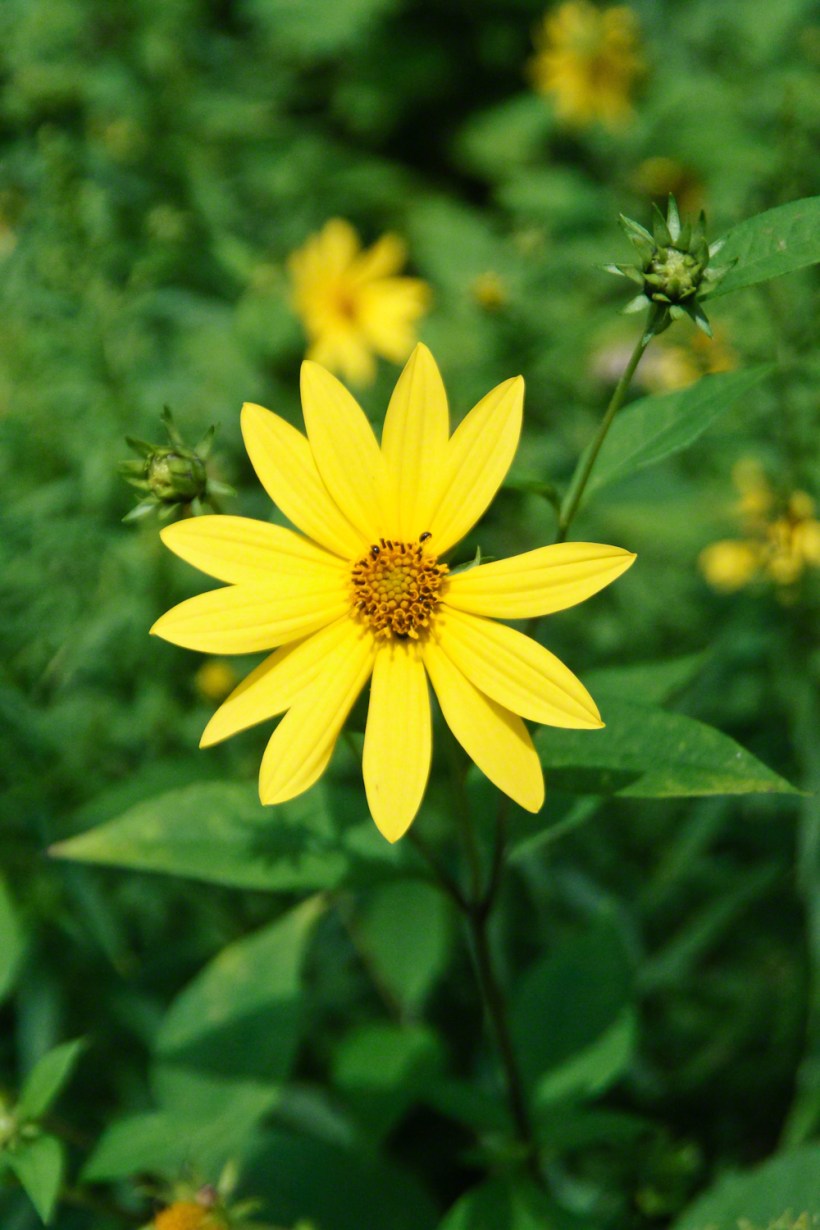
Thin Leaved Sunflower

Farm Journalist

“Out in the meadow, I picked a wild sunflower, and as I looked into its golden heart,such a wave of homesickness came over me that I almost wept.  I wanted Mother, withher gentle voice and quiet firmness; I longed to hear Father’s jolly songs and to see his twinkling blue eyes; I was lonesome for the sister with whom I used to play in the meadow picking daisies and wild sunflowers.”
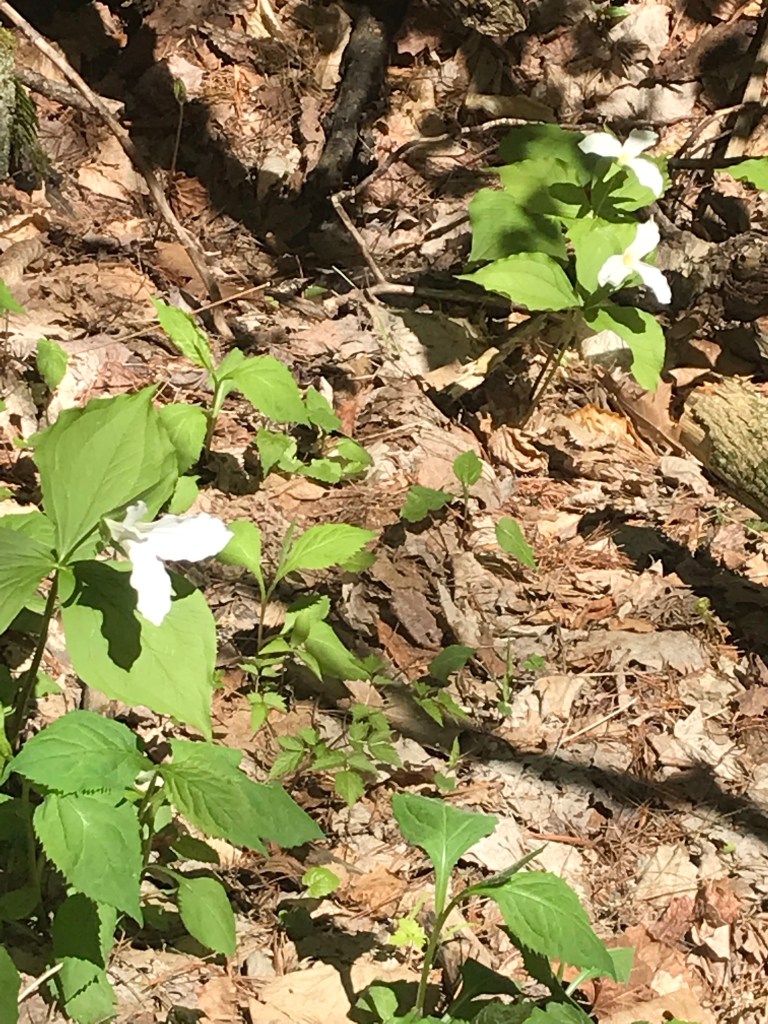
from “Laura Ingalls Wilder, Farm Journalist, Writings from the Ozarks” edited by Stephen W. Hines”

Photography Copyright 2021 Michael Stephen Wills All Rights Reserved

Last Sunlight

A Waterfall in November

Summertime, reckless souls jump from the stone stairway into a cool water carved pool at the foot of these falls, one of my memories of the Treman Gorge Trail.

Click the link to learn more about this photograph’s story.

Copyright 2021 Michael Stephen Wills All Rights Reserved

Personable Wildflowers

With wishes for a Blessed Easter 2021
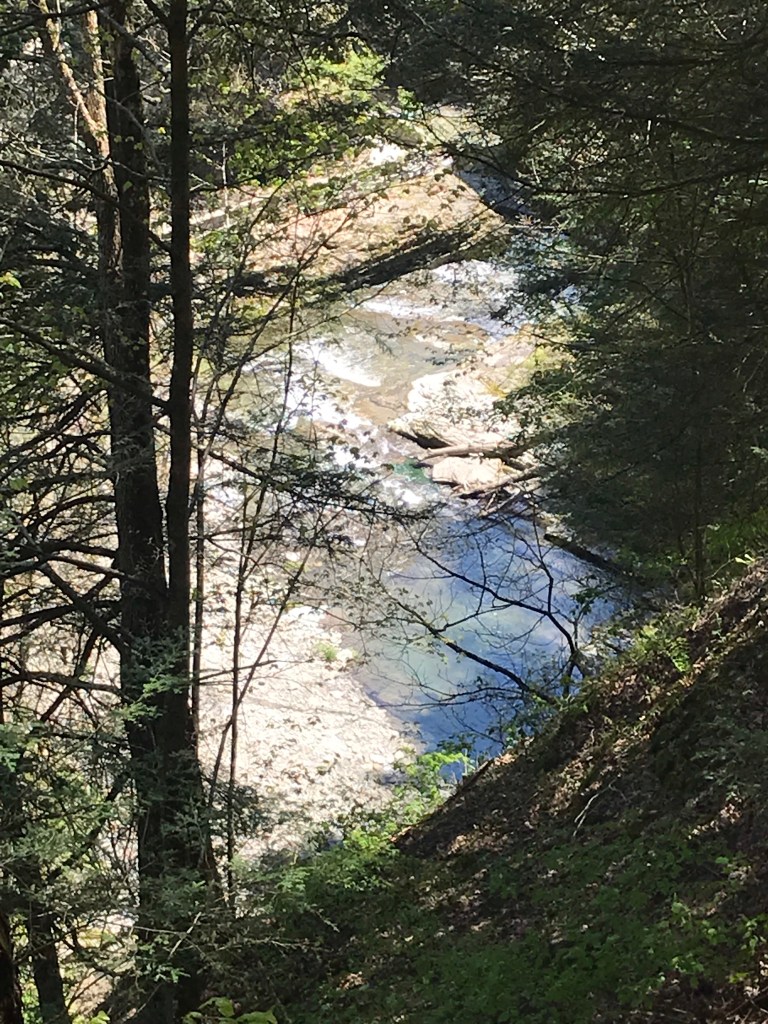
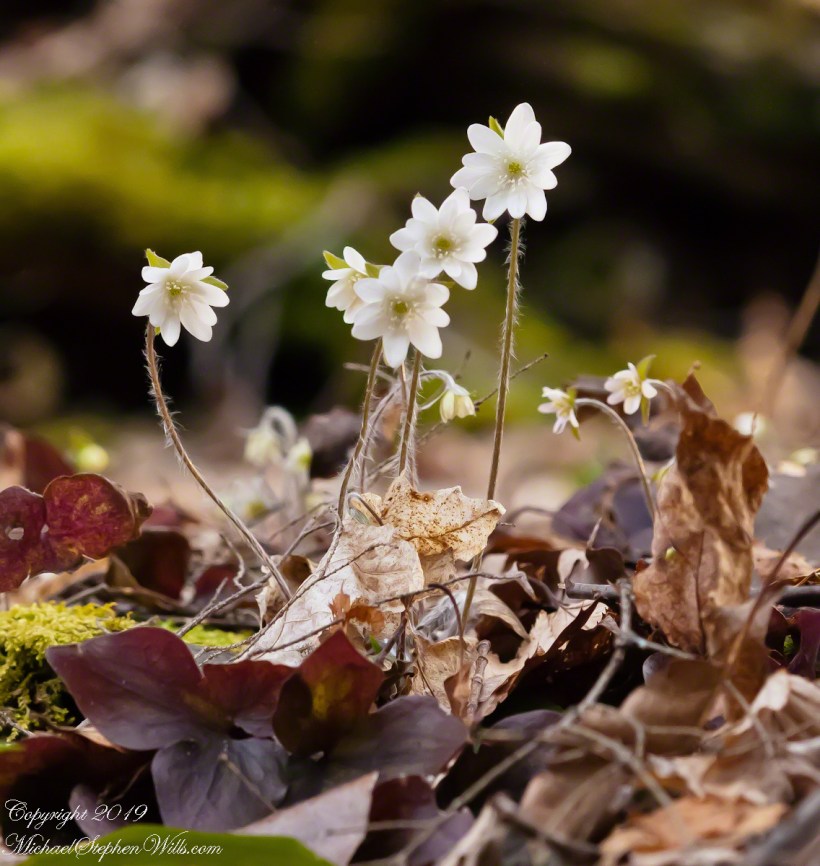
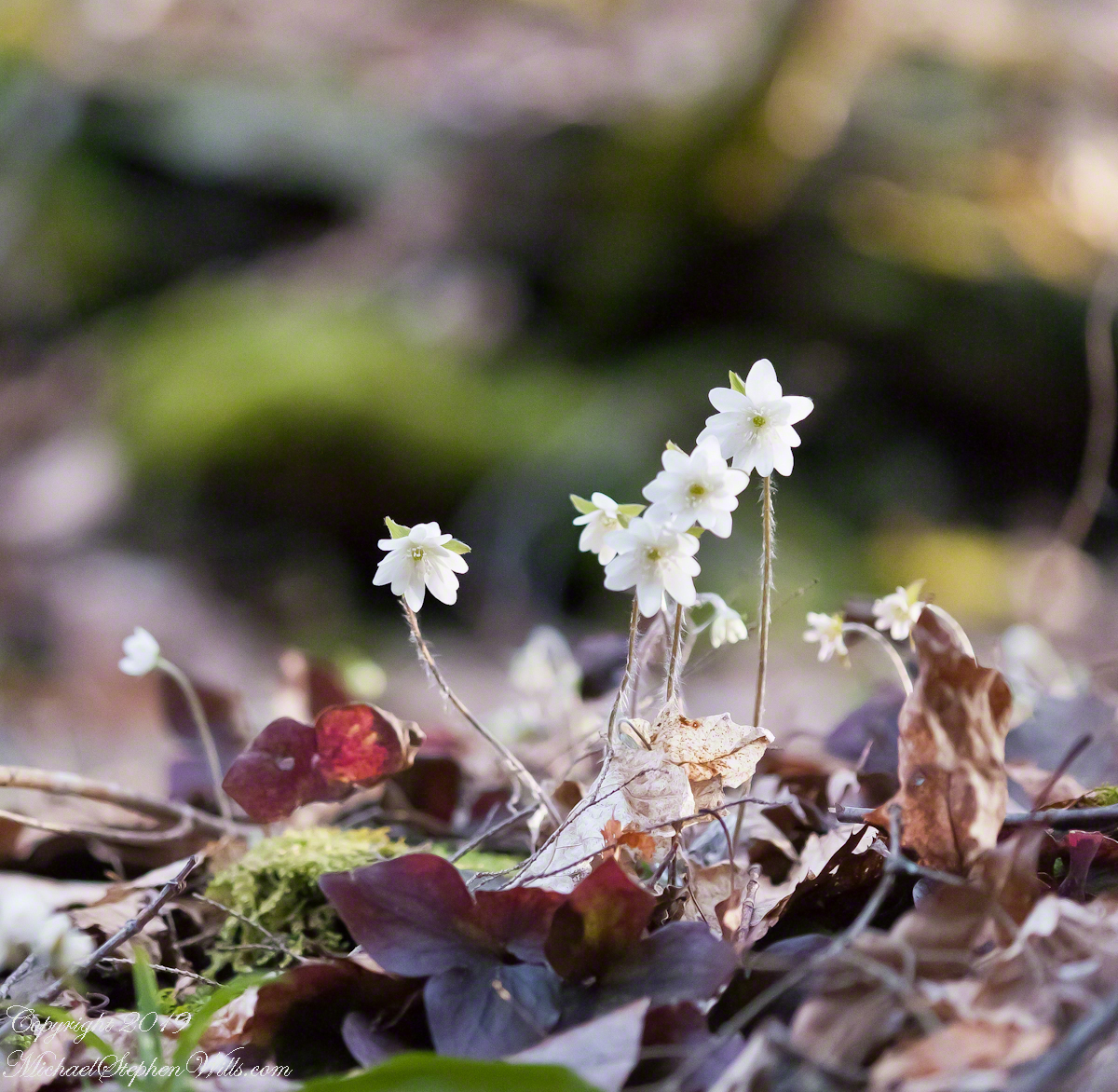
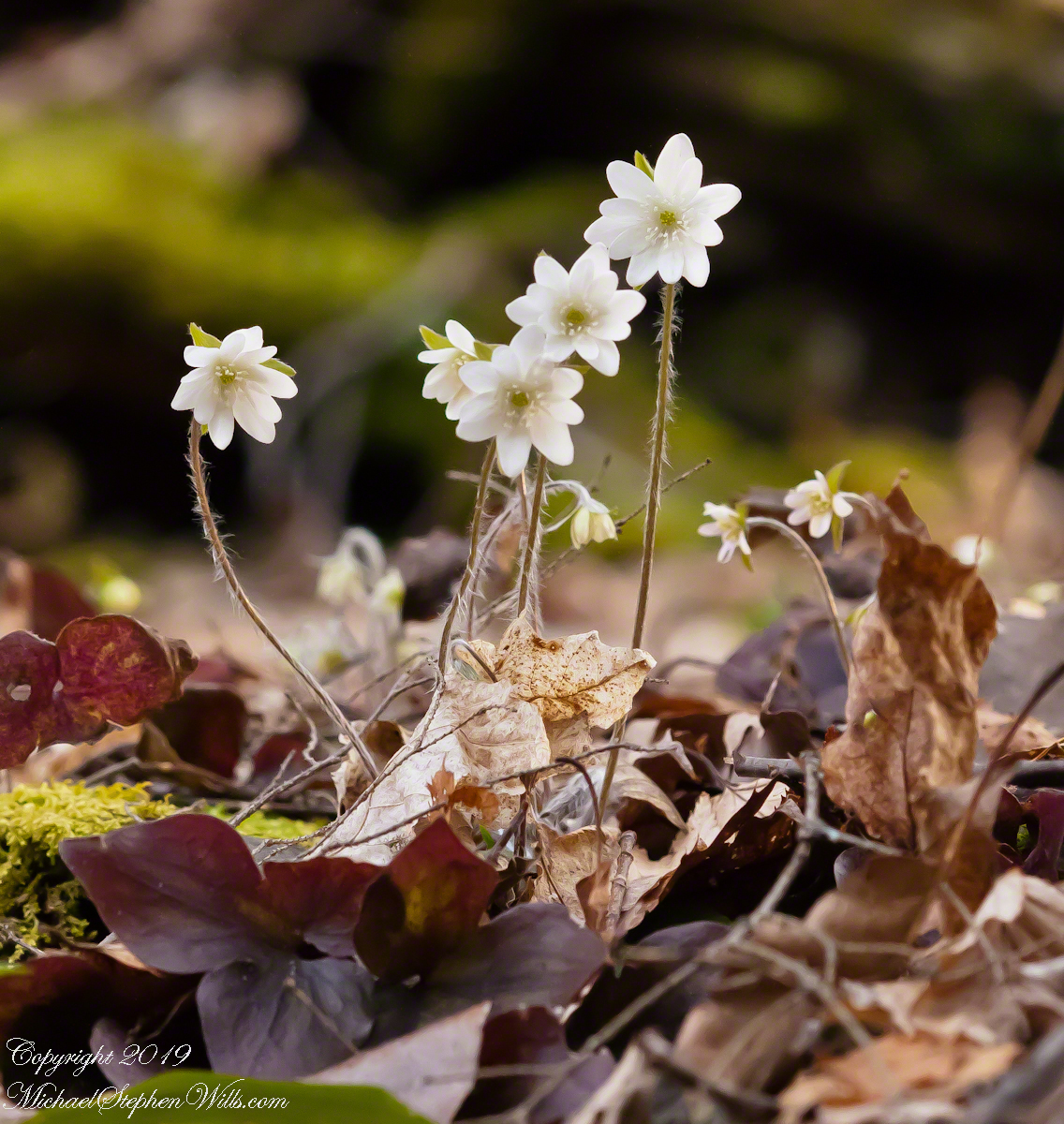
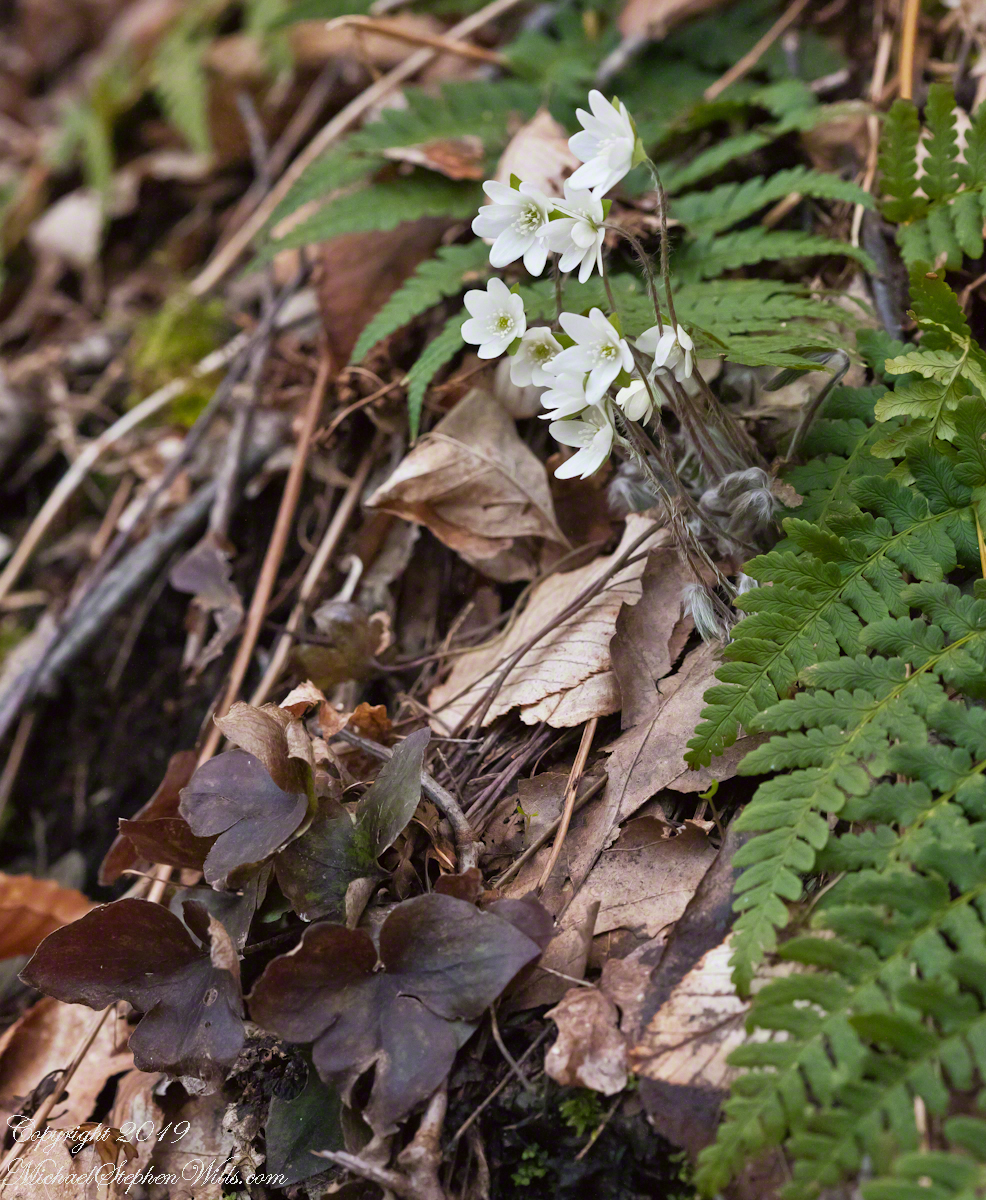
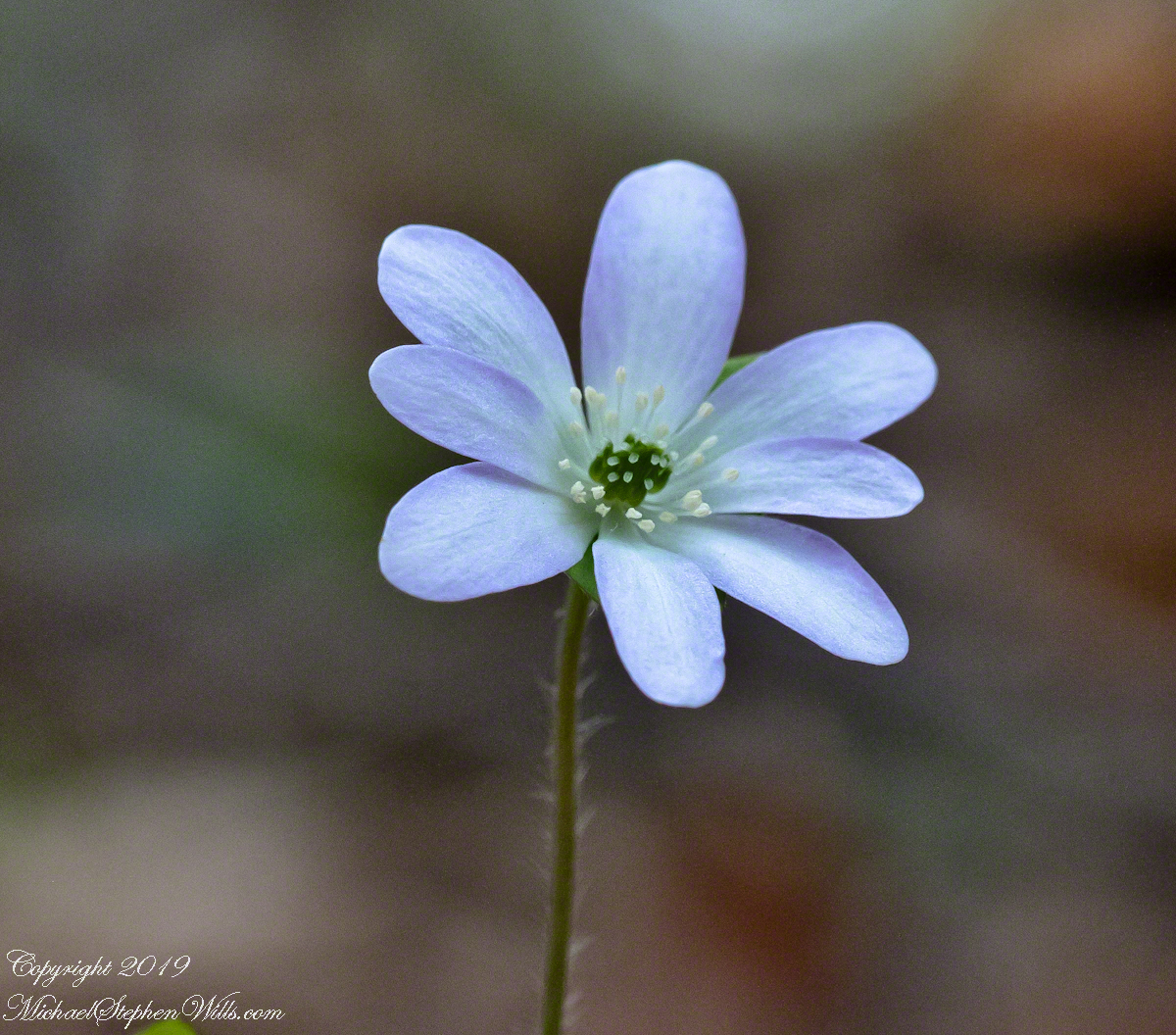
Late one April afternoon these backlit Hepatica on the gorge wall above the South Rim Trail of Treman Gorge posed for their portraits.
Click me for the first post of this series.
Click me for “Finger Lakes Memories”, a gallery of fine art photography.
Copyright 2019 All Rights Reserved Michael Stephen Wills

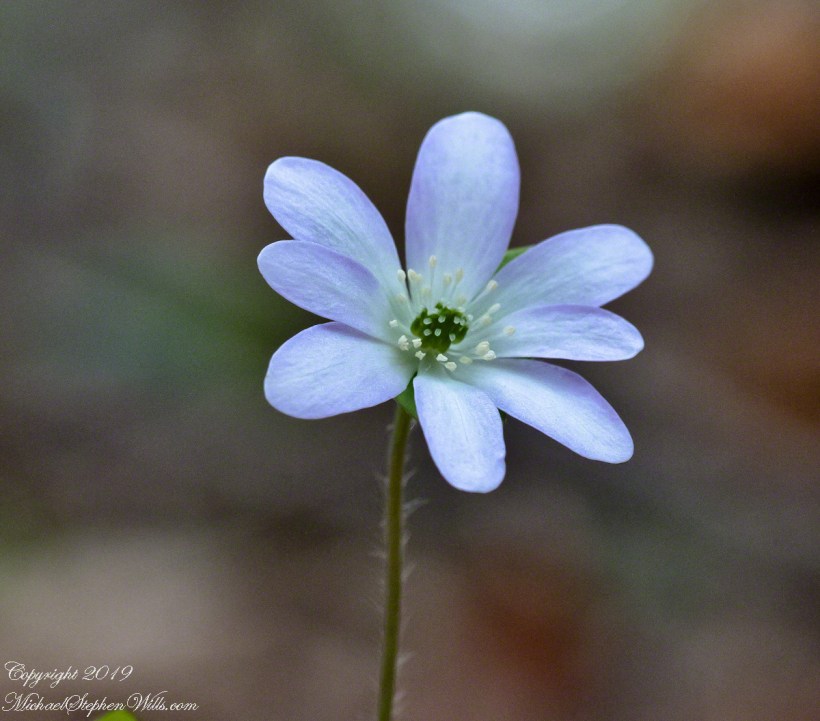
Hepatica

Early Spring Beauties

Most every year since 2002 I’ve photographed these personable beauties, the first wildflowers to bloom as early as late February through the snows.

Click photograph for a larger version
Click me for “Finger Lakes Memories”, a fine art photography gallery.

Copyright 2019 All Rights Reserved Michael Stephen Wills