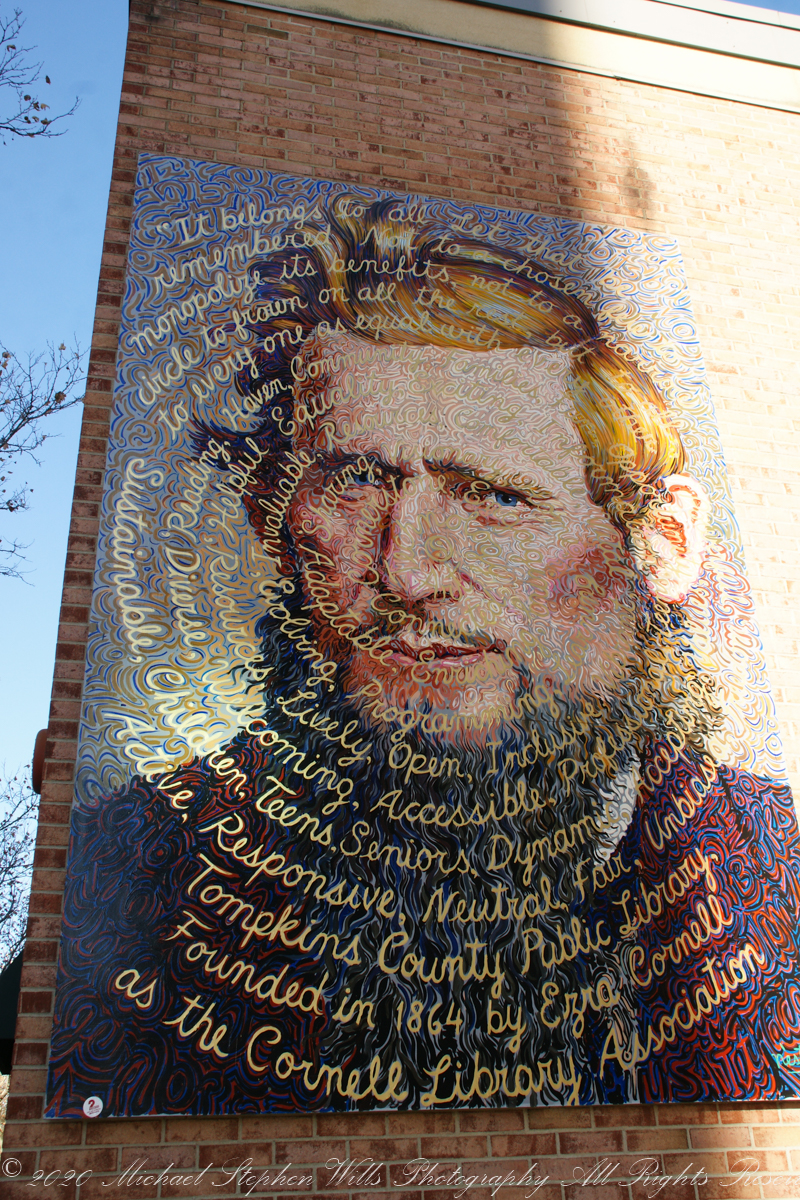
This Sunday past I parked the car downtown (free parking Sundays) and walked the walk, carrying the Sony Alpha 700 with the variable 18-200 lens. Today is a contemplation of beginnings. Here is a mural dedicated to the founding of the Cornell Library Association, titled “Ezra Cornell”, completed 2016 by Nestor Madalengoita.
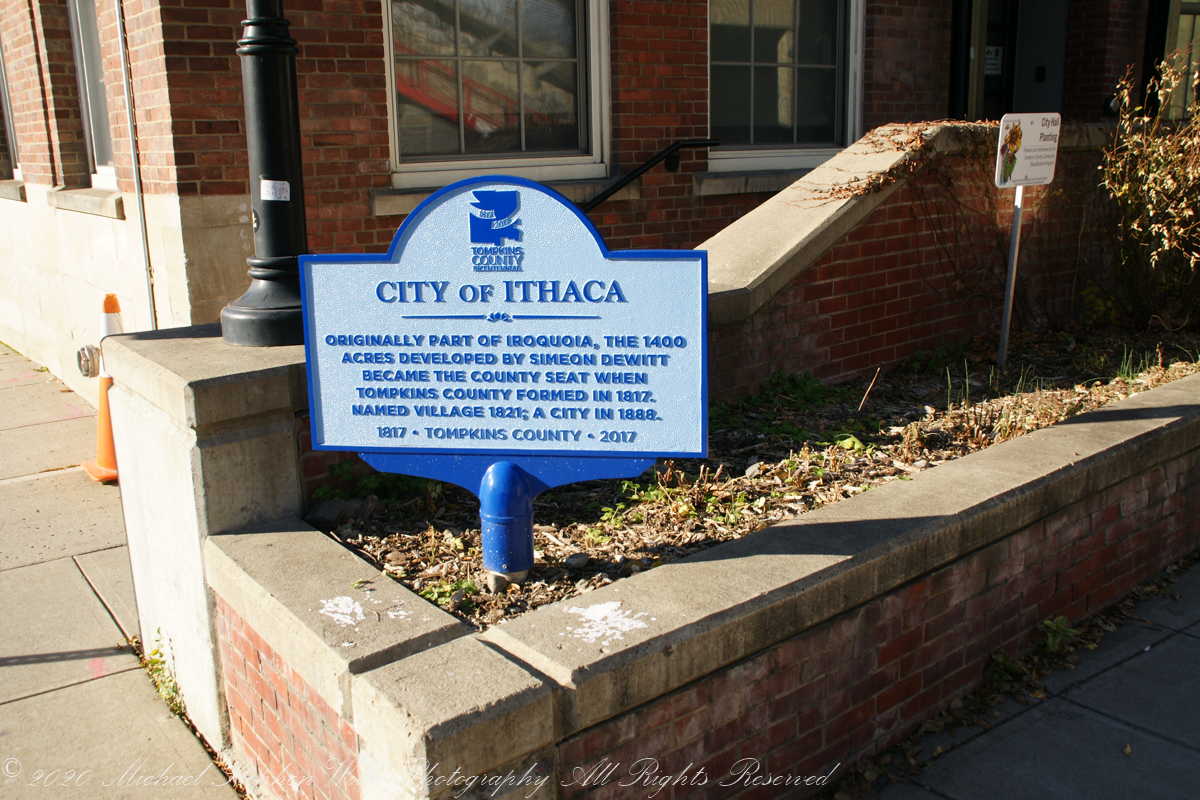
It was the 1779 Sullivan – Clinton Revolutionary War expedition against British Loyalists and allies, the Iroquois confederation, that opened up Central New York to settlement, making possible the 1,400 Dewitt acres that is now the City of Ithaca, named, strangely, after an Aegean island with Hector Street, our road to downtown, recalling the foremost defender of Troy.
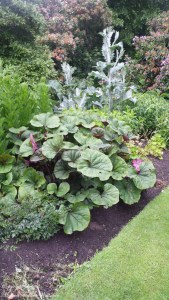
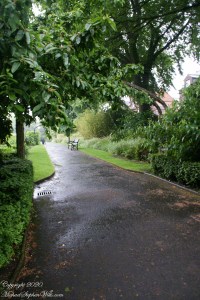
The Ulster Museum is set among the Botanic Gardens. It was in the gardens on this rainy Saturday Pam and I wandered for twenty minutes to sweep away the cobwebs of our rainy drive from Coleraine.
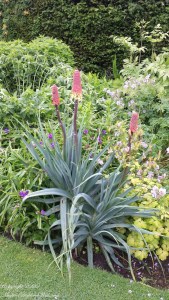
I do not have an identification for the following photograph. If you know, please comment. Thank You.
Click photograph for a larger view. To do this from WordPress Reader, you need to first click the title of this post to open a new page.
photo by Pam Wills
“Tropical” palm trees and bromeliad are found throughout Ireland. Thank You Gulf Stream.
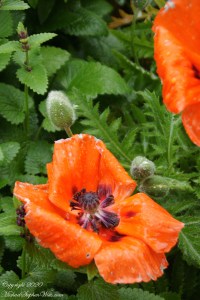
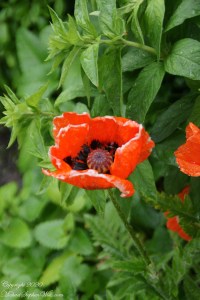
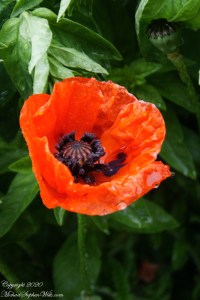
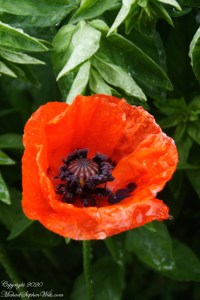
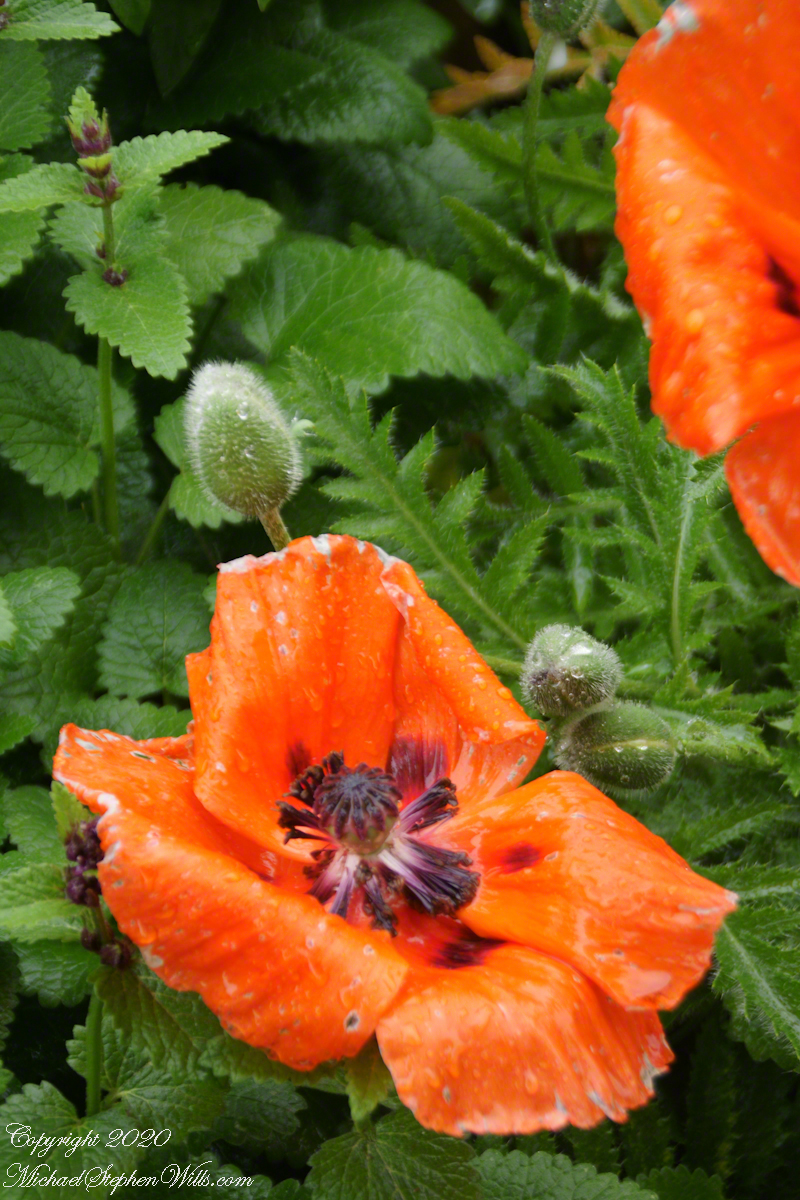
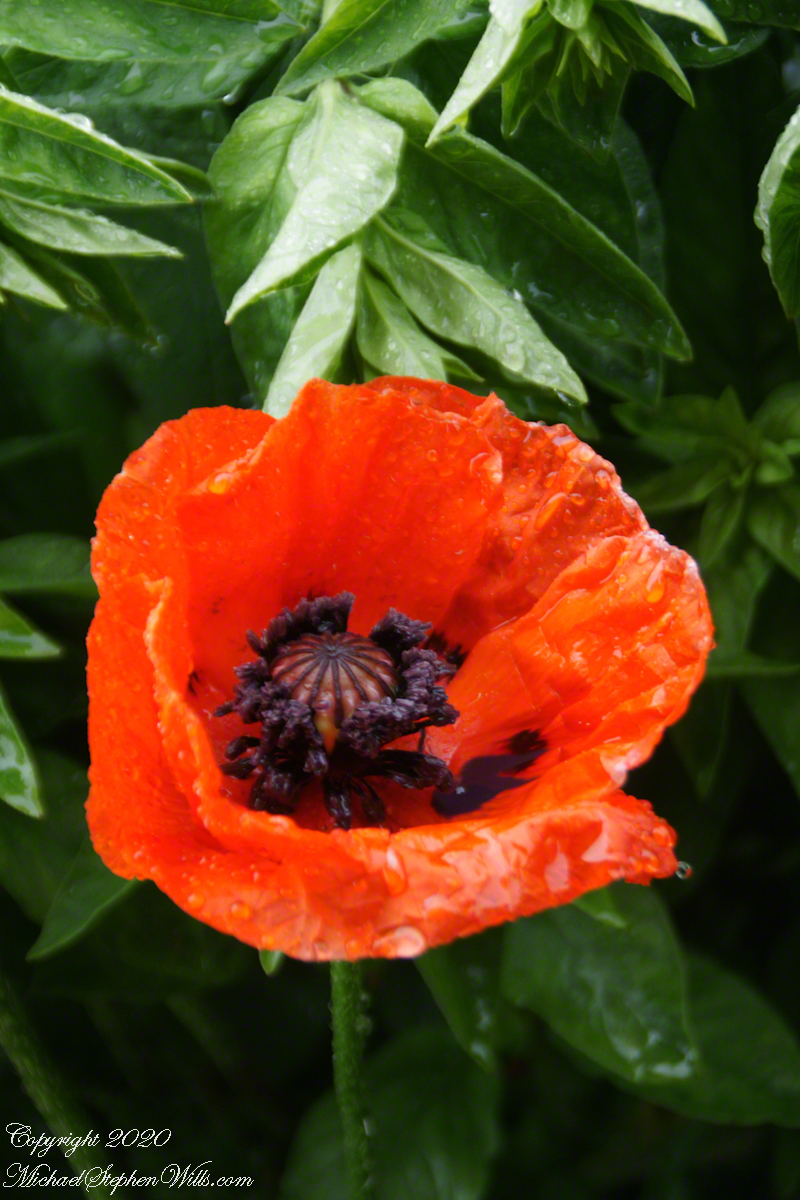
The Ulster Museum is set among the Botanic Gardens. It was in the gardens on this rainy Saturday, after the Foxglove flowers of yesterday’s post, flourishing, bright red poppy flowers caught my eye.
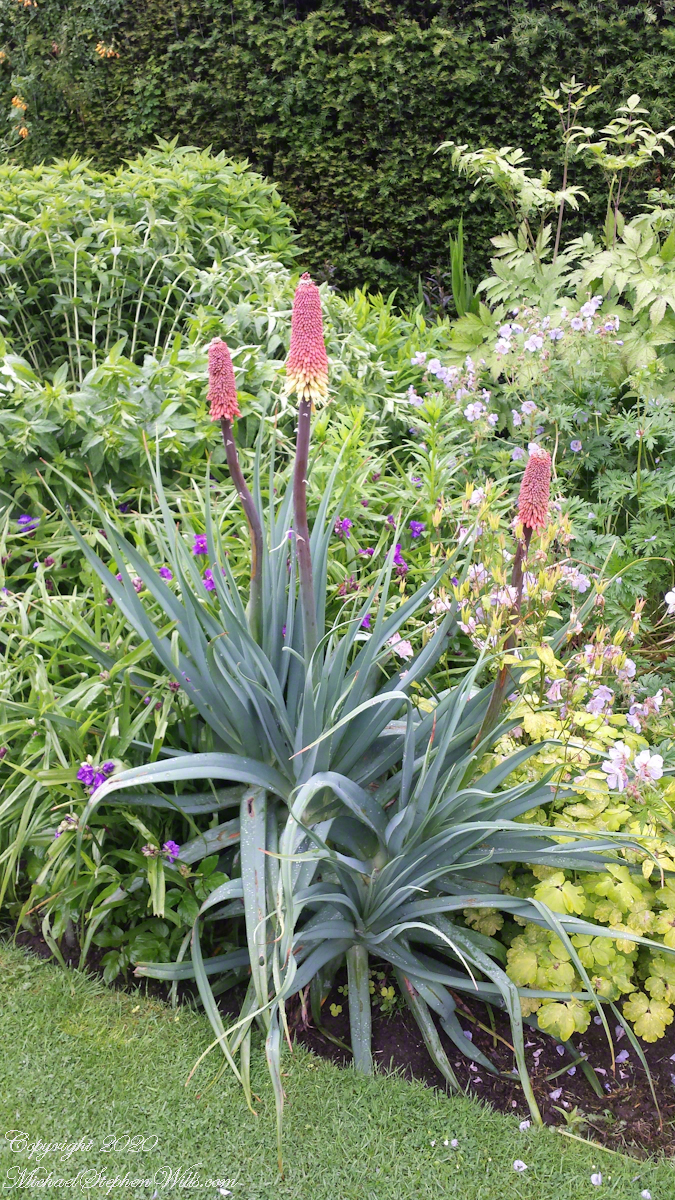
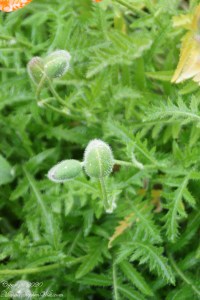
Here is a take on poppy flower buds on long stems among leaves.
Click photograph for a larger view. To do this from WordPress Reader, you need to first click the title of this post to open a new page.
Poppy is a storied plant, most species do not produce the narcotic alkaloids associated with sleep and death, pain control. Papaveroideae, the sub-family of these plants, is derived from the Latin for paper, papyrus. You can see the association in the following photographs, petals drenched in water, crumpling like wet paper.
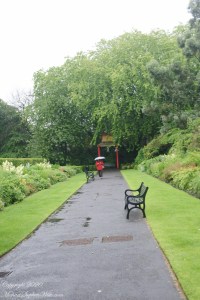
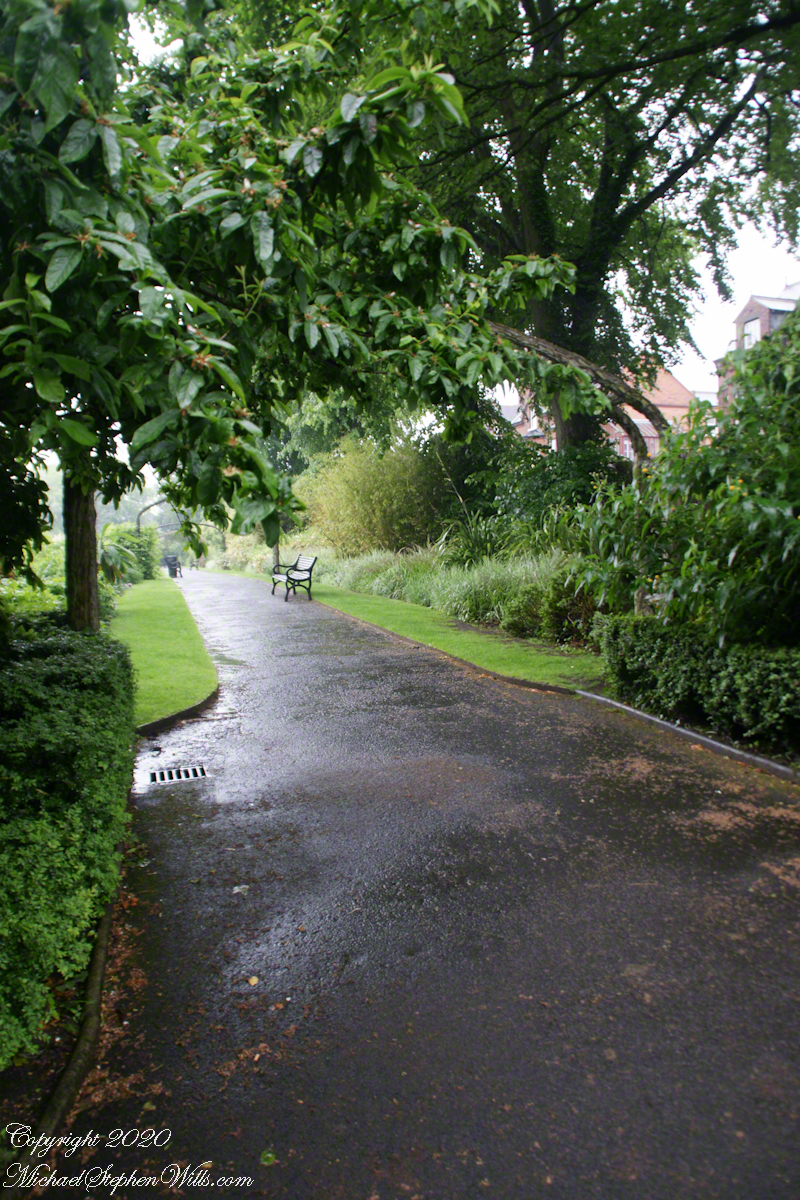
The Ulster Museum is set among the Botanic Gardens. It was in the gardens on this rainy Saturday we needed the umbrellas several times during our twenty minute digression before the museum engulfed us.
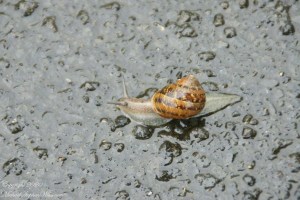
The rain brought out this snail, house on its back.
Click photograph for a larger view. To do this from WordPress Reader, you need to first click the title of this post to open a new page.
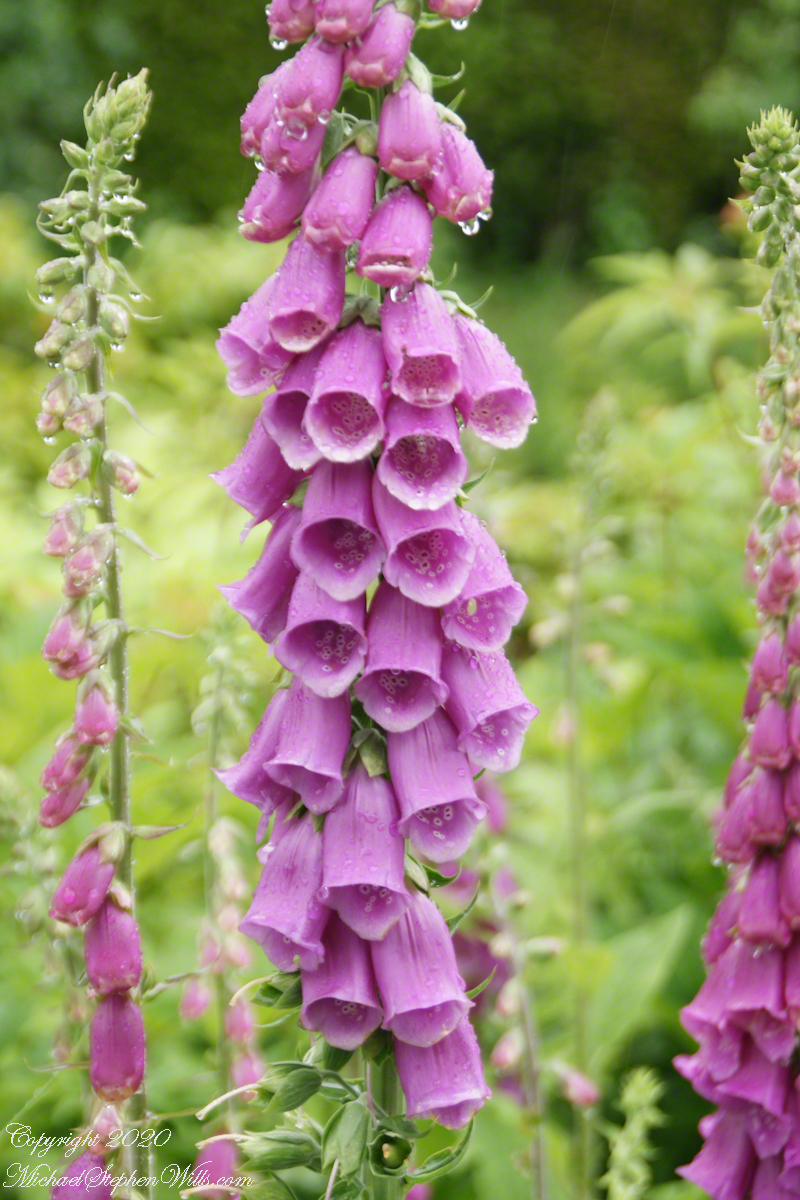
We found flowers flourishing throughout the island. These foxglove were huge. The common name is after Leonhard Fuchs, who first described it. “Fuchs” is German for fox.
The Ulster Museum is set among the Botanic Gardens. It was in the gardens on this rainy Saturday. We needed the umbrellas several times during our twenty minute digression before the museum engulfed us.
Click photograph for a larger view. To do this from WordPress Reader, you need to first click the title of this post to open a new page.
So Many Choices
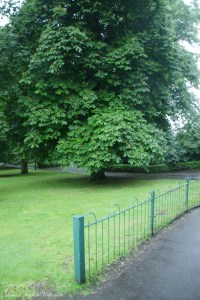
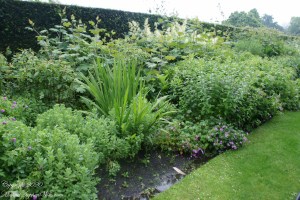
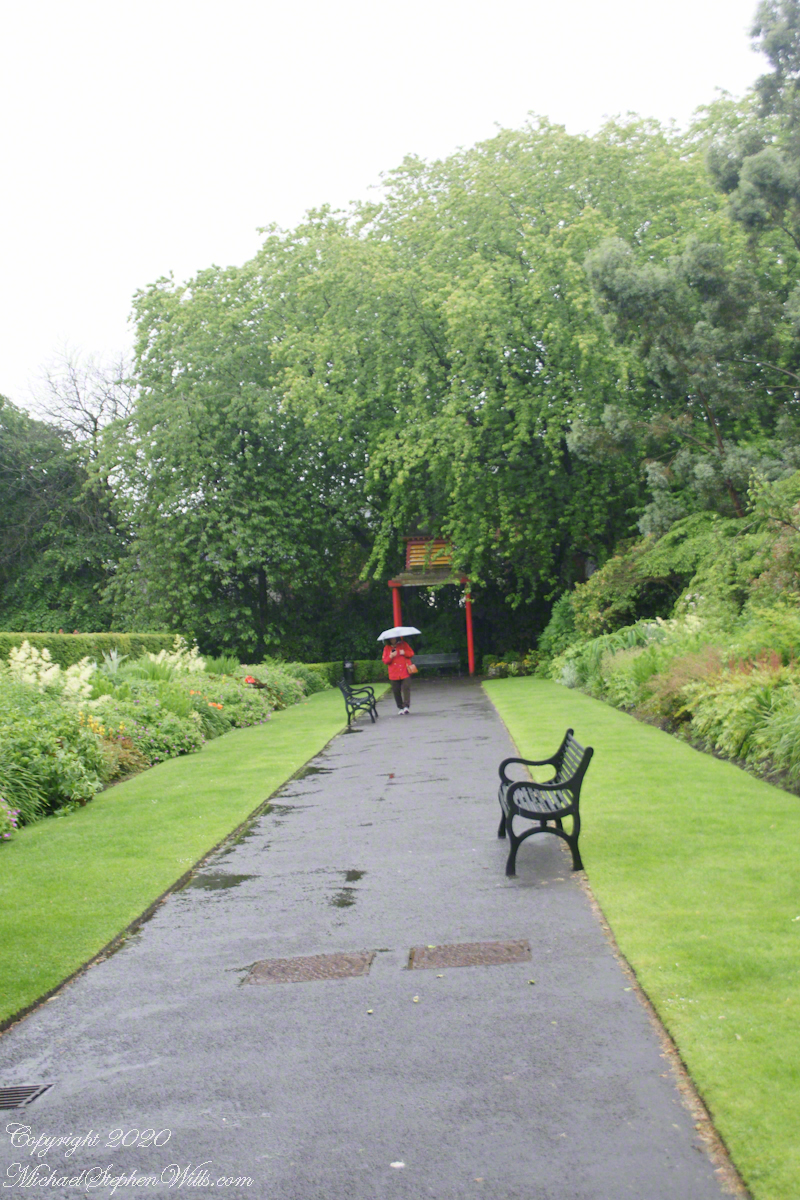
A solid fence, more dignified than a “Keep Off The Grass” sign.
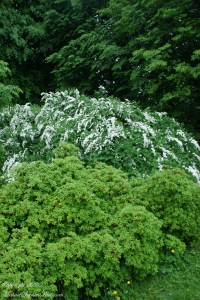
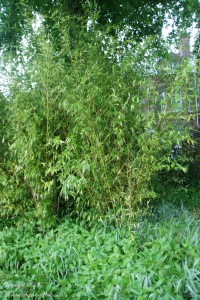
I regret not recording the names of the trees and plants
This large, 28 acre, city owned park is free, opened to the public. It is treated with suitable respect by the residents.
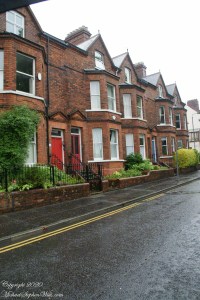
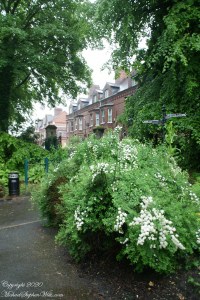
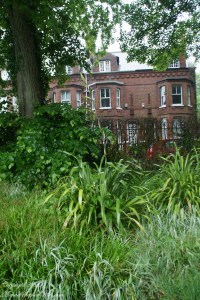
The Row Houses on Colenso Parade (street) running parallel to the avenue of flowers we enjoyed.
The Ulster Museum is set among the Botanic Gardens. Armed with umbrellas, Pam and I parked on this interesting street, Colenso Parade, on one side these row houses, on the other the gardens.
Click photograph for a larger view. To do this from WordPress Reader, you need to first click the title of this post to open a new page.
Interesting, “no parking at any time” indicated by a double yellow line along the curb. We parked with everyone else, across the street on the Botanical Gardens side.
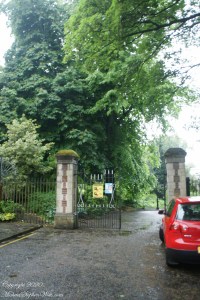
We parked and walked in, free as you please, taking in some of the beauty on our way to “Treasures from the Girona”, a permanent Ulster Museum exhibit.
I compliment the photography skills of our waitress
Our time strolling the walks was all too brief, 20 minutes, not enough to savor the treasures of knowledge suggested by the words “Botanic Garden.”
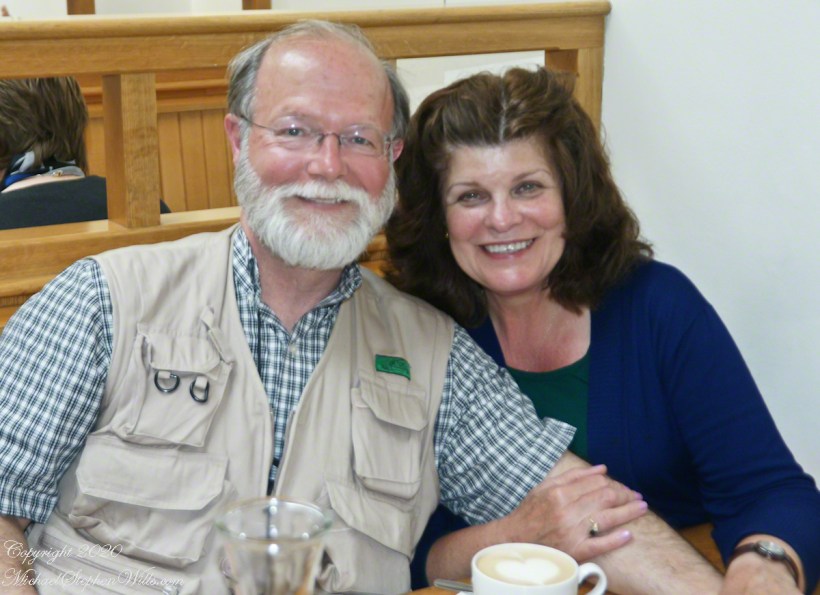
After our tour of the Ulster Museum and the Botanic Gardens of Belfast we stopped in for refreshment across the street at Maggie May’s Belfast Cafe. I am wearing a Cortland Line Company fishing vest adapted for photography. I purchased the vest at the company store, Cortland, New York just north of our Ithaca home.
Click photograph for a larger view. To do this from WordPress Reader, you need to first click the title of this post to open a new page.
The Museum Cafe from outside
I compliment the photography skills of our waitress
Our latte’s were perfection. The header photo looks forward to our visit to the gardens.
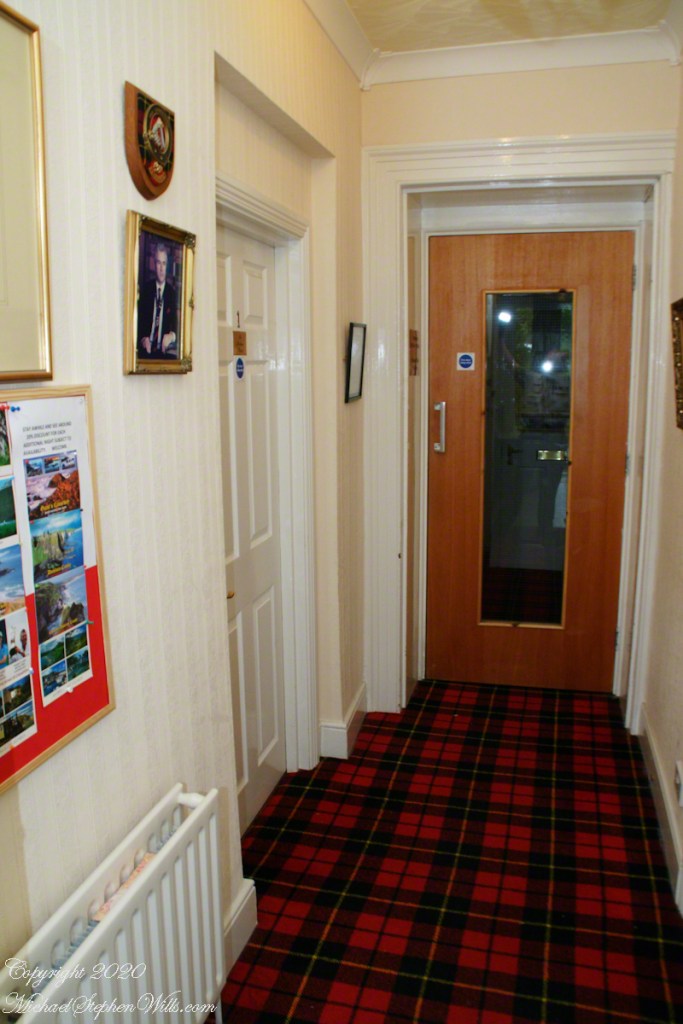
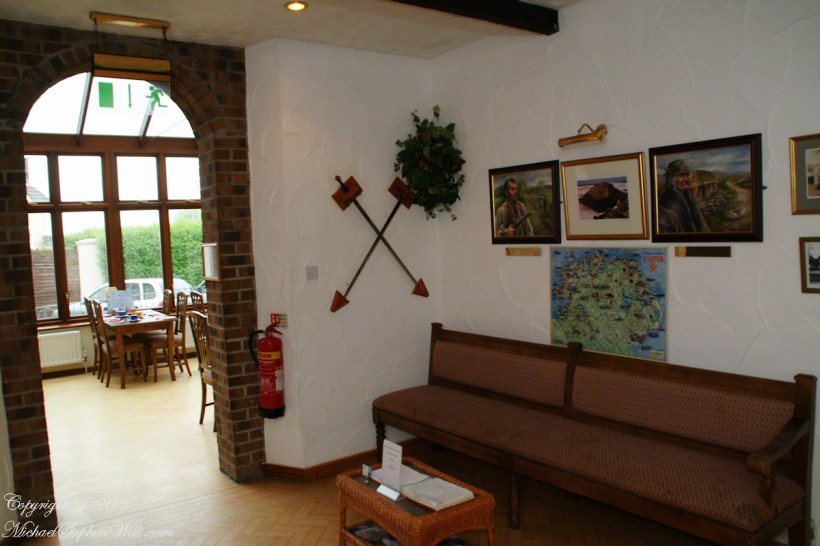
A steady, drenching rain graced the landscape and ourselves during the road trip from Coleraine to Belfast. These are the parting photographs of Breezemont Manor, our lodging for the Antrim Glens exploration (see “A Bit about Torr Head for an entry point).
Before leaving I did a cursory photographic tour, skipping the messy bedroom. We arrived very late, after the posted arrival time. A plain-spoken Ulster Scotsman kindly let us in with a few choice words. After dinner out photographing the very nice room in pristine state was neglected.
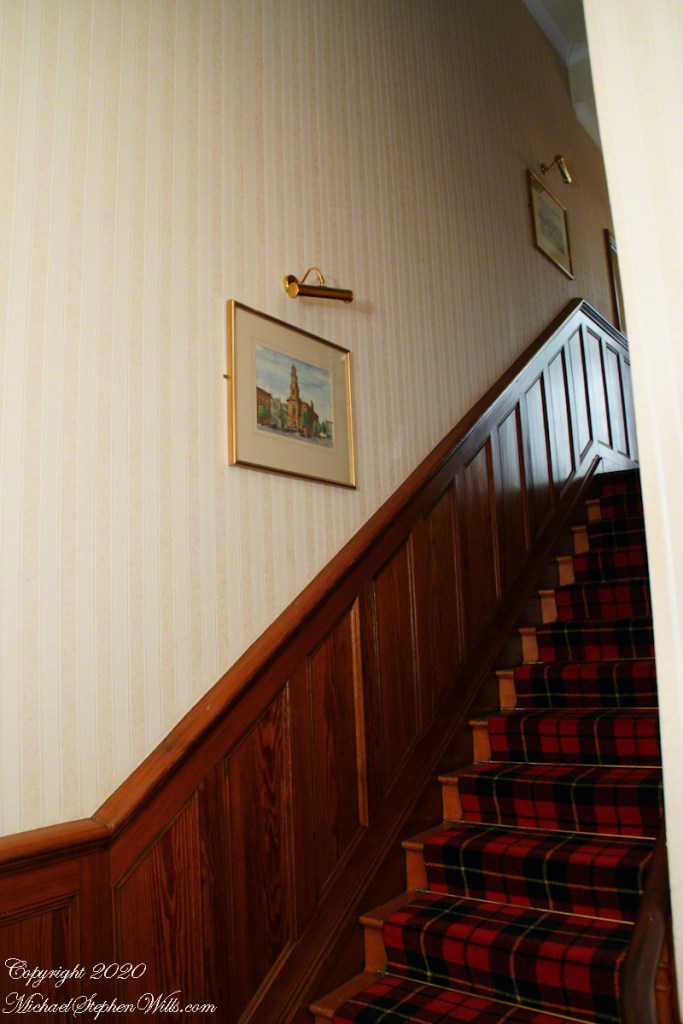
The foyer, carpeted in a plaid and photographed below, bore the Scottish identity of the proprietor.
Click photograph for a larger view. To do this from WordPress Reader, you need to first click the title of this post to open a new page.
First Impression
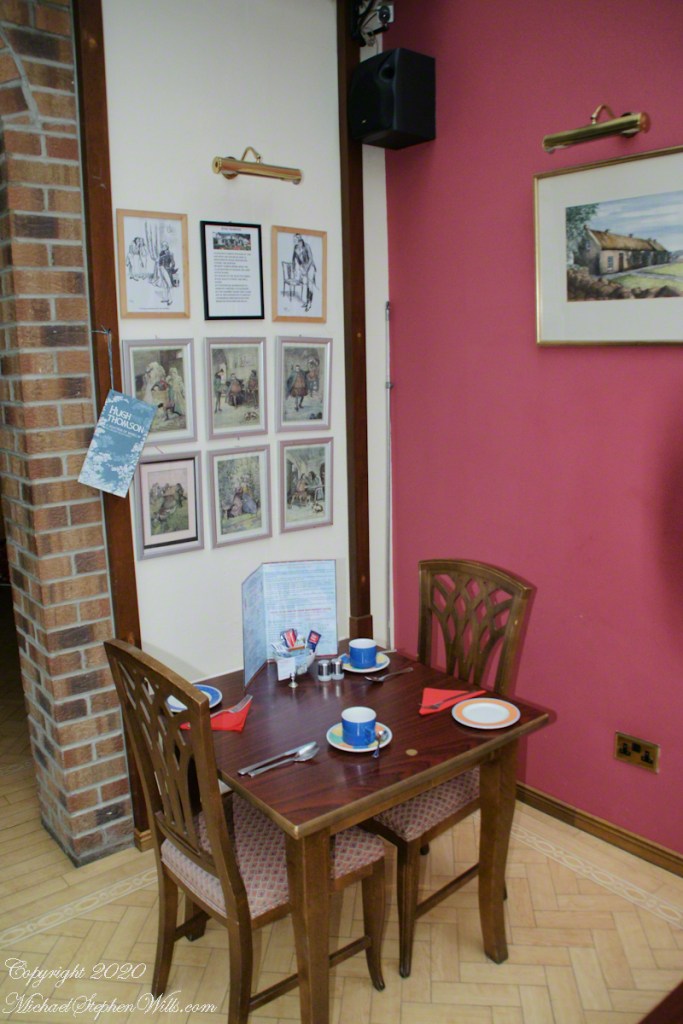
Throughout there were tinted etchings, featuring local buildings.
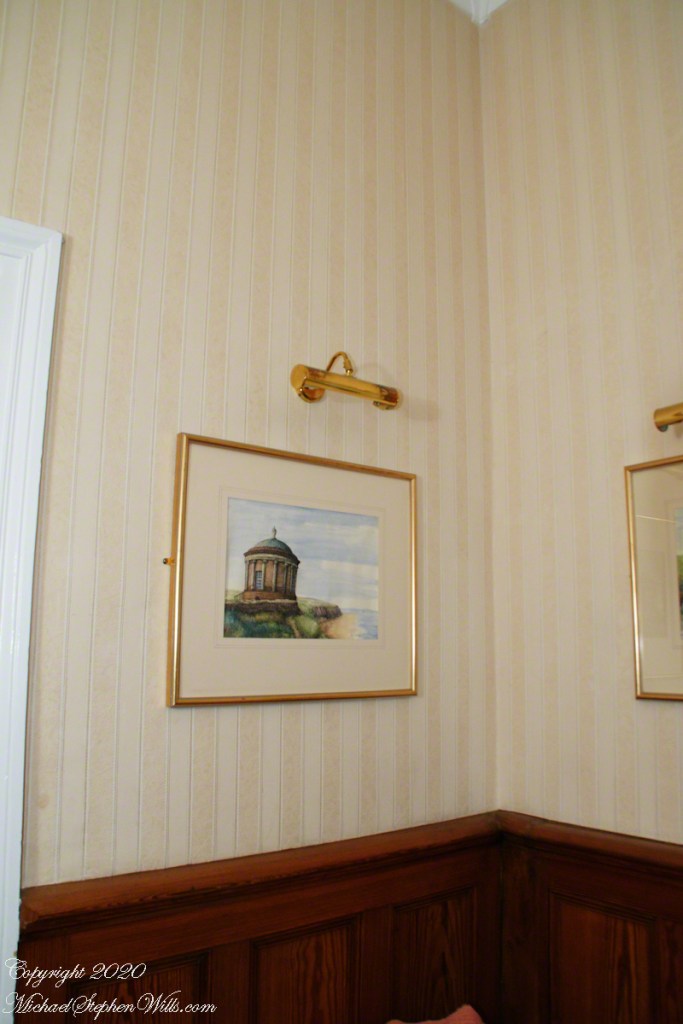
Folly overlooking the Atlantic, Hezlett House
Tasteful Art featuring local sites
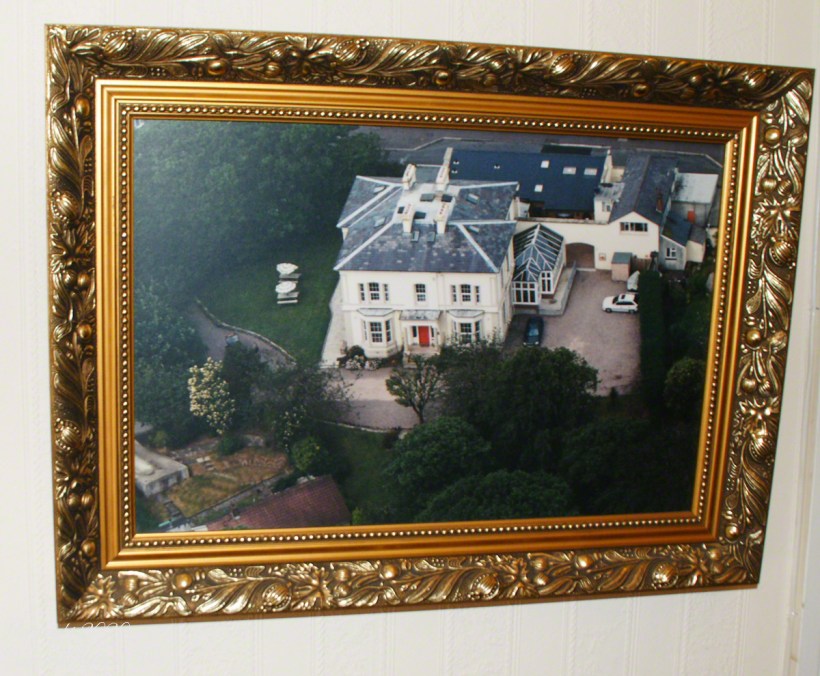
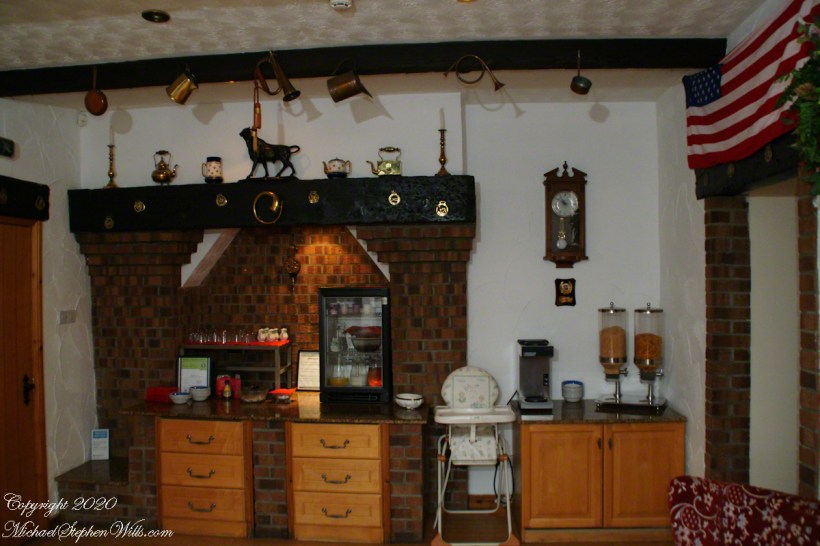
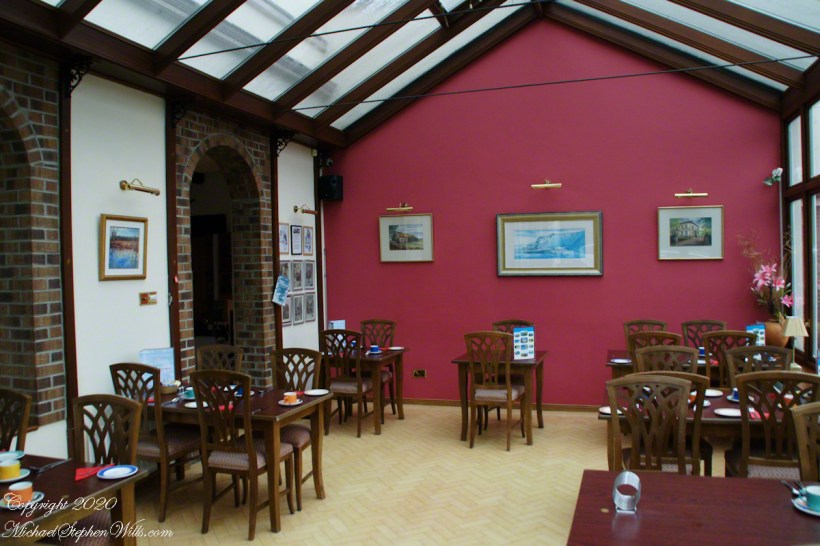
An overview of the property. The glassed-in addition on the right hand (east) side is the breakfast room.
Breezemont Manor Bed and Breakfast, closed since June 2018
We enjoyed two breakfasts here.
Communication and Control
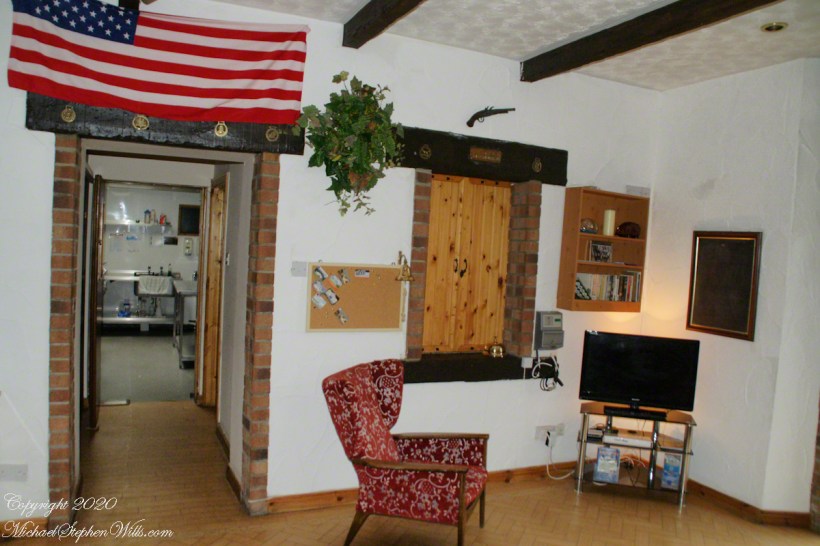
There is a strong connection with the USA, where many Ulster Scots emigrated, including my own great and double great paternal grandmothers.
Let’s finish our exploration of the “Treasures from the Girona” permanent exhibit, Ulster Museum, Belfast, Northern Ireland.
One hundred and eighty five (185) years after La Girona ran aground and broke up on the, later named, Spanish Rocks, the first reliable navigational chronometer was tested (1773). The navigators of the Spanish Armada remnants were sore pressed to follow the orders of their commander (see below) because (1) Spanish charts were incomplete and inaccurate (2) without accurate time keeping they were only able to reliably measure the location north/south (latitude), not east/west (longitude). Without this, navigators used Dead Reckoning, they measured current position from the last position, heading (direction of motion), and speed.
Click photograph for a larger view. To do this from WordPress Reader, you need to first click the title of this post to open a new page.
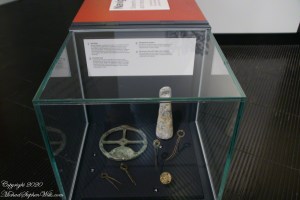
The astrolab (below), used to measure the angle between a heavenly body (sun/moon/star) and the horizon at a given time of day, obtained the latitude. The dividers used on the (unreliable) charts. A weight on a measured cord determined the depth of the bottom. Not recovered was the instrument for estimating speed. It is a length of rope knotted at set intervals and attached to a “chip log” resistant to passage through water. Thrown into the water a sailor counted how many knots passed by in a given time, thus the designation, still used today, of speed in “knots”.
Navigation
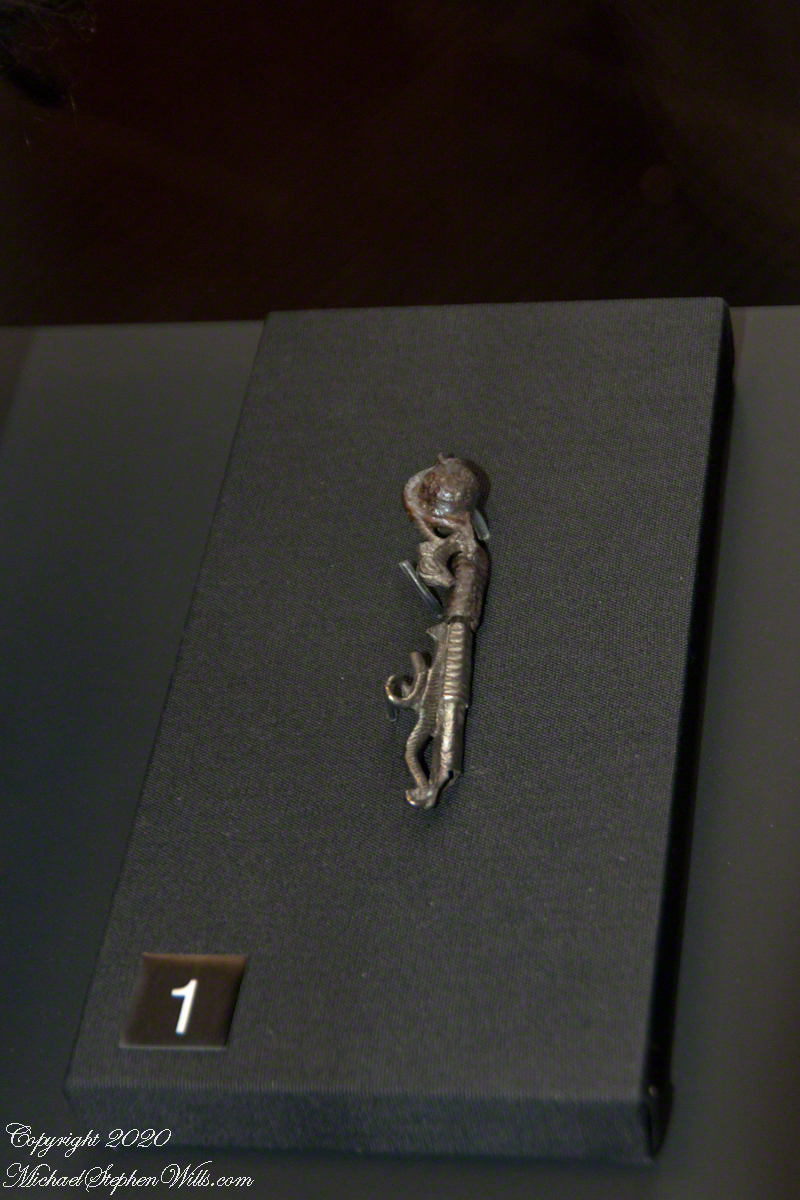
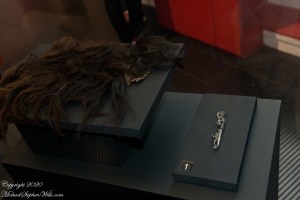
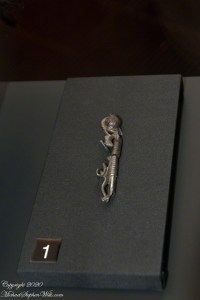
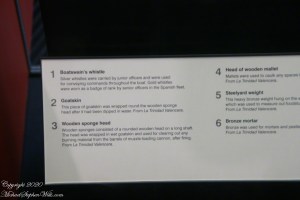
Sound (a whistle) was the method used for command and control by both Spanish and British.
Communication and Control
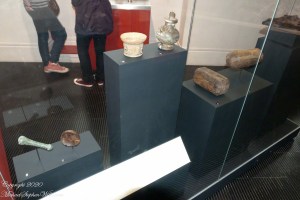
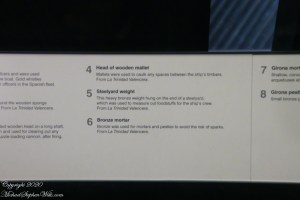
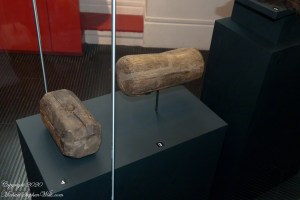
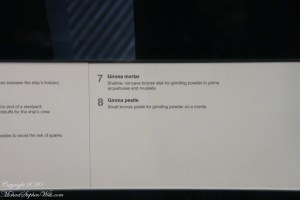
Interesting odds and ends.
Tools of the Trade
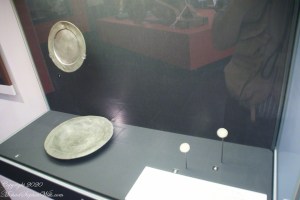
Evidence of trade between England and Spain.
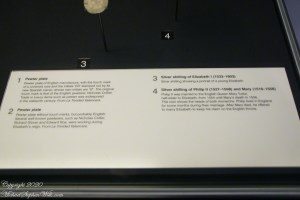
Pewter dishes and Historical Information from Silver Coinage




 Michael Stephen Wills Photography